shutterstock

Top 100 Western European Natural Rind Cheeses

Last updated on November 11, 2026

Best Western European Natural Rind Cheese Types
01

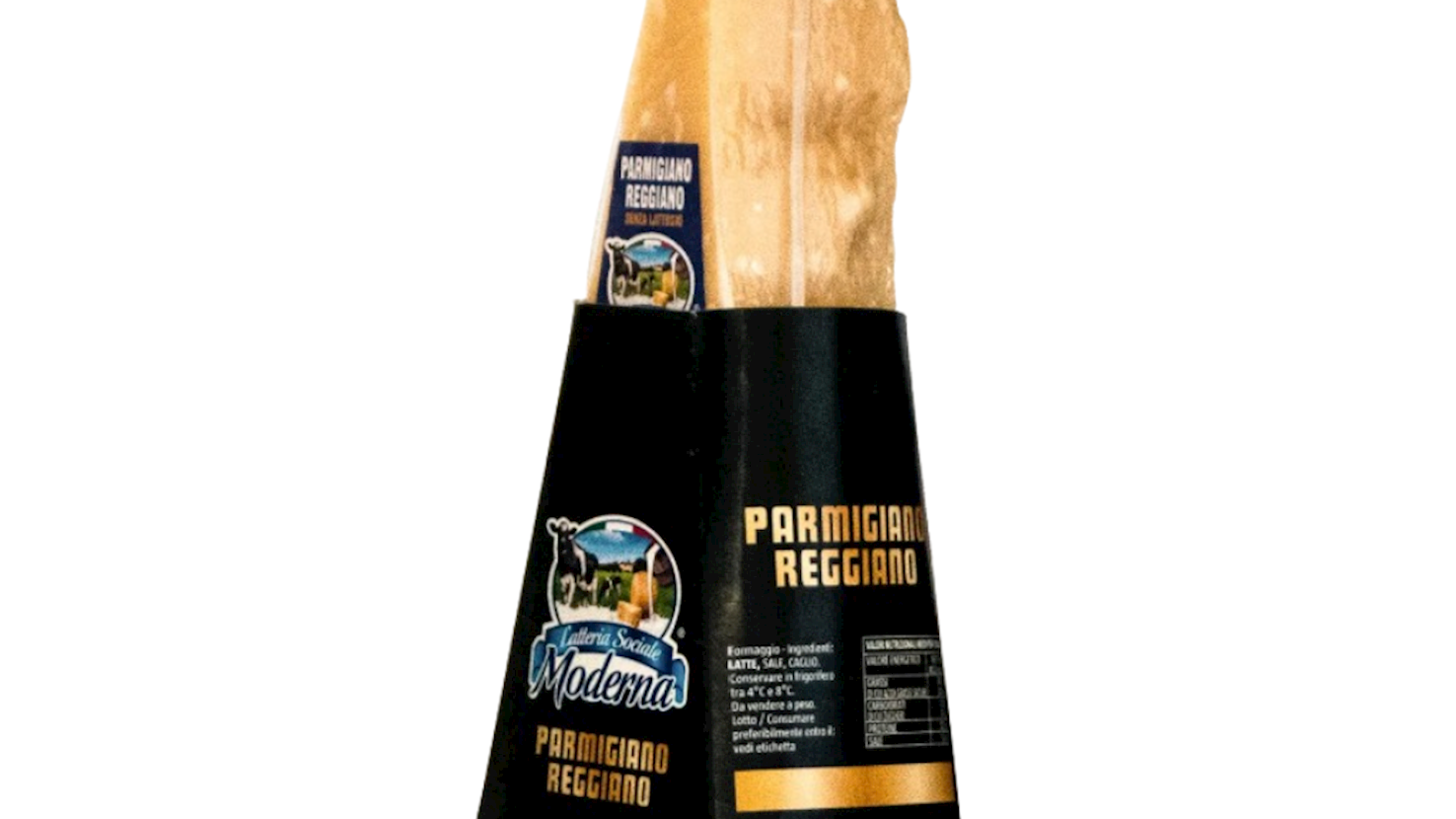
Parmigiano Reggiano

4.6 ·

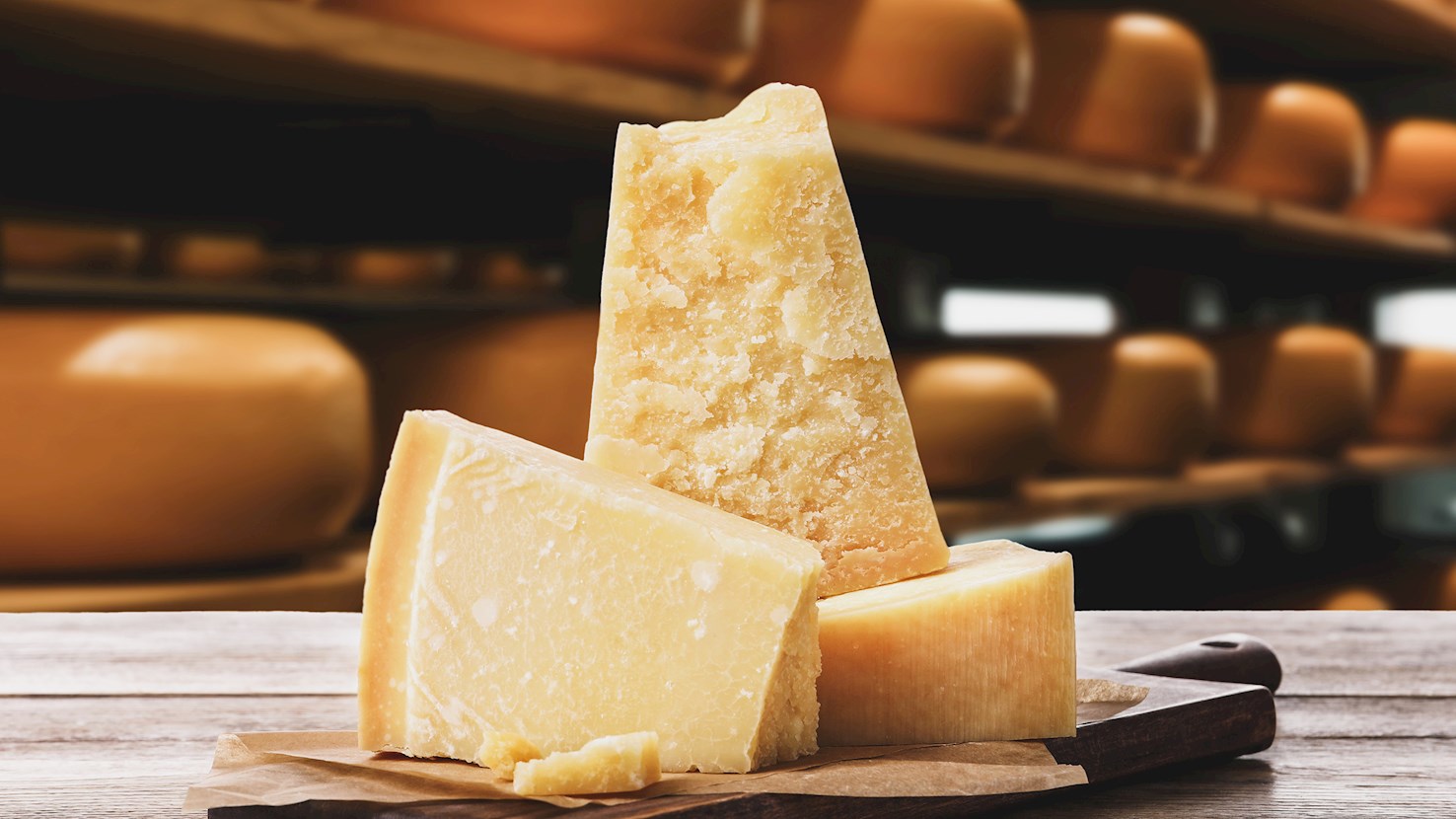
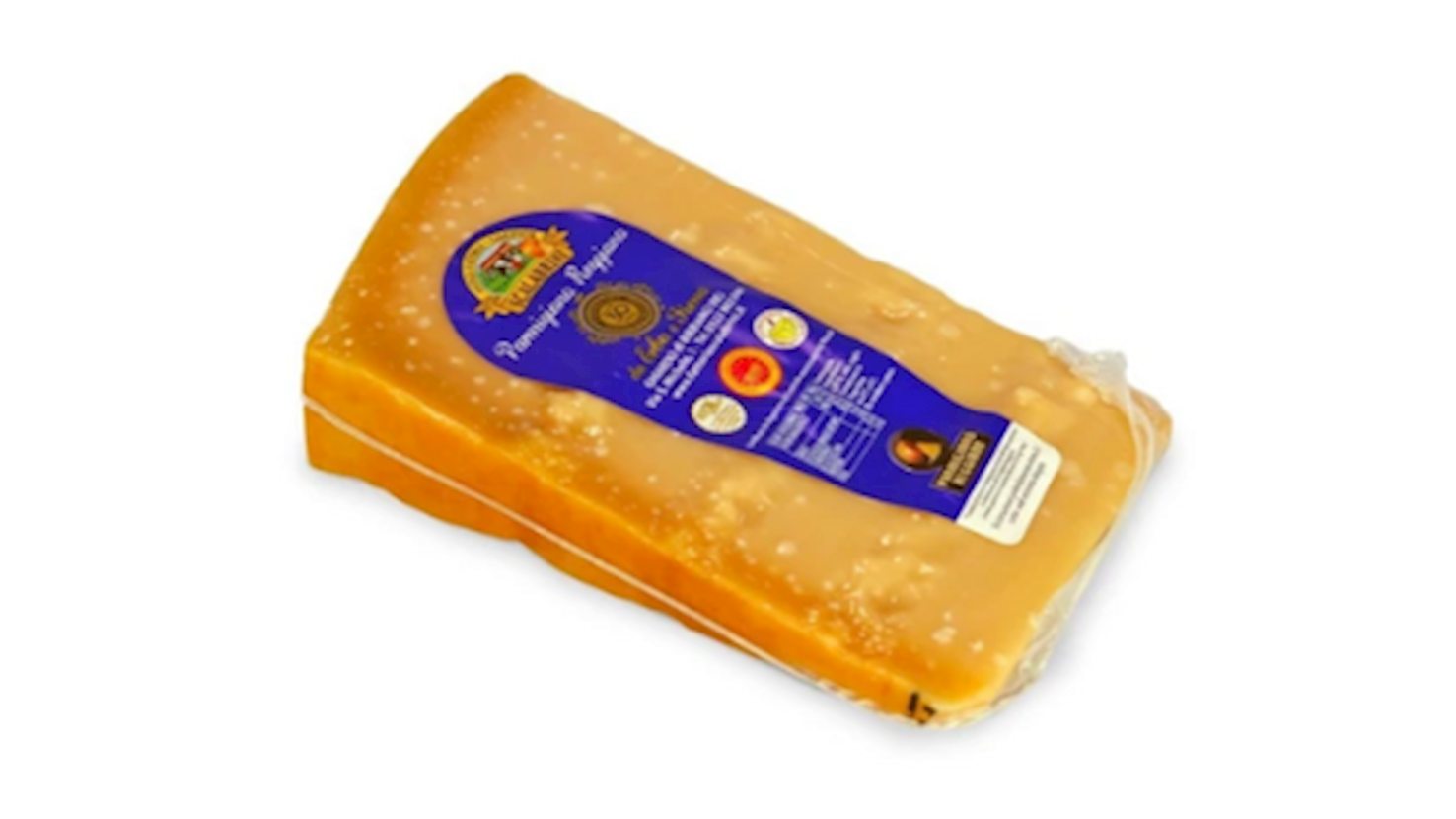
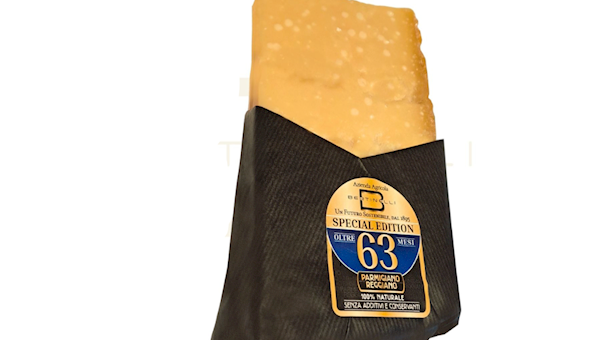
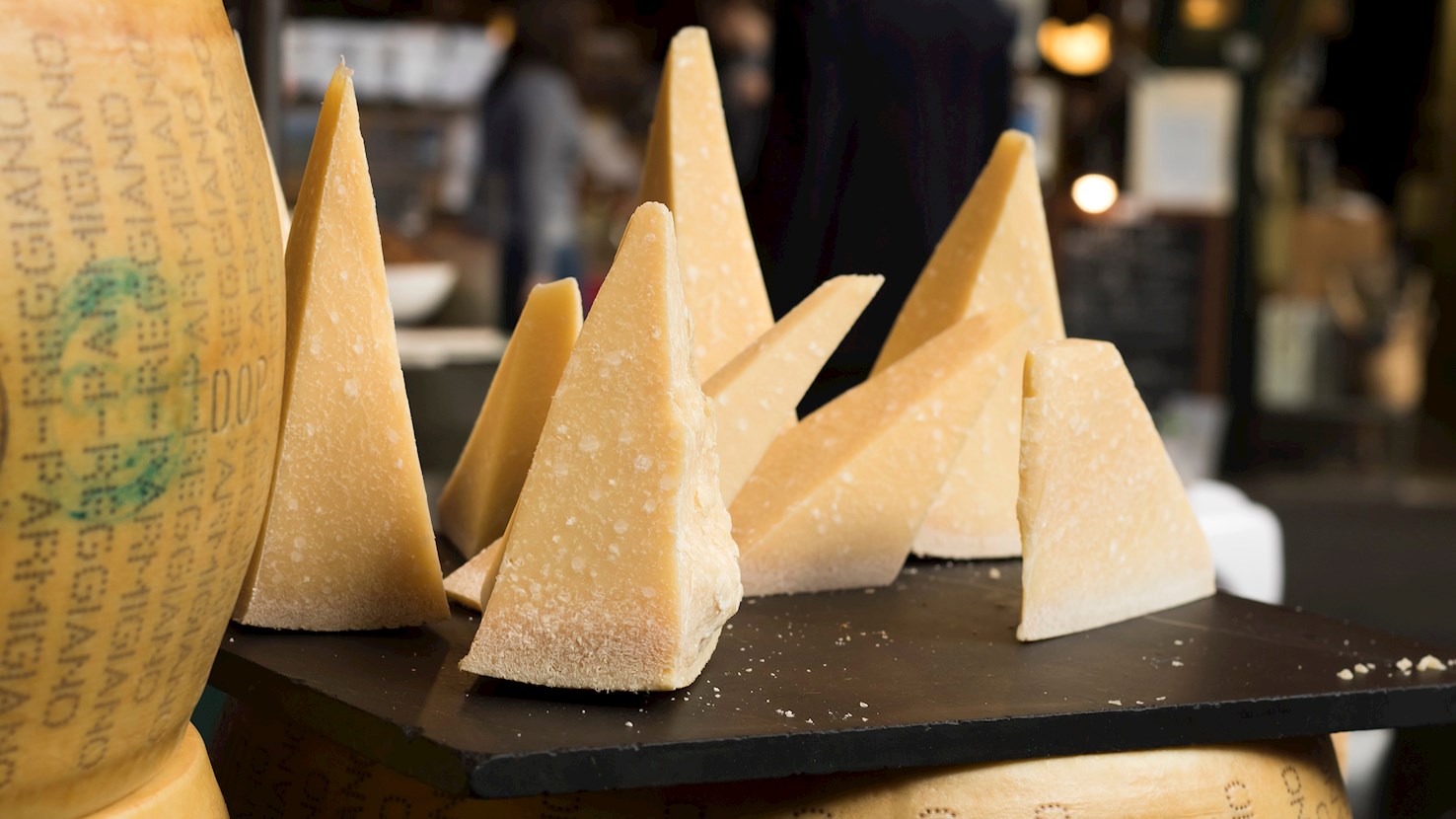
Considered to be among the world's top quality cheeses, Parmigiano Reggiano is made with raw, semi-skimmed milk from cows grazing on fresh grass and hay. It has a hard, gritty texture and its flavors range from nutty to robust and slightly piquant, depending on how long the cheese had matured. The origins of Parmigiano Reggiano date back to the Middle Ages, when the Benedictine and Cistercian monks reclaimed the Po Valley wetlands and started producing this much-prized cheese. Since it originated and was mainly produced in the two city-states Parma and Reggio Emilia, the cheese was named Parmigiano Reggiano, meaning "a cheese from Parma and Reggio Emilia." The cheese got its name in the 19th century, and the word order is speculated to be purely due to alphabetical order. Today, the cheese goes by the unofficial Parmigiano, which is because Parma started promoting this cheese as coming from Parma when it became the capital of the Duchy of Parma and Piacenza in the 16th century. Today, it is produced in the provinces of Parma, Reggio Emilia, Modena and Bologna in Emilia-Romagna, as well as in the Lombardian province of Mantua. Parmigiano is available in following varieties: Mezzano (2nd selection, aged for 12-15 months), Parmigiano Reggiano (aged for 12-24 months or longer) and Parmigiano Reggiano Extra, which needs to pass an additional quality assessment test after 18 months of aging. This particularly versatile cheese is one of the essential ingredients used in a number of classic Italian dishes; it is ideal for grating over pasta, minestrone and consommé, but it can also be enjoyed as a table cheese, typically served with crudités, salads and fresh fruit or nuts.

02

Queijo de Azeitão

4.6 ·

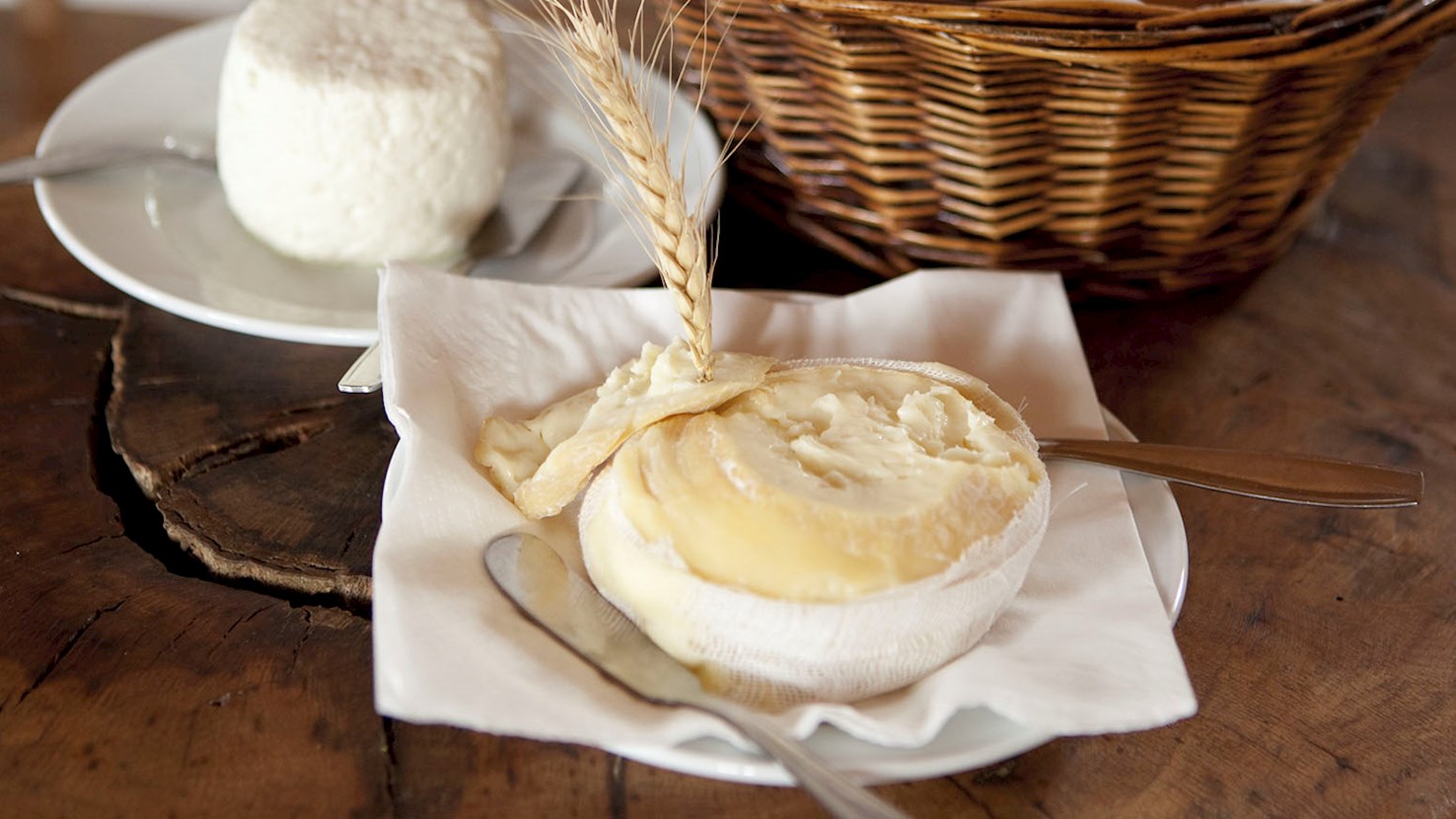
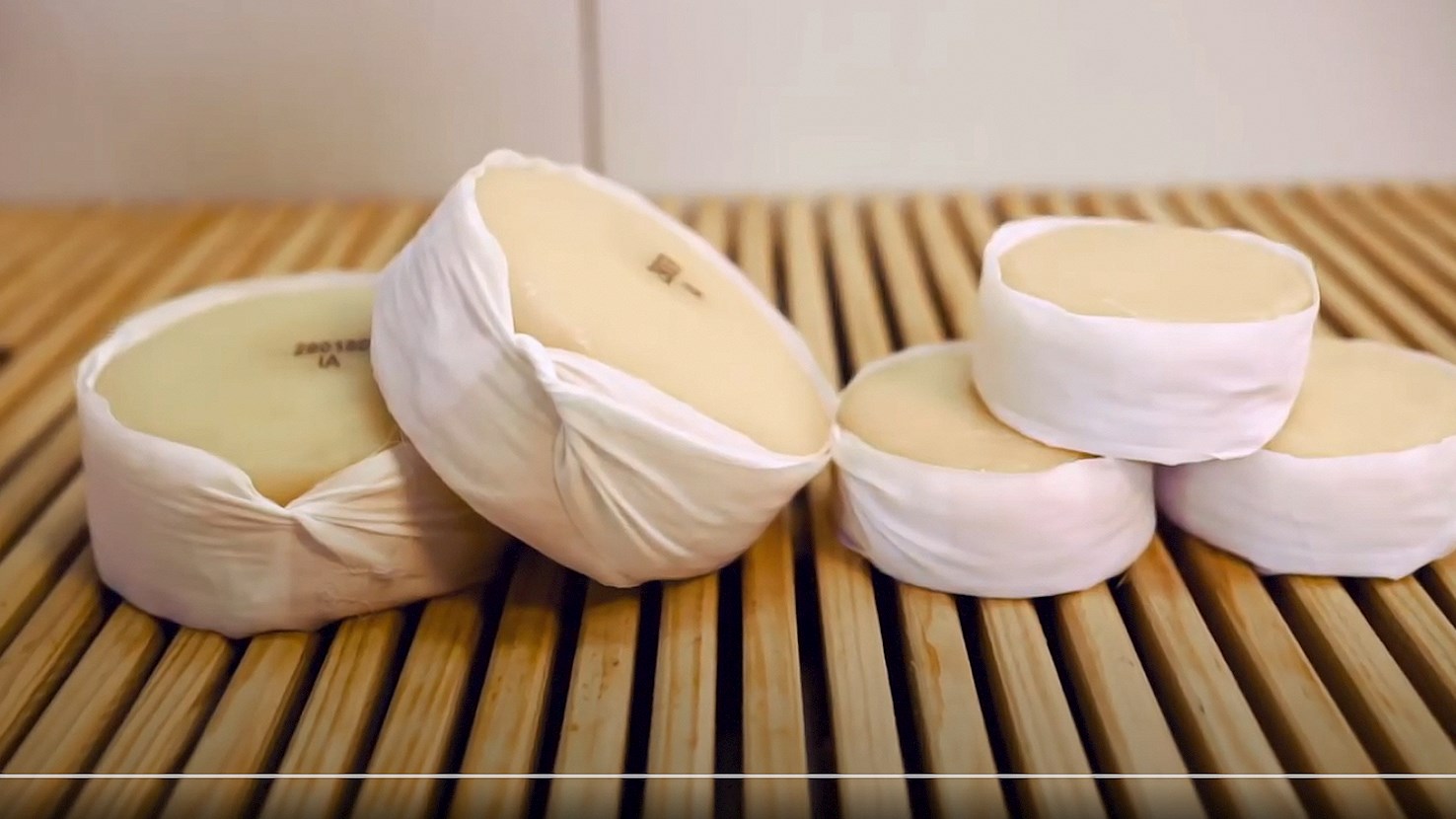
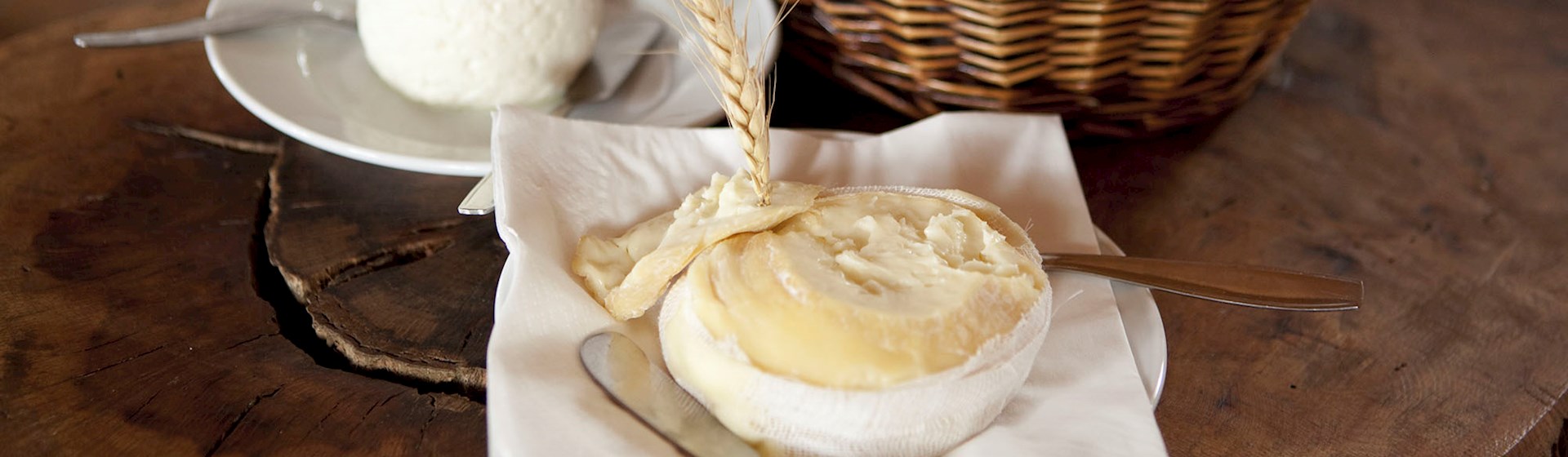
Azeitão is a semi-soft cheese made from unpasteurized sheep milk. The origins of this cheese date back to the 19th century, when Gaspar Henriques de Paiva emigrated to the town of Azeitão. Out of nostalgia for his place of birth, he imported black dairy sheep from his home town to Azeitão and brought cheesemakers from Beira Baixa to make cheeses. De Paiva's Azeitão cheeses quickly became famous throughout Portugal, winning several awards at agricultural fairs. The milk for this cheese is taken from sheep that graze on natural vegetation in the pastures of Azeitão. The sheep are milked manually, and the milk is mixed with the extract of a local variety of thistle to start the curdling process instead of animal rennet, meaning the cheese is 100% vegetarian. Salt is added to the curd, which is then manually worked and wrapped into muslin cloth bundles, called cinchos. The finished cheese is round and flat with a yellowish crust concealing a light-colored interior with a semi-solid consistency. The flavor is both sour and salty with herby undertones. This runny cheese is best served scooped onto a slice of fresh bread, and also makes a delicious dessert when paired with fruit and a semi-dry white wine.

03

Queijo Serra da Estrela

4.5 ·

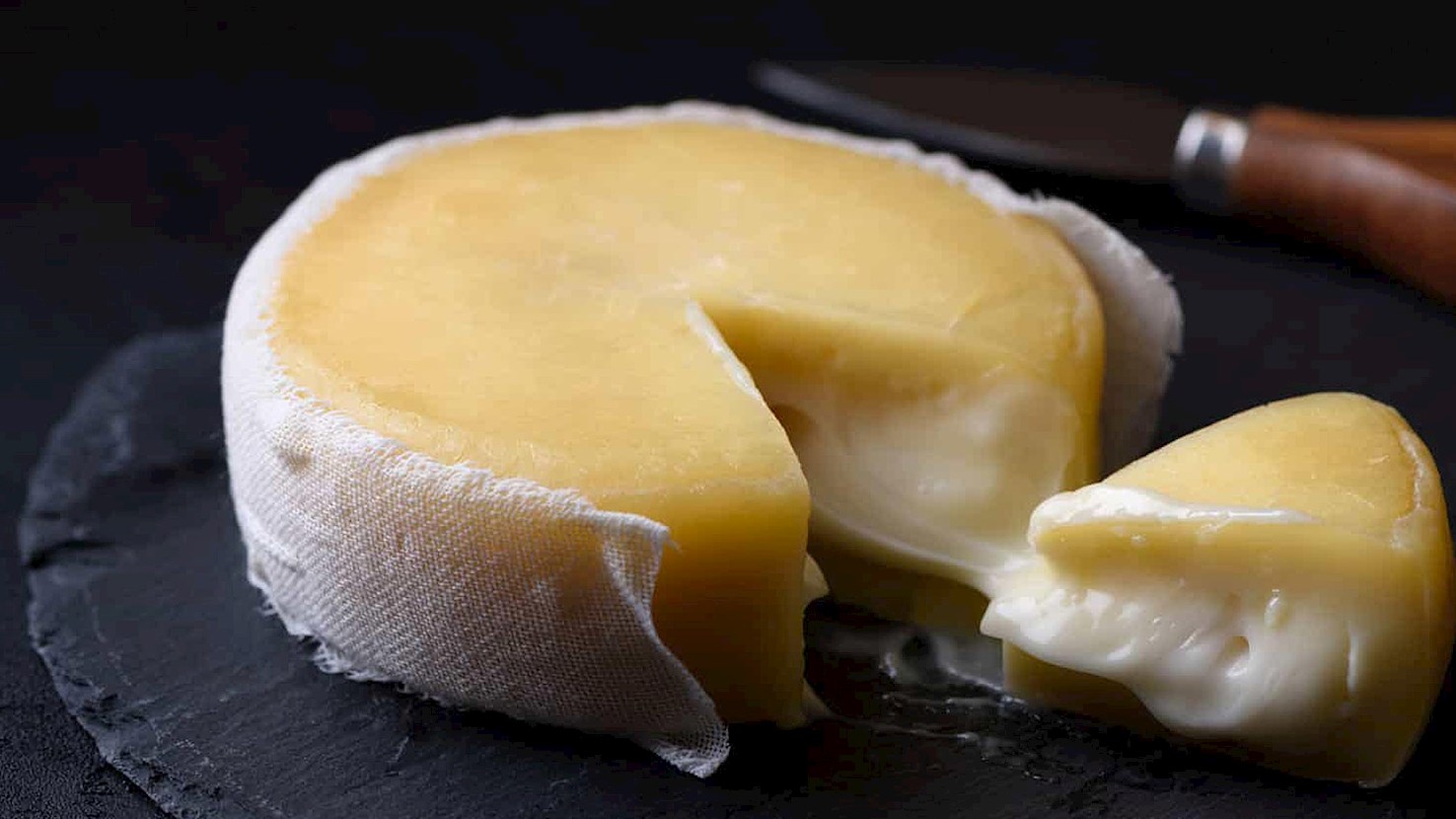
Serra da Estrela is a semi-soft cheese made from the milk of Bordaleira Serra da Estrela and Churra Mondegueira breeds of sheep. Milking is done by hand, after which the milk is heated, salted, and curdled using thistle extract. The curd is formed into cheeses, which are left to ripen in humid and cold conditions. The cheese has a creamy, semi-soft interior that is yellowish-white in color, while its flavor is clean, sweet, and slightly sour. This cheese is Portugal's oldest, most traditional food product with international acclaim. In the 13th century, the king of Portugal opened the first cheese market in Celorico da Beira, in the Serra da Estrela mountain range, where the cheese is still produced today. This cheese was even present on some of the first ships to sail to the New World. Serra da Estrela is traditionally consumed as an appetizer or dessert, and it pairs well with regional wines from the Dão region and broa—local cornbread. A product rich in tradition and culture, Serra da Estrela cheese is the pride of the region, and it is considered the father of all sheep cheeses in Portugal.

04

Pecorino Sardo

4.5 ·

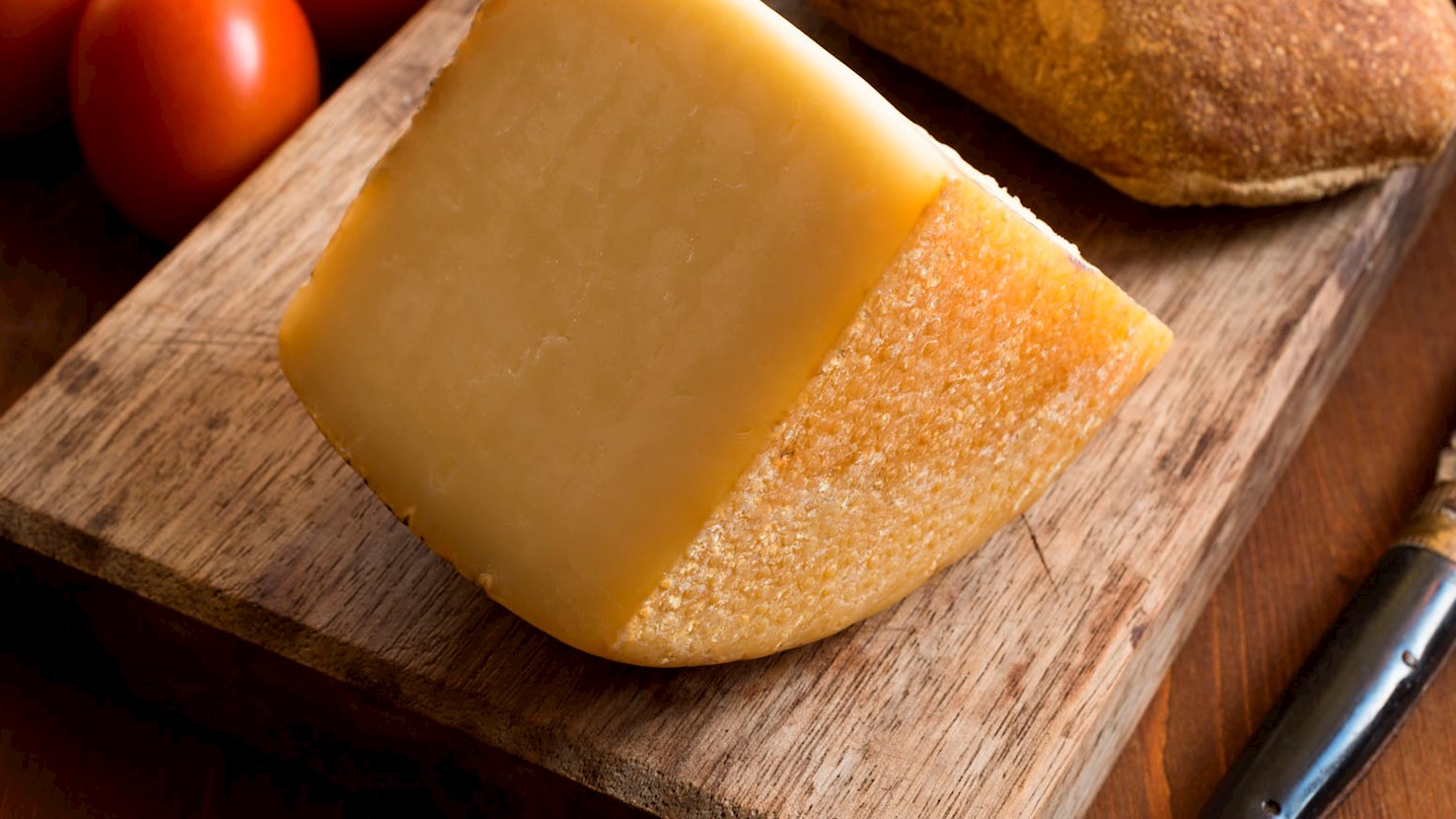
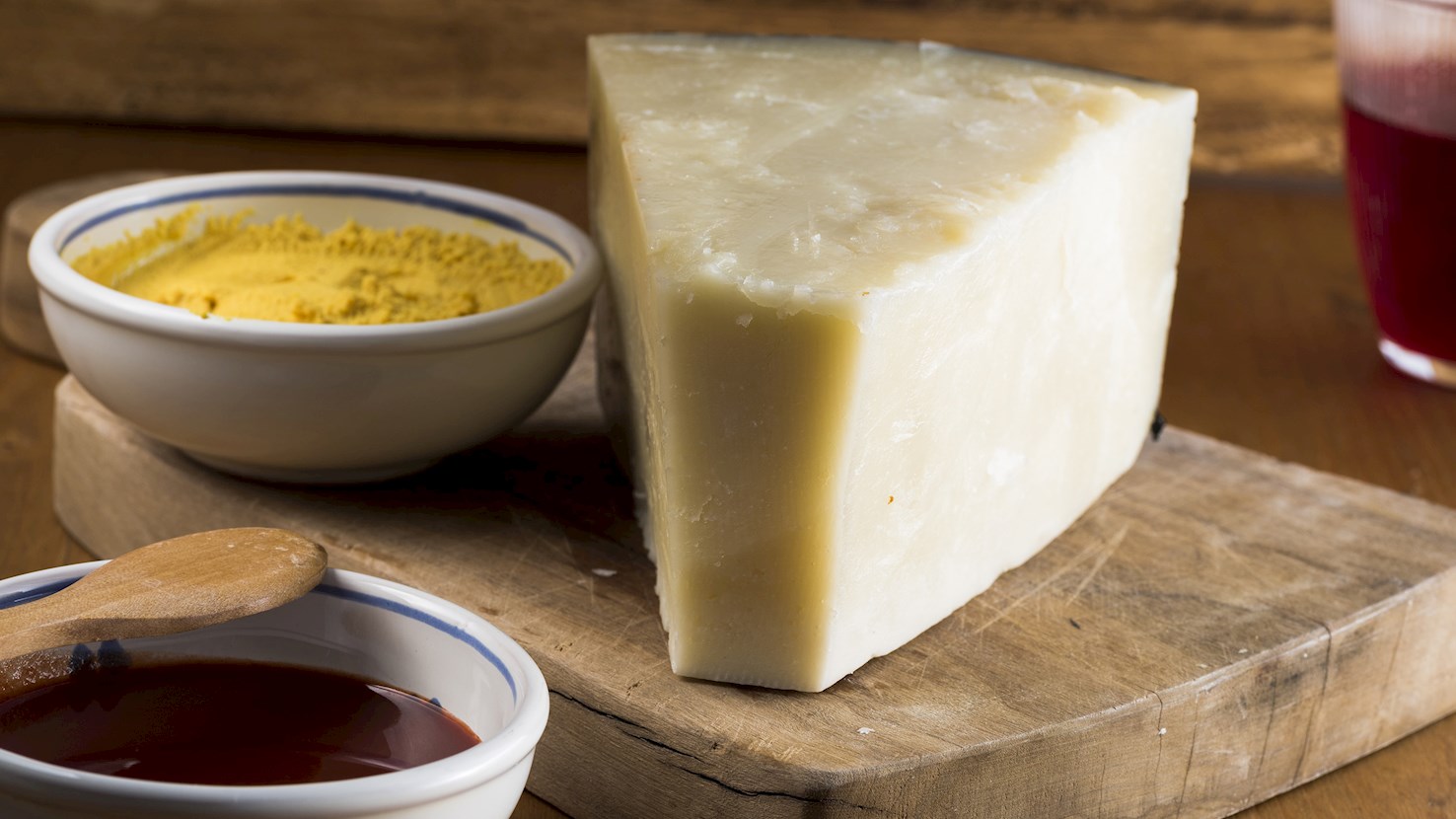
Produced exclusively on the island of Sardinia, Pecorino Sardo is a semi-cooked, hard cheese made with whole milk from the pasture-grazing Sarda sheep. This breed is indigenous to Sardinia, raised throughout Italy and considered to be among the best domestic breeds for milk production. Highly adaptable to different terrains, Sarda sheep feed on fragrant Mediterranean shrubs, which gives Pecorino its distinctive aromatic flavor. It is available in two varieties: Pecorino Sardo Dolce (mild), a sweet and more delicate version, and Pecorino Sardo Maturo (mature), a much stronger flavored cheese that's matured for at least 2 months and pleasantly piquant. While Dolce is consumed as table cheese, often paired with fresh vegetables or grapes and pears, Maturo is typically grated over pasta dishes or enjoyed at the end of a meal and pairs wonderfully with bread, olive oil, and pine nuts.

05

Pecorino Toscano

4.4 ·

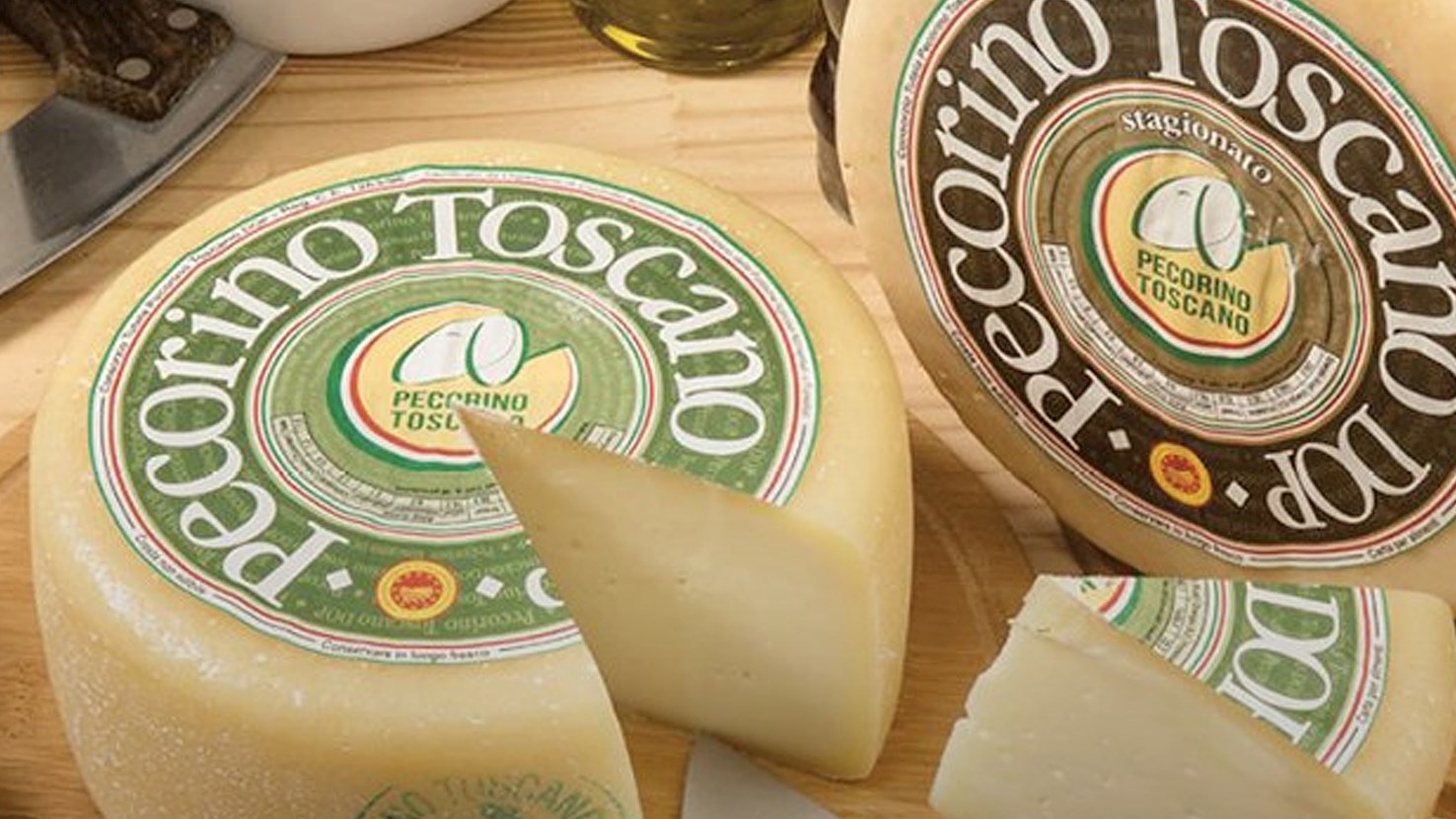
Back in the 15th century, when Pecorino production used to begin in spring, this Tuscan delicacy was called Cacio Marzolino, meaning March cheese. Nowadays, Pecorino Toscano is also produced in Lazio and Umbria, Tuscany's neighboring regions, and available year-round as either Fresco (fresh) or Stagionato (matured for at least 4 months). This soft to semi-hard cheese is made with whole milk from sheep feasting on pastures nestled between the Apennines and the Tyrrhenian Sea. Compared to other varieties of Pecorino cheese, Toscano is only briefly salted and thus retains its delicate, sweet flavor. Depending on how mature it is, Pecorino Toscano can be enjoyed as a table cheese or used for grating over various pasta dishes or hearty Tuscan potage soups such as Ribollita. Fresco or Stagionato, it also pairs well with fresh vegetables, fruits, jam, and honey.

06

Pecorino Siciliano

4.4 ·

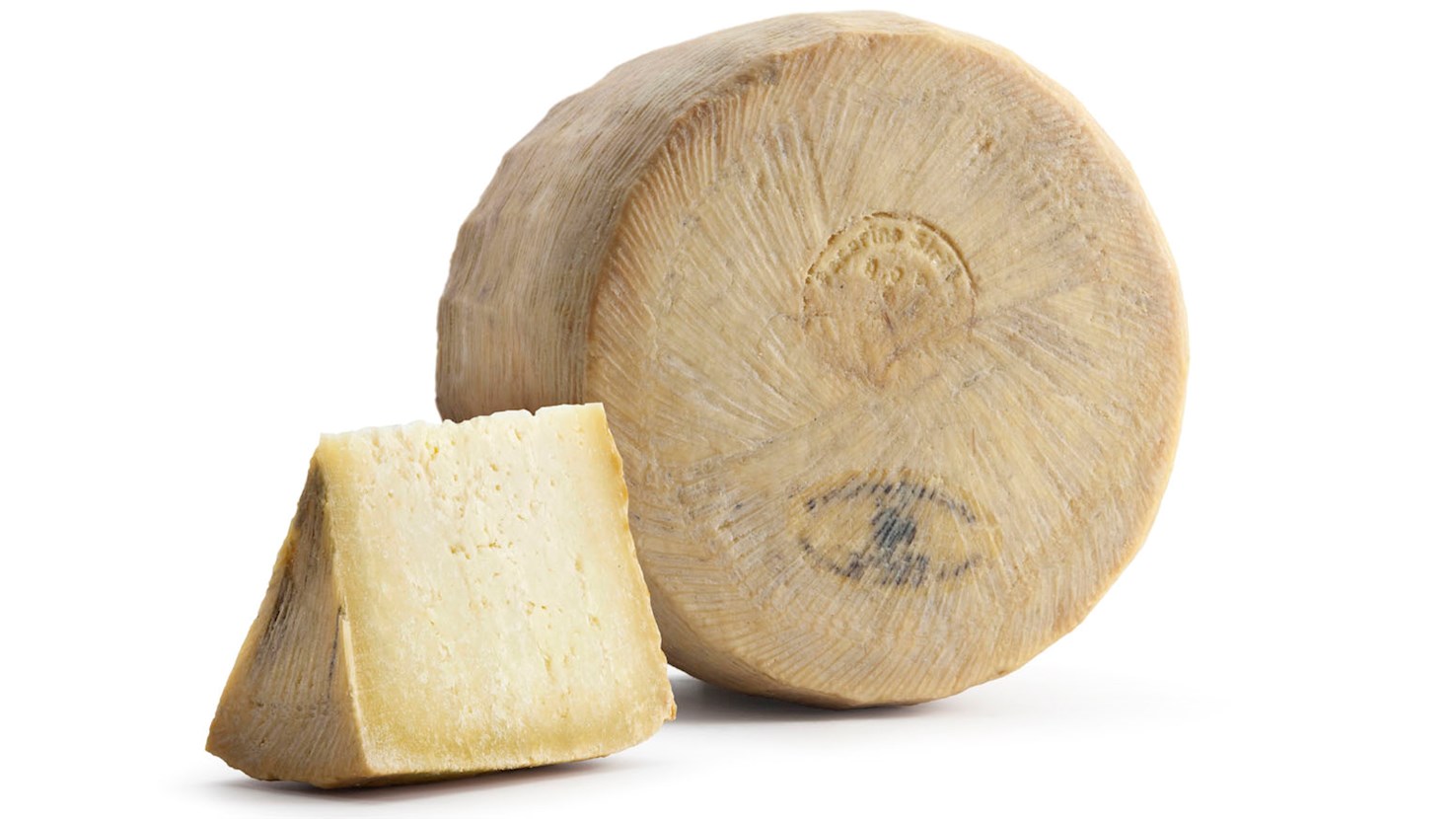
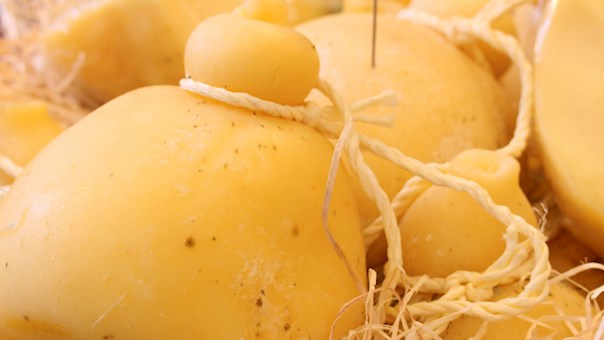
One of the oldest cheeses produced in Europe, Pecorino Siciliano is a semi-cooked, hard cheese, made with raw, whole milk from various sheep breeds reared all across the island of Sicily. Easily distinguished by the reed woven basket pattern on its rind, this type of Pecorino has a pronounced herbal aroma, and a well-balanced piquant flavor, which tends to become stronger as the cheese ripens. It is available in following varieties: Tuma, Primo Sale, Secondo Sale and Stagionato. Both fresh and semi-matured Pecorino Siciliano are great as table cheeses, typically served with bread and olives, while the more matured versions are especially good for grating and adding flavor to various pasta dishes.

07

Mont d'Or

4.4 ·

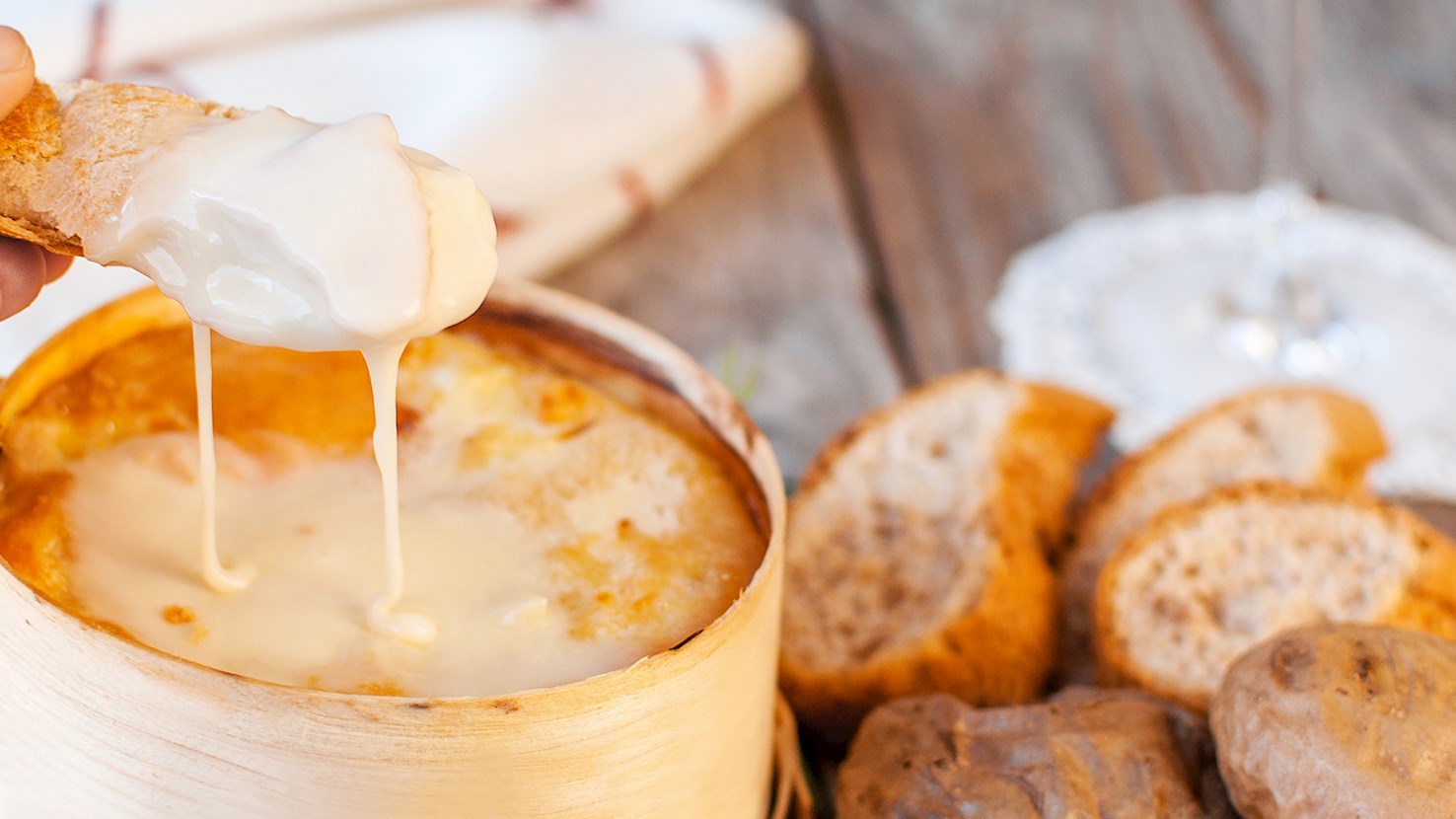
Also known as Vacherin du Haut-Doubs, Mont d'Or is a soft cheese made from raw cow's milk in the Haut-Doubs region in France. What's unique about Mont d'Or's visual appearance is that it is encircled by spruce bark strips and packaged in a spruce wooden box that keeps the cheese in place. It has a full, rich, sweet and grassy flavor and a slightly acidic taste. Its rind is not edible like in most other French cheeses, so it has to be removed to get to the creamy, runny, almost liquid inside, when fully ripe. As the cheese is already almost melting, it can be eaten like a fondue and enjoyed with sparkling wines.

08

Grana Padano

4.4 ·

First produced in the 11th century by the Cistercian monks of the Santa Maria di Rovegnano Abbey in Chiaravalle Milanese, Grana Padano is known as one of the very few parmesan cheeses that can possibly compete with the far more famous Parmigiano-Reggiano. This hard cheese is made from unpasteurized, semi-skimmed cow’s milk and it is available in these varieties: Grana Padano, Trentin Grana, and Grana Grattugiato. It is sold at different ripening stages: Grana Padano (9-16 months), Grana Padano Oltre 16 mesi (over 16 months) and Grana Padano Riserva (over 20 months). Today, Grana Padano can be found throughout the Po Valley, namely in the regions of Lombardy, Trentino-Alto Adige, Veneto, and Emilia Romagna. As the cheese ages, the flavors become more pronounced, savory, and complex, while the texture becomes even more grainy and crumbly. It can be enjoyed either as a table cheese or it can be grated over a wide array of dishes, and while the younger versions are typically paired with white wines, Grana Padano Riserva goes hand in hand with full-bodied red wines. Regarding food pairings, Grana Padano 9-16 months should be paired with apricots and black tea, Grana Padano Oltre goes well with strawberries and pepper, while the Riserva variety tastes exceptionally well when served with pears and Madagascar vanilla. The final grading and branding of the cheeses that have passed the tests for aroma, appearance, and texture is done by the Consorzio di Tutela del Formaggio Grana Padano DOP, established in 1954. The Consorzio also protects the cheese from imitations and promotes it around the world.

09

Pecorino Romano

4.4 ·

This hard cooked cheese is made with whole milk from pasture-grazed sheep, and has a particularly salty and slightly piquant flavor. Aged for at least 5 months, Pecorino Romano makes an excellent table cheese, particularly when combined with fresh vegetables and fruit, but after eight months of aging, it is mainly used for grating over classic Roman dishes such as Bucatini all’Amatriciana, Rigatoni alla Carbonara, Spaghetti Cacio e Pepe, and Tripe alla Romana. The origins of Pecorino Romano can be traced back to the Roman Empire, when cheese processing methods were first described by some of ancient Rome's most important writers on agriculture: Varrone, Columella, Virgilio and Pliny the Elder. In 227 BCE, the production of this renowned cheese spread to the neighboring island of Sardinia, where even today almost 90% of Pecorino Romano is produced, while the remaining 10% comes from Lazio and the Tuscan province of Grosseto.

10

Queijo Serpa

4.4 ·

Produced in the district of Beja in eastern Portugal, Serpa is a semi-soft sheep's milk cheese that's similar to Pecorino. Instead of animal rennet, Serpa is curdled using an extract made from a species of thistle that grows in the countryside of Alentejo. The leaves of the plant are dried and soaked in water, and this liquid is added to the heated milk to begin the curdling process. The curd is placed into molds, and the molded cheeses are then gently wrapped in muslin cloth for further ripening. The rind of Serpa is thin and malleable, while the cheese's interior is semi-soft and yellowish-white in color. Serpa is the most famous traditional Alentejano cheese, and its strong flavor is a fundamental part of the region's cultural heritage. It is perfect for any occasion and makes a great appetizer or snack when served with fresh bread and a glass of wine. It's also used in numerous local baked dishes, such as pork ribs with baked ham and Serpa cheese.

Best Western European Natural Rind Cheeses
01

Luigi Guffanti 1876

4.9 ·

Luigi Guffanti 1876 is a renowned Italian cheese company based in Arona, in the Piedmont region, known for its multi-generational expertise in aging and refining cheeses. Founded in 1876 by Luigi Guffanti, the company began its journey by aging Gorgonzola in an abandoned silver mine in Valganna, taking advantage of its consistent temperature and humidity conditions for optimal cheese maturation.

Over time, the expertise gained in aging Gorgonzola expanded to include a wide variety of other cheeses. Luigi Guffanti 1876 offers an extensive selection of cheeses, including those made from cow’s, sheep’s, goat’s, and buffalo’s milk, as well as blended varieties. The company also welcomes visitors to its aging cellars in Arona, where guests can experience the cheese aging process firsthand and enjoy guided tastings of their artisanal products.

Awards
Italian Cheese Awards - ICA (2018, 2016, 2015)
Italian Cheese Awards - Nominee (2017)
02

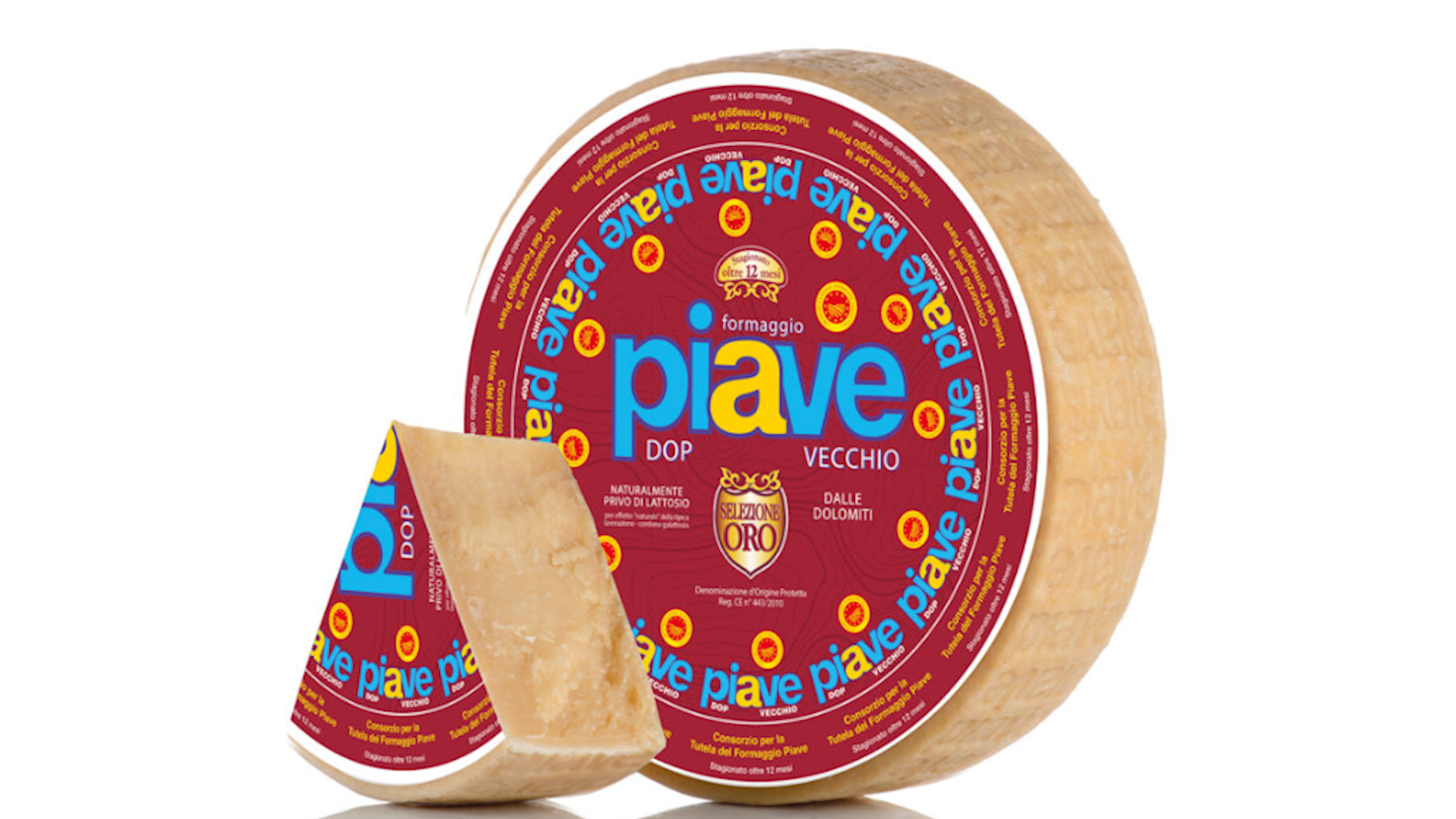
Lattebusche

4.9 ·

Lattebusche is a well-known Italian dairy cooperative based in the town of Busche (municipality of Cesiomaggiore) in the province of Belluno. Founded in 1954 as a local milk processing cooperative, it is now considered one of the leading dairy producers in northern Italy. The cooperative operates several production facilities, including dairies in Busche, Sandrigo, Resana, and Chiusa di Pesio, where a wide variety of cheeses, butter, milk, and other dairy products are made, mostly from milk supplied by local farmers. Lattebusche places strong emphasis on the quality of raw materials, product traceability, and sustainable practices in agriculture and milk processing.

Its products often carry DOP (Denominazione di Origine Protetta) certifications, which guarantee the authenticity of origin and traditional production methods.

Awards
Global Cheese Awards - Best (2021)
World Cheese Awards - Gold (2022)
03

Latteria Sociale Moderna

4.9 ·

Latteria Sociale Moderna is an agricultural cooperative based in Bibbiano, in the Reggio Emilia region of Italy, renowned for its production of authentic Parmigiano Reggiano cheese. Founded in 1967, the cooperative brings together local milk producers who work collectively to preserve the traditional methods of cheesemaking, passing down knowledge and skills through generations. The cooperative strictly adheres to the production guidelines for Parmigiano Reggiano, using only three essential ingredients: raw cow’s milk, rennet, and salt.

The aging process lasts a minimum of 12 months but is often extended to 24, 30, or even 40 months, resulting in a rich and complex flavor. In addition to Parmigiano Reggiano, the cooperative also produces other dairy products such as ricotta and yogurt, as well as cured meats typical of the Emilia-Romagna region.

Awards
World Cheese Awards - Super Gold (2024)
World Cheese Awards - Gold (2023)
04

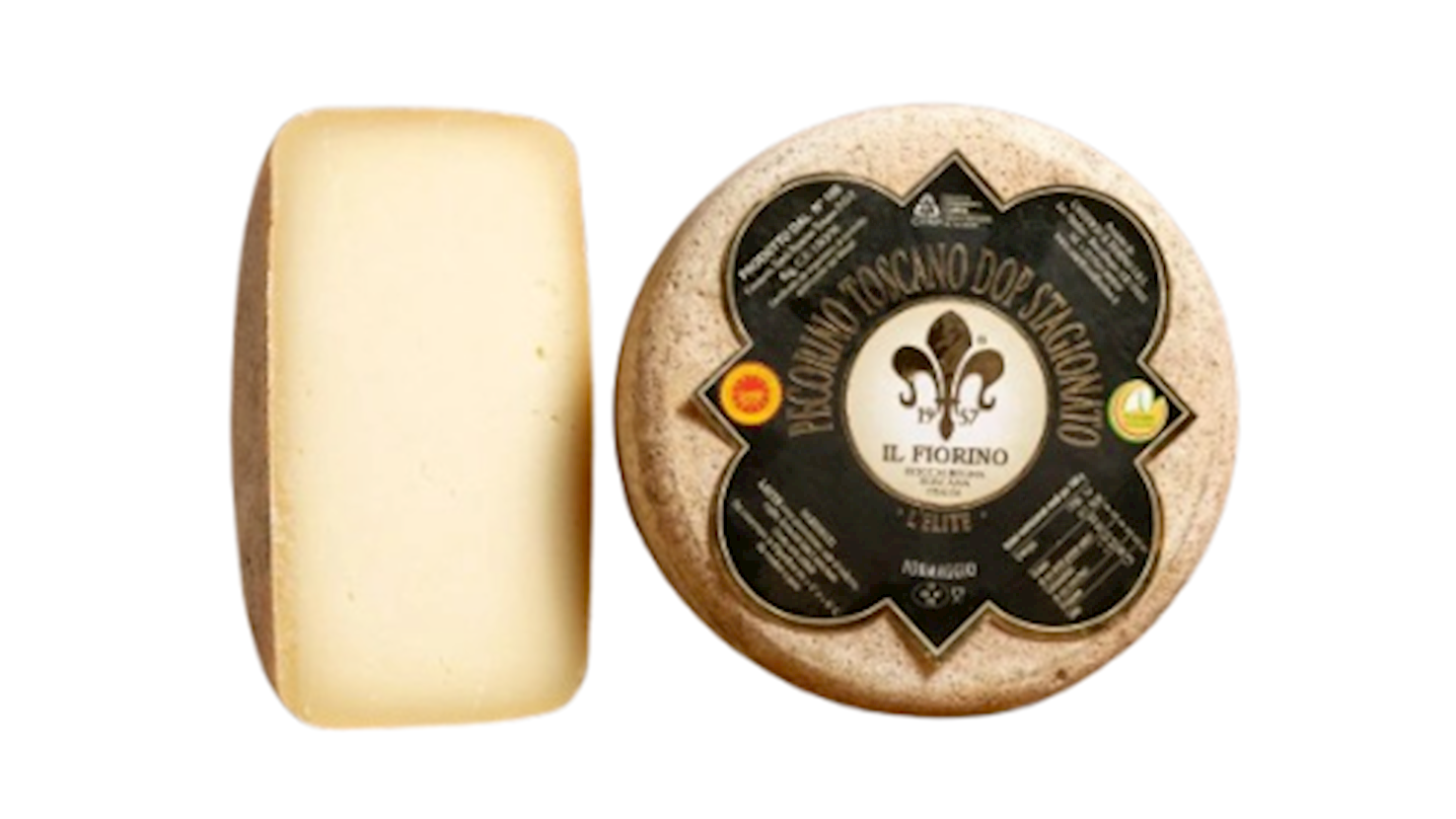
Caseificio Il Fiorino

4.8 ·

Caseificio Il Fiorino is a prestigious Italian dairy company located in the heart of Tuscany, specifically in the Maremma region. Established in 1957, Il Fiorino has grown into one of the most celebrated producers of pecorino cheese, earning recognition both in Italy and abroad for its exceptional quality and craftsmanship.

The company is deeply committed to preserving traditional methods of cheesemaking while embracing modern practices to ensure a sustainable and high-quality production process. At Caseificio Il Fiorino, the production of cheese is an artisanal process that values authenticity and craftsmanship.

The company produces a wide range of cheeses, with a strong focus on pecorino, which is made from sheep’s milk sourced from local farms. The milk is carefully selected to ensure it is of the highest quality, and the cheesemaking process takes place in small batches to maintain the integrity and flavor of each product.

The cheeses are made by hand, with skilled cheesemakers monitoring every stage of production.

Awards
Culture Cheese Magazine Best Cheeses issue - Best (2023)
World Cheese Awards - Super Gold (2022)
05

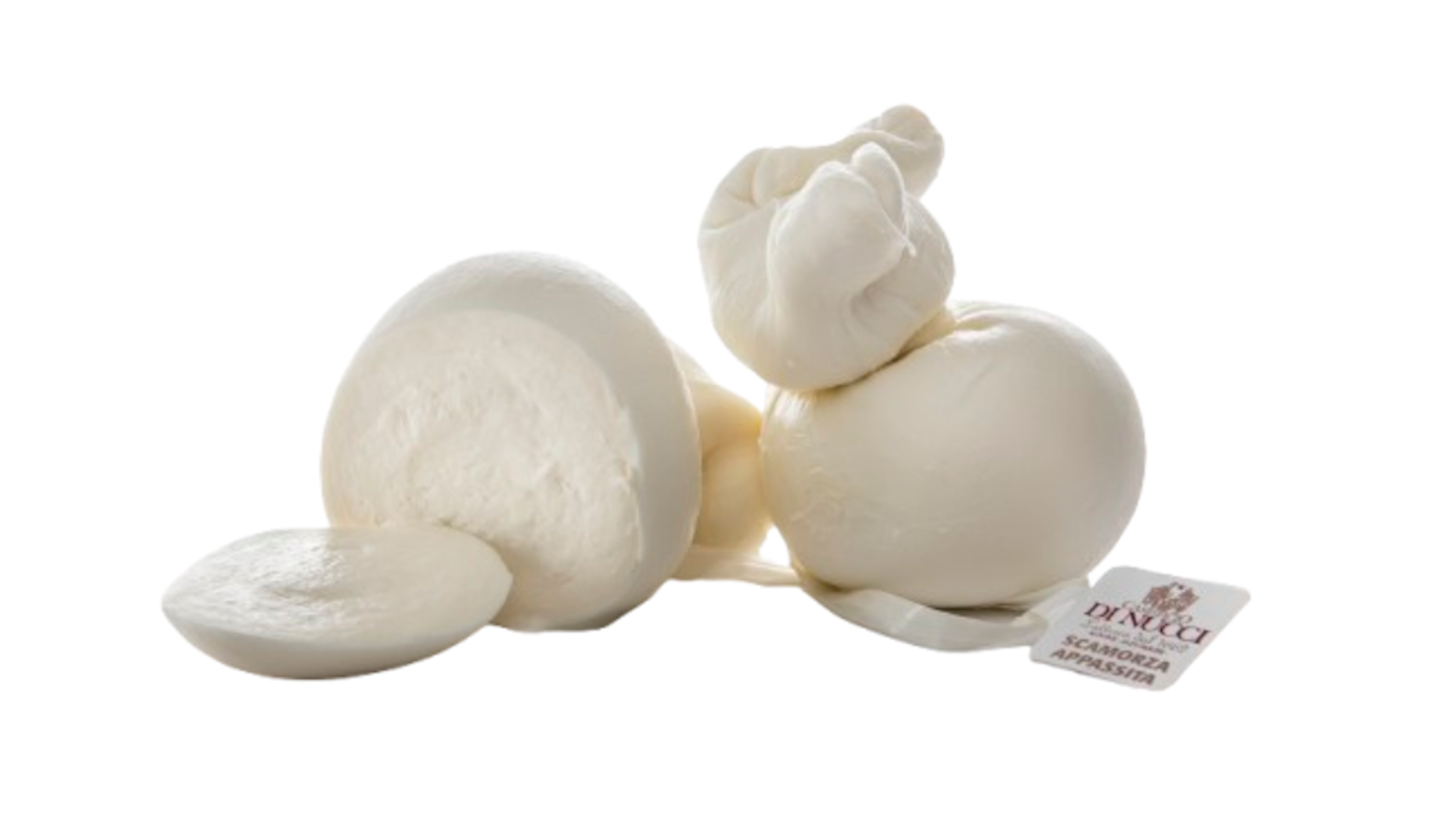
Caseificio di Nucci

4.8 ·

Caseificio Di Nucci is a family-run dairy based in Agnone, in the Molise region of Italy, dedicated to the production of traditional cheeses for over ten generations. Their cheesemaking process is rooted in the use of raw cow's milk and traditional artisanal methods, without the use of additives or preservatives, ensuring the authenticity and quality of their products. Di Nucci cheeses have earned recognition not only among consumers but also at international competitions.

They have received numerous awards at prestigious events such as the World Cheese Awards, where their products have repeatedly won medals for excellence. The dairy also offers guided tours of its production facilities, educational experiences focused on traditional cheesemaking, and tastings that allow visitors to fully appreciate the rich flavors and history behind each cheese.

Awards
Italian Cheese Awards - ICA (2022, 2019, 2017, 2016)
Italian Cheese Awards - Nominee (2018, 2017)
06

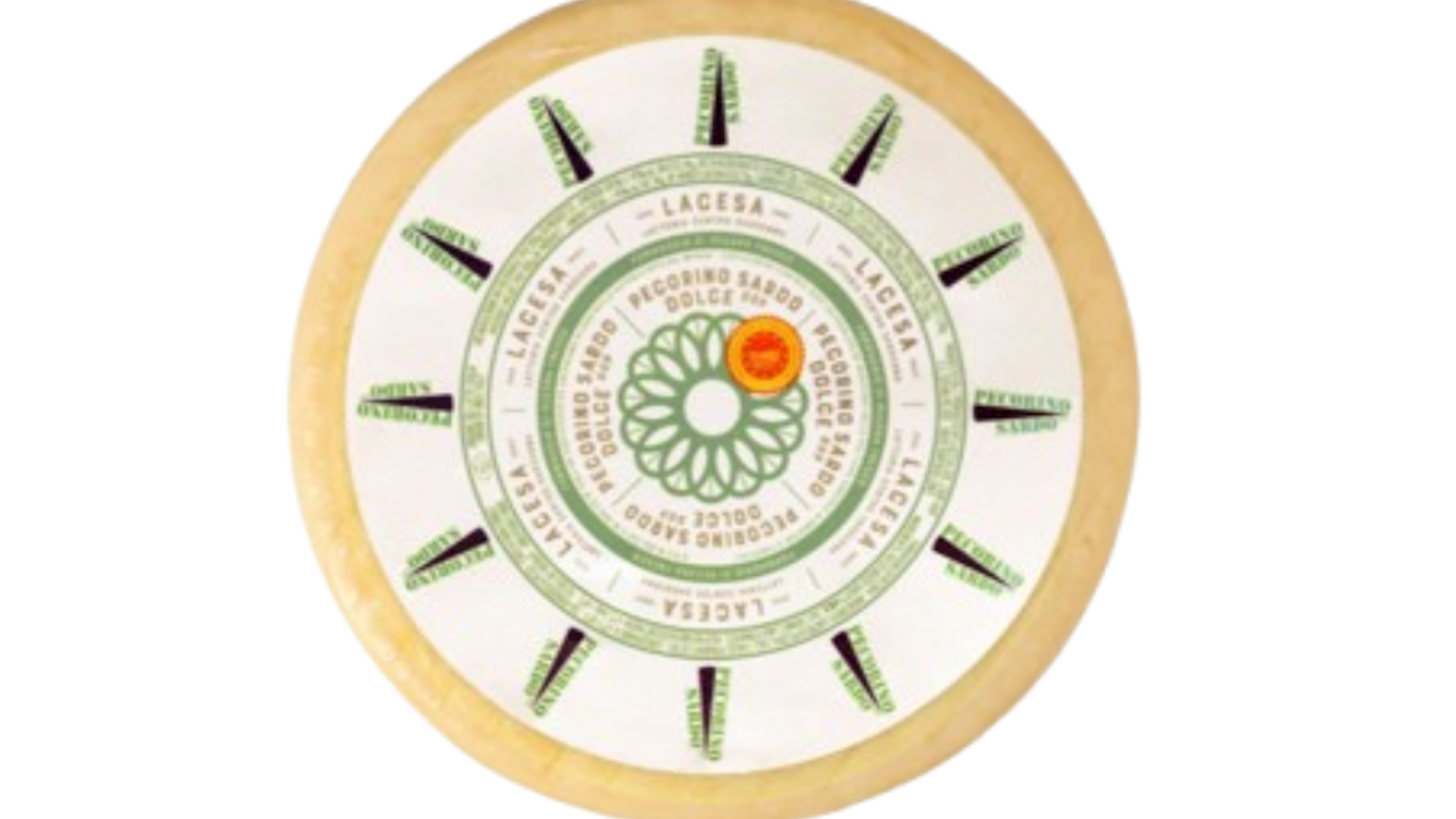
Caseificio Lacesa

4.8 ·

Caseificio Lacesa is a renowned dairy cooperative founded in Bortigali, in the heart of Sardinia. It was established through the union of local livestock farmers with the aim of preserving and promoting the traditional Sardinian art of cheesemaking.

Over the years, Lacesa has become one of the island’s leading cheese producers, known for the high quality of its products and its commitment to safeguarding local gastronomic heritage. Lacesa uses milk from sheep, cows, and goats that graze naturally on the region’s aromatic pastures. This practice contributes to the unique flavor and quality of their cheeses.

The cooperative specializes in the production of traditional Sardinian cheeses such as Fiore Sardo DOP, Pecorino Romano DOP, Pecorino Sardo, as well as a variety of mixed-milk and cow’s milk cheeses. Combining traditional production methods with modern technology, Lacesa ensures high standards of quality and safety. Their products are recognized and appreciated both nationally and internationally, contributing to the promotion of Sardinia’s rich cheesemaking tradition.

07

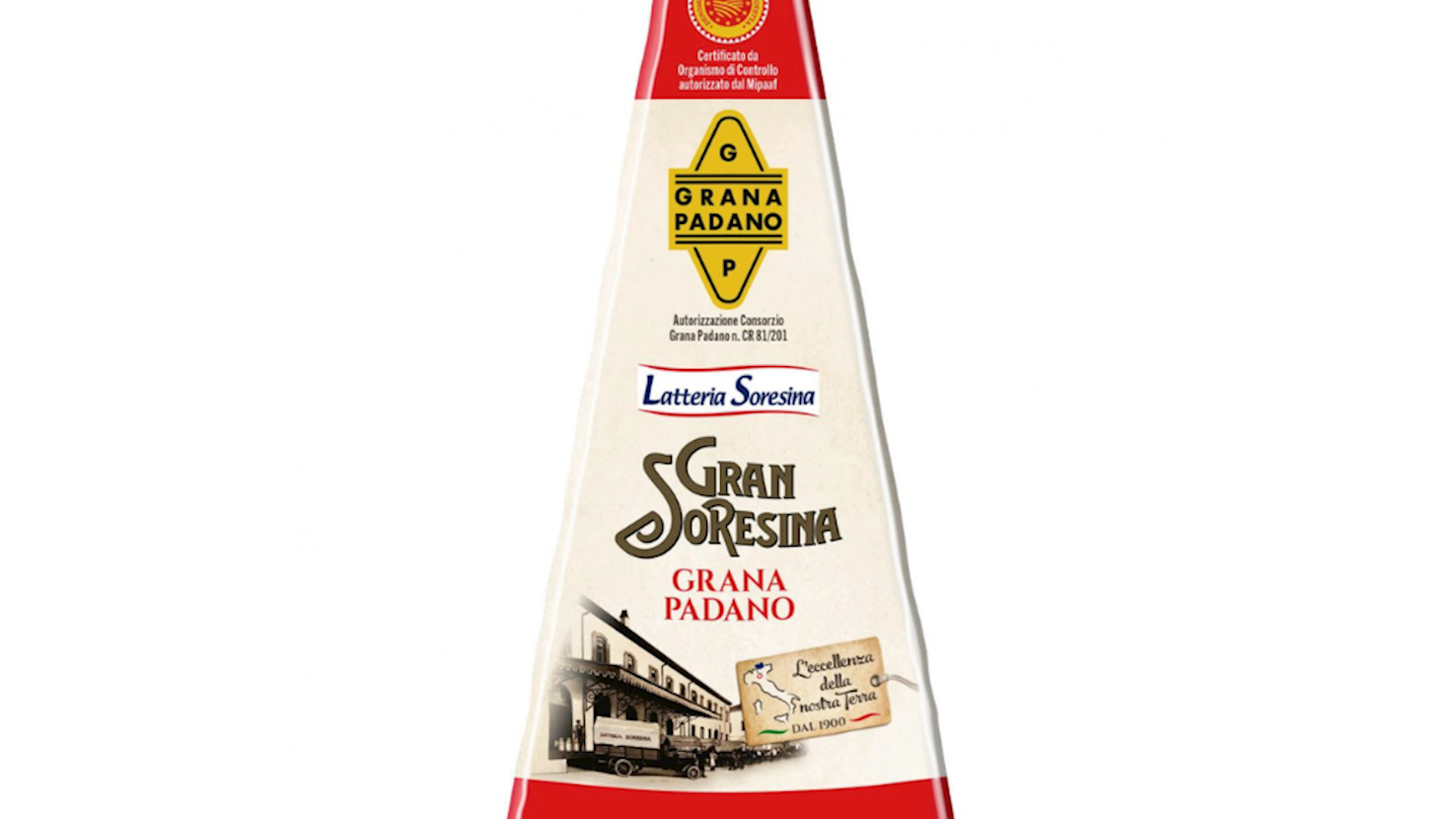
Latteria Soresina

4.8 ·

Latteria Soresina is one of Italy’s most respected dairy cooperatives, headquartered in the town of Soresina, in the Lombardy region. Founded in 1900 as a cooperative of local milk producers, Latteria Soresina today includes over 200 members and processes more than 500 million liters of milk per year.

Its mission is rooted in preserving quality, origin, and traditional dairy production. The company is especially known for producing Grana Padano DOP, Burro Soresina (butter), Provolone Valpadana DOP, as well as milk, yogurt, and other dairy derivatives.

Based on a vertically integrated model, Latteria Soresina controls the entire production chain – from farm to final packaging – ensuring product freshness, safety, and full traceability. Thanks to continuous innovation, strong export orientation, and a commitment to sustainable production, Latteria Soresina has become a leader in Italy’s dairy industry, present in over 60 international markets.

Awards
International Cheese Awards - Gold (2023)
World Cheese Awards - Gold (2023)
08

Antica Fattoria Caseificio Scalabrini
4.8 ·

Antica Fattoria Caseificio Scalabrini is a family-owned farm and dairy with a rich tradition, located in Bibbiano, in the heart of the Reggio Emilia region, widely recognized as the birthplace of Parmigiano Reggiano cheese. Founded in 1963, the farm stands out for its dedication to the entire production process – from livestock breeding to milk processing and the long aging of the cheese. All stages of production take place on the farm, allowing for complete quality control and the preservation of traditional cheesemaking methods.
This integrated approach, combined with family knowledge passed down through generations, enables Antica Fattoria Caseificio Scalabrini to produce Parmigiano Reggiano DOP of exceptional flavor, texture, and authenticity.

Awards
World Cheese Awards - Super Gold (2024)
World Cheese Awards - Gold (2021)
09

Cooperativa Produttori Latte e Fontina

4.8 ·

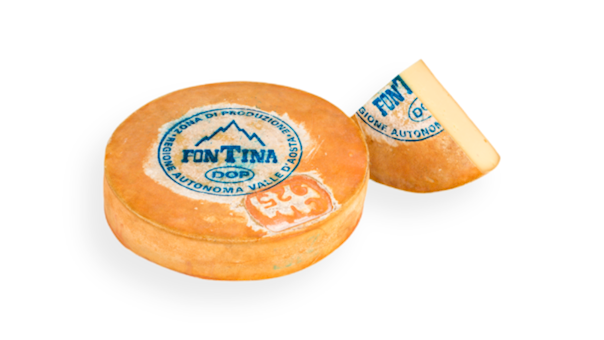
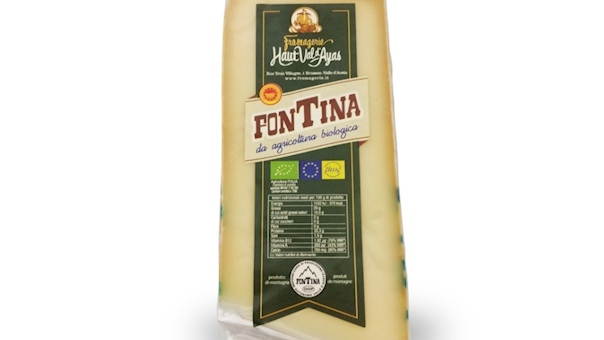
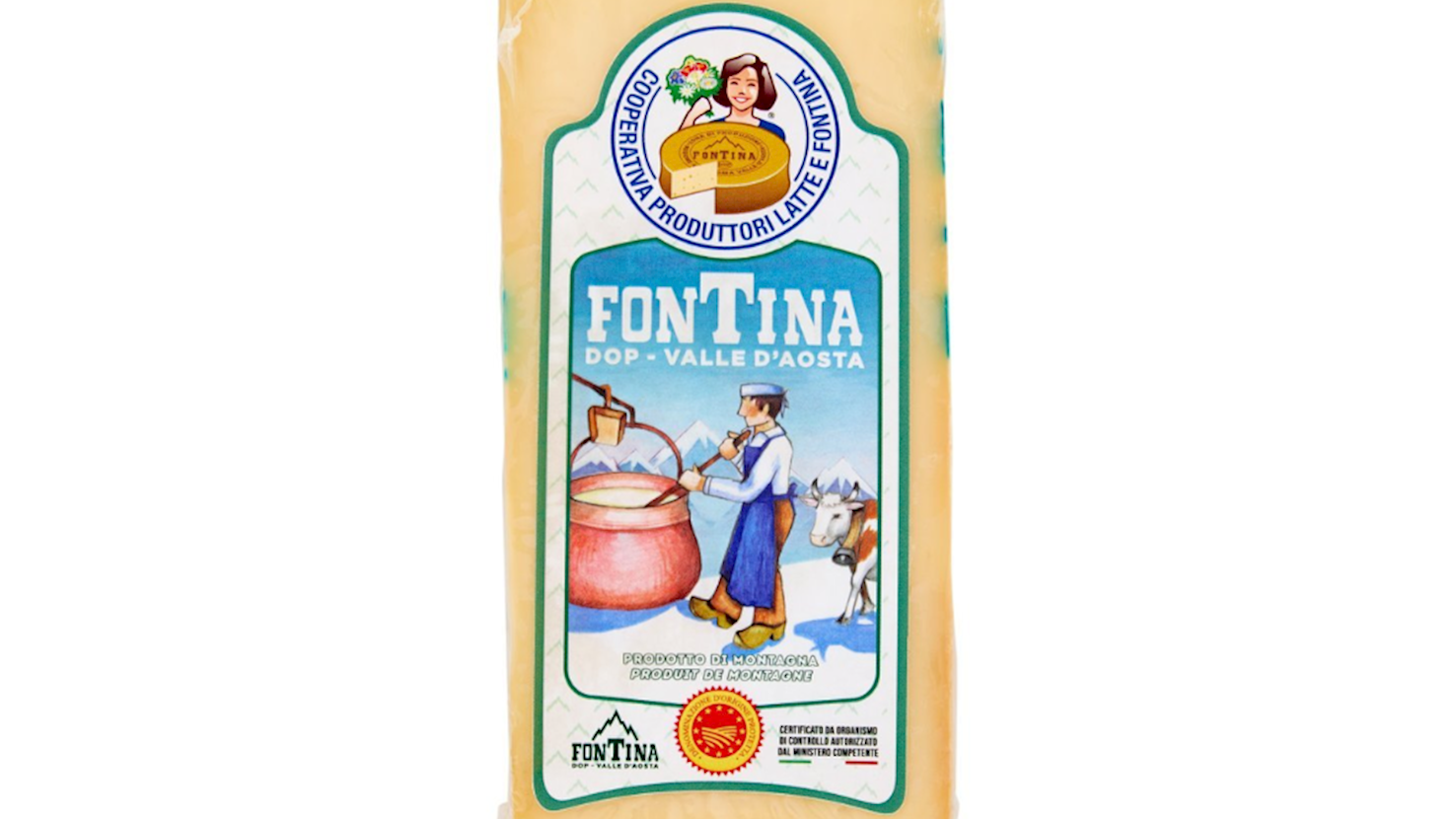
Cooperativa Produttori Latte e Fontina was founded in 1957 in the Aosta Valley region of Italy, with the aim of preserving and promoting the traditional production of Fontina DOP cheese. Today, the cooperative brings together around 200 members, including private farms, cooperatives, and alpine dairies, which collectively produce approximately 250,000 wheels of this renowned cheese annually.

Fontina DOP is made exclusively from raw, full-fat milk from the native Valdostana cow breed, which is processed within two hours of milking. The aging process lasts a minimum of 80 days in natural caves, where ideal temperature and humidity conditions are maintained.

A Visitor Center located in Valpelline is open to the public, offering insight into the history and production process of Fontina cheese.

Awards
World Cheese Awards - Gold (2021)
10

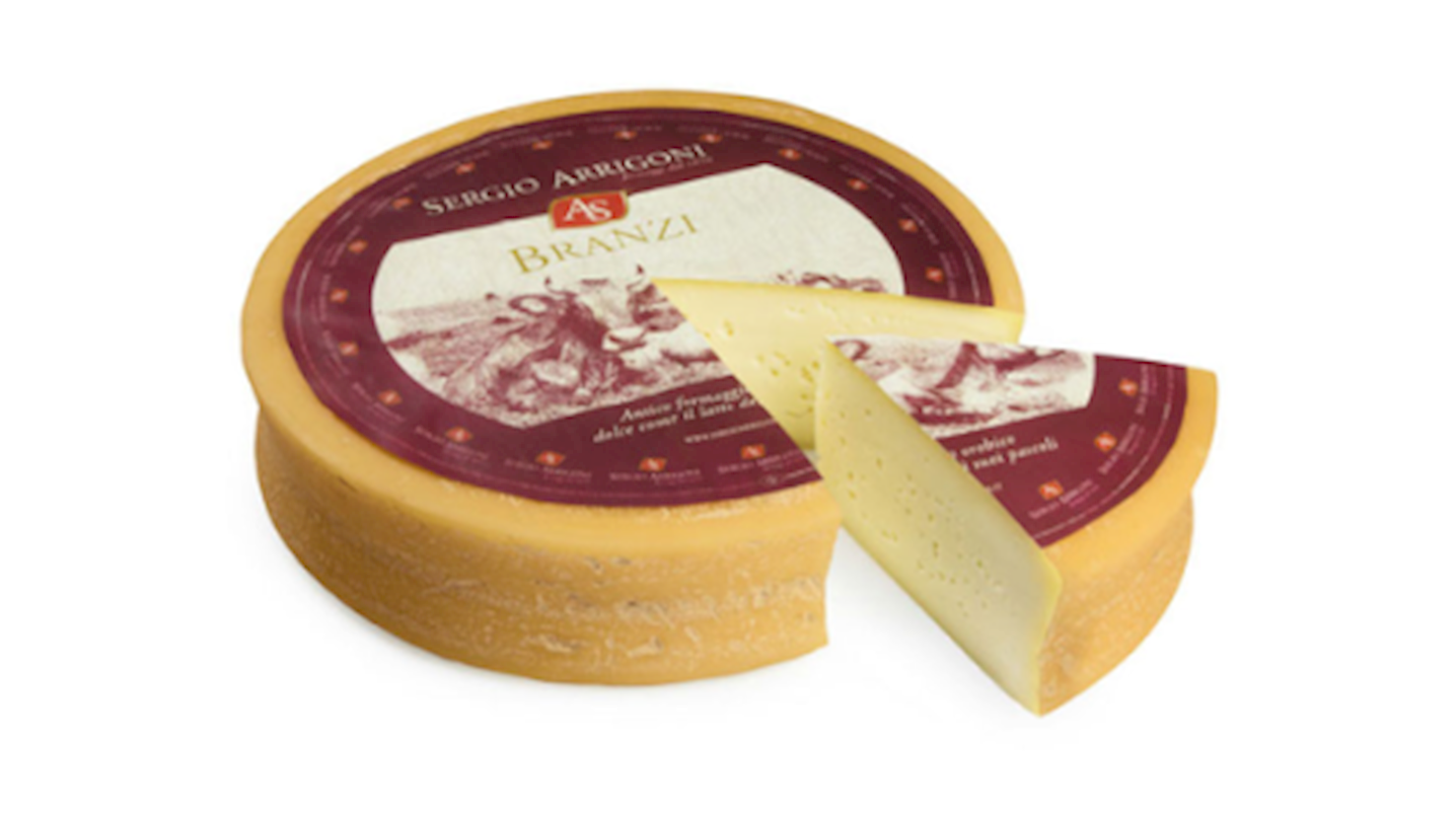
Arrigoni Sergio Formaggi

4.6 ·

Arrigoni Sergio Formaggi is a renowned Italian dairy company founded in 1914 in the province of Bergamo, at the heart of one of Italy’s most celebrated cheesemaking regions. The company specializes in the production of traditional DOP cheeses, while also developing innovative varieties with distinctive characteristics, maintaining a constant balance between tradition and modern technological standards.

Arrigoni combines milk sourced from local farms with artisanal craftsmanship and strict quality control, ensuring consistency and authenticity in every product. Their cheeses are aged in both natural and controlled environments, with special attention given to maintaining optimal microclimatic conditions in their maturing cellars.

Arrigoni exports its products worldwide and enjoys a strong reputation in the premium cheese sector, thanks to over a century of tradition, origin certifications, and unwavering dedication to quality.

Awards
World Cheese Awards - Gold (2019, 2016)
World Cheese Awards - Bronze (2019, 2015)
About this Ranking

TasteAtlas food rankings are based on the ratings of the TasteAtlas audience, with a series of mechanisms that recognize real users and that ignore bot, nationalist or local patriotic ratings, and give additional value to the ratings of users that the system recognizes as knowledgeable. For the “Top 100 Western European Natural Rind Cheeses” list until November 11, 2026, 13,557 ratings were recorded, of which 9,941 were recognized by the system as legitimate.

TasteAtlas Rankings should not be seen as the final global conclusion about food. Their purpose is to promote excellent local foods, instill pride in traditional dishes, and arouse curiosity about dishes you haven’t tried.

The initial list of top producers was compiled based on available reviews, awards, local recommendations, media and blog coverage, and consumer reviews. The list will be updated with ratings from TasteAtlas local ambassadors and TasteAtlas users.

What People Say

Similar Lists