Top 38 Spanish Spirits and Liqueurs

Last updated on June 03, 2026

Best Spanish Spirit/Liqueur Types
01

Licor 43

3.6 ·

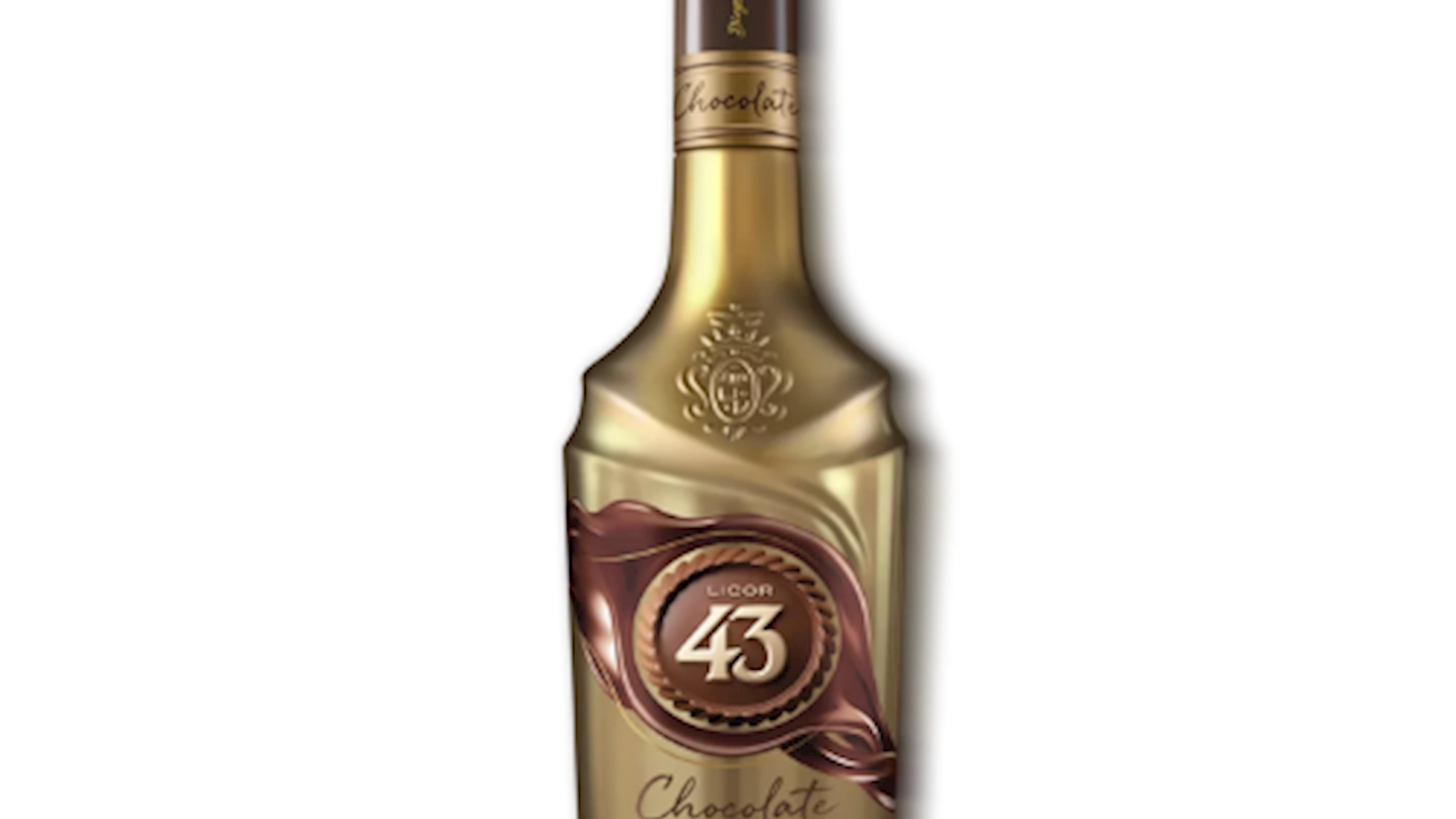
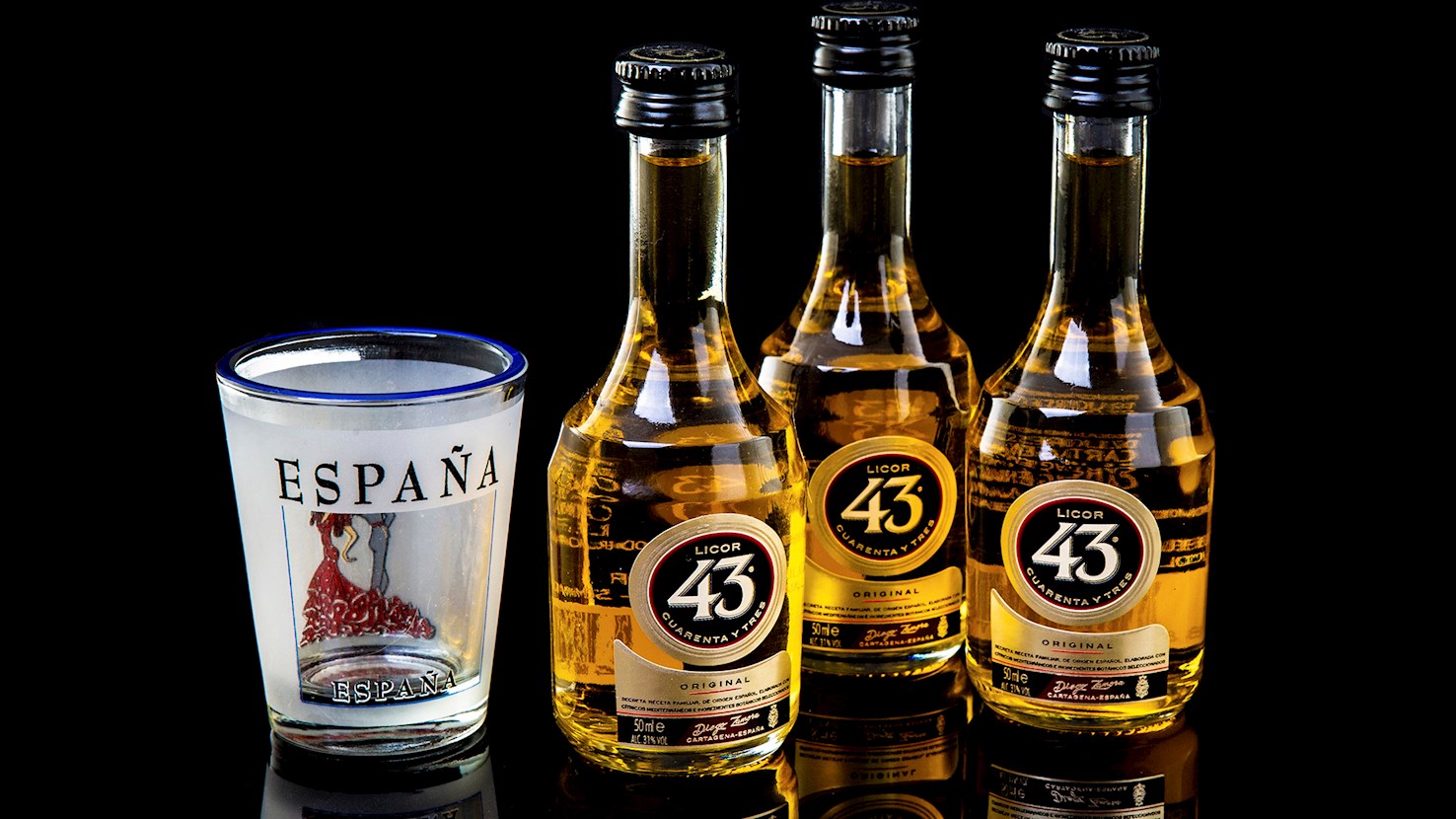
Also known as Cuarenta y Tres, which translates as forty-three, this sweet liqueur was first produced in the 1940s by Diego Zamora and other members of the Zamora family who claim that their recipe was based on an ancient liqueur known as liqvor mirabilis (marvelous liquid). Although the exact recipe is secret, the liqueur is made with precisely forty-three ingredients—hence the name. After it is aged and filtered, the final result is a smooth and dense golden-colored drink with aromas reminiscent of vanilla, citrus fruit, and spices. Licor 43 can be served well-chilled, preferably on the rocks and enjoyed as a digestif, but it is also commonly incorporated into cocktails and mixed drinks. It is used in coffee-based drinks such as barraquito and carajillo, but it also goes well with various carbonated drinks. Because of sweetness, it is also commonly used in desserts or as a topping for ice creams or custards. Licor 43 is bottled at 31% ABV.

Best producers
02

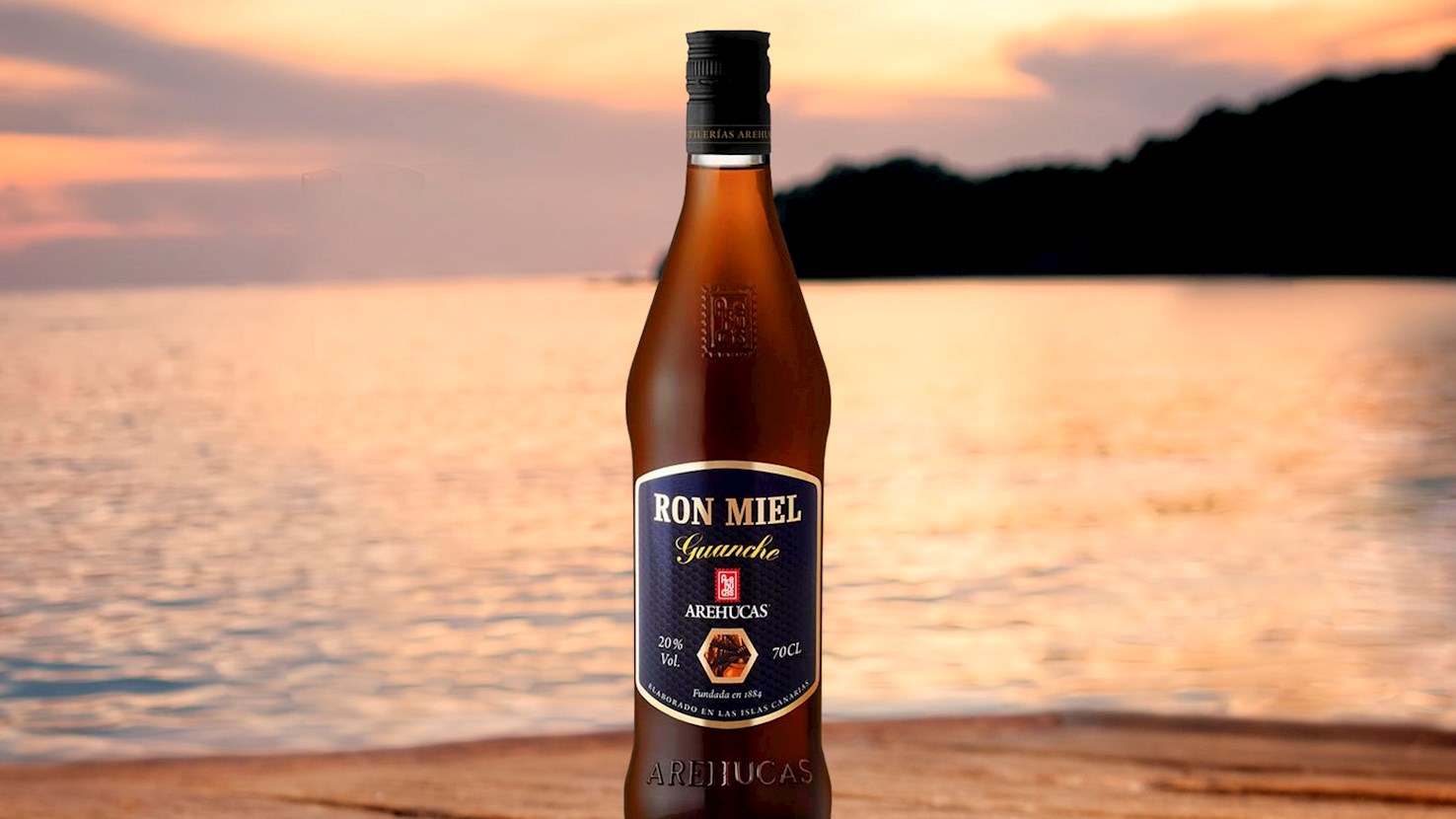
Ronmiel de Canarias

3.5 ·

Ronmiel de Canarias is a traditional liqueur made with honey and rum. As the name suggests, it hails from the Canary Islands, where it was initially mixed in homes and bars, while the commercial production started in the 1950s. Ronmiel is a clear liqueur with a color that ranges from golden yellow to mahogany. It is a sweet drink with honey and caramel-like aroma and flavor, while the alcohol content varies between 20% and 30%. Traditionally, it is enjoyed neat, preferably as a digestif.

03

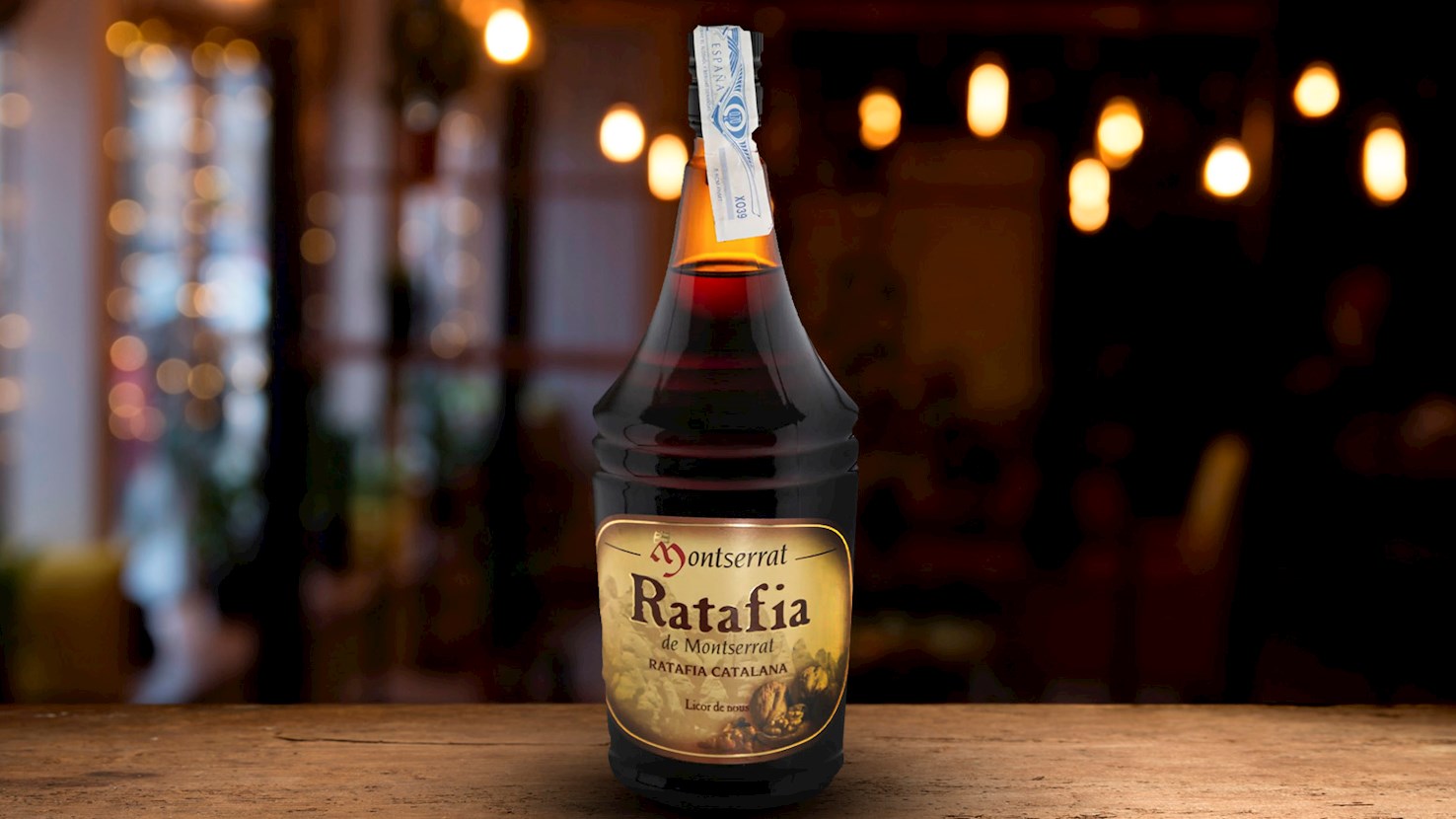
Ratafia catalana

3.4 ·

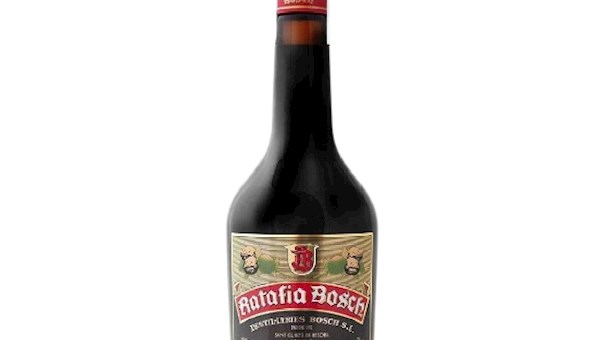
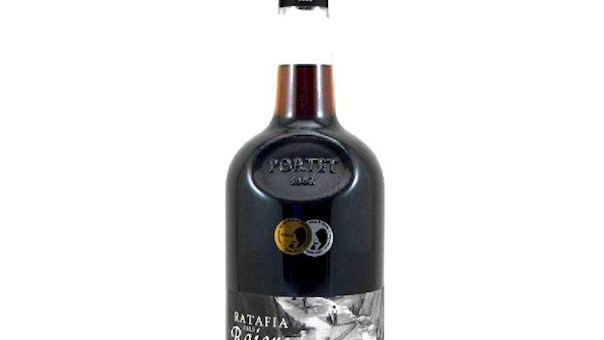
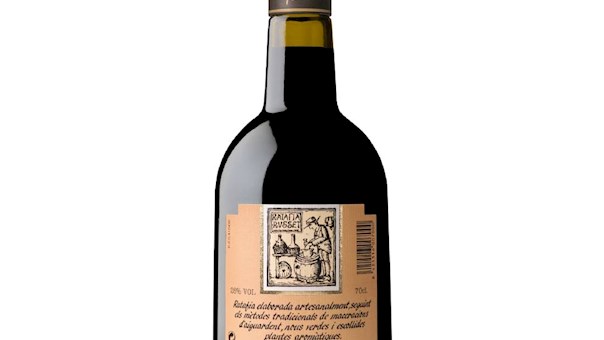
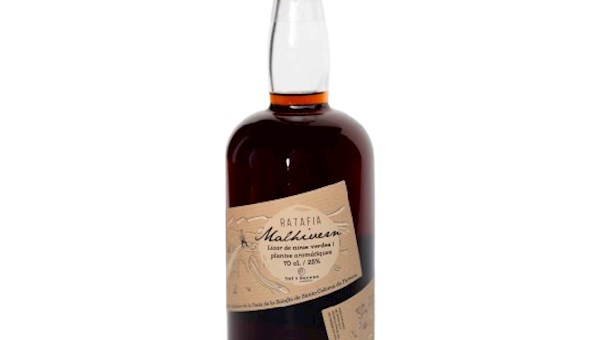
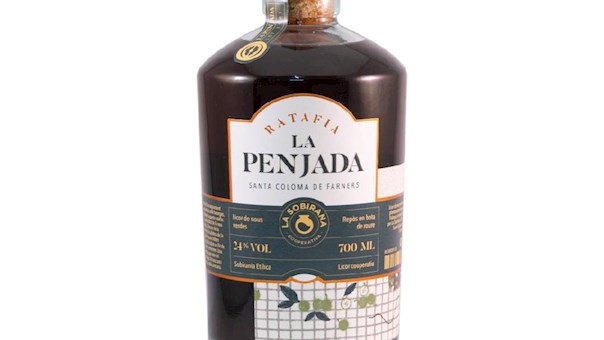
Catalonian ratafia is a rich and aromatic nut liqueur that belongs to the broad category of ancient ratafia liqueurs mostly associated with Mediterranean countries. It originated as a homemade beverage made with availabe ingredients and without a particular recipe. The recipes were usually handed down through the generations. Catalonian ratafias are made by macerating unripe green walnuts in aguardiente (distilled spirit). Additional ingredients can incorporate various fruits and herbs. It always includes lemon verbena, cinnamon, cloves, and nutmeg, but citrus zest, bay leaves, chamomile, and fennel are also common. Ratafia has to be oak-aged for at least three months, and it can have a maximum of 30% ABV. Despite their versatility, most ratafias are dark brown liqueurs with a distinctive nutty flavor and aroma, along with herbal and earthy nuances. They are dense and rounded, with a long, warming finish. Ratafia can be enjoyed neat or on the rocks. It is an excellent aperitif or digestif, but it can also be served with desserts, nuts, or dried fruit, and it is occasionally used as a cooking ingredient. According to the ancient belief, herbs picked on the morning following Saint John's Eve (June 23rd) will have the best properties for making ratafia.

04

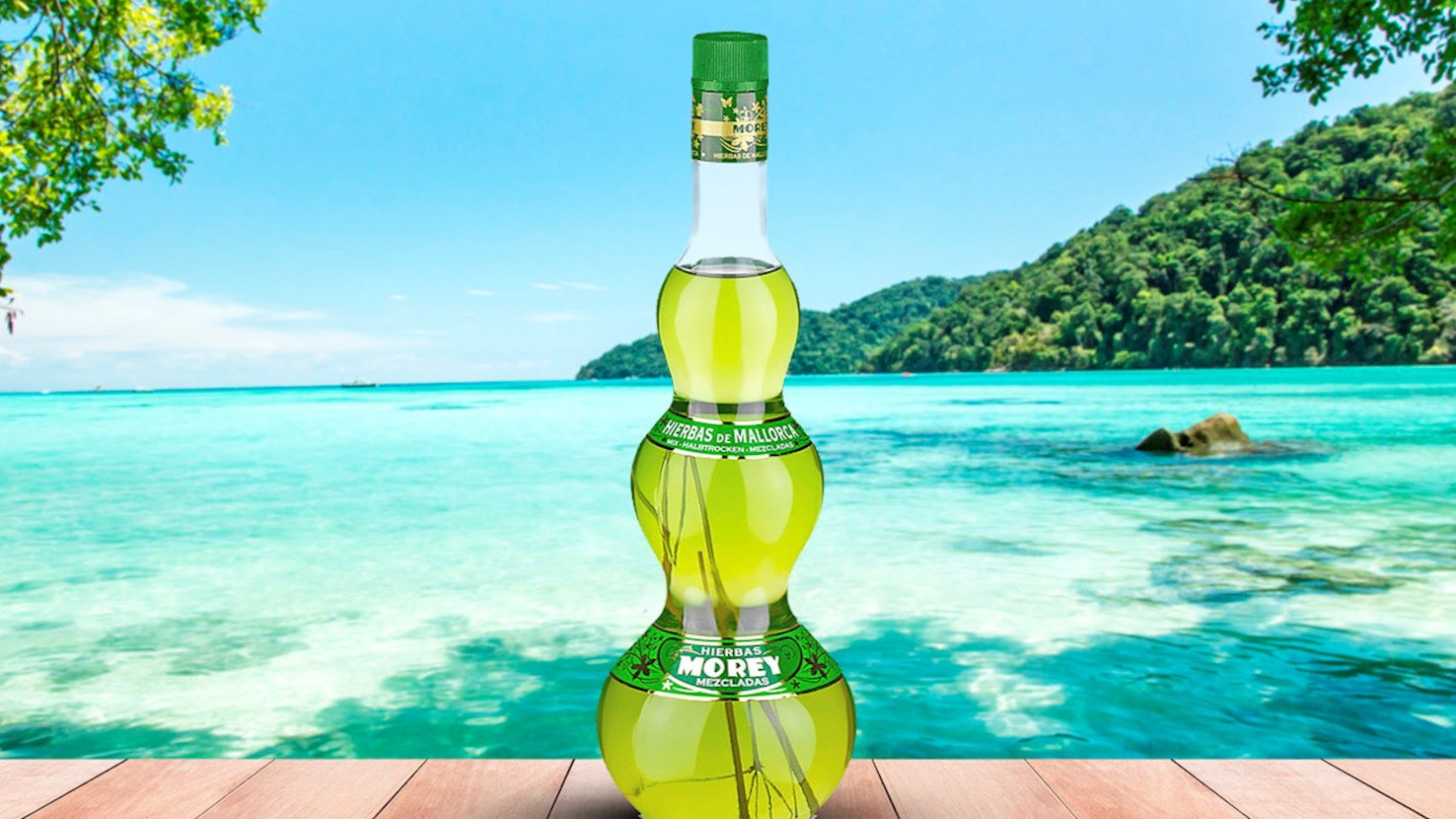
Hierbas de Mallorca

3.2 ·

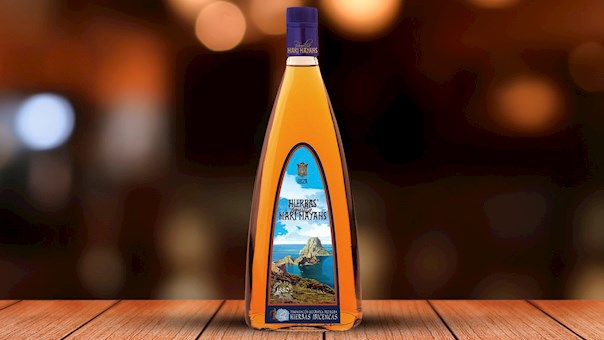
Hierbas de Mallorca is a potent herbal liqueur from Mallorca made with an anise spirit and various Mediterranean plants and herbs such as fennel, lemon verbena, rosemary, chamomile, lemons, and oranges. The drink comes in several styles: dolces (sweet, minimum 20% ABV), mesclades (minimum 25% ABV), seques (dry, minimum ABV 35% ABV). This liqueur can vary in intensity, but most examples are green or amber and have a distinctive herbaceous and anise aroma. It is usually served in shot glasses (chupito) and is mostly enjoyed as a digestif. It is believed that the tradition of preparing this liqueur started at Mallorcan monasteries. Nowadays, there are many industrially produced varieties, but many local families still prepare their homemade versions made with locally sourced plants. In 2002, the liqueur was given a geographical indication designation. It can only be produced in Mallorca.

05

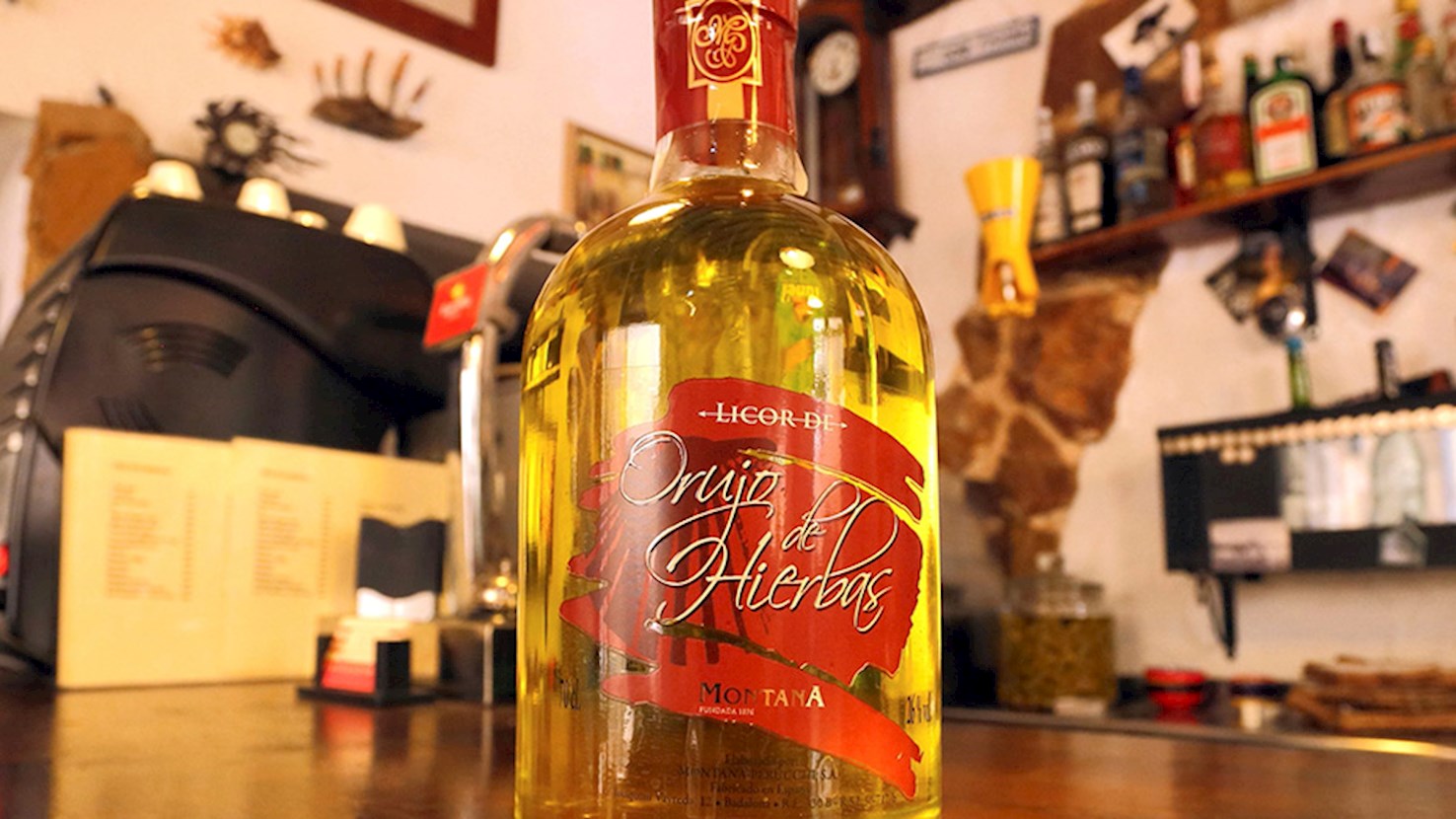
Orujo

3.1 ·

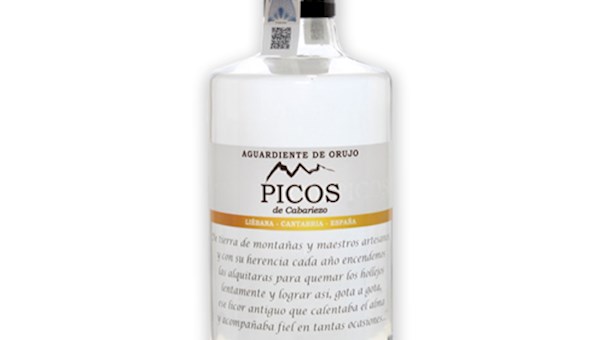
Orujo is an ancient Spanish pomace brandy that is enjoyed throughout the country, but it is usually associated with northern Spain—namely Galicia, León, and Asturias. In its basic form, orujo comes as a clear, strong spirit with an alcohol content that varies between 40-50%. The drink is occasionally aged or infused with various ingredients such as herbs and fruits. It is usually served in shot glasses, locally known as chupito, and is best enjoyed as a digestif, which is meant to be slowly sipped. In the past, it was mostly home-produced, but in recent years many factory-produced orujo brandies appeared on the market. Except neat, this grape brandy is occasionally mixed with coffee, and it also makes a base of the popular Galician queimada—a flambéed drink which combines orujo, sugar, lemon, and coffee beans.

06

Pacharán

2.9 ·

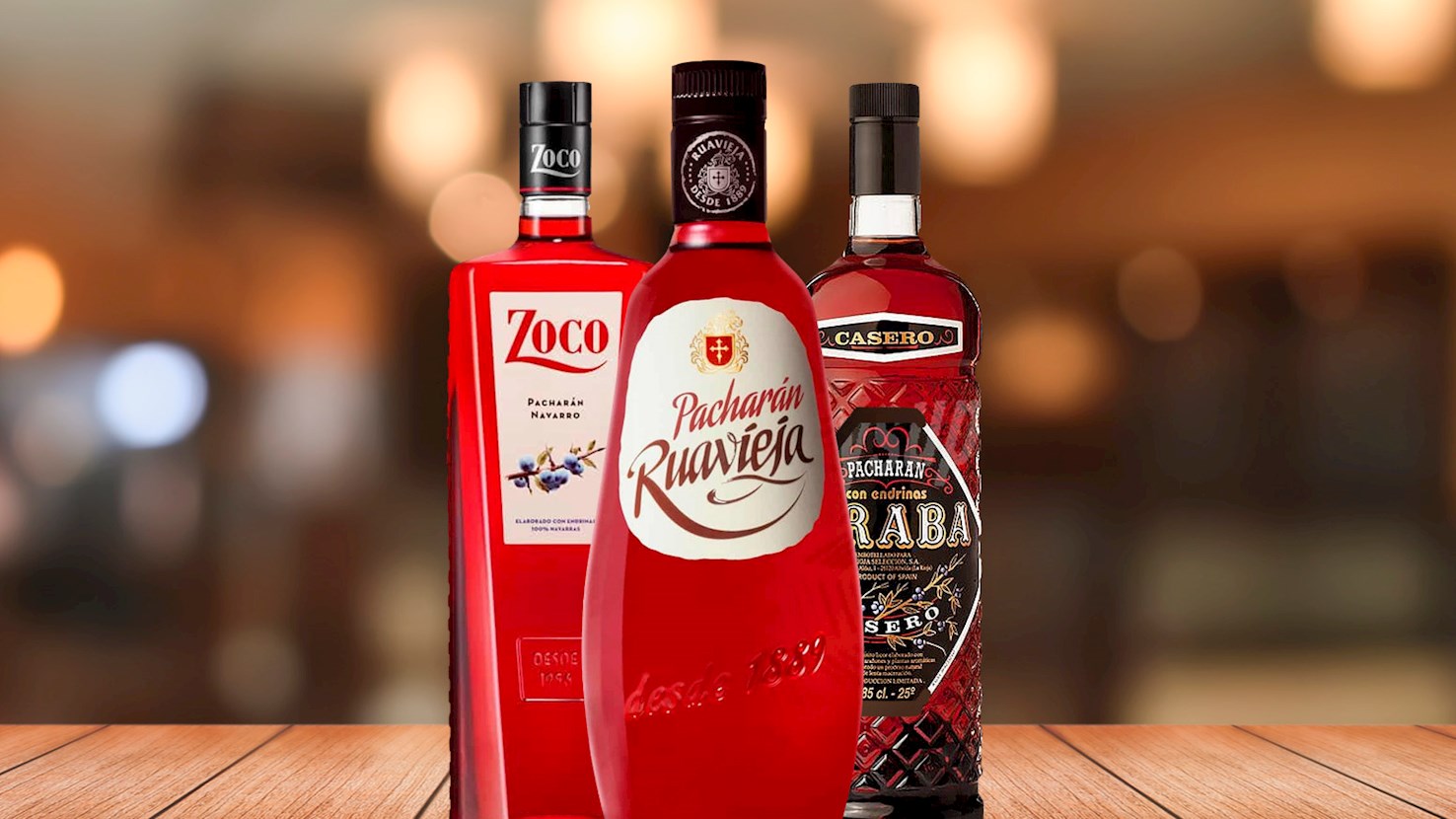
Pacharán is a sloe-flavored liqueur that is mostly associated with Navarre, but it is also enjoyed in other Spanish regions. The drink is made by macerating sloes (blackthorn) in an anise-flavored spirit. Sometimes, bay leaves, roasted coffee beans, herbs, or spices can be added to the mix. The sloes are macerated for several months until the liqueur attains a distinctive mahogany hue. The resulting drink is sweet, pleasant, and potent—alcohol content typically falls between 25-30% ABV. Pacharán has a long history, dating back to the Middle Ages. It was initially consumed as a medicinal drink that had beneficial effects on digestion, or it could act as a sedative. By the 19th century, it became a common after-dinner drink. It is best served chilled, straight or over ice.

07

Anisette

2.8 ·

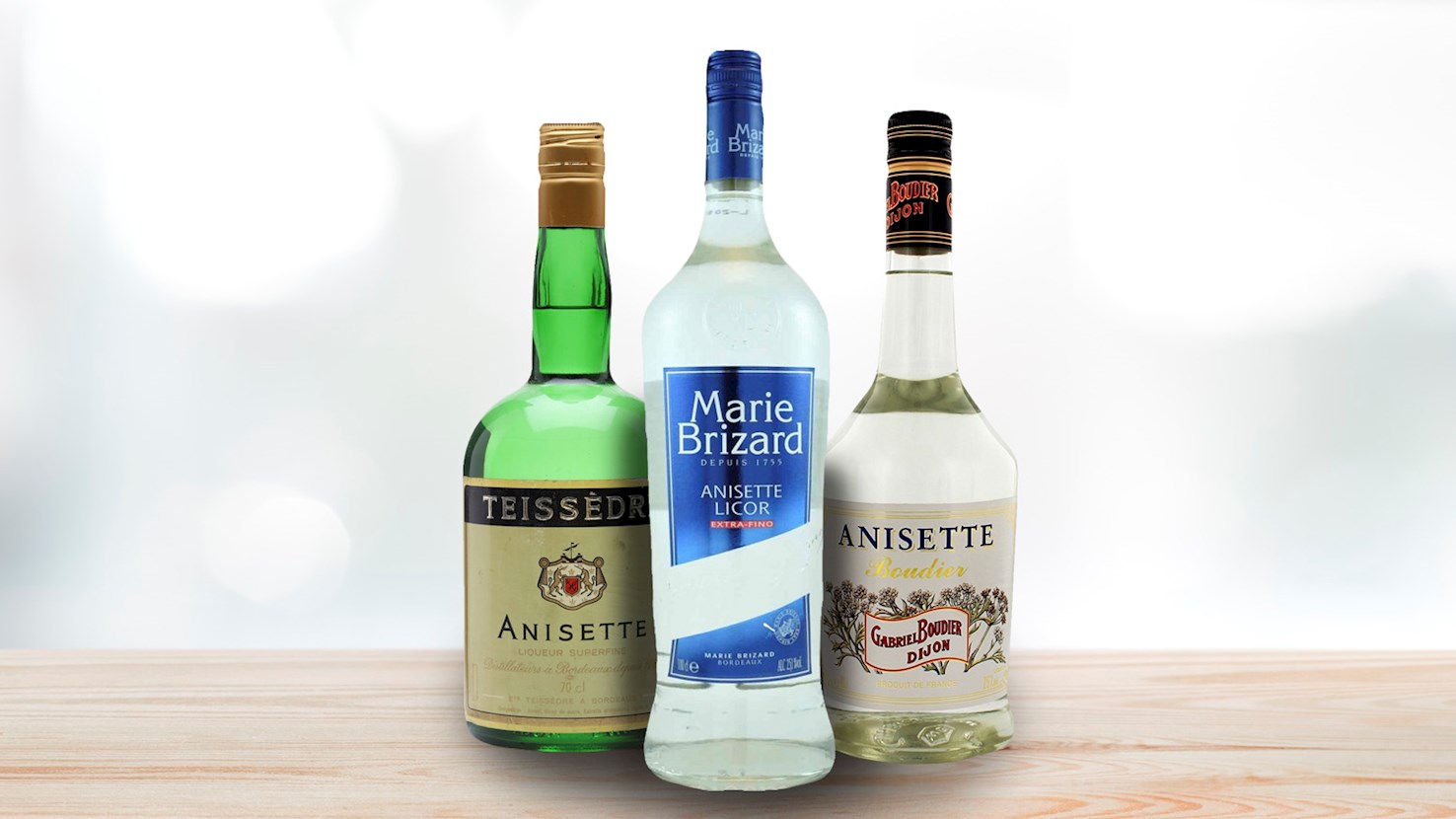
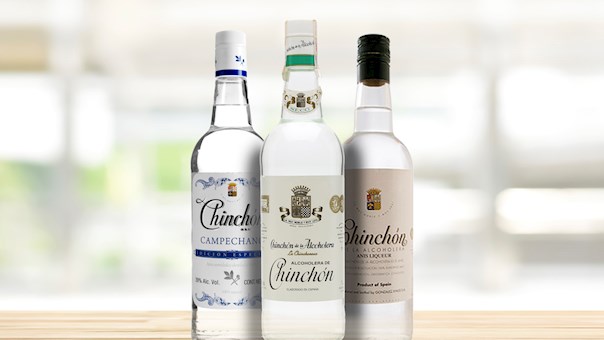
Anisette, anisetta, or simply anis is a term that encompasses various anise-based liqueurs. These types of liqueurs don’t have a single origin, but they are mostly associated with Mediterranean countries, such as Italy, Spain, France, Greece, and Turkey. The drink is mostly distilled from a base that is flavored with anise plant, sometimes together with other botanicals. The distillate is then usually sweetened or additional flavored. Most varieties range from 40 to 60% ABV. Anise liqueurs are usually enjoyed neat, mixed with water, or served over ice, but they can also be added to espresso (café corretto), or incorporated into cocktails and long drinks.

08

Herbero

n/a ·

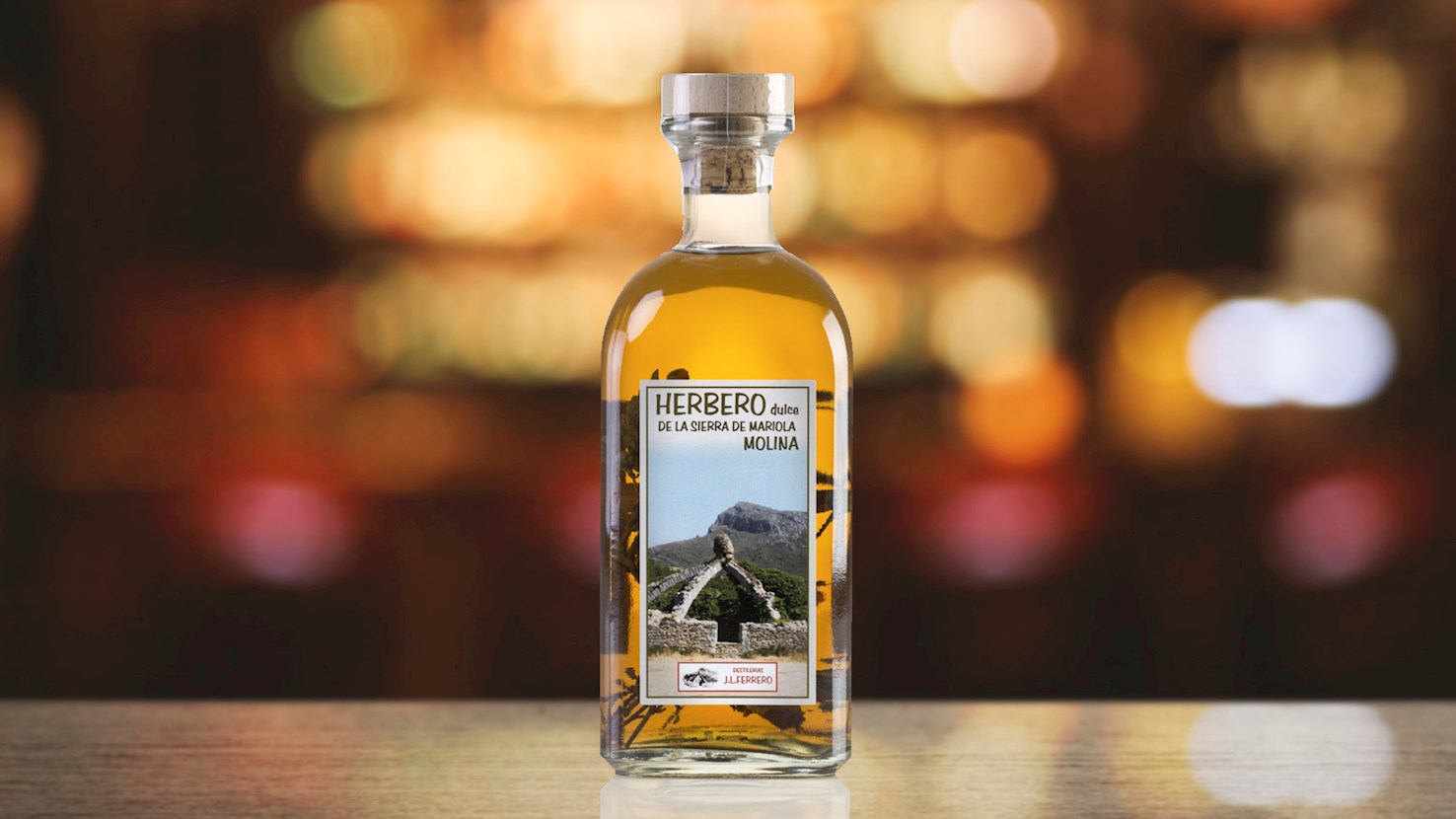
Herbero is a Spanish liqueur hailing from the Serra de Mariola mountain range in Valencia. Officially called Herbero de la Serra de Mariola, this herbal liqueur is made from aniseed and various mountain herbs. The drink can be distilled or macerated. Along with anise, it is usually made with a selection of local herbs such as sage, chamomile, mint, verbena, peppermint, fennel, anise, lavender, thyme, and many more. Herbero can vary in color, from deep yellow-green to amber. It has herbal aromas and flavor, with a distinctive anise note. Herbero has a long tradition in Alicante. The locals traditionally collected various aromatic herbs and mostly used them as a medicine until the Moors introduced distillation. Herbero is usually served in shot glasses, and it is recommended to be enjoyed neat, at room temperature, or slightly chilled.

09

Brandy de Jerez Gran Reserva

n/a ·

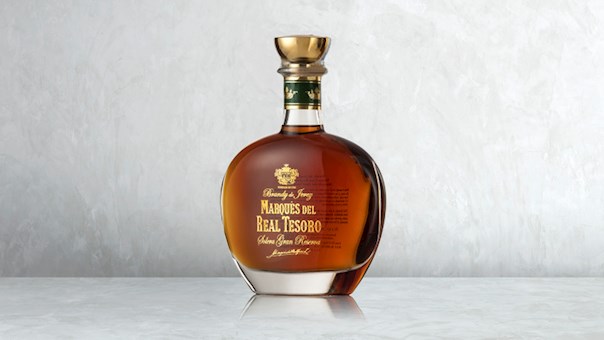
Brandy de Jerez Gran Reserva is the oldest Jerez brandy, the most premium and aged expression of Brandy de Jerez, representing the pinnacle of quality within its classifications. It is aged for a minimum of three years, but typically, these spirits are matured for an average of ten years. This extensive aging process results in a concentration of 250 grams of volatile components per hectoliter of pure alcohol, often exceeding this measure, which enhances its rich and complex profile. The visual appeal of this brandy is striking, with a deep mahogany hue, iodized tones, and greenish flashes at the rim of the glass, indicating its prolonged maturation. Aromatically, it offers a harmonious and balanced bouquet. The dominant notes are those from the aging process—roasted, noble wood, dried fruits, raisins, and plums—complemented by higher alcohols, esters, and aldehydes developed during its time in the barrel. On the palate, Brandy de Jerez Gran Reserva is smooth and well-balanced, with a rich and slightly sweet profile. It presents elegant flavors of wood and dried fruits, with the alcohol being subtly integrated, making it less pronounced. This creates a seamless, luxurious drinking experience that highlights the sophisticated aging process. Best enjoyed neat or with a drop of water to fully appreciate its depth and complexity, Brandy de Jerez Gran Reserva is also excellent when paired with a premium cigar or rich desserts like dark chocolate or spiced cakes. Ideal for special occasions, contemplative sipping, and as a luxurious after-dinner drink, this expression showcases the expertise of Brandy de Jerez producers and the unique characteristics of the extended solera aging process. It is a prized choice for connoisseurs and those seeking the finest in brandy.

10

Palo de Mallorca

n/a ·

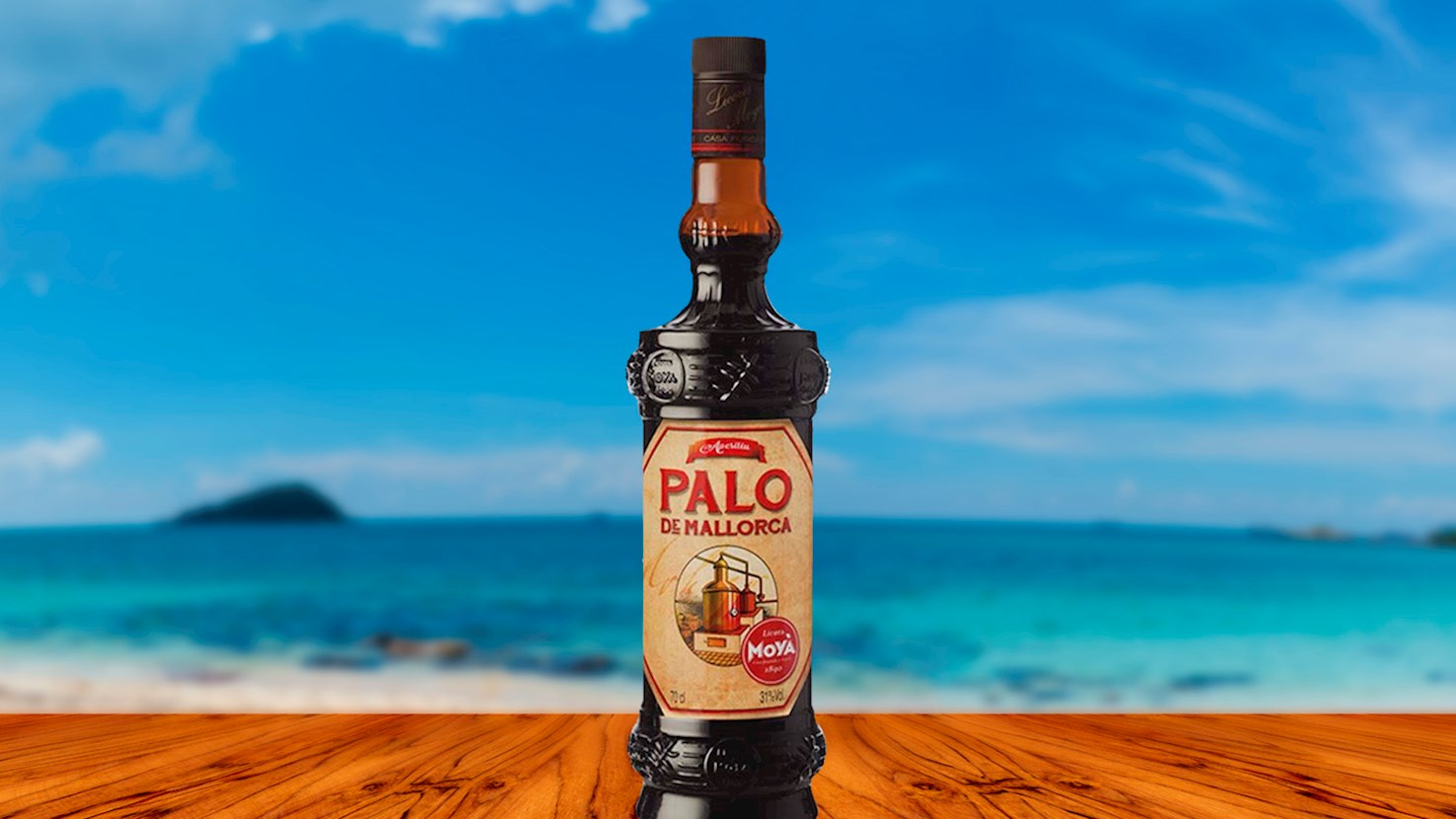
Palo de Mallorca is a dark-colored liqueur flavored with cinchona bark and gentian root. It is a dense and sweet liqueur with a bitter aftertaste and caramel and licorice aromas that can only be produced in Mallorca. Like similar types of herbal liqueurs, palo de Mallorca was initially used as a bitter health remedy. In the 19th century, the original recipe was improved with the addition of sugar and alcohol. With these additions, it became more palatable and consequently more popular. Palo de Mallorca is mostly enjoyed as an aperitif, usually mixed with sparkling or soda water. It can also work well in cocktails or as an ingredient in desserts. The alcohol content can range between 25% and 36%.

Best Spanish Spirits and Liqueurs
01

Fundador

5 ·
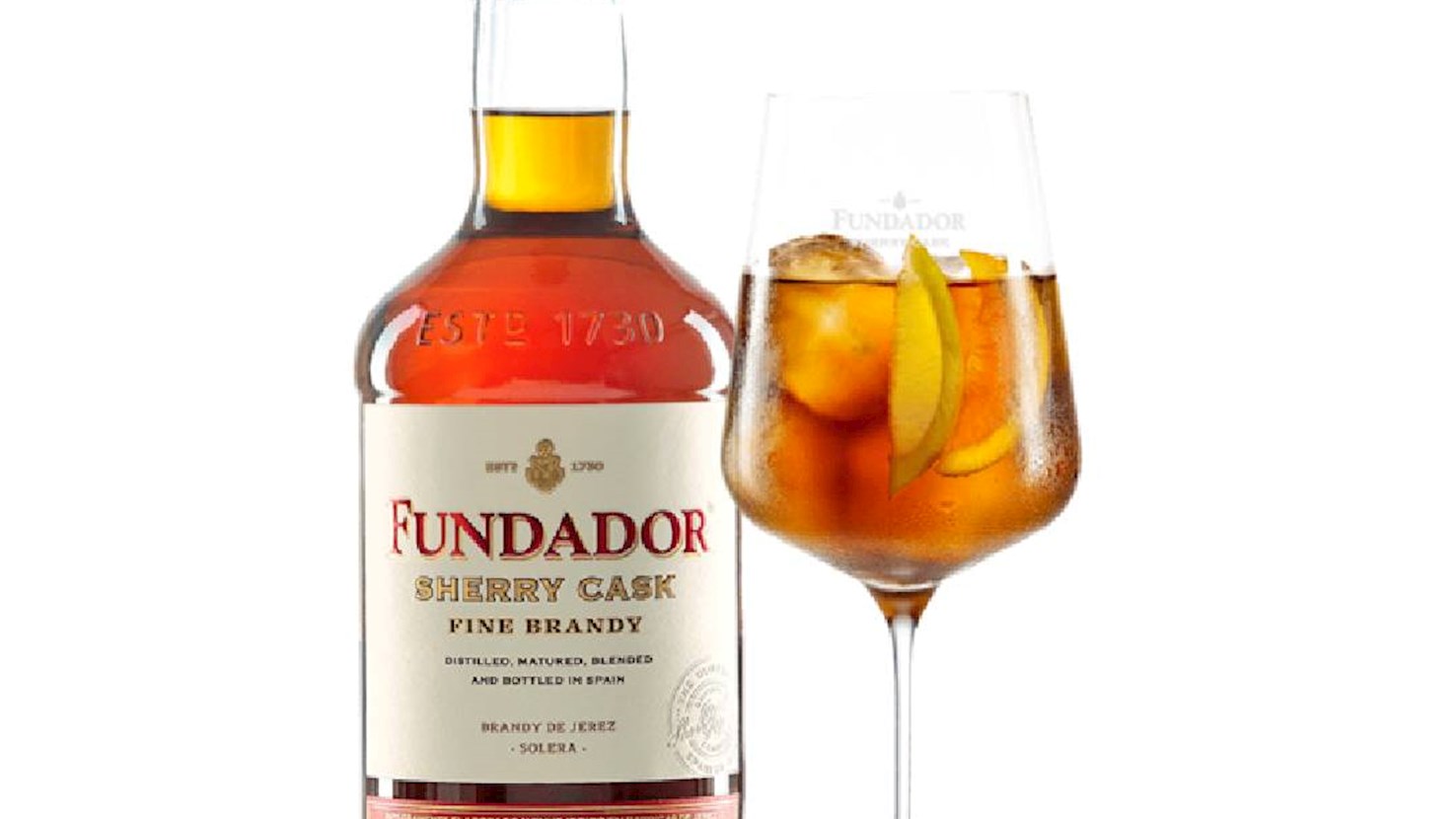
Fundador is a distinguished Spanish brandy producer, renowned for crafting the first Brandy de Jerez. Established in 1730, it stands as the oldest bodega in Jerez, Spain, with a rich history spanning nearly three centuries. The brand's legacy began in 1874 when it introduced Fundador, the inaugural Spanish brandy, marking a significant milestone in the spirits industry. Over the years, Fundador has maintained its commitment to quality and tradition, producing brandies aged in Sherry Casks that previously held some of the finest sherry wines. Today, Fundador continues to be a leader in the production and exportation of Brandy de Jerez, offering a diverse range of products that honor its storied heritage while embracing innovation.
Awards
SFWSC - San Francisco World Spirits Competition - Double Gold (2024, 2023)
ISC-International Spirits Challenge - Double Gold (2022, 2021, 2019)
02

González Byass

5 ·
González Byass is one of the most important and influential wine houses in Spain, founded in 1835 in Jerez de la Frontera, with a strong identity built on the tradition of Sherry production. Over nearly two centuries, this family-owned company has preserved stylistic continuity while growing into an international group whose portfolio now includes wines, vermouths, and spirits from several Spanish regions. The best-known symbol of the house is Tío Pepe, one of the most recognizable Fino Sherries in the world, which has largely shaped the global perception of Sherry. González Byass is renowned for its long-standing solera systems, some of which have been operating for more than a century, ensuring consistency of quality and clarity of style across generations. Its cellars in Jerez, Sanlúcar de Barrameda, and El Puerto de Santa María represent key reference points for understanding the diversity of Sherry, from Fino and Manzanilla to Amontillado, Oloroso, and Pedro Ximénez. The philosophy of the house is based on a balance between respect for tradition and openness to innovation, without compromising the identity of its wines. Special emphasis is placed on preserving cultural heritage, visible in the architecture of the bodegas and the historical archives that trace the brand’s development. Today, González Byass is seen not only as a wine producer but as an institution of Spanish wine culture. Its role in the internationalization of Sherry has made the house one of the main ambassadors of Jerez around the world.
Awards
ISC-International Spirits Challenge - Double Gold (2023)
Decanter World Wine Awards - Platinum (2023, 2022, 2020, 2019, 2018)
03

Torres Brandy

5 ·
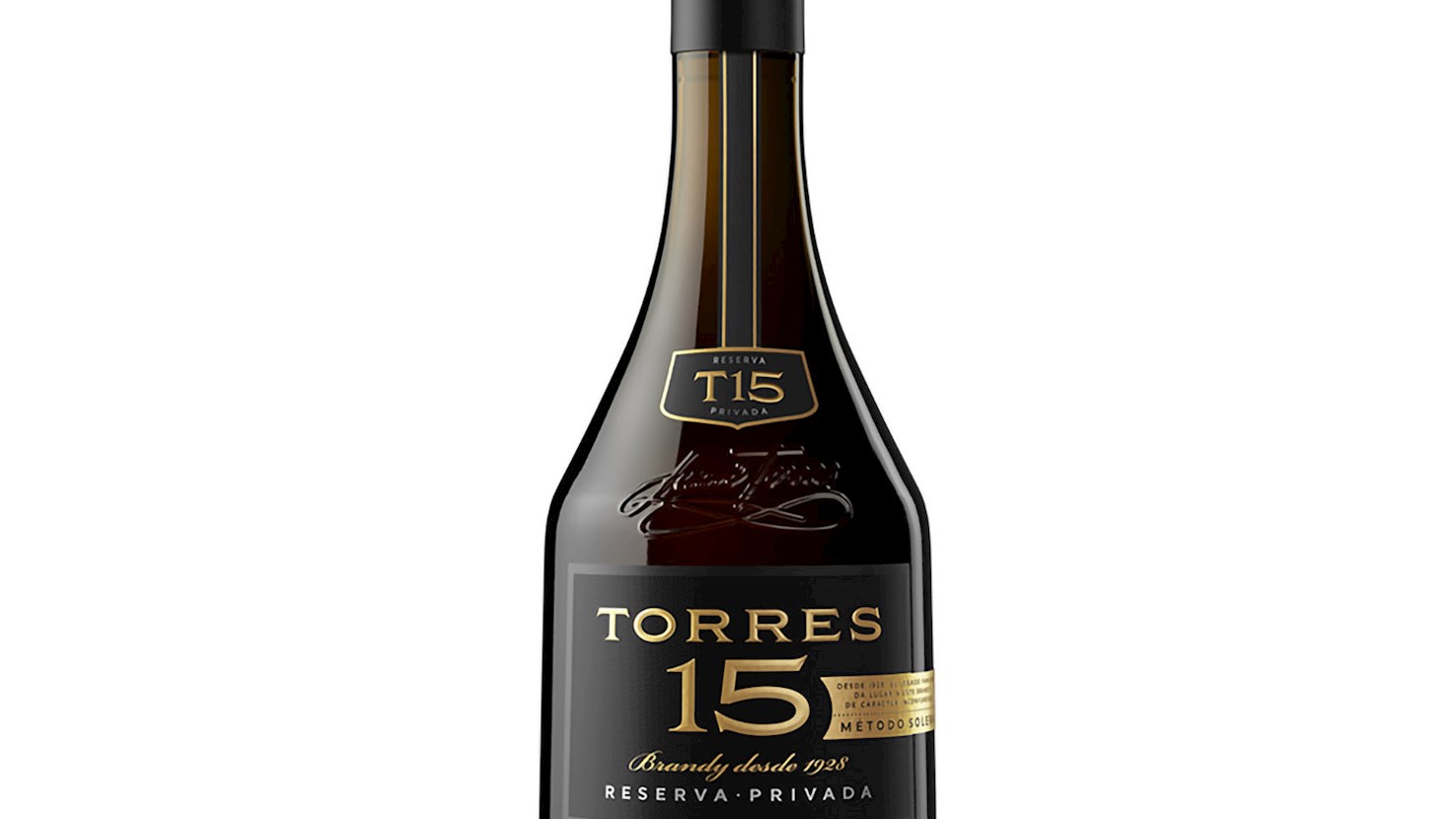
Torres Brandy is a renowned Spanish producer of high-quality brandies and spirits, based in Vilafranca del Penedès, Barcelona. The brand is part of the Torres family legacy, which has been dedicated to winemaking and distillation for generations since 1928. They are recognized for blending tradition with innovation, producing premium spirits crafted from select white wines and aged meticulously in oak barrels. Their product portfolio includes various expressions of brandy, such as Torres 10, Torres 15, Torres 20, and Jaime I, each representing distinct levels of aging and complexity. These spirits are celebrated worldwide for their rich aromas, smooth textures, and exceptional craftsmanship.
Awards
SFWSC - San Francisco World Spirits Competition - Double Gold (2024, 2023)
ISC-International Spirits Challenge - Double Gold (2019)
04

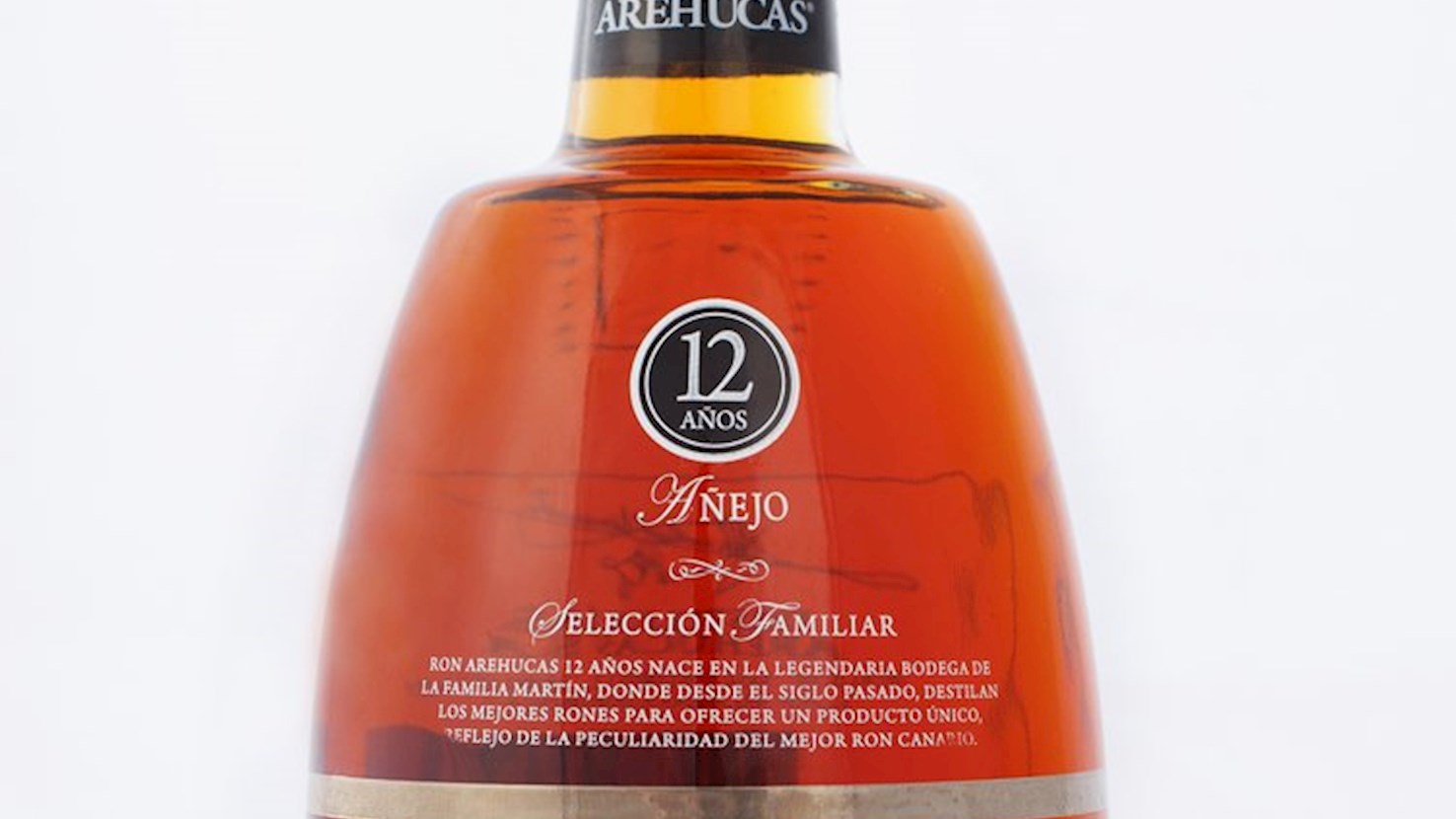
Destilerias Arehucas

5 ·
Awards
IWSC- International wine & spirit competition - Spirit Gold (2023)
IWSC- International wine & spirit competition - Spirit Gold Outstanding (2023)
05

Dos Maderas

5 ·
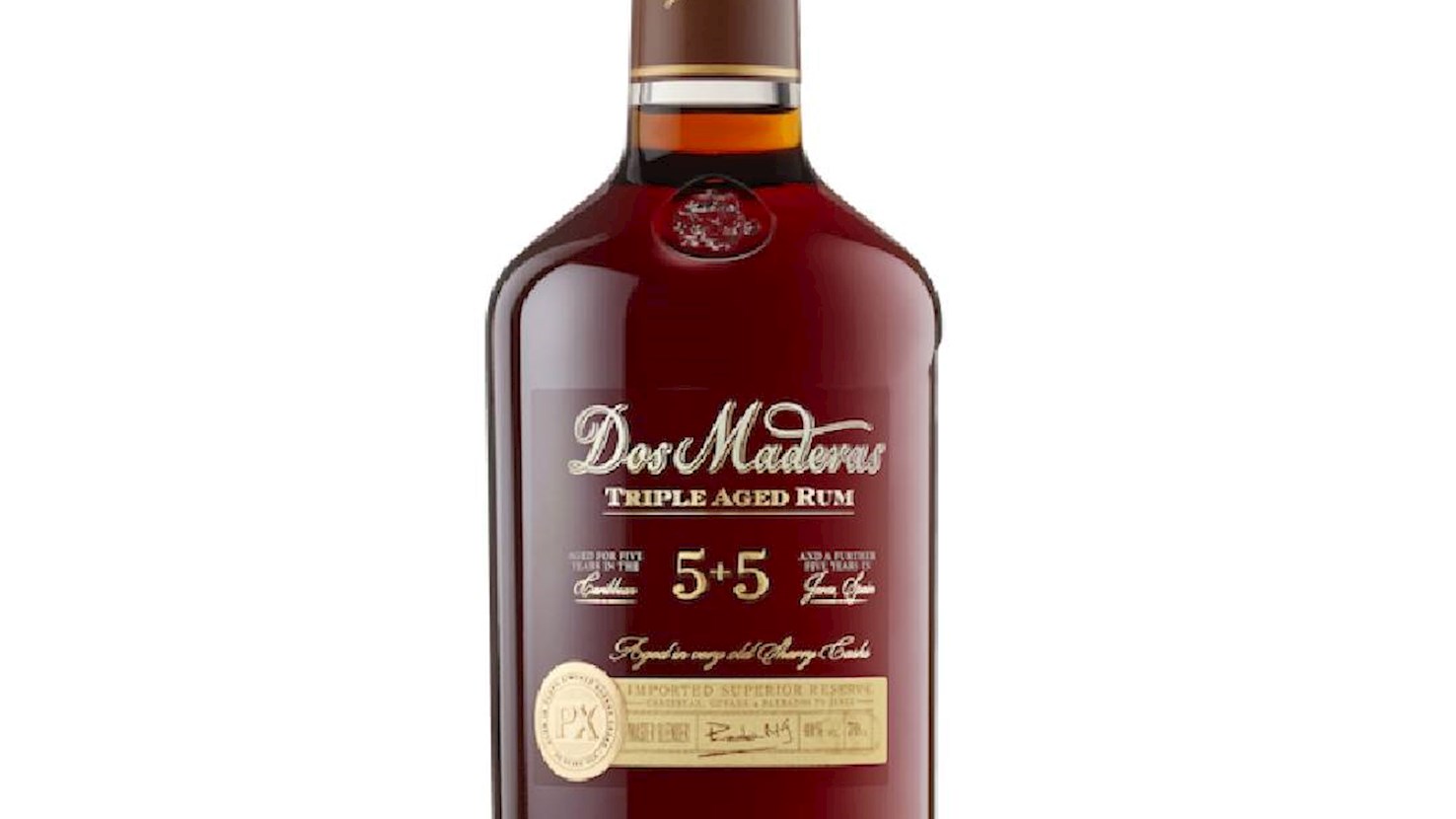
Dos Maderas is a distinguished rum brand that uniquely combines Caribbean and Spanish aging traditions. Their rums begin their journey in the Caribbean, where they age for five years in American oak casks. They are then transported to Jerez, Spain, to undergo additional aging in sherry casks at Bodegas Williams & Humbert, one of the world's most prestigious wine and spirits producers. This dual aging process imparts a rich and complex flavor profile to their rums. For instance, the Dos Maderas 5+5 rum offers fig and raisin notes, leading to rich, ripe fruit on the palate, seasoned by tropical spice and wrapped in sherry notes, with wisps of smoky oak and a touch of tobacco leaf.
Awards
NYWSC - New York World Spirits Competition - Double Gold (2024)
The Rum & Cachaça Masters - Gold (2023, 2022)
06

Licor 43

5 ·
Licor 43 is a Spanish liqueur brand originating from Cartagena in the Murcia region, where it is still produced today. The modern version of the liqueur was introduced in 1946 by the Zamora family, who developed the recipe inspired by the ancient Roman drink known as Liqvor Mirabilis. The name Licor 43 refers to the 43 natural ingredients used in its secret recipe, which includes Mediterranean citrus fruits, vanilla, and a selection of aromatic herbs and spices. The liqueur is known for its golden color and its distinctive sweet and aromatic profile with prominent vanilla and citrus notes. Today it is produced by Zamora Company, a Spanish family-owned spirits company, and is distributed in more than sixty countries worldwide. Licor 43 is commonly enjoyed neat, over ice, or as an ingredient in cocktails and coffee-based drinks such as the popular Spanish Carajillo 43.
Awards
The Liqueur Masters - Master (2023)
07

Williams & Humbert

5 ·
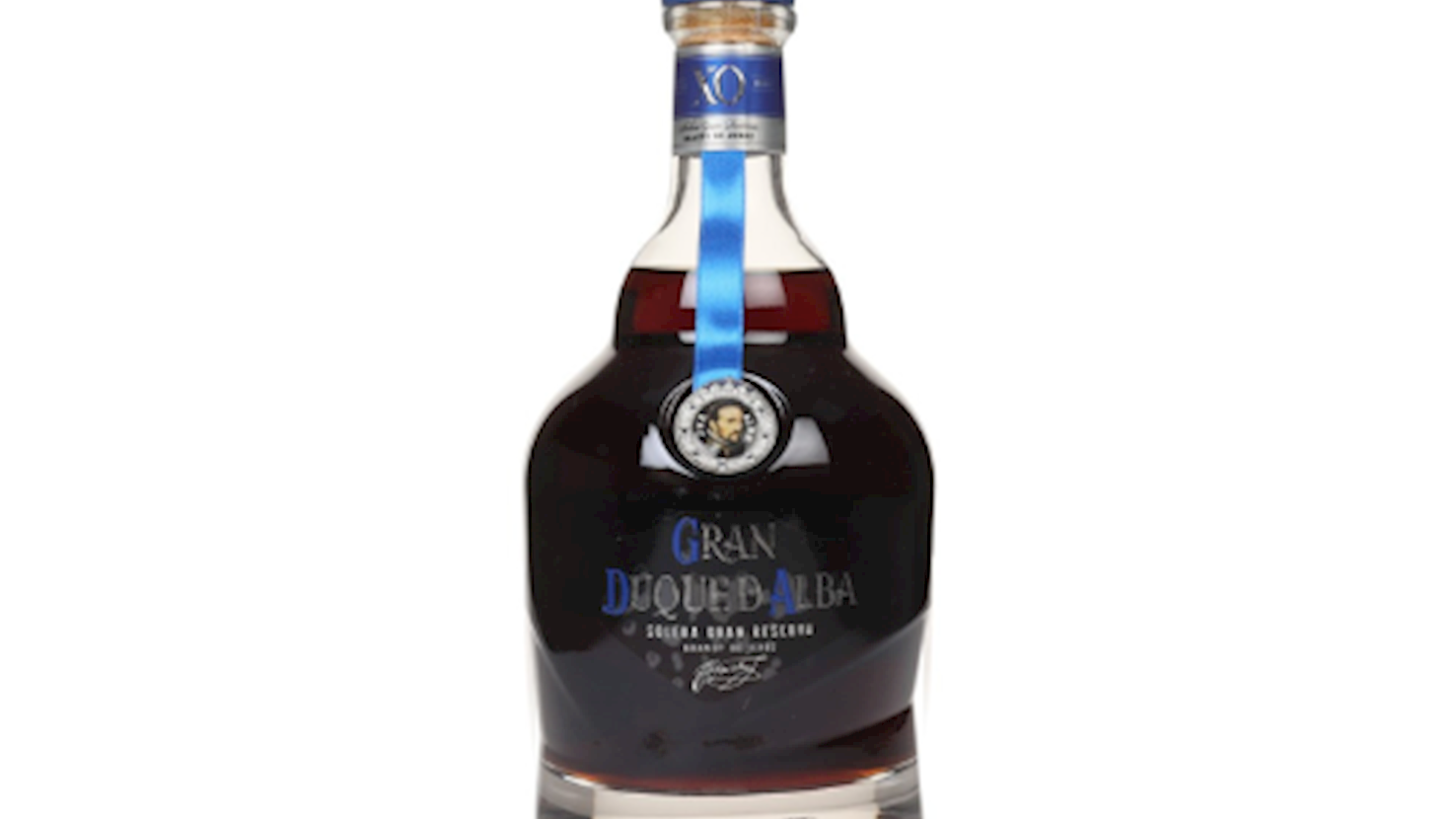
Williams & Humbert is a historic producer based in Jerez de la Frontera, founded in 1877 by Sir Alexander Williams and Arthur Humbert, and today recognized as one of the key houses within the D.O. Jerez-Xérès-Sherry. From its inception, the winery has relied on the traditional criaderas y solera aging system, maintaining extensive stocks of sherry and brandy in American oak casks to ensure stylistic consistency and depth. Its portfolio spans the full spectrum of sherry styles, from dry Fino and Amontillado to structured Oloroso and sweet Pedro Ximénez, alongside internationally known labels such as Dry Sack. The house is equally respected for its Brandies de Jerez, particularly Gran Duque de Alba, which reflects long aging and careful blending. In addition to fortified wines, the company produces other spirits, including Dos Maderas rum, matured partly in the Caribbean and finished in former sherry casks. Williams & Humbert manages significant vineyard holdings in the albariza soils of the Jerez area, cultivating varieties such as Palomino and Pedro Ximénez. Still family-owned, the winery combines traditional production methods with a modern export orientation, distributing its products to numerous international markets while preserving its historic identity within the Jerez region.
Awards
Vivino - 4.4
Vivino - 4.2
08

Bodegas Sánchez Romate

5 ·
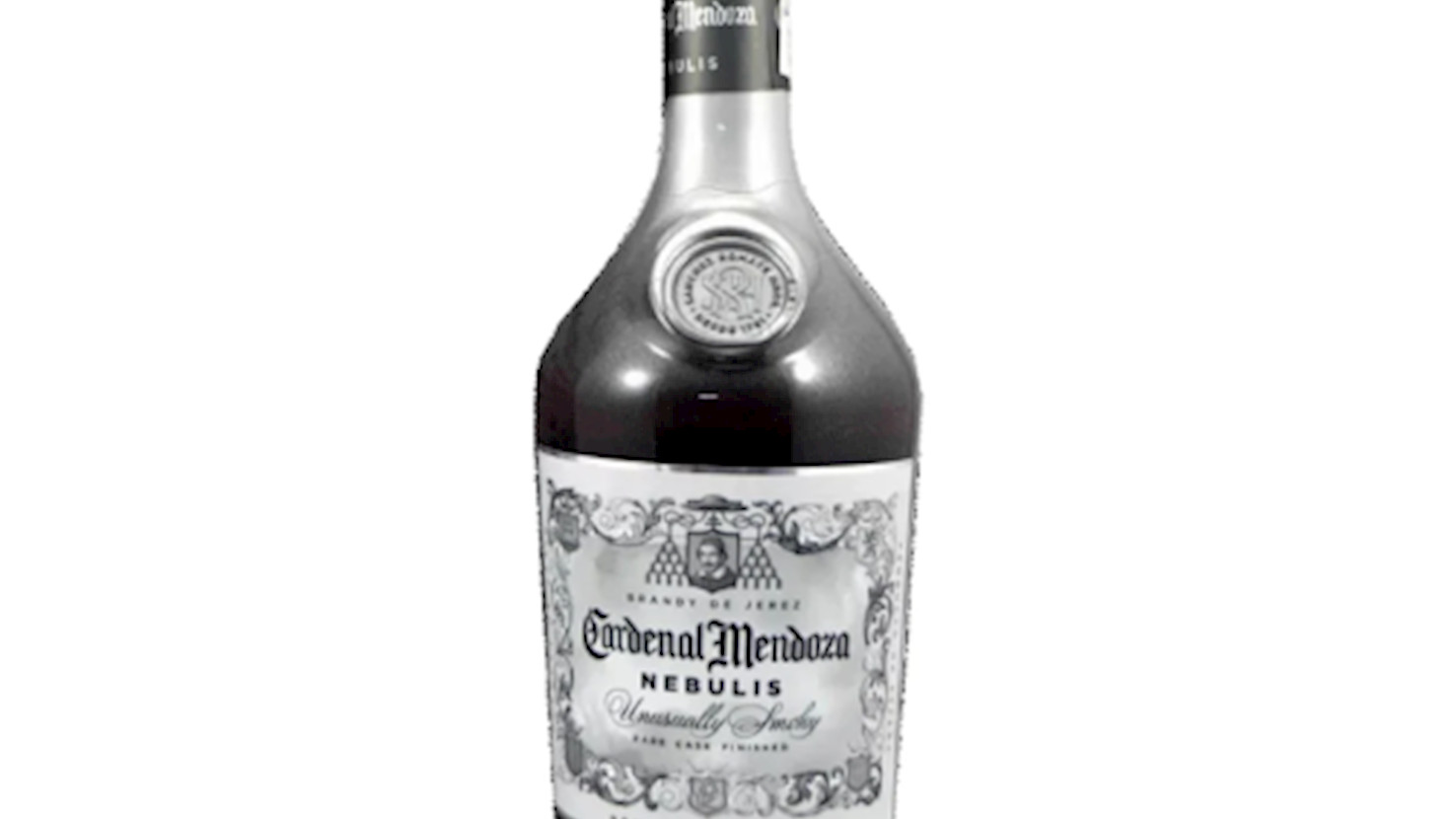
Bodegas Sánchez Romate is a historic winery founded in 1781 in Jerez de la Frontera, at the heart of Spain’s Sherry region in Andalusia, and remains one of the few houses still family-owned after more than two centuries. The estate specializes in wines produced under the traditional criaderas y solera system, where gradual blending and aging in American oak ensure stylistic consistency and complexity. Its portfolio is based on the classic grape varieties Palomino, Pedro Ximénez, and Moscatel, covering styles from dry Fino and Amontillado to structured Oloroso and rich sweet PX. The Atlantic influence and the region’s distinctive albariza chalk soils contribute to the wines’ saline edge, nutty nuances, and depth. Beyond Sherry, the house is internationally recognized for Cardenal Mendoza Solera Gran Reserva, a Brandy de Jerez aged for extended periods within the solera system. Production balances long-established methods with modern quality control, maintaining a strong sense of origin and continuity. Today, the range includes traditional Sherry wines, premium brandies, and Sherry vinegar, reinforcing the winery’s position as a benchmark producer in Jerez.
Awards
SFWSC - San Francisco World Spirits Competition - Double Gold (2024)
Wine-Searcher - 90/100
09

Bodegas Osborne

5 ·
Bodegas Osborne are premium sherries produced in the Jerez region of Spain, with a rich tradition dating back to 1772. These wines are renowned for their exceptional complexity and depth, achieved through an extensive aging process. Osborne produces two main lines of sherries: V.O.R.S. (Very Old Rare Sherry) and Rare Sherries. Rare Sherries are crafted in very limited quantities and represent the pinnacle of Osborne's production. These wines are made from the finest grapes and aged in American oak casks, which enhance their character and unique flavor profile.Drawing on traditional production methods while embracing innovation, Osborne wines embody the essence of Andalusian heritage and craftsmanship. They are a perfect choice for sherry enthusiasts and collectors worldwide.
Awards
Decanter World Wine Awards - Platinum (2022, 2018)
Decanter World Wine Awards - Best in Show (2021)
10

Carlos Brandy

4.8 ·
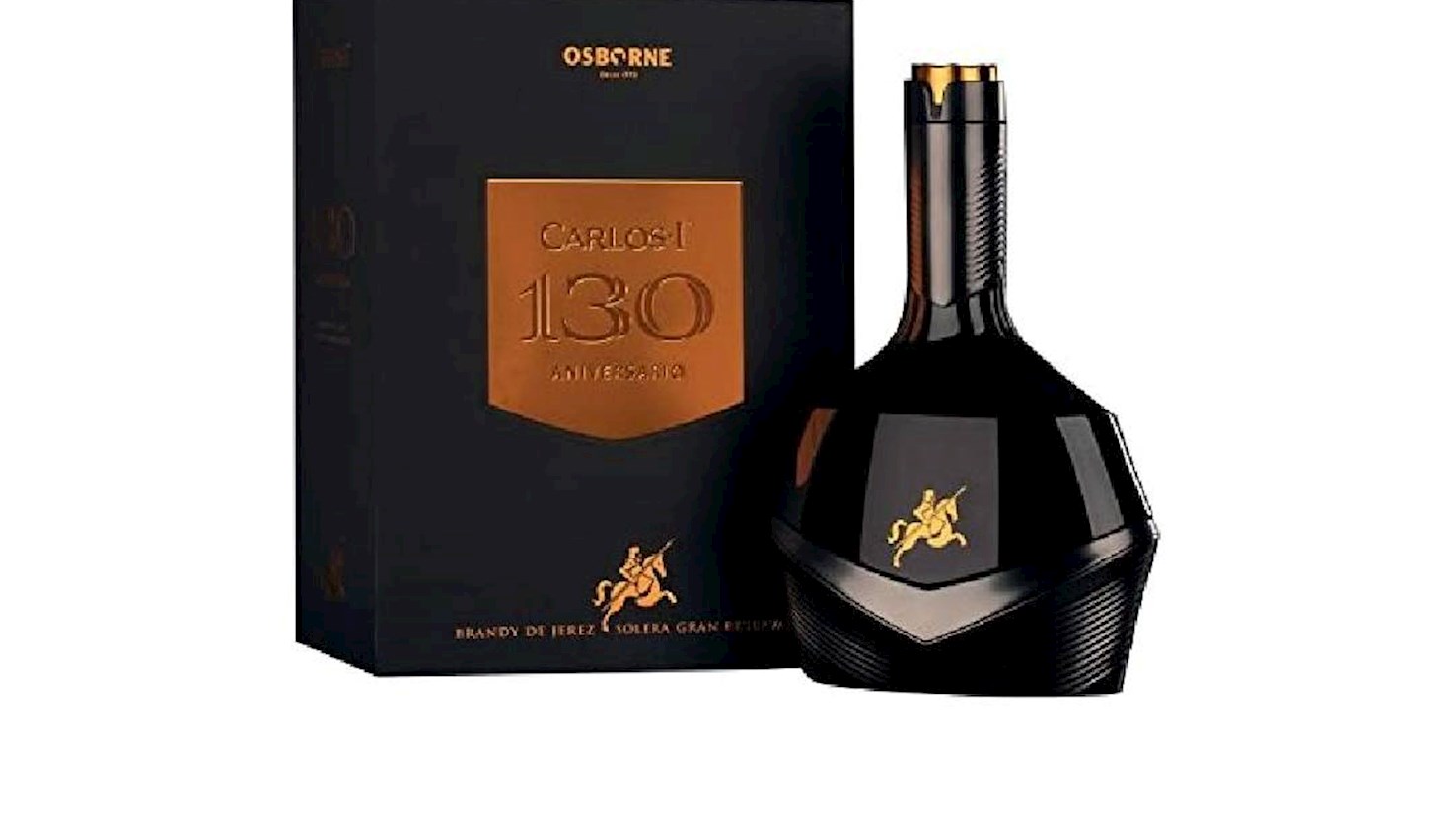
Carlos I is a distinguished Brandy de Jerez produced by Osborne, a historic Spanish winery established in 1772. Crafted in El Puerto de Santa María, Cádiz, within the Jerez region, Carlos I is renowned for its exceptional quality and rich heritage. The brandy's production involves the traditional Criaderas and Solera aging system, utilizing American oak casks that previously held select sherry wines, imparting unique flavors and complexity. Carlos I has become a benchmark in its category, embodying the artistry and tradition of Spanish brandy craftsmanship.
Awards
IWSC- International wine & spirit competition - Spirit Gold (2020)
ISC-International Spirits Challenge - Gold trophy (2020)
Read more
View all
View map
About this ranking

TasteAtlas food rankings are based on the ratings of the TasteAtlas audience, with a series of mechanisms that recognize real users and that ignore bot, nationalist or local patriotic ratings, and give additional value to the ratings of users that the system recognizes as knowledgeable. For the “Top 38 Spanish Spirits and Liqueurs” list until June 03, 2026, 160 ratings were recorded, of which 116 were recognized by the system as legitimate. TasteAtlas Rankings should not be seen as the final global conclusion about food. Their purpose is to promote excellent local foods, instill pride in traditional dishes, and arouse curiosity about dishes you haven’t tried.

The initial list of top producers was compiled based on available reviews, awards, local recommendations, media and blog coverage, and consumer reviews. The list will be updated with ratings from TasteAtlas local ambassadors and TasteAtlas users.

Similar lists