shutterstock

Top 100 Sweet Pastries
in the World

Last updated on April 15, 2026

Best Sweet Pastries in the World
01

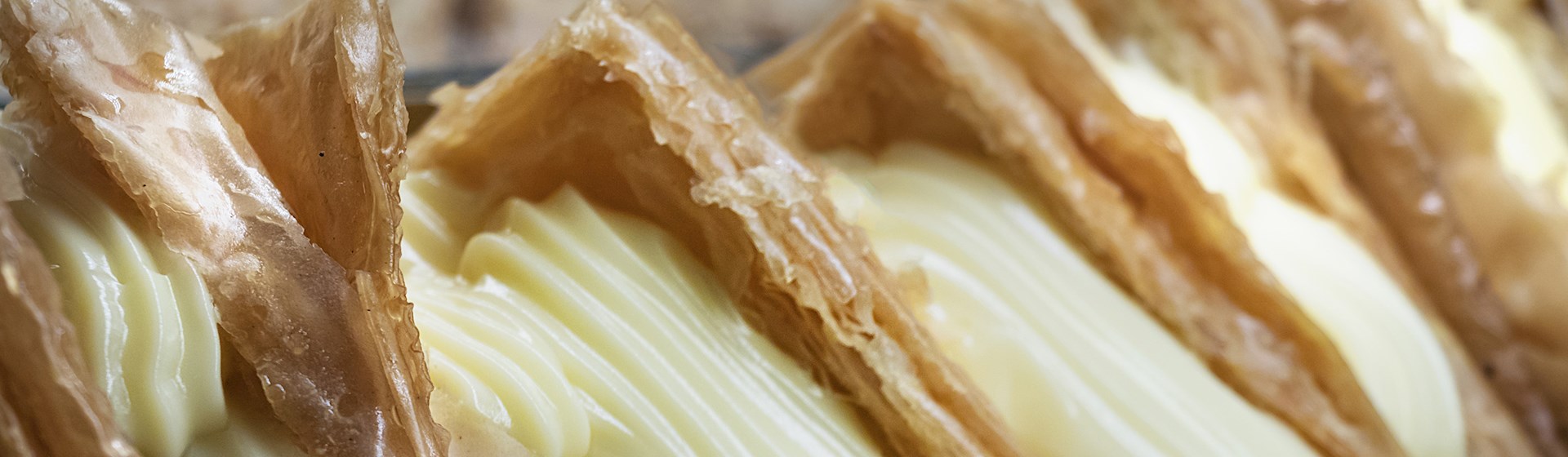
Trigona panoramatos

4.6 ·

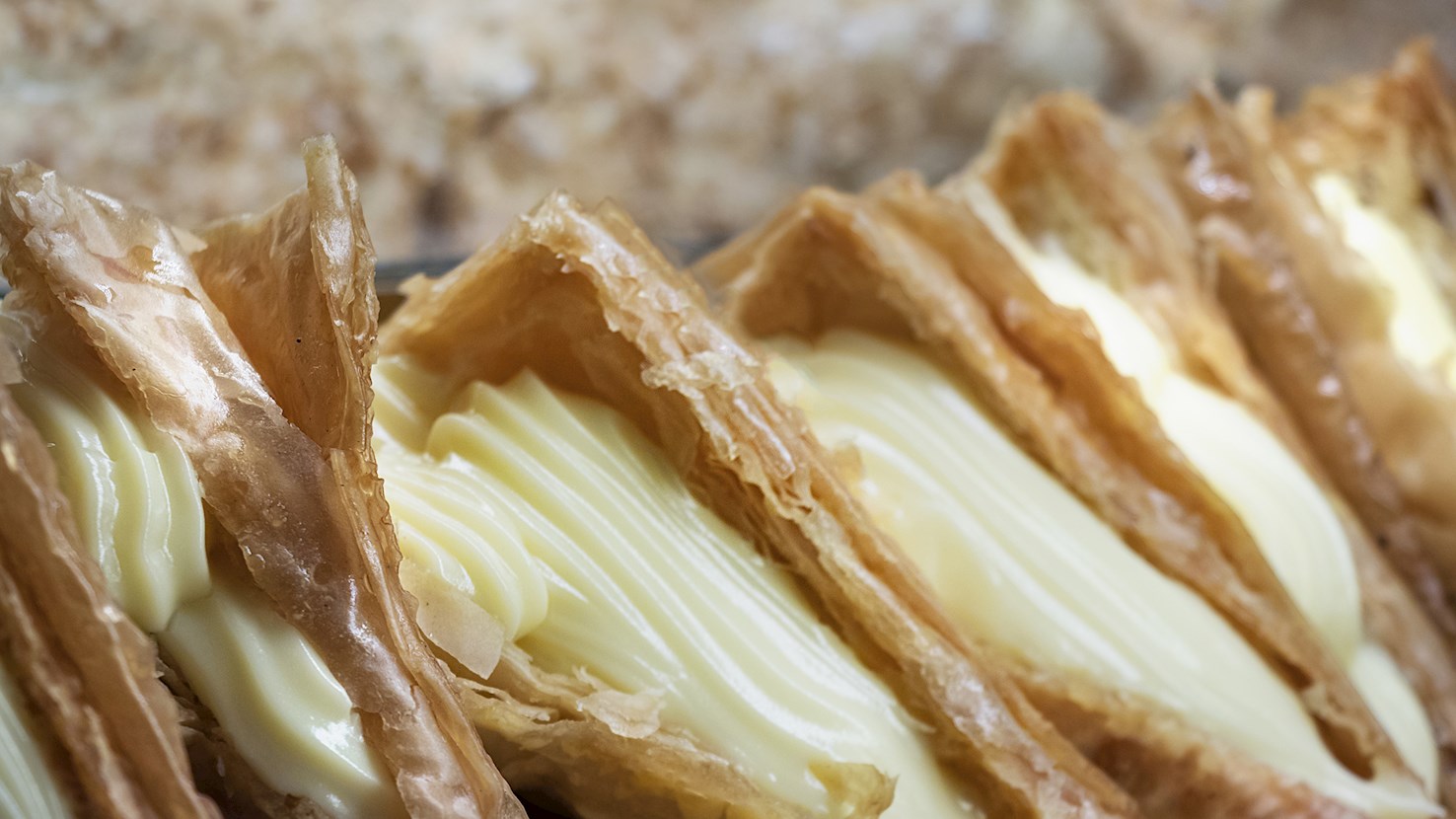
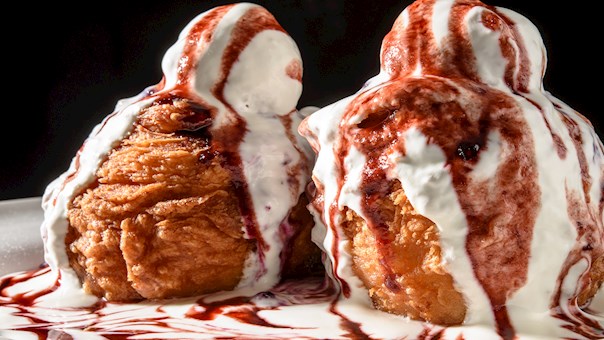
Trigona panoramatos is a traditional sweet pastry originating from the outskirts of Thessaloniki. These crispy and buttery triangular (cone-shaped) phyllo pastries are typically soaked in syrup and filled with creamy custard. The custard is usually made with a combination of egg yolks, flour, butter, milk, sugar, vanilla, and heavy cream. The phyllo triangles are baked until golden brown, dipped in cold syrup consisting of sugar and water, and then filled with the chilled custard. Trigona is often garnished with chopped nuts before consumption.

02

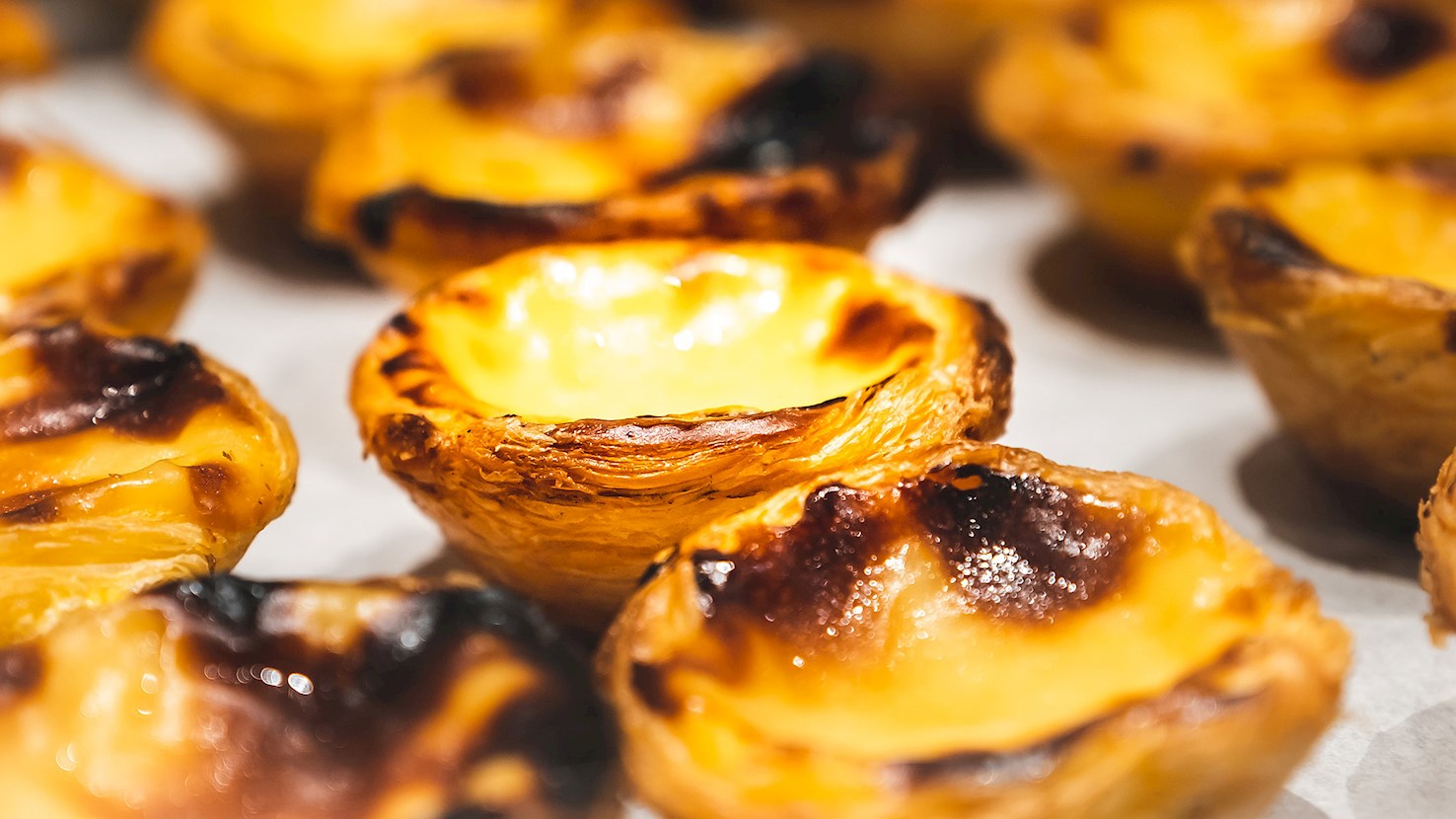
Pastel de Belém

4.6 ·

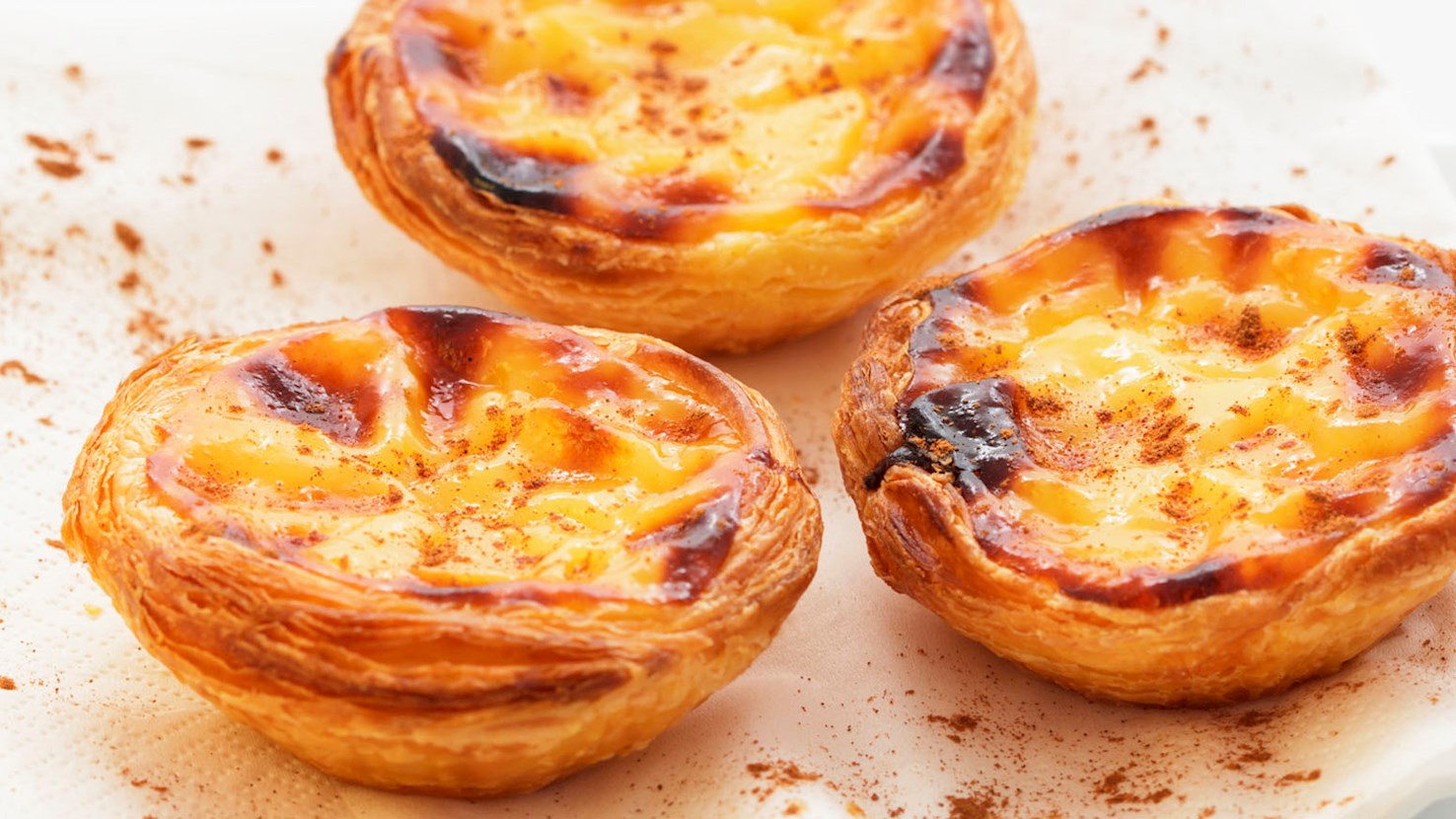
Pastel de Belém is a traditional egg custard tart and a predecessor to the famous pastel de nata. The tarts are made with a pastry shell that's filled with a combination of milk, eggs, sugar, lemon, and cinnamon. The first recipe for pastel de Belém dates back to 1837 when it was produced by the monks of the Jerónimos monastery. Only the custard tarts produced at the Fábrica Pastéis de Belém can be called pastel de Belém, while all the others, produced by other patisseries in Lisbon are called pastel de nata. Regardless of the name, these tarts can be served hot or cold and in 2009, The Guardian listed pastel de Belém as one of the 50 'best things to eat' in the world.

03

Pastel de nata

4.5 ·

Pastel de nata is a traditional egg custard tart that is popular throughout the world. It is believed that for the best result, the filling should not be too sweet and should not have flavors of lemon nor vanilla. Instead, the tarts should be sprinkled with cinnamon and, ideally, paired with a cup of coffee. Originally, this treat was made before the 18th century by Catholic monks and nuns in Santa Maria de Belém in Lisbon. The tart was made from leftover egg yolks that were used in the clearing of wines and starching of clothes. Later on, the clerics made a deal with a nearby bakery to start selling pastel de nata commercially, and the product was a huge success. It is still hugely popular, and the fact can be supported by long lines of people who are waiting on their pastel de nata in front of numerous Portuguese bakeries. However, pastel de Belém's recipe is kept secret, and only the ones produced at the Fábrica Pastéis de Belém can be called pastel de Belém, while all the other egg custard tarts from other producers in Lisbon are called pastel de nata.

04

Antakya künefesi

4.5 ·

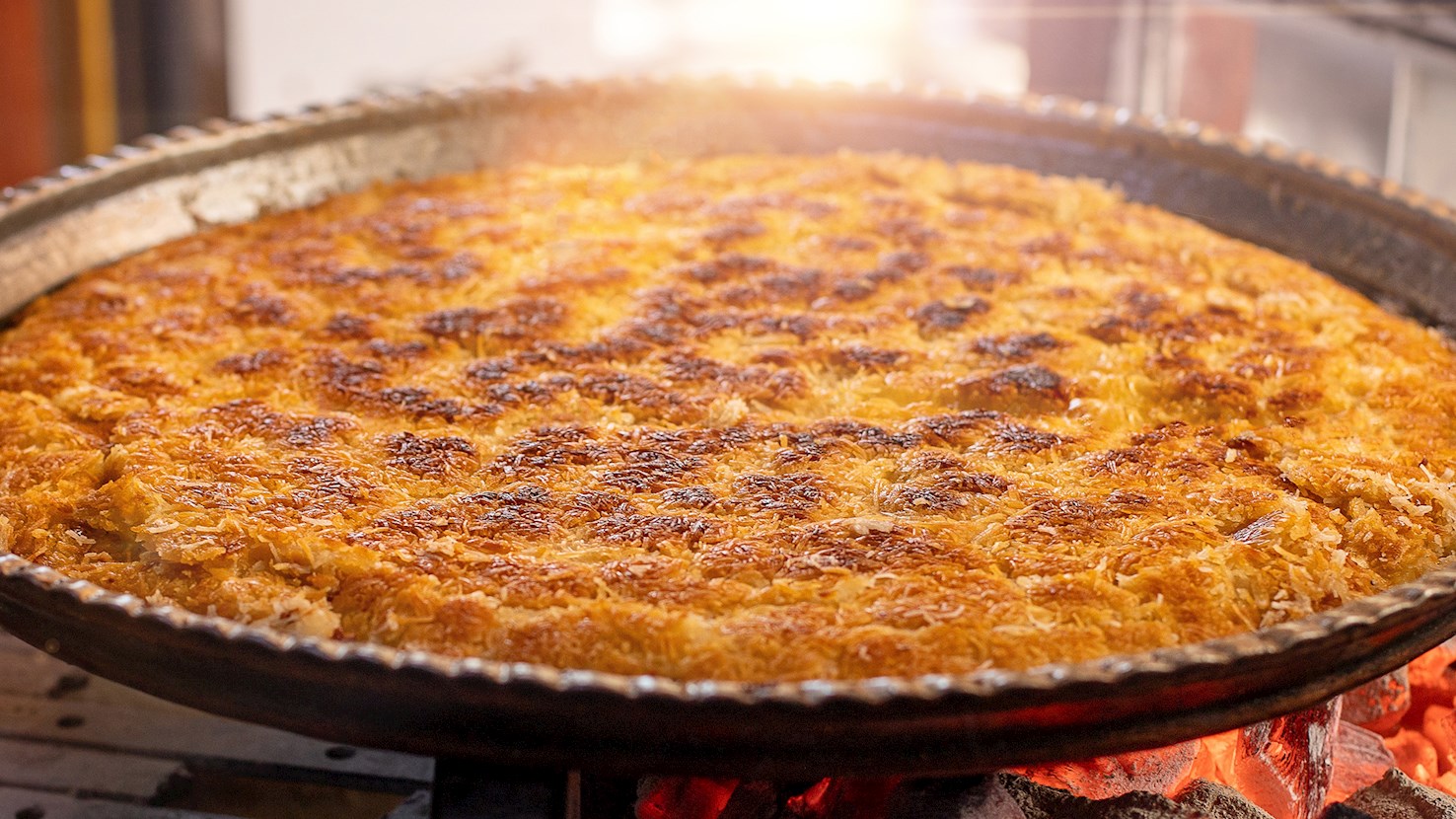
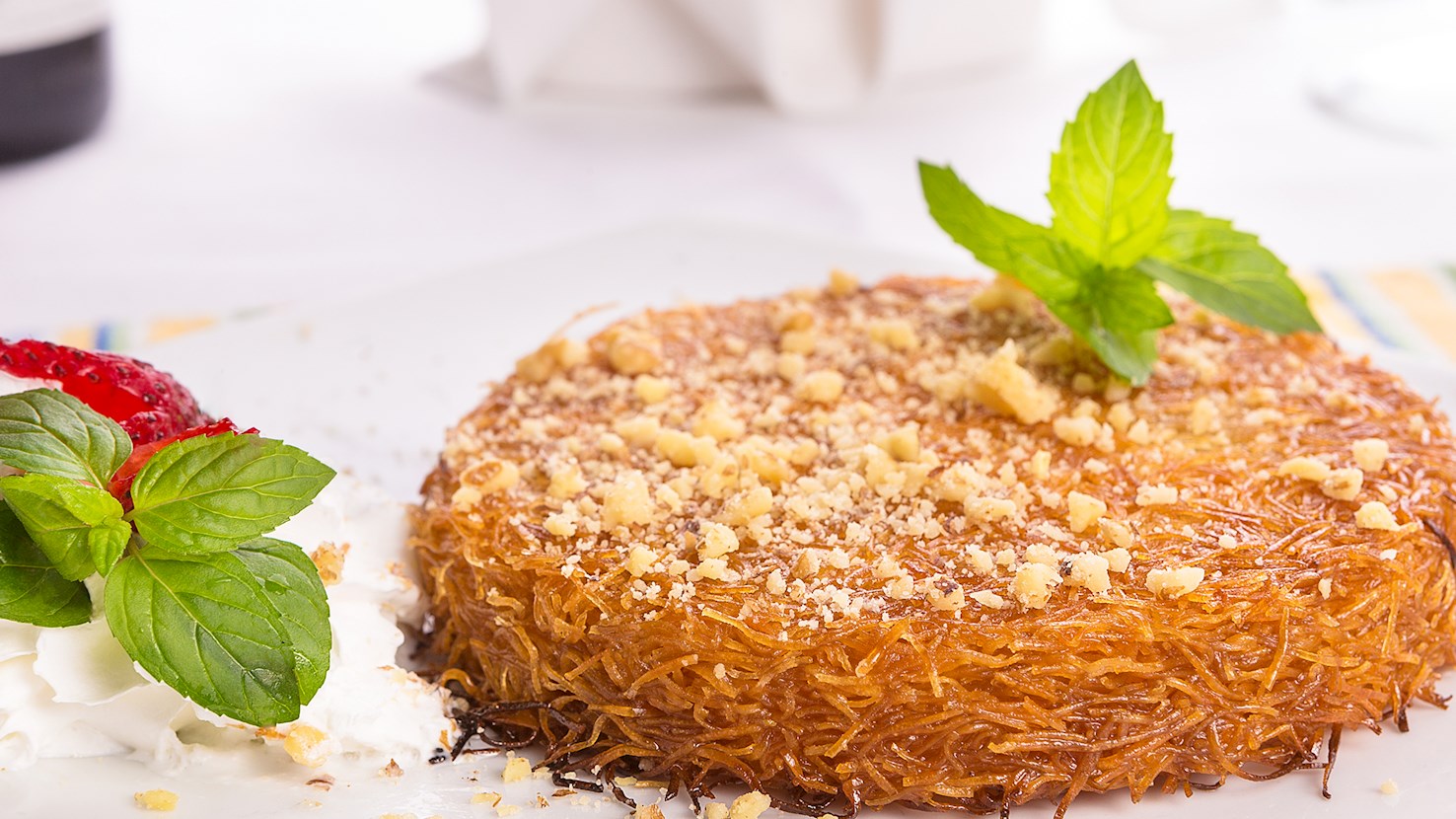
Antakya künefesi is a traditional kunāfah variety hailing from the ancient Turkish city of Antakya, made from shredded phyllo pastry filled with creamy unsalted cheese. The origins of this dish can be traced back to the Ottoman Empire, and to this day, it has remained one of the authentic representatives of Antakyan culinary heritage and traditions. To make Antakya künefesi, the pastry is first prepared by shredding phyllo dough into thin strips and placing it into a flat, round tray. The dough, in this form known as kadayıfın, is then topped with a mixture of unsalted cheese, traditionally Hatay peyniri, and another layer of shredded phyllo dough. After the concoction is baked on both sides (a step that makes this kunāfah variety unique), it is soaked with hot, sweet syrup made with sugar, water, and lemon juice. Antakya künefesi is served warm and garnished with chopped pistachios, walnuts, or hazelnuts. In 2006, this delicious dessert received the Protected Geographical Indication certificate.

05

Fıstıklı sarma

4.4 ·

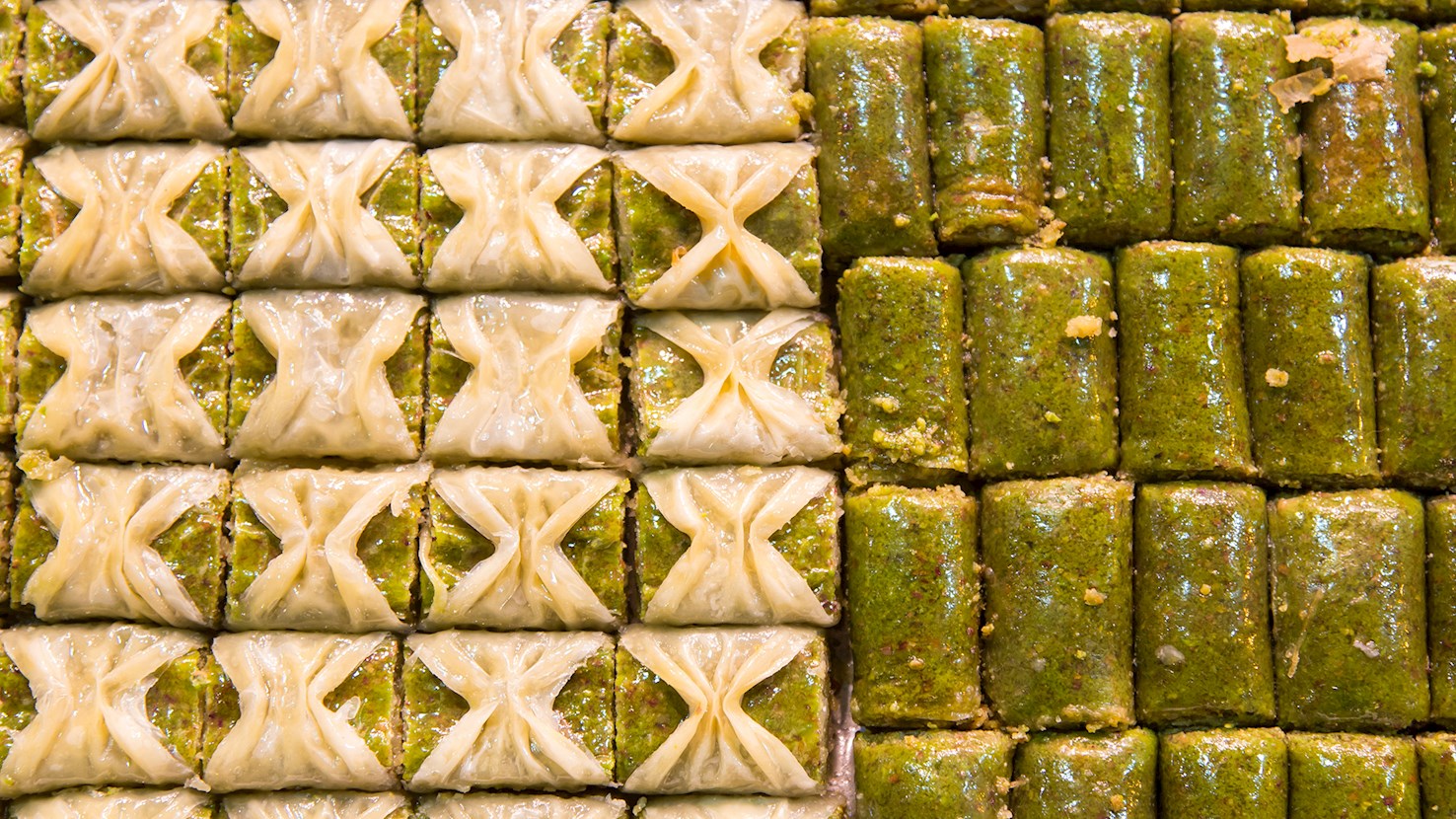
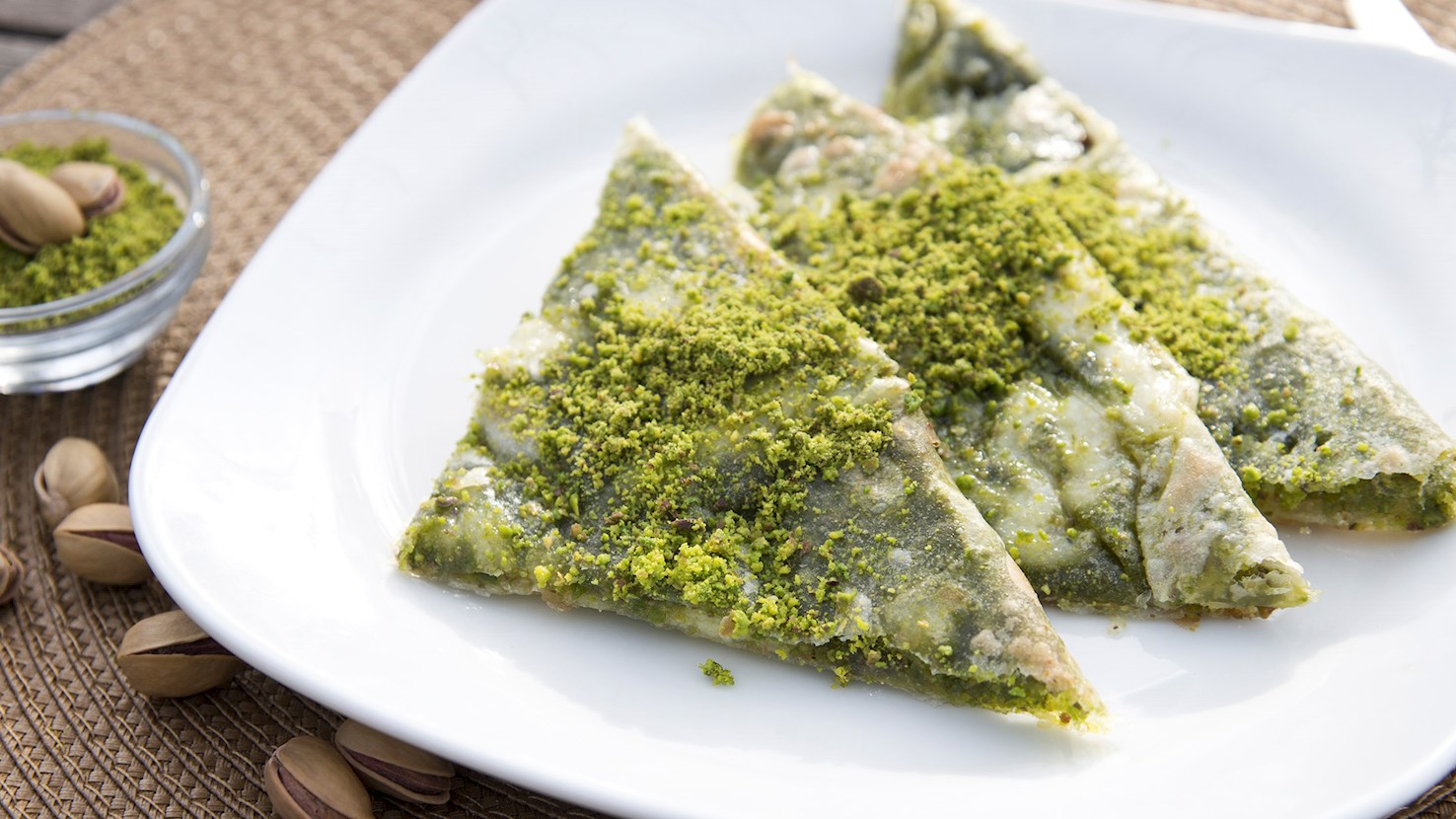
This Turkish sweet is made with a smooth, green, paste-like filling known as fıstık ezmesi (lit. pistachio butter). It is like a pistachio version of marzipan, and its bright green color is all-natural—it comes from the early-harvested Gaziantep pistachios. The delicious pistachio paste is wrapped around a single sheet of phyllo dough, just to hold its green goodness together, which is why this type of baklava is called either fıstıklı sarma or fıstıklı dürüm, meaning pistachio wrap or pistachio roll.

06

Gaziantep baklavası

4.4 ·

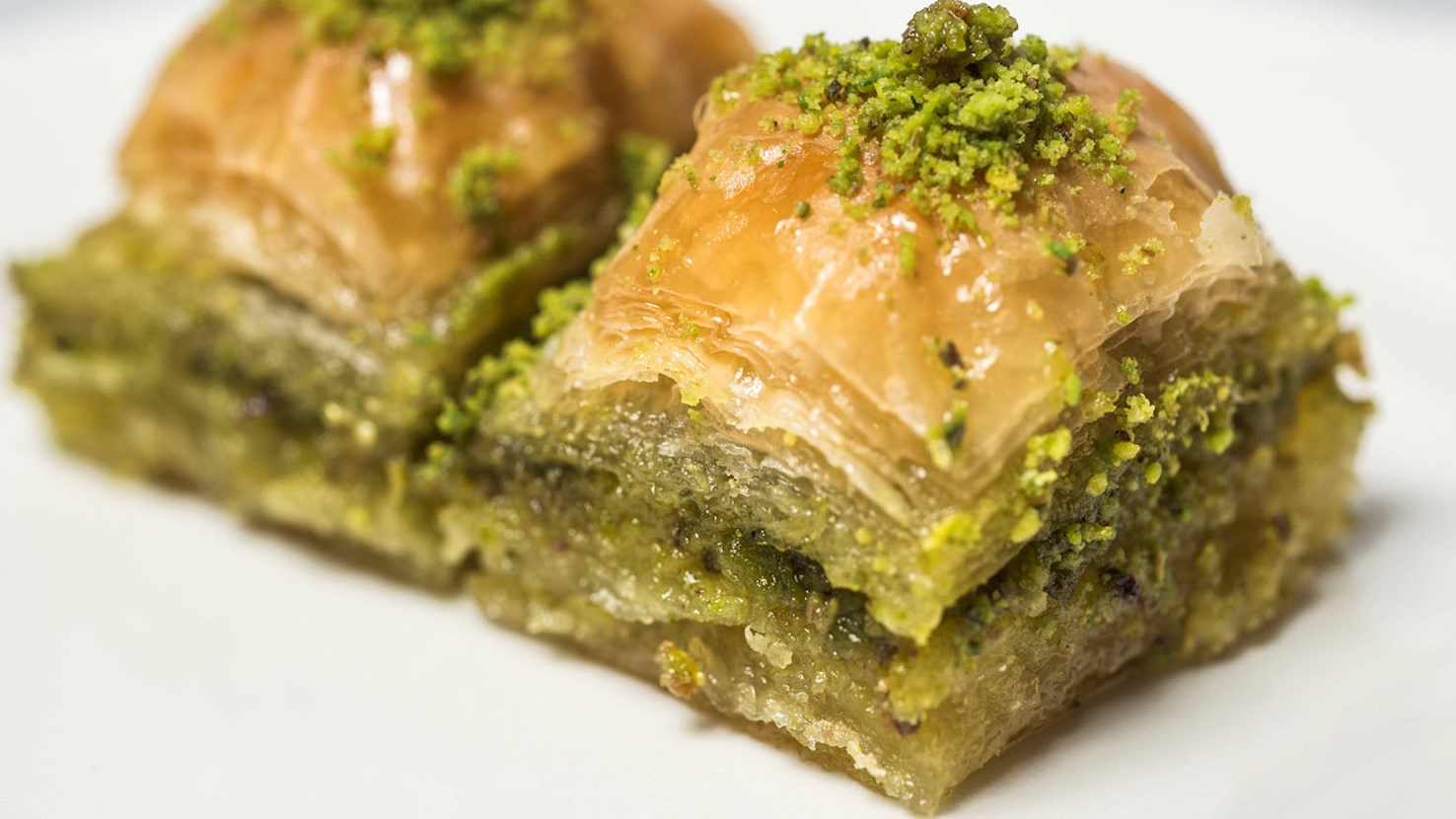
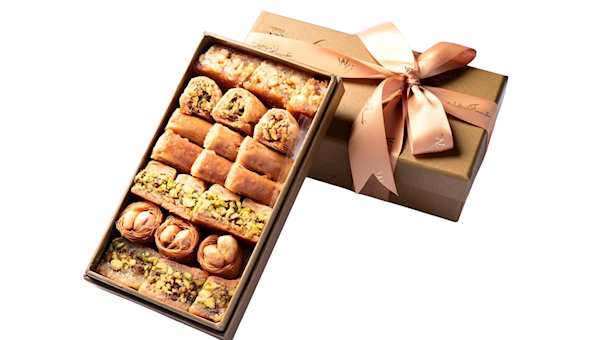
The ancient Anatolian city of Antep, today known as Gaziantep, is Türkiye's gastronomic capital famous for being home to the world’s finest pistachios and the delicious Antep baklavası. Originally an Ottoman legacy, baklava is regarded as one of the greatest creations from the pastry chefs at Topkapı Sarayı, the major royal residence of Ottoman sultans from the 15th to the 19th century. Baklava was traditionally prepared for Eid-al-Fitr, also known in Türkiye as Ramazan or Şeker Bayramı, a religious holiday when Muslims celebrate the ending of Ramadan, the Islamic holy month of fasting. Today, this Turkish treat is available year-round, and with more than 500 baklava bakeries in the city of Gaziantep, it is definitely not to be missed, especially during the pistachio harvest from midsummer to September, when these emerald-colored nuts are just the right size for baklava. To make this popular pastry, the finely crushed, genuine Gaziantep pistachios are generously spread between paper-thin sheets of phyllo dough which are brushed with melted butter and smeared with semolina cream. Antep baklava is then splashed with another dose of melted butter, baked, and finally, poured over with a hot sugar and lemon juice syrup. According to Turkish ustaları or master bakers, a well-baked baklava is tender, but at the same time has a perfect crunch to it. When divided with a fork, it makes a cracking sound which is not only a sign of freshness, but also a sign of the finest baklava, which isn't too sweet or heavy and leaves a heavenly taste in your mouth. Garnished with crushed pistachios, and often topped with kaymak, Turkish clotted cream, or a scoop of milk-flavored ice cream called kaymaklı dondurma, Antep baklava goes a long way: it can be enjoyed either with Turkish coffee in the morning or as a mid-afternoon treat with a cup of tea, but also as an after lunch or dinner dessert.

07

Bougatsa

4.4 ·

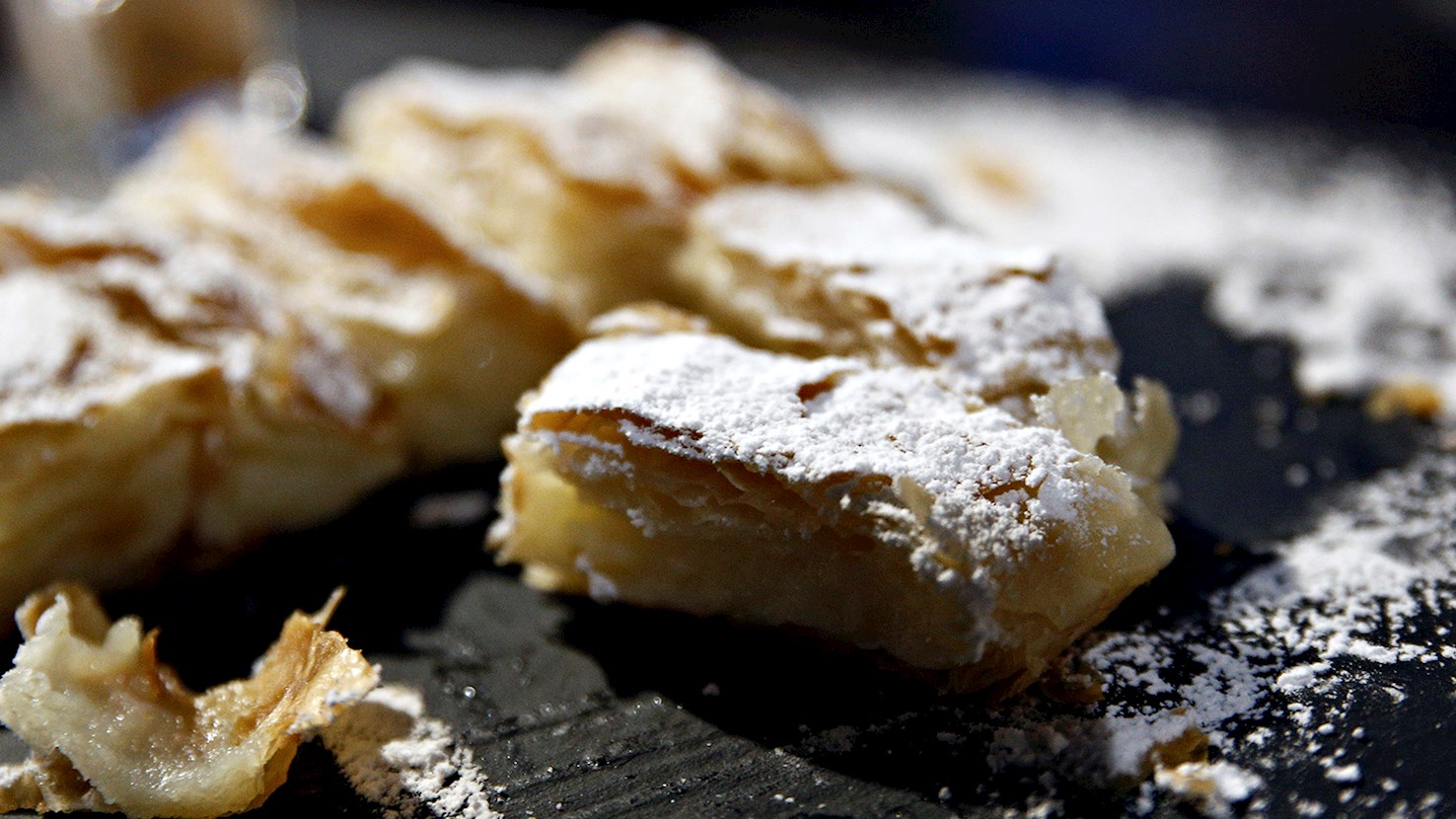
Bougatsa is a traditional, rustic Greek pie consisting of a phyllo pastry layered with a filling of semolina custard, although there are variations with minced meat or cheese. The name of the dish is a derivation of the Ottoman word pogatsa, denoting a pie filled with cheese. Bougatsa has origins from the Byzantine period, when Constantinople was Greek, and it began as a dough that was stuffed with numerous sweet and savory fillings. Over time, bougatsa evolved to incorporate a thinly rolled, hand-made phyllo pastry. As many Turkish immigrants settled in Northen Greece, bougatsa became a specialty of Serres and Thessaloniki. Today, the pies can be found throughout Greece in specialty shops called bougatsopolia, selling bougatsas exclusively.

08

Kunāfah

4.3 ·

Kunāfah consists of two crunchy layers of shredded and buttered kataifi or knefe dough, filled with a luscious cheese cream that's often flavored with orange zest and cardamom, then drenched in a sugar syrup infused with lemon juice and orange blossom water. Turkish künefe is traditionally made with Hatay, Urfa, or Antep cheese. It is usually topped with pistachios and is best served warm. Elegant and amazingly simple to make, this dessert is nothing short of what cheese-filled pastry dreams are made of. Some authors speculate that it originated from the Fatimid Egypt or pre-Islamic Syria, while others claim that the Palestinian city of Nablus is its birthplace - hence the name kanafeh nabulsieh. Nevertheless, this decadent dessert has been a part of a long culinary tradition in Türkiye and Egypt, and it is listed as one of Egypt's national dishes.

09

Katmer

4.3 ·

A type of sweet börek, katmer is a specialty of Gaziantep, or simply Antep – Türkiye's gastronomic capital and a rich melting pot of diverse cultures and cuisines nestled in southeastern Anatolia – an ancient city whose claim to fame is being home to world’s finest pistachios and the delicious Antep baklavası. Katmer is what most locals start their day with: in fact, there are bakeries and cafés in Gaziantep open from early morning until noon serving katmer for breakfast. Traditionally, it is also the first meal eaten by newlyweds after their first wedding night, as it represents the sweetness they hope to find in their marriage. Filled with pistachios and kaymak – Turkish clotted cream made with water buffalo milk, which is often referred to as kaymağın kaymağı, meaning crème de la crème – these flaky, crunchy pastries must be served fresh from the oven, while they're still warm. For a perfect Turkish breakfast, have your katmer drizzled with a little honey, sprinkled with crushed pistachios, and paired with a nice cup of tea.

10

Croissant

4.3 ·

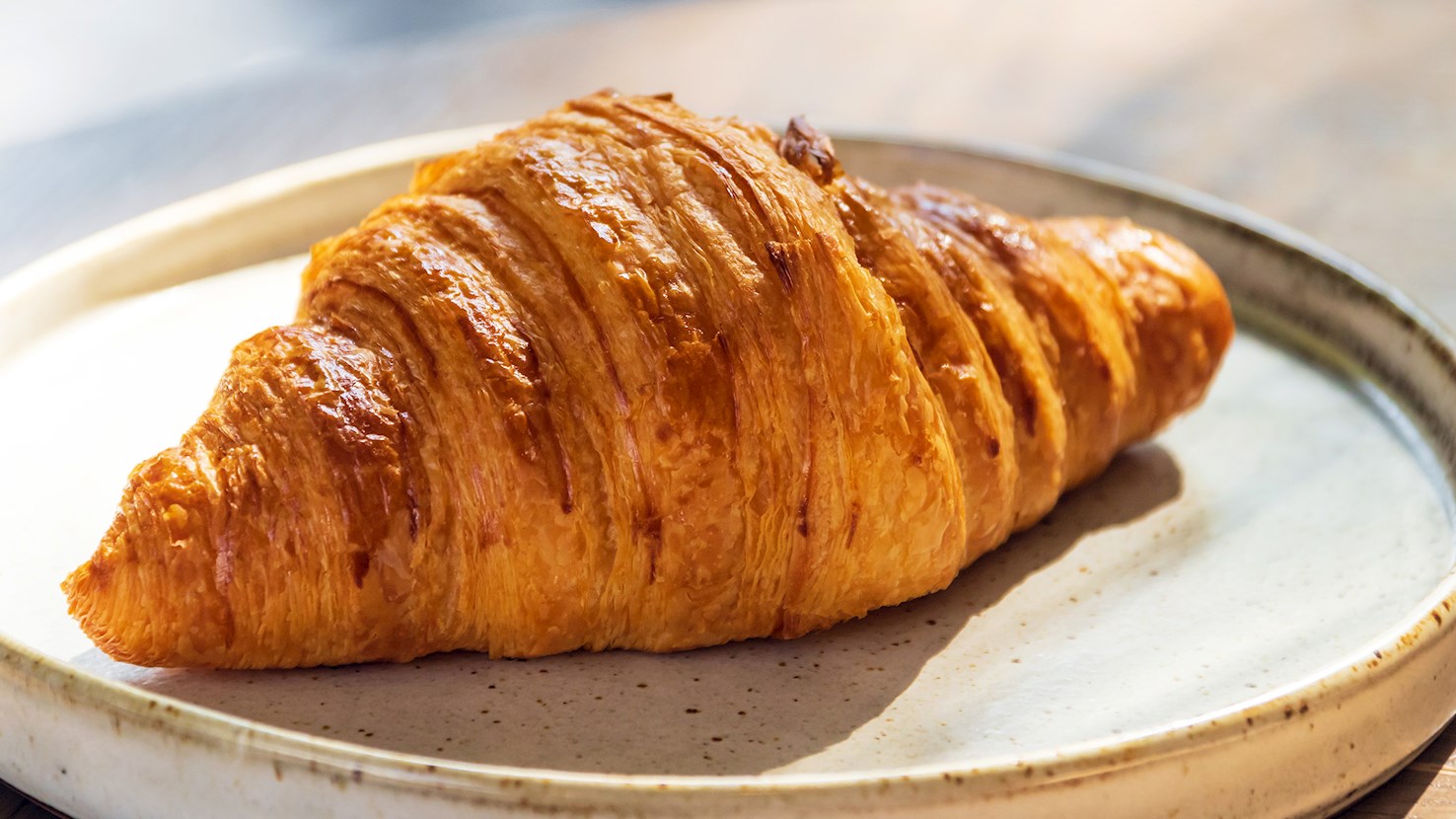
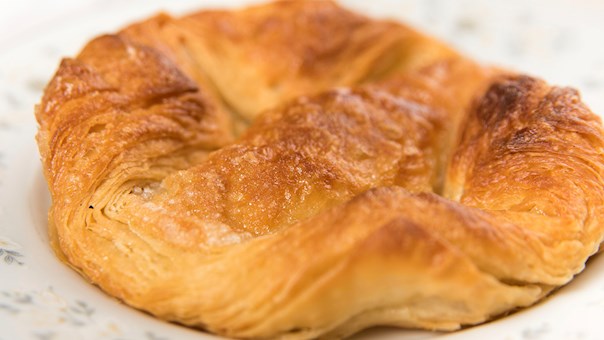
These flaky, golden-colored, crescent-shaped pastries are best made with pure butter and a slightly sweet yeast dough. If made properly, the yellow-white interior should be just the slightest bit elastic when pulled from the center, ready to be covered with a pad of butter or some fresh jam. Experts agree that the croissant was heavily influenced by Austrian kipfels. This pastry originated in 1683 as a celebration of the Austrian victory over the Ottoman Empire, its shape supposedly mimicking the crescent moon found on the Turkish flag. However, the croissant became French the moment people began to make it with puff pastry, a French innovation. Today, French croissants come filled with chocolate, jam, raisins, or even cream cheese. Sold fresh at numerous French boulangeries, they are mainly consumed as a breakfast item.

Best Sweet Pastries in the World

01

Karaköy Güllüoğlu

4.9 ·
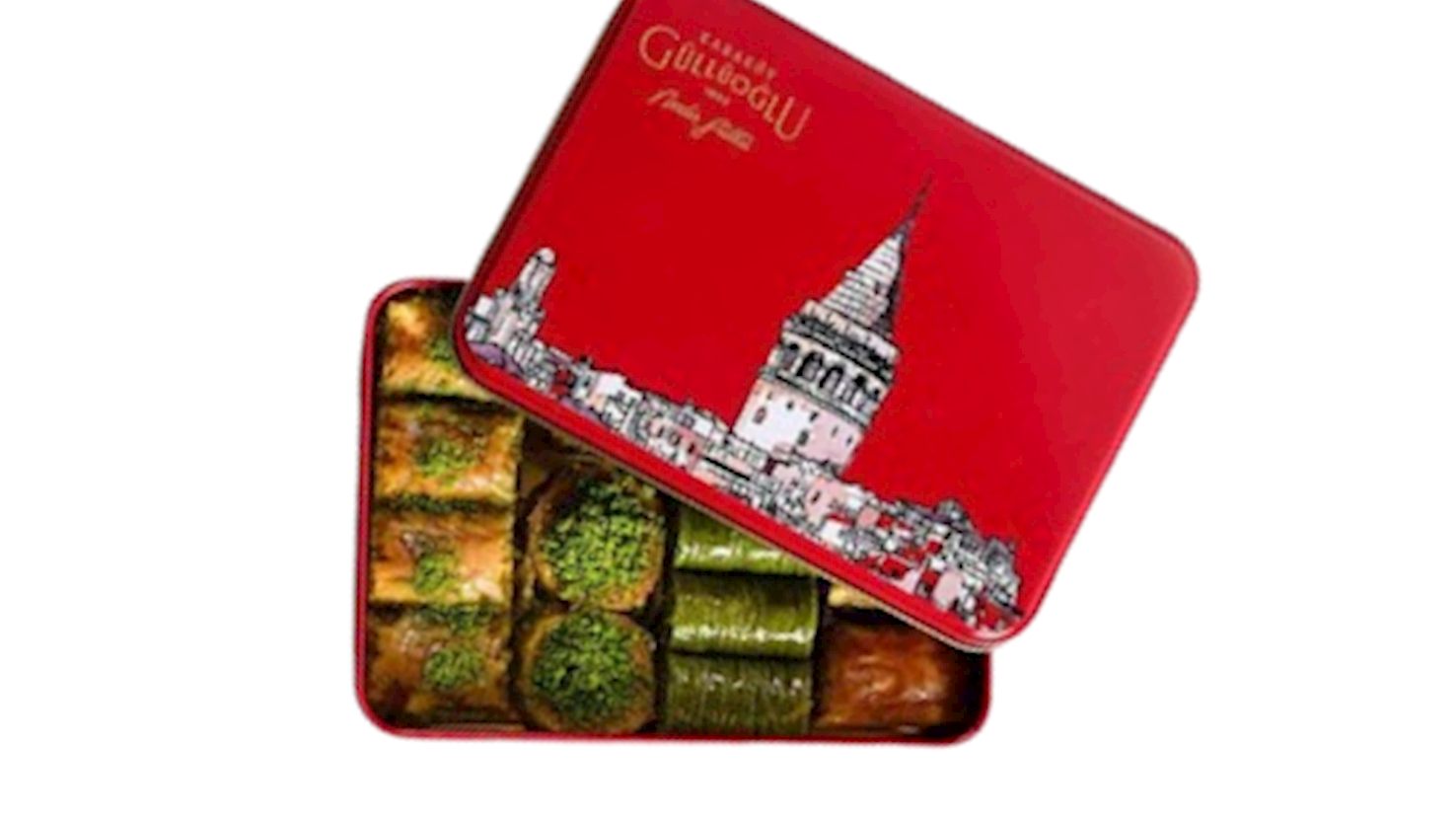
Karaköy Güllüoğlu is one of the most recognized baklava producers in Istanbul, with a family confectionery tradition that spans several generations. Based in the historic Karaköy district, the brand is closely associated with authentic Ottoman and Turkish dessert craftsmanship. Its baklava is known for exceptionally thin layers of hand-rolled phyllo dough, carefully selected pistachios or walnuts, and a balanced syrup application that preserves both crispness and moisture. The production process emphasizes ingredient quality, including premium nuts and clarified butter, ensuring depth of flavor and structural precision. Beyond classic pistachio baklava, the assortment includes varieties such as şöbiyet, kadayıf, sütlü nuriye, and other traditional syrup-based pastries. The brand serves both local customers and international visitors, while also exporting its products to various markets abroad. Karaköy Güllüoğlu is widely regarded as a benchmark for traditional baklava, combining established technique with consistent quality standards.
About this ranking

TasteAtlas food rankings are based on the ratings of the TasteAtlas audience, with a series of mechanisms that recognize real users and that ignore bot, nationalist or local patriotic ratings, and give additional value to the ratings of users that the system recognizes as knowledgeable. For the “Top 100 Sweet Pastries in the World” list until April 15, 2026, 38,476 ratings were recorded, of which 25,683 were recognized by the system as legitimate. TasteAtlas Rankings should not be seen as the final global conclusion about food. Their purpose is to promote excellent local foods, instill pride in traditional dishes, and arouse curiosity about dishes you haven’t tried.

The initial list of top producers was compiled based on available reviews, awards, local recommendations, media and blog coverage, and consumer reviews. The list will be updated with ratings from TasteAtlas local ambassadors and TasteAtlas users.

Similar lists