Top 90 New Zealand Wines

Last updated on July 08, 2026

Best New Zealand Wines
01

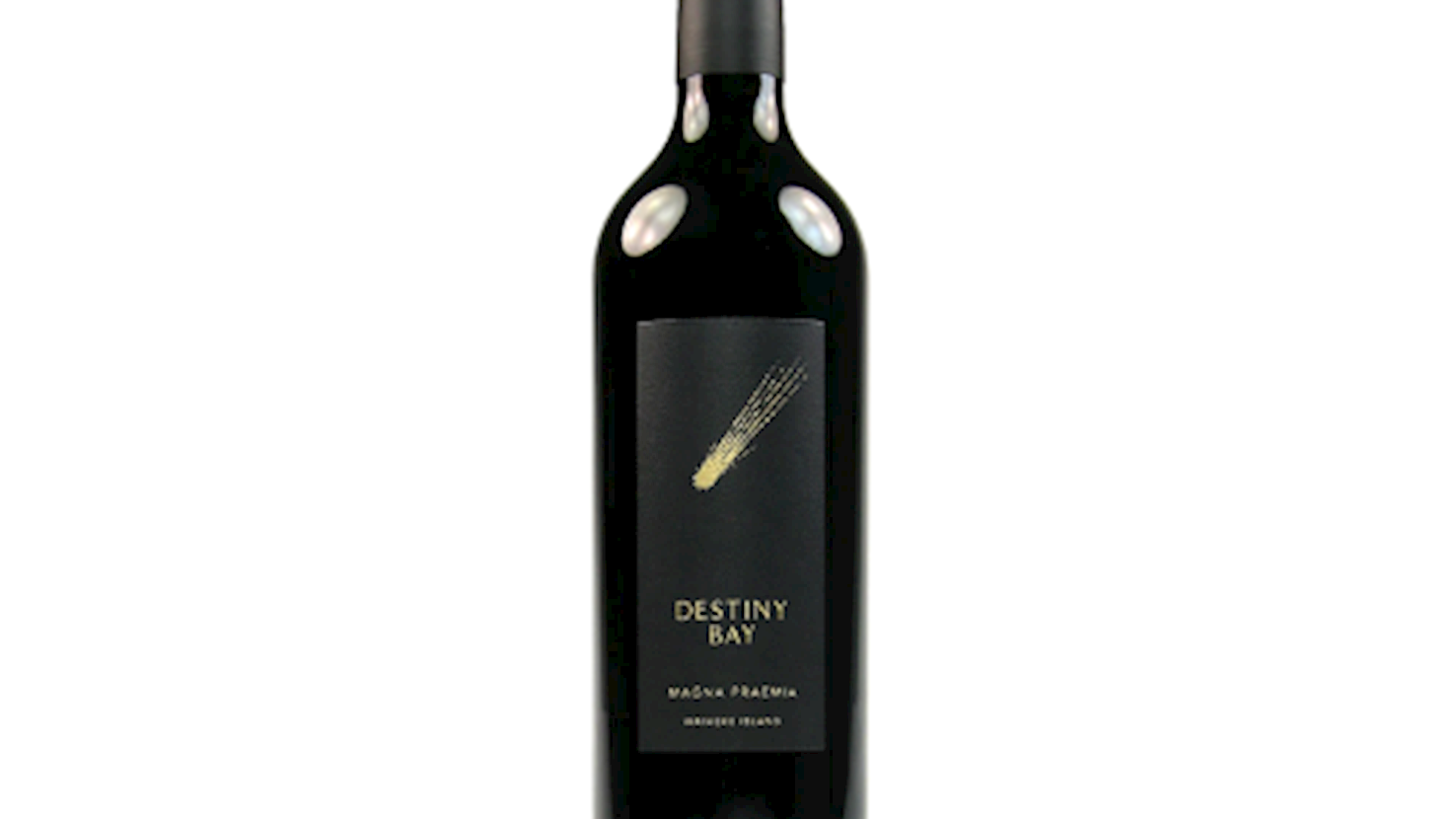
Destiny Bay

5.0 ·

Destiny Bay Wines is a family-owned boutique winery located on Waiheke Island, New Zealand, recognized for its limited-production, premium red wines. The vineyards are planted in a naturally amphitheater-shaped valley with clay-rich soils and strong maritime influence, providing a long and even ripening season.

The estate focuses primarily on Bordeaux varieties, including Cabernet Sauvignon, Merlot, Cabernet Franc, Malbec, and Petit Verdot, which are crafted into structured and age-worthy blends. Grapes are hand-harvested and meticulously sorted to ensure strict quality selection.

Fermentation and maturation take place with controlled use of French oak, aiming to preserve precision, balance, and varietal expression. The wines are typically deeply colored, tannic, and concentrated, with notable aging potential.

Magna Praemia, the estate’s flagship label, is considered among New Zealand’s most ambitious and highly regarded red blends. Production volumes remain intentionally small, and distribution is selective, often targeting fine dining establishments and private collectors.

The winery operates under sustainable viticultural practices, emphasizing responsible resource management and minimal intervention in the cellar. Tastings are available by appointment only, reinforcing its exclusive positioning.

Destiny Bay represents a New Zealand interpretation of classic Bordeaux structure, shaped by the distinctive terroir of Waiheke Island.

Awards
Vivino - 4.6
Wine-Searcher - 94/100
02

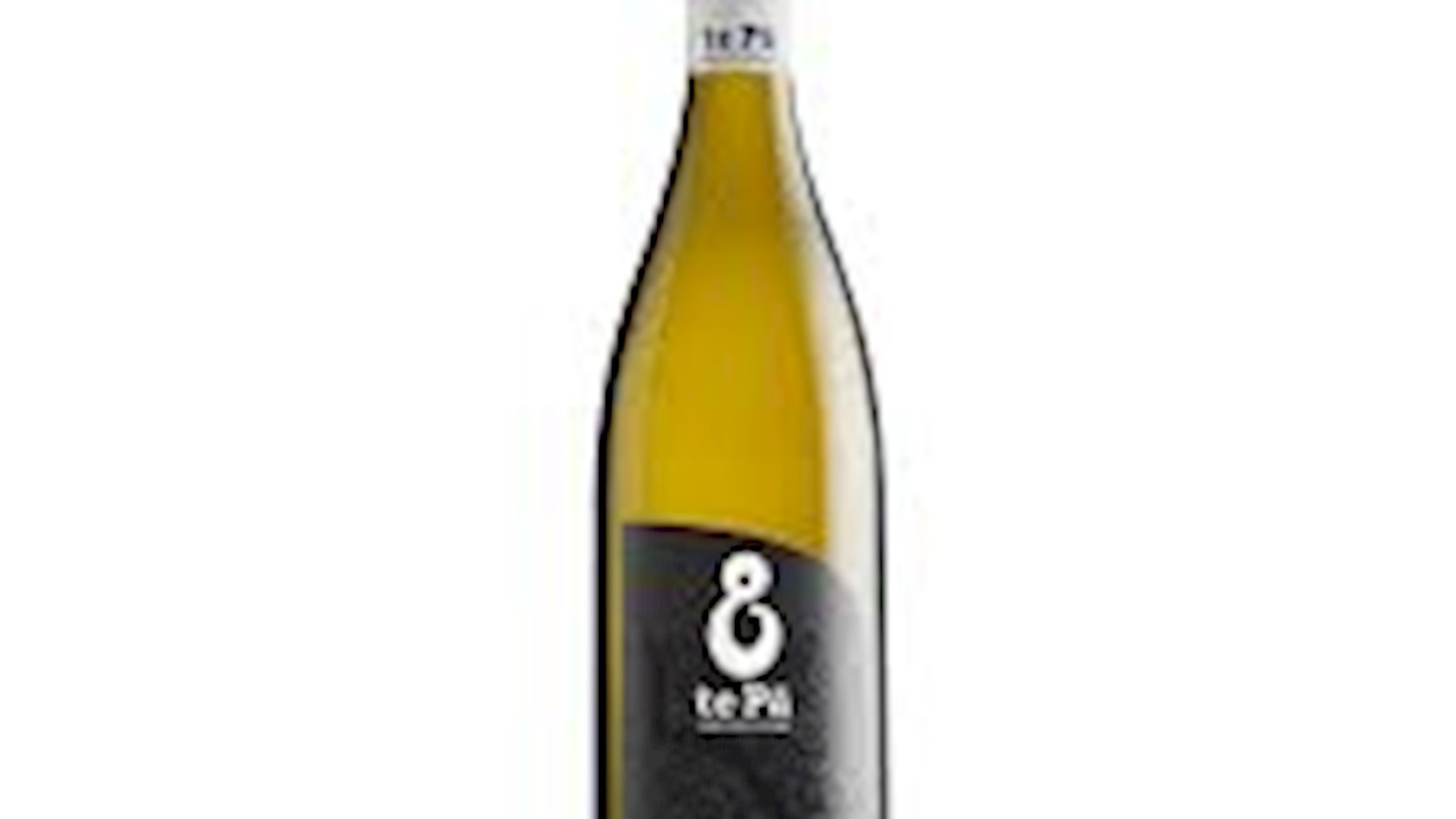
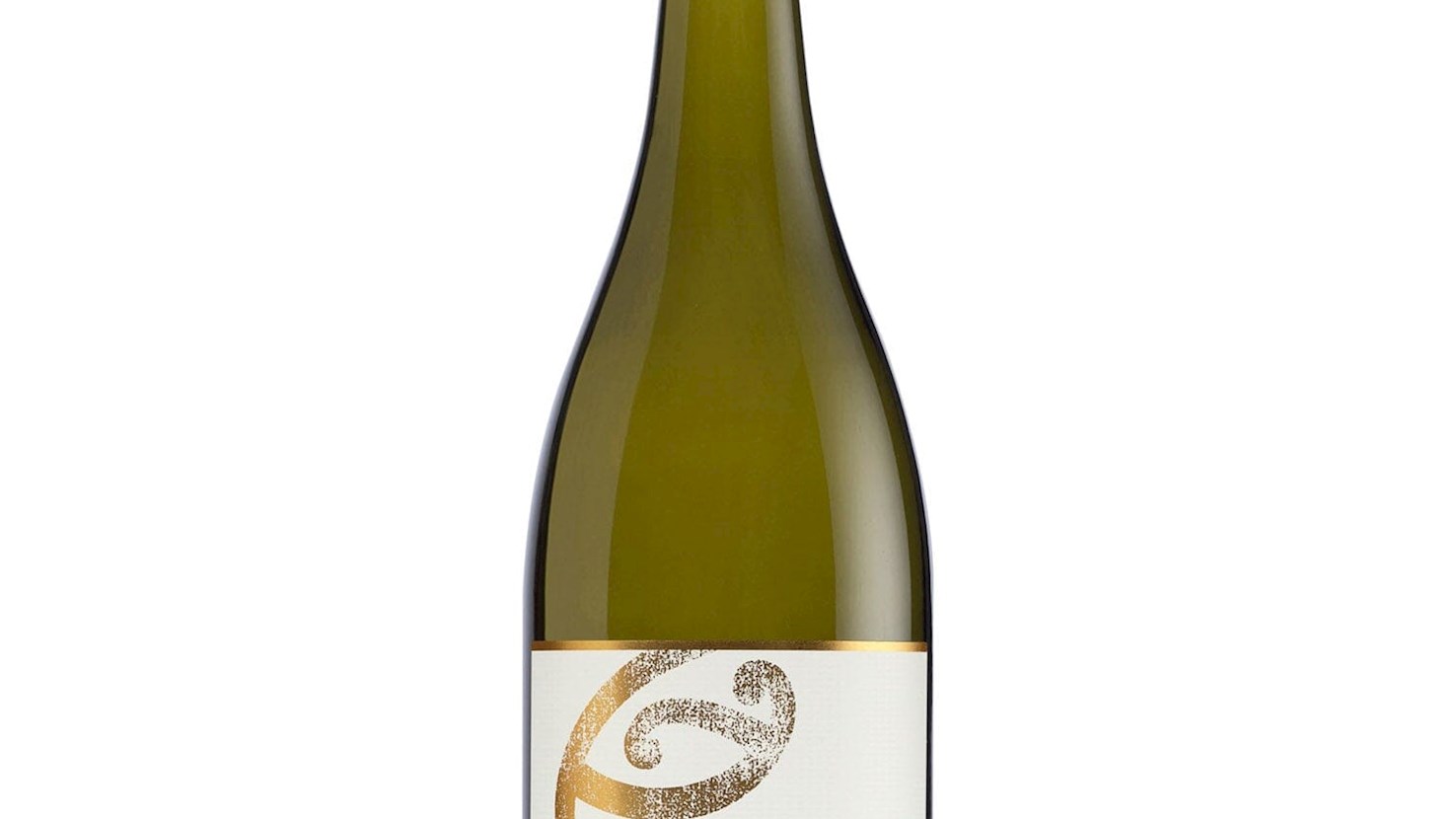
te Pa Wines

4.9 ·
Awards
Decanter World Wine Awards - Platinum (2017)
IWSC- International wine & spirit competition - Gold (2022, 2020)
03

Brennan

4.9 ·
Awards
Decanter World Wine Awards - Platinum (2021)
04

Nockie's Palette by John Duval

4.9 ·
Awards
Decanter World Wine Awards - Platinum (2018)
05

Mission Estate Winery

4.9 ·
Awards
IWSC- International wine & spirit competition - Gold (2023)
06

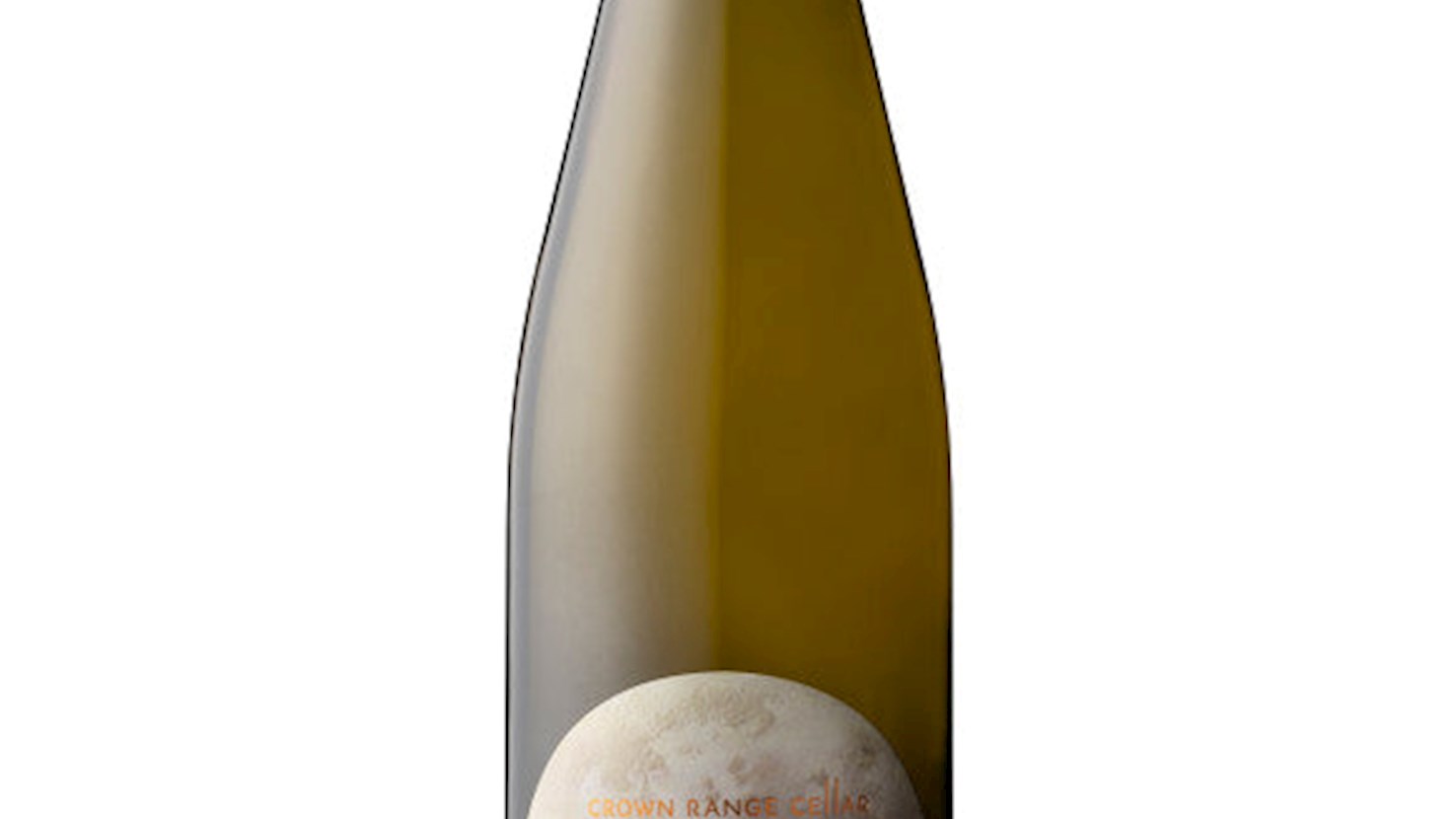
Crown Range Cellar Limited

4.9 ·
Awards
IWSC- International wine & spirit competition - Gold (2019)
07

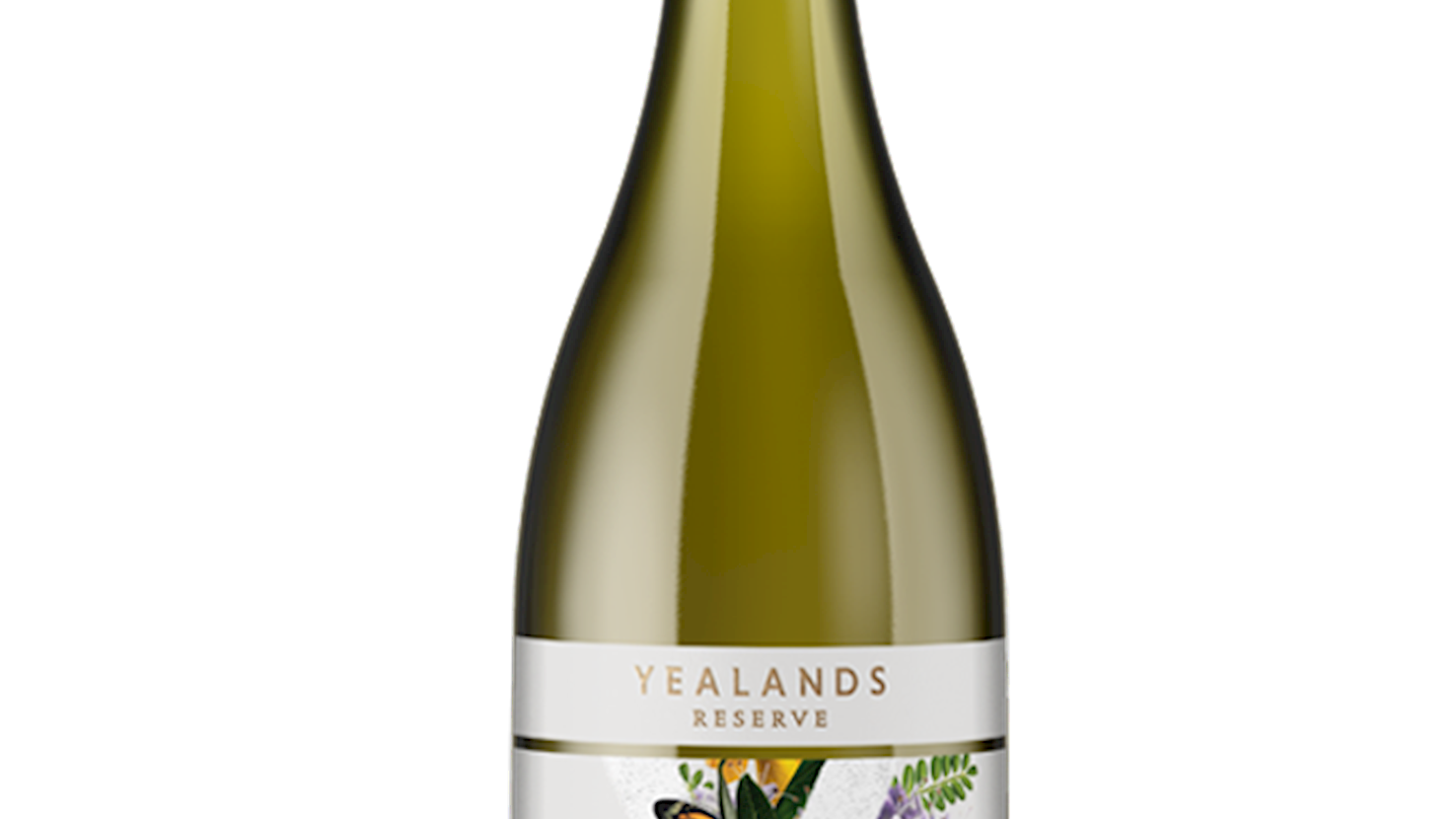
Yealands Estate Wines

4.9 ·
Awards
Decanter World Wine Awards - Best in Show (2020)
IWSC- International wine & spirit competition - Gold (2024, 2023)
08

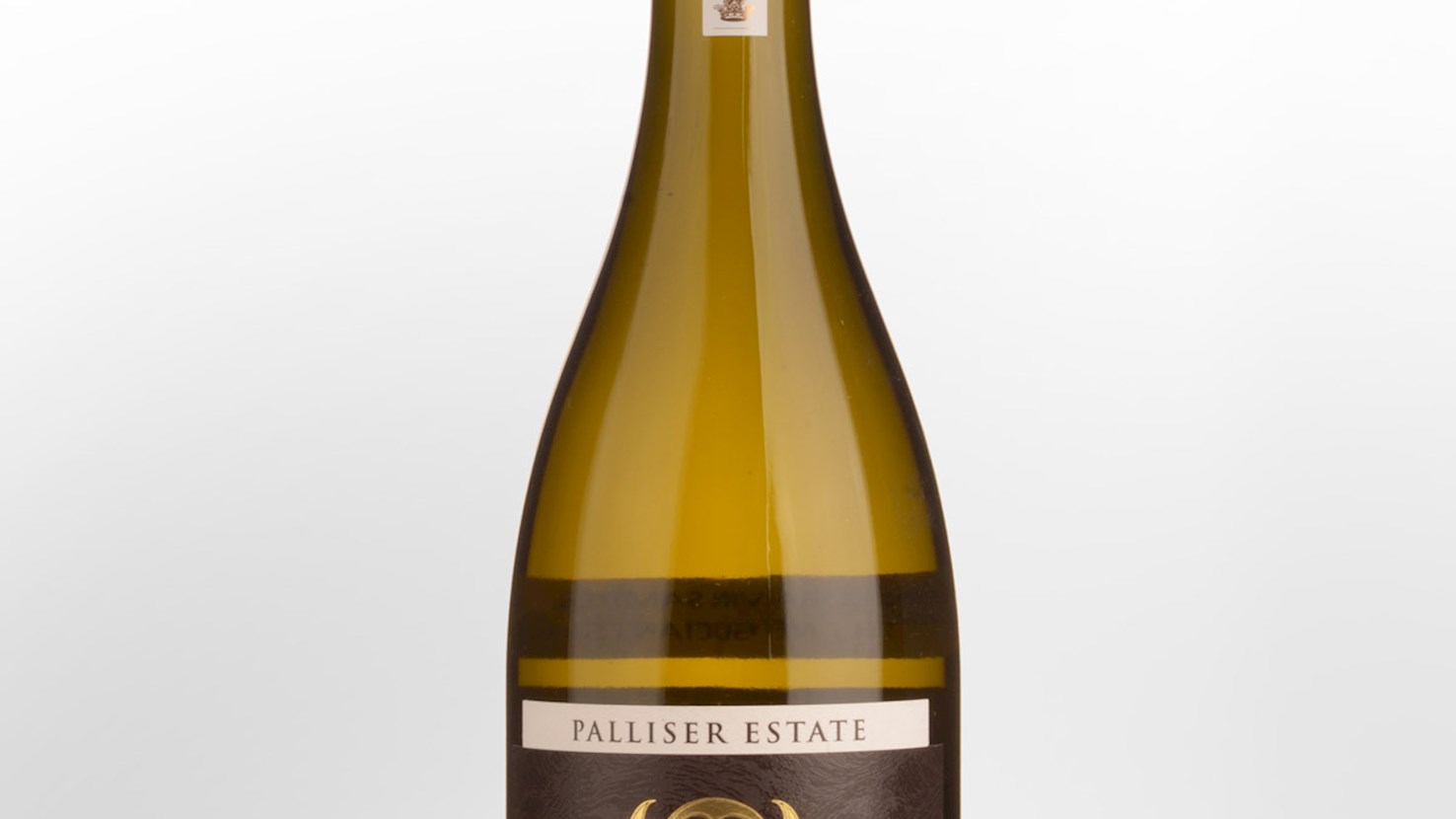
Palliser Estate

4.9 ·
Awards
Decanter World Wine Awards - Best in Show (2023)
Decanter World Wine Awards - Platinum (2023, 2022)
09

Mutu

4.9 ·
Awards
Decanter World Wine Awards - Platinum (2024)
10

Kono

4.9 ·
Awards
Decanter World Wine Awards - Platinum (2022, 2018)

Best New Zealand Wine Types
01

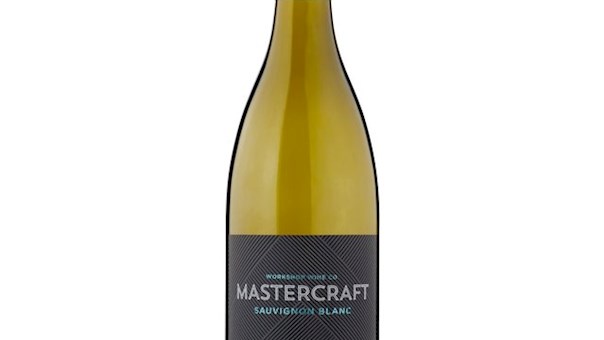
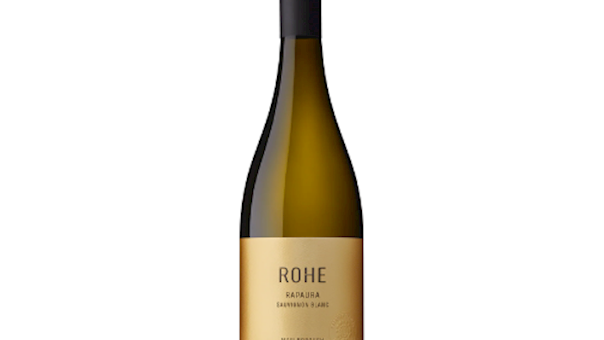
Sauvignon Blanc (New Zealand)

4.0 ·

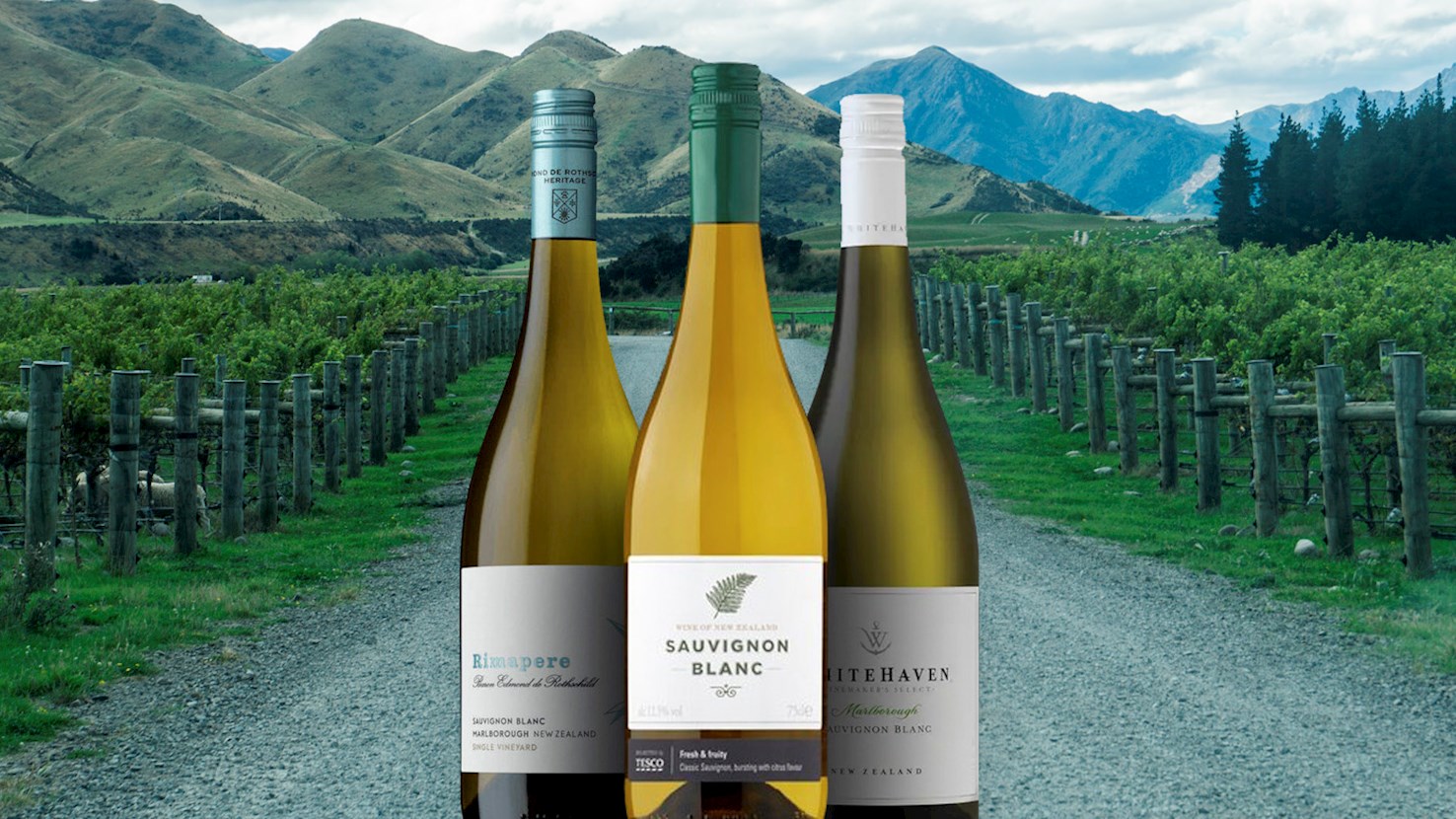
Although Sauvignon Blanc is a native French grape—best known for its expressions in Sauternes, Loire Valley, and Bordeaux—it also found its home in New Zealand, where it became the most prominent and the most distinctive variety. Commercial production of Sauvignon Blanc in New Zealand started in the mid-1970s, and since then, the country has created a signature style that was later copied in several Old and New World wine regions. The distinctive benchmark style was formed in Marlborough. The wines are intensely aromatic, fresh, and vibrant, with juicy acidity and typical herbal and fruity flavors reminiscent of tropical fruit, gooseberry, grapefruit, freshly cut grass, and bell pepper (capsicum). Though the Marlborough style is still the most prominent, as the grape grew in popularity, so did the plantings across the country, along with the introduction of other vinification methods, creating a variety of styles that now come from New Zealand that display the versatile character of the grape. The wines from warmer northern regions will be fruitier, with a ripe character, while southern regions typically produce crisp wines with high acidity and tropical fruit and capsicum notes. Sauvignon from New Zealand pairs well with white fish, shellfish, and lighter meat dishes. It can match citrus flavors, herbs, tomato-based sauces, Asian fare, and salads. Well-chilled Sauvignon Blanc can make an excellent aperitif.

02

New Zealand Chardonnay

n/a ·

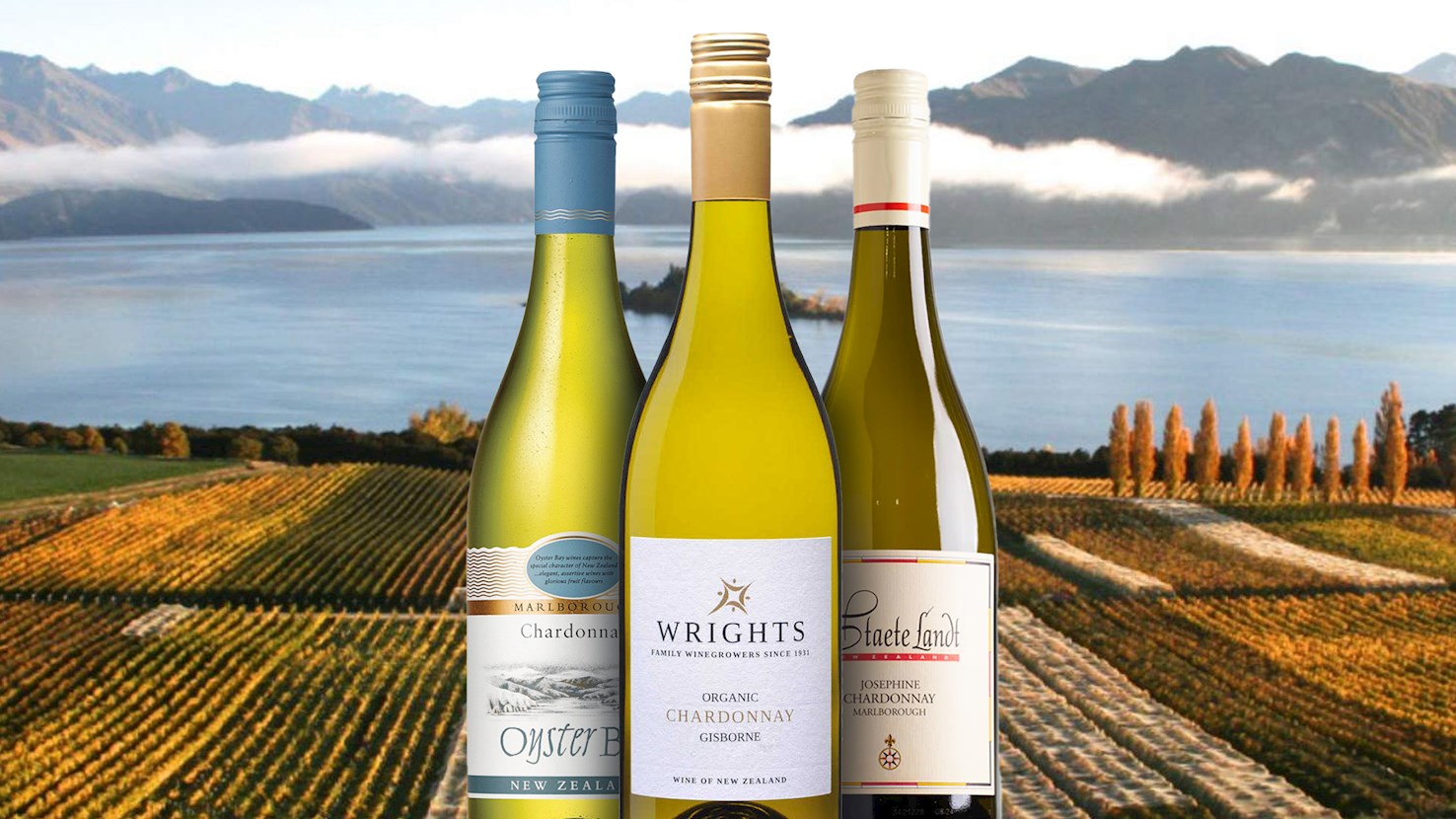
New Zealand Chardonnay is a white wine made from the Chardonnay grape, cultivated in regions across both the North and South Islands, with Hawke’s Bay, Gisborne, Marlborough, and Central Otago being especially recognized for their production. The grape, originally from Burgundy in France, adapts well to New Zealand’s diverse climates, thriving in coastal areas with abundant sunshine and cool nights that help preserve acidity. The resulting wines cover a broad spectrum of styles, from lean and mineral-driven to rich and textured, making Chardonnay one of the most expressive and widely planted varieties in the country. The development of Chardonnay in New Zealand began in earnest in the late 20th century, as the country’s wine industry expanded beyond Sauvignon Blanc, which had quickly become its global signature. Winemakers saw in Chardonnay a grape that could showcase New Zealand’s terroir in a different way, offering both versatility and international recognition. Early plantings revealed that the grape performed especially well in regions with moderate warmth and maritime influence, where it could ripen fully while retaining freshness. Over the years, as viticulture and cellar practices advanced, Chardonnay earned a reputation alongside Sauvignon Blanc and Pinot Noir as one of the pillars of New Zealand’s wine identity. Winemaking approaches to Chardonnay vary widely across the country. Grapes are harvested by hand or machine depending on the region and winery, then fermented either in stainless steel for a crisp, fruit-focused style or in oak barrels for a more layered, textured wine. Malolactic fermentation is often used to soften acidity and add a creamy mouthfeel, while lees stirring enhances body and flavor complexity. Some producers emphasize purity and vibrancy, highlighting citrus, stone fruit, and mineral notes, while others craft fuller-bodied versions with flavors of peach, toasted nuts, and subtle spice from oak aging. The range of techniques and climates has allowed New Zealand to develop a diversity of Chardonnays that appeal to many different tastes. One notable characteristic of New Zealand Chardonnay is its balance of fruit ripeness and natural acidity. Thanks to the country’s cool nights and long growing season, the wines retain a freshness that makes them food-friendly while still delivering generous fruit flavors. Regions like Hawke’s Bay produce structured, fuller wines often compared to white Burgundies, while Marlborough is known for bright, citrus-driven examples with clarity and energy. Central Otago, better known for Pinot Noir, also produces smaller quantities of Chardonnay that reflect its alpine climate, showing elegance and precision. This regional diversity has helped elevate the profile of New Zealand Chardonnay on the international market. Today, New Zealand Chardonnay is enjoyed both domestically and abroad, found in restaurants, wine bars, and private cellars. Its versatility makes it a natural pairing for seafood, poultry, creamy pasta, and cheeses, while lighter versions are well suited to salads and vegetable dishes. The variety of expressions ensures that it appeals to casual wine drinkers and collectors alike, offering options that range from approachable and refreshing to complex and age-worthy.

03

New Zealand Pinot Noir

n/a ·

New Zealand Pinot Noir is a red wine made from the Pinot Noir grape, cultivated in renowned wine regions across both islands of the country, most notably Central Otago, Martinborough in Wairarapa, Marlborough’s Southern Valleys, and emerging areas like Waitaki Valley and North Canterbury. The country’s cool maritime climate, long sunshine hours, and varied soils, from glacial schist in Central Otago to limestone and alluvial deposits in Waipara, create a framework where this sensitive grape can flourish. Pinot Noir arrived in New Zealand in the 19th century, with early plantings in Central Otago as early as 1865 and in Wairarapa by the Beetham family in the 1880s. After decades of modest growth, hampered by phylloxera and prohibition movements, the varietal surged in the late 20th century. The modern era of New Zealand Pinot Noir gained momentum in the 1970s and 1980s, as winemakers began importing quality Pinot clones like the Abel clone and exploiting the potential of cool-climate sites. In winemaking, New Zealand Pinot Noir typically emphasizes bright fruit and balance. Grapes are harvested to preserve acidity and avoid overripe flavors, and fermentation is often done in stainless steel or neutral oak to maintain purity. Wines can express red and dark cherry, plum, floral and savory notes, supported by fine tannins and concentrated yet elegant structure. A defining trait of New Zealand Pinot Noir is its stylistic diversity. Central Otago wines tend toward rich, robust fruit with firm structure, while Marlborough and Martinborough produce more delicate, nuanced expressions. Waitaki Valley Pinot offers restraint and finesse, reflecting its limestone soils and cooler climate. New Zealand Pinot Noir pairs beautifully with a wide array of fare, from salmon and poultry to game and pork. It is enjoyed both domestically, through tasting rooms, cellar doors, and local wine events, and internationally, where its elegance and regional character draw increasing attention.

04

Waiheke Island

n/a ·

Waiheke Island is a specialized wine-growing zone situated in the Hauraki Gulf, roughly 18 kilometers east of Auckland. It possesses a maritime climate with higher solar radiation and lower precipitation than the mainland, sheltered by the rain shadow of the Coromandel Peninsula. The landscape consists of steep slopes with a geological base of Jurassic argillite and greywacke. This foundation supports ancient silt and clay-rich loams that are low in nutrients, naturally limiting vine yields and concentrating fruit flavor. Grape cultivation was initiated in 1978 at Putiki Bay, with a focus on Cabernet Sauvignon. In the early 1980s, the establishment of Stonyridge Vineyard reinforced the region's focus on Bordeaux-style blends. Growers recognized that the island's warm nights and extended autumns were ideal for ripening late-season varieties. By the late 1990s, the success of Syrah in the Onetangi and Te Matuku valleys further diversified the district, leading to the development of a boutique industry consisting of small, high-density vineyard sites. Preparation is labor-intensive, as the steep topography necessitates manual harvesting. Red varieties like Syrah and Merlot undergo long maceration periods to extract tannins from the iron-rich soils, followed by maturation in French oak for up to 20 months. White wines, including Chardonnay and Viognier, are frequently fermented with wild yeasts. Serving temperatures are 16°C to 18°C for reds and 10°C to 12°C for whites. A unique geological feature is the "rotten rock" subsoil, which provides enough moisture for dry-farming without the need for irrigation. Waiheke wine is consumed in premium culinary contexts and is noted for its cellaring potential. Syrah is paired with wood-fired lamb, venison, or rosemary-infused dishes. Cabernet blends are served with beef or hearty stews, while Chardonnay accompanies Hauraki Gulf snapper and oysters. These wines are also frequently paired with local goat cheeses and olives.

05

Nelson

n/a ·

Nelson is a viticultural region located at the northern tip of New Zealand’s South Island, situated between Tasman Bay and surrounding mountain ranges. It is characterized by two distinct soil profiles: the stony alluvial silt loams of the Waimea Plains and the weathered, gravelly clay of the Moutere Hills. The area receives high sunshine hours and is sheltered by mountains, creating a maritime microclimate with a significant rain shadow effect. German settlers first planted vines in the mid-19th century, but commercial operations began in the 1970s with the establishment of Seifried Estate and Neudorf Vineyards. These producers focused on the Moutere Hills and Waimea Plains to determine which European varieties suited the specific clay and gravel compositions. By the 1980s, the region transitioned from small-scale farming to a recognized producer of aromatics and Pinot Noir, supported by the development of specialized boutique estates. Preparation focuses on Sauvignon Blanc, Pinot Noir, Chardonnay, and Riesling. Aromatic whites are fermented in stainless steel at low temperatures to retain volatile esters, while Moutere Chardonnay and Pinot Noir are matured in French oak to build texture. Recommended serving temperatures are 8°C to 10°C for white varieties and 14°C to 16°C for Pinot Noir. A unique technical feature is the extensive use of the Mendoza Chardonnay clone, which results in uneven berry sizes that provide high natural acidity and concentrated flavor profiles. Nelson wine is consumed in both domestic and international markets, often paired with the region’s local produce. The crisp Sauvignon Blanc and Riesling are served with Tasman Bay scallops, snapper, and citrus-based salads. The more structured Pinot Noir and Chardonnay accompany roasted poultry, lamb, or game birds. These wines are also frequently paired with local artisanal sheep milk cheeses.

06

Waipara Valley

n/a ·

Waipara Valley is a viticultural area in North Canterbury on New Zealand's South Island, located north of Christchurch within the North Canterbury Geographical Indication. The area is sheltered by the Teviotdale Hills, which create a dry microclimate by blocking cold easterly winds and reducing rainfall. Its landscape is defined by three distinct soil zones: the valley floor's gravelly loams, the northern slopes' weathered clays, and the eastern hills' active limestone deposits. Commercial grape cultivation began in 1978 after climate studies by Lincoln University identified the valley's potential. Previously used for sheep grazing, the land underwent rapid transformation in the 1980s as growers moved into the limestone-rich Omihi hills. This expansion was driven by the discovery that the valley's long, warm autumns allowed for extended ripening periods, distinguishing it from the flatter plains to the south. Preparation focuses on Riesling, Pinot Noir, and Chardonnay. Winemakers utilize temperature-controlled stainless steel for Riesling to maintain its aromatic profile, while Pinot Noir is often aged in French oak to develop its structure. Serving temperatures are 8°C to 10°C for whites and 14°C to 16°C for reds. A unique attribute of the locality is the specific Omihi sub-zone, where high-calcium limestone soils produce wines with distinct mineral acidity and phenolic depth not found in alluvial regions. Waipara wines are staples of international and local cuisine. Riesling is paired with spicy Asian dishes or fresh seafood to balance its acidity. Pinot Noir accompanies duck, venison, or mushroom-based meals. Chardonnay is served with roasted poultry or seafood in cream sauces. These wines are also frequently consumed with regional artisanal cheeses.

07

Gimblett Gravels

n/a ·

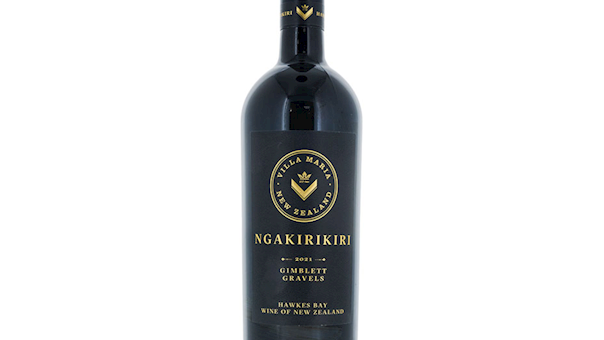
Gimblett Gravels is a viticultural district encompassing 800 hectares within the Hawke’s Bay region of New Zealand’s North Island. It is situated on a former bed of the Ngaruroro River, which was exposed after a flood in 1867. The area is defined by its geological structure, consisting of deep, free-draining greywacke gravels and alluvial shingles. This soil type creates a specific microclimate where the stones absorb solar energy during the day and radiate heat at night, maintaining ground temperatures 2°C to 3°C higher than adjacent silty soils. The land was once considered agriculturally worthless due to its inability to hold water, leading to its use for drag racing and gravel quarrying. In the late 1970s, it was almost converted into a refuse tip before Chris Pask planted the first Cabernet Sauvignon vines in 1981. During the 1990s, local growers successfully lobbied to prevent industrial zoning to preserve the soil for viticulture. In 2001, the Gimblett Gravels Wine Growers Association was established, creating a designation based entirely on a geological map rather than political borders, requiring 95% of grapes to come from these specific gravelly soils. Preparation focuses on Merlot, Cabernet Sauvignon, Syrah, and Chardonnay. The stony environment induces water stress in the vines, producing small berries with high flavor concentration and thick skins. Red wines are usually aged in French oak for 12 to 24 months to refine the tannin structure, while white wines often undergo barrel fermentation. Recommended serving temperatures are 16°C to 18°C for red blends and 10°C to 12°C for white wines. A technical attribute is the specific "Omahu" gravel classification, which serves as the strictly enforced boundary for the appellation. Gimblett Gravels wine is consumed in high-end dining and is noted for its ability to age in the cellar. Syrah is paired with grilled lamb, venison, or pepper-seasoned meats, while Cabernet-Merlot blends accompany roasted beef. The regional Chardonnay is served with poultry, salmon, or mushroom risotto. These wines are also frequently paired with aged hard cheeses.

08

Canterbury

n/a ·

Canterbury is a viticultural district situated on the central east coast of New Zealand's South Island, spanning the plains and valleys around Christchurch. Formally recognized as a Geographical Indication in 2018, it is the country's fourth-largest wine producer. The region is defined by a cool maritime climate and a rain shadow effect created by the Southern Alps. This geography results in diverse soil profiles, including free-draining alluvial gravels on the plains and clay-limestone deposits in the northern Waipara Valley. Initial vine plantings occurred in 1840 at Akaroa by French settlers, but commercial production only emerged in the late 1970s. Research from Lincoln University was instrumental in establishing the district's suitability for European varieties. St Helena became the first commercial vineyard in 1978, followed by significant development in the Waipara Valley during the 1980s. Producers selected the valley for its specific microclimate, where the Teviotdale Hills provide shelter from cold easterly winds, allowing for a longer ripening period. Preparation is centered on Riesling, Pinot Noir, and Chardonnay. Winemaking focuses on maintaining purity and high natural acidity through cool fermentation in stainless steel for aromatics and French oak aging for reds. Serving temperatures are recommended at 8°C to 10°C for white wines and 14°C to 16°C for Pinot Noir. A technical trait of the region is the high concentration of organic and biodynamic vineyards, particularly in the North Canterbury sub-region, where growers utilize these methods to express the specific mineral characteristics of the limestone-heavy soils. Canterbury wine is consumed in both local and international fine-dining settings. The regional Riesling is paired with Asian cuisine, spicy dishes, or fresh seafood like snapper. The Pinot Noir is served with Canterbury lamb, venison, or mushroom-based dishes to complement its earthy profile. Chardonnays from the area are paired with roasted poultry or shellfish. These wines are also frequently consumed with regional cheeses such as those from Akaroa.

09

Marlborough

n/a ·

Situated at the northeastern tip of New Zealand’s South Island, Marlborough is a viticultural region centered within the Wairau and Awatere Valleys. As the nation’s largest producer, it accounts for approximately 70% of total wine output and was registered as a Geographical Indication in 2018. The landscape is defined by a maritime climate with high sunshine hours and significant diurnal temperature shifts. Its soil structure consists of free-draining alluvial river stones and gravels topped with silt and loess, which restricts vine growth and concentrates grape flavors. Large-scale viticulture was established in 1973 by Montana Wines, which repurposed land previously used for sheep farming and grain crops. The region’s global profile was established in the 1980s following the release of wines that showcased intense aromatic profiles and high acidity. This prompted a rapid expansion from the flat Wairau plains into the Southern Valleys and the cooler, wind-exposed Awatere Valley. The distinct soil variations across these sub-regions have led to a diversification of wine styles, moving from tropical fruit profiles in the north to more mineral and herbaceous characters in the south. Preparation is focused primarily on Sauvignon Blanc, alongside Pinot Noir and Chardonnay. Most white wines undergo fermentation in stainless steel at low temperatures to retain volatile aromatics, while Pinot Noir is typically aged in French oak to develop structure. Serving temperatures are 7°C to 10°C for Sauvignon Blanc and 14°C to 16°C for Pinot Noir. A unique attribute is the Appellation Marlborough Wine (AMW) certification, an industry-led standard that mandates 100% estate-grown fruit and specific yield limits to protect the region's integrity. Marlborough wines are a major global export and a staple in international dining. Sauvignon Blanc is paired with fresh seafood, particularly green-lipped mussels and oysters, as well as goat cheese and citrus-based salads. The regional Pinot Noir is served with lean meats like lamb or grilled salmon. These wines are also commonly consumed with light vegetable dishes and soft cheeses.

10

Hawke's Bay

n/a ·

Hawke's Bay is a viticultural region on the eastern coast of New Zealand's North Island, spanning the plains and hills surrounding Napier and Hastings. Registered as a Geographical Indication in 2018, it is the country's second-largest wine producer. The area is characterized by high sunshine hours and a maritime climate, with a landscape defined by four major rivers. These waterways have deposited a complex array of soils, including stony gravels, silt loams, and limestone-rich clays. Viticulture began here in 1851 at Mission Estate, followed by Te Mata and Church Road in the late 19th century. The region's modern profile was established in the 1980s with the development of the Gimblett Gravels. This sub-region consists of an arid riverbed exposed by an 1867 flood; its deep stones absorb solar heat, allowing heat-sensitive red varieties to reach full physiological ripeness in a cool-climate country. Preparation focuses on Merlot-dominant blends, Syrah, and Chardonnay. Winemakers typically use French oak barrels for aging red wines and fermenting Chardonnays to enhance texture. Recommended serving temperatures are 16°C to 18°C for reds and 10°C to 12°C for whites. A unique feature is the Gimblett Gravels designation, which is a soil-exclusive brand requiring 95% of the grapes to be grown on specific alluvial deposits rather than within political borders. Hawke's Bay wines are exported globally and are prominent in fine-dining. Syrah and red blends are paired with beef, venison, or peppered meats to balance their tannin structure. Chardonnays are served with roasted poultry, creamy pasta, or shellfish. These wines are also frequently consumed with local aged cheeses and charcuterie.

Read more
View all
View map
About this ranking

TasteAtlas food rankings are based on the ratings of the TasteAtlas audience, with a series of mechanisms that recognize real users and that ignore bot, nationalist or local patriotic ratings, and give additional value to the ratings of users that the system recognizes as knowledgeable. For the “Top 90 New Zealand Wines” list until July 08, 2026, 53 ratings were recorded, of which 47 were recognized by the system as legitimate. TasteAtlas Rankings should not be seen as the final global conclusion about food. Their purpose is to promote excellent local foods, instill pride in traditional dishes, and arouse curiosity about dishes you haven’t tried.

The initial list of top producers was compiled based on available reviews, awards, local recommendations, media and blog coverage, and consumer reviews. The list will be updated with ratings from TasteAtlas local ambassadors and TasteAtlas users.

Similar lists