shutterstock

Top 10 Local Alcoholic Beverages
in the Metropolitan City of Milan

Last updated on June 10, 2026

Best Metropolitan City of Milan Alcoholic Beverages
01

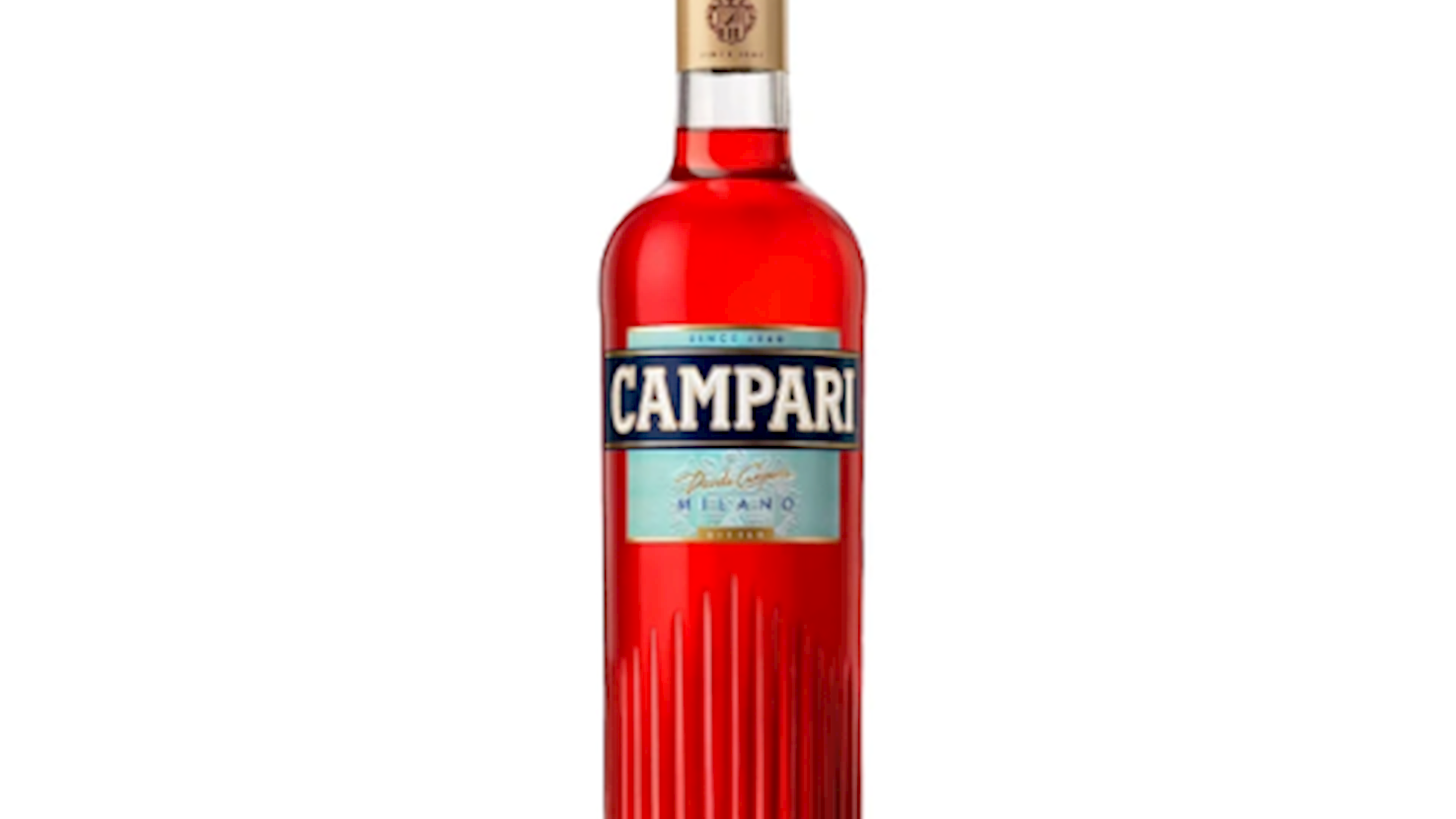
Campari Group

5 ·

is an Italian beverage company founded in 1860 by Gaspare Campari. Over more than 160 years, it has evolved from a producer of a single iconic aperitif into one of the world's leading premium spirits groups. Headquartered in Sesto San Giovanni near Milan, the company markets and distributes its products in more than 190 countries and operates a global network of production facilities and distribution companies. Campari Group's portfolio includes over 50 premium and super-premium brands spanning aperitifs, whiskies, rums, tequilas, vodkas, cognacs, and liqueurs. Among its most recognized brands are Campari, Aperol, SKYY Vodka, Wild Turkey, Appleton Estate, Grand Marnier, Espolòn Tequila, and Courvoisier. The company's growth has been driven by a combination of strong brand development and strategic acquisitions, establishing Campari Group as a major player in the global spirits industry and a leader in the aperitif category.

Awards
SFWSC - San Francisco World Spirits Competition - Double Gold (2024, 2023)
NYWSC - New York World Spirits Competition - Double Gold (2024)
02

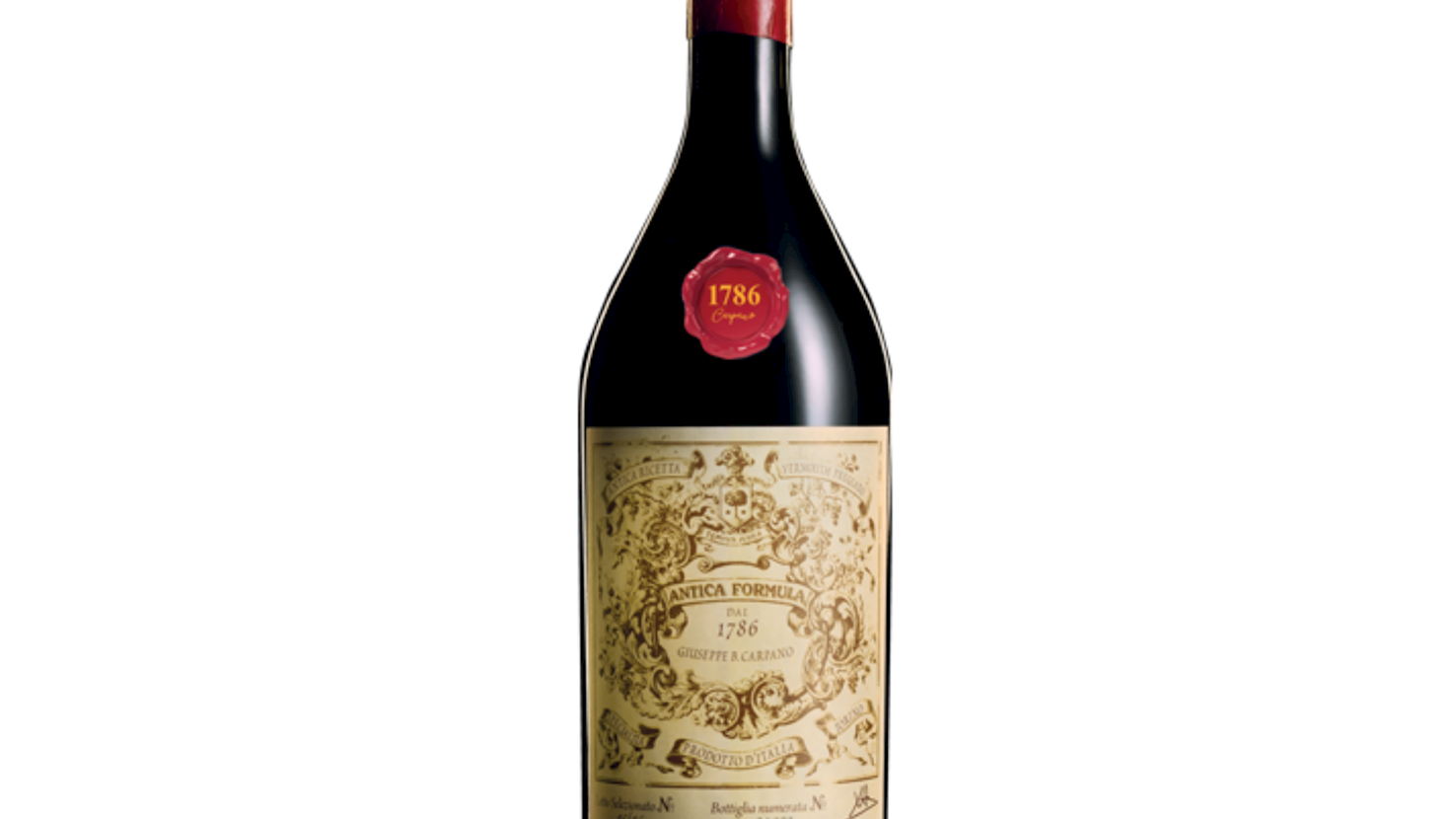
Carpano

5 ·
Awards
SFWSC - San Francisco World Spirits Competition - Double Gold (2024)
03

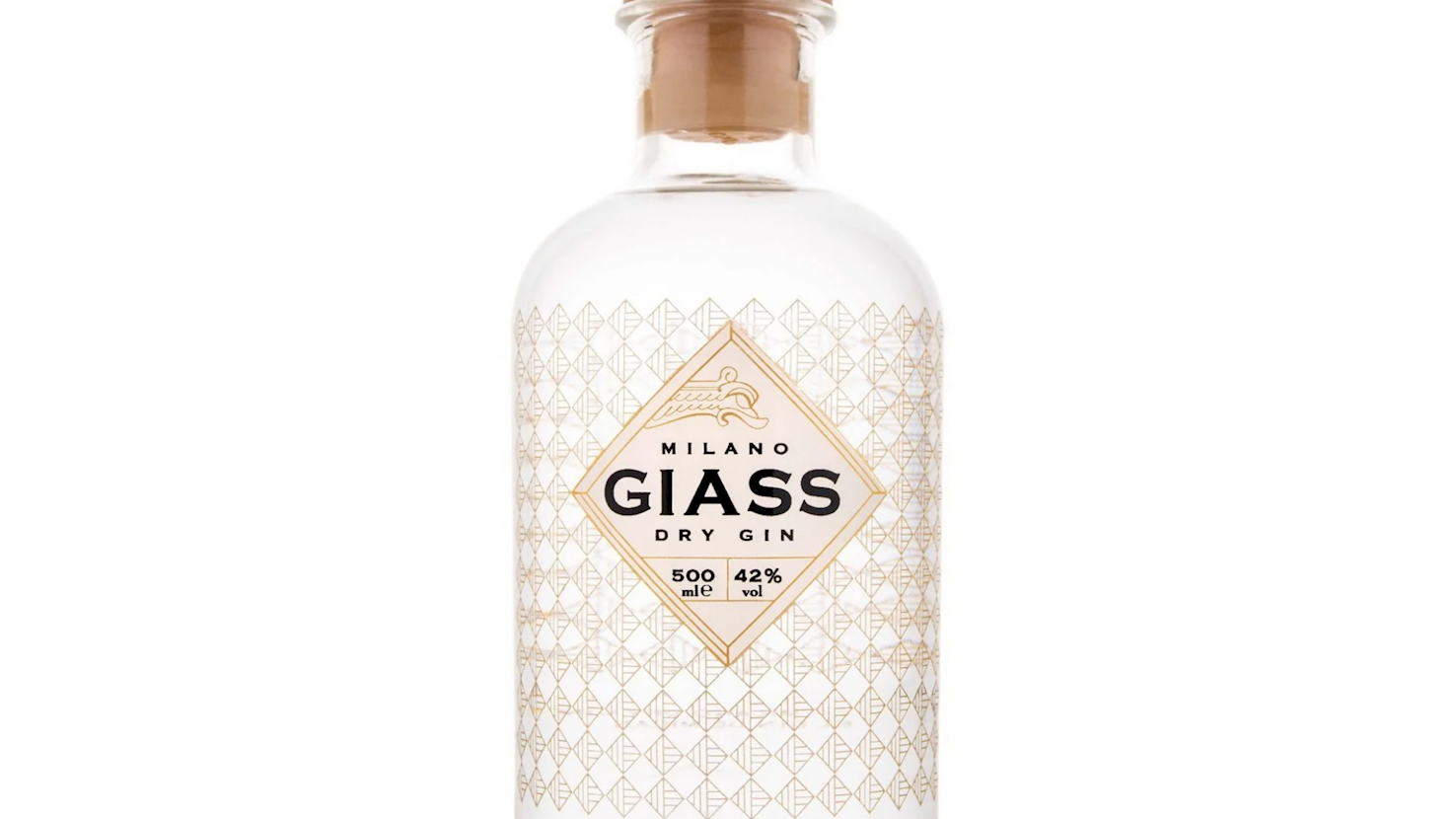
Pudel

4.8 ·
Awards
IWSC- International wine & spirit competition - Spirit Gold (2024)
World Gin Awards - Country Winner (2021)
04

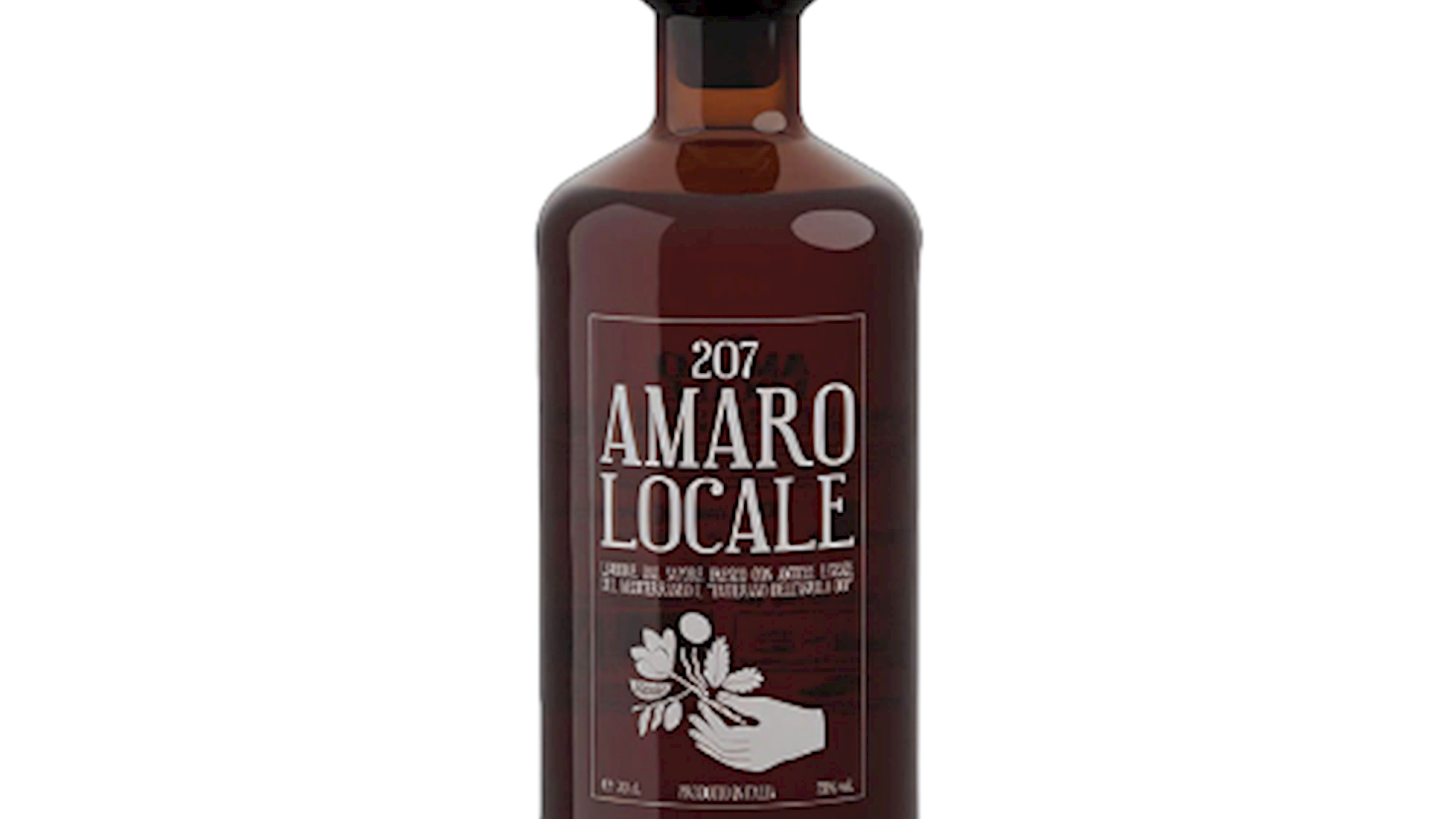
207 Amaro Locale

4.5 ·
207 Amaro Locale is a brand that blends the tradition of Italian amaro liqueurs with a modern business approach and strategy. Produced in the Emilia-Romagna region of Italy, known for its rich culinary heritage, 207 Amaro Locale emphasizes authenticity and the use of local ingredients. Its global presence is bolstered by its connection to the Pernod Ricard Group, one of the world’s leading producers of alcoholic beverages.
Awards
World's Best Bitters - Winner (2024)
World Liqueur Awards - Country Winner (2024)
05

Birrificio WAR

4.4 ·
Birrificio WAR is an independent craft brewery based in Cassina de’ Pecchi, Lombardy, just outside Milan, combining agricultural heritage with a modern approach to beer production. Founded in 2017 as part of a family farm, the brewery operates on a vertically integrated model - over 80% of its raw materials, including malt, come from its own fields. The production facility is housed in a renovated former stable, now transformed into a modern and functional space with a tasting room and outdoor beer garden. WAR quickly gained a reputation for innovation and technical precision, recognized for its diverse and experimental portfolio. From classic styles to one-shot limited editions, the brewery maintains a dynamic range shaped by both creativity and control over the entire production process. Through a blend of artisanal dedication, agricultural independence, and bold expression, Birrificio WAR has positioned itself as one of the most compelling new breweries in northern Italy.
Awards
Untappd - 3.7
Untappd - 3.8
06

Birrificio Lambrate

4.3 ·
Awards
Concours International de Lyon - Gold (2024)
Barcelona Beer Challenge - Gold (2021)
07

Melini-Gruppo Italiano Vini spa

3.7 ·
Awards
Frankfurt International Trophy - Grand Gold (2021)
09

The Wall Italian Craft Beer

3.7 ·
Awards
Barcelona Beer Challenge - Gold (2020)
10

Birrificio di Legnano Srl

3.7 ·
Awards
Frankfurt International Trophy - Grand Gold (2022)

Best Metropolitan City of Milan Alcoholic Beverage Types
01

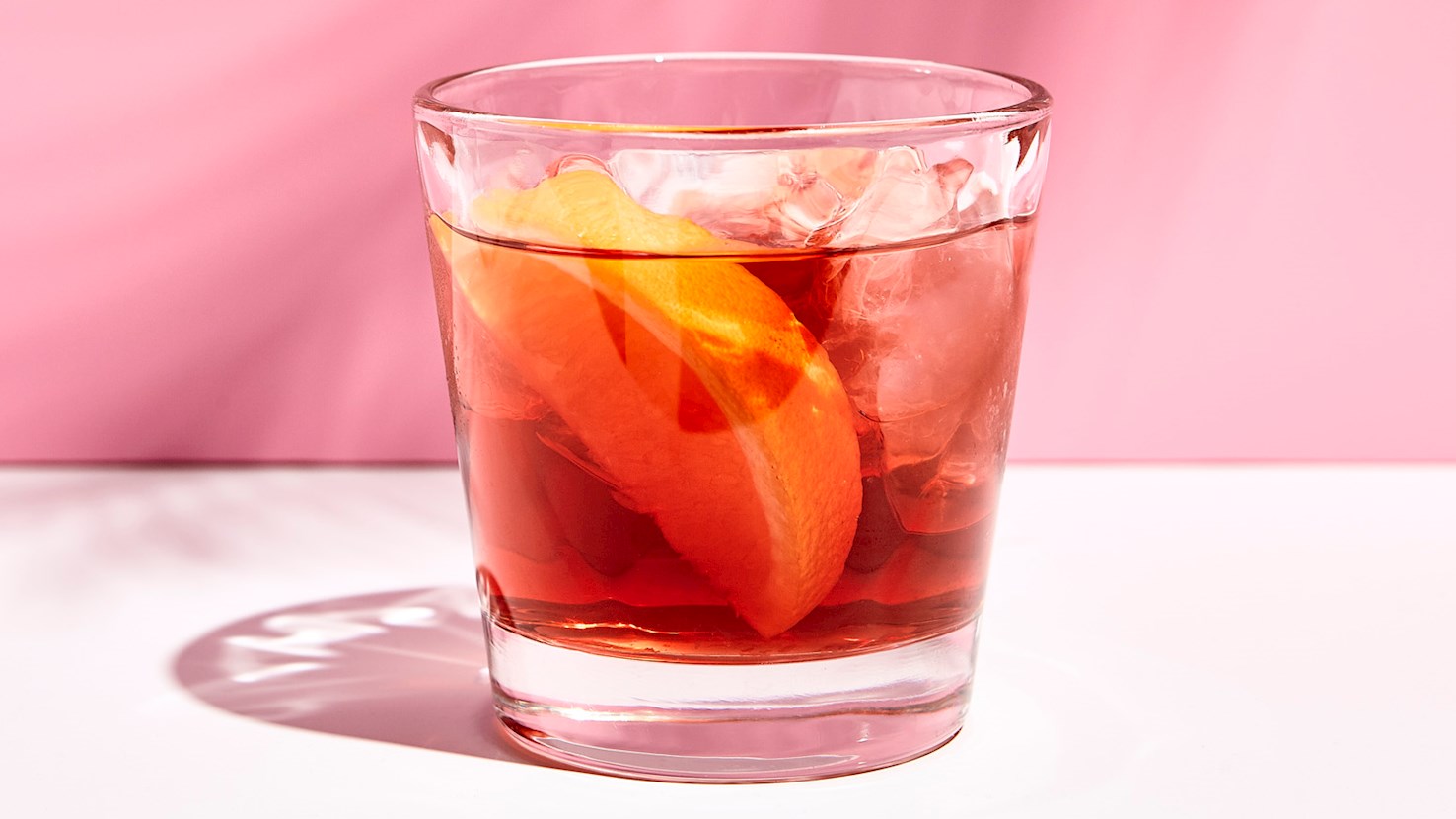
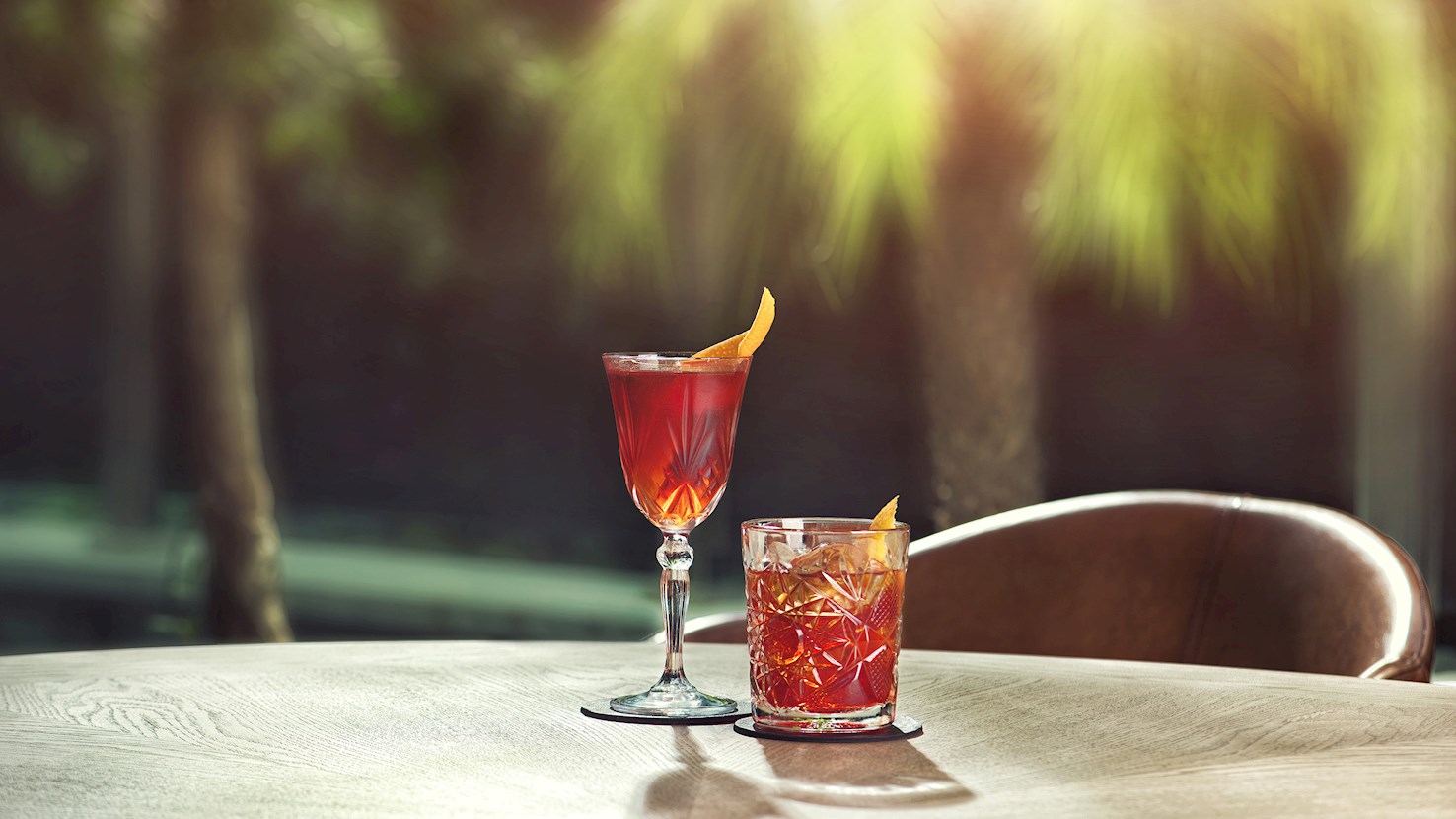
Negroni sbagliato

3.7 ·

Sbagliato is a variation on the classic Negroni cocktail originating from Milan. It's made with a combination of sweet vermouth, Campari, and prosecco or any dry sparkling wine. The ingredients are poured into an ice-filled glass, then gently stirred, and the drink is often garnished with an orange peel. The name sbagliato means mistake, and the cocktail created in the 1980s by Mirko Stocchetti at Bar Basso. He wanted to make a Negroni, but mistakenly used a bottle of spumante instead of gin, and Negroni sbagliato was created.

02

Campari Soda

3.5 ·

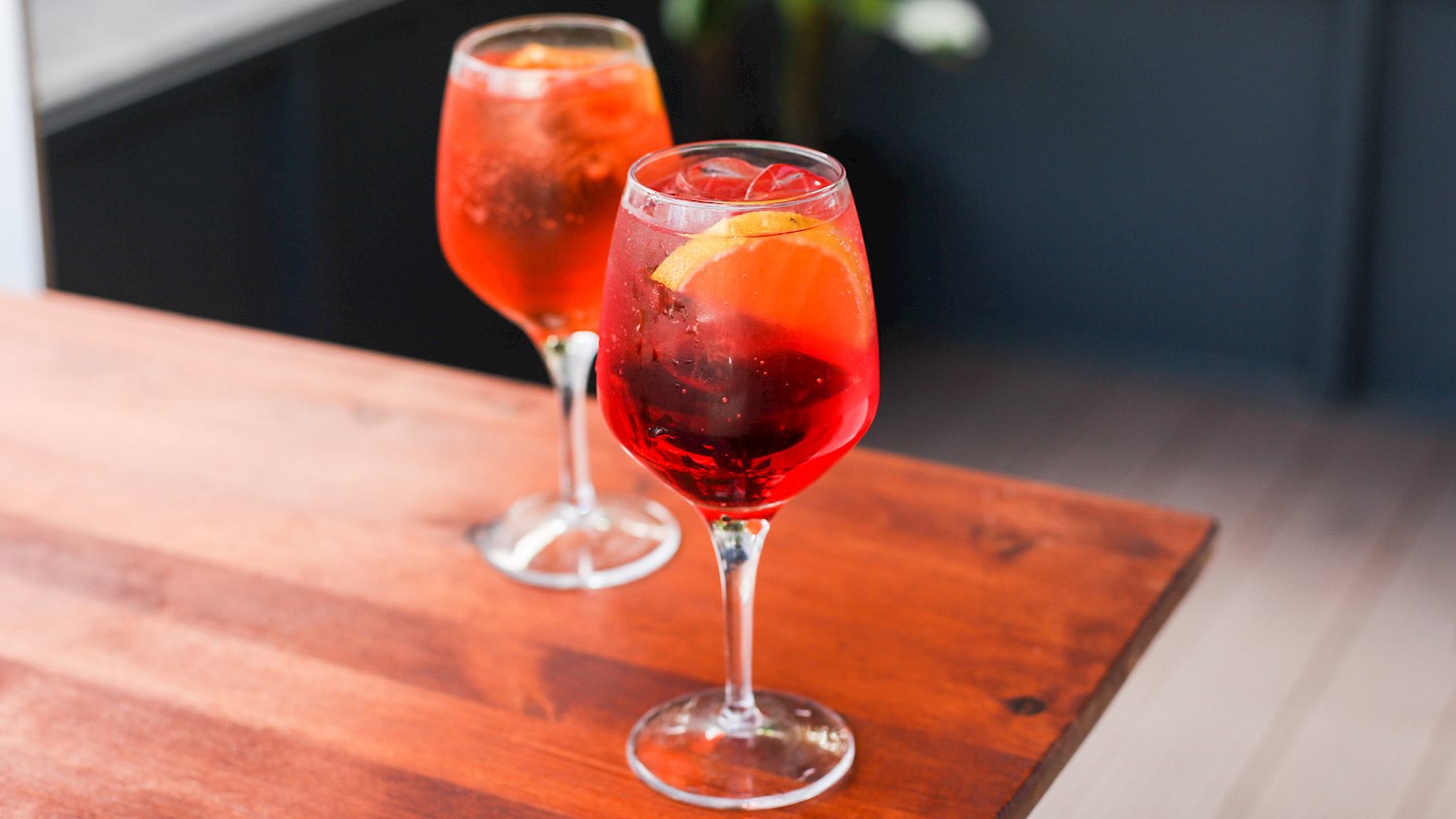
Campari Soda or Campari Seltz, as it is known in Italy, is a simple and refreshing combination of Campari and soda water that is mostly enjoyed as an aperitif. The ratio is usually 1 part Campari to 3 parts soda. To prepare it, Campari is added first and is then topped with soda—the drink should have a frothy top. This traditional spritz is usually served in a stemmed or an old-fashioned glass, and it can be garnished with an orange slice. The drink was invented in 1915 by Davide Campari at his Camparino bar in Milan. The combination became a signature drink at the bar, and it soon caught on elsewhere.

03

Ramazzotti

3.3 ·

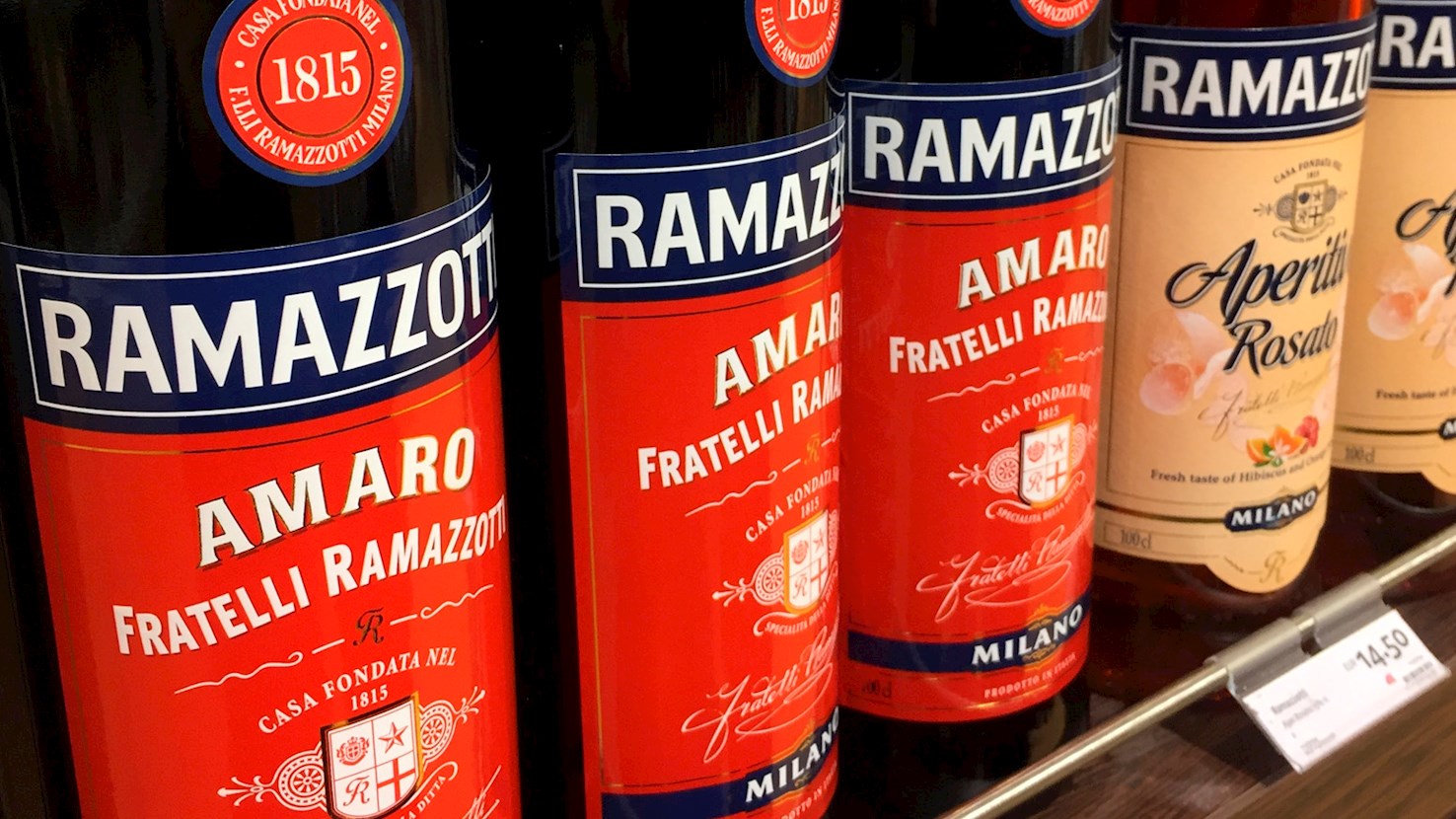
This Italian amaro was first produced in 1815, and it is still made according to the original secret recipe that employs 33 different herbs and roots. The recipe was developed by Ausano Ramazzotti, who offered the drink at his café, located in the vicinity of Milanese La Scala. Ramazzotti is an intense, medium bitter digestif that is best enjoyed neat or on the rocks, preferably with the addition of lemon twist. Apart from the original version it also comes as Ramazzotti Menta, Black, and Limone.

04

Fernet

3.1 ·

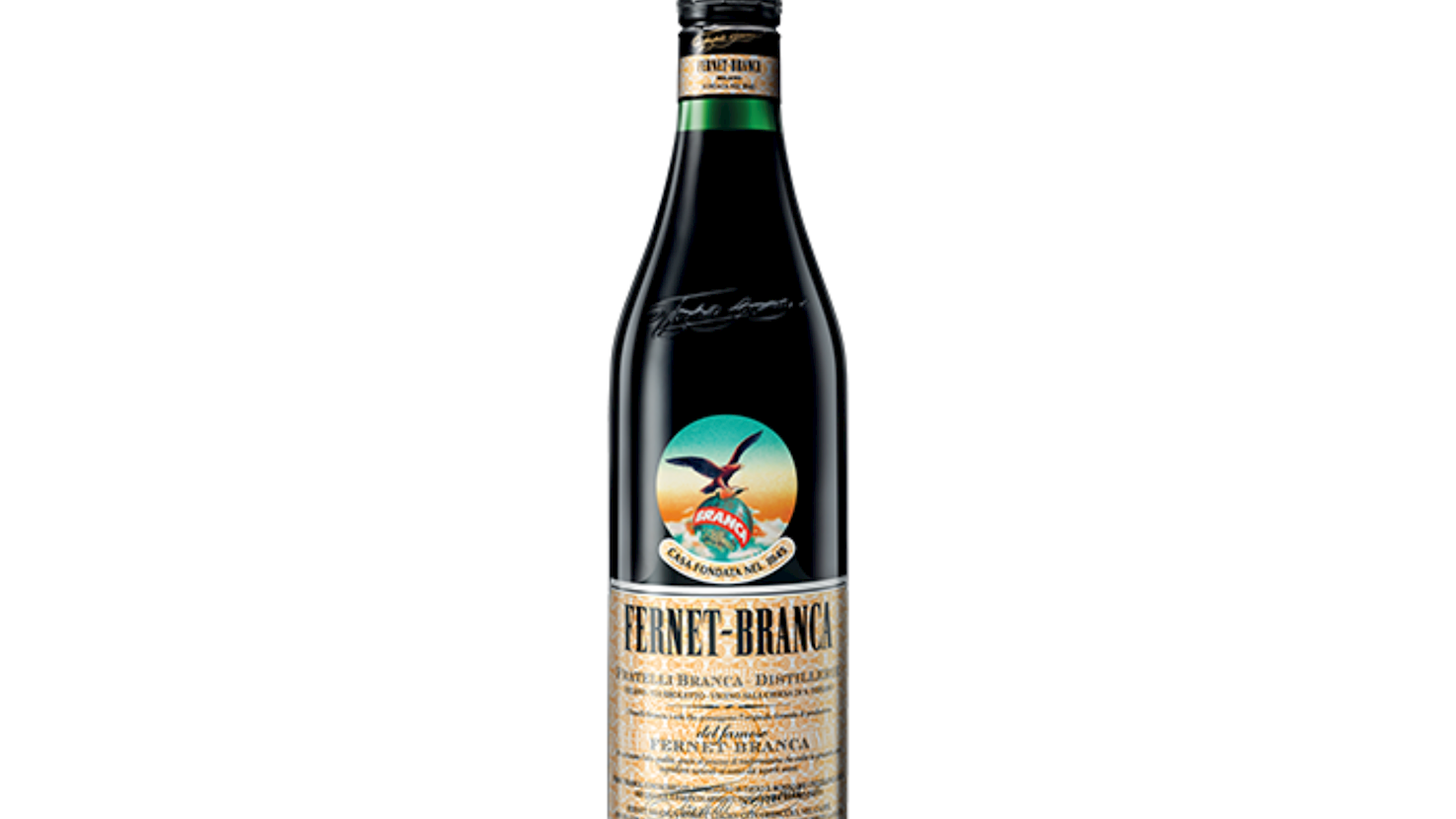
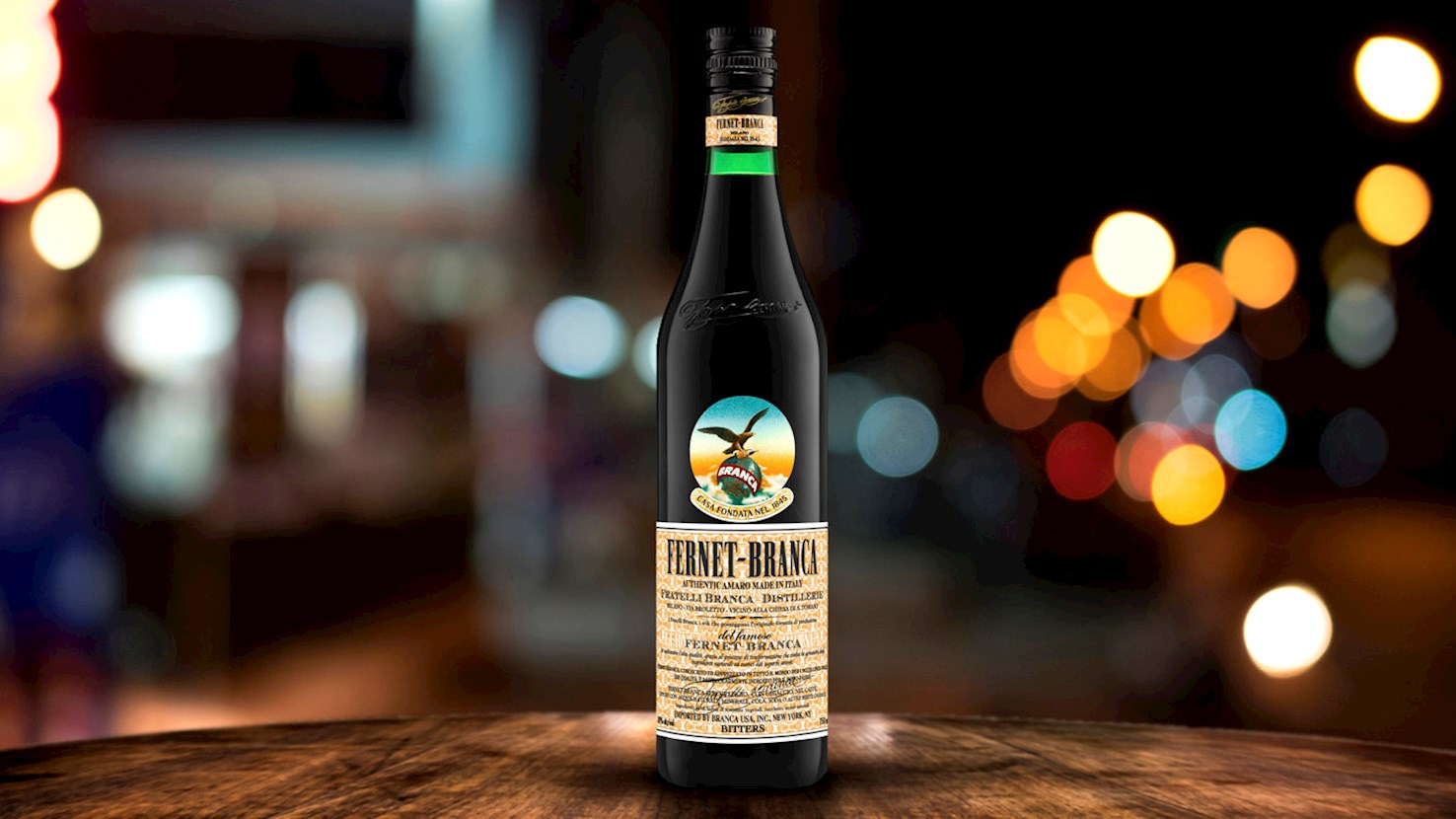
Though most brands keep their recipe secret, this Italian-style liqueur is typically made with a blend of various spices and herbs such as saffron, juniper, rhubarb, aloe, chamomile, and mint. Because of the extensive list of ingredients, Fernet is characterized by its complexity and a usually a unique, bittersweet flavor. The most popular brand is the Milan-based Fernet Branca, invented in 1845 by Bernandino Branca. The drink has been a mainstay in Italy and Argentina, and lately, it has been experiencing a somewhat of a renaissance because of its use in some of the classic cocktails such as Toronto or Hanky Panky. While Italians prefer to enjoy it as a digestif or incorporate it into café correto, in Argentina, it is mainly used alongside Coca-Cola to create the iconic Fernet-Cola.

05

Brancamenta

2.8 ·

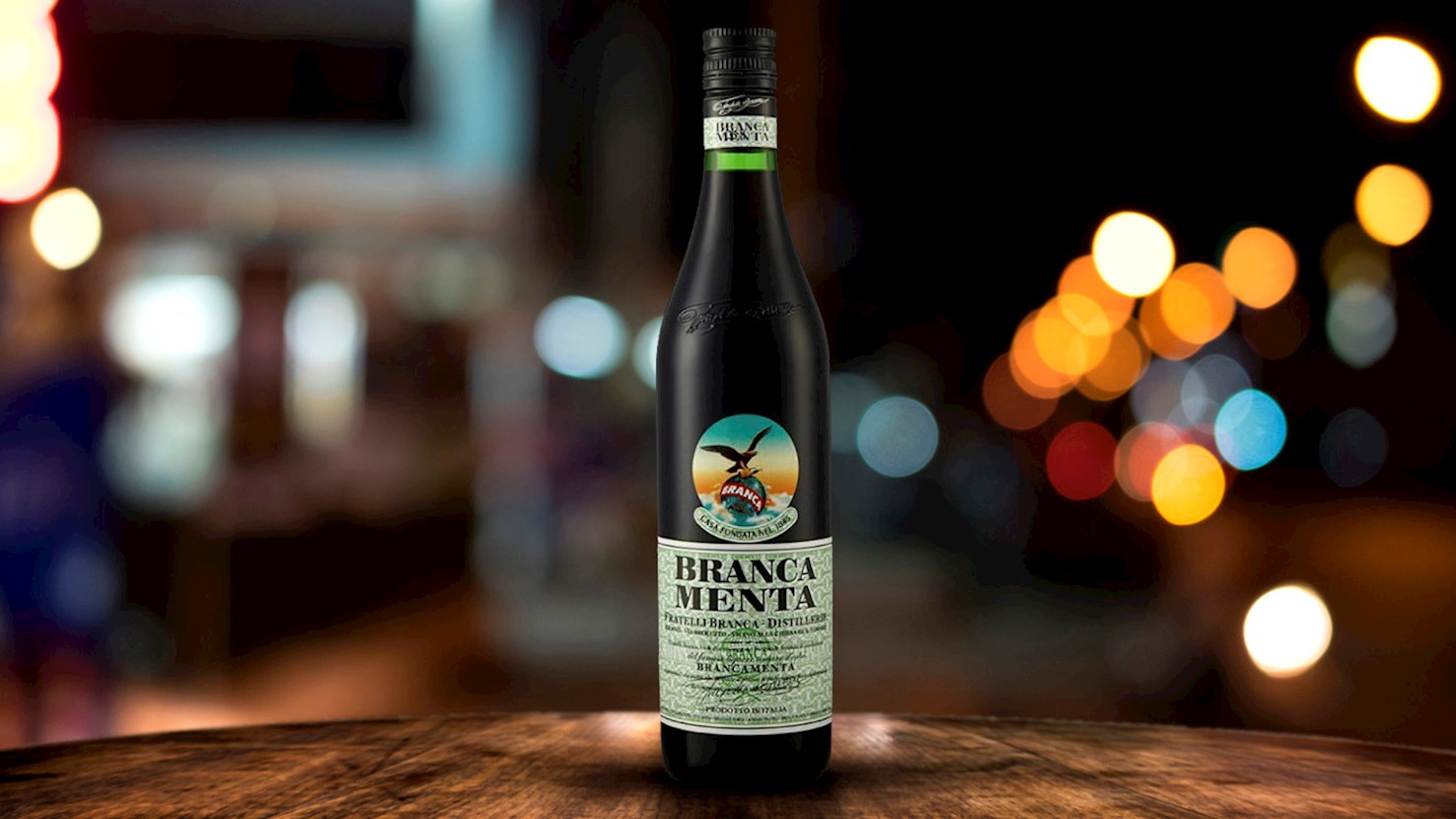
Brancamenta is a minty version of Fernet Branca—the richly flavored amaro from Milan. This liqueur is also based on more than thirty botanicals, but it also includes essential peppermint oil from Piedmont. The resulting drink is dark brown with amber highlights. The flavor is bittersweet, and the aroma is herbal and earthy with a dominant minty note. Brancamenta was released in the 1960s, and it was inspired by the famous opera singer Maria Callas. Supposedly, Callas liked to drink her Fernet Branca with mint syrup—as this would make it lighter and easier to drink. The combination became popular, inspiring Branca distillers to create a similar bottled version. Branca Menta can be enjoyed as an aperitif or a digestif. It can be served neat or on the rocks, but it should always be well chilled. Brancamenta is bottled at 28% ABV.

06

Milano Torino

n/a ·

Milano Torino is a classic aperitif cocktail that combines sweet vermouth and Campari. To make the cocktail, equal amounts of both drinks are poured into an old-fashioned glass. The drink is completed with ice and comes garnished with half of an orange slice. This drink was first served in Campari’s Milan bar, sometimes in the 1860s. The name refers to the birthplace of the main ingredients, Vermouth from Turin and Campari from Milan. It is often shortened as Mi-To. Milano Torino is often called a predecessor to Negroni and Americano.

07

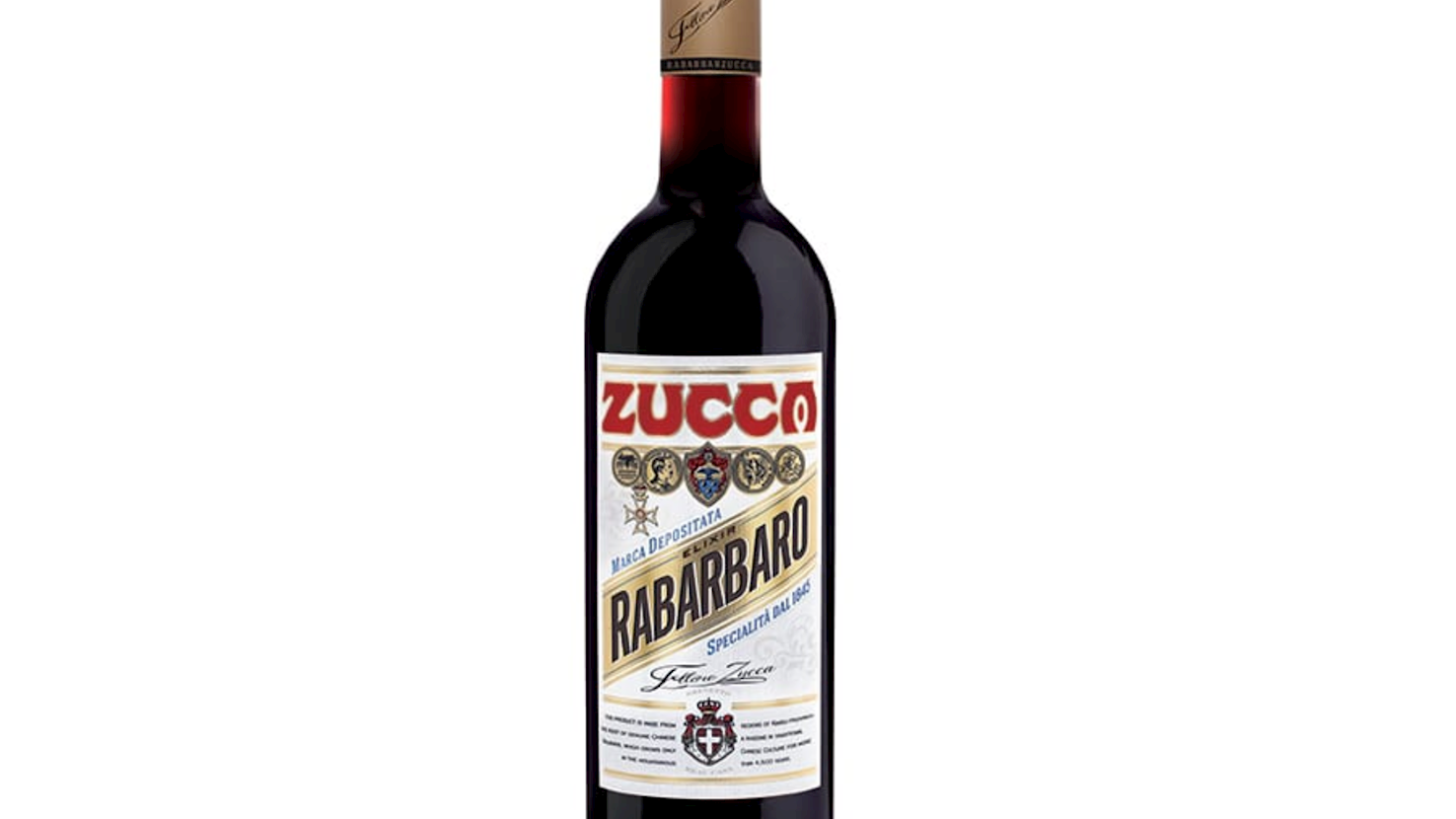
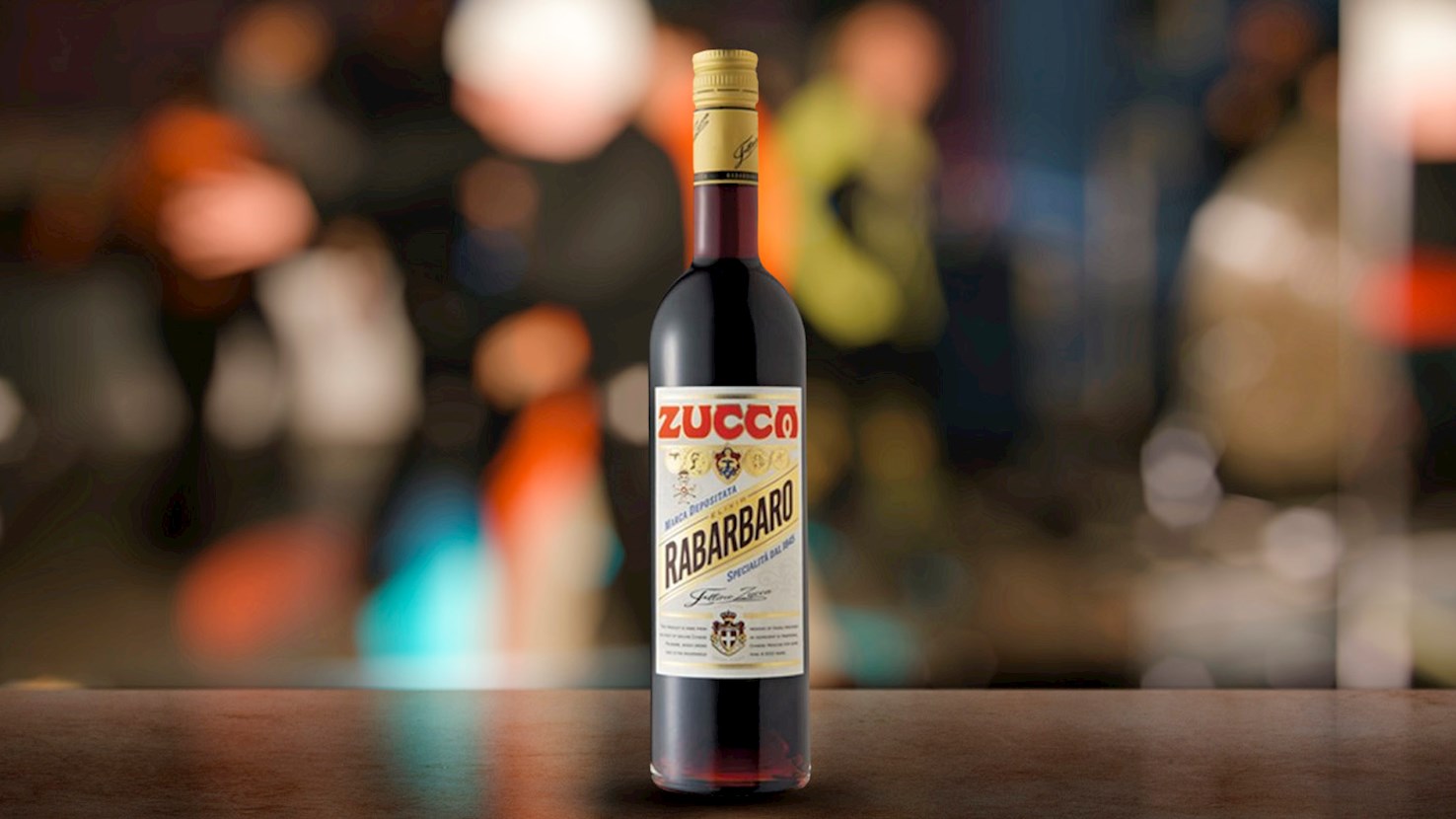
Rabarbaro Zucca

n/a ·

Rabarbaro Zucca is an Italian amaro that hails from Milan. As evident from its name—rabarbaro stands for rhubarb—the main flavoring is a rhubarb macerate, while other ingredients include a secret blend of herbs, fruit, and spices. The result is a dark-brown, richly flavored liqueur with a herbal aroma and excellent balance of sweetness and bitterness. While the first part of the name is a reference to the main ingredient, zucca—which stands for pumpkin—is a reference to its inventor Carlo Zucca. The story says that the drink was inspired by an old family recipe he found on a small hand-written note. He started commercial production in 1919. Rabarbaro Zucca is usually enjoyed as an aperitif. Serve it neat, on the rocks, or topped with tonic or sparkling water. It could also work well as a cocktail ingredient.

08

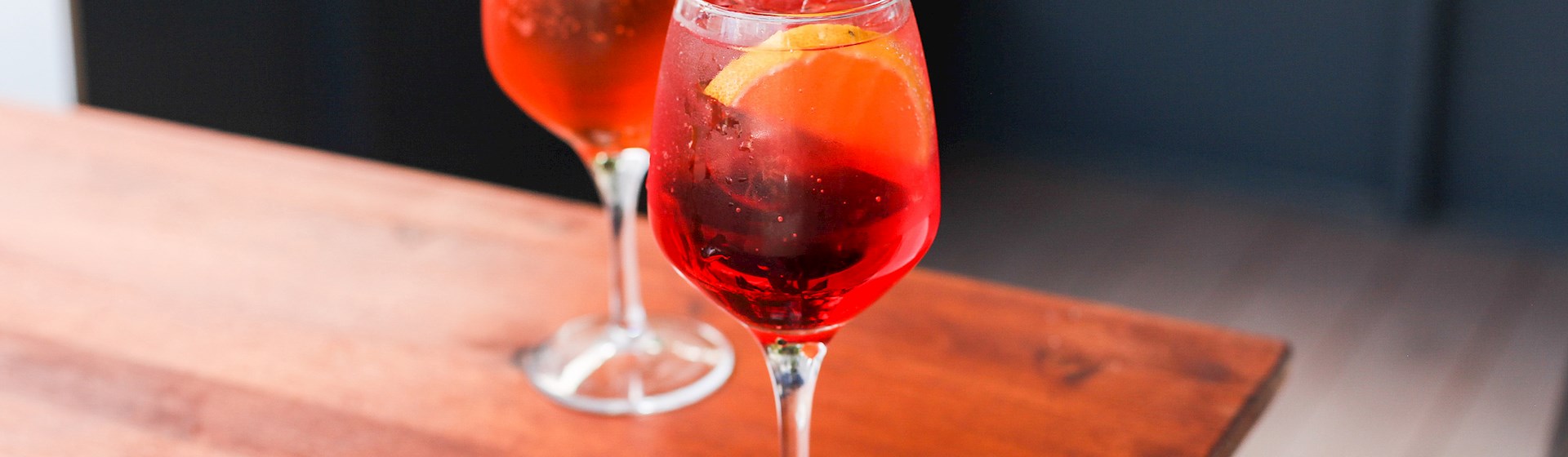
Zucca Spritz

n/a ·

Zucca spritz is a simple Italian cocktail mainly enjoyed as an aperitif. It is based on Rabarbaro Zucca, the bittersweet rhubarb-flavored liqueur from Milan. To make the drink, a shot of the liqueur is added to a glass filled with ice. The liqueur is then topped with soda water. It can be garnished with an orange slice or mint sprig. This basic recipe is sometimes altered with prosecco, other liqueurs, or bitters. Zucca spritz is mostly associated with Milan, Lombardy.

09

Rüsümada

n/a ·

Rüsümada is an ancient sweet energetic drink from northern Lombardy, particularly the area around Milano, prepared with eggs, sugar and red wine. The name comes from one of the ingredients, egg yolks, locally known as rüss d'oof or rüsümm. Rüsümada is simple to make: beaten egg yolks and sugar are combined with whisked egg whites, then the wine is slowly added to the mixture while stirring constantly. Rüsümada should be enjoyed immediately after it has been prepared. Although it is easy to make, rüsümada is not consumed that much nowadays - it is considered to be a home remedy offering protection from illnesses and colds.

About this ranking

TasteAtlas food rankings are based on the ratings of the TasteAtlas audience, with a series of mechanisms that recognize real users and that ignore bot, nationalist or local patriotic ratings, and give additional value to the ratings of users that the system recognizes as knowledgeable. For the “Top 10 Local Alcoholic Beverages in the Metropolitan City of Milan” list until June 10, 2026, 196 ratings were recorded, of which 160 were recognized by the system as legitimate. TasteAtlas Rankings should not be seen as the final global conclusion about food. Their purpose is to promote excellent local foods, instill pride in traditional dishes, and arouse curiosity about dishes you haven’t tried.

The initial list of top producers was compiled based on available reviews, awards, local recommendations, media and blog coverage, and consumer reviews. The list will be updated with ratings from TasteAtlas local ambassadors and TasteAtlas users.

Similar lists