shutterstock

Top 76 Provençal Foods

Last updated on July 08, 2026

Best Provençal foods

01
Casserole

Gratin dauphinois

4.2 ·

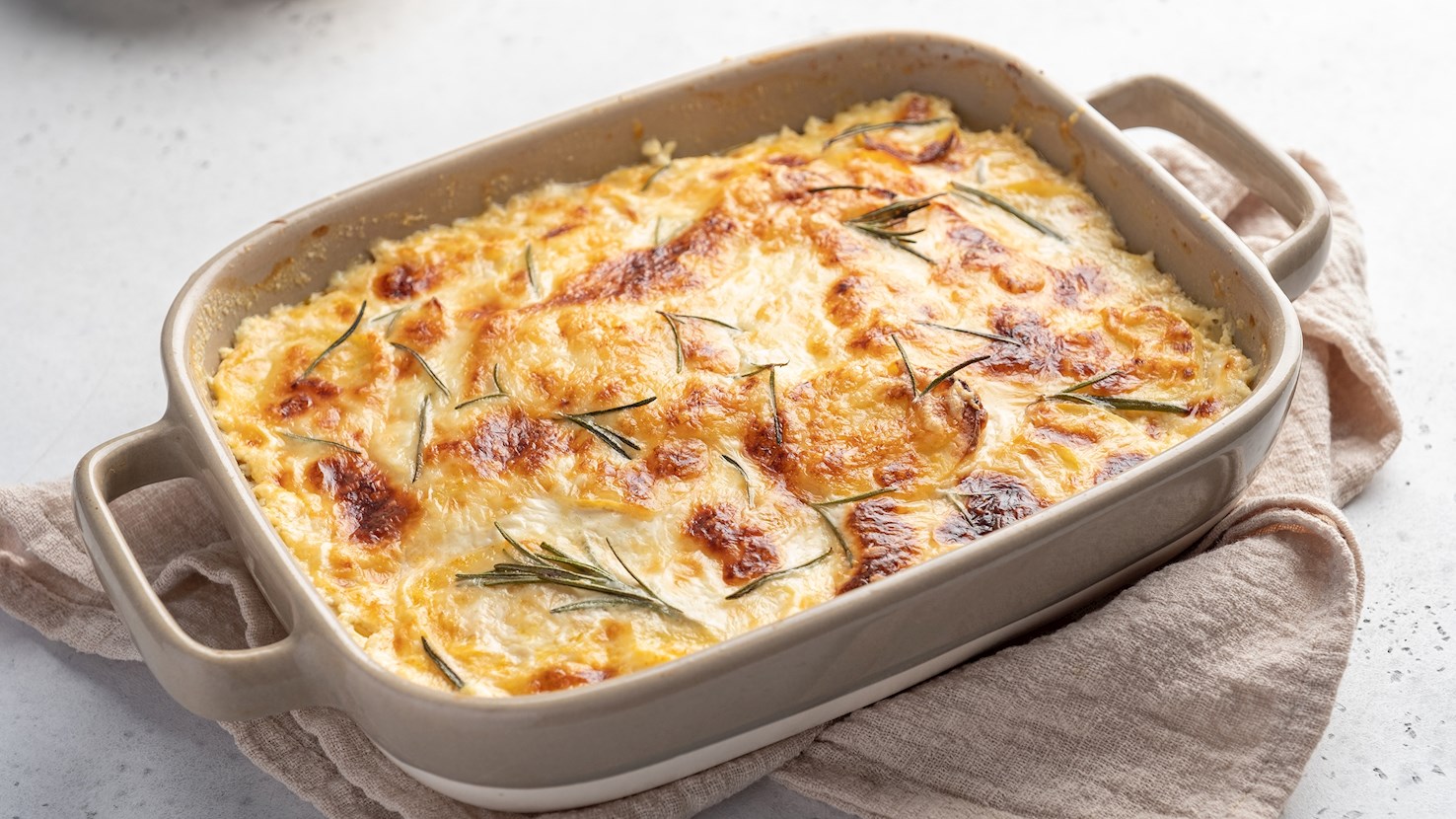
Traditionally consumed by peasants in the historic Dauphiné region in France, gratin dauphinois is a savory dish consisting of thinly sliced potatoes, crème fraîche, and butter baked in a shallow earthenware cooking vessel. The dish can be eaten on its own, preferably with a salad on the side, or as an accompaniment to fish or meat dishes. The term gratin originally referred to the flavorful crust that was left in the pan after the dish was baked. The first mention of the dish dates back to July 12th, 1788, when it was served at a dinner hosted by Charles-Henri, Duke of Clermont-Tonnerre and Lieutenant-General of the Dauphiné, for the officials of the city of Gap in the modern-day Hautes-Alpes region.

02
Flatbread

Pissaladière

4.0 ·

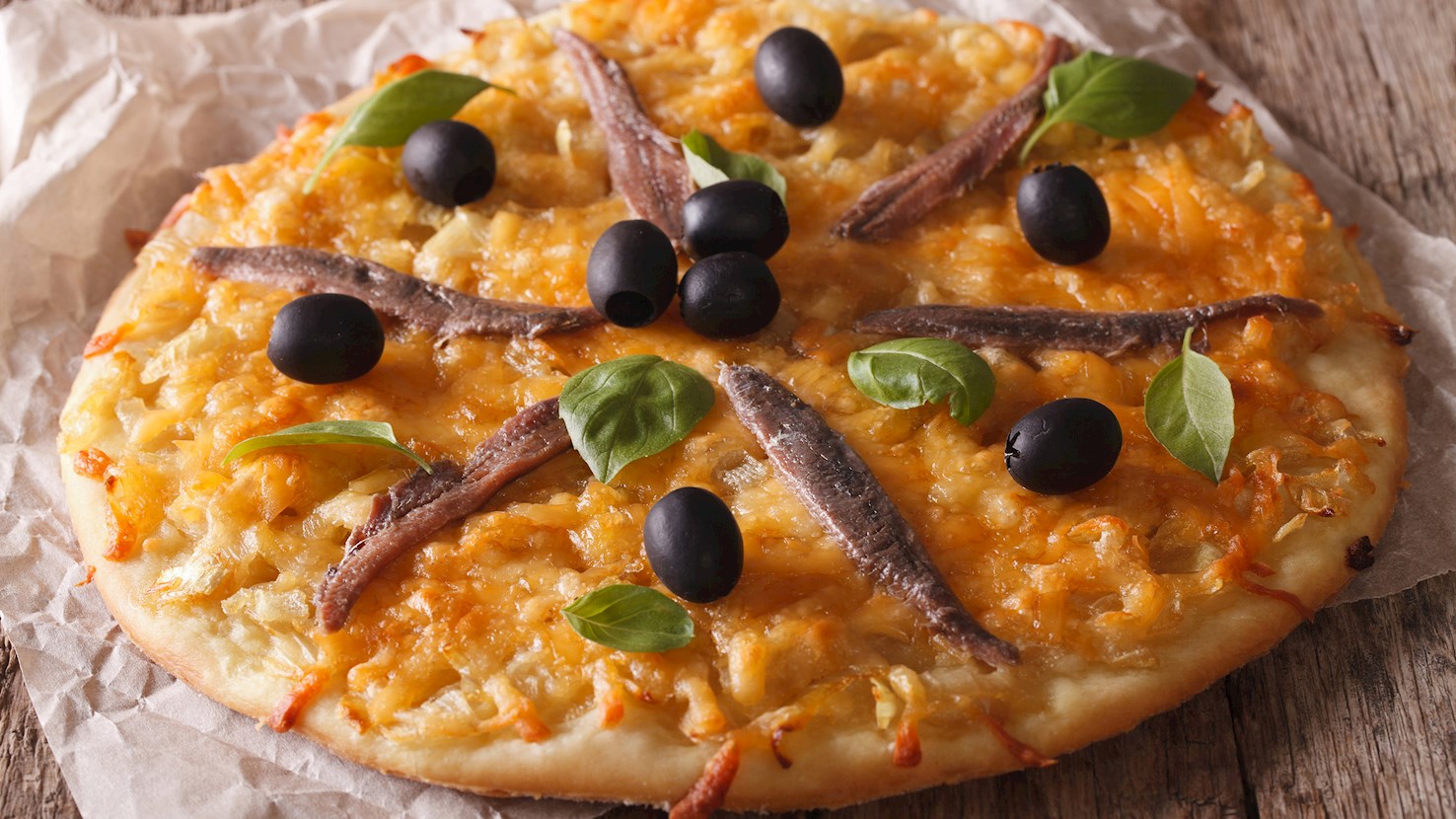
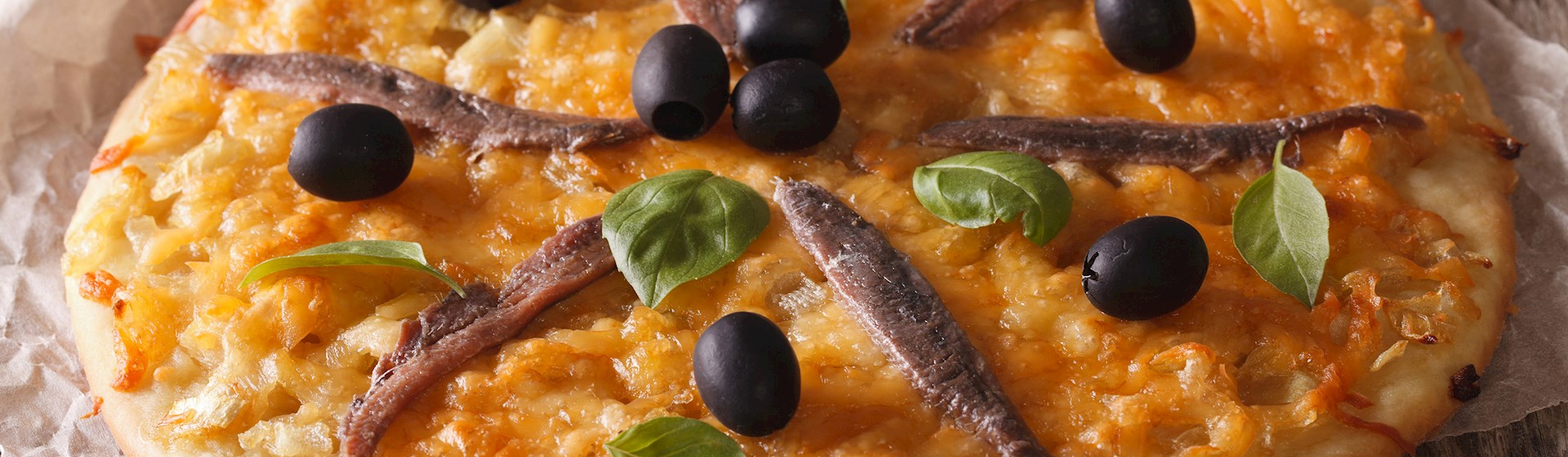
Originating from the French city of Nice, pissaladière is a baked tart that is similar to a pizza, but thicker. In the past, it was usually baked and sold each morning, but today it is traditionally served as an appetizer or a snack, consisting of a doughy base that is topped with anchovies, olives, caramelized onions, and fresh herbs. The name of the dish comes from the French phrase pèi salat, which translates to salted fish, one of the key ingredients used in the preparation of pissaladière. It is believed that the dish was invented between 1305 and 1377, during the Avignon Papacy. Pissaladière is best paired with a glass of chilled white wine.

03
Street Food

Socca

4.0 ·

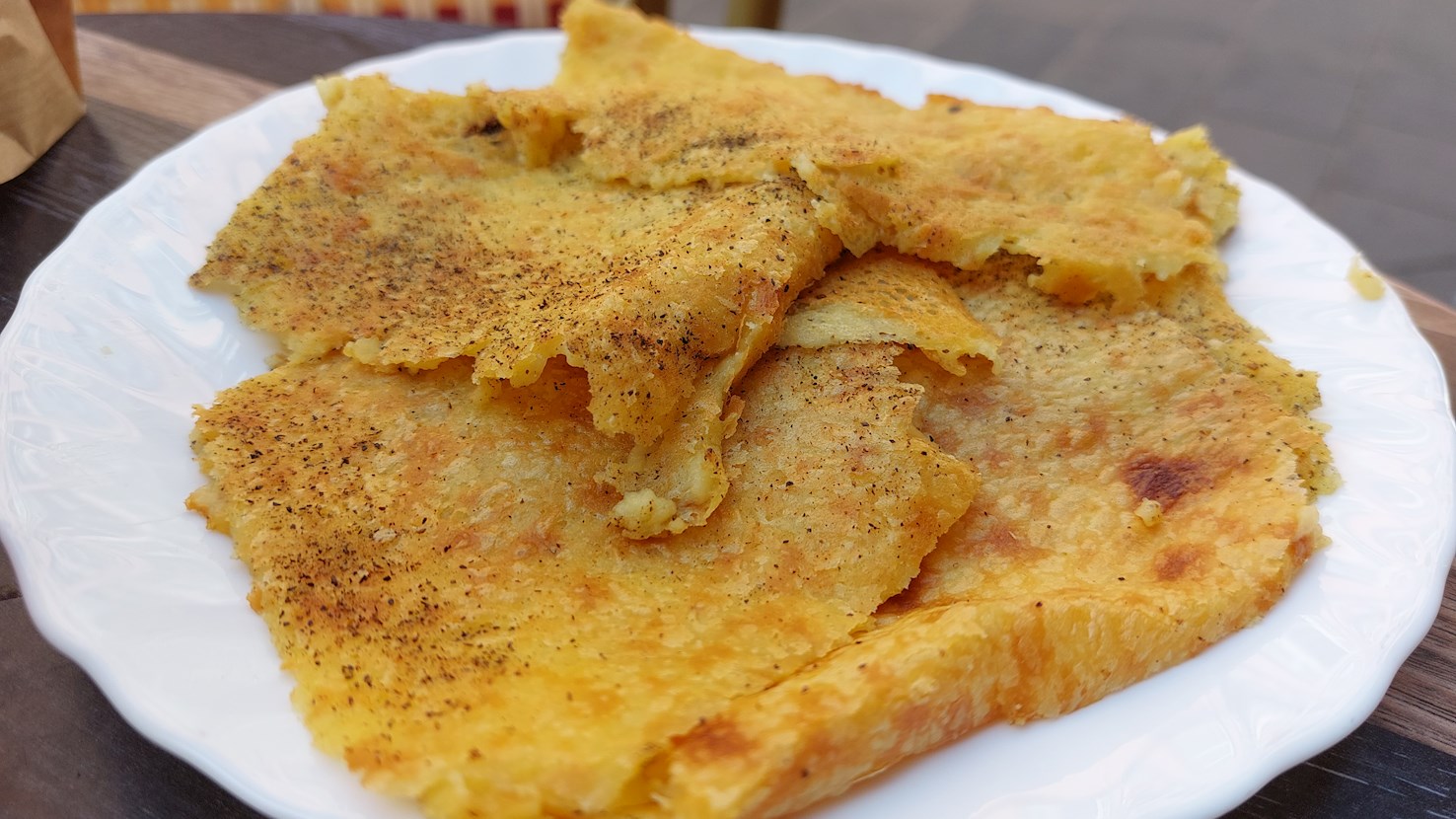
Originally derived from the Genovese farinata, socca eventually became the specialty of Nice, France, where it is a street food staple. This traditional flatbread is made with chickpea flour, olive oil, salt, and pepper. Once the batter is prepared, it is transferred to a wide pan or a skillet, which is placed in the oven at very high temperature. The batter is then baked until the socca hardens and begins to slightly burn on the edges. Once baked, socca is sliced into pieces and seasoned with salt, pepper, and a drizzle of olive oil. It can be served as an appetizer with cheese, olives, and a glass of rosé on the side.

04
Sandwich

Pan bagnat

4.0 ·

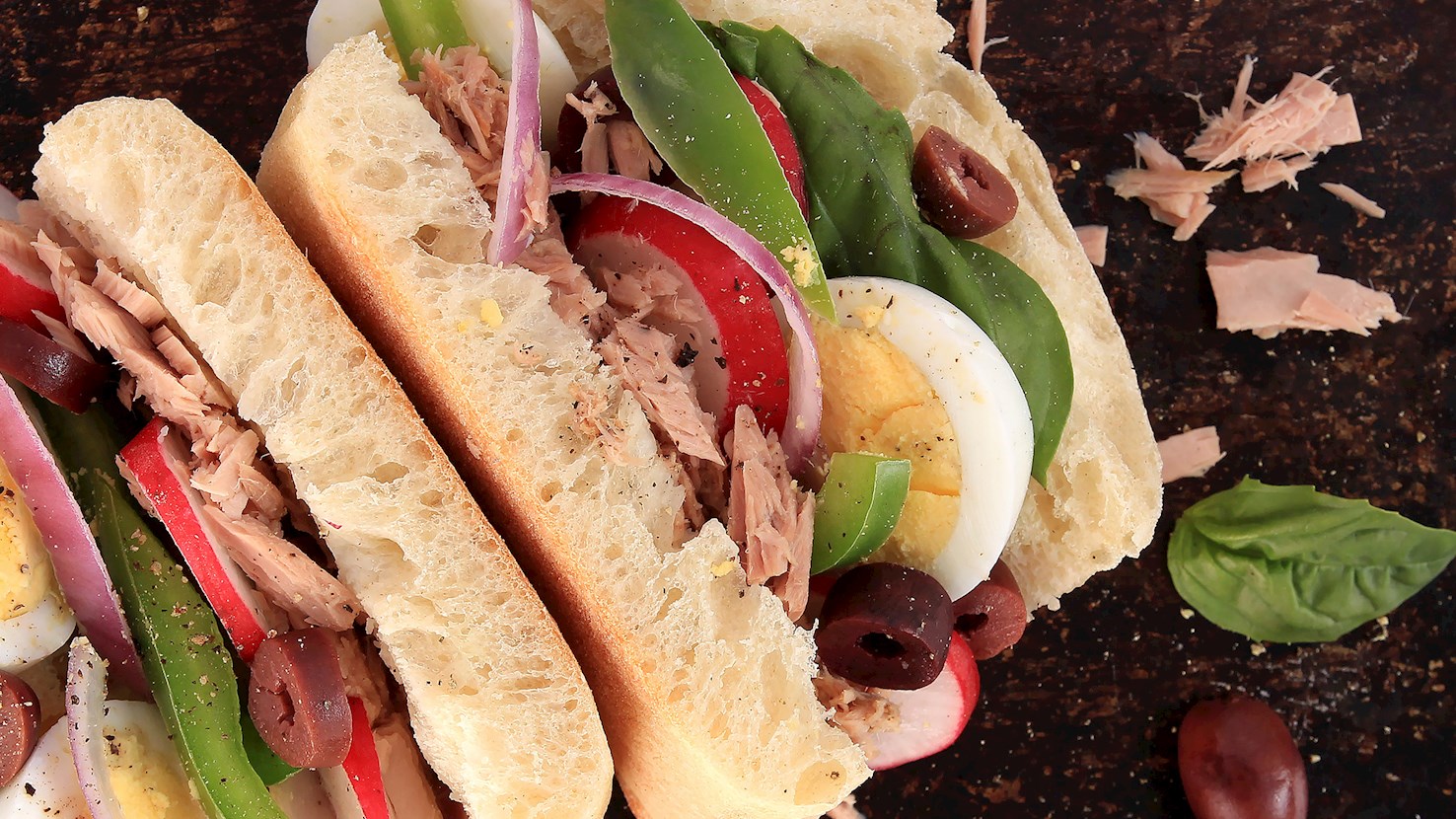
Pan bagnat is a specialty sandwich of Nice, consisting of a round bun with a crispy exterior and a soft interior that is filled with Niçoise salad, another signature dish from Nice. When translated, the name of the sandwich means bathed or wet bread, since the idea is to leave the sandwich rest in the refrigerator after the preparation in order for the flavors to soak into the bread. The root of the name comes from the Italian pane bagnato, due to the influx of Italian immigrants to Nice in the 19th century. Flavorful and easy to prepare, pan-bagnat remains a lunch staple both in Nice and throughout France.

05
Seafood Soup

Bouillabaisse

3.9 ·

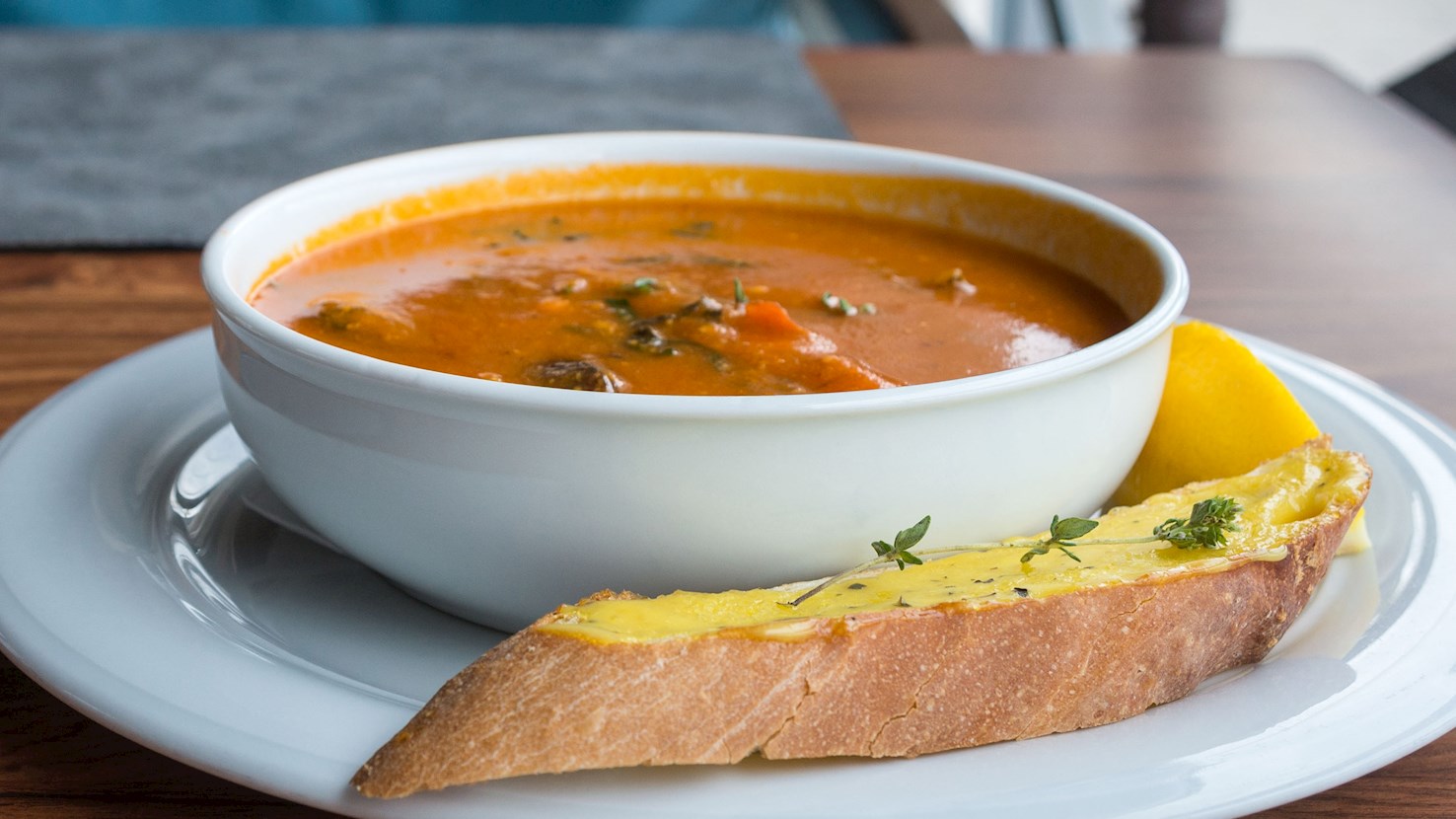
This traditional Provençal fish soup (and stew) originated in the 18th century when it was first concocted by Marseillaise fishermen, who would prepare it using the leftovers from their daily catch, making the best of what they had in their nets. Over time, bouillabaisse evolved into one of the most luxurious seafood dishes in the world: it is found in every upscale restaurant in the lively seaport city of Marseille where it can cost up to €200 for a meal for two. Anything below €50 is considered an ordinary fish soup—a good rule of thumb for those who want to taste the real thing. What gives bouillabaisse both its unique flavor and its high price is the red scorpionfish—known in French as rascasse or scorpion de mer—a type of venomous rockfish found only in the Mediterranean. Other ingredients may include several varieties of whitefish, mussels, crabs, squid, and sometimes even lobster or eel. Another thing that makes Marseille's signature dish so distinctive is its vibrant orange color, as well as the flavors and aromas arising from a selection of Provençal herbs and spices, especially saffron, fennel, and orange zest. Delicately infused with white wine and anise liqueur, bouillabaisse is traditionally served in two courses: the thick, rich soup is enjoyed with rouille sauce and garlic-rubbed croutons or toasted bread, while the fish and shellfish are served separately.

06
Flatbread

Fougasse

3.9 ·

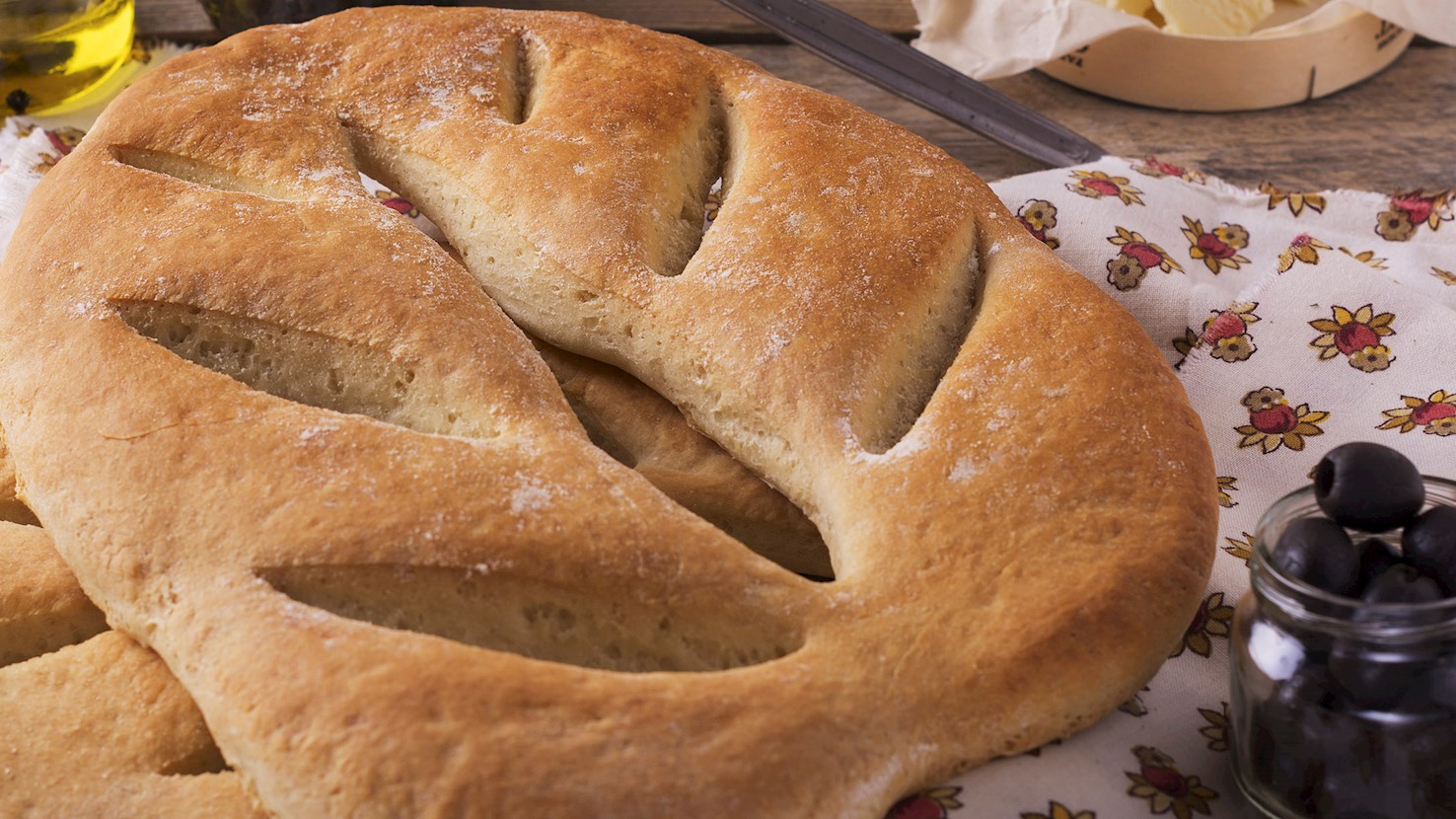
Fougasse is a flatbread that is typically sweetened with sugar and orange-flavored water. It can commonly be found in Provence and throughout southern France, and it is easily recognizable by its shape. Fougasse is usually shaped like a wheat grain, with cuts that form a veiny, leafy outline. Originally, this bread has been baked since Roman times, and it was mainly used to test the temperature of the oven. Today, there are several variations of the bread, while olives, cheese, and figs are often incorporated into the dough. It provides a perfect accompaniment to a number of dishes, but it can also be used to make a variety of sandwiches.

07
Sweet Pastry

Tarte tropezienne

3.8 ·

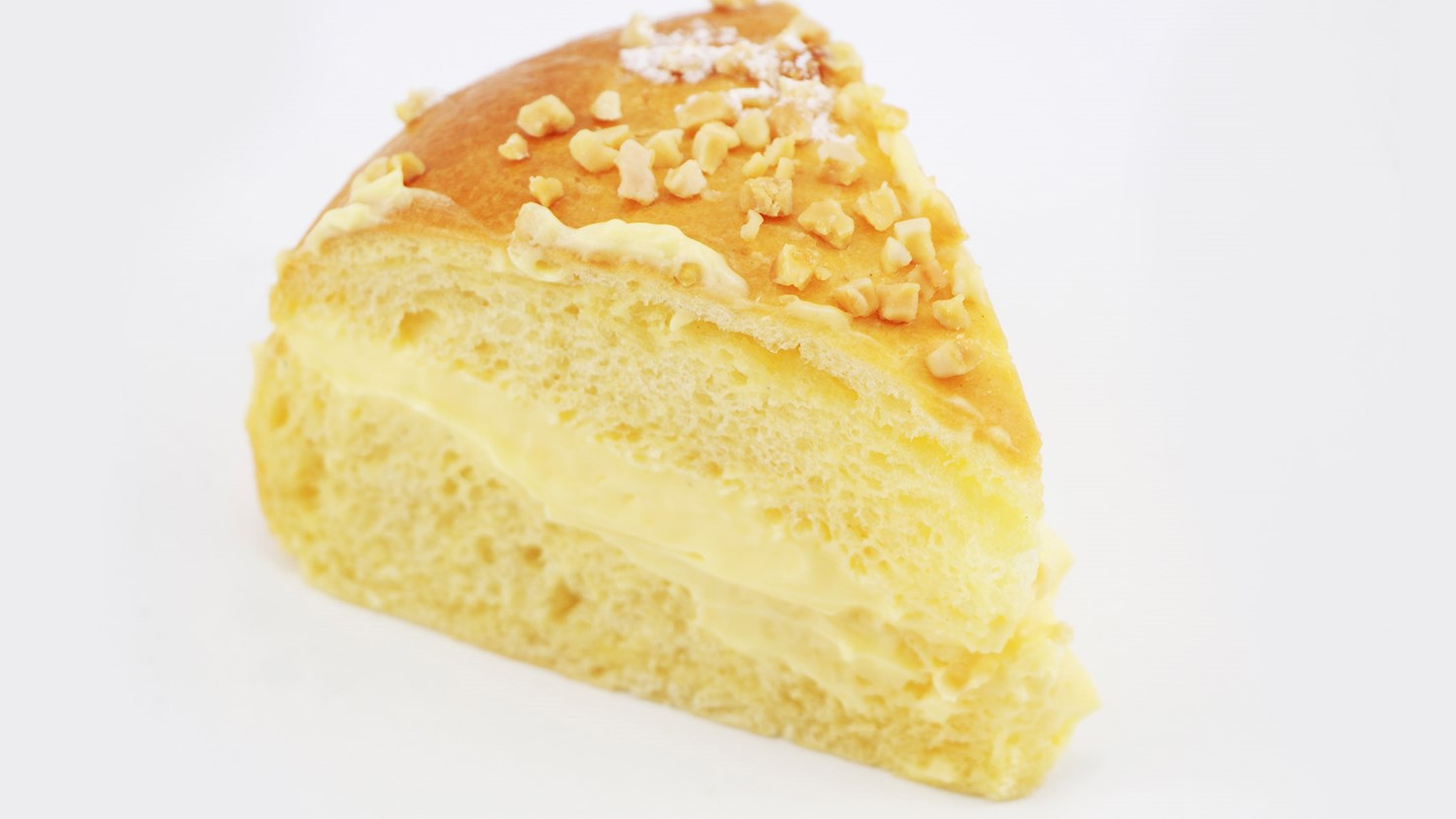
Tarte tropézienne is a dessert with a brioche pastry base, usually orange-flavored, which is cut in half and filled with a creamy filling. Since the original recipe is a secret, fillings may vary, including pastry cream, buttercream, crème diplomat, or other pastry cream varieties. The top is usually decorated with sliced almonds, pearl sugar, or a thin layer of powdered sugar. The recipe for this cream-filled brioche has arrived in France with the Polish pastry chef named Alexandre Micka in 1950. In 1955, during the filming of a famous movie in Saint-Tropez, Micka was supplying the entire crew with his food, and when he offered his brioche invention to the renowned actress Brigitte Bardot, she named the dessert pie de Saint-Tropez. Micka later patented his invention under the name tarte tropézienne. and the original recipe has not been revealed up to this day.

08
Salad

Salade niçoise

3.8 ·

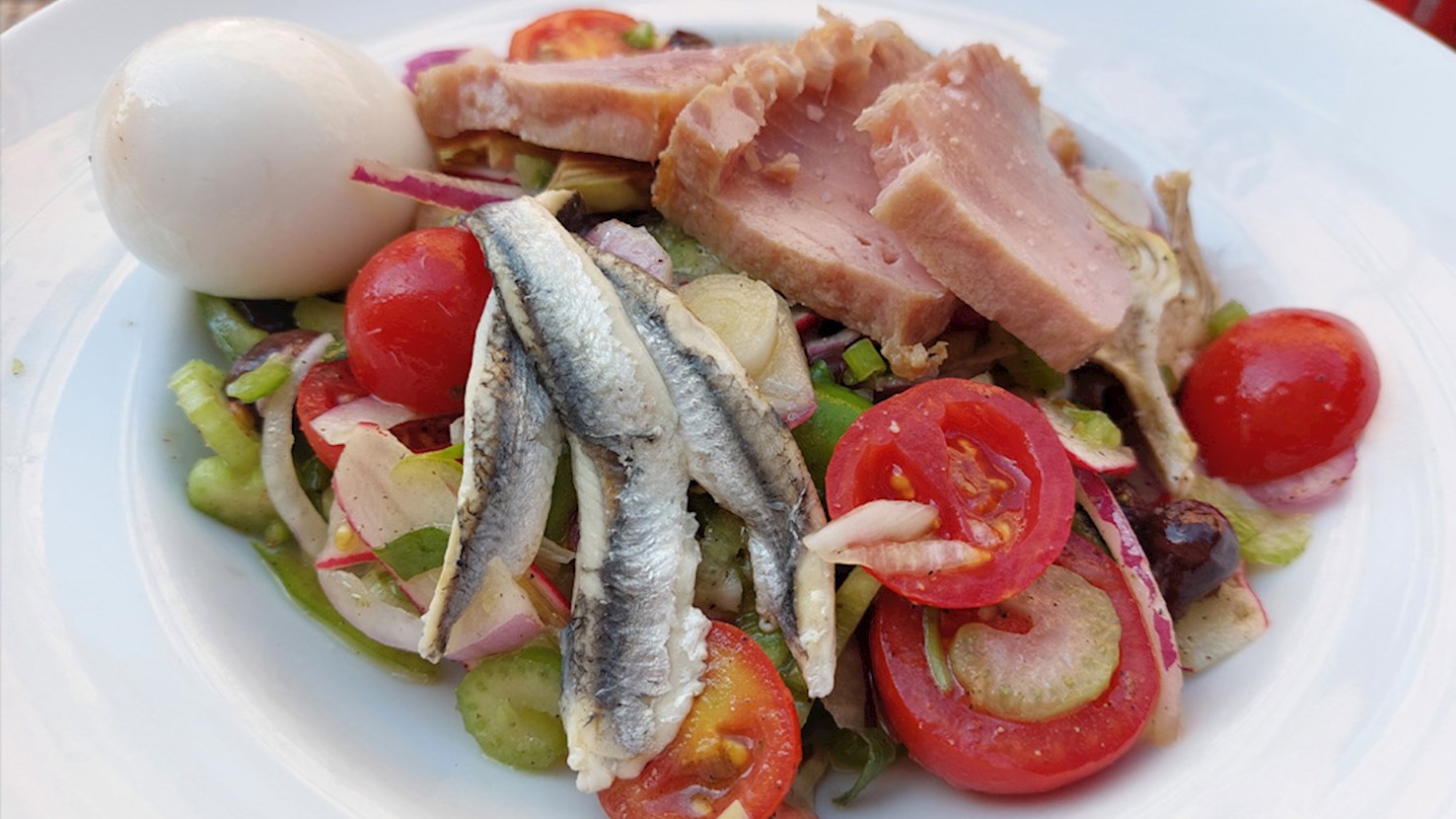
Originating from Nice in the French region of Provence, the traditional Niçoise salad is a true national treasure. Both flavorful and colorful, it can be served on its own as a main dish, but is more commonly used as a garnish for a variety of meat or fish dishes. It consists of fresh tomatoes, anchovies, black olives, capers, beans, and a drizzle of lemon juice. The salad is typically seasoned with traditional Provençal seasoning of olive oil, garlic, and basil. The authentic Niçoise should always be prepared with the freshest raw vegetables, as a sign of respect for the quality and flavor of local ingredients. Popular as a summer lunch, it has spread worldwide, with a lot of varieties created along the way, some of them replacing beans for artichokes or adding tuna, boiled eggs, lettuce, and potatoes to the original recipe. Regardless of the varieties, it should always reflect the sunny, colorful, and vibrant atmosphere of Nice.

09
Vegetable Dish

Ratatouille

3.8 ·

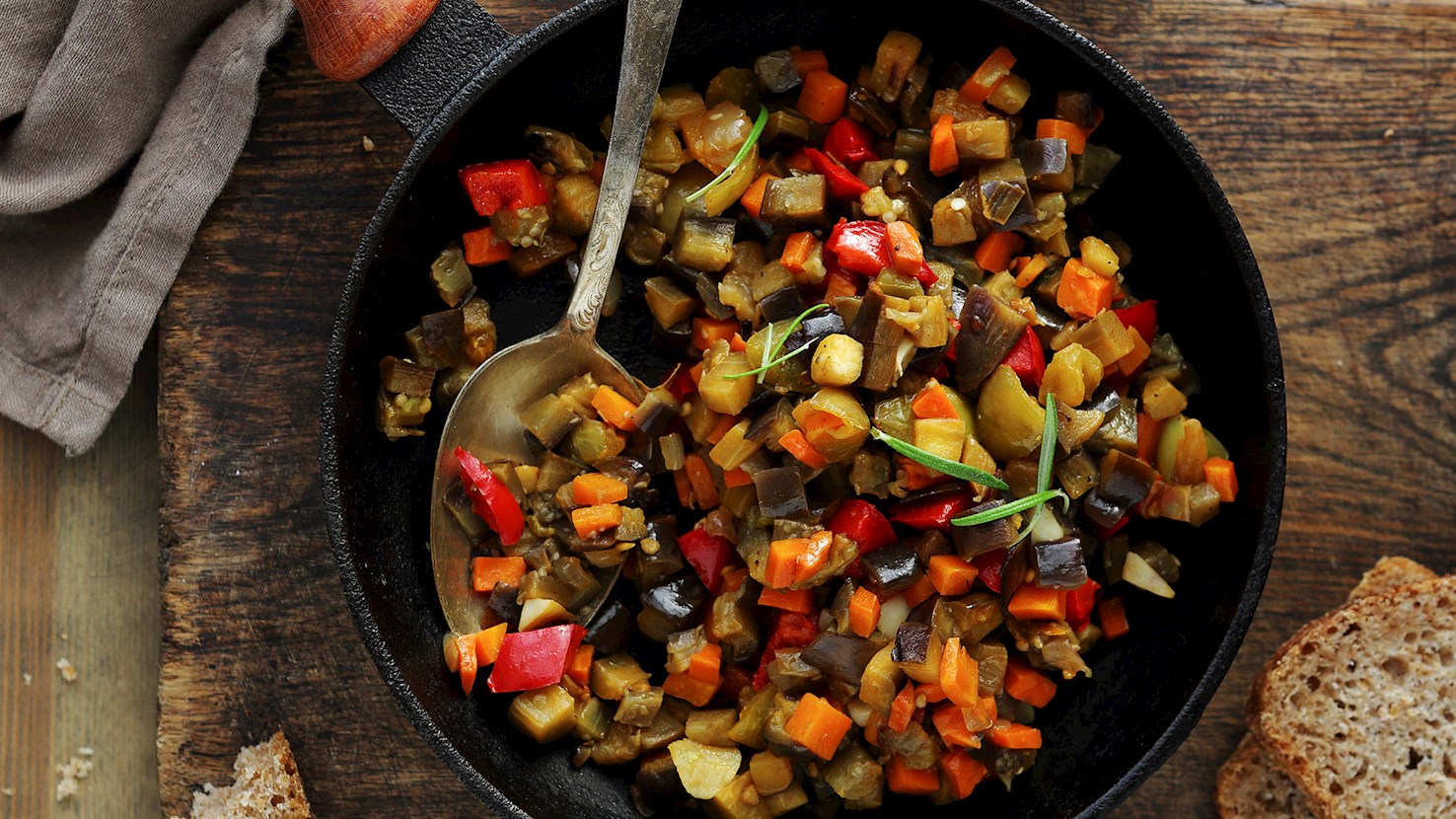
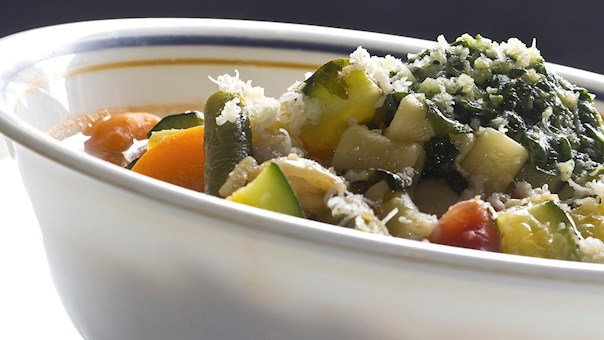
This colorful Provençal vegetable ragout is traditionally made with simple, easily accessible ingredients: courgettes, eggplants, green and red peppers, tomatoes, onions, garlic, and parsley. The name ratatouille stems from the old Occitan word ratatolha, and the French word touiller, both meaning to toss, or to stir up, referring to the cooking process in which the ingredients are first simmered separately—seasoned with salt, pepper, and olive oil—and then tossed together and stirred into a vibrant vegetable medley. Though it wasn't until the 1930s that ratatouille was popularized, by the 1980s, the dish had become the star of any dinner party. Ratatouille can be enjoyed on its own, served either hot or cold, along with toasted garlic bread, or it can be dished out as a side to roasted or grilled meat mains, especially lamb and chicken.

Best restaurants
10
Fish Soup

Soupe de poisson à la rouille

3.8 ·

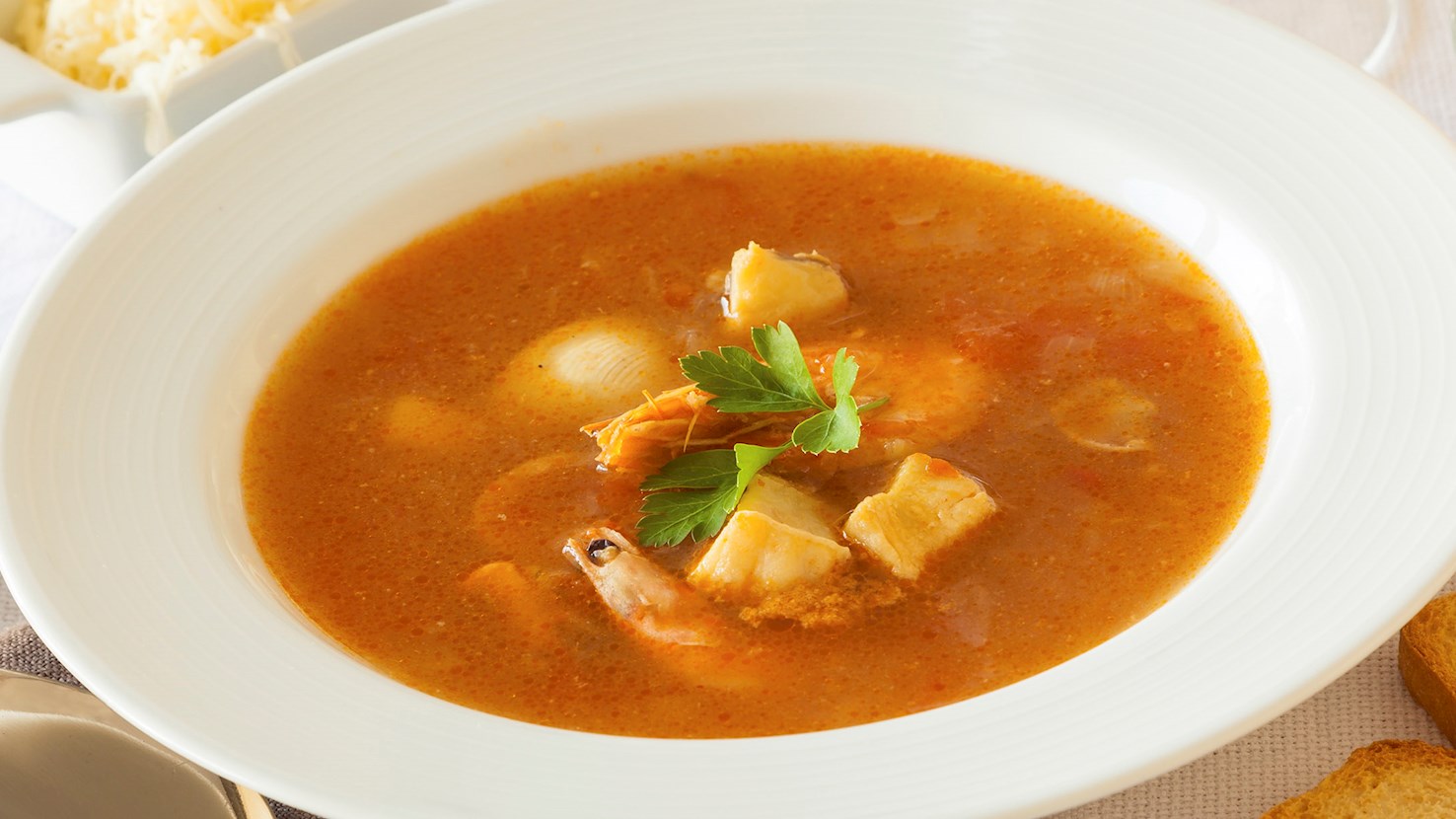
Originally a poor man’s dish, soupe de poisson à la rouille is a classic French soup and a close cousin of the famous bouillabaisse. The soup is usually prepared with white fish that is cooked in a flavorful broth that mostly incorporates tomatoes, olive oil, garlic, saffron, and various herbs. The soup is then strained and served with rouille, a classic Provençal sauce that usually incorporates bread, garlic, spices, egg yolks, and olive oil while some versions can also include monkfish liver, tomatoes, or potatoes. Soupe de poisson originated in the Provençal region, most probably in Marseille, and it can be found all along the French Mediterranean coast. It is often enjoyed as an appetizer, typically served hot and topped with crunchy croutons and Gruyère cheese.

Best restaurants

Best Provençal food products

01
Wine

Château Rayas

5.0 ·

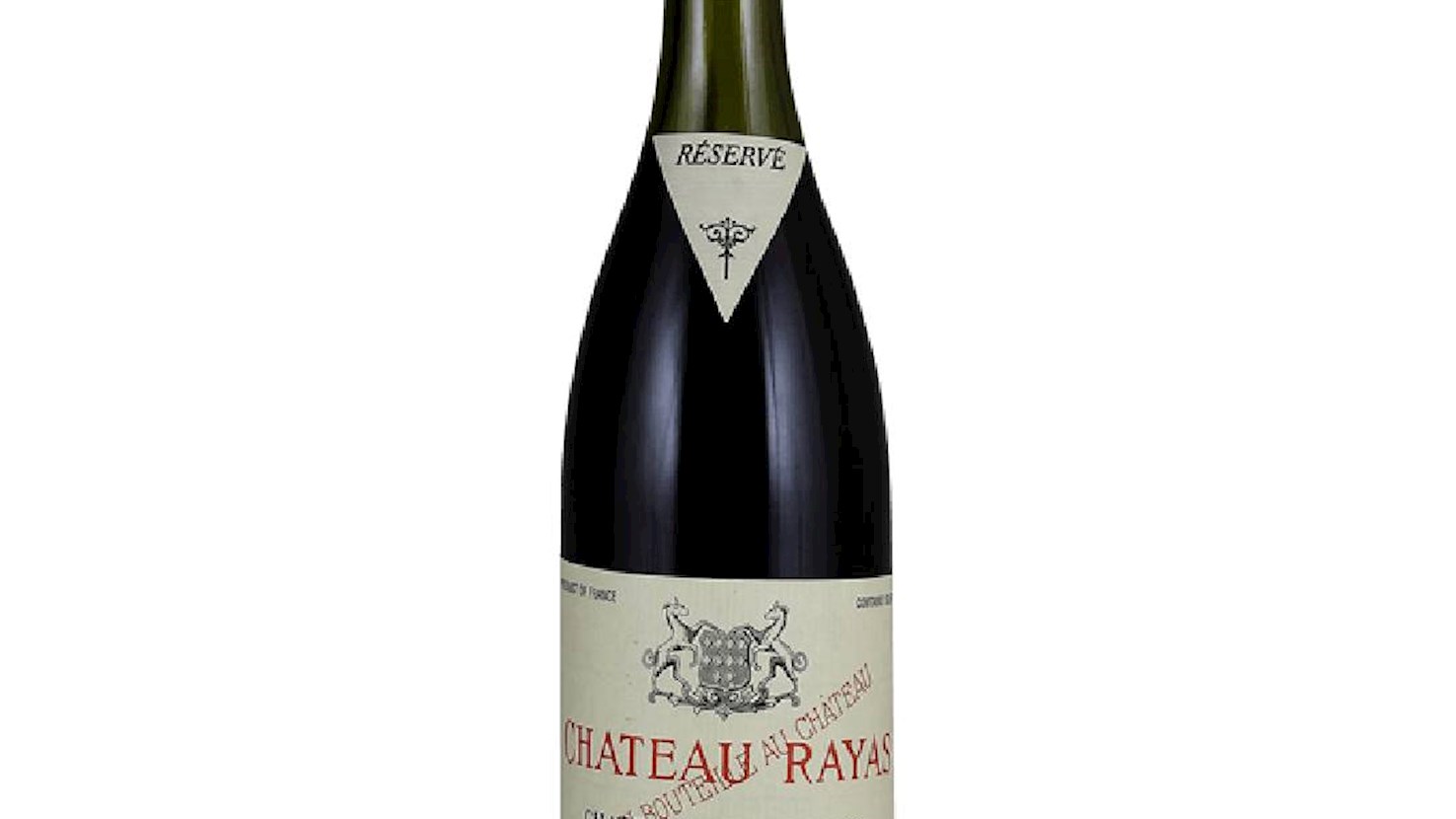
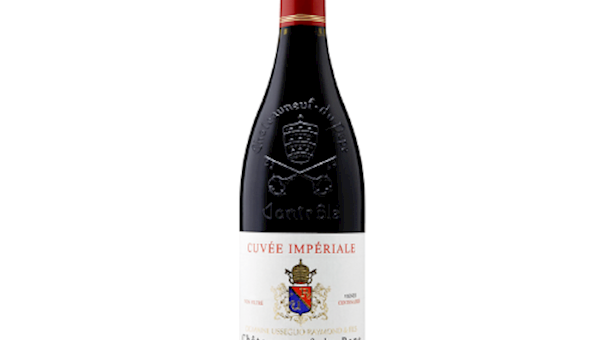
Château Rayas is a legendary estate in the heart of the Châteauneuf-du-Pape appellation, renowned for its unique style and unwavering commitment to tradition. Owned by the Reynaud family since the late 19th century, the estate has remained devoted to meticulous vineyard work and minimal intervention in the cellar.

Surrounded by forest and planted on rare, sandy soils, its vineyards give the grapes an elegance and freshness that set them apart from the typical weight of southern Rhône wines. Red wines are crafted almost exclusively from Grenache, while the whites are made from Grenache Blanc and Clairette.

The result is wines of remarkable finesse, silky tannins, and aromatic depth, often compared to the finest Burgundian expressions. Today, Château Rayas stands as a symbol of rarity, authenticity, and timeless elegance.

Awards
Vivino - 4.6
Vivino - 4.4
02
Spirit

Maison Ferroni

5.0 ·

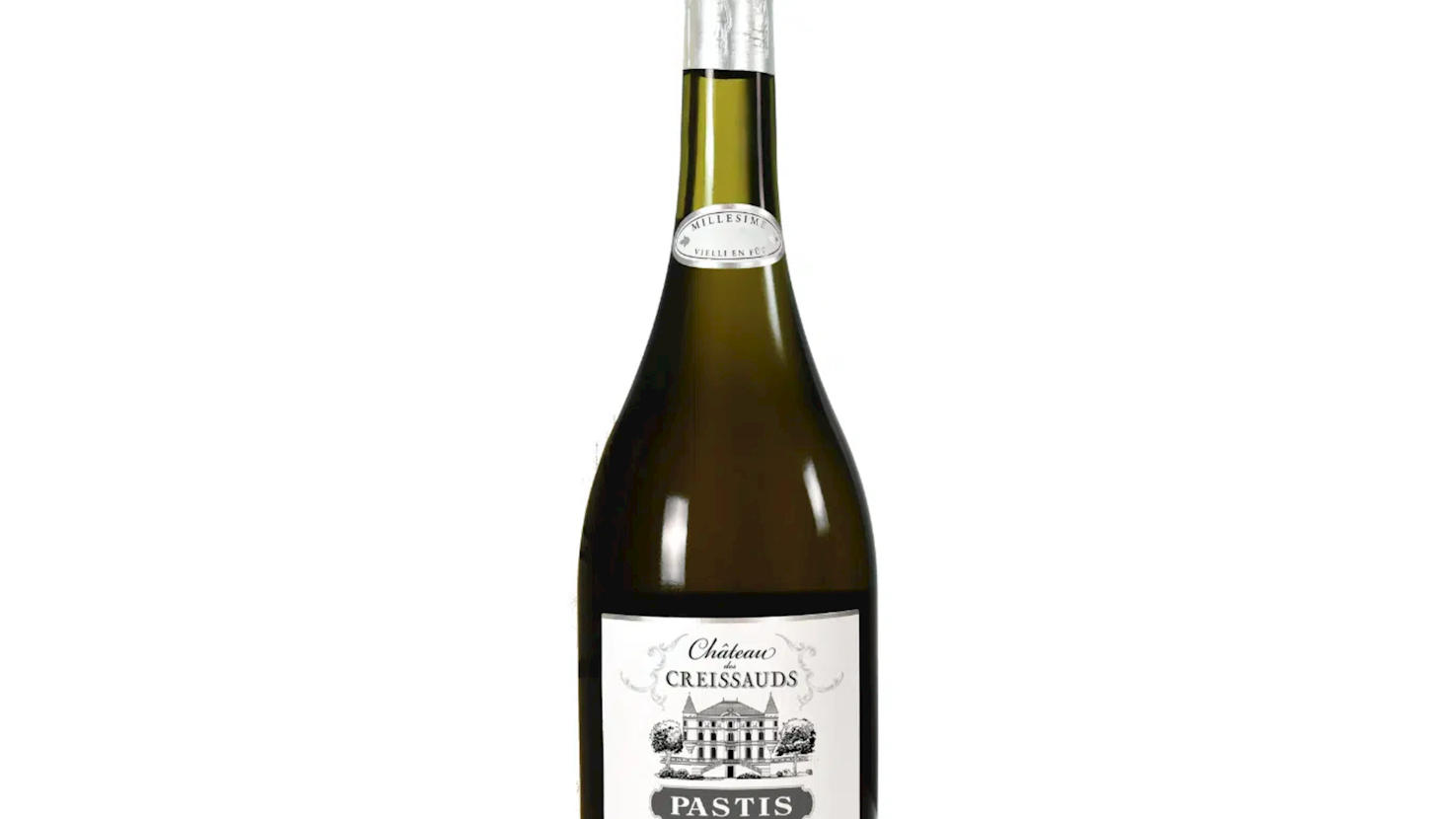
Maison Ferroni is a French producer of distilled spirits based in Aubagne, Provence, specializing in the production of pastis, rum, gin, whisky, vodka, and liqueurs inspired by historical recipes. The company was founded in 2010 by Guillaume Ferroni, a spirits historian and distiller, with the aim of reviving traditional recipes while developing contemporary spirits made from carefully selected ingredients. Production takes place at Château des Creissauds, where aromatic herbs are cultivated or hand-harvested locally in Provence, complemented by botanicals sourced from other parts of the world. Maison Ferroni combines historical research with modern distillation techniques, and part of its portfolio is based on recipes found in manuscripts and books dating from the 17th to the 19th century. In addition to historical spirits, the company produces contemporary expressions inspired by the flavors and botanicals of Provence. Particular attention is given to its artisanal pastis, including products made with freshly harvested herbs from the estate. Maison Ferroni also offers guided distillery tours, workshops, and tastings that present its production methods and the history of distilled spirits.

Awards
World's Best Genever - Winner (2023)
03
Spirit

Domaine des Tourelles

5.0 ·

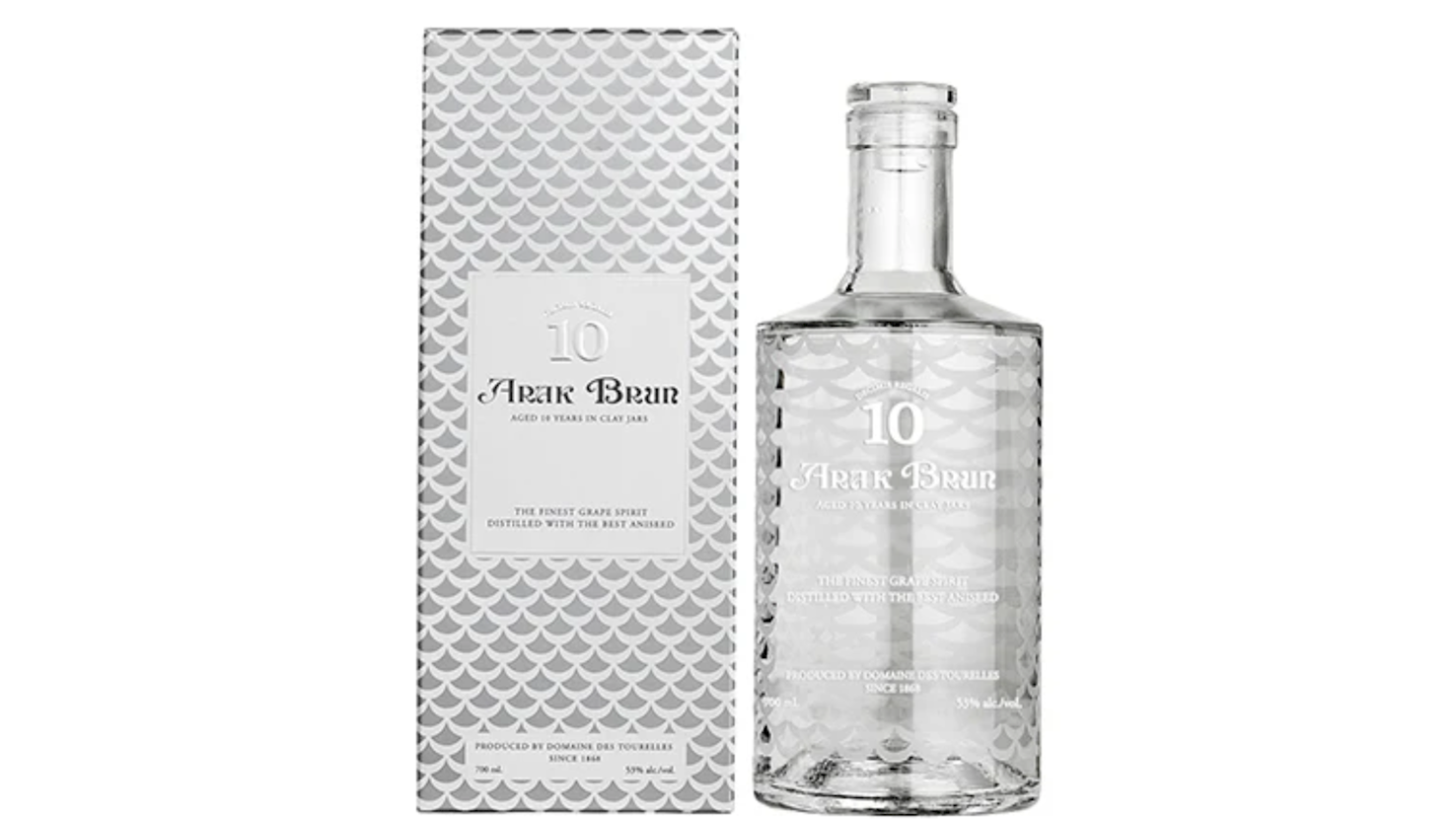
Domaine des Tourelles is one of the oldest and most historically significant wineries in the Bekaa Valley, founded in 1868 by French engineer François-Eugène Brun. Located in Chtaura, the estate played a pioneering role in establishing modern winemaking in Lebanon, producing both wine and traditional spirits such as arak. The vineyards are situated at elevations of around 1,000 meters, where dry conditions and strong diurnal temperature variation support healthy grapes and the development of complex aromas. The winery follows a philosophy rooted in tradition and minimal intervention, including hand harvesting and fermentation in historic concrete vats that have been in use for generations. The portfolio combines international varieties like Cabernet Sauvignon and Syrah with indigenous Lebanese grapes such as Obeidi and Merweh, reflecting both heritage and adaptability. The wines are typically expressive, structured, and spice-driven, with a balance between ripeness and freshness shaped by the Bekaa terroir.

Awards
International Wine Challenge - IWC Great Value Champion Red 2018 (2018)
Vivino - 3.7
04
Liqueur

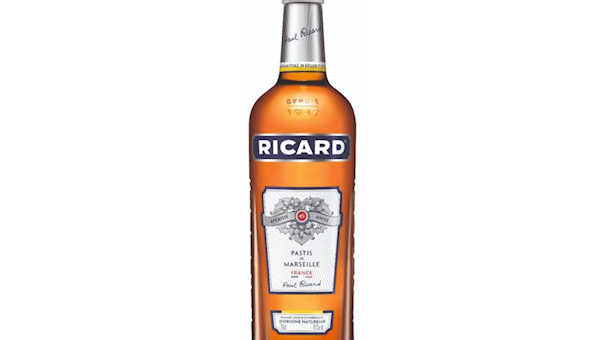
Henri Bardouin

5.0 ·

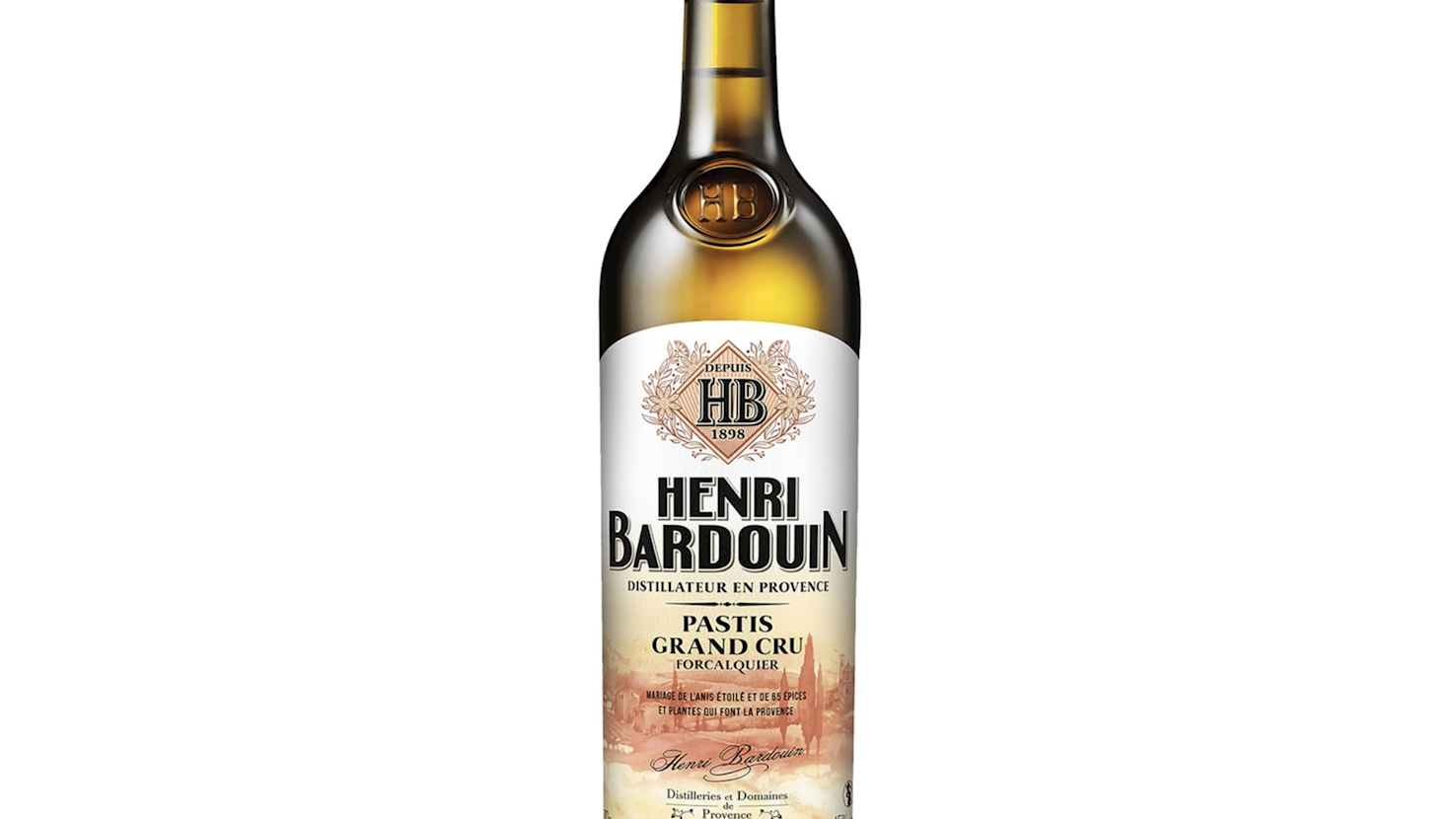
Henri Bardouin is a French producer of premium pastis based in Forcalquier, in the Haute-Provence region, where the tradition of distilling aromatic plants dates back to the late 19th century. The brand is produced by Distilleries et Domaines de Provence, whose origins date to 1898, while Pastis Henri Bardouin itself was introduced in 1990 as a premium expression of Provençal pastis-making tradition. It is named after Henri Bardouin, a former owner of the distillery and an expert in aromatic and medicinal herbs who played a key role in developing botanical recipes inspired by the local flora. Unlike most traditional pastis, Henri Bardouin is crafted from more than 65 carefully selected herbs, spices, and botanicals sourced from Provence and other parts of the world, including star anise, licorice, thyme, rosemary, sage, cardamom, tonka bean, and pepper. Each botanical is individually macerated and distilled to preserve its distinctive aromatic qualities before being blended according to a closely guarded recipe. The production process is carried out slowly and with great attention to detail to achieve a balanced and highly complex flavor profile. Thanks to its remarkable botanical complexity, Henri Bardouin is widely regarded as one of France's finest artisanal pastis. In addition to being traditionally served diluted with cold water, it is also used in contemporary gastronomy and cocktails for its layered herbal character and aromatic depth.

Awards
Concours Général Agricole de Paris - Médaille d'Argent (2024)
05
Olive Oil

Moulin Castelas

5.0 ·

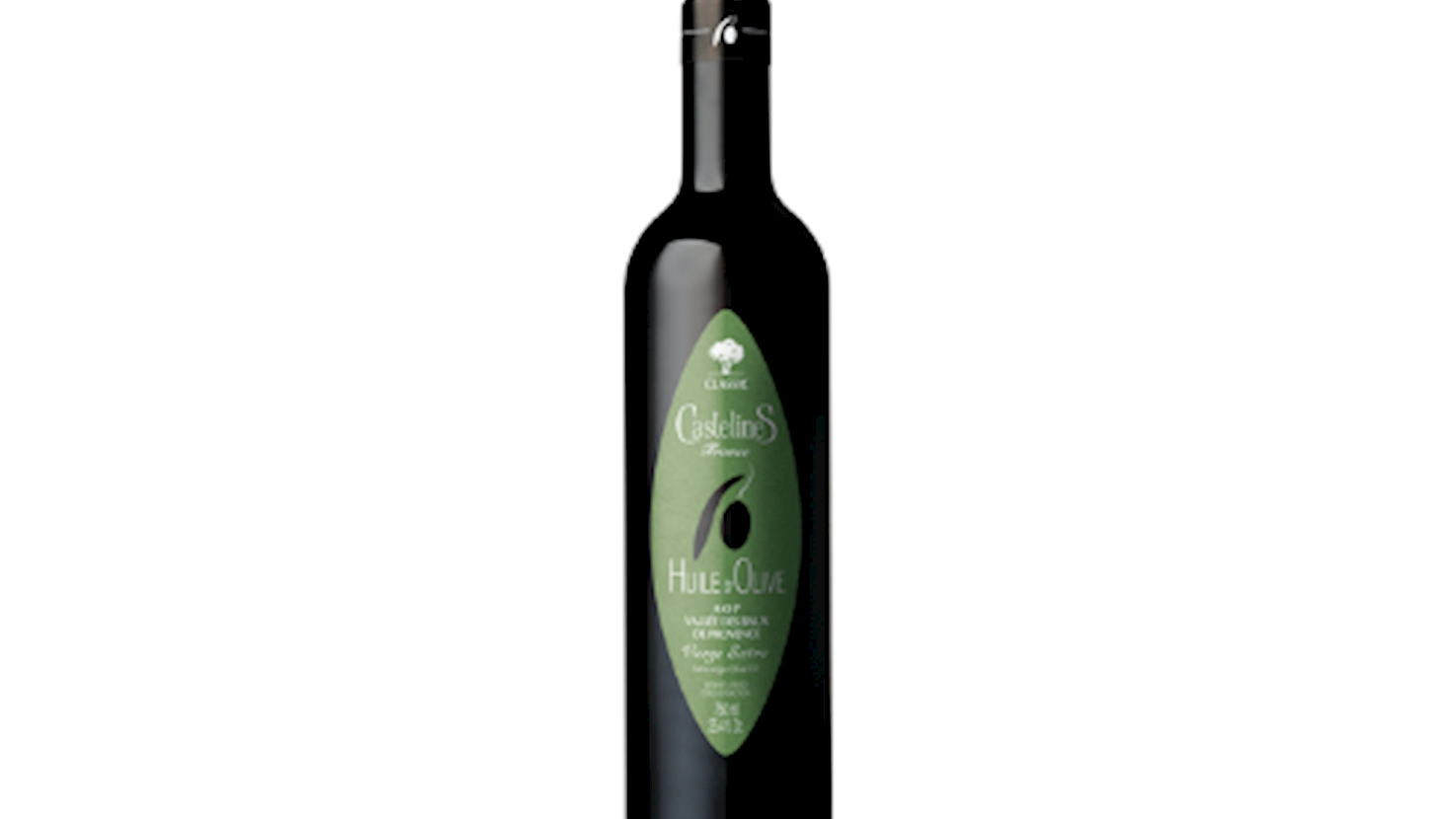
Moulin Castelas is a traditional olive oil producer from southern France, specifically from the Provence region, known for its exceptional conditions for olive cultivation. The family behind this brand has been nurturing the art of producing extra virgin olive oil for generations, combining traditional methods with modern processing techniques to preserve the richness of flavor and aroma of their olives. This producer is known for careful selection and handpicking of olives, which enables the production of high-quality oil with pronounced fruity and mildly spicy notes.

Moulin Castelas often emphasizes the importance of sustainability and respect for nature, reflected in their ecological approach to olive growing and oil production. The oil from Moulin Castelas has a wide range of uses in gastronomy; it is ideal for seasoning salads, roasted dishes, and fine spreads, and is also appreciated as an ingredient to be enjoyed in its pure form, carrying the spirit and tradition of the Mediterranean region.

Awards
Concours Général Agricole de Paris - Médaille d'Or (2019, 2016)
NYIOOC - Gold (2019, 2018)
06
Cheese

Laiterie Rians

4.9 ·

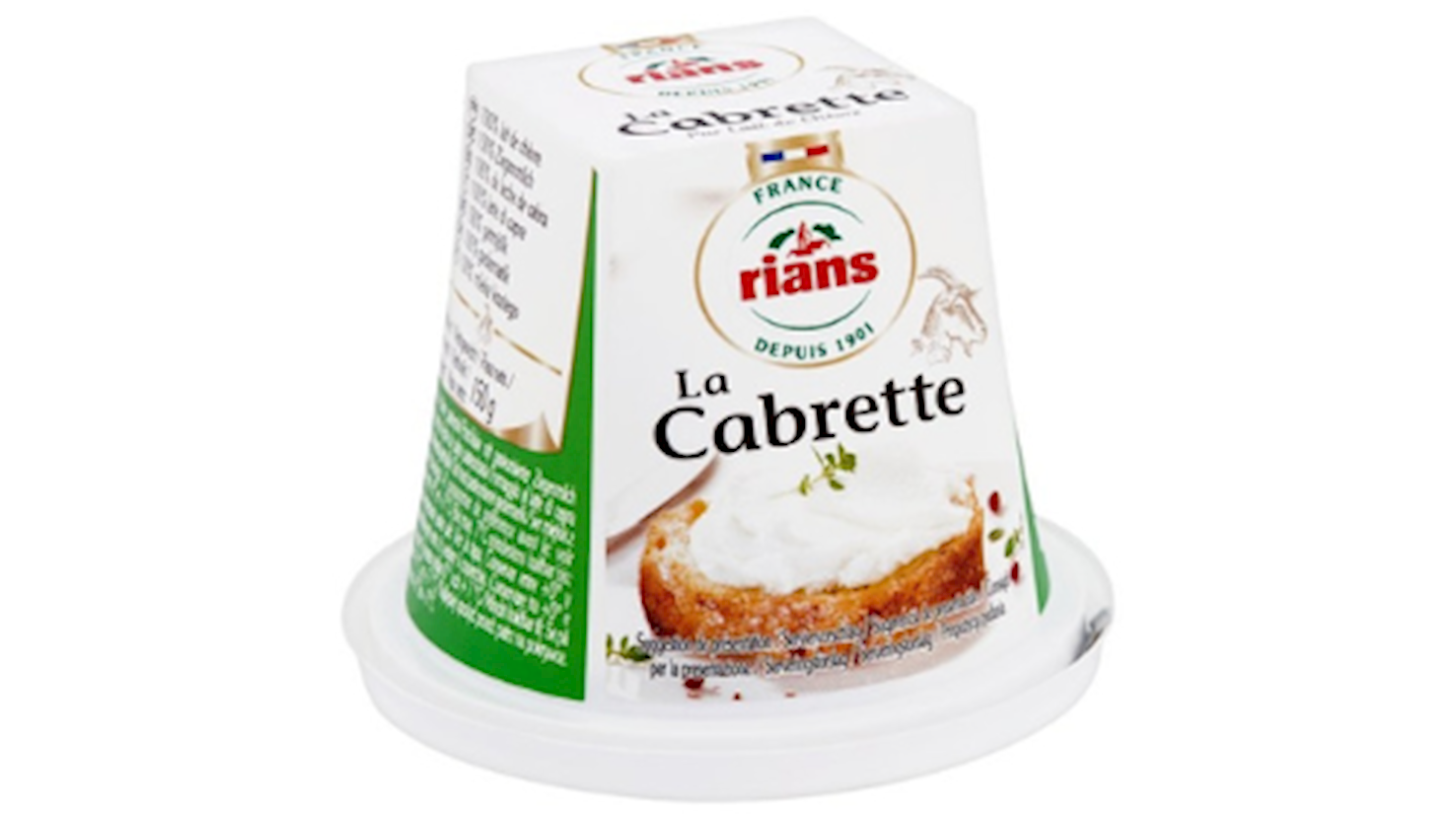
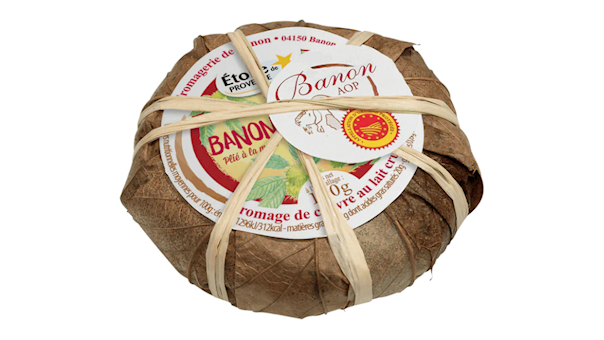
Laiterie Rians focuses on traditional methods and sustainable agriculture practices, emphasizing organic production. Rians offers a range of cheeses, including well-known varieties such as Camembert and Brie, as well as unique offerings that highlight regional flavors.

Their products are often characterized by creamy textures and rich flavors, appealing to both local and international markets.

Awards
Concours International de Lyon - Gold (2025)
World Cheese Awards - Gold (2022)
07
Spread

Maison Nicolas Alziari

4.9 ·

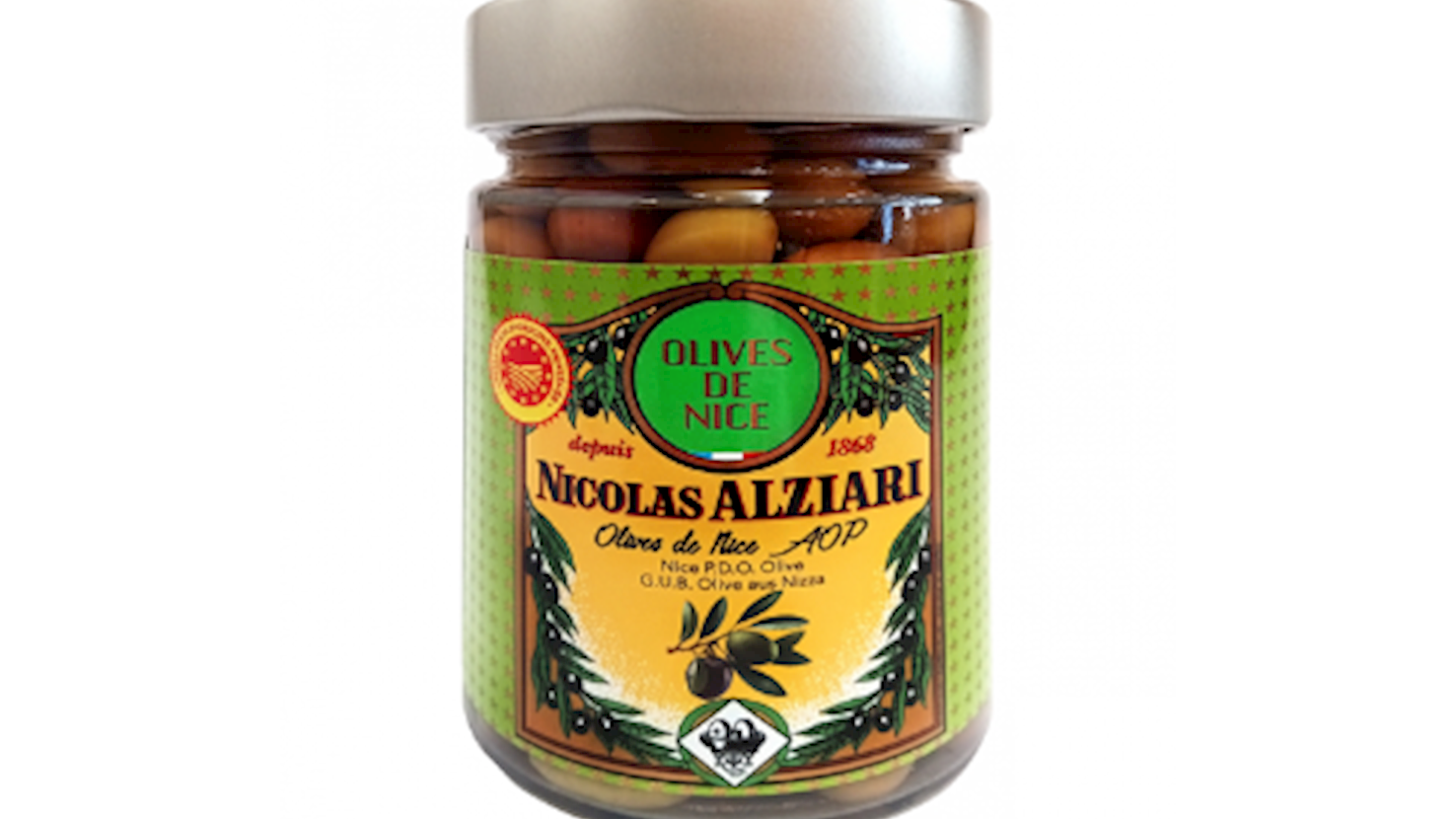
Maison Nicolas Alziari is one of France’s oldest and most recognizable olive-oil houses, founded in 1868 in Nice. Their work is rooted in traditional milling methods combined with a refined selection system that blends the local Cailletier variety with carefully chosen olives from across the Mediterranean.

They own extensive groves along the Côte d’Azur and control the entire production process - from harvest to bottling - which ensures consistent quality and a distinctive aromatic style. The Alziari range spans from delicate, mild oils to more fruity and intense expressions, while their signature blue tin has become an emblem of heritage and craftsmanship.

Today, their oils are regarded as a benchmark of French olive-oil production and are sold in specialty shops around the world.

08
Wine

Château de Berne

4.9 ·
Awards
Decanter World Wine Awards - Platinum (2016)
09
Wine

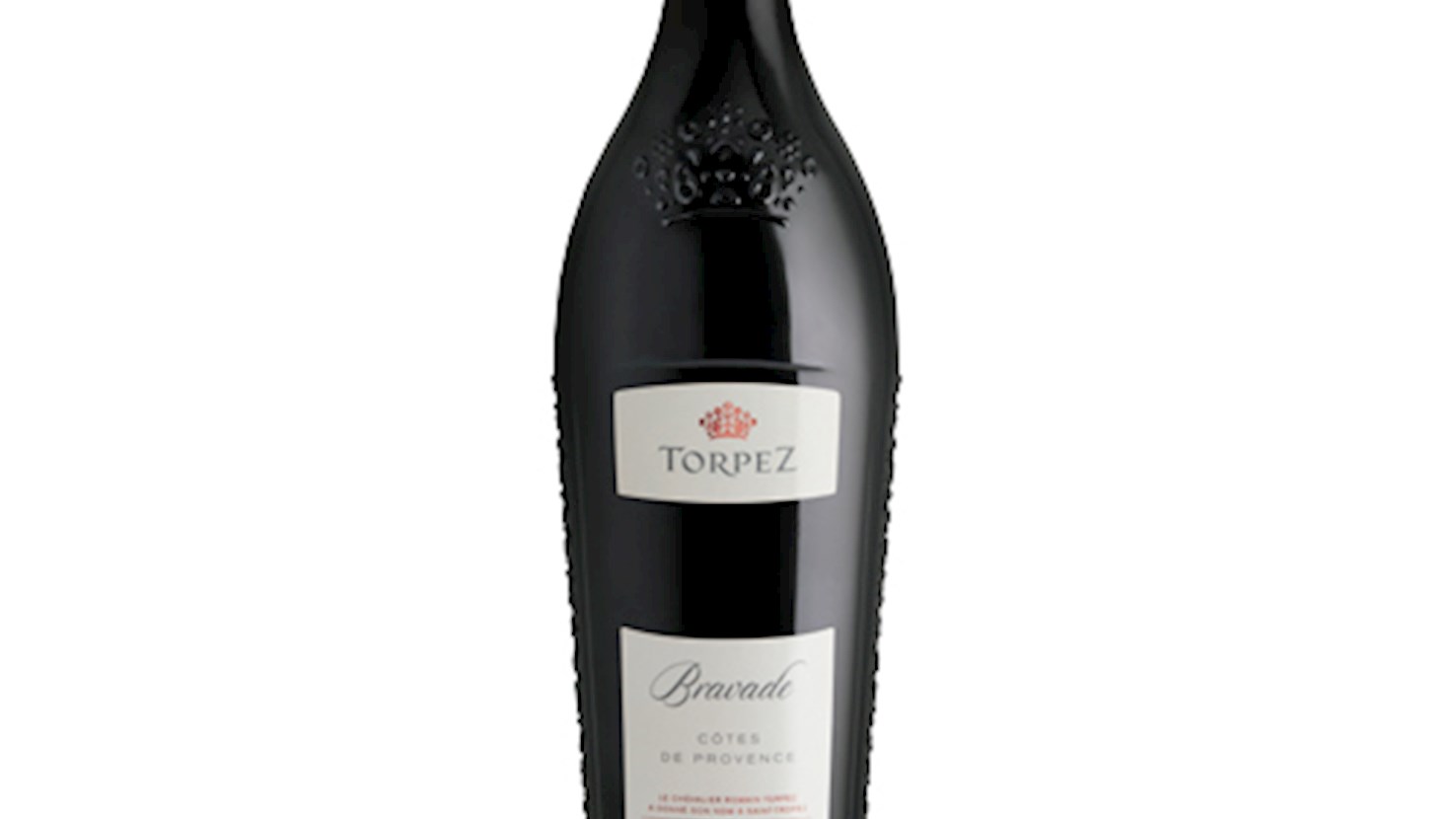
Chevalier Torpez

4.9 ·
Awards
IWSC- International wine & spirit competition - Gold (2020)
10
Olive Oil

Moulin à Huile du Partégal
4.9 ·

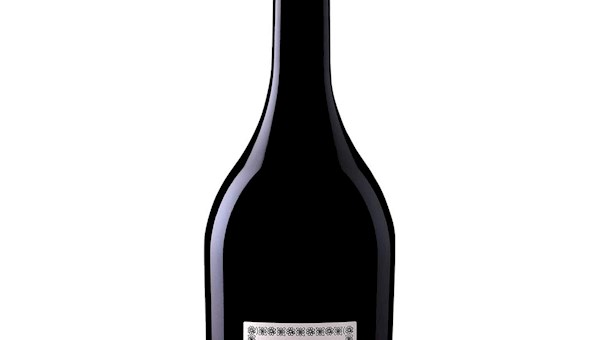
Moulin à Huile du Partégal is a historic olive mill located in La Farlède, Provence, where traditional olive-oil production methods have been preserved and passed down through four generations. The mill combines centuries-old stone-milling and cold-press techniques with a modernized section of the facility that allows for greater precision and consistent quality.
Their extra virgin olive oils are known for their clean, expressive aromatic profile and strong connection to the local terroir, making them highly regarded by chefs and olive-oil enthusiasts alike. The mill is also recognized for its educational tours, during which visitors can observe the full production process and taste a variety of oils and related artisanal products.

The blend of historical equipment, living family tradition, and contemporary standards makes Moulin du Partégal one of the most authentic representatives of Provençal olive craftsmanship.

Awards
Terraolivo IOOC - Grand Prestige Gold (2022)
Terraolivo IOOC - Gold Medal (2019, 2015)
Read more
View all
View map
About this ranking

TasteAtlas food rankings are based on the ratings of the TasteAtlas audience, with a series of mechanisms that recognize real users and that ignore bot, nationalist or local patriotic ratings, and give additional value to the ratings of users that the system recognizes as knowledgeable. For the “Top 76 Provençal Foods” list until July 08, 2026, 2,196 ratings were recorded, of which 1,877 were recognized by the system as legitimate. TasteAtlas Rankings should not be seen as the final global conclusion about food. Their purpose is to promote excellent local foods, instill pride in traditional dishes, and arouse curiosity about dishes you haven’t tried.

The initial list of top producers was compiled based on available reviews, awards, local recommendations, media and blog coverage, and consumer reviews. The list will be updated with ratings from TasteAtlas local ambassadors and TasteAtlas users.

Similar lists