shutterstock

Top 72 Saudi Foods

Last updated on June 24, 2026

Best Saudi foods

01
Street Food

Shawarma

4.4 ·

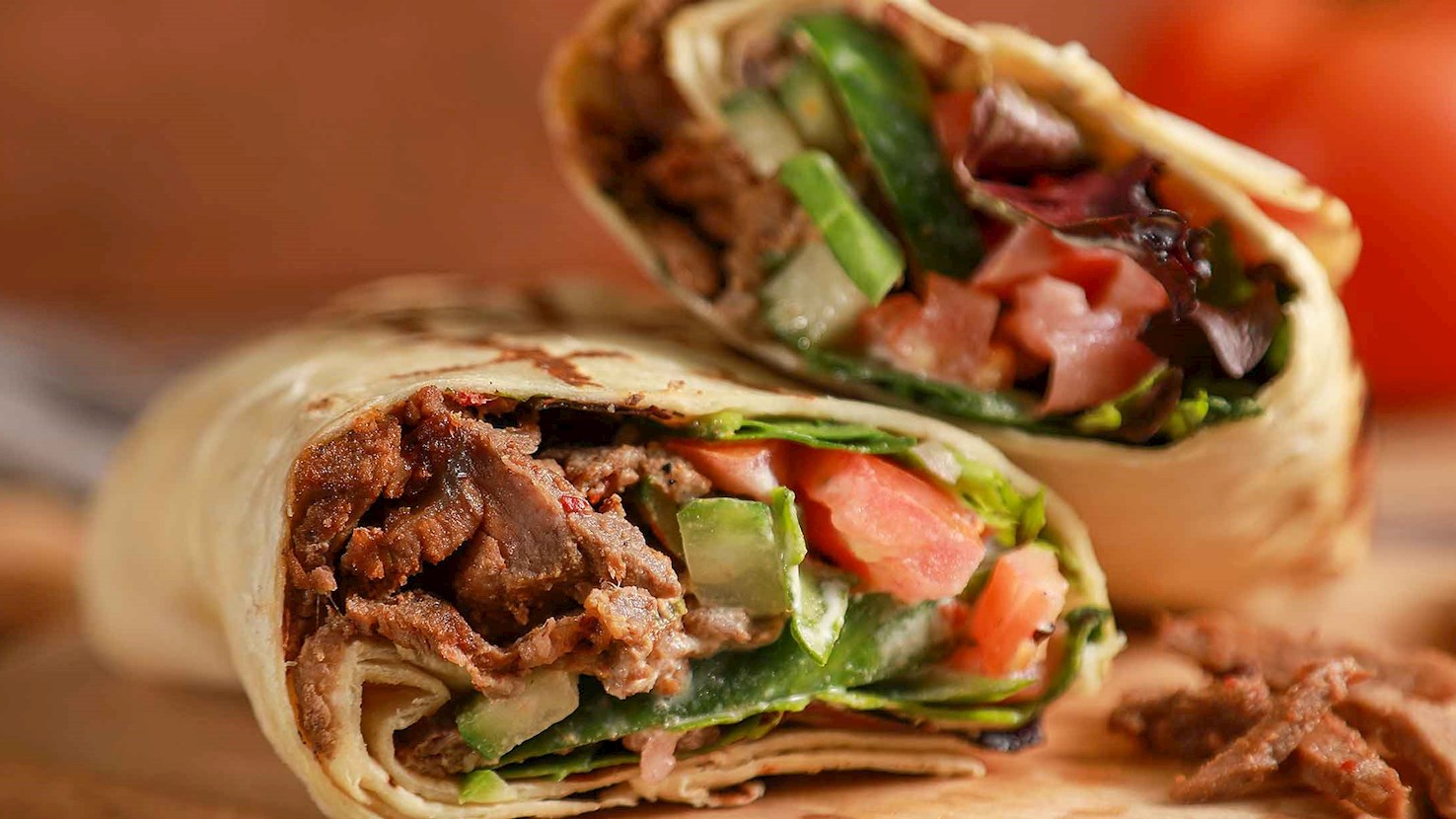
Marinated and spit-roasted, shawarma is a delicious Middle Eastern meat treat whose origins can be traced back to the Ottoman Empire era, while its name stems from the Arabic pronunciation of the Turkish word çevirme (lit. to turn; turning), and refers to the rotating skewer on which the meat is cooked. Shawarmas are made with either lamb, turkey, chicken, beef, or a mix of different meats which are slow-cooked for hours and basted in their own juices and fat, gaining an incomparable succulence, but the real secret to a perfect shawarma is in the marinade. Depending on the variety, the meat must be marinated for at least a day, preferably two, especially when using beef. These marinades are either yogurt or vinegar-based and typically include spices and flavorings such as cinnamon, cloves, cardamom, nutmeg, black pepper, allspice, dried lime, spicy paprika, garlic, ginger, lemon, bay leaf, and sometimes even orange slices. Shawarma is traditionally served either on its own or enjoyed tucked inside a warm flatbread such as pita or lavash. However, what really sets it apart from the Turkish döner kebab, Greek gyros, or other similar foods is the extent of garnishes and condiments offered with it. For example, Israeli shawarmas are typically topped with tahini and come with generous servings of hummus and pickled mango slices, while in other countries, shawarma is often complemented with garlic mayo or a zesty toumaia garlic sauce, both fresh and pickled vegetables, salads like tabbouleh or fattoush, and amba sauce–a tangy chili and mango pickle dip. Once a common staple of the Middle Eastern working man, shawarma has today become the ultimate Arabic street food, found not only in Arabia and Levant but in virtually any nook and corner of the globe.

02
Sweet Pastry

Kunafa

4.3 ·

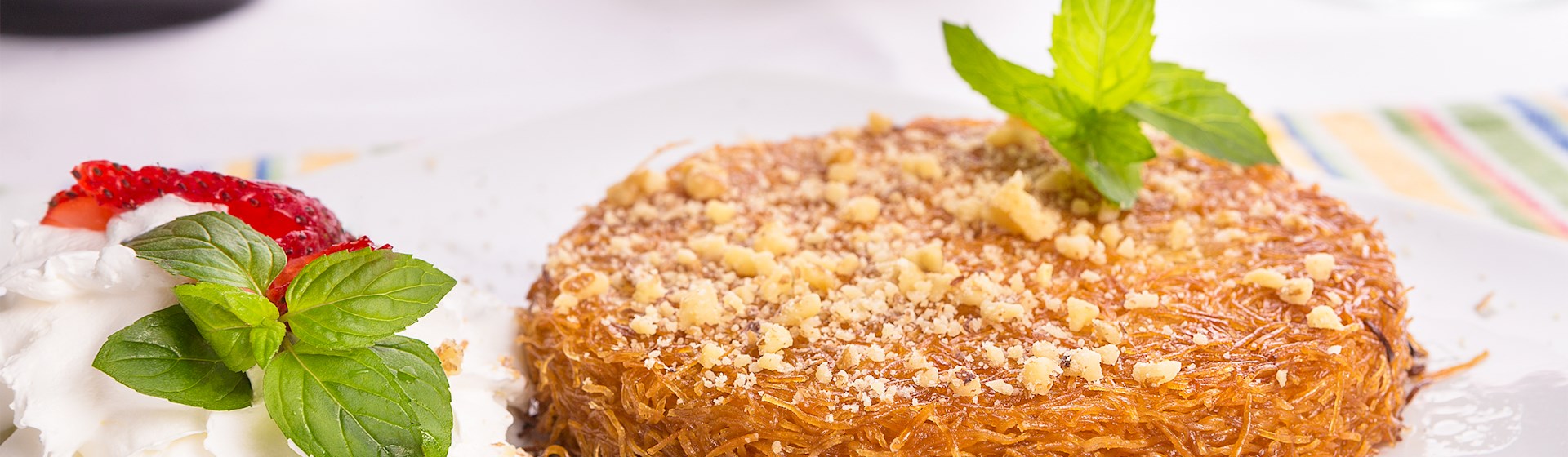
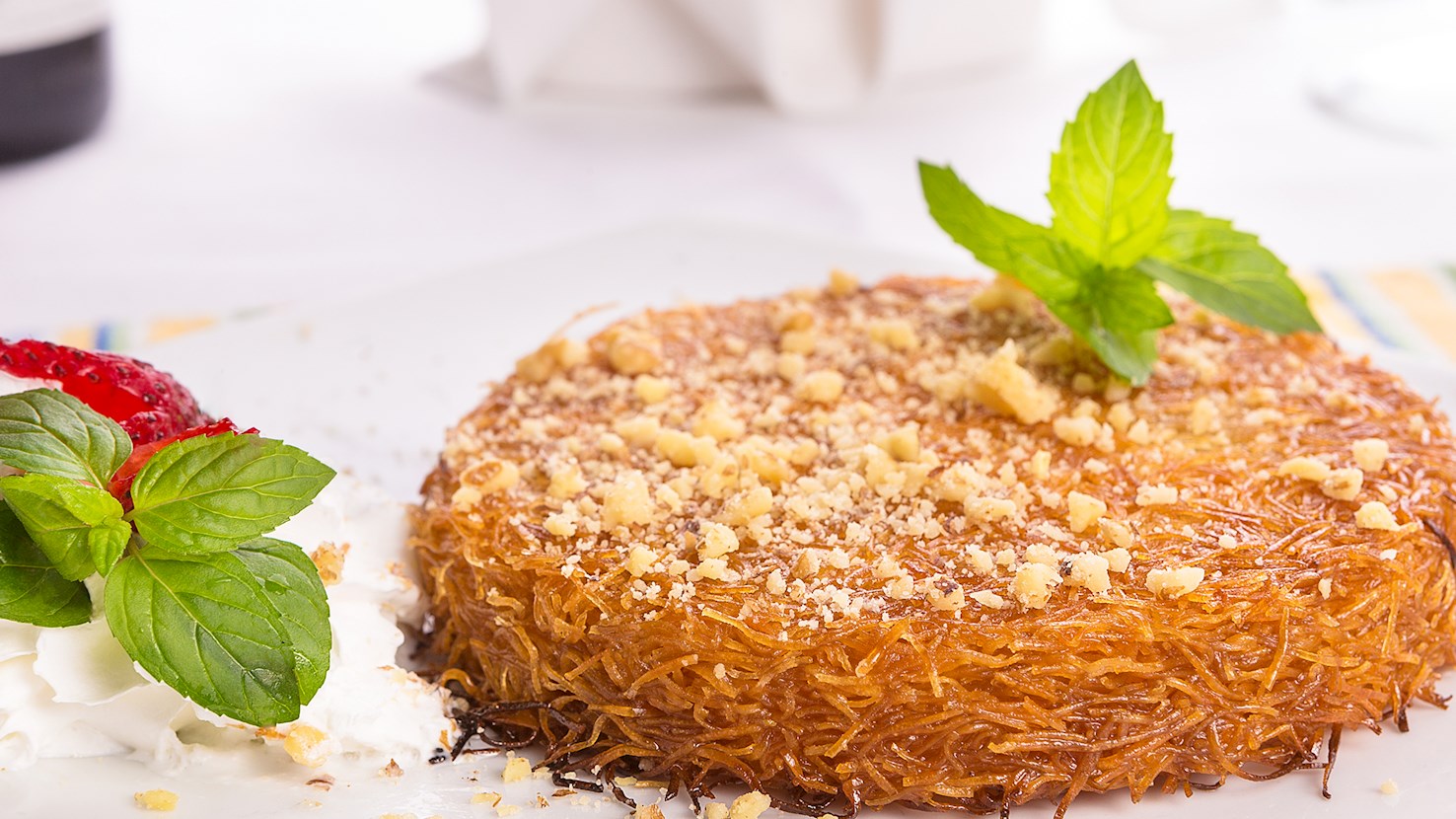
Kunāfah consists of two crunchy layers of shredded and buttered kataifi or knefe dough, filled with a luscious cheese cream that's often flavored with orange zest and cardamom, then drenched in a sugar syrup infused with lemon juice and orange blossom water. Turkish künefe is traditionally made with Hatay, Urfa, or Antep cheese. It is usually topped with pistachios and is best served warm. Elegant and amazingly simple to make, this dessert is nothing short of what cheese-filled pastry dreams are made of. Some authors speculate that it originated from the Fatimid Egypt or pre-Islamic Syria, while others claim that the Palestinian city of Nablus is its birthplace - hence the name kanafeh nabulsieh. Nevertheless, this decadent dessert has been a part of a long culinary tradition in Türkiye and Egypt, and it is listed as one of Egypt's national dishes.

03
Dip

Hummus

4.2 ·

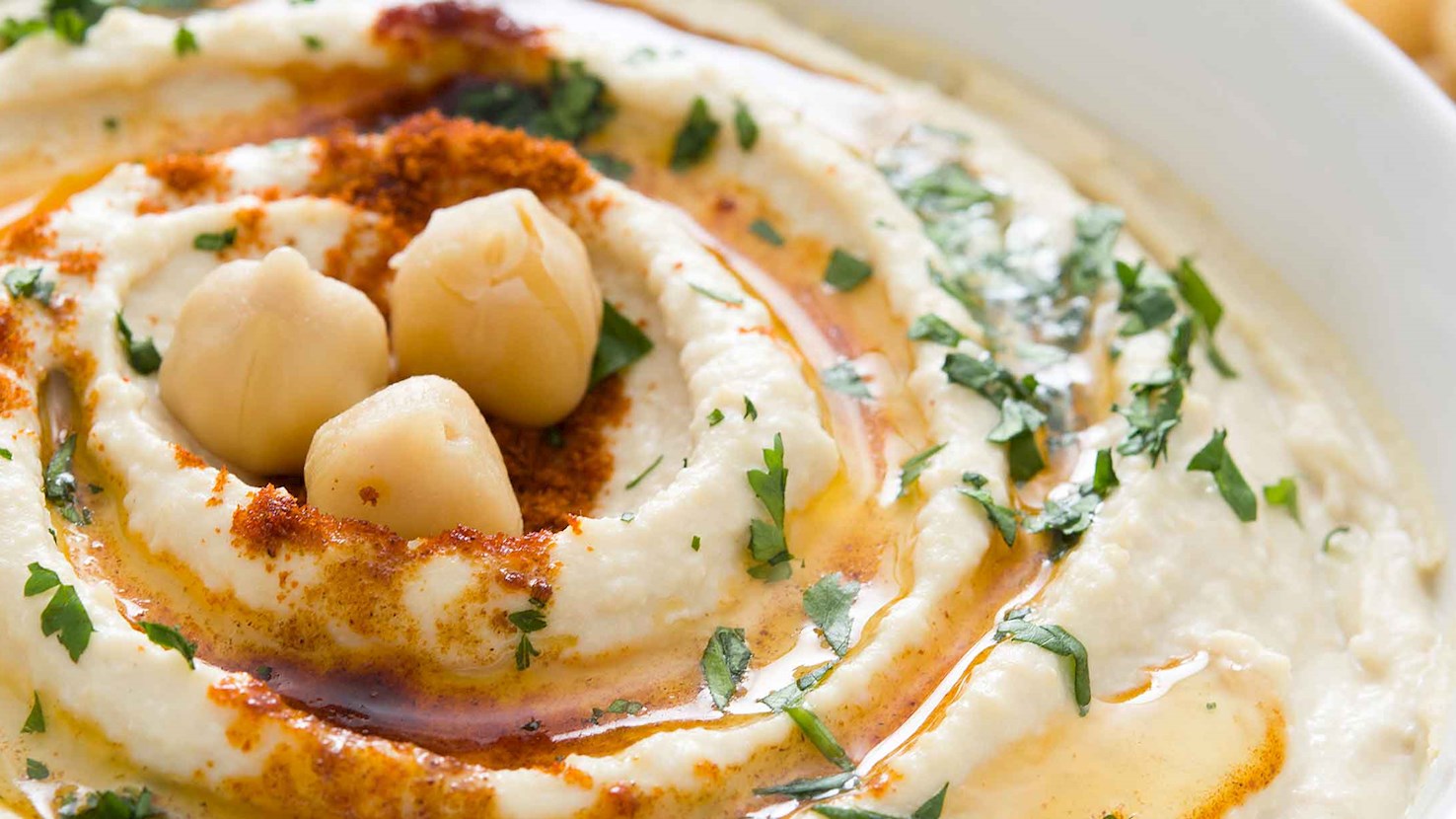
Hummus is a creamy dip made primarily from cooked and mashed chickpeas blended with tahini, olive oil, lemon juice, and garlic. It originates from the Middle East, where it has been a dietary staple for centuries, especially in countries like Lebanon, Palestine, Israel, Syria, and Jordan. Hummus’s roots can be traced back to ancient times (earliest mention of hummus dates back to 13th-century Egypt), when legumes and seeds were common sources of nutrition in the Levant. Over time, the combination of chickpeas and tahini evolved into a dish that balances earthy, nutty, and tangy flavors. While recipes vary slightly across regions, the core ingredients remain consistent, emphasizing freshness and quality. The smooth texture and rich taste make hummus both versatile and widely appealing, able to serve as a simple snack or a complement to more elaborate meals. Preparation involves soaking and cooking dried chickpeas until tender, then blending them with tahini paste, freshly squeezed lemon juice, crushed garlic, and extra virgin olive oil to create a velvety consistency. Salt is added to enhance the flavors, and the mixture is often garnished with a drizzle of olive oil, a sprinkle of paprika or sumac, and sometimes fresh herbs or whole chickpeas. Hummus can be served chilled or at room temperature, paired with pita bread, vegetables, or as part of a larger mezze platter. Hummus enjoys widespread popularity not only in the Middle East but globally, embraced as a healthy and flavorful dish. It is commonly found in homes, restaurants, and markets, representing both everyday nourishment and a dish for social gatherings.

04
Deep-fried Dessert

Qatayef

4.2 ·

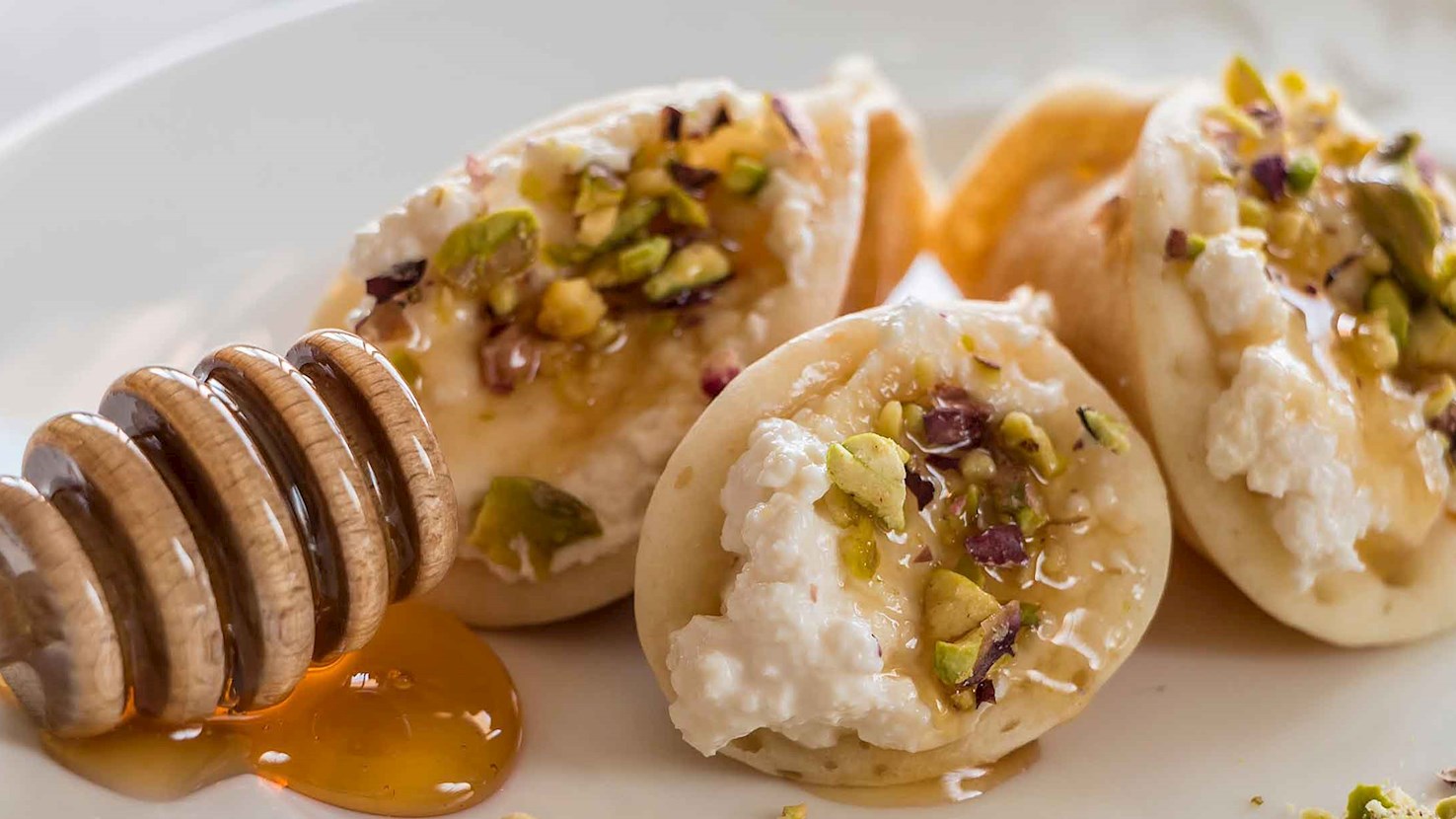
Qatayef is an Arabian dessert and a staple of the Ramadan holiday feast. It is a sweet pancake that is usually filled with cheese or nuts such as walnuts, almonds, pistachios, or hazelnuts. Qatayef can also be consumed plain, topped with clotted cream, or drizzled with sugar syrup. It is believed that nothing is better after the Ramadan fasting than a few nights of socializing and feasting on qatayef, which is either prepared throughout the streets in food stalls or brought over to friends as a sweet gift. Although the dish has Fatimid origins, today it is very popular throughout Levant and Egypt as well, where it is baked in numerous households. The biggest qatayef was made in the city of Bethlehem, currently holding a record with a weight of 104 kilograms and 3 meters in diameter. Apart from the sweet version, qatayef can also come as a savory snack filled with cheese or served plain as a side dish.

05
Stew

Ful medames

4.1 ·

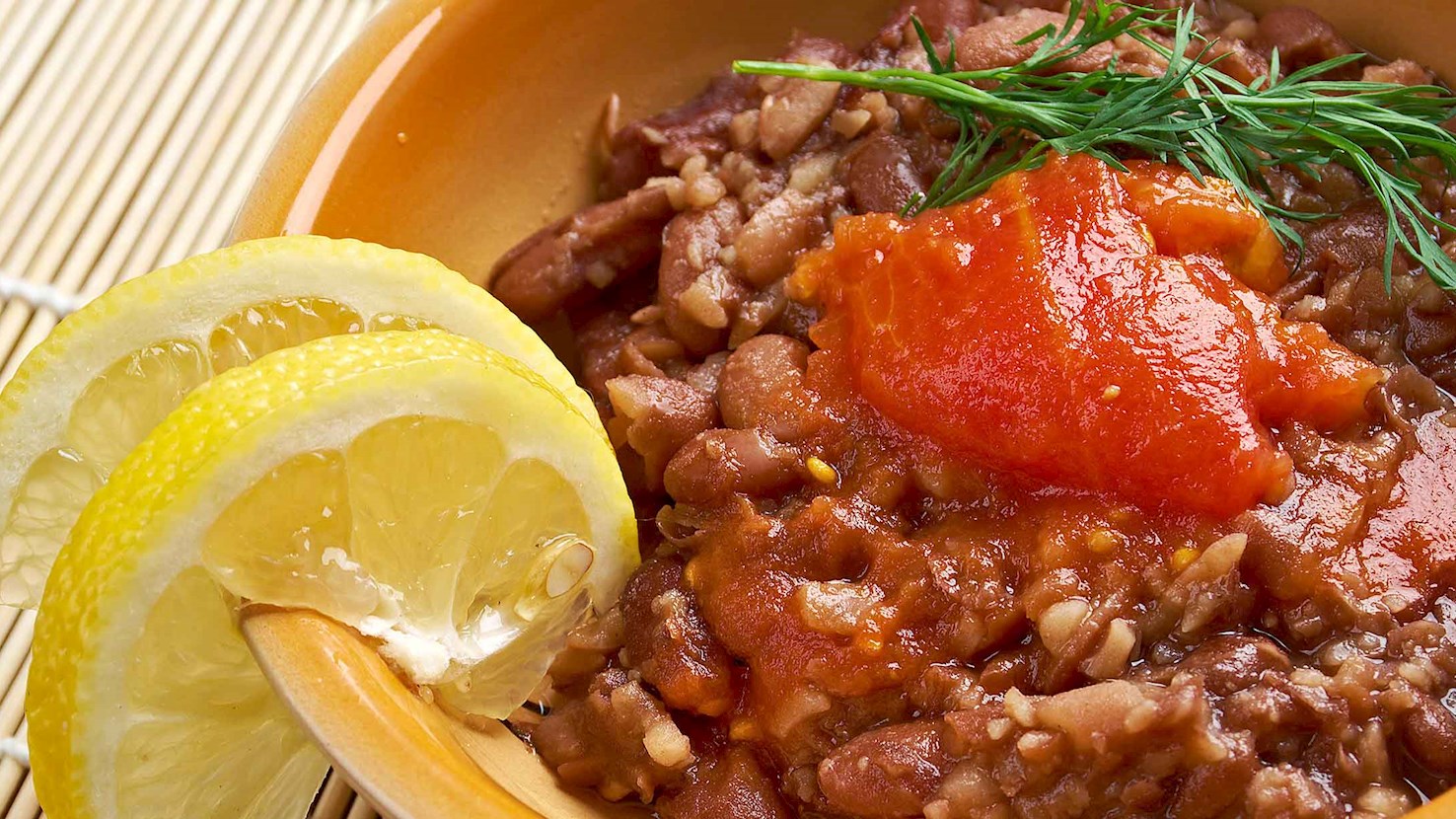
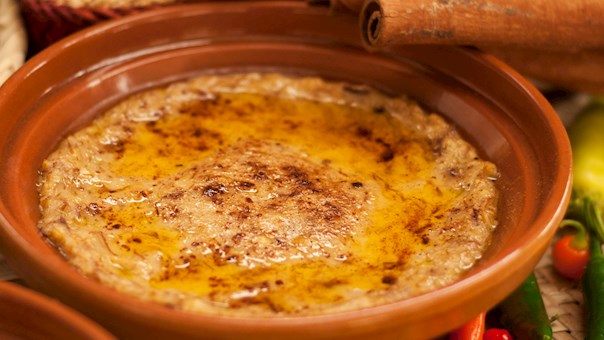
Ful medames is an ancient, pre-Ottoman and pre-Islamic national dish of Egypt, a traditional breakfast food consisting of slowly simmered fava beans seasoned with a squeeze of lemon juice, olive oil, garlic, and selected spices. Some remnants of the dish were found in the 12th Dynasty Pharaonic tombs in Egypt, and any food that has been found in an ancient tomb must have been a wildly popular culinary treat. Because it is a breakfast food that is also good for breaking the fasting, the dish is extremely popular during Ramadan. Although it's an Egyptian dish, it is also prepared throughout North Africa and the Middle East. Ful medames is a staple of the Egyptian diet, so much that the price of beans is regulated by the government in order to ensure that they are affordable to the poorest citizens. The creamy, earthy stew is usually spiced with the addition of chilis and cayenne pepper. It is recommended to prepare it a day in advance because the beans need to be soaked and cooked overnight. When eaten, the hearty stew is traditionally served out of big metal jugs, and once on the plate, it is often mopped up with pieces of fresh pita bread and topped with pickled beets, parsley, onions, tomatoes, and cumin. Filling, savory, nutritious, and easy to prepare, ful medames is a literal blast from the past.

06
Savory Pastry

Samosa

4.1 ·

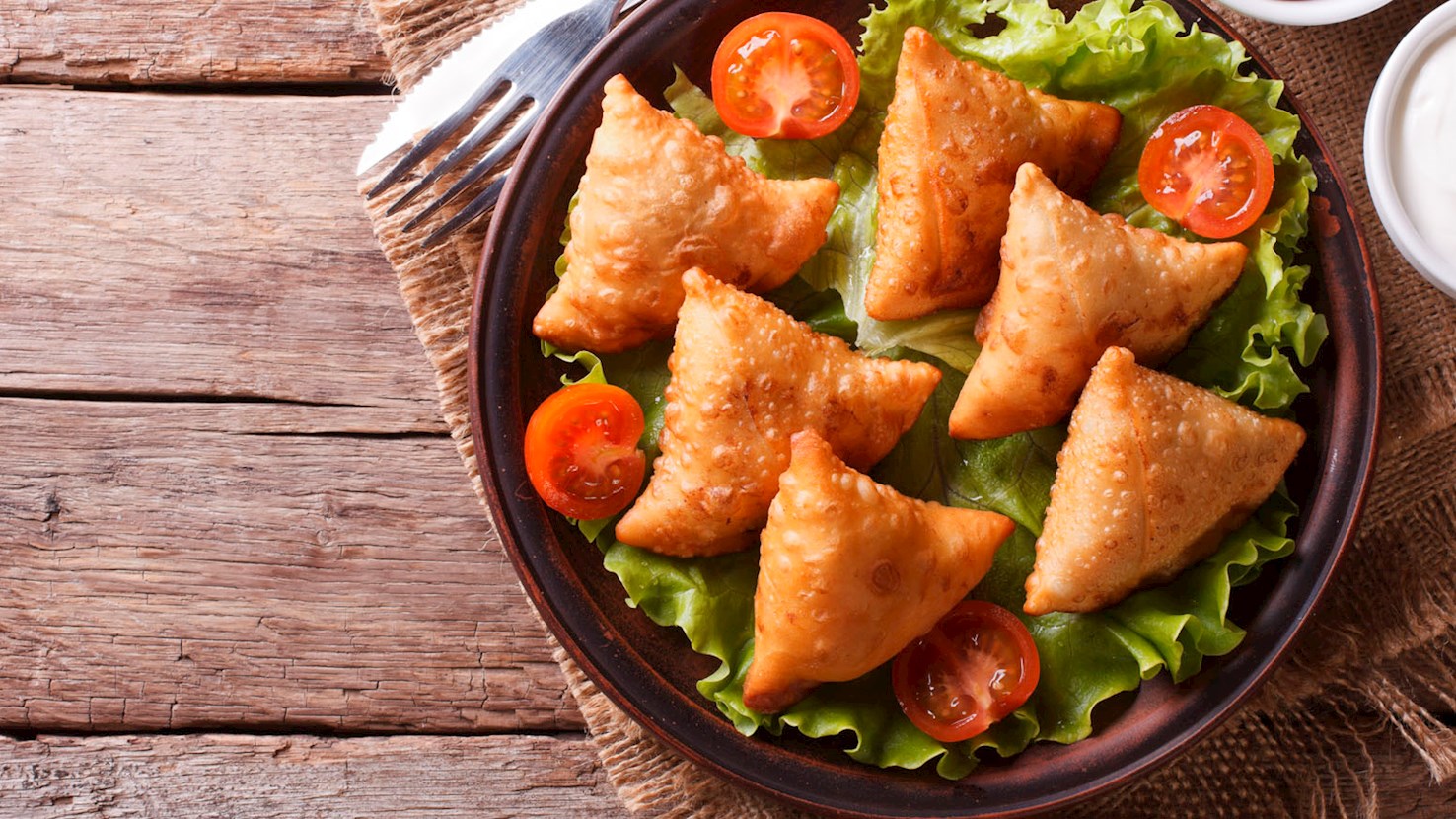
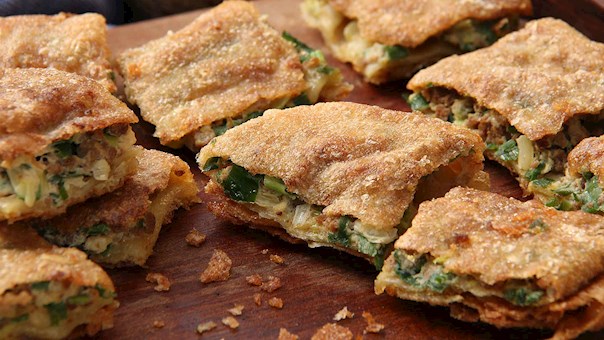
Due to their crunchy texture and a variety of different flavors, samosas provide a perfect introduction to the world of Indian cuisine for newcomers. These deep-fried, triangular pastries are filled with a variety of ingredients ranging from vegetables to meat, such as onions, lentils, spiced potatoes, peas, or ground meat. It is said that the popular, golden-brown snack travelled to India along the old trade routes from Central Asia, which is why samosas are also prevelent in Middle Eastern countries where they are typically served for Ramadan. In Saudi Arabia, for example, they are typically filled with meat or cheese and can be shaped as triangles, squares, and rolls. These savory triangles are typically served hot and accompanied with chopped onions, yogurt, or fresh, homemade Indian chutneys made with a variety of ingredients such as mint, coriander or tamarind. However, not all samosas are savory - some versions can contain a number of sweet ingredients such as pomegranate, mango, and raisins. Sweet or savory, they can be found throughout India at numerous street stalls and roadside eateries, freshly made and traditionally paired with masala chai tea.

07
Rice Dish

Kabsa

4 ·

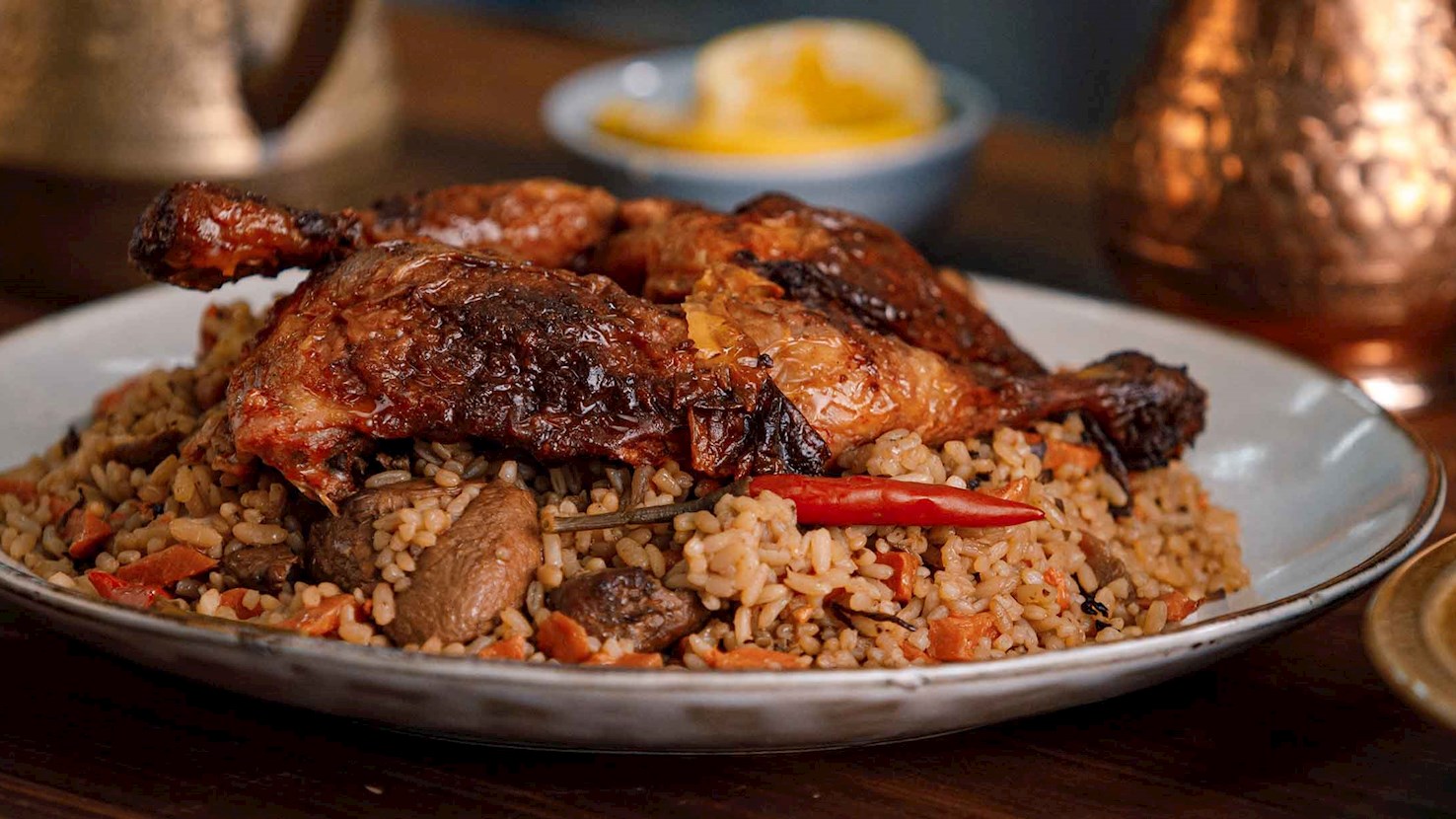
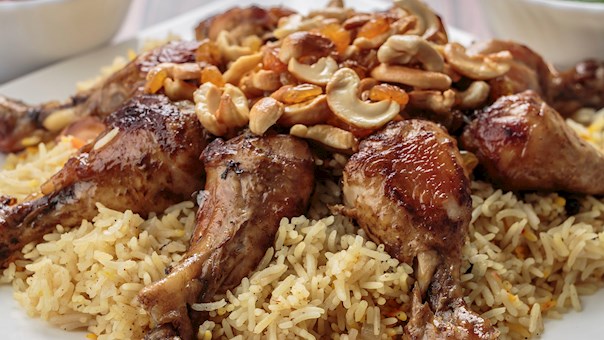
Kabsa is a rice dish that is enjoyed throughout the Gulf States of the Arabian Peninsula. Heavily influenced by Persian and Indian biryanis, kabsa makes use of the water that was used for cooking fish or meat and re-using it to cook the spiced, long-grain rice in it, perfectly blending all the flavors and spices. The dish can be made with chicken, lamb, camel meat, fish, or even shrimps, truffles, or duck meat. The meat or fish is usually placed on top of the rice, and the whole dish is served on a large platter, meant to be shared and eaten by hands. Although it originated in Yemen, this traditional combination of rice and meat is incredibly popular in Qatar and Saudi Arabia, where it is considered a national dish. Across the Arabian Peninsula, kabsa is also known as machboos.

08
Dip

Labnah

4 ·

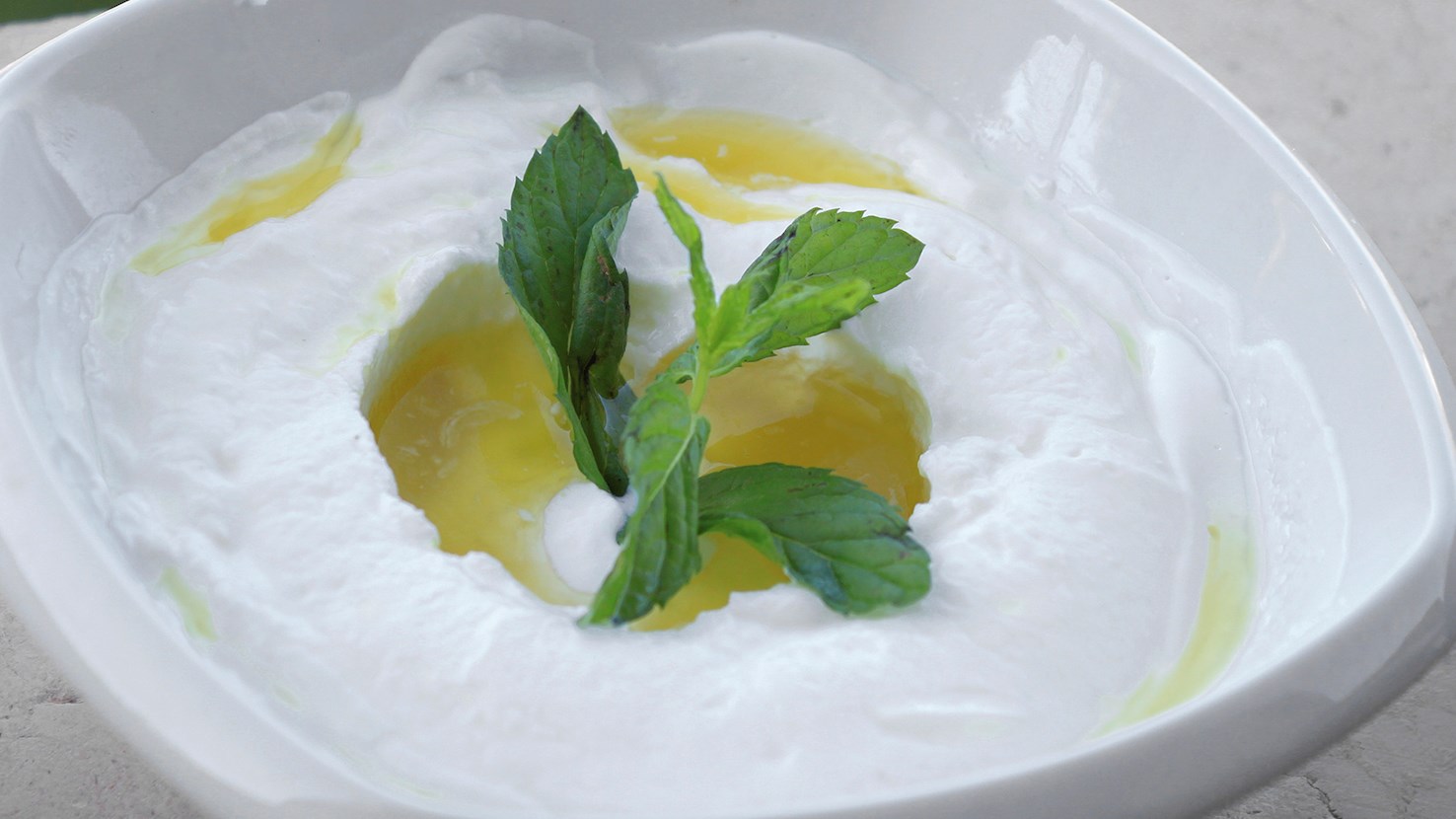
Creamy texture and mild flavor are the main attributes of labneh; a traditional Middle Eastern strained yogurt that is prepared with yogurt and salt. No strict guidelines are used to produce it; plain full-fat yogurt is mixed with salt and left to strain for twelve to twenty-four hours. During straining, the yogurt whey separates, and what is left is a thick and firm cheese-like product. Its texture can vary from creamy to dense, but it always has a relatively mild and slightly salty flavor. The name labneh is native to the Middle East, but strained yogurt varieties are found in numerous other countries and regions such as Greece, Turkey, Cyprus, Central Asia, the United States, Mexico, and the United Kingdom. It usually employs cow milk, but other kinds, such as goat yogurt in Greece, are also common. In many Levantine countries, labneh is enjoyed as a part of a mezze, served alongside flatbreads and other small dishes. It can be eaten plain, garnished with olive oil or chopped mint, but it can also be served as a creamy spread over bread or bagels. It is often incorporated as a condiment in many meat and vegetable dishes. Because of its thick consistency, it can be rolled into balls and preserved in olive oil, or covered in crushed nuts or spices, then served as a decorative appetizer.

09
Meat Dish

Mansaf

4 ·

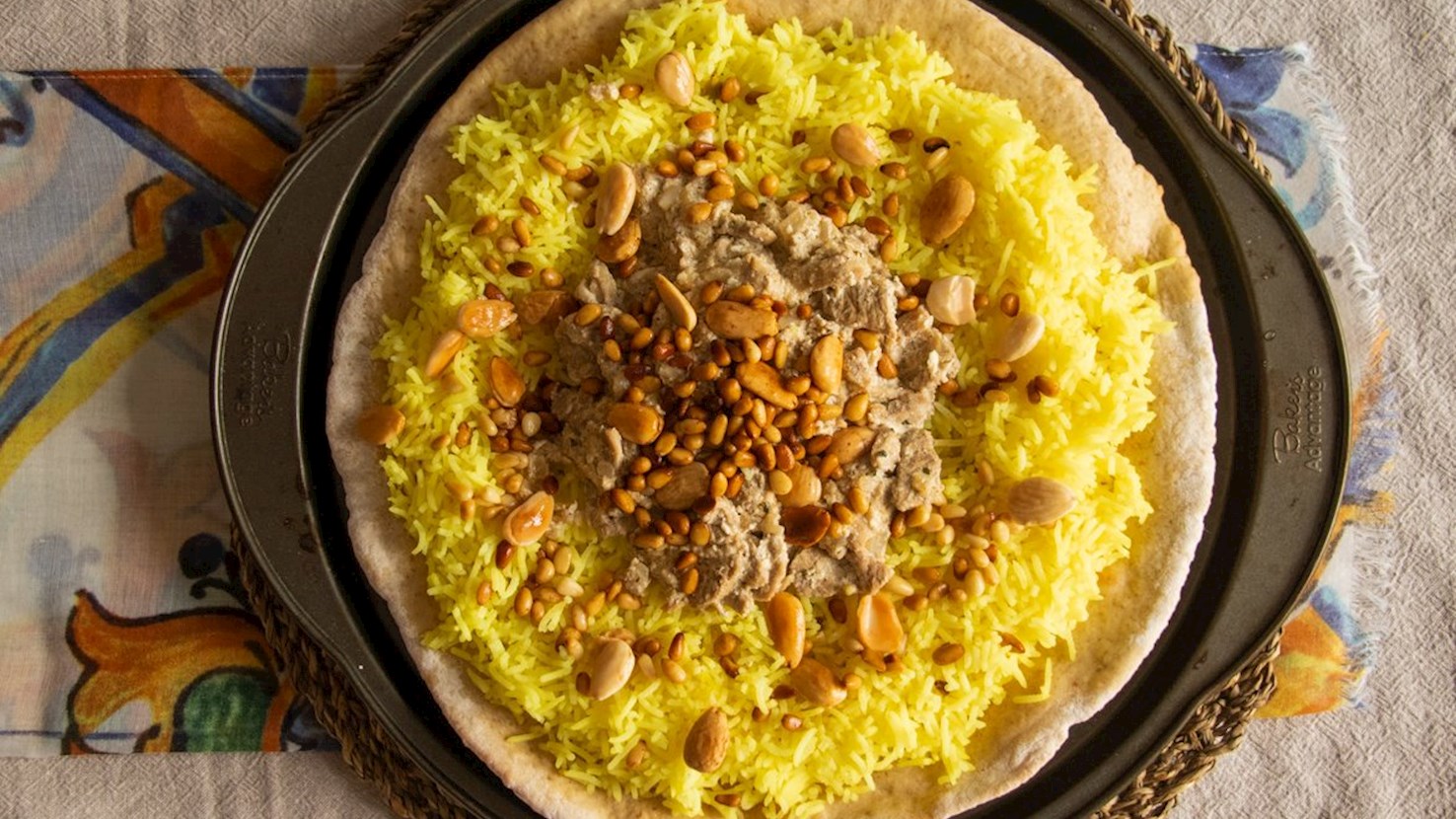
Mansaf is the national dish of Jordan that plays a key role in all celebrations and festivals in the country. The meat is slowly cooked in fermented, yogurt-like goat's milk called jameed, resulting in a unique dish that is not just a meal, but a social tradition. Mansaf, an Arabic word for explosion, is commonly offered to guests as a sign of appreciation, value, and respect. It can be made with goat, lamb, beef, or chicken meat, where goat signifies the highest level of respect and value, and chicken the least, so beef or chicken is rarely to be seen in Mansaf. Traditionally, cooked goat's head will be placed in the center and offered to the most important guests at an event. Mansaf is served on a large platter over rice and khubz flatbread, garnished with almonds and pine nuts. Guests eat the dish communally, with their right hand, while the left hand is placed behind their back. The host must continually cover the rice with cooked yogurt sauce, ensuring that the guests don't complain about lack of hospitality. Mansaf is also significant in resolving conflicts between tribes or families, when the heads of each tribe visit one another, sacrifice a goat to cook the dish, then offer it as an act of peace and respect, eating the dish together as a way of marking the end of a conflict.

10
Chicken Dish

Dajaj mashwi

3.9 ·

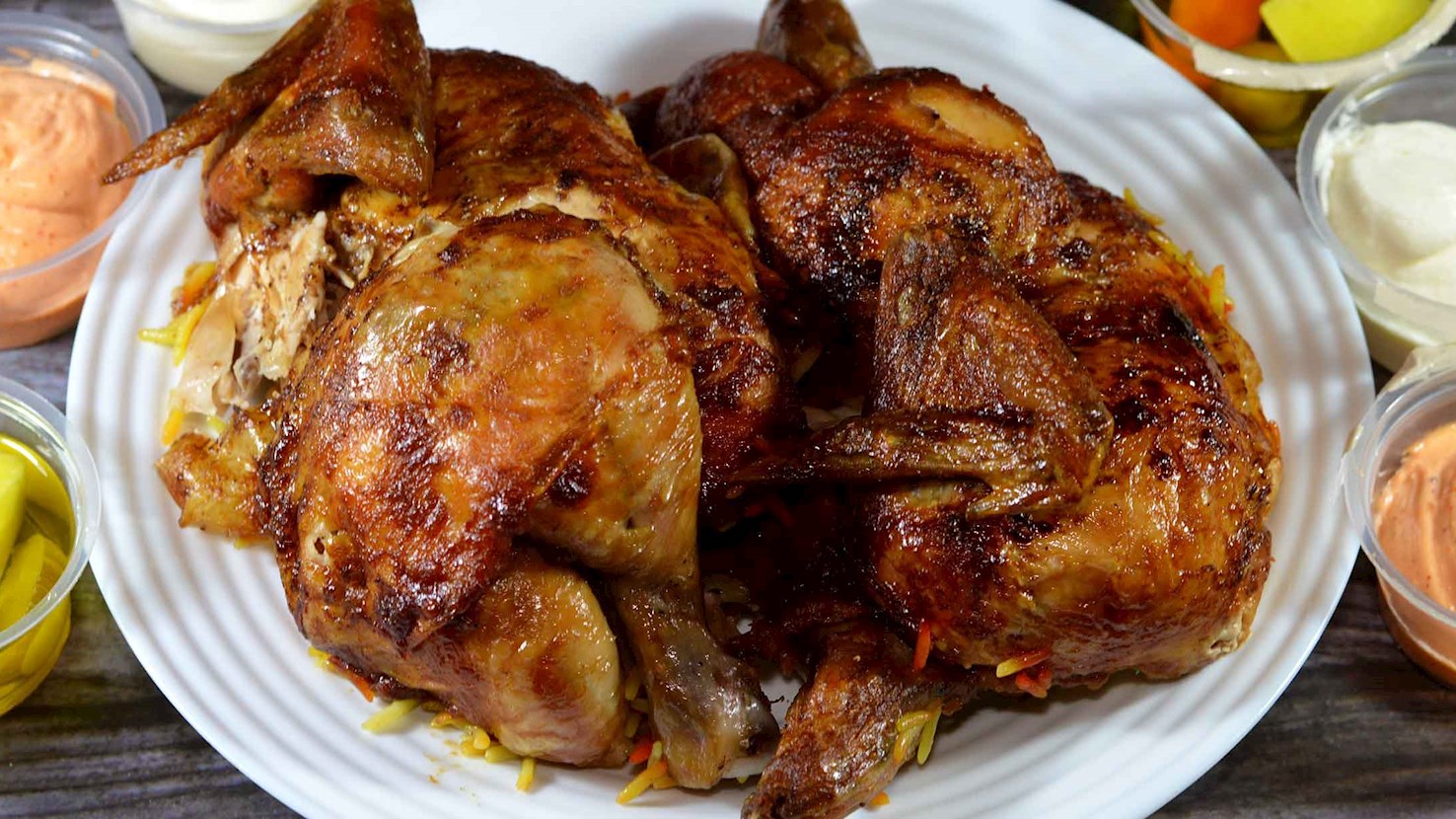
Dajaj mashwi is a Saudi Arabian barbecue type of grilled chicken that is also present in other Arabian countries. A whole chicken is traditionally grilled, but often, only whole legs are grilled. The meat is marinated before grilling and typical ingredients for marinating the meat include spice powders and dried herbs such as paprika or red chili powder, ginger, garlic, onion, black pepper, salt, oil, and lime juice. Spicy and succulent, the chicken is typically accompanied by a garlic dipping sauce and a mixed salad on the side, but it can also be accompanied by couscous, Arabian pilaf, and soups.

Best restaurants

Best Saudi food products

01
Olive Oil

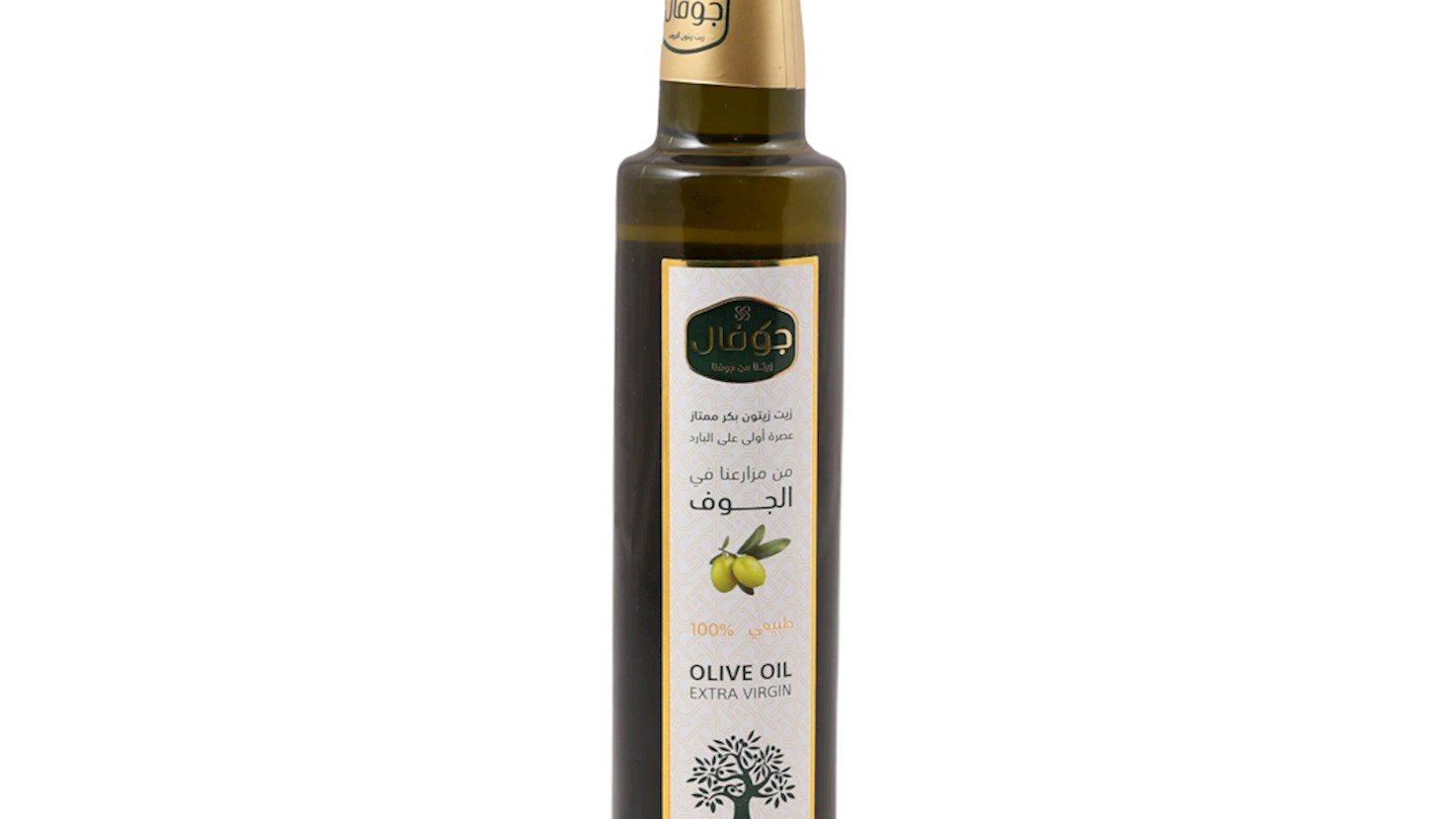
Jofal

4.9 ·
Jofal is a well-known producer of high-quality olive oil in Saudi Arabia. The company is recognized for offering premium olive oil products, focusing on purity and taste. With a commitment to delivering natural, cold-pressed olive oils, Jofal has established itself as a trusted brand in the Middle Eastern market, catering to both culinary and health-conscious consumers. The company often emphasizes sustainable farming practices and the use of traditional methods in its olive oil production, ensuring superior quality.
Awards
ATHENA IOOC - Double Gold (2022)
ATHENA IOOC - Gold (2024)
02
Olive Oil

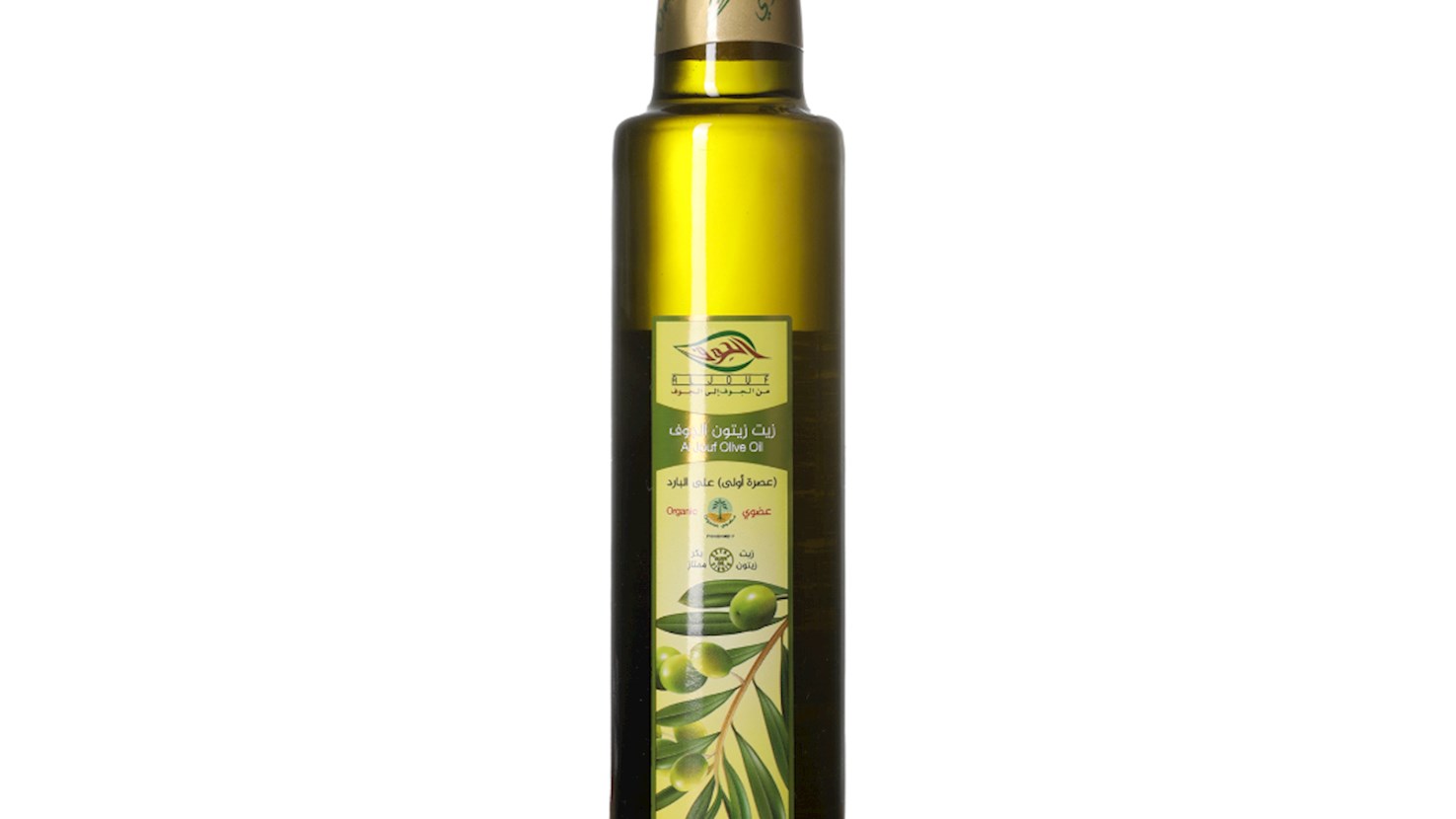
Al Jouf Development Agriculture Company
4.9 ·
Al Jouf Development Agriculture Company is one of the largest agricultural companies in Saudi Arabia, specializing in the production of olive oil. The company is based in the Al Jouf region, which is known for its favorable climate for olive cultivation. They utilize advanced agricultural techniques to produce high-quality olive oil. The company also engages in the cultivation of other crops, including fruits and vegetables.
Awards
EVO IOOC - Gold Medal (2023)
London IOOC - Gold (2023)
03
Rice

Zaki Al Salem

4.8 ·
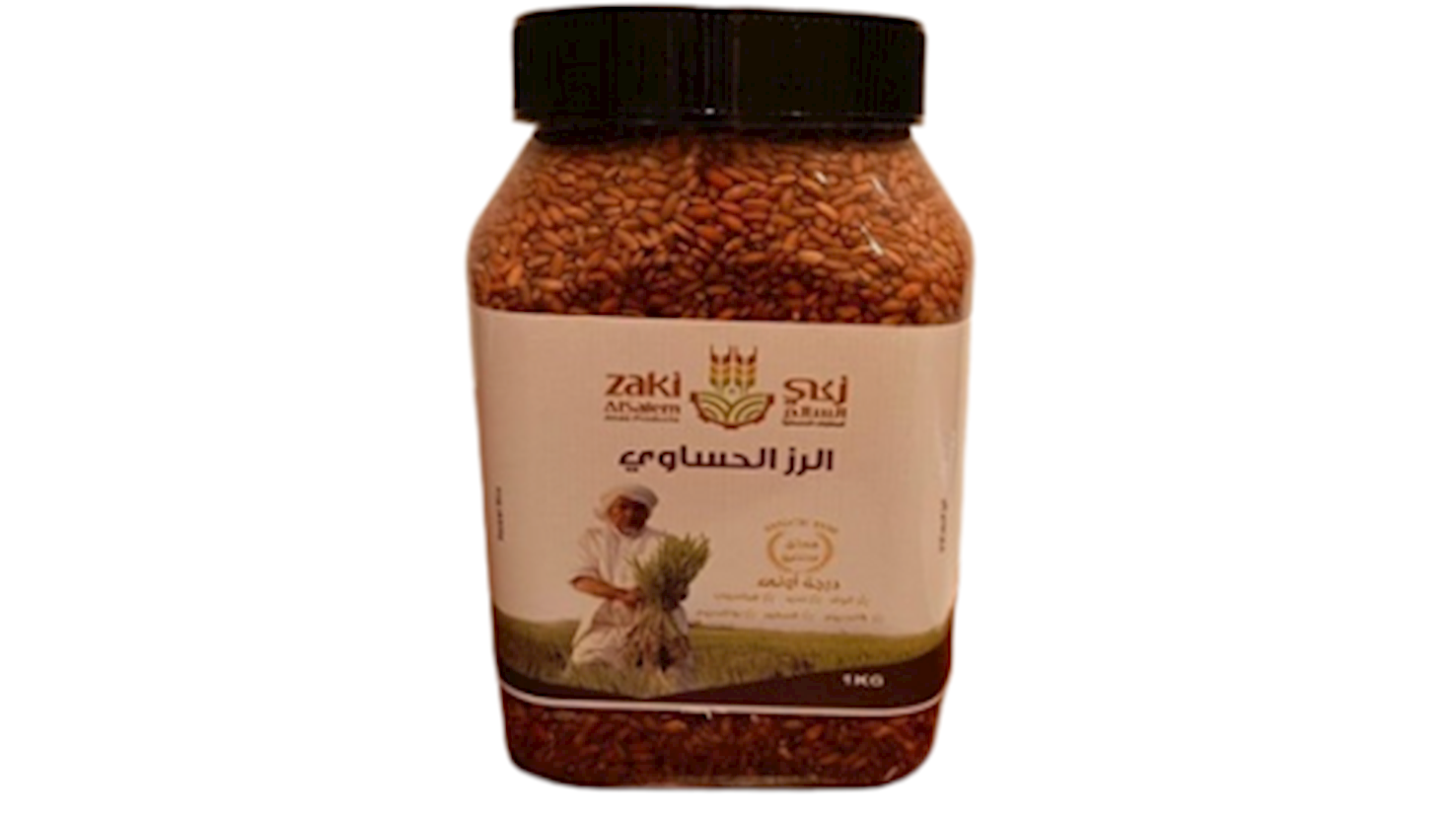
Zaki Al-Salem is one of the most renowned and expansive agricultural enterprises in Saudi Arabia, located in the Al-Ahsa region - an area often described as the agricultural heart of the country. The family business, managed by brothers Zaki and Jafar Al-Salem, continues a long-standing tradition of farming established by their father and grandfather, preserving generational knowledge and expertise. The farm covers approximately 3,000,000 square meters, with a primary focus on cultivating the native Al-Hassawi rice, a variety that holds a special place in Saudi culinary heritage. Zaki Al-Salem Farm produces nearly half of the nation’s total Al-Hassawi rice output, making it a key player in preserving and promoting local agricultural identity. In addition to rice, the farm cultivates fruits, vegetables, watermelons, sunflowers, and other crops, using an advanced irrigation system based on artesian wells from the Al-Ahsa oasis. Modern soil management techniques and efficient resource use ensure high productivity and sustainability even in harsh desert conditions. The visual identity of the brand reflects a balance between tradition and modernity, while the farm itself stands as a symbol of resilience and intelligent agriculture in an arid environment. Thanks to its consistency in quality, sustainable practices, and dedication to the local community, Zaki Al-Salem has become a model of how domestic agricultural producers can successfully combine heritage, innovation, and social responsibility.
04
Fruit Product

Bateel

4.8 ·
Bateel is a prestigious brand that has redefined the concept of dates, transforming them from a traditional Arabian fruit into a symbol of luxury and refined taste. Its origin lies in Al-Ghat, Saudi Arabia, where organically cultivated plantations with tens of thousands of palm trees are located. Founded in 1991, the brand opened its first boutique in Dubai, marking the beginning of its international expansion. Bateel combines traditional cultivation methods with modern processing and packaging techniques, creating products that unite natural authenticity with elegance. The dates are hand-picked, carefully selected, and packaged immediately after harvest to preserve their freshness and nutritional value. The most renowned varieties include Khidri, Medjool, and Segai, while the brand is particularly known for its filled dates. Its approach blends the cultural heritage of the Arabian Peninsula with contemporary principles of international gastronomy. In doing so, Bateel has become an ambassador of Arabian tradition in a modern, global context.
05
Fruit Product

Yala Dates

4.7 ·
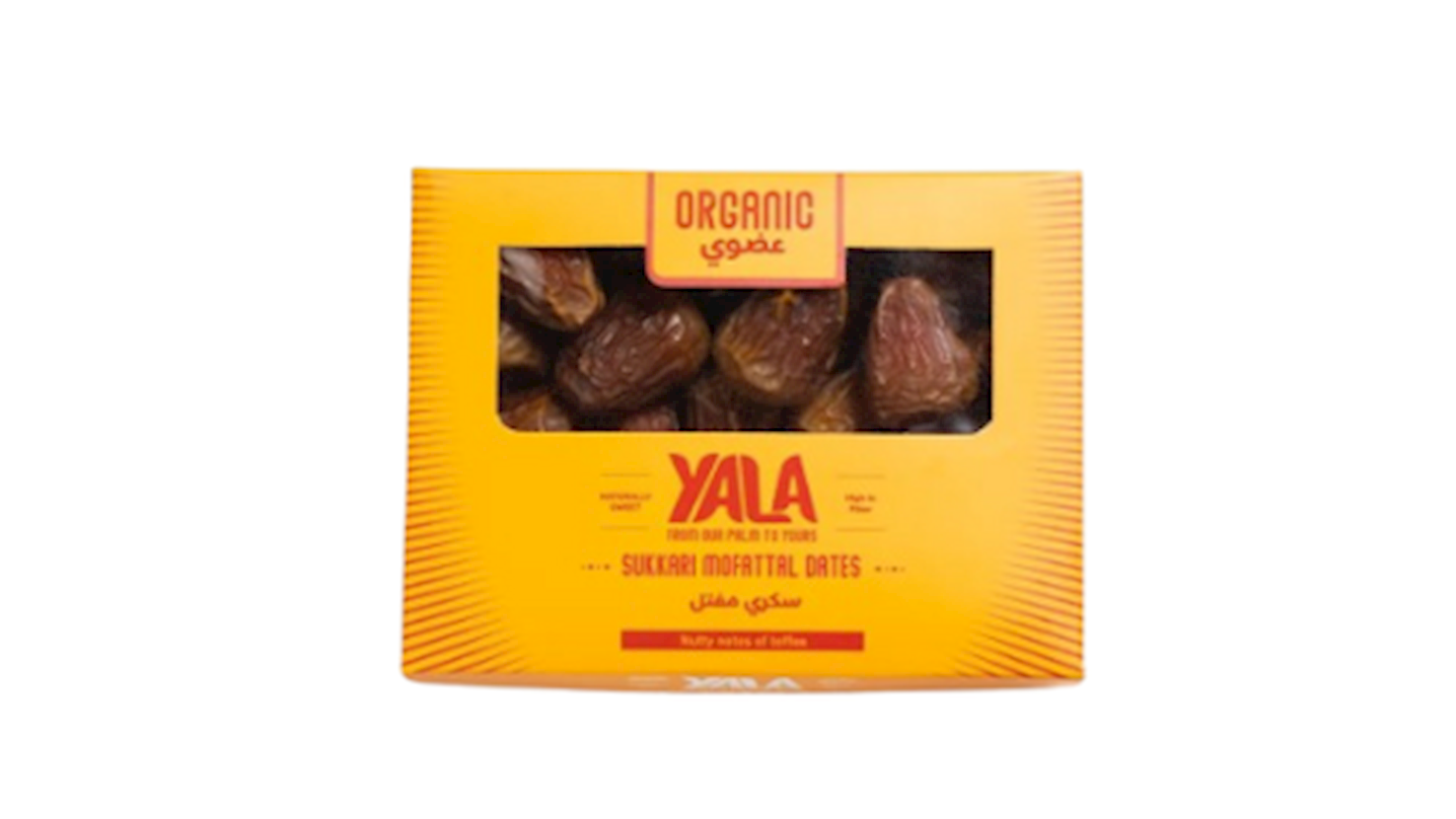
Yala Dates is a modern Saudi brand established in 2010, specializing in the cultivation, processing, and export of high-quality dates with a focus on sustainable and organic production. Its plantations are located in the Al-Qassim and Al-Madinah Al-Munawwarah regions, renowned for their fertile soil and dry climate that provide ideal conditions for palm growth. The company follows a vertically integrated approach - from planting and harvesting to processing and packaging - ensuring complete quality control and product traceability. Yala offers a wide range of varieties, with particular emphasis on organically and naturally grown dates. Thanks to its innovative methods, Yala Dates has become one of Saudi Arabia’s leading date exporters to the global market. The brand’s combination of organic cultivation, refined flavor, and reliable quality makes it an ideal choice for delicatessens, restaurants, and premium retailers worldwide.
06
Fruit Product

Nafea Farm

4.7 ·
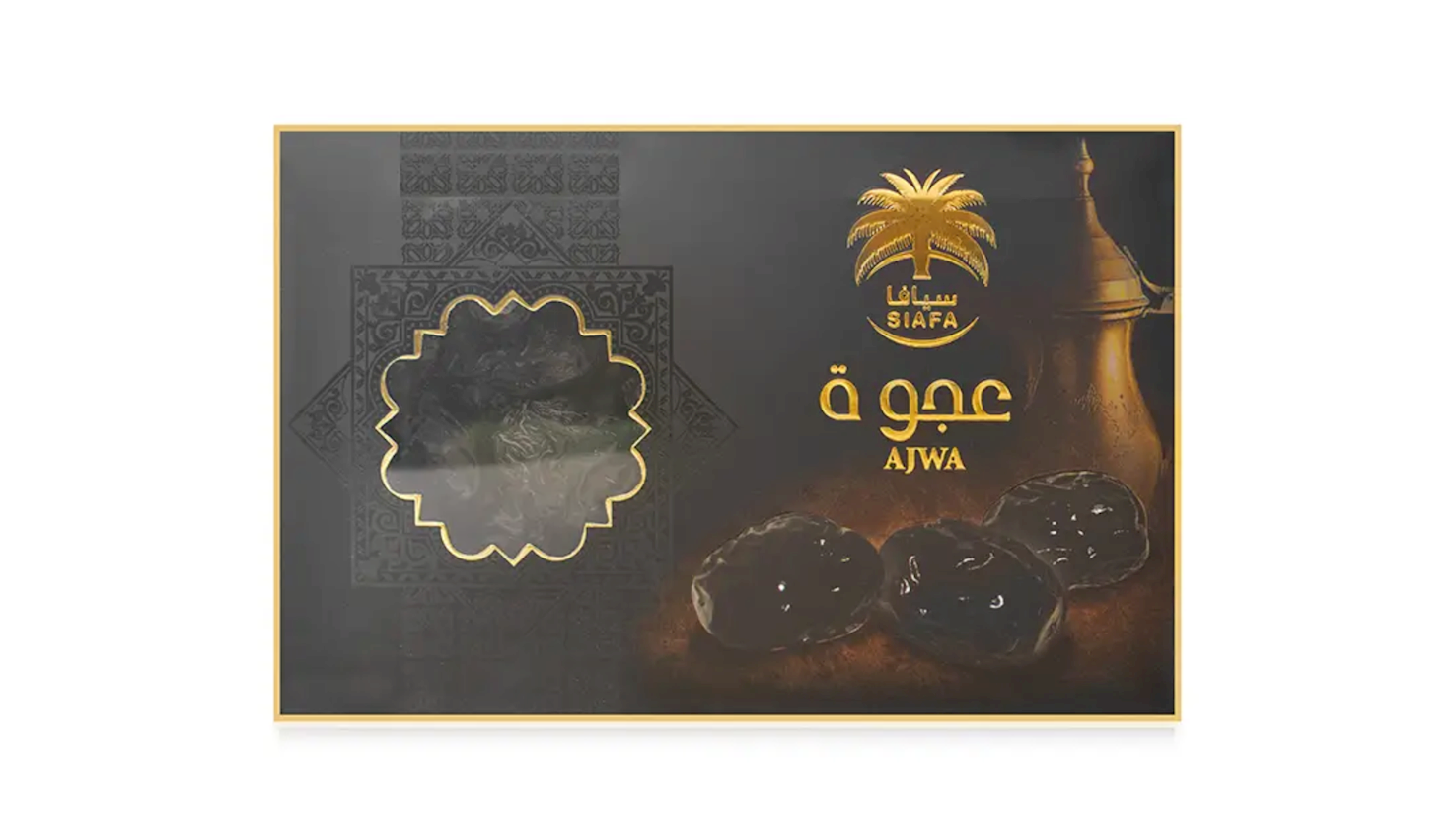
Nafea Farm is a family-owned plantation located near Medina, Saudi Arabia, specializing in the cultivation of the organic Ajwa date - one of the most prized and authentic varieties on the Arabian Peninsula. Ajwa dates hold deep spiritual and cultural significance, originating from the region traditionally associated with Medina, and Nafea Farm continues this heritage through a modern yet entirely natural approach to production. The plantation lies on sandy, mineral-rich soil, where the microclimate provides ideal conditions for the ripening of sweet, aromatic fruits. The dates are hand-harvested at full maturity, then carefully dried and packed without thermal processing to preserve their natural texture and flavor. The farm’s philosophy is rooted in the belief that Ajwa dates are a “gift of the earth and faith”- with their strength deriving from the natural harmony of soil, sun, and the hands that nurture them. As a result, Nafea Farm today stands as a symbol of authenticity, quality, and the spiritual heritage of Medina, recognized both locally and internationally.
07
Fruit Product

Jomara

4.6 ·
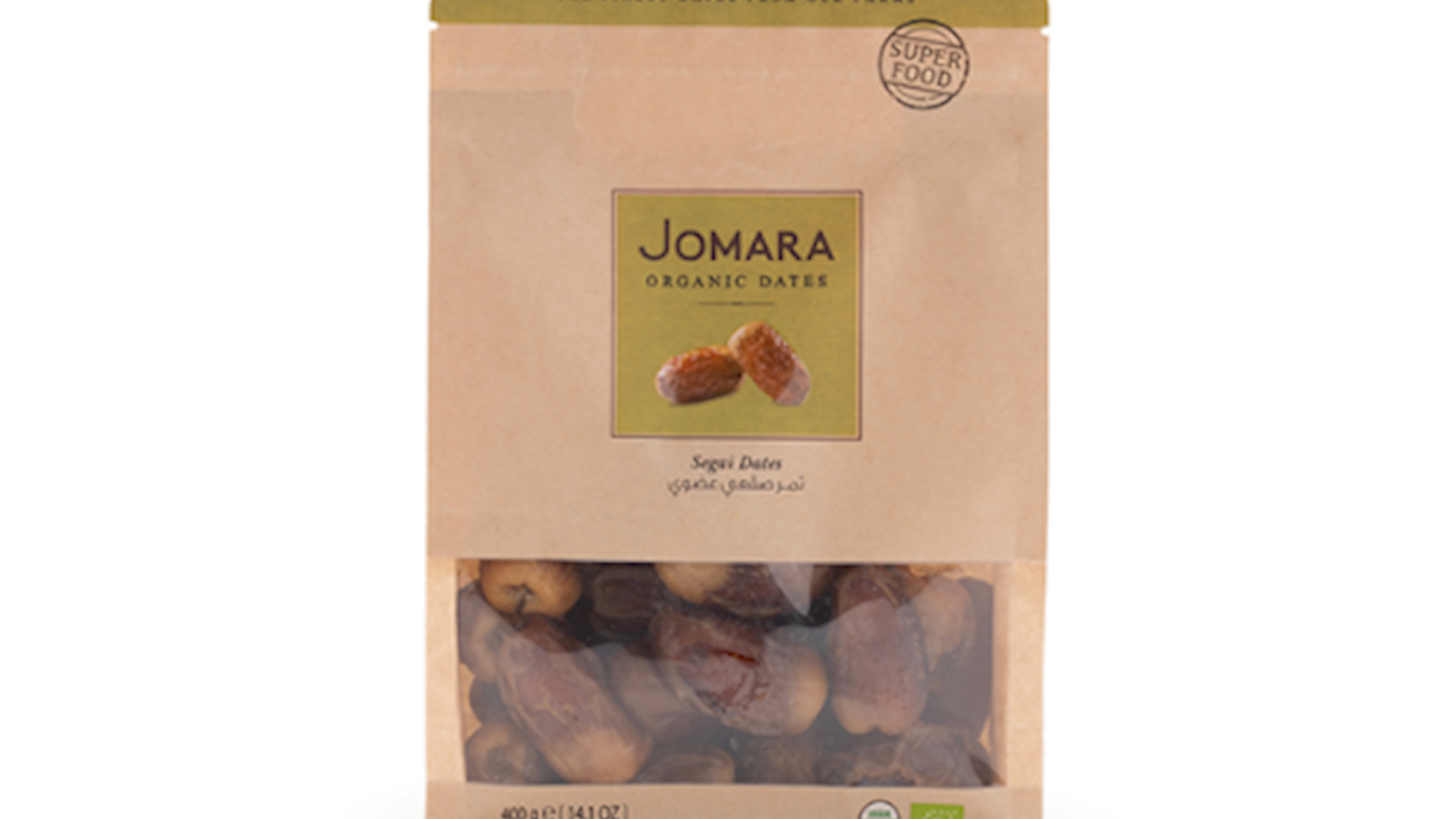
Jomara is a premium Saudi Arabian brand that combines the long-standing tradition of date cultivation with a modern approach to sustainable production and luxurious presentation. The dates are grown on organic plantations in an oasis near the Tuwayq Mountains, where the unique microclimate, fertile soil, and pure spring water create ideal conditions for palm growth. Each fruit is handpicked and carefully sorted to ensure exceptional freshness and natural sweetness. Jomara produces exclusively organic dates, free from pesticides and chemicals, with special attention devoted to preserving their nutritional value and authentic flavor. The product range includes a variety of types - from traditional plain dates to gourmet filled versions with pistachios, almonds, and candied orange peel. Through its sustainable and eco-conscious production methods, Jomara promotes the principles of healthy eating and natural sweetness. Their dates are rich in fiber, minerals, and antioxidants, making them one of the most valued natural superfoods. At the same time, the brand maintains a deep connection to the cultural heritage of Arabia, where dates hold both symbolic and everyday significance. By carefully blending tradition, quality, and innovation, Jomara has become a symbol of contemporary luxury rooted in authenticity.
08
Fruit Product

Taiba Brothers Farms

4.6 ·
Taiba Brothers Farms is a family-owned farm based in Medina, Saudi Arabia, renowned for its long-standing tradition of cultivating palm trees and producing premium-quality dates. Its philosophy is built on heritage passed down through generations - from ancestors to descendants - guided by respect for nature and local traditions. The farm specializes in varieties native to the Medina region, most notably Ajwa and Safawi dates, prized for their rich flavor and high nutritional value. All fruits are grown naturally, without pesticides or chemical additives, and are hand-harvested at full ripeness to ensure maximum freshness and quality. Careful manual selection and minimal processing allow each date to retain its natural texture, aroma, and deep, glossy color. The climate of Medina, with abundant sunlight and mineral-rich soil, gives the fruit its pronounced sweetness and balanced minerality. The products are packaged in elegant, hygienically processed boxes designed for the premium market and export. Taiba Brothers Farms blends traditional farming methods with modern quality standards, creating an authentic brand that bridges spirituality, culture, and fine gastronomy. Their dates are now considered one of Medina’s most iconic products -— a true symbol of purity, tradition, and luxury.
09
Fruit Product

Alia Al-Madinah Farms

4.5 ·
Alia Al-Madinah Farms is a renowned agricultural and tourist destination located in the heart of Medina, Saudi Arabia, combining traditional date cultivation with a modern approach to preserving cultural heritage. The farm spans vast areas covered with palm trees, situated near the Prophet’s Mosque, giving it a special symbolic and spiritual connection to the history of the region. At Alia Farm, the finest varieties of dates are cultivated, with Ajwa standing out as the signature type - known for its dark color, soft texture, and rich, complex flavor. The harvest is carried out by hand, following traditional methods and seasonal rhythms, while the fruits are carefully sorted and packaged to preserve their natural freshness. The farm is open to visitors, offering the experience of walking through dense palm groves and tasting fresh dates straight from the tree. This blend of agriculture and tourism makes it one of the few places where visitors can experience the authentic atmosphere of historical Medina. The land of the farm is considered part of historic waqf (endowment) estates, adding further cultural significance. The dates grown here are known for their rich taste that combines the sweetness of honey and caramel with subtle earthy tones. Thanks to Medina’s ideal climate and mineral-rich soil, the fruits achieve exceptional aromatic concentration. Alia Al-Madinah Farms thus stands as a symbol of authenticity, spiritual heritage, and sustainable cultivation. Its mission is to preserve the centuries-old tradition of date farming while presenting Medina as a center of genuine agricultural culture in Saudi Arabia.
10
Fruit Product

Castle Farms

4.5 ·
Castle Farms is a Saudi producer of premium dates with decades of cultivation tradition in the Medina region, one of the most fertile areas for date production in Saudi Arabia. The plantations cover approximately two million square meters and include more than 44,000 palm trees, ensuring an annual yield of around 2,500 tons of dates, including 250 tons of organically certified fruit. The company employs modern methods of organic and sustainable agriculture, allowing for the preservation of soil microbiological richness and the natural balance of the ecosystem. Castle Farms’ assortment includes some of the most renowned Saudi varieties, such as Ajwa, Sukkary, Safawi, Khudari, and Segai, all distinguished by their diverse flavors and textures. Through the combination of natural purity, sustainability, and a refined production approach, Castle Farms has established itself as one of the leading date producers, successfully bridging the authentic heritage of Arabia with the demands of the modern global market.
Read more
View all
View map
About this ranking

TasteAtlas food rankings are based on the ratings of the TasteAtlas audience, with a series of mechanisms that recognize real users and that ignore bot, nationalist or local patriotic ratings, and give additional value to the ratings of users that the system recognizes as knowledgeable. For the “Top 72 Saudi Foods” list until June 24, 2026, 10,179 ratings were recorded, of which 4,746 were recognized by the system as legitimate. TasteAtlas Rankings should not be seen as the final global conclusion about food. Their purpose is to promote excellent local foods, instill pride in traditional dishes, and arouse curiosity about dishes you haven’t tried.

The initial list of top producers was compiled based on available reviews, awards, local recommendations, media and blog coverage, and consumer reviews. The list will be updated with ratings from TasteAtlas local ambassadors and TasteAtlas users.

Similar lists