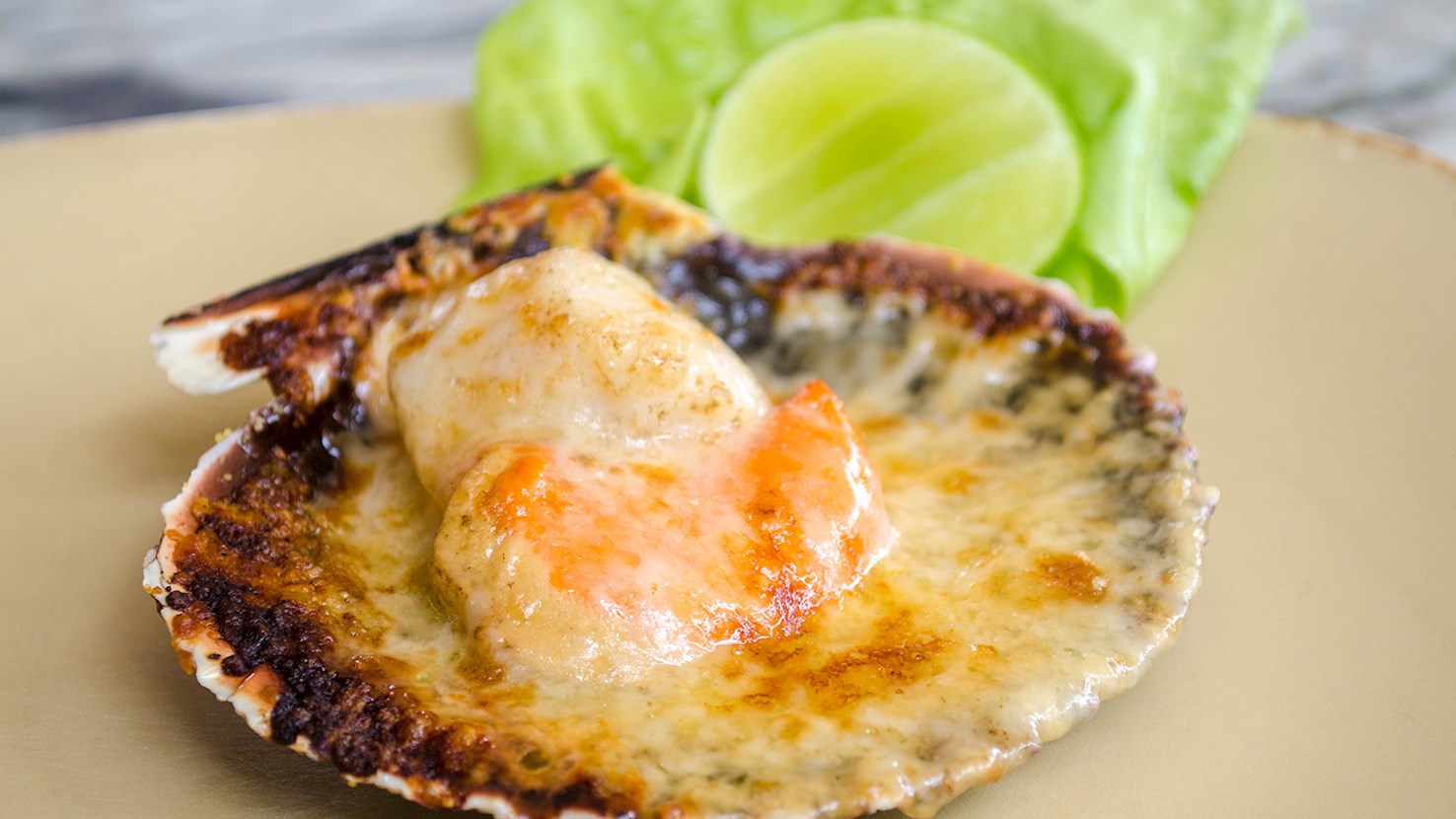
Conchitas a la parmesana is a traditional dish that's served as an appetizer. It consists of scallops that are topped with grated parmesan, then placed under the broiler for a few minutes. When served, the cheese should be bubbling, but the scallops will remain almost raw. The ingredients used for the dish include scallops, Worcestershire sauce, lime juice, butter, salt, pepper, and grated parmesan cheese. The dish is served immediately, while still piping hot, ideally with lime wedges on the side.
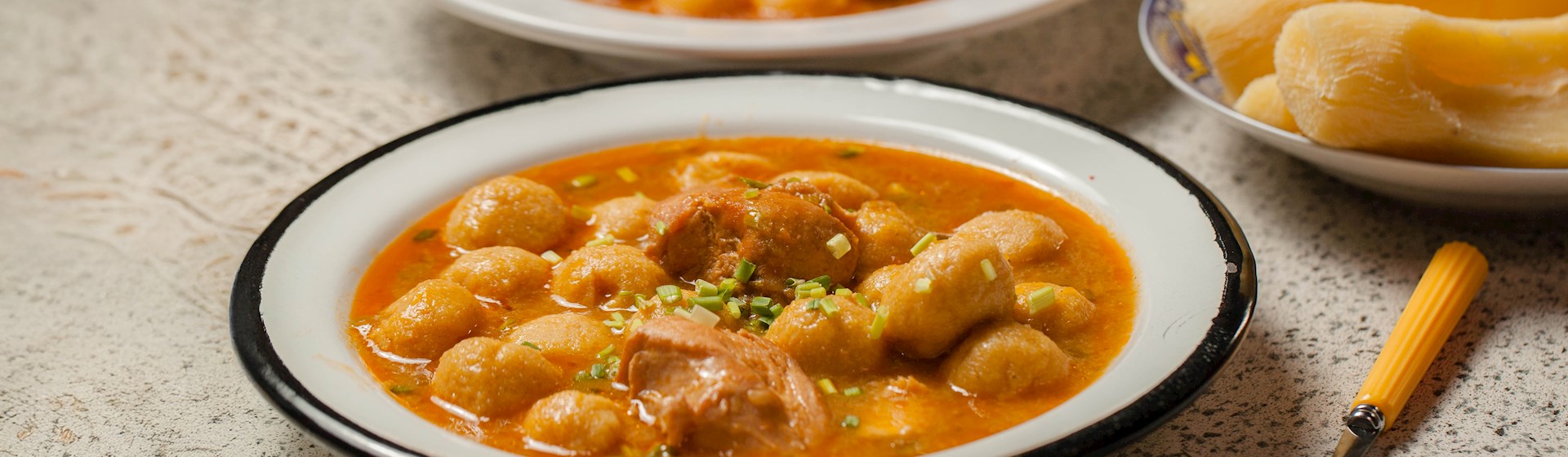
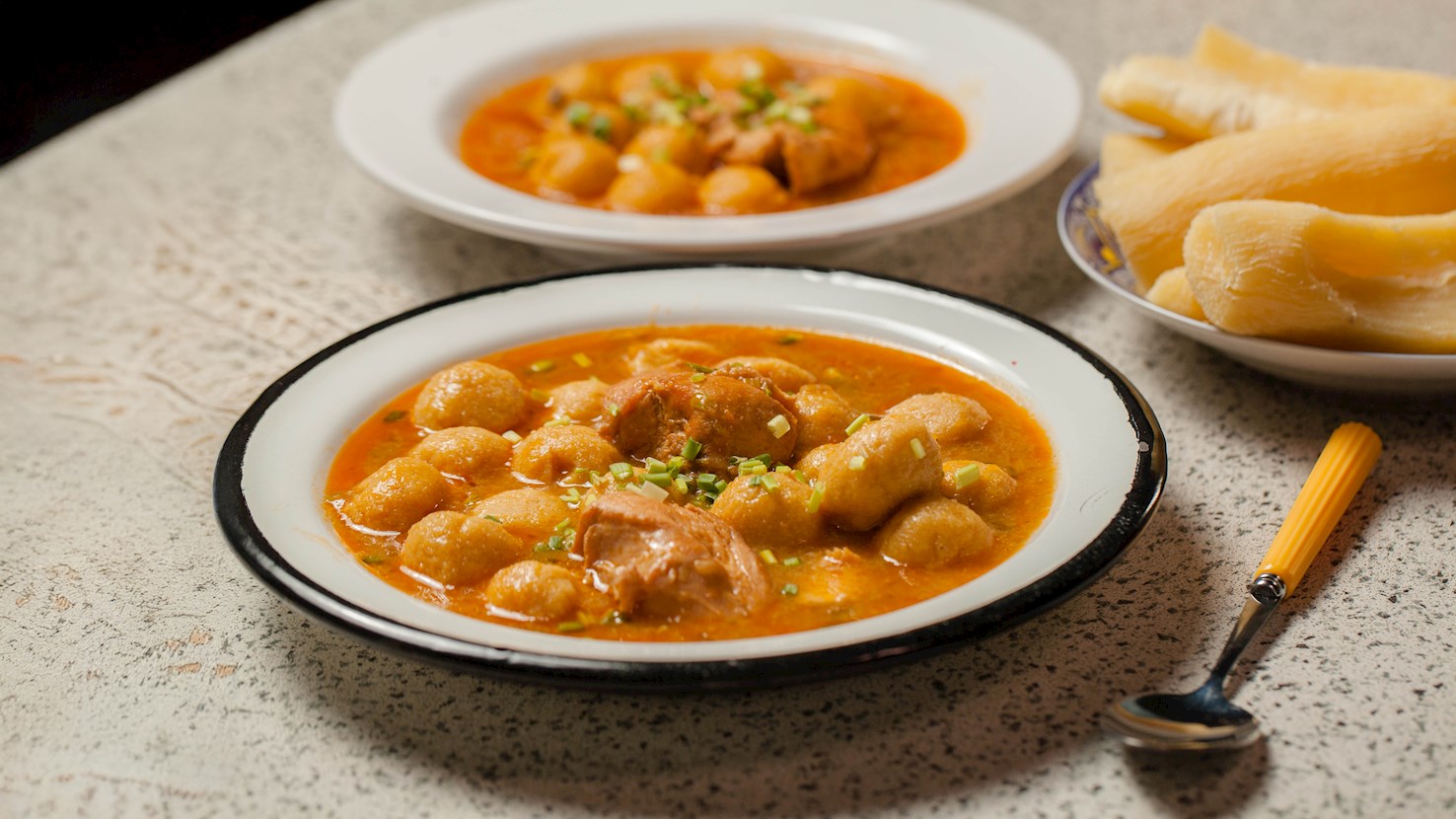
Vori-vori is a soup from Paraguay made with small balls of cornmeal and cheese cooked in a broth that often includes chicken, vegetables, and herbs, and it is recognized as a staple dish across the country’s rural and urban regions. Its development is linked to the long-standing use of corn and poultry in Guaraní and later mixed culinary practices documented in household cooking records and regional accounts from the eighteenth and nineteenth centuries, where corn-based doughs were shaped into dense dumplings to stretch ingredients during periods of limited supply. Preparation involves mixing finely ground cornmeal with grated cheese and a small amount of fat or broth to form a firm dough, shaping it into small spheres, and poaching them gently in a simmering broth until they swell and soften; the soup is seasoned with onions, garlic, parsley, and occasionally peppers, and served as soon as the dumplings reach a uniform texture. A notable feature is the density of the dumplings, which absorb broth while retaining their structure, giving the dish a thickened consistency without flour or other thickeners. Vori-vori is eaten throughout Paraguay in home kitchens, rural gatherings, and small restaurants, often as a main meal during cooler weather, and it pairs well with simple accompaniments such as mandioca, fresh salads, mild cheeses, herbal teas, and lightly flavored nonalcoholic beverages, with some households serving it alongside light beers or local wines depending on the occasion.
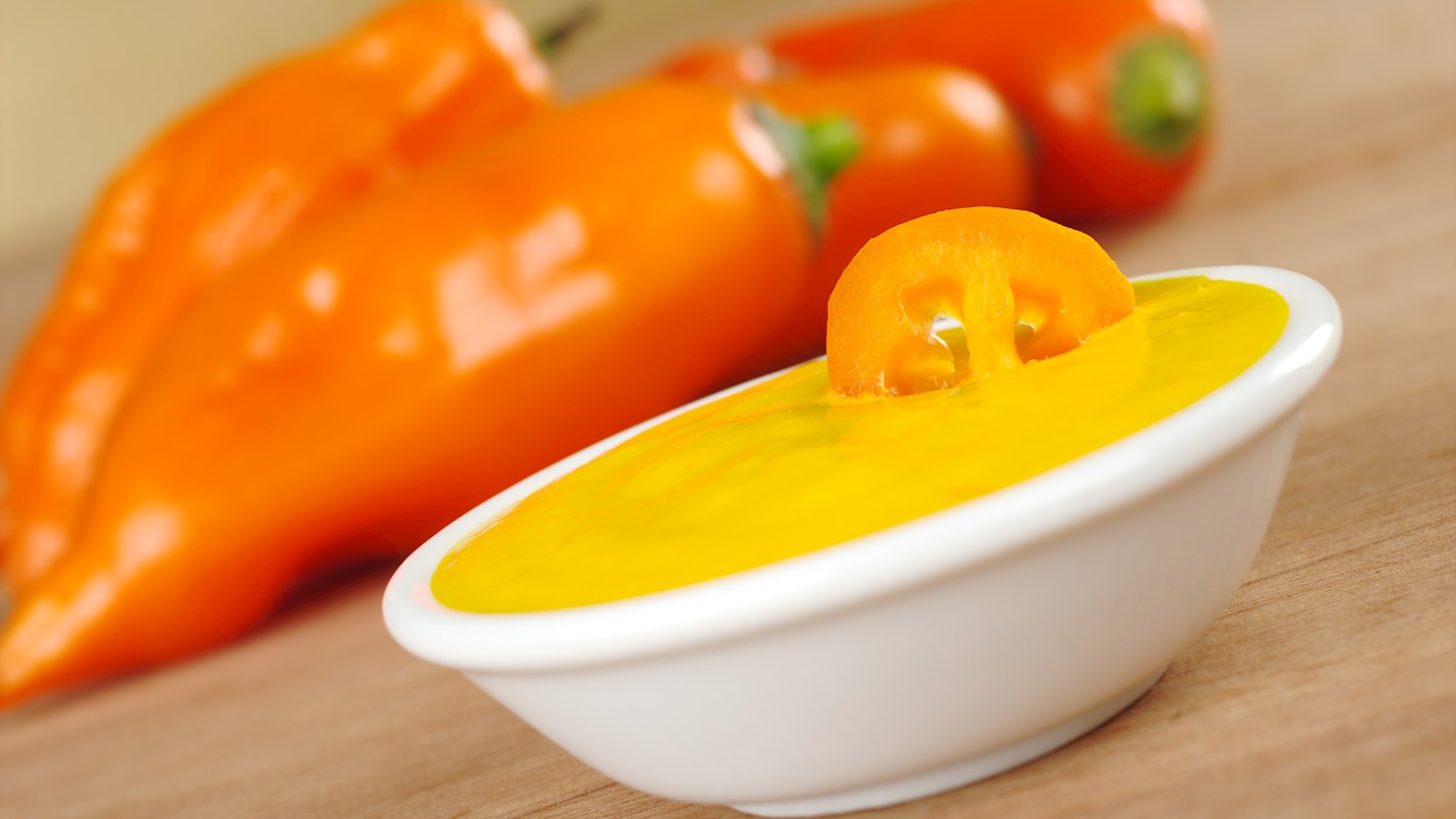
Aji criollo or salsa de aji is a spicy Peruvian salsa prepared with a combination of yellow aji chili peppers and oil. The sauce is usually pleasantly spicy, but it can also be extremely hot and spicy, so one should be careful when tasting it for the first time. The sauce is traditionally used as an accompaniment to various meat and fish dishes, but it's also often used as a dip for french fries and tequeños. Although it shares the name with an Ecuadorian sauce, those two differ significantly, both in appearance (Ecuadorian version is green), and in the method of preparation and ingredients used.
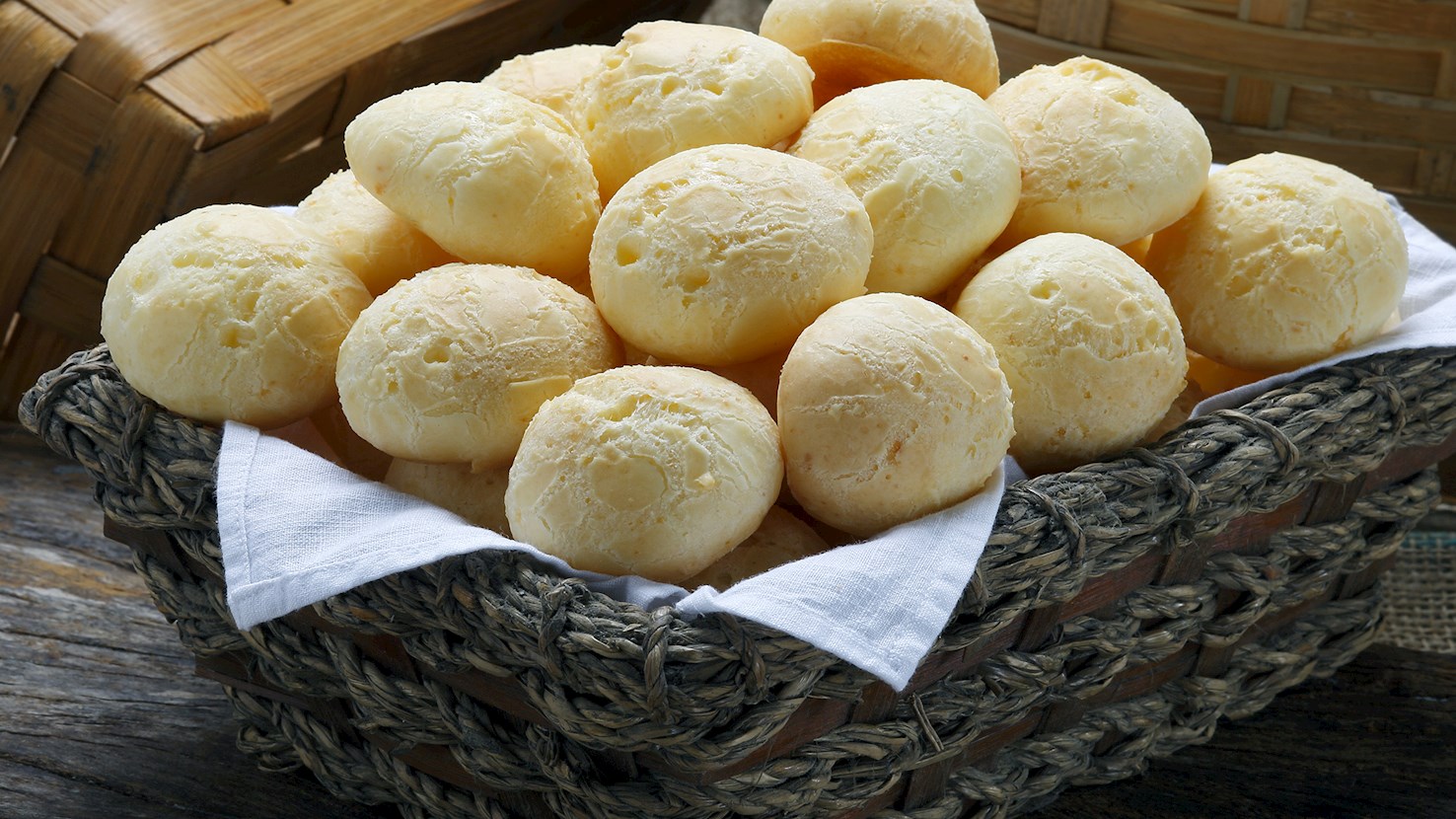
Pan de bono is a traditional bread consisting of cassava starch, cornmeal or corn flour, queso fresco, eggs, and sugar. The bread is shaped into bagels or balls that are slightly larger than golf balls. Pan de bono is similar to other South American cheese breads like pan de queso, difference being added conr flour or cornmeal, and a hint of sweeteness due to the addition of sugar. It is usually served warm with a cup of hot chocolate on the side. Some claim that the name pan de bono was created after an Italian baker in Cali who used to yell pane del buono (good bread), while others say that it is named after a place called Hacienda El Bono, where it was first made.
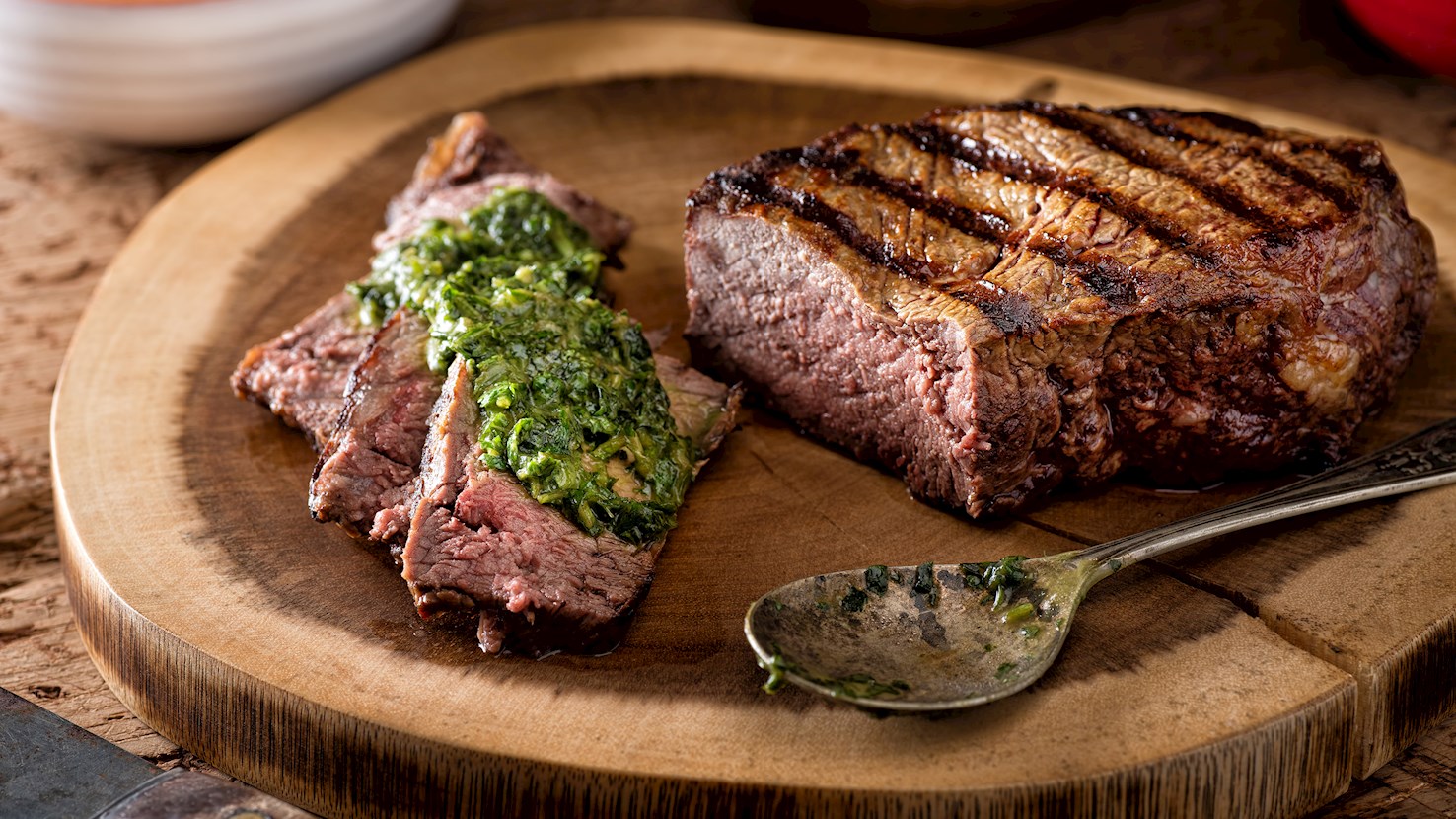
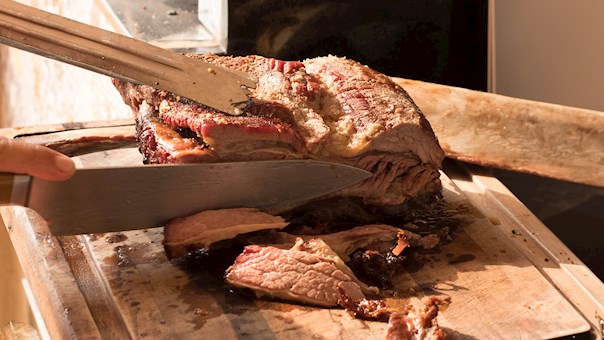
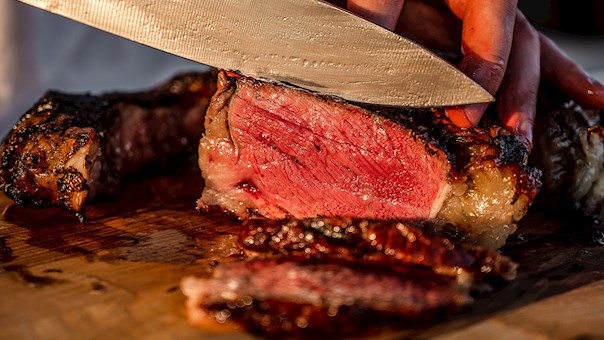
Fraldinha is a meat cut that's traditionally used for churrasco and is made up of part flank, part short loin, and part bottom sirloin. This beef cut is long and thin, full of connective tissue. This strong marbling is the reason why the meat is traditionally cut against the grain before it's grilled. The name fraldinha is a diminutive for fralda, meaning flap or diaper in Portuguese. When prepared for churrasco, it usually has a browned crust at the edges, while the middle remains pink. It's recommended to top this meat cut with a sharp and vinegary salsa.
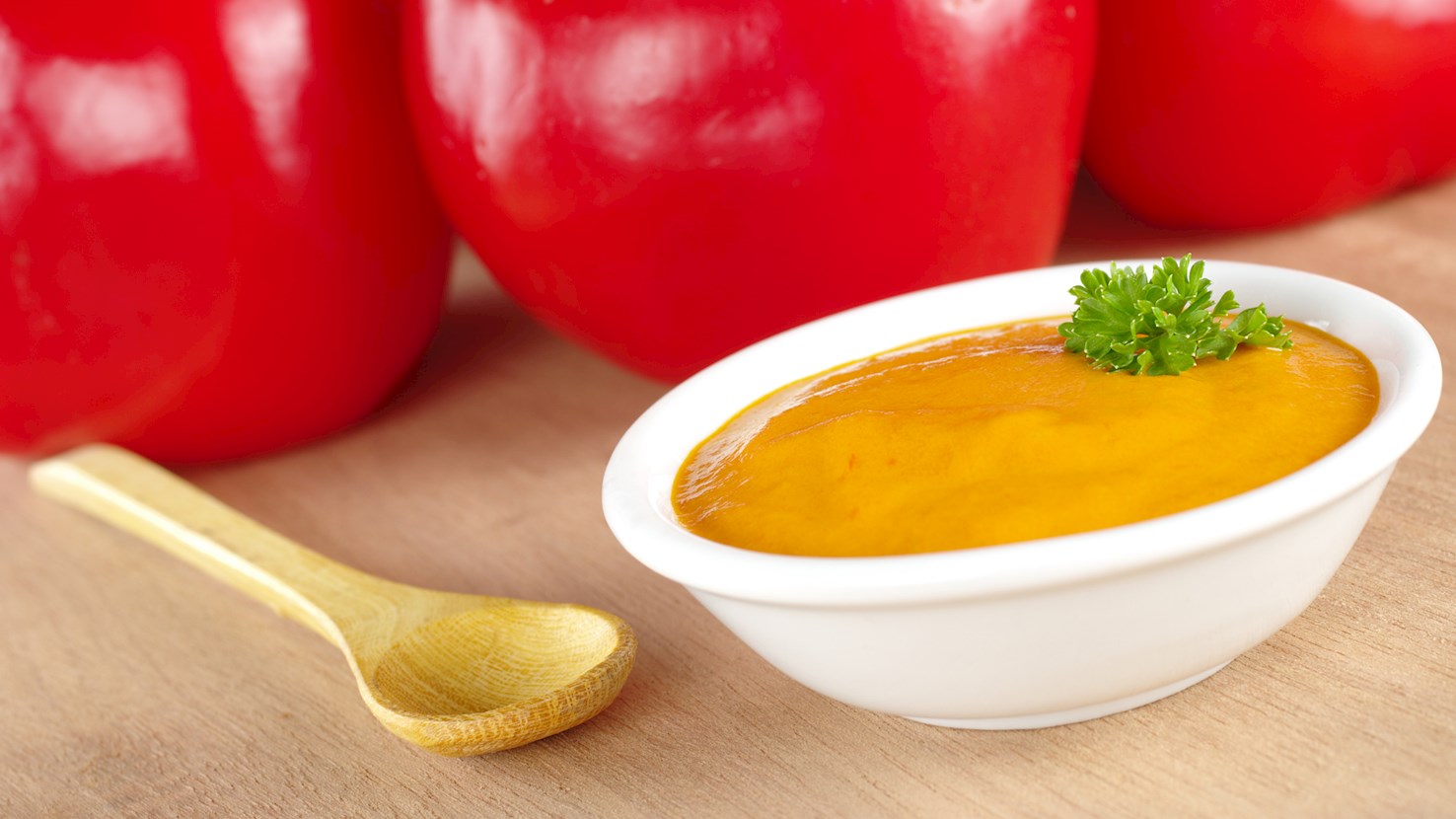
Salsa de rocoto is a hot Peruvian sauce or dip that's a staple at most tables in the country. It is prepared with fiery red rocoto peppers, oil, and lime juice, with the occasional addition of parsley, cilantro, or milk. Due to the fact that this salsa is so popular in the country, there are numerous variations, ranging from medium hot to insanely hot, so be careful when trying it for the first time. Use the salsa with a variety of fish and meat dishes, potatoes, or try it in sandwiches.
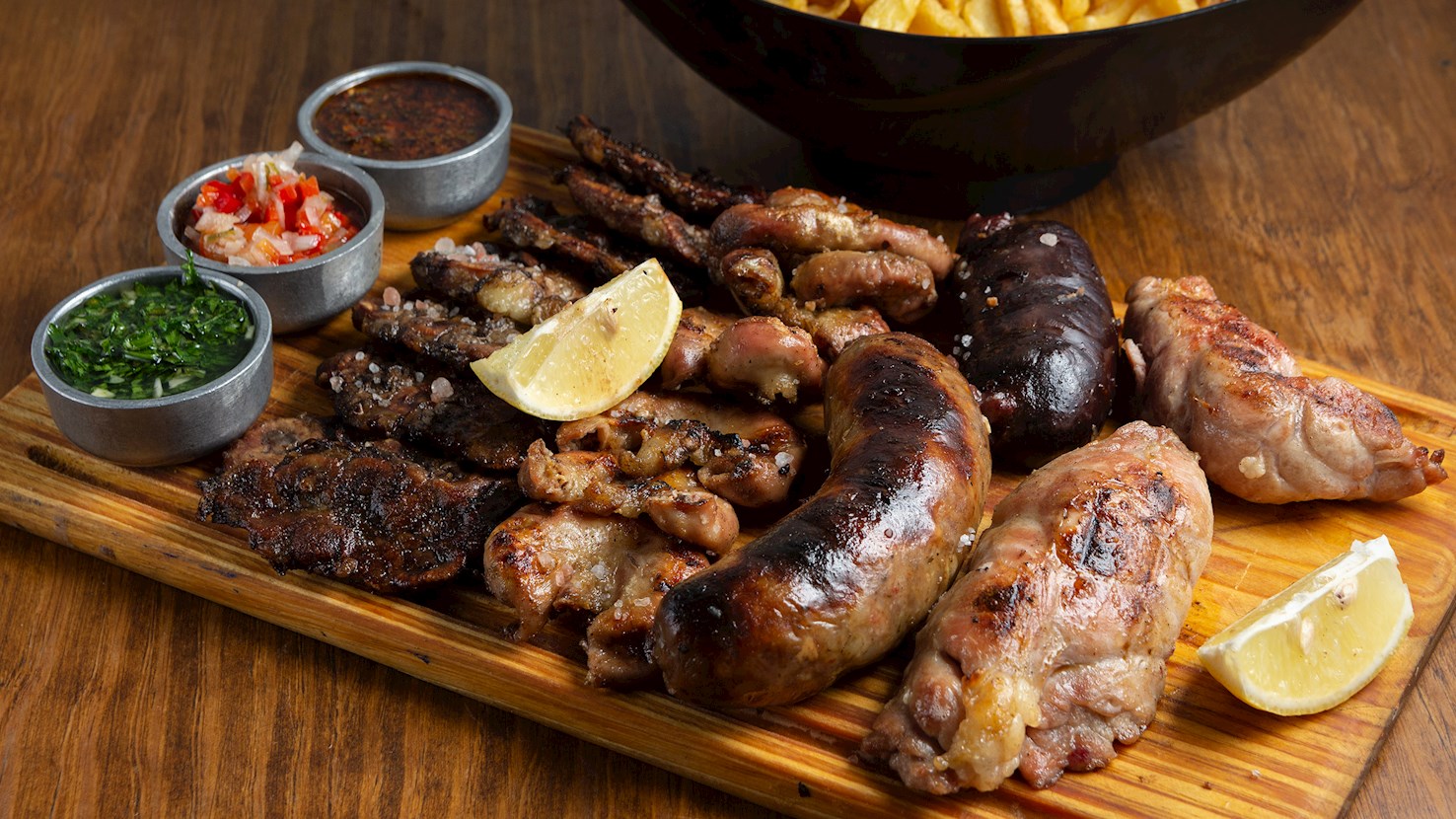
Parrillada is an Argentinian dish that consists of an assortment of asado meats and offal. It consists of cheaper cuts of meat, which are picked by a parrillero. But, when you order a parrillada, you will get a bit of everything — chinchulines and molleja, sausages like chorizo and morcilla, flank steak, and ribs. Of course, with the platter of meats, sausages, and offal, come accompaniments like chimichurri, grilled vegetables, and salads, such as mixed salad and Russian salad.
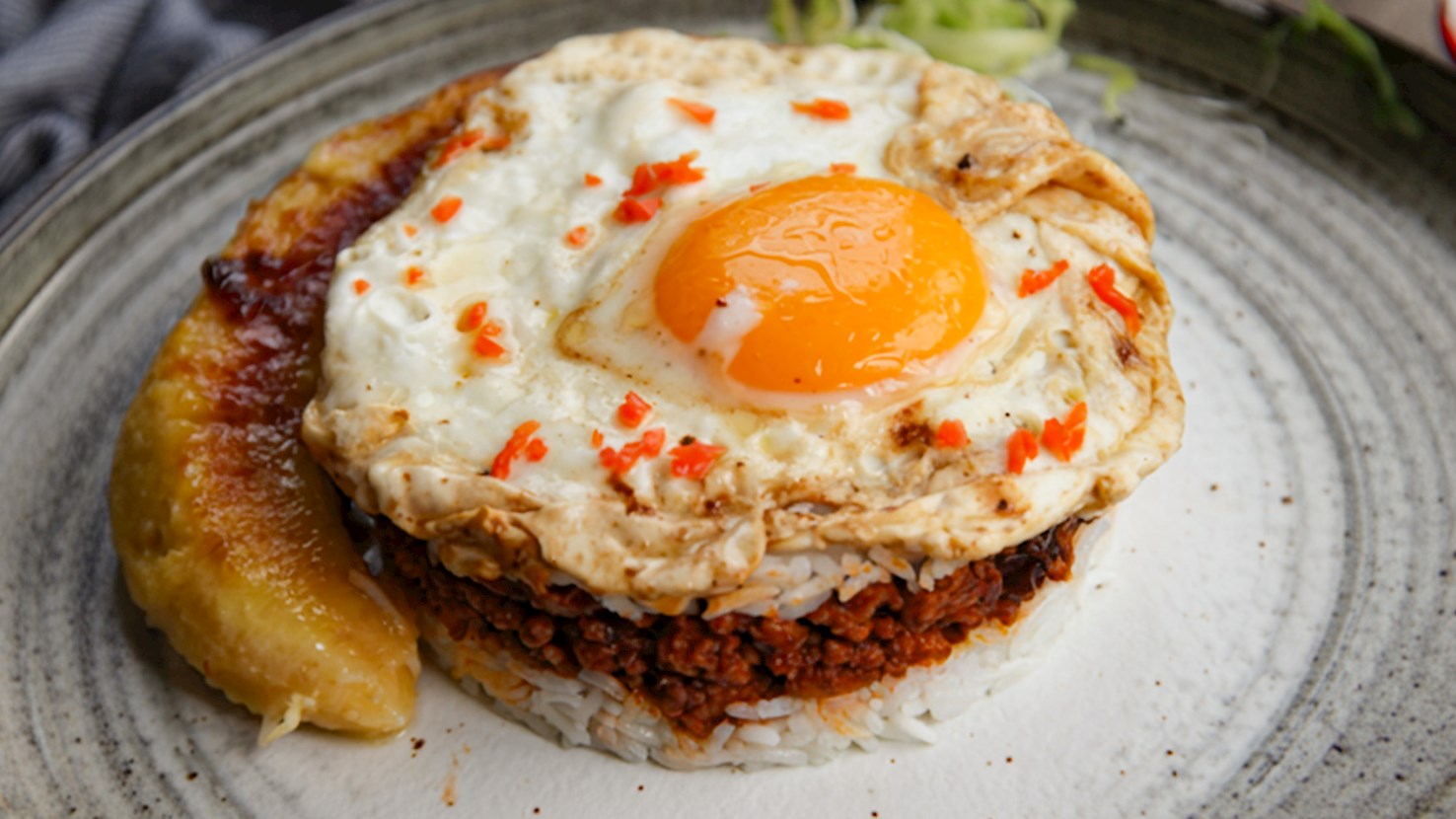
Arroz tapado is a molded rice dish with a savory beef filling enclosed between two layers of cooked white rice. Its name means “covered rice,” referring to the way the upper layer conceals the filling until the mound is opened with a fork. Ground or finely chopped beef is cooked with onion, garlic, and seasonings, often with raisins, black olives, and hard-boiled eggs. The rice and filling are prepared separately, layered in a bowl or mold, and turned out onto a plate. Depending on the vessel, the portion may form a dome or a short cylinder, with a dark band of filling visible around the middle. The molding gives the dish its structure, but the rice remains recognizably cooked rice rather than a smooth casing. It should be tender enough to hold together under gentle pressure while retaining the shape of individual grains. Briefly cooking garlic in oil is a common starting point, seasoning the rice before water is added and absorbed. This gives the pale outer layers flavor without competing with the filling. Assembly usually takes place while the rice is still warm: a layer is pressed into the bottom of the mold, the filling is spooned over it, and another layer of rice closes the portion. Light compression helps the mound hold when inverted. The assembled dish does not require baking, since both components are already cooked. The filling begins with an aderezo, a cooked seasoning base of finely chopped onion, garlic, and, in many recipes, ají panca paste. The onion softens in oil before the other ingredients are added, losing its raw bite and contributing sweetness. Ají panca gives the mixture a reddish-brown color and a mild dried-chili flavor. Tomato paste, tomato sauce, or chopped tomato may also be included, but recipes vary in how prominently tomato appears. Cumin and black pepper are frequent seasonings, while parsley can be folded in near the end. The filling needs enough moisture to remain succulent inside the rice, with little loose liquid that might soak through the lower layer. Ground beef produces a fine, crumbly filling that spreads evenly across the mold. Beef cut into small pieces gives a more distinct bite, and both methods are used. When included, raisins and olives remain noticeable in the meat: raisins add concentrated sweetness and a soft, chewy texture, while black olives add saltiness and a firmer contrast. Some cooks soak the raisins before adding them so they enter the pan already plumped. Pitted olives are cut into rings, halves, or smaller pieces. Neither ingredient is compulsory; versions without raisins, or with olives offered as an optional addition, still retain the defining layers of rice and seasoned meat. Hard-boiled egg can be incorporated in two ways. Chopped egg distributes white and yolk throughout the filling, while a halved egg placed in the center creates a larger, separate piece revealed when the mound is cut open. In either case, the egg is cooked beforehand. It adds a mild flavor and a softer texture alongside the beef, with the yolk breaking into the surrounding juices as you eat the portion. The rice and meat layers vary in thickness, but the filling stays concentrated in the middle rather than being stirred through the rice. Arroz tapado is commonly prepared for a home lunch, using a small bowl or cup to shape individual servings. Chopped parsley may be scattered over the unmolded rice. More substantial servings add a fried egg and fried plantain, an accompaniment also found in versions called lo pobre. These additions sit on top or alongside the rice rather than replacing the hard-boiled egg within the filling. The portion is served hot, and a forkful taken through the mound brings together the lightly seasoned rice, beef, and whichever pieces of egg, olive, or raisin are enclosed inside.
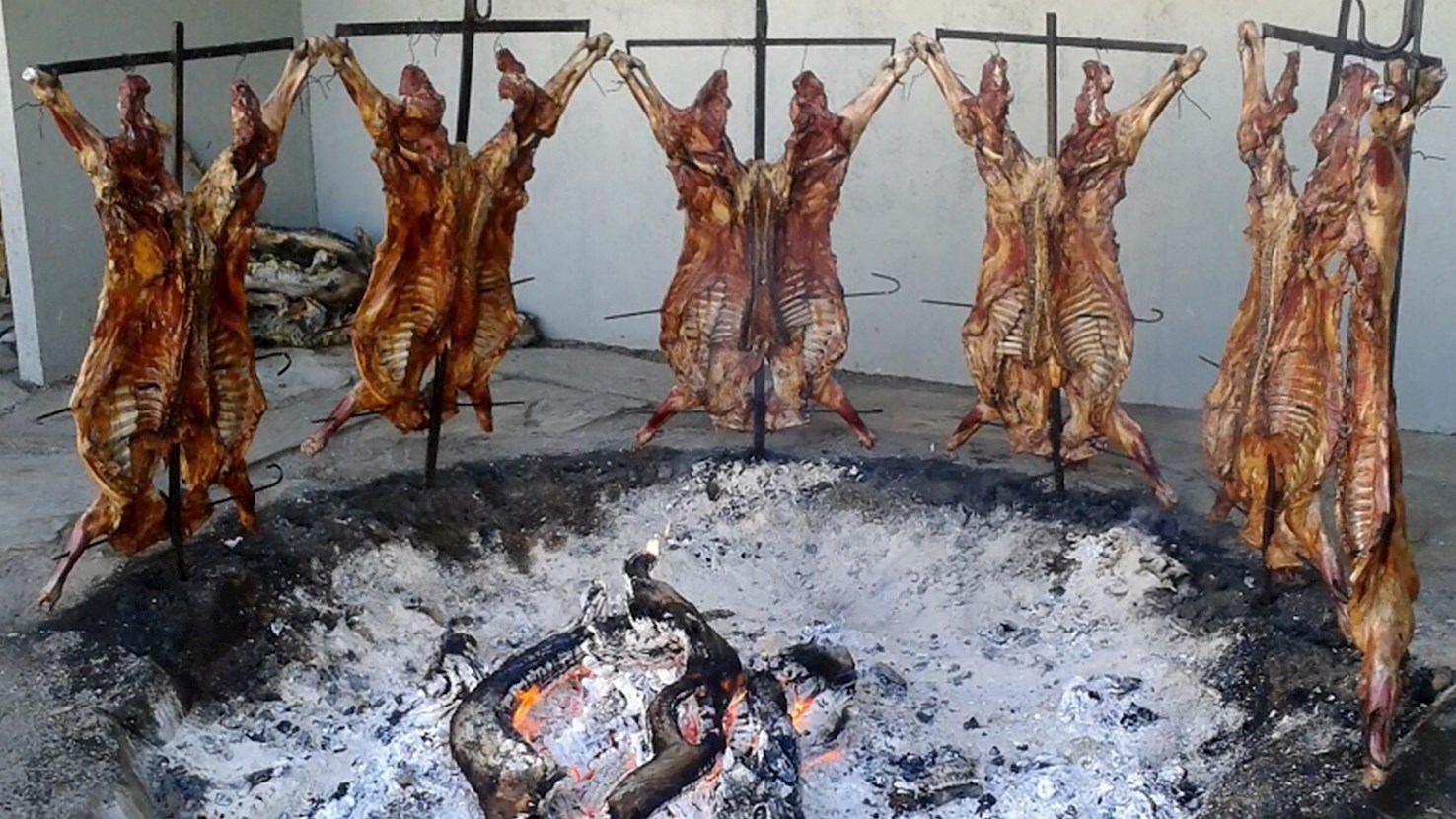
Cordero al palo is a traditional lamb specialty that involves roasting a whole lamb on a spit, a cooking technique which has long been practiced in Chile and Argentina (especially Patagonia). The lamb is slowly cooked for several hours over a wood fire, all the while basting in its own juices and fat, resulting in succulent and tender meat surrounded by crispy skin. While cooking, the meat is often enhanced with a mixture of warm water, salt, and garlic. The dish can be found on the menus of numerous restaurants throughout the region, and it is typically served with pebre, a popular Chilean condiment. Other typical accompaniments to this dish include boiled potatoes, fresh salads, bread, and lots of fine red wine. This spit-roasted lamb delicacy is nowadays usually prepared on special occasions and for holidays.
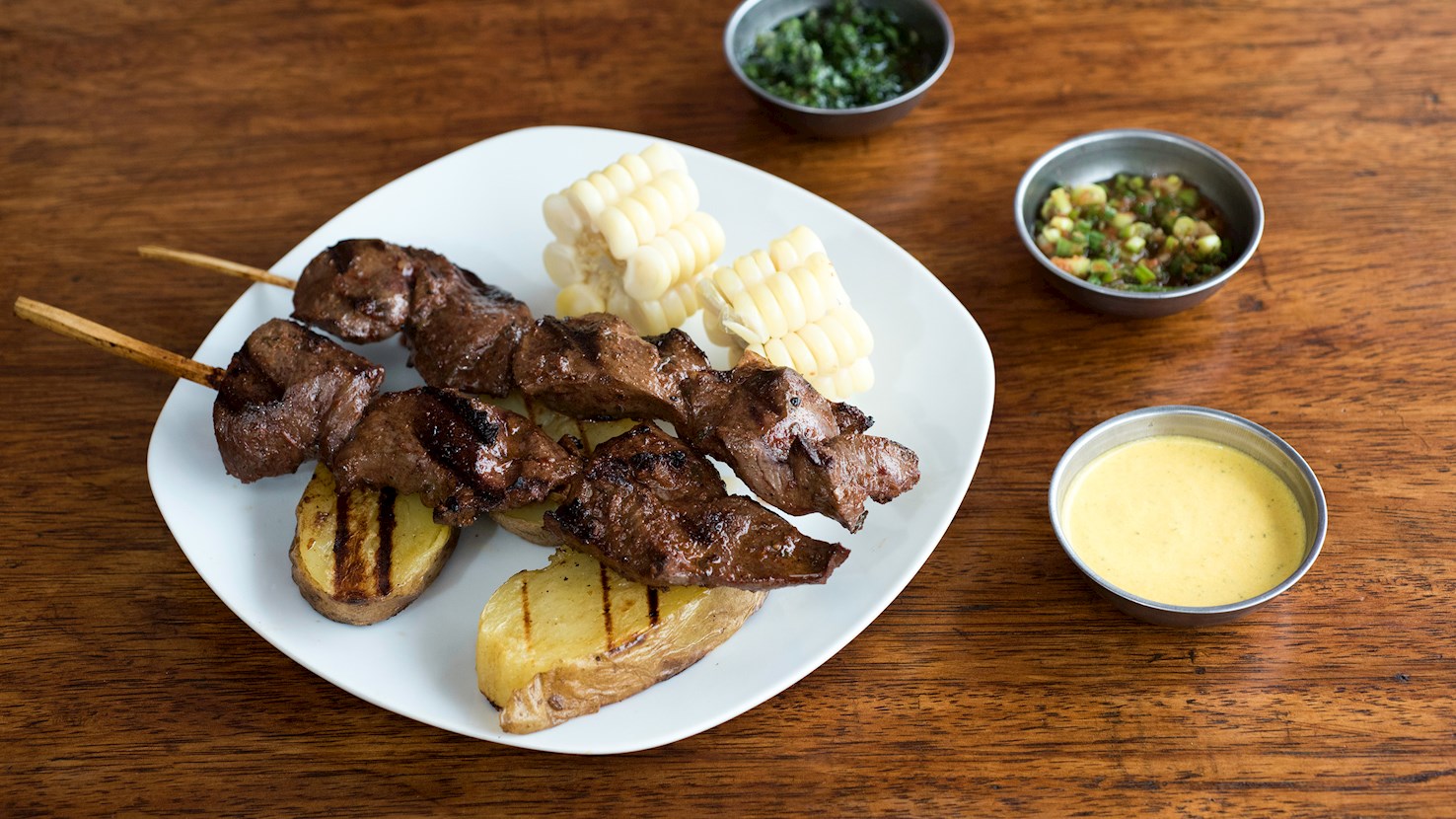
Anticucho de corazon is a traditional dish originating from Peru, consisting of beef heart skewers. The dish is made with a combination of beef heart, oil, red wine vinegar, garlic, oregano, cumin, salt, and aji panca hot pepper paste. The beef heart is cut into cubes and marinated in a combination of all other ingredients. The cubes are then skewered and grilled until fully cooked and slightly charred. These beef heart skewers are traditionally served with accompaniments such as thick slices of boiled potatoes, corn, and aji amarillo sauce on the side as a dip. It's recommended to enjoy anticucho de corazon with a bottle of ice-cold beer.
Franceschi Chocolate is a Venezuelan bean-to-bar brand that combines over a century of cacao cultivation tradition with a modern approach to chocolate making. Today, the brand is led by the sixth generation of the Franceschi family, who have preserved the genetic richness of native cacao varieties such as Criollo and Trinitario, characteristic of Venezuela’s renowned regions of Chuao, Ocumare, Canoabo, and Choroní.
Franceschi Chocolate is distinguished by its complete control over the production process - from fermentation and drying of the beans to roasting and tempering - all carried out in Venezuela, ensuring authenticity and the preservation of local value. Their chocolates are produced in small batches and are defined by an expressive terroir profile where fruity, nutty, and floral notes intertwine.
The brand’s mission is to promote authentic Venezuelan cacao and restore the country’s reputation as the cradle of the world’s finest varieties. Although its digital presence has diminished in recent years, Franceschi remains a symbol of exceptional quality and a pioneer in origin-based chocolate making.
Its legacy unites tradition, family values, and innovation, making it one of the most significant names in the history of Latin American chocolate craftsmanship.
Awards
Academy of Chocolate - Silver
(2020, 2019, 2018, 2017)
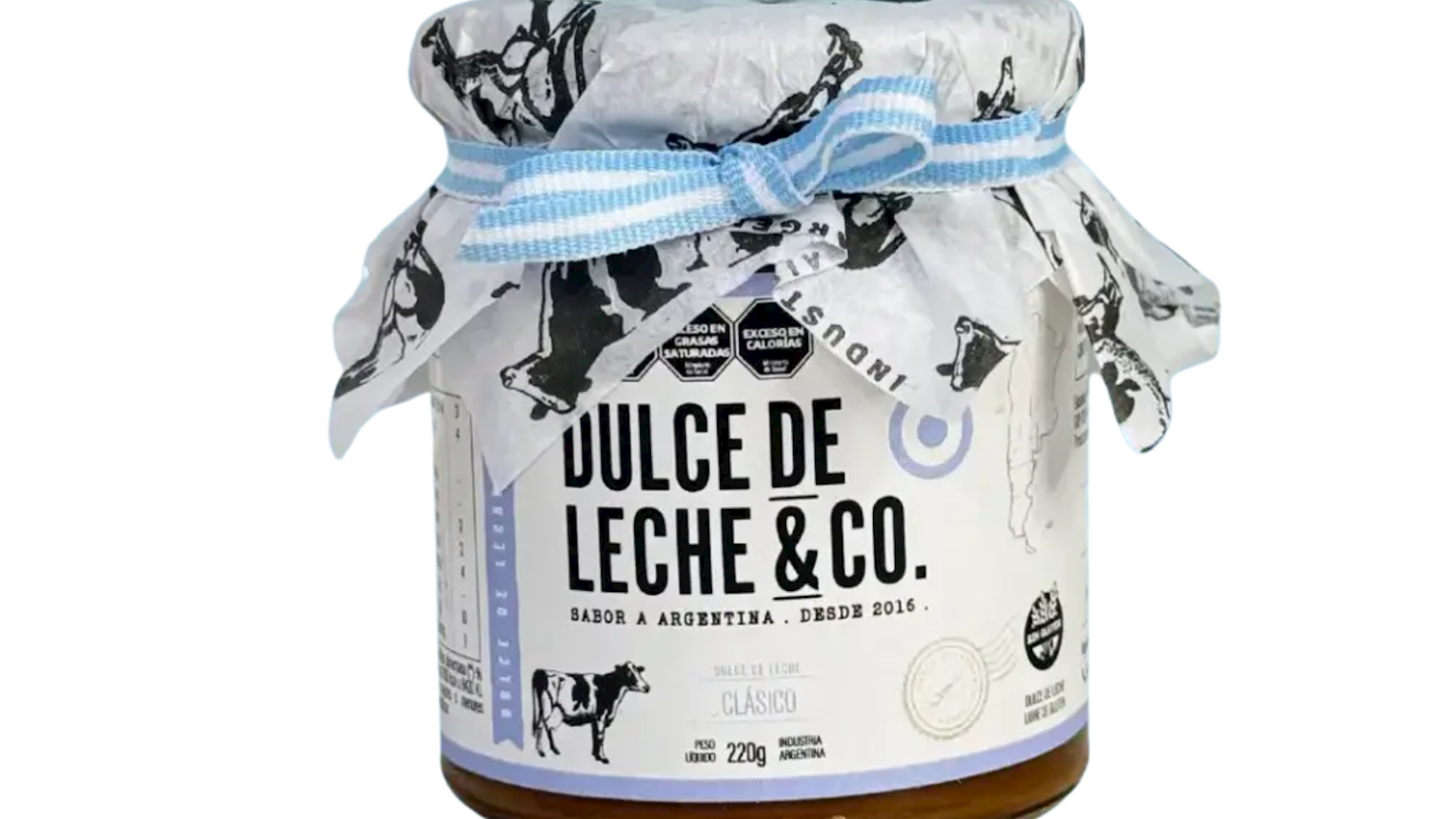
Dulce de Leche & Co. is an Argentine company specializing in dulce de leche and confections based on this traditional product. It was founded by Luis González and Matías Bruno in Buenos Aires in 2016.
The business initially focused on selecting and selling dulce de leche made by small producers from different parts of Argentina. In 2021, the company opened its own production facility and developed a range of products under the DDL&Co. label. Its assortment includes classic dulce de leche, alfajores, soft caramels, and other confections made with this ingredient.
The products are available through a network of specialized stores in Buenos Aires and the company’s official online shop. Some locations also offer tastings of different varieties of dulce de leche, highlighting differences in flavor, aroma, and texture.
Through this concept, the company presents dulce de leche as an important part of Argentina’s culinary tradition while bringing together products of different regional origins within a specialized selection.
Cacao Hunters is a Colombian bean-to-bar chocolate producer focused on showcasing native cacao varieties and expressing the distinct terroir of specific regions. Based in Popayán, the company sources cacao directly from smallholder farmers in areas such as Tumaco, Sierra Nevada, and Arauca.
Its model emphasizes close collaboration with growers, technical guidance on fermentation and drying, and the payment of premium prices for high-quality beans. Each chocolate bar is single-origin, clearly identifying the cacao’s provenance and allowing the sensory profile of each micro-region to stand out.
Flavor notes often include red berries, citrus, nuts, or subtle spices, depending on the genetic variety and growing conditions. The texture of their dark chocolates is clean and structured, with balanced bitterness and a persistent finish.
Production is carefully controlled from bean selection to conching, without unnecessary additives that would mask the cacao’s natural character. The company also places importance on preserving biodiversity and promoting rare Colombian cacao genetics.
Cacao Hunters has received multiple international awards, reflecting consistent quality and craftsmanship. The brand positions itself as a bridge between rural cacao communities and the global fine chocolate market, with a clear emphasis on origin, transparency, and authentic flavor expression.
Awards
International Chocolate Awards - Gold
(2025, 2016, 2015)
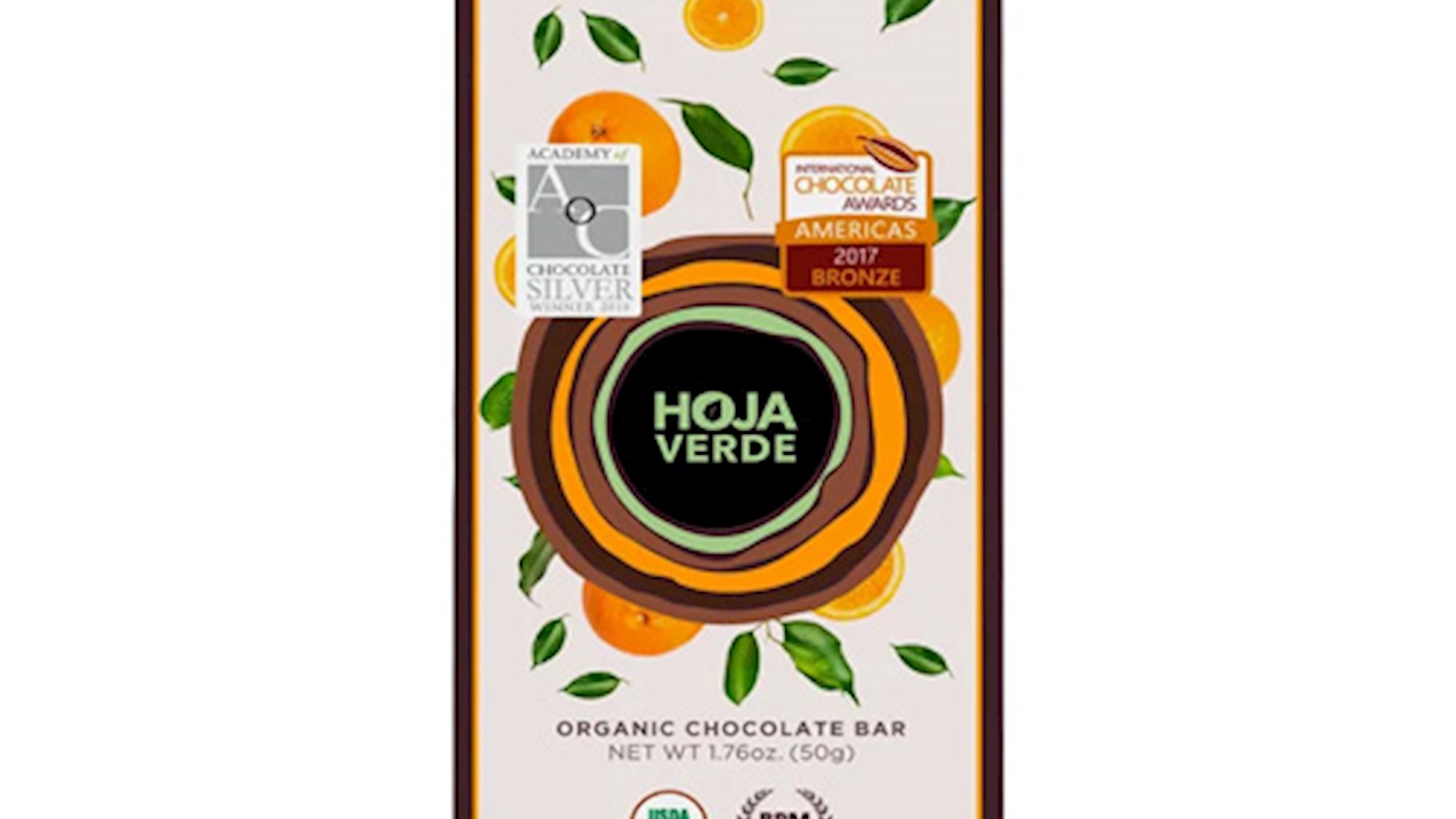
Hoja Verde Chocolate is an Ecuadorian bean-to-bar chocolate maker that blends the authenticity of local terroir with the principles of sustainable and fair production. Founded in 2014 in Cayambe, at the foot of the equatorial line, the brand crafts its chocolates using premium Cacao Fino de Aroma, a variety renowned for its aromatic complexity and smooth flavor profile.
Hoja Verde oversees every step of the process - from cultivation and fermentation to roasting and molding - ensuring transparency, freshness, and a full expression of Ecuadorian cacao’s character. Their chocolates are distinguished by delicate fruity, floral, and nutty notes, with a smooth texture and balanced bitterness.
The brand’s mission goes beyond chocolate making; it aims to preserve the cultural connection between land, people, and flavor. Each bar tells a story of local communities, artisanal tradition, and responsible craftsmanship.
Awards
Academy of Chocolate - Silver
(2018, 2017)
Academy of Chocolate - Bronze
(2022, 2018, 2017, 2016)
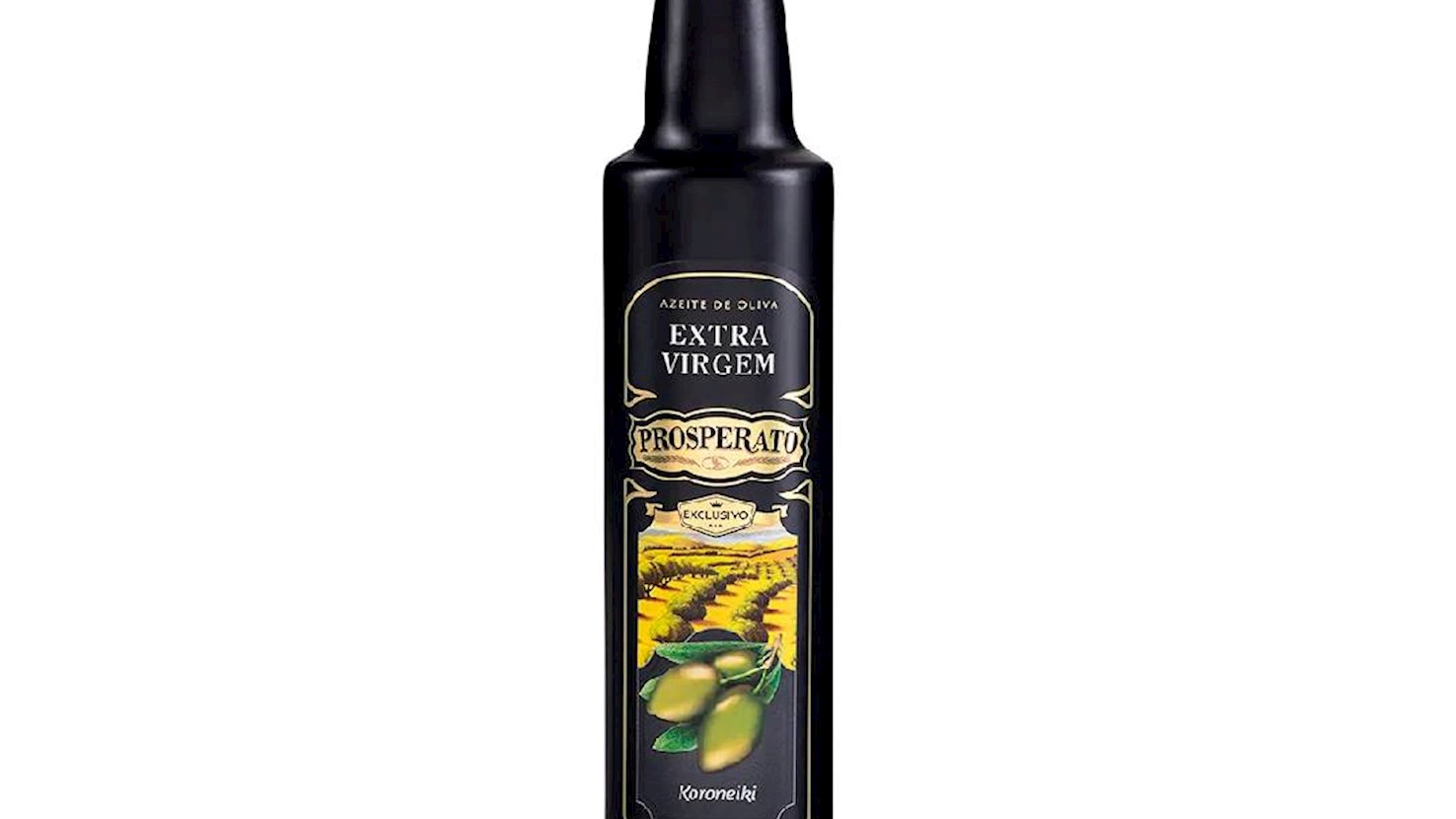
Prosperato is a pioneer and the most awarded producer of extra virgin olive oil in Brazil, born from the vision of creating world-class oils in the southern lands of Rio Grande do Sul. From the first seedlings to the final bottle, every stage of production is carefully overseen, ensuring absolute freshness, low acidity, and a rich spectrum of natural aromas.
The olives are harvested at the perfect point of ripeness and processed within just one hour, preserving valuable polyphenols and the distinctive character of each variety.
This blend of passion, expertise, and modern technology has earned Prosperato numerous international awards and positioned it as the producer that elevated Brazilian olive oil to global recognition.
More than a culinary ingredient, Prosperato oils are a true expression of dedication, excellence, and respect for nature.
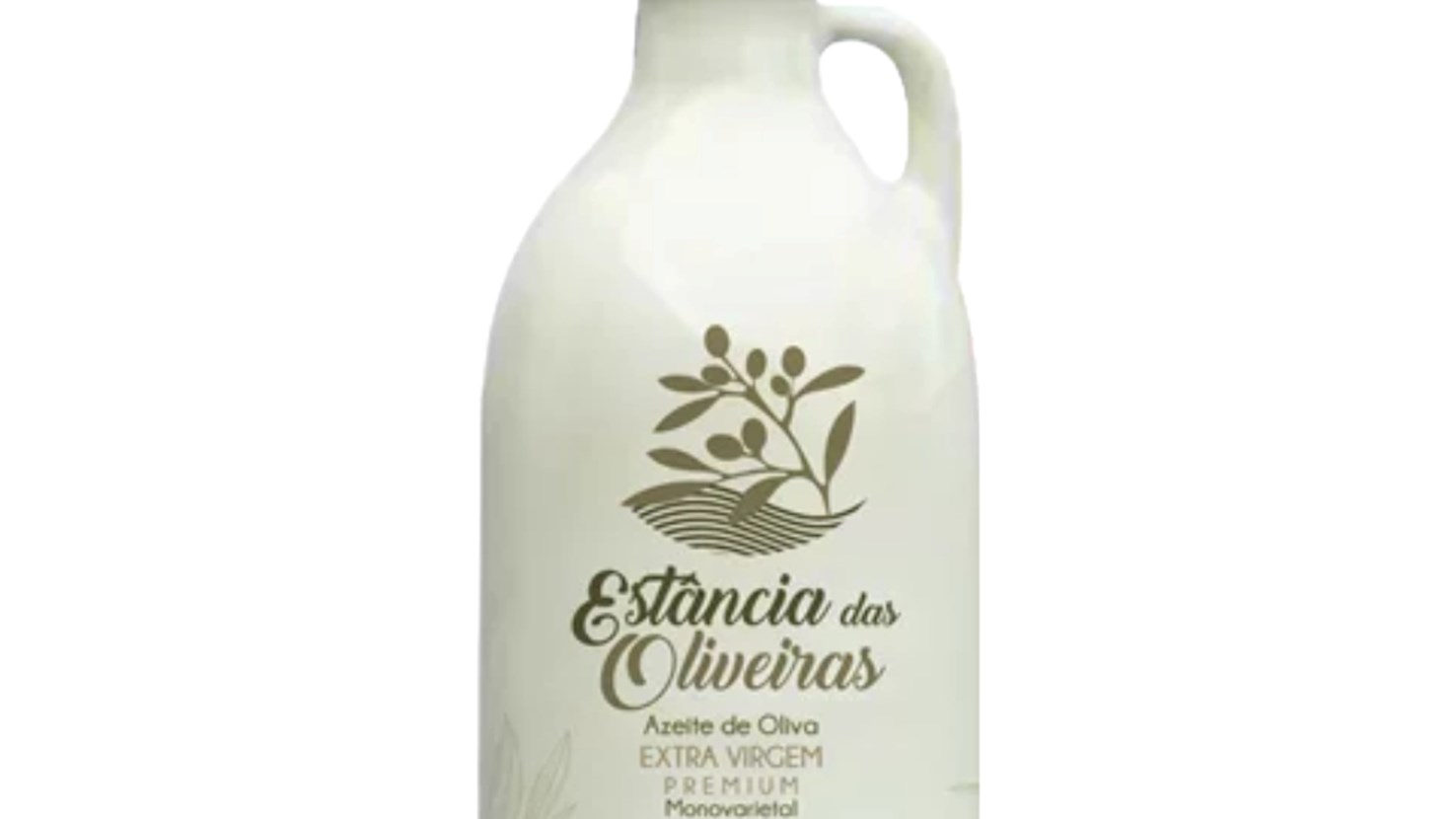
Estância das Oliveiras is a Brazilian producer of extra virgin olive oil located in the southern state of Rio Grande do Sul. The farm focuses on sustainable agricultural practices and integrates livestock with olive cultivation to maintain soil health.
The company also offers guided tours and tastings for visitors to learn more about their production process.
Delirio Chocolate is a Venezuelan bean-to-bar chocolate maker based in Porlamar, on Margarita Island, that unites tradition, quality, and sustainability throughout every stage of production. The brand is dedicated exclusively to using premium, native Venezuelan cacao, renowned for its aromatic complexity and globally recognized genetic richness.
Their process is fully traceable - from bean to bar - working directly with local farmers while promoting fair labor conditions and the preservation of traditional varieties. The company’s philosophy centers on respect for terroir and full utilization of the cacao fruit; even the husks are transformed into tea, emphasizing their sustainable and circular approach.
Delirio’s chocolates are distinguished by their deep, pure flavor profiles that reveal layers of dried fruit, nuts, and floral notes typical of different Venezuelan regions. Their range includes dark, milk, and white chocolates, as well as collections featuring fruit, spice, and citrus infusions.
The brand has become one of the leading representatives of the contemporary Latin American chocolate movement, merging craftsmanship, science, and social responsibility. Each bar tells a story about the land, the people, and the time it takes to achieve perfect balance.
Delirio Chocolate embodies both luxury and authenticity, harmonizing heritage with modern sensibility and environmental awareness.
Awards
International Chocolate Awards - ‘Best in competition' overall winners
(2024)
International Chocolate Awards - Gold
(2025, 2024)
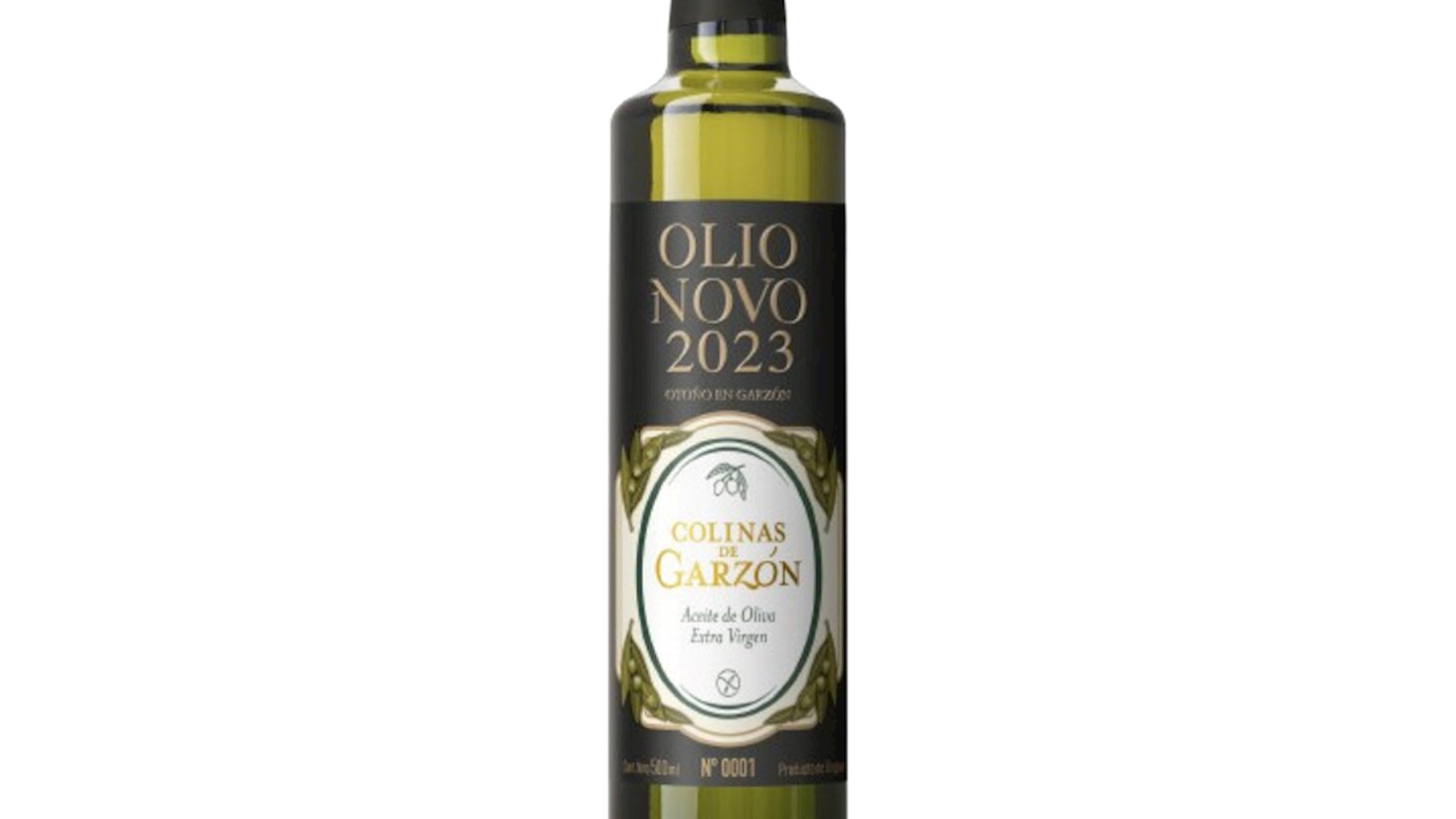
Colinas de Garzón is a leading producer in Uruguay, renowned for its high-quality extra virgin olive oil under the Colinas de Garzón brand and premium wines from Bodega Garzón. Located in Maldonado, the company focuses on sustainable practices and offers immersive experiences like olive oil and wine tastings, farm tours, and eco-friendly activities within its olive groves and vineyards.
Colinas de Garzón combines innovation with tradition, making it a top destination for agro-tourism and gourmet enthusiasts.
Awards
Olive Japan - Gold
(2023, 2022, 2015, 2014, 2013)
OLIVINUS - Gran Prestigio Oro
(2023, 2022, 2021, 2020, 2019)
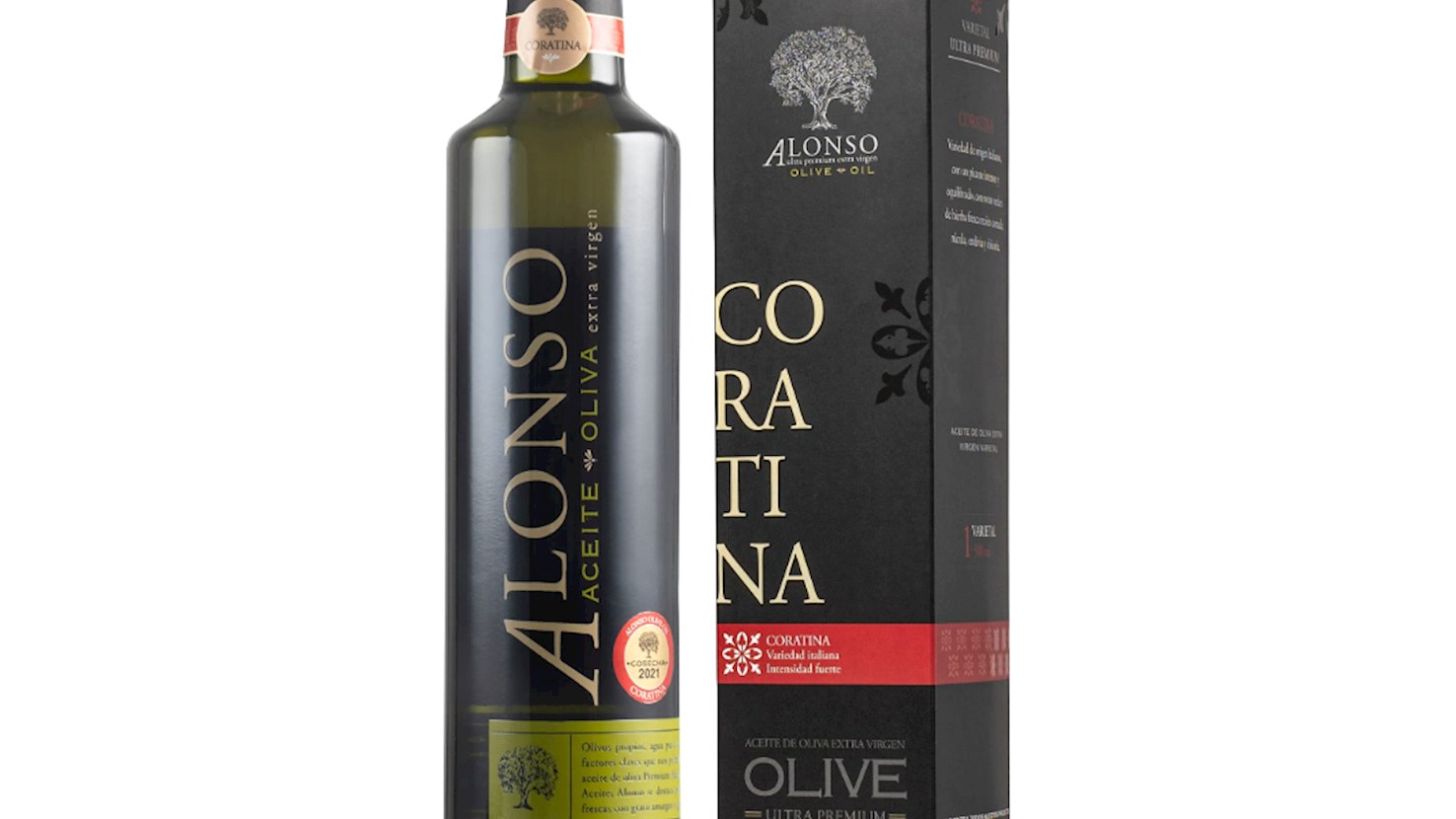
Agrícola Pobeña, also known under the brand Aceites Alonso, is a Chilean company specializing in the production and export of premium olive oils. Located in Ñuñoa, Santiago, the company is recognized for its commitment to quality and traditional methods.
Its products are internationally acclaimed for their rich flavor and high standards, representing the best of Chilean olive oil craftsmanship.
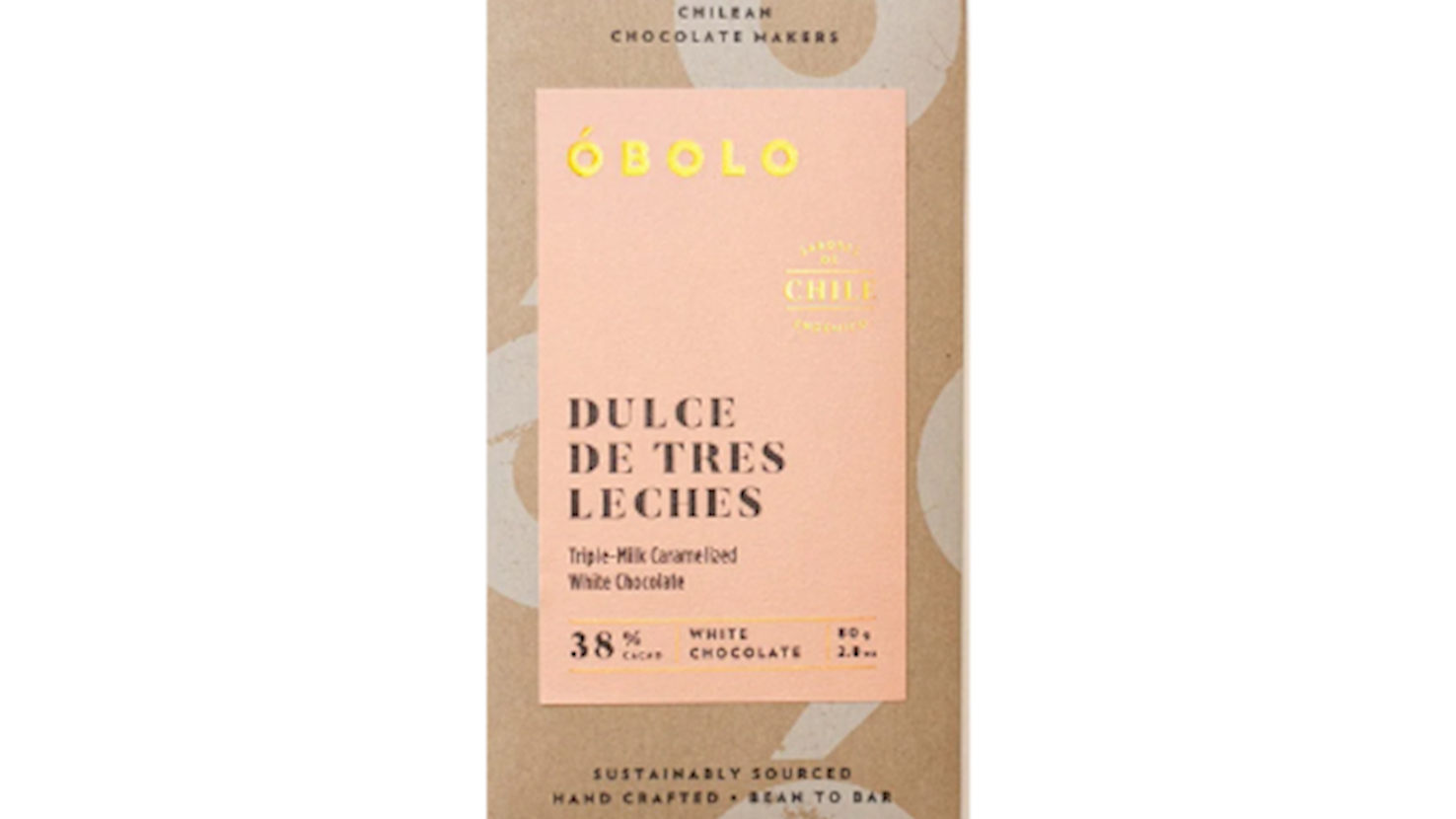
Óbolo Chocolate is the first bean-to-bar chocolate maker in Chile, founded with the vision of combining quality, sustainability, and local identity. Its founder, Mark Gerrits, who in 2015 decided to fully dedicate himself to chocolate, created a brand that uses carefully selected cocoa beans from Amazonian regions, processed and crafted in Chile.
The assortment includes single-origin chocolate bars, drinking chocolate, ceremonial cacao, pralines, and gift boxes, all produced in vegan, gluten-free, and soy-free varieties. A strong emphasis is placed on sustainability, with compostable packaging and an ethical approach to sourcing.
Their chocolate workshop and boutique is located in the artistic district of Barrio Italia in Santiago, where visitors can experience chocolate as an authentic journey. Óbolo is a brand recognized for its strong character and distinctive terroir, awarded at international competitions and valued for its transparency and social responsibility.
Awards
Academy of Chocolate - Gold
(2021, 2016)
Academy of Chocolate - Silver
(2023, 2022, 2021, 2019, 2018, 2017)
TasteAtlas food rankings are based on the ratings of the TasteAtlas audience, with a series of mechanisms that recognize real users and that ignore bot,
nationalist or local patriotic ratings, and give additional value to the ratings of users that the system recognizes as knowledgeable.
For the “Top 100 South American Foods” list until October 28, 2026, 72,434 ratings were recorded, of which 31,508 were recognized by the system as legitimate.
TasteAtlas Rankings should not be seen as the final global conclusion about food. Their purpose is to promote excellent local foods,
instill pride in traditional dishes, and arouse curiosity about dishes you haven’t tried.
The initial list of top producers was compiled based on available reviews, awards, local recommendations, media and blog coverage, and consumer reviews.
The list will be updated with ratings from TasteAtlas local ambassadors and TasteAtlas users.


























What People Say