shutterstock

Top 100 Vietnamese Foods

Last updated on August 19, 2026

Best Vietnamese Foods
01
Sandwich

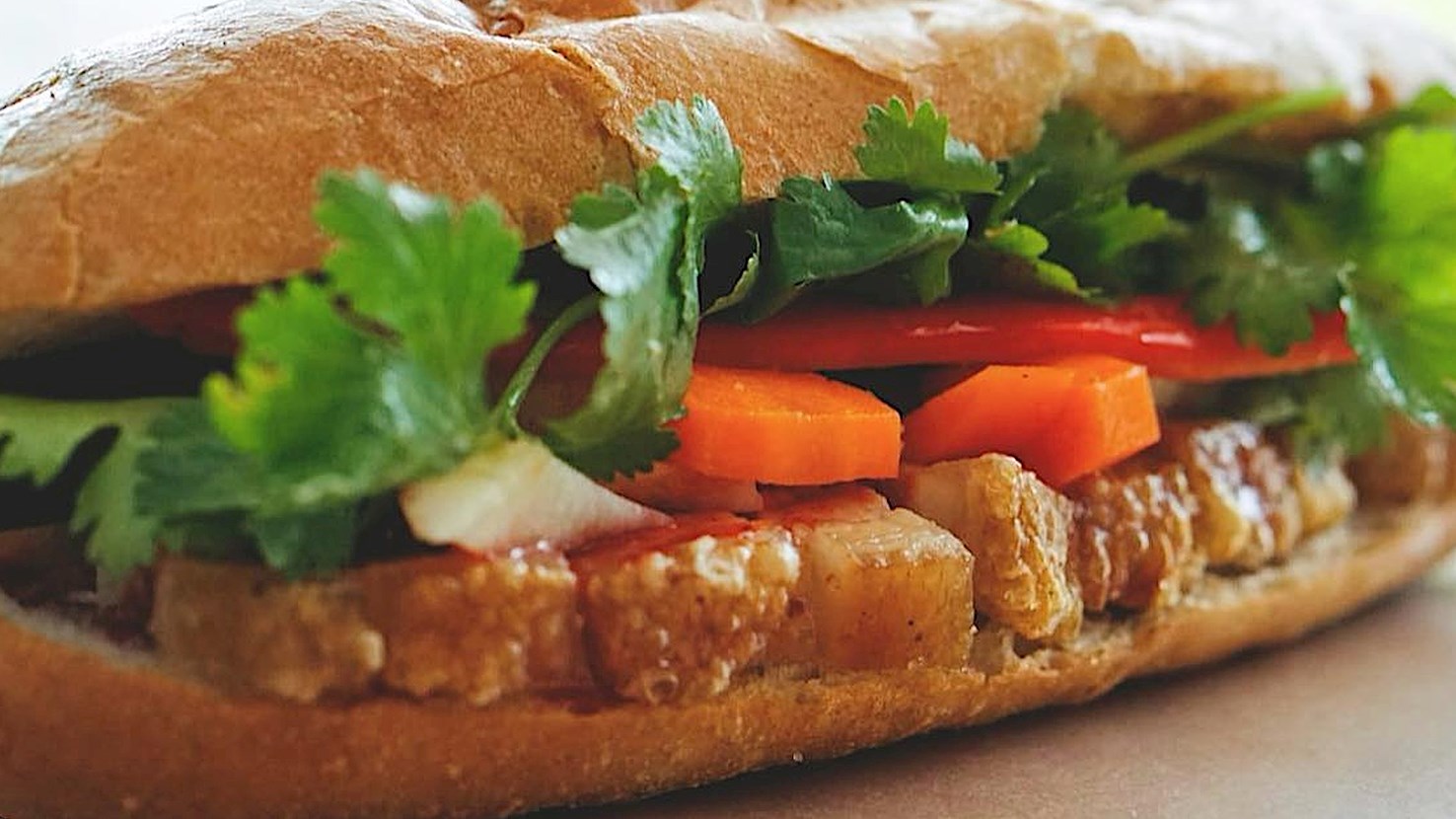
Bánh mì heo quay (Roasted Pork Belly Bánh Mì)

4.5 ·

Bánh mì heo quay is a traditional bánh mì sandwich variation made with roasted pork belly as the main ingredient. The pork is roasted with a thick layer of salt and spices. It is sliced and served on a freshly baked bánh mì roll. The sandwich is then dressed with a combination of mayonnaise, pickled carrots and daikon, cucumbers, cilantro, and chives. If desired, sliced chili peppers can be added to the sandwich as a topping, making it very spicy. One side of bánh mì heo quay can also be spread with chicken liver pate before the sliced pork belly is added to the sandwich. This type of bánh mì can be bought at street food stalls and it’s one of the most popular types of bánh mì in the country.

02
Noodle Soup

Phở bò (Beef pho)

4.4 ·

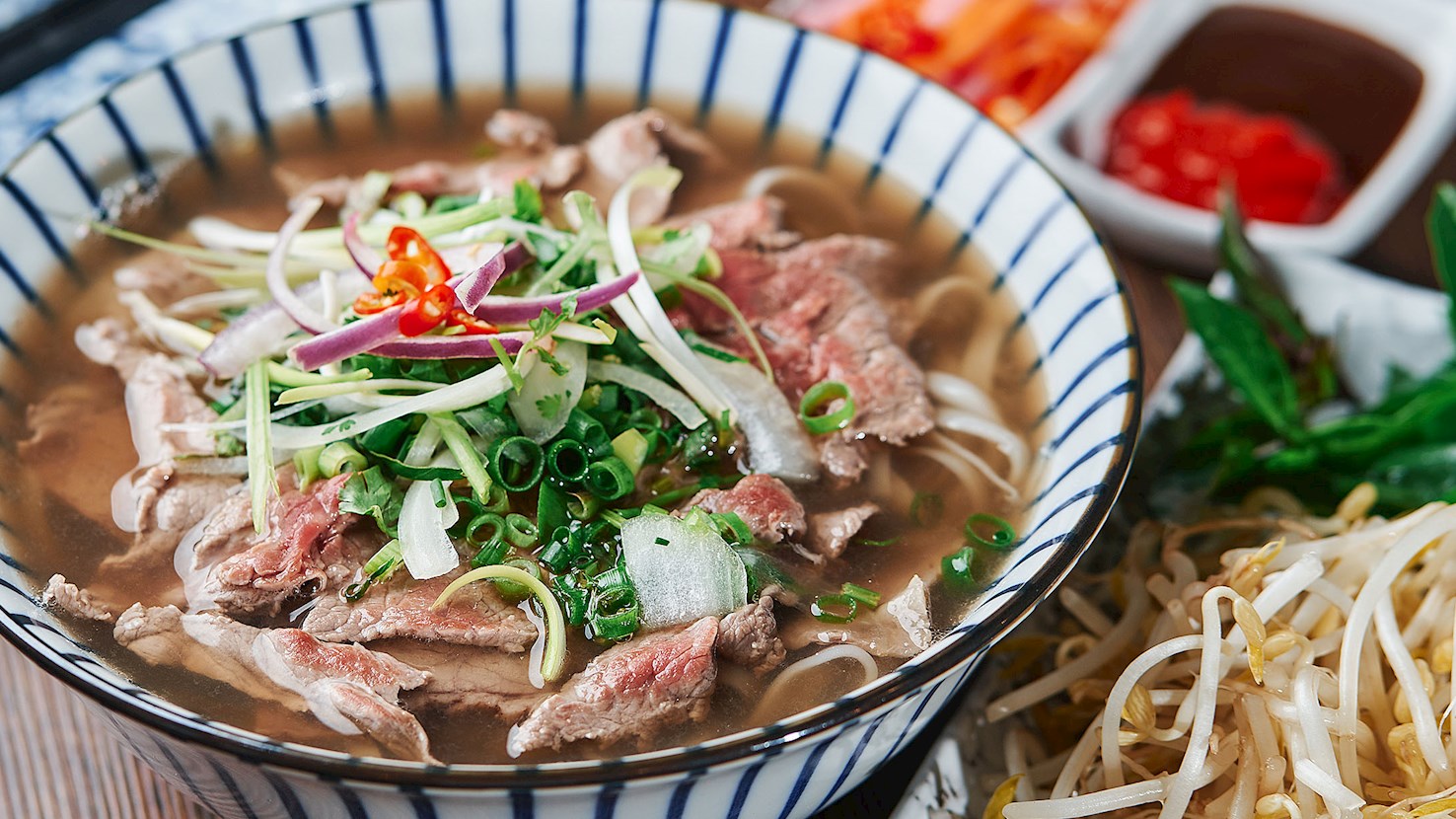
This beef-based version of pho is prepared with assorted cuts and parts of beef – the stock is made from beef bones, shank, ox tail, and neck, while the toppings include thinly sliced fatty brisket (gầu), flank, eye-round steak, tripe, cooked and raw beef (tái nạm), tendon (gân), or beef balls (phở bò viên), but the latter version is not that popular in Vietnam. Beef pho is usually flavored with dried spices such as cinnamon, star anise, cloves, cardamom, and coriander. The dish is served piping hot in a bowl along with rice noodles, and it's typically topped with cilantro, sliced onions, and chopped green onions. On the side, you can often find a platter with bean sprouts, lime wedges, and sliced hot peppers so each person can add the garnishes to his or her liking. Hoisin and Sriracha sauces are also often-seen staples on the side.

03
Noodle Dish

Bún bò nam bộ (Southern Vietnamese Beef Noodle Salad)

4.4 ·

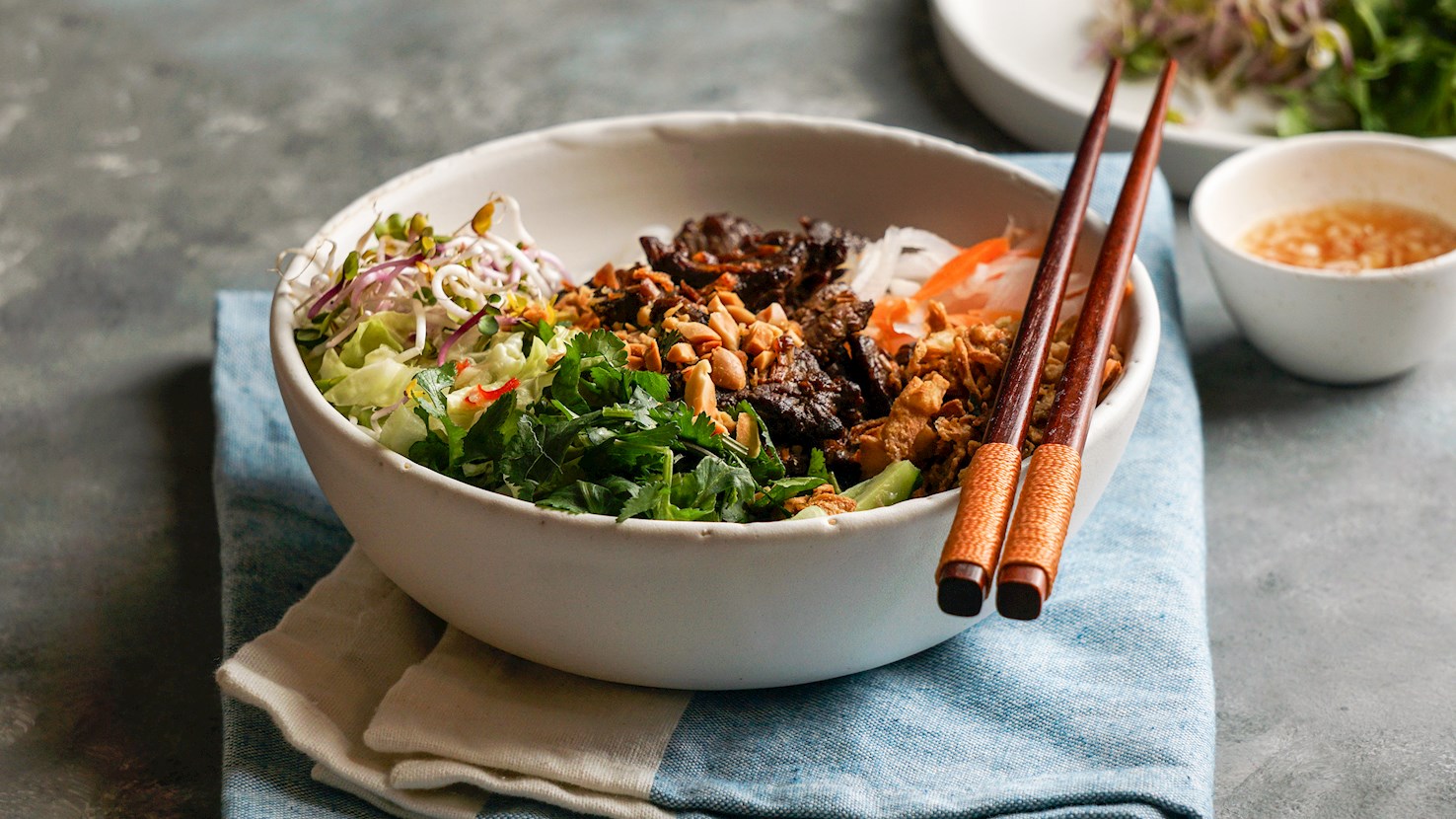
Bun bo nam bo is a traditional dish. The name holds a key to its basic ingredients and the location – bun means noodle, bo is for beef, and nam bo refers to the South of the country. The main ingredients include beef, rice vermicelli noodles, garlic, fresh herbs (cilantro, mint), and vegetables (carrots, cucumbers, lettuce, bean sprouts), while roasted peanuts and fried shallots are entirely optional. The noodles, vegetables, and herbs are arranged in bowls, while the beef is stir-fried and added on top. The whole bowl is garnished with peanuts and shallots before the dish is served.

04
Noodle Dish

Mì Quảng (Quang-Style Noodles)

4.3 ·

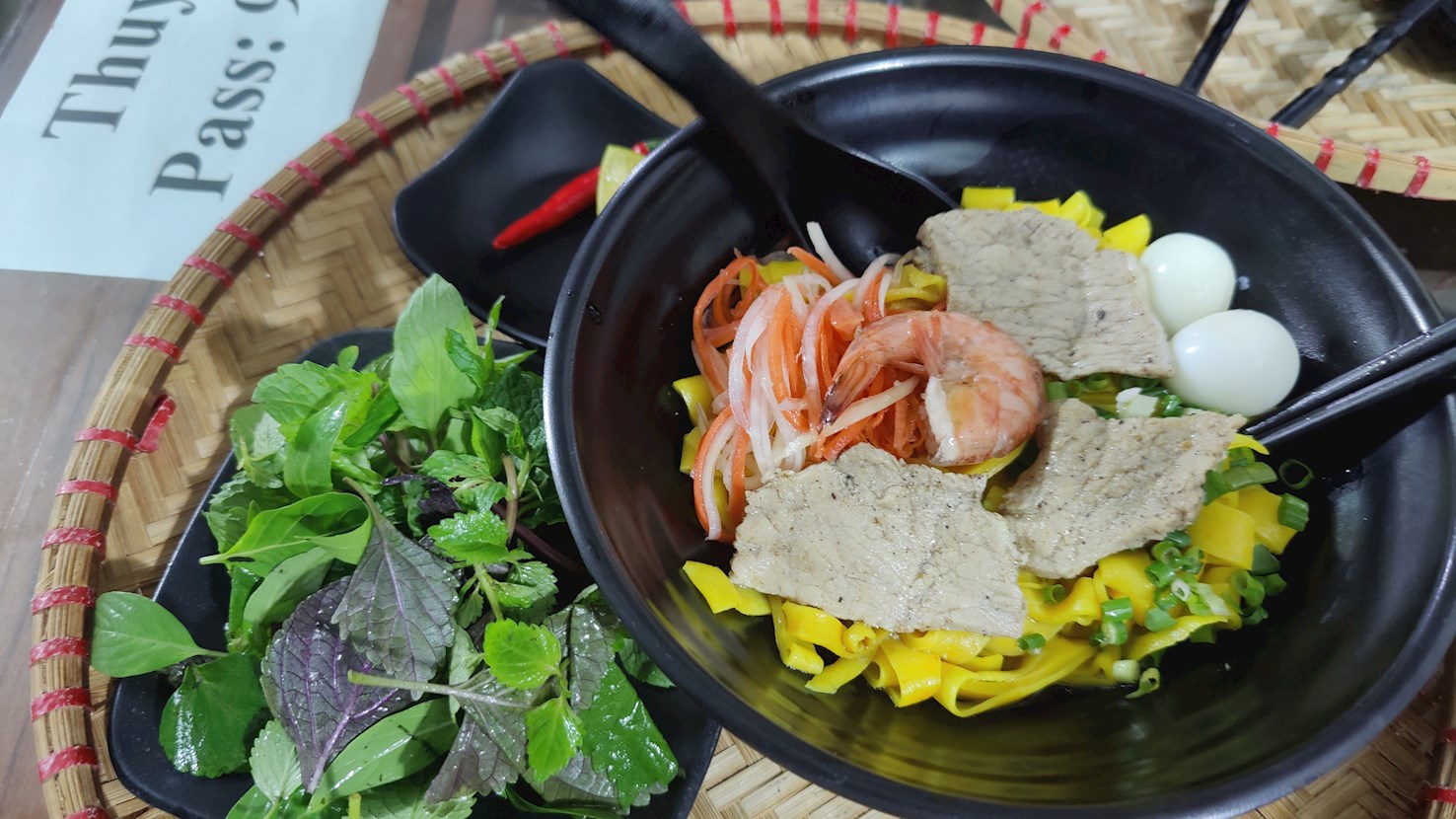
This Vietnamese classic consists of a combination of flat rice noodles and yellow egg noodles that are served with a small amount of flavorful meat broth and crispy fresh vegetables and herbs such as banana blossoms, lettuce, cilantro, scallions, and Vietnamese coriander. The dish is incredibly versatile and usually comes topped with pork belly, chicken, shrimps, fish, boiled eggs, roasted peanuts, and fish crackers. Though it originated in Central Vietnam, more precisely the Quảng Nam Province, mì quảng is nowadays enjoyed throughout the country.

05
Sauce

Nước chấm (Vietnamese Fish Sauce)

4.3 ·

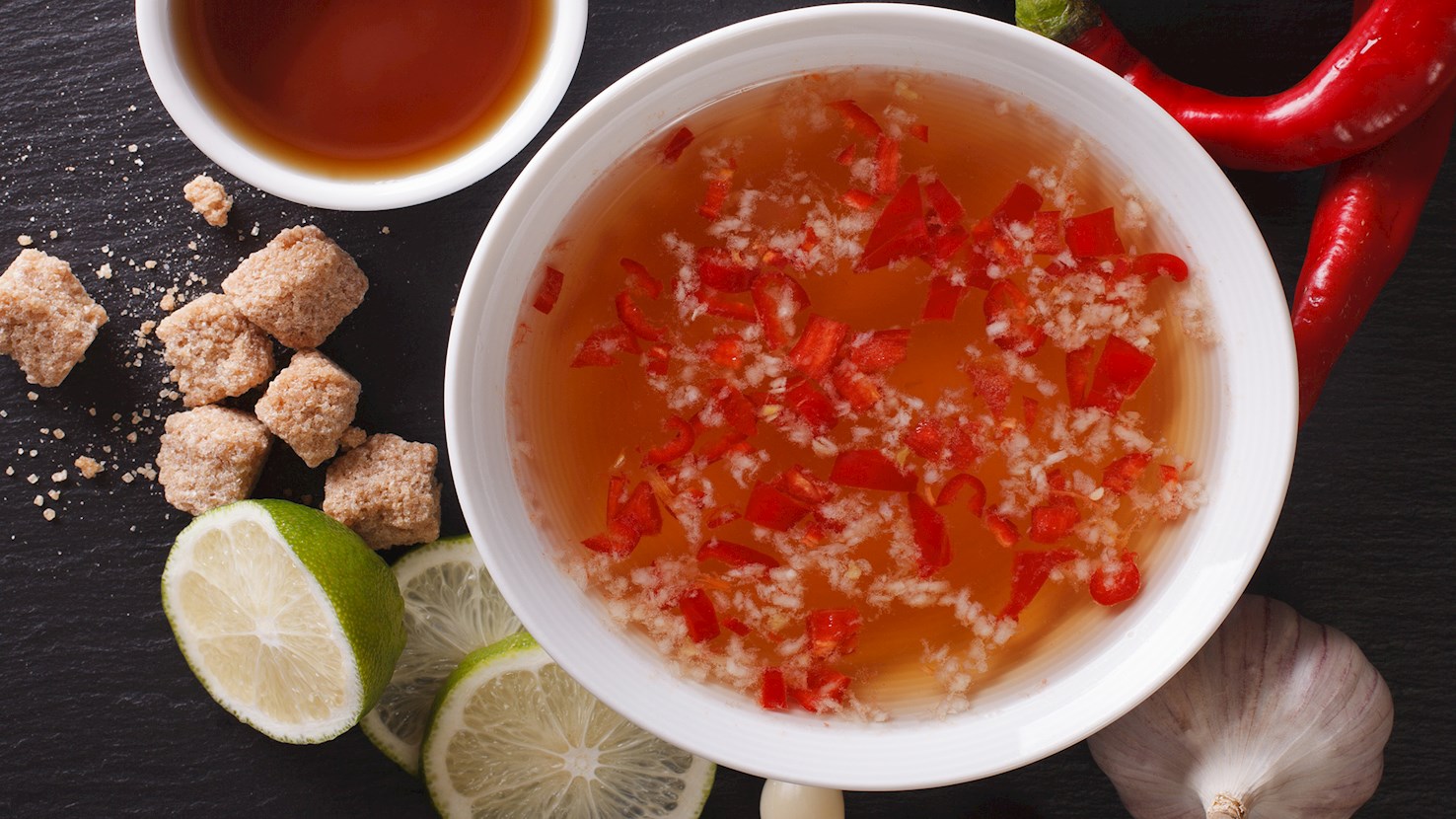
In its basic form, this ubiquitous Vietnamese sauce is prepared with a sour base of lime juice, or optionally vinegar, sugar, water, and fish sauce. Common additions include finely sliced chili peppers, garlic, shallots, spring onions, ginger, or fresh herbs. The sauce comes in many regional varieties, and the final composition may also depend on the type of meal which it accompanies. Nước chấm is usually served as a dipping sauce alongside chả giò (spring rolls), bánh xèo (crispy pancakes), and various meat or seafood dishes, as well as noodles and soups.

06
Pork Dish

Bún chả (Grilled Pork Meatballs with Vermicelli Noodles)

4.3 ·

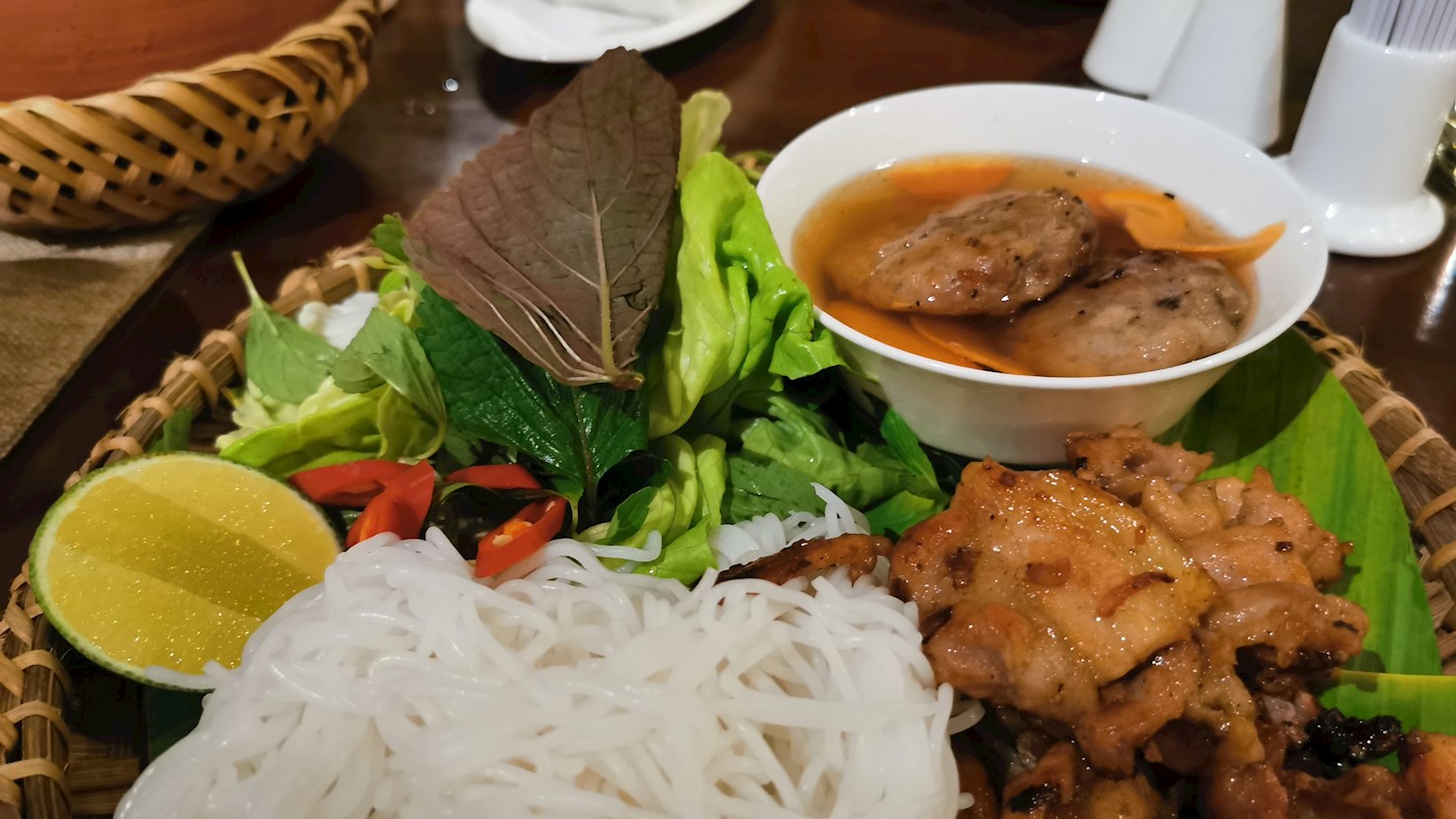
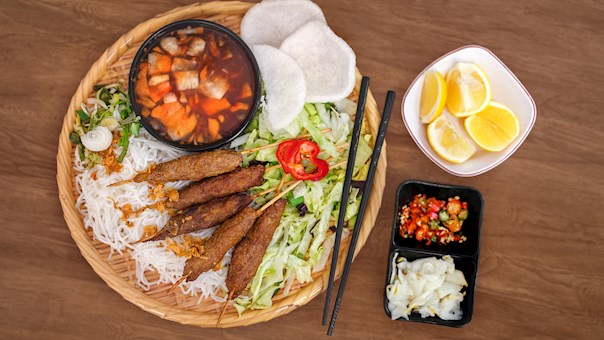
Bún chả is a pork and noodle dish that is intricately connected to Hanoi, where it is believed to have originated. The dish combines three elements: a bowl of grilled pork meatballs served in a cold broth, a plate of rice noodles, and a combination of various fresh greens such as perilla leaves, lettuce, coriander, and morning glory. Although bún chả or similar varieties can be found in other parts of Vietnam, the local Hanoi version is held in high regard. Not much is known about its history or origin, but the dish became internationally recognized in 2016 when it was featured on the show Parts Unknown – in which the host Anthony Bourdain enjoyed bún chả together with the former president Barack Obama.

07
Stew

Bò kho (Vietnamese Beef Stew)

4.2 ·

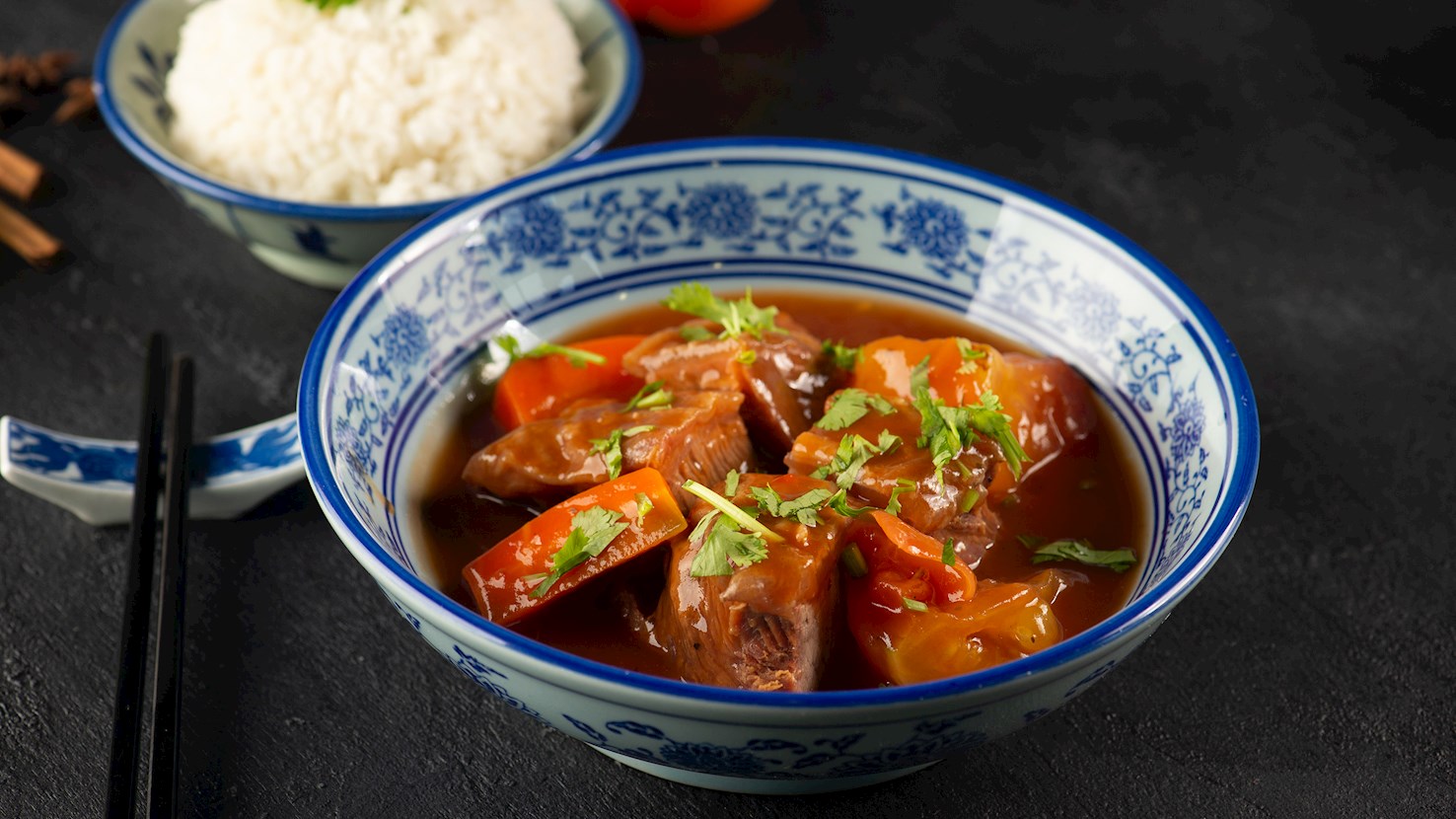
Bò kho is a popular Vietnamese beef stew that can be consumed on its own or accompanied by a baguette on the side. It can also be served over noodles, and it is customary to serve a variety fresh herbs on the side. The dish includes ingredients such as diced beef, carrots, lemongrass, cinnamon, chili, pepper, garlic, and shallots, all of them simmered in a spicy and aromatic broth. The origins of bò kho are still a mystery, although it is believed that the dish has many influences, from both the East and the West. In rural areas of Vietnam, the stew is usually much spicier than in urban areas. It is traditionally consumed for breakfast, garnished with chopped green onions, coriander, and onions.

08
Noodle Soup

Bún bò Huế (Hue Breakfast Noodle Soup)

4.2 ·

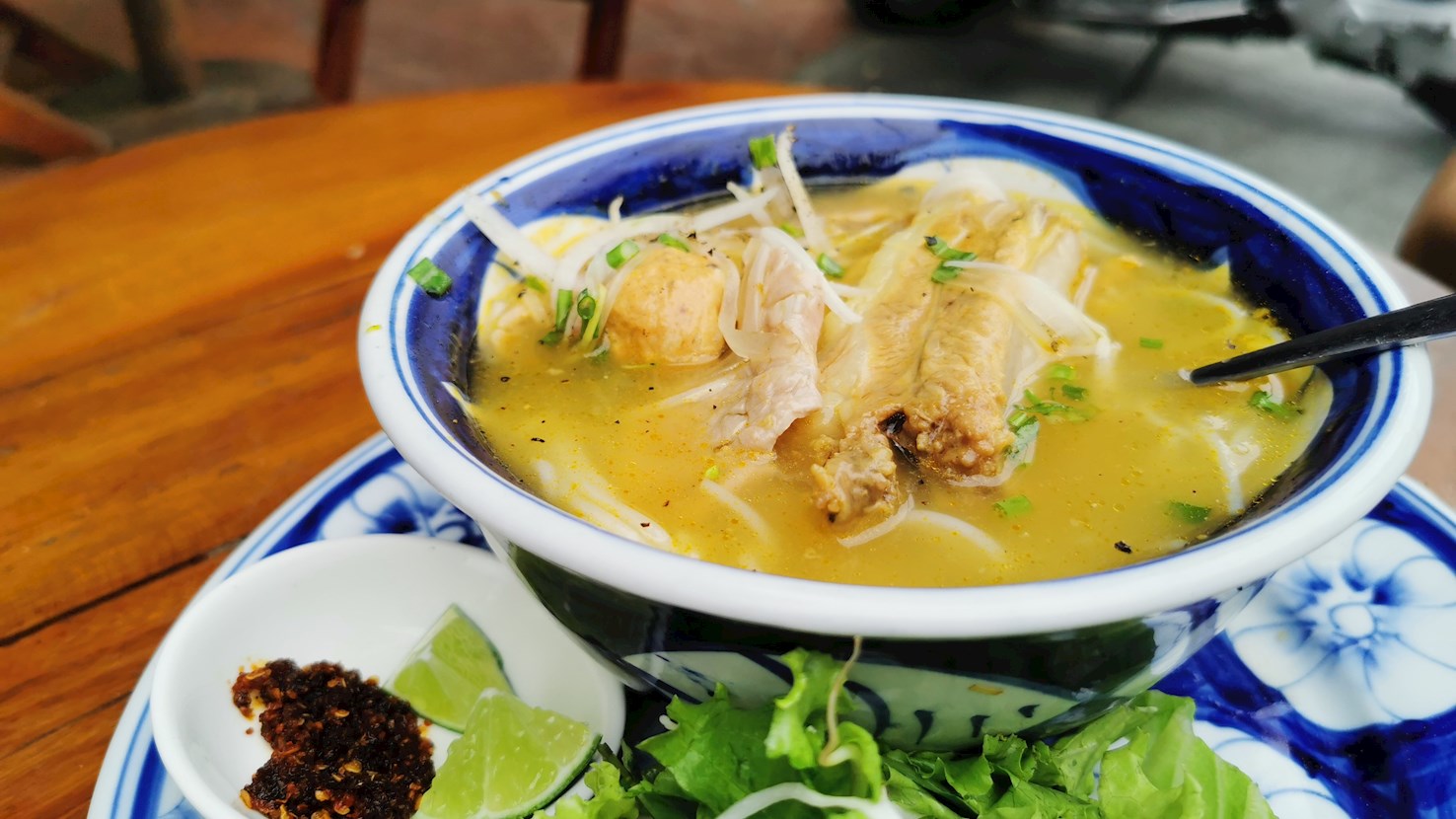
Bún bò Huế is a staple Vietnamese soup that is traditionally consumed for breakfast, consisting of pork and beef bones broth, bun noodles, lemongrass, shrimp paste, lime juice, and a variety of herbs. The soup is much spicier than most Vietnamese soups, and its flavor is often described as rich and complex. It originated in the city of Hue, but not much is known about its exact origins or inventor. Usual additions include sliced brisket or crab balls, but every cook makes the dish with slight variations. Many believe that bún bò Huế found its way into mainstream society by way of royal order, and it was influenced by the imperial court's cuisine. Regardless of the origin, the soup remains a delicious and inexpensive breakfast staple.

09
Stir-fry

Rau muống xào tỏi (Morning Glory Stir-Fry)

4.2 ·

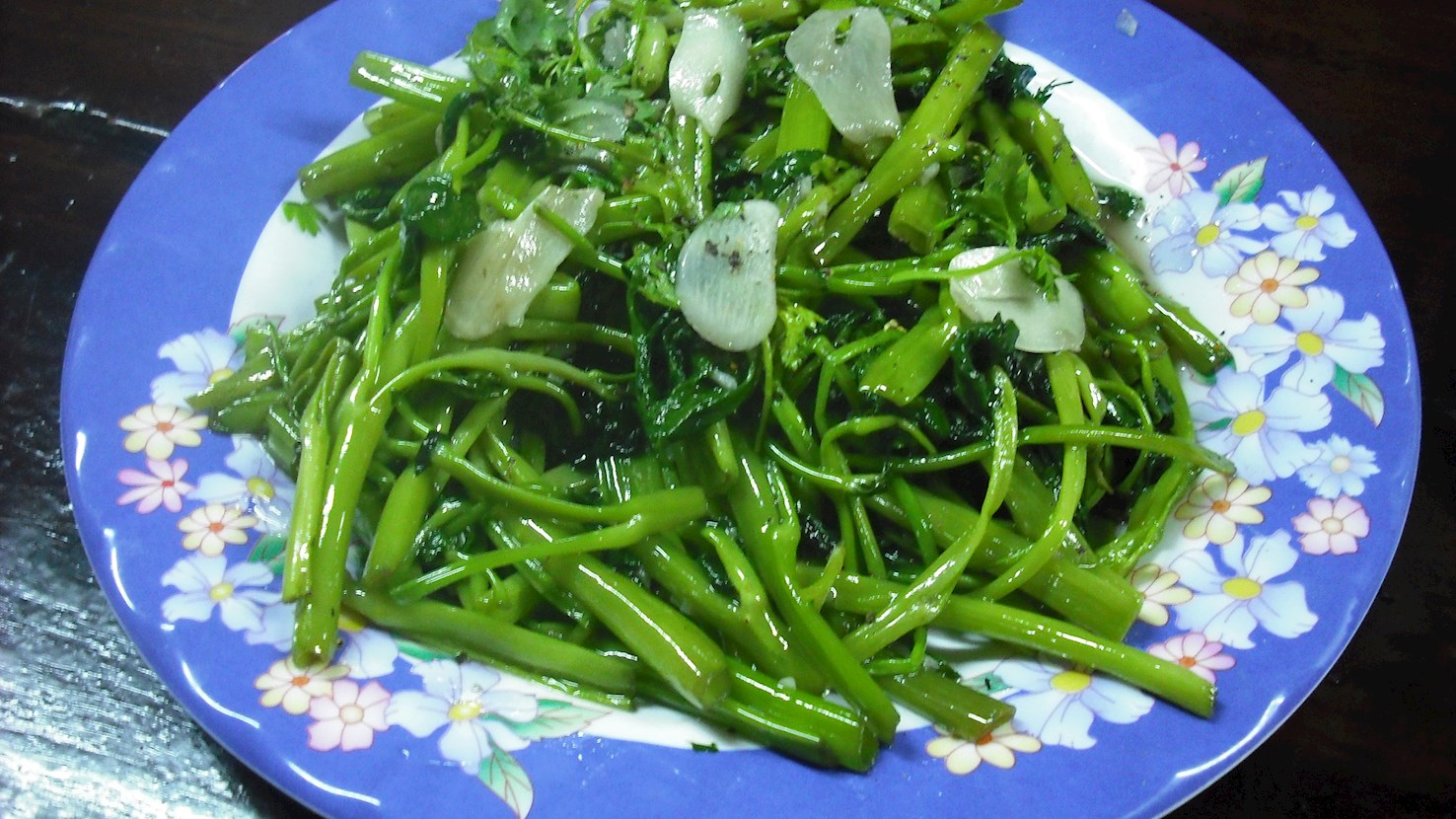
Rau muống xào tỏi is a traditional dish that's suitable for vegetarians. It's made with a combination of morning glory (water spinach), garlic, fish sauce, salt, sugar, and oyster sauce. The water spinach is blanched, then stir-fried with garlic, salt, and sugar, while the fish sauce is added near the end of cooking. This vegetable dish is served hot, usually as a part of a three-course meal, the first is a stir-fry, the second course is a boiled or steamed dish, and the third course is a soup. Rau muống xào tỏi also makes for a great accompaniment to white rice.

10
Beef Dish

Bò lúc lắc (Vietnamese Shaking Beef)

4.2 ·

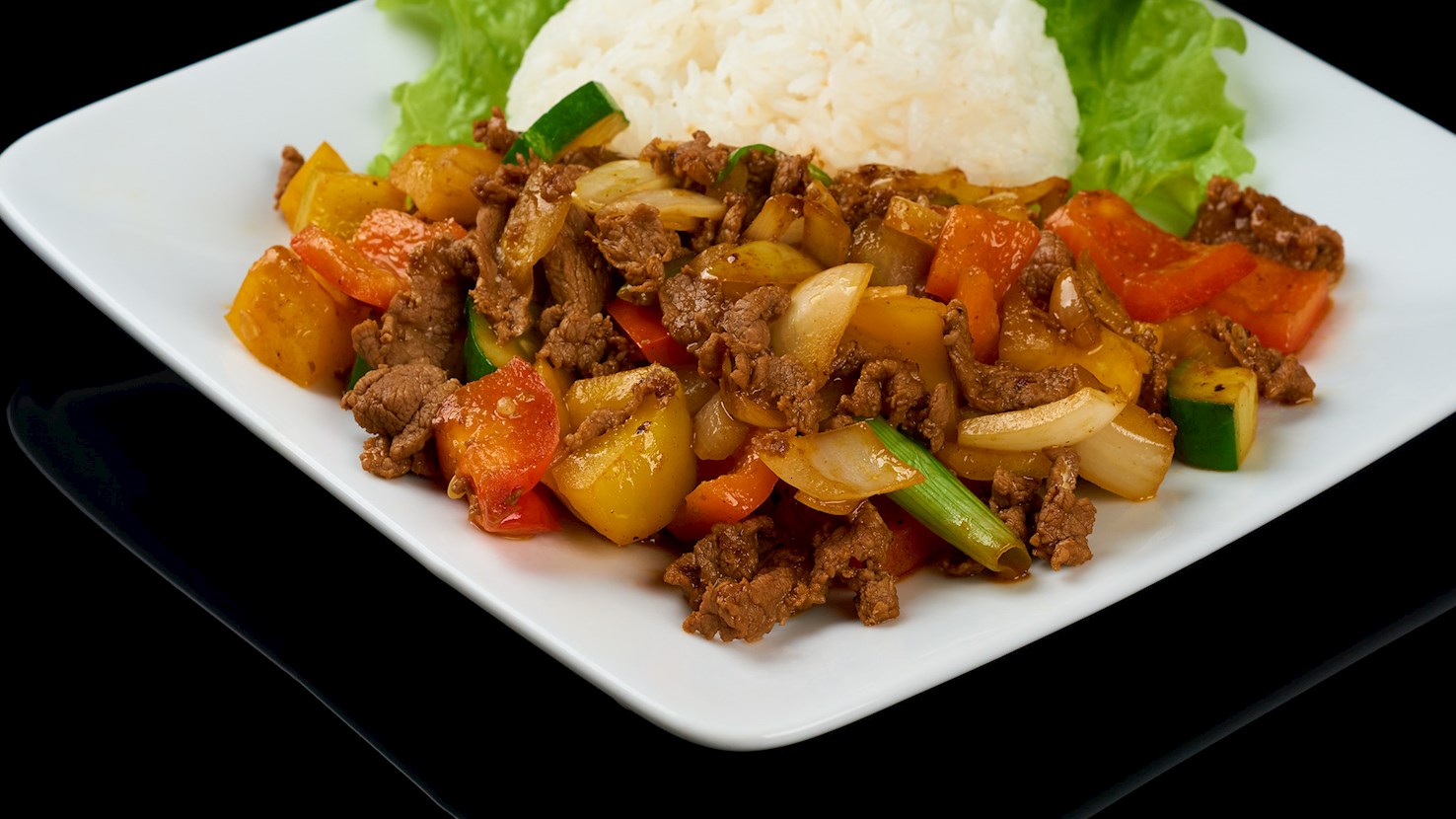
The main star of bò lúc lắc is diced marinated beef. The meat is shortly seared before it is served on a bed of watercress and sliced tomatoes. Additional toppings may include pickled onions, and a dipping sauce resembling lime-based vinaigrette can be drizzled over the meat or served on the side. The dish was once a rare treat that was mainly prepared and served on special events. Nowadays, it is more common, but bò lúc lắc is still considered a restaurant specialty and a dish that is traditionally reserved for special occasions. It is also popular abroad and typically goes under the name Vietnamese shaking beef—which was inspired by its original name lúc lắc that describes the act of tossing or shaking the beef while it's being seared. A similar dish exists in Cambodia where it is better known as lok lak. It is believed that bò lúc lắc was inspired by the French culinary tradition that was present in Vietnam.

Best Vietnamese Food Products
01
Chocolate

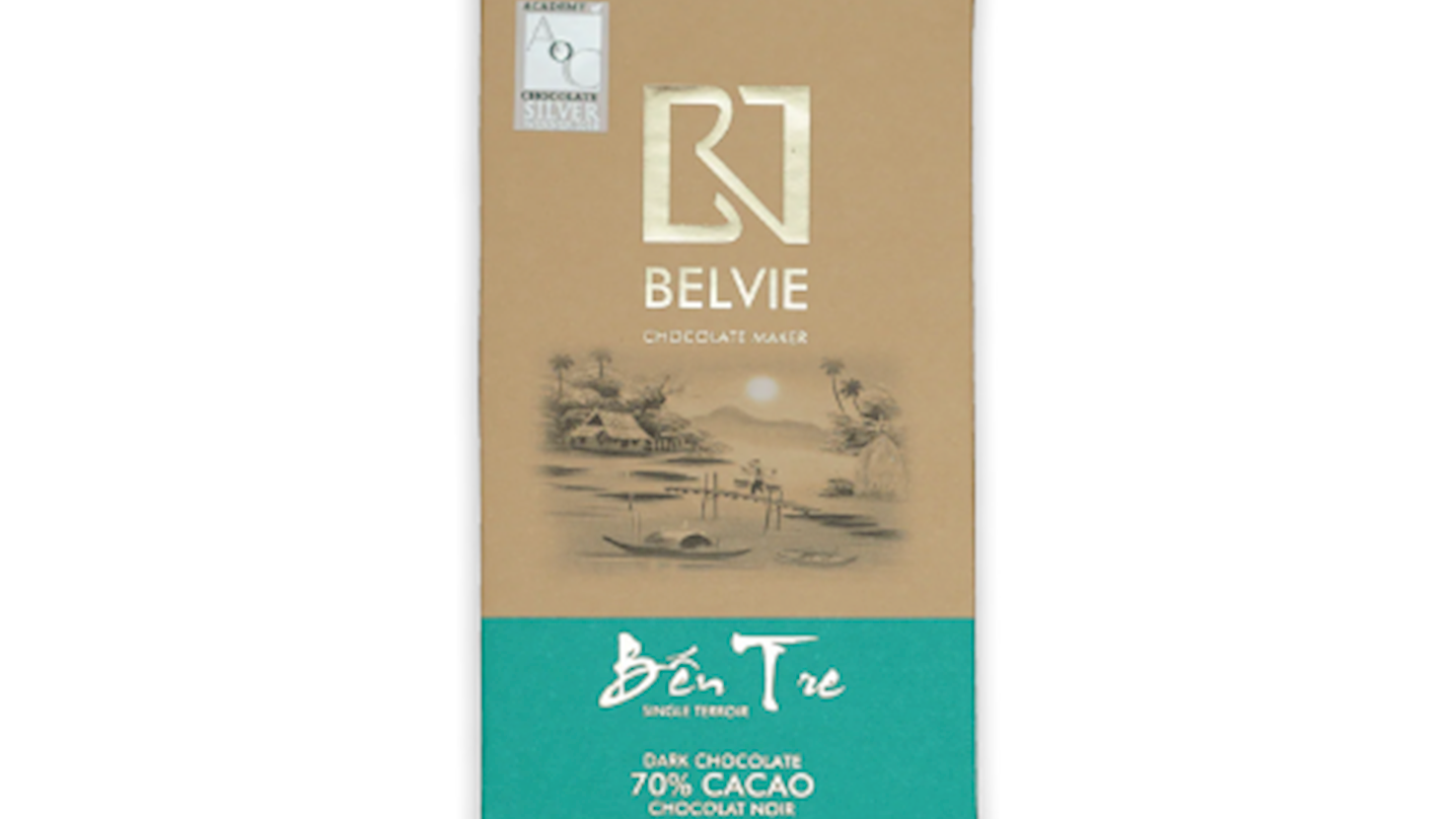
Belvie Chocolate

5.0 ·

Belvie Chocolate is a Vietnamese bean-to-bar chocolate maker that blends local terroir with Belgian chocolate craftsmanship. Founded in 2015 by Jannie Ha Tran and Marc Vanborren, the brand was created with the goal of promoting sustainable cocoa cultivation and supporting small farmers across Vietnam.

Belvie sources Trinitario cocoa exclusively from small plantations in the provinces of Lam Dong, Ben Tre, Tien Giang, and Dong Nai, where the beans are hand-fermented and sun-dried to preserve their aromatic character. The production process is entirely natural - no lecithin or artificial additives are used - and every stage, from roasting and grinding to conching and tempering, takes place in their workshop in Ho Chi Minh City.

Their dark chocolates, typically containing between 70% and 80% cocoa, are distinguished by clearly defined regional profiles, featuring notes of tropical fruit, flowers, caramel, or roasted almonds, depending on the origin of the beans. Through a combination of ethical sourcing, authentic local varieties, and European precision, Belvie has become one of the most recognized chocolate producers in Southeast Asia.

Awards
Academy of Chocolate - Silver (2019, 2018)
Academy of Chocolate - Bronze (2020, 2017)
02
Rice

Gạo Ông Cua

5.0 ·

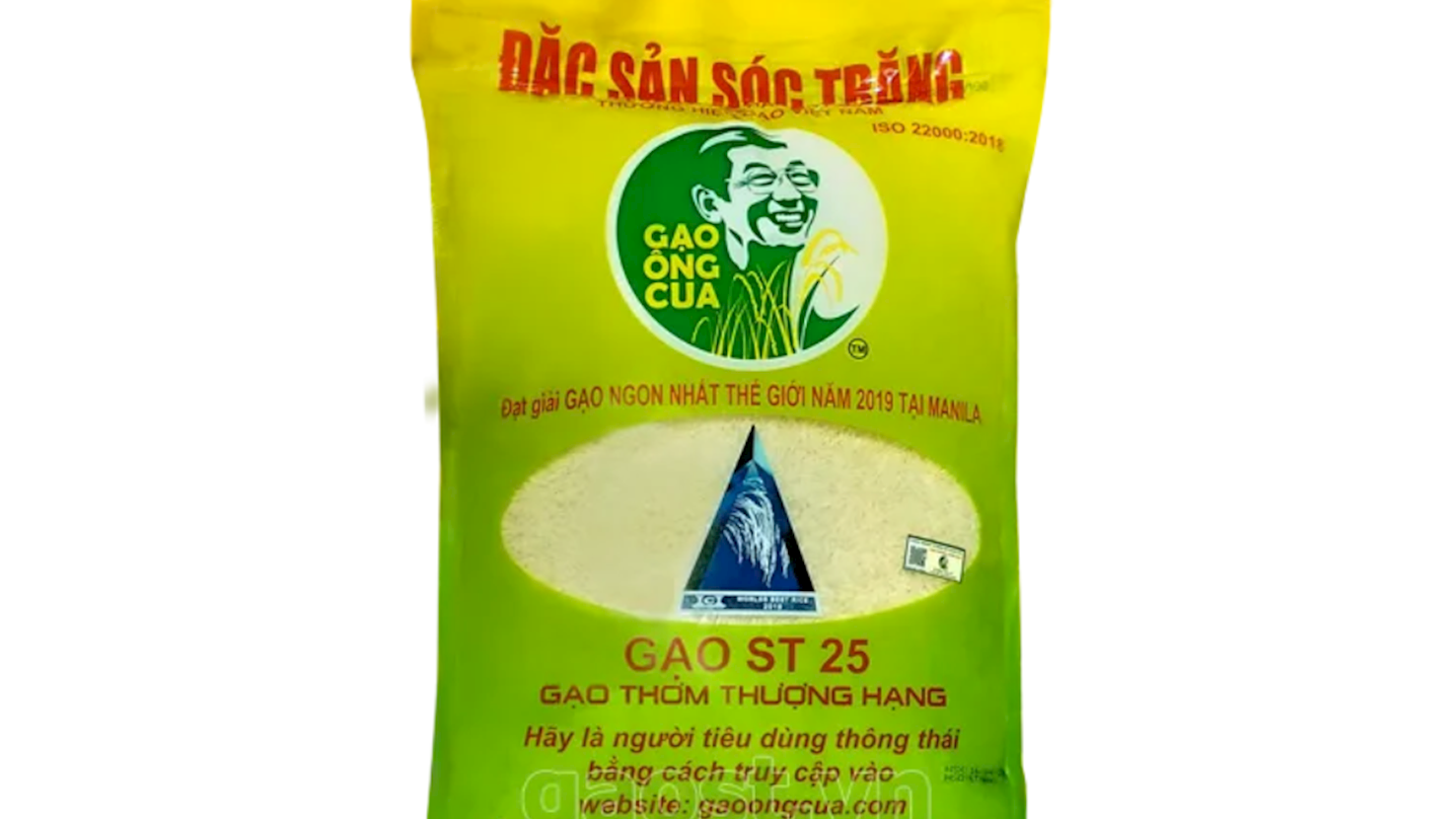
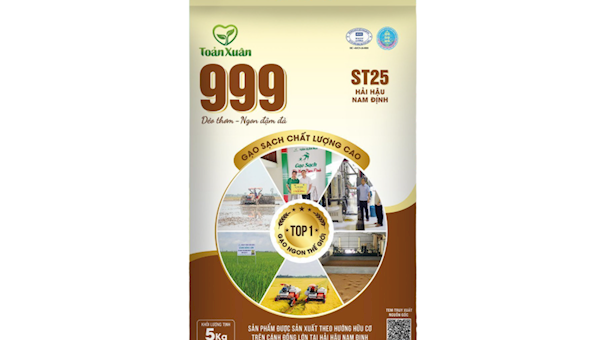
Gạo Ông Cua is a prestigious Vietnamese rice brand originating from the Mekong Delta, renowned for its superior quality and authenticity. The brand is named after engineer Hồ Quang Cua, the principal developer of the famous ST24 and ST25 rice varieties, which have won multiple awards at international rice competitions, including the title of “World’s Best Rice” in 2019 and 2023.

These varieties are the result of years of scientific research and carefully selected agricultural practices, aimed at producing rice with exceptional taste, aroma, and nutritional value. Gạo Ông Cua is especially distinguished by its ST25 variety – a long, glossy grain that remains fluffy and fragrant after cooking. The brand represents a modern Vietnamese approach to agriculture, combining tradition, science, and sustainability, and is increasingly recognized both domestically and on the international market.

Awards
International World Rice Conference - World’s Best Rice (2023, 2019)
03
Condiment

Lê Gia

5.0 ·

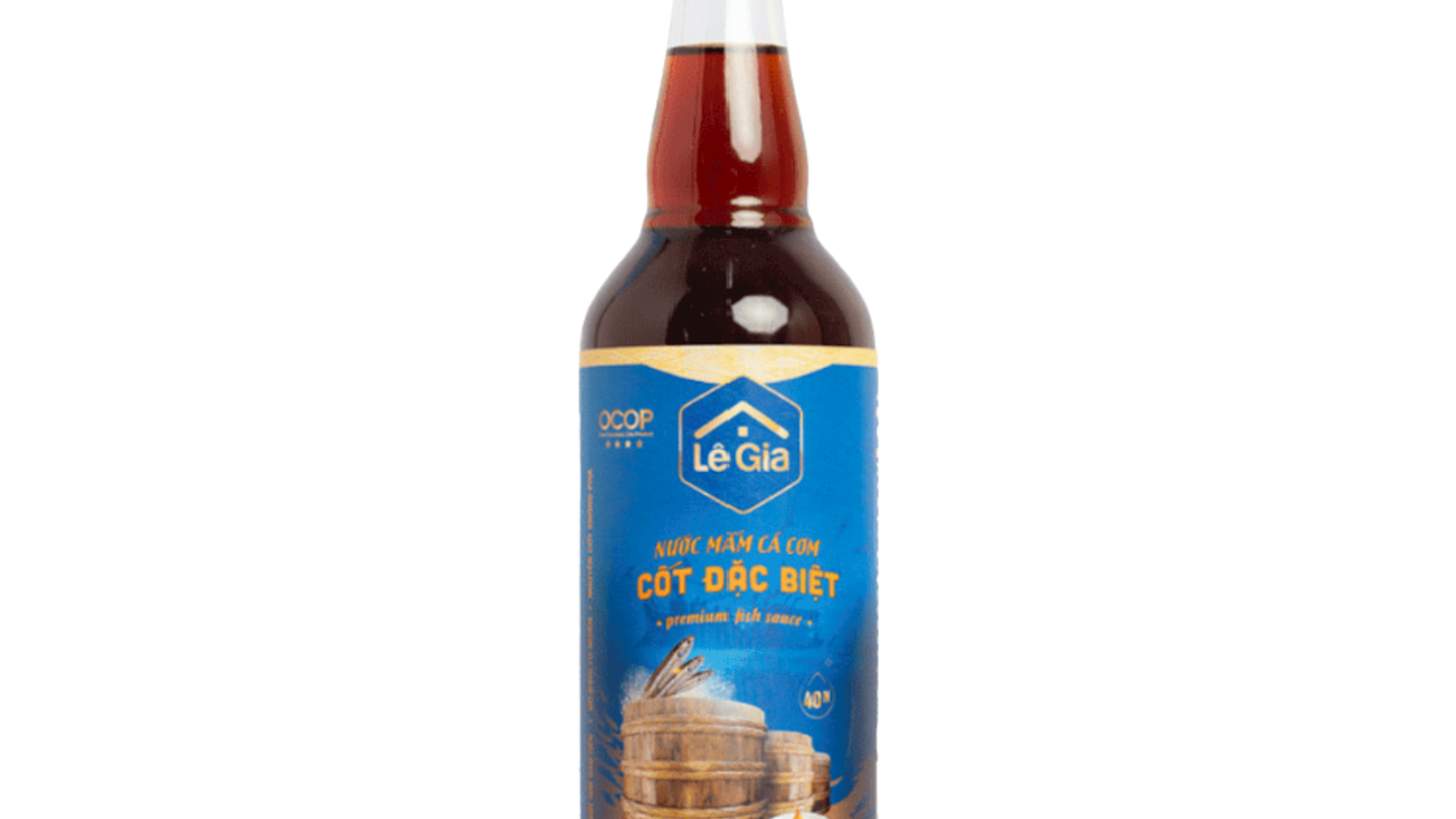
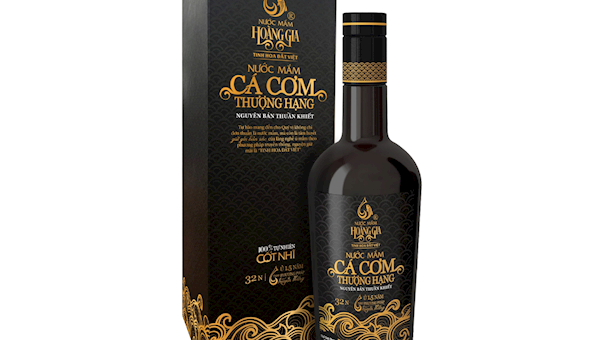
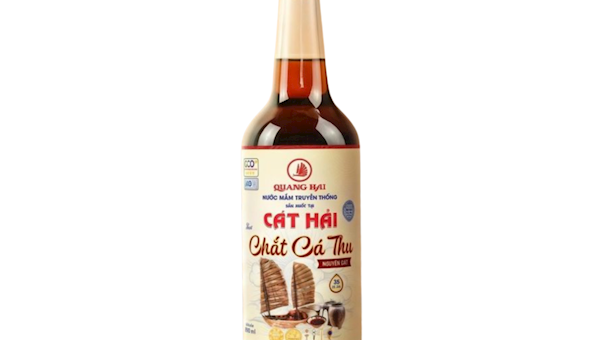
Lê Gia is a Vietnamese producer of traditional fermented condiments based in the coastal district of Hoằng Hóa in Thanh Hóa Province. The brand was founded in 2015 by Lê Ngọc Anh with the aim of preserving the heritage of Khúc Phụ village which has been associated with fish sauce production for more than two centuries. Its core product is fish sauce made from fresh anchovies and pure sea salt without added water, flavor enhancers or preservatives. The fish are salted immediately after being caught to preserve their natural quality. The mixture is then matured in large traditional wooden barrels for 18 to 24 months. After fermentation the first-press sauce is extracted and develops a clear amber color, a pronounced umami character and a mildly sweet finish. The producer also blends liquid from several barrels to achieve a consistent flavor in the finished product. In addition to fish sauce the range includes fermented krill paste, shrimp sauce, fermented fish products and other condiments characteristic of Vietnamese cuisine. The company works with local fishermen and salt producers which helps preserve the traditional livelihoods of the coastal community. Since 2024 the Lê Gia production complex has also been recognized as a tourist destination where visitors can learn about the history and production of traditional fermented sauces.

04
Condiment

Thuần Chay Gò Công

5.0 ·

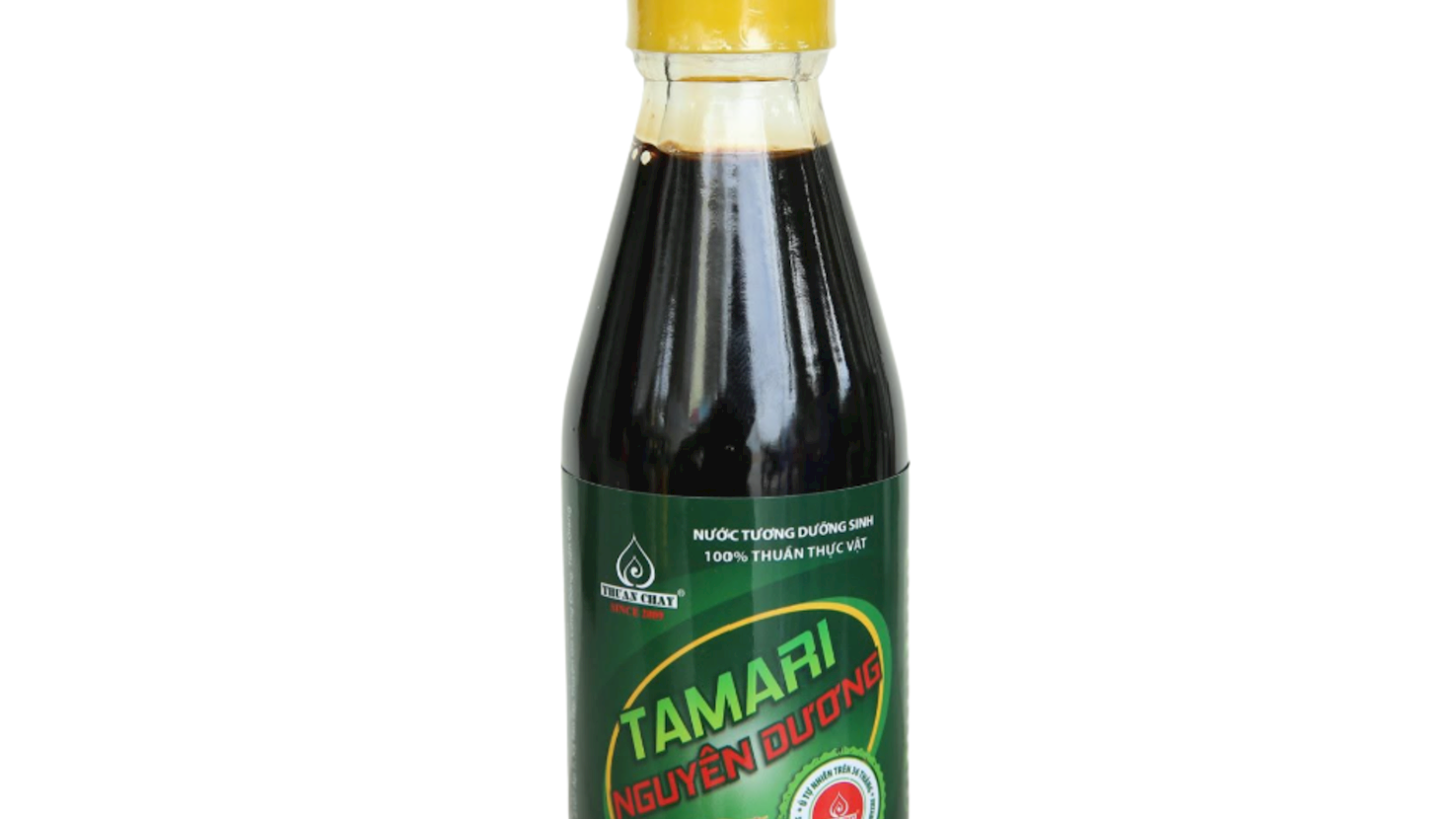
Thuần Chay Gò Công is a Vietnamese producer of fermented soybean products based in the Gò Công Đông district of the Mekong Delta. Its production facility is located in Tân Tây commune in Tiền Giang Province. The company specializes in soy sauces and fermented pastes intended for vegetarian diets. Production is based on a traditional manual fermentation process that lasts more than 36 months for certain products. The primary ingredients are soybeans, sea salt, and water, while red beans and brown glutinous rice are also used to make the fermented paste. During maturation, the products are exposed to natural temperature fluctuations, sunlight, and humidity. This process contributes to their pronounced aroma, dark color, and complex balance of salty and sweet flavors. Thuần Chay Gò Công is a small regional producer whose identity is built around extended fermentation and the preservation of traditional soybean-processing methods.

05
Spirit

Lady Trieu

5.0 ·
Awards
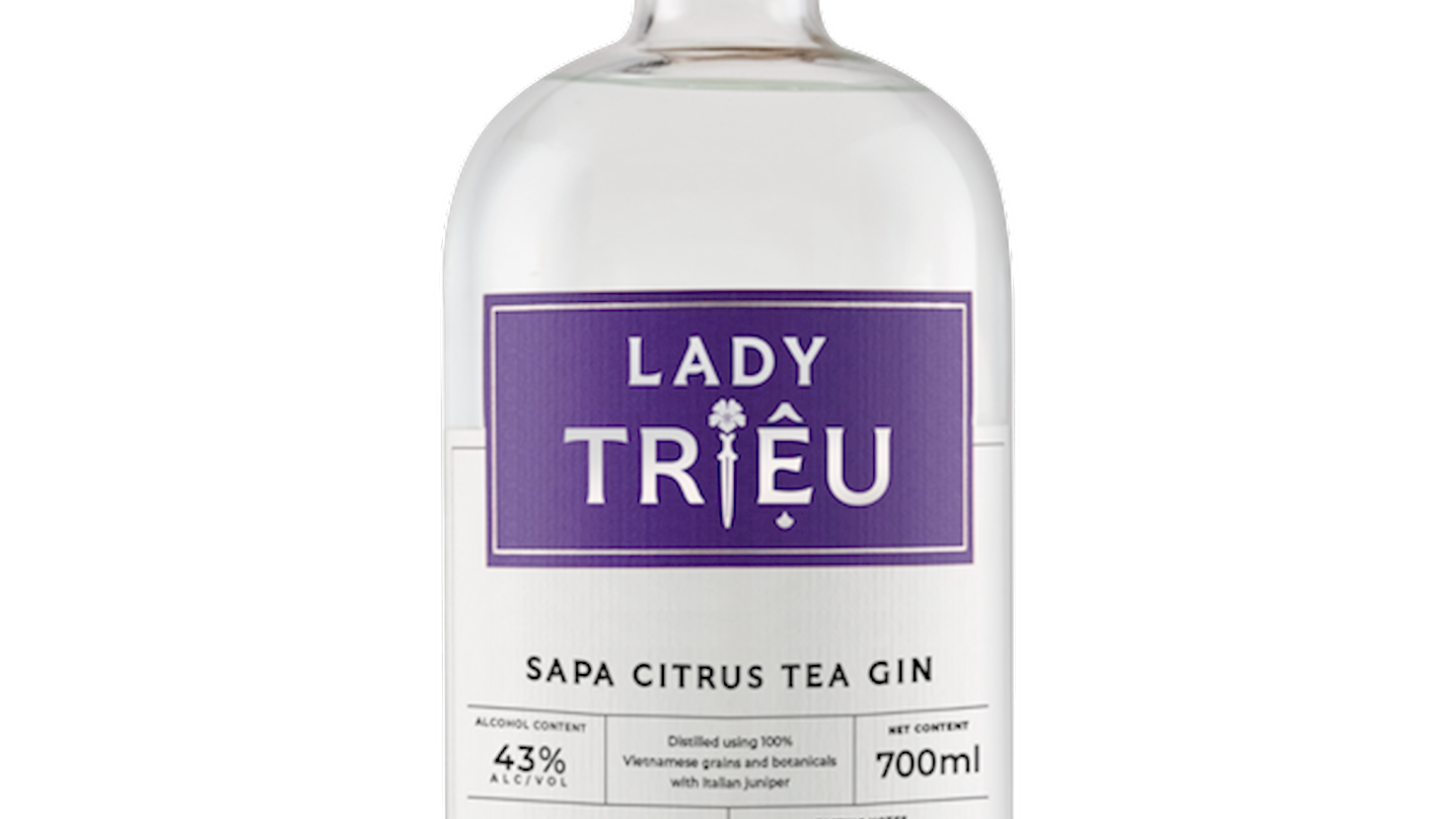
SFWSC - San Francisco World Spirits Competition - Double Gold (2024)
06
Condiment

Thuận An

4.9 ·

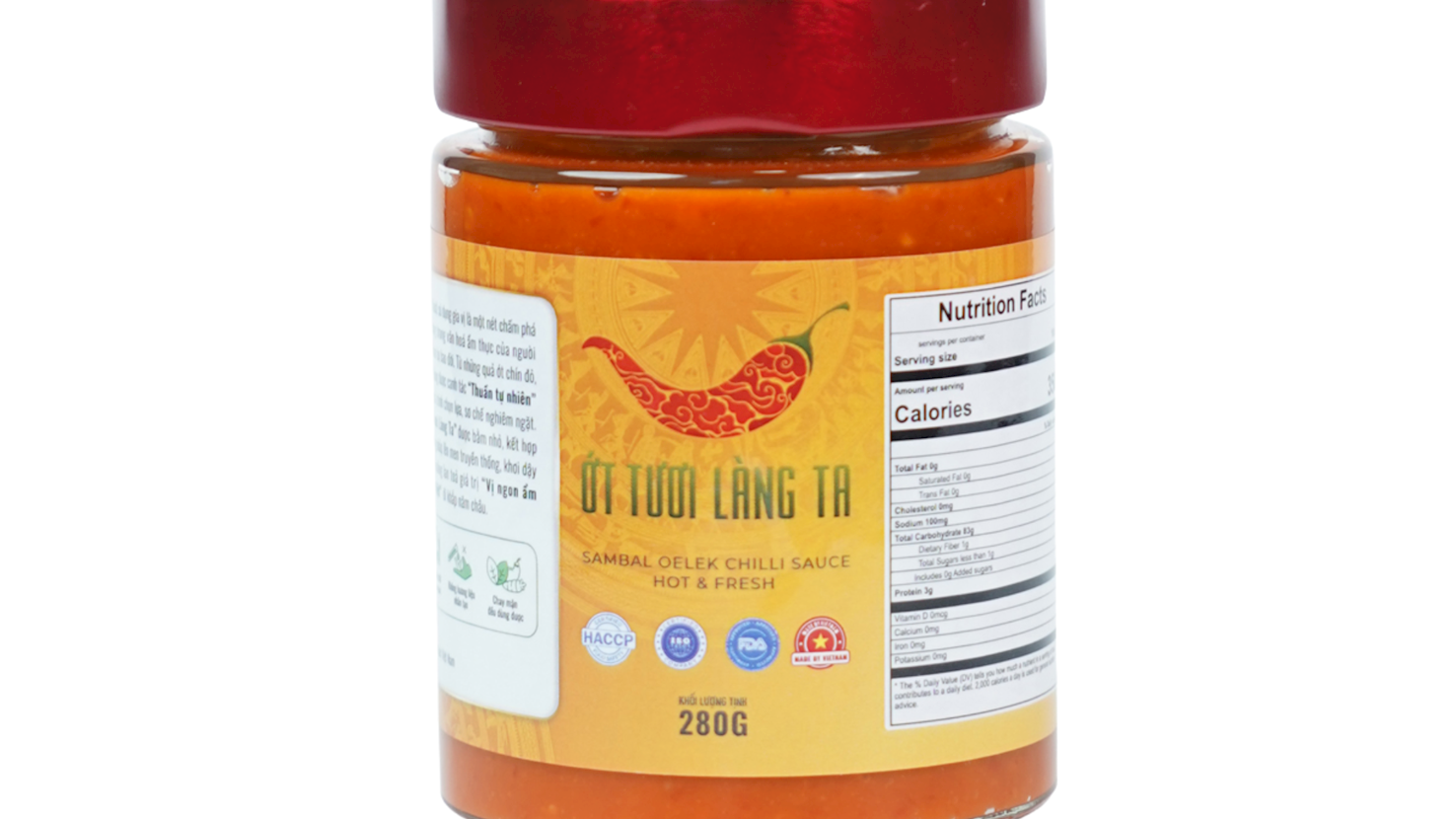
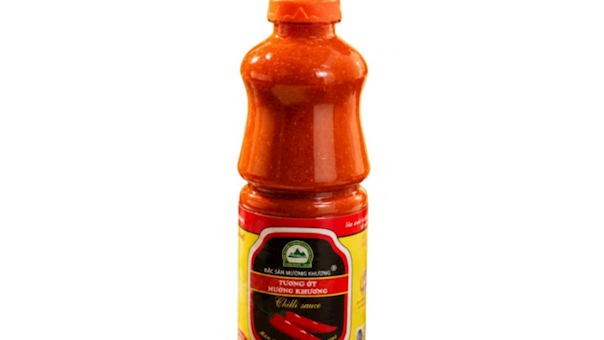
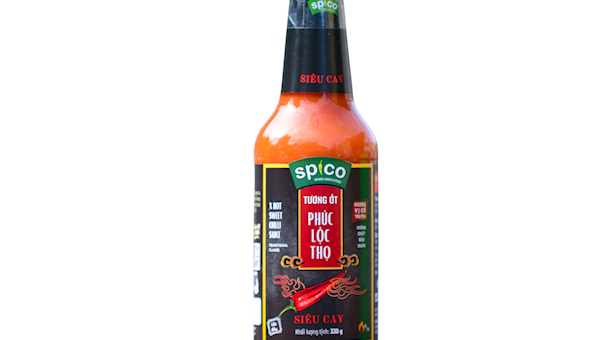
Thuận An is a Vietnamese agricultural cooperative based in Tân Đông Hiệp Ward in Ho Chi Minh City. It was officially registered in July 2025, with Nguyễn Văn Trọng listed as its legal representative. The cooperative processes chili peppers and produces condiments under the Làng Ta brand. Its range is primarily based on sauces made from fresh chili peppers sourced from controlled farms. Ripe red peppers are selected before processing to ensure a consistent flavor and suitable level of heat. Natural fermentation is the defining feature of the production process, developing more complex aromas and mild acidity. Some varieties are aged for 12 months. Depending on the recipe, additional ingredients include rice vinegar, sugar, salt, and garlic. The range includes classic fermented chili sauce, sriracha-style sauce, and coarsely chopped chili peppers with garlic. These products differ from typical sweet industrial chili sauces through their stronger emphasis on the flavor of fermented peppers. Thuận An also provides contract manufacturing services for other brands. The Làng Ta product line existed before the formal establishment of Thuận An and was previously associated with the Tam Nông Việt Nam cooperative.

07
Condiment

Tâm Đức

4.9 ·

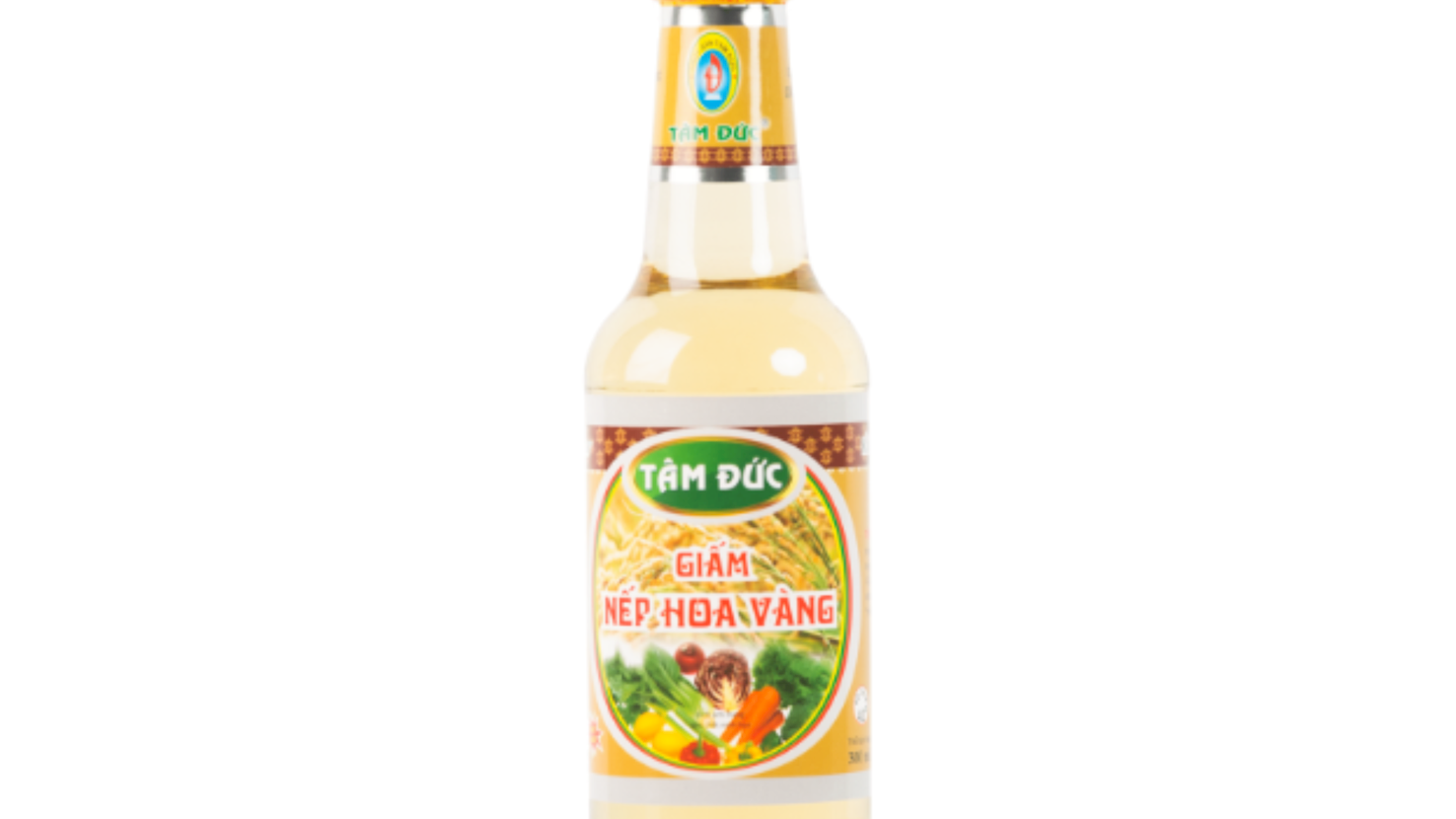
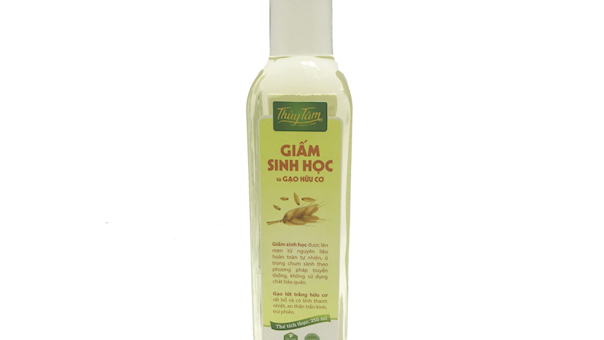
Tâm Đức is a Vietnamese producer of traditional condiments and processed food products based in Hanoi. It operates as a cooperative under the name Tâm Đức Seafood Cooperative and bases its production on traditional Vietnamese processing and fermentation methods. Although the cooperative’s name refers to seafood products, its range is considerably broader and includes fish sauce, rice vinegar, fermented soy sauce, chili sauce, shrimp paste, and other condiments. Rice vinegar holds a particularly important place in its portfolio, with varieties including Giấm gạo Hà Nội, Giấm gạo Bắc Hương, and Giấm nếp hoa vàng. For this category, the producer relies on the natural fermentation of rice rather than producing vinegar with synthetic acetic acid. Certain varieties are made from glutinous rice fermented with a vinegar culture. The aging process can last between 36 and 60 months, while according to the producer some batches are aged for even longer periods. During this process, the vinegar gradually develops the acidity and aroma characteristic of traditionally fermented rice vinegar. The producer states that no preservatives or inorganic acids are added to these products. In addition to vinegar, Tâm Đức produces traditional fermented condiments used for dipping, marinating, and preparing various Vietnamese dishes.

08
Condiment

Red Boat

4.9 ·

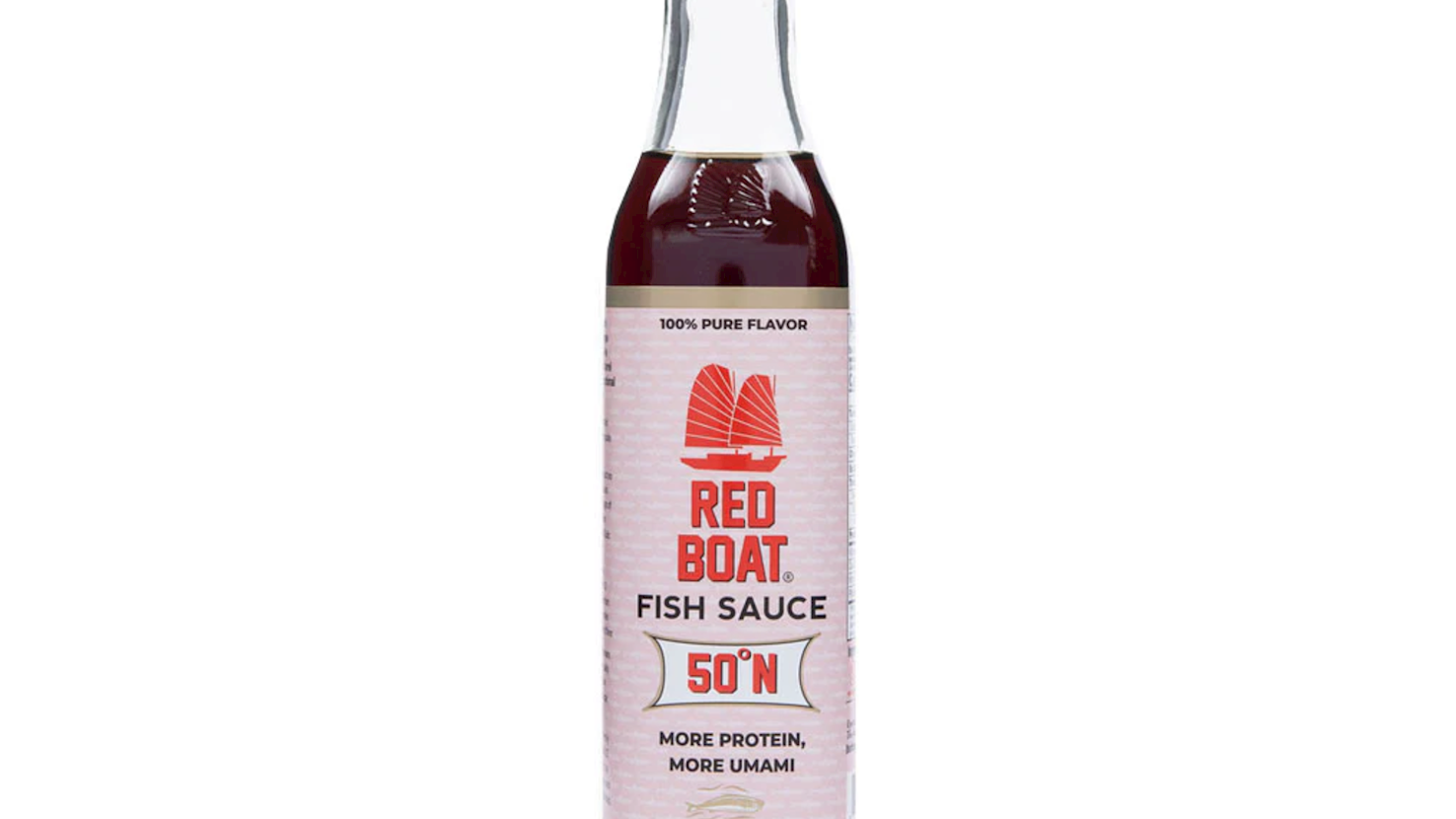
Red Boat is a family-owned Vietnamese-American producer of traditional fish sauce with production facilities on Phú Quốc Island in Vietnam. The company was founded in 2011 by Cường Phạm who grew up in Saigon and later worked as an engineer in the United States. He established the brand because he could not find a fish sauce on the American market that resembled the traditional Vietnamese sauce he remembered from childhood. Production follows the method traditionally used by fish sauce barrel houses on Phú Quốc Island. The principal raw material is wild-caught black anchovies harvested from the waters surrounding the island. The fish are mixed with sea salt immediately after being caught to preserve their freshness. Anchovies and salt are combined in an approximate ratio of three to one. The mixture then undergoes natural fermentation for about one year in large wooden barrels. Red Boat has gained international recognition among chefs and consumers and is regarded as one of the best-known contemporary producers of premium fish sauce from Phú Quốc Island.

09
Rice

ThaiBinh Seed

4.9 ·

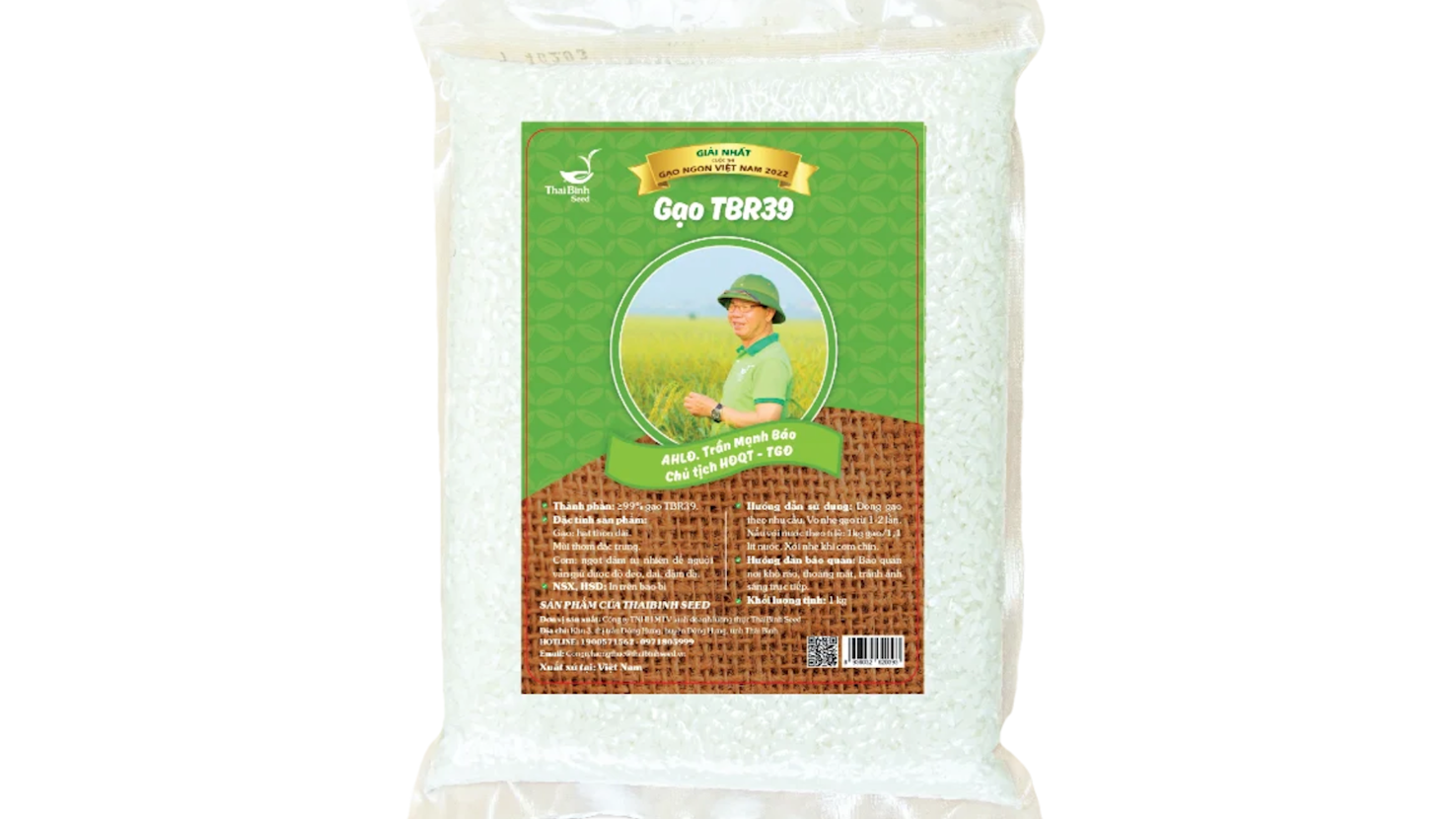
ThaiBinh Seed is a Vietnamese agricultural company specializing in the research, development, and production of seeds and rice. It was established on January 10, 1972, under the name Thai Binh Rice Seed Company. Over the course of its development, it grew into one of Vietnam’s leading companies in the breeding and production of field-crop seeds. Its principal activities include variety selection, certified seed production, and the development of rice adapted to different growing conditions. The company holds the rights to several dozen nationally recognized plant varieties. Rice varieties such as TBR225, BC15, TBR97, TBR39, and the A Sào glutinous rice represent the most important part of its portfolio. In addition to rice, the company develops seeds for maize and other field crops. ThaiBinh Seed controls the entire production chain from variety development and contract farming to processing, packaging, and the sale of finished rice. It entered the food-rice business in 2014 with the opening of a processing plant with an annual capacity of approximately 40,000 tonnes. Its finished product range includes aromatic rice, glutinous rice, purple brown rice, and other regional varieties. ThaiBinh Seed is a large research and production group with nationwide distribution.

10
Rice

Ái Nghĩa

4.9 ·

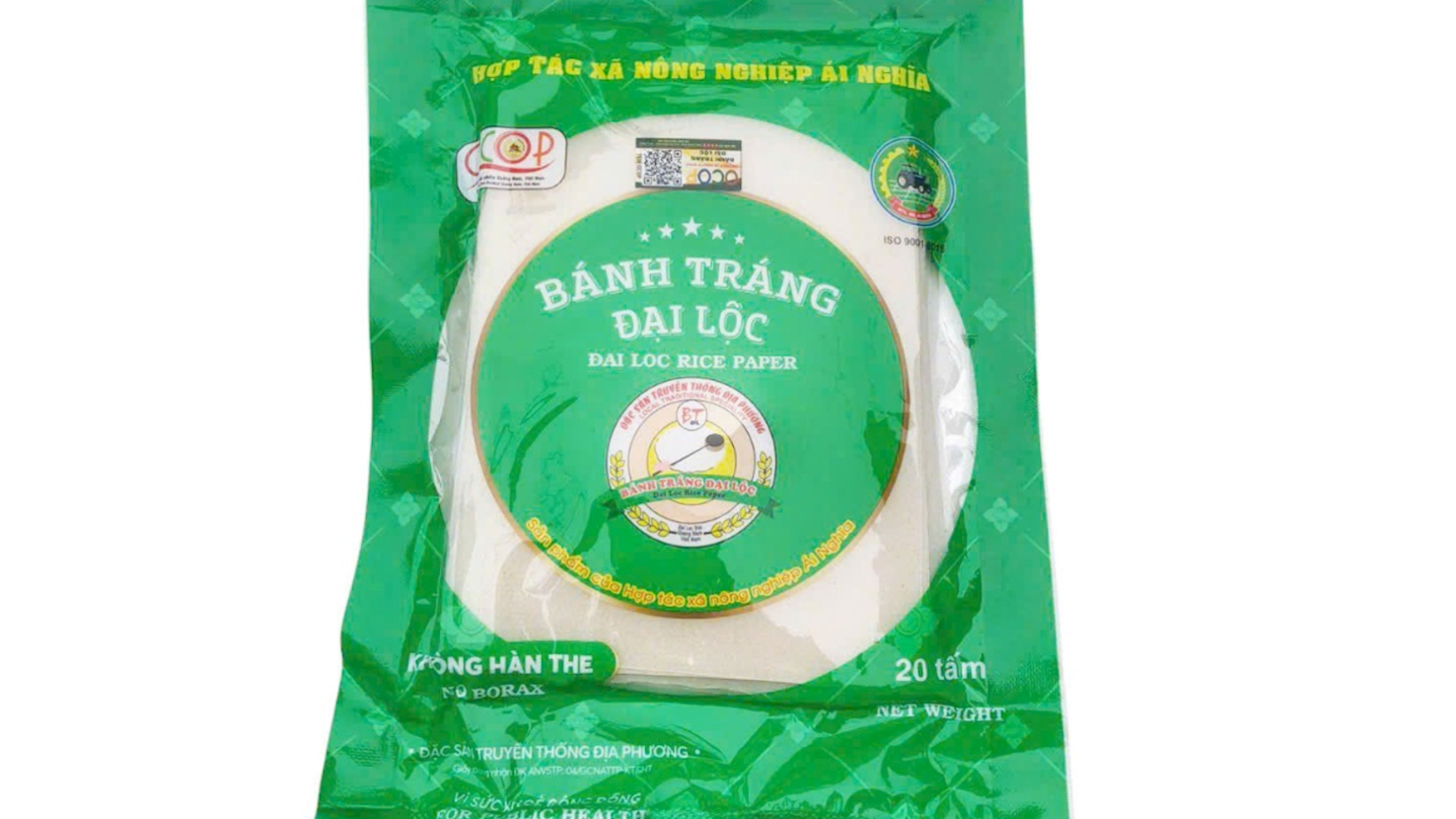
Ái Nghĩa is a Vietnamese agricultural cooperative based in the Đại Lộc area in the central part of the country. It was established in 1978 to connect local farmers and organize joint production. Over time, it expanded its activities from basic agricultural services to seed rice production, grain processing, and the manufacture of traditional food products. The cooperative works with its members and other local producers to purchase and process agricultural raw materials. It focuses particularly on connecting rice cultivation with the production of higher-value finished foods. Its two most recognizable products are Ái Nghĩa safe rice and Đại Lộc rice paper. The rice grown and controlled by the cooperative is used as the main raw material for its rice paper. This allows Ái Nghĩa to oversee the production chain from sourcing the grain to processing and packaging the finished product. The cooperative distributes its products through local stores, distributors, supermarkets, and online sales channels. At the same time, it preserves the culinary traditions of the Đại Lộc area and provides a market for rice grown by local farmers.

About this Ranking

TasteAtlas food rankings are based on the ratings of the TasteAtlas audience, with a series of mechanisms that recognize real users and that ignore bot, nationalist or local patriotic ratings, and give additional value to the ratings of users that the system recognizes as knowledgeable. For the “Top 100 Vietnamese Foods” list until August 19, 2026, 9,545 ratings were recorded, of which 6,450 were recognized by the system as legitimate.

TasteAtlas Rankings should not be seen as the final global conclusion about food. Their purpose is to promote excellent local foods, instill pride in traditional dishes, and arouse curiosity about dishes you haven’t tried.

The initial list of top producers was compiled based on available reviews, awards, local recommendations, media and blog coverage, and consumer reviews. The list will be updated with ratings from TasteAtlas local ambassadors and TasteAtlas users.

What People Say

Similar Lists