shutterstock

Top 100 Apulian Foods

Last updated on June 24, 2026

Best Apulian foods

01
Cheese

Burrata

4.4 ·

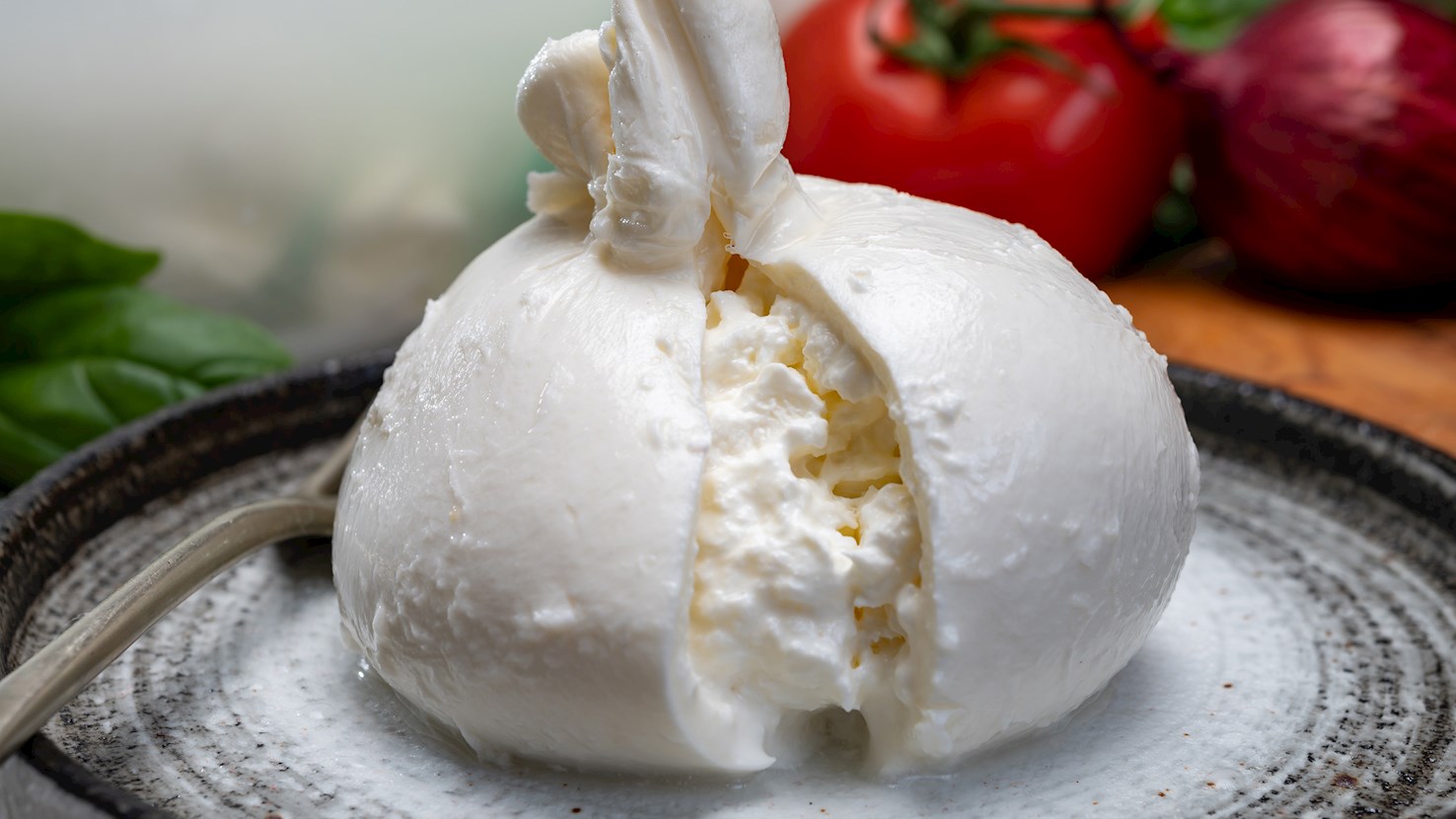
Burrata, literary meaning buttered, is an artisan cheese from the Puglia region of Southern Italy, especially the provinces of Bari and Barletta-Andria-Trani. The cheese is made by hand with cow's milk, rennet, and cream. It is believed that the cheese was created by Lorenzo Bianchino Chieppa, a cheesemaker who had an idea to form a shell of stretched mozzarella strings and fill it with luscious, rich cream and smaller, leftover pieces of mozzarella. The result was a true delicacy with the creamiest interior and a rich flavor of fresh milk, which very quickly became extremely popular. Burrata should be eaten as fresh as possible - ideally within 24 hours of being made. It can be served alone, seasoned only with some salt, pepper, and a drizzle of extra virgin olive oil, but it is also delicious when accompanied by fresh tomatoes and prosciutto crudo, or when used as a topping for pizzas or bruschettas.

02
Flatbread

Focaccia Barese

4.4 ·

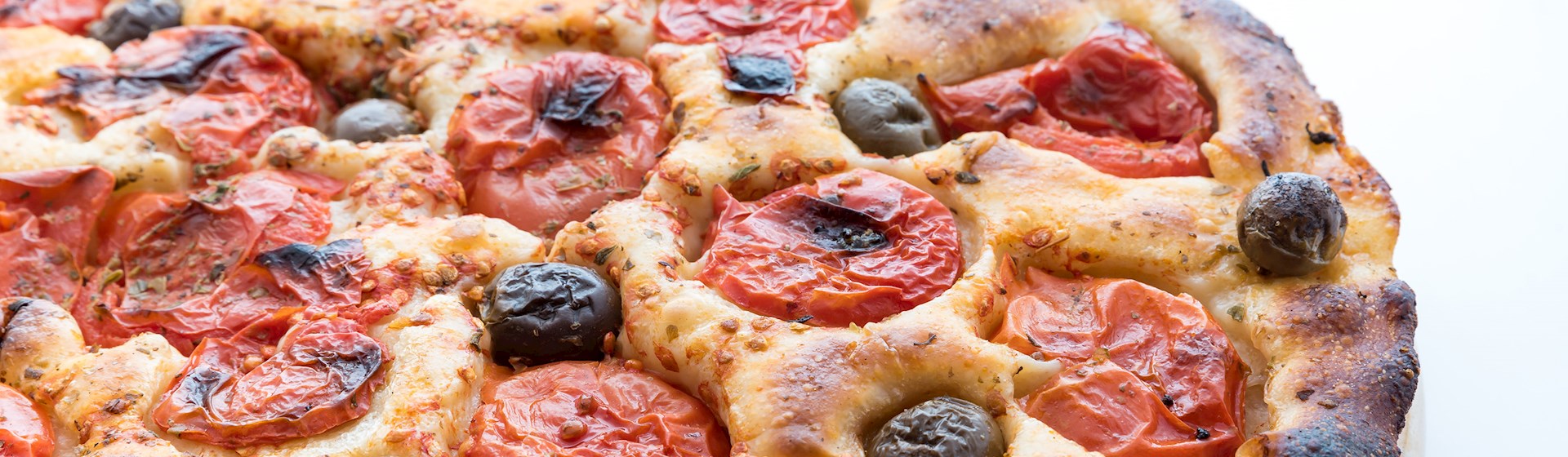
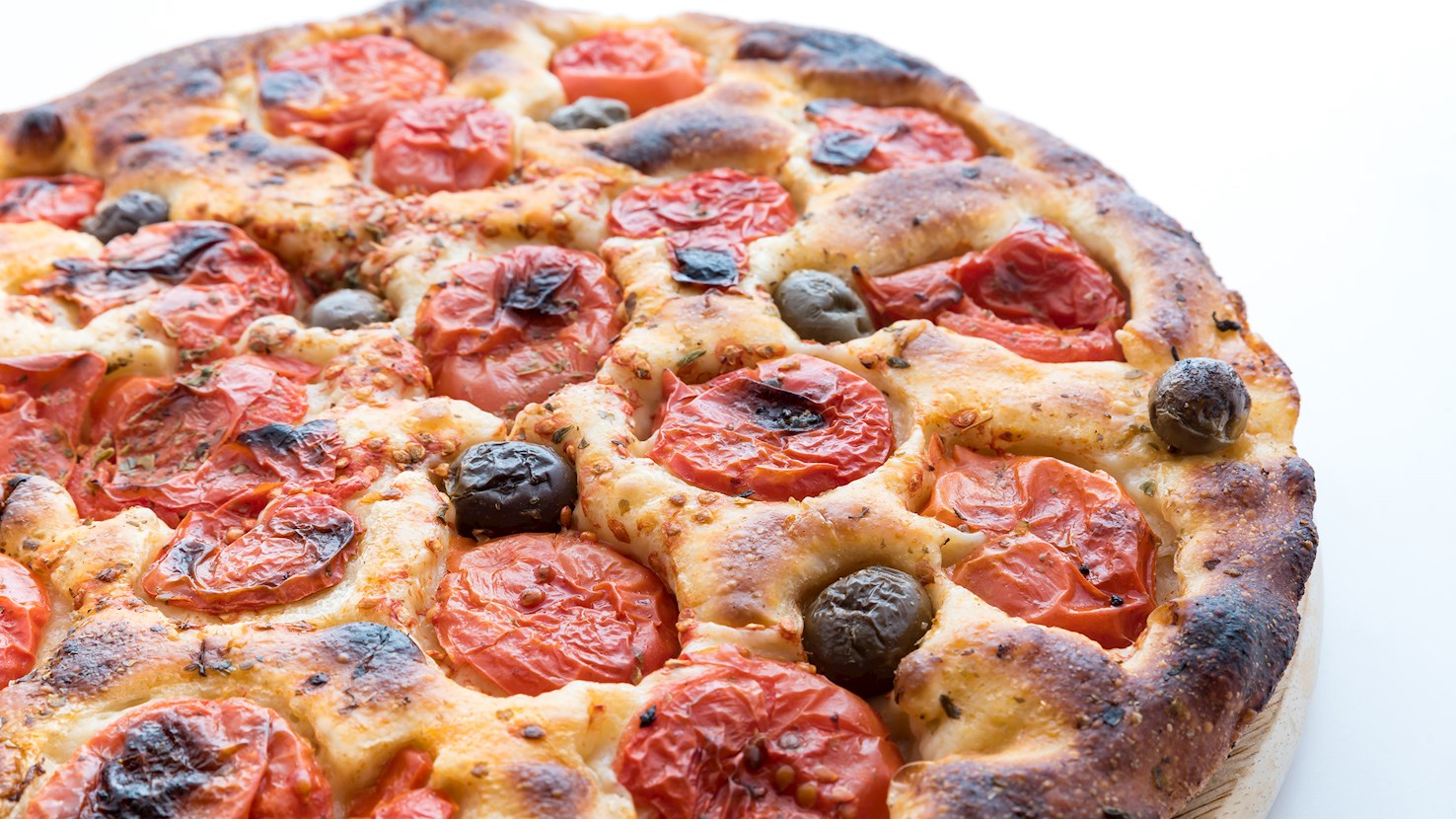
This Apulian delicacy is traditionally prepared with a soft, yeasted dough that combines semolina, wheat flour, and mashed potatoes. It is usually topped with cherry tomatoes and olives, but some varieties occasionally employ other combination of ingredients, such as different vegetables, coarse salt, or rosemary. Always baked in round tins, focaccia is usually doused in olive oil and is best served lukewarm.

03
Sandwich

Panino col polpo

4.4 ·

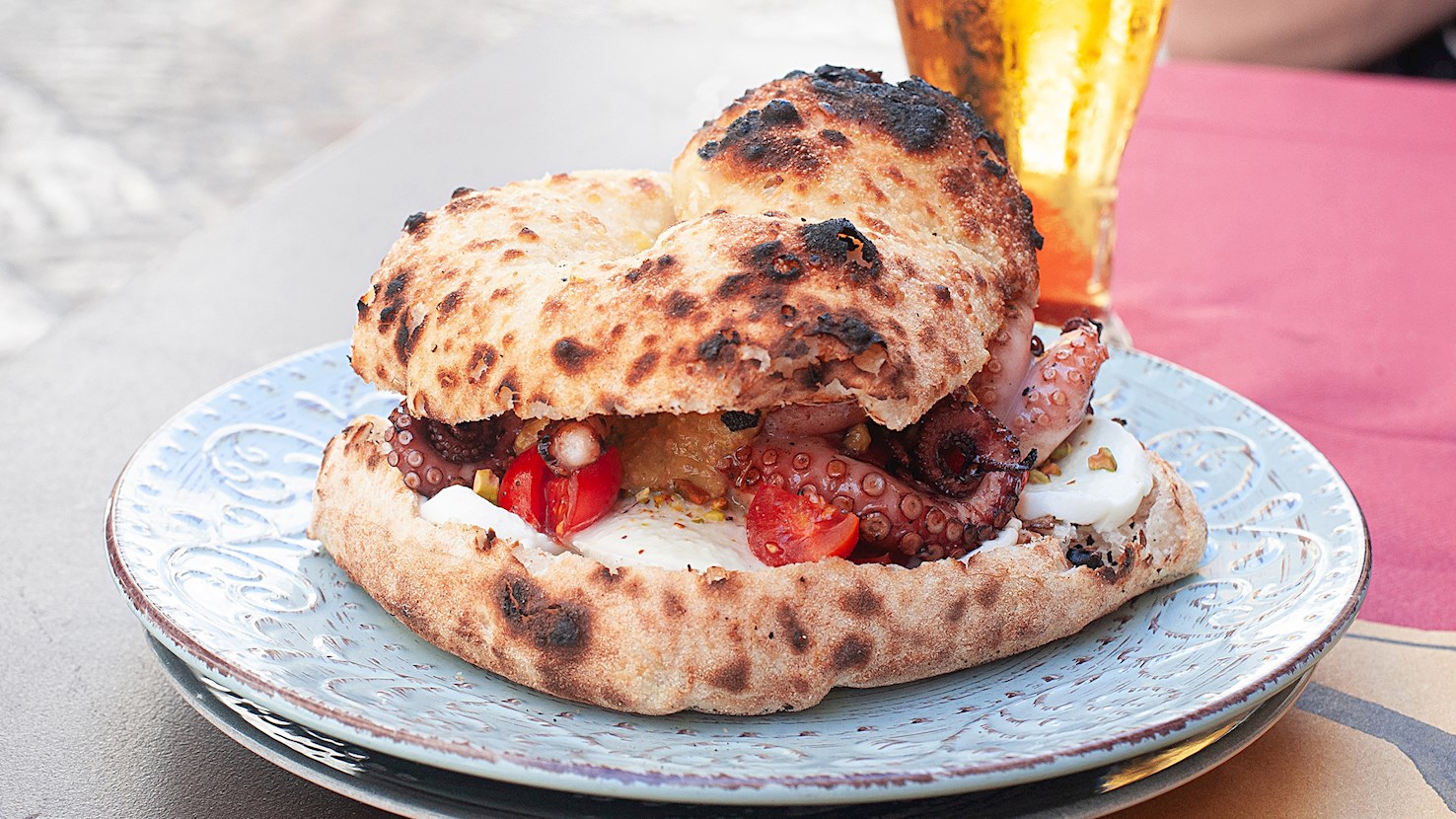
Panino col polpo is a traditional sandwich originating from the Bari area. This simple sandwich is made with a combination of octopus, bread rolls, olive oil, parsley, salt, and black pepper. The octopus is washed, brushed with olive oil, and grilled slowly over embers while being brushed with a mixture of olive oil, salt, pepper, and parsley as it cooks. Once done, the octopus is placed into a split bread roll, and the sauce is drizzled over the top of the octopus. This tasty sandwich is common during Apulian festivals and it can often be bought on street stands.

Best restaurants
04
Casserole

Parmigiana (Puglia)

4.3 ·

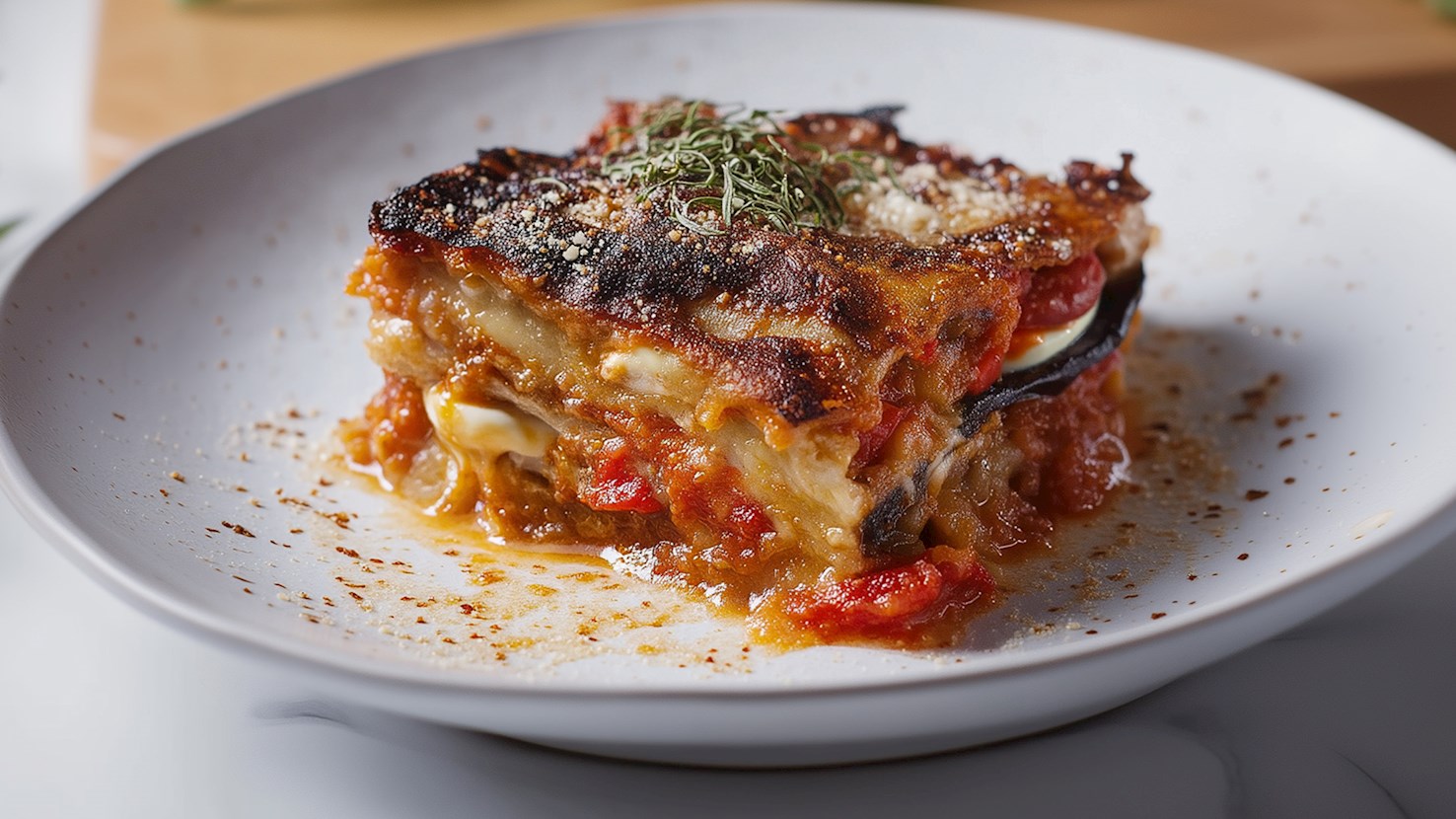
This variation on parmigiana di melanzane hails from Puglia. The recipe for this Puglia-style casserole sometimes calls for using zucchini instead of eggplant, along with olive oil, flour, eggs, tomatoes, mozzarella, cooked sausage meat, and grated Parmigiano-Reggiano. The eggplants or zucchinis are peeled, sliced, dredged in flour and eggs, then fried. Tomato sauce is ladled into a baking dish, followed by fried eggplant slices, mozzarella, and sausage meat. The layers are repeated, ending with tomato sauce and grated Parmigiano-Reggiano. The parmigiana is baked until the top becomes golden brown.

05
Snack

Panzerotti

4.3 ·

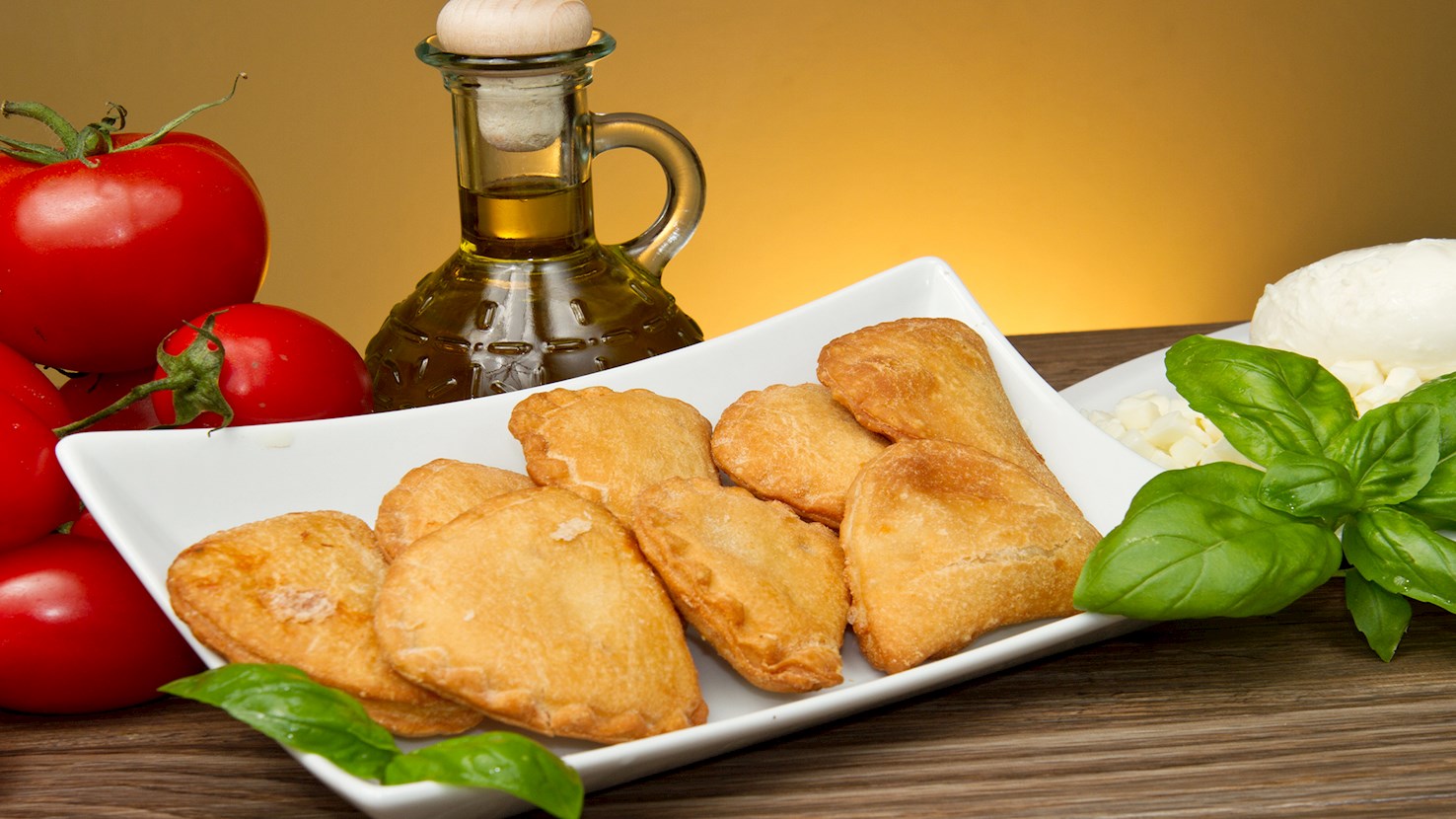
These crescent-shaped turnovers are traditionally prepared for the Carnival season, and even though it is believed that they originated in the Apulia region, panzerotti are extremely popular all across southern Italy. They resemble small calzone pizzas—both in shape and the dough used for its preparation—but instead of being oven-baked, panzerotti are deep-fried, which is why they're also called calzoni fritti (fried calzones), pizze fritte (fried pizzas), or simply frittelle (fritters). The classic panzerotto filling consists of merely tomatoes and mozzarella, but they can be filled with pretty much anything and in various combinations: prosciutto-mozzarella, pepperoni-provolone, spinach-ricotta, zucchini-mozzarella, onion-olives-tomatoes, speck-fontina, etc. Apart from the savory variations, there are also panzerotti filled with all kinds of fruits such as apples, pears, plums, oranges, cherries, peaches, and strawberries, which are wonderfully paired with ricotta, chocolate, or custard cream.

06
Sweet Pastry

Pasticciotto

4.2 ·

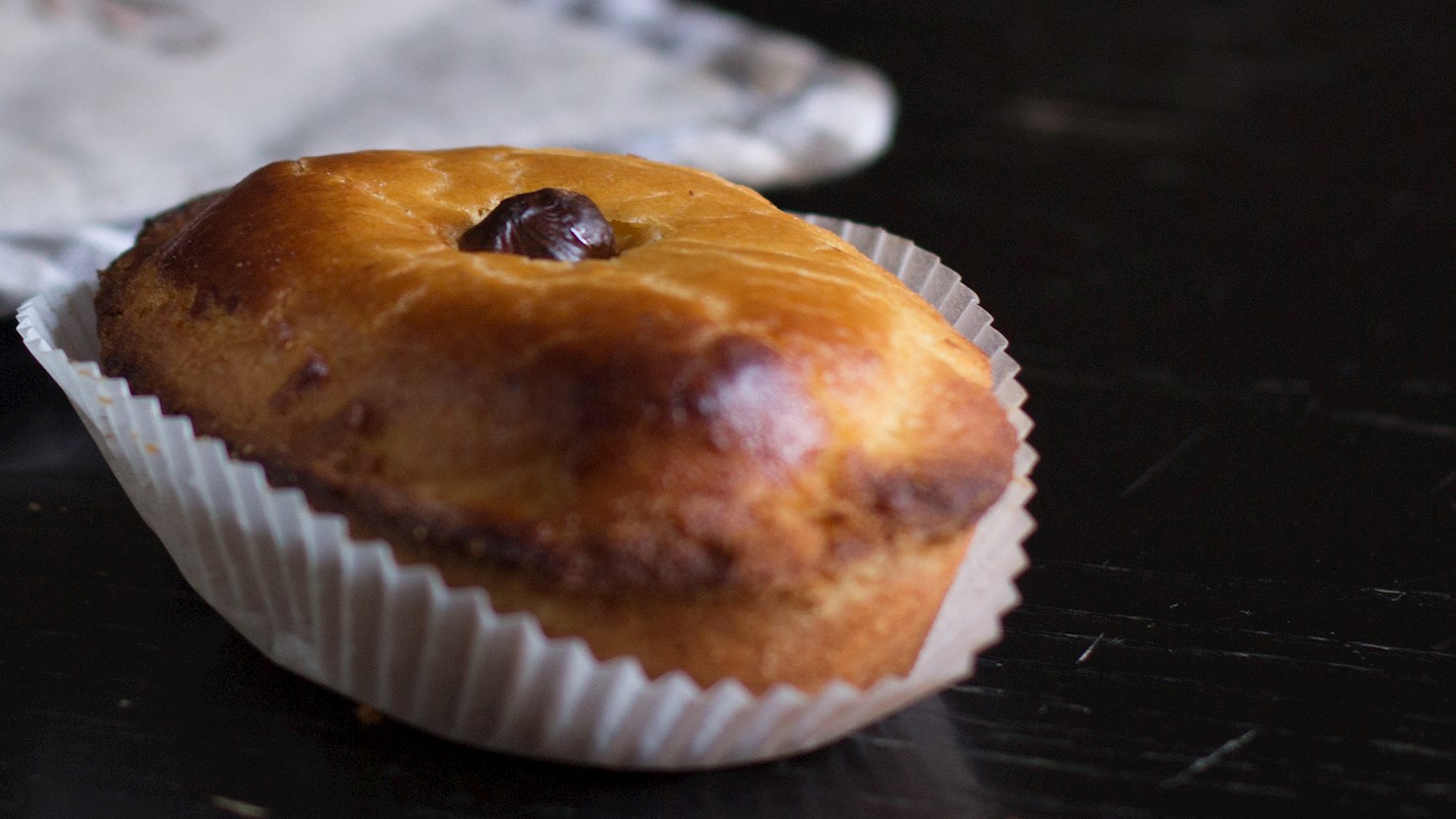
Pasticciotto is a popular Italian dessert consisting of a shortcrust pastry filled with flavorful pastry cream. Traditionally, the crust is made with lard, so that it is moister and softer than the regular crust prepared with butter. It is recommended to consume pasticciotto fresh out of the oven when it is still piping hot. Many believe that the dessert was invented in the 18th century by Andrea Ascalone, a chef from Galatina.

07
Pasta

Orecchiette con cime di rapa

4.2 ·

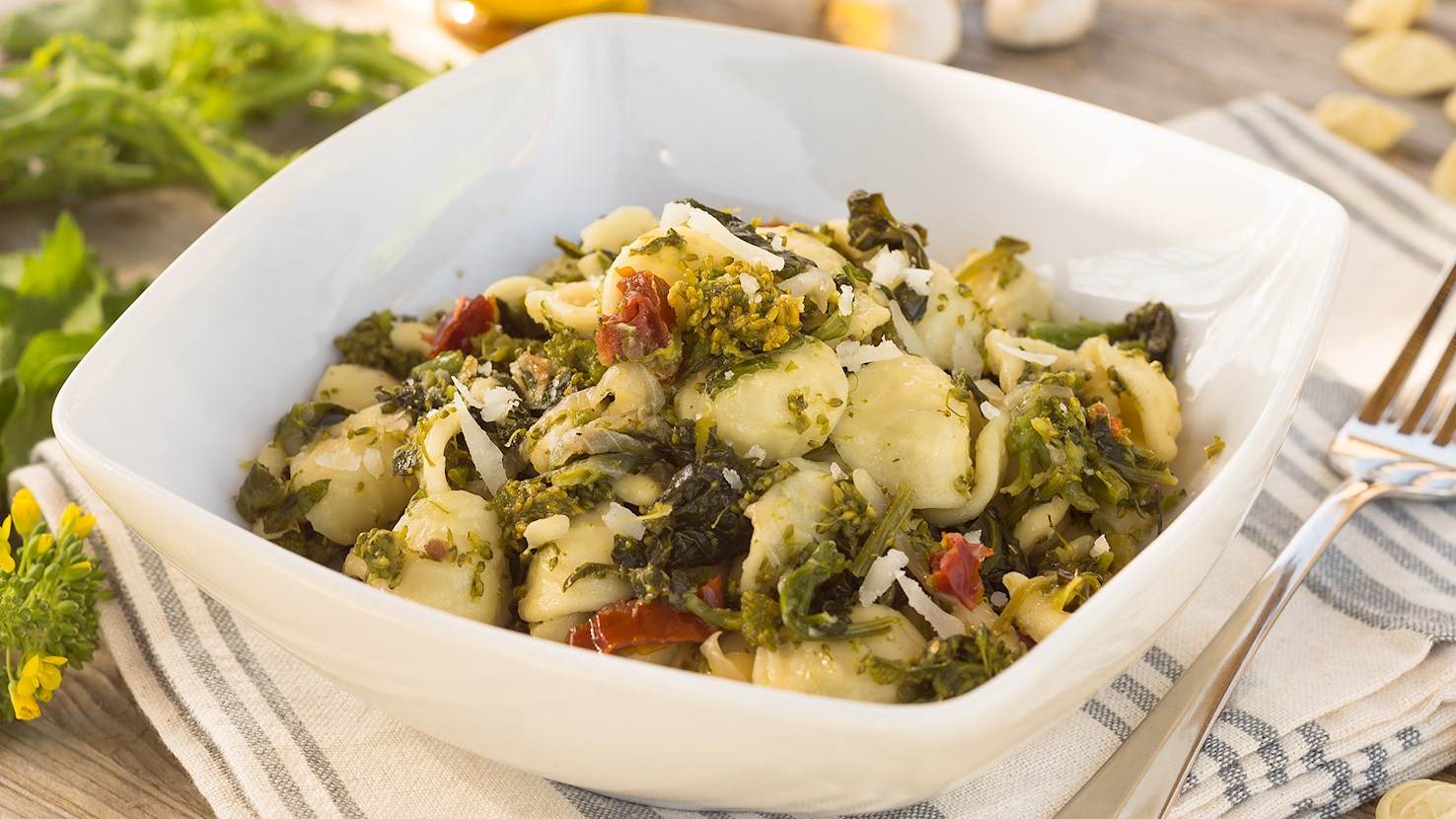
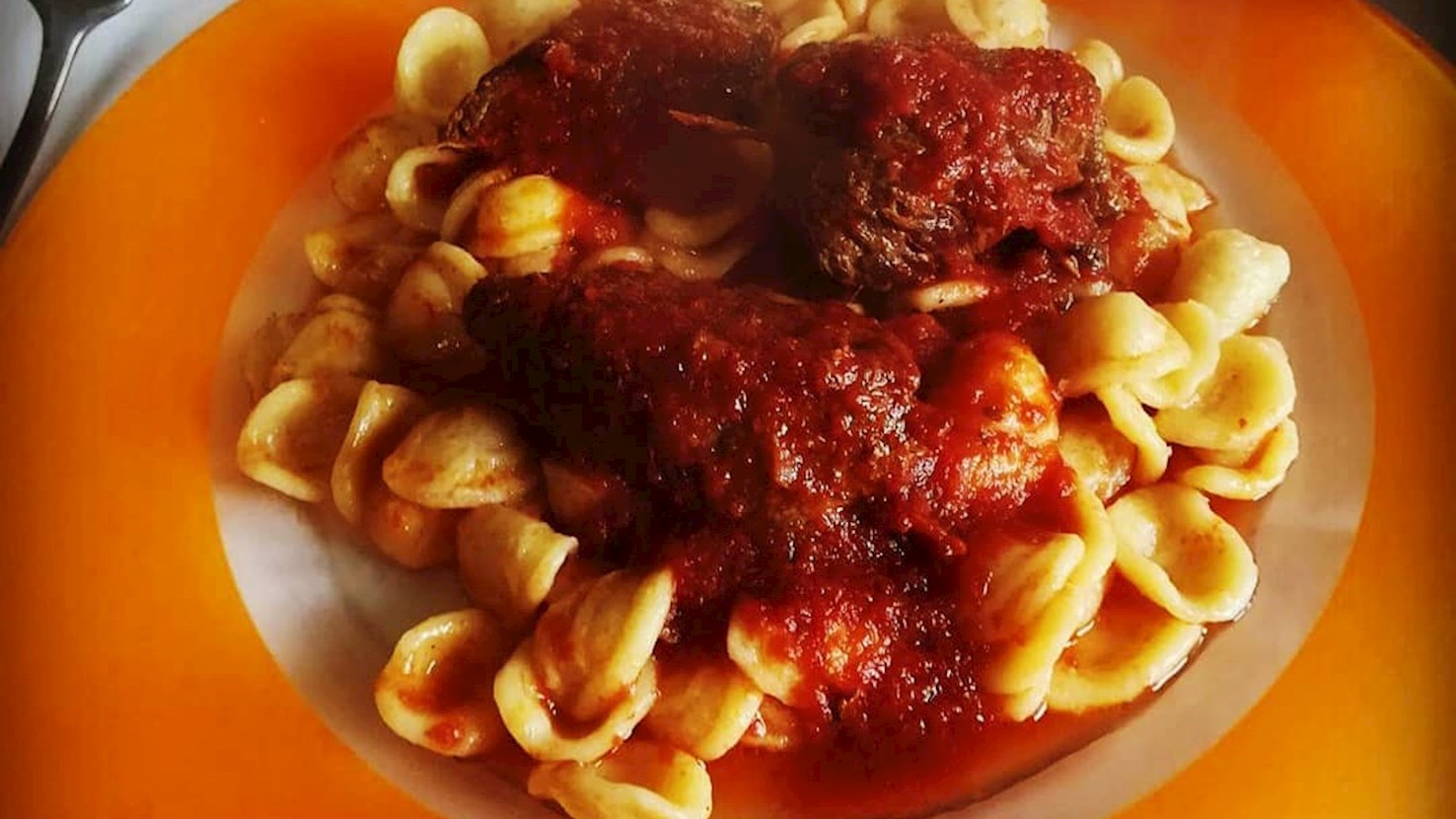
Orecchiette con cime di rapa (orecchiette with broccoli rabe) is one of the most popular pasta dishes from the Italian region of Apulia, especially beloved in the region's capital, Bari. Orecchiette have a perfect shape for scooping up the chunky pieces of boiled broccoli rabe, or rapini - a leafy, green vegetable closely related to turnip. This simple rustic dish is enriched with freshly grated, aged hard cheese (usually Pecorino Romano) and a sprinkle of crushed peperoncino flakes. Orecchiette con cime di rapa is best enjoyed immediately after the preparation, served with a generous drizzle of extra-virgin olive oil.

08
Cheese

Scamorza

4.2 ·

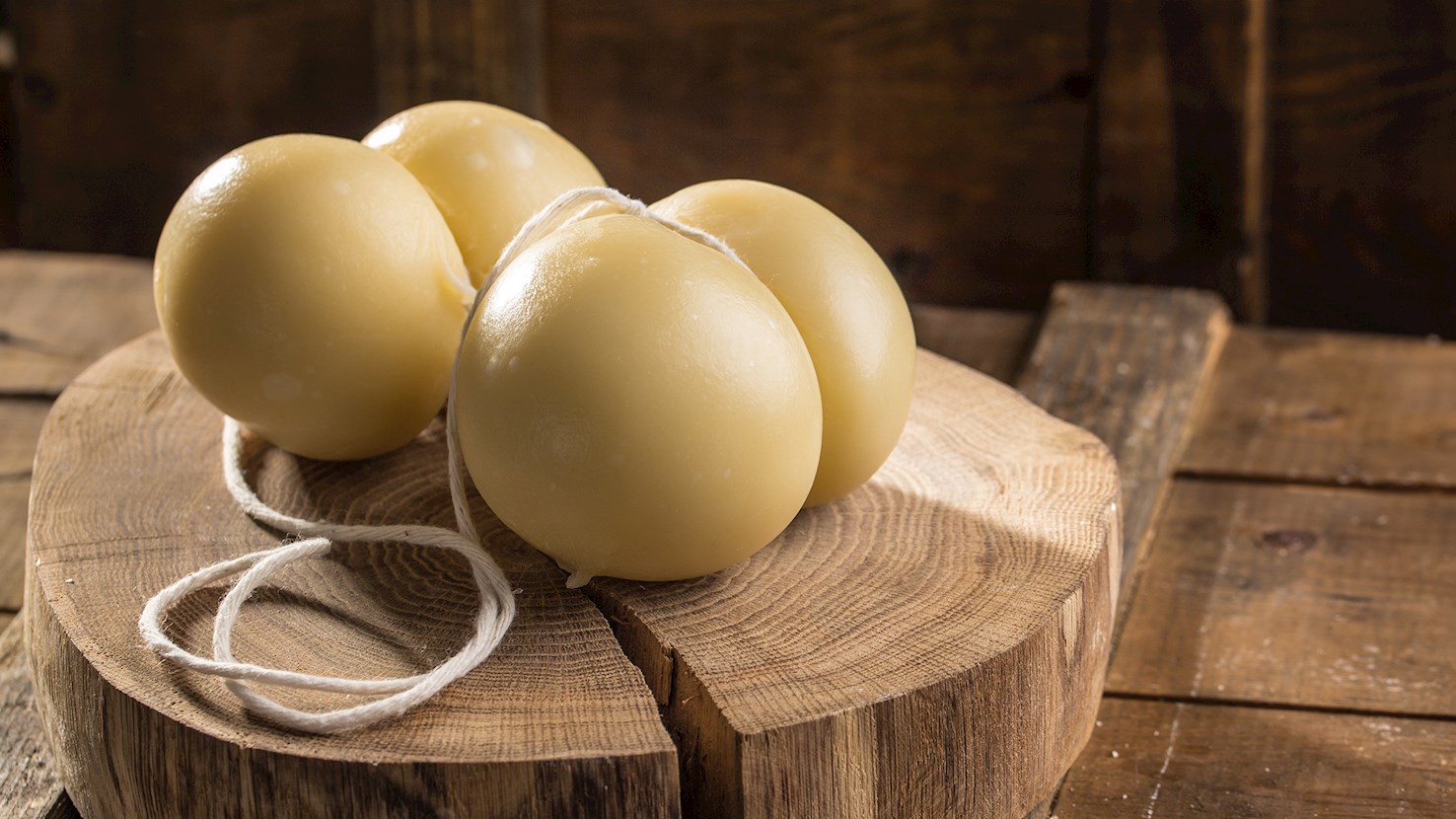
Scamorza is an Italian pasta filata cheese made with cow's milk. The cheese is shaped into two connected balls, one smaller than the other. Its texture is semi-soft, firm, and chewy, while the flavors are milky and smoky. These two balls of cheese are strung to ripen for 2 weeks, and the process gives the cheese its name, meaning beheaded. Scamorza can also be smoked, and it is then called scamorza affumicata. Often compared to mozzarella, Scamorza has a flavor that is more creamy and sweet than that of mozzarella, and it is also much drier. It is recommended to bake it as it melts well, or it can be used on top of pizza or lasagne. Pair it with Chardonnay or Pinot Grigio.

09
Pasta

Orecchiette alla barese

4.2 ·

Orecchiette alla barese is a traditional pasta dish originating from Bari in Puglia. The dish is usually made with a combination of orecchiette pasta, rapini (broccoli rabe), garlic, olive oil, chili peppers, and a few anchovies. However, there are a few variations on the dish, so the list of ingredients may vary. The garlic is chopped, sautéed in oil, then mixed with the anchovies which are mashed into the oil with some chili pepper. The sauce is then mixed with the rapini and the pasta, and the dish is often seasoned with ground pepper before serving.

Best restaurants
10
Snack

Rustico

4.1 ·

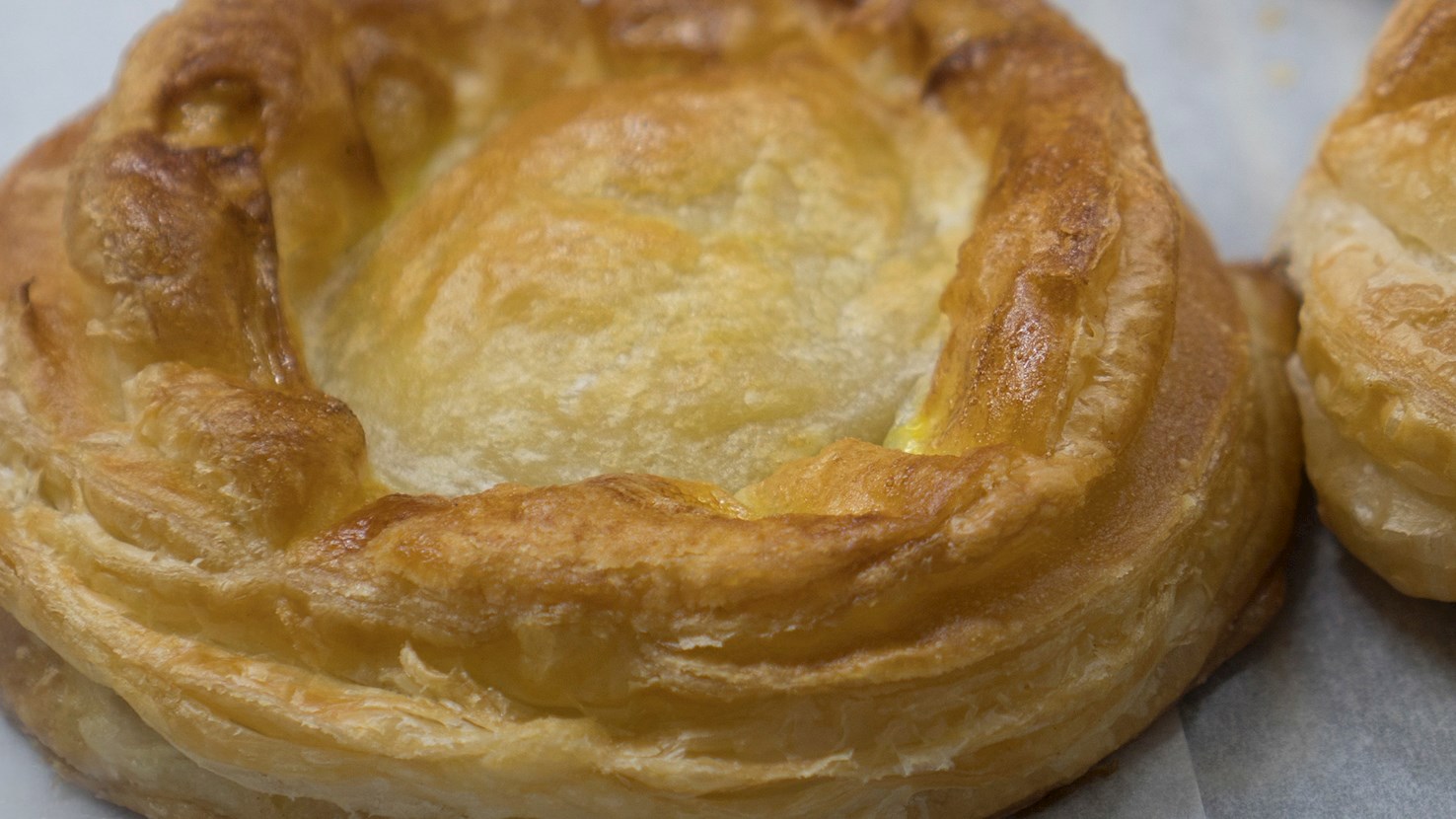
This traditional Italian savory treat is prepared with various fillings that are enclosed between two layers of puff pastry. Typically round in shape, rustico is usually filled with a combination of béchamel sauce, tomatoes, and mozzarella cheese, but there are also varieties that employ spinach or ricotta. Unlike other local delicacies from Salento and Lecce, rustico is not part of the traditional country-style cuisine and is believed to have developed in the 1700s, following the invention of béchamel sauce. The pastry is a common street food item, and it is mainly enjoyed as a breakfast or an afternoon snack.

Best Apulian food products
01
Olive Oil

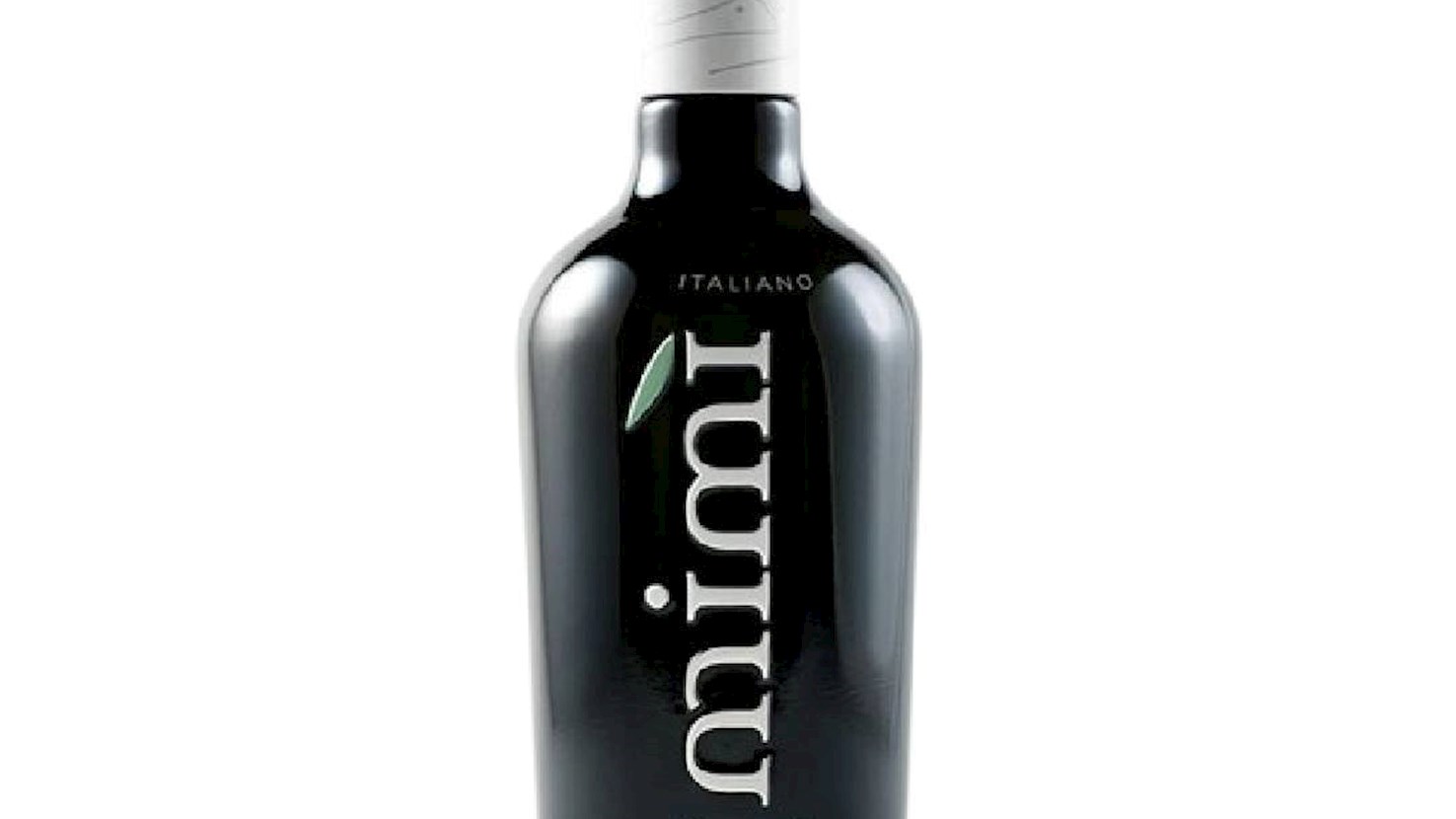
Olio Mimì

5 ·
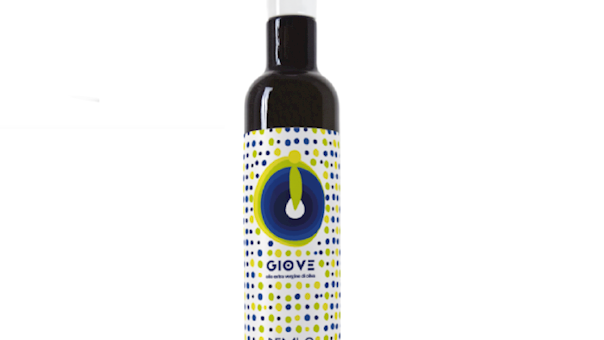
Olio Mimì is a story of passion, heritage, and dreams rooted in the fertile land of Apulia. The vision of Domenico “Mimì” Conserva lives on through his family, who dedicate themselves to producing extra virgin olive oils of the highest quality. His sons Donato and Michele, together with their mother Giuditta, continue his path and transform his love for the land into a brand recognized and admired worldwide. Each oil is born from carefully selected olives, swiftly and precisely milled in the modern oil mill in Modugno, and preserved under strict inert conditions. Innovation and tradition work hand in hand to ensure that every drop retains the freshness, fragrance, and authentic character of the olive. What makes Olio Mimì truly special is the union of family dedication, modern expertise, and deep respect for the land, all of which can be felt in every one of their creations.
Awards
Flos Olei - The Best (2024, 2023, 2022)
Biol - International Organic Competition Prize - Extra Gold (2024, 2023, 2022, 2021)
02
Chocolate Confectionery

Maglio Cioccolato

5 ·
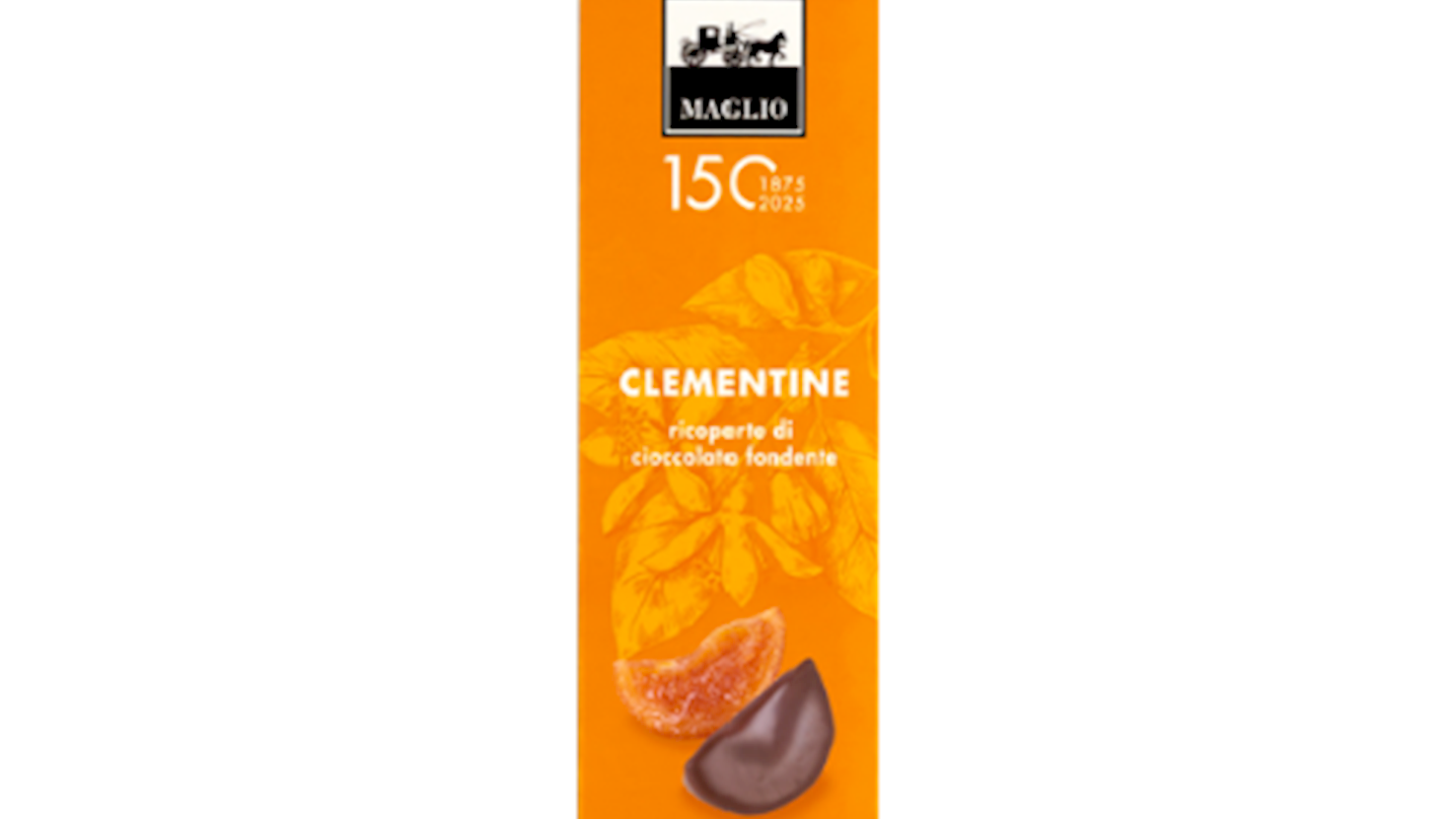
Maglio Cioccolato is a renowned chocolate maker celebrated for its meticulous craftsmanship and dedication to quality. Combining traditional methods with innovative recipes, Maglio creates a wide range of gourmet chocolates, from delicate pralines and dragées to elegant chocolate bars and seasonal specialties. The brand is distinguished by its careful selection of premium cocoa and natural ingredients, ensuring each creation delivers a rich and balanced flavor. Known for elegant packaging and refined taste, Maglio chocolates embody the perfect fusion of tradition, creativity, and passion for excellence.
Awards
Tavoletta D'Oro - The best in category (2024, 2023, 2022, 2021, 2020, 2019, 2018, 2017, 2016, 2015, 2013, 2012, 2011, 2003)
Tavoletta D'Oro - Premio del ventennale Award (2024, 2023)
03
Olive Oil

Azienda Agricola Scisci

5 ·
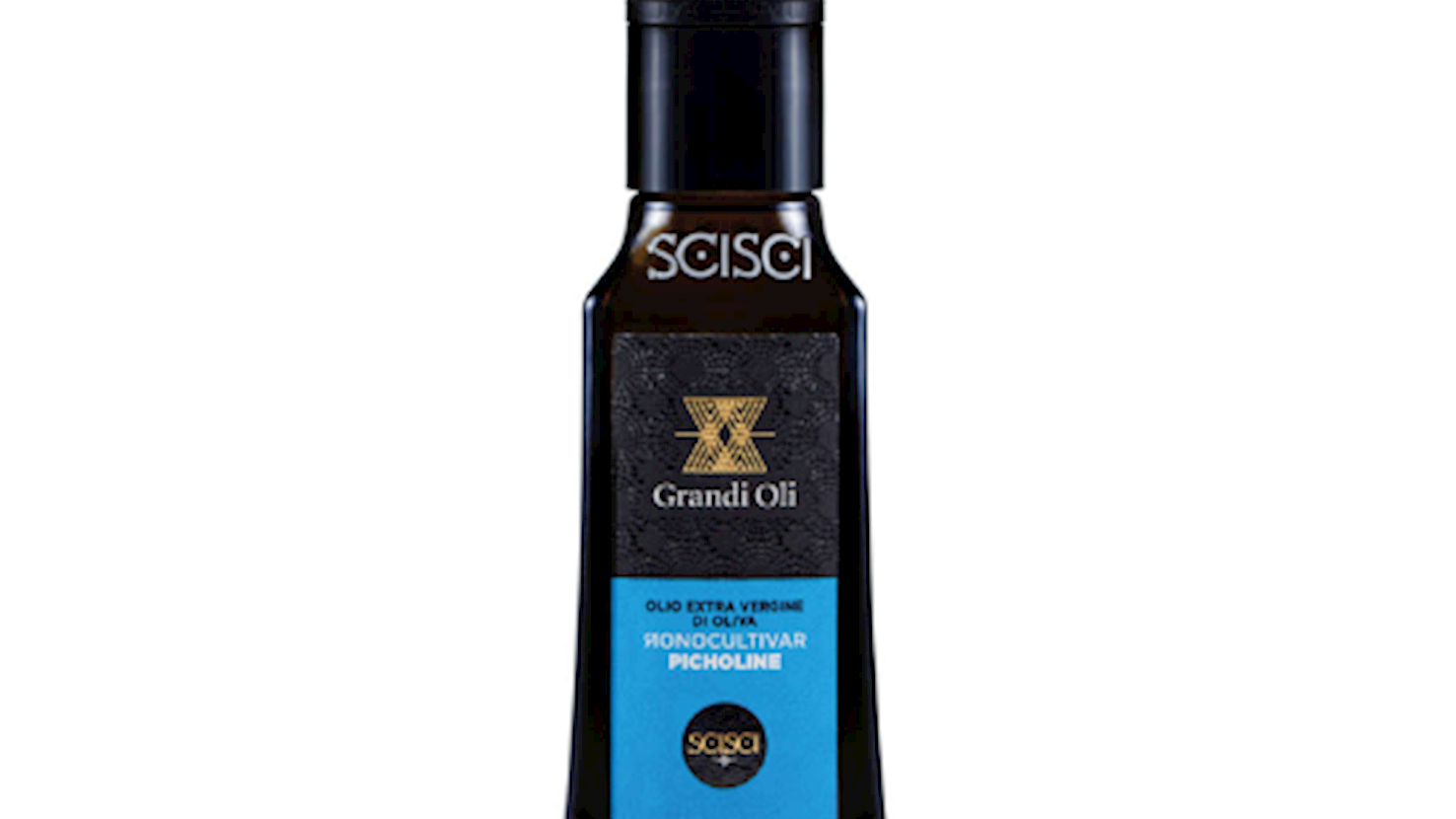
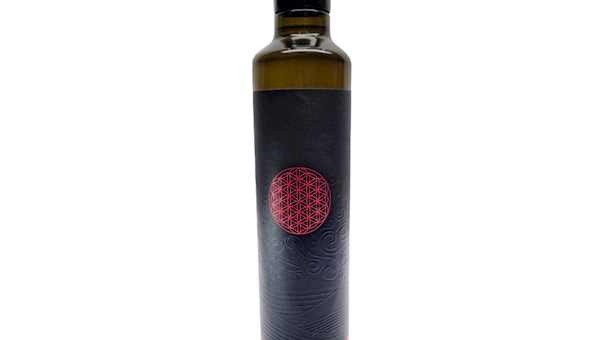
Azienda Agricola Scisci is a family estate from Monopoli in Apulia that has been preserving the tradition of olive growing and extra virgin olive oil production for four generations. Scisci is particularly renowned for its “Grandi Oli” line, offering organic extra virgin olive oil distinguished by pronounced fruitiness and high nutritional value. The production process includes careful harvesting, rapid milling, and storage under controlled conditions, ensuring the preservation of the olive’s natural qualities. Since 2008, the company has also been producing other delicacies such as vegetables preserved in oil, jams, and canned products, all reflecting its philosophy of quality and authenticity. Their oils have won international awards, confirming the brand’s reputation and high standards. Today, Scisci is recognized as a fusion of tradition, sustainable agriculture, and innovative practices, while also offering visitors the opportunity to enjoy tastings and estate tours. Thanks to dedication and love for the land, this producer stands out as one of the guardians of Apulia’s authentic flavors.
Awards
Oli d'Italia - 3 Foglie (2025)
EVO IOOC - Gold Medal (2021, 2020, 2019, 2018, 2017)
04
Pasta Variety

Pastificio Benedetto Cavalieri

5 ·
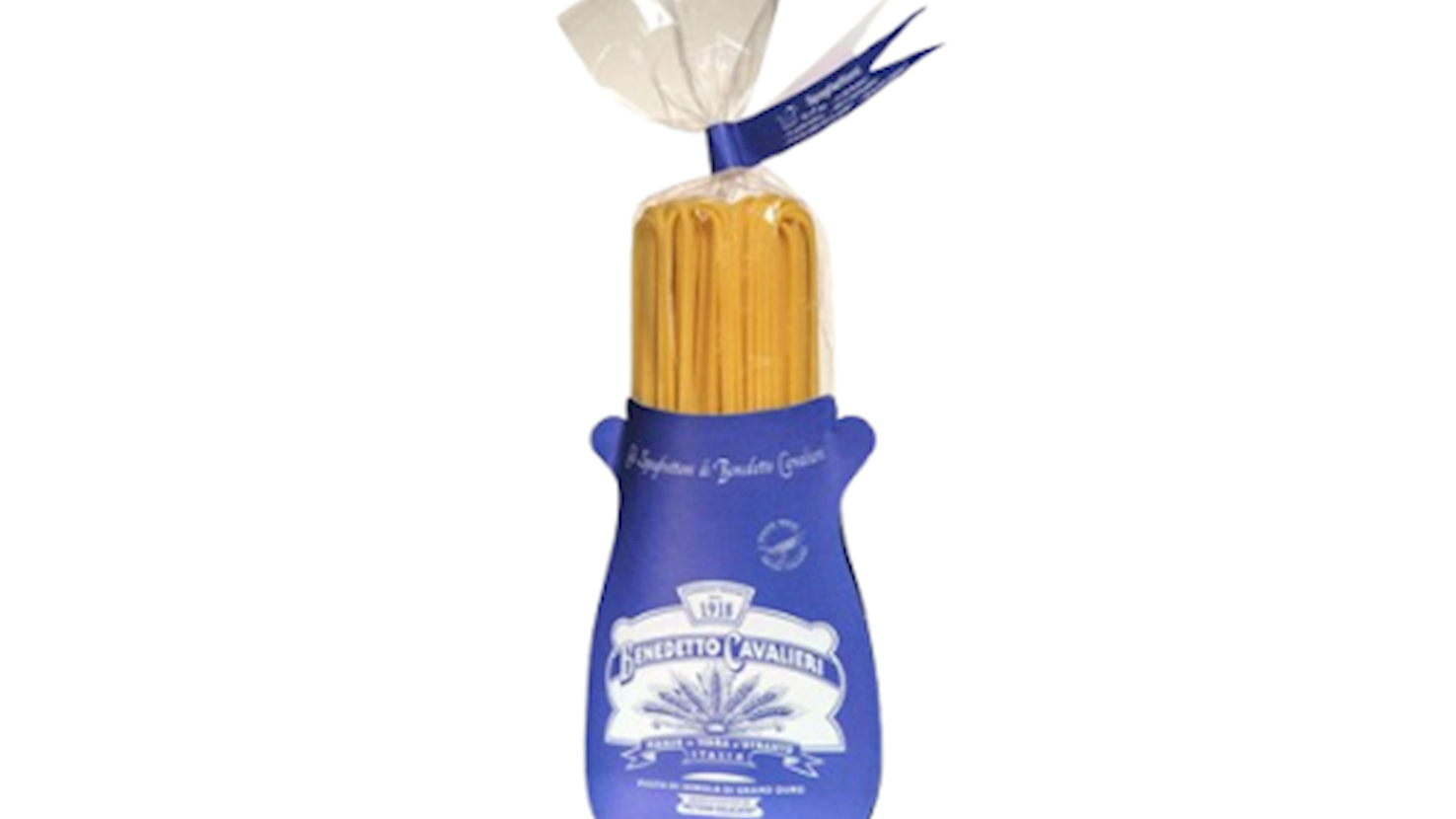
Pastificio Benedetto Cavalieri is an esteemed Italian pasta producer located in Maglie, Lecce, within the Apulia region. Established on July 7, 1918, by Benedetto Cavalieri, the company has maintained a commitment to crafting high-quality pasta using traditional methods. The company employs a "Delicate Method" in its production process, which preserves the nutritional value, flavor, and aroma of the durum wheat. This technique ensures a natural consistency that is highly appreciated by connoisseurs. Their product range includes 32 varieties of durum wheat semolina pasta, featuring notable shapes such as Spaghettoni and Ruote Pazze. Additionally, they offer eight types of organic whole wheat pasta, naturally rich in fiber and known for their excellent cooking performance. Pastificio Benedetto Cavalieri's dedication to quality and tradition has earned them recognition in both national and international culinary circles. Their pasta is celebrated for its exceptional taste and texture, making it a preferred choice among gourmet enthusiasts.
05
Olive Oil

Sabino Leone

5 ·
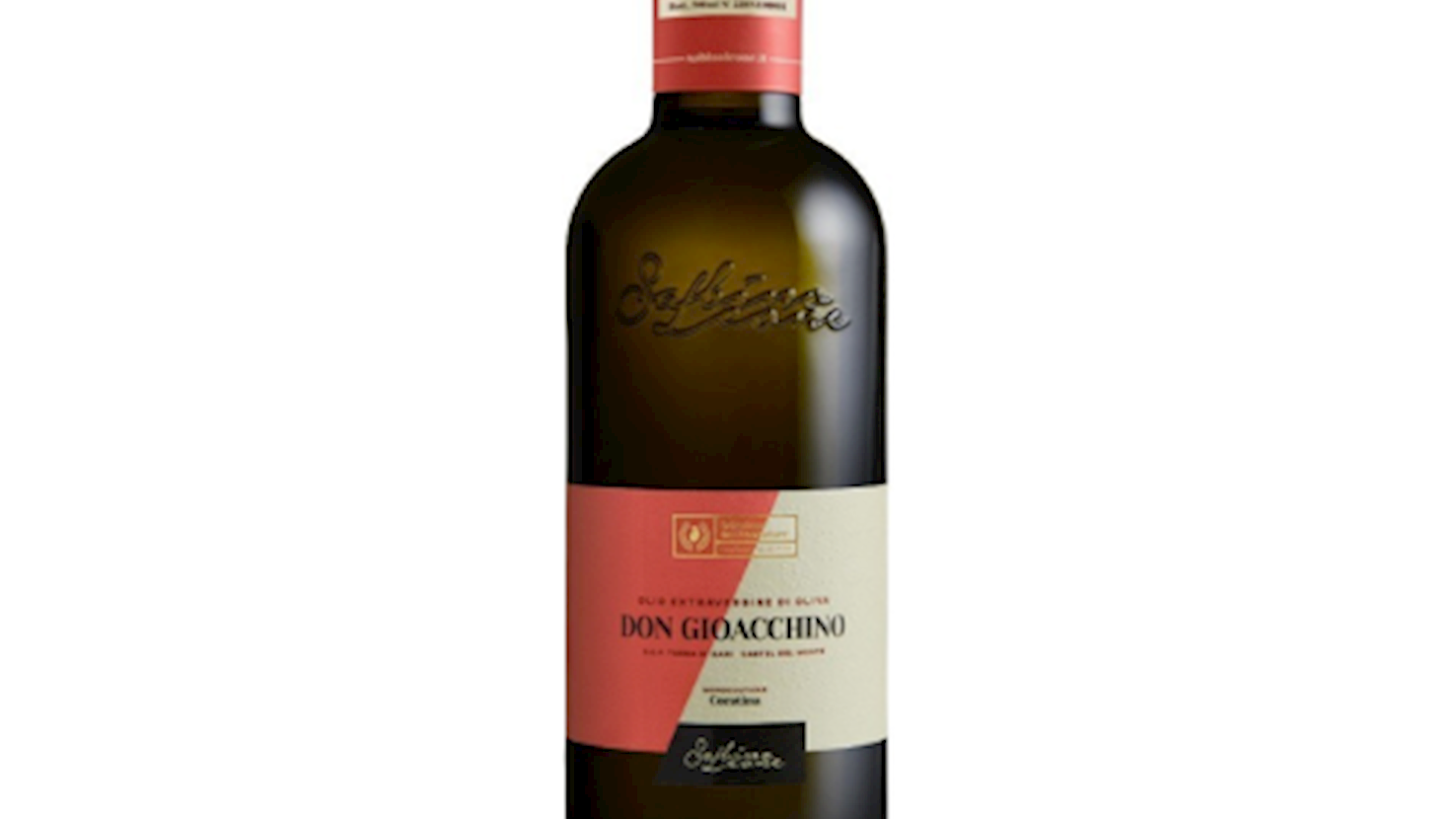
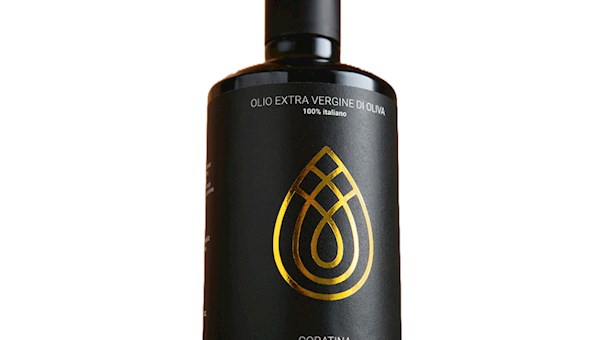
Sabino Leone is a family-owned olive mill from Canosa di Puglia in southern Italy, renowned for its long-standing tradition and dedication to producing high-quality extra virgin olive oil. At the heart of their groves is the native Coratina variety, complemented by Peranzana, Carolea, and Frantoio, which together create a rich and diverse portfolio. Many of their olive trees are more than two centuries old, giving the oils authenticity and depth of flavor. Their most celebrated product is Don Gioacchino DOP Terra di Bari Castel del Monte, named after the family’s founder, and awarded multiple times at international competitions. This oil is distinguished by complex aromas of green almond, artichoke, chicory, mint, and rosemary, balanced by pleasant bitterness and spiciness. Subtle notes of cinnamon and black pepper occasionally emerge, adding to its refinement. Sabino Leone carefully oversees every stage of production, from harvesting to cold pressing, using modern technologies that preserve the nutritional and sensory qualities of the oil. Their range also includes monovarietal oils, organic lines, and flavored varieties. The products are enjoyed in households, restaurants, and gourmet kitchens across the world. Sabino Leone stands as a prime example of how dedication to terroir combined with modern innovation can create oils of unique character and exceptional quality.
Awards
Flos Olei - The Best (2023)
Oli d'Italia - 3 Foglie (2025)
06
Olive Oil

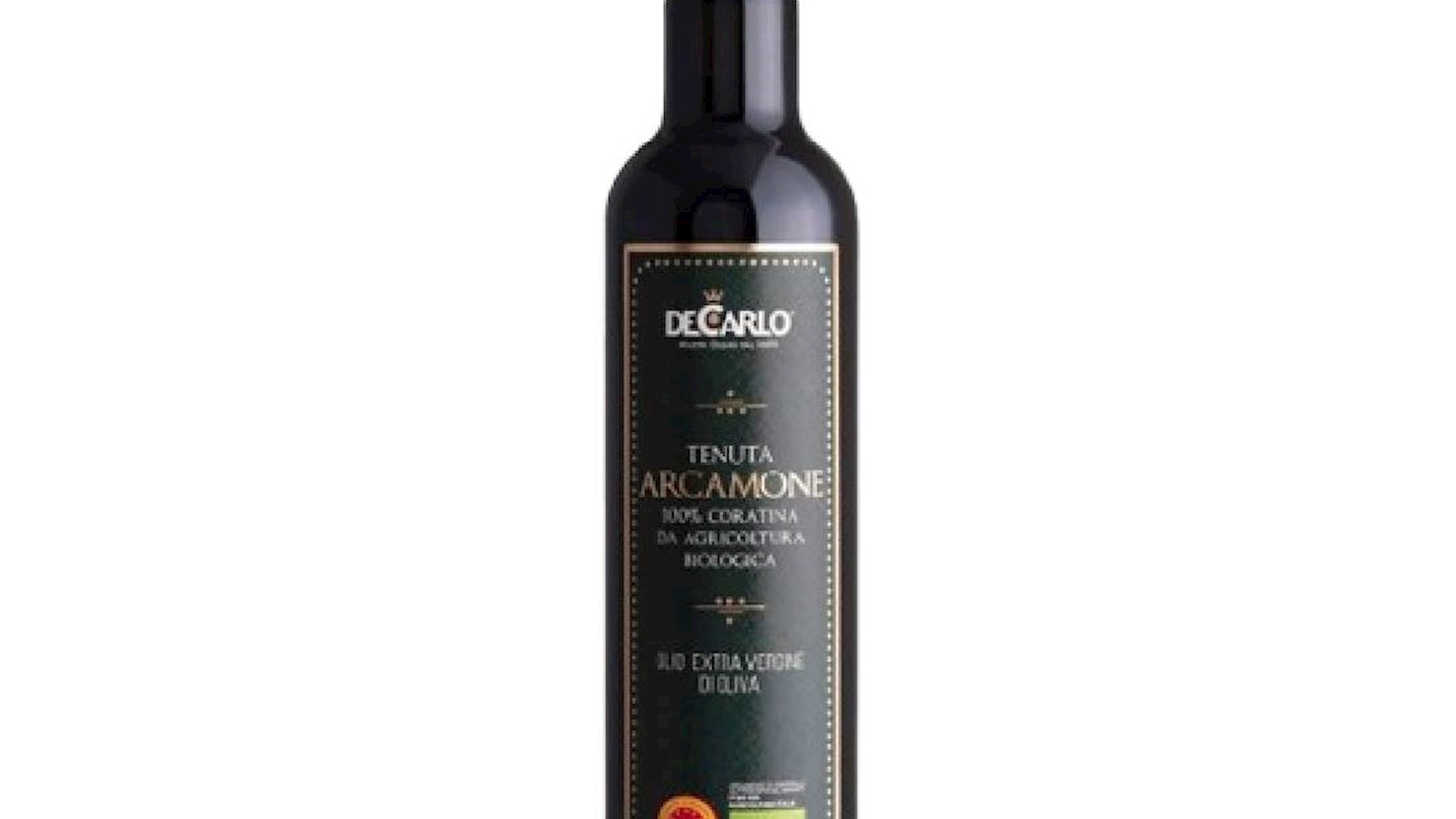
Olio De Carlo

5 ·
Olio De Carlo is a symbol of authentic extra virgin olive oil from Apulia, born from more than four centuries of family dedication to the land and its fruits. Since 1600, when the first Ogliarola Barese and Coratina trees were planted, the De Carlo family has preserved the bond between tradition and innovation, creating oils that embody the very heart of Southern Italy. Their philosophy rests on a simple rule: olives are hand-harvested and pressed within hours to preserve their natural aroma, freshness, and nutritional value. Organic farming, sustainability, and deep respect for the terroir guide every step of the production process. Olio De Carlo is far more than olive oil – it is a story of family, land, and centuries of passion, with every drop carrying the authentic taste and soul of the Mediterranean.
Awards
Flos Olei - The Best (2025)
Flos Olei - The Best (2019)
07
Olive Oil

CaVi Uliveti

5 ·
CaVi Uliveti is a family-run extra virgin olive oil producer based in Vieste, in the Gargano area of northern Puglia, where olive growing is shaped by a strong maritime influence and a Mediterranean climate. The company manages the full production chain, from olive cultivation to bottling, ensuring traceability and consistent quality control. Olives are harvested at an early stage of ripeness and processed shortly after picking, using cold extraction below 27°C to preserve polyphenols and aromatic compounds. The range includes oils with different sensory intensities, from structured Coratina-based expressions to more balanced profiles with pronounced green fruit notes. Aromatically, the oils reveal nuances of freshly cut grass, green almond, and artichoke, while more robust labels show marked bitterness and progressive pungency. Production combines traditional agricultural knowledge passed down through generations with modern milling and storage technologies. Particular attention is given to grove management and sustainable practices aimed at maintaining tree health and fruit integrity. The limestone-rich soils and coastal conditions of Gargano contribute to the structure and stability of the oils. CaVi Uliveti oils are suited to gastronomy where intensity and clarity of flavor are valued, especially with vegetables, legumes, grilled dishes, and seafood.
Awards
Oli d'Italia - 3 Foglie (2025)
EVO IOOC - Best in Class (2025)
08
Olive Oil

Azienda Agricola Pietrasanta
5 ·
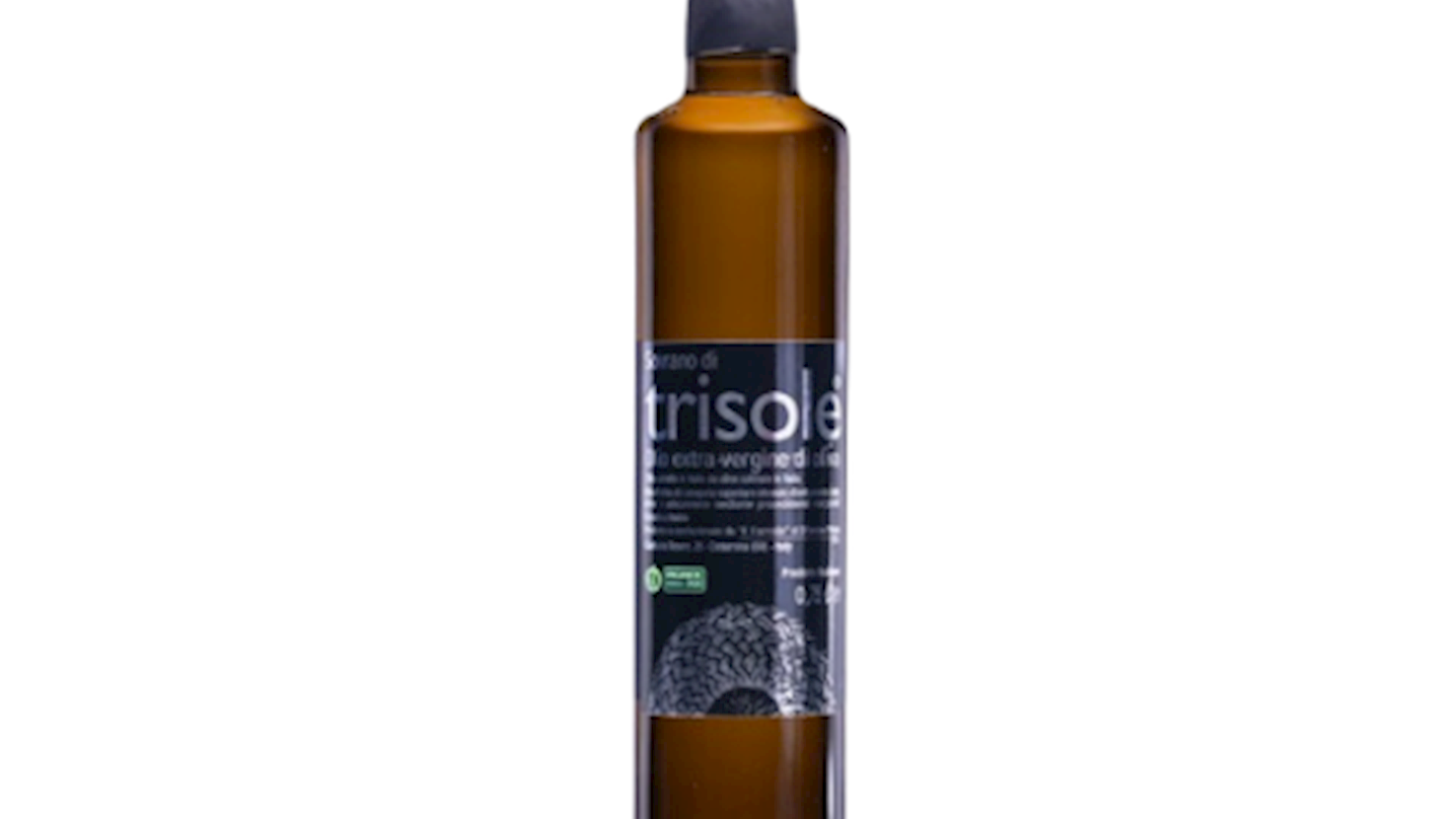
Azienda Agricola Pietrasanta is a family-run farm located in Carovigno, in the province of Brindisi in the Apulia region of southern Italy, an area widely recognized for its centuries-old olive-growing tradition. The estate lies between the towns of Carovigno and Ostuni, close to the Torre Guaceto nature reserve, where Mediterranean climate, sea breezes, and limestone soils create favorable conditions for cultivating olives. The farm focuses on traditional local cultivars such as Ogliarola, Cellina di Nardò, Leccino, Cima di Melfi, and Frantoio, which are carefully harvested and processed to preserve their natural aromatic profile. Olives are typically milled within a short time after harvest, often within 12 hours, using cold mechanical extraction in order to retain the oil’s natural polyphenols, antioxidants, and organoleptic characteristics. The resulting extra virgin olive oil is known for its balanced Mediterranean character, showing notes of fresh almond, green herbs, and a gentle interplay of bitterness and peppery pungency. In addition to olive oil, the farm also produces traditional Apulian specialties such as olives in brine, capers, vegetables preserved in olive oil, and the locally renowned Fiaschetto tomato from Torre Guaceto, a variety supported by Slow Food initiatives aimed at preserving regional agricultural heritage.
Awards
EVO IOOC - Gold Medal (2018)
Guida Bibenda - Olio Eccellente d’Italia - Cinque Gocce (2018)
09
Olive Oil

Il Frantolio D'Amico

5 ·
Il Frantolio D'Amico is an organic olive oil estate based in Cisternino, in the Itria Valley of Puglia, where the D’Amico family has been producing olive oil since 1917. The company focuses exclusively on 100% Italian extra virgin olive oil obtained from locally grown olives cultivated under certified organic practices. Production is managed entirely in-house, from grove management to harvesting, milling, bottling, and packaging, ensuring traceability and quality control throughout the supply chain. The olives are cold-extracted shortly after harvest to preserve aromatic compounds, polyphenols, and structural balance. Their oils typically display a medium fruity profile with notes of fresh grass, green almond, and Mediterranean herbs, supported by balanced bitterness and clean pungency. The limestone soils and dry climate of the Itria Valley contribute to clarity and stability in the final product. In addition to production, the estate welcomes visitors for guided tastings and educational tours, offering insight into traditional olive cultivation and milling techniques. Il Frantolio D'Amico positions itself within the organic, terroir-driven segment of extra virgin olive oil, emphasizing authenticity, sustainability, and generational continuity.
Awards
Oli d'Italia - 3 Foglie (2025)
10
Olive Oil

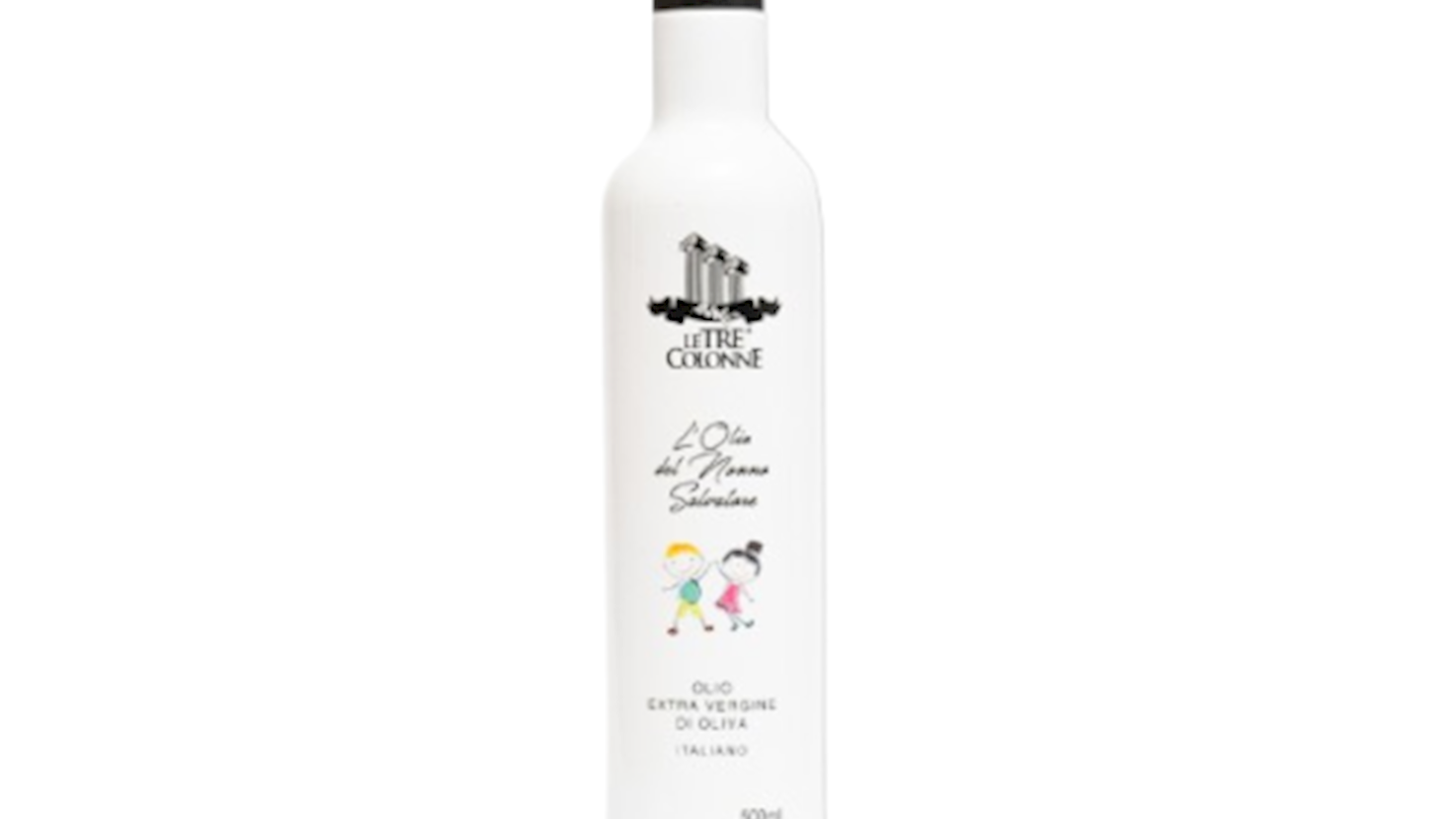
Le Tre Colonne

5 ·
Le Tre Colonne is a family-run farm located in the area of Giovinazzo, not far from the Adriatic coast in the Puglia region, one of Italy’s most important olive-growing areas. The estate is led by Salvatore Stallone, a second-generation olive grower who combines ancestral knowledge with modern agronomic and technological practices. Their olive groves stretch across the fertile and sunny terrain of northern Bari, where the climate, coastal winds, and sea moisture create ideal conditions for cultivating varieties such as Coratina, Ogliarola, and Peranzana. Production takes place in their own modern mill, located directly on the estate, allowing olives to be pressed very quickly after harvest—often within just a few hours. This preserves the oil’s natural aromas, phenolic compounds, and nutritional quality. Le Tre Colonne pays particular attention to sustainability: environmentally friendly plant protection methods are used, irrigation is done via drip systems, and both wastewater and olive pomace are recycled as part of a circular production model. Le Tre Colonne’s mission goes beyond simply producing oil—they strive to preserve the identity of their land, transmit the culture of olive growing, and promote a healthy lifestyle. For the Stallone family, olive oil is not just a product—it’s a daily philosophy of life.
Awards
Flos Olei - The Best (2026, 2024, 2021)
Guida Bibenda - Olio Eccellente d’Italia - Cinque Gocce (2026)
Read more
View all
View map
About this ranking

TasteAtlas food rankings are based on the ratings of the TasteAtlas audience, with a series of mechanisms that recognize real users and that ignore bot, nationalist or local patriotic ratings, and give additional value to the ratings of users that the system recognizes as knowledgeable. For the “Top 100 Apulian Foods” list until June 24, 2026, 1,061 ratings were recorded, of which 801 were recognized by the system as legitimate. TasteAtlas Rankings should not be seen as the final global conclusion about food. Their purpose is to promote excellent local foods, instill pride in traditional dishes, and arouse curiosity about dishes you haven’t tried.

The initial list of top producers was compiled based on available reviews, awards, local recommendations, media and blog coverage, and consumer reviews. The list will be updated with ratings from TasteAtlas local ambassadors and TasteAtlas users.

Similar lists