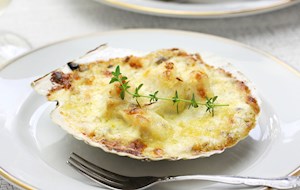
Coquilles Saint-Jacques à la parisienne

Coquilles Saint-Jacques à la parisienne is an elaborate, classic French seafood gratin consisting of tender poached scallops, earthy mushroom duxelles, and a rich white wine cream sauce, all baked and served directly within the bivalve's natural fan-shaped shell. Served bubbling hot, it is an undisputed masterclass in traditional gastronomy, capturing the unapologetic decadence of mid-twentieth-century Parisian bourgeois dining. While the humble sea scallop has been harvested along the French coastline for centuries—originally earning its namesake from the pilgrims of Saint James who utilized the shells as drinking vessels on their historic journey to Santiago de Compostela—it was this meticulously crafted preparation that elevated the seafood into a globally recognized icon of haute cuisine. Unlike a simple, minimalist pan-seared scallop, this dish begins with plump, sweet scallops, often still bearing their vibrant orange roe, which are gently poached in an aromatic bath of white wine and herbs to preserve their exquisitely tender, buttery texture. These delicate morsels are then nestled on a bed of savory mushroom duxelles, a rich, earthy mixture of finely minced white button mushrooms and shallots, slowly caramelized in butter. The true magic, however, lies in the velvety sauce that blankets the seafood: an unabashedly rich white wine velouté heavily enriched with egg yolks, heavy cream, and the concentrated maritime poaching liquor. To contain this molten treasure, an elegant border of golden pommes duchesse is piped around the perimeter of the shell, acting as a delicious dam of egg-yolk-enriched mashed potatoes. A final dusting of finely grated Gruyère cheese or toasted breadcrumbs is applied before the entire shell is blasted under a scorching broiler. The resulting gratin offers a profoundly satisfying sensory experience: a beautifully scorched, sharply nutty crust that breaks away to reveal the thick, briny, wine-laced cream and the meltingly soft scallop hidden within. Although the dish is undeniably rich, the natural maritime sweetness of the seafood and the bright, acidic backbone of the dry French wine keep the intricate flavor profile flawlessly balanced. Because of the labor-intensive technique required to construct it, this magnificent gratin is rarely relegated to a casual weeknight supper; instead, it remains fiercely guarded as a celebratory appetizer, traditionally gracing the tables of high-end bistros during the festive winter holidays. Best enjoyed with a chilled glass of mineral-driven Chablis and a crusty slice of baguette to mop up every last drop of the luxurious sauce lingering in the ridges of the shell, coquilles Saint-Jacques à la parisienne endures as a highly sought-after prize for culinary purists longing to experience the butter-drenched glory of traditional French cooking.
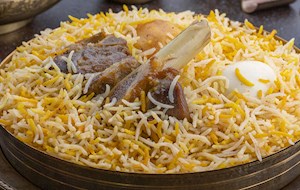
Kolkata biryani

Kolkata biryani is a delicately spiced rice and meat specialty, distinguished by long-grained rice, tender goat or chicken, a large piece of potato, and, in many versions, a boiled egg. Compared with many other Indian biryanis, it relies less on chilli and heavy masala and more on the aroma of ghee, saffron, kewra water, rose water, mace, nutmeg, cardamom, and other warm spices. Its development is closely connected with Wajid Ali Shah, the last Nawab of Awadh, who was deposed by the British and arrived in Calcutta in 1856 with members of his court, including cooks trained in the refined rice dishes of Lucknow. After his release from Fort William in 1859, he established a new court at Garden Reach and Metiabruz, where Awadhi food became an important part of the community that grew around him. His cooks are widely credited with introducing the city to the dum-cooked biryani style that eventually developed into a distinctly Kolkata version. The potato is its most recognizable feature, but the familiar story that it was added because the exiled nawab could no longer afford enough meat is doubtful. Wajid Ali Shah received a substantial British pension and maintained a large household, and food historians have questioned the idea that economy alone explains the addition. Potatoes were still a relatively novel and valued ingredient in nineteenth-century northern India, making it equally plausible that they entered the dish as a culinary experiment before becoming established in Kolkata cooking. What can be said with confidence is that the combination of Awadhi cooking methods and potato became strongly associated with the city, while the exact circumstances surrounding its first appearance remain disputed. Kolkata biryani is generally made by cooking the meat before the final assembly rather than placing completely raw meat beneath the rice. Goat is seasoned with yogurt, ginger, garlic, and a restrained mixture of spices and cooked until tender, producing a concentrated meat gravy or stock. Large potatoes are partially boiled and often lightly fried so that their exterior takes on color while the inside remains firm enough to finish cooking with the rice. Aged basmati rice is separately boiled with aromatic whole spices until only partly cooked, then drained while the grains remain separate. The meat, potatoes, and rice are arranged in layers, usually with ghee, saffron-infused milk, and small quantities of kewra and rose water; some versions also use meetha attar, an intensely aromatic essence that must be added sparingly. The pot is then tightly sealed and finished over low heat in the dum method, allowing the steam and meat juices to perfume the rice while the potatoes absorb the surrounding flavors. The result should be fragrant rather than aggressively spicy, with dry, separate grains of rice instead of a wet masala coating. The potato is served as a substantial component in its own right, not merely as a filler, and a well-cooked piece becomes soft inside while absorbing the fat, meat stock, and aromatics from the pot. A whole or halved boiled egg is another familiar Kolkata addition, particularly in restaurant and household versions, although it is not universal; some of the city’s long-established biryani houses have historically omitted it. Goat remains the classic meat, but chicken versions are now equally widespread, and meat-free versions follow the same rice, potato, spice, and dum-cooking framework. Kolkata biryani is eaten throughout Kolkata and across much of West Bengal, from specialist biryani restaurants and old Muslim food districts to neighborhood takeaways and family meals. It is commonly served as a complete main course, although goat or chicken chaap, a rich slow-cooked meat accompaniment, is a particularly popular addition in Kolkata. Simple sliced onion, cucumber, or raita may be served alongside, but elaborate sauces are unnecessary because the rice and meat already carry their own seasoning. There is no fixed beverage pairing; water, lime-based drinks, lassi, or the cold soft drinks commonly served in Kolkata biryani restaurants all work with its rich but relatively mild flavor.
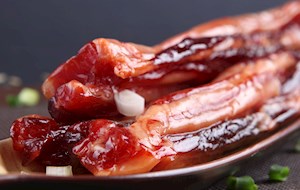
Húnán làròu

Húnán làròu is a type of cured and smoked pork from Hunan province, valued for its intense aroma, deep savory flavor, and firm texture. It is one of the region’s most iconic preserved meats and a cornerstone of Hunanese cooking, appearing in both everyday meals and festive dishes. The name “làròu” literally means “waxed meat,” a reference to the glossy, firm texture the pork develops during the curing and drying process. The origins of Húnán làròu are closely linked to the province’s climate and agricultural patterns. Hunan’s humid subtropical environment made meat preservation a practical necessity before modern refrigeration, particularly during the colder months when fresh pork was abundant after winter slaughtering. Over generations, families developed specialized curing and smoking techniques to extend the shelf life of pork while enhancing its flavor. Smoking over hardwoods not only preserved the meat but also added a distinctive depth that became closely associated with local cooking. The practice became embedded in seasonal rhythms, with households preparing làròu in late autumn and early winter for consumption throughout the following months. Preparation begins with pork belly or another fatty cut, which is rubbed generously with salt and spices such as Sichuan peppercorns, star anise, and sugar. The meat is left to cure for several days, sometimes up to a week, allowing the seasoning to penetrate deeply. It is then hung in a well-ventilated area to dry and firm up before undergoing a long, slow smoking process over a fire fueled by hardwoods such as cypress, tea branches, or rice husks. This smoking step can last from several hours to several days, depending on the desired intensity, and gives Húnán làròu its signature aroma and reddish-brown exterior. The finished product is firm, slightly glossy, and richly scented with smoke and spices. Húnán làròu is most often eaten during the colder months, especially in winter, when preserved meats are a central feature of family meals. It is served at home as part of everyday cooking but also plays a prominent role in banquet dishes and holiday feasts. The meat pairs well with steamed rice, pickled vegetables, or mildly flavored greens, all of which balance its richness and intensity.
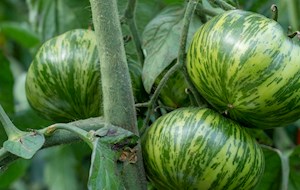
Green Zebra

Green Zebra is a medium-sized, indeterminate tomato cultivar known for its green-and-gold striped skin, emerald-green flesh, and distinctive sweet-tart flavor. The round fruit usually measures about 1½ to 2½ inches across and weighs roughly 2 to 4 ounces. Its flavor is bright, fruity, and noticeably acidic, often with a citrus-like edge. The vines remain productive over a long season and generally reach maturity about 75 to 80 days after transplanting. Immature fruit is pale green with darker vertical stripes. As it ripens, the background changes to yellow-green, gold, or lightly amber while the stripes remain dark green. The fruit also softens slightly. These changes are important because Green Zebra stays predominantly green even when fully ripe. Leaving it on the vine longer produces a sweeter flavor, although overripe fruit can become soft or mealy. Plant breeder Tom Wagner of Everett, Washington developed Green Zebra. Wagner began pursuing the idea of a ripe green tomato decades before its release and eventually developed Green Zebra from several older tomato lines, including the green-fruited Evergreen. The stabilized cultivar made its commercial debut in the 1983 Tater-Mater Seed Catalog. Unlike old family heirlooms passed down over generations, Green Zebra is a deliberately bred, open-pollinated cultivar. Its unusual color and sharp flavor helped it move quickly beyond home gardens. Green Zebra became particularly popular in restaurant kitchens and specialty produce markets during the 1990s. Alice Waters used the cultivar at Chez Panisse, helping establish green-ripe tomatoes as a valued specialty ingredient rather than fruit mistaken for being unripe. By the late 1990s, Green Zebra had gained broad recognition in food media and specialty markets. Green Zebra is especially effective raw, where its color and acidity remain prominent. Thick wedges work well with red tomatoes, mozzarella, fresh basil, extra virgin olive oil, salt, and black pepper. The firm flesh also makes it useful for salsa, where diced Green Zebra can be combined with jalapeños, white onion, cilantro, and lime. The fruit also handles heat well. Thick slices can be dipped in buttermilk, coated with cornmeal, and fried until the exterior becomes crisp while the center remains tart and juicy. Roasting or grilling softens the acidity and develops a sweeter, more savory flavor. Green Zebra is also used in relishes, chutneys, gazpacho, jams, and other preserves.

Umibudo

Umibudō is an edible green seaweed from Okinawa, identified botanically as Caulerpa lentillifera and recognised for its small bead-like fronds that grow in warm, shallow coastal waters around the Ryukyu Islands where it has been harvested and later farmed as part of local aquaculture. Its development in Okinawa is tied to the expansion of seaweed cultivation in the late twentieth century, when controlled farming methods were introduced to ensure steady supply for domestic consumption and export, with documented growth in coastal tanks and lagoons that allowed consistent texture and salinity. Preparation involves rinsing the fresh fronds gently in cold water to remove excess salt and sand, after which the seaweed is served raw to preserve the firm pop of the beads, commonly accompanied by simple condiments such as ponzu or vinegar-based dips since heating causes the fronds to collapse. Its structure sets it apart from many other edible seaweeds because the beads burst lightly when eaten, a sensory quality reliant on serving it fresh and unheated, which is why storage is kept minimal and it is usually consumed on the day of purchase. It is eaten across Okinawa in home meals, izakaya menus and coastal markets, often as a small side dish or part of sashimi spreads, and pairs well with mild seafood, tofu dishes, light beers, awamori and crisp white wines whose acidity matches the clean salinity of the seaweed without overwhelming its delicate texture.
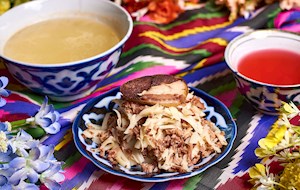
Naryn

Naryn is a Central Asian meat-and-noodle dish associated especially with Kyrgyzstan and Uzbekistan, with related versions also found in Kazakhstan. It combines boiled meat, usually horse meat, lamb, or beef, with thin wheat noodles, onion, and rich meat broth. In Uzbekistan it is commonly called norin, while Kyrgyz usage retains the form naryn. The dish developed within the wider Central Asian culture of boiled meat, wheat dough, and broth, but there is no reliable evidence for a single place or date of creation. Pastoral meat cookery and the noodle traditions of settled oasis communities gradually produced several closely related forms, which explains why naryn differs considerably between Kyrgyzstan and Uzbekistan. Uzbek norin is particularly associated with Tashkent. Its defining feature is a large quantity of very thin noodles mixed with finely sliced boiled meat. Horse meat is highly valued, and slices of qazi, seasoned horse-meat sausage, are often arranged on top. The dish may be served relatively dry as quruq norin, while broth can be offered separately or poured over according to preference. Kyrgyz naryn generally places greater emphasis on the meat and has a close relationship with beshbarmak. Lamb and horse meat are common, and the cooked meat is chopped or sliced finely before being combined with dough or noodles. The distinction between naryn and beshbarmak is not always rigid, and local terminology can vary by household and region. The meat is slowly simmered until tender, producing the broth used later in the dish. The dough is made from flour, water, salt, and sometimes egg, rolled thin, cut into narrow strips, and cooked in the broth. Once drained, the noodles may be lightly coated with fat or oil to keep them separate before being mixed with the meat. Seasoning is restrained. Onion and black pepper are the most common additions, while the flavor comes mainly from the meat and broth. In Uzbek versions, qazi adds a richer and more strongly seasoned element, especially when the dish is prepared for guests or celebrations. Naryn can be served warm or at room temperature depending on the version. In Uzbekistan it may appear before plov as part of a larger meal, while in Kyrgyzstan it can function as a substantial main course. Fresh onion, qazi, bread, and simple vegetables are natural accompaniments, while black or green tea is commonly served alongside or afterward. Kymyz or qymyz also pairs well with richer horse-meat versions.
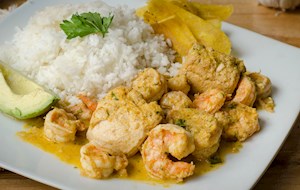
Encocado

Encocado is a coconut-milk stew from Esmeraldas on Ecuador’s northern Pacific coast, usually made with fish or shellfish and seasoned with garlic, peppers, onion, and the strongly aromatic local herbs chillangua, oreganón, and chirarán. Fish encocado and shrimp encocado are among the best-known versions, although crab, prawns, shellfish, and combinations of seafood are also prepared in the same style. Coconut is what defines the dish: rather than simply adding coconut milk to a seafood stew, Esmeraldeño cooking extracts different strengths of liquid from grated mature coconut and uses them at separate stages to cook and thicken the sauce. Its origins can be traced back roughly two centuries, while its development is closely tied to the food culture of the province’s Afro-Ecuadorian communities, whose cooking has long made extensive use of coconut, plantain, seafood, river fish, and locally grown herbs. An older Afro-Ecuadorian account of encocao de sábalo gives a particularly detailed picture of how the dish was made in northern Esmeraldas. A fresh sábalo was cleaned, cut into portions, washed with lime, and seasoned with scallion, sweet pepper, garlic, and chillangua. Mature coconuts were grated and squeezed first with a small amount of water to obtain a thick, concentrated coconut extract and then squeezed again with more water to produce a thinner liquid known locally as chirle. The fish was initially cooked in the thinner coconut liquid, and the richer extract was added near the end so that the sauce thickened without requiring flour or another starch. That basic technique remains central to encocado even when the ingredient list changes. Current versions commonly begin with a refrito of onion, garlic, peppers, and sometimes tomato; coconut milk is added to form the sauce, followed by the fish or seafood, which is cooked gently so that it stays intact. Chillangua, a leafy herb related to culantro and particularly important in coastal Ecuadorian cooking, gives many Esmeraldeño versions their characteristic herbal note. Oreganón and chirarán may be added as well, although recipes vary between households and coastal communities. Firm fish that can withstand simmering work particularly well, while shrimp and other shellfish require only brief cooking and are usually added toward the end. The finished encocado is neither a clear soup nor an extremely thick curry; it is generally served with enough coconut sauce to coat the fish or seafood and soak into its accompaniments. Today, white rice and patacones are the standard sides, combining a neutral starch with crisp fried green plantain. Older eating habits in northern Esmeraldas were somewhat different: Afro-Ecuadorian oral-history material records that rice was once reserved more for major festivities, and encocao could instead be served with balas, preparations made from mashed plantain, together with a bowl of hot chocolate. This makes the modern rice-and-patacón plate only one stage in the dish’s development rather than its only established form. Encocado remains one of the foods most strongly identified with Esmeraldas and is found throughout the province in homes, seafood restaurants, beach towns, and fishing communities, particularly along the northern coast. It is generally eaten as a main course, with rice and plantain absorbing the coconut sauce; lime can be added at the table for acidity, while fresh seafood versions need little else. For beverages, light lager or fresh fruit drinks work well with the richness of coconut and fried plantain, while the older pairing with hot chocolate has a documented place in Afro-Esmeraldeño food culture rather than being a modern restaurant combination.

Bierzo

Bierzo is a Spanish wine appellation located in the northwest of Castilla y León, centered around the town of Ponferrada and extending across a landscape of valleys and slopes influenced by both Atlantic and continental climates. It is known mainly for red wines made from the Mencía grape and for smaller quantities of whites produced from Godello and Doña Blanca, with vineyards planted on slate, quartzite, and clay soils that vary noticeably between the lower valley areas and the higher, steeper sites of the region. Its development is linked to long-standing viticulture in a zone where monastic communities and later local cooperatives cultivated hillside plots, contributing to the survival of old vines that continue to define many of the region’s bottlings, especially in the upper subzones where small parcels and mixed plantings remained in continuous use. Winemaking depends on grape variety and location; Mencía is often harvested from old bush vines, fermented with or without stems depending on producer preference, and aged in tanks or barrels to maintain its aromatic clarity and moderate structure, while Godello is vinified in stainless steel, neutral barrels, or a combination of both to balance freshness with texture. One notable feature is the presence of many vineyards with very old vines, some over a century in age, which contributes to concentrated fruit and has encouraged a focus on site-specific bottlings in recent decades. Bierzo wines are consumed throughout Spain and are widely exported, appearing on wine lists in restaurants that favor medium-bodied reds and expressive whites, and they pair well with roasted poultry, cured meats, pork dishes, grilled vegetables, cheeses, and seafood preparations for the lighter white versions; they are also commonly served in regional contexts alongside stews, legumes, and local cured pork specialties.

Kanzake
Kanzake is sake that has been gently heated above room temperature, producing a drink with a smooth, rounded mouthfeel, softer acidity, and an aroma that bends toward rice sweetness and umami while retaining the core characteristics of the original sake, typically presented clear and steaming rather than chilled. The practice of warming sake developed as part of Japan’s long engagement with sake consumption, with evidence of heated sake dating back to at least the Heian period and becoming more widespread by the Edo period when specialized warming techniques and vessels were common in urban drinking culture, supported by Japan’s seasonal climate and hospitality practices that valued warmth and balance. Preparation centers on placing sake in a small tokkuri (ceramic flask) or specialized vessel and setting that vessel in a hot-water bath so the sake warms slowly and evenly to a desired temperature range, with variations from lukewarm to heated held around 40–55 °C depending on preference, ensuring that alcohol is not volatilized too quickly and that the flavor develops harmoniously. Common variations are defined by the temperature achieved—such as hinata-kan around 30 °C, hitohada-kan close to body temperature, nuru-kan around 40 °C, atsu-kan near 50 °C, and tobikiri-kan at higher heat—each subtly shifting aroma and mouthfeel while the defining feature remains that the sake is warmed rather than served chilled or at room temperature. Kanzake is consumed hot or warm in small cups and is often paired with grilled fish, simmered vegetables, tofu dishes, and salty or fermented foods where its warmth and enhanced umami reinforce savory flavors and complement cooling foods, making it a common choice in colder seasons and at izakayas, traditional meals, and seasonal gatherings.

Crumb Cake
New Jersey crumb cake is a decadent, nostalgic bakery classic consisting of two distinct layers: a soft, moist yellow cake base and a generous streusel topping made from butter, flour, brown sugar, and cinnamon. It is beloved throughout the Garden State and beyond and known for its thick, buttery crumb topping that often rivals—or even exceeds—the height of the cake itself. The key to its signature character lies in the ratio—a true New Jersey-style crumb cake often has as much crumb as cake, if not more. The topping forms chunky, tender crumbles that are slightly crisp on the outside and melt-in-your-mouth soft inside, creating a delightful contrast with the delicate cake below. This cake traces its roots to German streuselkuchen, brought to the U.S. by immigrants and adapted in American bakeries—especially those across New Jersey and parts of New York. Over time, local bakers perfected the oversized crumb style, turning it into a staple of diners, Jewish and Italian bakeries, delis, and corner stores, often served alongside coffee for breakfast or as an anytime snack. Traditionally, the cake is baked in large sheet pans, cut into squares, and finished with a heavy dusting of powdered sugar. No frosting or glaze is necessary—the richness comes entirely from the buttery crumbs and tender cake. New Jersey crumb cake is hearty, comforting, and deeply nostalgic, often associated with childhood treats, weekend bakery runs, or casual brunch tables. It's a perfect example of how a simple formula—cake plus crumb—can become a cultural icon when executed just right.

Feijoada à transmontana

Feijoada à transmontana is a traditional stew from the Trás-os-Montes region, particularly from Candedo. It consists of red beans cooked with a variety of pork meats such as ear, snout, feet, and smoked cuts, along with sausages like chouriço, blood sausage (morcela), salpicão, and alheira. Vegetables like tomatoes, cabbage, and carrots are often added, along with spices like cumin, paprika, and bay leaf. It is commonly served with white or baked rice. Feijoada à transmontana is typically served during the Fat Sunday festivities before Carnival. Its origins trace back to medieval times, using leftover meats and vegetables in a single pot.

Tris di canederli

Tris di canederli or Knödel Trio is a Tyrolean dish that features a trio of canederli, which are bread dumplings popular in the northern regions of Italy and southern Austria. Canederli are made from a mixture of stale bread soaked in milk, eggs, and typically combined with ingredients like speck (a regional type of smoked ham), cheese, spinach or beet. The mixture is then shaped into dumplings and boiled in broth or water. Tris di canederli typically present three different varieties of these dumplings, most often the ones with speck, spinach and cheese, although there are many other combinations. They can be served in a broth as a soup or on their own with melted butter and herbs.

Malakofftorte

Malakofftorte is a layered cake that originates from Austria and is particularly associated with Viennese pastry culture. It is known for its distinctive combination of sponge fingers or biscuits soaked in coffee and layered with a rich buttercream, which gives it a structure that is both light in appearance and substantial in taste. The cake carries a name that recalls the Battle of Malakoff during the Crimean War in the nineteenth century, when it became fashionable in parts of Europe to commemorate victories and places through culinary creations. Pastry chefs in Austria and France began experimenting with recipes that bore such names, and Malakofftorte is one of the few that endured as a recognizable confection beyond its era. The preparation of Malakofftorte requires careful layering rather than baking a solid sponge base. Sponge biscuits are dipped lightly in strong coffee or sometimes in a mixture that includes rum, which provides moisture and a gentle bitterness to balance the sweetness of the cream. The cream itself is usually a combination of butter, eggs, sugar, and sometimes ground almonds, beaten into a smooth filling that spreads evenly between the layers of soaked biscuits. Once assembled, the cake is chilled to set, then covered with more cream and decorated with almonds or chocolate shavings. Its preparation is more a matter of assembly and patience than of oven work, making it distinct from many cakes that rely on a baked base. Today, Malakofftorte is eaten primarily in Austria and Switzerland, where it appears in pastry shops and at family tables for gatherings and celebrations. It is usually served chilled, cut into neat slices, and enjoyed with coffee or tea.

Saure Kutteln

Saure Kutteln is a sour tripe stew originating from Baden-Württemberg, a region in southwestern Germany. This dish features tender strips of beef stomach simmered in a tangy vinegar-based sauce, balancing the rich texture of the tripe with a refreshing acidity. The preparation includes slow cooking the tripe after thorough cleaning, then gently simmering it with vinegar, broth, sautéed onions, and aromatic spices such as bay leaves, juniper berries, and peppercorns. Saure Kutteln reflects the culinary traditions of Baden-Württemberg, where resourcefulness and hearty flavors are valued, turning offal into a satisfying and flavorful meal. The history of Saure Kutteln is tied to the rural communities of the region, where cooks made use of all parts of the animal and developed dishes that were both economical and nourishing. This sour tripe stew stands apart from other offal dishes through its distinctive acidic profile, which helps to tenderize the meat and enhance its flavor. Once a common dish in home kitchens, it now finds a place mainly in local taverns and specialty restaurants that preserve the region’s gastronomic heritage. The dish is typically served hot, accompanied by hearty sides like crusty bread or boiled potatoes that absorb the flavorful sauce.
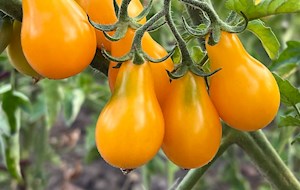
Yellow pear
The Yellow Pear is a small, indeterminate heirloom cherry tomato cultivar characterized by its distinct teardrop shape, bright lemon-yellow skin, and exceptionally mild, sweet flavor. Growing in massive clusters, the mature fruit reaches exactly 1 to 2 inches in length and weighs roughly 0.5 to 1 ounce. The vines follow an indeterminate growth habit, meaning they continue to climb and produce fruit until killed by frost, routinely reaching massive heights of 8 to 12 feet. This aggressive botanical architecture mandates rigid staking or tall metal caging to prevent the heavy clusters from snapping the main stems. Slicing the miniature fruit open reveals a relatively thick outer wall surrounding a small, heavily seeded internal cavity filled with a sweet, low-acid juice. The fruit reaches full biological maturity in 70 to 80 days following the initial soil transplant. The concrete botanical timeline of this specific seed line traces back to Europe during the 18th century. The earliest recorded scientific documentation of this exact cultivar occurred in 1805 when South African-born mycologist Christiaan Hendrik Persoon cataloged it within his comprehensive botanical registries. The seed rapidly crossed the Atlantic Ocean, finding immense commercial success in North America. By 1825, the Hudson's Bay Company formally documented trading and cultivating the exact yellow teardrop seeds at Fort Vancouver in modern-day Washington state. In 1847, the massive agricultural firm Peter Henderson & Company officially introduced the seed to the broader commercial market, cementing its status as a staple garden crop. Genetic mutations and deliberate agricultural crossbreeding generated several distinct color variations that maintain the same teardrop structure. The Red Pear emerges as a direct genetic sibling, offering a slightly more robust, acidic tomato bite wrapped in a deep crimson skin. Another stable mutation, the Orange Pear, bridges the color gap and delivers a sharp, citrus-forward flavor profile while mimicking the exact size and yield of the original yellow baseline. The Fargo Yellow Pear, developed specifically by the North Dakota Agricultural Experiment Station in 1934, engineered the same yellow fruit onto a highly compact, determinate vine, allowing for cultivation in small containers instead of massive garden plots. Serving the Yellow Pear raw preserves their delicate skins and mild sweetness. The halved fruits toss easily into simple salads alongside fresh basil, miniature mozzarella, and balsamic vinegar. Slow-roasting provides a completely different texture. The cut pieces lie on a baking tray with olive oil, garlic, and sea salt, shrinking in a low oven for three hours into sweet, chewy bites for toasted bread. Because the fruit carries a naturally high pectin content, boiling them whole with sugar, lemon, and ginger creates a thick yellow jam that pairs perfectly with sharp cheddar cheese.
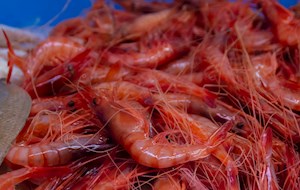
Gamba de Palamós
Gambas de Palamós are deep-water red prawns from Palamós, a fishing town in Spain’s Costa Brava. They are landed at the Port of Palamós and sold at its fish auction, with the best-known catch coming from Mediterranean waters off the Costa Brava. The species is known for its strong red color, long antennae, firm flesh, and flavorful head. It is tied to a local fishing fleet, a specific port, and the Marca de Garantía Gamba de Palamós is a quality mark created to protect origin, grading, freshness, handling, and the cold chain from the moment the prawns are landed until they reach the buyer. The mark applies to fresh gambas de Palamós caught in the waters off Palamós and kept under controlled conditions, usually between 0 and 4 °C. Palamós became known for red prawns during the 20th century, as trawlers began working deeper Mediterranean fishing grounds where the species lives. Local accounts connect the growth of this fishery with fishermen from southern Catalonia who brought bottom-trawling knowledge to the area around the 1930s. The prawns are associated with deep seabeds off the Palamós coast and nearby Costa Brava waters, including zones around Cap de Sant Sebastià, at depths of several hundred meters. Limited catches, careful handling, and strong restaurant demand have made them one of Catalonia’s most prestigious seafood products. In the kitchen, cooks usually keep things simple. The prawns are often cooked a la plancha on a very hot flat grill or pan with coarse salt and little else, just long enough for the shell to deepen in color and the tail meat to stay juicy. Some restaurants boil them briefly in salted water when they want a cleaner, softer result. Olive oil may be used, but only lightly, because the prawn itself is the point. The main thing to avoid is overcooking: the meat can turn dry, and the head can lose the clean richness that makes the product so prized. A good plate has bright red shells, a fresh sea smell, moist flesh, and heads that taste rich without being heavy. Many people peel them by hand and eat the head juices before the tail, because that is where much of the flavor sits. Gambas de Palamós are usually served as a starter, a luxury tapa, a shared plate, or a main shellfish course. They are commonly served with only salt and sometimes lemon on the side, though many diners skip the lemon so the flavor stays clear. They go well with cava, Corpinnat, dry white wines from Empordà, Albariño, Godello, fino, manzanilla, cold beer, or sparkling water. On the table, they make sense beside crusty bread, olives, tomato salad, grilled vegetables, clams, razor clams, squid, simple seafood rice, fideuà, grilled fish, or a small plate of anchovies, as long as the other dishes do not compete with them.
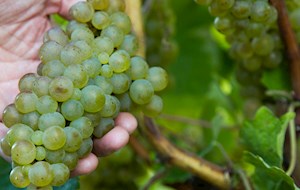
Hondarrabi Zuri
Hondarrabi Zuri is a white wine grape variety primarily cultivated in the Basque Country of northern Spain, specifically within the three protected denominations of Getariako Txakolina, Bizkaiko Txakolina, and Arabako Txakolina. The name translates to "white of Hondarribia," referencing a coastal town near the French border. It is a vigorous, early-ripening variety with small, compact bunches and round, golden-green berries. The grape is highly adapted to the humid, Atlantic climate of the Bay of Biscay, where high rainfall and cool temperatures are common throughout the growing season. Genetic research suggests the variety is identical to Courbu Blanc, a grape with origins in the southwest of France. Despite sharing a name, DNA analysis confirms it is unrelated to the red Hondarrabi Beltza variety. The grape's presence in the Basque region was extensive until the late 19th century, after which it faced a significant decline. A modern resurgence in the late 20th century stabilized its cultivation, particularly on hillside vineyards at low altitudes near the coast. These vines are often grown using the "parral" system, where the canopy is elevated on stakes to ensure airflow and mitigate the risk of fungal diseases caused by the region's damp environment. Preparation of the wine involves cool fermentation in stainless steel tanks to preserve its aromatic profile. The fruit produces a pale yellow liquid with a greenish tint, characterized by low alcohol levels, typically between 10.5% and 11.5%, and high total acidity. Many versions are bottled with a small amount of residual carbon dioxide, resulting in a slight natural effervescence. In the Getariako Txakolina region, the wine is served by being poured from a height into a flat-bottomed tumbler to break the bubbles and aerate the liquid. More complex versions from Bizkaiko Txakolina may undergo "batonnage," where the wine is stirred with its lees for several months to add body and herbal depth. The wine is primarily consumed in the Basque Country, often in "tabernas" during the midday or evening "txikiteo" (wine crawl). It is eaten with "pintxos," which are small, concentrated snacks typically served on bread. Specific pairings include "Gildas" (skewers of green olives, pickled guindilla peppers, and salt-cured anchovies) as the wine's sharp acidity balances the brine and spice. It is also served with fresh Atlantic seafood, such as grilled turbot, salted cod, and oysters, where its saline finish matches the oceanic flavors. Additionally, the wine complements Idiazabal, a smoked sheep's milk cheese from the Basque mountains, providing a crisp contrast to the fat and smoke of the dairy.

Tajima-gyū
Tajima-gyu is a purebred strain of Japanese Black cattle raised in Hyogo Prefecture, Japan. It is the foundational genetic lineage for many of the country's premium beef brands. All certified Kobe beef comes from purebred Tajima cattle, though only the highest-grading animals earn the Kobe name. Breeders also use Tajima genetics to produce Matsusaka and Omi beef. Farmers originally used these cattle in the mountainous northern Tajima region as working animals for agriculture and transportation. The difficult terrain physically isolated the herds and prevented crossbreeding with other cattle. This geographic isolation preserved a pure, distinct genetic line over centuries. To endure heavy physical labor, the cattle developed small frames and a high capacity for storing intramuscular fat as an energy reserve. The Hyogo Prefecture government maintains a strict registry to protect this pureblood status today. Every Tajima calf receives a ten-digit identification number to track its exact lineage back to its ancestors. Farmers raise the cattle in quiet environments for 30 to 32 months. They feed the animals a specific diet of dried pasture grass, rice straw, barley, and corn, and provide them with fresh mountain spring water. The resulting beef features extremely fine muscle fibers and dense, intricate marbling called sashi. The fat contains a high percentage of oleic acid, a monounsaturated fat that significantly lowers the meat's melting point. This allows the fat to dissolve at human body temperature, creating a soft, melting texture in the mouth. The meat delivers a rich umami flavor and a distinct sweet aroma. Tajima-gyu is best cooked over high heat or gently simmered to protect the delicate fat. Restaurants serve it thinly sliced for hot pot dishes like sukiyaki and shabu-shabu. People also eat it as yakiniku (thick-cut steaks) or raw as beef sashimi and nigiri sushi.
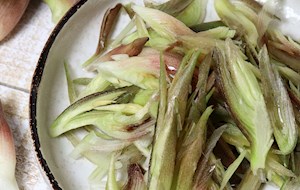
Myoga
Myoga is the edible flower bud of Zingiber mioga, a perennial plant in the ginger family. Unlike ordinary ginger, where the underground rhizome is eaten, myoga is valued mainly for the tightly closed flower buds that appear near the ground in summer and early autumn. They have a crisp texture, a fresh floral aroma, and a mild, peppery flavor with a hint of ginger. Myoga has been eaten in Japan for more than a thousand years. It appears in documents dating from the Nara and Heian periods, including the Engishiki, compiled in the early 10th century, which records its cultivation and use. By the Edo period, it was an established vegetable, and districts around Edo became known for producing particular local varieties. Waseda, now part of Tokyo, was especially associated with large, reddish myoga that was supplied to the city. The plant also became a familiar decorative motif. Myoga appears in Japanese family and religious crests known as myogamon. Its popularity as a symbol was encouraged by the similarity between the word myoga and myōga, a Buddhist term associated with divine protection and blessing. Warrior families, temples, and shrines used several forms of the crest. In the kitchen, fresh myoga is usually washed and sliced very thinly just before serving. The slices may be placed briefly in cold water to soften their sharper edge and make them crisp, but they should not be soaked for long because much of the characteristic aroma can be lost. Its most traditional role is as yakumi, an aromatic garnish used in small amounts rather than as a main vegetable. Finely sliced myoga is particularly associated with summer foods such as chilled tofu, or hiyayakko, and cold somen noodles. Its crisp texture and fresh, slightly pungent aroma sharply contrast with mild tofu, noodles, and light dipping sauces. Myoga is also traditionally pickled in sweetened vinegar. The naturally occurring anthocyanin pigments in the bud become brighter in the acidic pickling liquid, giving the finished myoga its characteristic pink to reddish color. Pickled myoga can be served in small quantities alongside rice, grilled fish, and other dishes as a refreshing accompaniment. Another established preparation is tempura, in which whole or halved buds are coated in a light batter and fried briefly. The short cooking time softens the bud while preserving much of its aroma and giving it a delicate crisp coating. Myoga is strongly associated with the Japanese summer and early autumn, when the fresh buds are traditionally harvested. Its importance in Japanese cooking comes less from quantity than from aroma: a few thin slices are enough to give noodles, tofu, or rice a fresh, peppery, distinctly floral character.

Pays d'Hérault
Pays d’Hérault is a wine designation from southern France belonging to the IGP (Indication Géographique Protégée) category and covering a large portion of the Hérault department in the Languedoc region. It includes red, white, and rosé wines made from a broad range of grape varieties, such as Syrah, Grenache, Mourvèdre, Carignan, Merlot, Cabernet Sauvignon, Chardonnay, Sauvignon Blanc, Viognier, and Grenache Blanc. The area is geographically diverse, extending from Mediterranean coastal plains to inland foothills and higher plateaus, giving producers access to limestone, schist, clay, and alluvial soils. The Pays d’Hérault designation was established in 1982 under the former Vin de Pays system and transitioned to IGP status in 2009 when France restructured its wine classification framework. Viticulture in the Hérault has a long documented presence, with Roman-era agricultural records and medieval monastic holdings indicating continuous wine production across the region. By the twentieth century the department had become one of France’s major wine-producing areas, though much of its output was based on high-yielding varieties. When the Vin de Pays system was introduced in the 1970s and 1980s, it provided producers in the Hérault with an opportunity to differentiate their wines by region and quality level while retaining flexibility in grape choice. This served both cooperative cellars and independent estates, allowing them to experiment with blends or international varieties that fell outside the strict rules of AOC regulations such as Minervois, Saint-Chinian, or Languedoc. Producing wine under the Pays d’Hérault IGP requires adherence to defined geographic boundaries, maximum yields, and permitted varieties, but.winmakers retain considerable freedom in vineyard management and cellar practices. Red wines may be fermented in stainless steel, concrete, or oak depending on the intended style, with some producers emphasizing fruit-forward profiles and others opting for longer macerations and barrel aging. Whites and rosés are typically fermented at cooler temperatures to preserve freshness, with styles ranging from crisp and aromatic to fuller-bodied expressions. The geographic spread of the IGP allows wines of differing structure and intensity, depending on whether grapes come from coastal lowlands, river terraces, or higher-elevation foothills. Pays d’Hérault wines are consumed throughout the Languedoc, across France, and internationally due to their accessibility and range of styles. They are served in casual restaurants, wine bars, homes, and summer terraces, often chilled in the case of whites and rosés or at moderate room temperature for reds. Pairings depend on the style of the wine: reds accompany grilled meats, charcuterie, and stews; whites pair with seafood, salads, and vegetable dishes; rosés complement Mediterranean cuisine, grilled fish, and lighter fare. In the Hérault region itself, these wines often appear alongside dishes incorporating olive oil, herbs, and local produce, reflecting the area’s combination of coastal and inland culinary influences.

Timbits

Timbits are bite-sized doughnut holes made from leftover doughnut dough, fried in vegetable oil and available in a number of varieties such as yeast, cake, apple fritter, honey dip, old fashion plain, chocolate glazed, blueberry, strawberry, lemon, and filled timbits. They are sold in North American fast food chains such as Tim Hortons and Dunkin' Donuts. The bit in Timbit is an acronym for Big in Taste, which is an original campaign slogan from the 1970s. In Quebec, people prefer to use the generic term doughnut holes or trous de beigne instead of timbits. These tiny doughnut holes are so popular in Canada that people even bake them at home.
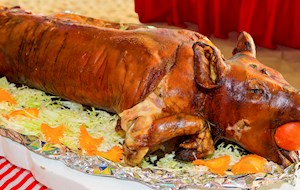
Lechon

Lechon, derived from a Spanish word for roasted suckling pig is one of the most popular dishes in the Philippines. The slowly-roasted suckling pig is usually stuffed with lemongrass, tamarind, garlic, onions, and chives, and is then roasted on a large bamboo spit over an open fire. It is traditionally served whole on a platter, at celebrations and festive events such as weddings and Christmas. Once the meat is properly roasted and falls off the bone, people tend to eat every part of the pig, and the crispy, reddish-brown, crackling skin is especially beloved. Lechon is often served with a thick and rich liver sauce that is cooked with sugar, fresh herbs, and vinegar. If anything is left after the feast, the leftovers are often made into lechon slaw, slowly cooked with vinegar, garlic, and liver sauce for that extra bit of flavor. Apart from the Philippines, the dish is especially popular in countries such as Cuba, Puerto Rico, the Dominican Republic, and Spain. Some famous chefs even named lechon the best pig in the world, so it is definitely worth a try.
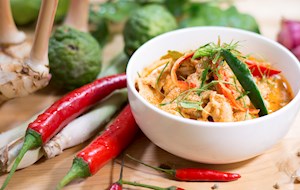
Phanaeng Curry

Phanaeng curry is a variety of Thai curry that is characterized by a thick texture and salty-sweet peanut flavor. It consists of meat that is stewed with coconut milk, panang curry paste, makrut lime leaves, fish sauce, and palm sugar. The meat used in phanaeng curry is usually beef, chicken, duck, or pork, and the dish traditionally does not include any vegetables. The name of the dish is derived from the word panang, meaning cross, which refers to the ancient way of preparing chicken with its legs crossed and set in an upright position. Though the origins of phanaeng curry are somewhat murky, it is often associated with the Malaysian state of Penang, but there is little evidence to support this claim. However, the earliest known recipe is found in Maawm Sohm Jeen’s book Tam Raa Gap Khao, dating back to 1890. Once finished, the curry is garnished with thinly sliced makrut lime leaves and Thai spur chili slices, and a bit of coconut milk can be poured over the curry.
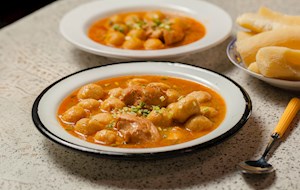
Vori-vori

Vori-vori is a soup from Paraguay made with small balls of cornmeal and cheese cooked in a broth that often includes chicken, vegetables, and herbs, and it is recognized as a staple dish across the country’s rural and urban regions. Its development is linked to the long-standing use of corn and poultry in Guaraní and later mixed culinary practices documented in household cooking records and regional accounts from the eighteenth and nineteenth centuries, where corn-based doughs were shaped into dense dumplings to stretch ingredients during periods of limited supply. Preparation involves mixing finely ground cornmeal with grated cheese and a small amount of fat or broth to form a firm dough, shaping it into small spheres, and poaching them gently in a simmering broth until they swell and soften; the soup is seasoned with onions, garlic, parsley, and occasionally peppers, and served as soon as the dumplings reach a uniform texture. A notable feature is the density of the dumplings, which absorb broth while retaining their structure, giving the dish a thickened consistency without flour or other thickeners. Vori-vori is eaten throughout Paraguay in home kitchens, rural gatherings, and small restaurants, often as a main meal during cooler weather, and it pairs well with simple accompaniments such as mandioca, fresh salads, mild cheeses, herbal teas, and lightly flavored nonalcoholic beverages, with some households serving it alongside light beers or local wines depending on the occasion.
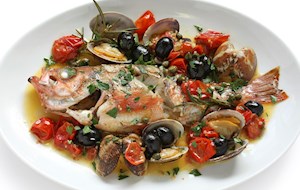
Acqua pazza
One of Italian classics, acqua pazza (lit. crazy water) is a traditional Neapolitan way of poaching fish whose origins date back to the Middle Ages. Originally, because of the high duty on salt which was back then an unavailable commodity, the local fishermen used to prepare acqua pazza by poaching the day's catch in seawater. This simple broth was flavored merely with some olive oil and tomatoes if they were at hand. Over time, the recipe has evolved, and acqua pazza became a much sought after dish all along the Italian coast, especially popular with tourists on the island of Capri during the 1960s. Today, aside from various white fish such as bass, cod, perch, and halibut, the ingredients used to make this light, yet filling soup typically include pomodorini or cherry tomatoes, fennel, olives, peppers, celery, carrots, and sometimes even capers. Flavored with olive oil, white wine, garlic, and parsley, the delicious broth is spooned over the fish. Acqua pazza was once a poor man's staple but nowadays goes a long way when dipped with bread and paired with some light Italian white wines.
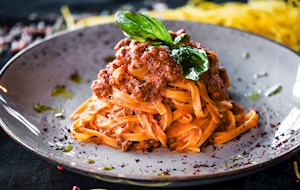
Tagliatelle al ragù alla Bolognese
Tagliatelle al ragù alla Bolognese is a traditional dish originating from Bologna, consisting of tagliatelle pasta and a rich ragù made with a mixture of minced beef and pork, and tomatoes as key ingredients. Even though they are often thought to be synonymous, tagliatelle al ragù—one of Bologna's signature dishes—bears little or no resemblance to the dish known as spaghetti Bolognese in the rest of the world. In fact, the world famous Italian ragù alla Bolognese meat sauce is never served with spaghetti in Bologna. Instead, when it isn't served over fresh tagliatelle, you will most often find it topping a bed of some other other ribbon-like pasta, such as fettuccine or pappardelle. Regardless of the type of pasta used, what makes or breaks this classic Emilian dish is the ragù itself. Experts nowadays tend to consider the recipe for ragù alla Bolognese registered by the Italian Academy of Cuisine in October 1982 the most authentic version. However, chances are that every restaurant and trattoria in Emilia Romagna dishes out its own version of tagliatelle al ragù, and each version is surely worth trying.
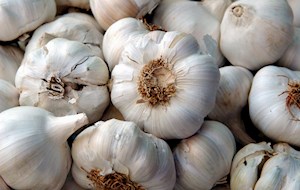
Aglio Bianco Polesano
The cultivation of garlic in the wider Polesine area goes back to the Roman times when garlic was the most widely spread crop. Due to its commercial importance throughout history, and the rise of industrial cultivation in the mid-1900s, Aglio Bianco Polesano has become known as the White Gold of Polesine. It is still grown across the Veneto plains, locally known as 'the Land of the Great Rivers', nestled between Italy's two largest - Po and Adige. The Aglio Bianco Polesano was derived from a local ecotype and apart from its white color, this variety of garlic is distinguished by a unique, fruity aroma, less pungent than other varieties, and a delicate, fresh taste. Another interesting fact: every summer, in the Arquà Polesine Castle, people from around Veneto gather for the feast of Aglio Polesano.
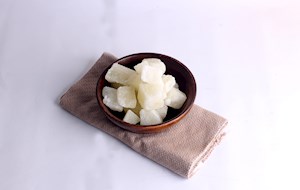
Agra petha
Agra petha is a type of candied gourd often called the signature candy of the city of Agra. It is made from candied ash gourd, known as white pumpkin, wax gourd, white gourd, winter gourd, tallow gourd, or ash pumpkin. The gourd is cut into chunks that are soaked in a lime solution and are then doused in flavored syrups, creating a sweet treat with a crunchy exterior and a chewy center. This local petha variety is available in various flavors, such as saffron, coconut, or chocolate. It can be bought at numerous shops and stalls that are dispersed throughout the city. Petha was allegedly created by the royal chefs during the construction of the grand Taj Mahal.

Dacquoise
Both crispy and creamy in texture, this French cake is traditionally made with almond or hazelnut meringue sponge cake separated with layers of whipped cream or buttercream. The cake takes its name from the French word dacquois, meaning from Dax, referring to a town located in southwestern France, but the term dacquoise itself has come to signify any dessert with layers of nut meringue sponge cake. The cake is believed to have originated in the 17th century, when it was invented as a luxurious dessert for the people of the French court. The recipe later became very popular in England, after numerous French chefs moved there to cook for the upper class. Its huge popularity generated a wave of different versions of the cake, such as the infamous marjolaine, a rectangular variety of dacquoise known as the mother of all French desserts, which is made with meringue sponge cake and chocolate buttercream.
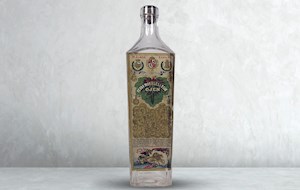
Aguardiente de Ojén
Aguardiente de Ojén is an anise-flavored spirit that originated in a small village of Ojén in southern Andalusia. The original, which was probably based on a wine distillate, dates from 1830 when Pedro Morales distilled his first batch. The drink was an instant, but short-lasting success, as the original recipe was lost after last Morales died without disclosing the recipe. Another version (White Label Ojén) was created in Jerez by Manuel Fernández. This version was mainly exported, especially to New Orleans, where the original spirit was immensely popular and used in the trendy Ojen cocktail. Since the original recipe was lost, it is not known whether the two spirits were the same. As anise spirits started to decline in popularity, so did Ojén, and in the early 1990s, the production in Spain was discontinued. The reserves lasted until 2009, but Sazerac Company decided to recreate the original, mainly to meet the needs of the local New Orleans market. Sayzerac's version was released in 2016 under the name Legendre Ojen. Interestingly, aguardiente de Ojén was painted into Picasso's Spanish Still Life.
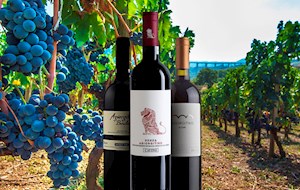
Agiorgitiko

Agiorgitiko is the most widely planted red grape variety in Greece. It is cultivated in several wine regions, but Nemea, where the grape originated, is its most important region. Agiorgitiko is a versatile grape that can be vinified into several styles, and it is often used as a backbone in many Greek blends. It is best known as a full-bodied red, usually coming from Nemea, but it can also be made into young, light red wines, fresh rosés, or dessert styles. Agiorgitiko wines are typically characterized by fruity aromas, which are sometimes accompanied by notes of sweet spices. The wines are soft, and the tannins are present but never aggressive. The acidity is usually low to moderate. Aged and oak-aged styles are more tannic, with more concentrated, complex flavors. Agiorgitiko wines are usually food-friendly and can pair with a variety of dishes. They are a good match with red meat, sausages, stews, lamb, and pasta dishes.
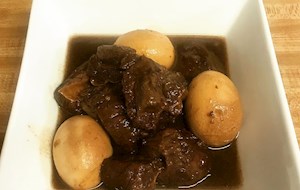
Adobong baka
Adobong baka is a traditional stew originating from the Philippines. This type of adobo is usually made with a combination of thinly sliced beef, soy sauce, vinegar, garlic, peppercorns, sugar, water, salt, and bay leaves. The beef is marinated in a mixture of garlic, bay leaves, peppercorns, brown sugar, and soy sauce. It is then browned in a pan, covered with water, seasoned with salt, and simmered until the sauce is almost fully absorbed. Adobong baka is served hot with rice on the side.

Agua de Sevilla
Agua de Sevilla is a Spanish cocktail that is typically made with a combination of pineapple juice, sparkling wine, triple sec, whiskey, sugar, and sour mix, although there are numerous recipes and ways of preparation. The drink is a staple at numerous nightclubs in Seville, and it is quite often topped with a layer of whipped cream. Agua de Sevilla is traditionally served in large pitchers that are meant to be shared among a few people.
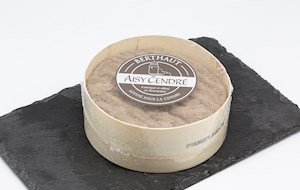
Aisy Cendre
Aisy Cendre is a traditional cheese hailing from Burgundy. The semi-soft cheese is made from pasteurized cow's milk. The rind is washed in Marc de Bourgogne wine, and it's then covered with oak or grapevine ash before it's left to mature for at least a month. Underneath the rind, the texture is firm when young and smooth and creamy when fully aged. The aromas are nutty, smokey, and earthy, while the flavors are rich, salty, smokey, and herbaceous. It's recommended to serve Aisy Cendre with celery sticks or fresh fruit such as pears and apples. Pair it with a glass of full-bodied and fruity Burgundy wine.
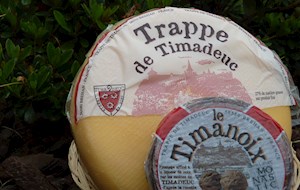
Abbaye de Timadeuc
Abbaye de Timadeuc is a French cheese hailing from Brehan in the region of Brittany, where it's produced by the monks at the Abbaye Cistercienne Notre-Dame de Timadeuc. The cheese is made from pasteurized cow's milk and it's usually left to age from 2 to 3 weeks before consumption. Underneath its washed rind, the texture is slightly soft, springy, and open with a few irregular eyes scattered throughout the paste. The flavors are generally mild and lactic. It's recommended to pair the cheese with a glass of Gamay de Touraine wine.
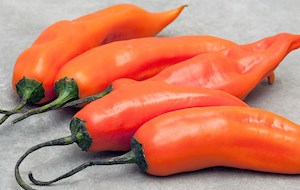
Aji amarillo

Aji amarillo is a staple in Peruvian cuisine, a chile pepper with a bright orange color and thick flesh. Its heat level ranges from medium to hot, and it is commonly used in a variety of soups and sauces. This chile variety is native to South America and has a distinctive, subtle, and full-bodied fruitiness. It can be bought in a few forms: dried, fresh, canned, or in the form of a paste. When incorporated into sauces, it is often thickened with bread, mayonnaise, and dairy products, and it is then spooned over a variety of meat, fish, and vegetable dishes. When used in its dried and ground form, it is especially good for rice dishes, giving them a sweetish flavor and vibrant color.

Space Cake

ALTHOUGH THERE ARE CLAIMS THAT EATING SPACE CAKES CAN LEAD TO PSYCHOSIS OR PSYCHOSIS SYMPTOMS FOR SOME PEOPLE, THERE'S STILL NOT ENOUGH CONCLUSIVE SCIENTIFIC EVIDENCE TO SUPPORT THEM. Originating from Amsterdam, space cake is a notorious delicacy that belongs to a group of cannabis-infused edibles. Variations on this specialty abound, and any baked good that contains cannabis butter may be called a space cake. This Dutch specialty is usually prepared with typical cake ingredients such as flour, sugar, baking powder, butter, milk, and eggs, which are combined with a certain quantity of cannabis. A great variety of ingredients can be added to the base to enrich the cake, including cocoa powder, chocolate drops, dried fruit, buttercream, vanilla, or various spices, and the baked cakes often come dusted with powdered sugar, glazed, soaked in rum, or stuffed with cream or custard. As with other cannabis intake methods, the consumption of cannabis in the form of space cakes also provides psychotropic effects upon its consumers due to the presence of THC (tetrahydrocannabinol) and other compounds. In the case of space cakes, the effects are usually prolonged and much stronger, and consumers typically feel high within 3 hours from the consumption. Space cakes with different shapes, flavors, and varying strengths can be savored at nearly any coffee shop in Amsterdam and they’re typically enjoyed alongside a cup of coffee, herbal tea, or beer. When it comes to the legal status of these cakes in the Netherlands, the country’s court allows the sale only of those cakes that are made with crushed weed.
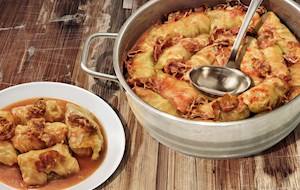
Sarma

One of the staples of traditional Turkish cuisine, sarma consists of a filling that is snugly surrounded by leaves or leafy vegetables. There are numerous versions of this dish but the mixture typically combines ingredients such as minced meat, rice or bulgur, various herbs, seasonings, red pepper, paprika, ground sumac, or tomato sauce, while the typical wrapping usually includes vine, cabbage, or sauerkraut leaves, or a variety of leafy vegetables such as collard greens and swiss chard. Having its roots in the Ottoman Empire, sarma is also traditionally consumed in the Balkans, the countries of Central Europe, the South Caucasus, and the Middle East. Although it is commonly enjoyed as a filling lunch or dinner (typically during the winter season), sarma is often prepared on special occasions and holidays. The dish is usually accompanied by plain yogurt, mashed potatoes, and crusty bread on the side.
Komplet lepinja

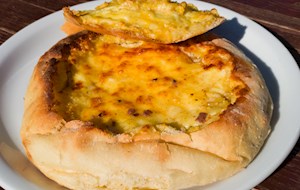
This delicacy consists of a traditional flatbread (lepinja) that is cut in half, coated in thick cream (kajmak), and topped with an egg. The combination is shortly baked and should be doused with a mixture of warm meat drippings, which is locally known as pretop. Komplet can be loosely translated as with everything in it, and is traditionally associated with Užice and Zlatibor. It is believed to have originated sometime before WWII, and the name was officially registered by Dragan Lazić, a current owner of the bakery Kod Šuljage in Užice. Although it is nutritious and highly caloric, the dish is commonly enjoyed for breakfast and is best paired with a glass of yogurt or sour milk on the side. For the most authentic experience, it is recommended to eat it with your hands.
Aceite Monterrubio
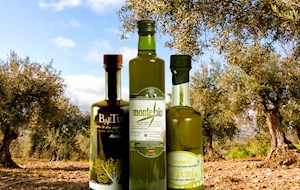
Aceite Monterrubio is an extra virgin olive oil made in the in the province of Badajoz, in the Autonomous Community of Extremadura. This olive oil is made using local olive varieties; Ergot, which gives it a fruity, aromatic and nutty flavor, and Picual or Jabata, responsible for the stability of the oil and its slightly spicy flavor. Aceite Monterrubio is made using only mechanical means that don't alter its natural qualities. Traditional cultivation practices combined with modern technology and strict rules regarding all stages of production are essential to protect the quality and ensure the traceability of this exceptional olive oil.

Fahd Al-Qunun Honey
Shafalah Honey

London International Honey Awards Gold 2023
Al-Thunayan Apiaries
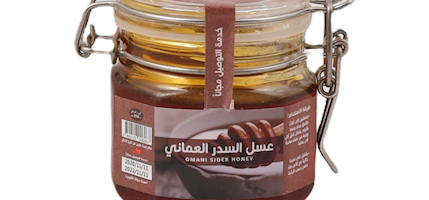
Omani Sider Honey

London International Honey Awards Platinum 2022