Top 77 Croatian Alcoholic Beverages

Last updated on June 02, 2026

Best Croatian Alcoholic Beverage Types
01

Teranino

4.1 ·

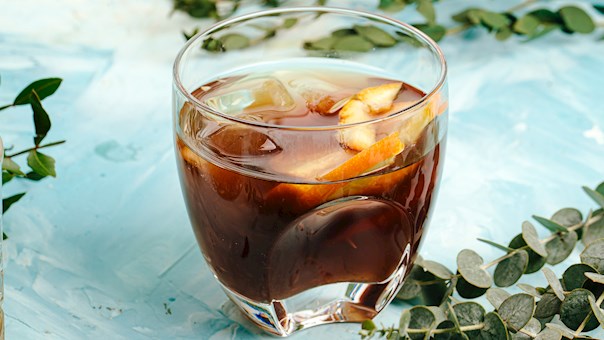
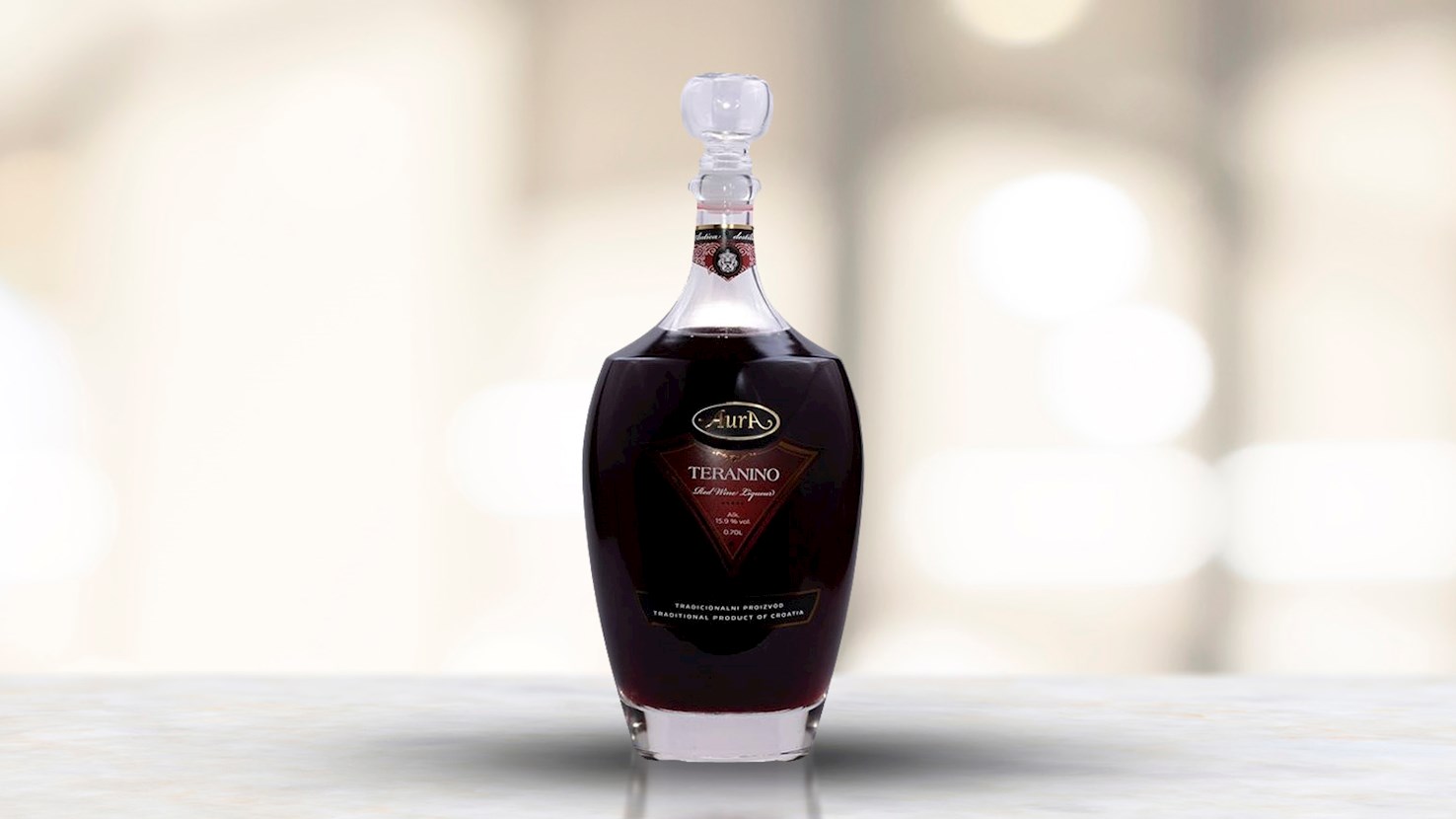
Teranino is a unique Croatian liqueur produced with fruit or pomace brandy and red wine made from Teran variety—hence the name. This liqueur is usually sweetened and flavored with various botanicals such as cinnamon, cloves, star anise, lemon, vanilla, or fennel. The result is a ruby red liqueur with an earthy and herbaceous character, fruity notes, and sweet, spicy aromas. Teranino is sweet and typically has between 15 to 20% ABV. It is best to serve it chilled and enjoy it as an aperitif or a digestif. Teranino can be served neat or on the rocks. This traditional liqueur is mainly produced in Istria, where Teran is one of the most common red grape varieties.

02

Istarska malvazija

4 ·

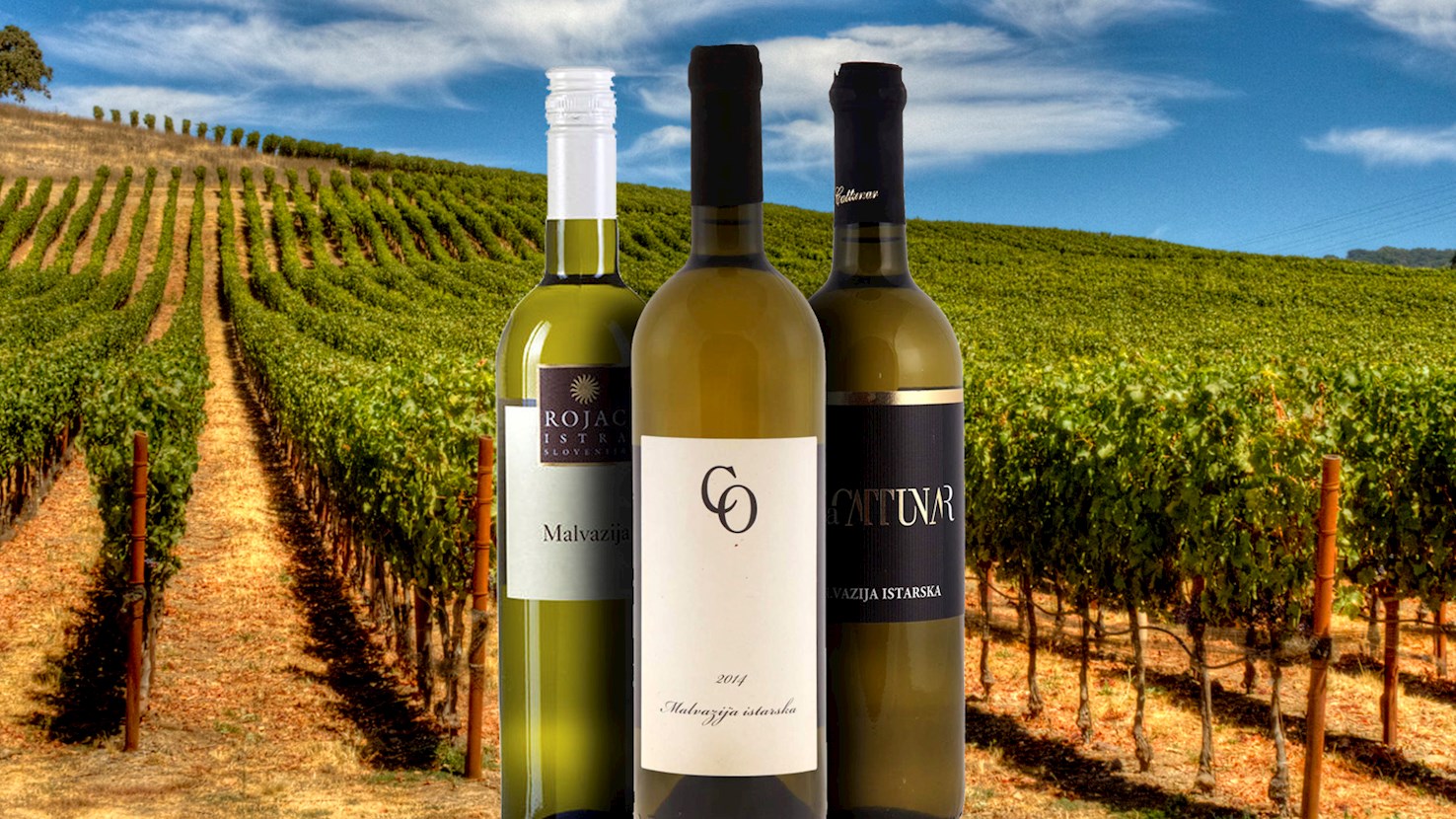
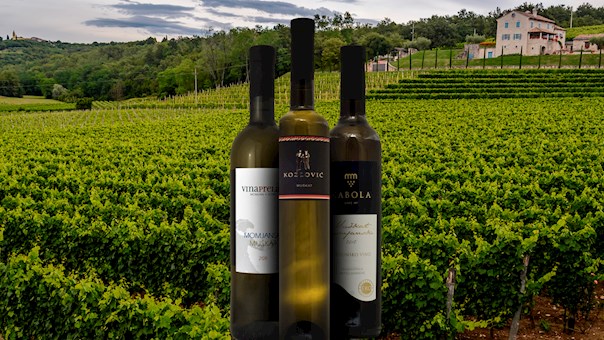
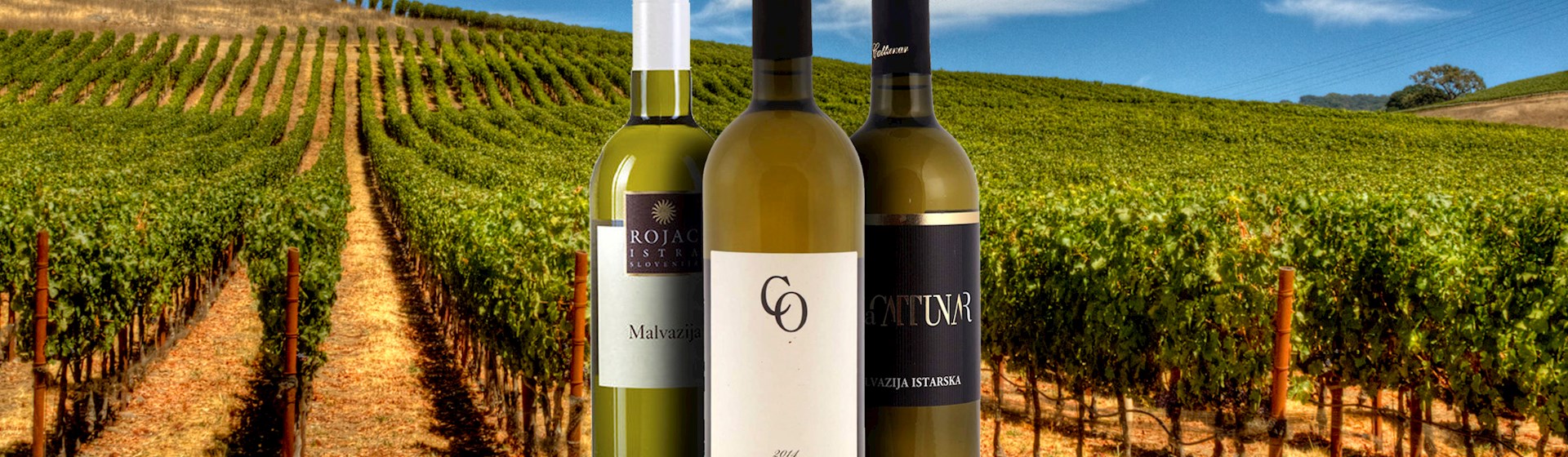
Istarska malvazija is a native Croatian white grape variety that is predominantly grown in Istria, where it is mostly used in the production of varietals. These food-friendly wines are typically fresh and fruity, with mineral notes and aromas of green apple, acacia, and apricots. Although most varieties are enjoyed young, some producers mature it for extended periods in oak, acacia barrels, or amphorae to produce slightly different expressions. Malvazija wines pair well with white fish, other types of seafood, as well as with various dishes prepared with the white Istrian truffle. Apart from Istria, the grape is also grown in some parts of Slovenia and the Italian region Friuli-Venezia Giulia.

03

Slavonska šljivovica (Slavonian plum brandy)

4 ·

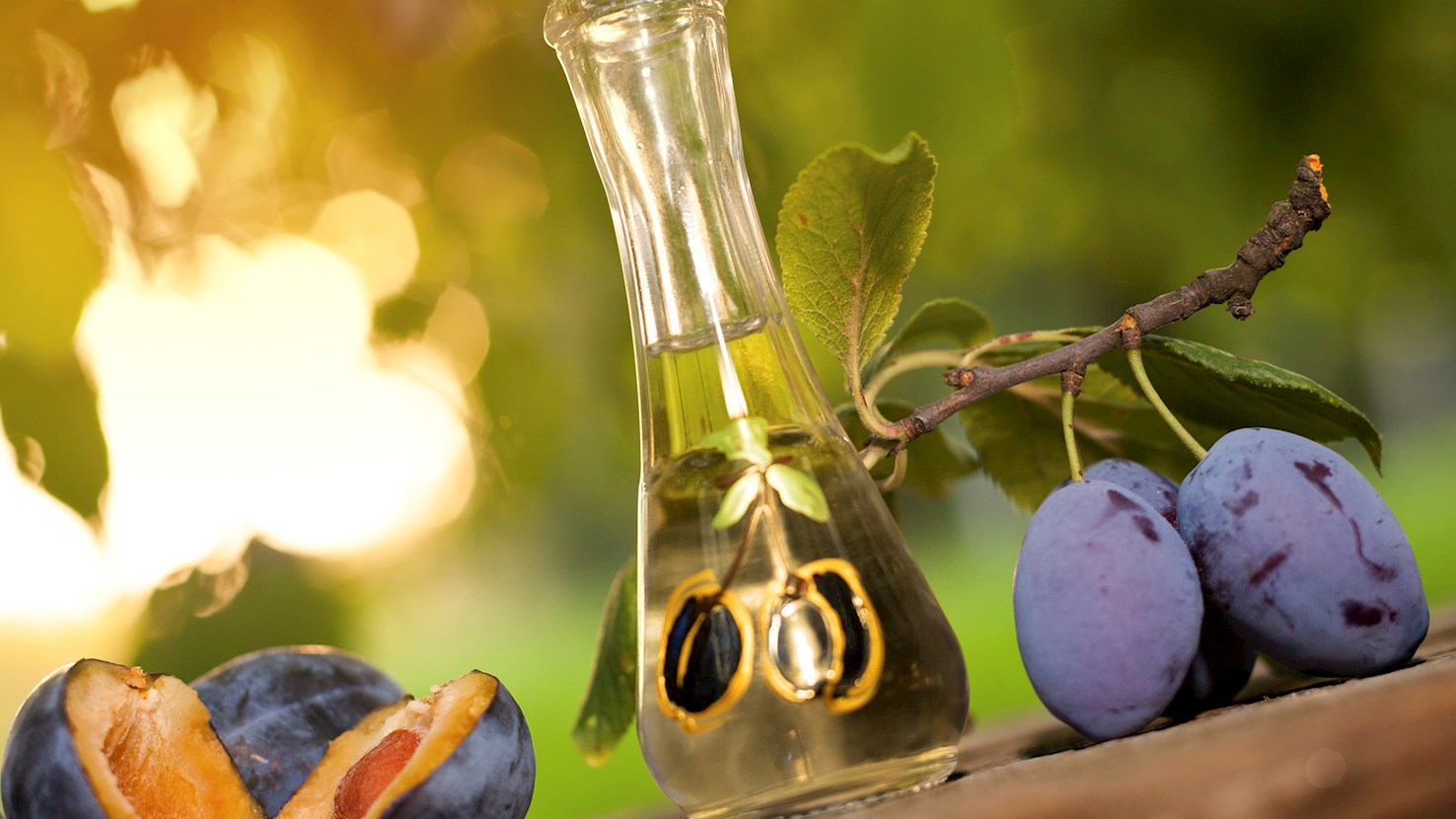
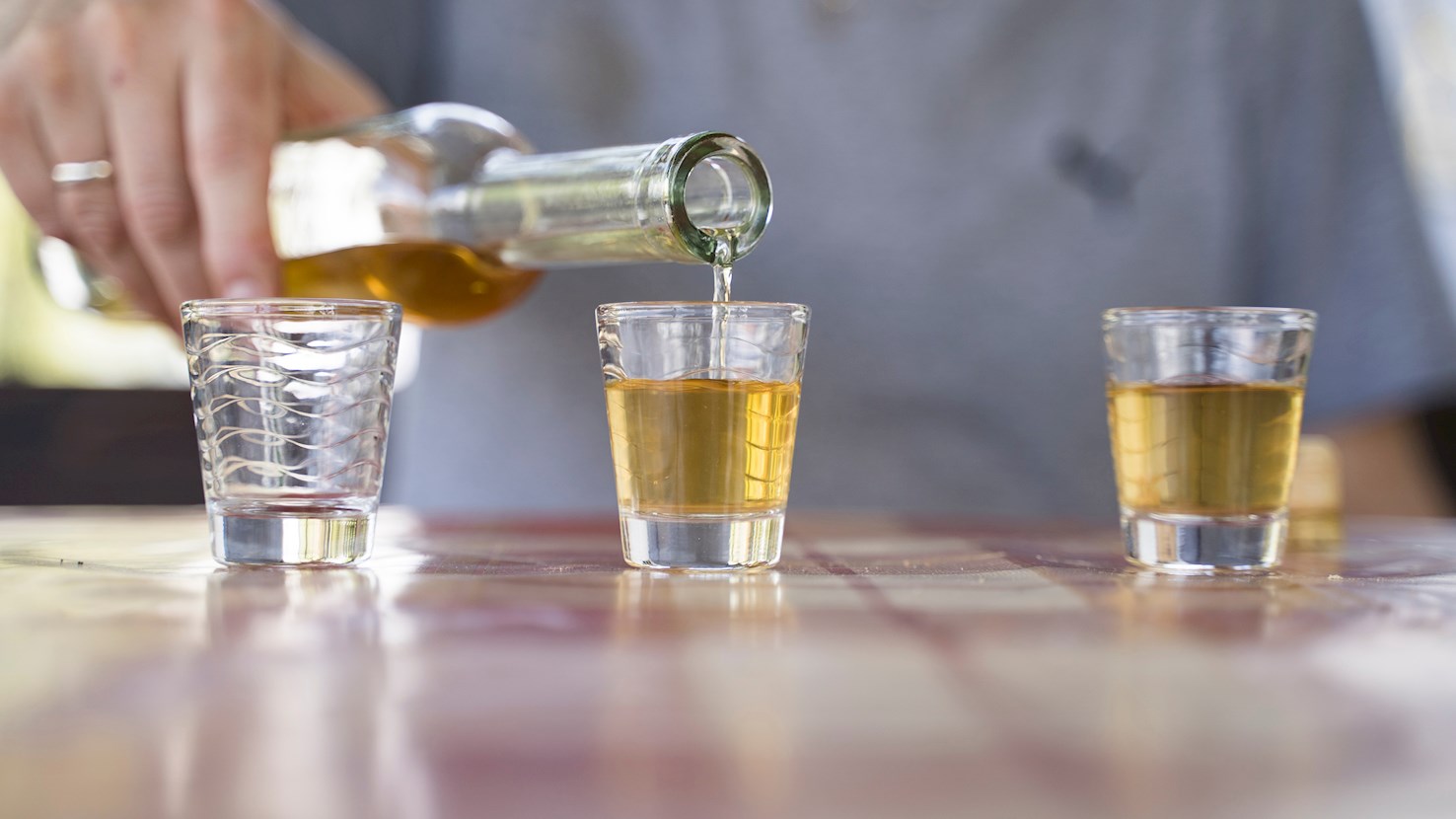
Slavonian plum brandy is the most popular drink in eastern Croatia. It is distilled from locally grown fresh and ripe plums such as Bistrica, which have been cultivated in the region for centuries. This clear drink can range from light yellow to amber in color, depending on whether it is aged in Slavonian oak. It is characterized by harmonious aromas of plums and a long finish, while its alcohol content may range from 37.5 to 42.5%. Slavonian šljivovica is not merely a drink, it is deeply integrated into Slavonian tradition, and no special event or gathering is complete without a shot of well-chilled šljivovica. Traditionally, this plum brandy was served in small-sized bottles called čokanjčići.

04

Dunjevača

3.8 ·

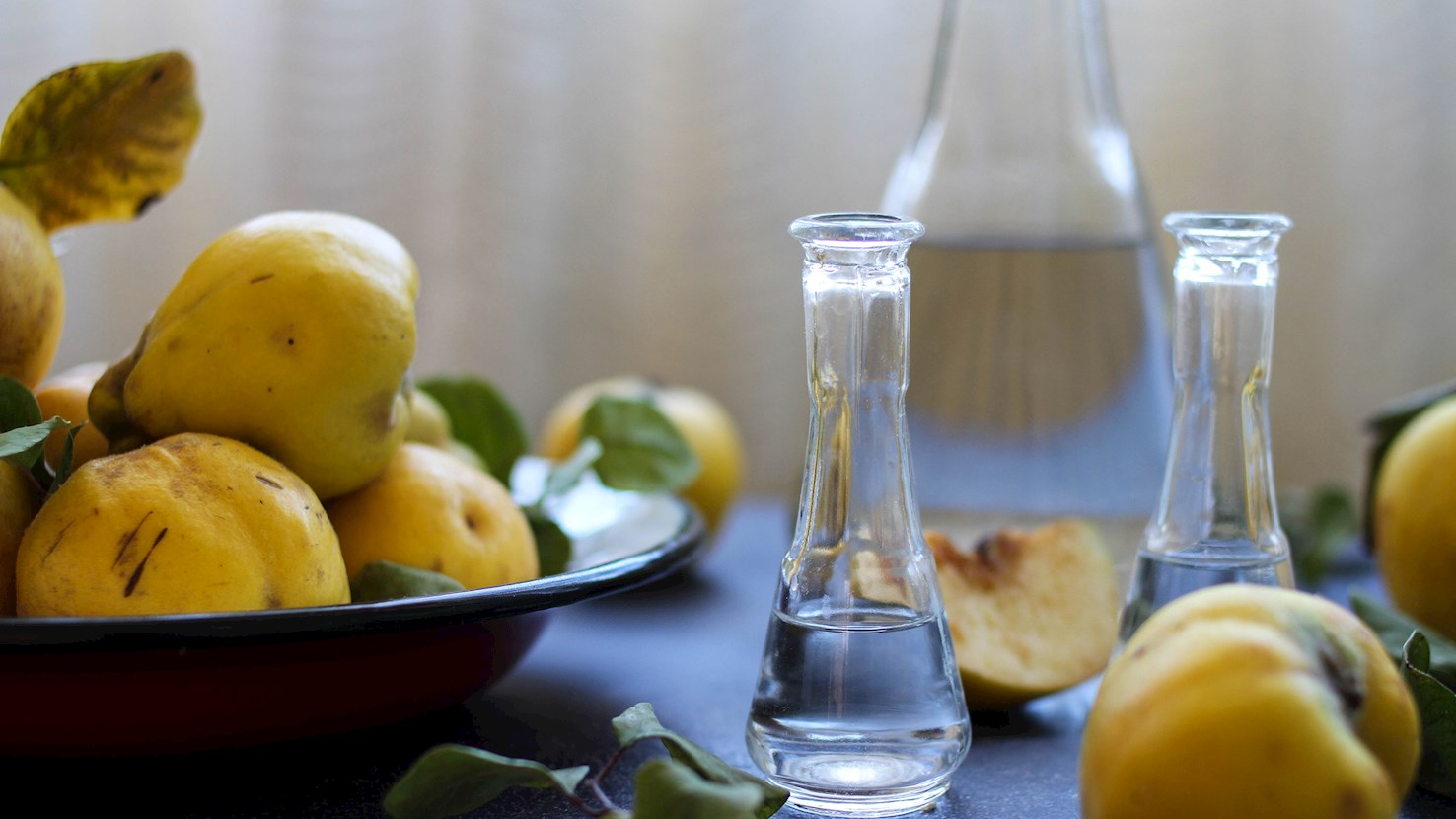
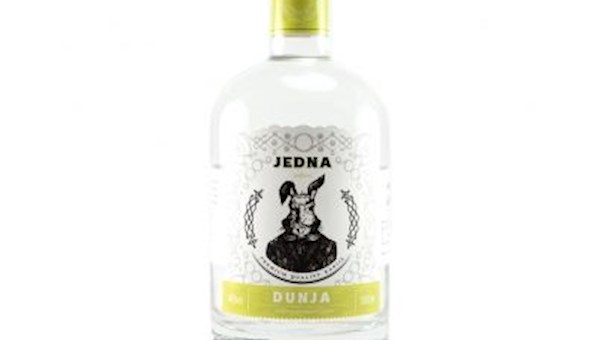
Dunjevača (rakija od dunje) is a clear and colorless spirit distilled from ripe fermented quinces. This fruit brandy—known as rakija—is one of the most popular spirits in the Balkans and is usually of excellent quality. Dunjevača is a potent spirit (40% ABV) that has a pleasant quince aroma. Most examples are colorless, but some producers opt for oak-aging, which typically imparts golden color and woody notes. Dunjevača is served neat, preferably well chilled. It is mainly enjoyed as an aperitif.

05

Babić

3.8 ·

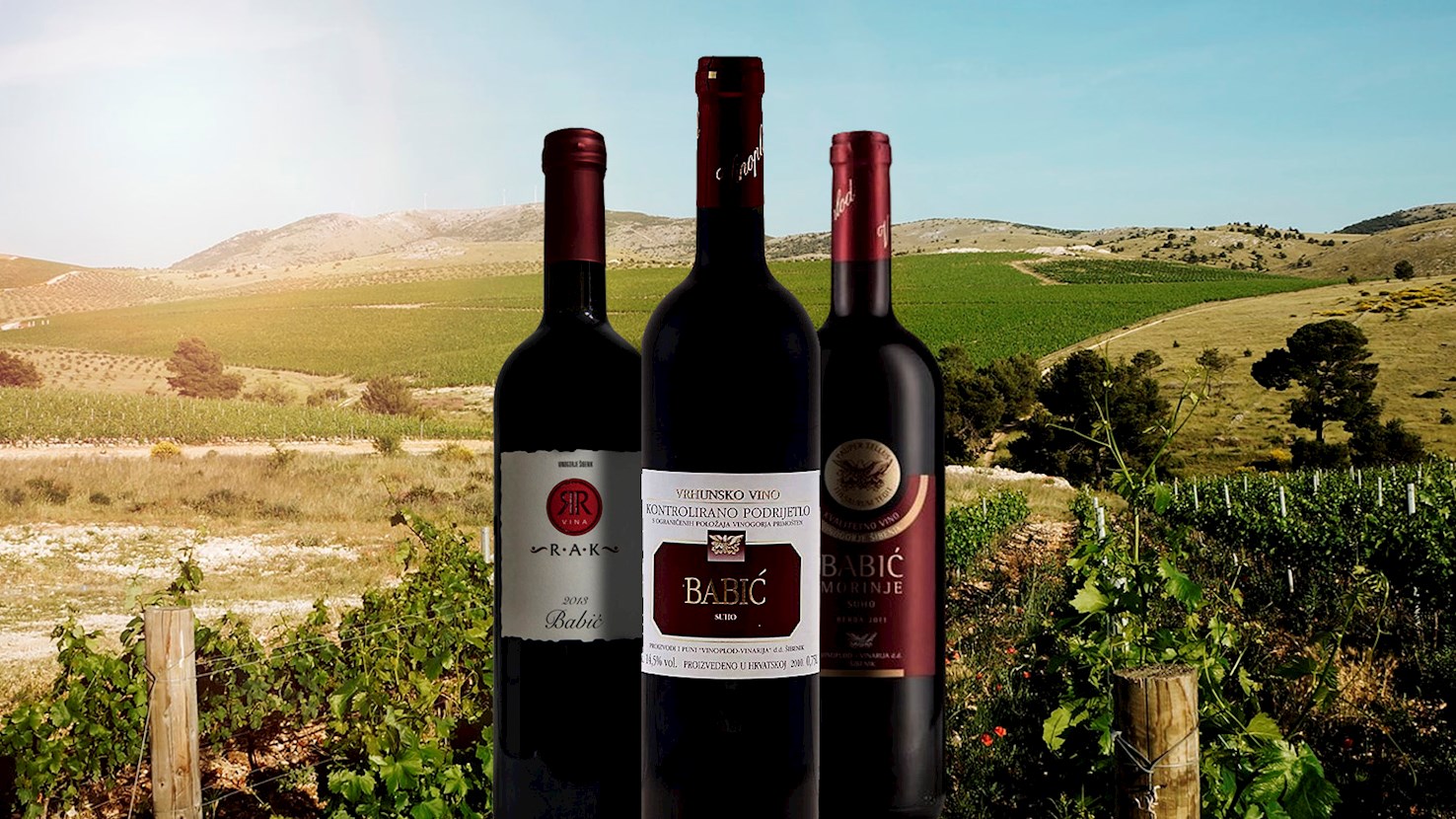
Babić is a native red Croatian grape that is mainly cultivated in central and northern Dalmatia and some Dalmatian islands, but the best expressions come from Šibenik-Knin County. The variety was traditionally used as a blending grape, but it has shown excellent potential as an age-worthy varietal wine. The terroir dramatically influences the quality of Babić wines. Fertile soils around Šibenik tend to produce light, medium-bodied wines with flavor and aroma reminiscent of red berries. The best expressions of Babić come from Primošten and Rogoznica, situated in the southernmost part of Šibenik-Knin County, where the grapes are mostly cultivated on poor, karst limestone soils surrounded by stone walls. The wines coming from this region are full-bodied and powerful, with good acidity and some mineral backbone. The aroma is reminiscent of dark fruit and sour cherries, sometimes accompanied by herbaceous or spice notes. These rich and well-balanced wines pair well with game or other dark meat, stews, braised or grilled dishes, and cheese.

06

Plavac mali

3.8 ·

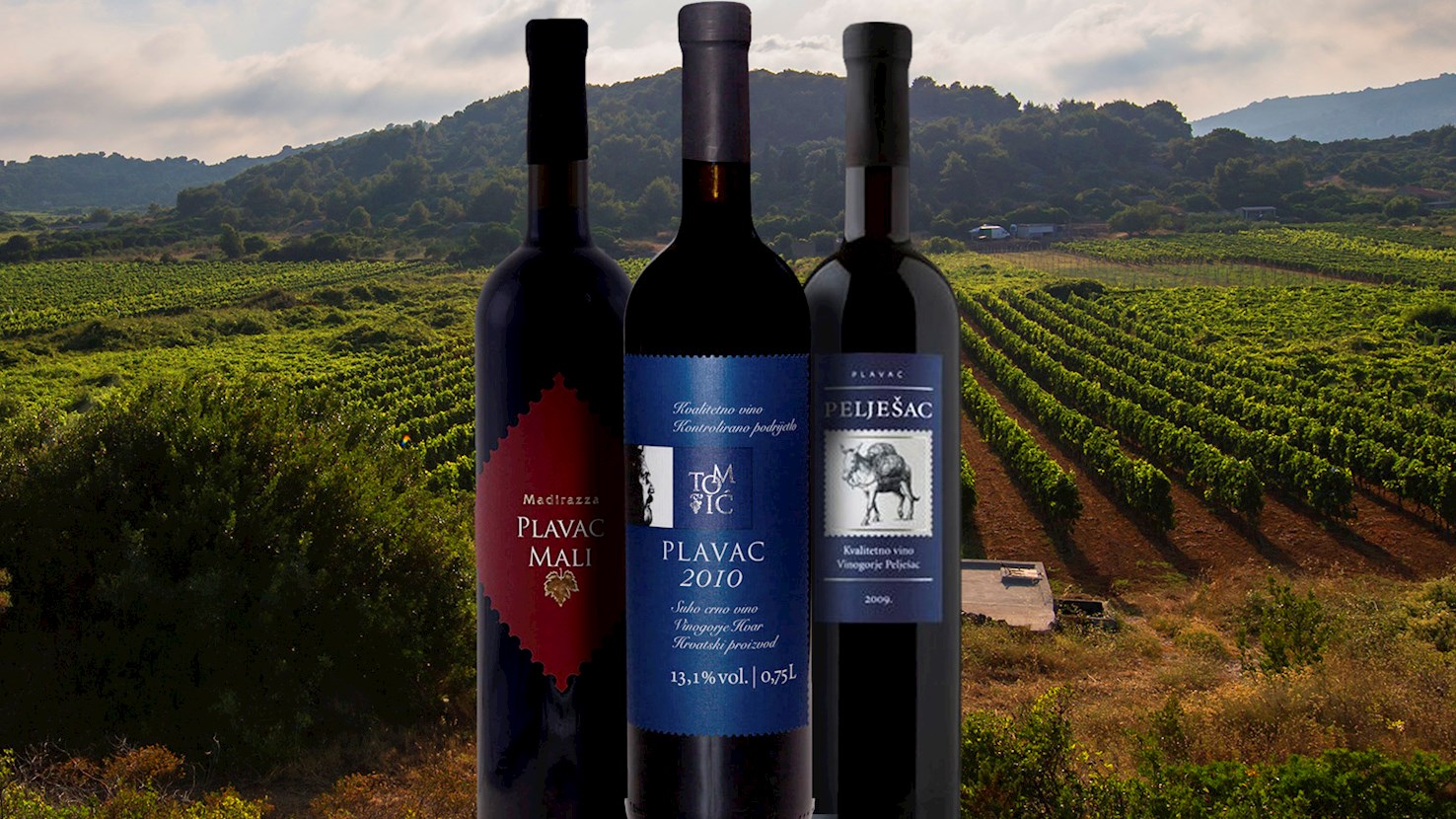
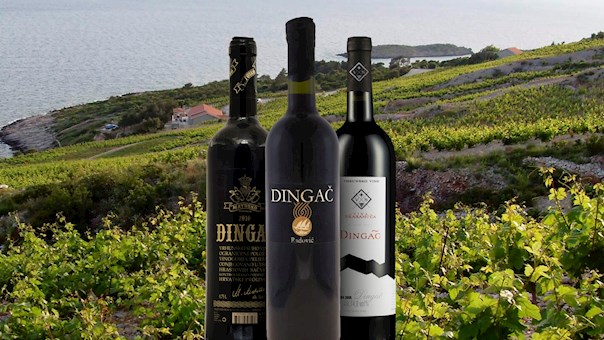
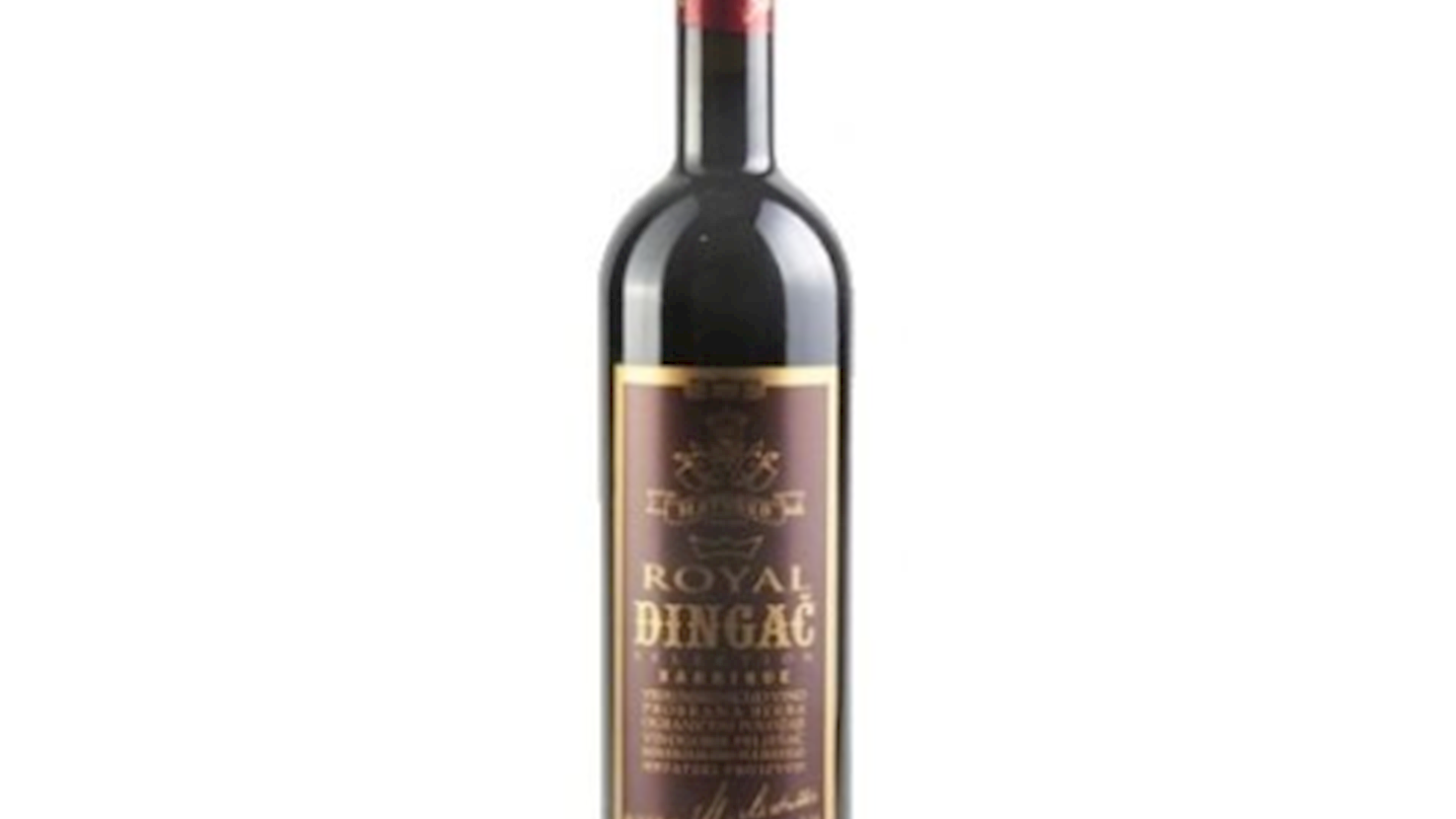
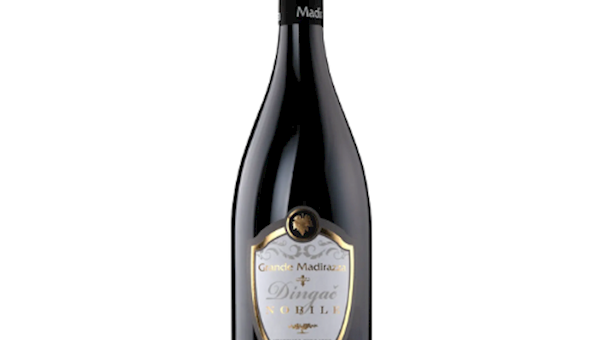
Plavac mali is a red grape variety that is indigenous to southern Croatian region of Dalmatia. A sibling to Primitivo and Zinfandel, and a descendant of Crljenak kaštelanski and Dobričić varieties, the grape makes bold, powerful wines that are overwhelmed with ripe fruit and high in tannins. Plavac mali is usually made as a varietal wine, and it is popular as a flagship Croatian red wine. The best expressions are thought to come from the peninsula of Pelješac, from Dingač and Postup appellations. It is traditionally paired with oily and barbecued fish, but it can hold up quite well with red meat, aged cheese, game, or hearty stews.

07

Maraschino

3.7 ·

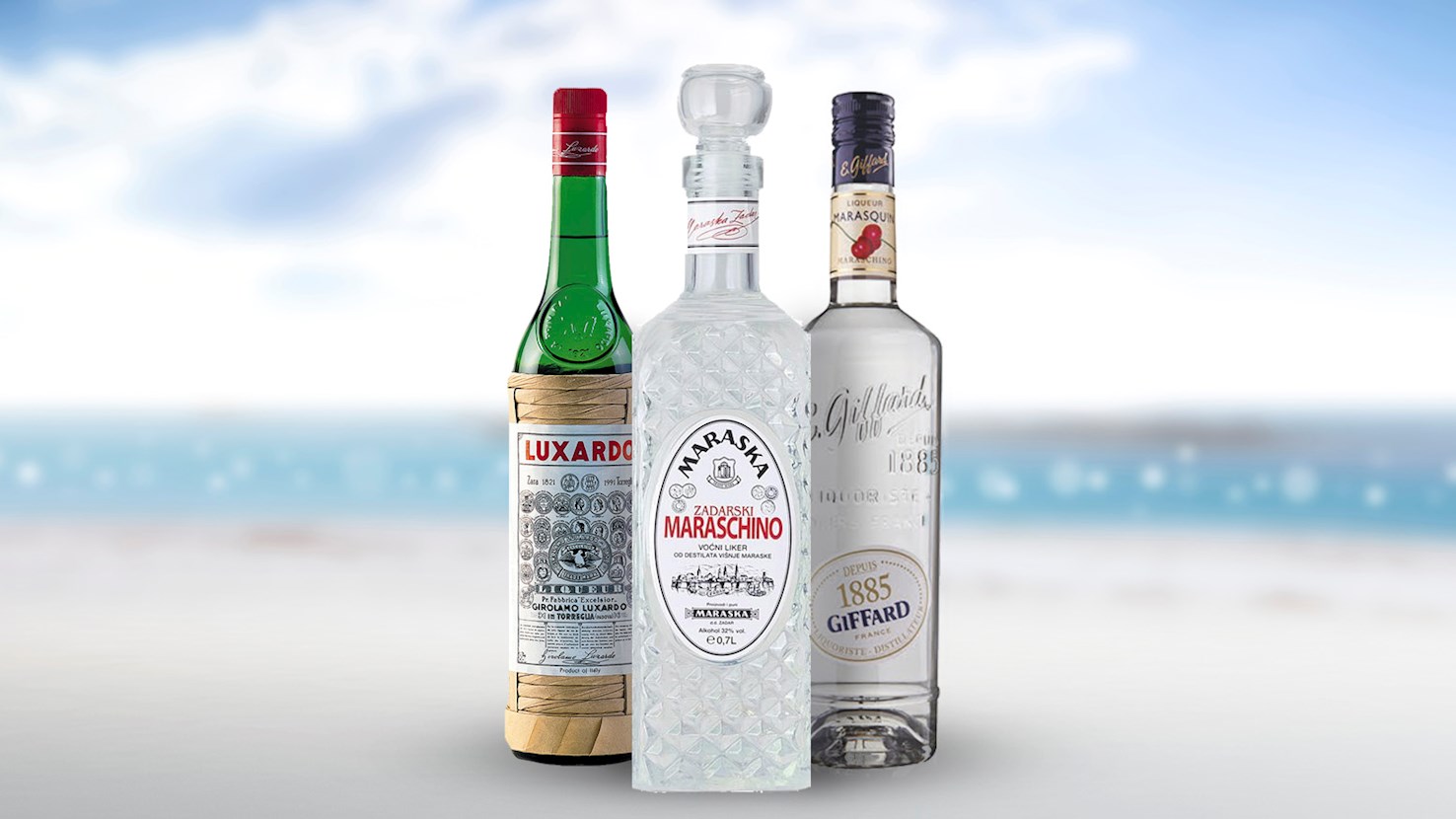
This clear cherry-flavored liqueur dates back to the 16th century when it was first made by Dominican monks in Zadar. It is produced from the fruits (including the pits) of Marasca cherries, which give Maraschino its unique, intense aroma, and subtle bitterness. The commercial production started in the 18th century by Francesco Drioli, while Dalmatia was still under the rule of Venetian Republic. In the mid-20th century, during political turmoil, the production was abruptly stopped, and the Yugoslav government later unified it under one enterprise, which would later be named Maraska. Present-day Maraschino is now produced in other regions and countries, namely Italy. It is usually enjoyed as a digestif, served neat or mixed with tonic water or orange juice. Maraschino also works well in cocktails, and it easily blends in a variety of desserts.

Best producers
08

Teran

3.7 ·

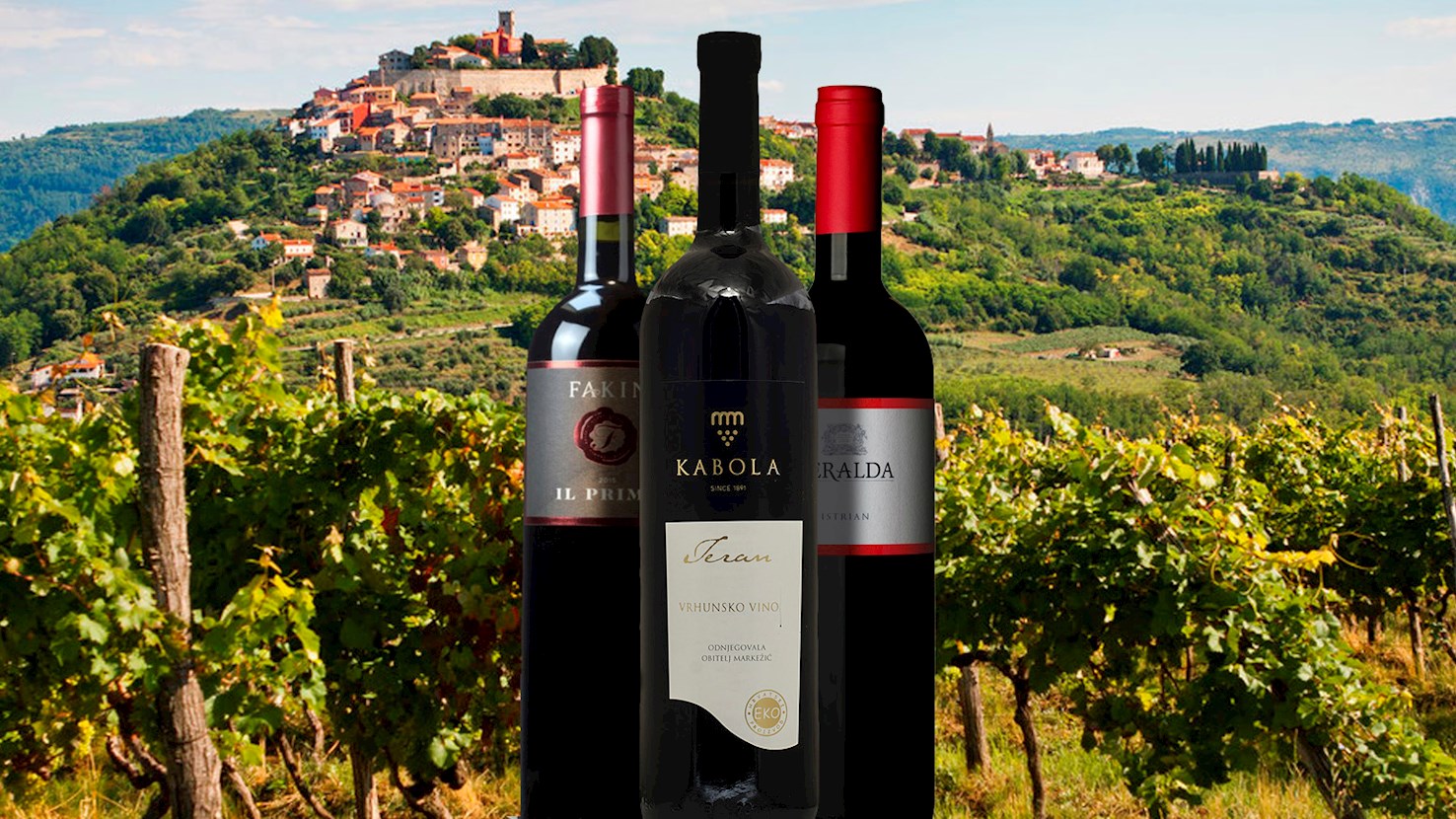
Teran is a red grape variety that has been cultivated for centuries in Istria (Croatia), Friuli (Italy), and the Kras Plateau in Slovenia. The history and the usage of the name Teran have long been disputed between Croatia and Slovenia, and even though Slovenia registered the name as a Protected Designation of Origin, their Teran wines are mainly produced from a separate variety named Refošk. The dispute was partially settled by the European Union when Croatia was allowed to use the name, but the wine has to be labeled as Teran – Croatian Istria (Hrvatska Istra). Slovenia later filed a lawsuit against the European Commission and this decision, but in 2020, The General Court of the EU supported the previous ruling and rejected Slovenian claims. To add to the confusion, Refošk and Teran grapes have long been mistakenly regarded as the same variety, but recent findings show that they merely belong to the same family (Refosco).Varietal Istrian Teran is typically fresh and fruity with well-balanced acidity, firm tannins, and typical notes of berries and spices. It is usually enjoyed young and pairs well with charcuterie, cheese, and game.

09

Pošip

3.7 ·

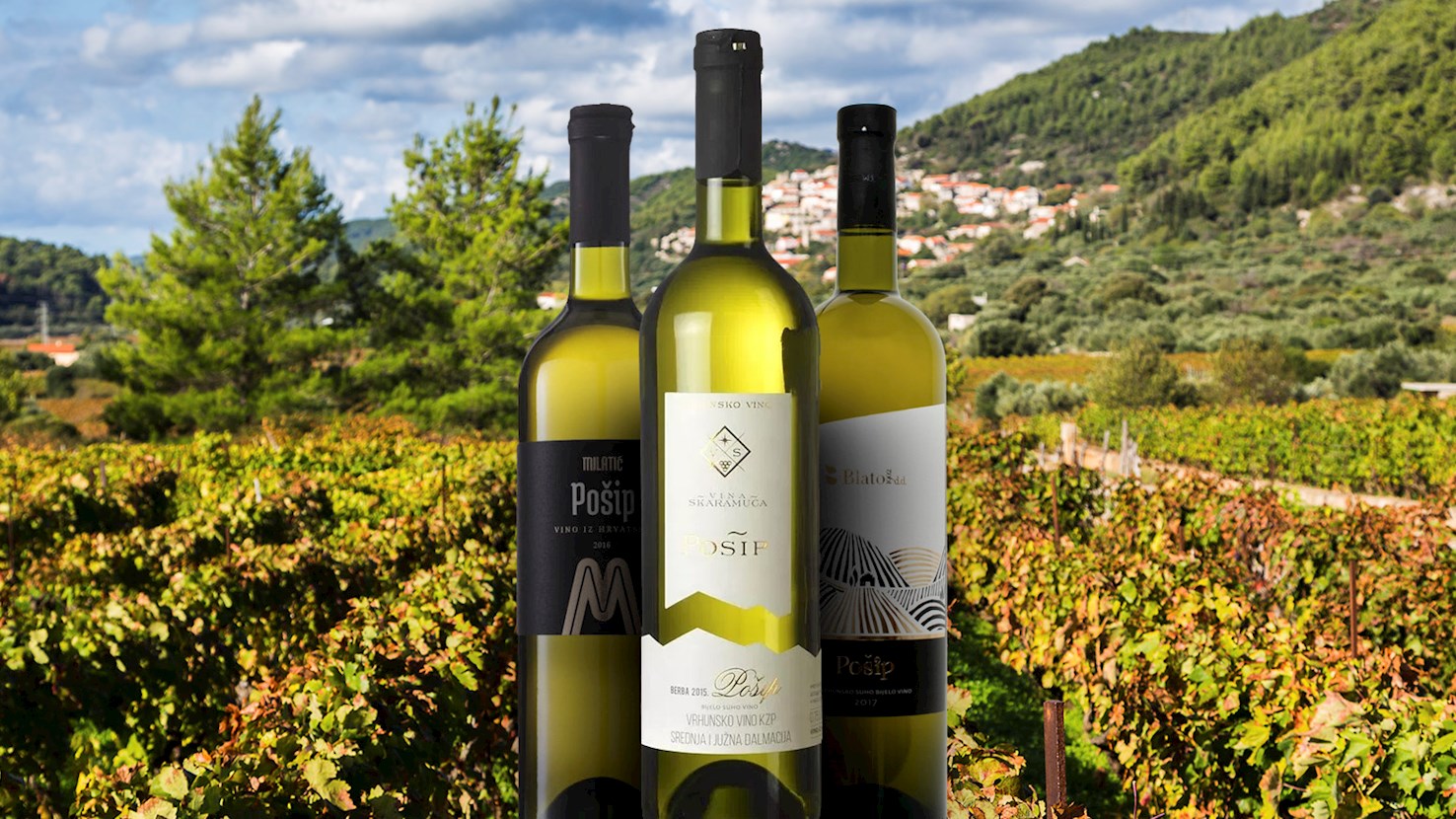
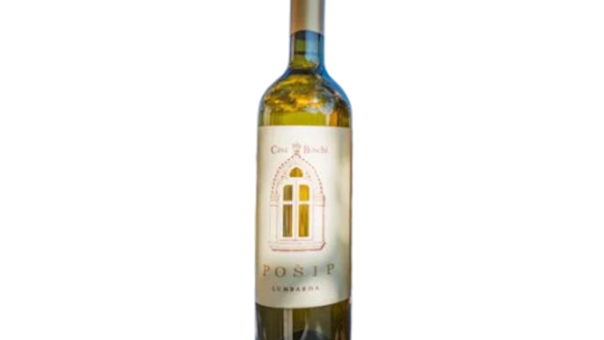
Pošip is a native Croatian grape which was discovered by chance on the island of Korčula. Although it is cultivated in other Dalmatian regions, the grape is still extensively grown on Korčula, and it achieves the best results in the vineyards located around the villages Smokvica and Čara. The best versions of varietal Pošip will be full-bodied and harmonious with a perfect balance of alcohol and acidity. They are usually golden yellow with fruity aromas of apricots, almonds, Mediterranean herbs, figs, and citrus fruit. Pošip wines are a perfect match to most Dalmatian dishes, especially fish and shellfish, while oak-aged version can pair well with octopus or veal. It can also go well with cheese and cured meat. Pošip was the first white grape from Croatia with a protected geographical origin.

10

Rakija

3.6 ·

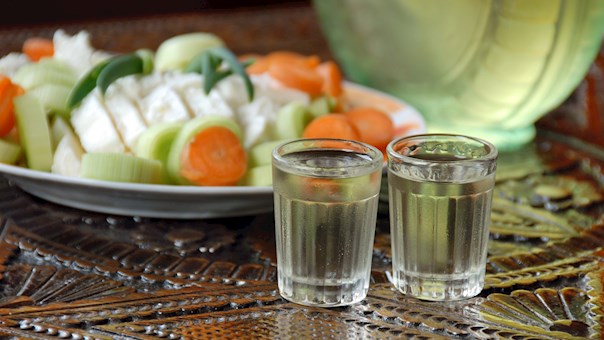
Rakija is a universal term used for various fruit brandies produced in several Balkan countries (Southeast Europe). This strong spirit is distilled from different fruit and is sometimes additionally flavored or used as a liqueur base. The most common versions are made from plums (šljivovica), Williams pear (viljamovka), quinces (dunjevača), apricots (kajsijevača), apples (jabukovača), grapes (lozovača/komovica), and many more. Rakija has present in the region for centuries. It is mainly associated with Croatia, Serbia, Bosnia, Montenegro, and North Macedonia. Although fruit brandies are produced in other European countries and regions, in the Balkans, rakija is a household name and has a large following among all generations. This potent spirit typically falls between 40% to 60% ABV. It is usually served neat, preferably well chilled, in a shot glass. Rakija is primarily a social beverage meant to be consumed with friends or as a welcome drink. Locals also like to believe that rakija is a terrific health remedy, and they use it boosts their immune system or ease any minor medical problems. Rakija can be in the form of a pure distilled spirit, but sometimes it is flavored with herbs and fruits. Many producers often use rakija as a liqueur base, but although these liqueurs are often labeled as rakija—such as orahovac made with walnuts or honey-flavored medica—they are technically liqueurs and not fruit brandies. Although rakija holds a reputation as a crude and harsh drink, many producers try to break away from its traditional image and create exceptional labels, which they promote as savoring and sipping drinks.

12

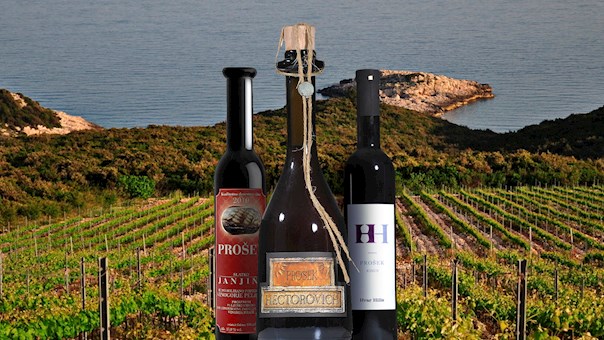
Prošek

3.6 ·
13

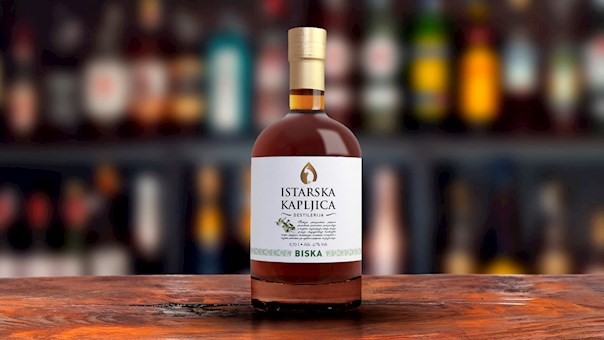
Biska

3.5 ·
16

Grk

3.4 ·
17

Pelinkovac

3.3 ·
19

Žlahtina

3.2 ·
20

Loza

3.1 ·

Best Croatian Alcoholic Beverages
01

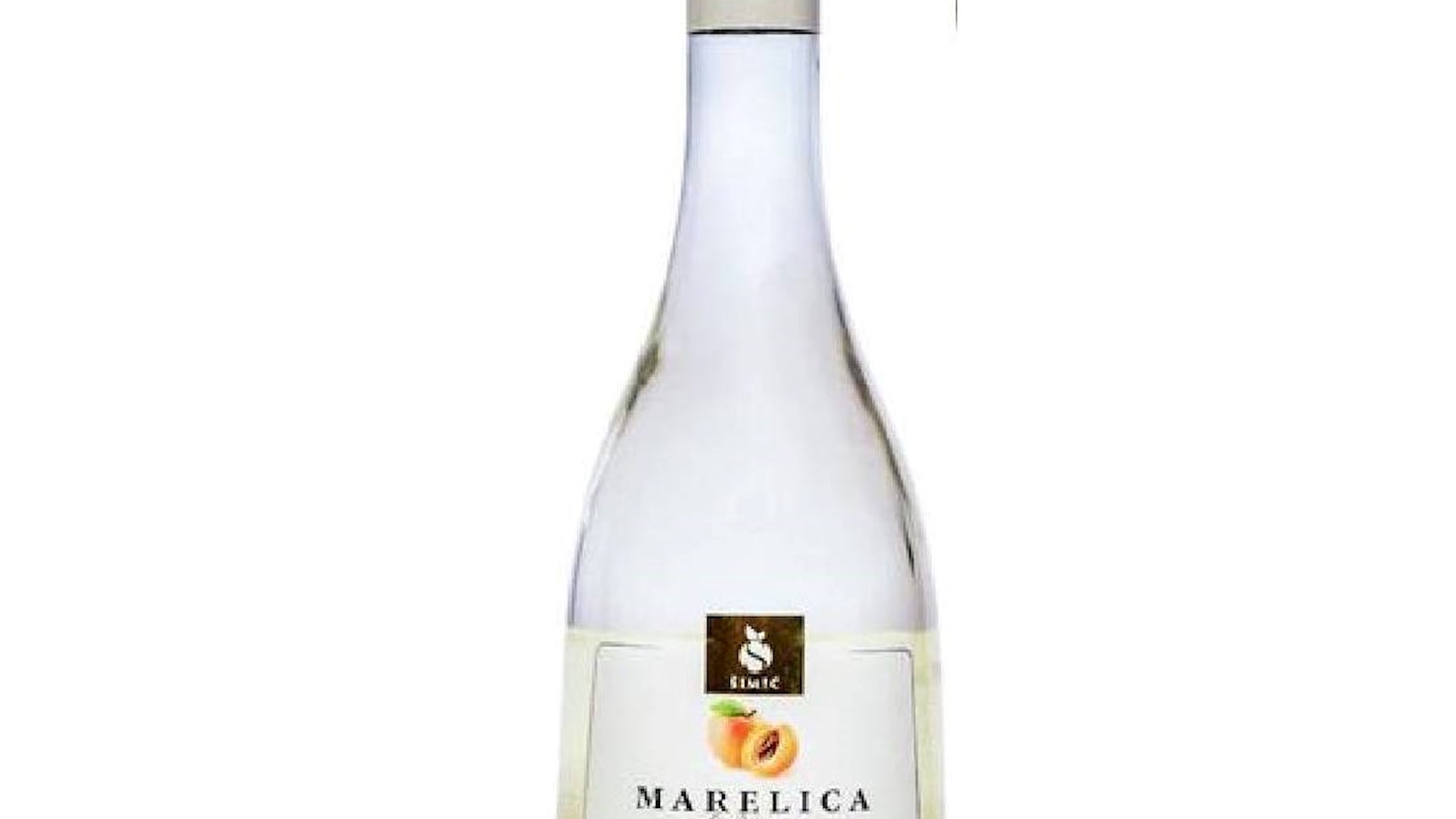
Šimić Distillery

5 ·
Šimić Distillery is a family-owned craft distillery dedicated to producing high-quality fruit brandies and liqueurs, grounded in tradition, knowledge, and deep respect for nature. Born out of a passion for fruit and artisanal distillation, the distillery combines decades of experience with a modern approach to deliver truly authentic flavors. All products are made from 100% natural ingredients, carefully grown in the family’s own orchards and harvested at peak ripeness. Each rakija is distilled in small batches using traditional copper stills, then aged in oak barrels to develop depth, aroma, and character. Every bottle reflects the family’s unwavering commitment to quality and craftsmanship. The range includes classic brandies made from plum, pear, and apricot, as well as innovative fruit liqueurs with distinctive character. Šimić Distillery is a name synonymous with purity, balance, and flavor integrity. Their spirits don’t just win awards—they win the hearts of those who truly appreciate the art of fine rakija.
Awards
IWSC- International wine & spirit competition - Spirit Gold Outstanding (2024, 2022)
ZGrappa festival - The World’s 15 Best Rakijas - Marin Levaj (2025)
02

Matuško

5 ·
Matuško is a family-owned winery from the village of Potomje on the Pelješac Peninsula, founded in 1997 by Mato Violić - Matuško, one of the key figures in the modern promotion of the Plavac Mali grape and the Dingač appellation. Today, the winery is one of the largest and most visited on Pelješac, featuring an impressive 2,000 m² wine cellar that welcomes over 50,000 visitors annually. The stone-carved tasting room symbolically connects tradition with the raw power of Pelješac’s soil, which lies at the heart of all Matuško wines. The winery’s core focus is on red wines made from the Plavac Mali grape, particularly those from the Dingač protected designation of origin - Croatia’s first officially recognized vineyard micro-location. The Dingač terrain is extremely rocky, rich in minerals, and situated on steep southern slopes that receive more than 2,800 hours of sunshine per year. Under these extreme conditions, Plavac Mali produces wines of high extract, deep color, full body, and pronounced structure. In addition to Dingač, Matuško also produces wines from other Dalmatian appellations, which further enrich its regional identity. Matuško has become synonymous with Plavac Mali in its most powerful form, characterized by bold tannins, ripe fruit aromas, Mediterranean herbs, and deep minerality. Through a modern oenological approach and consistent quality, the winery successfully balances authenticity with broad accessibility, creating wines that are well recognized both in Croatia and internationally.
Awards
Vivino - 4.6
Vivino - 4.4
03

Rossi Distillery

5 ·
Rossi Winery is a family-owned winery and distillery with a long-standing tradition and a deep passion for viticulture and artisanal production. Since 1885, the Rossi family has been cultivating authentic grape varieties and crafting wines and spirits that reflect quality, character, and meticulous attention to detail. Every step—from the vineyard to the bottle—embodies a blend of tradition and modern expertise. The winery is known for its outstanding Malvazija wines, complex reds, and innovative products such as Malvazija-based gin and aged brandies. All creations are produced in limited batches, with great respect for nature, terroir, and varietal expression. Their work is recognized through numerous awards and the trust of those who value honest and refined craftsmanship. Rossi wines and spirits are not just products of skill and knowledge—they are expressions of family values and a deep connection to heritage. Enjoying their creations is a true wine and sensory experience. Rossi Winery stands as a symbol of quality, consistency, and a modern approach to lasting tradition.
Awards
European Spirits Challenge - Gold (2024)
European Spirits Challenge - Silver (2024)
04

Bire

5 ·
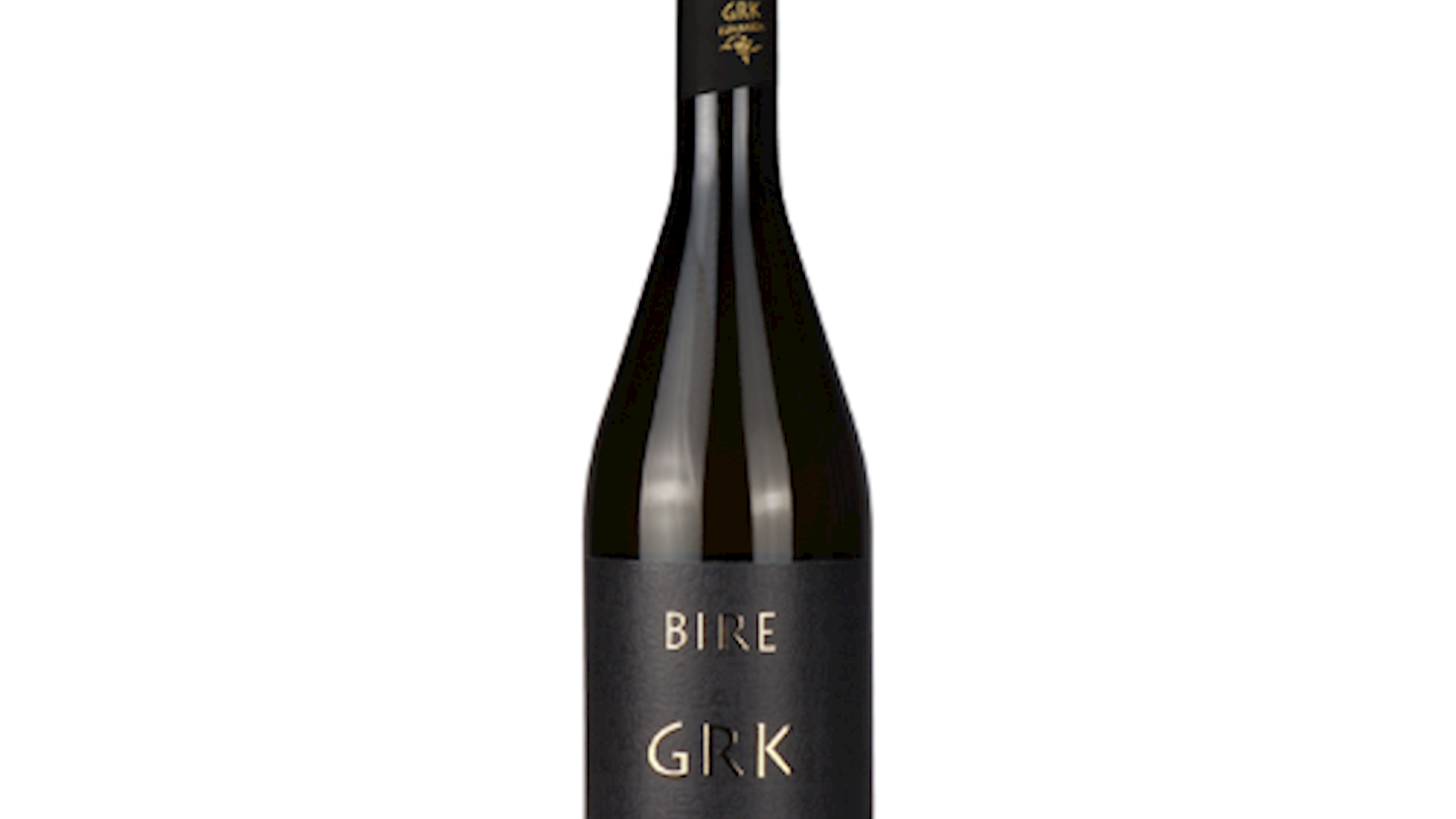
Bire is a family-owned winery located in the village of Lumbarda on the island of Korčula in southern Dalmatia, an area well known for the cultivation of the indigenous Grk grape variety. The winery is run by the Milina-Bire family, who continue a long tradition of viticulture in this part of the island and focus on preserving local grape varieties. The vineyards are situated on the distinctive sandy soils of Lumbarda, close to the sea, which create unique conditions for growing Grk, one of the rarest Croatian grape varieties. This variety forms the core of the winery’s production and represents an important part of the region’s wine identity. In addition to Grk, the winery also produces wines from varieties such as Plavac Mali as well as rosé wines. The grapes come from the family’s own vineyards, allowing careful control of quality and expression of the local terroir. Today, Bire is considered one of the recognizable wine producers from Lumbarda and an important representative of the wine tradition of the island of Korčula.
Awards
Decanter World Wine Awards - Platinum (2021)
Vivino - 4.6
05

Meneghetti

5 ·
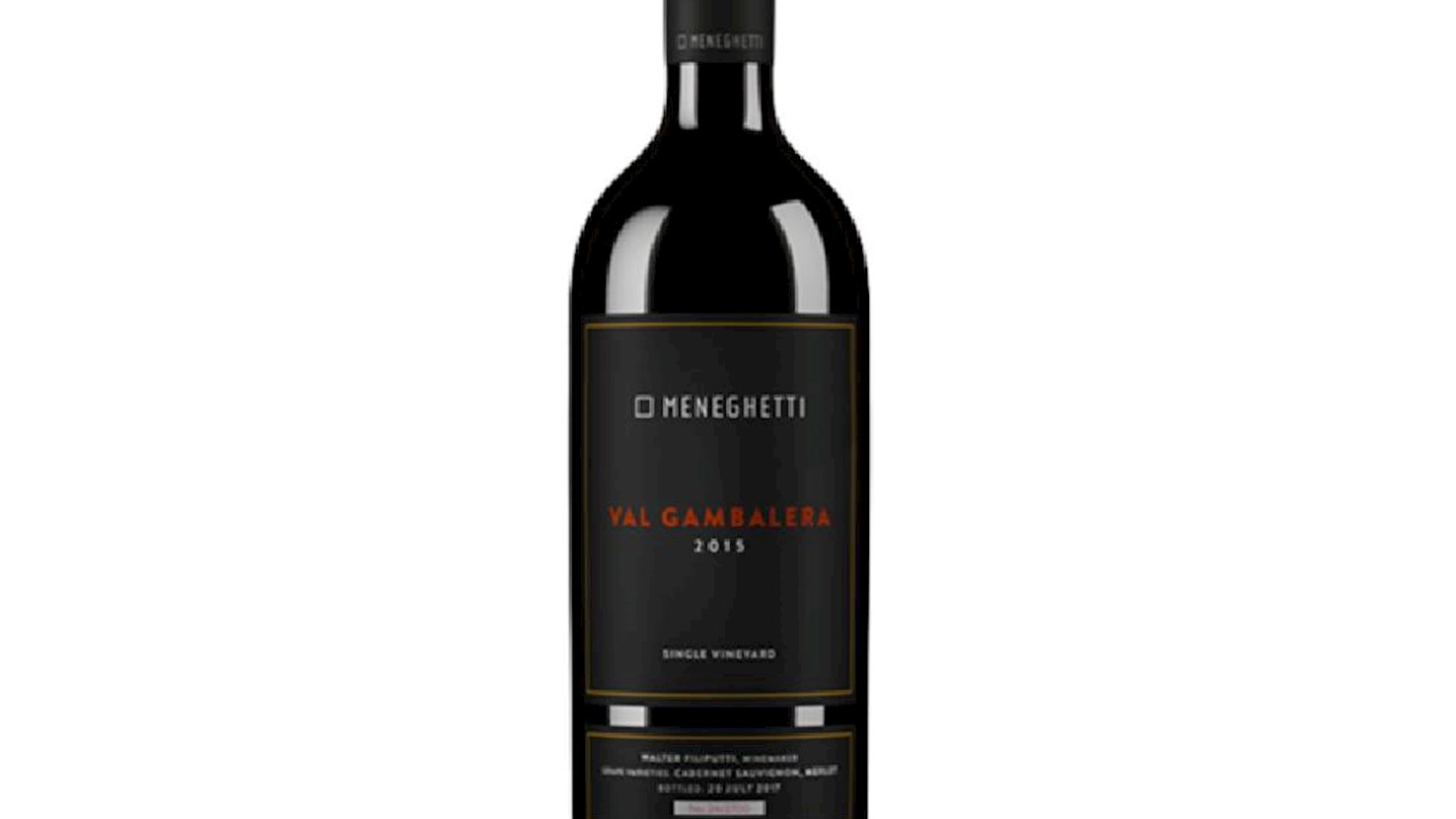
Meneghetti is a unique estate in the heart of Istria, where tradition and contemporary luxury come together in perfect harmony. Surrounded by vineyards and olive groves, Meneghetti produces award-winning wines and olive oils, while also offering an unforgettable experience through its renowned Wine Hotel & Winery. From the authentic Istrian Malvasia to elegant blends, every bottle reflects the character of the terroir and a deep passion for excellence. Today, Meneghetti is not just a producer, but a symbol of Istrian hospitality and the art of refined living – a true fusion of nature, craftsmanship, and taste.
Awards
Vivino - 4.6
Concours Mondial de Bruxelles - Grande Médaille d'or (2023)
06

Benvenuti

4.9 ·
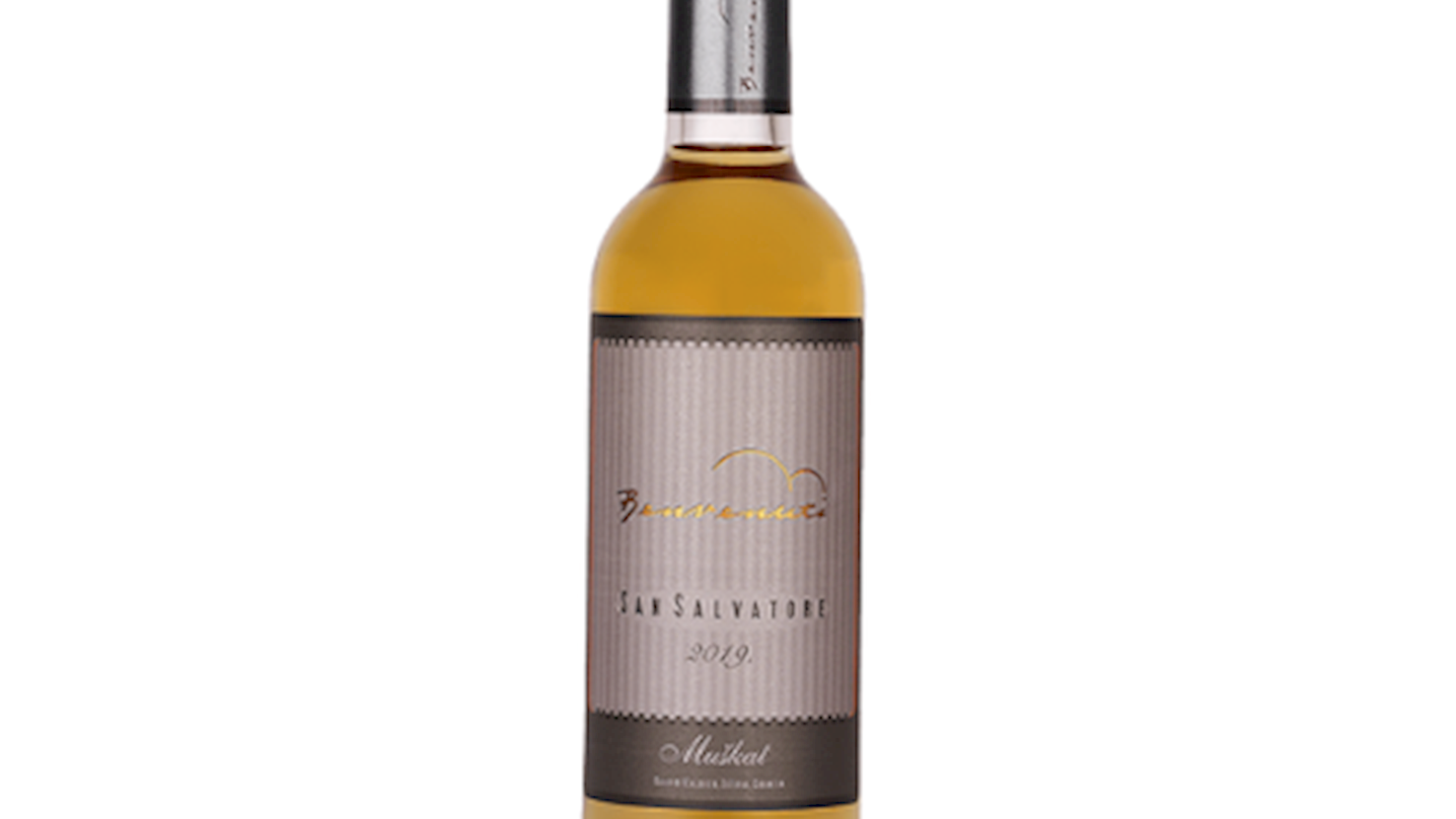
Benvenuti Winery is nestled in the Istrian village of Kaldir, near Motovun, where winemaking is not just a craft but a way of life. For generations, the Benvenuti family has cultivated vines on steep hillsides between 250 and 400 meters above sea level, preserving the authenticity of native varieties such as Istrian Malvazija, Teran, and Muscat. Their philosophy is rooted in respect for the terroir and natural conditions, especially the renowned San Salvatore site, where the unique combination of soil and microclimate creates wines of remarkable freshness, minerality, and character. By blending tradition with modern methods, they craft wines that faithfully reflect the essence of Motovun’s hillsides. The story began in 1946, when Petar Benvenuti planted the first family vineyards. Today, under the guidance of Livio, Albert, and Nikola Benvenuti, the winery continues to nurture this legacy, producing wines recognized and awarded across the globe. From the refreshing Malvazija and powerful Teran to prestigious labels such as Anno Domini and Santa Elisabetta, every Benvenuti wine carries the hallmark of passion, dedication, and Istrian authenticity.
Awards
Decanter World Wine Awards - Platinum (2022, 2021, 2017)
Vivino - 4.5
07

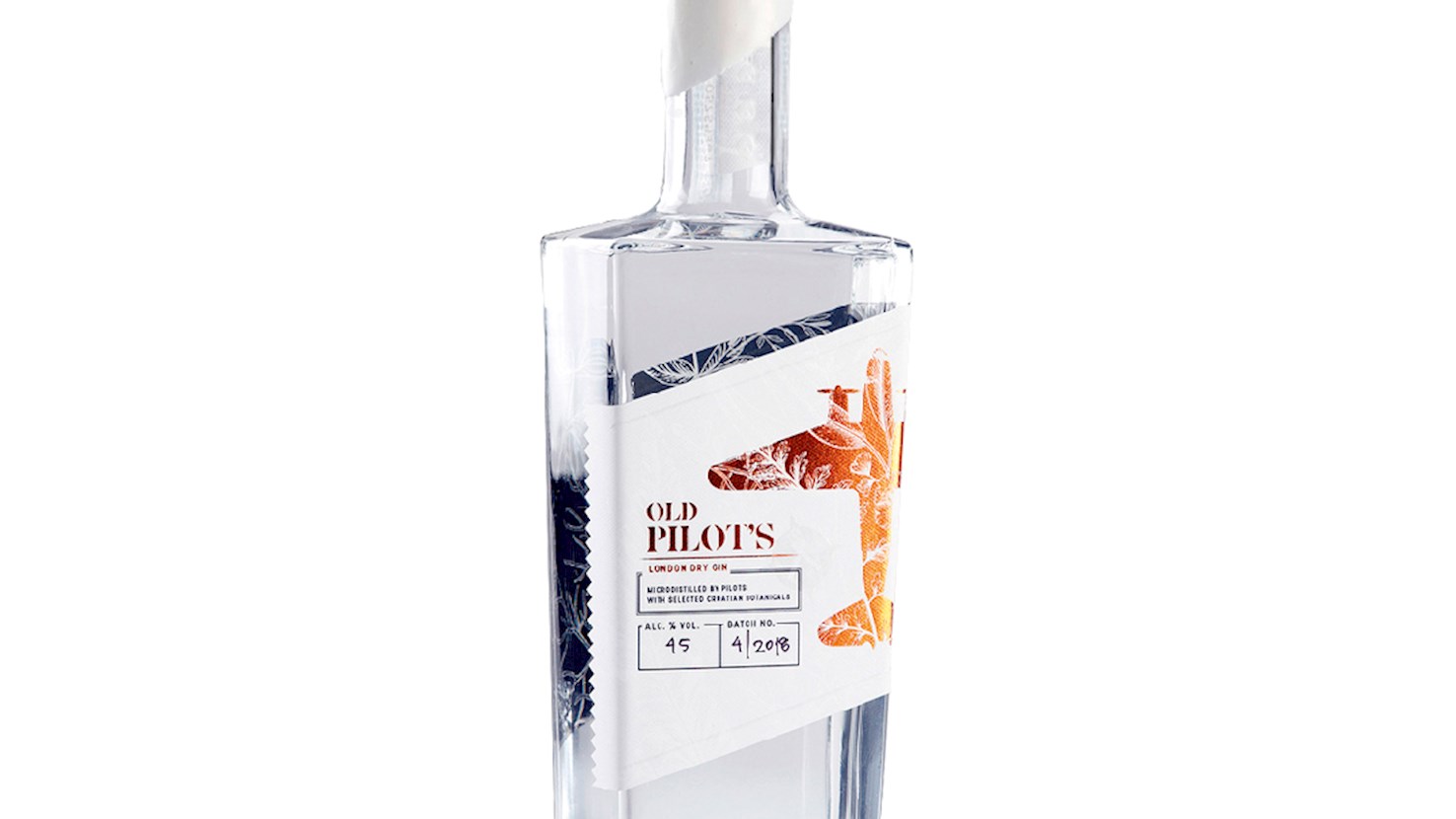
Old Pilot’s

4.9 ·
The Spirit in the Bottle is a Croatian distillery dedicated to producing premium quality spirits. Their flagship product, Old Pilot's Gin, is crafted using handpicked, homegrown strawberries at peak ripeness, free from artificial flavors or coloring, and aged in Croatian and American oak barrels. The distillery emphasizes a blend of heritage and innovation, aiming to capture the essence of tradition in each bottle. Additionally, they support noble causes by donating €5 from every bottle sold to the Indigo Animal Protection Association.
Awards
World Gin Awards - Country Winner (2022)
IWSC- International wine & spirit competition - Spirit Gold (2019)
08

Zure

4.9 ·
Zure is a family-owned winery located in the village of Lumbarda on the island of Korčula in southern Dalmatia, one of the most recognized wine-growing areas of this part of Croatia. The winery is run by the Batistić-Zure family, who began professional wine production in 1996 while continuing a long-standing family tradition of viticulture. The vineyards are situated close to the sea on the characteristic sandy soils of Lumbarda, which are particularly suitable for cultivating the indigenous Grk grape variety, one of the rarest and most distinctive Croatian wine grapes. This variety forms the core of the winery’s production and represents an important part of the local wine identity. In addition to Grk, the winery also produces wines from varieties such as Pošip and Plavac Mali. The grapes are sourced exclusively from the family’s own vineyards, allowing full control over quality and the expression of the local terroir. Today, Zure is considered one of the recognizable producers from the Lumbarda area, known for wines that reflect the Mediterranean character of the island of Korčula.
Awards
Decanter World Wine Awards - Platinum (2021)
Vivino - 4.5
09

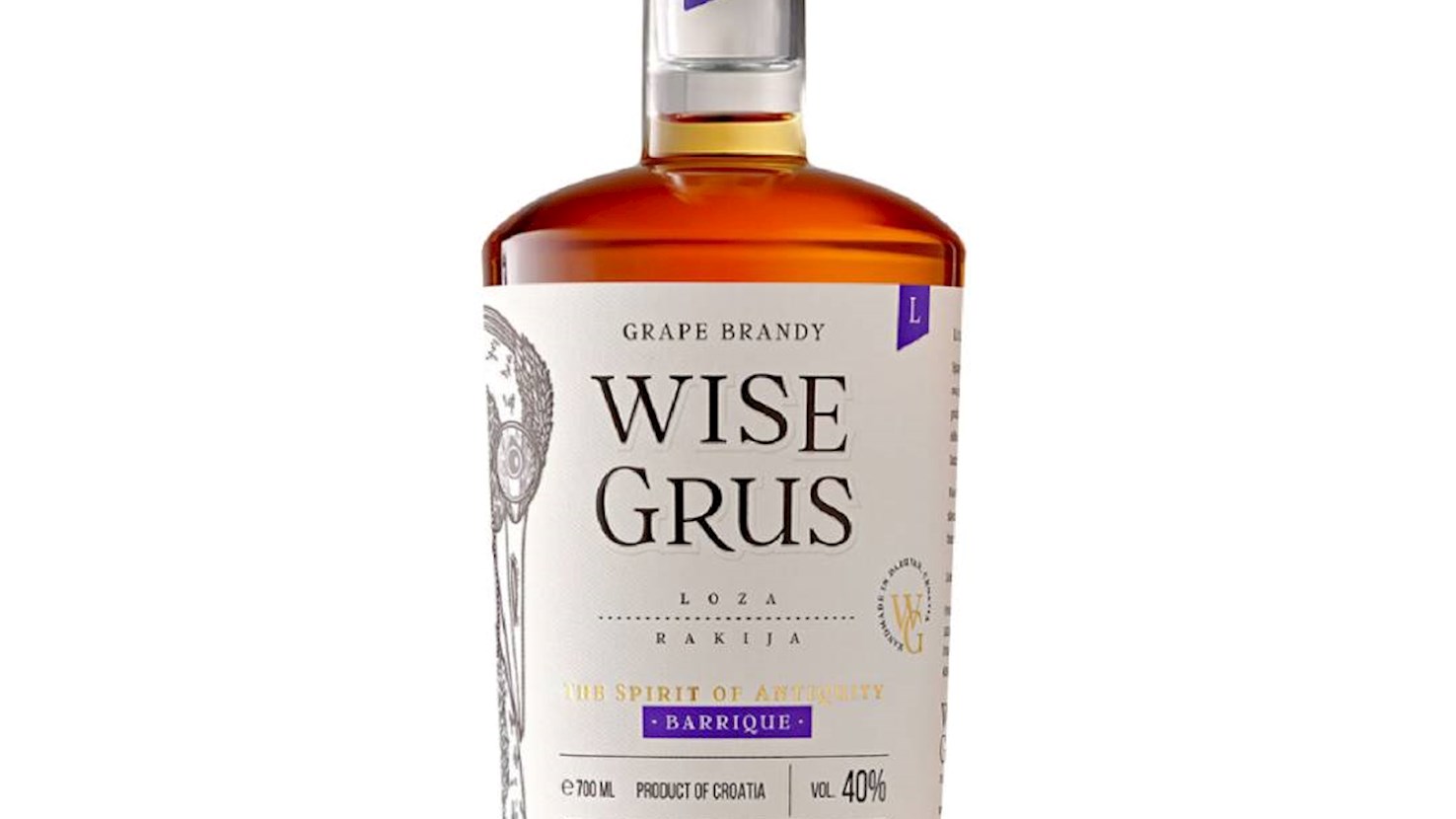
Wise Grus

4.9 ·
Wise Grus is a distinguished distillery located in Daruvar, Croatia, a town historically associated with cranes, symbolizing magic, longevity, and mystery. The name "Wise Grus" reflects this heritage, with "Grus" being the Latin term for crane. The distillery is committed to producing high-quality fruit brandies, emphasizing traditional methods and local ingredients. The production process begins with the careful selection and preparation of fruits, ensuring optimal quality and ripeness. This is followed by controlled fermentation at lower temperatures to enhance fruit aromas, and a sophisticated distillation process utilizing advanced equipment like deflegmators and reinforcing columns. The brandies are then aged to allow essential chemical processes such as oxidation and esterification, resulting in a smoother and more harmonious spirit.
Awards
SFWSC - San Francisco World Spirits Competition - Double Gold (2023)
ZGrappa festival - The World’s 15 Best Rakijas - Marin Levaj (2025)
10

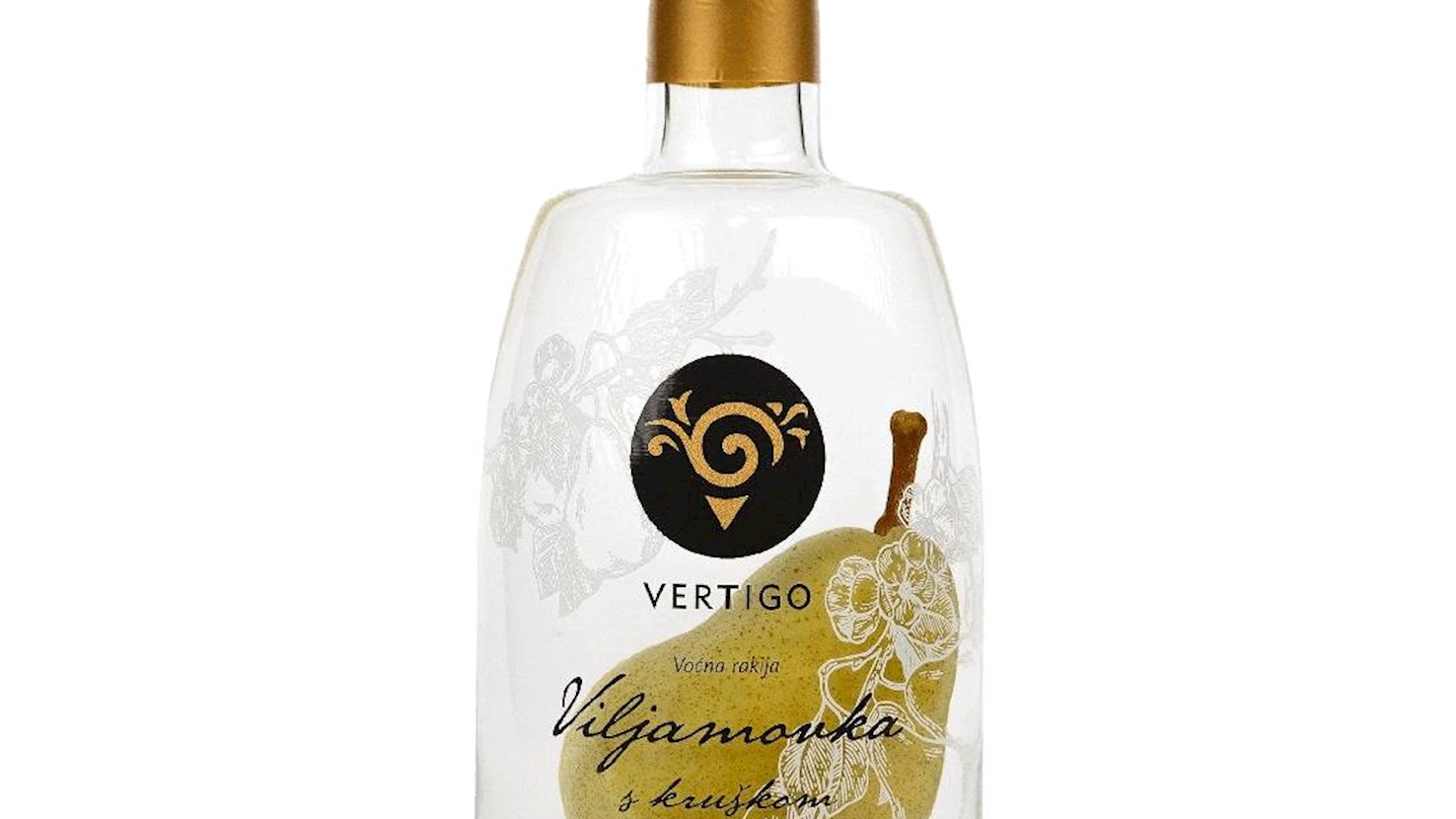
Vertigo Distillery

4.9 ·
Vertigo is a family-owned distillery dedicated to crafting premium fruit brandies with character, purity, and authenticity. At the heart of their philosophy is a simple principle: no additives, no shortcuts—just fully ripe, hand-selected fruit and traditional craftsmanship. Each brandy is produced in small batches, double-distilled in copper stills, and nurtured with care until it reaches perfection. Every bottle reflects a blend of expertise, precision, and deep passion for the craft. Vertigo brandies are known for their vibrant fruit aromas, crystal clarity, and smooth, elegant finish. Each bottle contains the essence of up to ten kilograms of fruit—pure concentration of nature and skill. Production is entirely manual, with attention paid to every detail, ensuring consistency and authenticity. Vertigo doesn’t just make brandy—they create a sensory experience. Their dedication to excellence has been recognized at international competitions, but their greatest reward remains the satisfaction of those who truly appreciate a refined spirit.
Awards
IWSC- International wine & spirit competition - Spirit Gold (2023)
ZGrappa festival - The World’s 15 Best Rakijas - Marin Levaj (2025)
Read more
View all
View map
About this ranking

TasteAtlas food rankings are based on the ratings of the TasteAtlas audience, with a series of mechanisms that recognize real users and that ignore bot, nationalist or local patriotic ratings, and give additional value to the ratings of users that the system recognizes as knowledgeable. For the “Top 77 Croatian Alcoholic Beverages” list until June 02, 2026, 899 ratings were recorded, of which 563 were recognized by the system as legitimate. TasteAtlas Rankings should not be seen as the final global conclusion about food. Their purpose is to promote excellent local foods, instill pride in traditional dishes, and arouse curiosity about dishes you haven’t tried.

The initial list of top producers was compiled based on available reviews, awards, local recommendations, media and blog coverage, and consumer reviews. The list will be updated with ratings from TasteAtlas local ambassadors and TasteAtlas users.

Similar lists