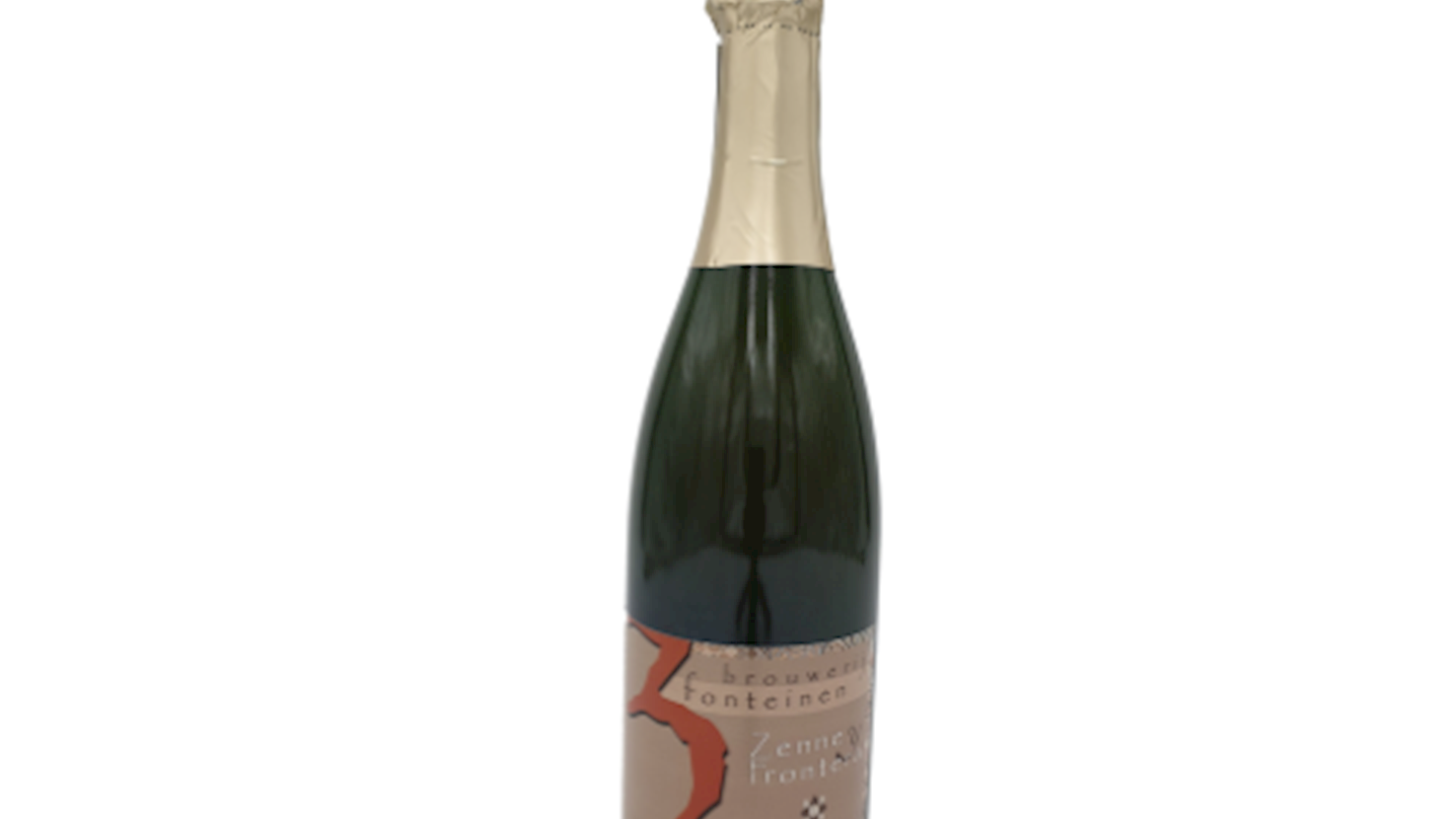
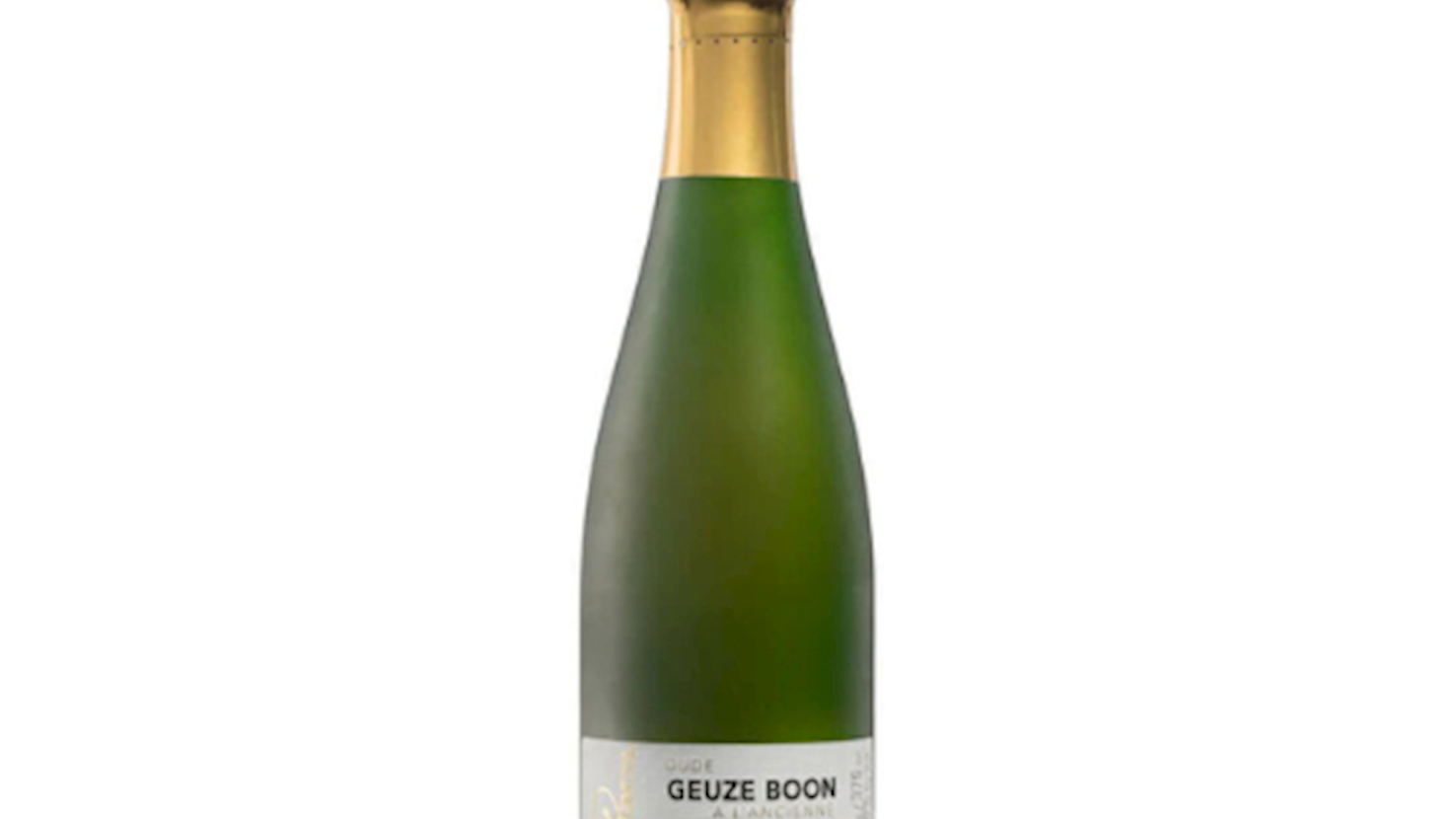
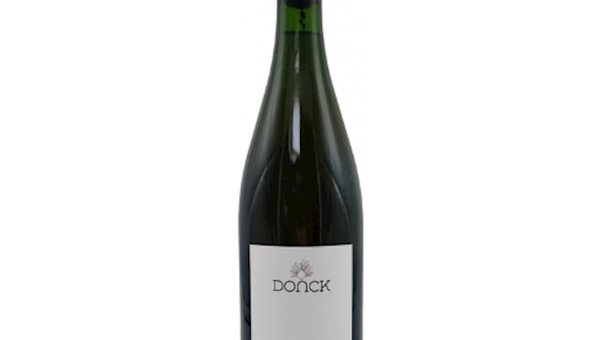
Brouwerij 3 Fonteinen is one of the most respected and authentic Belgian breweries specializing in the production of lambic and geuze beers, located in Beersel, just outside Brussels. It was founded in 1883, originally as a tavern named after the “three fountains”, which later became the name of the brewery itself. Over the decades, it evolved from a simple pub into a guardian of traditional Belgian brewing craftsmanship rooted in spontaneous fermentation. The production process remains faithful to centuries-old methods: after boiling, the wort is cooled in a large open vessel called a "coolship", where it is exposed to the natural microflora of the environment, allowing for spontaneous fermentation without the use of cultured yeast. The beer then matures in large oak barrels and is carefully blended - often from different vintages - based not on strict recipes but on the experience, knowledge, and intuition of the master blenders. Brouwerij 3 Fonteinen does not filter or pasteurize its beers, keeping them alive and allowing them to evolve in the bottle. Today, Brouwerij 3 Fonteinen stands as one of the world’s most esteemed producers of geuze and lambic, preserving tradition while continuously exploring new frontiers of flavor through innovation in fermentation, blending, and aging.
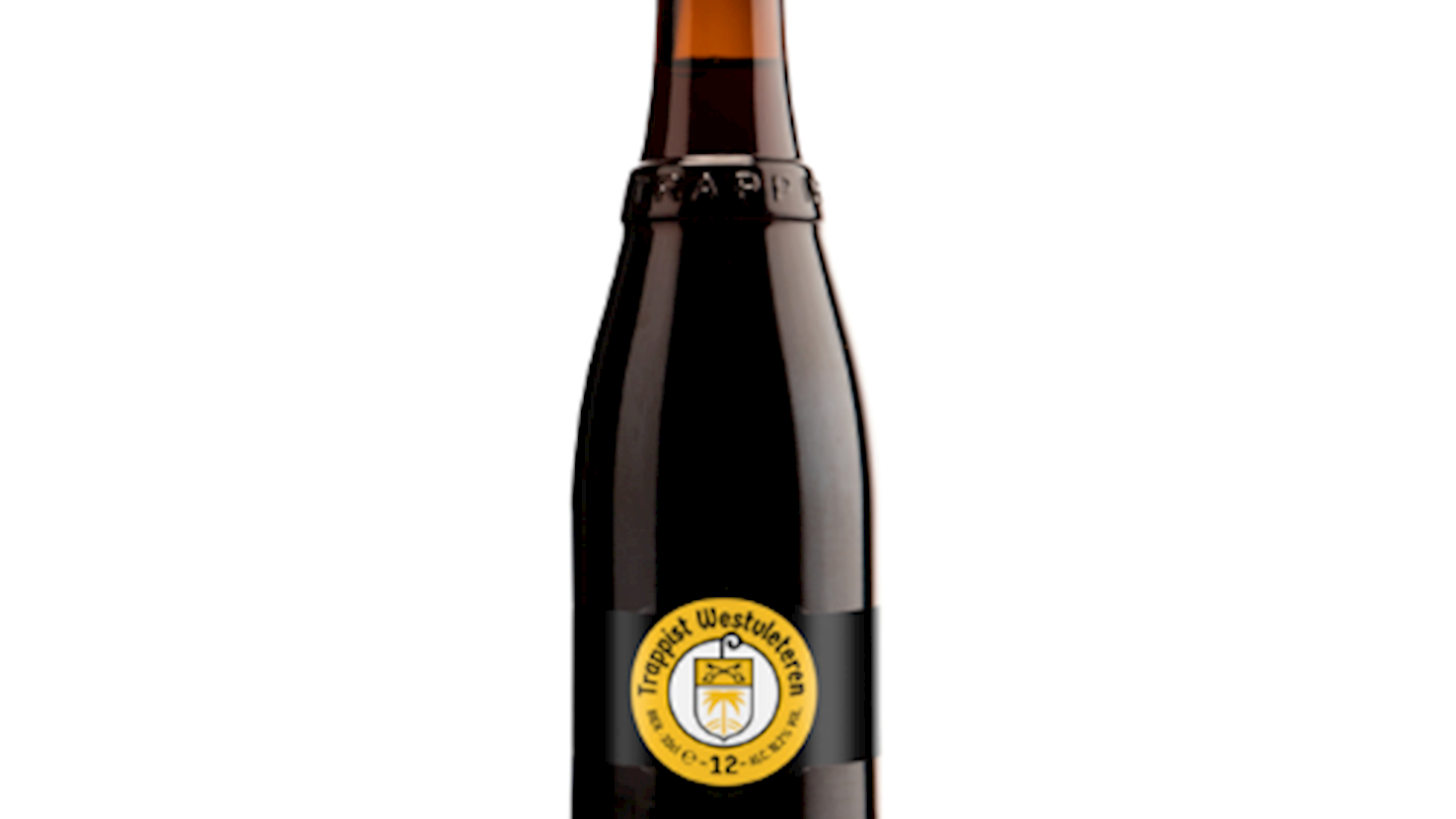
Brouwerij Westvleteren is one of the most renowned and highly regarded Trappist breweries in the world, located within the walls of the Sint-Sixtus Abbey in the village of Westvleteren, in the Belgian region of West Flanders. The brewery was founded by Cistercian monks in 1838 and has remained true to a tradition of modest, limited, and uncommercialized production. Unlike commercial breweries, this Trappist community brews beer solely to support monastic life and charitable activities, in accordance with the principles of the International Trappist Association. The brewery is especially famous for its beers Westvleteren 12 and Westvleteren 8, both frequently ranked among the best beers in the world. What further sets this brewery apart is its unique distribution system: the beer can only be purchased through advance reservation and directly from the abbey, with no commercial labels – the bottles are marked only by a cap indicating the beer type. Its limited availability, strict purchasing rules, and unwavering commitment to quality have contributed to the near-legendary status of this small monastic brewery.
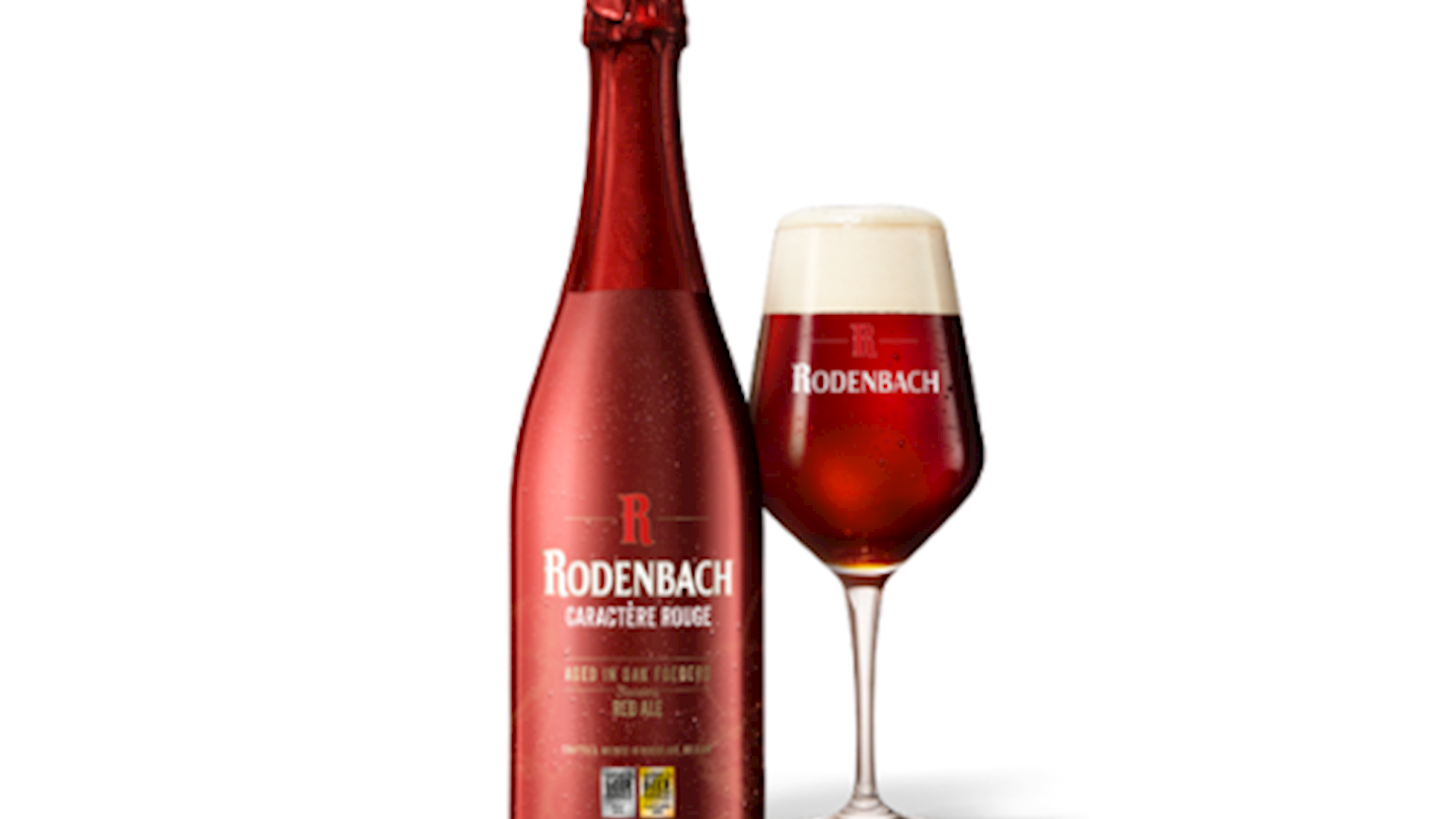
Brouwerij Rodenbach, was founded in 1821 in Roeselare, West Flanders, and is now part of Palm Belgian Craft Brewers. Rodenbach primarily produces Flemish red-brown sour ales through a process of mixed fermentation and aging in large oak barrels known as foeders. The beer is first fermented and then aged for a minimum of 18 months in wood, which gives it a unique fruity-sour aroma and rich flavor. With an annual production of around 180,000 hectoliters, Rodenbach is a regional icon and a cornerstone of the oak-aged sour ale tradition in Belgium. Visitors can tour the authentic foeder cellars and taste the beers directly at the brewery or at the adjoining brasserie restaurant "Het Foederhuis".
Brouwerij Boon is a renowned Belgian brewery located in Lembeek, a town near Halle, in the Flanders region of Belgium. Established in 1978 by Frank Boon, the brewery specializes in traditional Belgian sour beers, particularly lambics. Lambic beers are unique because they are spontaneously fermented, a process in which wild yeast and bacteria from the environment are used for fermentation instead of cultivated yeast.
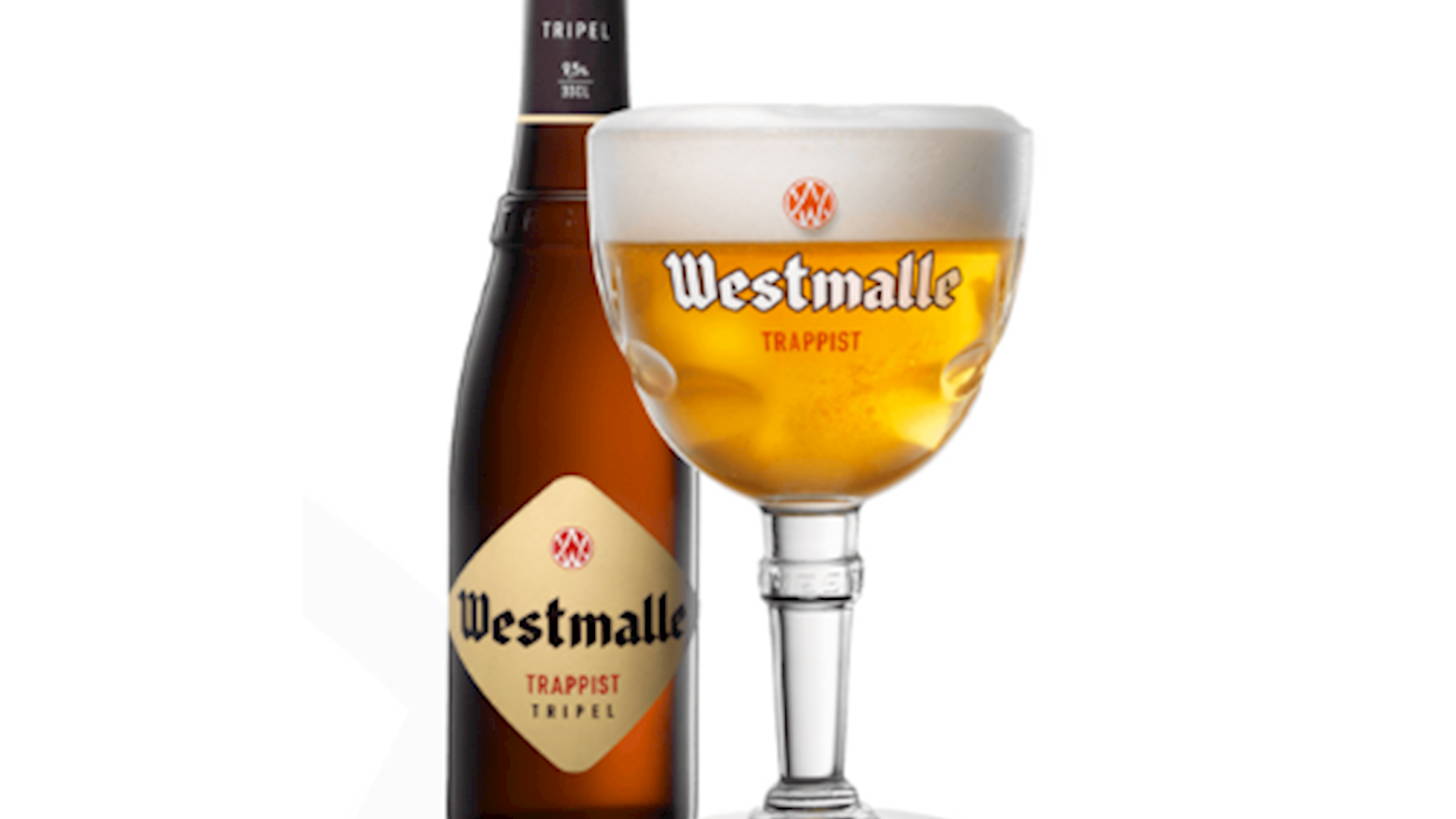
Brouwerij der Trappisten van Westmalle is a renowned Trappist brewery located within the Abbey of Our Lady of the Sacred Heart, in the village of Westmalle, in the Belgian province of Antwerp. This brewery is part of an authentic Trappist community, meaning that the beer is brewed by monks or under their supervision, within the monastery walls, and the proceeds are used to support the community and charitable causes.
The brewery was founded in 1836, when the monks first began brewing beer for their own needs. By 1856, they started selling it to the local population, and today they are known worldwide for their exceptional tradition and quality. Westmalle holds a special place in brewing history, as it is the birthplace of the Tripel style - first brewed here in 1934, setting a new standard for Belgian beers.
Among their offerings, Westmalle Dubbel stands out as a dark, rich beer with notes of caramel, dried fruits, and bread, with 7% alcohol, while Westmalle Tripel is a bright, complex, and elegant golden beer with 9.5% alcohol, known for its fruity and spicy profile and dry finish.
All Westmalle beers are unfiltered and undergo bottle refermentation, allowing them to mature over time and develop greater depth and complexity. Brewed using only natural ingredients - water from the monastery’s own well, carefully selected hops and malt, and the brewery’s unique house yeast - these beers reflect a perfect harmony of tradition and precision. Brouwerij der Trappisten van Westmalle stands as a true symbol of Trappist excellence, technical mastery, and unwavering dedication to simplicity and purity of taste.
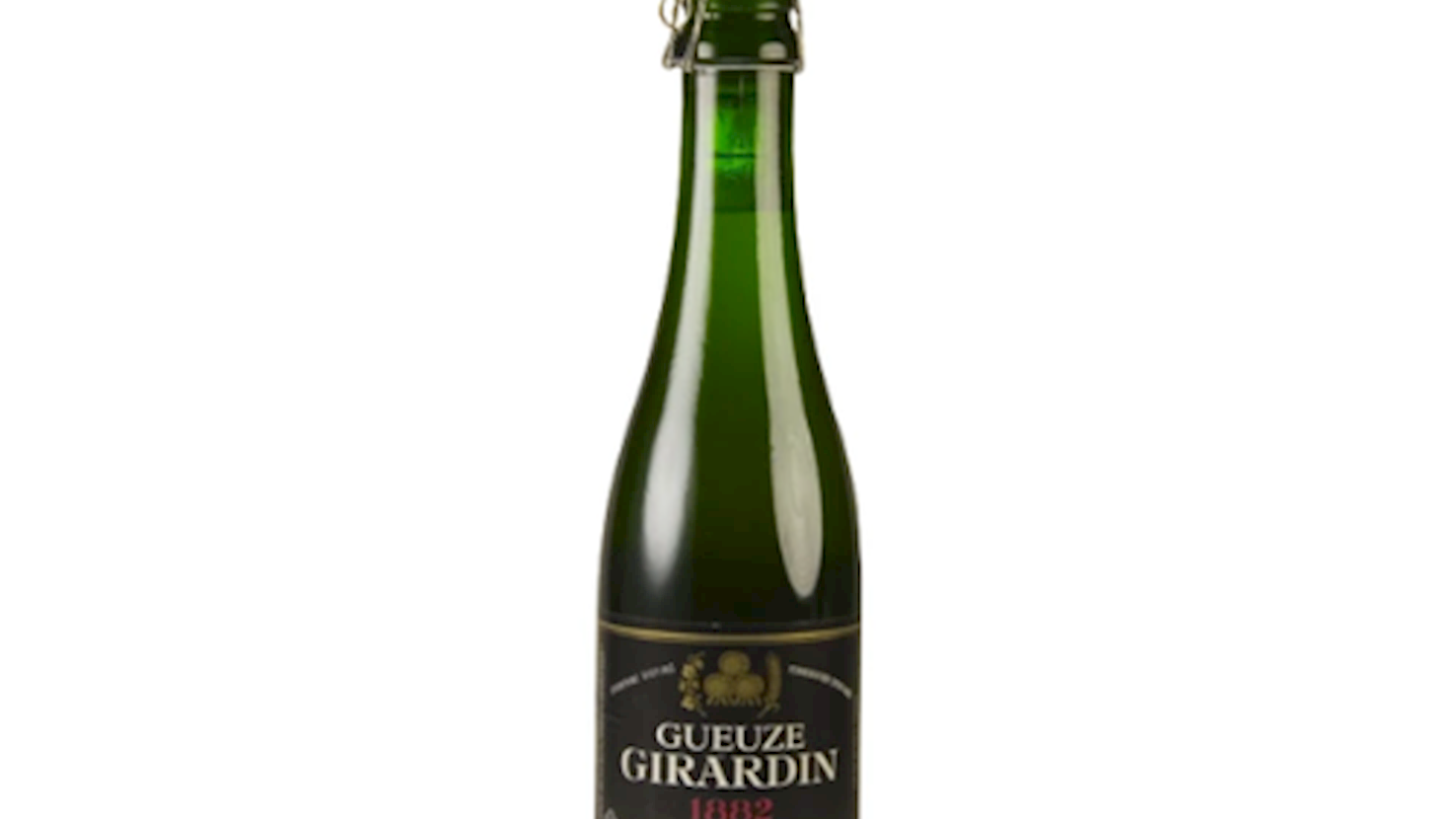
Brouwerij Girardin is a family-run farm brewery located in Sint-Ulriks-Kapelle, in the Pajottenland region near Brussels, an area recognized as the birthplace of lambic. The brewery was established at the end of the 19th century, when the Girardin family took over an existing agricultural estate and combined farming with traditional beer production. The core of their approach is spontaneous fermentation, where the wort cools in an open coolship and naturally interacts with wild microorganisms from the environment. The beer then matures in wooden barrels, typically for several months or even years, depending on the style. Their most notable product is Gueuze 1882, a blend of young and aged lambic, valued for its balance of freshness and complexity. Unlike large breweries, Girardin works in small batches and avoids mass distribution. Over generations, the brewery modernized equipment but never altered the essence of its traditional process. Although their beers are present on the market, the philosophy of the brewery remains modest: committed to authenticity rather than branding and marketing. A distinctive aspect is that a significant part of the work still takes place on the family farm, preserving continuity and a direct connection to the place of origin. Due to limited production and a traditional approach, their beers are perceived more as artisanal products than commercial ones. The result is consistent quality and pronounced authenticity - a beer that reflects the character of the land where it was created.
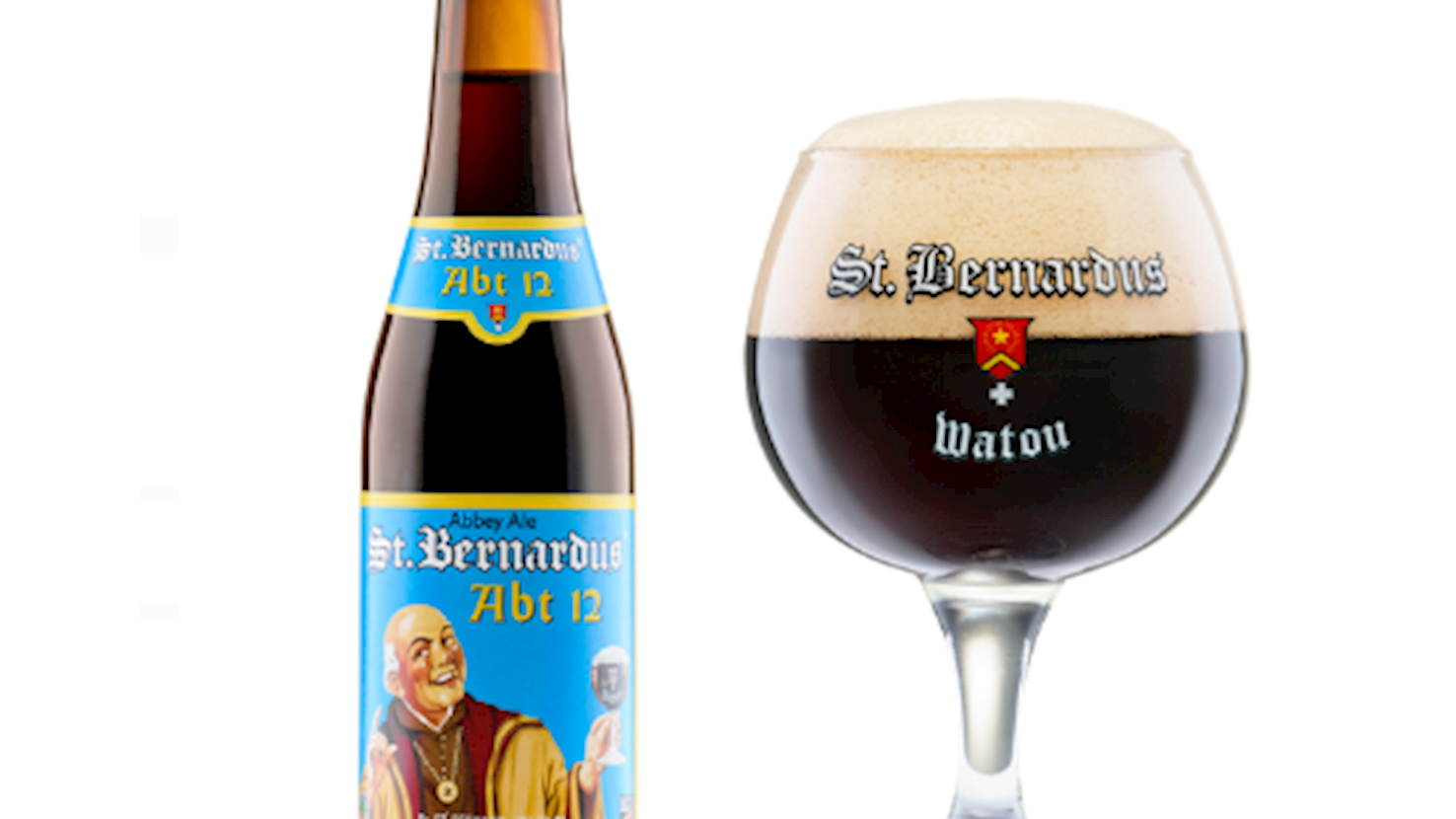
The St. Bernardus Brewery was founded in 1946 in the village of Watou, near Poperinge, on the grounds of the former cheese dairy “Refuge de Notre-Dame de St. Bernard” which once served as a refuge for monks from the Mont des Cats monastery in France. After World War II, the brewery signed a licensing agreement with the Trappist monastery of Saint Sixtus in Westvleteren and began producing their beers - using the original recipes, yeast strain, and brewmaster Mathieu Szafranski. That agreement lasted until 1992, when the Trappist Association ruled that Trappist beers must be brewed within the walls of the monastery. As a result, St. Bernardus rebranded its beers under its own name. Today, St. Bernardus continues to brew several outstanding beers based on those original recipes. Their most renowned beer is Abt 12, often considered one of the world’s best, known for its rich fruity aromas and long bittersweet finish. In addition to brewing, the brewery has developed a strong focus on tourism – with the rooftop "Bar Bernard" a brewing museum, guest accommodations in the "Brest House" and "Brouwershuis," as well as guided tours and audio-visual experiences that showcase the brewing process and the history of the brewery.
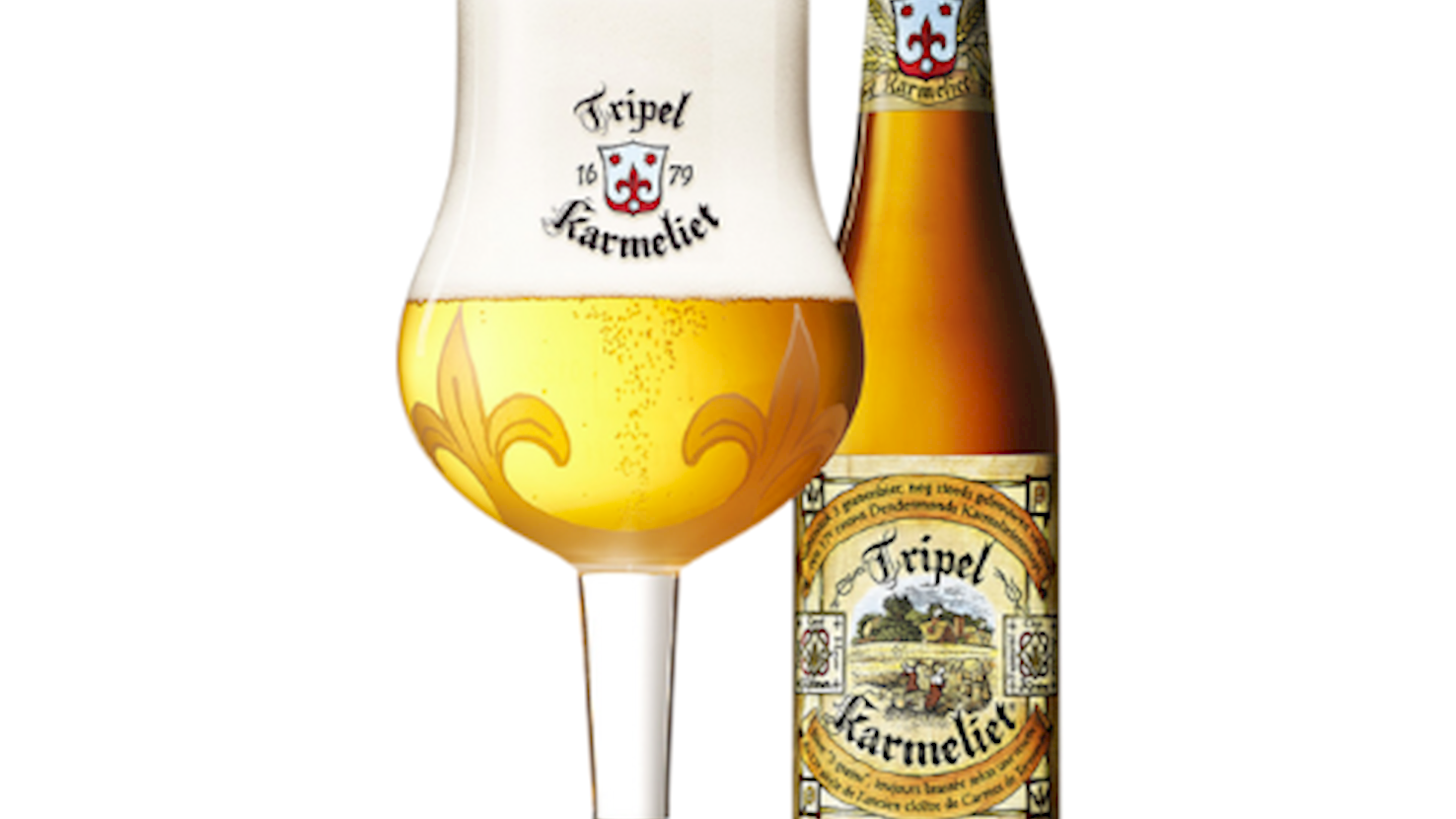
Brouwerij Bosteels, located in the picturesque town of Buggenhout in East Flanders, was founded in 1791 by Jean-Baptist Bosteels and has remained in the hands of the same family for seven generations. The brewery stands as a true Belgian institution of traditional brewing and is one of the rare family-run breweries that has preserved its authenticity and high quality for over two centuries. Its iconic white brewhouse tower has become a symbol of enduring dedication to craftsmanship and carefully guarded recipes. Among its most renowned creations is Tripel Karmeliet, a sophisticated Belgian tripel brewed according to an original 1679 recipe. Bosteels Brewery continues to successfully blend tradition with modern standards, remaining a benchmark for premium beer and a treasured part of Belgium’s cultural heritage.
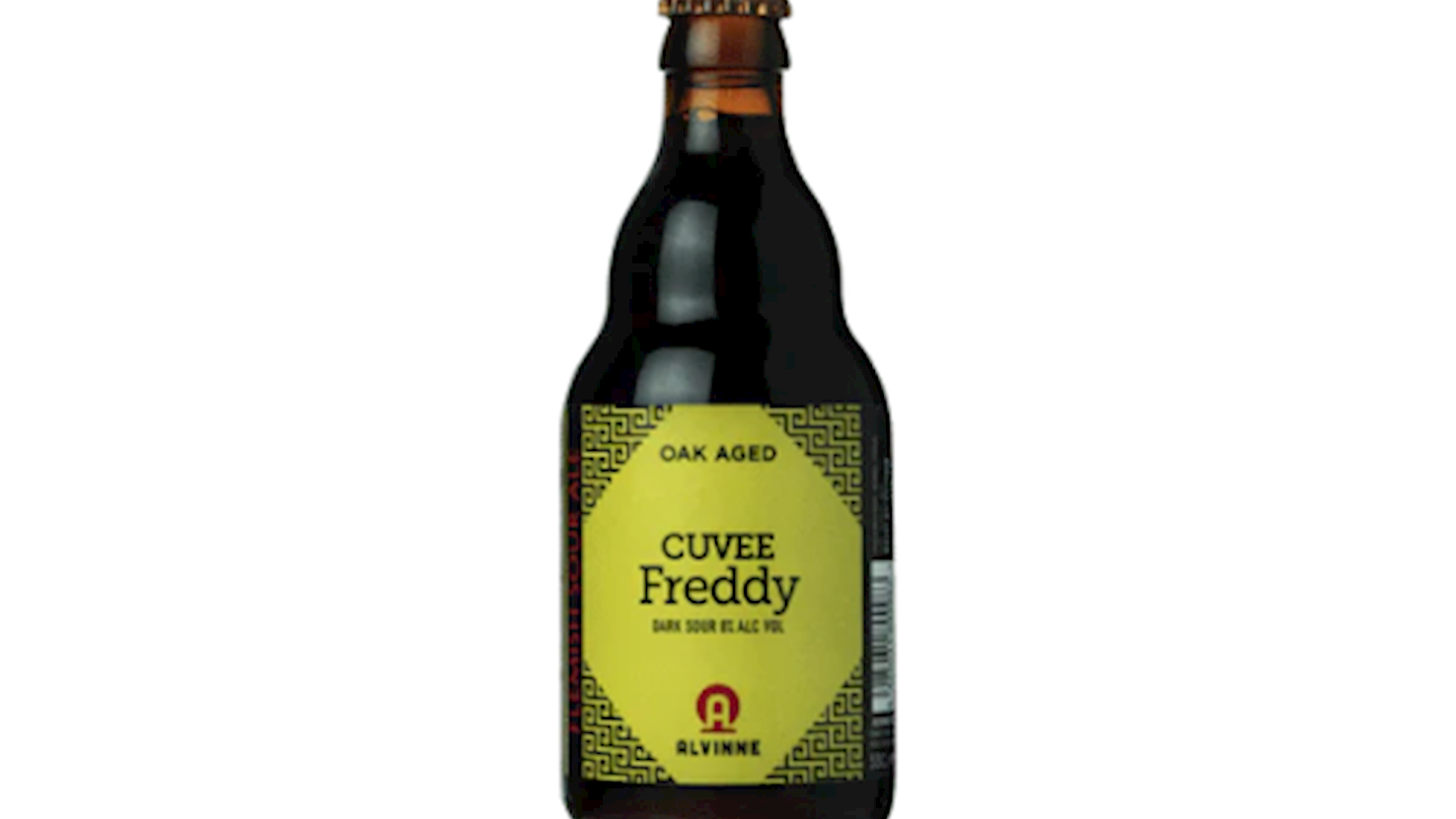
Brouwerij Alvinne is an independent Belgian brewery founded in 2004 and located in Moen, West Flanders, known for its focus on sour and mixed-fermentation beers. Their key distinction is the use of a proprietary yeast culture called Morpheus yeast, isolated from the natural environment, which contributes a recognizable profile of gentle acidity, dryness, and subtle minerality. Alvinne does not use commercial yeasts or additives; fermentation and maturation rely entirely on their Morpheus culture and on aging in wooden vessels. The beers spend time in foeders and used wine barrels, allowing slow micro-oxidation and the development of layered aromas. Production is small and quality-driven, and many releases are limited editions available only in selected bars and specialty bottle shops. For their fruited ales they use real fruit, never concentrates or flavorings, ensuring authenticity in both aroma and taste. Their portfolio includes sour ales, barrel-aged releases, and experimental batches featuring uncommon fruits such as quince or rhubarb. Their brewing approach blends scientific precision in fermentation control with creativity in ingredient and barrel selection. Alvinne frequently collaborates with other craft breweries and wineries, producing unique one-off editions. Within the European craft scene, they are regarded as a reference point for modern sour beer innovation.
De Dolle Brouwers is an independent Belgian brewery located in Esen, West Flanders, founded in 1980 by brothers Kris and Jo Herteleer. They revived an abandoned brewery originally established in 1835, thus initiating one of the first renaissance waves of craft brewing in Belgium. Their first and most iconic beer is Oerbier, brewed with a variety of malts and known for its subtly sour finish thanks to wild yeasts, matured in wine barrels. Its cult status is earned through ever-evolving recipes, intense aroma, and a fine balance of strong and tart notes.
The brewery produces only around 1,000 hectoliters per year, all crafted in a troubadour style - handmade, finely tuned, and with a uniquely artistic approach. Their philosophy combines tradition, artistic spirit, and innovation, preserving the "wet & strong" ethos of Belgium’s first craft wave. Visiting the brewery is a truly authentic experience: tours of their handmade brewing setup, tastings in the taproom, and a deep dive into the rich local brewing history.
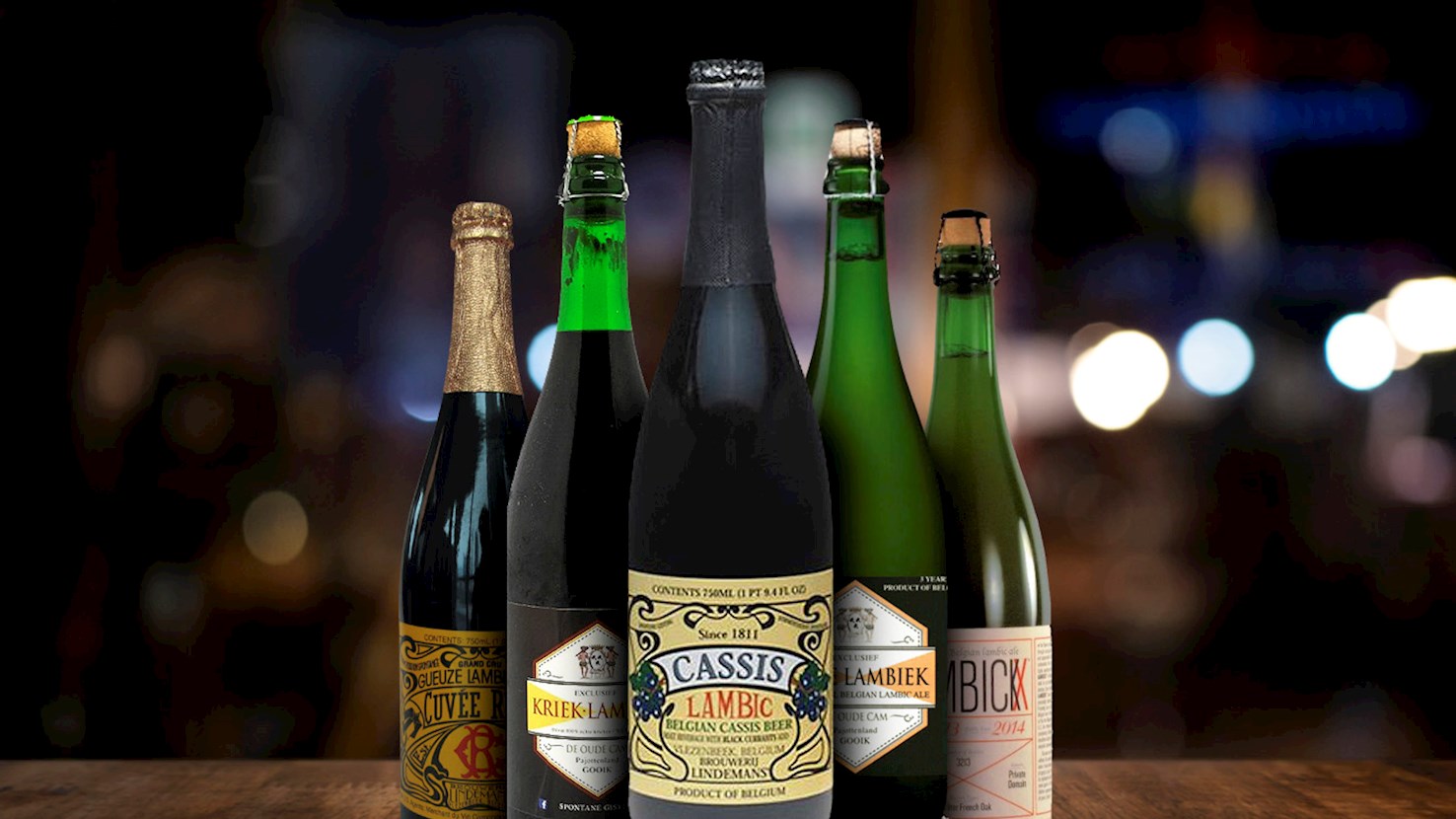
Lambic is a traditional beer style that has its roots in Brussels and the region of Pajottenland. This style must be made with a minimum of 30% wheat, and the wort is always spontaneously fermented with local and naturally occurring wild yeasts. Because of different local microorganisms, these beers always have a unique and frequently unpredictable character. Due to its wild nature, many batches of lambic are sometimes blended, a style known as gueuze or geuze, to produce a more palatable version. Although it is difficult to pinpoint the exact characteristics of lambic beers, the unblended young varieties are usually pale with a characteristic red sheen, while more mature versions will usually have red to light purple color. These beers are always complex, and they often have a distinctive sour backbone, which will mellow as the beer ages. Most styles will display fruity aromas and flavors, with subtle malt character, dry finish, and little hop bitterness. Lambic beers are mostly enjoyed young and uncarbonated, and they will usually be served on tap. They pair well with seafood, especially mussels or oysters, and poultry.
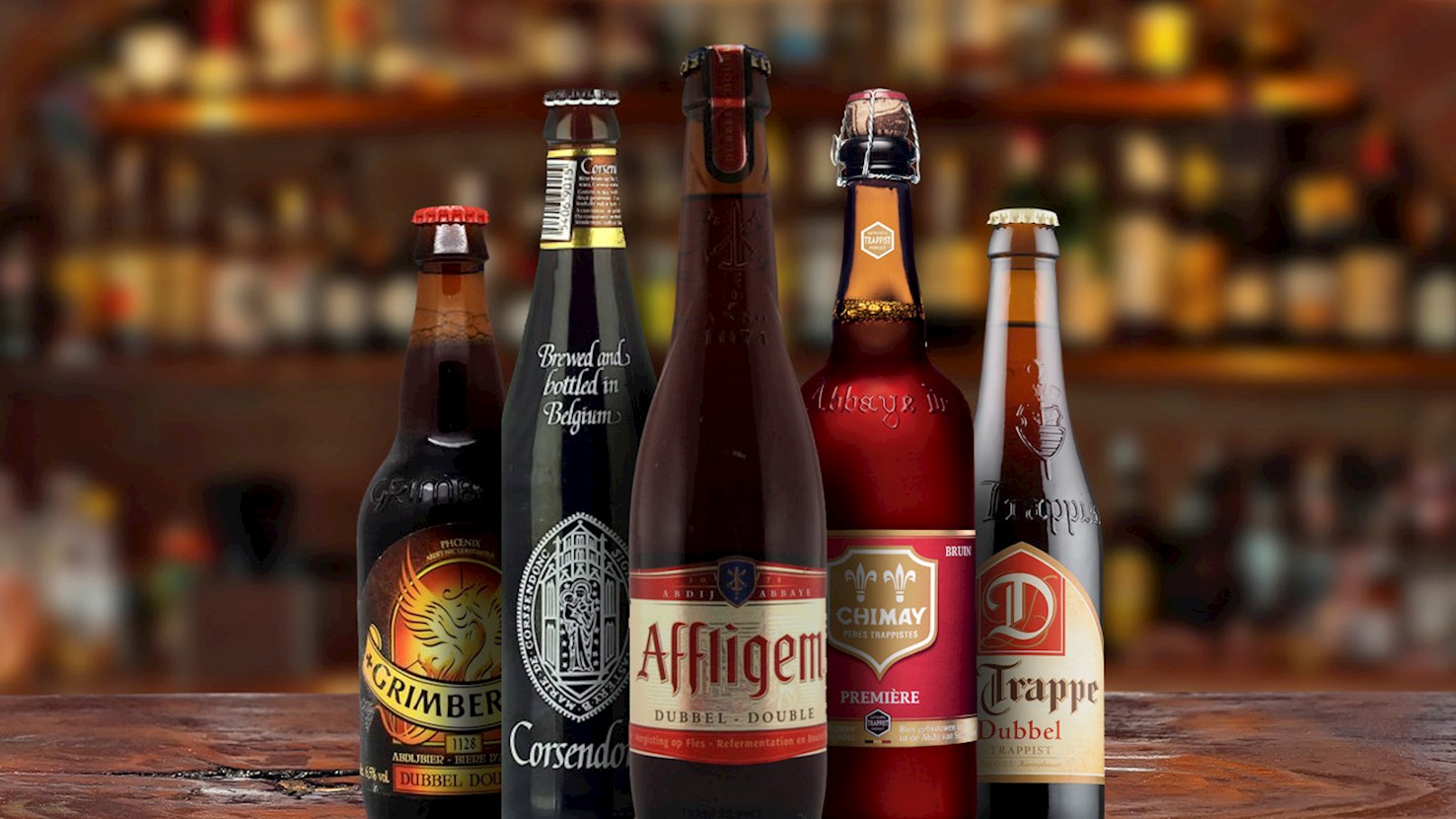
Dubbel is a rich and well-balanced Trappist beer that originated in Belgium and whose modern version is often associated with Henrik Verlinden who created the prototype at Westmalle brewery in 1926. This version was named Dubbel Bruin, and soon after its invention, the style was copied in many Belgian breweries. Unlike other brown beers, typical Belgian dubbel will get its flavor from candi sugar—a thick and dark caramelized syrup that is added to the wort. These beers typically range from amber to copper, and they will usually have complex aromas and flavors reminiscent of toffee, raisins, malt, and dark fruit. Their finish is typically dry, while some may display subtle sweetness. Most are bottle conditioned—fermented in the bottle—and are usually not crystal clear. Although they are typically quite potent, with at least 6.5% alcohol by volume, the alcohol is not evident or discernible on the palate. Dubbel beers are an excellent accompaniment to wash-rind or Alpine cheese varieties, but they are also a good match to dark chocolate, barbecued or roasted meat, rich meat stews, and sausages.
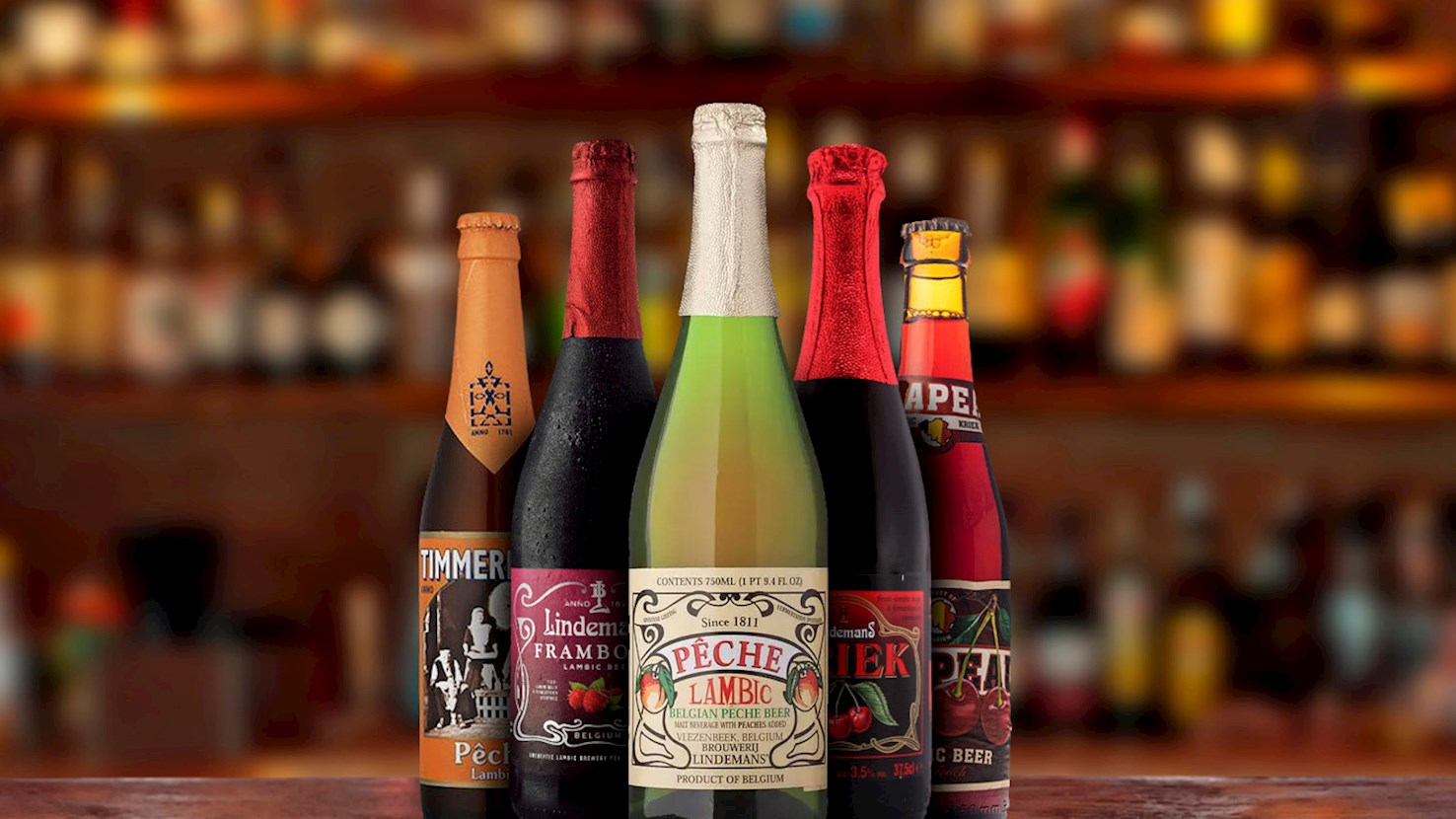
This Belgian beer style falls in the category of lambics—traditional beers made with spontaneous fermentation. As evident from the name, fruit lambics are made with the addition of fruit. Traditional and the most popular version is the cherry-flavored kriek. However, several other varieties are also produced, including peach-flavored pêche, raspberry framboise, black currant cassis, and several other variations. Fruit lambics are made with aged lambics in which the whole fruit is then added and macerated before the base is filtered and bottled. During maturation, lambics will usually become drier and sourer. These beers can significantly vary in appearance, flavor, and aromas—depending on the type of fruit that is used. However, they are usually crisp and refreshing, and they mostly have a distinctive sour character that is balanced with subtle sweetness from the fruits.
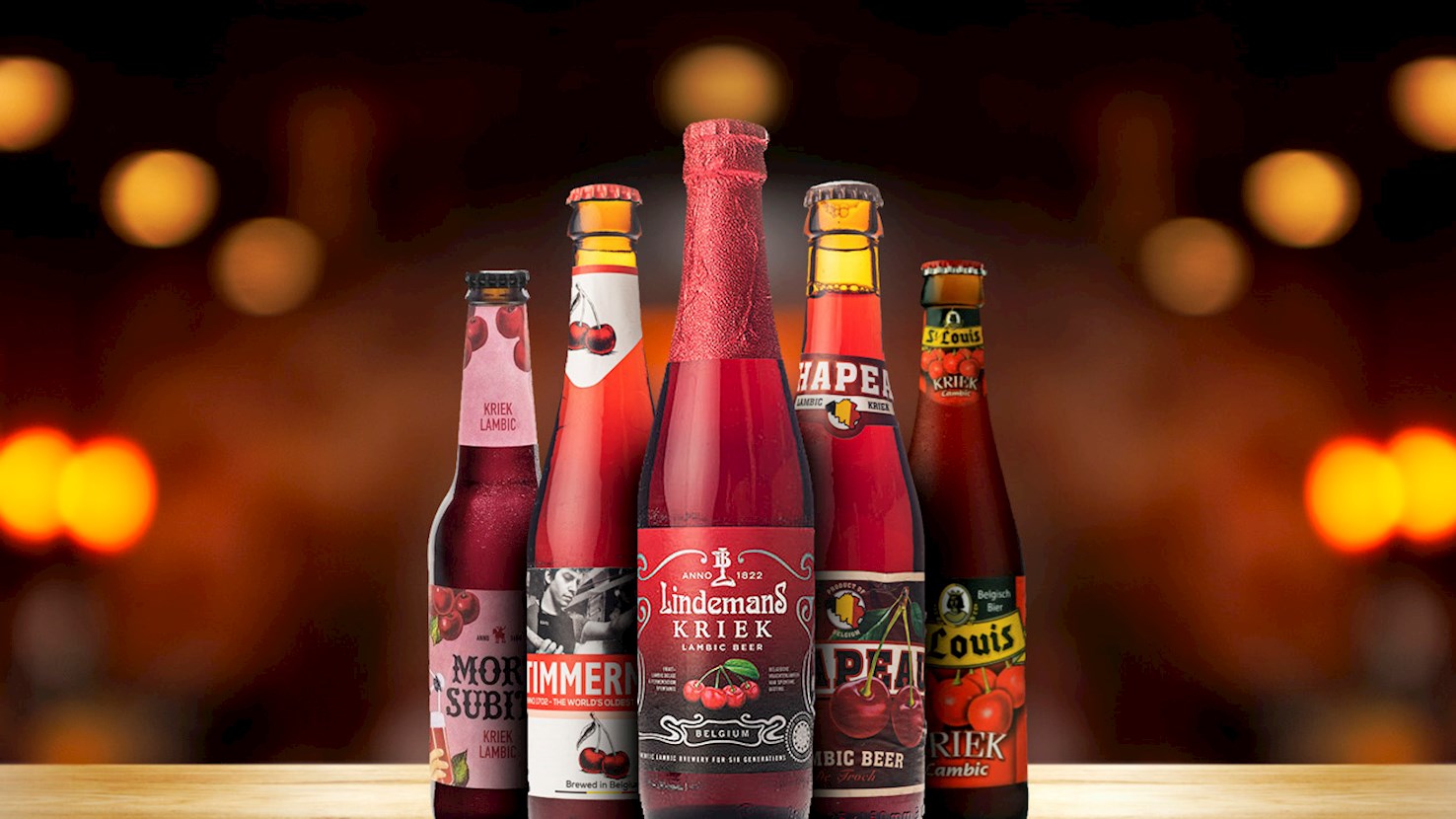
Traditionally produced in Brussels and Pajottenland, these fruit beers are made with the addition of cherries. Initially, they were made with Schaarbeekse cherries, but nowadays, other Morello cherries may be used as well. Whole, macerated, or crushed cherries (including the pits) are added to aged lambics, and the beer then continues maturation. It typically undergoes the second fermentation in the bottle. Like other types of lambic beers, kriek is also spontaneously fermented. Kriek Llambics may differ in character, but they are usually refreshing and crisp, with a typical dry and tart finish. They will generally have a sour profile that is balanced with the sweetness from the cherries. It should be noted that several less authentic varieties exist which add cherry juice, cherry essence, or cherry syrup to filtered lambics. Apart from lambics, kriek beers can also be made with oud bruin and Flemish red ales.
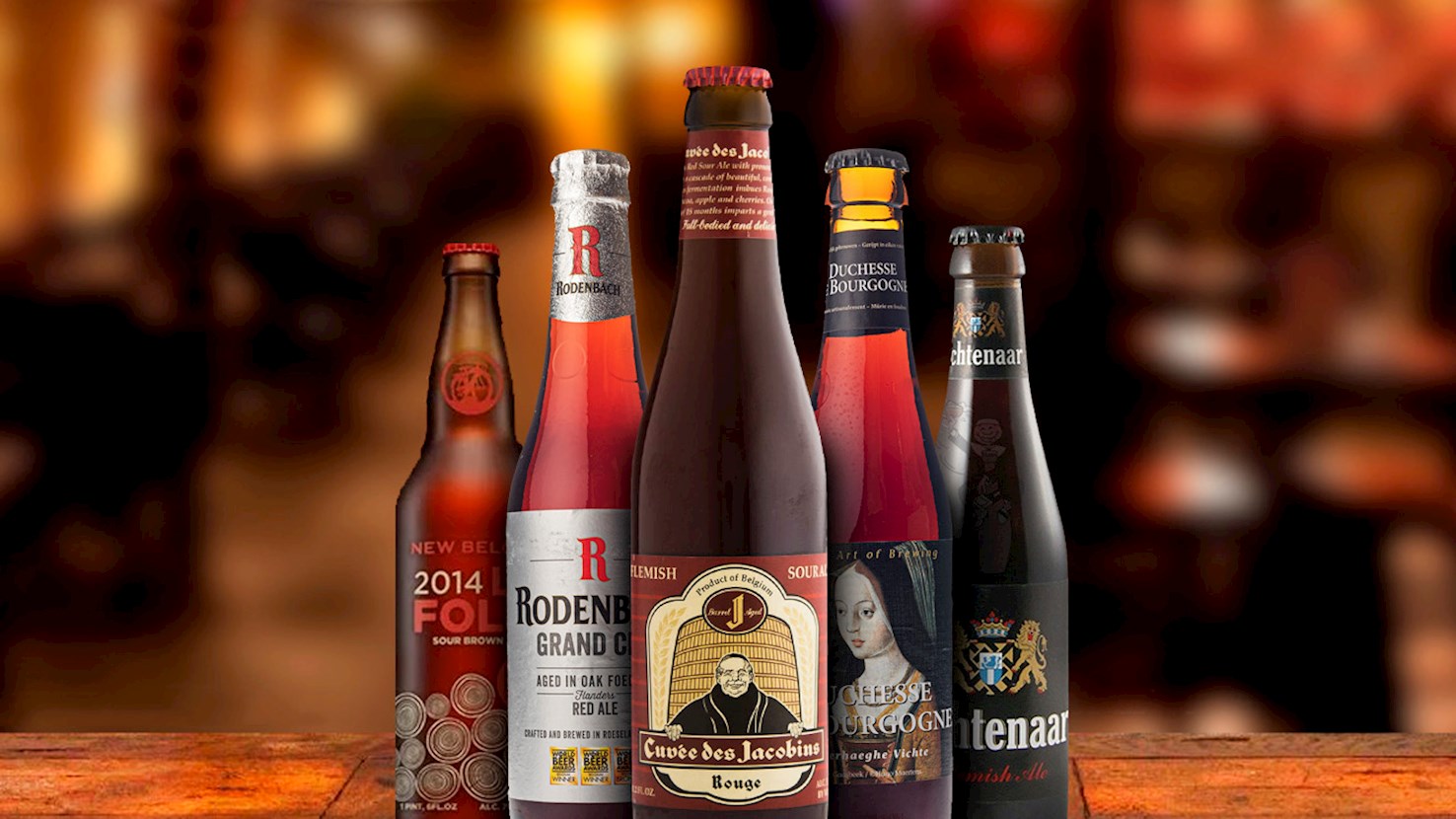
FlandersRed is a type of aged sour ale hailing from West Flanders that is often described as a wine-like beer style. The examples are typically medium-bodied and have a distinctive sour character that can vary from balanced to intense. Their color ranges from burgundy to reddish-brown, and their profile is dominated by complex fruity flavors and aromas reminiscent of cherries, currants, and plums. Hop aroma is absent, while the malt character is present but not overpowering. Flanders Reds are often blended, and most examples are aged in oak barrels, which may impart subtle chocolate, vanilla, and spice notes. These beers pair well with heavier, fatty dishes, such as stews, braised meat, or roasted duck, but they can also be a good match to lighter dishes that share similar tart flavors. They can also pair well with seafood, snacks, sandwiches, and egg dishes. The style is often compared to Oud Bruin (Flanders Brown), but it typically has a more fruit-forward profile and less malty character.
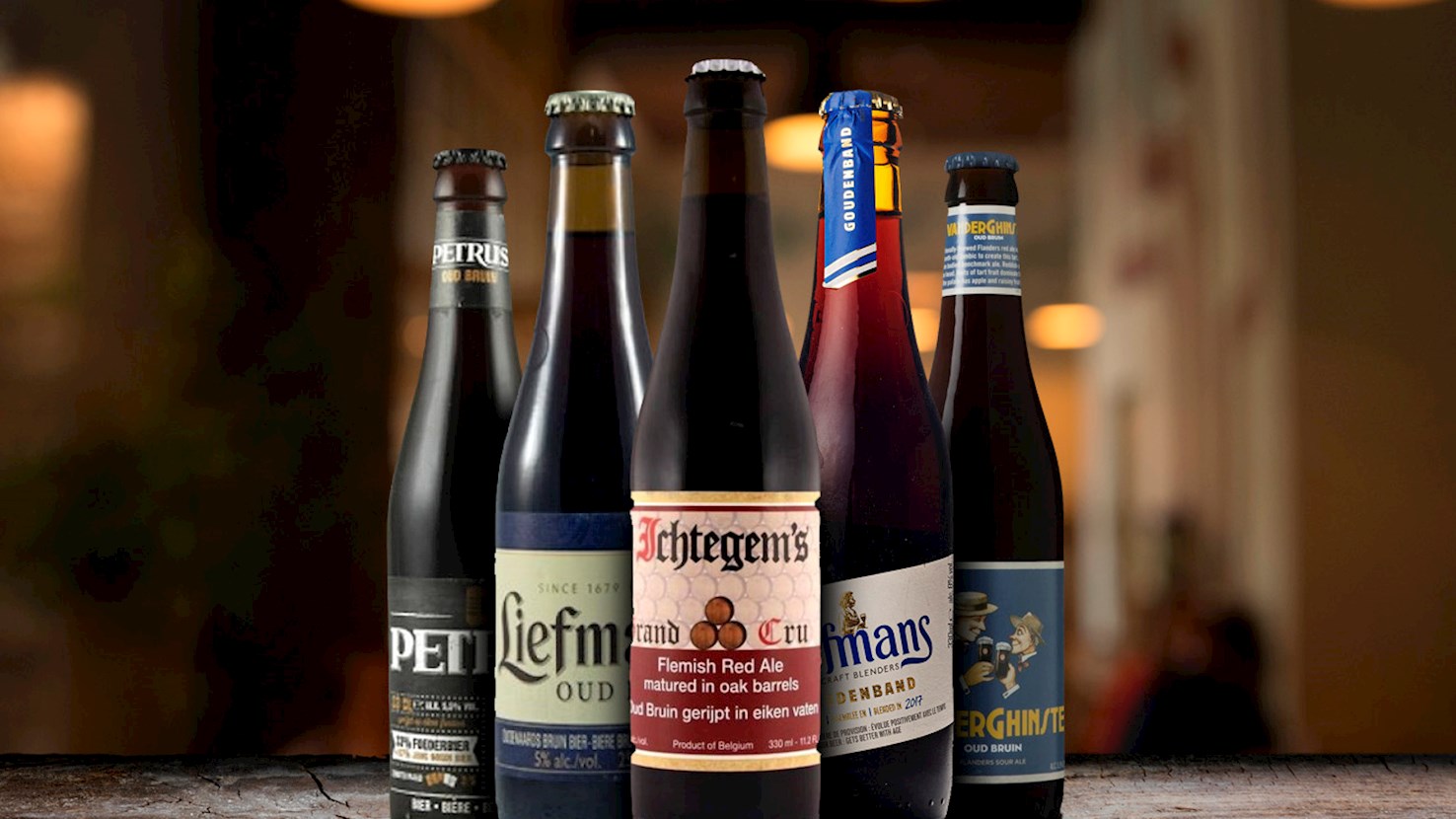
Native to East Flanders, Oud Bruin or FlandersBrown is a Belgian-style brown ale with a distinctive sour character. These beers are usually blended and aged in steel vats. As they age, they develop complexity, and aged varieties are generally considered superior. Most examples are medium-bodied with a color that varies from deep red to brown. They typically have a malty character accompanied by caramel notes, while the flavor is dark and fruity, reminiscent of dark berries, raisins, plums, prunes, and dates. The hop aroma is absent, while the sour element is usually present, but it can be more or less prominent, depending on the age. This beer style is often used as a base for fruit-flavored Belgian beers such as kriek or framboise. Oud Bruin beers can pair well with pork, game meat, hearty stews, buttery seafood, and tangy cheese varieties.
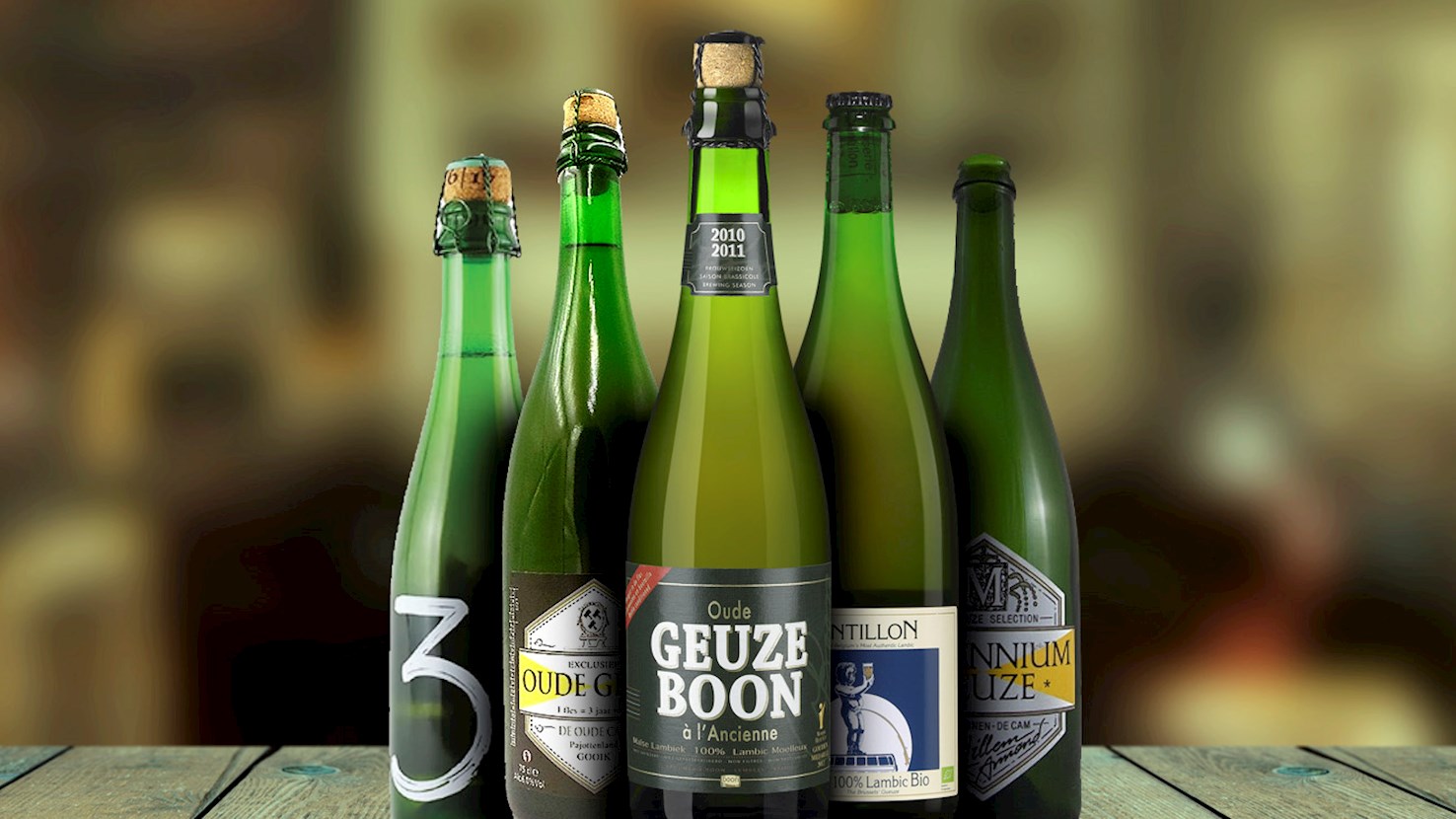
Gueuze is a Belgian lambic-style that is made by blending young and old lambic beers—traditional Belgian brews that are fermented with wild yeasts. The blends then undergo secondary fermentation in the bottle. The combination is made by brewer’s preference, and the final character of gueuze is often unpredictable. They are typically very effervescent, crisp, and refreshing with unique earthy aromas reminiscent of hay and leather. Usually, they will display moderate sour and malt character, and they will sometimes have nuances of citrus fruit as well as hints of vanilla and oak. Gueuze is typically made with lambic blends that are one, two, and three-years-old, and those labeled as oude or ville are considered most traditional. This style originated in Pajottenland and Bruxelles sometime in the 19th century. It was an invention of local brewers that blended two lambics of different ages, which resulted in a spontaneous fermentation in the bottle. Gueuze beers are usually sold in corked, wire-caged bottles, and they are best paired with oysters, mussels, and poultry.
Flanders red ale is a Belgian sour beer style that originates in the province of West Flanders, where it has been produced for generations by family breweries in and around the town of Roeselare. The style is recognized for its deep reddish-brown color and its distinctive balance of sweet malt flavors and sharp, vinous acidity. To brew Flanders red ale, brewers use a mix of pale malt and specialty caramel malts that contribute a rich base of toffee and dark fruit notes. After primary fermentation with standard ale yeast, the beer is transferred to large oak foeders or smaller wooden barrels, where it matures for months or even years. During this time, it undergoes a slow, mixed fermentation that includes lactic acid bacteria and wild yeast, which produce the complex tartness and subtle funk that define the style. Maturation in wood is crucial to the beer’s character. The porous barrels allow gradual oxygen exposure, which softens the flavors and develops layers of dried fruit, balsamic vinegar, and mild tannins. Some breweries blend older, mature beer with younger batches before bottling, which balances acidity with fresh malt sweetness. The resulting beer is ruby to deep brown in appearance with a light tan head. The aroma is vibrant, often showing red berries, sour cherry, plum, and hints of oak. On the palate, Flanders red ale is both crisp and smooth, with bright acidity and a mild sweetness that lingers into the finish. This style is often bottled in corked and capped glass, emphasizing its affinity to wine in both flavor and presentation. It is usually served in tulip-shaped glasses that concentrate the aromas and allow the carbonation to lift the flavors. Flanders red ale pairs well with rich foods like aged cheese, charcuterie, and hearty stews, where its acidity can cut through fat and refresh the palate. While it is less commonly produced than many Belgian ales, Flanders red ale has attracted enthusiasts who appreciate its complexity and the craft required to balance lactic sourness with malt depth. Breweries such as Brouwerij Rodenbach are widely credited with defining the style and setting benchmarks for quality. Many producers maintain their own cultures of bacteria and yeast, handed down over decades, which contribute a signature house character to each batch. The preservation and revival of Flanders red ale show how regional brewing practices remain central to Belgian beer culture, combining heritage methods with patient maturation to produce a beer unlike any other.
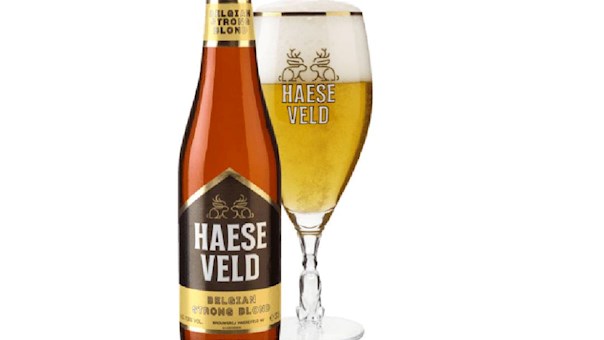
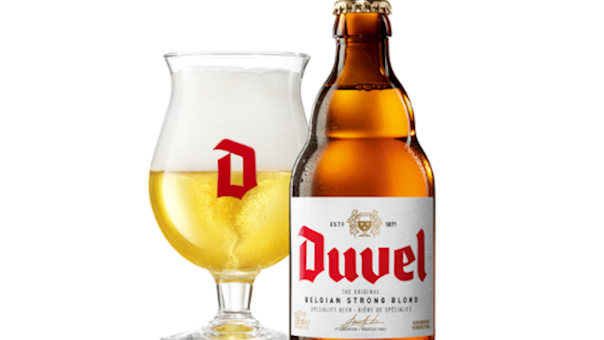
Belgian strong pale ale is a pale, highly attenuated, top-fermented beer originating in Belgium and defined by its elevated alcohol content, bright carbonation, and controlled fruity and spicy yeast profile that remains balanced by a firm yet clean malt backbone. It emerged in the early twentieth century in breweries near Antwerp and in other Flemish regions as a response to the growing popularity of lighter-colored Central European lagers, prompting Belgian brewers to create a pale yet more expressive ale that could compete with imported beers while retaining local yeast character. Its production relies on pale malt, highly fermentable adjuncts such as refined sugar to achieve dryness and elevated strength without heaviness, and a warm fermentation that encourages restrained esters and phenols; bottle-conditioning is common and contributes to its finely textured carbonation and long shelf stability. Among the noteworthy aspects of this style is its ability to deliver high alcohol content while maintaining a deceptively light body, a result of careful yeast management and the deliberate use of simple sugars that prevent excessive residual sweetness. It is consumed chilled but not icy, usually in a tulip or goblet glass that supports foam retention and allows the yeast-derived aromatics to unfold, and it appears frequently in Belgian cafés, beer bars, and export markets where it has become a recognizable benchmark of Belgian brewing. It is enjoyed on its own or paired with foods such as roasted poultry, mildly spiced seafood, creamy cheeses, and lightly sweet pastries, and it also matches well with effervescent nonalcoholic beverages when used in tasting flights or comparative sessions.
TasteAtlas food rankings are based on the ratings of the TasteAtlas audience, with a series of mechanisms that recognize real users and that ignore bot,
nationalist or local patriotic ratings, and give additional value to the ratings of users that the system recognizes as knowledgeable.
For the “Top 25 Local Ales in Flanders” list until June 24, 2026, 529 ratings were recorded, of which 503 were recognized by the system as legitimate.
TasteAtlas Rankings should not be seen as the final global conclusion about food. Their purpose is to promote excellent local foods,
instill pride in traditional dishes, and arouse curiosity about dishes you haven’t tried.
The initial list of top producers was compiled based on available reviews, awards, local recommendations, media and blog coverage, and consumer reviews.
The list will be updated with ratings from TasteAtlas local ambassadors and TasteAtlas users.