dreamstime

Top 65 Southeastern European Cheeses

Last updated on June 02, 2026

Best Southeastern European Cheese Types
01

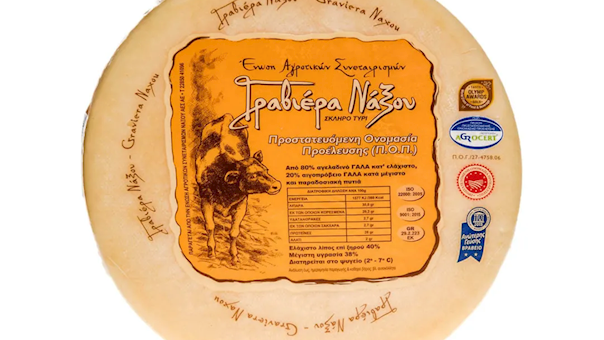
Graviera Naxou

4.6 ·

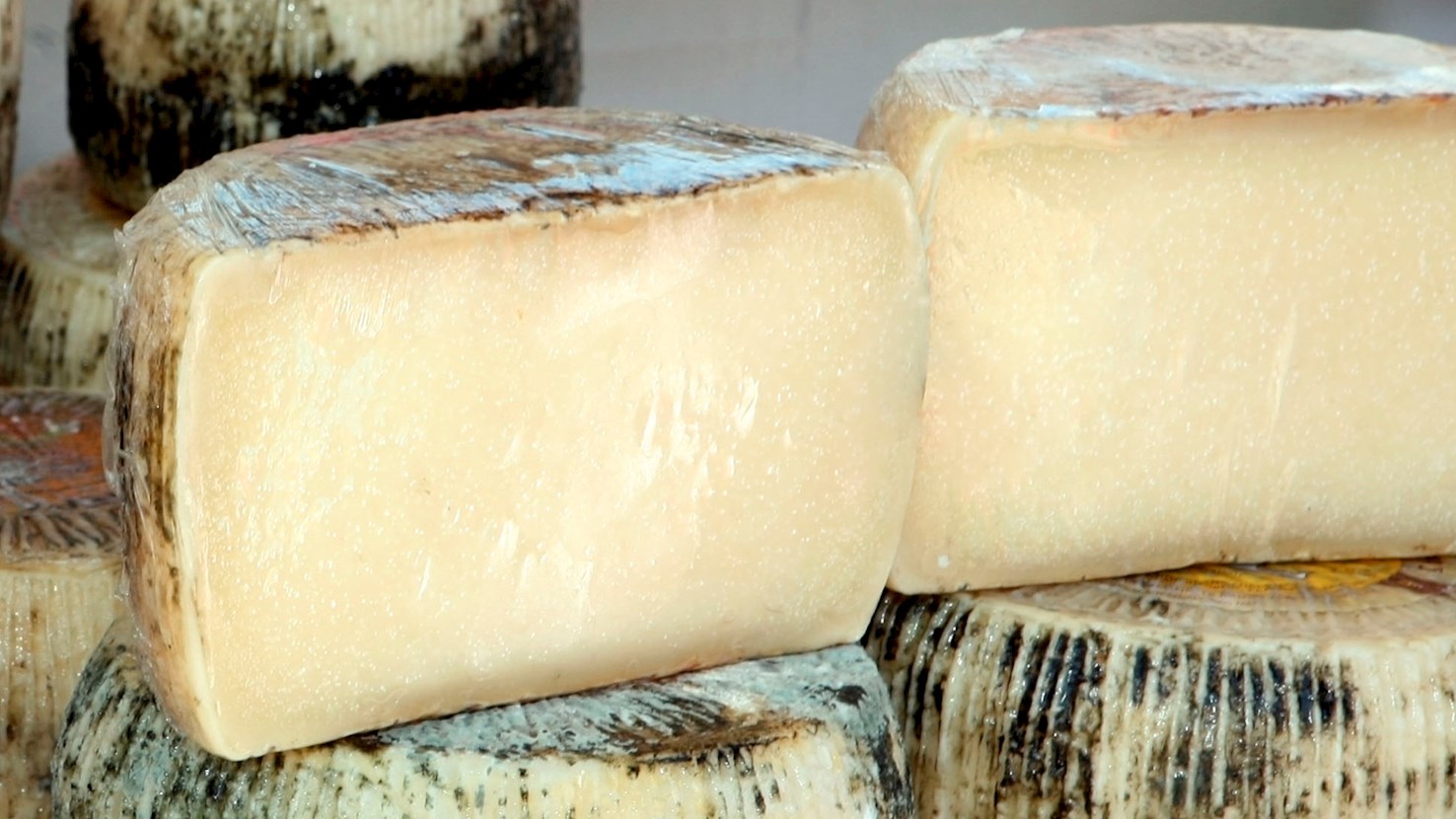
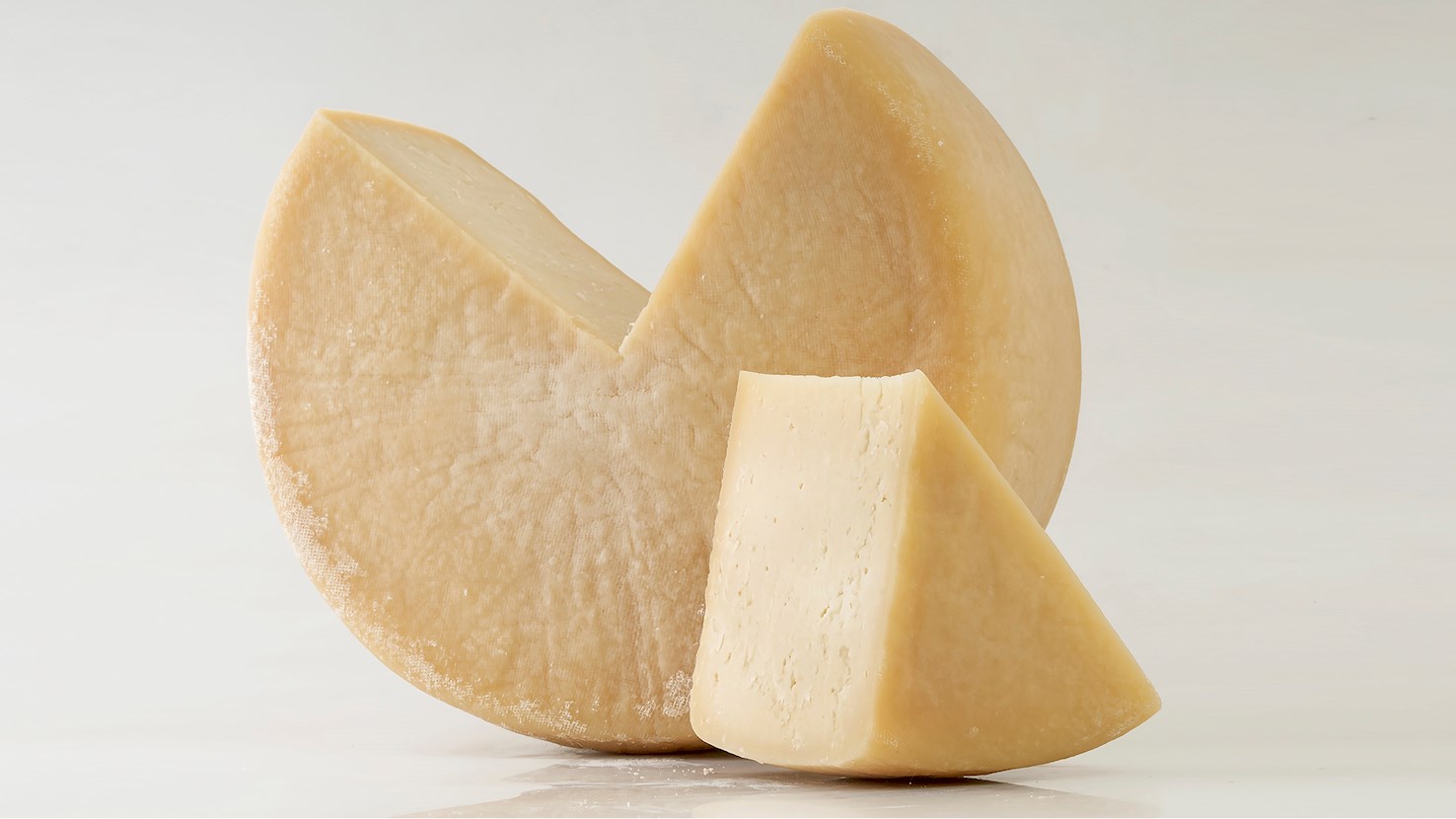
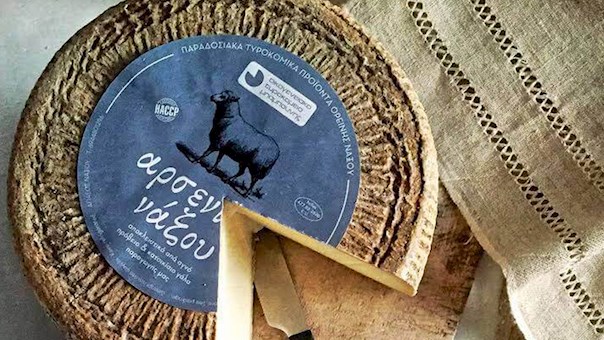
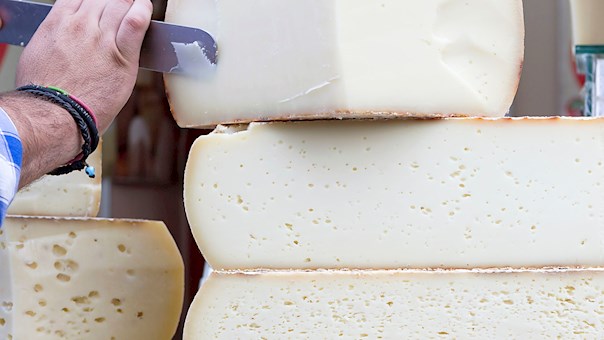
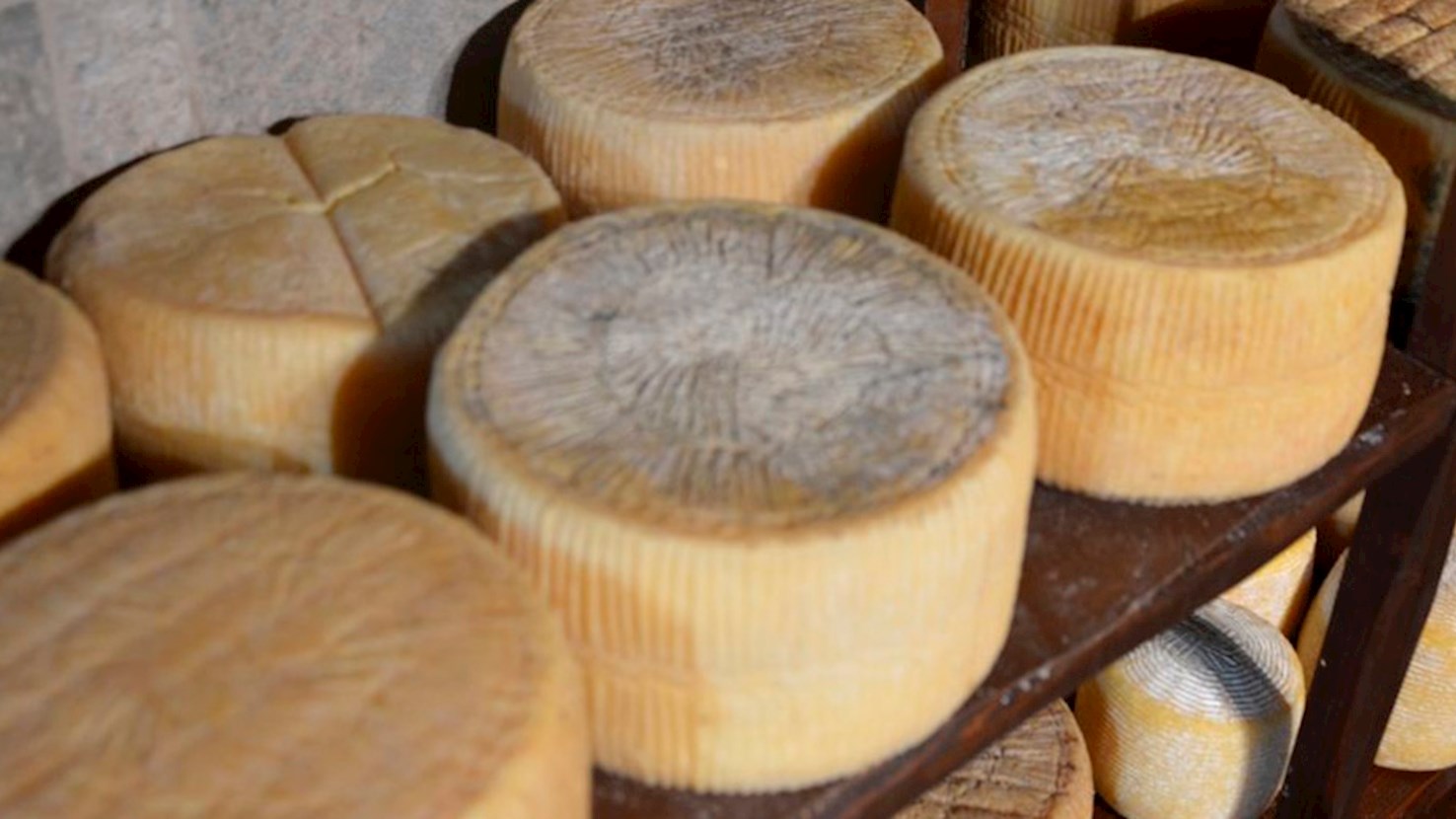
This cheese has been produced on the island of Naxos in the Cyclades for at least a century. Graviera Naxou is made from pasteurised cow milk or a mixture of sheep milk and a maximum of 20% goat milk. It has a thin rind and a light yellow, compact interior filled with small holes. Graviera Naxou is a hard table cheese with a refreshing taste and light aroma. It has a maximum moisture content of 38% and at least 40% fat content. The milk used for its production comes from breeds that are traditionally raised on the island, which feed on a diet of local plants and herbs that give their milk a unique flavor. It can be sliced and served as an appetizer, fried and eaten as a snack, or grated over pasta.

02

Graviera Kritis

4.5 ·

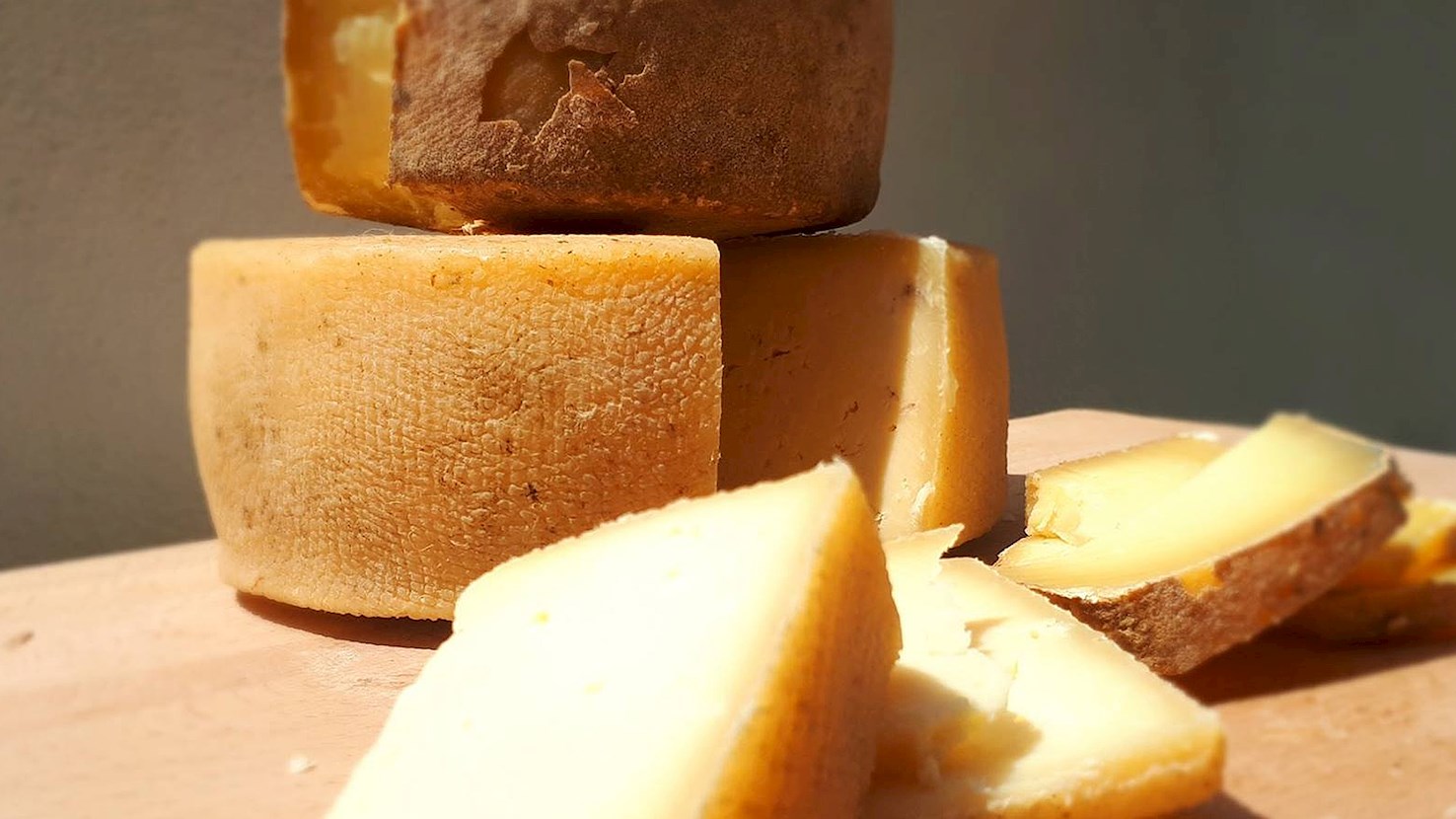
This cheese has a long history, and it is the best-known Greek graviera cheese. It is produced using traditional methods and ripened in facilities in Hania, Rethymnos, Iraklion, and Lasithio prefectures on the island of Crete. It is traditionally produced from sheep milk or from a mixture of sheep milk and a maximum of 20% goat milk. These goats and sheep wander freely on the green pastures of the island, and their diet is based on local plants, which give their milk a special quality that is expressed in this exceptional cheese. It is a hard table cheese with a light yellow color and firm texture. Its taste is slightly sweet and nutty. This cheese matures for 3 to 5 months before being put on the market. It is the most popular Greek cheese next to feta, and it can be found almost anywhere outside of Greece's borders. It can be served as an appetizer or grated and used in salads or soups.

03

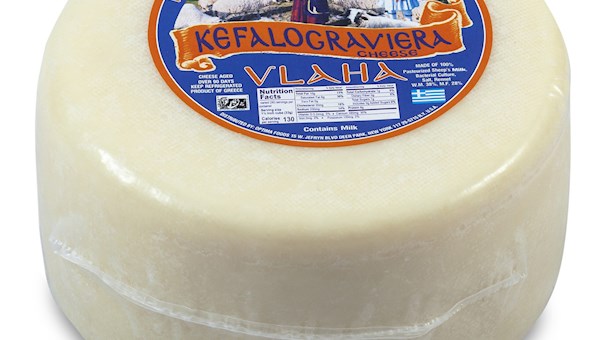
Kefalograviera

4.4 ·

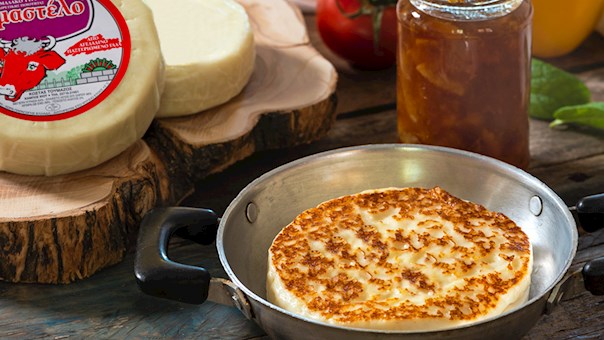
This is one of the most famous Greek cheeses. It has been made in Western Macedonia, Epirus, Aitoloakarnanina, Evrytania, and in western mainland Greece since the 1960s, which makes it one of the newest cheeses on the Greek market. It is a hard table cheese usually made from sheep's milk or a mixture of sheep's and goat's milk. Kefalograviera got its name after two cheeses because it's a cross between Kefalotyri, a salty, intensely flavored cheese, and the mellow Graviera cheese. It is sold in wheels or wedges, and is easily identified by its firm texture and light brown rind. Statistics show that it is becoming one of the most widespread cheeses in Greece, with annual production of around 3,000 tons. Kefalograviera is a hard table cheese that is often used to prepare a popular Greek fried cheese dish called saganaki.

04

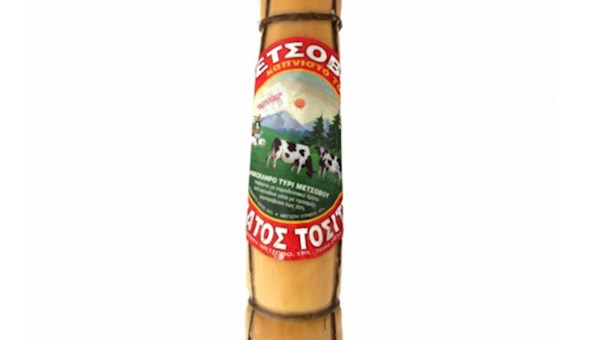
Metsovone

4.4 ·

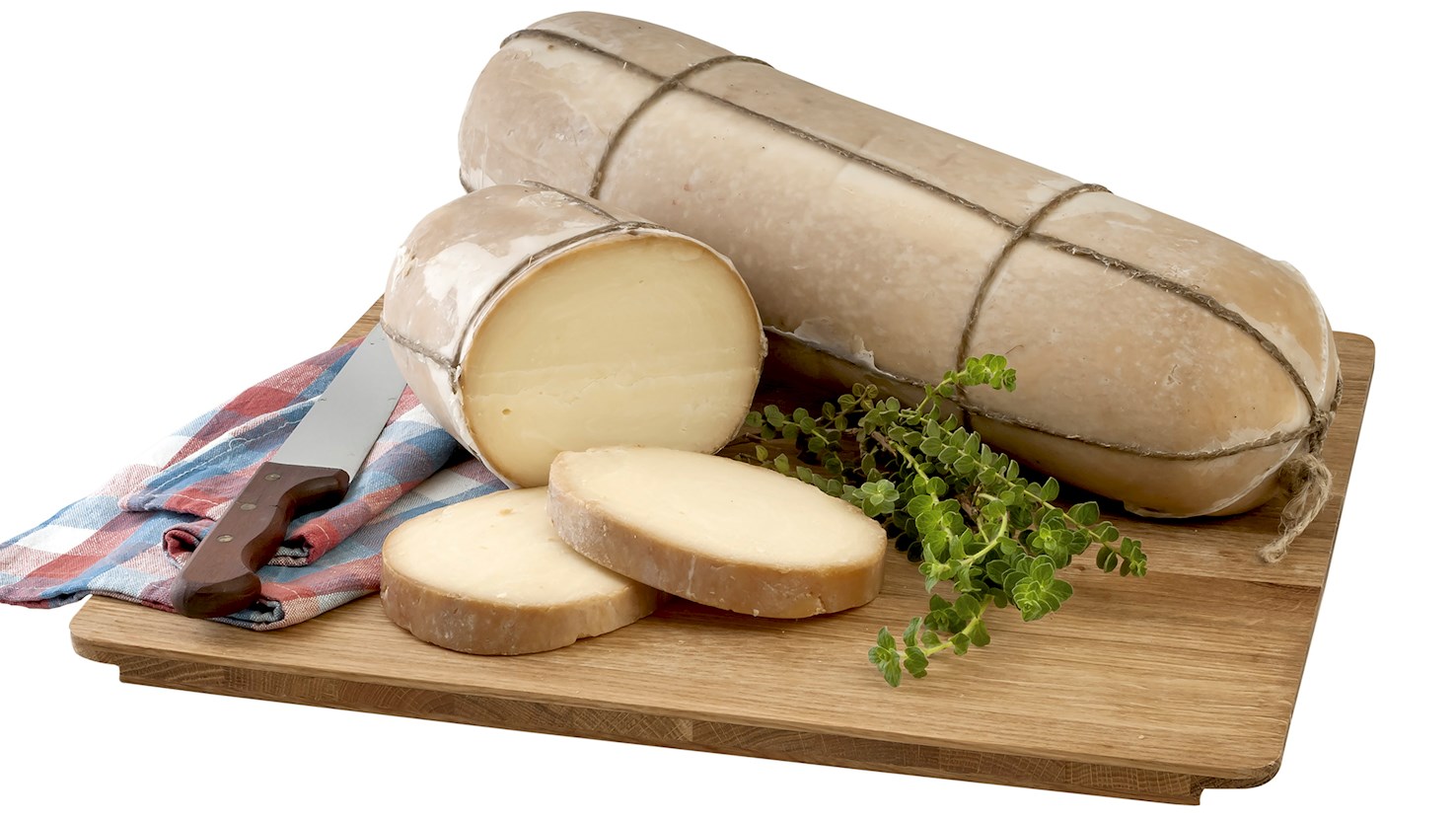
Metsovone is a hard or semi-hard smoked table cheese, produced from cow's milk or alternatively with a mixture of cow's milk with up to 20% sheep’s or goat’s milk. It has been made in the Metsovo mountain region for more than 50 years from locally reared animals' milk. During the manufacturing, it is put in cylindrical molds that are placed in cold water to make the cheese more compact and afterwards placed in pickle. After the drying, the maturation lasts, at least, three months. Finally, it is smoked for a couple of days. It has a textured paste and a slightly yellow rind. The taste is rich, slightly salty and spicy, with a dried fruit aftertaste. It can be enjoyed both raw and cooked and is a regular ingredient in quiches or pizzas. It is an excellent appetizer to serve with a glass of ouzo or wine.

05

Livanjski sir

4.4 ·

Modeled on the Swiss and French tradition of cheese production, livanjski sir was first produced in 1886, and it was initially made only with sheep’s milk. Later on, the production changed, and while many industrially produced types nowadays employ only cow’s milk, there are a few local, family-owned businesses which use a combination of sheep’s and cow’s milk. This hard cheese usually ripens from sixty up to eighty days, and preferably more. Depending on the aging, the final product ranges from pale to dark yellow, while its texture remains hard, yet elastic, with evenly distributed, medium-sized eyes. Because of its strong flavors and pleasant, nutty aromas, the cheese is best enjoyed as an appetizer, usually paired with smoked meat and robust Herzegovinian wine.

Best producers
06

Kalathaki Limnou

4.4 ·

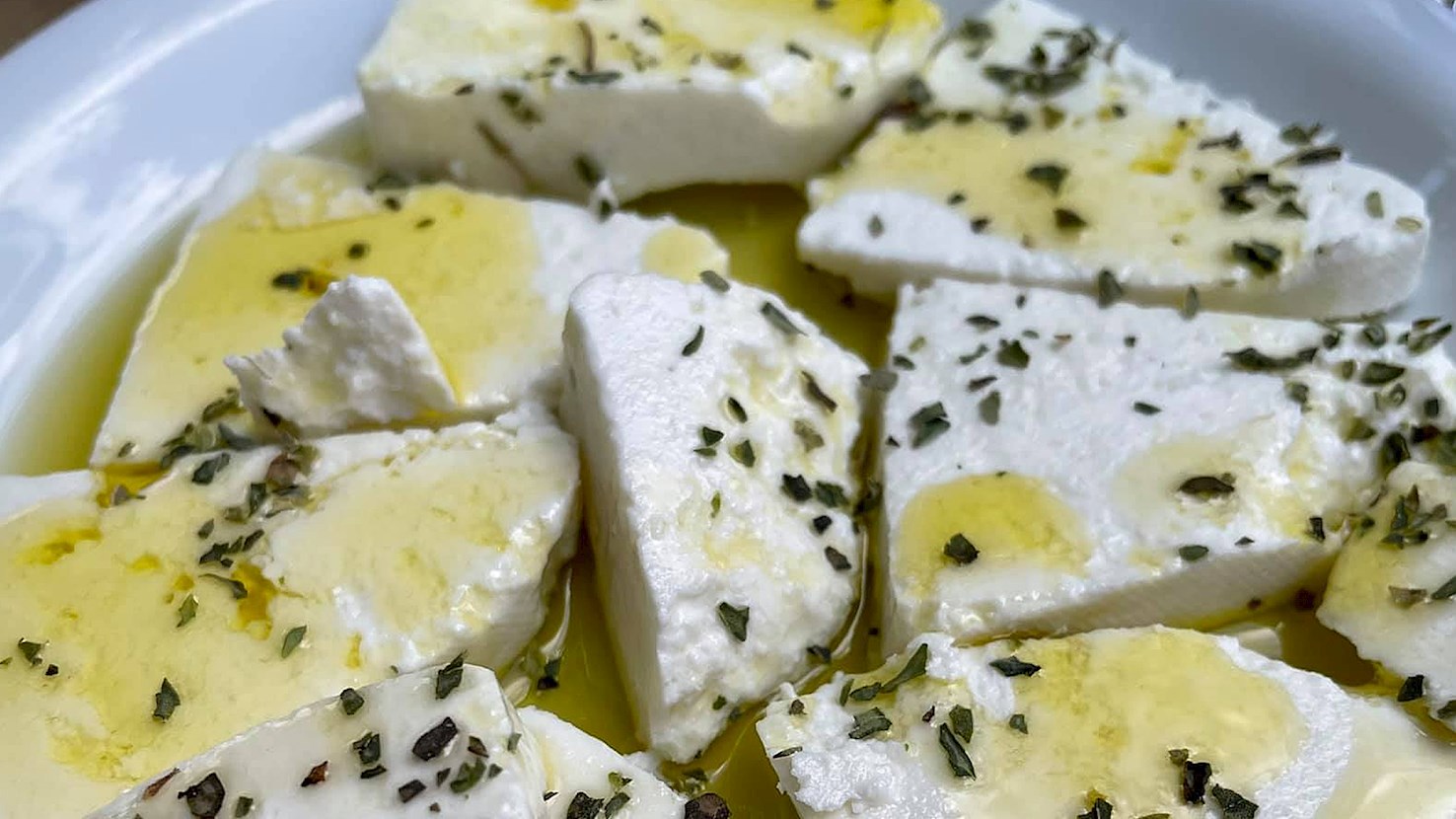
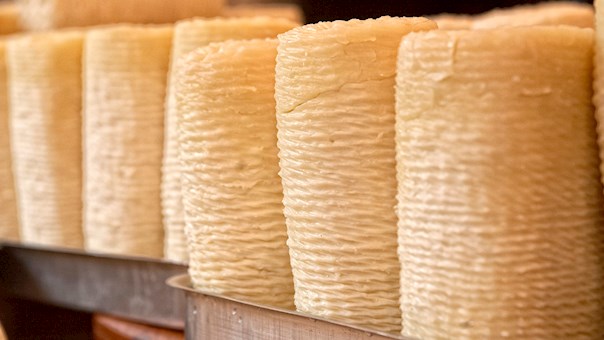
This white, soft, brined cheese is made from fresh sheep milk or a combination of sheep and goat milk taken from breeds that graze freely on wild grasses on the island of Lemnos in the northern Aegean Sea. The method of production is quite similar to that of traditional feta cheese, with one significant difference that also gave this cheese its name. According to the traditional method, the curd is put in a kalathaki ("small basket") for draining and organic acidification, during which time the cheese acquires its characteristic cylindrical shape. Later, the baskets are submerged in brine to mature for at least two months. While it is similar to feta in texture, Kalathaki Limnou has a milder, pleasant flavor. Its taste can be described as salty and slightly acidic. It is usually consumed as a table cheese served with fruit, but it can also be used in a variety of traditional Greek dishes, Greek salad, or as a substitute cheese for saganaki.

07

Anthotyro

4.4 ·

Anthotyro is a Greek cheese made from goat’s and sheep’s milk. The name anthotyro means flowery cheese, referring to the strong aromas of wild herbs. There are two varieties of this cheese – fresh and dry. The fresh variety is known as anthotyro fresco and has a soft texture and mild flavor. It is typically consumed as a table cheese or used in the preparation of pastries and pies. Combine it with honey and fresh fruits such as apples, pears, and figs. The dry variety, known as anthotyro xero has a rich, salty flavor and a crumbly texture. It is recommended to consume it as a table cheese or grate it over pasta (especially spaghetti) and salads.

08

San Michali

4.4 ·

This hard cheese is obtained exclusively from the milk of cows bred on the island of Syros in the Cyclades archipelago, where this famous cheese has been produced for more than half a century using the same traditional methods. The local cows are fed a diet of aromatic local plants and herbs, which contribute to the buttery scent of this cheese. It is quite hard and compact with many irregular holes. It has a cylindrical shape and a color that varies from light to intense yellow. Its aroma is unique and it has a pleasantly spicy taste with an aftertaste reminiscent of dried fruit. It can be eaten plain as a table cheese, and it is also often used as an ingredient in soufflés or omelettes.

09

Ladotyri Mytilinis

4.4 ·

Ladotyri Mytilinis is a hard table cheese made from sheep's milk or sheep's and goat's milk, the amount of which should not exceed 30%. It is produced only on the island of Lesbos, in the Prefecture of Lesbos in the Northern Aegean Islands. It is made in special cylindrical moulds that provide the cheese with a characteristic shape. This pale yellow cheese is very salty and slightly spicy and exudes a distinctive fragrant aroma of sheep milk. After the maturation, the common practice is to preserve Ladotyri Mytilinis in olive oil or cover it with paraffin wax. In fact, Ladotyri even translates to 'the cheese preserved in oil'. This cheese is very famous in the area of its production, but in the whole of Greece, as well, although it is one of the rarest cheeses available on the market. It is usually enjoyed in various dishes and salads and paired with light, fruity wines.

10

Sfela

4.4 ·

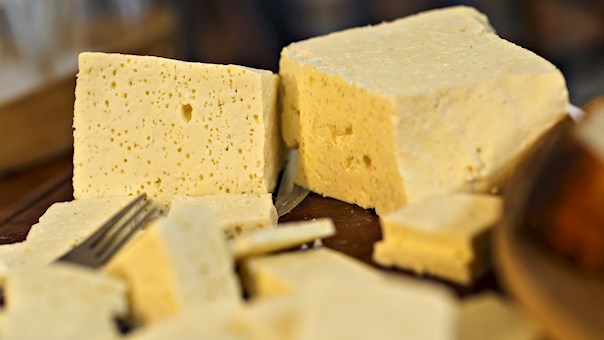
This semi-hard cheese is traditionally produced from sheep or goat milk, or a mixture of the two. The milk used to make this cheese comes from breeds reared traditionally in the Messinia and Lakonia prefectures, where this cheese has been produced for more than 100 years. To make Sfela, the curd has to be divided into pieces and reheated. Afterwards, the pieces are drained using cheesecloth, and they are lightly pressed and cut into small strips ('sfelas') and salted. The strips are stored in tin cans full of brine for at least three months to mature. During maturation, the cheese acquires its characteristic yellowish color. Its body is full of small holes created during fermentation. A cheese adored by consumers, sfela is a commonly used ingredient in modern Greek cooking. It is usually served as an appetizer, grilled, or combined with meat and vegetables in a tasty Greek pie.

Best Southeastern European Cheeses
01

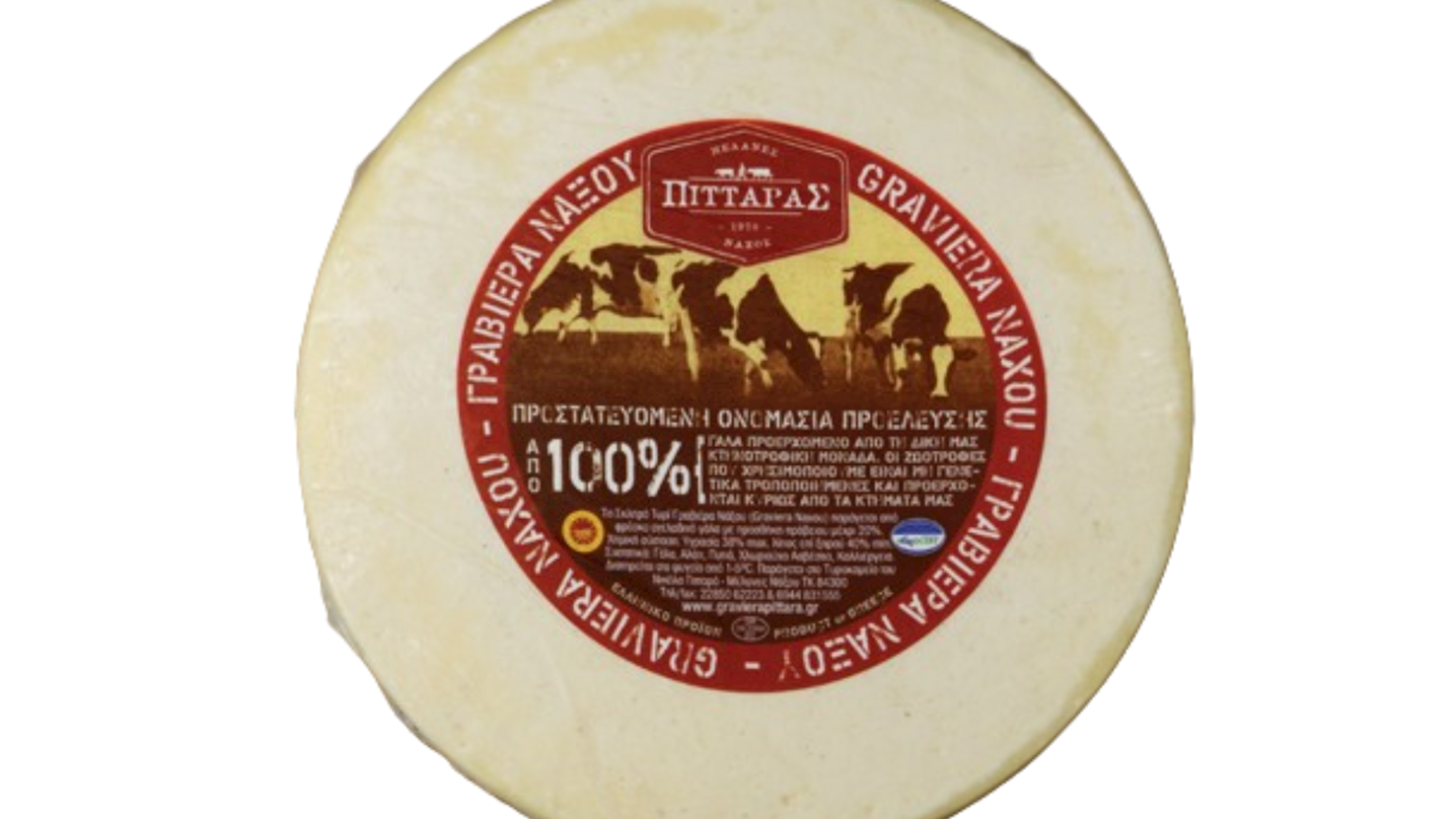
Graviera Pittara

5 ·
Graviera Pittara is a family-owned dairy producer located on the picturesque island of Naxos, Greece. Established with a mission to preserve and promote the island's rich cheesemaking traditions, the company specializes in crafting high-quality artisanal cheeses using fresh milk from local farmers. In addition to Graviera, the company produces other traditional Greek cheeses such as Kefalotyri, Xynotyro, and specialty matured varieties. Graviera Pittara seamlessly combines age-old practices with modern technology, ensuring both quality and authenticity in every product.The dairy has earned numerous accolades at international competitions, highlighting their commitment to excellence and the unique character of their cheeses. Graviera Pittara's products are celebrated not only in Greece but also internationally, bringing the taste of Naxos to tables worldwide.
Awards
Mediterranean Taste Awards - Platinum (2024, 2023, 2022, 2021)
Superior Taste Awards - 3 stars (2025, 2024)
02

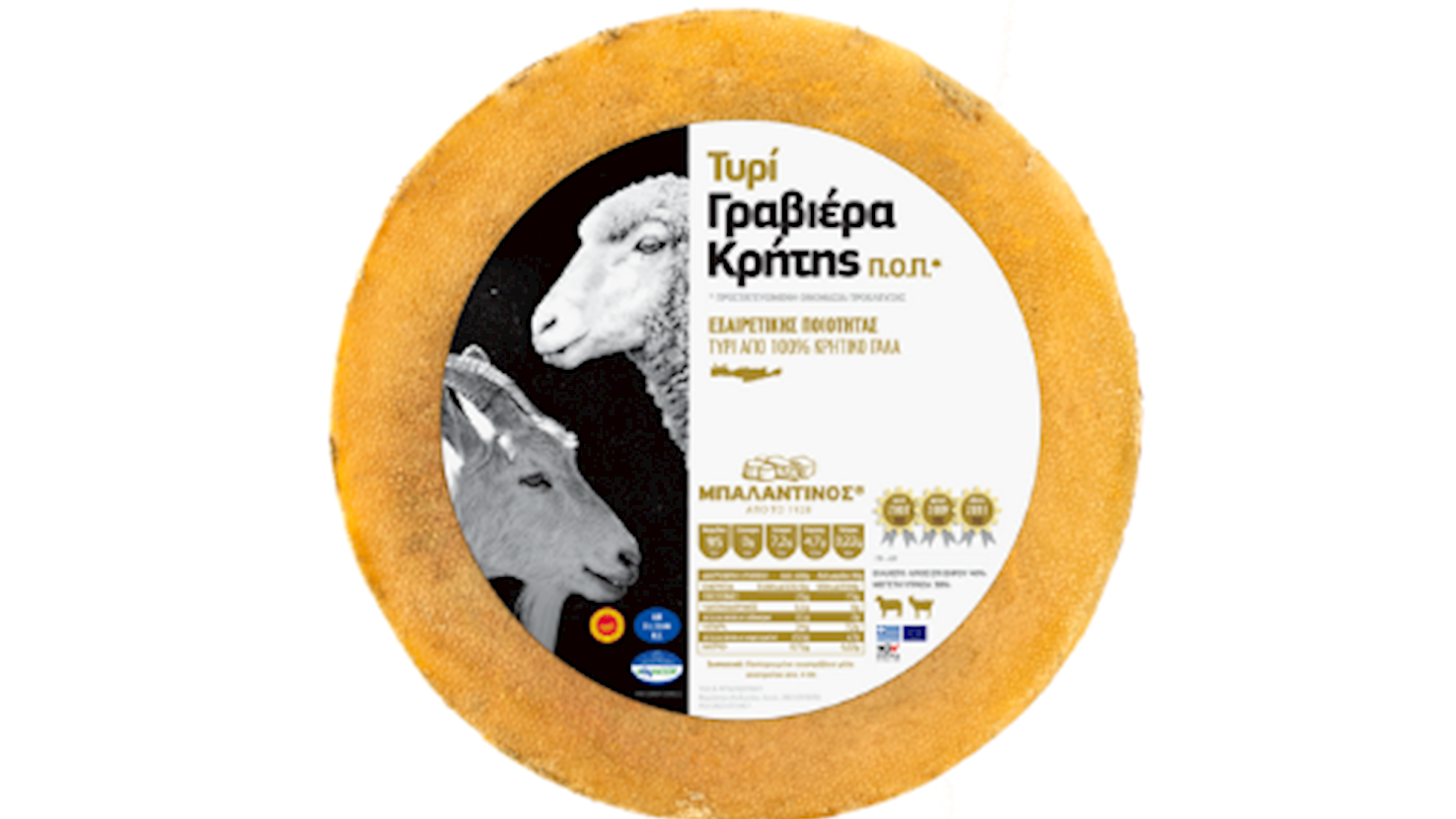
Balantinos

5 ·
Balantinos is a family-owned dairy from Crete, founded in 1928 and based in the Chania region, with nearly a century-long tradition in the production of authentic Cretan dairy products. The company evolved from a small artisanal workshop into a modern dairy operation while maintaining strong ties with local livestock farmers and preserving traditional island recipes. Its raw milk comes primarily from sheep and goats raised in the mountainous areas of western Crete, where natural grazing and the Mediterranean climate strongly shape the aromatic profile of the milk. Balantinos is especially known for producing PDO-certified cheeses such as Graviera Kritis PDO, as well as kefalotyri, white cheeses, and traditional yogurts. Production combines contemporary technology and strict food safety standards with knowledge passed down through generations. The facilities are certified according to international quality standards, ensuring consistency and enabling export activity. A strong emphasis is placed on preserving the authentic taste of Crete and the local identity of its products. In addition to cheeses, the range includes traditional Cretan butter oil made according to time-honored methods. Balantinos positions itself as a producer that connects tradition, regional origin, and modern food production. Its products are available throughout Greece and on international markets as part of the contemporary offering of authentic Mediterranean dairy products.
Awards
Superior Taste Awards - 2 stars (2017)
Superior Taste Awards - 1 star (2024)
03

Bafas

5 ·
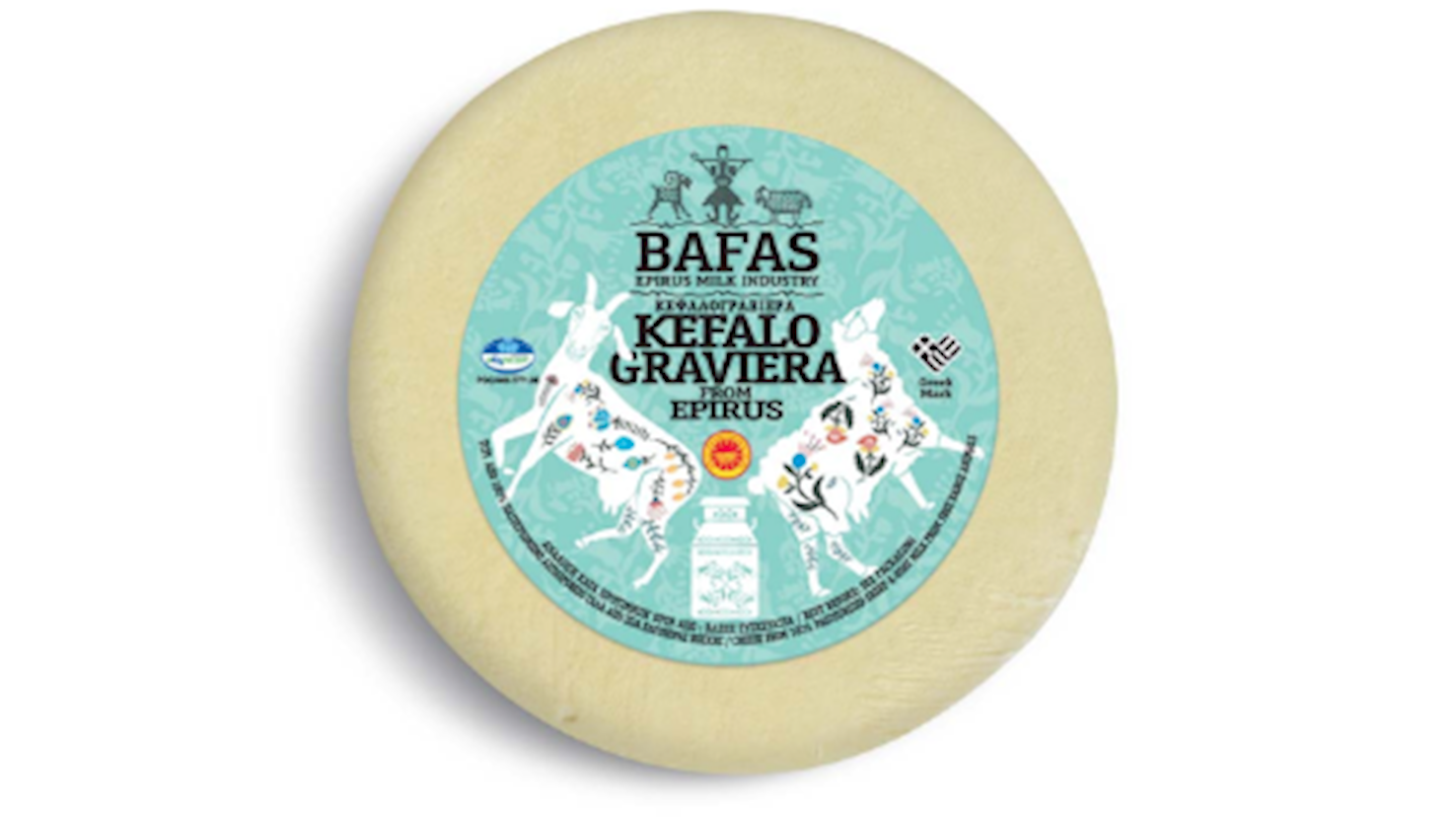
Bafas is a family-owned dairy producer based in the Arta area, in the Epirus region of western Greece, with roots dating back to the 1960s. The company evolved from small-scale artisanal production into a modern dairy operation while maintaining strong ties with local milk producers and traditional cheesemaking practices. Its production combines contemporary technology with strict quality and food safety standards, alongside long-established know-how, ensuring consistent quality and a recognizable flavor profile. Thanks to a well-developed distribution network, Bafas products are now available in many countries across Europe and beyond, positioning the company as an important representative of the modern Greek dairy and cheese industry.
04

Kostarelos

5 ·
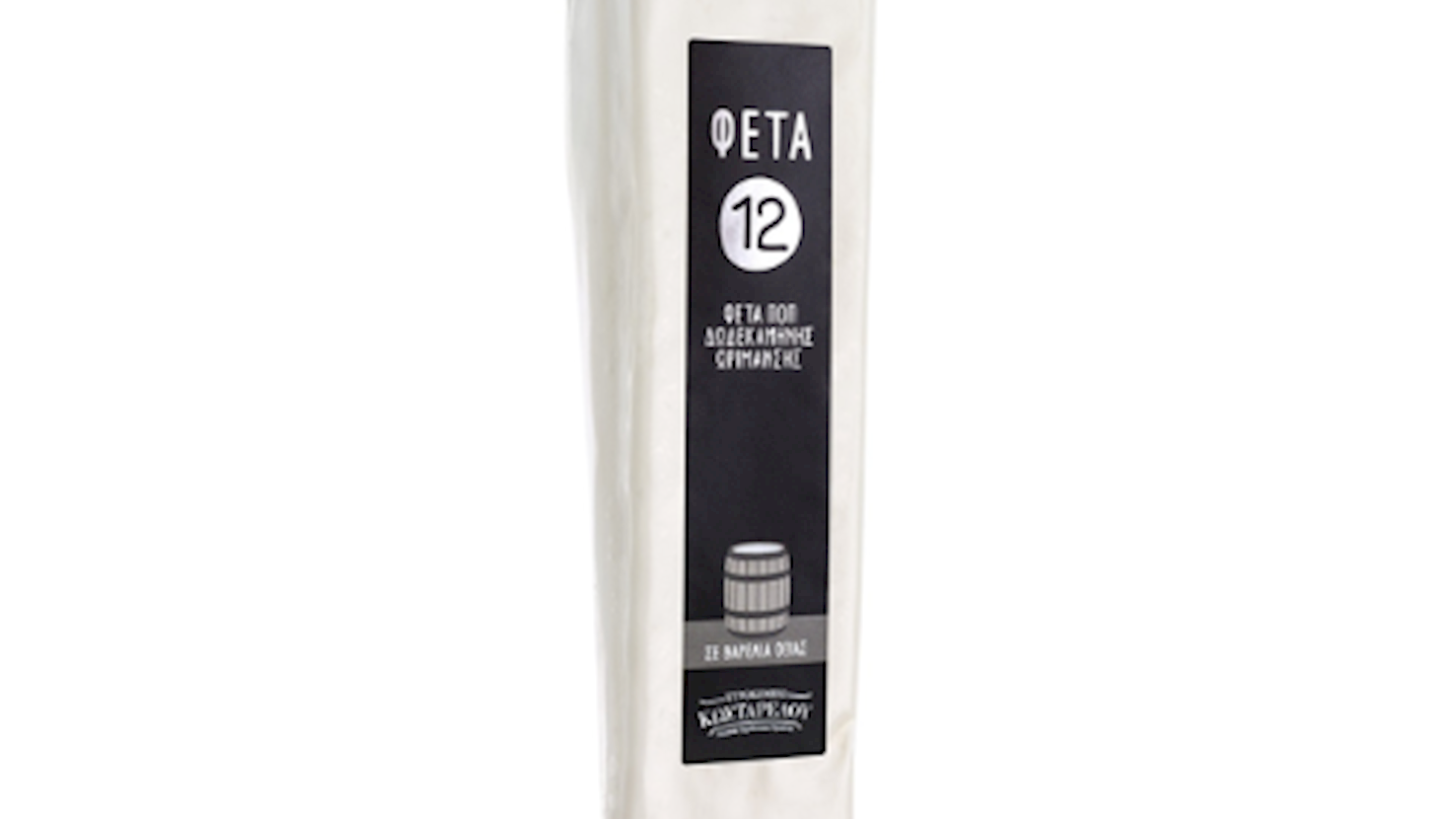
Kostarelos is a family-owned Greek dairy producer with roots dating back to 1937, when the family began making cheese and yogurt in the town of Markopoulo, in eastern Attica, originally to supply their own taverna. Today, the company is led by the third generation, continuing to build on this heritage by combining traditional craftsmanship with modern quality standards. Raw materials come from carefully selected local farms, mainly sheep’s and goat’s milk, ensuring consistency and a strong sense of origin in every product. Kostarelos is especially known for its barrel-aged feta, matured naturally in wooden barrels and valued for its deep, complex flavor and balanced texture, as well as for other traditional cheeses such as graviera and kefalotyri, along with fresh dairy products. Production relies on minimal industrial intervention, without unnecessary additives, and respects natural maturation processes and seasonality. In addition to its production facilities, the company operates its own network of retail and delicatessen stores in Athens, where products are offered directly to consumers. Kostarelos positions itself as a producer that preserves Greek dairy heritage while adapting it to contemporary tastes and expectations.
05

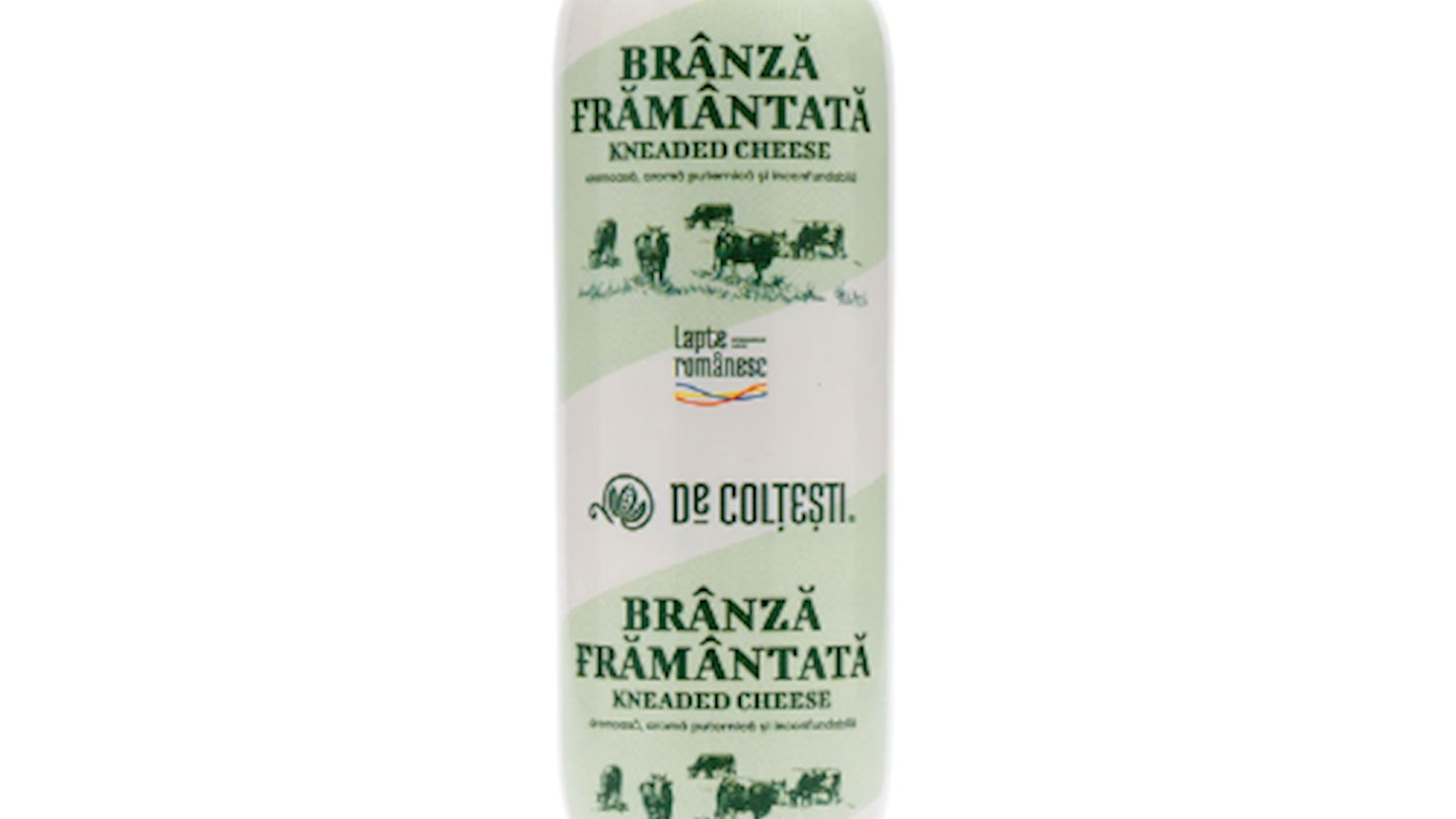
De Colțești

5 ·
De Colțești is a Romanian cheese producer based in the village of Colțești, in the Rimetea area of Alba County, in the heart of Transylvania, founded in 1994. The company has developed as a modern dairy that combines local milk-making traditions with contemporary technological standards, relying on milk sourced from the mountainous Trascău region. It is best known for its mature and long-aged cheeses, particularly hard cheeses with a pronounced, full-bodied flavor, often marketed under the Torockoi brand. Its portfolio includes both traditional Romanian cheese styles and products inspired by broader European cheesemaking traditions, adapted to modern consumer preferences. The production philosophy emphasizes quality control, consistency of flavor, and carefully managed aging processes, while preserving a strong regional identity. De Colțești is regarded as one of the notable representatives of the modern Romanian cheese scene, successfully bridging Transylvanian tradition with industrial precision and market-oriented production.
06

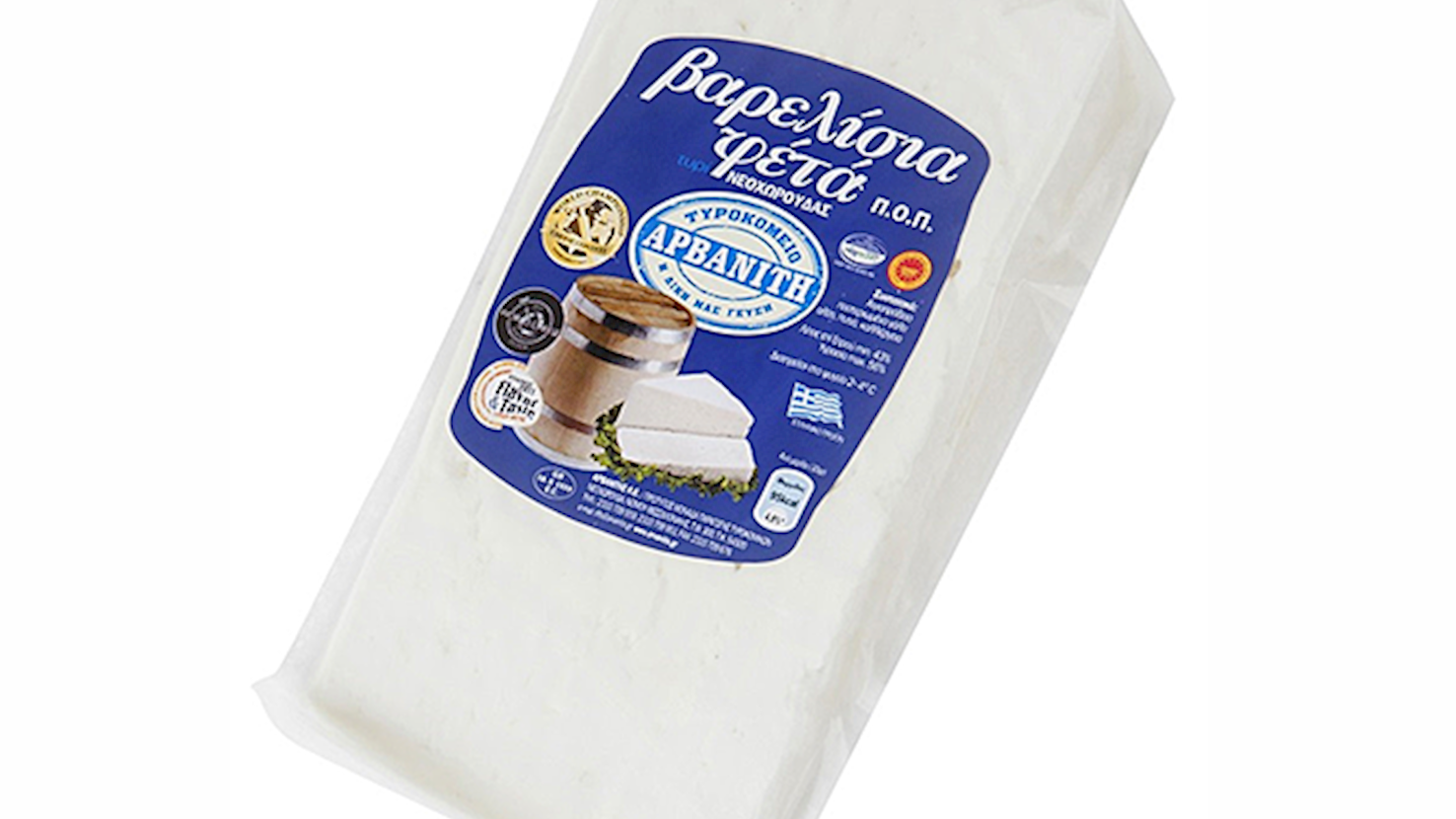
Arvanitis

4.9 ·
Arvanitis S.A. is a Greek company specializing in the production of traditional cheeses, including Feta, which is recognized under the EU's Protected Designation of Origin (PDO) status. The company utilizes milk from local sheep and goat breeds, adhering to traditional cheese-making methods to ensure authenticity and quality. Arvanitis S.A. also focuses on sustainability and has implemented practices to reduce its environmental impact while maintaining production efficiency.
Awards
Global Cheese Awards - Gold (2023, 2018)
International Cheese Awards - Gold (2023, 2019)
07

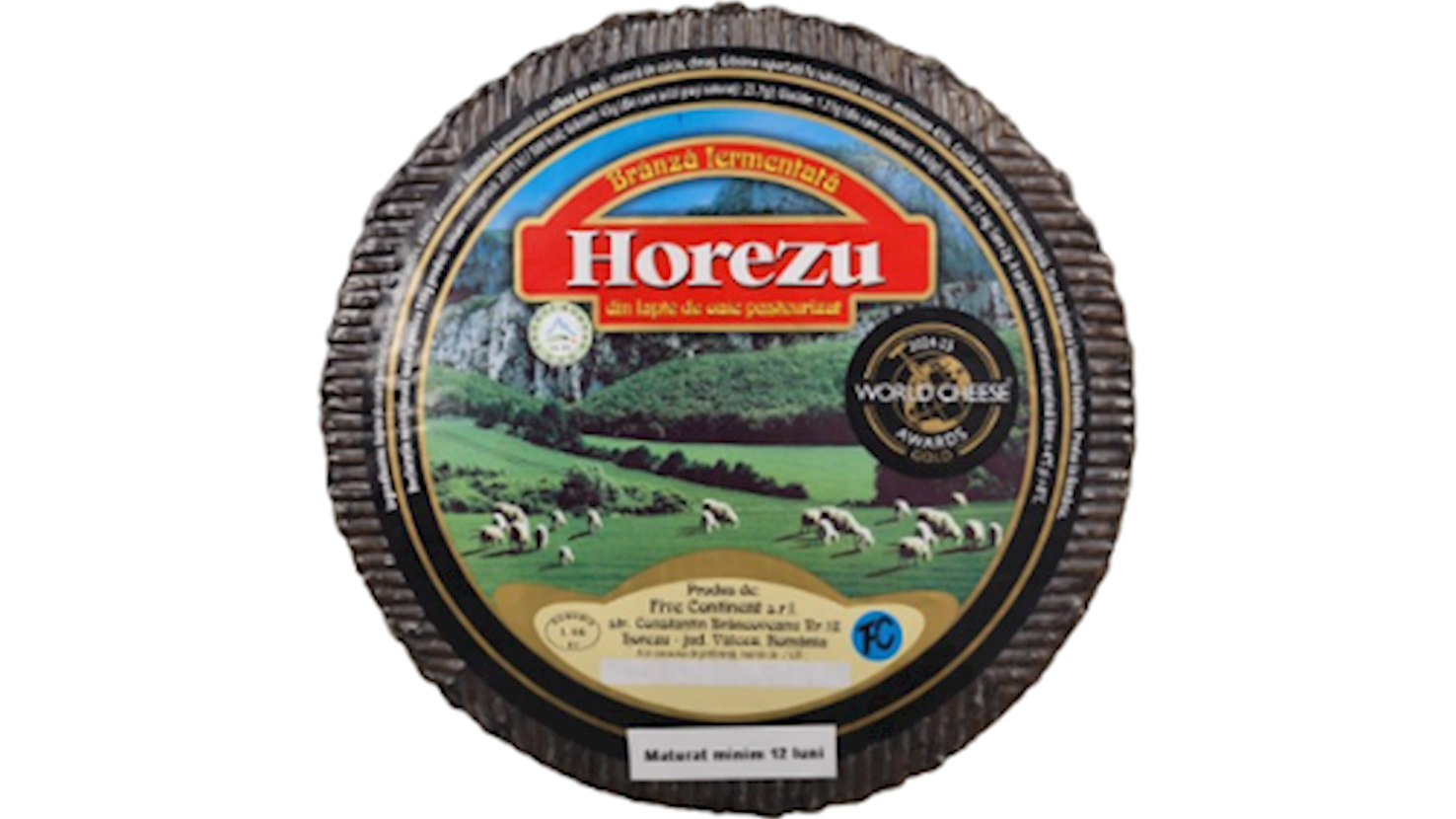
Five Continent

4.9 ·
Awards
World Cheese Awards - Gold (2025)
World Cheese Awards - Gold (2024)
08

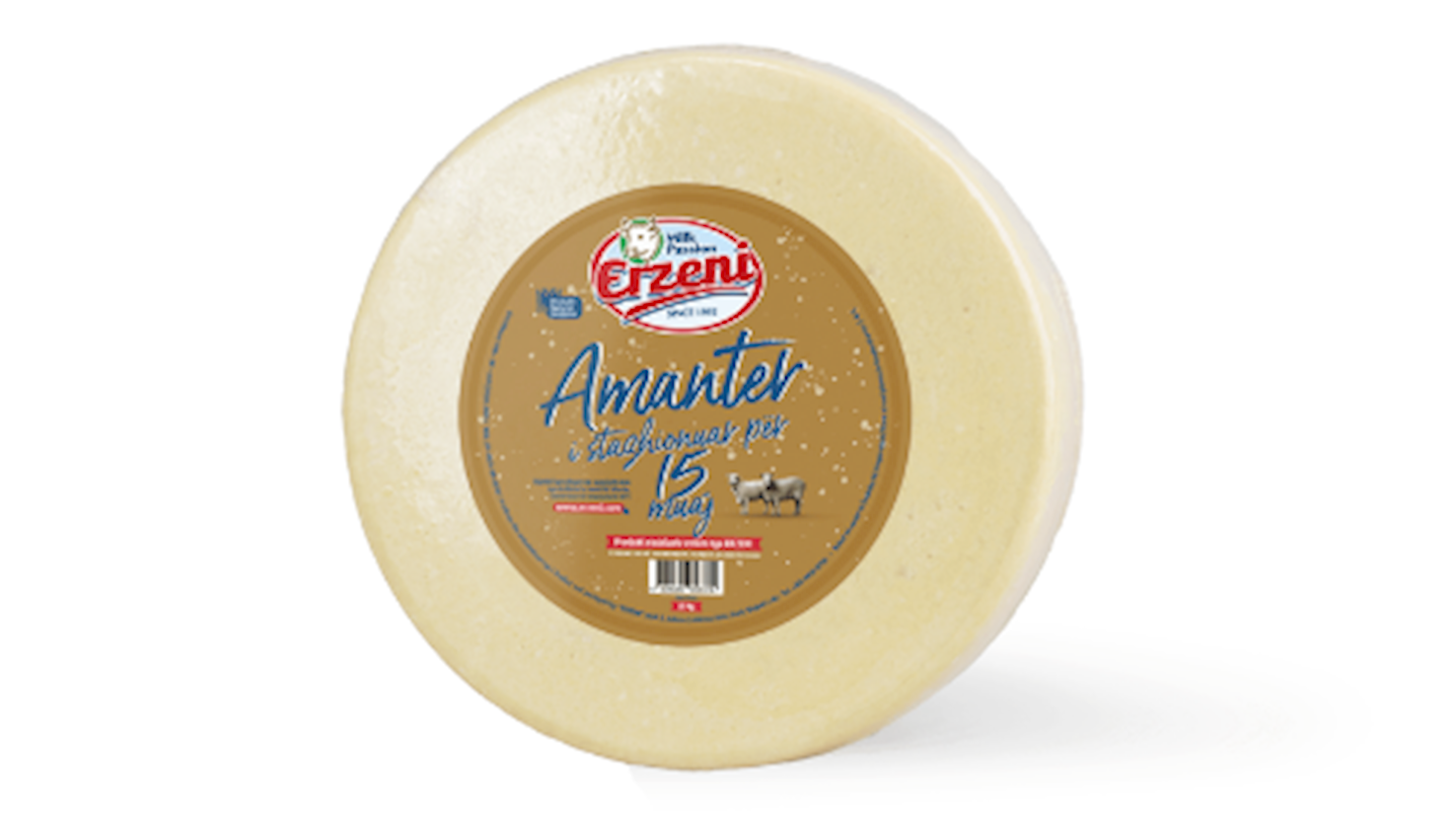
Erzeni Dairy

4.9 ·
Awards
World Cheese Awards - Gold (2024)
09

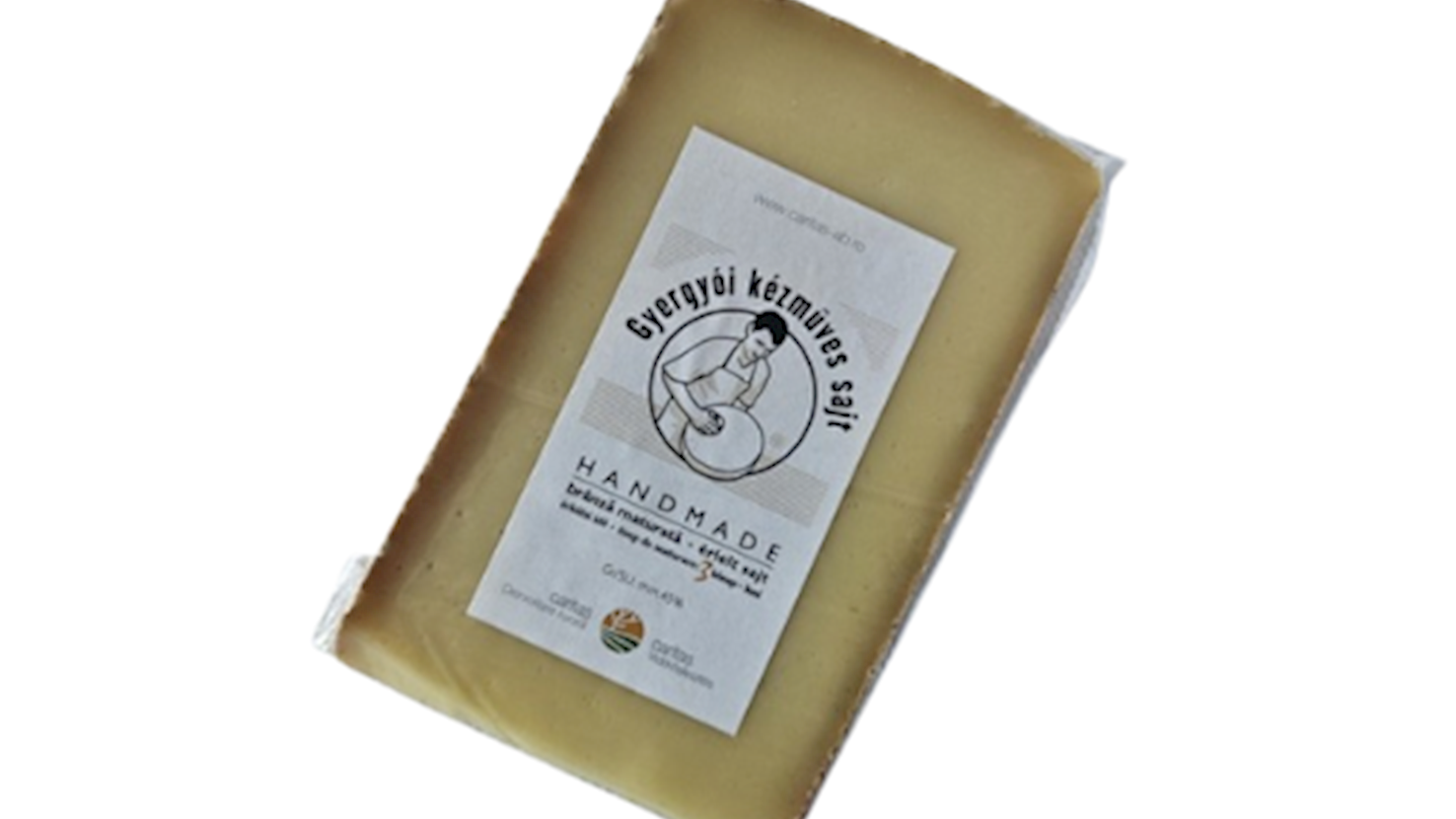
Caritas

4.9 ·
Awards
World Cheese Awards - Gold (2024)
10

Tyrokomeío Steiakakis

4.9 ·
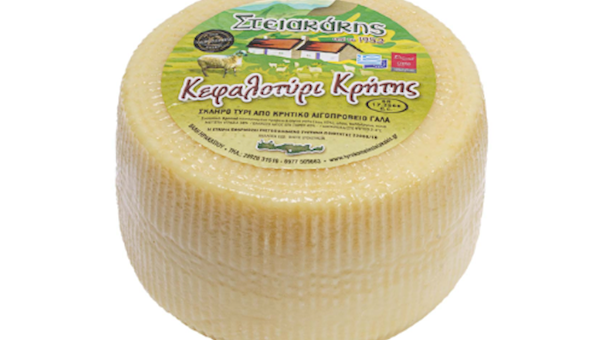
Tyrokomeío Steiakakis is a Cretan dairy producer with a family cheesemaking tradition dating back to 1952, when graviera production began on a small scale. Over three generations, the company has developed into a structured operation while maintaining its connection to traditional methods. Its production focuses on classic Cretan cheeses such as graviera, mizithra, anthotyros, and kefalotyri, all made from sheep and goat milk sourced from local farmers. The quality of the milk, influenced by free grazing and regional flora, plays a central role in defining the character of the final products. The production process combines inherited knowledge with controlled conditions and modern hygiene standards to ensure consistency. Particular attention is given to the maturation of cheeses, especially graviera, where aging conditions directly shape texture and flavor. In addition to traditional varieties, the company also produces more specialized versions with added herbs or other variations. The overall approach emphasizes balance between authenticity and standardization. Over time, the brand has expanded its presence while remaining rooted in regional identity.
Awards
World Cheese Awards - Gold (2019)
Read more
View all
View map
About this ranking

TasteAtlas food rankings are based on the ratings of the TasteAtlas audience, with a series of mechanisms that recognize real users and that ignore bot, nationalist or local patriotic ratings, and give additional value to the ratings of users that the system recognizes as knowledgeable. For the “Top 65 Southeastern European Cheeses” list until June 02, 2026, 9,092 ratings were recorded, of which 3,853 were recognized by the system as legitimate. TasteAtlas Rankings should not be seen as the final global conclusion about food. Their purpose is to promote excellent local foods, instill pride in traditional dishes, and arouse curiosity about dishes you haven’t tried.

The initial list of top producers was compiled based on available reviews, awards, local recommendations, media and blog coverage, and consumer reviews. The list will be updated with ratings from TasteAtlas local ambassadors and TasteAtlas users.

Similar lists