Top 44 Roman Foods

Last updated on July 22, 2026

Best Roman foods

01
Pasta

Carbonara

4.3 ·

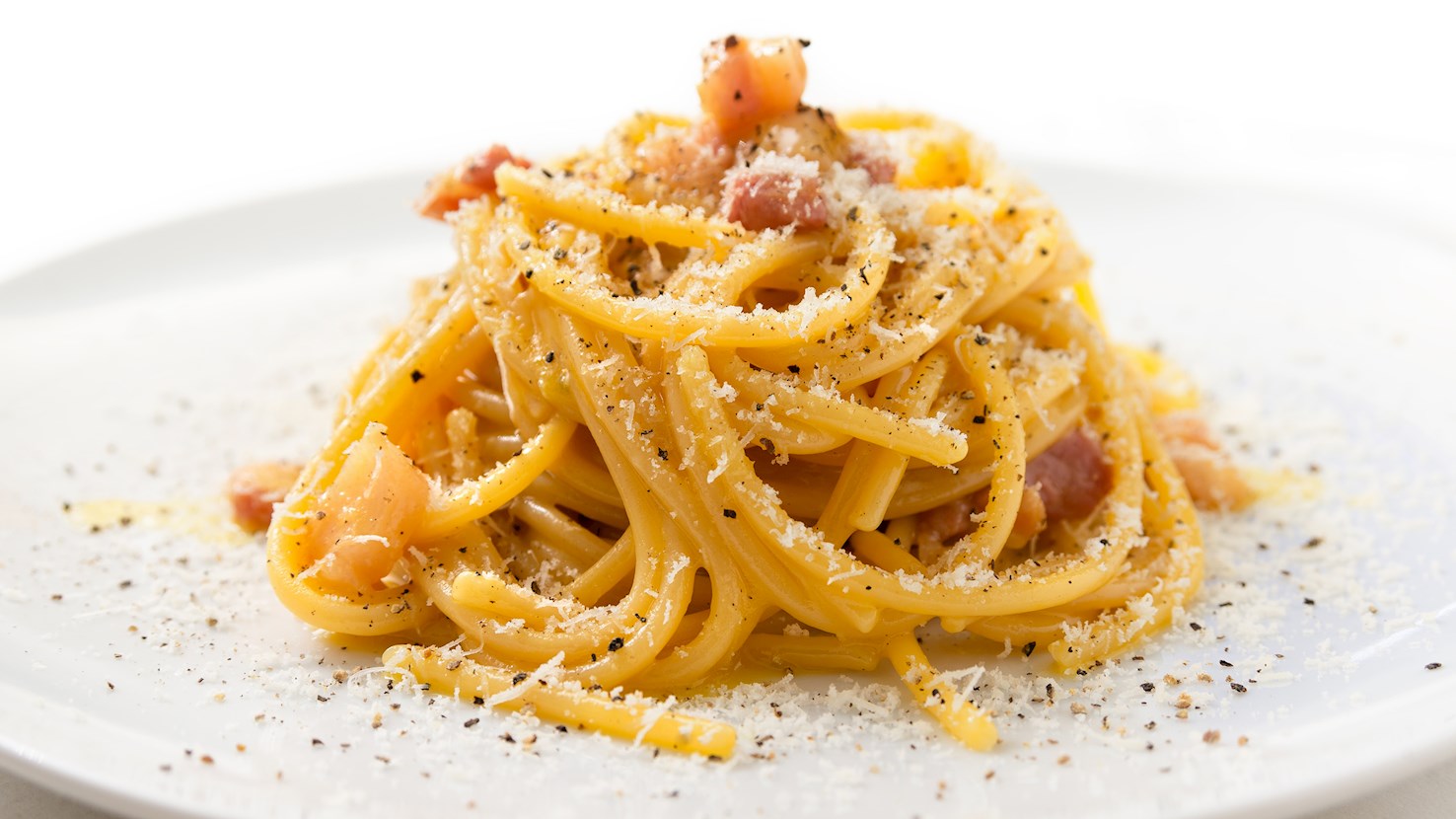
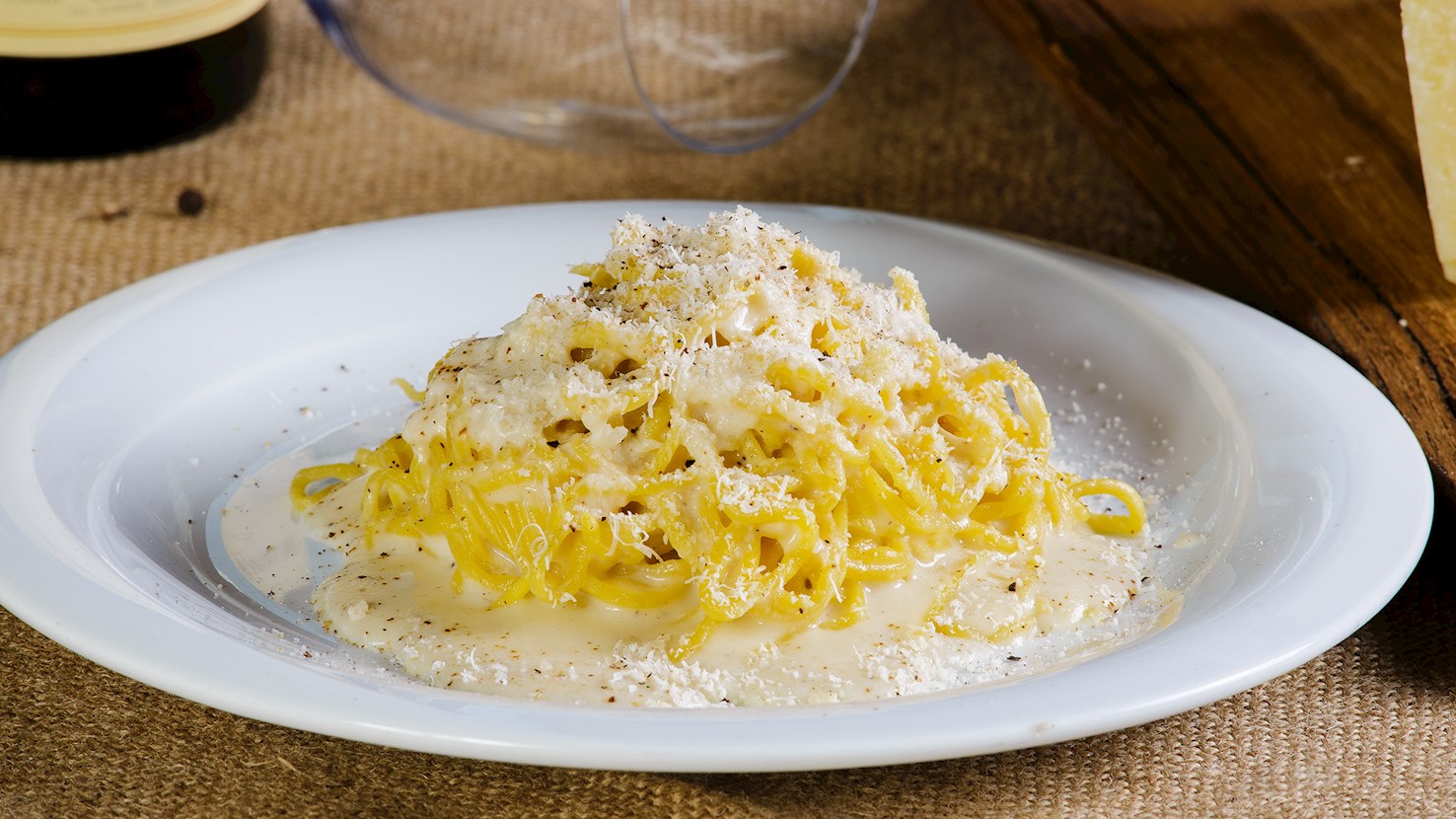
The carbonara we know today is prepared by simply tossing spaghetti with guanciale (cured pork jowl), egg yolks, and Pecorino Romano cheese. Despite its simplicity, this dish remains one of Rome's favorites, equally popular throughout the country. Even though carbonara is considered a typical Roman dish today, its origins are quite vague and often disputed. The name is said to have been derived from the carbonari, woodcutters and charcoal-makers who lived in the Appenine mountains northeast of Rome, and who supposedly cooked their pasta over a hardwood charcoal fire and tossed it with eggs and cheese. Another popular theory claims that carbonara was invented after the liberation of Rome in 1944, when food shortages were so severe that Allied troops distributed bacon and powdered eggs, which the local population would then mix with water to make pasta sauce.

02
Pizza

Pizza al taglio

4.3 ·

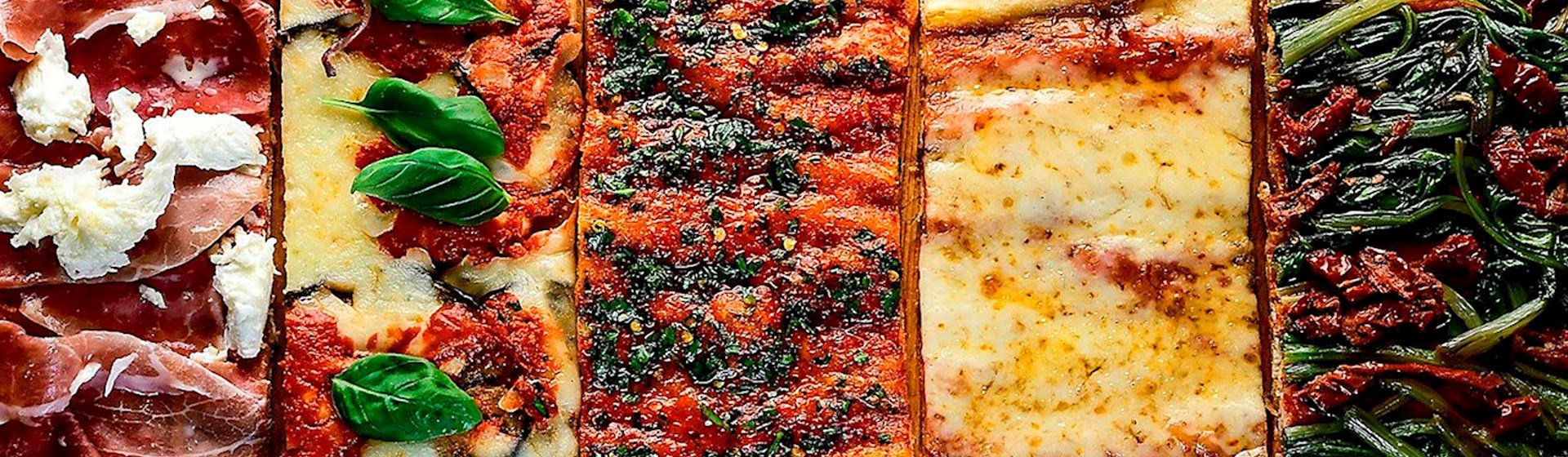
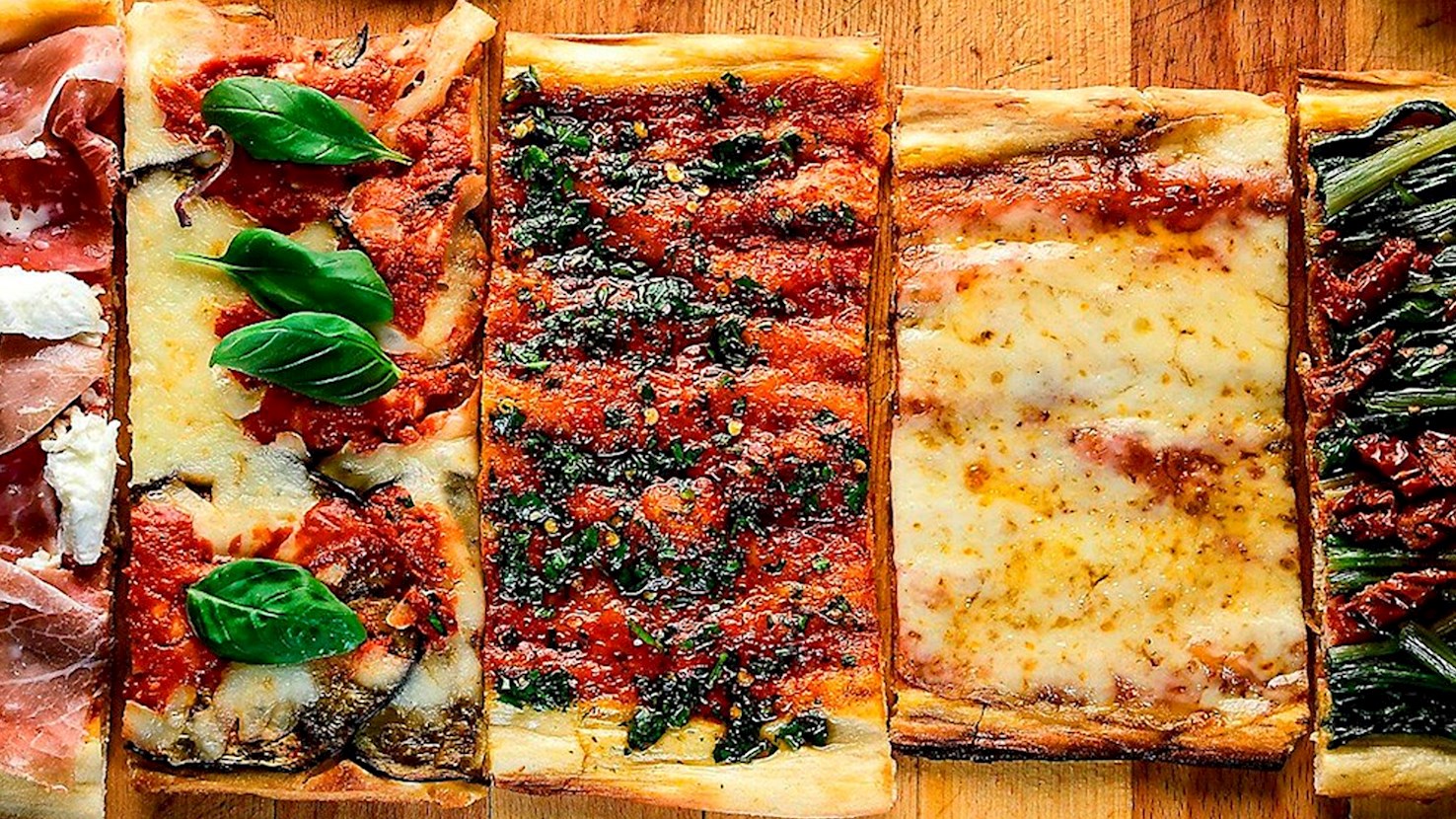
Pizza al taglio is a variety of Italian pizza that is baked in rectangular trays and sold sliced into squares or rectangles. Prices can be marked either per slice of pizza or per kilogram. The first pizza al taglio was baked in Rome in the late 1950s, when it was topped with olive oil and tomato sauce. Today, the dish is one of the most loved street food items both in Rome and in most of Italy. When making pizza al taglio, it is important to let the dough rise and ferment for a longer period of time. The dough is usually baked, topped, and then baked once more, resulting in an evenly-cooked pizza that's light, airy, and easily digestable.

03
Pork Dish

Porchetta di Ariccia

4.3 ·

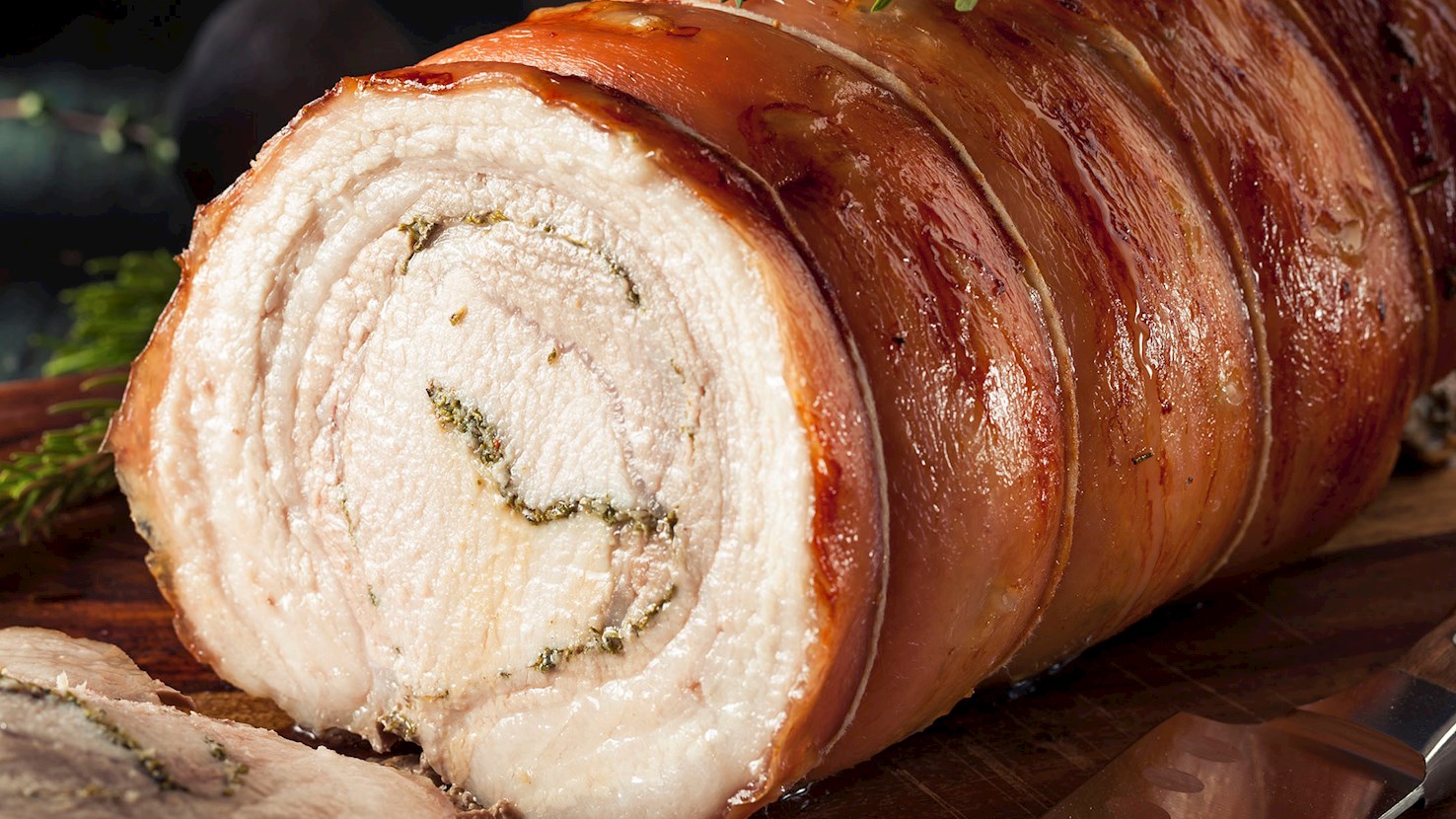
Porchetta di Ariccia is a savory, moist, boneless pork roast with origins in the province of Rome, along with being a culinary icon of the Lazio region. Mature pigs are deboned and stuffed with numerous seasonings such as fennel, rosemary, and garlic. The pigs are then slowly roasted on a spit over a wood fire, resulting in succulent meat and crispy skin. The name of the dish stems from the word porco, meaning pork. It is a staple of numerous village festivals, fairs, markets, and concerts, when the street of Rome are packed with food trucks selling this flavorful dish. In Rome, it is street food that is usually served on its own or as a filling for sandwiches. Although it is one of the country's earliest specialties, dating back to the Roman Empire, a small town in Rome's Castelli called Ariccia claims its invention, and the huge popularity of the dish dates back to the 1950s when the producers of this delicacy (called porchettari) celebrated the Sagra della Porchetta di Ariccia, a popular festival in the city that serves to promote this unique dish. Italian immigrants brought the dish to the United States in the early 20th century, where it is often referred to as Italian pulled pork, usually served with spinach and cheese on sandwiches.

04
Pasta

Cacio e pepe

4.2 ·

This ancient dish with Roman origins is regarded as one of the simplest and most satisfying Italian dishes. Cacio e pepe consists of pasta (usually spaghetti), aged Pecorino Romano cheese, salt, and lots of ground black pepper. Since the ingredients are easy to transport and do not spoil easily, it was once the favorite dish of Roman shepherds. The spicy pepper protected the shepherds from the effects of cold weather during the night, while the pasta provided them with the carbohydrates they needed to perform their back-breaking labor. However, this simple meal is so good that the famous chef and television personality Anthony Bourdain described it by saying it "could be the greatest thing in the history of the world."

05
Street Food

Trapizzino

4.2 ·

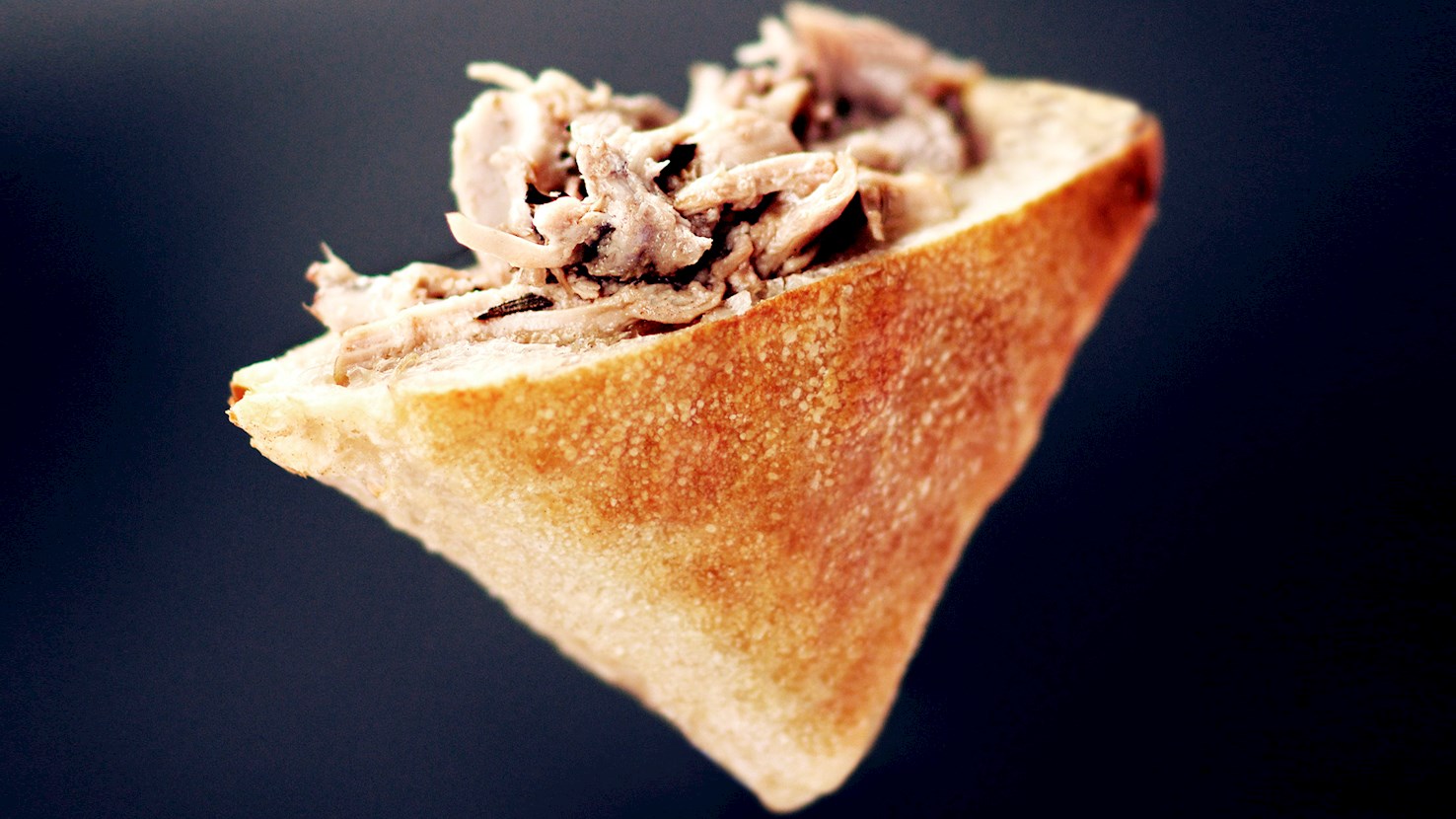
Invented by Stefano Callegari in 2008 in Rome, trapizzino is a popular street food item consisting of a pocket of pizza bianca that is typically filled with a meat or vegetable filling – usually classic Roman dishes that would traditionally be impossible to consume on the go. The tasty trapizzino originated from pizza by-the-slice, and its name is a play on words combining tramezzino (Italian triangular sandwiches) and pizza. This snack should be soft on the inside and crunchy outside, and due to its popularity, it even gained international acclaim and started to appear on the streets of New York as well.

Best restaurants
06
Appetizer

Bruschetta alla romana

4.1 ·

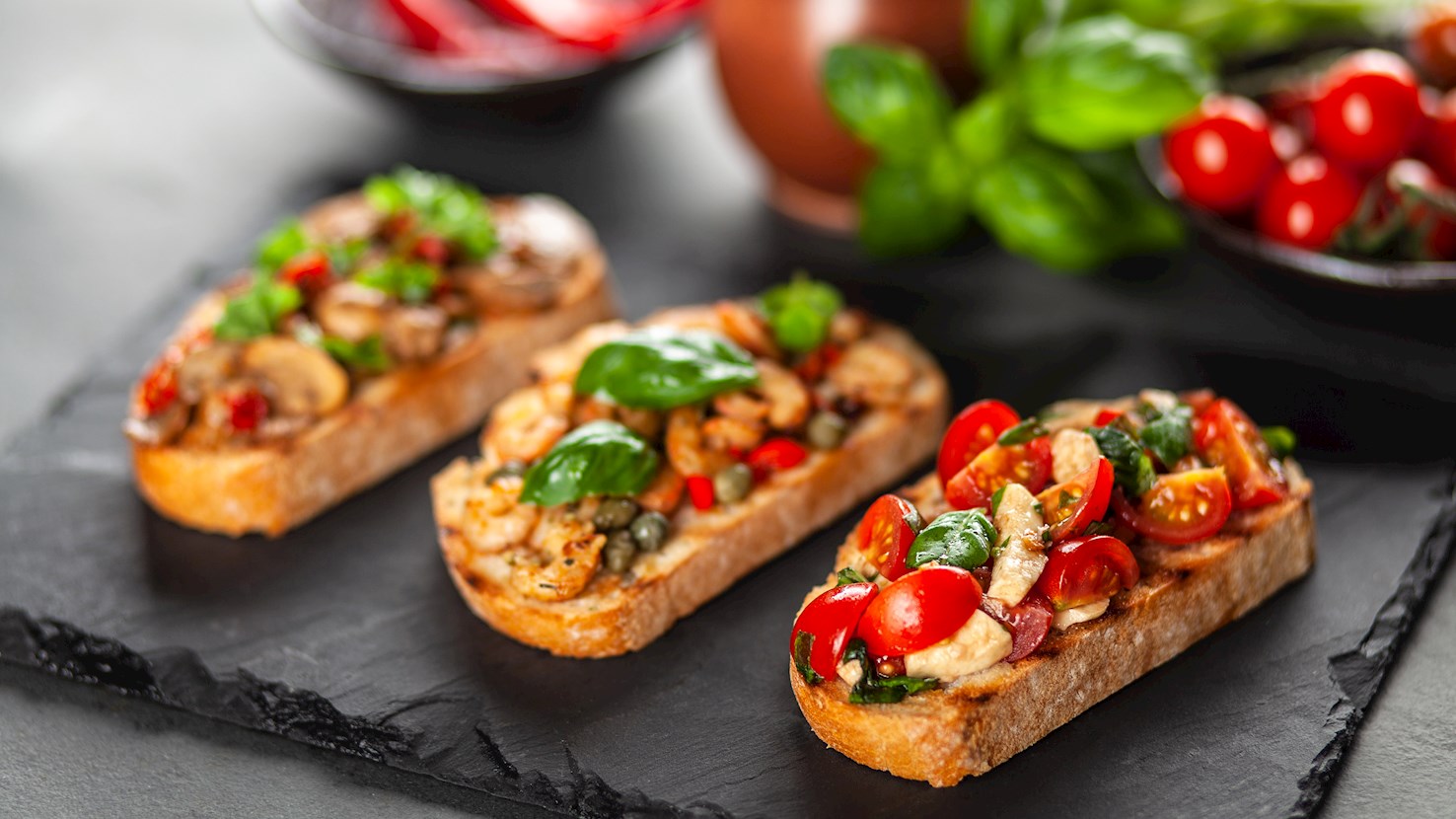
Bruschetta alla romana is a traditional bruschetta variety originating from Rome. Although there are variations, it's made with a combination of bread, cherry tomatoes, garlic, olive oil, capers, salt, and pepper in its classic form. The capers are rinsed in water and coarsely chopped. The tomatoes are chopped, mixed with the capers, olive oil, salt, and pepper, and the mixture is then spooned over toasted slices of bread that have been rubbed with garlic. If desired, feel free to add black olives, oregano, and basil to the bruschetta mixture for extra flavors and textures.

07
Street Food

Supplì

4.1 ·

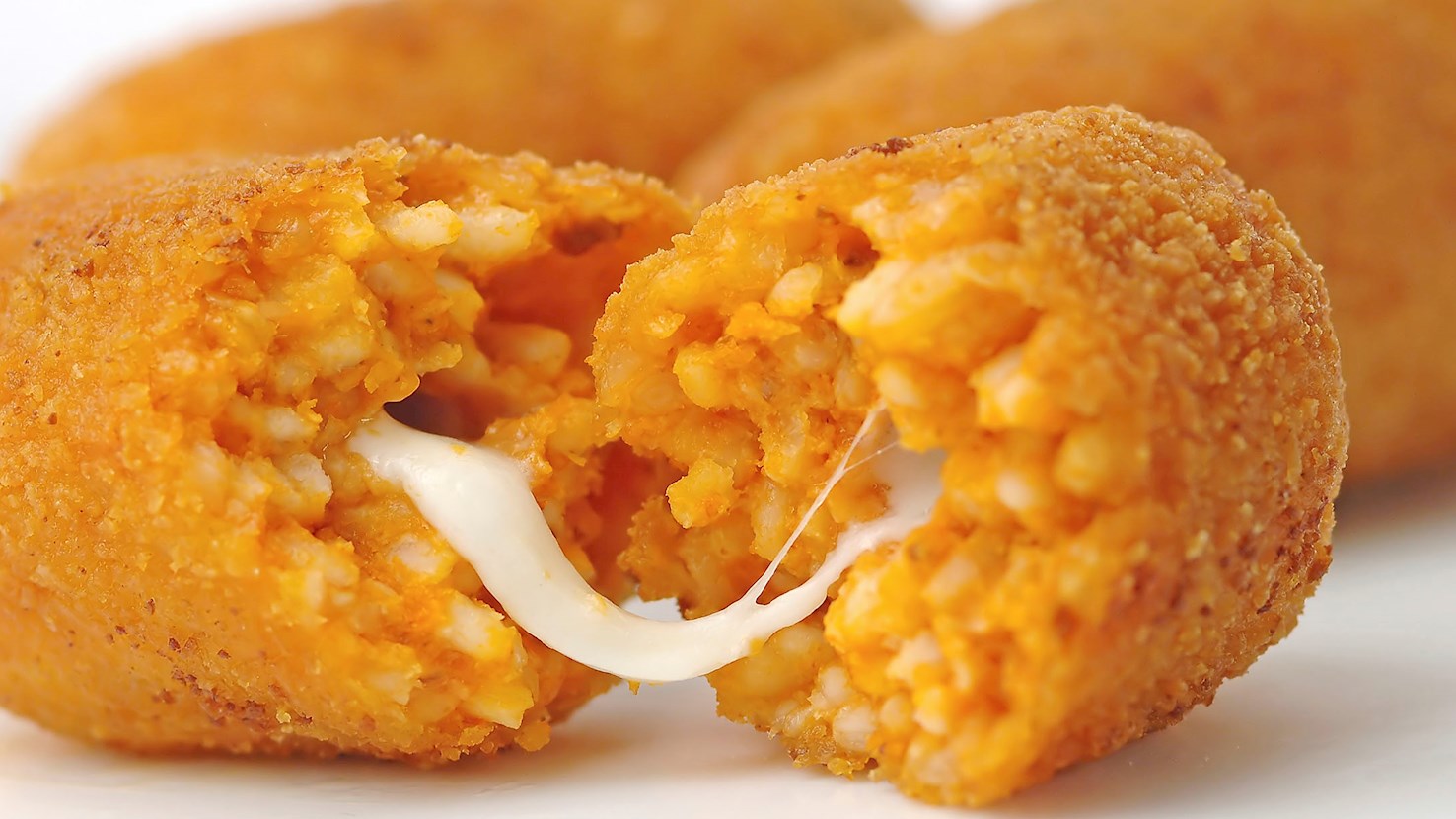
Widely considered to be one of Rome's best street foods, these breaded, deep-fried rice croquettes are in fact quite similar to the Sicilian arancini, but unlike which, Roman supplì are traditionally filled with mozzarella, and the rice is pre-simmered in a tomato-based meat sauce. In Rome, they are popularly known as supplì al telefono, taking their name from an Italianization of the French word for surprise and the long strings of molten cheese that resemble a telephone cord — the surprise that is revealed when you break one of these crispy rice balls open. However, these delectable rice fritters hail back to a time long before the telephone — the name apparently originated during the Napoleonic occupation of Italy in the late 18th century, while the first written mention of supplì was found on the menu of Rome's Trattoria della Lepre from 1874. Back then, they were filled with provatura Romana cheese, chicken giblets, or mincemeat, and were supposedly the favorite afternoon snack of James Joyce, who lived in Rome at the time. Even today, the Roman supplì remains an unmissable crunchy treat for anyone visiting Italy's capitale. They are served in numerous friggitorias - street eateries that serve fried snacks known as fritti, but they have also become a classic antipasto, and are featured on pizzeria and trattoria menus all over town.

08
Pasta

Penne all'arrabbiata

4.0 ·

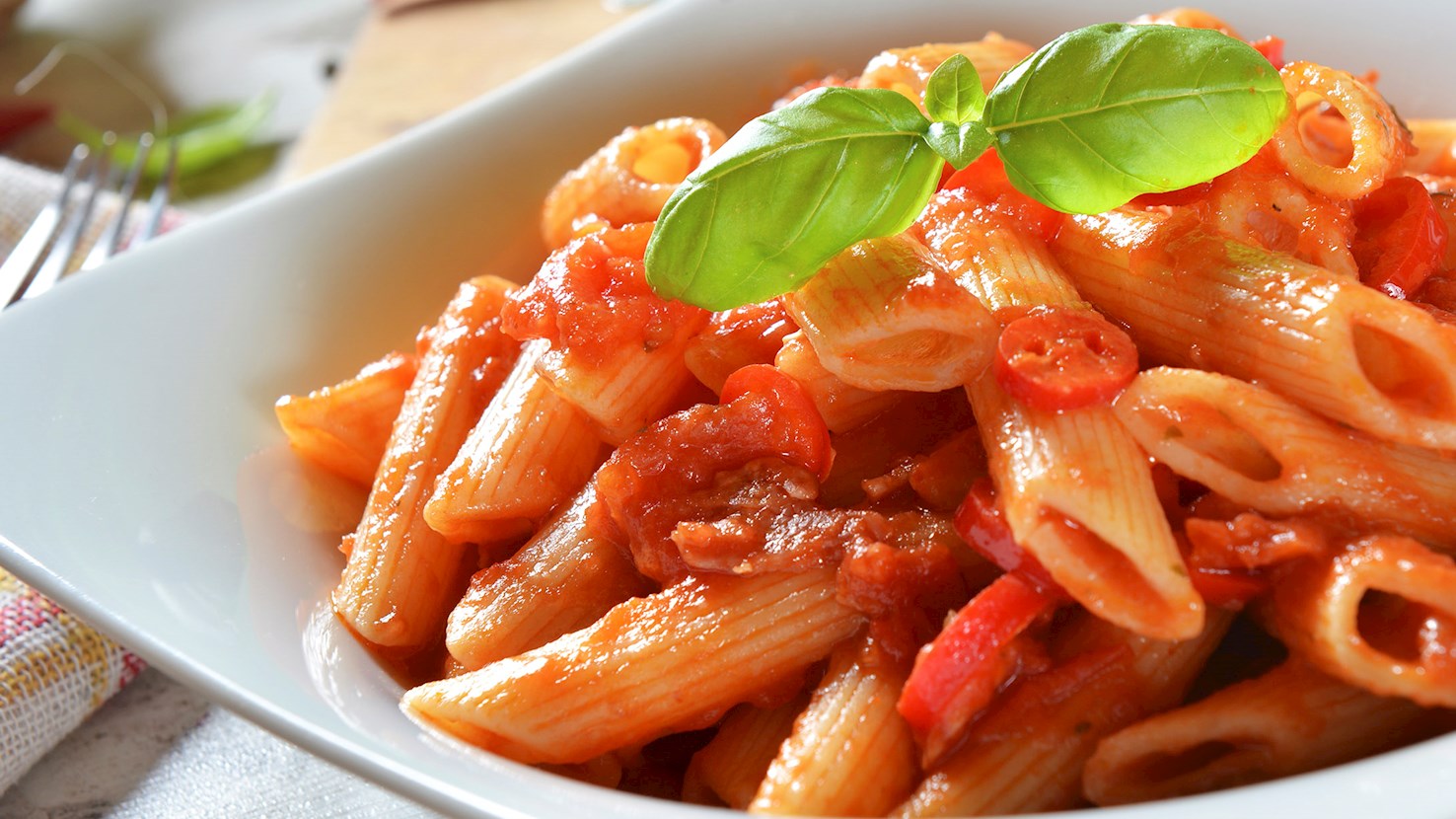
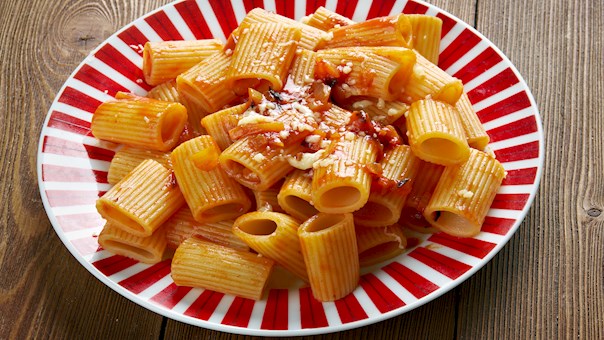
Another classic of Roman cuisine, penne all’arrabbiata is a pasta dish prepared with a fiery hot sauce made with tomatoes, olive oil, garlic, and red chili peppers. As the Italian word arrabbiata literally means angry, this meal is often mistranslated as angry pasta – the name, in fact, refers to the pasta’s intense, spicy sauce, which packs such a punch that it can easily make you red in the face. In the absence of penne, ziti rigati or rigatoni can also be used. Even though it is traditionally enjoyed as an entrée or primo piatto, this simple, yet flavorful pasta recipe certainly holds its own as more than a mere prelude to the main course. And while the history of penne all’arrabbiata remains uncertain, this iconic Italian dish has been immortalized in two famous 1970s films: Federico Fellini’s Roma and Marco Ferreri's La Grande Bouffe.

09
Veal Dish

Saltimbocca alla Romana

4.0 ·

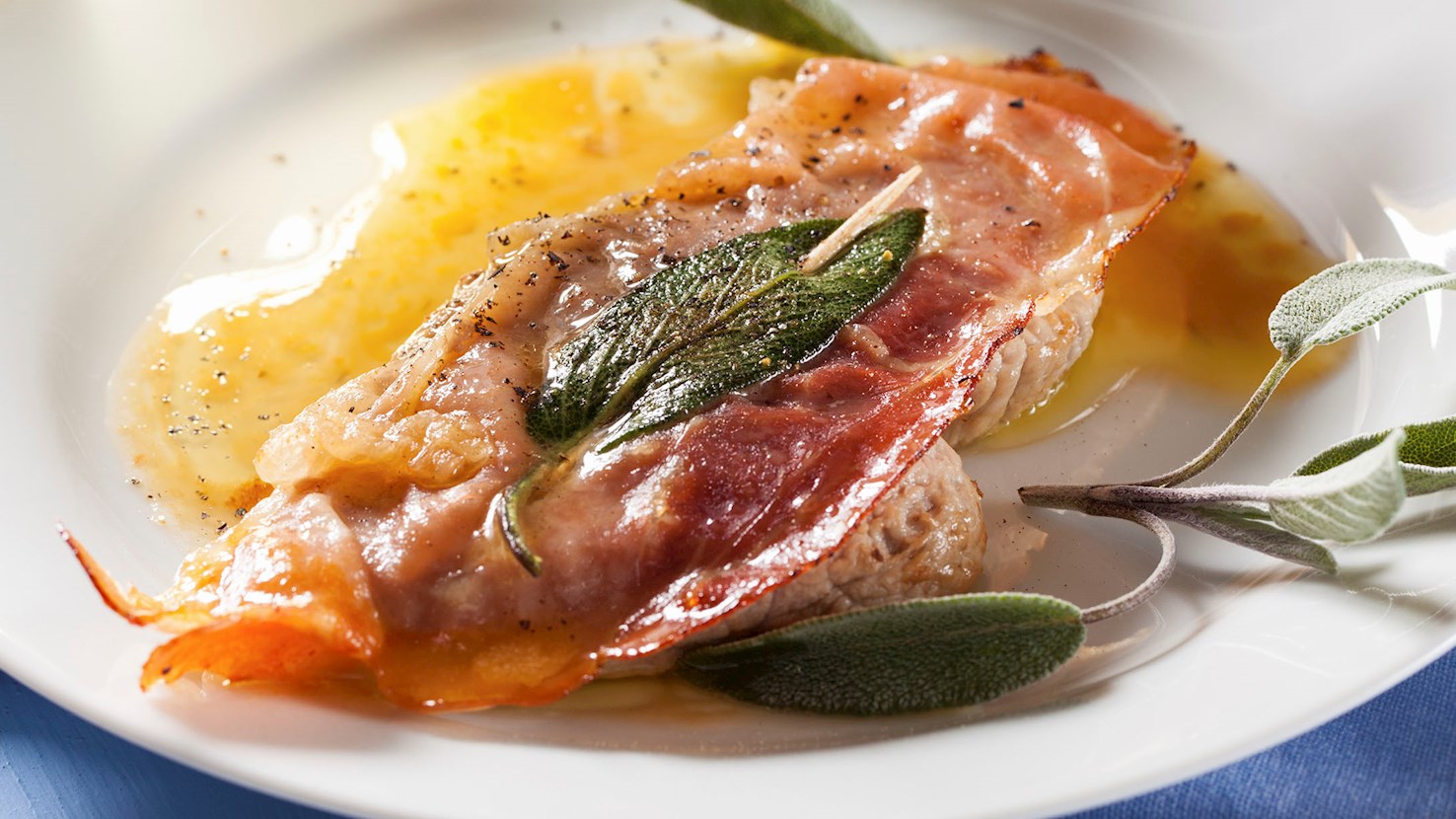
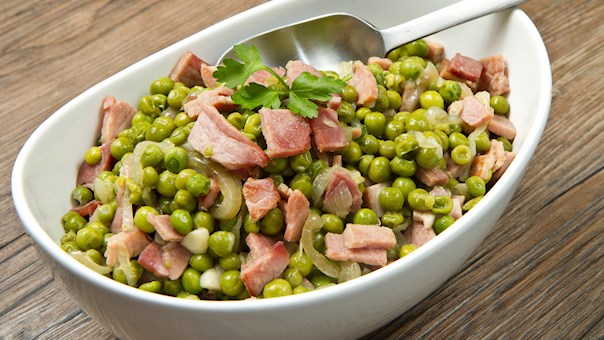
This dish is one of the most traditional Roman dishes, and it is deeply rooted in regional cuisine. The name of this Italian classic comes from salti in bocca, meaning it jumps in the mouth, which is exactly what the flavors of saltimbocca do. The dish consists of tender, pan-fried veal cutlets that are wrapped in Italian prosciutto, flavored with fresh sage, then sautéed in white wine. Even though the original recipe for saltimbocca is supposedly centuries old, the first written trace of this dish was found in Pellegrino Artusi’s 1891 cookbook La Scienza in Cucina e l’Arte di Mangiar Bene, in which he claims to have enjoyed this famed dish at Roman trattoria Le Venete. However, saltimbocca alla Romana is often said to have originated not in Rome, but in Brescia, a Lombardian city nestled at the foot of the Alps, where an almost identical dish dubbed saltimbocca alla Bresciana has been prepared since the early 1800s. Regardless of its true origins, saltimbocca is one of Rome’s favorite secondi piatti today, and it is usually enjoyed with a side of green vegetables such as piselli alla Romana, Roman-style green peas.

10
Pasta

Pasta alla zozzona

3.9 ·

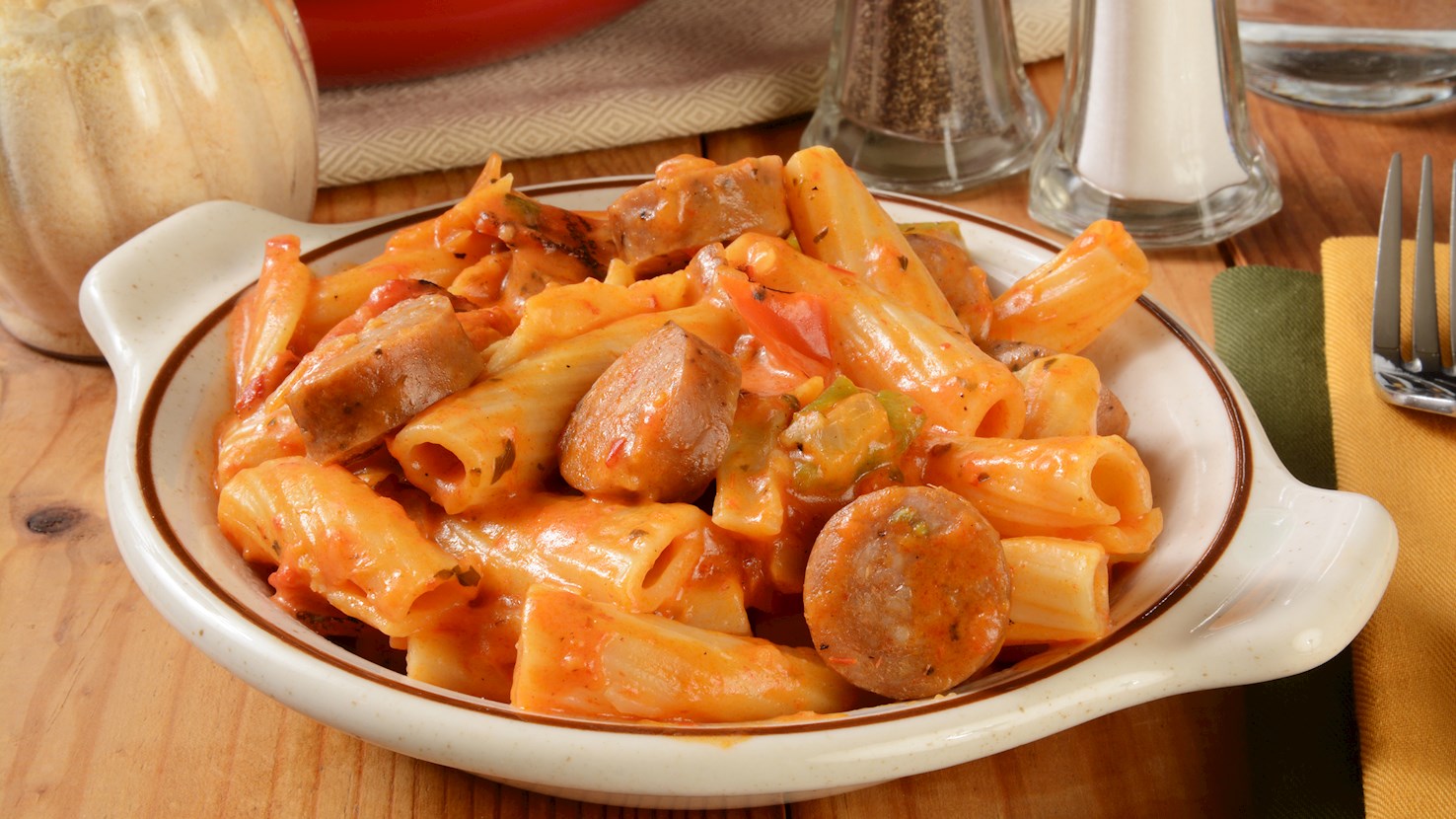
Pasta alla zozzona is a traditional pasta dish originating from Rome. The dish is made with a combination of short pasta such as penne or rigatoni, pork sausage, tomatoes, red wine, olive oil, and grated Pecorino Romano. The sauce is made with all of the ingredients except for the pasta. Once the pasta has been cooked, it’s mixed with the sauce, and the dish is then served with grated Pecorino cheese on top. The word zozzona in the name of the dish means that something is full of everything and it’s hard to describe, referring to the richness of the dish itself.

Best Roman food products

01
Cheese

Formaggi La Quercia

4.9 ·

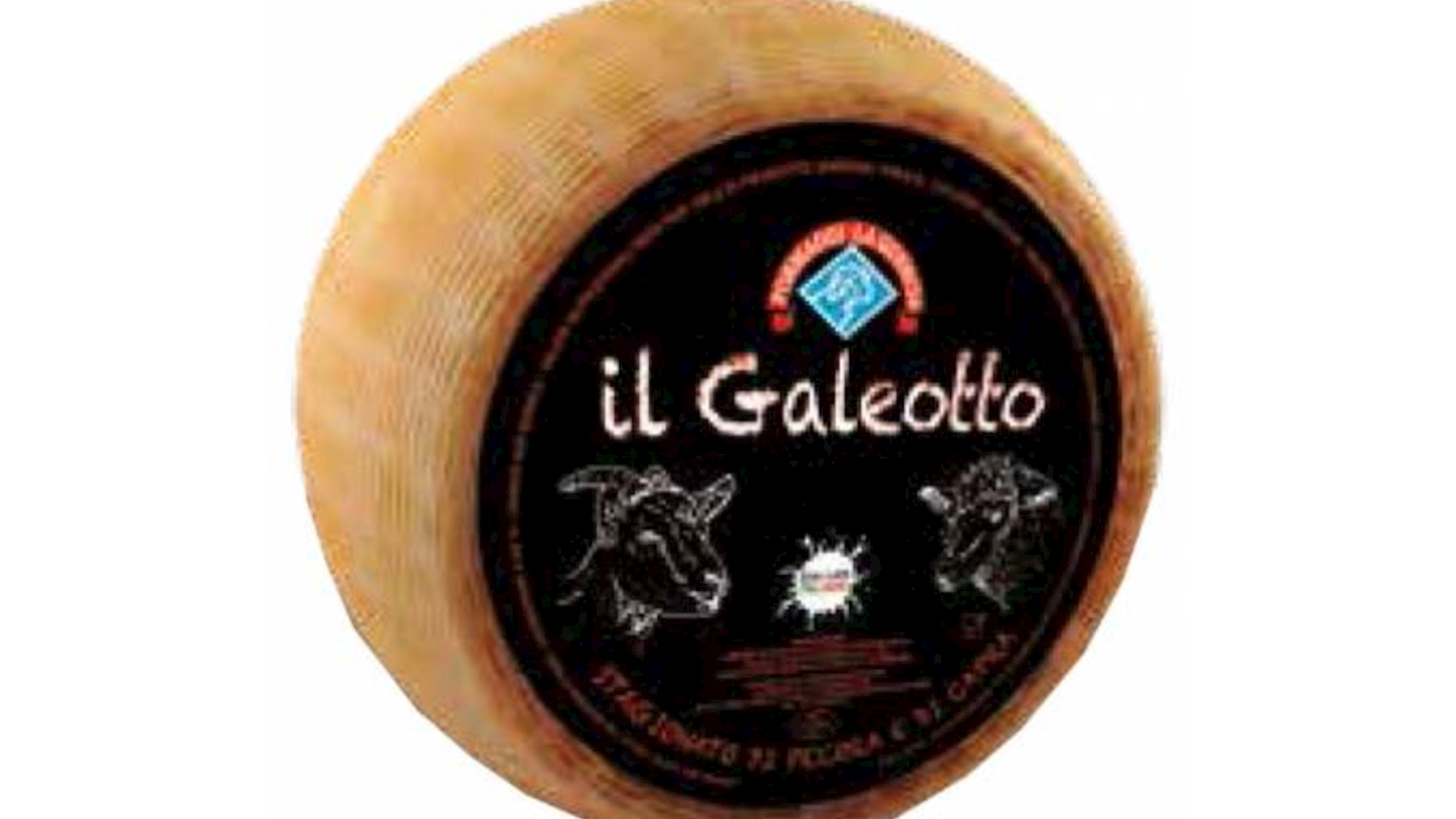
Formaggi La Quercia is a renowned cheese producer located in Guidonia Montecelio, in the Lazio region near Rome. Founded in 1921 by shepherds from the Roman countryside, the dairy has earned a reputation over the years as a producer of high-quality dairy products that blend deep tradition with modern production methods.

Although it started as a small family-run dairy, it has since become synonymous with quality cheeses, emphasizing traditional production techniques while adhering to modern food safety standards. La Quercia annually collects around 4.5 million liters of milk from carefully selected farms across five districts in the Lazio region. These farms use traditional livestock farming methods, which allows the dairy to produce high-quality dairy products.

The dairy is particularly known for its expertise in producing Ricotta Romana DOP, as well as various types of pecorino and goat cheeses, which reflect the richness and authenticity of local food. For its products, La Quercia uses only the finest raw materials, with much of the production process based on artisanal techniques. This ensures that each product has a unique and rich flavor.

Awards
World Cheese Awards - Gold (2023)
02
Canned Fish

Manaide

4.8 ·

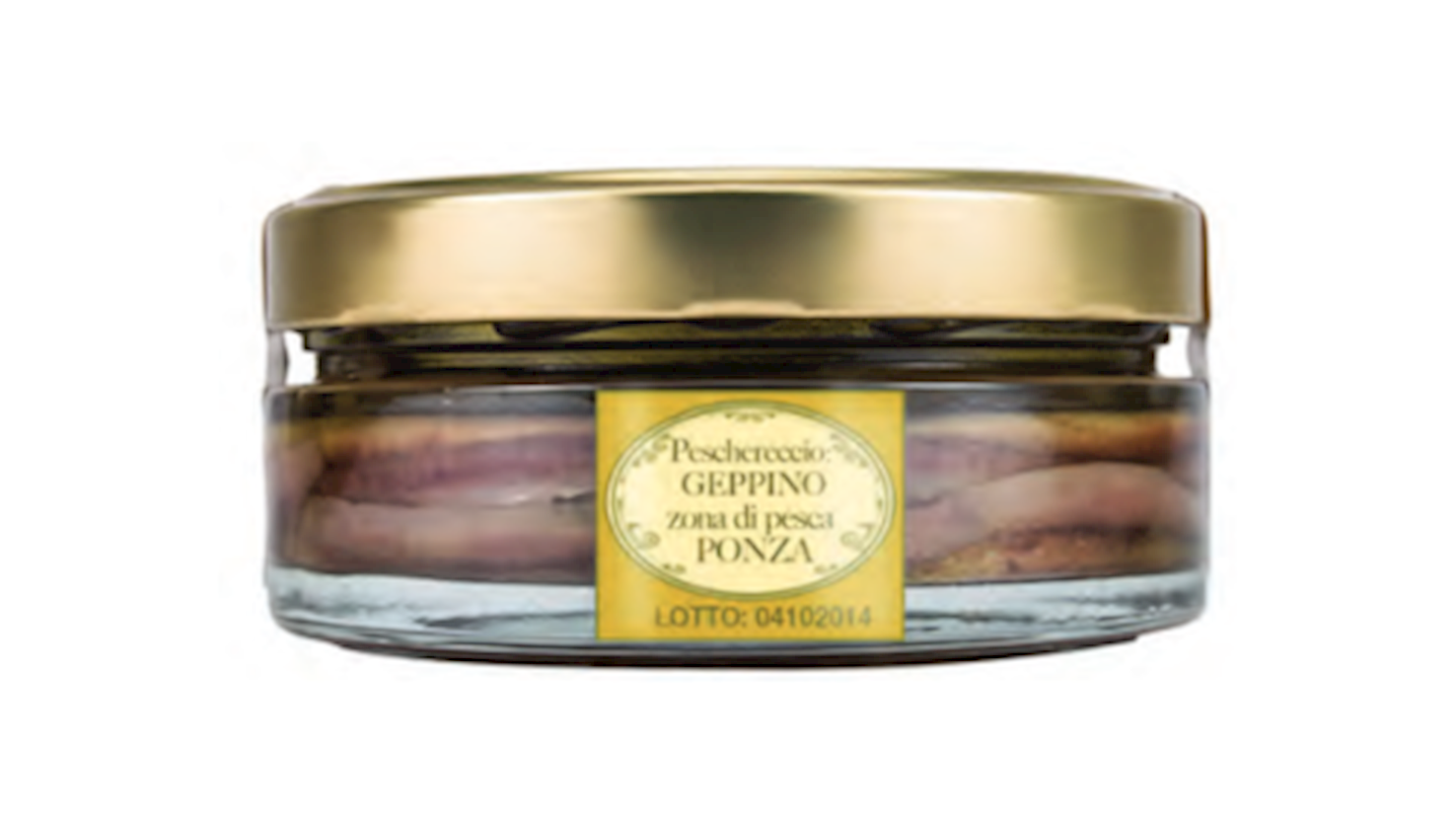
Manaide is an Italian artisanal producer of traditional seafood preserves based in Anzio, a historic fishing town on the coast of the Lazio region. The company operates as a small craft workshop dedicated to producing high-quality fish preserves using sustainably sourced seafood caught in the local Tyrrhenian Sea.

Its philosophy is built around respect for marine biodiversity, seasonality, and traditional preservation methods that highlight the natural qualities of the fish. Manaide focuses on small-batch production, careful hand processing, and the use of selected ingredients, including premium extra virgin olive oil and Mediterranean herbs.

The company works primarily with locally caught species, emphasizing traceability and freshness while supporting responsible fishing practices. Inspired by the rich maritime heritage of Anzio, a port with fishing traditions dating back to ancient Rome, Manaide combines regional identity with a modern commitment to sustainability.

Its products are designed for consumers seeking authentic Mediterranean flavors and gourmet seafood specialties crafted with attention to quality and environmental responsibility.

03
Meat Product

Volpetti Salumeria Storica

4.8 ·

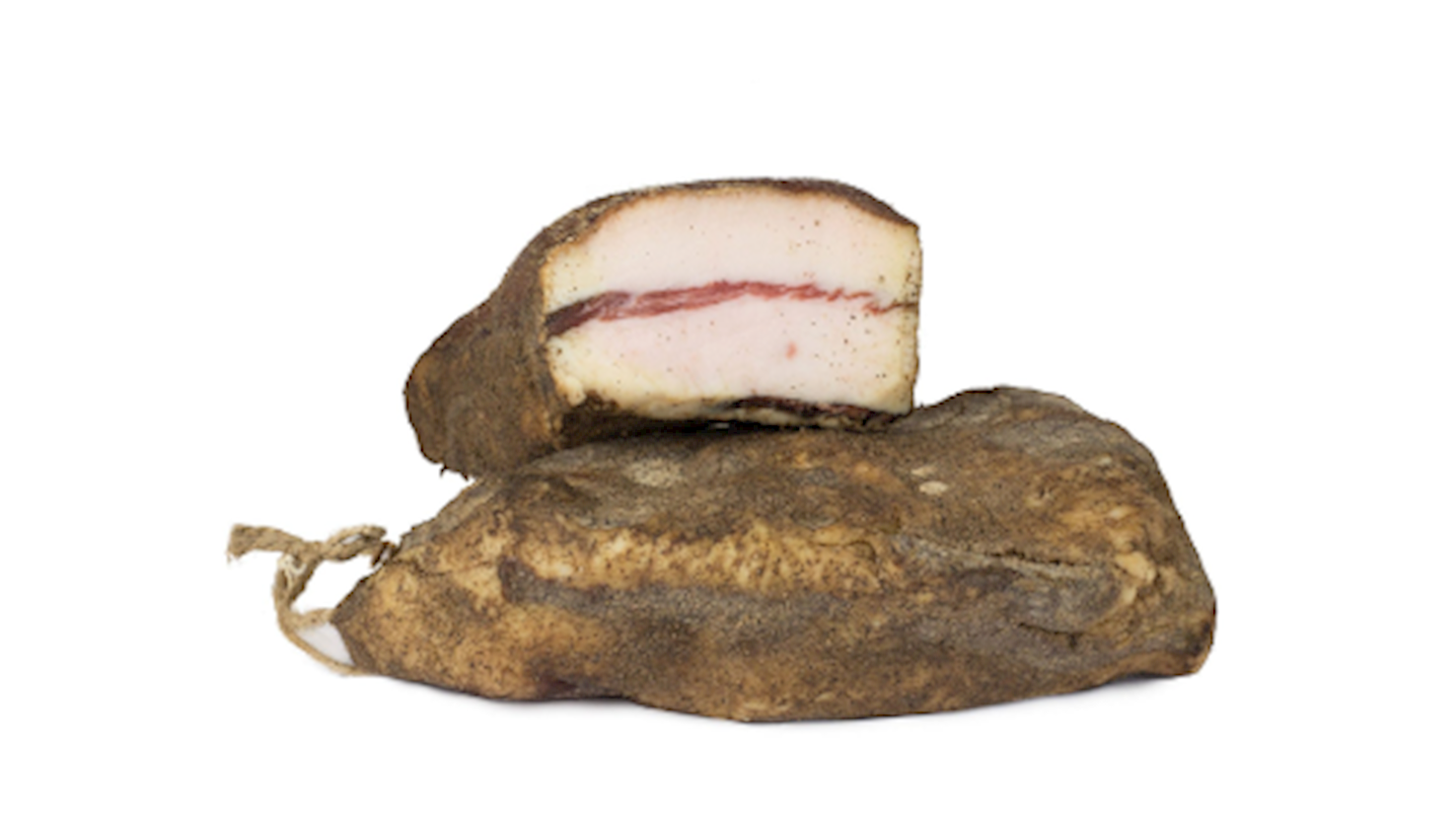
This family-run shop, with a tradition spanning over 150 years, nurtures the true art of crafting and selling authentic Italian gastronomic specialties. Volpetti is a symbol of authenticity, dedication, and an unwavering commitment to natural methods, local ingredients, and the seasonal rhythm of production. Within Volpetti, you'll also find Pizzic'Osteria - a charming bistro where guests can savor dishes prepared according to traditional recipes, accompanied by carefully selected wines from their own collection.

Pizzic'Osteria offers not just a meal, but an experience - a moment where aromas, flavors, and the welcoming Roman atmosphere come together. A special highlight is Il Grottino, a hidden gem located in restored historic cellars, where salami and cheeses mature under perfect conditions, far from the hustle and bustle of the city. There, time works its magic, slowly shaping the aroma and texture of each product to perfection.

04
Biscuit

Biscotti Gentilini

4.7 ·

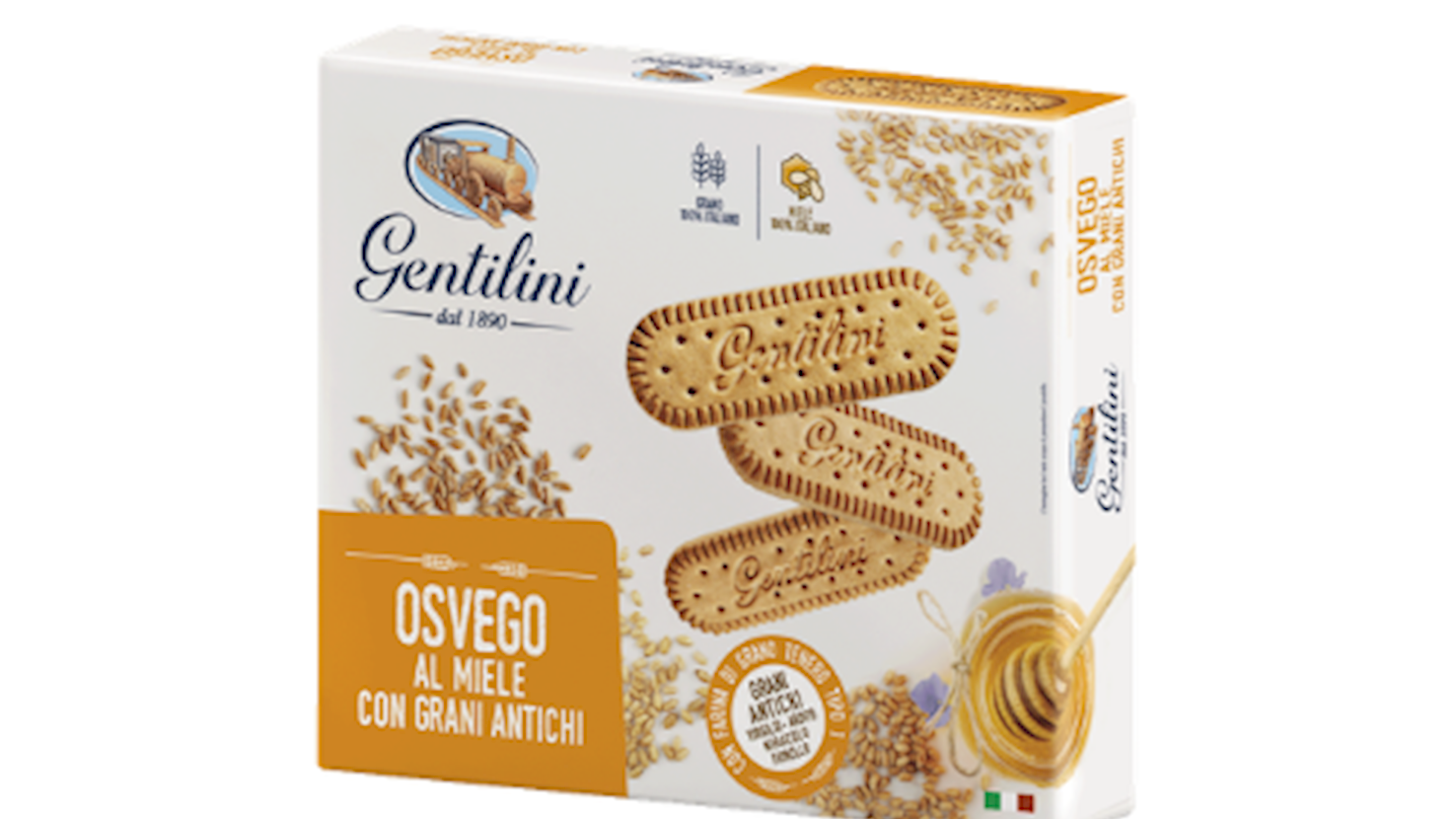
Biscotti Gentilini is an Italian biscuit manufacturer founded in 1890 in Rome, known for its long-standing tradition of producing classic everyday baked goods. The company began as a small bakery and gradually developed into one of the historic names in the Italian biscuit sector, while maintaining continuity in its original recipes.

Its range includes breakfast biscuits, dry cookies, wholegrain varieties, and options without added sugar, with a focus on balanced flavor and consistent texture. Iconic products such as the “Osvego” biscuit have become closely associated with the traditional Italian breakfast, typically enjoyed with milk or coffee.

The flavor profiles are straightforward and well-defined, highlighting notes of wheat, butter, and mild sweetness without excessive flavoring. Although production is industrial in scale, the brand emphasizes recipe stability and reliable ingredient quality.

Gentilini positions itself as a heritage biscuit producer with a strong identity linked to Rome’s culinary history.

05
Canned Fish

Pollastrini

4.7 ·

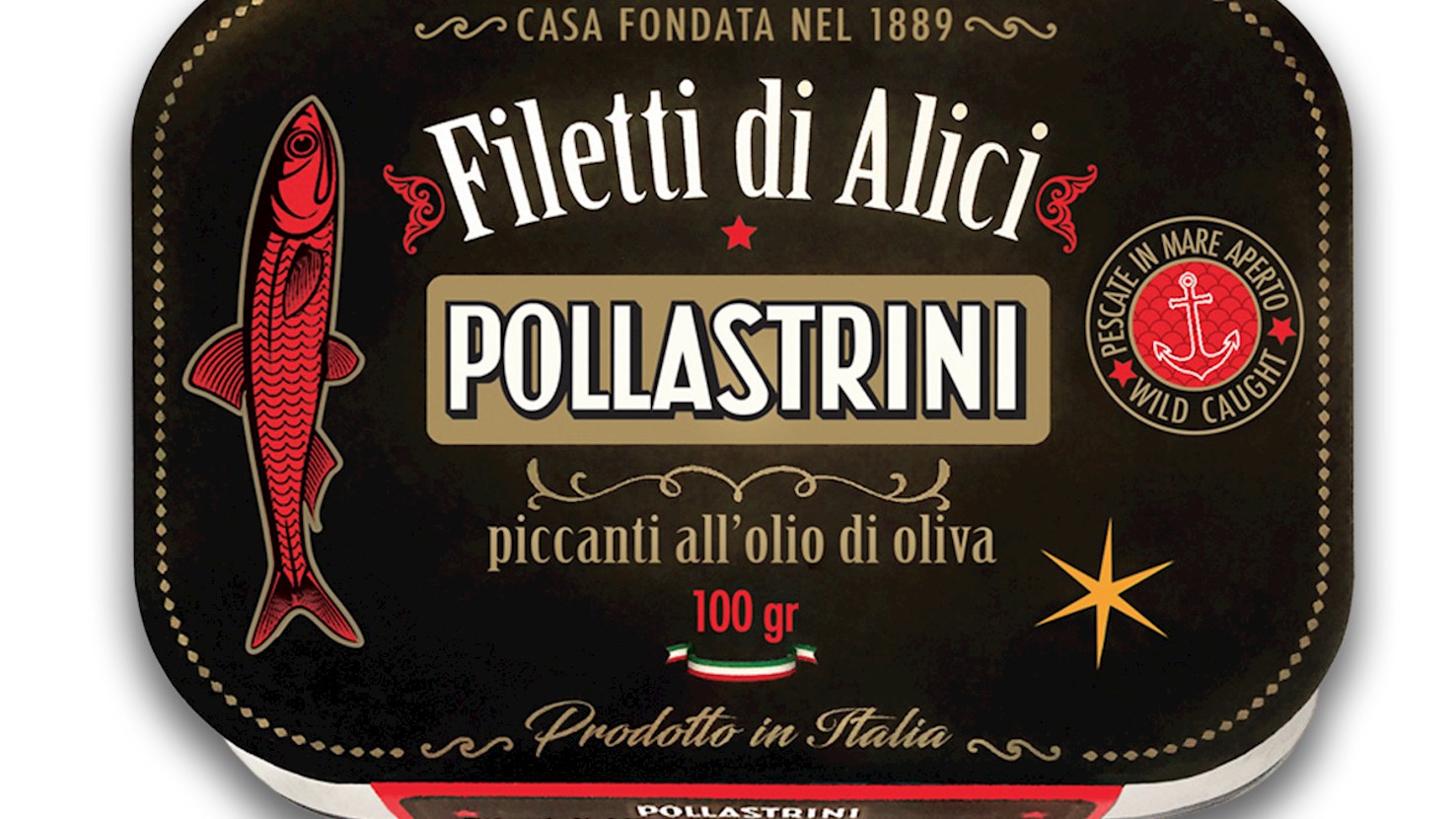
Pollastrini is an esteemed Italian brand renowned for its high-quality canned sardines, especially Sardine in Salsa Piccante (spicy sardines), which are popular for their bold, distinctive flavor. Founded in 1889, the brand maintains traditional methods, hand-packing sardines and using fresh Mediterranean fish sourced near Anzio, Italy.

Pollastrini's products are preserved in olive oil with a mix of spices, following recipes that have been cherished for over a century. The brand is celebrated for offering an authentic Italian canned seafood experience, appreciated in gourmet circles worldwide.

Awards
World's 101 Best Canned Products from the Sea - Top 10 Anchovies (2024)
06
Olive Oil

Ditta Alessandro Musco

4.7 ·

Ditta Alessandro Musco is an olive oil producer based in Rome. The company specializes in producing high-quality extra virgin olive oil.

Their production process emphasizes traditional methods and sustainability.

Awards
Terraolivo IOOC - Prestige Gold (2019, 2017)
07
Liqueur

Molinari

4.6 ·

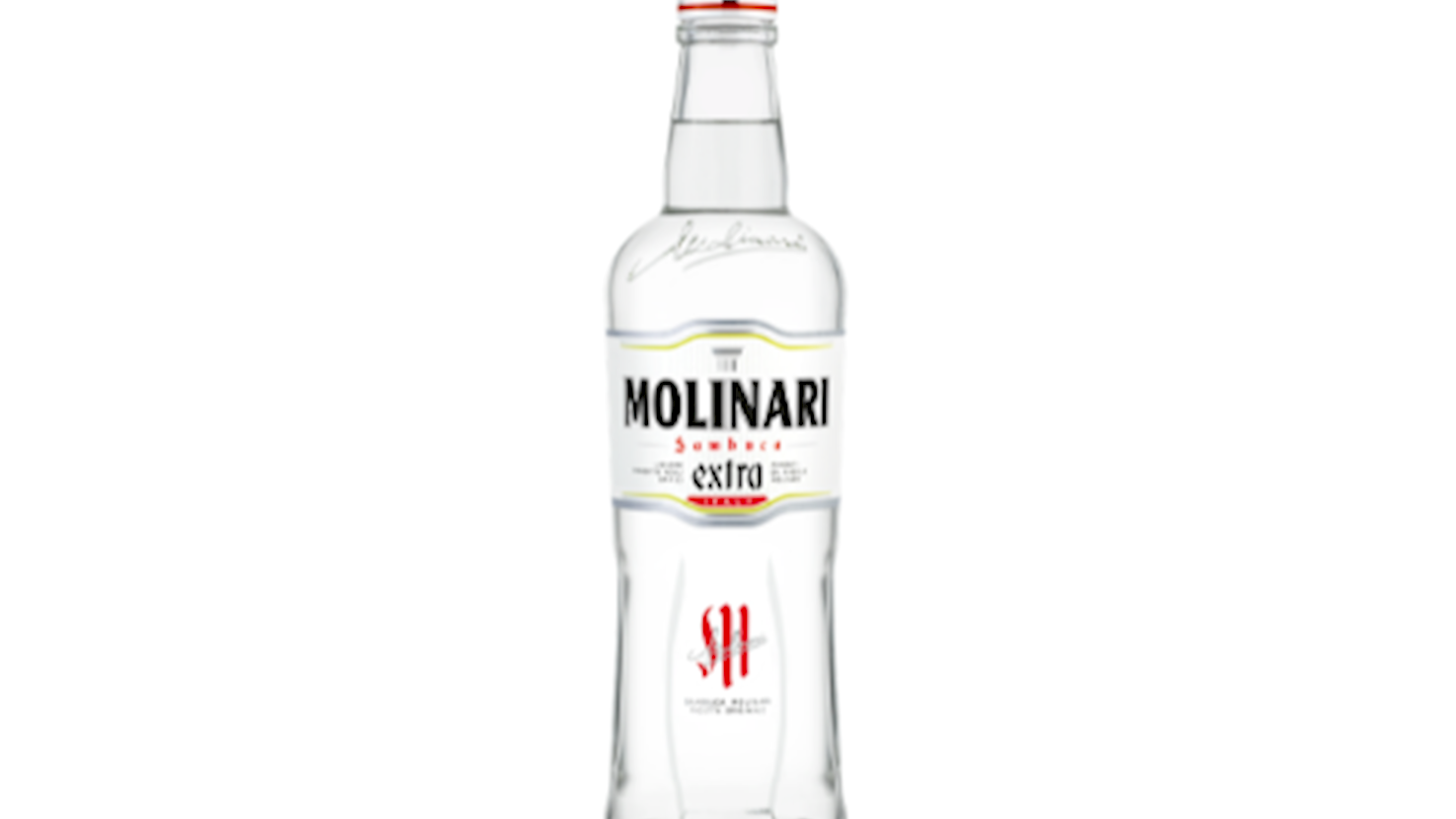
Molinari is an Italian company specialized in the production of anise-based liqueurs, best known for its Sambuca Extra, which has been produced since 1945. The brand was founded by Angelo Molinari in Civitavecchia with the aim of creating a sambuca of consistent quality and a distinctive aromatic profile based on star anise and carefully selected herbal extracts.

The original recipe remains a core element of the company’s identity and the foundation of its market recognition. Over the decades, Molinari has built a strong position both in the Italian market and internationally, where sambuca is commonly consumed as a digestif, neat, over ice, or served with three coffee beans – the traditional style known as “con la mosca”.

In addition to the classic version, the portfolio includes variations such as coffee-infused liqueurs, expanding the flavor range while preserving the characteristic anise structure. The company emphasizes production continuity, quality control, and the preservation of its original style, alongside updates in packaging and brand communication.

Production takes place in Italy, with a clear focus on flavor consistency and maintaining a long-standing reputation within the traditional Italian liqueur category.

08
Pasta Variety

Pastificio Secondi

4.6 ·

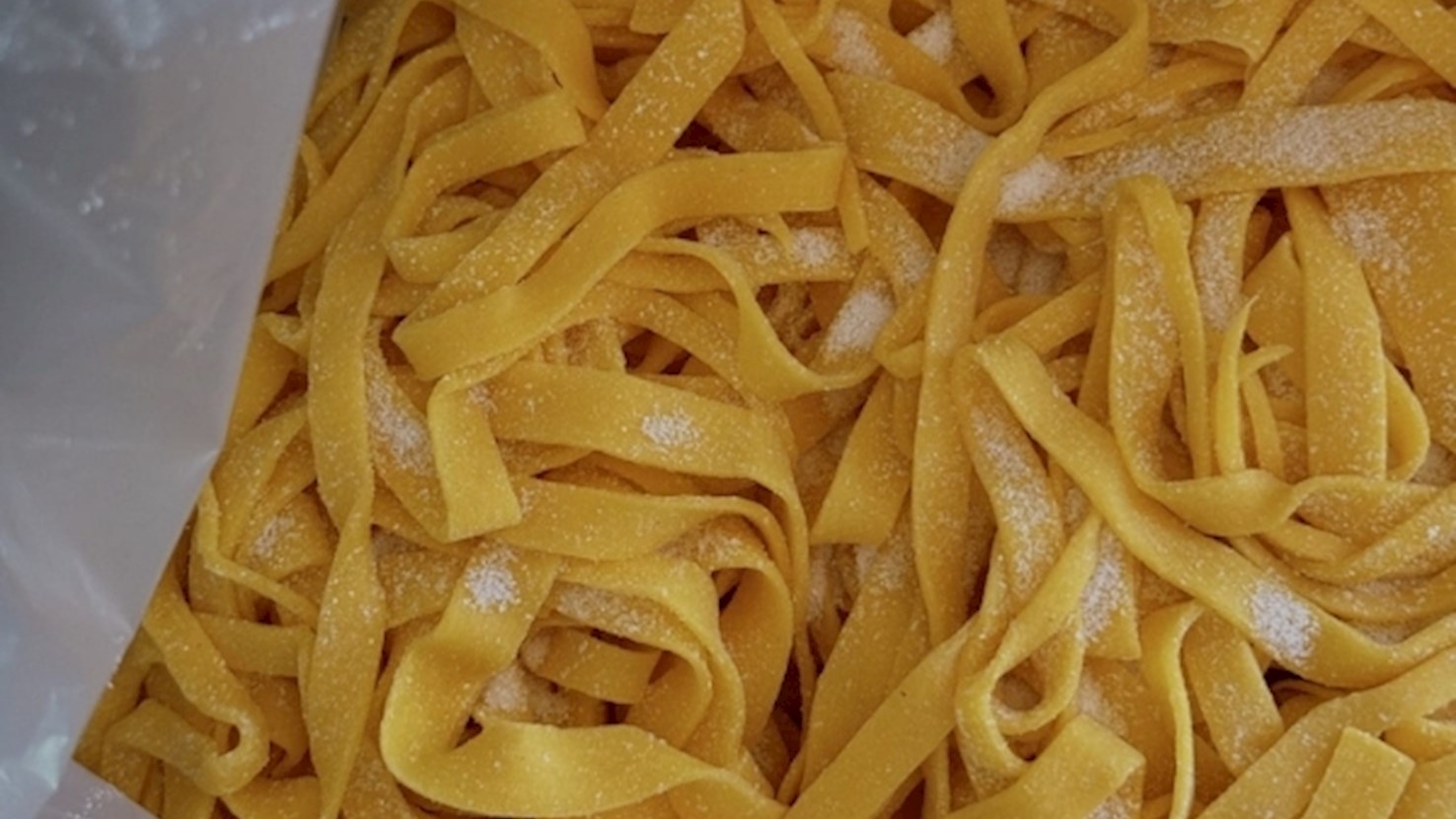
Pastificio Secondi is a family-run fresh pasta workshop based in Rome, founded in 1985, specializing in the artisanal production of traditional Italian pasta formats. The focus is on daily preparation of fresh pasta without preservatives or artificial additives, using carefully selected ingredients such as durum wheat flour, fresh eggs, ricotta, seasonal vegetables, and regional cheeses.

The range includes classic shapes like tagliatelle, fettuccine, and gnocchi, as well as filled varieties such as ravioli and tortelli with diverse fillings. The dough is thinly rolled and elastic, delivering a defined texture once cooked, while the fillings are developed to maintain balance between pasta and stuffing.

Production remains small-scale, emphasizing freshness and short distribution chains. Within the Roman culinary context, Pastificio Secondi is regarded as a reliable producer of fresh pasta for both home consumers and professional kitchens.

09
Cheese

Formaggi Boccea

4.6 ·

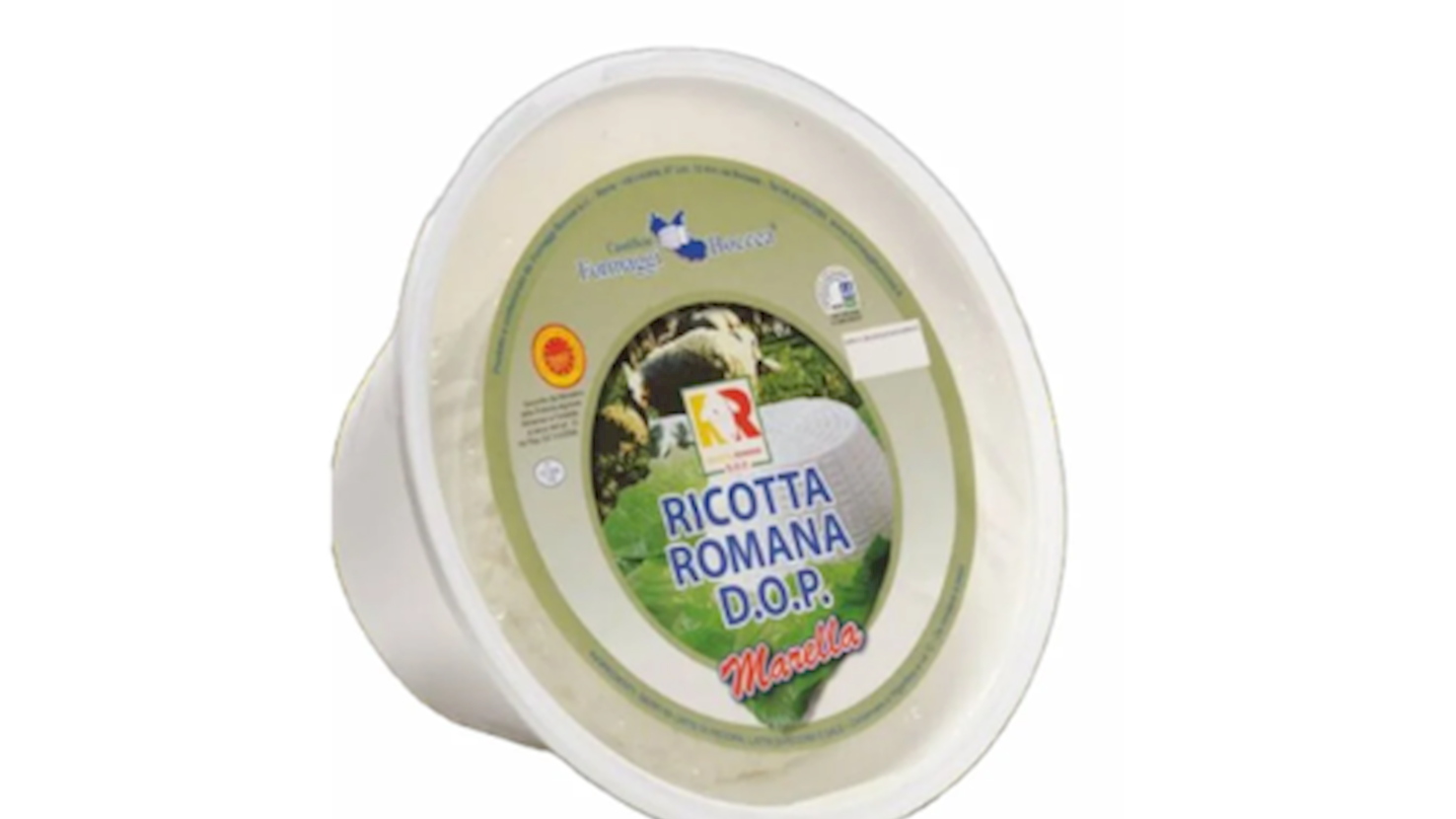
Formaggi Boccea is a Roman family-owned dairy established in the 1970s, when the Marella family decided to process their own sheep’s milk into cheese within their dedicated caseificio, maintaining direct control over raw materials and production quality. The company is closely linked to the cheesemaking tradition of the Lazio region and specializes in cheeses and ricotta made from pure sheep’s milk, including Ricotta Romana DOP and a range of fresh and semi-aged caciotta cheeses.

Their products are characterized by clean lactic notes, balanced salinity, and a well-defined milk-driven flavor profile that reflects the quality of the source milk. In addition to sheep’s milk cheeses, the assortment includes goat and mixed-milk varieties developed to achieve different textures and aromatic expressions.

Production combines traditional cheesemaking methods with modern technology to ensure consistency and food safety without compromising authenticity. The range is suited both to everyday consumption and to professional gastronomy, particularly within the context of Roman cuisine.

Formaggi Boccea positions itself as a producer rooted in local identity, family heritage, and steady quality within the sheep’s milk cheese sector of central Italy.

10
Wine

Villa Pinciana

4.6 ·
Awards
Decanter World Wine Awards - Platinum (2019)
Read more
View all
View map
About this ranking

TasteAtlas food rankings are based on the ratings of the TasteAtlas audience, with a series of mechanisms that recognize real users and that ignore bot, nationalist or local patriotic ratings, and give additional value to the ratings of users that the system recognizes as knowledgeable. For the “Top 44 Roman Foods” list until July 22, 2026, 5,470 ratings were recorded, of which 4,627 were recognized by the system as legitimate. TasteAtlas Rankings should not be seen as the final global conclusion about food. Their purpose is to promote excellent local foods, instill pride in traditional dishes, and arouse curiosity about dishes you haven’t tried.

The initial list of top producers was compiled based on available reviews, awards, local recommendations, media and blog coverage, and consumer reviews. The list will be updated with ratings from TasteAtlas local ambassadors and TasteAtlas users.

Similar lists