Top 8 Spanish Herbal Liqueurs

Last updated on June 10, 2026

Best Spanish Herbal Liqueurs
01

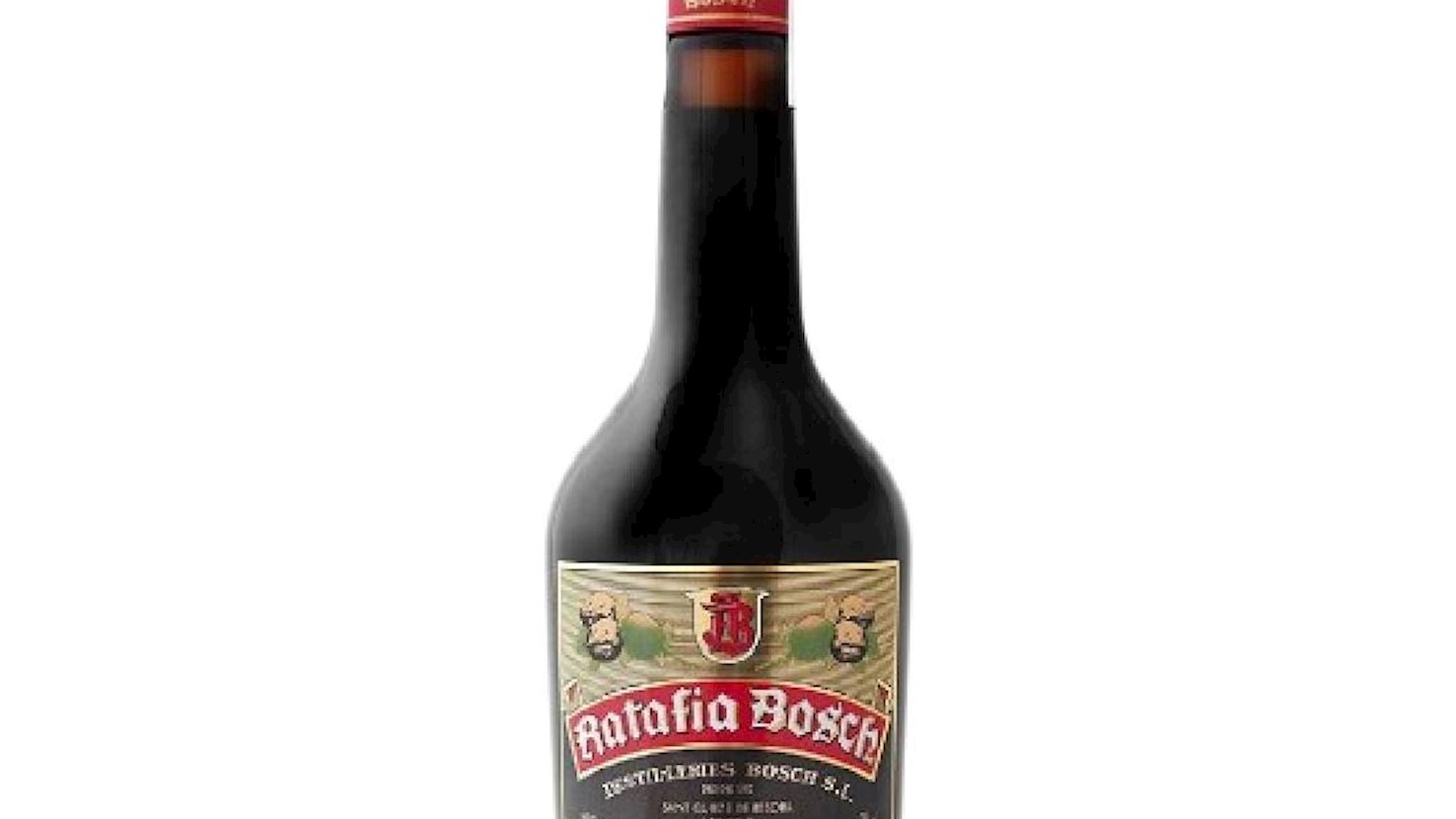
Destil·leries Bosch

4.8 ·
Destil·leries Bosch is a name spoken in Catalonia with respect and affection, as every bottle reflects more than a century of family dedication and craftsmanship. Since 1892, the distillery has carefully preserved its secret recipe, passed down from generation to generation. Green walnuts and a selection of aromatic herbs are macerated in aguardiente and then aged in oak barrels, giving the liqueur its distinctive depth and harmony. Each drop of Ratafia Bosch carries the spirit of Catalan homes and the warmth of the shared table, where the drink has long been enjoyed as a symbol of friendship and celebration. Today, just as over a hundred years ago, the family remains faithful to tradition while also embracing new expressions and innovations that enrich their range. Ratafia Bosch is not just a liqueur – it is a symbol of identity, a culture in a glass, and a memory that endures.
02

Licors Portet 1883

4.8 ·
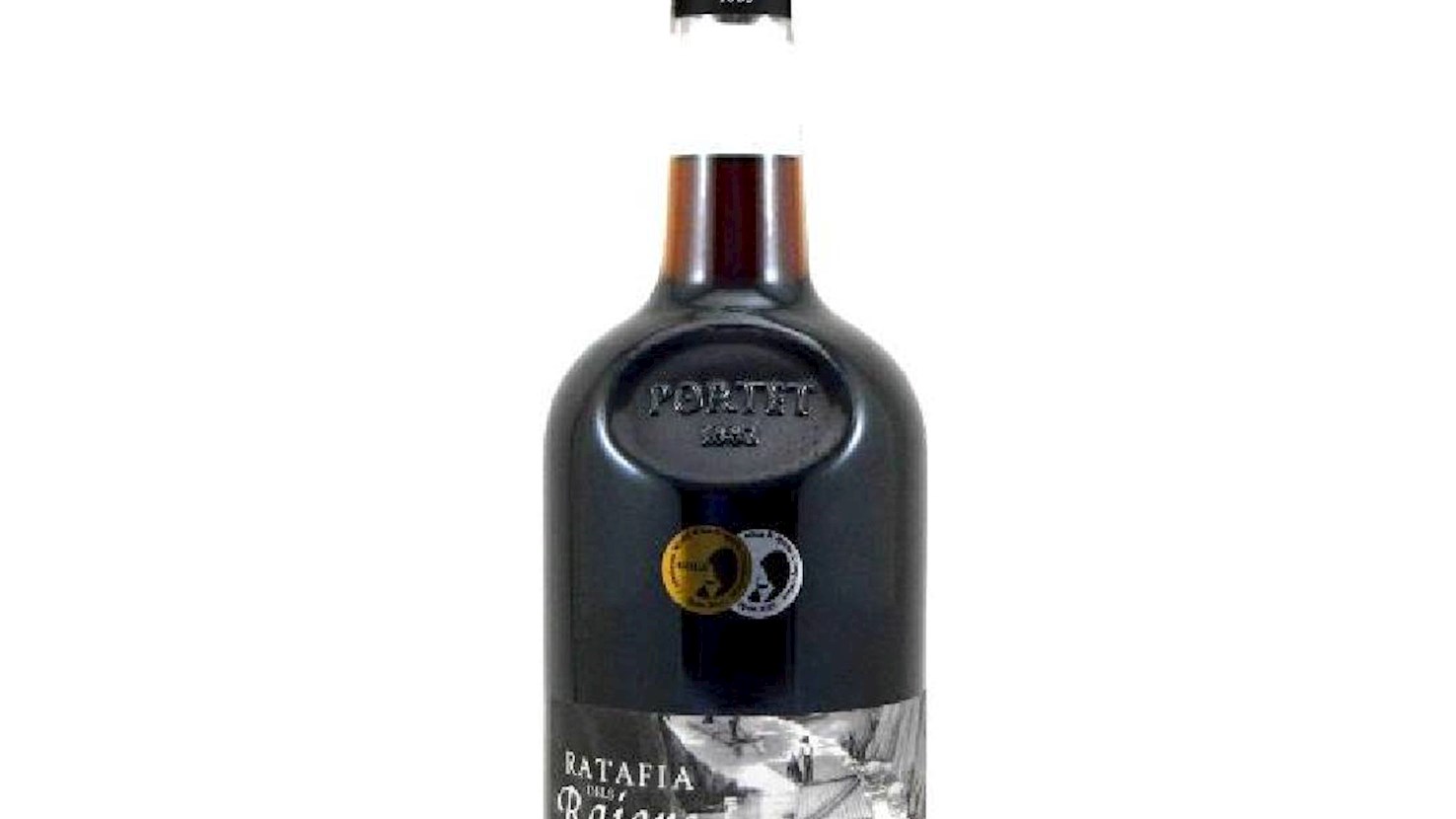
Licors Portet is a family-owned distillery from La Pobla de Segur that has been preserving the tradition of Catalan liqueur making since 1883. Founded by the Ribera brothers and later carried forward by the Portet family, the distillery has remained faithful to age-old recipes and artisanal methods passed down through generations. Their most emblematic creation, Ratafia dels Raiers, is made by macerating green walnuts and aromatic herbs, a process guided by patience and care that ensures its depth and complexity. Beyond ratafia, they craft a wide range of liqueurs from fruits, mountain herbs, and spices—such as cassis, pacharán, fir leaf, orange, and licorice liqueurs. Each expression reflects a strong bond with the natural landscapes of the Pyrenees, where carefully selected ingredients lie at the heart of their character. Licors Portet is not only a place of production but also a guardian of culture and tradition—its Espai Ratafia museum preserves a collection of more than 100 bottles of ratafia, along with historic equipment and labels that tell the story of this craft. The distillery warmly welcomes visitors, offering guided tours and tastings that allow guests to experience firsthand the authenticity and passion behind their work. Over the decades, Licors Portet has become a symbol of tradition, quality, and family dedication.
Awards
Catavinum World Wine & Spirits Competition - Gold (2015)
Superior Taste Awards - 1 Star (2022)
03

Xavier Codina

4.7 ·
The Xavier Codina Distillery in Olot carries more than a century of tradition and dedication to the art of liqueur making. Since 1903, this family-run house has carefully preserved the craft of ratafia, blending natural ingredients with skills passed down through generations. Their philosophy is rooted in authenticity and respect for ancestral methods, making every bottle more than just a drink—it is a testament to history, patience, and a deep connection to the land. In the heart of La Garrotxa, Xavier Codina Distillery unites tradition and nature to create products that embody the warmth, character, and spirit of Catalonia.
04

Sol i Serena

4.6 ·
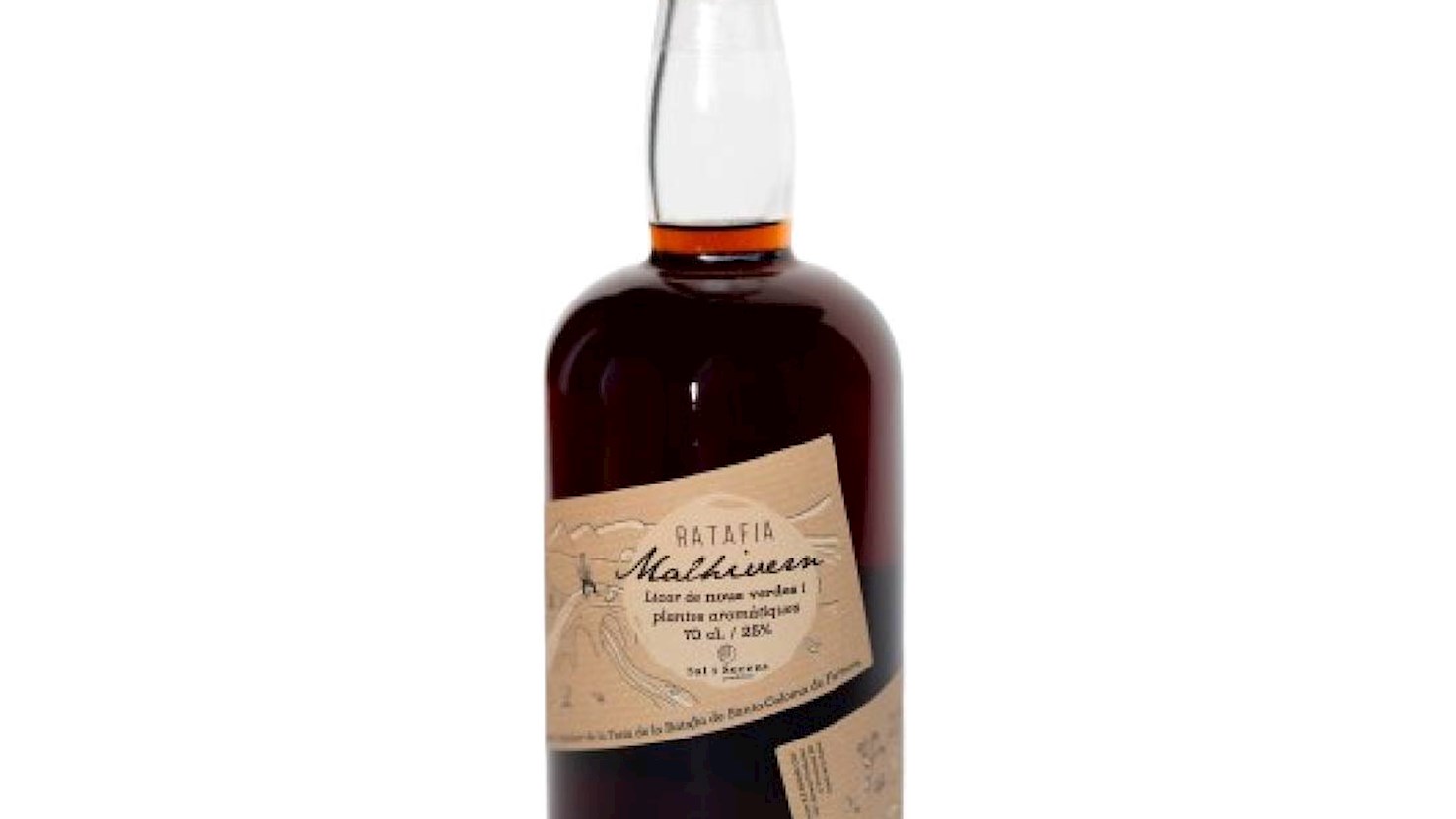
Sol i Serena is a family-run distillery founded in 2019 with the mission of preserving and sharing the authentic tradition of Catalan ratafia. The project grew from a recipe handed down through generations of the Ple and Mestras family, treasured and perfected over time. Their flagship product, Malhivern ratafia, has its roots in this family formula, awarded at festivals in Santa Coloma de Farners. Sol i Serena is more than a brand; it is a story of dedication, resilience, and love for the land. The company also embraces social responsibility, supporting projects such as HealthUsNepal, which reflects their values of care and solidarity.
05

La Sobirana

4.5 ·
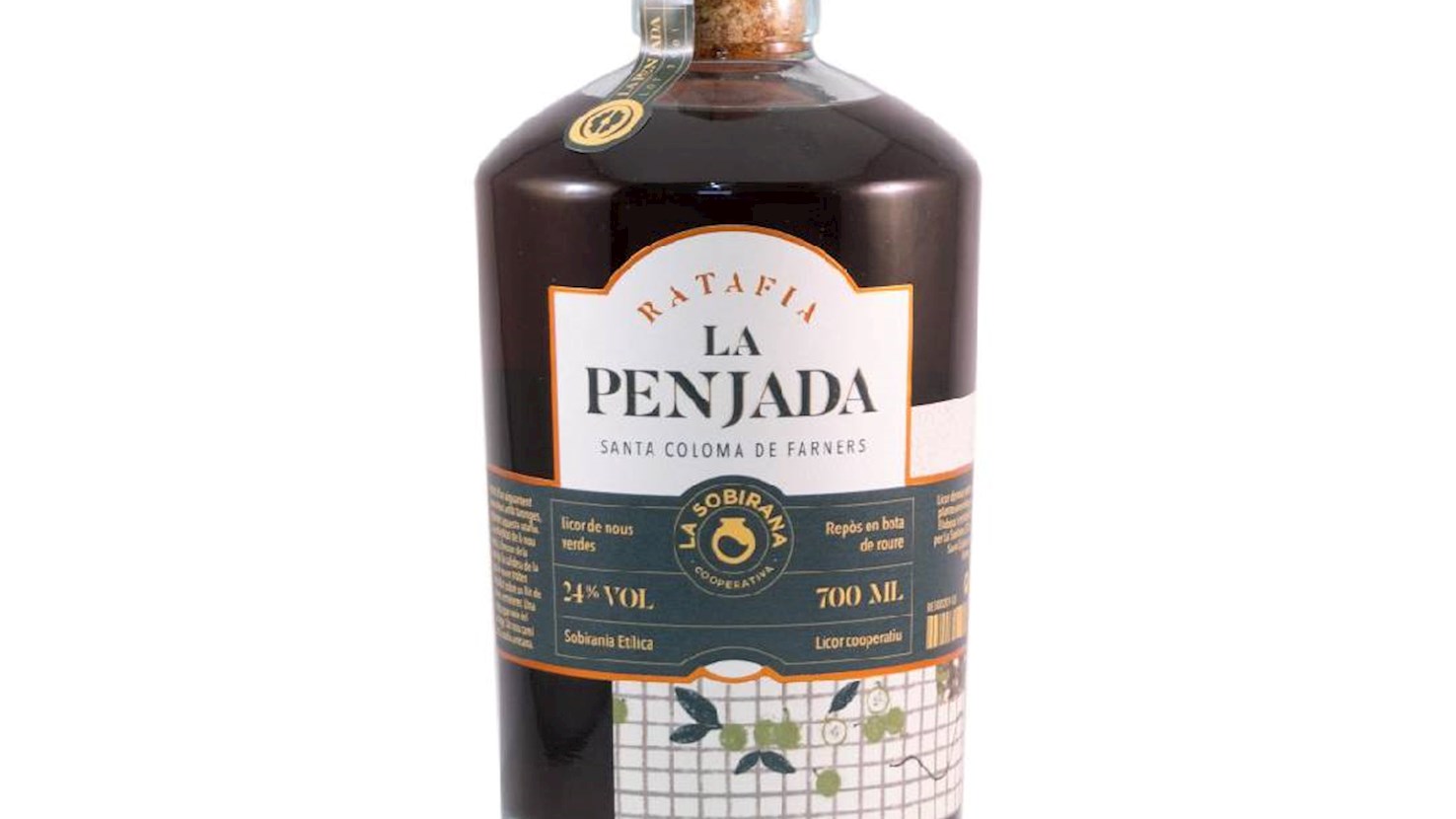
La Sobirana is a workers’ cooperative founded in 2018 in Santa Coloma de Farners, the town known as the capital of ratafia. It was born from the desire to protect and renew the tradition of this emblematic Catalan liqueur in a modern, collective, and socially responsible way. Unlike conventional distilleries, La Sobirana is built on a cooperative model, where work and decisions are shared among its members, and profits are reinvested into the community and new projects. Their most emblematic creation is La Penjada, the first cooperative ratafia, crafted with local ingredients and the shared passion of people united around the same idea. Beyond production, the cooperative organizes workshops, tastings, and cultural activities, creating a space for encounters, learning, and exchange. In this way, La Sobirana is not only making liqueurs but also building community—promoting sustainability, solidarity, and a deep love for local tradition. Today, La Sobirana stands as more than just a producer: it is a symbol of collective work, creativity, and loyalty to one of Catalonia’s most distinctive flavors.
06

Santuari del Miracle

4.5 ·
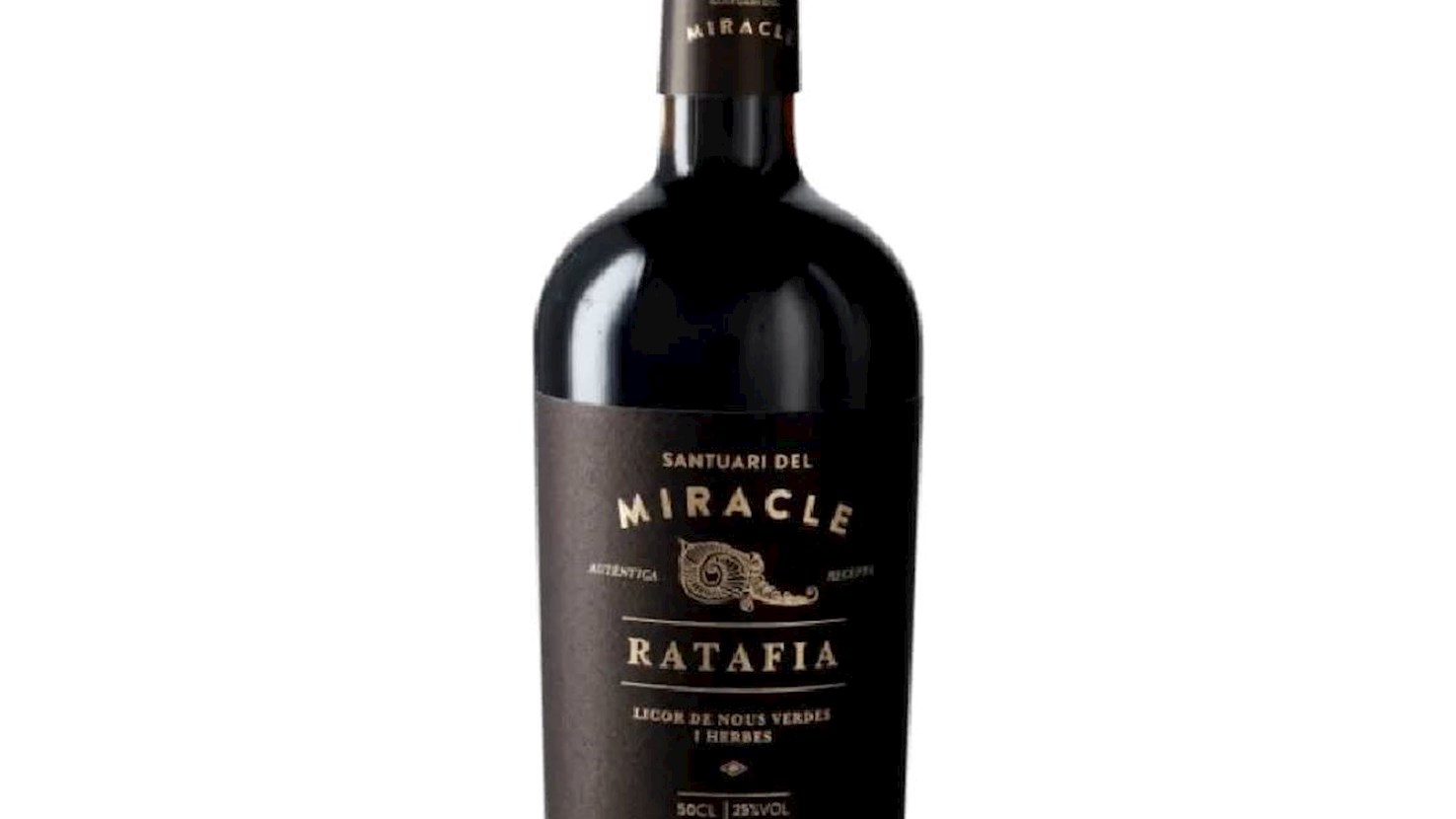
Ratafia del Miracle is crafted in the heart of Solsonès, within the Benedictine sanctuary of El Miracle. Inspired by an old monastic recipe, this ratafia carries the spirit of tradition, nature, and the silence that surrounds the sacred place. The story began with Brother Benet, who revived the forgotten formula, and thanks to the passion of Manel Casanovas, the liqueur was given new life and became a symbol of the sanctuary. It is made from green walnuts and carefully selected aromatic herbs gathered from the surrounding landscape, resulting in a liqueur of warm amber color and a delicate, layered flavor. Its notes combine nutty and herbal aromas with a gentle sweetness, leaving behind a finish full of warmth and serenity. Ratafia del Miracle is more than a drink – it is an experience. It reflects the union of nature, tradition, and spirituality, a liquid expression of peace, heritage, and connection to the land and its people in every drop.
07

Ca Roman

4.4 ·
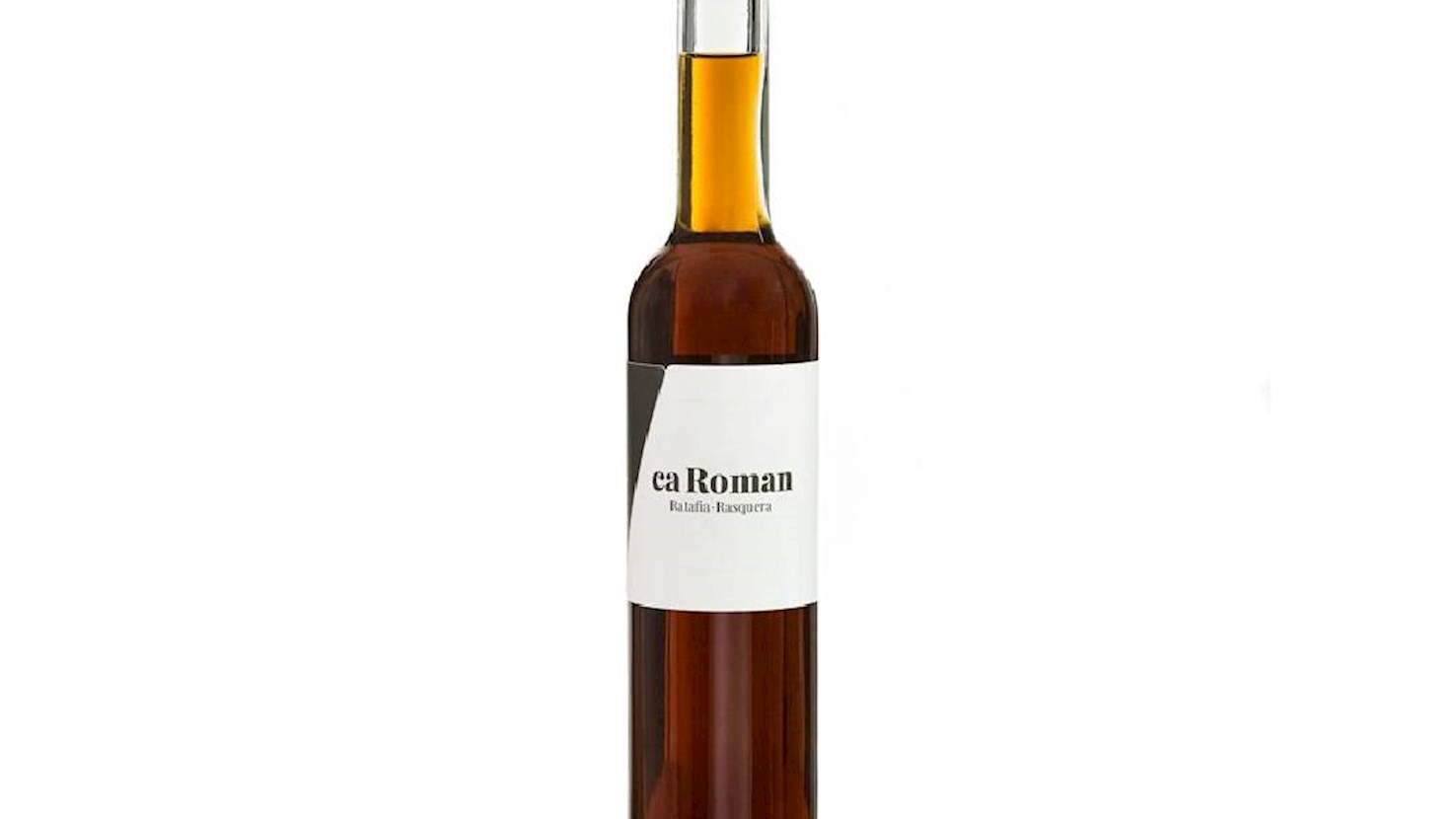
In the small town of Rasquera, in the heart of Catalonia’s Ribera d’Ebre region, Ratafia Ca Roman is crafted as a true reflection of heritage and connection to the land. Its story is rooted in a family recipe more than fifty years old, carefully preserved by Glòria Pedrós Bonfill and brought to the public in 2017. What makes Ca Roman unique is its preparation method – maceration under the sun and open sky (“a sol i serena”), lasting forty days in glass demijohns. This is followed by careful filtration and several months of aging, allowing flavors and aromas to blend into perfect harmony. The recipe combines 22 ingredients – green walnuts and selected aromatic herbs – giving this ratafia remarkable depth and complexity. With 29% alcohol, Ca Roman belongs among the stronger and more characterful ratafias, yet it remains velvety, balanced, and pleasantly smooth on the palate. Today, Ratafia Ca Roman is much more than a liqueur – it is a guardian of family tradition, a symbol of Rasquera’s identity, and a tribute to generations who have passed down their love for this craft from one to the next.
08

Anís del Mono

4.3 ·
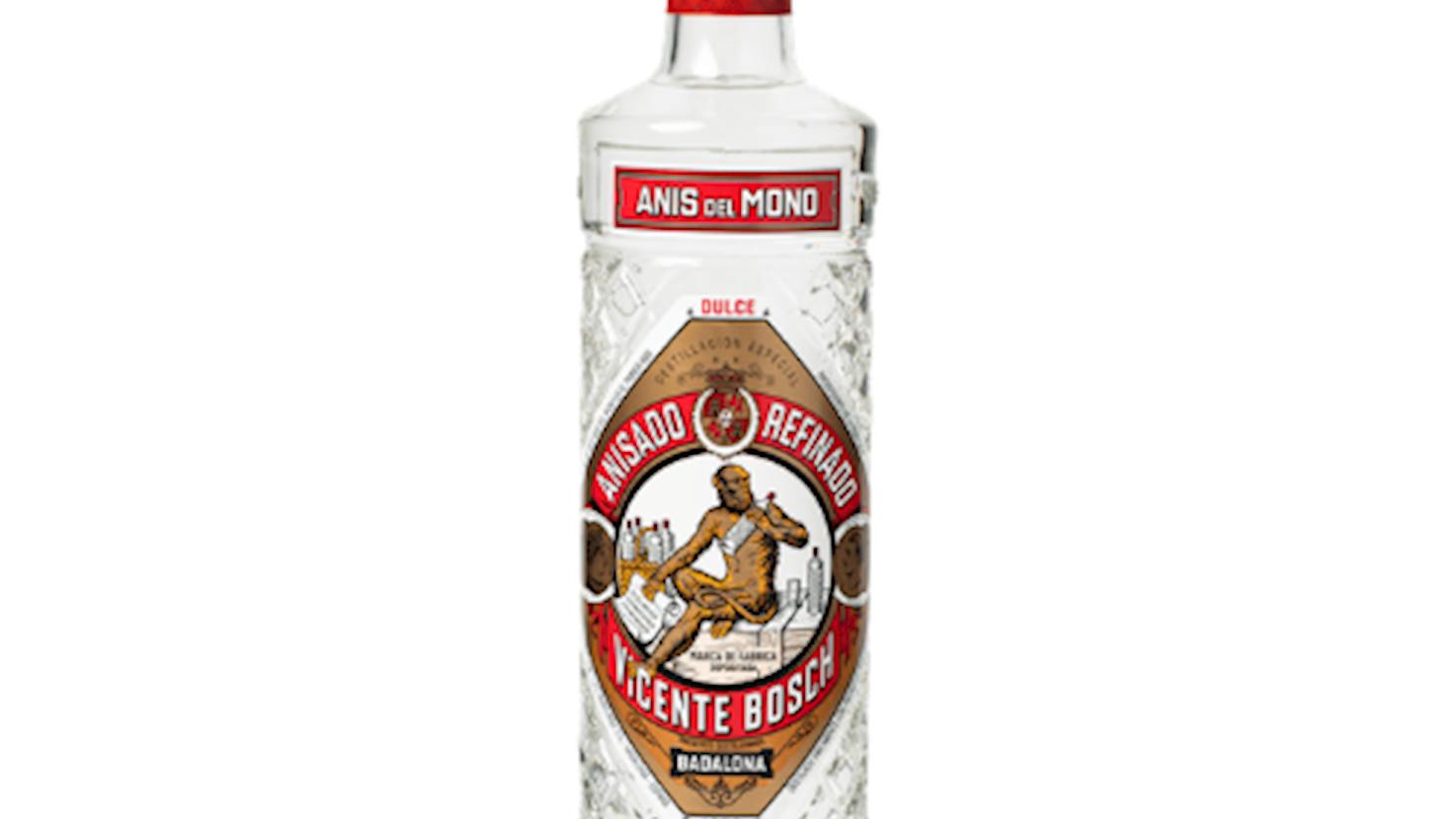
Anís del Mono is a traditional Spanish anise liqueur originating from the city of Badalona in Catalonia, where the brand was founded in 1870 by brothers José and Vicente Bosch. It is produced from anise seeds, alcohol, water, and sugar syrup, with distillation traditionally carried out in copper stills, which contributes to its distinctive aromatic profile. The liqueur is widely recognized for its iconic glass bottle with a faceted diamond-pattern design and a label featuring a monkey illustration, which has become one of the most recognizable visual symbols in Spanish beverage branding. Over more than a century of production, Anís del Mono has become part of Spanish gastronomic and cultural tradition and is commonly consumed as a digestif or used in desserts and traditional pastries. Today the brand is part of the Osborne Group, although its identity remains closely linked to the historic distillery in Badalona. It is most commonly available in two main styles: dulce (sweet anise) and seco (dry anise), which differ in their sugar content and flavor intensity. Thanks to its long heritage, distinctive packaging, and consistent quality, Anís del Mono remains one of the most well-known anise liqueurs in Spain.

Best Spanish Herbal Liqueur Types

01

Ratafia catalana

3.4 ·

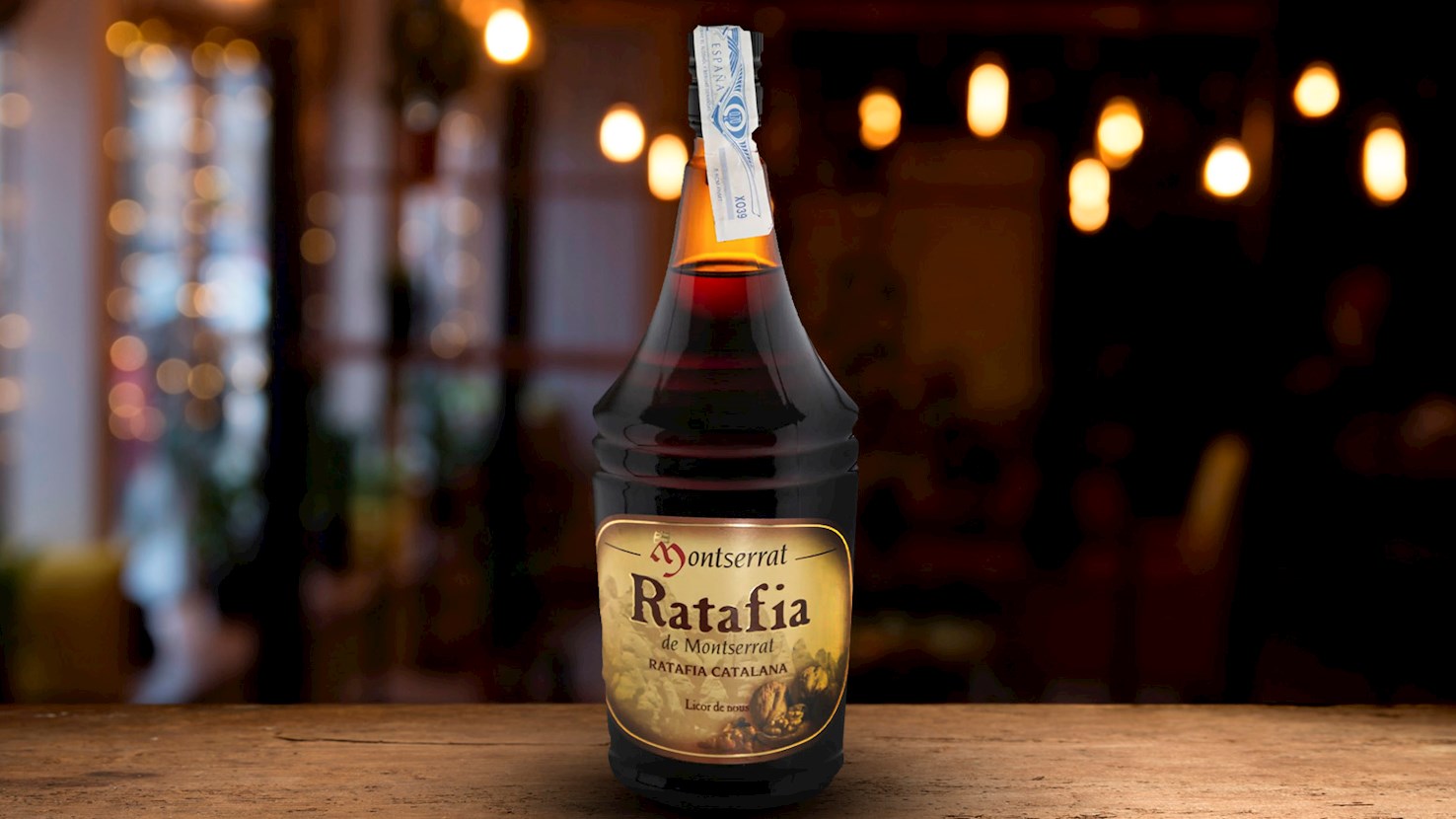
Catalonian ratafia is a rich and aromatic nut liqueur that belongs to the broad category of ancient ratafia liqueurs mostly associated with Mediterranean countries. It originated as a homemade beverage made with availabe ingredients and without a particular recipe. The recipes were usually handed down through the generations. Catalonian ratafias are made by macerating unripe green walnuts in aguardiente (distilled spirit). Additional ingredients can incorporate various fruits and herbs. It always includes lemon verbena, cinnamon, cloves, and nutmeg, but citrus zest, bay leaves, chamomile, and fennel are also common. Ratafia has to be oak-aged for at least three months, and it can have a maximum of 30% ABV. Despite their versatility, most ratafias are dark brown liqueurs with a distinctive nutty flavor and aroma, along with herbal and earthy nuances. They are dense and rounded, with a long, warming finish. Ratafia can be enjoyed neat or on the rocks. It is an excellent aperitif or digestif, but it can also be served with desserts, nuts, or dried fruit, and it is occasionally used as a cooking ingredient. According to the ancient belief, herbs picked on the morning following Saint John's Eve (June 23rd) will have the best properties for making ratafia.

02

Anisette

2.8 ·

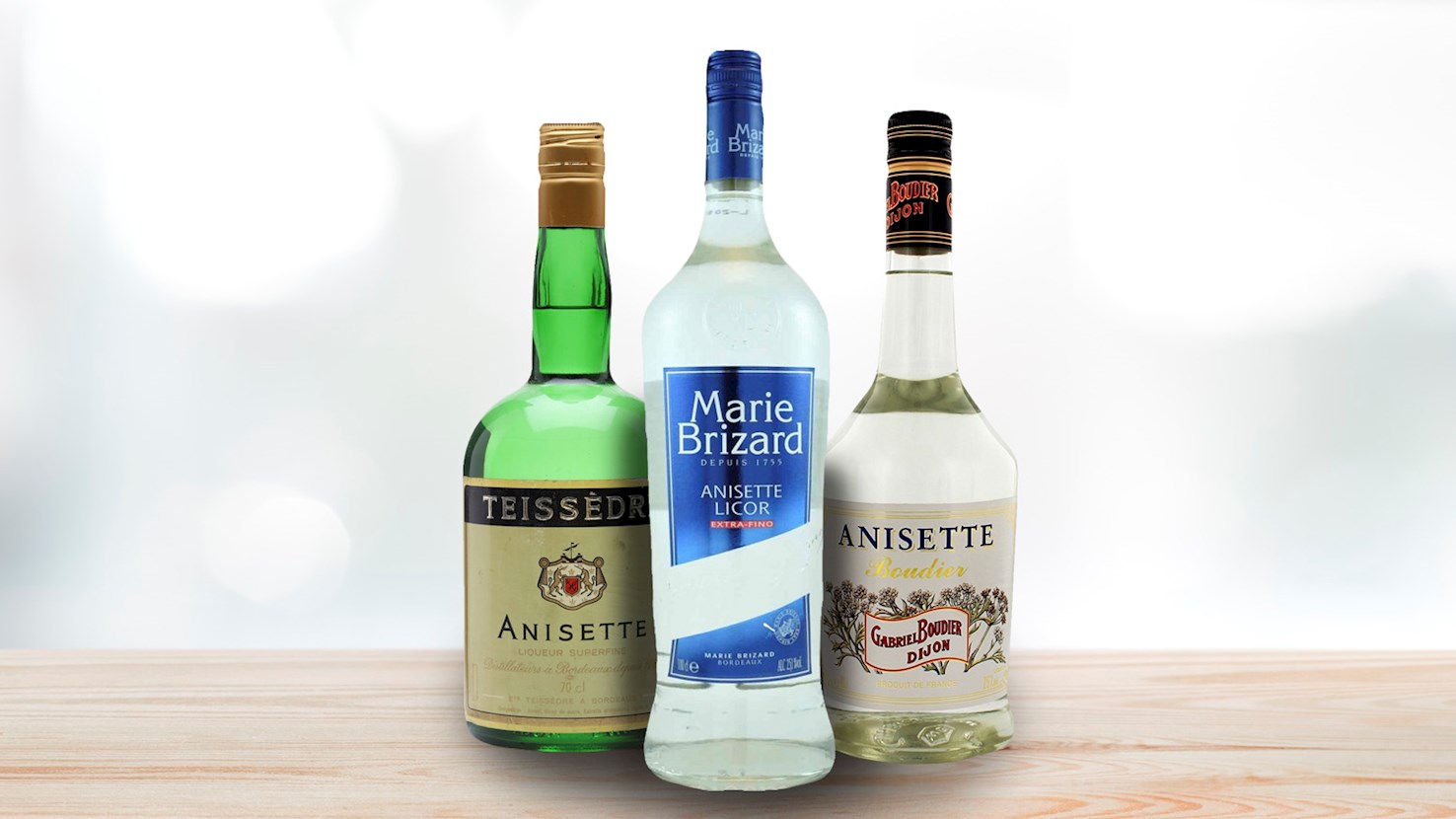
Anisette, anisetta, or simply anis is a term that encompasses various anise-based liqueurs. These types of liqueurs don’t have a single origin, but they are mostly associated with Mediterranean countries, such as Italy, Spain, France, Greece, and Turkey. The drink is mostly distilled from a base that is flavored with anise plant, sometimes together with other botanicals. The distillate is then usually sweetened or additional flavored. Most varieties range from 40 to 60% ABV. Anise liqueurs are usually enjoyed neat, mixed with water, or served over ice, but they can also be added to espresso (café corretto), or incorporated into cocktails and long drinks.

03

Herbero

n/a ·

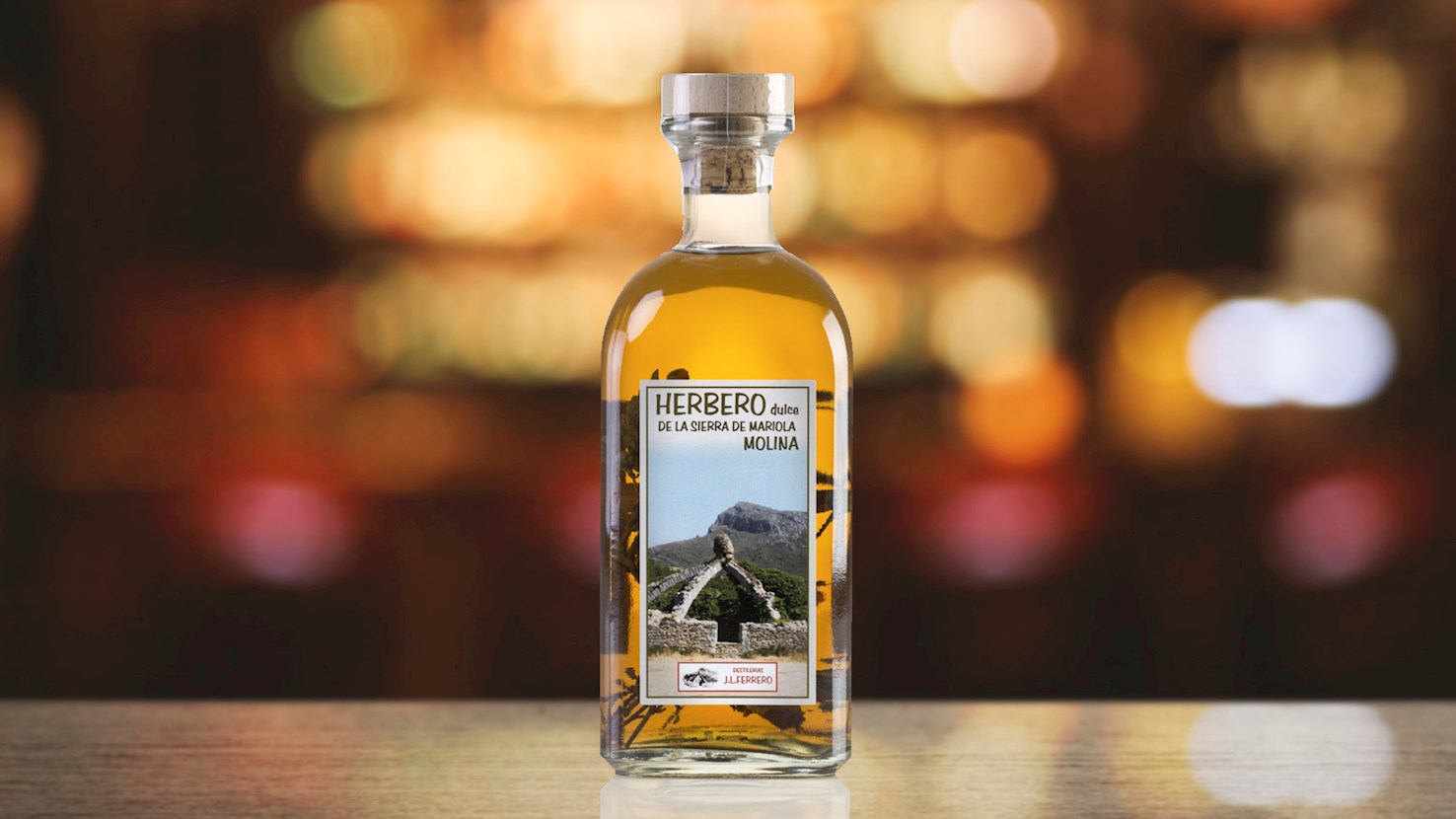
Herbero is a Spanish liqueur hailing from the Serra de Mariola mountain range in Valencia. Officially called Herbero de la Serra de Mariola, this herbal liqueur is made from aniseed and various mountain herbs. The drink can be distilled or macerated. Along with anise, it is usually made with a selection of local herbs such as sage, chamomile, mint, verbena, peppermint, fennel, anise, lavender, thyme, and many more. Herbero can vary in color, from deep yellow-green to amber. It has herbal aromas and flavor, with a distinctive anise note. Herbero has a long tradition in Alicante. The locals traditionally collected various aromatic herbs and mostly used them as a medicine until the Moors introduced distillation. Herbero is usually served in shot glasses, and it is recommended to be enjoyed neat, at room temperature, or slightly chilled.

04

Palo de Mallorca

n/a ·

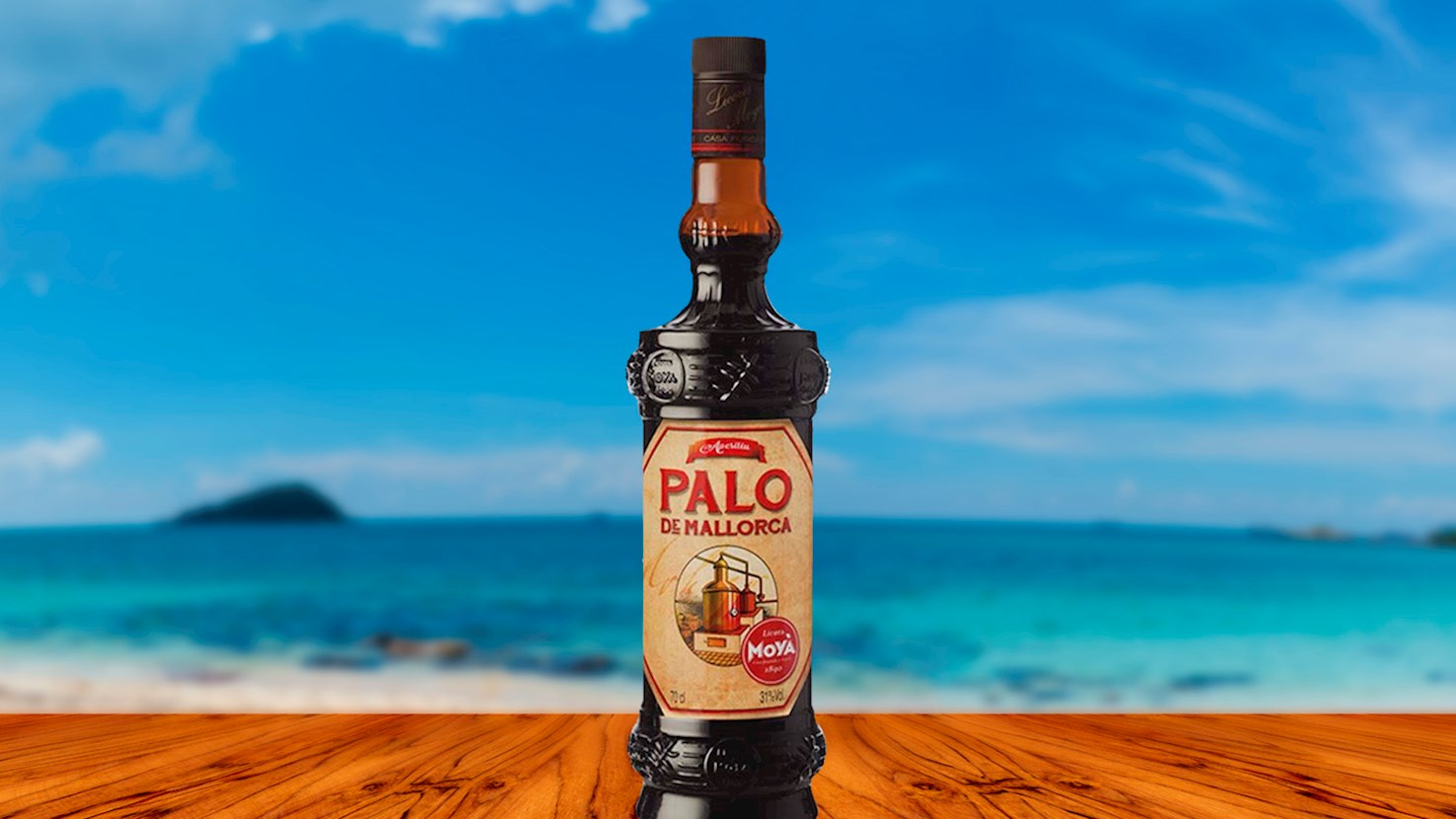
Palo de Mallorca is a dark-colored liqueur flavored with cinchona bark and gentian root. It is a dense and sweet liqueur with a bitter aftertaste and caramel and licorice aromas that can only be produced in Mallorca. Like similar types of herbal liqueurs, palo de Mallorca was initially used as a bitter health remedy. In the 19th century, the original recipe was improved with the addition of sugar and alcohol. With these additions, it became more palatable and consequently more popular. Palo de Mallorca is mostly enjoyed as an aperitif, usually mixed with sparkling or soda water. It can also work well in cocktails or as an ingredient in desserts. The alcohol content can range between 25% and 36%.

05

Hierbas ibicencas

n/a ·

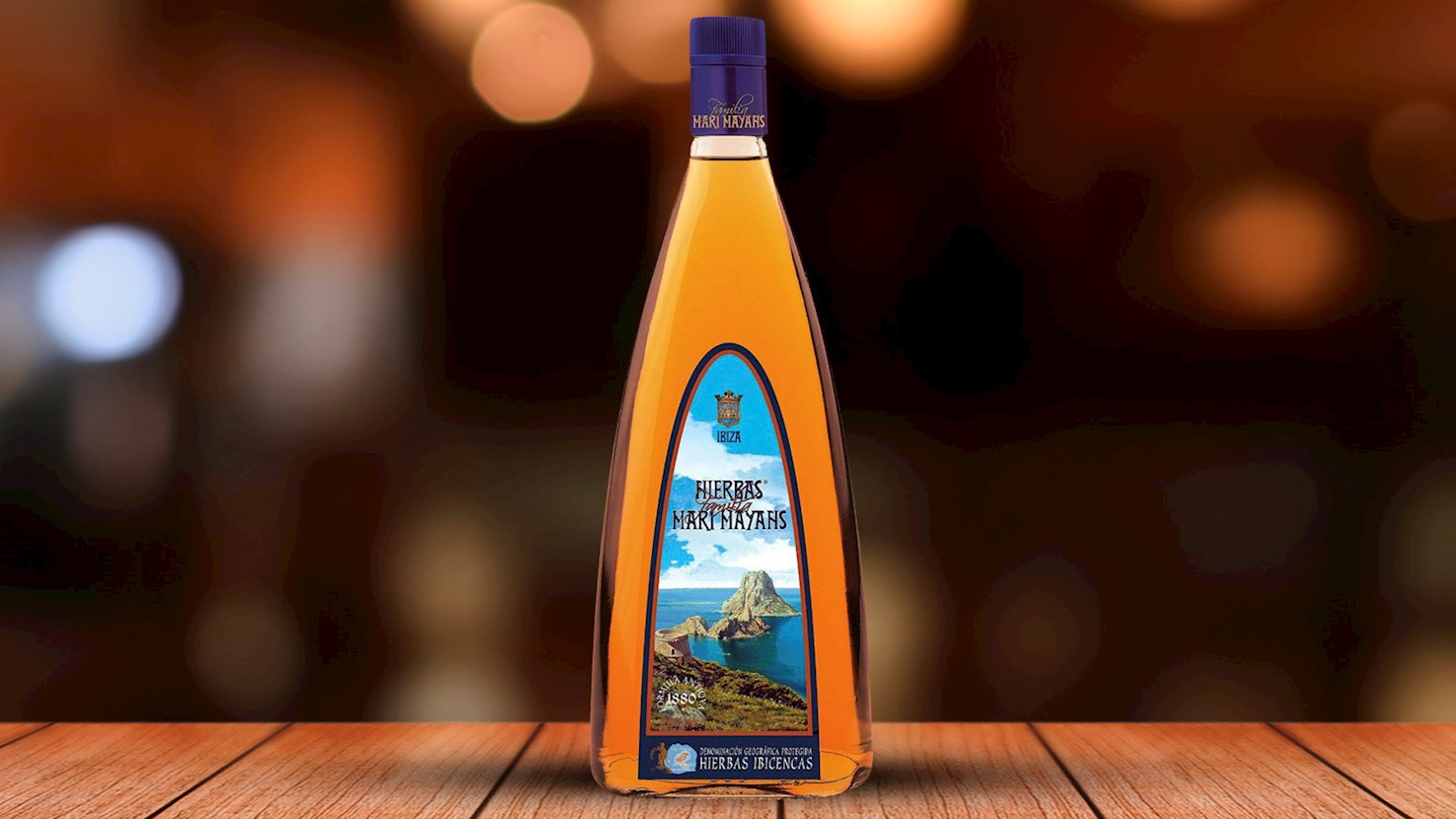
Hierbas ibicenas are liqueurs for Ibiza made with various herbs that are macerated in an anise-based spirit. This liqueur has a long tradition on the island, and though it is produced on an industrial scale, many locals use their traditional family recipes and forage local Mediterranean plants to make homemade versions of the drink. A bottle of this liqueur can include dozen different aromatics. Standard options include chamomile, laurel, rosemary, thyme, lavender, fennel, mint, oregano, sage, lemon verbena, wormwood, and even orange and lemon zest. The drink is aromatic and herbaceous and is best enjoyed as a digestif.

06

Cantueso alicantino

n/a ·

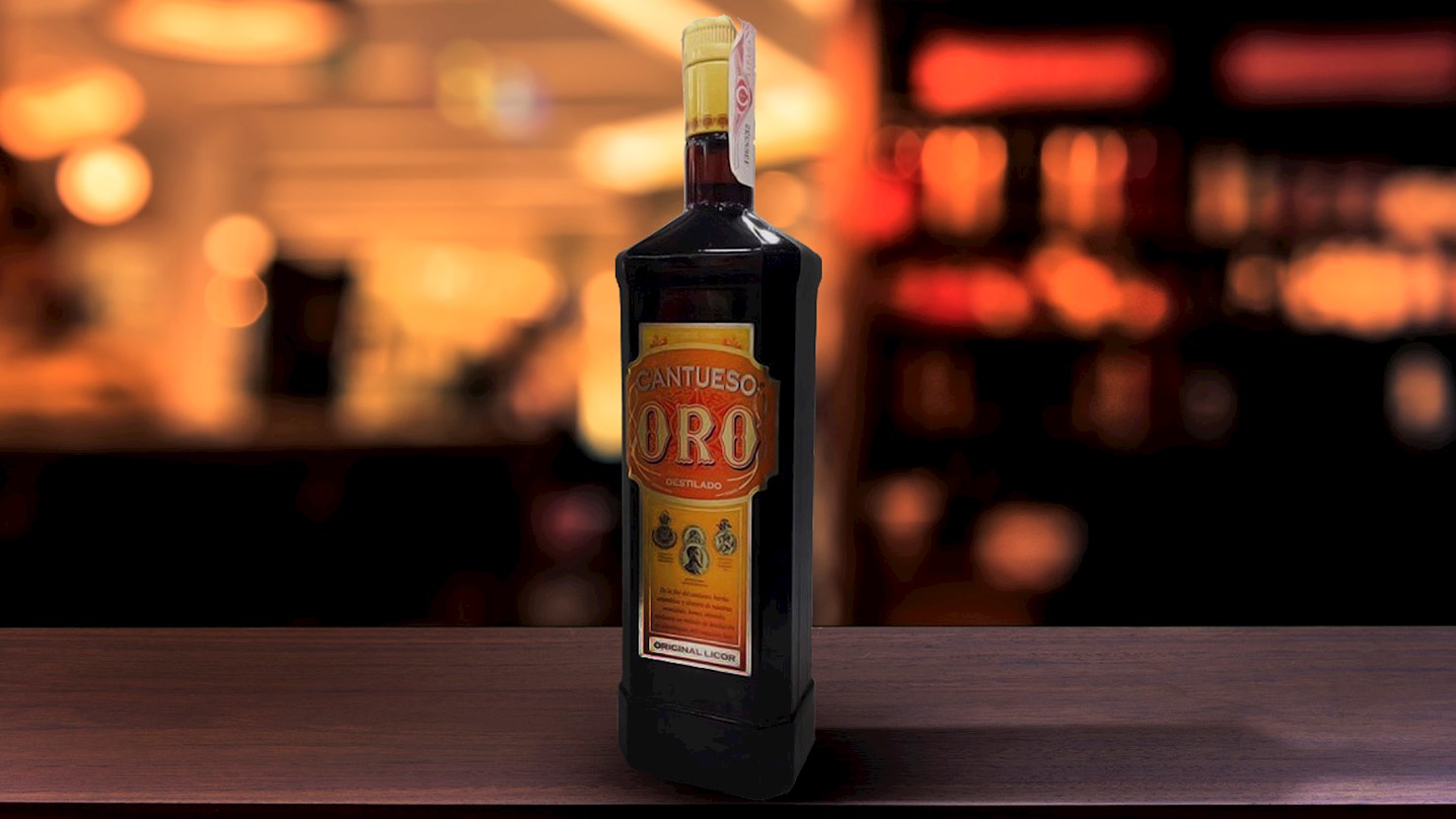
Cantueso is a Spanish liqueur made from the flower and the stalks of Thymus moroderi, locally known as cantueso, a small plant from the thyme family. The drink is produced by macerating the plant in neutral alcohol. The macerate is distilled, sweetened, and then rested in barrels for a minimum of two years. Cantueso is a sweet and herbaceous liqueur. It is clear and colorless, though many producers opt to add caramel to attain amber or dark brown color. Typically, this liqueur has between 25 to 35% ABV. It is usually enjoyed neat, as a digestif, though it can also be used in mixed drinks. The popular option is to mix cantueso with herbero, another herbal liqueur from Alicante. The official industrial production of this sweet liqueur dates to the mid-19th century, though homemade versions were probably made earlier. It is believed that canteuso was first produced in Monóvar.

Read more
View all
View map
About this ranking

TasteAtlas food rankings are based on the ratings of the TasteAtlas audience, with a series of mechanisms that recognize real users and that ignore bot, nationalist or local patriotic ratings, and give additional value to the ratings of users that the system recognizes as knowledgeable. For the “Top 8 Spanish Herbal Liqueurs” list until June 10, 2026, 40 ratings were recorded, of which 32 were recognized by the system as legitimate. TasteAtlas Rankings should not be seen as the final global conclusion about food. Their purpose is to promote excellent local foods, instill pride in traditional dishes, and arouse curiosity about dishes you haven’t tried.

The initial list of top producers was compiled based on available reviews, awards, local recommendations, media and blog coverage, and consumer reviews. The list will be updated with ratings from TasteAtlas local ambassadors and TasteAtlas users.

Similar lists