shutterstock

Top 100 European Cooked Sausages

Last updated on July 15, 2026

Best European Cooked Sausages
01

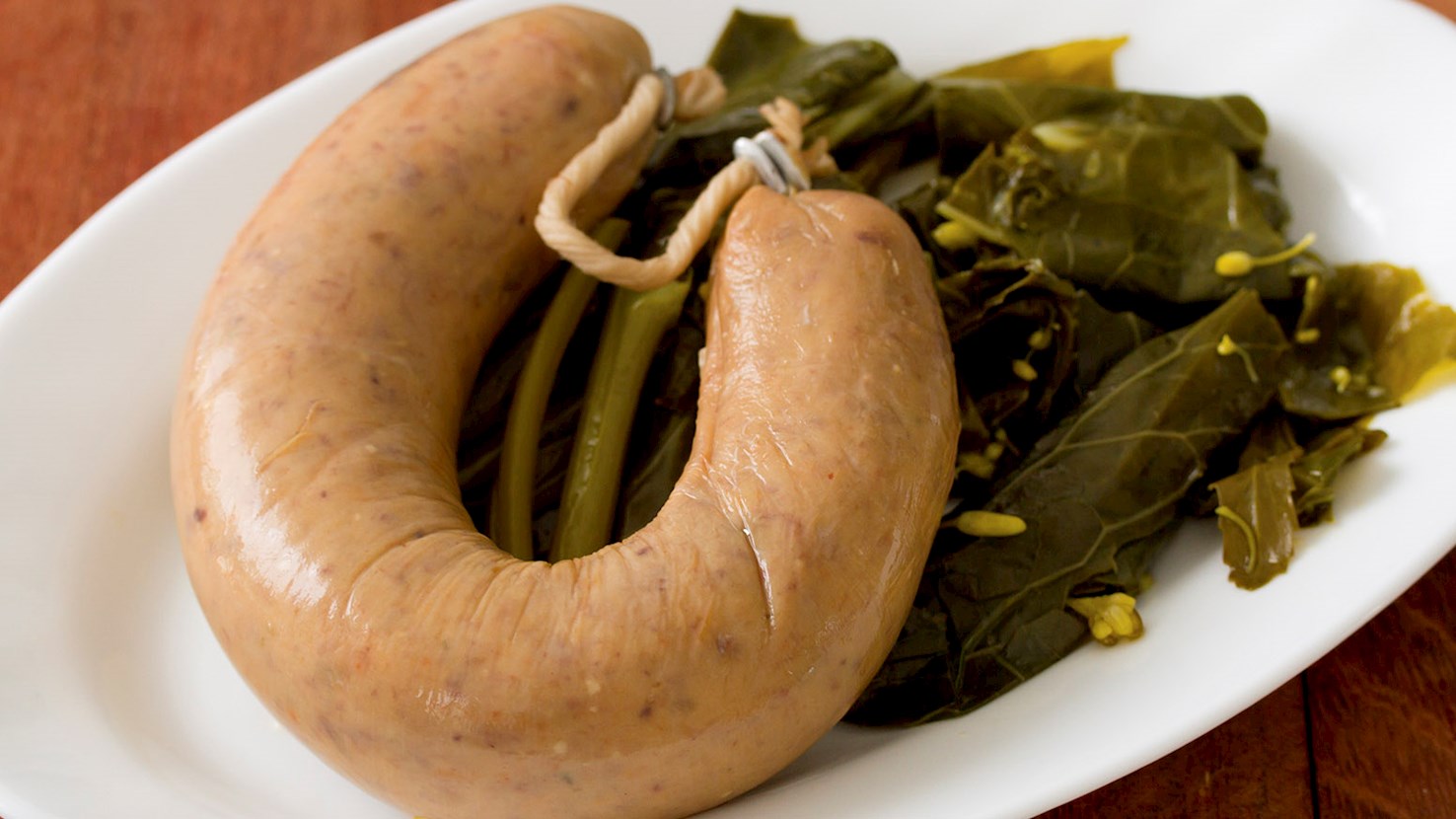
Alheira de Mirandela

4.3 ·

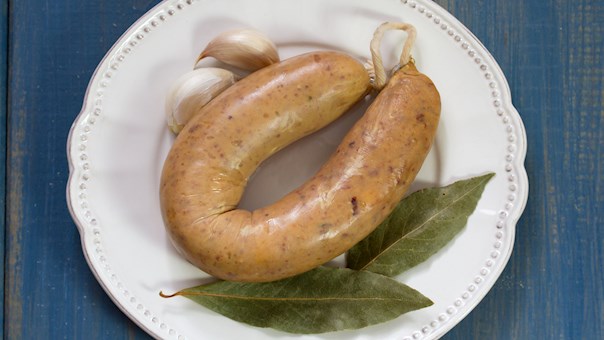
The filling for this traditional smoked delicacy is made by combining small pieces of meat and bread. This sausage is traditionally smoked using olive or oak wood, which gives it a unique flavor, aroma, and color while enhancing the flavor of the spices. Mirandela sausage contains beef and pork meat along with fat, poultry meat, wheat bread, olive oil, and lard, and it's flavored and seasoned with salt, garlic, and sweet or hot paprika. This sausage is an irreplaceable ingredient in traditional Portuguese dishes such as açorda, cannelones, and pies, but it can also be served as a main dish with a side of potatoes or vegetables.

Best restaurants
02

Kiełbasa wędzona

4.3 ·

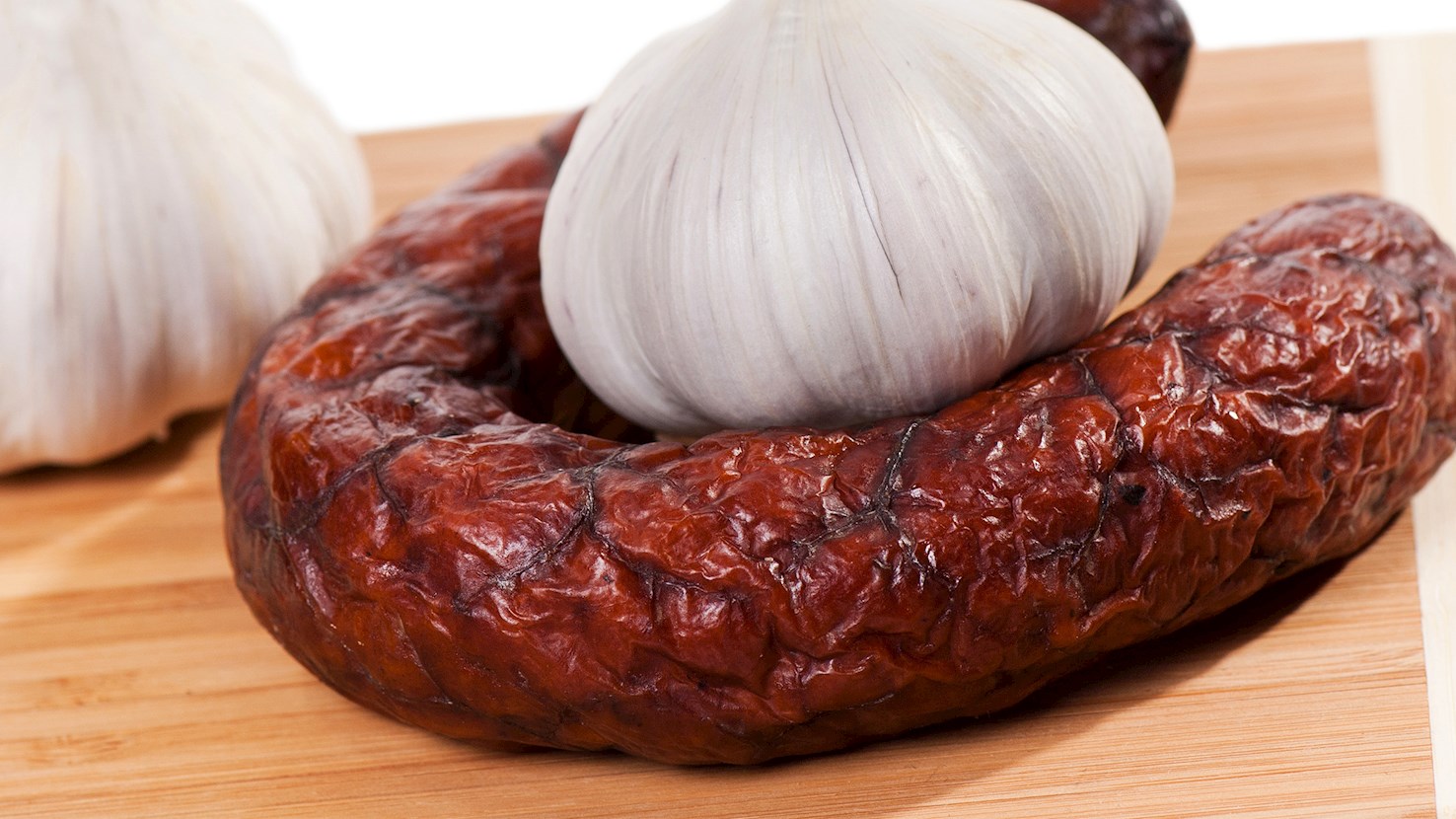
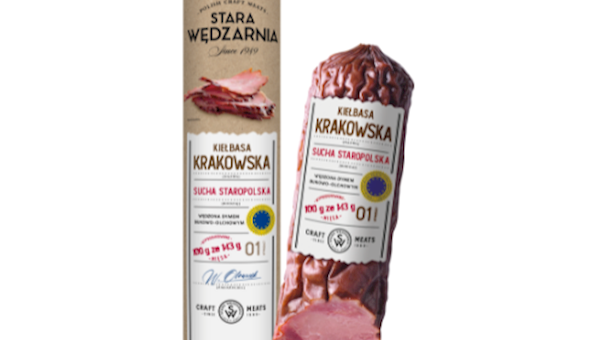
Kiełbasa wędzona is a type of traditional Polish smoked kiełbasa. It is prepared with ground pork meat which is cured before it is seasoned with salt, pepper, sugar, garlic, and (optionally) marjoram. The ground meat mixture is then placed into a large ring-shaped casing and cold-smoked for 1 to 1.5 days, even though these days it is usually hot-smoked as the hot smoking allows for easier and faster cooking of the sausage. Smoked Polish kiełbasa is originally prepared only with pork, but there’s another version of this authentic sausage that the Polish Government introduced in 1964, which consists of 80% pork and 20% beef. This classic kiełbasa is usually baked, grilled, or added to traditional Polish soups, including kapusniak cabbage soup.

03

Chistorra

4.2 ·

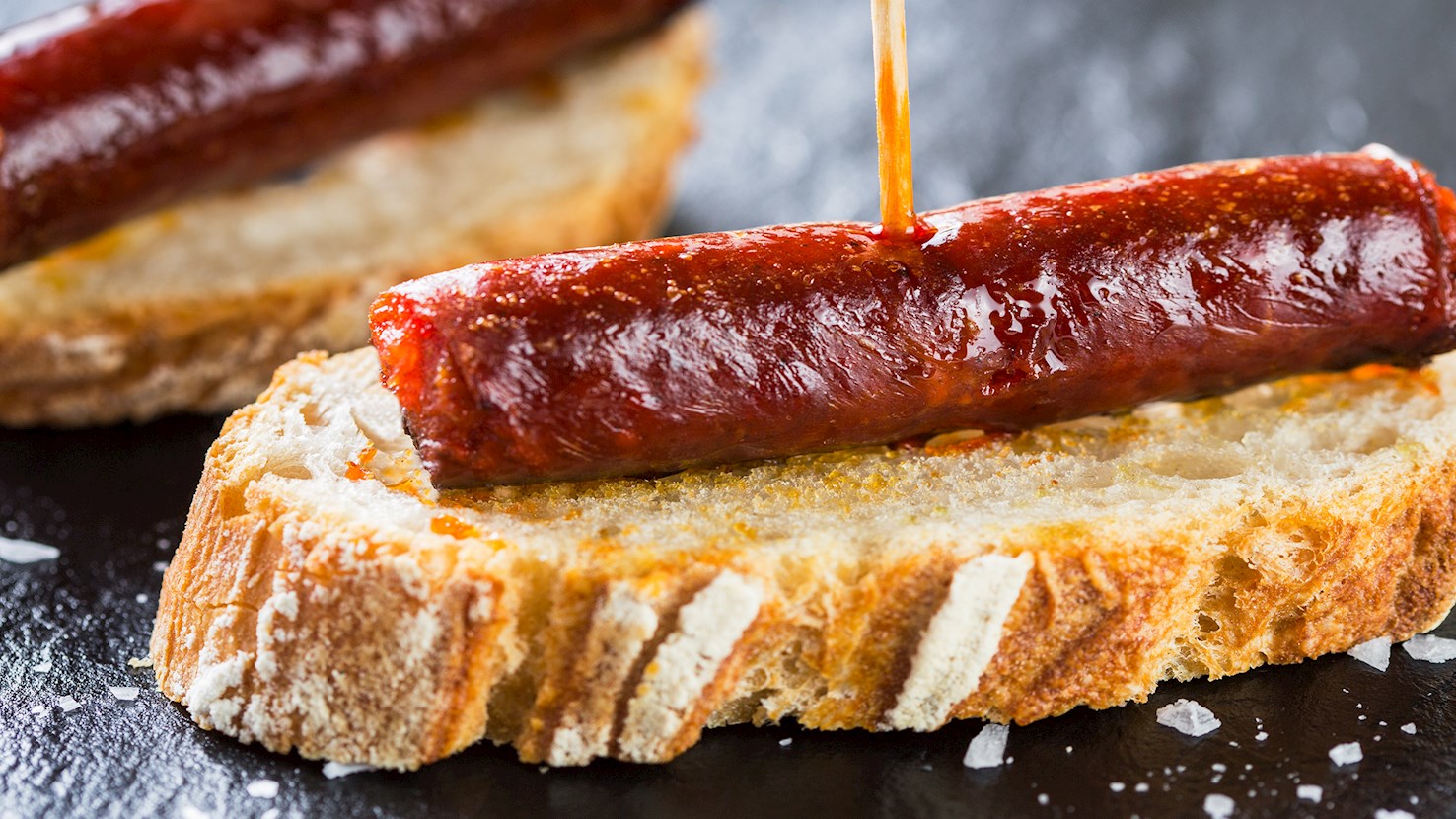
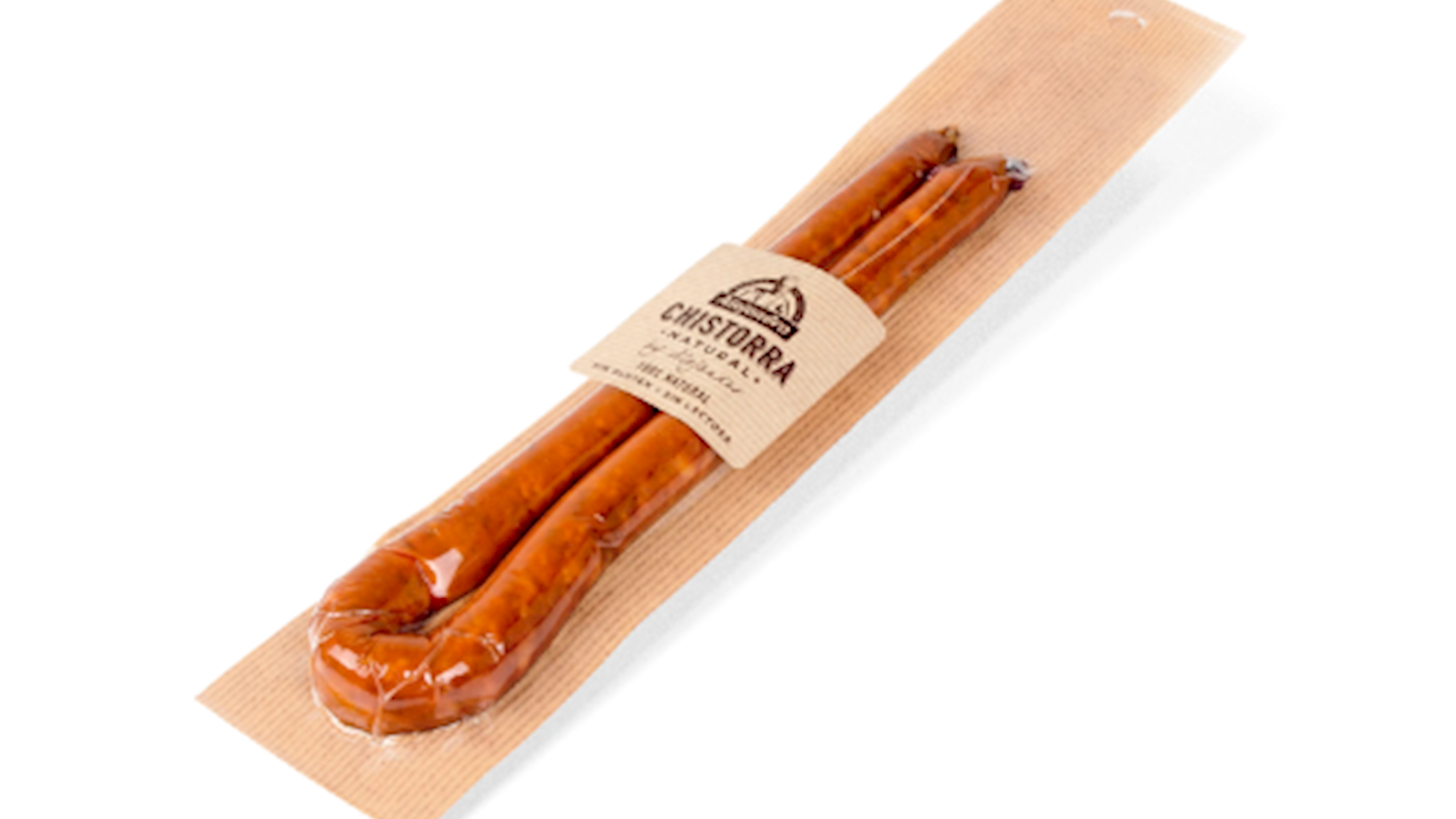
Chistorra is a fast-cured sausage made from pork, either from the belly or the jowl. Minced pork is sometimes combined with minced beef, and the sausage is traditionally flavored with garlic, salt, and paprika, which gives the sausage its characteristical red color. This versatile sausage can be fried, grilled, or baked, and it is often used for tapas or as an accompaniment to other dishes. It can be found in the Basque Country, Aragon, and Navarre.

04

Sudzhuk

4.2 ·

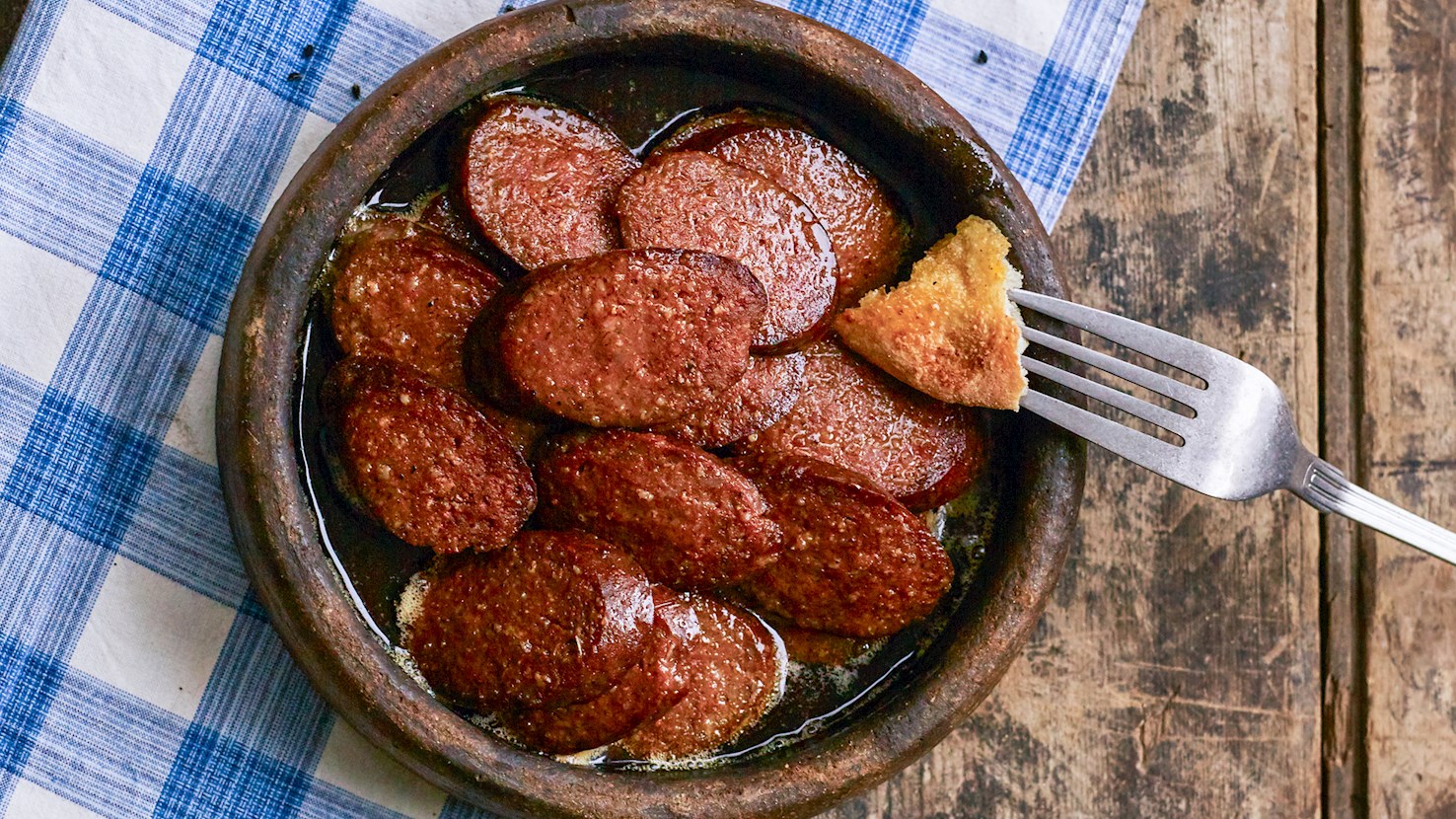
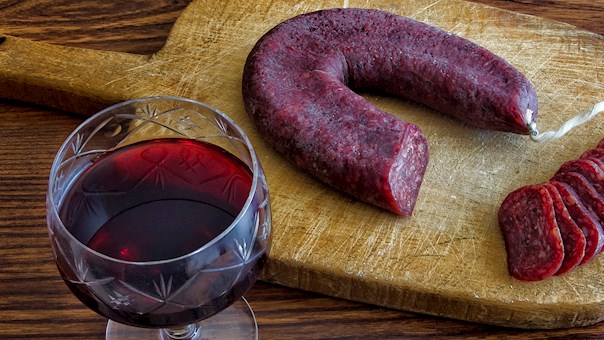
Sucuk or sujuk is a dry, cured sausage made primarily from beef or lamb and seasoned heavily with garlic and spices, produced and consumed across Anatolia, the Caucasus, and the eastern Mediterranean, with strong associations in Turkey, Armenia, and parts of the Levant, where it appears as a household staple rather than a delicatessen item. Its development followed patterns of meat preservation in regions with seasonal slaughter and limited refrigeration, relying on salting, spicing, and air-drying to stabilize minced meat, with spice blends evolving according to local availability, particularly paprika, cumin, and garlic, which also served functional roles in preservation alongside flavor. Preparation begins with finely ground beef (or lamb) mixed with salt, crushed garlic, paprika, cumin, and sometimes fenugreek, kneaded until cohesive, then stuffed into natural casings, pressed flat to encourage even drying, and left to cure under controlled airflow until firm and shelf-stable, after which it is stored whole and sliced as needed rather than cooked in advance. Serving involves slicing the cured sausage and cooking it briefly, most commonly pan-fried without added fat, as sucuk releases its own oils, and it is often cooked until the edges crisp while the interior remains dense, sometimes paired with eggs or incorporated into simple hot dishes rather than eaten on its own. A defining characteristic of sucuk is its flat shape and strong spice concentration, which allows small amounts to season a dish effectively without additional aromatics, and its cured state means it transitions directly from storage to pan without intermediate preparation. It is eaten at breakfast or lunch in homes and casual eateries, alongside flatbread, eggs, tomatoes, or cheese, and pairs well with plain yogurt, fresh vegetables, unsweetened tea, or black coffee, which offset its salt and spice without competing with its intensity.

05

Nürnberger Bratwürste

4.2 ·

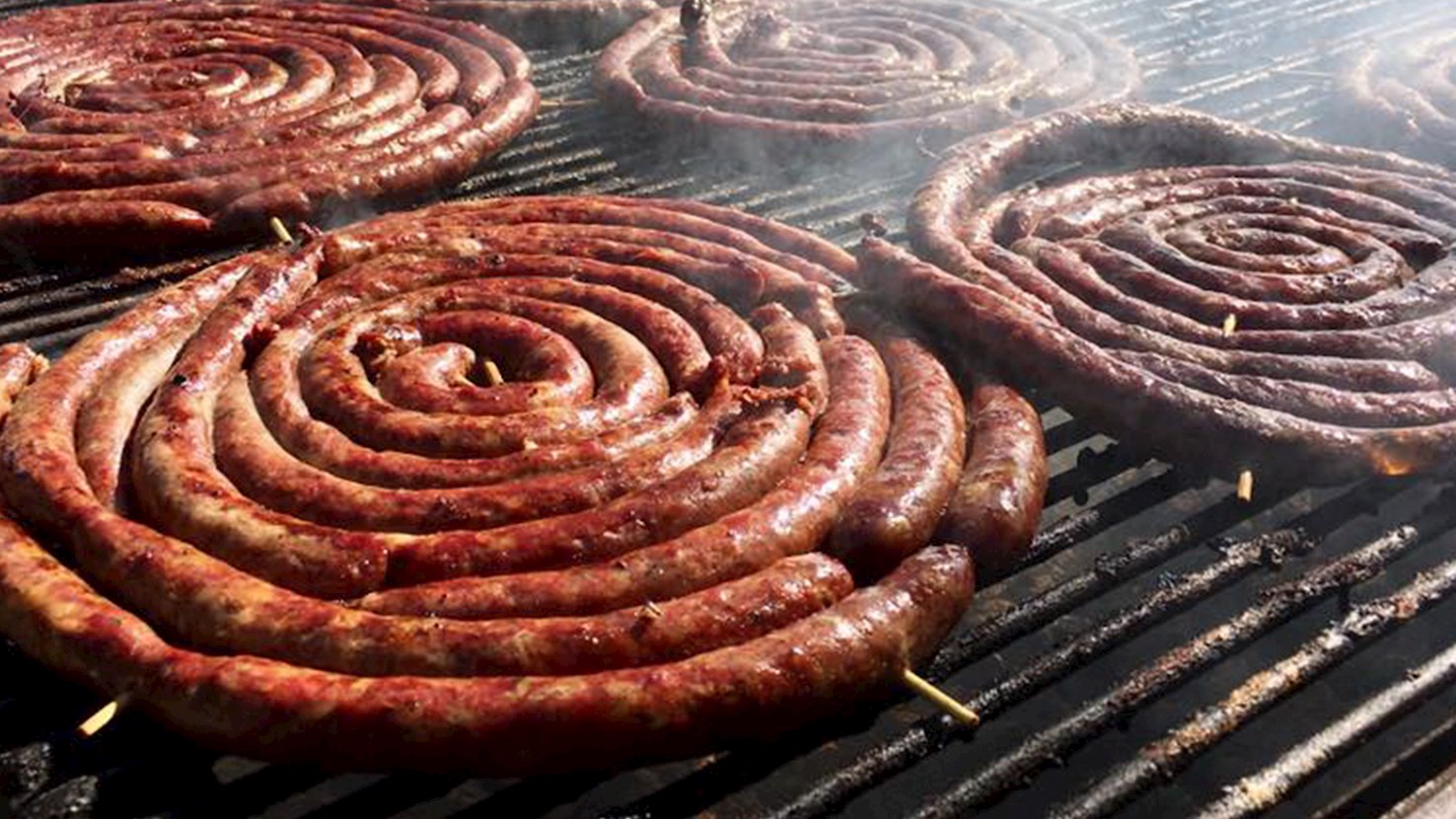
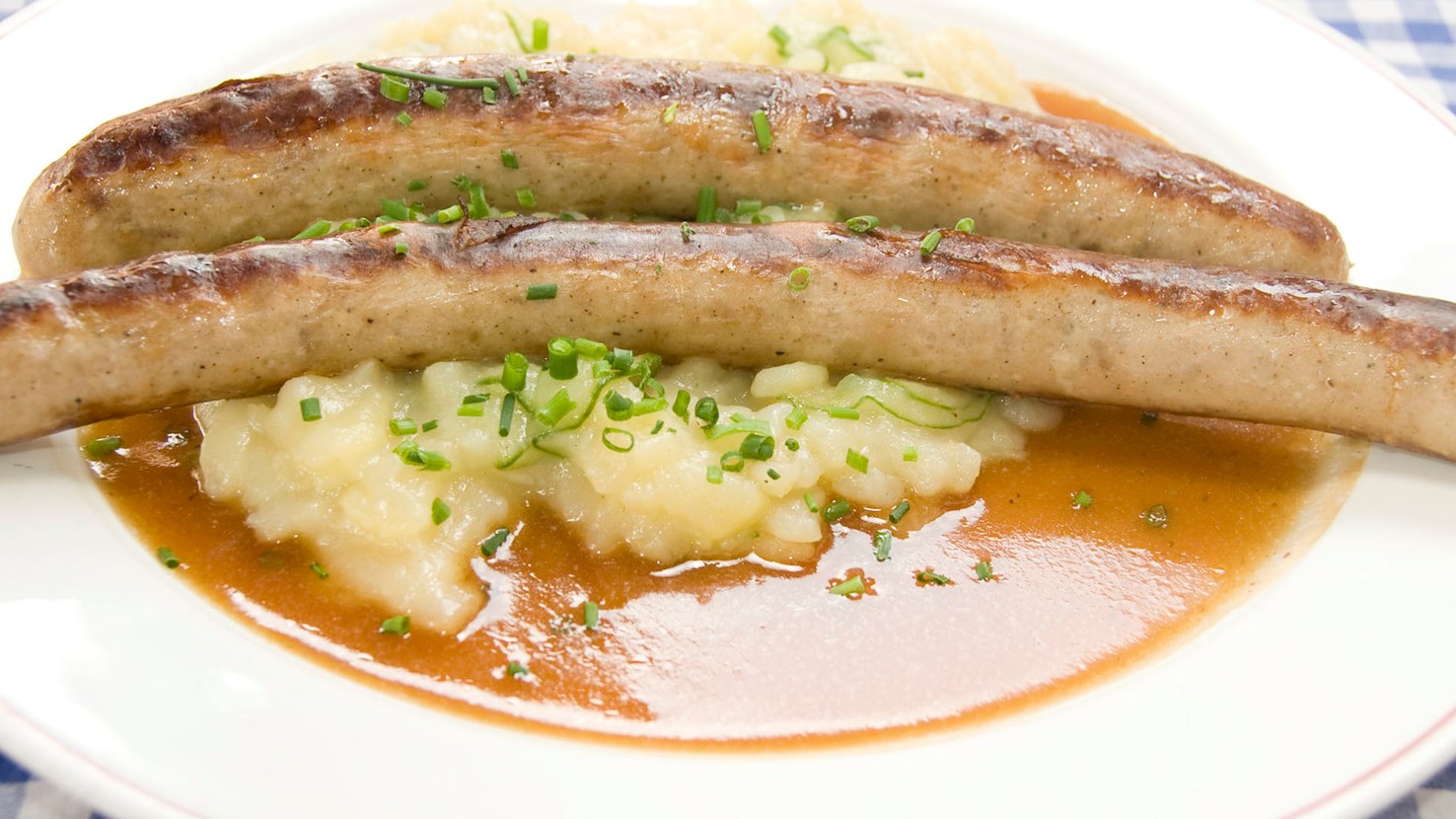
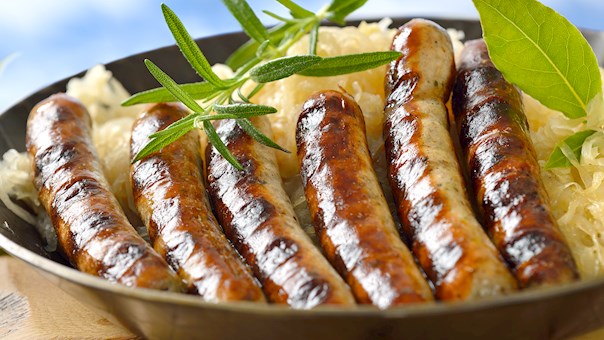
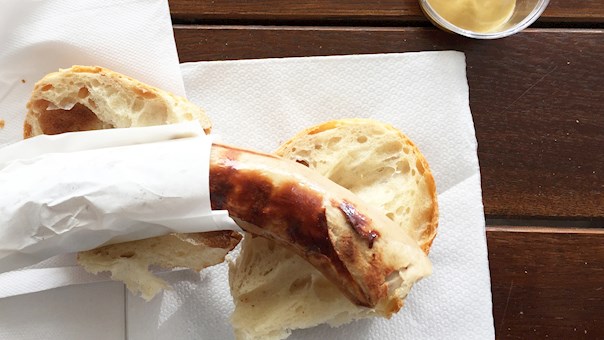
Nürnberger Bratwürste are small, thin sausages originating from the city of Nürnberg in the Franconia region of Bavaria, Germany. They are typically about 7 to 9 centimeters (2.75 to 3.5 inches) long and weigh around 20 to 25 grams each, making them much smaller and thinner compared to other types of German sausages. The sausages are made from finely ground pork, often mixed with a blend of spices that typically includes marjoram, salt, pepper, and sometimes a hint of ginger or nutmeg, with marjoram being a signature ingredient that gives them their distinctive flavor. Nürnberger Bratwürste are usually grilled over a beechwood fire, which imparts a unique, smoky flavor, but they can also be pan-fried or cooked in a skillet. Traditionally, they are served in sets of six, eight, or twelve, often accompanied by sauerkraut or potato salad, or in a bread roll with mustard, known as "Drei im Weckla" (three in a roll). These sausages are a traditional delicacy with a history that dates back centuries, and they are protected under European Union law with a Protected Geographical Indication (PGI), meaning they must be produced within the city of Nuremberg to be labeled as Nürnberger Bratwürste.

06

Cârnaţi de Pleşcoi

4.2 ·

Cârnaţi de Pleşcoi are popular Romanian sausages made with mutton, chili peppers, and garlic. They are one of the first Romanian products that will be part of the EU’s list of certified traditional products. Cârnaţi de Pleşcoi are produced in the homes of Pleşcoi village and the Berca commune, using the traditional recipe. Most of the producers don’t have an official production license, so the sausages are available for purchase only in small quantities, directly from the producers. Some of the licensed producers founded the Plescoi Sausage Producer Association with a goal of promoting and distributing cârnaţi de Pleşcoi at the European level.

07

Salsiccia

4.1 ·

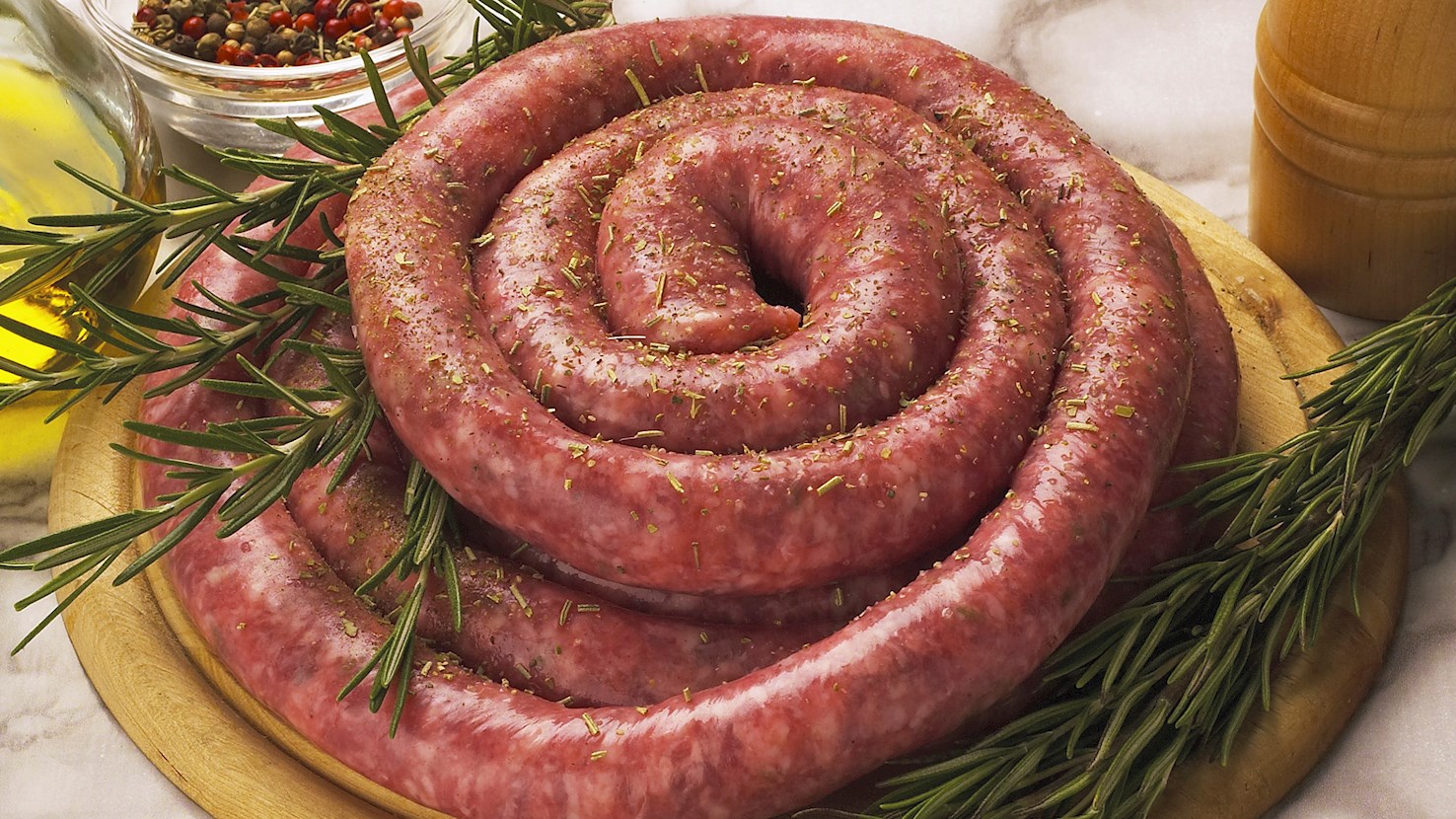
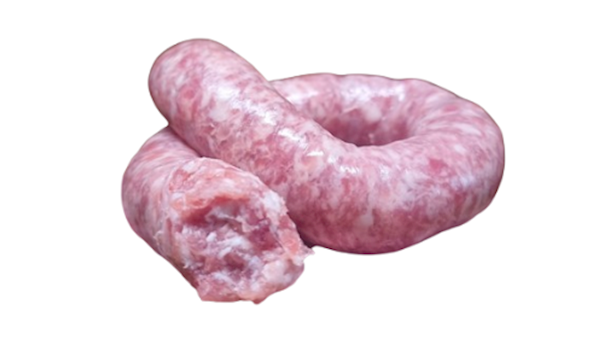
Salsiccia is a universal name for different types of fresh Italian sausage. It usually refers to a sausage made with minced or ground pork meat, pork fat, and numerous spices. The mixture is stuffed into a natural pork or sheep casing, and it is rarely cured or smoked. It is sold fresh and intended for grilling or frying. Although there are some disambiguations, it is believed that the original salsiccia was created in the region of Basilicata, but the use of fresh sausages has become so common that each Italian region has their typical salsiccia type. They mainly differ in the choice of meat, amount of fat, and spices. Next to pork, salsiccia can also include products made with beef, rabbit, and even seafood ingredients. They are usually heavily spiced with pepper, ground paprika, parsley, fennel, nutmeg, anise, coriander, while some even employ red wine. They can also differ in size, ranging from short and bulky to thin and long varieties. Italian salsiccia is famous outside the country, primarily in the United States, where it is mainly familiar as a pork sausage spiced with fennel or anise. Italians consume salsiccia all year round, they eat it as the main dish, as a sandwich filling, atop traditional pizzas, or incorporated in pasta sauces or casseroles.

08

Thüringer Rostbratwurst

4.1 ·

Thüringer Rostbratwurst is a product with centuries of tradition. The oldest known recipe, held at the Weimar State Archives, dates back to 1613. Martin Luther and Goethe both appreciated it, and it was often praised in literature. Only finely minced pork (sometimes mixed with beef or veal) is used to make this sausage, and the spice mixtures that are added vary depending on the recipes and regional characteristics. These sausages are easily distinguished from other German sausages by their low fat content and a distinctive combination of spices and seasonings – salt, pepper, caraway, marjoram, and garlic. Due to its unique and delicious flavor, Thüringer Rostbratwurst is still very popular in Germany and beyond, and it can be found at most sausage stands in Thuringia.

09

Chorizo

4.1 ·

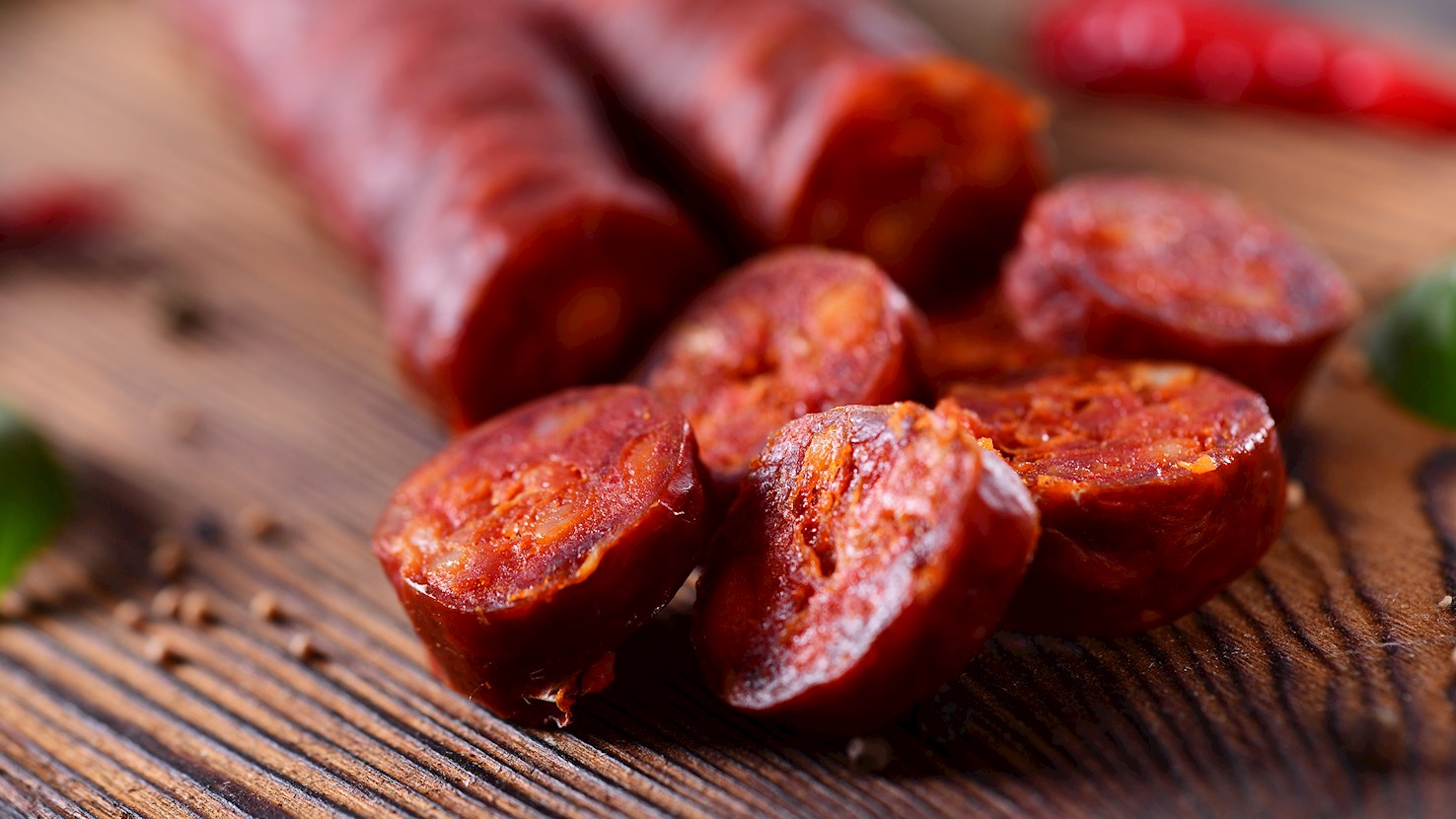
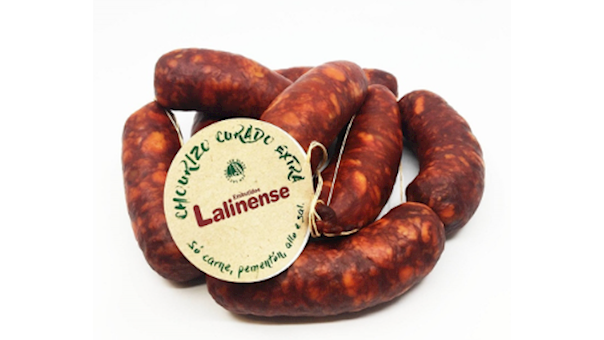
Chorizo is a firm, dry-cured or semi-cured pork sausage flavored intensely with garlic and pimentón, characterized by its deep red color, coarse texture, and a flavor that shifts between sweet and spicy depending entirely on whether sweet or spicy pimentón is incorporated into the mixture. The consumption of this versatile sausage varies with the moisture content and age. Fully hardened, air-dried links are presented thinly sliced at room temperature alongside aged cheeses and crusty bread as part of a tapas spread, while softer, younger links are subjected to direct heat, often simmered whole in wine, roasted over open flames in clay pots, or incorporated into hearty bean, chickpea, and lentil stews. Countless regional adaptations exist across the Iberian Peninsula, ranging from the finely minced, salami-like version found in Pamplona to the exceptionally thick cular variety from Salamanca and Ávila, which uses the large intestine as the casing. Other notable iterations include the heavily oak-smoked links from Asturias, the elongated chistorra of Navarra, and a highly unique, easily spreadable paste originating in the Canary Islands. Historically, chorizo did not possess its iconic crimson appearance, as 16th-century manuscripts describe a pale mixture of pork, cloves, and white wine. It was only after dried red peppers arrived from the Americas and were ground into fine powder that the modern, vibrantly colored version emerged by the late 17th century. The sausage-making always begins with chopped lean pork and dense back fat. This meat is aggressively seasoned with salt, crushed garlic, and the defining red pimentón before being piped into natural animal casings, after which the stuffed links are moved into well-ventilated cellars to ferment and air-dry, achieving their final texture. Different versions of chorizo also exist in countries such as Mexico, Puerto Rico, Ecuador, Panama, Argentina, Bolivia, Peru, Colombia, and Uruguay. Some claim that chorizo has origins in the Catalan xoriço, while others say that it has roots in morcilla, or blood sausage.

10

Morcilla de Burgos

4.1 ·

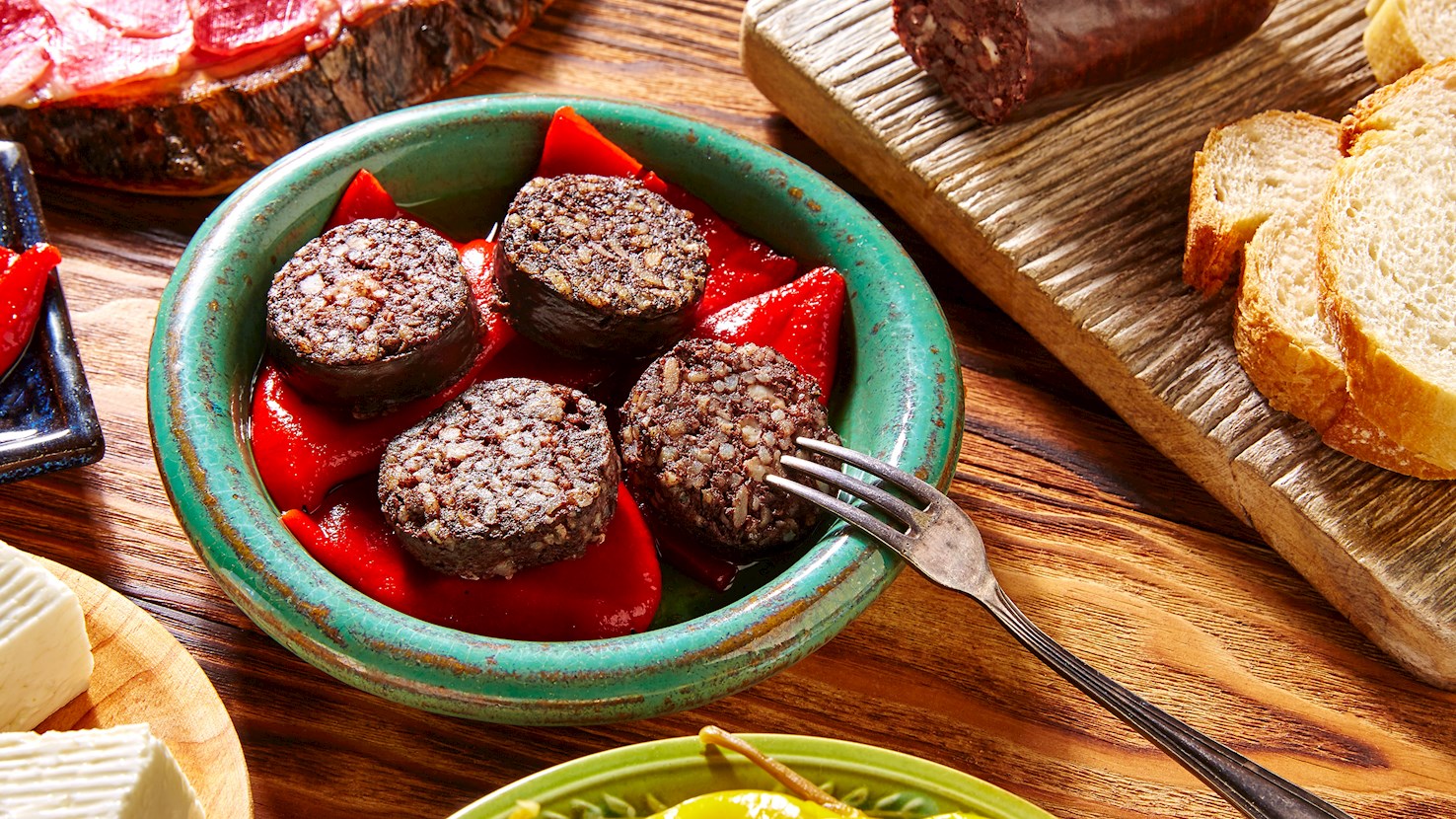
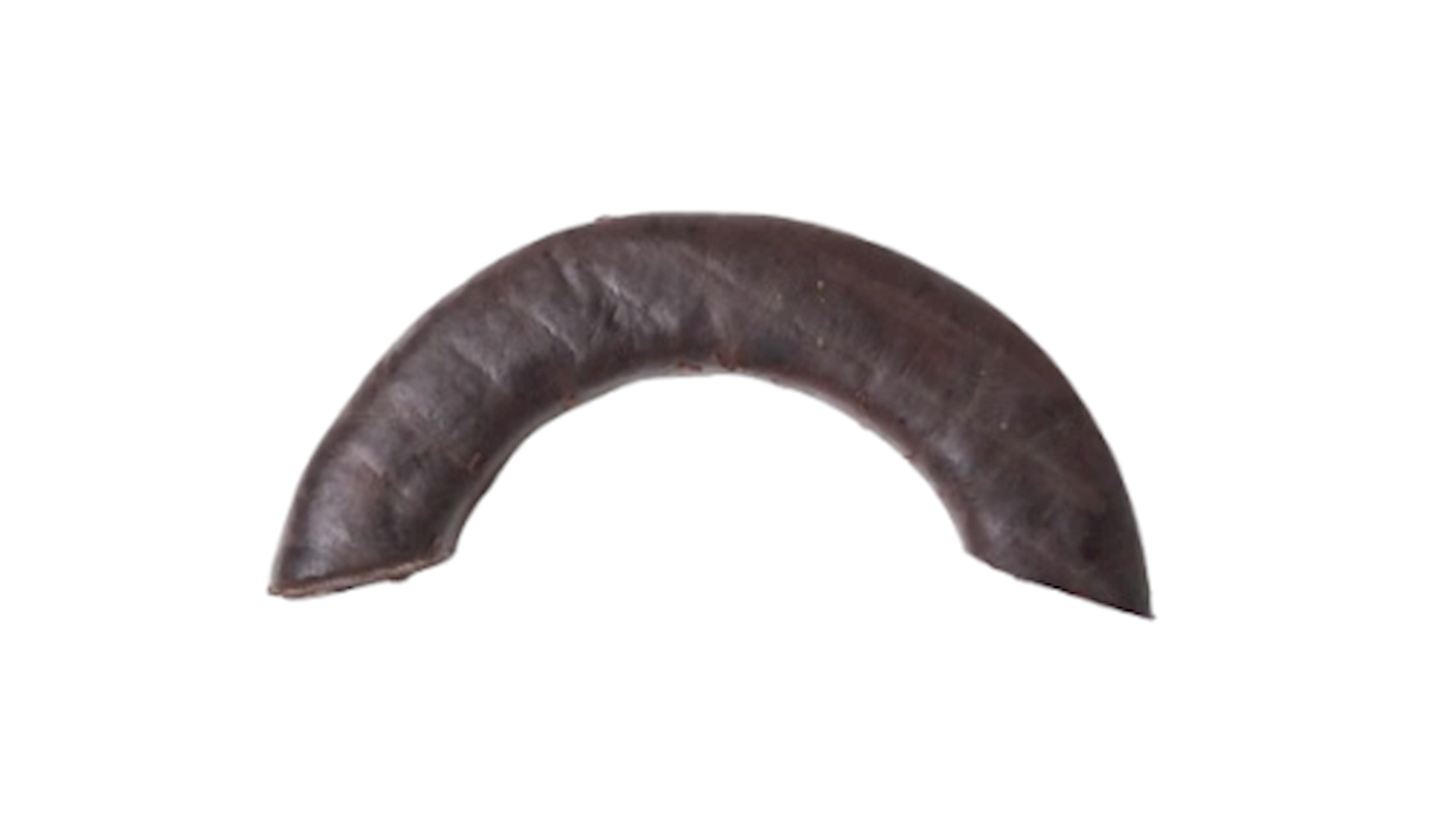
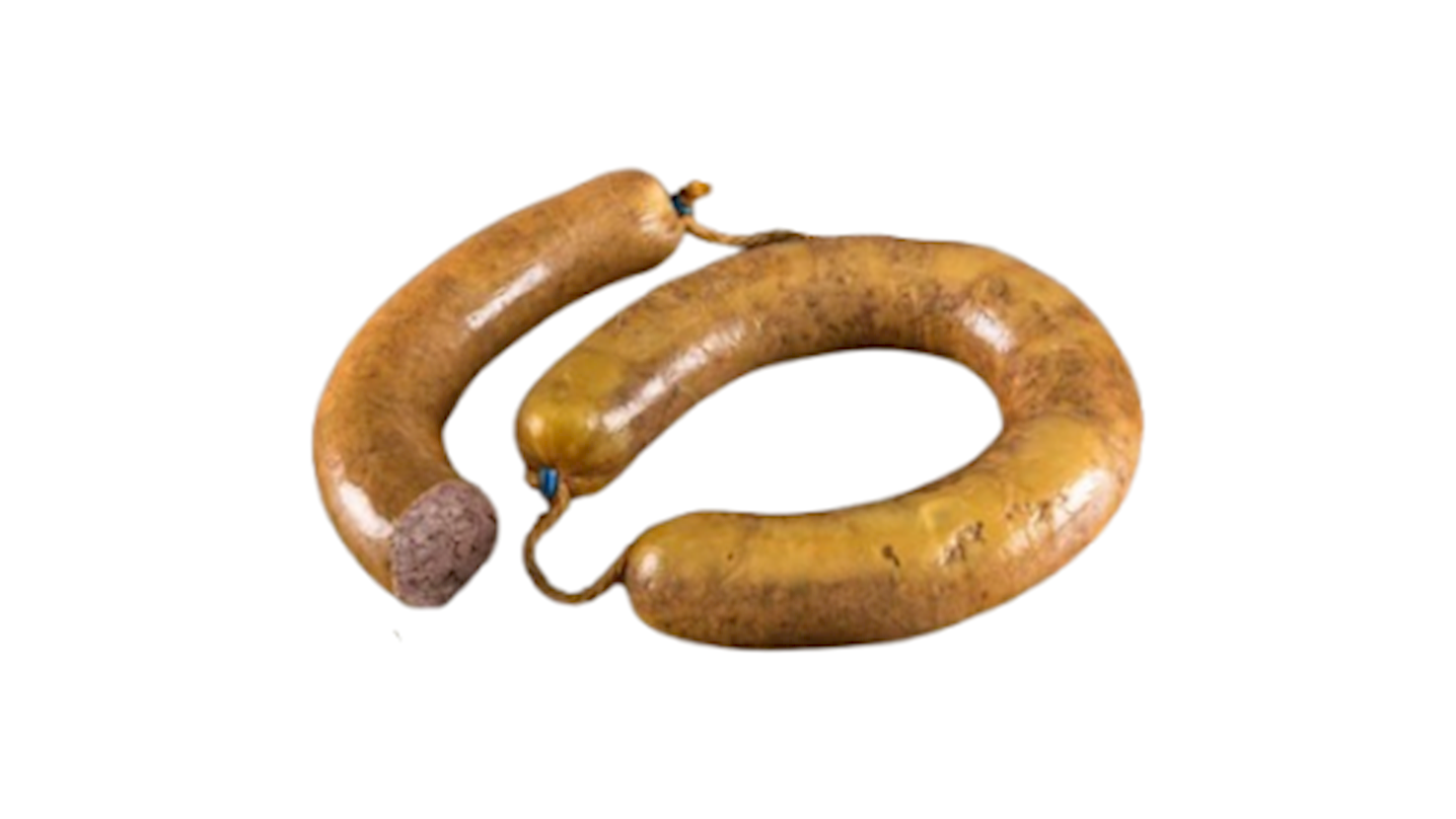
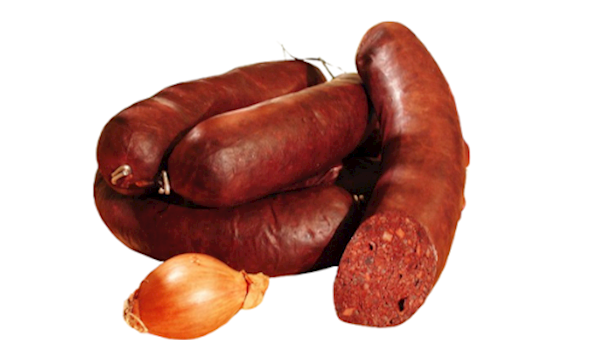
Morcilla de Burgos are blood sausages that are traditionally made in the province of Burgos. This is one of the many varieties of blood sausage, or black pudding, present all around the world. The recipe for this delicacy is fairly simple and uses only a few humble ingredients. An interesting fact about this recipe is that it doesn't actually involve any meat, since morcilla de Burgos is made by chopping and sautéing the onions with butter, then combining them with rice, lard, blood, and spices. The mixture is then used to fill the sausage casings before being cooked. This sausage owes its flavor mostly to the spices used in its preparation, mainly pepper and paprika. It can be eaten as it is, but it's mostly consumed after being fried or sautéed.

Best European Cooked Sausages

01

Embutidos Ezequiel

4.9 ·

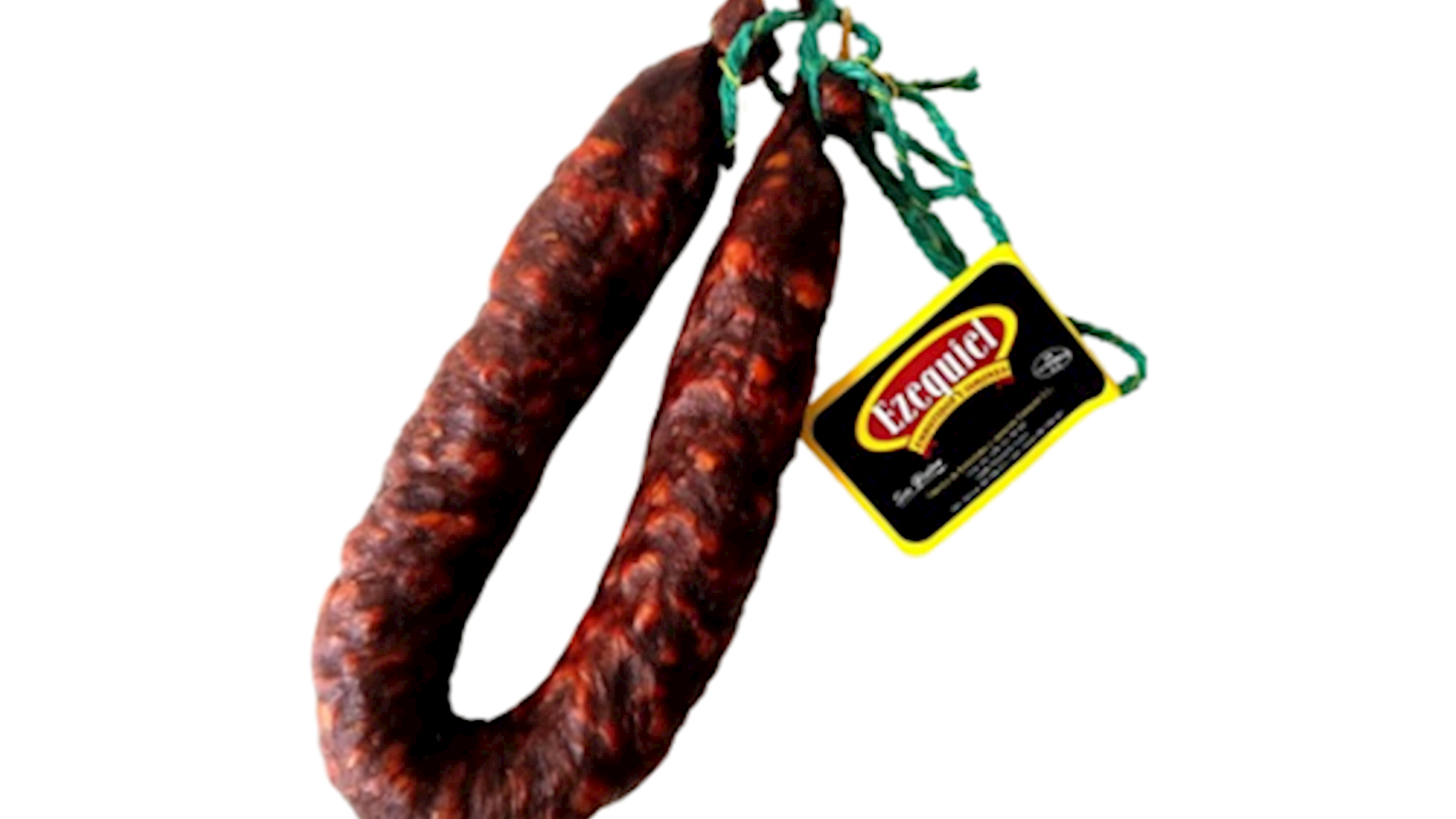
Embutidos Ezequiel is a family-owned company based in Villamanín, in the heart of the mountainous region of La Montaña Central in the province of León, Spain. Founded in 1945, the company specializes in the production of traditional cured meats, including the renowned chorizo and morcilla. Their products are crafted using authentic recipes and 100% natural ingredients, without artificial additives, and are cured in the natural mountain air, which enhances their unique character and flavor.

Embutidos Ezequiel has become a true symbol of the gastronomic heritage of the León region, and a name synonymous with quality throughout Spain and beyond.

02

Charles Macleod

4.9 ·

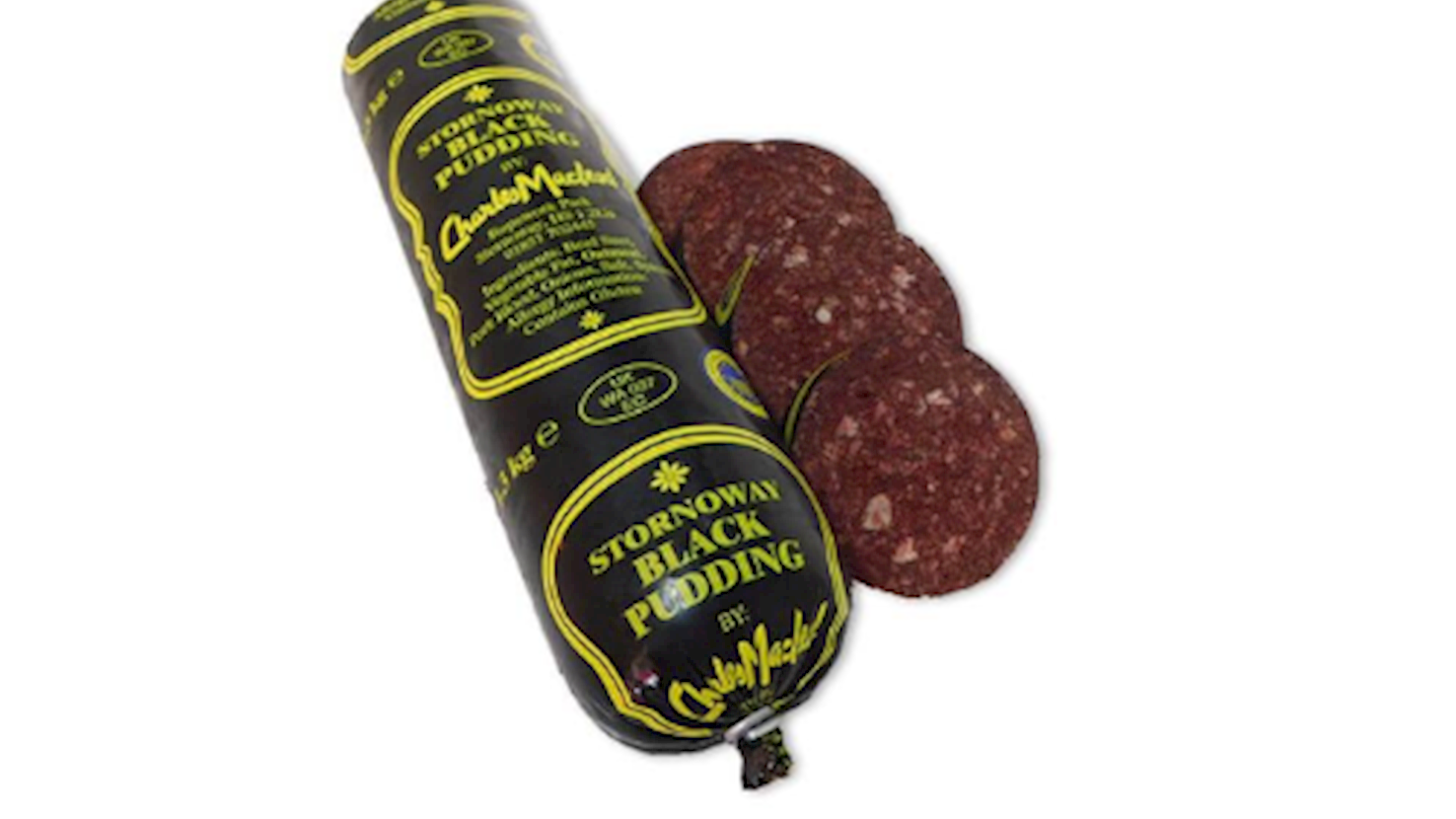
Charles Macleod is a renowned family business specializing in the production of traditional meat products, particularly famous for its iconic Stornoway Black Pudding, which has become well-known and highly regarded throughout the United Kingdom. The company was founded in 1947 and has since dedicated itself to producing high-quality meat products using authentic recipes passed down through generations. The company takes great pride in its tradition and experience, crafting products with care and dedication to original methods.

Stornoway Black Pudding is distinctive for its rich flavor and unique texture, and due to its quality, it has won numerous awards, including prestigious Great Taste Awards. This product has become an essential specialty on menus and in stores across United Kingdom.

Awards
Great Taste Awards - 2 Stars (2021, 2019)
Great Taste Awards - 1 Star (2018)
03

Macleod & Macleod

4.8 ·

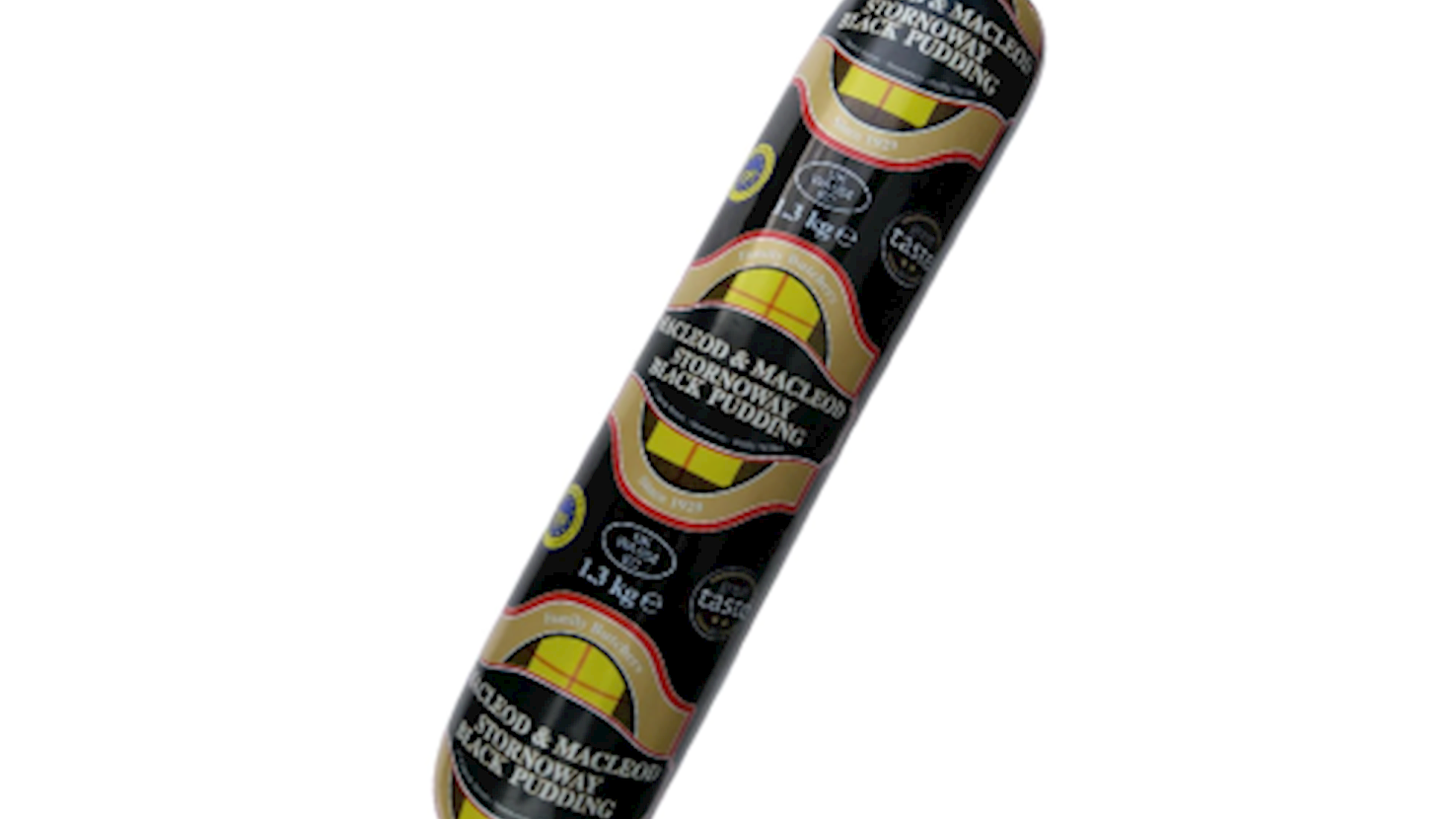
Macleod & Macleod is a family-owned butcher shop based in Stornoway, on the Isle of Lewis in Scotland, renowned for its exceptional craftsmanship in traditional Scottish meat products. The business was founded in 1929 by Kenny MacLeod and his brother-in-law Donald MacLeod, and it has remained in the hands of the same family ever since.

Today, it is run by Kenneth MacLeod and his two sons, James and Kyle, who carry on the family tradition as the third generation. They are best known for their Stornoway Black Pudding, one of the most highly regarded traditional products of its kind in Scotland. The recipe is carefully guarded, and the pudding is made from locally sourced ingredients, including oatmeal, suet, blood, and spices – all handcrafted using time-honored methods. Macleod & Macleod is respected not only for the quality of its products but also for embodying the true spirit of Scottish butchery, deeply rooted in the local community and culinary heritage.

Awards
Great Taste Awards - 3 Stars (2021)
04

Maison Vérot

4.7 ·

Maison Vérot is a prestigious French butcher and delicatessen that has been preserving the tradition of fine charcuterie - the art of crafting cured and prepared meat products - for generations. Founded in the 1930s, it is now led by Gilles Vérot, a master charcutier known for his respectful fusion of artisanal techniques with contemporary flavors.

Based in Paris, Maison Vérot's products can also be found in top restaurants and luxury food boutiques. The quality of the meat and the careful selection of ingredients lie at the heart of their philosophy, with a strong emphasis on French sourcing and sustainable production.

The visual appeal of their creations, the balance of flavor and texture, and their attention to seasonality make their products truly distinctive. Maison Vérot is not only a symbol of authenticity and tradition, but also a shining example of how French culinary heritage can be carried forward and reimagined with taste and integrity.

Their shops in Paris are places of both artisanal excellence and exceptional gastronomic experience.

05

Embutidos Rios

4.7 ·

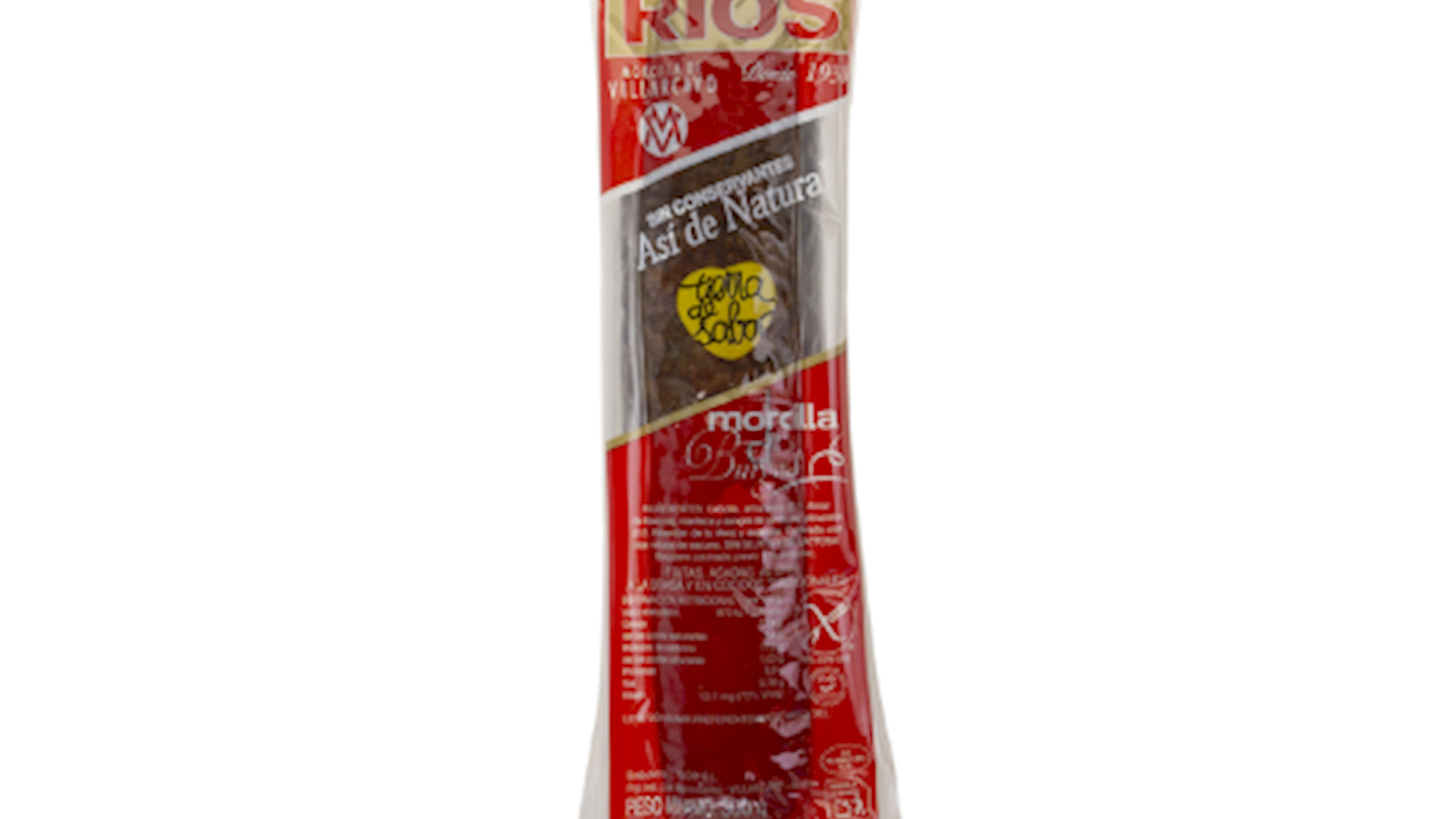
Embutidos Ríos is a family-owned company based in Villarcayo, in the province of Burgos, with a tradition in cured meat production dating back to 1930. The company is primarily known for its specialization in morcilla de Burgos, a traditional Spanish blood sausage made with rice, which is one of the most emblematic products of the region.

Production focuses on natural ingredients and the preservation of traditional recipes, while incorporating modern technologies to ensure consistent quality and wider distribution. Over the decades, Embutidos Ríos has developed a strong expertise in this category, offering different formats and variations adapted to contemporary market demands without compromising authenticity.

The brand holds a solid position within the Spanish market, where morcilla de Burgos is recognized as a key regional specialty. One of its distinguishing features is the balance between artisanal heritage and innovation, including early adoption of vacuum packaging and product development aimed at extending shelf life.

Despite its growth, the company has maintained its family character and continuity across generations, with a clear focus on product quality and the preservation of traditional culinary identity.

Awards
Great Taste Awards - 2 Stars (2023, 2022)
06

Embutidos Alejandro

4.7 ·

Embutidos Alejandro is a family-owned company based in Logroño, in the heart of Spain's La Rioja region, specializing in the production of high-quality cured meats. Established in 1987, the company prides itself on its tradition and commitment to creating products that reflect the richness of local gastronomy.

Embutidos Alejandro offers a wide range of products, including various types of chorizo sausages, chistorra, salchichón, and salchichas. Embutidos Alejandro is dedicated to maintaining high standards of quality, making it a recognized brand in the world of Spanish cured meats.

07

Metzgerei Reichenbach

4.6 ·

Metzgerei Reichenbach is a family-owned butcher shop located in the picturesque Glottertal, near Freiburg in Germany’s Black Forest region. Founded in 1958, the business has grown into a unique production chain that encompasses all stages of meat production: from livestock farming and slaughtering to meat processing and retail.

This approach ensures full control over the quality and freshness of its products. The livestock—around 1,000 cattle and 1,500 pigs - is raised on the company’s own pastures and in cooperation with local partners. The butcher shop is renowned for its traditional specialties and offers a wide range of products including beef and veal, game, sausages, cured meats, and barbecue items.

Metzgerei Reichenbach operates several retail locations. A special innovation is the “Reichenbach24 Smartstore” - a self-service shop open 24/7, allowing customers to shop at any time of day.

08

Loške Mesnine

4.6 ·

Loške Mesnine is a Slovenian company specializing in the production of fresh meat and meat products, emphasizing high-quality, locally sourced ingredients. Their product range includes fresh meats, meat products, 100% beef items, halal-certified products, and gift packages.

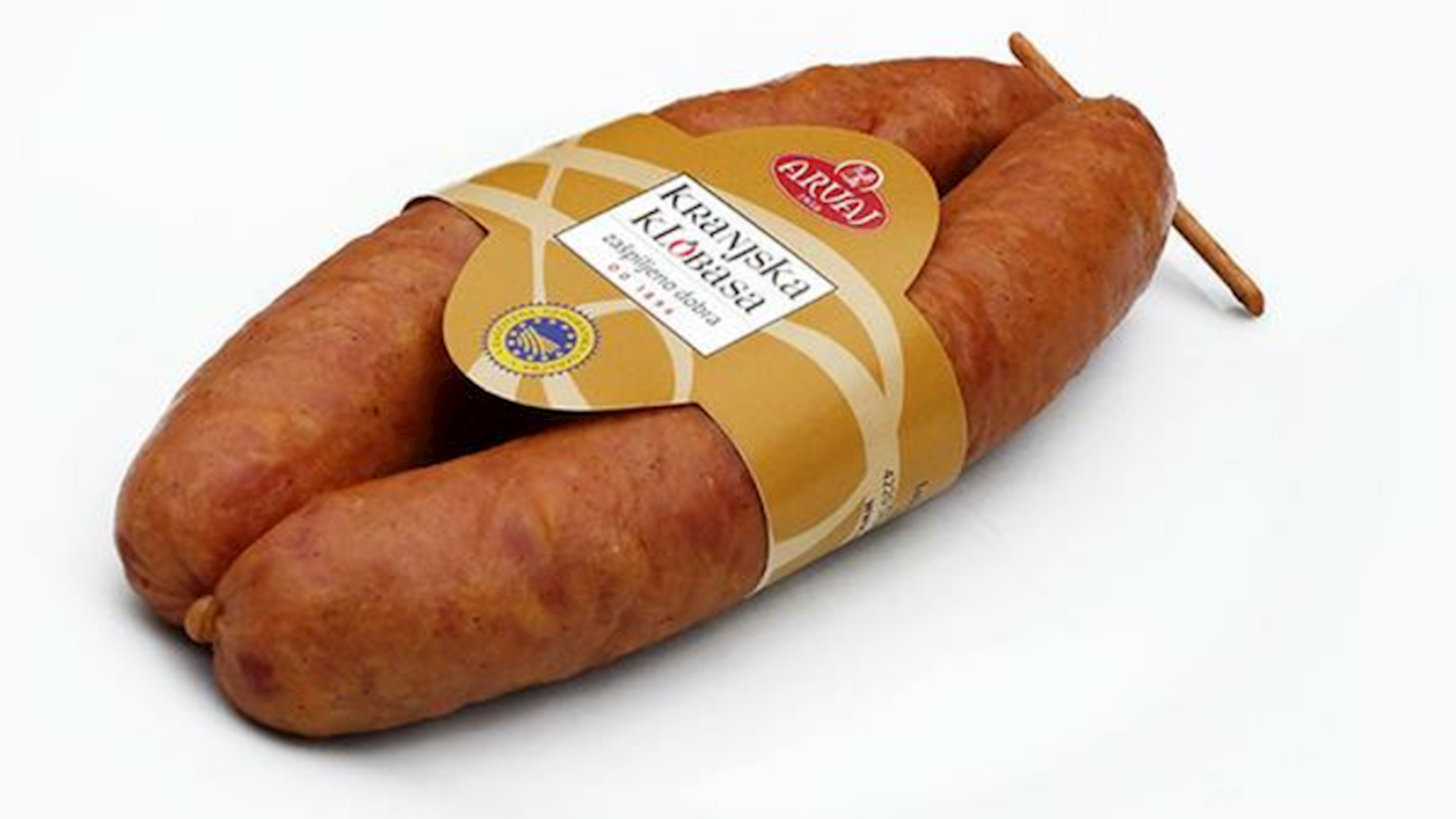
Notably, their Arvaj brand Kranjska klobasa, a traditional Slovenian sausage protected by geographical indication, has received multiple awards, including the title of Best Kranjska Klobasa. Additionally, their 100% beef products have obtained halal certification, ensuring quality through in-house processing.

Awards
Zaščitena geografska označba - ZGO
GIZ Kranjska klobasa - Kranjska klobasa - zašpiljeno dobra
09

Boucherie Nyffeler

4.6 ·

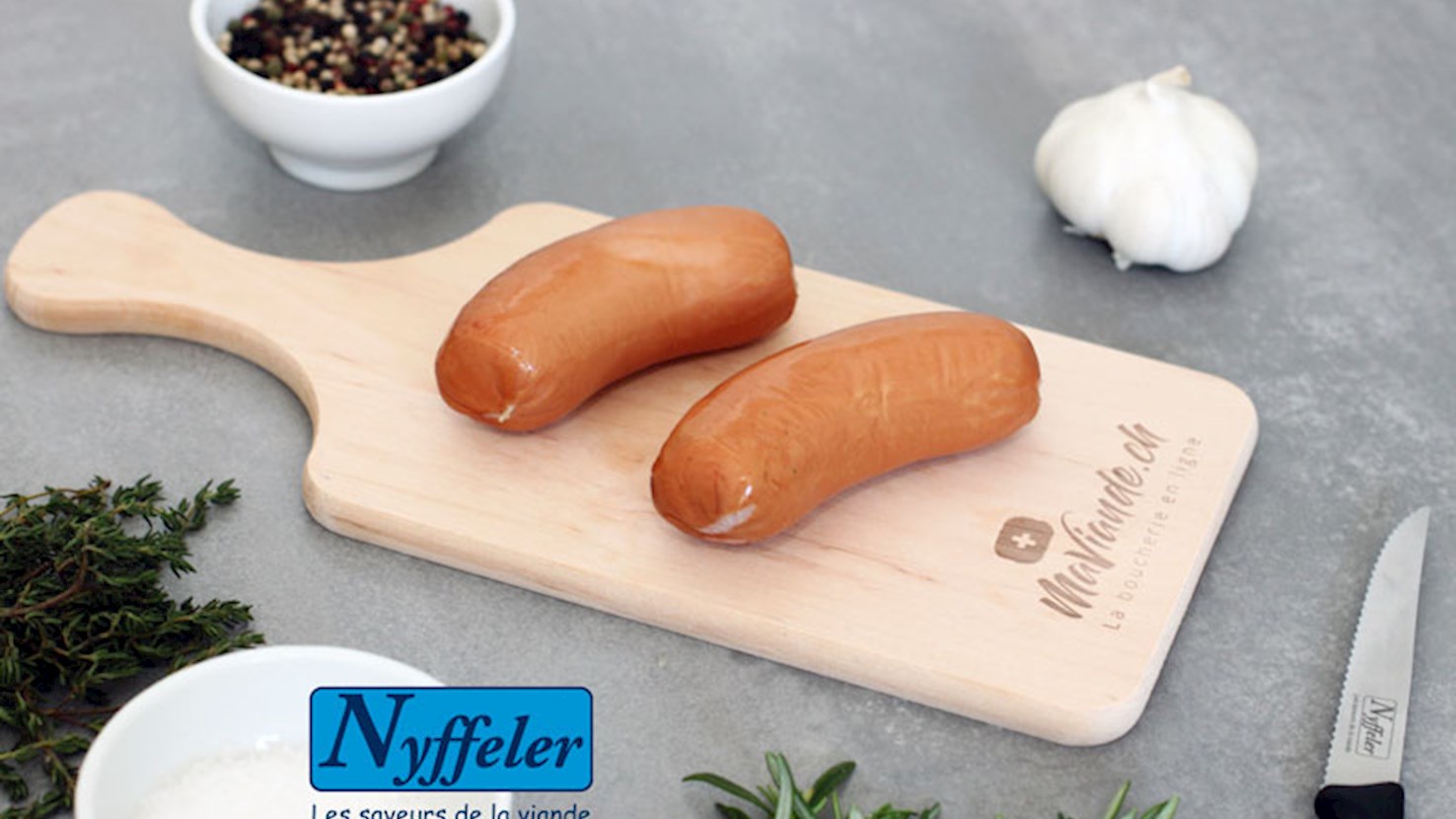
Boucherie Nyffeler is a renowned butcher shop and catering service located in Moutier, Switzerland. This butcher shop has a long tradition of providing top-quality meat products and specialties such as cervelas (a Swiss sausage).

It is recognized for its high-quality meat delicacies and services that cater to all the needs of its customers. Boucherie Nyffeler offers a wide range of products, including various types of meat products, sausages, pâtés, and ready-to-eat dishes. Their butcher shop is known for the freshness of its products, as well as the use of high-quality, local ingredients.

Boucherie Nyffeler takes pride in preserving the tradition of artisanal meat production, combining modern technology with old, traditional techniques.

10

Metzgerei Burkhardt

4.6 ·

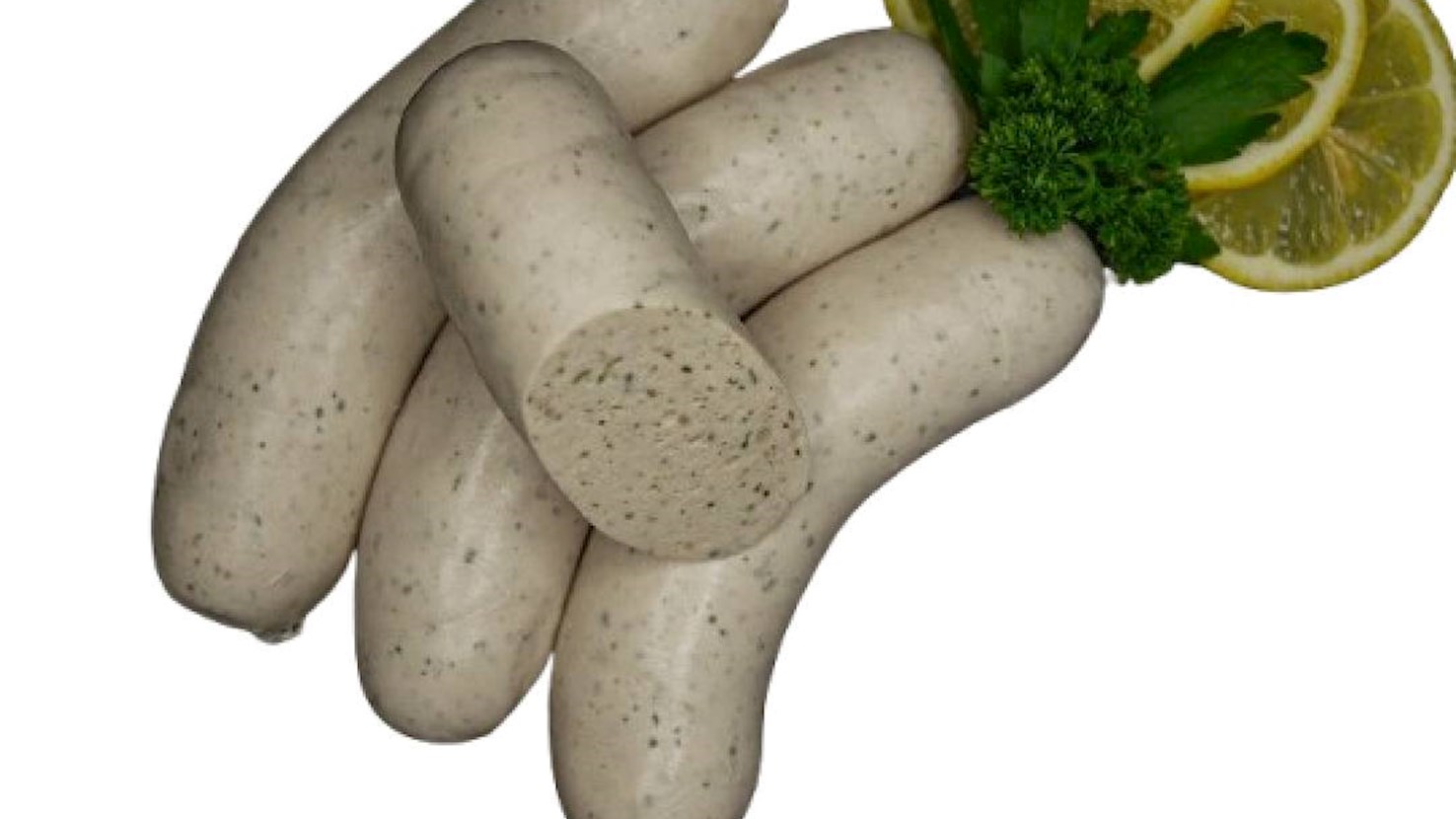
Metzgerei Burkhardt is a family-owned butchery with a long-standing tradition, founded in 1961 in Mannheim, where the third generation continues to passionately craft premium-quality meat products. Their dedication to the craft and commitment to excellence have earned them numerous prestigious awards, including the titles of German and European champion in white sausage making.

They are particularly renowned for their seamless blend of tradition and innovation, constantly refining their recipes to satisfy even the most discerning connoisseurs of fine meats. Their selection includes a wide range of fresh and cured meats, all prepared according to carefully guarded family recipes, with an unwavering focus on quality.

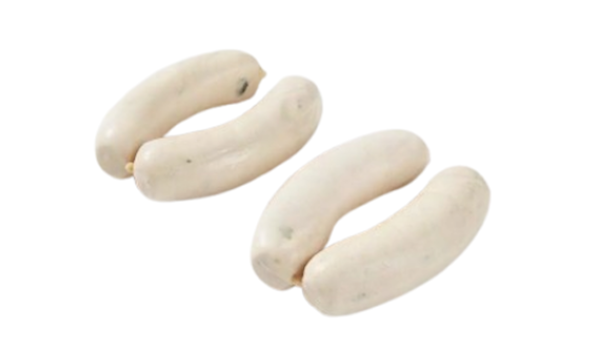
The love for their craft is evident in every piece of meat that leaves their workshop. In addition to classic delicacies, Metzgerei Burkhardt also stands out with creative innovations such as their unique sausage cake, proving that tradition and modern culinary trends can go hand in hand.

About this Ranking

TasteAtlas food rankings are based on the ratings of the TasteAtlas audience, with a series of mechanisms that recognize real users and that ignore bot, nationalist or local patriotic ratings, and give additional value to the ratings of users that the system recognizes as knowledgeable. For the “Top 100 European Cooked Sausages” list until July 15, 2026, 10,208 ratings were recorded, of which 7,805 were recognized by the system as legitimate.

TasteAtlas Rankings should not be seen as the final global conclusion about food. Their purpose is to promote excellent local foods, instill pride in traditional dishes, and arouse curiosity about dishes you haven’t tried.

The initial list of top producers was compiled based on available reviews, awards, local recommendations, media and blog coverage, and consumer reviews. The list will be updated with ratings from TasteAtlas local ambassadors and TasteAtlas users.

What People Say

Similar Lists