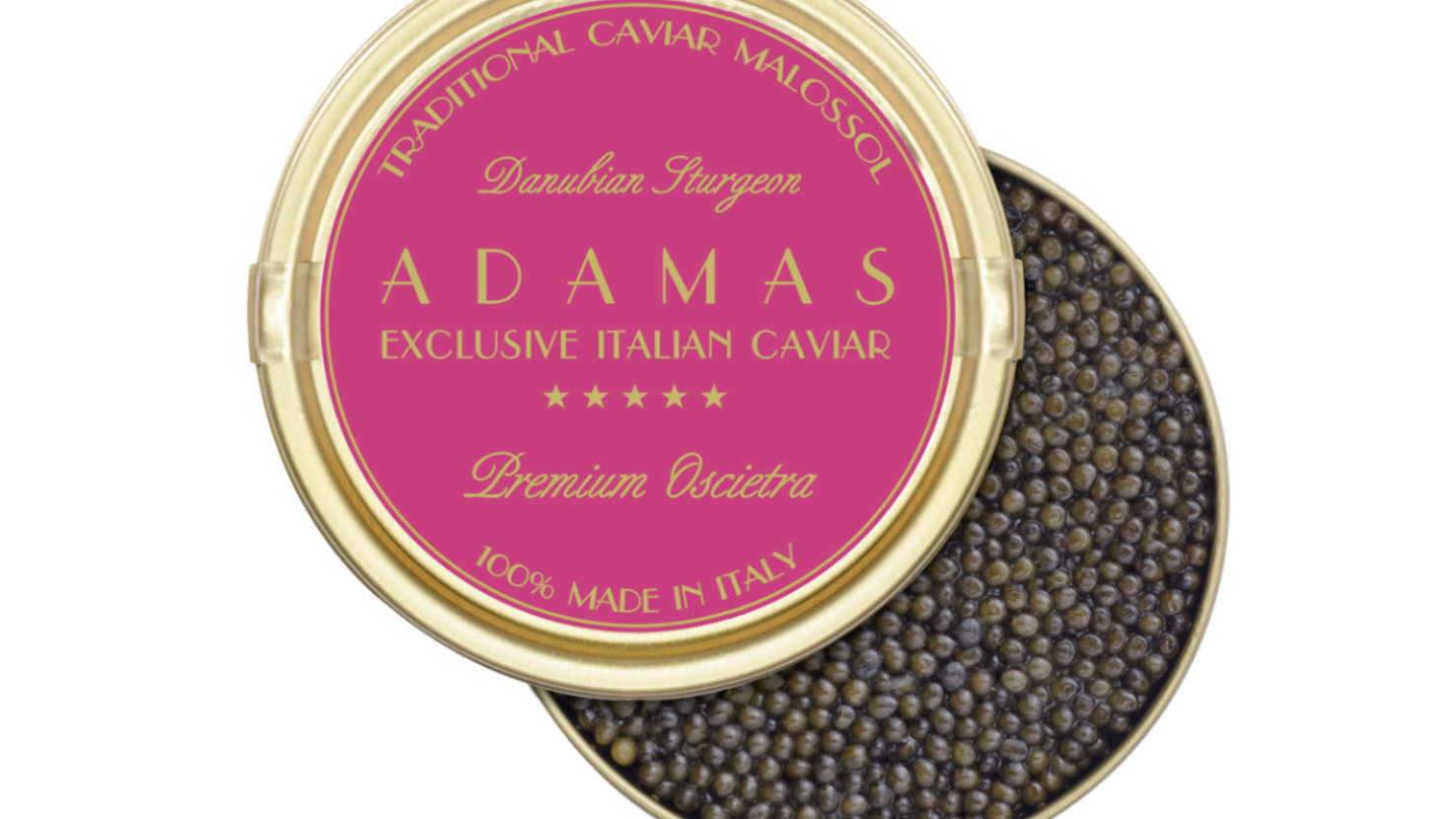
Adamas is an Italian caviar brand produced by Salmo Pan, based in Pandino, in the province of Cremona, Lombardy. It grew out of the Giovannini family’s fish-farming tradition, which began in the 1950s and now spans three generations of breeders.
The family business initially focused on trout before converting entirely to sturgeon farming in the early 2000s. A defining feature of Adamas is its control over the entire production cycle, from breeding and egg incubation through several years of fish rearing to roe processing at the same location.
The farm’s location in the Tormo River Natural Park plays an important role. The river is fed by natural springs whose waters filter through layers of sand and gravel. In addition to river water, the farm has access to drinking-water wells, helping maintain farming conditions during dry periods. The caviar is prepared using the traditional malossol method, with a small amount of salt to preserve the roe’s distinctive character.
The range includes caviars from various sturgeon species and their hybrids, including Prestige Selection, Premium Oscietra, Imperial Oscietra, Premium Sevruga, Royal Fusion, American Tradition, and Imperial Beluga, as well as Golden Adamas from albino sturgeon. The selection is complemented by sturgeon meat in olive oil, gift sets, and serving accessories.
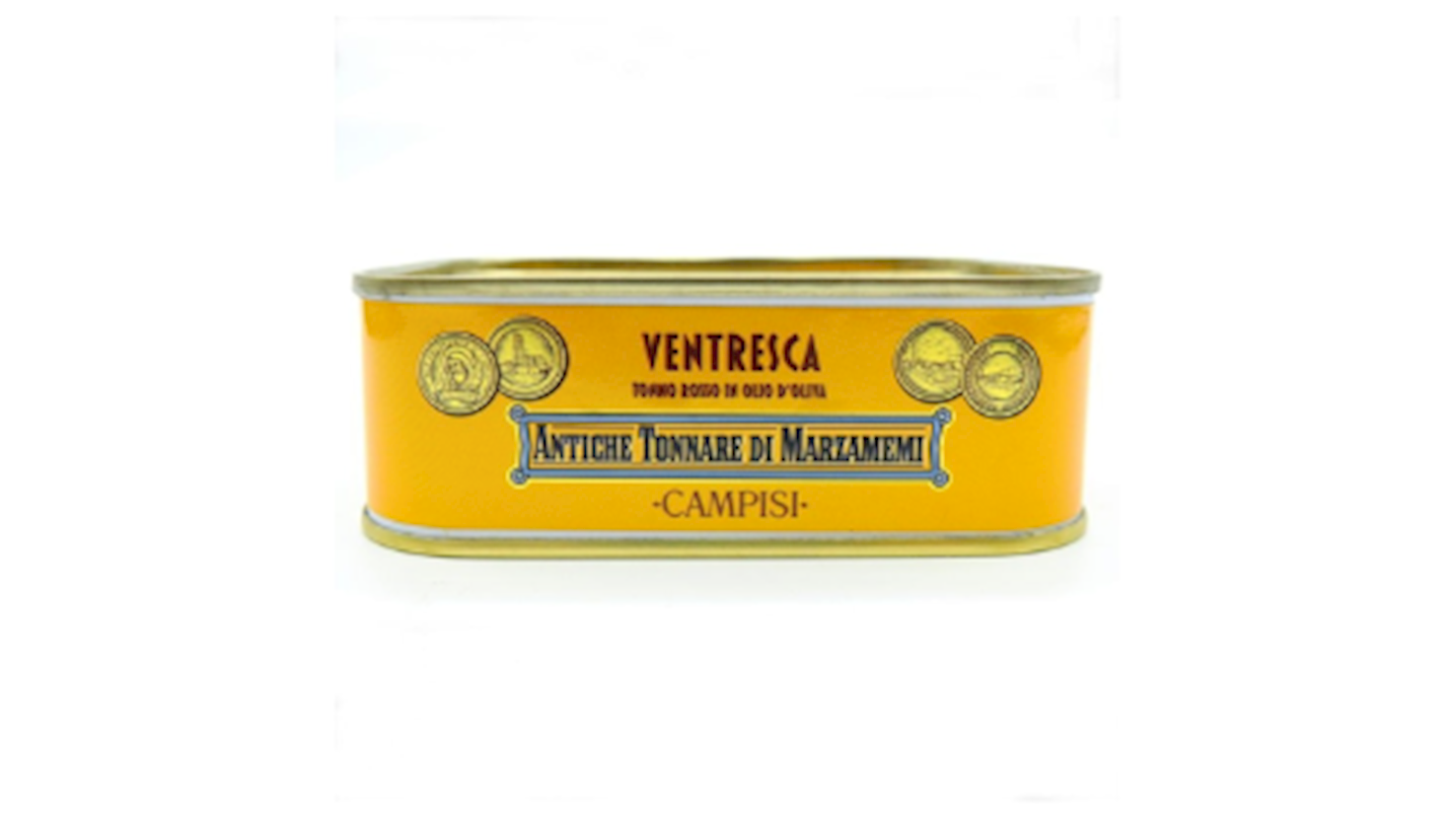
Campisi Conserve is a Sicilian producer of premium canned fish and gourmet products, based in Marzamemi, a small coastal village in the province of Syracuse. The company dates back to 1854, making it one of the oldest tuna producers in Italy.
The family tradition of fish processing developed near the historic tonnara, an old tuna processing site that shaped the identity of the area. Campisi works with fish species typical for Sicilian waters, such as bluefin tuna, amberjack, swordfish and mackerel, relying on local fishermen.
The brand’s philosophy is rooted in respect for the territory and seasonality of the catch, using sustainable methods such as hook-and-line fishing. The fish is processed by hand, and the cans contain only a minimal number of ingredients to preserve the natural taste and texture of the meat.
Because of its authenticity and artisanal production, the brand appeals to consumers who value quality and traceability. Campisi Conserve demonstrates how canned fish can carry a strong sense of place, tradition and terroir.
The brand is a clear example of how a “delicacy” can come from a can - when the raw material is respected and the natural rhythm of the sea is honored.
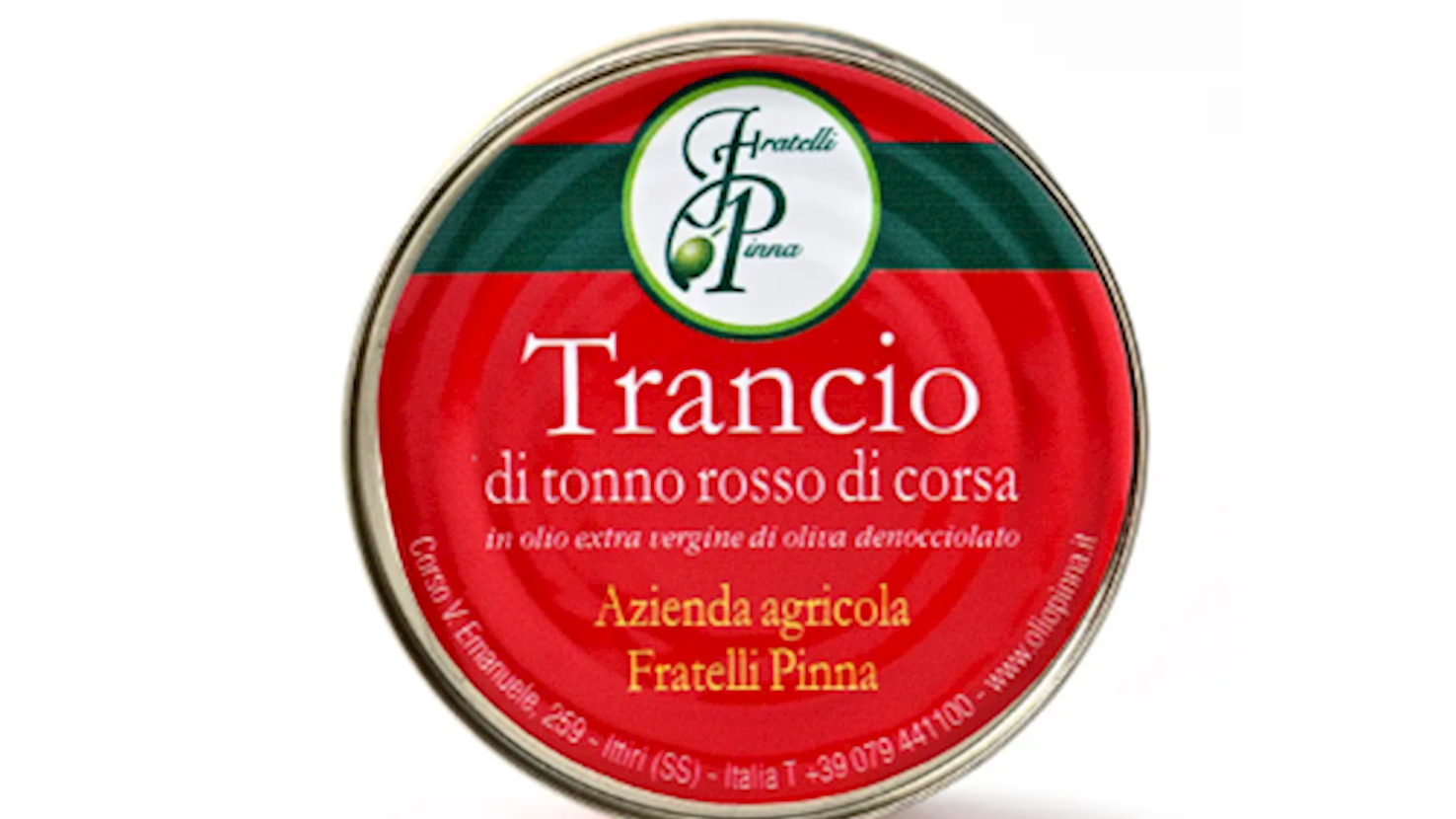
Azienda Agricola Fratelli Pinna is a family-run agricultural producer based in Sardinia with a history that spans more than a century, rooted primarily in the cultivation of olives and the production of extra virgin olive oil from the Bosana variety. The company manages its own groves and oversees the full production cycle, maintaining a consistent focus on raw material quality and traceability.
While olive oil remains the core of its identity, Fratelli Pinna has gradually expanded into a range of preserved foods, using its own oil as a key medium for conservation. This includes vegetables such as artichokes, asparagus, and tomatoes, processed shortly after harvest to retain their natural characteristics.
Within this broader portfolio, the company also produces a limited selection of canned seafood, representing a smaller and more specialized segment of its offer. These products typically include tuna cuts that are handled manually and preserved in extra virgin olive oil, with raw material sourced from traditional fishing practices around Carloforte.
The approach to canned seafood follows the same principles applied across their production: minimal processing, careful selection of ingredients, and reliance on oil as both a preservative and a flavor component. Rather than focusing on industrial scale, the emphasis is on maintaining product integrity and regional identity.
This integration of agriculture and seafood preserves reflects a broader Sardinian context, where local resources are combined within a coherent production philosophy. Fratelli Pinna thus operates at the intersection of olive oil production and gourmet preserves, with canned seafood positioned as a niche but consistent extension of its core activity.
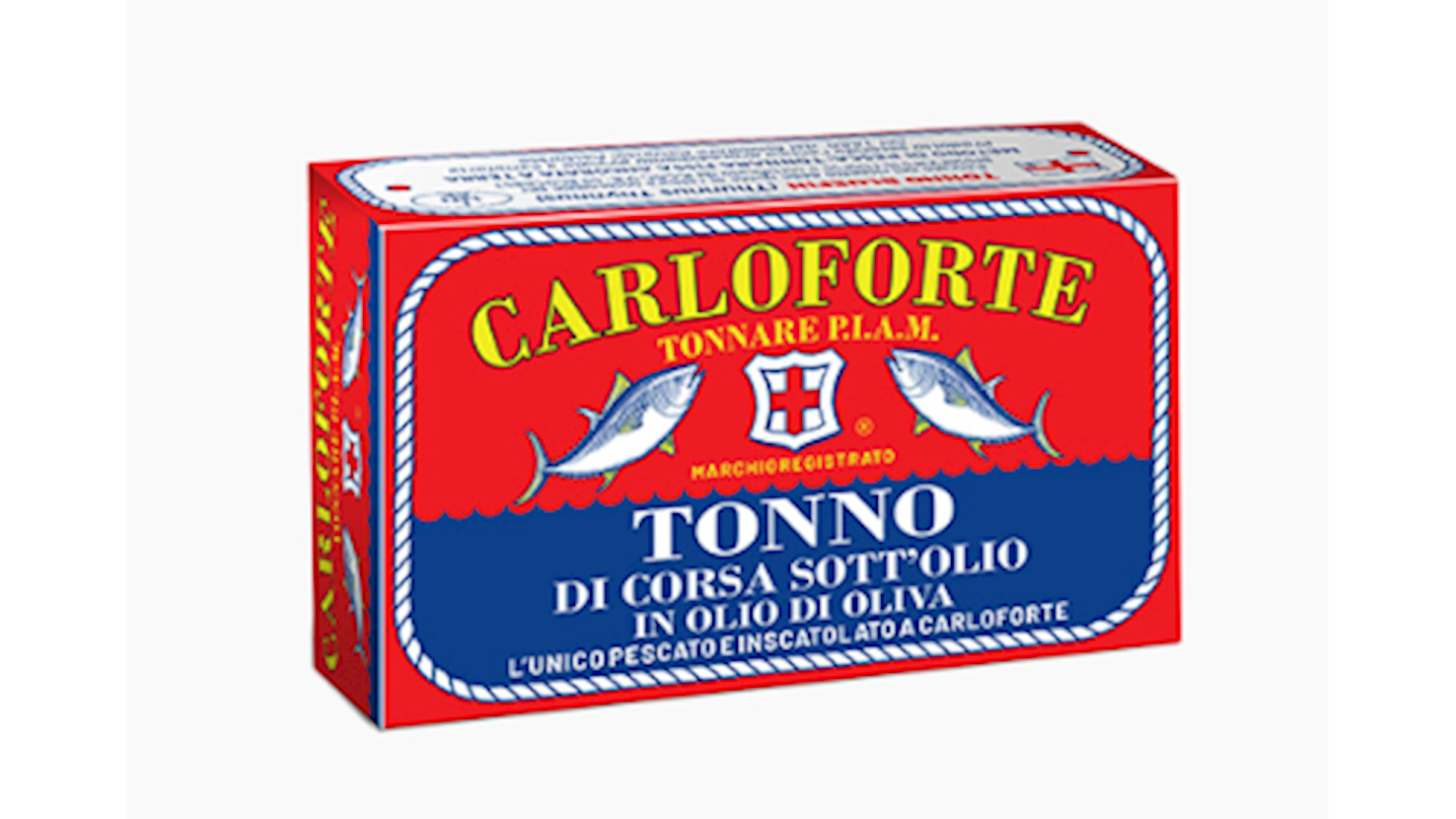
Carloforte Tonnare represents one of the last remaining traditional tuna fishing systems in the Mediterranean, located on the island of San Pietro off the southwest coast of Sardinia. Its activity is based on the historical tonnara method, a complex structure of fixed nets anchored at sea that guide migrating tuna through a sequence of chambers until the final capture stage.
This practice dates back to the 17th century, reflecting a long-standing connection between the local community and tuna fishing. The operation is organized within a defined maritime area, allowing the fish to be brought to shore and processed within a short time frame, which helps preserve quality.
The process relies on coordinated manual work, with clearly defined roles passed down through generations. Fishing is seasonal, typically taking place between late spring and early summer, when bluefin tuna migrate through these waters.
Compared to industrial methods, this system is more selective and controlled, targeting specific fish and reducing unnecessary catch. Today, Carloforte Tonnare combines this historical fishing technique with modern processing and distribution of tuna products.
Its identity is not limited to production alone, but also includes the preservation of a structured body of knowledge, skills, and practices that define this long-established maritime tradition.
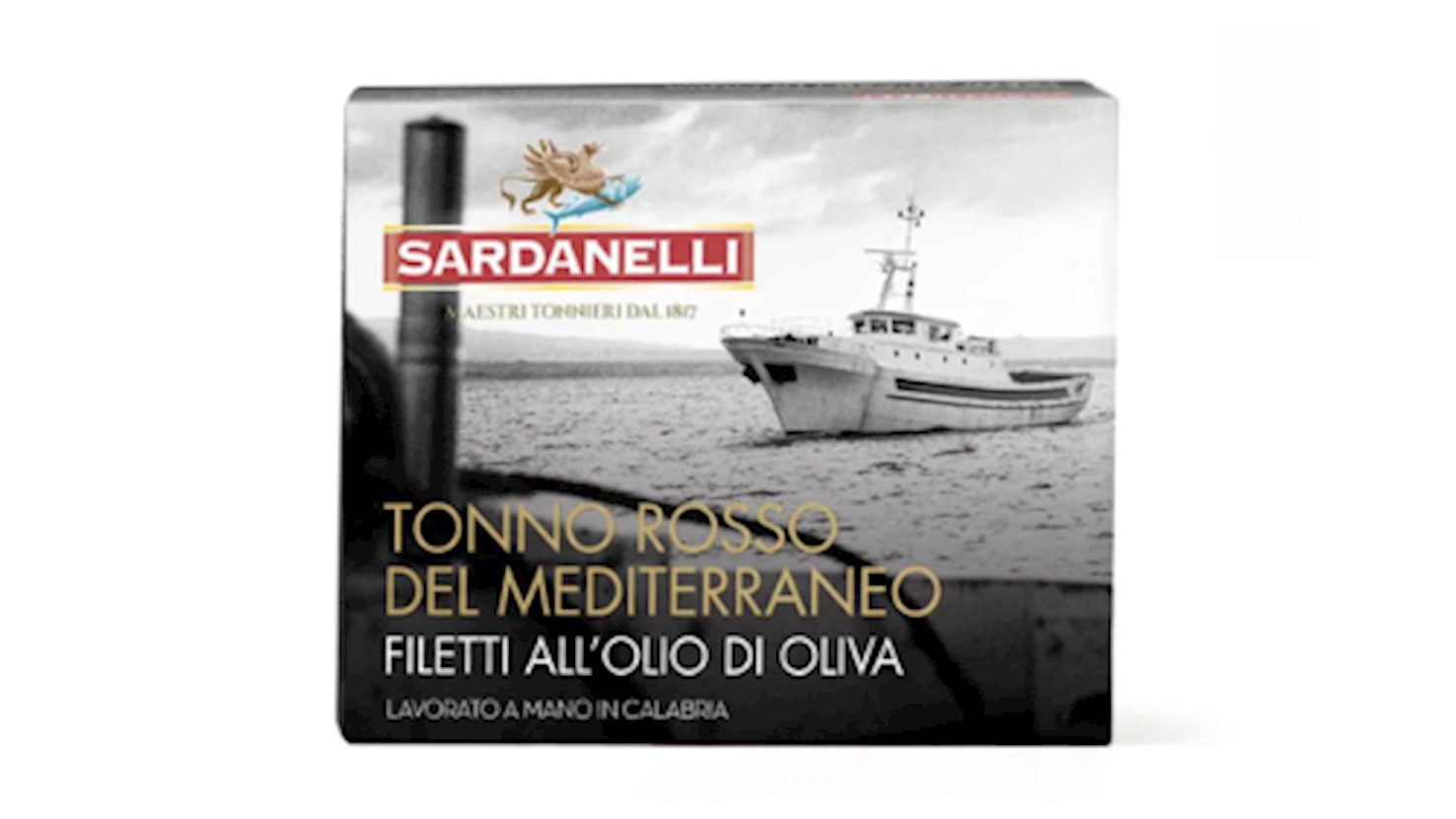
Tonno Sardanelli is a Calabrian producer of canned seafood rooted in a long-standing tradition of tuna fishing and processing. The origins of the family’s involvement in the sector date back to 1817, when members of the Sardanelli family were engaged in tuna fisheries and tonnara operations along the Tyrrhenian coast.
Today, the company operates with modern facilities while maintaining the identity of traditional tuna processors, with a continued emphasis on manual handling and quality control. Production takes place in Calabria, where the fish is processed shortly after arrival to preserve its structural integrity and freshness.
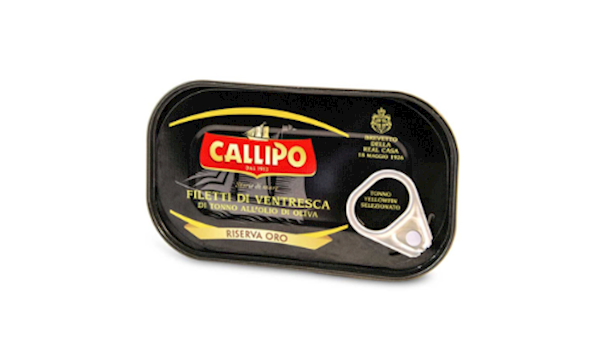
The workflow includes careful cleaning and selection of the meat after cooking, ensuring that the texture and natural appearance of the fillets are retained. The range includes various tuna products such as fillets in olive oil, ventresca, and other cuts, all positioned within the canned seafood category.
The ingredient approach is deliberately simple, typically based on tuna, olive oil, and salt, without the use of additives. The company also highlights sustainability through certifications such as Dolphin Safe and Friend of the Sea, indicating controlled sourcing and responsible fishing practices.
Tonno Sardanelli combines inherited know-how with contemporary production standards, resulting in products that reflect both regional tradition and current market expectations.
Iconsitt is an Italian producer of preserved seafood products based in Aspra, near Bagheria in Sicily. The company originated as a family business rooted in the long fishing tradition of the Balistreri family and specializes in processing and preserving Mediterranean fish using traditional Sicilian methods.
Its main focus is on anchovies, tuna, mackerel, and other species of oily fish sourced from the Sicilian coast, the Adriatic Sea, and the wider Mediterranean region. Production is based on the rapid processing of freshly caught fish to preserve its quality, texture, and natural flavor.
Over the years, the company has modernized its production facilities while maintaining a traditional and artisanal approach to selecting and processing raw materials. Iconsitt is particularly known for its careful selection of ingredients and for combining generations of expertise with modern food safety and quality standards.
In addition to its own Iconsitt brand, the company markets products under other brands including La Perla and Oro d’Aspra. Today, Iconsitt is regarded as one of Sicily’s notable seafood preservation companies, exporting its products to numerous international markets.
Adelfio Conserve Marzamemi is a Sicilian producer of canned fish founded in 1931 in Marzamemi, a small fishing village historically linked to bluefin tuna processing. The company was established within former tuna–processing facilities, where the fish is still handled in the same spaces, preserving the spirit of traditional production.
A significant part of the process relies on manual work, which maintains the natural texture and appearance of the fillets. Adelfio Conserve Marzamemi products are aimed at the gourmet market and are often used in gastronomy, especially in dishes inspired by Sicilian culinary tradition.
The products can be served straight from the jar, used in salads, on bruschetta, or as an ingredient in simple meals that highlight the quality of the fish. The brand combines the heritage of traditional fishing craftsmanship with a modern approach to quality, distinguishing it from industrial tuna producers.
Online sales allow their products to be available throughout Europe, spreading the story of Marzamemi beyond Italy. Adelfio Conserve Marzamemi demonstrates how canned fish can be an authentic gastronomic product with a clear identity.
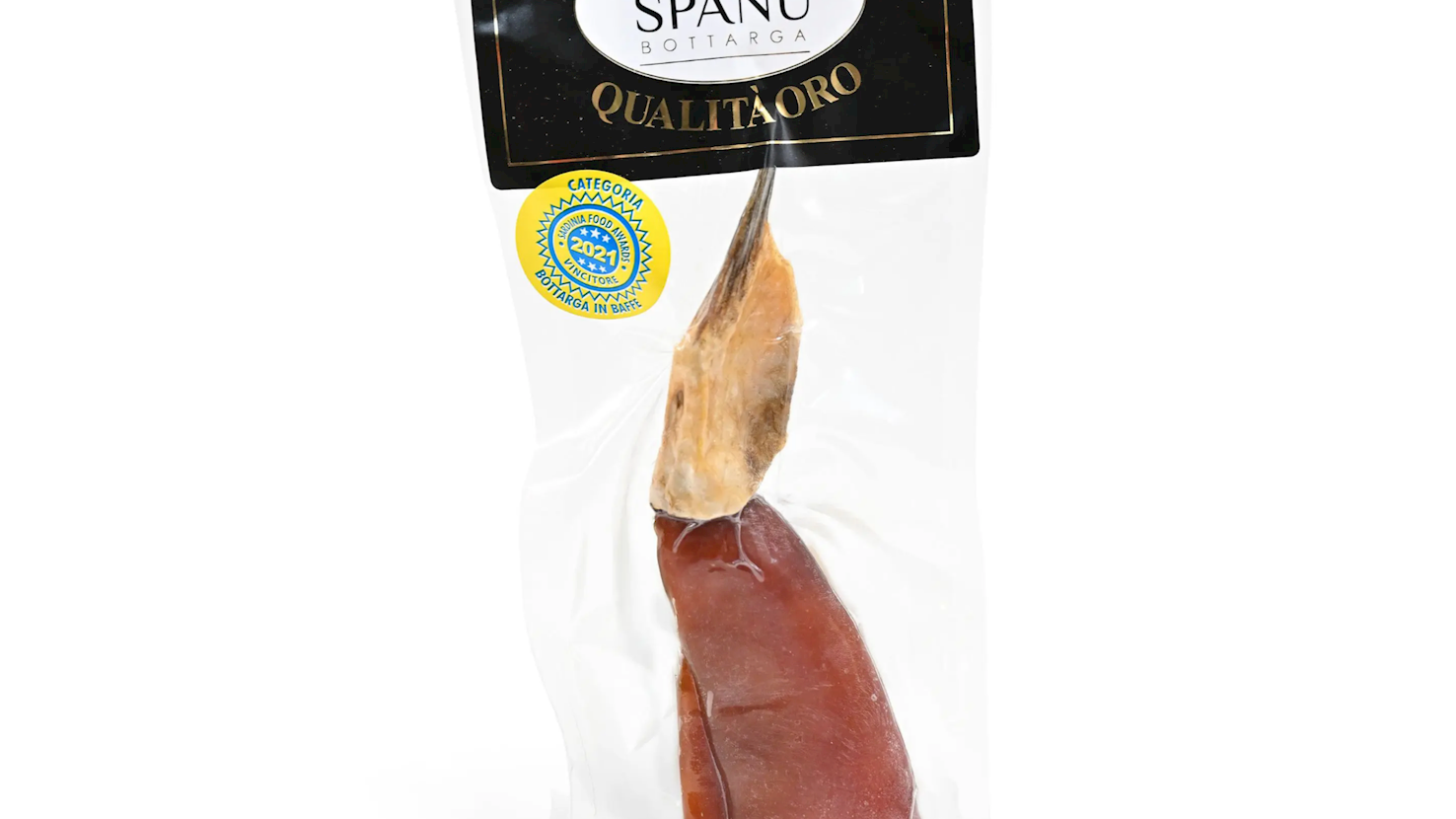
Spanu Bottarga is a family-owned bottarga producer based in Cabras, on the west coast of Sardinia, marketing its products under the Tradizioni Nostrane brand. The Spanu family has traded in fish and fish products since 1956, while the Spanu Bottarga company was established in 1986.
What began as a small family business developed into a production operation specializing in mullet and tuna bottarga, available whole and ground. Its approach is rooted in traditional processing methods, with an emphasis on preserving the distinctive flavor of Sardinian bottarga. The company uses both local and imported raw materials, as the availability of roe from the Cabras lagoon depends on catches and changing environmental conditions.
The range also includes smoked mullet and spreads made from bottarga and smoked fish, adapting traditional flavors to different uses in the kitchen.
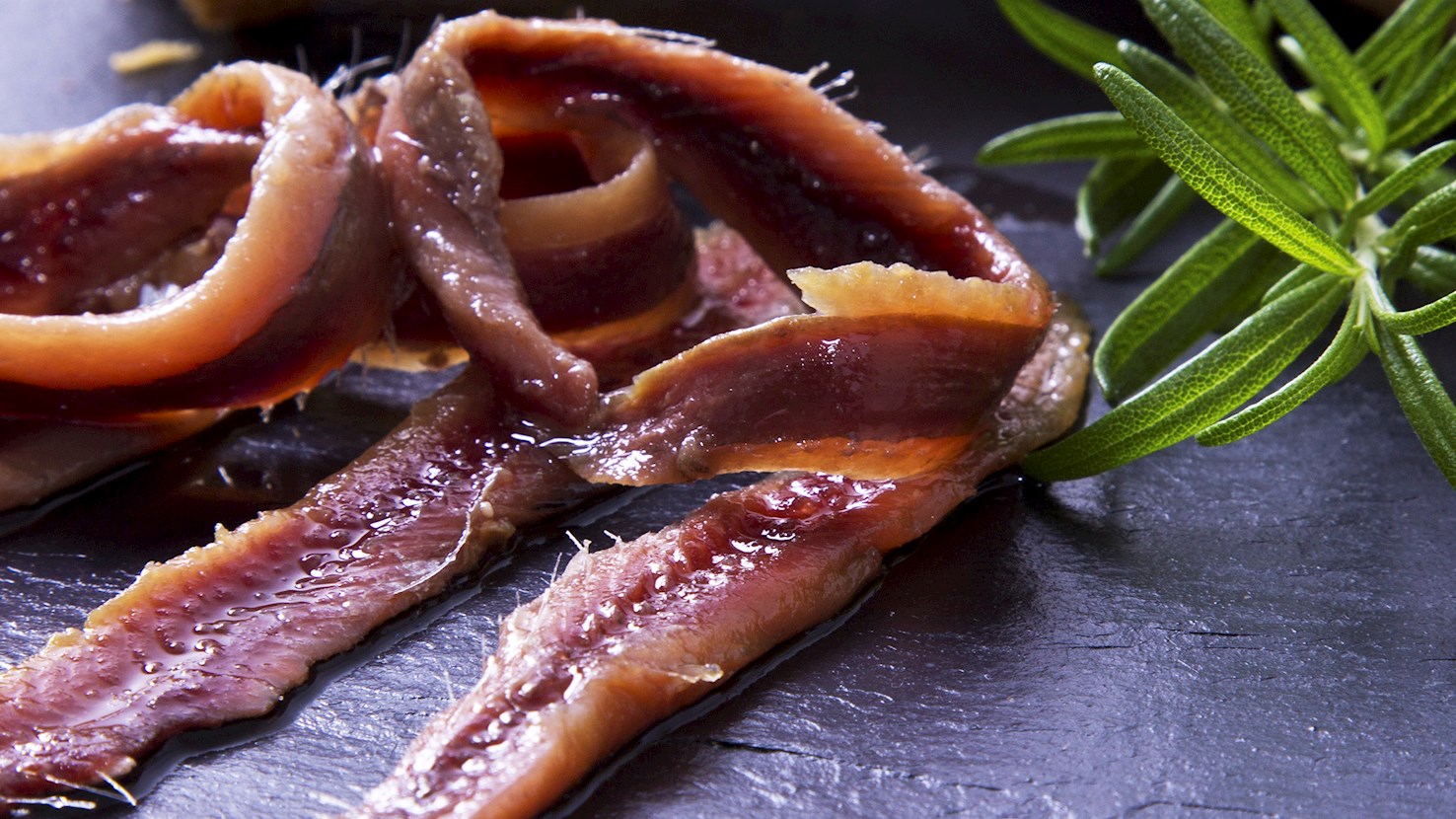
Magno Food is an Italian producer of premium canned fish, based in Naples, in the Campania region - an area renowned for its rich culinary heritage and deep connection to the sea. The company specializes in exceptional Cantabrian anchovy fillets, meticulously hand-processed and preserved in high-quality olive oil, delivering a rich flavor and delicate texture.
Magno Food distinguishes itself through its careful selection of raw materials, using only anchovies from the North Atlantic, prized for their outstanding quality. By combining traditional methods with modern production techniques, Magno Food has built a reputation among culinary experts as one of Europe’s finest producers of gourmet canned fish.
Manaide is an Italian artisanal producer of traditional seafood preserves based in Anzio, a historic fishing town on the coast of the Lazio region. The company operates as a small craft workshop dedicated to producing high-quality fish preserves using sustainably sourced seafood caught in the local Tyrrhenian Sea.
Its philosophy is built around respect for marine biodiversity, seasonality, and traditional preservation methods that highlight the natural qualities of the fish. Manaide focuses on small-batch production, careful hand processing, and the use of selected ingredients, including premium extra virgin olive oil and Mediterranean herbs.
The company works primarily with locally caught species, emphasizing traceability and freshness while supporting responsible fishing practices. Inspired by the rich maritime heritage of Anzio, a port with fishing traditions dating back to ancient Rome, Manaide combines regional identity with a modern commitment to sustainability.
Its products are designed for consumers seeking authentic Mediterranean flavors and gourmet seafood specialties crafted with attention to quality and environmental responsibility.
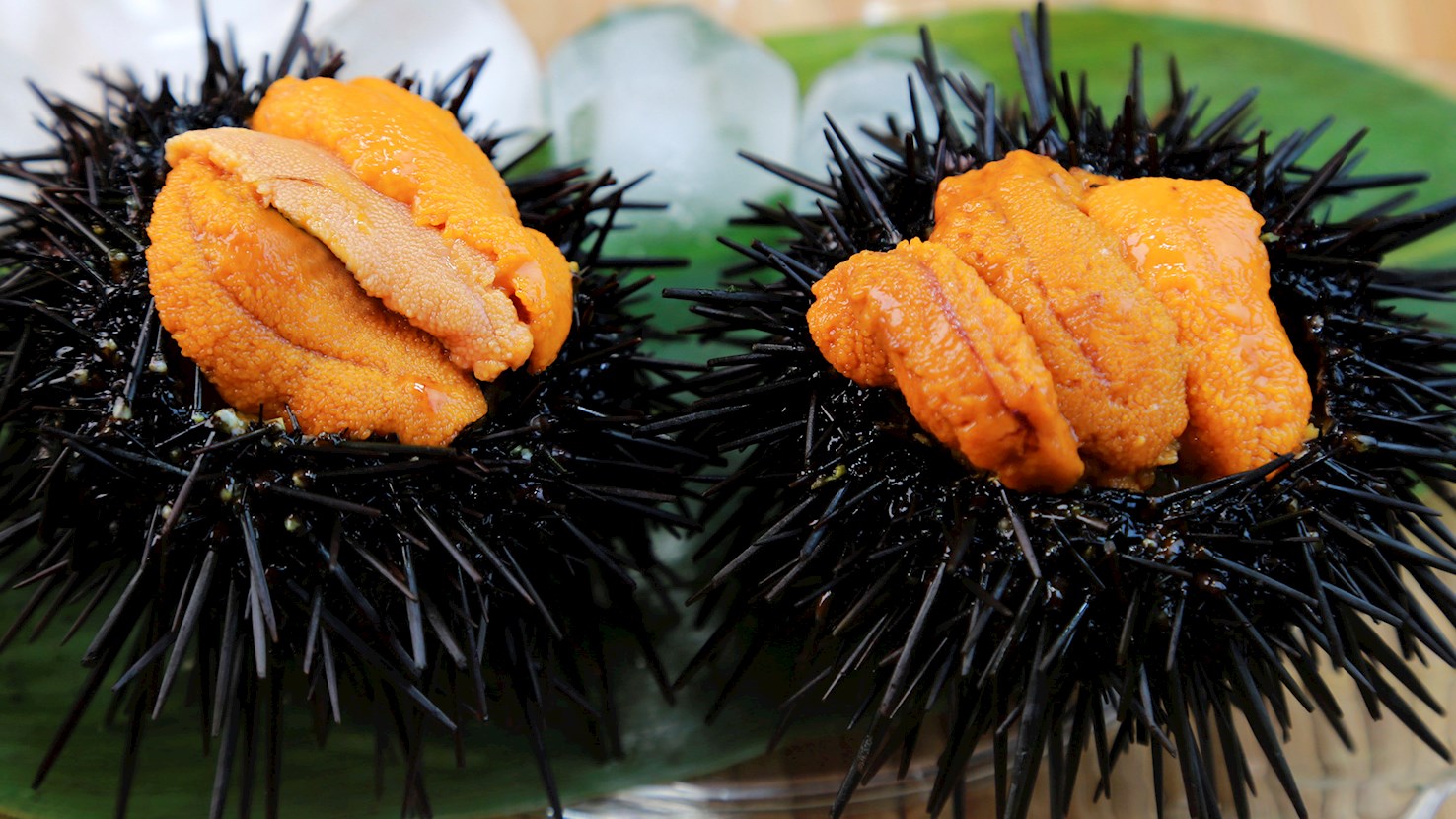
Uni is a Japanese name for sea urchin gonads, an organ which produces the animal's roe. It is the only edible part of the sea urchin, commonly consumed in various European, South American, and Asian countries. The texture of uni should be firm, creamy, and smooth, while its flavor is rich and briny. Uni is usually found at local markets or restaurants, and it can be easily incorporated into a variety of dishes. However, it should always be consumed fresh, preferably just out of the shell. In most countries, it is eaten raw, usually with a splash of lemon juice. The most prominent uni varieties are cultivated in Japan, California, Maine, and Italy, and although very similar, they are region-specific and differ in size, flavor, color, and texture. In Japan, uni is mostly used as a sushi ingredient, though it is also easily incorporated into other Japanese dishes. In Italy (ricci di mare), they are mainly found in Sicily, Sardinia, and Apulia where they are consumed raw, usually with a splash of lemon juice and homemade bread, but they are also incorporated into pasta dishes. Sea urchin gonads, known as oricios, are also consumed in various Spanish regions, in Greece (achinos), and Chile (erizos). They are eaten raw, but they are also used in sauces, patés, scrambled eggs, or soups.
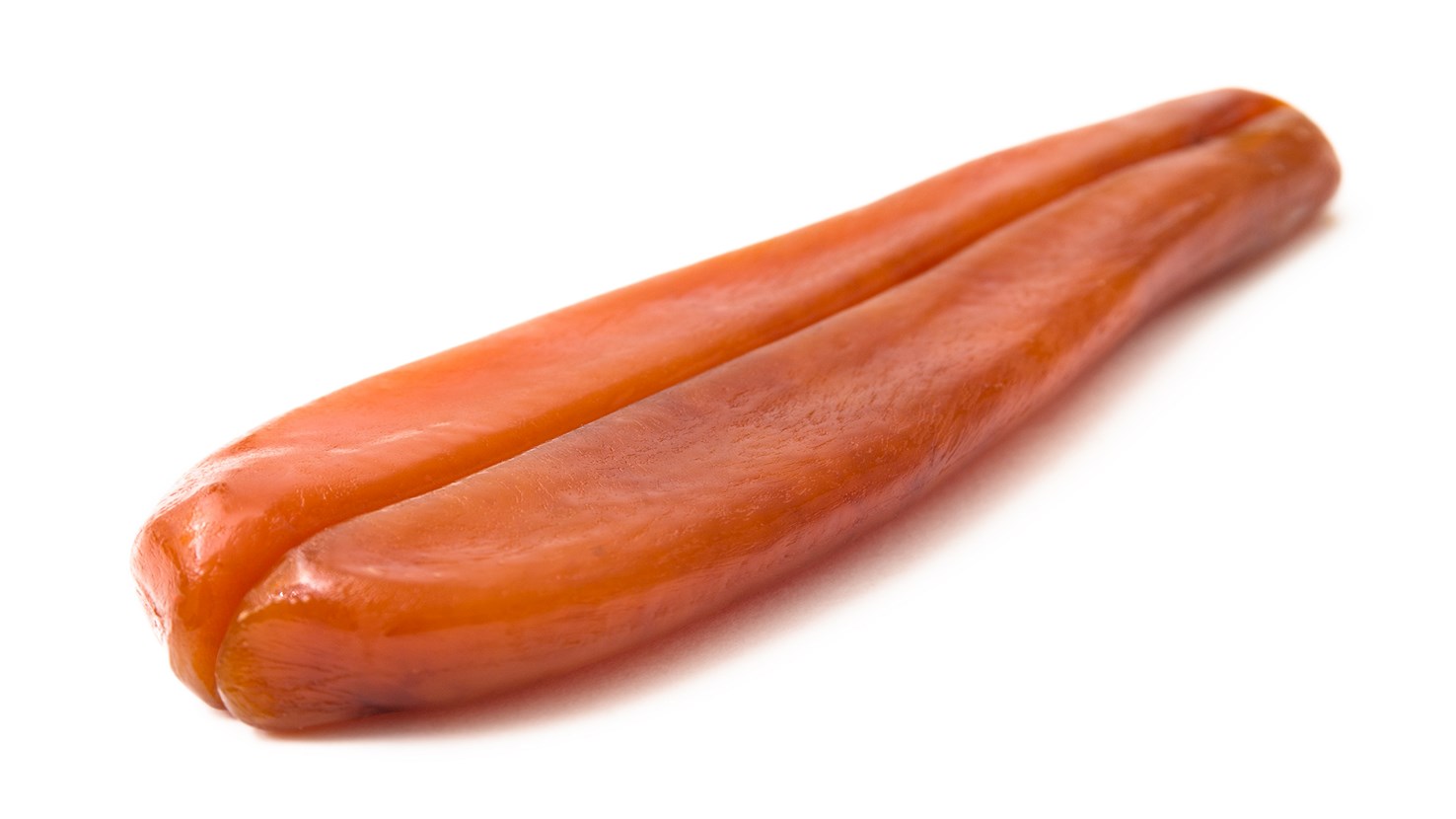
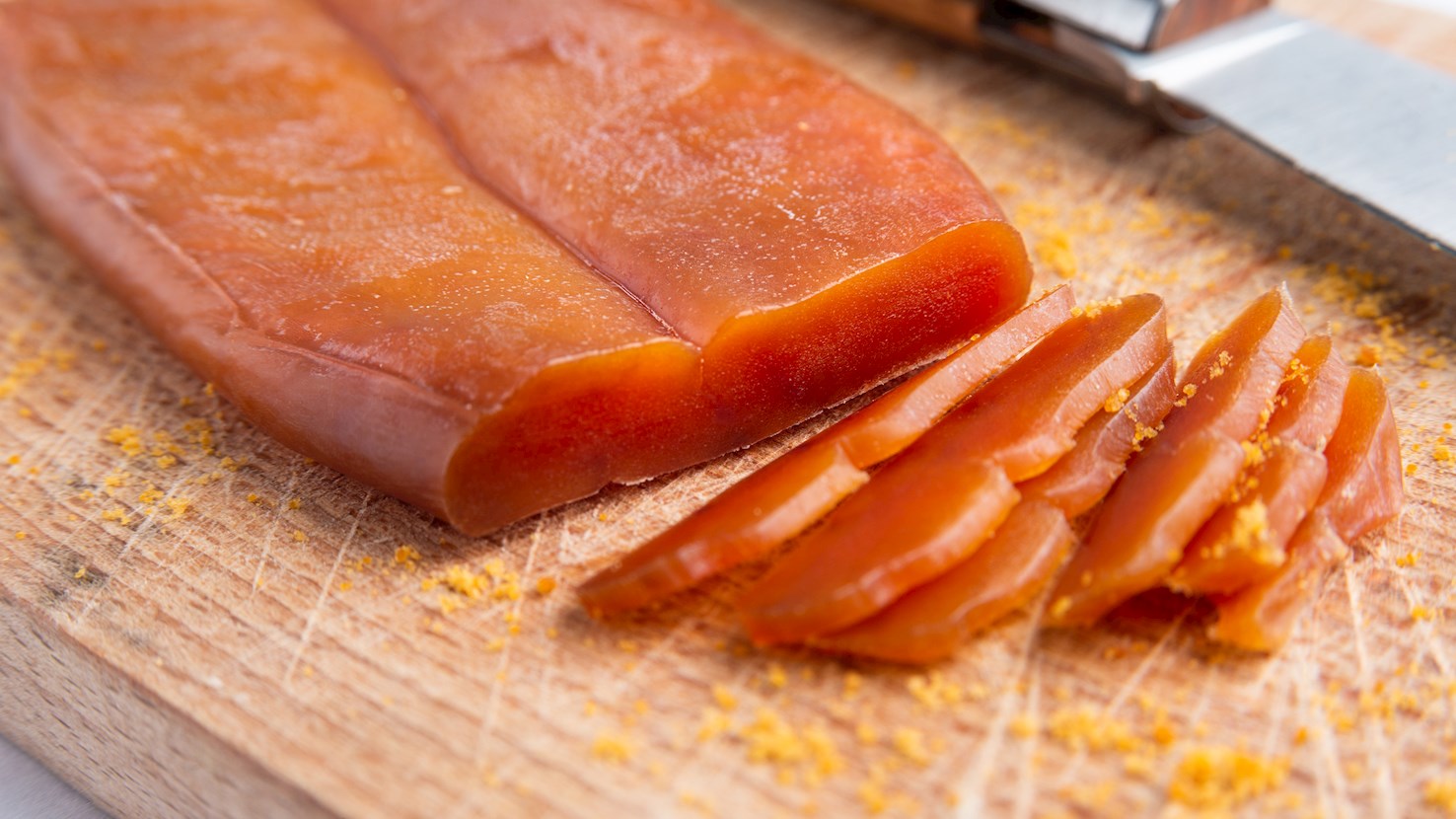
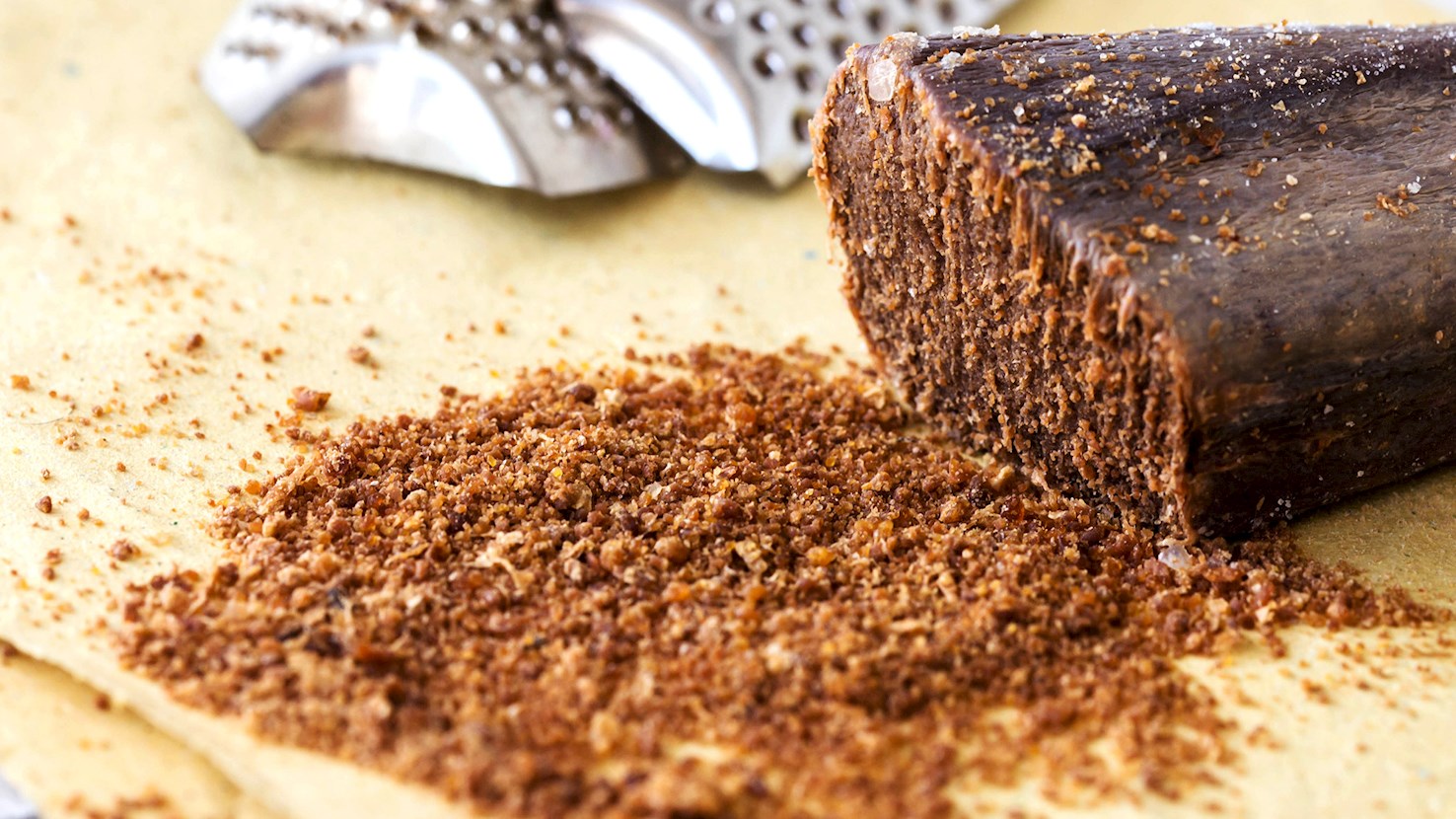
Bottarga is an Italian delicacy consisting of a dense, salt-cured fish roe from tuna, mullet, or swordfish that resembles a petrified sausage, as it is first left to harden and is then coated with beeswax. It has a salty flavor with a silky texture. Bottarga is often grated over pasta or egg dishes, although it can also be cut into smaller pieces, drizzled over with lemon juice, and served as an appetizer.
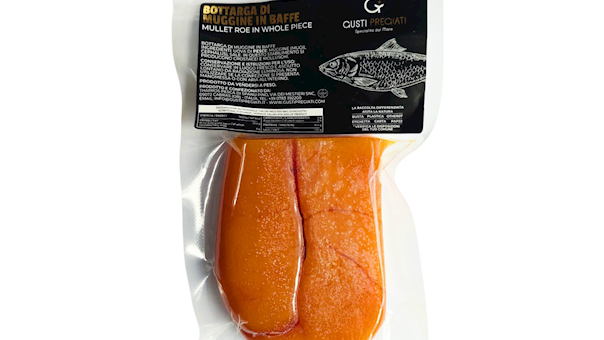
Bottarga di muggine or mullet roe is one of the most renowned Sardinian foods. To prepare this delicacy, roe pouches of Mugil Cephalus, or flathead grey mullet, are first cleaned, cured in sea salt, pressed, then dried. The result is a delicacy with a salty flavor and a dense, silky texture. Bottarga can be shaved, sliced, chopped, or grated, and even a small amount can provide a lot of flavor to a wide range of dishes. Thinly sliced and flavored with lemon juice and olive oil, bottarga is often served as an appetizer, and when it's finely chopped, it makes a great addition to fresh vegetable salads. Aged bottarga is best enjoyed grated over hot pasta, most commonly in a popular local dish spaghetti con bottarga, which is made with pasta, grated bottarga, extra virgin olive oil, red pepper flakes, and chopped parsley – simple, yet utterly delicious.
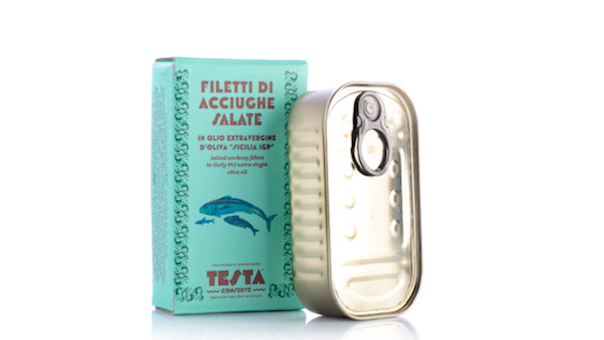
Fishing and fish preservation in Liguria are traditions known since the early 16th century when the historical Republic of Genoa was already regulating and controlling fish supply, prices and sales. Acciughe Sotto Sale del Mar Ligure are Ligurian anchovies, caught in the Tyrrhenian Sea between April and October. The freshly caught fish are cleaned, pre-salted and cured in chestnut wood barrels or terracotta vases for about 40 to 60 days. After the curing process is over, the salted anchovies are marketed in glass containers called arbanelle, layered and covered with fine sea salt. Acciughe Sotto Sale del Mar Ligure have delicate skin and their flesh color varies from pink to deep brown, depending on their size. They can be used as an ingredient in numerous pasta dishes or served as a Ligurian-style appetizer.
Bottarga di tonno, or tuna fish roe, is a cured delicacy from the Italian region of Sardinia. Made with salted, pressed, and dried tuna fish roe, bottarga di tonno used to be considered a poor man’s food, but nowadays it is a luxurious treat, often referred to as the gold of Sardinia. With its extraordinary, rich, salty flavor and beautiful colors ranging from deep red-amber to brilliant orange-yellow, bottarga di tonno is a great addition to a wide range of dishes, but it is also delicious enough to be enjoyed on its own, flavored with a touch of lemon juice and a drizzle of extra virgin olive oil.
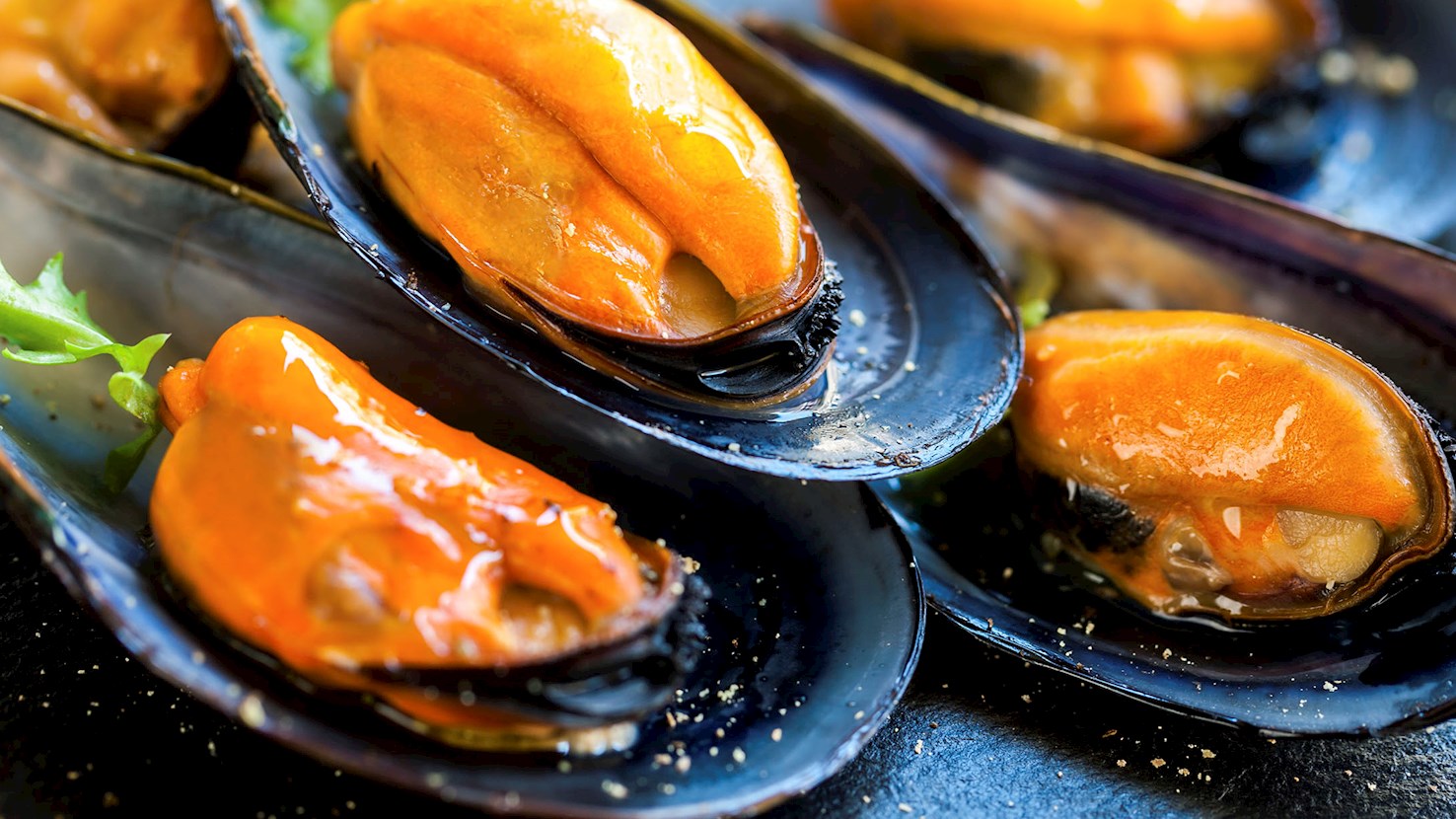
Scardovari mussels also called peoci in the Venetian dialect, are shellfish of the Mytilus galloprovincialis species, cultivated since the 1960s in the briny waters of Sacca degli Scardovari, the largest lagoon of the Po River Delta. Because of the low salinity found in estuarine bodies of brackish water where these mussels naturally grow, cozza di Scardovari is particularly low in sodium and, therefore, has a pleasant and delicate flavor. Rich in proteins and polyunsaturated fatty acids, Scardovari mussels make for a great addition to various fish soups and seafood salads but they are also often enjoyed on their own or cooked au gratin.
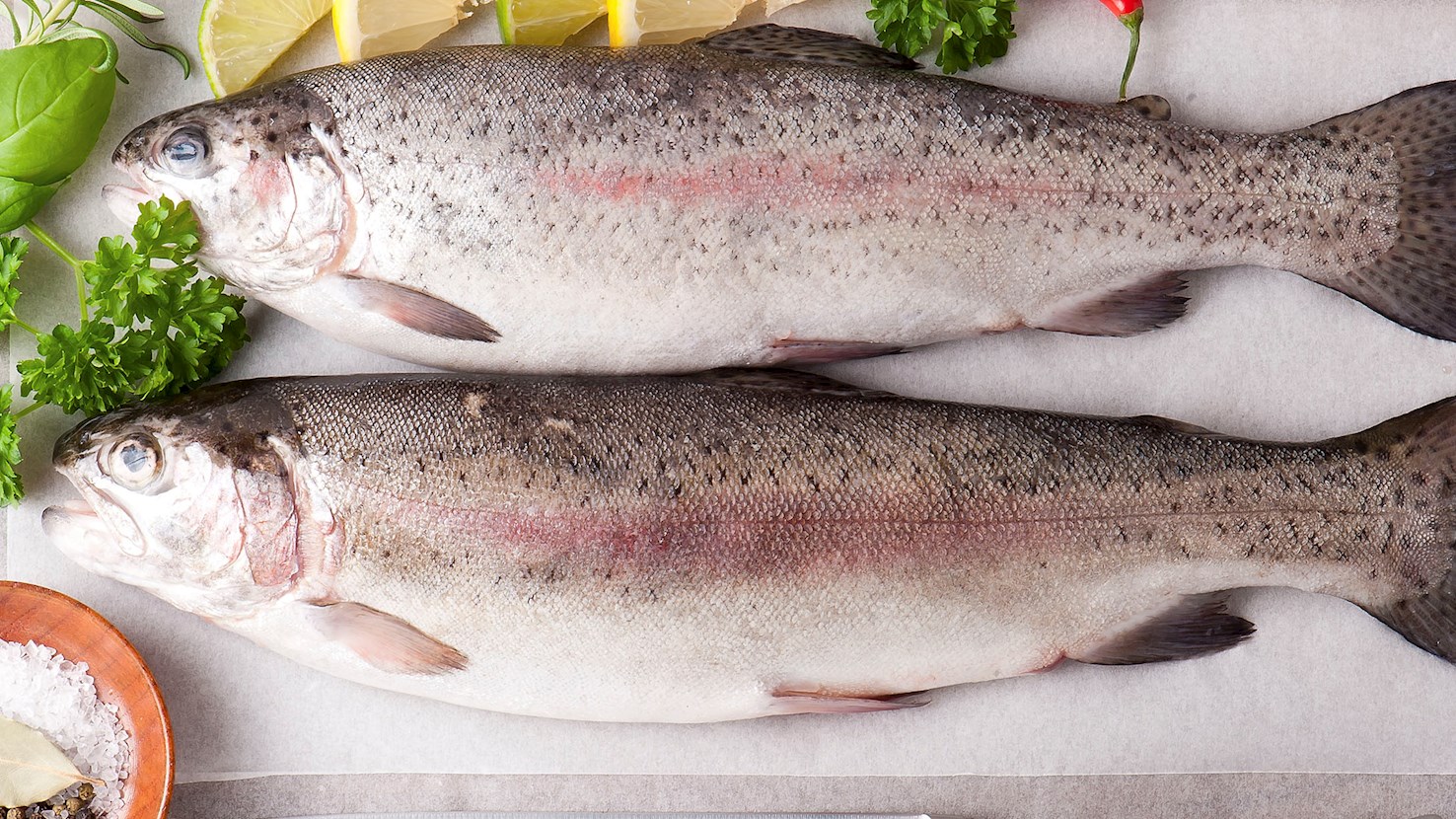
Trota affumicata di San Daniele, also known as "la regina di San Daniele," is a smoked trout crafted from rainbow trout (Oncorhynchus mykiss) raised in the pristine waters of Friuli, where they mature naturally over 7-8 years, reaching up to a meter in length and approximately 10 kg (22 lbs) in weight. The preparation involves cold-smoking the trout at temperatures not exceeding 30°C/86°F, using a blend of selected woods, berries, and aromatic herbs. This meticulous process imparts a delicate smoky flavor that enhances the trout's lean, firm, and orange-red flesh. The fish is carefully filleted, hand-trimmed, deboned, and dry-salted to preserve its natural qualities. Recognized as a "Prodotto Agroalimentare Tradizionale Italiano" (Traditional Italian Agri-food Product), trota affumicata di San Daniele reflects a culinary tradition that has been practiced for over 25 years in the region. Initially a private endeavor, it evolved into an artisanal craft in the early 1970s, drawing on methods long used in Carnia. This smoked trout is celebrated for its sweet, delicately smoky taste with balanced salinity, making it a prized specialty in Italian gastronomy.
Sardella is a fish preserve from Calabrian Crotone that is often dubbed as Calabrian caviar. Traditionally, it is made with ground peperoncini (hot chili peppers) and sardine whitebait—young, immature fish locally known as bianchetti. Because of strict fishing regulations that prevent the catch of small, immature fish such as bianchetti, sardella has become rare and is now usually made with other types of fish. Whitebait is a small, tender fish that is eaten whole. To prepare the sardella, the fish is mixed into a paste together with salt and peppers. The mix also often includes fennel, and the result is a bright red, aromatic, and creamy fish paste that is usually mixed with olive oil. It can be served as an appetizer or a condiment, usually with toasted bread, pizza, pasta, or omelets. Sardella has a long shelf life, and in the past, it was a great source of protein when meat and fish were not available. Many believe that sardella is a descendent of an ancient Roman fish sauce called gaurum.
The Trote del Trentino (trouts from Trentino) belong to the rainbow trout species, reared in tanks supplied with water sources that fall within the Autonomous Province of Trento, in the Trentino Alto-Adige region, and in the municipality of Bagolino in the province of Brescia, in Lombardy. The quality of the water used is decisive for the farming of Trote del Trentino. Water is particularly abundant in this area, thanks to the presence of perennial snowfields and glaciers, with high oxygenation, excellent chemical-physical-biological properties and a low average temperature (below 10° C from November to March). The combination of frequent rainfall, snow in winter and cool temperatures even in summer creates the perfect environment for trout farming. Thanks to all this, Trote del Trentino have chemical-physical values that are not obtainable in trout farming on the lowlands. The flesh is white or salmon pink, firm, tender and lean, with a delicate fish flavor and a soft, fragrant fresh-water smell, completely devoid of the muddy aftertaste that is often characteristic of farmed trout. This type of fish is perfect for pan-frying with herbs, roasting with almond flakes, and baking in foil with cherry tomatoes and rosemary. Today it can also be enjoyed minced in the form of a burger, as a fresh pasta filling or in light ragù sauces for pasta.
Caviar from Brescia is one of the most popular regional products, and the entire region has become the center of caviar production in Italy. Sturgeon farming started with white sturgeon (Acipenser transmontanus), but other species and caviars are now farmed and produced. White sturgeon caviar (Calvisius) is round, large, smooth, and tender, while the flavor is intense and complex, dominated by fruity, briny, and nutty notes. The tradition of farming sturgeons was started in Calvisano by the Tolettini family. They used the water for steel mills and directed it into large fish tanks. The family first went into eel business, but when it became unprofitable, they turned to white sturgeons, which proved to be a great success. Regional producers now offer a wide range of caviars, and most products are exported, making Italy one of the leading caviar producers and exporters. Although large-scale industrial caviar production is relatively recent, sturgeons inhabited several Italian rivers before they became extinct. Brescian Caviar tastes the best when it's well-chilled. It can be enjoyed on its own, but it can also be used as a garnish on simple dishes that would not disguise its flavor. Caviar is best paired with sparkling wines.
TasteAtlas food rankings are based on the ratings of the TasteAtlas audience, with a series of mechanisms that recognize real users and that ignore bot,
nationalist or local patriotic ratings, and give additional value to the ratings of users that the system recognizes as knowledgeable.
TasteAtlas Rankings should not be seen as the final global conclusion about food. Their purpose is to promote excellent local foods,
instill pride in traditional dishes, and arouse curiosity about dishes you haven’t tried.
The initial list of top producers was compiled based on available reviews, awards, local recommendations, media and blog coverage, and consumer reviews.
The list will be updated with ratings from TasteAtlas local ambassadors and TasteAtlas users.














What People Say