Top 20 Peruvian Spirits and Liqueurs

Last updated on June 03, 2026

Best Peruvian Spirits and Liqueurs
01

Tacama

5 ·
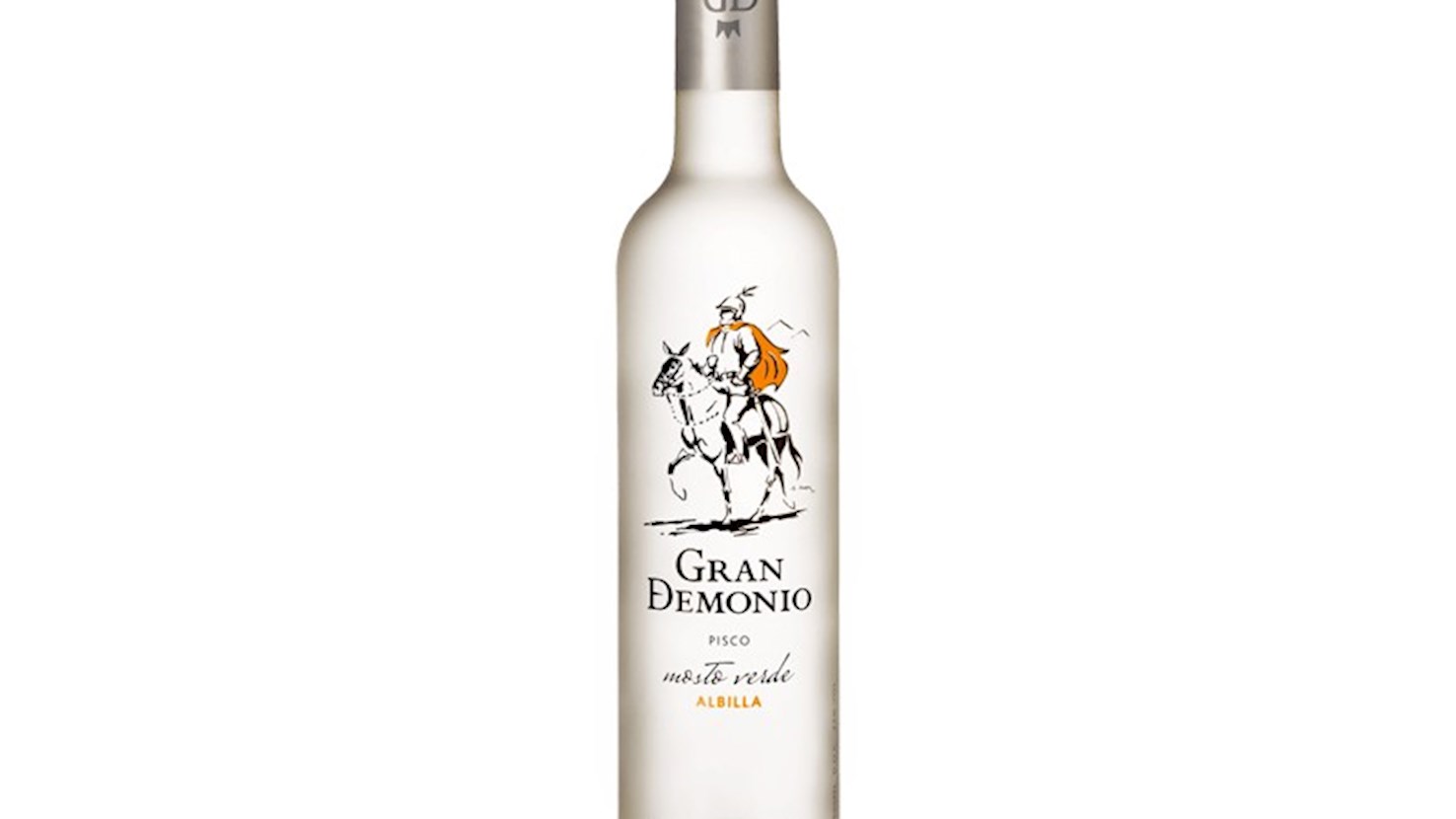
Tacama is one of the oldest and most prestigious wineries and distilleries in Peru, with a history dating back to the 16th century. Located in the Ica Valley, Tacama is renowned for its production of premium wines and piscos, using traditional methods combined with modern technology. The winery is known for cultivating a variety of grapes that thrive in the region’s unique climate, producing exceptional spirits like their iconic Pisco Gran Demonio. Tacama’s long-standing commitment to quality and innovation has made it a key player in the Peruvian wine and pisco industry.
Awards
Expo Vino Wong - Medalla de Oro (2024)
USC- Ultimate Spirits Challenge - Chairman's Trophy (2021, 2020)
02

Pisco Huamaní

5 ·
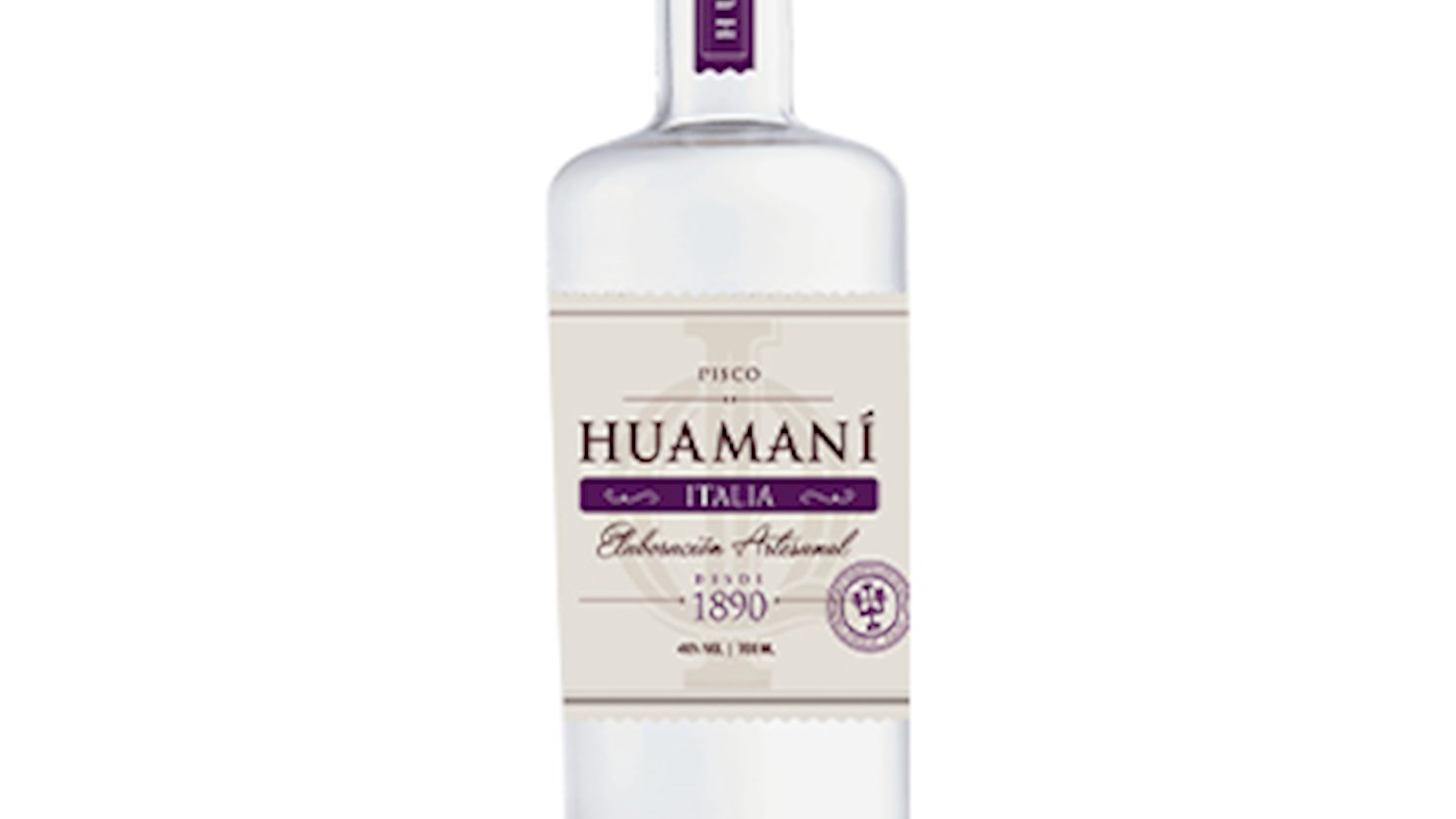
Pisco Huamaní is a heritage-driven brand rooted in the Ica Valley, where pisco has been produced since 1890 following a family tradition based on handcraft, precision, and deep respect for the terroir. Its name comes from the Quechua word huaman, meaning “eagle” symbolizing protection, vigilance, and the intimate bond between the land and those who cultivate it. The brand specializes in high-purity pisco distilled in small batches without the addition of water after distillation, ensuring that the natural character of the grapes remains fully expressed. Huamaní focuses on aromatic and varietal clarity, working with grapes such as Torontel, Italia, Quebranta, and Acholado, which contribute floral, citrus, or ripe fruit notes along with a clean, elegant structure. Production adheres to traditional methods - slow fermentation, careful grape selection, and precise distillation - resulting in a distinct identity shaped by the balance of history, craftsmanship, and modern quality standards. As a brand, Huamaní preserves the essence of Peruvian pisco culture while presenting it in a refined and contemporary expression.
Awards
SFWSC - San Francisco World Spirits Competition - Double Gold (2024)
03

Barsol Pisco

5 ·
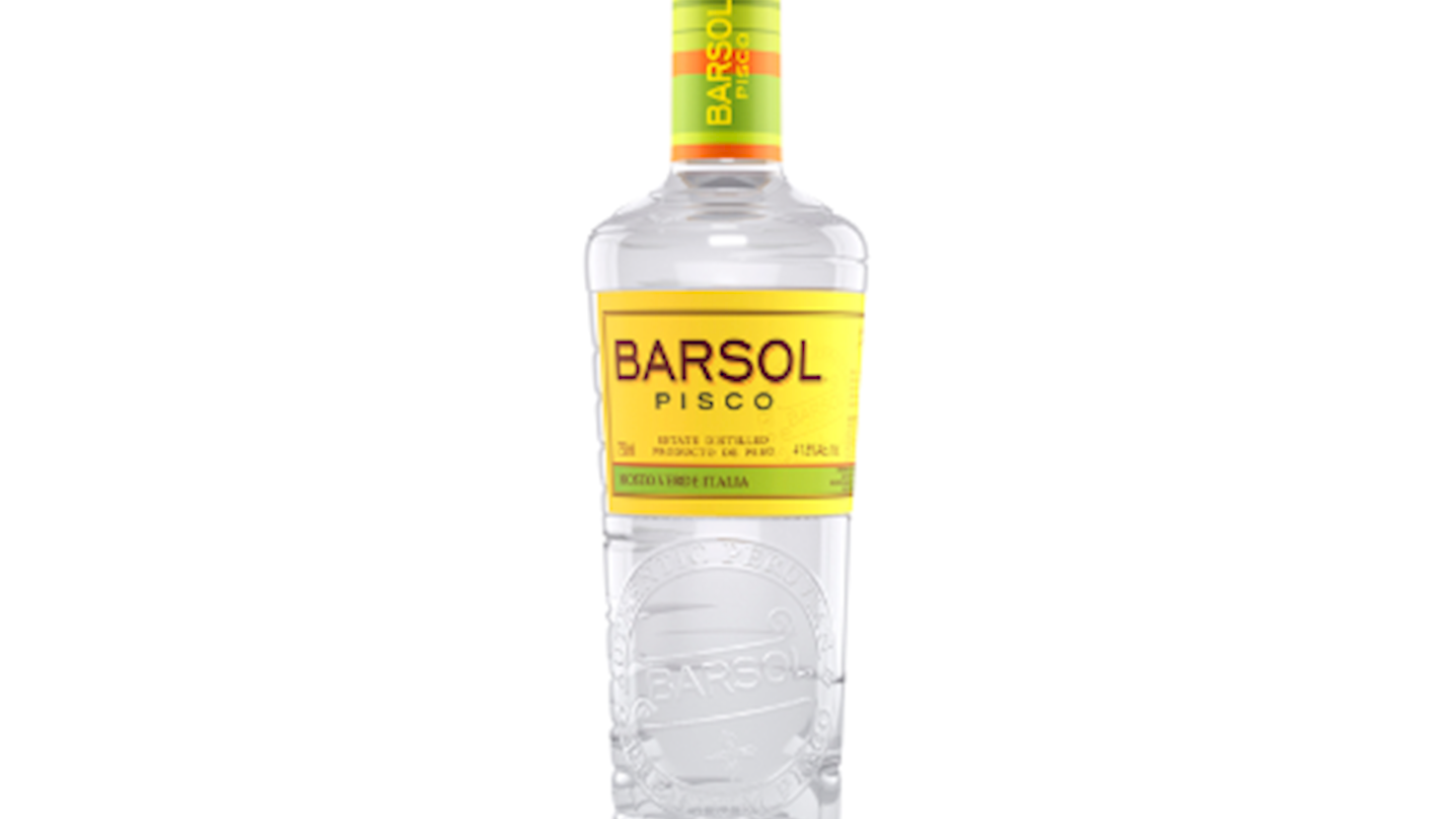
Barsol Pisco is a Peruvian pisco produced in the Ica Valley, at the historic Bodega San Isidro distillery, where production relies on grape varieties typical of the southern part of the region, such as Quebranta, Italia, and Torontel. Fermentation occurs naturally, without additives, and distillation is carried out in traditional copper pot stills, preserving a clean aromatic profile and the authentic character of pisco. The brand was revitalized in the early 2000s with the aim of restoring classic pisco traditions through small-batch production, manual craftsmanship, and consistent ingredient quality. Barsol Pisco includes single-varietal expressions, more aromatic styles like Italia and Torontel, as well as Mosto Verde, distilled from partially fermented must and known for its richer and rounder profile. Acholado, a blend of several varieties, highlights complexity and a balanced interplay of structure and aromatics. The alcohol level is never adjusted with water, meaning the final spirit directly reflects what leaves the still. Barsol is recognized for its clean, floral, and fruity aroma, smooth texture, and long finish, making it a frequent choice for cocktails such as the pisco sour, but also suitable for sipping on its own. The brand emphasizes a sustainable approach through recycling and mindful resource use, aligning with modern craft-distillery standards.
Awards
SFWSC - San Francisco World Spirits Competition - Double Gold (2011)
TAG Global Spirits Awards - Gold (2025)
04

Caravedo Pisco

5 ·
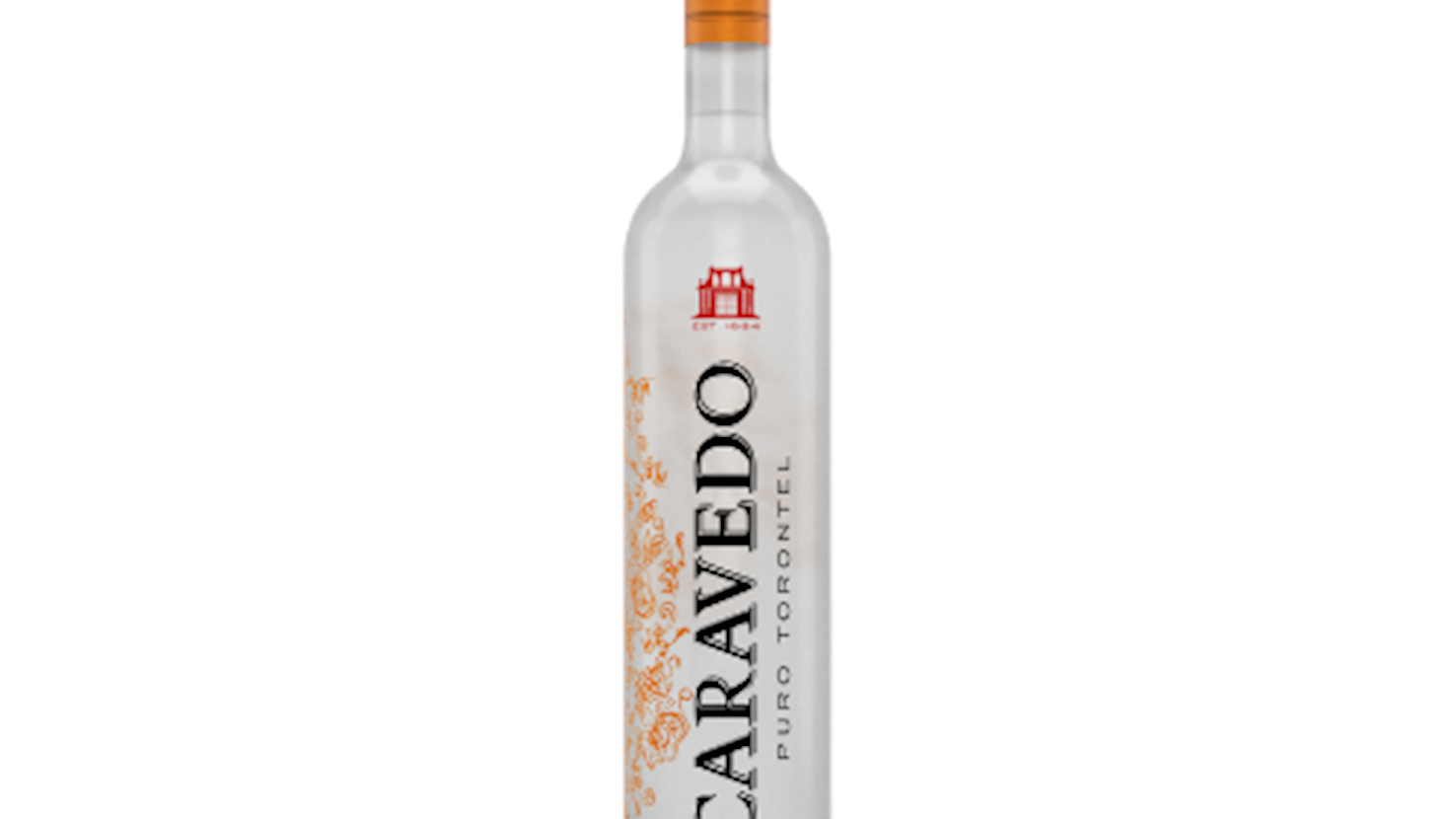
Caravedo Pisco originates from the historic Hacienda La Caravedo in the Ica Valley, founded in 1684 and known as the oldest continuously operating distillery in the Americas. Production is based on a fully manual approach, additive-free fermentation, and copper pot-still distillation, resulting in a clean and precise expression of the grape and its terroir. The pisco is made from permitted varieties such as Quebranta, Torontel, Italia, and others, and the final spirit is neither diluted with water nor aged, allowing its authentic strength and purity to remain intact in the glass. The aromatic profile varies by grape variety but commonly features clean fruit notes, floral accents, and soft herbal nuances, all carried by a smooth, rounded texture typical of high-quality Peruvian piscos. The distillery stands out for its focus on sustainable production, preservation of traditional methods, and the use of grapes grown on its own estate, ensuring consistency and a strong sense of identity. Caravedo is widely recognized by connoisseurs as one of the purest and most authentic expressions of pisco, clearly reflecting the long heritage of the Ica Valley.
Awards
USC- Ultimate Spirits Challenge - Top 100 (2022)
05

Viñas de Oro

4.8 ·
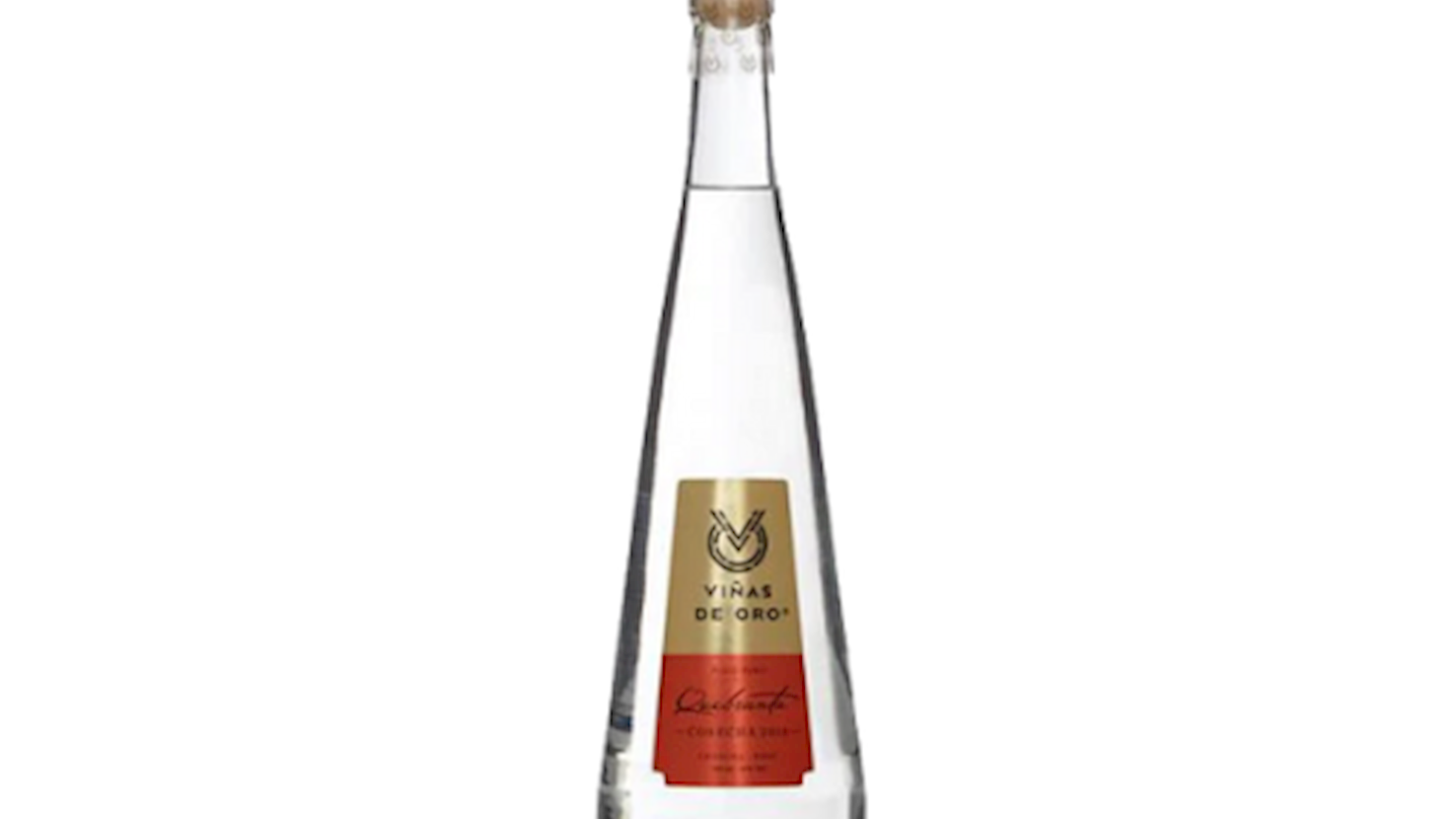
Viñas de Oro is a Peruvian pisco producer from the Chincha Valley in the Ica region, operating on a large agricultural estate where several permitted grape varieties for traditional pisco production are cultivated. The brand emerged in the early 1980s and combines hand-selected grapes, natural fermentation, and copper pot-still distillation with modern quality controls, resulting in a style that is both reliable and authentically rooted in local tradition. Their production places strong emphasis on sustainability, responsible vineyard management, and decades of experience working with grapes grown on their own land. As a result, Viñas de Oro positions itself as a brand that blends the terroir of the Chincha Valley with precise, consistent craftsmanship, making it a notable choice within the segment of high-quality Peruvian piscos.
Awards
Wine-Searcher - 91/100
ISW - International Spirits Award - Silver (2013)
06

Pisco Cepas de Loro

4.8 ·
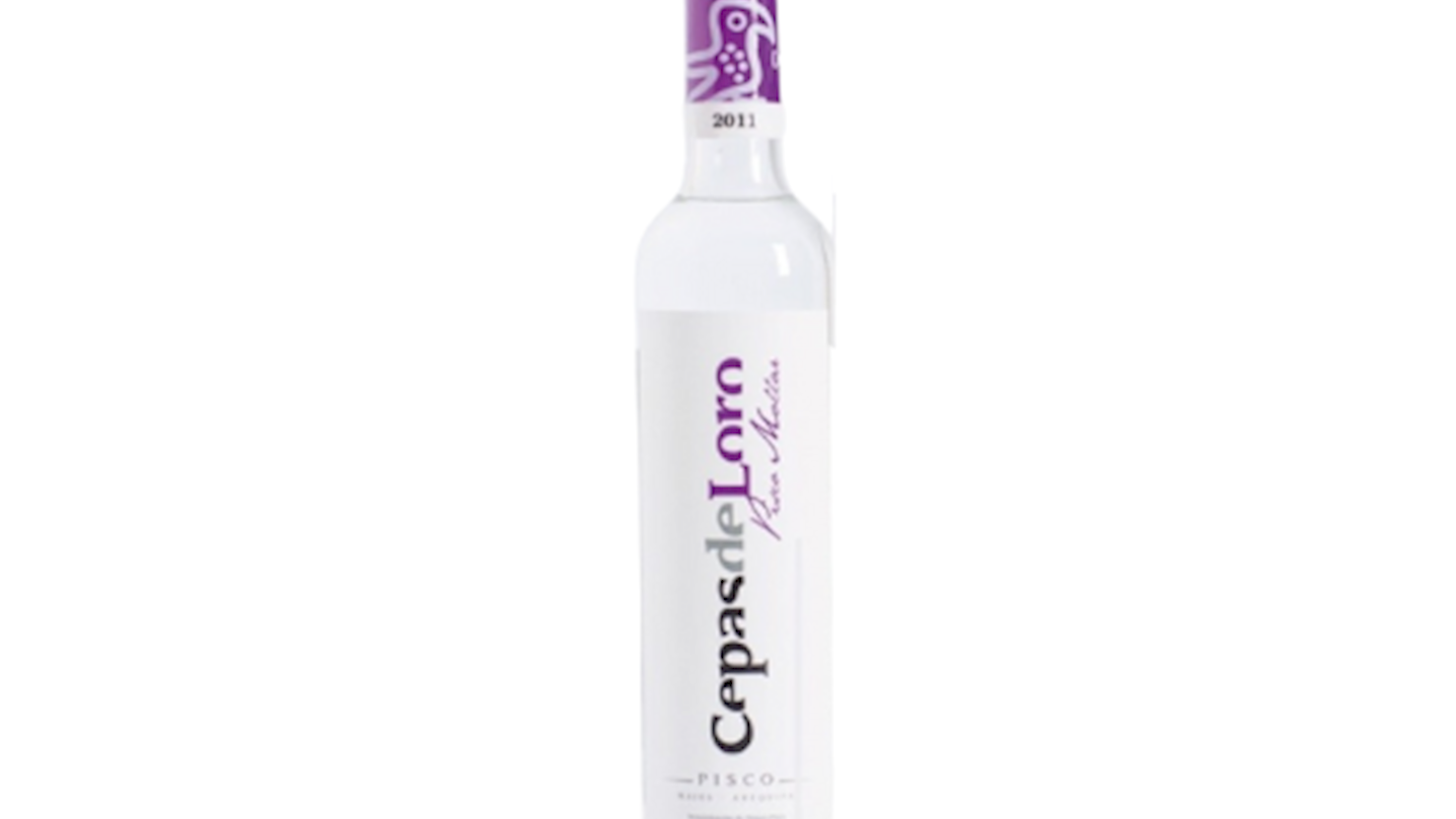
Pisco Cepas de Loro is a small, tradition-driven Peruvian brand rooted in the heritage of southern Peru, where pisco is produced through careful, manual fermentation and distillation of fresh grape must without additives. The philosophy centers on local varieties such as Quebranta and aromatic Muscat grapes, emphasizing the specific terroir and the expressive character of the Arequipa region. Their portfolio includes three styles - Puro, Acholado, and Mosto Verde - each defined by its structure, intensity, and treatment of the must, yet all maintaining a clean, precise grape aroma. The resulting spirit is crystal clear, with notes of flowers, citrus, and white fruit, rounded by a gentle warmth on the finish, making it suitable both for neat tasting and as a refined base for cocktails like the pisco sour. The brand highlights local identity through its name symbolism and involvement in cultural initiatives, reinforcing the tradition and continuity of Peru’s pisco culture.
07

Anís Najar

4.8 ·
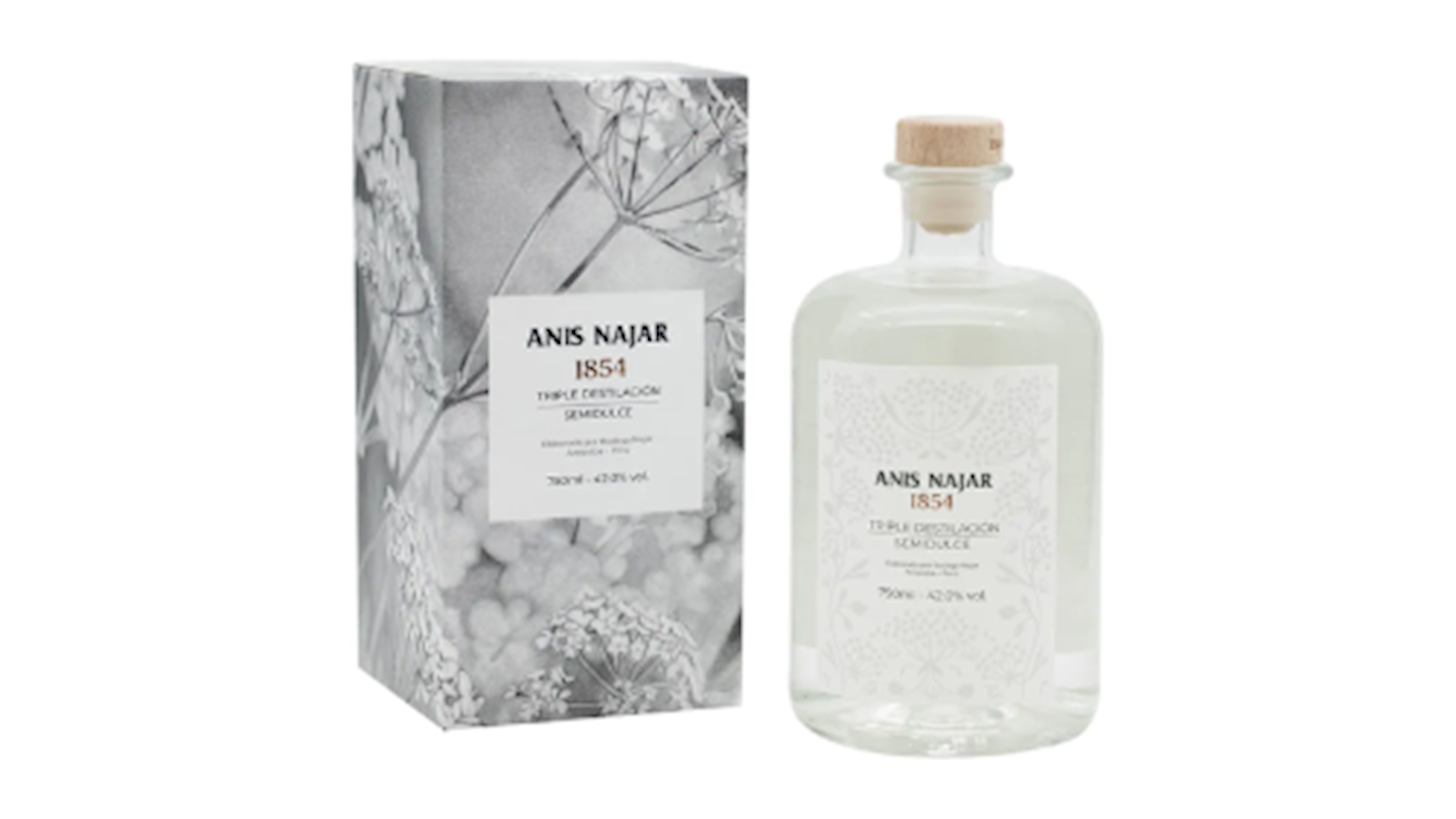
Anís Najar or Bodega Najar is a traditional family-owned distillery from Arequipa, founded in 1854 and recognized as one of Peru’s oldest producers of anise-based spirits. Across multiple generations of the Muñoz-Najar family, the brand has preserved an artisanal approach to distillation, blending the Andalusian heritage of its founder with local ingredients and techniques that define the character of its products. While best known for its signature Anís Najar, the distillery also produces cream liqueurs, flavored variations, pisco, and other traditional spirits. Despite adopting modern production practices, the brand remains committed to natural ingredients, slow distillation, and consistency of flavor, which has earned it a reputation as one of the most reliable names in the Peruvian spirits industry. Its longevity, quality, and authenticity have made Bodega Najar a respected ambassador of Arequipa’s cultural and beverage heritage.
08

Gin’ca

4.7 ·
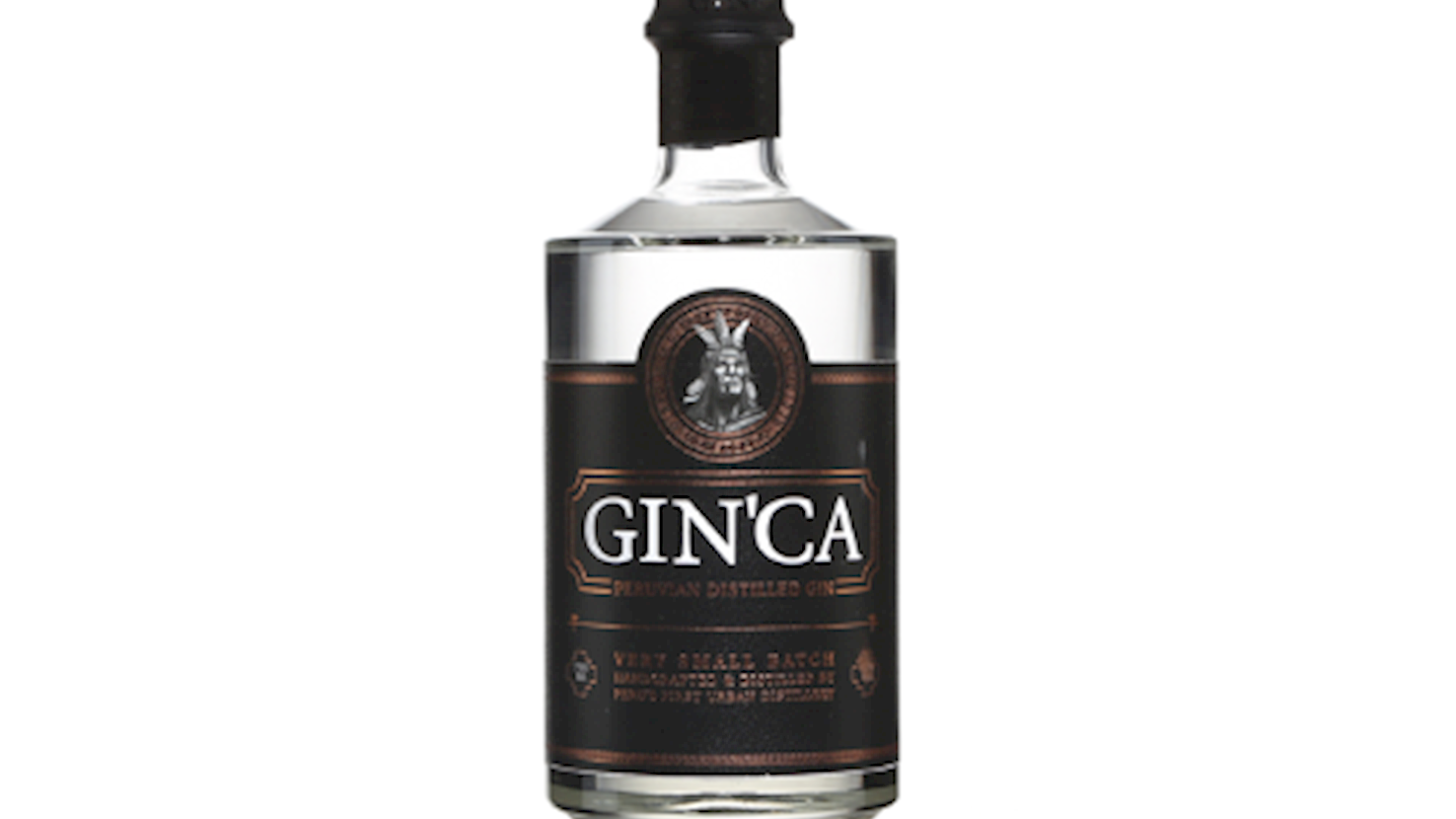
Gin’ca as a brand represents a modern expression of Peru’s emerging craft-distilling scene, built on the idea of reinterpreting classic gin through local botanicals and the country’s distinctive terroir. Created within Inca Distillery in Lima, the brand combines artisanal production, copper pot-still distillation, and a sugarcane-based spirit to achieve a clean, smooth, and aromatically rich profile. Its philosophy centers on using native Peruvian botanicals sourced from diverse regions - coastal areas, the high Andes, and the Amazon - highlighting the richness and geographic variety of the local flora. Special attention is given to sustainability, manual botanical selection, and tightly controlled distillation, without industrial shortcuts. Although juniper is not grown in Peru, Gin’ca relies on carefully selected imported berries to maintain the classic gin backbone while allowing local botanicals to shape its identity. The brand appeals to modern consumers seeking a gin with a clear character, pronounced botanical complexity, and a strong regional signature, positioning Gin’ca as one of Peru’s most distinctive premium gin producers.
09

Amazonian Gin Company

4.7 ·
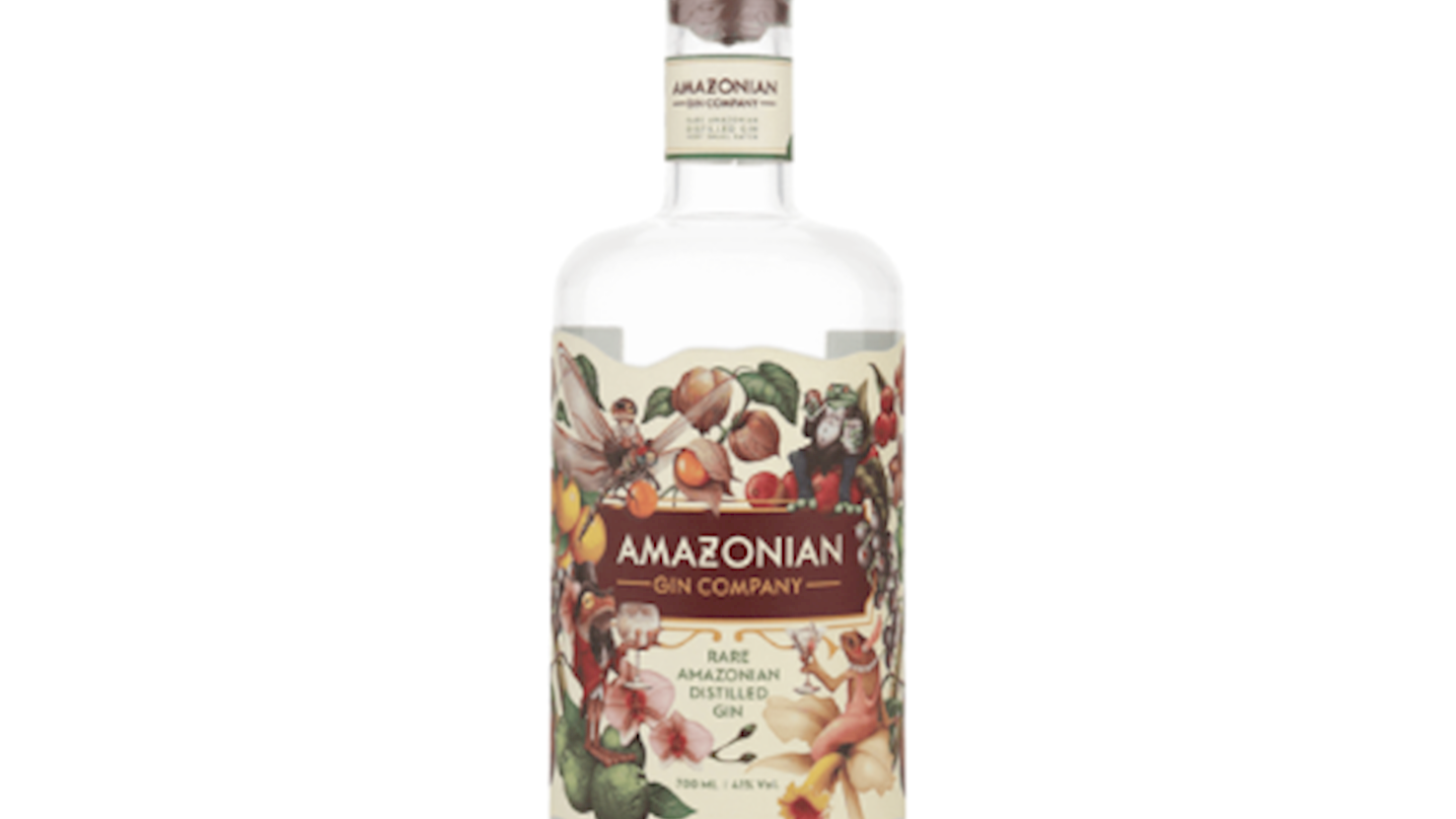
Amazonian Gin Company is a Peruvian ultra-premium gin brand originating from Inca Distillery in Lima and built on a sugarcane-based distillate, which gives it a softer and more neutral foundation than typical grain spirits. Its recipe incorporates native botanicals from the Amazon rainforest, such as sacha inchi, tonka bean, camu camu fruit, physalis, and citrus peels from lime and lemon, while juniper is imported since it does not grow in Peru. The aroma is notably fresh, driven by citrus and green notes reminiscent of lime leaf, unripe pineapple, and tropical vegetation, complemented by subtle nutty and balsamic nuances. The palate blends lively citrus, herbal tones, and a discreet earthy complexity from the Amazonian ingredients, finishing clean and long with a gentle spicy warmth. The brand positions itself as an innovative fusion of classic gin structure and exotic Amazon botanicals, making it a standout choice for craft-spirit enthusiasts seeking strong local identity and aromatic originality.
10

Viñas Toro Muerto

4.7 ·
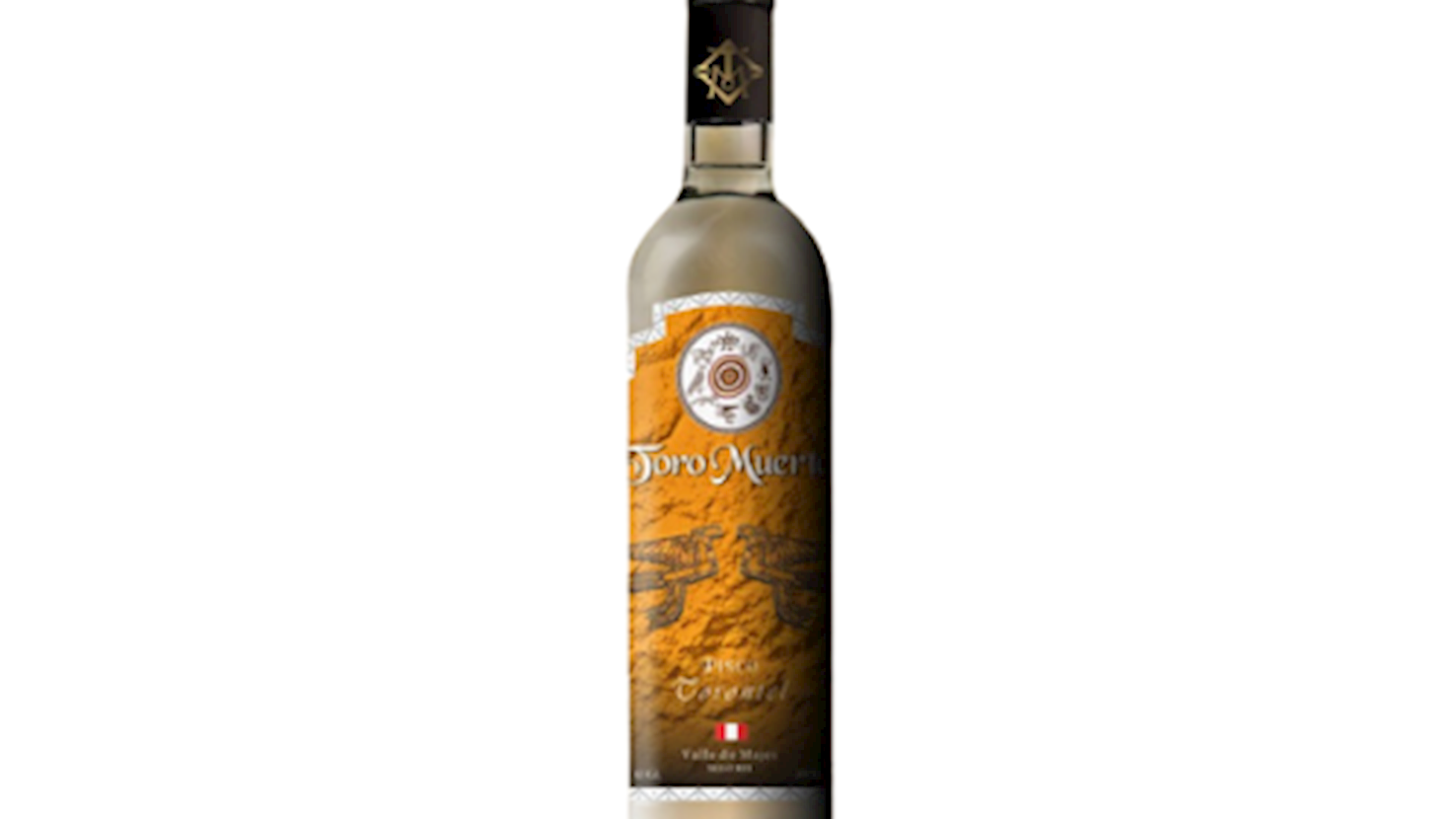
Viñas Toro Muerto is a wine and pisco producer located in the Majes Valley, in the Arequipa region of southern Peru, an area defined by an extremely dry climate, intense sunlight, and alluvial soils rich in sand and gravel. The vineyards are set in a desert environment with minimal rainfall, allowing precise control over grape ripening and the development of concentrated aromas. The producer is recognized for combining winemaking and distillation traditions, working with local grape varieties used both for wine production and for traditional Peruvian pisco. Their approach is largely artisanal, with a strong emphasis on preserving the character of the Valle de Majes terroir and the natural expression of the raw material. The wines typically show ripe fruit profiles, warmth, and structure, while the pisco is defined by clean, varietal aromas produced without additives or corrections. The name Toro Muerto refers to the surrounding landscape and local symbolism of strength and resilience, reflecting the harsh conditions in which the grapes are grown. Viñas Toro Muerto occupies a distinct position within the Peruvian wine scene as a producer that bridges traditional knowledge, extreme climatic conditions, and a contemporary focus on quality.

Best Peruvian Spirit/Liqueur Types
01

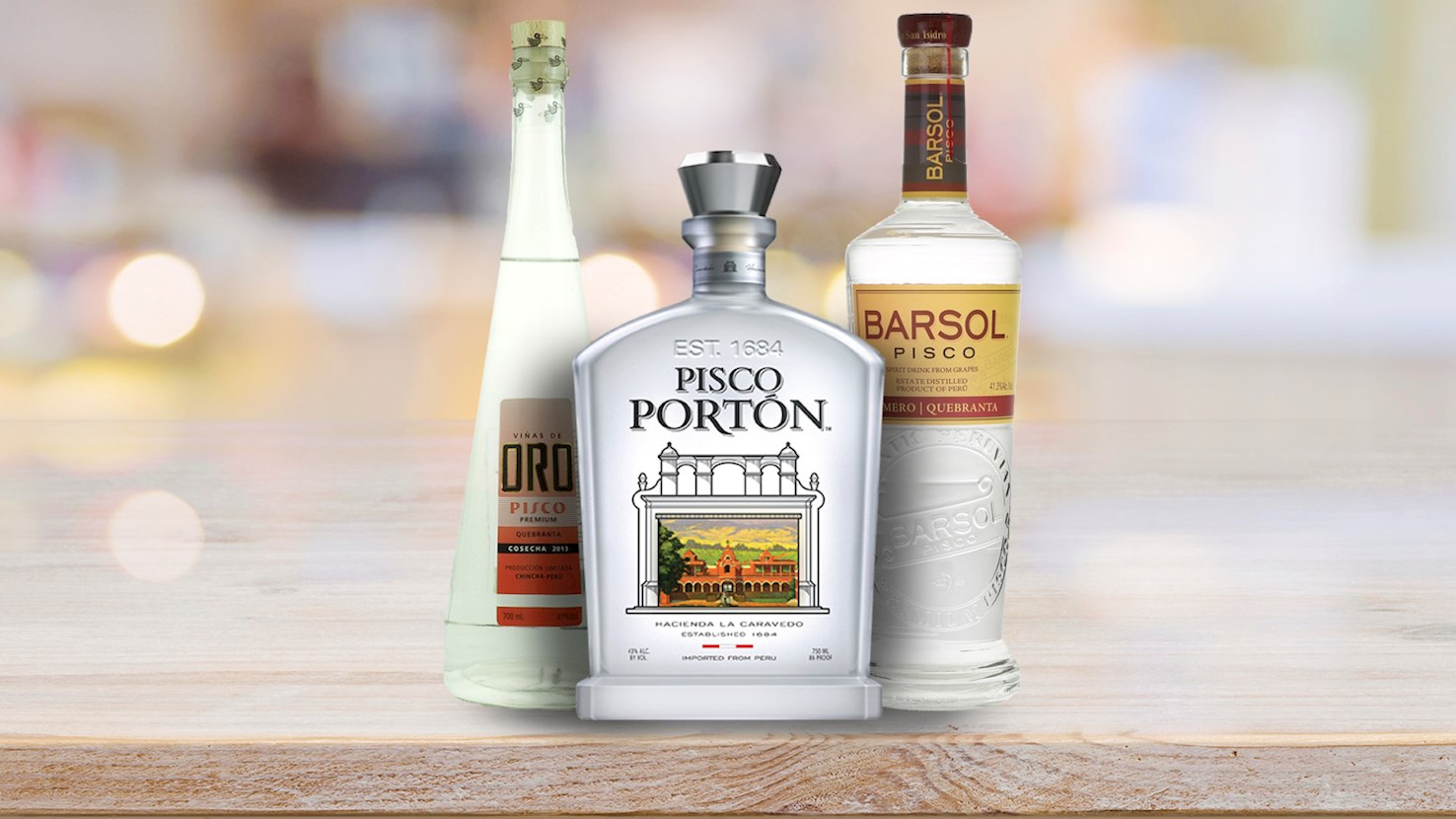
Pisco

4 ·

Pisco is a brandy that is distilled from the fermented grape juice. It was invented in the 16th century as a replacement for orujo—an ancient Spanish pomace brandy. Although it is also produced in Chile, Peruvian pisco results in a slightly different drink due to different terroir, grapes, and techniques used in its production. In Peru, pisco can be made with eight, mostly native grape varieties. It is distilled only once to preserve its dominant flavors while diluting and oak-aging is strictly forbidden. The drink is typically strong with dominant earthy and herbal flavors, but the character can slightly differ depending on the choice of grapes. Pisco can be enjoyed neat, but it is often used in cocktails and mixed drinks, out of which the best known is the classic Pisco Sour. For centuries, both Chile and Peru have claimed to be the birthplace of pisco. Peruvians argue that the name and the drink hail from a port town named Pisco—a claim which was also officially supported by the European Commission when Peruvian pisco was given geographical indication in 2013. Etymological evidence also suggests Peruvian root—it is believed that the name pisco stems from Quechuan pisqu, which translates as little bird. Despite the protection trademark, the Commission does not prohibit Chile to market and sell their drink under the same name. Interestingly, Chile is the leading producer of pisco in the world, and the biggest importer of Peruvian pisco.

02

Amargo Chuncho

n/a ·

Amargo Chuncho bitters, also known simply as Chuncho Bitters, is a Peruvian bitters product traditionally used to prepare a pisco sour cocktail. It is produced in Lima, Peru, from 30 various peels, herbs, roots, barks, and flowers from the Peruvian forest – including Quina and Sarrapia leaves, and aged for six months in barrels, allowing the flavors to meld and develop, contributing to the distinctive taste of the cocktails they are used in. It is noted for its complex flavor profile, which includes cinnamon, allspice, and nutmeg, and has a floral base with hints of cherry and cola. The rich and varied flavors of Amargo Chuncho bitters complement the sharpness of the lime and the sweetness of the syrup in a pisco sour.

03

Anís de Arequipa

n/a ·

Anís de Arequipa is a clear anise-flavored distilled spirit produced in southern Peru and closely associated with the city and surrounding valleys of Arequipa. It is made by distilling alcohol infused with anise seeds, resulting in a dry liquor with a pronounced aroma and relatively high alcohol content. Its emergence is connected to the introduction of anise, Pimpinella anisum, and European distillation methods during the colonial period, when producers in southern Peru adapted Iberian aguardiente techniques to locally available raw materials such as sugarcane and grapes grown in the region. Over time, repeated local production and consumption established a distinct association between this anise spirit and Arequipa. Preparation generally involves macerating anise seeds in a neutral base spirit or distilling the seeds directly with alcohol, followed by redistillation to extract aromatic compounds without adding sugar. This process produces a dry profile and explains why the liquid may turn cloudy when chilled or diluted, as anise oils naturally separate under lower temperatures or added water. The spirit is commonly served neat in small glasses, either at room temperature or slightly chilled, and sometimes with a small addition of water to moderate strength while preserving aroma. Consumption takes place mainly in homes, local gatherings, and eateries in Arequipa and nearby areas, where it is drunk on its own or alongside food. It pairs well with savory dishes, roasted or fried meats, salty snacks, and also with coffee or mild herbal infusions that contrast with its anise-forward character.

Best producers
Read more
View all
View map
About this ranking

TasteAtlas food rankings are based on the ratings of the TasteAtlas audience, with a series of mechanisms that recognize real users and that ignore bot, nationalist or local patriotic ratings, and give additional value to the ratings of users that the system recognizes as knowledgeable. For the “Top 20 Peruvian Spirits and Liqueurs” list until June 03, 2026, 417 ratings were recorded, of which 106 were recognized by the system as legitimate. TasteAtlas Rankings should not be seen as the final global conclusion about food. Their purpose is to promote excellent local foods, instill pride in traditional dishes, and arouse curiosity about dishes you haven’t tried.

The initial list of top producers was compiled based on available reviews, awards, local recommendations, media and blog coverage, and consumer reviews. The list will be updated with ratings from TasteAtlas local ambassadors and TasteAtlas users.

Similar lists