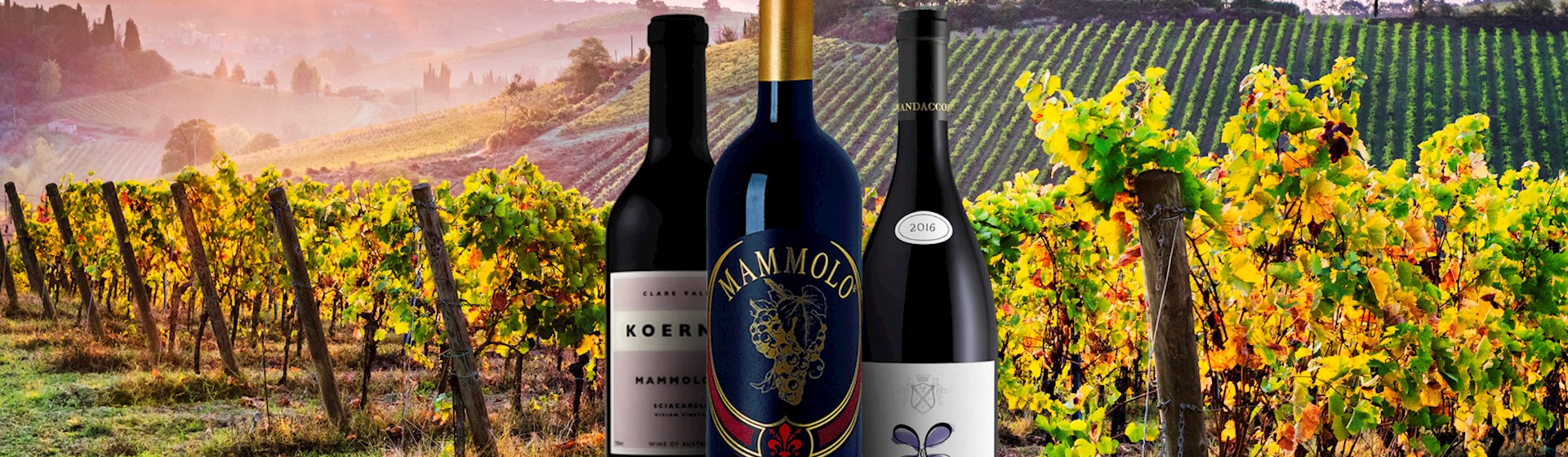
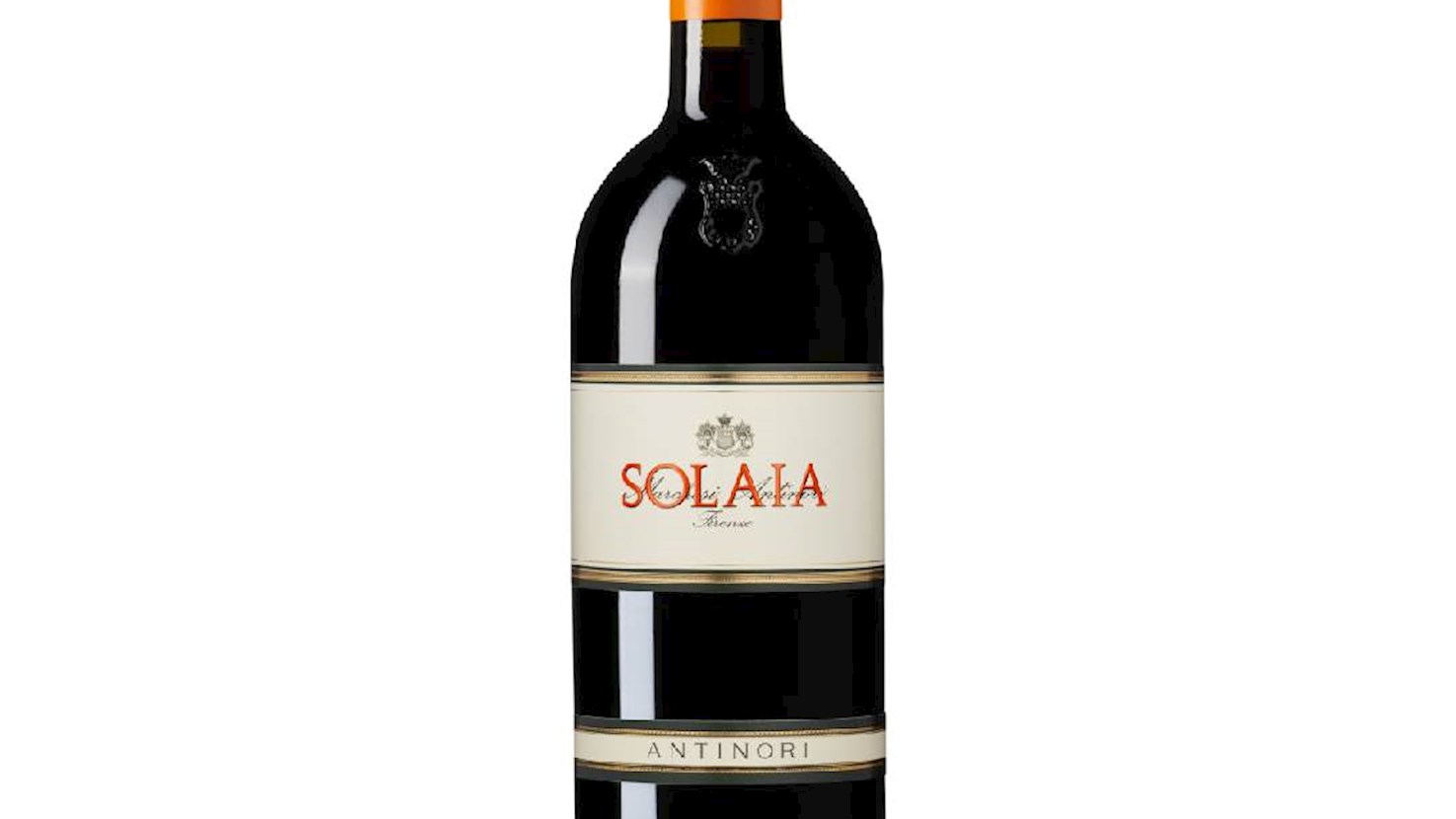
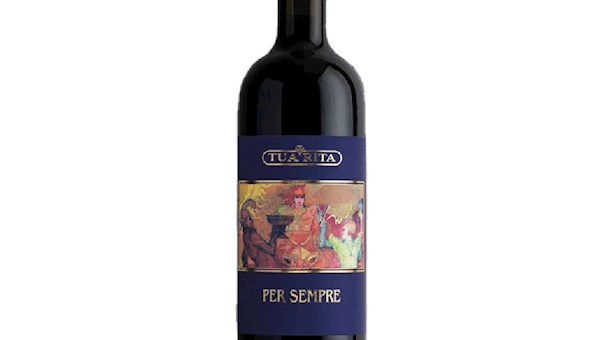
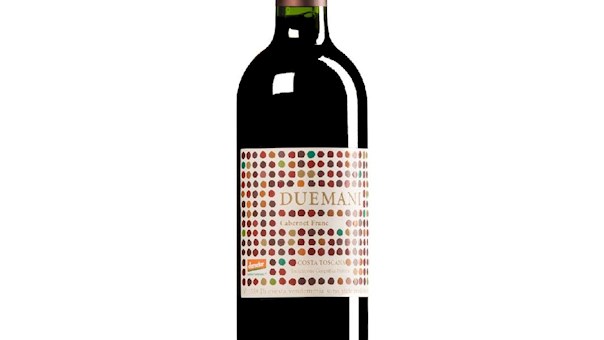
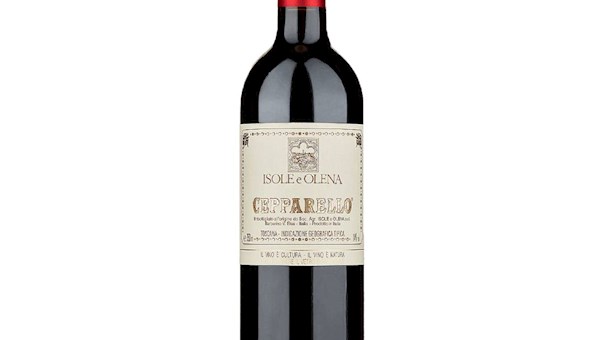
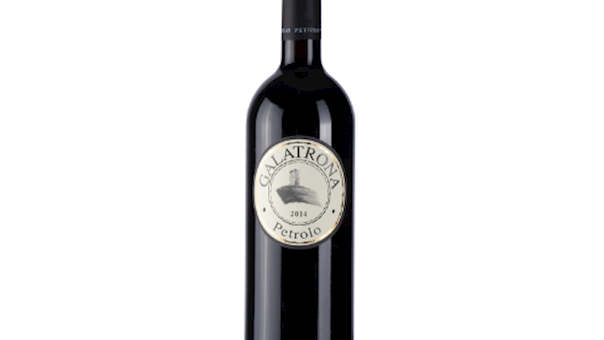
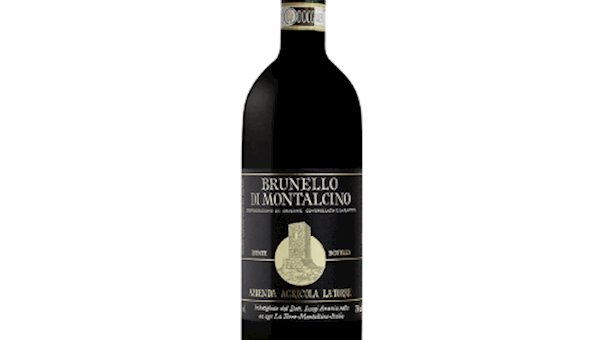
Marchesi Antinori is an Italian winery headquartered in Florence, Tuscany, with a winemaking tradition dating back to 1385. Over 26 generations, the Antinori family has directly managed the winery, blending innovation with respect for tradition and environmental preservation. In 1928, Marchese Niccolò Antinori created Villa Antinori, which became the family's signature wine, representing the unique identity of Chianti Classico and Tuscany. In 2012, the family inaugurated the Antinori nel Chianti Classico winery in Bargino, symbolizing their bond to their ancestral land. This winery was constructed entirely with locally sourced materials, respecting the surrounding environment and the Tuscan landscape. Today, the Antinori family continues to explore new territories and grape varieties, maintaining their commitment to quality and tradition, making them one of the most esteemed wineries in Italy and the world.
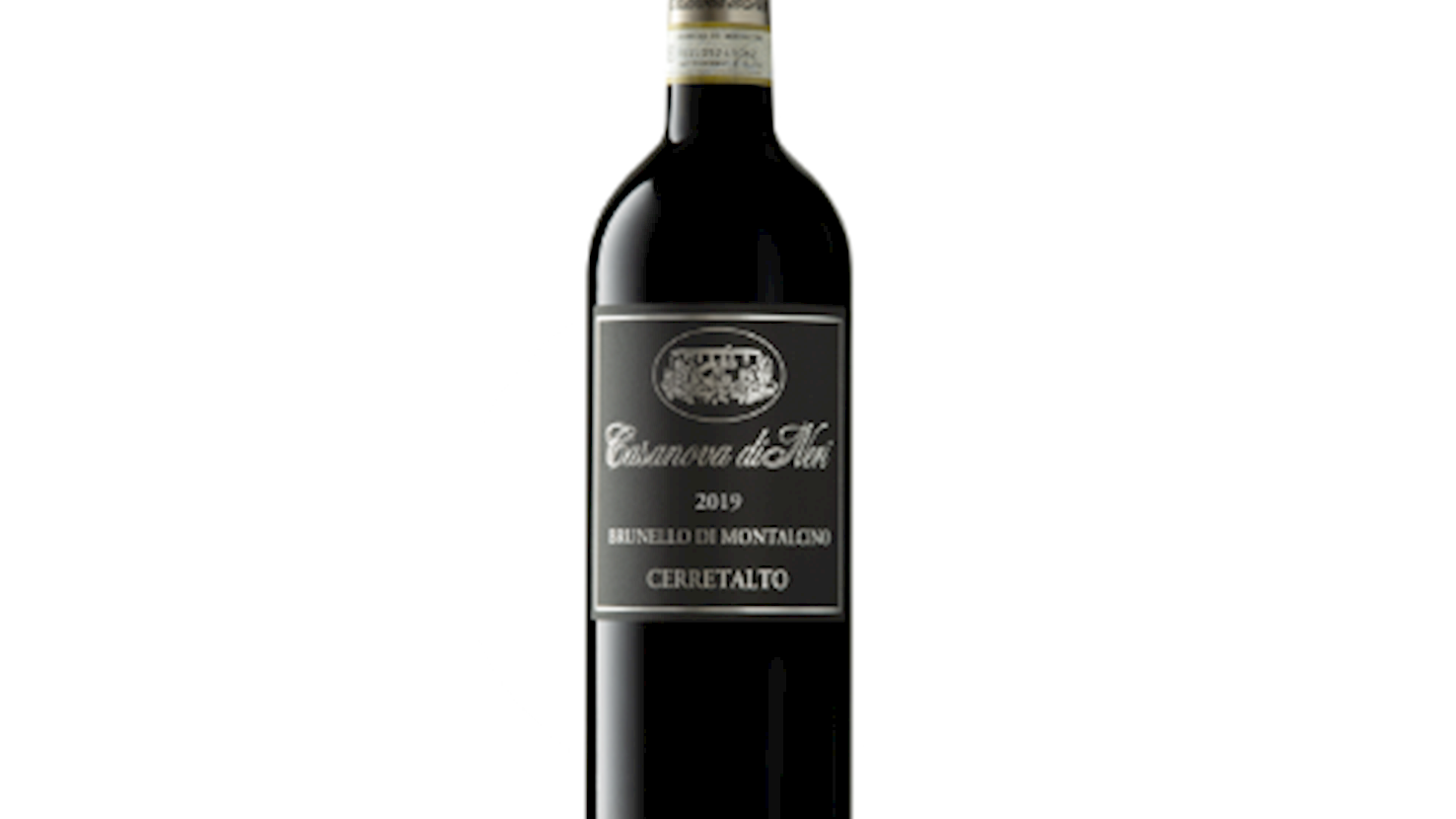
Casanova di Neri is a prestigious winery located in the Montalcino region of Tuscany, Italy, and is renowned for its outstanding Brunello di Montalcino wines. Founded in 1971 by Giovanni Neri, the estate has grown over the decades into one of the most acclaimed producers in the area, celebrated for its dedication to quality and terroir expression. Now under the guidance of Giacomo Neri, the winery combines traditional practices with innovative techniques to craft wines that reflect both the richness of the land and the unique character of each vintage.
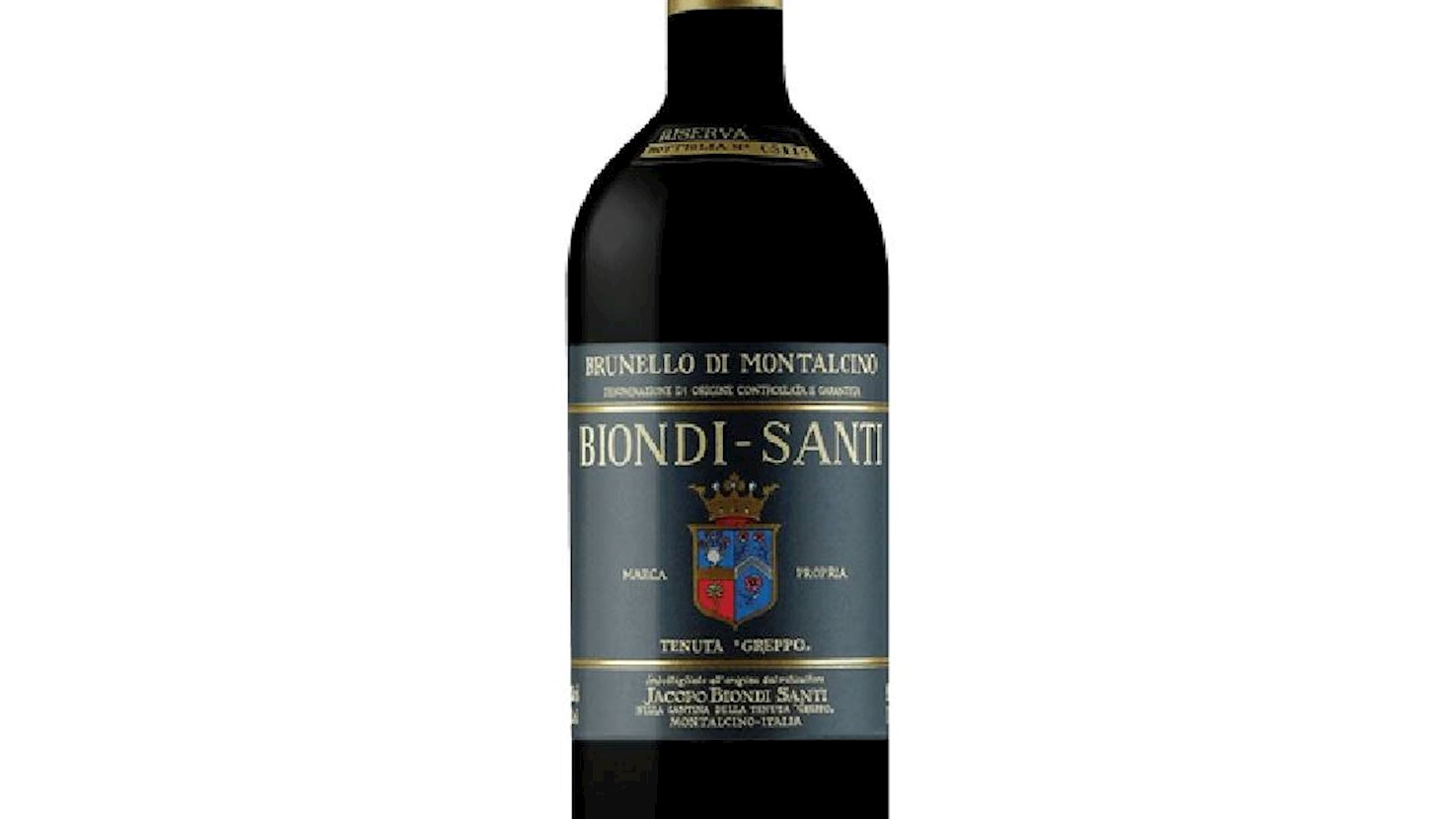
Biondi-Santi Winery, nestled in the heart of Tuscany, is rightfully known as the “creator of Brunello di Montalcino”. The family’s legendary journey began in the mid-19th century, when Clemente Santi isolated the local Sangiovese grape and pioneered extended aging. His grandson, Ferruccio Biondi-Santi, elevated the winery’s prestige and defined its style - powerful yet elegant, built for remarkable longevity.
The estate is rooted in tradition, cultivating its own grape clone (BBS11) and favoring old Slavonian casks for a gentle, authentic fermentation. Their iconic Brunello Riserva, first produced in 1888, is regarded as one of the earliest modern Brunellos, with each new vintage regarded as a rare and celebrated event.
Biondi-Santi remains a symbol of excellence and consistency, with each bottle embodying cultural heritage, minimalist craft, and the refined winemaking legacy of Tuscany.
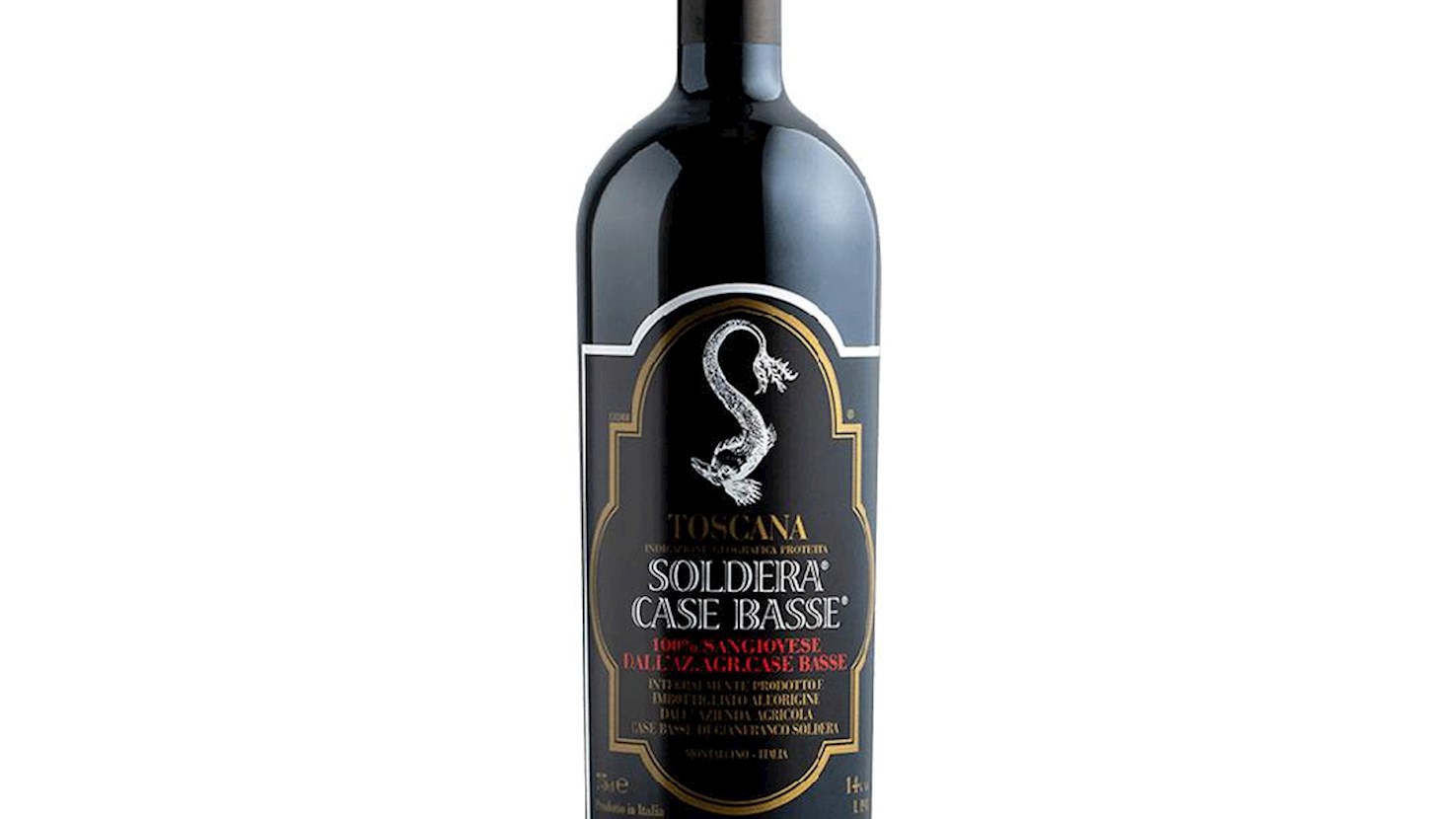
Case Basse di Gianfranco Soldera is one of Italy’s most esteemed wine estates, founded in 1972 in the heart of Montalcino by Gianfranco and Graziella Soldera. What began as an abandoned plot of land was transformed into a family-run estate dedicated to producing authentic, natural wines of exceptional quality.
From the very beginning, Soldera embraced a philosophy of minimal intervention and deep respect for nature. No chemicals, selected yeasts, or artificial additives are used—only traditional methods that allow the Sangiovese grape and the terroir to fully express themselves. Fermentation takes place spontaneously in large oak vats, followed by long aging periods that bring depth, purity, and character to the wines.
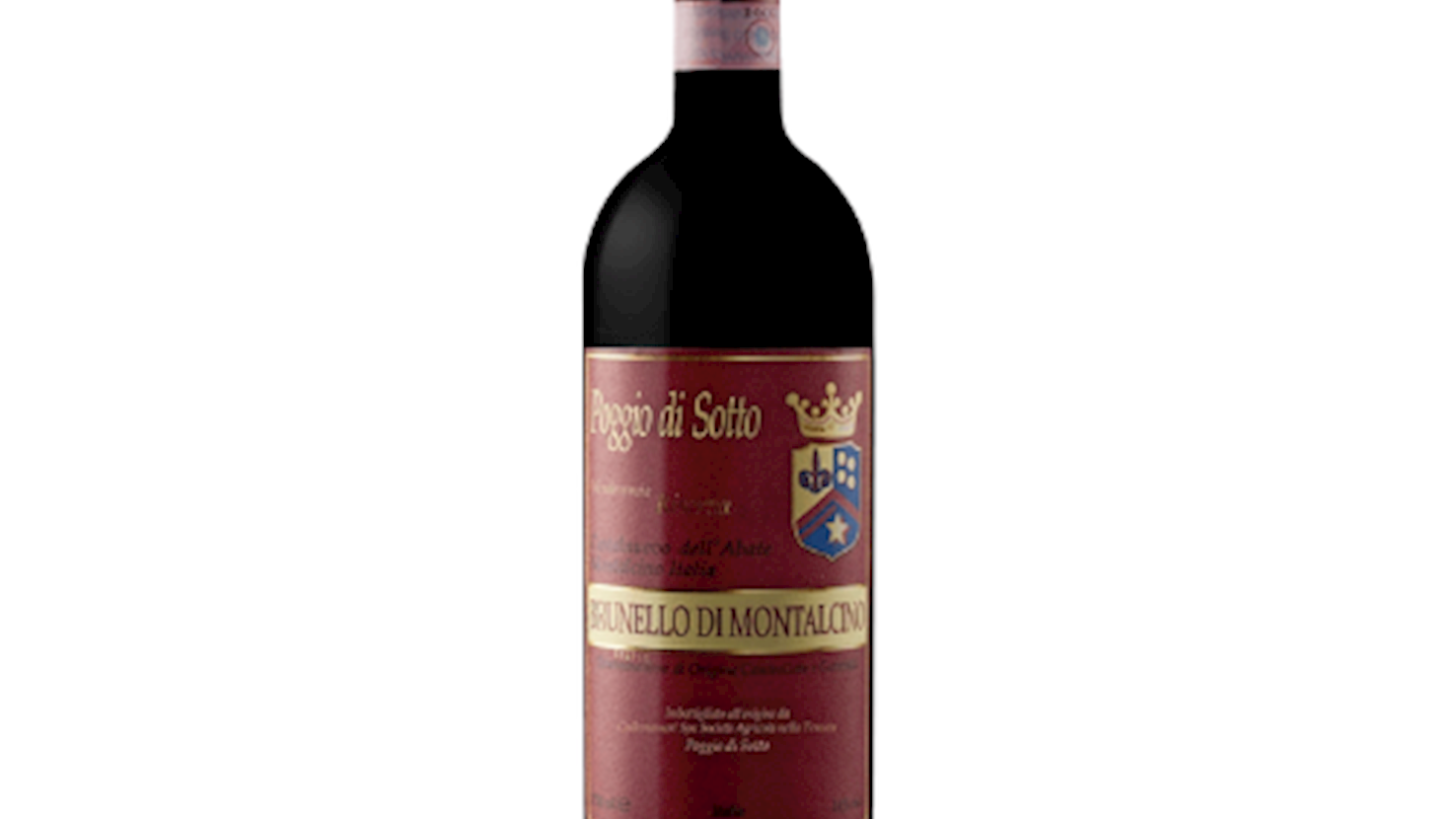
Poggio di Sotto is a highly regarded estate in the southern part of Montalcino, founded in 1989 by Piero Palmucci, who focused on restoring abandoned vineyards and establishing a philosophy rooted in traditional, low-intervention winemaking. The estate is located near Castelnuovo dell’Abate, an area known for its warmer microclimate and well-exposed slopes, which contribute to the ripening of Sangiovese. Vineyards are farmed with careful attention to biodiversity and low yields, emphasizing the natural balance of the vines and the expression of terroir. In the cellar, the approach is strictly traditional, with long fermentations using indigenous yeasts and aging in large Slavonian oak casks rather than small barriques, allowing the purity of Sangiovese to remain central. The wines are known for their elegance and precision rather than sheer power, often showing red cherry, floral notes, herbs, and subtle earthy complexity. Despite their finesse, they possess a firm structure and notable aging potential, evolving gracefully over decades. Poggio di Sotto has built a reputation as one of the benchmark producers of Brunello di Montalcino, respected for its consistency and authenticity. The estate avoids excessive intervention or stylistic manipulation, focusing instead on clarity, balance, and a transparent expression of its southern Montalcino terroir.
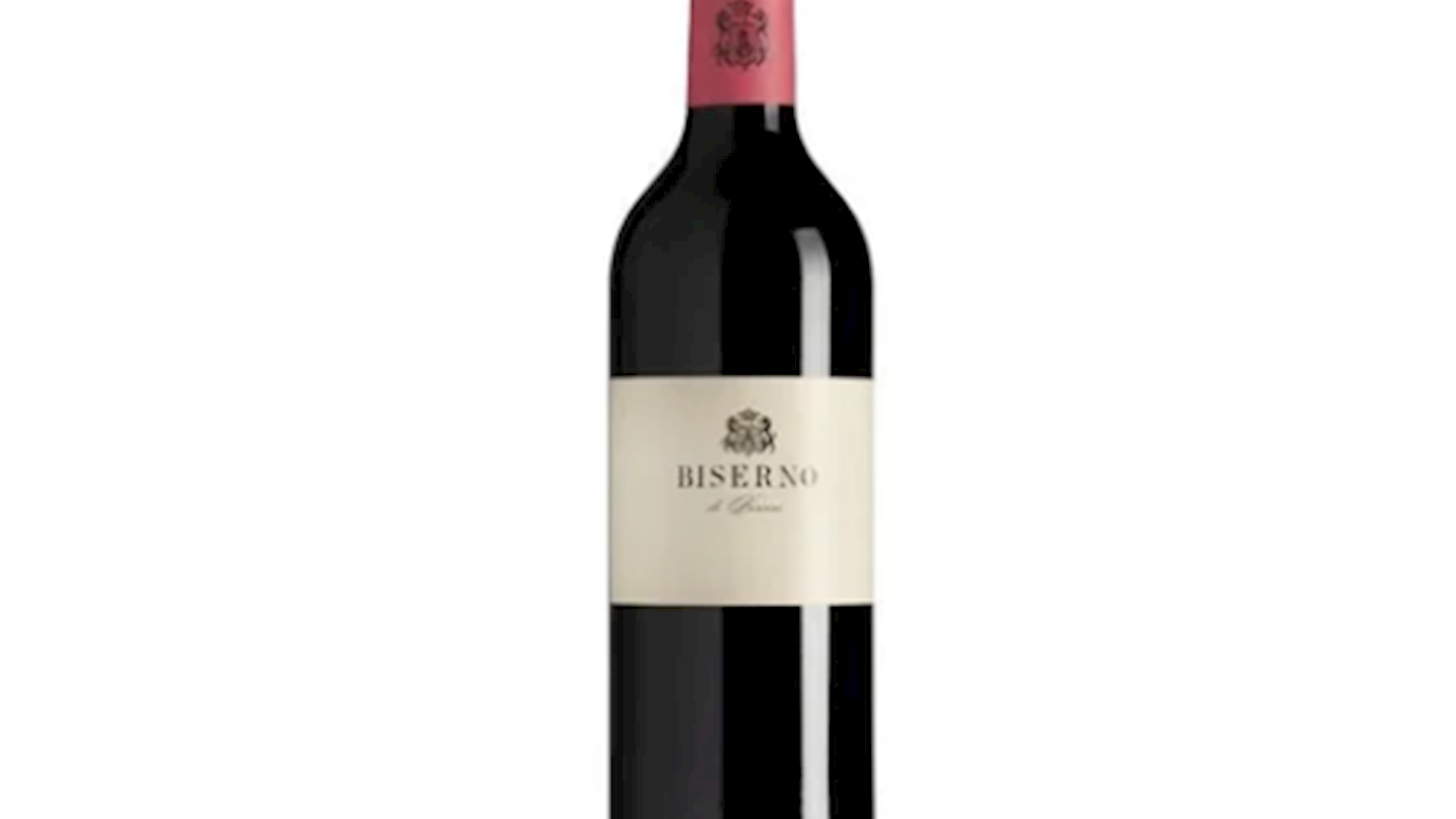
Tenuta di Biserno is a relatively modern Tuscan estate founded in 2001 by Lodovico Antinori, known for his earlier work in shaping the Super Tuscan movement. Located in Bibbona, along the Tuscan coast near Bolgheri, the estate benefits from a unique terroir characterized by varied soils, maritime influence, and favorable microclimates that support Bordeaux grape varieties. The vineyards are planted primarily with Cabernet Franc, Merlot, Cabernet Sauvignon, and Petit Verdot, with a strong emphasis on Cabernet Franc as a defining element of the estate’s identity. Winemaking combines precise vineyard management with careful selection and fermentation practices, followed by aging in French oak barrels, balancing structure with refinement. The flagship wine, Biserno, is a Bordeaux-style blend that reflects both concentration and elegance, with layered aromas of dark fruit, herbs, spice, and mineral undertones. Another key label, Il Pino di Biserno, offers a more approachable interpretation while maintaining the estate’s stylistic signature. The wines are typically structured yet polished, with fine tannins and a capacity for aging, though they are often more accessible in their youth compared to traditional inland Tuscan wines. The coastal location contributes to freshness and aromatic lift, distinguishing them from more continental expressions. Over time, Tenuta di Biserno has established itself as a notable producer within the Bolgheri area, combining modern winemaking precision with a clear focus on terroir expression.
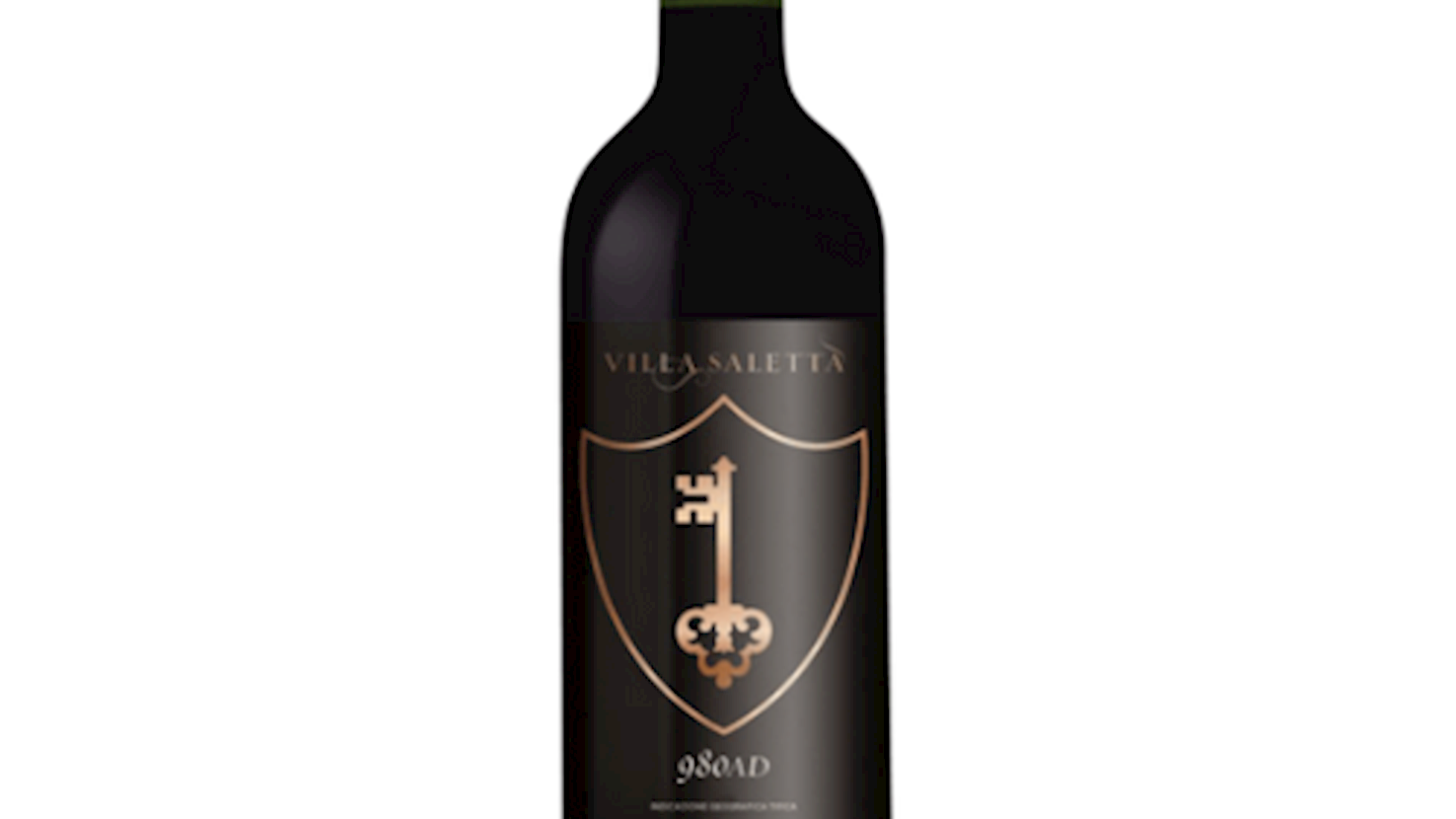
Fattoria Villa Saletta is a historic estate located in the picturesque region of Tuscany, Italy. Nestled within rolling hills, vineyards, and olive groves, the property spans over 1,700 acres and offers a blend of natural beauty, agricultural heritage, and refined hospitality.
The estate is renowned for its production of high-quality wines, particularly red wines made from Sangiovese and other classic Tuscan grape varieties. It also produces olive oil and other artisanal products. The villa and surrounding buildings have been carefully restored to preserve their historical charm while offering modern amenities, making Villa Saletta a luxurious destination for visitors seeking to experience the essence of Tuscany.
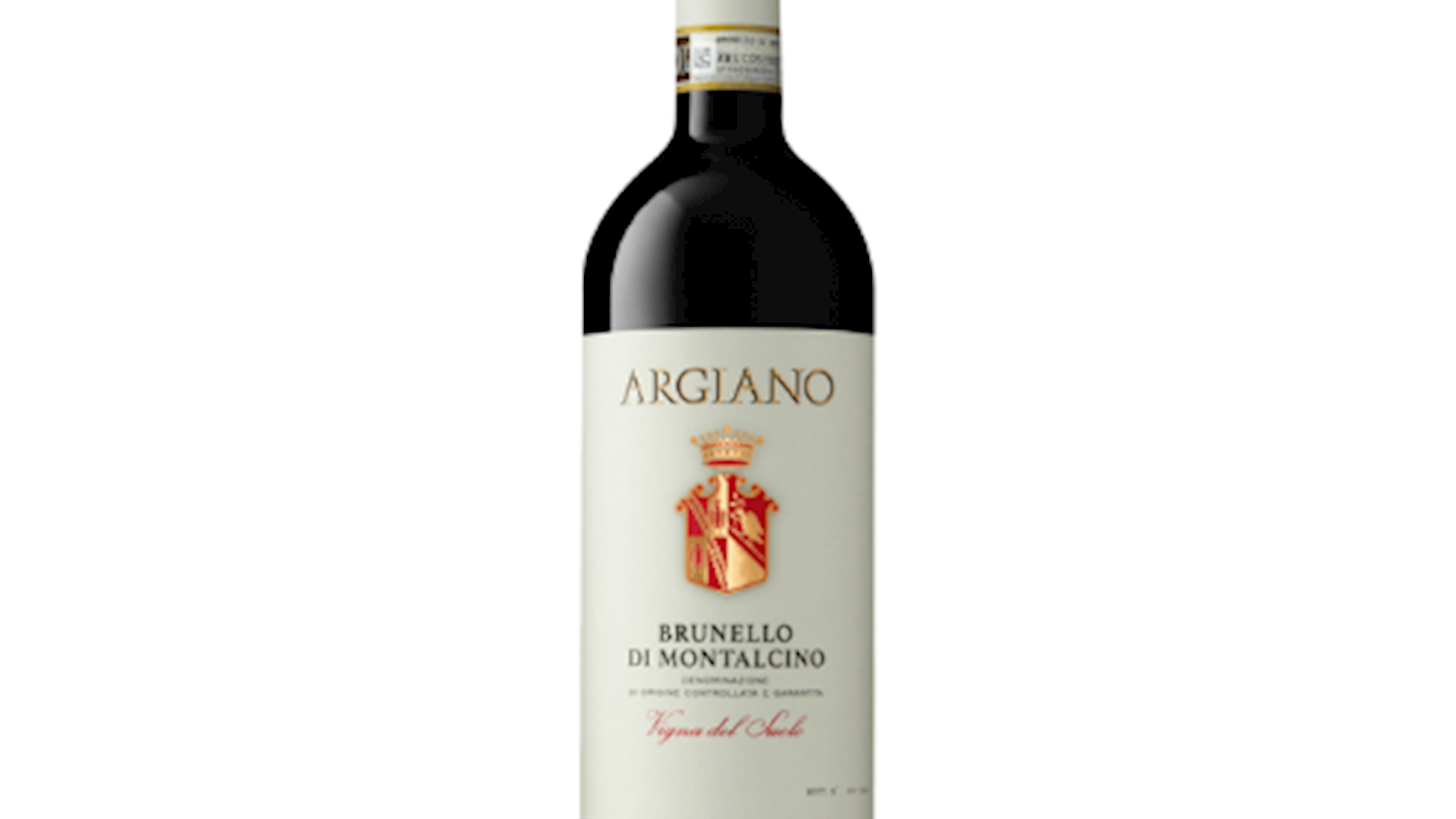
Argiano is a historic winery in Montalcino, with an estate that dates back to the 16th century, and is today regarded as one of the most consistent and respected producers of Brunello di Montalcino. The vineyards are located on the southwestern slopes of Montalcino, at elevations of around 280 to 310 meters, with predominantly clay-limestone soils and a strong Mediterranean influence. Argiano focuses on a pure expression of Sangiovese, placing great emphasis on terroir, vintage character, and natural balance in the vineyard. Viticulture is conducted according to organic principles, with carefully managed yields and minimal intervention. The wines are known for their clarity, elegance, and structure, avoiding excessive extraction or overt oak influence. Argiano’s Brunello di Montalcino is particularly noted for its fine-grained tannins, freshness, and long aging potential. Today, the winery successfully combines its historic heritage with modern enological precision, producing wines that are authentic, refined, and deeply rooted in the identity of Montalcino.
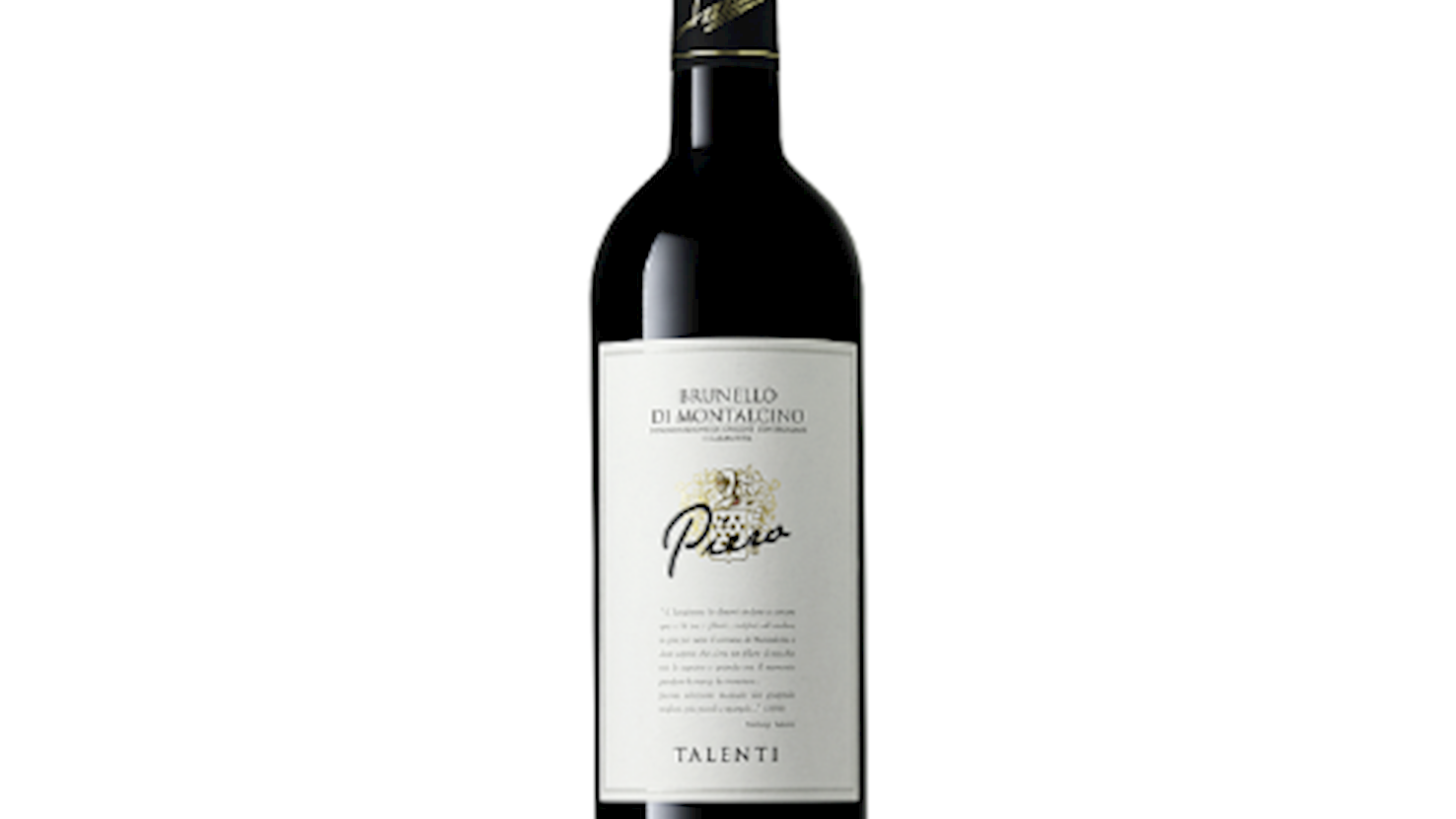
Talenti is a family-owned winery based in Montalcino, founded in the early 1980s by Pierluigi Talenti and today run by his son Riccardo Talenti. The estate is located in the Pian di Conte area and includes vineyards with favorable exposures and diverse soils well suited to Sangiovese. Production focuses primarily on Brunello di Montalcino and Rosso di Montalcino, wines known for their clarity of expression, balance and long aging potential. Winemaking follows a traditional approach, with controlled fermentations and extended aging in large oak casks that preserve varietal character and structure. The style is serious and precise, marked by aromas of ripe red fruit, spice and earthy notes, supported by firm yet polished tannins. Talenti is regarded as a reliable and consistent producer, appreciated for combining classic Montalcino tradition with a modern, disciplined approach to quality.
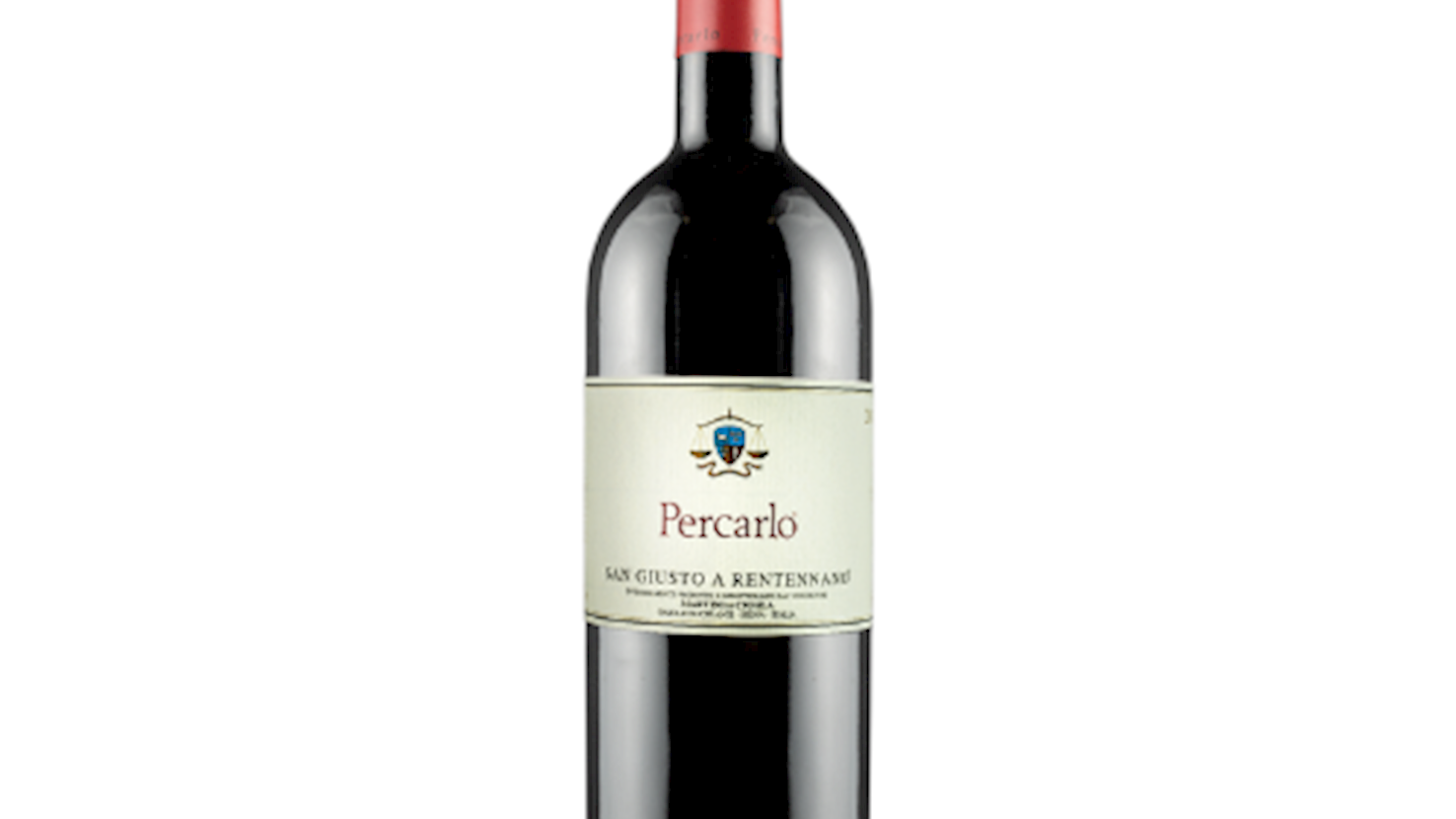
San Giusto a Rentennano is a historic estate located in Gaiole in Chianti, on the southern edge of the Chianti Classico zone, with origins dating back to the Middle Ages when it functioned as a Cistercian monastery. Today, it is owned and managed by the Martini di Cigala family, who have shaped the estate into one of the most respected producers in the region, with a strong focus on traditional varieties and terroir expression. The vineyards are situated at higher elevations, with well-drained soils rich in limestone and galestro, contributing to both structure and freshness in the wines. The estate primarily cultivates Sangiovese, complemented by small amounts of Canaiolo and international varieties such as Merlot. Winemaking combines traditional methods with careful precision, including fermentation in temperature-controlled vats and aging in a mix of large oak casks and smaller barrels, depending on the wine. The wines are known for their balance between structure and elegance, often showing red cherry, plum, floral notes, and subtle spice, along with a distinct mineral backbone. Despite their refinement, they possess firm tannins and notable aging potential, reflecting both the altitude and the disciplined vineyard work. San Giusto a Rentennano has built a strong reputation for producing both classic Chianti Classico and more structured, complex wines, consistently emphasizing authenticity and site expression.
TasteAtlas food rankings are based on the ratings of the TasteAtlas audience, with a series of mechanisms that recognize real users and that ignore bot,
nationalist or local patriotic ratings, and give additional value to the ratings of users that the system recognizes as knowledgeable.
For the “Top 48 Tuscan Wine Varieties” list until June 24, 2026, 1 ratings were recorded, of which 0 were recognized by the system as legitimate.
TasteAtlas Rankings should not be seen as the final global conclusion about food. Their purpose is to promote excellent local foods,
instill pride in traditional dishes, and arouse curiosity about dishes you haven’t tried.
The initial list of top producers was compiled based on available reviews, awards, local recommendations, media and blog coverage, and consumer reviews.
The list will be updated with ratings from TasteAtlas local ambassadors and TasteAtlas users.