Top 70 Greek Alcoholic Beverages

Last updated on July 08, 2026

Best Greek Alcoholic Beverage Types
01

Vinsanto

4.4 ·

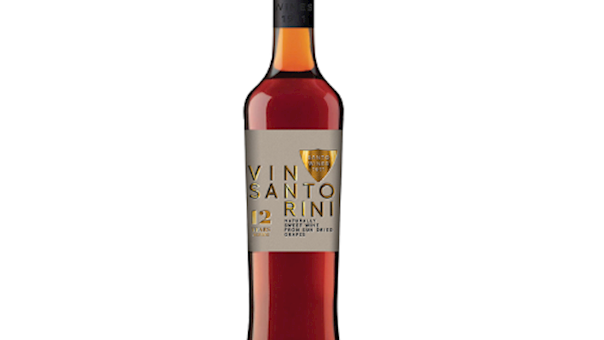
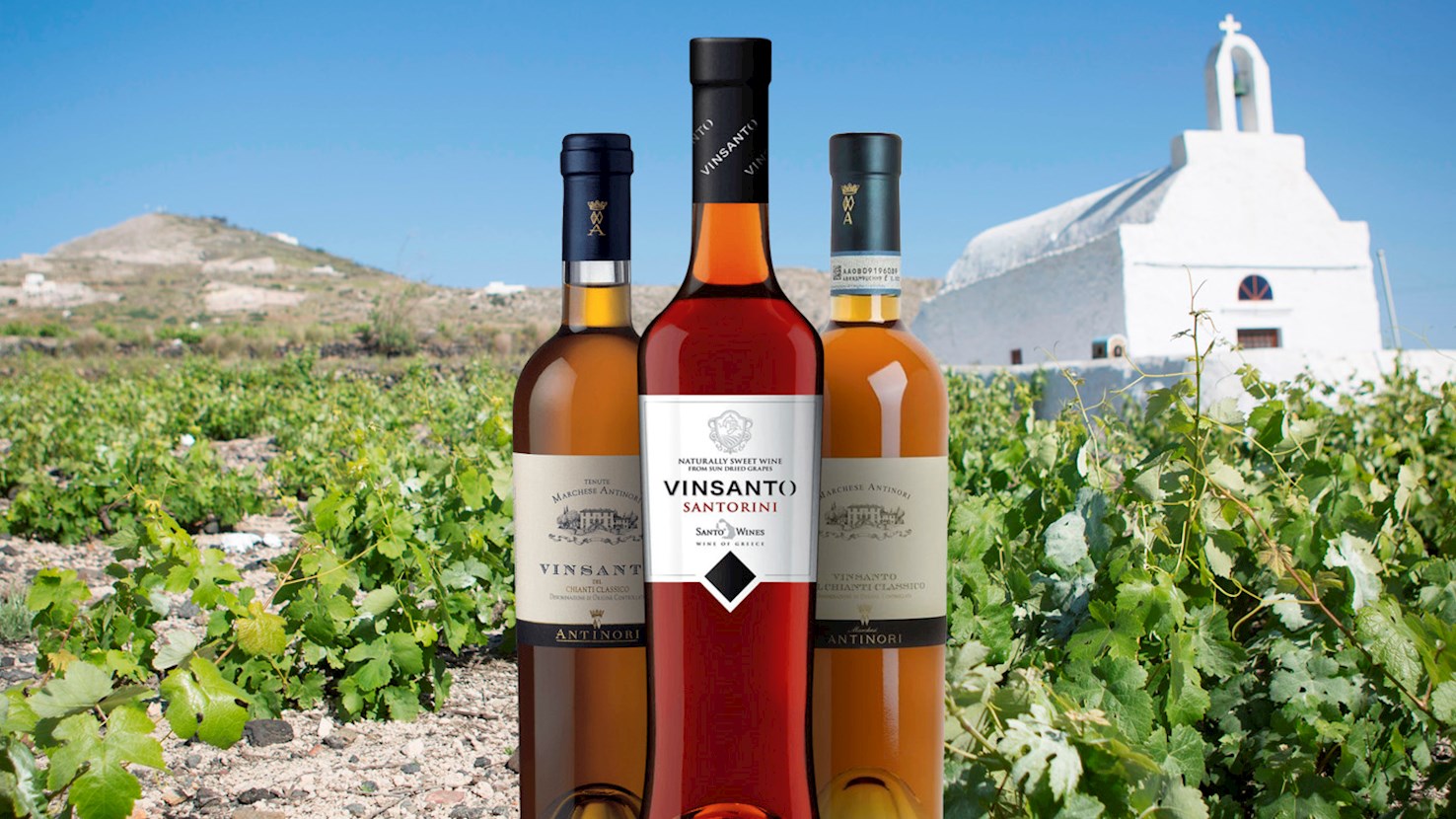
Vinsanto is a dessert wine hailing from Santorini. It is made with sun-dried Assyrtiko and Aidani grapes. Despite a surprisingly similar name, this Greek wine does not have much in common with the more famous Vin Santo from Tuscany. The grapes are sun-dried for approximately fourteen days and are then fermented and aged. This wine has to be oak-aged for a minimum of two years, but most producers opt for longer maturation. The result is a sweet and dense wine packed with flavor and rich in aromas. Although both grape varieties are white-skinned, Vinsanto will attain a luscious golden color that tends to turn into darker amber hues as the wine ages. On the palate, the wine is honeyed, sweet, and full-bodied, and the aromas are reminiscent of figs, raisins, apricots, caramel, nuts, and sweet spices. Despite concentrated flavors and dense texture, Vinsanto manages to remain balanced by retaining acidity and freshness. In the past, producers sometimes fortified the wines, but modern techniques mainly rely on adding yeast to prolong fermentation and increase the alcohol content. Vinsanto wines need to have a minimum of 9% ABV, but excellent examples usually reach 13% ABV. These wines should always be served chilled. They can be sipped on their own, but they also pair well with desserts and cheese. Young and lighter styles go well with sweet, caramel desserts, while older varieties work well with dark chocolate and nuts.

02

Naousa

4.4 ·

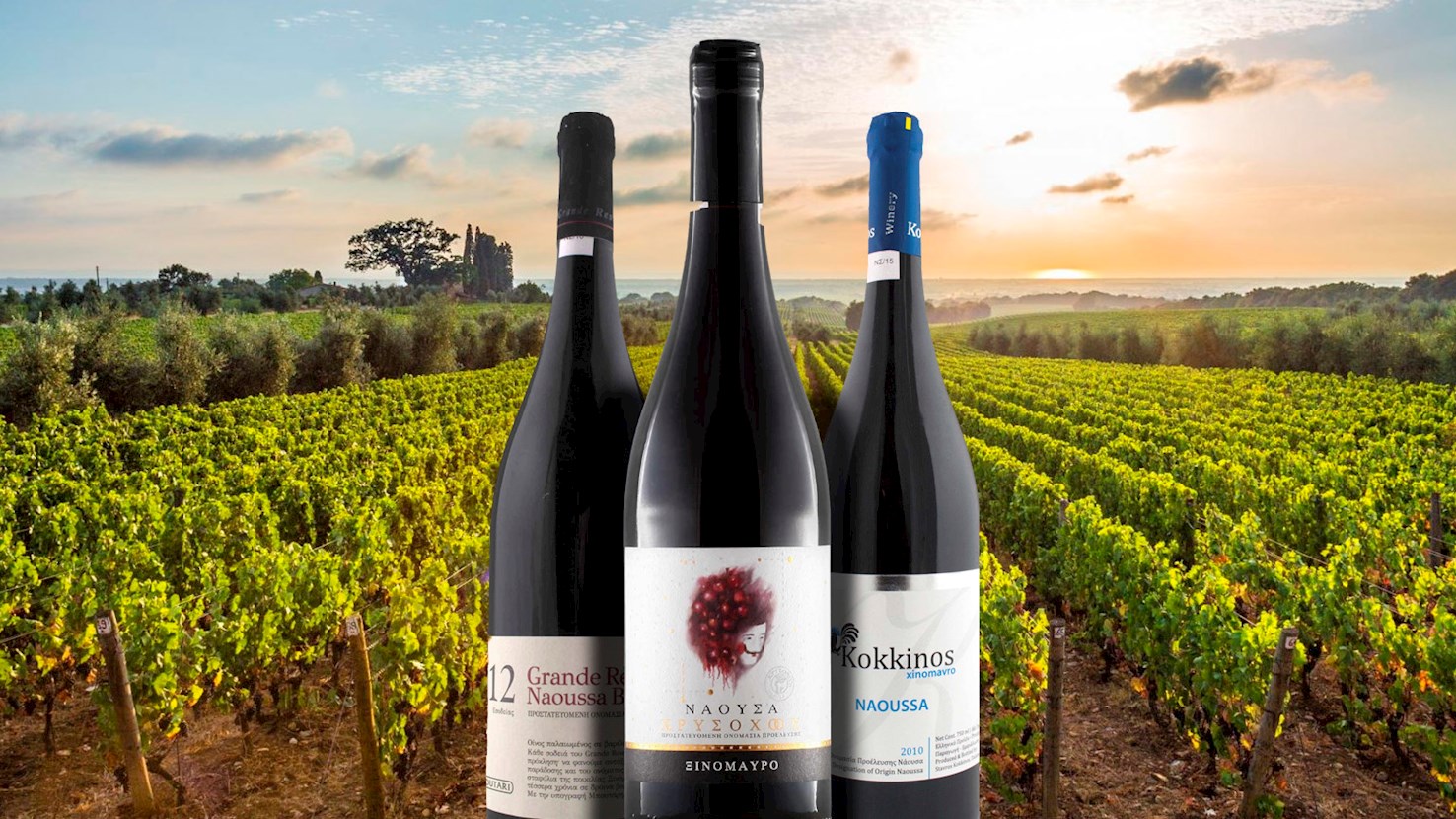
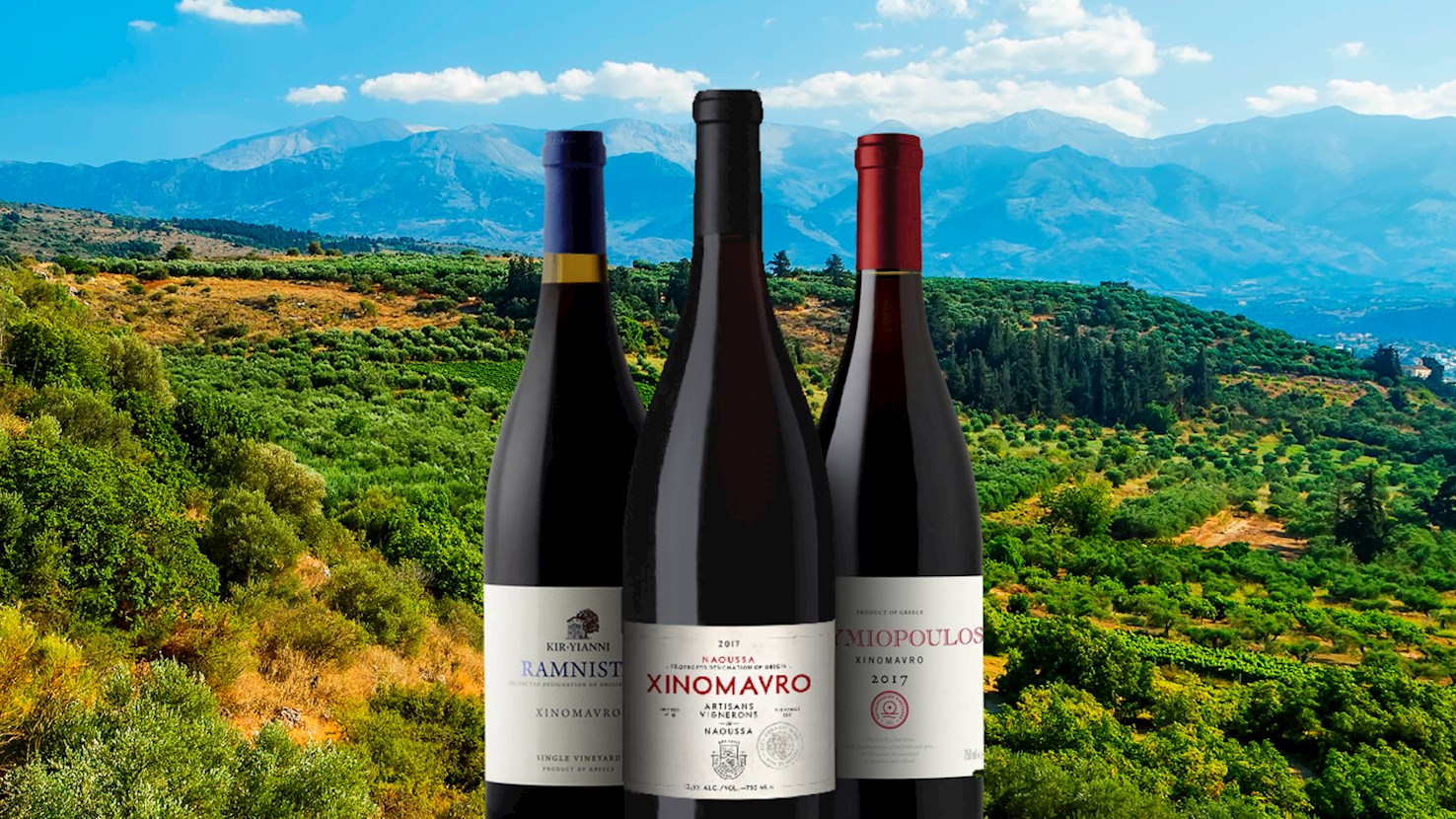
Naousa is a Greek appellation located in the region of Macedonia. The wines produced under the designation are made exclusively from Xynomavro—an indigenous Greek grape that is often compared to Pinot Noir and Nebbiolo. Naousa wines display the perfect balance of tannins, sugar, and acidity, while the typical aromas and flavors include a complex combination of savory notes that are often reminiscent of dark and red fruit, tomatoes, plums, earth, tobacco, herbs, and spices. Naousa ages exceptionally well and is rarely enjoyed young. Because of its complexity and finesse, it is often cited as one of the finest Greek wines. An ideal pairing for this tannic wine is game, lamb, tomato-based sauces, rich stews, sausages, mushrooms, and aged cheese.

03

Tsikoudia

4.2 ·

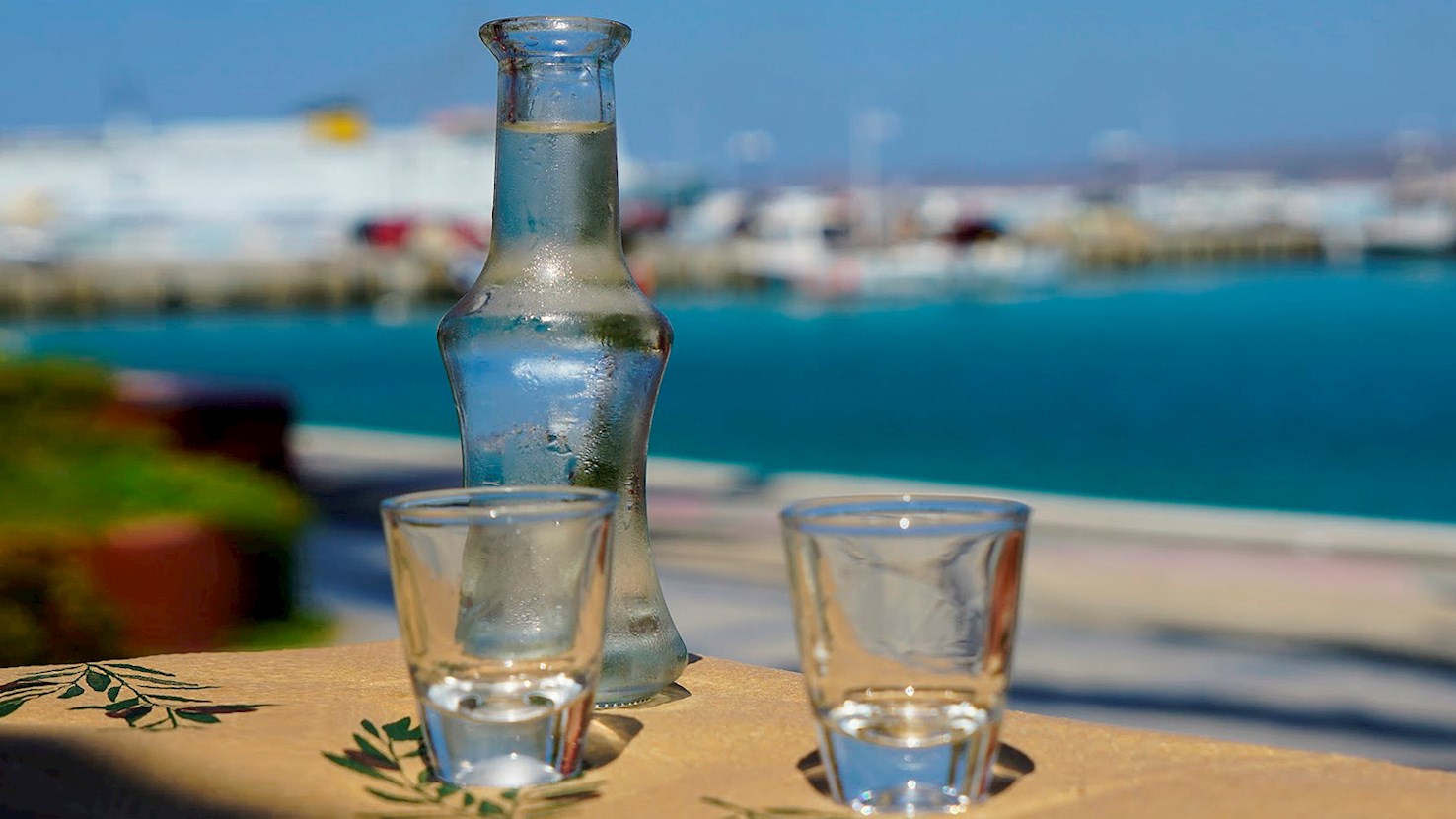
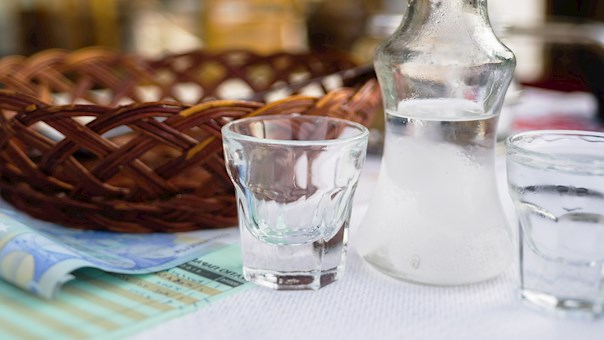
Tsikoudia is a Cretan spirit that is distilled from fermented grape pomace (strafylo)—the solid remains that are left after the grapes have been pressed. Tsikoudia is traditionally distilled in October and November, usually in small, family-owned copper stills. The final product is a clear, potent, and colorless drink with an alcohol content that can vary from 40 to 65% ABV. Tsikoudia is similar to tsipouro, another pomace spirit that is produced in other parts of Greece. Unlike tsipouro, tsikoudia is typically distilled only once, which helps preserve flavors and aromas. Tskikoudia plays a central role in Cretan hospitality; it is a staple on various special occasions, and it is often used as a welcoming drink. It is typically served neat and well-chilled, and it makes an excellent aperitif or a digestif. Sometimes herbs and citrus zest can be used as flavorings, and the drink is occasionally referred to as rakı—though it is never anise-flavored. Cretan tsikoudia is protected with a Geographical Indication mark.

04

Malagousia

4.2 ·

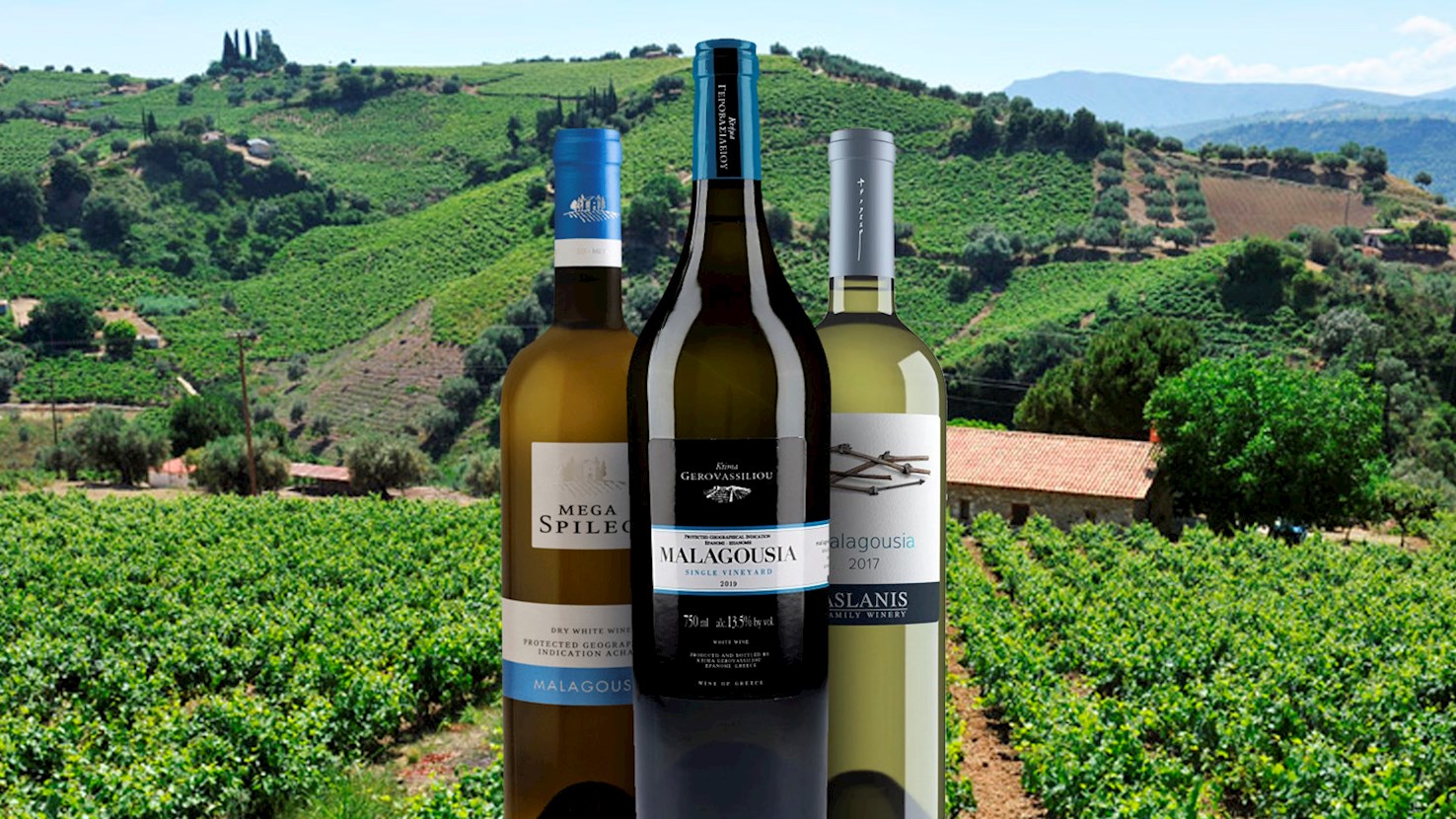
Malagousia is an ancient, white-skinned Greek grape that was saved from extinction by Vangelis Gerovassiliou, who brought it back from obscurity in the 1970s. The grape produces aromatic dry wines, which are usually of excellent quality. It is also used to make dense and perfumed dessert styles. On the nose, the wines display intense aromas often reminiscent of peaches, pears, and tropical fruit, usually with citrusy, herbal, and subtle floral notes. On the palate, they are full-bodied, rich, and round, and the best examples manage to remain lively and fresh. Malagousia can be enjoyed young, but it is also aged, both in steel and oak. Dry wines would pair well with Mediterranean and Asian fare, especially seafood, poultry, pasta dishes, salads, and vegetables. Sweet versions can be a good match with fruit desserts.

05

Moschofilero

4.2 ·

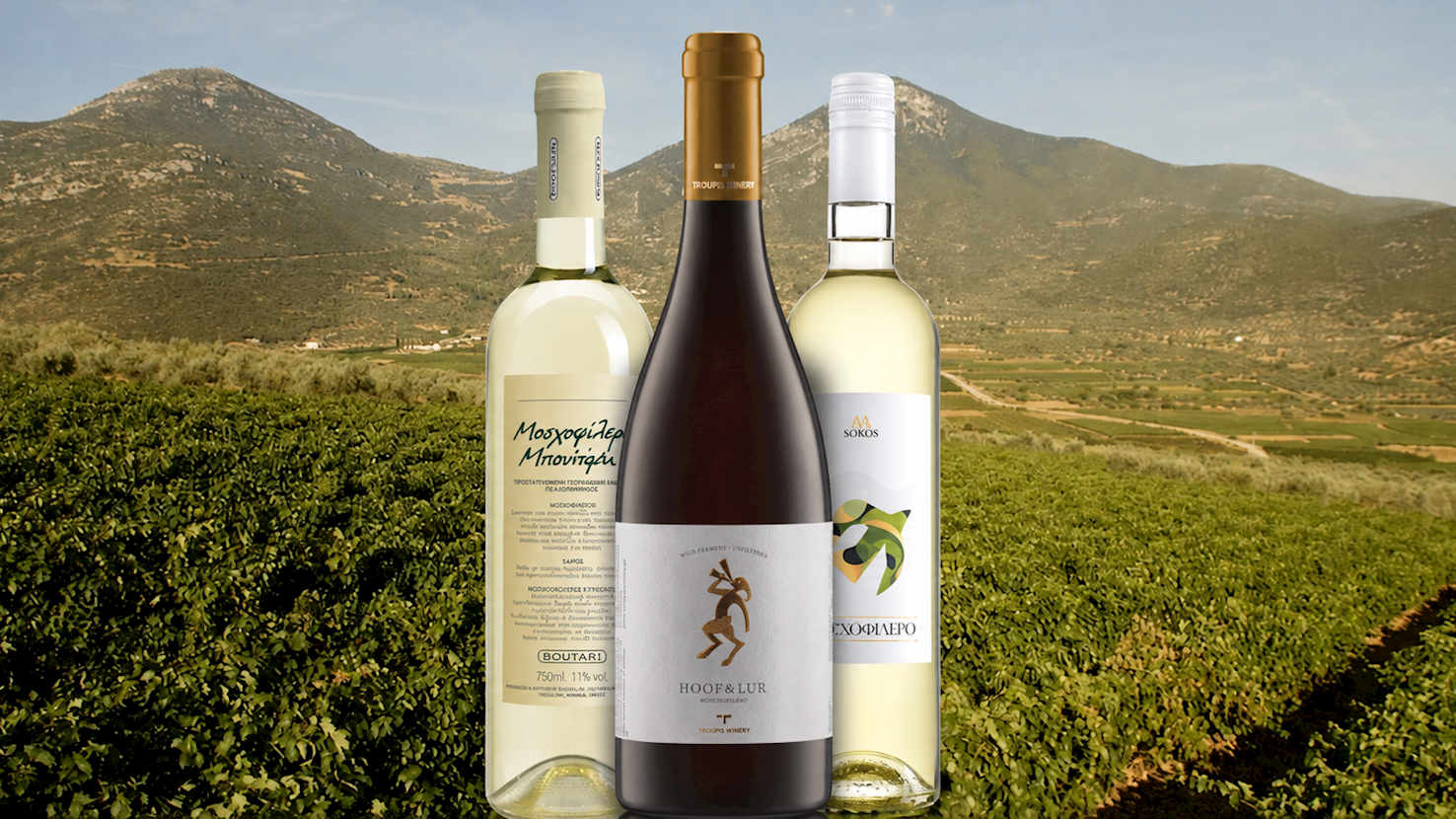
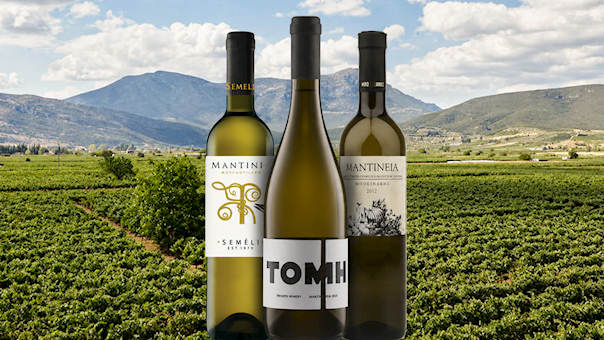
Moschofilero is a Greek grape that hails from Peloponnese. It is an aromatic and late-ripening variety that delivers high yields, but it is sometimes sensitive and finicky to grow. Despite its common presence, Moschofilero was only popularized in the 1970s and ’80s, primarily by the producers from PDO Mantinia, the most important wine region for Moschofilero. Varietal Moschofilero wines can be incredibly versatile. They will usually have bright and crisp acidity, which highlights their clean and fresh character. The wines from lower altitudes will usually have more freshness, and those from higher vineyards tend to have a more prominent floral character. Typical aromas are reminiscent of peaches, jasmine, orange blossom, roses, and citrus fruit. Moschofilero is usually enjoyed young, but the best examples sometimes show aging potential. These wines would pair nicely with fish and seafood, poultry, light snacks, spicy dishes, Asian fare, and salads.

06

Assyrtiko

4.1 ·

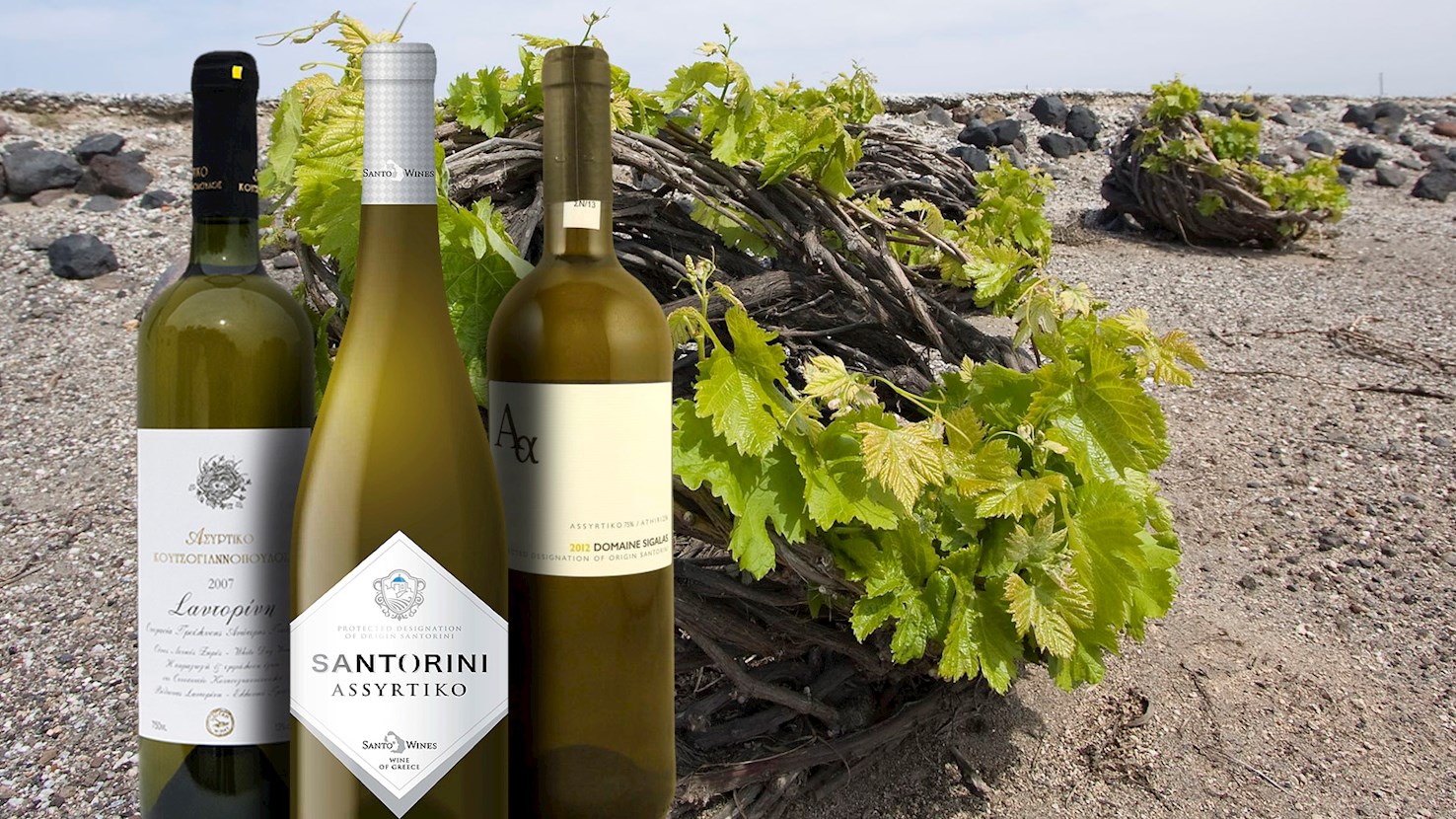
This Greek white grape variety is indigenous to the island of Santorini, but it can also be found on other Aegean island such as Paros. The soil of the island, which is rich in volcanic ash, seems to enable the grapes to retain their acidity regardless of how long they ripen, which gives these wines a long aging potential. Its popularity has grown recently due to its unusual character, which does not reflect the hot climate it comes from. Assyrtiko wines are dry, full-bodied white wines with citrus aromas and a pleasant minerality. This wine can also be blended with two other local varieties, Aidani and Athiri, during the production of the sweet wine Vinsanto. The dry version makes a great complement to fish, seafood, and anything salty or briny.

07

Chios Mastiha

4.1 ·

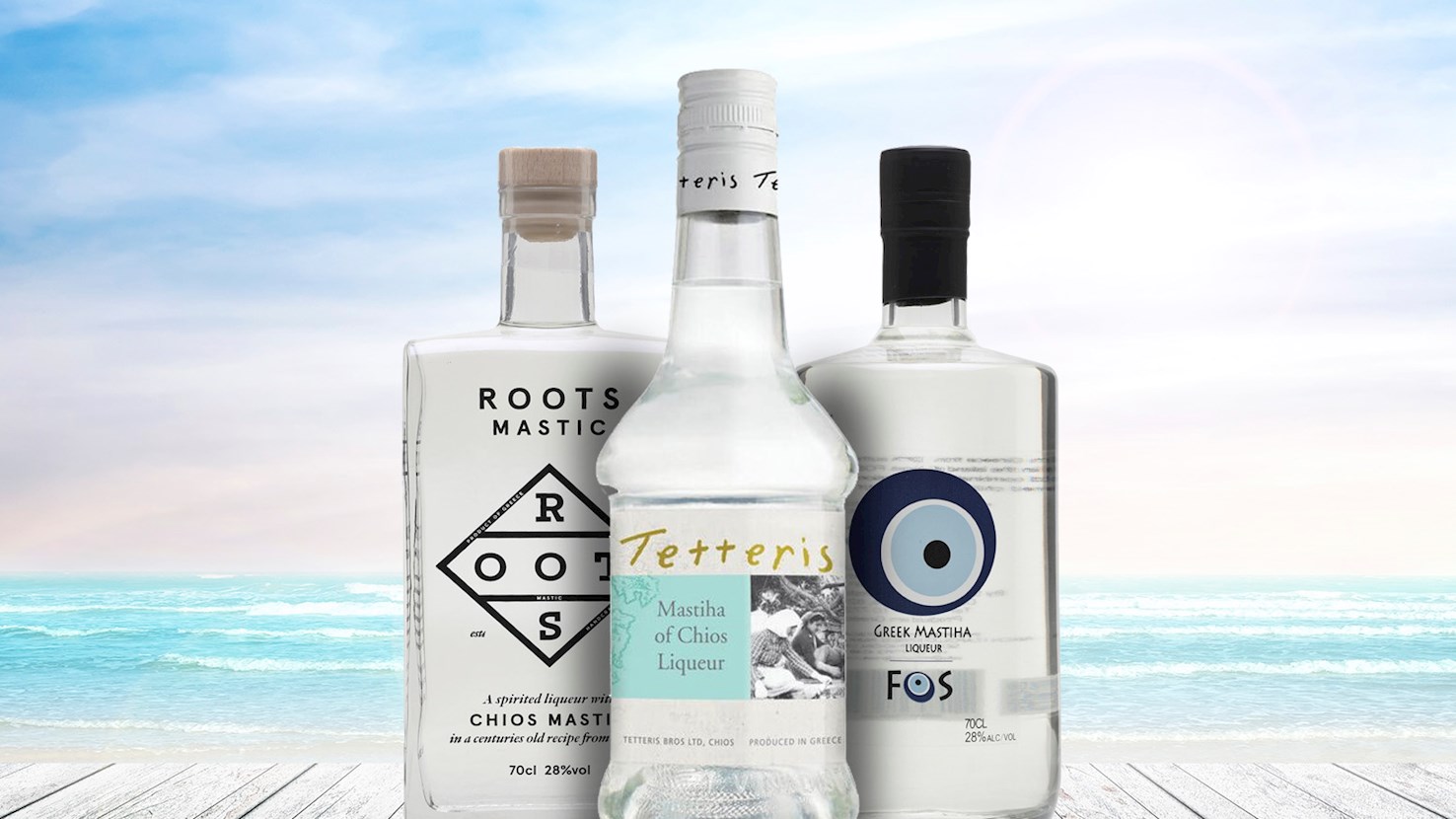
Chios Mastiha is a Greek liqueur that is made with Masticha Chiou—a resinous sap of the Schinias tree. Although Schinias is found in other Mediterranean countries, the plant only produces resin on Chios, presumably because of the island’s unique microclimate. The liqueur is made by macerating Chios mastic or Chios mastic oil in grain spirit or distilling it with alcohol. The combination is then diluted with water and sweetened before it is bottled. Chios Mastiha must have a minimum of 15% ABV. The process results in a clear and subtly sweet spirit with fresh notes of pine, anise, herbs, and citrus fruit. The drink is usually enjoyed neat or on the rocks, occasionally with a squeeze of lemon or mixed with other fruit juices. Recently, it has also become a popular and versatile cocktail ingredient. In Greece, it mostly enjoyed as an aperitif or a digestif, and it is often accompanied by various meze dishes.

08

Rakomelo

4.1 ·

Rakomelo is a Cretan drink that combines honey and tsikoudia, a clear Cretan spirit that is sometimes referred to as raki, though it is not anise-flavored like the namesake Turkish spirit. The drink is often flavored with herbs and spices such as cinnamon, cardamom, or cloves. It is frequently prepared at home by combining warm spirit and honey, but commercially produced versions are also available. Rakomelo is sometimes served warm, usually as a soothing winter drink or a health remedy, while the well-chilled variety is mainly enjoyed neat or with ice, preferably as an aperitif or a digestif. It is believed that it dates back to the 12th century and its origin is mainly associated with Crete, though some sources list the Cyclades as its original location, primarily the island of Amorgos.

09

Roditis

4.0 ·

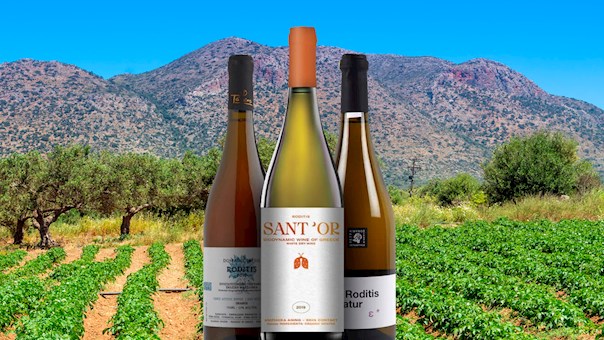
Roditis is a pink-skinned variety from Greece that is cultivated throughout the mainland. It is the second most planted grape in Greece, used both in varietals and blends. The grape was mostly used for bland, inexpensive bulk wines, but the recent shift to quality has slightly improved its reputation. Roditis is terroir-driven, and the grape is multi-clonal (at least three confirmed clones), creating wines with somewhat different characters and features. The best expressions come from old vines and high altitudes, resulting in subtly aromatic wines with a medium body and high acidity, such as those from Aigialia Slopes in the Peloponnese. Typical aromas in these wines are reminiscent of apple, pear, and melon, often with a bit of tart and hints of citrus. Roditis-based wines are not built to age, and most should be enjoyed young. These wines are food-friendly and can pair well with traditional Greek dishes. They would go especially well with appetizers, fish, and lighter Greek dishes.

10

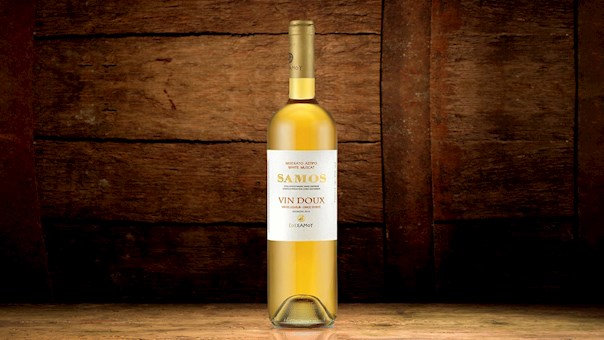
Samos Nectar

4.0 ·

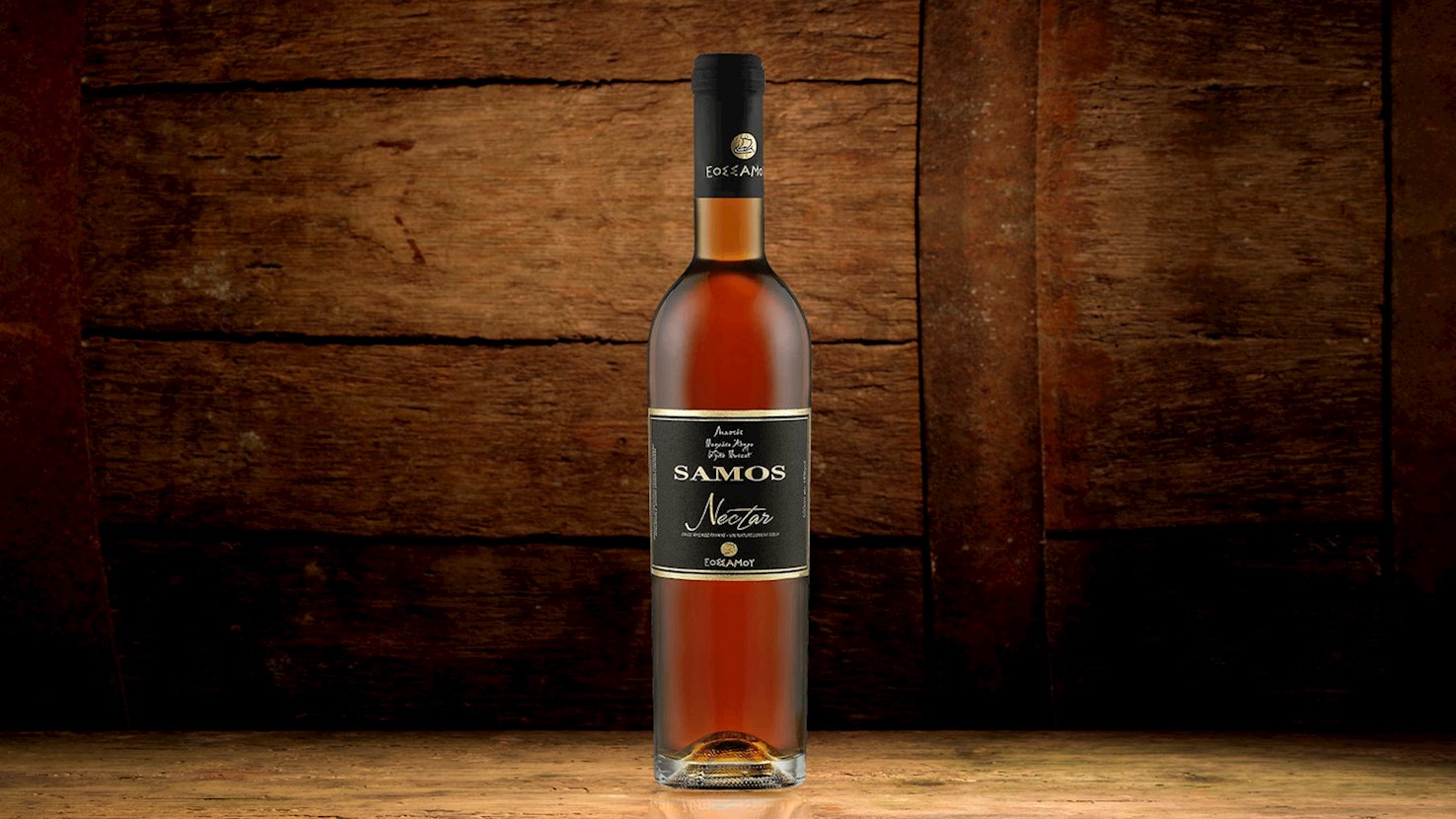
Nectar is a wine style that hails from Samos. The wine is produced from Muscat Blanc à Petits Grains, which is locally known as Moschato Aspro. The style is made with late-harvested and sun-dried grapes, and the wines have to be oak-aged for at least three years. Nectar has an appealing light amber color. It is a complex and rich wine with an aroma reminiscent of honey, raisins, dried fruits, and nuts. On the palate, they display a good balance of acidity and sweetness, with typical dried fruit, toffee, spicy, and herbal notes. This wine is best paired with desserts, but it can also be a good pairing with savory dishes. It can also be served with pungent blue cheese.

12

Xinomavro

4.0 ·
13

Tsipouro

3.9 ·
14

Kostifali

3.9 ·
17

Metaxa

3.7 ·
19

Nemea

3.6 ·
20

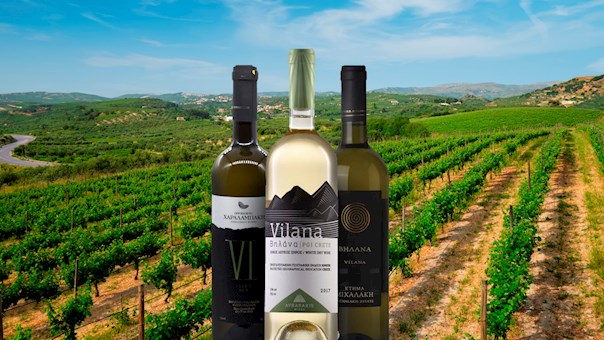
Vilana

3.6 ·

Best Greek Alcoholic Beverages
01

Estate Argyros

5.0 ·

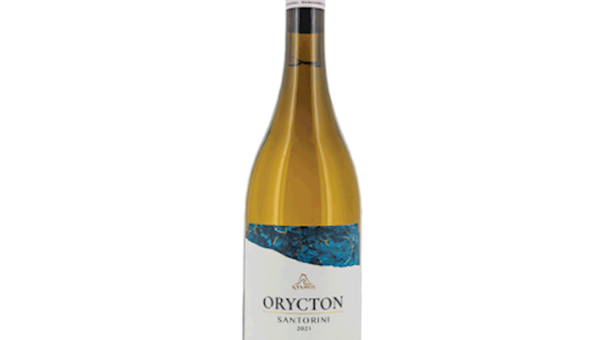
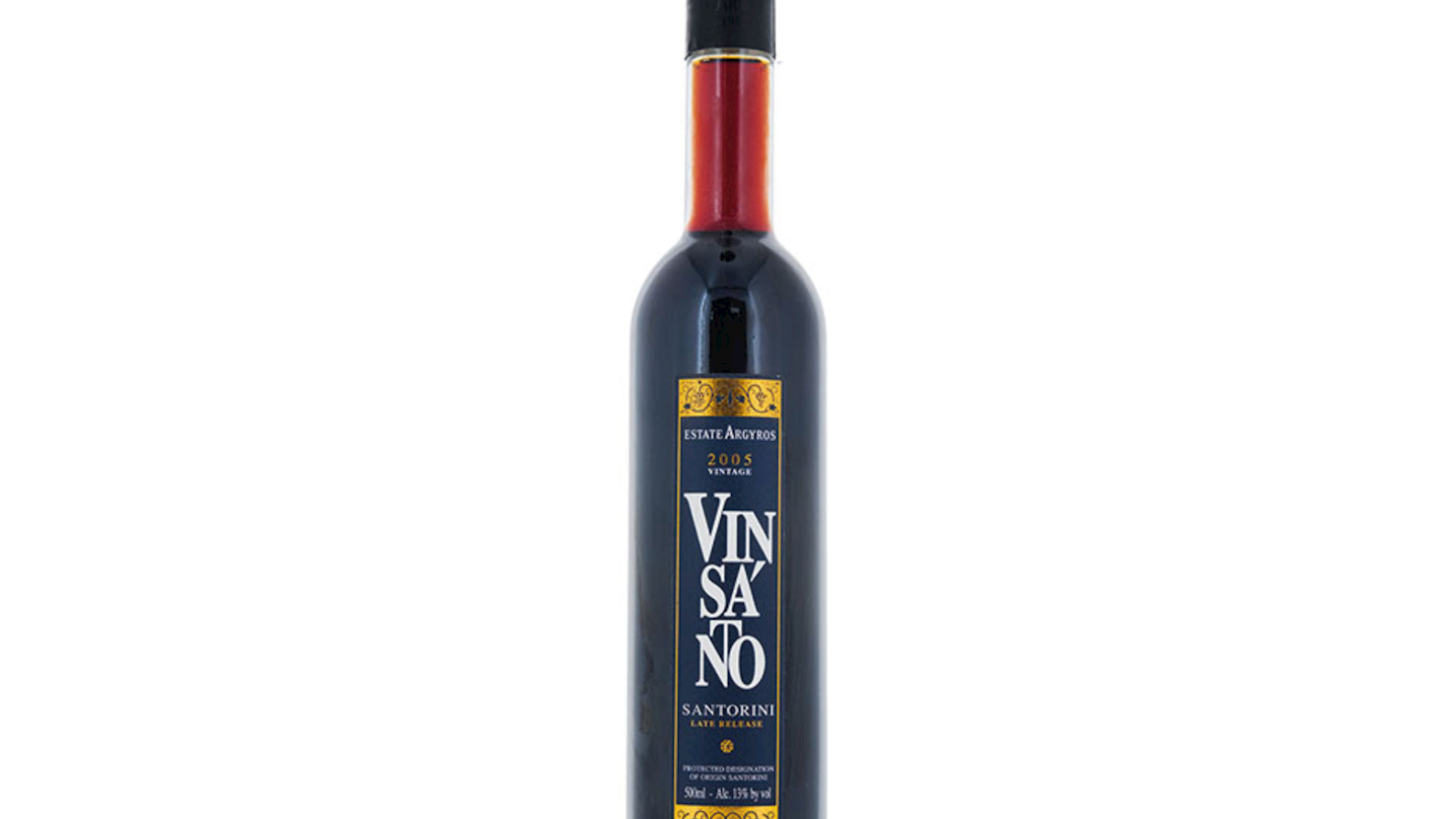
Estate Argyros is a family-owned winery on the island of Santorini, founded in 1903 in the village of Episkopi Gonia, in the heart of the island’s volcanic wine-growing zone. The estate covers more than 120 hectares of vineyards, making Argyros one of the largest private vineyard owners on Santorini.

Most vines are 70-100 years old, while some parcels of Assyrtiko exceed 150-200 years, resulting in extremely low yields but grapes of remarkable concentration and purity. The terroir is harsh and distinctive - volcanic, rocky and sandy soil with almost no organic material, naturally protecting the vines from disease and allowing them to remain ungrafted on their original rootstock.

The traditional training method known as kouloura, where the vine is shaped into a basket, protects the grapes from strong winds and intense sun. The winery is especially devoted to the native variety Assyrtiko, which here expresses a unique combination of salinity, minerality and sharp linear structure.

Argyros combines minimal intervention in the vineyard with precise winemaking, preserving both varietal character and terroir expression. Their dry Assyrtiko wines are known for high acidity, tension and exceptional aging potential.

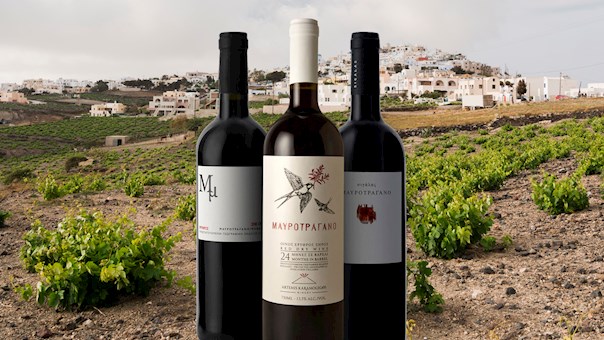
The estate also produces other indigenous varieties such as Aidani and Mavrotragano. A signature of the winery is Vinsanto, a traditional dessert wine made from sun-dried grapes and aged for years in oak barrels, resulting in deep complexity and richness.

Awards
Decanter World Wine Awards - Best in Show (2026, 2023, 2020)
Decanter World Wine Awards - Platinum (2022, 2021, 2020, 2017, 2016)
02

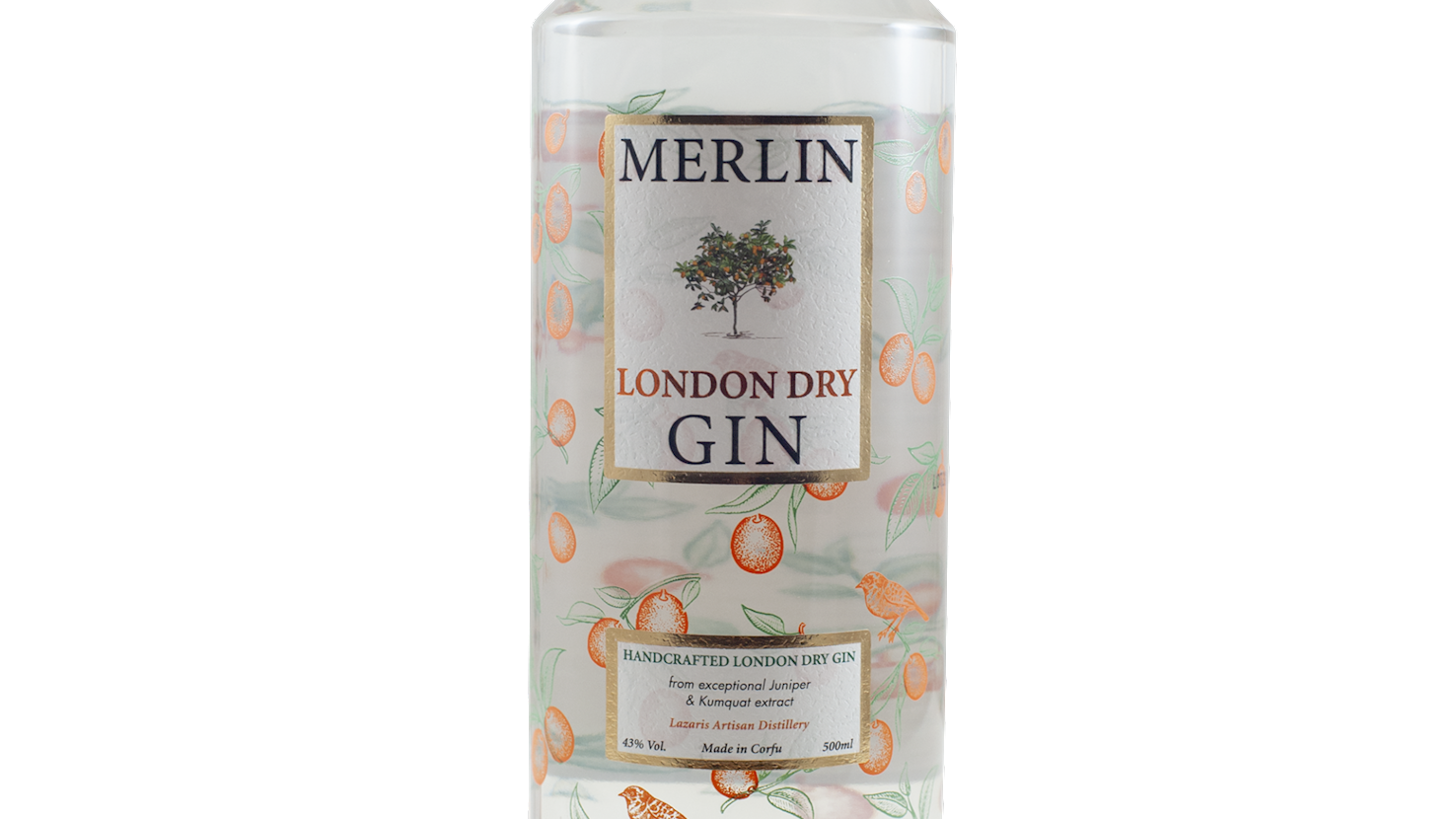
Lazaris Distillery & Artisan Sweets

5.0 ·
Awards
SFWSC - San Francisco World Spirits Competition - Double Gold (2023)
03

Domaine Economou

4.9 ·

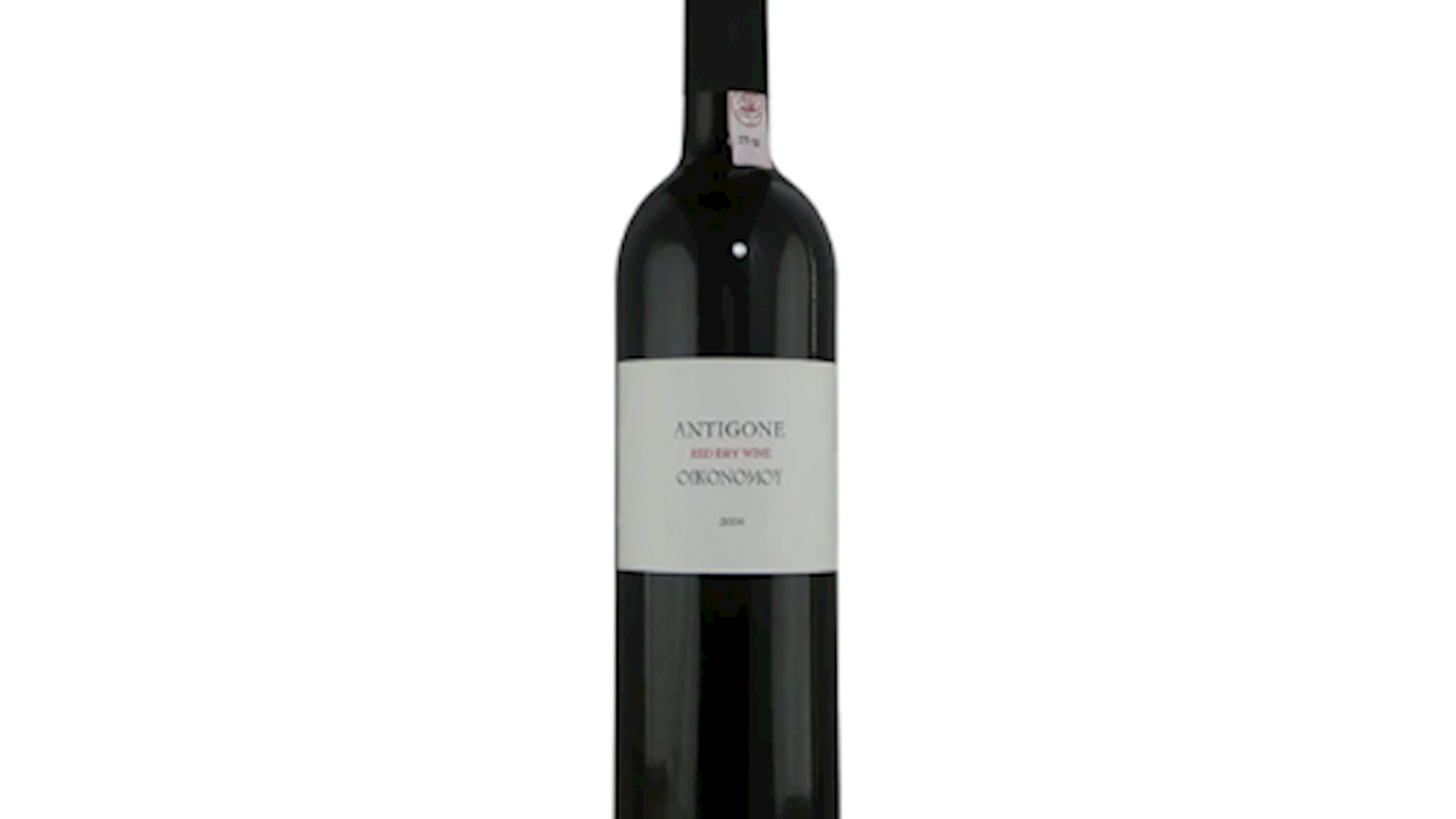
Domaine Economou is one of the most distinctive and unconventional wineries in Greece, located on the Ziros plateau in eastern Crete, where winemaker Yiannis Economou has developed a highly individual approach since the mid-1990s, shaped by his experience in Bordeaux, Piedmont, and Germany, while remaining deeply rooted in local terroir and indigenous grape varieties such as Liatiko, Mandilari, Vilana, and Thrapsathiri; the vineyards lie at elevations of around 600–650 meters in a rugged, wind-exposed environment, with old, often ungrafted vines that yield low quantities but high concentration and character, and the winery follows an organic, minimal-intervention philosophy with complete independence from commercial pressures, releasing wines only when deemed ready, often after extended aging in barrel and bottle, resulting in a recognizable style marked by complexity, subtle oxidative notes, pronounced minerality, and exceptional aging potential, positioning these wines as cult, small-production labels sought after by collectors and enthusiasts.

Awards
Vivino - 4.5
Vivino - 4.4
04

Skouras

4.9 ·

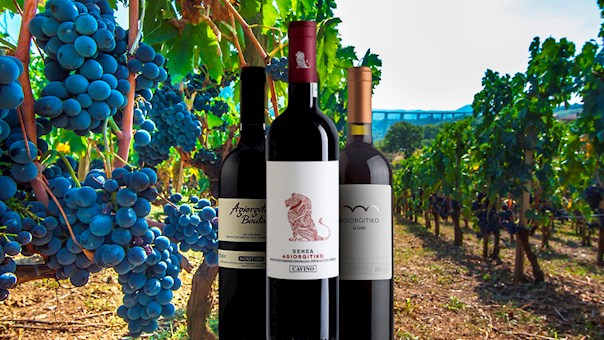
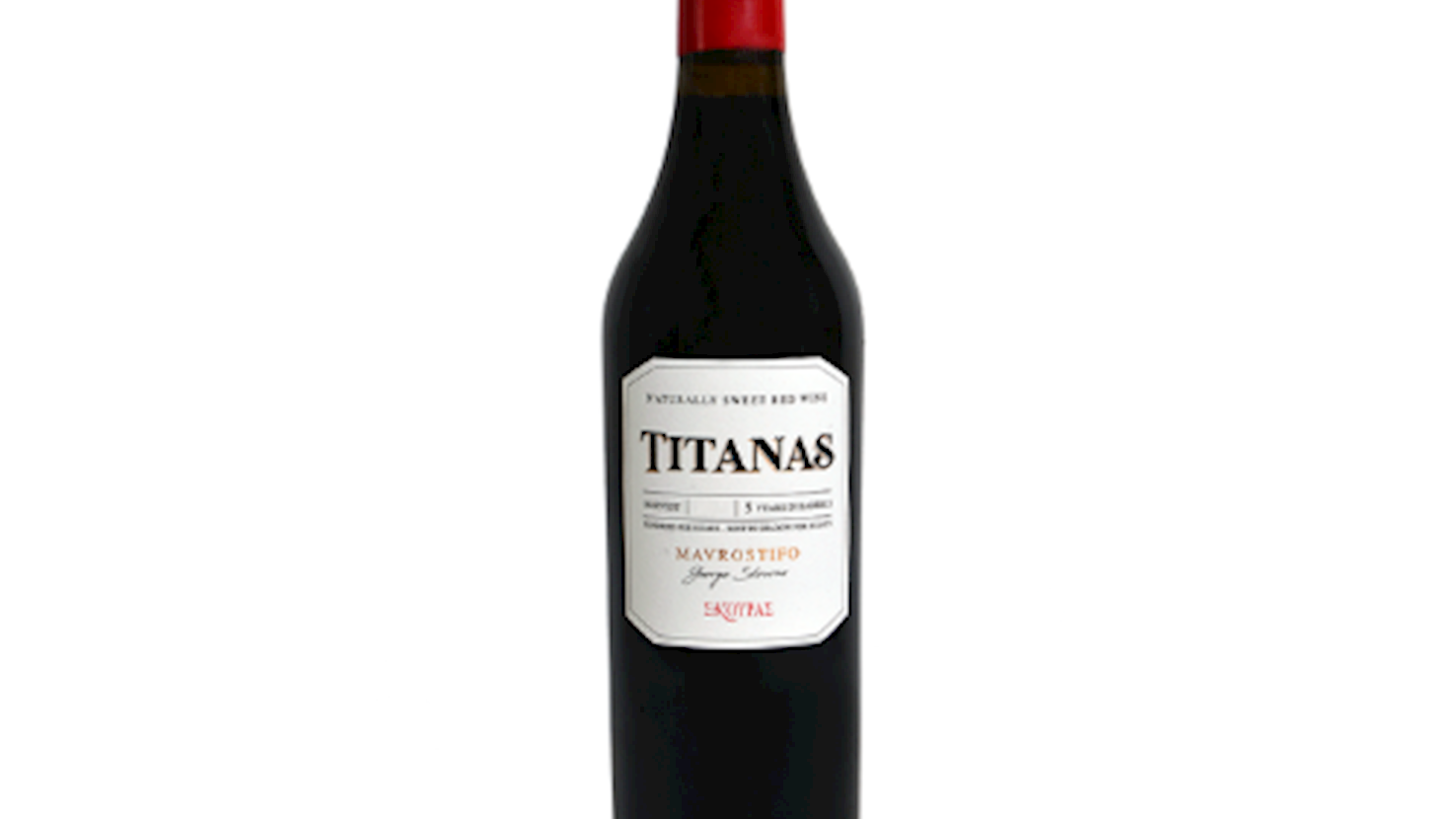
Skouras is one of the leading forces in modern Greek winemaking, located in the Nemea region of the Peloponnese, an area closely associated with the Agiorgitiko grape. Founded in 1986 by winemaker George Skouras, who trained in Dijon, the winery combines international expertise with a strong focus on Greek terroir.

Its vineyards are spread across multiple zones, including Nemea, Mantinia, and Argolida, at varying altitudes that allow for both ripeness and freshness in the grapes. Domaine Skouras works extensively with indigenous varieties such as Agiorgitiko and Moschofilero, while also incorporating international grapes like Cabernet Sauvignon, Merlot, and Viognier.

The winemaking approach emphasizes precision, with controlled fermentation and careful oak aging used to enhance structure and complexity. The wines are known for their balance between fruit expression, acidity, and refined tannins, often showing both immediate appeal and aging potential.

Over time, the winery has played a significant role in elevating the reputation of Greek wines internationally, particularly through its consistent and terroir-driven interpretation of Agiorgitiko.

Awards
Vivino - 4.5
Vivino - 4.3
05

La Tour Melas

4.9 ·

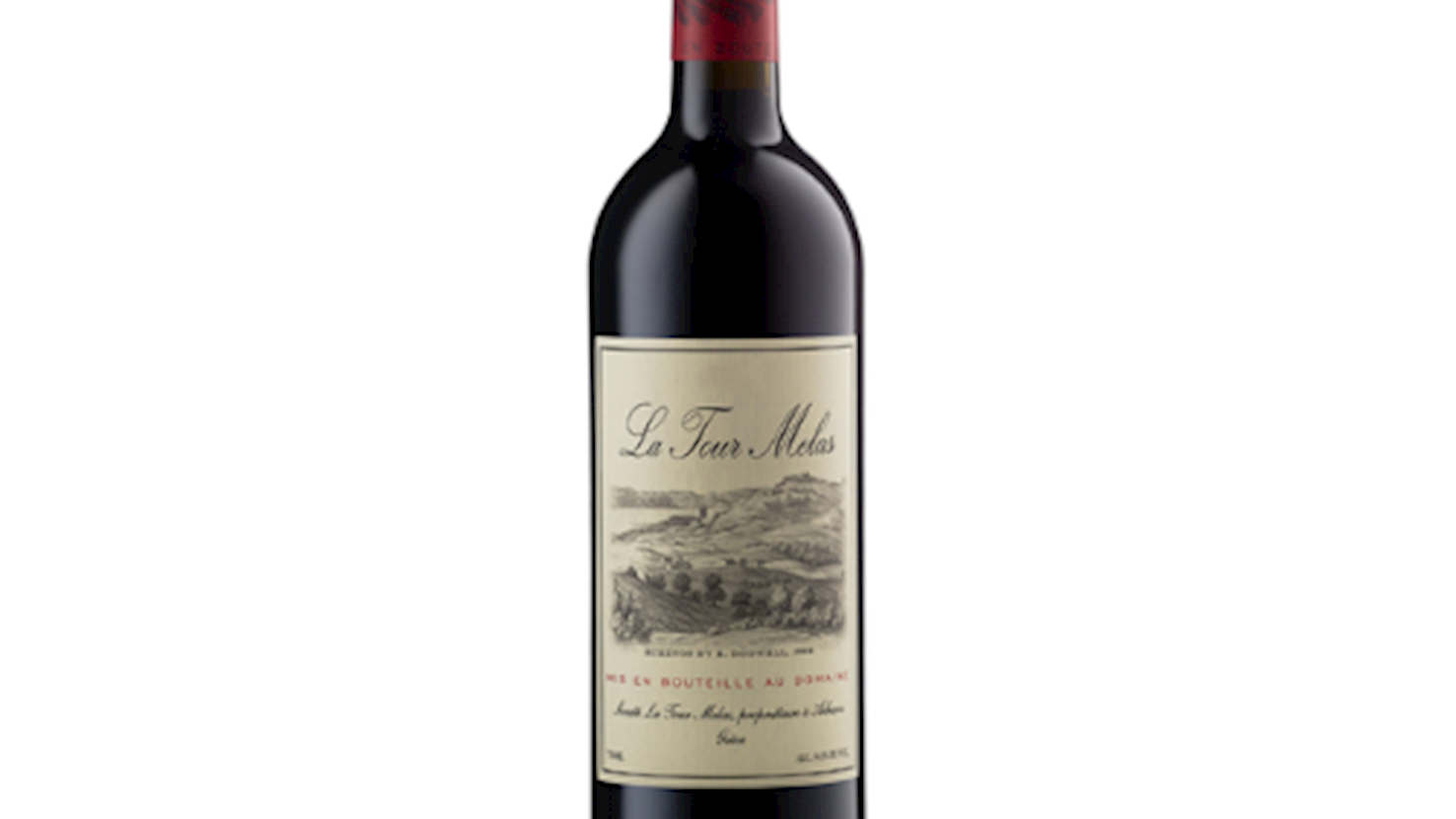
La Tour Melas is a boutique winery located in the village of Achinos in Central Greece (Fthiotida), overlooking the Aegean Sea and benefiting from cooling maritime influences. Founded in the early 2000s by Kyros Melas, the estate was created with a clear vision: to craft world-class wines in Greece inspired by the elegance of Bordeaux, yet firmly rooted in local terroir.

The vineyards span around 10-11 hectares at elevations between 150 and 300 meters, planted on clay and limestone soils that contribute to the structure and mineral character of the wines. Production focuses primarily on Cabernet Franc and Merlot, alongside increasing use of indigenous Greek varieties such as Agiorgitiko, particularly from old, pre-phylloxera vines.

The winemaking style combines international finesse with Mediterranean intensity, resulting in wines marked by ripe dark fruit, spice, and a distinct mineral backbone. Sustainable and biodynamic practices are applied in the vineyard, while the gravity-flow winery design allows for gentle handling of the grapes with minimal intervention.

Over time, La Tour Melas has established itself as one of the most ambitious and respected modern Greek wine projects, known for limited production and consistently high-quality releases that reflect both precision and a strong sense of place.

Awards
Vivino - 4.5
Vivino - 4.4
06

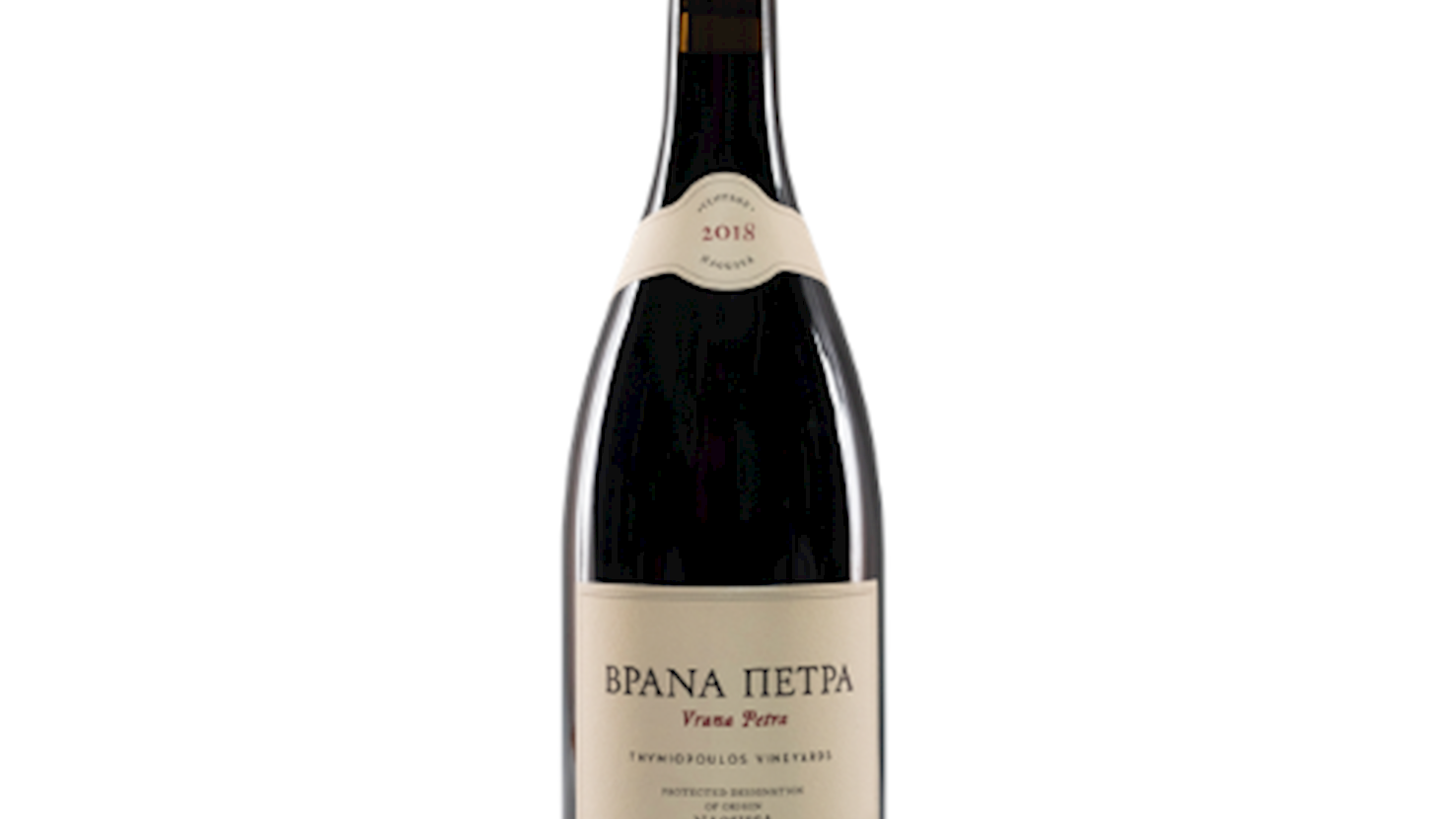
Thymiopoulos

4.9 ·

Thymiopoulos Vineyards is one of the most distinctive and influential contemporary wineries in northern Greece, located in the village of Trilofos within the renowned Naoussa wine region in Imathia. Led by winemaker Apostolos Thymiopoulos, the estate builds on a long family tradition of grape growing, with independent winemaking beginning in 2005 and a clear focus on expressing the full potential of the indigenous Xinomavro variety.

The winery works primarily with this demanding grape, known for its high acidity, firm tannins, and remarkable aging capacity, while emphasizing its ability to reflect specific vineyard sites. Vineyards are spread across different parcels around Trilofos and Fytia, at varying altitudes and on diverse soils including limestone, schist, and granite, contributing to the complexity and structure of the wines.

The continental climate, moderated by breezes from Mount Vermio and the Aegean Sea, allows for slow ripening and the preservation of freshness. Thymiopoulos follows organic and biodynamic practices with minimal intervention in the cellar, aiming to capture the authenticity of each terroir.

The portfolio includes multiple interpretations of Xinomavro, from fresher, early-drinking styles to more structured and age-worthy wines such as “Naoussa Alta” and “Earth and Sky”. The wines are typically defined by elegance, vibrant red fruit, herbal nuances, and a balanced interplay of acidity and tannin, avoiding excessive extraction.

This precise and terroir-driven approach has positioned Thymiopoulos among the leading figures of the new generation of Greek winemakers, with growing international recognition.

Awards
Vivino - 4.5
Vivino - 4.4
07

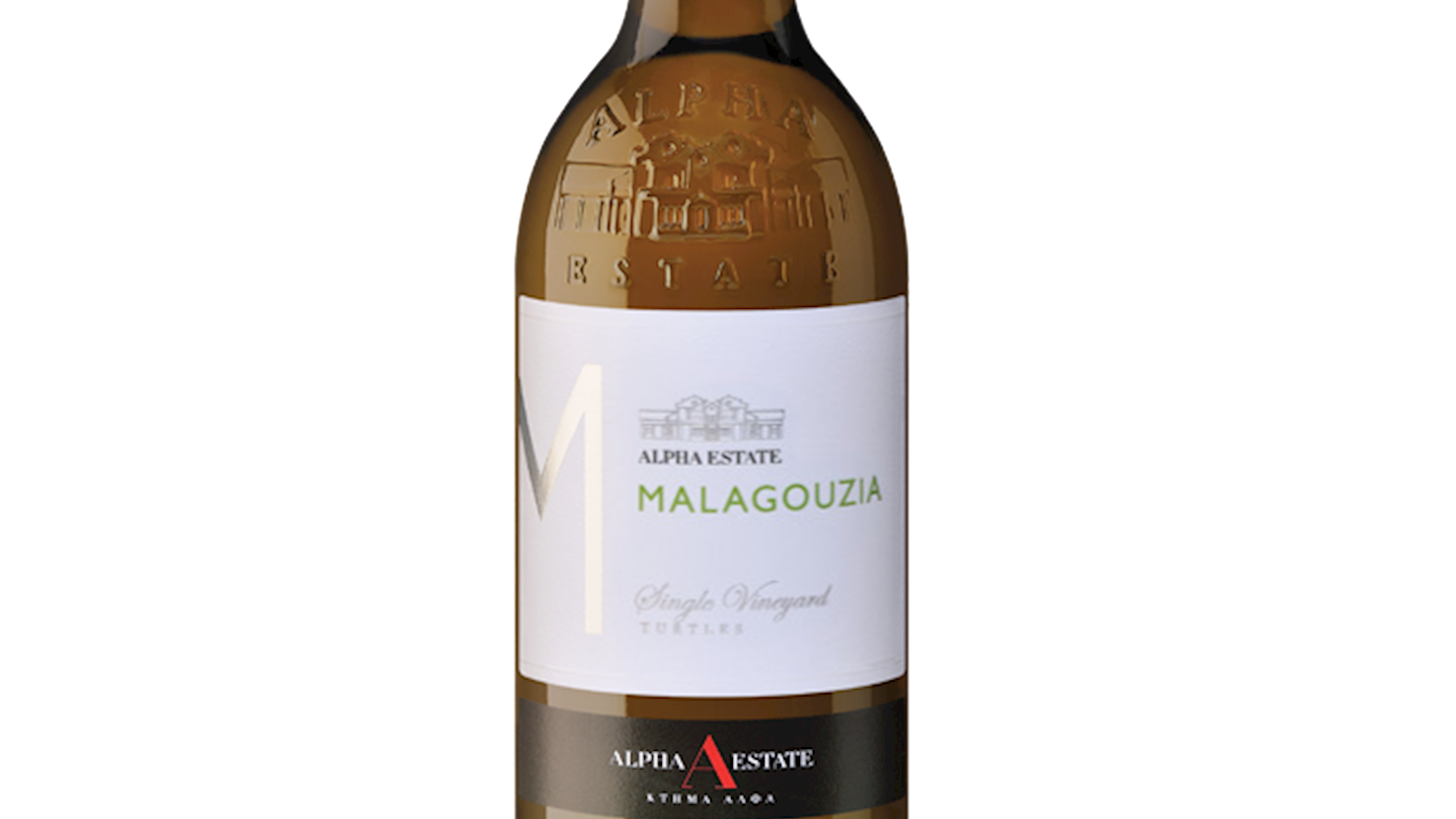
Alpha Estate

4.9 ·
Awards
IWSC- International wine & spirit competition - Gold (2021, 2020)
08

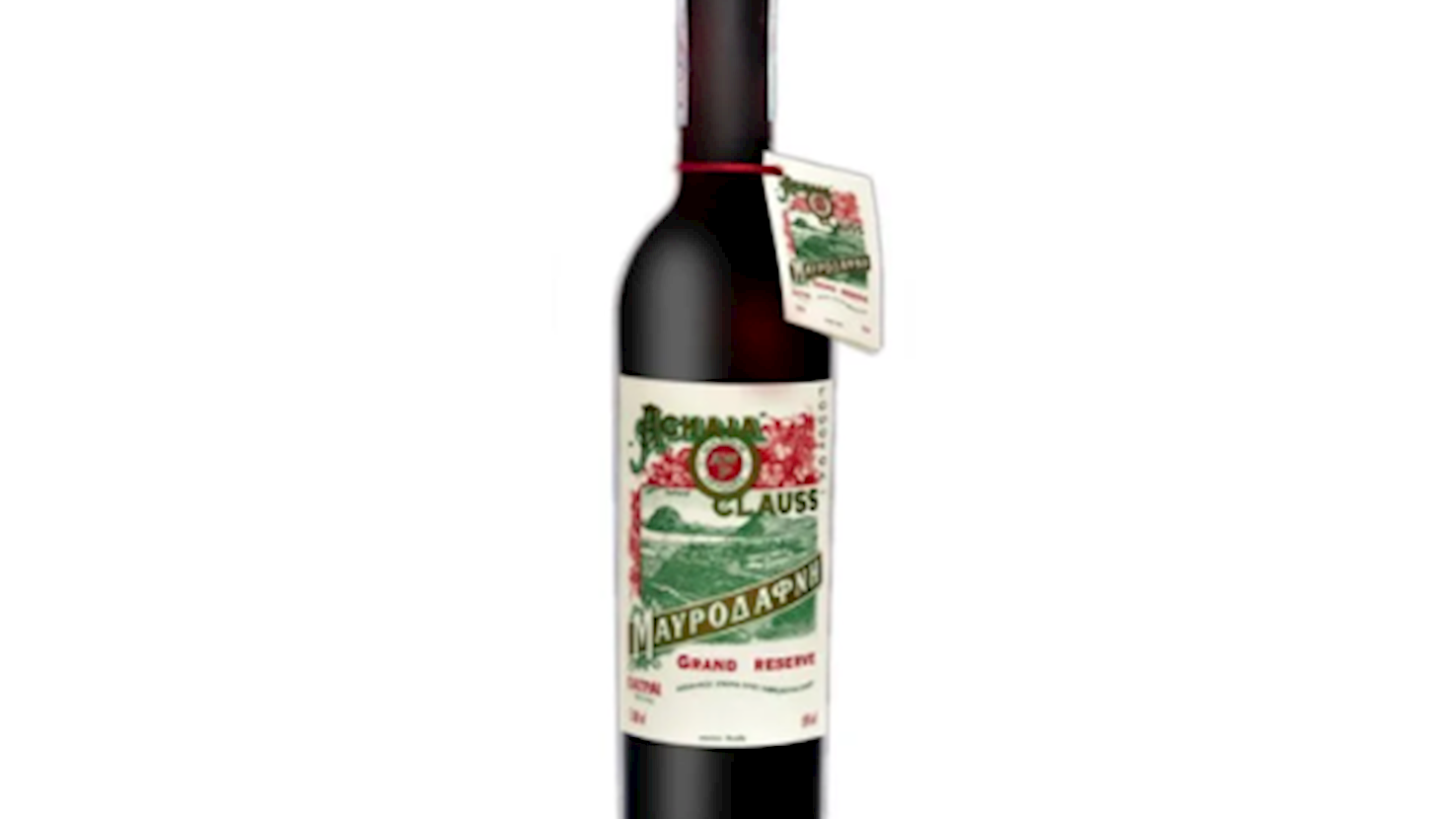
Achaia Clauss

4.9 ·

Achaia Clauss is one of the oldest and most historically important wineries in Greece, founded in 1861 in Patras by Gustav Clauss. Located on hillside vineyards overlooking the Gulf of Patras, the estate benefits from a Mediterranean climate that allows balanced ripening while maintaining freshness in the wines.

The winery played a key role in the development of organized winemaking in Greece and was among the first to establish international exports. Its castle-like estate and historic underground cellars are central to its identity, providing natural conditions for aging wines.

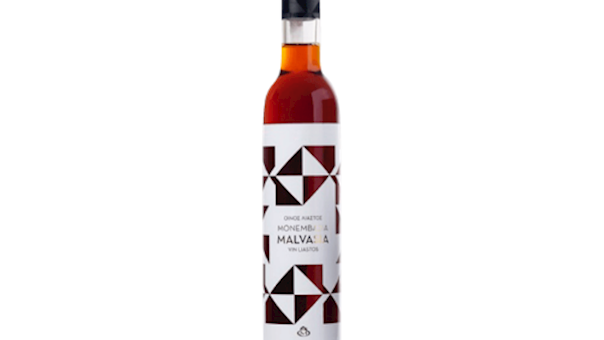
Achaia Clauss is especially known for its iconic fortified wine Mavrodaphne, which has become a symbol of Greek wine heritage. Today, the winery combines tradition with modern production, maintaining its reputation as a reference point for Greek wine and a major destination for wine tourism.

Awards
Vivino - 4.5
Wine-Searcher - 90/100
09

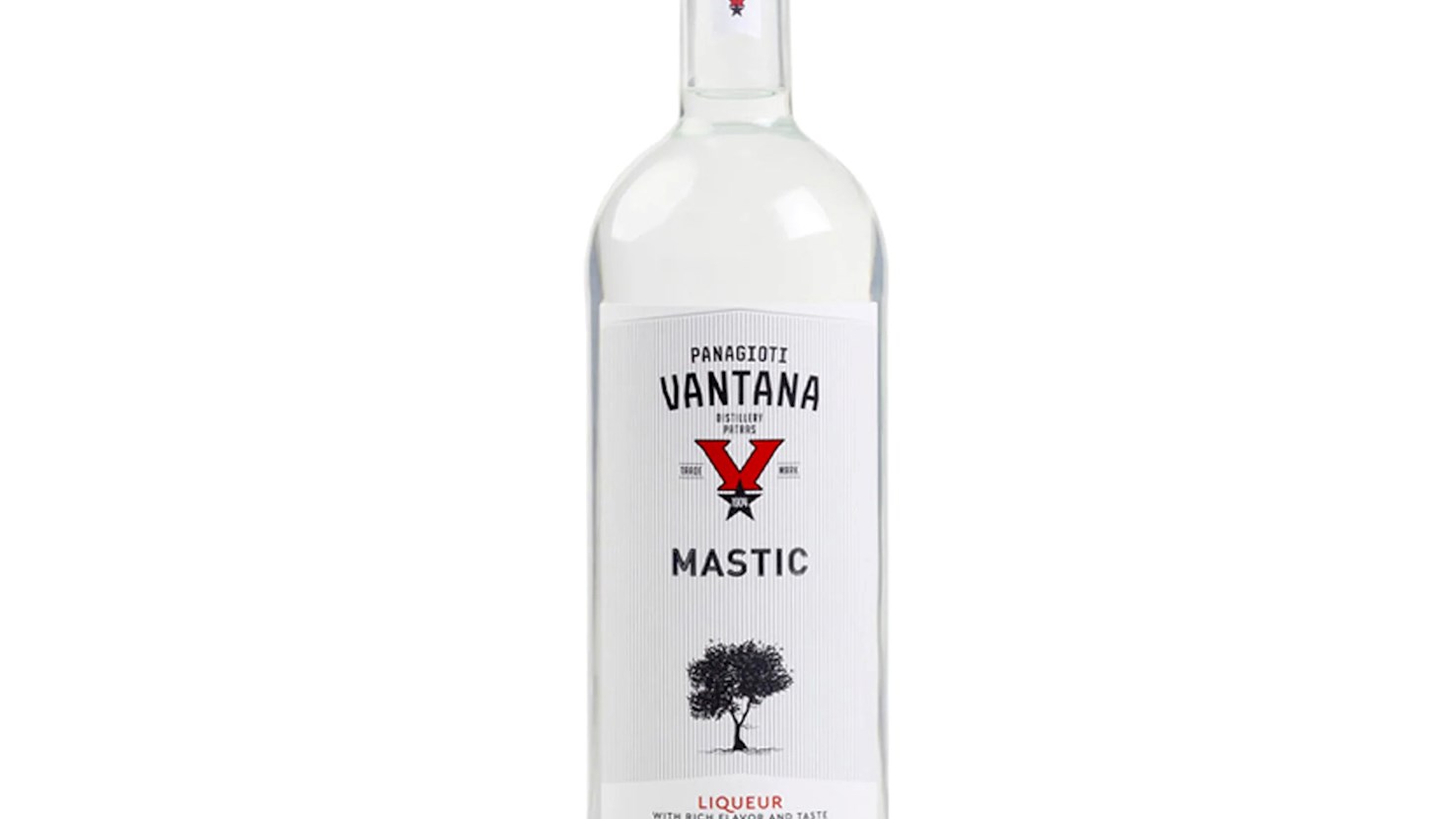
Vantana

4.9 ·

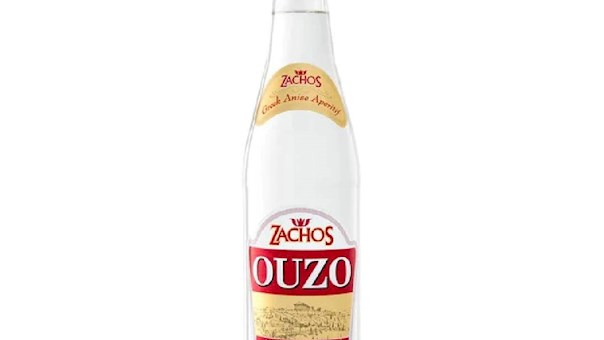
Vantana is a family-run Greek distillery founded in 1904 in the Patras region, now operated by the third generation while preserving a traditional production approach. Distillation takes place in handcrafted bronze stills through a slow process that can last up to 12 hours, ensuring a pure and stable distillate.

Their portfolio includes 100% distilled ouzo, tsipouro without anise, mastic liqueur, and Tentoura specialties. High-quality raw materials are carefully selected, and during distillation the first and last fractions are discarded, keeping only the finest “heart” of the distillate.

This method ensures exceptional aromatic clarity and authenticity in every product. The distillery has received international recognition, including awards for its mastic liqueur.

Today, Vantana positions itself as a brand that successfully combines tradition, family heritage, and high production standards within the Greek spirits segment.

Awards
IWSC- International wine & spirit competition - Gold outstanding (2020)
10

Domaine Porto Carras

4.9 ·
Awards
IWSC- International wine & spirit competition - Gold (2019)
Read more
View all
View map
About this ranking

TasteAtlas food rankings are based on the ratings of the TasteAtlas audience, with a series of mechanisms that recognize real users and that ignore bot, nationalist or local patriotic ratings, and give additional value to the ratings of users that the system recognizes as knowledgeable. For the “Top 70 Greek Alcoholic Beverages” list until July 08, 2026, 2,140 ratings were recorded, of which 986 were recognized by the system as legitimate. TasteAtlas Rankings should not be seen as the final global conclusion about food. Their purpose is to promote excellent local foods, instill pride in traditional dishes, and arouse curiosity about dishes you haven’t tried.

The initial list of top producers was compiled based on available reviews, awards, local recommendations, media and blog coverage, and consumer reviews. The list will be updated with ratings from TasteAtlas local ambassadors and TasteAtlas users.

Similar lists