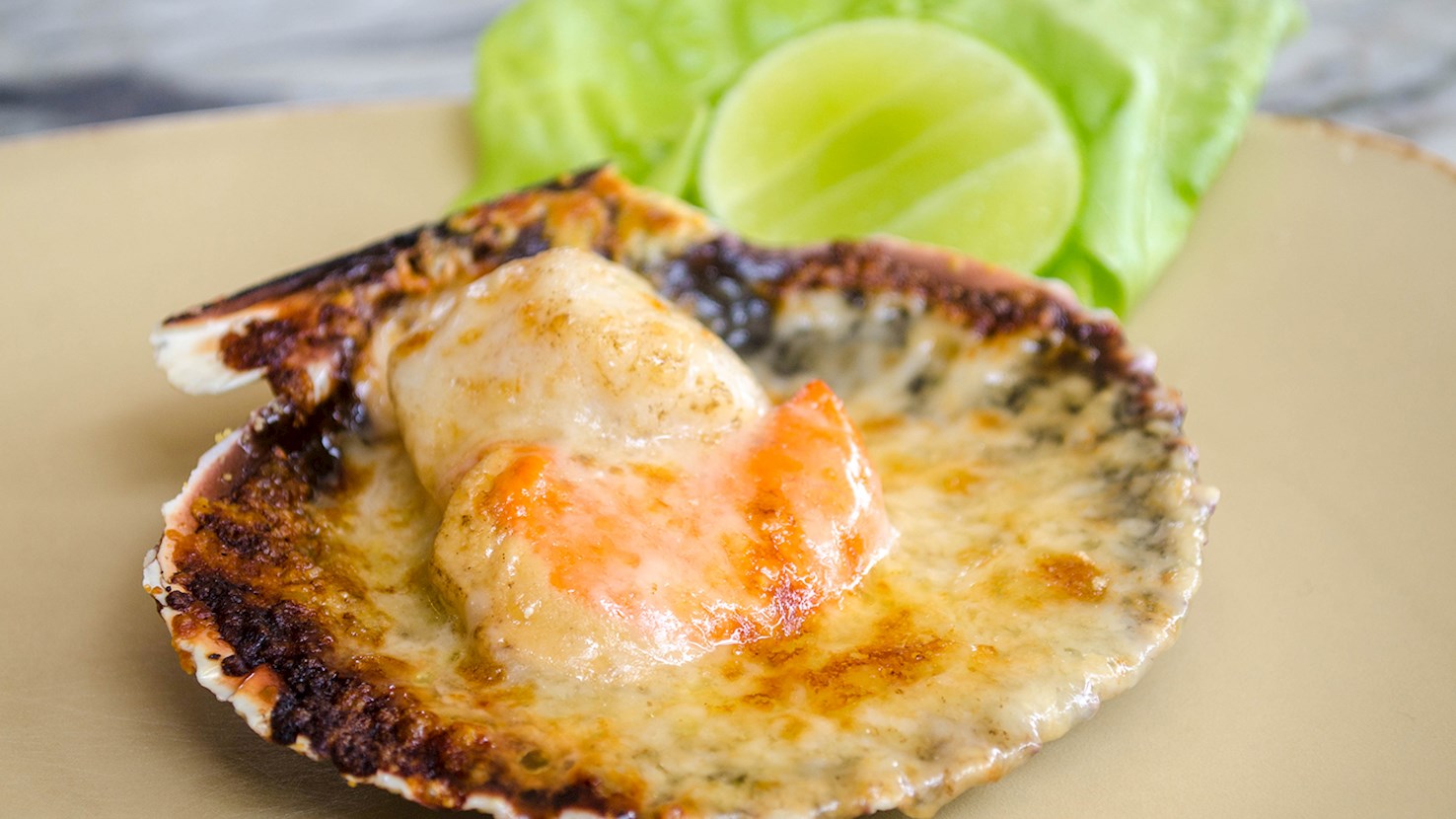
Conchitas a la parmesana is a traditional dish that's served as an appetizer. It consists of scallops that are topped with grated parmesan, then placed under the broiler for a few minutes. When served, the cheese should be bubbling, but the scallops will remain almost raw. The ingredients used for the dish include scallops, Worcestershire sauce, lime juice, butter, salt, pepper, and grated parmesan cheese. The dish is served immediately, while still piping hot, ideally with lime wedges on the side.
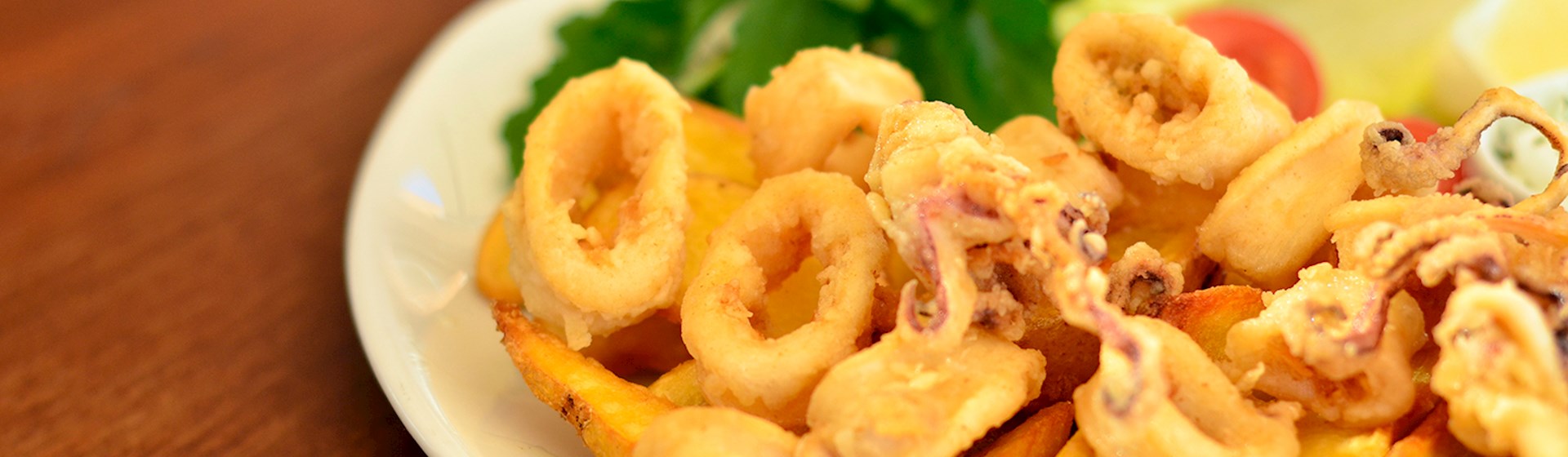
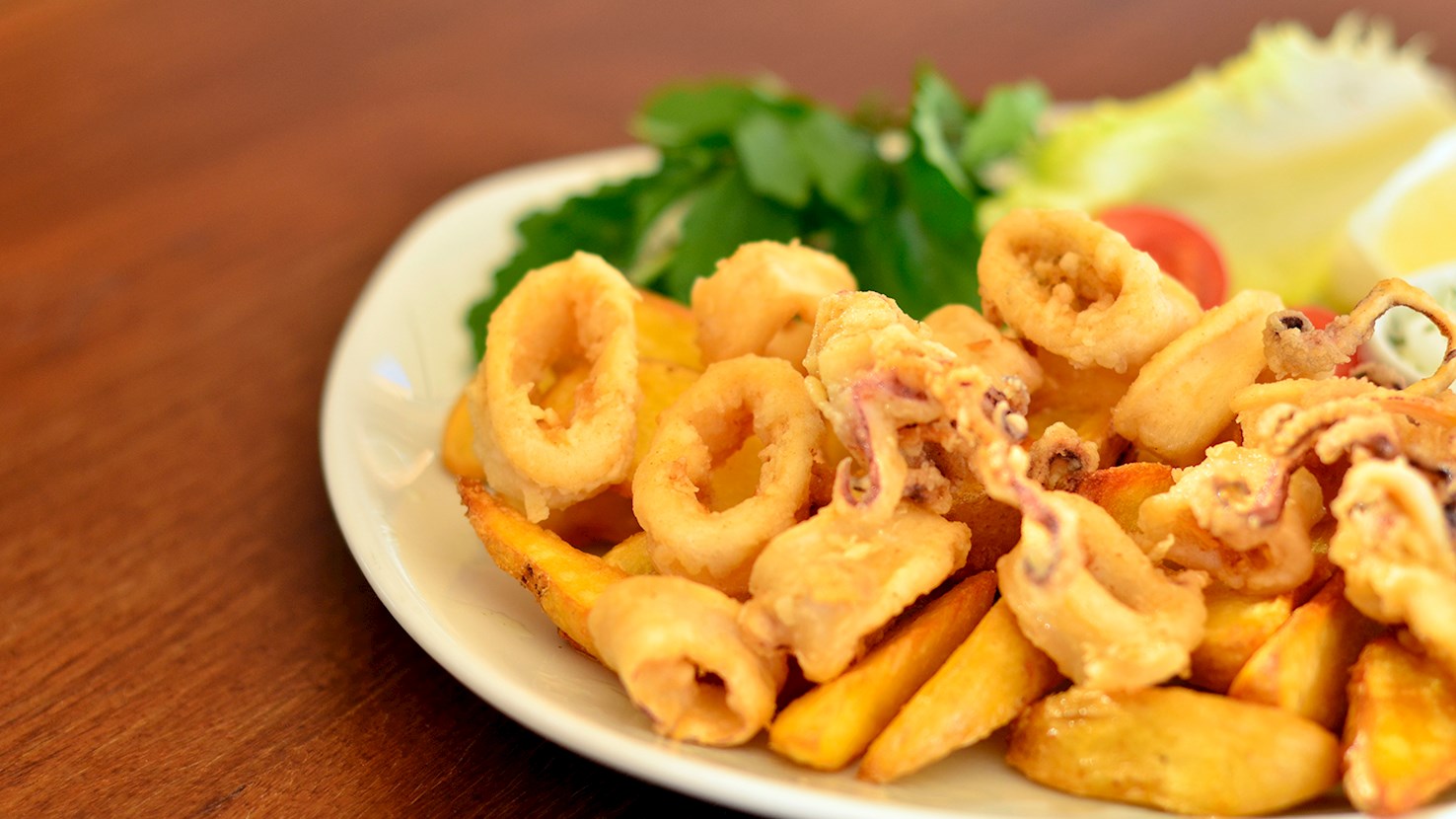
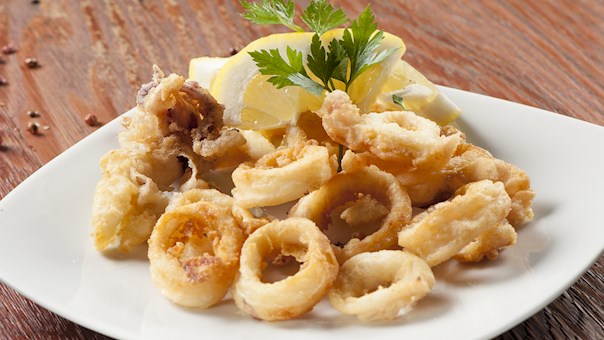
Kalamar tava is a traditional dish that's usually served as a meze. The dish consists of cleaned squid that's cut into thick rings, soaked in milk, then dipped in a batter of flour, baking soda, and salt before it's fried in hot oil. The squid rings can be flavored with herbs or pepper flakes, if desired. Once fried, the rings are typically served with a Turkish tartar-like sauce on the side for dipping, along with a few lemon wedges.
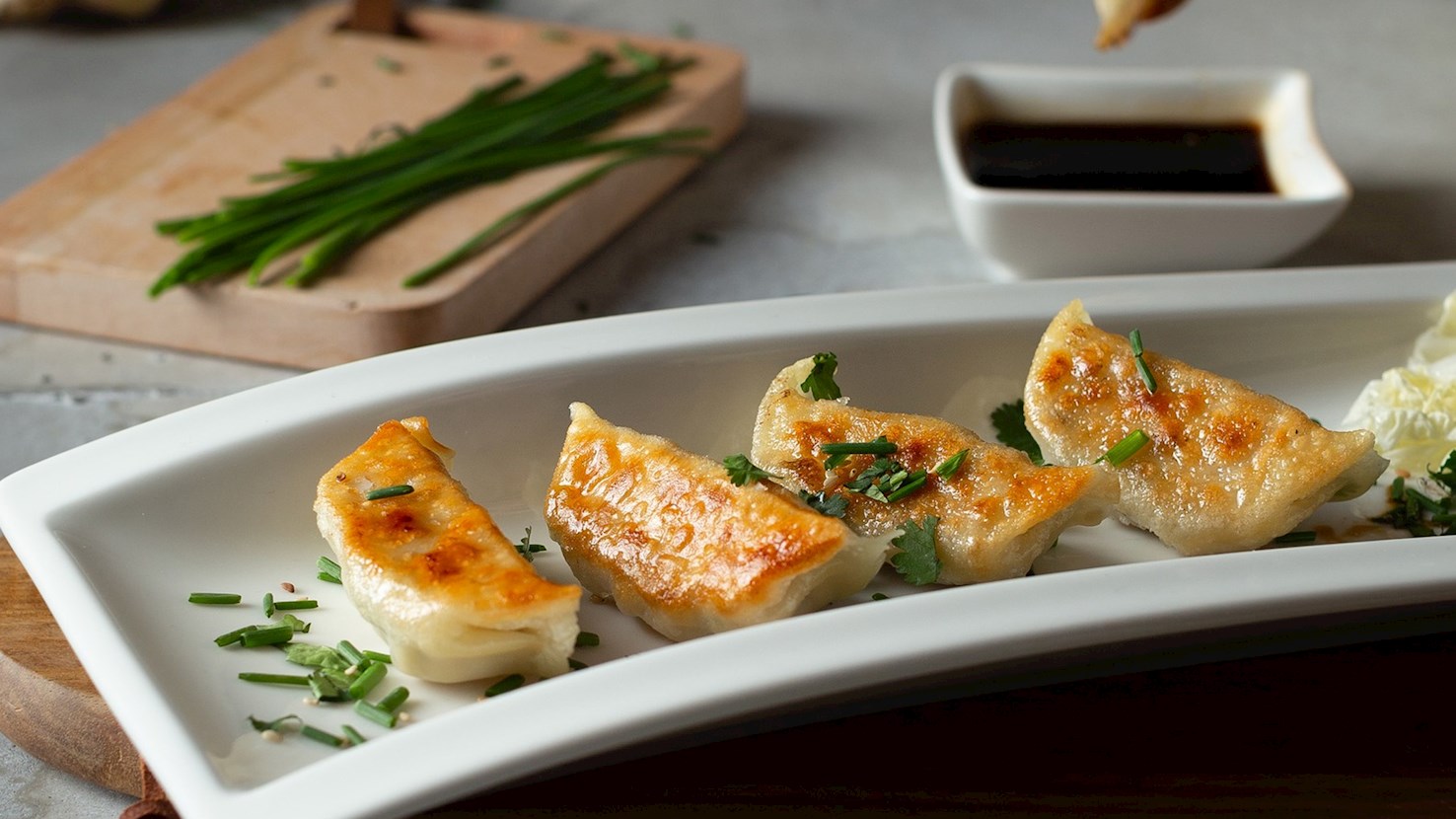
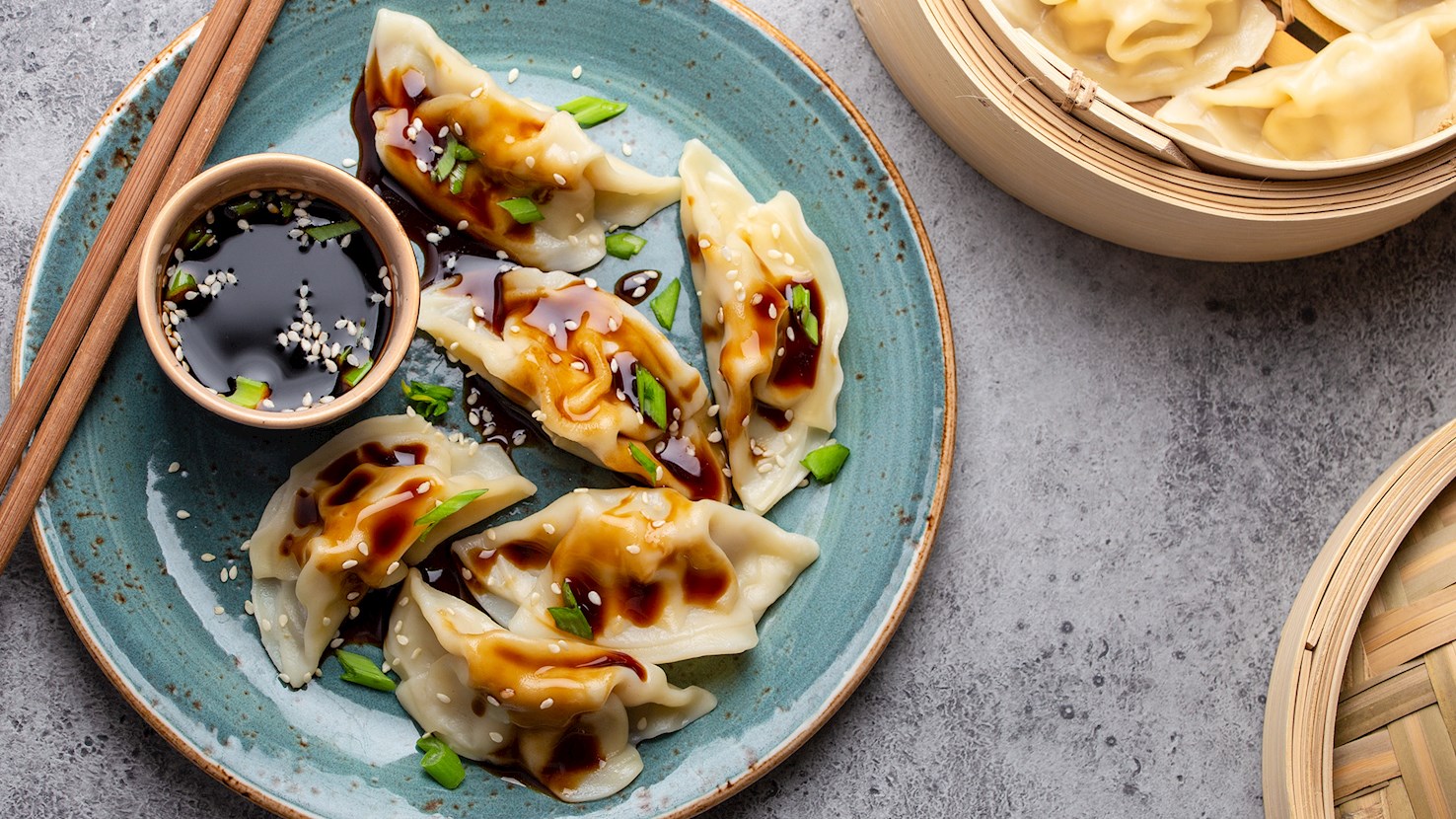
The pan-fried variety of the Chinese jiaozi dumpling, known as guotie, is a Northern Chinese dumpling typically filled with minced pork, Chinese cabbage, scallions, ginger, rice wine, and sesame seed oil. Crunchy and soft textures are achieved by a special method of preparing; while the bottom of the dumpling is frying, a small amount of liquid is added to the pan which is then covered, thus allowing the rest of the dumpling and the filling to steam. When it comes to the shape, guotie should always be long and straight as it can stand more easily and it does not fall over during cooking. Goutie can be literally translated as pot sticks, so these dumplings are often nicknamed potstickers, especially in North America. Although the first-known mention of goutie dates back to the Song Dynasty, today they are a popular street food, often eaten as a snack or an appetizer, typically accompanied by a dipping sauce.
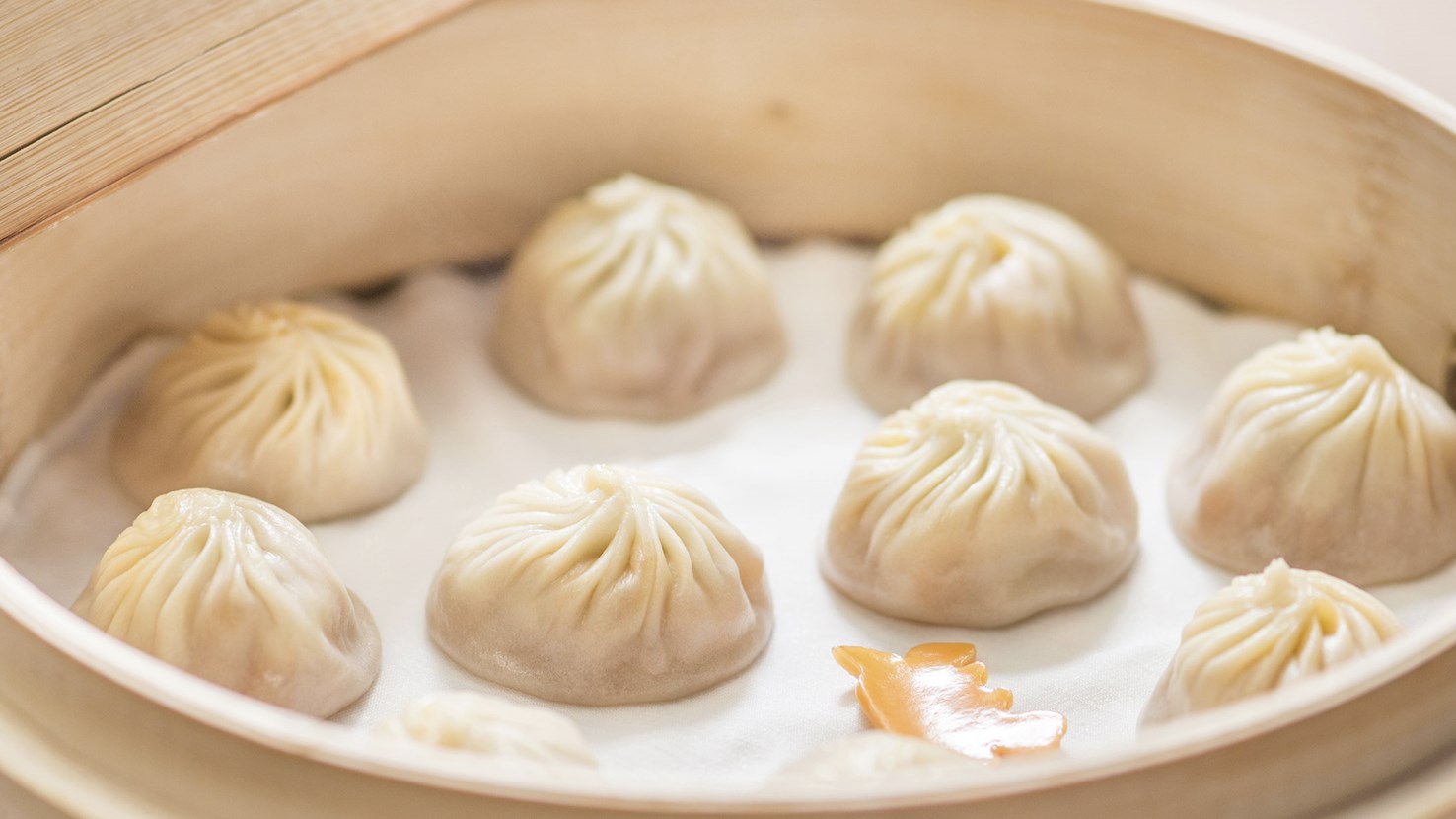
The name tangbao or tangbaozi refers to a broad group of steamed Chinese soup-filled dumplings. Depending on the origin, dumplings can be made with leavened or plain dumpling dough which is usually wrapped around a gelatinous filling, twisted and sealed at the top, and then steamed. While they steam, the firm filling (usually made with minced pork or crab meat) transforms into a flavorful soup, which stays safely secured inside the bun. Due to the nature of this Chinese delicacy, they are always served immediately after steaming, so the soup stays liquid and hot. Because of the sizzling filling, tangbao buns should be consumed with precaution and usually employ a unique eating technique. Chopsticks are used to hold the bun at the top, and a small bit is taken from the side, allowing the soup to pour into the wide spoon held underneath. The soup and the dumpling are usually eaten alternatively, but can also be enjoyed one at the time. One of the most common varieties of the dish includes the tangbao dumplings originating from the Jiangsu province, which are usually large in form and often come with a straw tucked inside the bun, which is used to slurp the delicious soup. Xiaolongbao, the authentic Shanghai version, is famous for its small size and slightly thinner dough. All the varieties found in China and in Chinese restaurants around the world are typically served as a snack, as a part of dim sum meals, or as a satisfying appetizer.
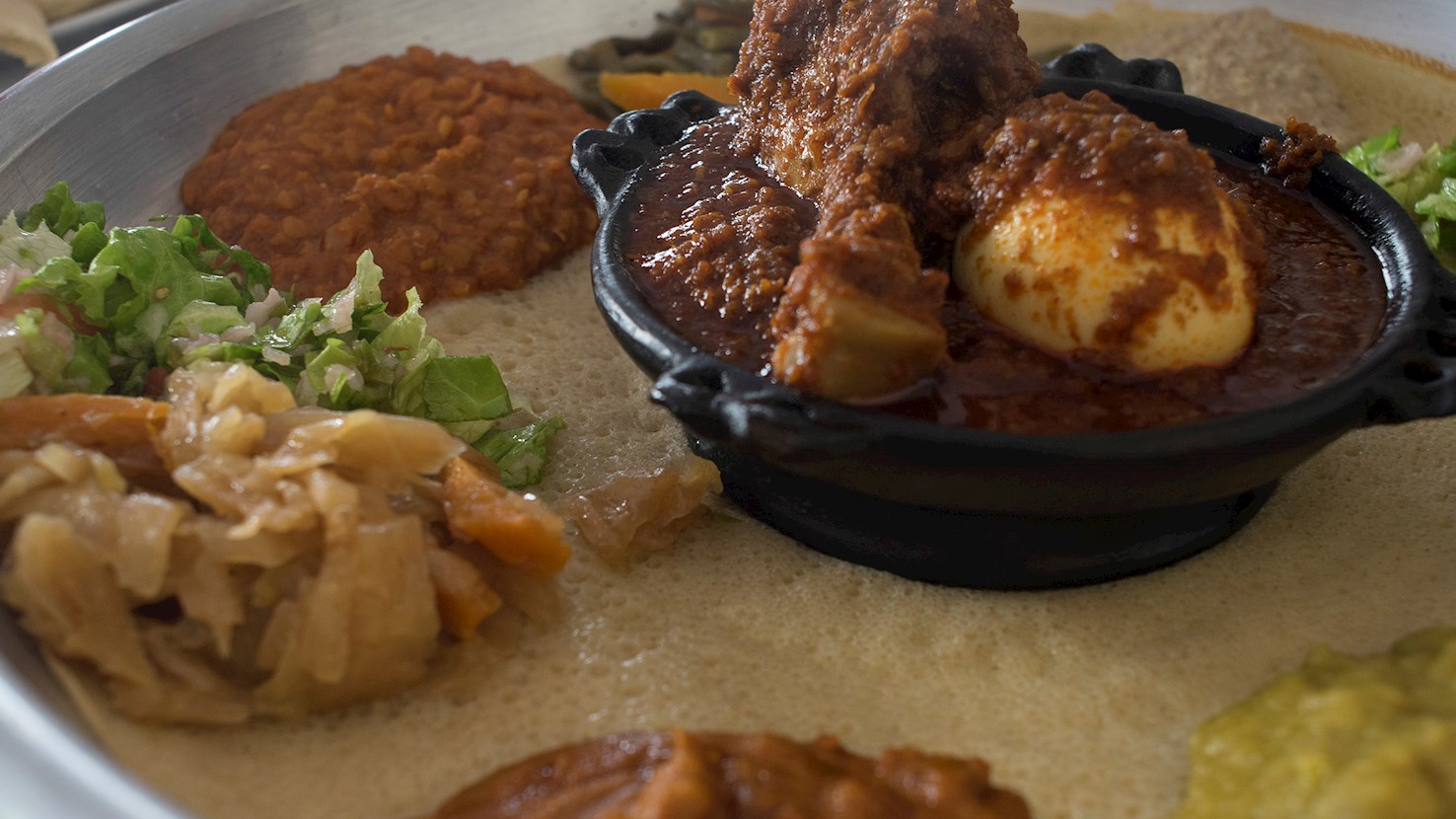
Beyaynetu is an assortment meal served on a large round of injera and made up of several separately prepared stews, legumes, vegetables, salads, and, depending on the version, meat or fresh cheese. Its Amharic name conveys the idea of “of each kind” or “assorted,” which fits the dish well because beyaynetu does not have one fixed recipe. The most familiar form is yetsom beyaynetu, the meatless version eaten during Ethiopian Orthodox Christian fasting periods, when meat, dairy, and eggs are avoided. These fasting practices helped shape a large repertoire of plant-based Ethiopian dishes and made mixed vegetable and legume platters especially common on Wednesdays, Fridays, and during longer fasting seasons. A typical plate may include misir wat, a spicy red lentil stew; kik alicha, mild yellow split peas; shiro, a smooth chickpea or broad-bean flour stew; gomen, cooked leafy greens; cabbage, carrots, potatoes, green beans, or beetroot; and a fresh tomato-and-onion salad. The precise combination changes according to restaurant, household, season, and availability, so the variety itself is more important than any particular set of components. Each element is cooked separately, allowing the platter to combine contrasting flavors and textures: one stew may be rich with berbere and chili, another mild and turmeric-scented, while greens contribute bitterness, vegetables sweetness, and salad freshness and acidity. In fasting versions, vegetable oil replaces the clarified butter used in many non-fasting dishes. Once the components are ready, small portions are arranged across the injera, usually with extra rolled or folded injera served alongside. Diners tear off pieces with the right hand and use them to pick up individual portions or combine several foods in the same bite. The injera underneath gradually absorbs the sauces and is eaten along with the toppings rather than functioning merely as a serving base. Non-fasting beyaynetu follows the same assortment principle but may include tibs, meat stews, chicken, or ayib, a mild fresh curd cheese. These versions are often richer and more varied in fat and protein, while the fasting form depends mainly on pulses, vegetables, spices, and grains. Beyaynetu is eaten throughout Ethiopia, particularly at lunch and dinner, and is widely available in restaurants in Addis Ababa and other cities. Larger platters are well suited to communal meals, while smaller versions are commonly ordered by one person. The best accompaniments depend on what is included on the plate, but injera is essential, while water, tea, tella, or tej can accompany the meal. Ethiopian coffee is commonly served afterward.
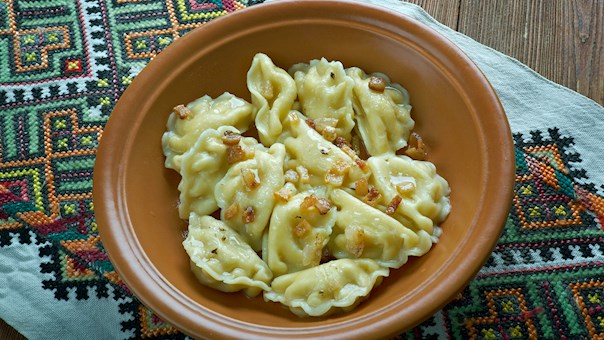
These Chinese dumplings known as jiaozi, consisting of a thinly rolled piece of dough which contains either meat or a vegetable filling, are one of the most popular and most commonly eaten dishes in China and East Asia. They can be served either as an appetizer or as the main course, always with a side of soy sauce-based dipping sauce. Traditionally, jiaozi are always eaten for Chinese New Year. Depending on how they are cooked, jiaozi dumplings can be classified into three categories: boiled, steamed, and pan-fried, but when it comes to folding techniques, there are many, and the most popular one is known as pinched-edge fold, which results in crescent-shaped jiaozi, the most popular shape in China. Well-known variations of jiaozi dumplings include the smaller variety gaau ji that has a thin, translucent wrapping, the pan-fried guotie, and the Japanese-style dumpling, gyoza.
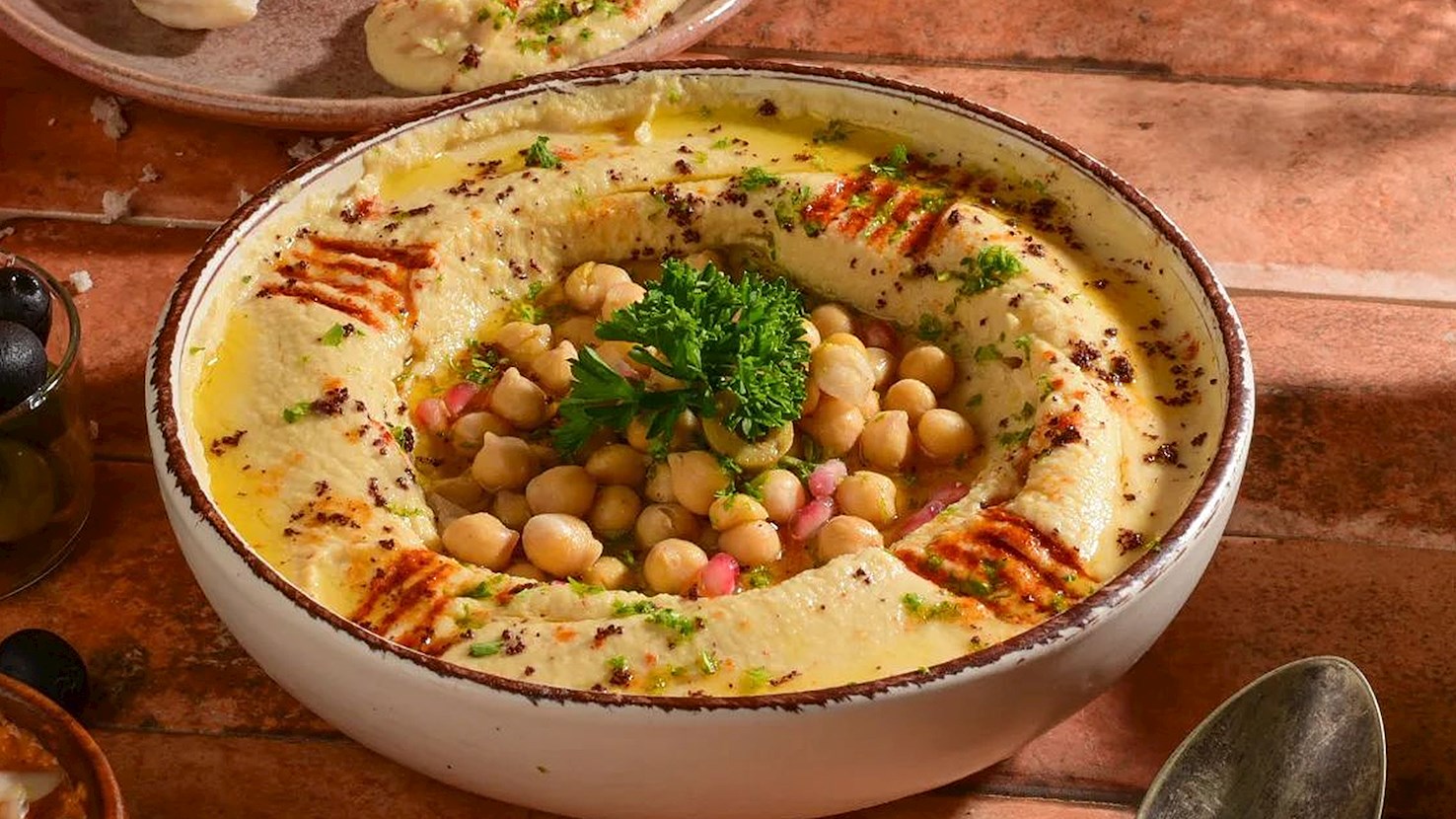
Hummus Beiruti is a Lebanese version of hummus, the famous chickpea-based dip. This version adds a large amount of garlic and spices to it. It’s usually made with a combination of chickpeas, olive oil, garlic, yogurt, tahini, cold water, cumin, lemon juice, chili peppers, chopped parsley, and paprika. Once prepared, this hummus version is plated and garnished with a drizzle of olive oil, chopped parsley, and mint leaves. Hummus Beiruti is served with freshly baked pita or lavash flatbread.
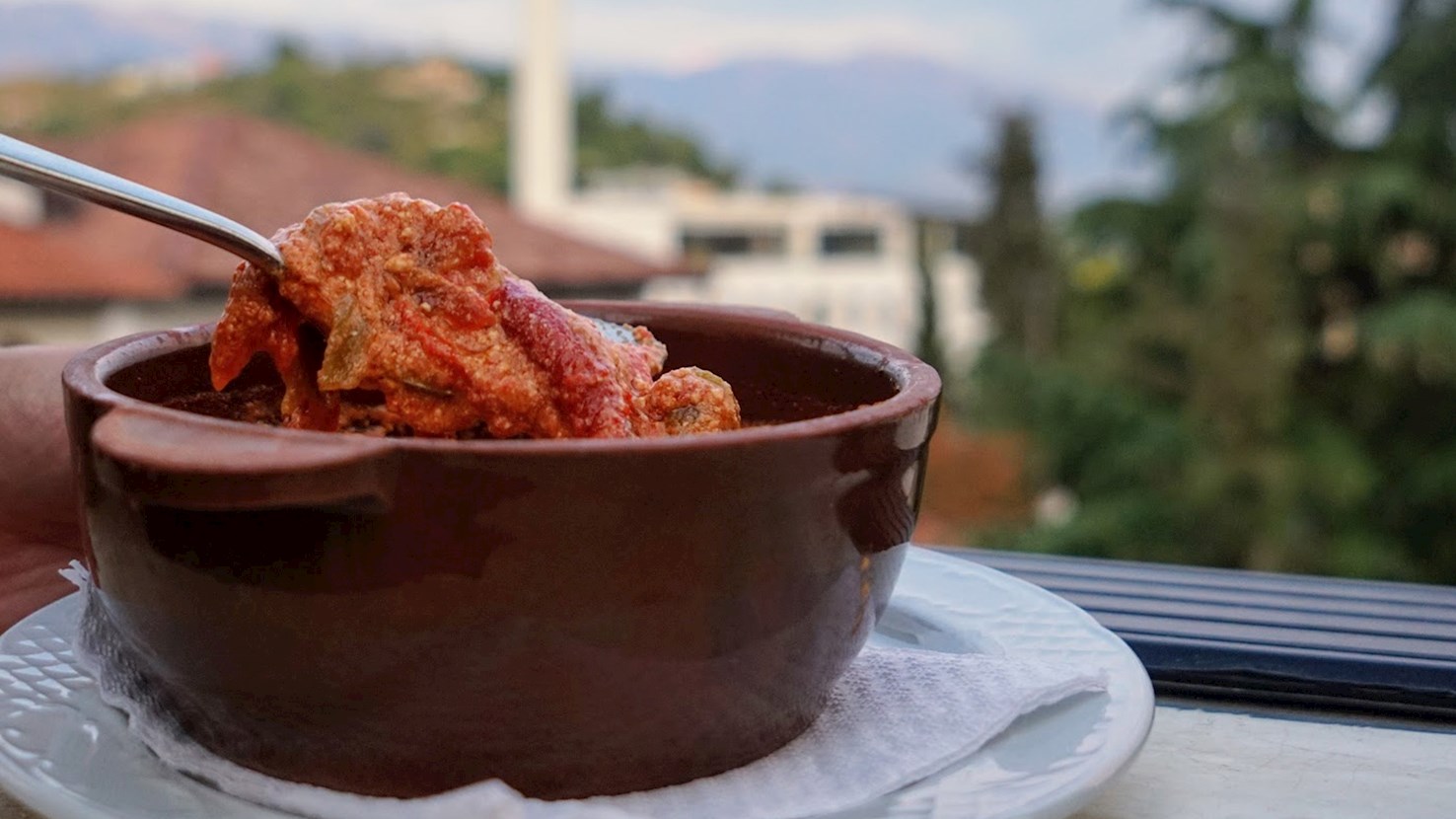
One of Albania's national dishes, fërgesë tirane is a baked vegetable and cheese specialty originating from the capital of Tirana. Traditionally, this recipe uses bell peppers, onions, tomatoes, locally made salted cottage cheese (or feta cheese as a substitute), basil, butter, flour, and olive oil. The vegetables are sautéed, while the butter and flour make a roux in a separate pan, and the cheese is set to melt over it. All the ingredients are mixed in small clay pots, seasoned, and baked in the oven. After the dish has slightly cooled down, it is served with crusty bread on the side. The vegetable version of this specialty is referred to as fergesë e tiranës me speca or fergesë e tiranës me piperka in Albanian. Another version of this dish, named fërgesë me melçi or tavë dheu me mëlçi, is created by adding chopped liver and garlic to the mixture, and the veal version is known as fergesë e tiranës me mish viçi. While the vegetarian version is mostly served as a side dish, the version prepared with meat is often served as the main course.
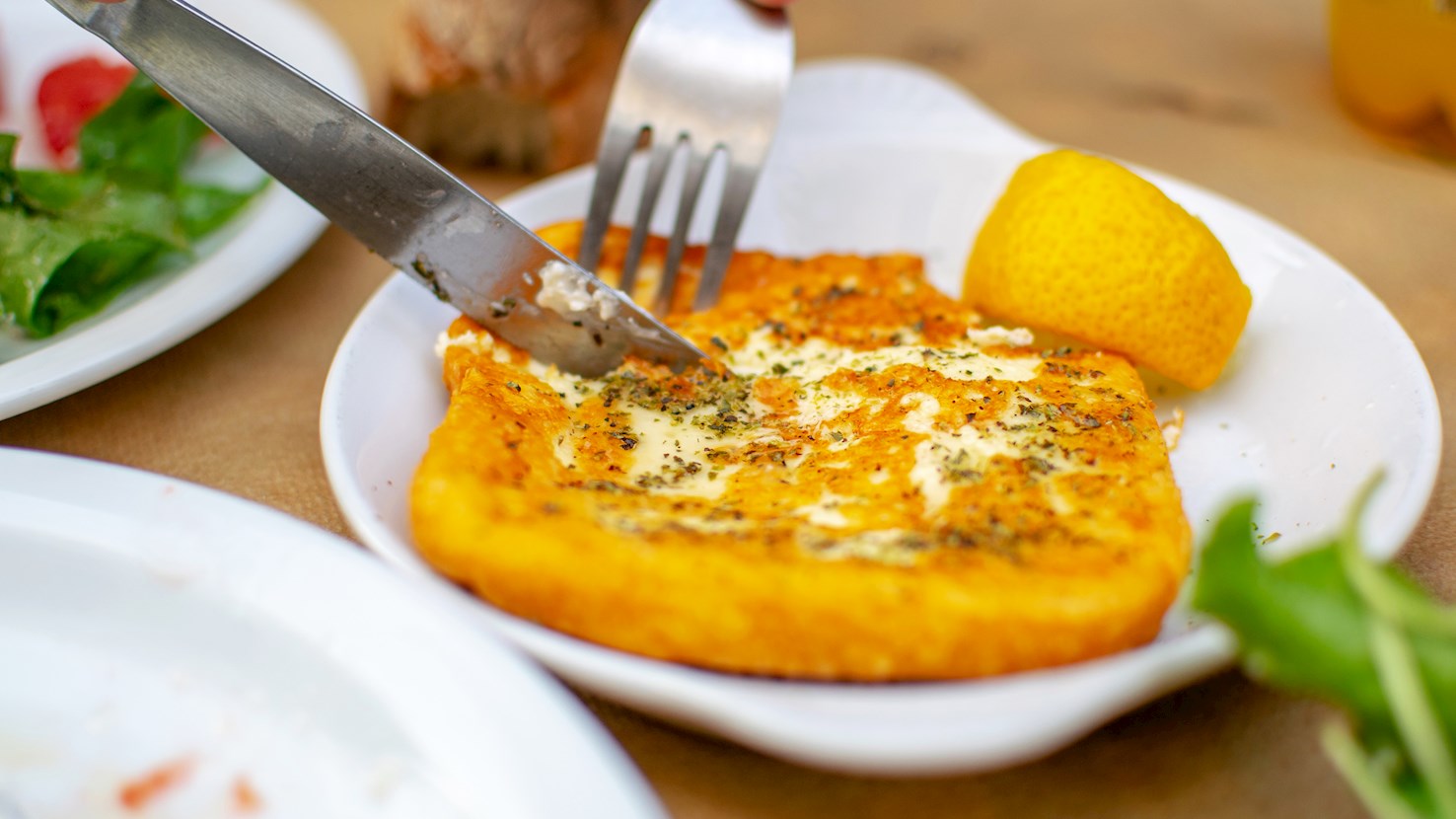
Saganaki is a highly popular Greek appetizer where various vegetables, meats, or seafood such as shrimp or mussels are wrapped in cheese, then pan-fried or seared. The cheese can also be prepared on its own, without any accompaniments. It is then pan-seared until it develops its distinctive golden crust, and served in the so-called sagani, a small, two-handled pan in which it was fried. In the past, the word saganaki referred to a method of spicing up the local cheese by Greek peasants, who would pan-fry different varieties of cheese such as feta, kashkaval or manori. While regional variations of the dish include the use of formaela cheese in Arachova and halloumi in Cyprus, the cheese used in a typical Greek saganaki is usually graviera, kefalograviera, kasseri, kefalotyri, sheep's milk feta or any other firm cheese that melts well without losing its shape. Saganaki is sometimes enlivened by a splash of traditional Greek spirits like Metaxa brandy or Ouzo, an anise-flavored aperitif. Outside of Greece, particularly in the US, saganaki is typically flambéed at the table, and this flaming culinary showmanship is a tradition which reportedly first started in Chicago's Greektown. When the lighter comes out to ignite the pan, one can often hear "Opa!", the Greek expression for joy. After cheering, the diners usually cut off chunks of cheese that are crispy on the outside and soft and runny on the inside, and then sprinkle their saganaki with lemon juice, savoring it with some freshly baked pita bread.
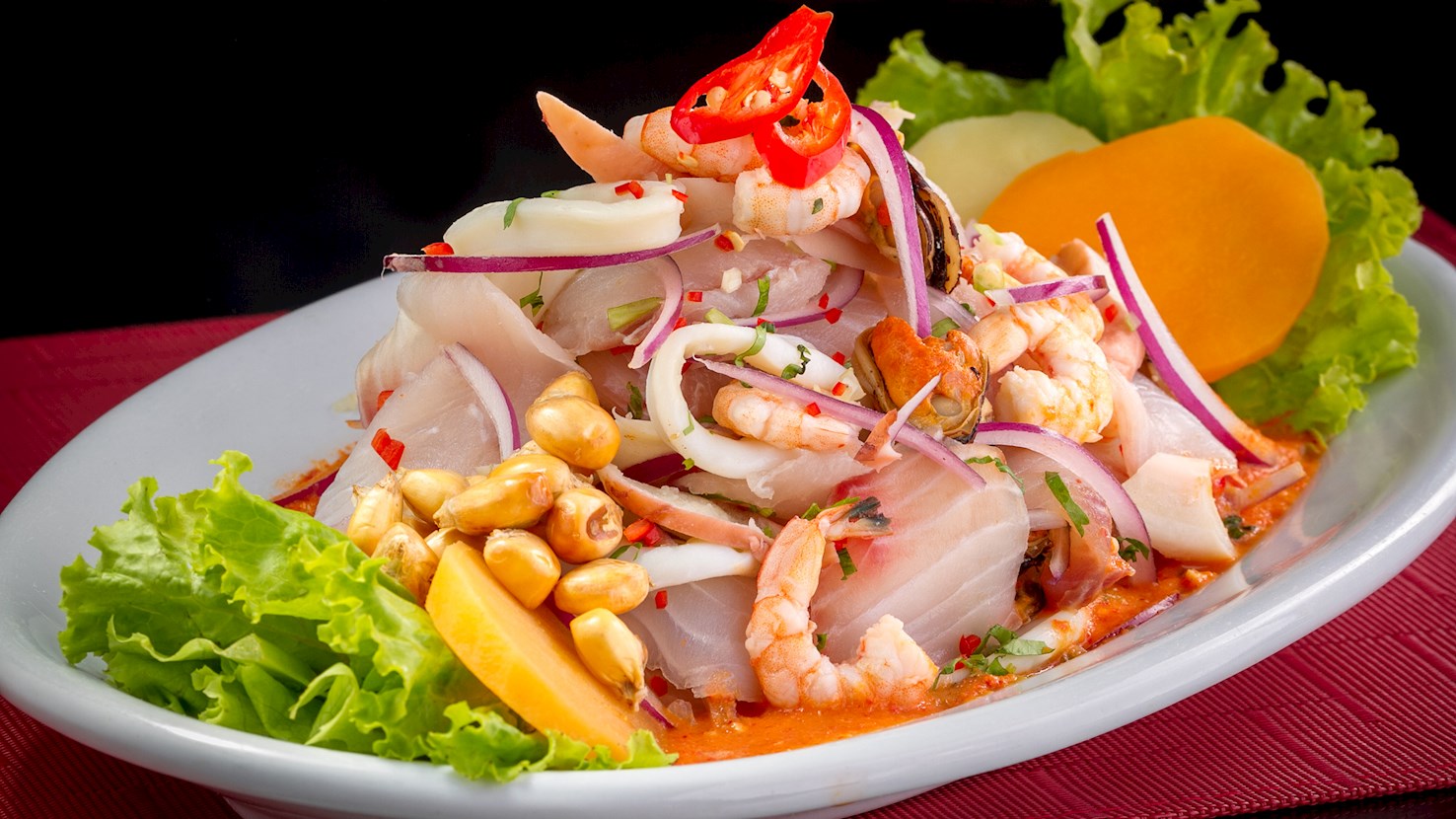
Ceviche mixto is a classic Peruvian appetizer that differentiates itself from other types of ceviche by the addition of various seafood ingredients to regularly used fish. Those include shrimp, squid, octopus, clams, or scallops. A few mussels or small crabs are sometimes also added to the dish. The seafood is typically marinated in lime juice, onions, garlic, celery, coriander, hot chili peppers, and salt. Ceviche mixto is often served with glazed sweet potatoes and Peruvian corn.
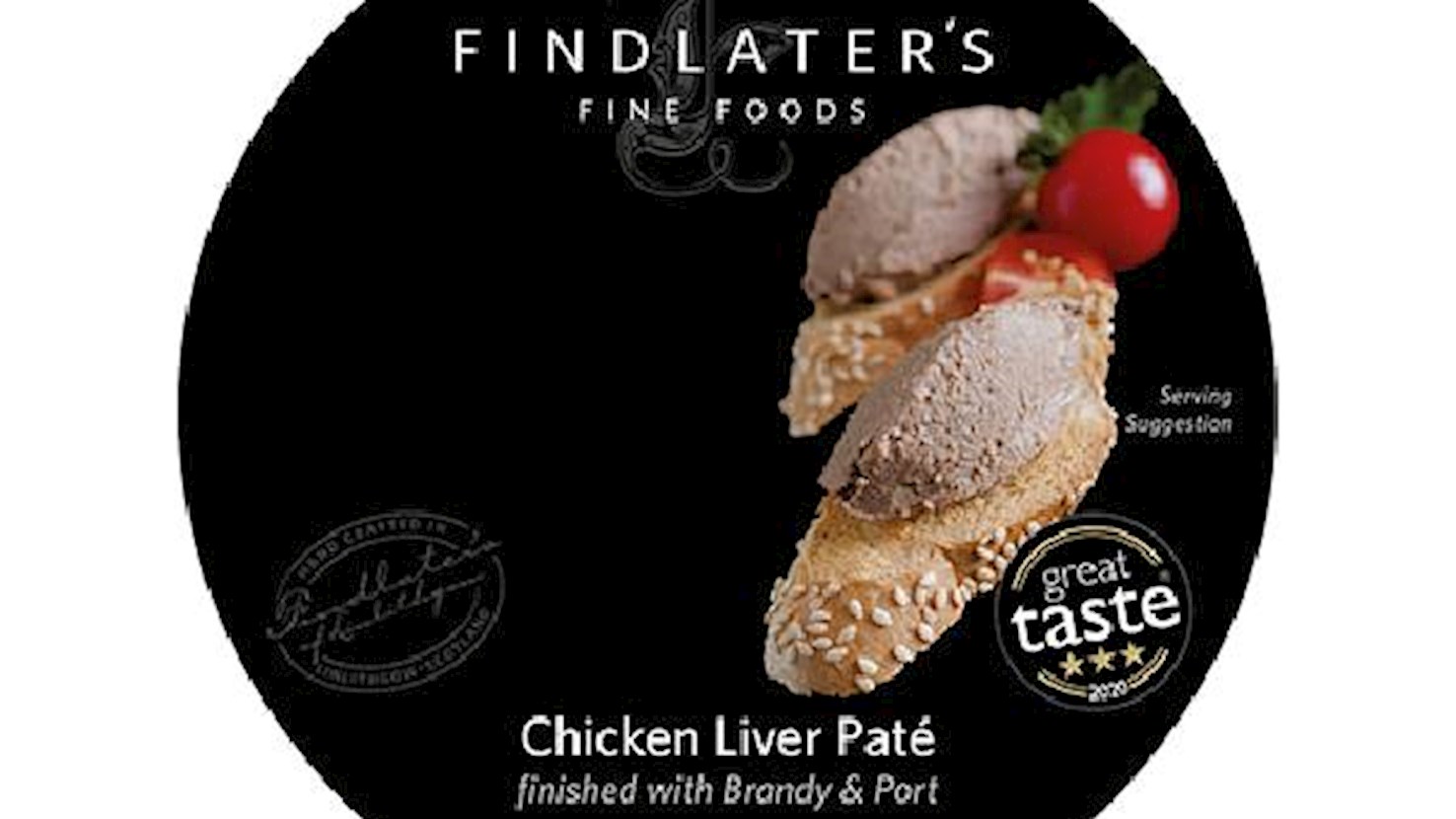
Findlater's Fine Foods is a renowned Scottish producer of luxury pâtés, spreads, and delicatessen items, based in Linlithgow, West Lothian, Scotland. The company was founded in 2004 as a restaurant and deli shop, but due to high demand for their handmade pâtés, they expanded production and moved to a larger facility at their current location.
Their products are crafted in small batches using techniques and equipment typical of high-end restaurant kitchens. This commitment to quality and artisanal craftsmanship has earned them numerous awards.
Today, their products are available in delicatessens, farm shops, and food halls across the United Kingdom.
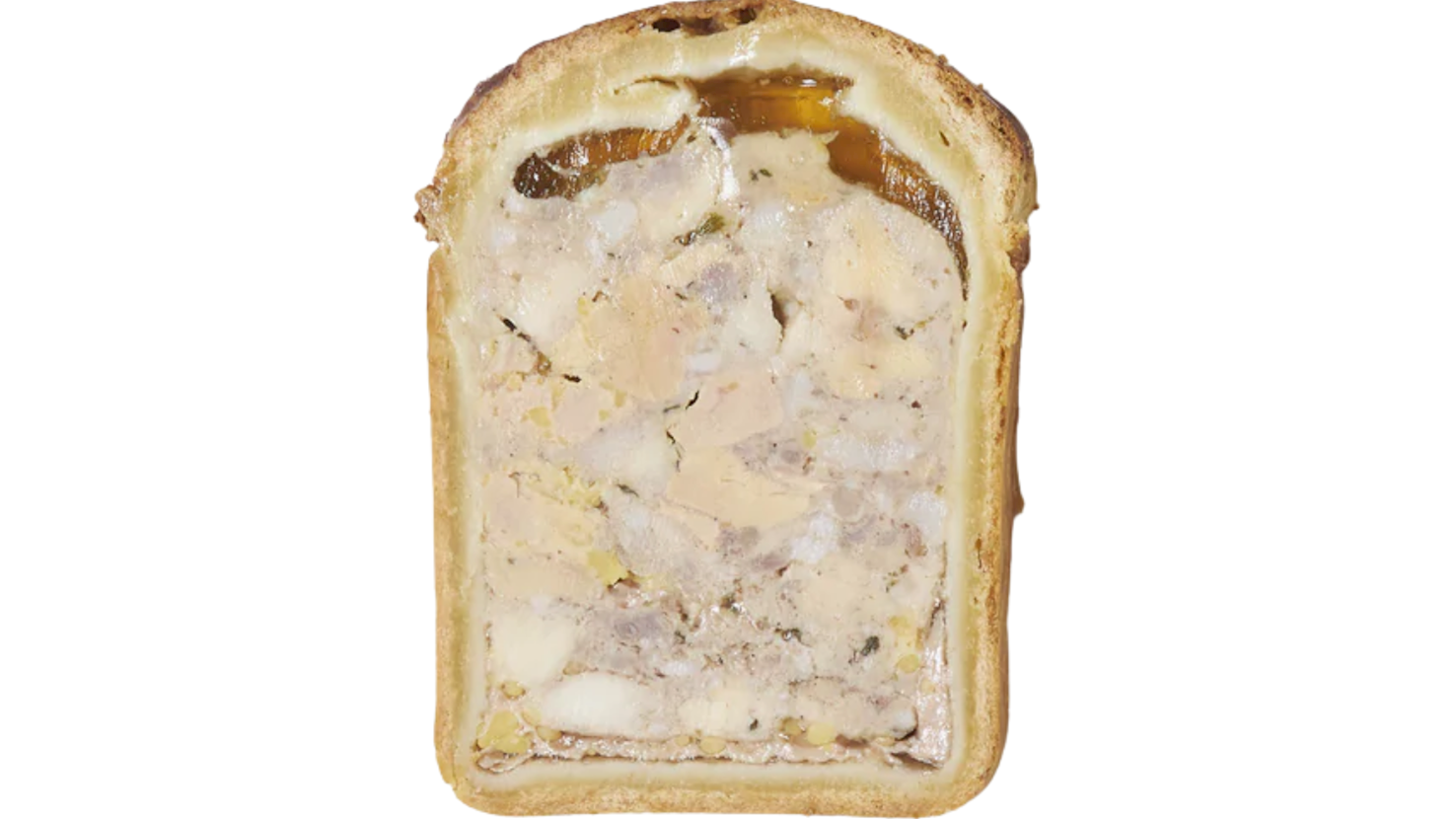
Maison Vérot is a prestigious French butcher and delicatessen that has been preserving the tradition of fine charcuterie - the art of crafting cured and prepared meat products - for generations. Founded in the 1930s, it is now led by Gilles Vérot, a master charcutier known for his respectful fusion of artisanal techniques with contemporary flavors.
Based in Paris, Maison Vérot's products can also be found in top restaurants and luxury food boutiques. The quality of the meat and the careful selection of ingredients lie at the heart of their philosophy, with a strong emphasis on French sourcing and sustainable production.
The visual appeal of their creations, the balance of flavor and texture, and their attention to seasonality make their products truly distinctive. Maison Vérot is not only a symbol of authenticity and tradition, but also a shining example of how French culinary heritage can be carried forward and reimagined with taste and integrity.
Their shops in Paris are places of both artisanal excellence and exceptional gastronomic experience.
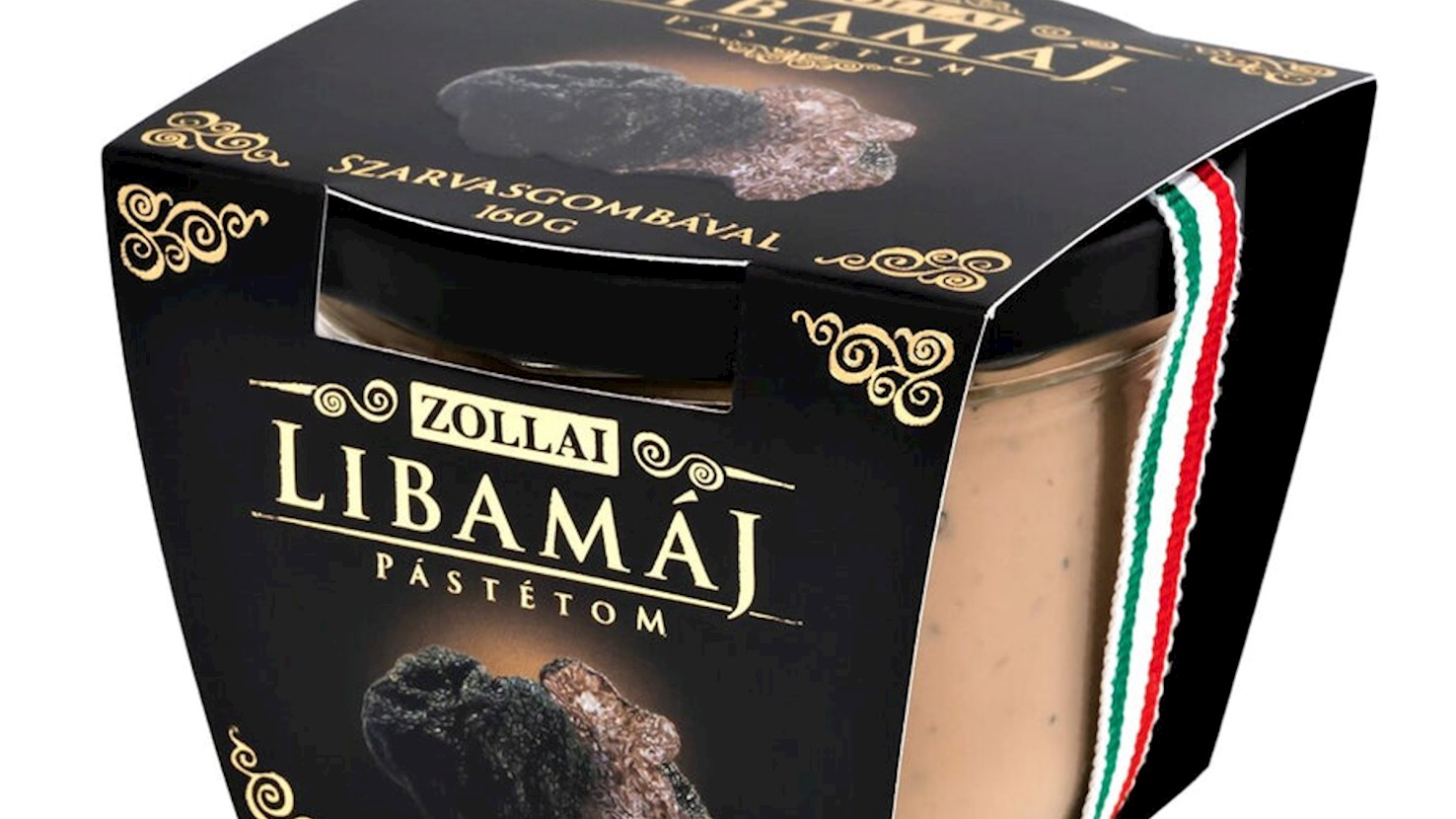
Zollai Baromfi és Húsfeldolgozó Kft. is a Hungarian company established in 1980, specializing in the production of high-quality meat products. The company is an exclusive supplier to the domestic hotel and hospitality sector, with their products also featured in the restaurants of multinational companies both locally and internationally.
They are currently working on making their products directly available to the Hungarian population. Zollai Baromfi és Húsfeldolgozó Kft. places special emphasis on the quality of their products, using traditional recipes and natural ingredients.
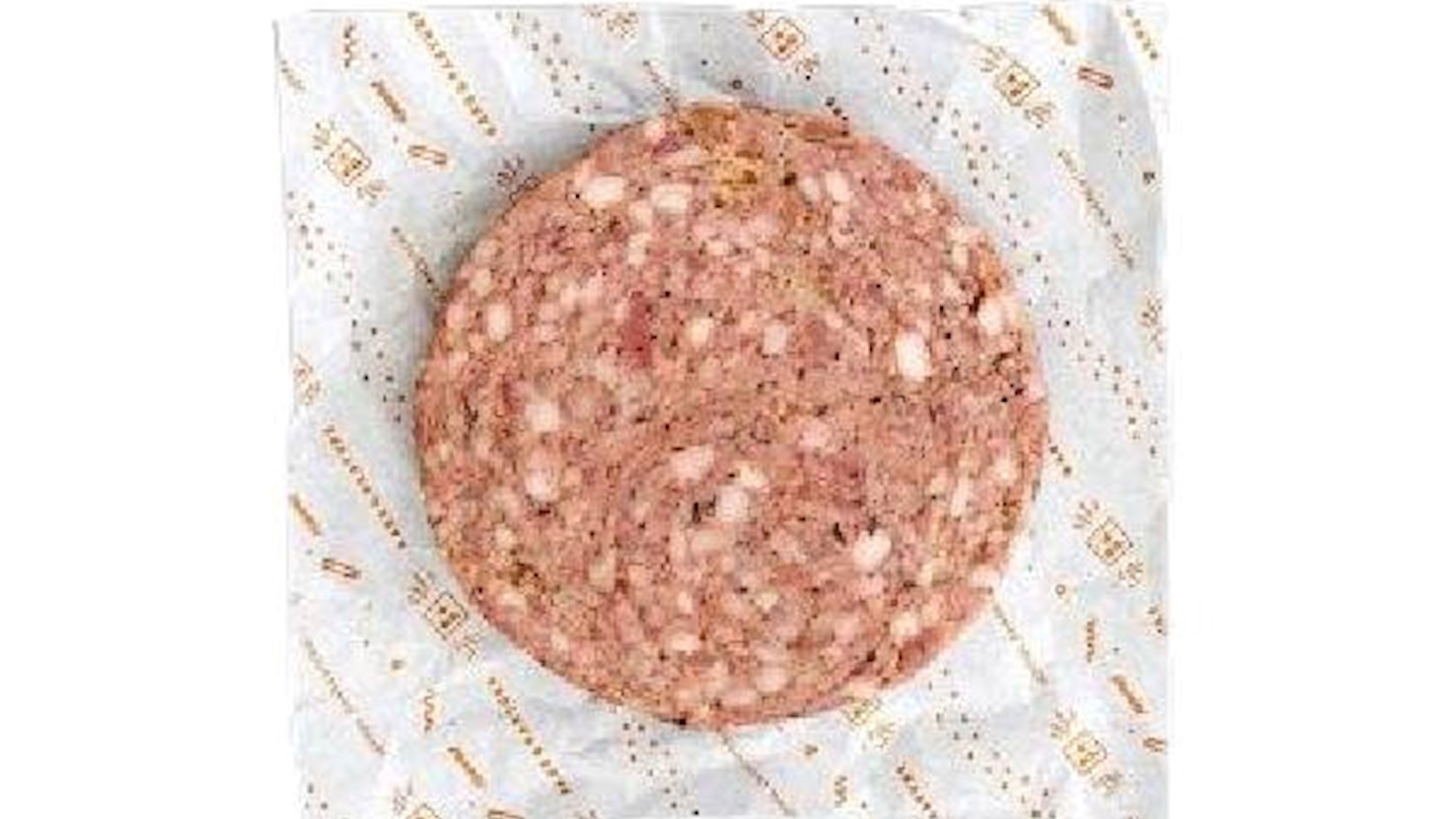
Their offerings include specialties such as burgers prepared with an original Croatian recipe made from pork and beef, seasoned with natural spices.
On the Pig’s Back is a renowned producer of fine foods that artfully blends French culinary tradition with high-quality Irish ingredients. Their handcrafted range includes pâtés, terrines, cured meats, and artisan cheeses, all made using traditional methods without artificial additives, flavorings, or industrial gelatin.
Great care is taken in sourcing ingredients—from free-range eggs and rich Irish butter to locally raised pork—ensuring each product delivers full, natural flavor and a satisfying, authentic texture.
Signature offerings include chicken liver pâté with garlic and cognac, pork terrine with dried fruit, and a selection of cheeses and gourmet specialties ideal for charcuterie boards.
Known for its artisanal approach and dedication to quality, On the Pig’s Back has earned a trusted reputation among food lovers seeking honest, delicious, and thoughtfully made delicacies.
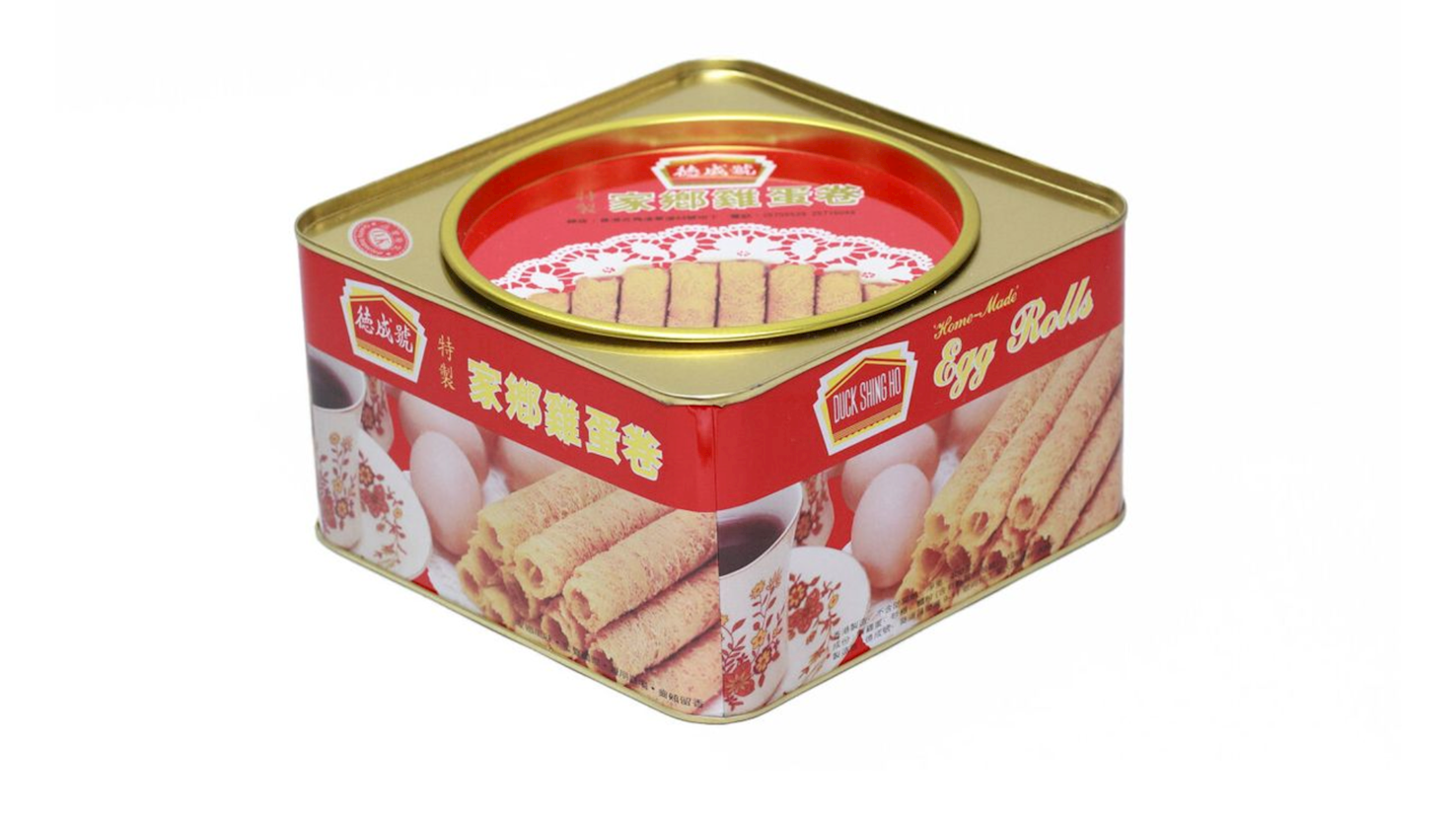
Duck Shing Ho is a Hong Kong family-owned producer of traditional Chinese baked goods, best known for its handmade egg rolls. The company has been in operation for more than a century and is widely regarded as one of Hong Kong's most renowned makers of this iconic specialty. Production is based on traditional recipes and small-batch methods, using simple ingredients such as eggs, butter, flour, and sugar without industrial mass production. Owing to its limited daily output, the products often sell out shortly after the shop opens, with customers frequently queuing or placing advance orders, especially during major Chinese festivals. In addition to its classic egg rolls, the company produces butter and coconut varieties, as well as traditional Chinese biscuits and seasonal festive pastries. Operating from a single family-run shop in North Point, Duck Shing Ho has earned a reputation among both locals and visitors for producing some of Hong Kong's most sought-after traditional baked goods.
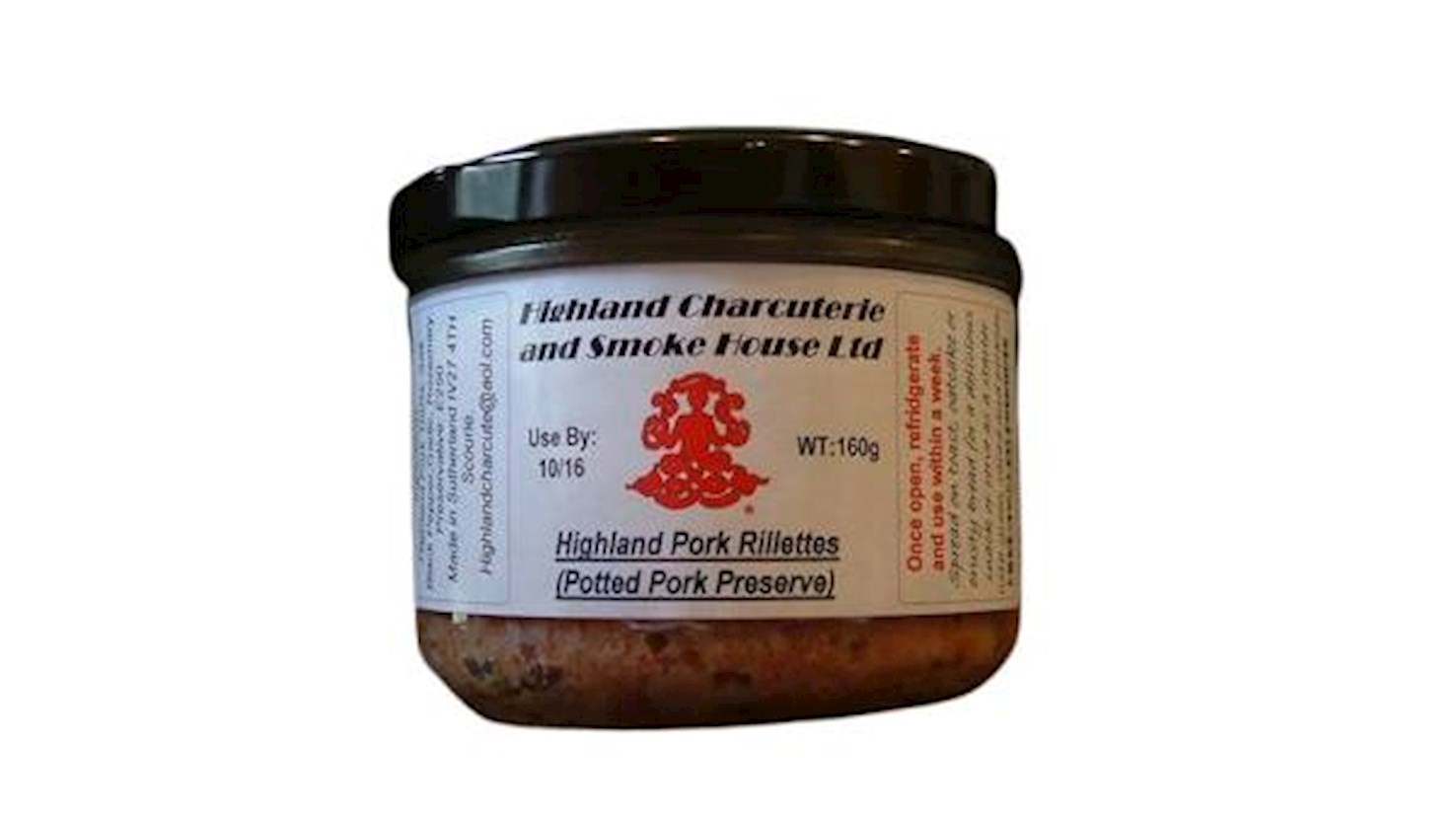
Highland Charcuterie is a family-run business based in Oldshoremore, Kinlochbervie, Scotland. It was founded by Isabelle and Richard Flannery and specializes in producing artisanal cured meats and smoked products using high-quality, locally sourced ingredients.
Isabelle started making charcuterie in 2004, initially for their hotel restaurant. As demand grew, they officially established the business in 2014.
They source their meat from local producers in the Highland region. The products are handcrafted, and they often forage for wild ingredients such as wild garlic, seaweed, and wild berries.
Their range includes pork rillettes, venison salami, pheasant pâté, and smoked sausages, all of which are gluten-free. They take pride in producing unique flavors using traditional methods, offering a variety of smoked and air-dried meats, pâtés, and cheeses, all made by Isabelle and Richard in their specialized workshops.
Rare & Pasture is an award-winning producer of fine charcuterie and smoked meat products, based on the organic Fowlescombe Farm in Ugborough, Devon, England. The company is renowned for its handcrafted frankfurters, smoked meats, and cured products, all made using traditional methods without artificial additives.
They use organic, certified meat sourced from their own farm and other farms that share their values and commitment to animal welfare.
Their philosophy is rooted in sustainable and regenerative farming, with a mission to produce food that is flavorful, nutritious, and environmentally responsible. Fowlescombe Farm specializes in raising native British breeds such as Beef Shorthorn and English Longhorn cattle, as well as Tamworth pigs.
These animals are reared on species-rich pasture without grain-based feed, resulting in meat of exceptional quality and taste.
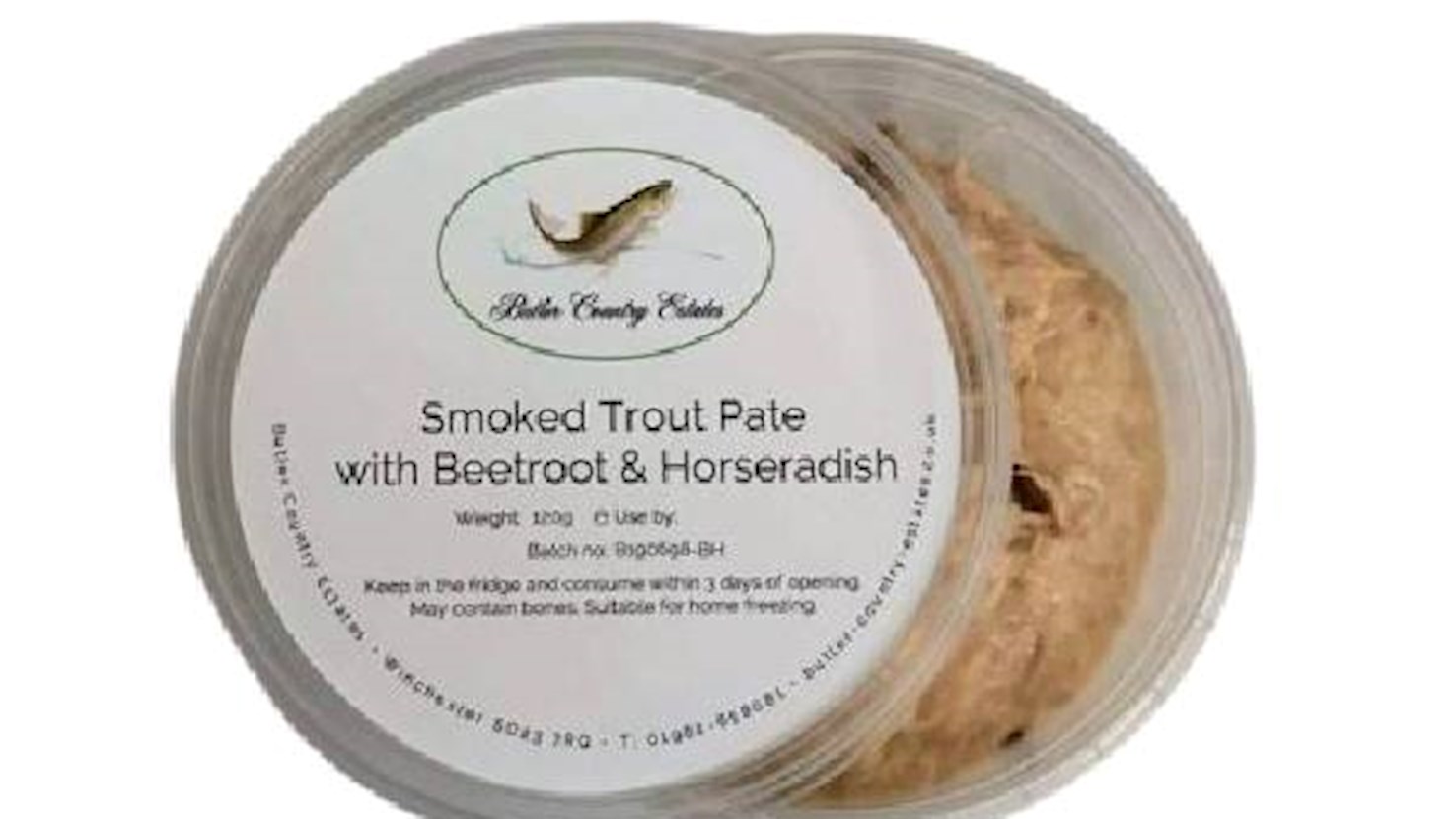
Butler Country Estates is a family-run artisan producer specializing in premium smoked trout products. Founded by passionate fisherman Richard Butler, the company blends traditional culinary methods with modern flavor sensibilities.
Their products are crafted from fresh, high-quality trout and delicately smoked to preserve the fish’s natural richness and texture.
The range includes pâtés, fillets, whole fish, and gravadlax, offered in a variety of flavors such as classic, dill, beetroot & horseradish, chili, and watercress. Everything is handmade in small batches, with close attention to detail and quality.
Butler Country Estates takes pride in using honest ingredients and delivering real, recognizable flavors. They maintain a strong commitment to sustainability and partner with like-minded local producers.
The result is authentic, thoughtfully crafted food with a clear sense of origin and care.
Bonta Italia Ltd is a company based in England that specializes in the production of high-quality pâté. The company is known for using traditional Italian recipes and ingredients to create authentic flavors.
Bonta Italia Ltd distributes its products to various retailers and online platforms. The company also produces a range of other Italian culinary products in addition to pâté.
TasteAtlas food rankings are based on the ratings of the TasteAtlas audience, with a series of mechanisms that recognize real users and that ignore bot,
nationalist or local patriotic ratings, and give additional value to the ratings of users that the system recognizes as knowledgeable.
For the “Top 100 Appetizers in the World” list until October 15, 2026, 82,804 ratings were recorded, of which 50,790 were recognized by the system as legitimate.
TasteAtlas Rankings should not be seen as the final global conclusion about food. Their purpose is to promote excellent local foods,
instill pride in traditional dishes, and arouse curiosity about dishes you haven’t tried.
The initial list of top producers was compiled based on available reviews, awards, local recommendations, media and blog coverage, and consumer reviews.
The list will be updated with ratings from TasteAtlas local ambassadors and TasteAtlas users.

















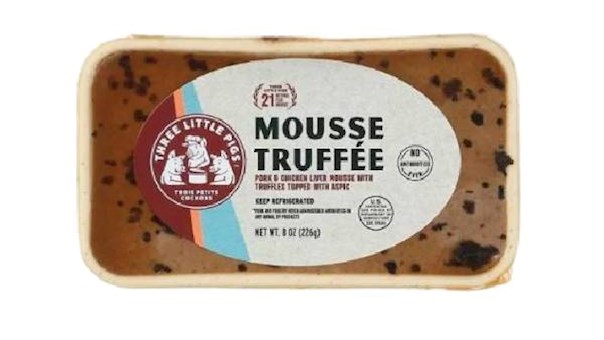



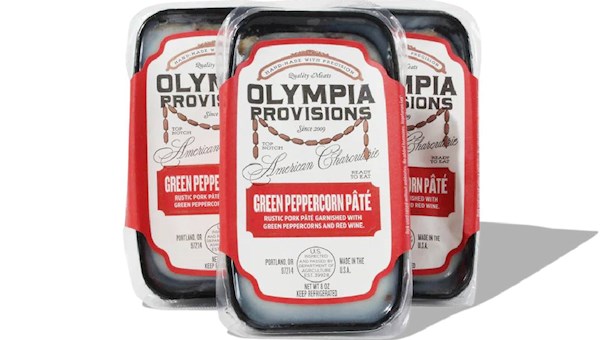
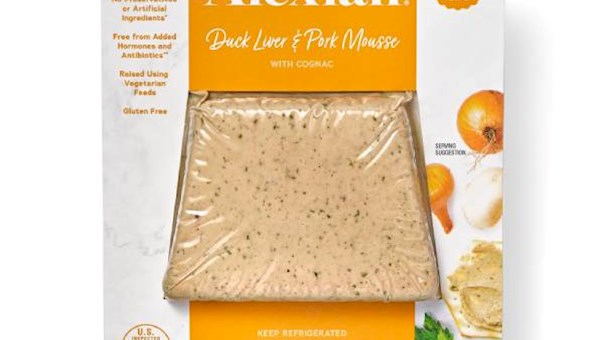


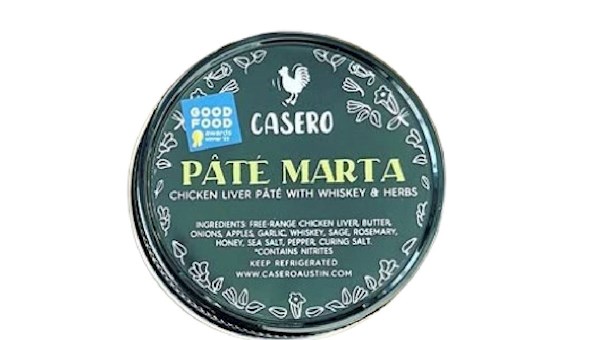



What People Say