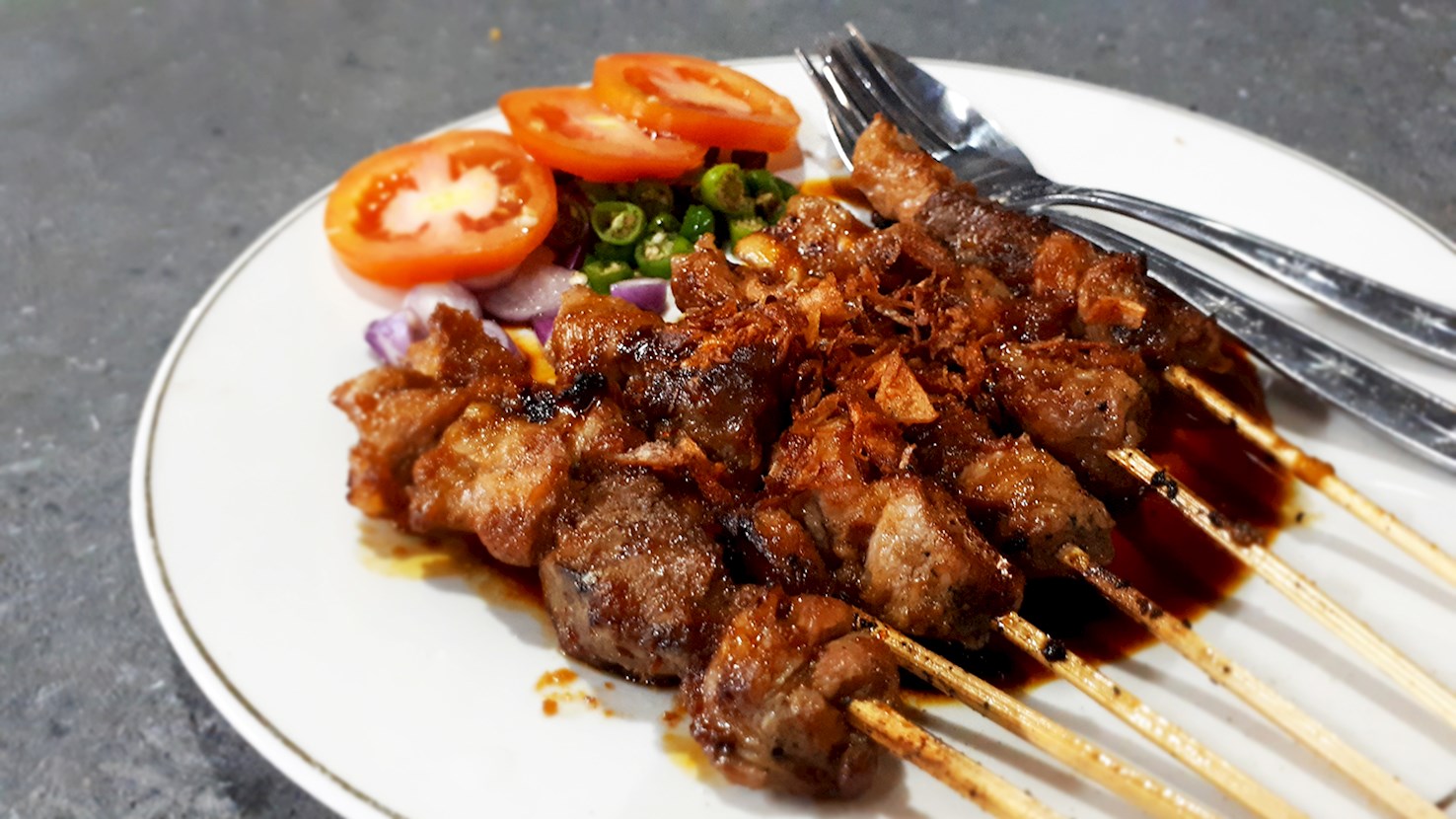
Sate kambing is a traditional dish and a type of satay prepared with goat or mutton as the main ingredient. The meat is cut into chunks or cubes and it's marinated in a combination of ingredients such as kecap manis (sweet soy sauce), galangal, ground shallots, pineapple juice, and (often) chili peppers. After it's been marinated, the meat is placed on skewers that are larger and thicker than the ones used for chicken satay as the texture and thickness of mutton or goat is tougher than chicken. The skewers for sate kambing are usually made from bamboo. The meat is grilled, then served with kecap manis sauce, peanut sauce, or chili sauce, consisting of shallots, bird eye chili peppers, and kecap manis. Some like to eat sate kambing with steamed rice or rice cakes on the side. This type of sate is especially popular in Java.
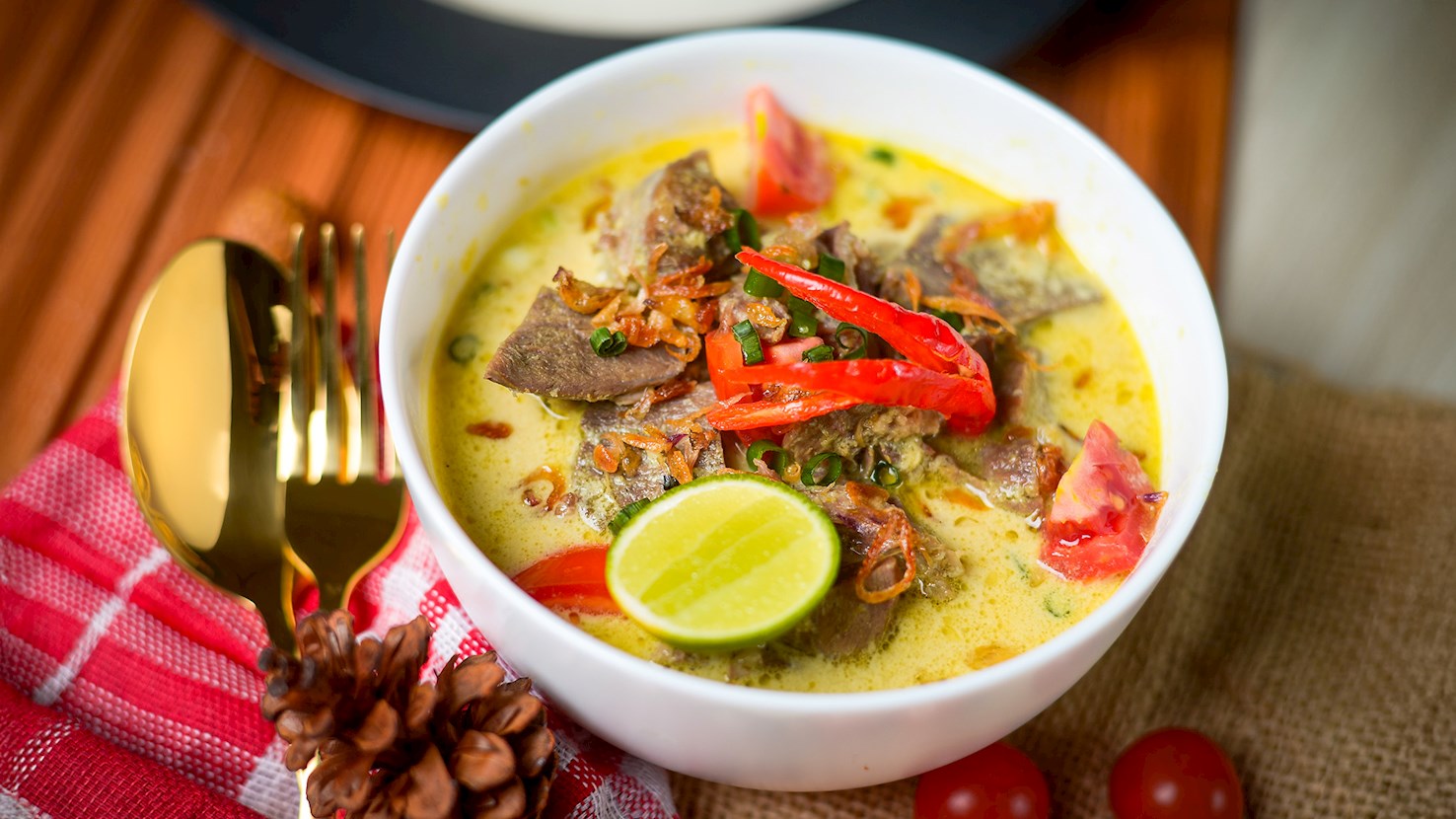
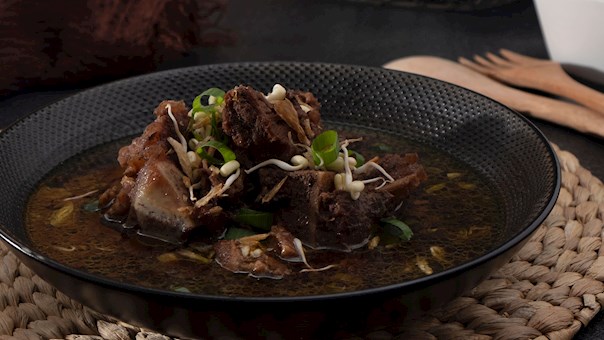
Soto Betawi is a hearty beef soup consisting of chunks of meat and offal that are slowly simmered in a coconut milk broth, which is usually enriched with various spices such as lemongrass, turmeric, galangal, kefir lime leaves, and coriander. When served, the soup is accompanied by different condiments that typically include tomatoes, scallions, sweet soy sauce, and emping crackers. Because of its name, it is believed that the dish originated in Jakarta among the Betawi people, and today it is one of the most popular dishes in the city, usually sold at various street stalls, restaurants, or hawker-style establishments. Soto Betawi is traditionally enjoyed with steamed rice and pickled acar on the side.
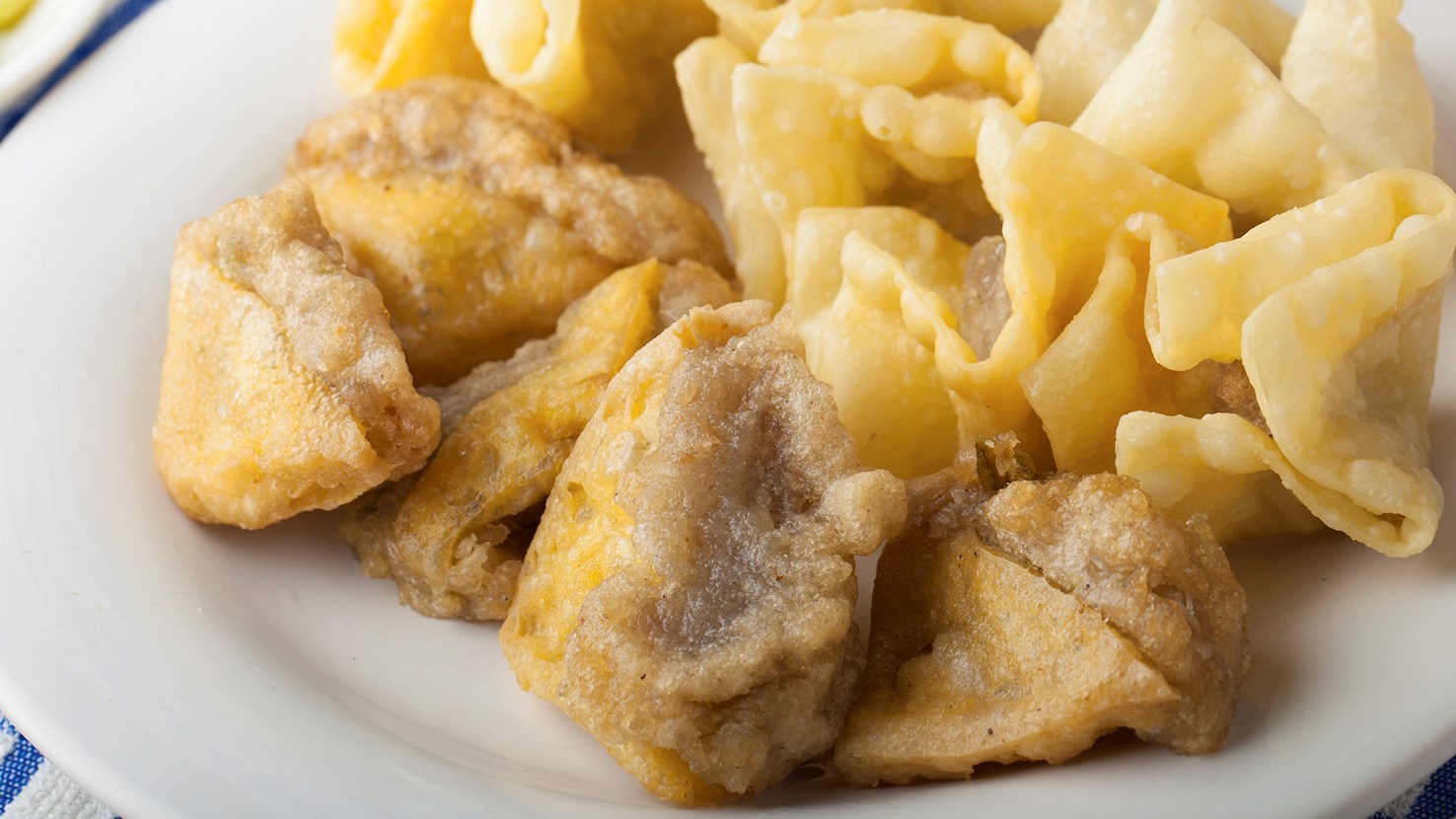
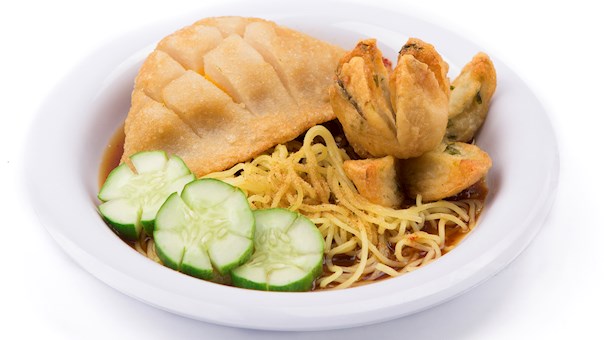
One of the most famous snacks in Indonesia is batagor, a fried fish dumpling served in a traditional spicy sauce. It has roots in the Chinese culinary tradition, which has left a trace on many Indonesian dishes. Although this famous snack is reminiscent of the more famous Chinese dumpling, its distinguishable characteristic is that it is fried, not steamed. The most common fish used to make the dish is wahoo, but tuna, mackerel, and even prawns can also be used. Potatoes, tofu, or cabbage are also occasionally added to the dish. Batagor is the perfect snack because of the way it is served. When fried, the dumplings are cut into small bite-sized pieces and covered in peanut, soy, and chili sauce with a splash of lime juice. It was invented in the 1980s in Bandung, but today it can be found throughout Indonesia. Since it is quickly prepared, it is commonly sold by street vendors, but it can also be found in many Indonesian restaurants.
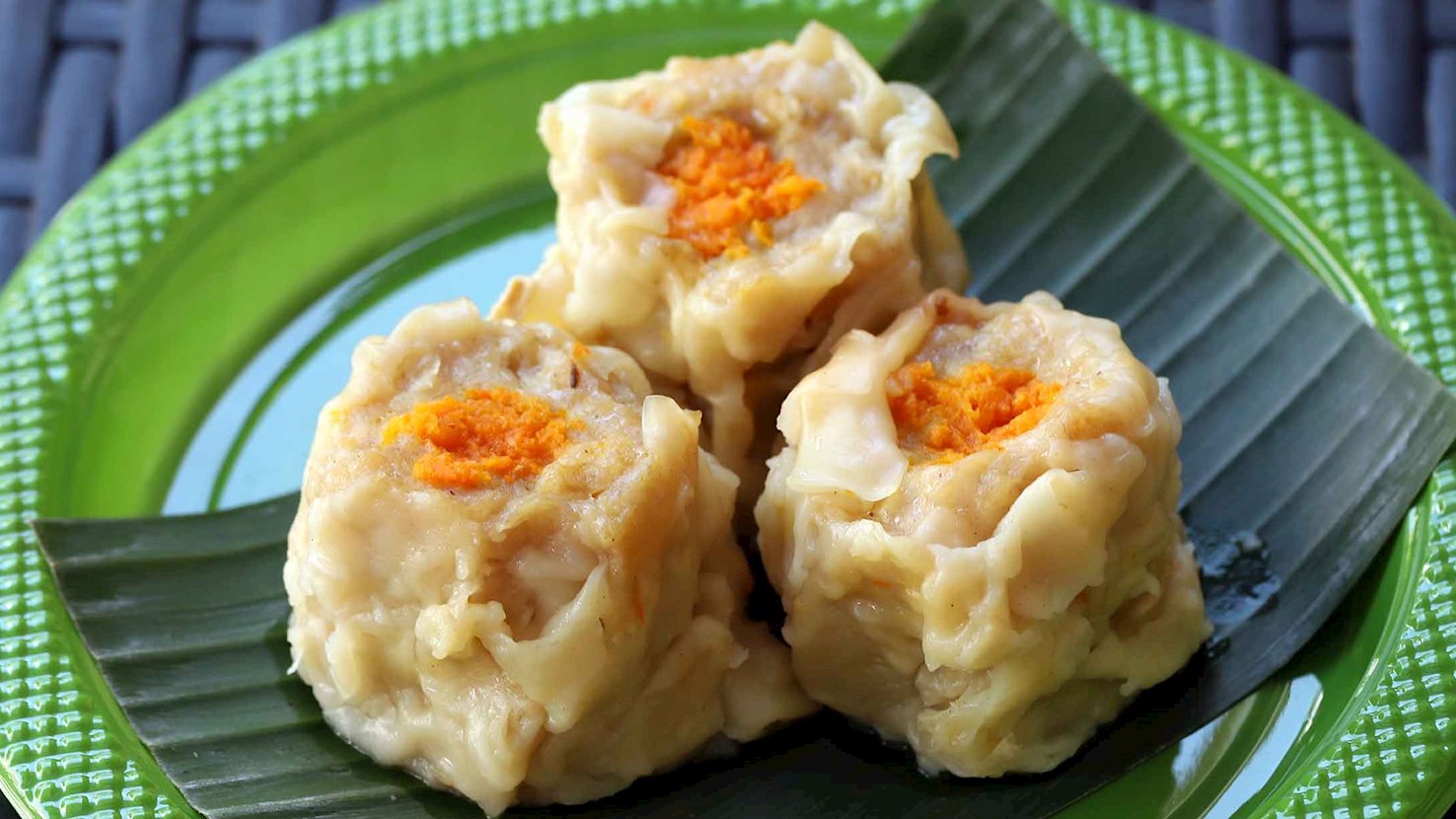
Siomay is a steamed dumpling filled with a dense fish and tapioca paste, permanently paired on a plate with steamed cabbage rolls, boiled potatoes, soft white tofu, hollowed-out bitter gourd, and a hard-boiled egg, all covered in a sweet and spicy peanut sauce. The history of this street food traces back to Chinese immigrants who introduced the pork-filled dim sum known as shumai to the archipelago. Local populations adapted the original ingredients to meet Islamic halal dietary requirements by replacing the pork filling with locally caught fish. Spanish mackerel, known regionally as ikan tenggiri, serves as the standard protein base for the filling, though some variations use ground tuna, prawns, or threadfin. Blending the raw, minced seafood with tapioca flour, shallots, garlic, salt, and white pepper creates a highly sticky and resilient paste. Sellers pack this savory paste into round wonton wrappers, stuff it directly into slices of tofu, and press it into the centers of sliced green pare, a sharply bitter gourd. A large, multi-tiered metal steamer gently cooks the dumplings and the accompanying whole potatoes, cabbage leaves, and eggs until they are fully tender. Mobile vendors strap these hot steamers onto the backs of bicycles or mount them on wooden pushcarts to travel through residential neighborhoods and busy commercial streets. A customer selects their preferred combination of fish dumplings and vegetables from the hot steam bath. The seller immediately snips the chosen items into bite-sized pieces using a pair of sharp metal scissors directly over a shallow plate or a folded paper cone. A thick, warm peanut sauce goes directly over the chopped pieces. Creating this sauce requires frying raw peanuts until golden before grinding them into a paste with red chili peppers, garlic, shallots, palm sugar, tamarind juice, and salt. A finishing squirt of fresh kalamansi lime juice cuts through the nuts' heavy fat. A heavy drizzle of kecap manis, a molasses-like sweet soy sauce, creates a dark webbing over the top of the plate. The final combination balances the chewy, savory seafood paste with the sharp snap of bitter gourd, the neutral starch of potato, and the rich heat of peanut gravy. The city of Bandung in West Java claims the most famous iteration of this meal, frequently marketed as Siomay Bandung by street vendors far outside the city limits. People consume this warm meal at any hour of the day as a filling snack or a casual dinner, eating the sauce-drenched pieces with a fork and a spoon.
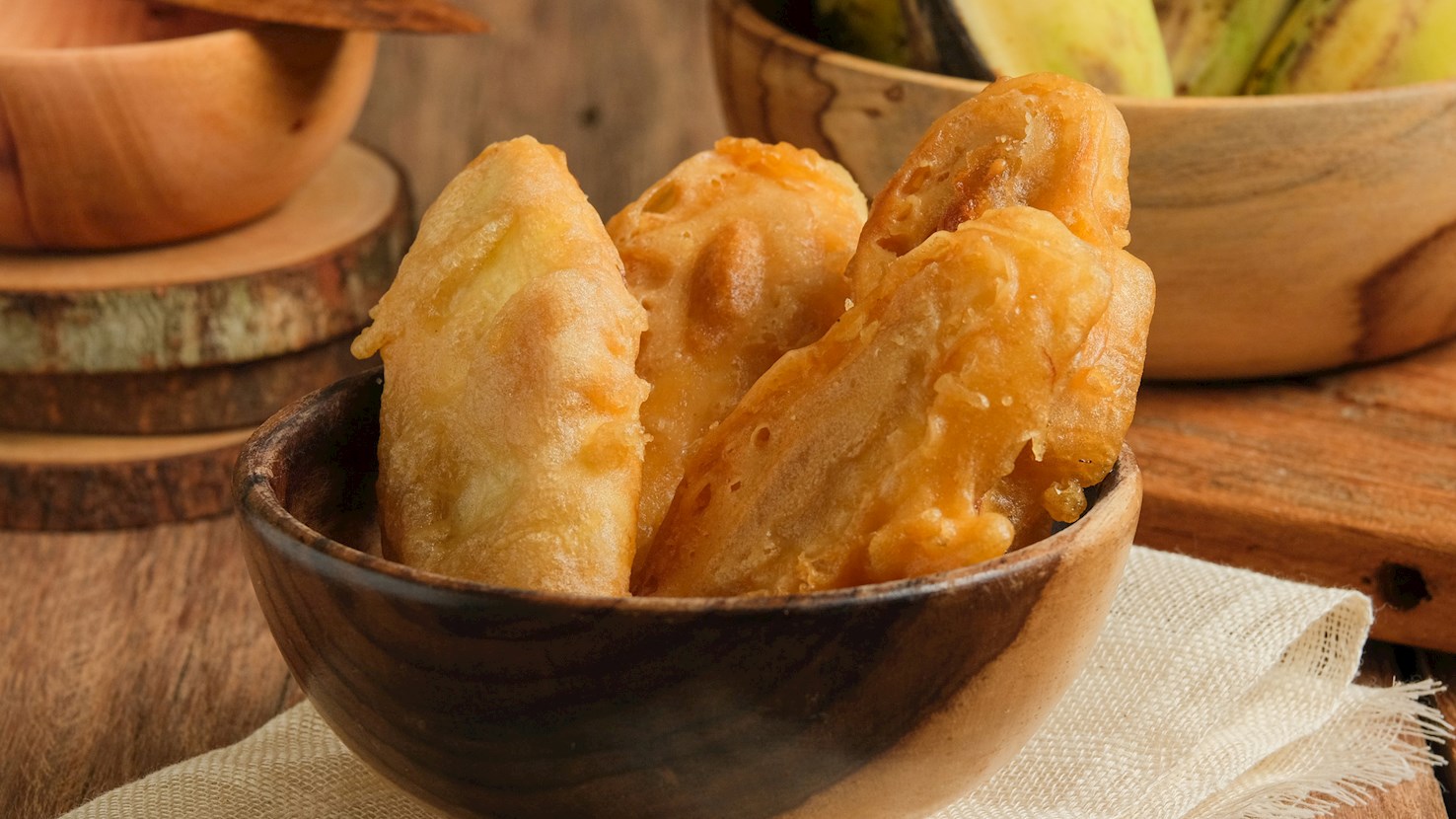
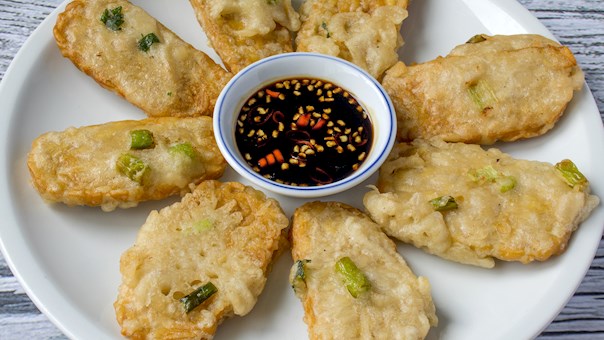
Fried bananas or plantains are a common everyday snack eaten throughout Indonesia. They come in numerous versions in which the fruit is simply fried in shallow oil, but more often sliced banana pieces are coated in batter before they are fried until golden. Besides numerous other varieties, fried bananas also appear under different names such as godoh biu on Bali or gedhang gorèng on Java. They are traditionally sold at street stalls and carts and belong to a group of gorengan dishes—Indonesian deep-fried snacks. The more elaborate version of pisang goreng are served dusted with powdered sugar and cinnamon, drizzled with chocolate, or accompanied by jams or ice cream. Similar banana-based dishes are found in other Southeast Asian regions and countries such as Singapore, the Philippines (maruya) and Malaysia (kuih kodok).
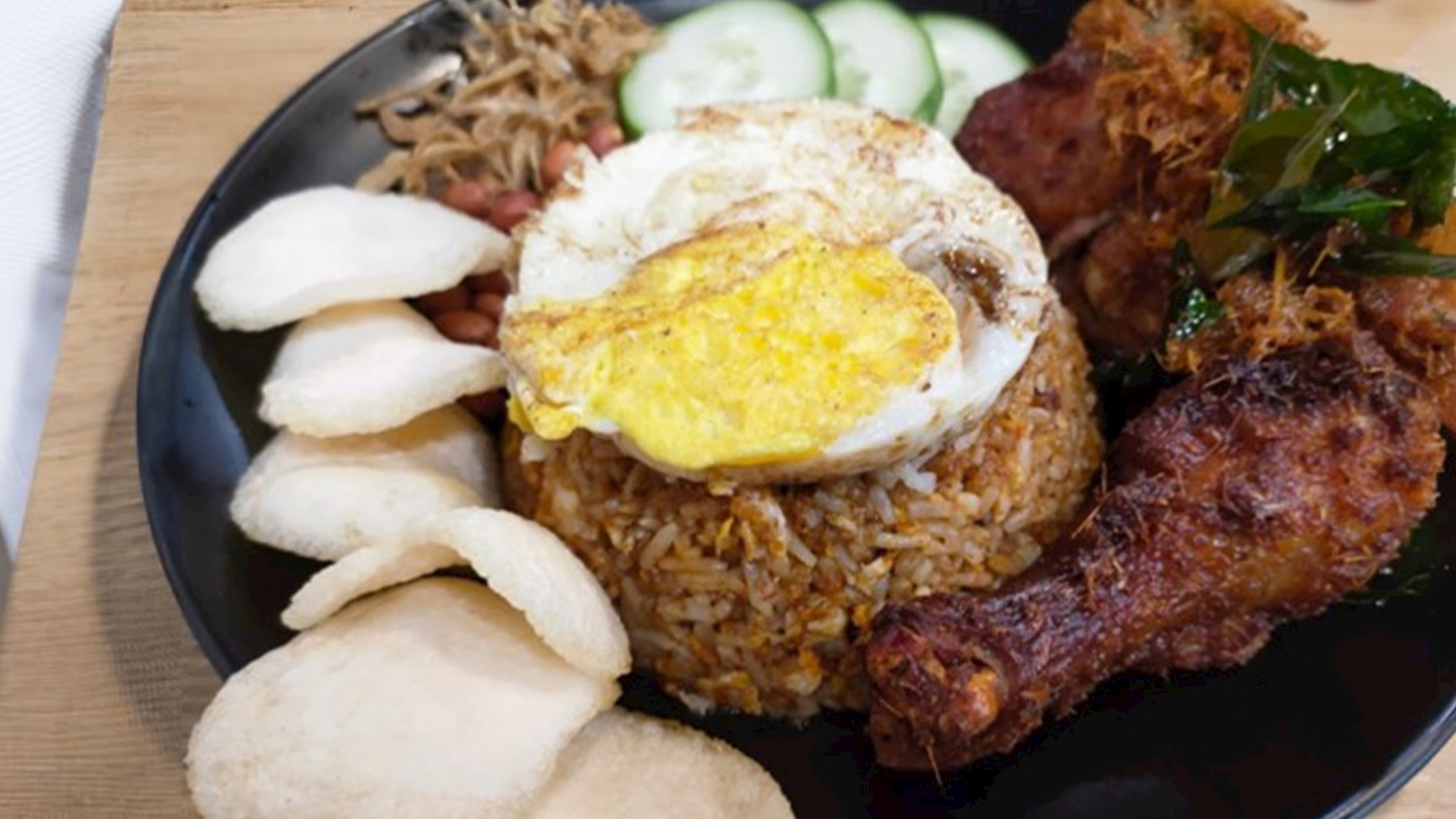
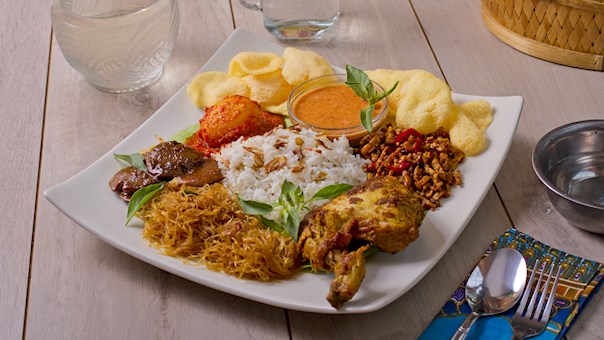
Nasi goreng ayam is a traditional fried rice dish that's also popular in Singapore, Brunei, and Malaysia. Although there are many versions of this nasi goreng variety, it is usually made with a combination of chicken thighs, oil, salt, white pepper, shallots, rice, turmeric, soy sauce, fish sauce, galangal, ginger, garlic, scallions, kecap manis, and hot peppers. Most of the ingredients are fried with rice, and the dish is then topped with fried eggs, fried shallots, and sliced chili peppers. It's recommended to serve nasi goreng ayam with prawn crackers on the side.
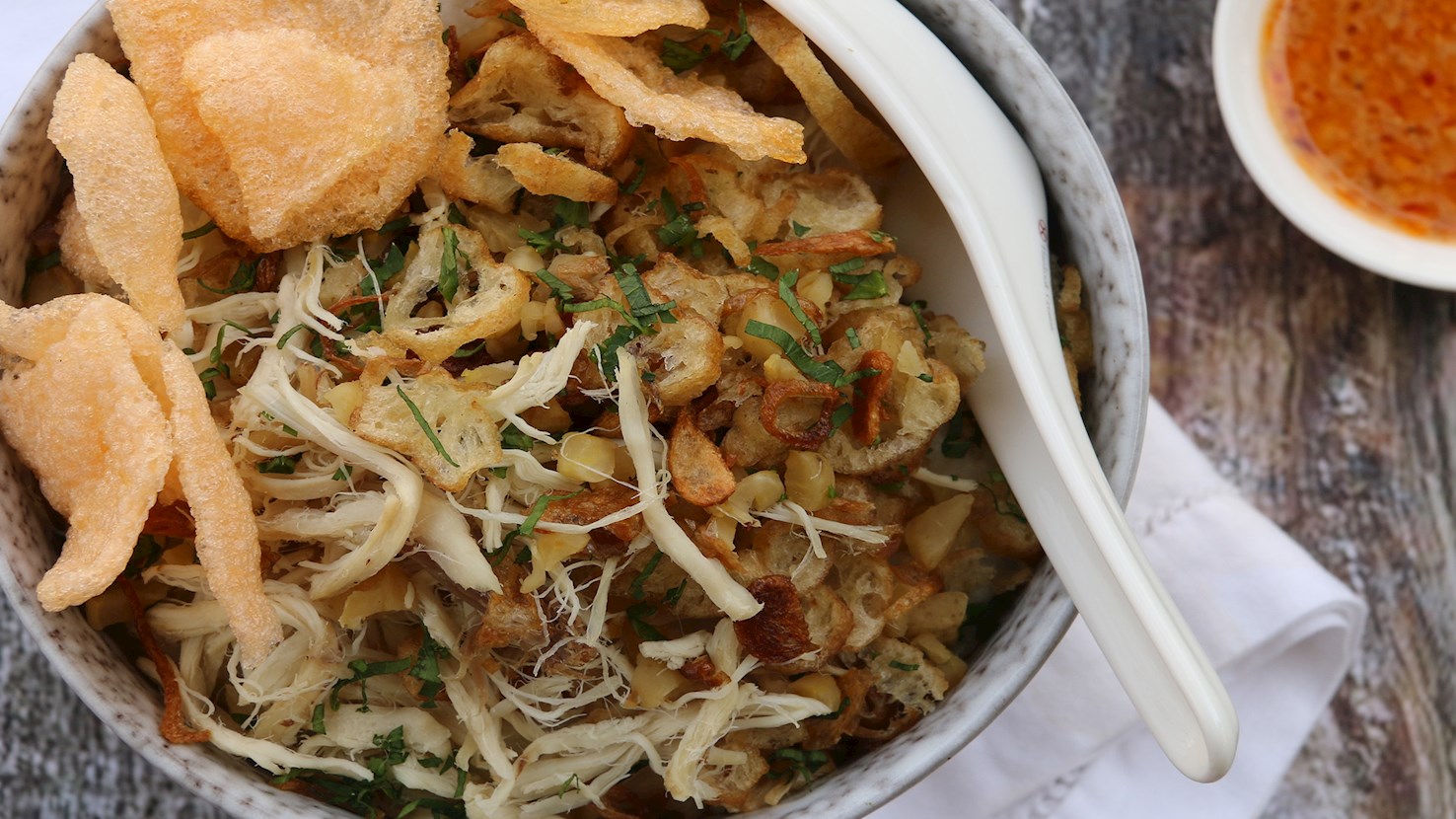
Bubur ayam is the Indonesian version of chicken congee, a thick rice porridge topped with shredded chicken and various savory condiments. This breakfast staple probably originates from the Chinese rice porridge, but it employs regionally available ingredients and toppings to create an authentic Indonesian dish. The process starts with boiling chicken (usually darker, on the bone pieces), and the same broth is typically used to cook the rice until it becomes dense in consistency. Besides rice porridge and shredded chicken, bubur ayam can employ a myriad of other ingredients. It is commonly topped with sliced scallions, crispy fried shallots, chopped cilantro, crushed peanuts, fried crullers, and sliced boiled eggs. Before it is served, bubur ayam is usually generously doused with soy sauce, sesame oil, or fish sauce. Unlike other traditional Indonesian dishes, this chicken porridge is not overly spicy, but the fiery sambal sauce can be served on the side, if desired. Bubur ayam is one of the most common street food varieties in Indonesia - each morning, numerous street vendors can be seen selling this comforting porridge as a nutritious breakfast dish.
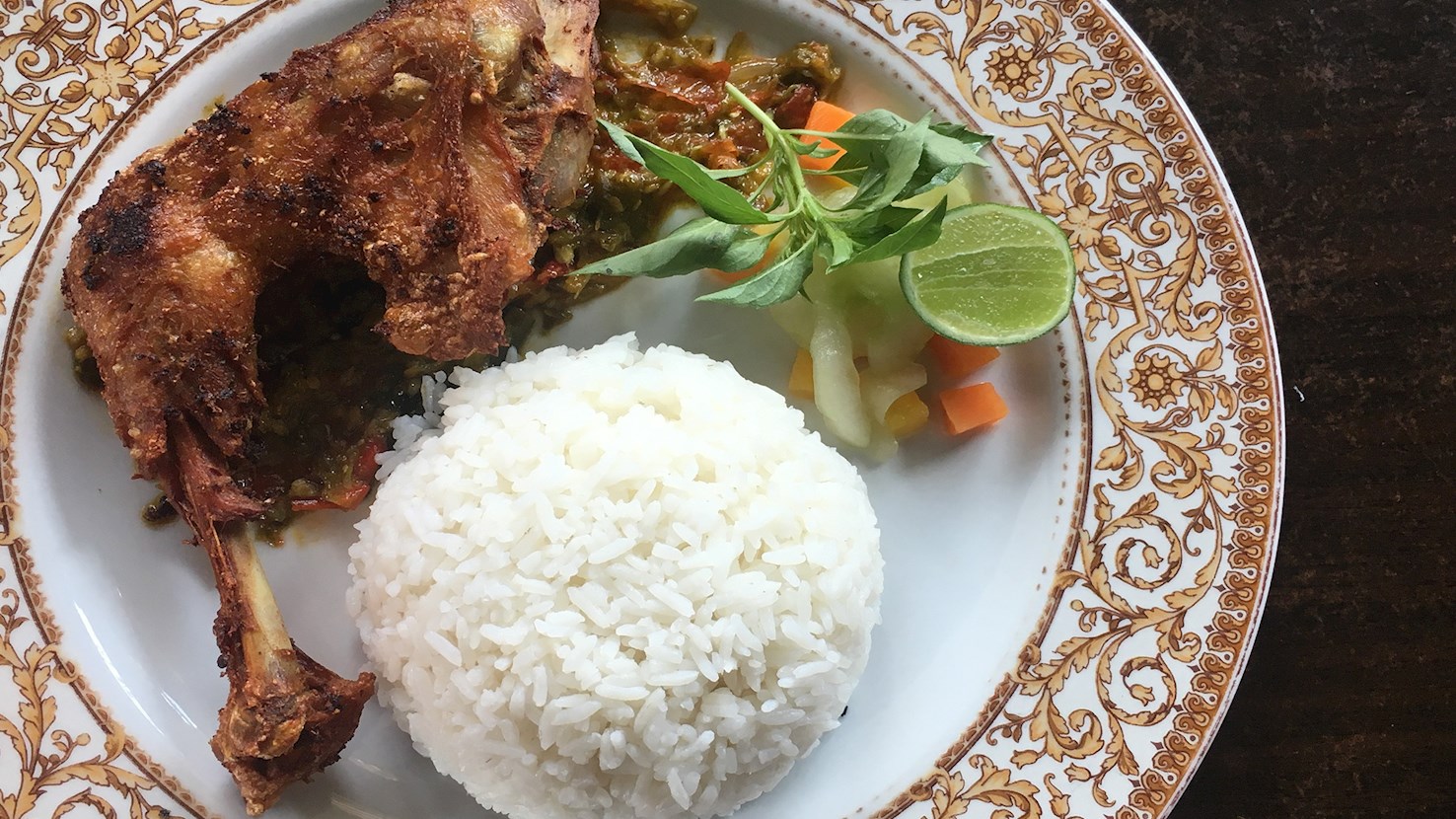
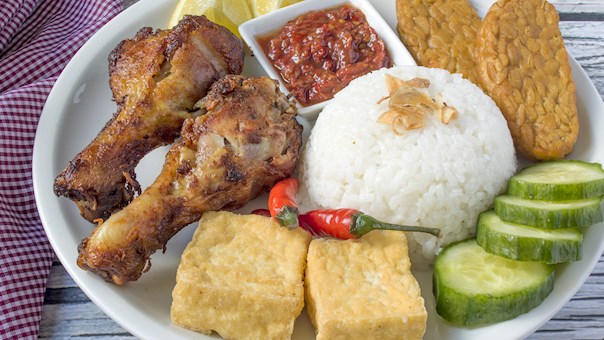
In its basic form, Indonesian-style fried chicken consists of chicken cuts, preferably bone-in pieces such as thighs and drumsticks, which are marinated in spices, then shortly braised before being fried until golden and crispy. The marinade is typically based on traditional spices such as lemongrass, galangal, turmeric, and tamarind, but since the dish is enjoyed throughout the country, it comes in numerous regional variations that may include other spices and marinades, or various additions such as grated coconut or rice flour crumbs. All varieties of ayam goreng can be enjoyed as individual dishes, usually accompanied by rice and fresh vegetables or salads, but ayam goreng is also a common side dish at Indonesian banquet-style meals.
Perkedel are Indonesian fried delicacies consisting of either mashed potatoes, ground meat, ground corn, or minced fish (perkedel ikan). The name of these savory patties is derived from the Dutch word frikadel, showing the Dutch culinary influence on Indonesian territory. Prior to frying, the main ingredient is usually combined with finely chopped scallions and pepper, then dipped in beaten eggs. Perkedel is traditionally served as an appetizer or a side dish with soto ayam soup, although it can also be consumed as a main dish, when it is usually accompanied by nasi kuning (yellow rice).
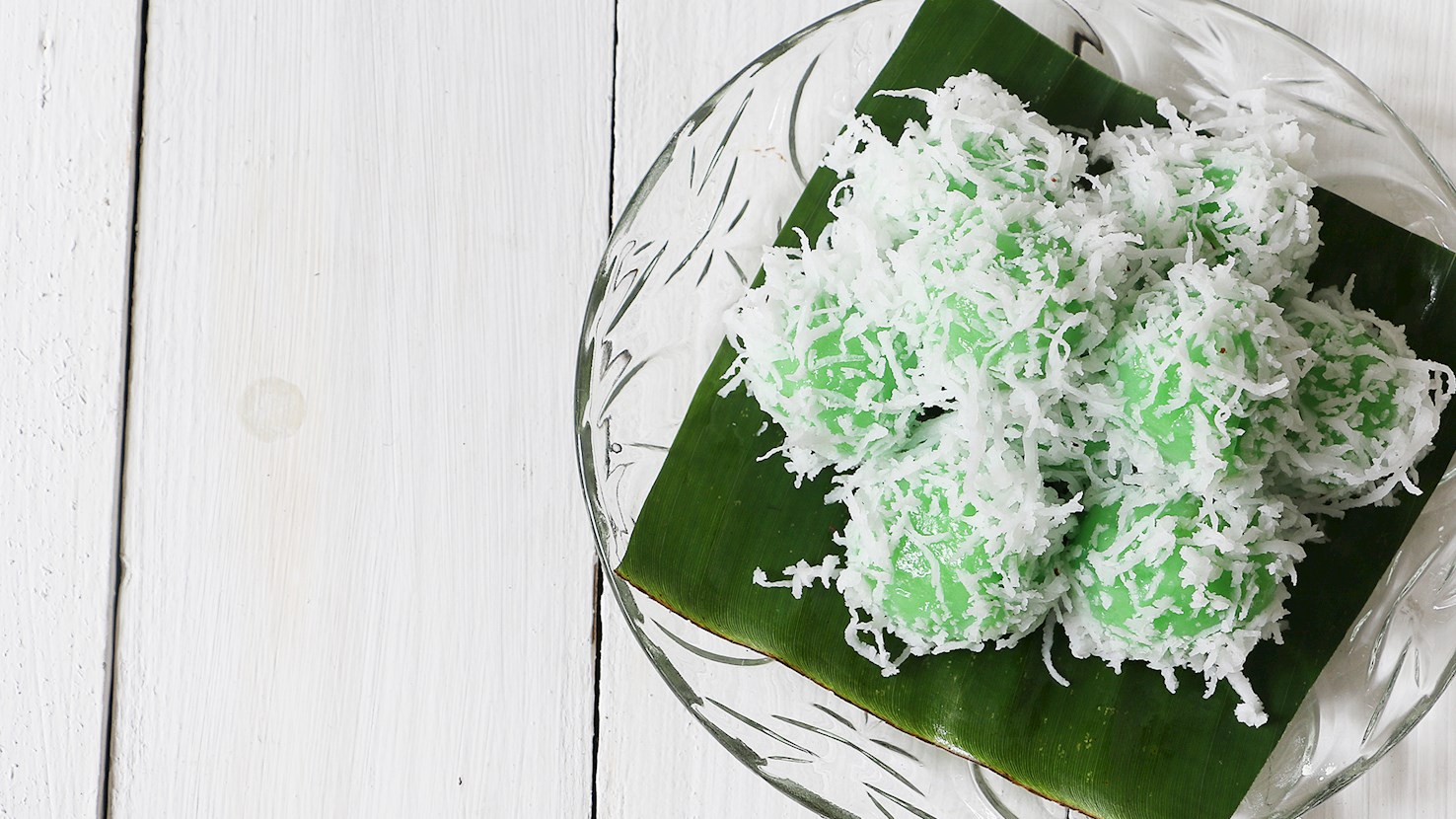
These Indonesian rice balls are prepared with glutinous rice flour shell that is wrapped around a palm sugar filling. The outer shell is usually colored green, traditionally with the help of pandan or dracaena leaves, while the whole cake is coated with desiccated coconut. The origin of klepon is typically associated with Java, while the same treat is better known as onde-onde or buah melaka in some parts of Sulawesi, Sumatra, and Malaysia. It should be noted than on Java, the term onde-onde typically refers to Chinese jin deui rice balls. Klepon balls are traditionally served in banana leaves, and when freshly prepared, the filling is liquid and should be consumed with care.
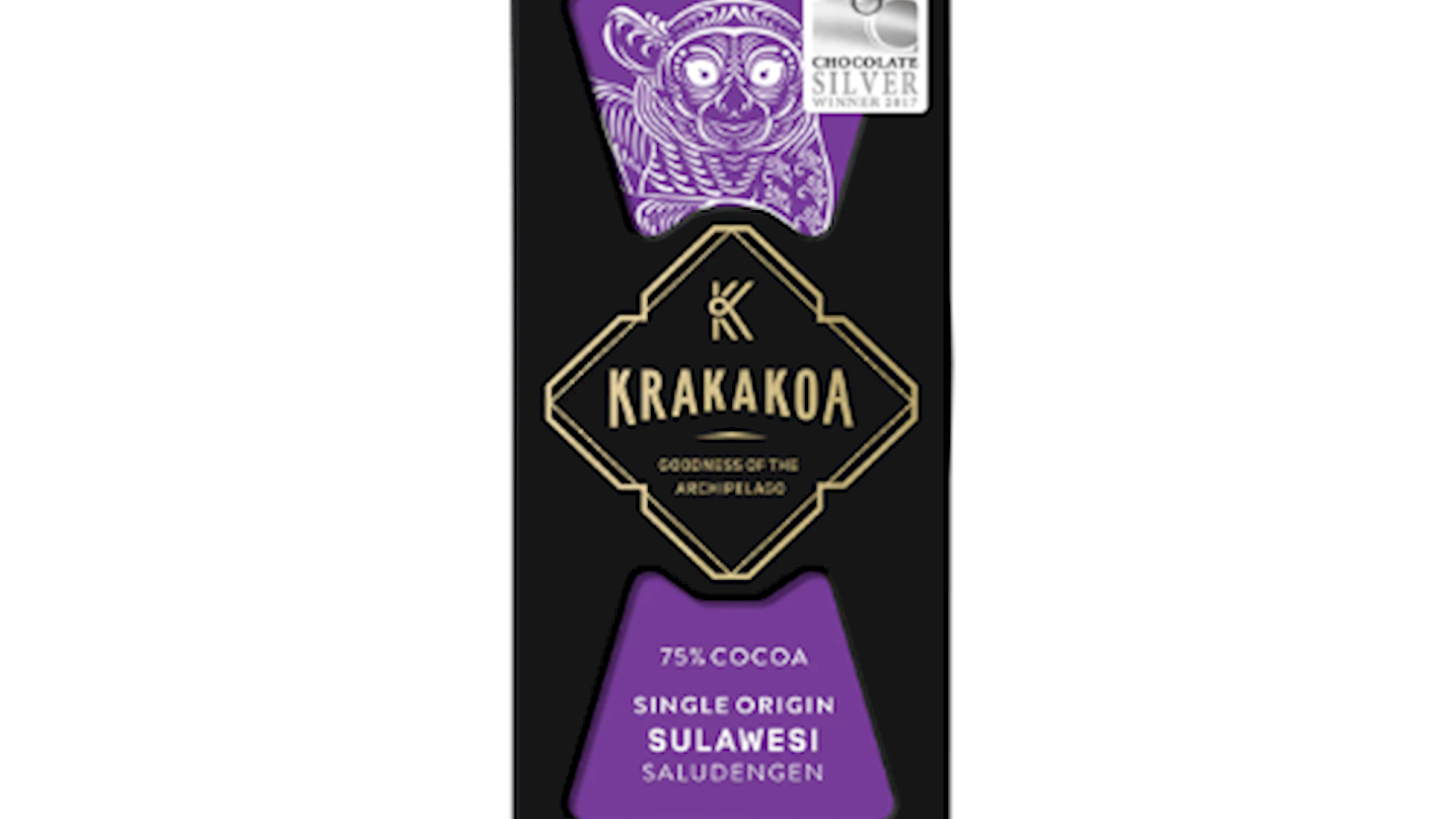
Krakakoa is an Indonesian bean-to-bar brand that combines premium chocolate craftsmanship with social responsibility through its “from farmer to bar” model. Founded by Sabrina Mustopo, the brand’s mission is to keep the value of cocoa processing within the country of origin, providing small farmers with fair income and education.
Krakakoa collaborates with over a thousand farmers across the Lampung, Sumatra, and Sulawesi regions, offering training in sustainable farming, fermentation, and organic cultivation. The raw cocoa is processed locally - from fermentation and drying to grinding, refining, and tempering - ensuring complete control over quality.
The brand emphasizes transparency in its production chain and uses only natural ingredients without additives. Krakakoa chocolates are distinguished by their pronounced terroir character, with flavor profiles ranging from citrusy and floral to earthy and spicy, depending on the origin of the beans.
The products are distributed across several countries in Europe and Asia, reflecting growing global interest in authentic origin chocolates. By combining quality, responsibility, and authenticity, Krakakoa has become a model of how fine chocolate can be crafted with meaningful social impact.
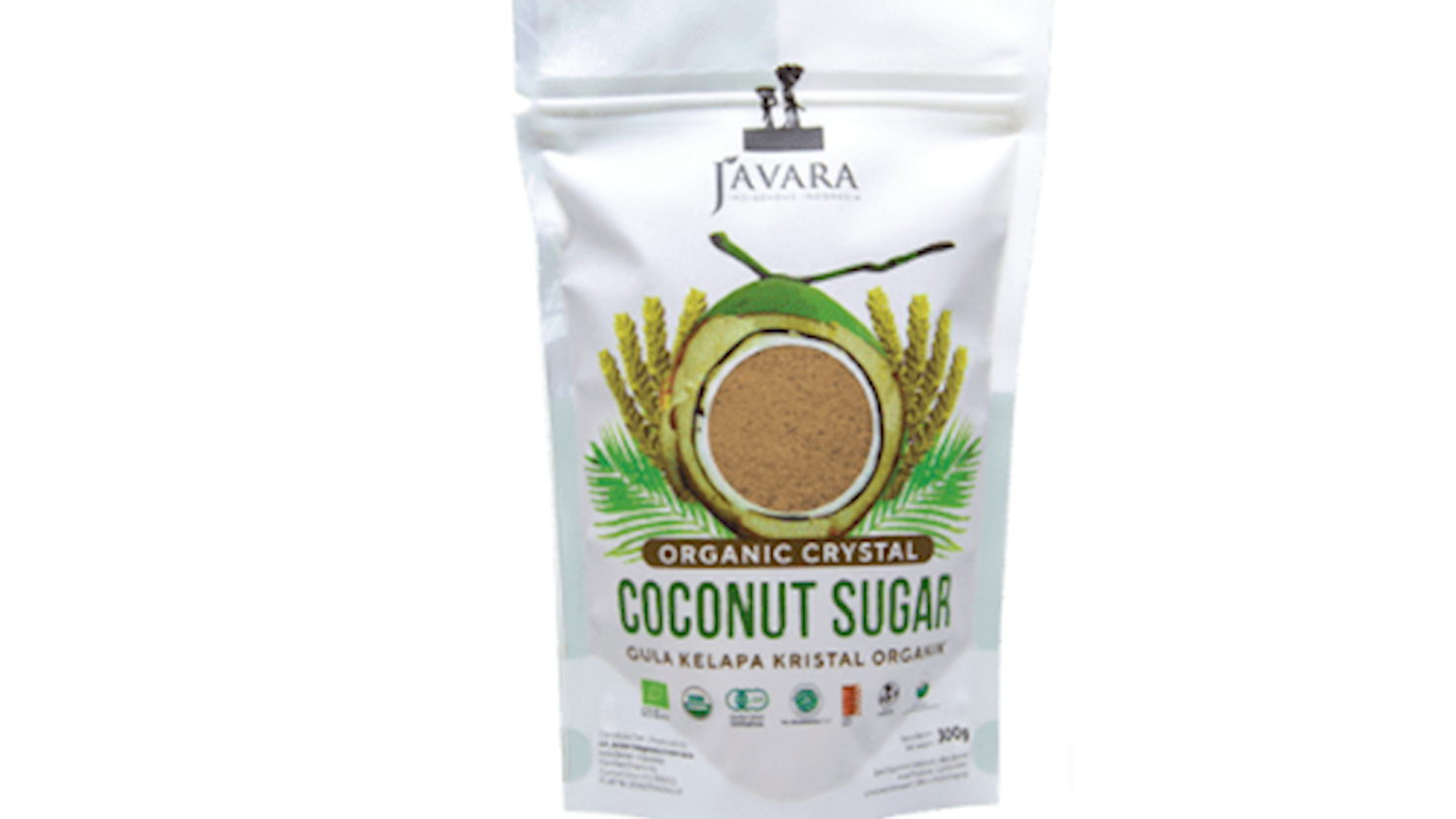
Javara is an Indonesian brand and social enterprise dedicated to preserving the country’s vast culinary biodiversity by bringing traditional, locally sourced foods to contemporary markets. The company works directly with thousands of small farmers, foragers, and artisans across the archipelago, offering products such as heirloom rice varieties, native grains, spices, coconut-based ingredients, natural sweeteners, herbal powders, and artisanal salts.
Their approach emphasizes the protection of rare and indigenous food traditions while ensuring full traceability and sustainable production practices. Founded in 2008 by Helianti Hilman, Javara was created to empower rural communities and improve market access for small-scale producers.
Today, the brand integrates training programs, entrepreneurship support, and ethical supply chains, positioning itself as a leading advocate of Indonesia’s food heritage and a bridge between traditional wisdom and modern culinary culture.
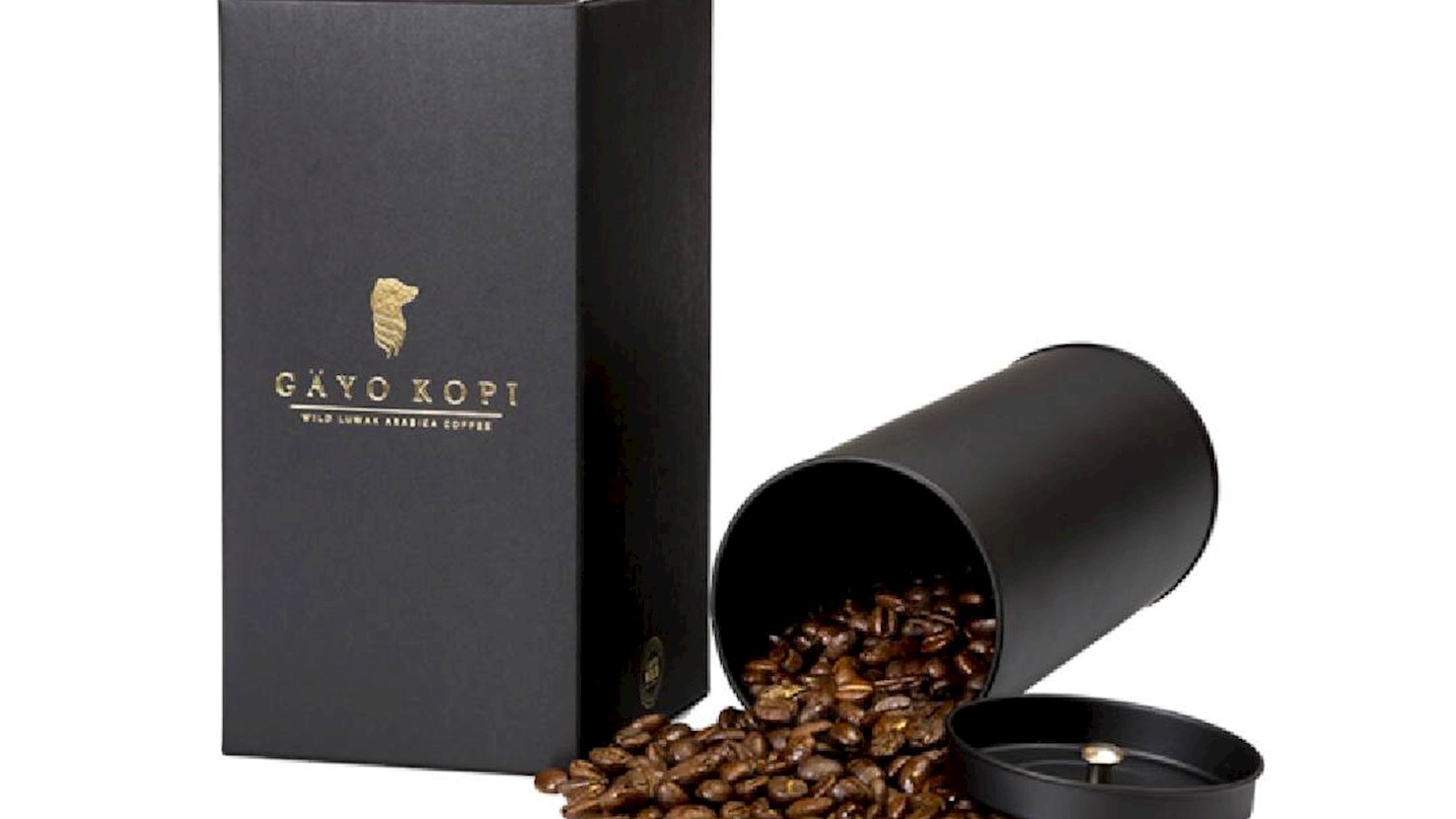
Gayo Kopi is a distinguished Indonesian company specializing in the production and export of premium Wild Kopi Luwak coffee. Their beans are sourced from the Gayo Highlands in Northern Sumatra, where wild civets naturally select and consume the finest coffee cherries.
This natural process imparts unique flavor profiles to the beans, resulting in a rich and indulgent coffee experience. Gayo Kopi is committed to ethical sourcing, ensuring that all their Kopi Luwak is collected from wild, uncaged civets, thereby supporting both environmental sustainability and animal welfare.
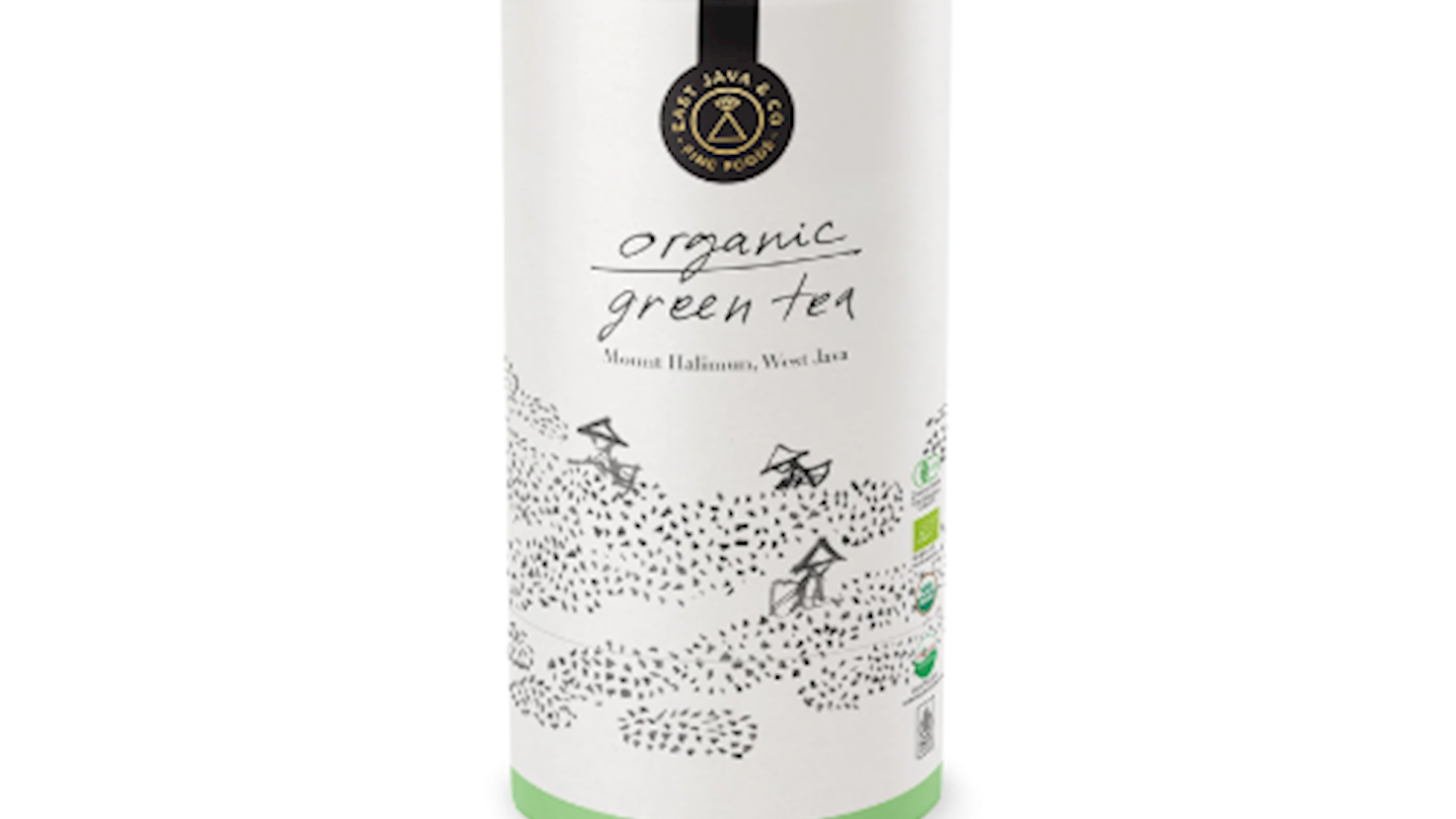
East Java is an Indonesian brand dedicated to producing natural, organically grown foods with a clear focus on origin, ingredient purity, and artisanal processing methods. Their range includes spices, honey, teas, grains, salts, jams, and other products sourced from specific regions across the archipelago, following a strict “single origin” philosophy.
The brand works closely with small producers who rely on sustainable agricultural practices and manual techniques, preserving authentic flavors while avoiding unnecessary industrial processing. East Java aims for every product to reflect its terroir - whether it’s aromatic spices from East Java, honey from tropical plantations, or fine sea salt from Indonesia’s coastal areas.
Their commitment to quality, transparency, and ethical collaboration with local farmers makes these products a representative example of modern Indonesian gastronomy that seamlessly blends tradition, sustainability, and traceable provenance.
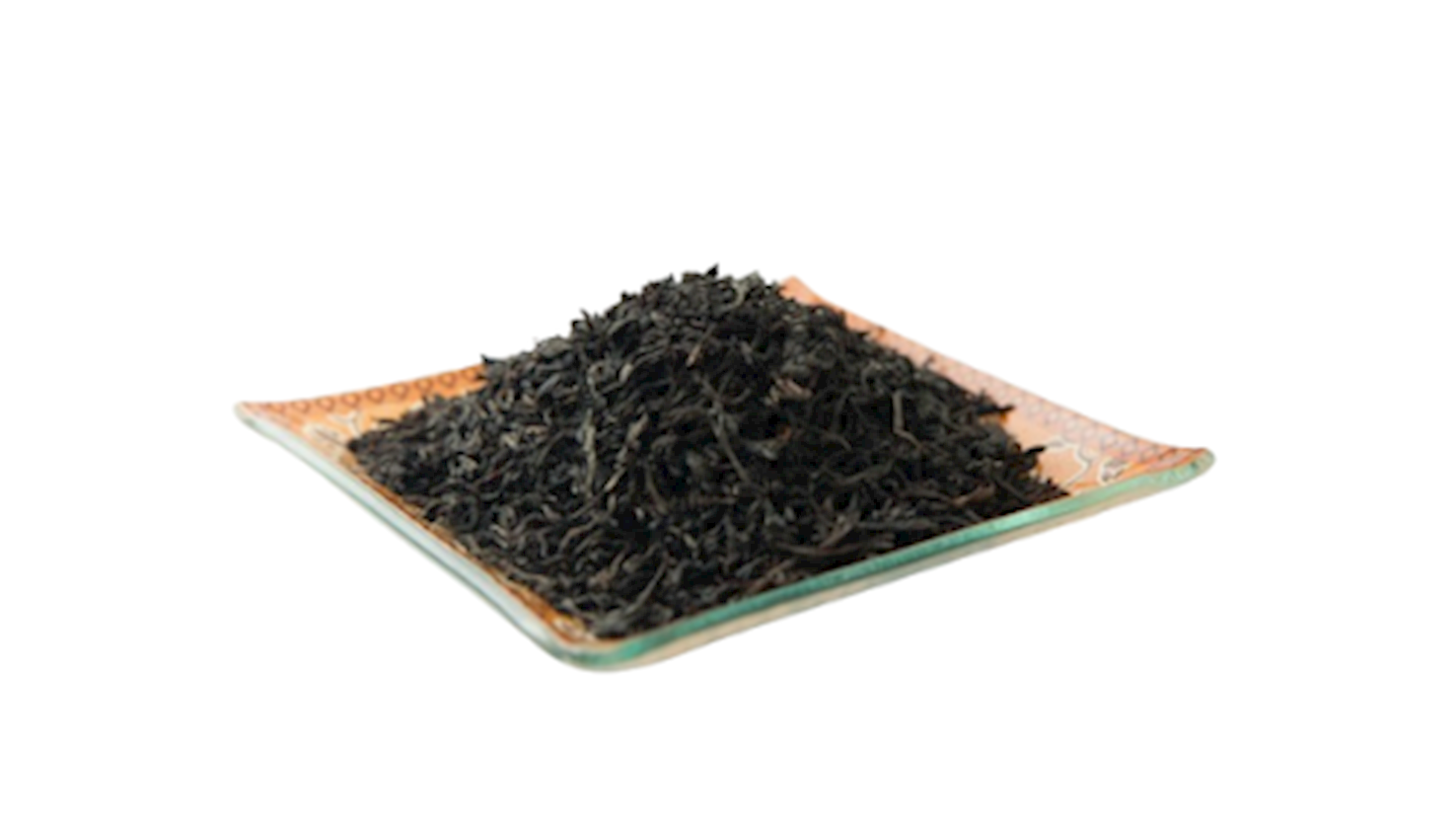
Bukit Sari is one of the oldest and largest organic tea plantations in Indonesia, located in West Java and spanning more than 1,400 hectares of certified ecological cultivation. Their assortment includes green, black, white and premium “imperial” teas, each reflecting the distinctive climate and volcanic soil of West Java.
The plantation relies on its own natural mountain spring and implements sustainable energy solutions, including a small hydroelectric system, which helps reduce its overall environmental footprint. Full control over the entire process - from hand-picking to final packaging - ensures that their teas retain authenticity, a clearly expressed terroir and the high quality expected from a specialized grower.
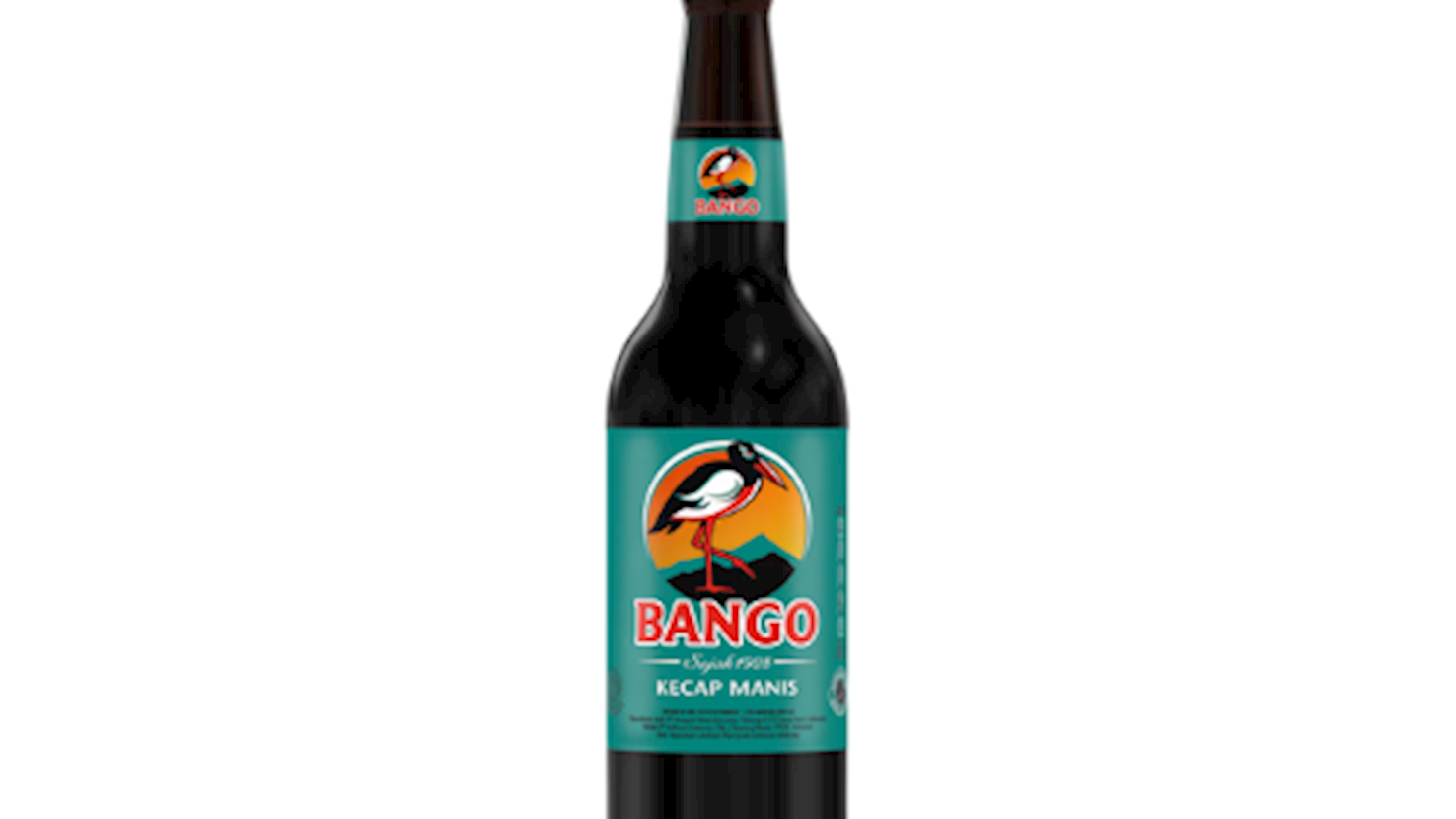
Bango is one of Indonesia’s most iconic brands of kecap manis, the thick, sweet soy sauce that has been a staple of the country’s cuisine since 1928. It is made from just a few natural ingredients - mallika black soybeans, water, salt, and palm sugar - without artificial colors, flavor enhancers, or additives, which contributes to its clean, balanced flavor.
The sauce is known for its syrupy texture, rich caramel notes, and pronounced umami profile, making it essential in marinades, stir-fries, grilled dishes, and a wide range of traditional Indonesian recipes. Now owned by Unilever Indonesia, Bango benefits from modern production standards and nationwide distribution while maintaining its original simplicity and character.
For many, it represents the true taste of Indonesian cooking and remains a foundational ingredient in countless dishes.
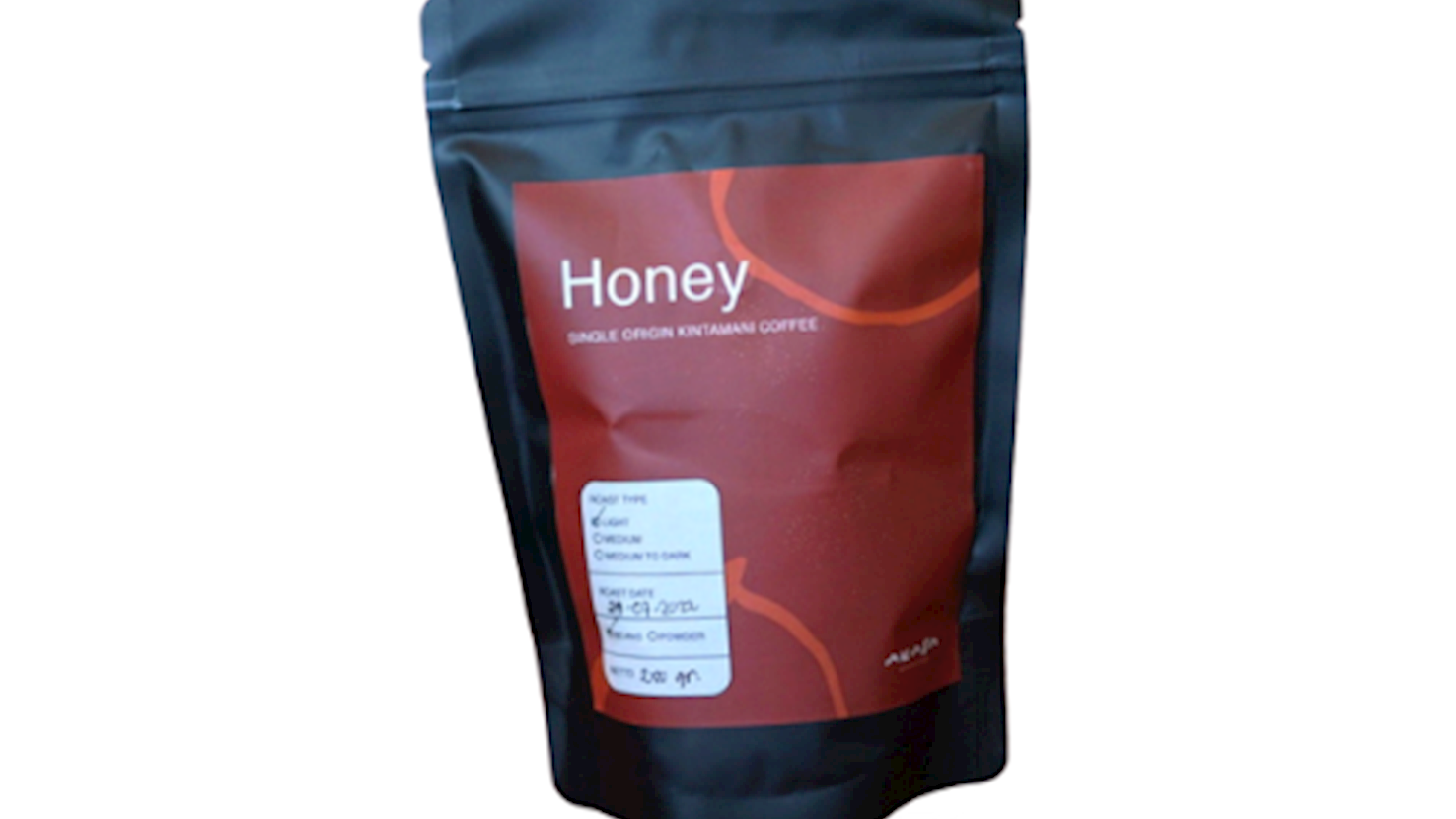
Akasa Coffee is a specialty coffee roastery and brand from Kintamani, a mountainous region in Bali, Indonesia, renowned for its high-quality Arabica beans. Their philosophy, “From Farm to Cup” reflects a deep commitment to every step of the coffee production process – from seed selection, planting, fermentation, drying, roasting, to serving.
The goal is to deliver the authentic taste of Kintamani coffee in every cup. Akasa Coffee focuses on preserving quality and flavor consistency by paying close attention to every detail of production.
Their coffee is processed according to international standards, making them a recognized brand both locally and internationally.
Big Tree Farms is an Indonesian brand built on principles of sustainability, ethical trade, and organic cultivation, best known for its coconut nectar–based products such as coconut sugar, syrup, and natural sweeteners. The company works with tens of thousands of small farmers across the archipelago, ensuring a transparent supply chain and fair purchasing practices that directly support local communities.
Its assortment includes organic sweeteners, coco aminos, marinades, and other products inspired by traditional Indonesian cuisine. Big Tree Farms is recognized as one of the leading producers of coconut-based ingredients globally, with a mission to blend authentic local techniques with modern market demands while promoting regenerative agriculture and a responsible approach toward nature and community.
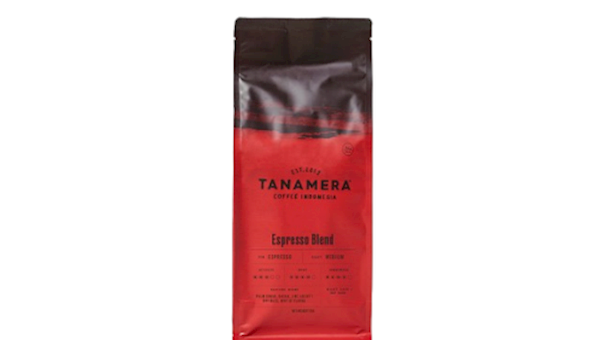
Expat. Roasters is a Bali-based specialty coffee roastery that works exclusively with high-quality Arabica varieties, placing strong emphasis on the richness and diversity of Indonesia’s coffee-growing regions.
The brand collaborates directly with more than fifty smallholder farmers, maintaining short supply chains within roughly a 40-kilometer radius of its roastery and ensuring full traceability from farm to cup. Their portfolio includes single-origin coffees and carefully crafted blends dominated by beans from Bali, Java, Aceh, and other Indonesian terroirs, each roasted with precision to preserve its natural aromatic profile.
Alongside whole-bean offerings, Expat. Roasters produces drip bags, Nespresso-compatible capsules, and basic barista tools, complemented by a training program that covers extraction techniques, latte art, and sensory evaluation.
Sustainability plays a central role in their identity - they promote recycling of coffee by-products, minimize plastic use, and encourage reusable packaging. Expat.
Roasters positions itself as a meeting point between local craftsmanship and global specialty standards, contributing significantly to the development of Indonesia’s contemporary coffee culture.
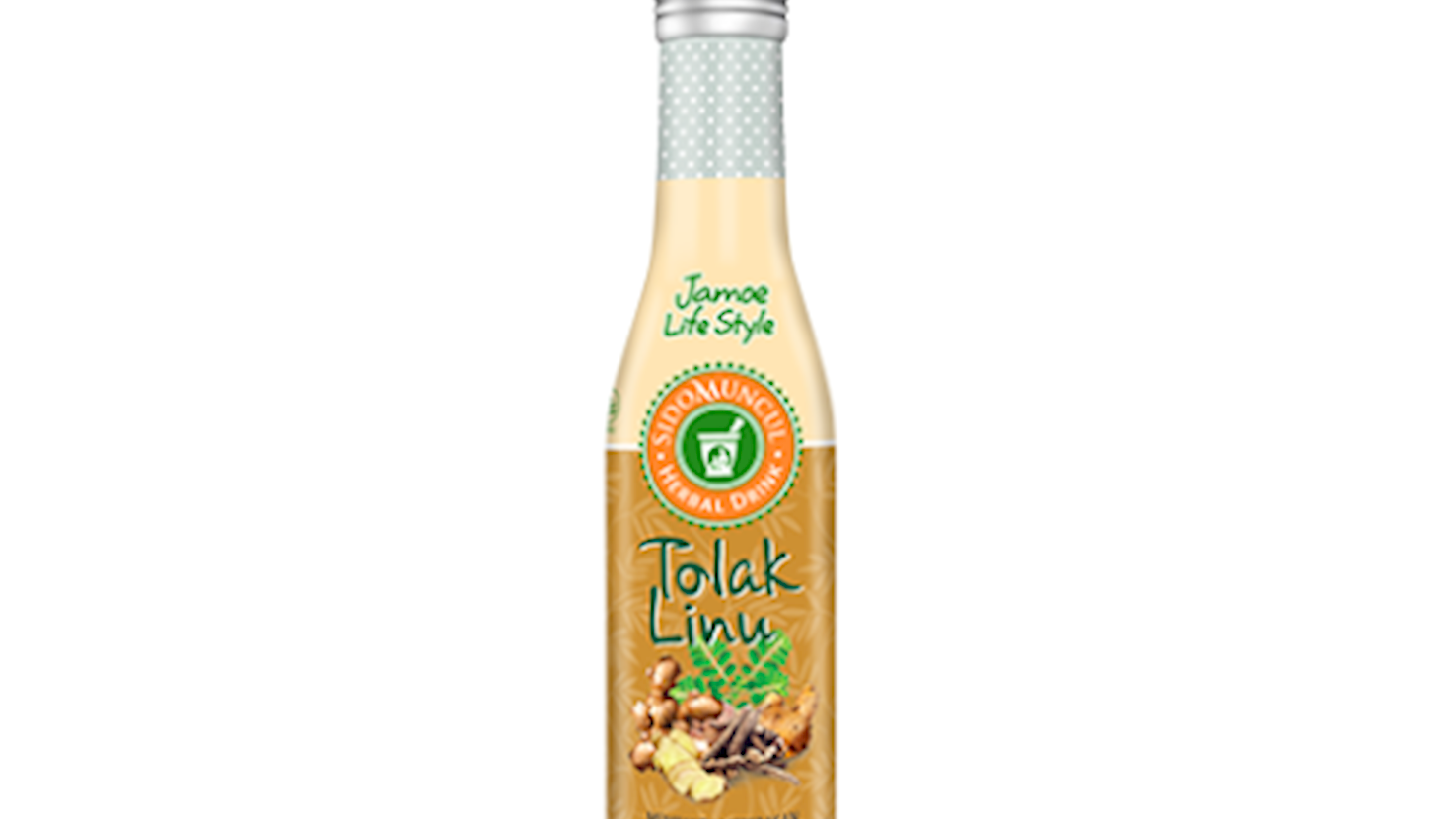
Sido Muncul is a leading Indonesian producer of traditional herbal remedies, supplements, and functional beverages, founded in 1951 in Semarang and developed into one of the most recognized brands in the jamu industry. The company combines Indonesia’s botanical heritage with modern pharmaceutical standards, using strictly controlled raw materials to ensure consistent quality and safety.
Sido Muncul operates a modern manufacturing facility employing several thousand people, maintains extensive nationwide distribution, and exports its products globally, positioning itself as a brand that successfully merges tradition, science, and contemporary consumer needs.
TasteAtlas food rankings are based on the ratings of the TasteAtlas audience, with a series of mechanisms that recognize real users and that ignore bot,
nationalist or local patriotic ratings, and give additional value to the ratings of users that the system recognizes as knowledgeable.
For the “Top 100 Indonesian Foods” list until October 21, 2026, 9,766 ratings were recorded, of which 6,690 were recognized by the system as legitimate.
TasteAtlas Rankings should not be seen as the final global conclusion about food. Their purpose is to promote excellent local foods,
instill pride in traditional dishes, and arouse curiosity about dishes you haven’t tried.
The initial list of top producers was compiled based on available reviews, awards, local recommendations, media and blog coverage, and consumer reviews.
The list will be updated with ratings from TasteAtlas local ambassadors and TasteAtlas users.












What People Say