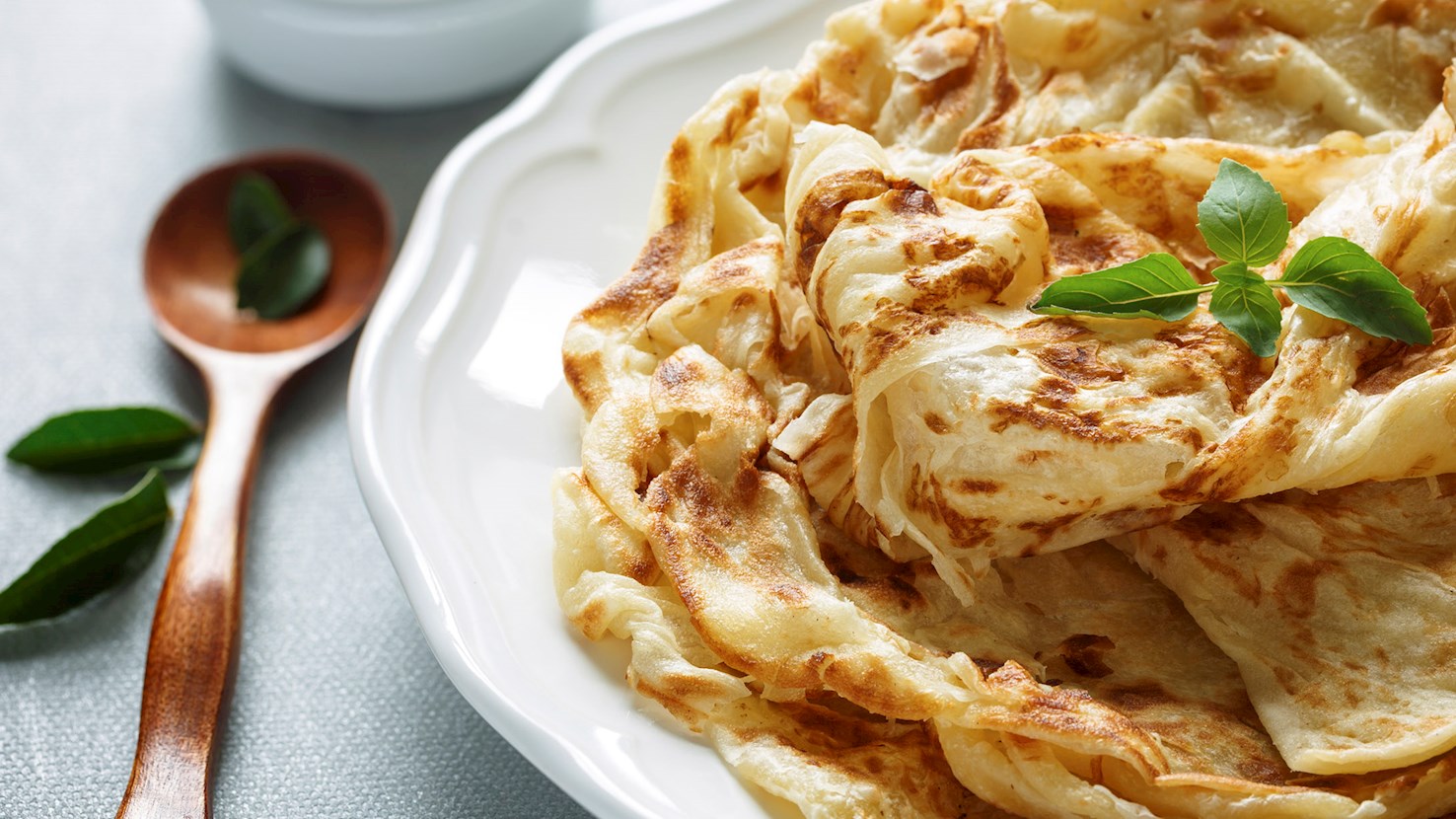
Roti canai is a traditional pan-fried flatbread made with flour, water, eggs, and fat of Indian origin, but mainly associated with Malaysia, and surrounding countries like Indonesia, Brunei, and Thailand. The dough for roti canai is repeatedly folded, so the final product has a layered texture, a soft interior, and a crispy outer layer. The most common fat used in roti canai is ghee, the traditional Indian clarified butter. It is believed that the dish originated in India when the Indian laborers who migrated to Malaysia brought the recipe and the tradition of preparing this crispy pastry to the foreign country. Usually, it is served plain in its traditional round form, as an accompaniment to curries. It can be served on the side or torn into pieces and mixed with the curry. However, roti canai is often served as the star dish, accompanied by different savory and sweet fillings and ingredients. If additional fillings are added, roti canai is usually shaped into rectangles. For example, in Malaysia, one can find various roti canai types, which are differentiated by the type of filling — egg, onion, egg and onion, banana, sardines, margarine and sugar, Maggi instant noodles, cheese, vegetable, and pork filling are some of the many available. However, roti canai doesn't have to have a filling but only a topping, such as fried eggs, curry, beans, lentils, and coffee beans. But martabak, a thick roti filled with meats, eggs, onions, and spices, is probably the best-known type of roti canai. Apart from Malaysia, it can also be found in Saudi Arabia, Yemen, and a few other countries. Other than Malaysia, a very similar type of flatbread can be found in Singapore, where it's called roti prata. This crispy bread is usually sold by street vendors called mamaks.
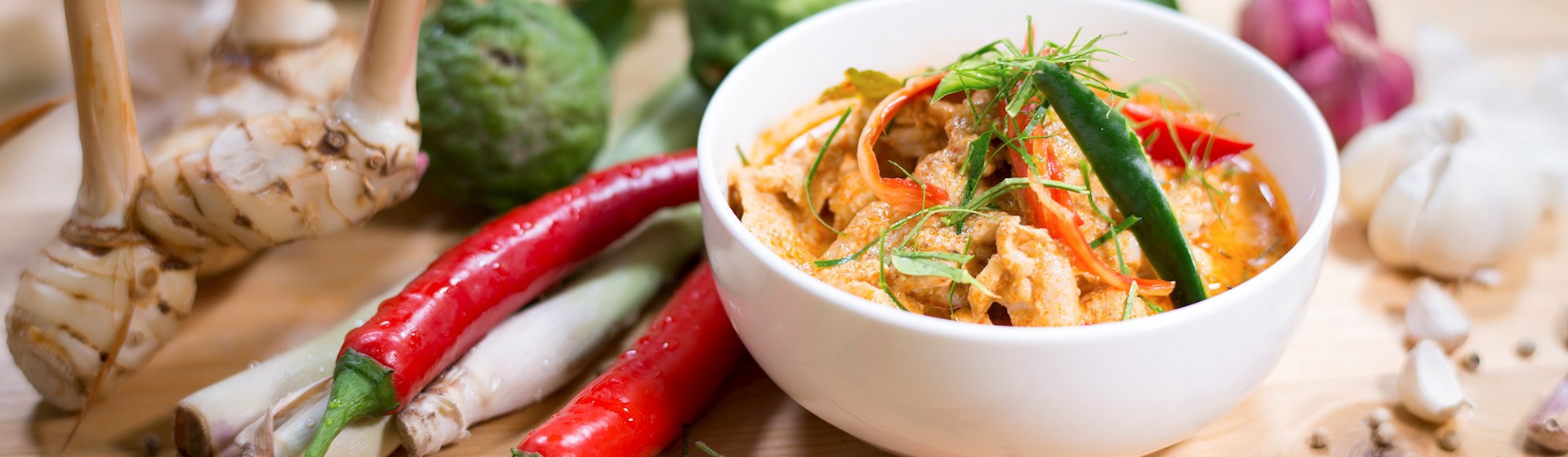
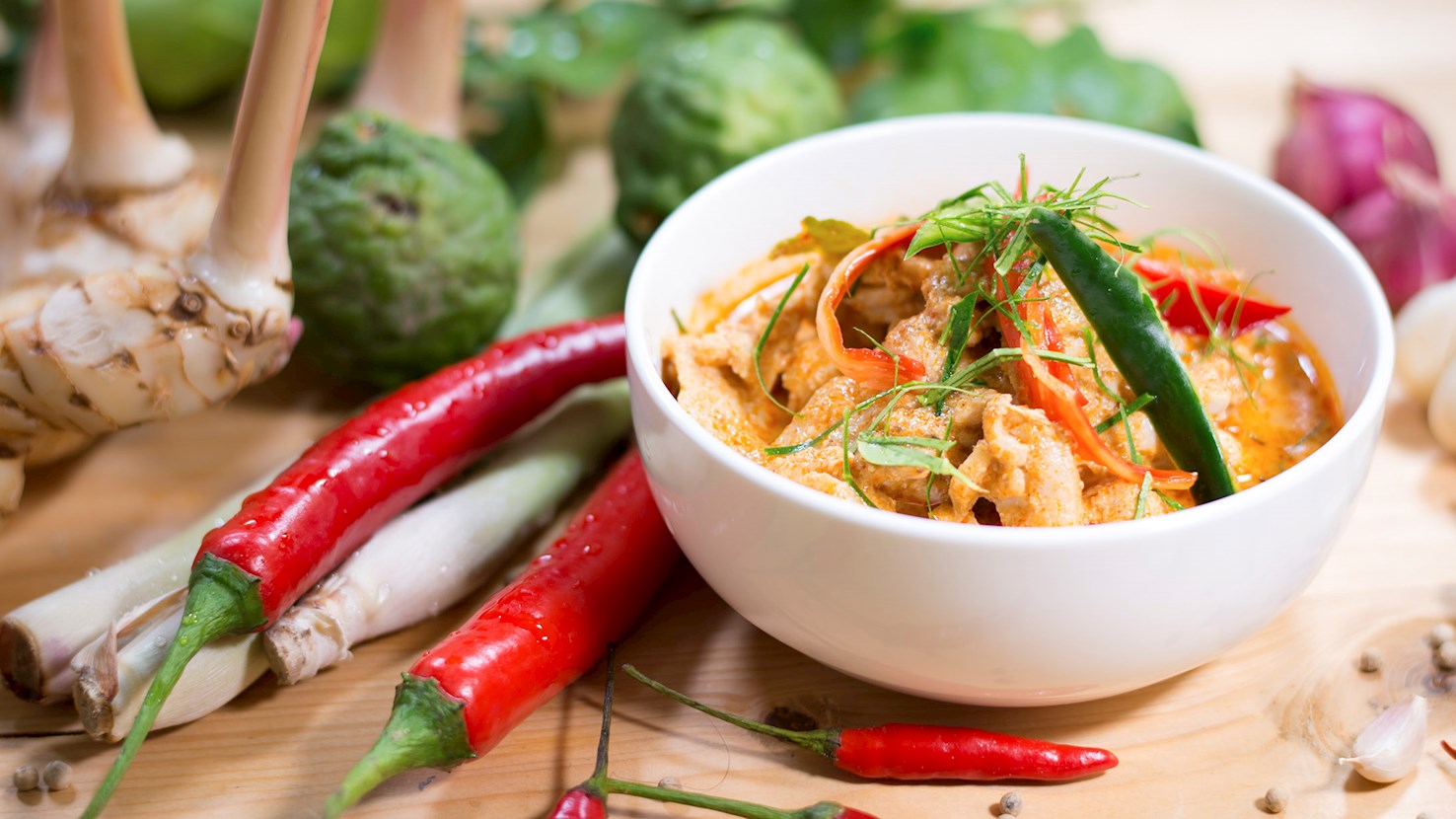
Phanaeng curry is a variety of Thai curry that is characterized by a thick texture and salty-sweet peanut flavor. It consists of meat that is stewed with coconut milk, panang curry paste, makrut lime leaves, fish sauce, and palm sugar. The meat used in phanaeng curry is usually beef, chicken, duck, or pork, and the dish traditionally does not include any vegetables. The name of the dish is derived from the word panang, meaning cross, which refers to the ancient way of preparing chicken with its legs crossed and set in an upright position. Though the origins of phanaeng curry are somewhat murky, it is often associated with the Malaysian state of Penang, but there is little evidence to support this claim. However, the earliest known recipe is found in Maawm Sohm Jeen’s book Tam Raa Gap Khao, dating back to 1890. Once finished, the curry is garnished with thinly sliced makrut lime leaves and Thai spur chili slices, and a bit of coconut milk can be poured over the curry.
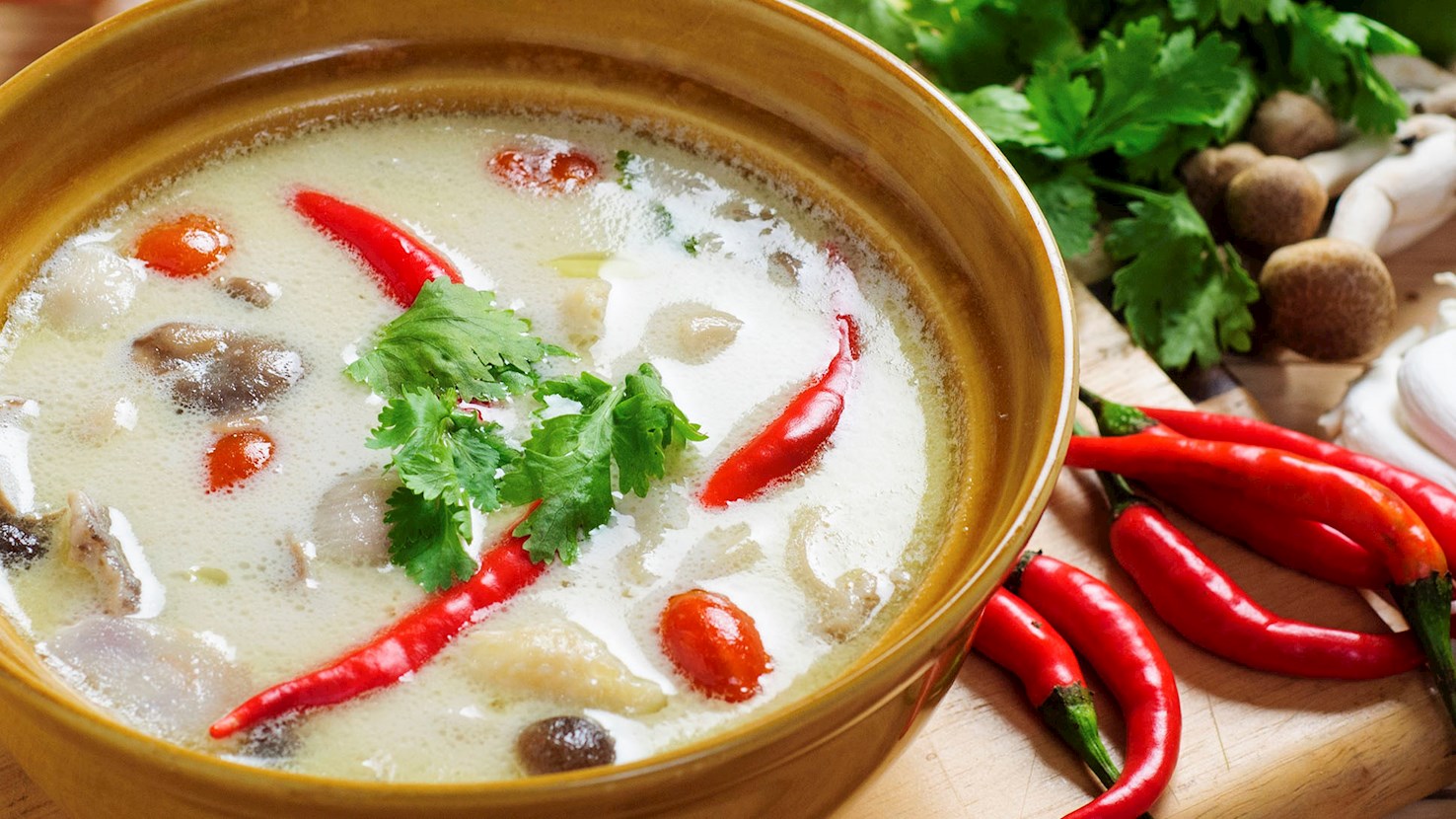
Tom kha gai is Thailand's delicious national dish coming from the central part of the country and bearing the influence of neighbouring Laos. It is a soup whose name translates to boiled galangal chicken soup, consisting of coconut milk, chicken chunks or shreds, galangal (reddish-brown or pink woody plant related to ginger), lemongrass, garlic, bird's eye chili peppers, kaffir lime leaves, fish sauce, and shiitake mushrooms. Galangal's peppery, pungent, slightly sour and floral flavors provide an interesting contrast to the creaminess of coconut milk, creating a wonderfully aromatic dish in the process. Tom kha gai is highly nutritious with great medicinal properties, such as the ability to soothe the gastro-intestinal tract. Since the dish is very popular, there are also other versions of the soup - vegetarian, tofu, seafood, and pork tom kha are just some of its varieties. It is traditionally served with rice on the side, garnished with coriander leaves and diced tomatoes.
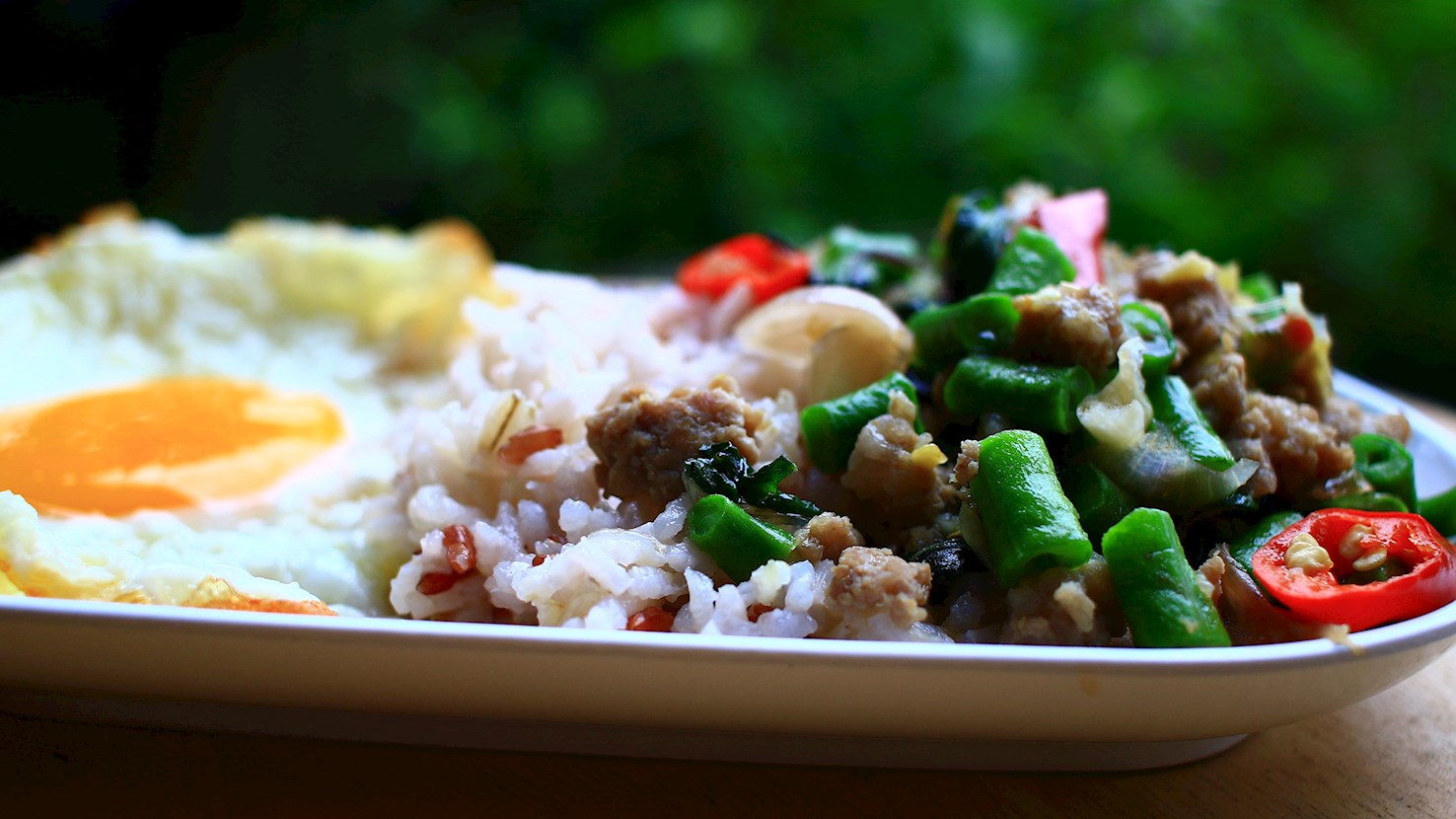
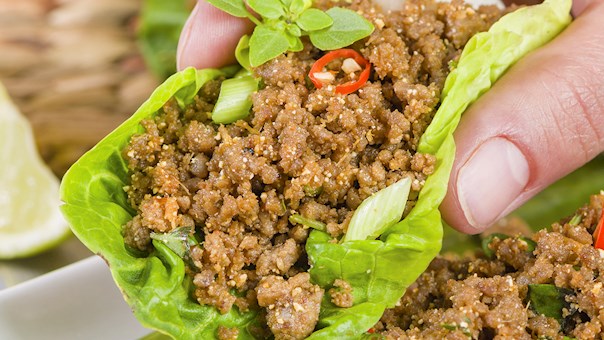
This traditional Thai stir-fry combines minced meat or seafood with holy basil and various other ingredients such as shallots, garlic, and chili peppers. The dish is flavored with soy sauce, sugar, and fish sauce, and typically comes served with rice, fried eggs, and fish sauce on the side. Interestingly, phat kaphrao is ranked as the fourth most common dish ordered by foreigners in Thailand.
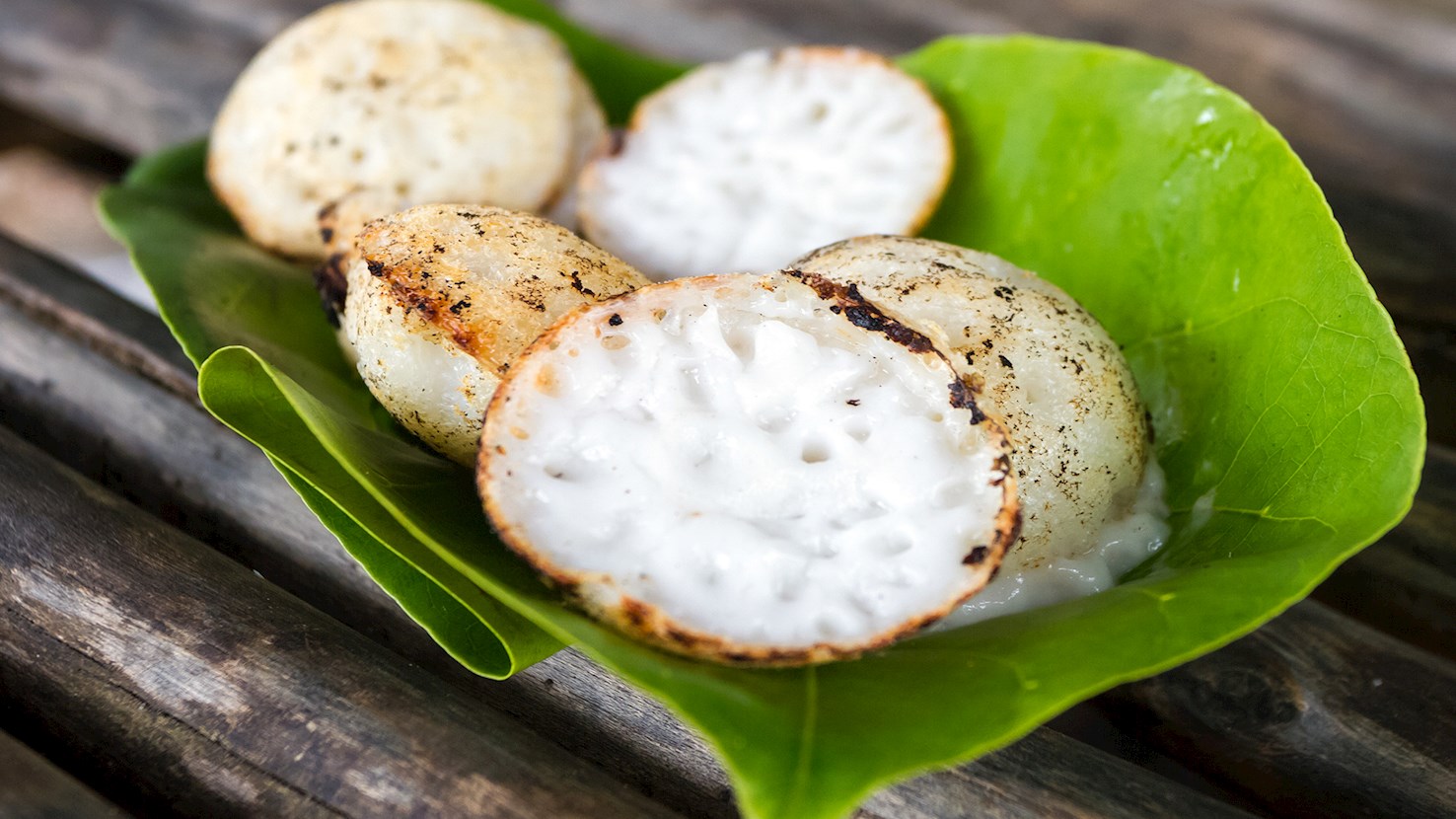
This small-sized Thai dessert, which is often referred to as a pancake, pudding, or a cake, is created with a batter that combines rice flour and coconut milk. The dessert is baked in large iron pans that have small, round indentations, and it is typically prepared in two stages—with a batter that is used as a crispy bottom layer, and a creamy, lightly sweetened coconut milk filling. Typical additions to the custard-like filling include sliced scallions, taro, corn, or pumpkin. Khanom khrok is a staple street food in Thailand, typically enjoyed as a quick and filling snack that balances sweet and savory flavors extremely well.
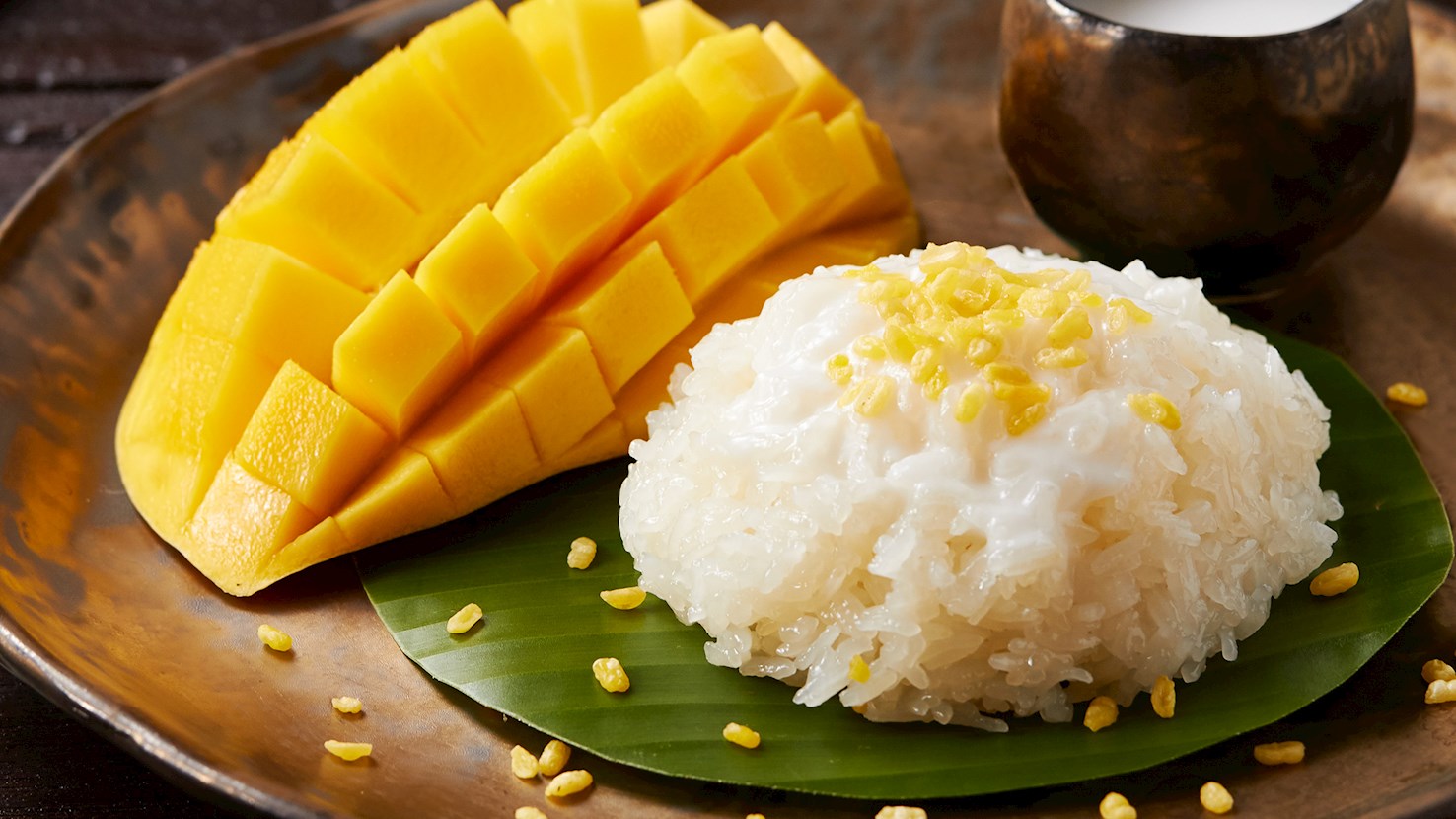
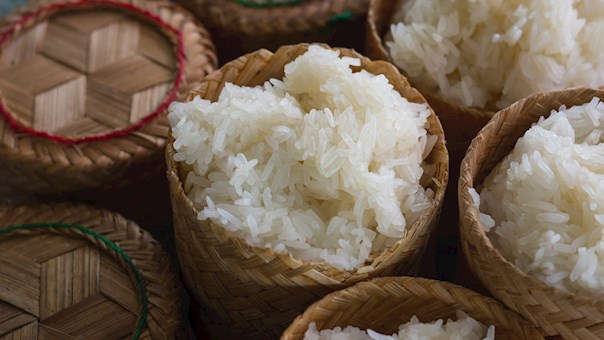
This traditional Thai rice pudding is a favorite way to finish any Thai meal. The dish is prepared with glutinous rice that is first steamed, then doused in sweetened coconut milk. Lastly, the rice is served sided with slices of fresh mango. This simple dessert is incredibly popular, and it can be found at virtually any eatery in Thailand.
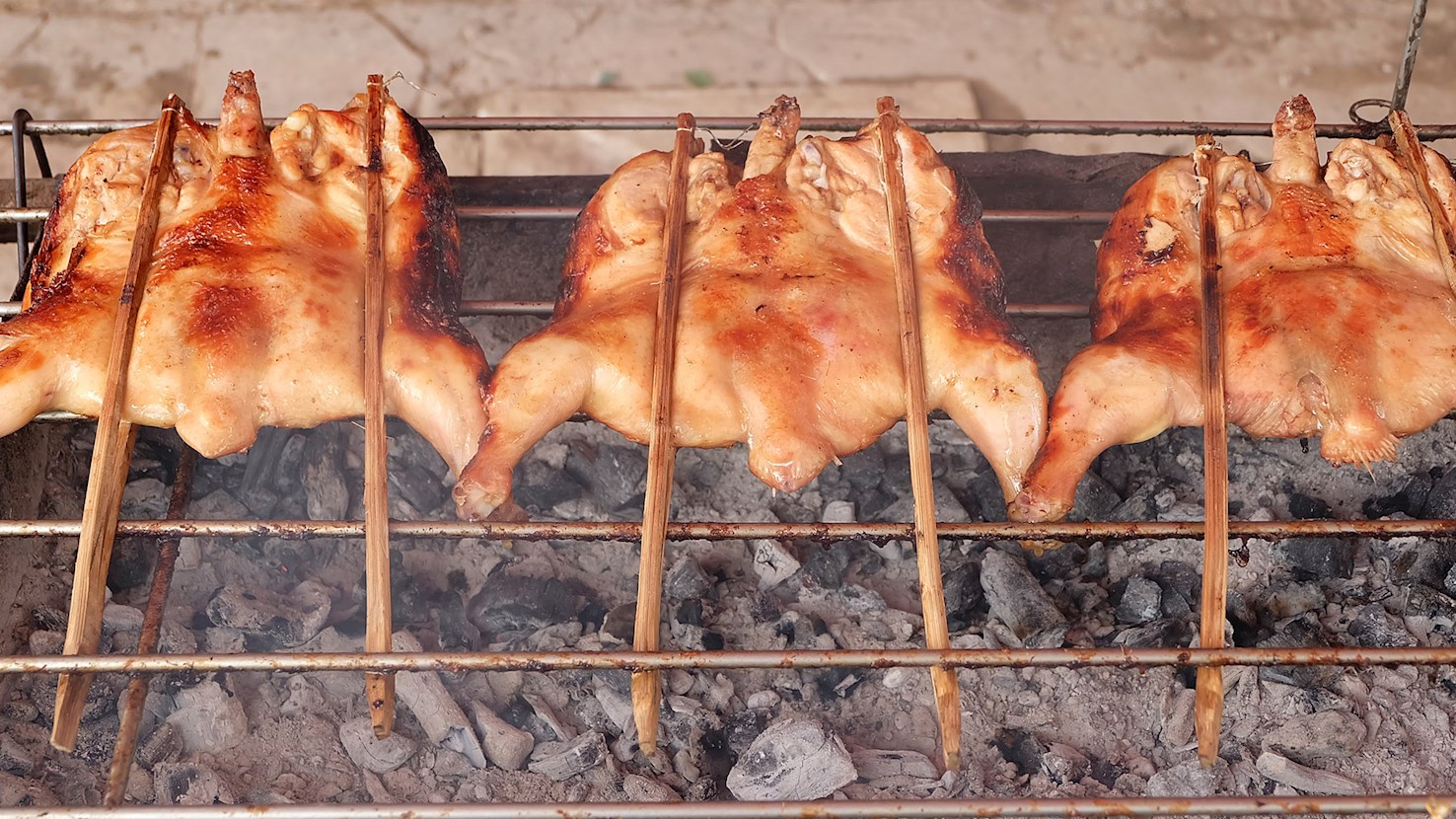
Kai yang is a charcoal-grilled chicken dish strongly associated with Isan, northeastern Thailand, and with the closely connected food culture of Laos, where the corresponding dish is known as ping kai. The chicken is usually marinated with garlic, coriander root, pepper, fish sauce or another salty seasoning, and often lemongrass and turmeric, then flattened and grilled slowly over charcoal until the skin is browned and the meat remains juicy. In Thai, kai means chicken and yang means grilled or roasted, so the name literally means “grilled chicken.” In Lao, the order is reversed in ping kai, with ping referring to grilling. The broader preparation is rooted in Lao food culture and the closely related cuisine of Isan. The two regions share language, ingredients, glutinous-rice eating habits, fermented seasonings, grilled foods, and numerous dishes that developed across a cultural area predating the modern border between Laos and Thailand. Lao grilled chicken, or ping kai, is an established part of everyday food in Laos, while kai yang became one of the defining grilled foods of Isan. As with som tam, assigning the preparation to a sharply separated modern national cuisine obscures this connection. The Lao form is generally regarded as the earlier basis, while the Thai name kai yang became widely used as the dish spread from Isan into the rest of Thailand. There is no documented individual creator or precise date for the dish. Grilling poultry over charcoal is much older than the modern restaurant and street-food versions, and the preparation developed in communities where chickens could be raised domestically, seasoned with locally available aromatics, and cooked over an open fire. Its close association with glutinous rice is particularly significant: sticky rice is the staple grain of Laos and Isan, and grilled meats are naturally suited to meals in which small portions of rice are formed by hand and eaten with meat, salads, dipping sauces, and vegetables. During the twentieth century, kai yang became increasingly visible outside northeastern Thailand as migration from Isan brought regional foods to Bangkok and other urban centers. The same movement that helped establish som tam, larb, and sticky rice as widely recognized Thai foods also expanded the market for Isan grilled chicken. Roadside vendors and small restaurants proved especially well suited to the dish because chickens could be marinated in advance and cooked continuously over charcoal, then chopped to order. Today it is sold across Thailand even though its strongest culinary identity remains northeastern. The chicken is commonly prepared whole, split along the breast or backbone and flattened so that the legs, thighs, and breast cook more evenly. Some vendors halve the bird instead. The flattened chicken may be secured between split bamboo sticks or reinforced with bamboo skewers, which keep it open during cooking and make it easier to turn over the grill. Leaner, relatively small chickens have historically been valued because their firmer meat responds well to slow charcoal cooking. There is no single compulsory marinade, but garlic, coriander root, and pepper form one of its most characteristic aromatic bases. Lemongrass, turmeric, fish sauce, soy or seasoning sauce, ginger, palm sugar, and sometimes coconut milk may also be used depending on the regional or vendor style. The aromatics are commonly pounded before being rubbed into the chicken, allowing them to adhere closely to the skin and meat. Thailand Foundation recipes, for example, combine garlic, coriander root, black pepper, lemongrass, ginger, seasoning sauce, and turmeric, while other established formulas use fish sauce and palm sugar. These differences are better understood as regional and household variation than as evidence of one standardized formula. After marinating, the chicken is grilled over charcoal at moderate or relatively low heat rather than placed directly over an intense flame. The slower cooking is important because the bird is usually grilled in large sections or whole and must cook through to the bone without burning the skin. Vendors may position the chicken well above the coals and regulate the fire to prevent flare-ups. The goal is a browned, slightly crisp exterior with some charcoal aroma, not a heavily blackened surface. The broad, flattened shape also allows more skin to face the heat directly and helps produce relatively even browning. Once cooked, kai yang is generally chopped through the bone into manageable pieces and served hot or warm. The skin should remain browned and aromatic, while the meat should be moist rather than dry. Unlike fried chicken, there is no coating or batter, and unlike heavily glazed barbecue, the surface is not defined by a thick sauce. Most of the seasoning enters the chicken before cooking, while dipping sauces are served separately. Regional versions have acquired reputations of their own. In Thailand, places such as Wichian Buri in Phetchabun and Khao Suan Kwang in Khon Kaen are particularly associated with distinctive grilled-chicken styles. Laos has its own famous regional example, Ping Kai Seno from Seno in Savannakhet province. The Seno version developed as a roadside specialty in the early 1990s, became strongly associated with travelers using Route 13, and later received national ODOP recognition. It should therefore be treated as a specific regional version of Lao grilled chicken rather than as the starting point of the broader dish. The most characteristic Thai serving combines kai yang with som tam and khao niao, or glutinous rice. The three are so closely associated in Isan eating that they are often ordered together as a complete meal. The cool, crisp, acidic and chili-heavy papaya salad offsets the fatty skin and savory marinade of the chicken, while sticky rice provides the main starch and can be shaped into small pieces and eaten by hand. Thailand’s tourism and culinary sources repeatedly present grilled chicken and som tam together, reflecting how established the combination has become. A dipping sauce commonly accompanies the chicken. In Isan this may be nam chim jaew, a salty, sour and spicy sauce commonly built around fish sauce, lime or tamarind, dried chili, shallot, and toasted rice powder. Other vendors serve a sweeter chili-garlic dipping sauce. In Laos, grilled chicken can be accompanied by jeow, the broad family of Lao dipping sauces. Fresh cucumber, raw vegetables, herbs, larb, and other grilled meats can be added when kai yang forms part of a larger shared meal. Kai yang is eaten throughout the day and is particularly well suited to informal meals, street stalls, markets, roadside restaurants, picnics, and shared family tables. Whole birds may be purchased to take away and eaten with baskets of sticky rice and som tam, while restaurants usually chop the chicken into portions before serving. The combination remains strongly associated with Isan even though it has become part of mainstream Thai restaurant and street-food culture. Cold lager is one of the most natural beverage pairings, particularly when the chicken is eaten with spicy som tam and nam chim jaew. In Laos, Beerlao commonly fills the same role with ping kai, while water and unsweetened tea work well with the salty, aromatic meat.
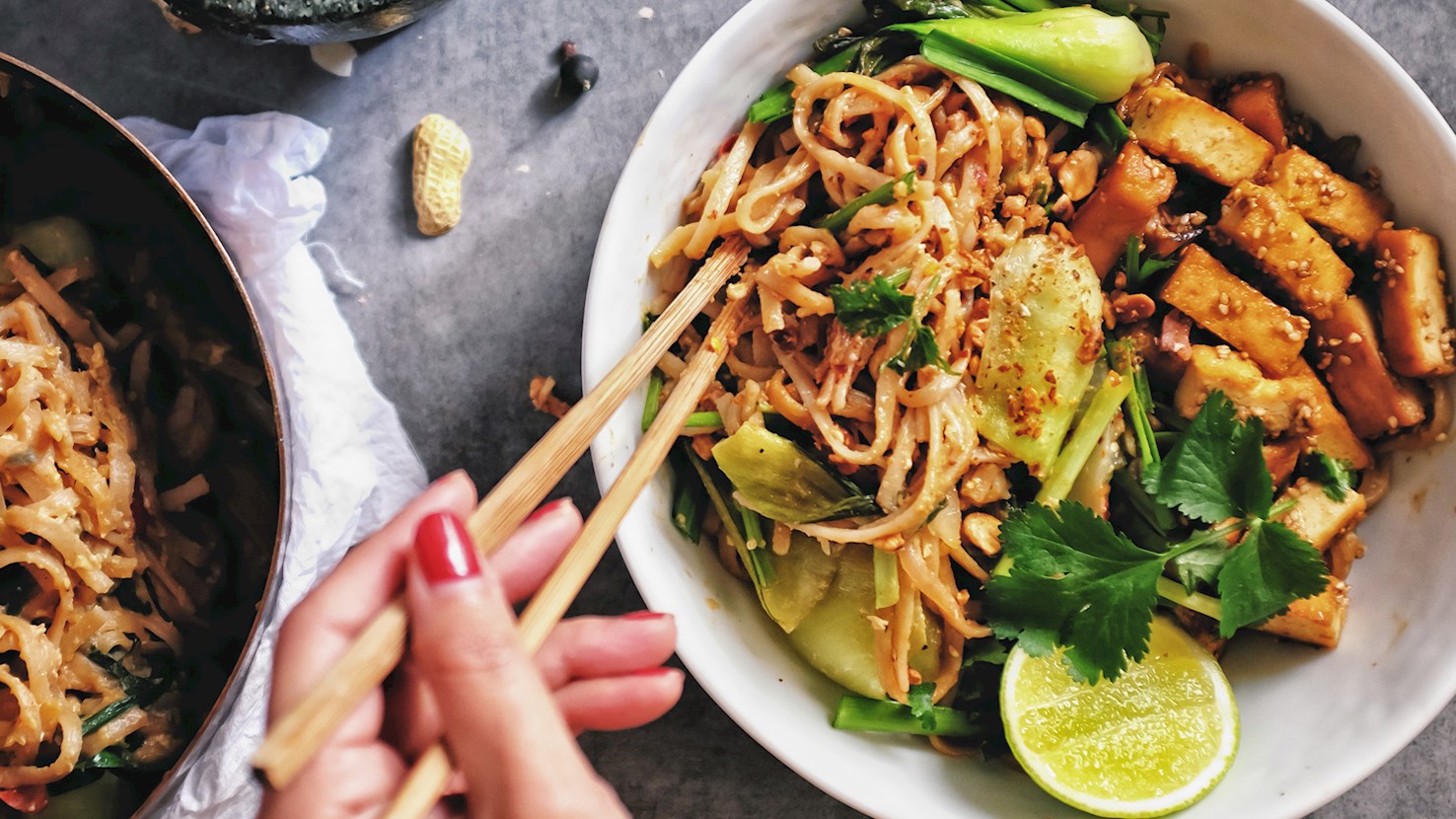
Pad Thai is Thailand's national dish, a flavorful stir-fry (pad in Thai) dish consisting of rice noodles, tofu, dried shrimp, bean sprouts, and eggs. If it's made with meat, chicken and pork are some of the most popular choices. The flavors are an intricate combination of sweet, sour, and salty, with a well-balanced contrast of textures. Pad Thai is probably one of the most popular Thai dishes abroad. Its origins can be traced to a period of nationalism in the country, after the 1932 revolution that ended the absolute monarchy. There was a public contest to find a new national noodle dish, and the winner was a Pad Thai consisting of noodles, radish, sprouts, peanuts, and eggs. Tender rice noodles are additionally flavored with sugar, tamarind, lime juice, vinegar, and fish sauce, and the dish is traditionally served with ground red chilis, white vinegar, sugar, fresh lime wedges, and fish sauce on the side, so each consumer can garnish the meal to their preference.
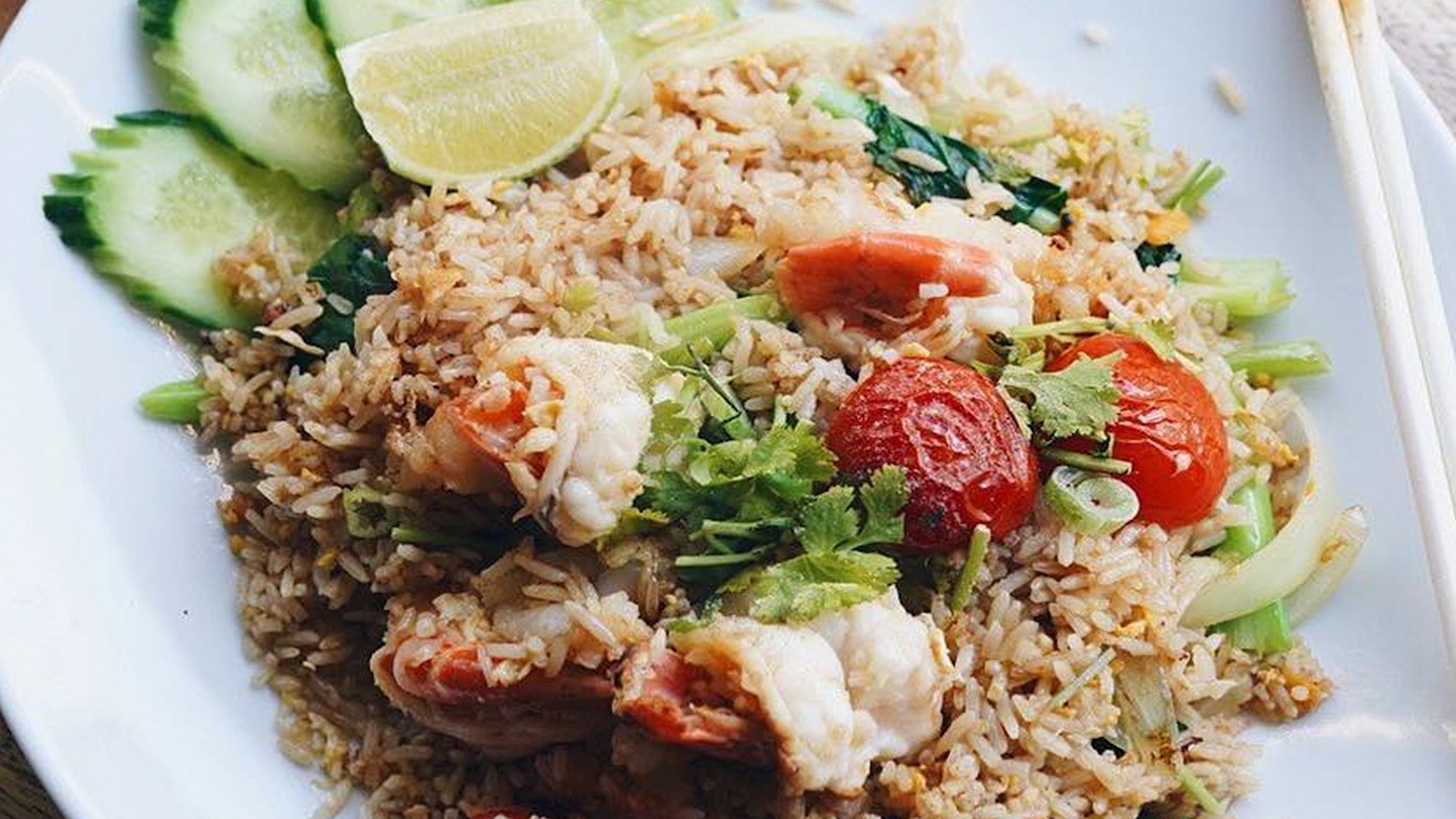
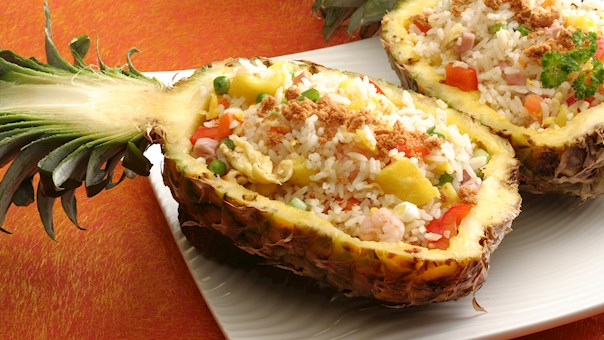
Khao phat is a simple Thai dish of stir-fried rice with vegetables that is traditionally prepared with jasmine rice, unlike the Chinese version which calls for plain white rice. Cooked jasmine rice is typically stir-fried with ingredients such as onions, garlic, and green onions, and it is then enhanced with fish sauce, thin soy sauce, a light dusting of white pepper, and a drizzle of fresh lime juice. Another essential component of the dish is the addition of scrambled eggs, which are fried alongside rice and vegetables before they are entirely blended into the mixture. In Thailand, the traditional way of eating this dish is with a crispy-fried egg on top, and khao phat is usually accompanied by a lime wedge and a spicy dipping sauce called nam pla prik (fish sauce mixed with Thai chilis) on the side. Thai fried rice is a typical street food item and a staple dish at stir-fry restaurants in the country, and it sometimes contains meat or seafood such as chicken or shrimps.
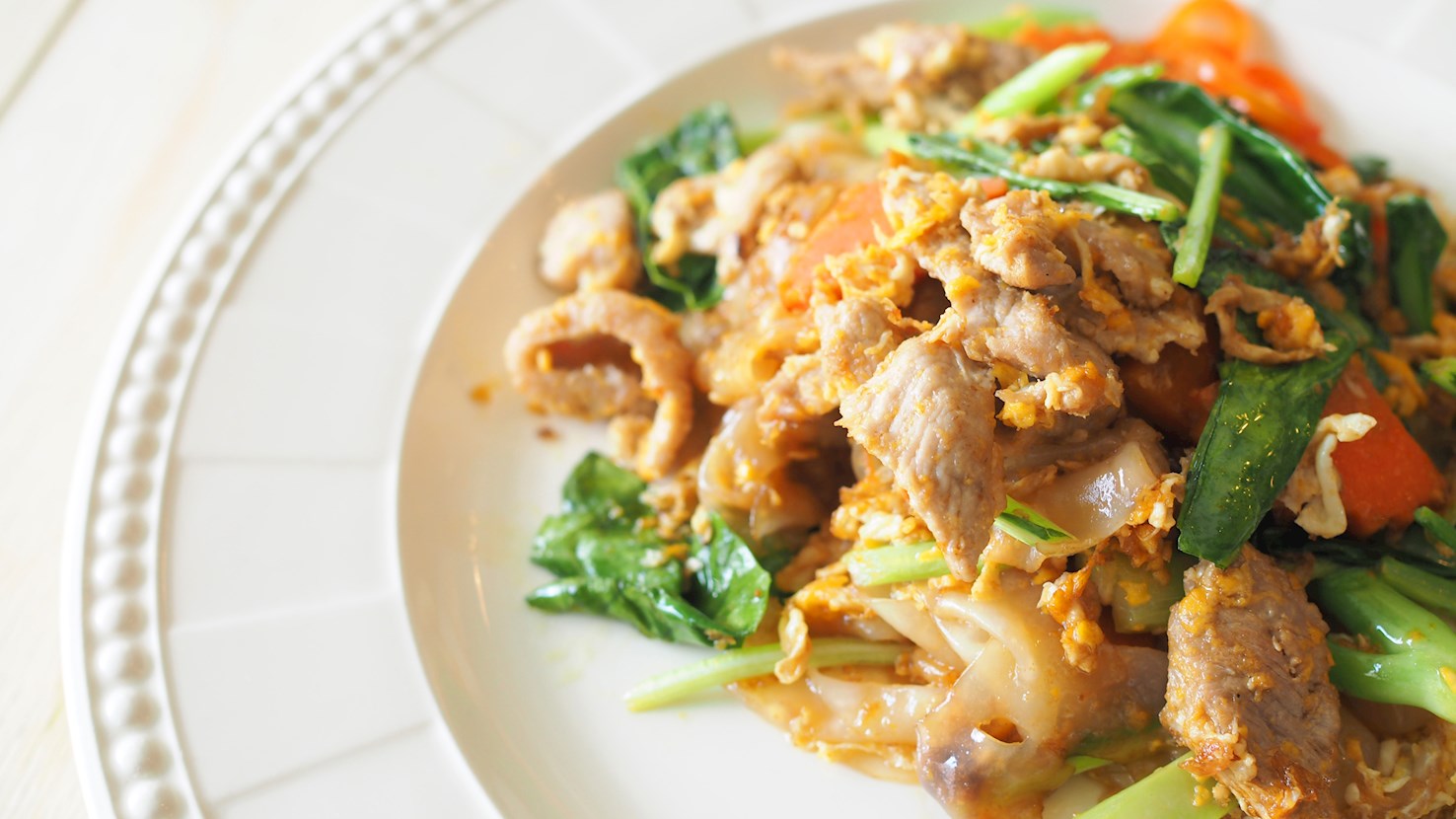
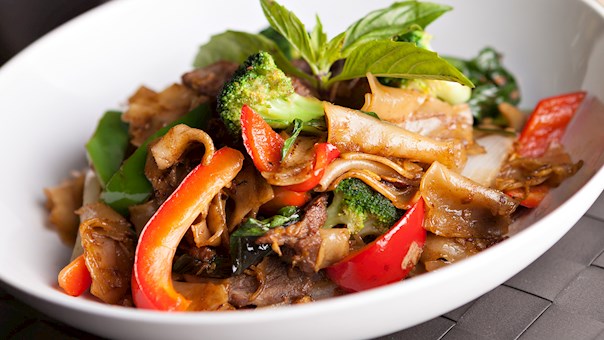
Phat si-io is a Chinese-style noodle dish originating from Thailand. The dish is often prepared and served from street stalls and consists of big noodles or vermicelli which are stir-fried with thinly sliced pork, beef, chicken, or seafood. The dish is popular because of its fragrant aroma coming from fried soy sauce (both light and dark varieties), garlic, eggs, and Chinese broccoli, which are also included in the pan. The dish is also spelled as pad see ew, with pad meaning fried, and see ew meaning soy sauce, so the name literally means fried soy sauce. Once done, it's recommended to serve phat si-io with chili sauce.
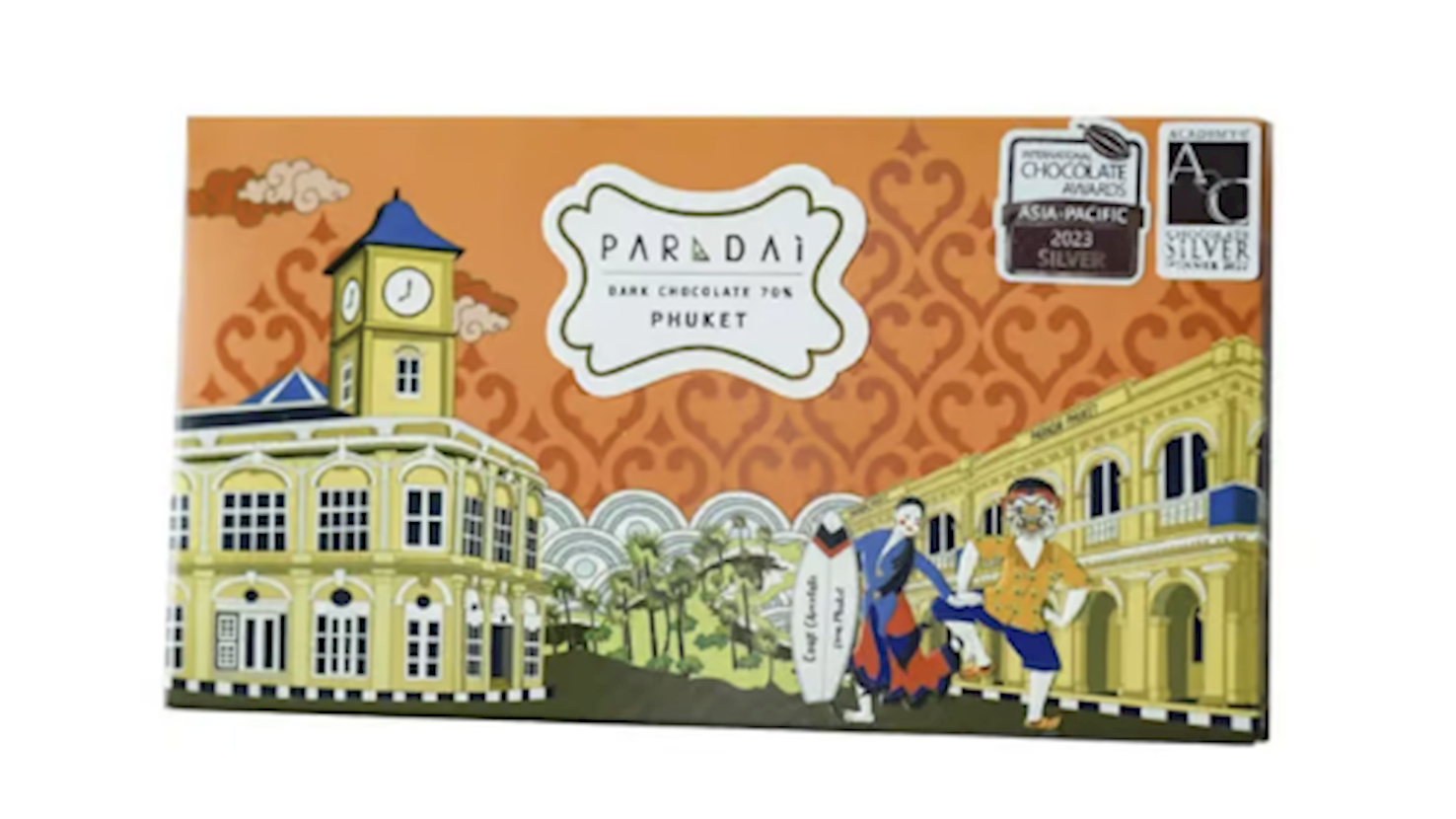
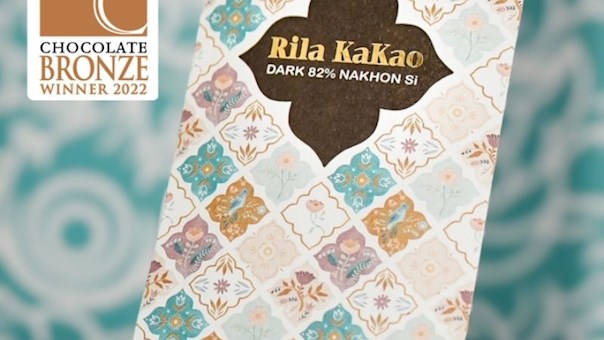
Paradai is a Thai bean-to-bar craft chocolate maker based in Bangkok, founded in 2016 with the aim of showcasing the unique character of locally grown Thai cacao. The company works directly with cacao farmers across several regions of Thailand, including Nakhon Si Thammarat, Phuket, and Chanthaburi, emphasizing traceability and the distinct terroir of each origin.
By controlling the entire process from sourcing and roasting to grinding and conching, Paradai produces chocolate that highlights the natural flavor profile of the beans rather than masking it with additives. Thai cacao is known for its bright, fruit-forward aromatics, often revealing notes of tropical fruit, citrus, and gentle acidity, which are preserved through careful fermentation and roasting.
Each bar is crafted in small batches to maintain consistency and clarity of flavor.
Awards
International Chocolate Awards - ‘Best in competition' overall winners
(2022)
International Chocolate Awards - Gold
(2025, 2024, 2023, 2022, 2019)
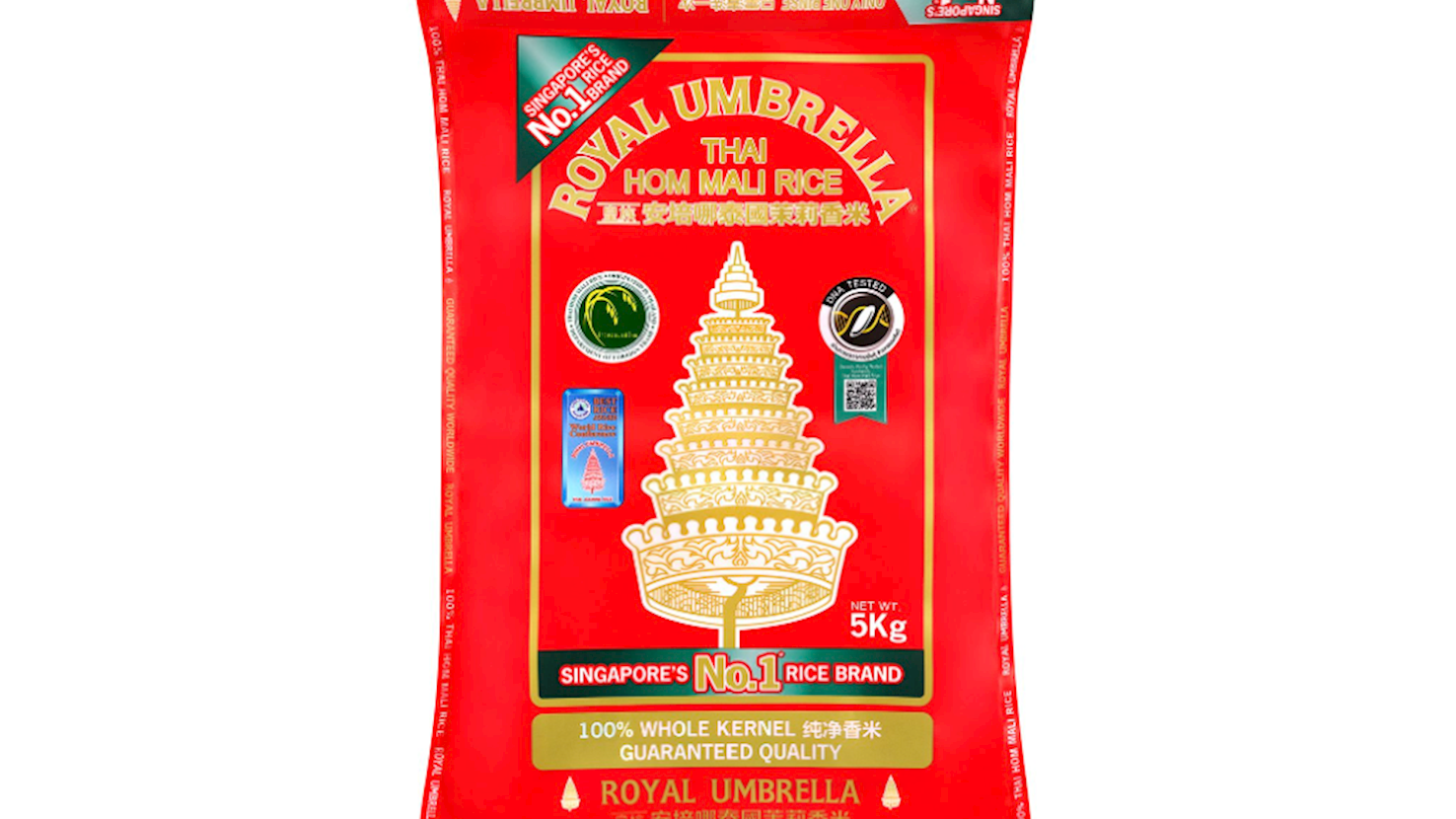
Royal Umbrella is a prestigious Thai rice brand known for its superior quality, authentic flavor, and consistent production. The brand is owned by C.P.
Intertrade, a subsidiary of the powerful Charoen Pokphand Group, which is the largest agro-industrial conglomerate in Asia. Its most renowned product is Thai Hom Mali Jasmine Rice, a premium Thai jasmine rice grown in the northeastern regions of Thailand, known for their fertile soil, pure water, and favorable tropical climate—conditions that contribute to the rice’s distinctive jasmine aroma, delicate flavor, and light, fluffy texture after cooking.
Royal Umbrella combines traditional expertise with modern technology in its operations.
The production process involves state-of-the-art milling and processing equipment, and every batch undergoes rigorous quality control - from harvesting to packaging.
Royal Umbrella rice is used in households, restaurants, and hotels around the world and is highly valued for its versatility in cooking - perfect for traditional Thai dishes as well as international recipes such as risottos, sushi, and other rice-based specialties. Recognizable by its red packaging and iconic golden umbrella emblem, this brand holds a leading position in the global export of Thai rice.
Matchima Chocolate is a Thai chocolate producer known for using locally sourced ingredients. The company focuses on the production of high-quality, artisanal chocolate products.
They emphasize sustainable practices in their production processes to support local farmers and the environment.
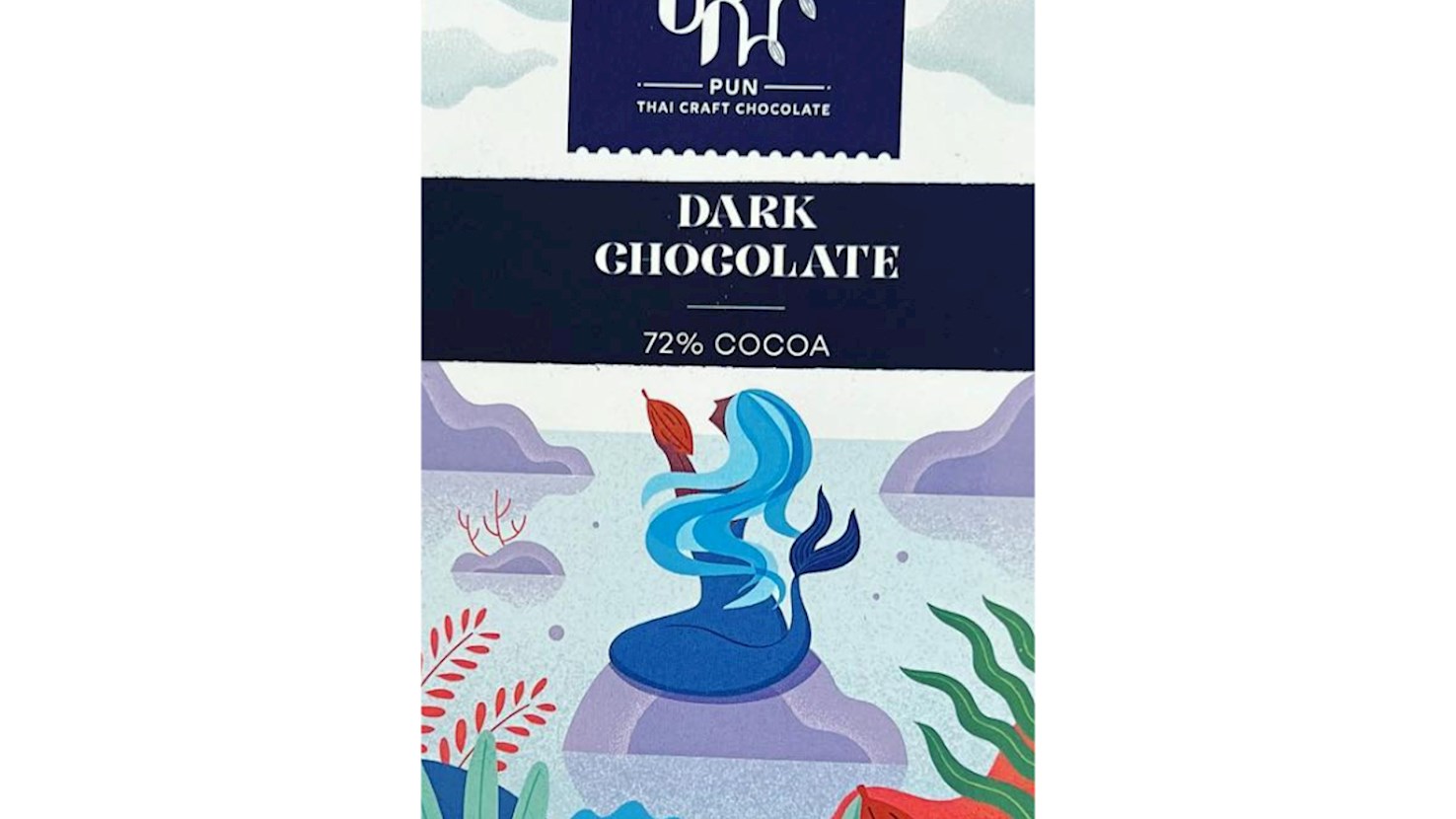
Pun Chocolate is a craft chocolate maker known for its dedication to high-quality, bean-to-bar production. Using carefully sourced cacao beans, Pun Chocolate focuses on preserving the unique flavors of each origin while combining creativity and tradition.
Their chocolates showcase rich textures and complex taste profiles, offering an authentic and refined chocolate experience.
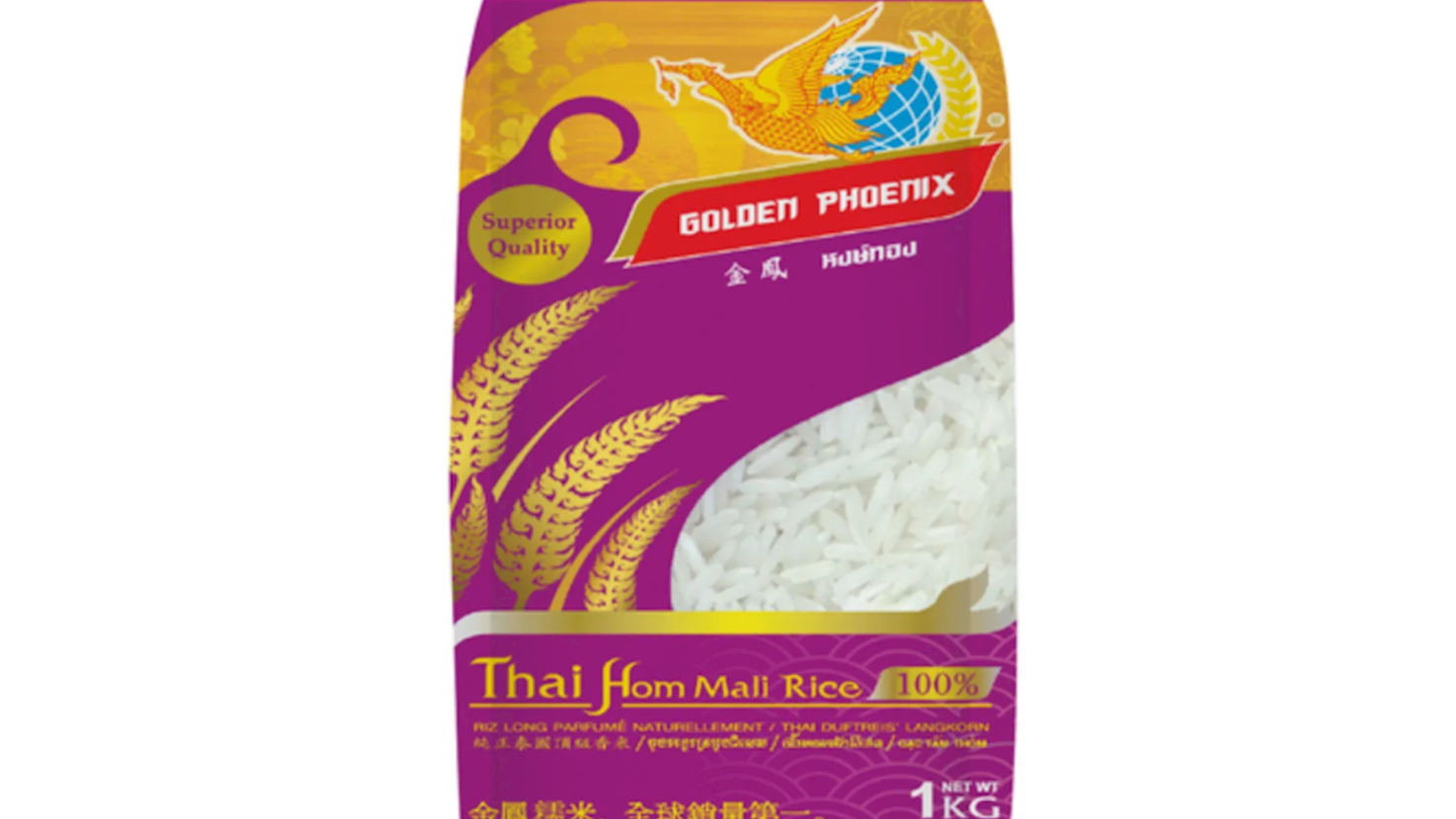
Golden Phoenix is one of the most recognized Thai rice brands, known for producing authentic and high-quality Thai Hom Mali jasmine rice - a variety celebrated worldwide for its distinctive aromatic fragrance, delicate texture, and slightly sticky grain once cooked. Founded in 1937, Golden Phoenix is part of the Chia Meng Group, one of the oldest and most respected rice companies in Thailand, headquartered in the northeastern region of the country, at the heart of the most fertile areas for jasmine rice cultivation.
Golden Phoenix stands out for its combination of tradition and modern technology.
The company utilizes fully automated systems for cleaning, selecting, and packaging the rice, ensuring consistent quality and impeccable hygiene. Every grain undergoes strict quality control, and the brand places special emphasis on preserving the rice's natural characteristics - including the pandan-like aroma, a natural marker of authentic Thai jasmine rice.
The brand’s products are highly valued by both professional chefs and households seeking genuine Thai quality in every meal.
Golden Phoenix has become a symbol of reliability, excellence, and the true experience of traditional Thai cuisine.
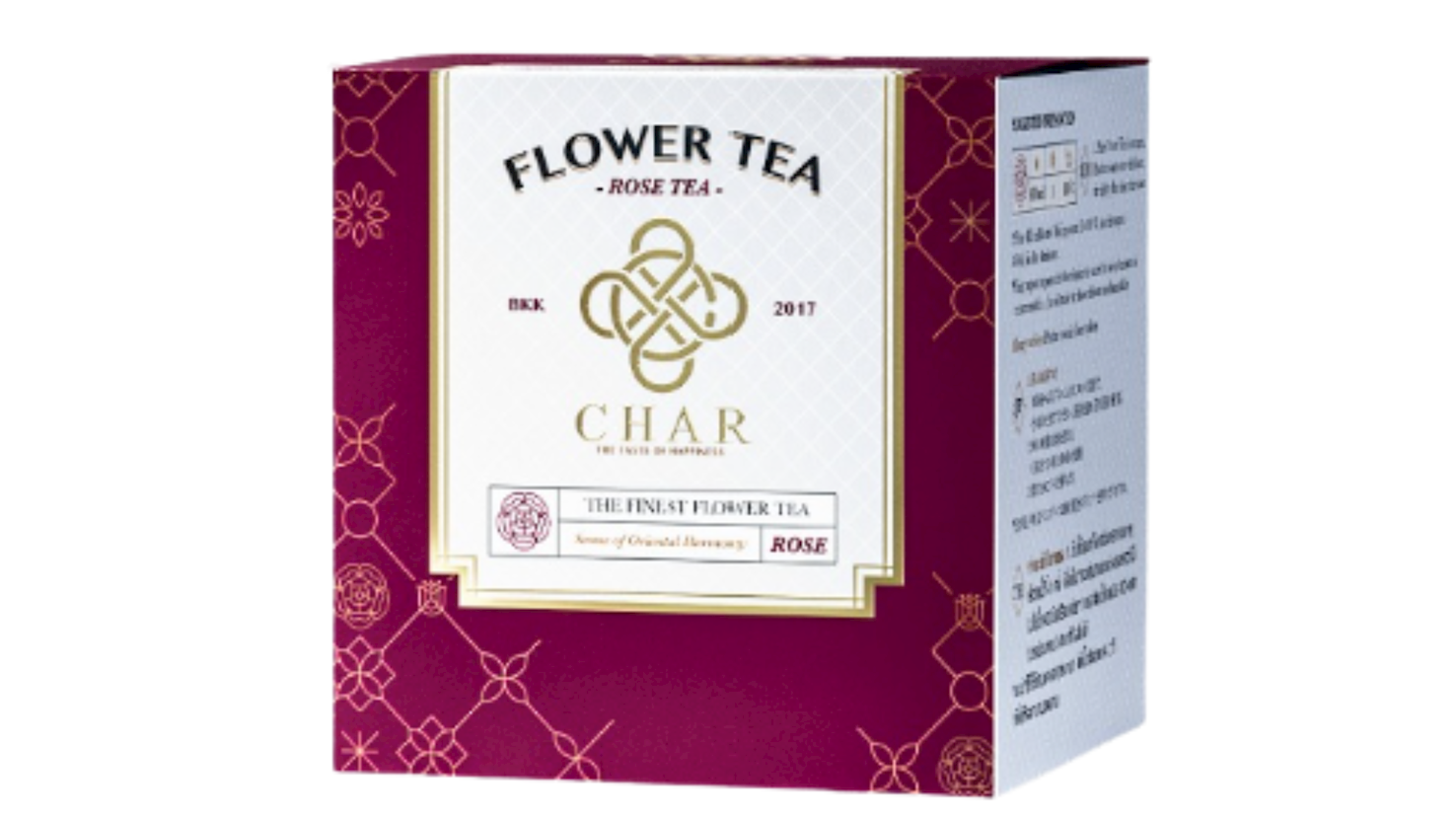
Char Flower Tea is a Thai producer of premium floral and functional teas headquartered in Bangkok, specializing in teas made from carefully selected flowers and botanicals sourced from different regions of the world. The brand was established to combine the traditional culture of floral tea drinking with contemporary design and high quality standards. Its product range includes rose, lotus, water lily, chamomile, white chrysanthemum, and imperial chrysanthemum teas, as well as blooming teas and carefully crafted blends of tea, flowers, and fruit. Production is based on the use of whole dried flowers without artificial colors or flavors, preserving the natural appearance, aroma, and taste of each botanical ingredient. Particular attention is given to the selection of raw materials and processing methods that help maintain the flowers' natural characteristics. In addition to single-flower teas, the company offers premium gift sets and products intended for the hospitality sector, including luxury hotels. Char Flower Tea products are available through specialty retailers, department stores, and the company's official online store, and they are also featured in hotels and wellness establishments as part of their premium beverage selection.
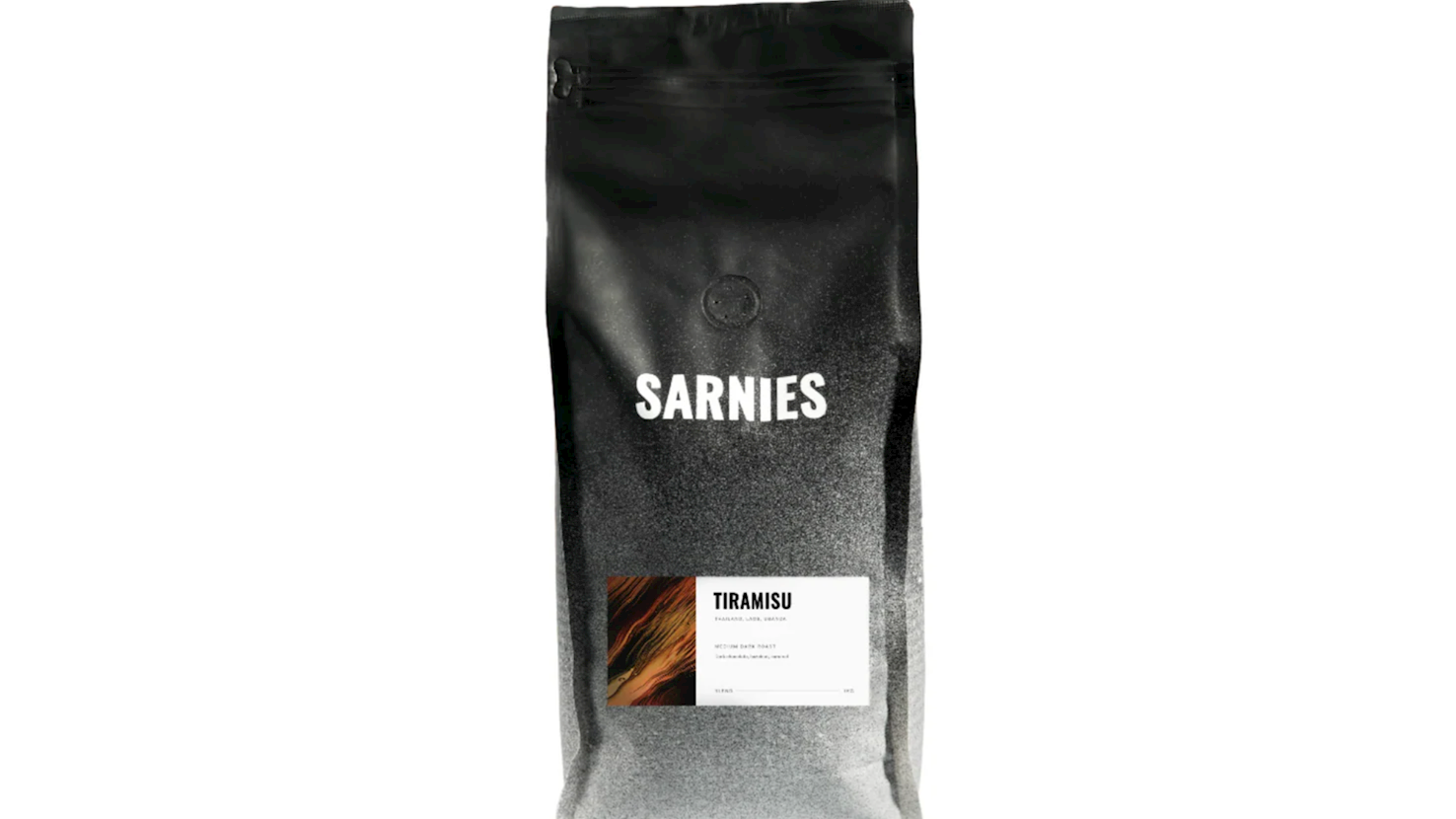
Sarnies Bangkok is a chain of specialty cafés and restaurants established as part of the Sarnies brand, which was founded in Singapore in 2017. The first Bangkok location opened in 2018 in the historic Bang Rak district, occupying a carefully restored former boat repair workshop that is more than 150 years old. The brand's concept combines specialty coffee, artisanal baking, and contemporary brunch cuisine, with a strong emphasis on high-quality ingredients and sustainability. Sarnies serves coffee roasted in its own roastery and collaborates with producers from various coffee-growing regions around the world, while its food menu blends international culinary influences with locally sourced Thai ingredients. The offering includes specialty coffee beverages, naturally leavened sourdough bread, pastries, sandwiches, breakfast and brunch dishes, as well as seasonal specialties. Following the success of its original café, the brand expanded with several locations across Bangkok, each maintaining its own distinctive character while adapting its menu to the surrounding neighborhood.
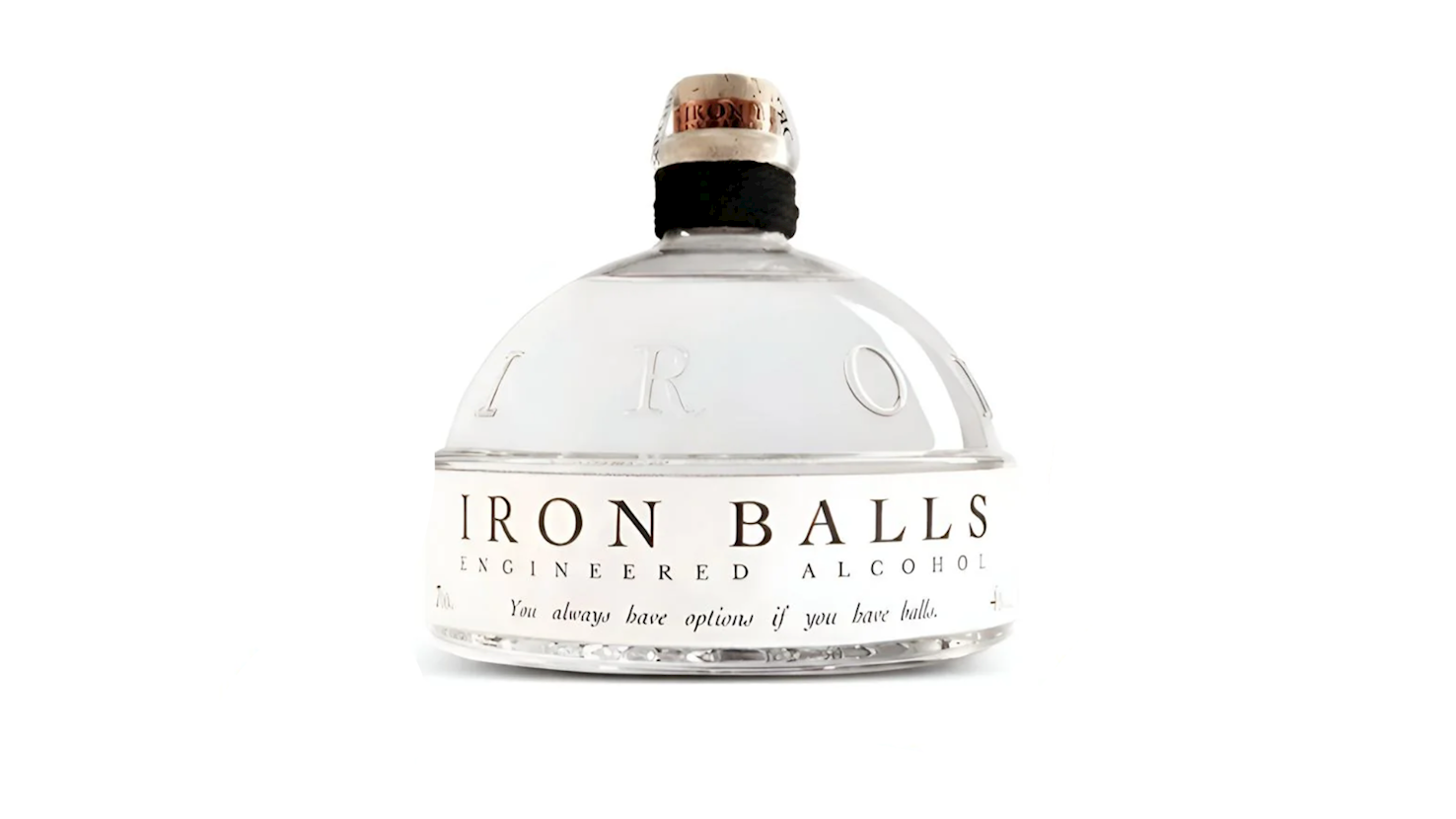
Iron Balls is a Bangkok-based craft distillery founded by Australian designer and entrepreneur Ashley Sutton, who set out to create a spirit that reflects the tropical character of Thailand through local ingredients and artisanal production methods. Launched after more than three years of research and development, Iron Balls quickly became one of the most recognizable names in Thailand’s emerging craft spirits scene.
The distillery is best known for its unconventional gin, which is produced from a base spirit distilled from fresh coconuts and pineapples rather than neutral grain alcohol. This distinctive approach gives the spirit a naturally fruity and rounded profile that sets it apart from traditional London Dry gins.
A carefully selected blend of botanicals, including juniper, lemongrass, ginger, coriander, citrus peels, and other spices, contributes additional complexity and aromatic depth. Production takes place in small batches at the company’s micro-distillery in the heart of Bangkok, where fermentation and distillation are carried out in-house to maintain full control over quality.
The resulting spirit displays vibrant tropical fruit notes balanced by citrus freshness and gentle spice. Iron Balls has earned international recognition for its innovative style and commitment to craftsmanship, helping establish Thailand as a noteworthy producer of premium craft spirits.
Today, the brand remains closely associated with creativity, exploration, and Southeast Asian distilling traditions.
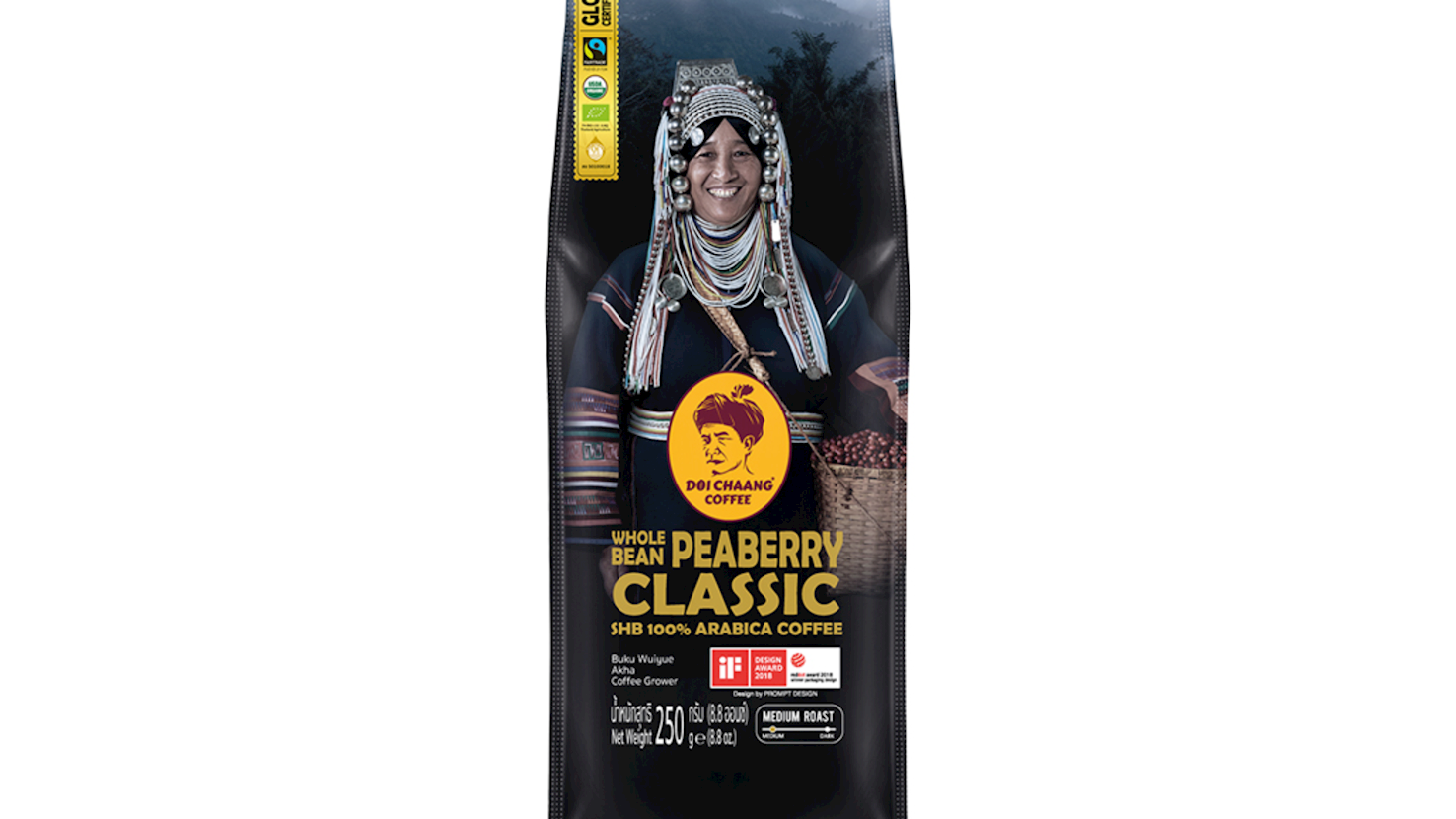
Doi Chaang Coffee is a Thai specialty coffee producer headquartered in Chiang Rai Province, best known for producing single-origin 100% Arabica coffee grown in the mountainous village of Doi Chaang at elevations ranging from approximately 1,000 to 1,700 meters above sea level. The company was established in 1990 as a cooperative of the local Akha community with the goal of improving coffee quality and creating a sustainable source of income for local farmers. Coffee cultivation was introduced as part of a crop substitution program that replaced opium poppy farming, and today production is based on sustainable agricultural practices in cooperation with hundreds of local growers. Only Arabica coffee varieties are cultivated, with the cherries being hand-picked, carefully sorted, and processed to preserve their distinctive origin characteristics. The company oversees the entire production process, from cultivation and processing to roasting and packaging, ensuring consistent quality. Doi Chaang Coffee holds a Geographical Indication (GI) designation for coffee produced in the Doi Chaang region, and its products are exported to numerous international markets. In addition to roasted whole bean and ground coffee, the company operates coffee shops and actively promotes Thai specialty coffee worldwide.
TasteAtlas food rankings are based on the ratings of the TasteAtlas audience, with a series of mechanisms that recognize real users and that ignore bot,
nationalist or local patriotic ratings, and give additional value to the ratings of users that the system recognizes as knowledgeable.
For the “Top 100 Thai Foods” list until October 21, 2026, 9,989 ratings were recorded, of which 7,900 were recognized by the system as legitimate.
TasteAtlas Rankings should not be seen as the final global conclusion about food. Their purpose is to promote excellent local foods,
instill pride in traditional dishes, and arouse curiosity about dishes you haven’t tried.
The initial list of top producers was compiled based on available reviews, awards, local recommendations, media and blog coverage, and consumer reviews.
The list will be updated with ratings from TasteAtlas local ambassadors and TasteAtlas users.







What People Say