shutterstock

Top 100 Portuguese Foods

Last updated on June 02, 2026

Best Portuguese foods

01
Sweet Pastry

Pastel de Belém

4.6 ·

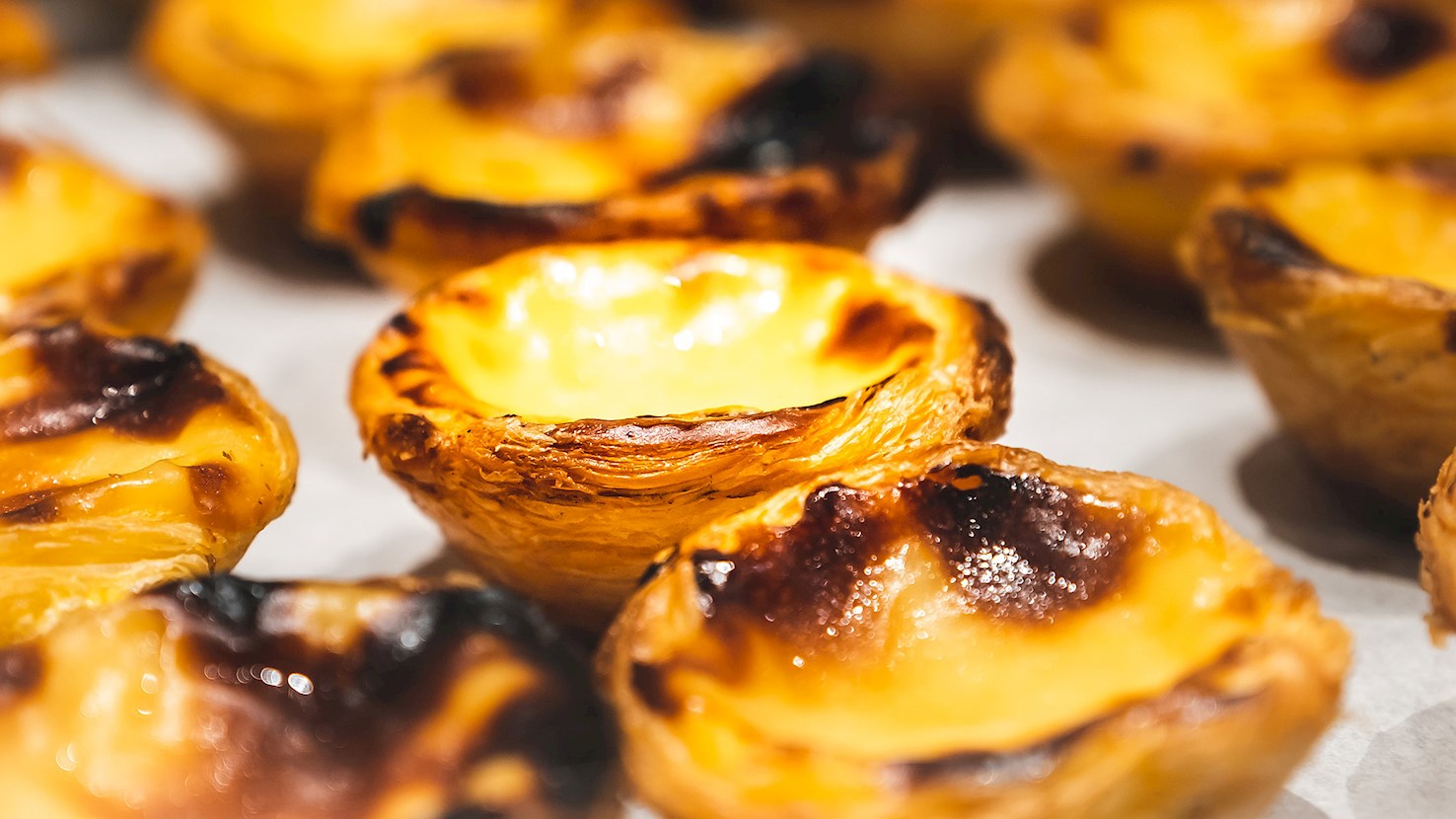
Pastel de Belém is a traditional egg custard tart and a predecessor to the famous pastel de nata. The tarts are made with a pastry shell that's filled with a combination of milk, eggs, sugar, lemon, and cinnamon. The first recipe for pastel de Belém dates back to 1837 when it was produced by the monks of the Jerónimos monastery. Only the custard tarts produced at the Fábrica Pastéis de Belém can be called pastel de Belém, while all the others, produced by other patisseries in Lisbon are called pastel de nata. Regardless of the name, these tarts can be served hot or cold and in 2009, The Guardian listed pastel de Belém as one of the 50 'best things to eat' in the world.

02
Cheese

Queijo de Azeitão

4.6 ·

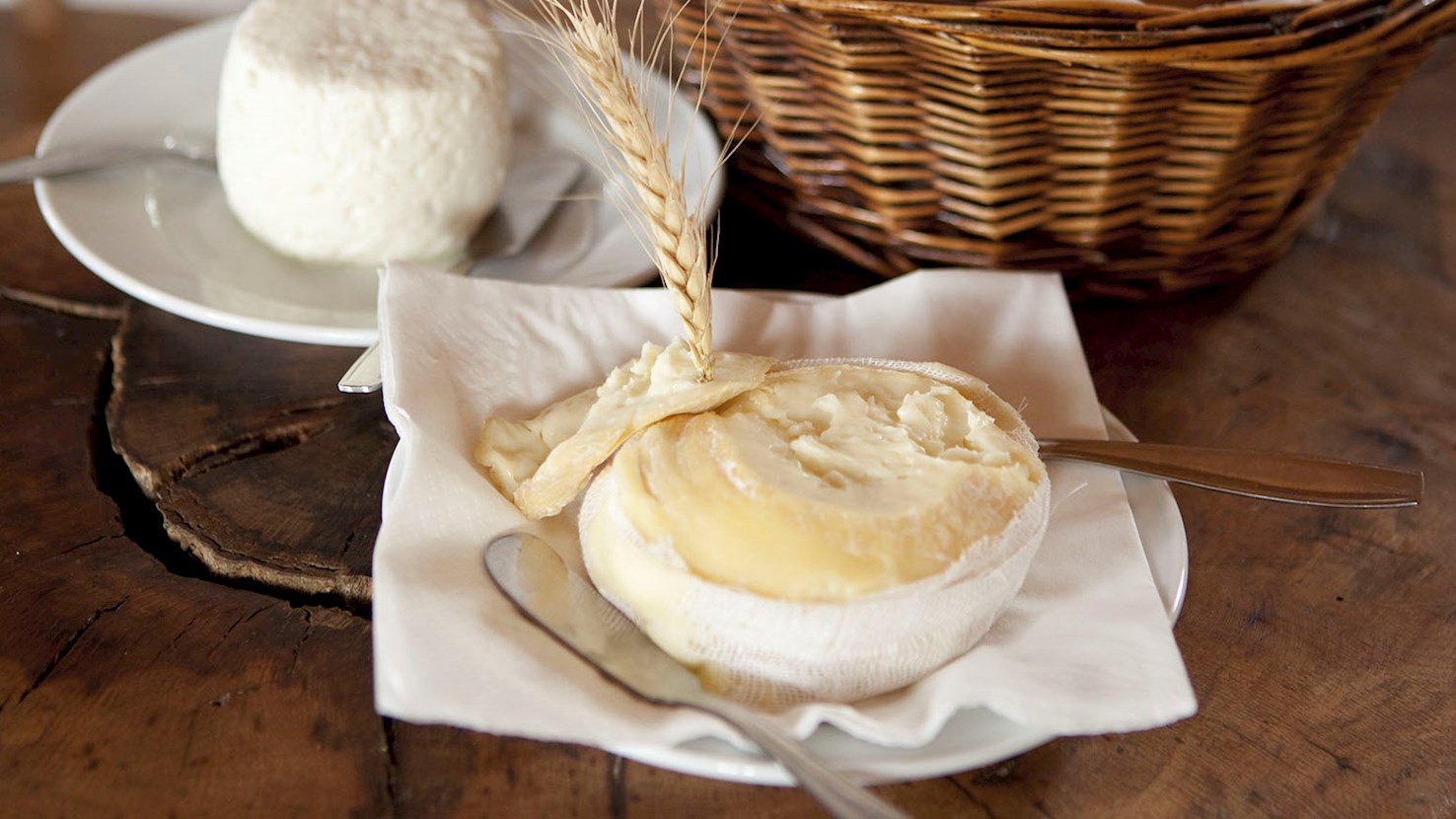
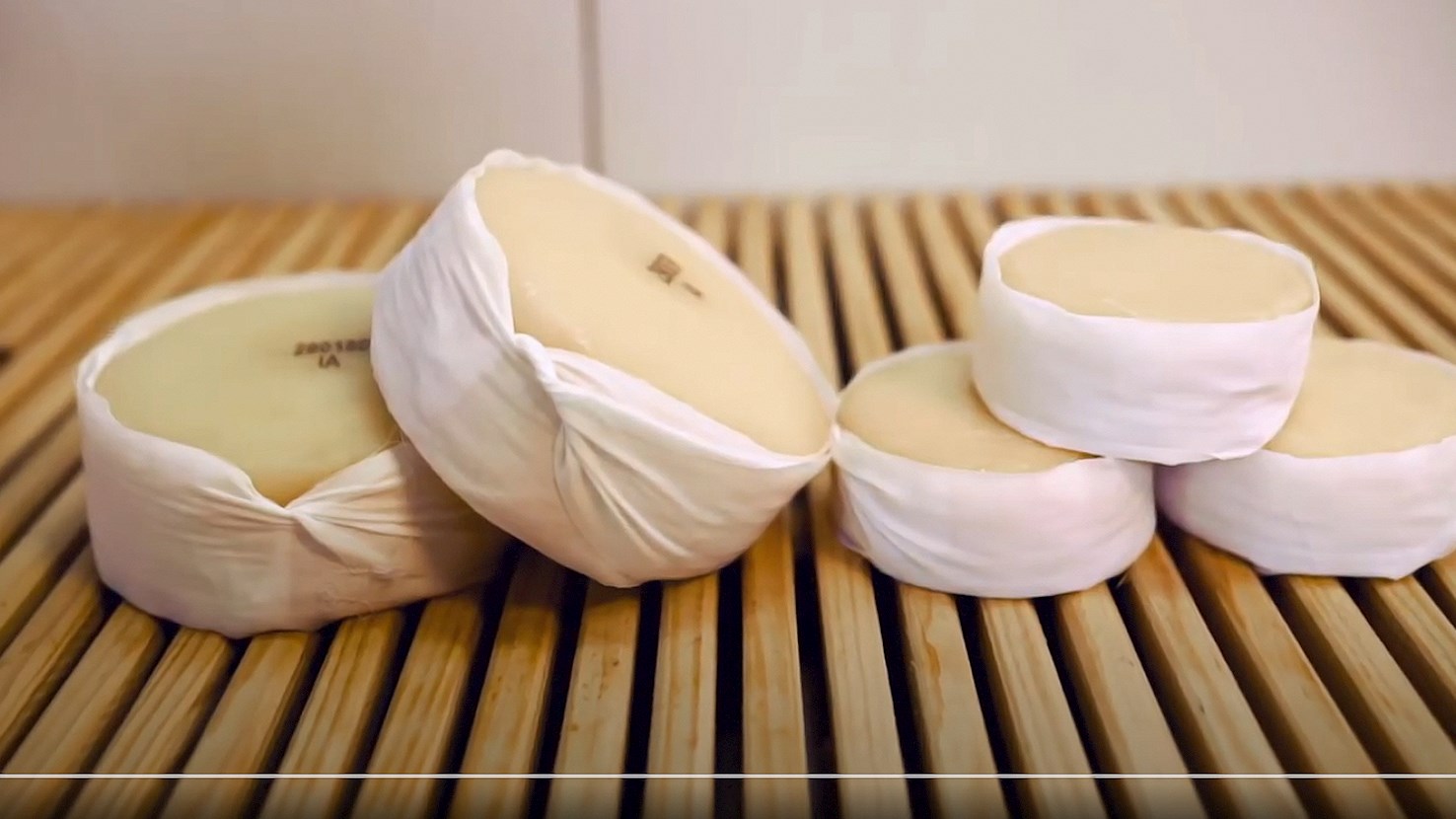
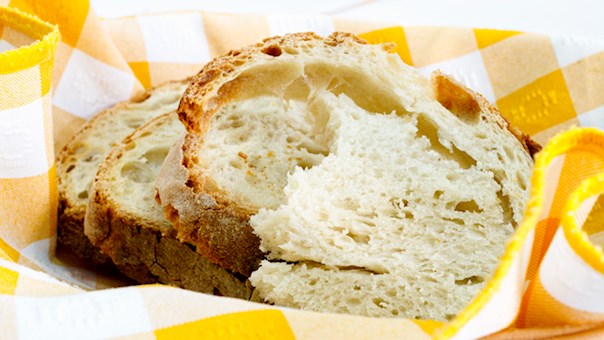
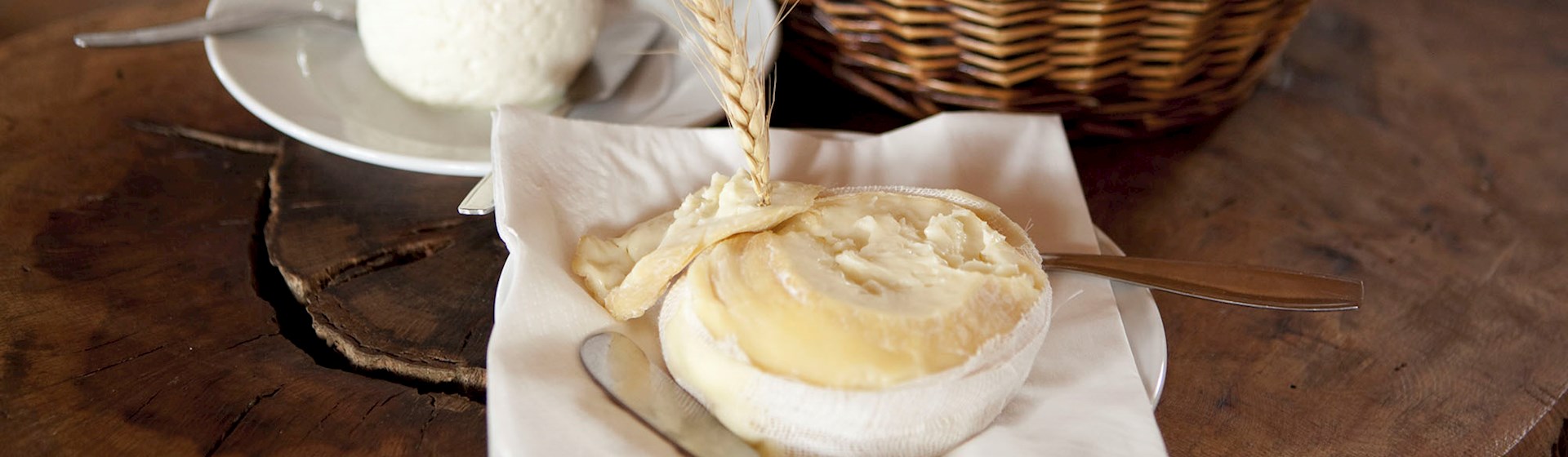
Azeitão is a semi-soft cheese made from unpasteurized sheep milk. The origins of this cheese date back to the 19th century, when Gaspar Henriques de Paiva emigrated to the town of Azeitão. Out of nostalgia for his place of birth, he imported black dairy sheep from his home town to Azeitão and brought cheesemakers from Beira Baixa to make cheeses. De Paiva's Azeitão cheeses quickly became famous throughout Portugal, winning several awards at agricultural fairs. The milk for this cheese is taken from sheep that graze on natural vegetation in the pastures of Azeitão. The sheep are milked manually, and the milk is mixed with the extract of a local variety of thistle to start the curdling process instead of animal rennet, meaning the cheese is 100% vegetarian. Salt is added to the curd, which is then manually worked and wrapped into muslin cloth bundles, called cinchos. The finished cheese is round and flat with a yellowish crust concealing a light-colored interior with a semi-solid consistency. The flavor is both sour and salty with herby undertones. This runny cheese is best served scooped onto a slice of fresh bread, and also makes a delicious dessert when paired with fruit and a semi-dry white wine.

03
Cheese

Queijo Serra da Estrela

4.5 ·

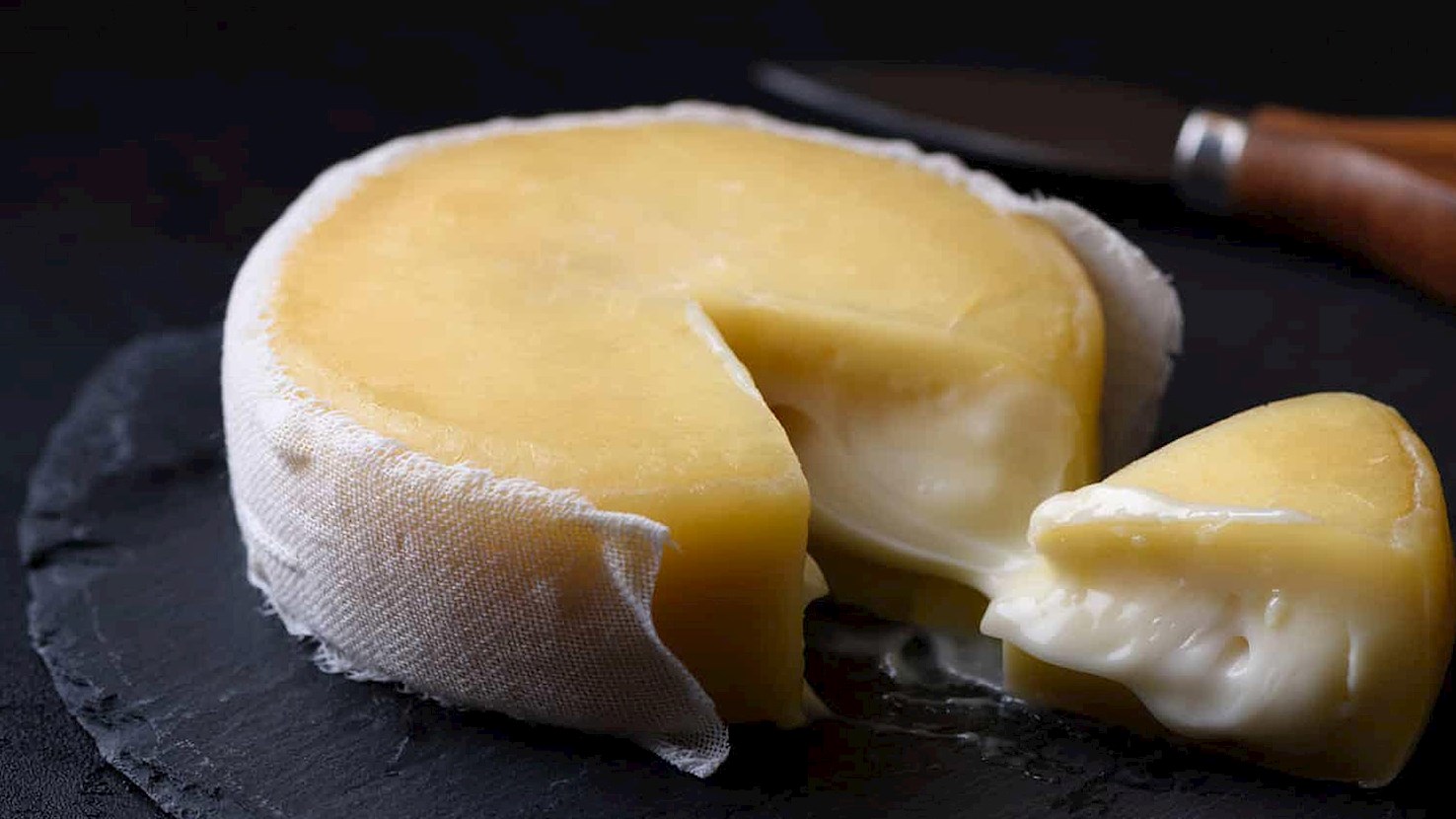
Serra da Estrela is a semi-soft cheese made from the milk of Bordaleira Serra da Estrela and Churra Mondegueira breeds of sheep. Milking is done by hand, after which the milk is heated, salted, and curdled using thistle extract. The curd is formed into cheeses, which are left to ripen in humid and cold conditions. The cheese has a creamy, semi-soft interior that is yellowish-white in color, while its flavor is clean, sweet, and slightly sour. This cheese is Portugal's oldest, most traditional food product with international acclaim. In the 13th century, the king of Portugal opened the first cheese market in Celorico da Beira, in the Serra da Estrela mountain range, where the cheese is still produced today. This cheese was even present on some of the first ships to sail to the New World. Serra da Estrela is traditionally consumed as an appetizer or dessert, and it pairs well with regional wines from the Dão region and broa—local cornbread. A product rich in tradition and culture, Serra da Estrela cheese is the pride of the region, and it is considered the father of all sheep cheeses in Portugal.

04
Dry-cured Ham

Presunto do Alentejo

4.5 ·

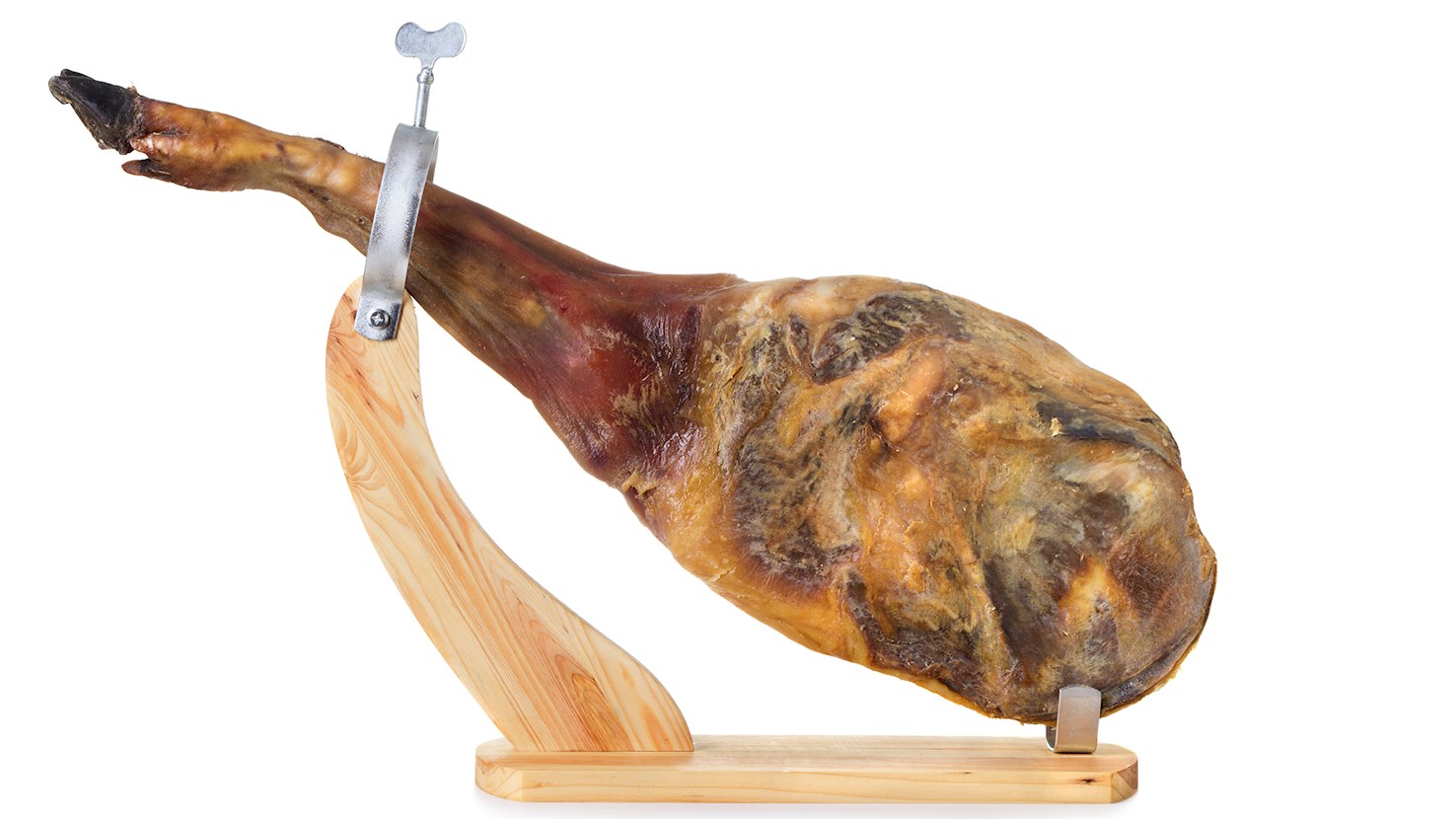
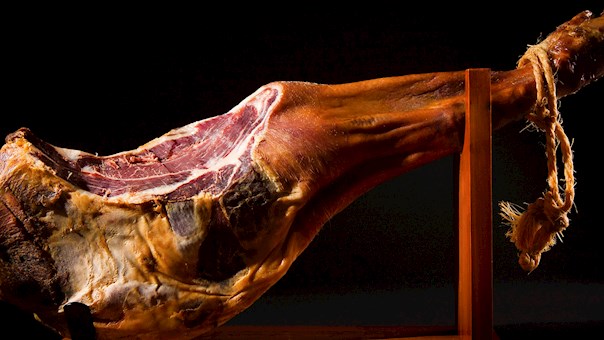
Alentejo ham is a regional specialty made from the legs and shoulders of Alentejo pigs produced in the districts of Castelo Branco, Portalegre, Santarém, Évora, Beja, Setubal, and Faro. These areas typically have hot and dry summers and cold winters. Throughout the centuries, the residents of these regions learned to work with this climate to develop a natural drying process for ham that does not resort to the use of smoke or any other external factors besides the addition of salt. When cut, the ham is reddish-pink to dark red and highly marbled. It has a soft and mildly fibrous texture that is tender and succulent when sliced. The ham has a sweet and slightly salty flavor with a lingering spicy note, and its aroma is pleasant and mild. It is traditionally served in slices with bread or cheese. To make the most of this ham, the leftover bone is often used to flavor soup stock.

05
Pork Dish

Leitão da bairrada

4.4 ·

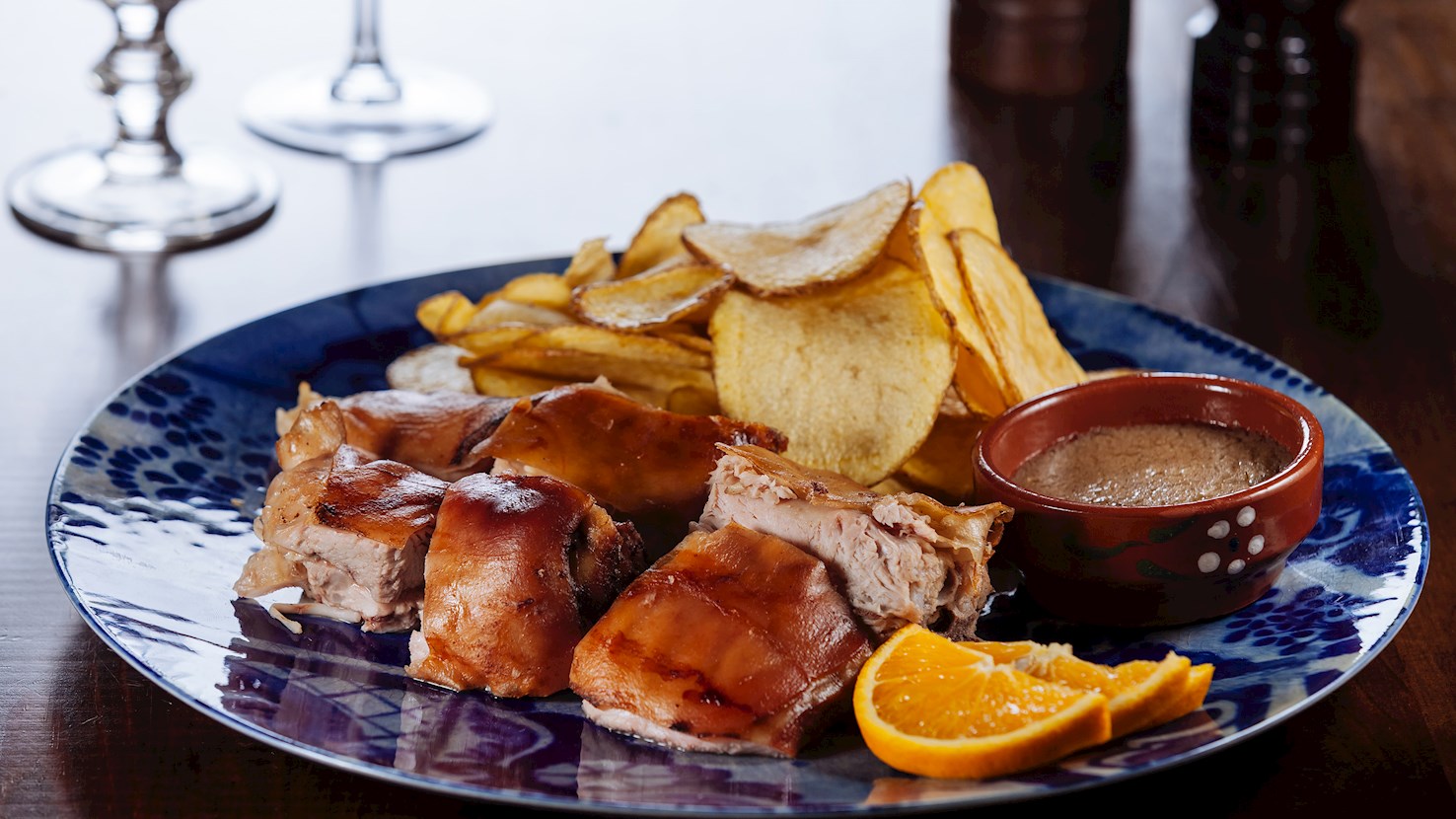
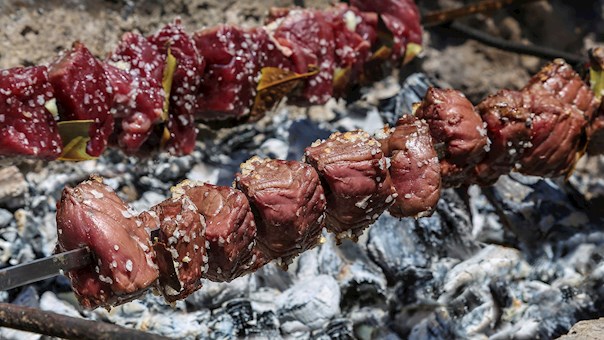
Leitão a Bairrada is a Portuguese dish of suckling pig that's roasted and basted until the flesh becomes creamy and the skin develops its typical crunchiness. It is said that the best place to try this delicacy is the Bairrada wine region, particularly the city of Mealhada. Pigs from this region are considered the best in Portugal, and they feed mostly on acorns. Their meat is rubbed with fat, coarse salt, pepper, and garlic, and it's then skewered on a pole before being cooked in eucalyptus-and-vine-fueled ovens. Once prepared, the suckling pig is traditionally served with batatas fritas, orange slices, and a fresh salad on the side. The dish is so popular in Portugal that there is even a brotherhood of Leitão da Bairrada.

06
Pork Dish

Carne de porco à Alentejana

4.4 ·

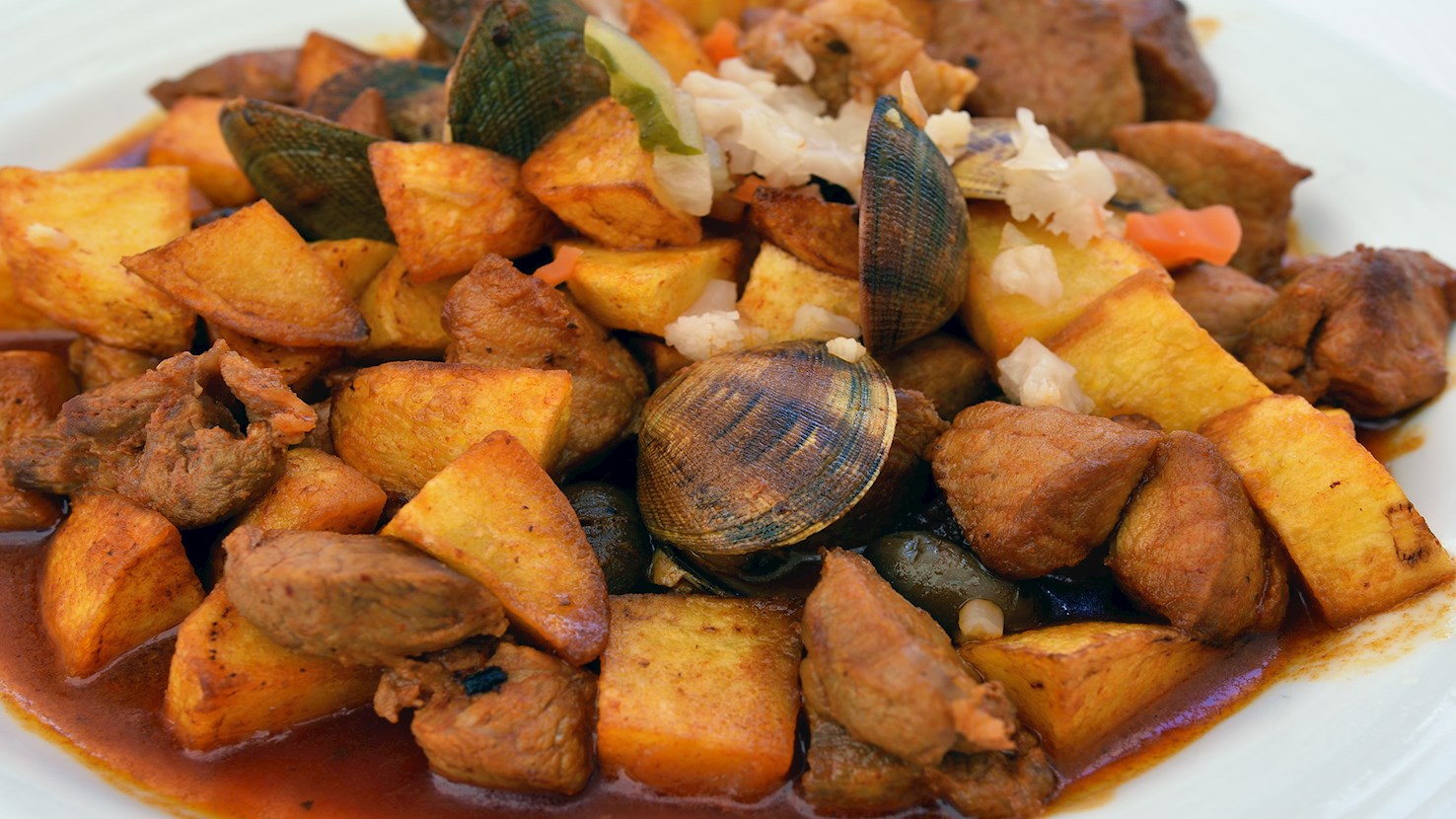
This traditional Portugal dish combines marinated pieces of pork with clams and a lightly spicy, wine-infused sauce. Though the name of this classic might imply it originated in Alentejo, it is believed that it initially appeared in the Algarve region, but was given its current name because of the highly-prized black pigs that are most commonly reared in Alentejo. The dish is a restaurant staple that is found throughout Portugal. It is usually garnished with fresh cilantro and paired with lemon wedges, pan-fried potatoes, and country-style bread on the side.

07
Bread

Bolo do caco

4.4 ·

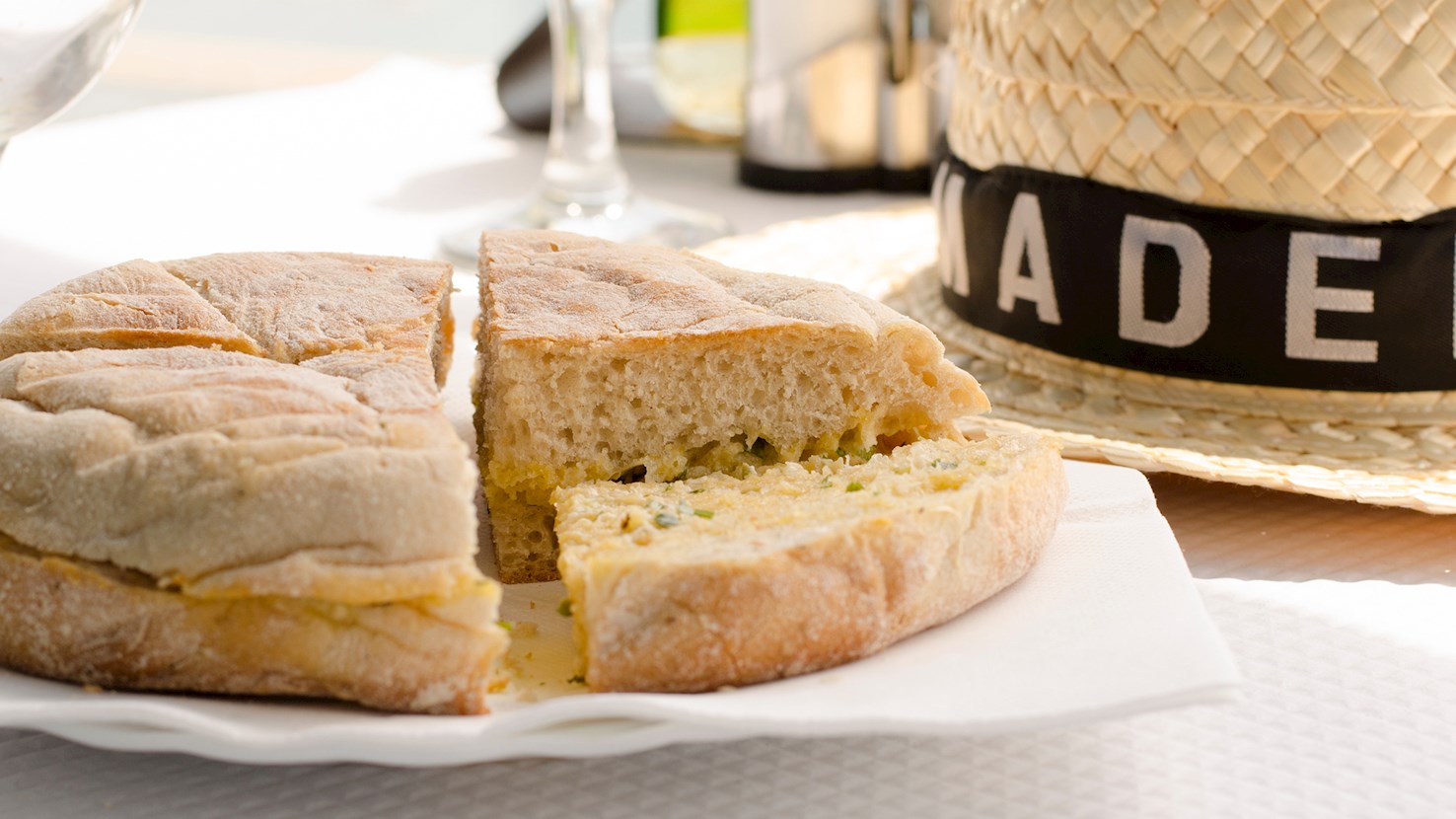
Hailing from Madeira, this rustic, leavened bread is prepared with wheat flour, mashed sweet potatoes, water, and salt. Traditionally baked on large basalt stone slabs, bolo do caco is typically flat and round, though it can vary in size. It is the most common bread variety on Madeira that is usually served as a warm appetizer with garlic butter spread, but it can also be enjoyed as a sandwich or an accompaniment to various traditional Portuguese dishes.

Best restaurants
08
Cake

Pão de Ló de Ovar

4.4 ·

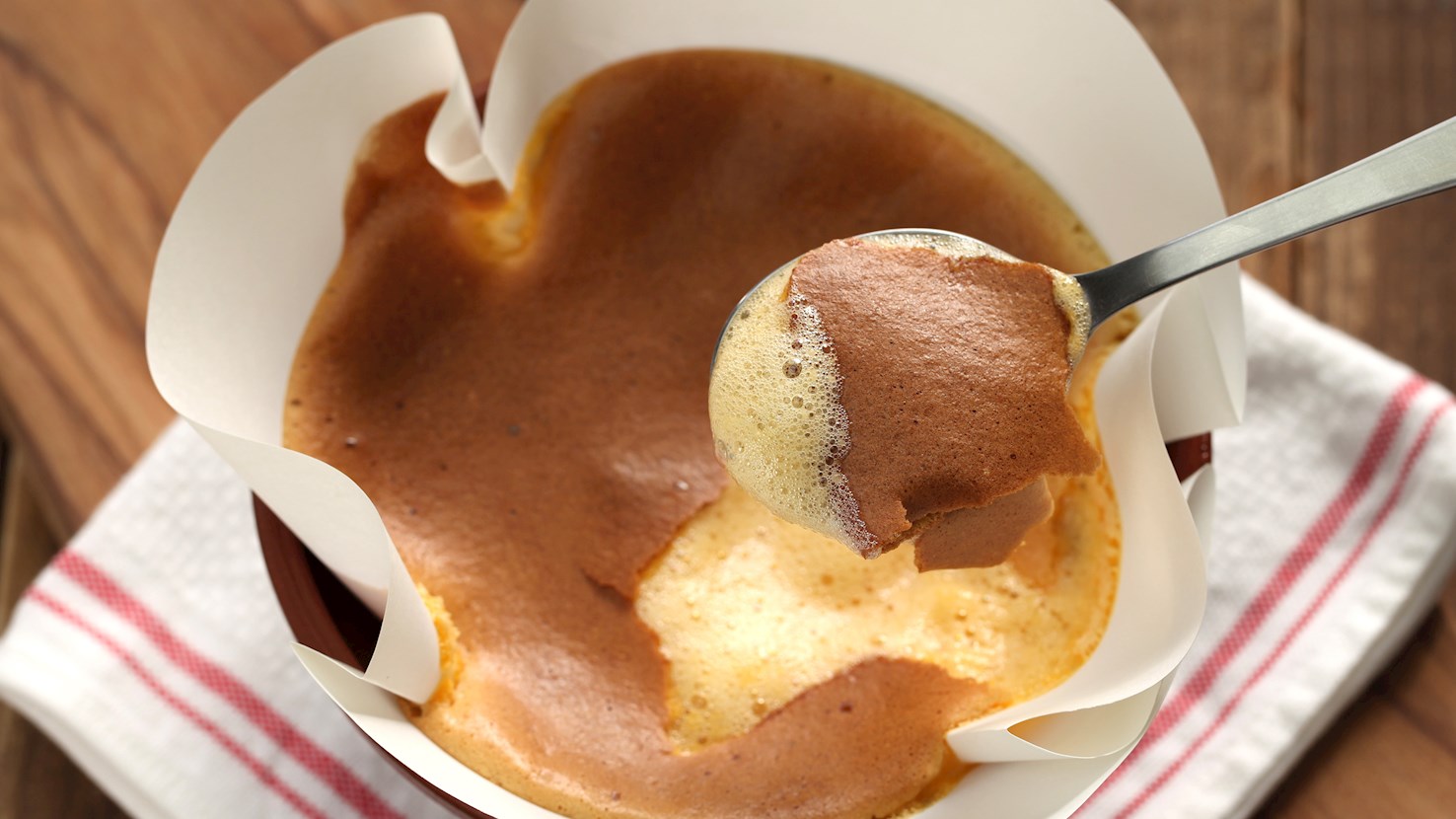
Pão de Ló de Ovar may be the most famous Portuguese cake, dating back to the 18th century when it was made in convents by nuns. The earliest written evidence about this sponge cake dates back to 1781, in a book called Irmandade dos Passos, where it is said that pão de Ló de Ovar was a sweet offered to the priests who took the wooden framework to carry the statues in the Holy Week procession. This creamy sponge cake is traditionally made from eggs, sugar, and flour, and today, it is often seen at most food fairs in Portugal. The cake is popular throughout the country, not just in the municipality of Ovar, where it is traditionally produced.

09
Cheese

Queijo Serpa

4.4 ·

Produced in the district of Beja in eastern Portugal, Serpa is a semi-soft sheep's milk cheese that's similar to Pecorino. Instead of animal rennet, Serpa is curdled using an extract made from a species of thistle that grows in the countryside of Alentejo. The leaves of the plant are dried and soaked in water, and this liquid is added to the heated milk to begin the curdling process. The curd is placed into molds, and the molded cheeses are then gently wrapped in muslin cloth for further ripening. The rind of Serpa is thin and malleable, while the cheese's interior is semi-soft and yellowish-white in color. Serpa is the most famous traditional Alentejano cheese, and its strong flavor is a fundamental part of the region's cultural heritage. It is perfect for any occasion and makes a great appetizer or snack when served with fresh bread and a glass of wine. It's also used in numerous local baked dishes, such as pork ribs with baked ham and Serpa cheese.

10
Cheese

Queijo de Cabra Transmontano

4.4 ·

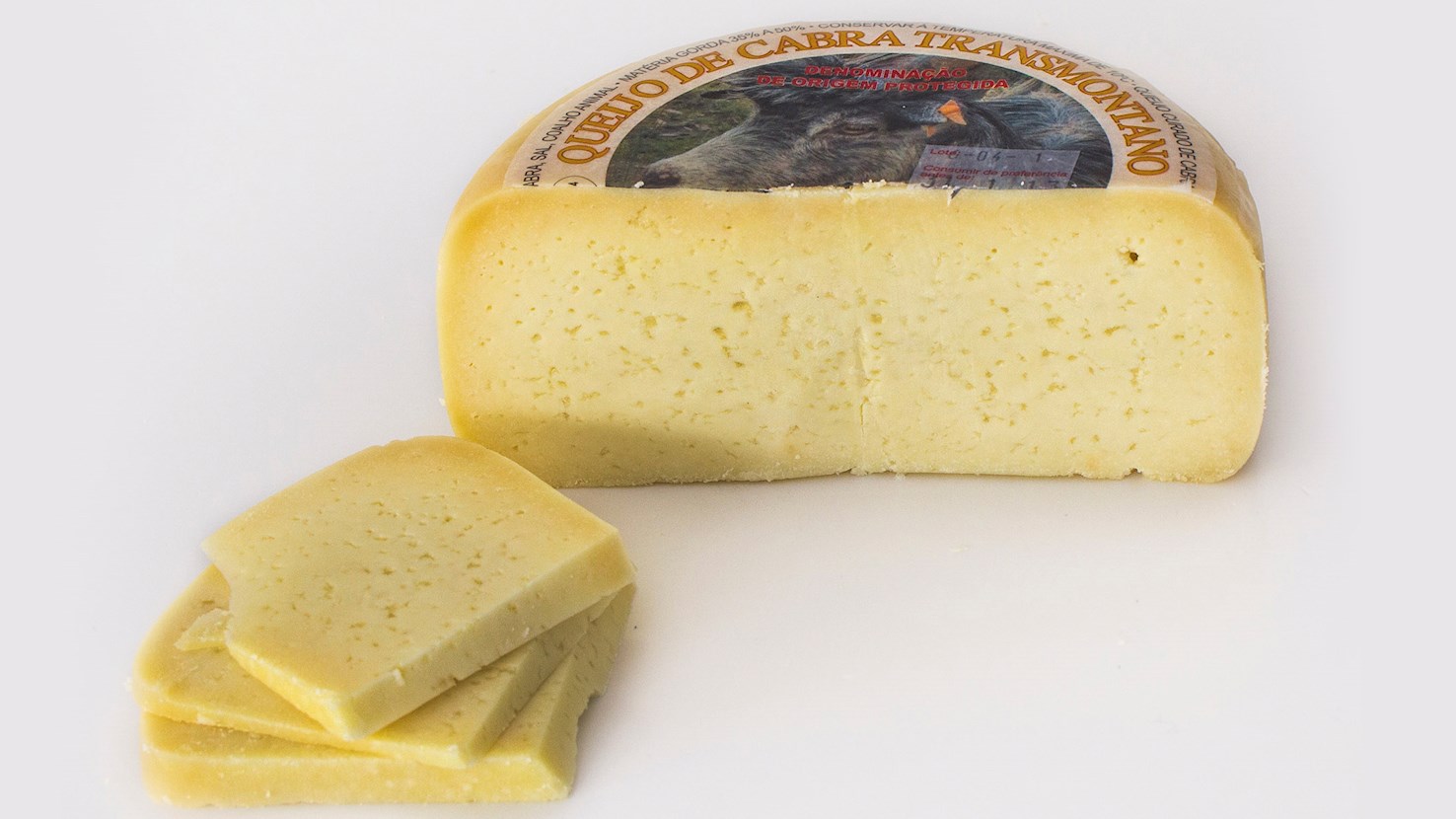
This hard cheese is made from raw goat milk taken from Serrana breed. Goat cheese has long played an important role in the economy of the Bragança region, and many of the local families raise animals and produce cheese as their main source of subsistence. Once the goats are milked, the milk is filtered and heated. The curd is then salted and cured at a low temperature and high humidity. Transmontano cheese is round with a semi-hard crust, and is uniform, smooth, and white. It is a firm cheese with an intense and pleasant aroma and a slight spicy note. This goat cheese has a moisture content between 25% and 35%. It is usually consumed as is, and is quite popular either as an appetizer or after a meal with sliced bread and a local red wine.

Best Portuguese food products

01
Olive Oil

Esporão

5 ·
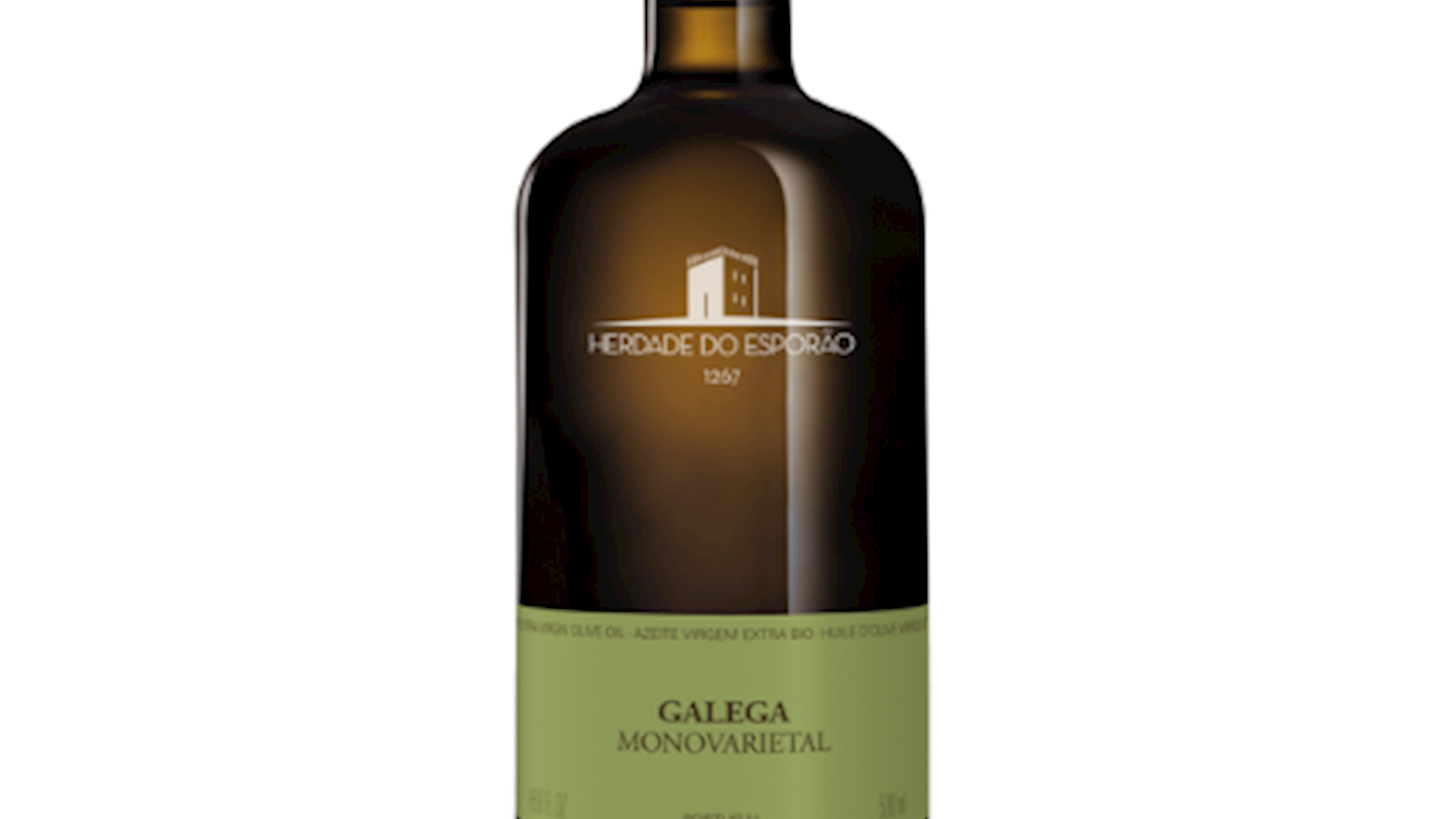
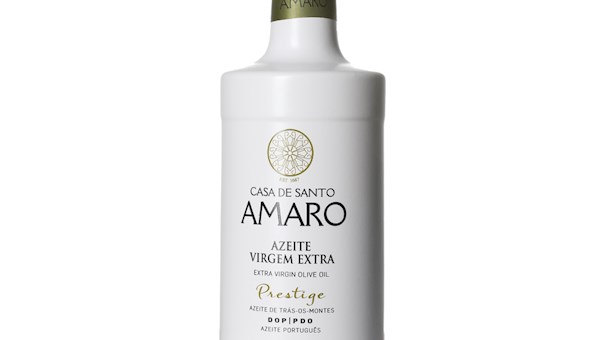
Esporão is a well-known Portuguese brand owned by the company Herdade do Esporão, which produces wine and extra virgin olive oil. Although Esporão does not own its own olive groves, they collaborate with local olive growers in the Alentejo region, from where they source high-quality olives for their oils. This brand combines the tradition of local producers with modern processing and sustainability approaches, creating high-quality olive oils with distinctive fruity and herbal aromas. Esporão has earned a reputation thanks to careful raw material selection and dedication to preserving quality through advanced production techniques. Thus, Esporão functions as a platform that brings together the best of Portuguese olive growing, delivering authentic products with a strong regional character and top standards to the market.
Awards
Biol - International Organic Competition Prize - Extra Gold (2023)
Decanter World Wine Awards - Platinum (2018)
02
Chocolate

Feitoria do Cacao

5 ·
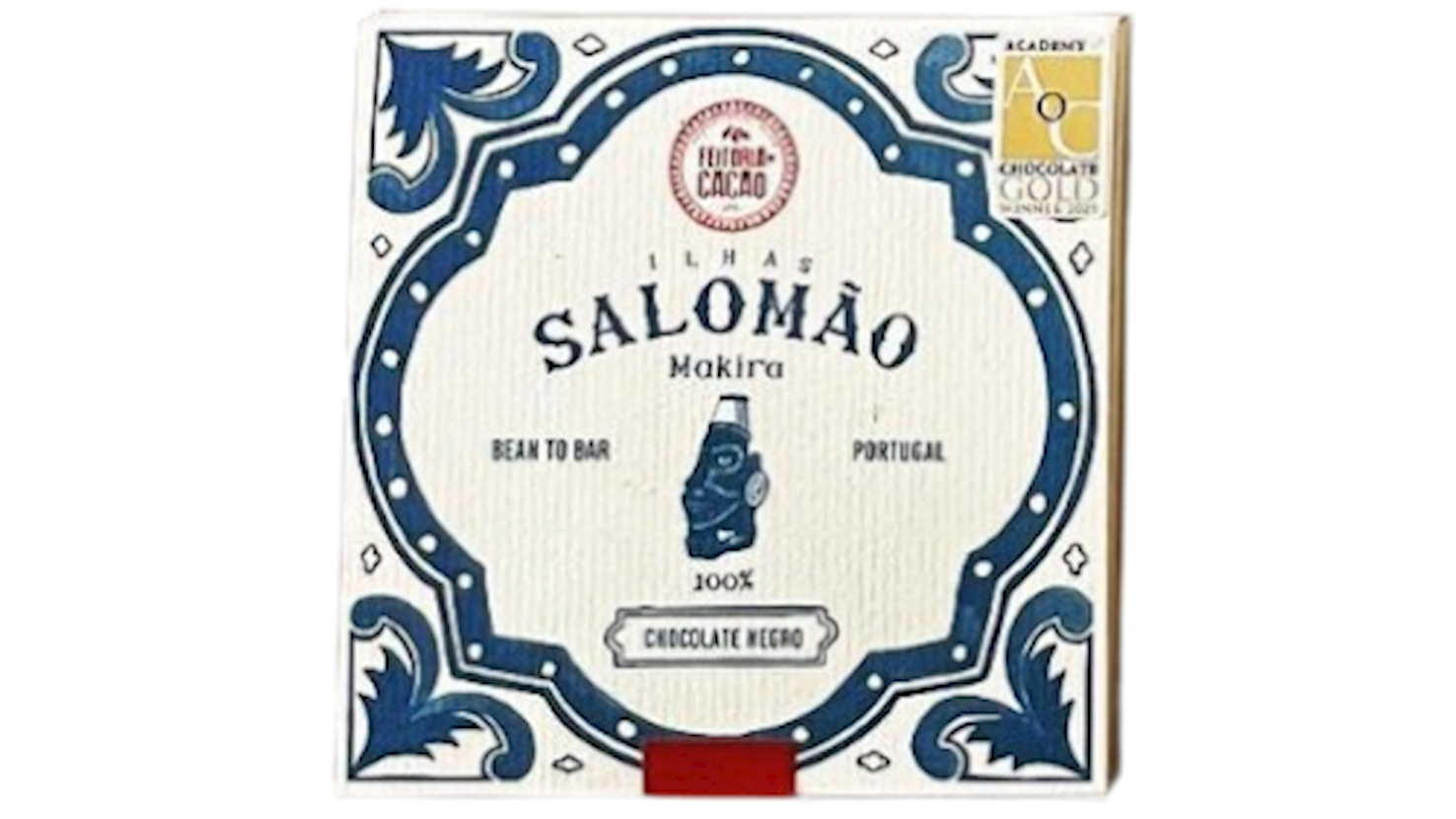
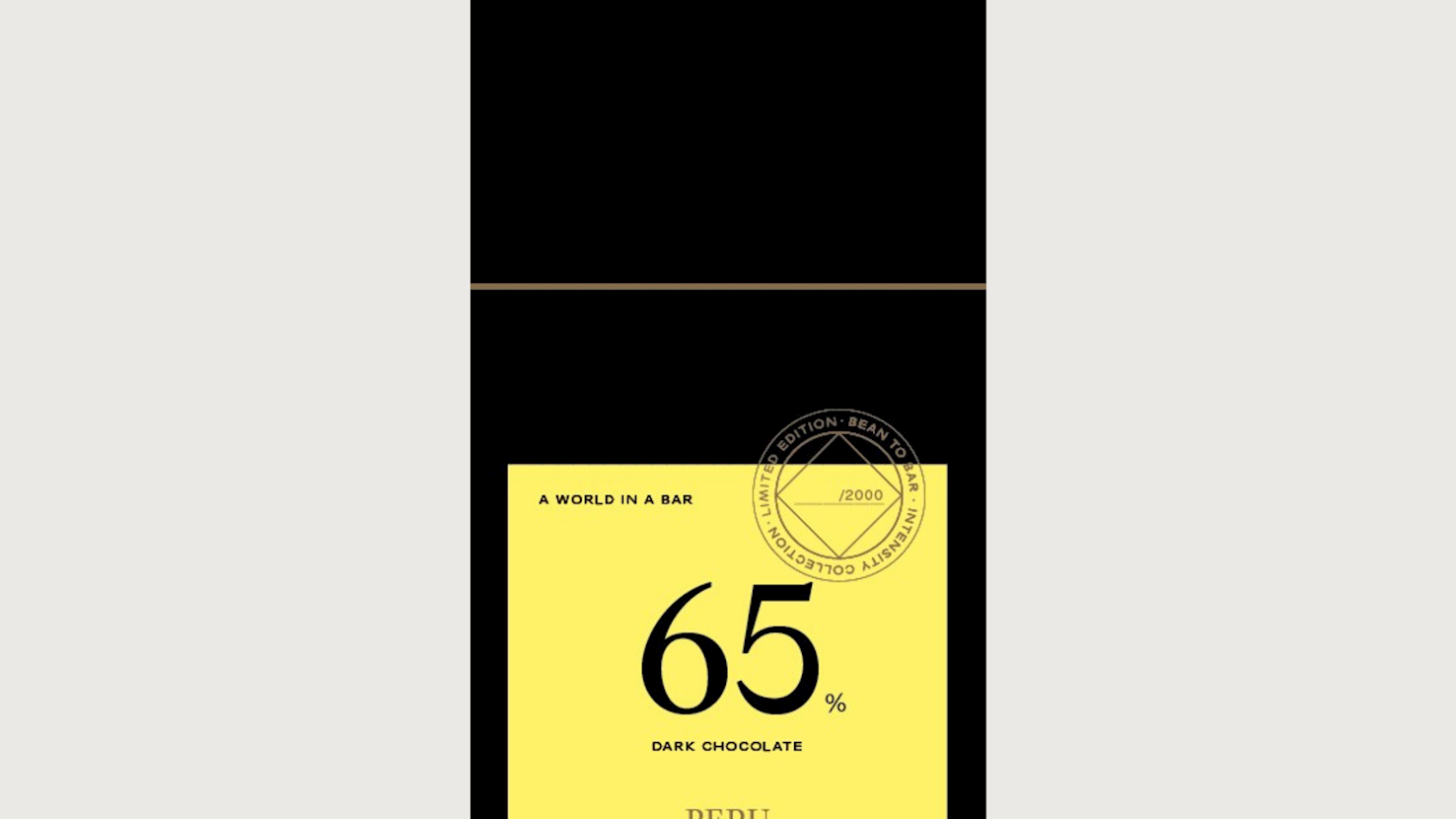
Feitoria do Cacao is a Portuguese chocolate maker known for its authentic bean-to-bar approach that covers every stage of production - from selecting raw cacao beans to handcrafting and packaging each bar. The brand was founded by Tomoko Suga and Sue Tavares, inspired by their experiences on cacao plantations in São Tomé and Príncipe, where they witnessed both the challenges and the beauty of cacao cultivation. Their mission is to express the pure connection between the land of origin, the producers, and the consumers through chocolate. Feitoria do Cacao uses only high-quality, hand-selected beans sourced from different countries - such as Peru, Nicaragua, the Dominican Republic, and Madagascar - giving each chocolate a unique sensory fingerprint that reflects its terroir. Production takes place in small batches, without emulsifiers or artificial additives, to preserve the natural aromas and texture of cacao. Their dark, milk, and white chocolates are distinguished by an exceptional balance of flavor, often enhanced with local ingredients like sea salt, coffee, or traditional Portuguese notes. The brand’s studio is open to visitors for tastings and workshops, offering an immersive experience where guests can feel the aroma, texture, and flavor of freshly made chocolate. Today, Feitoria do Cacao represents a new generation of Portuguese artisan chocolatiers - those who unite art, science, and ethics into a perfectly balanced chocolate form.
Awards
Academy of Chocolate - Gold (2021)
Academy of Chocolate - Silver (2023, 2022, 2021, 2020, 2019, 2017)
03
Wine

Justino's Madeira Wines

5 ·
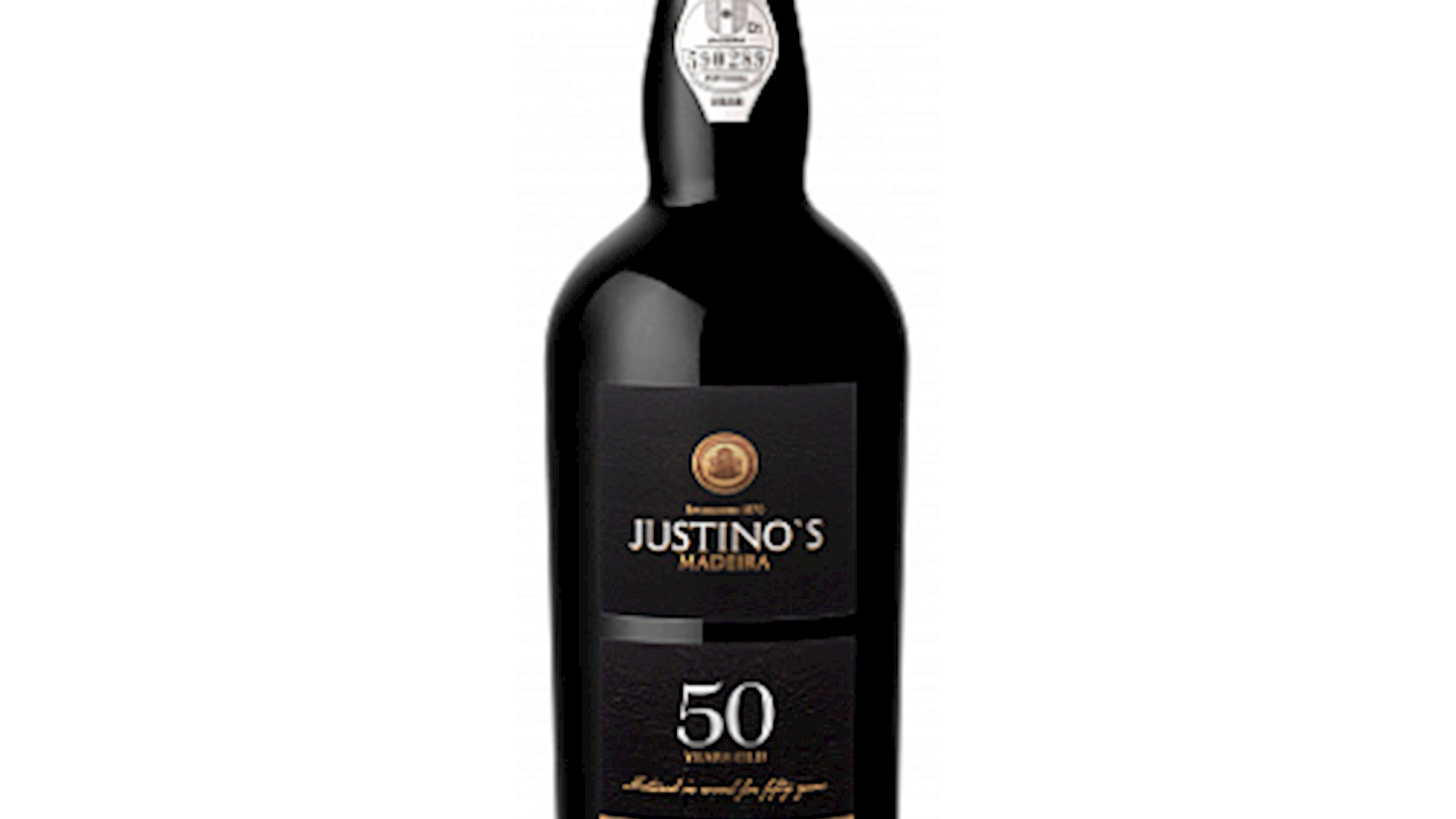
Justino’s Madeira Wines is one of the oldest and most influential wine producers on the island of Madeira, with a heritage dating back to 1870 and modern production facilities located in the Cancela area of Santa Cruz. The company is known for its wide range of Madeira styles - from young reserva bottlings to long-aged frasqueira vintage wines - made from traditional varieties such as Sercial, Verdelho, Boal, Malvasia and the rare Terrantez. Their winemaking combines controlled modern fermentation with the traditional “canteiro” aging method, in which the wine matures slowly for years in warm attic spaces without artificial heating. This process develops Madeira’s signature profile of caramel, nuts, dried fruit and oxidative complexity, balanced by vibrant natural acidity. Justino’s is internationally respected for its consistent quality and for producing wines that reflect both the deep historical tradition of Madeira and the precision of contemporary winemaking, securing its place as one of the region’s most distinguished producers.
Awards
Decanter World Wine Awards - Platinum (2024, 2023, 2018)
Decanter World Wine Awards - Best in Show (2020, 2018)
04
Wine

Quinta do Crasto

5 ·
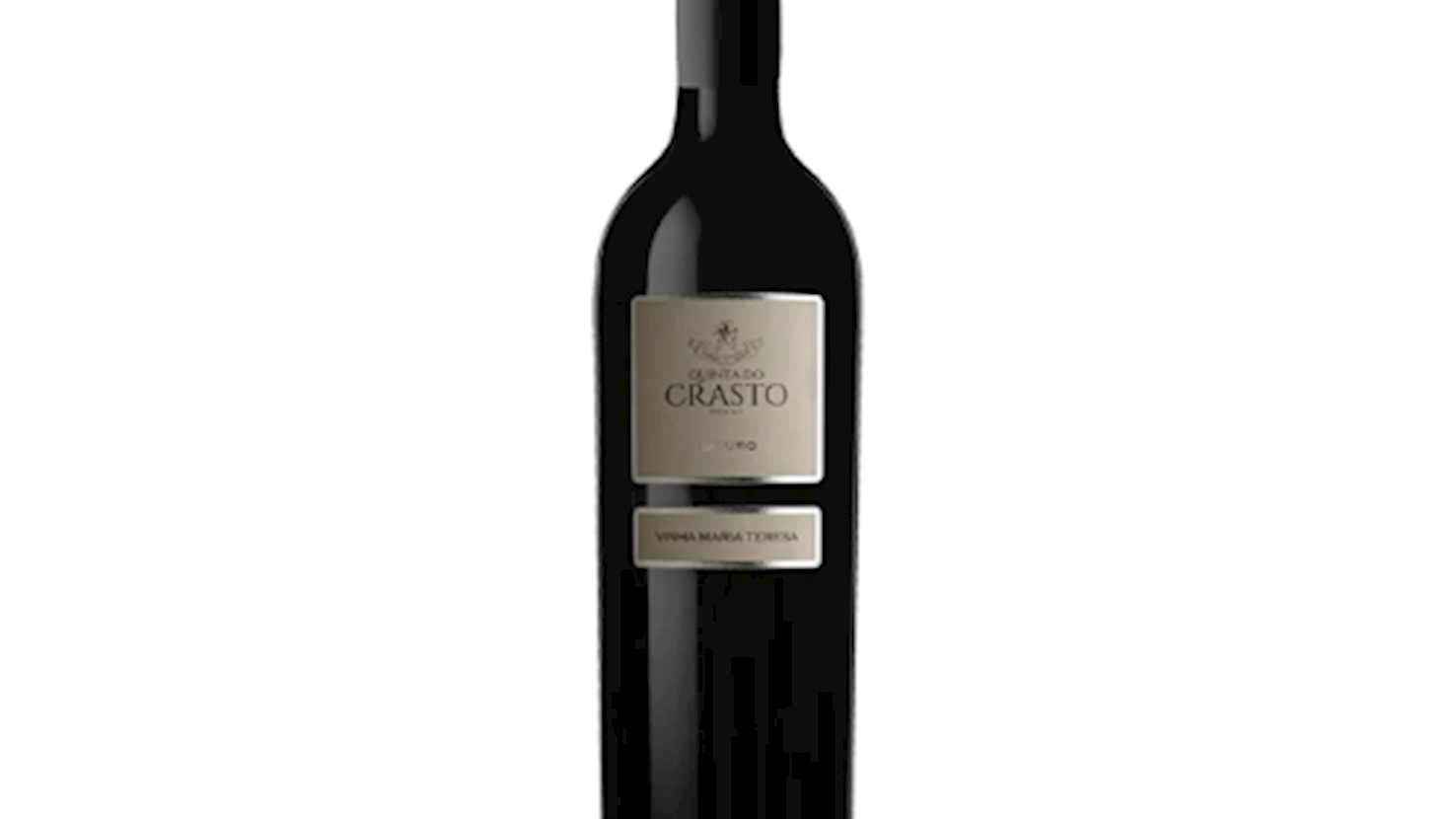
Quinta do Crasto is a historic winery located in Portugal’s Douro Valley, near the village of Gouvinhas in the municipality of Sabrosa. The estate has a long viticultural tradition dating back to at least 1615, and the name “Crasto” derives from the Latin word castrum, referring to a former Roman fort believed to have existed on the site. Its vineyards are planted on steep terraces overlooking the Douro River, on the region’s characteristic schist soils that contribute to the concentration and mineral character of the wines. Today the estate is managed by the Roquette family, who have modernized the winery while preserving the traditional identity of the vineyards and local grape varieties. The vineyards are largely planted with indigenous Douro varieties such as Touriga Nacional, Touriga Franca, Tinta Roriz and Tinta Barroca. Quinta do Crasto produces a range of wines including Douro red and white wines as well as Port wines, all reflecting the structure and character of the region. Wines from old vineyards, where several traditional grape varieties grow together, are particularly valued for their depth and aging potential. In addition to wine, the estate also produces extra virgin olive oil from its own olive groves. Quinta do Crasto is widely recognized as one of the notable premium producers in the Douro Valley. The estate also offers wine tourism experiences, allowing visitors to explore the vineyards and cellar while overlooking the Douro landscape.
Awards
Decanter World Wine Awards - Platinum (2024)
Vivino - 4.7
05
Wine

Cartuxa

5 ·
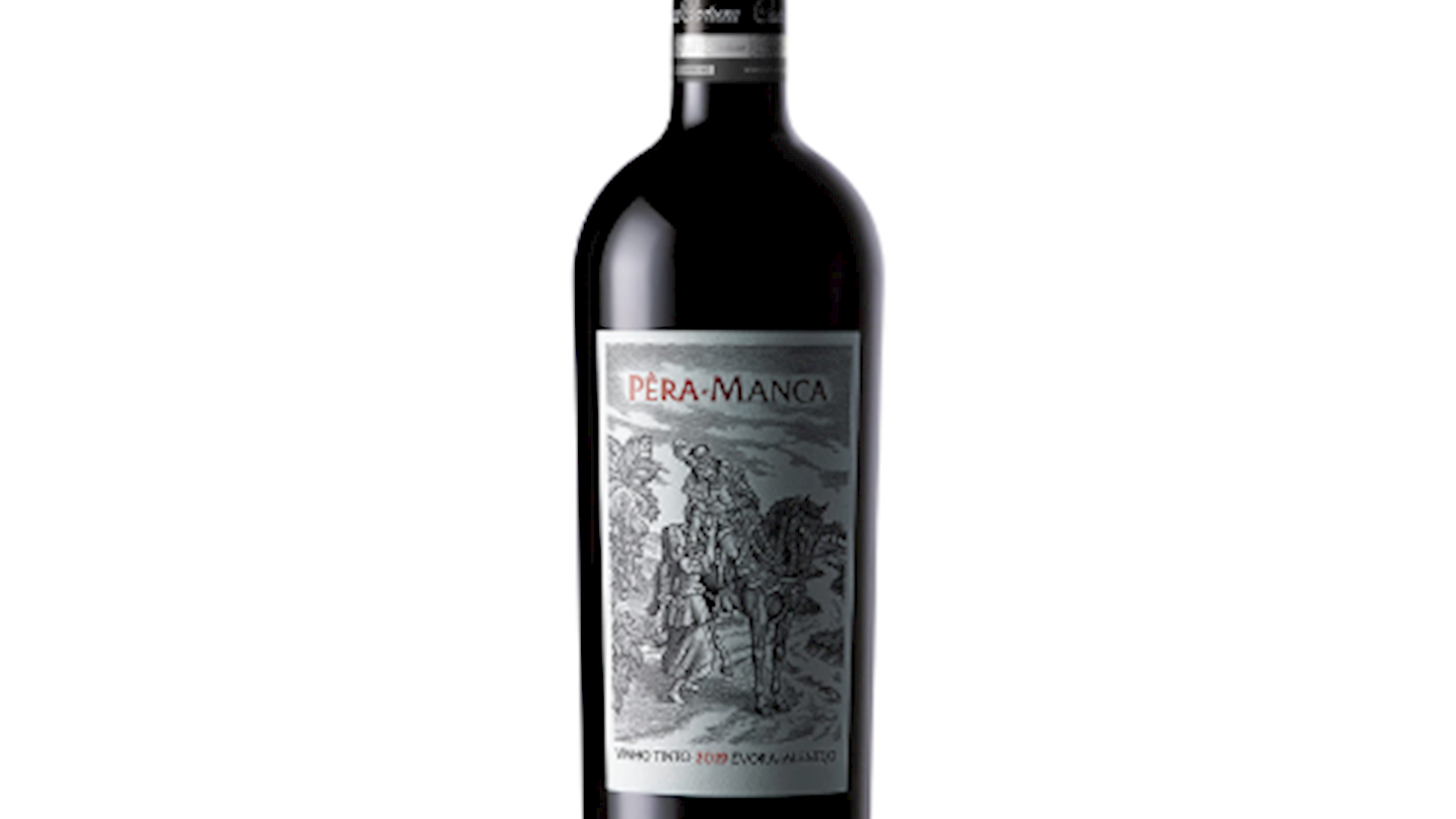
Cartuxa is a Portuguese wine producer based in the Alentejo region, closely associated with the Fundação Eugénio de Almeida, a foundation that manages the vineyards and winery near the historic city of Évora. The name Cartuxa derives from the nearby Santa Maria Scala Coeli Carthusian monastery, founded in the 16th century, which has long been part of the cultural and historical identity of the area. Wine production takes place at Adega Cartuxa, located on the Quinta de Valbom estate, where grapes from surrounding vineyards are vinified and aged. The vineyards are planted on typical Alentejo soils and benefit from the region’s warm climate, which is well suited to varieties such as Aragonez, Trincadeira, Alicante Bouschet, Antão Vaz, Roupeiro, and Arinto. The portfolio includes several wine ranges, notably EA, Cartuxa, Scala Coeli, and Pêra-Manca, the latter widely regarded as one of Portugal’s most prestigious wines. In addition to wine, the estate also produces extra virgin olive oil from its groves. Revenue generated by these activities supports the cultural, educational, and social initiatives developed by the Fundação Eugénio de Almeida in the Alentejo region.
Awards
Vivino - 4.7
Vivino - 4.5
06
Chocolate

Vinte Vinte Chocolate

5 ·
Vinte Vinte Chocolate is a chocolate producer located in Vila Nova de Gaia, Portugal. The company specializes in crafting chocolate using only Portuguese-grown cacao, which is unique given Portugal's limited history in cacao cultivation. Vinte Vinte emphasizes a bean-to-bar process, controlling every step from the cacao bean to the finished chocolate product to ensure quality and flavor.
Awards
Academy of Chocolate - Gold (2024, 2023)
Academy of Chocolate - Silver (2023, 2021)
07
Seafood

Nuri - Pinhais

5 ·
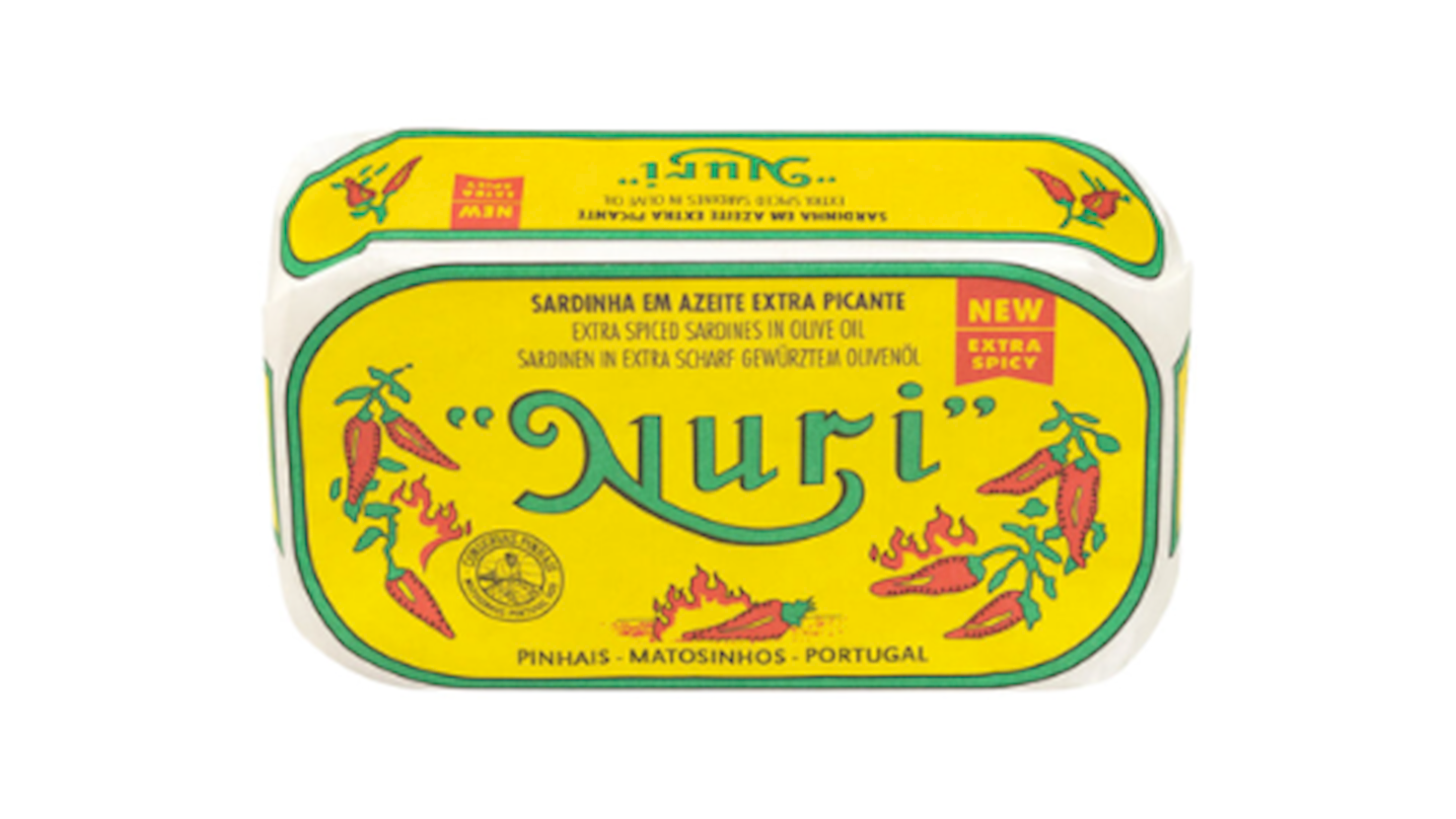
Nuri - Pinhais is a renowned Portuguese company specializing in the production of premium canned seafood, most famously known for its Nuri brand. With a long-standing tradition, the company has been offering high-quality products for decades, particularly sardines sourced from the pristine waters of the Atlantic Ocean. Founded with the mission to preserve the authenticity and tradition of Portuguese fishing, Conservas Nuri - Pinhais uses techniques passed down through generations. Their products are carefully prepared by hand, with fish selected and processed to retain their freshness and natural flavor. Nuri - Pinhais uses only the highest quality fish, often packed in extra virgin olive oil, further enhancing the richness of the flavor.
Awards
World's 101 Best Canned Products from the Sea - Top 10 Sardines (2024)
World's 101 Best Canned Products from the Sea - Top 10 Mackerels (2024)
08
Cheese

Queijaria Vale da Estrela

5 ·
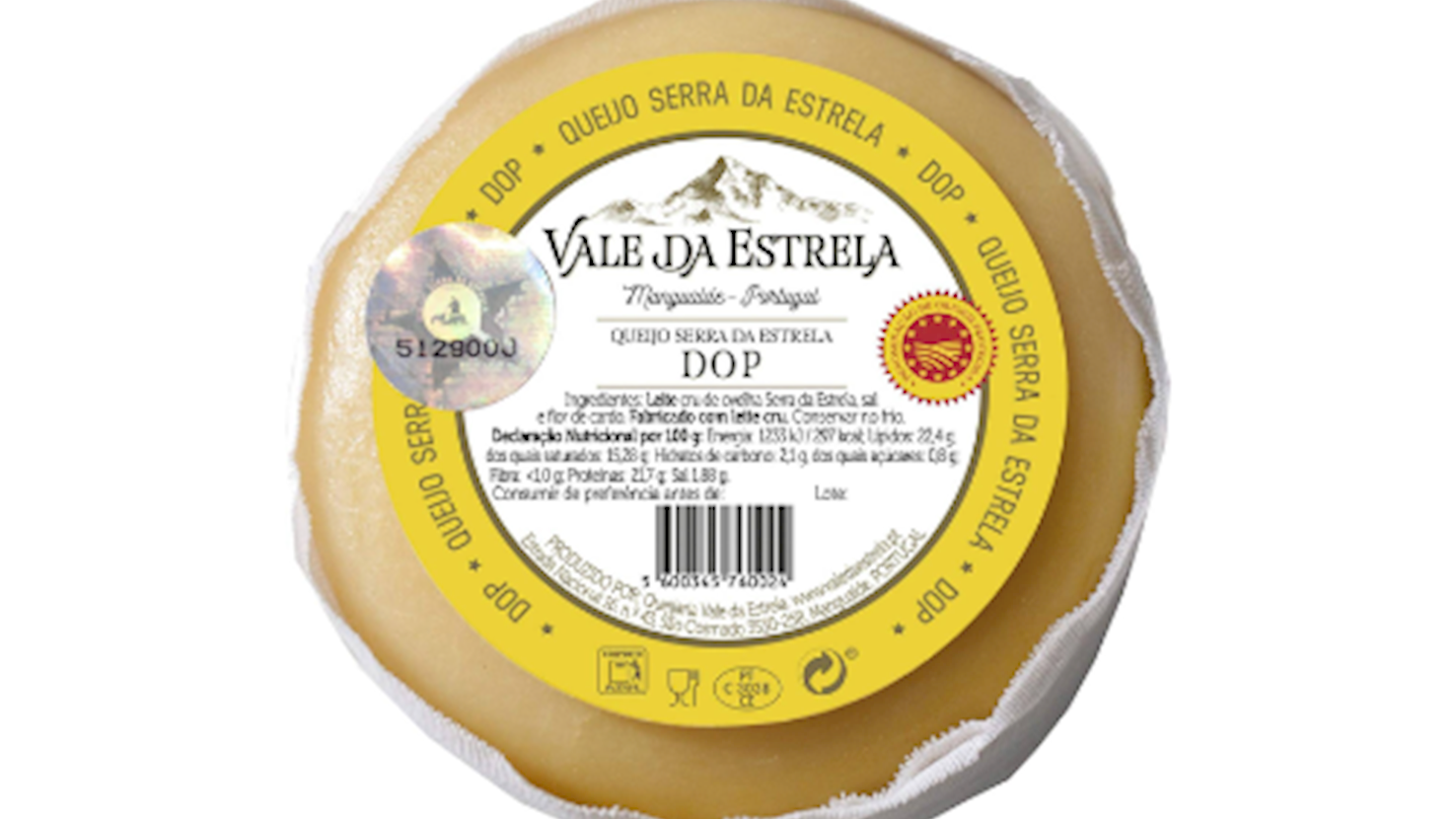
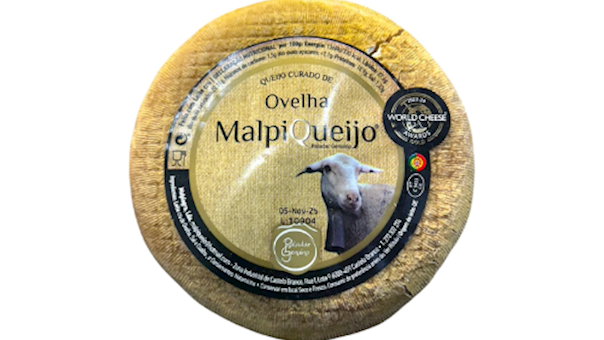
Queijaria Vale da Estrela is a cheese producer located in Portugal. The company specializes in producing traditional Portuguese cheeses, particularly those from the Serra da Estrela region, using time-honored methods and locally sourced milk. Queijaria Vale da Estrela is noted for its commitment to maintaining the artisanal quality and authenticity of its products.
Awards
World Cheese Awards - Super Gold (2022)
World Cheese Awards - Gold (2024)
09
Wine

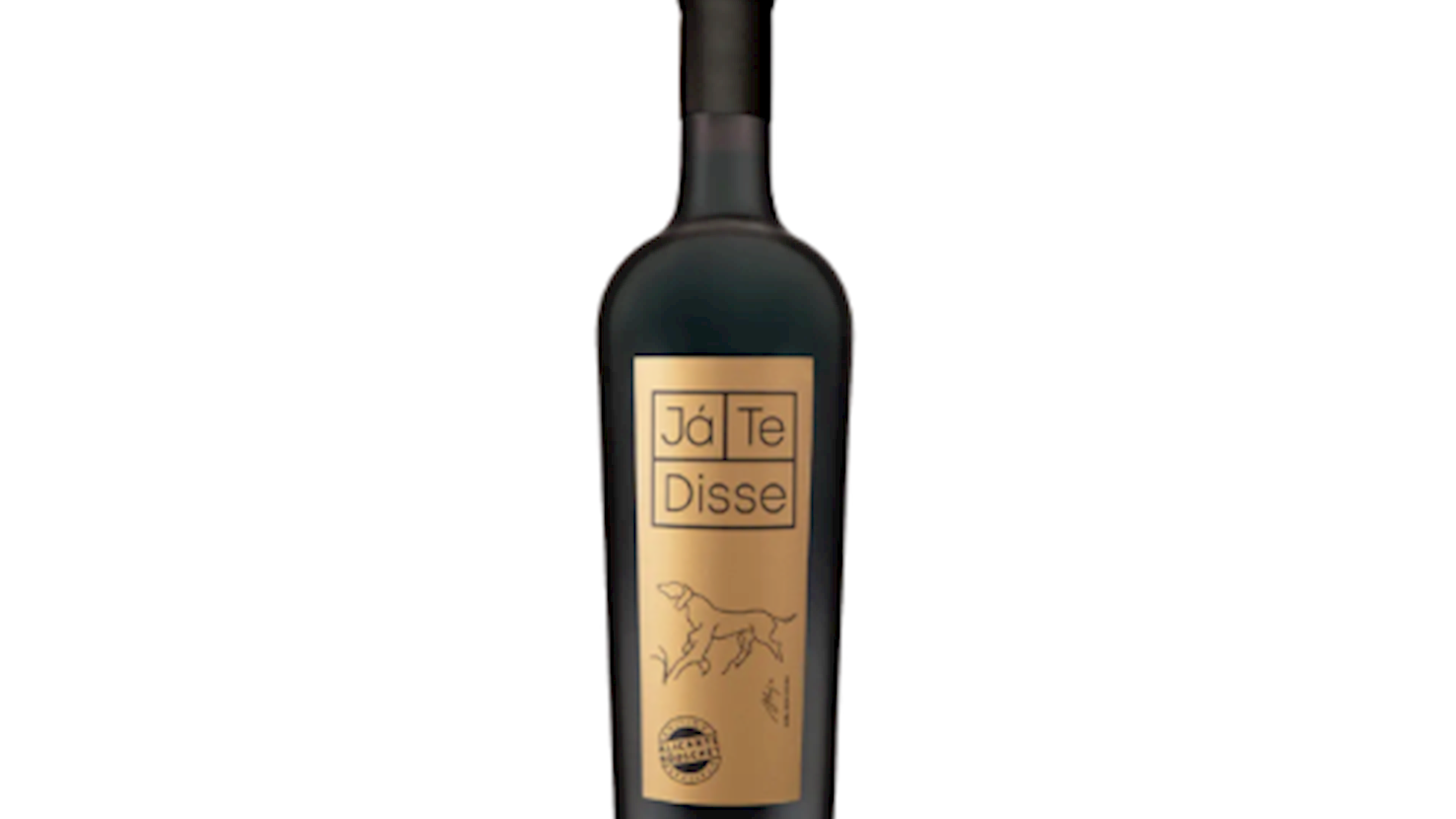
Já Te Disse

5 ·
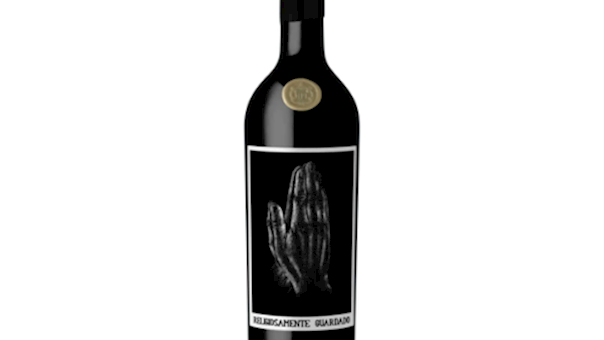
Já Te Disse is an independent Portuguese wine project based in the Alentejo region, known for its modern and creative approach to winemaking. The winery focuses on producing wines in limited quantities, emphasizing the quality of the grapes and the authentic expression of the vineyards from southern Portugal. The vineyards are located in the typical Alentejo landscape, where a warm and dry climate allows the grapes to reach full ripeness and develop concentrated aromas. Winemaking practices aim to preserve the natural fruit character and balance of the wines while maintaining a contemporary style. The brand also stands out for its distinctive visual identity and playful name - “Já Te Disse” which in Portuguese translates to “I already told you”. This informal tone reflects the project’s intention to present Alentejo wines in a fresh and accessible way. The wines are generally produced in small batches and target consumers interested in authentic and modern interpretations of Portuguese terroir. By combining traditional vineyard practices with a contemporary aesthetic and focused enological work, Já Te Disse represents a new generation of boutique wine initiatives emerging in Portugal.
10
Cheese

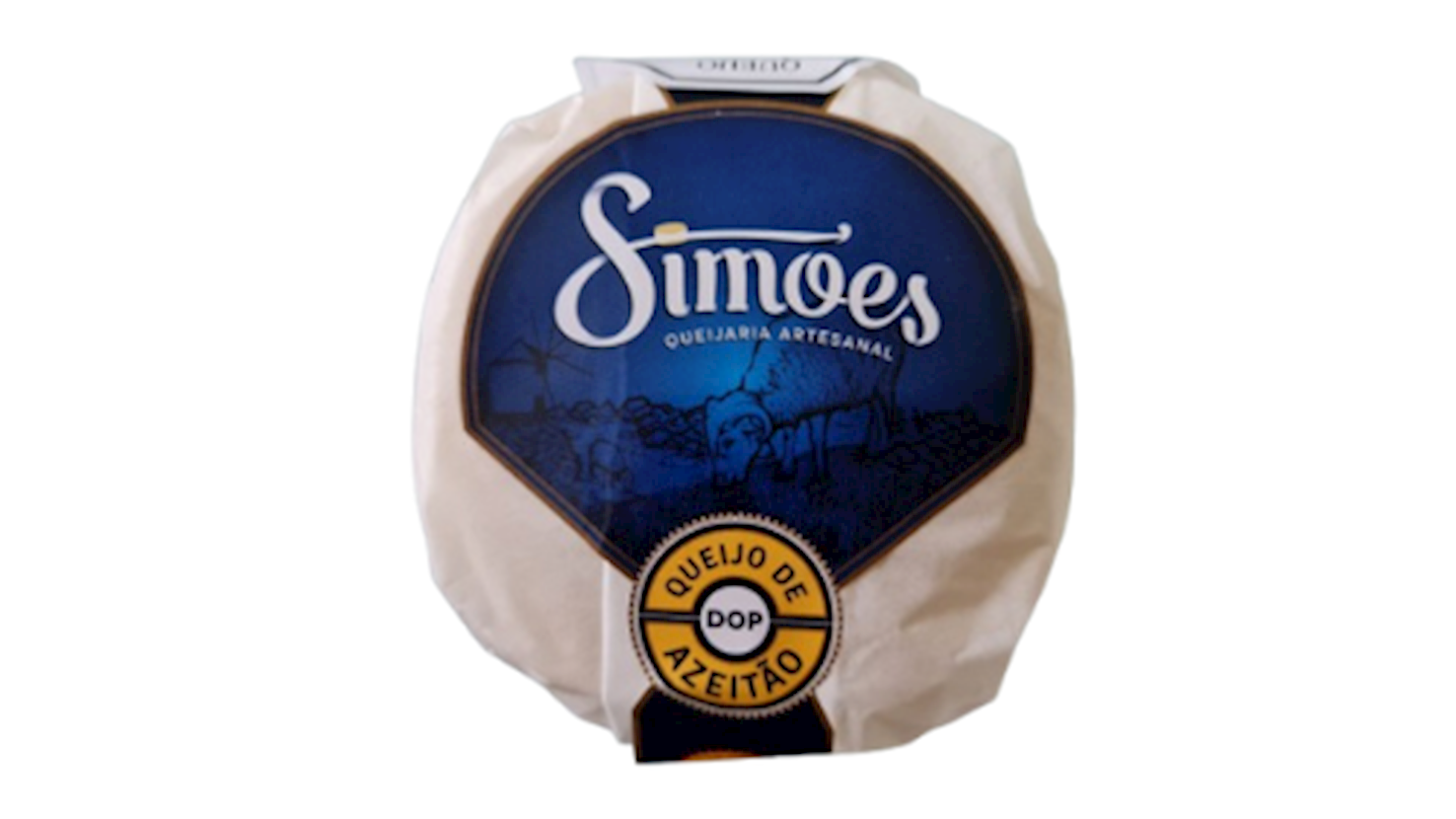
Fernando & Simões - Queijaria Artesanal

5 ·
Fernando & Simões - Queijaria Artesanal is a family-run cheesemaker from Quinta do Anjo in the Setúbal region, recognized for its traditional, handcrafted production of Queijo de Azeitão DOP. The cheese is made from raw or partially pasteurized sheep’s milk, using natural vegetable rennet that contributes to its characteristic creaminess and aromatic depth. It is shaped in small molds and aged for at least ten days in humidity-controlled rooms, where it develops a soft rind and a rich, evolving aroma. During maturation, it acquires pronounced notes of sheep’s milk, herbal nuances and a gentle spiciness that becomes more evident toward the rind. The texture is soft and almost spoonable near the surface, while the center remains firmer and more compact. Its flavor balances saltiness, milky richness and earthy tones, with a subtle herbal finish typical of this regional style. The producer is known for strict adherence to traditional methods, resulting in consistent quality and an authentic sensory profile. Fernando & Simões regularly receives awards at international competitions, reinforcing the reputation of its Azeitão as one of Portugal’s most distinctive cheeses and an essential choice in gourmet selections focused on local identity and artisanal craftsmanship.
Read more
View all
View map
About this ranking

TasteAtlas food rankings are based on the ratings of the TasteAtlas audience, with a series of mechanisms that recognize real users and that ignore bot, nationalist or local patriotic ratings, and give additional value to the ratings of users that the system recognizes as knowledgeable. For the “Top 100 Portuguese Foods” list until June 02, 2026, 18,475 ratings were recorded, of which 13,328 were recognized by the system as legitimate. TasteAtlas Rankings should not be seen as the final global conclusion about food. Their purpose is to promote excellent local foods, instill pride in traditional dishes, and arouse curiosity about dishes you haven’t tried.

The initial list of top producers was compiled based on available reviews, awards, local recommendations, media and blog coverage, and consumer reviews. The list will be updated with ratings from TasteAtlas local ambassadors and TasteAtlas users.

Similar lists