Top 100 Central European Cheeses

Last updated on June 24, 2026

Best Central European Cheese Types
01

Redykołka

4.4 ·

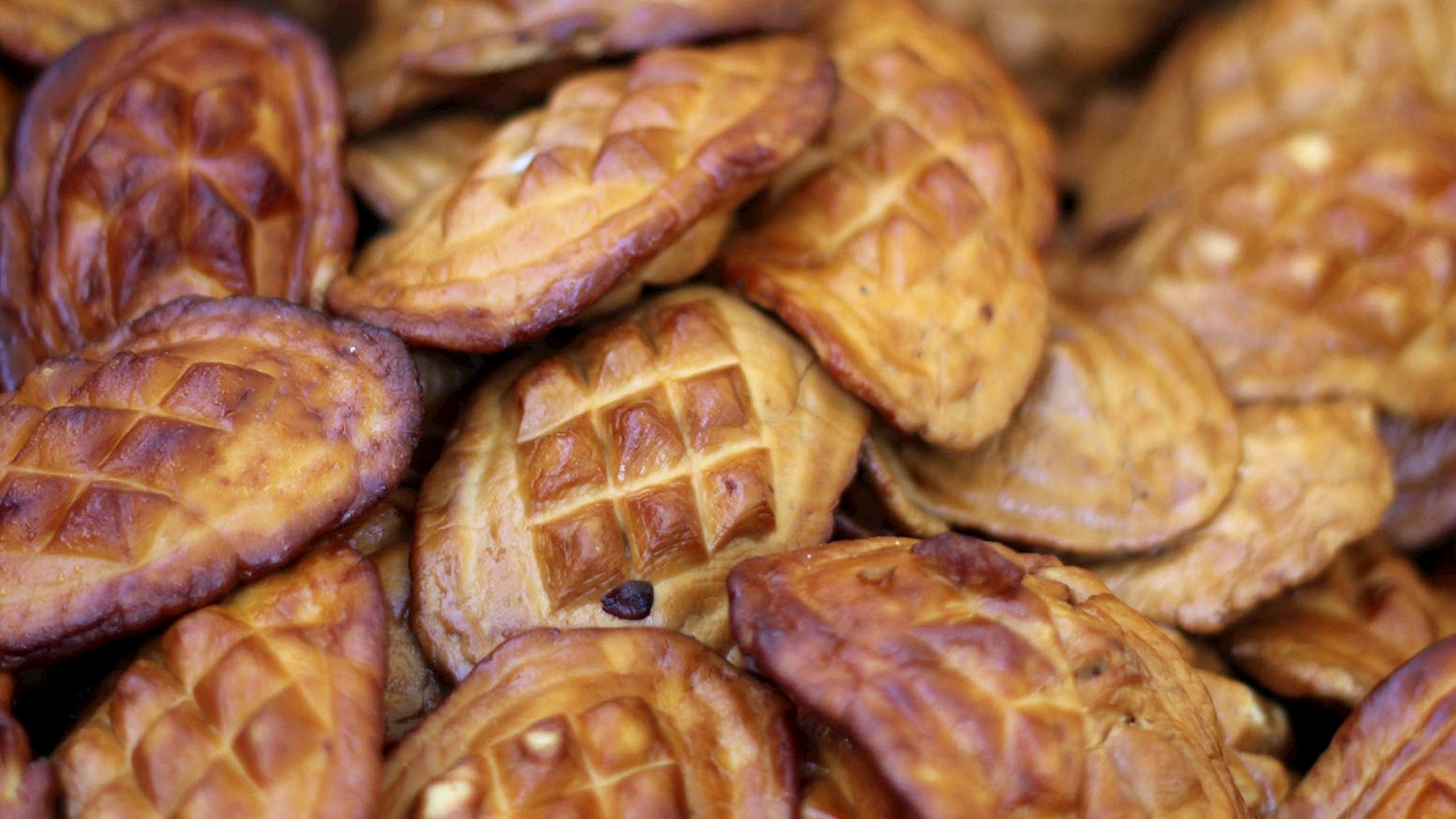
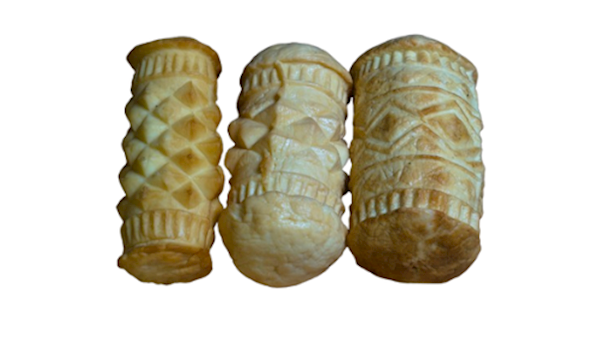
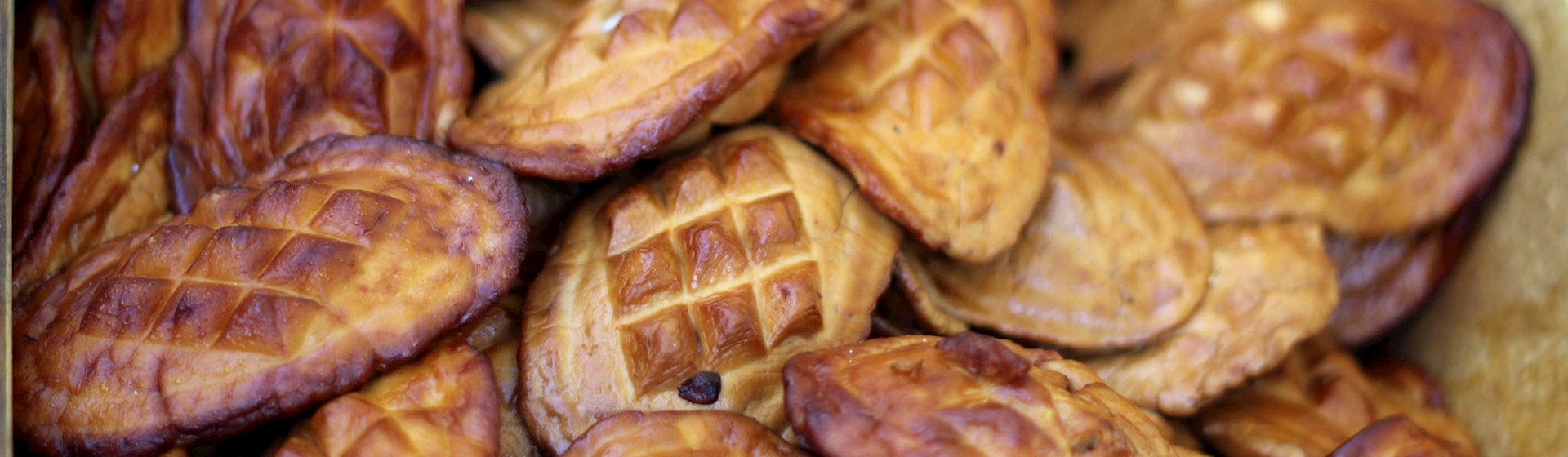
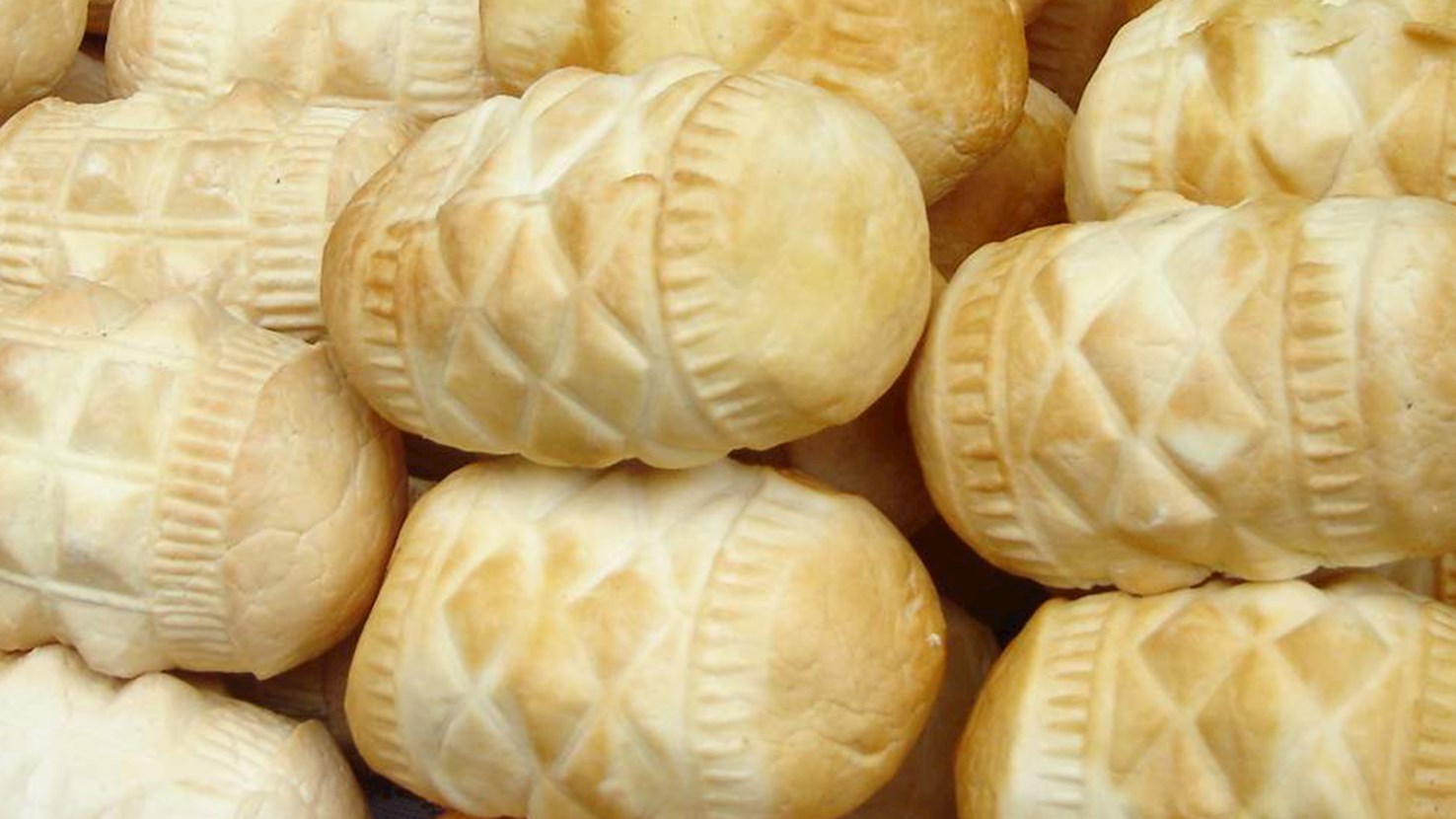
Redykołka is a small, semi-hard cheese made from half-fat sheep's milk in the Podhale region in Poland. The name derives from the Polish word redyk, meaning a ceremony where sheep are taken to mountain pastures, kept there grazing and brought back down from the mountains. The cheese is made in unusual shapes of small animals, birds, hearts or spindles. It must not exceed the maximum weight of 300 grams, the smallest one being redykolka in the shape of a spindle and weighing from 30 to 60 grams. It is made from the leftovers in the process of making the famous Polish Oscypek cheese and is regularly confused with it. In the past, Redykolka was often used as a gift from shepherds to children or guests and it was always given in even numbers. The cheese is smooth and white on the interior while it is straw-colored on the exterior due to having been smoked. Its taste is slightly salty, smoky and spicy.

02

Gołka

4.4 ·

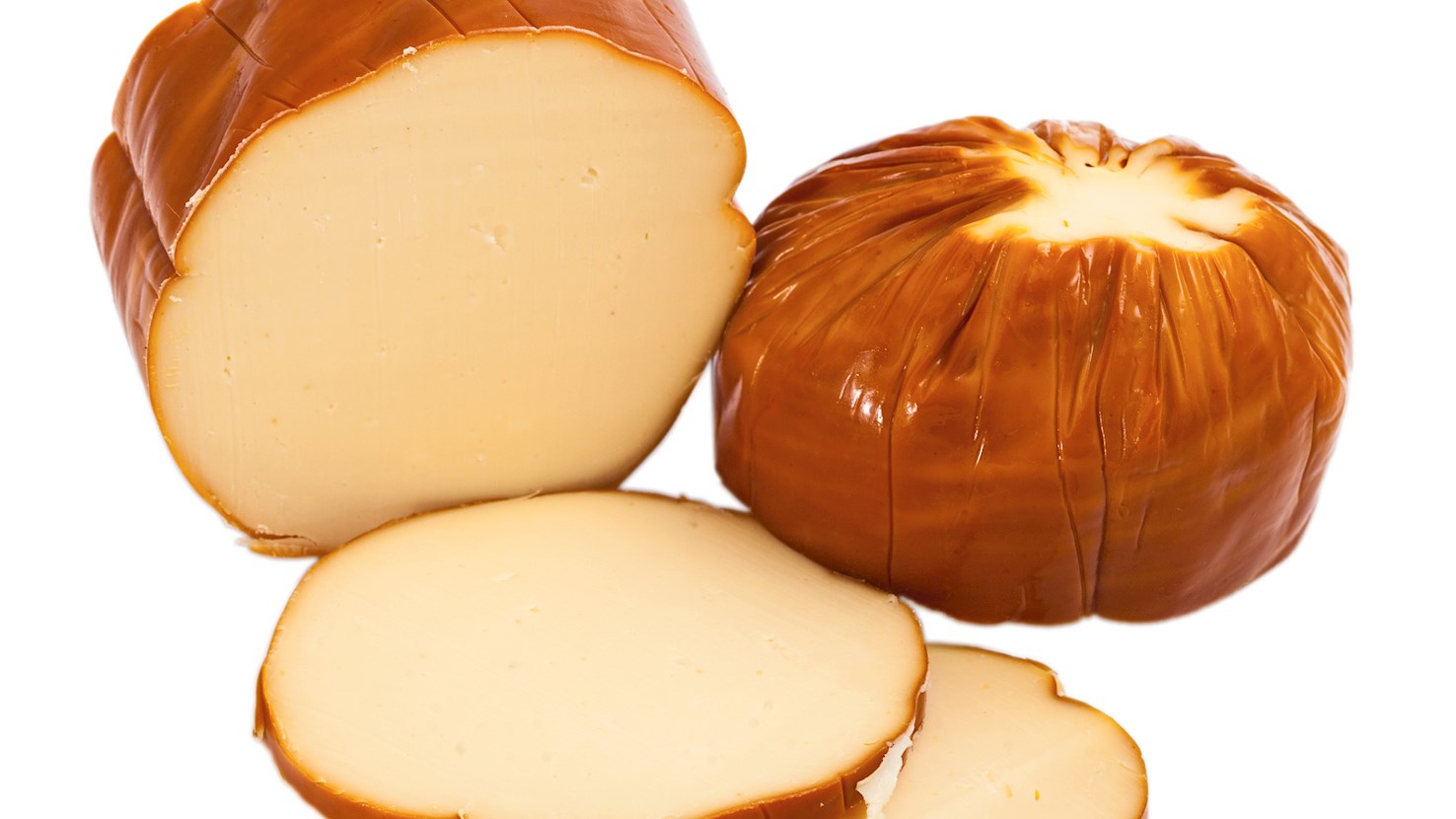
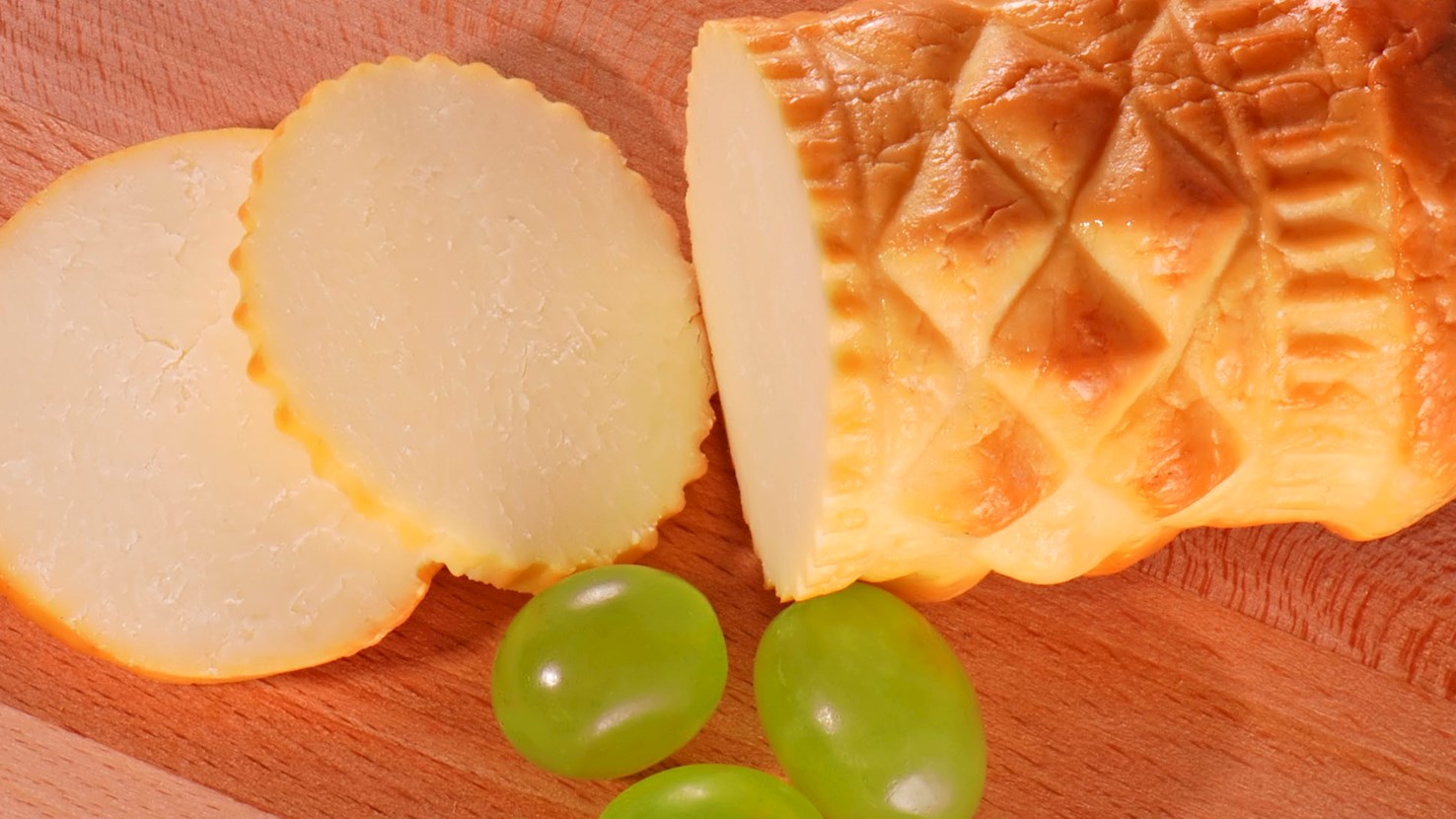
Traditionally associated with the region of Silesia, gołka is a smoked Polish cheese that is exclusively made with cow’s milk. It is characterized by its light yellow color, and before it is smoked, it is placed in carved wooden molds that form its typical cylindrical shape and provide a decorative pattern on the rind. With its delicate taste, smoky flavor, and soft texture, gołka is best paired with fruit preserves and bread.

03

Ovčí Salašnícky Údený Syr

4.4 ·

Ovčí salašnícky údený syr is a uniquely shaped, soft cheese, handmade from unpasteurized sheep's milk in a traditional way in mountainous areas and shepherd's huts in the Slovak Republic. The word salašnícky refers to the word salaš - a shepherd's hut where it is produced. The cheese is smoked over hardwood and comes in various shapes - most often as a lump, but it may come shaped like a heart, cockerel or other animals. On the exterior it is firm and dry with a crust and little stains that appear from the smoking process. Its interior is yellow in color with a firm texture that develops small holes when sliced. The flavor is smoky, mild, delicate and slightly acidic. Originally, it was smoked to prolong its shelf life and to be eaten in winter, when cheese was not produced. Pair it with potato dumplings and strong, yeasty beer.

04

Noord-Hollandse Gouda

4.3 ·

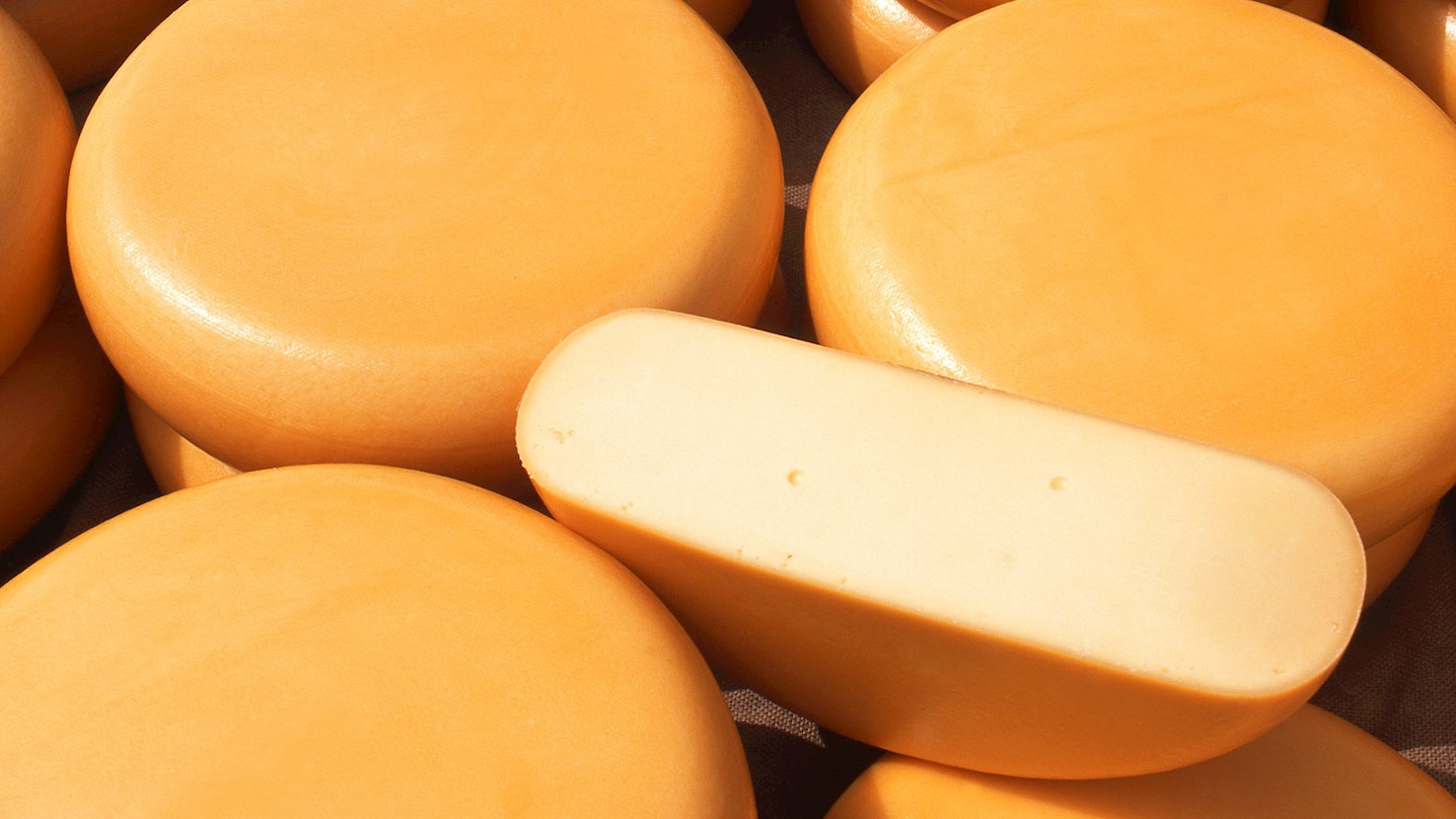
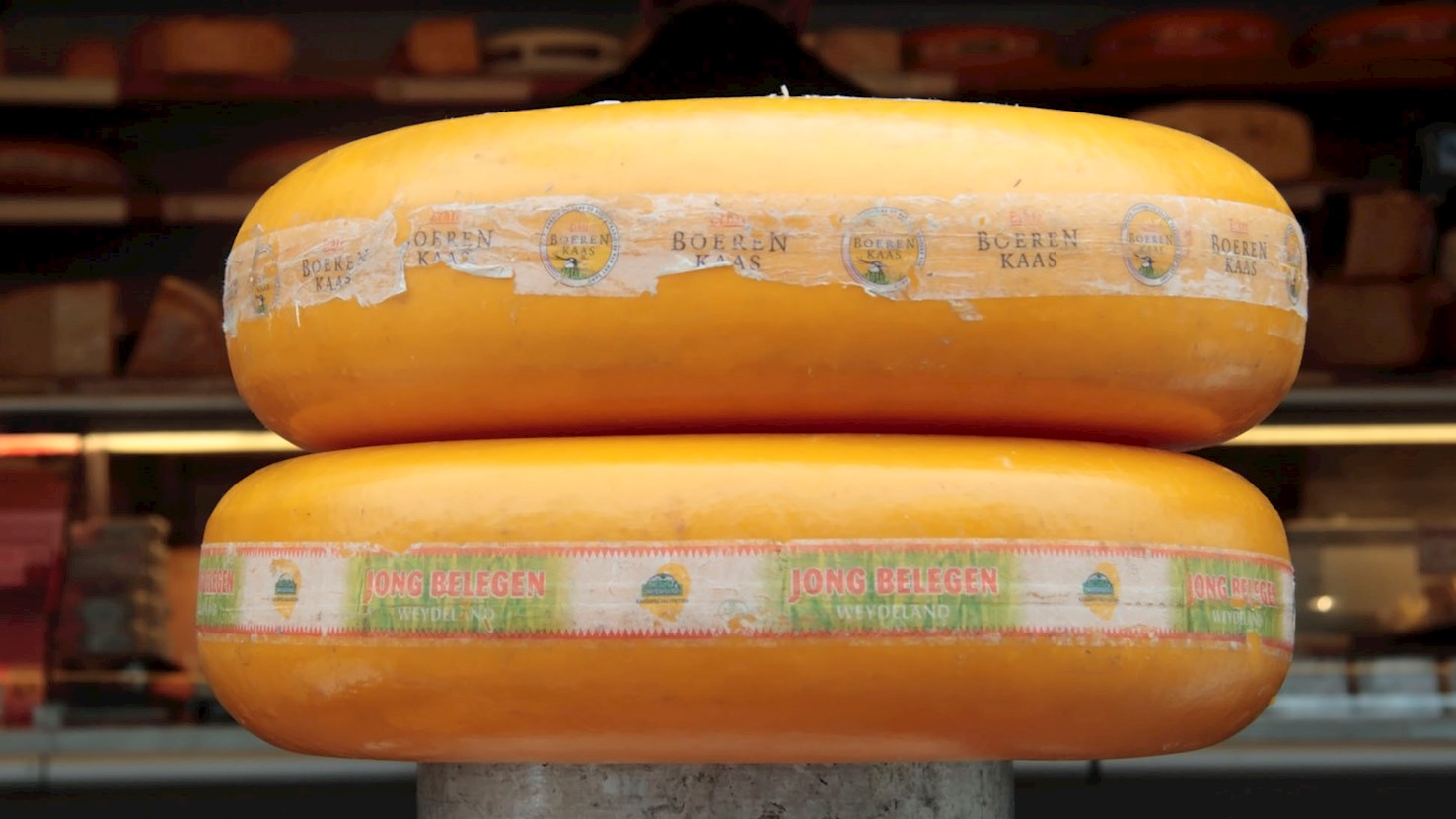
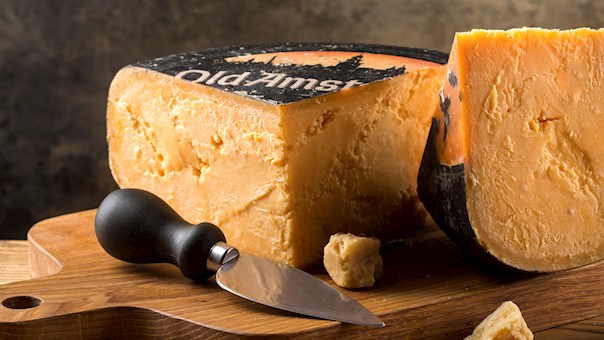
Noord-Hollandse Gouda is an aromatic and pleasant cheese that can be mild or intense, depending on its age. Its varieties include Graskaas, Jong, Jong belegen, Belegen, Extra belegen, Oud and Extra oud. The older the cheese variety, the stronger and saltier it gets. This type of Gouda cheese has a PDO status and is made from 100% North-Holland milk. It was originally made in the town of Gouda in South Holland, so its registered name 'North-Holland Gouda' may seem wrong. However, North Holland is the recognized pasture land in the Netherlands, and since the milk from those pastures is used in the process of making the cheese, the product is aptly named. Noord-Hollandse Gouda is made under factory conditions since 1900. It is characterized by its pleasant taste, specific consistency, and dry, smooth rind. It is notable for its sweetness and it is less salty than other Gouda cheeses because some of the milk sugars are removed early in the process to prevent excessive acid being produced by the bacteria. Young Gouda is soft, has a creamy quality and is easy to cut with a slicer, while the older Gouda varieties are harder and usually cut with a strong knife. There is also a special edition of the Noord-Hollandse Gouda, called 'baby Gouda', which is oval and smaller (weighing just a pound). It is usually coated with a layer of red wax and can be wrapped in cellophane.

05

Bryndza Podhalańska

4.3 ·

Bryndza Podhalańska is a unique soft cheese made from the milk of the Polska Owca Górska (Polish Mountain Sheep) breed of sheep, produced in the Nowotarski, Tatrzański and some parts of the Žywiecki districts in Poland. The cheese can also be made with a mixture of sheep's and cow's milk, where cows must be of the Polska Krowa Czerwona (Polish Red) breed, and the maximum amount of cow's milk used in the process must not exceed 40%. The cheese gets its name from the traditional name for the region - Podhale, where many skillful cheesemakers produce this white, creamy-white or greenish delicacy with an intense, salty and slightly sour flavor. Since Bryndza Podhalańska is a seasonal product, it is only made from May until September. The unique flora of one of Europe's cleanest regions has a great impact on the quality of this fresh and creamy product, often paired with dry white wines.

06

Tête de Moine

4.3 ·

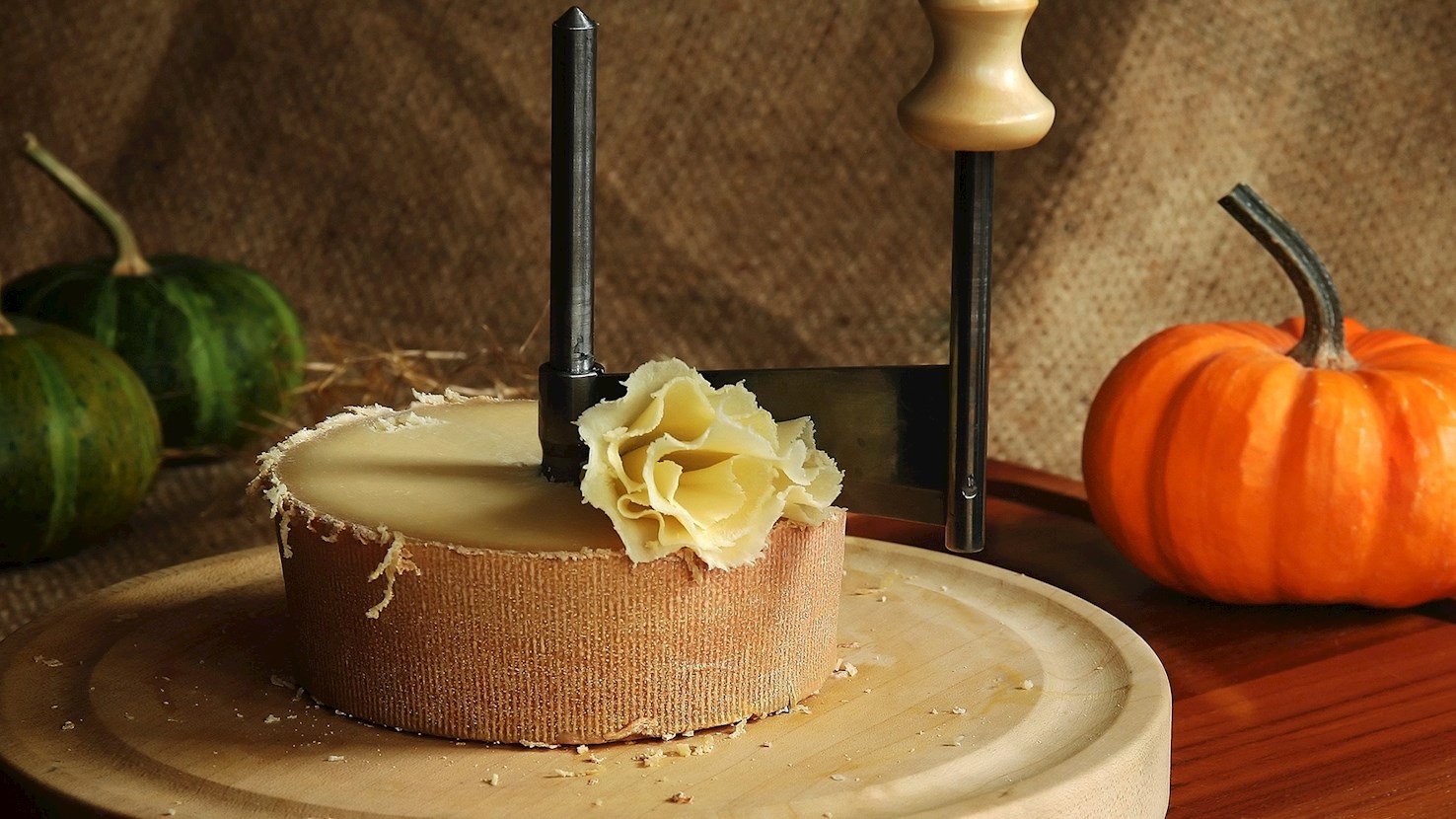
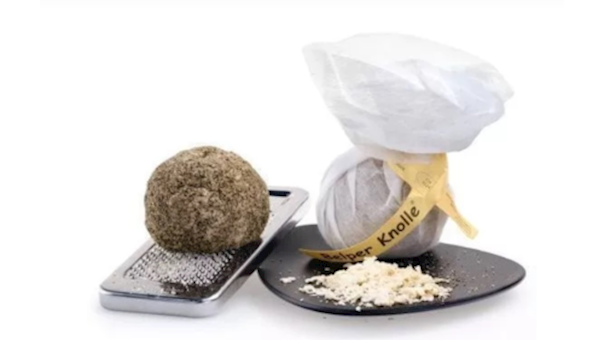
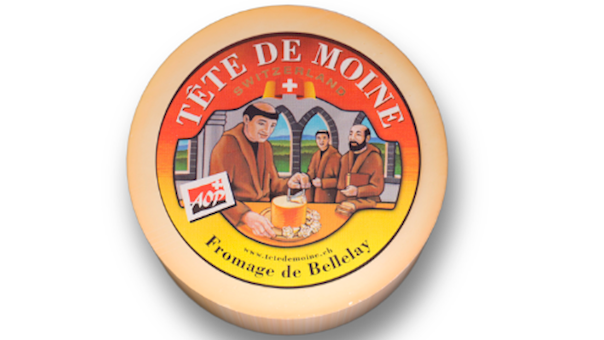
Tête de moine (lit. monk’s head) is a cylindrical, semi-hard Swiss cheese made from cow’s milk. The cheese is kept on spruce wood boards for at least 2,5 months before consumption. It is believed that the cheese was first made by monks in the Bellelay monastery in the community of Saicourt. In the past, they used it as a means of payment. Interestingly, tête de moine is not cut, but scraped or shaved with a special tool called a girolle. During the process, the surface of the cheese comes into direct contact with air, which alters the structure of the paste and helps to release the aromas. Pair it with crisp white wines such as Pinot Grigio.

07

Boerenkaas

4.3 ·

Dutch for farmer's cheese, Boerenkaas is produced using unpasteurized, raw milk from the farm's own animals, which is why only a small percentage of Dutch cheeses can carry that name. Unlike its factory-made counterpart, this unique handmade cheese is said to be more a product of art than of science. Depending on the type of milk used in the process, there are four variations of Boerenkaas: Goudse, Leidse, and Edammer Boerenkaas made from cow's milk and Boerenkaas from goat's, sheep's, or buffalo's milk. Additionally, seeds, herbs, and spices can be added to turn the flavor up a notch. The cheese is semi-hard and has an intense flavor reminiscent of caramel, butterscotch, and cashews, which makes it suitable for pairing with beer and full-bodied red wines. However, the flavor is not consistent because this type of cheese is made on different farms that have different soil types, making it all the more exciting to discover the differences and uniqueness of each Boerenkaas wheel.

Best producers
08

Bundz

4.3 ·

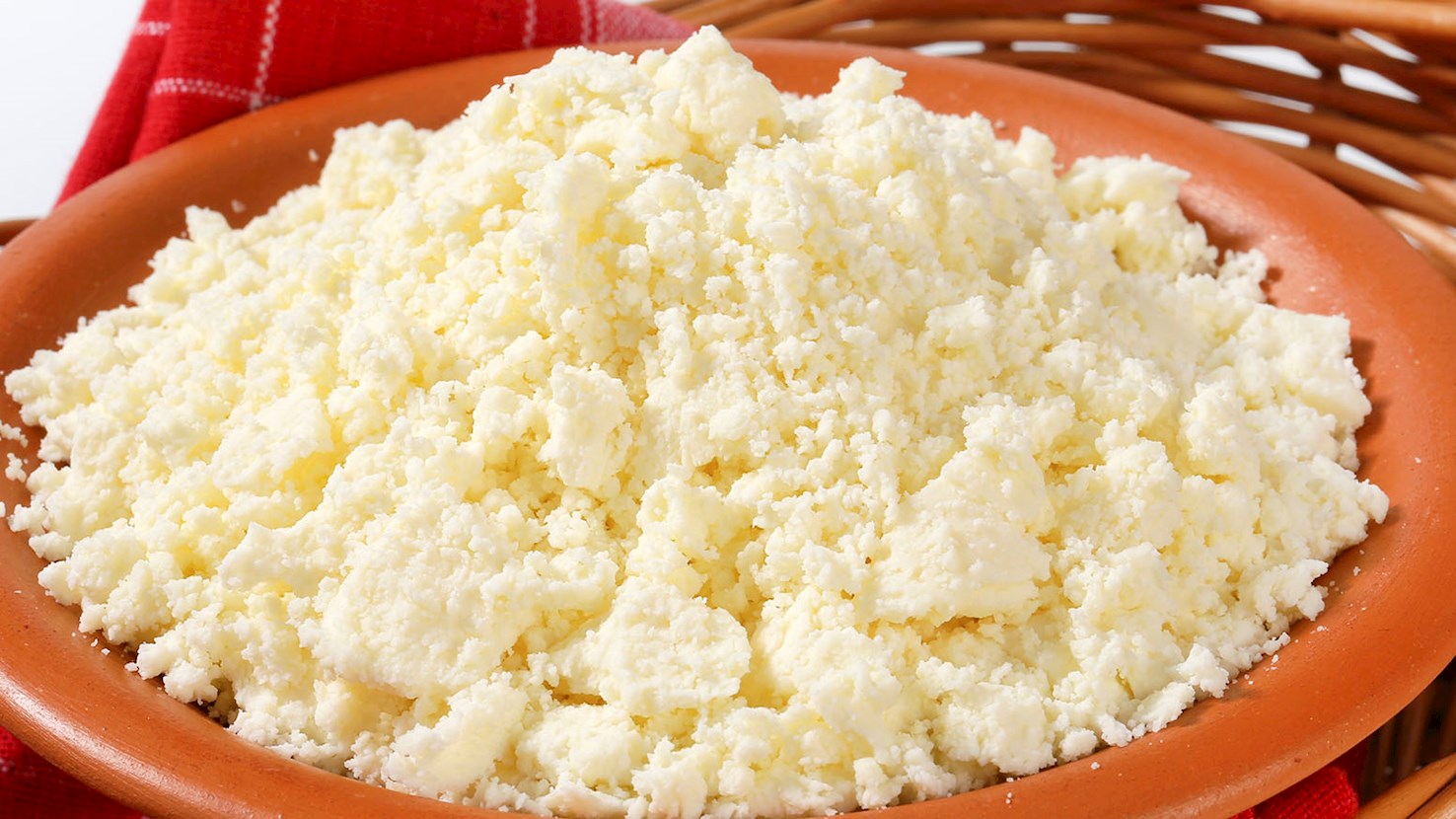
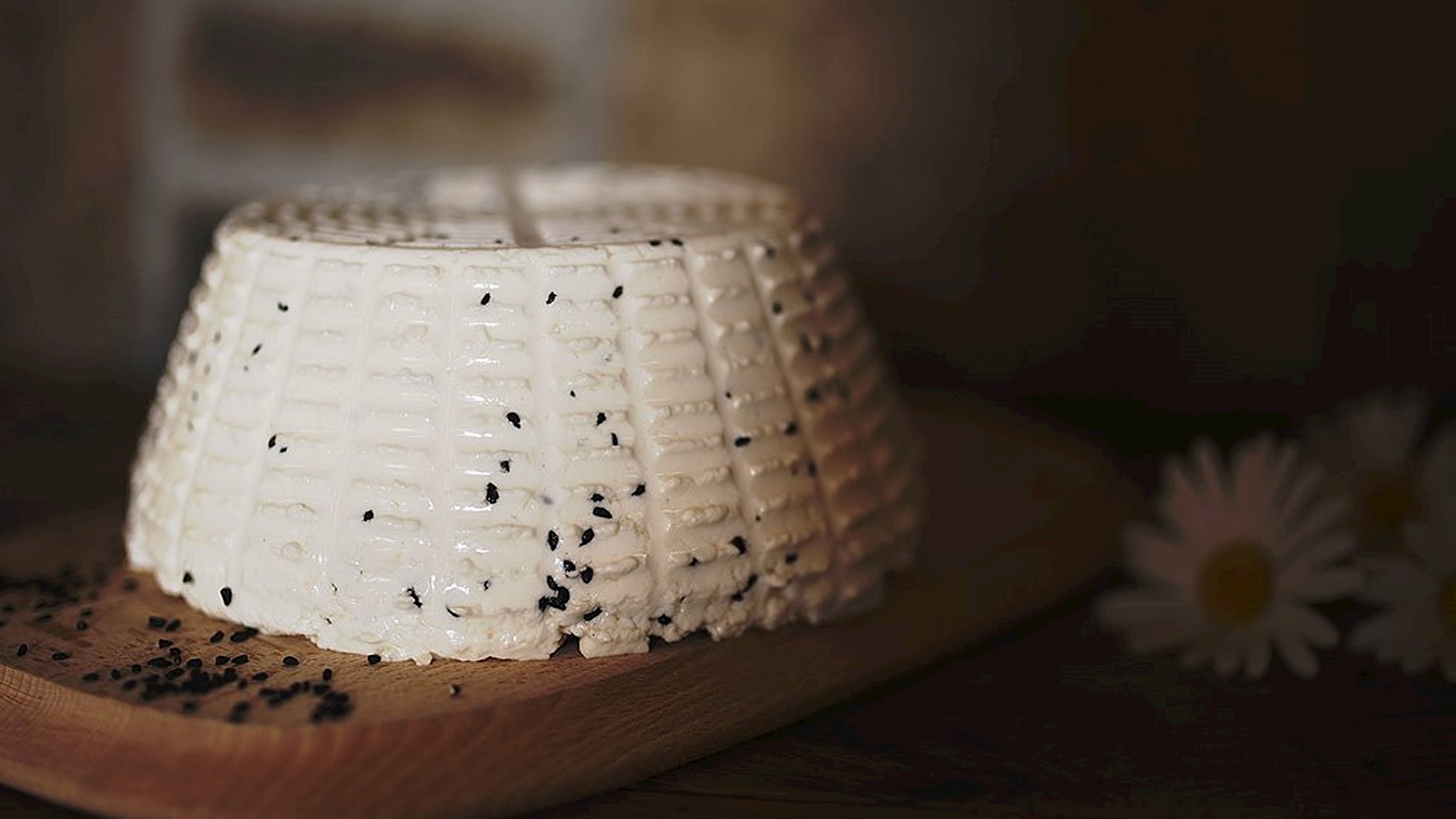
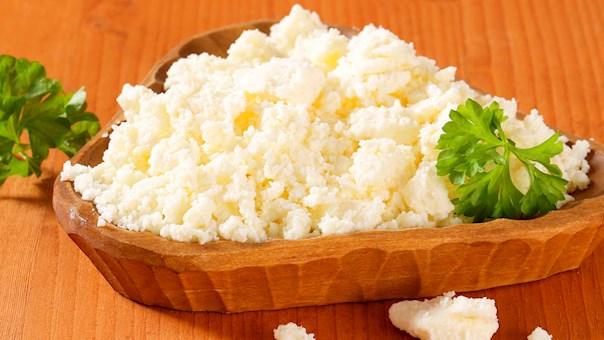
Bundz is a Polish cheese made from sheep's milk. The cheese is produced in the mountainous regions of the country. It is reminiscent of cottage cheese in flavor and texture, and has a mild, fresh flavor. The remaining whey created in the production of bundz is used for the preparation of a traditional Polish sour beverage called żętyca.

09

Slovenský Oštiepok

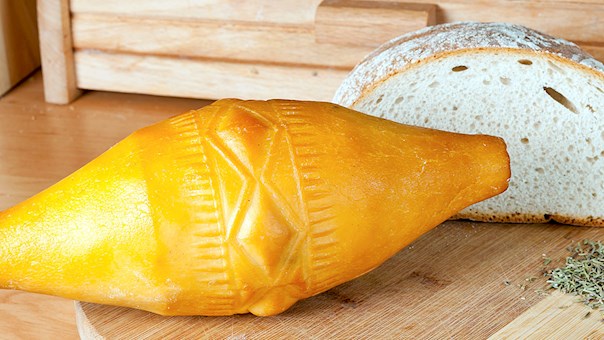
4.3 ·

Slovenský oštiepok is a traditional semi-hard cheese made from half-fat sheep's milk, cow's milk or a mixture of both. It can be either steamed or unsteamed, smoked or unsmoked and can be produced in dairies using the industrial way of production, or on sheep farms (salaš) in the mountainous parts of the Slovak Republic, using the traditional methods. It is quite striking to the eye - shaped like a large egg or a pine cone, with a golden brown exterior due to the smoking process and a creamy yellow color on the interior. Its texture is firm and homogeneous, with small cracks developing on the body when sliced. The taste is delicate and savory, slightly salty, sour to piquant, with a typical smoky flavor. Enjoy it on its own, as a snack and pair it with dry white wines or beer.

10

Slovenská Parenica

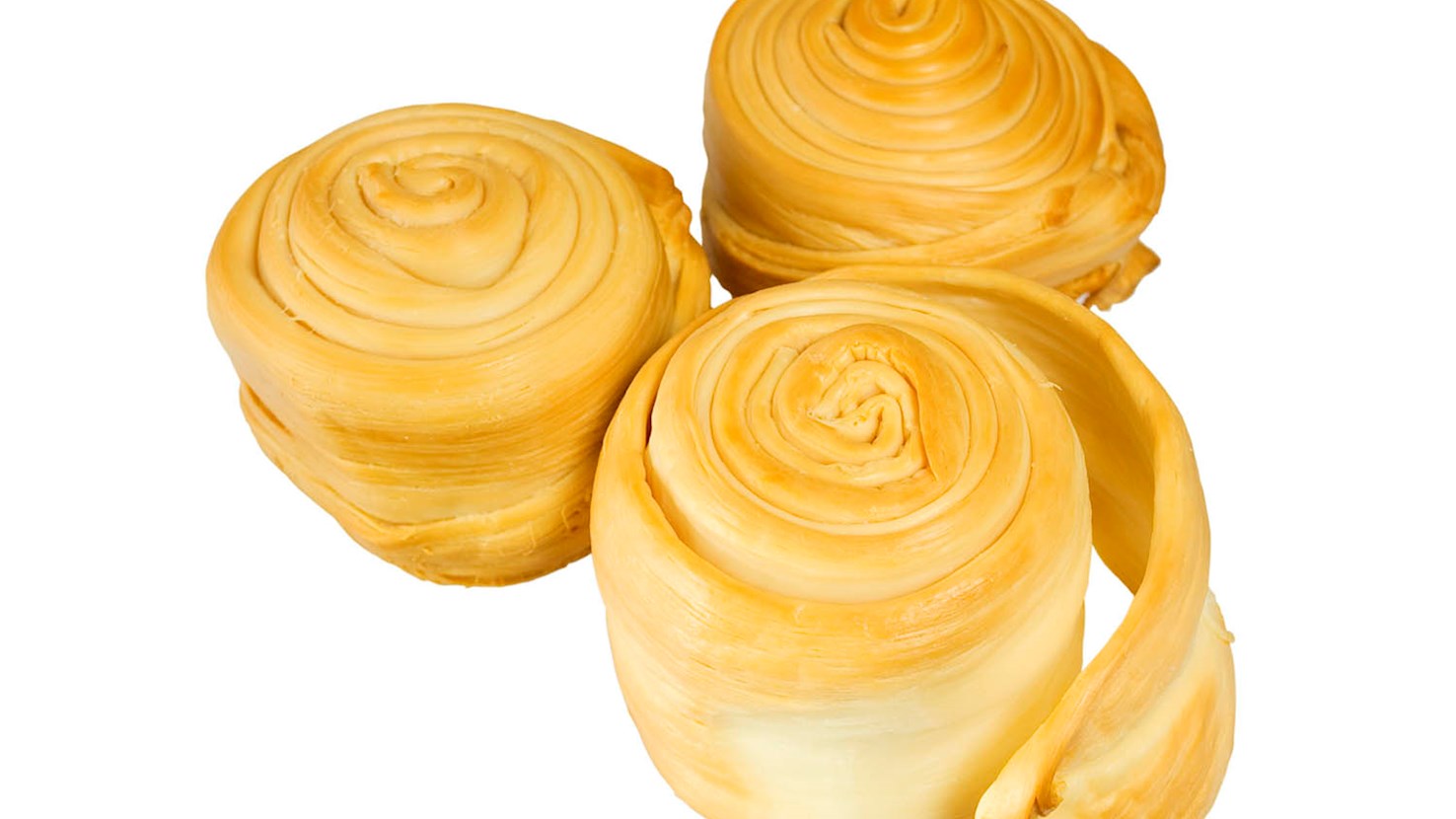
4.3 ·

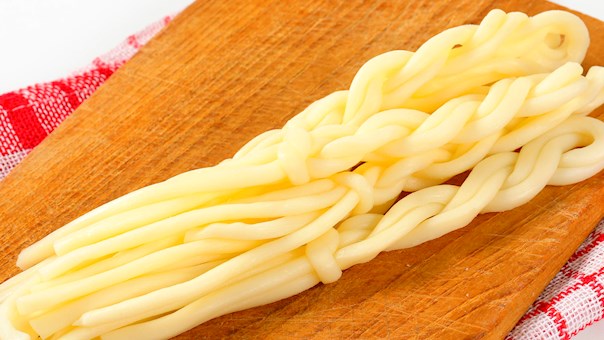
Slovenská parenica is a soft, steamed cheese made from unpasteurized sheep's milk of the Wallachian, Cigaya, East Friesian and improved Wallachian breeds. The cheese can also be made using a mixture of raw sheep's and cow's milk, where the content of sheep's milk must be at least 50%. The parenica is wound in two rolls that are connected in an S-shape or a spiral, steamed and lightly smoked. The rolls are bound with cheese string or chains. Its aroma is smoky with a characteristic smell of sheep's milk, and the taste is delicate, mild and slightly salty. The texture is elastic and supple, with fibers and threads on the interior, and the color is yellow to brown on the exterior, due to being smoked and steamed. It was originally produced around Zvolen and Brezno in the early 19th century, but today it has spread to virtually every part of Slovakia.

Best Central European Cheeses
01

Fromage d’Alpage

5 ·
Fromage d’Alpage is an organization based in the canton of Fribourg, Switzerland, that brings together alpine producers involved in the traditional production of mountain cheeses such as Gruyère d’Alpage AOP and Vacherin Fribourgeois AOP. The group represents farmers and cheesemakers who produce cheese during the summer grazing season on high-altitude alpine pastures, where cows feed on diverse mountain herbs and grasses that influence the character of the milk. These cheeses are made directly on alpine farms in small mountain chalets, often using traditional copper vats and time-honored cheesemaking techniques passed down through generations. In this context, the organization plays an active role in the production system by coordinating alpine milk production, cheesemaking practices, and the preservation of traditional methods specific to mountain pastures. The cheeses are typically produced only during the summer months, when the animals graze freely in alpine environments, resulting in products known for their complex aroma and strong expression of terroir. Fromage d’Alpage also supports producers through collective promotion, quality standards, and the marketing of alpine cheeses, helping maintain the economic viability of small mountain farms. In addition, it contributes to the preservation of alpine landscapes and pastoral traditions by promoting sustainable mountain agriculture. Through this cooperative model, the organization connects small-scale producers with wider markets while safeguarding the authenticity and identity of traditional Swiss alpine cheeses.
Awards
World Cheese Awards - Super Gold (2022)
World Cheese Awards - Gold (2022)
02

Fromagerie Moléson

5 ·
Fromagerie Moléson is a Swiss dairy and cheesemaking company located in Orsonnens in the canton of Fribourg, a region with a long tradition of alpine cheese production. The company was founded in 1965 by the Grossrieder family and has developed into an important processor of regional milk and dairy products. It works closely with local dairy farmers, collecting milk from numerous farms in the surrounding area and processing several million kilograms of milk each year, primarily cow’s milk but also goat and sheep milk. The company produces a wide range of traditional Swiss cheeses, including Gruyère AOP, Vacherin Fribourgeois AOP, raclette cheeses, tomme-style cheeses, and various fondue blends. Alongside these classic products, the dairy also develops its own specialty cheeses and value-added dairy products that combine regional ingredients with modern production techniques. An important part of its activity includes cheese maturation, as the company operates aging cellars where cheeses are carefully monitored and turned during the affinage process to develop their characteristic flavor and texture. Fromagerie Moléson also distributes its products through its own retail shop and broader distribution network in Switzerland and abroad. Over the years, the company and its cheeses have received recognition at international cheese competitions, particularly for their Gruyère AOP. The business emphasizes a balance between traditional cheesemaking practices and modern production standards while maintaining strong partnerships with regional dairy farmers.
Awards
World Cheese Awards - Super Gold (2022)
World Cheese Awards - Gold (2022)
03

Fromagerie André

5 ·
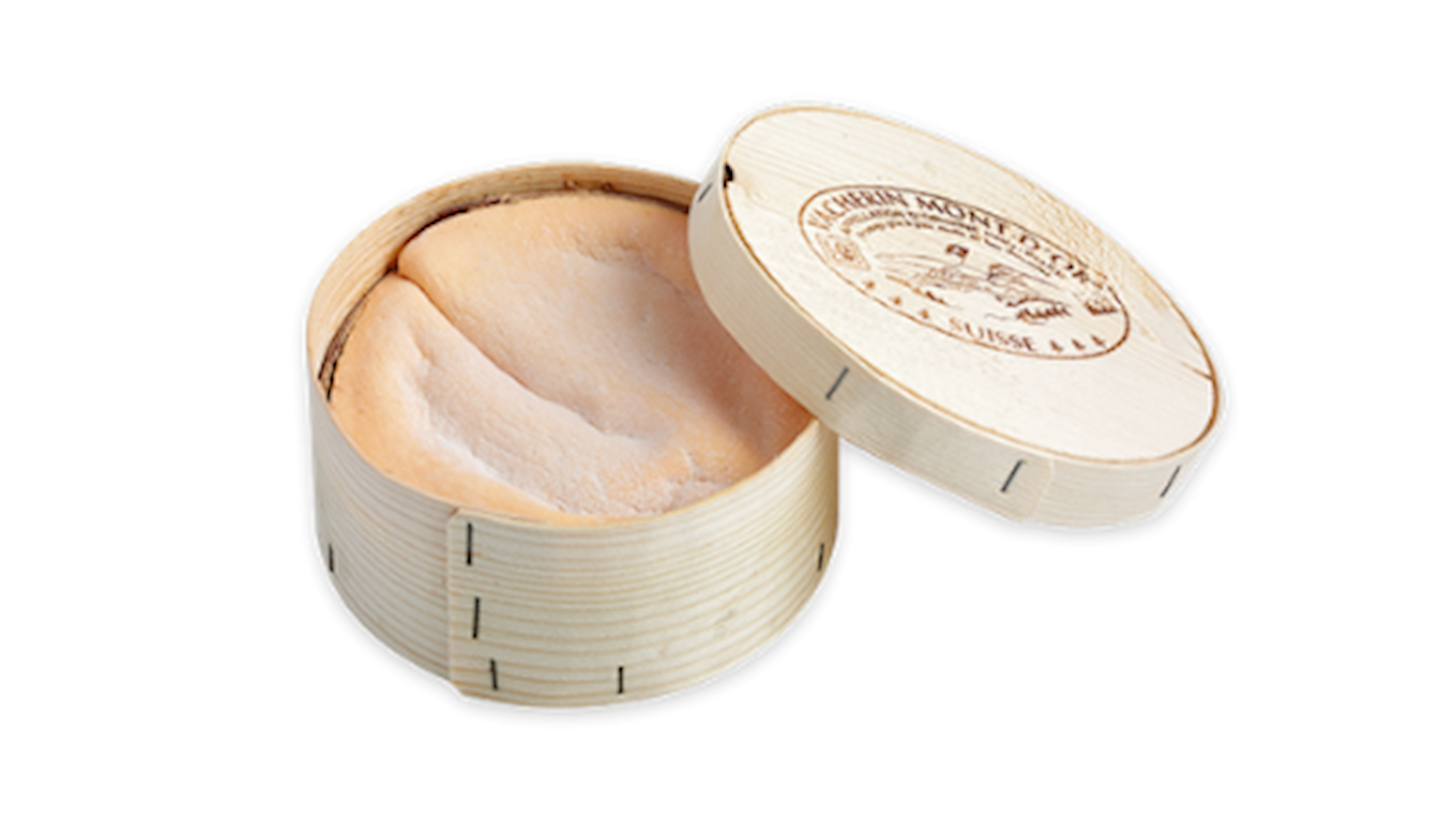
Fromagerie André is a family-owned Swiss cheese dairy with a long tradition dating back to 1919, based in Romanel-sur-Morges in the canton of Vaud. Across several generations, the André family has developed a distinctive artisanal approach to cheesemaking, relying on locally sourced milk and a strong connection to the region’s terroir. The dairy is particularly known for producing protected-designation cheeses such as Vacherin Mont-d’Or AOP, as well as various tomme-style cheeses and specialty varieties with added flavors. Production combines traditional methods with modern quality standards, with careful attention to natural ingredients and controlled aging. Today, it is regarded as a respected representative of Swiss artisanal cheesemaking, valued for its consistency, family heritage, and commitment to regional quality.
Awards
Swiss Cheese Awards - Swiss Champion (2024)
04

Fromagerie L'Amuse

5 ·
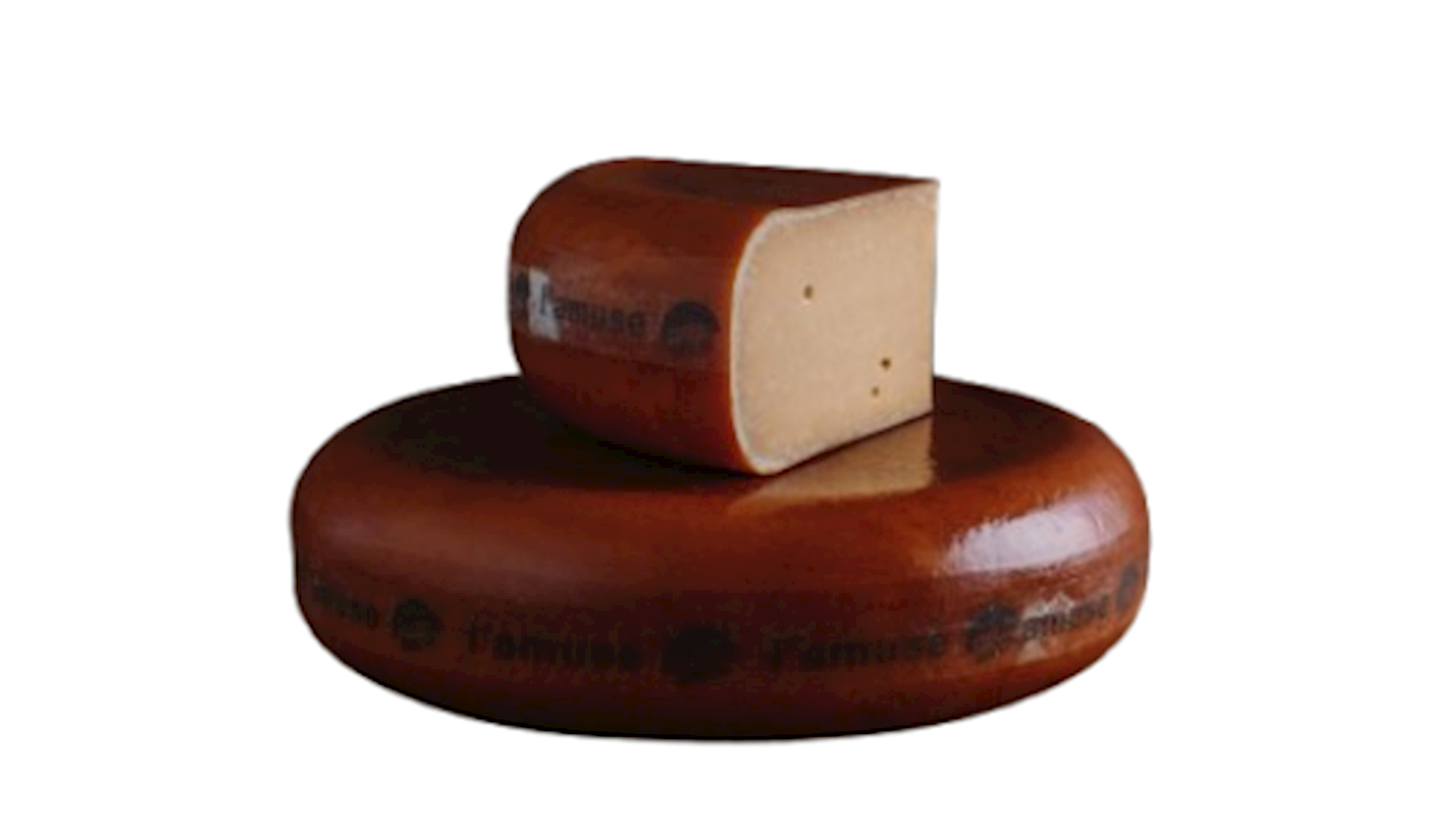
Fromagerie L'Amuse is a renowned and respected cheese shop based in the Netherlands, with locations in Amsterdam and IJmuiden. L'Amuse was founded in 1989 by Betty Koster, a top cheese expert, specialist, and educator. Over the years, L'Amuse has built a reputation as one of the leading destinations for fine cheeses in the Netherlands. The shop specializes in Dutch cheeses as well as carefully selected international varieties. L'Amuse offers a wide range of cheeses, including both hard and soft cheeses, goat's and cow's milk cheeses, as well as some rare and exotic types. L'Amuse also offers professional cheese tastings, where participants can learn about different types of cheeses, their history, production methods, and how to pair them with wines and other accompaniments. Fromagerie L'Amuse is not just a cheese shop but a true destination for cheese lovers of all kinds. With a passionate approach to quality, education, and innovation, L'Amuse has earned a reputation as one of the most important places in the Netherlands for cheese tasting and purchasing.
05

Pinzgau Milch

5 ·
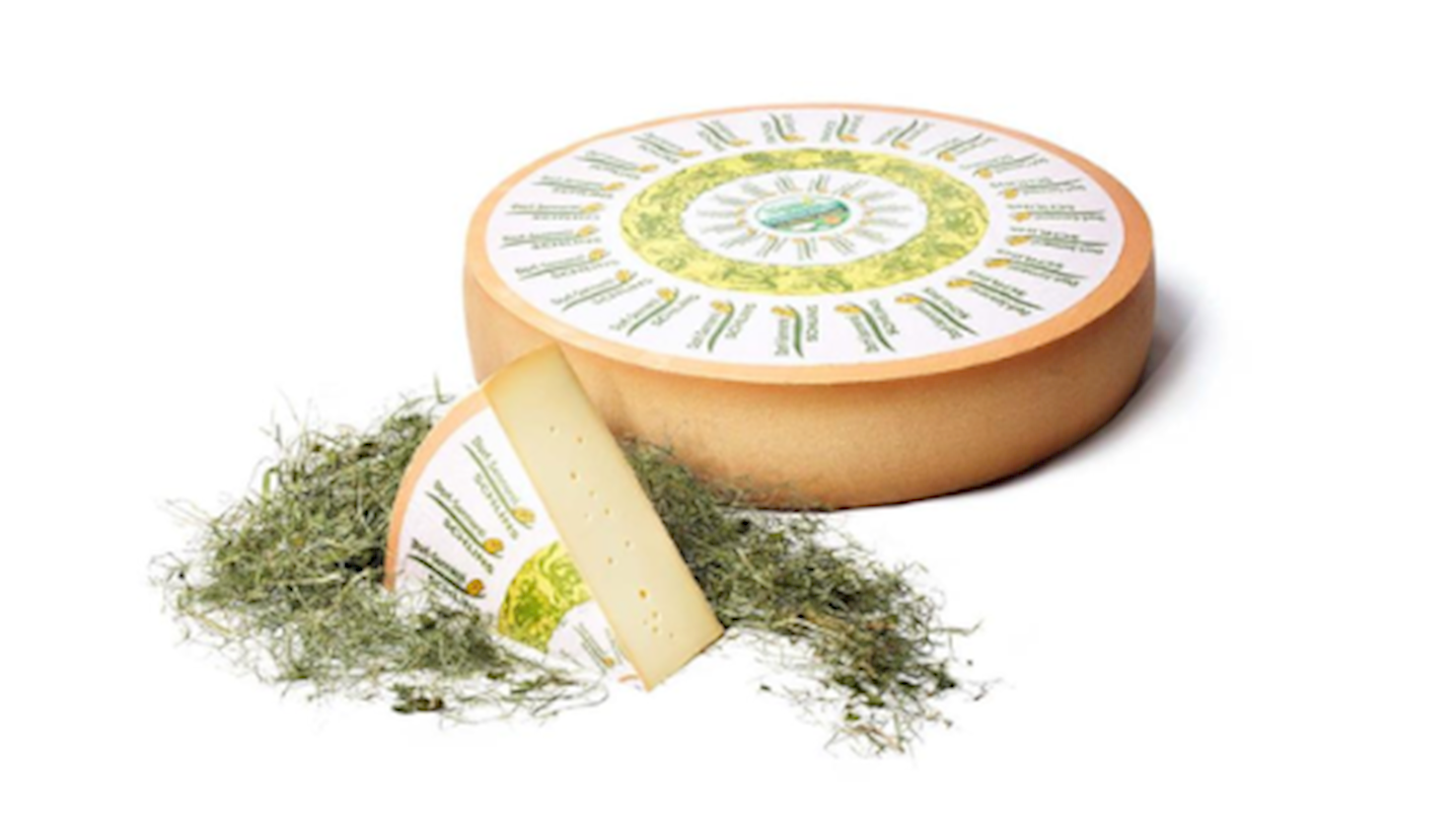
Pinzgau Milch is an Austrian dairy company based in Maishofen in the Pinzgau region, bringing together numerous mountain farms and processing milk sourced from Alpine pastures. The raw milk comes from cows fed primarily on grass and hay from high-altitude meadows, which contributes to the clean, full-bodied character of its dairy products. The company originated from local dairy cooperatives established in the 1930s and has since developed into a modern processing facility that combines traditional craftsmanship with advanced technology. Its portfolio includes fresh milk, yogurt, butter, cream, and a broad range of cheeses, particularly Alpine semi-hard and hard varieties. Products made from hay-fed and organically certified milk play an important role within the assortment, reflecting Austrian quality standards. Beyond classic dairy lines, Pinzgau Milch also produces milk-based beverages, protein drinks, iced coffee, and specialized nutritional formulas, expanding its presence beyond conventional dairy segments. A significant share of production is exported, underlining its stable position in international markets. The company operates in accordance with strict food safety and environmental management standards, including responsible energy use and packaging practices. Close cooperation with regional farmers ensures traceability and consistent quality from farm to finished product. Pinzgau Milch represents a model in which mountain agriculture and modern dairy processing are integrated into a sustainable and competitive system.
Awards
World Cheese Awards - Super Gold (2023, 2022)
World Cheese Awards - Gold (2024, 2022)
06

Dorfsennerei Schlins-Röns

5 ·
Dorfsennerei Schlins-Röns und Umgebung is a cooperative cheese producer located in Austria, specifically serving the Schlins and Röns region. The cooperative focuses on producing traditional Austrian cheeses using milk sourced from local dairy farmers. They employ methods that combine both modern and traditional cheese-making techniques to preserve the artisanal quality of their products.
Awards
World Cheese Awards - Super Gold (2021)
World Cheese Awards - Gold (2024)
07

Fromagerie d'Etiez

5 ·
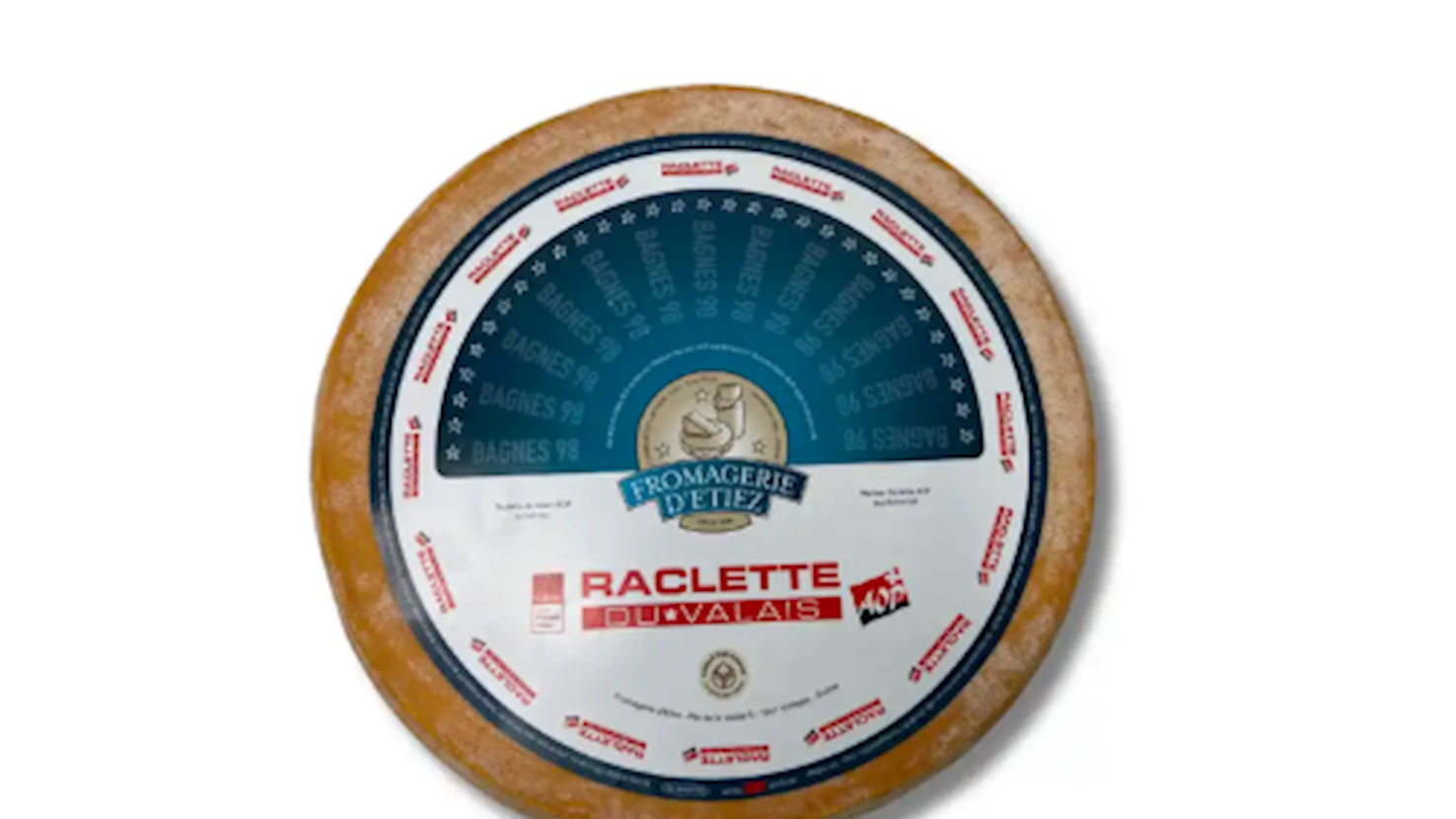
Fromagerie d’Étiez is an artisanal cheese dairy located in the village of Vollèges, in the Val de Bagnes area of the canton of Valais, Switzerland. It works with milk sourced from nearby local farmers, ensuring a strong connection between production and the surrounding alpine terroir. Since its establishment in the late 1990s, the creamery has focused on preserving traditional Swiss cheesemaking practices, with particular emphasis on regional mountain specialties. Its range includes Raclette du Valais AOP, various tomme-style cheeses, sérac, butter, and fondue preparations made according to local recipes. Production is based on fresh, locally collected milk, reflecting seasonality and regional character. The creamery operates a direct retail shop and offers tastings and guided visits by appointment, allowing visitors to experience both the products and the production process. Fromagerie d’Étiez is regarded as a valued local producer that combines craftsmanship, regional identity, and everyday accessibility of high-quality Swiss cheeses.
Awards
World Cheese Awards - Bronze (2025)
08

Little Cheese Farm

5 ·
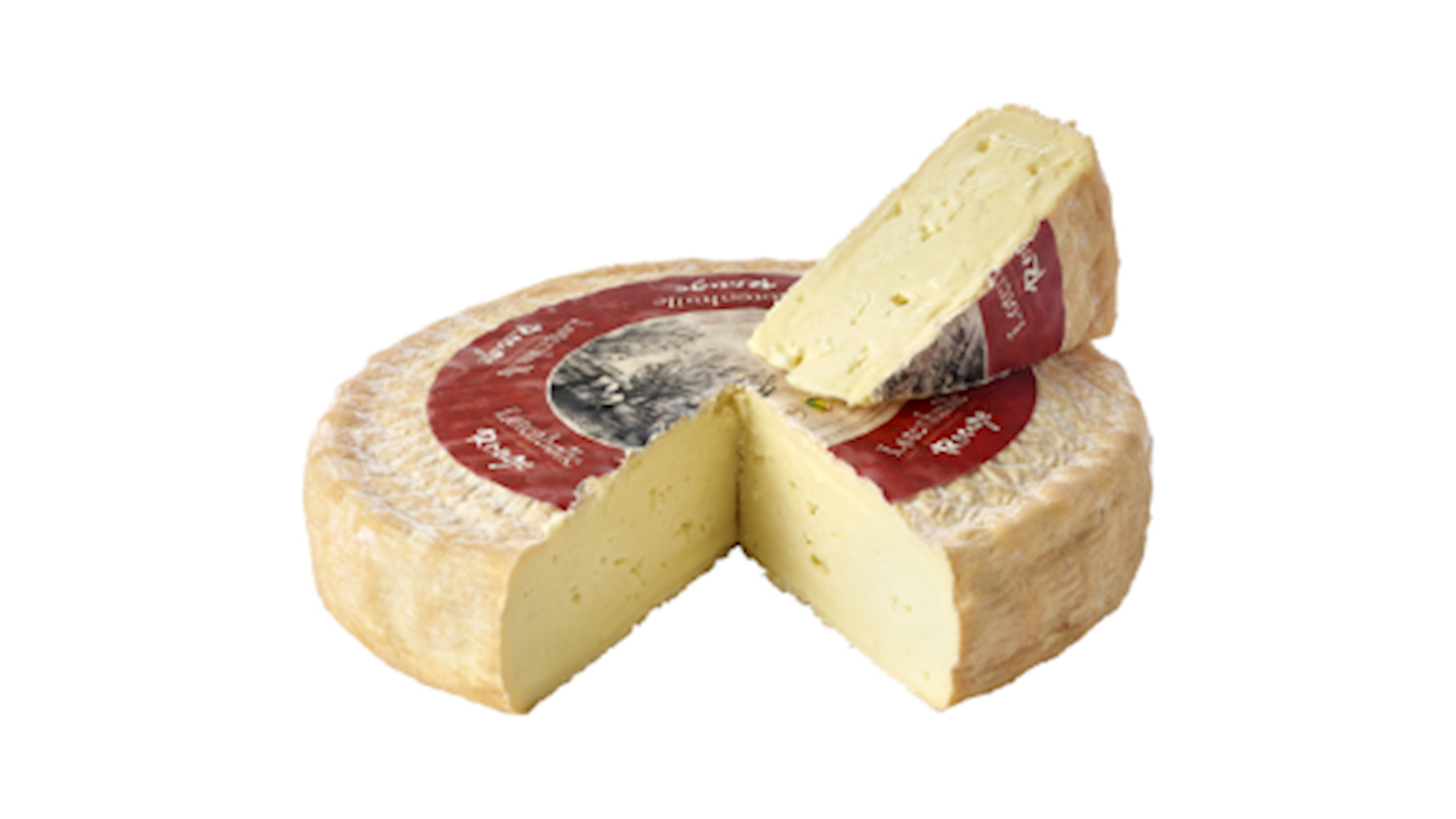
Little Cheese Farm is a Belgian family-run artisanal cheese producer based in Lotenhulle, in the East Flanders region between Ghent and Brussels, known for its fully integrated “from pasture to cheese” approach. On their own fields, cows - especially the Jersey breed - are fed grass and hay produced on the farm, resulting in milk naturally rich in fat and protein, which forms the foundation of their high-quality cheeses. Close control over animal welfare and feeding allows for a short production chain and exceptional freshness, with more than 99% of the milk used coming directly from their own herd. The entire cheesemaking process takes place on site, from milk coagulation and curd handling to pressing, salting, and maturation, under carefully managed temperature, humidity, and airflow conditions in the aging rooms. Little Cheese Farm produces a diverse range of cheeses, from traditional Belgian Gouda-style varieties such as Gentenaer to more distinctive and experimental creations like Orange Emperor, made with added carrot juice, as well as cheeses flavored with spices or beer and naturally ripened rind cheeses with varied flavor profiles. Their work has gained recognition for craftsmanship and consistency, reflecting a strong balance between tradition and innovation. The farm also welcomes visitors for tastings and guided visits, and all of their artisanal cheeses are available directly through the on-site farm shop.
Awards
World Cheese Awards - Super Gold (2024, 2022, 2021)
World Cheese Awards - Gold (2021)
09

Baldauf Käse

5 ·
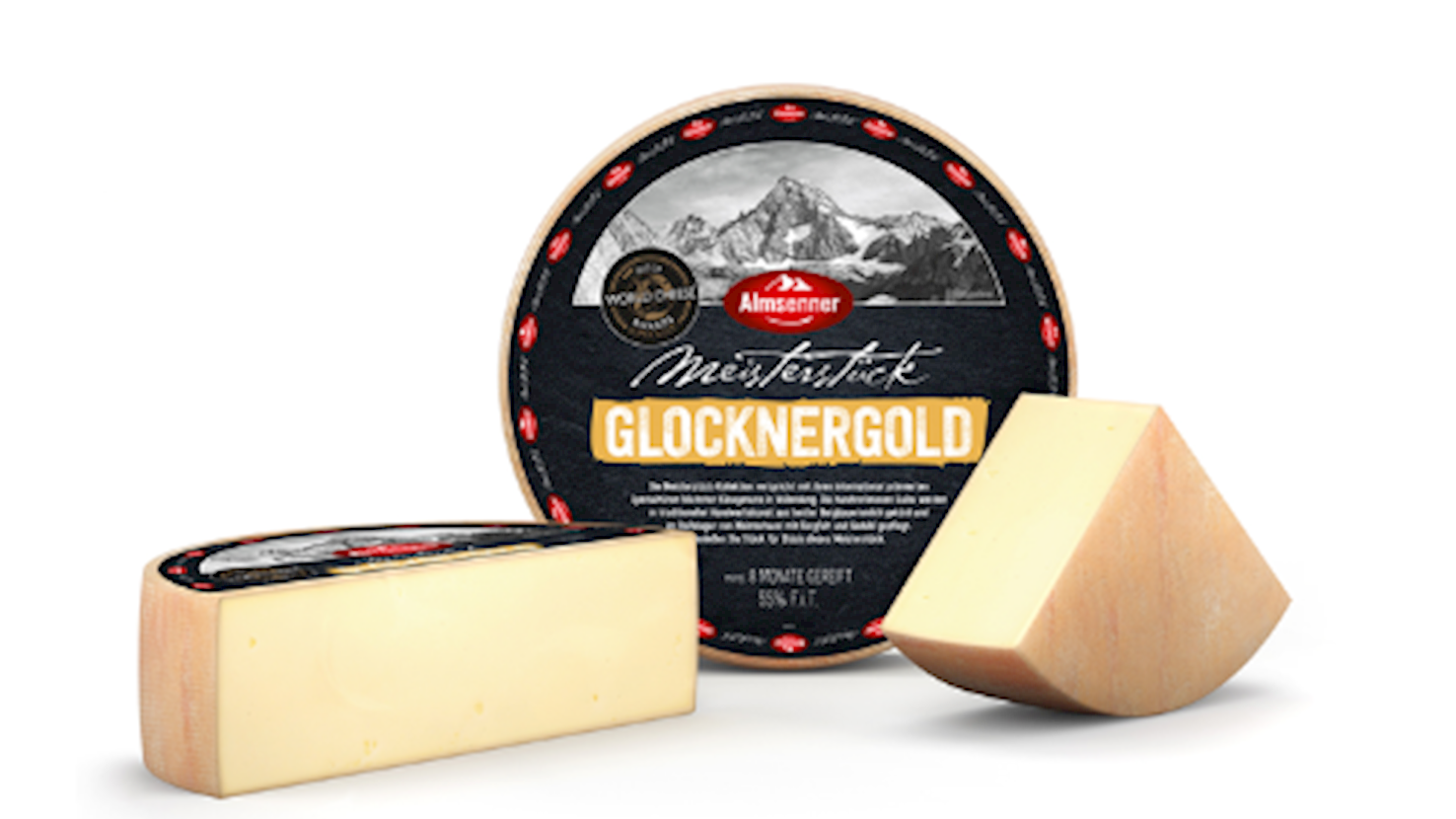
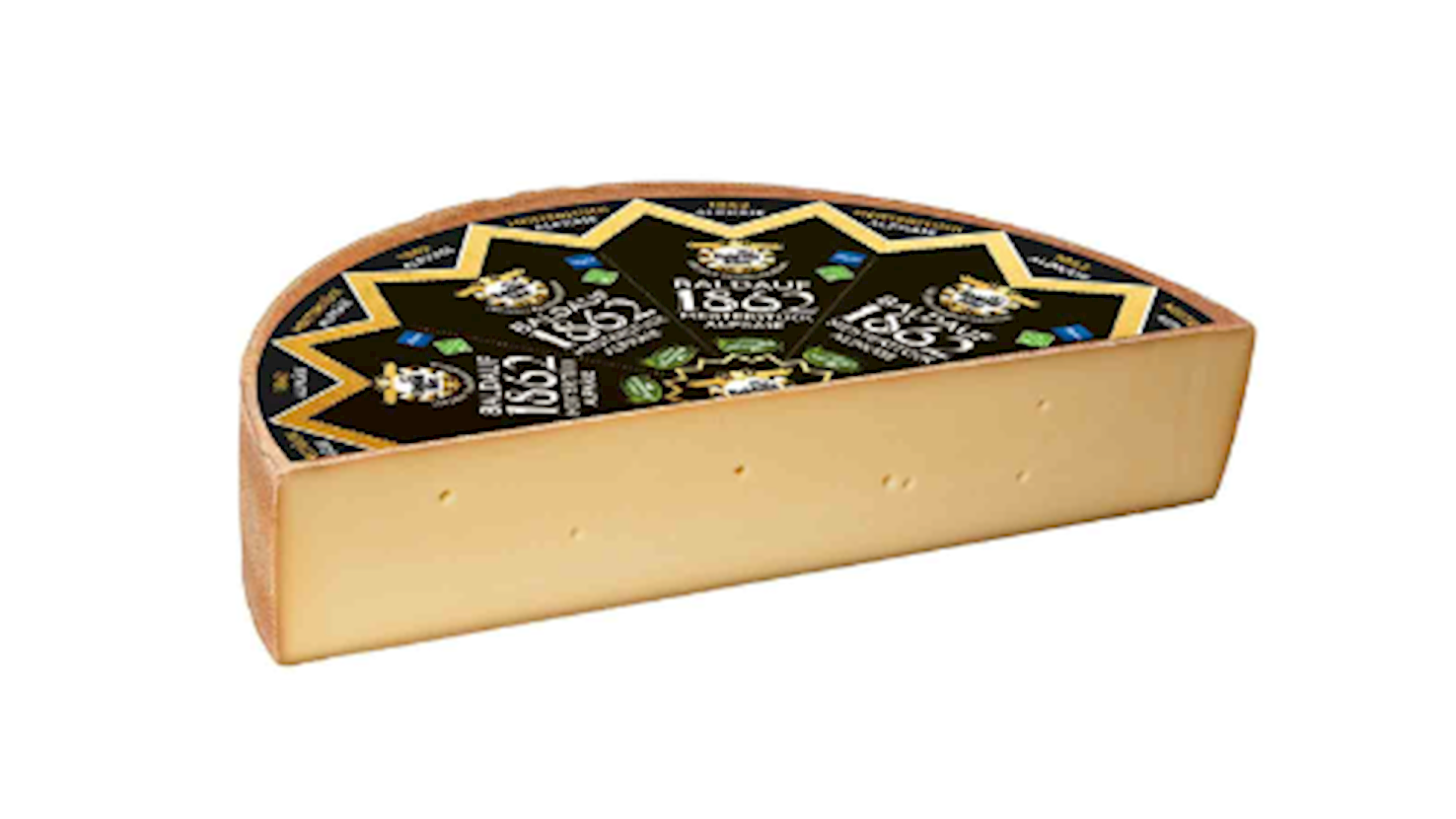
Baldauf Käse is a family-owned dairy based in the Allgäu region of Bavaria, founded in 1862 and now managed by the fifth generation of the Baldauf family. The company specializes in traditional Alpine hard and semi-hard cheeses made from locally sourced hay milk (Heumilch), obtained from cows fed on grass and dried hay rather than silage. This feeding method contributes to the milk’s aromatic purity and directly influences the depth and clarity of flavor in the finished cheeses. The range includes classic Bergkäse and Alpkäse, as well as the premium “1862 Meisterstück” line and specialty cheeses refined with wine, herbs, or spices. The wheels mature in carefully controlled cellars where they are regularly turned and cared for, developing firm textures and layered, nutty, slightly spicy profiles. Baldauf combines long-standing cheesemaking tradition with modern quality standards, maintaining a strong focus on regional identity and sustainable production. Their cheeses are distributed both within Germany and internationally, recognized for their consistency and distinct Alpine character.
Awards
World Cheese Awards - Super Gold (2024)
World Cheese Awards - Gold (2024, 2021)
10

Lutjewinkel 1916

5 ·
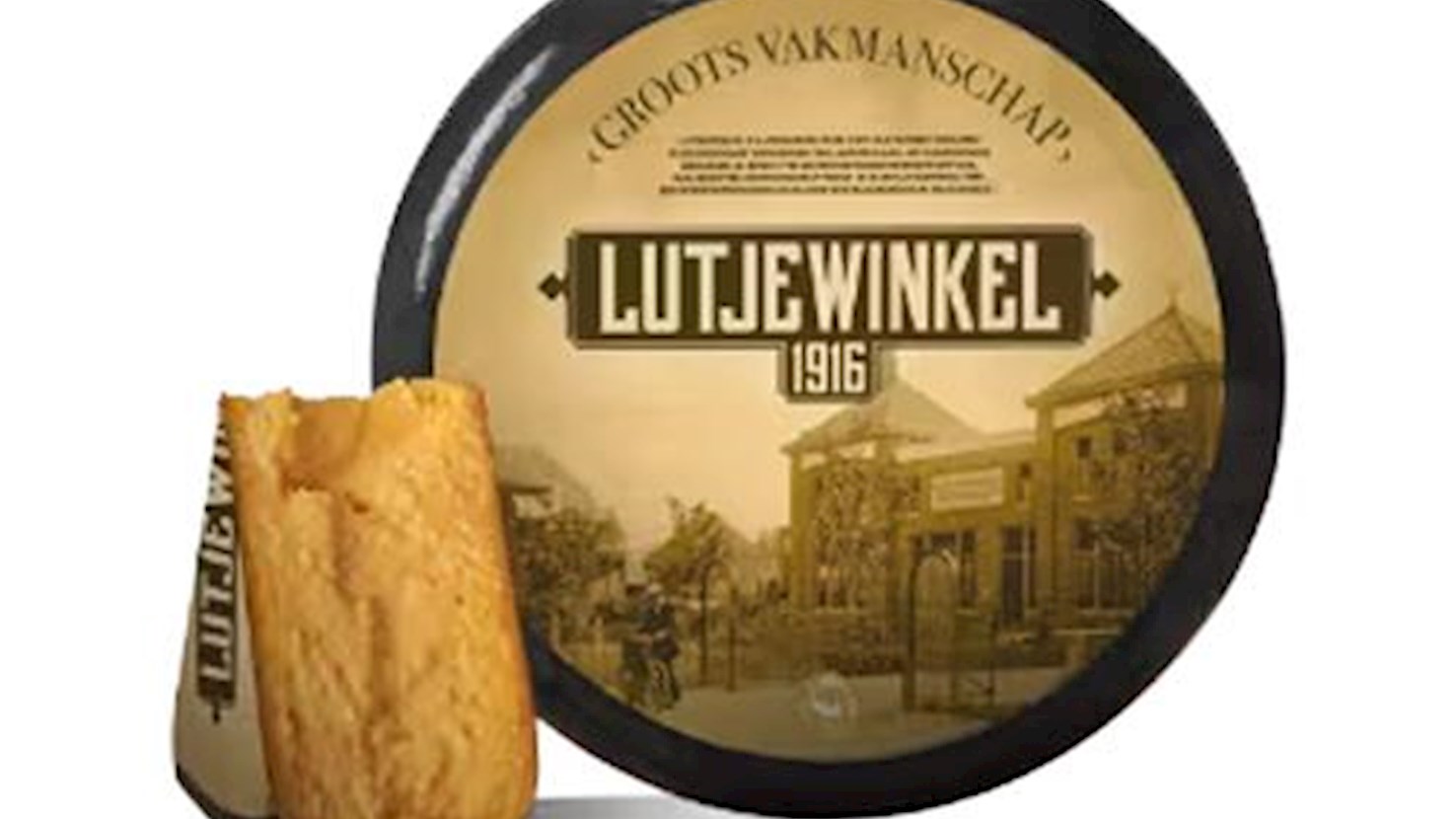
Lutjewinkel 1916 is a traditional Dutch regional cheese brand originating from the village of Lutjewinkel in North Holland, with roots dating back to 1916. It was established to preserve an authentic, locally grounded approach to Gouda-style cheesemaking based exclusively on pasture-grazed cow’s milk (weidemelk) from the surrounding polders. Rather than functioning as a single industrial producer, Lutjewinkel 1916 represents a shared identity and set of standards upheld by regional cheesemakers committed to a historic recipe and extended aging practices. The cheeses are produced in several maturity levels, from smooth and rounded to long-aged and robust, developing pronounced nutty, caramelized and savory notes over time. Prolonged maturation gives them a dense structure and a depth of flavor that clearly distinguishes them from standard Gouda. Today, Lutjewinkel 1916 stands as a marker of regional heritage and continuity in Dutch cheesemaking, emphasizing origin, craftsmanship and time as essential elements of quality.
Awards
World Cheese Awards - Super Gold (2024, 2022)
World Cheese Awards - Gold (2024, 2022, 2021)
Read more
View all
View map
About this ranking

TasteAtlas food rankings are based on the ratings of the TasteAtlas audience, with a series of mechanisms that recognize real users and that ignore bot, nationalist or local patriotic ratings, and give additional value to the ratings of users that the system recognizes as knowledgeable. For the “Top 100 Central European Cheeses” list until June 24, 2026, 7,425 ratings were recorded, of which 5,756 were recognized by the system as legitimate. TasteAtlas Rankings should not be seen as the final global conclusion about food. Their purpose is to promote excellent local foods, instill pride in traditional dishes, and arouse curiosity about dishes you haven’t tried.

The initial list of top producers was compiled based on available reviews, awards, local recommendations, media and blog coverage, and consumer reviews. The list will be updated with ratings from TasteAtlas local ambassadors and TasteAtlas users.

Similar lists