shutterstock

Top 40 Chinese Non-alcoholic Beverages

Last updated on June 01, 2026

Best Chinese Non-alcoholic Beverage Types
01

Pǔ'ěr

4.2 ·

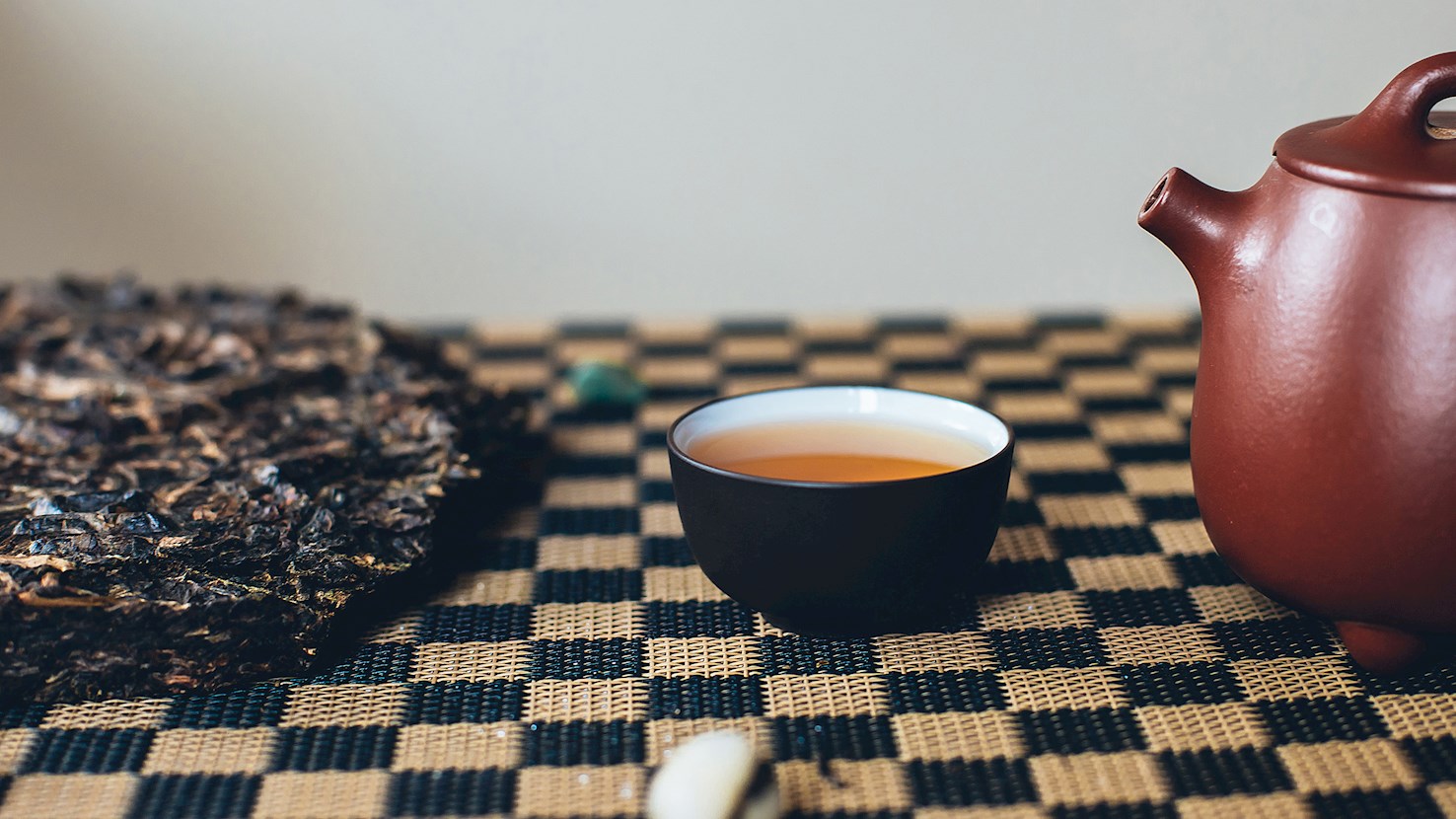
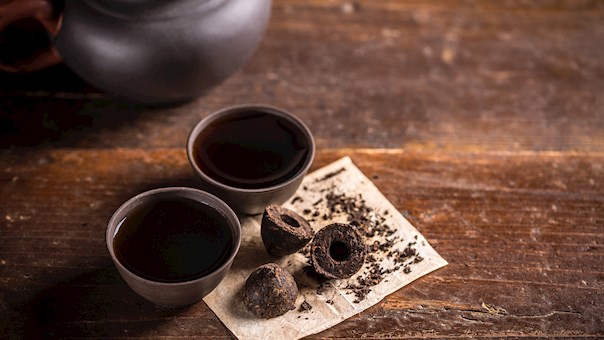
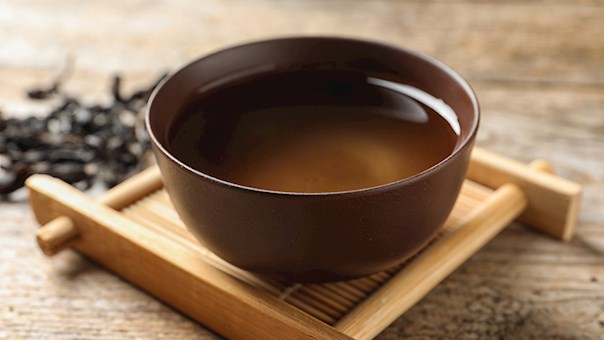
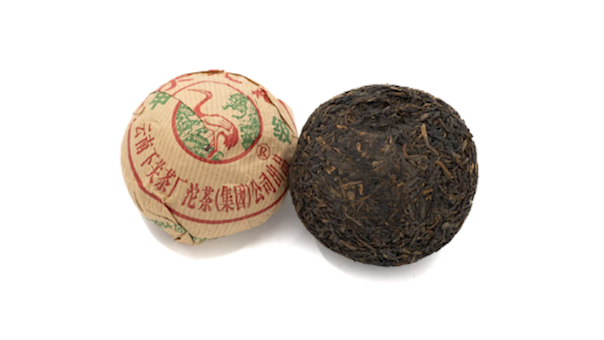
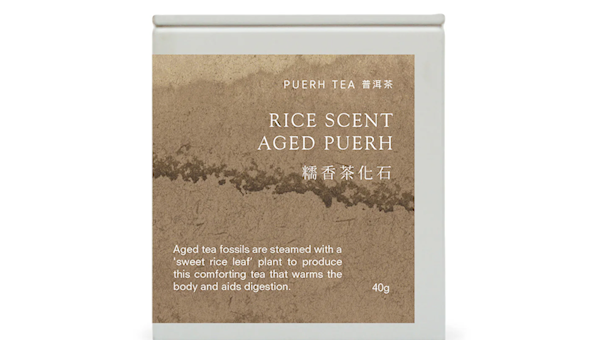
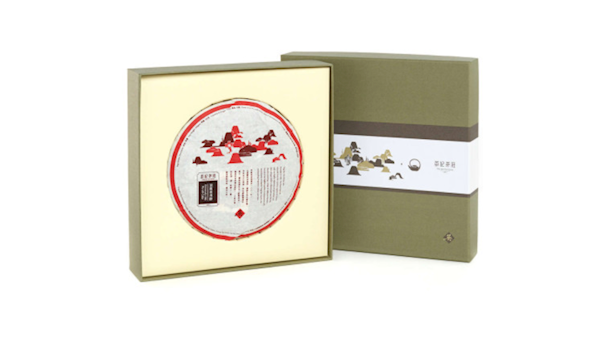
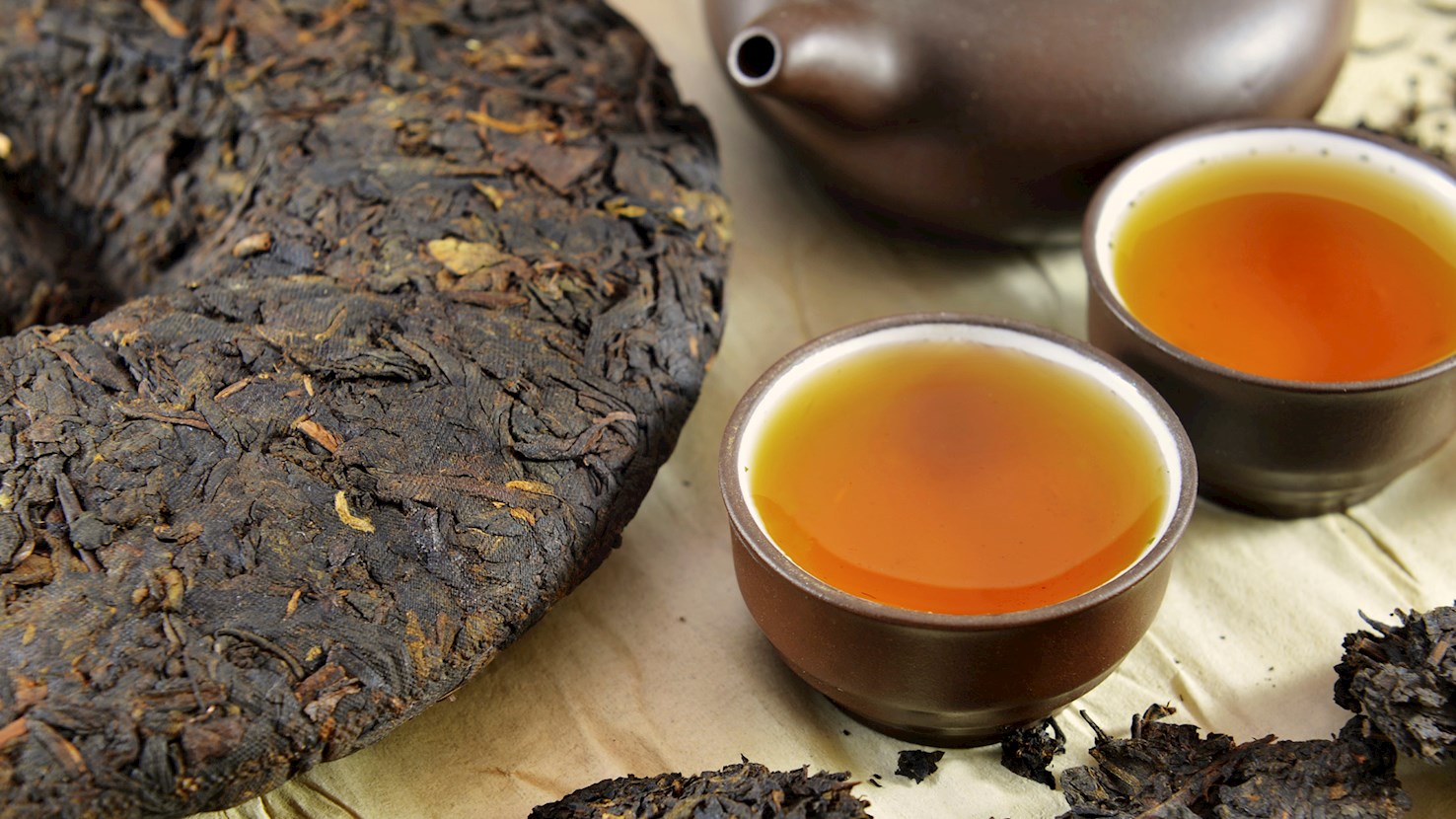
Pu erh, also known as aged or vintage tea is a renowned tea produced exclusively in the Yunnan province. There are two main varieties: raw, non-fermented pu erh, called pu erh sheng, and ripe, fermented pu erh, known as pu erh shu. The raw version has a very fresh, vegetal flavor with hints of bitterness and a sweet aftertaste, while the ripe one has a mild, yet distinctive and earthy flavor achieved by the fermentation process. For both varieties, the leaves can be left loose or compressed into brick tea (Juan Cha), cake tea (Beeng Cha), bell-shaped tea (Toa Cha), or mushroom-shaped tea (Maw Gu Toaw). Pu erh can be stored for a very long period of time - in fact, with time the tea gets better, because both the scent and the flavors change, becoming more mellow and smooth. There are many health benefits attributed to drinking pu erh tea, ranging from feelings of well-being and weight loss to claims of cancer-prevention.

02

Hong Kong-style milk tea

4.2 ·

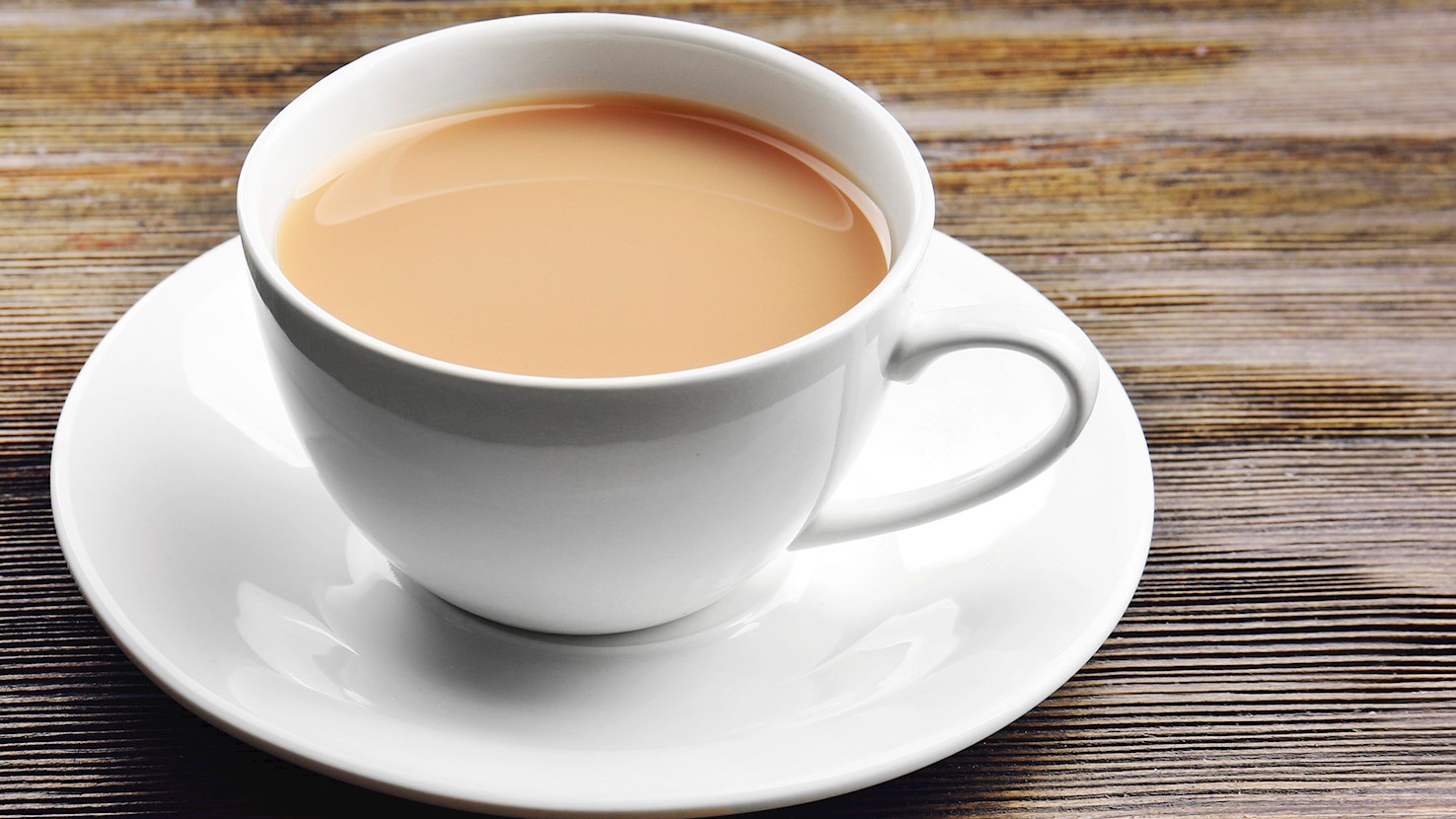
Hong Kong milk tea is a beverage with a creamy and smooth texture, made with a combination of water, black tea leaves, and either sweetened condensed milk or evaporated milk and sugar. The drink is called milk tea in order to distinguish it from Chinese tea, which is typically served plain. It is also known as silk stocking tea or pantyhose tea because the beverage is often prepared in a tea sock resembling pantyhose. Hong Kong milk tea was influenced by the British tradition of afternoon tea, stemming from the time of British colonial rule over Hong Kong.

03

Sheng pu erh

4.2 ·

Sheng is the so-called raw variety of pu erh tea that is considered as the authentic and the original version of this highly-sought tea variety. Pu erh is made in Yunnan, but unlike shou that is artificially fermented, sheng is allowed to naturally age and ferment, often over the course of several years. The aging process improves the overall characteristics of the tea—making it less astringent and mellow. The production process is simple, and after the tea is withered and sun-dried, it is usually pressed into blocks. It is then stored at a cool and preferably humid place. Sheng variety will typically retain its fresh and well-rounded character while the flavors and aromas usually include a complex blend of earthy notes reminiscent of overripe fruit.

04

Oolong

4.1 ·

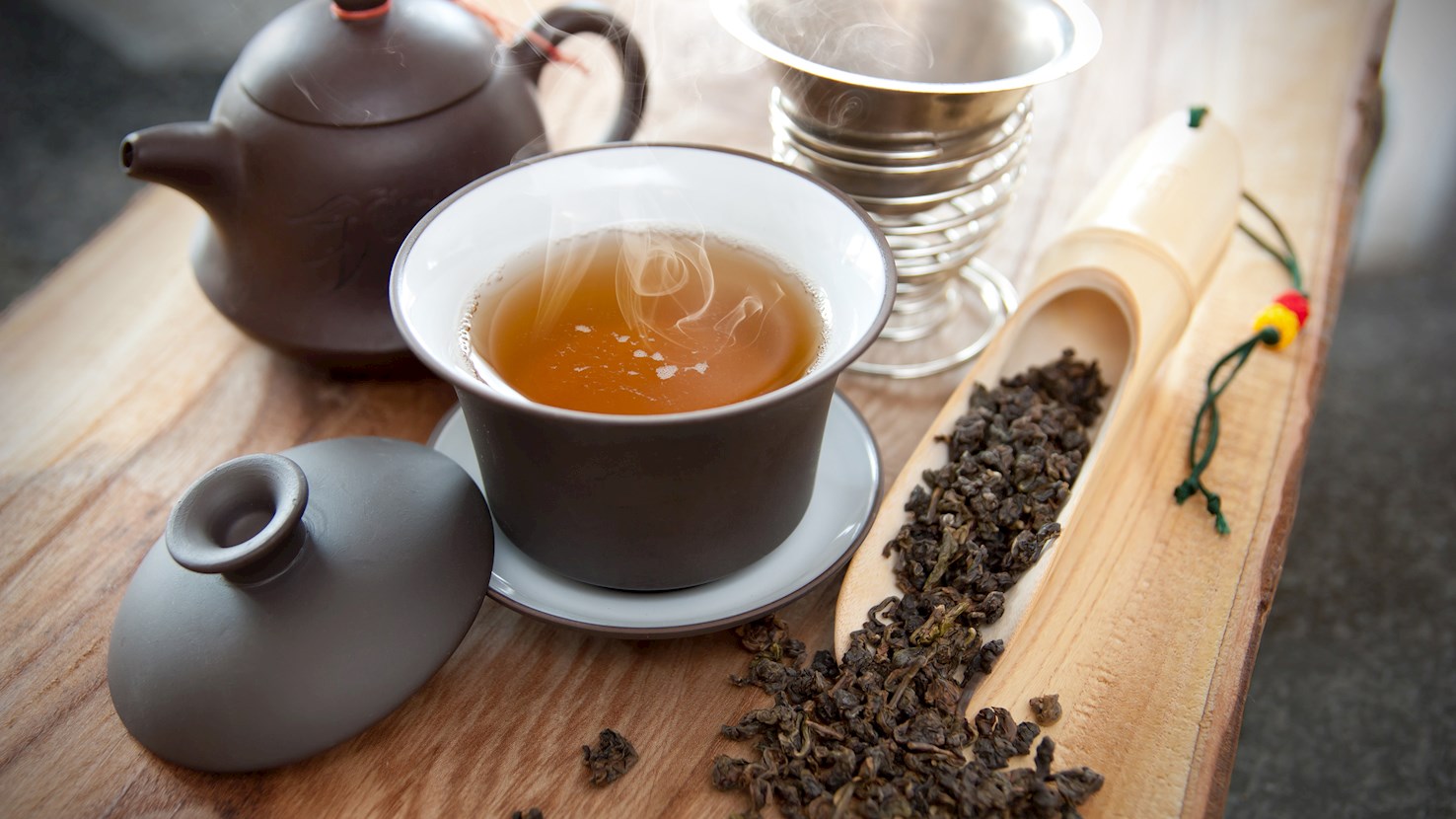
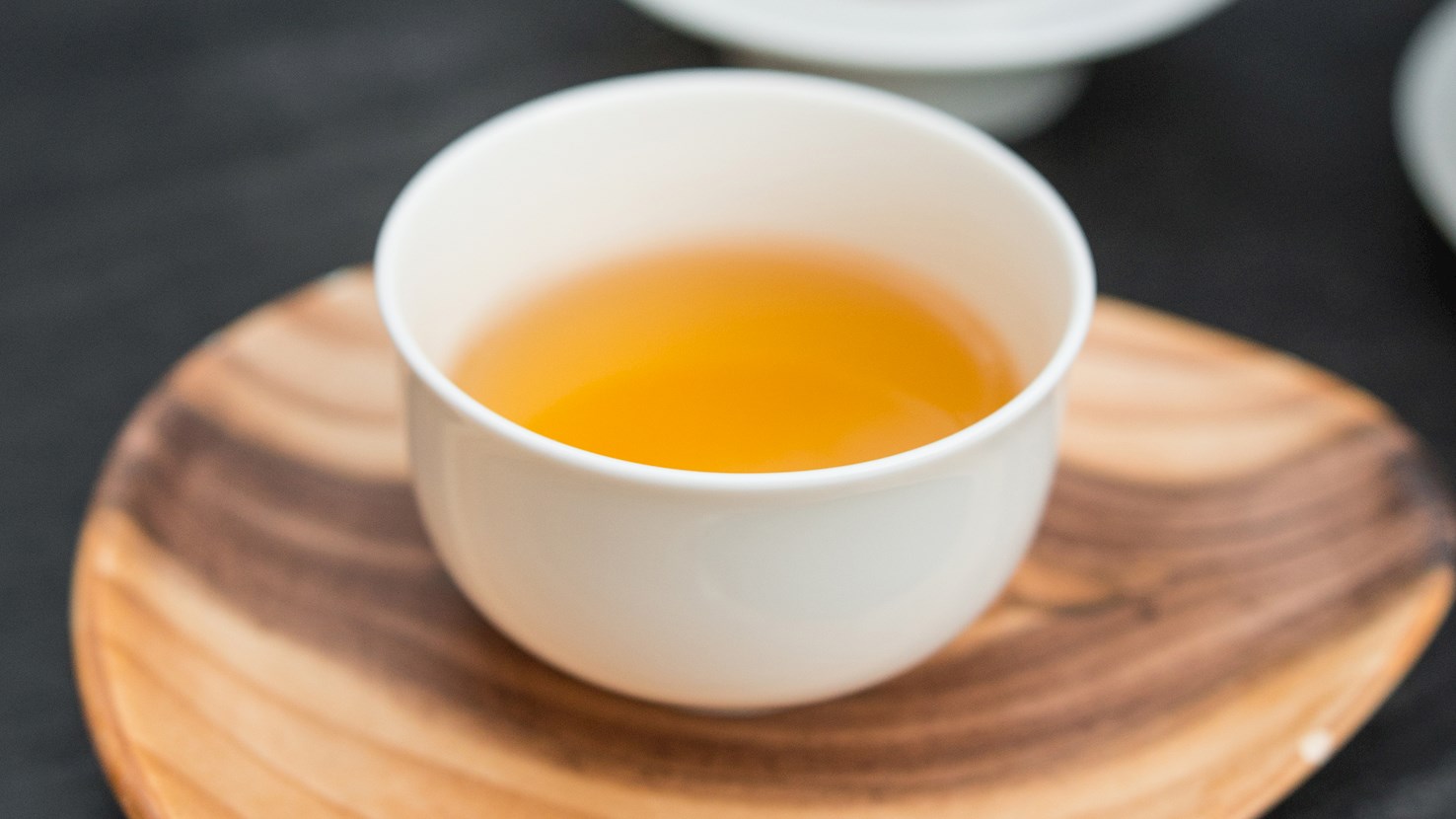
Oolong is a semi-oxidized tea that can vary depending on the leaf style, level of oxidation, color, and the roasting degree. Falling somewhere between green and black teas, it is one of the most complex varieties regarding production, and it can take on a wide variety of flavors and aromas. Their color can vary from pale green or yellow to dark orange, while the aromas often include notes of melons, apricots, wood, orchids, or spices. The level of oxidation can vary anywhere from 10-80%. The less oxidized styles resemble green teas, while more oxidized varieties, typically over 50% percent, share more characteristics with black teas. Oolong originated in China, most probably in the Wuyi Mountains. Although China remains one of the biggest producers, significant amounts of oolong are also cultivated in Taiwan. Traditionally, Taiwanese varieties will be less oxidized. The oolong tea category is broadly categorized into long, strip-style curly oolong tea and small, wrap-curled oolongs. Lightly-oxidized oolong teas can be paired with lighter dishes and seafood, while darker styles generally go well with smoked or cured meat and desserts.

05

Hong cha (Black tea)

4.1 ·

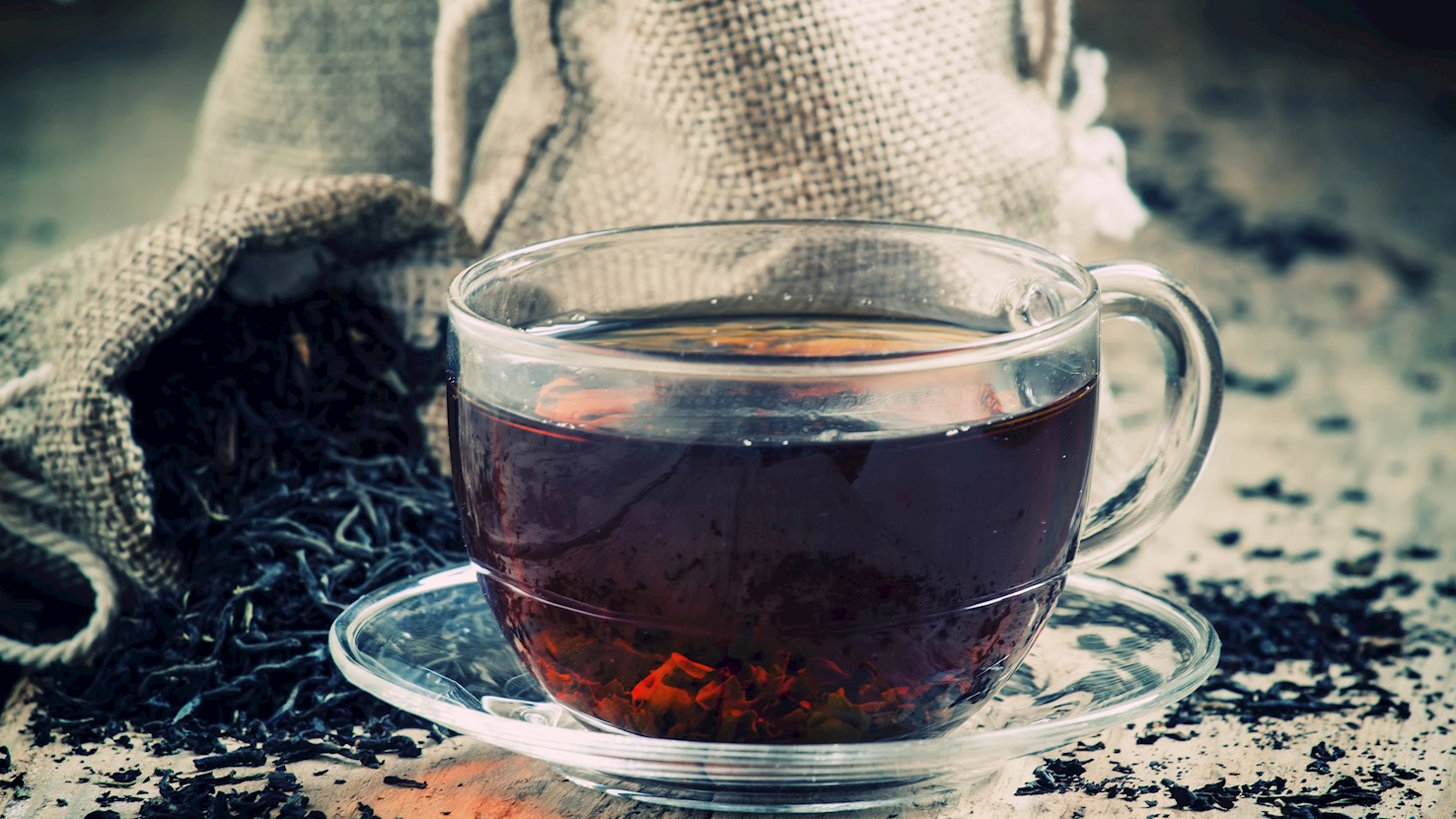
Black tea is a large and diverse category, and what differentiates it from other tea varieties is heavy oxidation—in the process, the tea leaves of the Camellia sinensis plant attain their distinctive dark color and develop earthy notes. When brewed, black tea will usually have a typical amber or brownish hue and stronger flavors and aromas, which may range from savory to sweet and include typical earthy, malty, nutty, and fruity nuances. However, since there are numerous variations and blends available, the final taste profile may significantly vary. Interestingly, in China, black tea is in known as red tea (hong cha)—due to its distinctive red color. The tradition stems from the fact that Pu Erh tea was already known as black tea. There are several legends about how black tea came to be, but it was undoubtedly first made in China. Most historians believe that it originated in Fujian. British and Dutch traders then exported the tea to Western markets, and although in its native country, black tea did not enjoy great success, in the West, it became the most popular tea variety. Eventually, the British went to explore other markets, namely in the Indian region of Assam, where several different sub-varieties of black tea were harvested. Black tea is nowadays mostly produced in China, India, and Sri Lanka. This bold tea is a classic pairing with afternoon tea, but it generally matches a wide variety of rich and savory dishes, desserts, and chocolate.

06

Lóngjǐng chá (Longjing tea)

4.1 ·

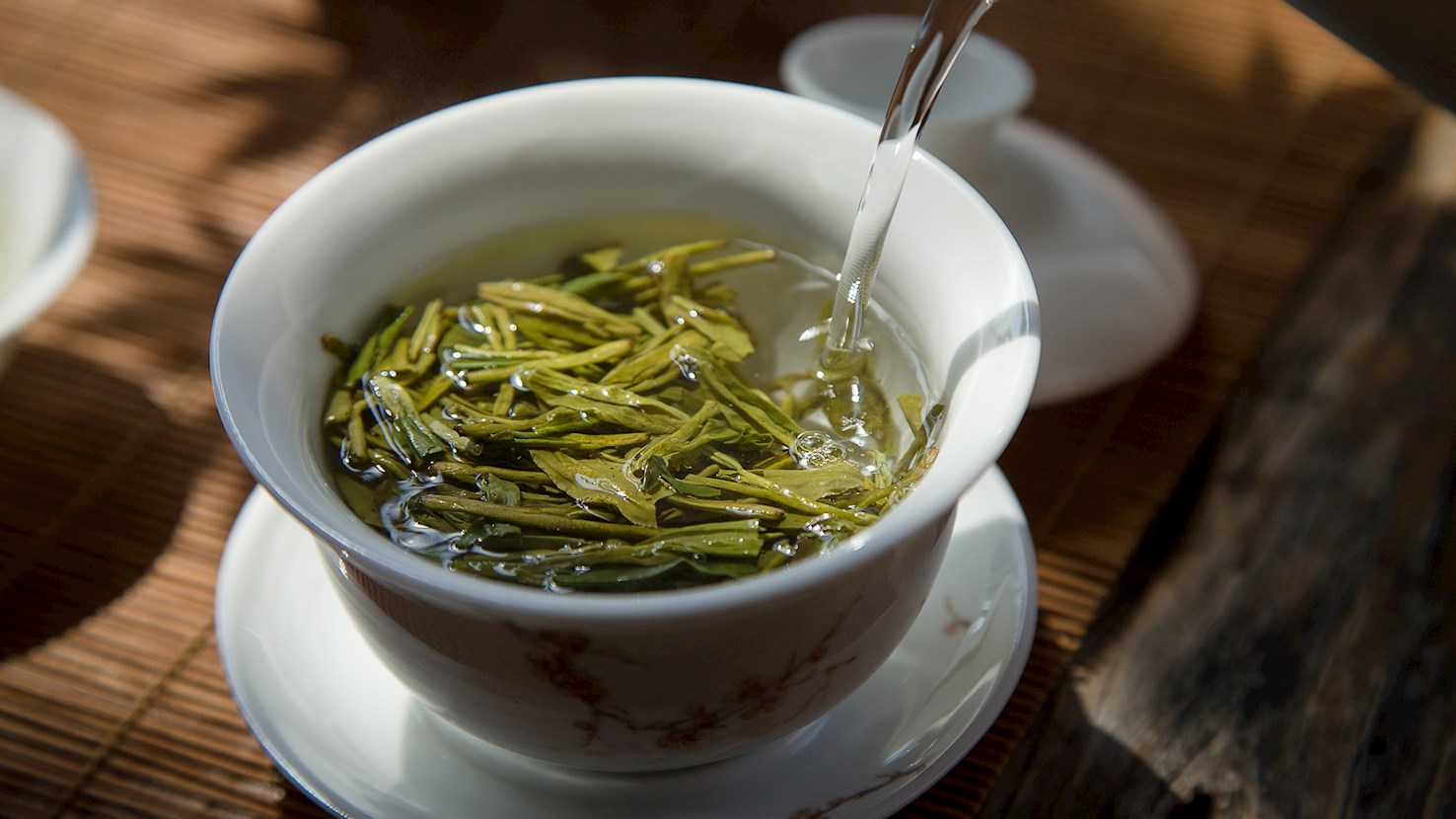
Longjing tea, literally translated to dragon well, is one of the best and most popular Chinese teas. It is a type of pan-roasted green tea. After roasting, the leaves should be emerald-colored, broad, flat, smooth, and brittle. When brewed, this tea will produce a green-gold brew with a refreshing flavor and mellow vegetal aromas that often include buttery, toasty, nutty, and chestnut-like nuances. High-quality Longjing is usually harvested in spring, while summer harvest mostly produces low-quality versions. Because of its high-quality and limited availability, the first pickings of authentic Longjing can reach astronomical prices and sell for up to $875 per kilo. Zhejiang province is the center of production for Longjing, but the West Lake area around Hangzhou is generally considered the home and the center for top-grade Longjing tea. Less authentic and usually lower quality versions of this famed tea are produced in several other Chinese regions. The popularity of this tea dates back to the Qing dynasty and the emperor Qianlong, who gave it the status of imperial tea. Longjing tea would pair well with fried, grilled, or smoked seafood, cheese, and various desserts.

Best producers
07

Zhu cha (Gunpowder tea)

4 ·

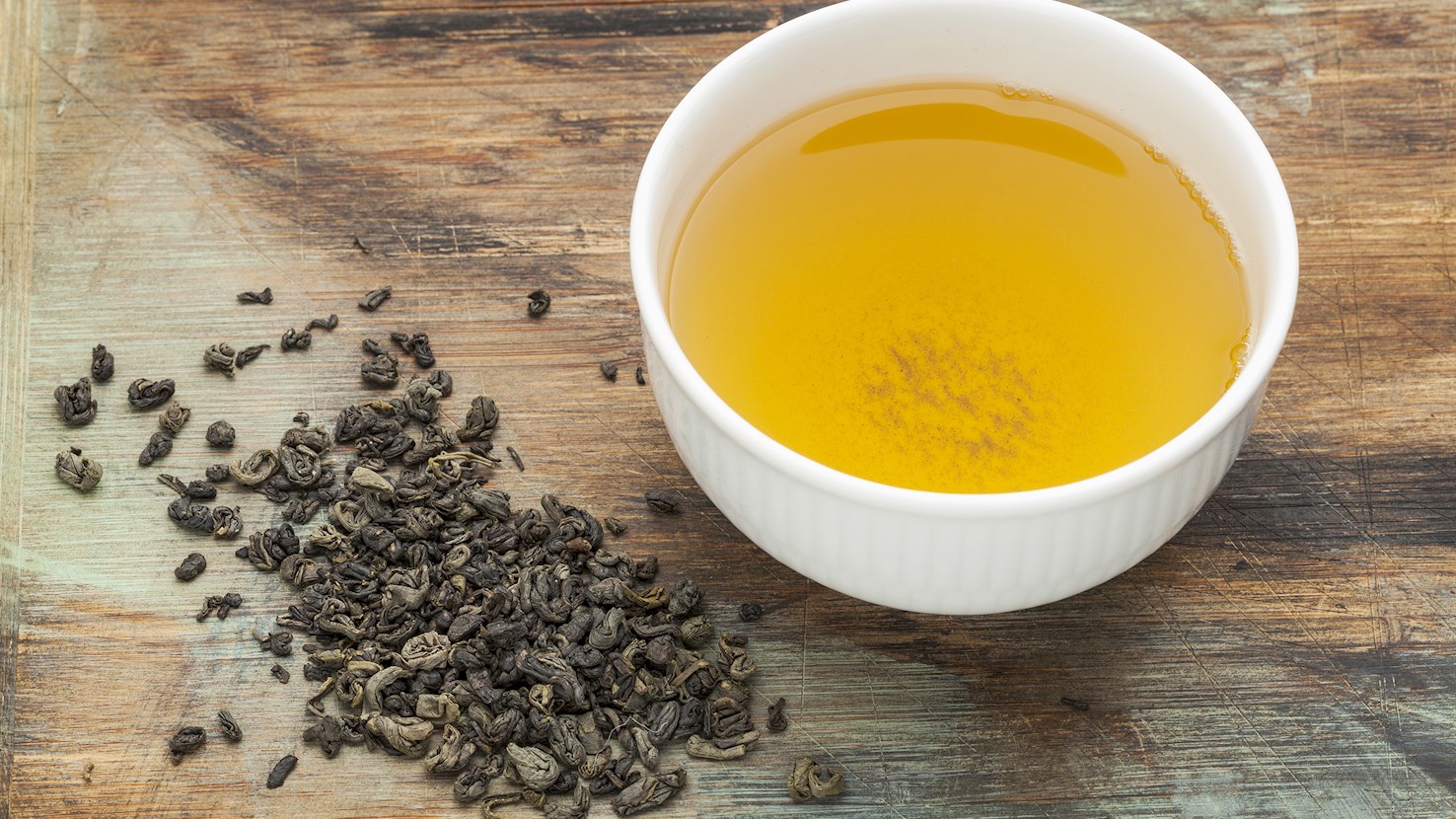
Gunpowder tea is a type of green tea that has each leaf rolled into a tiny ball. It originates from Zhejiang province, but it is now produced in several Chinese regions, Sri Lanka, and Taiwan (Formosa). Gunpowder tea was originally hand-rolled into pellets, and though the process is now mostly done by machines, high-grade versions are still rolled by hand. When brewed, these ball-shaped pellets open and unravel. Gunpowder tea can vary in quality, and it can have different characteristics, but most teas have a subtly smoky and earthy character, green-yellow or golden liquor, and faintly sweet aftertaste. It can be paired with poultry, pork, and stir-fried dishes. The English name gunpowder allegedly originated because tiny tea balls resemble gunpowder.

08

Lu cha (Green tea)

4 ·

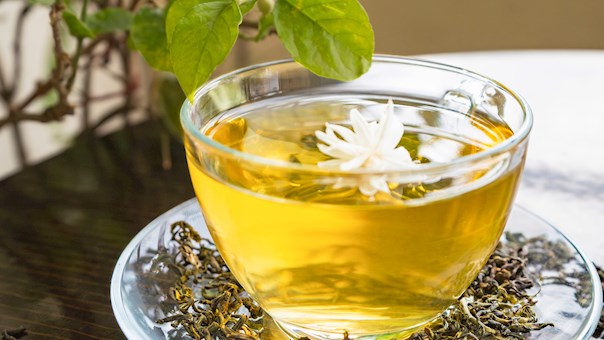
Green tea is a non-oxidized tea that is characterized by its bright green color and fresh herbaceous notes. It is produced with the tea leaves of the evergreen tea shrub (Camellia sinensis) that are involved in a process known as kill green—in which the leaves are heated (by steaming or pan-frying) to stop oxidation. Nowadays, several varieties of green tea are available. They may differ in cultivation, harvesting, origin, and the technique used in their production. Green tea is also commonly flavored or used in blends. Because of the large number of available varieties, the final flavor profile of green tea can differ, but it typically has fresh, vegetal, grassy, and floral nuances. It is suggested that green tea originated approximately 3000 years ago in China. The leaves were probably first chewed or used as medicine before the main techniques of tea production were introduced. In the 12th century, green tea was brought to Japan by Japanese monks who studied Buddhism in China. The tea was primarily used in traditional ceremonies and went to become a quintessential part of Japanese culture and everyday life. Although it may depend on the exact variety, green tea usually pairs well with light seafood or chicken dishes, vegetables, rice, or desserts.

09

Tiěguānyīn

4 ·

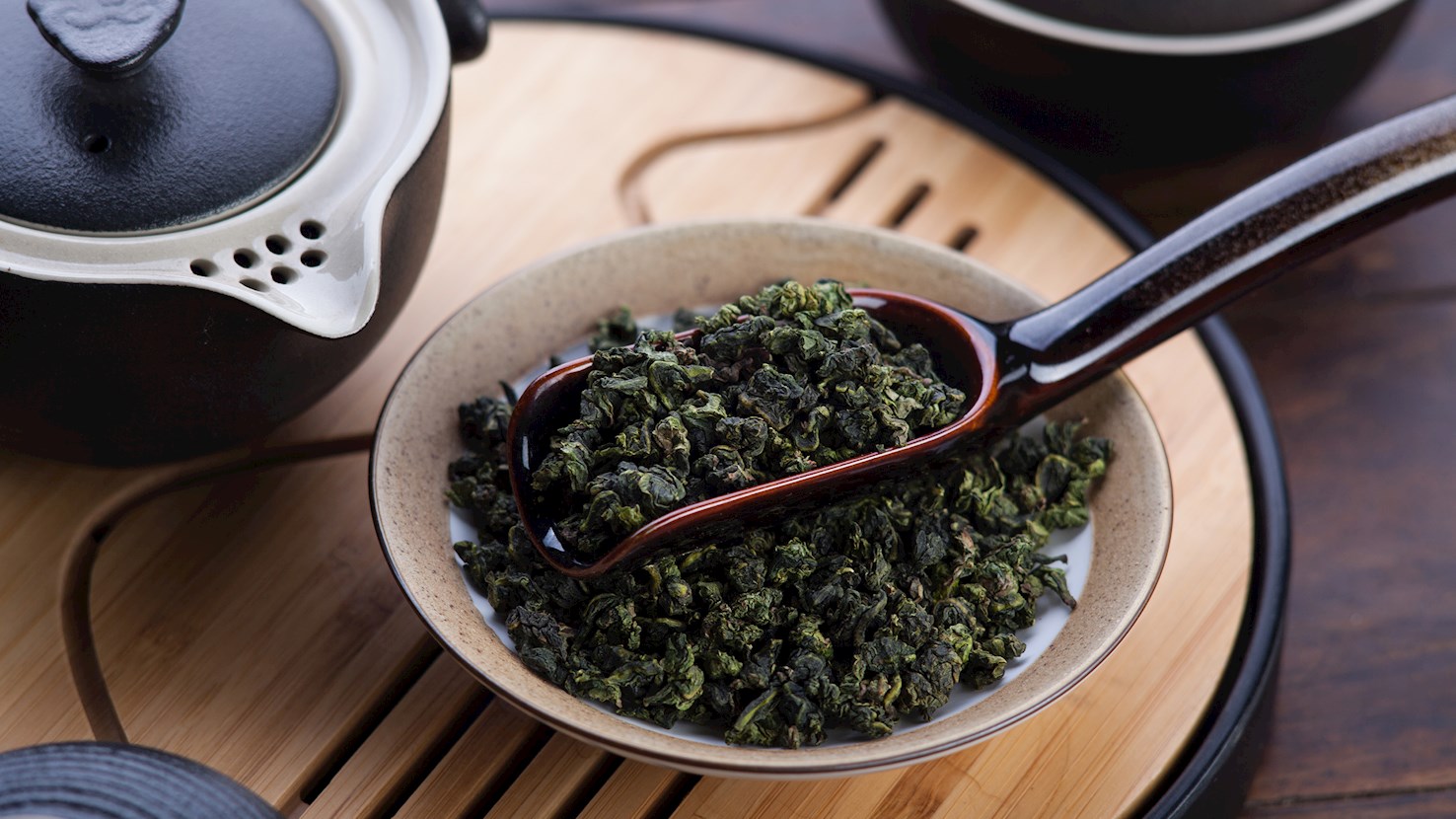
Tieguanyin is one of the most popular Chinese oolong teas. It is native to the Anxi province of Fujian, and it comes in several styles that vary in quality, oxidation, and roasting levels. Traditional styles are more oxidized and roasted. They are typically amber-colored, rich, toasty, and sweet, with persistent and complex flavor and aromas reminiscent of caramel and toasted nuts. Less baked and less oxidized versions became more prominent in the last couple of decades. They will have a lighter, fresher, and more vegetal character, mild flavor, and an orchid aroma. Tieguanyin is nowadays cultivated in other Chinese regions and Taiwan. This tea can be used in several infusions, and it would pair well with chocolate, while lighter versions may also work well with spicy dishes, dim sum, and sushi.

Best producers
10

Bai cha (White tea)

4 ·

White tea is a category of Chinese tea that has a somewhat vague classification. Still, it is generally considered that this variety is lighter in color and has a more delicate flavor than green or black tea varieties. Although there are several variations, white tea is harvested from the tea plant (Camellia sinensis) when the tea leaves are not fully opened, and the buds are covered in tender white hairs—a trait that gave the tea its name. Usually, white tea is non-oxidized, or it is just lightly oxidized, which helps to preserve its delicate character. When brewed, the tea is usually subtly sweet with a light straw color and subtle aromas and flavors that are often reminiscent of flowers, fruit, honey, vanilla, herbs, or citrus fruit. Although it is not certain, it is believed that white tea originated in Fujian, a region where the most popular Chinese white tea (Silver Needle) is still produced. Because it is hand-picked and time-consuming to produce, white tea is usually more expensive than green or black tea varieties. White tea should never be served with rich and spicy dishes. Its subtle and soft character is best appreciated with mild cheese varieties, subtly-sweet desserts, light salads, and fish dishes, or it can just be sipped before the meal or between the courses.

Best Chinese Non-alcoholic Beverages
01

Yiu Shing

5 ·
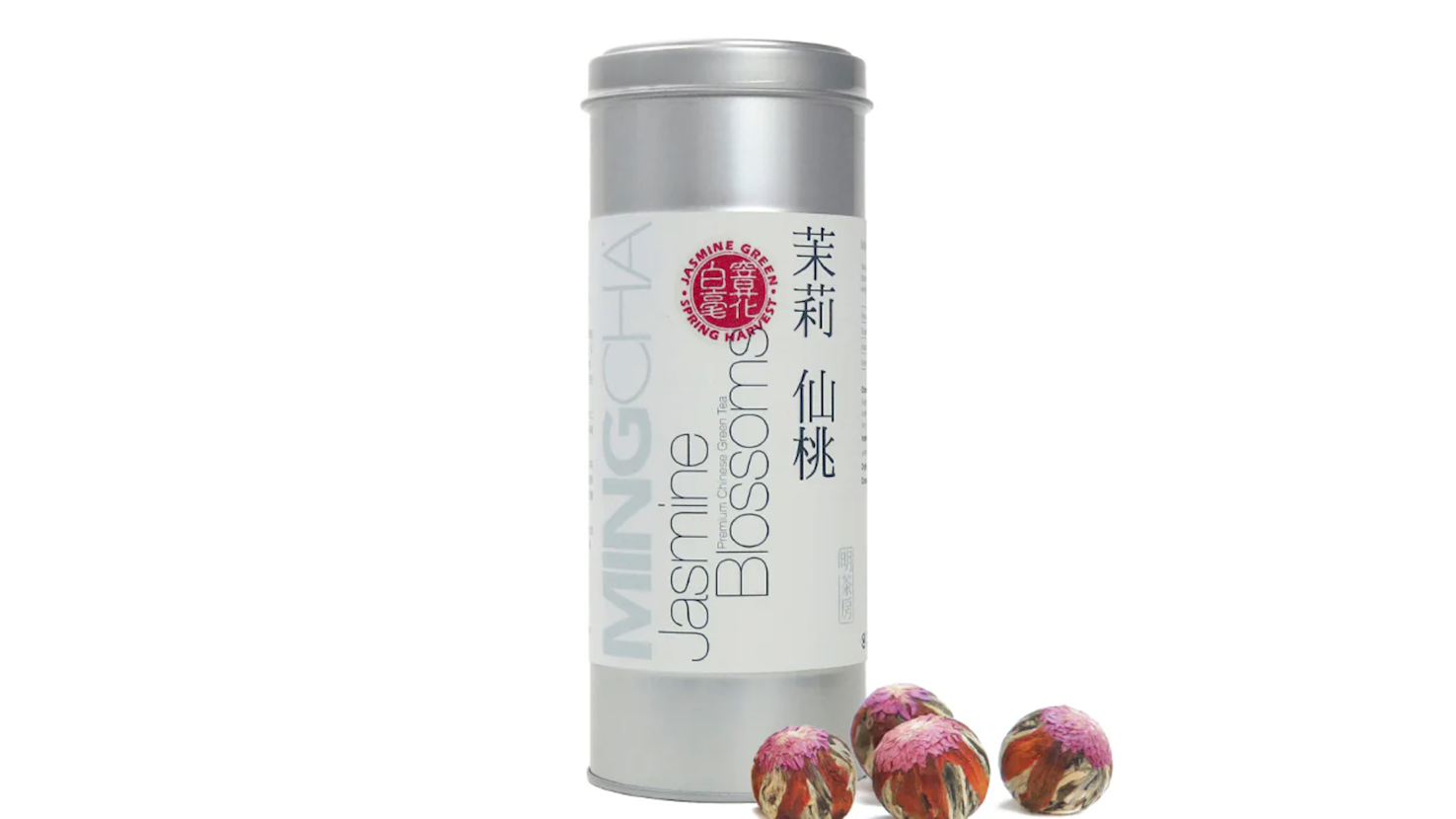
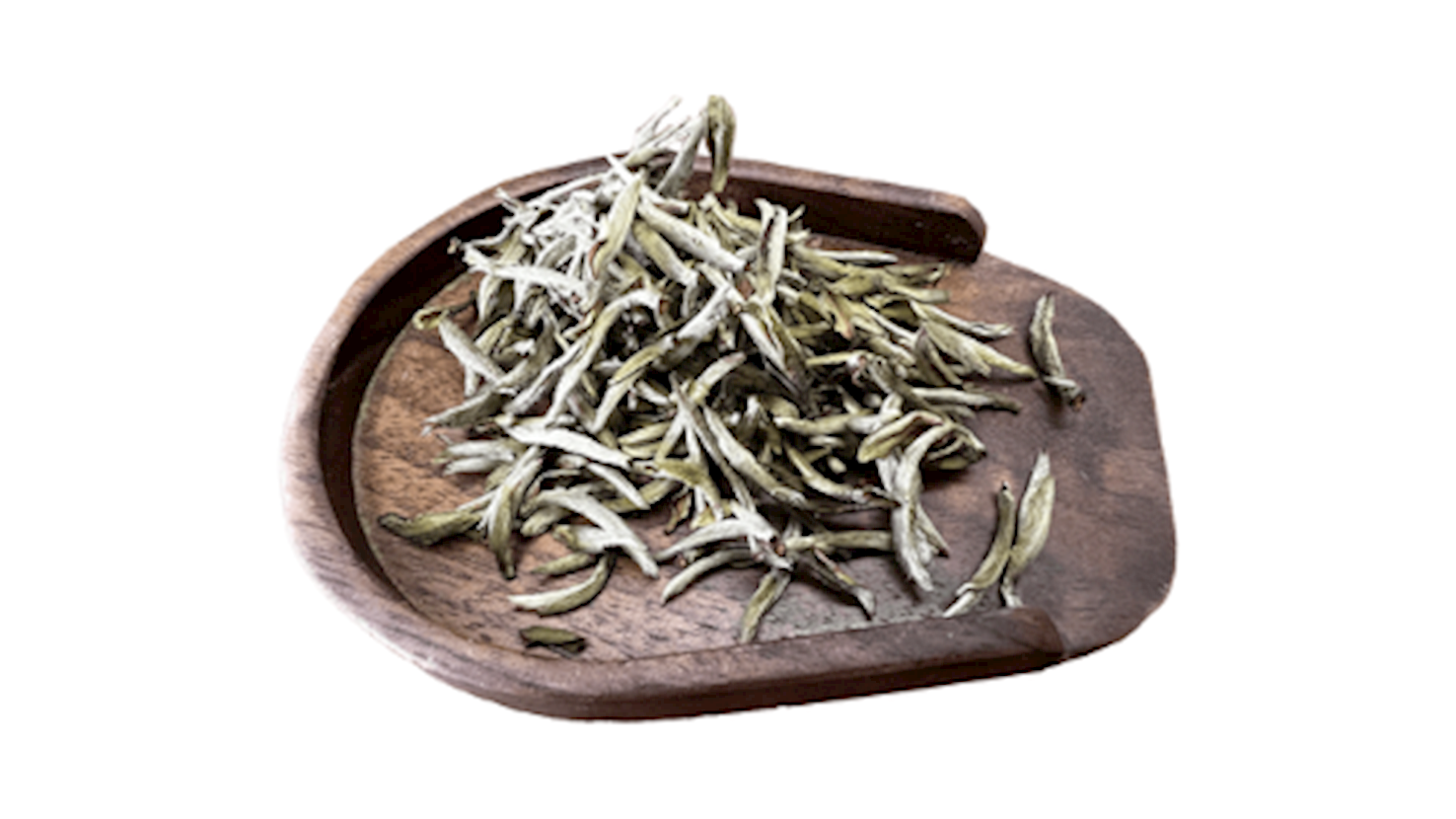
Yiu Shing is a brand specializing in premium teas, with a strong focus on white and organic varieties sourced from China’s Guizhou Province. The company emphasizes collaboration with traditional tea masters and employs carefully controlled processing methods to preserve the natural aroma, freshness, and nutritional qualities of the tea leaves. Their selection includes classics such as White Silver Needle, White Peony, and Shou Mei, each distinguished by its gentle, clean flavor profile and handpicked leaf quality. Yiu Shing builds its reputation on transparency, quality, and a modern presentation of traditional tea, tailored to an international audience. The brand positions itself as a bridge between Chinese tea heritage and contemporary consumer expectations, offering products that combine authenticity, purity, and high standards of craftsmanship.
02

Wuzhou Tea Factory

5 ·
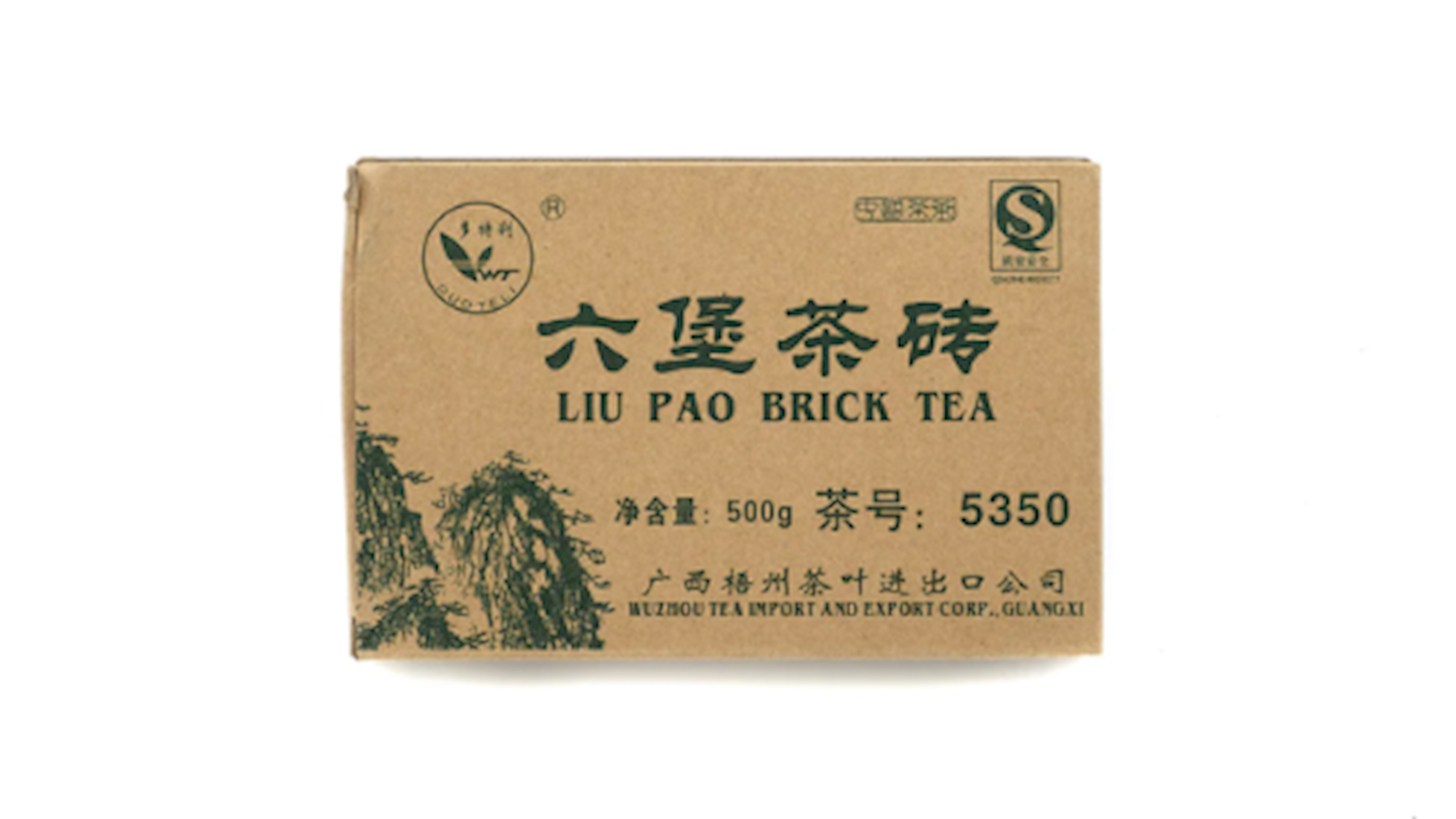
Wuzhou Tea Factory is one of China’s key producers of dark tea, best known for its long-standing expertise in Liubao tea, a post-fermented tea native to the Guangxi region and valued for its earthy, woody, and smooth flavor profile. Established in the 1950s in Wuzhou, Guangxi, the factory played a central role in standardizing and widely distributing Liubao tea, which had previously been a largely local specialty. Over the decades, Wuzhou Tea Factory developed refined methods of controlled post-fermentation, storage, and aging, helping to shape the recognizable “Wuzhou style” characterized by deep fermentation, mild sweetness, and the distinct “humid-wood” note typical of traditionally aged Liubao. The factory sources tea leaves from Guangxi and nearby mountainous areas, producing teas often compressed into baskets, bricks, or cakes to support long-term aging. Today, Wuzhou Tea Factory is particularly known for its “Three Cranes” brand, under which it offers Liubao teas of various vintages and fermentation levels, maintaining its status as a trusted and traditional producer in the world of dark teas.
03

Bama Tea

5 ·
Bama Tea is one of China’s leading modern tea brands, combining the deep-rooted traditions of the Fujian region with contemporary processing, packaging, and distribution practices. Founded in 1997, the company builds on generations of family expertise in cultivating and crafting tea, particularly oolong varieties such as Tieguanyin, which is recognized as part of China’s national cultural heritage. Today, Bama Tea operates an extensive network of retail stores across the country and offers a broad selection of teas - from oolongs and rock teas to green, white, and black varieties - along with complementary tea sets and accessories. The brand is known for its balance of tradition and innovation, maintaining strict quality standards and modern production methods while preserving authentic craftsmanship. With a strong reputation and active international presence, Bama Tea is considered one of the most influential ambassadors of Chinese tea culture on the global stage.
04

Wuyi Star Tea

5 ·
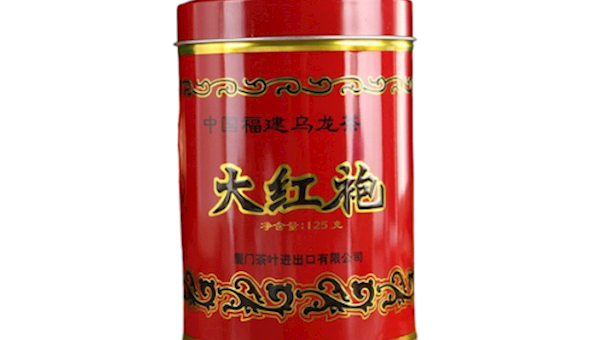
Wuyi Star Tea is a modern tea producer from Fujian Province, rooted in the long-standing traditions of the Wuyi Mountains, a region renowned for its “rock tea” oolong styles and distinctive mineral-rich terroir. Founded in 2001, the company manages the entire process - from cultivation and leaf selection to processing, packaging, and export - while adhering to certified quality standards. Their portfolio includes some of the most iconic Wuyi teas, such as Da Hong Pao and other yancha oolongs known for their mineral, lightly smoky, and fruity notes, as well as black, white, and green teas tailored to a wide range of preferences. Wuyi Star emphasizes traceability, authenticity, and the preservation of local techniques, establishing itself as a brand that successfully bridges traditional Chinese tea craftsmanship with the expectations of the modern global market.
05

Gaopeng Tea Factory

5 ·
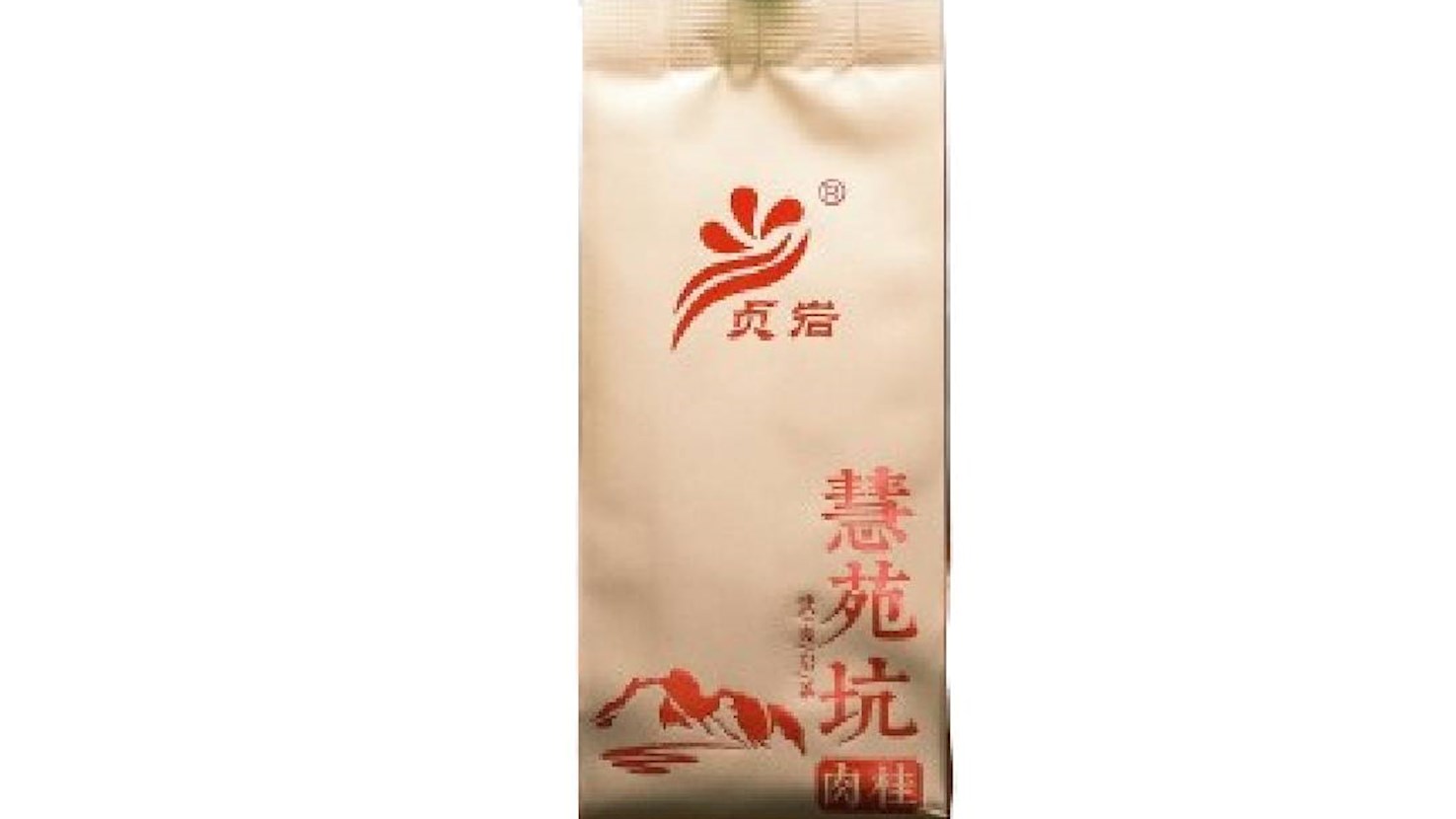
Gaopeng Tea Factory is a renowned producer of Wuyi rock teas (Yancha), located in the Zheng Yan region of Wuyi Mountain, China. The factory specializes in traditional charcoal-roasted teas, such as Huiyuan Pit Rougui and Dolomite Floral Shui Xian, known for their rich flavors and mineral complexity. Their teas undergo meticulous processing, including multiple rounds of roasting, to enhance their aromatic depth and smooth mouthfeel. Gaopeng is highly regarded for preserving the heritage of Wuyi tea craftsmanship, ensuring high-quality production. Their teas are sought after by tea connoisseurs worldwide for their unique terroir and distinctive yan yun (rock rhyme).
06

Yee On Tea

4.7 ·
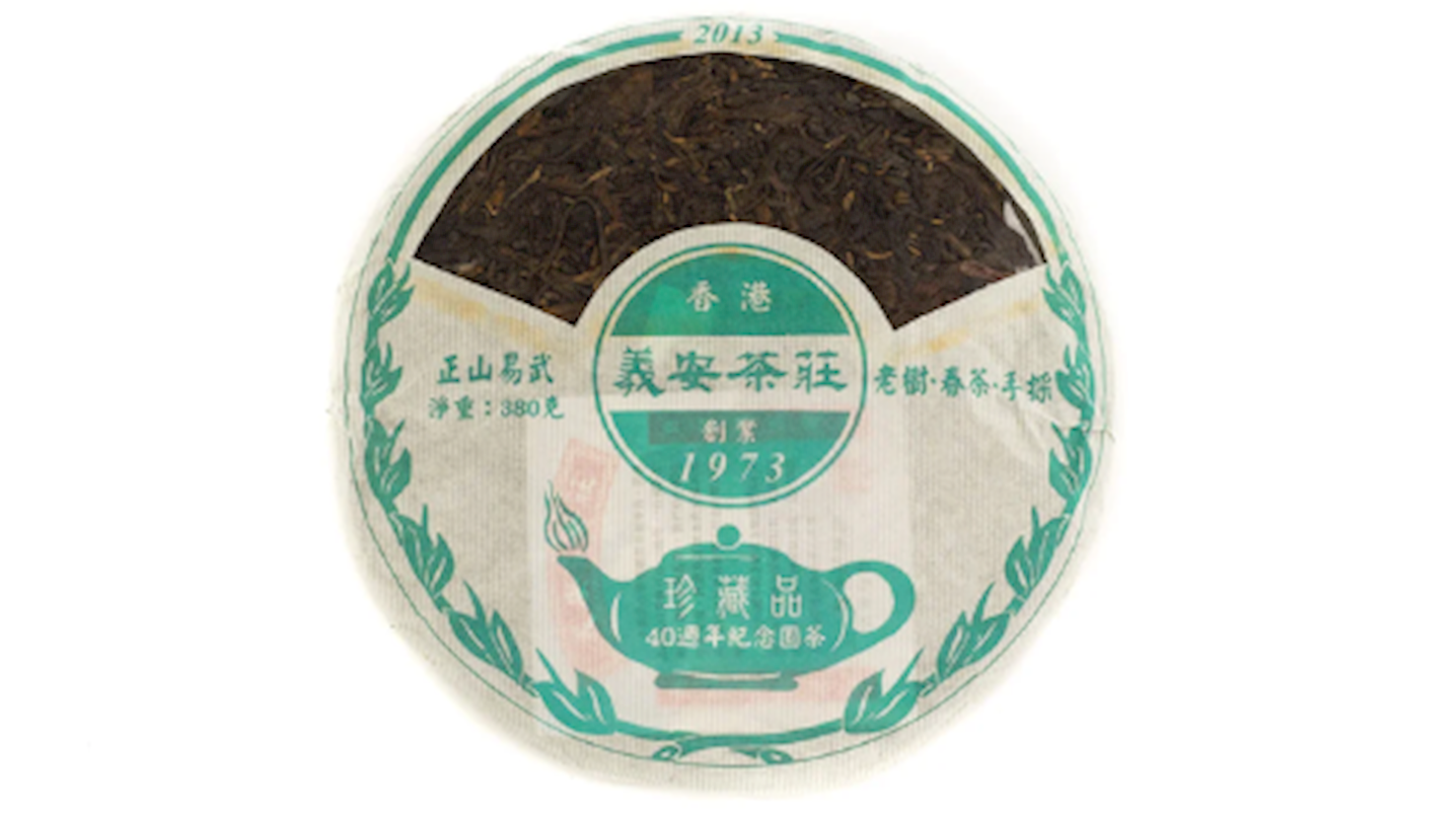
Yee On Tea is a Hong Kong-based tea brand and merchant specializing in traditional pu-erh teas, particularly collectible and well-aged varieties that reflect the local Cantonese tea culture. Founded in the early 1900s, the company became known for its role in sourcing, aging, and distributing pu-erh under the distinctive Hong Kong storage style, which relies on controlled humidity, ventilation, and stable temperatures to produce a recognizable maturation profile. Yee On Tea focuses on acquiring raw and ripe pu-erh from established Yunnan producers such as Menghai, Xiaguan, and Kunming, then categorizing, storing, and offering them under its own labels with clear information about vintage, origin, and storage conditions. Its catalog spans everything from young, fresh sheng cakes to deeply matured shou pu-erh, making it a trusted source for tea enthusiasts seeking authentic Hong Kong-aged pu-erh with transparent provenance and a reliably developed character.
07

Zhang Yiyuan Tea

4.7 ·
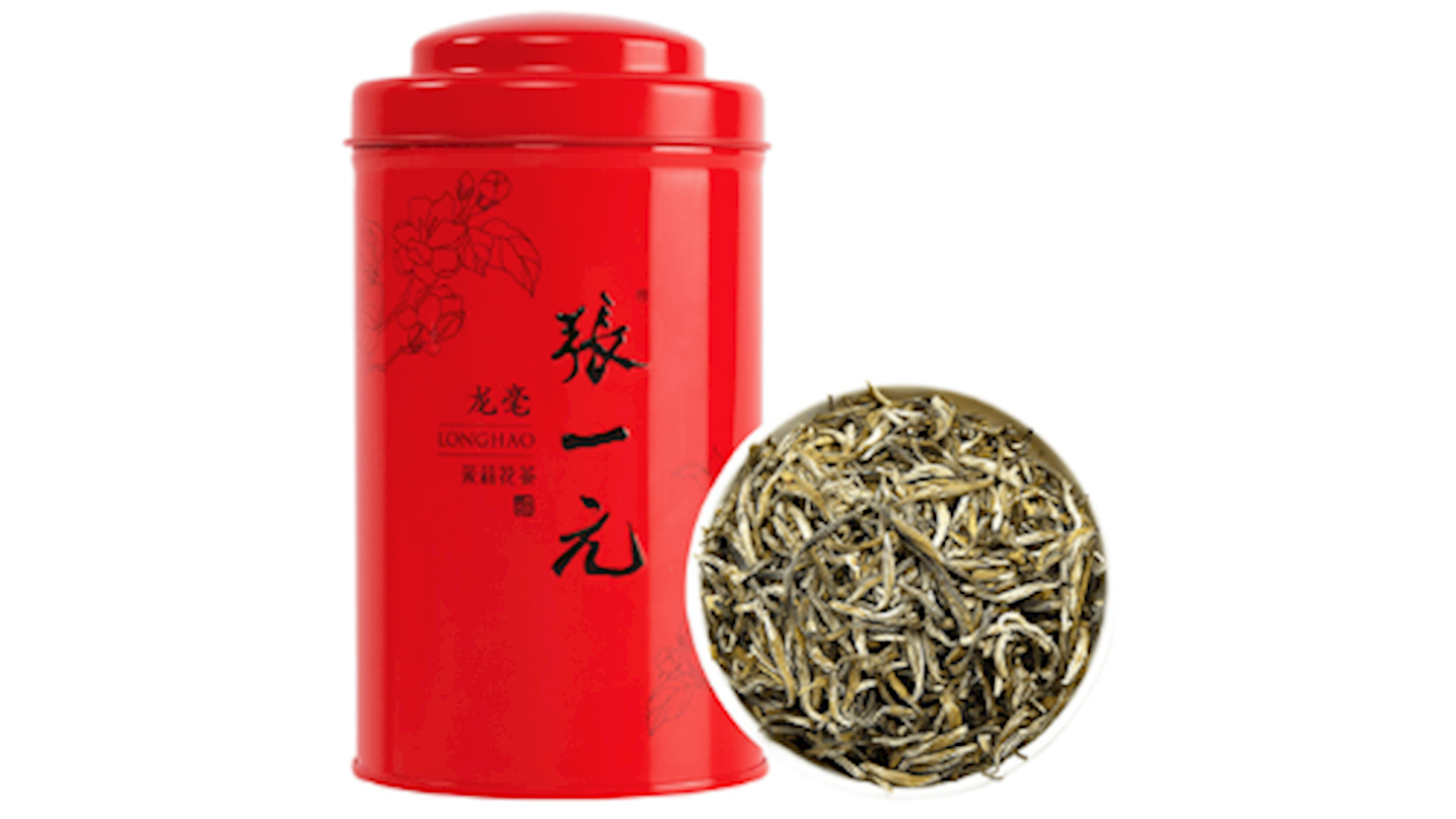
Zhang Yiyuan Tea is one of the most prestigious and time-honored tea brands in Beijing, China, with a rich history that dates back over a century. Founded in 1900, the brand has been providing high-quality traditional Chinese tea, and it is especially renowned for its green tea varieties, particularly Longjing tea, which is among the finest and most famous teas in China. Over the years, Zhang Yiyuan has become an essential part of Beijing’s cultural and culinary heritage. The brand is well-known for offering a variety of premium teas, including green, black, and jasmine teas, as well as providing tea accessories and offering traditional tea ceremonies to both locals and visitors alike. Today, Zhang Yiyuan Tea remains a respected name in the Chinese tea industry, blending traditional tea culture with modern appreciation and international recognition. The shop is also a popular destination for tea enthusiasts and tourists looking to experience the art of tea-tasting and learn about the rich history of Chinese tea culture.
08

Menghai Tea Factory

4.6 ·
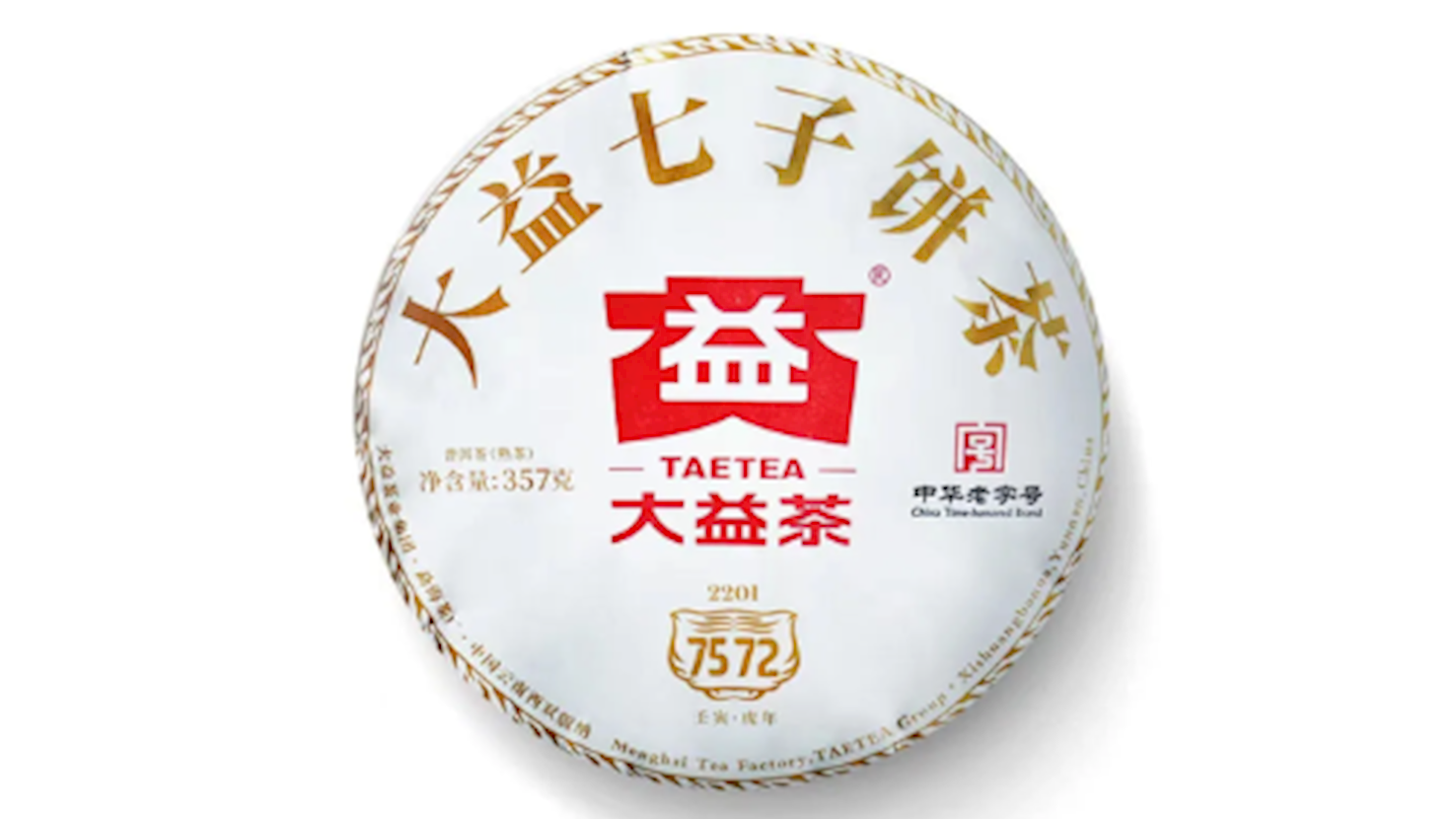
Menghai Tea Factory is one of the most renowned and influential tea producers in China, best known for its pu-erh teas from the Xishuangbanna region in Yunnan Province. Founded in the 1940s, it became a key state-run factory in the 1970s, playing a central role in developing modern pu-erh fermentation methods, especially the shou technique widely used today. The factory operates under the Dayi (Taetea) brand, which has become synonymous with high-quality, standardized, and collectible pu-erh tea. Menghai Tea Factory sources its leaves from the distinctive mountainous areas of Yunnan - including Menghai, Mengla, and nearby villages - where Camellia sinensis var. assamica trees grow, known for their large leaves and strong character. Their teas are recognized for their unique flavor profile that includes earthy, woody, sweet, and umami notes, as well as exceptional aging potential, which makes them highly valued among collectors. Today, the factory combines traditional craftsmanship, scientific control of fermentation, and large-scale production, maintaining its position as one of the leading authorities in the world of pu-erh tea.
09

Kunming Tea Factory

4.6 ·
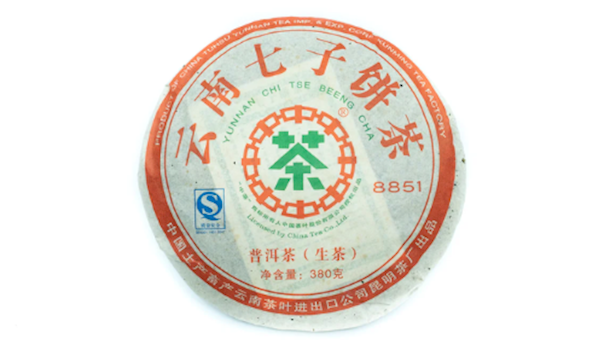
Kunming Tea Factory is one of the oldest and most influential tea institutions in China, founded in 1938 and widely recognized for its pioneering role in the development of modern pu-erh tea. During the 1970s, together with Menghai Tea Factory, it helped establish the foundations of the accelerated shou pu-erh fermentation technique, making this traditionally long-aged tea more accessible to a broader audience. The factory was an important state producer until its temporary closure in the mid-1990s, and its revival in 2006 restored continuity in producing classic recipes. Kunming teas are known for their dark color, earthy and woody notes, stable fermentation, and good aging potential, making them appealing to collectors and enthusiasts of traditional shou profiles. Today, the factory remains an important witness to the evolution of the pu-erh industry, maintaining its historical significance and preserving traditional processing methods.
10

Xiaguan Tea Factory

4.6 ·
Xiaguan Tea Factory is one of the most renowned Chinese producers of pu-erh tea, with a history spanning more than a century and a distinct identity shaped by its unique methods of compression and processing. Founded in 1902 in the city of Dali in Yunnan Province - an area known for its cool climate, high altitude, and strong winds from Erhai Lake - the factory developed a characteristic style deeply influenced by local environmental conditions. Xiaguan is especially famous for its iconic tuocha, as well as its tightly compressed cakes and bricks designed for long-term, stable aging. The factory produces both sheng and shou pu-erh, but it is particularly recognized for the vibrant, powerful profile of its young sheng pu-erh, which often features lively, slightly smoky, sharp characteristics with distinct herbal and mineral notes. As Xiaguan teas mature, they develop deeper, warmer aromas and a more complex sweetness, making them highly valued among collectors. Today, Xiaguan Tea Factory remains a symbol of traditional Yunnan tea craftsmanship, with a strong reputation for consistency, authenticity, and a recognizable style cherished both in China and internationally.
Read more
View all
View map
About this ranking

TasteAtlas food rankings are based on the ratings of the TasteAtlas audience, with a series of mechanisms that recognize real users and that ignore bot, nationalist or local patriotic ratings, and give additional value to the ratings of users that the system recognizes as knowledgeable. For the “Top 40 Chinese Non-alcoholic Beverages” list until June 01, 2026, 1,984 ratings were recorded, of which 1,811 were recognized by the system as legitimate. TasteAtlas Rankings should not be seen as the final global conclusion about food. Their purpose is to promote excellent local foods, instill pride in traditional dishes, and arouse curiosity about dishes you haven’t tried.

The initial list of top producers was compiled based on available reviews, awards, local recommendations, media and blog coverage, and consumer reviews. The list will be updated with ratings from TasteAtlas local ambassadors and TasteAtlas users.

Similar lists