shutterstock

Top 19 Sardinian Pasta, Noodles and Dumplings

Last updated on June 06, 2026

Best Sardinian Pasta, Noodles and Dumplings
01

Pasta Corona

4.6 ·
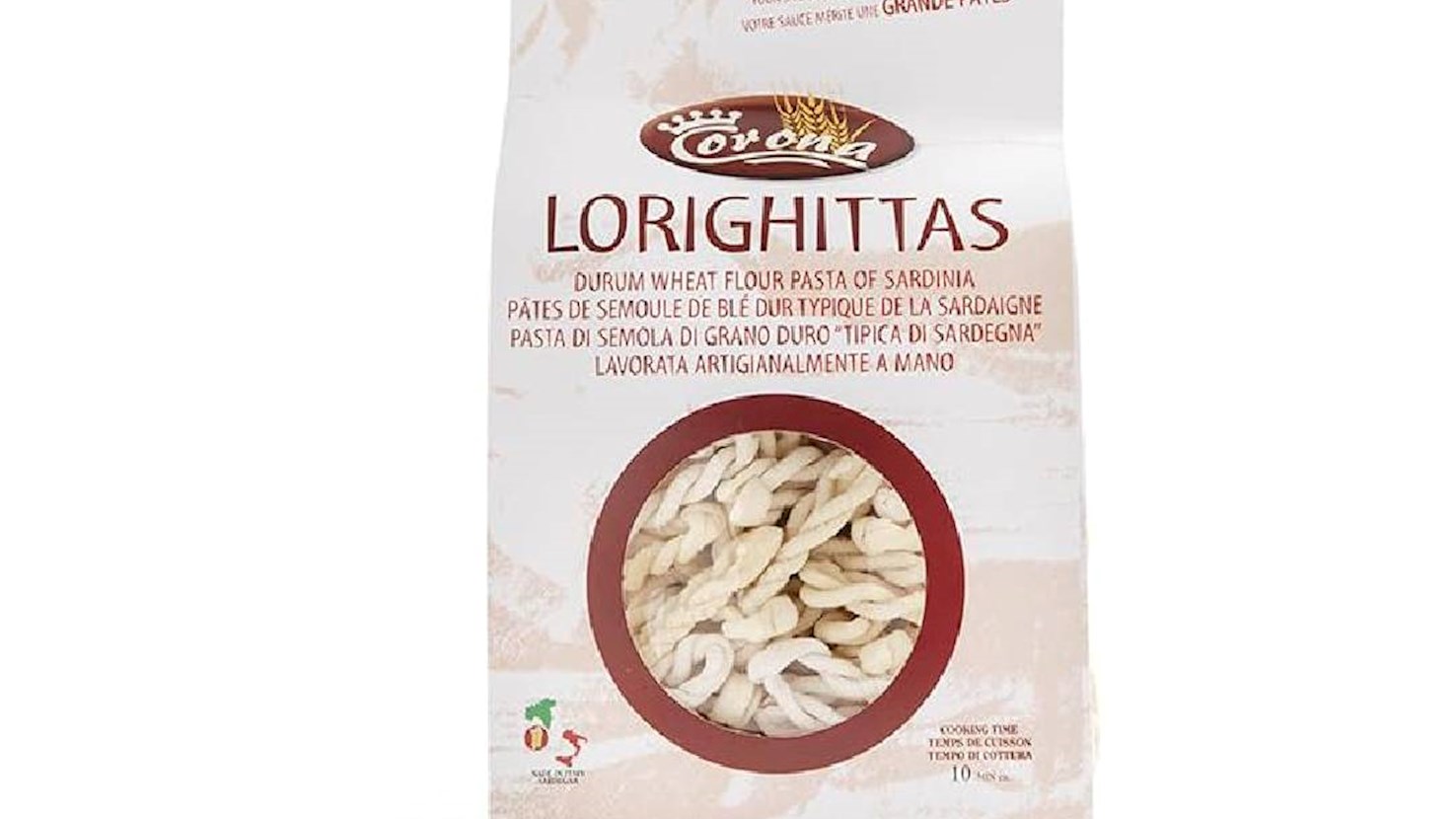
Pasta Corona is a distinguished pasta producer based in Sardinia, Italy, renowned for its artisanal approach to traditional Sardinian pasta varieties. The company is led by Stefano Corona, an expert baker from Oristano, who upholds time-honored techniques in pasta making.
02

La Casa Del Grano

4.5 ·
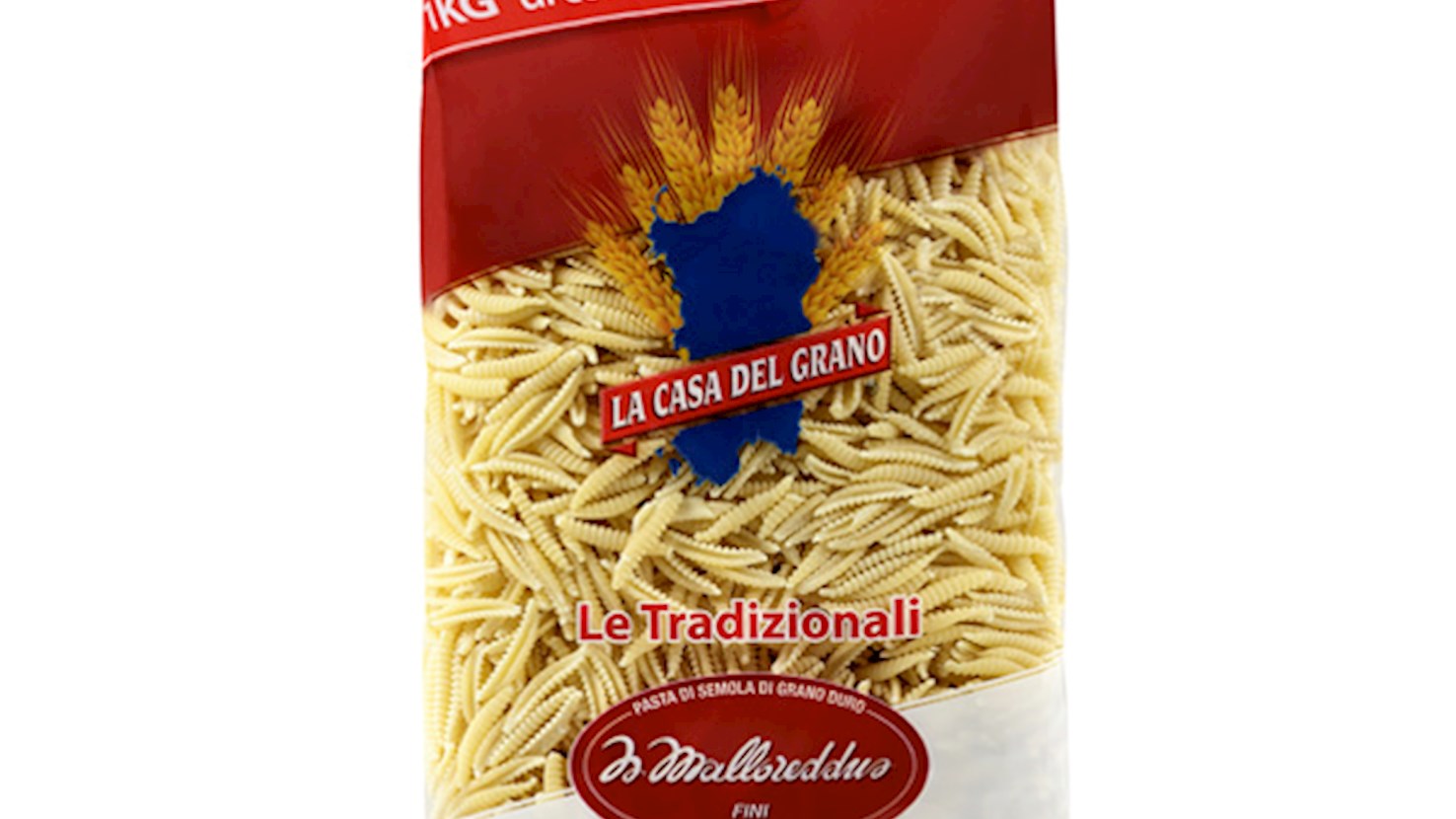
​La Casa Del Grano is a renowned Sardinian pasta producer specializing in traditional varieties like Malloreddus and Fregola. With over 60 years of experience, they combine artisanal techniques with modern processes to deliver authentic flavors. Their products are crafted using high-quality semolina flour, bronze die extrusion, and slow drying methods to ensure exceptional taste and texture.
03

Pastificio Artigiano Tanda & Spada

4.4 ·
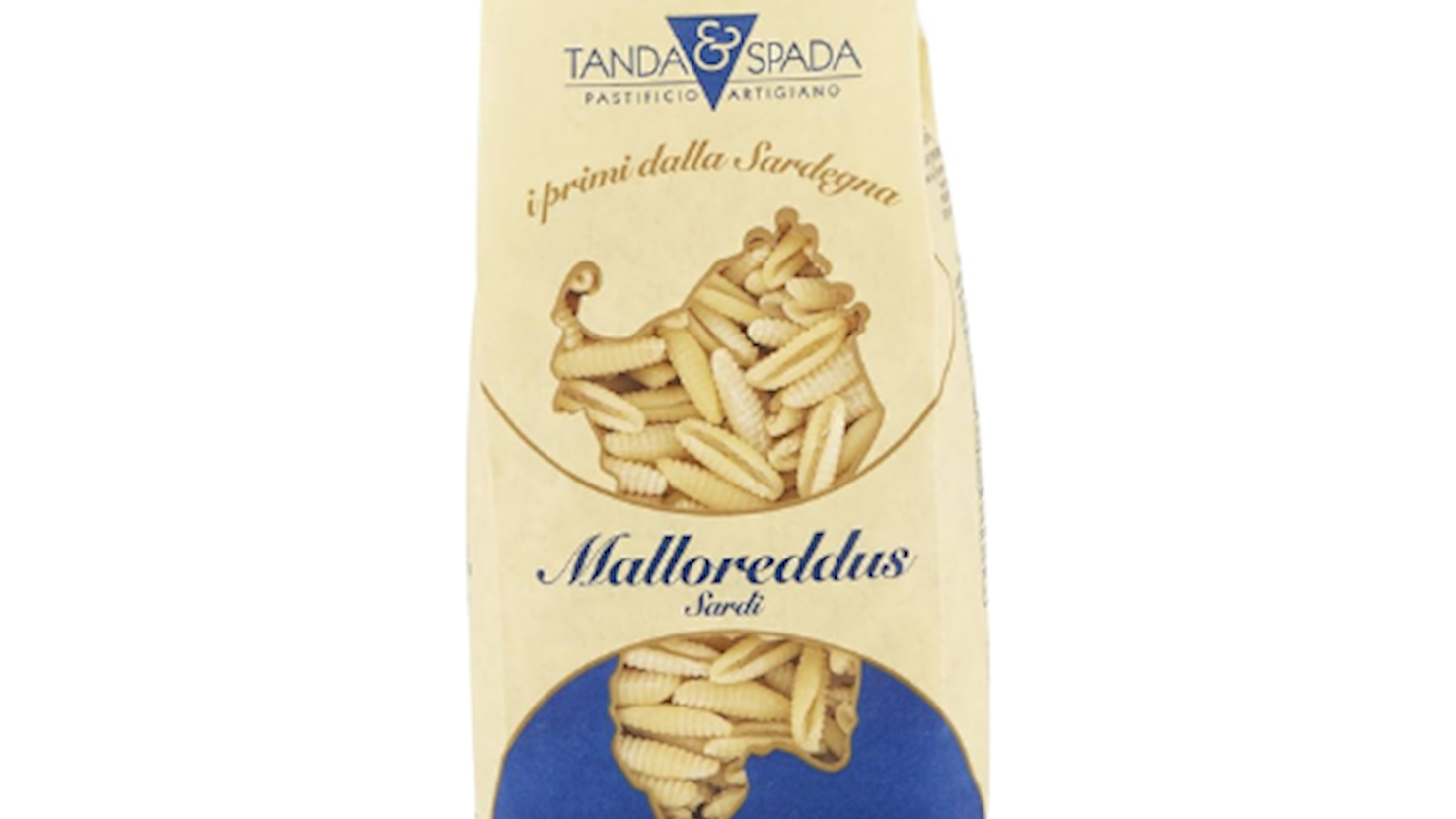
​Pastificio Artigiano Tanda & Spada is a distinguished artisanal pasta producer based in Thiesi, Sardinia, Italy. Established in 1990, the company specializes in high-quality dry pasta, focusing particularly on traditional Sardinian specialties. The company emphasizes traditional production methods, including bronze die extrusion and slow drying processes, to ensure the pasta's texture and flavor are of the highest quality. Their product range includes iconic regional shapes such as malloreddus and fregola sarda, celebrated for their ability to absorb and enhance sauces. With a strong commitment to preserving Sardinian culinary heritage, Tanda & Spada sources only the finest semolina from 100% Italian durum wheat, ensuring authenticity and superior taste in every bite.
04

Pastificio Artigianale Araj

4.4 ·
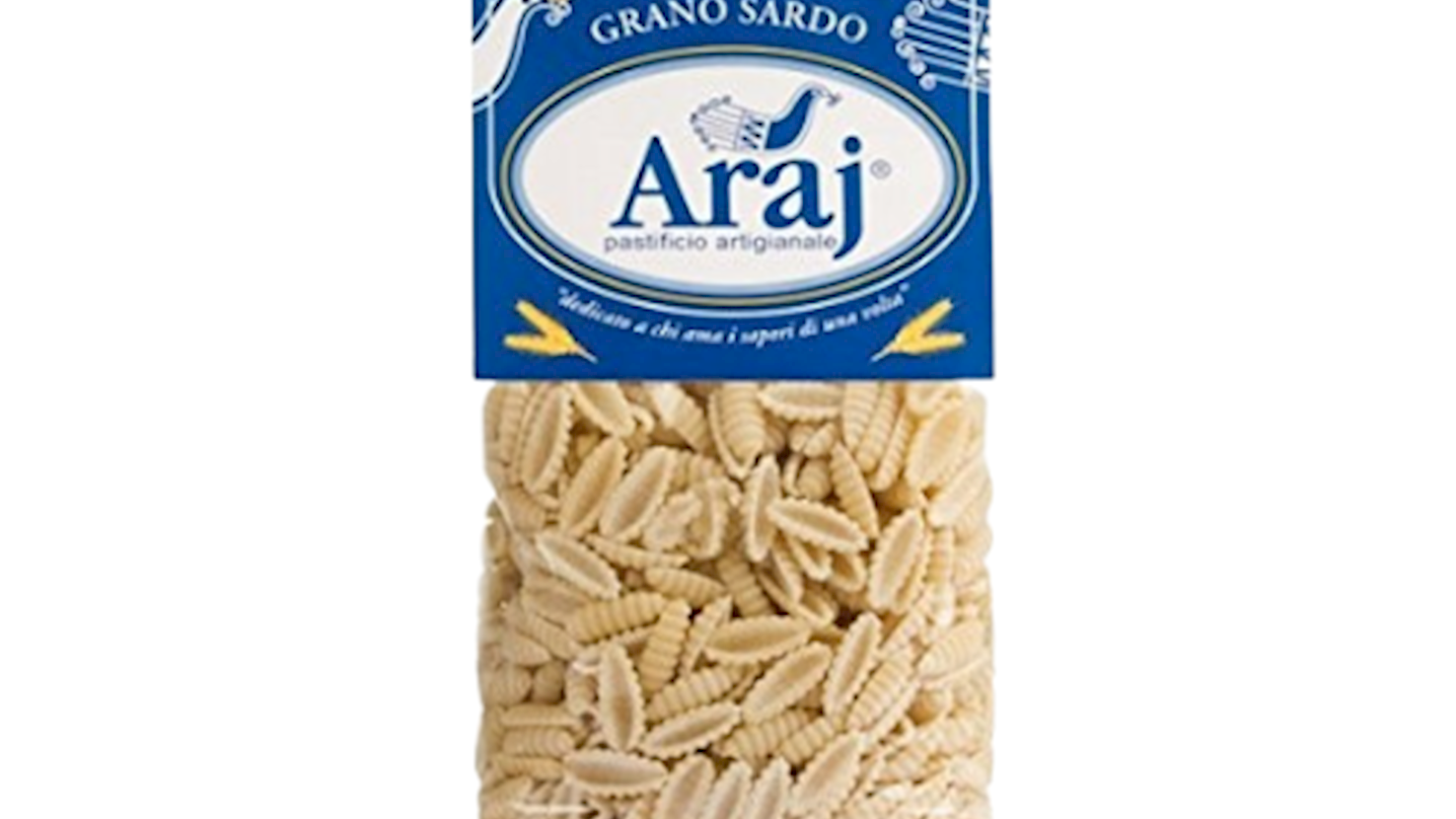
Pastificio Artigianale Araj is a renowned Italian company specializing in the production of high-quality pasta, based in Sestu, in the heart of Sardinia, Italy. This family-run business, with a tradition spanning over four decades, is dedicated to preserving authentic pasta-making techniques, while combining them with modern approaches to ensure the perfection of taste and quality. Araj Industriale is known for its extensive range of pasta, including traditional Sardinian varieties such as Malloreddus, made from high-quality semolina durum wheat. The Malloreddus Senatore Cappelli is one of the company’s standout products, made from the Senatore Cappelli wheat variety, which is considered premium for pasta production due to its texture and rich flavor. Production at Araj Industriale follows rigorous standards, with a particular focus on bronze die extrusion and slow drying, which allows the pasta to retain its firmness while excellently absorbing sauces. Thanks to these traditional methods, the company’s pasta is characterized by its distinctive texture and rich, full flavors, bringing the authentic Sardinian tradition into every dish.
05

Il Pastaio di Nuoro

4.3 ·
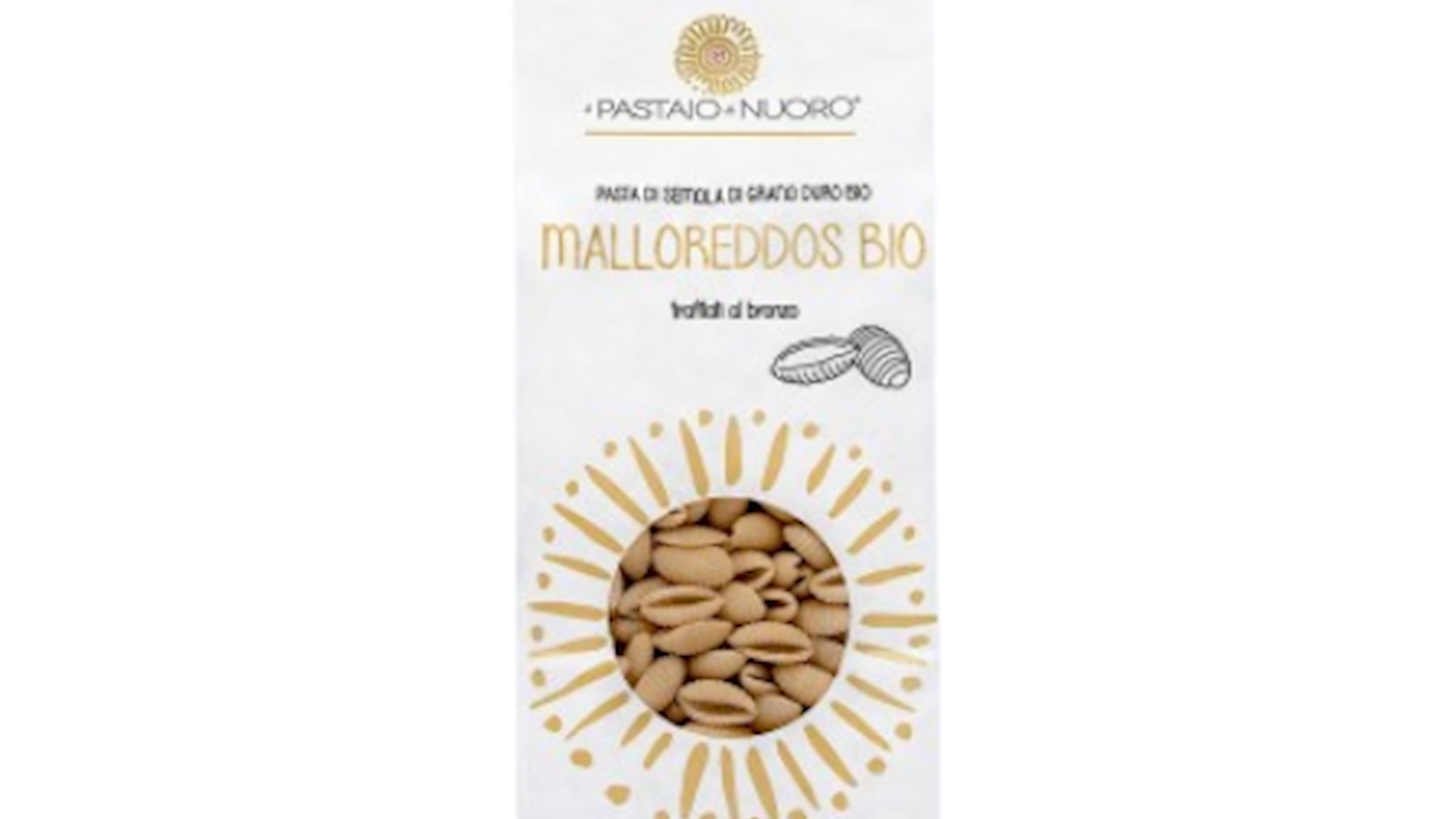
Il Pastaio di Nuoro is a prestigious brand of traditional and organic pasta from Sardinia, produced by the company Artinpasta. Based in the industrial area of Prato Sardo in Nuoro, this family-run business has, since its founding, upheld the artisanal production of pasta with a deep respect for local identity and natural ingredients. Their pasta varieties - including malloreddus, fregola, caserecce, and penne - are made exclusively from organic durum wheat certified to the highest standards, along with pure spring water sourced from the mountainous regions surrounding Nuoro. The production process involves extrusion through bronze dies, giving the pasta a rough texture ideal for absorbing sauces, followed by slow drying at low temperatures to preserve the nutritional value and authentic flavor of the grain. The brand is especially known for its traditional Sardinian formats, such as Malloreddus - the latter lightly toasted to develop a delicate, nutty aroma. Il Pastaio di Nuoro is crafted for those who seek to experience the true taste of Italy through simple, yet distinctive shapes and textures that honor centuries of regional culinary heritage.
06

Brundu

4.3 ·
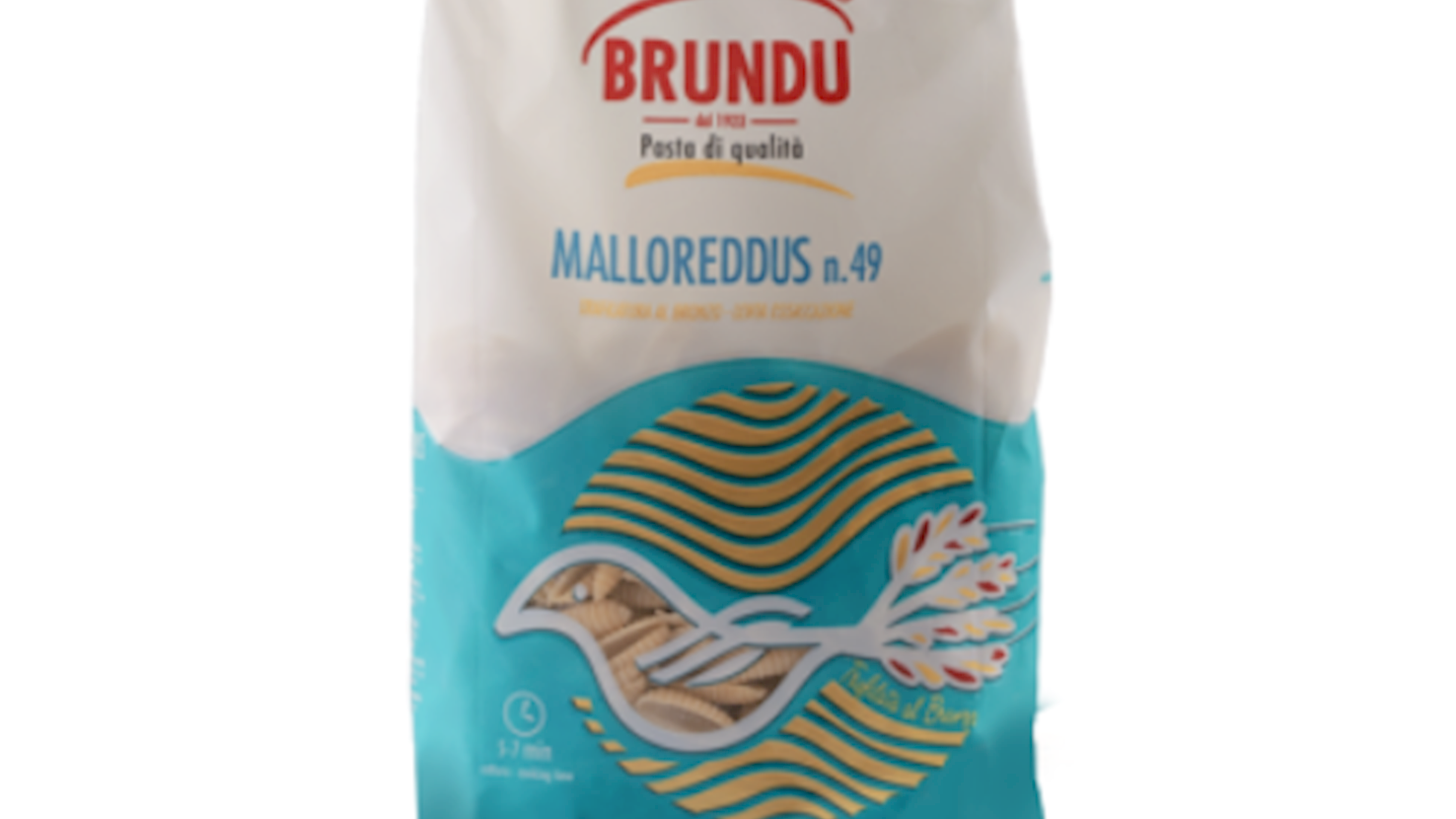
Brundu is a premium pasta producer from Sardinia, with roots dating back to 1923 when the Brundu family began their activity in wheat milling and processing. Today, as a modern pastificio that remains faithful to its origins, Brundu combines tradition and technology to create authentic, high-quality pasta. The production process begins with the careful selection of the finest durum wheat semolina and pure, controlled water. The dough is then shaped using bronze dies, resulting in a rough, porous texture that perfectly captures rich sauces. Drying takes place slowly, at low temperatures and over an extended period, preserving the natural flavor, structure, and nutritional value of the grain. Their range includes classic formats like spaghetti and penne, as well as distinctive Sardinian shapes such as Malloreddus and Gnocchi Sardi. Every product from the Brundu workshop reflects a deep respect for raw materials, artisanal skill, and the cultural identity of Sardinia, making it the ideal choice for those seeking the true taste of Italian tradition.
07

Pastificio Artigianale Lu Rutigliu

4.3 ·
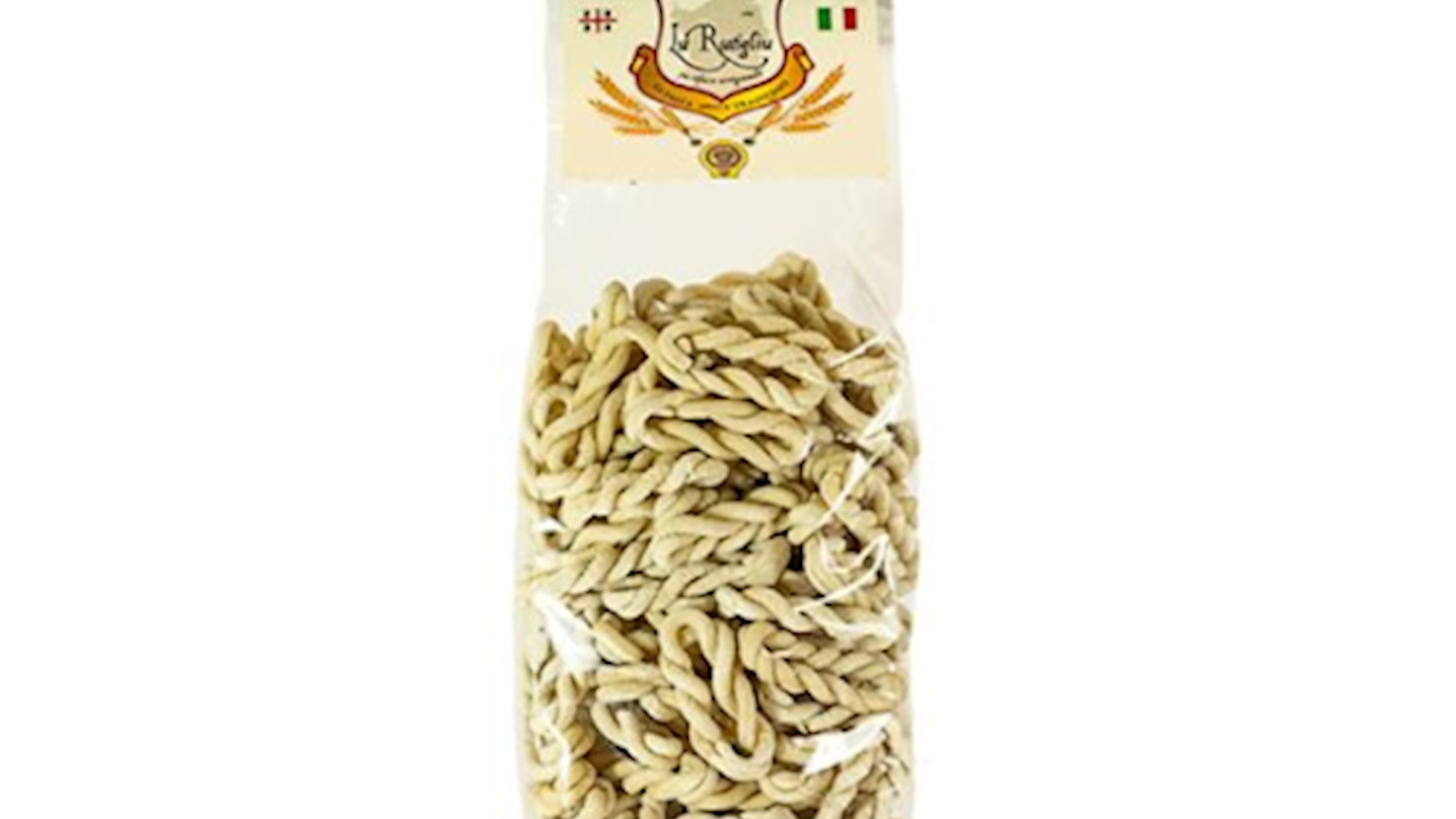
Pastificio Artigianale Lu Rutigliu is a family-run fresh pasta workshop founded in 2018 in Loiri Porto San Paolo, Sardinia. At the heart of the business is Gianfranco Burrai, a passionate artisan who transformed the traditional recipes of Italian grandmothers into authentic handmade pasta. The name “Lu Rutigliu” comes from an old Sardinian term for the wooden board once used by grandmothers to cut fresh pasta by hand. The pastificio uses only the finest Sardinian durum wheat semolina - such as kamut or the local Cappelli variety - stone-ground for maximum flavor and paired with pure spring water from the Monti di Deu mountains. Each batch is bronze-extruded, giving the pasta a rough texture that helps sauces cling beautifully. The pasta is then slow-dried at low temperatures to preserve its natural taste and nutritional qualities. Lu Rutigliu is a true expression of Sardinian culinary heritage - blending authenticity, tradition, and craftsmanship into every shape of pasta they produce.
08

Pastificio Sale

4.3 ·
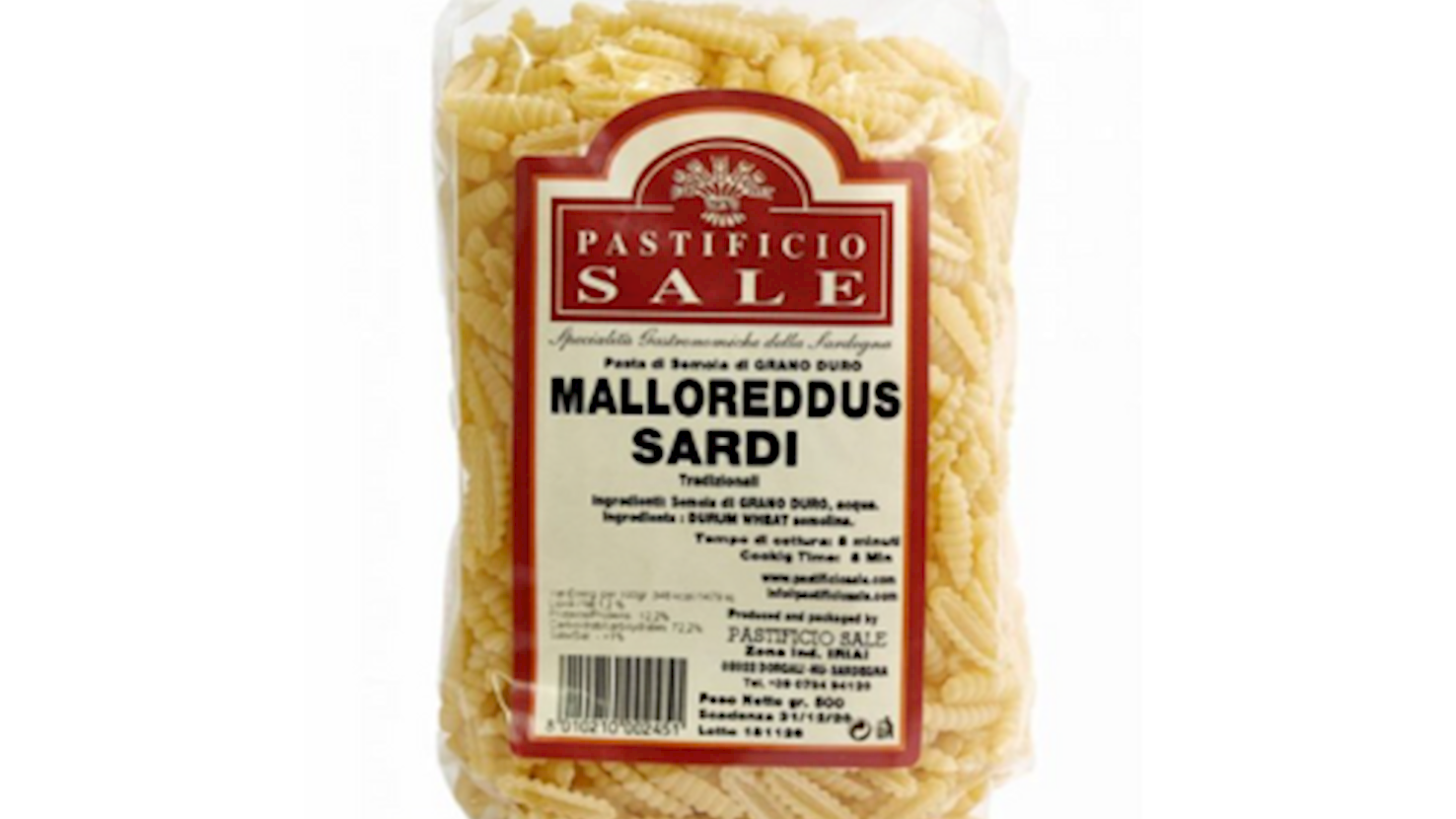
Pastificio Sale is a family-run artisanal pasta workshop located in Sardinia, with over twenty years of dedication to producing traditional pasta that faithfully reflects the spirit and flavor of this Mediterranean island. Founded out of a deep love for authentic Sardinian cuisine, the pastificio nurtures a legacy passed down through generations - using only high-quality durum wheat semolina of local origin and pure spring water, without any additives, colorants, or industrial processing. Their range includes a wide variety of regional shapes - each with a distinctive bronze-drawn rough texture that allows rich and aromatic Sardinian sauces to cling perfectly. Great care is given to drying time and temperature control, preserving the depth of flavor, natural grain aroma, and nutritional value. Pastificio Sale does not simply produce pasta - they preserve Sardinian culture itself. Every package reflects simplicity, honesty, and a deep connection to the land. Their production approach successfully combines local authenticity with broader distribution across Italy and international markets.
09

Pastificio Sini

4.3 ·
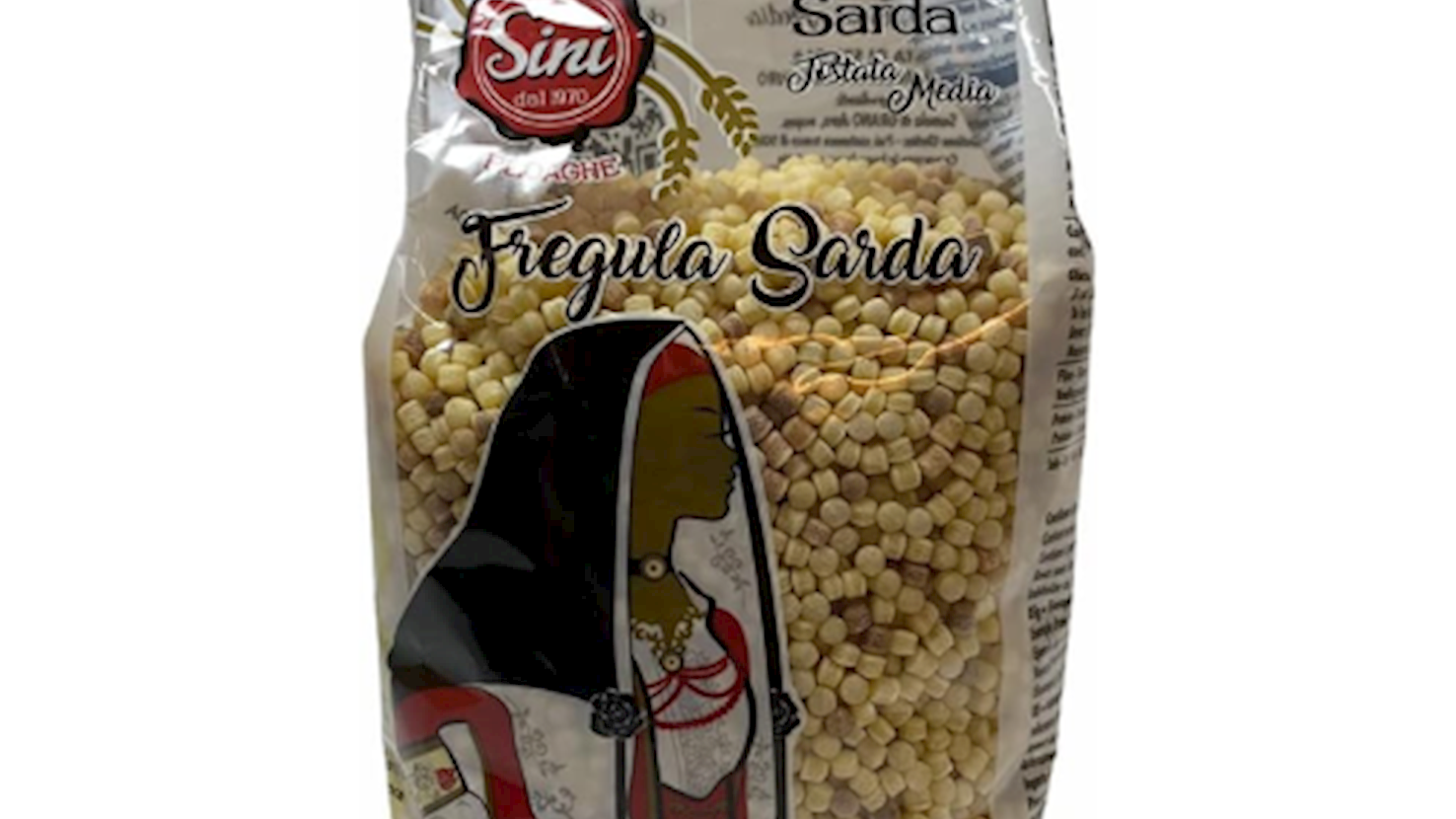
Pastificio Sini is a true example of authentic Sardinian tradition transformed into premium artisanal pasta production. Founded in 1970 in the town of Ploaghe, Sardinia, this family-run pastificio was established by brothers Giampiero and Bruno Sini, who began crafting pasta in the old family mill using just two machines. Their dedication was quickly recognized through the local popularity of traditional pasta shapes - gnocchetti and malloreddus - which remain the cornerstone of their range today. Currently, Pastificio Sini offers seven varieties of these pastas, made exclusively from high-quality durum semolina and whole wheat flour. A particular point of pride is their traditional fregula - a Sardinian pasta that is toasted before baking, giving it a distinctive texture and nutty flavor. This handcrafted pasta comes in several sizes and is increasingly finding its place on international markets. While maintaining the spirit of a small family business, Pastificio Sini has grown into a respected producer that celebrates local heritage through exceptional quality and a deep respect for tradition.
10

Pastificio Artigiano Vincenza Mura

4.3 ·
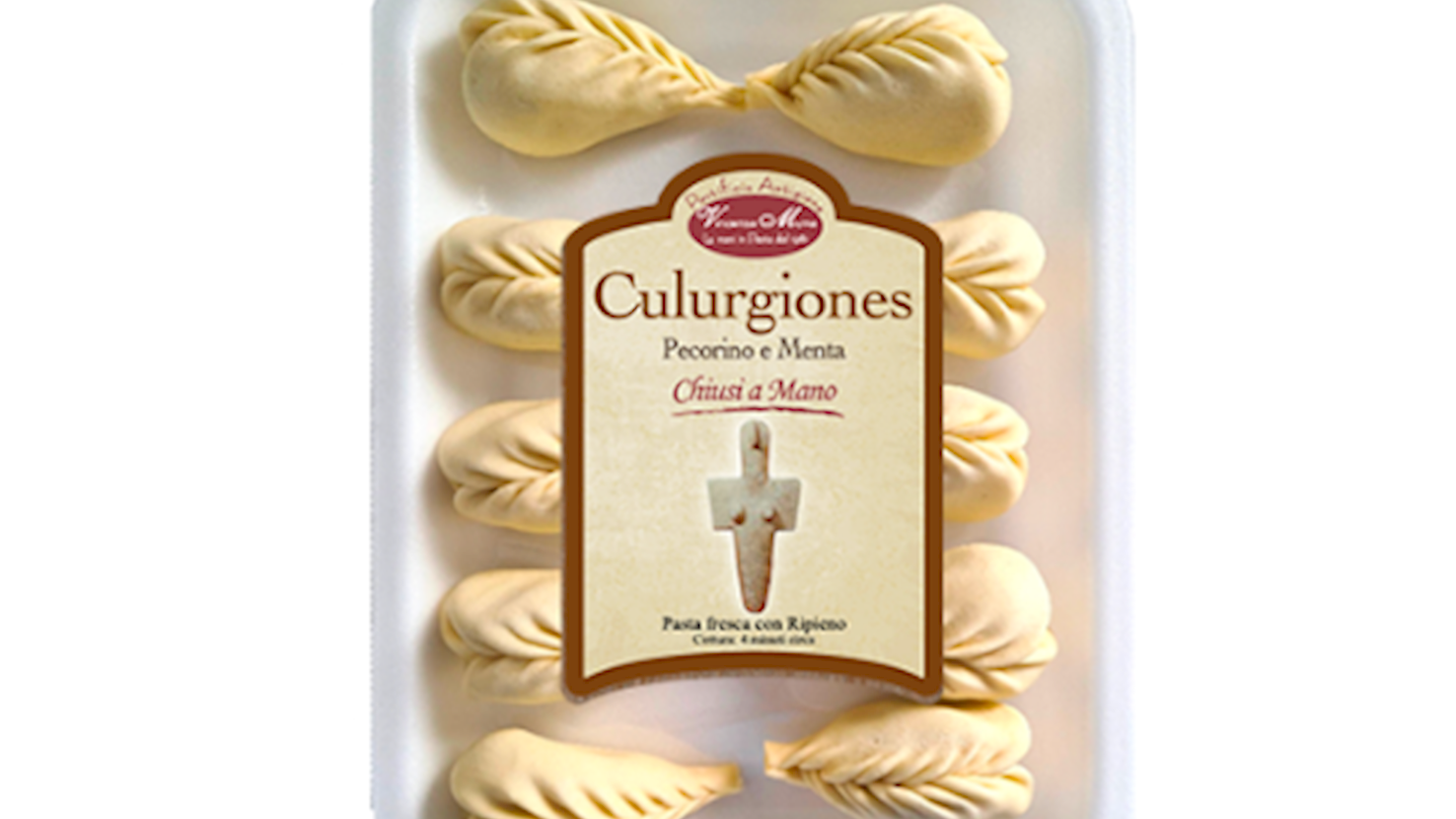
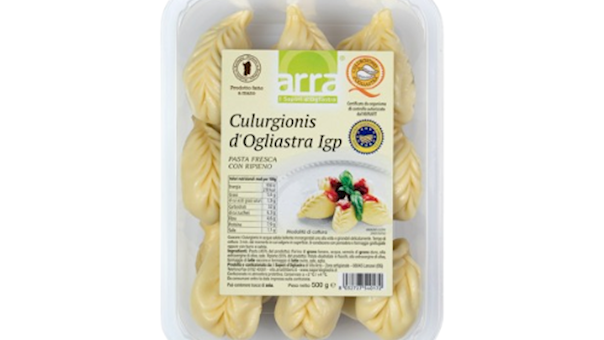
Pastificio Artigiano Vincenza Mura is a family-run artisanal pasta workshop based in Cagliari, Sardinia, passionately preserving the island’s culinary traditions since 1981. Under the guidance of founder Vincenza Mura, the company has combined authentic, time-honored recipes with modern standards of quality, placing a strong emphasis on handmade production and the careful selection of ingredients. Their most renowned specialty is culurgiones – traditional Sardinian ravioli recognized by their distinctive ear-of-wheat shape, filled with a creamy blend of potatoes, pecorino cheese, garlic, and mint. This harmonious combination of flavors and textures has earned them a place as one of the most cherished symbols of Sardinian cuisine. Pastificio Vincenza Mura maintains a deep connection to local identity through handcrafted products and a direct, personal approach to customers. Their commitment to authenticity, transparency, and quality has been recognized by both local culinary experts and national gastronomic and travel guides throughout Italy.

Best Sardinian Pasta, Noodles and Dumplings Types
01

Malloreddus

4.1 ·

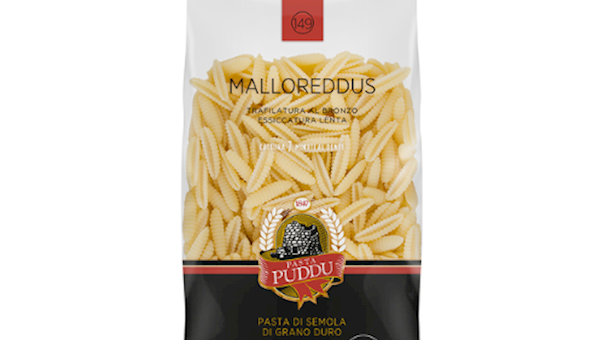
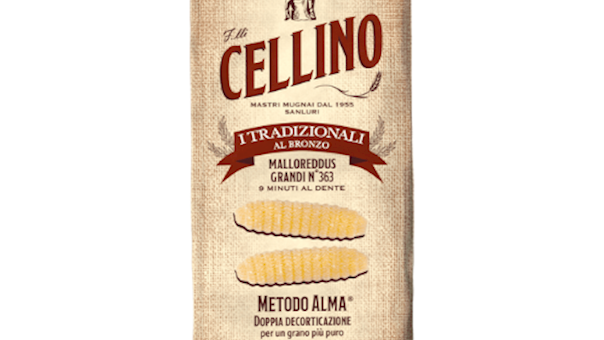
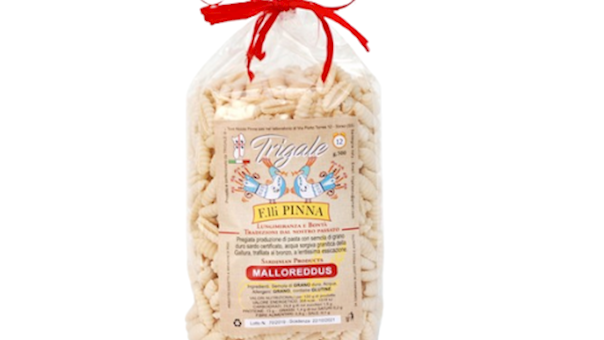
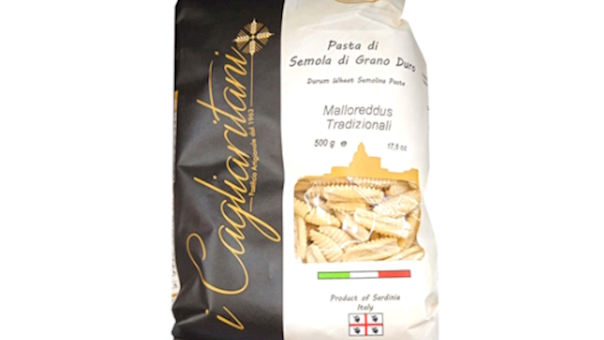
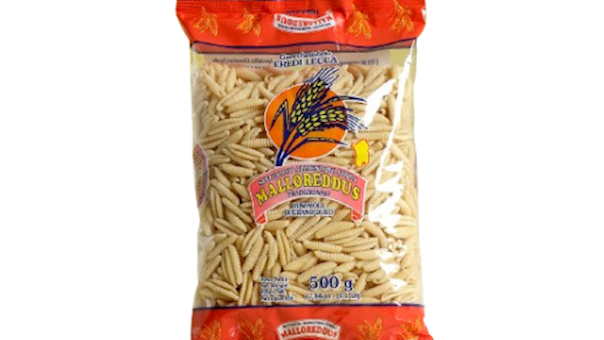
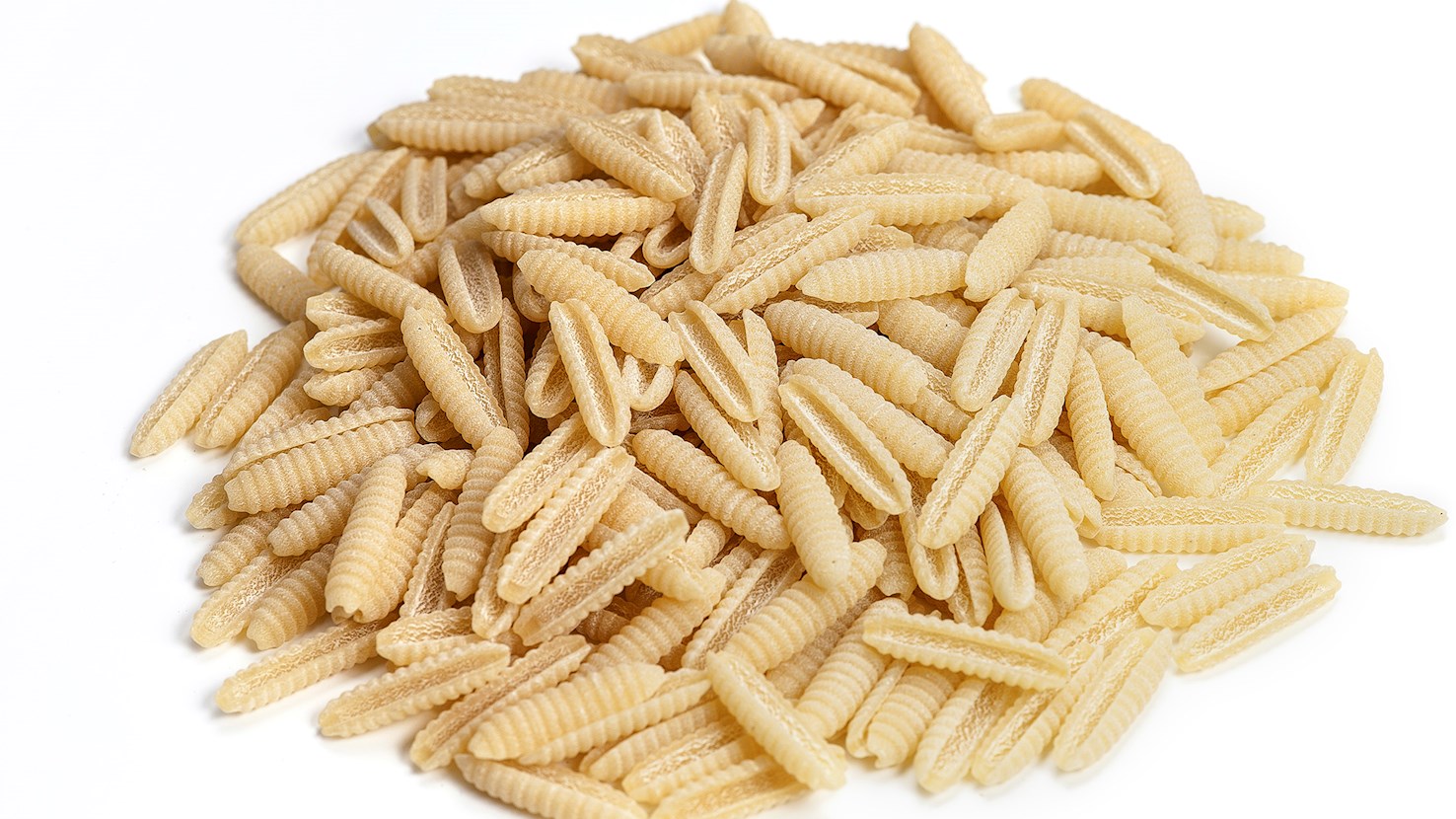
Malloreddus is a gnocchi-shaped pasta variety from the Italian island of Sardinia. Due to their dumpling-like shape, they are also called gnocchetti Sardi, meaning little Sardinian gnocchi. Made with durum wheat flour, water, salt, and a pinch of ground saffron, malloreddus pair nicely with a wide variety of sauces. One of the most traditional ways of enjoying these little yellow treats is with a simple, yet very delicious sausage-and-tomato-sauce in a popular local dish called malloreddus alla campidanese.

02

Fregula

3.8 ·

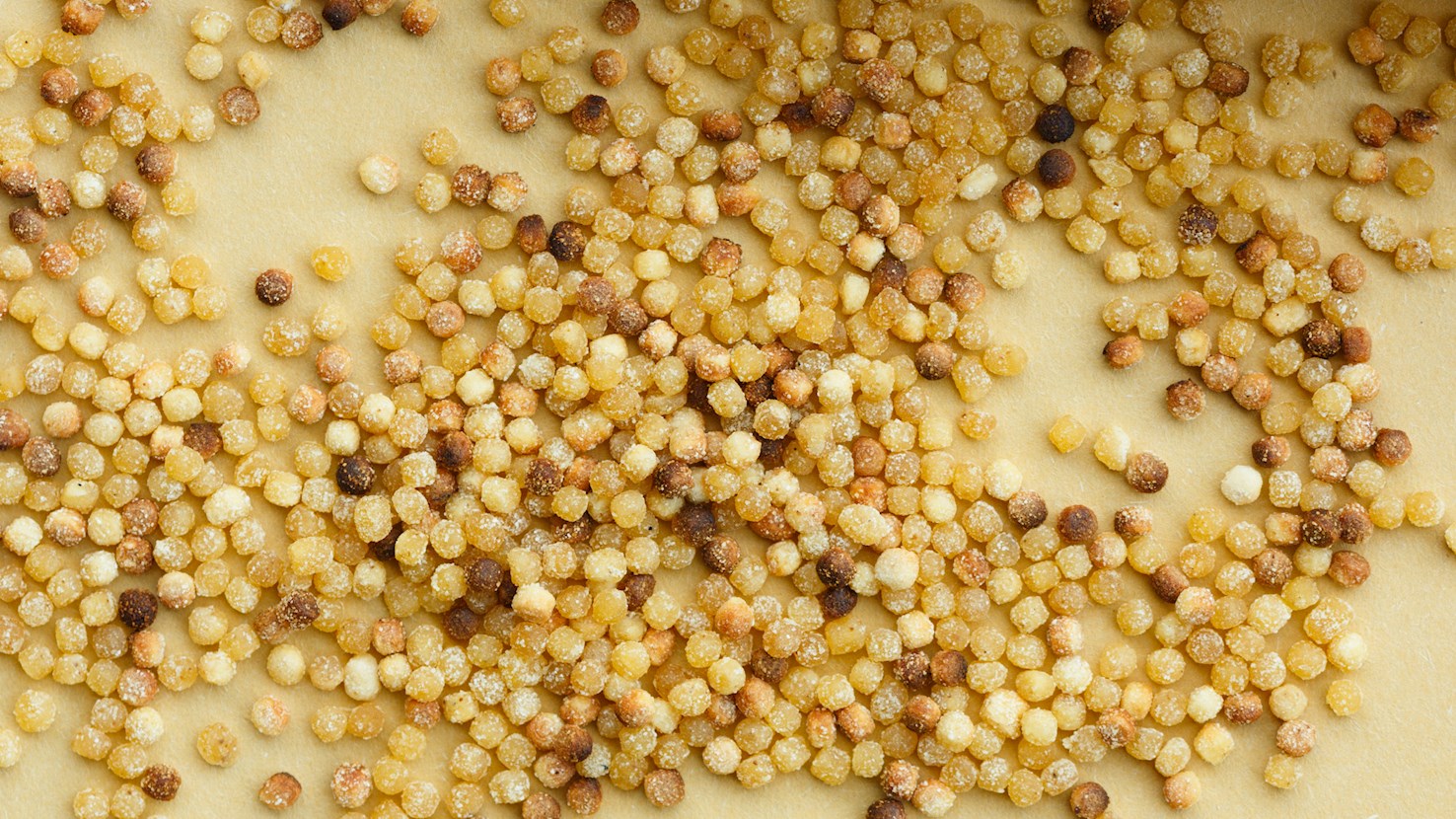
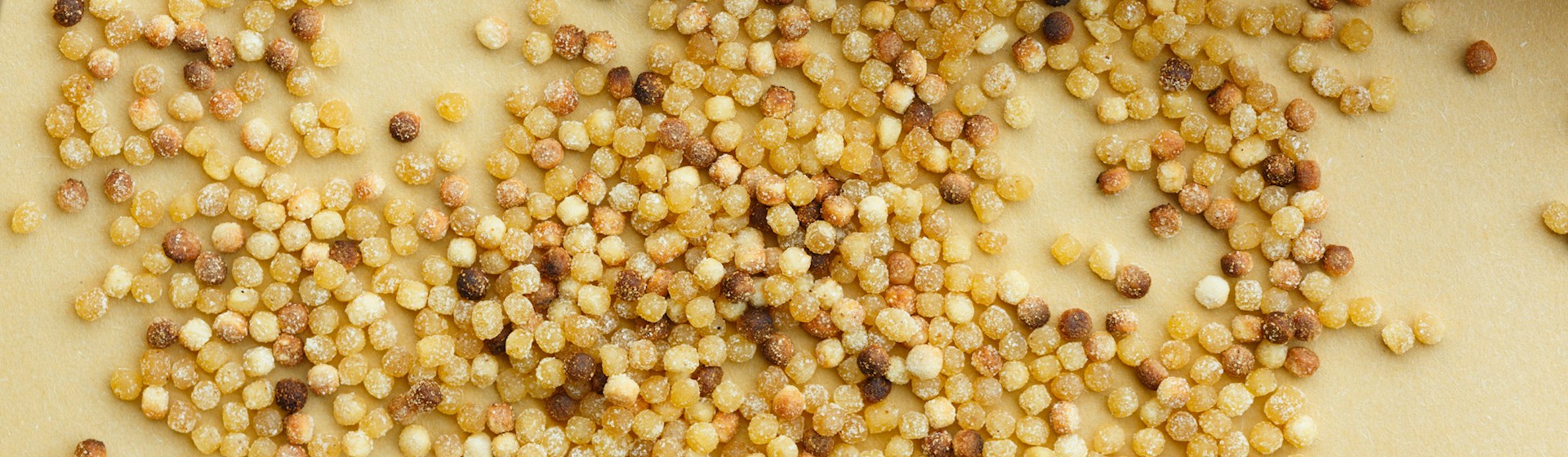
Fregula is a variety of Italian pasta made with semolina flour and water. It is a specialty of Sardinia, where the pasta is rolled into small balls and then toasted in the oven so that it develops a slightly nutty flavor. This pasta variety is traditionally paired with tomato sauce and clams.

03

Lorighittas

n/a ·

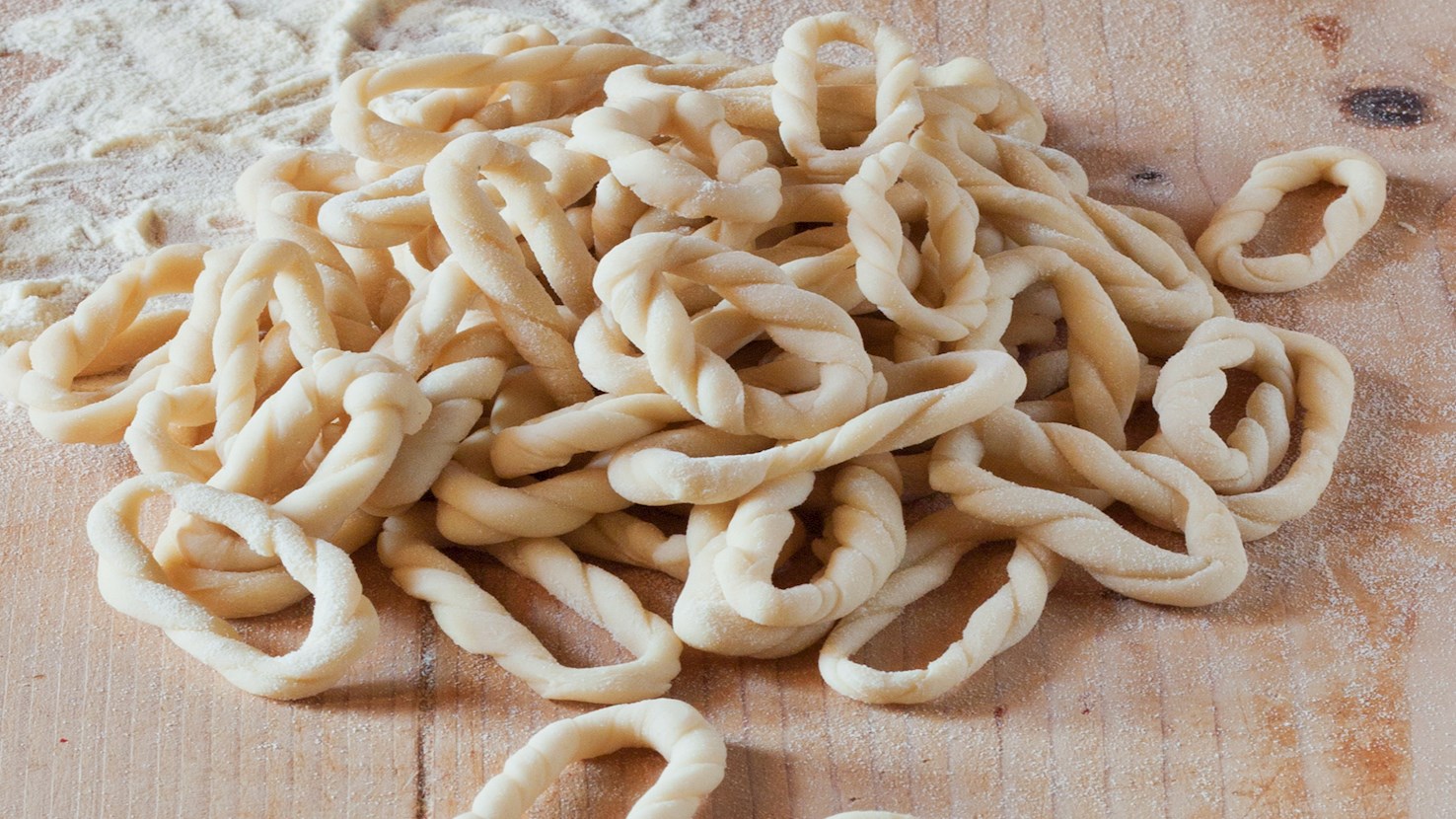
This braided, ring-shaped pasta variety is prepared only in the western Sardinian village of Morgongiori. When plaited, lorighittas are left in baskets to dry, and then they can be cooked and paired with various sauces. The first written reference of lorighittas dates back to the 16th century, and through history, this pasta variety was traditionally prepared by women. While some believe that their unusual appearance was modeled on iron rings designed to tether horses, other say that their decorative shape and the name, lorgighittas roughly translates as ears, stem from the fact that they were once worn as jewelry by young, unmarried women. Nowadays, lorighittas aren’t so easy to find - one of the best ways to try them is during the Sagra delle Lorighittas, an annual feast celebrating this local specialty held every August in Mongogiori.

04

Su filindeu

n/a ·

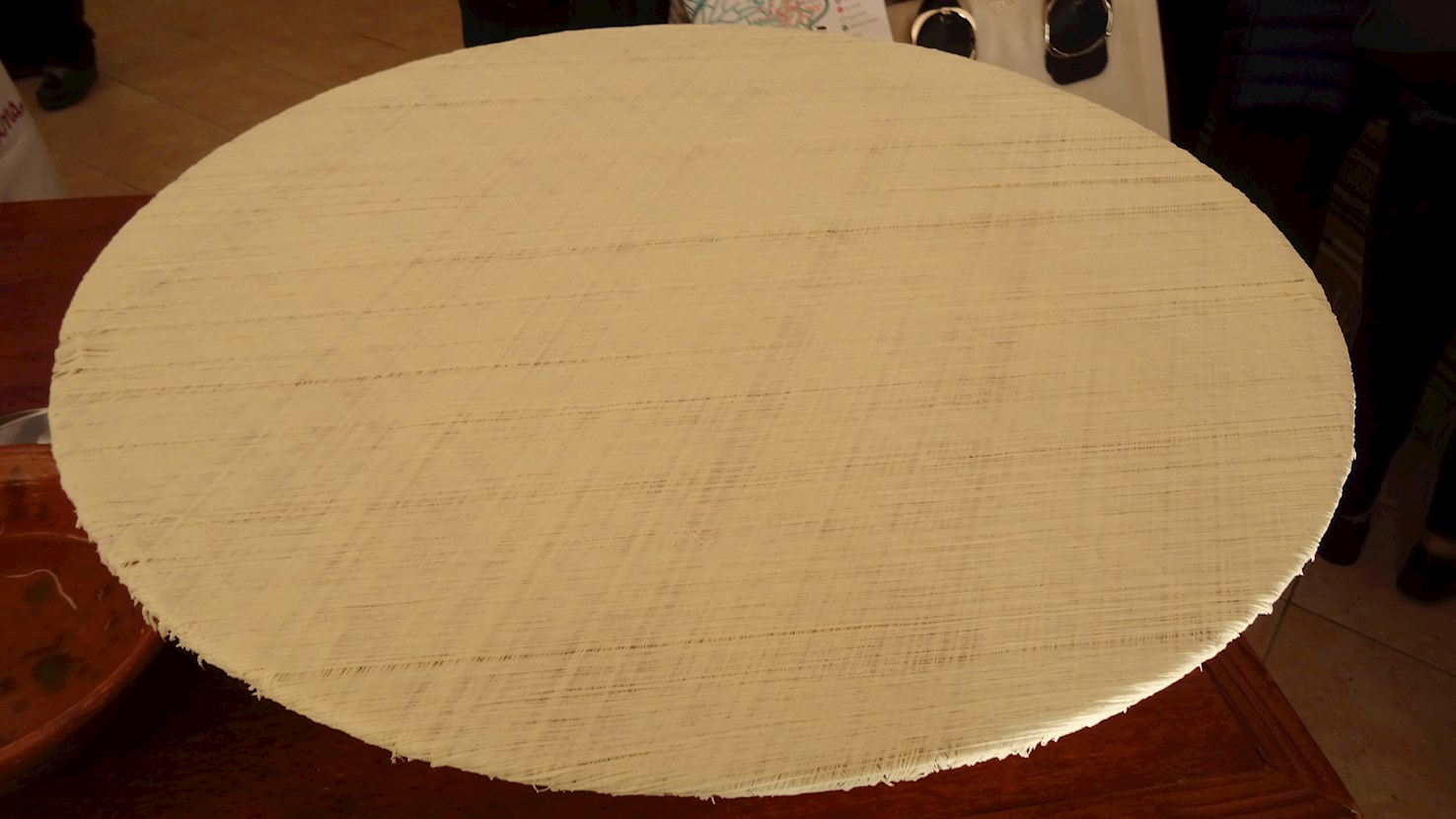
Filindeu, literally meaning the threads of God, is a variety of Italian pasta prepared exclusively in the Sardinian province of Nuoro. It is the world’s rarest and most endangered pasta variety - allegedly, only one woman named Paola Abraini still makes it. The dough is made with the usual ingredients: durum wheat semolina, water, and a pinch of salt, but the trick is in the technique - the dough needs to be kneaded until it reaches a very soft and elastic texture, achieved by knowingly moisturizing the dough with salted water when needed. The dough is stretched by hands into needle-thin yarns, placed on a special wooden tray called fundu in three separate layers (each added at a different angle), and then dried in the sun. Filindeu pasta is so time-consuming and hard to prepare that for the past 200 years it used to be a sacred dish, served only to those who complete a 33km pilgrimage from Nuoro to the village of Lula for the biannual Feast of San Francesco. Upon arrival, the pilgrims are awarded with a bowl of fillindeu pasta, cooked and served in a rich sheep broth and topped with a generous portion of local sheep’s milk cheese.

05

Cassulli

n/a ·

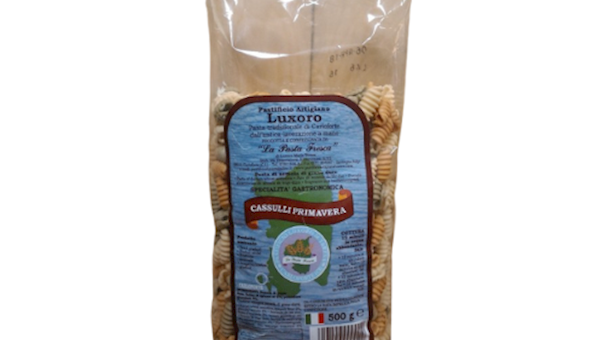
Cassulli is a type of pasta that originates from Carloforte, a small town on the island of San Pietro off the southwestern coast of Sardinia. The pasta is distinctive to this community, which was founded in the eighteenth century by Ligurian settlers from Pegli, near Genoa, who brought their culinary traditions with them. Cassulli emerged as one of the staples in this process, and over generations it became a marker of cultural continuity, reflecting how communities preserve identity through food even when geography changes. Cassulli are small, short pasta shapes that resemble elongated orecchiette or thick, ridged morsels designed to hold sauce well. They are typically made by hand from durum wheat semolina and water, kneaded until firm, then rolled and cut into bite-sized pieces. The slightly irregular shape is part of their charm, as it helps capture condiments. They are often boiled and then tossed with flavorful sauces, which in Carloforte frequently include tuna, pesto, or simple tomato-based condiments. The pasta is hearty enough to pair well with robust seafood sauces, reflecting the maritime culture of San Pietro. Today, Cassulli are eaten mainly in Carloforte and in some Ligurian communities that share the same cultural roots. They appear at local festivals, in family kitchens, and in small restaurants that highlight Carloforte’s culinary heritage.

06

Macarrones de busa

n/a ·

Macarrones de busa is a traditional handmade Sardinian pasta known for its rough texture and unique preparation method. It is made using only durum wheat semolina and water, without eggs, following the island’s ancient pasta-making traditions. What sets macarrones de busa apart is its distinctive hollow shape, created by rolling the dough around a thin iron rod or knitting needle called "busa" (hence the name). This technique gives the pasta a tube-like form with a slightly uneven surface, making it perfect for holding sauces. Traditionally, it is served with rich, meaty ragùs, such as lamb or pork sauce, or paired with Sardinian pecorino cheese for a simple yet flavorful dish.

07

Spizzulus

n/a ·

Spizzulus is a rare type of pasta, originating from a small Sardinian town of Orroli. The process involves making a semolina flour dough, which is then rolled into long ropes, cut into pieces, and shaped using a knife or bench scraper along a gnocchi board to create its unique texture or form. Finally, the dough is connected on the ends and pinched (the translation of "spizzulus" in local dialect) to seal. The pasta can be served with various sauces, showcasing the versatility and rich culinary heritage of Sardinian cuisine.

08

Ladittas

n/a ·

Ladittas is a traditional pasta variety originating from Sardinia. The pasta is usually made with a combination of flour, lard, water, and salt. The flour is kneaded for a long time with water and lard. During the process, hands are salted to add salt to the dough. After resting, small walnut-sized balls are flattened into thick disks with an indentation in the center, and the pasta is then boiled in salted water. It's recommended to serve ladittas as pastasciutta with tomato sauce and Pecorino Sardo cheese. Alternatively, Viscidu, a sheep's or goat's milk cheese that's kept in brine can be used instead of Pecorino.

09

Andarinos

n/a ·

Andarinos is a traditional pasta that's made exclusively in Usini, a small Sardinian village. The pasta is made with durum wheat semolina flour, warm water, and salt. It's shaped into delicate twisted spirals which are then dried in the sun (or in the oven when there's not enough sun). In the past, andarinos were shaped with the help of a small local reed, but nowadays tiles or glasses are used to create the typical ridges. Some twist the pasta with their fingers. Once dried, the pasta is usually boiled and served with different sauces such as sa bagna (fresh tomato sauce) or su ghisadu (a sauce made with beef, pork, mutton, and lamb). It's recommended to sprinkle these dishes with grated Pecorino Sardo cheese. Andarinos were usually made for special occasions such as the feast of Santa Maria and weddings.

10

Pillus

n/a ·

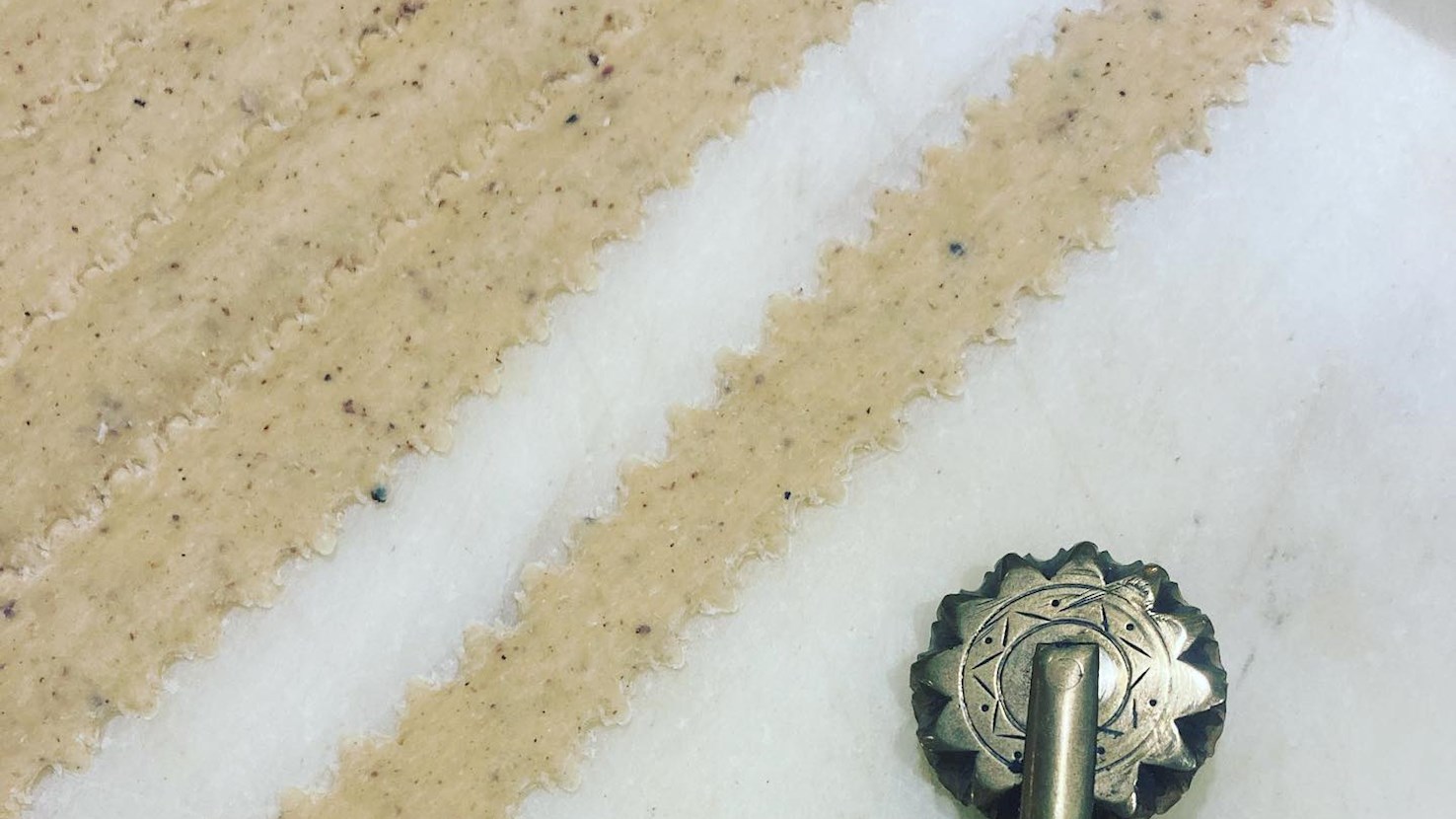
Pillus is a variety of thin, ribbon-shaped Italian pasta traditionally prepared in Sardinia. Made with durum wheat flour, salt, and warm water, pillus is cut into long, roughly 2 cm wide ribbons. This pasta variety pairs nicely with a wide variety of sauces, but in Sardinia they are often cooked in a meat broth (usually the one made with beef), drained, and served flavored with a generous amount of grated Pecorino Sardo.

Read more
View all
View map
About this ranking

TasteAtlas food rankings are based on the ratings of the TasteAtlas audience, with a series of mechanisms that recognize real users and that ignore bot, nationalist or local patriotic ratings, and give additional value to the ratings of users that the system recognizes as knowledgeable. For the “Top 19 Sardinian Pasta, Noodles and Dumplings” list until June 06, 2026, 88 ratings were recorded, of which 58 were recognized by the system as legitimate. TasteAtlas Rankings should not be seen as the final global conclusion about food. Their purpose is to promote excellent local foods, instill pride in traditional dishes, and arouse curiosity about dishes you haven’t tried.

The initial list of top producers was compiled based on available reviews, awards, local recommendations, media and blog coverage, and consumer reviews. The list will be updated with ratings from TasteAtlas local ambassadors and TasteAtlas users.

Similar lists