M.B.

Top 13 Rice Noodles
in the World

Last updated on September 09, 2026

Best Rice Noodles in the World
01

Chi Lăng

4.9 ·

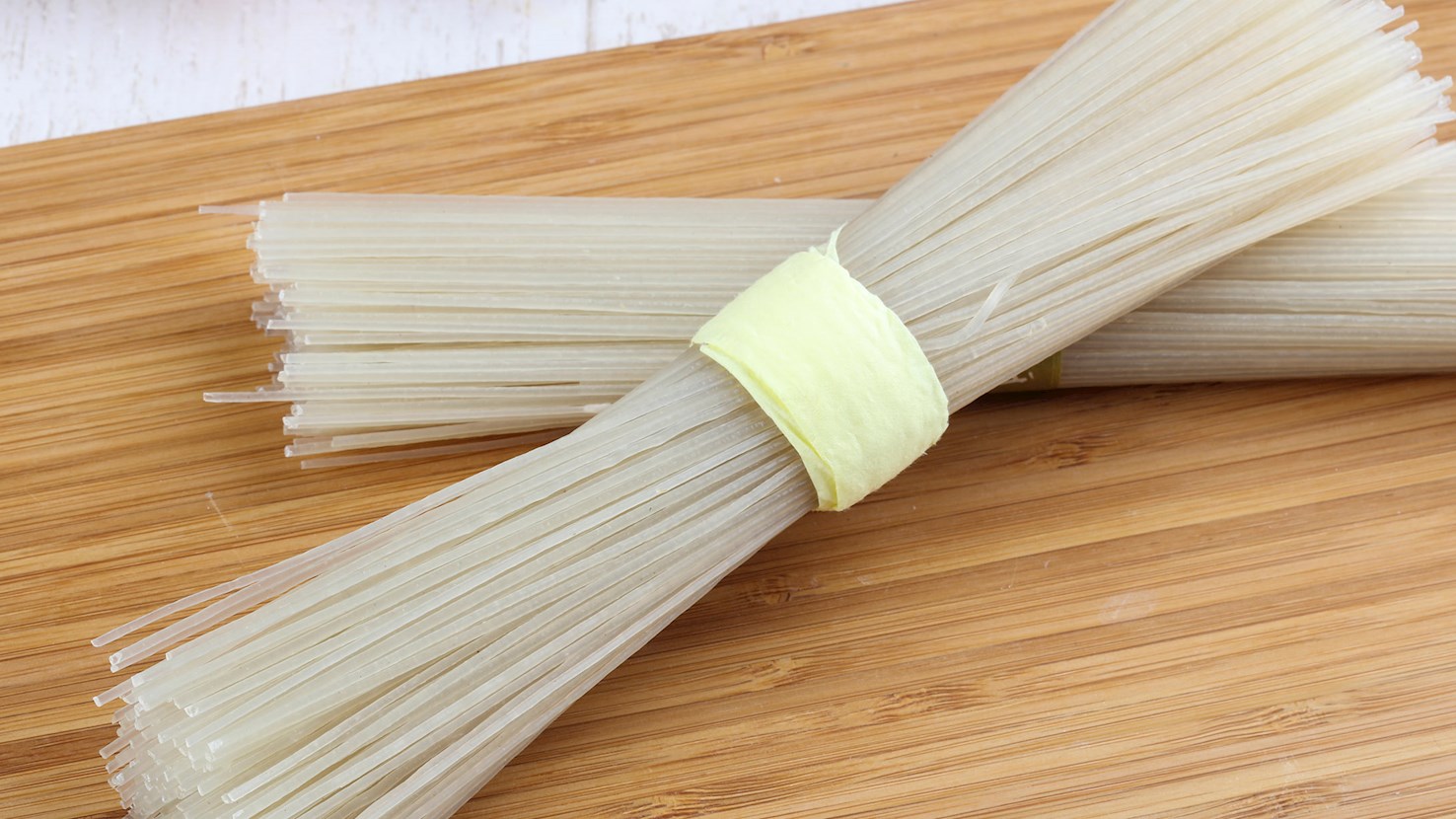
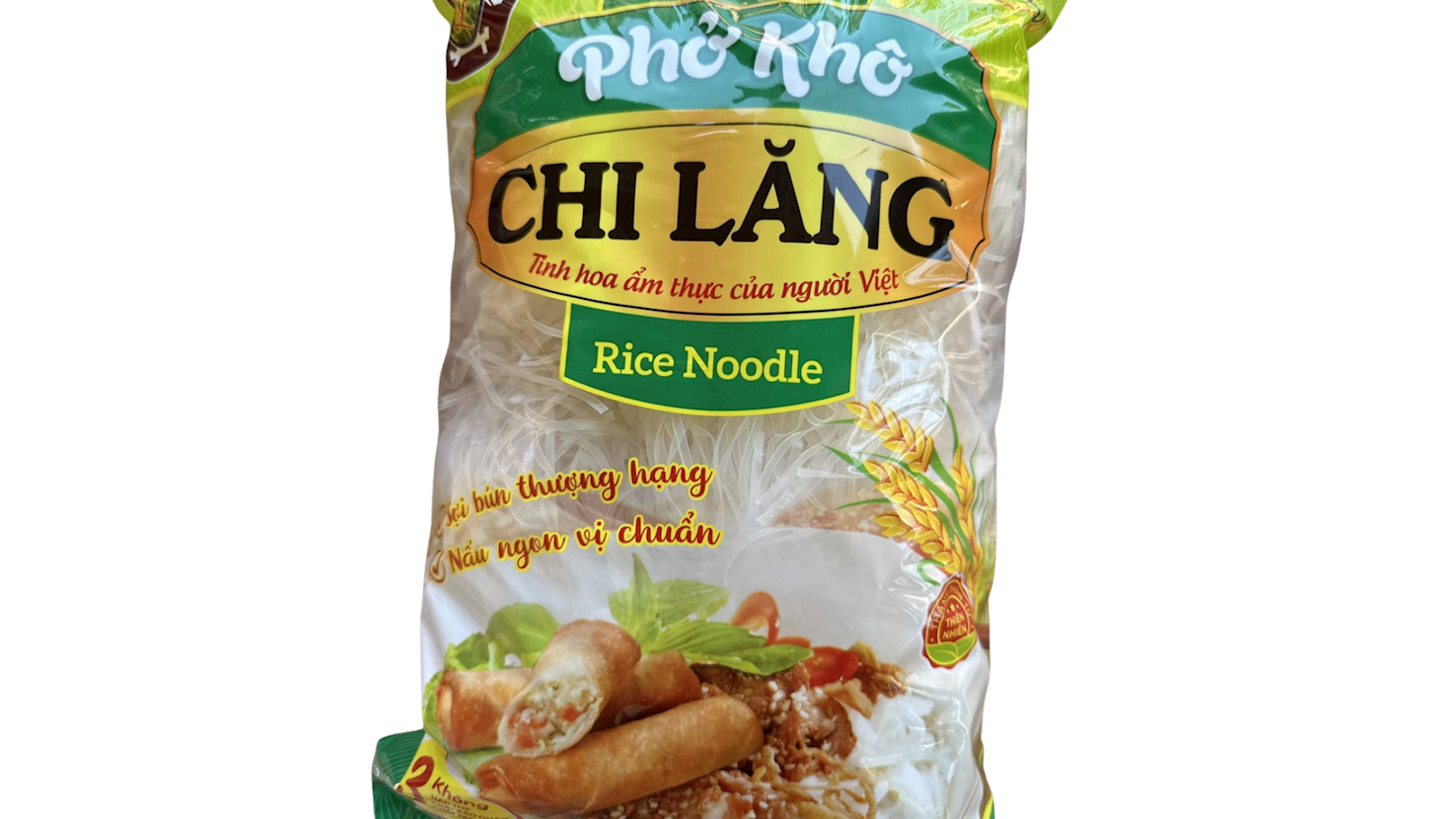
Chi Lăng is a Vietnamese producer of dried rice noodles based in the Khánh Xuân area of Buôn Ma Thuột. It operates as an agricultural and service cooperative specializing in dried bún, miến and phở noodles. The cooperative was established in 2019 with nine members to connect local households and standardize their production methods. It developed within a community where rice processing is practiced by families who migrated from the provinces of Bắc Giang and Bắc Ninh. These families brought traditional knowledge that has been present in Khánh Xuân for more than four decades, while production has expanded more intensively since 2006. The cooperative is managed by Hà Văn Tuyến, a producer with many years of experience in making rice noodles. Its main products are dried bún and phở noodles, while local workshops also produce other types of rice noodles. Traditional techniques have gradually been supplemented with machines for grinding rice, preparing the dough and shaping the noodle strands. Certain stages, including the proper soaking and filtering of rice, fermentation of the noodles and controlled drying, still depend on the producers’ experience. The products are mainly distributed through markets, wholesale buyers and long-standing distributors in Đắk Lắk Province and neighboring areas. The cooperative contributes to preserving the traditional craft while providing market access and employment for local households involved in rice processing.

02

Sa Giang

4.8 ·

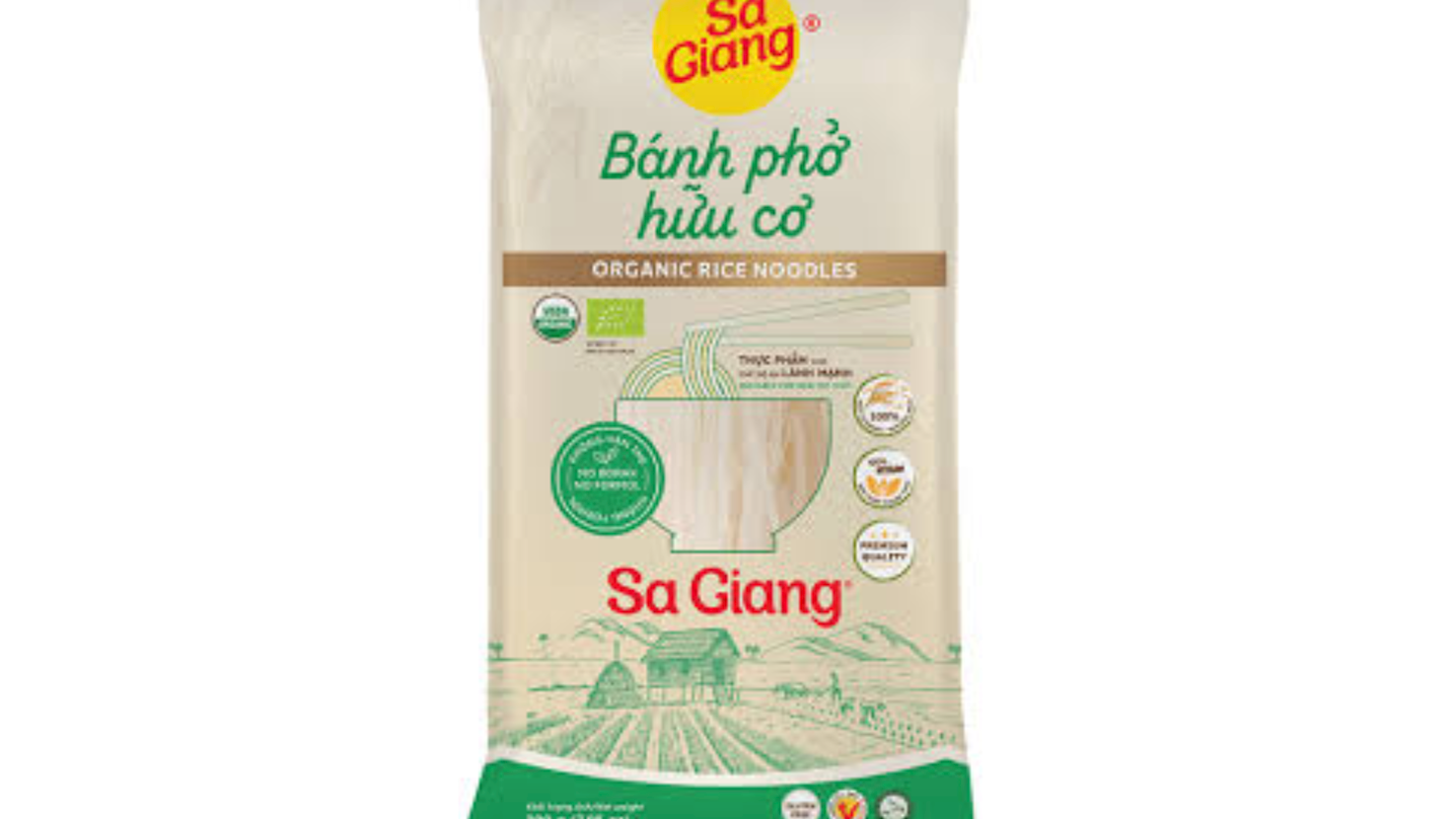
Sa Giang is a Vietnamese food company headquartered in Sa Dec in Dong Thap Province. Its history dates back to 1960 when Le Minh Triet established a small workshop producing traditional shrimp crackers. The company takes its name from a local river that flows through the Sa Dec area. Over time Sa Giang expanded its range from shrimp crackers to dried rice products including rice noodles, noodles used in traditional soups and rice paper. The company uses rice grown in the Mekong Delta where fertile alluvial soil supports cultivation throughout most of the year. Its rice paper is an industrially produced version of the traditional Vietnamese product and is intended for preparing fresh and fried rolls. In addition to standard sheets the company produces varieties in different sizes, shapes and formulations for the domestic and export markets. Sa Giang products are now exported to more than 30 countries including France, Germany, Japan, the United States and Australia.

03

Hùng Lô

4.8 ·

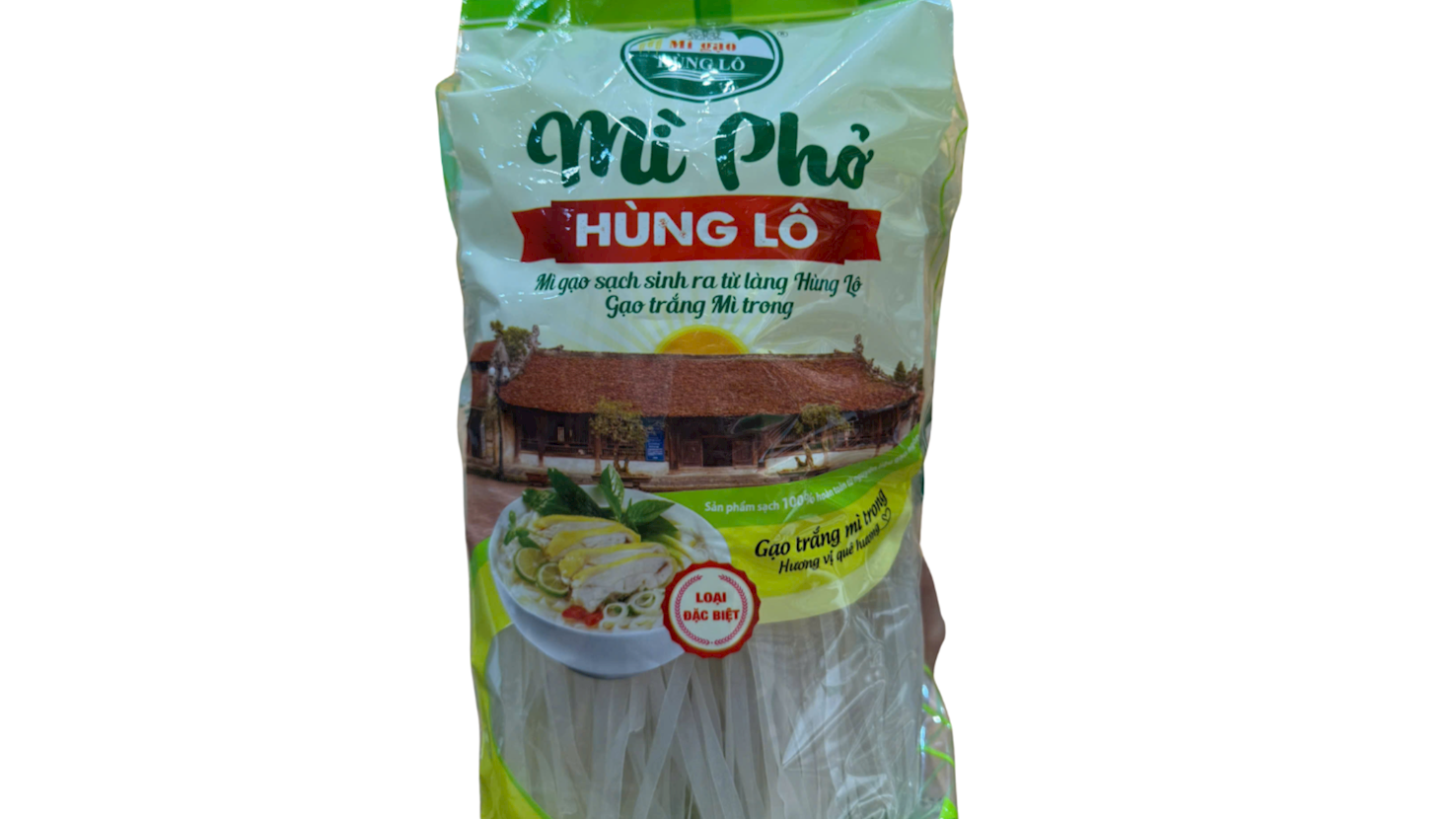
Hùng Lô is a Vietnamese producer of rice noodles from Phú Thọ Province. It officially operates as Hợp tác xã Mì gạo Hùng Lô, a cooperative established in 2016 by bringing together local families experienced in traditional noodle production. The cooperative is headed by Cao Đăng Duy. Its headquarters and production facilities are located in the former Hùng Lô Commune in Việt Trì, an area that is now part of Vân Phú Ward. Noodle production is particularly associated with the former Đoàn Kết Village, where most households practiced the craft during the 1980s and 1990s. Hùng Lô was officially recognized as a traditional craft village in 2004. In 2017, the cooperative received the right to manage the Mì gạo Hùng Lô collective trademark. It sources rice from partner cooperatives and controlled cultivation areas in Phú Thọ Province. Traditional processing methods have been supplemented with equipment for milling the rice, removing water, mixing, shaping, drying, and packaging the noodles. Unlike methods that involve producing and cutting large rice sheets, the mixture is extruded directly into strands without being coated with oil. The range includes traditional rice noodles, wider phở noodles, vegetable or watermelon noodles, miến dong, and gift packages.

04

Cicook

4.8 ·

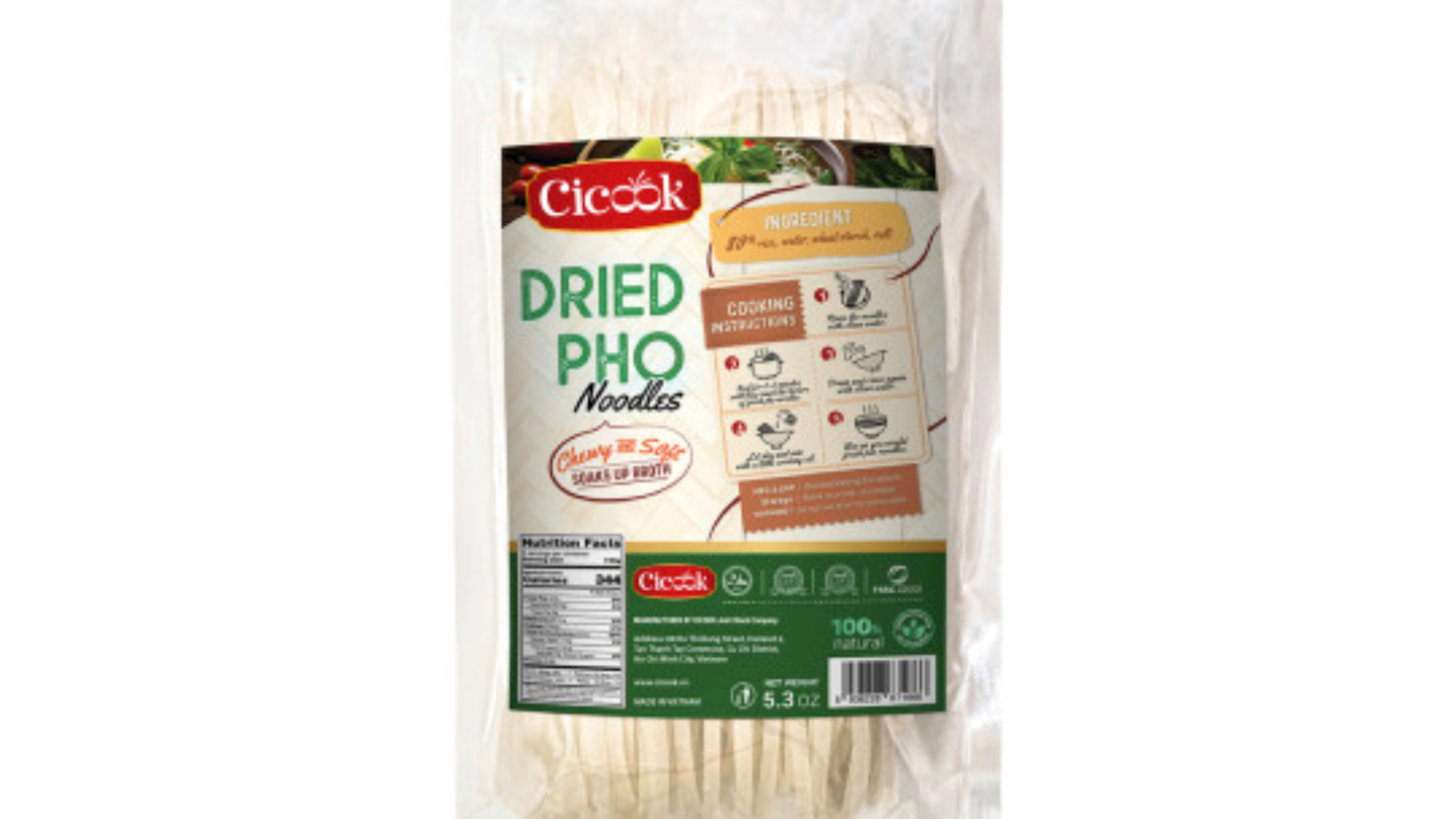
Cicook is a Vietnamese producer of seasoning blends, sauces, and other food products headquartered in Ho Chi Minh City. Its operations are primarily focused on exports, wholesale distribution, and product development for other brands. Cicook produces seasoning blends according to its own recipes while also adapting formulas to the requirements of importers, retailers, and food service companies. Its range includes hot pot seasonings, barbecue blends, dry rubs, dipping sauces, and fish sauces. The assortment also covers rice paper, other rice-based foods, and selected agricultural ingredients. The company uses relatively simple processing methods intended to preserve the color, aroma, and flavor of the spices and agricultural ingredients. Its products are exported to the United States, European countries, Canada, the United Kingdom, the Middle East, and other Asian markets.

05

Kim Bôi

4.8 ·

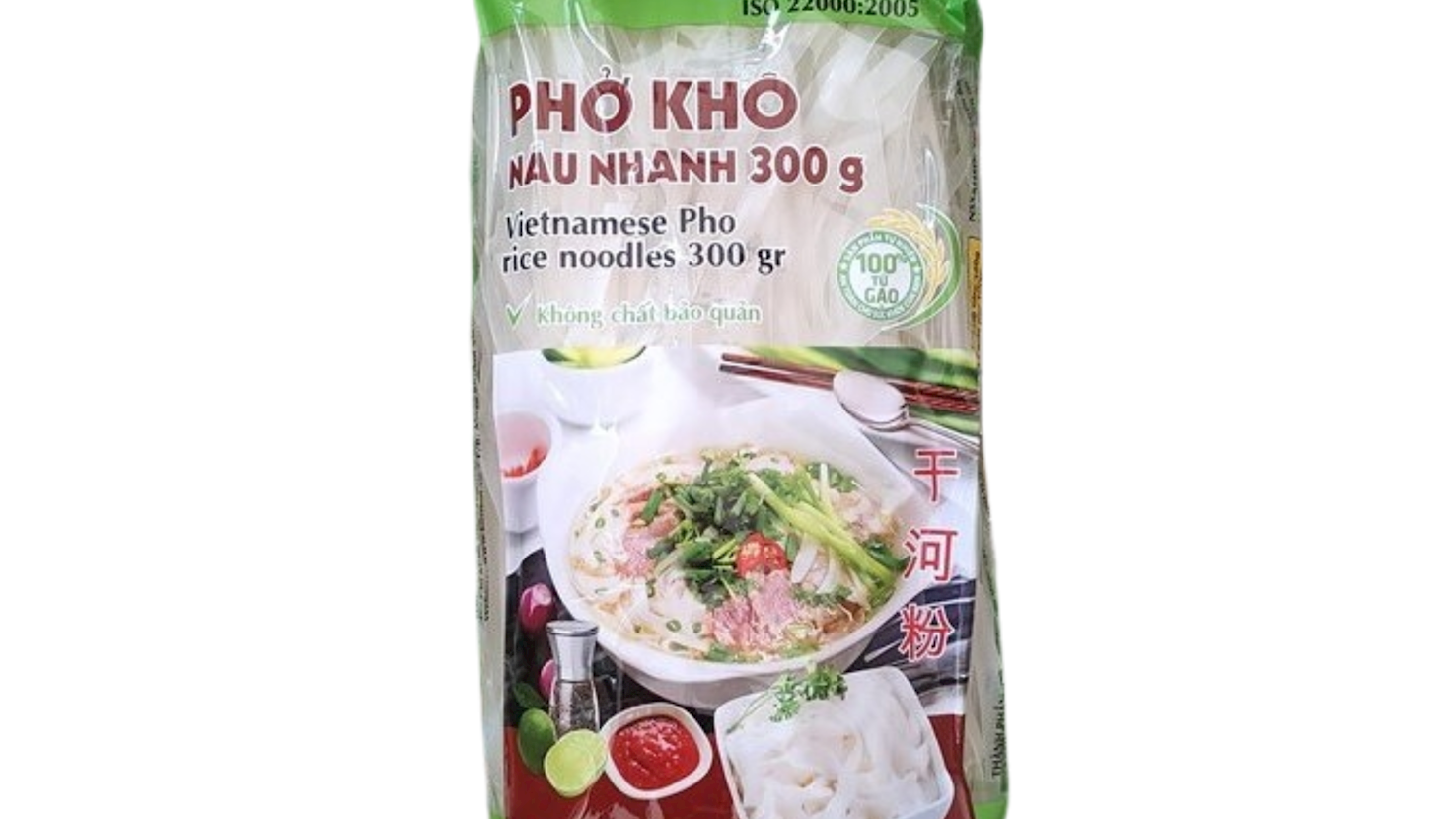
Kim Bôi is a Vietnamese food producer from the mountainous area of the former Hòa Bình Province. The company operates under the full name Công ty Cổ phần Kim Bôi and was established in 2007. Its production is based on processing local agricultural ingredients and combining traditional Vietnamese foods with modern packaging and distribution methods. Although bamboo shoot products account for most of its range, the company also produces Phở Khô Kim Bôi dried rice noodles. These noodles are a dried form of bánh phở intended for traditional soups and other rice noodle dishes. The company operates two production facilities in the areas of Lạc Thủy and Kim Bôi. Processing includes raw material preparation, shaping, drying, and packaging on controlled production lines. The processing and packaging of Phở Khô are covered by the company’s ISO 22000:2018 food safety management certification. Phở Khô Kim Bôi received a four-star OCOP rating at the level of the former Hòa Bình Province. The company’s products are distributed through supermarkets, specialized retailers, and online sales channels across Vietnam. Part of its production is exported to Japan, South Korea, the Netherlands, Germany, the United Kingdom, and countries in Eastern Europe.

06

Tanisa

4.7 ·

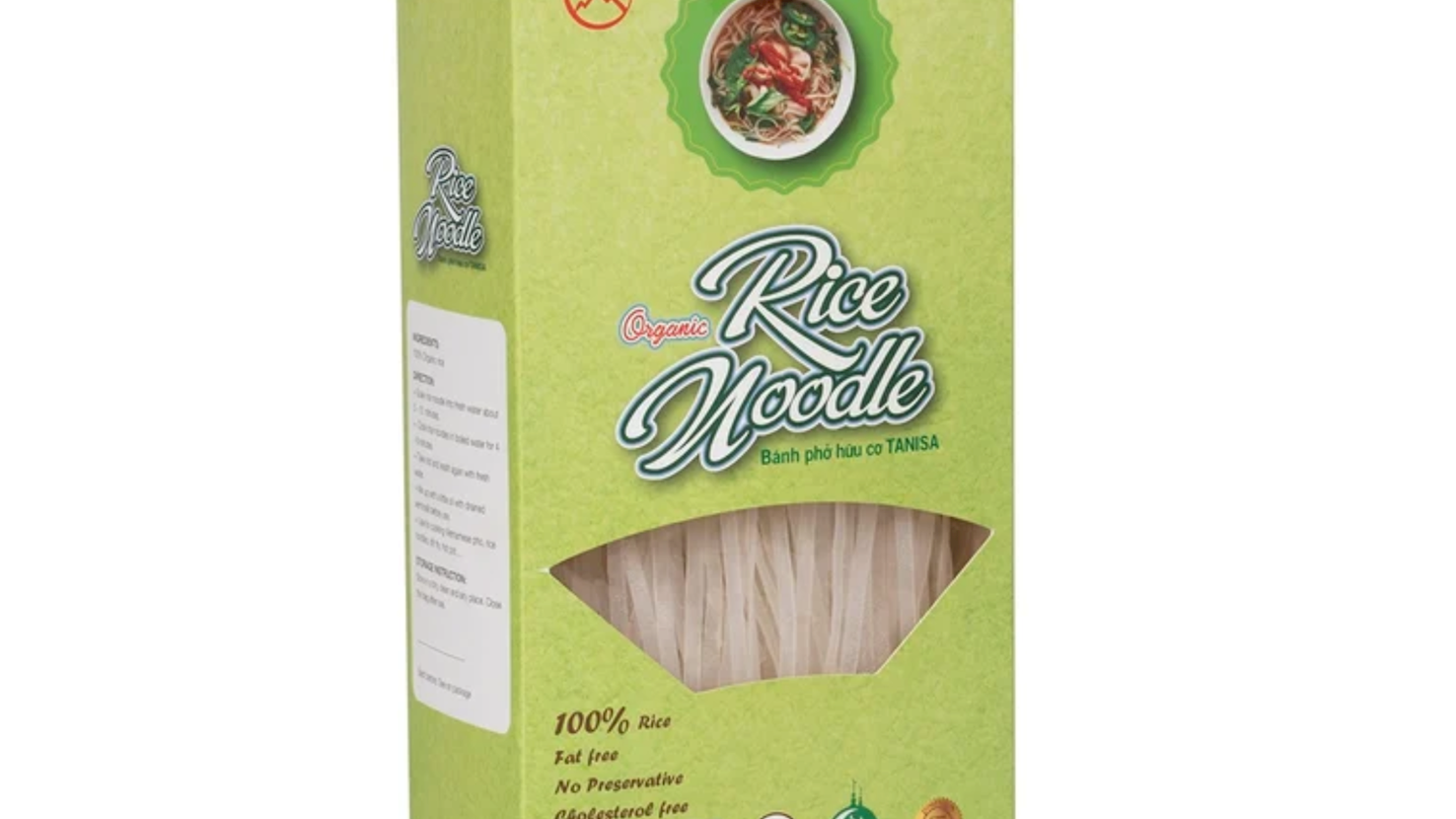
Tanisa is a Vietnamese food company specializing in rice paper, rice noodles and other rice-based products. It was founded by Estelle Thu in 2015 under the official name Tanisa Foods Joint Stock Company. The founder grew up in Tay Ninh Province which is known for its long tradition of rice paper production. The company initially operated as a small exporter before developing its own production facilities and international distribution network. Its main factory is located in Tay Ninh City while a second production facility operates in the Cu Chi area of Ho Chi Minh City. Its core range consists of rice paper sheets intended for preparing fresh and fried rolls. In addition to standard white rice paper the company produces brown rice varieties and sheets colored with turmeric, beetroot or butterfly pea flowers. Its range also includes rice paper with green tea, chili and other plant-based ingredients as well as ready-to-eat rice paper snacks. Tanisa also produces rice vermicelli, pho noodles, instant foods and Vietnamese meal kits. Its products are exported to more than 30 countries including the United States, France, South Korea, Japan, Australia, Taiwan and Russia.

07

Khánh Linh

4.7 ·

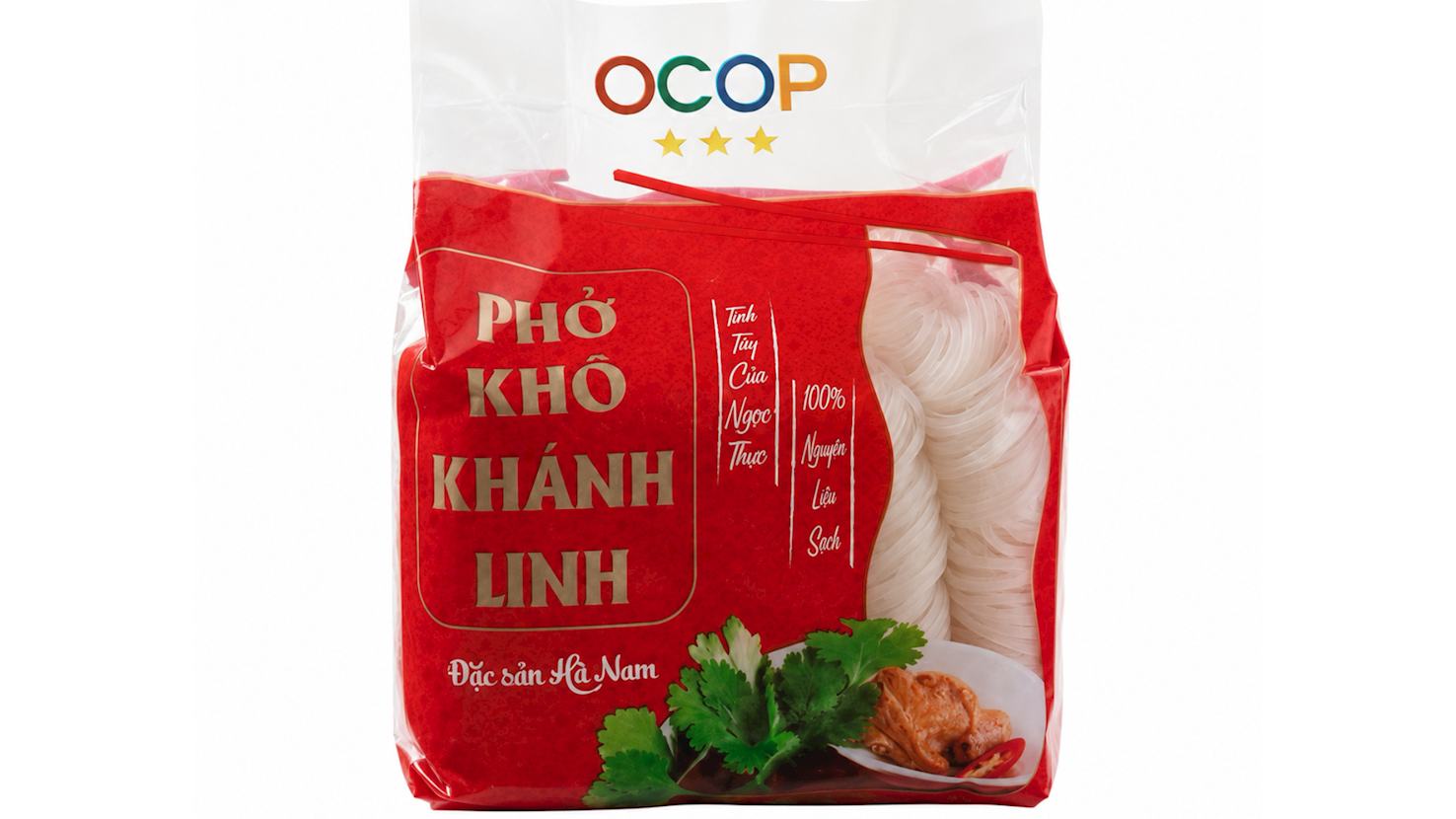
Khánh Linh is a Vietnamese producer of dried rice noodles from Phú Đa Village in the former Hà Nam Province. It officially operates as Hợp tác xã Bún phở khô Khánh Linh, a cooperative registered in September 2022 with seven members. Its current headquarters are located in Phú Đa 3 Village, Nam Xang Commune, Ninh Bình Province. Before the administrative changes, this area belonged to Công Lý Commune in Lý Nhân District. The cooperative is headed by Nguyễn Thị Hoa, who developed the business from her husband’s family tradition of rice processing. The family had produced miến noodles for decades, and she expanded the craft to include dried bún noodles and flat phở noodles. She also studied production methods in traditional craft areas of Hải Dương and Bắc Giang provinces. The original family workshop was gradually equipped with machinery for grinding raw materials, shaping, drying and packaging noodles. This increased production from several hundred kilograms to approximately two tonnes of finished products per day. More than half of the cooperative’s output is intended for export. Its range includes traditional dried phở noodles, brown rice noodles and varieties made with added vegetables. The products carry labels and barcodes for traceability and are distributed across Vietnam and exported to several European markets.

08

Ba Khánh

4.7 ·

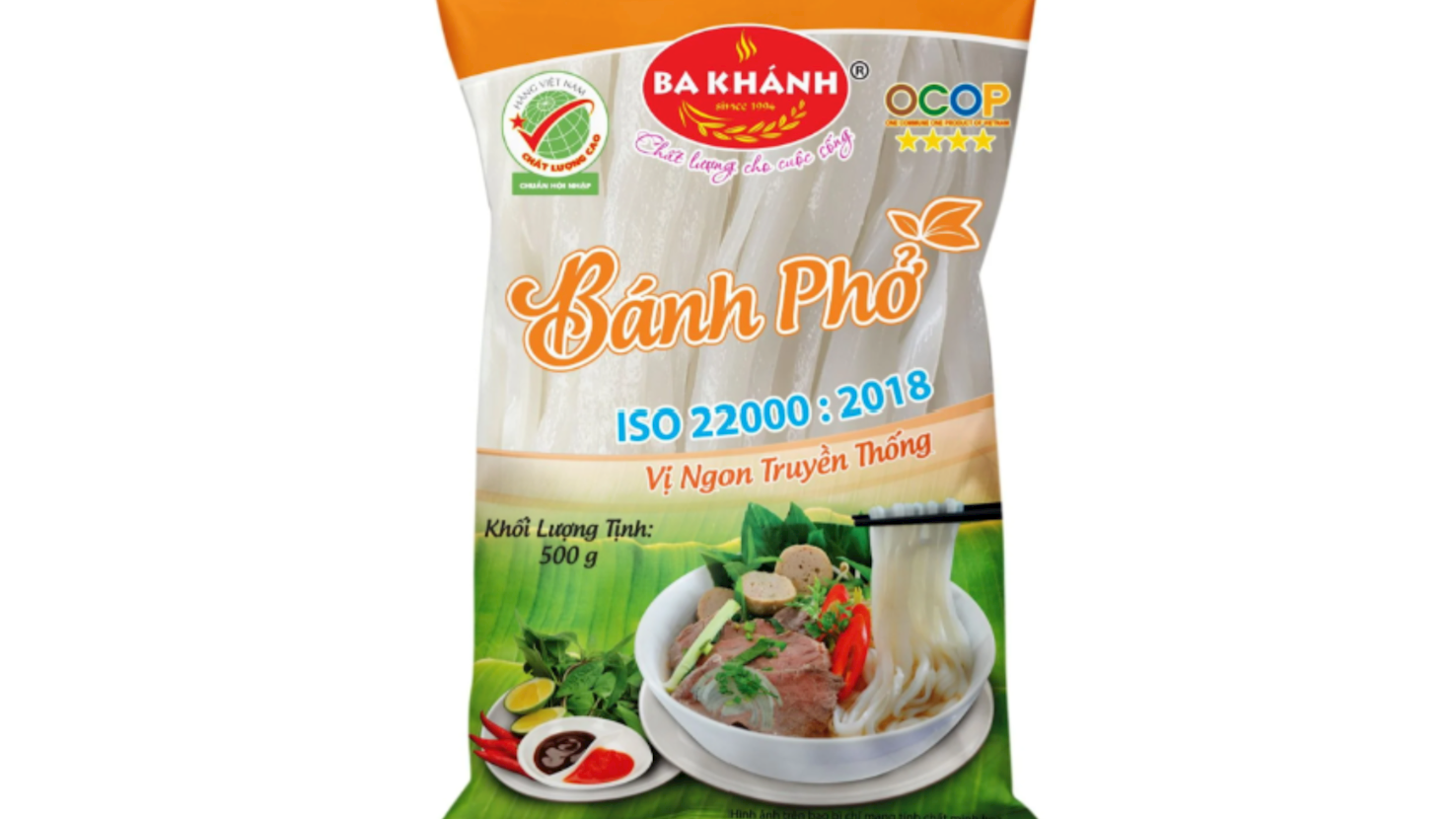
Ba Khánh is a Vietnamese producer of fresh rice noodles from Vĩnh Long City in the Mekong Delta. It officially operates as the family-run production facility Hộ kinh doanh Cơ sở sản xuất Ba Khánh. It was established by Lưu Kim Phụng and Trương Nhựt Khánh in 1994 after they separated from a family business based on four generations of noodle-making tradition. Many of its products are made from rice that remains firm after cooking and is suitable for producing elastic noodles. The family’s traditional knowledge was gradually supplemented with machinery developed and adapted by Trương Nhựt Khánh to meet the facility’s production needs. Production takes place on automated lines with controls covering raw materials, water, noodle shaping and finished products. The facility uses a reverse osmosis water purification system, while steam processing reduces the amount of water required during certain production stages. Its products are distributed through markets, shops, retail chains and general stores across the Mekong Delta and the greater Ho Chi Minh City area. In 2021, the facility also received a Vietnamese recognition for product quality and readiness for market integration.

09

Hữu Cơ Huế Việt

4.7 ·

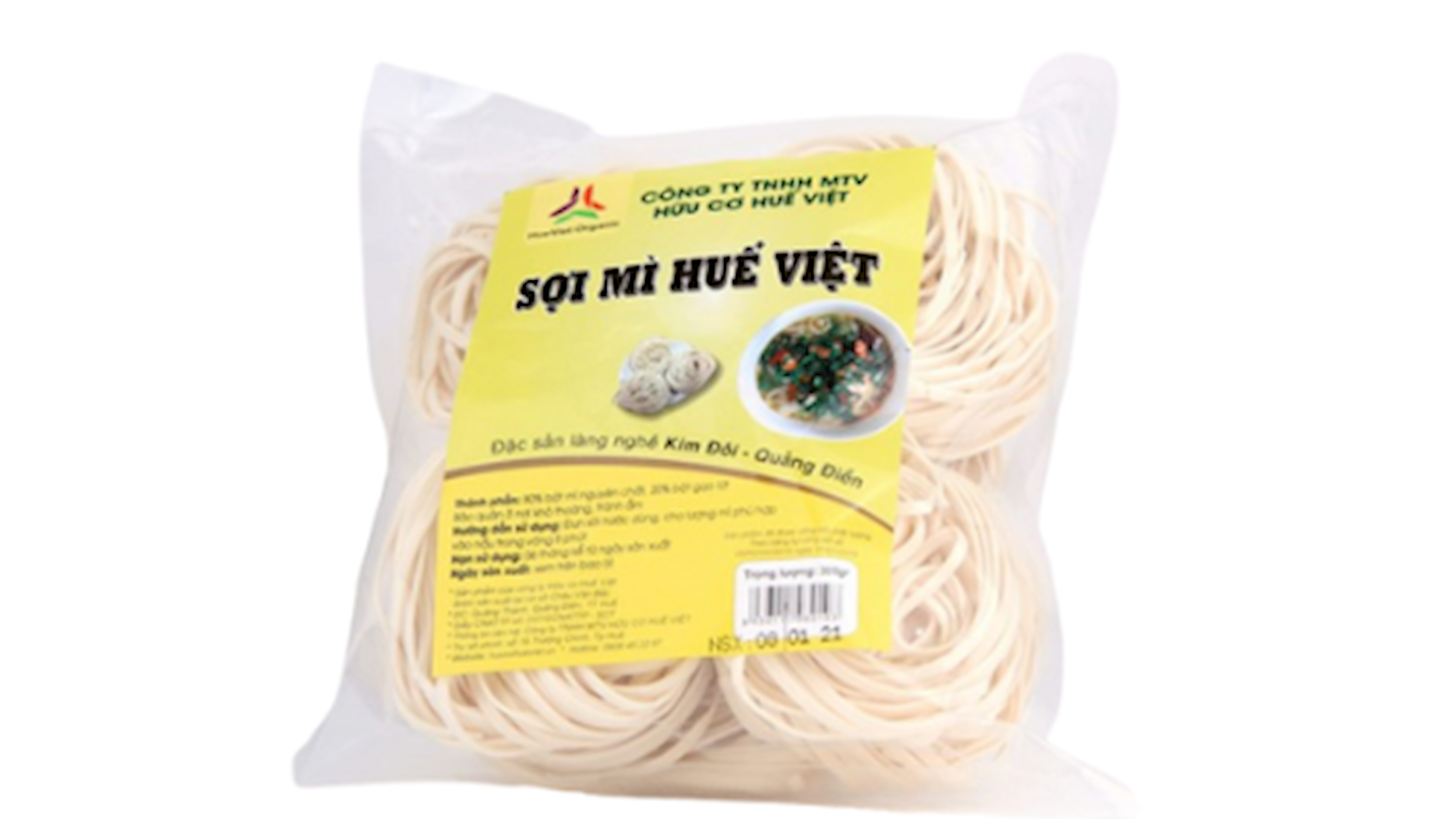
Hữu Cơ Huế Việt is a Huế-based brand focused on producing and distributing organic foods and traditional handcrafted goods in close collaboration with local farmers and artisans. Their approach is rooted in clean, sustainable agriculture, avoiding pesticides, herbicides, chemical fertilizers, and artificial additives, ensuring products with clear origin and minimal processing.

The assortment includes organic grains, rice, dried legumes, plant-based flours, herbal teas, natural snacks, and various dried agricultural products, as well as handmade items crafted from local materials such as cỏ bàng grass, supporting the preservation of traditional crafts. The company emphasizes transparency and direct partnerships with producers from the Huế region, aligning its mission with the protection of local identity and the promotion of healthier, more sustainable consumption habits.

10

Foods For You

4.7 ·

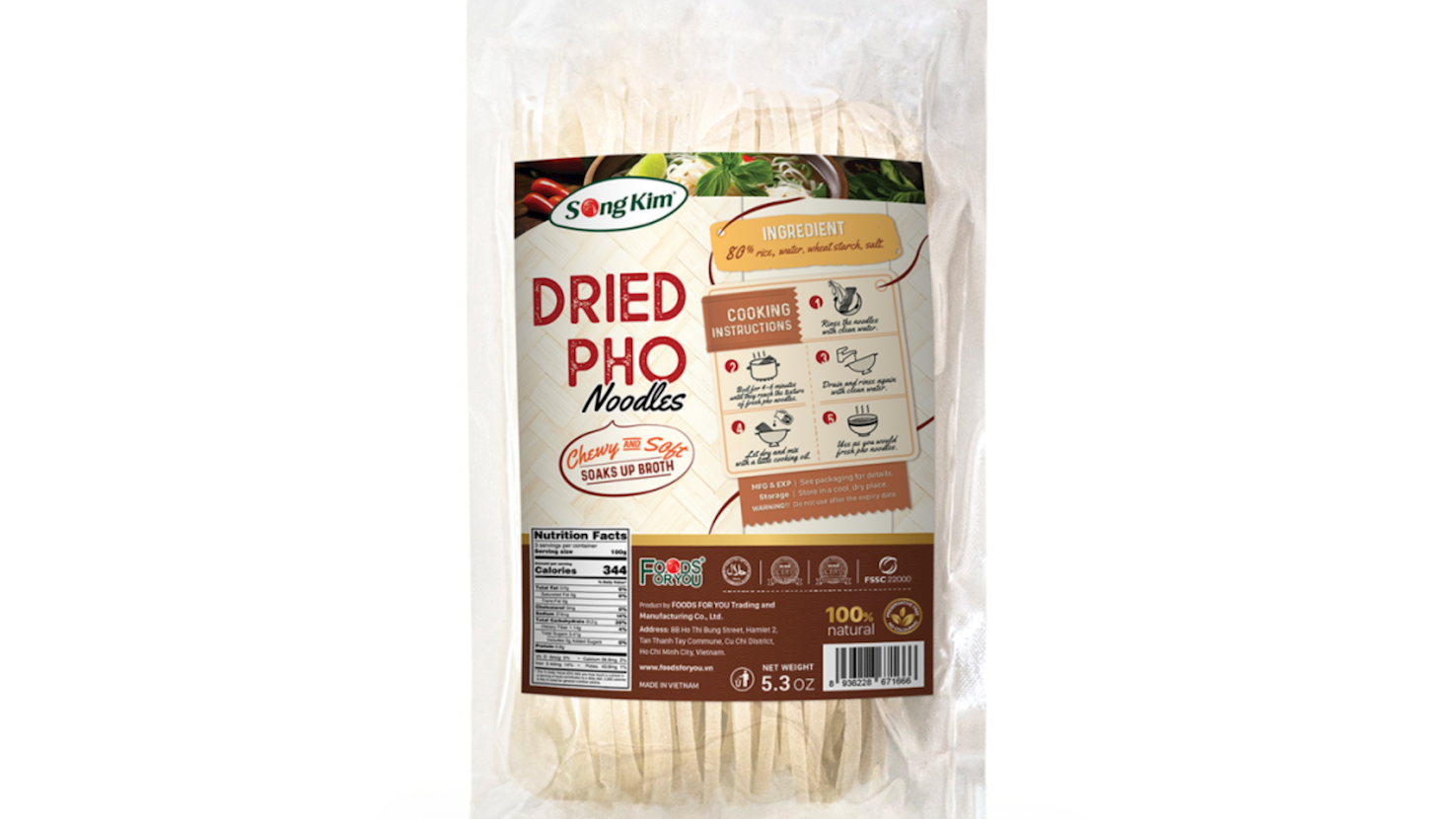
Foods For You is a Vietnamese food company specializing in the production and export of products associated with Vietnamese cuisine. The company was officially registered in Hồ Chí Minh City in March 2024. Its core range includes rice paper, rice vermicelli, phở noodles, and other dried rice-based products. The assortment also includes frozen foods and products intended for quick preparation. Rice paper is produced in different shapes and sizes, including round sheets measuring 16 and 22 centimeters in diameter and small square sheets. In addition to standard rice paper, the company produces varieties naturally colored with ingredients such as beetroot, turmeric, and red dragon fruit. Production combines traditional Vietnamese foods with a modern closed manufacturing system. Its products are distributed in Vietnam and exported to the United States, European countries, Australia, Japan, South Korea, and Thailand. Foods For You is a modern industrial manufacturer focused on standardized rice-based products and international distribution.

Best Rice Noodles Types in the World
01

Bánh phở

4.1 ·

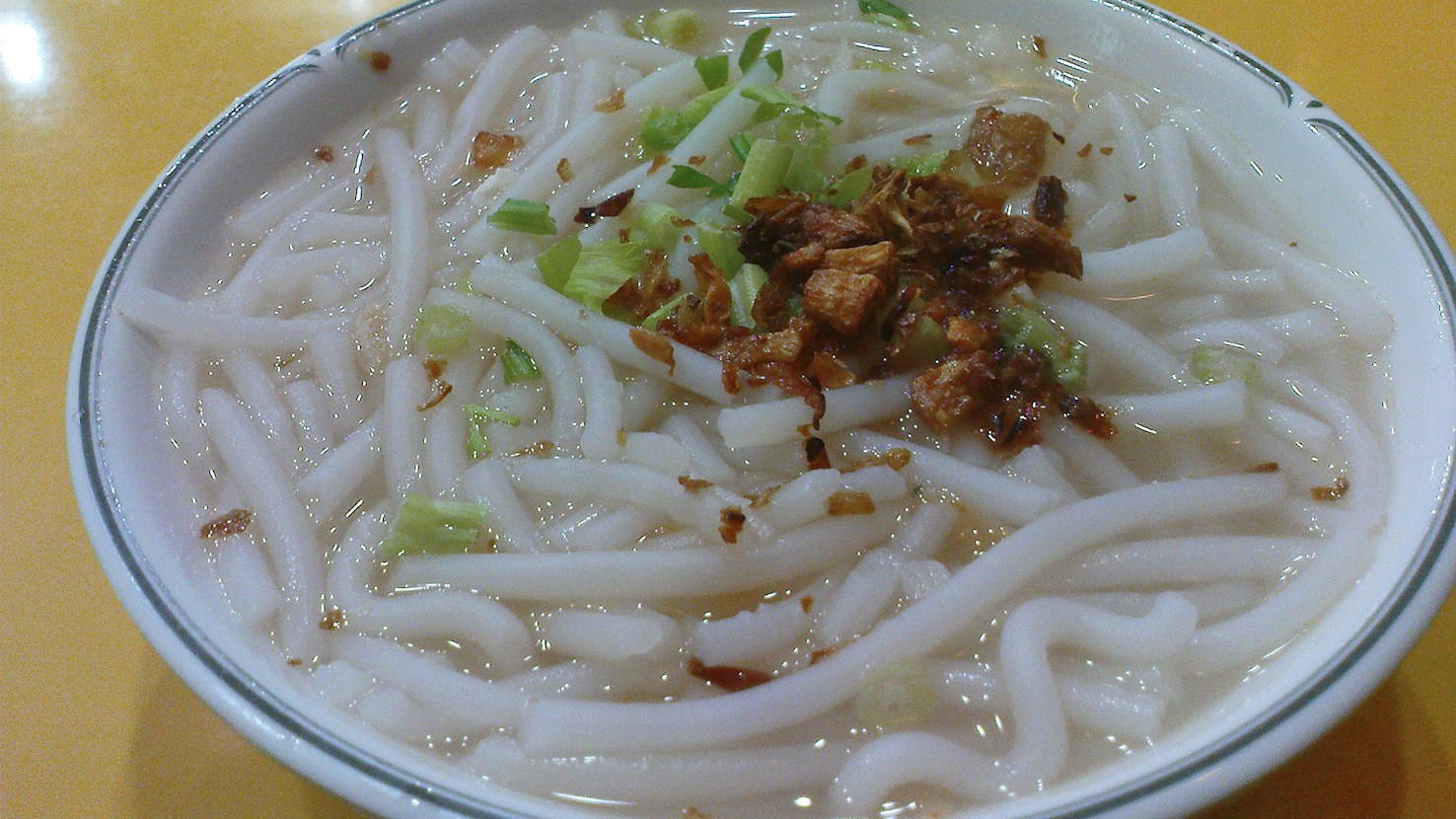
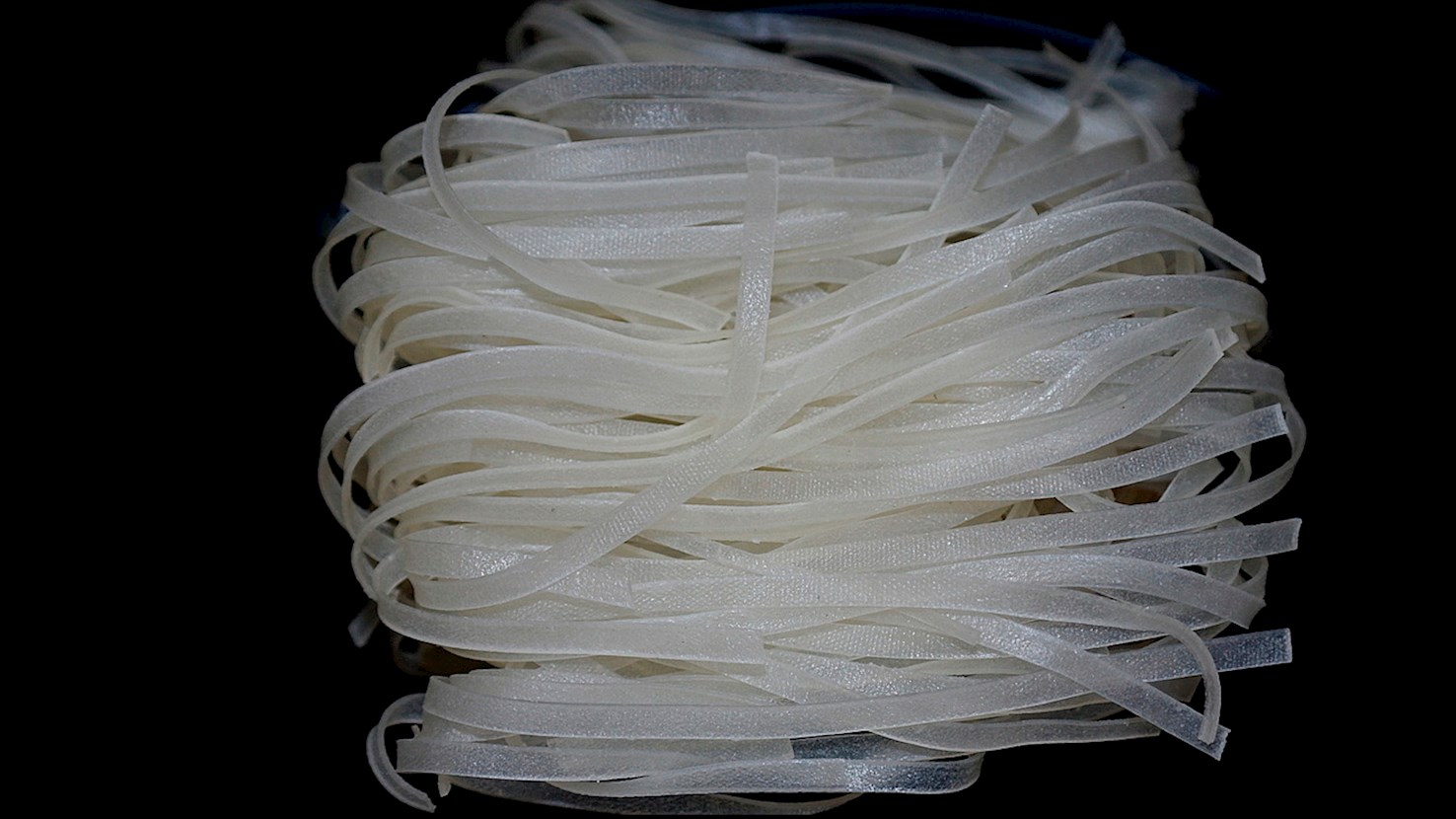
Bánh phở are flat and wide Vietnamese rice noodles. They are characterized by their white color and slightly sweet flavor reminiscent of rice. When cooked, the noodles become almost translucent with a soft but firm and slippery texture. These rice noodles are best known for their use in phở, but they can also be stir-fried and used in other noodle-based dishes. Although they are best used fresh (tươi), bánh phở also come in the form of dried, pre-packed noodles. Outside of Vietnam, they are also known as chantaboon or rice sticks.

02

Bánh hỏi

4.1 ·

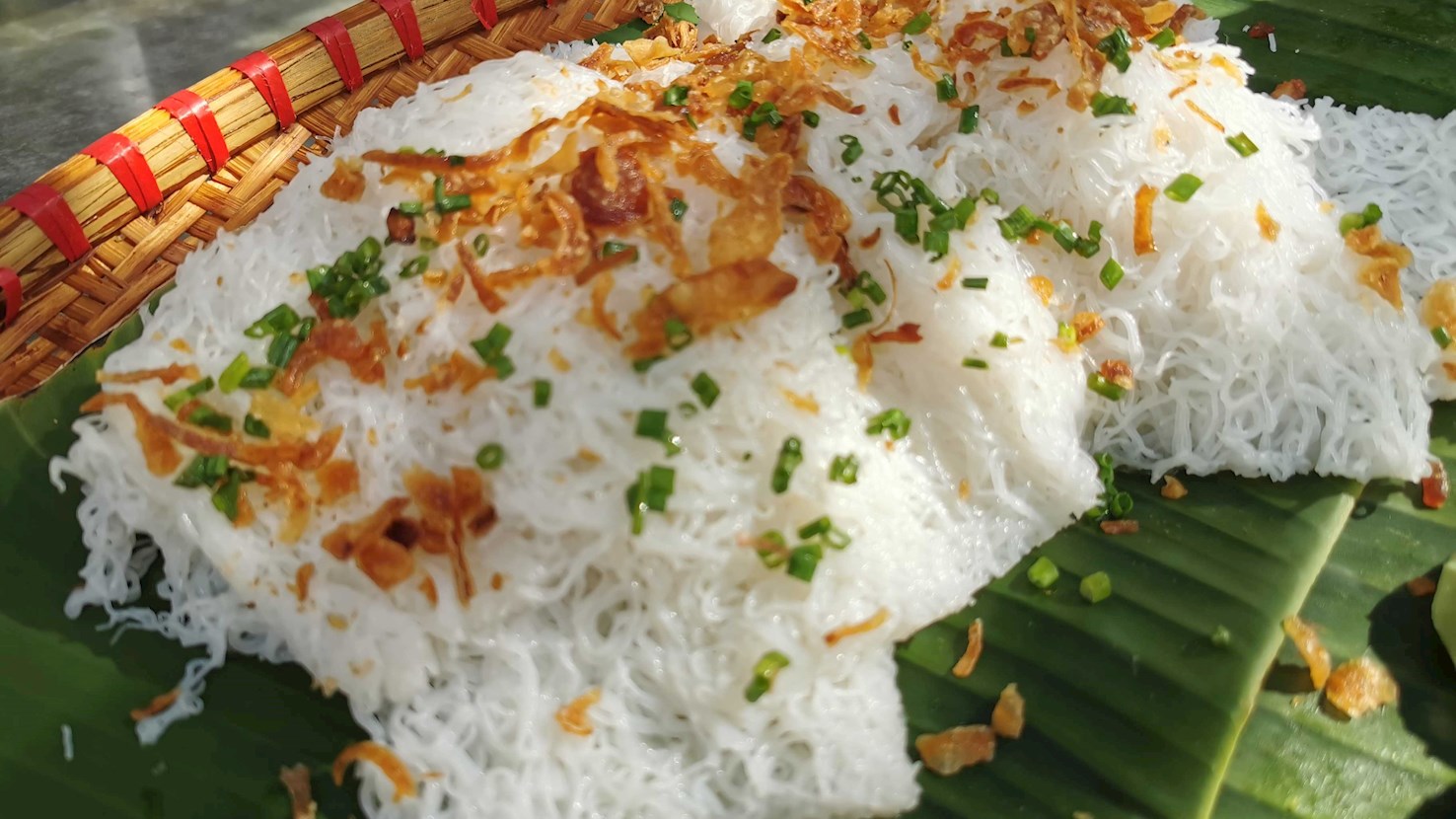
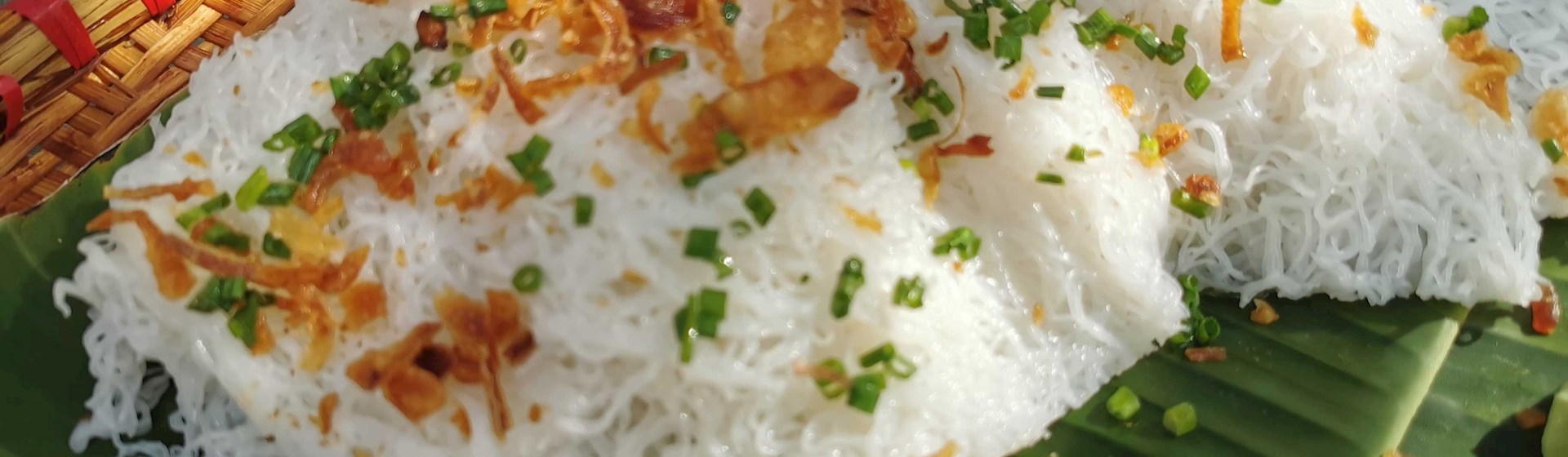
Often compared to vermicelli, bánh hỏi are the incredibly thin Vietnamese rice noodles that are traditionally woven into flat, rectangular bundles. It is believed that the noodles originate from Southern Vietnam, but they are enjoyed throughout the country and are often considered a festive or ceremonial dish. They are typically served cold or at room temperature, topped with sautéed scallions or garlic chives, while other accompaniments mainly include roast pork, grilled meat, or chạo tôm—shrimps on sugarcanes. The noodles, along with the toppings and the sides are usually wrapped into lettuce or herbs, and the assembled wrap is traditionally dipped into nước chấm sauce.

03

Bi hun (Rice vermicelli)

3.9 ·

Rice vermicelli are thin noodles made from rice flour and water. They are often used in stir-fries, salads, or soups. The noodles are represented in a variety of notable dishes throughout various countries such as China, Hong Kong, India, Pakistan, Indonesia, Malaysia, Singapore, Myanmar, Taiwan, and Vietnam. Rice noodles are characterized by their shiny white color and their thin structure, reminiscent of silk threads. They originated during the Qin dynasty and had been consumed for more than 2000 years in China. Historical evidence implies that the people from northern China preferred wheat noodles because they were not used to eating rice. When they invaded the south, northern cooks made noodles using rice, inventing rice noodles in the process. Today, rice noodles are served both as a key ingredient and as a side dish. They can be combined with vegetables and meat to create a wide variety of dishes, such as soto, santhakai, bihun sup, and lumpia.

04

Mixian

3.5 ·

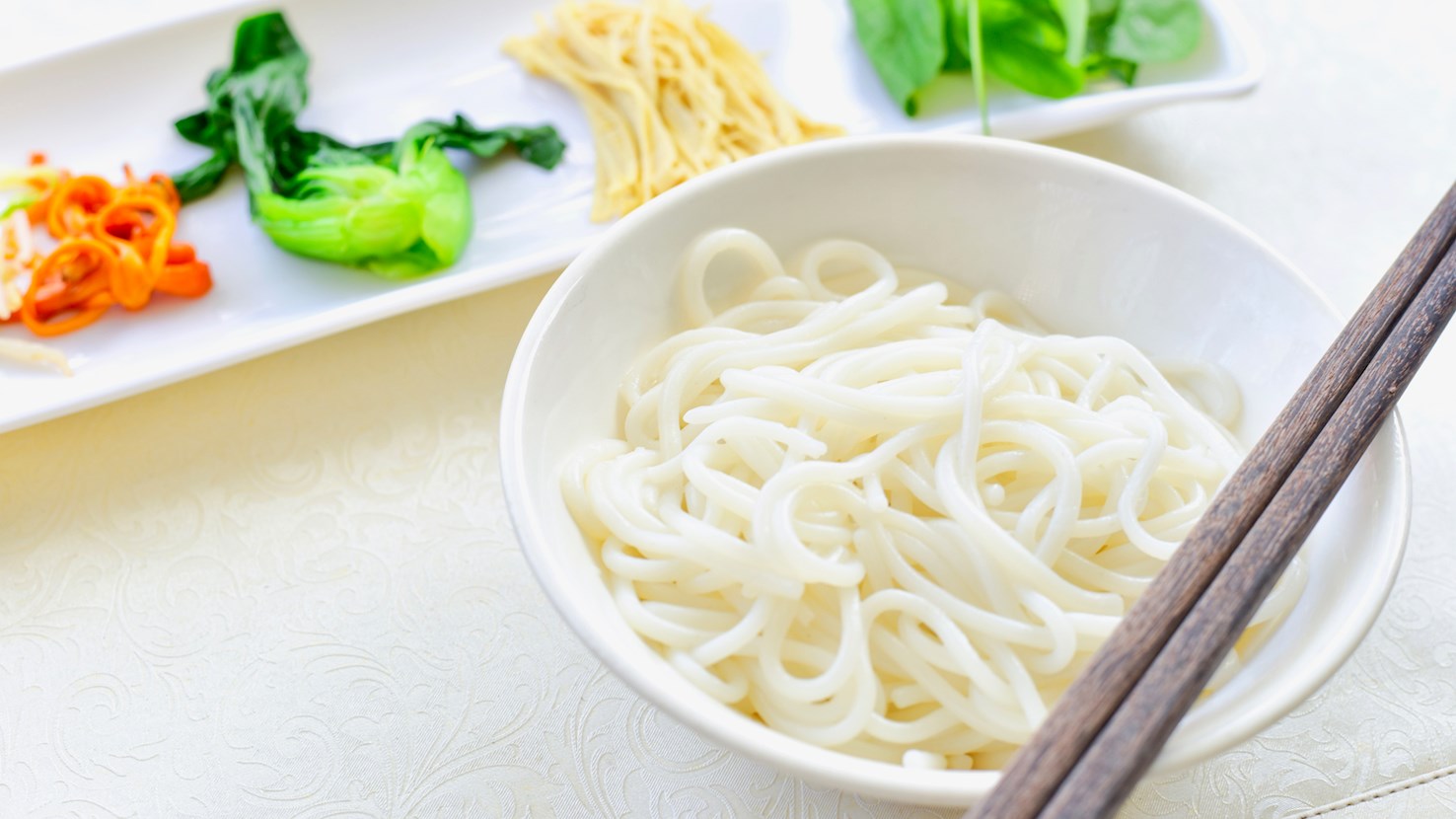
Mixian are traditional rice noodles from the Chinese Yunnan province. They are characterized by their round shape, medium thickness, silky texture, and a subtle, almost nutty flavor. The noodles are usually used fresh, and they are traditionally employed in stir-fry dishes and are often combined with flavorful broths and sauces. The most popular regional dish that incorporates mixian is a rice noodle soup known as over the bridge rice noodles (guo qiao mixian).

05

Idiyappam

3.0 ·

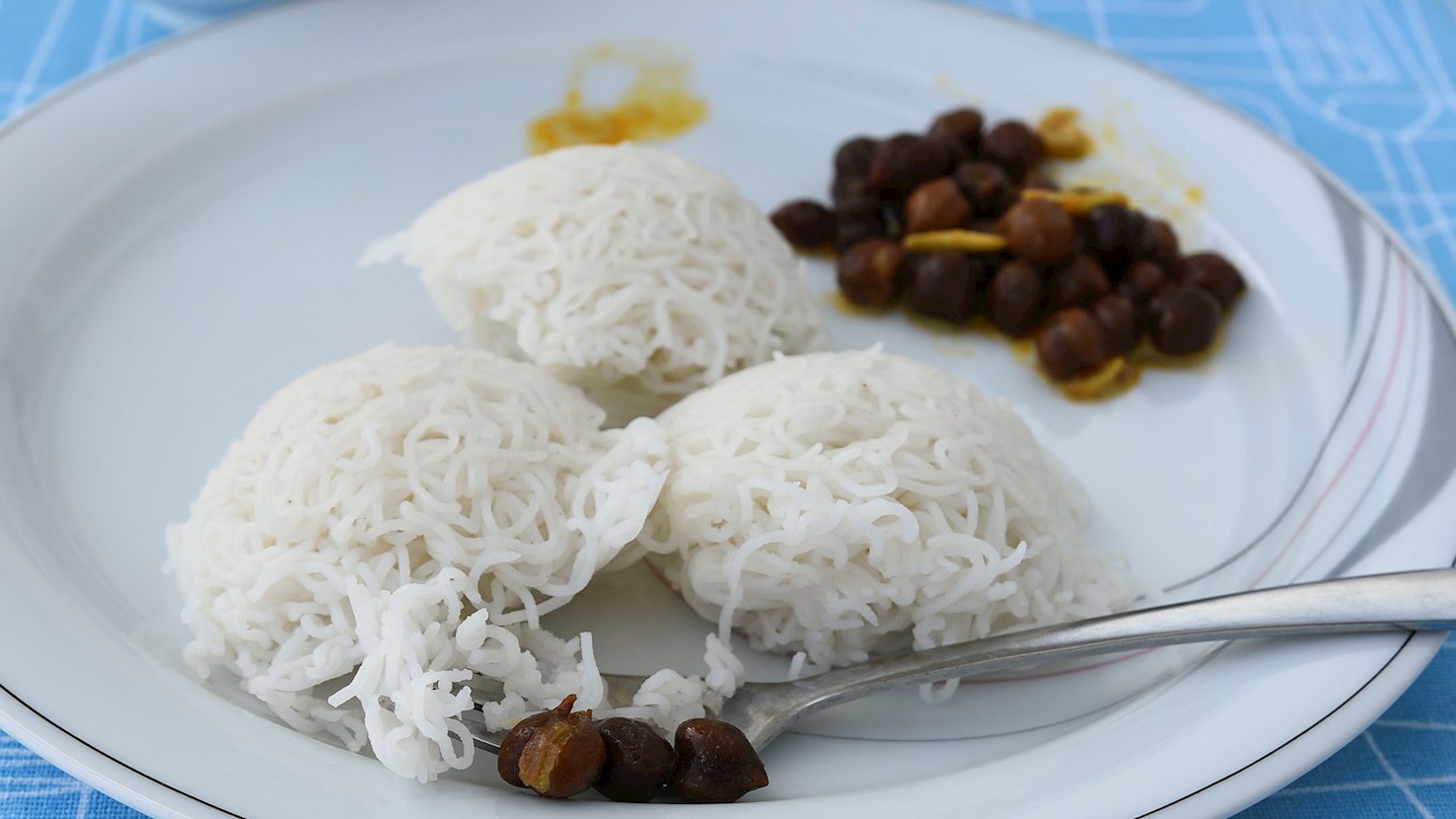
These traditional rice noodles can be enjoyed in both sweet and savory versions. They are prepared with a combination of fine rice flour and water that is mixed and put through a special sieve to produce thin strings. If prepared with non-steamed dough, the noodles are subsequently steamed, then usually sprinkled with grated coconut and tangled in palm-sized clusters. Depending on the region, they can be served as a sweet snack or breakfast, topped with grated coconut and sprinkled with brown sugar, but the noodles are also commonly enjoyed as a side dish with various types of chutney and curry dishes.

06

Yin zhen fen zhēn fěn (Silver needle noodles)

n/a ·

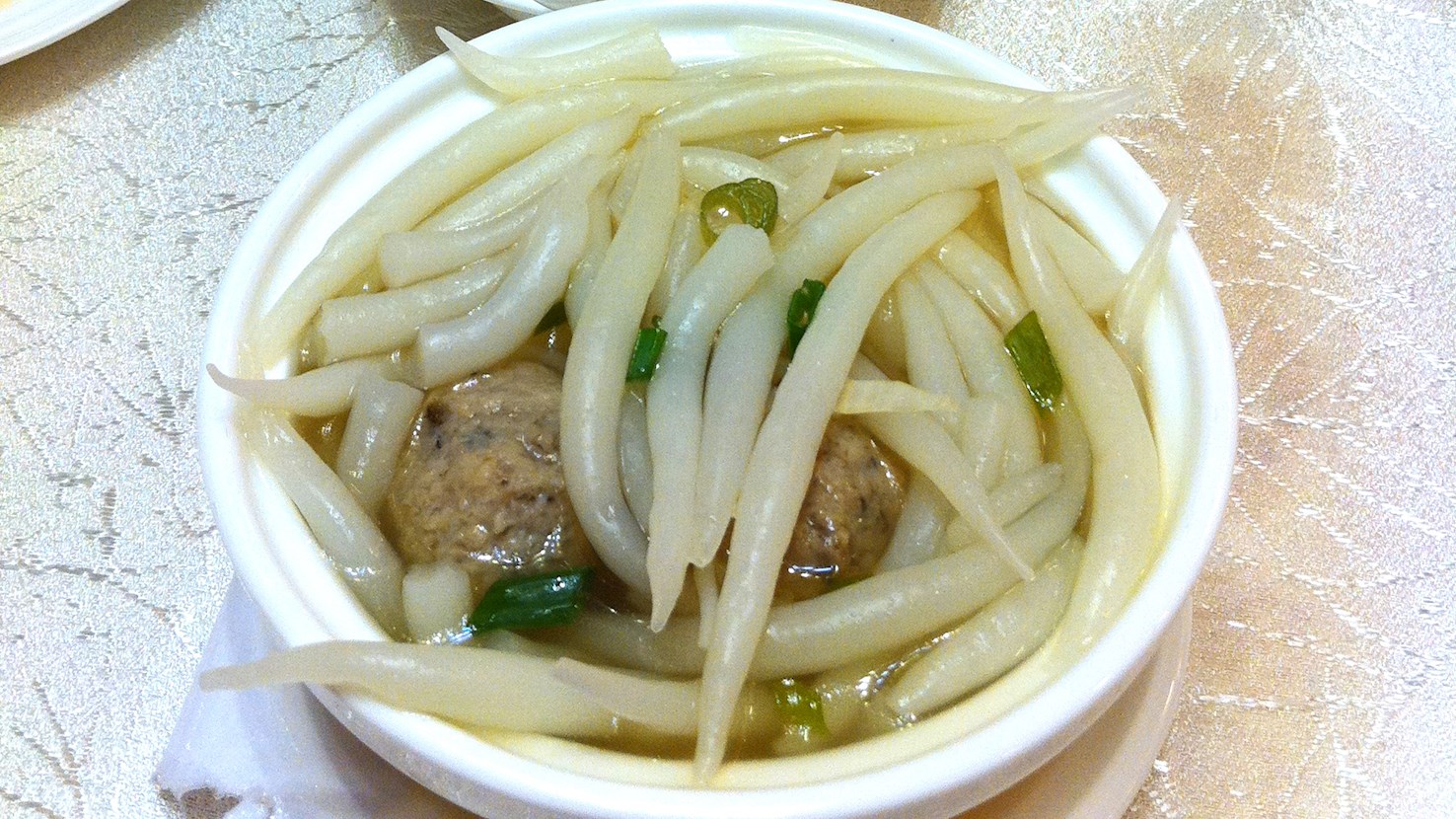
Silver needle is a traditional type of noodle originating from Meizhou. The noodles are short, white, and semi-transparent. They're usually made from a mixture of ground rice flour (glutinous or not) and water, along with cornstarch that's often added in order to prevent breaking when cooked. Nowadays, wheat starch is sometimes used instead of the rice flour. The rice flour and water mixture is pushed through a sieve directly into a pot of boiling water. Silver needle noodles are available in commercial versions or fresh and they're rarely made at home. The noodles are typically stir-fried with sauces, cooked in clay pots, or served in broth. Another name for silver needle noodles is rat noodles, referring to the tapered ends of the noodles that look like rat tails.

07

Lai fun

n/a ·

Lai fun is a traditional type of noodle originating from Guangdong and the Pearl River Delta region. The noodles are thick and short, similar to silver needle noodles. It's easy to distinguish one from another – lai fun are cut straight down, as opposed to silver needle noodles that have a tapering tail that looks similar to a rat tail. Lai fun noodles are usually made with a combination of rice flour and tapioca starch. They're often served with vegetables and sliced meat, or used in broths and salads. Sometimes, lai fun is even stir-fried with other ingredients.

08

Migan

n/a ·

Migan is a traditional type of noodle originating from Yunnan Province and the Dai people. These noodles are made from standard non-glutinous rice flour and they're exclusively sold fresh. The noodles are broad and flat in shape. Migan is usually stir-fried in the evening or served in chicken broth for breakfast and throughout the day. When served in broth, there is a wide variety of condiments that can be added to the bowl such as garlic, coriander, hot peppers, Sichuan pepper, salt, black pepper, soy sauce, scallions, vinegar, and tomatoes. The broth should be extra-rich for migan noodles, and they're typically not broken when prepared by professional chefs.

09

Shahe fen

n/a ·

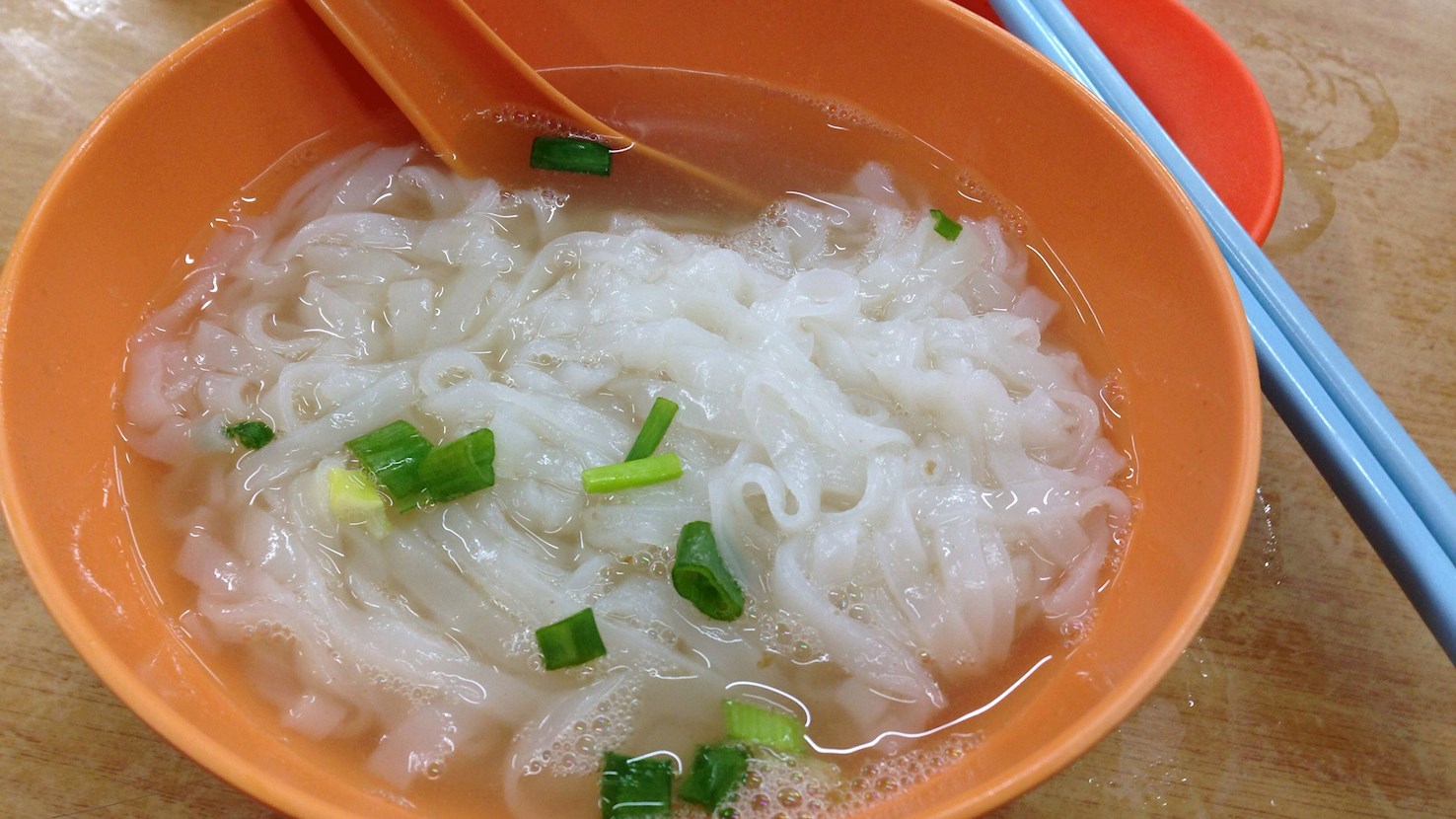
Shahe fen or he fen or hor fun or guotiao are traditional Chinese noodles originating from Shahe in Guangzhou. In order to make the noodles, rice is soaked, ground into a paste, steamed, and cut into long and thin strips. These broad noodles are white in color, while the texture is slightly slippery, elastic, and chewy. They're often stir-fried with meat, veggies, oil, and spices for a dish called chow fun. Shahe fen don't dry or freeze well, so they're typically bought in fresh or dried form.

About this Ranking

TasteAtlas food rankings are based on the ratings of the TasteAtlas audience, with a series of mechanisms that recognize real users and that ignore bot, nationalist or local patriotic ratings, and give additional value to the ratings of users that the system recognizes as knowledgeable.

TasteAtlas Rankings should not be seen as the final global conclusion about food. Their purpose is to promote excellent local foods, instill pride in traditional dishes, and arouse curiosity about dishes you haven’t tried.

The initial list of top producers was compiled based on available reviews, awards, local recommendations, media and blog coverage, and consumer reviews. The list will be updated with ratings from TasteAtlas local ambassadors and TasteAtlas users.

What People Say

Similar Lists