Top 43 Portuguese White Wines

Last updated on July 22, 2026

Best Portuguese White Wine Types
01

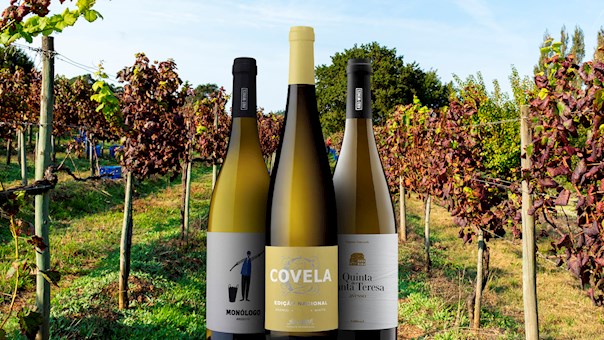
Vinho Verde

4.1 ·

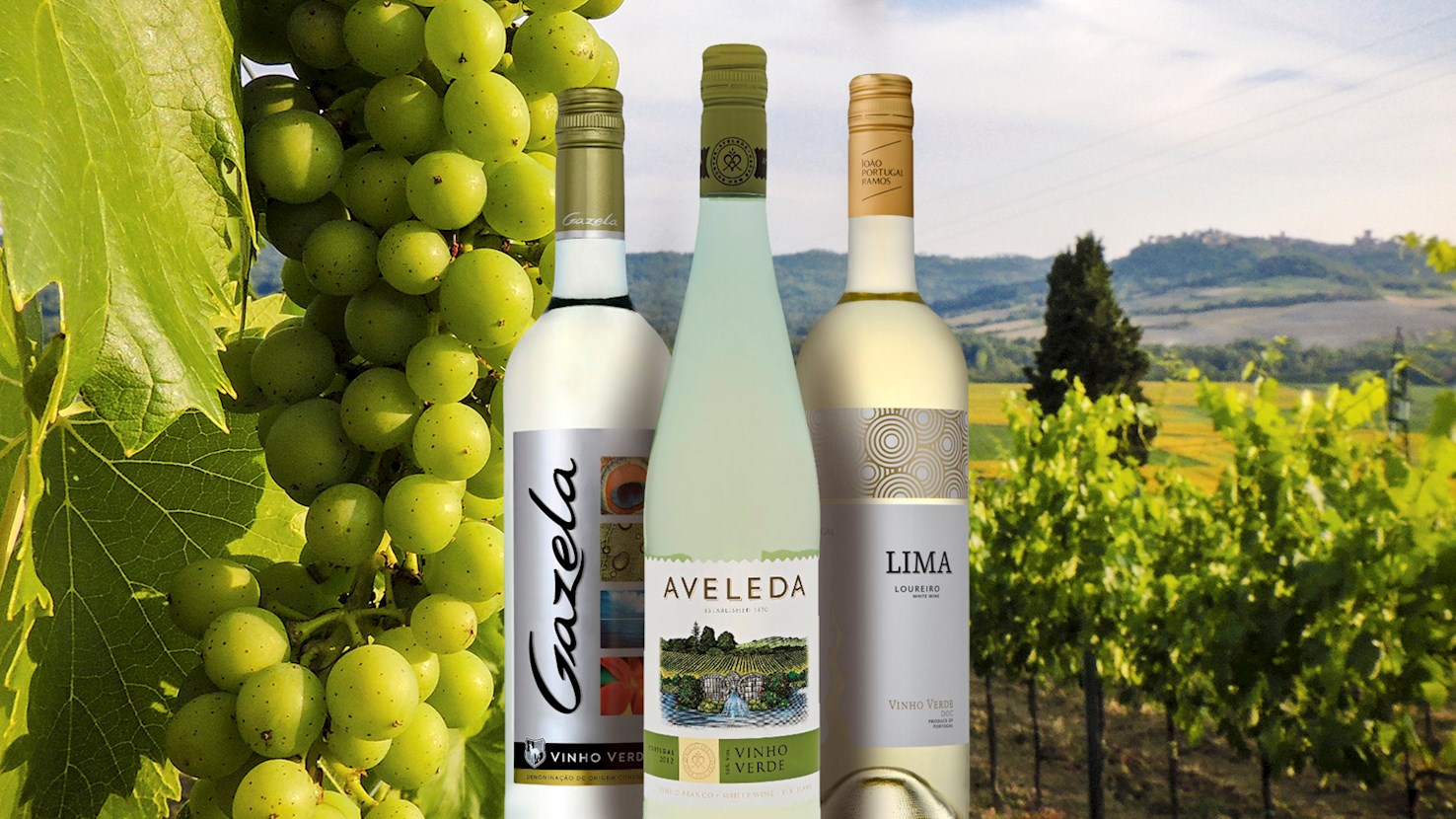
Vinho Verde is a Portuguese appellation for a variety of wines made with native regional grapes. The appellation is located in northern Portugal, and it is mainly defined by the Minho river. Verde, which translates as green, does not refer to the color of the wines but to the fact that they are predominantly consumed young. Another explanation says that the region's lush green landscape was the inspiration. Vinho Verde wines can be red, white, or rosé. Most of these wines are blends, though there are some varietals. The list of permitted grapes is dominated by six varieties: Alvarinho, Arinto, Azal, Avesso, Loureiro, and Trajadura. If the blend is made with grapes that are not officially permitted, it is labeled as Minho. Most of the wines coming from this region are white, but all styles are characterized by bright acidity, low alcohol, and a slight spritz. The effervescence can occur naturally, but most varieties are force carbonated. White wines produced in the region are usually pale straw colors with a floral and fruity aroma. Most examples have a light, uncomplicated character and are recommended for early consumption, though some labels can age quite well. The entire Vinho Verde appellation is divided into nine sub-regions. Due to different terroir, each region produces wines of a slightly different character. Most Vinho Verde wines are crisp, light wines that are best paired with fried or grilled seafood or light poultry and vegetables dishes.

02

White Port

3.9 ·

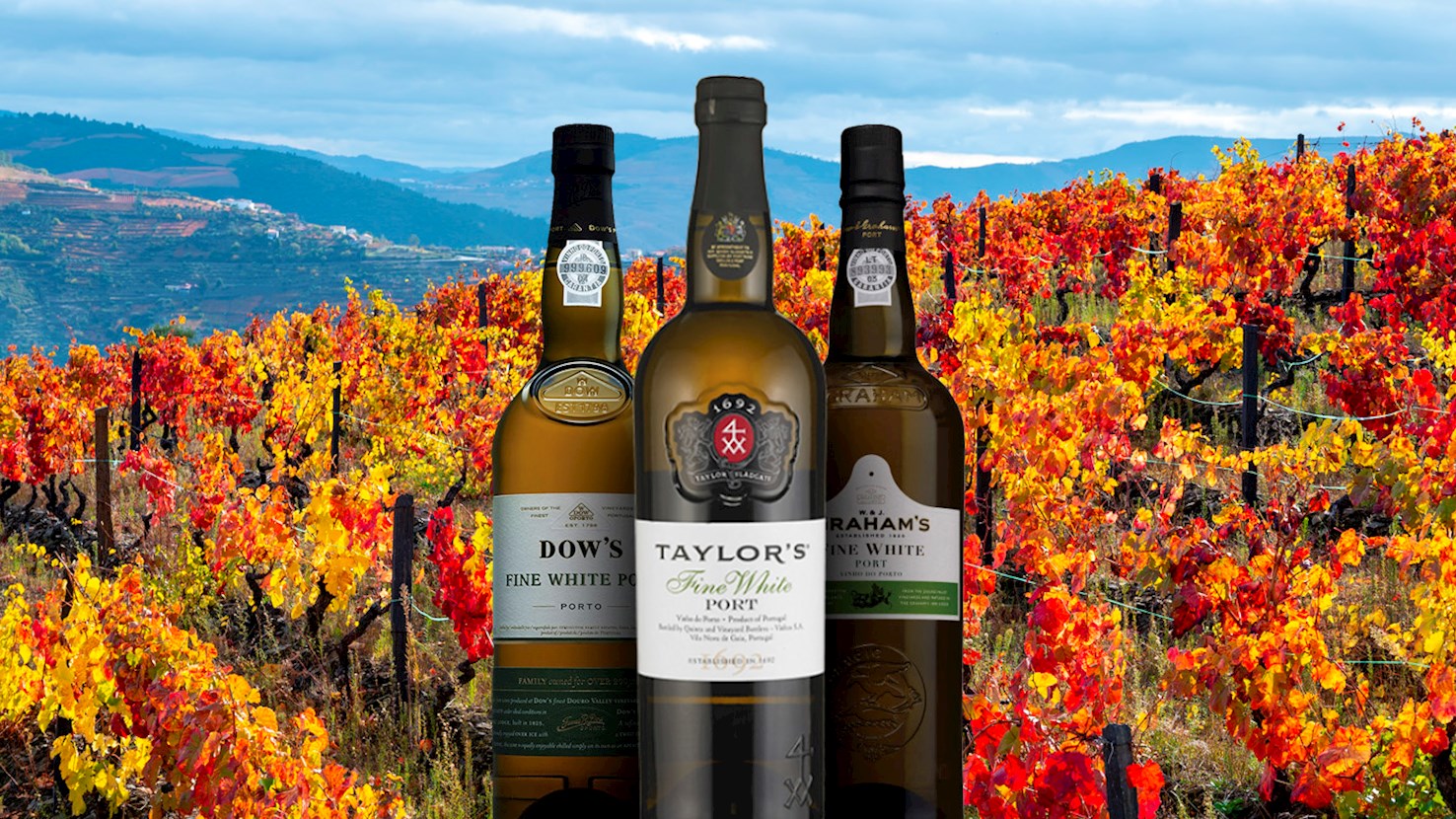
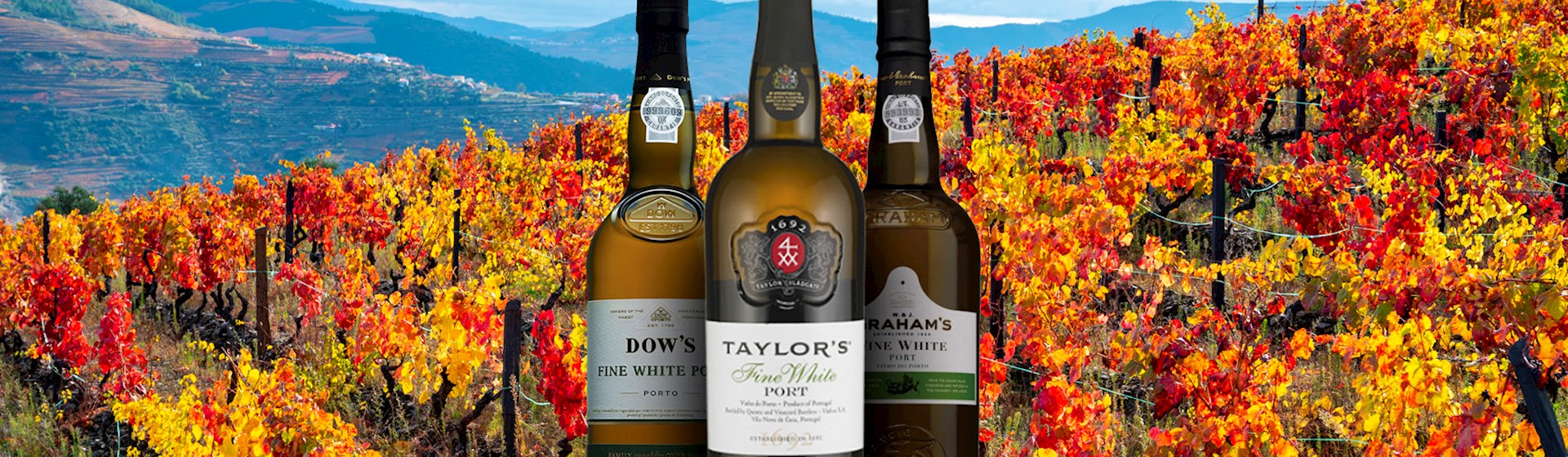
White port is a fortified wine made just like red port—by adding brandy during fermentation—but using white grapes instead of red. The blend most commonly includes native varieties such as Viosinho, Malvasia Fina, Códega, and Rabigato, and it comes as a dry and sweet wine. White port is mainly intended for early consumption, but oak-aged styles are also common. Most examples will have some amount of residual sugar. Their final character will depend on vinification, but they are generally lighter than red varieties. The aroma is reminiscent of citrus and stone fruit, along with nutty nuances that are usually found in golden, oak-aged styles. Because of its character, dry white port is mainly enjoyed as an aperitif. It should always be served slightly chilled. Another common option is to mix it with tonic water to create a popular bubbly spritz known as portônica. Dry wines will pair with appetizers, snacks, and regional specialties such as Douro almonds. Sweet styles are best paired with desserts.

03

Encruzado

3.7 ·

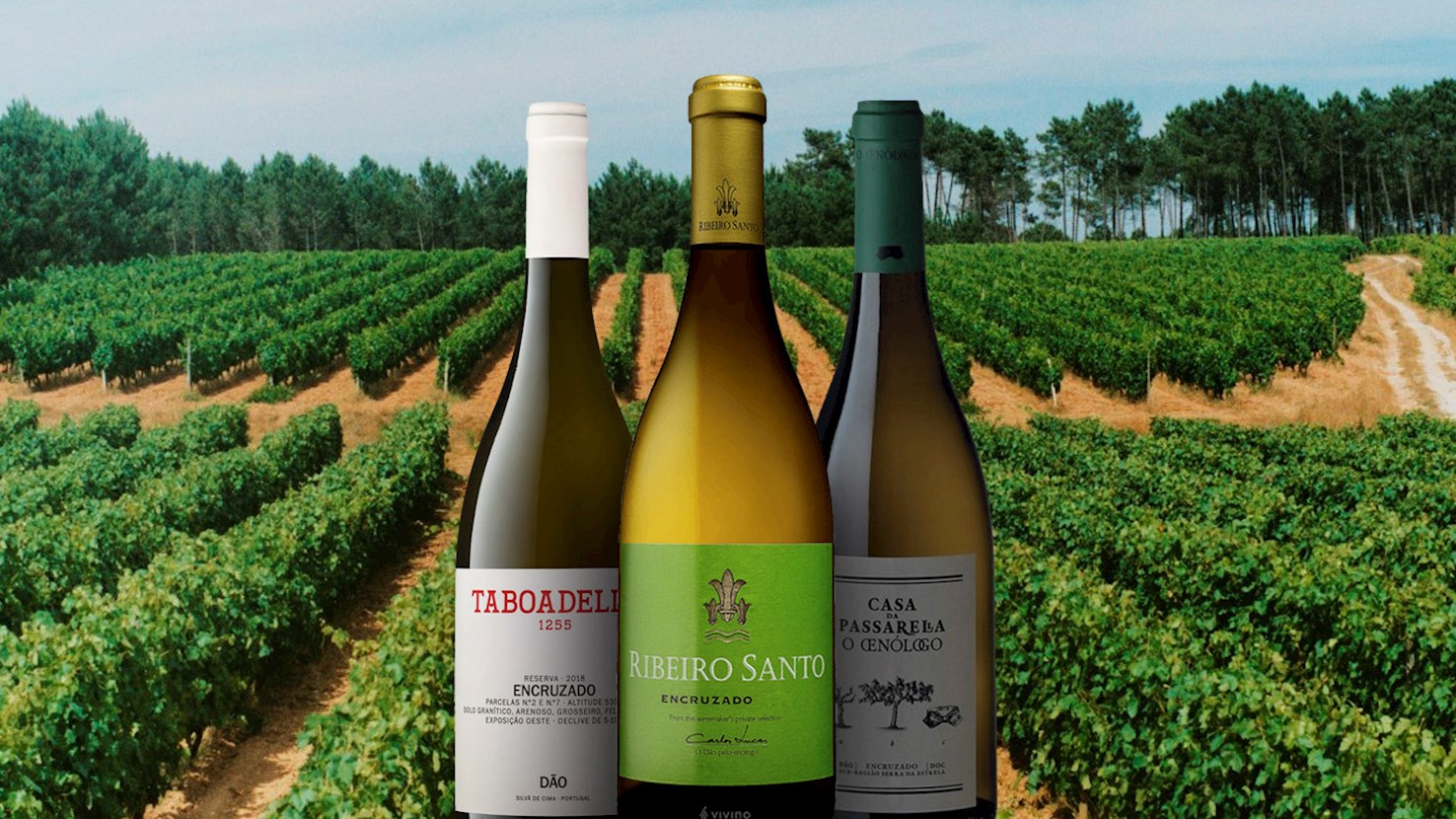
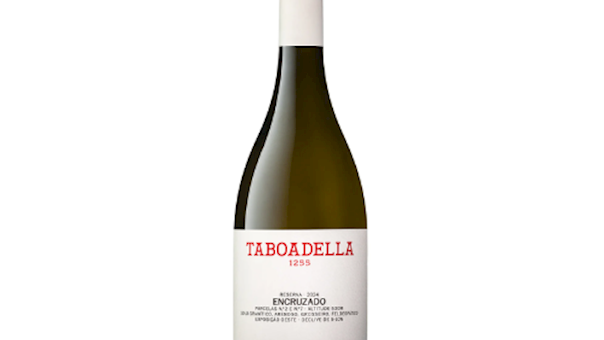
Encruzado is a white Portuguese variety mostly associated with the Dão DOC. The grape was mostly used in blends, but it has shown great potential for high quality and age-worthy varietal examples that gain complexity and character. The wines usually have a medium body and good acidity. The aromas are subtle, reminiscent of roses and citrus fruit. They often have a resinous character, hints of toast, and a mineral finish. Although the wines can be enjoyed young, the best examples benefit from aging and usually reach their full potential after three to five years of age. Encruzado-based wines are sometimes compared to white Burgundy. They are best enjoyed as an aperitif, and they pair well with grilled fish.

04

Verdelho

3.7 ·

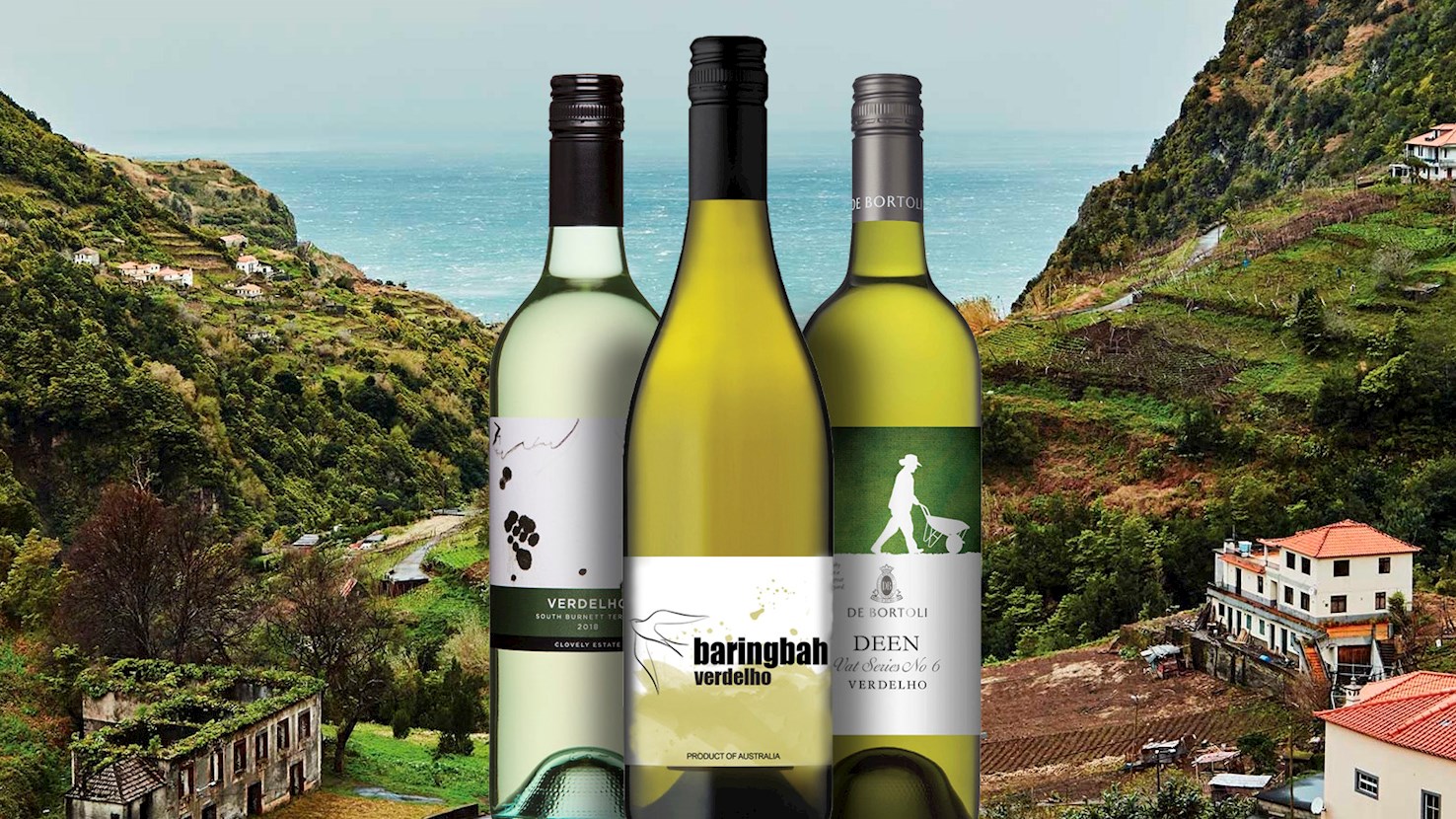
Verdelho is a white Portuguese grape that is mostly grown on Madeira Islands, and which is often used in fortified Madeira wines. The grape, dry varietal wines, or blends produced from Verdelho are also common in the Azores, Dão, Spanish Galicia, and some new world wine regions - namely Australia. Although the style of Verdelho wines may vary depending on the region, the best expressions are typically crisp, soft, full, and refreshing. In Portugal, the wines are usually herbal and mineral with notes of stone fruit, citrus, honeysuckle, and tropical fruit. These wines pair well with fish, seafood, cheese, and salads.

05

Arinto

3.6 ·

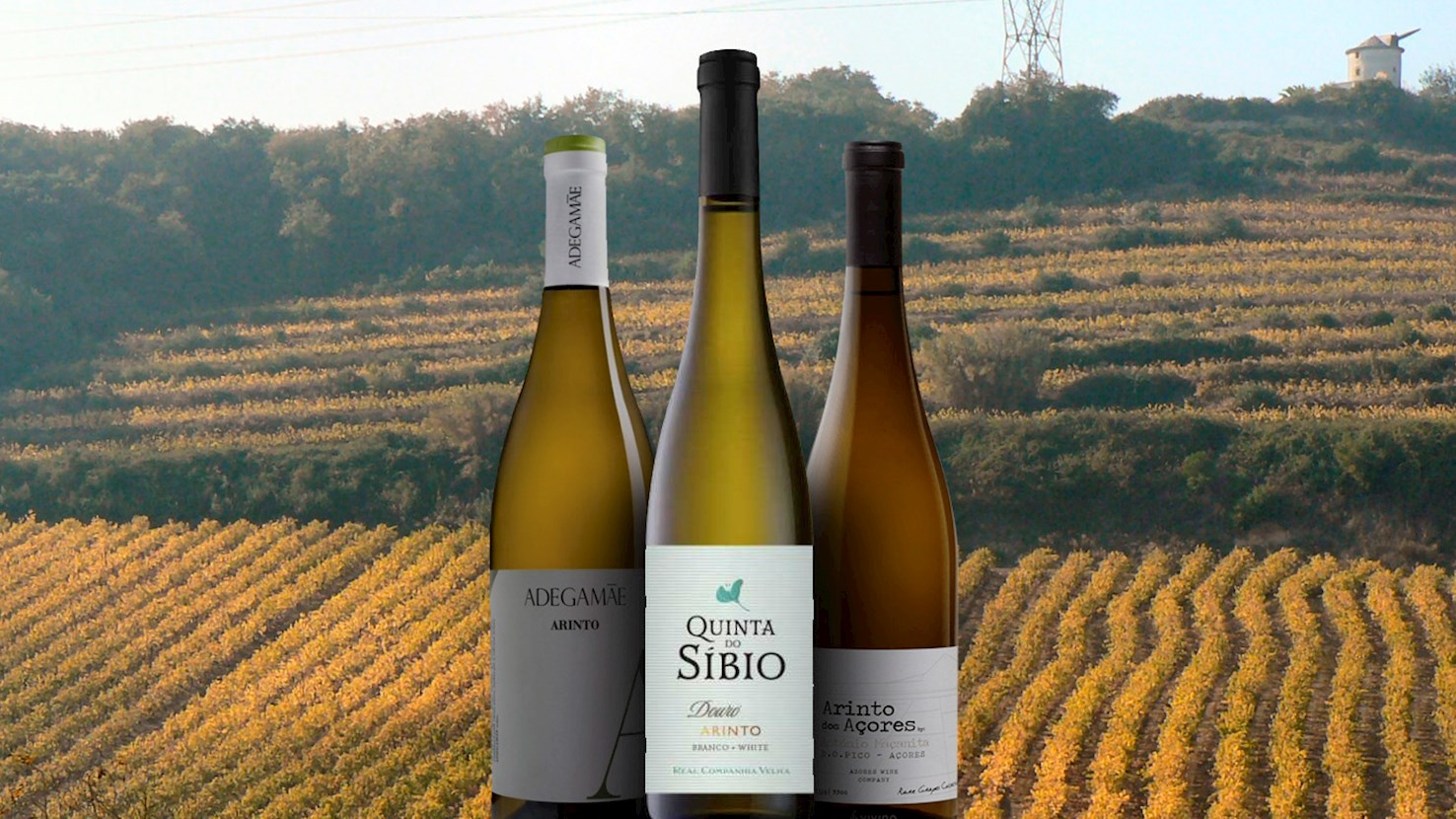
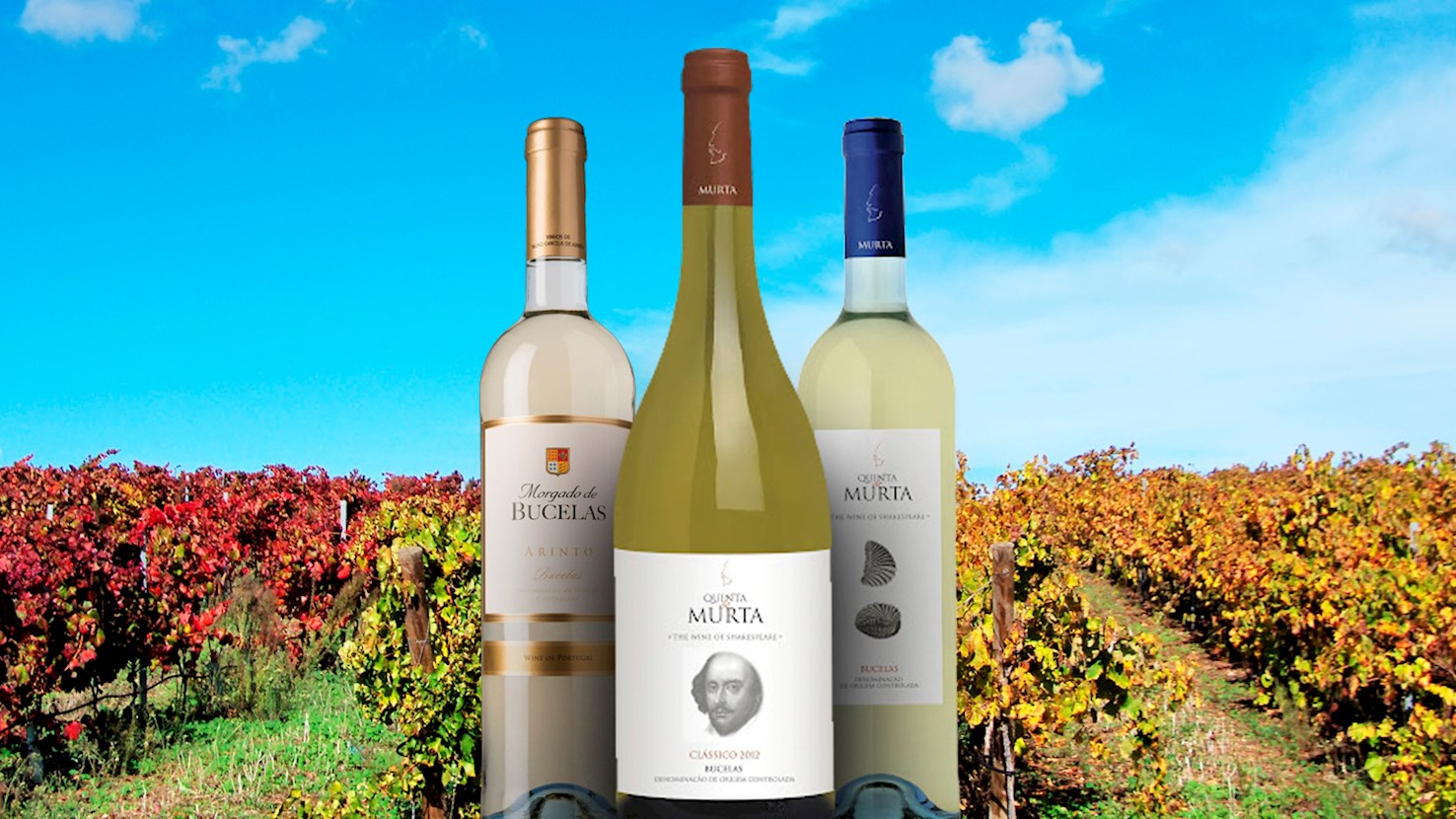
Arinto is a grape variety that most likely comes from Bucelas, Lisbon. The grape is cultivated in several wine regions, but it mostly became associated with Bucelas and Vinho Verde. It is used for dry and sparkling styles, including varietals and blends. Though most wines are enjoyed young, they have good aging potential. The wines are usually crisp, fresh, and bright, with high acidity and aromas reminiscent of green apples and citrus fruit. The maritime influence in Bucelas will also give these wines a mineral character and some saline notes. They can also sometimes show tropical fruit nuances. Arinto wines pair well with seafood. Although it is often simply called Arinto, this leads to confusion as several Portuguese varieties go by the same name.

06

Fernão Pires

3.6 ·

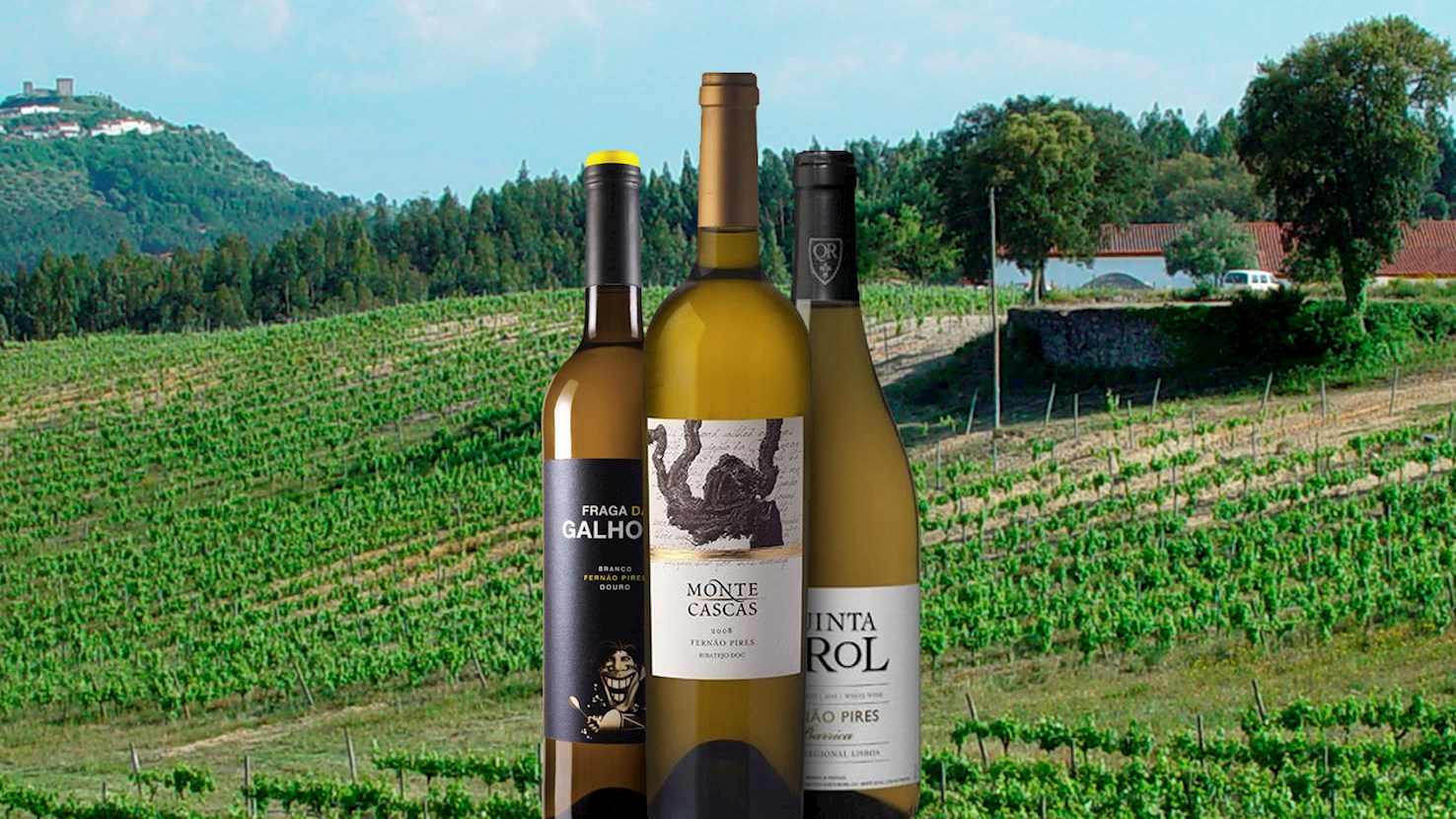
Fernão Pires is a white grape native to Portugal that is mostly associated with the wine regions of Tejo (Ribatejo) and Bairrada (where it is known as Maria Gomes). The grape is used in either varietals or blends, and it is also suitable for the production of sparkling and dessert wines. The best expressions of the grape produce highly aromatic dry wines that will usually display floral and fruity aromas reminiscent of roses and citrus fruit such as lime, lemon, orange, and mandarins. These wines are best enjoyed young, and they are best paired with fish, poultry, or pork. They can also be a good match to fresh, lightly spiced Asian dishes.

07

Loureiro

3.4 ·

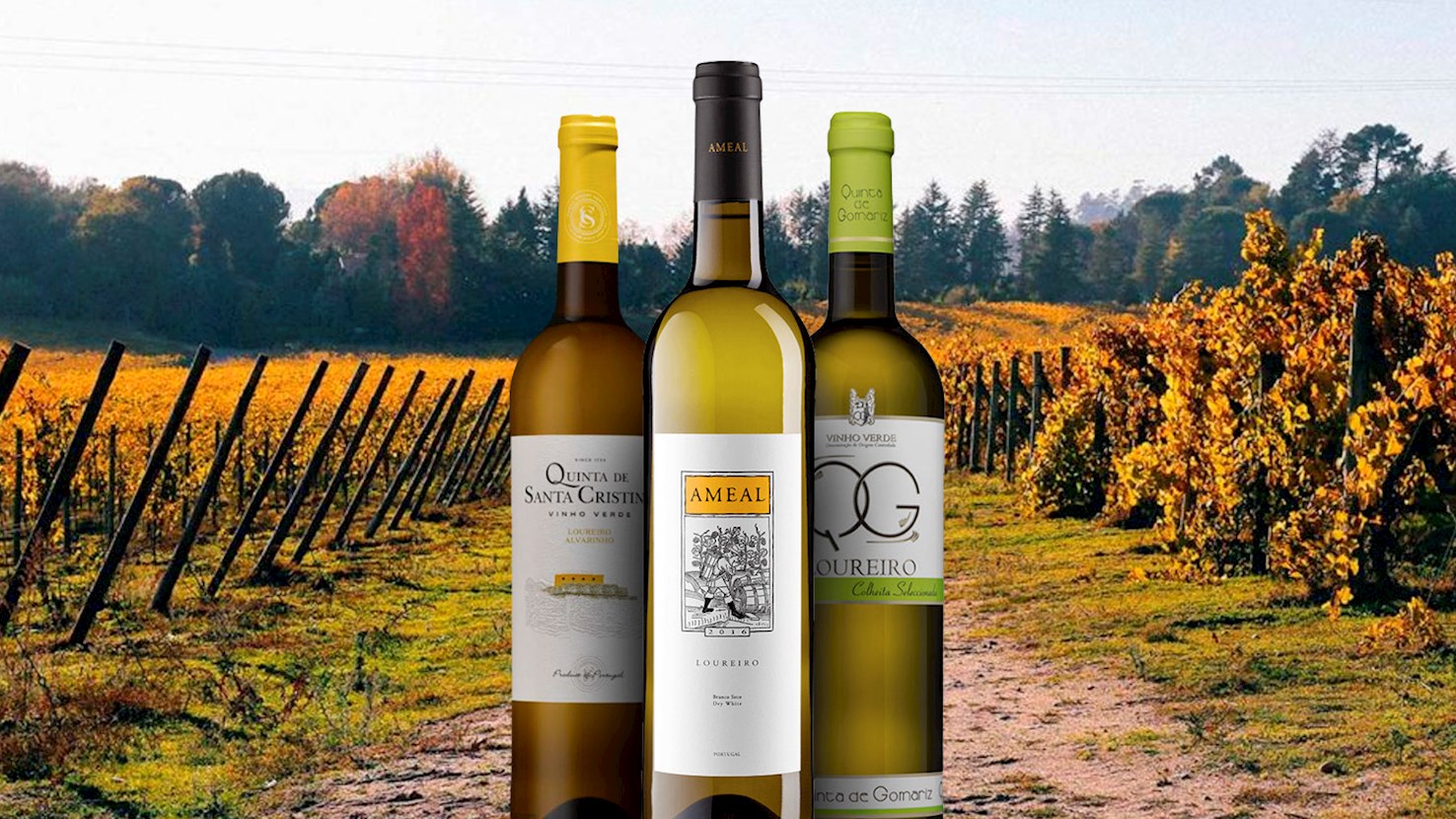
Loureiro is a white grape variety mainly cultivated in Portugal. It is one of the most common grapes used in the production of the legendary Portuguese Vinho Verde. Some amount is also found in Spanish Galicia, where it is known as Loureira. Although the grape is primarily used in Vinho Verde blends, there are some varietal examples. Loureiro wines are fresh, aromatic, low in alcohol, and high in acidity. The aromas are usually citrusy and floral, often reminiscent of lime, orange blossom, acacia, peach, and apples. The wines will usually have an unusual note that is reminiscent of bay leaves (laurel). It is said that this feature inspired the name of the grape. Because of its well-balanced acidity, Loureiro wines are a great pairing with food. They will work well with classic Portuguese dishes or Asian fare, and they are best paired with lighter dishes such as seafood or salads.

08

Bucelas

n/a ·

Bucelas is a small Portuguese wine region (DOC) located just north of Lisbon that produces white wines mainly from the native Arinto variety. Some claim that the wine has been produced here since the ancient Romans and Phoenicians, but it gained international popularity during the Elizabethan and Victorian ages. Nowadays, the production is small, largely focused on dry white wines, with a small number of sparkling styles. The wines are light, pale yellow, and usually high in acidity. They have a fruity aroma that is reminiscent of citrus fruit and green apples. Dry wines can age well, gaining golden color and complexity, with peach and honey-like nuances. Sparkling wines are fresh and fruity, with a crisp and mineral character. Both styles would pair well with appetizers and seafood.

09

Sercial

n/a ·

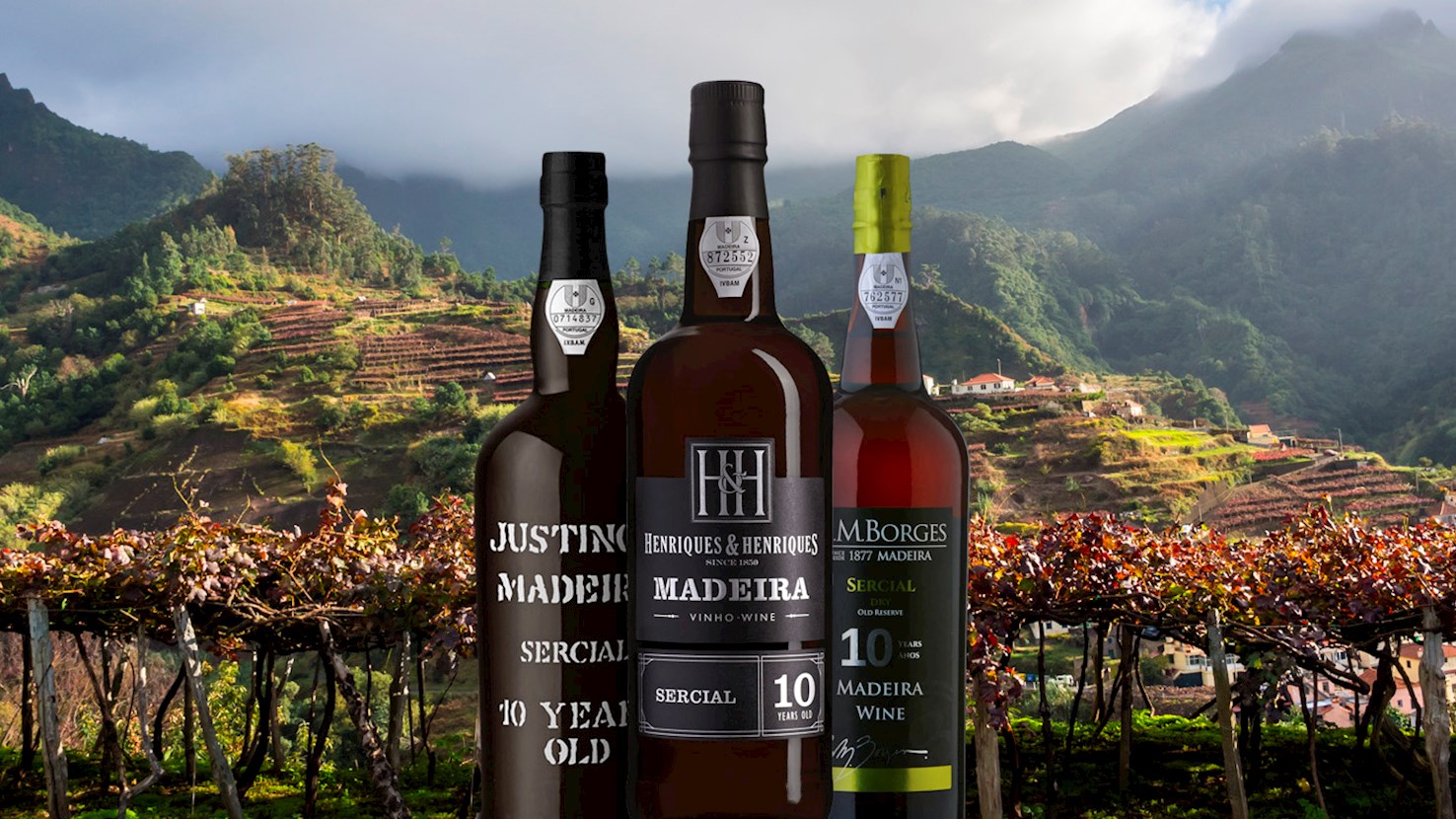
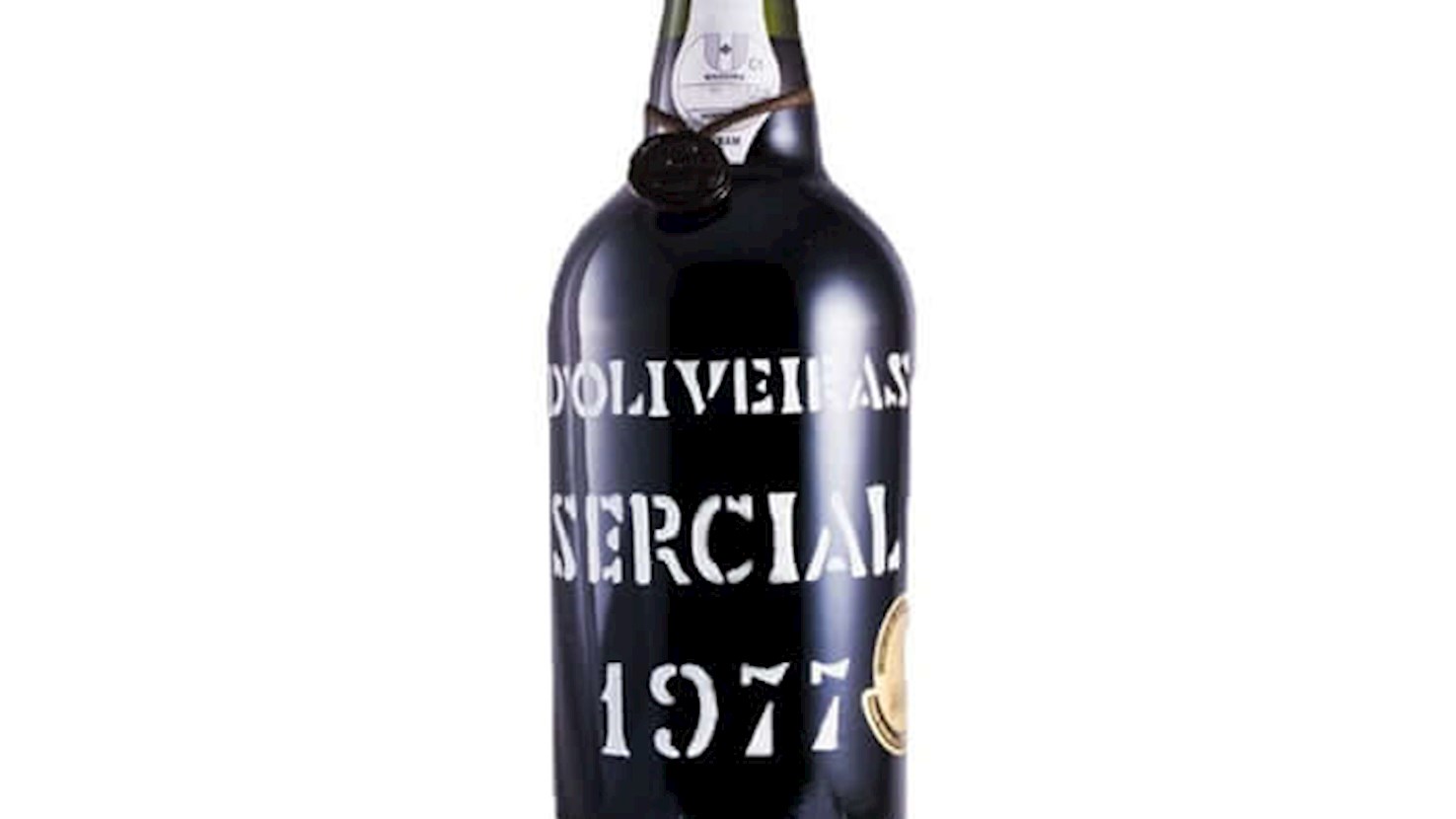
Sercial is a white Portuguese grape variety best known for its use in dry Madeira wines. The term Sercial is also used for this particular style of Madeira wine. The origin of the variety remains unclear, but it is most likely a native Portuguese grape. Sercial is finicky to grow and its plantings on Madeira are limited. The main characteristic of Sercial is its high acidity. The wines can be slightly harsh when young, but they have excellent aging potential. They are aromatic, crisp, and citrusy. As they age, they attain a distinctive nutty aroma and remain lively and bright. Sercial wines make a great aperitif. They can be paired with appetizers, snacks, charcuterie, seafood, and cheese. Small plantings of Sercial are found around Bucelas.

10

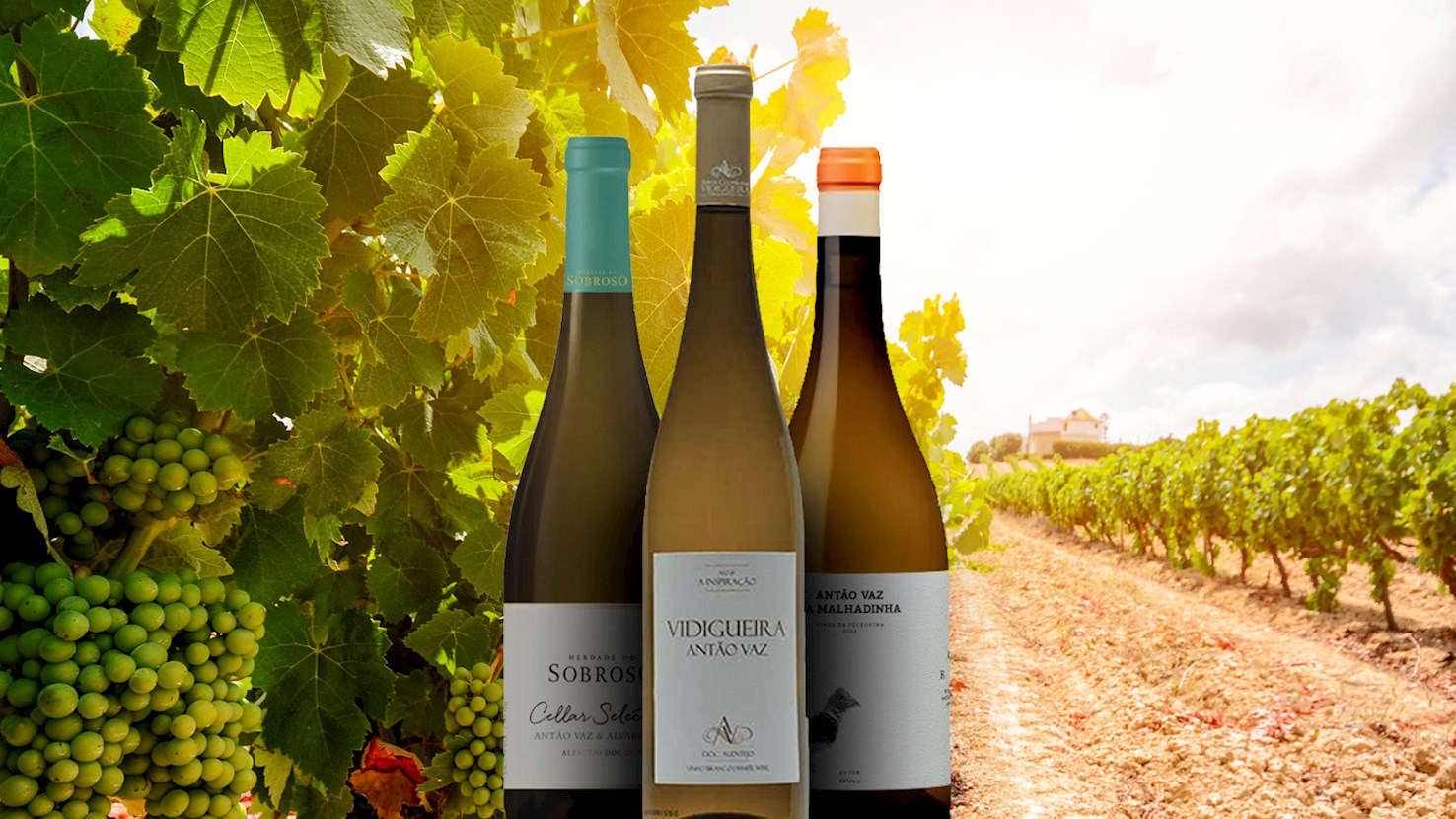
Antão Vaz

n/a ·

Antão Vaz is a native Portuguese grape that can produce versatile white wines of excellent quality. It is a tough and resilient white grape that is considered a signature variety in Alentejo, where it prospers in a dry and warm climate. The grape is used in varietals and blends. It is usually combined with varieties that provide higher acidity. Depending on the vinification and the terroir, it can produce wine of different characters. When harvested earlier, the wines will be vibrant, low in alcohol, and have better acidity. Fully ripen grape produce wines with more complex aromas and a full body that are suitable for barrel aging. Typical aromas found in these wines include tropical fruit and citruses, with some toasty and nutty notes present in ripe examples. Antão Vaz perfectly pairs with fish, poultry, and vegetables. It is an ideal pairing with different cod (bacalhau) dishes.

Best producers

Best Portuguese White Wines
01

Cartuxa

4.9 ·

Cartuxa is a Portuguese wine producer based in the Alentejo region, closely associated with the Fundação Eugénio de Almeida, a foundation that manages the vineyards and winery near the historic city of Évora. The name Cartuxa derives from the nearby Santa Maria Scala Coeli Carthusian monastery, founded in the 16th century, which has long been part of the cultural and historical identity of the area.

Wine production takes place at Adega Cartuxa, located on the Quinta de Valbom estate, where grapes from surrounding vineyards are vinified and aged. The vineyards are planted on typical Alentejo soils and benefit from the region’s warm climate, which is well suited to varieties such as Aragonez, Trincadeira, Alicante Bouschet, Antão Vaz, Roupeiro, and Arinto.

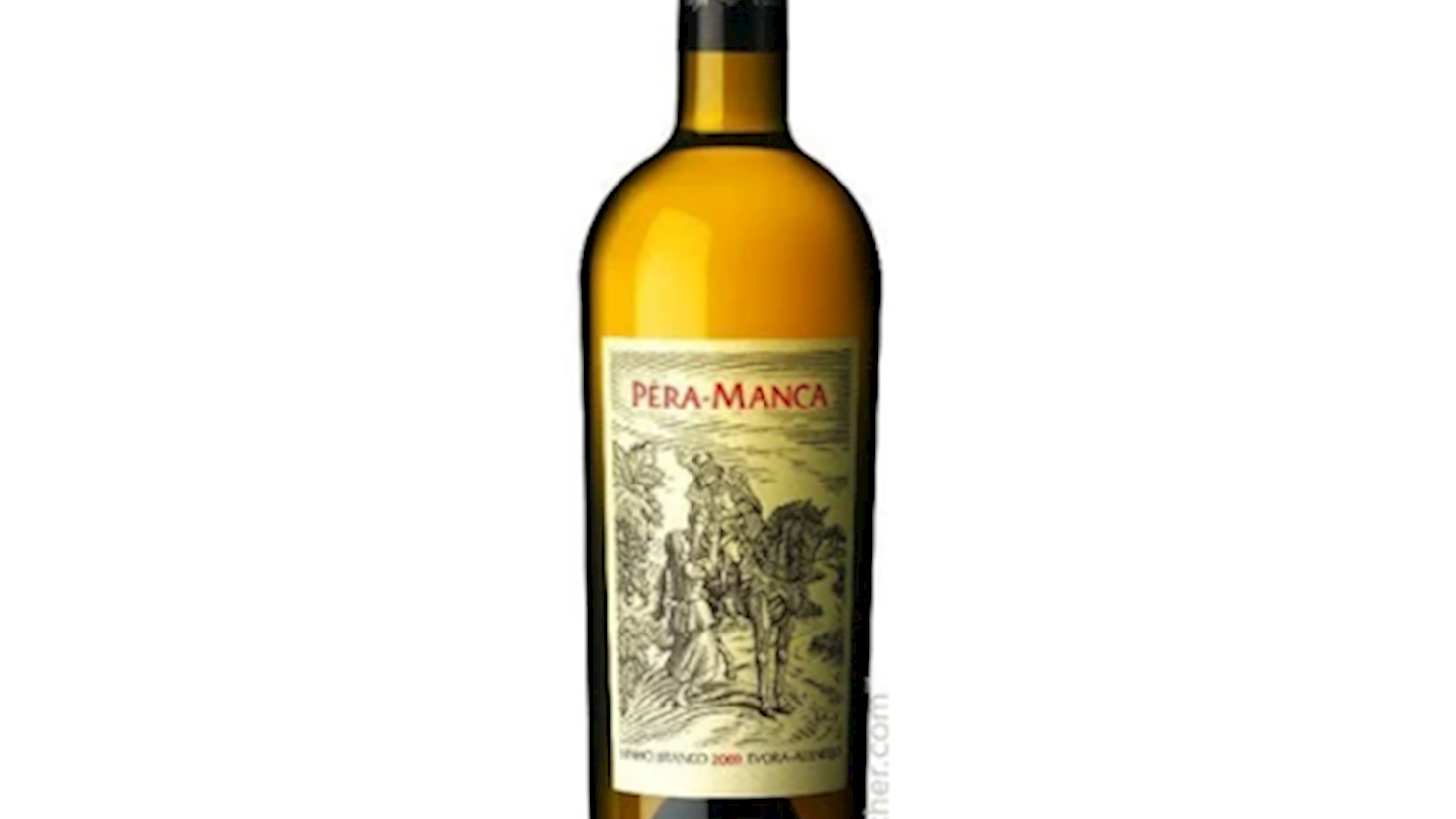
The portfolio includes several wine ranges, notably EA, Cartuxa, Scala Coeli, and Pêra-Manca, the latter widely regarded as one of Portugal’s most prestigious wines. In addition to wine, the estate also produces extra virgin olive oil from its groves.

Revenue generated by these activities supports the cultural, educational, and social initiatives developed by the Fundação Eugénio de Almeida in the Alentejo region.

Awards
Vivino - 4.7
Vivino - 4.5
02

D'Oliveiras

4.9 ·
Awards
IWSC- International wine & spirit competition - Gold (2024, 2023, 2022, 2020)
03

Blandy's

4.9 ·

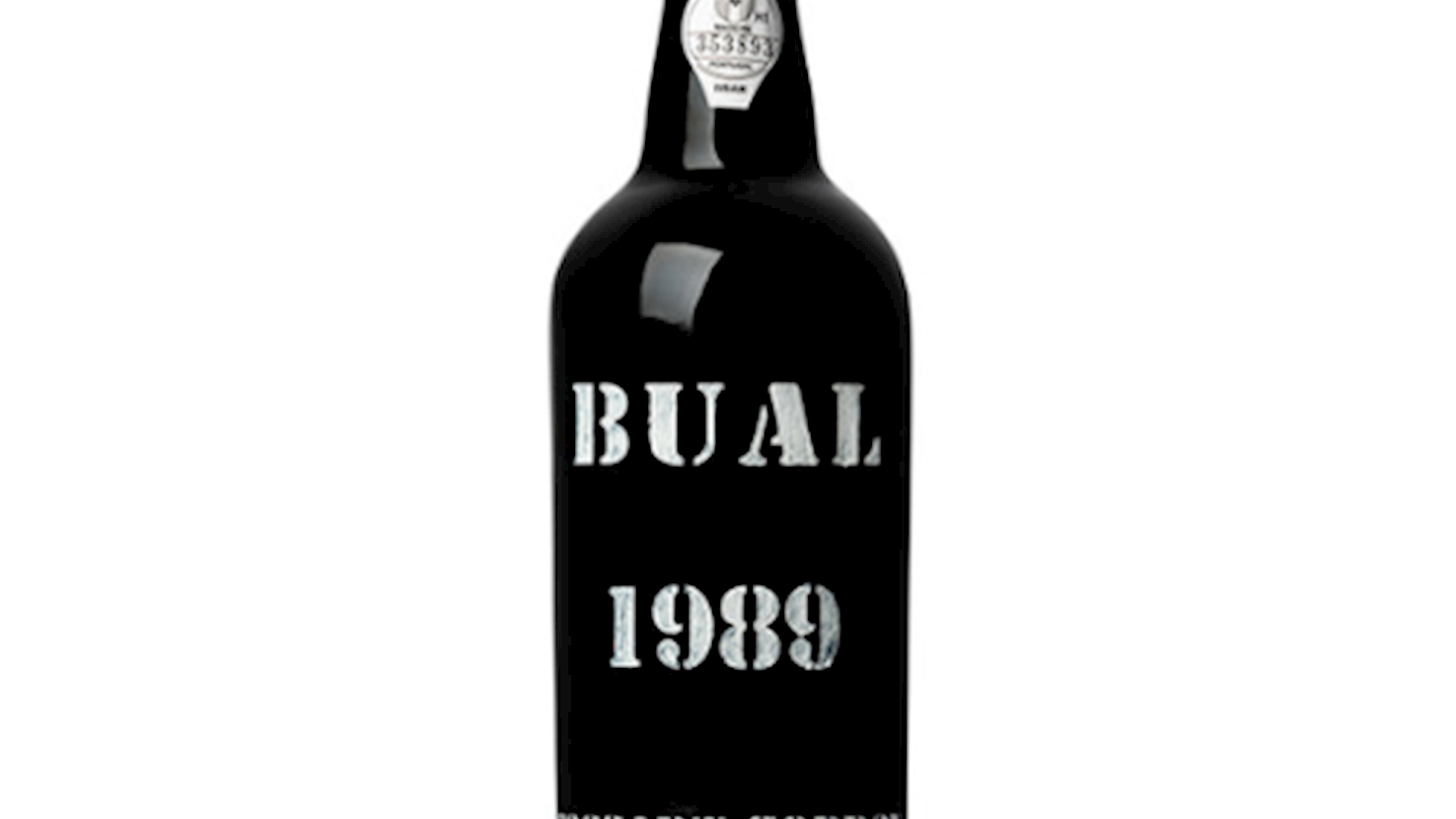
Blandy’s is one of the oldest and most renowned Madeira wine producers, founded in 1811 and the only remaining house on the island still managed by the original founding family. Over more than two centuries, Blandy’s has built a reputation for combining tradition with modern techniques, relying on classic varieties such as Sercial, Verdelho, Boal and Malvasia, and maintaining authentic aging practices.

Their production still uses the traditional canteiro method, in which the wines mature for years in warm attic conditions, developing oxidative aromas of caramel, nuts, dried fruit and spice, all supported by Madeira’s signature vibrant acidity. The estate produces a full range of styles - from dry to rich sweet Madeiras - and is known for exceptional stability, longevity and historical consistency in quality.

Today, Blandy’s stands as one of the key guardians of Madeira’s winemaking heritage, recognized worldwide for its craftsmanship and commitment to the island’s traditions.

Awards
Decanter World Wine Awards - Best in Show (2023, 2018, 2016)
Decanter World Wine Awards - Platinum (2020, 2018)
04

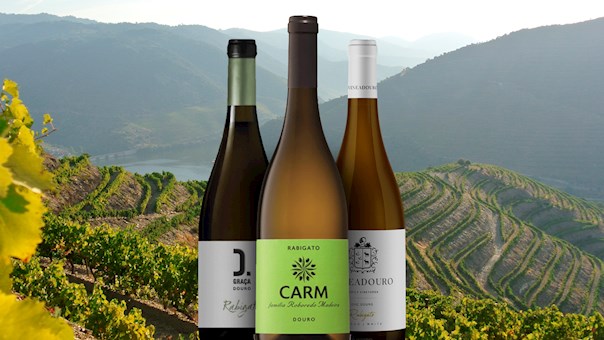
Quinta Nova de Nossa Senhora do Carmo
4.9 ·

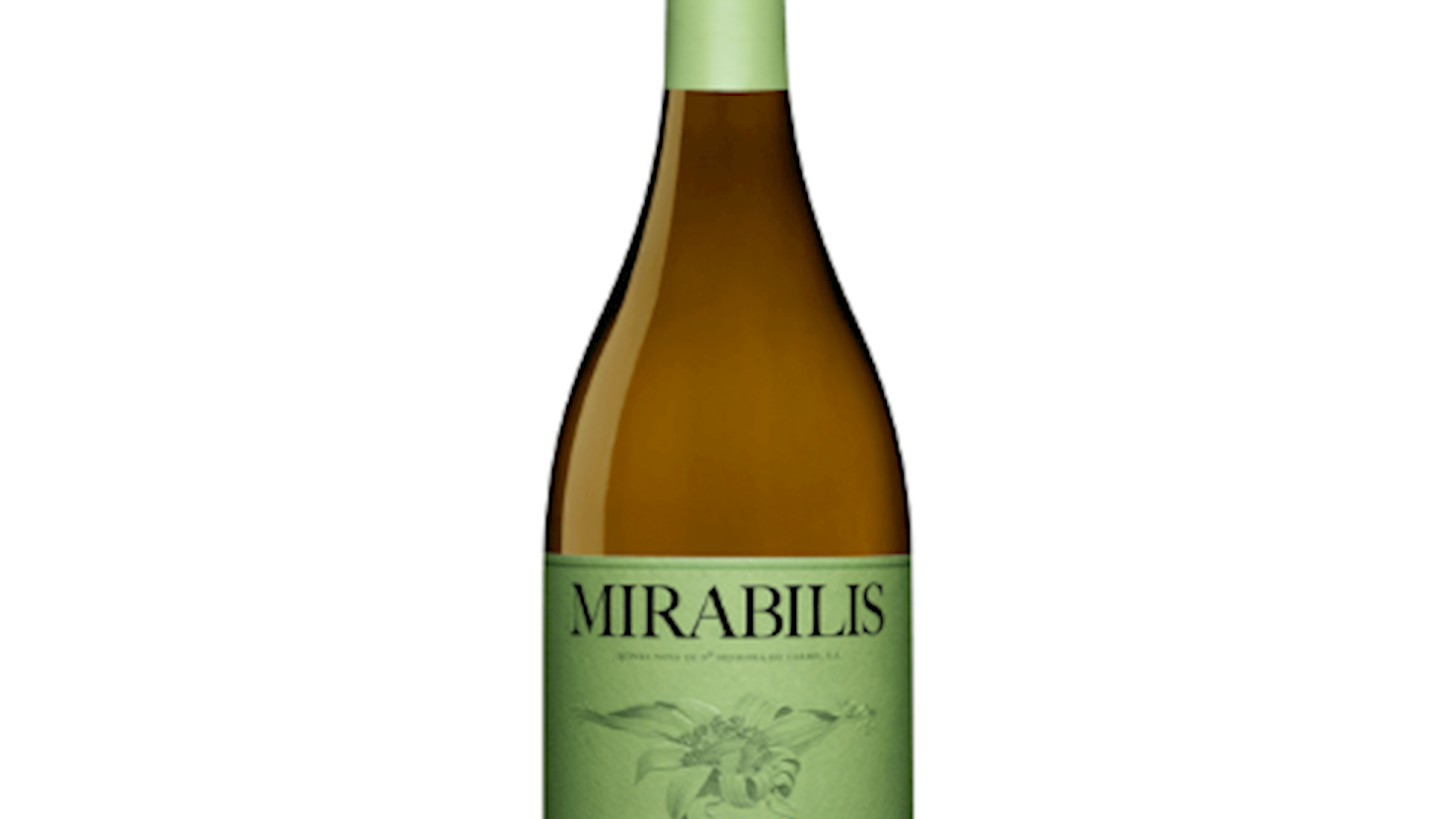
Quinta Nova de Nossa Senhora do Carmo is a historic wine estate located in Portugal’s Douro Valley with a winemaking tradition dating back more than two centuries. The estate was already recognized during the official demarcation of the Douro wine region in 1764, making it part of one of the world’s oldest regulated wine areas.

Today the property belongs to the Amorim Group, which acquired the estate in 1999 and modernized both the winery and the surrounding vineyards while preserving its historical character. The vineyards extend across terraced slopes overlooking the Douro River, where schist soils and the region’s warm climate create ideal conditions for growing traditional Portuguese grape varieties.

Quinta Nova produces both Douro DOC wines and Port wines, often focusing on the expression of individual vineyard plots and the diversity of the estate’s terroirs. The property is also known for its role in developing wine tourism in the Douro, hosting one of the region’s early wine hotels and offering visitors vineyard tours, tastings, and cultural experiences linked to the history of the estate.

Today Quinta Nova de Nossa Senhora do Carmo is considered one of the emblematic estates of the Douro, combining historical heritage, modern winemaking, and a strong connection to the landscape of the region.

Awards
Decanter World Wine Awards - Best in Show (2018)
Vivino - 4.5
05

Soalheiro

4.8 ·

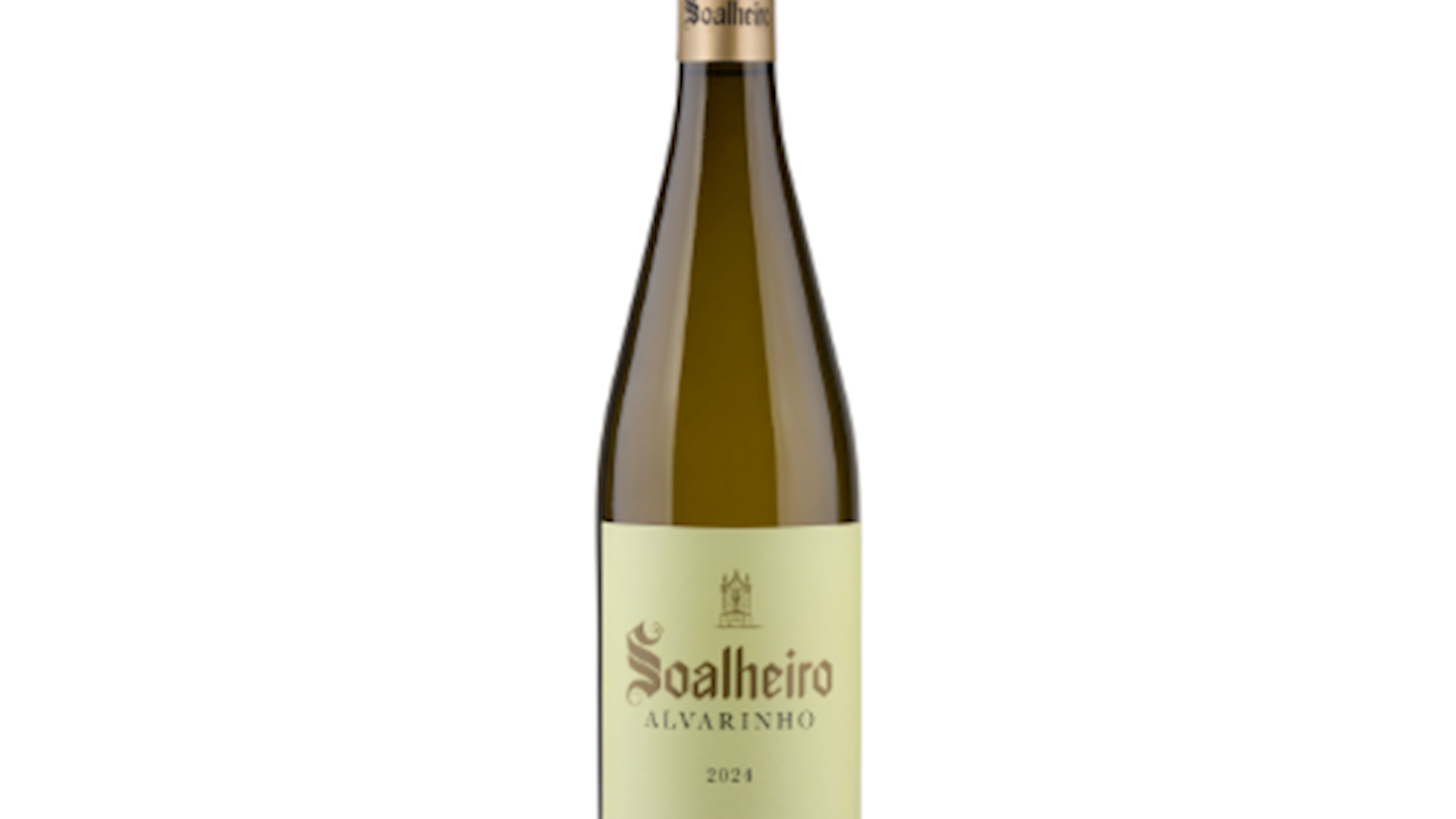
Soalheiro is a renowned winery located in the northern region of Portugal, particularly known for its exceptional Alvarinho wines. The winery has a strong tradition of innovation, with its origins tracing back to João António Cerdeira, who was the first to plant a full vineyard of Alvarinho in Melgaço.

The family-run winery, now managed by the third generation, continues to embrace both tradition and innovation in its winemaking practices. In addition to its wines, Soalheiro also produces herbal teas, which are a part of the region's rich cultural heritage. They offer a variety of herbal infusions such as Lemon Verbena, Spearmint, and Rosemary, which are celebrated for their natural flavors and therapeutic benefits. Soalheiro places a strong emphasis on sustainability, with eco-friendly practices in both viticulture and packaging, and provides immersive experiences like wine and herbal tea tours, gastronomic journeys, and tastings to introduce visitors to the unique traditions of the Minho region.

Awards
Decanter World Wine Awards - Best in Show (2021)
Decanter World Wine Awards - Platinum (2017, 2016)
06

Quinta da Vacaria

4.8 ·

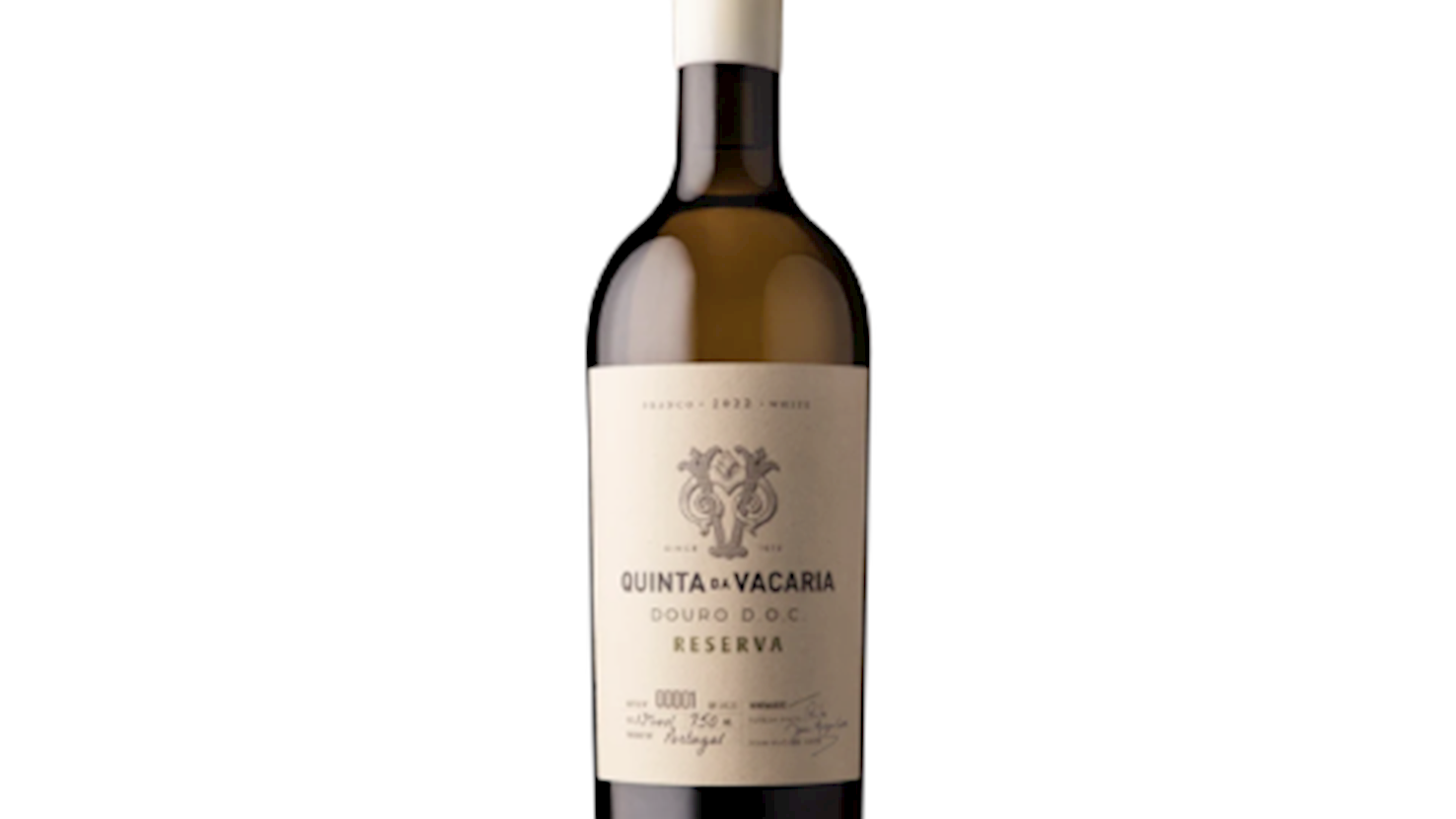
Quinta da Vacaria is a historic wine estate located in Portugal’s Douro Valley with winemaking roots dating back to the early 17th century. The estate was acquired in 1613 by Gaspar de Sousa and later became associated with the Jesuit order, marking the beginning of a long viticultural tradition in the area.

Situated near the confluence of the Douro and Corgo rivers, close to Peso da Régua, the property includes terraced vineyards planted on the schist soils characteristic of the region. These vineyards are cultivated with traditional Portuguese grape varieties such as Touriga Nacional, Touriga Franca, Tinta Roriz, and Rabigato, which reflect the diversity and structure of Douro wines.

Quinta da Vacaria produces both Douro DOC wines and Port wines, combining historical vineyard practices with modern winemaking techniques to highlight the character of its terroir. In recent years the estate has also developed wine tourism, offering visitors tastings, vineyard experiences, and accommodation overlooking the Douro River.

Today Quinta da Vacaria stands as one of the historic estates of the Douro, linking centuries of wine heritage with contemporary wine production.

Awards
Vivino - 4.6
Vivino - 4.4
07

Luis Pato

4.8 ·

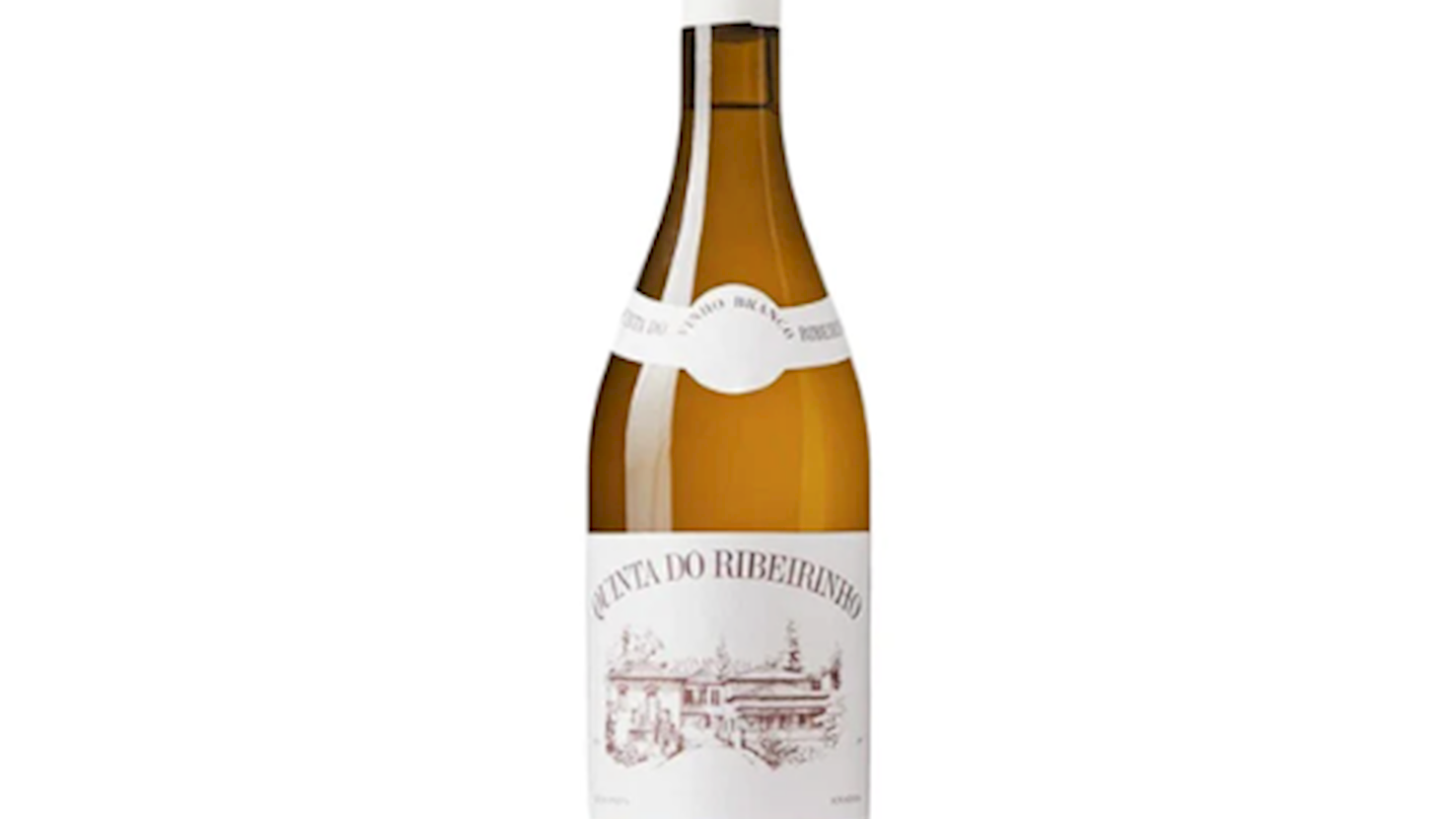
Luis Pato is one of Portugal’s most renowned winemakers and a key figure in the Bairrada region, known for his bold and innovative approach to the indigenous grape variety Baga. His family has been involved in viticulture since the 18th century at the Quinta do Ribeirinho estate, but it was Luis - a chemical engineer by education - who took over the winery in the 1980s and began transforming Bairrada into a modern wine region.

He was a pioneer in introducing rigorous grape selection, full destemming, and the use of small French barrique barrels at a time when the region mainly produced mass-market, oxidative wines. Through experimentation, he proved that Baga, despite being a demanding grape with firm tannins, can produce elegant and long-lived wines of high quality.

Pato developed the concept of “precision harvesting” in which grapes from the same vineyard are harvested in different stages of ripeness - first for sparkling wines, then for fresh red wines, and finally for complex, age-worthy reds. Today, Luis Pato is regarded as “the father of modern Bairrada” and his vision has set a standard followed by many younger winemakers in the region.

The winery is open for visits and tastings, contributing to Bairrada’s positioning as a destination for those seeking authentic wine experiences.

Awards
Vivino - 4.5
Vivino - 4.4
08

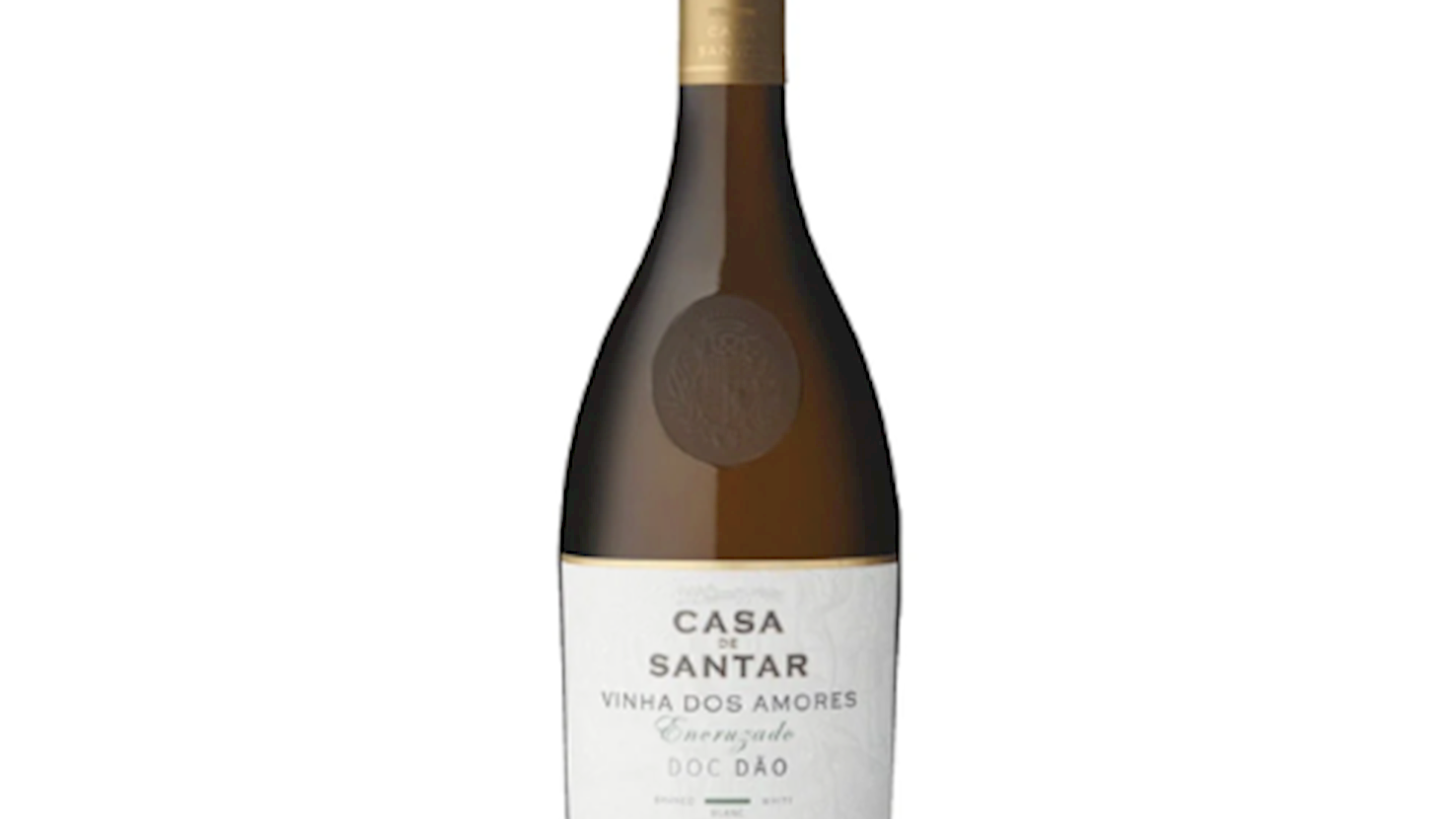
Casa de Santar

4.8 ·

Casa de Santar is a historic wine estate located in the village of Santar in Portugal’s Dão wine region, one of the country’s most respected areas for producing elegant and age-worthy wines. The estate has a winemaking tradition that dates back several centuries, while its modern development began during the 20th century with the reorganization of vineyards and the introduction of more structured wine production.

The vineyards are planted on granite soils at elevations of around 400–500 meters above sea level, in a landscape surrounded by mountain ranges that protect the vines from strong Atlantic influences and create favorable conditions for grape ripening. The winery focuses primarily on indigenous Portuguese grape varieties such as Touriga Nacional, Alfrocheiro, Tinta Roriz, and Jaen for red wines, while Encruzado and Bical are among the main varieties used for white wines.

Wines from Casa de Santar are typically known for their elegance, aromatic complexity, and balance between structure and freshness, characteristics that are closely associated with the Dão region. The winery combines historical heritage with modern winemaking techniques while maintaining a traditional style.

Today the estate is part of the Global Wines group and is considered one of the most recognized wine producers in the Dão region. Casa de Santar continues to play an important role in shaping the reputation of Dão as one of Portugal’s key wine regions.

Awards
Decanter World Wine Awards - Platinum (2022)
Vivino - 4.6
09

Guia

4.7 ·
Awards
IWSC- International wine & spirit competition - Gold (2022)
10

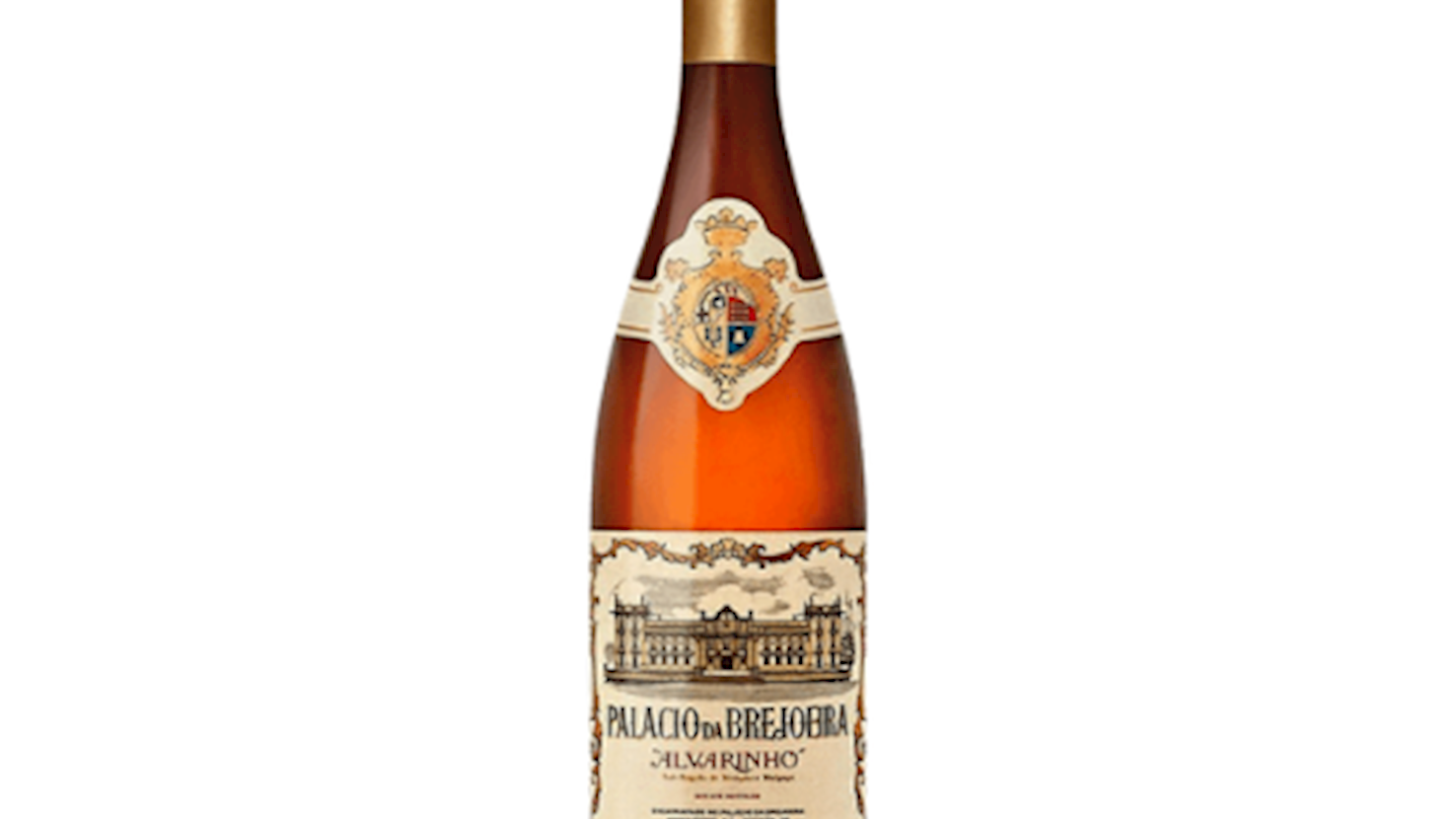
Palácio da Brejoeira

4.7 ·

Palácio da Brejoeira is a historic estate and winery located in Pinheiros, in the municipality of Monção in northern Portugal, within the Vinho Verde wine region and the renowned Monção e Melgaço subregion, which is particularly known for the Alvarinho grape variety. The centerpiece of the estate is an imposing neoclassical palace built between 1806 and 1834, which today is classified as a national monument of Portugal.

The estate includes vineyards surrounding the palace that are predominantly planted with Alvarinho, the grape variety most closely associated with this area. Modern wine production at the estate began in the second half of the 20th century, when the project of producing wine under the label Palácio da Brejoeira Alvarinho was developed.

The first vintage of this wine was released in 1976 and soon became one of the benchmark expressions of Alvarinho from the Vinho Verde region. The vineyards grow on granite soils and benefit from the Atlantic-influenced climate, which contributes to the wines’ freshness, aromatic intensity, and mineral character.

In addition to wine production, the estate is also known for its historical heritage, landscaped gardens, and surrounding parklands. Today, Palácio da Brejoeira represents a combination of cultural heritage, viticulture, and wine tourism in northern Portugal.

Awards
Vivino - 4.3
Wine-Searcher - 89/100
Read more
View all
View map
About this ranking

TasteAtlas food rankings are based on the ratings of the TasteAtlas audience, with a series of mechanisms that recognize real users and that ignore bot, nationalist or local patriotic ratings, and give additional value to the ratings of users that the system recognizes as knowledgeable. For the “Top 43 Portuguese White Wines” list until July 22, 2026, 354 ratings were recorded, of which 242 were recognized by the system as legitimate. TasteAtlas Rankings should not be seen as the final global conclusion about food. Their purpose is to promote excellent local foods, instill pride in traditional dishes, and arouse curiosity about dishes you haven’t tried.

The initial list of top producers was compiled based on available reviews, awards, local recommendations, media and blog coverage, and consumer reviews. The list will be updated with ratings from TasteAtlas local ambassadors and TasteAtlas users.

Similar lists