Top 10 Local Wine Varieties
in Alentejo

Last updated on June 24, 2026

Best Wine Varieties in the World
01

Já Te Disse

5 ·
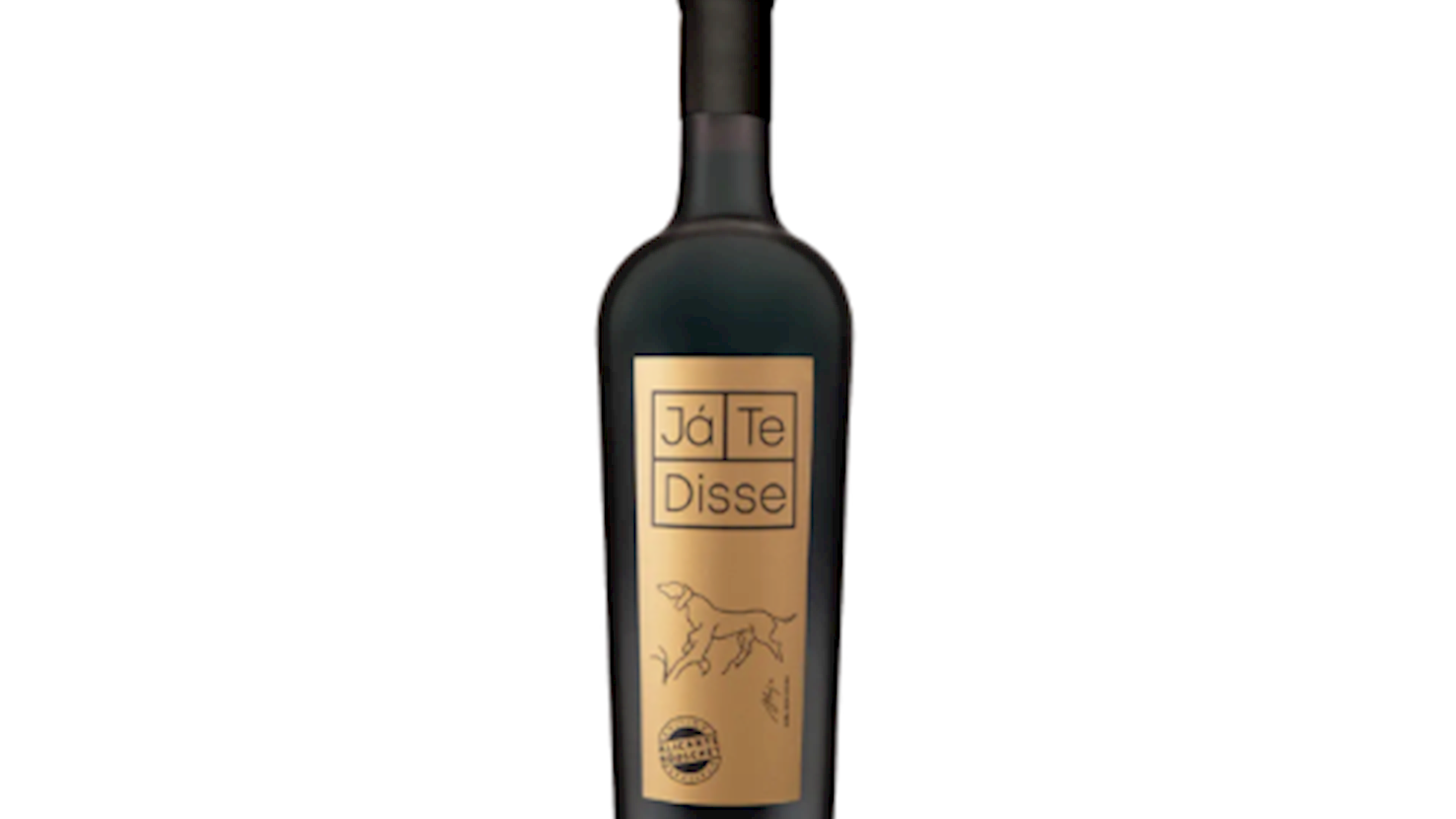
Já Te Disse is an independent Portuguese wine project based in the Alentejo region, known for its modern and creative approach to winemaking. The winery focuses on producing wines in limited quantities, emphasizing the quality of the grapes and the authentic expression of the vineyards from southern Portugal. The vineyards are located in the typical Alentejo landscape, where a warm and dry climate allows the grapes to reach full ripeness and develop concentrated aromas. Winemaking practices aim to preserve the natural fruit character and balance of the wines while maintaining a contemporary style. The brand also stands out for its distinctive visual identity and playful name - “Já Te Disse” which in Portuguese translates to “I already told you”. This informal tone reflects the project’s intention to present Alentejo wines in a fresh and accessible way. The wines are generally produced in small batches and target consumers interested in authentic and modern interpretations of Portuguese terroir. By combining traditional vineyard practices with a contemporary aesthetic and focused enological work, Já Te Disse represents a new generation of boutique wine initiatives emerging in Portugal.
02

Herdade da Maroteira

5 ·
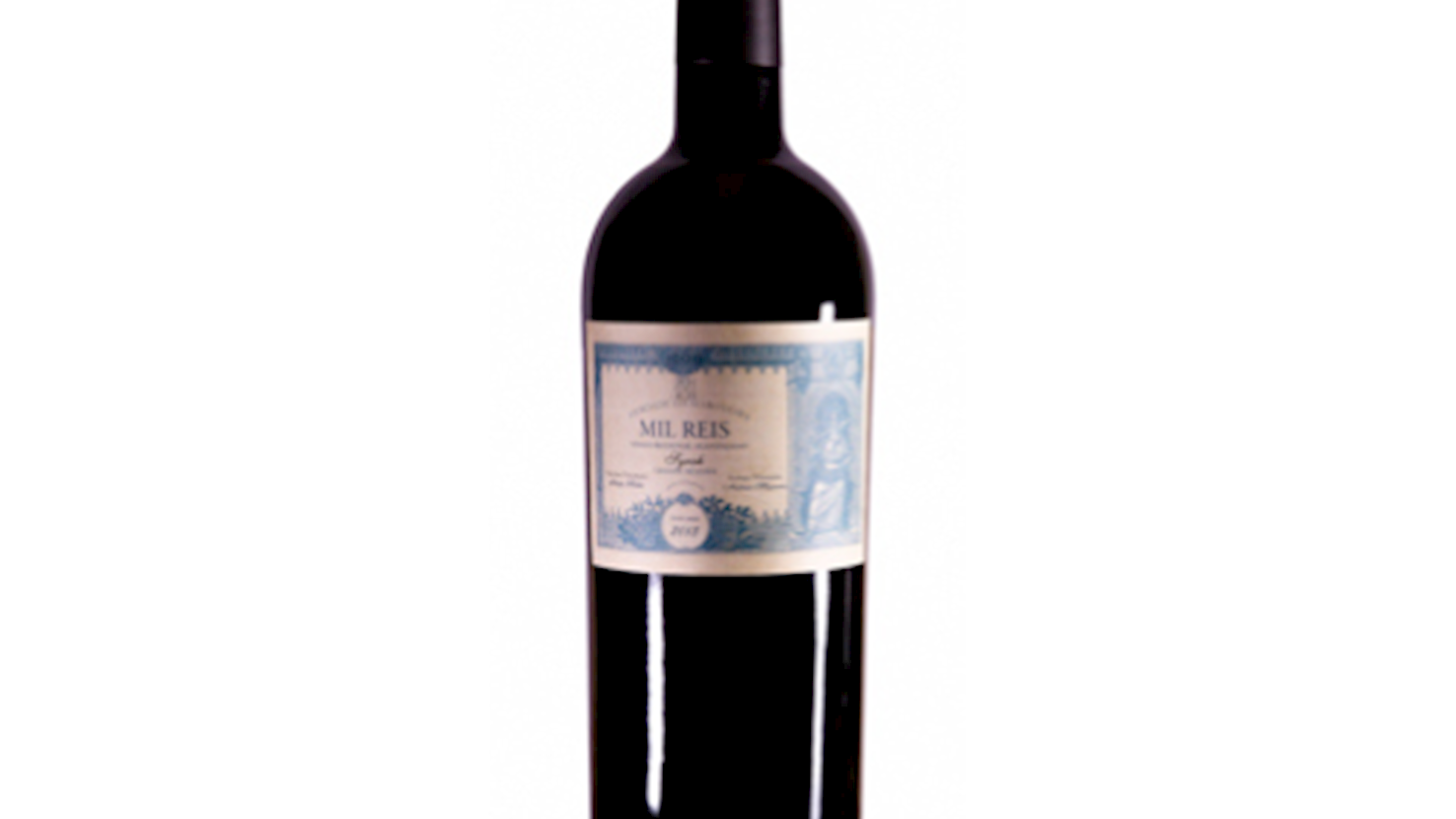
Herdade da Maroteira is a family-owned wine estate located in the Alentejo region of Portugal, on the slopes of the Serra d’Ossa mountains near the town of Redondo. The estate has been linked to the Anglo-Portuguese Reynolds family since the mid-19th century, when Robert Reynolds began managing cork oak forests that supplied cork for the port wine industry. For many decades the property was primarily dedicated to cork production, livestock farming and olive cultivation, reflecting the traditional agricultural landscape of Alentejo. A significant transformation began in the early 2000s when Philip Mollet introduced vineyards and established a modern winemaking project on the estate. The first plantings focused on Syrah, which proved particularly well suited to the local conditions and led to the creation of the winery’s flagship wine, Cem Reis. Over time the vineyards expanded to include varieties such as Alicante Bouschet, Aragonez and Touriga Nacional, planted on clay-limestone soils typical of the region. Grapes are harvested by hand, often during the night to preserve freshness and aromatic intensity. Today the estate combines vineyards, cork oak forests and traditional Alentejo landscapes, while the winery produces wines that balance ripe fruit, structure and the distinctive character of the local terroir. The portfolio includes labels such as Mil Reis, Cem Reis and Dez Tostões, reflecting both modern winemaking and the agricultural heritage of the property.
Awards
Vivino - 4.6
Vivino - 4.7
03

Monge e Filhas Vinhos de Serpa

4.9 ·
Monge e Filhas Vinhos de Serpa is a family-owned winery located in the town of Serpa in the Portuguese wine region of Alentejo, an area known for its long-standing winemaking tradition and distinctive southern terroir. The project was founded by Matias and Maria Antonia Monge, who returned to Portugal from the United States in 2002 with the intention of developing a winery on land connected to their family heritage. Their venture began with the acquisition of the Vale do Chafariz estate, a property of around 45 hectares where the first vineyards were planted in 2005 with grape varieties such as Shiraz, Touriga Nacional, and Cabernet Sauvignon. In the following years the vineyards were expanded with additional varieties including Alicante Bouschet, Chardonnay, Viognier, and Arinto, creating a diverse range of grapes suited to the Alentejo climate. The winery itself was officially established in 2013, allowing the family to begin producing wines under their own label. The company later expanded its holdings with the Santa Maria do Guadiana estate, located on hills overlooking the Guadiana River near the border between Portugal and Spain. The warm climate, combined with varied soils and careful vineyard management, contributes to wines that reflect the character of the Serpa subregion. Monge e Filhas produces several wine ranges, including Encostas de Serpa, varietal wines, reserves, and limited editions. Through its work the Monge family seeks to combine modern winemaking practices with regional tradition, expressing the landscape and identity of southern Alentejo in their wines.
Awards
Vivino - 4.5
04

Bacalhôa

4.8 ·
Bacalhôa is one of the most important and innovative wine producers in Portugal, with roots dating back to 1922 and vineyards and cellars spread across several key regions, including Alentejo, Setúbal, Dão and Douro. The group manages around 1,200 hectares of vineyards and works with a wide range of native and international grape varieties, which enables a diverse and comprehensive portfolio. At the core of its identity is the historic Quinta da Bacalhôa estate in Azeitão, renowned for its Renaissance palace, gardens and cultural heritage that reflects the company’s philosophy of “Art, Wine & Passion”. Bacalhôa played a central role in modernizing Portugal’s wine industry in the late 20th century, shifting from bulk production toward premium, technologically refined winemaking. Its wines are characterized by balance, clarity of expression and strong regional identity, while visits to its estates offer a distinctive enotourism experience that blends wine, architecture and art.
Awards
Decanter World Wine Awards - Best in Show (2024, 2016)
Decanter World Wine Awards - Platinum (2024, 2021, 2016)
05

Esporão

4.7 ·
Esporão is a well-known Portuguese brand owned by the company Herdade do Esporão, which produces wine and extra virgin olive oil. Although Esporão does not own its own olive groves, they collaborate with local olive growers in the Alentejo region, from where they source high-quality olives for their oils. This brand combines the tradition of local producers with modern processing and sustainability approaches, creating high-quality olive oils with distinctive fruity and herbal aromas. Esporão has earned a reputation thanks to careful raw material selection and dedication to preserving quality through advanced production techniques. Thus, Esporão functions as a platform that brings together the best of Portuguese olive growing, delivering authentic products with a strong regional character and top standards to the market.
Awards
Biol - International Organic Competition Prize - Extra Gold (2023)
Decanter World Wine Awards - Platinum (2018)
06

Herdade dos Grous

4.7 ·
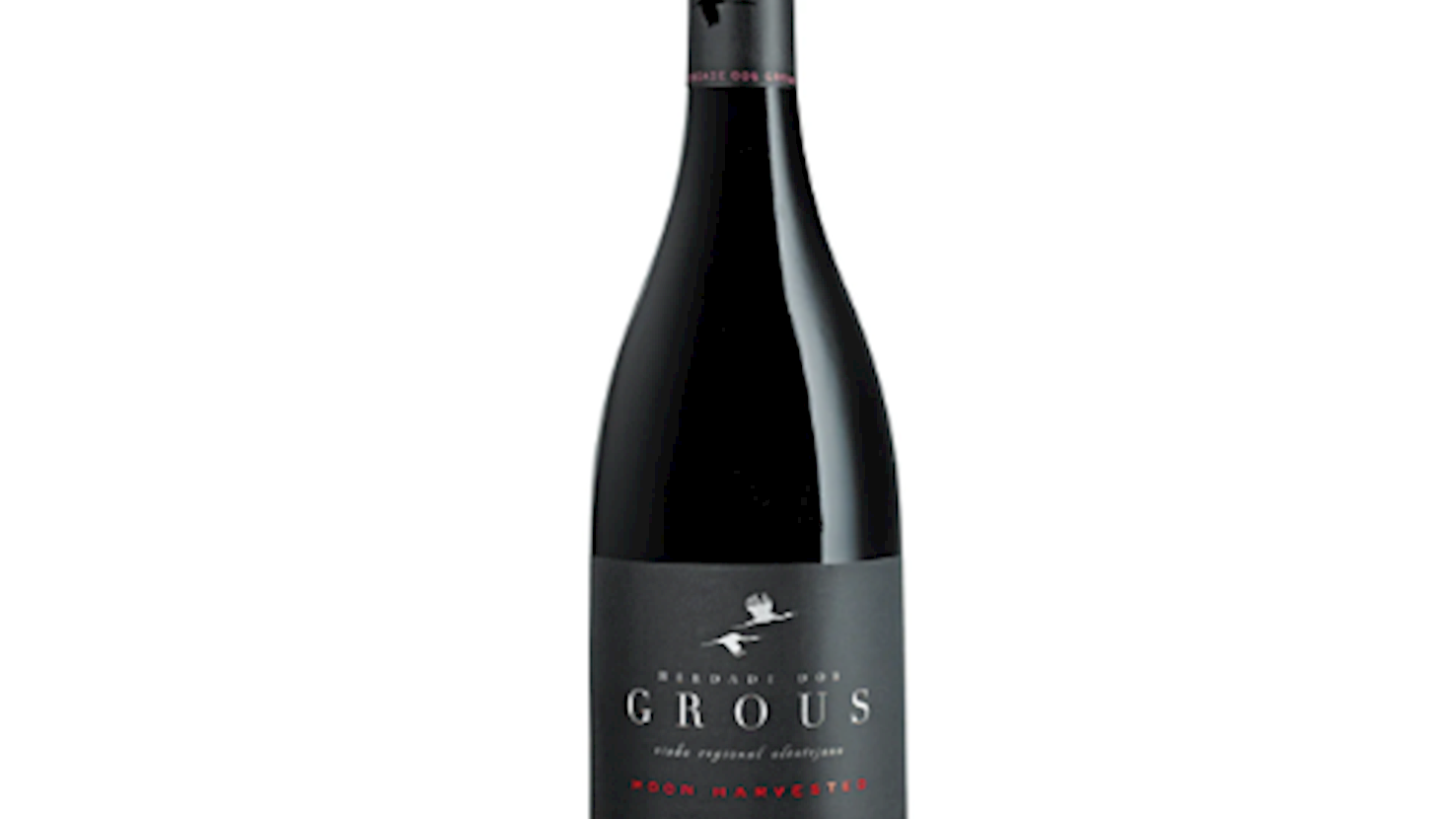
Herdade dos Grous is a Portuguese winery and agricultural estate located in Albernoa, in the municipality of Beja in the Alentejo region. The project was developed in the early 2000s, with modern wine production beginning in 2004, when the estate was established as a combination of viticulture, agriculture, and wine tourism. The property covers several hundred hectares of land, with part of it planted with vineyards while the rest includes olive groves, pastures, and the natural landscape typical of southern Portugal. The vineyards are planted with indigenous Portuguese grape varieties such as Alicante Bouschet, Aragonez, Touriga Nacional, and Trincadeira, alongside international varieties like Syrah and Cabernet Sauvignon. The winery follows an integrated and sustainable approach to agriculture aimed at preserving biodiversity and expressing the character of the Alentejo terroir. In the cellar, modern winemaking techniques and carefully controlled fermentation are used to achieve balance between fruit expression and structure. The winery produces a diverse portfolio of wines, ranging from fresh and approachable styles to more complex reserve wines with aging potential. Today Herdade dos Grous is also known as a wine tourism destination where visitors can explore the vineyards, cellar, and landscape of the Alentejo region.
Awards
Vivino - 4.3
Wine-Searcher - 90/100
07

Dona Maria

4.7 ·
Dona Maria Wines is a Portuguese winery located near the town of Estremoz in the Alentejo region, based at the historic estate Quinta do Carmo, whose origins date back to the 18th century. The modern winery project was established in the early 2000s by winemaker Júlio Bastos, who continued a long family tradition of viticulture in this part of Portugal. The vineyards cover around 80 hectares and are planted with a combination of indigenous Portuguese and international grape varieties, including Alicante Bouschet, Touriga Nacional, Aragonez, Syrah, as well as white varieties such as Arinto and Antão Vaz. In the cellar the winery combines traditional and modern techniques, with part of the grapes still fermented in large marble lagares using traditional foot treading before the wines mature in oak barrels. This approach preserves the authentic character of the grapes while adding structure and complexity to the wines. Dona Maria produces several wine ranges, including Dona Maria, Amantis, and Dona Maria Grande Reserva, each expressing different aspects of the Alentejo terroir. Today the winery is recognized as one of the notable producers in the region, known for wines with rich structure, pronounced fruit character, and good aging potential.
Awards
Vivino - 4.3
Wine-Searcher - 93/100
08

Casa Ermelinda Freitas

4.5 ·
Casa Ermelinda Freitas has been producing wine since 1920. The 550 hectares of vineyards are located in Fernando Pó, a prime area in the region of Palmela, 60% of which is dedicated to the Castelão variety, 20% to red varieties such as Touriga Nacional, Trincadeira, Syrah, Aragonês, Alicante Bouschet, Touriga Franca, Merlot, Petit Verdot, Pinot Noir, Trincadeira, Petite Sirah, Carmenére, Moscatel Roxo, and 20% to white grapes, such as Fernão Pires, Chardonnay, Arinto, Verdelho, Sauvignon Blanc, Moscatel de Setúbal, Viosinho, Encruzado, Alvarinho, Pinot Grigio, Viognier, Vermentino and Gewürztraminer, making a total of 29 different varieties currently being cultivated at Casa Ermelinda Freitas.
Awards
Decanter World Wine Awards - Platinum (2023)
Vivino - 4.4
09

Ode Winery

4.2 ·
Ode Winery is a contemporary winery located in Vila Chã de Ourique, in the Tejo region, combining wine production, agriculture, and enotourism within a “Farm & Living” concept. Founded in 2021, it was developed through the revitalization of a historic estate, with a focus on sustainability and minimal intervention in winemaking. The vineyards include a mix of indigenous and international grape varieties, allowing for a diverse and modern wine portfolio. The style of the wines emphasizes a clean expression of grape and terroir, supported by the use of different techniques such as stainless steel tanks, traditional lagares, and amphorae. In addition to production, the winery offers an enotourism experience through tastings, a restaurant, and on-site events. Overall, Ode Winery represents a blend of tradition and contemporary approach, with a clear focus on sustainability, visitor experience, and the authentic expression of the Tejo region.
Awards
Vivino - 4.0
10

Fitapreta Vinhos

4.1 ·
Fitapreta Vinhos is a Portuguese winery located near the historic city of Évora in the Alentejo region, founded by winemaker António Maçanita together with partner David Booth. The project was created with the goal of exploring the diversity of Alentejo’s terroir while reviving traditional grape varieties and historic winemaking practices. The winery operates from the restored Paço do Morgado de Oliveira, a medieval estate dating back to the 14th century, which gives the project a strong historical identity within the modern Portuguese wine scene. Fitapreta focuses on producing wines that express the character of local vineyards, often working with old vines and indigenous Portuguese grape varieties such as Arinto, Antão Vaz, Touriga Nacional, Alfrocheiro, and Alicante Bouschet. Their philosophy combines traditional techniques with contemporary enology, allowing for both experimentation and precision in the cellar. The estate produces a wide range of wines, including reds, whites, rosés, and even orange wines, reflecting the winery’s innovative and exploratory approach. Under the direction of António Maçanita, Fitapreta has gained recognition as one of the most dynamic and forward-thinking producers in Alentejo, emphasizing authenticity, regional identity, and the rediscovery of Portugal’s native grape heritage.
Awards
Vivino - 4.2
Vivino - 3.9

Best Wine Variety Types in the World
01

Fernão Pires

3.6 ·

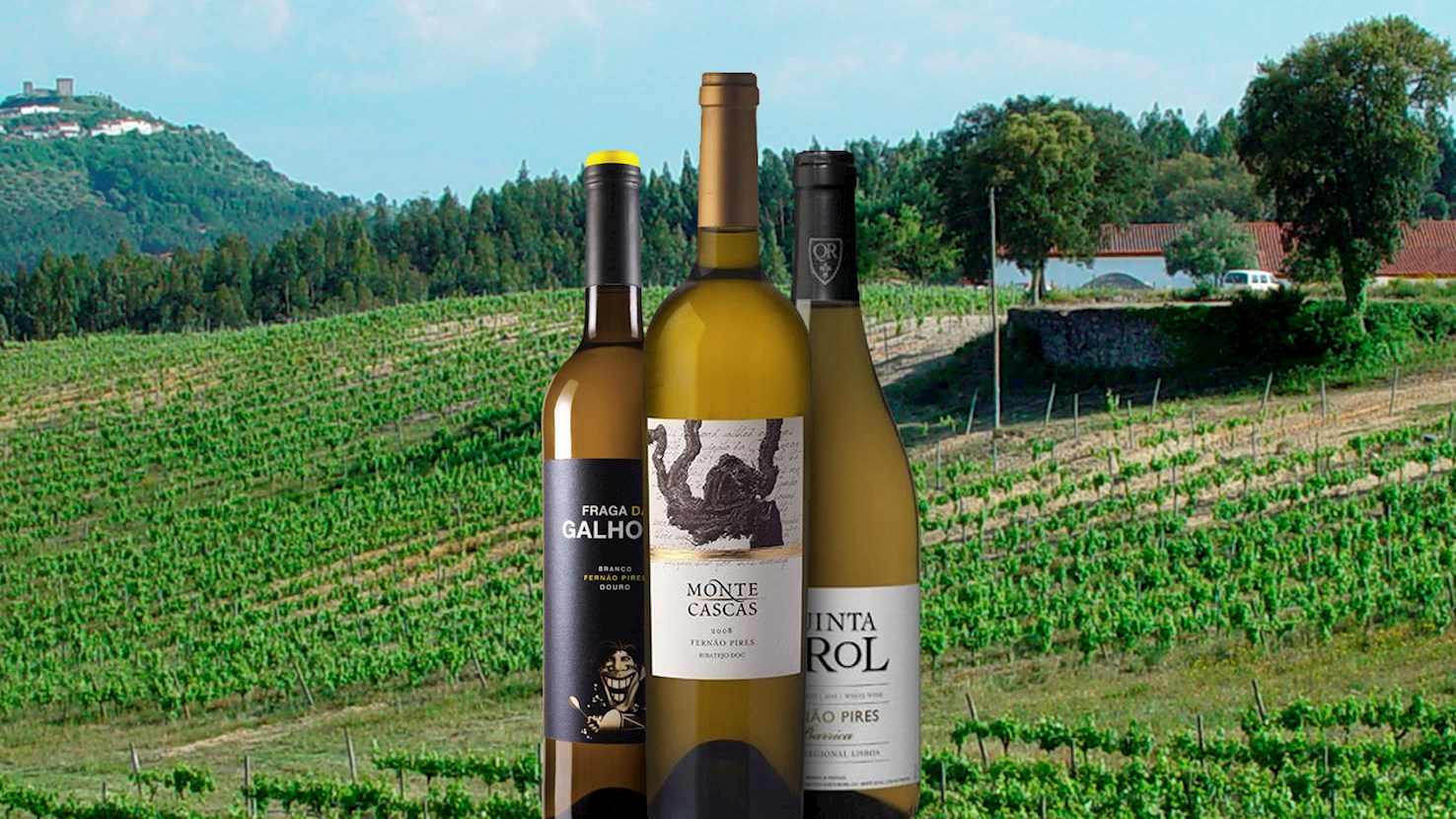
Fernão Pires is a white grape native to Portugal that is mostly associated with the wine regions of Tejo (Ribatejo) and Bairrada (where it is known as Maria Gomes). The grape is used in either varietals or blends, and it is also suitable for the production of sparkling and dessert wines. The best expressions of the grape produce highly aromatic dry wines that will usually display floral and fruity aromas reminiscent of roses and citrus fruit such as lime, lemon, orange, and mandarins. These wines are best enjoyed young, and they are best paired with fish, poultry, or pork. They can also be a good match to fresh, lightly spiced Asian dishes.

02

Castelão

3.3 ·

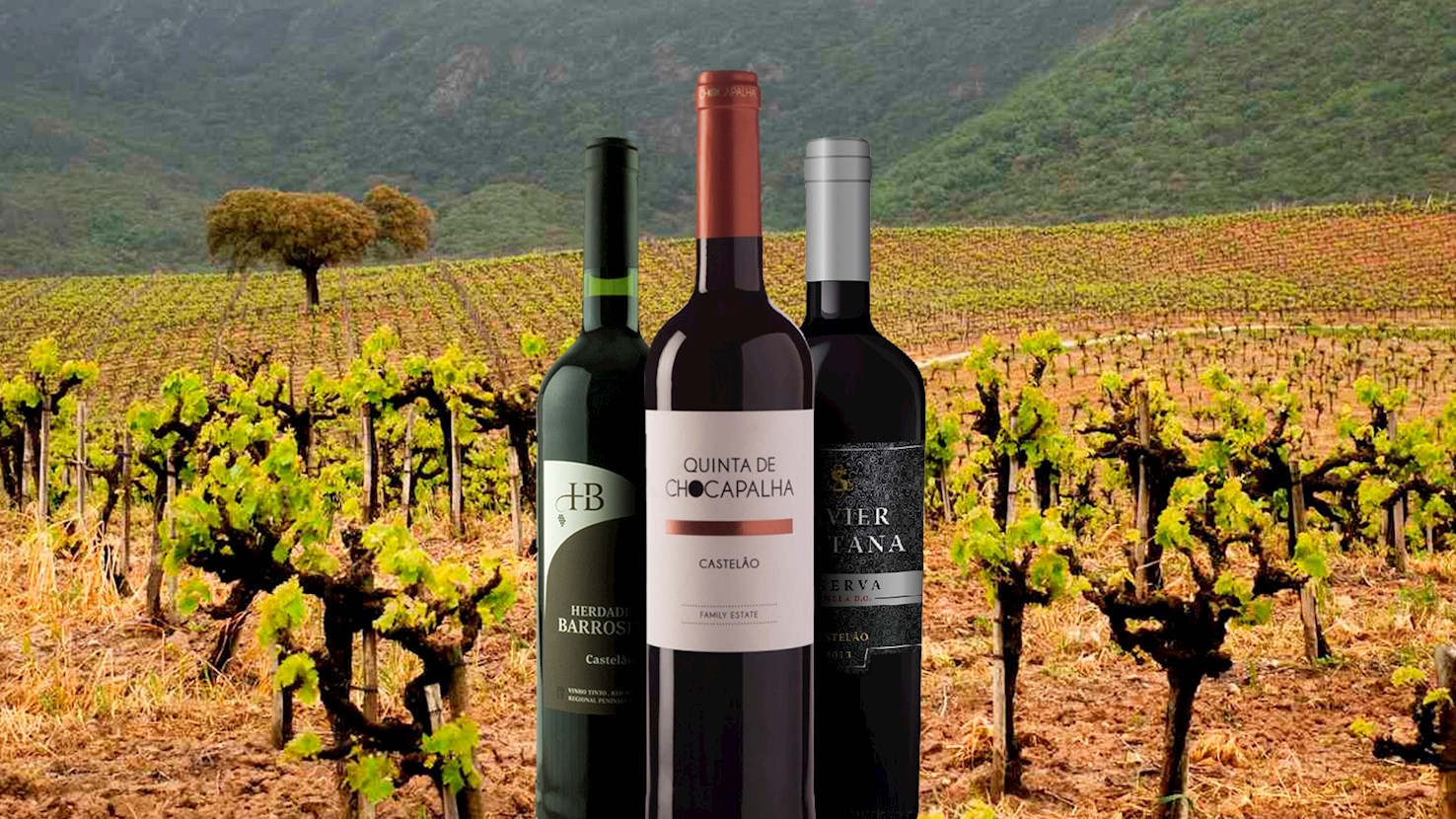
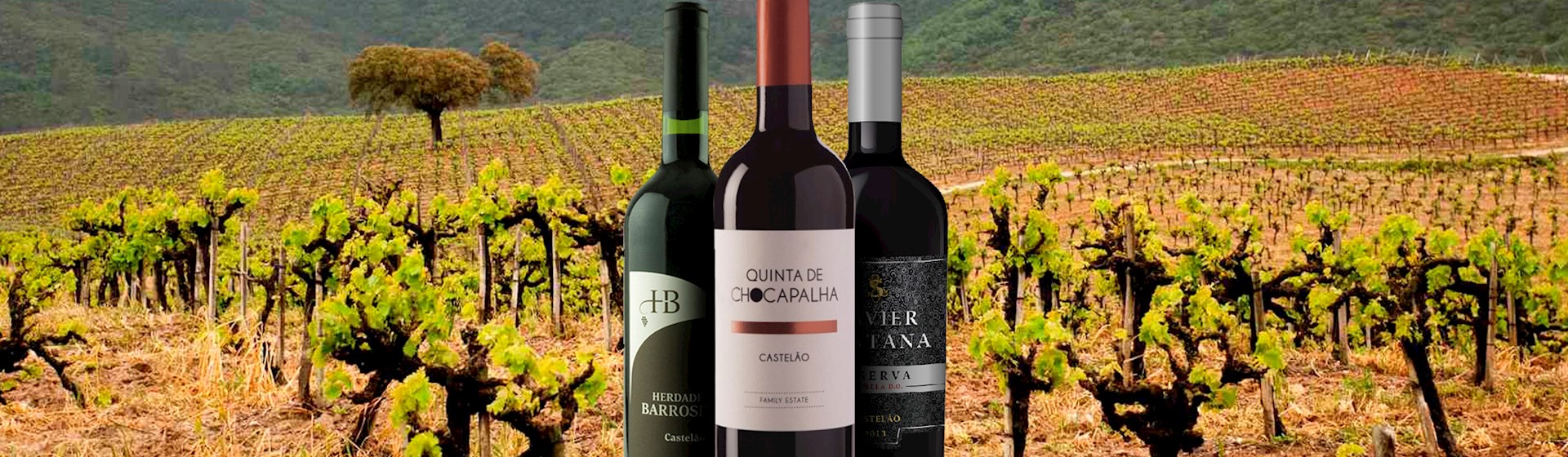
Castelão is a native Portuguese red-skinned grape that is mostly associated with sandy soils of Setúbal, but it is also grown in Tejo and Alentejo. It is one of the most commonly planted Portuguese grapes that is known under various synonyms and is used for both varietals and blends. Although the character of these wines can slightly differ depending on soil and the region, the best expressions of Castelão will result in somewhat rustic, well-structured wines with bright acidity and firm tannins. With age, the tannins tend to become more mellow and softer. These fruity wines will usually display aromas and flavors of red currant, plum jam, and berries. They are typically food-friendly and can be an excellent match to various red meat, poultry, or seafood dishes and charcuterie.

03

Antão Vaz

n/a ·

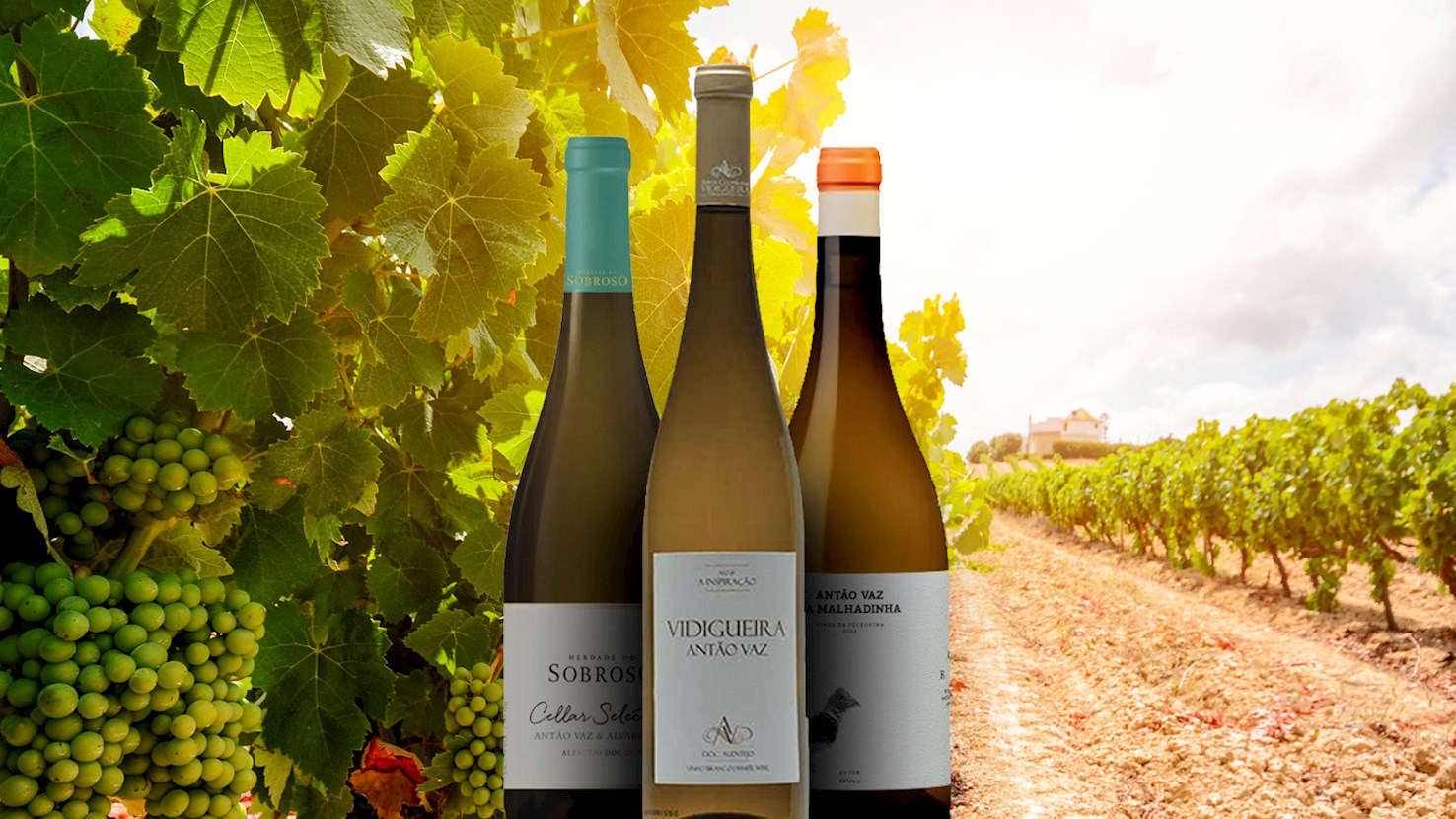
Antão Vaz is a native Portuguese grape that can produce versatile white wines of excellent quality. It is a tough and resilient white grape that is considered a signature variety in Alentejo, where it prospers in a dry and warm climate. The grape is used in varietals and blends. It is usually combined with varieties that provide higher acidity. Depending on the vinification and the terroir, it can produce wine of different characters. When harvested earlier, the wines will be vibrant, low in alcohol, and have better acidity. Fully ripen grape produce wines with more complex aromas and a full body that are suitable for barrel aging. Typical aromas found in these wines include tropical fruit and citruses, with some toasty and nutty notes present in ripe examples. Antão Vaz perfectly pairs with fish, poultry, and vegetables. It is an ideal pairing with different cod (bacalhau) dishes.

Best producers
04

Sercialinho

n/a ·

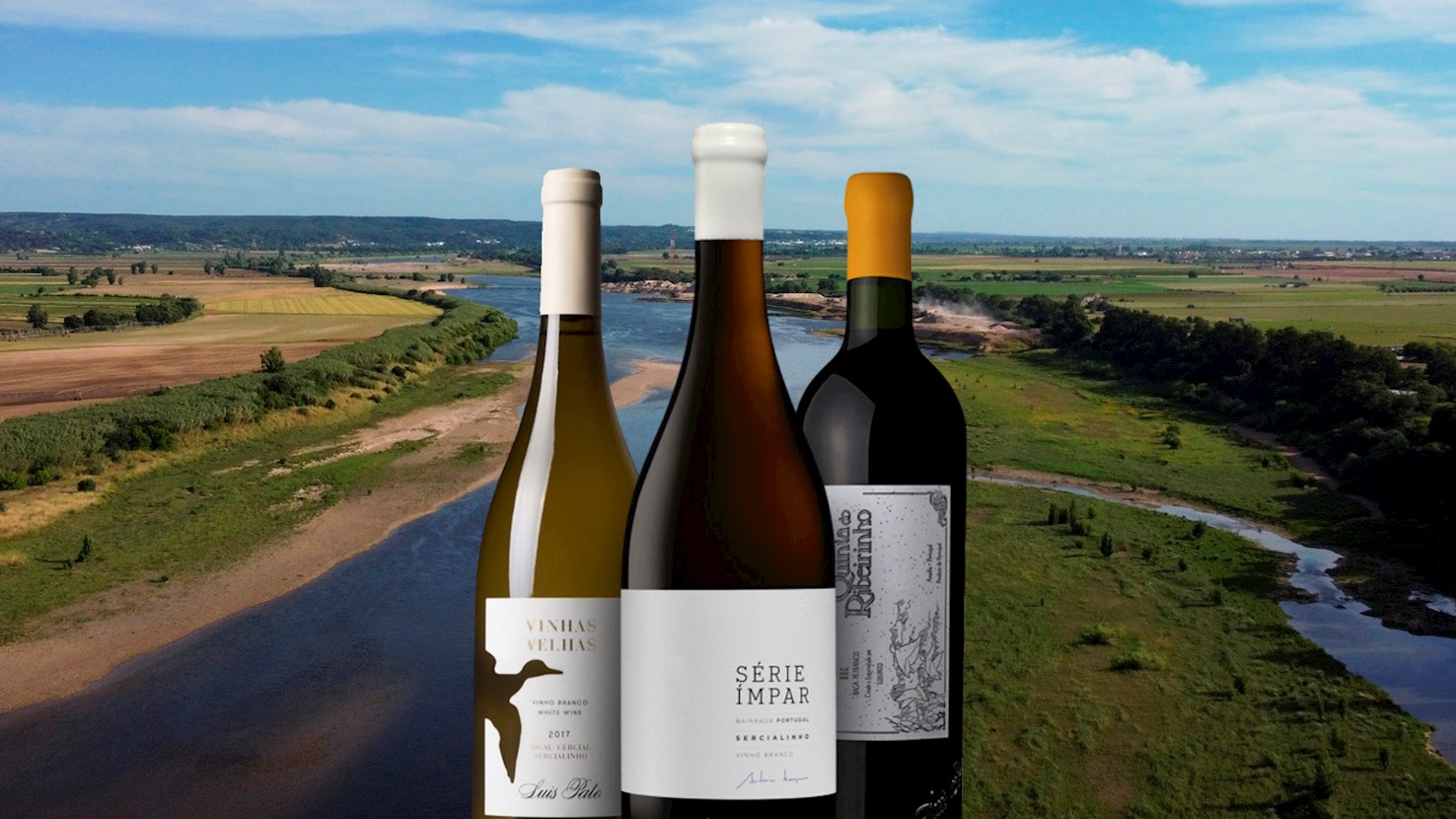
Sercialinho is a Portuguese grape variety created in the 1950s at the Alcobaça research center in Bairrada. For some time, it was believed to be a cross of Sercial and Alvarinho, but ti was most likely created as a cross of Uva Cão and Vital. The grape is rare and mostly used in blends, providing freshness and a bright, fruity aroma. It is rarely used as a varietal, but some producers have created interesting varietal examples, proving that the grape could have more potential. The wines are crisp and aromatic, usually high in acidity and alcohol, while the aroma is reminiscent of green apples and pears, sometimes with a touch of honey. The grape should not be confused with Sercial, Cerceal, and Cercial—which are all native Portuguese grapes. Sercialinho is still mainly grown in Bairrada. The wines would pair with fish, poultry, salads, and Asian fare.

About this ranking

TasteAtlas food rankings are based on the ratings of the TasteAtlas audience, with a series of mechanisms that recognize real users and that ignore bot, nationalist or local patriotic ratings, and give additional value to the ratings of users that the system recognizes as knowledgeable. For the “Top 10 Local Wine Varieties in Alentejo” list until June 24, 2026, 40 ratings were recorded, of which 19 were recognized by the system as legitimate. TasteAtlas Rankings should not be seen as the final global conclusion about food. Their purpose is to promote excellent local foods, instill pride in traditional dishes, and arouse curiosity about dishes you haven’t tried.

The initial list of top producers was compiled based on available reviews, awards, local recommendations, media and blog coverage, and consumer reviews. The list will be updated with ratings from TasteAtlas local ambassadors and TasteAtlas users.

Similar lists