shutterstock

Top 43 American Condiments

Last updated on June 15, 2026

Best American Condiments
01

Red Duck Foods

5 ·
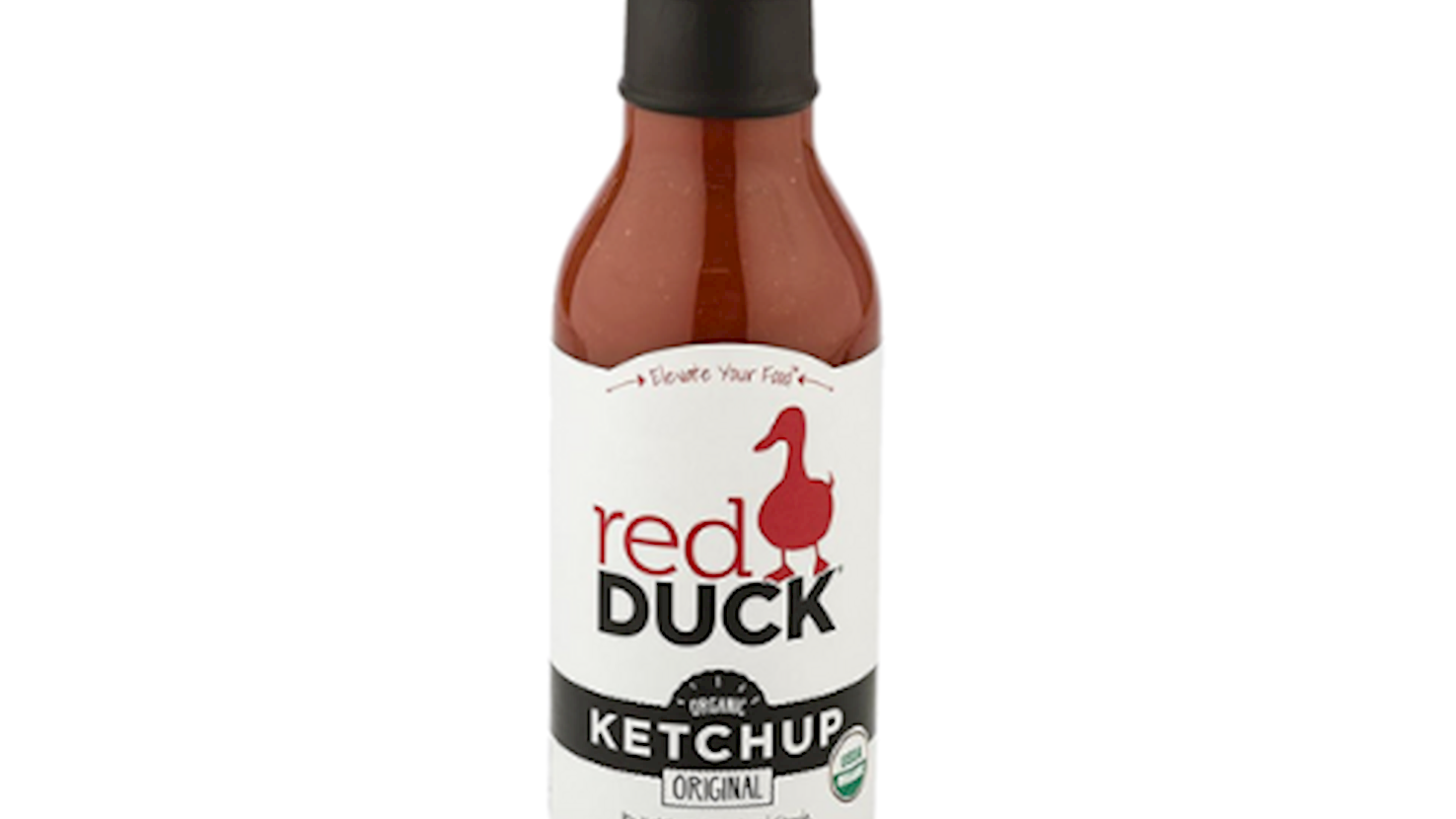
Red Duck Foods is a brand based in Portland, Oregon, founded in 2012 and known for its innovative, organic ketchups and sauces. In its early months, the company launched initial product versions in six stores in Southeastern Oregon, and by 2014, their products were distributed in over 80 stores across the Pacific Northwest. The company maintains strict control over its supply chains: tomatoes are harvested at full ripeness and processed within four hours to ensure optimal taste and nutritional quality. A similar level of care is applied to all ingredients, making every product 100% organic. Their ketchup is free from artificial additives, preservatives, and sweeteners – often using organic date paste instead of sugar. The product range includes various ketchup flavors – original, spicy, smoky, and curry – as well as BBQ, taco, and cocktail sauces. In 2017, Red Duck Foods earned B Corp certification, underscoring its commitment to social responsibility and sustainable practices. In August 2020, the brand was acquired by Beaverton Foods, opening new opportunities for broader market expansion. The founders remained involved after the acquisition, continuing to develop products that reflect quality, transparency, and great flavor.
02

Runamok

4.9 ·
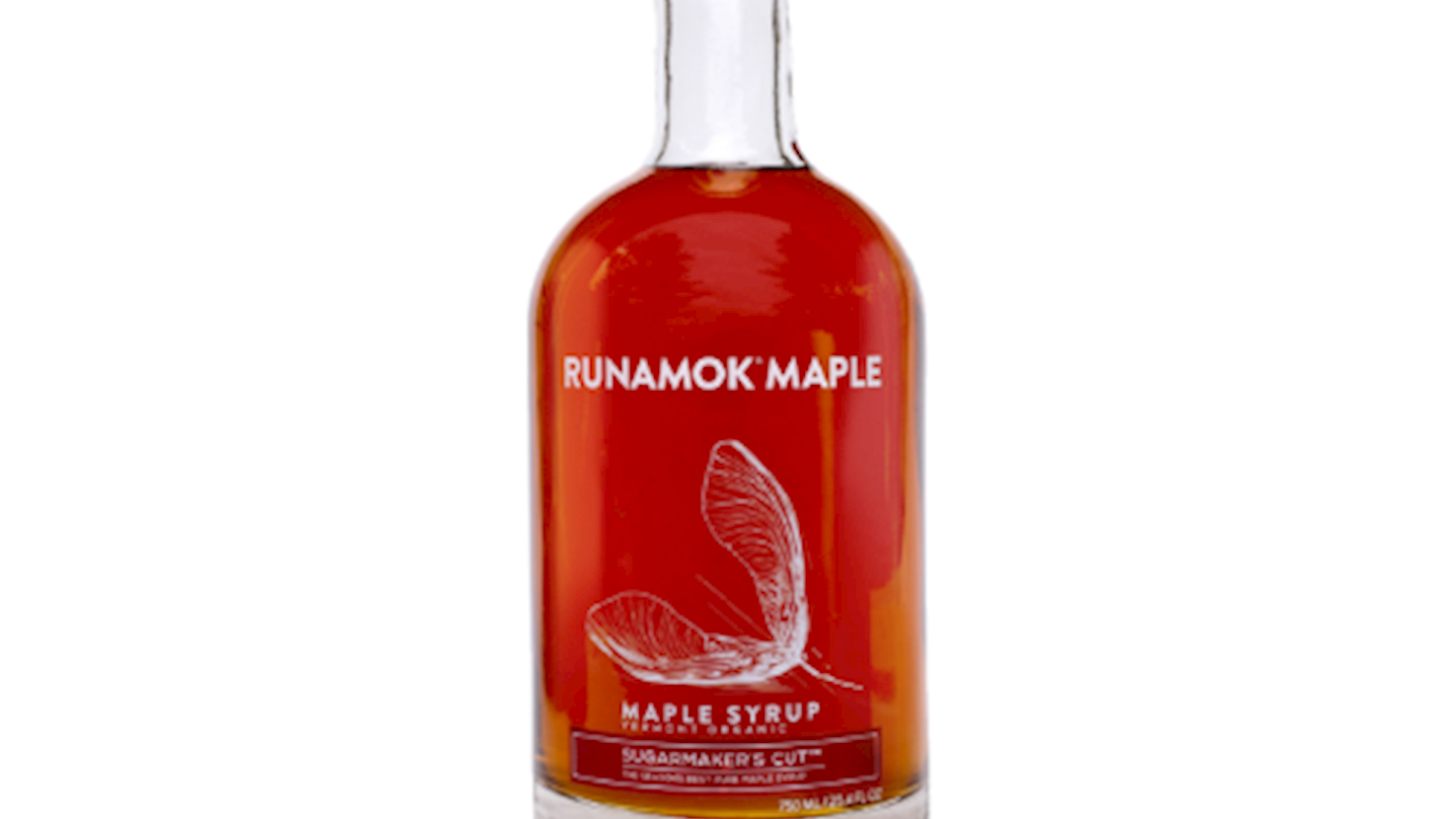
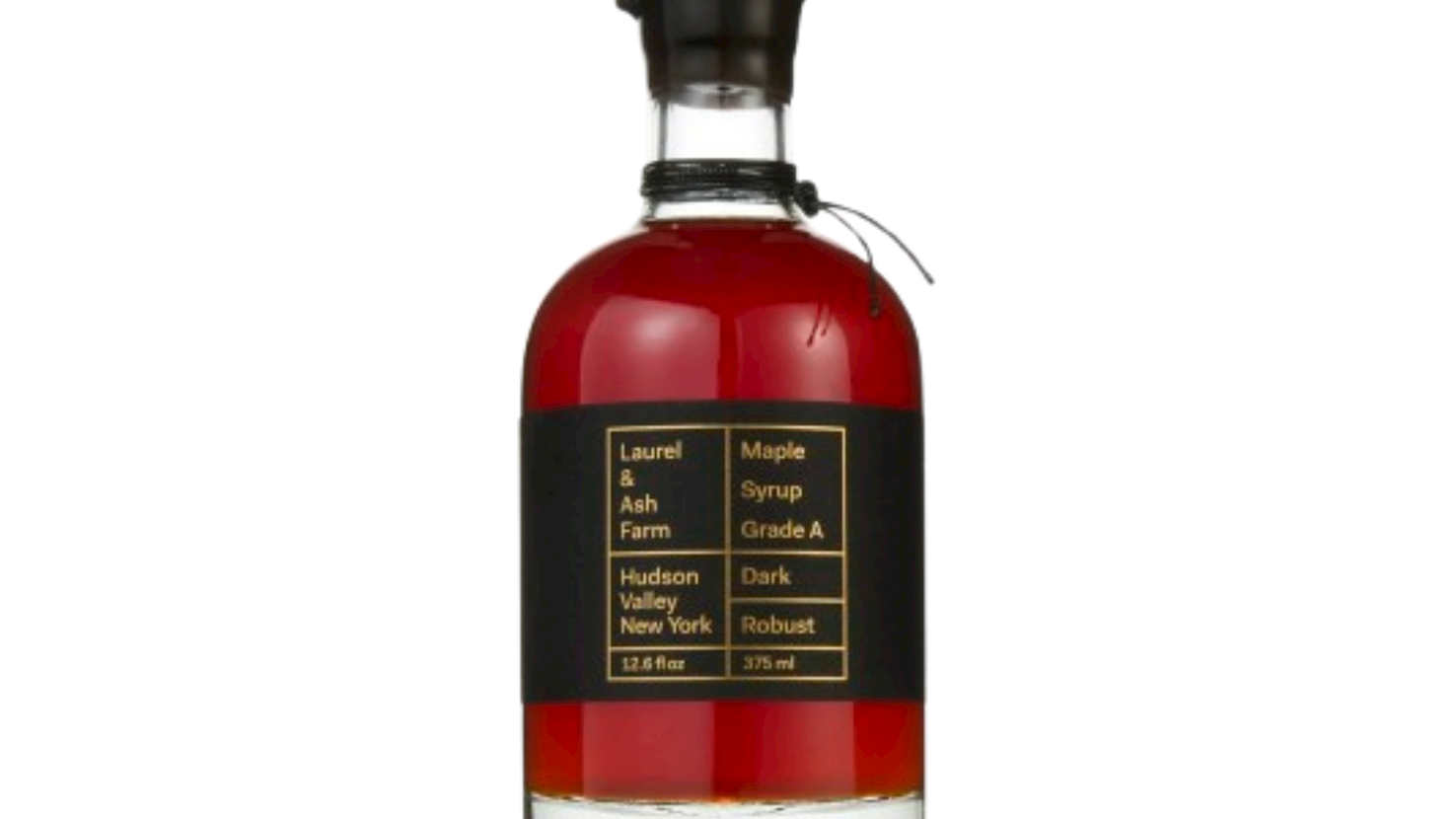
Runamok is a producer of organic maple syrup based in Vermont, founded in 2016 by Eric and Laura Sorkin, whose vision was to elevate traditional production and present it through a modern, distinctive, and premium brand. Although their story began much earlier through years of experience in bulk maple production, Runamok emerged as a response to the growing demand for high-quality and authentic syrups with a strong identity. Their collection includes classic syrups, but the brand quickly became known for its innovations - developing a wide range of infused, smoked, and barrel-aged varieties that bring new dimensions of flavor and allow for creative use in gastronomy. Runamok prides itself on blending tradition with contemporary trends, which has made them equally respected among professional chefs, culinary critics, and gourmet enthusiasts. Their syrups are enjoyed worldwide - from simple breakfasts with pancakes to sophisticated cocktails, desserts, and marinades in modern cuisine. All of this makes Runamok Maple a brand that transcends the boundaries of traditional production, creating a flavor experience that unites nature, innovation, and the cultural heritage of Vermont.
03

Barred Woods Maple

4.9 ·
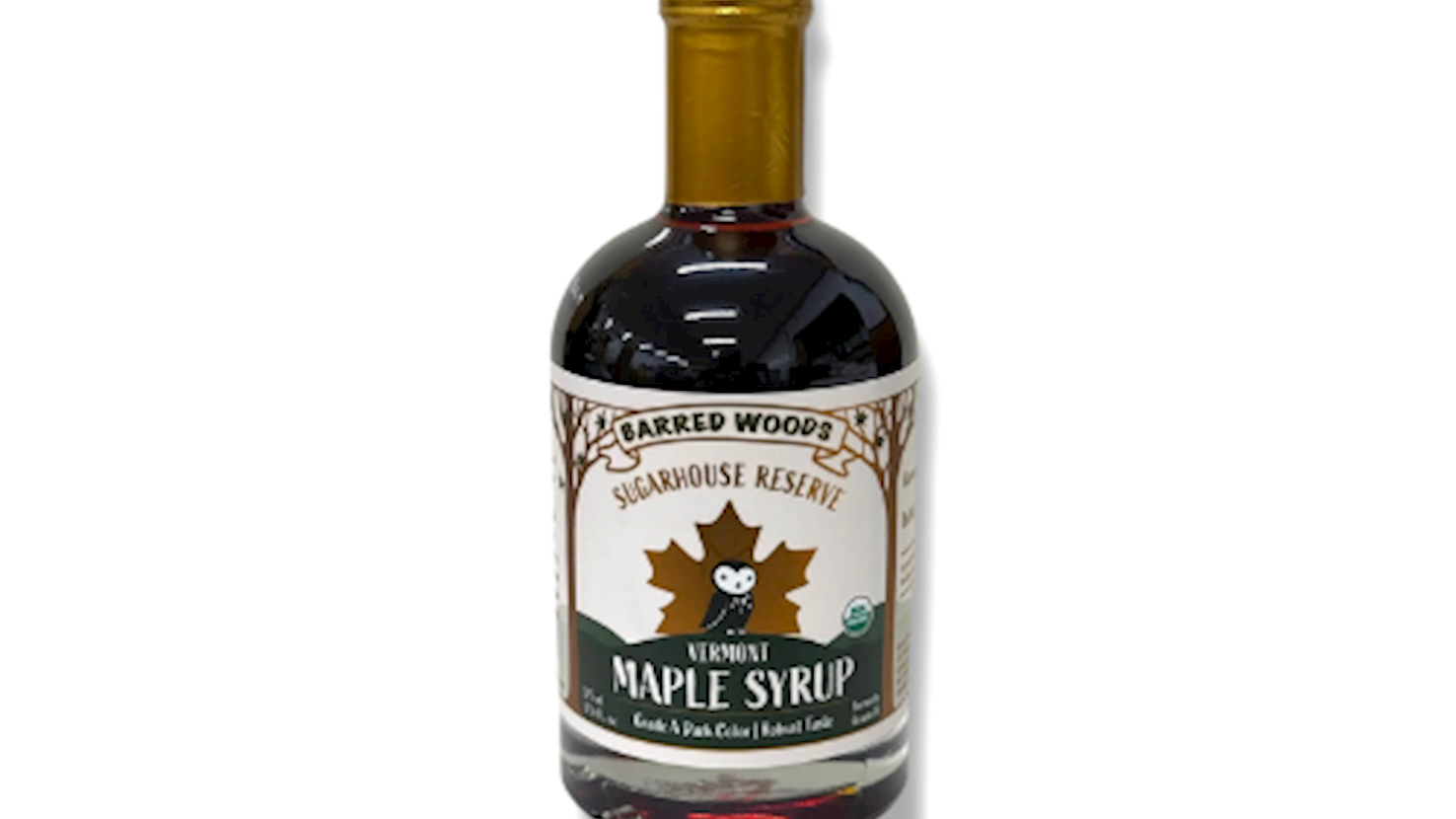
Barred Woods Maple is a family-owned farm nestled in the wooded hills of Vermont, specializing in the production of 100% pure, organic maple syrup. Their forest spans more than 1,300 acres of pristine land, known as the “sugarbush” where maple sap is collected sustainably with a strong commitment to preserving the natural ecosystem. The sap is gathered using a modern vacuum system that does not harm the trees, and the syrup is processed in small batches to preserve its authentic flavor. The texture is silky and dense, while the aroma reveals layers of wood and the natural sweetness of maple. The syrup is widely used in gastronomy - as a topping for pancakes, waffles, and desserts, or as a natural sweetener for beverages and sauces. The brand is recognized for its simple, elegant packaging featuring the image of a barred owl - inspired by a real owl that once watched over their work in the forest. This visual symbol connects the brand to nature and the calm rhythm of woodland life. Through transparency, sustainability, and quality, the farm has become one of Vermont’s leading producers of organic maple syrup. Their syrup reflects the terroir of North American forests and represents the true taste of nature in its purest form.
04

Tree Juice Maple Syrup

4.9 ·
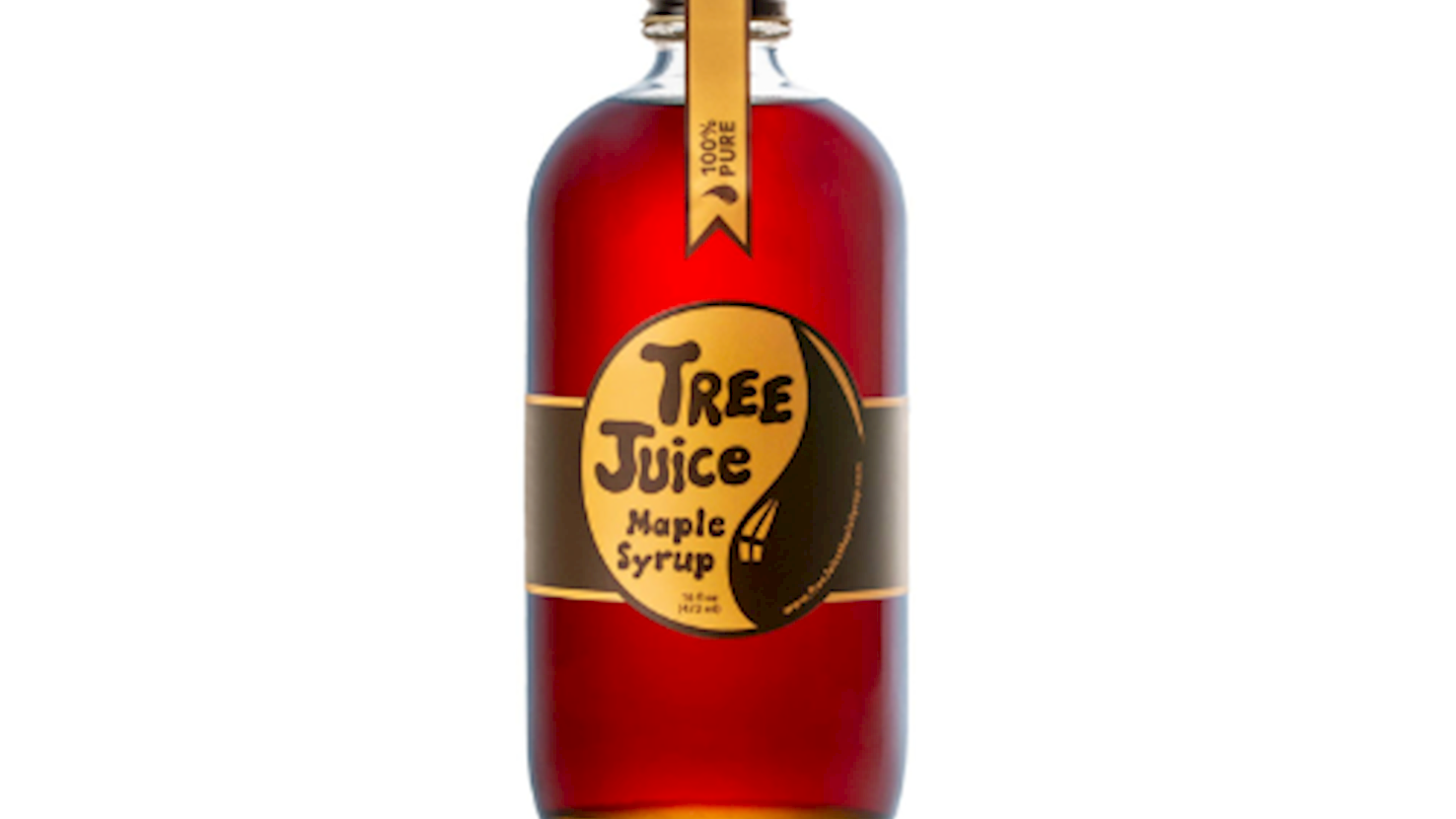
Tree Juice Maple Syrup is a family-owned company dedicated to producing 100% pure maple syrup. On the Fairbairn family farm, which dates back to the 1930s, the tradition of handcrafting syrup continues today, guided by sustainable practices and respect for nature. In 2012, the founders revived the old sugar shack and launched production under the name Tree Juice, blending traditional methods with a modern approach to flavor. The process begins with collecting sap from maple trees, which is then slowly evaporated over a wood-fired flame to achieve a rich, caramel-like aroma. The core of their offering is pure, unflavored maple syrup, but the brand is best known for its innovative infusions with natural ingredients. Among the most popular varieties are syrups infused with vanilla, coffee, cinnamon, strawberry, and ginger. Tree Juice emphasizes that the quality of their syrup comes from small-scale production and a careful, respectful relationship with each tree, every drop of sap, and every bottle produced. The brand combines the rustic charm of American countryside tradition with a modern gourmet sensibility, creating products made for enjoyment, gifting, and culinary experimentation. Their syrups are used in desserts, cocktails, marinades, and as glazes for meats or vegetables. The packaging is simple and distinctive - glass bottles with minimalist labels that reflect the brand’s natural and authentic identity. Tree Juice Maple Syrup has thus become a symbol of quality, creativity, and genuine connection to nature, successfully merging family craftsmanship with innovation in the world of gourmet products.
05

First Field

4.9 ·
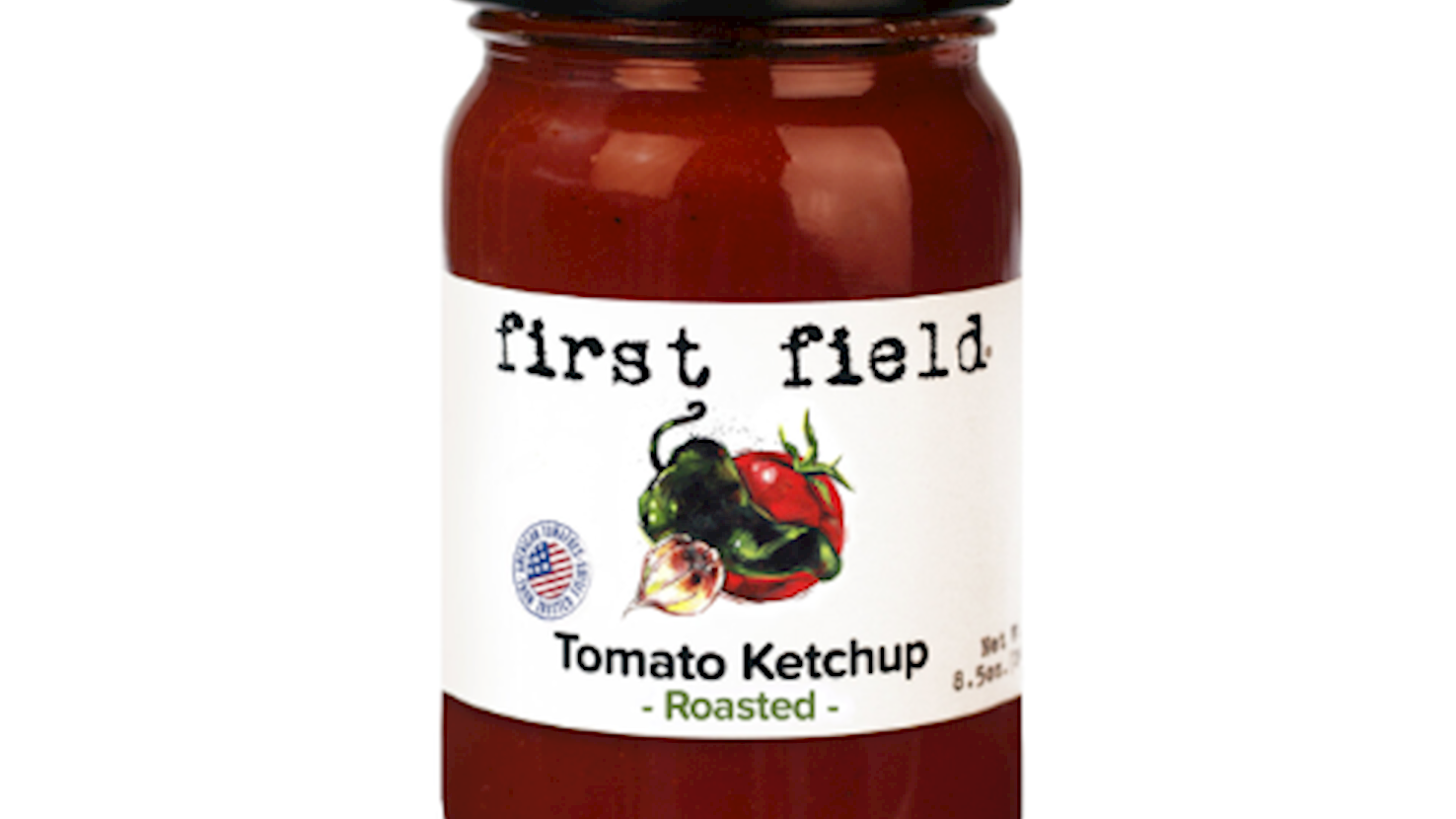
First Field is a small, family-owned company from New Jersey dedicated to producing ketchup, sauces, and jams made from fresh, locally sourced, and carefully selected ingredients. Their story begins on the farm: tomatoes are grown by trusted local farmers who practice sustainable agriculture and care deeply about soil health and environmental stewardship. The founders started in 2012 with a simple idea - crafting ketchup that truly reflects the taste of fresh, vine-ripened tomatoes, straight from their family garden. Today, First Field offers a wide range of products, including strained and crushed tomatoes, various sauces, and fruit preserves, all made with the same commitment to quality and ingredient transparency. Their ketchup is made exclusively from hand-picked, vine-ripened tomatoes - without concentrates, pastes, syrups, artificial flavors, or additives. It is kettle-cooked in small batches to preserve the natural sweetness and full-bodied flavor of the tomatoes. With only a minimal amount of sugar and salt, this ketchup relies on the clean, authentic taste of the fruit itself - making it not only delicious but also a healthier choice for the kitchen.
06

Twin Maple SugarWorks

4.9 ·
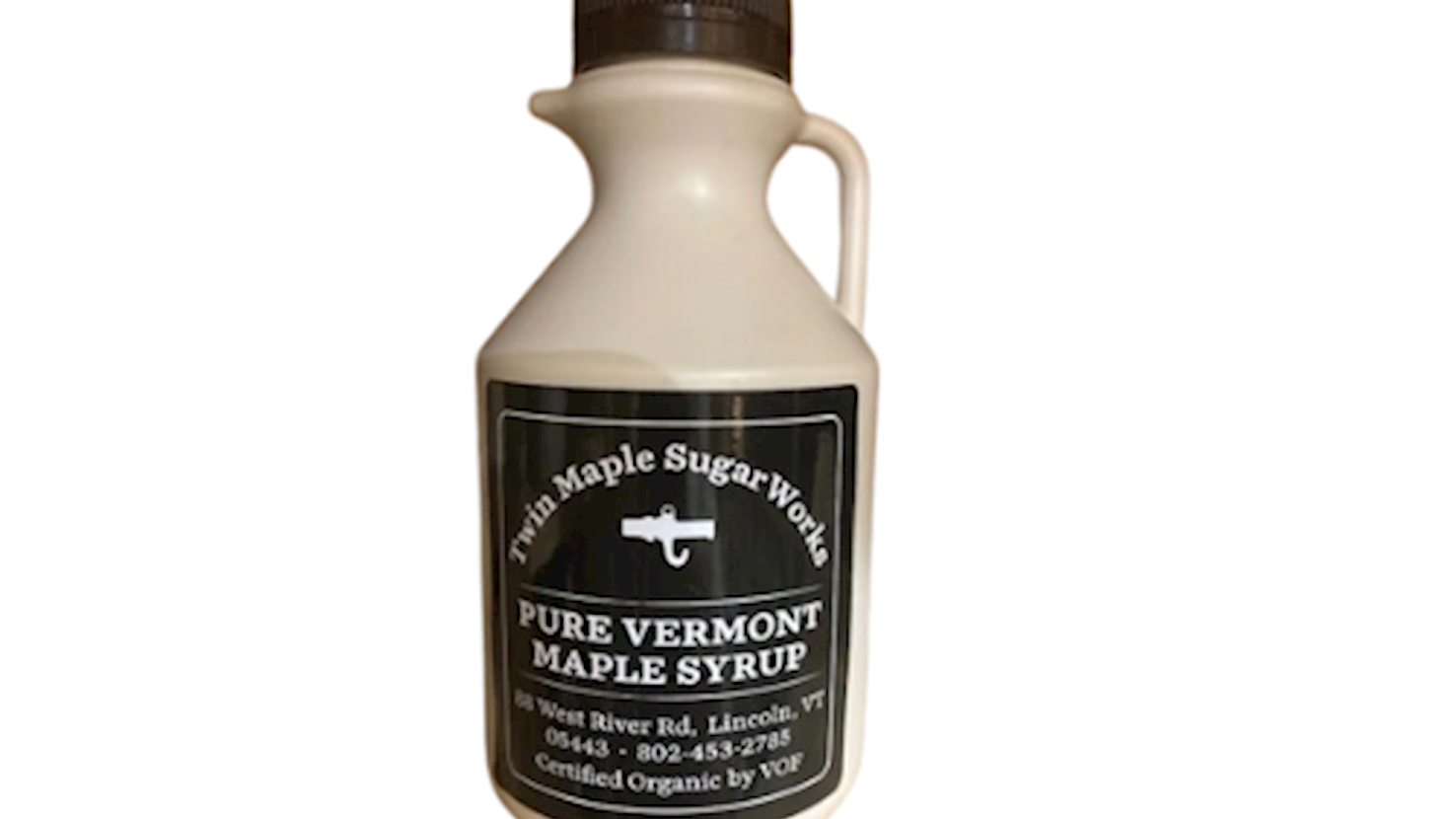
Twin Maple SugarWorks is a family-run maple syrup producer based in Lincoln, Vermont, nestled on the slopes of Mount Ellen in the heart of one of America’s most renowned maple regions. The company was founded in 1998 by Don and Jodi Gale, who started with just two maple trees in their backyard and grew into a thriving operation with over 5,000 taps. Their philosophy is rooted in respect for natural cycles, hands-on craftsmanship, and a sustainable approach to maple sap production. The process takes place in their own sugarhouse, where sap is collected and slowly evaporated over a wood-fired flame, creating a rich caramel aroma and deep amber-red color. Twin Maple SugarWorks produces only 100% pure maple syrup, along with related products such as maple sugar and maple cream, both made naturally without additives or preservatives. Visitors are welcome to tour the farm, taste the syrups, and witness the production process firsthand, which adds transparency and educational value to the brand. Through this approach, Twin Maple SugarWorks successfully combines tradition, environmental awareness, and artisanal precision, creating syrups that embody the very essence of Vermont quality and American heritage in its purest form.
07

Smash Kitchen

4.9 ·
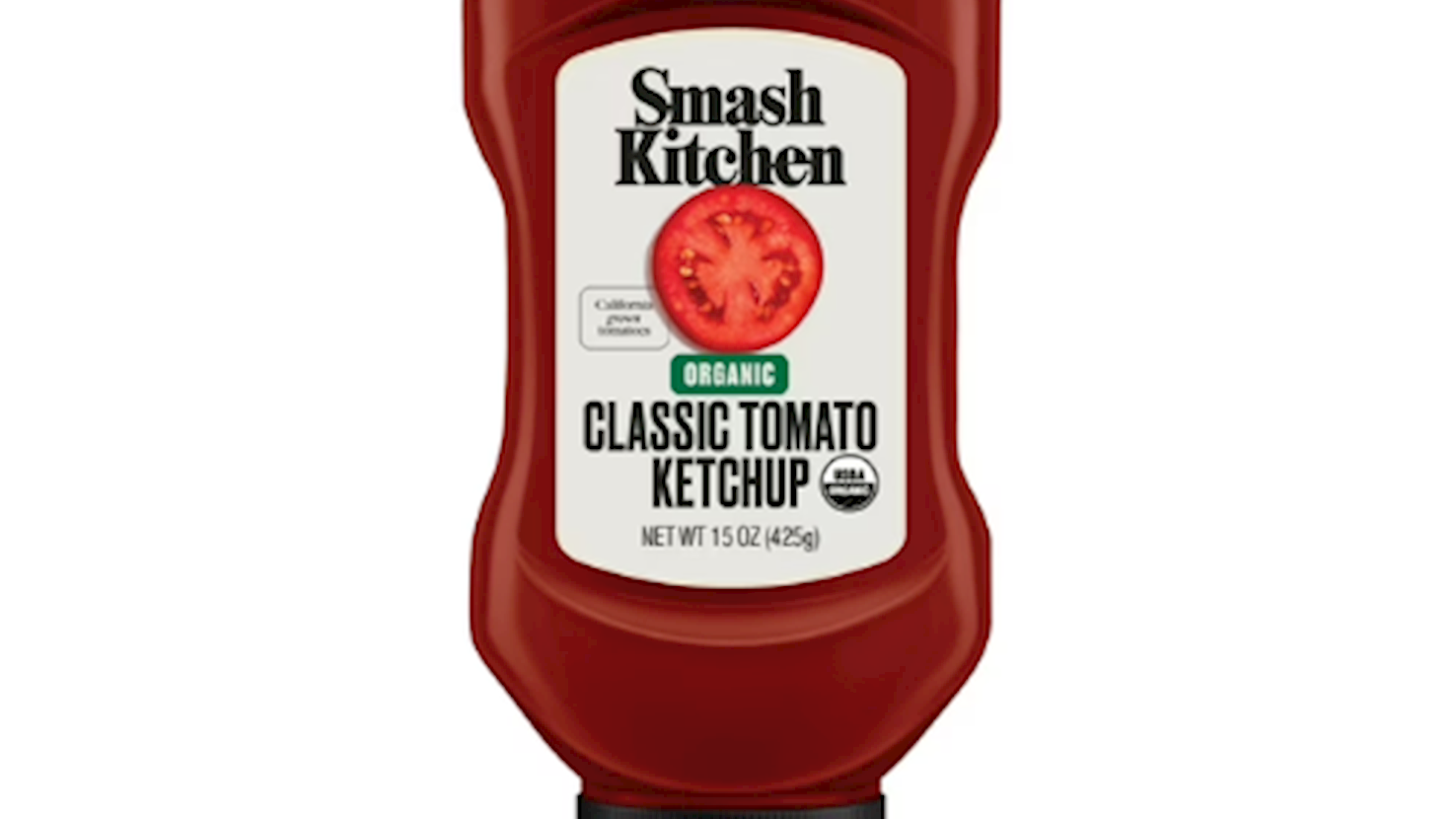
Smash Kitchen is a new line of clean, high-quality condiments founded by American actor Glen Powell, food entrepreneur Sameer Mehta, and Sean Kane. The brand is inspired by Texas barbecue traditions and family values, with a mission to offer classic sauces in a healthier, more natural, and flavorful way. The focus is on simple, organic ingredients, free from artificial additives. Smash Kitchen’s range includes staple sauces like tomato ketchup, mustard, and mayonnaise, as well as modern takes on BBQ and spicy sauces. A standout in the collection is the Classic Tomato Ketchup, made from organic tomatoes, cane sugar, vinegar, and a carefully selected blend of spices. What sets it apart is its rich, full-bodied flavor, pronounced tomato profile, and the absence of any artificial flavors or thickeners. Smash Kitchen ketchups are perfect for pairing with barbecue, fries, burgers, as well as for use in sandwiches, salads, or as a marinade.
08

Portlandia Foods

4.9 ·
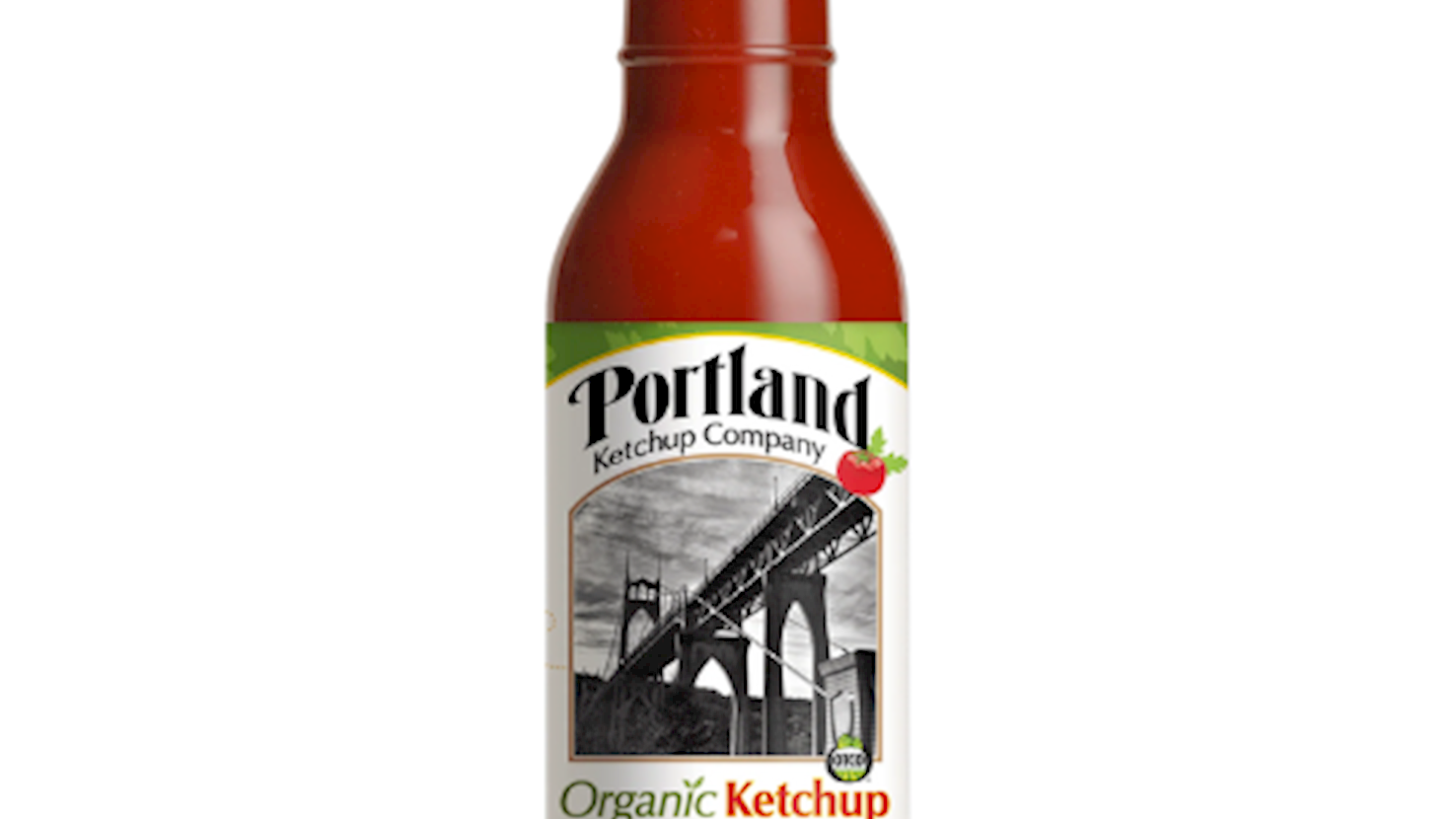
Portlandia Foods is an American brand from Oregon, founded in 2010 by Jeff Bergadine and Michael Deal, with a clear mission to bring health, sustainability, and high quality into every bottle of condiments. The brand began with the development of its original organic ketchup, known for its rich, natural flavor and reduced salt and sugar content. Thanks to carefully selected ingredients and a transparent approach to production, the ketchup quickly gained recognition as a healthier and tastier alternative to conventional industrial products, earning praise from both consumers and nutrition experts. Building on this success, Portlandia expanded its range with the launch of organic mustard and BBQ sauce - products handcrafted in small batches, free from artificial flavors, colors, or preservatives. A distinctive feature of the brand is its visual identity: each bottle is decorated with illustrations of Oregon landscapes, reflecting Portlandia’s strong connection to community and local heritage.
09

South River Miso

4.9 ·
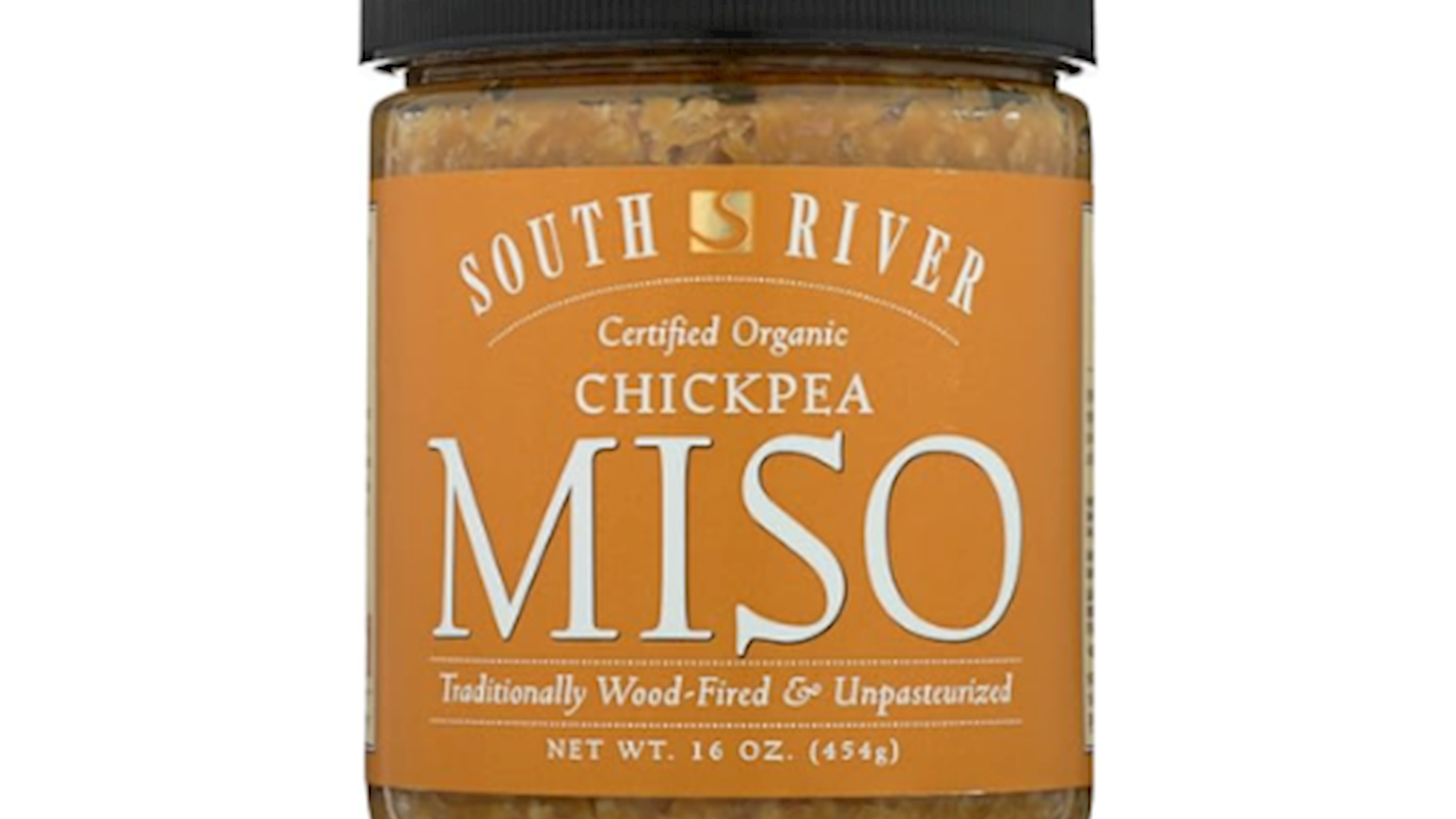
South River Miso Company is a family-owned artisanal business based in Conway, Massachusetts, founded in 1982 by Christian and Gaella Elwell. The company specializes in producing organic, unpasteurized miso using traditional Japanese fermentation techniques. The entire process takes place on their farm at the foot of the Berkshire Mountains, where the miso is aged in wooden barrels and the grains are cooked over a wood fire - a method that preserves the product’s authenticity, deep flavor, and rustic texture. Only organic soybeans, rice, and barley are used, combined with a natural koji culture, resulting in a rich umami profile and active probiotics. Thanks to this careful and time-honored process, South River miso is celebrated for its complex, full-bodied flavor that is never overly bitter, as well as its thick, naturally textured consistency, appreciated by enthusiasts of traditional fermented foods.
10

Old City Syrup

4.8 ·
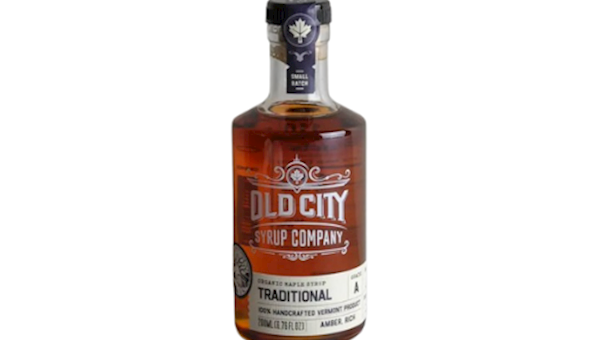
Old City Syrup is a craft maple syrup producer based in Strafford, Vermont, fully dedicated to small-batch, organic production and authentic traditional methods. Their sugarbush lies on the slopes of Sawyer Mountain, above the historic “Old City” settlement, adding a sense of terroir and historical connection to a region where maple syrup has been made for centuries. The syrup is produced in a classic sugarhouse using a traditional wood-fired arch evaporator, bringing back the spirit of old Vermont sugaring while achieving a rich, layered flavor. Its texture is thick and silky, while the aroma reveals a blend of caramel, honey, and wood - characteristic of high-quality syrups made through long, careful evaporation. As a premium product, it performs beautifully as a topping for pancakes and waffles, but also as an ingredient in gourmet cooking - from glazes and marinades to craft cocktails. Their syrup embodies the spirit of the North American maple forests and represents the true expression of Vermont’s terroir, captured in every drop.

Best American Condiment Types
01

Creole mustard

4.1 ·

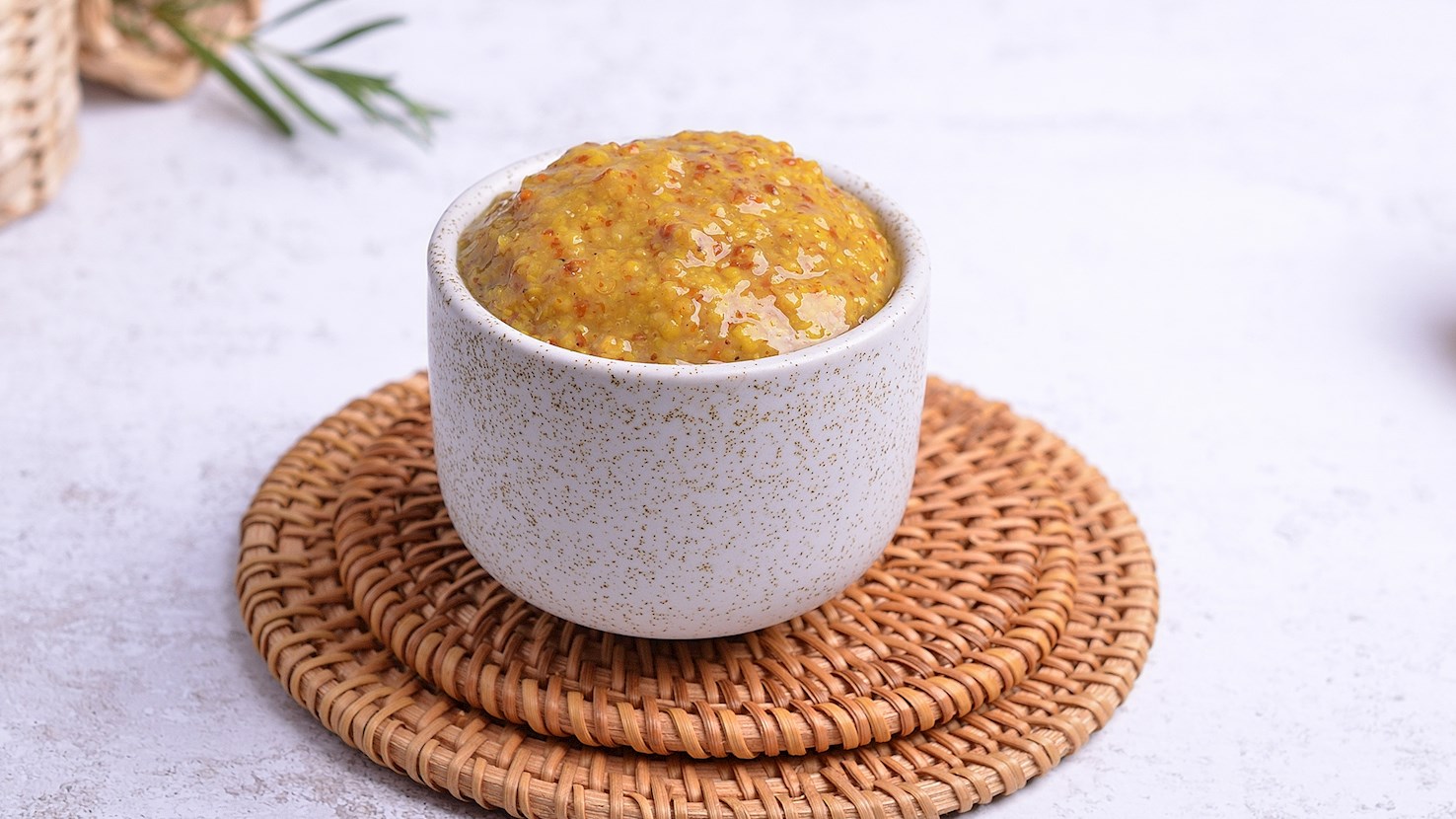
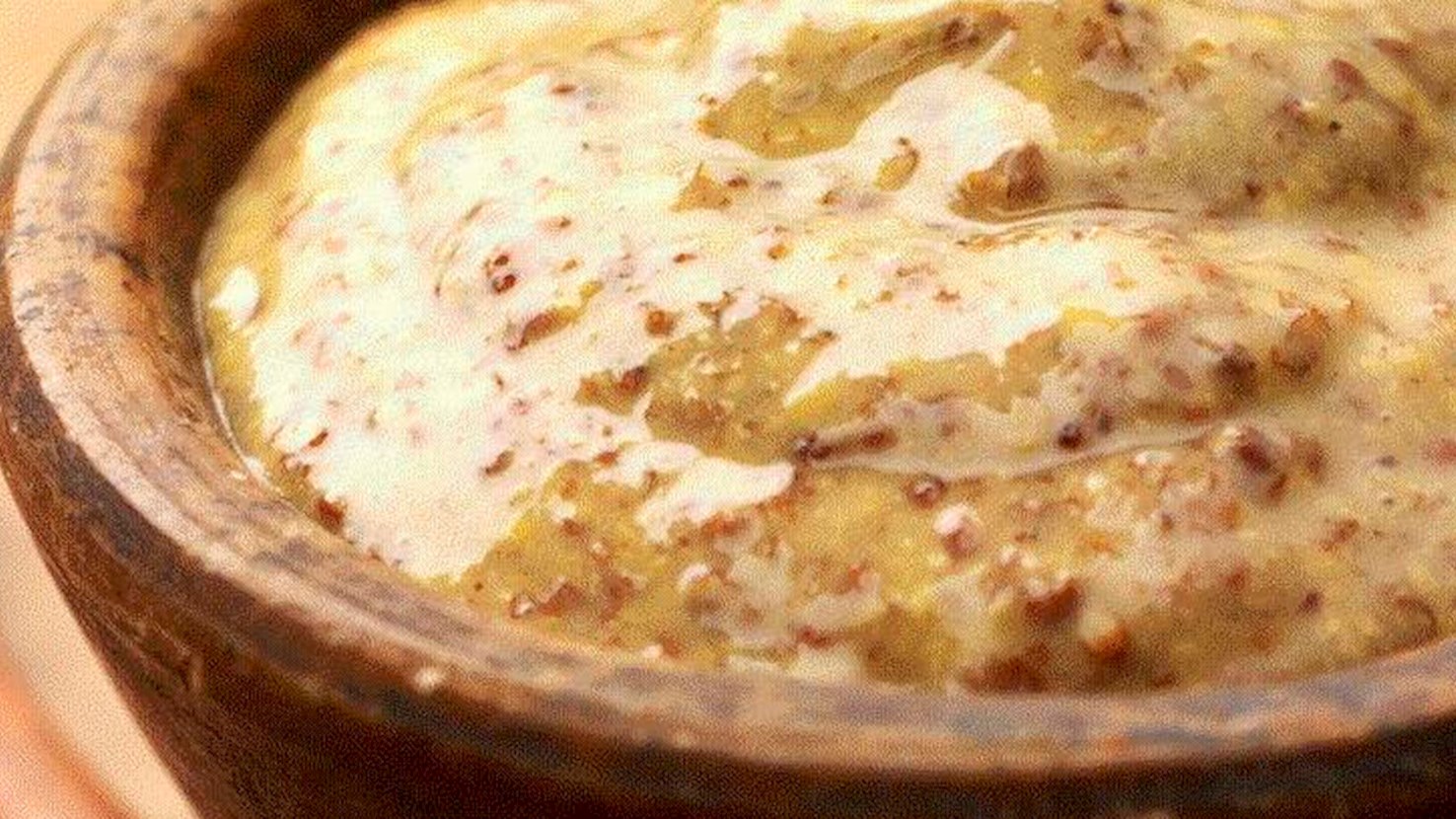
Most commonly found in the Southeastern United States, Creole mustard is a pungent condiment with a grainy appearance and a tangy flavor. The flavor comes from the spicy brown mustard seeds that are just slightly crushed, so they are neither ground nor whole. They are placed in a combination of distilled white vinegar and salt, then coarsely ground and marinated for a long time before being packed. Creole mustard pairs especially well with po-boy sandwiches and is commonly used in New Orleans' rémoulade sauce. Its flavor can range from mild to hot as it is sometimes flavored with honey, peppercorns, fruits, herbs, or sherry. Apart from the regular variety, there is also a version of Creole mustard that is smooth instead of being coarsely ground.

02

Hawaiian red salt

4 ·

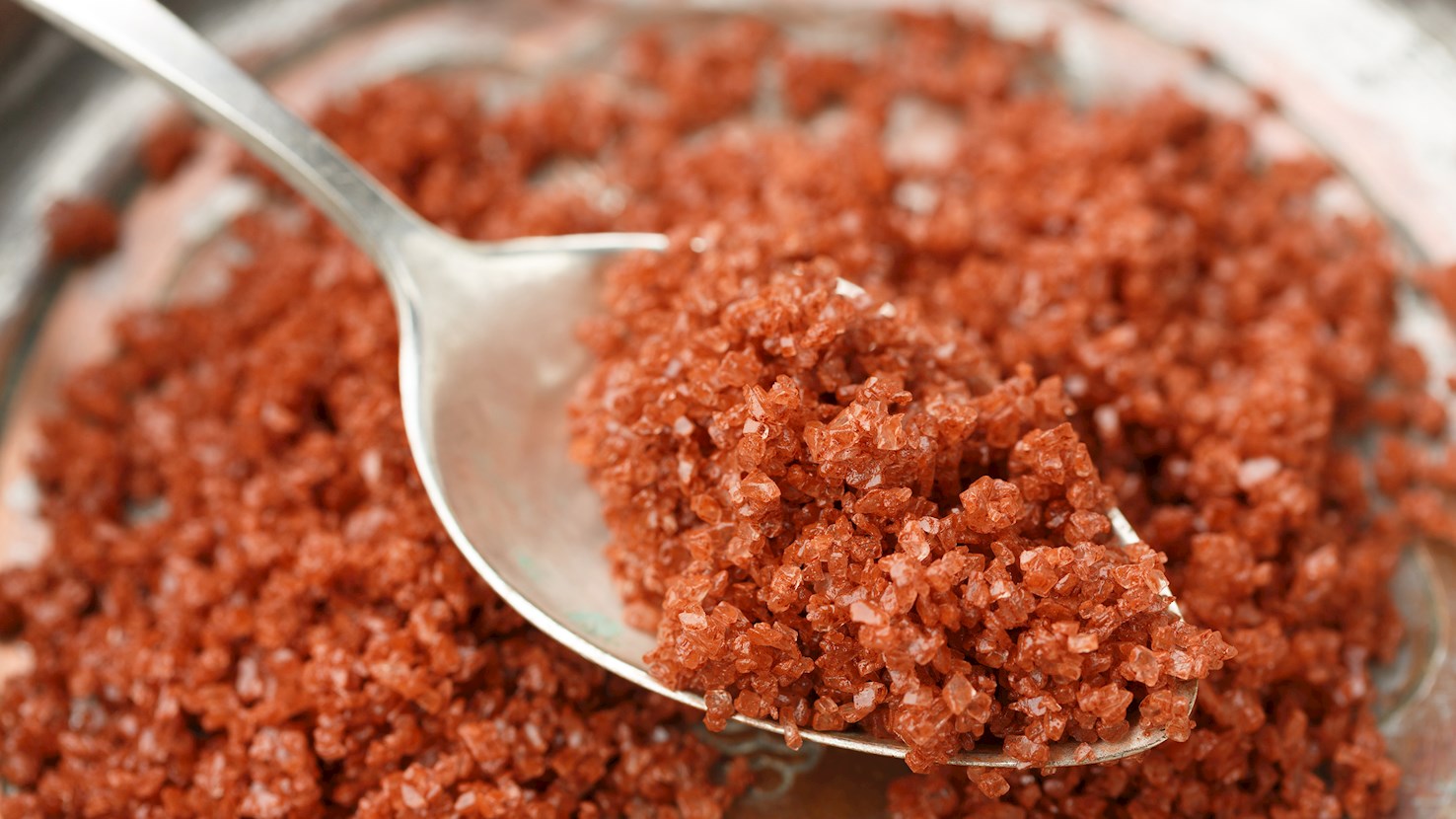
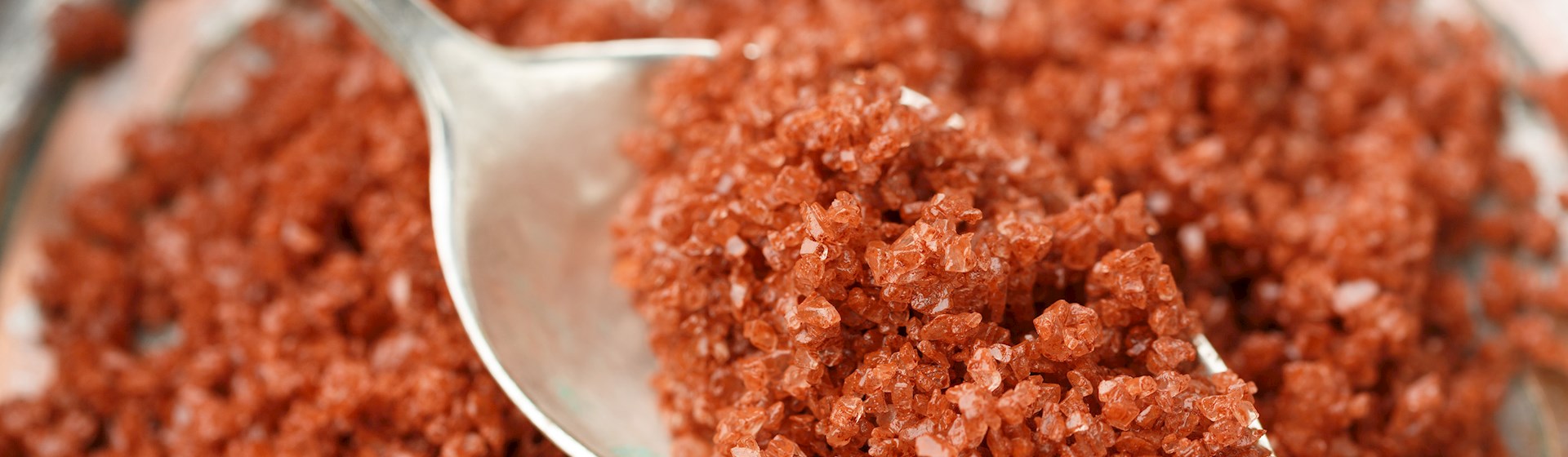
Hawaiian red salt or alaea salt is a traditional and unrefined type of salt originating from Hawaii. The salt is mixed with alaea – volcanic clay that’s rich in iron oxide, and as a result the salt is red in color. In the past, this salt was used by shamans for their rituals, while the Hawaiians used it to cleanse the body in various ceremonies. The flavor of the salt is intense, while the aromas are reminiscent of hazelnuts. It’s often used in local dishes such as poke, pipikaula (a tpye of Hawaiian jerky), and grilled or roasted meat dishes such as kalua pig.

03

Carolina Style

3.7 ·

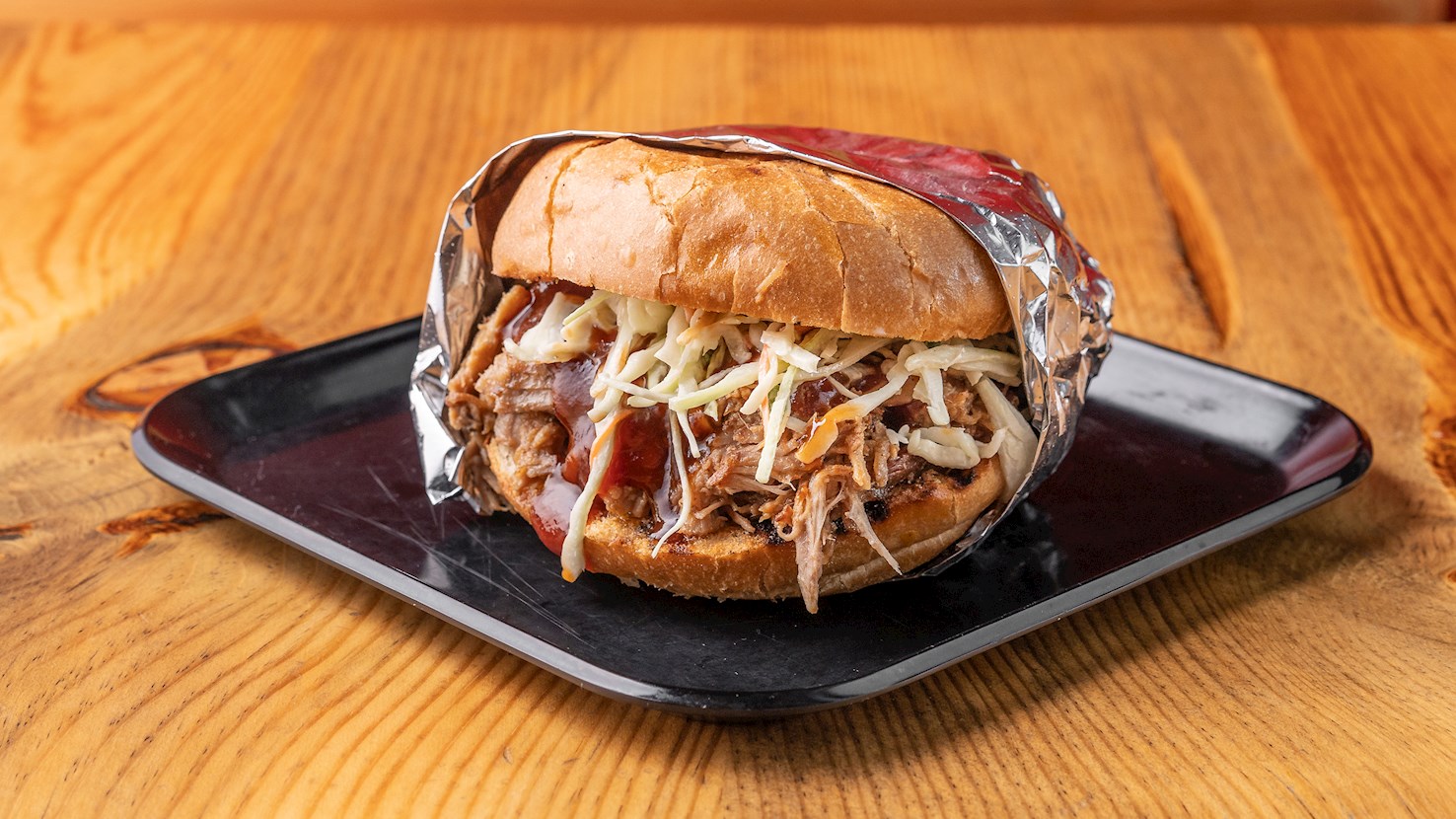
Carolina style is a name given to a group of condiments that are usually used on hamburgers and hot dogs. The traditional combination uses ingredients such as onions, slaw, and chili. Mustard is sometimes added to the combination or it can be used as a replacement for slaw.

04

Crystal Hot Sauce

3.6 ·

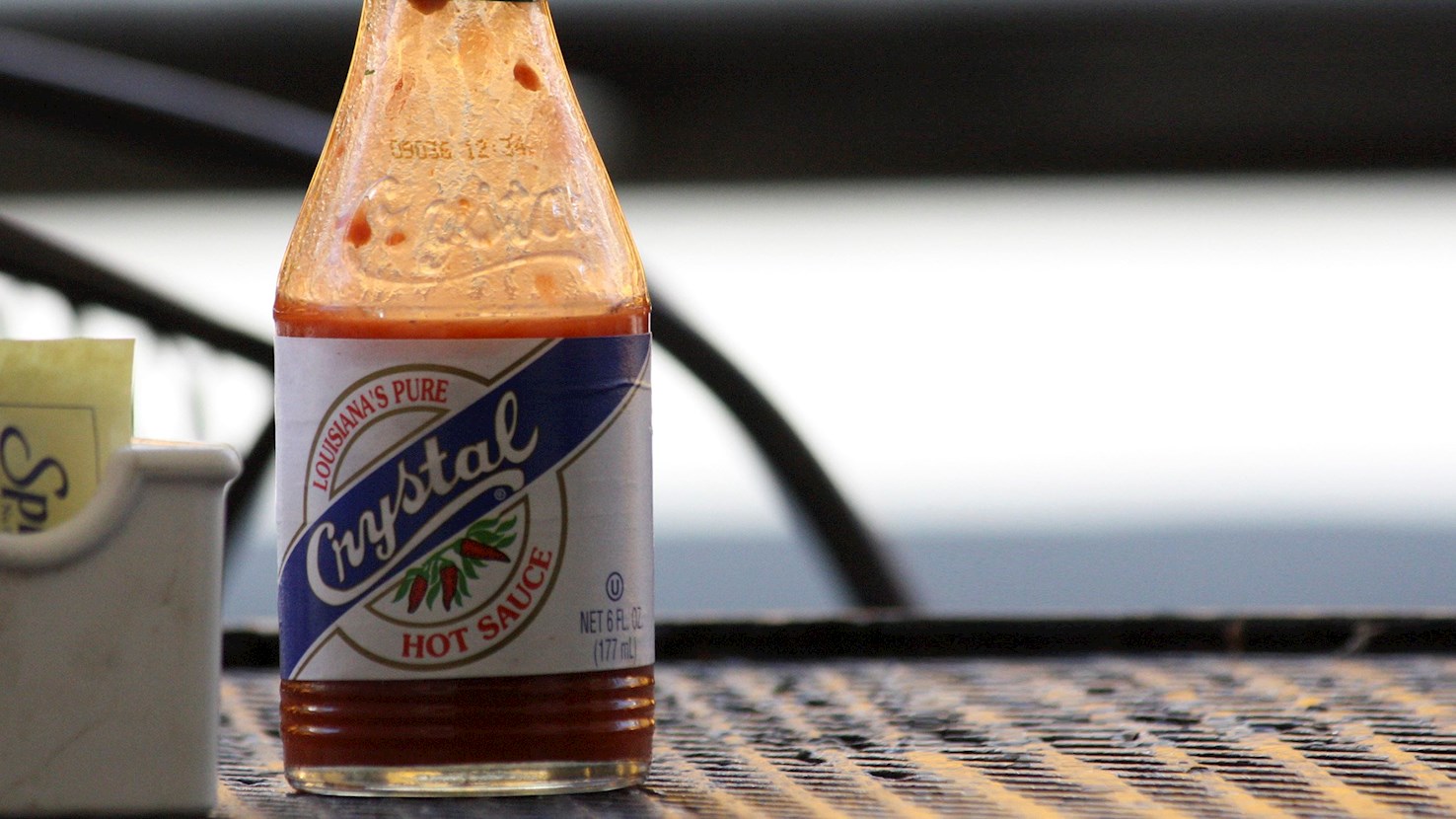
Crystal hot sauce is an American invention consisting of only three ingredients – salt, distilled white vinegar, and aged red cayenne peppers. It is the best-selling sauce in Louisiana, characterized by a reddish orange color, medium heat, and a milder flavor than the famous Tabasco sauce. This hot sauce adds a nice touch to a variety of beef, pork, fish, shellfish, and vegetable dishes, but it can also be used to marinade meat or intensify the flavors of salads, soups, and gravies.

05

Texas Pete

3.5 ·

Texas Pete is a popular American hot sauce, and is currently the third best-selling hot sauce in the USA. The first bottle of Texas Pete was sold in 1929 by Sam Garner, a barbecue stand vendor from North Carolina. The customers were not completely satisfied, and they wanted the sauce to be spicier, so the Garner family made a version with cayenne peppers, and the legendary sauce was born. A marketing advisor suggested that they name the sauce Mexican Joe, but the Garners refused and demanded that the sauce should have an American name. Sam named the dish after his son Harold, whose nickname was Pete, and chose Texas due to its reputation for spicy cuisine. Today, the sauce is used in a wide variety of vegetable and meat dishes, and even in the preparation of some cocktails.

06

Tabasco Sauce

3.5 ·

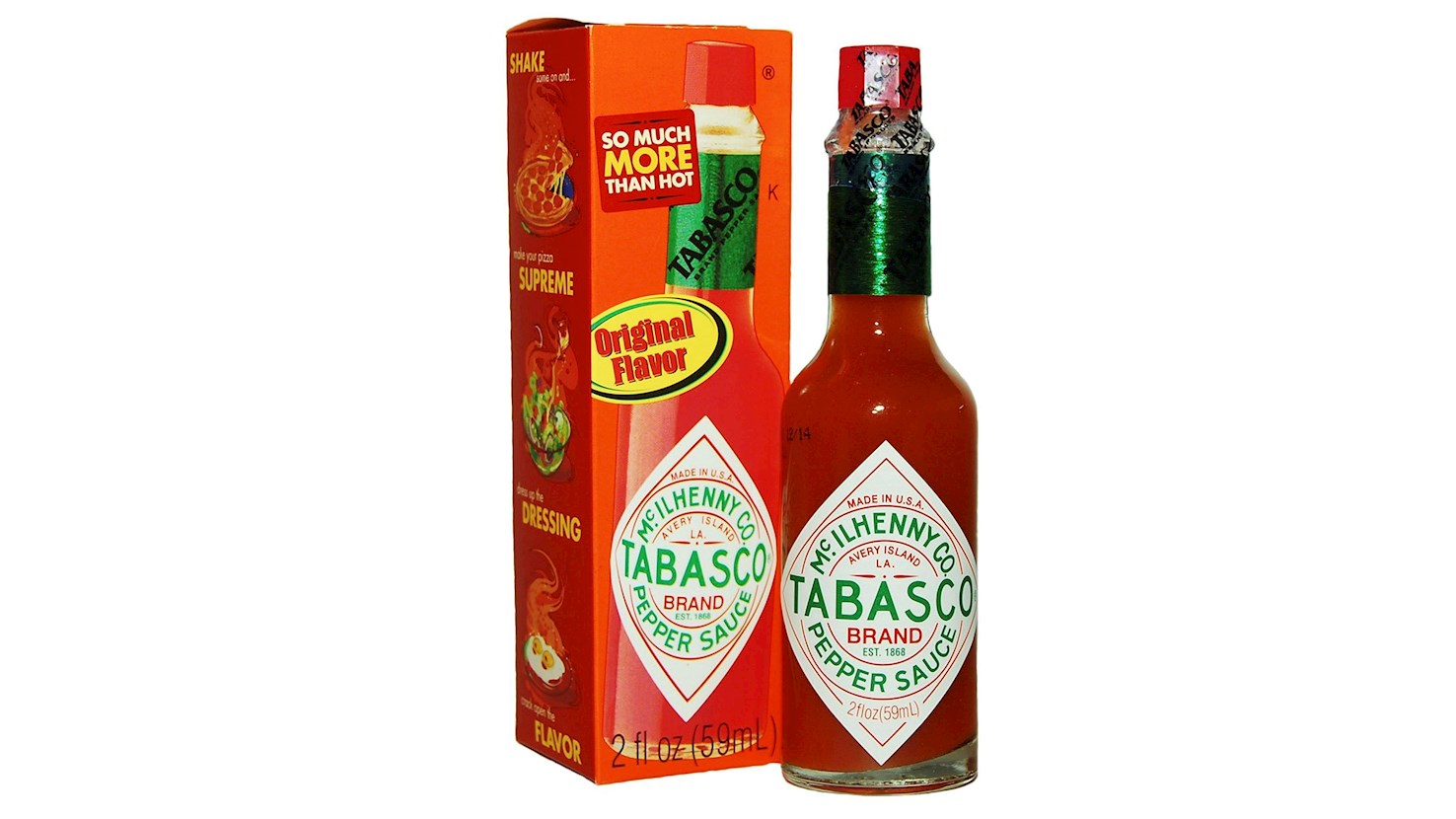
Tabasco is a hot sauce that is, at its basic, made from tabasco peppers, salt, and vinegar. The original sauce was invented in the 1860s by Edmund McIlhenny. He acquired the seeds of Capsicum frutescens peppers from Mexico or Central America and planted them on Avery Island in Louisiana. He crushed the reddest peppers, mixed them with salt, and aged the concoction for 30 days in barrels and jars. Later on, he combined the ingredients with white vinegar and aged the whole thing for another 30 days. McIlhenny named the sauce after a Mexican Indian word tabasco, meaning a place where the soil is humid, marketed it, and patented it in 1870. The sales skyrocketed and Tabasco sauce was sold throughout the USA and England. Today, it is still made on Avery Island and it remains the most famous pepper sauce in the world. There are many versions of the sauce such as Green Tabasco, Chipotle, Buffalo, Habanero, Garlic Pepper, and Sweet & Spicy. It has numerous uses, so it can be sprinkled over pizza or pasta, drizzled on nachos, hot dogs, and hamburgers, or stirred into different dips and salsas.

07

Spicy brown mustard

3.4 ·

Spicy brown mustard is a popular condiment that originated in the United States, known for its bold, tangy flavor and coarse texture. It is made primarily from brown mustard seeds, which give it a sharper, more pungent heat compared to yellow mustard. The characteristic coarse grind preserves the seeds’ natural texture, offering a robust and slightly grainy mouthfeel that differentiates it from smoother varieties. This mustard style became widely embraced in American cuisine, particularly as a complement to deli sandwiches, sausages, and grilled meats. The development of spicy brown mustard in America reflects the country’s diverse culinary influences, including German immigrants who brought their mustard-making traditions. Over time, American producers adapted these recipes to suit local tastes, emphasizing a balance between spiciness and acidity, often achieved through the addition of vinegar and spices such as turmeric and paprika. The mustard’s coarse texture and punchy flavor made it a staple in delicatessens and barbeques across the country, valued for its ability to enhance the savoriness of meats and cheeses. Preparation involves soaking brown mustard seeds and grinding them coarsely, then mixing with vinegar, salt, and various spices to create a lively and flavorful paste. The level of heat can vary by brand or recipe, but spicy brown mustard generally provides a noticeable kick without overwhelming the palate. It is often formulated to maintain a balance between sharpness and tang, making it versatile for multiple uses. Spicy brown mustard is commonly served with classic American dishes such as hot dogs, bratwursts, sandwiches, and burgers. It also functions well as an ingredient in sauces, salad dressings, and marinades, where its texture and flavor add depth and complexity.

08

Chicago-style relish

3.4 ·

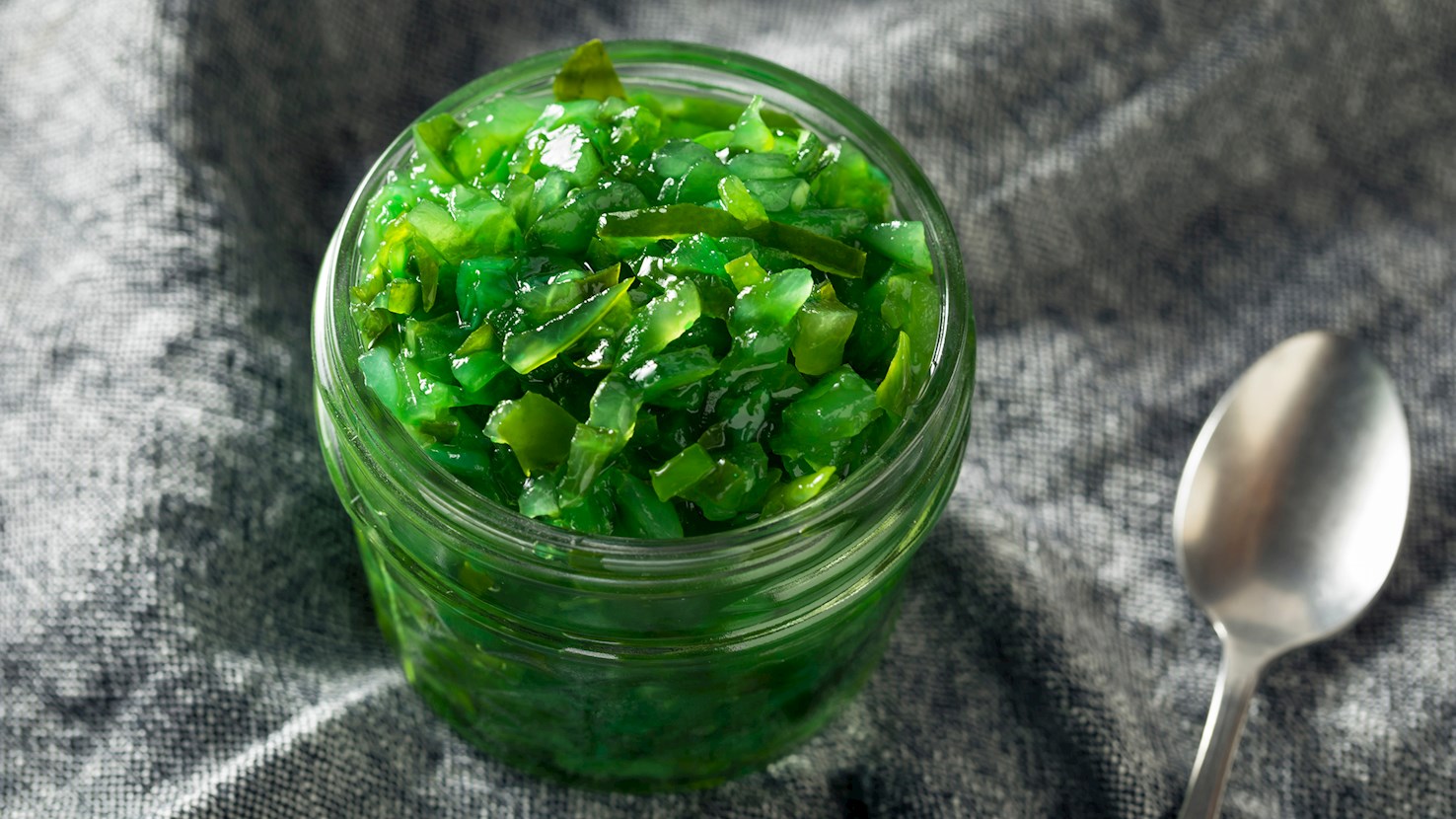
Chicago-style relish is a type of sweet pickle relish mostly used as a topping for Chicago-style hot dogs. When it comes to taste, it's practically the same as any other pickle relish, but what sets it apart is the neon green glow which is achieved by adding blue food coloring. Chicago-style relish was probably created to serve as a promotional stunt by Vienna Beef Inc. sometime in the late 40s of the 20th century. However, some sources claim this emerald-colored relish was first used by Superdawg hot dog stand in 1949 in order to even out the color of the product and draw in the crowd. Whatever the truth is, Chicago-style relish has become a staple, and no real Chicago-style hot dog experience can be complete without it (data says 80% of the dogs feature it).

09

Yellow mustard

3.3 ·

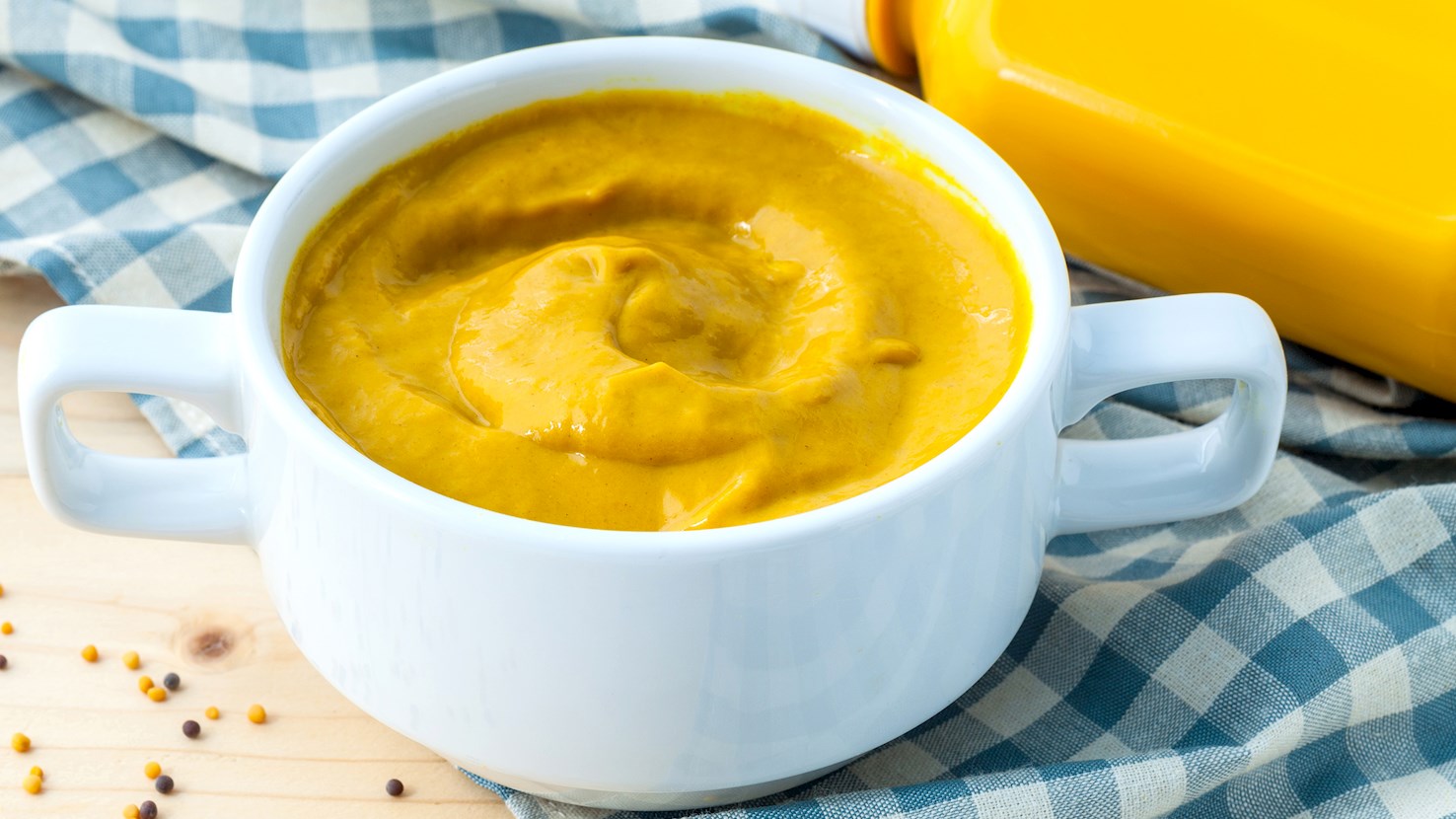
Yellow mustard is a traditional type of mustard that originated at the 1904 World’s Fair in St. Louis. The bright yellow color of this mustard is a result of the preparation process – it’s a mixture of white mustard seeds (the plant is called Sinapis alba), vinegar, and generous amounts of turmeric. This classic American mustard has a mild flavor, but it’s creamier than French Dijon mustard. It is believed that yellow mustard is the mildest of them all, which is the reason why it goes so well on sandwiches and hot dogs. It’s also often used in marinades, barbecue sauces, and salad dressings.

10

Mignonette Sauce

3.1 ·

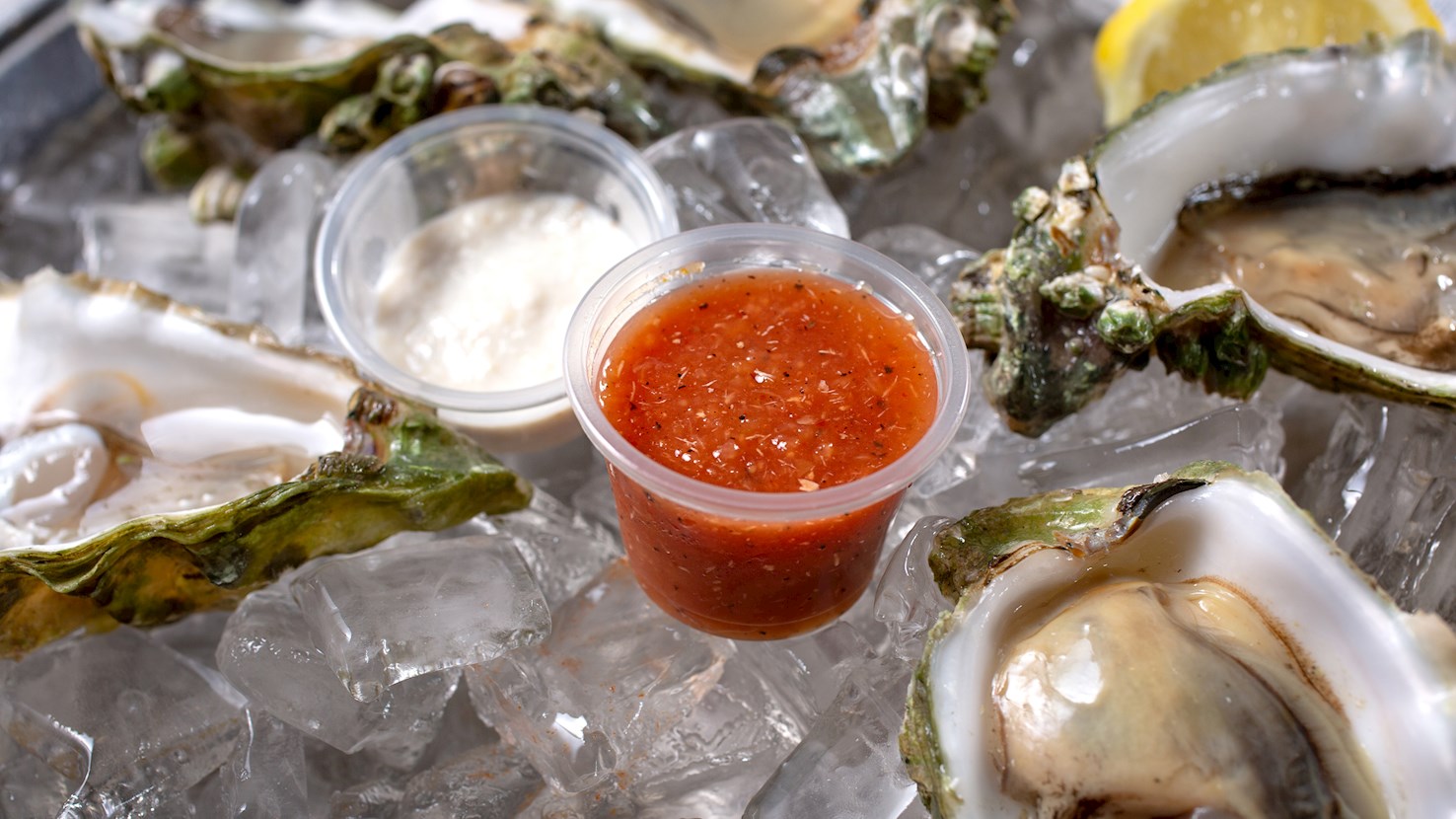
Mignonette is a classic American condiment used with raw oysters on the half-shell, originating from the New Yorker Sherry Netherlands Hotel, where it was first made in the 1930s by chef Théophile Kieffer. The sauce is made with a combination of white or red wine vinegar, coarsely cracked pepper, and finely chopped shallots. Once mixed together in a bowl or a jar, mignonette is covered and chilled for three days before it's served with oysters. The flavors become better with age so it's not unusual to leave the condiment in the refrigerator for up to three weeks.

Read more
View all
View map
About this ranking

TasteAtlas food rankings are based on the ratings of the TasteAtlas audience, with a series of mechanisms that recognize real users and that ignore bot, nationalist or local patriotic ratings, and give additional value to the ratings of users that the system recognizes as knowledgeable. For the “Top 43 American Condiments” list until June 15, 2026, 779 ratings were recorded, of which 737 were recognized by the system as legitimate. TasteAtlas Rankings should not be seen as the final global conclusion about food. Their purpose is to promote excellent local foods, instill pride in traditional dishes, and arouse curiosity about dishes you haven’t tried.

The initial list of top producers was compiled based on available reviews, awards, local recommendations, media and blog coverage, and consumer reviews. The list will be updated with ratings from TasteAtlas local ambassadors and TasteAtlas users.

Similar lists