Top 100 Southeast Asian Foods
Last updated on June 10, 2026

Best Southeast Asian foods

01
Street Food

Sate kambing

4.5 ·

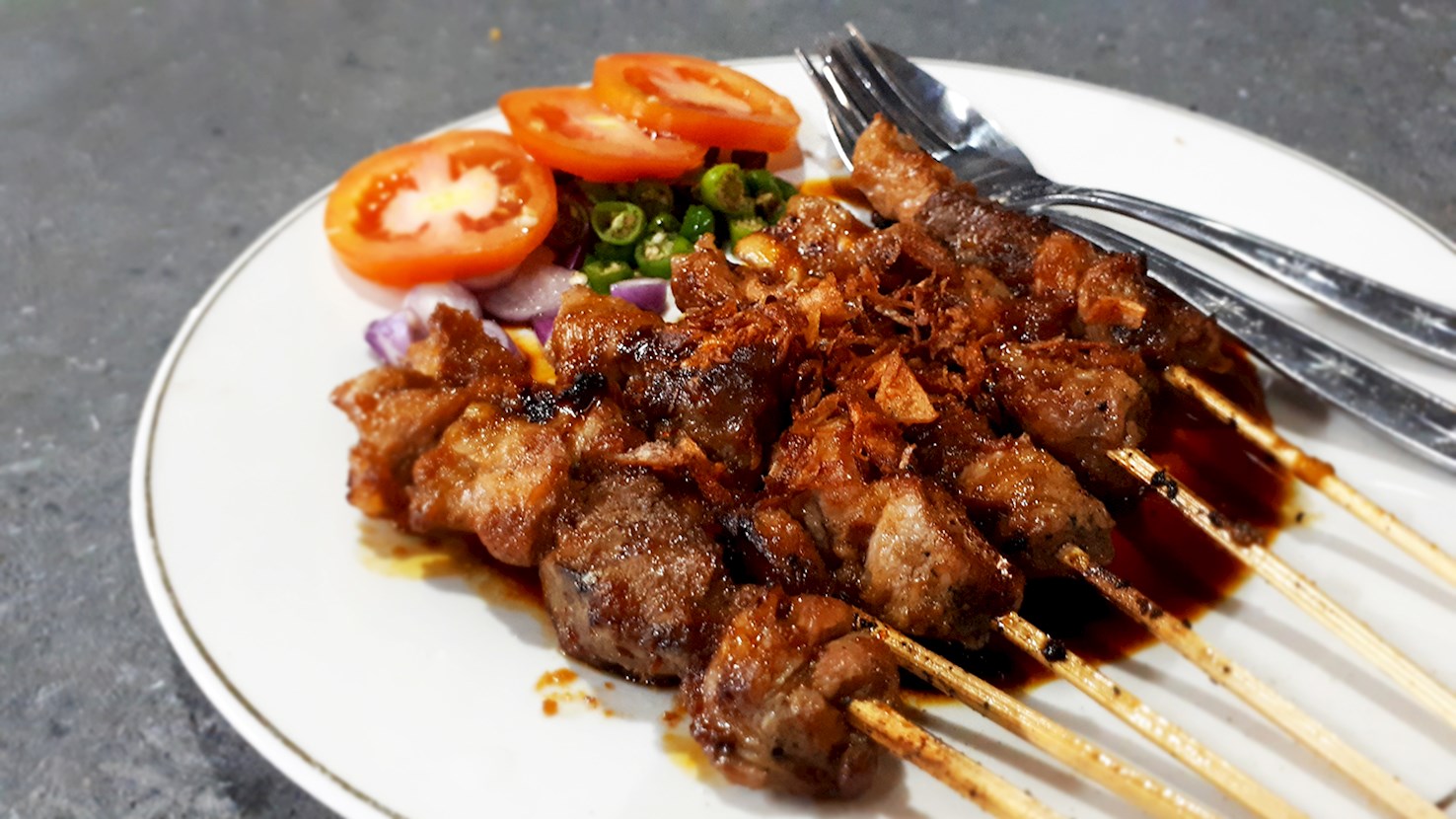
Sate kambing is a traditional dish and a type of satay prepared with goat or mutton as the main ingredient. The meat is cut into chunks or cubes and it's marinated in a combination of ingredients such as kecap manis (sweet soy sauce), galangal, ground shallots, pineapple juice, and (often) chili peppers. After it's been marinated, the meat is placed on skewers that are larger and thicker than the ones used for chicken satay as the texture and thickness of mutton or goat is tougher than chicken. The skewers for sate kambing are usually made from bamboo. The meat is grilled, then served with kecap manis sauce, peanut sauce, or chili sauce, consisting of shallots, bird eye chili peppers, and kecap manis. Some like to eat sate kambing with steamed rice or rice cakes on the side. This type of sate is especially popular in Java.

02
Sandwich

Bánh mì heo quay (Roasted Pork Belly Bánh Mì)

4.5 ·

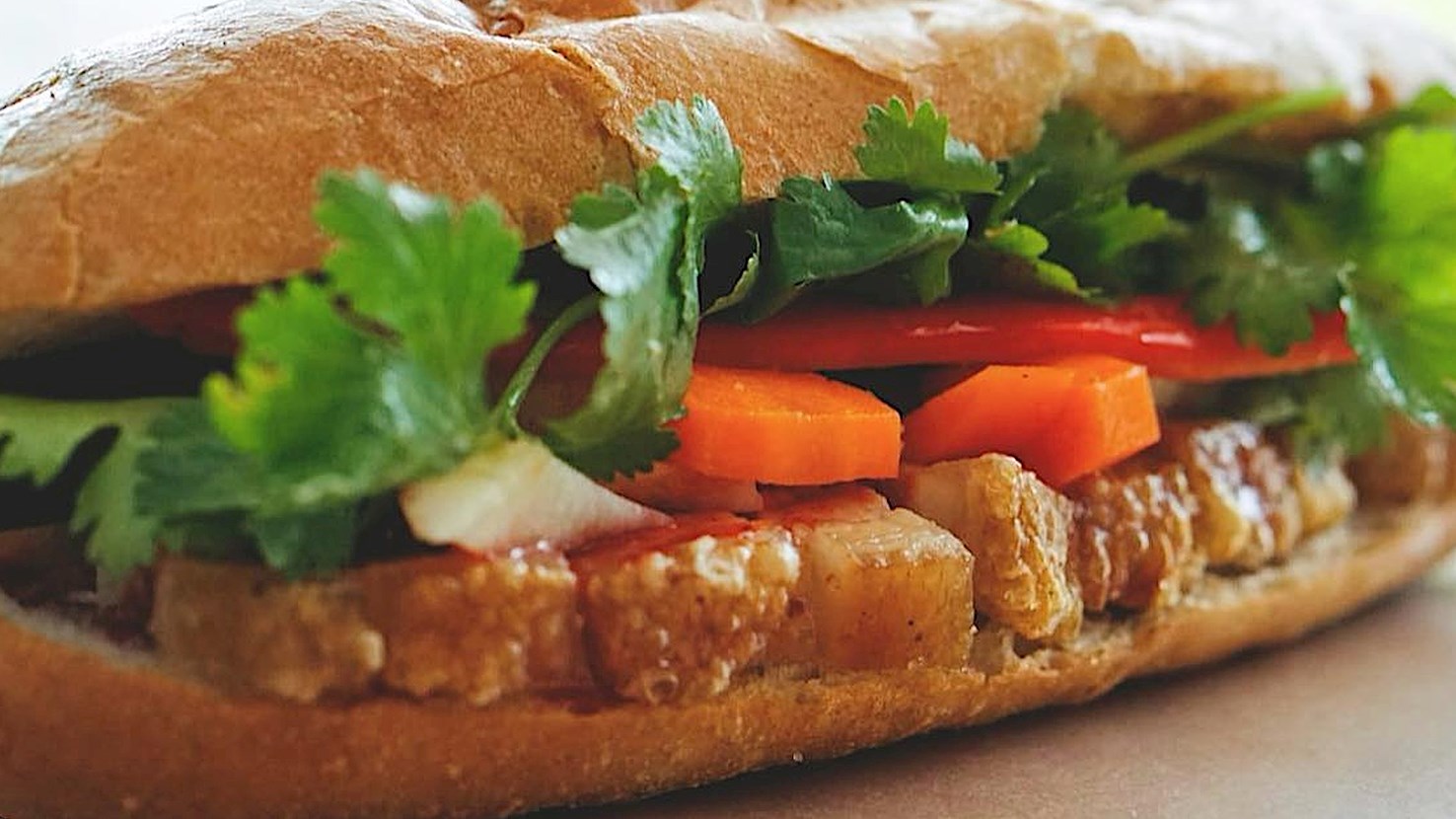
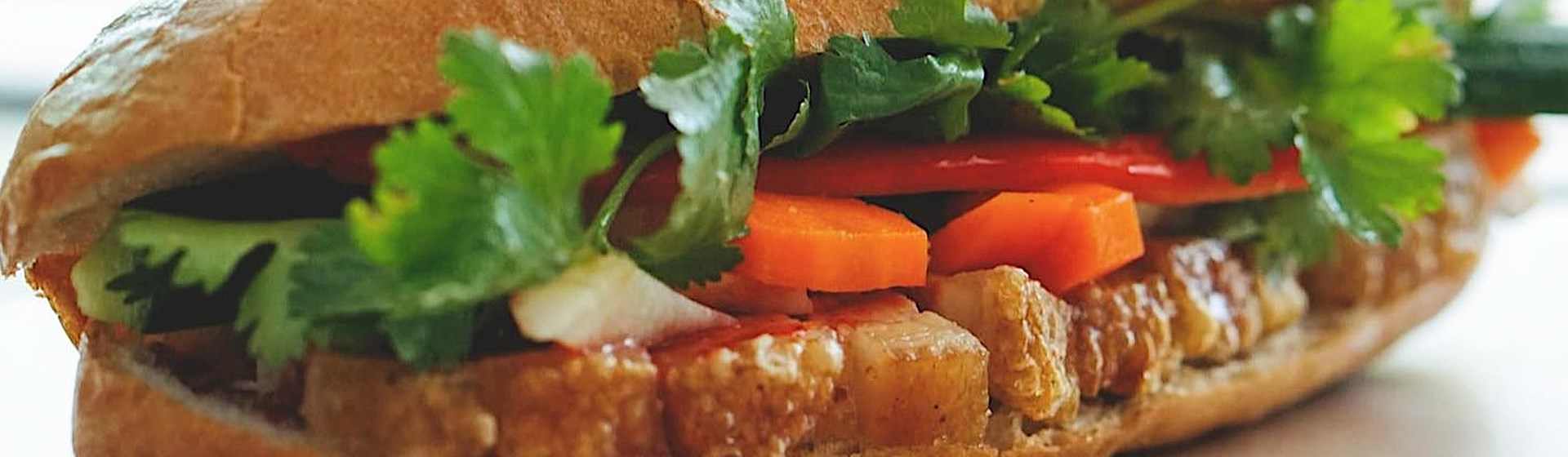
Bánh mì heo quay is a traditional bánh mì sandwich variation made with roasted pork belly as the main ingredient. The pork is roasted with a thick layer of salt and spices. It is sliced and served on a freshly baked bánh mì roll. The sandwich is then dressed with a combination of mayonnaise, pickled carrots and daikon, cucumbers, cilantro, and chives. If desired, sliced chili peppers can be added to the sandwich as a topping, making it very spicy. One side of bánh mì heo quay can also be spread with chicken liver pate before the sliced pork belly is added to the sandwich. This type of bánh mì can be bought at street food stalls and it’s one of the most popular types of bánh mì in the country.

03
Flatbread

Roti canai

4.4 ·

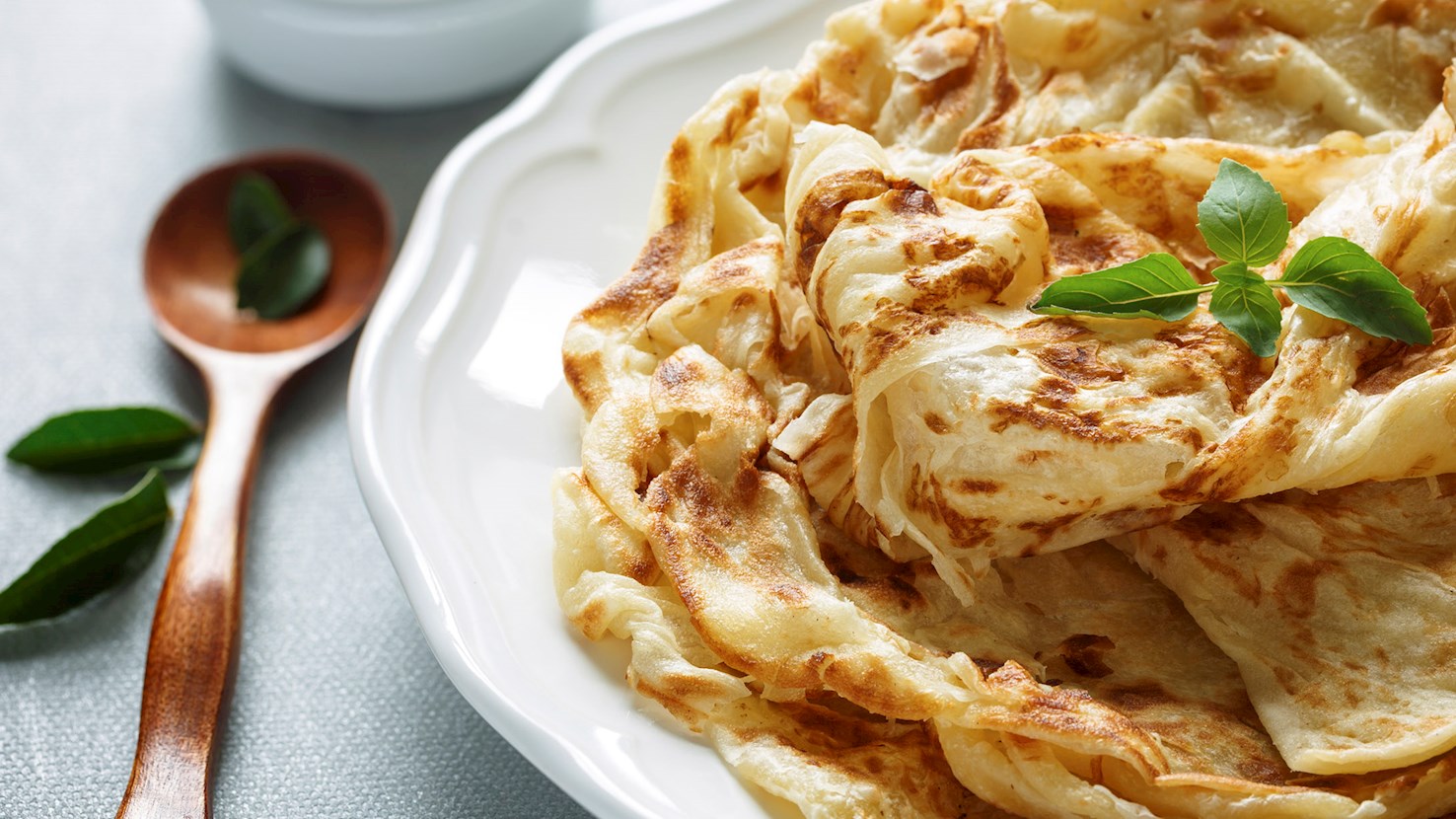
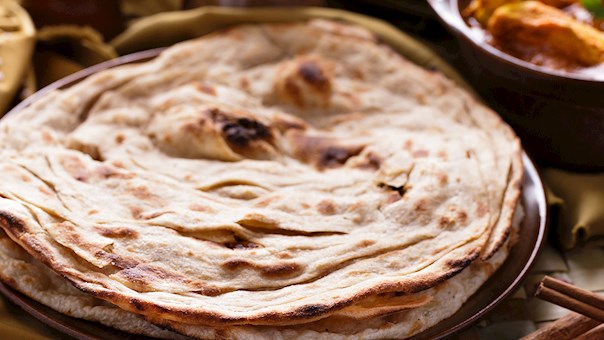
Roti canai is a traditional pan-fried flatbread made with flour, water, eggs, and fat of Indian origin, but mainly associated with Malaysia, and surrounding countries like Indonesia, Brunei, and Thailand. The dough for roti canai is repeatedly folded, so the final product has a layered texture, a soft interior, and a crispy outer layer. The most common fat used in roti canai is ghee, the traditional Indian clarified butter. It is believed that the dish originated in India when the Indian laborers who migrated to Malaysia brought the recipe and the tradition of preparing this crispy pastry to the foreign country. Usually, it is served plain in its traditional round form, as an accompaniment to curries. It can be served on the side or torn into pieces and mixed with the curry. However, roti canai is often served as the star dish, accompanied by different savory and sweet fillings and ingredients. If additional fillings are added, roti canai is usually shaped into rectangles. For example, in Malaysia, one can find various roti canai types, which are differentiated by the type of filling — egg, onion, egg and onion, banana, sardines, margarine and sugar, Maggi instant noodles, cheese, vegetable, and pork filling are some of the many available. However, roti canai doesn't have to have a filling but only a topping, such as fried eggs, curry, beans, lentils, and coffee beans. But martabak, a thick roti filled with meats, eggs, onions, and spices, is probably the best-known type of roti canai. Apart from Malaysia, it can also be found in Saudi Arabia, Yemen, and a few other countries. Other than Malaysia, a very similar type of flatbread can be found in Singapore, where it's called roti prata. This crispy bread is usually sold by street vendors called mamaks.

04
Meat Soup

Soto Betawi

4.4 ·

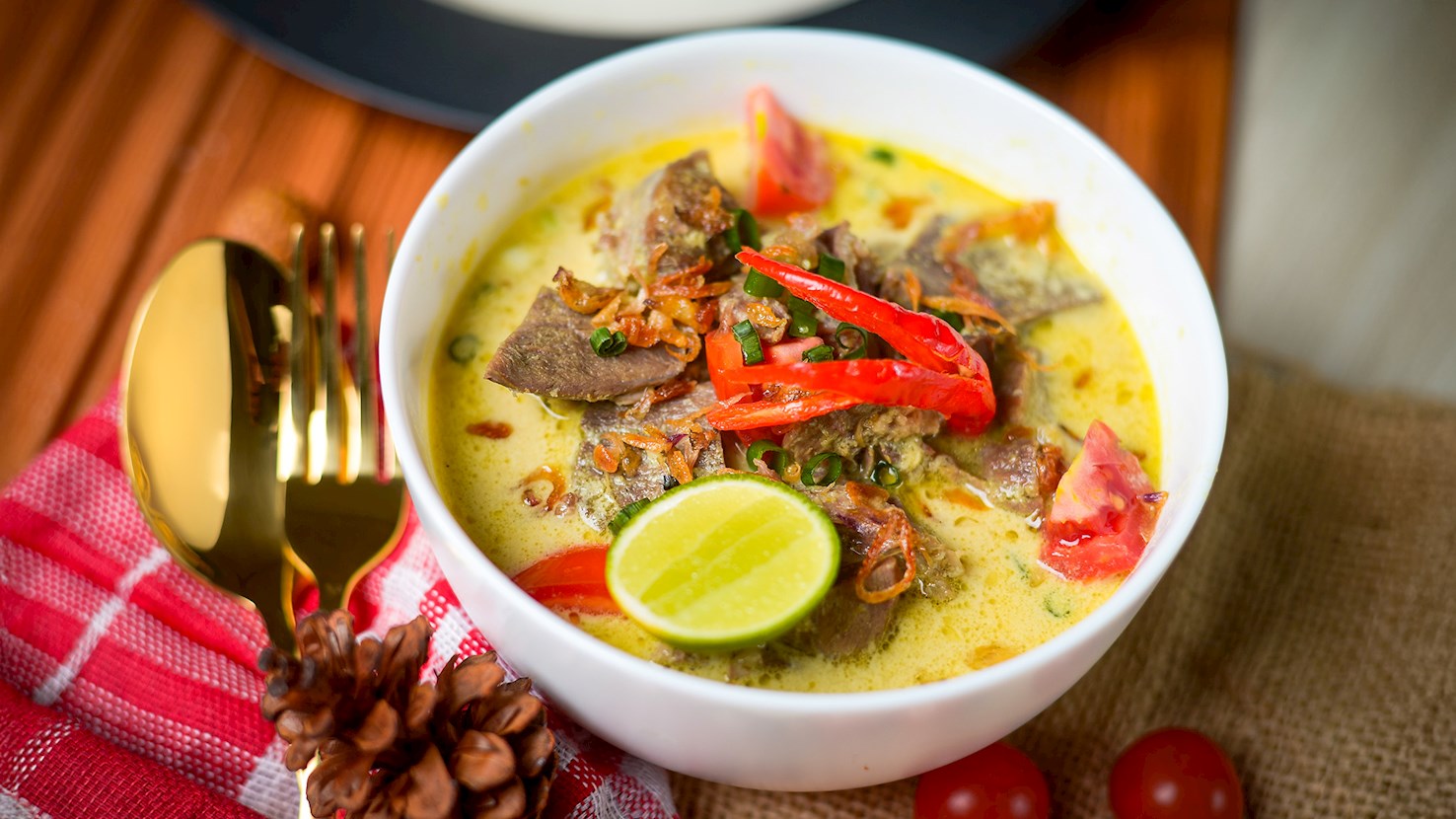
Soto Betawi is a hearty beef soup consisting of chunks of meat and offal that are slowly simmered in a coconut milk broth, which is usually enriched with various spices such as lemongrass, turmeric, galangal, kefir lime leaves, and coriander. When served, the soup is accompanied by different condiments that typically include tomatoes, scallions, sweet soy sauce, and emping crackers. Because of its name, it is believed that the dish originated in Jakarta among the Betawi people, and today it is one of the most popular dishes in the city, usually sold at various street stalls, restaurants, or hawker-style establishments. Soto Betawi is traditionally enjoyed with steamed rice and pickled acar on the side.

05
Stew

Phanaeng Curry

4.4 ·

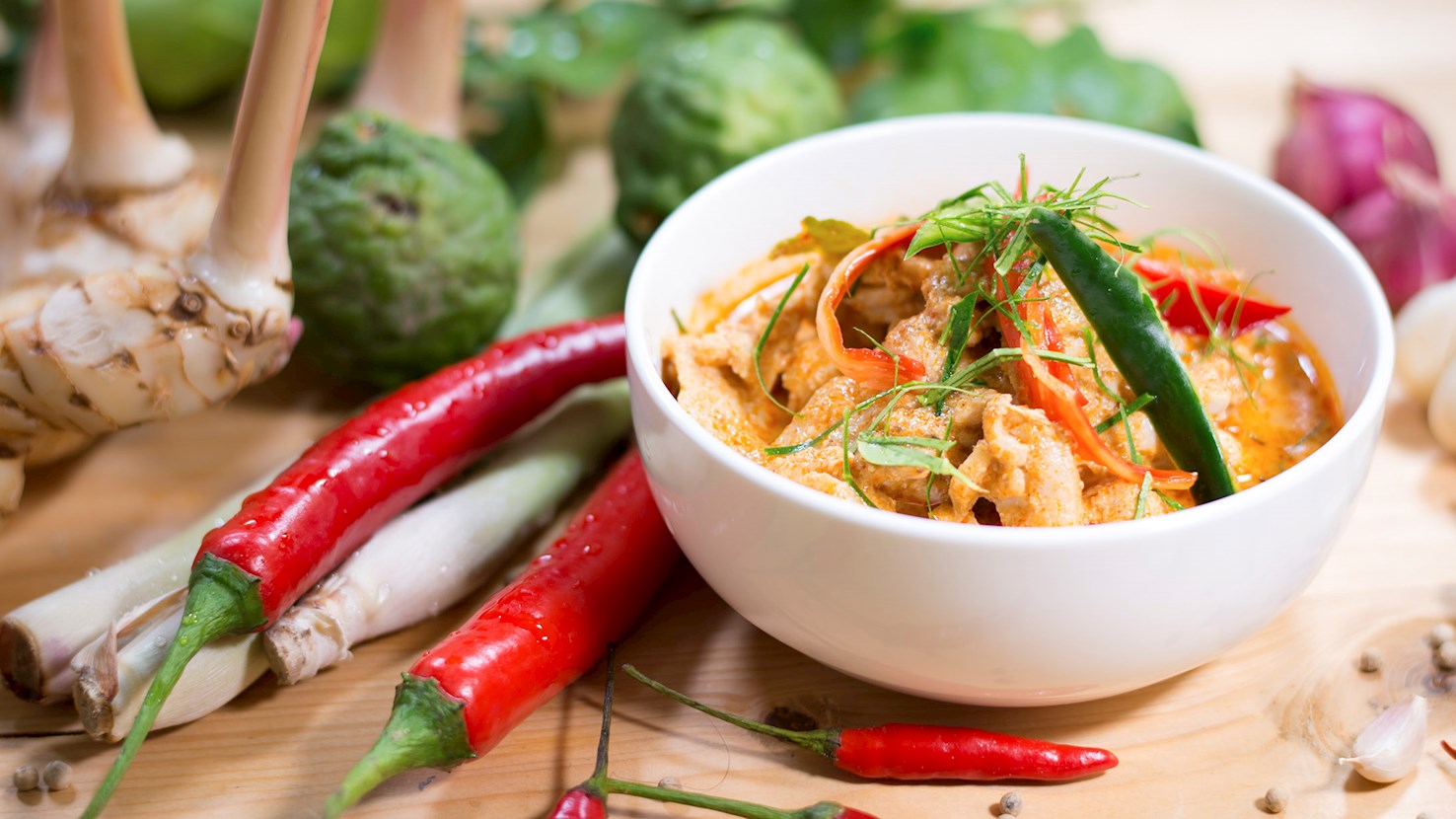
Phanaeng curry is a variety of Thai curry that is characterized by a thick texture and salty-sweet peanut flavor. It consists of meat that is stewed with coconut milk, panang curry paste, makrut lime leaves, fish sauce, and palm sugar. The meat used in phanaeng curry is usually beef, chicken, duck, or pork, and the dish traditionally does not include any vegetables. The name of the dish is derived from the word panang, meaning cross, which refers to the ancient way of preparing chicken with its legs crossed and set in an upright position. Though the origins of phanaeng curry are somewhat murky, it is often associated with the Malaysian state of Penang, but there is little evidence to support this claim. However, the earliest known recipe is found in Maawm Sohm Jeen’s book Tam Raa Gap Khao, dating back to 1890. Once finished, the curry is garnished with thinly sliced makrut lime leaves and Thai spur chili slices, and a bit of coconut milk can be poured over the curry.

06
Dumplings

Siomay

4.4 ·

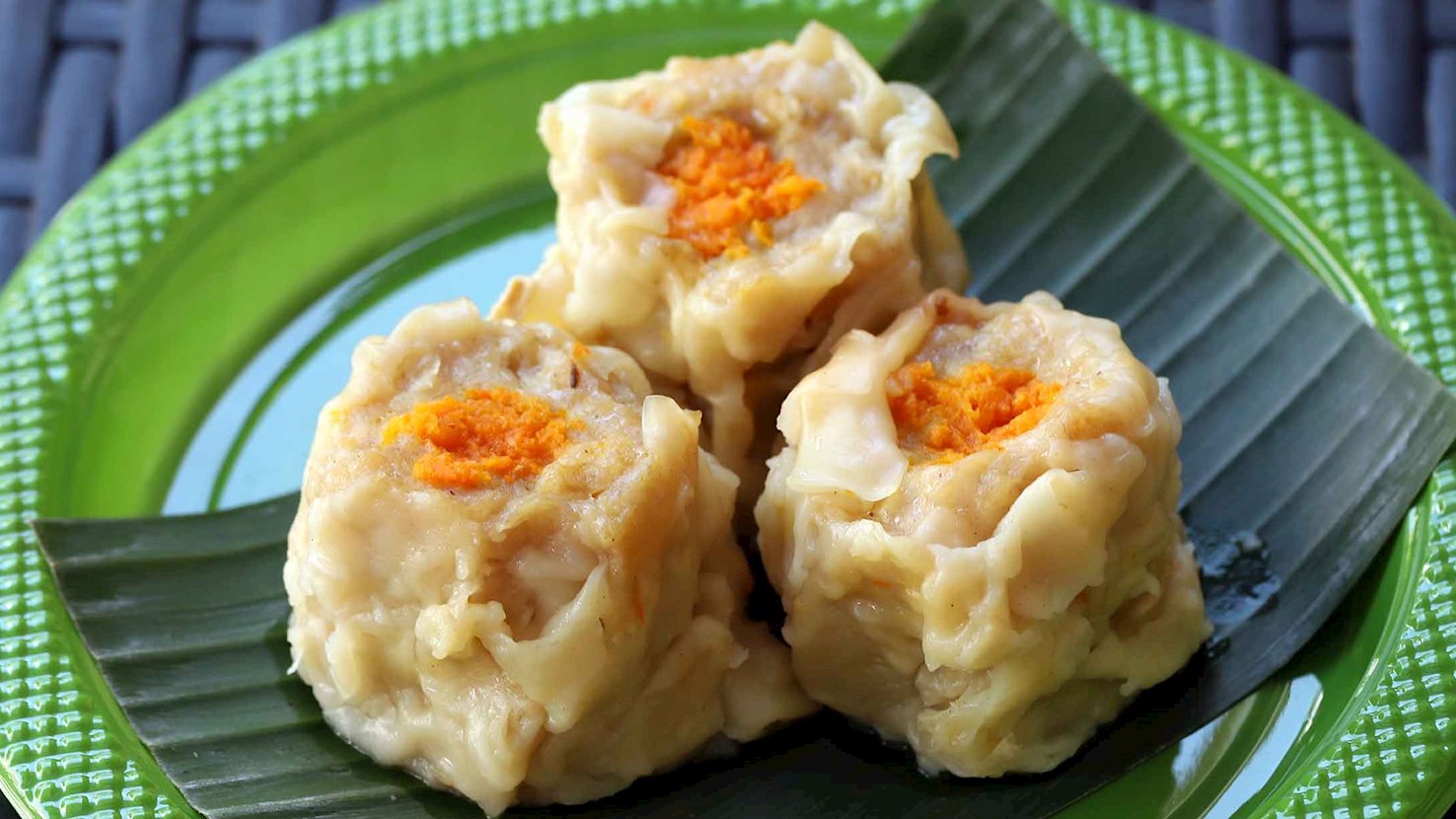
Siomay is an Indonesian dish consisting of steamed cone-shaped fish dumplings, eggs, potatoes, cabbage, tofu, and bitter melon. After they have been steamed, all ingredients are assembled on a plate, cut into bite-sized pieces, and generously drizzled with a spicy peanut sauce. The final touch to the dish is a splash of sweet soy sauce, along with a drizzle of lime juice. Siomay is derived from Chinese shumai, and it is believed to have originated among Chinese immigrants who came to Indonesia during the Dutch colonial period. Today, it is a common street food staple at hawker centers (traditional Indonesian outdoor food courts), and is especially beloved by students.

07
Street Food

Batagor

4.4 ·

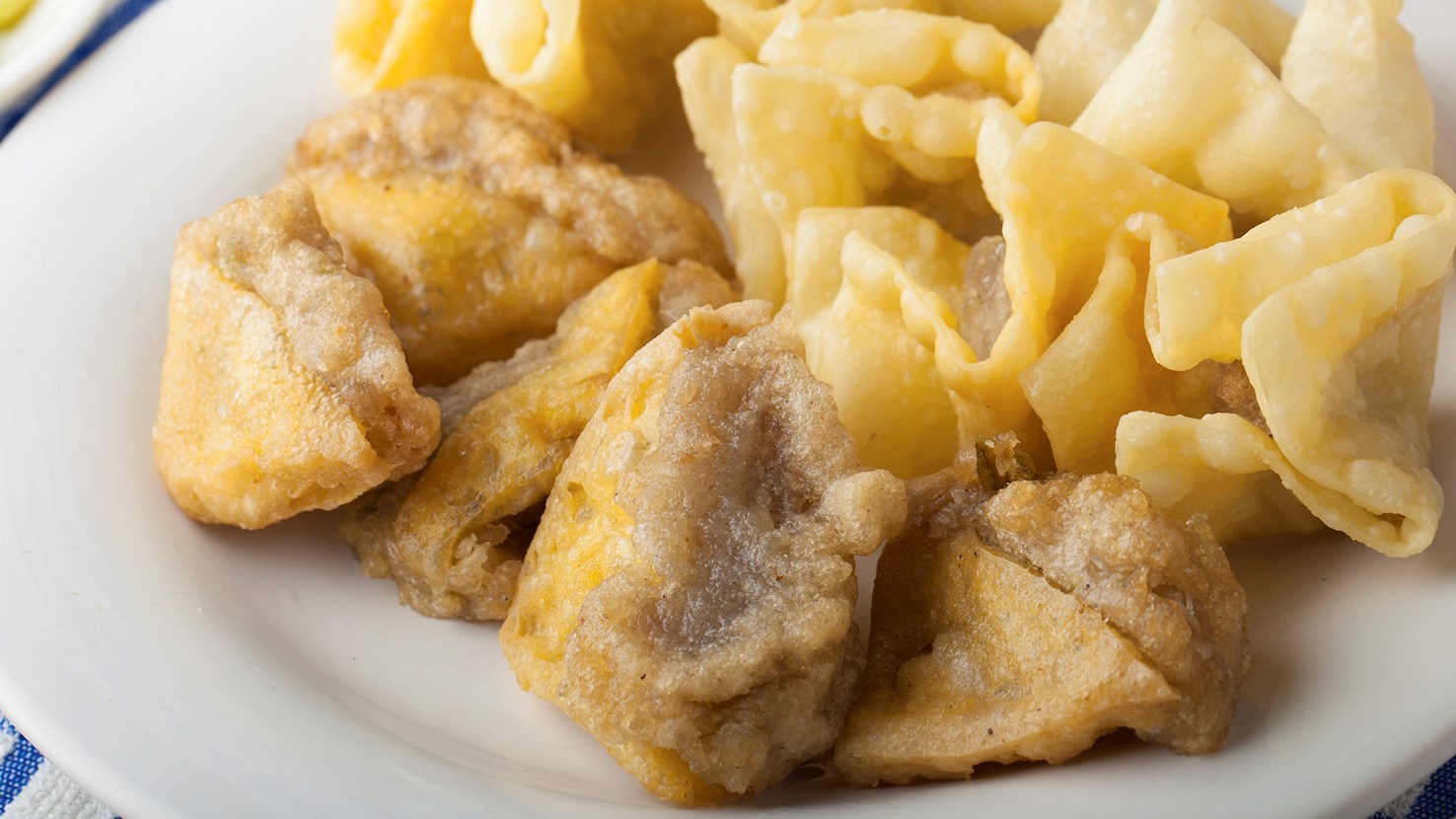
One of the most famous snacks in Indonesia is batagor, a fried fish dumpling served in a traditional spicy sauce. It has roots in the Chinese culinary tradition, which has left a trace on many Indonesian dishes. Although this famous snack is reminiscent of the more famous Chinese dumpling, its distinguishable characteristic is that it is fried, not steamed. The most common fish used to make the dish is wahoo, but tuna, mackerel, and even prawns can also be used. Potatoes, tofu, or cabbage are also occasionally added to the dish. Batagor is the perfect snack because of the way it is served. When fried, the dumplings are cut into small bite-sized pieces and covered in peanut, soy, and chili sauce with a splash of lime juice. It was invented in the 1980s in Bandung, but today it can be found throughout Indonesia. Since it is quickly prepared, it is commonly sold by street vendors, but it can also be found in many Indonesian restaurants.

08
Meat Soup

Sinigang na baboy

4.4 ·

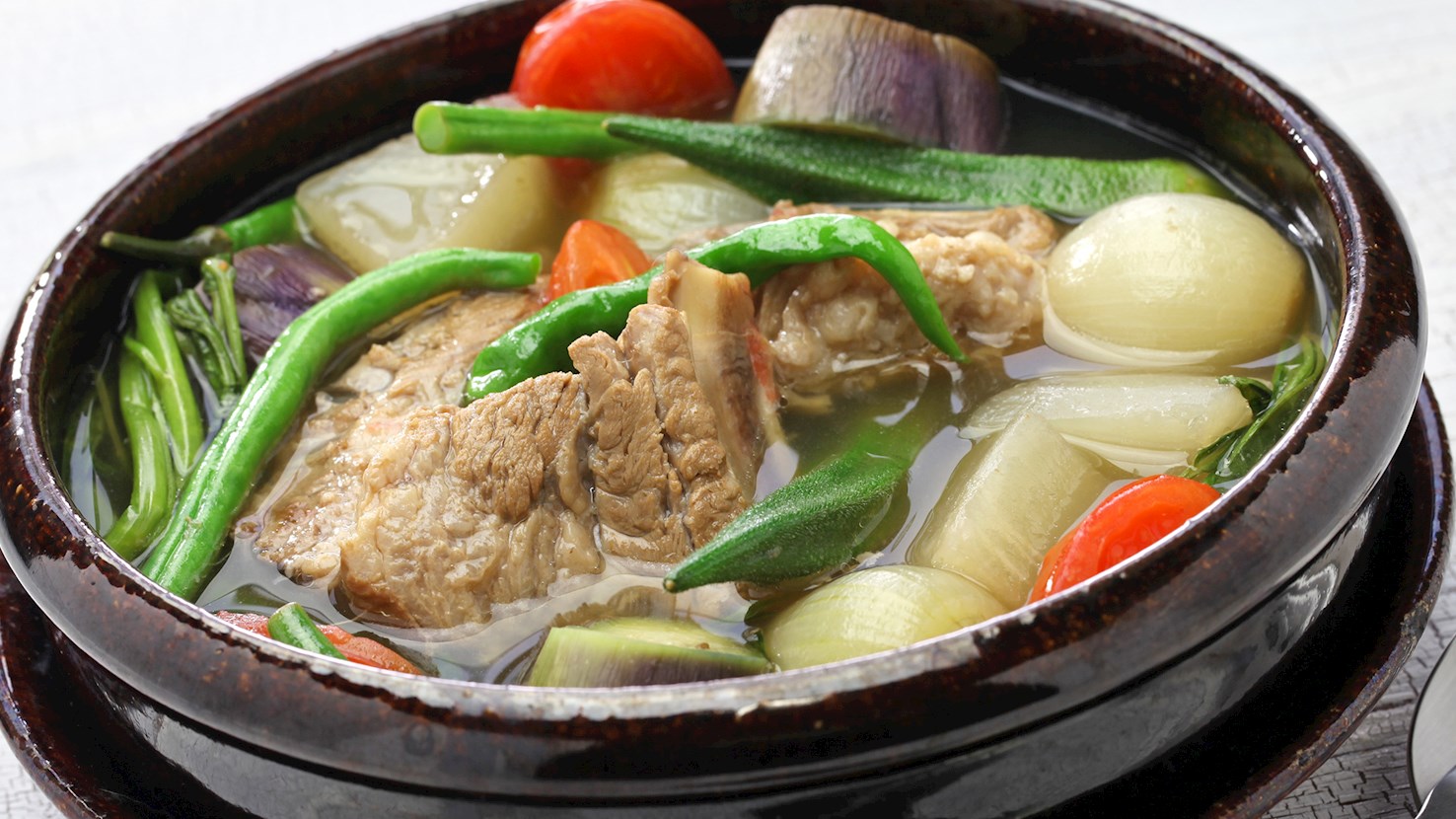
This variety of sinigang - Filipino savory and sour soup - consists of various pork cuts that are simmered along tamarind fruit. Tomatoes, onions, garlic, okra, white radish, water spinach and green long peppers are also commonly used for this soup. There is also a similar dish in Malaysian cuisine called siniggang. A version of the pork sinigang is sinigang na miso, which uses the Japanese seasoning made from fermented rice and barley or soybeans. Nowadays, sinigang mix is available in supermarkets, but enjoying the dish made from scratch represents the full experience.

09
Chicken Soup

Tom kha gai

4.4 ·

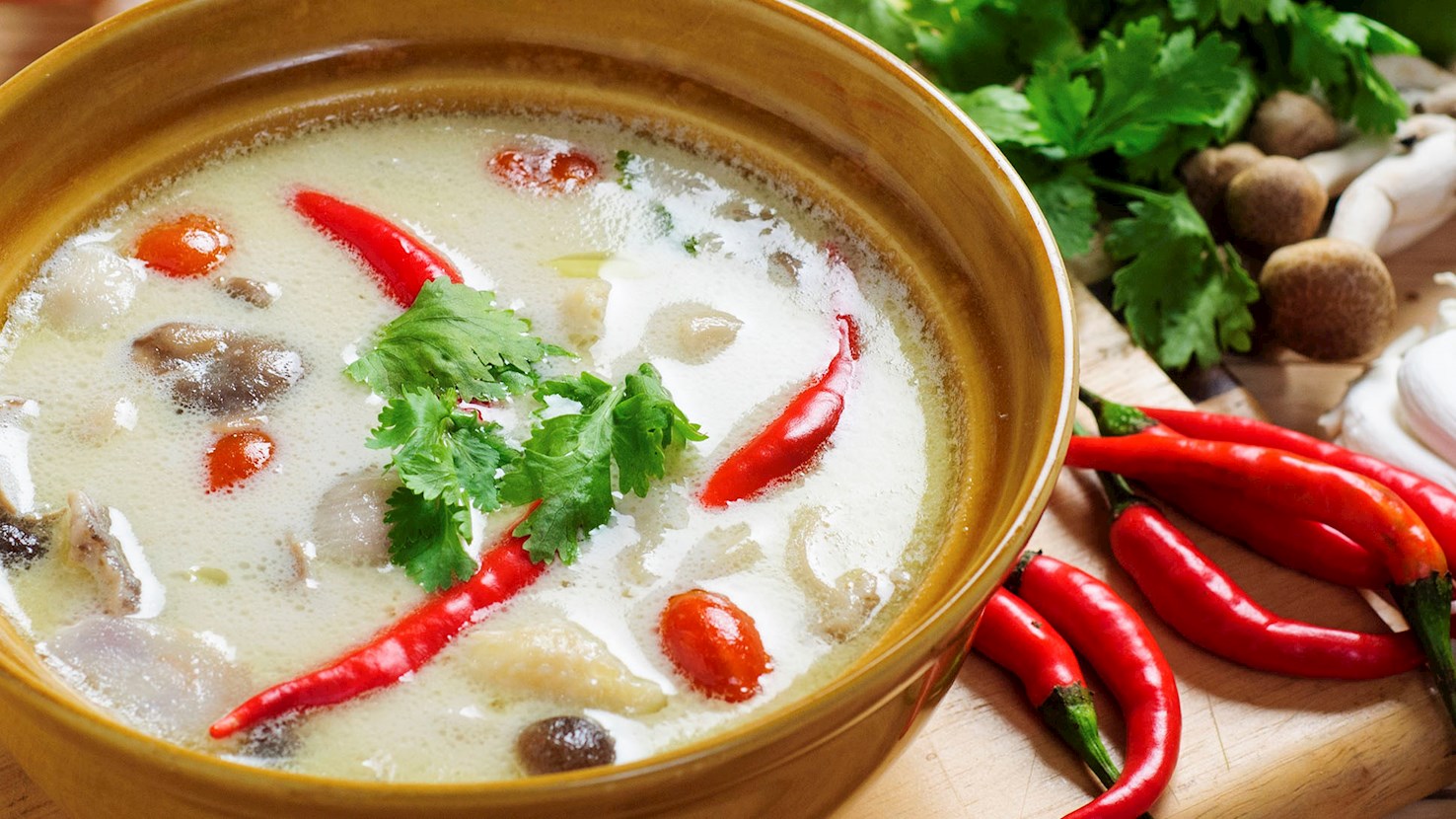
Tom kha gai is Thailand's delicious national dish coming from the central part of the country and bearing the influence of neighbouring Laos. It is a soup whose name translates to boiled galangal chicken soup, consisting of coconut milk, chicken chunks or shreds, galangal (reddish-brown or pink woody plant related to ginger), lemongrass, garlic, bird's eye chili peppers, kaffir lime leaves, fish sauce, and shiitake mushrooms. Galangal's peppery, pungent, slightly sour and floral flavors provide an interesting contrast to the creaminess of coconut milk, creating a wonderfully aromatic dish in the process. Tom kha gai is highly nutritious with great medicinal properties, such as the ability to soothe the gastro-intestinal tract. Since the dish is very popular, there are also other versions of the soup - vegetarian, tofu, seafood, and pork tom kha are just some of its varieties. It is traditionally served with rice on the side, garnished with coriander leaves and diced tomatoes.

10
Chicken Dish

Inasal na manok

4.4 ·

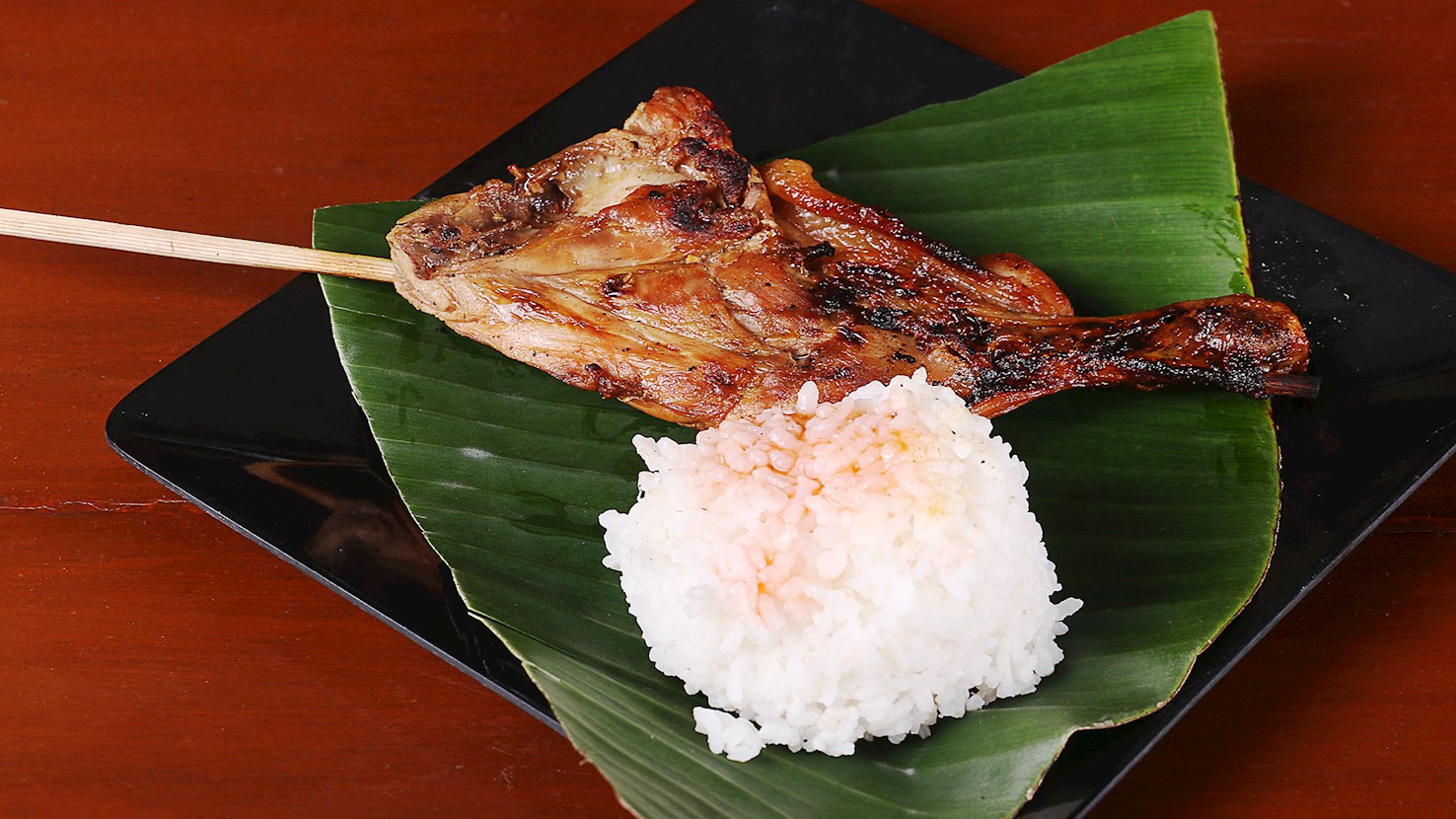
Inasal na manok is a unique Filipino grilled chicken dish which originated in Western Visayas and became the signature dish of the entire region. It employs various chicken cuts marinated in a mixture of vinegar and numerous spices such as lemongrass, garlic, and ginger. During grilling, the meat is brushed with the annatto-infused oil which provides the chicken with an appetizing golden color and a unique peppery flavor. The dish is usually served alongside annatto-flavored garlic rice and spiced vinegar. In 2022, the city of Bacolod declared the dish an important cultural property.

Best Southeast Asian food products

01
Chocolate

Belvie Chocolate

5 ·
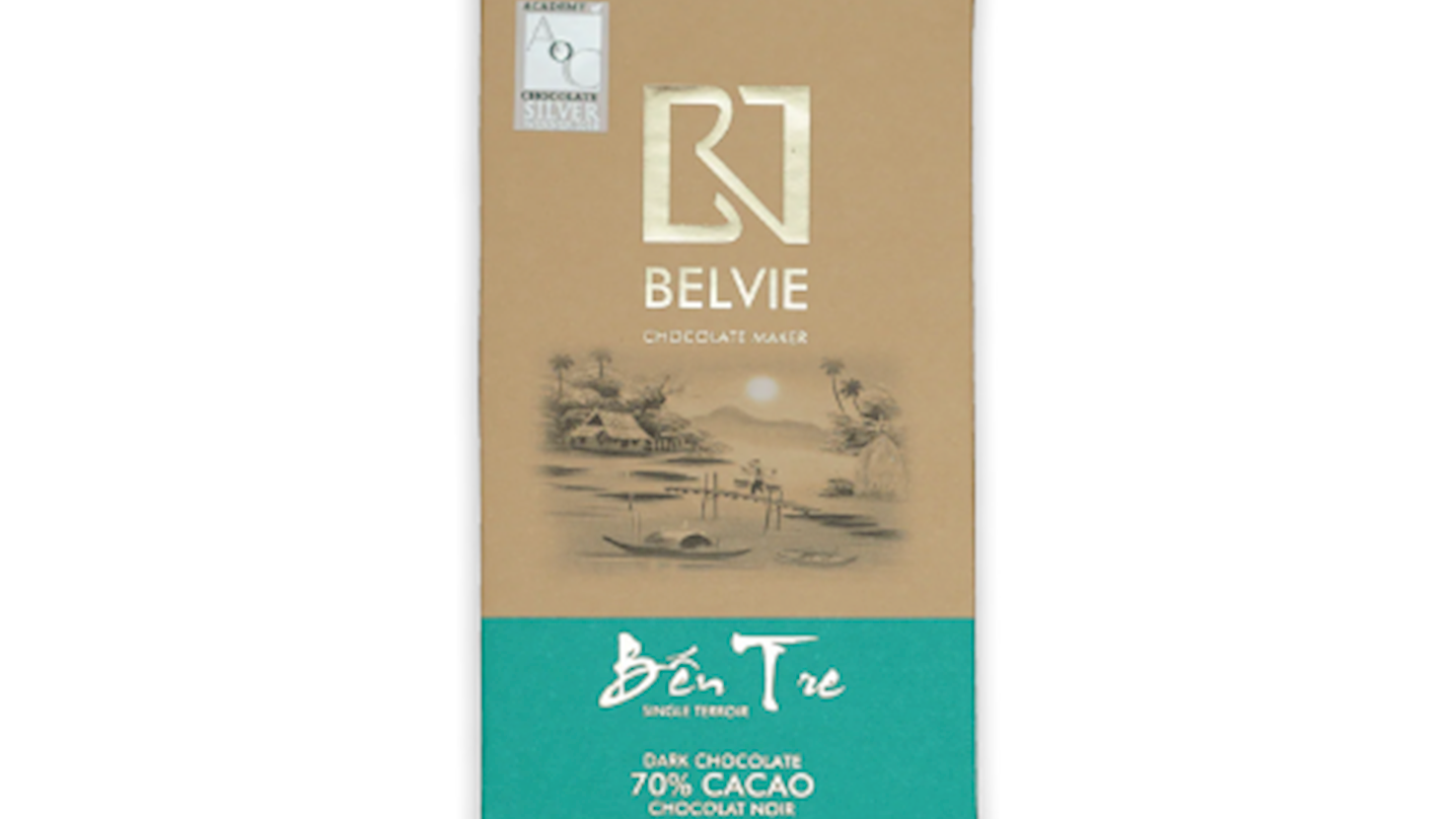
Belvie Chocolate is a Vietnamese bean-to-bar chocolate maker that blends local terroir with Belgian chocolate craftsmanship. Founded in 2015 by Jannie Ha Tran and Marc Vanborren, the brand was created with the goal of promoting sustainable cocoa cultivation and supporting small farmers across Vietnam. Belvie sources Trinitario cocoa exclusively from small plantations in the provinces of Lam Dong, Ben Tre, Tien Giang, and Dong Nai, where the beans are hand-fermented and sun-dried to preserve their aromatic character. The production process is entirely natural - no lecithin or artificial additives are used - and every stage, from roasting and grinding to conching and tempering, takes place in their workshop in Ho Chi Minh City. Their dark chocolates, typically containing between 70% and 80% cocoa, are distinguished by clearly defined regional profiles, featuring notes of tropical fruit, flowers, caramel, or roasted almonds, depending on the origin of the beans. Through a combination of ethical sourcing, authentic local varieties, and European precision, Belvie has become one of the most recognized chocolate producers in Southeast Asia.
Awards
Academy of Chocolate - Silver (2019, 2018)
Academy of Chocolate - Bronze (2020, 2017)
02
Chocolate

Paradai

5 ·
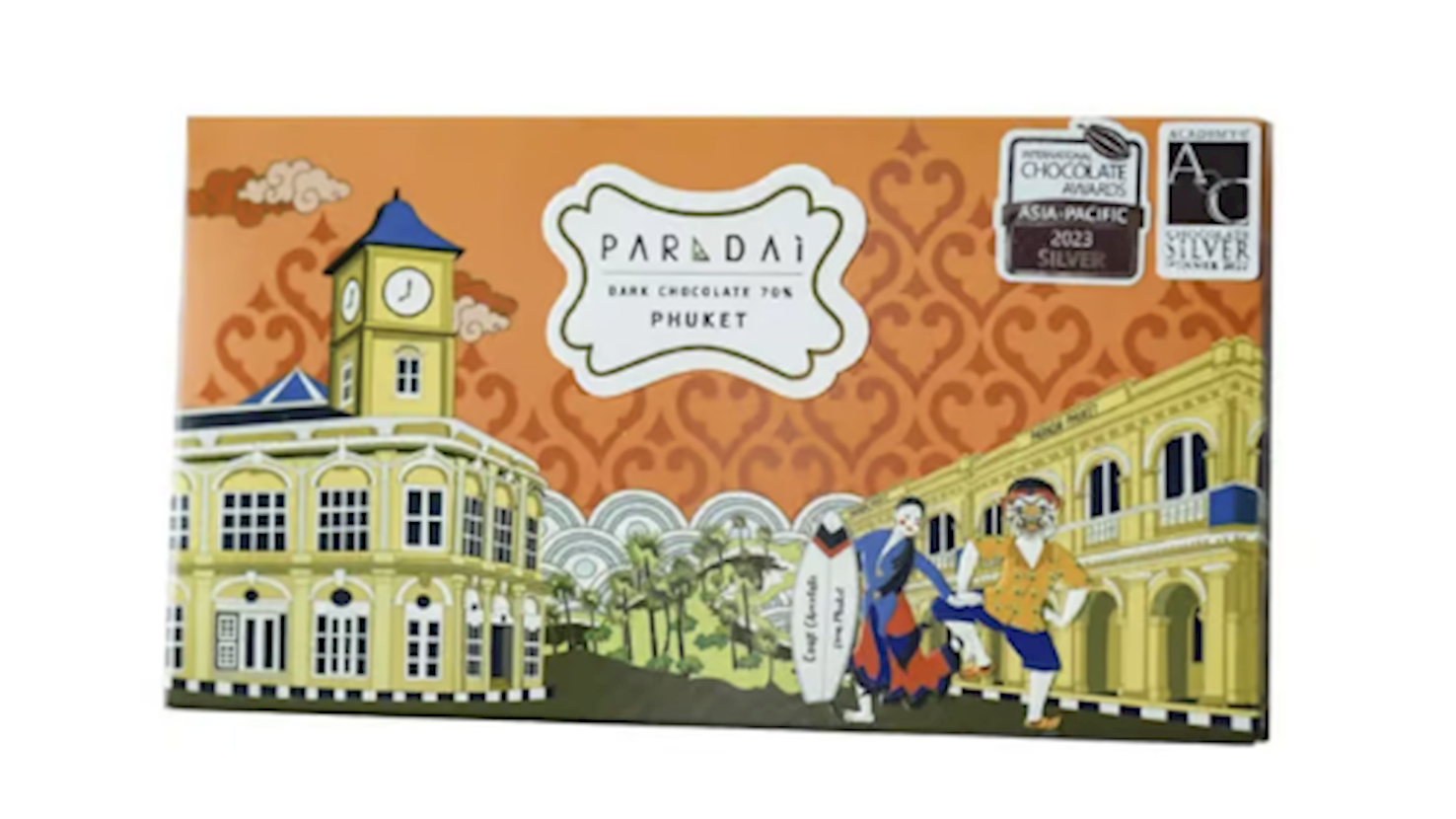
Paradai is a Thai bean-to-bar craft chocolate maker based in Bangkok, founded in 2016 with the aim of showcasing the unique character of locally grown Thai cacao. The company works directly with cacao farmers across several regions of Thailand, including Nakhon Si Thammarat, Phuket, and Chanthaburi, emphasizing traceability and the distinct terroir of each origin. By controlling the entire process from sourcing and roasting to grinding and conching, Paradai produces chocolate that highlights the natural flavor profile of the beans rather than masking it with additives. Thai cacao is known for its bright, fruit-forward aromatics, often revealing notes of tropical fruit, citrus, and gentle acidity, which are preserved through careful fermentation and roasting. Each bar is crafted in small batches to maintain consistency and clarity of flavor.
Awards
International Chocolate Awards - ‘Best in competition' overall winners (2022)
International Chocolate Awards - Gold (2025, 2024, 2023, 2022, 2019)
03
Chocolate

Krakakoa

5 ·
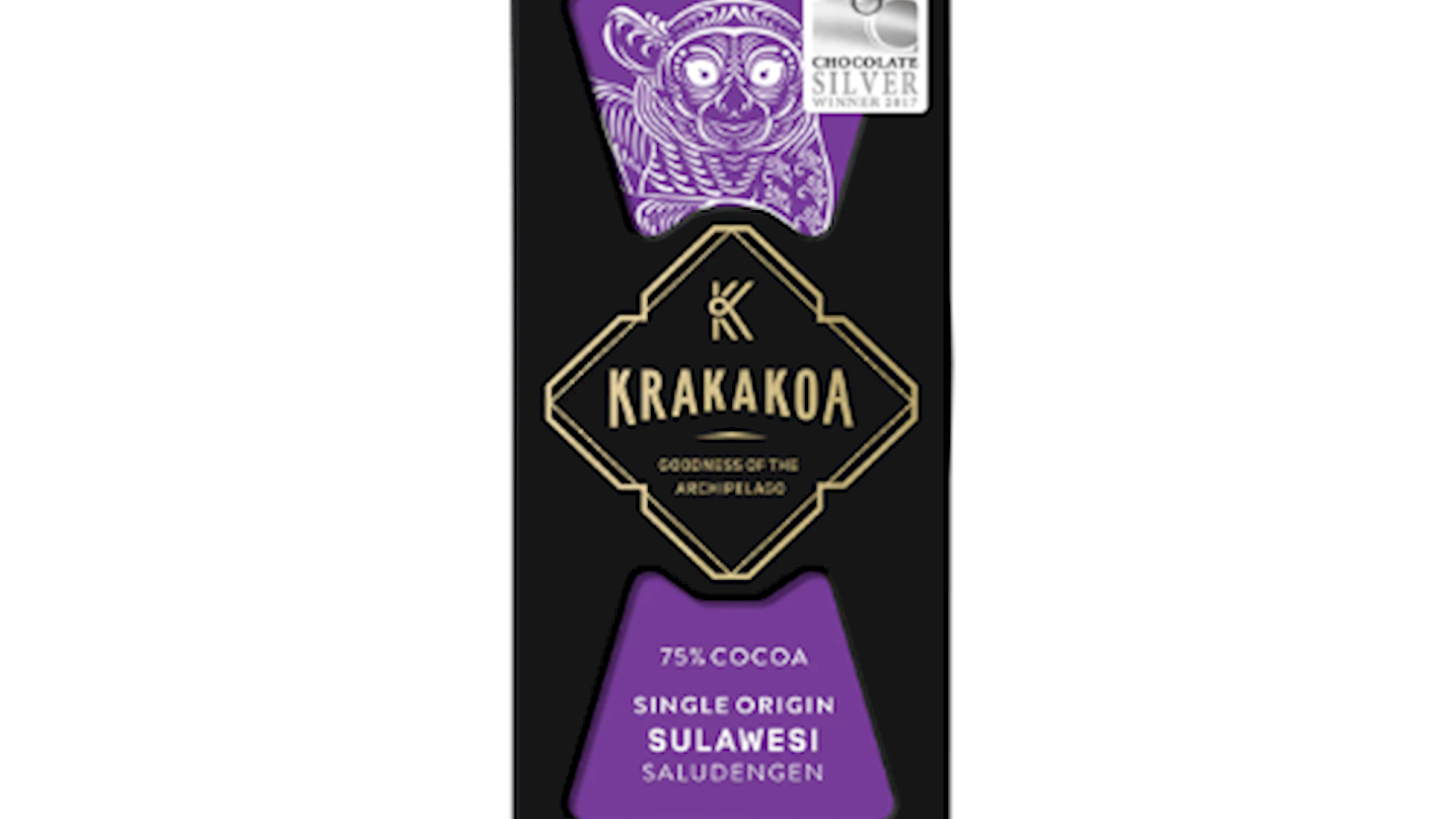
Krakakoa is an Indonesian bean-to-bar brand that combines premium chocolate craftsmanship with social responsibility through its “from farmer to bar” model. Founded by Sabrina Mustopo, the brand’s mission is to keep the value of cocoa processing within the country of origin, providing small farmers with fair income and education. Krakakoa collaborates with over a thousand farmers across the Lampung, Sumatra, and Sulawesi regions, offering training in sustainable farming, fermentation, and organic cultivation. The raw cocoa is processed locally - from fermentation and drying to grinding, refining, and tempering - ensuring complete control over quality. The brand emphasizes transparency in its production chain and uses only natural ingredients without additives. Krakakoa chocolates are distinguished by their pronounced terroir character, with flavor profiles ranging from citrusy and floral to earthy and spicy, depending on the origin of the beans. The products are distributed across several countries in Europe and Asia, reflecting growing global interest in authentic origin chocolates. By combining quality, responsibility, and authenticity, Krakakoa has become a model of how fine chocolate can be crafted with meaningful social impact.
Awards
Academy of Chocolate - Silver (2018, 2017)
Academy of Chocolate - Bronze (2018, 2017)
04
Chocolate

Malagos Chocolate

5 ·
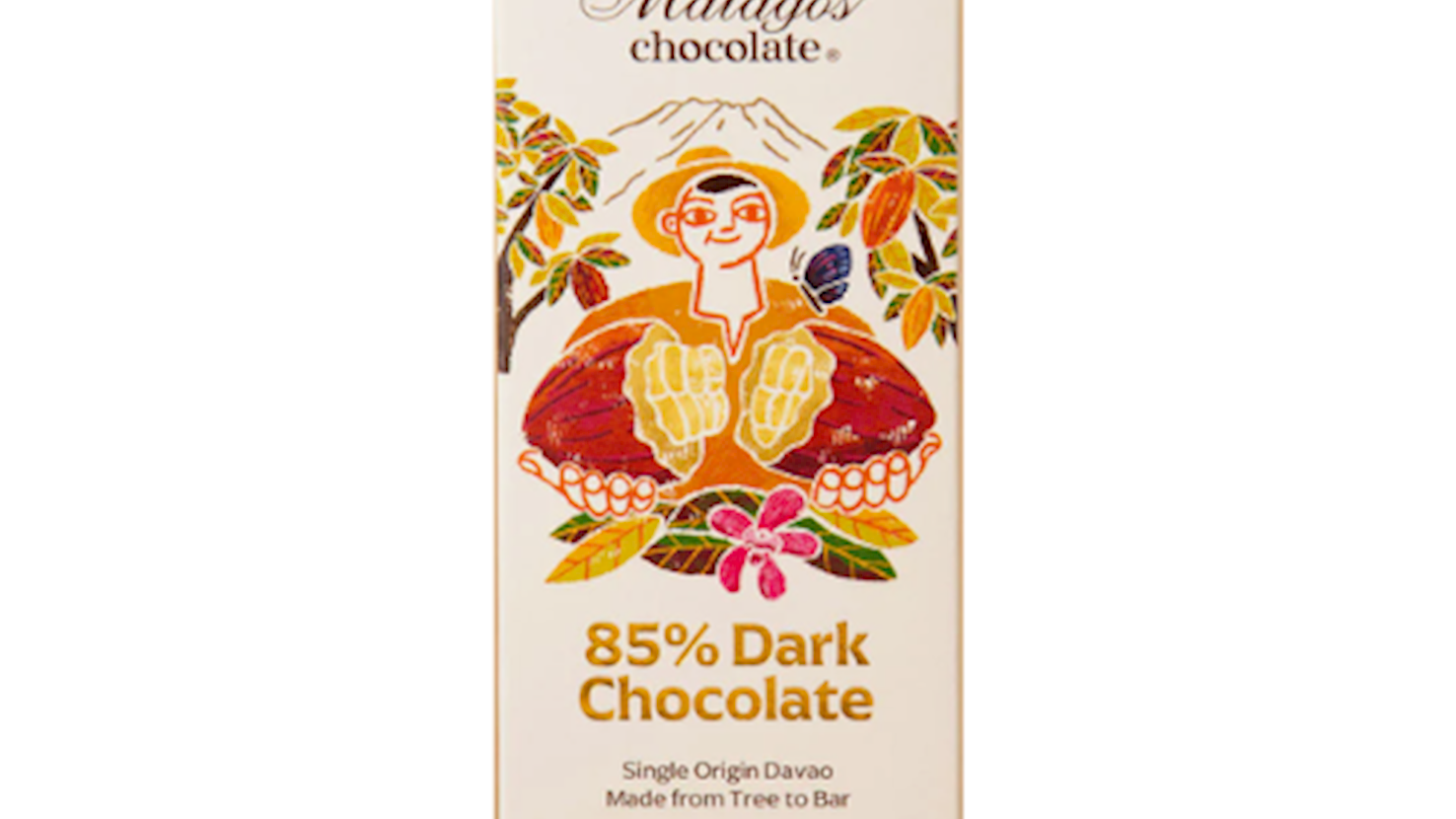
Malagos Chocolate is a Filipino bean-to-bar brand from Davao City and one of the most prominent examples of sustainable and authentic chocolate production in Southeast Asia. Founded in 2012 by the Puentespina family, the brand’s mission is to showcase the full potential of Filipino cacao through a carefully controlled process - from cultivation to finished bar. All the cacao they use comes from their own farm in Malagos and partner estates across the Mindanao region, where the beans are fermented, dried, and roasted under strict standards that preserve their aromatic complexity and natural acidity. Their dark chocolates are distinguished by deep notes of tropical fruit, roasted nuts, and a warm, earthy finish. The brand’s packaging and visual identity reflect the beauty of Philippine nature and culture, while the product itself embodies artisanal precision and social responsibility. Today, Malagos Chocolate stands as a symbol of the modern chocolate movement in the Philippines - a harmony of flavor, origin, and sustainable development.
Awards
Academy of Chocolate - Silver (2020, 2018, 2017, 2016)
International Chocolate Awards - Silver (2018)
05
Rice

Malis Angkor

5 ·
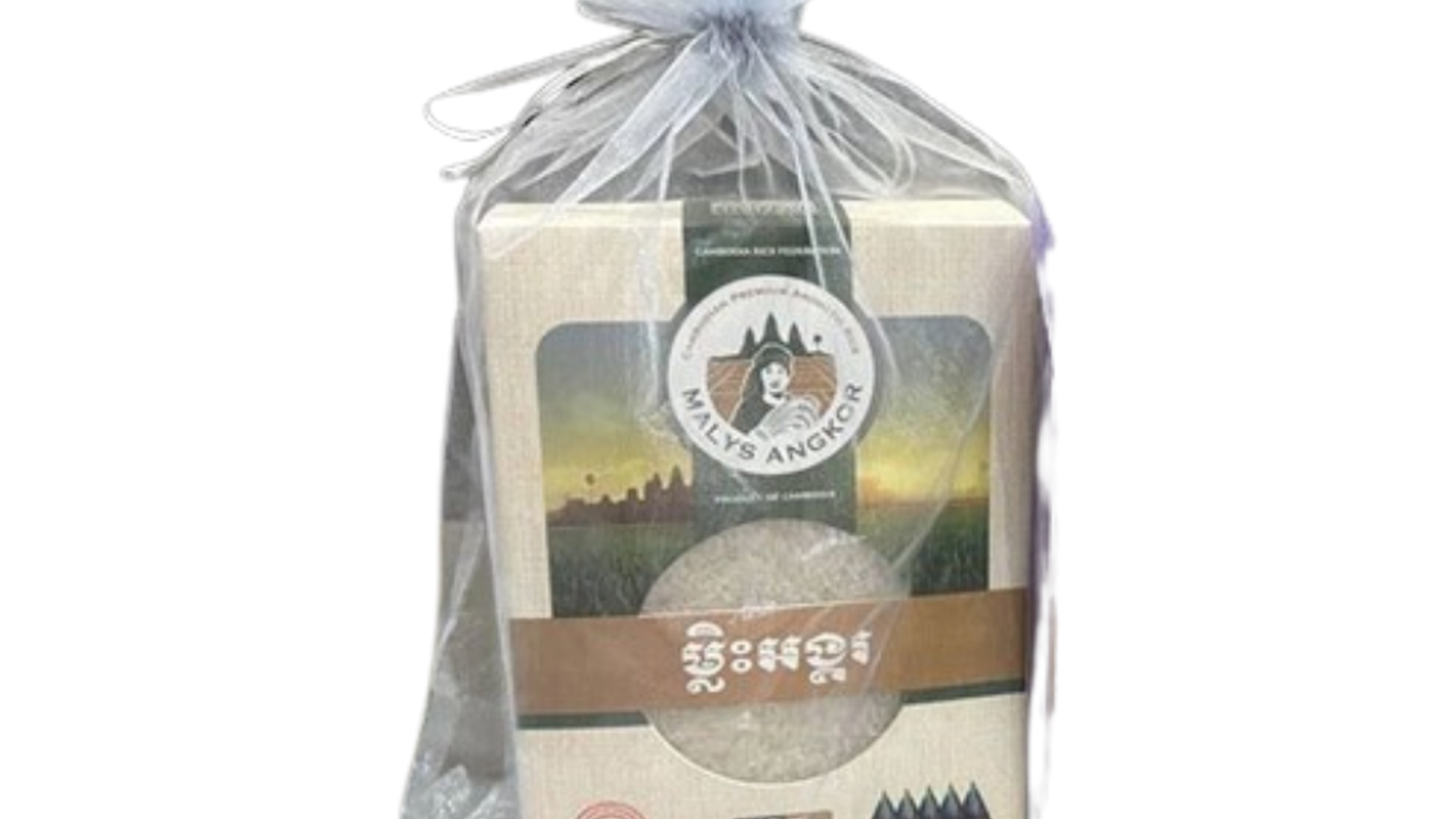
Malys Angkor is a certification brand that represents the highest quality of Cambodian aromatic rice and is owned by the Cambodia Rice Federation. This mark guarantees that the rice originates from verified sources in Cambodia and meets the highest standards in terms of quality, flavor, and origin. The Malys Angkor brand includes highly prized varieties such as Phka Rumduol and other traditional types, known for their delicate texture, jasmine fragrance, and slightly sweet taste. The brand was created to unify and promote the identity of Cambodian rice on the global market, and its authenticity has been recognized through multiple wins of the prestigious "World’s Best Rice" award. Malys Angkor is not just a brand - it is a symbol of national pride, sustainable agriculture, and the exceptional culinary value of Cambodia.
Awards
International World Rice Conference - World’s Best Rice (2024, 2022, 2018)
06
Rice

Gạo Ông Cua

5 ·
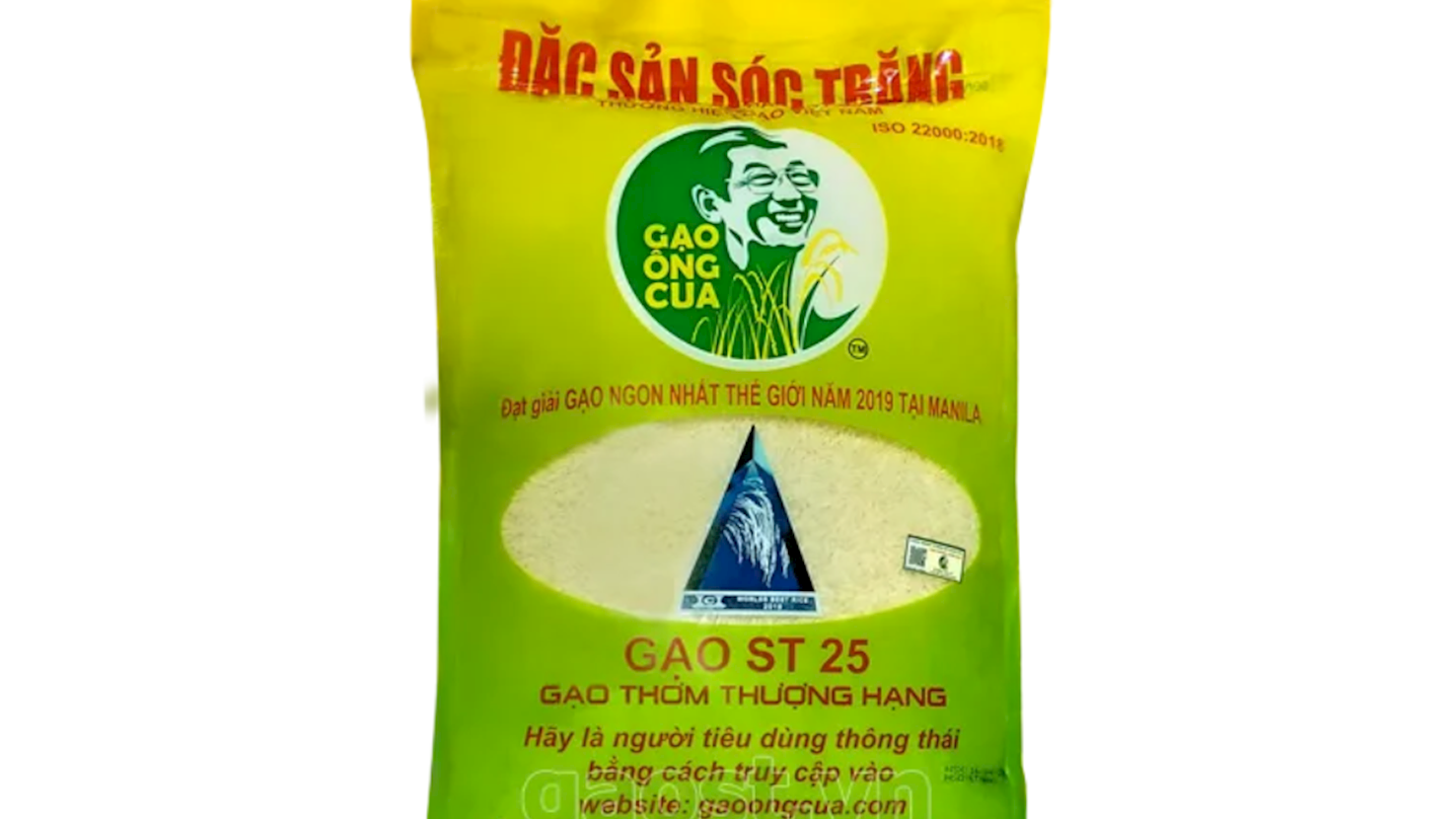
Gạo Ông Cua is a prestigious Vietnamese rice brand originating from the Mekong Delta, renowned for its superior quality and authenticity. The brand is named after engineer Hồ Quang Cua, the principal developer of the famous ST24 and ST25 rice varieties, which have won multiple awards at international rice competitions, including the title of “World’s Best Rice” in 2019 and 2023. These varieties are the result of years of scientific research and carefully selected agricultural practices, aimed at producing rice with exceptional taste, aroma, and nutritional value. Gạo Ông Cua is especially distinguished by its ST25 variety – a long, glossy grain that remains fluffy and fragrant after cooking. The brand represents a modern Vietnamese approach to agriculture, combining tradition, science, and sustainability, and is increasingly recognized both domestically and on the international market.
Awards
International World Rice Conference - World’s Best Rice (2023, 2019)
07
Chocolate Confectionery

Dalareich Chocolate House
5 ·
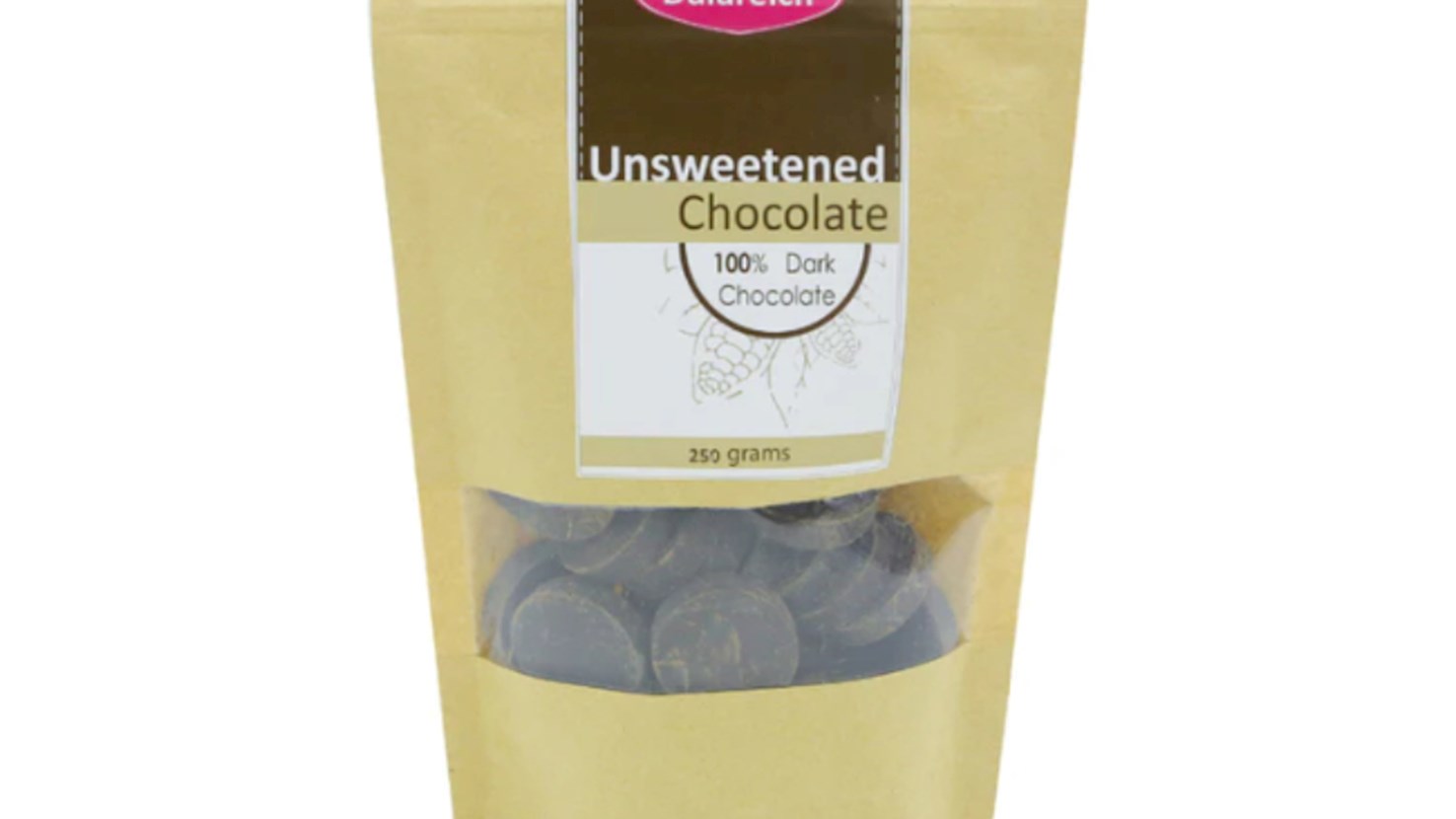
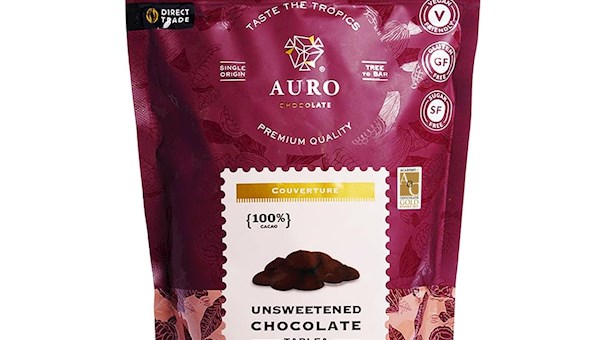
Dalareich Chocolate House is a chocolate producer based in the Philippines, specifically in Bohol. The company is involved in producing chocolate products using locally sourced cacao. They focus on bean-to-bar production, a method where the entire chocolate-making process—from roasting the cocoa beans to forming the chocolate bars—is controlled in-house to ensure quality. Dalareich Chocolate House also engages in initiatives to support local cacao farmers by promoting sustainable agricultural practices.
Awards
Academy of Chocolate - Gold (2019)
08
Tea / Infusion

Three Six Manor

5 ·
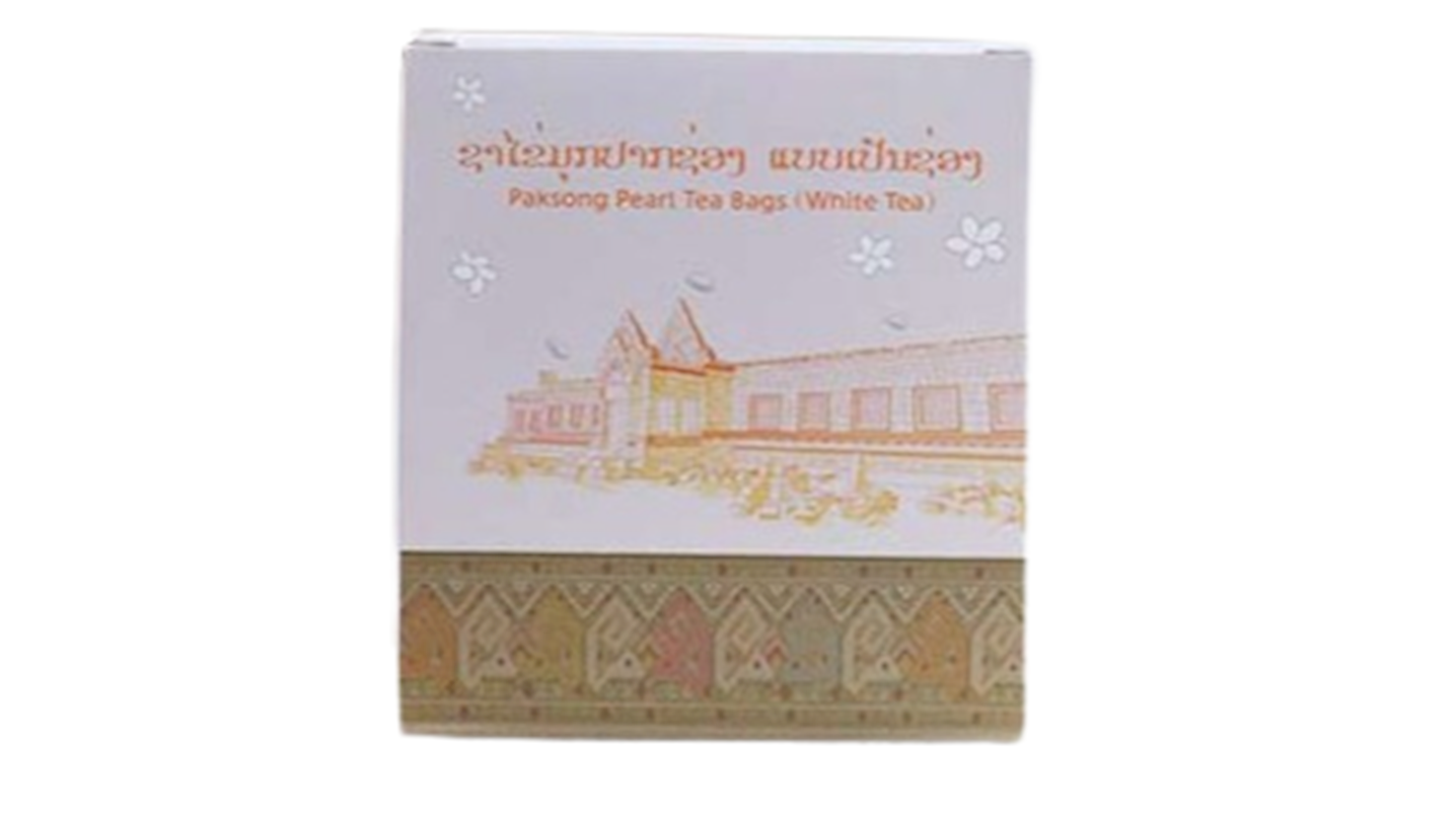
36 Manor is a premium tea brand located in Laos, specifically known for its Paksong teas grown on the Bolaven Plateau, a region famous for its volcanic soils and high-altitude climate. The company, under the Rongxing Group, has developed a unique approach to tea production, offering a variety of high-quality teas such as black tea, green tea, and white tea, often highlighted by their "Paksong" series. These teas are enriched by the pristine environment of the plateau, where aged tea trees and traditional craftsmanship are key to creating distinctive, aromatic blends.
09
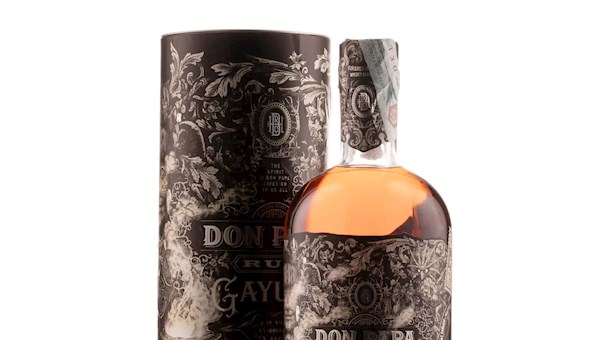
Spirit

East Asia Whisky Company

5 ·
Awards
ISC-International Spirits Challenge - Double Gold (2023)
IWSC- International wine & spirit competition - Spirit Gold Outstanding (2024, 2023)
10
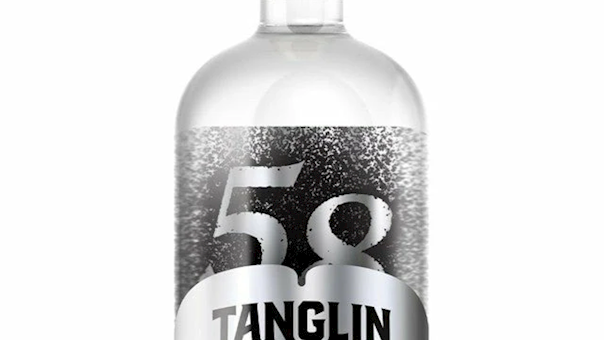
Spirit

53 degrees enterprise

5 ·
Awards
SFWSC - San Francisco World Spirits Competition - Double Gold (2024)
ISC-International Spirits Challenge - Gold (2021)
Read more
View all
View map
About this ranking

TasteAtlas food rankings are based on the ratings of the TasteAtlas audience, with a series of mechanisms that recognize real users and that ignore bot, nationalist or local patriotic ratings, and give additional value to the ratings of users that the system recognizes as knowledgeable. For the “Top 100 Southeast Asian Foods” list until June 10, 2026, 39,408 ratings were recorded, of which 27,271 were recognized by the system as legitimate. TasteAtlas Rankings should not be seen as the final global conclusion about food. Their purpose is to promote excellent local foods, instill pride in traditional dishes, and arouse curiosity about dishes you haven’t tried.

The initial list of top producers was compiled based on available reviews, awards, local recommendations, media and blog coverage, and consumer reviews. The list will be updated with ratings from TasteAtlas local ambassadors and TasteAtlas users.

Similar lists