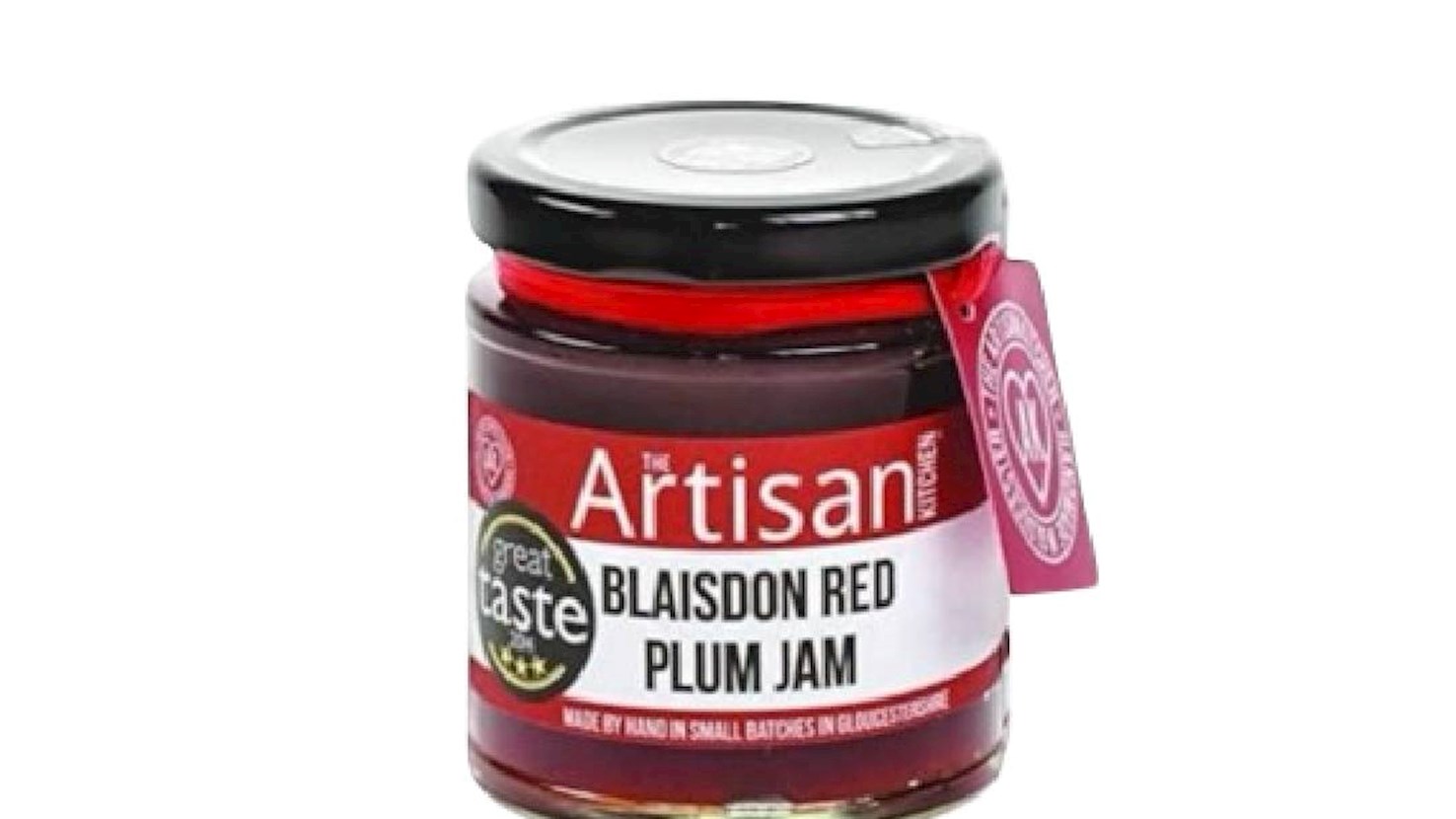
The Artisan Kitchen is a small, highly dedicated craft producer specializing in handmade jams, marmalades, and fruit preserves of exceptional quality. Each product is created in small batches using carefully selected seasonal fruit and traditional copper-pan cooking methods. Behind the brand is a professional chef who has channeled her passion for authentic flavors into unique recipes that highlight the natural richness of the fruit.
The entire production process is done by hand - from sourcing and cooking the fruit to filling, labeling, and packaging - ensuring meticulous care at every stage. With a philosophy rooted in sustainability, quality, and a genuine commitment to artisanal craft, The Artisan Kitchen offers products that reflect the warmth of homemade preparation and a true love of food.
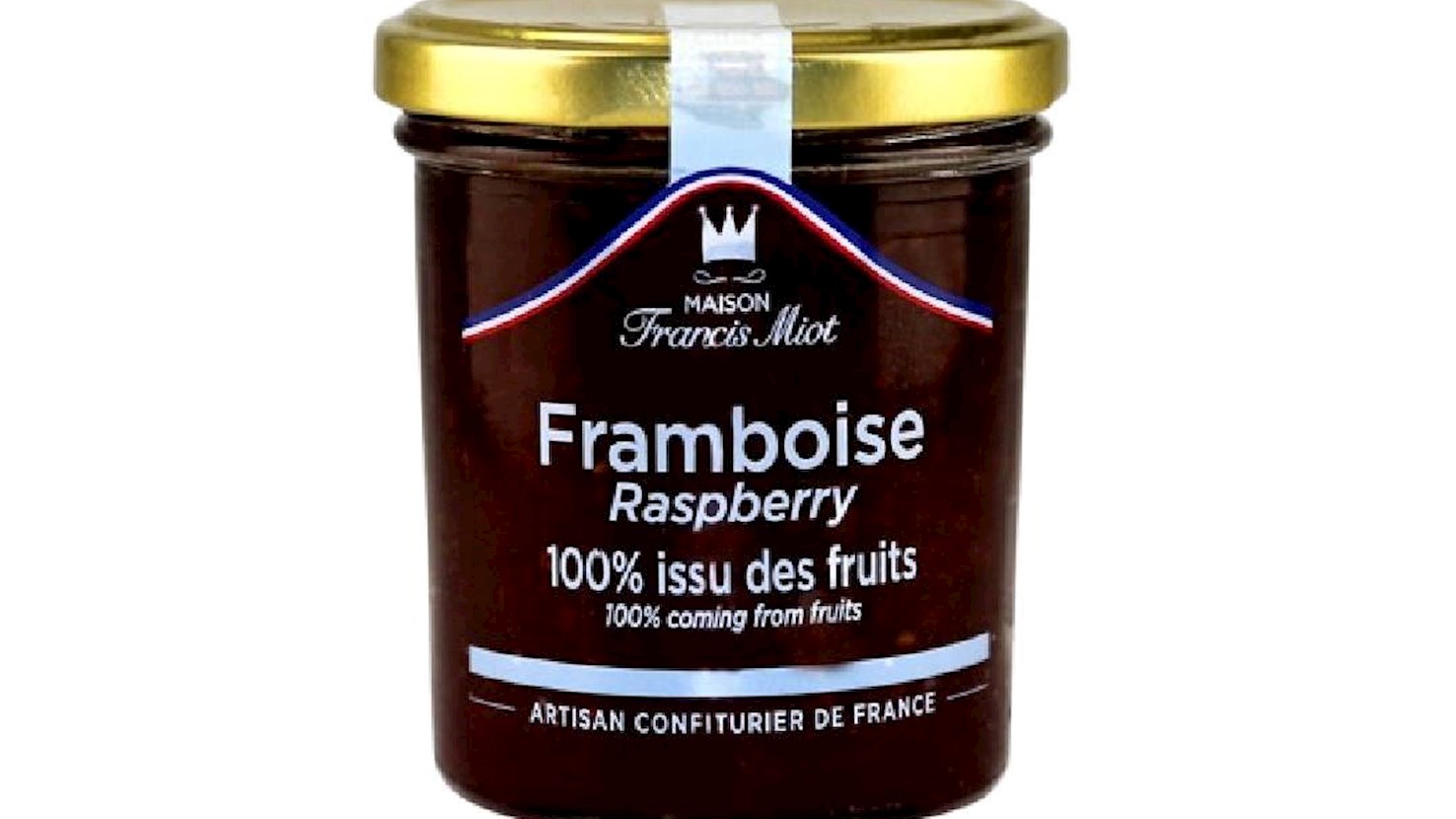
Maison Francis Miot is a renowned French artisanal house celebrated for its exceptional jams, confections, and fine chocolates. Born from a passion for fruit and gourmet craftsmanship, the brand is known for its dedication to using only the highest quality ingredients, carefully selected at peak ripeness to preserve their natural flavors and aromas.
Each jam is prepared in small batches using traditional copper-pan methods, allowing for a rich, authentic taste with less sugar. Maison Francis Miot is especially admired for its creative flavor combinations — blending fruit with spices, flowers, or fine liqueurs — resulting in truly distinctive gourmet creations.
Alongside their signature jams, the collection includes fruit jellies, caramels, artisanal candies, and premium chocolate delicacies. With a deep commitment to artisanal excellence, Maison Francis Miot continues to delight discerning palates around the world with products that embody elegance, tradition, and innovation.
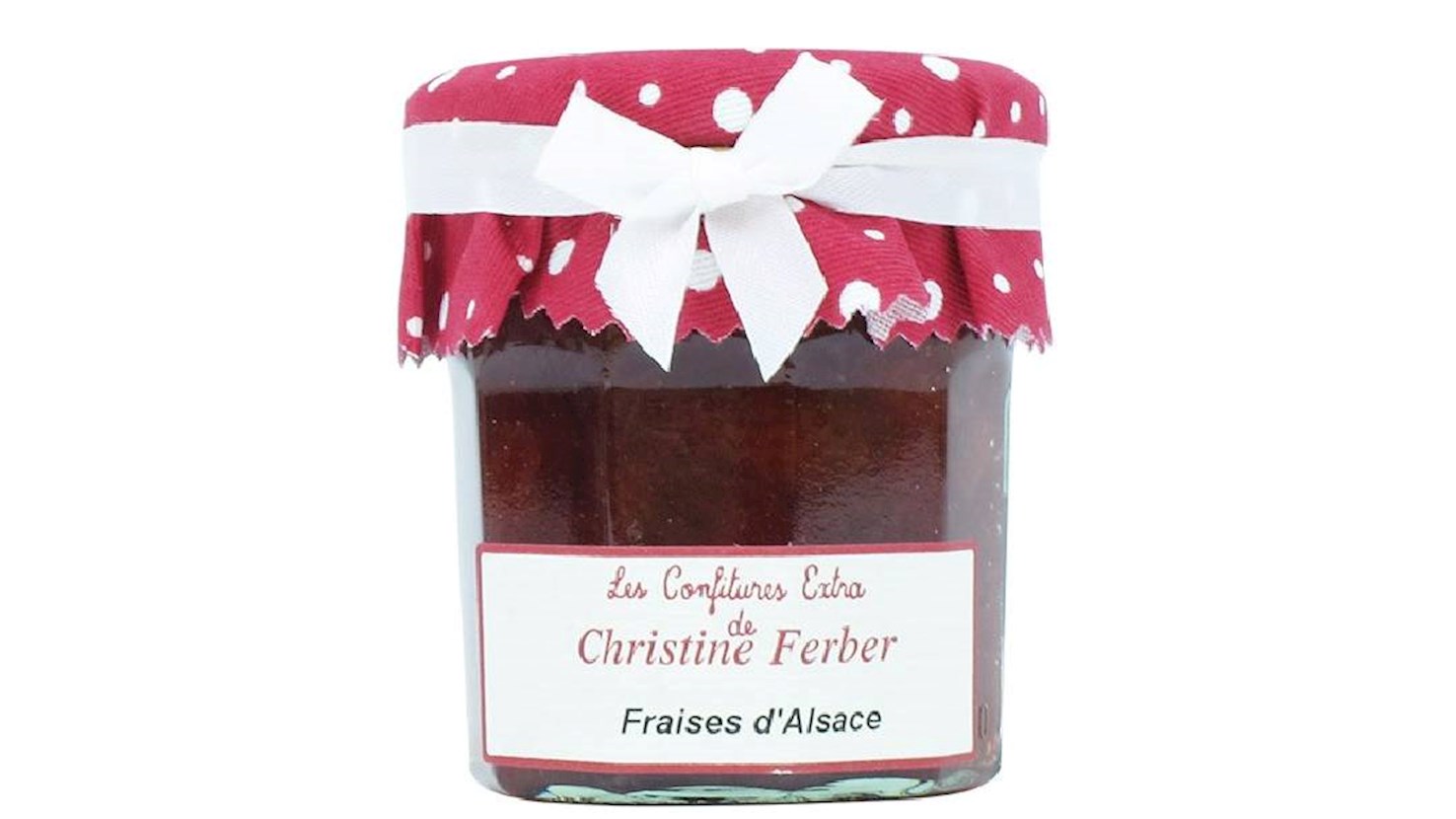
Christine Ferber is a legendary French pastry chef and master of jams, known worldwide as “The Jam Fairy”. From her hometown of Niedermorschwihr, in the heart of Alsace, she has been creating preserves since the 1980s that captivate with their vibrant colors, enticing aromas, and perfect balance of flavors.
Her philosophy is simple yet demanding - to use only the finest, carefully selected fruits and prepare them by hand, in small batches, using traditional copper pans. Every jar is the result of patience, craftsmanship, and an unfailing sense for harmony in taste.
Christine blends the classic with the unexpected - from timeless favorites like strawberry or raspberry to original creations such as peach with lavender or apricot with Madagascar vanilla. Her products grace the tables of the world’s finest restaurants and the homes of true gourmets, bringing joy and a touch of luxury to every bite.
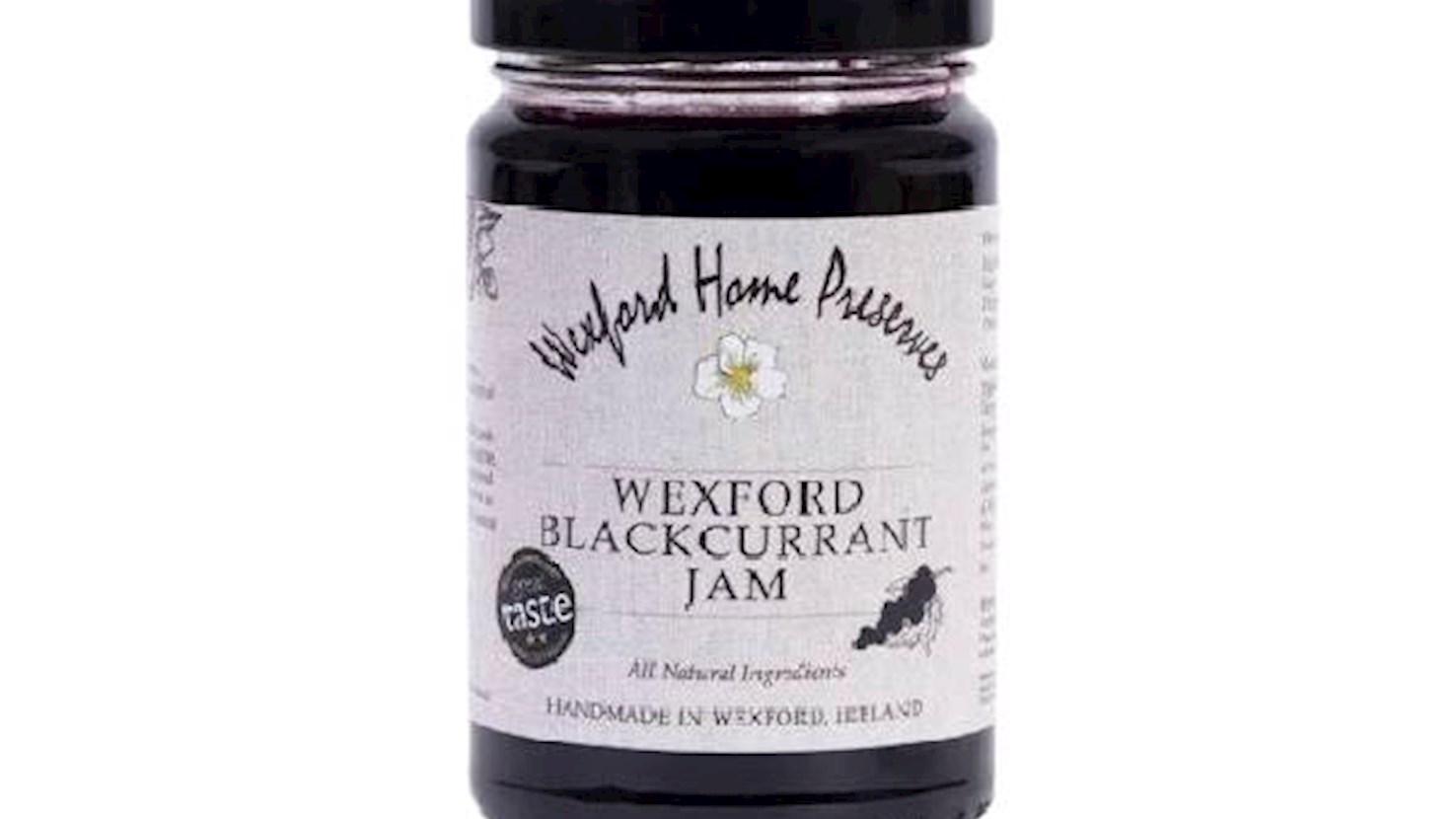
Wexford Home Preserves is a family-run artisan producer known for crafting exceptional jams, marmalades, chutneys, and fruit preserves. At the heart of their philosophy is a dedication to traditional methods, using open-pot boiling techniques in small batches to ensure each jar delivers rich, authentic flavor.
Their preserves are made with carefully selected fruit, with a strong emphasis on seasonality and natural quality. Every product reflects a hands-on approach — from preparation to packaging — with no artificial additives, colors, or preservatives.
With a wide range that includes both classic favorites and more inventive blends, as well as organic and no-added-sugar options, Wexford Home Preserves offers something for every taste. Their commitment to honesty, craftsmanship, and real ingredients is evident in every spoonful.
Awards
Great Taste Awards - 3 Stars
(2025, 2022, 2021)
Dalemain World Marmalade Awards - Gold
(2024, 2021, 2020)
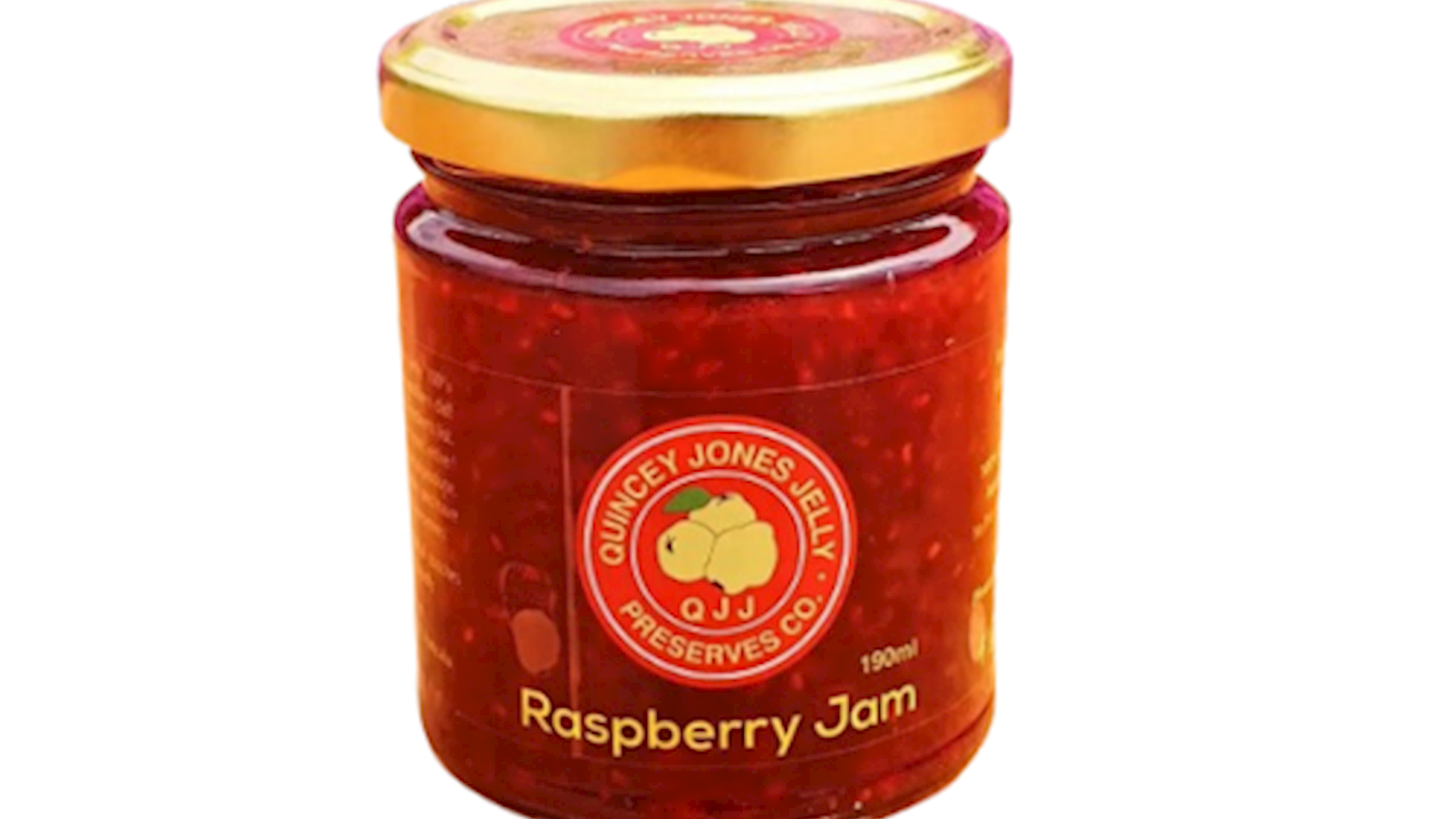
Quincey Jones Jelly Preserves is a family-run artisanal producer based in Moama, in the Murray River region on the border of New South Wales and Victoria, specializing in hand-crafted jams, marmalades, jellies, fruit pastes, chutneys, and relishes. All products are made in small batches using exclusively Australian fruit and vegetables, without artificial preservatives, colors, or fillers, with a clear focus on natural flavor and reduced sugar content. The fruit is processed while fresh and in season, often shortly after harvest, allowing for a clean, vibrant, and authentic fruit expression. The recipes are rooted in classic home-preserving traditions but are frequently enhanced with creative flavor combinations that make the products suitable for both sweet and savory culinary applications.
Awards
Melbourne Royal Australian Food Awards - Gold
(2025)
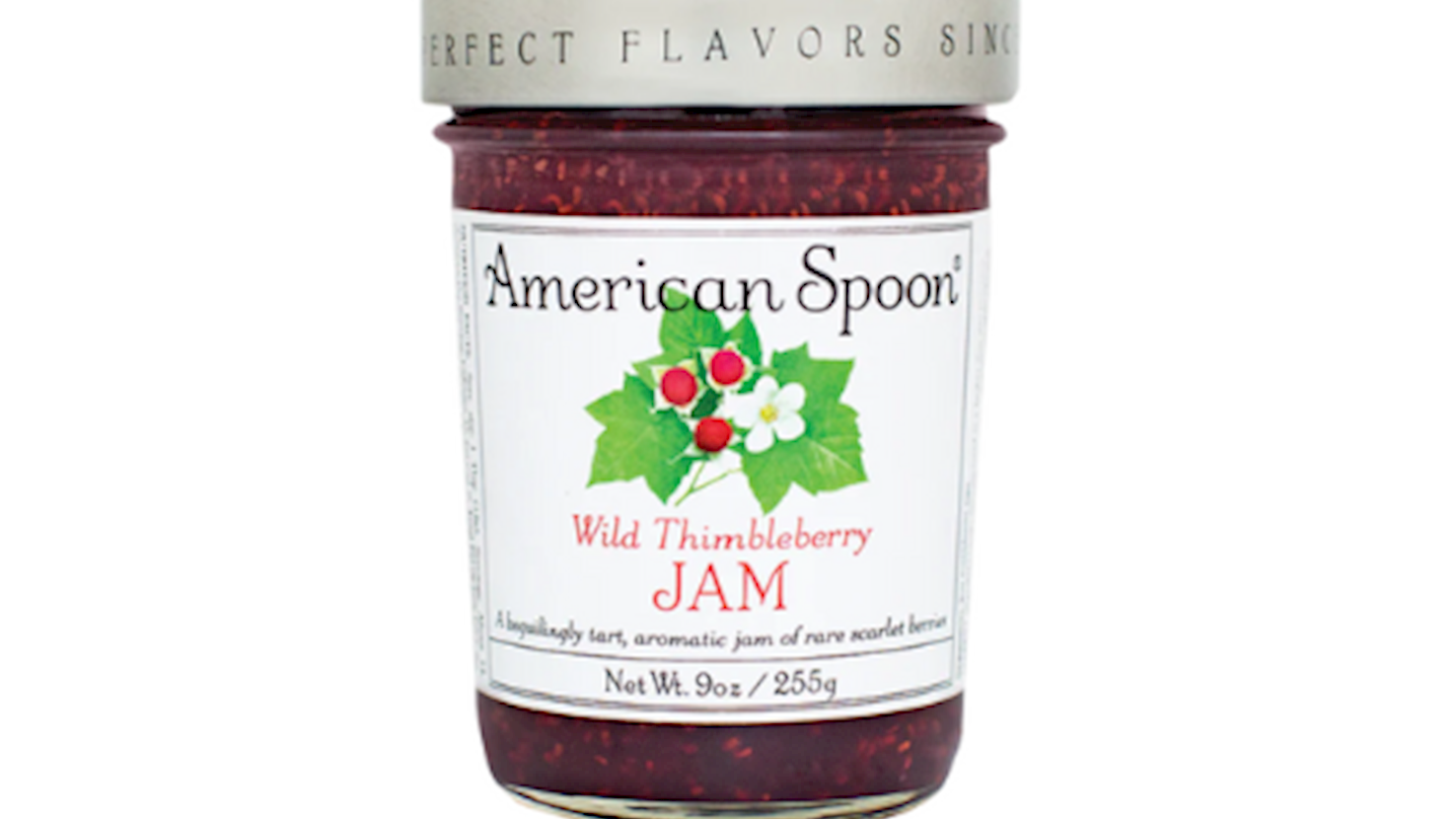
Spoon is a brand that celebrates simplicity, tradition, and the natural richness of fruit. Each of their products is handcrafted in small batches, using carefully selected ingredients from trusted sources. Every jam, spread, or syrup captures the care and attention poured into every step – from choosing the fruit to sealing the jar. Rather than chasing mass production, Spoon embraces the art of flavor. Their recipes preserve the true texture and character of each ingredient, letting nature speak for itself – without unnecessary additives. All products are made without gluten or peanuts, with a strong focus on quality, transparency, and trust. That’s why Spoon is a favorite among those who seek authentic taste and thoughtful choices, whether for daily enjoyment or special moments. Spoon is more than a brand – it’s an invitation to slow down, savor each bite, and feel the difference between something rushed and something truly crafted.
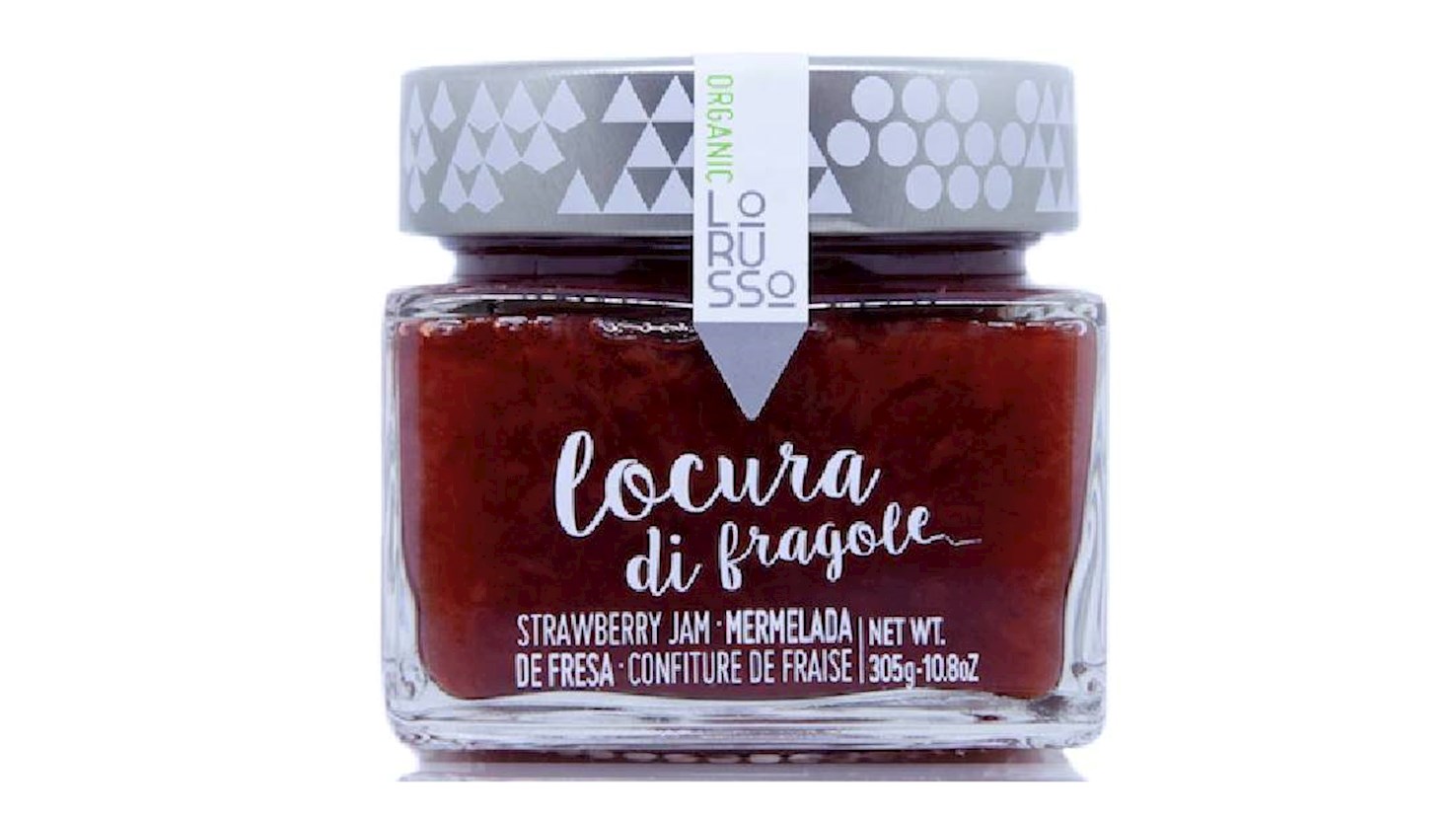
LoRUSSo is a Spanish–Italian family brand that blends tradition, innovation, and a deep commitment to premium quality. Their products are born from a passion for craftsmanship, with the goal of creating jams that captivate through pure flavor, natural ingredients, and meticulous handcrafting.
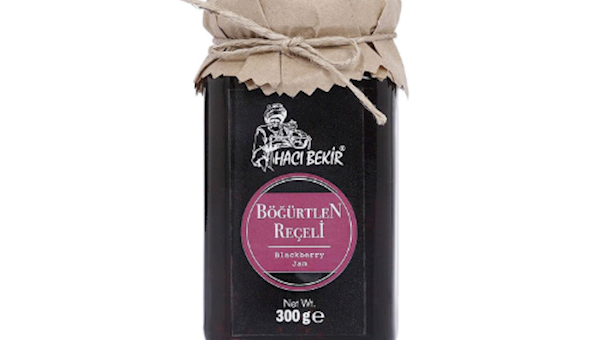
All marmalades are made from carefully selected organic fruit, with an impressive 85% fruit content and reduced cane sugar. Free from artificial colors, preservatives, gluten, and GMOs, they preserve the authentic aroma and nutritional value of the fruit. Each jar is produced in small batches, with labels applied by hand, making every package unique.
Sustainability is at the heart of LoRUSSo’s philosophy – they use renewable energy, recycle packaging, repurpose fruit waste as compost, and are committed to protecting the environment. Their values also extend to social responsibility, including gender equality and ethical production.
Today, LoRUSSo products can be found in more than 17 countries across three continents, from exclusive delicatessens to prestigious department stores, carrying the hallmark of authenticity and distinctive Mediterranean quality.
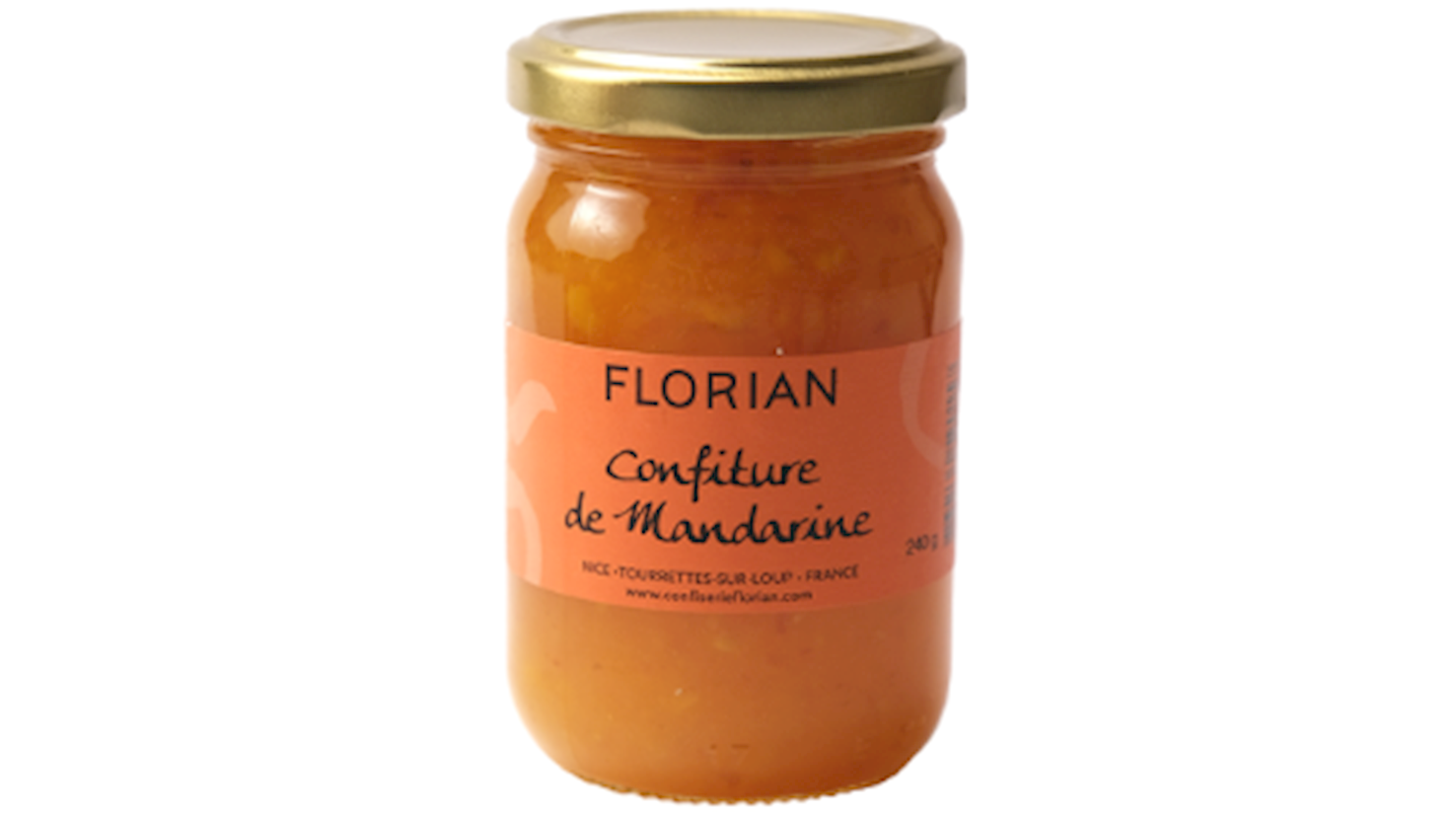
Confiserie Florian is a family-owned confectionery house founded in 1921 on the French Riviera, specializing in traditional hand-crafted processing of fruit, flowers, and citrus into high-quality delicacies. Their production relies on classic methods of candying, crystallizing, jam making, and chocolate coating, carried out in their Pont-du-Loup workshop in the Grasse region, an area known for aromatic plants and floral cultivation. The assortment includes candied citrus peels, crystallized rose, violet, and jasmine petals, traditional jams, pralines, and chocolates enriched with local aromas. A significant share of ingredients is sourced from nearby growers, reinforcing the brand’s strong connection to the Mediterranean terroir. Over time, Florian has introduced more contemporary creations that blend floral and fruity notes with modern confectionery techniques, without compromising the handcrafted nature of their products. Visits to the workshop offer insight into the full production process, along with tastings, further contributing to their reputation as one of France’s most distinctive confectionery houses. Today, Confiserie Florian stands as a blend of tradition, regional authenticity, and meticulously crafted flavor.
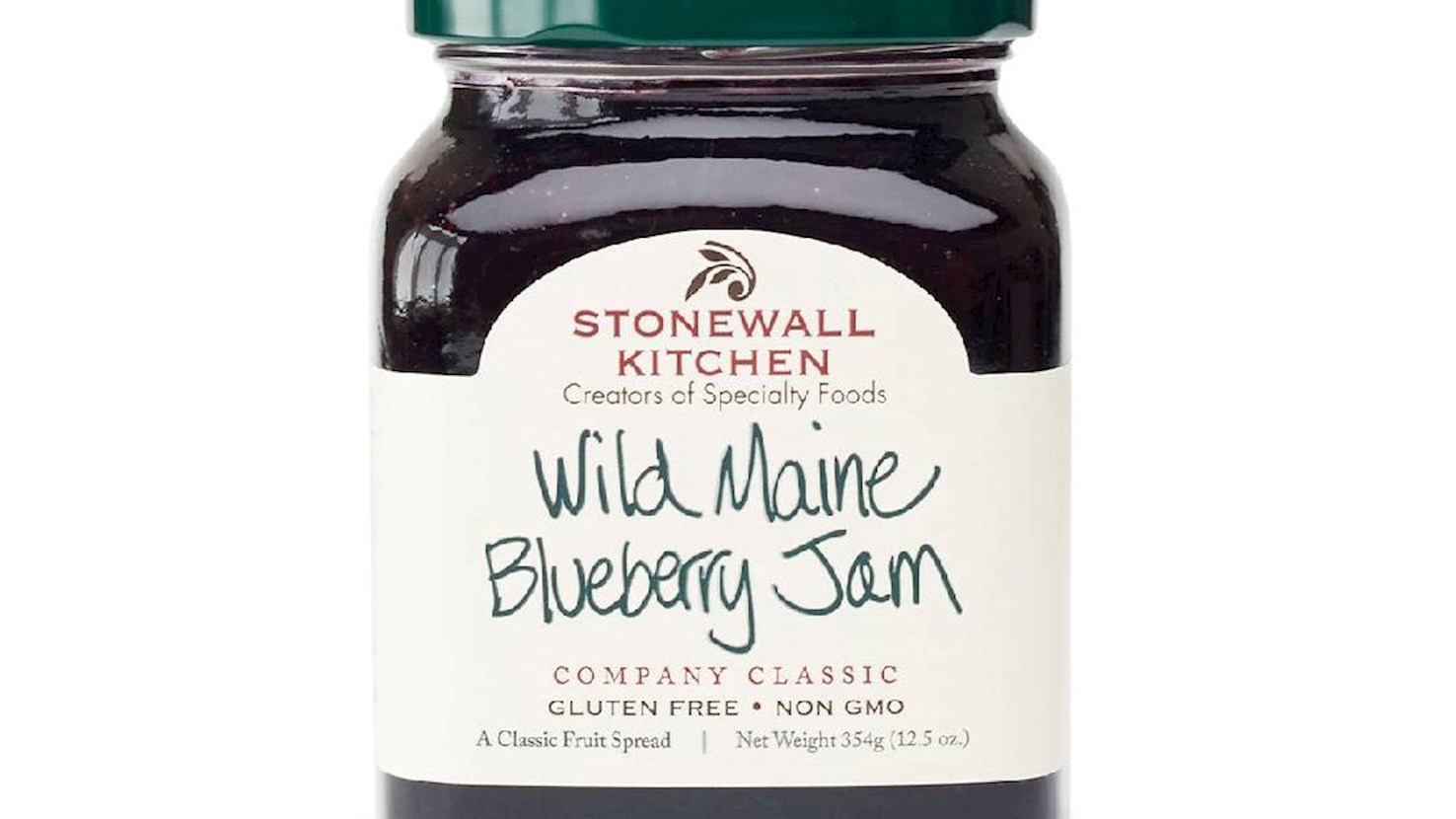
Stonewall Kitchen is an American brand renowned for its high-quality gourmet specialties, known for authentic flavors and exceptional craftsmanship. Founded in 1991 as a small market stand in Maine, it quickly grew into one of the most respected producers of jams, chutneys, sauces, dressings, and baking mixes. Their products are handcrafted using carefully selected ingredients, with a strong commitment to both tradition and innovation. Stonewall Kitchen is a multi-award-winning company, recognized by the Specialty Food Association for its outstanding taste and product excellence. Today, the brand encompasses a family of companies and offers a wide range of products that delight home cooks and professional chefs alike. In addition to food items, they offer a collection of home goods, kitchen tools, and scented candles. Their stores and cafés have become popular destinations for food lovers across the U.S. Every jar reflects a dedication to detail and small-batch quality. Stonewall Kitchen blends heritage with a modern approach, creating products that inspire everyday cooking. It’s a brand that brings together simplicity, quality, and exceptional taste in every bite.
Cosakuü is a small artisanal brand from Mukaijima Island in Hiroshima Prefecture, Japan, founded and run by Yuka Uesugi. In her workshop, she creates jams, marmalades, syrups, and caramels using carefully selected seasonal fruits and other ingredients sourced directly from local farmers and neighbors. Every ingredient is chosen with special care, relying only on fresh, high-quality, and ethically produced harvests.
Production is entirely handcrafted – the fruit is gently sliced, cooked in copper pans, and combined using traditional methods that preserve its natural flavor, color, and texture. The amount of sugar is always precisely balanced to achieve the perfect harmony of sweet, tart, and bitter notes.
Her dedication to quality and originality has earned Cosakuü numerous awards at prestigious international competitions, including gold medals for innovative flavors that combine citrus fruits, chocolate, tea, and spices. Each jar tells the story of the island, the season, and the craft – turning a simple taste into a unique and unforgettable experience.
Magiun de prune Topoloveni is a concentrated spread with a shiny surface made in the town of Topoloveni and the surrounding villages, from local, fully ripe, top-quality dark plums which are boiled over for a long time during the concentration phase. The plums contain high amounts of carbohydrates, natural sugar, and vitamin C because of their ripeness. The only ingredient in the product is the plum, and although it may seem that the plum skins are missing from the jam, they are incorporated into it in order not to lose precious nutrients, fibre and vitamins. No sugar is added to the jam. The jam has a sweet and sour flavor and a strong smell. It is pasteurized and marketed in sealed glass jars. Magiun de prune Topoloveni can be eaten for breakfast, enjoyed as a dessert or used as a filling in various pastry products.
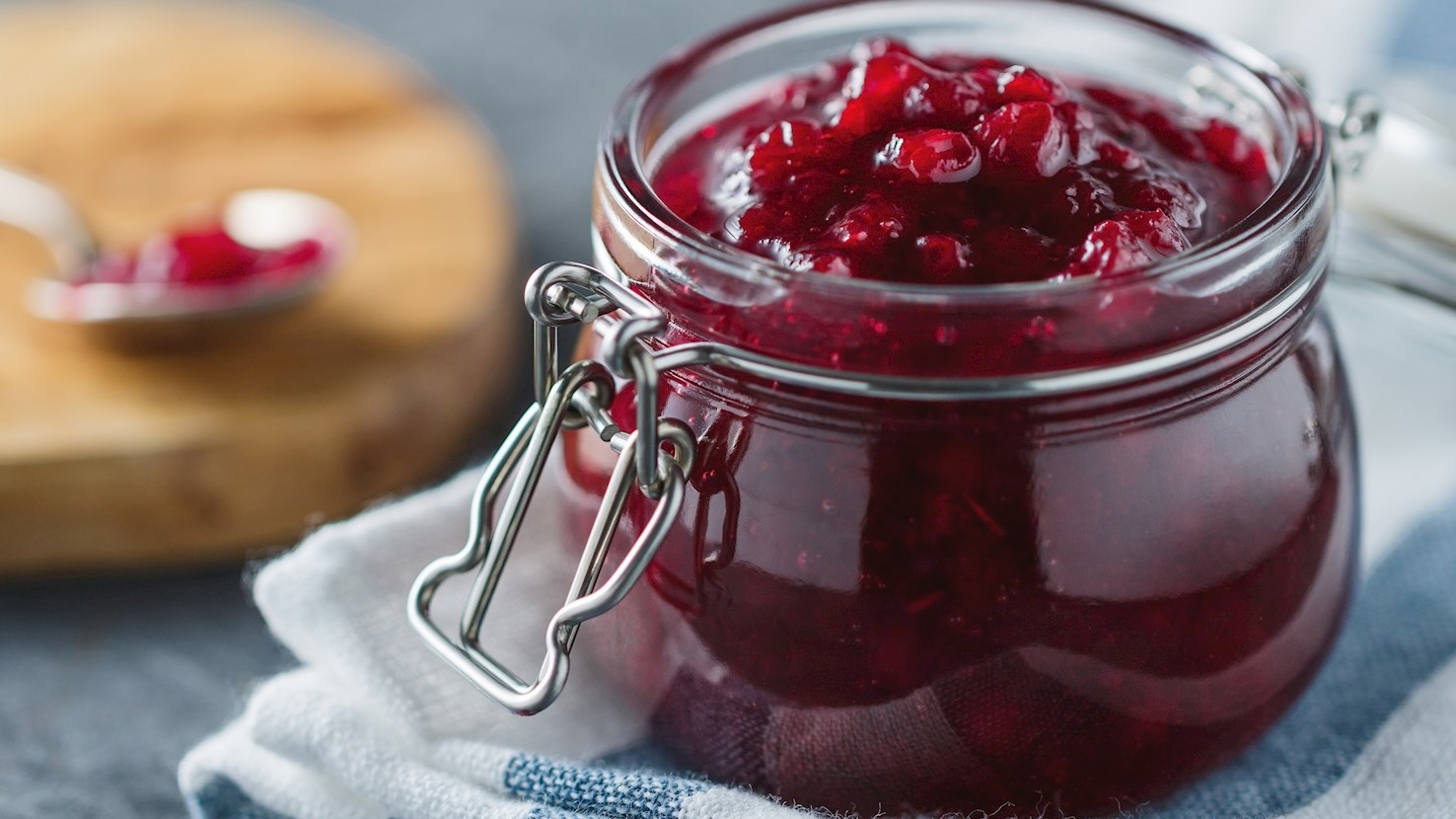
Lingonberry jam is a staple in every Swedish household. Made with bright-red, tangy lingonberries, which are abundant in Swedish forests, the jam has been produced and consumed since ancient times. In the simplest form, lingonberries are merely mixed with sugar and create the raw version of the jam known as rårörda lingon. The more common variety, mostly found in stores, is usually boiled with sugar and sold in jars. Raw lingonberries are sour, but when incorporated with sugar, they create a unique jam, both zesty and sweet, which perfectly complements a variety of dishes. Occasionally, apples or red currants are used to dilute the jam and make it slightly sweeter. Lingonberry jam is usually served as a sauce alongside different meat dishes like the famous Swedish meatballs, sausages, roast meat, or black pudding. It is commonly consumed with porridge and pancakes, but it can also be used as a sandwich spread and incorporated into a variety of dips and desserts. Outside of the native Sweden, the cultivation of lingonberries and the production of lingonberry jam are growing in popularity, especially in Canada and the United States. The jam has also been popularized by the Swedish company IKEA, which sells the jam as an authentic Swedish product available in many locations around the world.
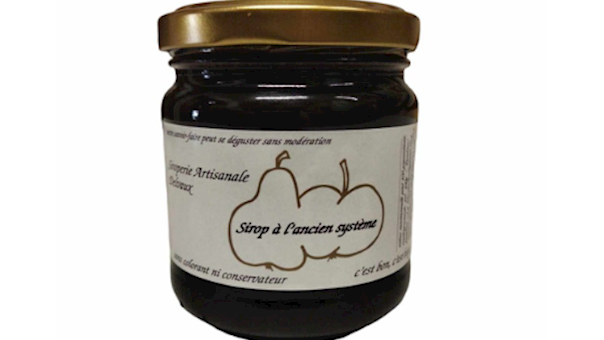
Sirop de Liège is a popular Belgian product made from fresh fruits such as pears, apricots, apples, dates, and prunes. It was originally produced in 1937, and is commonly used in sauces, dressings, salads, marinades, and desserts. Most often, it is spread on a slice od bread or used as an accompaniment to cheeses.
Murabba' al-ward is a traditional sweet jam made from Damask rose petals, known for its fragrant aroma and refreshing qualities. The petals are simmered with sugar and water until tender, creating a delicately floral jam. Sometimes, additional ingredients like cardamom or chopped nuts are added for extra flavor. This rose jam is typically enjoyed spread on bread or paired with crème fraîche, offering a unique and aromatic treat in Syrian cuisine.
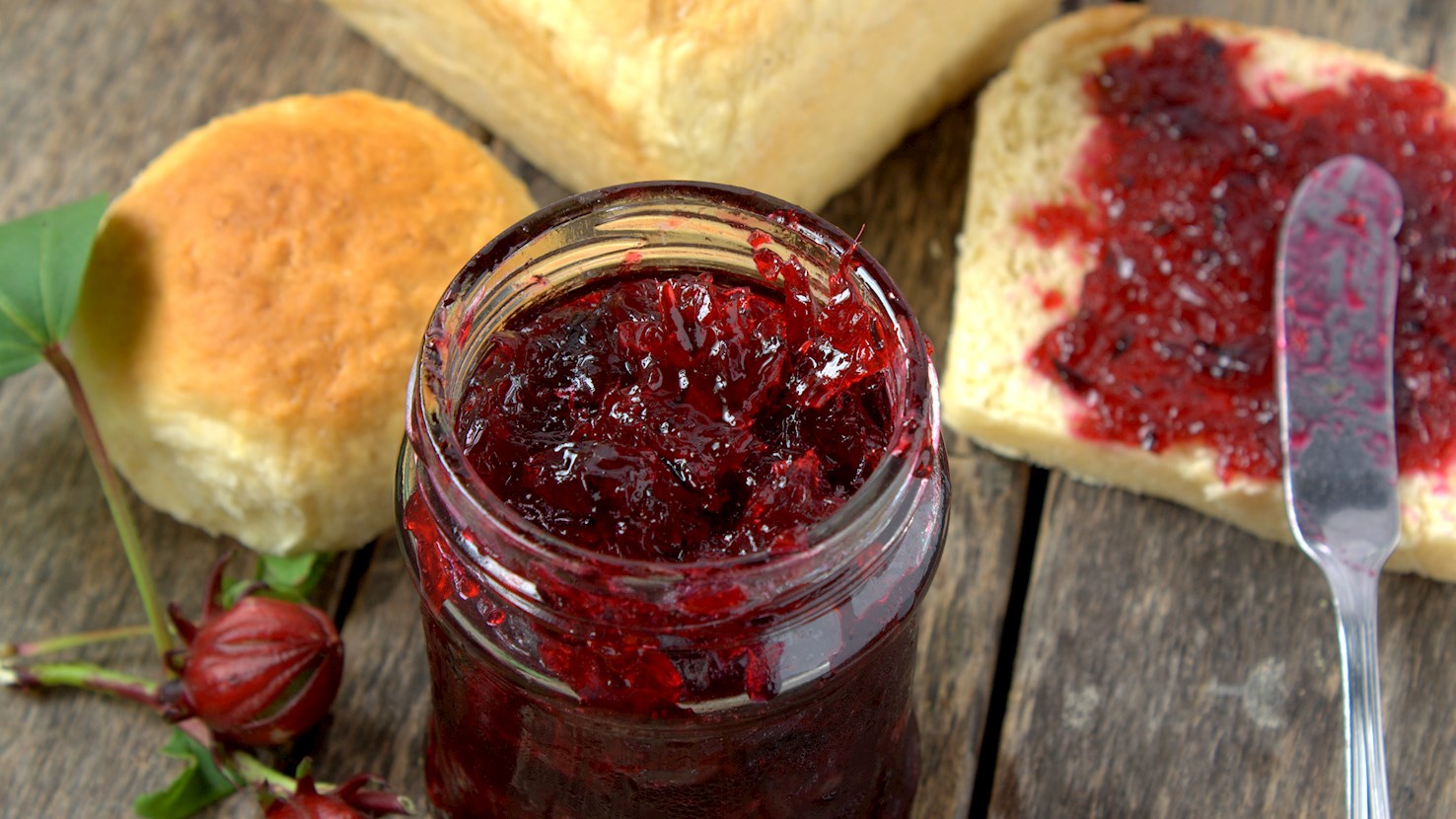
This jam is made with rosella, a North Queensland wildflower that is also known as wild hibiscus. Rosellas are simmered with water and sugar, then left to cool down and thicken. The result is a tart jam with an intense crimson color. It is recommended to pair rosella jam with scones and puftaloons.
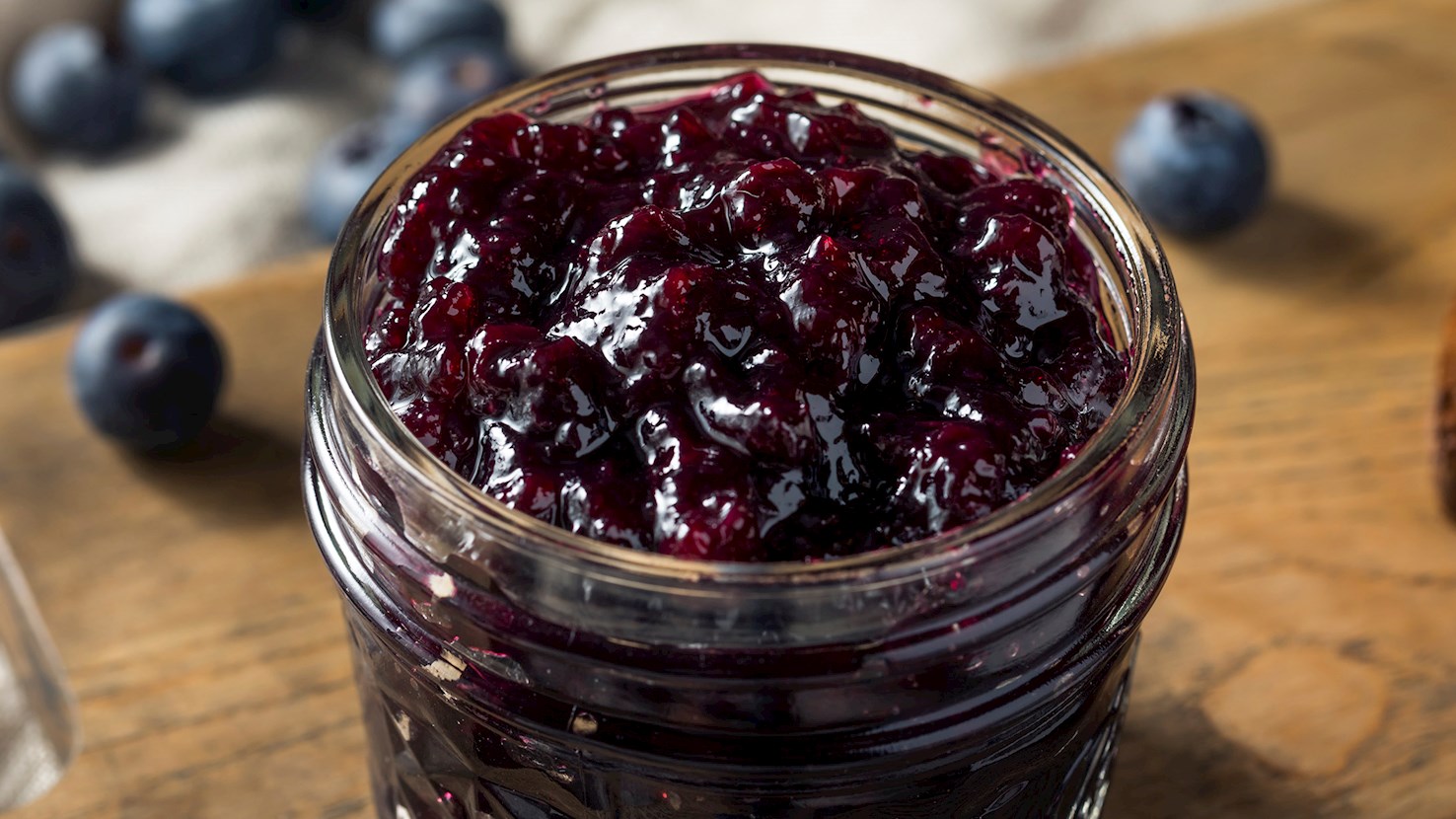
Saskatoon berry jam is a Canadian fruit product made with a combination of Saskatoon berries, water, sugar, and lemon juice. In order to prepare the jam, the berries are first crushed, then combined with sugar, water, and lemon juice. The concoction is brought to a boil, and it is then stirred and cooked until the jam thickens. The jam is typically transferred to sterilized jars which are sealed and stored in a cool and dry place until the jam is consumed. It is recommended to serve Saskatoon berry jam with crusty bread or pancakes.
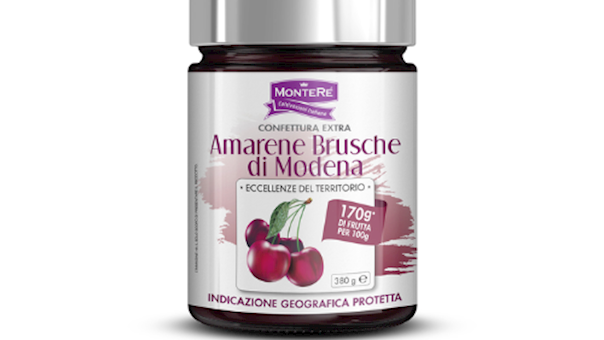
Here in the region of Emilia Romagna, the preparation of fruit preserves can be traced back to the Renaissance times and it is well documented in historical literature. In fact, Amarene Brusche di Modena sour cherry jam represents one of the most important gastronomic traditions of Modena. Today, with the cherry cultivation across the region on the rise, it is produced in the provinces of Modena and Bologna. In full respect of the original recipe, Amarene Brusche jam is made using only sour cherries and sugar. It is most often used in traditional Modena desserts such as Crostata di Amarene, a type of sour cherry tart.
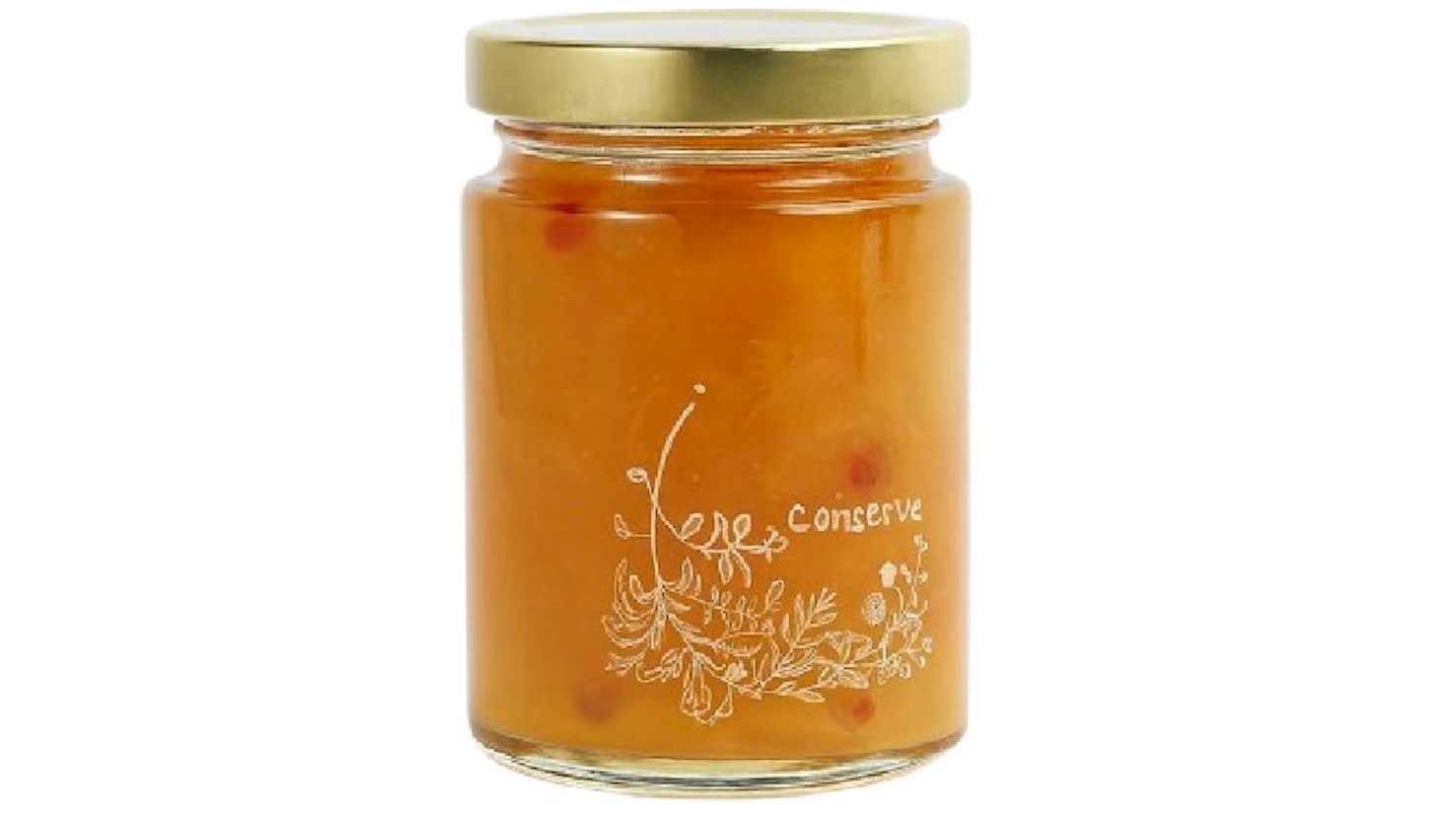
Durazno criollo jam is a fruit preserve made from a local variety of peach known as durazno criollo, grown widely in several regions of Latin America, especially in rural areas of Argentina and Colombia. The fruit differs from commercial peach cultivars in that it is smaller, often with a firmer texture, more intense aroma, and a flavor that balances sweetness with slight acidity. These qualities make it particularly suitable for cooking and preserving, where the natural character of the fruit is concentrated. The preparation of peach preserves has long been part of rural households, where families relied on orchards or backyard trees for seasonal fruit. Durazno criollo, being well adapted to local climates and often available in abundance during harvest, became a natural choice for making jam. This practice helped extend the use of the fruit beyond its short season, ensuring it could be enjoyed in the months when fresh peaches were no longer available. Over time, the jam became a recognized way of celebrating the qualities of this local peach, distinct from those found in international markets. To make durazno criollo jam, ripe peaches are washed, peeled, and pitted, then cut into pieces and cooked with sugar. Lemon juice is sometimes added both to enhance acidity and to help the jam set. The mixture is simmered until it thickens and takes on a golden-orange color, with pieces of fruit often left intact to provide texture. Once ready, it is poured into jars and sealed for storage. The resulting preserve captures the concentrated sweetness of the peach along with its aromatic fragrance. Durazno criollo jam is eaten in many different contexts. It is commonly spread on bread for breakfast or merienda, used as a filling in pastries such as empanadas dulces or crostate, and paired with cheeses, where its sweetness balances salty or tangy flavors. It may also be used in cakes, cookies, or as a glaze for certain savory dishes, where the fruit’s acidity complements meats like pork or poultry. Today, durazno criollo marmalade is enjoyed mostly in the regions where the fruit is grown, often made at home or sold by small-scale producers in markets. It is also served in agriturismo settings and rural inns, offered to visitors as part of breakfasts or afternoon snacks.
Mermelada de ciruela criolla is a sweet preserve made from the small local plums known as ciruelas criollas, fruits that grow abundantly in several Latin American countries, particularly in Argentina and Uruguay. These plums are smaller and more acidic than many commercial varieties, with a bright tang that makes them especially well suited for cooking into jams. The marmalade captures the short harvest season of these fruits, turning them into something that can be enjoyed long after summer ends. Its preparation is rooted in rural households where fruit preservation was both a necessity and a way of celebrating the flavors of the land. Families would gather the ripe plums, often collected from backyards or local orchards, and cook them down with sugar until thickened, producing jars of marmalade that became part of everyday meals. The process is straightforward yet time-consuming, involving the careful washing and pitting of the fruit before simmering it slowly to bring out its deep color and flavor. Sometimes lemon zest or cinnamon is added to balance the tartness of the plums, but often the fruit stands alone without embellishment. Once cooled, the marmalade has a consistency that can vary from smooth to chunky depending on how it is prepared, giving each household or producer its own version of the preserve. In homes, it is commonly spread on bread, toast, or pastries at breakfast, but it is also used as a filling for cakes and cookies, making it a versatile ingredient in sweet preparations. Today, mermelada de ciruela criolla is eaten much in the same way as it has been for generations, usually at breakfast or merienda, the afternoon snack that holds a central place in daily life across Latin America. It is spread on bread with butter, paired with cheeses, or used to give a sweet note to homemade pastries.
Ribiselmarmelade is a traditional jam made from red currants, known as "ribisel" in Austrian German. This jam is celebrated for its bright, tart flavor and vibrant red color. The preparation involves cooking red currants with sugar until the mixture thickens to a jam-like consistency. Ribiselmarmelade is often used as a spread on bread or pastries, and it can also serve as a filling for various desserts. Its tangy taste makes it a favorite for adding a touch of freshness to sweet dishes.
TasteAtlas food rankings are based on the ratings of the TasteAtlas audience, with a series of mechanisms that recognize real users and that ignore bot,
nationalist or local patriotic ratings, and give additional value to the ratings of users that the system recognizes as knowledgeable.
For the “Top 100 Jams in the World” list until June 10, 2026, 1,134 ratings were recorded, of which 212 were recognized by the system as legitimate.
TasteAtlas Rankings should not be seen as the final global conclusion about food. Their purpose is to promote excellent local foods,
instill pride in traditional dishes, and arouse curiosity about dishes you haven’t tried.
The initial list of top producers was compiled based on available reviews, awards, local recommendations, media and blog coverage, and consumer reviews.
The list will be updated with ratings from TasteAtlas local ambassadors and TasteAtlas users.