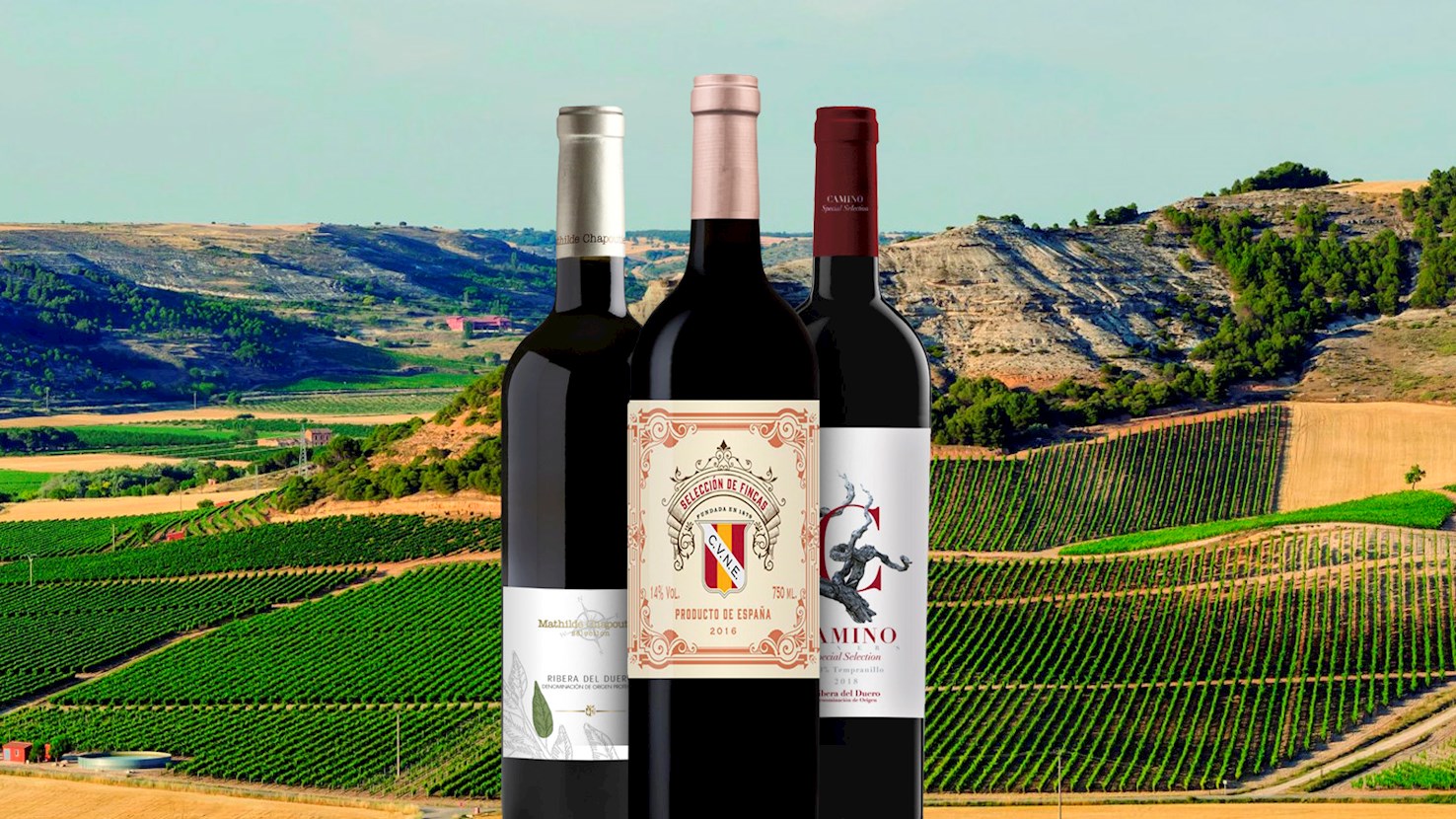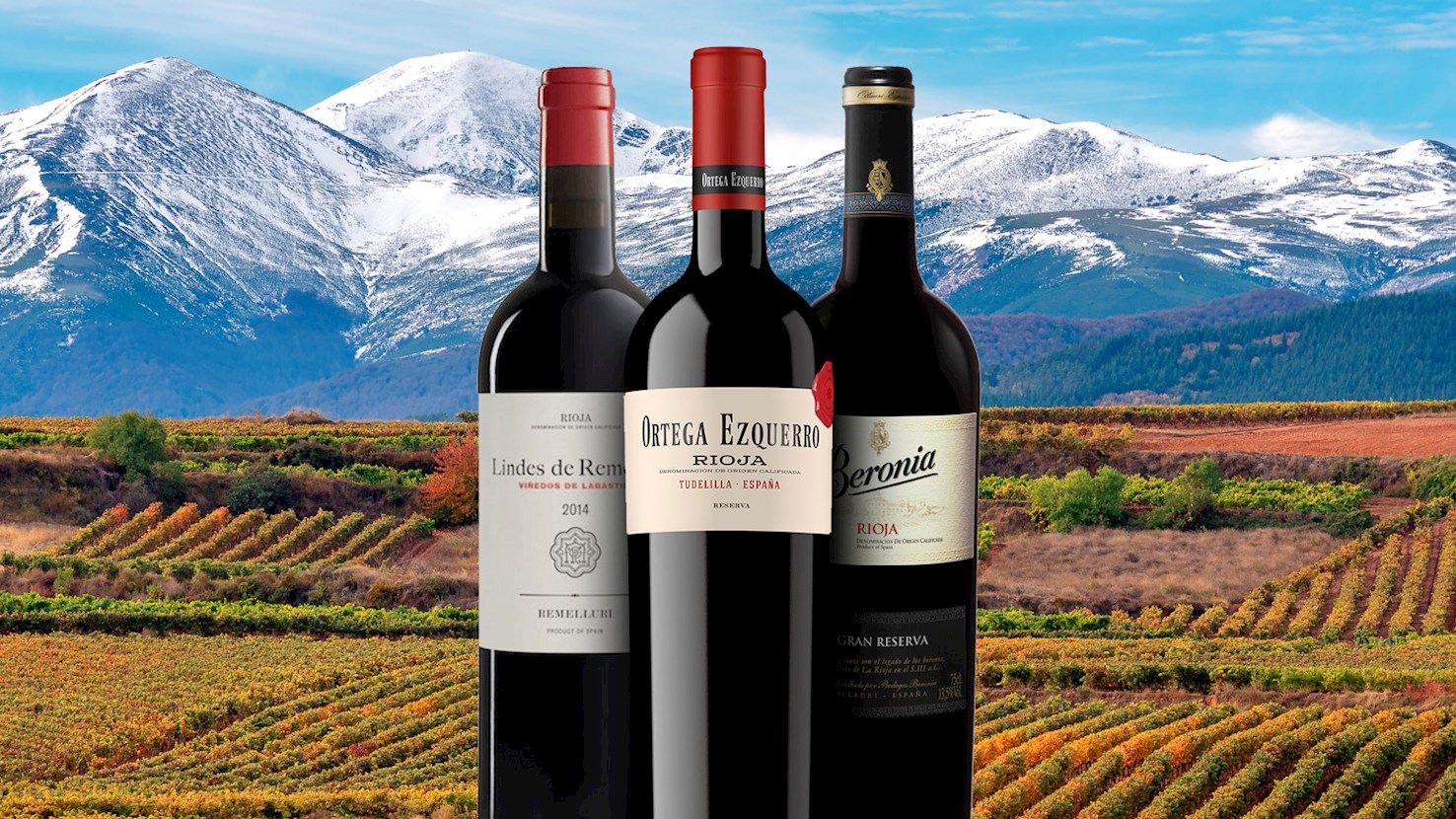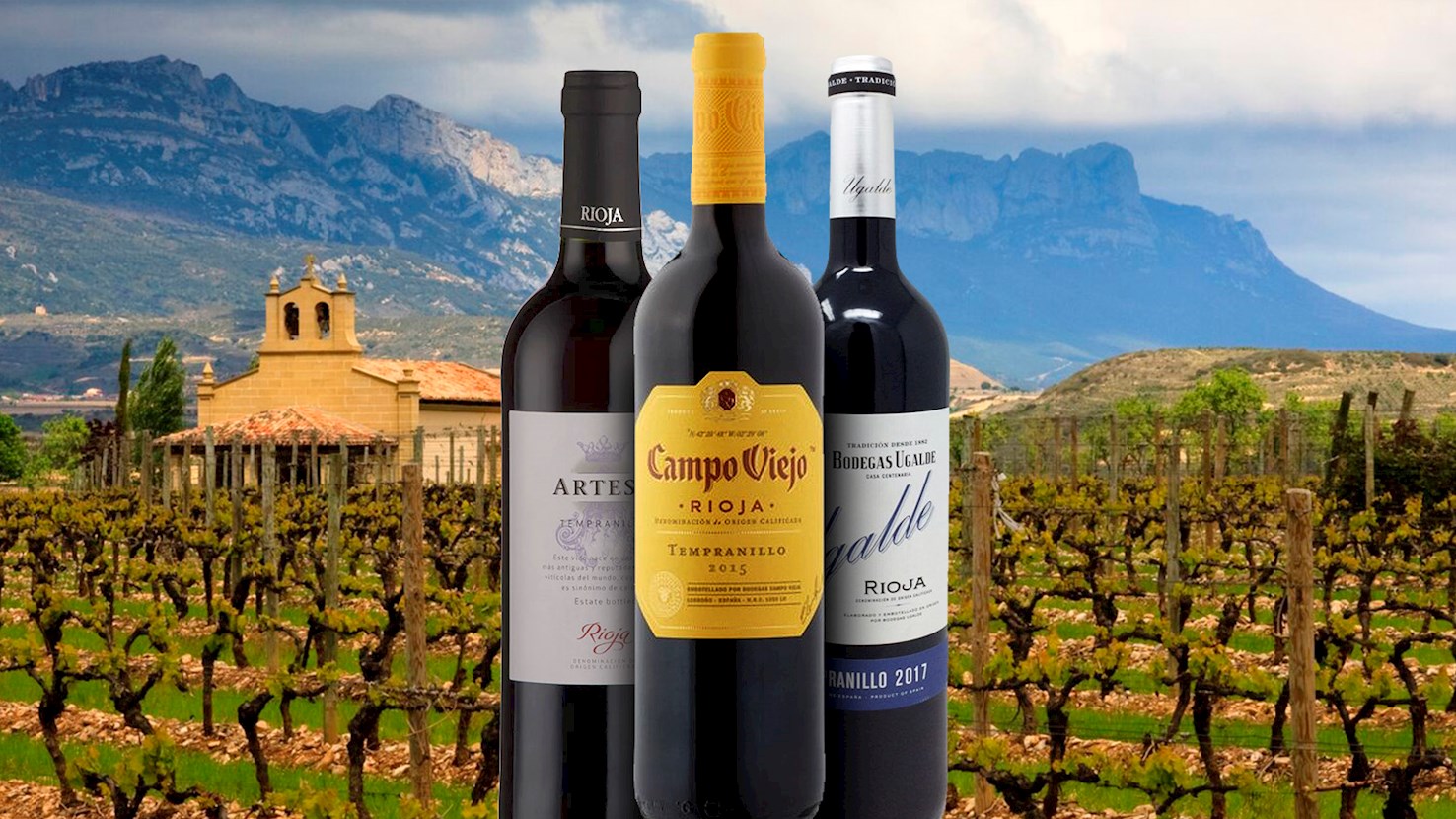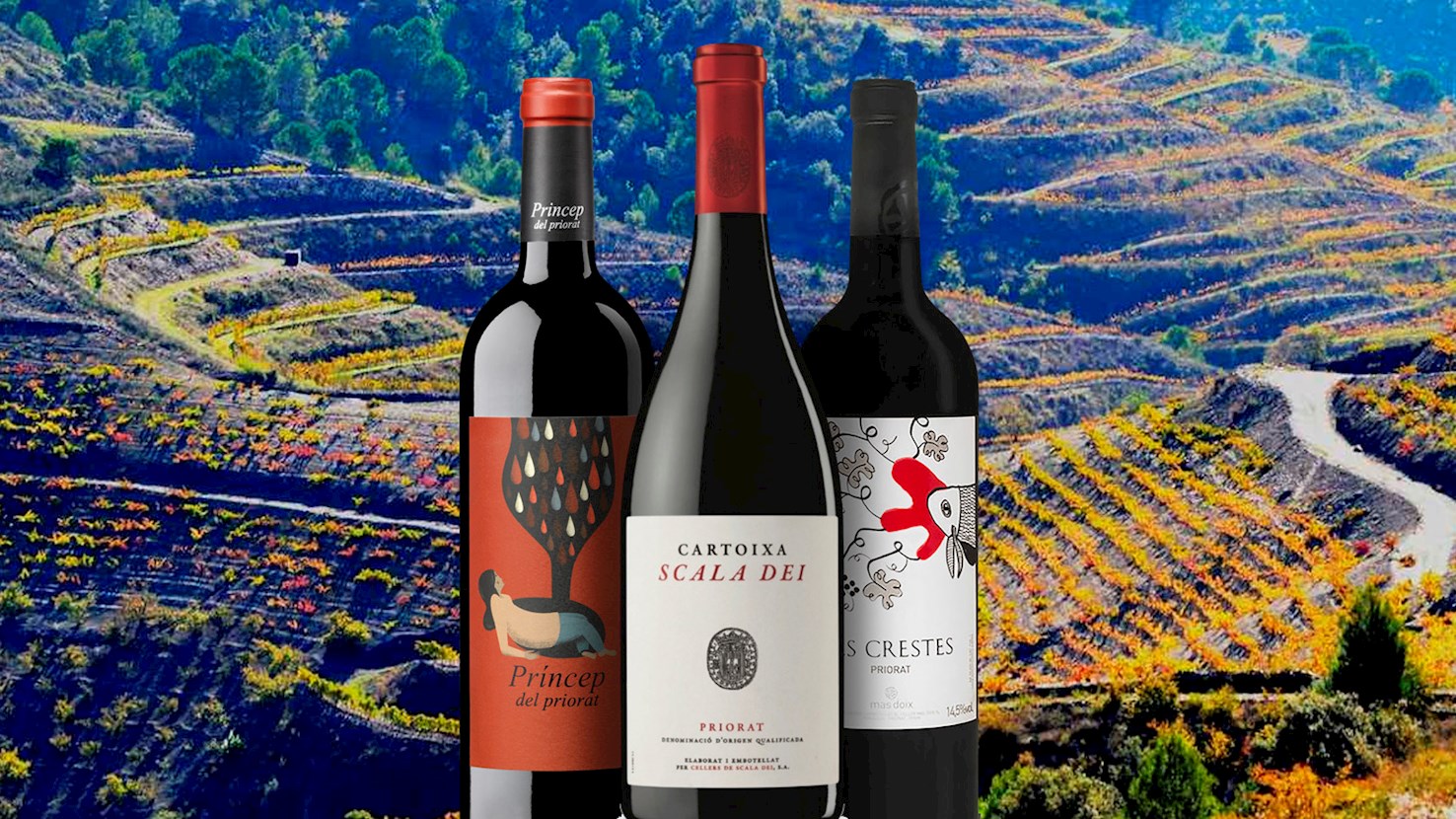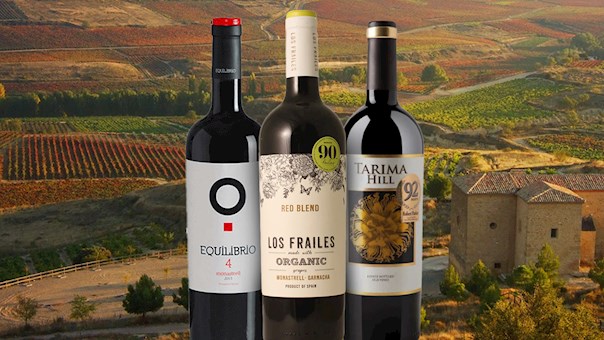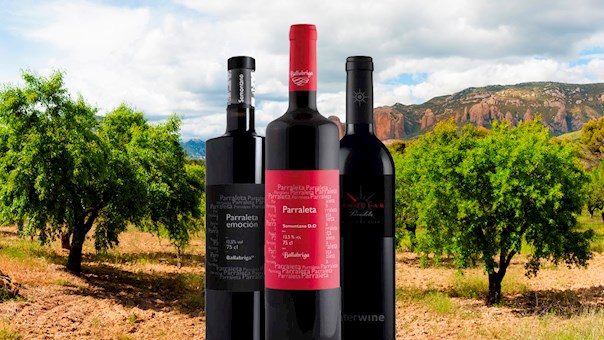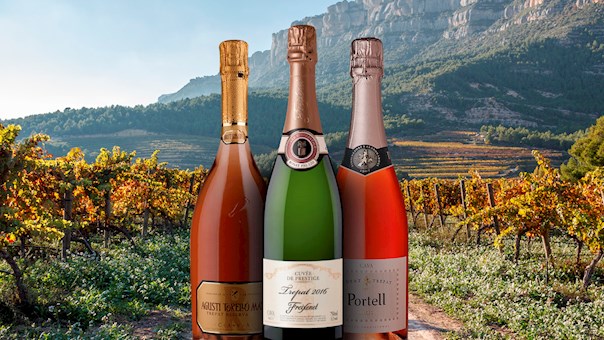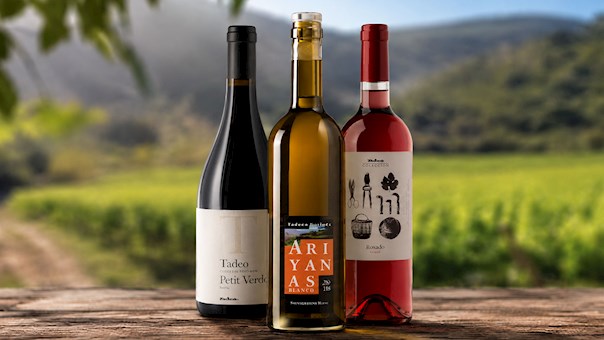
Ribera del Duero is a Spanish appellation located in several provinces of Castilla and Leon, in north-central Spain. The region is best known for big and bold varietals made with Tempranillo, also known as Tinto Fino or Tinta del Pais. The blends have to include 75% Tempranillo, while other permitted varieties include Garnacha, white Albillo, and international varieties Malbec, Merlot, and Cabernet Sauvignon. Ribera del Duero wines are built to age. With time, they develop complexity and become more balanced. Most of the wines are deeply colored, full-bodied, and well-structured with bright acidity and aromas of ripe fruit, vanilla, and spices. Aging requirements are similar to those in Rioja. Crianza is the youngest, aged for two years and 12 months in oak. Reserva labels are aged at least three years with at least 12 months in oak, and the Gran Reservas have to be aged for five years, including two years of oak aging. The D.O was established in 1982 when the region had merely nine wineries. Now, there are more than 300. Because of their fruit character and good acidity, Ribera del Duero are food-friendly wines that can agree with different types of food, from sausages, appetizers, and pasta dishes to roast meat (pork, beef, lamb), BBQ dishes, casseroles, game, and aged cheese.
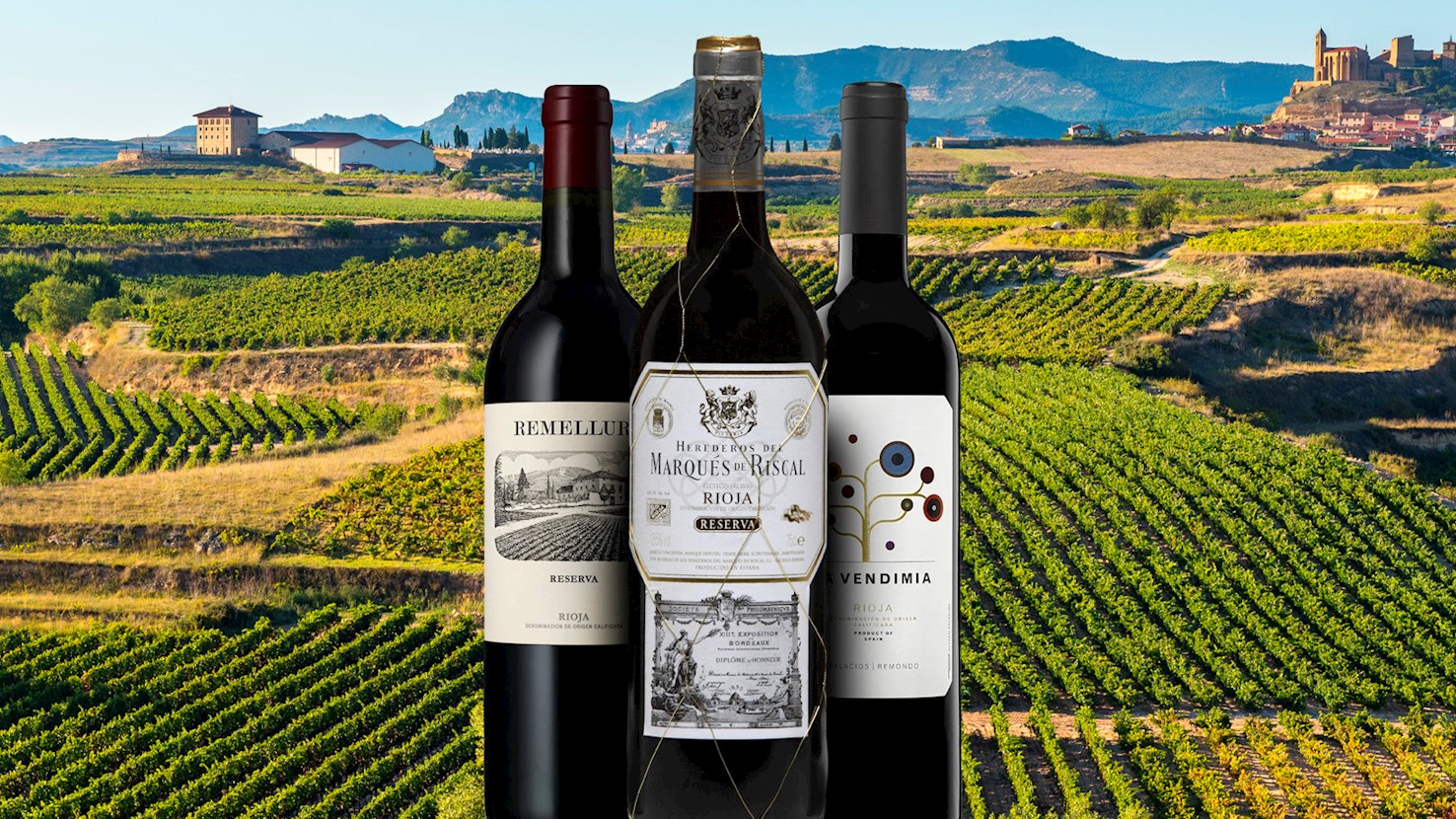
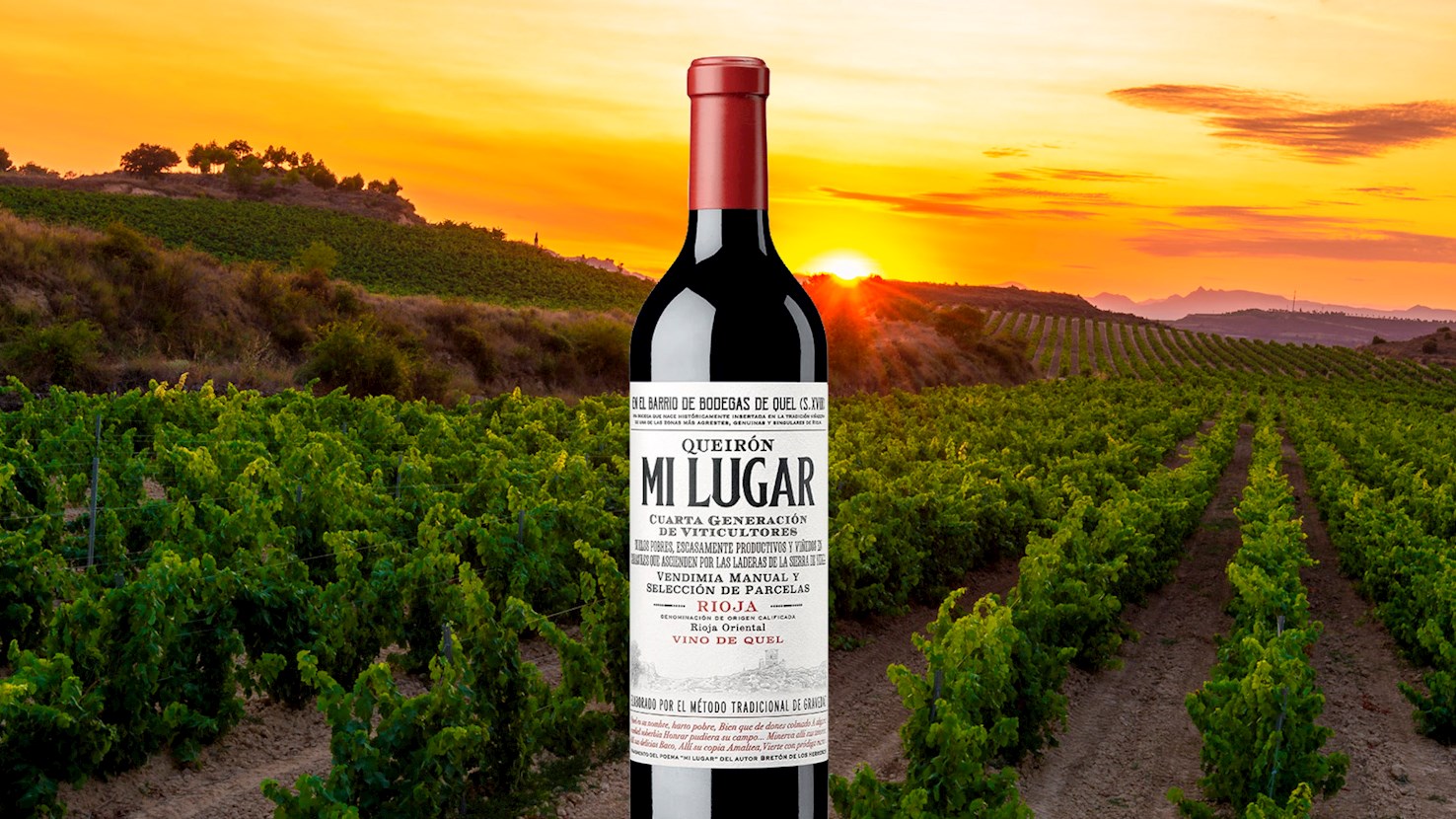
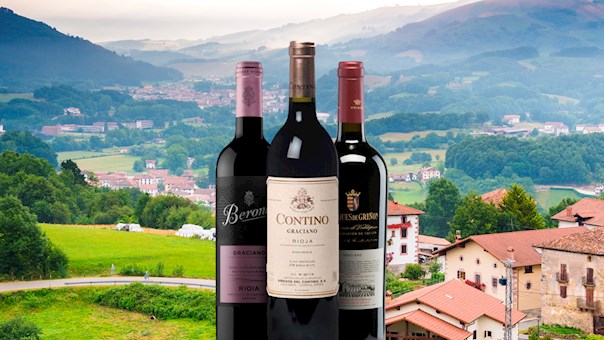
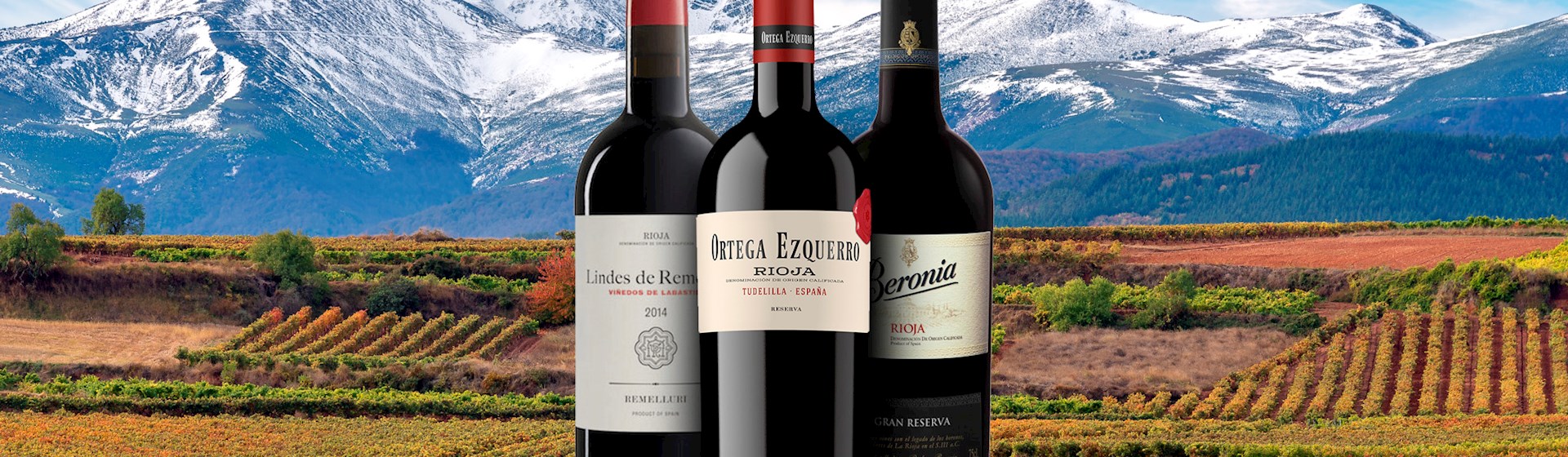
Rioja was the first Spanish appellation that received protected status. This renowned Spanish region is located in the north of the country, on both sides of the river Ebro. It is best known for its red varietals and blends, and while Tempranillo is the dominant grape, blending varieties include Garnacha, Graciano, Mazuelo, and Maturana varieties. Some amount of rosés and whites are also produced. The region is vast, and it is divided into three subregions: Rioja Alta, Rioja Alavesa, and Rioja Oriental. Aging guidelines categorize it under the generic label with no aging requirements (also known as Joven), Crianza (aged for two years), Reserva (at least three years of age), and Gran Reserva (five years of age and a minimum of two years in a barrel). The entire area is impacted by two different climates—Atlantic and Mediterranean—but specific microclimates and different types of soil, together with different winemaking techniques and maturation, generate various styles and greatly influence the final character of Rioja wines. They can range from light, fruity, and approachable styles to more complex expressions that often showcase rich notes of dark fruit and spices. Most styles will have firm tannins that are balanced with bright acidity. Pairing suggestions mostly depend on the style and the age, but most examples work well with pork, lamb, and spicy dishes. Aged varieties may also be a good match with game. The new classification system that allows the use of village and municipality on the label tends to encourage producers not to rely exclusively on oak-aging as the sign of quality.
Tempranillo is a red grape variety whose origin is associated with the Iberian Peninsula. Although it is planted in other countries, Tempranillo is best known as the primary grape used in the classic Rioja blend. The wines produced from Tempranillo are typically full-bodied and rich in tannins with the flavors that range from ripe red and dark berries, leather, and tobacco, while aging in French or American oak helps them attain typical vanilla and spice notes. In the Rioja wine, Tempranillo is the principal grape, but it is often blended with Garnacha, Graciano, and Mazuelo. The grape is especially popular in Portugal where it is known as Tinta Roriz, and it has also shown success in the United States, South America, and Australia. Tempranillo-based wines are incredibly food friendly and can match charcuterie, sausages, lamb, pork, and aged cheese.
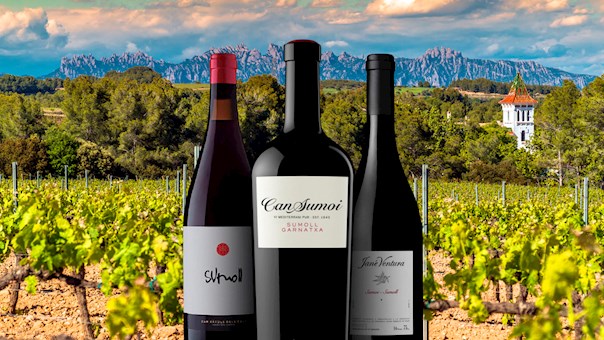
Priorat is a Spanish wine region—located in the Catalonian province of Tarragona—which has been awarded DOC status (DOQ in Catalan) - the highest category in Spanish wine regulations. Established in the 12th century, Priorat has undergone significant changes through centuries, but it was René Barbier who realized the real potential of the region in the 1980s. The backbone of red Priorat wines is made from local Garnacha and Carineña, with some amounts of French Cabernet Sauvignon, Merlot, and Syrah. The most common flavors and aromas found in rich and powerful Priorat wines include dark fruit and berries that may be accompanied by salty, spicy, mineral, and herbal notes. Their tannins are typically firm, and the wines tend to have high alcohol content. Depending on their character and style, these wines can match bold and hearty grilled or roasted meat dishes, stews, paella, spicy dishes, wild game, tomato sauces, and aged cheese.
Rioja Alavesa is one of the sub-regions of the famed Rioja appellation. Situated between the River Ebro and the Cantabria mountain range, it is the smallest and the northernmost region of Rioja. Tempranillo is the primary grape variety, with some amount of Graciano, Garnacha, and Mazuelo. Alavesa wines are considered of exceptional quality and are often compared to those of Rioja Alta. Unique soil composition (mostly calcareous clay) and high elevation of the vineyards influence the final character of these wines. They usually have a distinctive fruity profile, good acidity, and excellent aging potential. Carbonic maceration—a technique in which whole bunches of grapes are used in fermentation—is also one of the traditional methods used for Alavesa wines. These wines tend to be easy-drinking, packed with fruit flavors, and intensely-colored. A small amount of white wine is also produced in Rioja Alavesa.
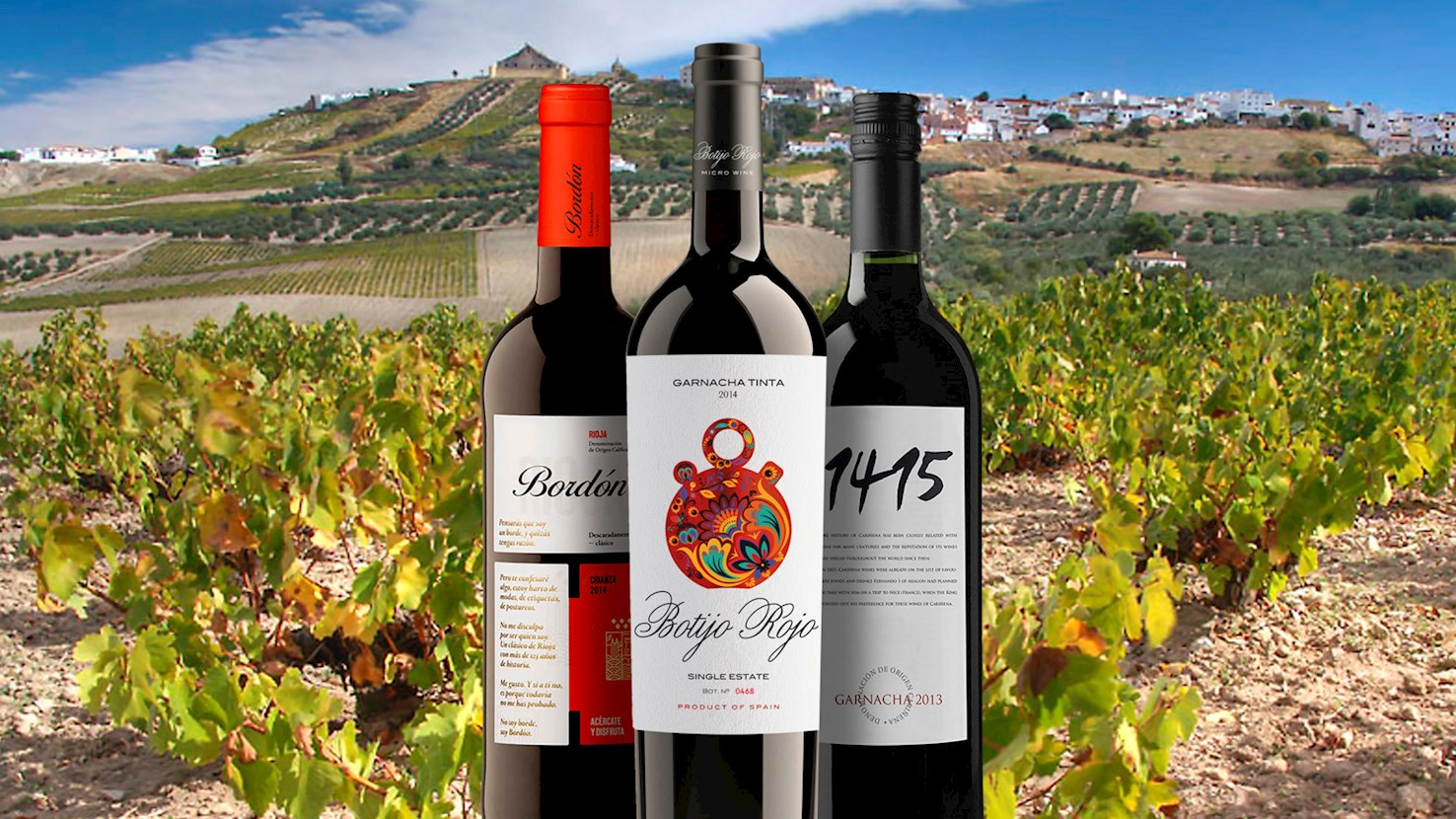
Garnacha, also known as Grenache in France, is a widely cultivated red wine grape variety known for producing wines with rich, fruity flavors and high alcohol content. It is one of the most versatile and widely planted grape varieties in the world, thriving in warm, dry climates. Garnacha grapes are typically medium to large in size with thin skins, which contribute to the grape's characteristic light color and relatively low tannin levels. Wines made from Garnacha often exhibit flavors of red fruits such as raspberry, strawberry, and cherry, along with spicy notes of white pepper, cinnamon, and hints of herbs and earthiness. As the wines age, they can develop more complex flavors, including leather, tobacco, and dried fruits. Garnacha is grown in several wine regions around the world, with notable concentrations in France, Spain, Australia, and the United States. In France, Garnacha is a key grape in the southern Rhône Valley, particularly in Châteauneuf-du-Pape, where it is often blended with Syrah, Mourvèdre, and other varieties to create complex, full-bodied wines. It is also prominent in the Languedoc-Roussillon region. In Spain, it is widely grown in regions such as Rioja, Priorat, and Aragon. In Priorat, Garnacha produces powerful, intense wines with great aging potential. In Australia, Garnacha is significant in regions like McLaren Vale and Barossa Valley, where it is often used in GSM (Garnacha, Syrah, Mourvèdre) blends. In the United States, California, particularly the Central Coast and Paso Robles, has seen a rise in Garnacha plantings, producing both single-varietal wines and blends. Garnacha is incredibly versatile and can be used to produce a variety of wine styles, including red wines that range from light and fruity to rich and full-bodied, rosé wines, particularly in Provence, and fortified wines such as Banyuls and Maury in France. Garnacha wines pair well with a variety of foods due to their fruit-forward nature and moderate tannins, complementing dishes such as roasted meats, stews, grilled vegetables, and Mediterranean cuisine. The spicier and earthier notes of aged Garnacha make it an excellent match for game meats and hearty, rustic dishes.
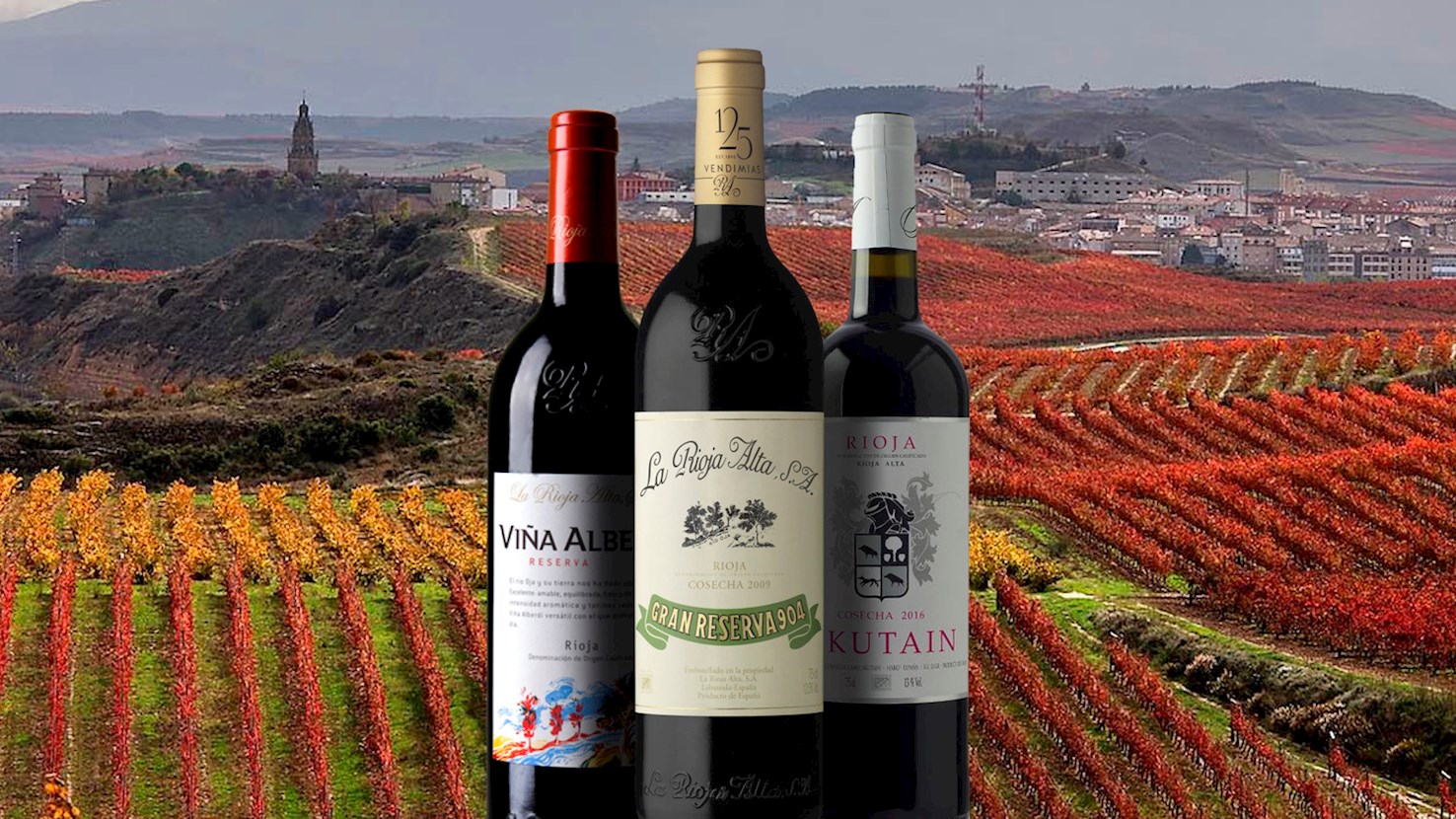
Rioja Alta is a Spanish designation located in the west of the renowned Rioja wine region, with a center of production in the city of Haro. Tempranillo and Mazuelo (Carignan) are the two most prominent grapes that are used in Rioja Alta. The region is praised for their age-worthy red wines (and very small percengate of white wines) that are the best examples of traditional Rioja. They are typically fruit-forward and lighter on the palate, though age can significantly influence the final structure as well as the taste profile. Officially, Rioja is classified under Crianza (aged for two years), Reserva (at least three years of age), Gran Reserva (five years of age and a minimum of two years in a barrel). Just like other Rioja designations, Alta wines are incredibly food-friendly and can match lamb, pork, charcuterie, tajines and paella, spicy pepper-based dishes, and aged cheese.
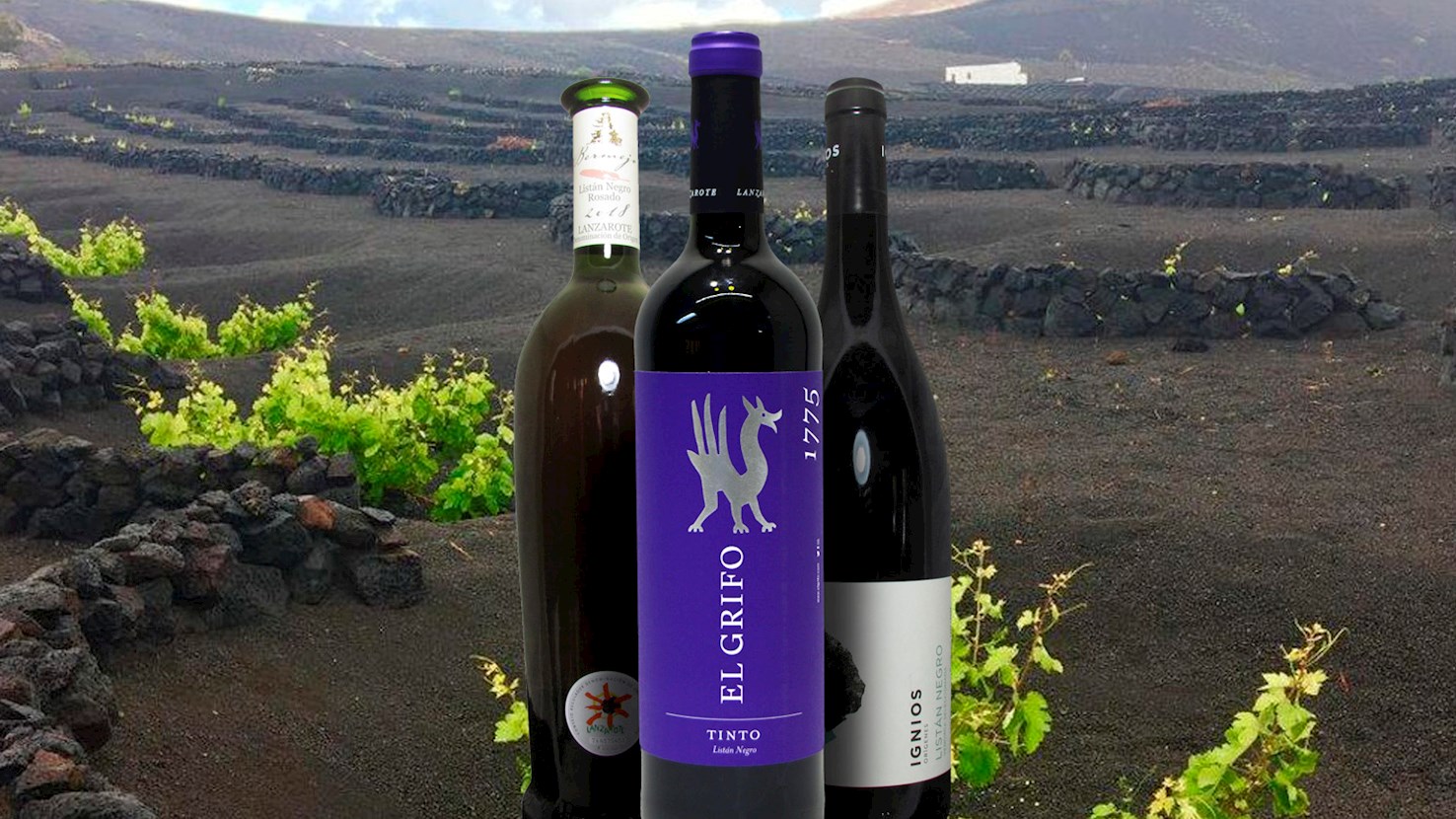
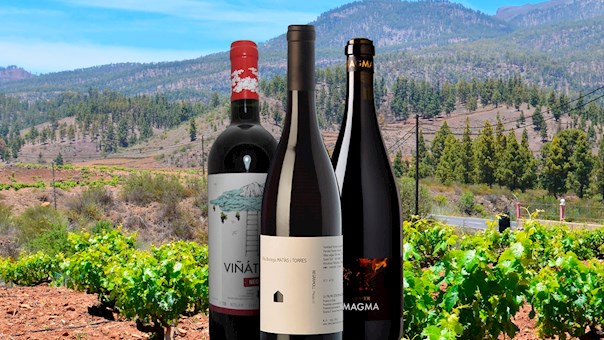
Listán Negro is a Spanish grape variety that is mostly cultivated on the Canary Islands, though its origin is generally associated with the Spanish mainland. The grape has shown great success on the volcanic soils of the Canary, where it was mostly produced with carbonic maceration—a process in which the grapes are fermented before they are crushed. This process results in lighter wines that are fruity and typically low in tannins. Listán Negro from the Canary Islands will typically display aromas of red and dark berries, roses, violets, and usually some spicy and mineral nuances. Their style may vary from light and fruity wines to more robust expressions that are achieved by oak-aging. Listán Negro was also carried to the Americas, and research has shown that the grape is genetically identical to País in Chile, Criolla Chica in Argentina, and Mission grape from California and Mexico. Though genetically identical, wines made with these grapes will usually differ in character and the final taste profile.
Originally called Rioja Baja, this is the warmest and the easternmost part of Rioja. It is also the largest and the most productive of all sub-zones. In the past, the region was often unfairly overshadowed by Alta and Alavesa appellations, due to its low elevation and warm climate. Garnacha is the most planted variety, but in the 1980s, there was a tendency to replace it with the more popular Tempranillo. Traditionally, the wines coming from this region had a higher alcohol content, flavors of juicy fruit, and less acidity than Alta and Alavesa wines. Recent trends show the tendency to position vineyards at higher altitudes, which results in well-balanced wines of excellent quality and character. Rioja Oriental gained its current name in 2018 after it was agreed that the former label Baja, meaning lower, had a somewhat negative undertone.
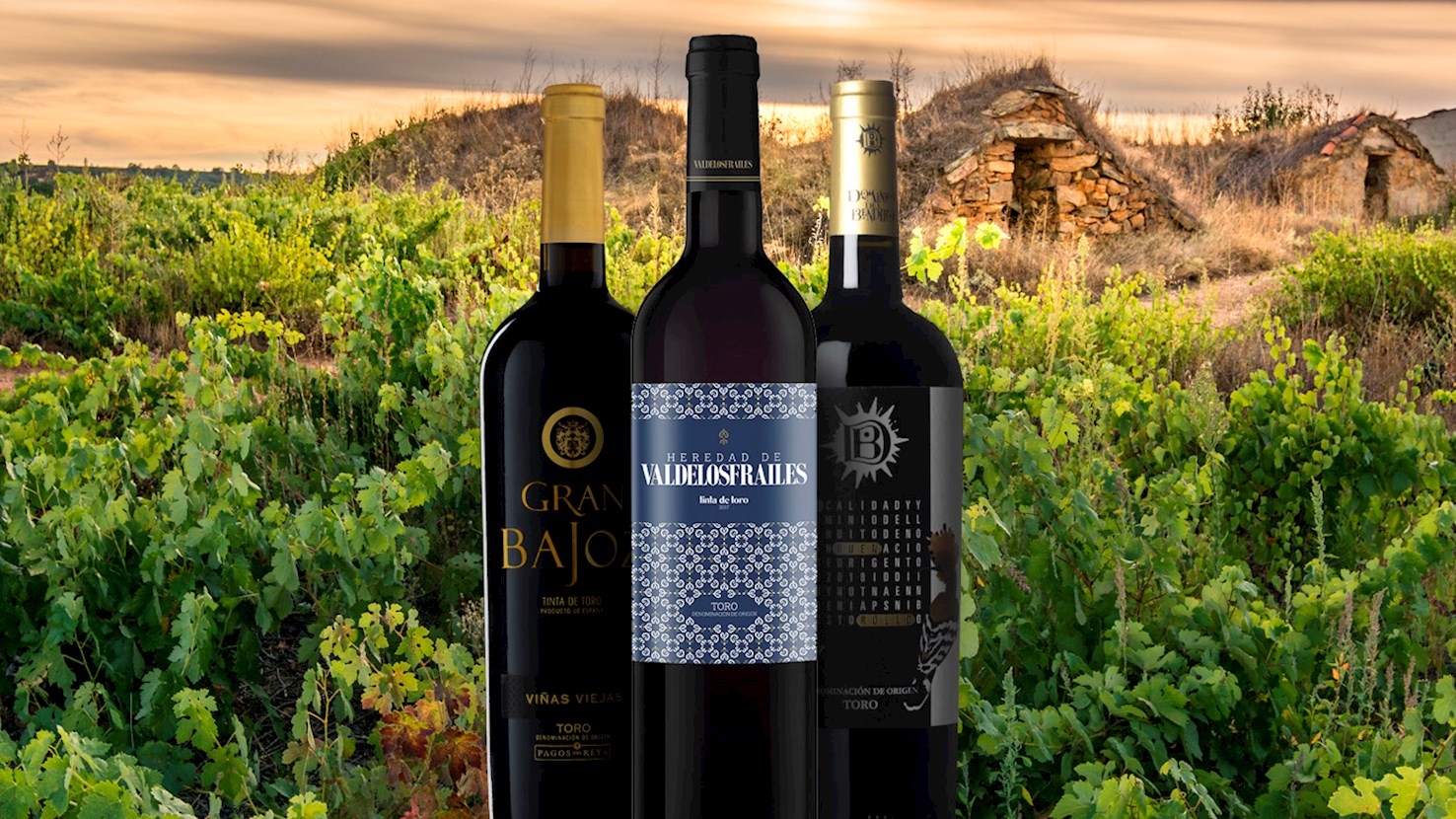
Toro is a Spanish wine region located in Castile and León, around the eponymous city in Zamora. The region mostly produces red wines from Tinta de Toro, the local variant of Tempranillo that is different from those cultivated in Rioja and Ribera del Duero. The grape produces excellent wines that are usually full-bodied, rich, potent, and concentrated. Compared to Rioja, red wines from Toro are darker, more tannic, and typically have higher alcohol content. They easily reach 15% ABV, but ideally, they would have around 13%. The wines may slightly differ in character, depending on the age and the terroir: from slightly lighter, fruit-forward styles to intense examples that are typically associated with the region. They spend some time in oak and often have spice, toffee, or leather notes. Although Tinta de Toro reigns in the region, Garnacha is also common and mostly used in blends. White wines are also allowed and produced, but the region is primarily oriented towards reds and rosés. Depending on the age, the wines can be labeled as Crianza (aged for six months in oak), Reserva (minimum of twelve months in oak), and Gran Reserva (a minimum of eighteen months in oak). As the wines can be quite versatile, they pair well with various dishes, including sausages, rice dishes, red meat, game, and mushrooms.
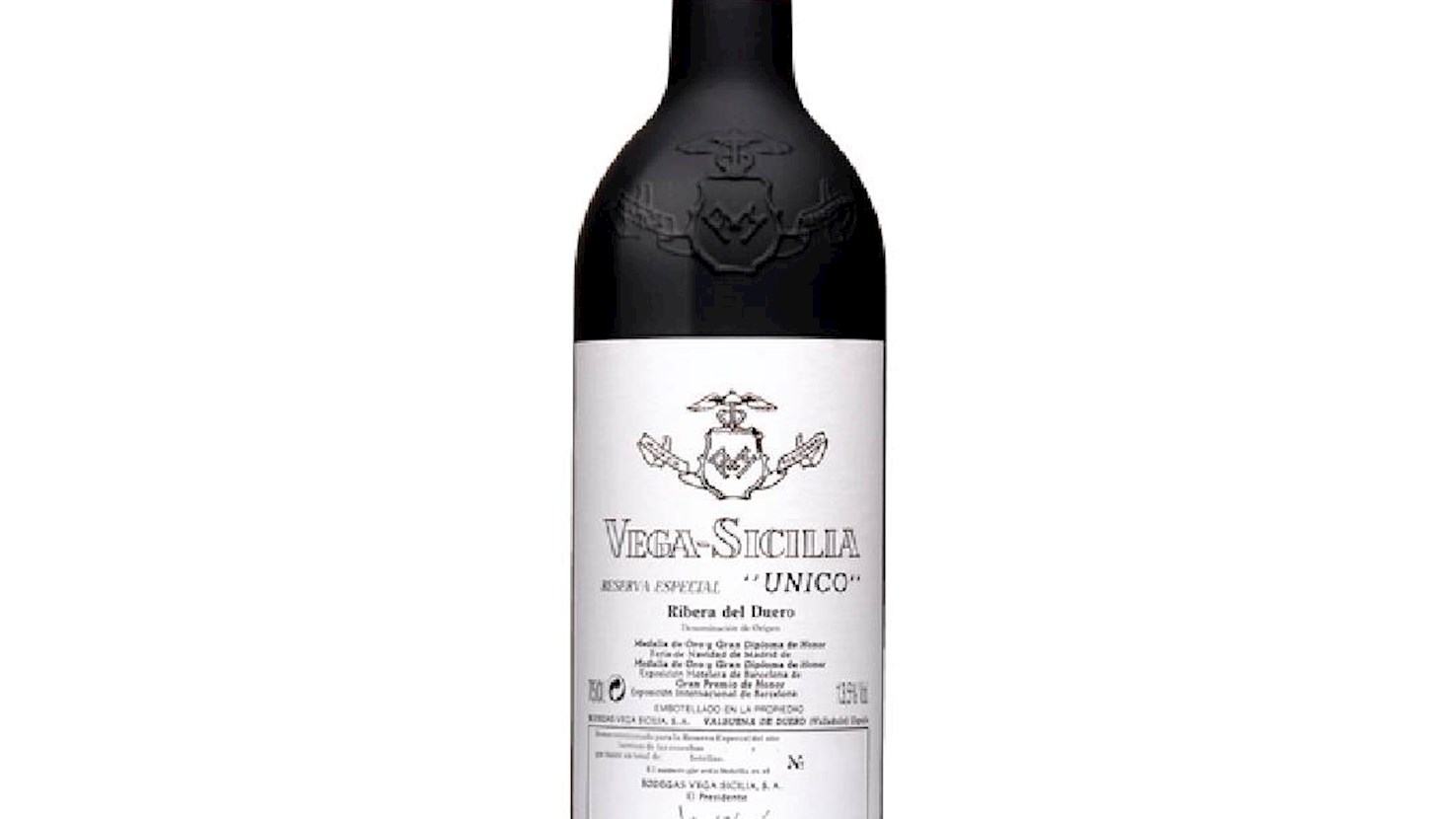
Vega Sicilia is far more than a name - it is a symbol of tradition, patience, and enduring value. Since its founding in 1864, the estate has embraced a philosophy where time is not an obstacle but a vital ingredient in creating wines that leave a lasting impression. Every harvest, every grape, and every moment in the cellar is approached with the care of an artist, guided by a quiet pursuit of excellence.
Their wines are the result of slow, deliberate craftsmanship. Grapes are hand-harvested with great precision, and the wines are aged for years - sometimes over a decade - before they are deemed ready to be shared. That deep commitment to quality is felt in every sip, whether it’s the legendary Único, the graceful Valbuena, or the intricate and timeless Reserva Especial.
Tempos Vega Sicilia is not just a winery, but a guardian of a winemaking philosophy defined by silence, time, and profound respect for the land. These are not wines made for fleeting moments - they are made for memories that endure.
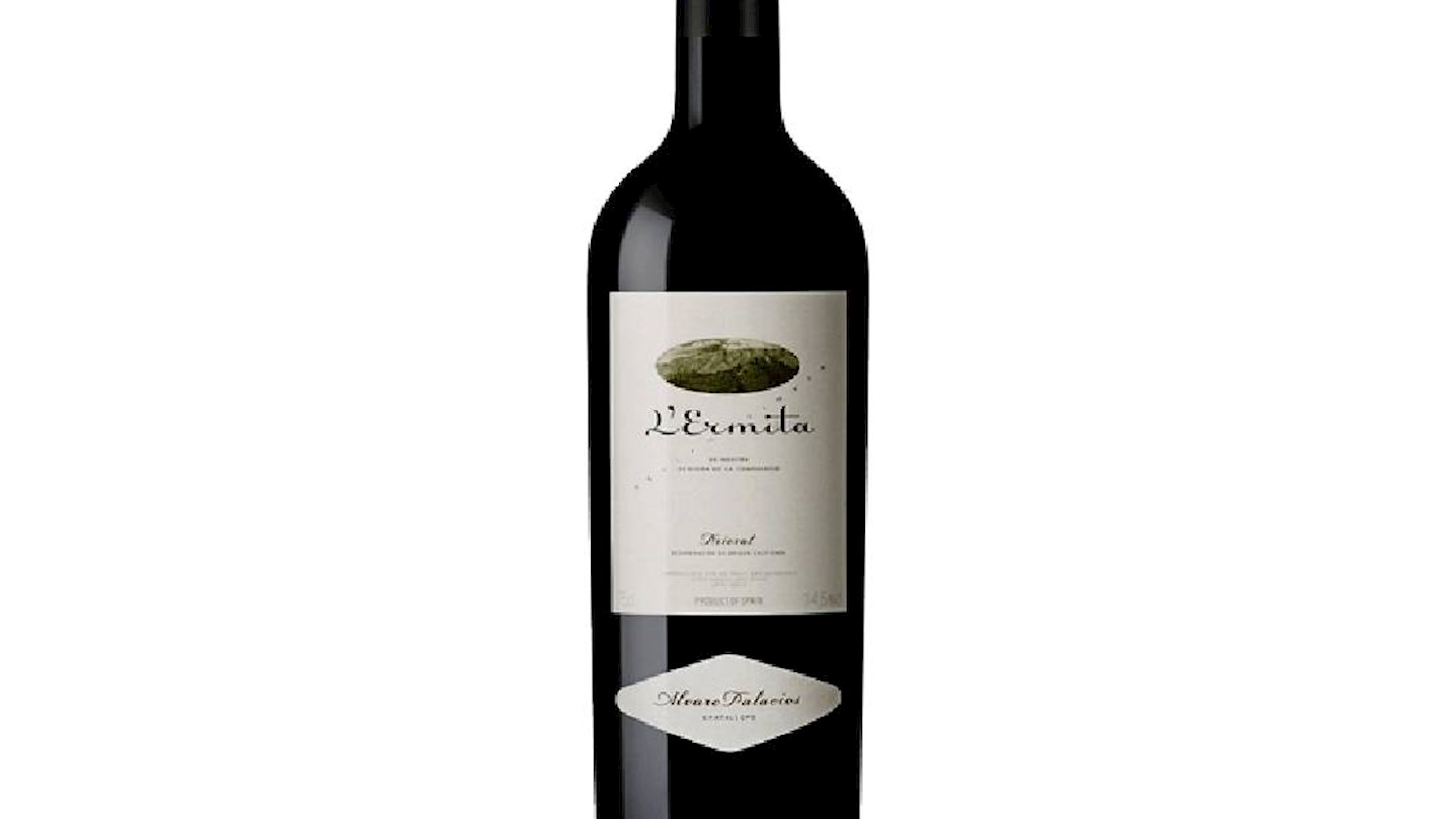
Álvaro Palacios comes from a renowned winemaking family in Rioja, yet he built his reputation through the bold decision to revive forgotten regions of Spain. His passion and vision led him to Priorat, where on steep slopes with ancient Garnacha vines he created wines that became symbols of elegance, depth, and authentic terroir expression. Among his most celebrated vineyards are Finca Dofí and the iconic L’Ermita, now regarded among the finest in the world.
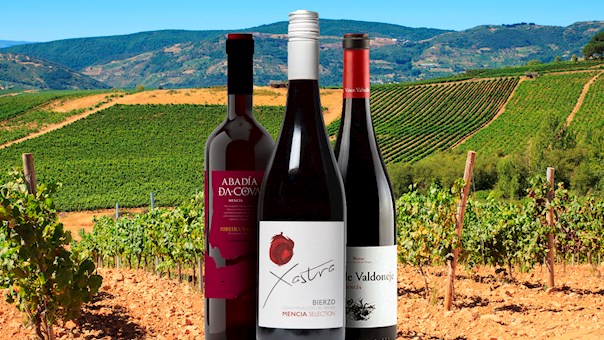
Beyond Priorat, Palacios also restored the winemaking tradition of Bierzo, where through Descendientes de J. Palacios he crafts distinctive wines from the Mencía grape. His approach combines deep respect for land and tradition with modern viticultural insight, establishing him as one of the most influential winemakers of his generation.
Álvaro Palacios remains true to simplicity and to the belief that wine is more than a beverage - it is a story of the land, of time, and of the people who shape it.
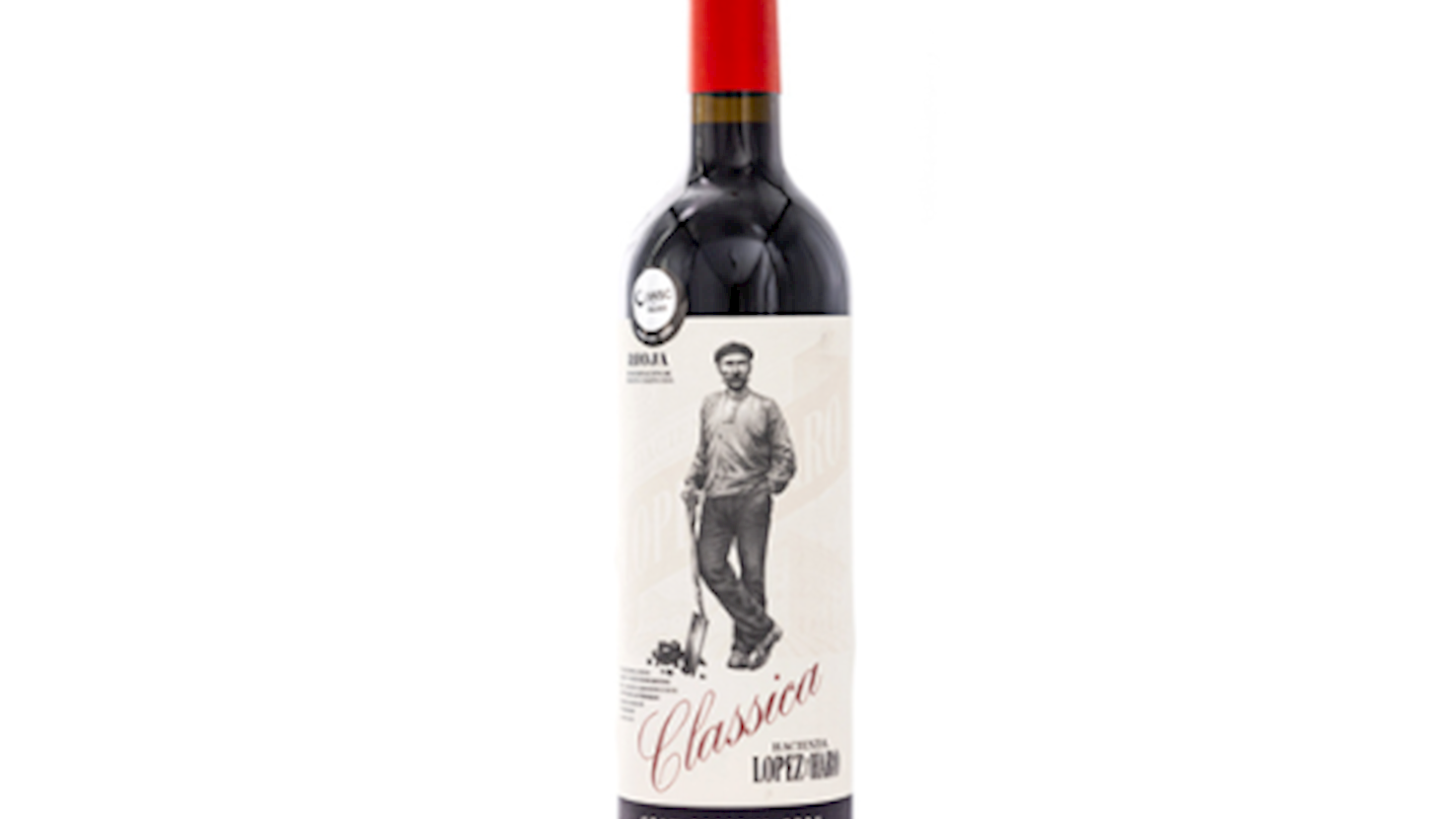
Hacienda López de Haro is a winery located in San Vicente de la Sonsierra, in the heart of the Rioja, known for offering a modern interpretation of classic Rioja wines. It is part of the Vintae portfolio, a company focused on creating accessible wines that reflect regional identity. The vineyards are primarily situated in Rioja Alta, where a combination of altitude, soil diversity, and climate contributes to balanced ripening and complexity. Tempranillo is the dominant grape variety, often complemented by Garnacha and Graciano to enhance structure and aromatic depth. The winemaking approach emphasizes a balance between fruit expression and oak aging, resulting in wines that show notes of red and dark berries, spice, vanilla, and light toast. The style is approachable yet structured, with good freshness and smooth tannins, making the wines suitable for both early drinking and moderate aging. Overall, Hacienda López de Haro represents a contemporary take on Rioja, blending tradition with a more accessible and fruit-driven profile.
Awards
Decanter World Wine Awards - Platinum
(2024)
Decanter World Wine Awards - Best in Show
(2022, 2021)
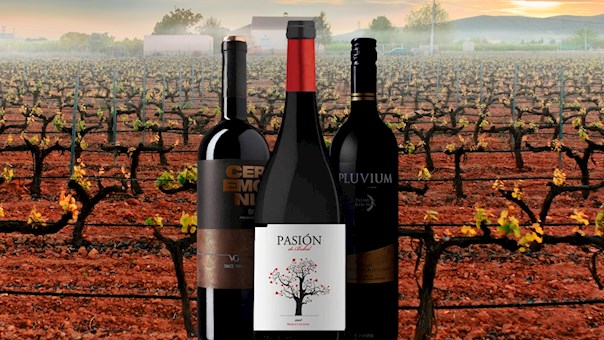
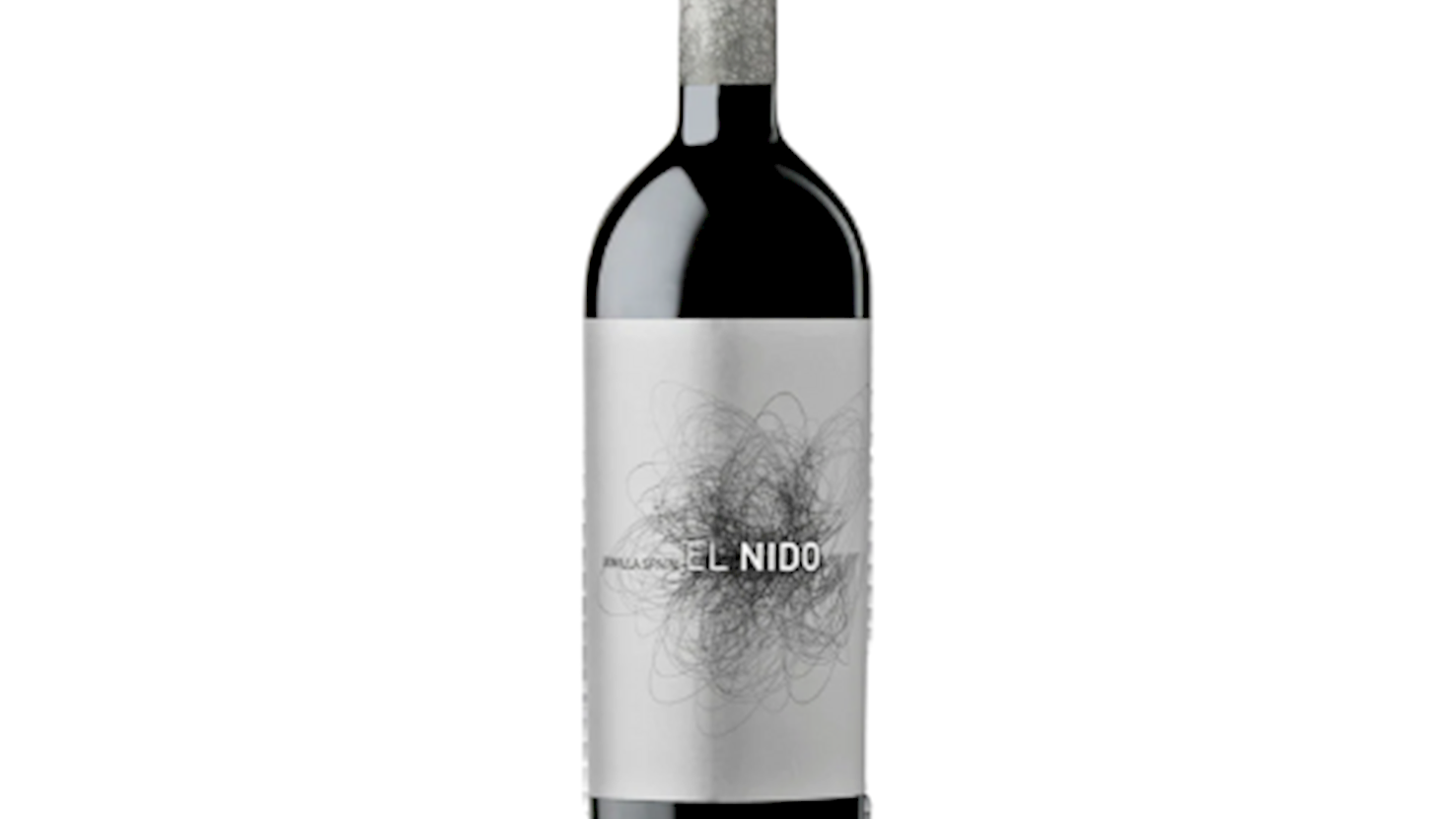
Bodegas El Nido is a prestigious winery from the Jumilla region in southeastern Spain, known for producing powerful yet remarkably refined red wines that combine the intensity of the Mediterranean climate with the precision of modern winemaking. It was founded in 2001 as a project of Juan Gil and the renowned winemaker Michel Rolland, with the aim of fully expressing the potential of old-vine Monastrell. The vineyards are located at altitudes of up to 900 meters, which helps preserve freshness and aromatic clarity despite the warm conditions. The main grape varieties are Monastrell and Cabernet Sauvignon, grown in extremely dry and stony soils with very low yields. These conditions result in grapes of great concentration and natural balance. The winery’s philosophy is based on strict grape selection and precise vinification, with no compromises when it comes to quality. Fermentation and ageing take place using top-quality French oak barrels, ensuring depth without sacrificing elegance. El Nido is especially known for its iconic wines Clío and El Nido, both of which have achieved cult status among lovers of powerful Spanish reds. Their style is rich and intense, yet always controlled, with a strong focus on texture, structure, and a long, persistent finish. The aromatic profile is dominated by ripe dark fruit notes, spices, cocoa, and subtle smoky tones. On the palate, the wines are full-bodied but well balanced, with silky tannins and impressive depth of flavor. Despite their power, they retain elegance and a strong capacity for long-term ageing.
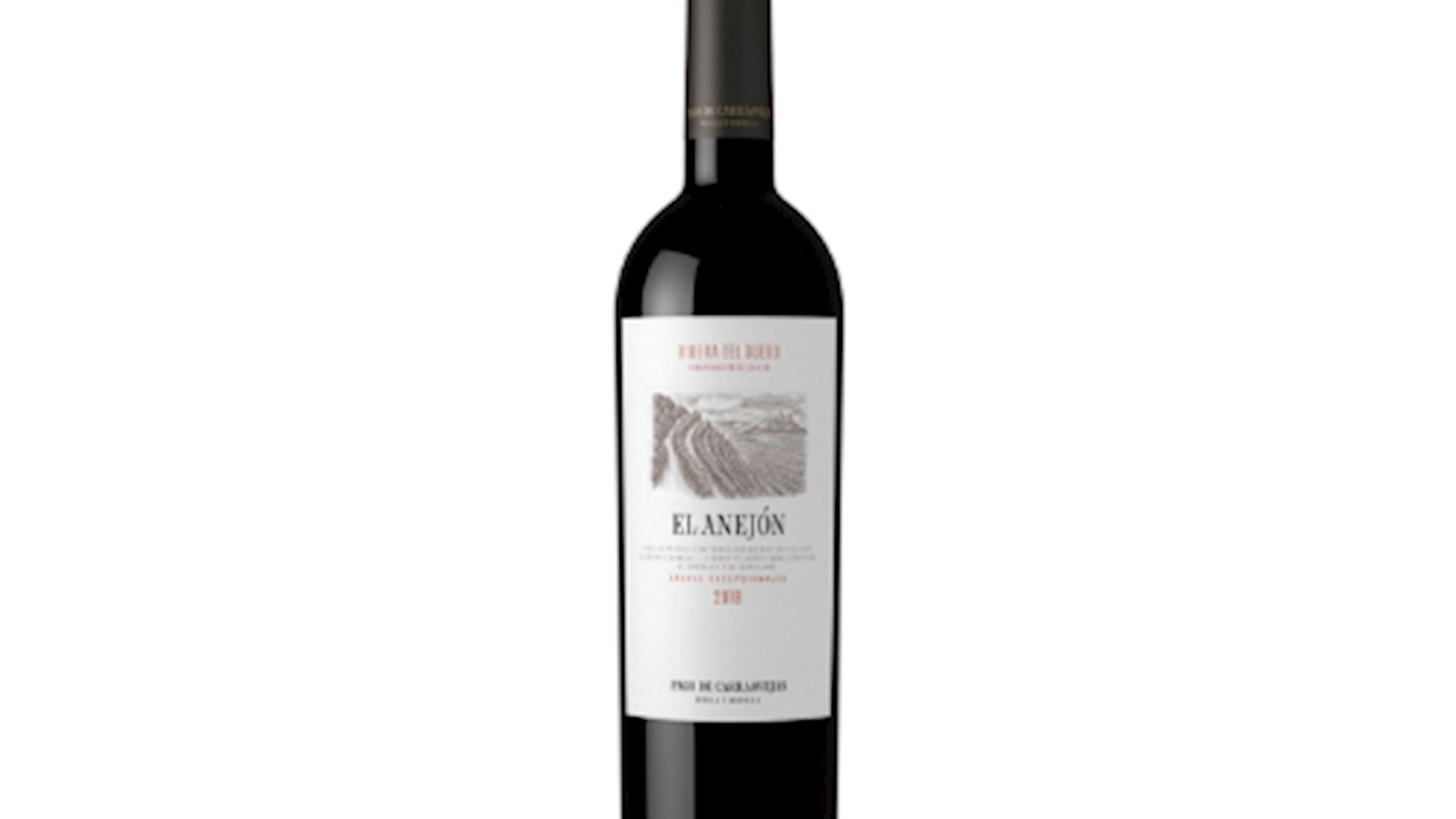
Pago de Carraovejas is one of the most influential and recognizable wineries in the Ribera del Duero region, known for wines that successfully combine power with elegance in a modern Spanish style. It was founded in 1987 near the town of Peñafiel, in the heart of one of Spain’s most prestigious wine areas. From the very beginning, the winery has focused on strict quality control at every stage, from vineyard to bottle. Its vineyards are planted at different altitudes, which contributes to aromatic complexity and helps preserve freshness in the grapes. Tempranillo is the backbone of the wines, supported in some cuvées by Cabernet Sauvignon and Merlot. Limestone- and gravel-rich soils give the wines their distinctive structure and mineral character. The winery’s philosophy is based on balancing modern technology with deep respect for terroir. In the cellar, winemaking is precise, with careful grape selection and temperature-controlled fermentation. Ageing takes place mainly in French oak barrels, adding complexity while maintaining elegance. Pago de Carraovejas wines are known for their rich aromatic profiles, with notes of ripe black fruit, spice, and subtle toasted nuances. On the palate, they are full-bodied yet well balanced, with silky tannins and impressive depth of flavor. A key characteristic is their ability to deliver intensity without sacrificing drinkability. Over the years, the winery has built a strong international reputation and earned consistently high critical acclaim. Today, it is widely regarded as a symbol of modern success in Ribera del Duero. Pago de Carraovejas does not follow short-lived trends, but instead builds its identity on stylistic consistency. Its wines remain a reliable choice for lovers of powerful yet refined Spanish reds.
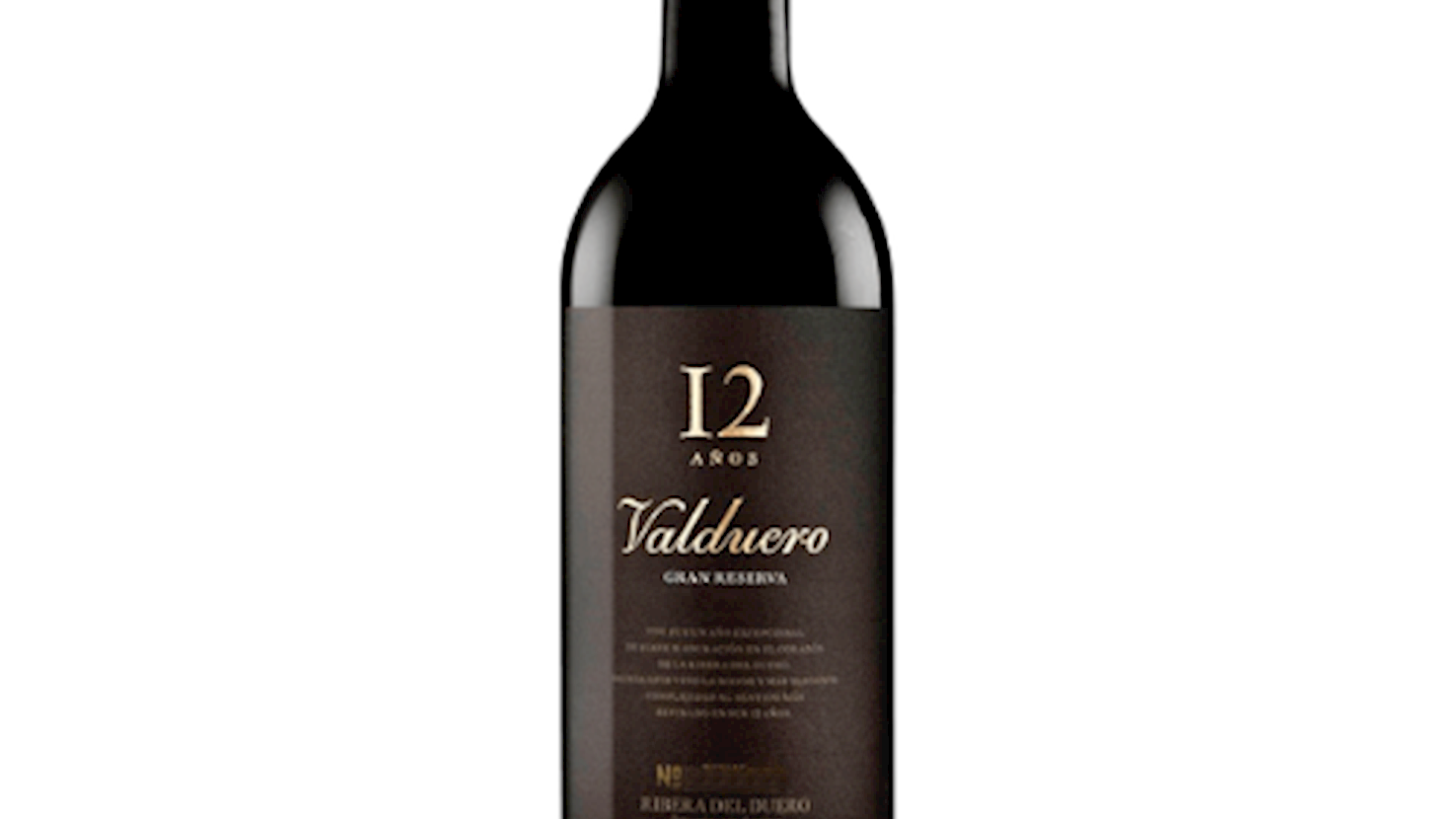
Bodegas Valduero is a family-owned winery based in Gumiel de Mercado, in the heart of the prestigious DO Ribera del Duero region, founded in 1984 as one of the first independent estates in the area to produce and bottle wines under its own name. From the very beginning, the winery has focused on long-term quality and ageing potential, guided by the philosophy that wine should spend sufficient time in the cellar before being released to the market. Its vineyards are planted mainly with old vines of Tempranillo, locally known as Tinto Fino, grown without irrigation and at very low yields, which contributes to the concentration and structure of the wines. In the cellar, Valduero follows a classic Ribera del Duero approach, with extended ageing in oak barrels and even longer maturation in bottle. The estate is particularly well known for its Reservas and Gran Reservas, as well as for its innovative work with the white grape variety Albillo Mayor, from which it produces serious wines with remarkable ageing potential. The house style is defined by firm structure, clearly shaped tannins, and an elegance that develops over time. Today, Bodegas Valduero is regarded as one of the reference producers of Ribera del Duero, recognized for its consistency, patience in winemaking, and loyalty to the region’s classic expression.
Awards
Decanter World Wine Awards - Best in Show
(2024, 2019)
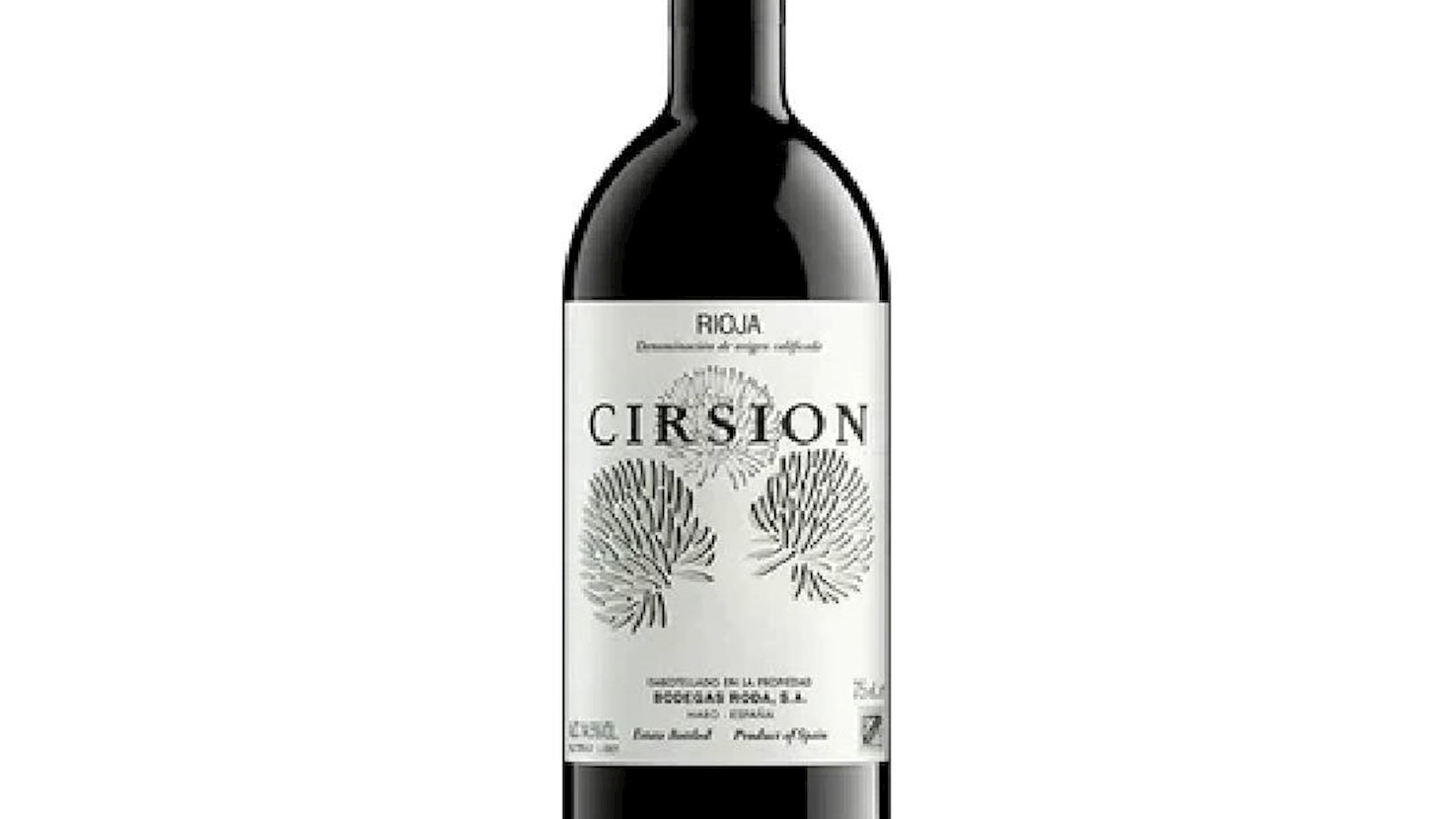
Bodegas Roda, established in 1987 by Carmen Daurella and Mario Rotllant, is a distinguished winery located in Haro, La Rioja, Spain. Situated on the banks of the Ebro River in the historic Barrio de la Estación, the winery is built atop a 19th-century cellar, reflecting a blend of tradition and innovation. The winery is also known for its commitment to sustainability and innovation. It has received the "Sustainability in Rioja" award for its vineyard project in Cellorigo, addressing challenges such as genetic erosion, soil erosion, and climate change. Additionally, Bodegas Roda holds the Sustainable Wineries for Climate Protection certification, emphasizing its dedication to environmental responsibility. Through a combination of respect for tradition, innovative practices, and a deep connection to the land, Bodegas Rodacontinues to be a leading name in Spanish winemaking, producing wines that reflect the rich heritage and dynamic future of the Rioja region.
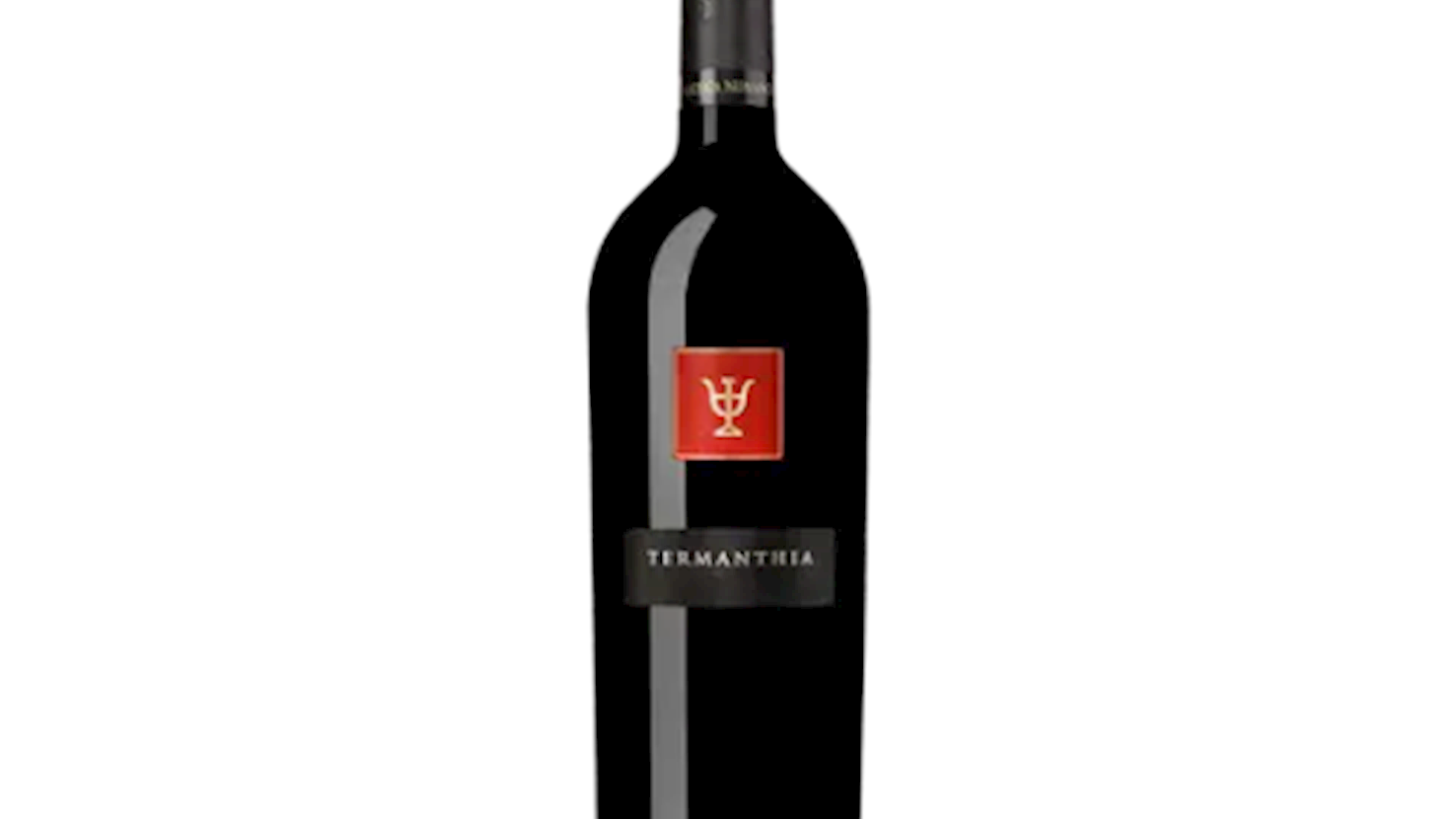
Bodega Numanthia is a renowned Spanish winery from the Toro region, best known for powerful, structured wines that highlight the potential of Tinta de Toro, the local expression of Tempranillo. It was founded in 1998 with the aim of preserving and elevating the heritage of exceptionally old vineyards, many of which are between 50 and over 100 years old. The vineyards are planted on poor, stony soils along the Duero River, where extreme climatic conditions - hot summers and cold winters - produce grapes of high concentration and strong character. The winery takes its name from the ancient city of Numantia, a symbol of resilience and strength, a philosophy clearly reflected in the style of its wines. Numanthia is especially recognized for its flagship wine of the same name, made from carefully selected parcels of the oldest vines. Winemaking combines traditional methods with modern enological precision, using small fermentation vessels and aging in French oak. The wines are characterized by deep color and intense aromas of dark berries, spices, tobacco, and mineral notes. On the palate, they are full-bodied and powerful, yet surprisingly well balanced, with firm but polished tannins and notable freshness. The house style consistently focuses on expressing terroir rather than standardizing vintages. Since 2008, the winery has been part of the LVMH group, which has significantly increased its international visibility. Despite this, Numanthia has maintained a clear focus on limited production and high quality. Today, it is considered one of the key producers responsible for positioning the Toro region on the global wine map.
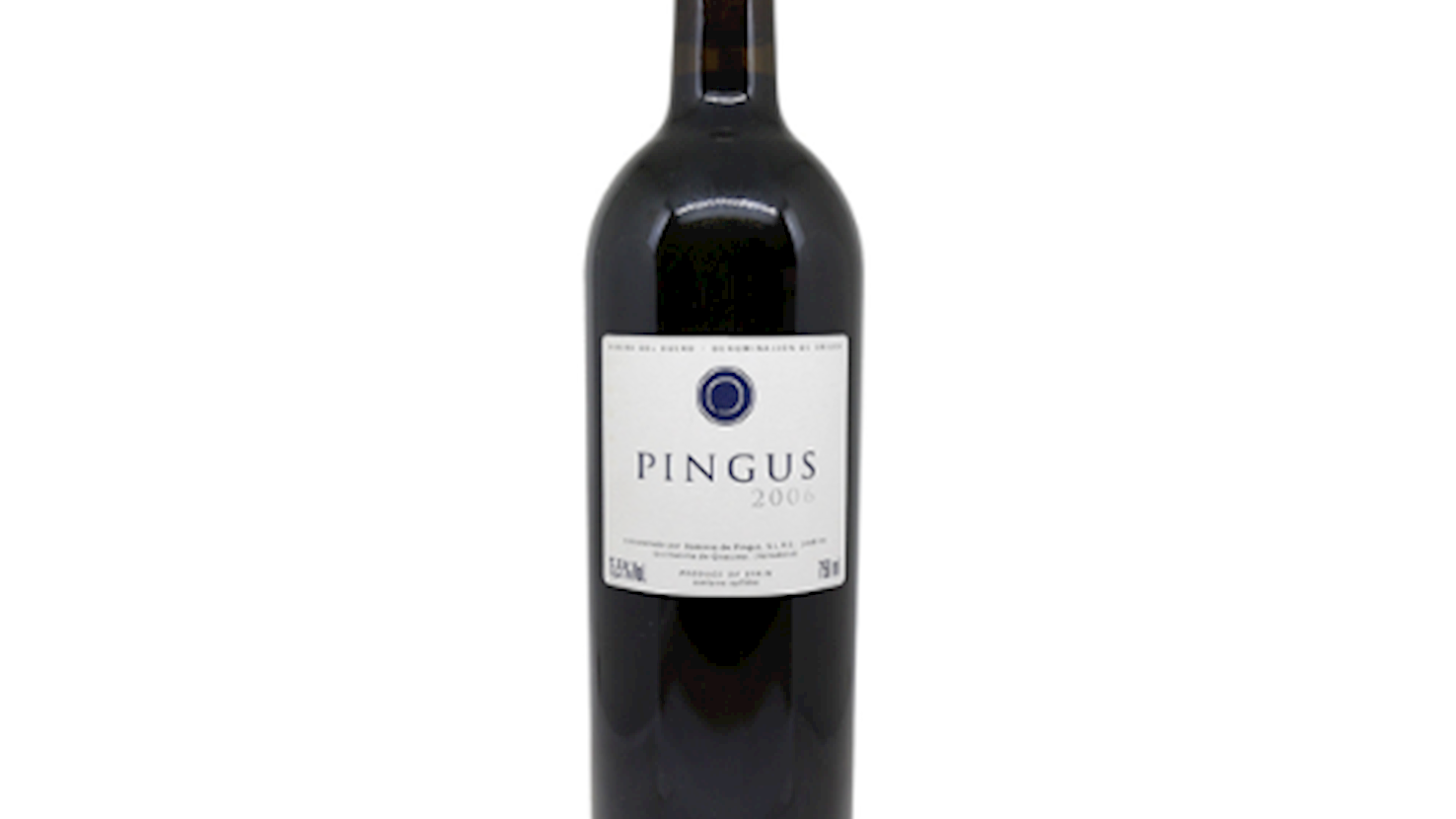
Dominio de Pingus is one of the most prestigious wineries in Spain, located in the Ribera del Duero region and internationally known for producing powerful, complex, and long-lived red wines. The winery was founded in 1995 by Danish winemaker Peter Sisseck, whose vision was to create wines that express the true character of Ribera del Duero through low-intervention winemaking and meticulous vineyard work. The name “Pingus” comes from the childhood nickname of Sisseck’s dog, yet it quickly became a cult label in the world of fine wine due to its exceptional quality and extremely limited production. The vineyards are composed mainly of old-vine Tempranillo, locally known as Tinta del País, planted on limestone-rich and well-drained soils that contribute to structure and mineral expression. From the outset, the project focused on small yields and careful grape selection to achieve maximum concentration and balance. In the cellar, fermentation is carried out with native yeasts, reflecting a philosophy of minimal intervention and respect for the raw material. Ageing takes place primarily in French oak barrels, with close attention to preserving harmony between fruit, oak, and terroir character. Pingus wines are known for their depth, dense yet refined tannins, and layered aromas of dark fruit, spice, earth, and subtle mineral notes. Despite their power, the wines retain freshness and precision, avoiding heaviness. Production is extremely limited, which, together with consistently high critical acclaim, has made Dominio de Pingus one of the most sought-after names in Spanish wine. Alongside the iconic flagship wine Pingus, the estate also produces PSI, a more accessible expression that still reflects the house style and Ribera del Duero identity. Over the years, Dominio de Pingus has become a symbol of Spain’s modern “cult wine” movement. It represents a shift toward small-scale, terroir-driven winemaking with uncompromising quality standards. For collectors and enthusiasts of fine red wines, Dominio de Pingus stands as a benchmark for intensity balanced by elegance.
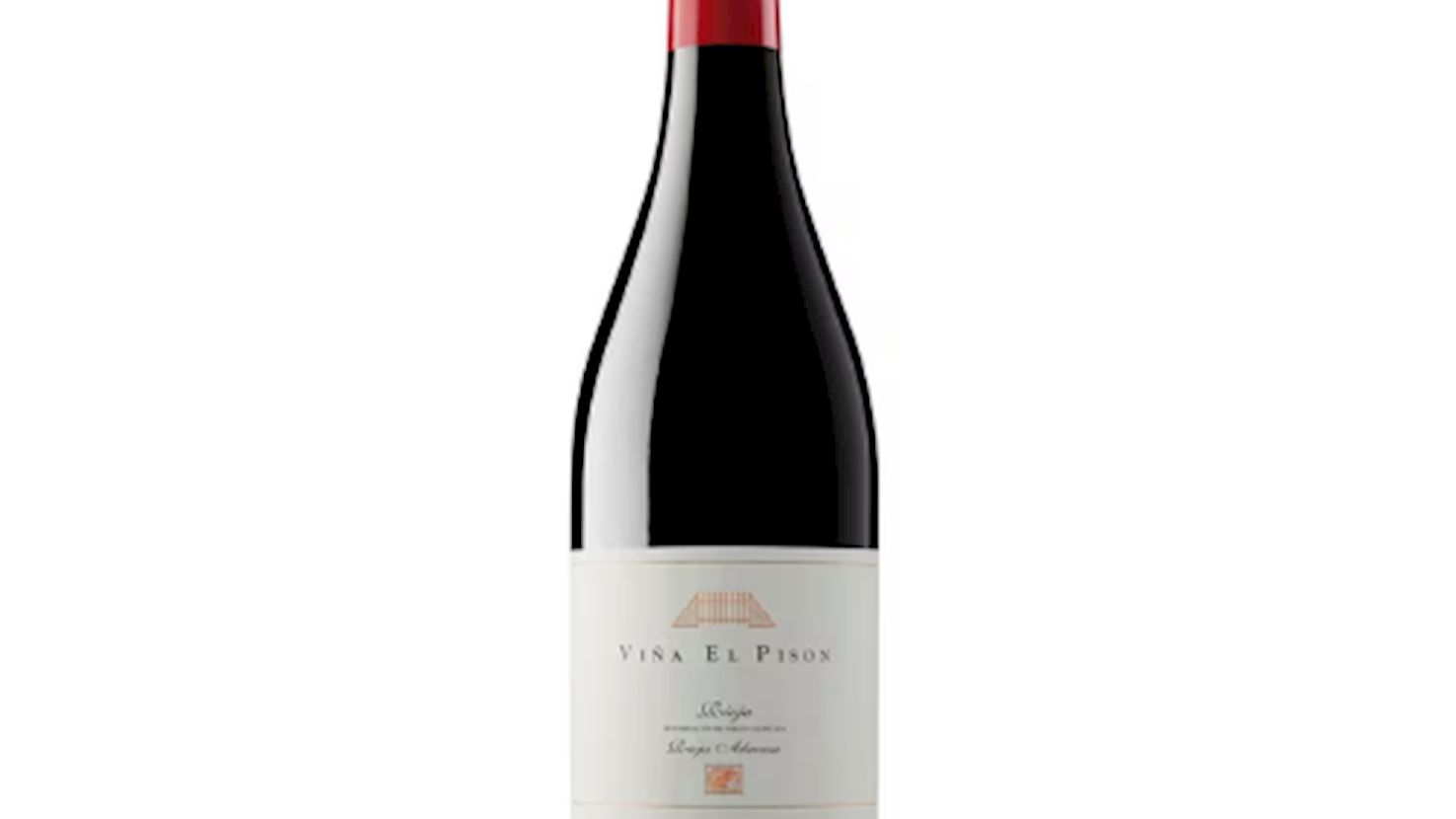
Artadi Bodegas y Viñedos is one of the most influential contemporary wineries in Spain, based in Laguardia in the Rioja Alavesa area, and widely recognized for its strong focus on terroir and a parcel-driven approach to viticulture. Founded in 1985 as an initiative of local growers, under the leadership of Juan Carlos López de Lacalle it evolved into a reference point for wines that prioritize origin over stylistic uniformity. Artadi distanced itself early from the classic Rioja model centered on aging categories and formal classifications, instead emphasizing the expression of individual vineyards and old-vine Tempranillo. The vineyards are farmed according to organic and biodynamic principles, with great attention to work in the field and naturally low yields. In the cellar, minimal intervention is practiced to preserve the purity of the fruit and the authenticity of the terroir. This philosophy has positioned Artadi as one of the pioneers of Spain’s modern, terroir-focused wine movement.
TasteAtlas food rankings are based on the ratings of the TasteAtlas audience, with a series of mechanisms that recognize real users and that ignore bot,
nationalist or local patriotic ratings, and give additional value to the ratings of users that the system recognizes as knowledgeable.
For the “Top 100 Spanish Red Wines” list until June 10, 2026, 495 ratings were recorded, of which 401 were recognized by the system as legitimate.
TasteAtlas Rankings should not be seen as the final global conclusion about food. Their purpose is to promote excellent local foods,
instill pride in traditional dishes, and arouse curiosity about dishes you haven’t tried.
The initial list of top producers was compiled based on available reviews, awards, local recommendations, media and blog coverage, and consumer reviews.
The list will be updated with ratings from TasteAtlas local ambassadors and TasteAtlas users.