
shutterstock

Top 35 Asian Coffees

Last updated on July 22, 2026

Best Asian Coffees

01

Kurukahveci Nuri Toplar

4.9 ·

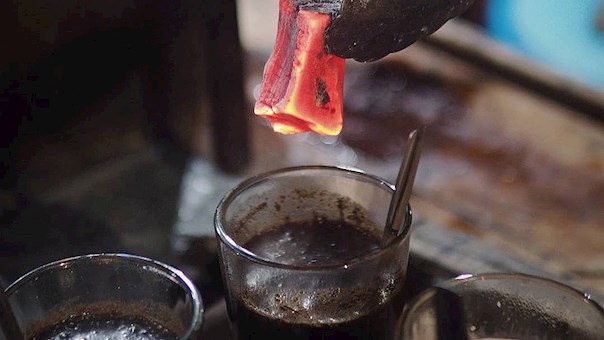
Kurukahveci Nuri Toplar is a historic Istanbul-based producer of traditional Turkish coffee, recognized for roasting high-quality Arabica beans exclusively over a wood fire, which creates a deeper aroma and a richer, more nuanced flavor than industrial roasting. Founded in 1890, the brand has preserved its artisanal approach: the coffee is ground to an ultra-fine texture, contains no additives, and is packaged immediately after roasting to maintain its natural freshness and signature fragrance.

Their shop in the Eminönü district is known for preparing coffee strictly according to classical Turkish methods, emphasizing precise brewing and a velvety foam. The flavor profile combines gentle bitterness, subtle chocolate undertones, and a long, clean finish.

Today, the brand is considered a benchmark for authentic Turkish coffee, valued by consumers seeking tradition, craftsmanship, and the characteristic depth of flavor associated with slow wood-fire roasting.

02

Doi Chaang Coffee

4.9 ·

Doi Chaang Coffee is a Thai specialty coffee producer headquartered in Chiang Rai Province, best known for producing single-origin 100% Arabica coffee grown in the mountainous village of Doi Chaang at elevations ranging from approximately 1,000 to 1,700 meters above sea level. The company was established in 1990 as a cooperative of the local Akha community with the goal of improving coffee quality and creating a sustainable source of income for local farmers. Coffee cultivation was introduced as part of a crop substitution program that replaced opium poppy farming, and today production is based on sustainable agricultural practices in cooperation with hundreds of local growers. Only Arabica coffee varieties are cultivated, with the cherries being hand-picked, carefully sorted, and processed to preserve their distinctive origin characteristics. The company oversees the entire production process, from cultivation and processing to roasting and packaging, ensuring consistent quality. Doi Chaang Coffee holds a Geographical Indication (GI) designation for coffee produced in the Doi Chaang region, and its products are exported to numerous international markets. In addition to roasted whole bean and ground coffee, the company operates coffee shops and actively promotes Thai specialty coffee worldwide.

03

Gayo Kopi

4.9 ·

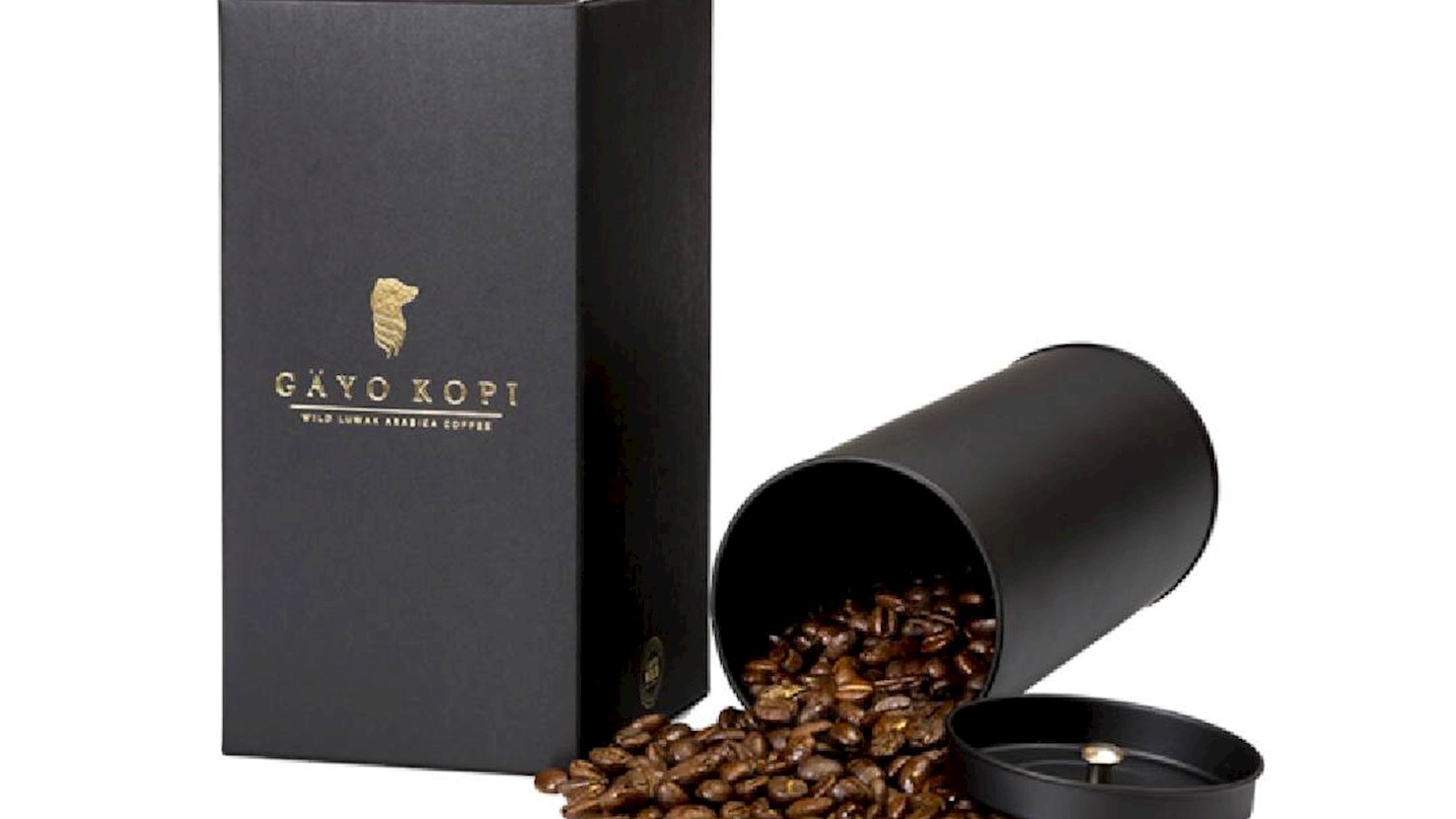
Gayo Kopi is a distinguished Indonesian company specializing in the production and export of premium Wild Kopi Luwak coffee. Their beans are sourced from the Gayo Highlands in Northern Sumatra, where wild civets naturally select and consume the finest coffee cherries.

This natural process imparts unique flavor profiles to the beans, resulting in a rich and indulgent coffee experience. Gayo Kopi is committed to ethical sourcing, ensuring that all their Kopi Luwak is collected from wild, uncaged civets, thereby supporting both environmental sustainability and animal welfare.

04

Cohoma Coffee

4.8 ·

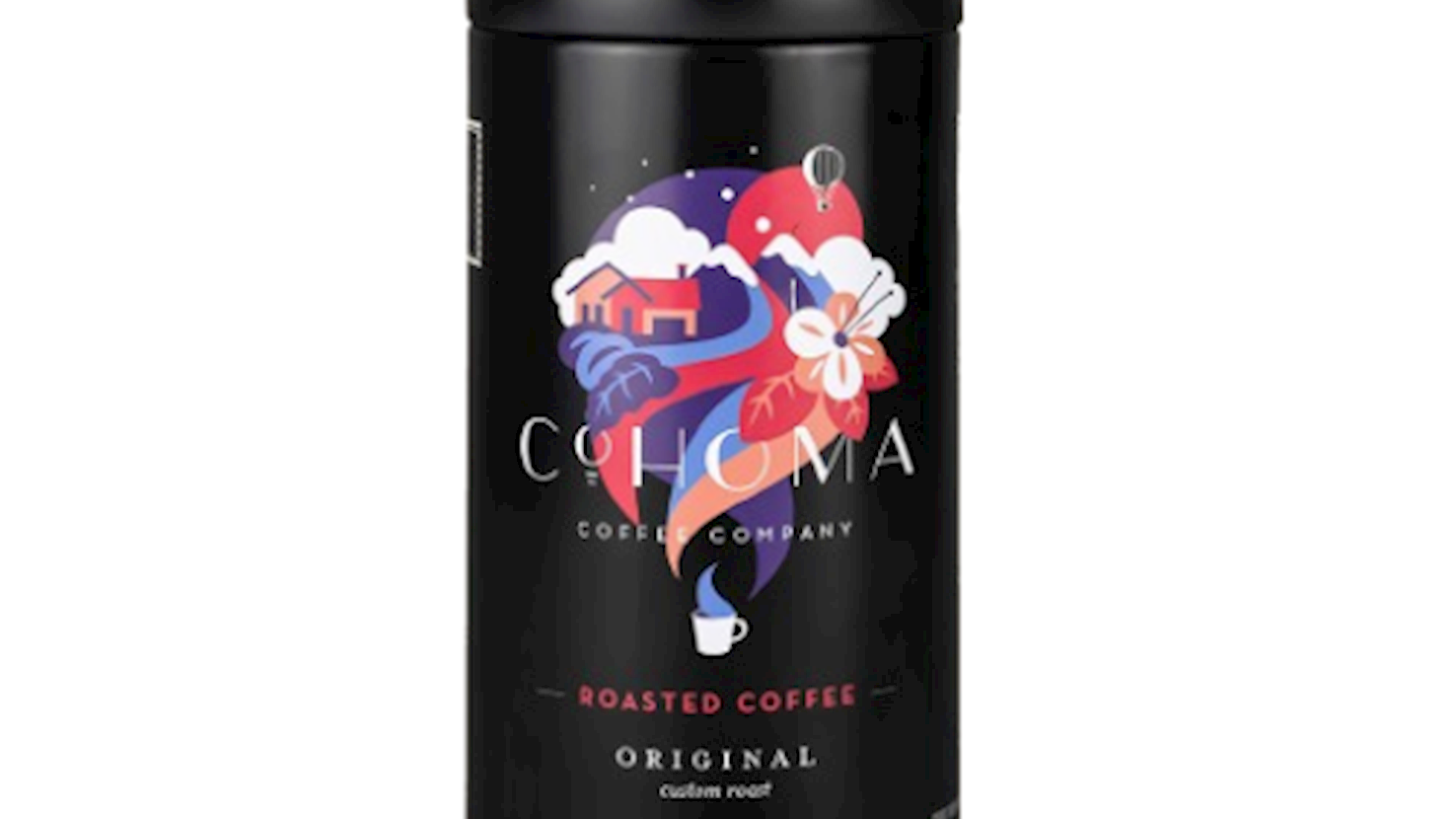
Cohoma Coffee Company is an Indian coffee roastery that specializes in producing high-quality coffees, focusing on easily accessible products that allow for simple preparation without the need for specialized equipment. The company is dedicated to delivering exceptional taste and freshness by using carefully selected raw beans that are roasted in small batches to preserve their rich flavor profiles.

Their product range includes various offerings, from freshly roasted coffee to coffee in capsules, as well as convenient coffee bags for quick brewing and cold brew coffee. Cohoma Coffee strives to ensure that every customer, regardless of their experience in coffee preparation, can enjoy a high-quality beverage at home without the need for expensive machines. Their goal is to provide coffee lovers with the opportunity to experience the richness of flavor in every sip while offering simplicity and accessibility.

Coffee from Cohoma Coffee is ideal for those who want to enjoy exceptional taste without complexity, whether it's black coffee, espresso, or cold brew, as all of their products are designed to cater to various preferences and brewing styles.

05

Akasa Coffee

4.8 ·

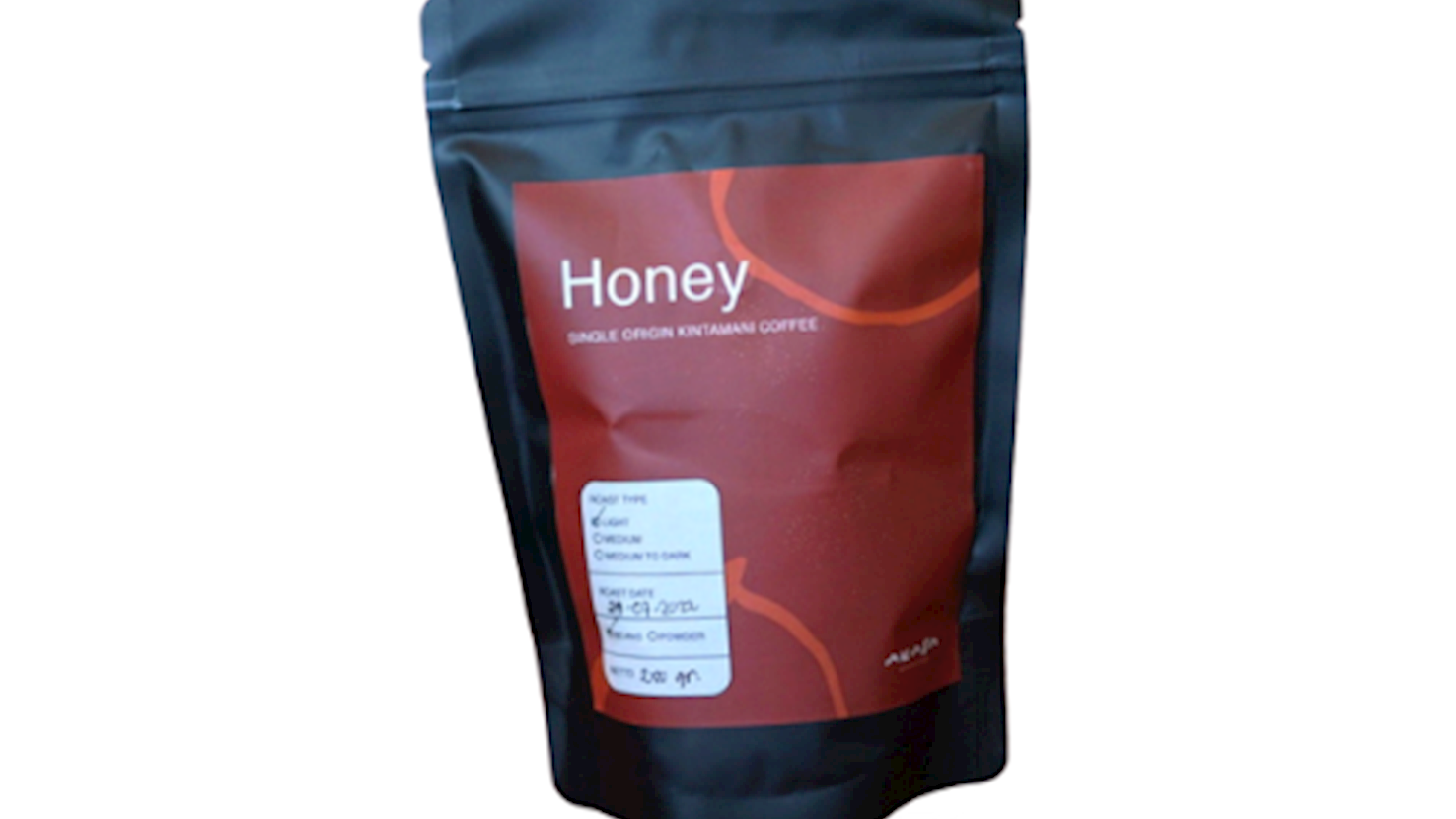
Akasa Coffee is a specialty coffee roastery and brand from Kintamani, a mountainous region in Bali, Indonesia, renowned for its high-quality Arabica beans. Their philosophy, “From Farm to Cup” reflects a deep commitment to every step of the coffee production process – from seed selection, planting, fermentation, drying, roasting, to serving.

The goal is to deliver the authentic taste of Kintamani coffee in every cup. Akasa Coffee focuses on preserving quality and flavor consistency by paying close attention to every detail of production.

Their coffee is processed according to international standards, making them a recognized brand both locally and internationally.

06

Sarnies Bangkok

4.8 ·

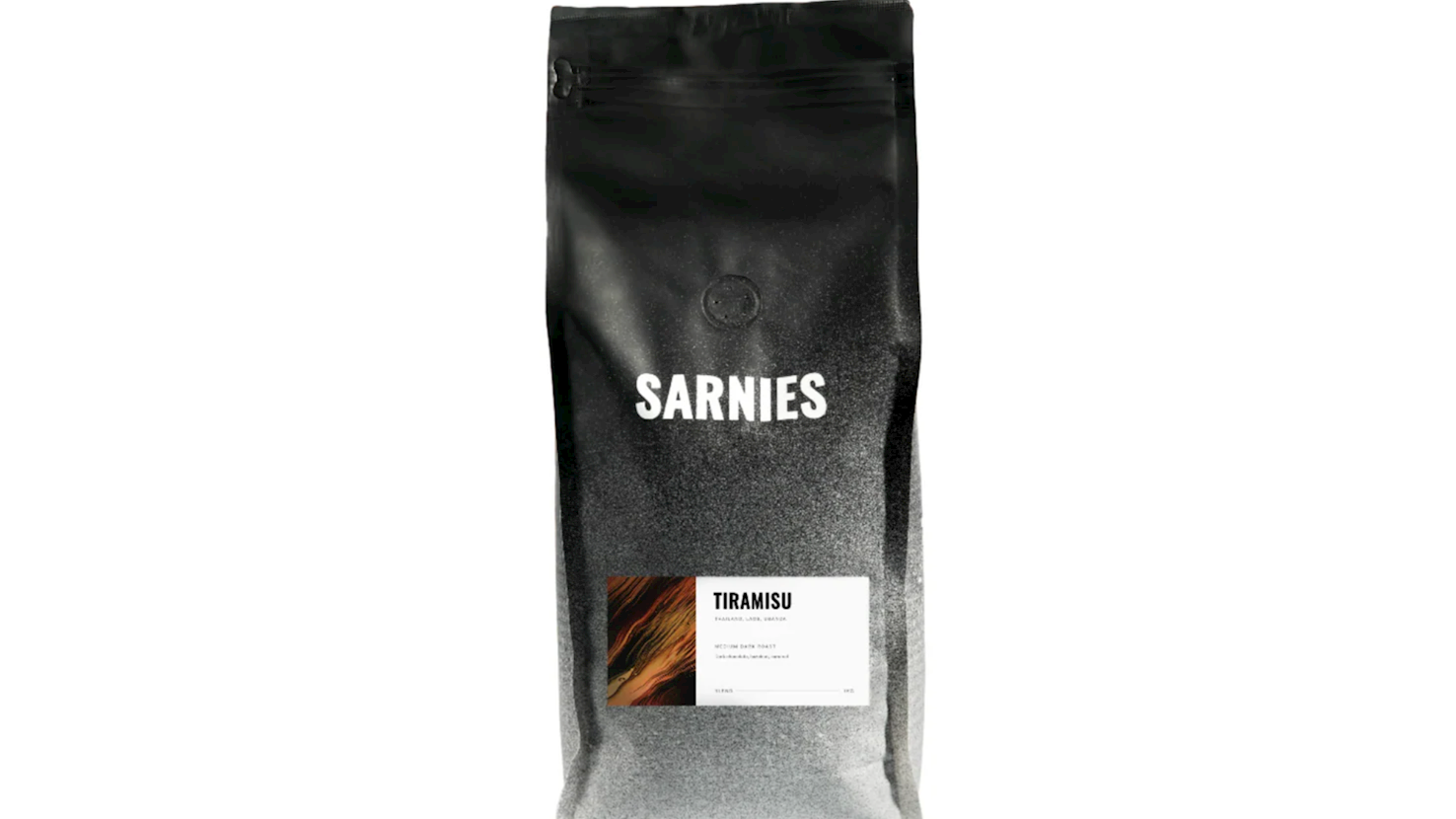
Sarnies Bangkok is a chain of specialty cafés and restaurants established as part of the Sarnies brand, which was founded in Singapore in 2017. The first Bangkok location opened in 2018 in the historic Bang Rak district, occupying a carefully restored former boat repair workshop that is more than 150 years old. The brand's concept combines specialty coffee, artisanal baking, and contemporary brunch cuisine, with a strong emphasis on high-quality ingredients and sustainability. Sarnies serves coffee roasted in its own roastery and collaborates with producers from various coffee-growing regions around the world, while its food menu blends international culinary influences with locally sourced Thai ingredients. The offering includes specialty coffee beverages, naturally leavened sourdough bread, pastries, sandwiches, breakfast and brunch dishes, as well as seasonal specialties. Following the success of its original café, the brand expanded with several locations across Bangkok, each maintaining its own distinctive character while adapting its menu to the surrounding neighborhood.

07

The Coffee Academics

4.8 ·

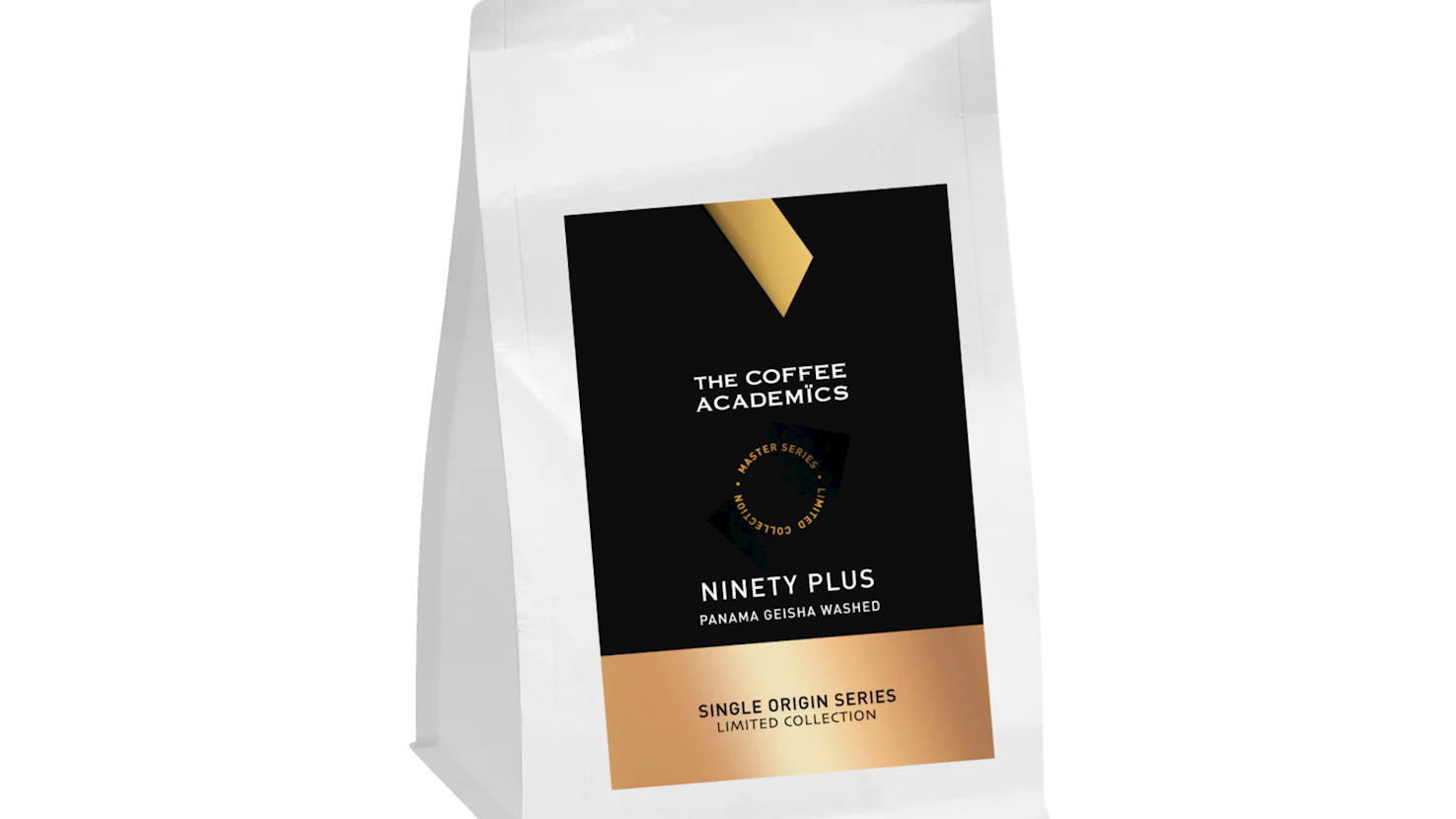
The Coffee Academics is a Hong Kong-based specialty coffee company, coffee roaster, and café group established in 2012 with the aim of elevating coffee culture through high-quality beans, professional expertise, and innovative café experiences. Founded by Jennifer W. F. Liu, the company operates on three core pillars: retail cafés, coffee roasting, and coffee education. In addition to its café network, The Coffee Academics produces its own signature blends, single-origin coffees, capsules, drip bags, brewing equipment, and customized coffee solutions for hotels, restaurants, airlines, and corporate clients. All coffee is roasted at the company's certified roasting facility in Hong Kong, where strict food safety and quality standards are maintained. The company sources specialty-grade Arabica beans from more than 50 farms worldwide, with a strong emphasis on direct trade, sustainability, and traceability throughout the supply chain. Over the years, The Coffee Academics has expanded beyond Hong Kong into Singapore, Malaysia, Thailand, Indonesia, the Philippines, Macau, and other Asian markets. Alongside its commercial activities, the company offers barista training, coffee appreciation workshops, professional certification courses, and educational programs designed to promote specialty coffee knowledge. Each café is individually designed to reflect the character of its local neighborhood while maintaining the brand's contemporary identity and focus on customer experience.

08

Third Wave Coffee

4.7 ·

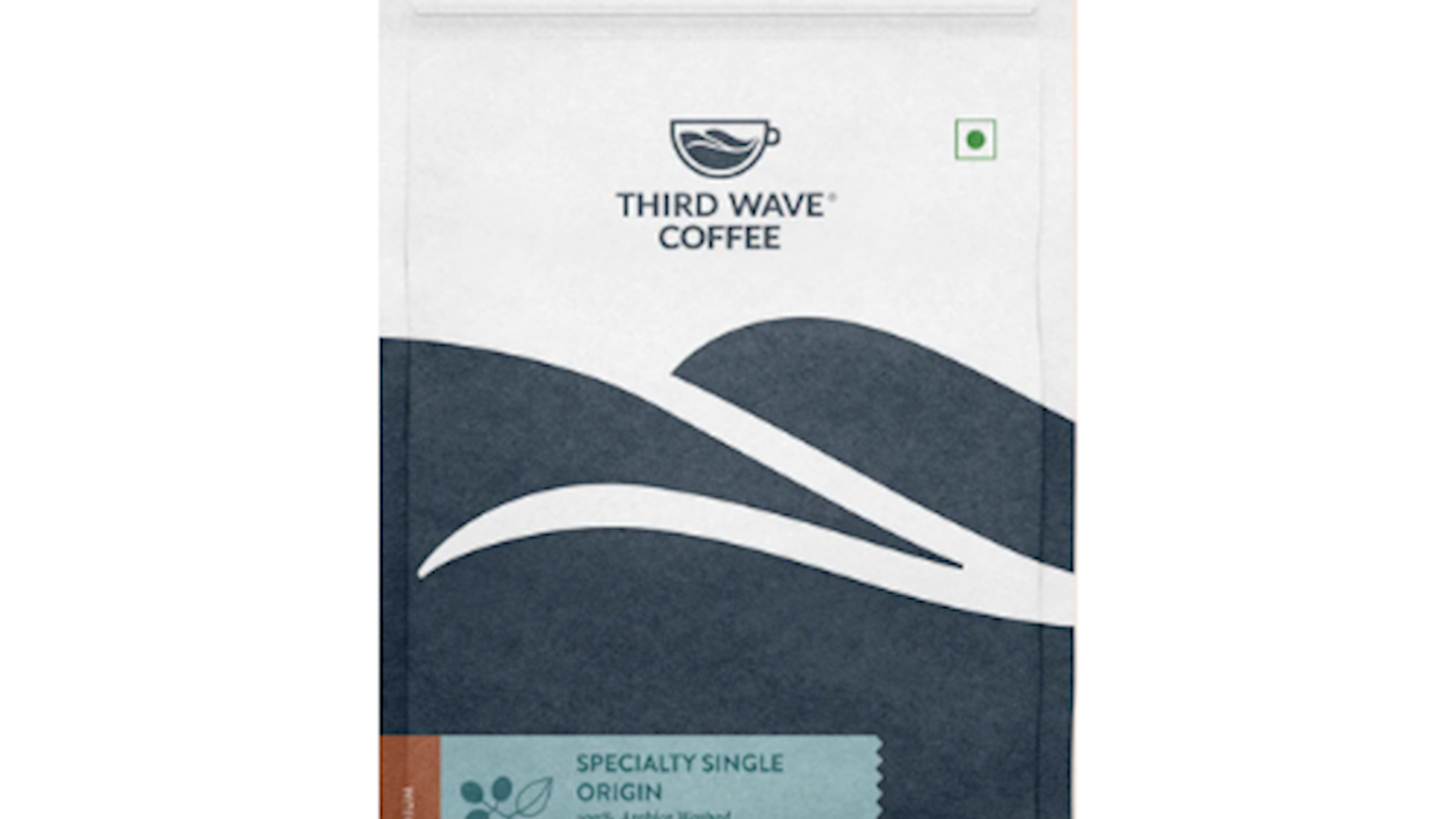
Third Wave Coffee Roasters is an Indian brand specializing in roasting and selling high-quality coffee. They are dedicated to providing freshly roasted 100% Arabica coffee, with an emphasis on ethical and sustainable sourcing of beans.

The brand takes pride in its small-batch roasting process, using state-of-the-art roasters in their facility, allowing for precise control over roasting profiles and highlighting the optimal flavors of each bean. This approach ensures that every customer receives coffee of the highest freshness and quality. Third Wave Coffee Roasters also operates over 90 cafes across six cities in India, including Bengaluru, New Delhi, Pune, Mumbai, Chandigarh, Gurugram, Hyderabad, and Noida.

Their mission is to ensure that quality coffee is available in every corner of the country, providing coffee lovers with a unique and consistent experience. Their commitment to freshness, quality, and sustainability has made them a recognizable leader in the Indian coffee market.

09

Bombay Island

4.7 ·

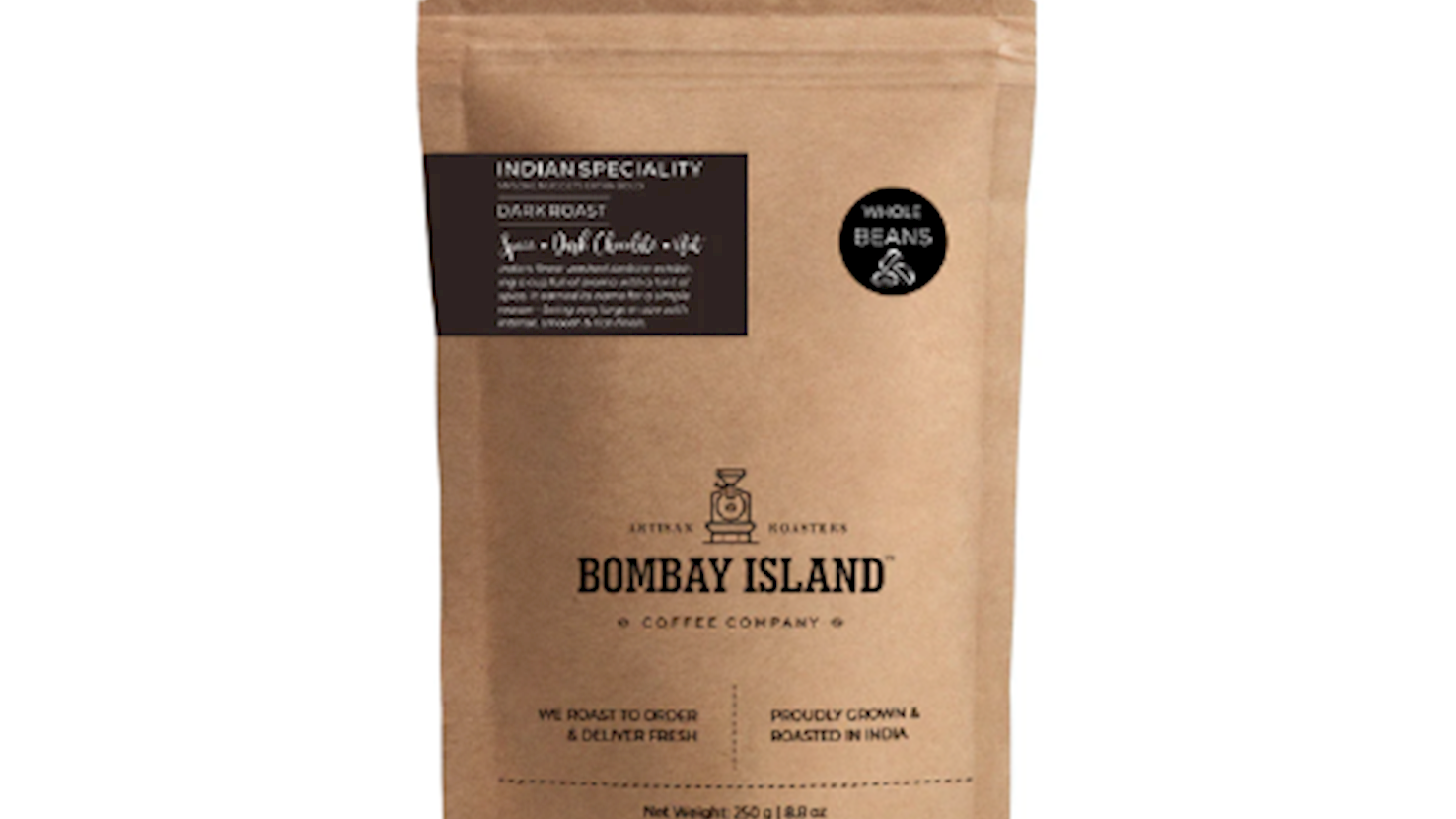
Bombay Island Coffee Company is a specialty coffee roastery based in Mumbai, India, dedicated to crafting high-quality Arabica coffee roasted in small batches. Operating under Rigmor Coffee Roasters, the company sources its beans from carefully selected estates in Chikmagalur, Karnataka - a region renowned for its exceptional coffee production.

Their coffee is made exclusively from Arabica beans, prized for their delicate bitterness, rich aroma, and balanced flavor profile. Each batch is freshly and meticulously roasted in limited quantities to maintain consistency and quality.

Their offerings include a variety of coffee profiles - most notably the Mysore Nuggets Extra Bold, known for its notes of dark chocolate, spices, and nuts.

10

Wahana Estate

4.7 ·

Wahana Estate is one of the most renowned and innovative coffee plantations in Indonesia, located in the Sidikalang region at elevations ranging from 1,300 to 1,500 meters above sea level in North Sumatra. Established in 2005, the estate is owned by the company PT Wahana Graha Makmur, and its name, “Wahana”, symbolically means “a vehicle for great success” in the Indonesian language.

The estate spans approximately 500 hectares, with around 250 hectares dedicated to coffee cultivation and over 30 hectares used for nurseries where numerous coffee varieties are developed. Wahana Estate stands out in the world of specialty coffee due to its dedication to varietal research and experimentation with a wide range of cultivars. Coffee processing takes place directly on the estate, using the traditional Indonesian giling basah (wet-hulled) method, as well as natural and dry processes.

This results in diverse flavor profiles - from notes of chocolate, almond, dried fruits, and spices, to citrusy and floral tones such as jasmine, honey, and black tea. Today, Wahana Estate is a symbol of sustainability, varietal diversity, and high standards in specialty coffee from Sumatra - an ideal choice for those seeking complex and authentic flavor experiences.

Best Asian Coffee Types
01

Vietnamese Iced Coffee

4.2 ·

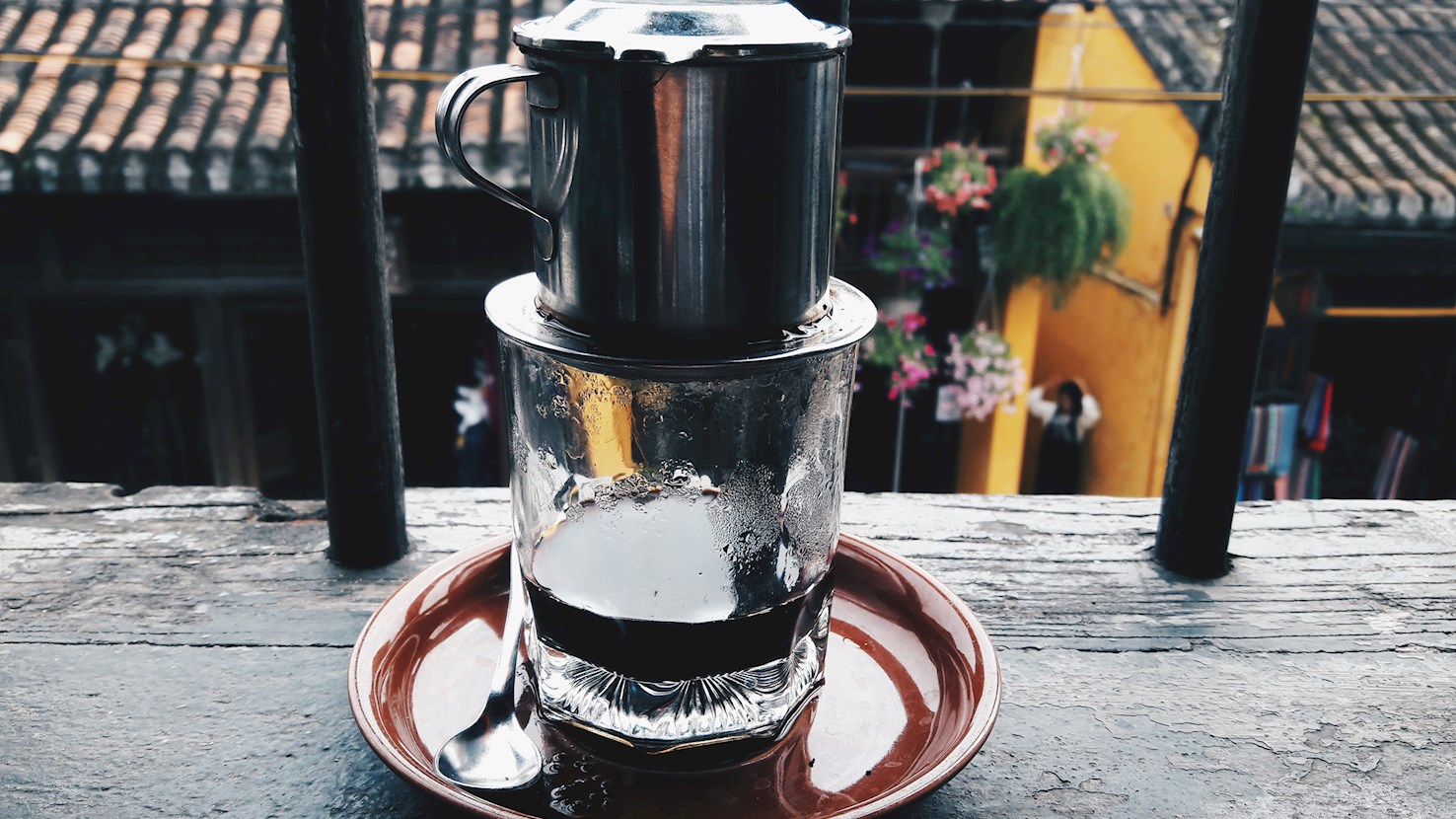
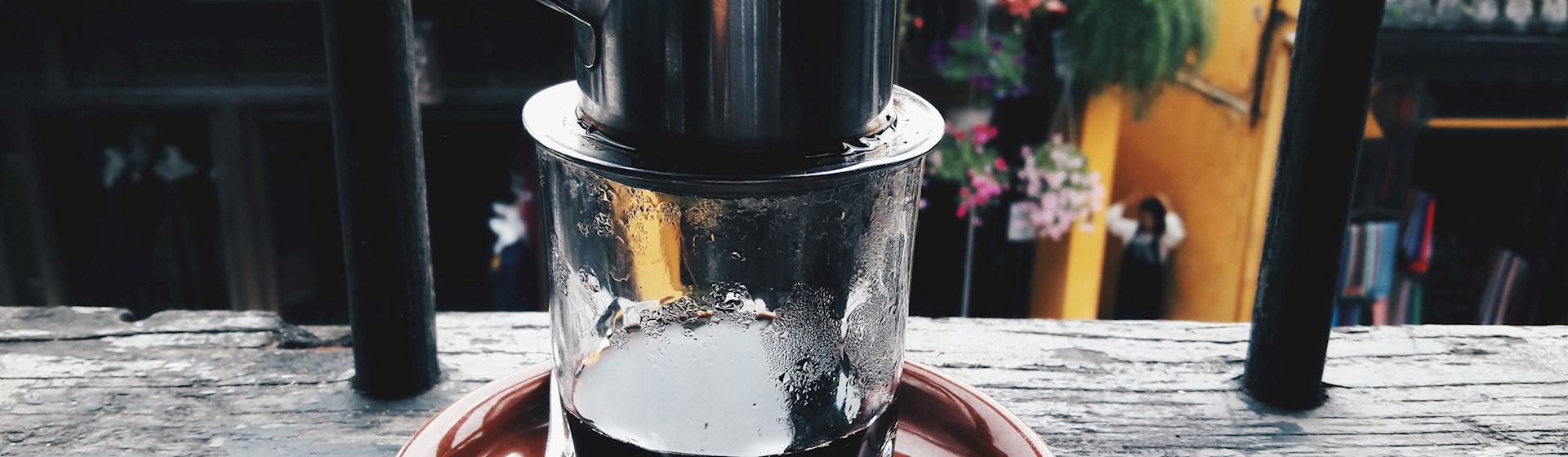
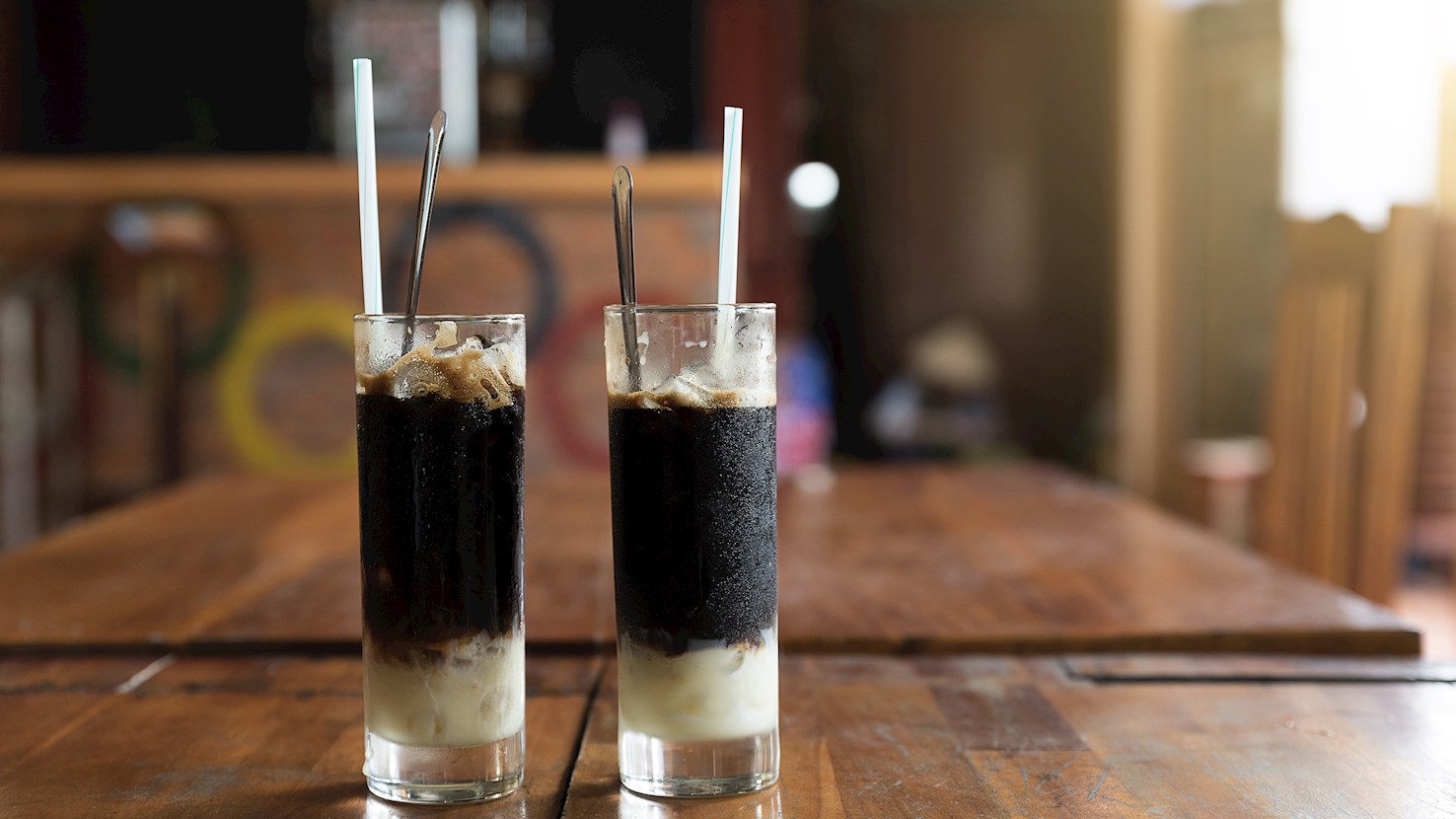
Vietnamese iced coffee is a drink that combines strong coffee, condensed milk, and ice. It is traditionally made with medium or coarse ground Vietnamese-grown coffee, typically the Robusta variety, which is brewed using a drip phin filter—in which the coffee is brewed and then slowly dripped in the cup. The coffee is then poured over ice and mixed with condensed milk. It is usually served in a tall glass. Although it is most commonly made with condensed milk (cà phê sữa đá), there is also a version that combines only coffee and ice (cà phê đá).

02

Vietnamese Coffee

4.1 ·

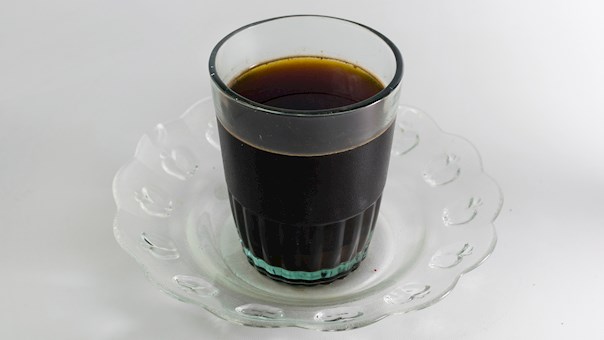
Coffee culture is an important part of daily life in Vietnam. Although it was first brought by the French colonist in the mid-19th century, coffee quickly became popular, and Vietnam is currently one of the largest coffee producers, as well as the leading producer and exporter of the Robusta coffee variety. Robusta is also the most commonly used variety in Vietnam. It attains its quite strong flavor and a thick texture due to the slow and long dark roast. Occasionally, the beans are also roasted with butter and sugar, while some even decide to add cocoa and vanilla during roasting. Vietnamese coffee is traditionally brewed with a phin filter—which consists of a perforated plate that is placed on top of the cup. The plate is topped with a metal vessel in which the ground coffee is mixed with hot water, and brewed coffee is then slowly dripped directly in the cup. Because Vietnamese coffee is quite strong and bitter, the local prefer to mix it with ice and sweeten it with condensed milk (cà phê sữa đá), but it can also be enjoyed as a straight black coffee (cà phê đen) or black coffee with ice (cà phê đá). Another popular local variation is coffee mixed with egg yolks (cà phê trứng).

03

Türk Kahvesi (Turkish coffee)

4.1 ·

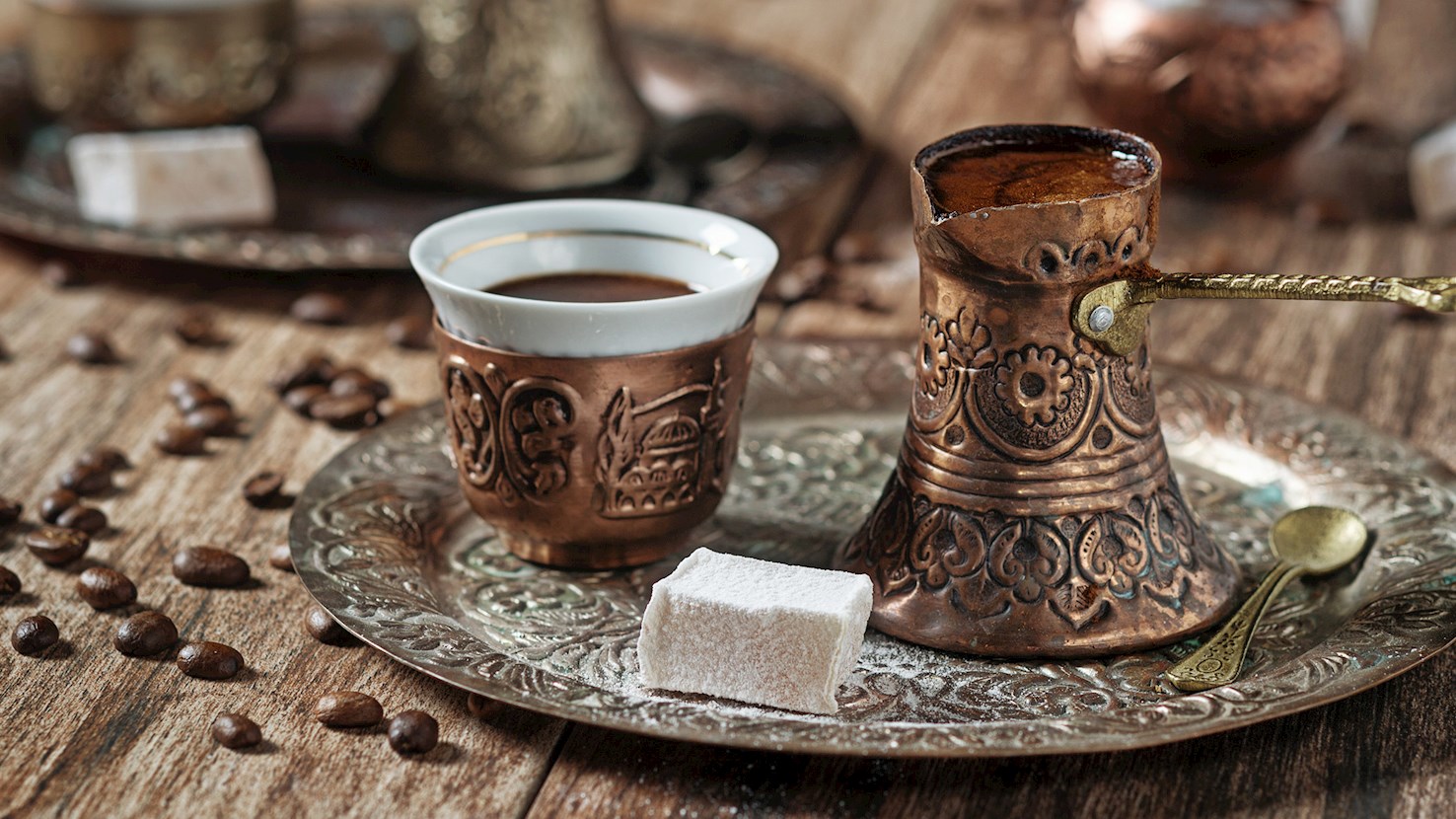
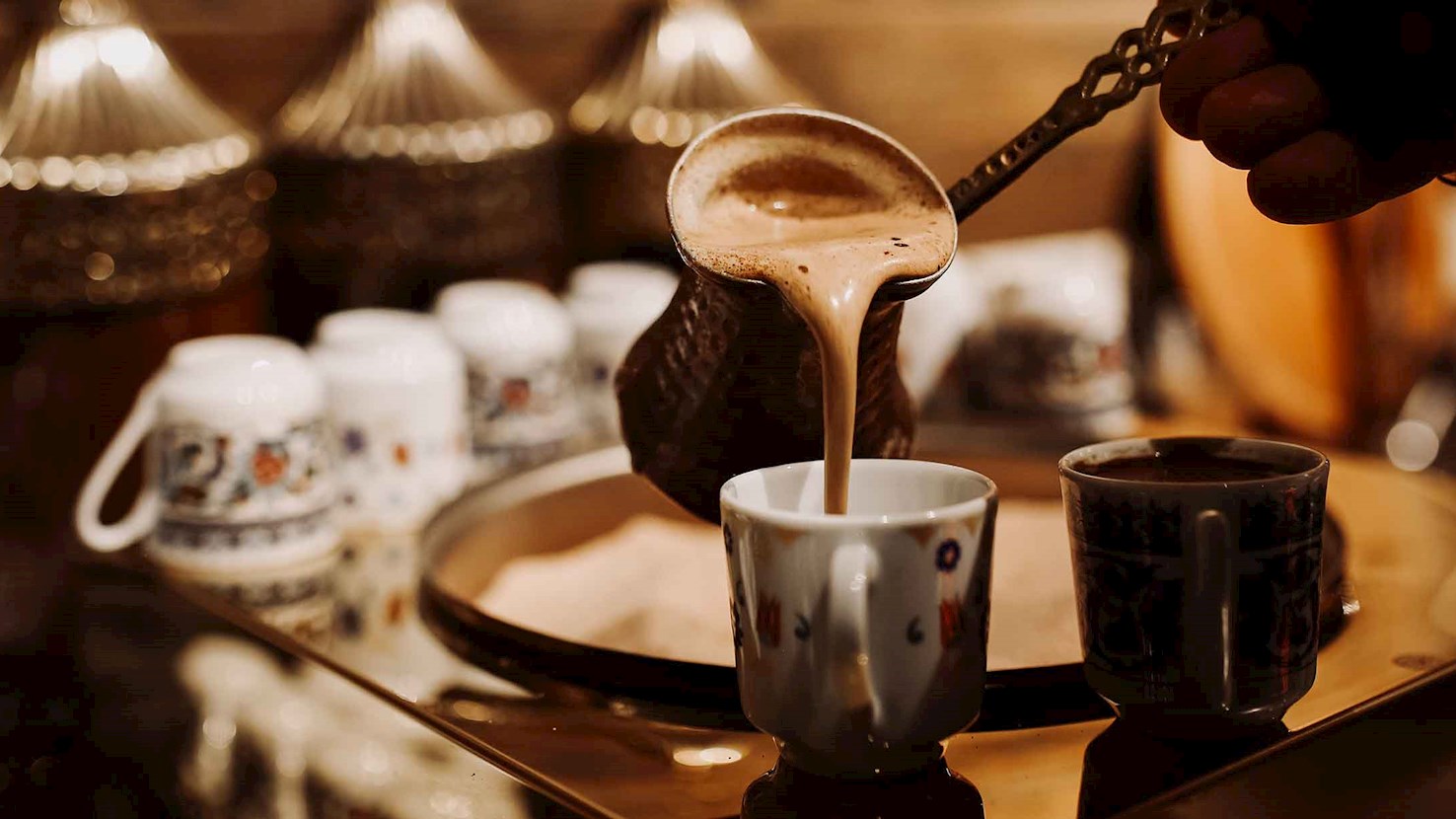
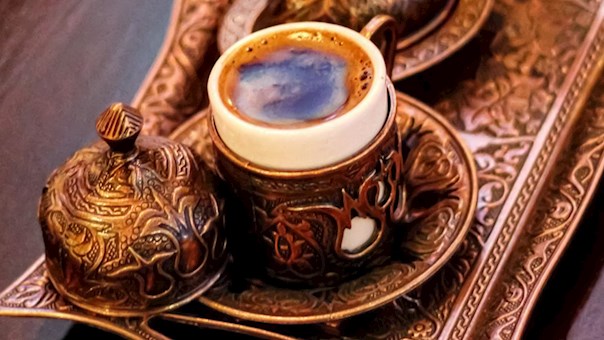
Extra finely ground roasted coffee beans are combined with cold water (and, optionally, sugar) in a traditional coffee pot called cezve or ibrik, and then brewed over low heat until frothy and on the verge of coming to a boil, yielding a uniquely strong and rich Turkish coffee. It is this specific method of brewing the beverage that distinguishes this coffee from other coffee types, and it has been attributed to the Turks, hence the name. When prepared properly, Turkish coffee is characterized by a dark color, thick foam on the surface, homogenous consistency, and a strong flavor with notes of bitterness. Believed to be one of the oldest methods of coffee preparation, this coffee is often flavored with aromatic spices such as cinnamon, cardamom, or mastic, and it is typically consumed from demitasse cups accompanied by a glass of water and a sweet dessert such as Turkish delight or any homemade or store-bought dessert. Lightly roasted or medium roasted Arabica beans are most commonly used in Turkish coffee preparation; nevertheless, the coffee can be made with any coffee beans, and there are numerous regional varieties of it in Türkiye. Apart from Türkiye, Turkish coffee is enjoyed daily in many other countries around the world (especially in the Balkan), and it has been a part of UNESCO’s Intangible Cultural Heritage List since 2013, due to its unique preparation and tradition, as well as the significance it has to the country’s social and cultural life. In Greece, Turkish coffee has been called Turkish coffee until there was a conflict with Türkiye and the 1974 invasion of Cyprus, when it started to be called Greek or Cypriot coffee, but the drink itself remained unchanged.

04

Ghahwa (Saudi coffee)

4.1 ·

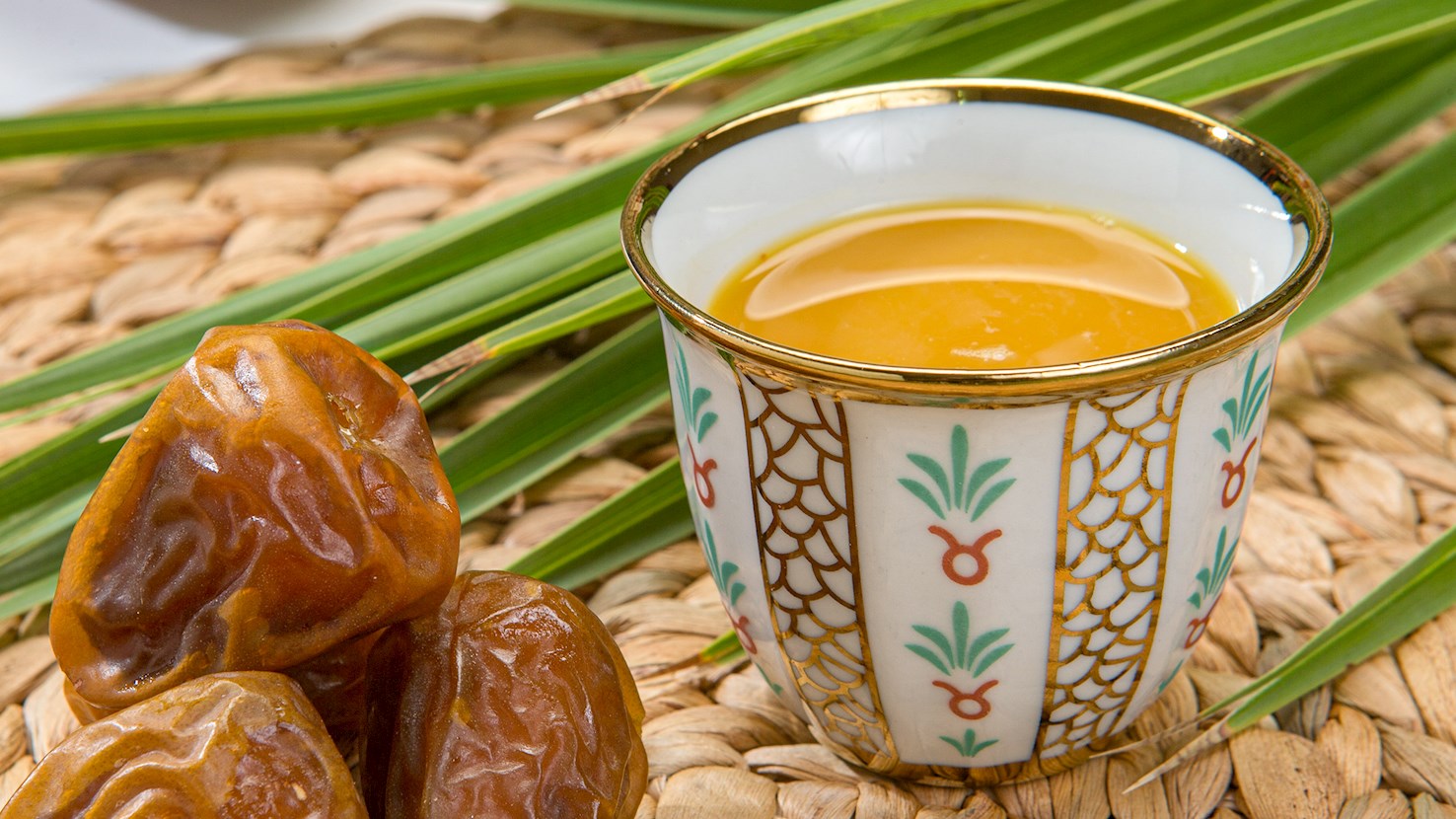
Saudi coffee, known locally as "ghahwa", "gahwa" or "qahwa", is a traditional Arabic coffee that holds significant cultural and social importance in Saudi Arabia. This distinctive beverage stands out not only for its unique preparation and flavor but also for the cultural rituals and traditions surrounding its consumption. Saudi coffee is made from lightly roasted coffee beans, giving it a lighter color compared to the dark roasts commonly used in Western coffee. The preparation process is unique and meticulous. The coffee is typically flavored with aromatic spices such as cardamom, saffron, cloves, and sometimes cinnamon. These spices infuse the coffee with a unique and fragrant flavor profile. The brewing process involves using a special pot called a "dallah." The water is boiled, ground coffee is added, and the mixture is allowed to steep. The spices are usually incorporated during or after brewing, enhancing the coffee’s aromatic qualities. Saudi coffee is traditionally served in small, handleless cups called "finjan." Unlike Western coffee servings, only a small amount of coffee is poured into the cup, just enough to cover the bottom. This practice is part of the coffee’s cultural etiquette. Serving ghahwa is a cornerstone of Saudi hospitality. It is often accompanied by dates and other sweets, creating a harmonious balance of flavors. The act of serving coffee usually begins with the most important guest, reflecting the values of respect and honor.

05

Arabic Coffee

4.0 ·

Made by brewing Arabica coffee beans, Arabic coffee is a traditional beverage with Middle Eastern origins. It has played a pivotal role in Arabian social life since the 15th century. The beverage is characterized by its dark color and a uniquely strong and bitter flavor and odor. Although it is usually served plain, without sugar, cardamom is often added to provide the coffee with a somewhat lighter taste. For the Arabs, Arabic coffee represents a symbol of generosity, pride, and hospitality, and is traditionally served during Ramadan, but also at weddings, holidays, and funerals. Arabic coffee is considered a digestif and is typically served in the morning after a meal, in a small cup called finjan, often accompanied by sweet dates which complement its bitterness.

06

Ca phe trung (Egg Coffee)

4.0 ·

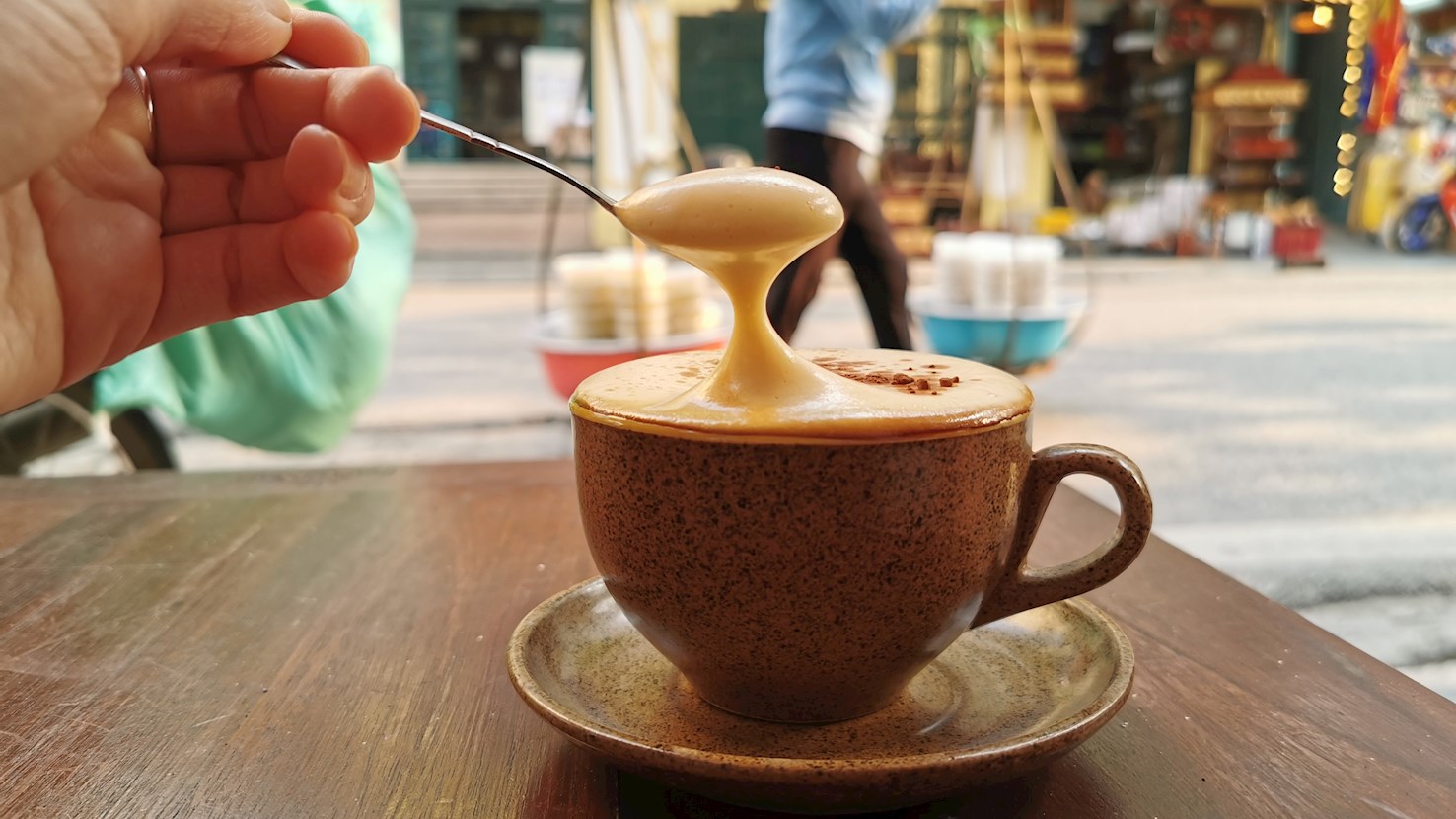
Egg coffee (ca phe trung) is a sweet and dense Vietnamese beverage that traditionally consists of strong black robusta coffee that is mixed with egg yolks and sweetened condensed milk. The egg yolks and the milk are whipped for about 10 minutes, and boiled until meringue-like consistency. The coffee is mostly made using a traditional Vietnamese phin filter in which the coffee is brewed and then slowly dripped in a cup. It is poared into the whipped eggs, forming the characteristic, aromatic foam. The origin of the drink dates back to 1950s and the French Indochina War. During the period, milk was scarce, and a barista by the name Nguyen Van Giang decided to use eggs as a replacement. At the time, he was working at the Sofitel Hotel in Hanoi, but after his creation became successful, he eventually opened his shop, Giang Cafe, which still exists in Hanoi and is run by his son.

07

Indian filter coffee

4.0 ·

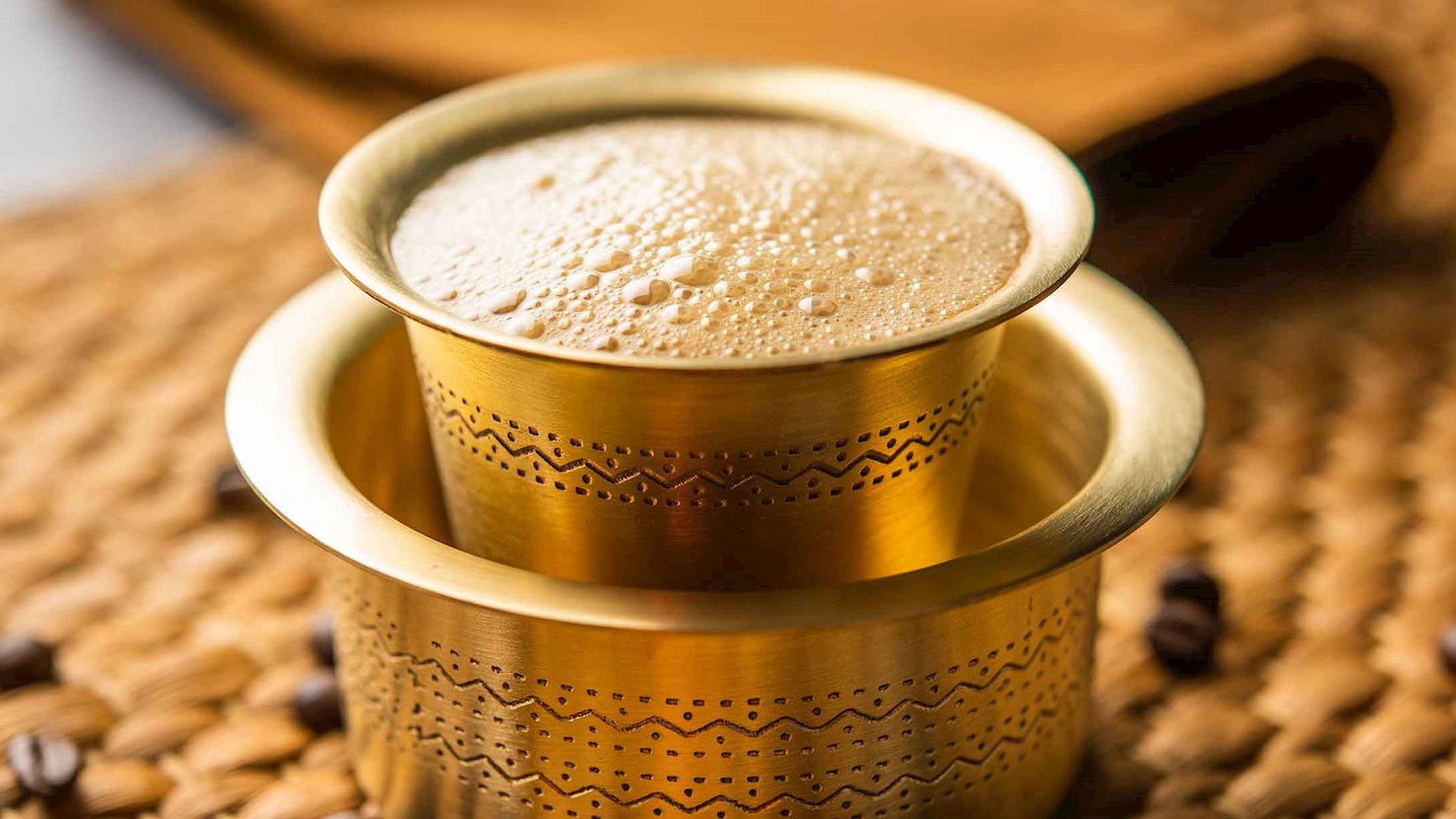
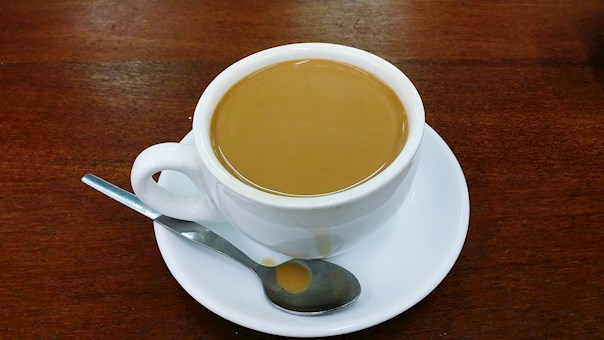
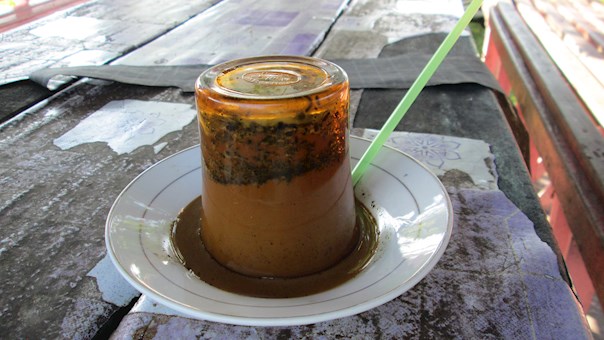
Indian filter coffee is a preparation technique in which coffee is brewed with the use of an Indian coffee filter. This filter consists of two chambers—the upper one with a perforated bottom used to hold ground coffee and the bottom one in which brewed coffee is slowly dripped. This brewing technique results in a richly-flavored, full-bodied coffee that is usually mixed with milk and sweetened with sugar. It is traditionally served in a tumbler with an accompanying saucer (davara). Sometimes, the combination of coffee and warm milk is continuously poured from one vessel to another until it is aerated and becomes frothy. In India, coffee is mainly cultivated and associated with South India, namely Karnataka, Tamil Nadu, Andhra Pradesh, and Kerala. The tradition of growing coffee allegedly dates to the 16th century, and the drink was popularized through the 17th and 18th centuries. Apart from ground coffee, coffee blends used to make Indian coffee also often include chicory. This tradition probably stems from British or French influences in the region. Although most blends for Indian filter coffee use chicory, it is not always the case.

Best producers
08

Ipoh White Coffee

3.8 ·

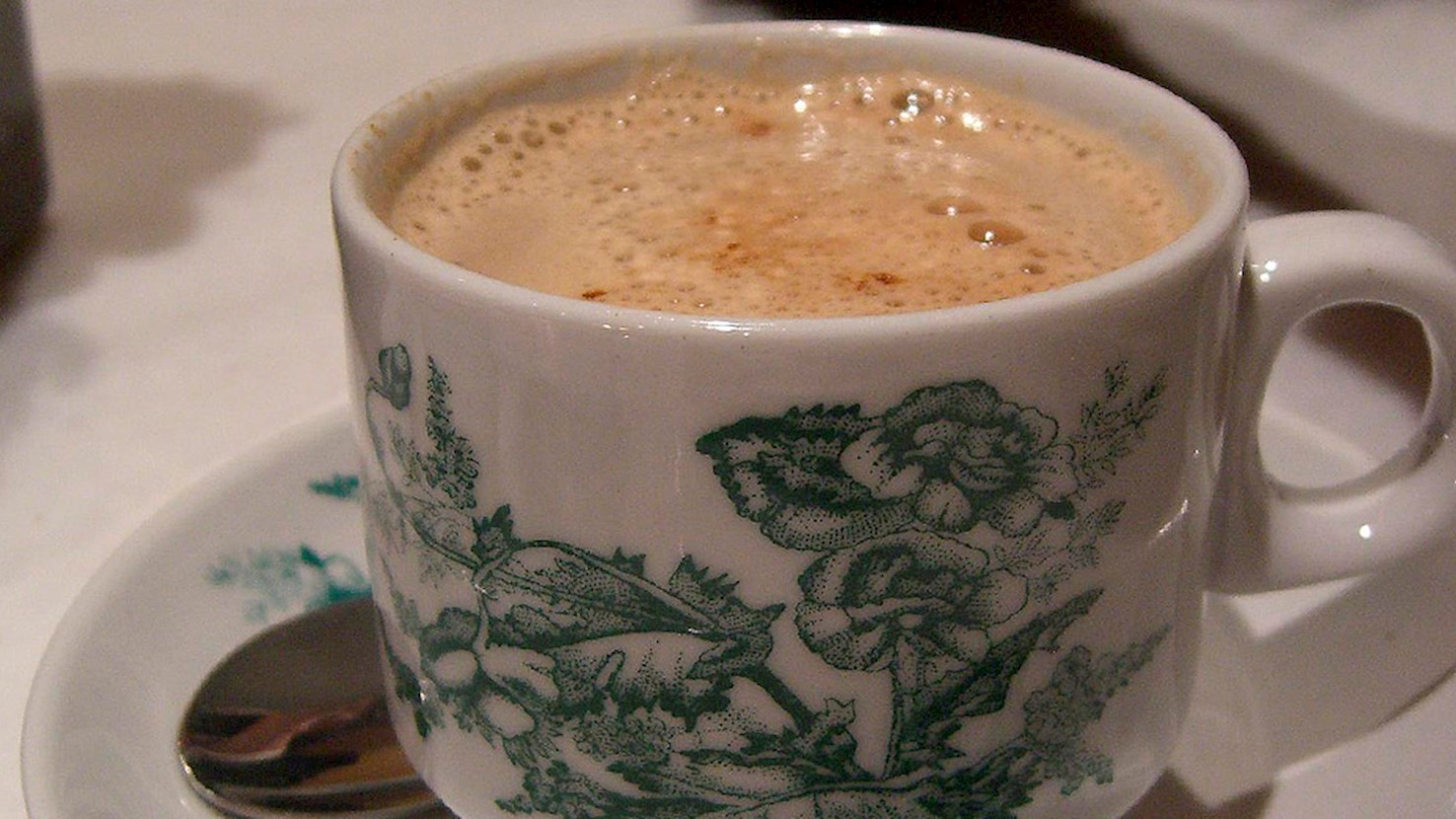
As the name suggests, this coffee style originated in Ipoh, but contrary to its name, it is not white. The name stems from the roasting technique in which coffee beans are lightly roasted in margarine before they are ground and brewed. The origin of this roasting style is usually associated with Hainanese immigrants in Malaysia, who adapted the classic technique to create a beverage that has a milder, lightly caramelized coffee flavor. Ipoh white coffee is usually enriched with condensed milk and should have a light froth on top. It should not be mistaken for a general term white coffee, which may refer to any coffee served with the addition of milk or creamer.

09

Kopi luwak

3.7 ·

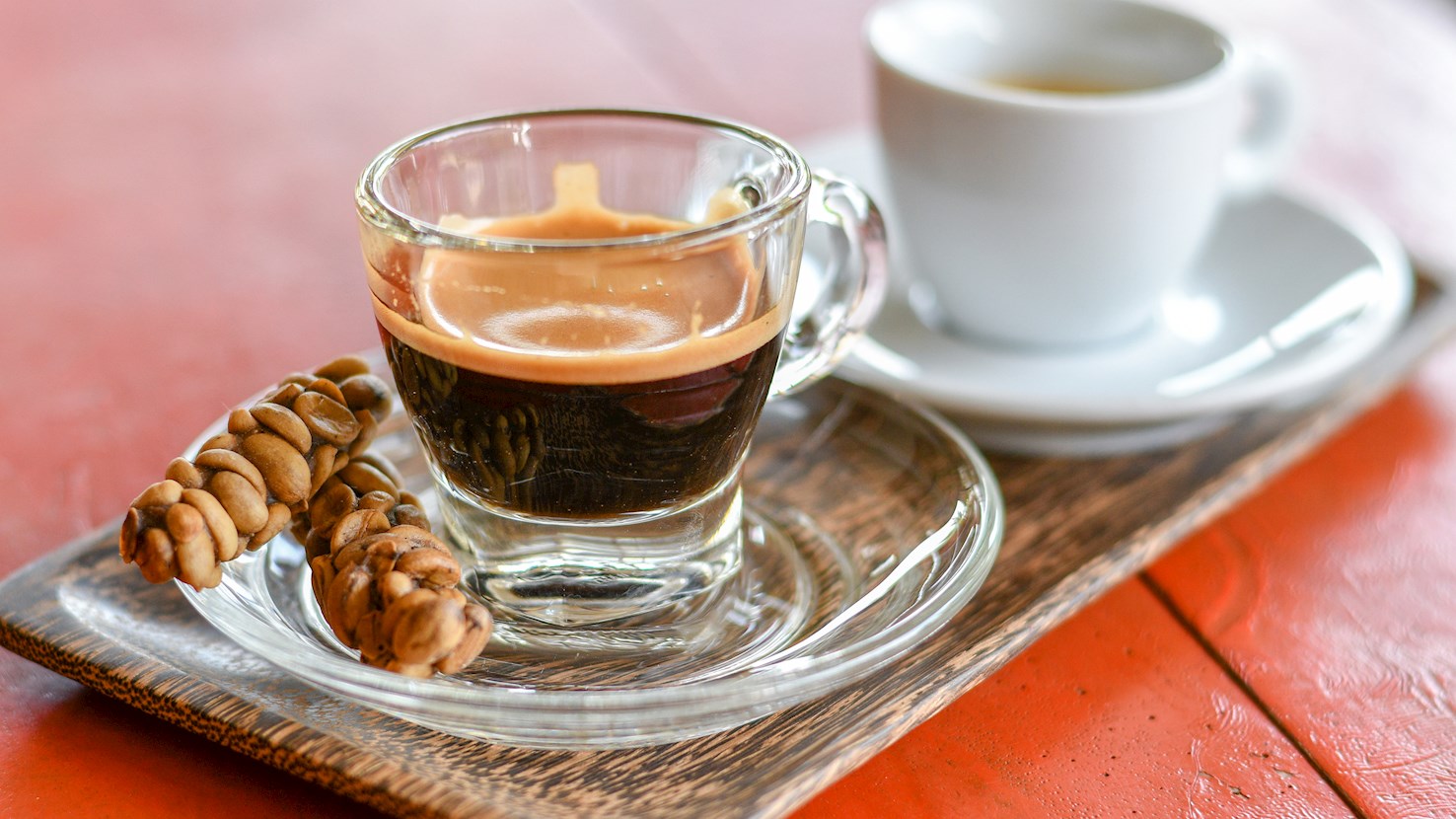
Indonesian kopi luwak is often cited as the most expensive coffee in the world. It is made from coffee beans that are digested and excreted by the civet (luwak)—a catlike mammal that is native to Southeast Asia—before they are washed, ground, and roasted. It is believed that when the coffee beans pass through the animal’s digestive tract, they lose their astringency, which makes the coffee softer, smoother, and less bitter. The coffee was allegedly discovered in the 19th century during the Dutch colonial rule when the local farmers were forbidden to harvest coffee for their personal use. They accidentally found that civet’s drippings contained undigested coffee beans, which they later used to brew coffee. Although kopi luwak nowadays enjoys immense international popularity, there are many who argue against the entire kopi luwak trade. Since it is almost impossible to get the beans from wild animals, most producers keep the animal in cages, and in some cases, the civets are force-fed. These conditions often raise concerns over animal rights and the entire future of the civet population. Although kopi luwak has many supporters, there are also those who claim that the hype is not justified and that the price—which can reach astronomical prices of $80 per cup—is not reasonable.

10

Dalgona coffee

3.7 ·

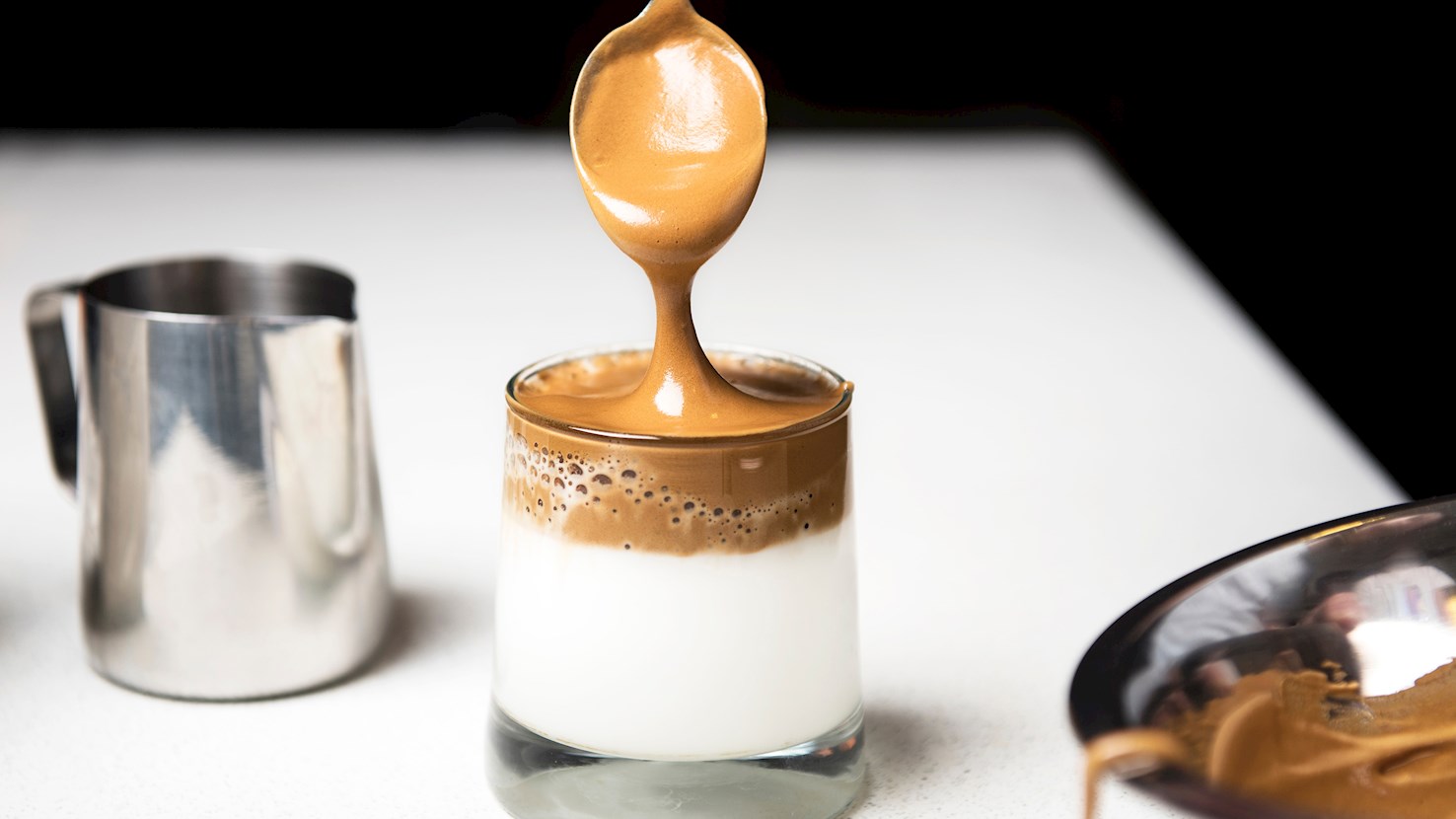
Dalgona is a frothy whipped coffee that is served on top of milk. Although it became internationally known as a South Korean beverage, similar versions are common in other Asian countries. The basic version of this coffee is made with equal parts of instant coffee, sugar, and water. The combination is then whipped until it achieves caramel-like color and foamy texture. It is then traditionally ladled on top of milk. In South Korea, the drink was introduced by an actor Jung Il-woo who first had it in Macau. The flavor and the appearance reminded him of a popular Korean street snack, named dalgona, which is made with melted sugar and baking soda. Eventually, Jung popularized the drink and gave it its current name, but this coffee-based beverage gained international success during the coronavirus pandemic in 2020. When social distancing and quarantine measures were introduced, numerous videos with do-it-yourself versions of dalgona started to appear online, primarily on YouTube and then on other platforms. Soon, the videos went viral, and dalgona became the latest food trend in the world. Although it was popularized as a South Korean creation, similar frothy coffee styles exist in other parts of the world, and they appear under various names. The version from Macau is usually associated with Hon Kee, an establishment owned by a Leong Kam Hon, and a place where Jung first encountered it. After the videos went viral, many suggested that the new coffee craze is essentially phenti hui, known as beaten or whipped coffee, which is a staple in India and Pakistan. The only difference is that phenti is prepared by pouring milk on top of frothed coffee. This alleged novel coffee style was even compared to the popular Greek frappe. Despite its dubious origin and various names, this beverage is now mostly associated with South Korea, and it will probably be remembered as the most popular drink during the coronavirus pandemic.

Read more
View all
View map
About this ranking

TasteAtlas food rankings are based on the ratings of the TasteAtlas audience, with a series of mechanisms that recognize real users and that ignore bot, nationalist or local patriotic ratings, and give additional value to the ratings of users that the system recognizes as knowledgeable. For the “Top 35 Asian Coffees” list until July 22, 2026, 1,636 ratings were recorded, of which 924 were recognized by the system as legitimate. TasteAtlas Rankings should not be seen as the final global conclusion about food. Their purpose is to promote excellent local foods, instill pride in traditional dishes, and arouse curiosity about dishes you haven’t tried.

The initial list of top producers was compiled based on available reviews, awards, local recommendations, media and blog coverage, and consumer reviews. The list will be updated with ratings from TasteAtlas local ambassadors and TasteAtlas users.

Similar lists