shutterstock

Top 100 Desserts
in East Asia

Last updated on May 15, 2026

Best Desserts in East Asia
01

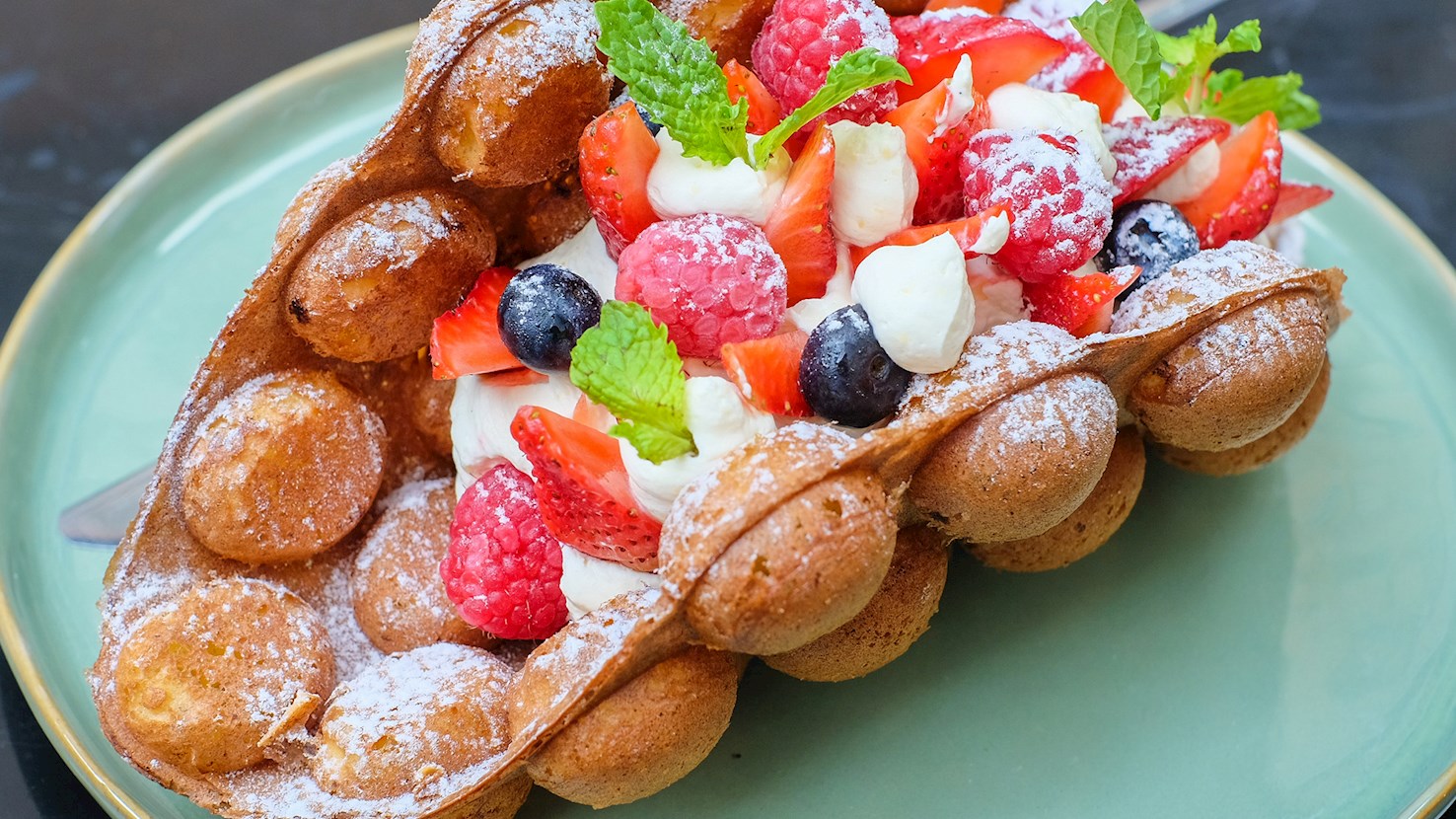
Egg waffle

4.2 ·

Egg waffle is a popular Hong Kong delicacy consisting of egg whites and yolks, milk, butter, sugar, flour, and salt. It is characterized by its puffy visual appearance and a pull-apart texture. These tiny treats are traditionally sold throughout Hong Kong by street vendors who prepare them in special pans with small, round cells. Egg waffles can be consumed plain or paired with fruit and different spreads.

02

Hotteok

4.2 ·

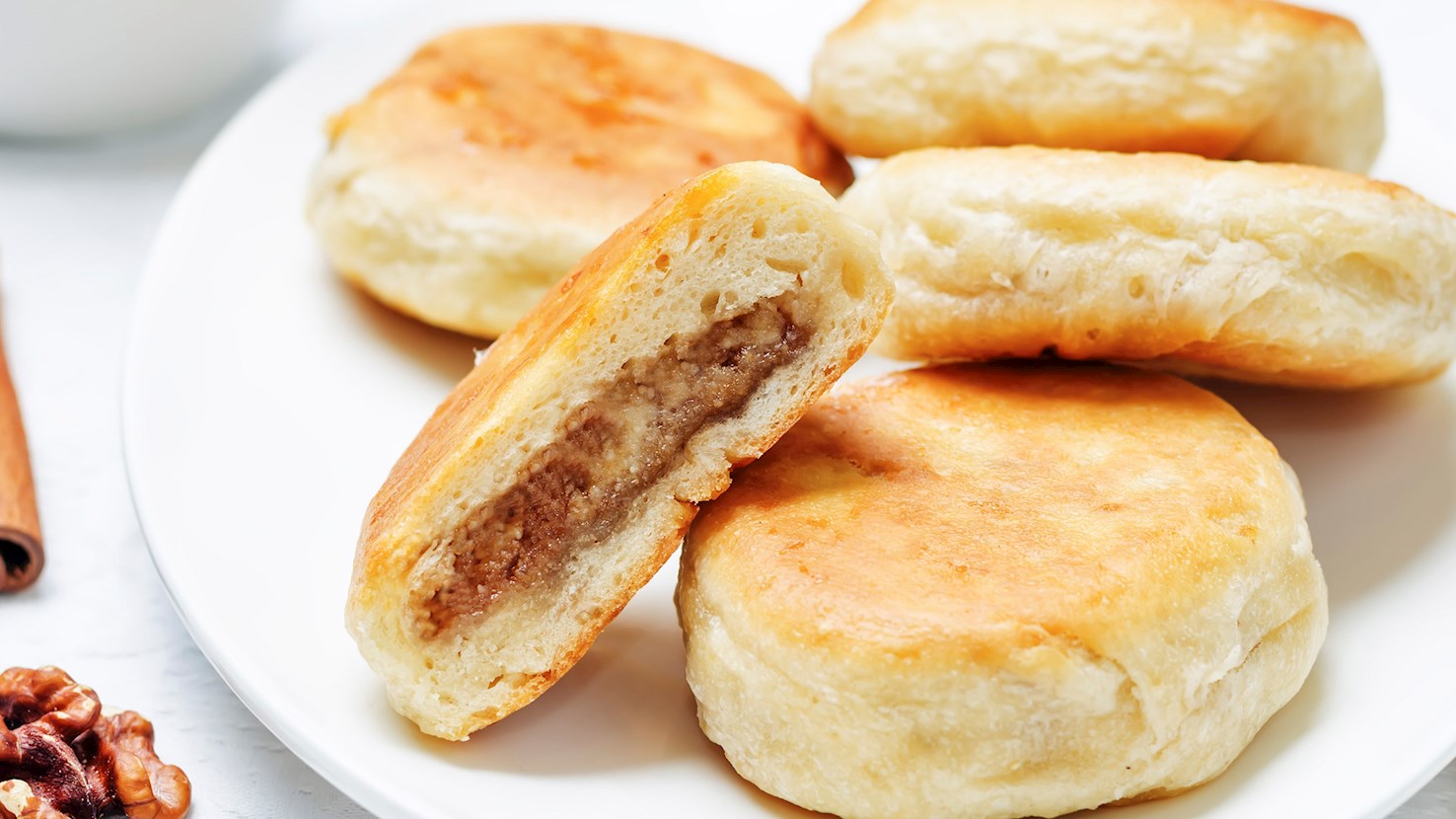
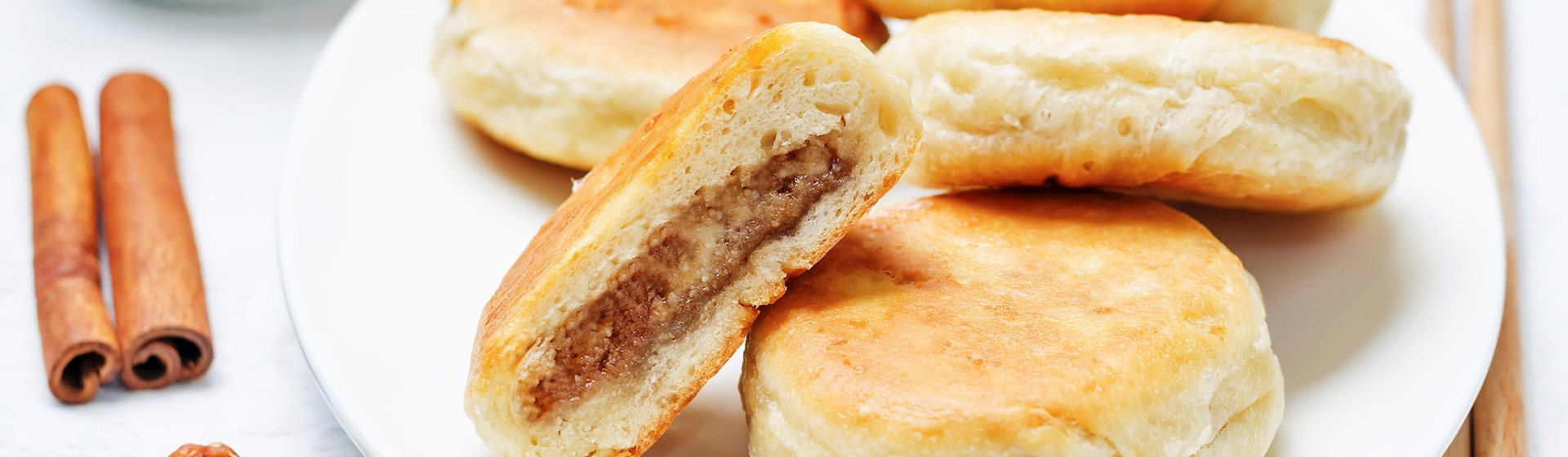
Hotteok is a popular Korean pancake that is usually filled with cinnamon, brown sugar, and nuts such as peanuts and walnuts. It is commonly sold as street food at numerous Korean street stands, especially when the weather is cold. The pancakes can be either thick or thin, and are characterized by their crispy exterior and tender, chewy interior. It is believed that hotteok was invented in the late 19th century when Chinese merchants followed their country's soldiers to Korea. Many of them decided to stay in Korea, making Chinese versions of pancakes with savory fillings. However, the Koreans preferred the sweet fillings over the savory ones, and the Chinese then adapted the pancakes according to the Koreans' wishes, thus inventing hotteok. Today, there are many varieties of hotteok, including a number of versions with matcha, and a special version called bubble hotteok, which is baked over flames instead of being fried.

03

Japanese cheesecake

4.2 ·

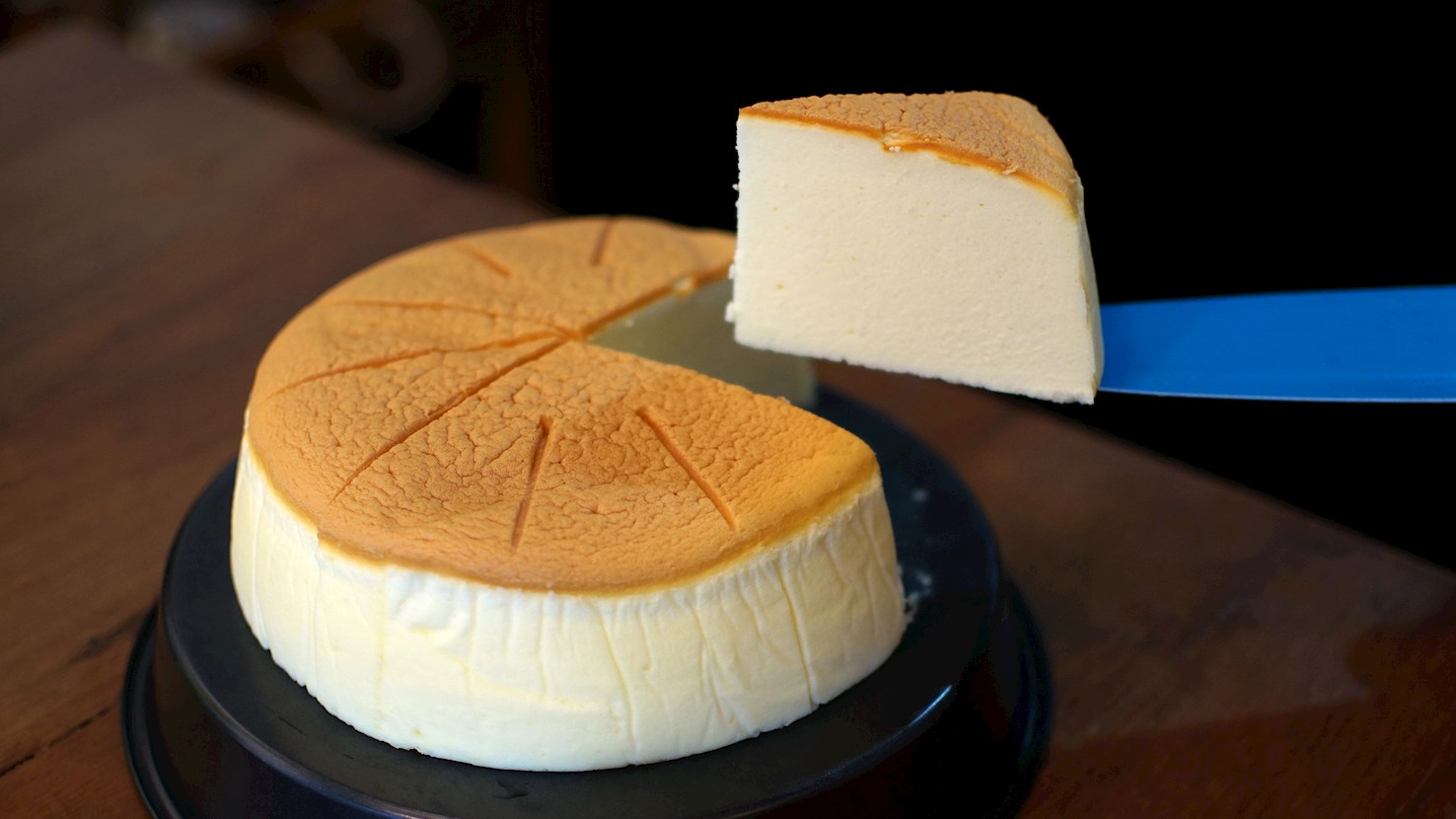
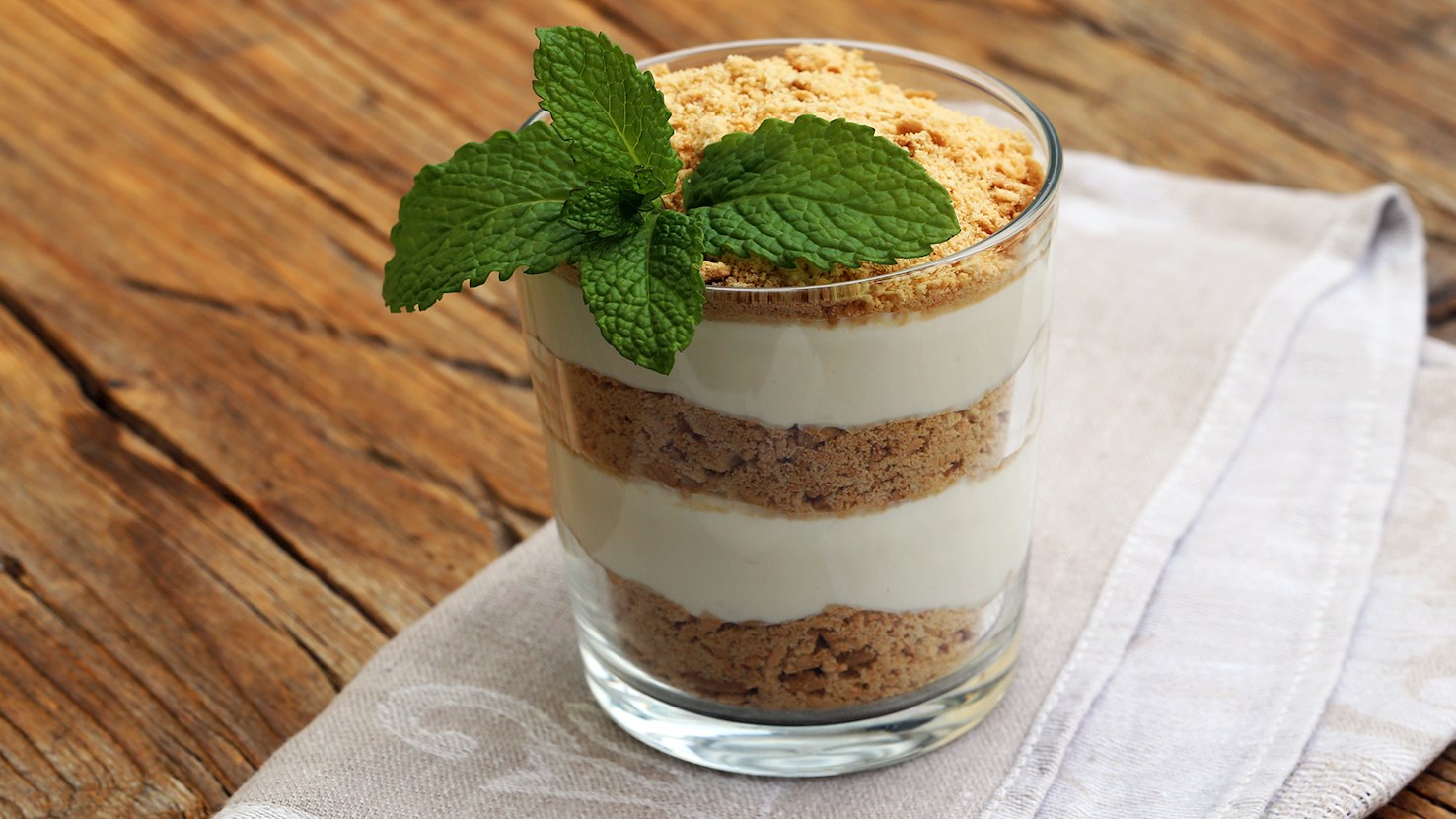
Known as soufflé cheesecake in Japan and cotton cheesecake or Japanese cheesecake outside of Japan, this light and fluffy dessert is made by incorporating whisked egg whites into the cake mixture (eggs, milk, sugar, cream cheese), and the combination is then baked in a bain-marie. The Japanese cheesecake is more fluffy and sponge-like than regular cheesecake, and it's sometimes eaten cold, but most people prefer to eat it straight out of the oven while it's still hot, so it almost melts in the mouth. It was created by a Japanese chef Tomotaro Kuzuno who went to Germany in the 1960s and found käsekuchen, a type of German cheesecake. When Kuzuno came back to Japan, he wanted to prepare a combination of käsekuchen and the American-style cheesecake that was becoming popular at the time, and that's how Japanese cheesecake was born. Nowadays, if you want something extra sweet on your Japanese cheesecake in Japan, traditionally you'll get a topping of apricot jam. Interestingly, there's also one version of this dessert called rare cheesecake, and it's a Japanese take on the classic Western unbaked cheesecake, made with agar-agar or gelatin, cream cheese, and yogurt.

04

Goma dango

4.1 ·

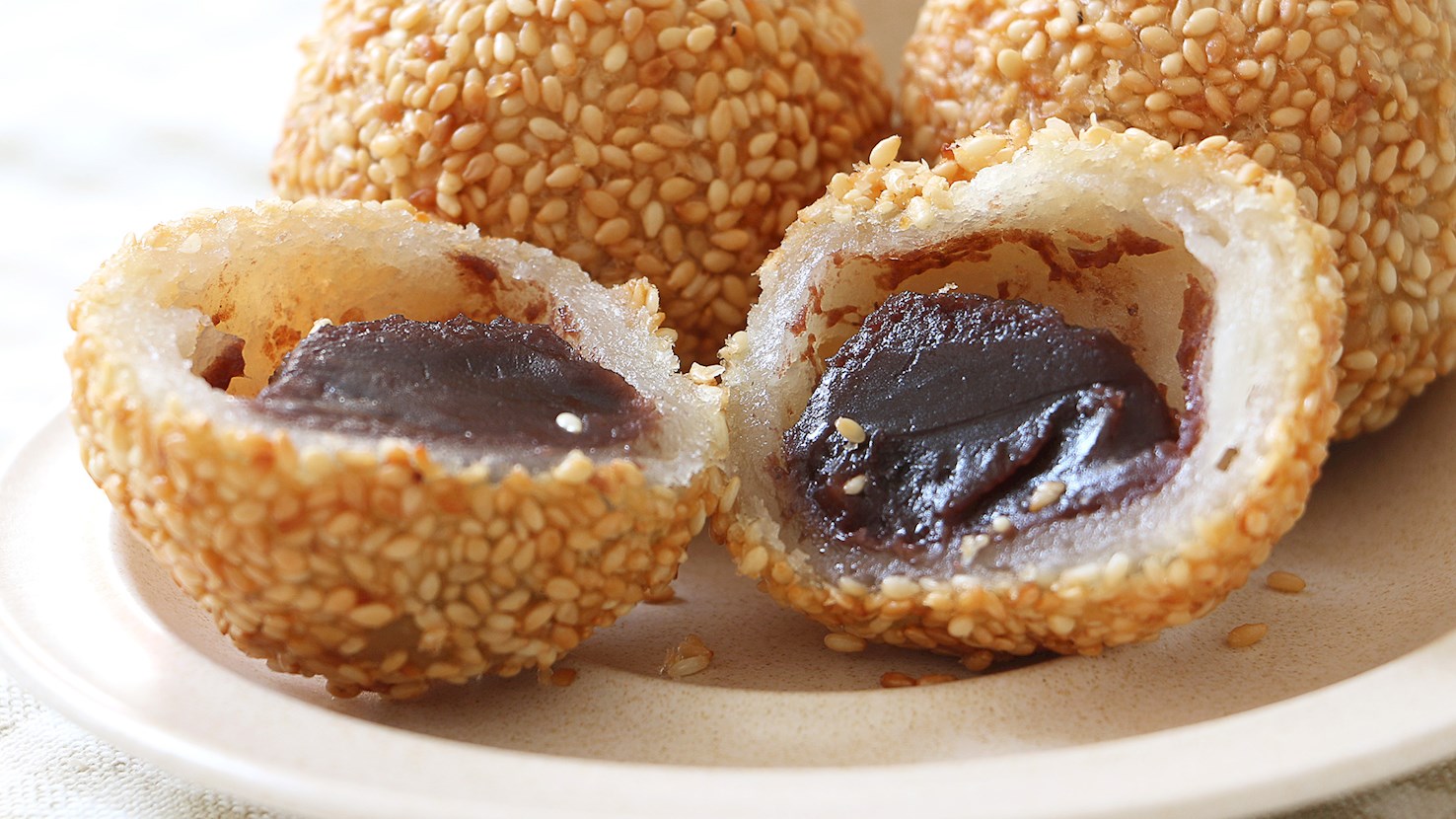
Sesame seed balls or goma dango is a variety of Japanese sweet treats known as dango. These small rice flour balls are filled with sweet red beans (anko) on the inside, while their exterior is crispy due to the process of deep-frying – first at low temperatures, then at high temperatures near the end of frying. The process is quite complex and one should be careful not to burn the sesame seeds while the dough cooks. When freshly prepared, the sweet bean paste is piping hot inside, so be careful not to burn your tongue. The sweet and salty goma dango is often consumed in August as a summer delicacy at street fairs or in restaurants. In China, sesame balls are known as jian dui, and in Japan, these balls are considered chuka (food with Chinese origins).

05

Matcha pafe (Matcha parfait)

4.1 ·

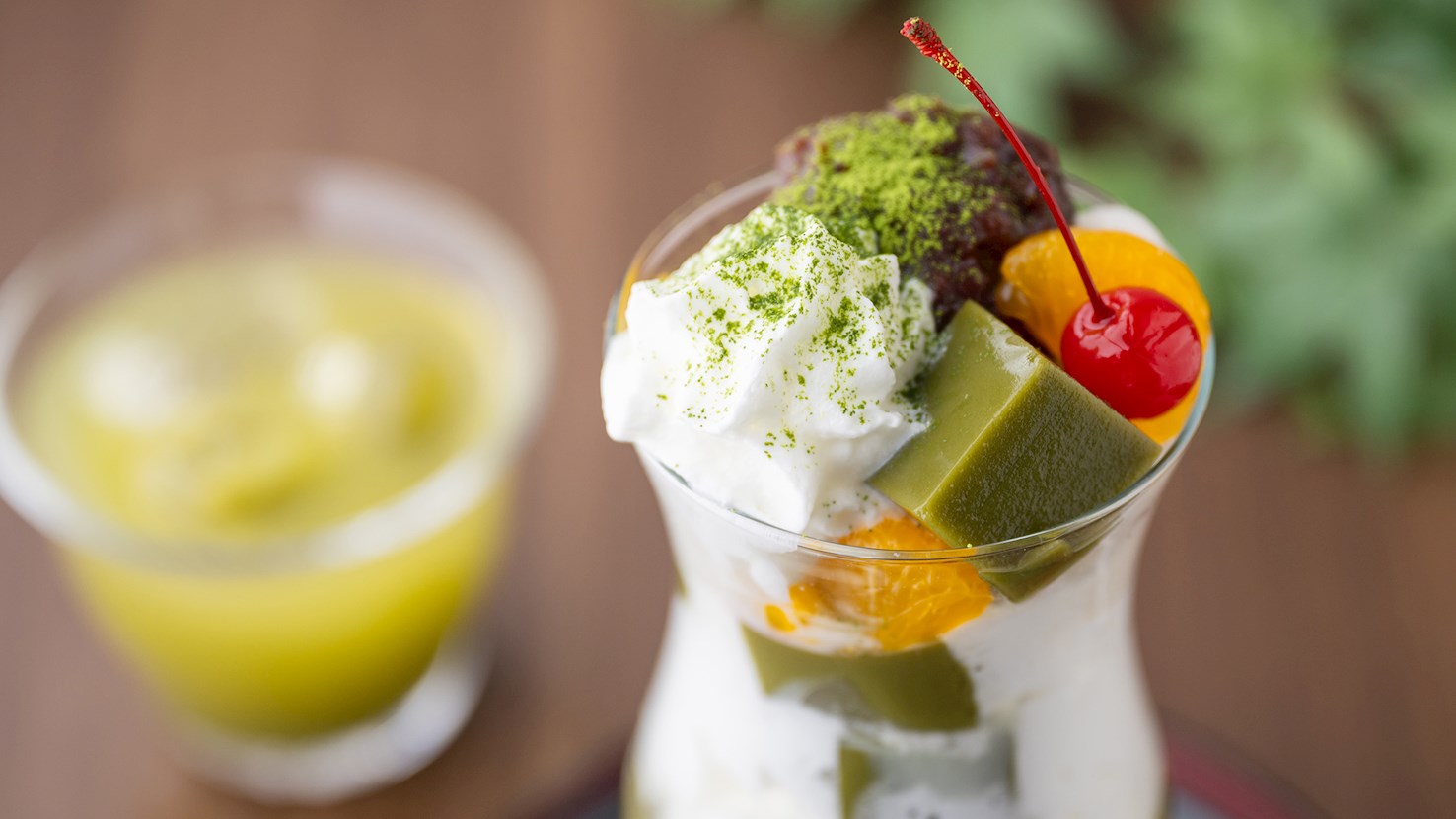
A matcha parfait is a delightful dessert that combines the earthy, rich flavor of matcha (a finely ground green tea powder) with the creamy, layered goodness of a parfait. It usually includes layers of matcha-flavored components like custard and whipped cream (or ice cream), which are alternated with layers of other ingredients like fruits (such as strawberries or kiwi), jellies, cereals, or sponge cake. The parfait may be topped with additional matcha powder, whipped cream, fresh fruits, nuts, or even sweet red bean paste, depending on the specific recipe or the chef's preference. Typically, it is served in a tall glass to showcase the beautiful layers and make the eating experience a visual delight as well. Matcha parfaits are popular in Japan and can be found in many Japanese cafes and restaurants, especially those specializing in sweets and desserts.

06

Patbingsu

4 ·

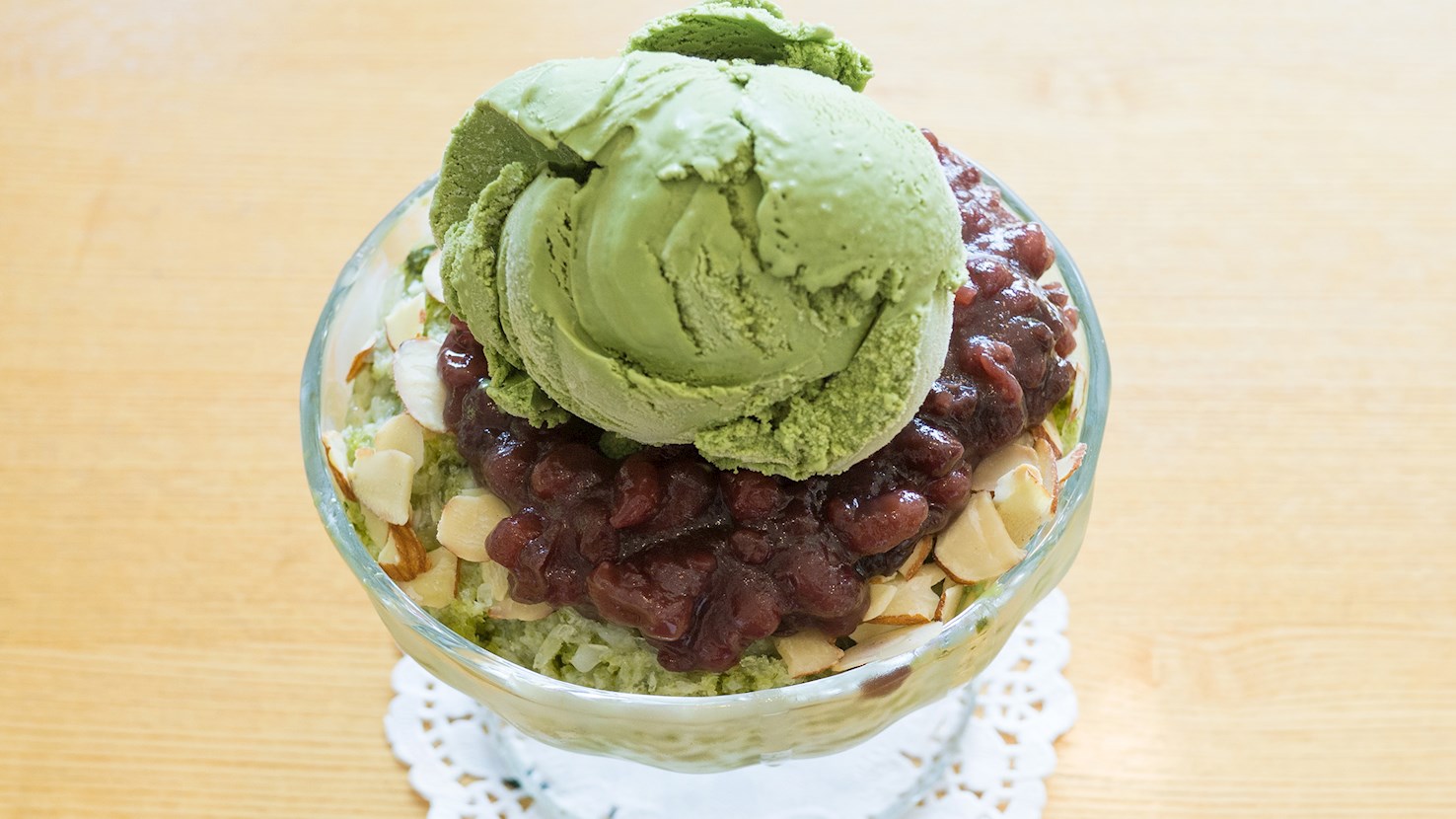
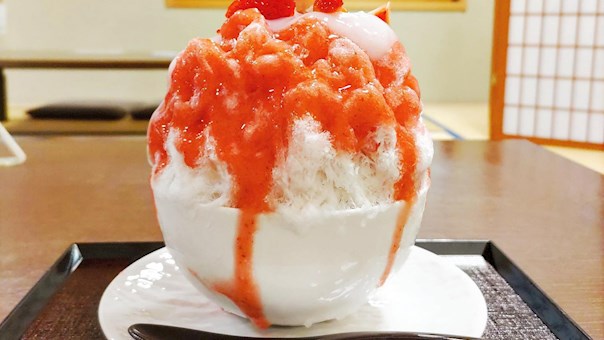
Patbingsu is a popular South Korean dessert, its name meaning red bean ice flakes. It consists of shaved ice, condensed milk, and sweet azuki bean paste. It is often topped with pieces of Korean rice cakes known as tteok, fresh fruit, or cereals, although there are numerous variations with different toppings that are added according to personal preference. Patbingsu is at the peak of its popularity during summer, although it is typically available from May to October. The treat is praised for its combination of flavors and textures - crunchy, creamy, and chewy. Although the dish is composed of a number of distinct layers, all ingredients are customarily stirred together before consumption until the shaved ice melts, transforming it into a kind of sweet, cold soup. Originally, patbingsu was prepared as street food in the late 1950s, but today it can even be found in upscale restaurants.

07

Daifuku

4 ·

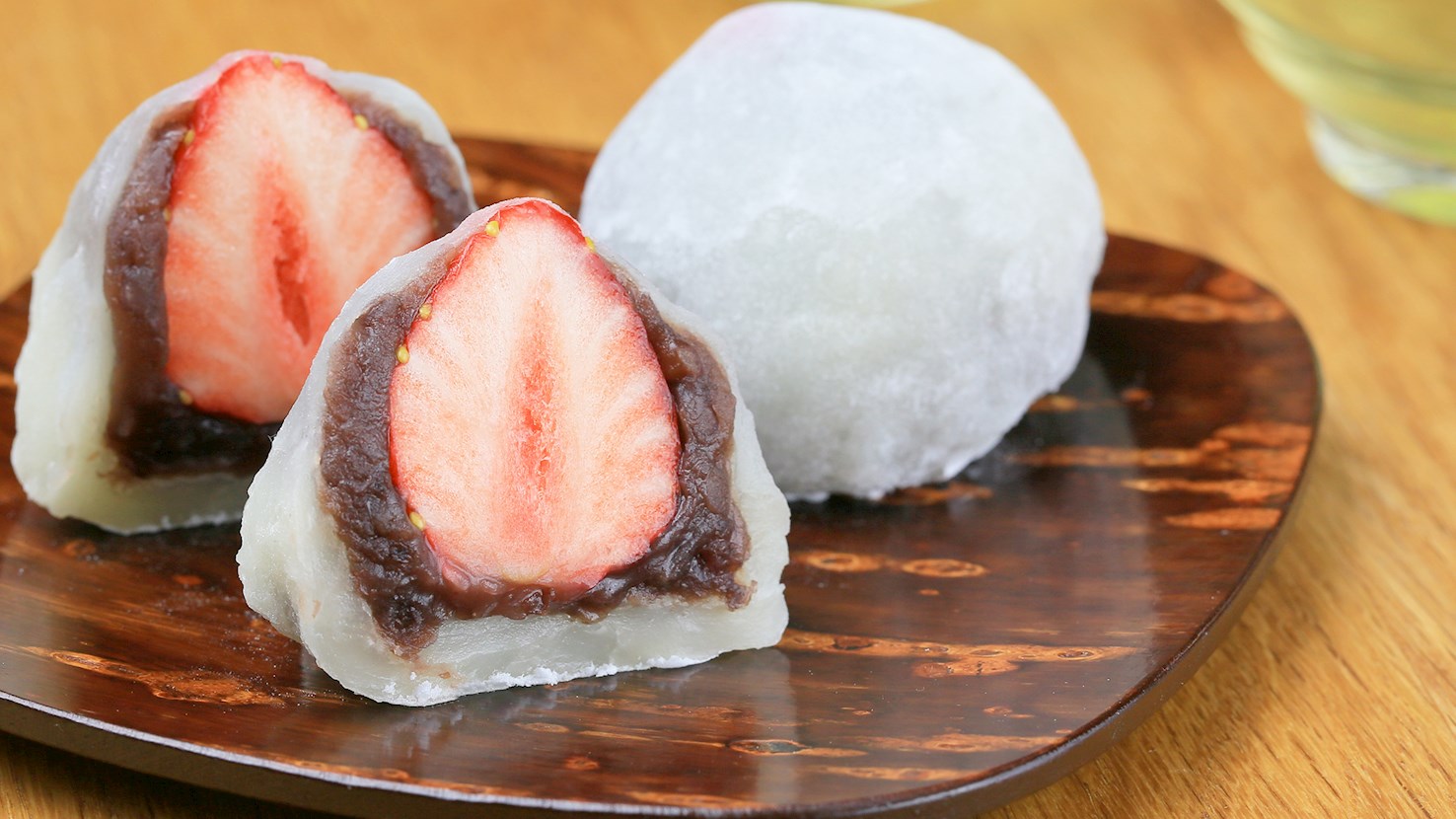
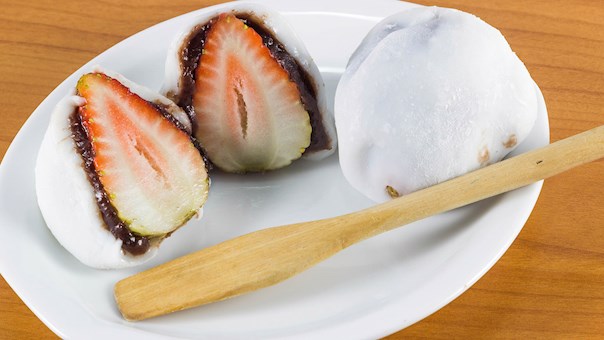
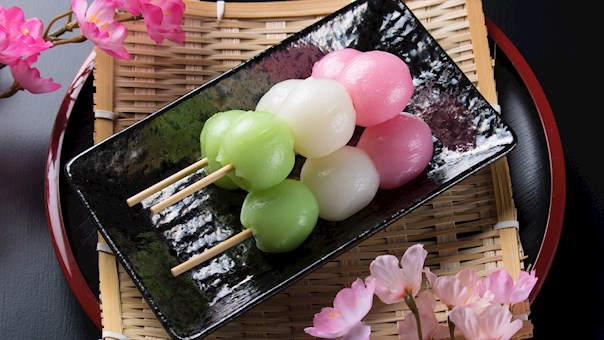
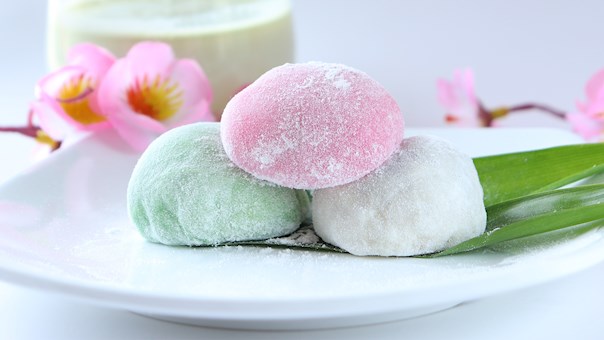
Daifuku, often referred to as daifukumochi, is a popular Japanese confectionery. It is usually shaped into small round balls, which consist of a chewy outer layer and a creamy, sweet filling. The daifuku shell is made with mochi, a glutinous ingredient created through the time-consuming process of crushing boiled or steamed rice. It is often tinted with different colors, most commonly pale pink and light green, creating a decorative and appealing treat. Each daifuku cake is filled with the luscious creamy and sweet content, and the most common is the traditional semi-sweet red bean paste, popularly called anko or tsubuan. Other popular fillings include chestnut, mocha, apricot, or caramel flavored creams and pastes, or occasionally ice cream. The most famous seasonal variety is the ichigo daifuku, filled with a whole strawberry wrapped in a thin layer of red bean paste. Daifuku is eaten as a dessert or a quick snack and it is usually served accompanied by a cup of refreshing green tea. Different daifuku varieties can be found across Japan and are easily available in convenience stores, supermarkets, restaurants, and dessert shops. They are also commonly served during traditional Japanese tea ceremonies.

08

Kasutera

4 ·

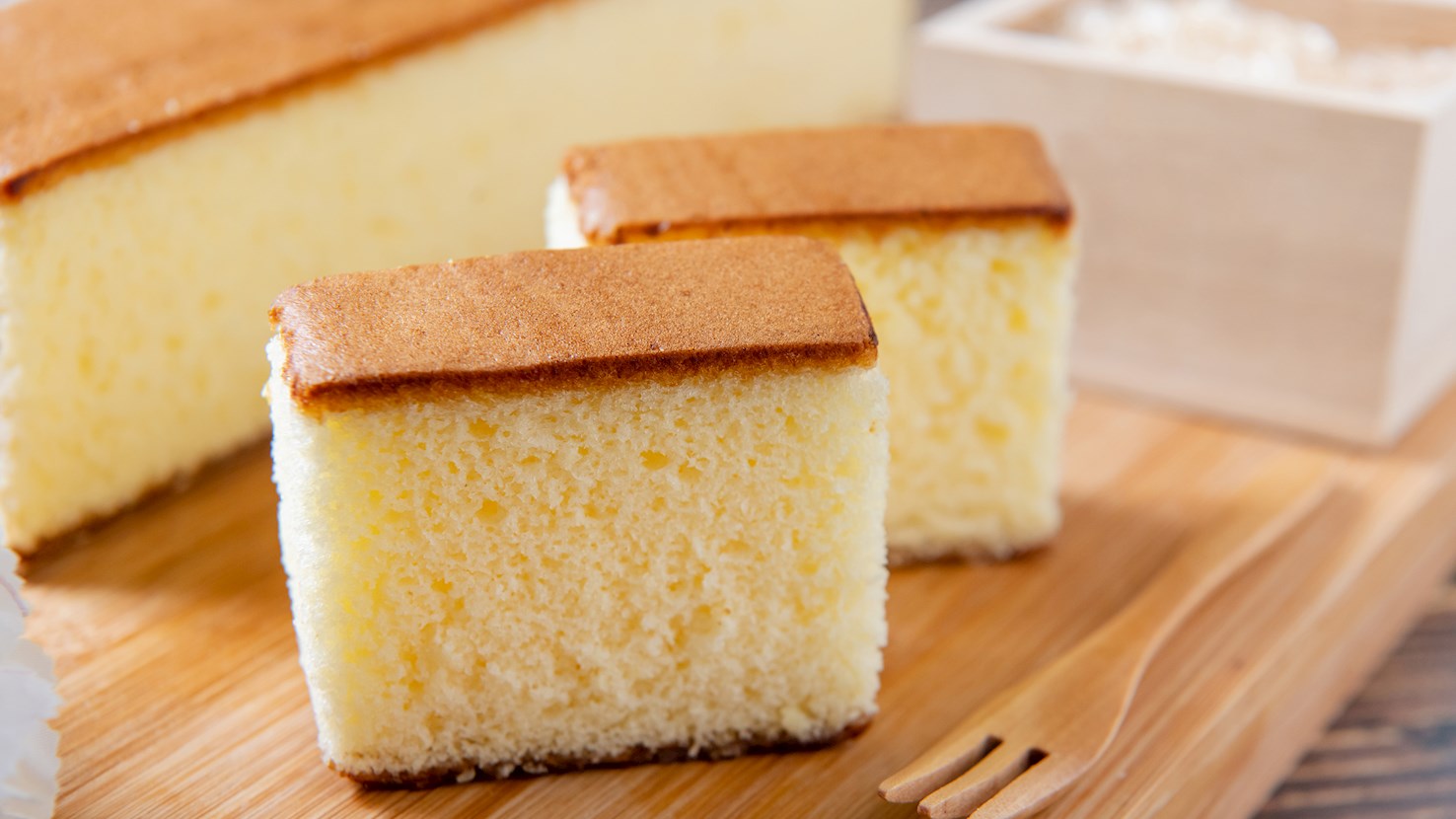
Kasutera is a traditional sponge cake made with sugar, flour, eggs, and starchy syrup. This Nagasaki specialty is raised solely by egg foam, with no added butter or oil, and has a soft, moist, and spongy texture. The cake is also known as Castella, and was brought to Japan in the 16th century by Portuguese merchants. Its name is derived from pao de Castela, meaning bread from Castille. Today, it is common to find Nagasaki kasutera in many variations, with flavors such as chocolate, green matcha tea, brown sugar, or honey. It is a popular gift and a nice souvenir to give to friends or relatives. Kasutera is so adapted to the Japanese cuisine that there is even a baby kasutera, a small-sized version of the cake that is traditionally prepared for numerous Japanese festivals.

09

Tteok

4 ·

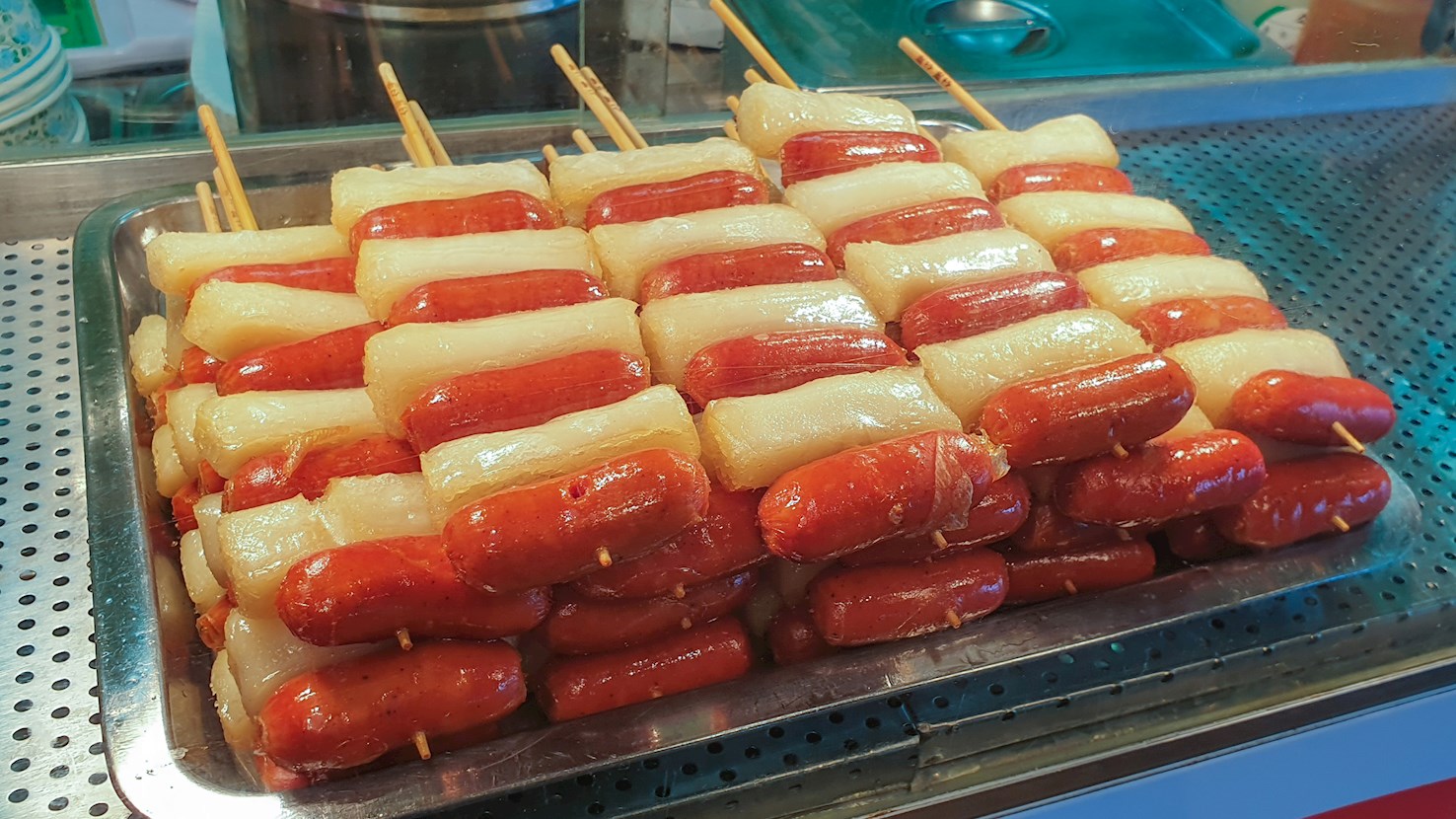
Tteok are traditional Korean rice cakes that are prepared with glutinous or non-glutinous rice. The cakes are incredibly versatile, and although they are mostly sweet and enjoyed as a dessert, some plain varieties can be incorporated into savory dishes. The usual preparation includes steaming, pounding, or kneading the rice until it transforms into a pliable dough which can optionally be enriched with different ingredients and shaped into various forms. The most popular tteok varieties include songpyeon, chapssaltteok, garaetteok, gyeongdan, as well as many more traditional and modern versions. The cakes are a staple at various special occasions in South Korea, but some are also enjoyed as a sweet, everyday dessert.

10

Mitarashi dango

4 ·

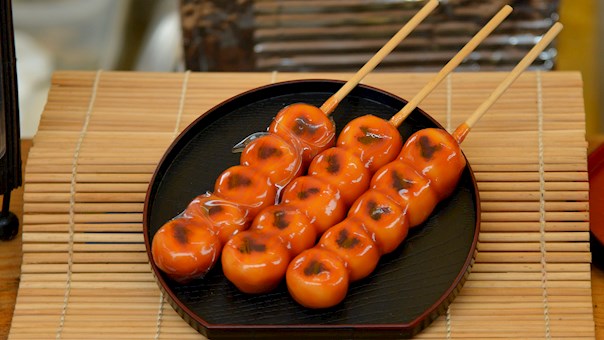
Mitarashi dango is a popular Japanese treat which consists of skewered rice cakes covered in a sweet, sticky soy sauce glaze. They are traditionally made with five round cakes, just like they were initially prepared at the Kamo Mitarashi Tea House in Kyoto. It is believed the name mitarashi stems from their similarity to water bubbles found in the water basins at the entrances of Shinto shrines. Today they are popular throughout the country, readily available at convenience stores and specialized dango shops.

Best Desserts in the World
01

Yoku Moku

4.8 ·
Yoku Moku is a symbol of elegance, refinement, and confectionery artistry that blends the precision of Japanese craftsmanship with the charm of European tradition. Inspired by the warmth and aesthetics of classic European patisseries, the brand has created a unique identity through its simple yet exquisitely balanced cookies that delight with their appearance, texture, and taste. Best known for its delicate, rolled butter cookies - Cigare - Yoku Moku offers more than just a sweet treat; each cookie is a small expression of care, creativity, and devotion to perfection. Guided by the belief that making sweets is an act of creation, not just production, every bite reflects hand-crafted quality and a sincere intention to bring joy. Today, Yoku Moku confections are enjoyed around the world, yet the feeling they evoke remains the same - gentle, luxurious, and thoughtfully presented. From its signature packaging to its melt-in-your-mouth richness, Yoku Moku is more than a brand - it’s an experience, an invitation to savor beauty in the smallest details, and a gift to be shared with both style and heart.
02

Rokkatei

4.8 ·
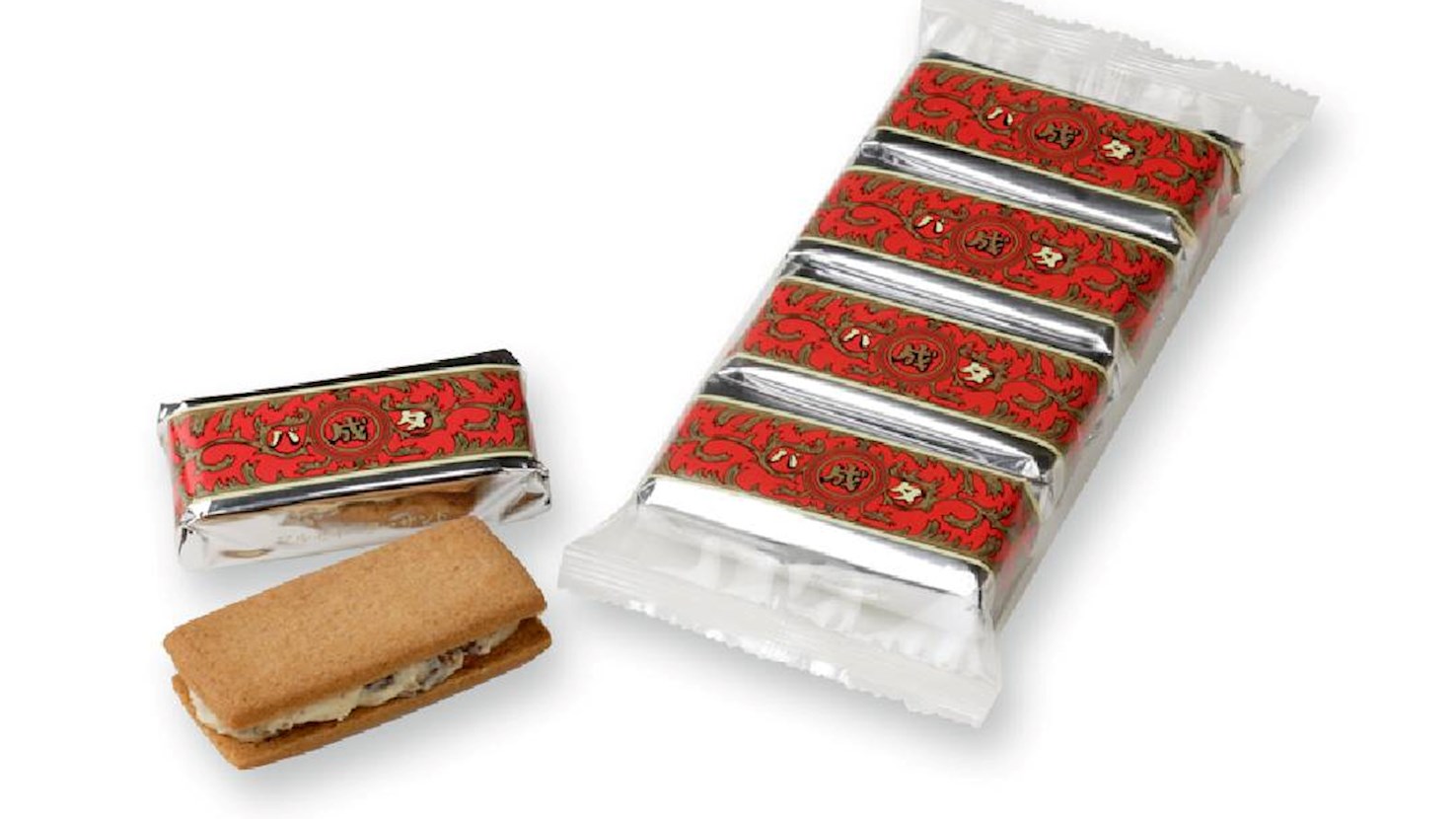
Rokkatei is a renowned Japanese confectionery brand rooted in the rich culture and natural beauty of Hokkaido. Known for its dedication to craftsmanship, local ingredients, and seasonal expression, Rokkatei creates sweets that are both refined and heartfelt—each bite telling a quiet story of tradition, care, and artistry. Their most iconic creation, the Marusei Butter Sandwich, features a delicate pairing of buttercream, white chocolate, and raisins nestled between two soft, biscuit-like cookies. Beloved for its balanced richness and unique texture, it has become one of Hokkaido’s most cherished edible souvenirs. Beyond sweets, Rokkatei stands out for its commitment to culture and community—its signature floral packaging is the work of a respected artist, and the brand actively supports local arts and literary initiatives. Today, Rokkatei operates a number of boutiques and cafés across Japan, yet remains deeply connected to its roots—selecting premium ingredients, honoring hand-made methods, and delivering warmth in every detail. Rokkatei is not just a name in confectionery; it’s a celebration of heritage, hospitality, and the quiet elegance of Japanese tradition.
03

Koi Kei Bakery

4.7 ·
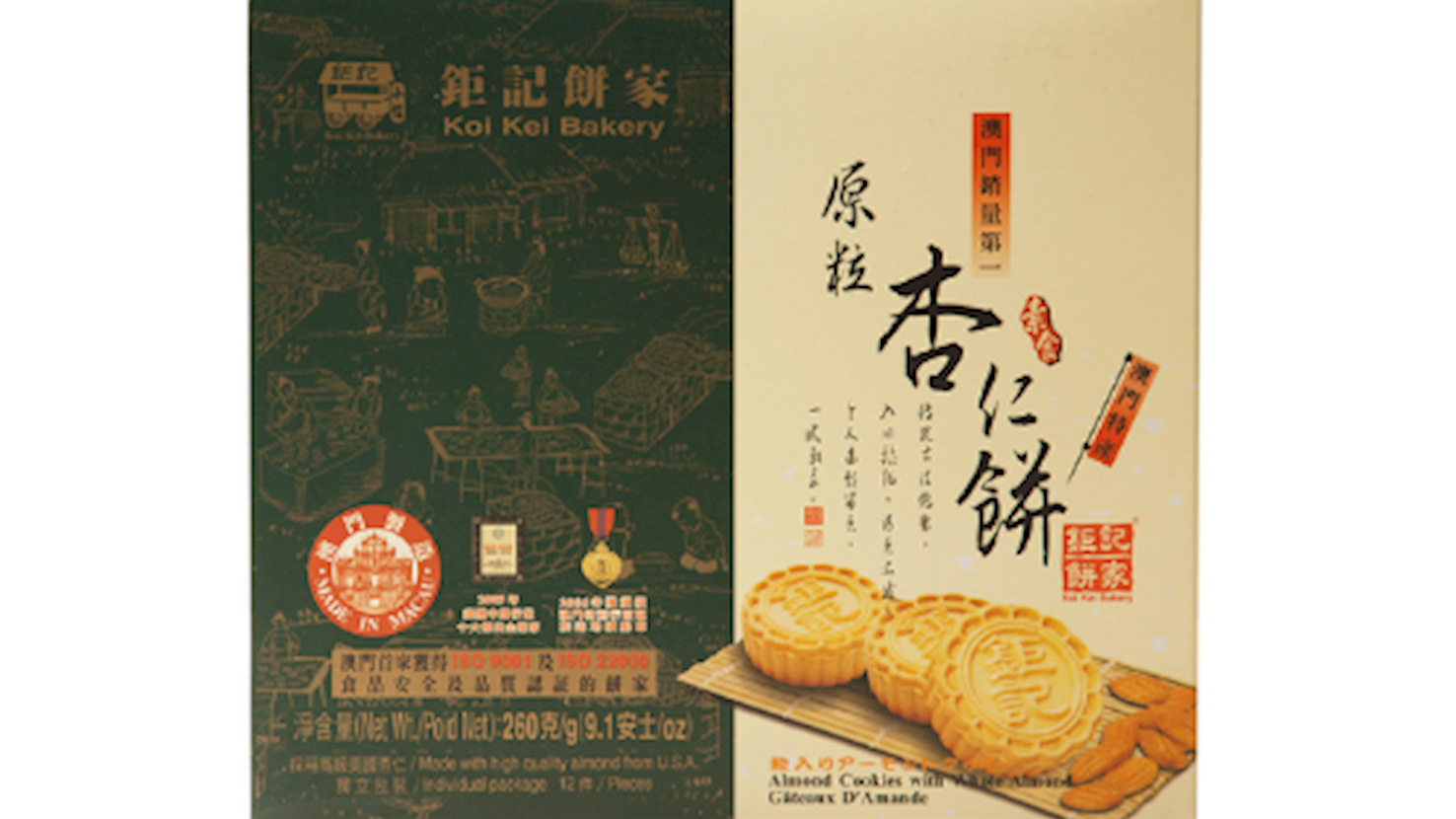
Koi Kei Bakery is a well-established confectionery brand from Macau, founded in 1997, that has grown from a small street vendor into one of the region’s most recognizable producers of traditional Chinese sweets and a key player in the tourism-driven food souvenir market. The company is best known for its almond cookies, peanut brittle, egg rolls, and meat-based snacks, with almond cookies in particular standing out as a signature product closely tied to Macau’s culinary identity. A defining aspect of Koi Kei’s success is its retail concept, where products are often freshly prepared, sampled, and displayed directly in-store, creating a strong sensory experience focused on freshness and craftsmanship. Its shops are strategically located in high-traffic tourist areas, which reinforces brand visibility and encourages impulse purchases. The packaging is standardized and designed for gifting, aligning with regional habits of bringing back edible souvenirs. Despite its scale and wide product range, the brand continues to rely on traditional recipes and recognizable flavors. This balance between heritage and commercial expansion has positioned Koi Kei as a leading example of how local confectionery can grow into a widely recognized brand while maintaining a clear connection to its origins.
04

Ishiya

4.6 ·
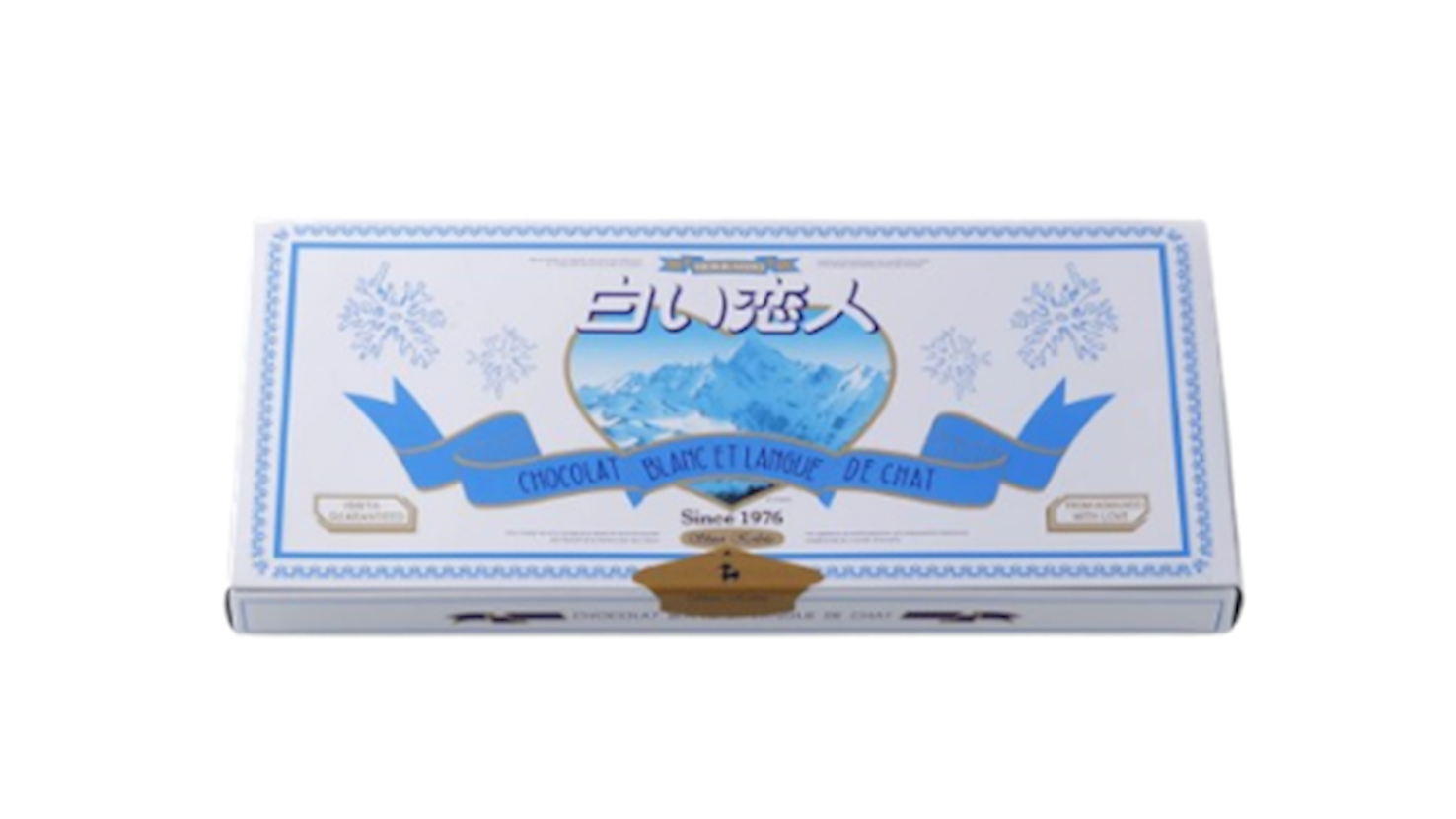
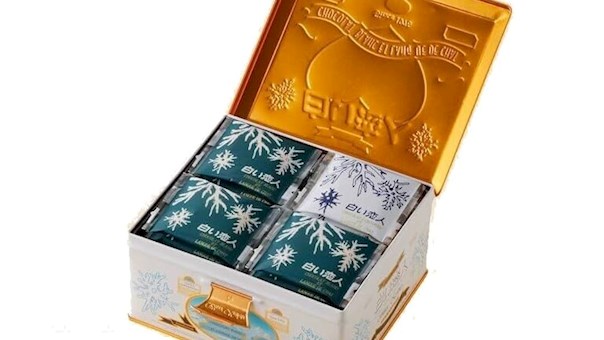
Ishiya is a confectionery producer based in Sapporo, on the island of Hokkaido, with a history dating back to 1947. The brand has grown from a small local sweets maker into a company strongly associated with the identity of Hokkaido, relying on regional ingredients and favorable climatic conditions that support high-quality confectionery production. Its most iconic product is the Shiroi Koibito, a langue de chat biscuit filled with white chocolate, introduced in 1976 and widely recognized as one of Japan’s signature souvenir sweets. The company’s portfolio also includes a variety of biscuits, chocolate-based products, and seasonal specialties, all developed with attention to balance, texture, and presentation. Ishiya’s approach reflects a combination of European confectionery influence and Japanese precision, particularly evident in its thin butter biscuits and refined chocolate pairings. Beyond production, the brand extends its identity through experiential concepts such as the Shiroi Koibito Park, where visitors can observe the manufacturing process and engage with the products. Today, Ishiya maintains a strong presence both domestically and internationally, positioning itself as a representative example of Japanese confectionery craftsmanship rooted in regional character and consistency.
Awards
International Chocolate Awards - Gold (2019)
International Chocolate Awards - Silver (2019, 2018, 2017)
05

Toshimaya

4.5 ·
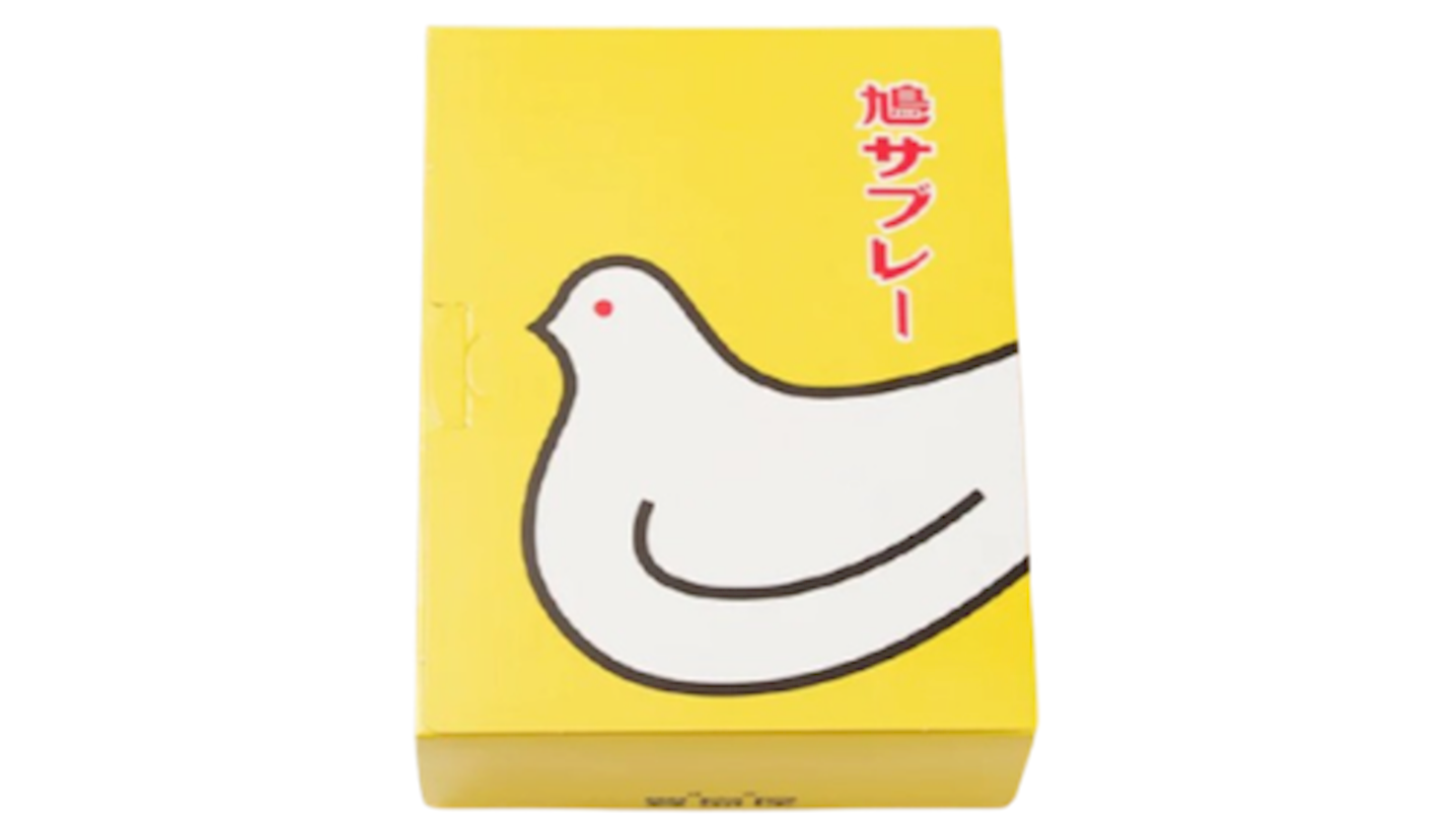
Toshimaya is a long-established Japanese confectionery company based in Kamakura, widely recognized for its signature product Hato Saburé, a dove-shaped butter biscuit that has become a symbol of the region’s cultural and culinary identity, combining a simple Western-inspired recipe with Japanese sensibility and tradition. Founded in the late 19th century, the company has maintained continuity in both production and brand positioning, relying on a minimal ingredient list including flour, butter, sugar, and eggs to achieve a light, crisp texture and a subtle sweetness that appeals to a broad audience without the use of artificial additives. The dove motif, reflected in both the biscuit shape and its branding, is closely tied to Kamakura’s historical and symbolic landscape, reinforcing the product’s role within Japan’s omiyage culture where regional specialties are purchased as gifts, often presented in distinctive yellow packaging that has remained visually consistent over time. Beyond Hato Saburé, Toshimaya continues to develop seasonal and traditional sweets rooted in local aesthetics, while its flagship store in Kamakura operates not only as a point of sale but also as a cultural landmark, attracting visitors and reinforcing the brand’s connection to place, heritage, and long-standing craftsmanship.
06

Choi Heong Yuen Bakery

4.5 ·
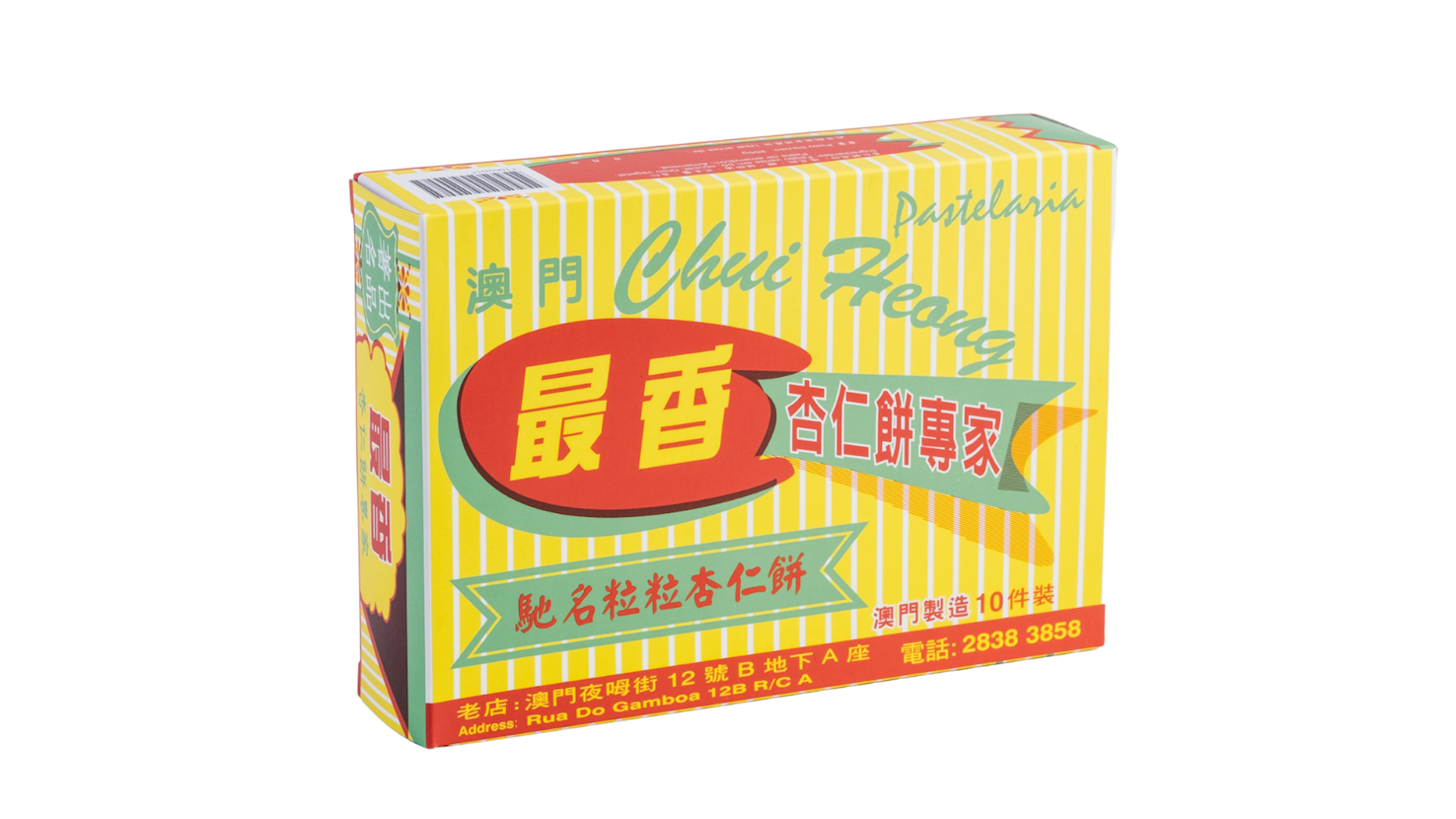
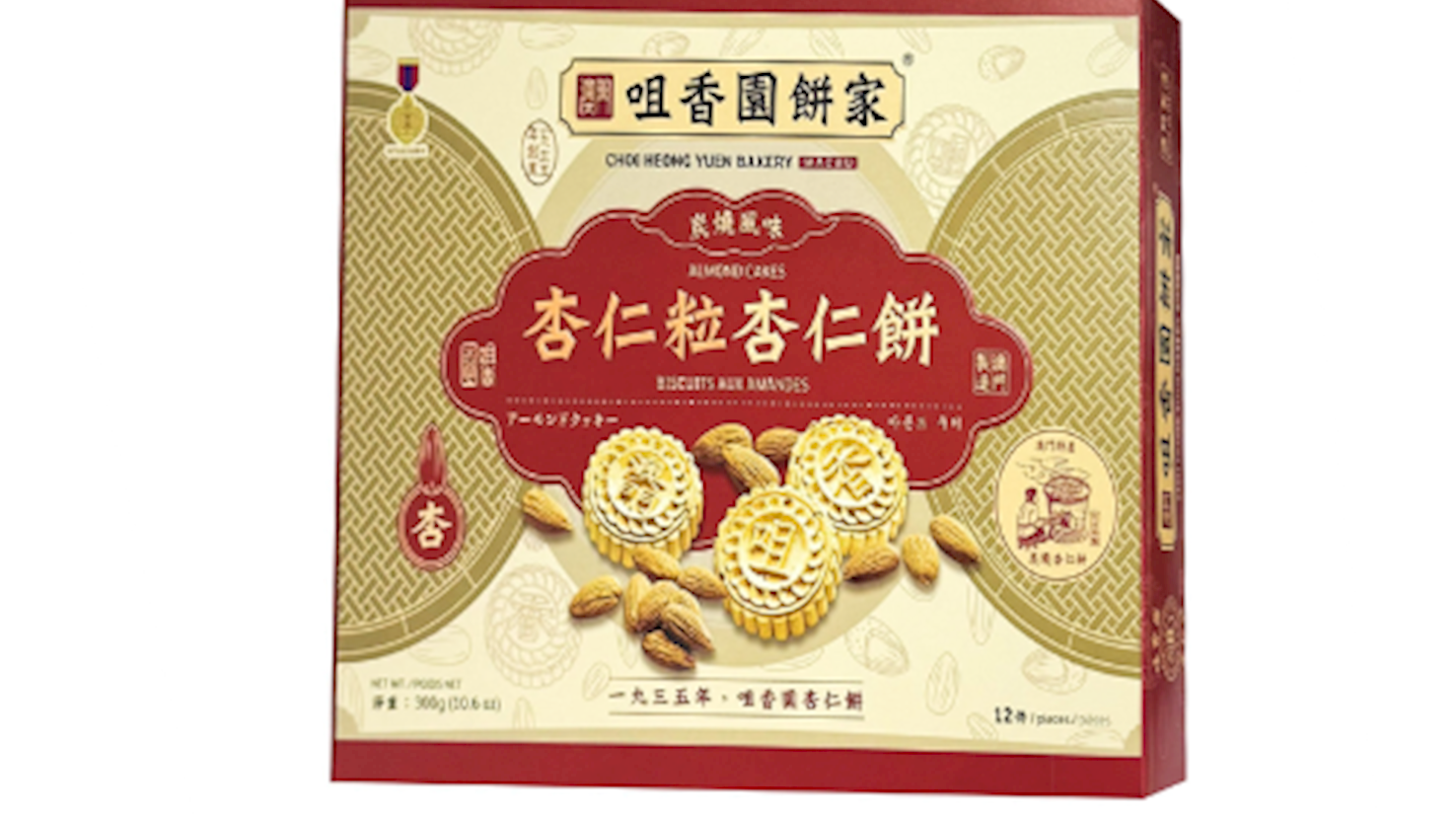
Choi Heong Yuen Bakery is a long-established confectionery producer from Macau, founded in 1935, recognized for its commitment to traditional techniques and its strong role in the city’s food souvenir culture. The brand is best known for its almond cakes, which are prepared using a charcoal baking method that gives them a distinct dry and crumbly texture along with a lightly toasted aroma. Recipes are based on simple ingredients and have been preserved across generations, resulting in a consistent and recognizable flavor profile rooted in local tradition. Beyond almond cakes, the company offers a wide selection of classic Chinese sweets including mooncakes, egg rolls, walnut cookies, and peanut-based confections. Its products are widely associated with Macau’s culinary identity and are commonly purchased as gifts by visitors. Over time, Choi Heong Yuen has maintained a balance between heritage and scale, building a reputation as one of the most authentic traditional bakeries in the region. This position has been further reinforced by its recognition as a “Macau Classic Brand”, highlighting its contribution to preserving local craftsmanship and cultural continuity.
07

Shiroi Koibito

4.3 ·
Shiroi Koibito is a legendary Japanese confectionery brand based in Sapporo, on the northern island of Hokkaido, best known for its signature cookie of the same name – a delicate butter langue de chat sandwich filled with smooth white chocolate. The name, meaning “White Lover,” evokes a sense of purity, warmth, and nostalgia, and the cookie itself has become one of Japan’s most iconic and beloved edible souvenirs. Blending Western pastry traditions with refined Japanese craftsmanship, Shiroi Koibito is celebrated for its commitment to quality, attention to detail, and carefully selected ingredients. Their dedication to the art of sweets comes to life in the enchanting Shiroi Koibito Park – a unique chocolate-themed attraction that combines a working factory, a museum, interactive workshops, and beautifully landscaped gardens. Visitors can observe the production process, participate in hands-on chocolate-making experiences, and indulge in exclusive desserts in an atmosphere that feels straight out of a fairy tale. As a symbol of Hokkaido and a name synonymous with elegance in confectionery, Shiroi Koibito represents a perfect fusion of tradition, imagination, and unforgettable flavor – a gift to be shared with love.
About this ranking

TasteAtlas food rankings are based on the ratings of the TasteAtlas audience, with a series of mechanisms that recognize real users and that ignore bot, nationalist or local patriotic ratings, and give additional value to the ratings of users that the system recognizes as knowledgeable. For the “Top 100 Desserts in East Asia” list until May 15, 2026, 5,330 ratings were recorded, of which 4,533 were recognized by the system as legitimate. TasteAtlas Rankings should not be seen as the final global conclusion about food. Their purpose is to promote excellent local foods, instill pride in traditional dishes, and arouse curiosity about dishes you haven’t tried.

The initial list of top producers was compiled based on available reviews, awards, local recommendations, media and blog coverage, and consumer reviews. The list will be updated with ratings from TasteAtlas local ambassadors and TasteAtlas users.

Similar lists