shutterstock

Top 100 Andalusian Foods

Last updated on July 15, 2026

Best Andalusian foods

01
Jamón

Jabugo

4.4 ·

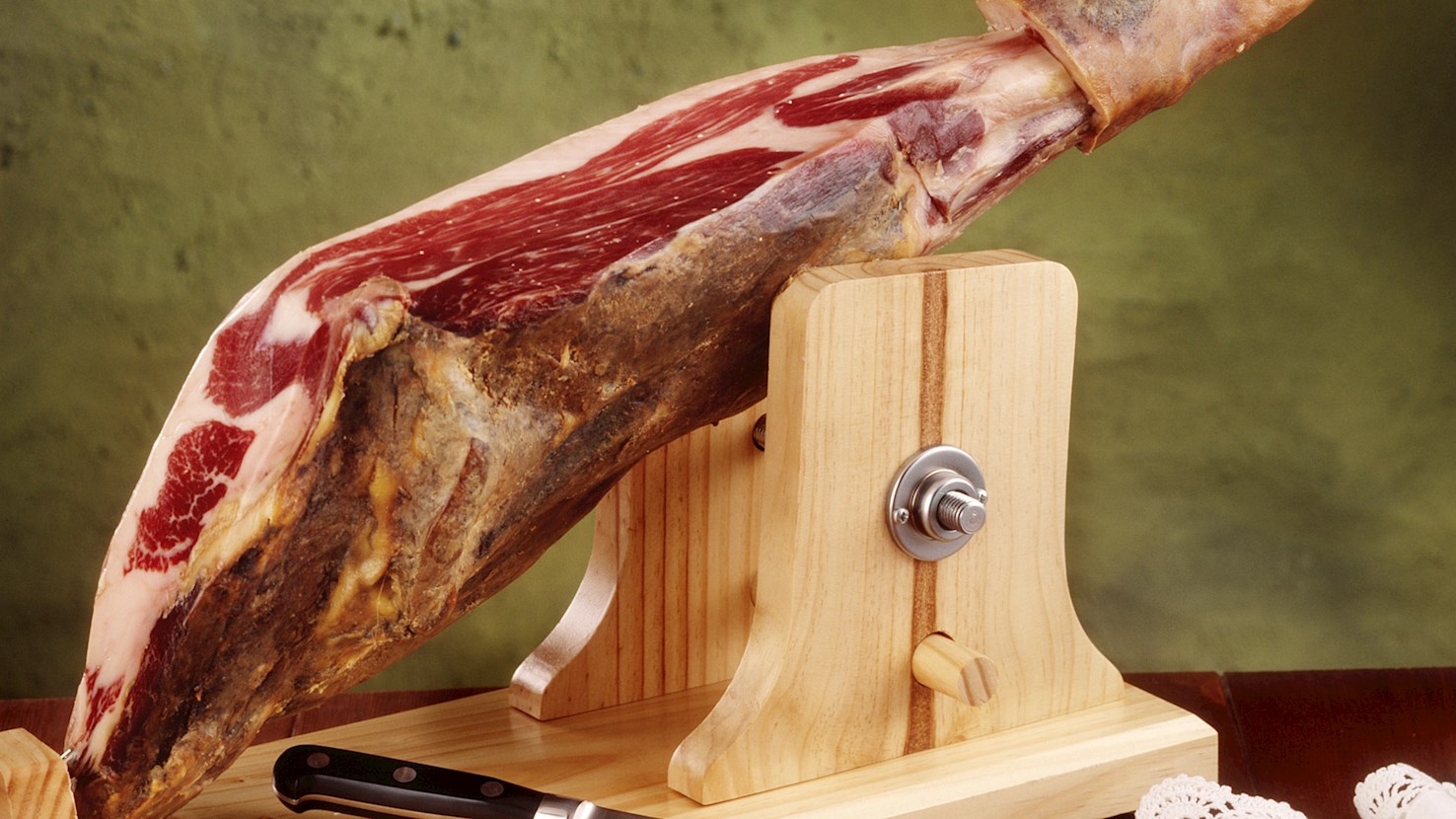
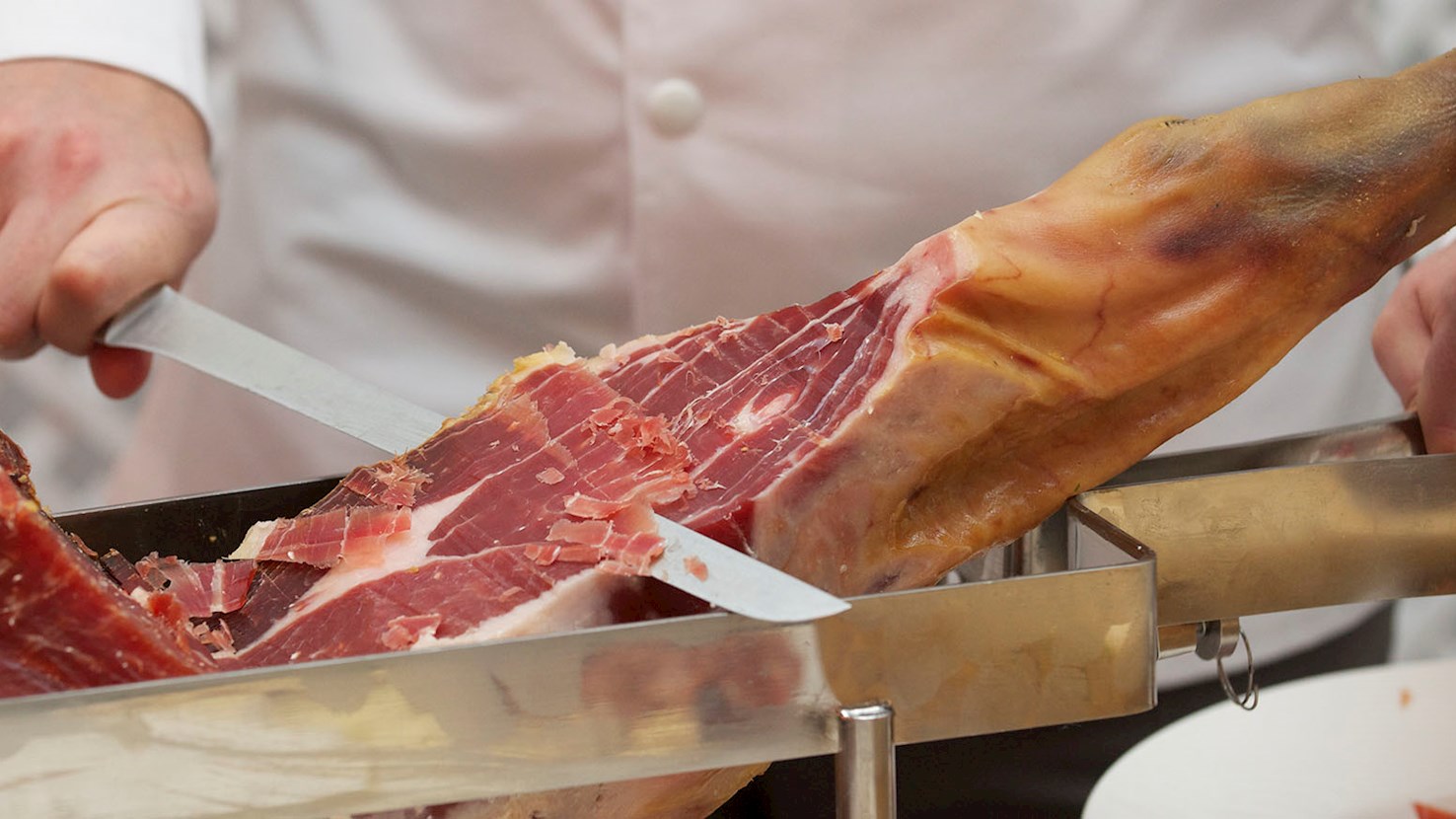
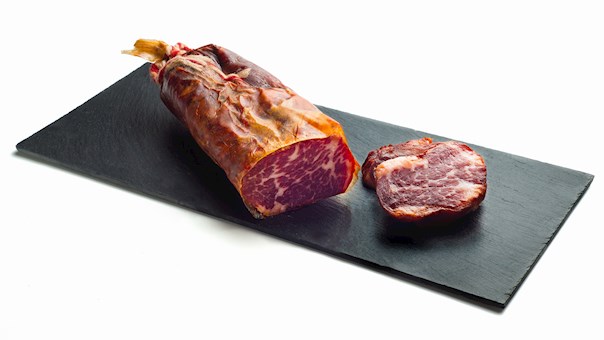
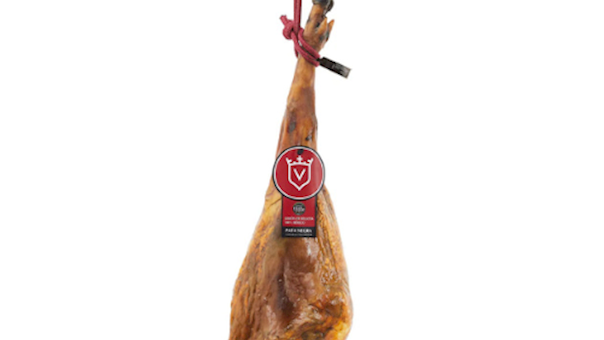
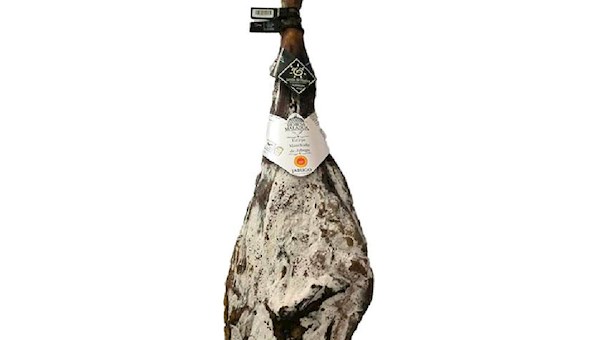
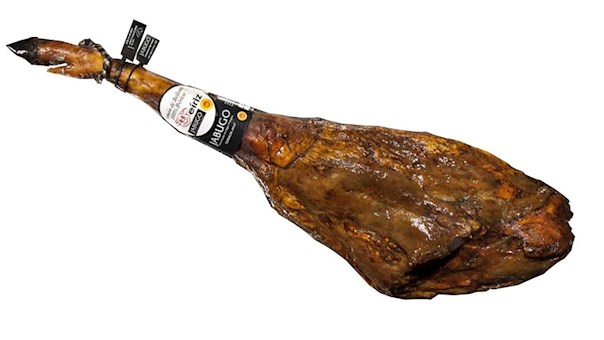
Named after a village nestled in the Sierra de Aracena y Picos de Aroche Nature Park, in the northern part of the Andalusian province of Huelva, Jabugo is a variety of the popular Spanish Ibérico ham or shoulder ham made from the meat of the pure-bred Iberian pig or cross-breed of the local Manchado de Jabugo pig, with at least 75 % Iberian blood. The unique metabolism of these animals allows their fat to integrate into the muscles, evenly marbling the meat, which results in the distinctive flavor and juiciness of each ham. Reared in the so-called 'dehesas', agro-forested lands used primarily for grazing, sparsely wooded with holm and cork oaks, Iberian pigs gorge on acorns which give the meat a particularly sweet and nutty flavor. Although primarily registered as Jamón de Huelva, in 2015 the product was officially registered as Jabugo. The ham has a distinctive long and slender shape given by the V-shaped Serrano cut. After salting, the hams are washed and air-dried in vast bodegas for about 24-30 months. Jabugo can be enjoyed just like any other ham, but to fully indulge in its seductive flavor, it is often served on its own with a glass of sherry or red wine.

02
Meat Dish

Carrillada

4.3 ·

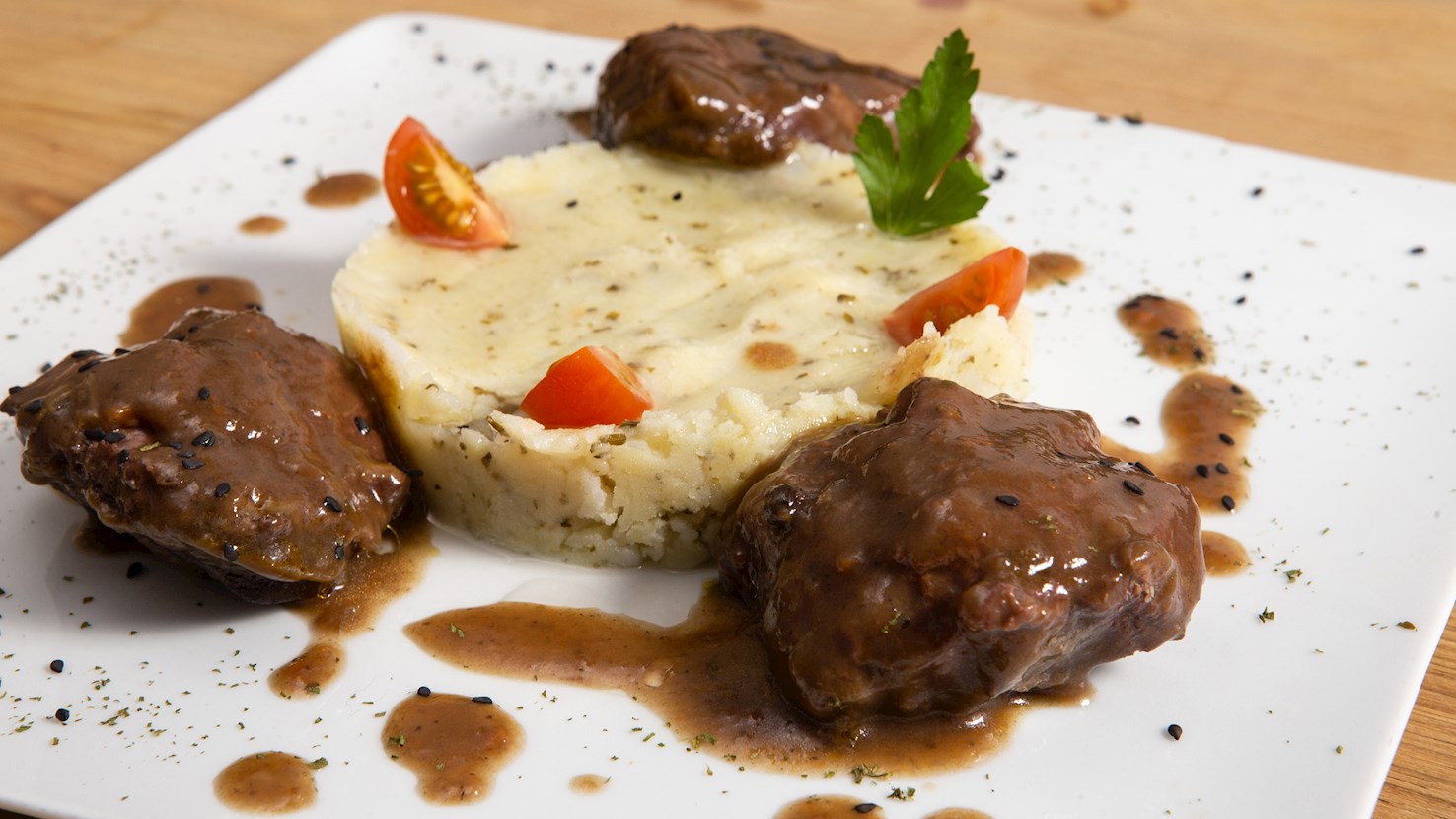
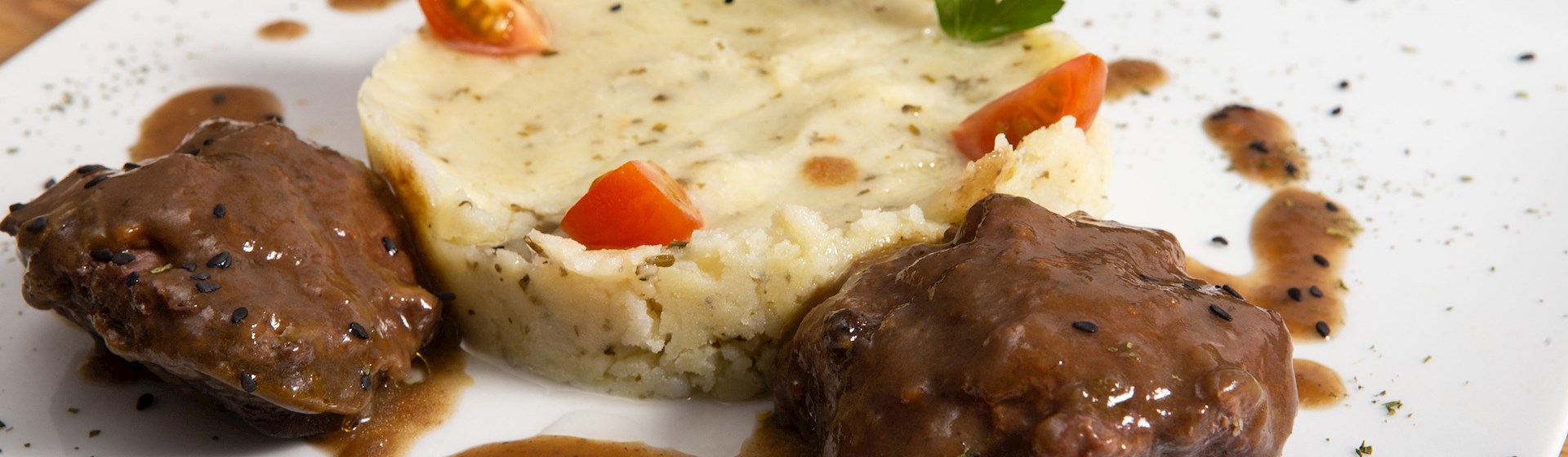
Carrillada is a traditional dish made with braised pork (de cerdo) or beef (de ternera) cheeks. The dish is especially popular in Andalusia, and the best version is supposedly made with local Iberian pigs. The cheeks are usually braised in red wine or port, typically with root vegetables and spices such as paprika, bay leaves, and cumin. Cinnamon is also sometimes added. The dish is slowly cooked until the sauce is thick and the cheeks are tender. Carrillada is often served as a tapa.

03
Stew

Rabo de toro

4.3 ·

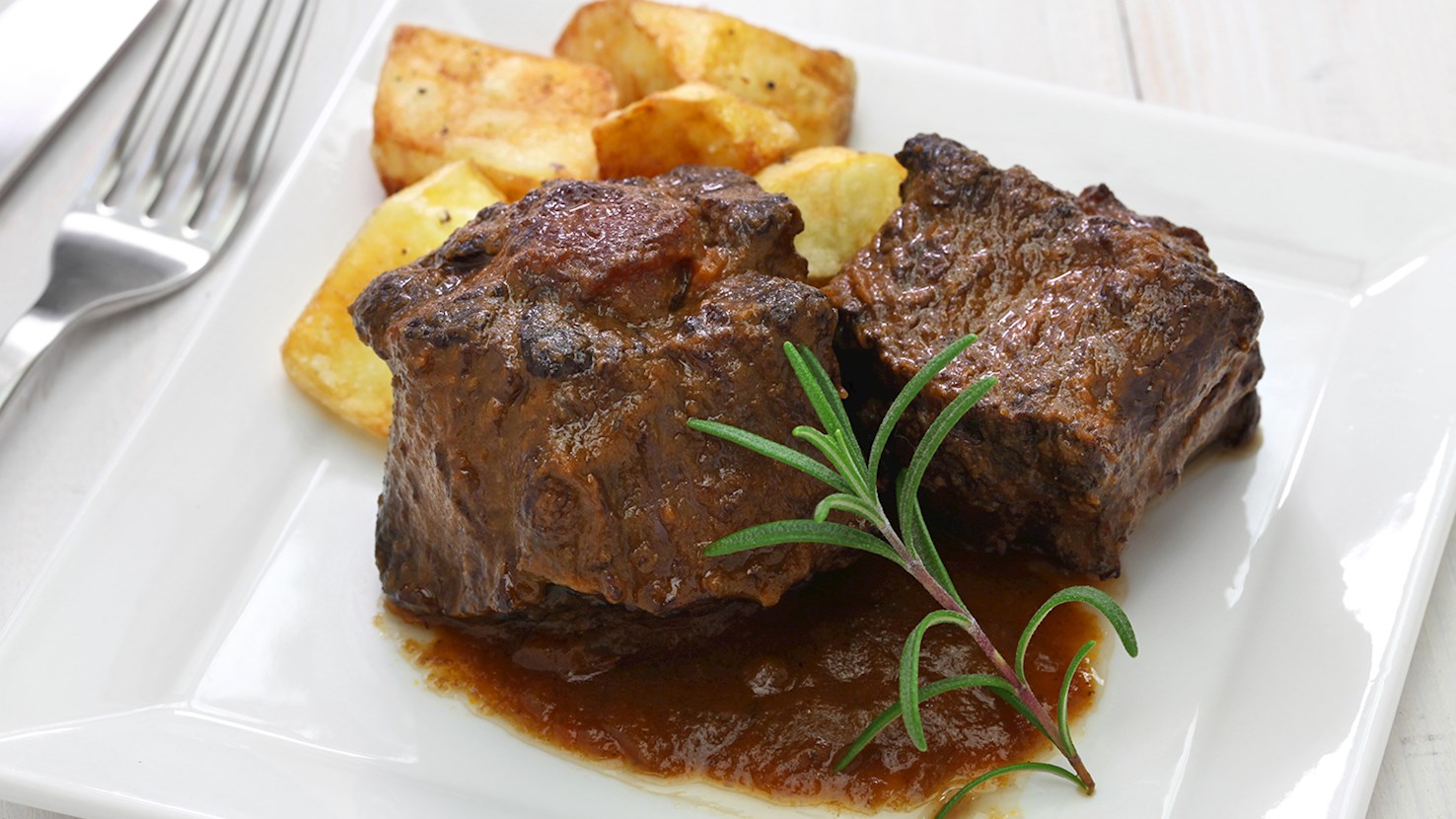
Rabo de toro is a traditional dish originating from Córdoba, although it's eaten throughout Andalusia. Each restaurant and region has their own recipe, but it's usually made with a combination of oxtail, olive oil, onions, garlic, carrots, celery, paprika, tomatoes, red wine, dry sherry, bay leaves, and parsley. Once cooked, this slow-braised stew is typically served with fried potatoes on the side. It is believed that rabo de toro dates back to Roman times, when the bull would be killed at a bullfight, and its tail would be braised and enjoyed in celebration. Nowadays, the dish is especially popular during the colder months of the year.

04
Cheese

Queso Payoyo

4.2 ·

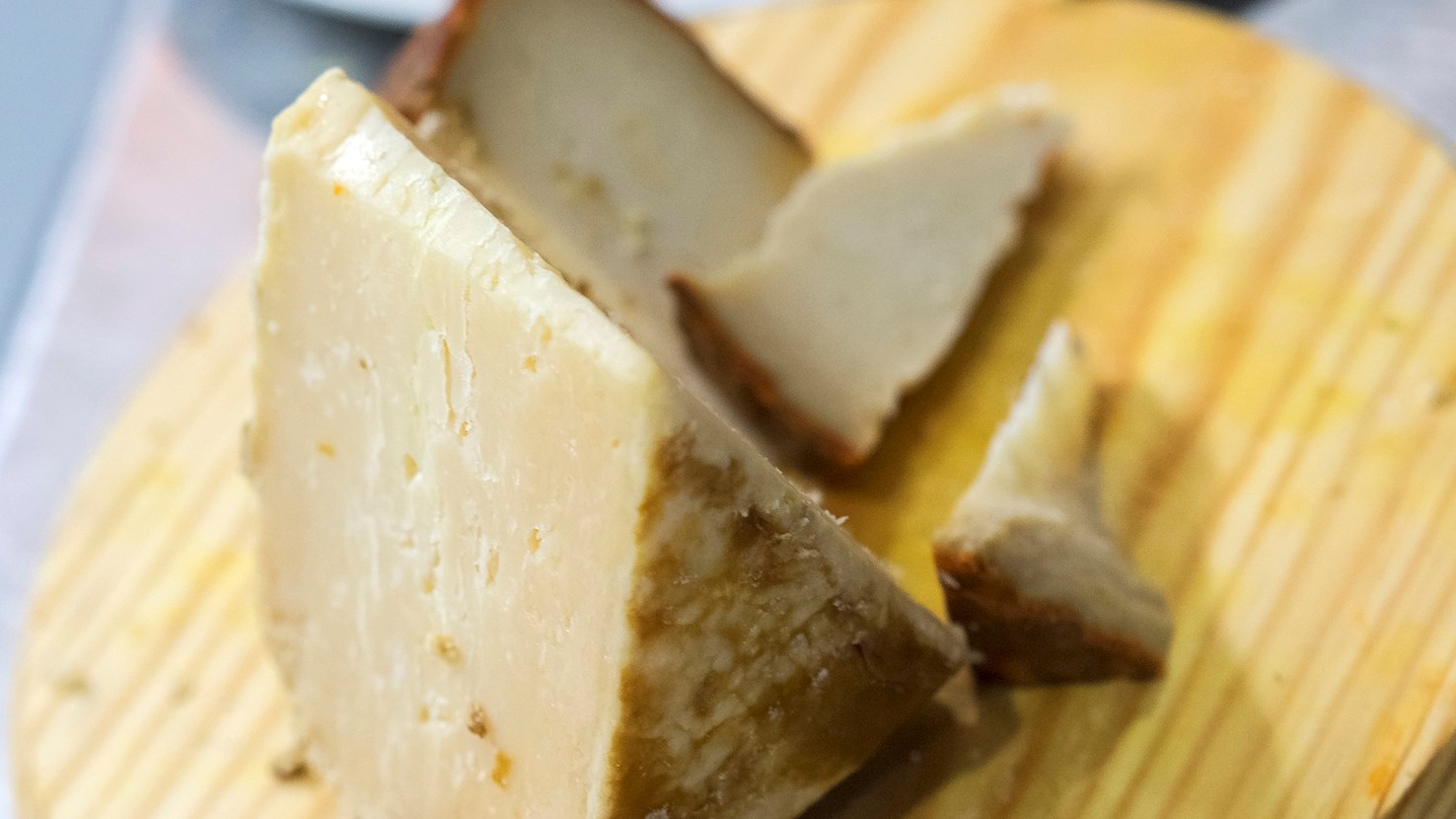
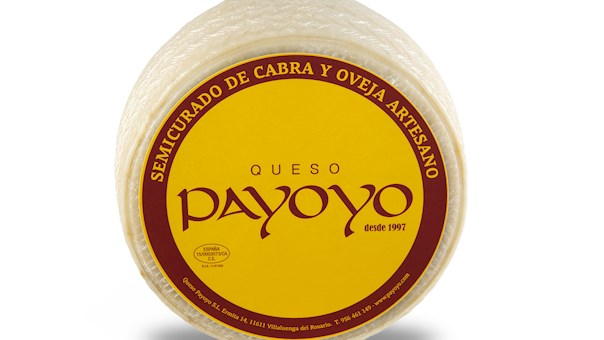
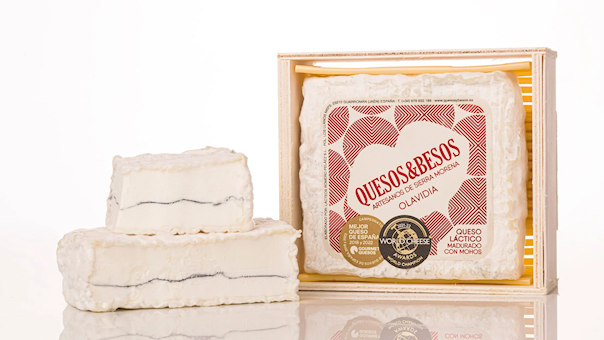
Queso Payoyo is a Spanish cheese made with a mixture of goat's and sheep's milk from local Payoyo goats and Grazalema sheep. Its flavor is rich and tangy, the rind is cross-hatched, while the texture is creamier and softer than Manchego, which it somewhat resembles. Payoyo's aroma has hints of butter and herbs. It is recommended to serve it with crusty bread and a glass of dry sherry or red wine. The Spanish Ministry of Agriculture awarded it with the title of Spain's Best Cheese in 2013, and in 2014, it won a bronze medal at the World's Best Cheese awards.

05
Chicken Dish

Pollo al ajillo

4.2 ·

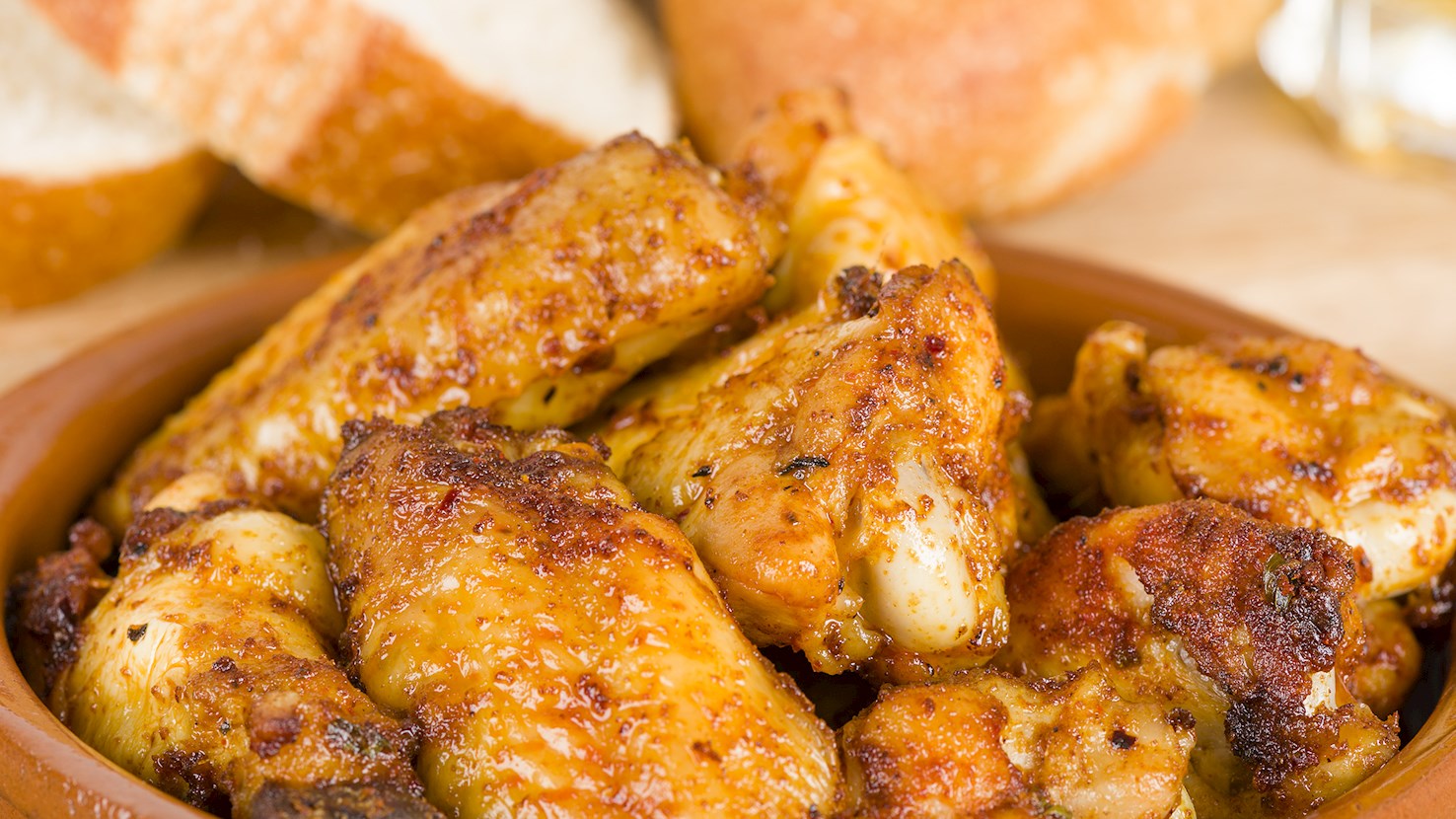
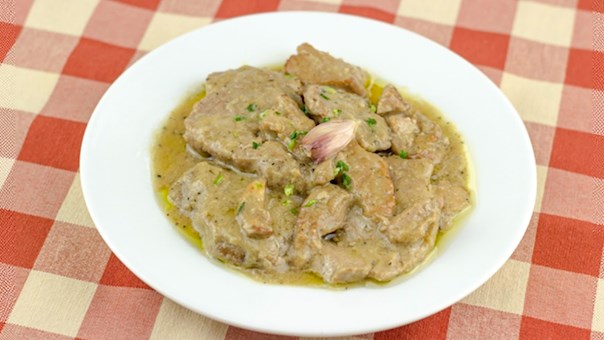
This simple Spanish dish known as pollo al ajillo consists of chicken pieces drenched in garlic sauce. The sauce is usually made with white wine, stock, garlic, and herbs such as bay leaves, thyme, and rosemary. It can be consumed as the main course or as a tapa. It is recommended to serve pollo al ajillo with vegetables or mushrooms on the side.

Best restaurants
06
Seafood Dish

Pulpitos fritos

4.2 ·

Pulpitos fritos is a traditional seafood dish originating from Andalusia. The dish consists of pan-seared baby octopus. It's usually made with a combination of baby octopus, garlic, parsley, lemon juice, olive oil, and salt. The octopus is sprinkled with salt and marinated in a mixture of olive oil, garlic, parsley, and lemon juice. It is then seared in a skillet, first shortly over high heat, and then over medium heat until it's browned on all sides. Pulpitos fritos are served immediately while still hot.

07
Jamón

Jamón de Serón

4.1 ·

Jamón de Serón is a ham made exclusively within the municipality of Serón from pigs of Duroc, Large White, Landrace, Blanco Belga, Pietrain or Chato Murciano breeds. This ham owes its excellence to the slow and long process of curing and drying that takes more than 16 months to complete. A good proportion of infiltrated fat between the bright pink to red muscle fibers gives this ham a shiny appearance and smooth texture. Due to the high fat content, this ham is very juicy and aromatic. It has a complex sweet and savory flavor with woody and nutty aromas.

08
Saltwater Fish Dish

Espetos

4.1 ·

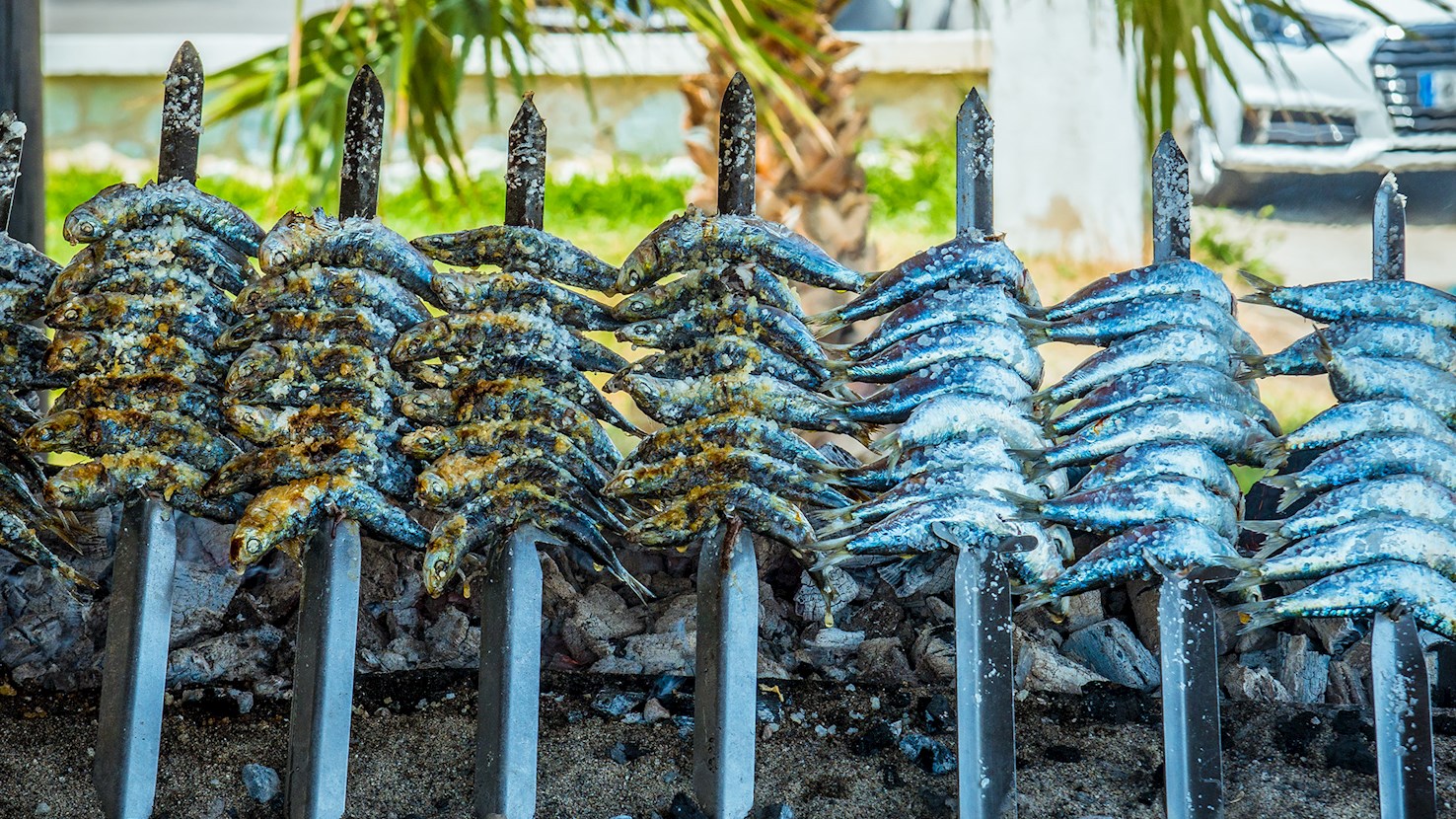
Espetos is a Spanish tradition of grilling sardines, dating back to the late 19th century, when fishermen skewered and grilled surplus fish in small boats on the sand. The modern method usually involves placing 6 sardines on a skewer, seasoning them with sea salt, then grilling them over the open flames of an olive wood fire. Once the sardines are fully cooked and become golden on the outside, they are drizzled with olive oil and lemon juice. It's said that the sardines are best from May to August, when they are a bit fattier, which increases their great flavor. In many beach bars of Malaga, espetos are paired with soft drinks, beer, sangria, or Tinto de verano red wine.

09
Meat Dish

Pringá

4.1 ·

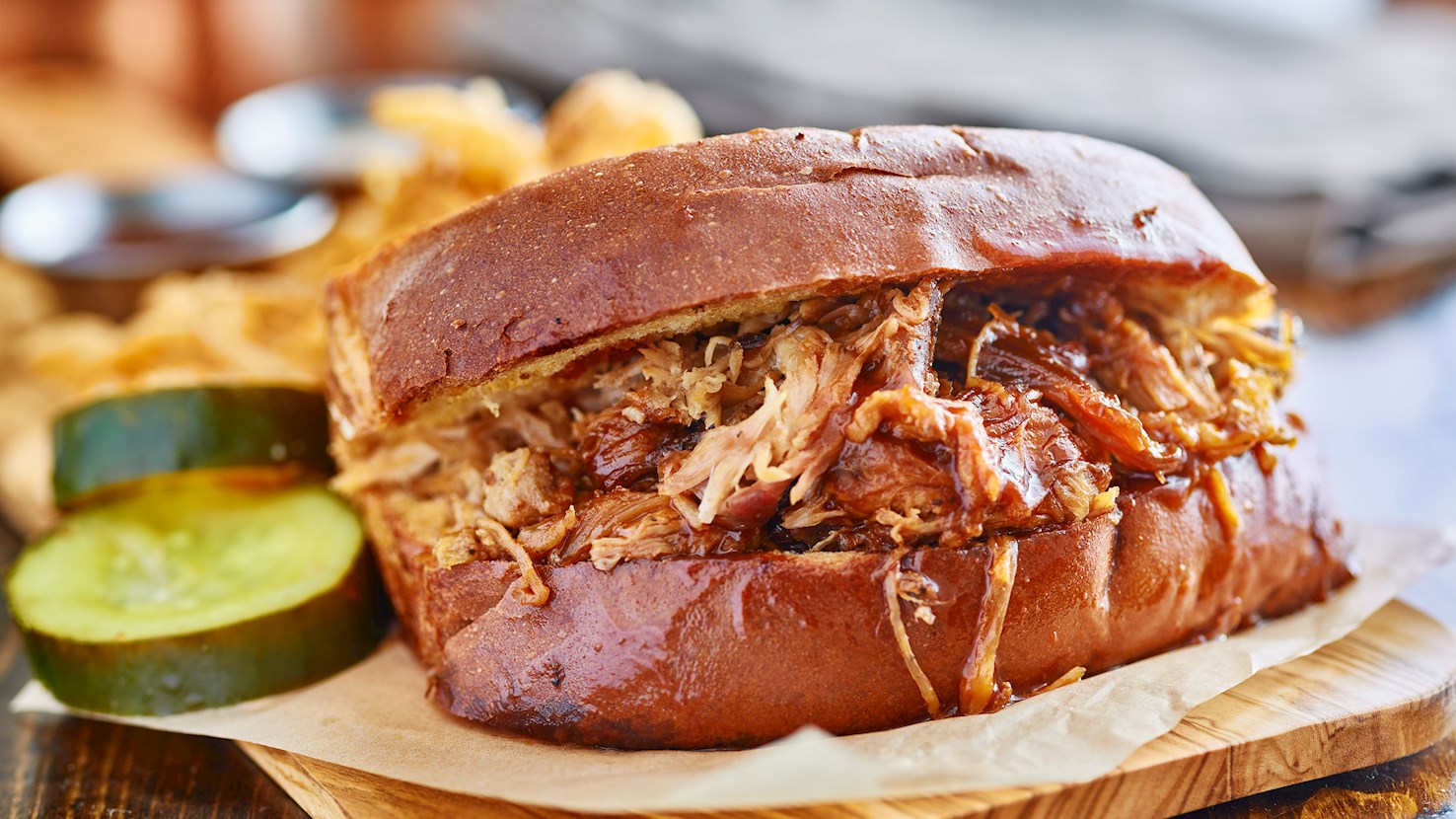
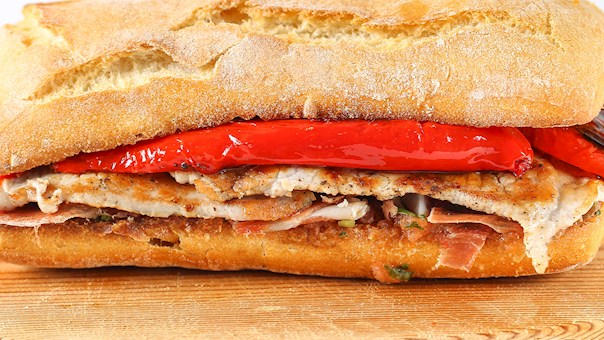
Pringá is a traditional dish with Andalusian origins. It consists of cured sausages (morcilla, chorizo), roast pork or roast beef, and either pork or beef fat. The meat is cooked slowly for a long time until the meat starts to fall apart easily. Pringá can be served in different ways – as pieces of meat on a plate, eaten without cutlery by combining the meat with pieces of bread (pringando), or as a tapa, where the meat is tucked inside bread rolls as a small sandwich. It is also often served with salmorejo, a dish made with tomatoes and bread. Pringá is especially popular in rural parts of Andalusia.

10
Cold Soup

Ajoblanco

3.9 ·

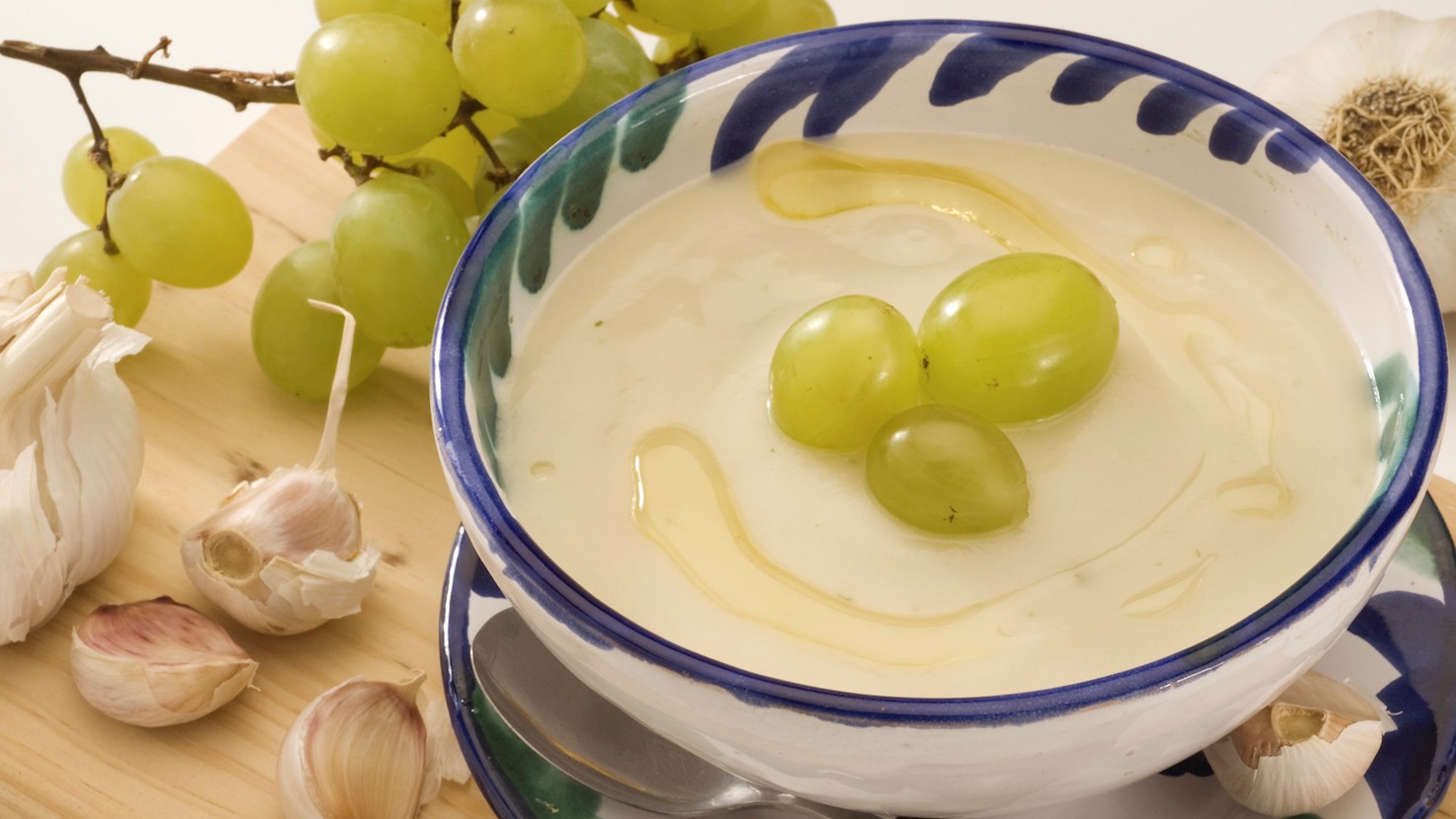
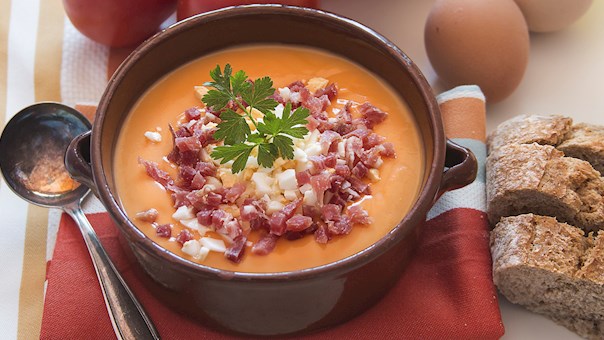
This Andalusian cold almond soup is known as the precursor of gazpacho; it originated during the Moorish middle ages, predating the arrival of tomatoes and peppers by several centuries. Ajoblanco traditionally consisted of a puréed mixture of stale bread that was moistened with vinegar and water, a hefty amount of fresh garlic, and almonds — the region's most abundant crop, but modern recipes also often include ingredients such as milk and green grapes. If available, always use Marcona almonds when making ajoblanco. The perfect starter for a summer lunch, this creamy soup is best enjoyed well chilled, drizzled with olive oil, and topped with toasted almonds.

Best Andalusian food products

01
Olive Oil

Castillo de Canena

5.0 ·

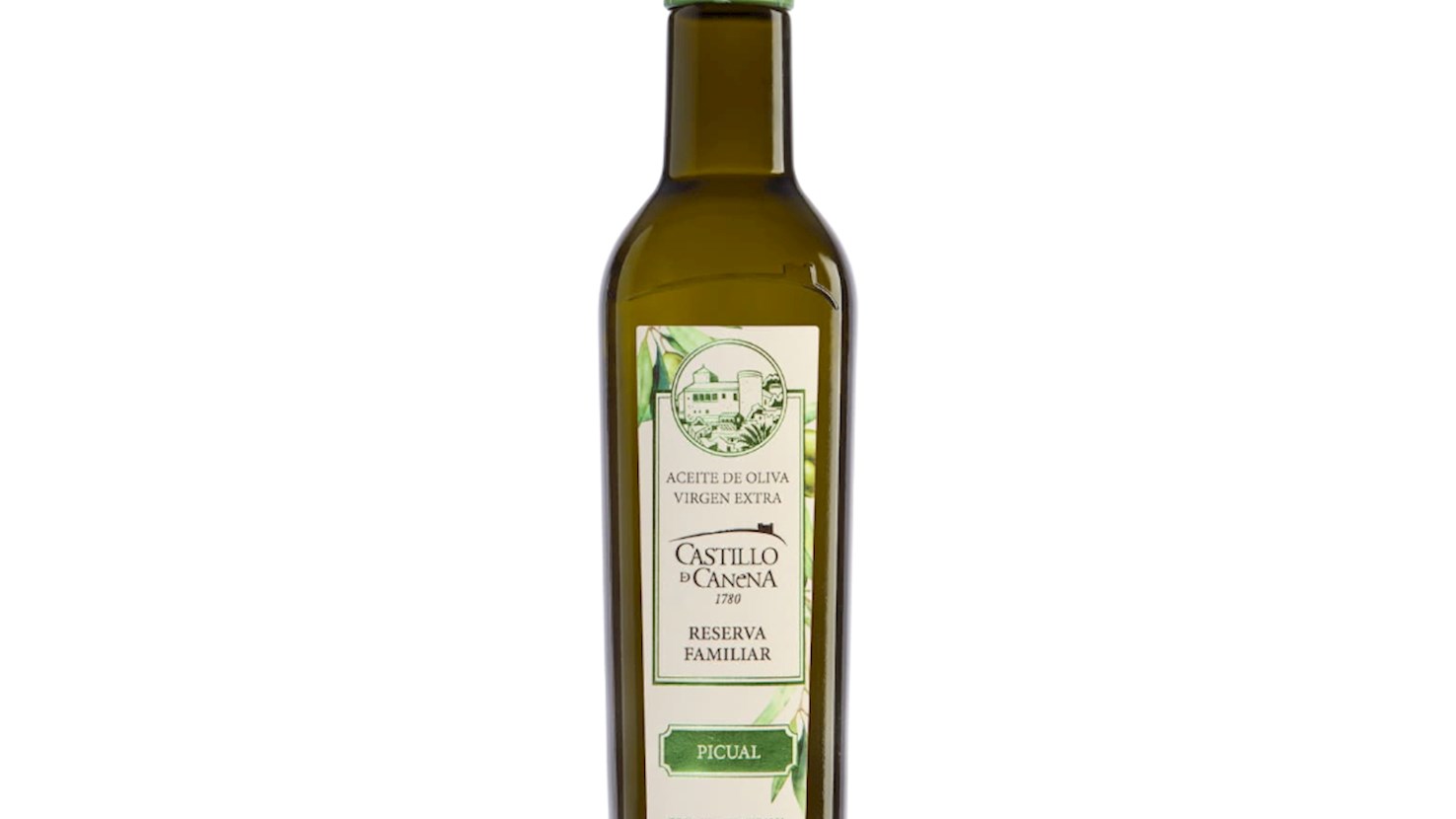
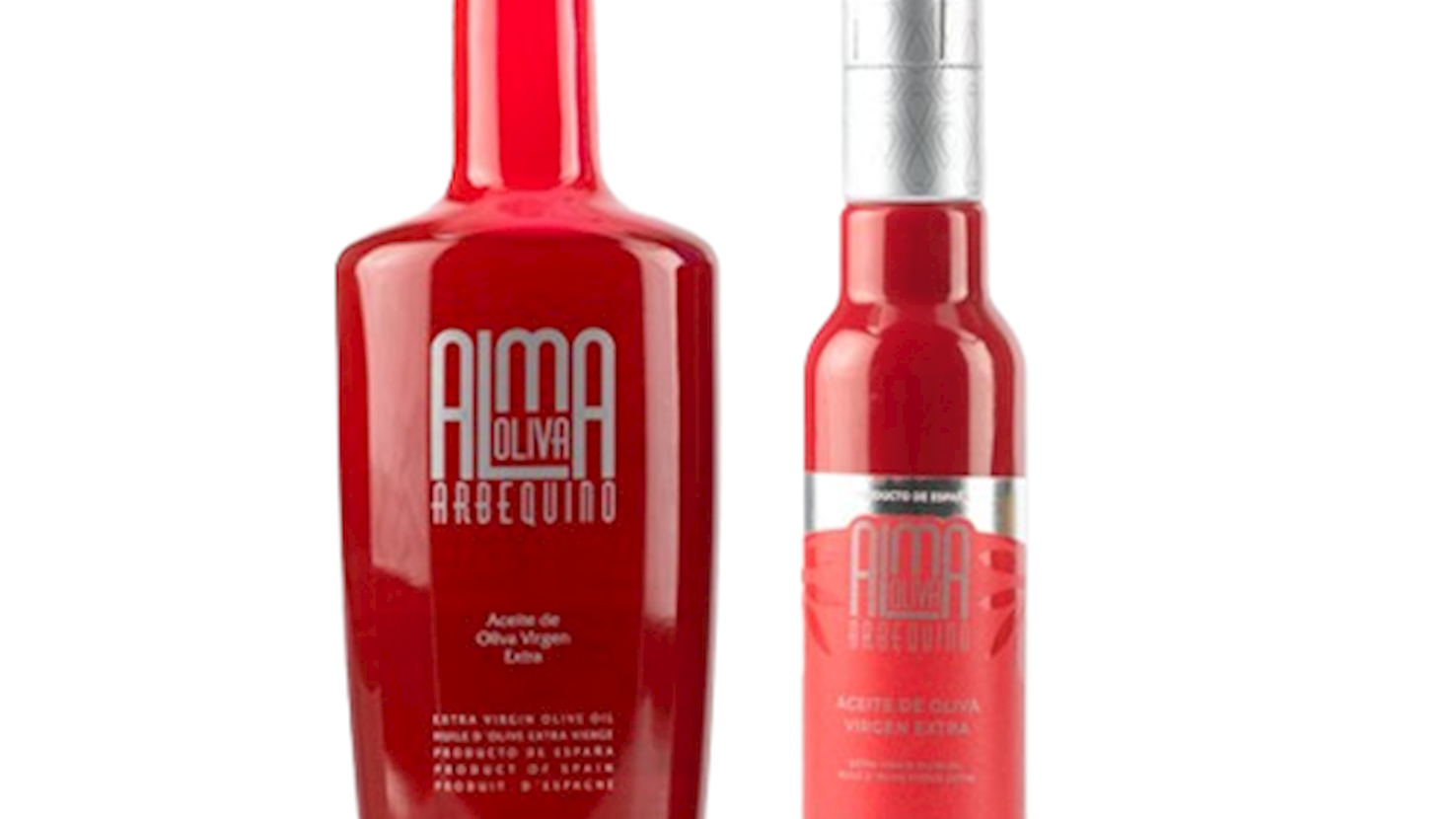
Castillo de Canena is a renowned producer of premium extra virgin olive oil from Spain, specifically from the Andalusian region in the Guadalquivir River Valley. The Vañó family, who stands behind the brand, has been producing olive oil since 1780.

The brand is named after a historic castle owned by the family, located in the town of Canena. The company is known for its blend of tradition and innovation, combining centuries-old methods with modern techniques to preserve the quality and unique flavor of its oils. Their oils are exclusively cold-pressed from olives grown in their own groves, and they specialize in varieties such as Picual, Arbequina, and Royal.

Castillo de Canena places a strong emphasis on sustainability—using renewable energy sources and natural methods to care for their olive trees. Elegant packaging and carefully selected harvest dates reflect the brand’s dedication to detail and superior quality. Castillo de Canena is a true symbol of luxurious, sophisticated olive oil that harmoniously blends nature, tradition, and modern technology.

Awards
Flos Olei - Hall of Fame (2026, 2024, 2023, 2022, 2021)
Flos Olei - Hall of Fame (2020)
02
Olive Oil

Almazaras de la Subbética

5.0 ·

Almazaras de la Subbética is a renowned olive oil producer from Andalusia, based in the Sierras Subbéticas Natural Park in Córdoba. It was founded in 2007 through the merger of two large cooperatives and today brings together around 7,000 olive growers.

The company is known for its organic and sustainable production, with standout oils such as Rincón de la Subbética (a monovarietal Hojiblanca) and Parqueoliva Serie Oro (a coupage of Picuda and Hojiblanca). Their oils are among the most awarded in the world, and the mill has been named the best in the world multiple times. They combine tradition, innovation, and environmental awareness, along with strong social engagement through humanitarian projects.

Awards
London IOOC - Platinum (2025, 2023, 2022, 2021)
ATHENA IOOC - Double Gold (2024, 2023, 2022, 2020, 2018, 2017)
03
Olive Oil

Finca la Torre

5.0 ·

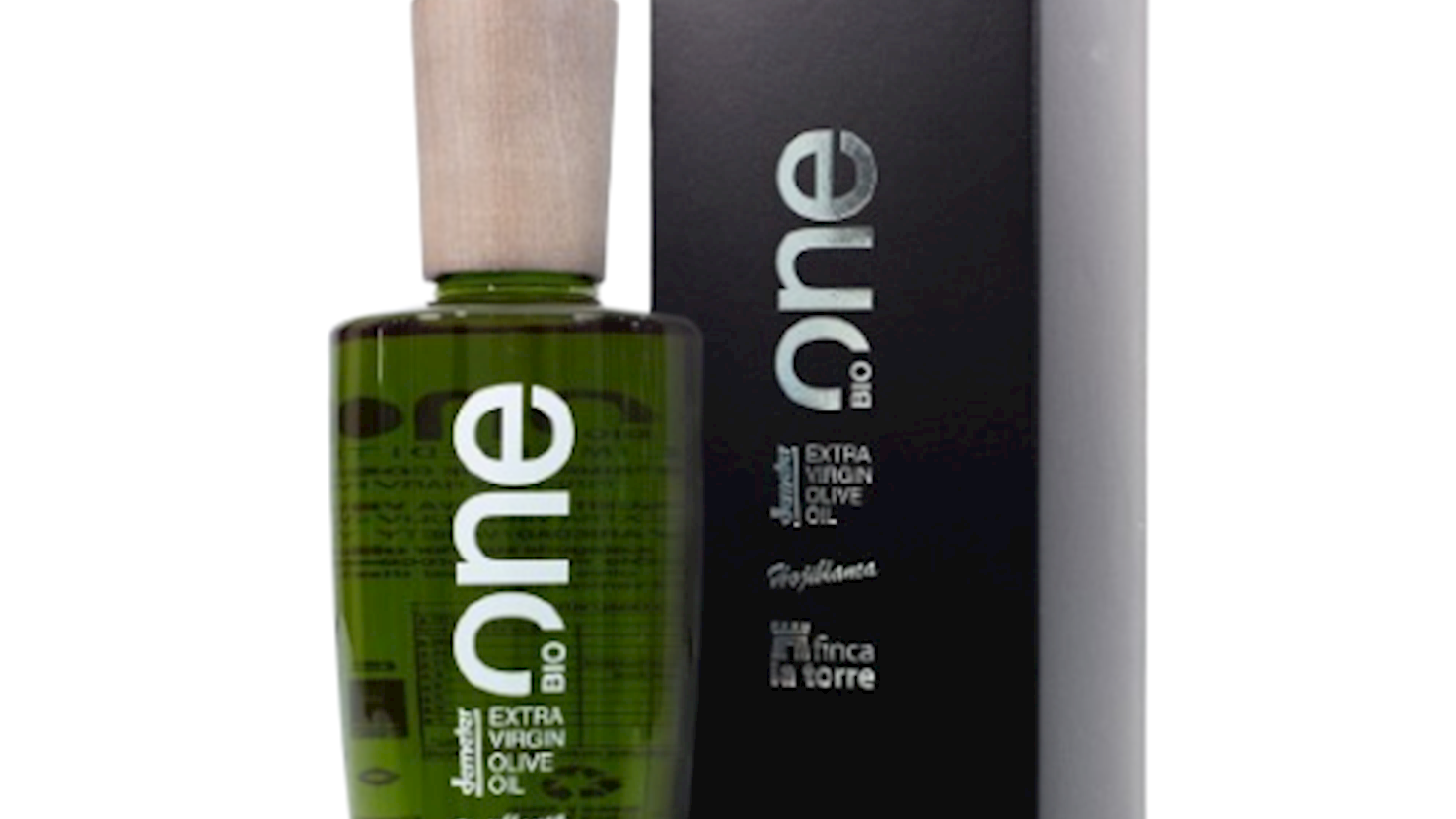
Finca la Torre is a prestigious olive oil producer from Andalusia, located in the town of Bobadilla near Málaga, with a tradition that dates back to Roman times. This organic estate spans over 380 hectares and includes around 33,000 olive trees, primarily of the Hojiblanca variety, along with Arbequina, Cornicabra, and Picudo.

Finca la Torre stands out for its strictly controlled biodynamic cultivation, which involves complete dedication to natural cycles and sustainability. Their oils are produced through cold pressing immediately after harvest, preserving maximum freshness, aroma, and nutritional value. The oils are recognized for their pronounced green notes, fruitiness, spiciness, and overall complexity of flavor. The company combines tradition and innovation—employing modern processing technology while maintaining deep respect for nature.

Their work reflects a commitment to quality, transparency, and environmental care, making them one of the most respected olive oil producers in Spain and beyond.

Awards
Flos Olei - Hall of Fame (2024, 2023, 2022, 2021)
Biol - International Organic Competition Prize - Extra Gold (2024, 2023, 2022)
04
Olive Oil

Nobleza del Sur

5.0 ·

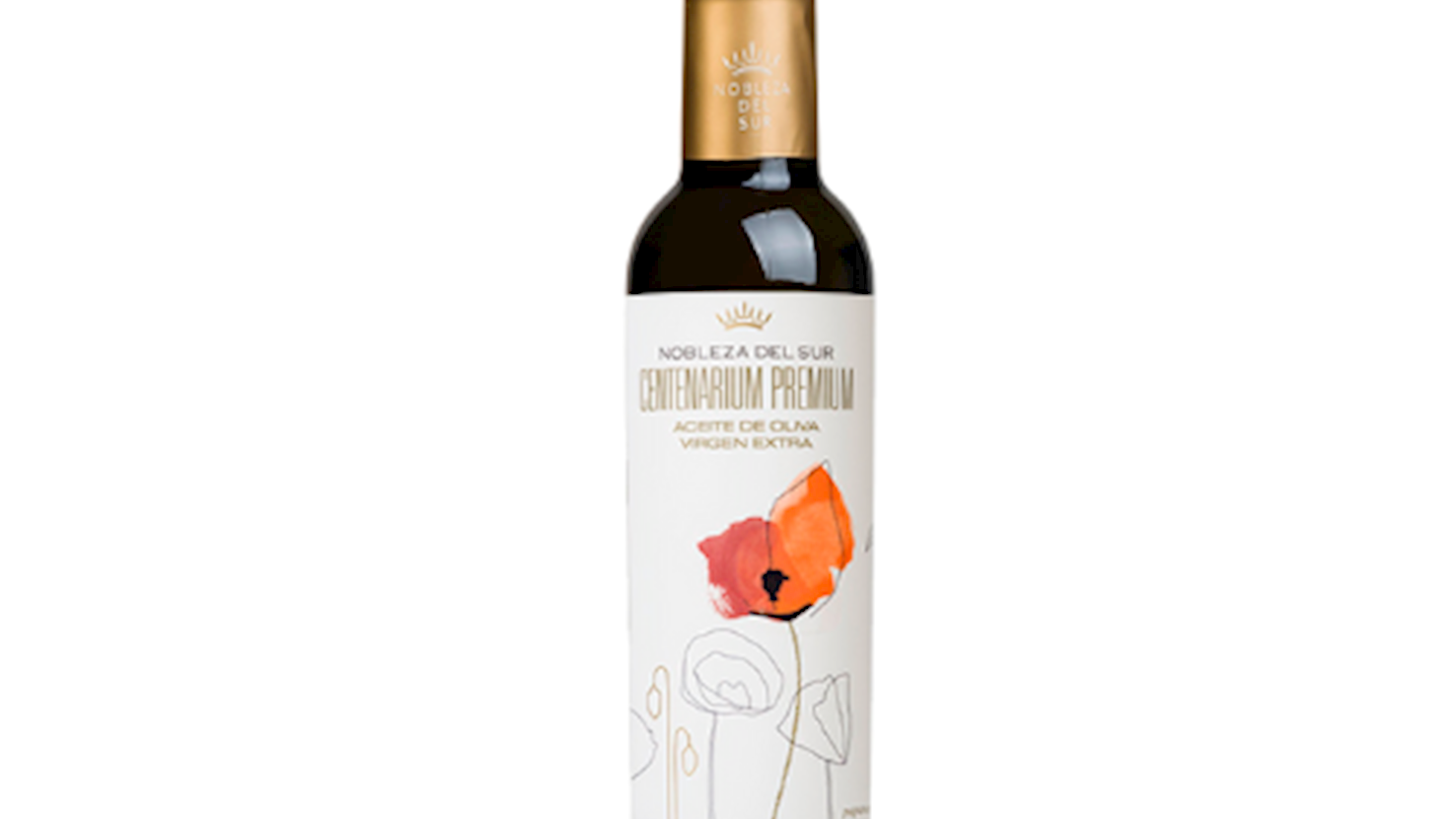
Nobleza del Sur is a family-owned Spanish company from the Jaén region (Andalusia), dedicated to the complete production process of extra virgin olive oil — from cultivation and milling to packaging and distribution. The family's olive-growing tradition dates back to as early as 1640, and today, several generations are involved in managing over 300 hectares of olive groves on family estates near the Guadalimar River. The company emphasizes sustainable and biodiversity-friendly farming practices — without pesticides, using free-grazing horses among the olive trees as natural fertilizer.

Each of their products is characterized by cold extraction shortly after harvest, low acidity, and a rich organoleptic profile — with aromas of green banana, almond, apple, grassy and herbal notes.

Awards
Flos Olei - The Best (2022, 2021)
Flos Olei - 99 Points (2025, 2022)
05
Olive Oil

Oro Bailén

5.0 ·

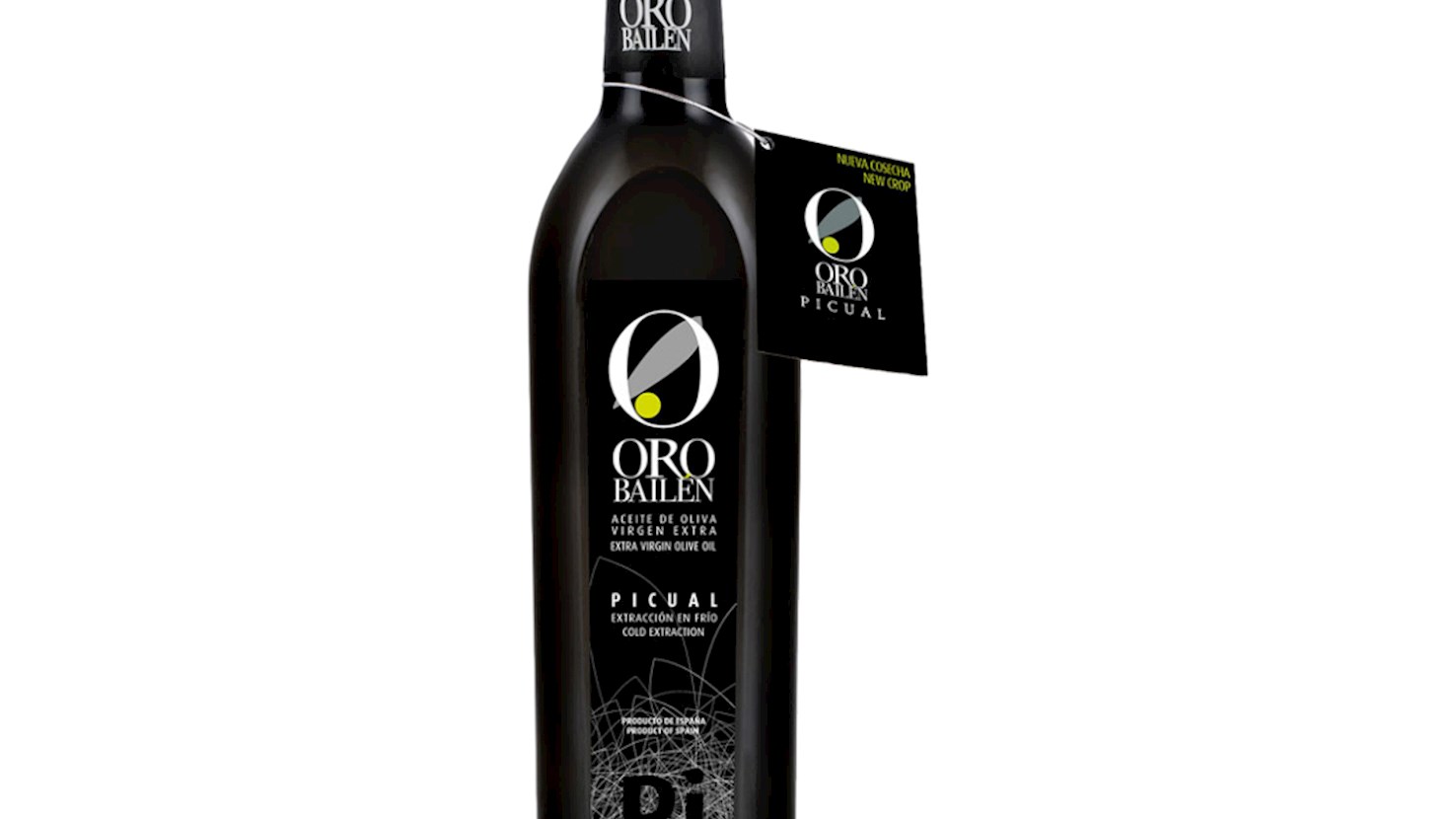
Oro Bailén is a premium Spanish producer of extra virgin olive oil, based in Andalusia, in the province of Jaén. The company, led by the Gálvez-González family under the name Aceites Oro Bailén Galgón 99, is renowned for its exceptional attention to detail.

Their process includes early olive harvesting, cold extraction within two hours, and careful filtration to preserve pure flavor and maintain low acidity. Their monovarietal oils – Picual, Arbequina, Frantoio, Hojiblanca, and organic Picual – are celebrated for their rich, well-balanced aromas, with notes of fresh herbs, green banana, apple, and almond. Located in the so-called "Sea of Olives" at the foothills of the Sierra Morena, their groves naturally support the deep-rooted olive-growing culture of the region.

The company is also strongly committed to sustainable agricultural practices. This is the story of a family vision that grew from a former brick factory into a dedicated, award-winning brand – now recognized worldwide as a symbol of quality, authenticity, and sustainability in olive oil production.

Awards
Flos Olei - The Best (2023, 2022, 2021)
ATHENA IOOC - Double Gold (2024)
06
Wine

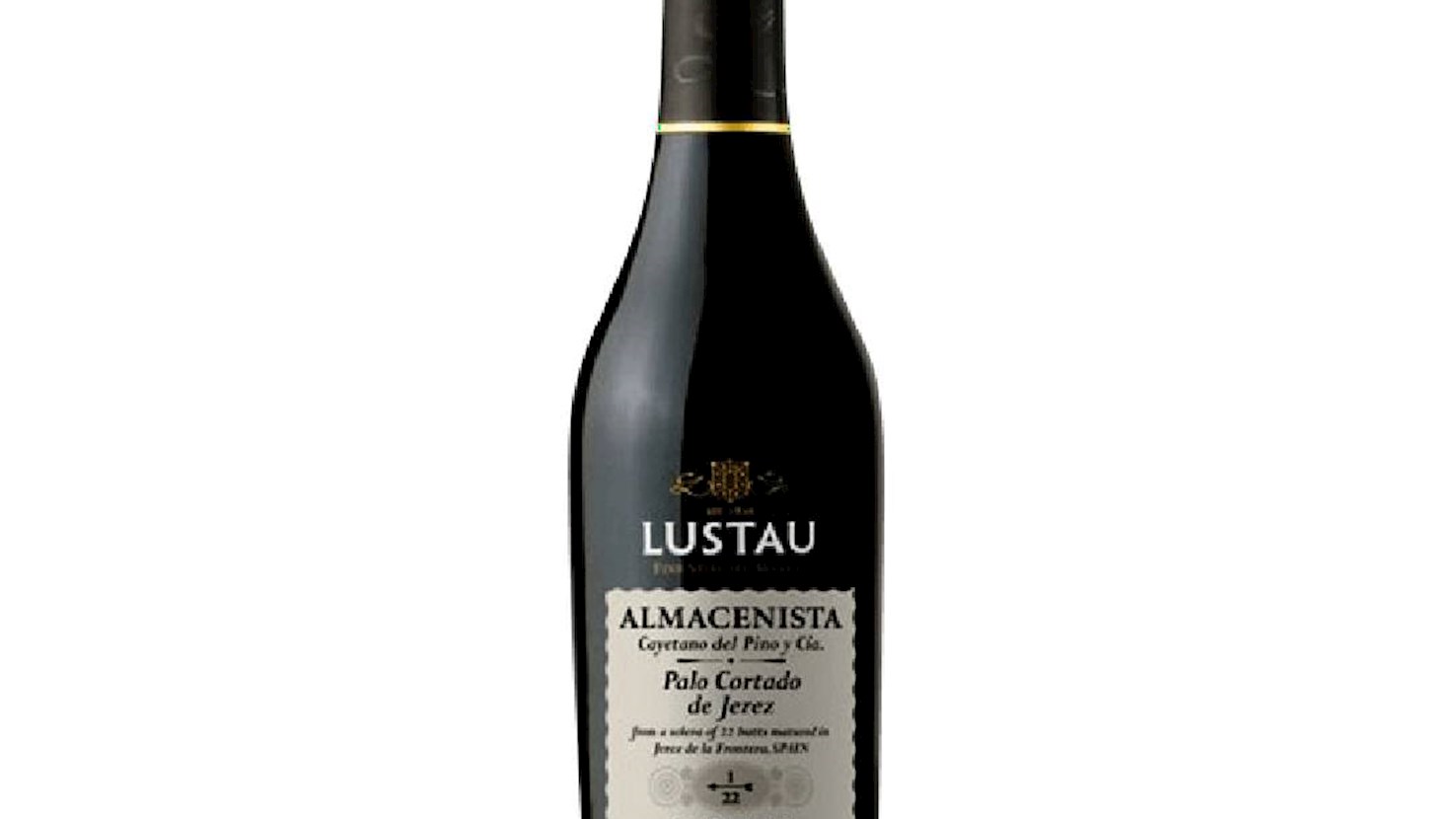
Bodegas Lustau

5.0 ·

Bodegas Lustau is one of the most important and influential wineries in the world of Sherry, based in Jerez de la Frontera, with a tradition that dates back to the late 19th century. It was founded in 1896 as a small family bodega and has grown over the decades into a global reference for both quality and stylistic diversity in Jerez wines.

Lustau is especially known for being among the first to systematically highlight the origin of its wines from different parts of the Marco de Jerez, including Jerez, El Puerto de Santa María, and Sanlúcar de Barrameda, thereby emphasizing the role of microclimate and local character. Its portfolio covers almost every style of Sherry, from Fino and Manzanilla to Amontillado and Palo Cortado, as well as deep Oloroso and sweet styles such as Pedro Ximénez.

In Lustau’s cellars, soleras of different ages are carefully maintained, with a strong focus on long aging and the preservation of traditional methods. The winery is also known for its precise selection of wines, often working with small, historic producers whose soleras are integrated into its own system.

The house style is defined by a balance between authenticity and accessibility, without the need to follow short-lived trends. Over the years, Lustau has received numerous international awards and has been repeatedly named the world’s best Sherry producer, yet its reputation rests above all on consistent quality.

Awards
Decanter World Wine Awards - Best in Show (2026, 2023, 2022, 2020, 2019, 2018)
Decanter World Wine Awards - Platinum (2023, 2022, 2021, 2020, 2019, 2018)
07
Olive Oil

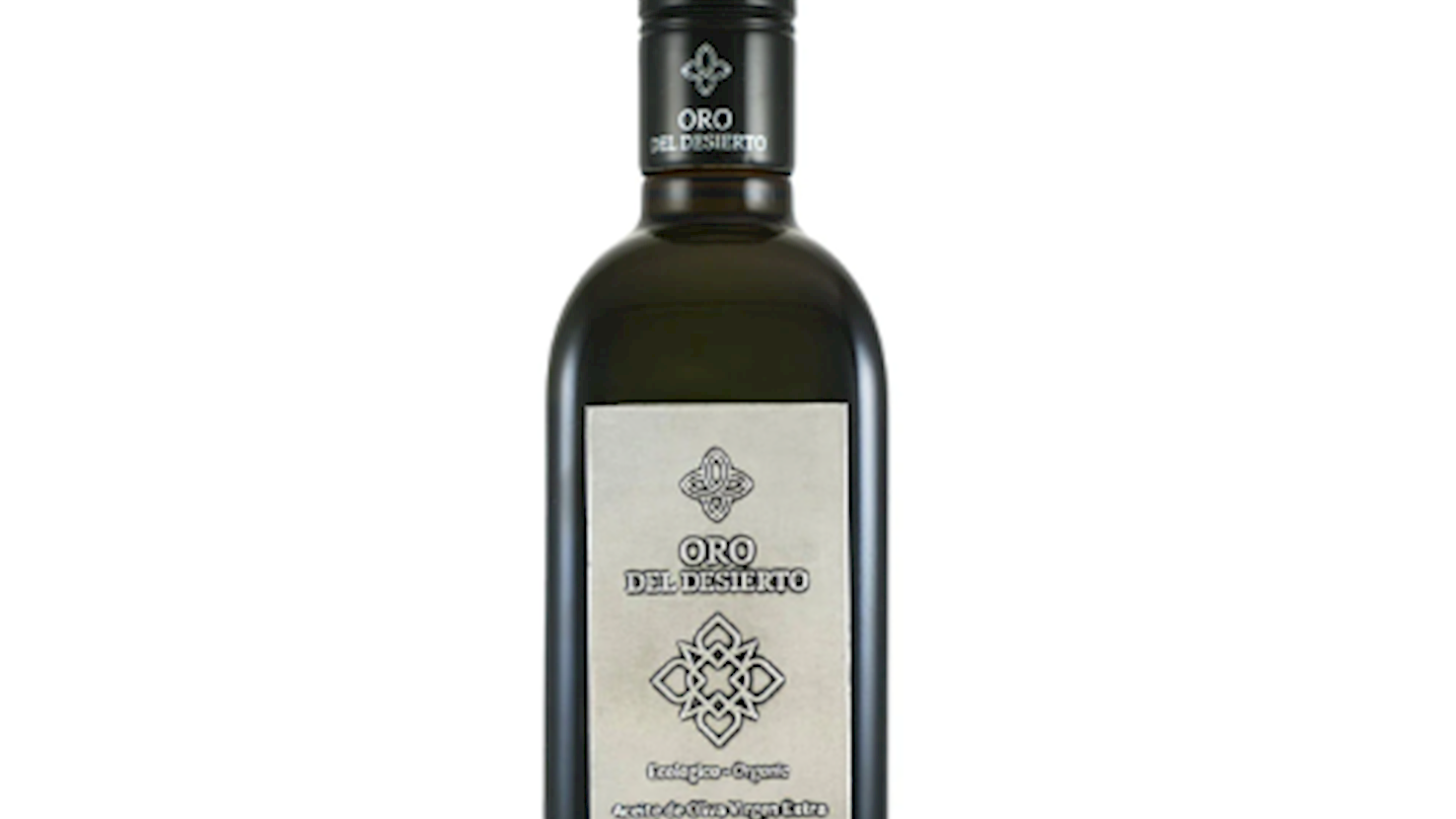
Oro del Desierto

5.0 ·

Oro del Desierto is a family-run olive oil mill located in the Tabernas Desert, in the Almería region of southeastern Spain, renowned for producing premium organic extra virgin olive oil. It was founded in the late 1990s by Rafael Alonso Aguilera, who established a philosophy of sustainable, ecological, and hands-on production.

The estate has been in the family for generations, and its unique character is shaped by an exceptionally sunny microclimate, with over 3,000 hours of sunlight per year—factors that directly enhance the quality of the olives and the richness of the oil’s flavor. The olives are carefully hand-picked and cold-pressed within less than eight hours of harvest to preserve maximum freshness and nutritional value. Oro del Desierto relies exclusively on organic farming, free from pesticides or chemicals, using natural methods such as composting and solar energy.

The groves cultivate a variety of olive types, including Picual, Arbequina, Hojiblanca, and Cornicabra, which are used to produce both monovarietal and blended oils. Their olive oil is distinguished by low acidity, an intense aroma of fresh herbs, almonds, and artichokes, and a long-lasting, balanced flavor with mild bitterness and spiciness. Their production approach combines tradition with modern technology, and their commitment to quality and nature has earned them recognition as one of the most respected producers in Spain and beyond.

Awards
Flos Olei - The Best (2024, 2023, 2021)
Flos Olei - 99 Points (2025)
08
Spirit

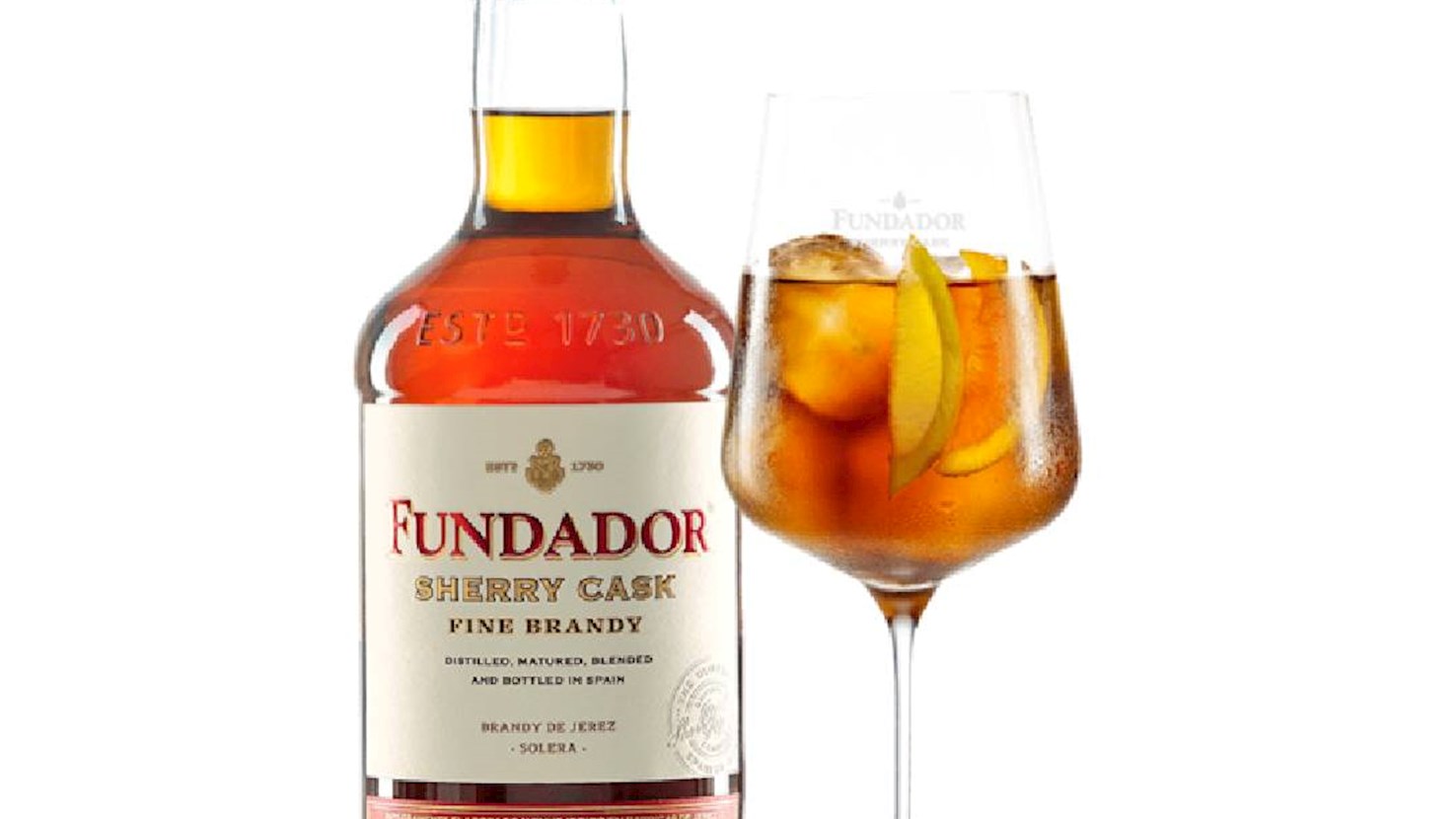
Fundador

5.0 ·

Fundador is a distinguished Spanish brandy producer, renowned for crafting the first Brandy de Jerez. Established in 1730, it stands as the oldest bodega in Jerez, Spain, with a rich history spanning nearly three centuries.

The brand's legacy began in 1874 when it introduced Fundador, the inaugural Spanish brandy, marking a significant milestone in the spirits industry. Over the years, Fundador has maintained its commitment to quality and tradition, producing brandies aged in Sherry Casks that previously held some of the finest sherry wines. Today, Fundador continues to be a leader in the production and exportation of Brandy de Jerez, offering a diverse range of products that honor its storied heritage while embracing innovation.

Awards
SFWSC - San Francisco World Spirits Competition - Double Gold (2024, 2023)
ISC-International Spirits Challenge - Double Gold (2022, 2021, 2019)
09
Spirit

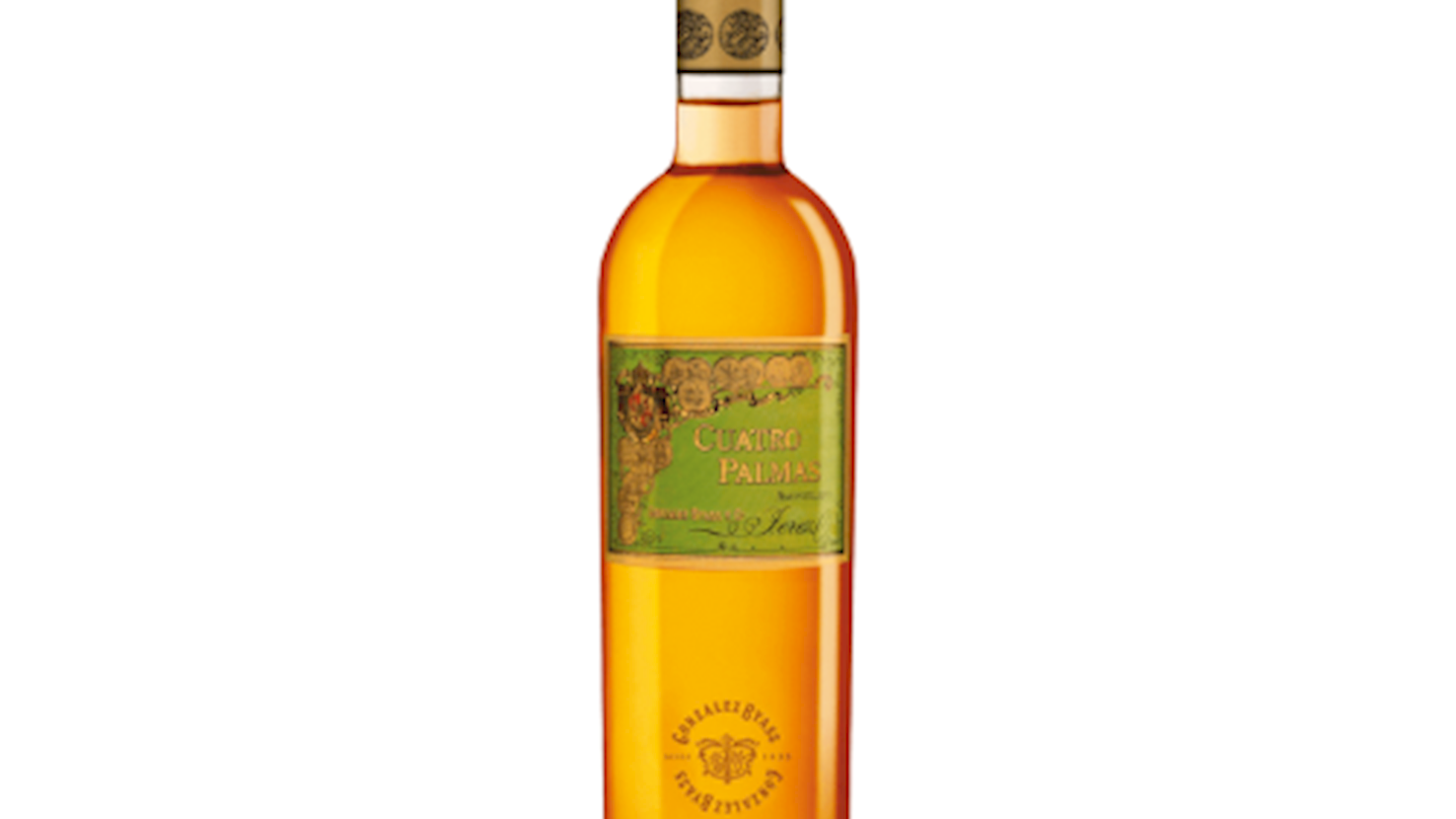
González Byass

5.0 ·

González Byass is one of the most important and influential wine houses in Spain, founded in 1835 in Jerez de la Frontera, with a strong identity built on the tradition of Sherry production. Over nearly two centuries, this family-owned company has preserved stylistic continuity while growing into an international group whose portfolio now includes wines, vermouths, and spirits from several Spanish regions.

The best-known symbol of the house is Tío Pepe, one of the most recognizable Fino Sherries in the world, which has largely shaped the global perception of Sherry. González Byass is renowned for its long-standing solera systems, some of which have been operating for more than a century, ensuring consistency of quality and clarity of style across generations.

Its cellars in Jerez, Sanlúcar de Barrameda, and El Puerto de Santa María represent key reference points for understanding the diversity of Sherry, from Fino and Manzanilla to Amontillado, Oloroso, and Pedro Ximénez. The philosophy of the house is based on a balance between respect for tradition and openness to innovation, without compromising the identity of its wines.

Special emphasis is placed on preserving cultural heritage, visible in the architecture of the bodegas and the historical archives that trace the brand’s development. Today, González Byass is seen not only as a wine producer but as an institution of Spanish wine culture.

Its role in the internationalization of Sherry has made the house one of the main ambassadors of Jerez around the world.

Awards
ISC-International Spirits Challenge - Double Gold (2023)
Decanter World Wine Awards - Platinum (2023, 2022, 2020, 2019, 2018)
10
Wine

Valdespino

5.0 ·

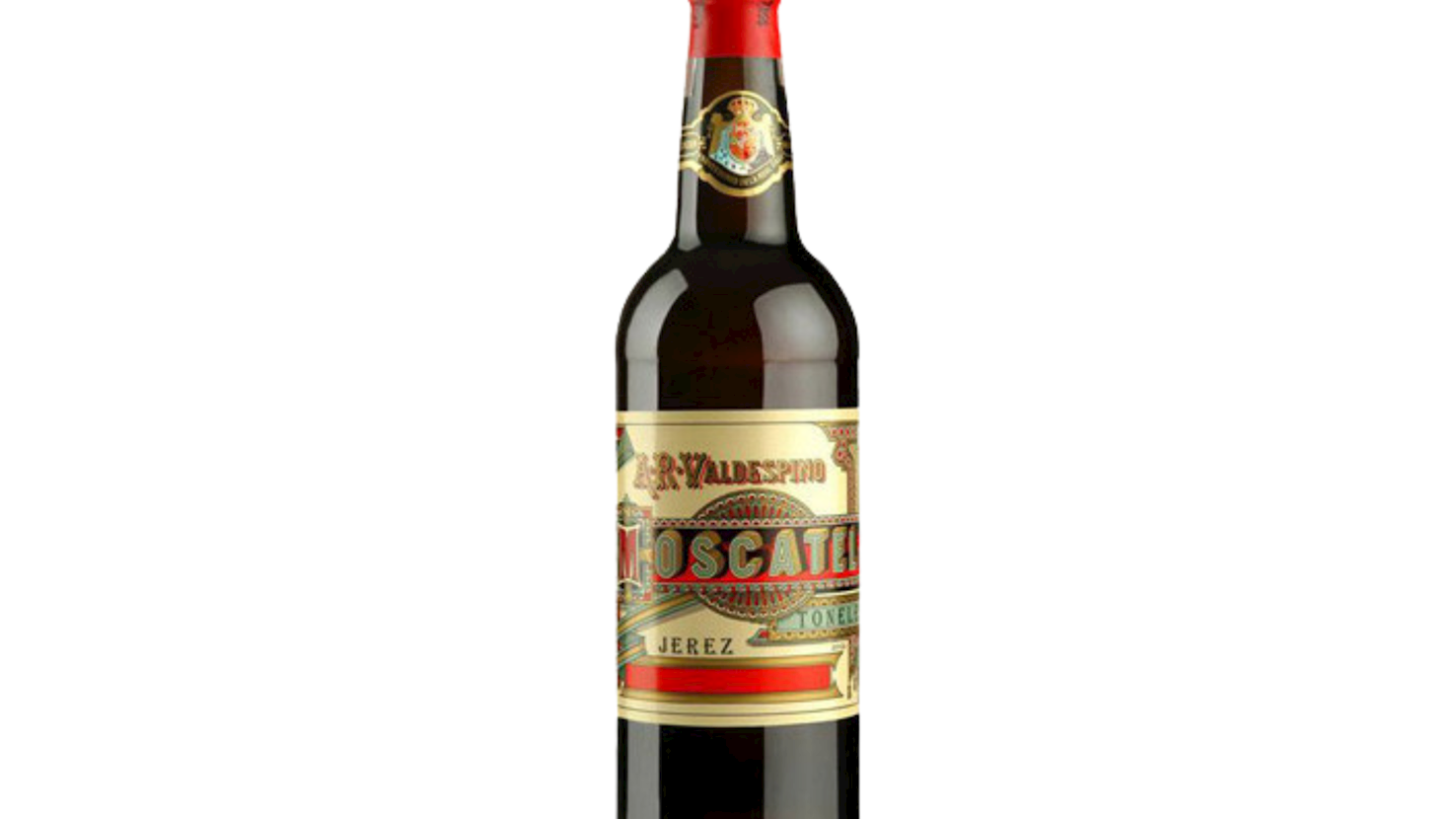
Valdespino is one of the oldest and most prestigious wineries in the Jerez de la Frontera region of Spain, with a sherry-making tradition dating back to the 13th century. The winery is unique for producing wines from the renowned Pago de Macharnudo Alto vineyard, the most important "cru" in Jerez and one of the most esteemed in the world. Valdespino is known for its commitment to traditional production methods, including fermentation in oak barrels and long aging processes, resulting in sherry wines of exceptional complexity and character.

Their collection includes various styles of sherry, such as Fino, Manzanilla, Amontillado, Oloroso, and Palo Cortado, each with its own distinctive characteristics.

Awards
Decanter World Wine Awards - Best in Show (2026)
Decanter World Wine Awards - Platinum (2022, 2020)
Read more
View all
View map
About this ranking

TasteAtlas food rankings are based on the ratings of the TasteAtlas audience, with a series of mechanisms that recognize real users and that ignore bot, nationalist or local patriotic ratings, and give additional value to the ratings of users that the system recognizes as knowledgeable. For the “Top 100 Andalusian Foods” list until July 15, 2026, 3,005 ratings were recorded, of which 2,366 were recognized by the system as legitimate. TasteAtlas Rankings should not be seen as the final global conclusion about food. Their purpose is to promote excellent local foods, instill pride in traditional dishes, and arouse curiosity about dishes you haven’t tried.

The initial list of top producers was compiled based on available reviews, awards, local recommendations, media and blog coverage, and consumer reviews. The list will be updated with ratings from TasteAtlas local ambassadors and TasteAtlas users.

Similar lists