

source: VLAM

Top 57 Traditional Foods
in Flanders

Last updated on August 16, 2026

Best Flanders Foods

01
Stew

Carbonnade

4.2 ·

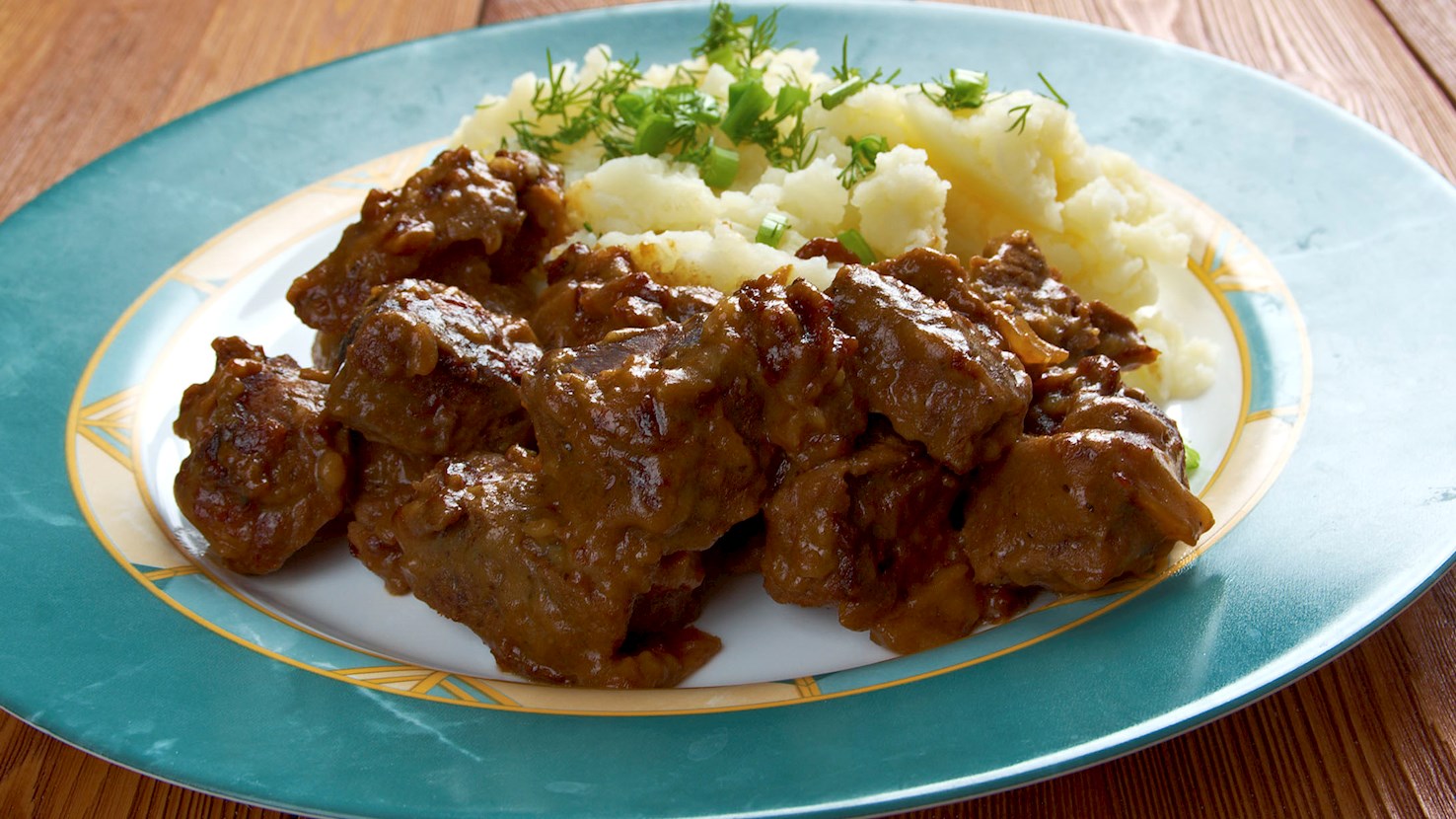
Carbonnade is a traditional stew made with beef and dark beer. Often referred to as carbonade flamande or stoverij, it features simple ingredients, but results in a rich and hearty dish. Although beef is the main ingredient in carbonnade, the crucial element for the dish is traditional Belgian dark beer. It gives the dish certain sour and earthy flavors that perfectly complement the sweet onions and tender beef. Thyme, garlic, and bay leaves are added for extra flavor, while slices of mustard bread are sometimes added in order to thicken the sauce. In Ghent, the dish often contains kidneys and liver. Carbonnade is usually served with mashed potatoes, traditional Belgian fries, bread, or vegetables on the side. It is recommended to pair the dish with a glass of full-bodied Belgian beer.

Best restaurants
02
Sweet Pie

Geraardsbergse mattentaart

4.2 ·

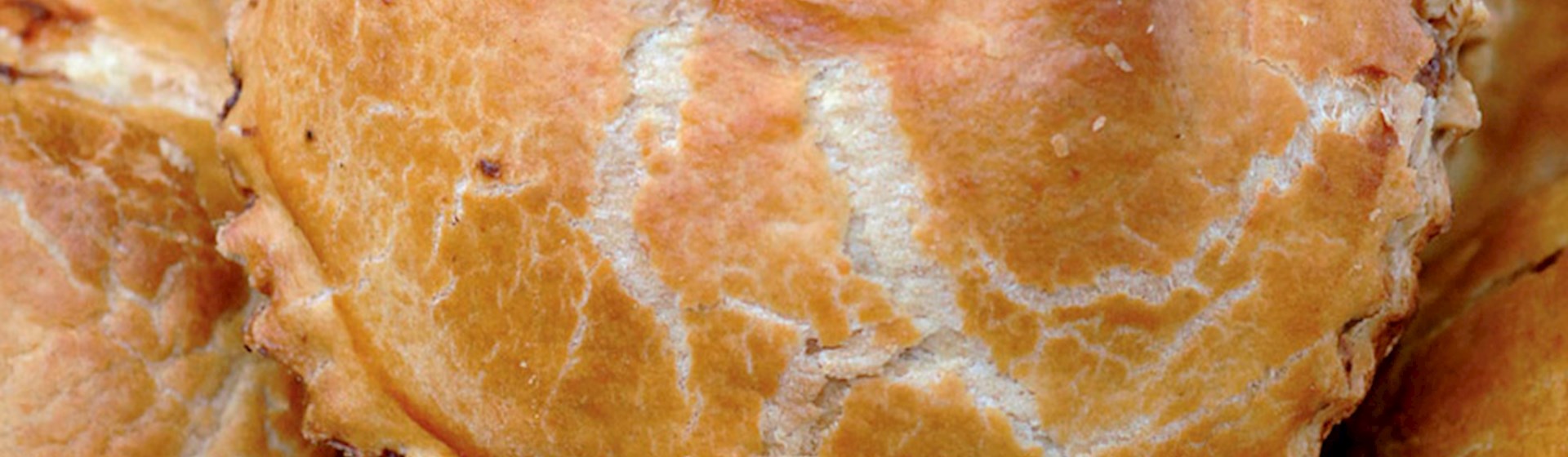
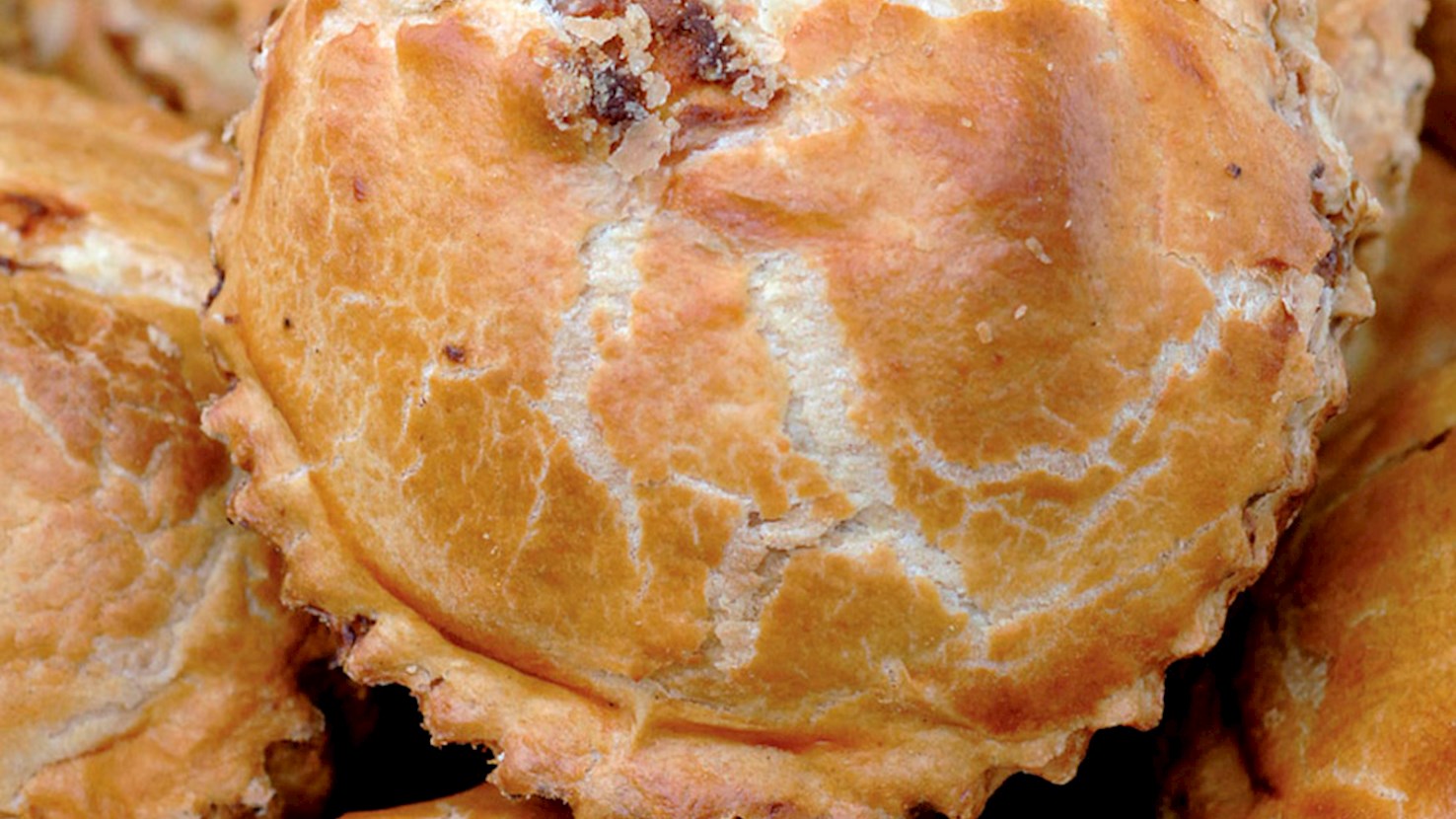
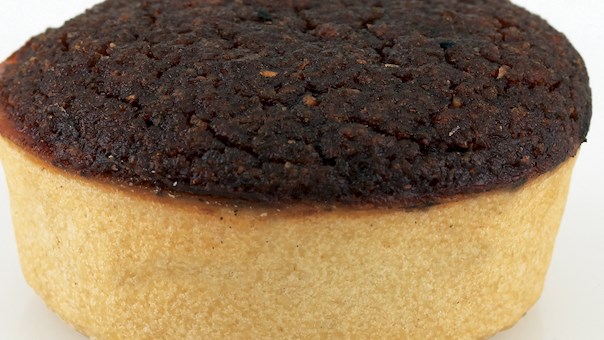
A typical dessert of the East Flanders, mattentaart is a small puff pastry pie with a tender, almond-flavored cheese curd filling called mattenbrij. These delicious Flemish pies are traditionally made in the city of Geraardsbergen and the neighboring village of Lierde, and their production depends heavily on the Geraardsbergen area's dairy produce, since genuine mattentaarts are prepared using only fresh milk, butter, and buttermilk from the local farms. Although the origins of mattentaart can be traced back to the Middle Ages, the oldest known recipe was found in Een Notabel Boecxken van Cokeryen, the first cookbook in Dutch, written and published in 1514 by Thomas van Der Noot. Later on, the famed mattentaarts were even depicted by the Flemish Renaissance painter and printmaker Pieter Bruegel the Elder in his 1567 painting The Peasant Wedding. And even though mattentaart is today famous throughout Belgium and abroad, in 2006, this pie has been declared a regional product protected by the European Union which means it can only be called mattentaart if it is produced in Geraardsbergen or Lierde.

Best restaurants
03
Dessert

Gaufres à la flamande

3.9 ·

Flemish waffle is a traditional product consisting of flour, yeast, butter, milk, eggs, salt, and vanilla sugar. Unlike Brussels and Liège waffle, the Flemish variety is usually consumed without any toppings after it has cooled down. It is recommended to prepare the waffles in large batches as they can be preserved for a few weeks if stored properly.

04
Dry-cured Ham

Ganda Ham

3.8 ·

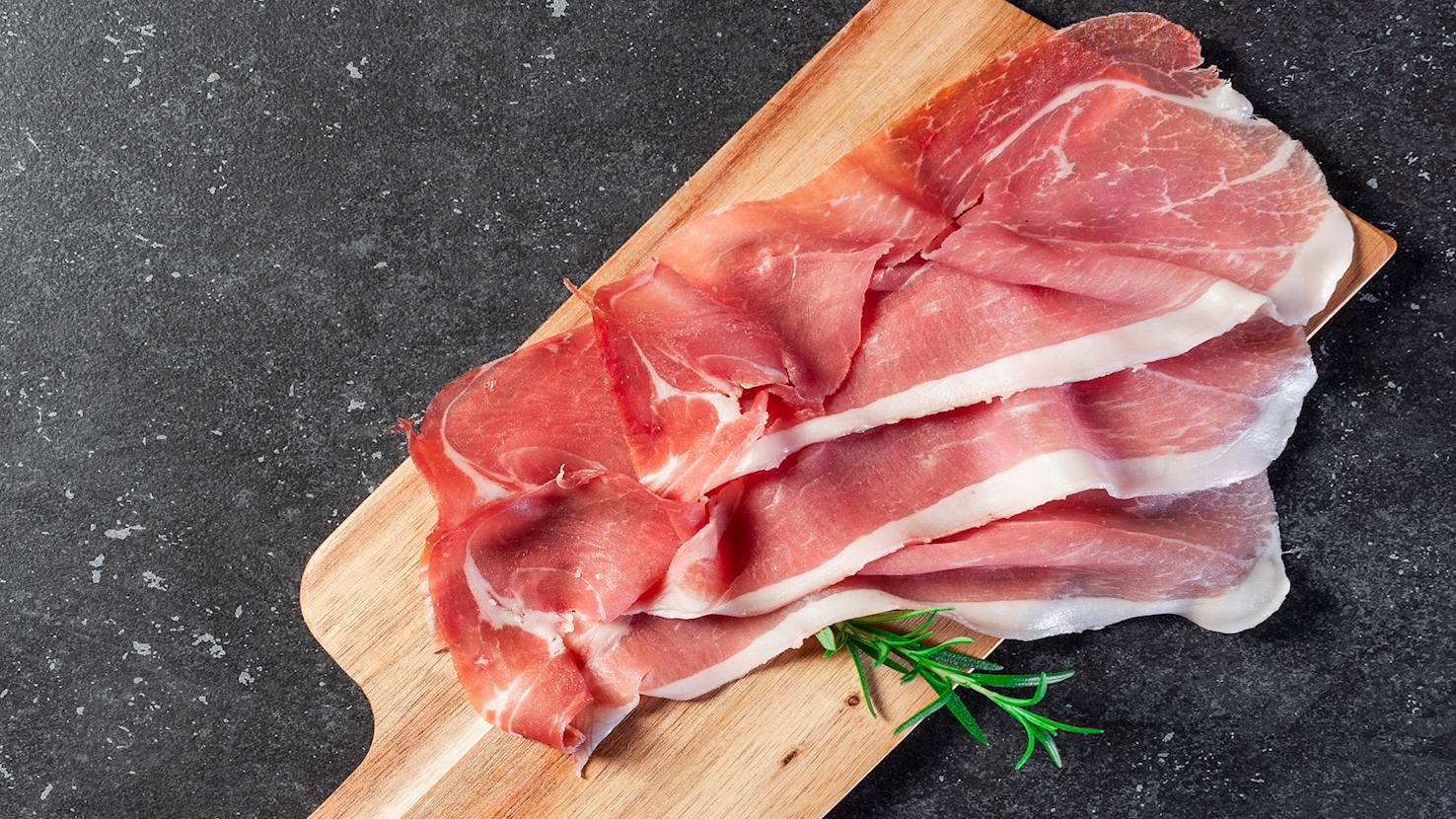
Traditionally produced using an age-old Flemish method, ganda ham is a dry-salted meat specialty hailing from Belgium. The meat product consists only of high-quality Belgian pork and dry sea salt (La Baleine) from Montpellier. Entirely natural and free of any additives, the ham is typically dry-salted twice over a period of several weeks, then allowed to age for 8 weeks, and it is finally left to dry in special drying lockers for 10 or 16 months, a period during which it acquires its outstanding flavor, color, and aroma. To retain their tenderness and avoid crust on their surface, the hams are typically thinly covered with lard, which is rinsed off after the natural drying process. Ganda ham is sold in a variety of forms, including whole hams, half hams, de-boned hams, or bone-in hams. Numerous dishes can be prepared with this ham, including sandwiches and tapas or sophisticated delicacies in which the ham is paired with vegetables, melons, asparagus, or goat's cheese.

05
Appetizer

Tomate crevette

3.8 ·

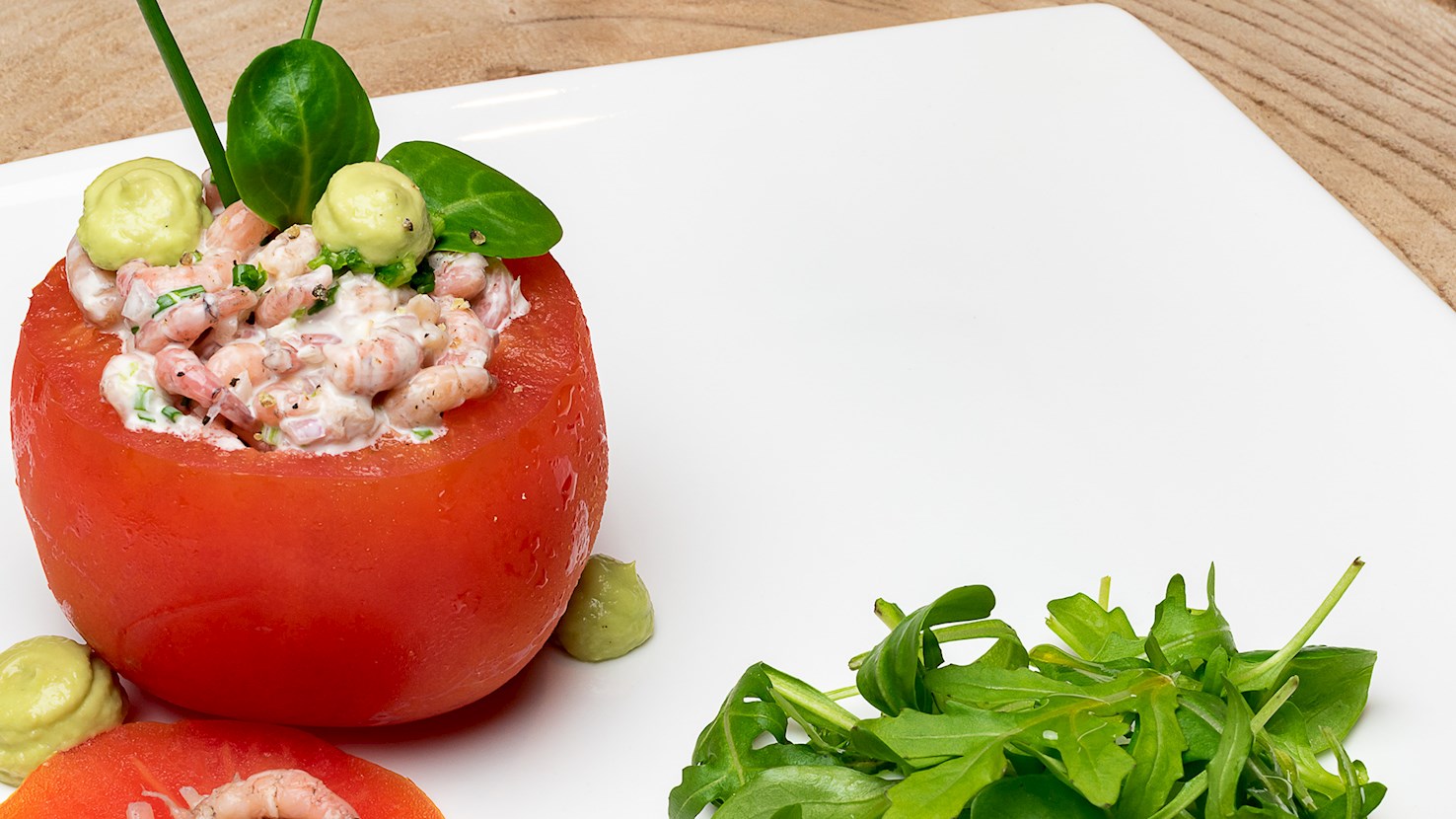
Tomate crevette is a cold appetizer consisting of a hollowed-out raw tomato generously stuffed with a mixture of tiny North Sea brown shrimp and thick mayonnaise. The origins of this seafood staple are firmly anchored along the North Sea coastline, where the specific variety of small, sweet brown shrimp—frequently referred to as the caviar of the North Sea—has been harvested since the early 20th century. Coastal communities originally used strong draft horses to drag heavy nets through the shallow surf to catch these tiny crustaceans, cementing the ingredient in local maritime culture. Following the Second World War, the stuffed vegetable gained widespread prominence, quickly becoming a fixture on brasserie menus and in coastal cafes. Putting tomato crevette together starts with sourcing large, firm beefsteak or vine-ripened tomatoes. The top quarter of the tomato is sliced off, and a small spoon is used to scoop out the watery pulp and seeds, leaving behind a sturdy, edible shell. The inside of the empty tomato gets a light dusting of salt before the tomato rests upside down on a paper towel. This resting period draws out excess moisture, ensuring the wet vegetable will not dilute the rich filling later. The stuffing relies exclusively on freshly peeled North Sea brown shrimp, which are highly prized for their delicate texture and sweet, earthy flavor. These small shrimp are gently folded into a base of homemade mayonnaise, along with a squeeze of fresh lemon juice, ground white pepper, and finely chopped parsley. The thick, creamy seafood mixture is scooped directly into the hollowed tomato until it mounds slightly over the rim, and the reserved top is placed back on like a small lid. While the typical recipe relies strictly on plain mayonnaise to bind the seafood, widespread variations alter the dressing. Some menus feature a pink Marie Rose sauce by whisking a small amount of ketchup, a dash of Worcestershire sauce, and a splash of cognac directly into the mayonnaise. If the highly regional brown shrimp are unavailable, restaurants frequently substitute standard small pink shrimp or chopped larger prawns, though this fundamentally changes the flavor. Bite-sized versions also frequently surface at catered events, using hollowed cherry tomatoes stuffed with just two or three coated shrimp each. When it comes time to eat, the chilled tomato is served on a flat plate over a simple bed of crisp butter lettuce. Slices of hard-boiled egg and wedges of fresh lemon often garnish the greens. The stuffed tomato functions primarily as a light summer lunch and is almost universally accompanied by a large bowl of hot, crispy French fries. A cold, highly carbonated blonde ale generally sits right next to the plate, offering a sharp, bitter contrast to cut directly through the heavy fat of the mayonnaise.

06
Cheese

Passendale

3.7 ·

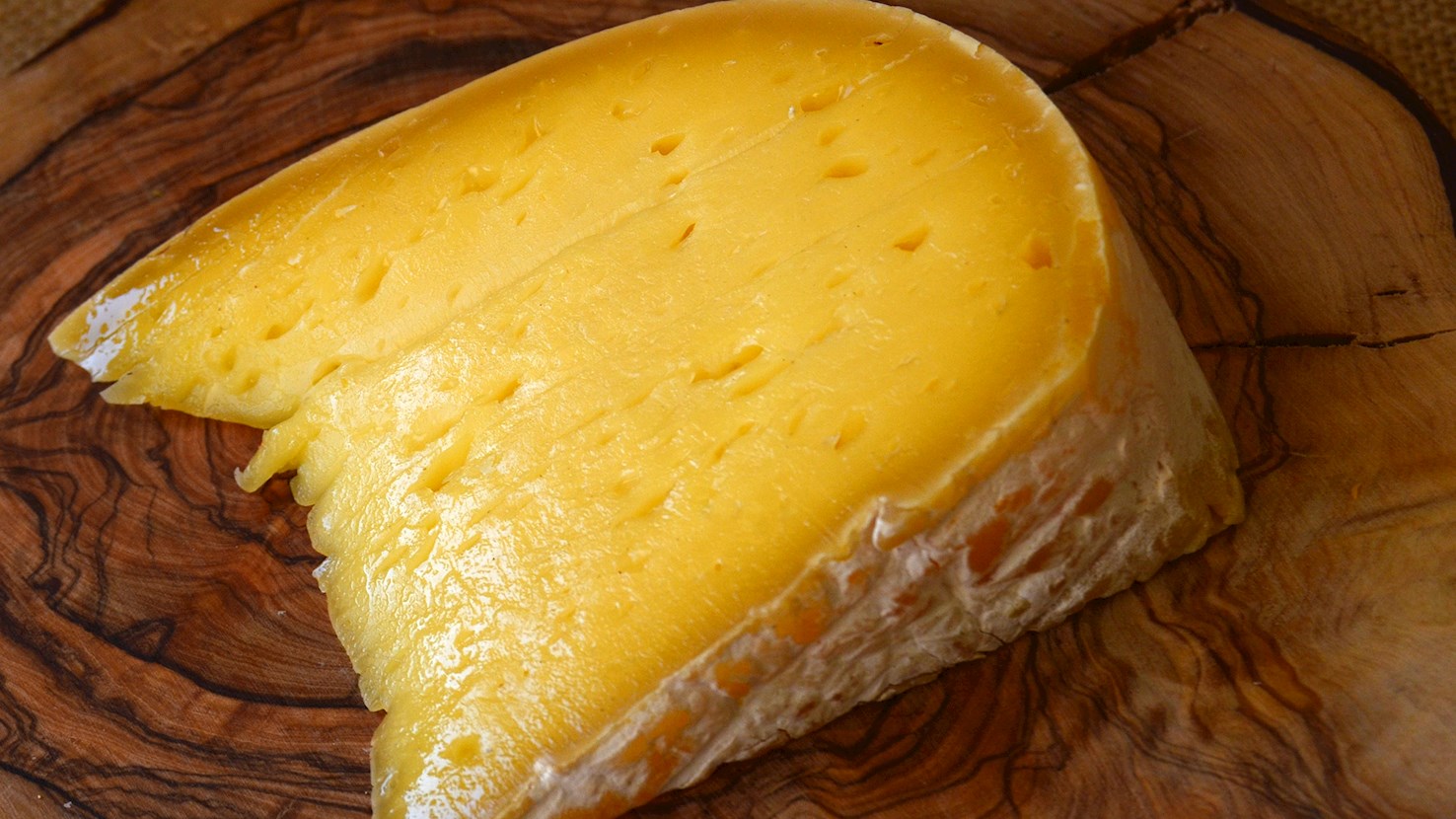
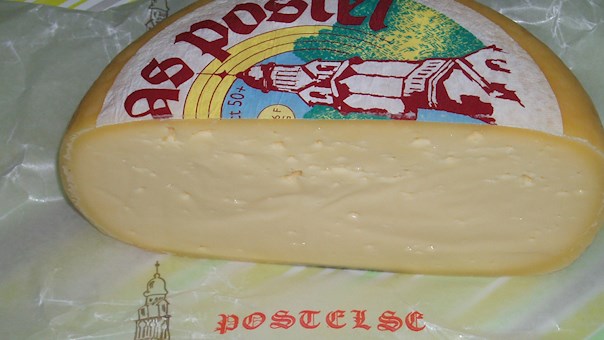
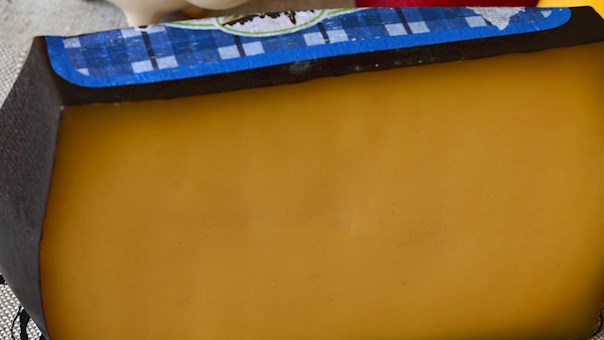
Named after the eponymous village where it originated, Passendale is a semi-soft Belgian cheese made from cow’s milk. It is characterized by a soft and creamy texture, sweet aroma, and mild flavor. Typically round in shape, it has a natural brown rind which is lightly dusted with white mold so it looks visually reminiscent of a bread loaf.

07
Stew

Waterzooi

3.7 ·

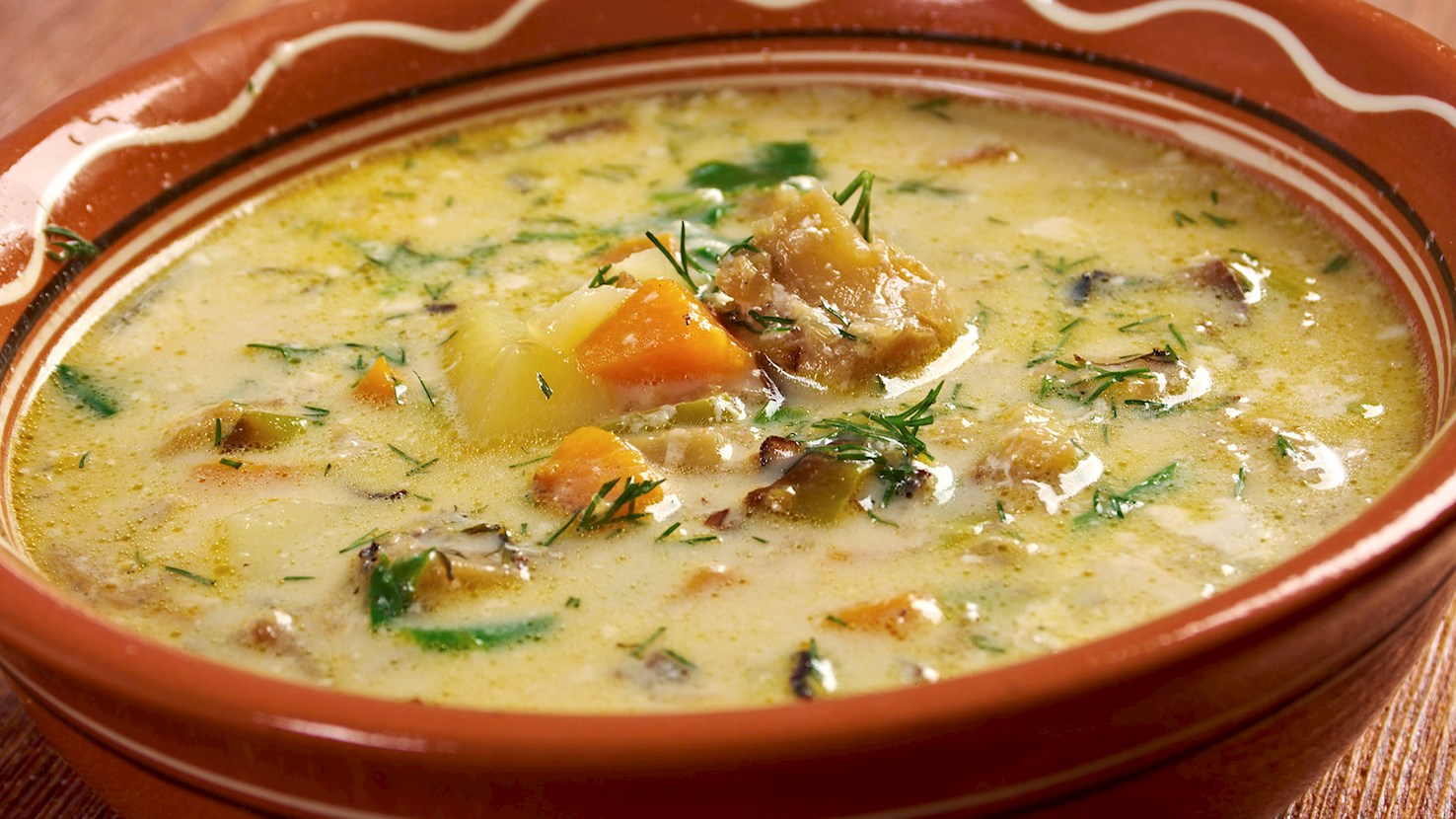
Waterzooi is a traditional seafood stew with a creamy consistency. It incorporates julienne-sliced vegetables, an egg, and a cream-based soup. The dish originated in the city of Ghent, and according to the most popular belief, the rivers around the city were abundant in fish, so the dish was invented as a new way to incorporate fish into traditional Belgian cuisine. However, the decrease in fish population and pollution have caused this dish to be reinvented once again, and today it is commonly prepared with chicken. Although it can be found in other Belgian regions and cities, Ghent has specialized in the preparation of the dish, and there are numerous restaurants across the city which offer waterzooi as their signature dish. It is usually paired with crusty French bread on the side and garnished with chopped parsley or chervil.

08
Vegetable Dish

Asperges á la Flamande

3.7 ·

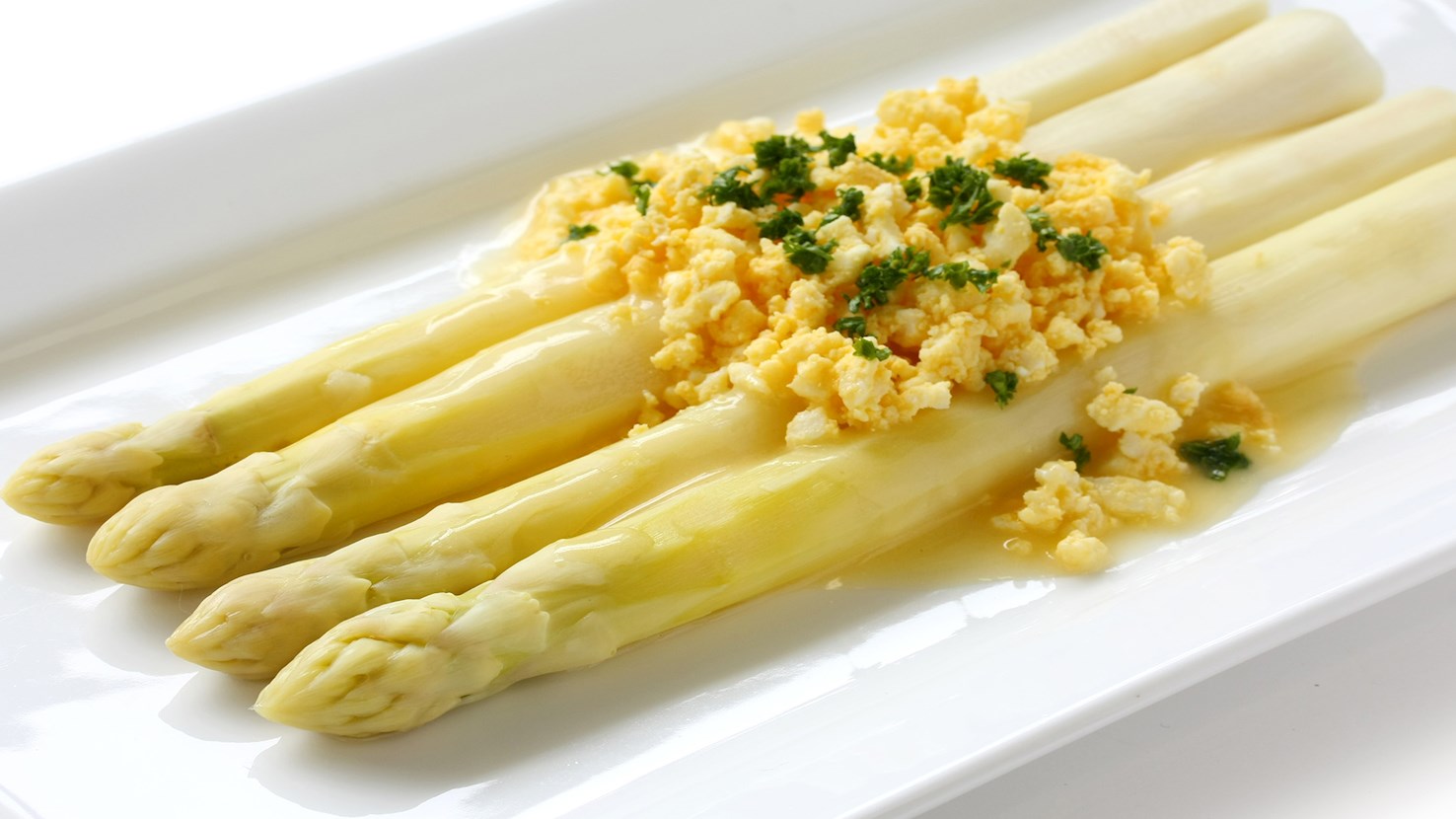
Asparagus a la Flamande is a Flemish dish consisting of cooked white asparagus topped with a combination of mashed hard-boiled eggs, butter, lemon juice, and parsley. There are other variations on the dish, so some cooks like to add ham, salmon, or shrimps as toppings. It is recommended to additionally flavor this elegant dish with a sprinkle of smoked coarse salt on top.

09
Cookie

Antwerpse handjes

3.6 ·

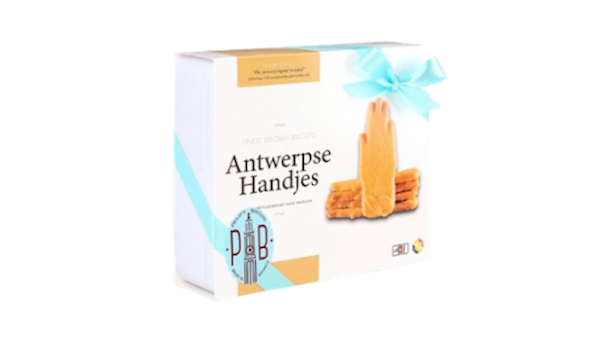
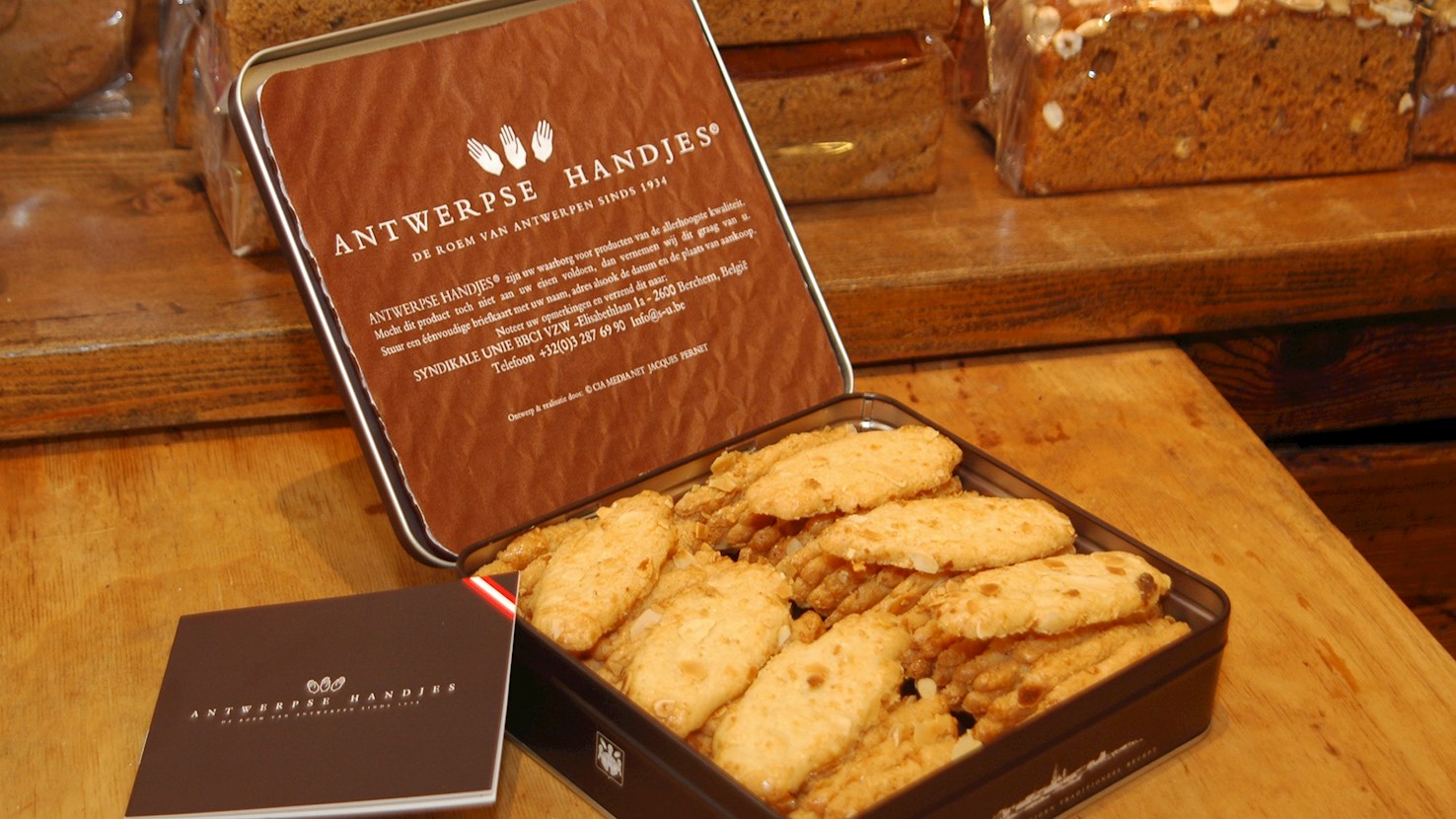
Antwerpse handjes are traditional Belgian hand-shaped cookies originating from Antwerp. The cookies date back to 1934 and they're made with a combination of flour, eggs, butter, sugar, and almonds. The dough is shaped into small hands and the cookies are then baked until golden. Antwerpse handjes are a symbol of Antwerp and they're sold in bakeries across the city. The shape of a hand refers to the legend of Brabo, a Roman soldier who cut off the hand of the giant Antigoon who imposed a tax for each ship that wanted to enter the port. Brabo threw the severed hand in the Scheldt river. In Dutch, the phrase throwing the hand is hand werpen, and over time it became – Antwerpen.

10
Vegetable Soup

Preisoep

3.4 ·

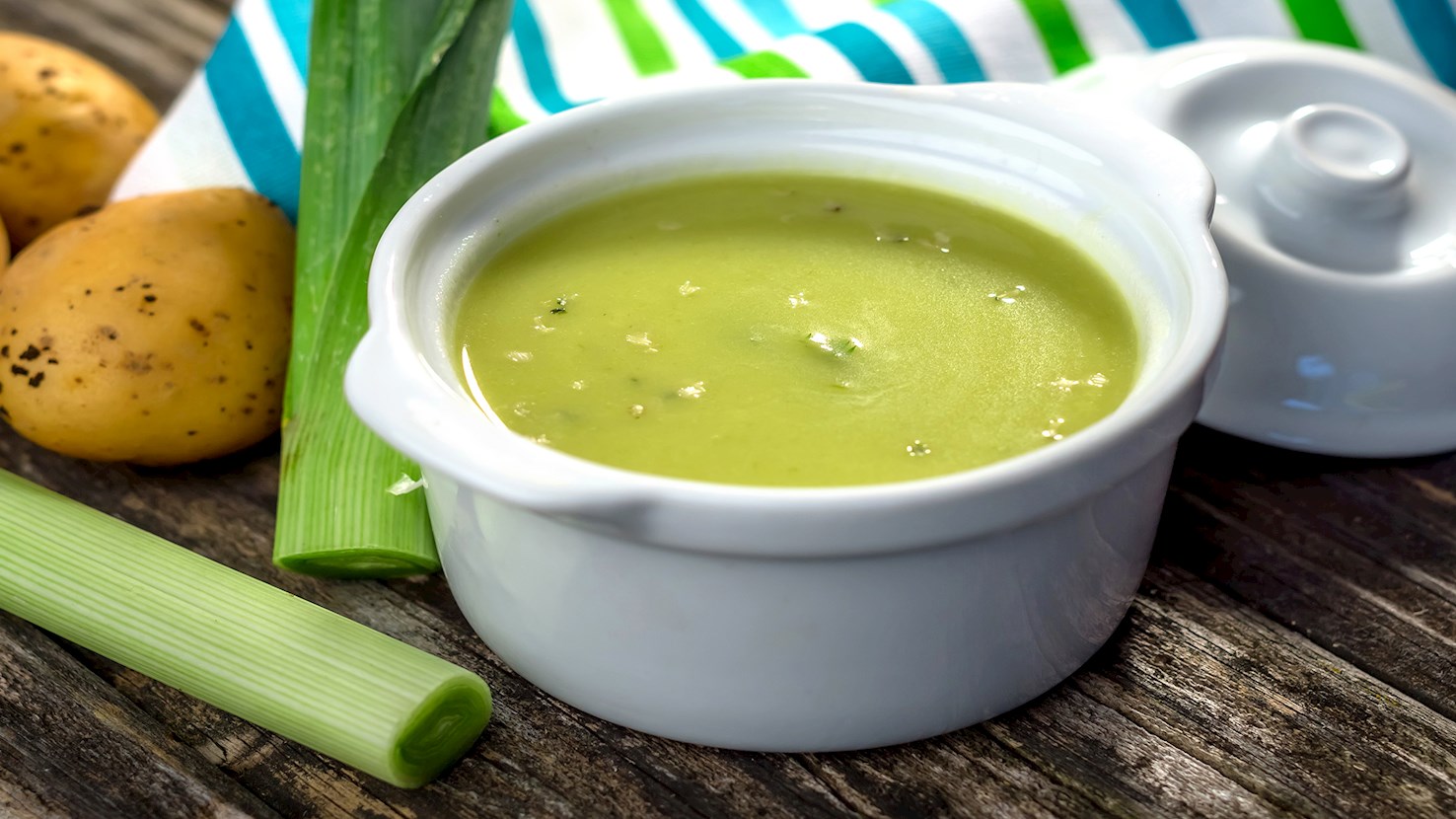
Flemish leek soup is one of Belgium's national dishes and a favorite during the cold and rainy winter months. To make this thick, nutritious and heartwarming dish, leeks are cooked with potatoes in a flavorful beef broth. Preisoep is most often prepared as a mere soup, but it can also be elevated to quite a meal when meaty beef bones are added to the pot, cooked until tender and reserved for the second course.

Best Flanders Food Products
01
Beer

Brouwerij 3 Fonteinen

5.0 ·

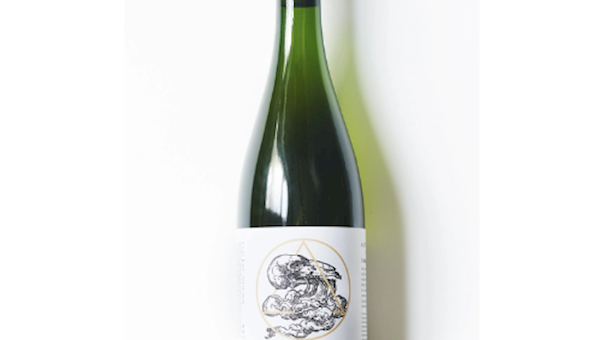
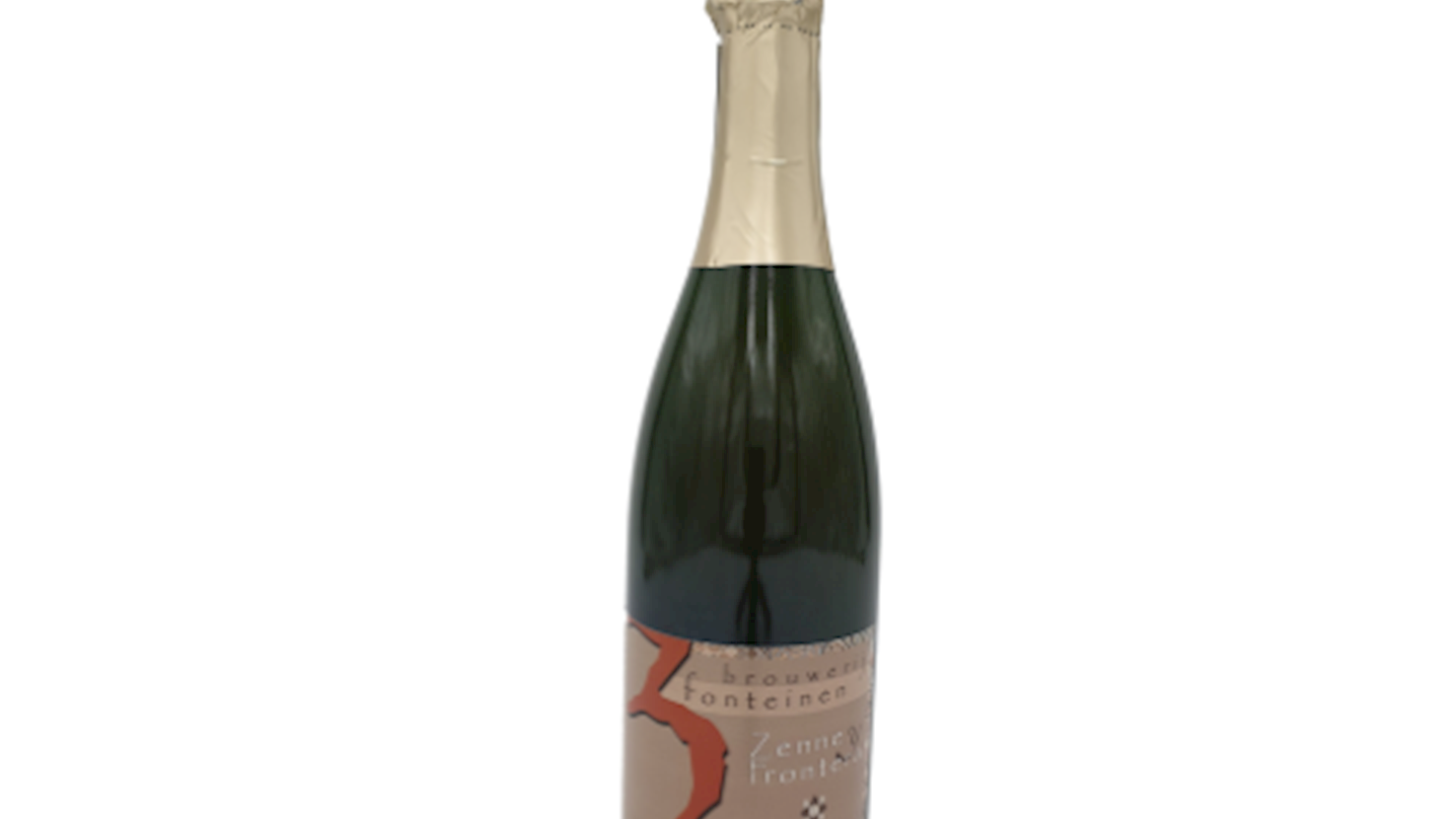
Brouwerij 3 Fonteinen is one of the most respected and authentic Belgian breweries specializing in the production of lambic and geuze beers, located in Beersel, just outside Brussels. It was founded in 1883, originally as a tavern named after the “three fountains”, which later became the name of the brewery itself.

Over the decades, it evolved from a simple pub into a guardian of traditional Belgian brewing craftsmanship rooted in spontaneous fermentation. The production process remains faithful to centuries-old methods: after boiling, the wort is cooled in a large open vessel called a "coolship", where it is exposed to the natural microflora of the environment, allowing for spontaneous fermentation without the use of cultured yeast.

The beer then matures in large oak barrels and is carefully blended - often from different vintages - based not on strict recipes but on the experience, knowledge, and intuition of the master blenders. Brouwerij 3 Fonteinen does not filter or pasteurize its beers, keeping them alive and allowing them to evolve in the bottle.

Today, Brouwerij 3 Fonteinen stands as one of the world’s most esteemed producers of geuze and lambic, preserving tradition while continuously exploring new frontiers of flavor through innovation in fermentation, blending, and aging.

Awards
Beer Advocate - 100 World-Class
Beer Advocate - 95 World-Class
02
Chocolate

Centho Chocolates

5.0 ·

Centho Chocolates is a Belgian artisanal chocolatier renowned for crafting chocolates and pralines from single-origin cocoa beans, highlighting the authenticity and terroir of each variety. The company was founded by chocolatier Geert Decoster, whose philosophy combines traditional Belgian craftsmanship with a modern awareness of sustainability.

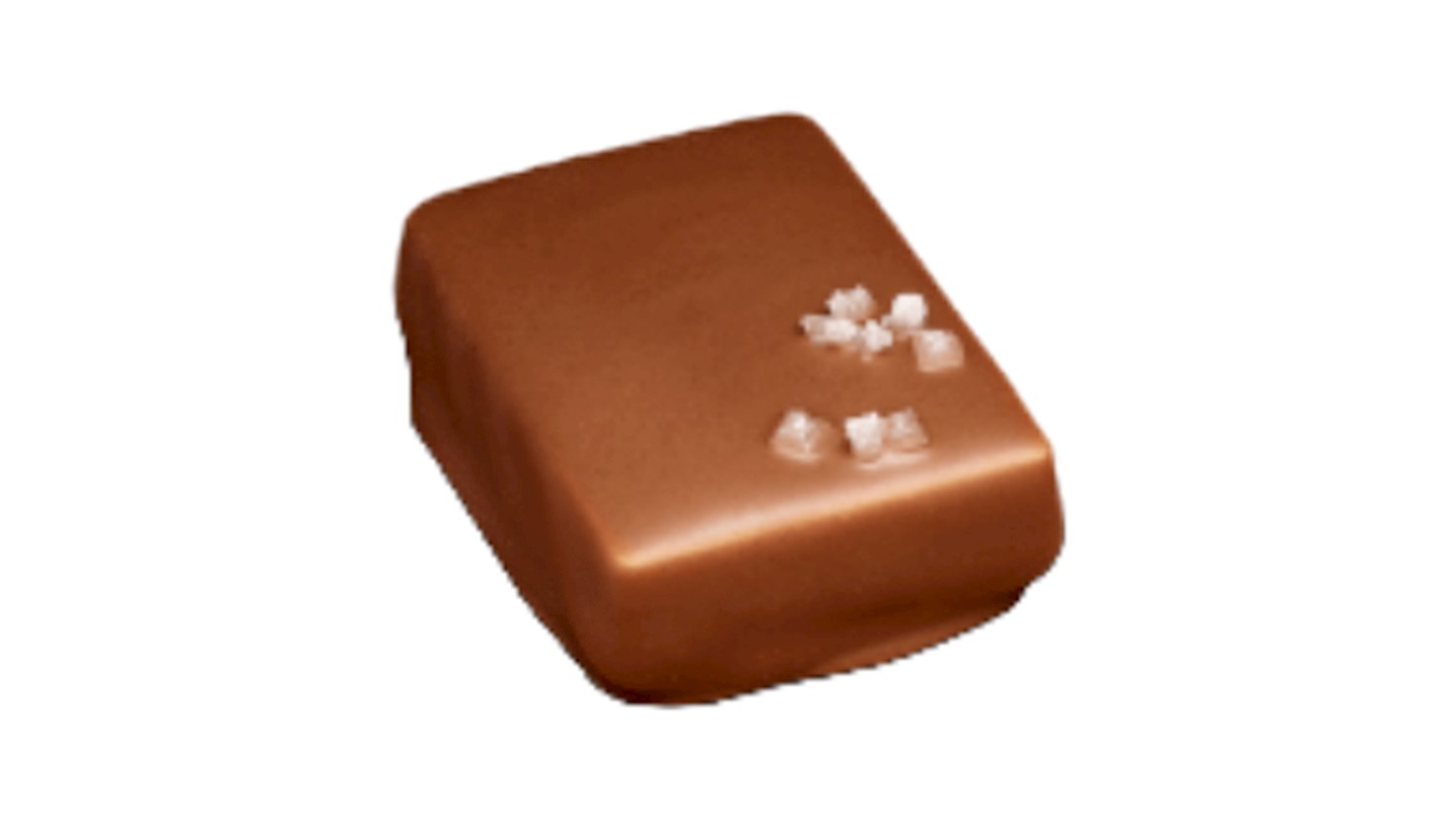
Each product is handmade in their atelier in Duisburg, using carefully selected ingredients sourced directly from certified plantations. Centho is particularly known for its Salin praline, a delicate combination of caramel and sea salt.

In addition to pralines and chocolate bars, their boutiques also offer handmade ice creams and elegant gift collections. The brand’s stores are located in Brussels, Kampenhout, and Duisburg, where visitors can experience the making and tasting process firsthand.

Centho’s mission is for every praline or chocolate to serve as a bridge between the farmers who cultivate cocoa and the consumers who enjoy its full flavor.

Awards
International Chocolate Awards - Gold (2013)
03
Cheese

Little Cheese Farm

5.0 ·

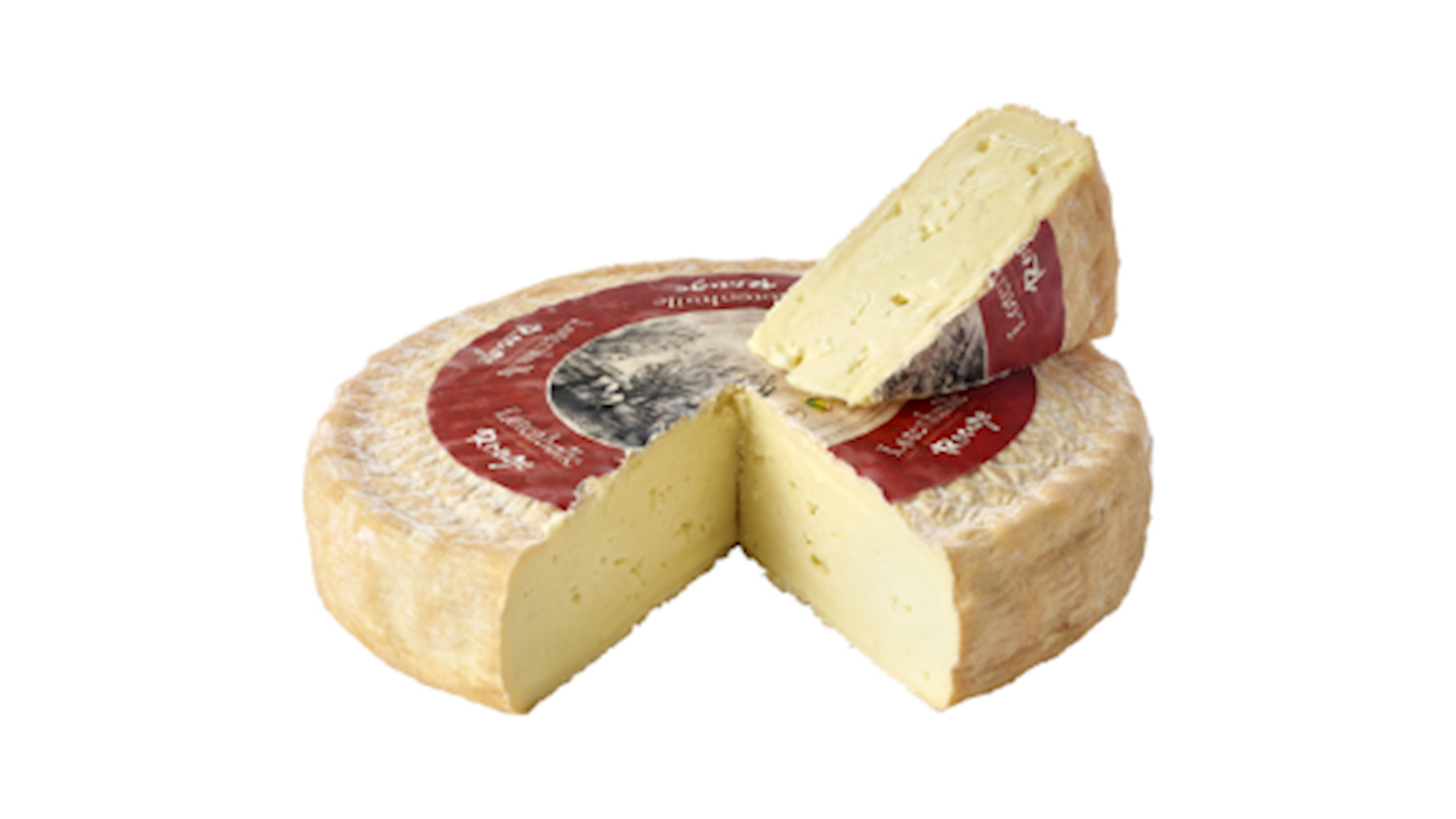
Little Cheese Farm is a Belgian family-run artisanal cheese producer based in Lotenhulle, in the East Flanders region between Ghent and Brussels, known for its fully integrated “from pasture to cheese” approach. On their own fields, cows - especially the Jersey breed - are fed grass and hay produced on the farm, resulting in milk naturally rich in fat and protein, which forms the foundation of their high-quality cheeses.

Close control over animal welfare and feeding allows for a short production chain and exceptional freshness, with more than 99% of the milk used coming directly from their own herd. The entire cheesemaking process takes place on site, from milk coagulation and curd handling to pressing, salting, and maturation, under carefully managed temperature, humidity, and airflow conditions in the aging rooms.

Little Cheese Farm produces a diverse range of cheeses, from traditional Belgian Gouda-style varieties such as Gentenaer to more distinctive and experimental creations like Orange Emperor, made with added carrot juice, as well as cheeses flavored with spices or beer and naturally ripened rind cheeses with varied flavor profiles. Their work has gained recognition for craftsmanship and consistency, reflecting a strong balance between tradition and innovation.

The farm also welcomes visitors for tastings and guided visits, and all of their artisanal cheeses are available directly through the on-site farm shop.

Awards
World Cheese Awards - Super Gold (2024, 2022, 2021)
World Cheese Awards - Gold (2021)
04
Chocolate Confectionery

Chocolatoa

5.0 ·

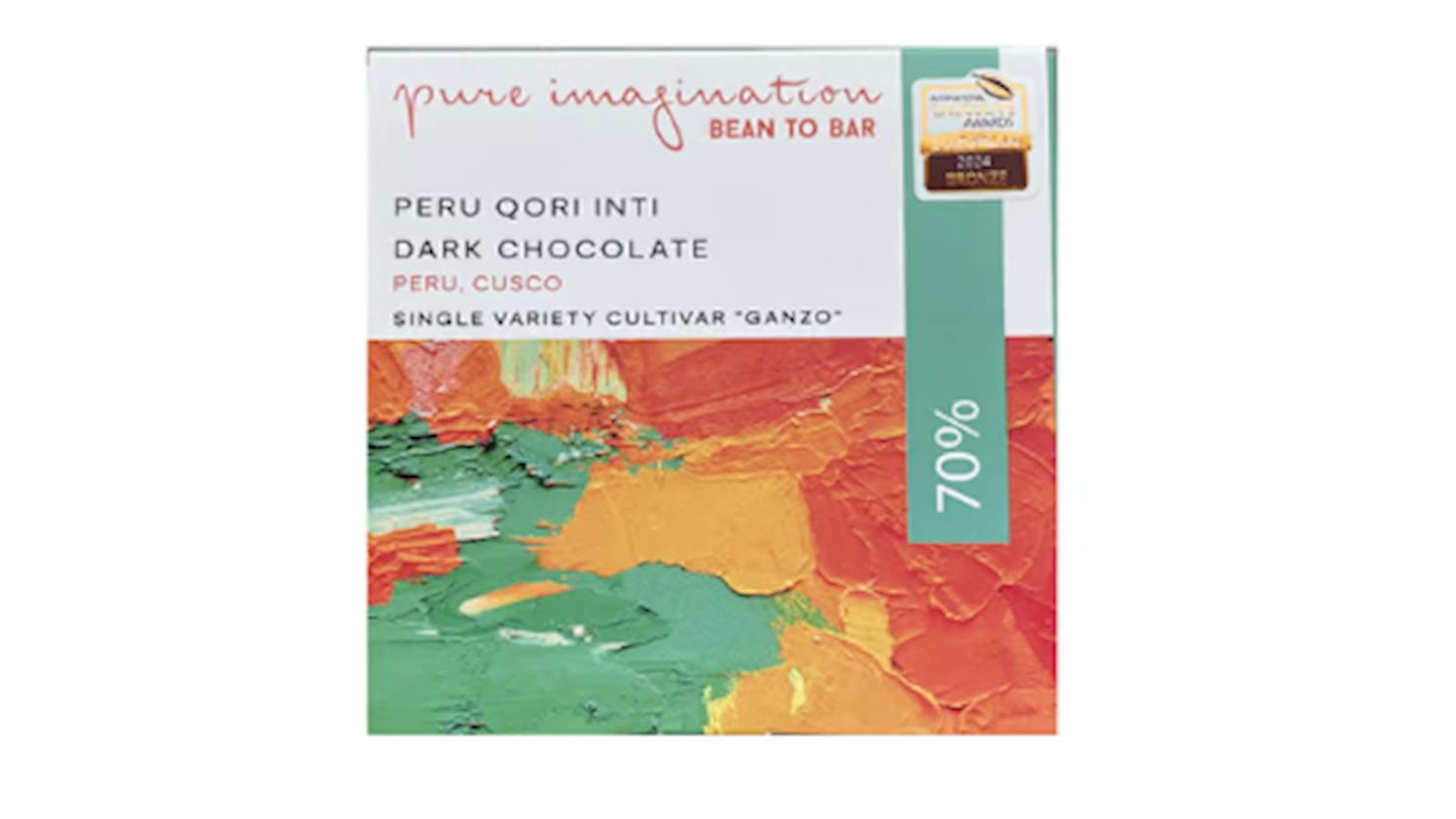
Chocolatoa is a Belgian bean-to-bar chocolate maker founded in 2015 by chocolatier Mario Vandeneede, after several years spent in Ecuador teaching cacao processing and working with local farmers. The brand was born out of a vision for complete transparency and ethical production - from bean to bar - through direct collaboration with growers in Latin America, Africa, and Asia.

Vandeneede personally selects cacao varieties and plantations, often working with specialty importers such as Silva Cacao, who ensure fair trade conditions and sustainable cultivation. Chocolatoa’s chocolates are known for their pure, expressive cacao flavor, free from excessive additives and showcasing the distinct origin of each variety.

Each bar reflects the terroir of its source through nuanced aromas - from fruity and floral to warm earthy tones. Beyond production, Chocolatoa is also recognized for its educational mission, organizing workshops, tastings, and consulting sessions for aspiring bean-to-bar makers.

The brand exemplifies how Belgian craftsmanship can merge tradition, science, and sustainability into a single, coherent philosophy.

Awards
International Chocolate Awards - Bronze (2024)
05
Beer

Brouwerij Westvleteren

5.0 ·

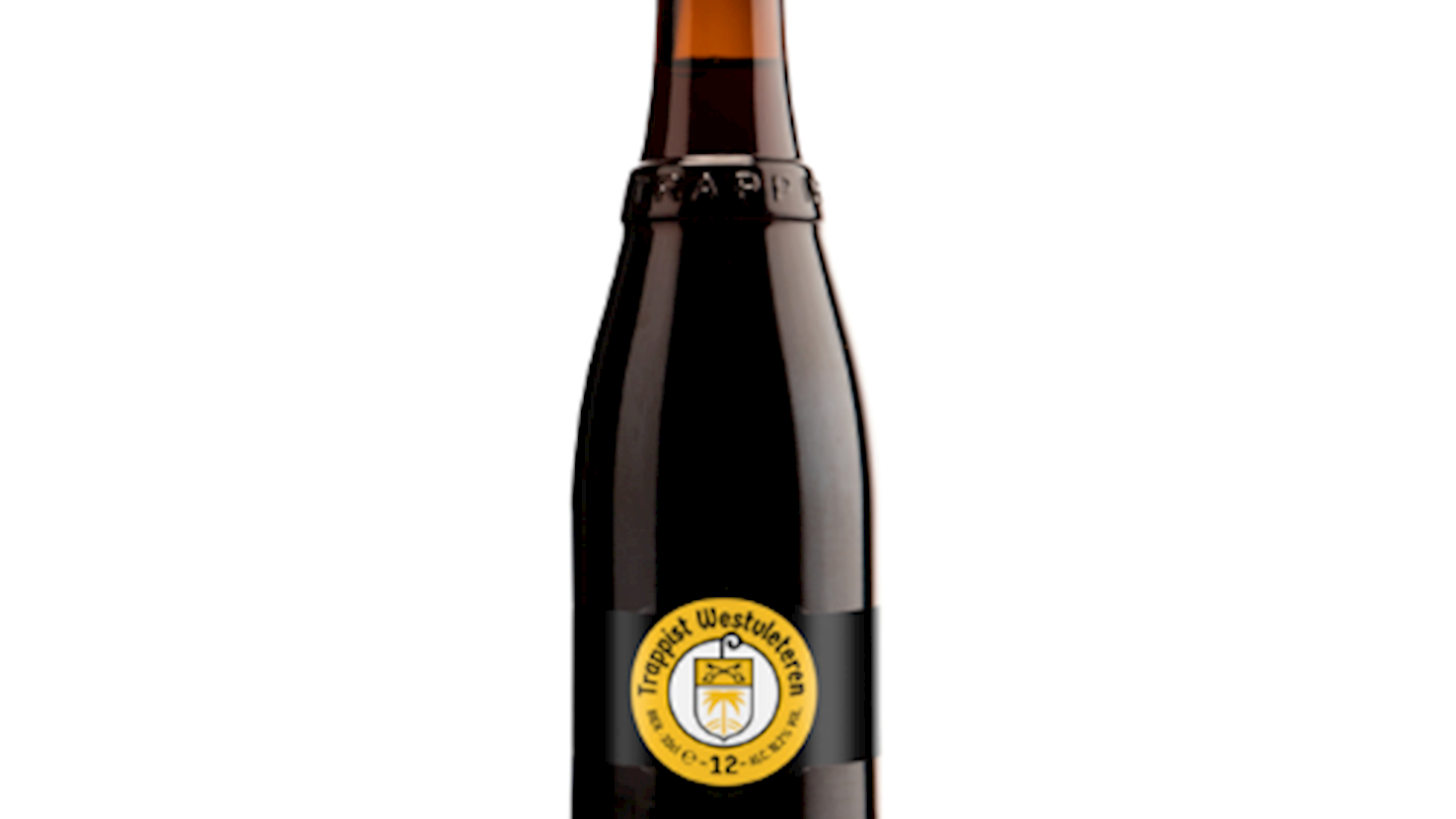
Brouwerij Westvleteren is one of the most renowned and highly regarded Trappist breweries in the world, located within the walls of the Sint-Sixtus Abbey in the village of Westvleteren, in the Belgian region of West Flanders. The brewery was founded by Cistercian monks in 1838 and has remained true to a tradition of modest, limited, and uncommercialized production.

Unlike commercial breweries, this Trappist community brews beer solely to support monastic life and charitable activities, in accordance with the principles of the International Trappist Association. The brewery is especially famous for its beers Westvleteren 12 and Westvleteren 8, both frequently ranked among the best beers in the world.

What further sets this brewery apart is its unique distribution system: the beer can only be purchased through advance reservation and directly from the abbey, with no commercial labels – the bottles are marked only by a cap indicating the beer type. Its limited availability, strict purchasing rules, and unwavering commitment to quality have contributed to the near-legendary status of this small monastic brewery.

Awards
Beer Advocate - 100 World-Class
Beer Advocate - 99 World-Class
06
Chocolate

Chocolatier M

5.0 ·

Chocolatier M is a Belgian brand founded by chocolatier David Maenhout with the vision of presenting contemporary chocolate through a fusion of craftsmanship, sustainability, and culinary artistry. In their atelier, each praline and chocolate bar is handmade in small batches using carefully selected ingredients that ensure superior quality and purity of flavor.

Maenhout is known for his experimental approach, blending Belgian tradition with global aromas and techniques inspired by gastronomy, nature, and travel. He pays special attention to texture and flavor balance, avoiding overly complex compositions and heavy aromas in favor of clean, expressive, and elegant chocolate.

His philosophy is rooted in the idea that chocolate can be both simple and remarkably complex when origin, technique, and harmony are respected. Every creation carries an artistic signature and reflects Maenhout’s passion for precision, aesthetics, and taste.

The brand has positioned itself as one of the most innovative on the Belgian chocolate scene while preserving the spirit of authentic craftsmanship.

Awards
International Chocolate Awards - Gold (2017)
International Chocolate Awards - Silver (2019, 2017, 2016, 2015)
07
Chocolate

The Chocolate Line

5.0 ·

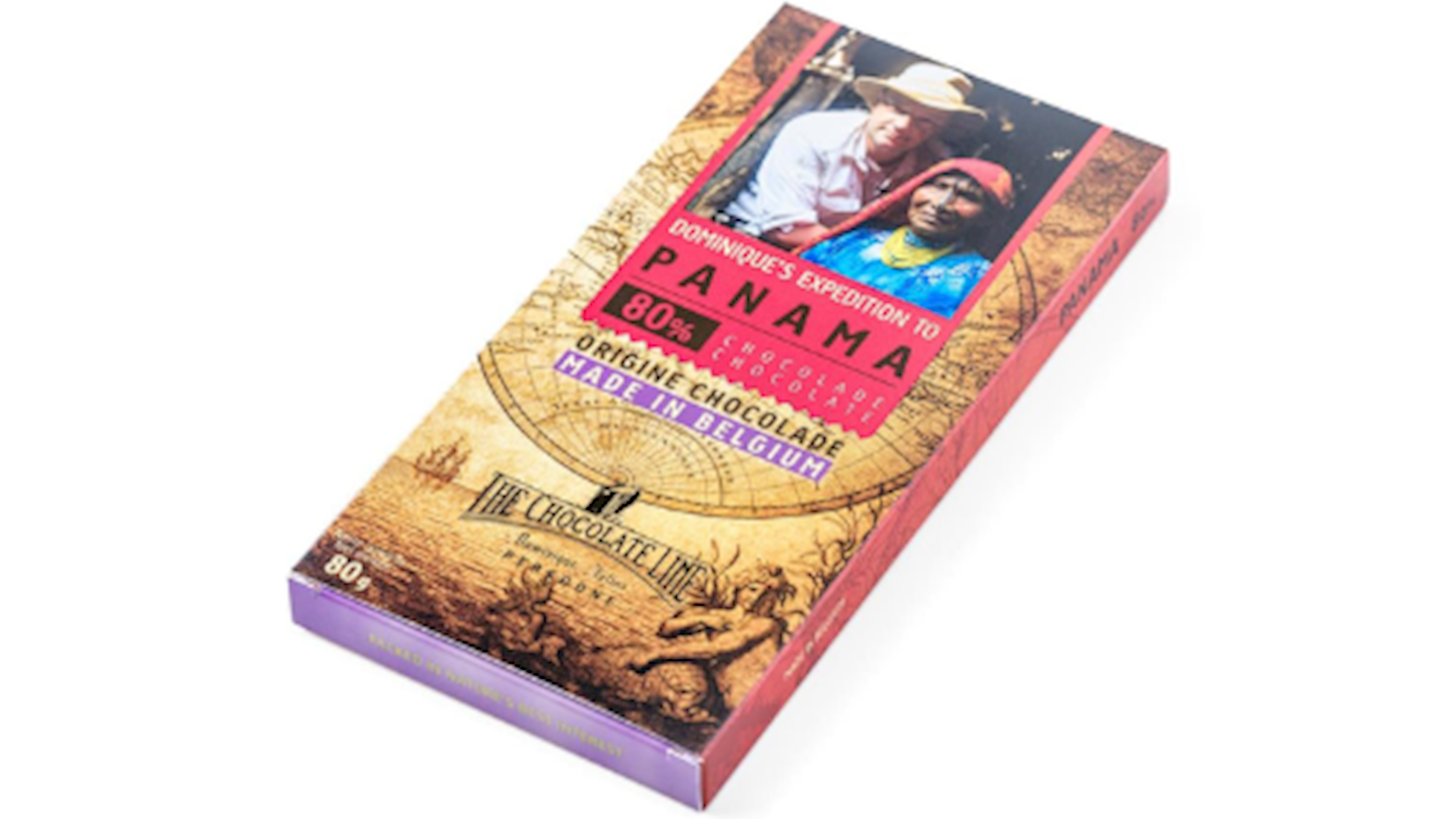
The Chocolate Line is one of Belgium’s most renowned chocolate brands, founded by the acclaimed chocolatier Dominique Persoone, celebrated for his innovative and experimental approach to chocolate. The Chocolate Line operates two prestigious locations, in Bruges and Antwerp, where every praline, bar, and creation represents a small gastronomic experiment.

Dominique and his son Julius Persoone have developed a product line that pushes the boundaries of traditional chocolate-making - from pralines with unusual ingredients to chocolate “powders” and lipsticks. The brand also owns its own cocoa plantation in Yucatán, Mexico, allowing complete control over the production process.

Great attention is given to the origin of cocoa and the concept of terroir, emphasizing the aromatic differences between varieties and regions. The workshops are open to visitors, offering insight into the creative process that merges science, sensibility, and pure passion for flavor.

Today, The Chocolate Line stands as a symbol of Belgium’s avant-garde approach to chocolate - bold, curious, and uncompromisingly authentic.

Awards
International Chocolate Awards - Bronze (2016)
08
Beer

Brouwerij Boon

5.0 ·

Brouwerij Boon is a renowned Belgian brewery located in Lembeek, a town near Halle, in the Flanders region of Belgium. Established in 1978 by Frank Boon, the brewery specializes in traditional Belgian sour beers, particularly lambics.

Lambic beers are unique because they are spontaneously fermented, a process in which wild yeast and bacteria from the environment are used for fermentation instead of cultivated yeast.

Awards
European Beer Star - Gold (2021)
World Beer Cup - Gold (2018, 2016)
09
Beer

Brouwerij Rodenbach

5.0 ·

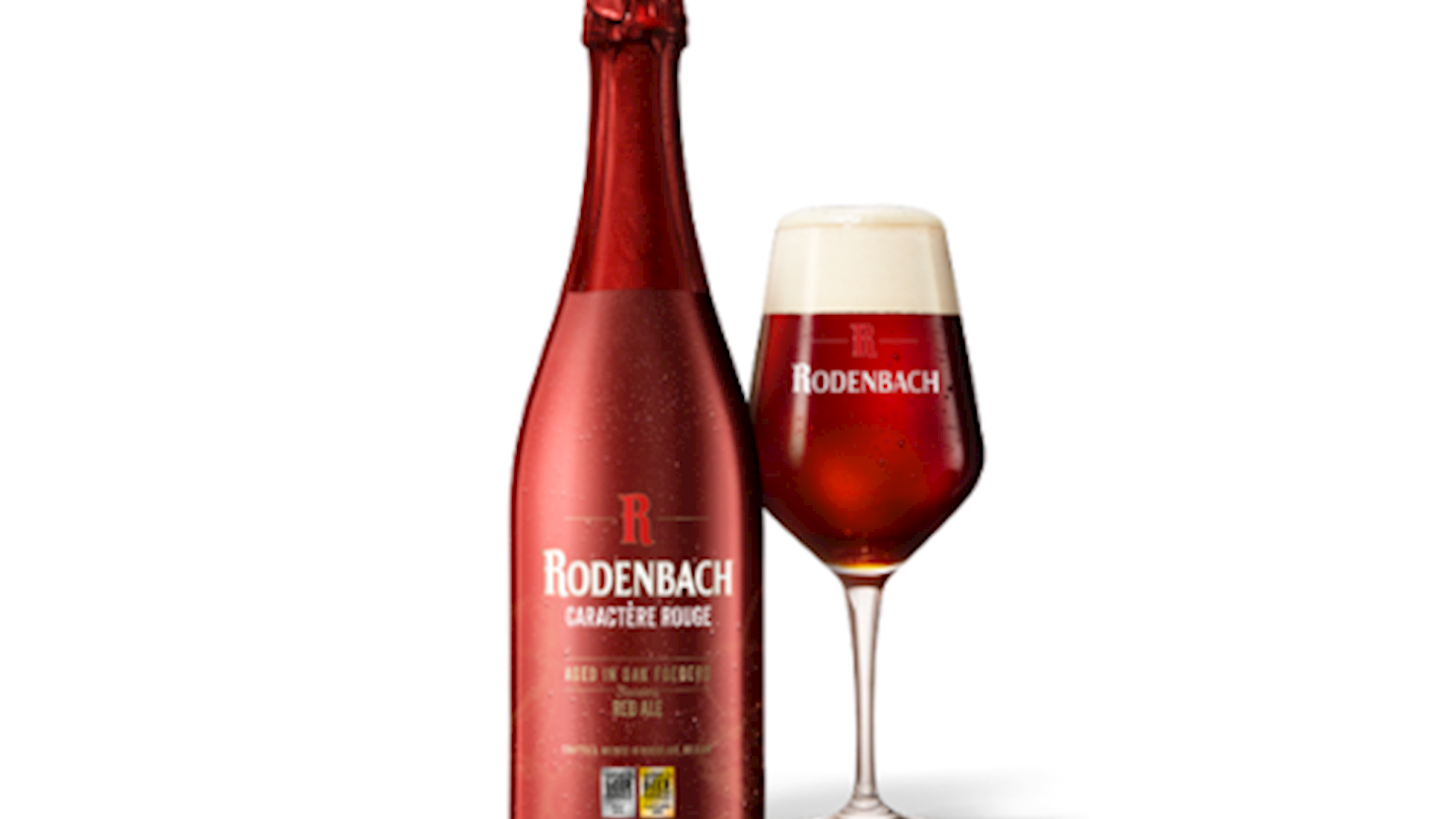
Brouwerij Rodenbach, was founded in 1821 in Roeselare, West Flanders, and is now part of Palm Belgian Craft Brewers. Rodenbach primarily produces Flemish red-brown sour ales through a process of mixed fermentation and aging in large oak barrels known as foeders.

The beer is first fermented and then aged for a minimum of 18 months in wood, which gives it a unique fruity-sour aroma and rich flavor. With an annual production of around 180,000 hectoliters, Rodenbach is a regional icon and a cornerstone of the oak-aged sour ale tradition in Belgium.

Visitors can tour the authentic foeder cellars and taste the beers directly at the brewery or at the adjoining brasserie restaurant "Het Foederhuis".

Awards
Beer Advocate - 99 World-Class
Beer Advocate - 95 World-Class
10
Cheese

Groendal

4.9 ·

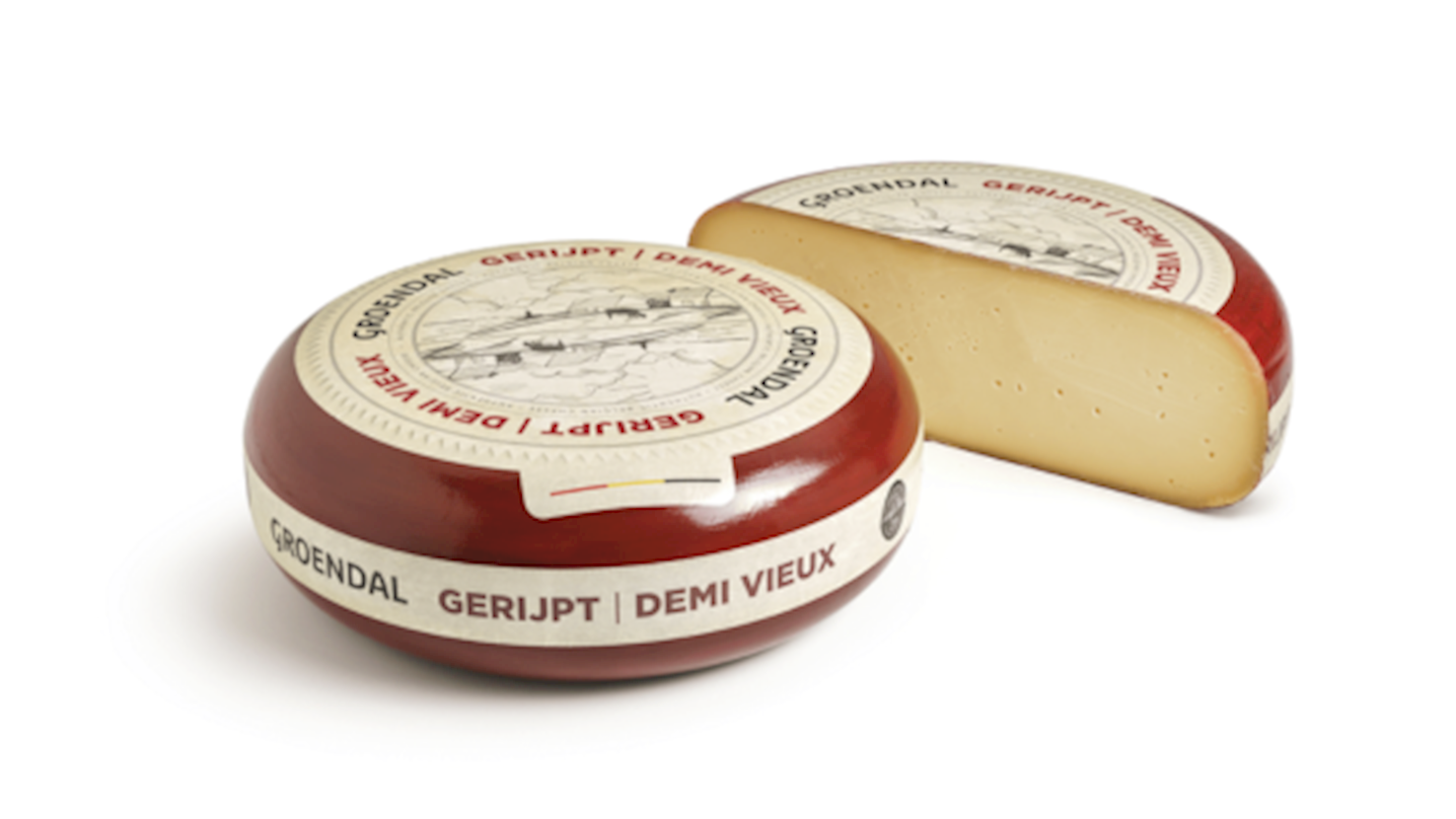
Kaasboerderij 't Groendal is a cheese producer located in Belgium, specifically in the region of West Flanders. The dairy farm focuses on producing artisanal cheeses using milk from their own herd of cows.

Their product range includes several types of Gouda, including unique varieties infused with herbs and other flavors. The farm is operated by the family Desmet.

Awards
World Cheese Awards - Super Gold (2023, 2021)
World Cheese Awards - Gold (2024, 2023, 2021)
About this Ranking

TasteAtlas food rankings are based on the ratings of the TasteAtlas audience, with a series of mechanisms that recognize real users and that ignore bot, nationalist or local patriotic ratings, and give additional value to the ratings of users that the system recognizes as knowledgeable.

TasteAtlas Rankings should not be seen as the final global conclusion about food. Their purpose is to promote excellent local foods, instill pride in traditional dishes, and arouse curiosity about dishes you haven’t tried.

The initial list of top producers was compiled based on available reviews, awards, local recommendations, media and blog coverage, and consumer reviews. The list will be updated with ratings from TasteAtlas local ambassadors and TasteAtlas users.

What People Say

Similar Lists