M.B.

Top 58 Southern Vietnamese Foods

Last updated on September 02, 2026

Best Southern Vietnamese Foods
01
Appetizer

Chả giò (Vietnamese Fried Spring Rolls)

4.1 ·

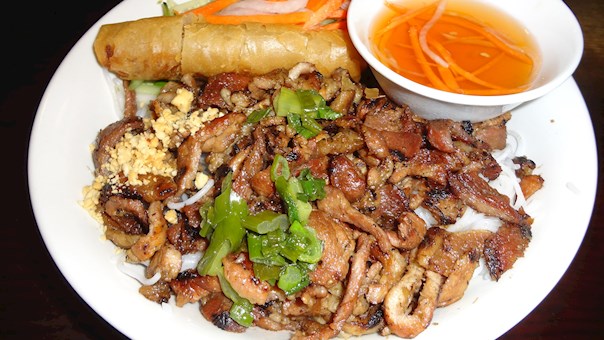
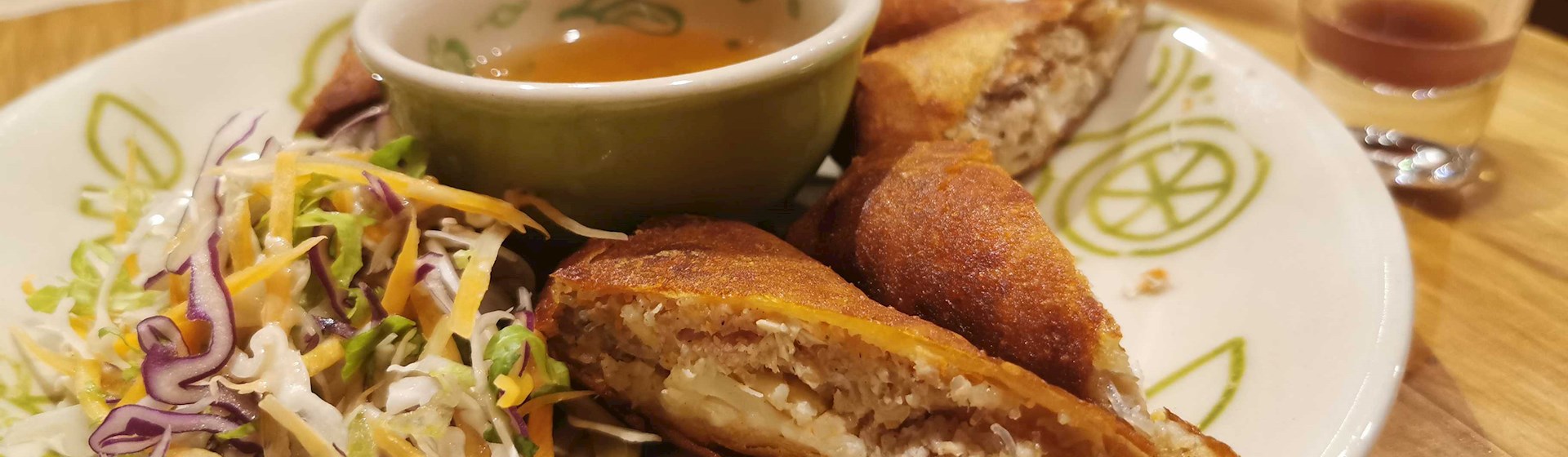
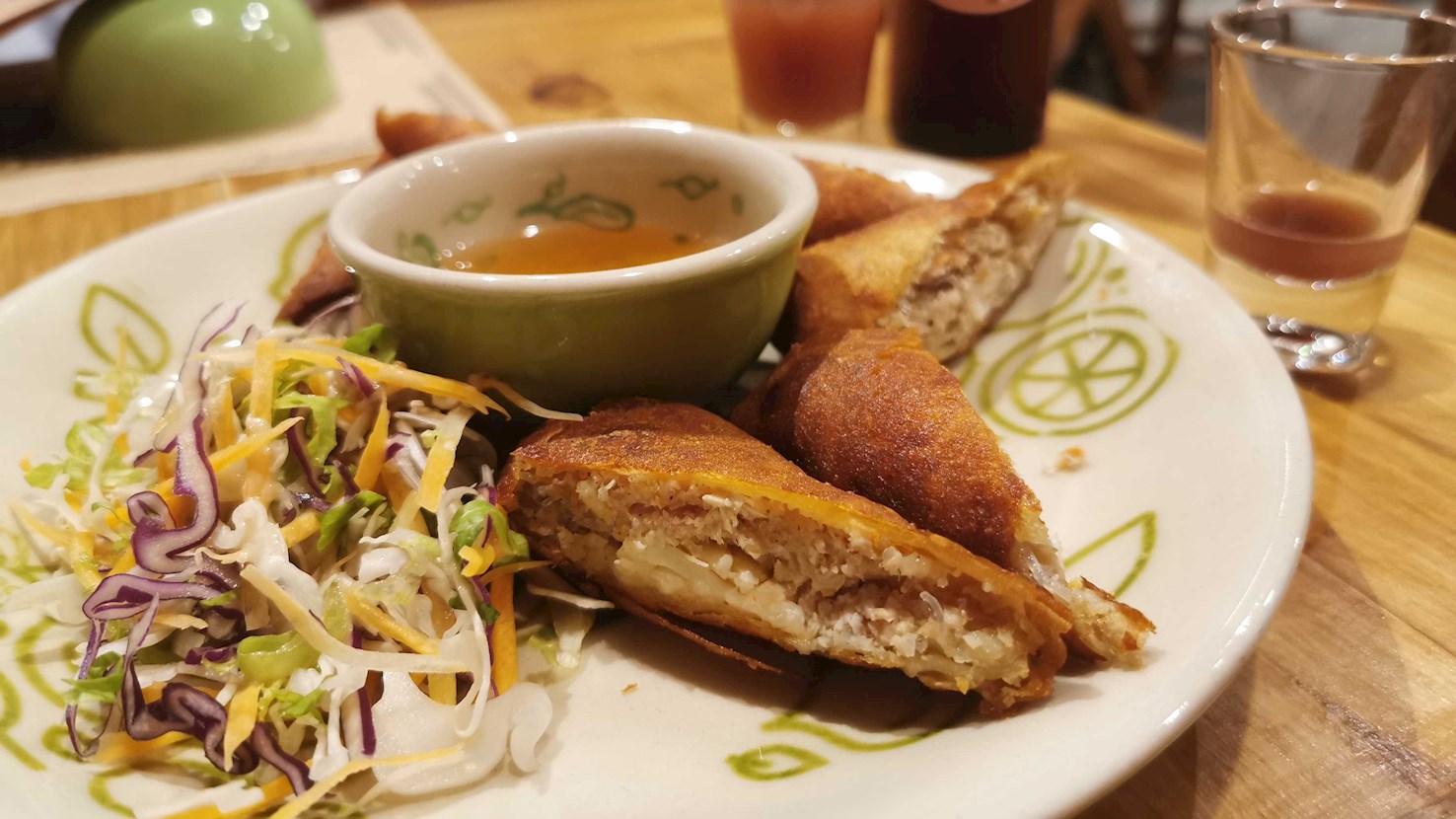
Called chả giò in the south, and nem rán in northern Vietnam, both names are used to refer to the same dish - fried spring rolls. The main characteristic of these tasty rolls is the pork and shrimp filling, wrapped in delicate rice paper. Frequent additions to the stuffing include vegetables such as carrots, cabbage, or mushrooms, glass noodles, and bean sprouts. The rolls are shortly fried and result in a treat with an appetizing golden color, a thin, crispy, and light outer layer, and a delectable filling. They are believed to have developed under Chinese influence in Vietnam, but the rolls kept their distinct character and became one of the most common dishes eaten in the country. They are usually served as an appetizer, but can also constitute a satisfying main meal. The combination of ground pork and minced shrimp is the most common one, but other varieties are also possible and might even include crab meat or tofu. Whether they are served as an appetizer or the main meal, chả giò are usually accompanied by lettuce, fresh cucumbers, and a serving of fish sauce or sweet and sour sauce. Besides Vietnam, these tasty rolls are commonly served in many Vietnamese restaurants around the world.

02
Rice Dish

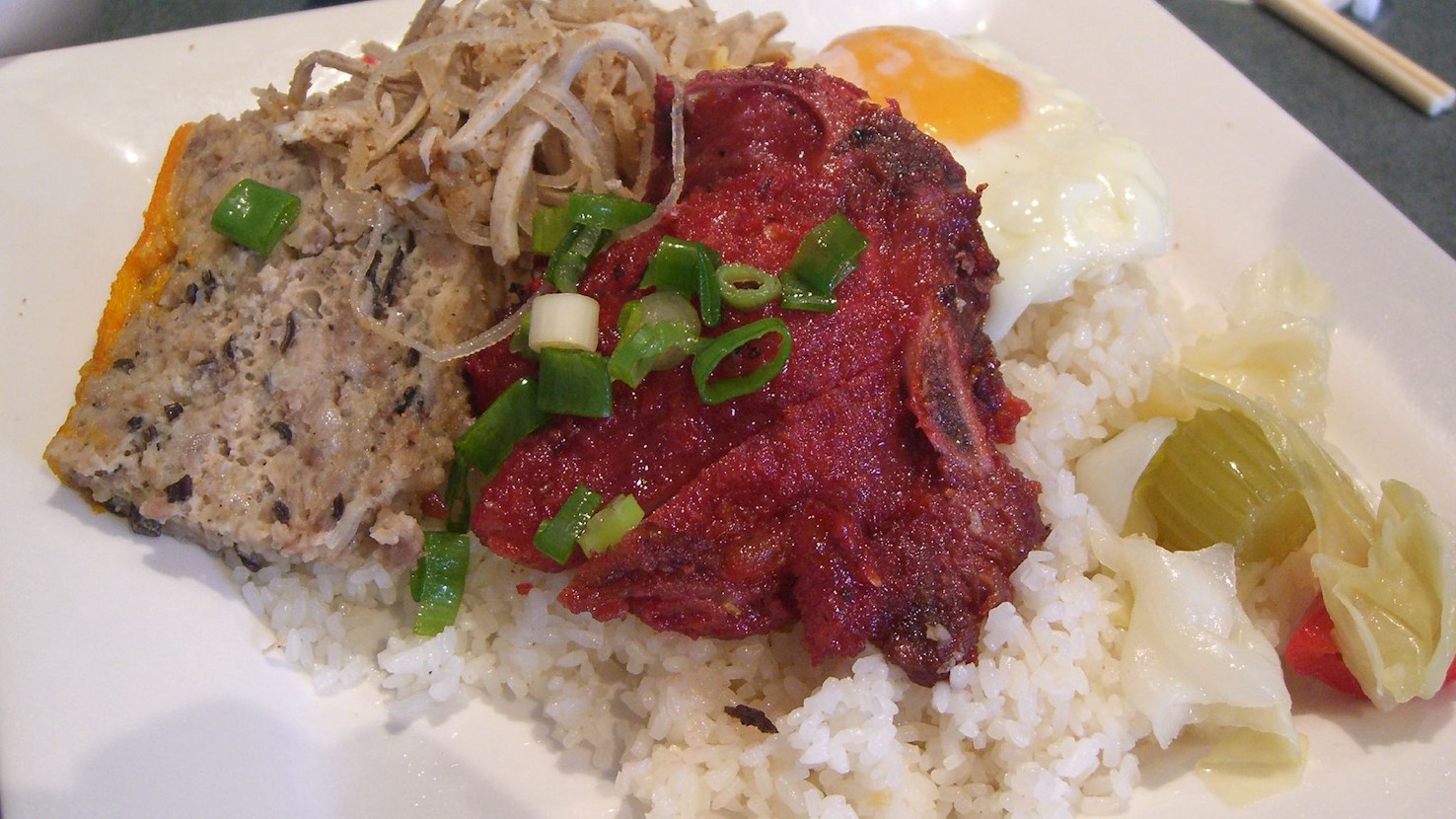
Cơm tấm sườn (Broken Rice with Grilled Pork)

4.0 ·

Cơm tấm sườn is a classic dish from South Vietnam. It consists of grilled pork served on top of broken rice. The combination is often topped with a mix of stir-fried onions and pickles, and it's accompanied by fish sauce for dipping. The pork is typically marinated in lemongrass, pepper, garlic, and fish sauce before it's grilled. This dish is usually served in the morning for breakfast.

03
Pancake

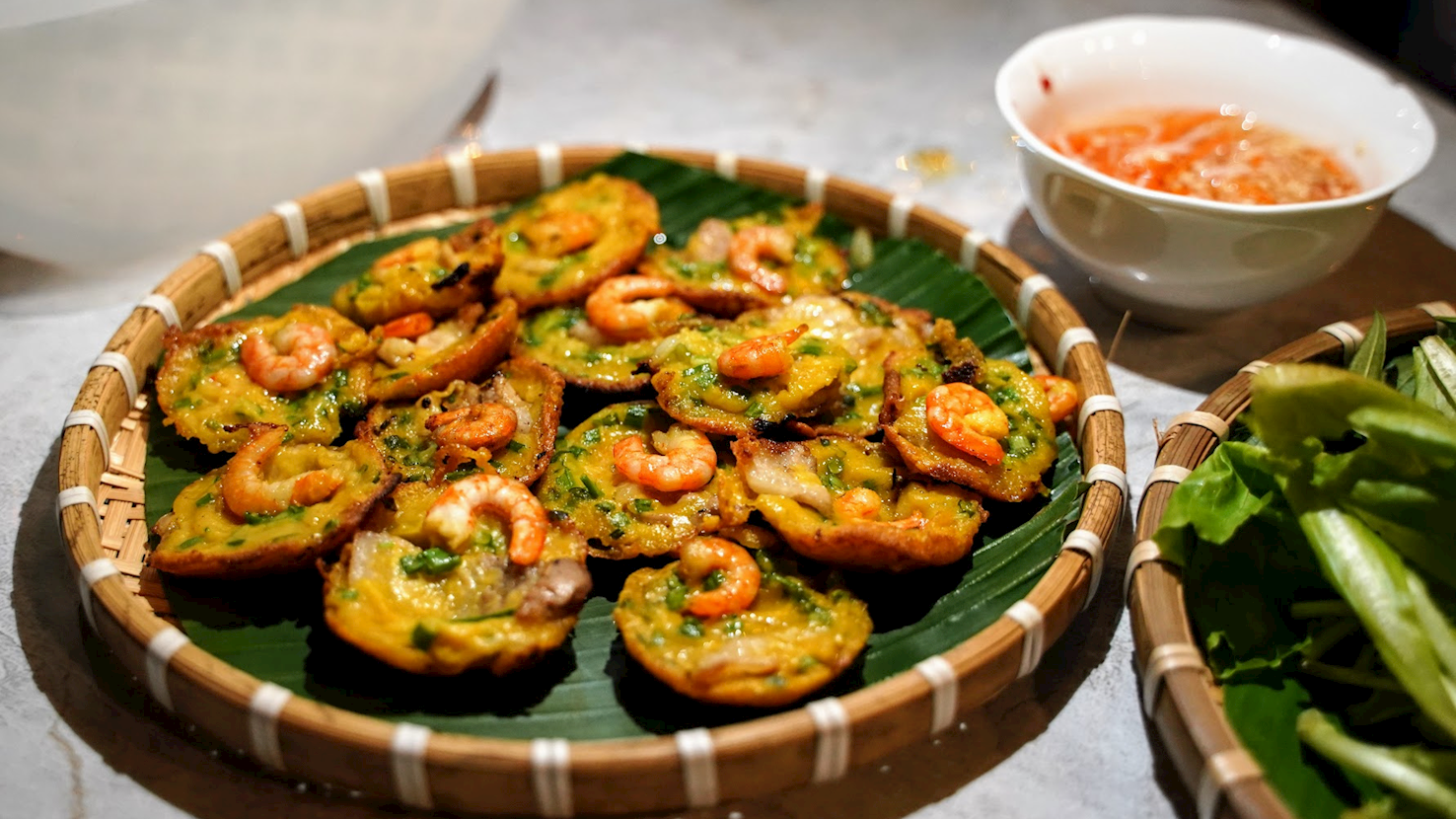
Bánh khọt (Vietnamese Mini Savory Pancakes)

4.0 ·

Bánh khọt is a savory Vietnamese pancake made with a thin rice flour batter and cooked on outdoor grills equipped with a specialized terracotta bánh khọt mold. The batter is poured into the mold, and the pancake is then topped with various savory ingredients. Once prepared, these small puffed pancakes are often served with aromatic herbs and leafy vegetables on the side, which can be used as wrappers. Fish sauce is also a staple accompaniment to bánh khọt. Although it’s often confused with bánh căn (as it’s called in Central Vietnam), bánh khọt is not as soft as bánh căn because it’s fried in oil until crunchy and contains turmeric, which gives it a nice yellow color, unlike bánh căn, which doesn’t contain turmeric.

04
Sandwich

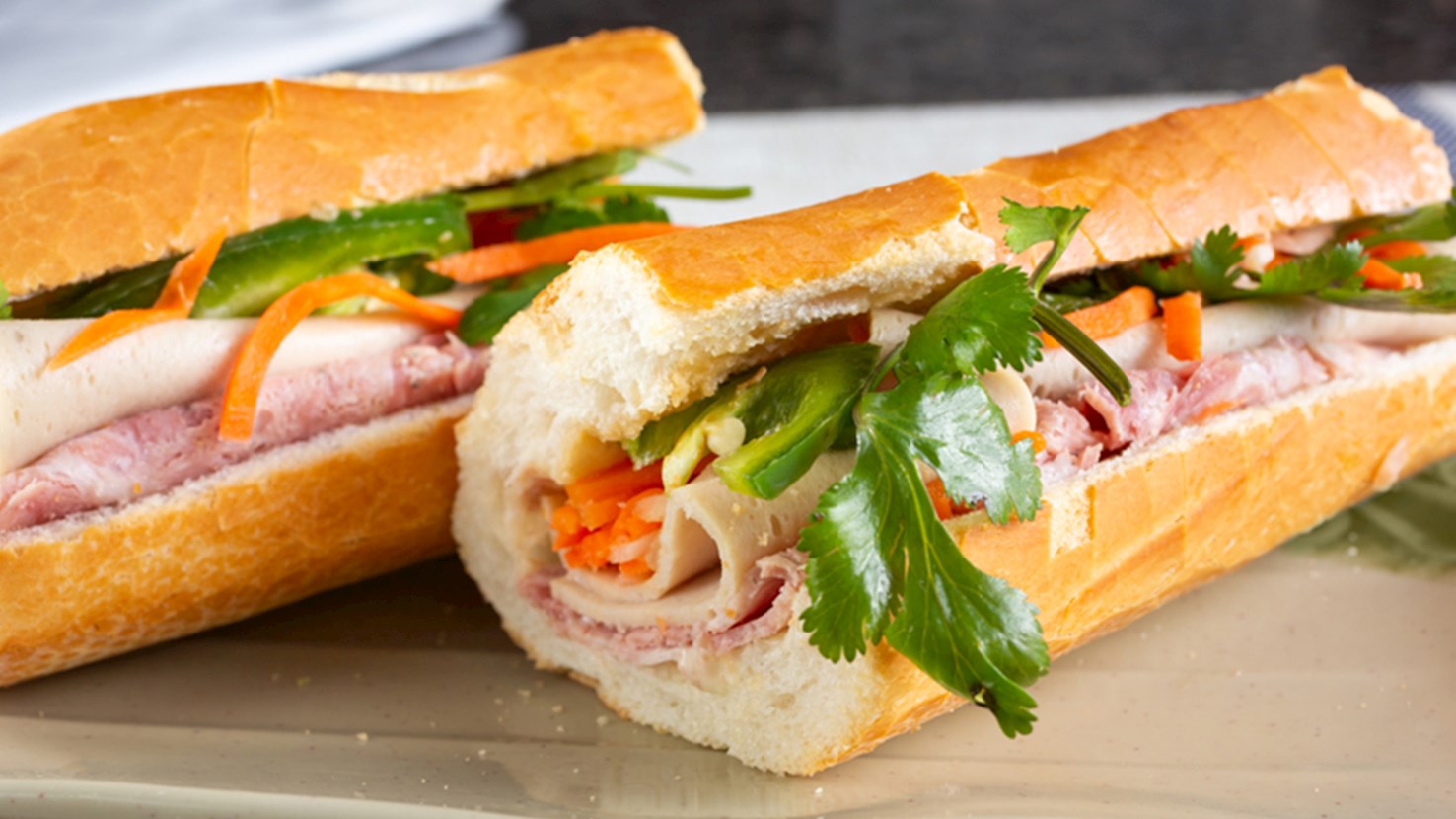
Bánh mì đặc biệt (Cold Cut Banh Mi)

3.9 ·

Bánh mì đặc biệt is a traditional bánh mì sandwich variety originating from Saigon (Ho Chi Minh City). The sandwich usually consists of a split baguette that's filled with pork liver pâté and thinly sliced cold cuts such as headcheese, giò lụa sausage, and pork shank. Next, the baguette is filled with mayonnaise, pickled carrots and daikon, sliced chili peppers, cucumber strips, and coriander. This type of bánh mì is also known as special combination bánh mì, and it can be found at numerous street carts in the country. The sandwich is typically wrapped in paper and secured with a rubber band due to its large size.

05
Chicken Dish

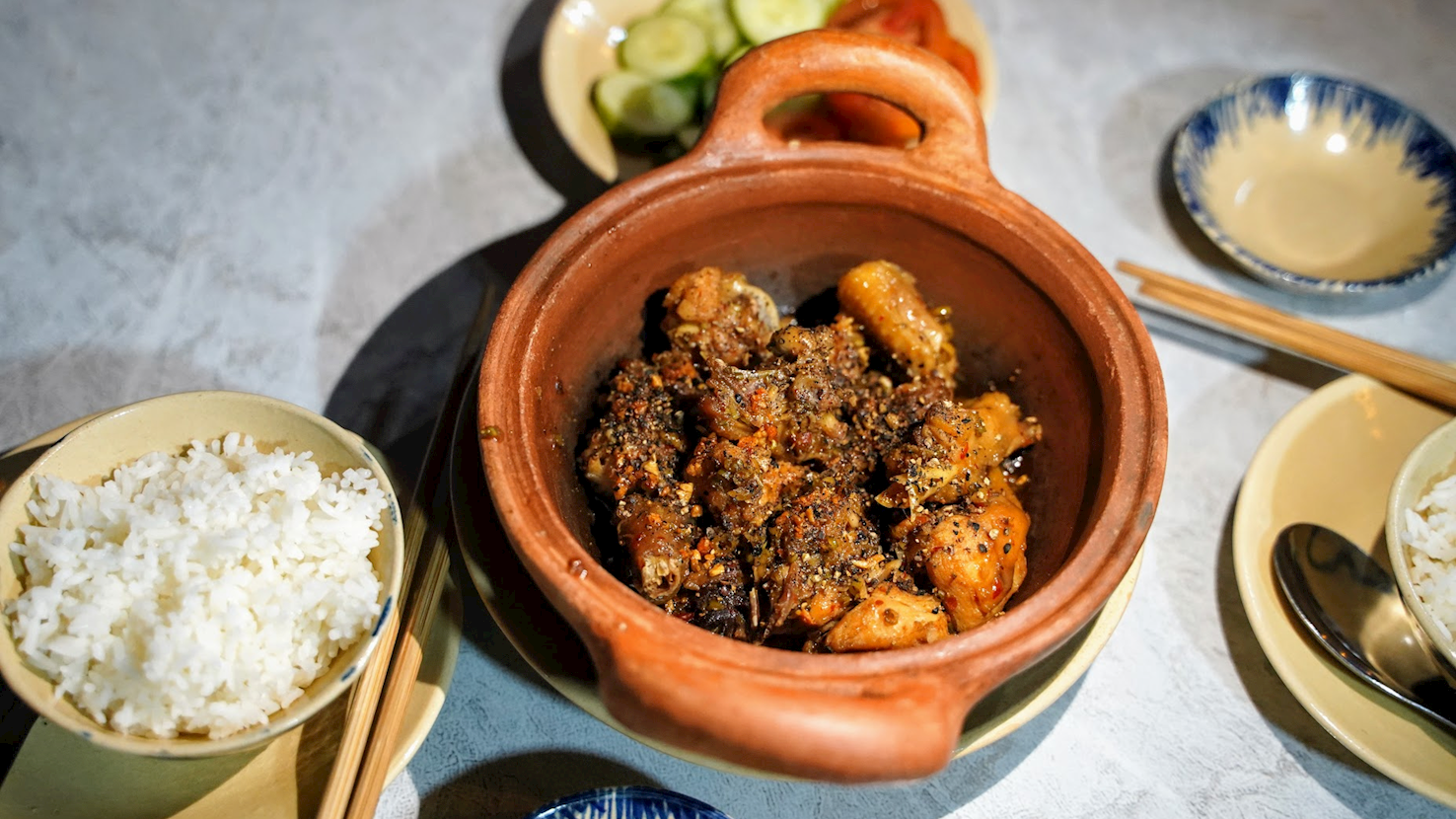
Gà kho sả ớt (Lemongrass Chicken)

3.9 ·

Gà kho sả ớt is a traditional chicken dish that’s especially popular in the Mekong Delta area. The dish is usually prepared with a combination of chicken pieces, lemongrass, hot chili peppers, shallots, garlic, sugar, salt, oil, turmeric, and fish sauce. The chicken pieces are first marinated in lemongrass, turmeric, salt, sugar, garlic, shallots, and fish sauce, then stir-fried in oil and simmered in liquid until tender. Once done, the dish is typically served with hot rice or noodles. If desired, coconut juice can be added to the pot as the chicken simmers.

06
Noodle Dish

Hủ tiếu Nam Vang (Nam Vang Noodle Soup)

3.8 ·

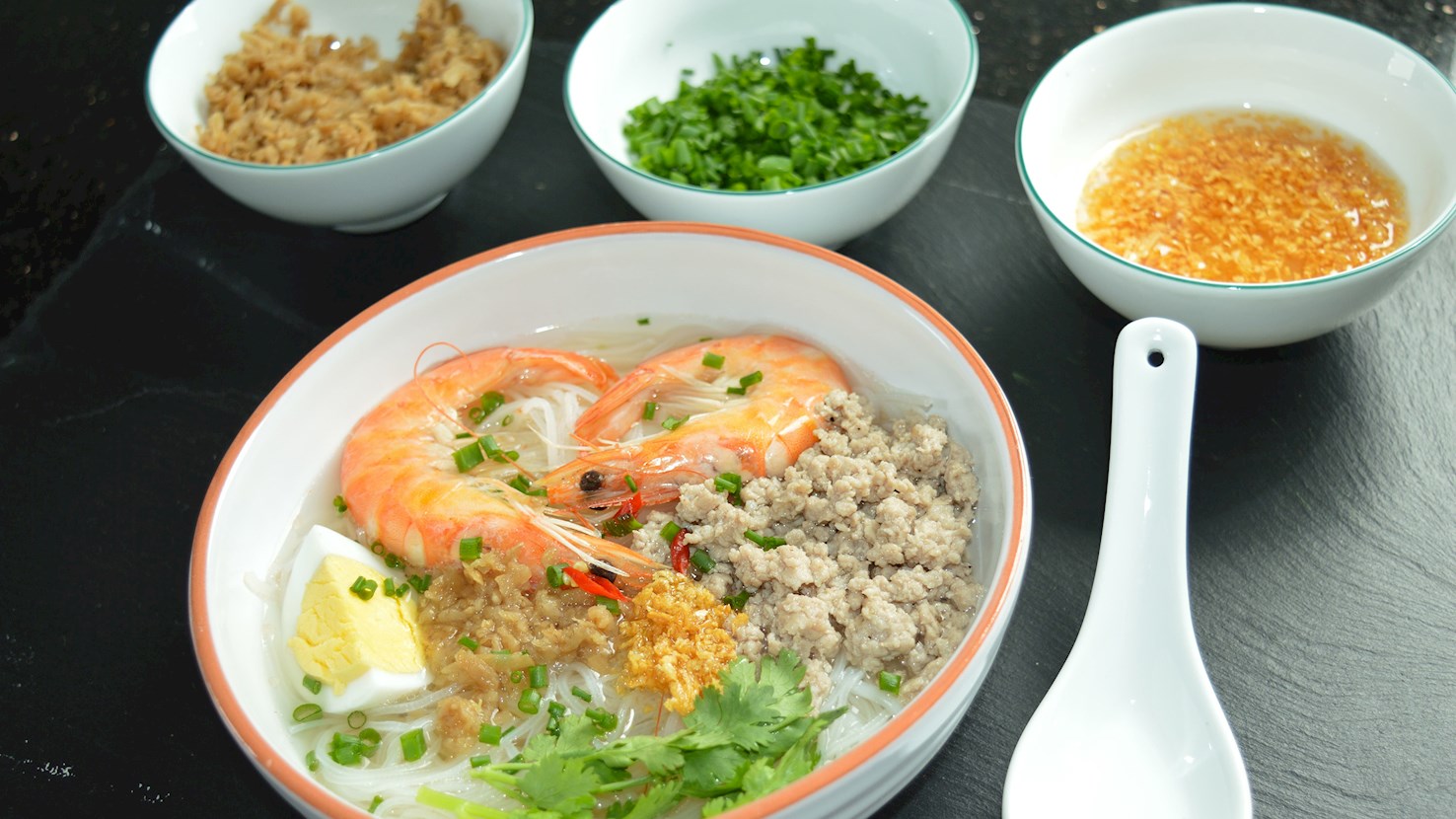
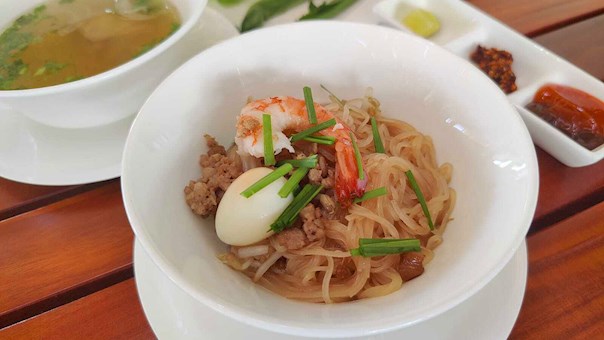
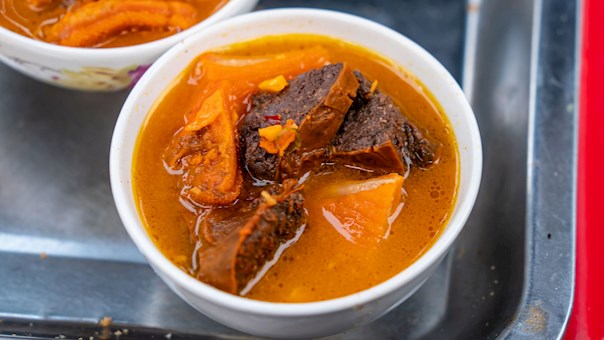
Hủ tiếu Nam Vang is a popular Vietnamese street food with Cambodian-Chinese roots. The dish is named after the Cambodian capital Phnom Penh (Nam Vang), and the recipe is tweaked to adapt to Vietnamese flavors. The noodle soup should have a clear and rich broth made from pork bones, pork, and dried squid and shrimp. The noodles can be transparent rice noodles, chewy tapioca noodles, or thin Chinese egg noodles. Toppings include a combination of sliced pork liver, cooked pork meat, sautéed ground pork, quail eggs, fried shallots, garlic, and poached shrimp. The dish is typically served with an assortment of garnishes on the side – Chinese chives, Chinese celery, green onions, cilantro, and lettuce.

07
Salad

Gỏi

3.7 ·

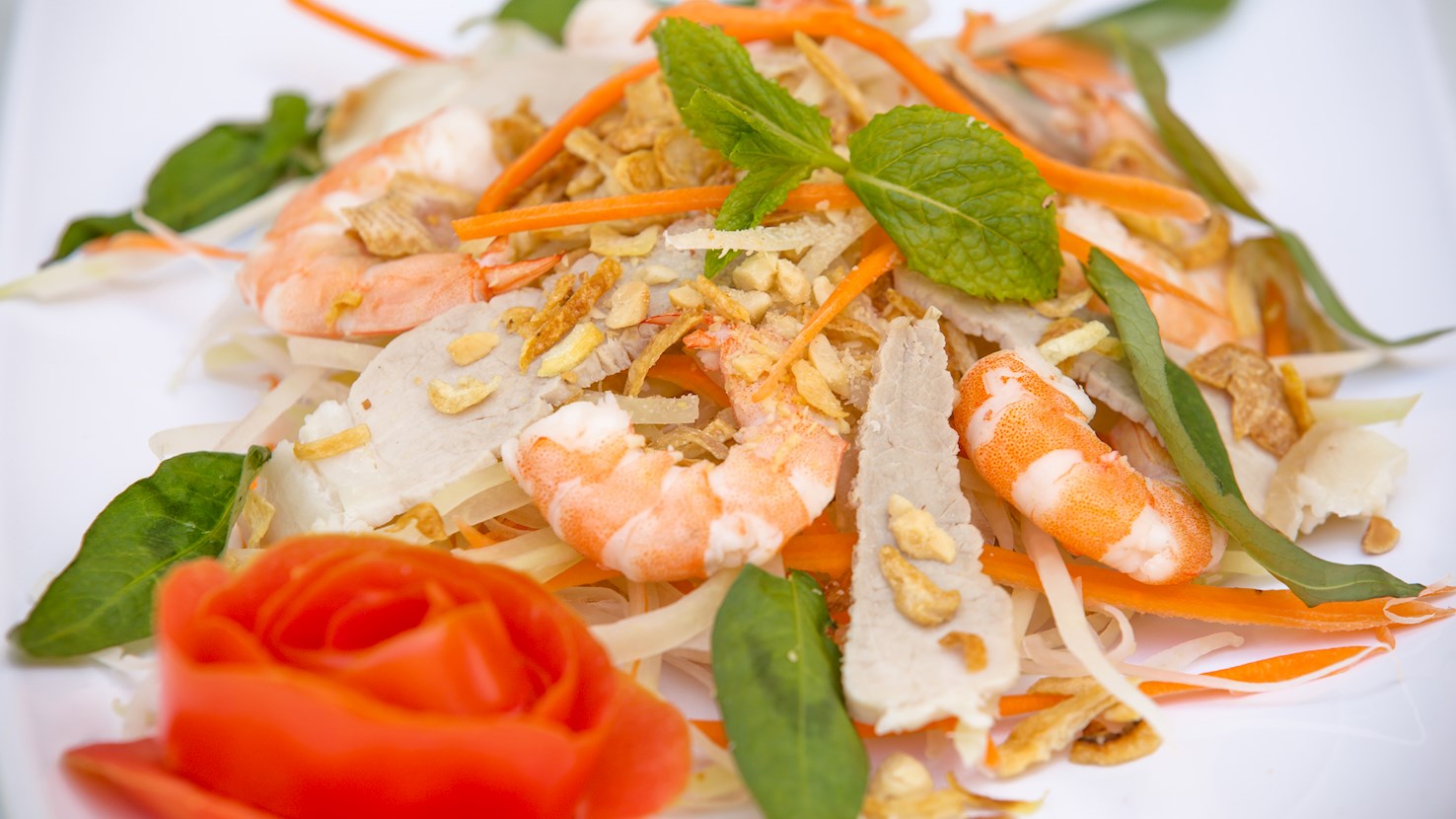
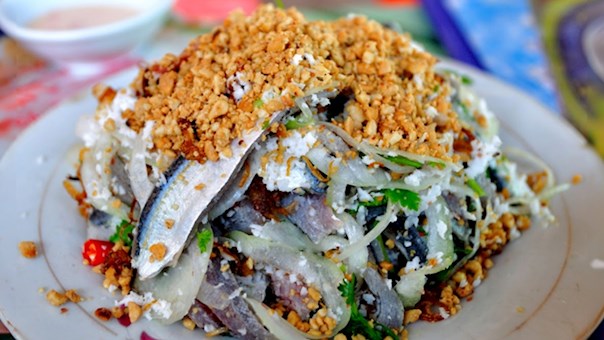
Nộm is a traditional salad. It's made with a combination of fresh, grated vegetables such as cabbage and turnip, along with papaya, green mango, banana flowers, cucumber slices, and sometimes even shredded boiled pork. Other common ingredients include hot chili peppers, roasted ground nuts, and grated carrots to make the salad more visually attractive and colorful. Nộm is the name in the North, while in Southern Vietnam, the salad is known as gỏi. The salads are usually dressed with nước chấm, and they're often served with prawn crackers on the side.

08
Street Food Sweets

Bánh cam (Vietnamese Donuts)

3.7 ·

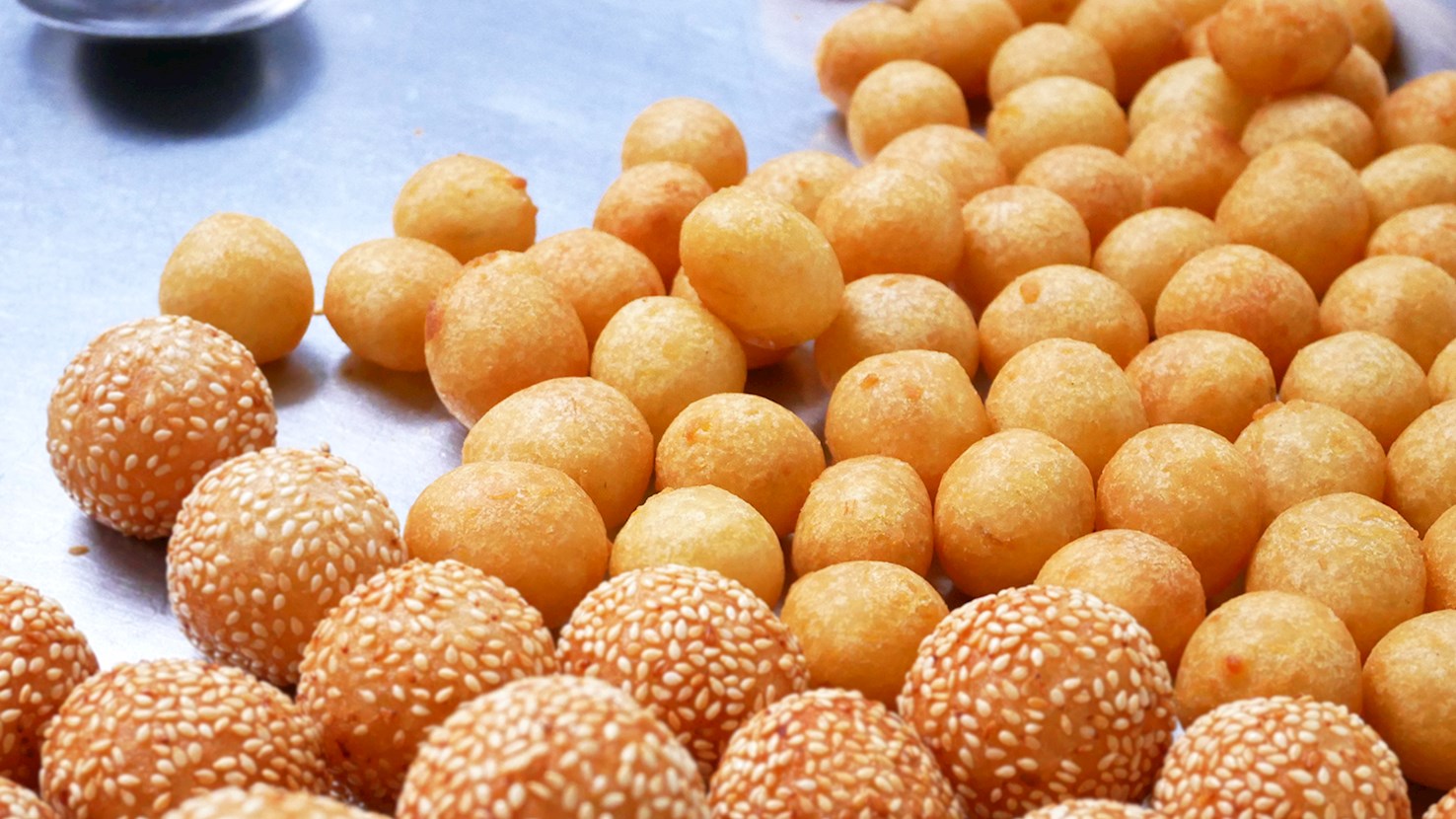
Bánh cam and bánh vòng are traditional donut-like fritters originating from Vietnam. Bánh cam is traditionally sold together with bánh vòng, and the difference lies in the fact that bánh cam is round, while bánh vòng is ring-shaped, similar to a thin donut with a hole in the middle (vòng means ring). Both types of donuts have a caramel glaze on top, but bánh vòng doesn’t contain the mung bean filling as bánh cam does. If properly prepared, the donuts should be crispy on the outside, and soft, chewy, and dense on the inside. The dough is typically made with a combination of rice flour, glutinous rice flour, baking powder, oil, sugar, and sometimes mashed potatoes. Both of these donuts are often sprinkled with sesame seeds on top.

09
Dessert

Pop Rice

3.6 ·

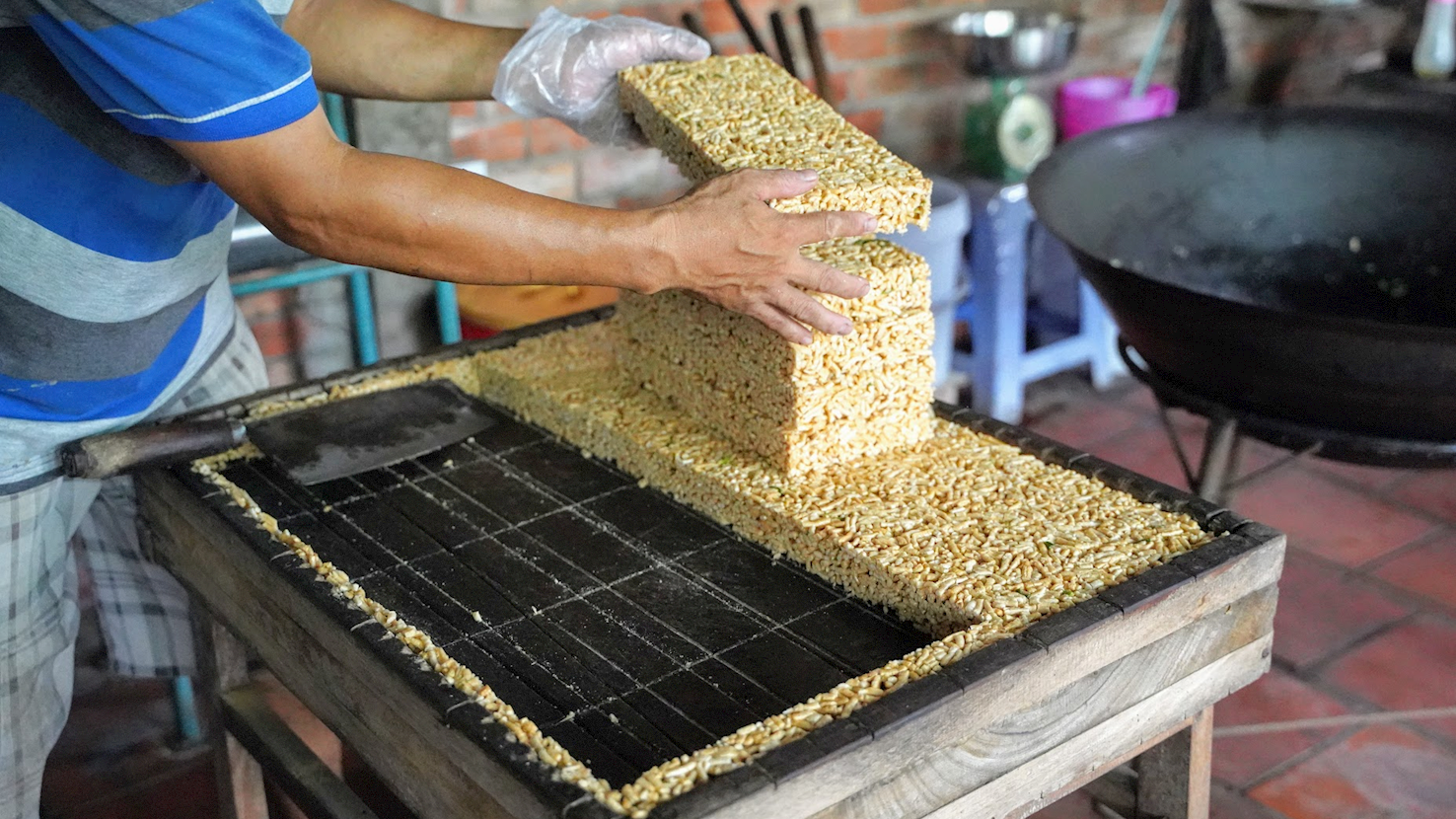
Pop rice is a traditional puffed rice treat originating from the Mekong Delta area. This crispy puffed rice is made with a decades-old technique. Whole grains of rice with their husks intact are poured into a large pot that’s previously been filled with black sand from the Mekong River. As the mixture is stirred over a fire, the rice begins to puff and pop, and it is later filtered twice through a mesh in order to remove the black sand and the remaining husks. The crispy rice is then placed into another wok-shaped pot and mixed with a syrup consisting of sugar and water. The syrup can be additionally flavored with anything from coconut milk, green tea, and caramel to peanuts or ginger. While still hot, the rice and syrup mixture is flattened with a rolling pin and cut into squares before it’s enjoyed or sold to hungry customers.

10
Fish Soup

Canh chua (Sweet and Sour Tamarind Soup)

3.6 ·

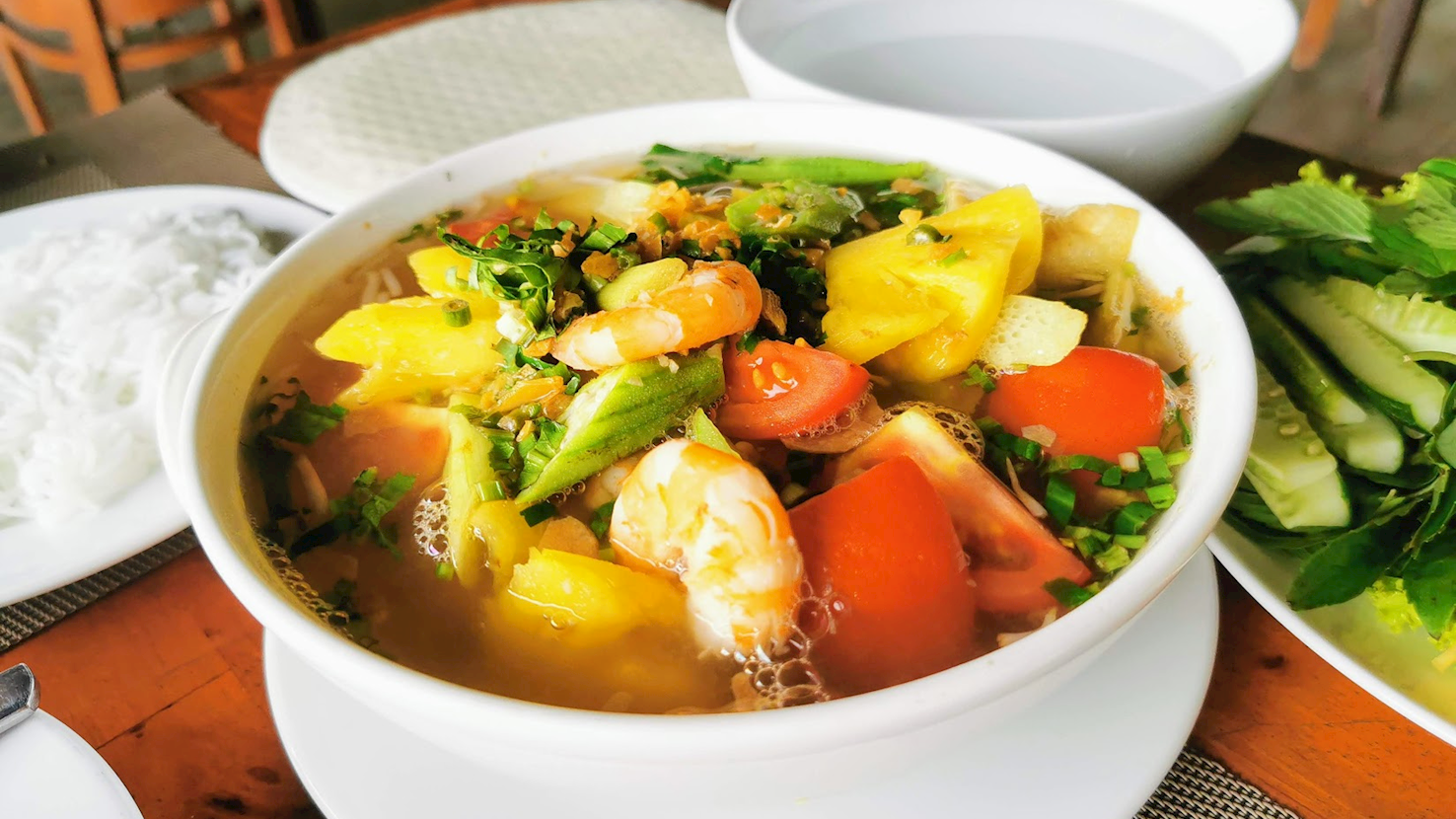
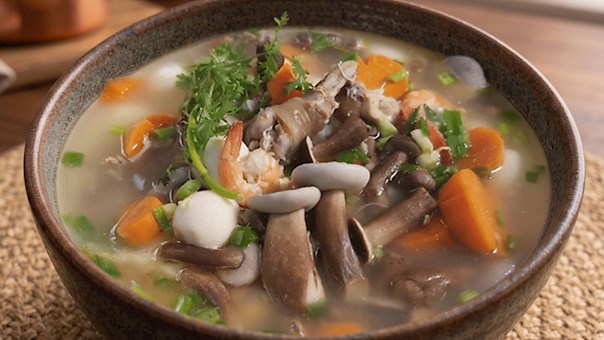
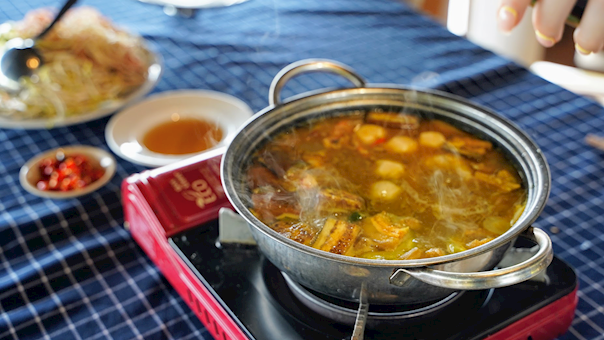
Canh chua is a popular Vietnamese soup originating from the Mekong Delta region. It's characterized by its contrasting flavors - sour, sweet, and savory. The soup incorporates ingredients such as seafood (eel, shrimp, snakehead, catfish), tomatoes, okra, pineapple, tamarind, bean sprouts, and fresh herbs with a tangy flavor. Traditionally, canh chua is served either with rice vermicelli noodles or with a side of steamed jasmine rice. There are numerous versions of the soup depending on the ingredients used in it - besides fish, it can be made with water spinach, chicken, bamboo shoots, mustard greens, pork, or beef. Due to its nutritional value, health benefits, and short cooking time, canh chua has the status of a quintessential Vietnamese meal.

Best Southern Vietnamese Food Products
01
Chocolate

Belvie Chocolate

5.0 ·

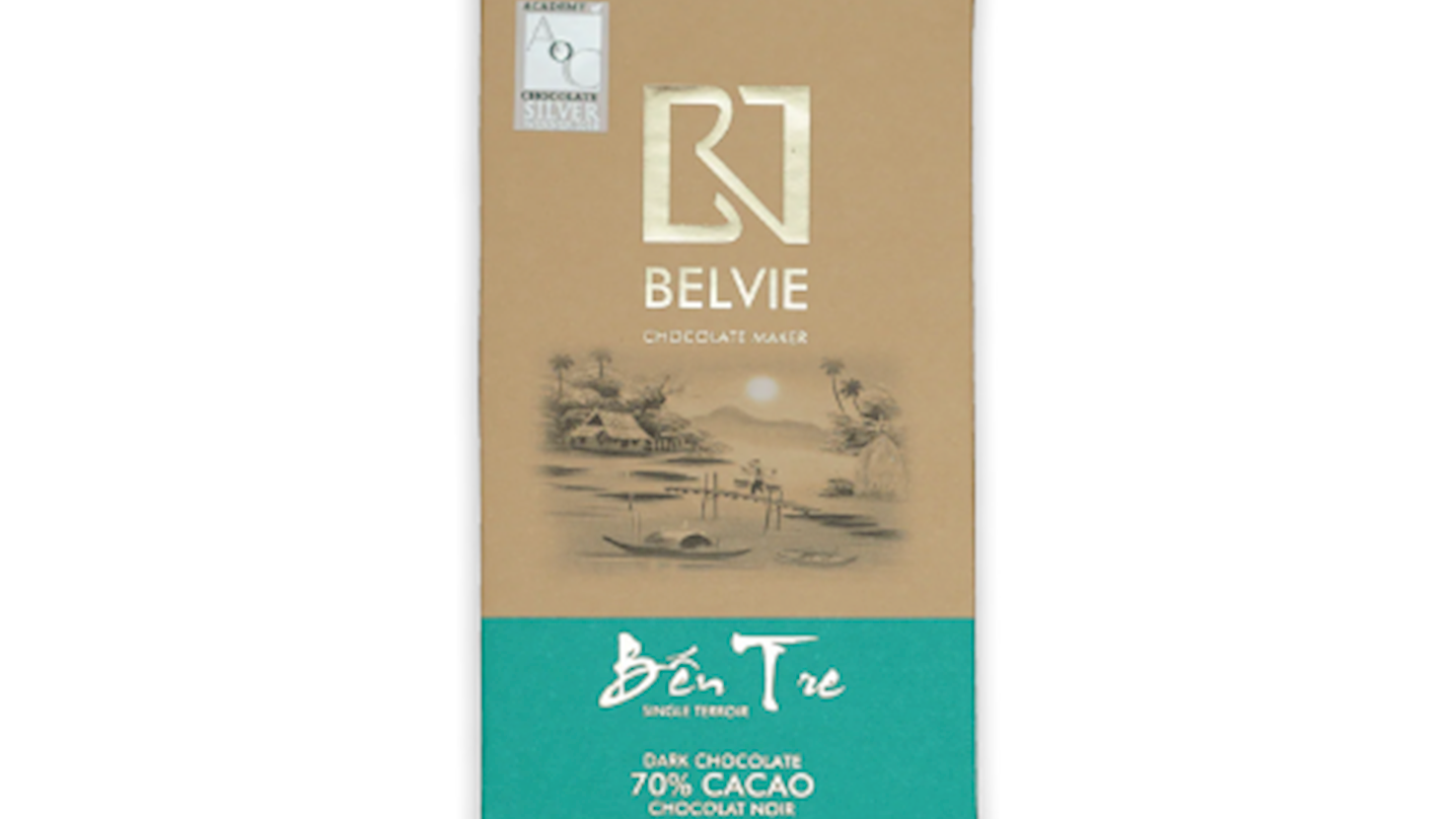
Belvie Chocolate is a Vietnamese bean-to-bar chocolate maker that blends local terroir with Belgian chocolate craftsmanship. Founded in 2015 by Jannie Ha Tran and Marc Vanborren, the brand was created with the goal of promoting sustainable cocoa cultivation and supporting small farmers across Vietnam.

Belvie sources Trinitario cocoa exclusively from small plantations in the provinces of Lam Dong, Ben Tre, Tien Giang, and Dong Nai, where the beans are hand-fermented and sun-dried to preserve their aromatic character. The production process is entirely natural - no lecithin or artificial additives are used - and every stage, from roasting and grinding to conching and tempering, takes place in their workshop in Ho Chi Minh City.

Their dark chocolates, typically containing between 70% and 80% cocoa, are distinguished by clearly defined regional profiles, featuring notes of tropical fruit, flowers, caramel, or roasted almonds, depending on the origin of the beans. Through a combination of ethical sourcing, authentic local varieties, and European precision, Belvie has become one of the most recognized chocolate producers in Southeast Asia.

Awards
Academy of Chocolate - Silver (2019, 2018)
Academy of Chocolate - Bronze (2020, 2017)
02
Rice

Gạo Ông Cua

5.0 ·

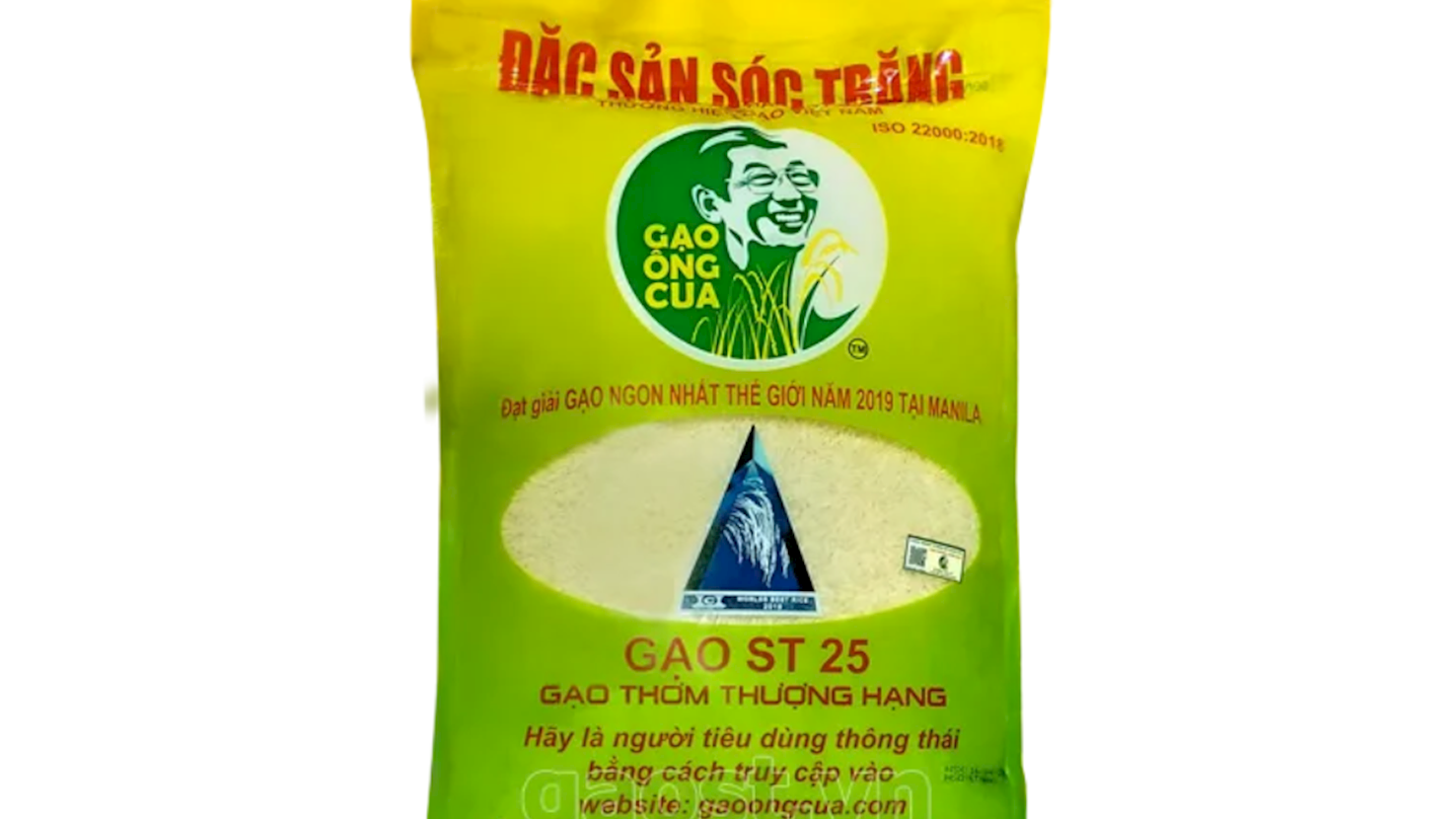
Gạo Ông Cua is a prestigious Vietnamese rice brand originating from the Mekong Delta, renowned for its superior quality and authenticity. The brand is named after engineer Hồ Quang Cua, the principal developer of the famous ST24 and ST25 rice varieties, which have won multiple awards at international rice competitions, including the title of “World’s Best Rice” in 2019 and 2023.

These varieties are the result of years of scientific research and carefully selected agricultural practices, aimed at producing rice with exceptional taste, aroma, and nutritional value. Gạo Ông Cua is especially distinguished by its ST25 variety – a long, glossy grain that remains fluffy and fragrant after cooking. The brand represents a modern Vietnamese approach to agriculture, combining tradition, science, and sustainability, and is increasingly recognized both domestically and on the international market.

Awards
International World Rice Conference - World’s Best Rice (2023, 2019)
03
Condiment

Thuần Chay Gò Công

5.0 ·

Thuần Chay Gò Công is a Vietnamese producer of fermented soybean products based in the Gò Công Đông district of the Mekong Delta. Its production facility is located in Tân Tây commune in Tiền Giang Province. The company specializes in soy sauces and fermented pastes intended for vegetarian diets. Production is based on a traditional manual fermentation process that lasts more than 36 months for certain products. The primary ingredients are soybeans, sea salt, and water, while red beans and brown glutinous rice are also used to make the fermented paste. During maturation, the products are exposed to natural temperature fluctuations, sunlight, and humidity. This process contributes to their pronounced aroma, dark color, and complex balance of salty and sweet flavors. Thuần Chay Gò Công is a small regional producer whose identity is built around extended fermentation and the preservation of traditional soybean-processing methods.

04
Condiment

Thuận An

4.9 ·

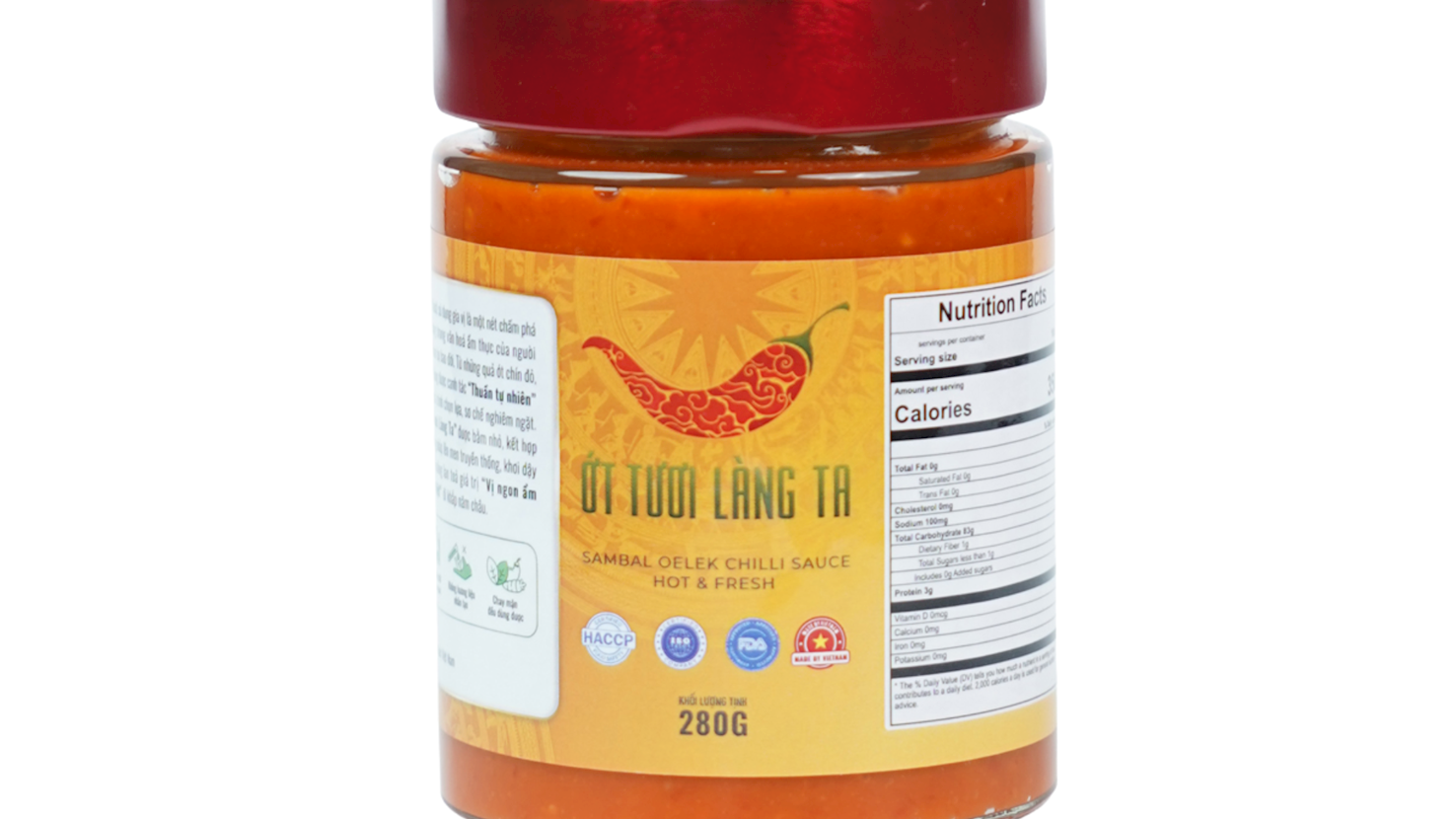
Thuận An is a Vietnamese agricultural cooperative based in Tân Đông Hiệp Ward in Ho Chi Minh City. It was officially registered in July 2025, with Nguyễn Văn Trọng listed as its legal representative. The cooperative processes chili peppers and produces condiments under the Làng Ta brand. Its range is primarily based on sauces made from fresh chili peppers sourced from controlled farms. Ripe red peppers are selected before processing to ensure a consistent flavor and suitable level of heat. Natural fermentation is the defining feature of the production process, developing more complex aromas and mild acidity. Some varieties are aged for 12 months. Depending on the recipe, additional ingredients include rice vinegar, sugar, salt, and garlic. The range includes classic fermented chili sauce, sriracha-style sauce, and coarsely chopped chili peppers with garlic. These products differ from typical sweet industrial chili sauces through their stronger emphasis on the flavor of fermented peppers. Thuận An also provides contract manufacturing services for other brands. The Làng Ta product line existed before the formal establishment of Thuận An and was previously associated with the Tam Nông Việt Nam cooperative.

05
Condiment

Red Boat

4.9 ·

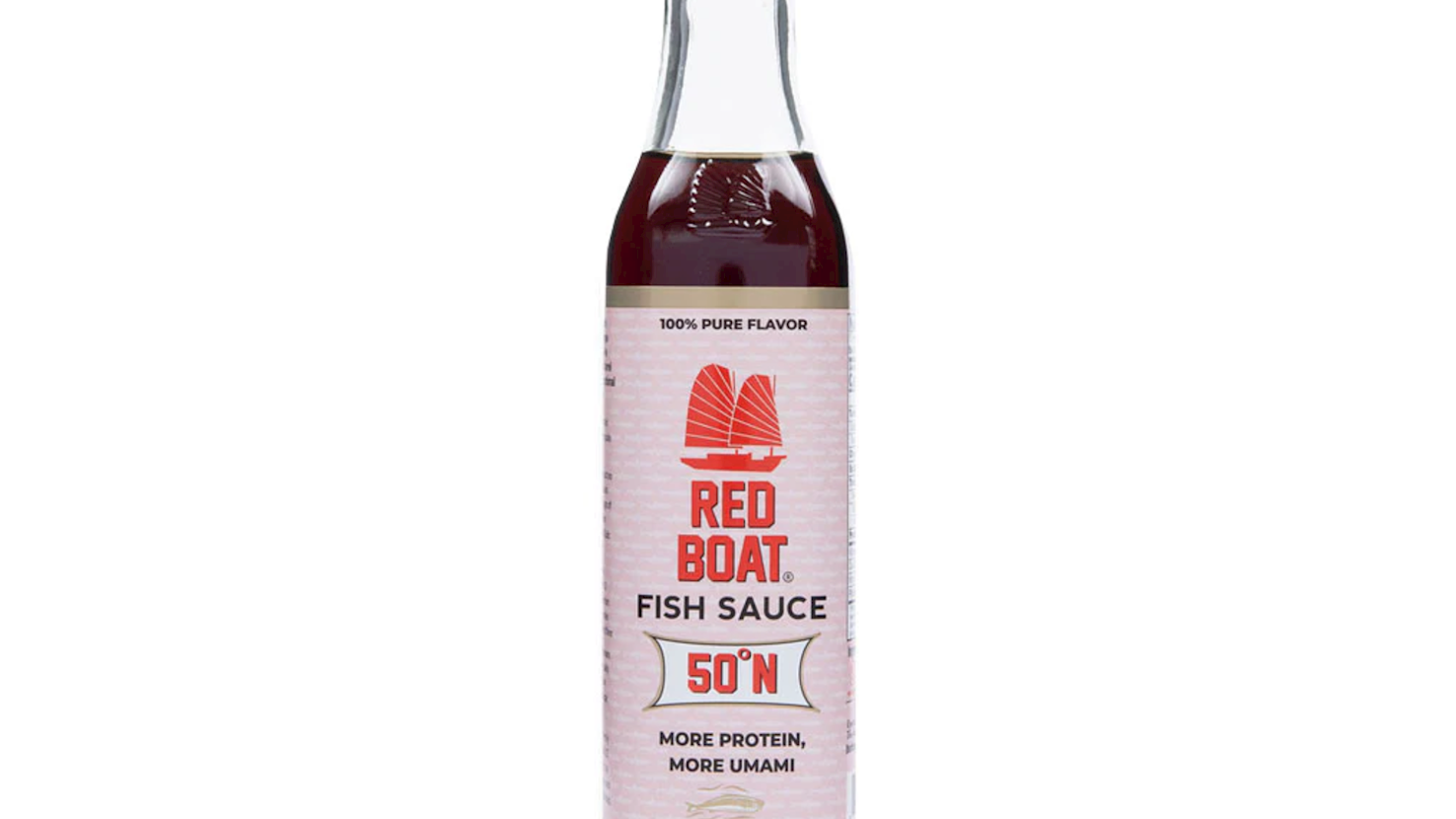
Red Boat is a family-owned Vietnamese-American producer of traditional fish sauce with production facilities on Phú Quốc Island in Vietnam. The company was founded in 2011 by Cường Phạm who grew up in Saigon and later worked as an engineer in the United States. He established the brand because he could not find a fish sauce on the American market that resembled the traditional Vietnamese sauce he remembered from childhood. Production follows the method traditionally used by fish sauce barrel houses on Phú Quốc Island. The principal raw material is wild-caught black anchovies harvested from the waters surrounding the island. The fish are mixed with sea salt immediately after being caught to preserve their freshness. Anchovies and salt are combined in an approximate ratio of three to one. The mixture then undergoes natural fermentation for about one year in large wooden barrels. Red Boat has gained international recognition among chefs and consumers and is regarded as one of the best-known contemporary producers of premium fish sauce from Phú Quốc Island.

06
Condiment

Quy Nguyên

4.9 ·

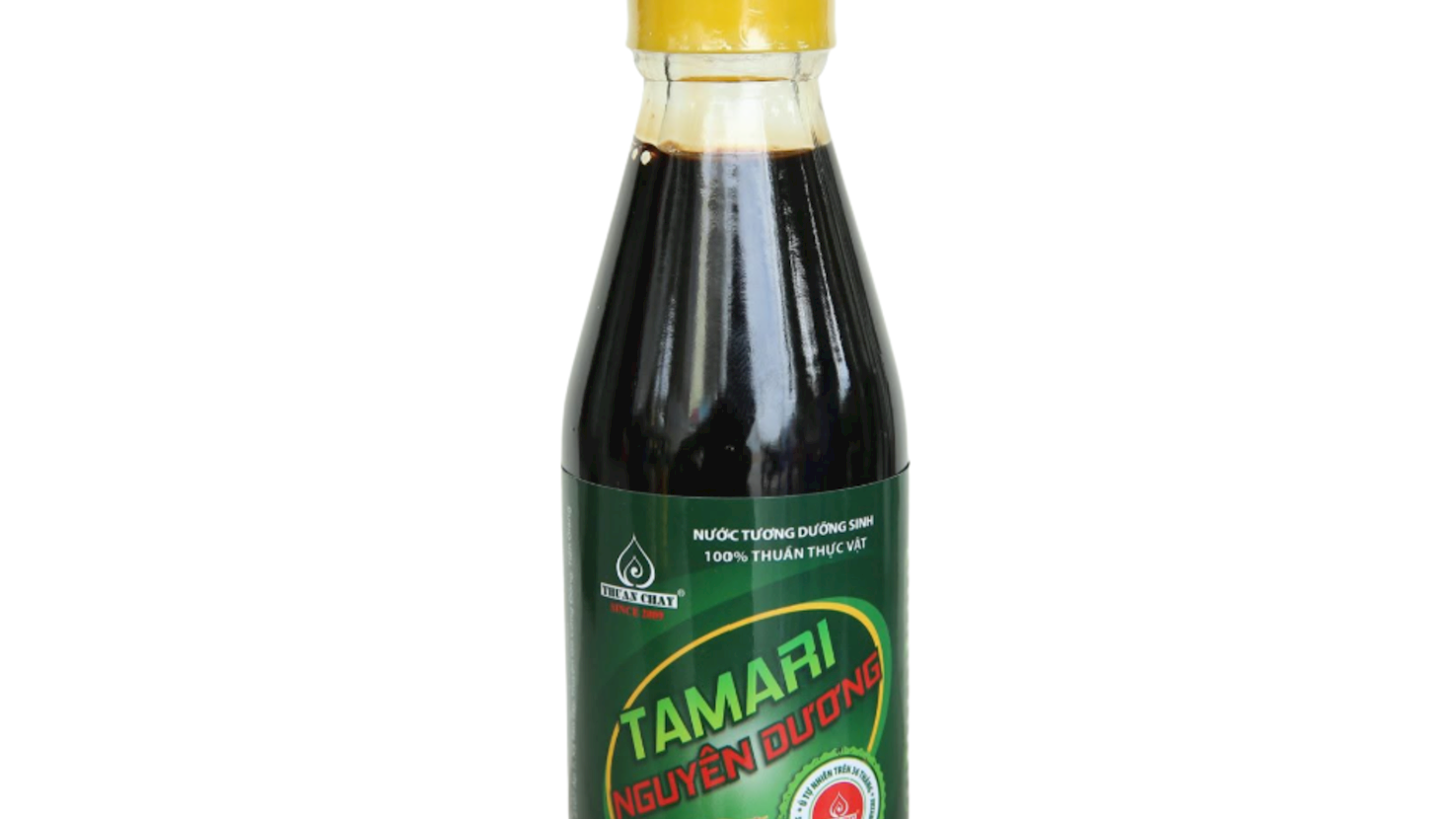
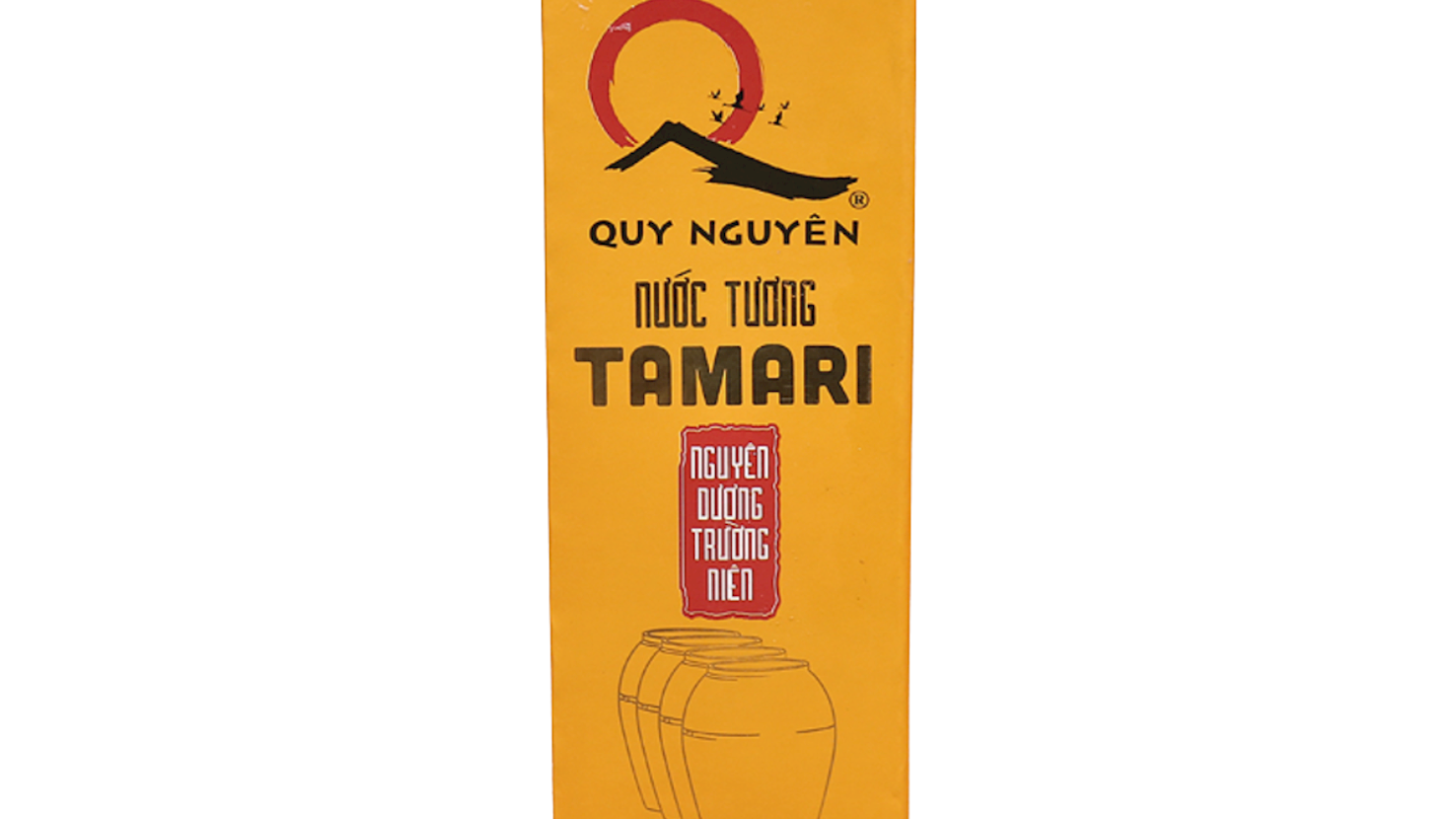
Quy Nguyên is a Vietnamese company specializing in the production and distribution of traditional Vietnamese food products. It was founded by the Buddhist monk Thích Tuệ Hải, who serves as the abbot of Long Hương Pagoda in Đồng Nai Province. The company was officially registered in Ho Chi Minh City in April 2011. Its production activities are associated with Long Hương Pagoda in Nhơn Trạch District. The product range includes brown rice, brown rice products, fermented soy sauces, miso, sesame products, roasted rice tea, kudzu starch, and various plant-based blends. One of its best-known products is Tamari Nguyên Dương Trường Niên. This sauce is made from soybeans, sea salt, water, and a fermentation culture without added sugar or preservatives. Fermentation and maturation take more than three years and occur in containers exposed to sunlight. Quy Nguyên also produces a garlic-infused tamari and long-aged miso.

07
Condiment

Hoàng Gia

4.9 ·

Hoàng Gia is a Vietnamese producer of traditional fish sauce owned by Vạn Xuân FMCG Investment. The company was registered in Ho Chi Minh City in 2017 while Hoàng Gia was developed as its specialized premium fish sauce brand. Production is associated with the coastal province of Bình Thuận which has a long tradition of fish processing and sea salt production. Carefully selected fresh anchovies from the Tuy Phong area are used as the principal raw material. The fish are combined with local sea salt from Chí Công in a ratio of three parts anchovies to one part salt. The mixture undergoes natural fermentation for approximately eighteen months using a traditional Vietnamese maturation method. Only the undiluted first-press sauce which contains the highest natural concentration of fish proteins and amino acids is selected for bottling. The finished sauce has an amber color, a pronounced umami character and a savory taste with mild natural sweetness in the finish.

08
Rice

Lộc Trời

4.9 ·

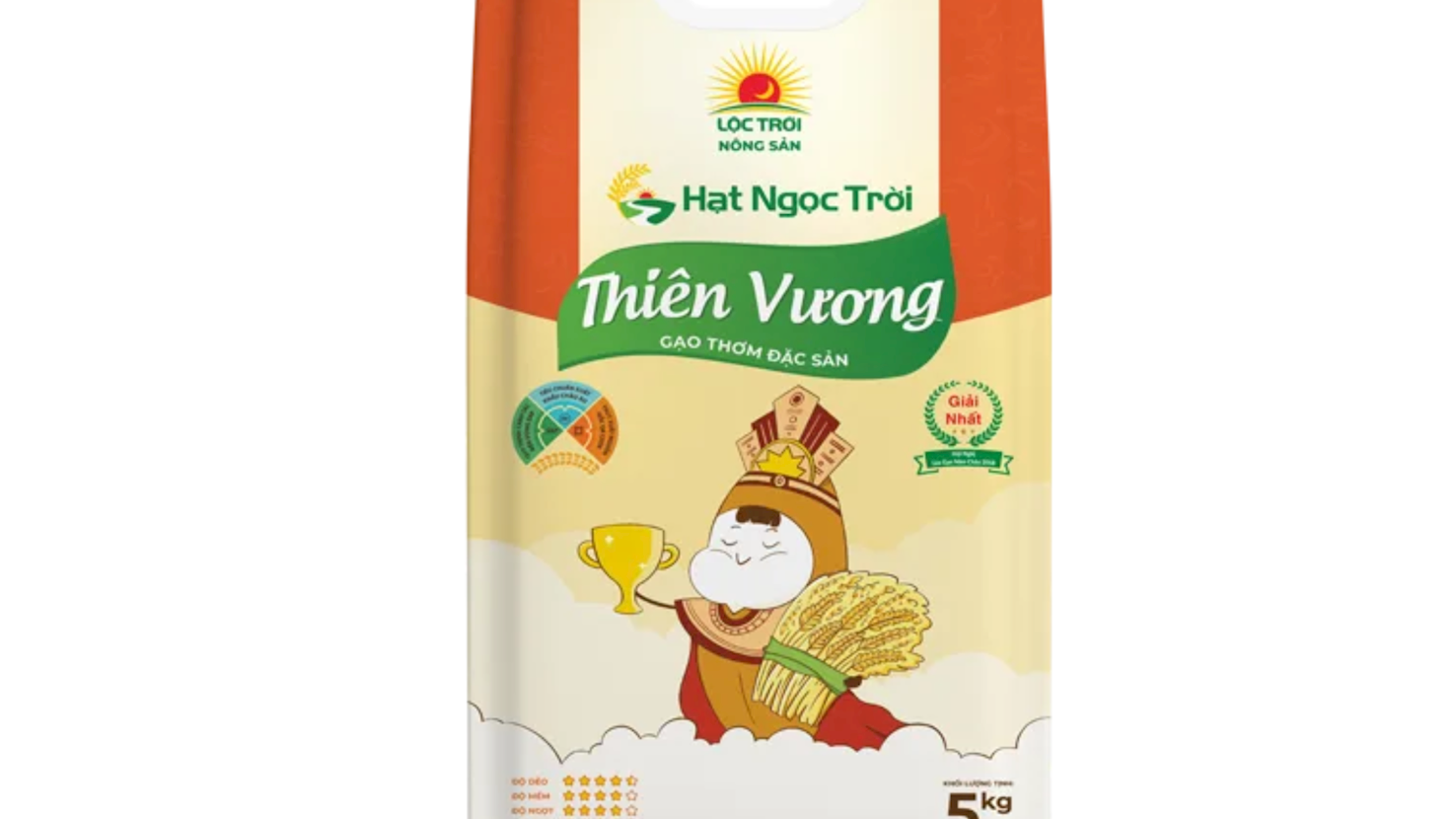
Lộc Trời is one of Vietnam’s leading agricultural companies and is headquartered in Long Xuyên in An Giang Province. It was established in 1993 as a plant protection services company in An Giang. Its operations initially focused on crop protection products while seed research and production began in 1996. Over time, the company developed an integrated supply chain covering seed selection, cultivation management, farmer support, procurement, processing, and distribution of agricultural products. Rice grown in the Mekong Delta occupies a particularly important place in its business. Production quality is controlled from the selection of varieties and cultivation areas to harvesting, processing, and packaging. Lộc Trời works with agricultural cooperatives and growers by providing professional support throughout the cultivation process. In addition to rice, the company produces seeds, fertilizers, biological preparations, crop protection products, coffee, and other agricultural goods. Its products are sold throughout Vietnam and exported to markets in Europe, Asia, the Middle East, Africa, and Australi

09
Condiment

Khải Hoàn

4.9 ·

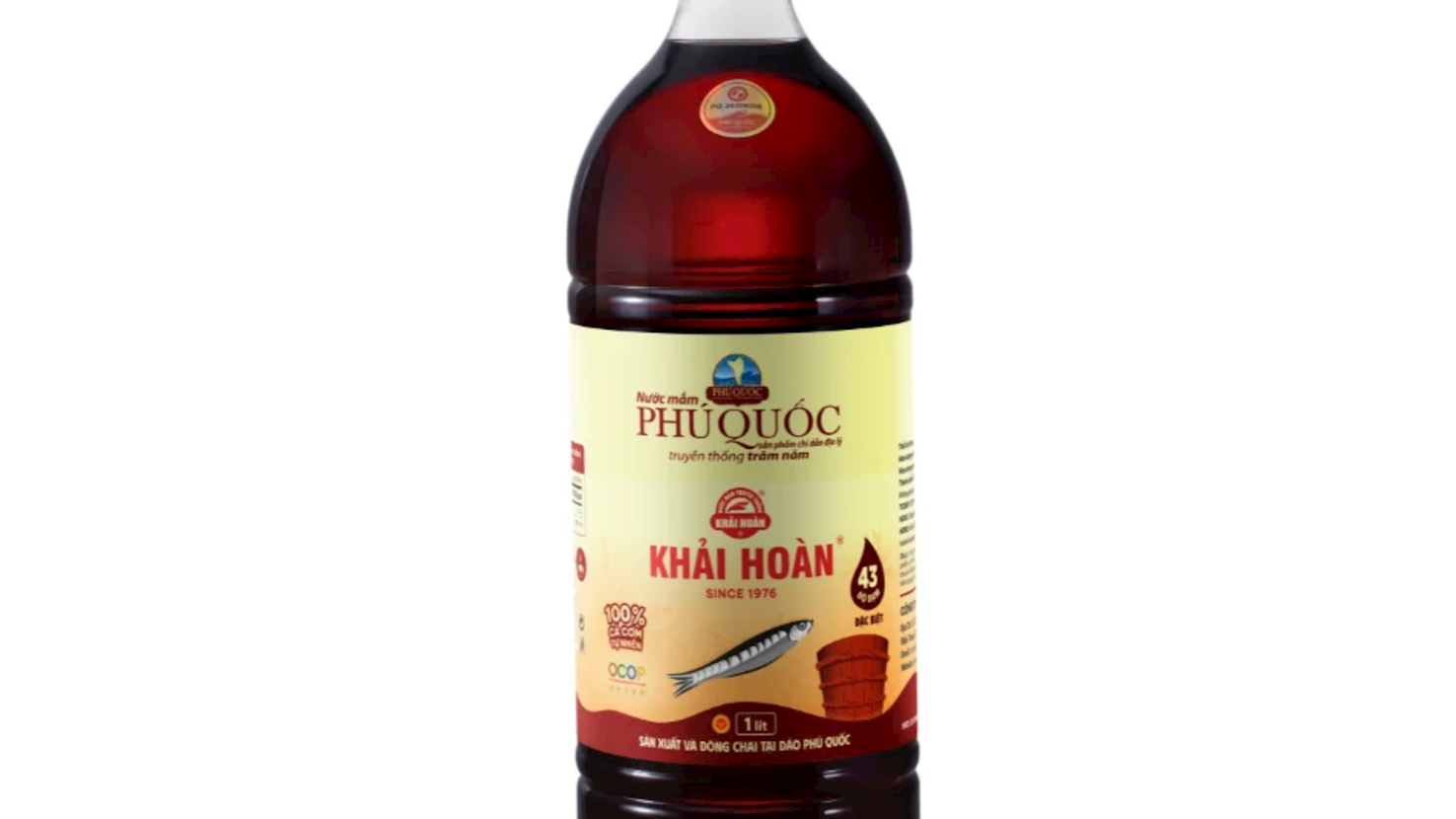
Khải Hoàn is a family-owned Vietnamese producer of traditional fish sauce from Phú Quốc Island. The production facility was established by Trần Thị Ba in 1975 with 12 large wooden barrels and an initial annual capacity of approximately 72,000 liters. The family craft has continued through three generations while Khải Hoàn Trading Joint Stock Company was established in 2007. Hồ Kim Liên played an important role in developing the business after leaving her medical career to revive and expand her family’s production. Black anchovies caught in the waters surrounding Phú Quốc Island are used as the principal raw material. The company operates its own fleet of fishing boats where the catch is selected and salted immediately after being taken from the sea. The fish and salt then undergo natural fermentation in large traditional wooden barrels. The producer operates more than 900 barrels with an average capacity of approximately 12 metric tons. The process includes control over fishing, transportation, fermentation, sauce extraction and automated bottling. The finished fish sauce has a dark amber color, a mild aroma of fermented anchovies and a pronounced savory-sweet flavor with a natural umami finish. The range includes several lines with different natural nitrogen levels from standard products to limited varieties graded at 45N and 49N. With annual production of approximately five to six million liters Khải Hoàn ranks among the largest producers of traditional fish sauce on Phú Quốc Island.

10
Condiment

Thanh Quốc

4.9 ·

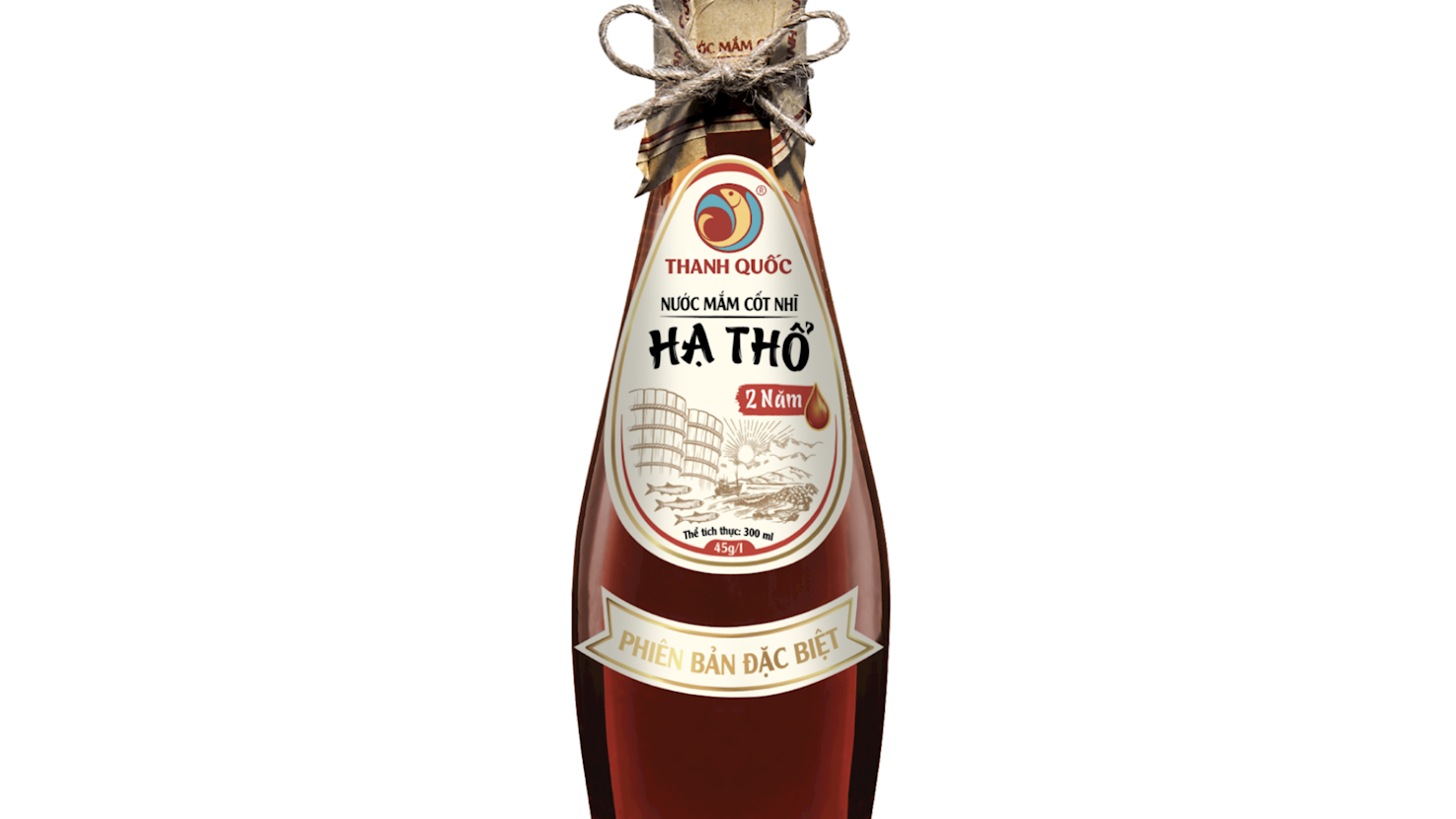
Thanh Quốc is a family-owned Vietnamese producer of traditional fish sauce from Phú Quốc Island. The family’s experience in the craft has been passed down through at least three generations, while the Thanh Quốc production facility was officially established in 1993. The business is currently operated by Thanh Quốc Fish Sauce Production and Trading Company Limited. Its owner, Nguyễn Thị Tịnh, has played an important role in preserving and promoting the island’s traditional fish sauce. From 2000 to 2015, she served three terms as president of the Phú Quốc Fish Sauce Association. She also participated in the international protection of the Phú Quốc name, which is registered as a protected designation of origin in the European Union. The principal ingredients are anchovies caught in the waters surrounding Phú Quốc and sea salt from the Bà Rịa–Vũng Tàu region. The fish is combined with salt and naturally fermented in large traditional wooden barrels. Production, extraction of the matured sauce and bottling are all carried out on the island to meet the requirements of the Phú Quốc geographical indication. The range includes several fish sauces distinguished by their natural nitrogen content and the concentration of compounds produced through the breakdown of fish proteins. The finished sauce has a clear amber to reddish-brown colour, a pronounced umami character and the savoury-sweet finish typical of traditional Phú Quốc fish sauce.

About this Ranking

TasteAtlas food rankings are based on the ratings of the TasteAtlas audience, with a series of mechanisms that recognize real users and that ignore bot, nationalist or local patriotic ratings, and give additional value to the ratings of users that the system recognizes as knowledgeable. For the “Top 58 Southern Vietnamese Foods” list until September 02, 2026, 889 ratings were recorded, of which 652 were recognized by the system as legitimate.

TasteAtlas Rankings should not be seen as the final global conclusion about food. Their purpose is to promote excellent local foods, instill pride in traditional dishes, and arouse curiosity about dishes you haven’t tried.

The initial list of top producers was compiled based on available reviews, awards, local recommendations, media and blog coverage, and consumer reviews. The list will be updated with ratings from TasteAtlas local ambassadors and TasteAtlas users.

What People Say

Similar Lists