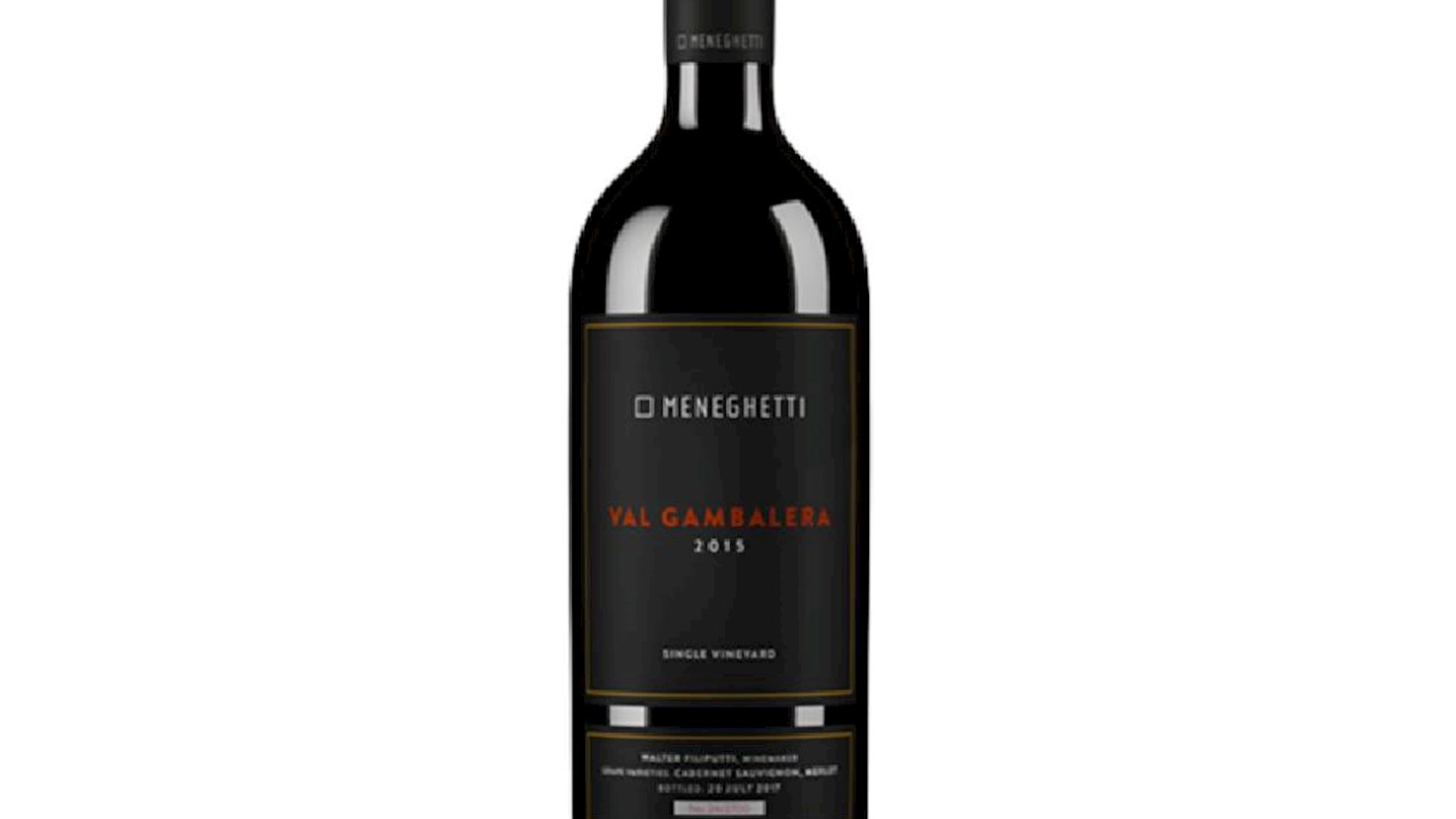
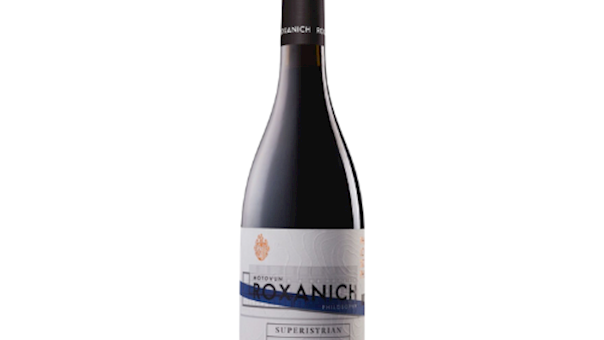
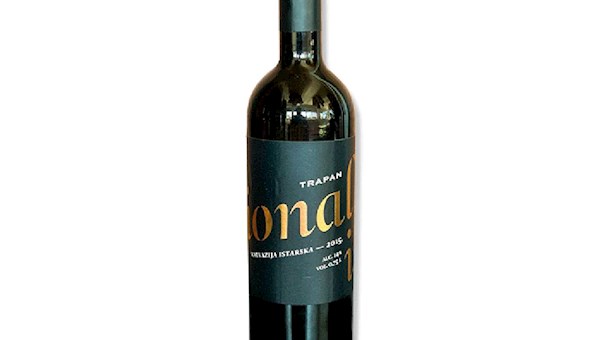
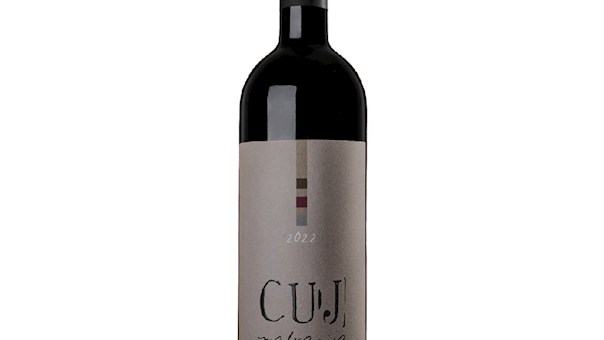
Meneghetti is a unique estate in the heart of Istria, where tradition and contemporary luxury come together in perfect harmony. Surrounded by vineyards and olive groves, Meneghetti produces award-winning wines and olive oils, while also offering an unforgettable experience through its renowned Wine Hotel & Winery. From the authentic Istrian Malvasia to elegant blends, every bottle reflects the character of the terroir and a deep passion for excellence.
Today, Meneghetti is not just a producer, but a symbol of Istrian hospitality and the art of refined living – a true fusion of nature, craftsmanship, and taste.
Awards
Vivino - 4.6
Concours Mondial de Bruxelles - Grande Médaille d'or
(2023)
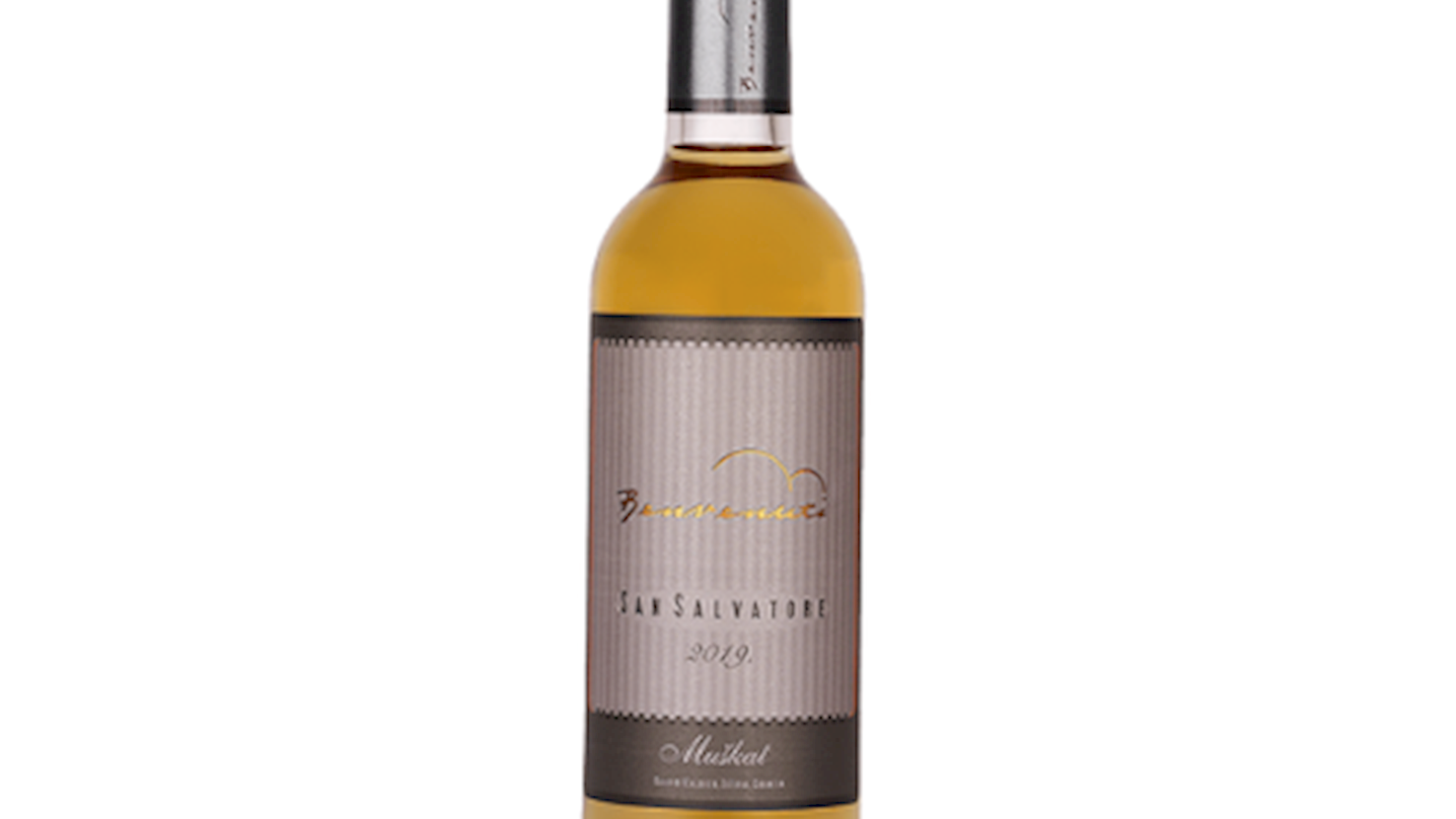
Benvenuti Winery is nestled in the Istrian village of Kaldir, near Motovun, where winemaking is not just a craft but a way of life. For generations, the Benvenuti family has cultivated vines on steep hillsides between 250 and 400 meters above sea level, preserving the authenticity of native varieties such as Istrian Malvazija, Teran, and Muscat.
Their philosophy is rooted in respect for the terroir and natural conditions, especially the renowned San Salvatore site, where the unique combination of soil and microclimate creates wines of remarkable freshness, minerality, and character. By blending tradition with modern methods, they craft wines that faithfully reflect the essence of Motovun’s hillsides.
The story began in 1946, when Petar Benvenuti planted the first family vineyards. Today, under the guidance of Livio, Albert, and Nikola Benvenuti, the winery continues to nurture this legacy, producing wines recognized and awarded across the globe.
From the refreshing Malvazija and powerful Teran to prestigious labels such as Anno Domini and Santa Elisabetta, every Benvenuti wine carries the hallmark of passion, dedication, and Istrian authenticity.
Awards
Decanter World Wine Awards - Platinum
(2022, 2021, 2017)
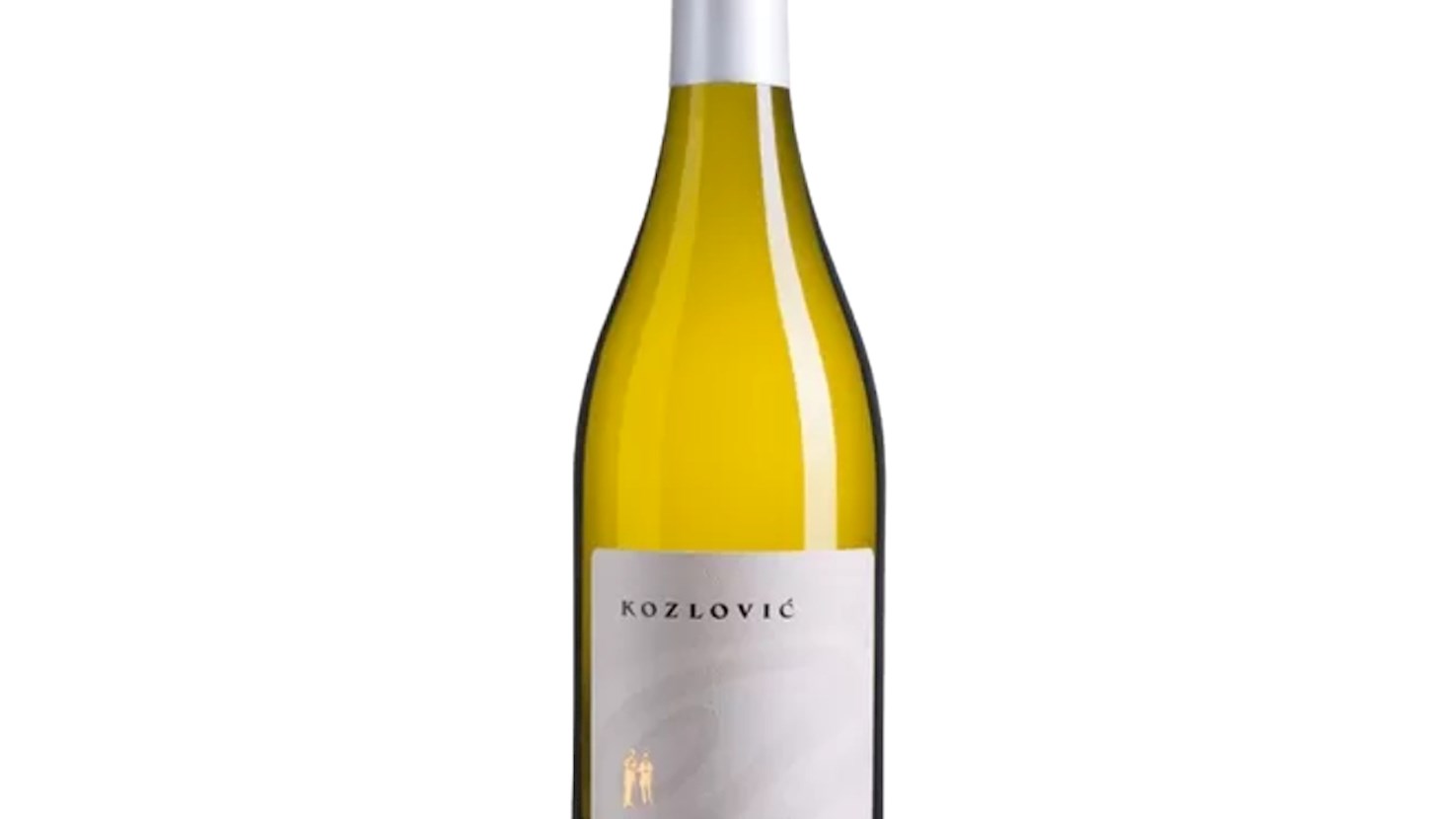
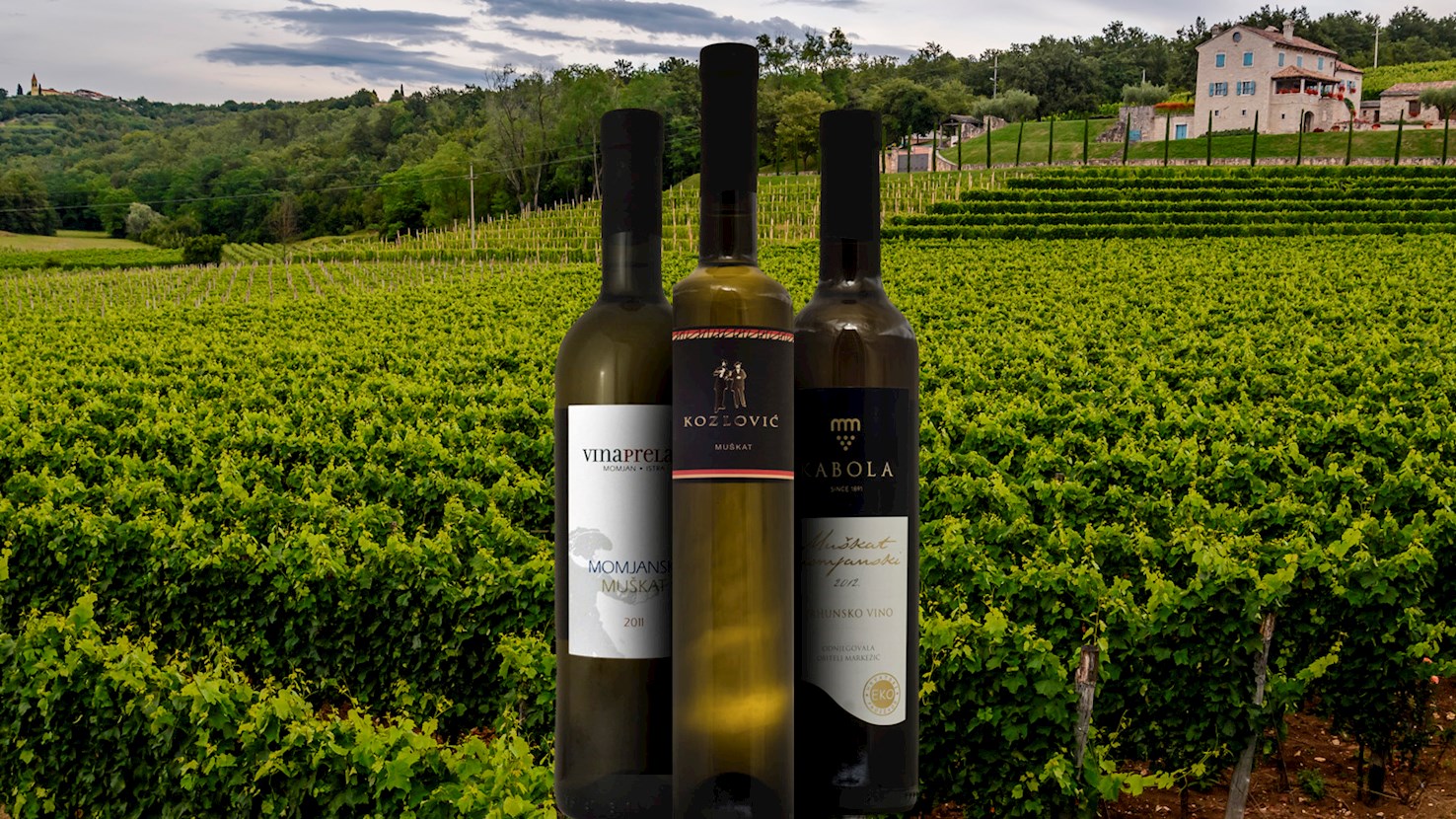
Kozlović is a family-owned winery located in the village of Momjan in north-western Istria, near the town of Buje, one of the most renowned wine-growing areas in Croatia. The winemaking tradition of the Kozlović family dates back to 1904, when Antonio Kozlović planted the first vineyards on sites that still form the core of the estate today. The winery is currently run by the fourth generation of the family, which has significantly modernized production while maintaining a strong focus on quality and the expression of local grape varieties. The vineyards are situated on the hills above the Vale valley, where soils composed of marl, clay and limestone contribute to the wines’ distinctive mineral character and clear sense of terroir. Kozlović is particularly known for wines made from indigenous varieties such as Malvazija Istarska and Muscat Momjanski, while also producing red wines from Teran and several international grape varieties. In 2012 the family built a modern winery designed to follow the natural slope of the terrain, enabling gravity-flow vinification and a minimal-intervention approach to winemaking. Over the past decades, Kozlović has become one of the leading representatives of contemporary Istrian winemaking, with wines that regularly receive recognition at international competitions and reflect the distinctive identity of the Istrian terroir.
Awards
Decanter World Wine Awards - Platinum
(2022, 2020)
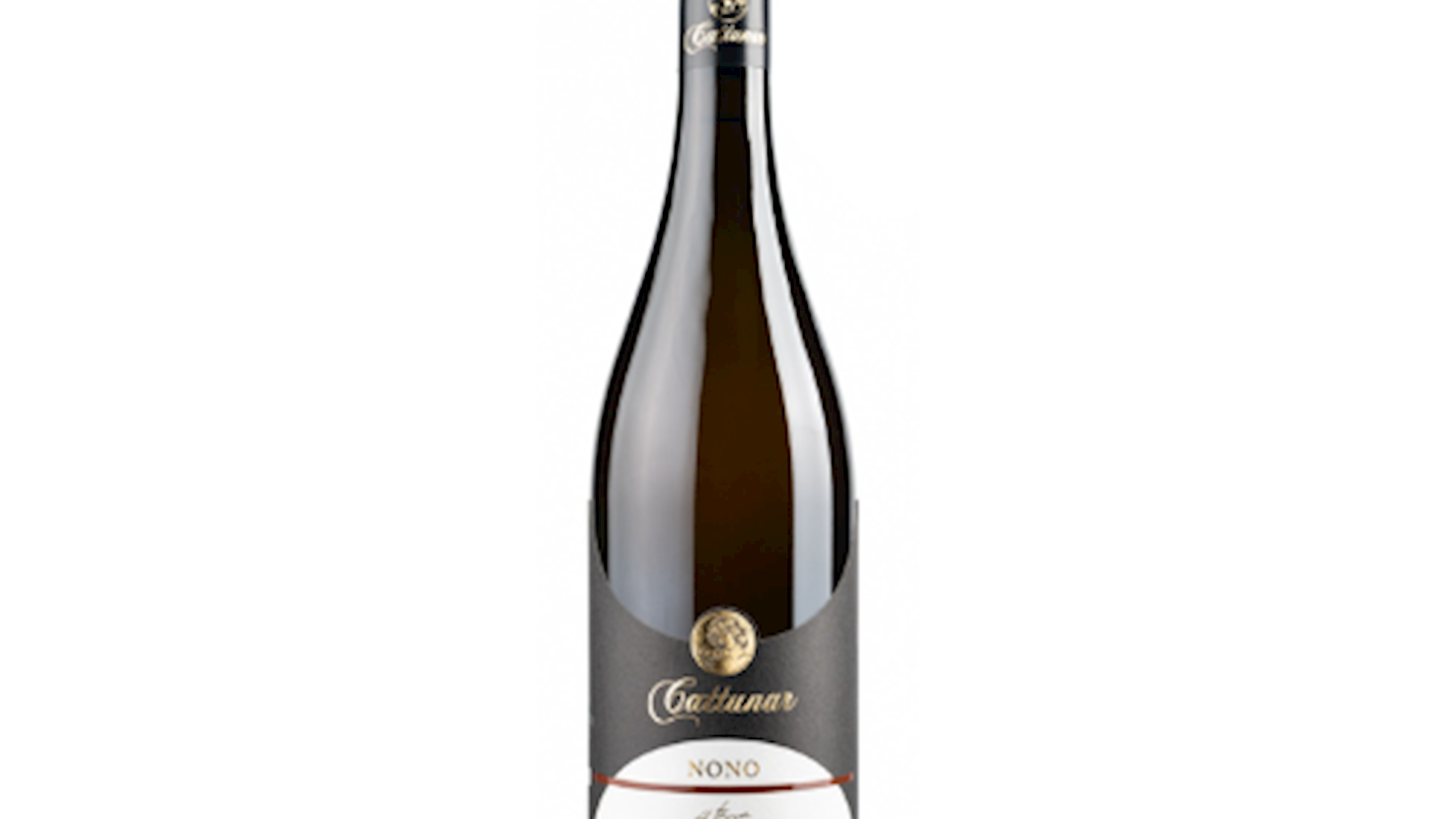
Cattunar is a family-owned winery located in the village of Nova Vas near Brtonigla in northwestern Istria, Croatia. The modern winery was established in the 1980s by Franco Cattunar, who was among the pioneers of private winemaking in the region. Over time the estate expanded its vineyards and today cultivates around 50 hectares of vines in western Istria. A distinctive feature of the winery is that its vineyards are planted on all four characteristic Istrian soil types – red, white, grey and black – which became the basis of the winery’s “4 Terre” project exploring the influence of different soils on wine expression. The production focuses primarily on indigenous grape varieties such as Malvazija Istarska, Teran and Muscat, alongside international varieties including Chardonnay, Merlot and Cabernet Sauvignon. By combining modern winemaking techniques with a strong focus on terroir, Cattunar has developed a reputation as a notable producer within the contemporary Istrian wine scene.
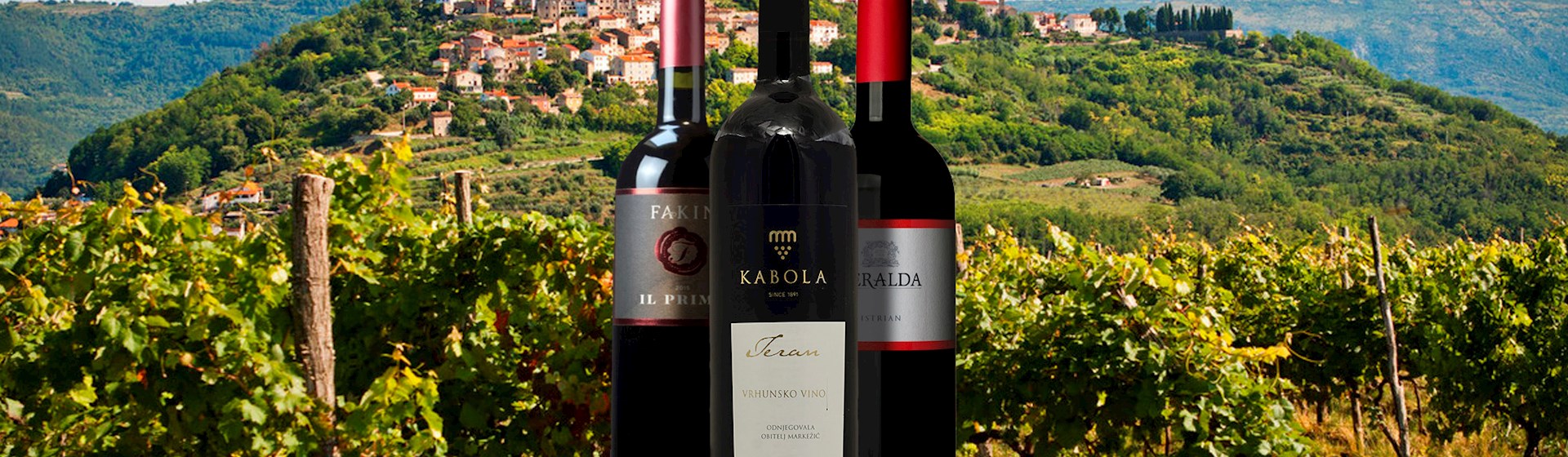
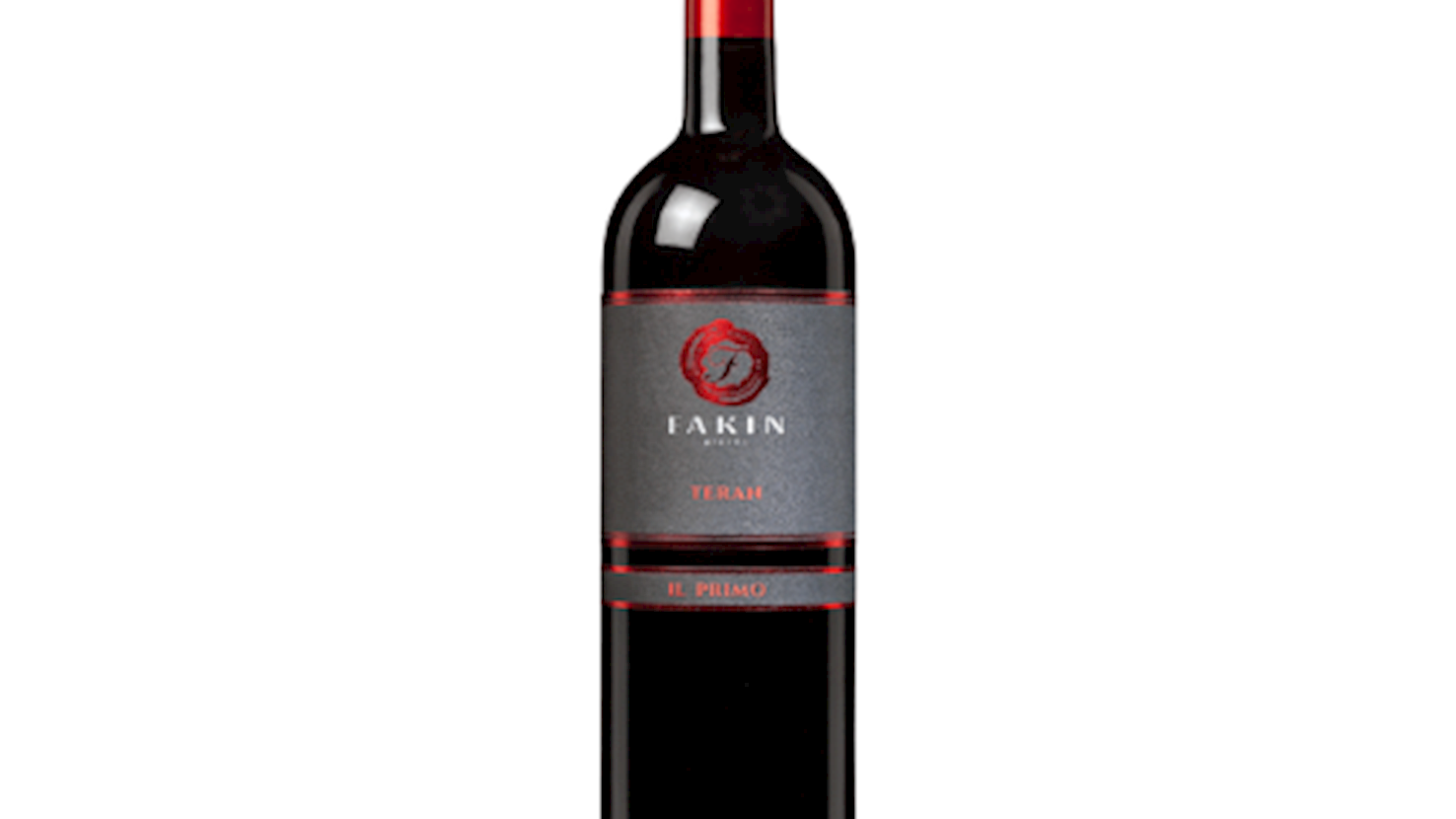
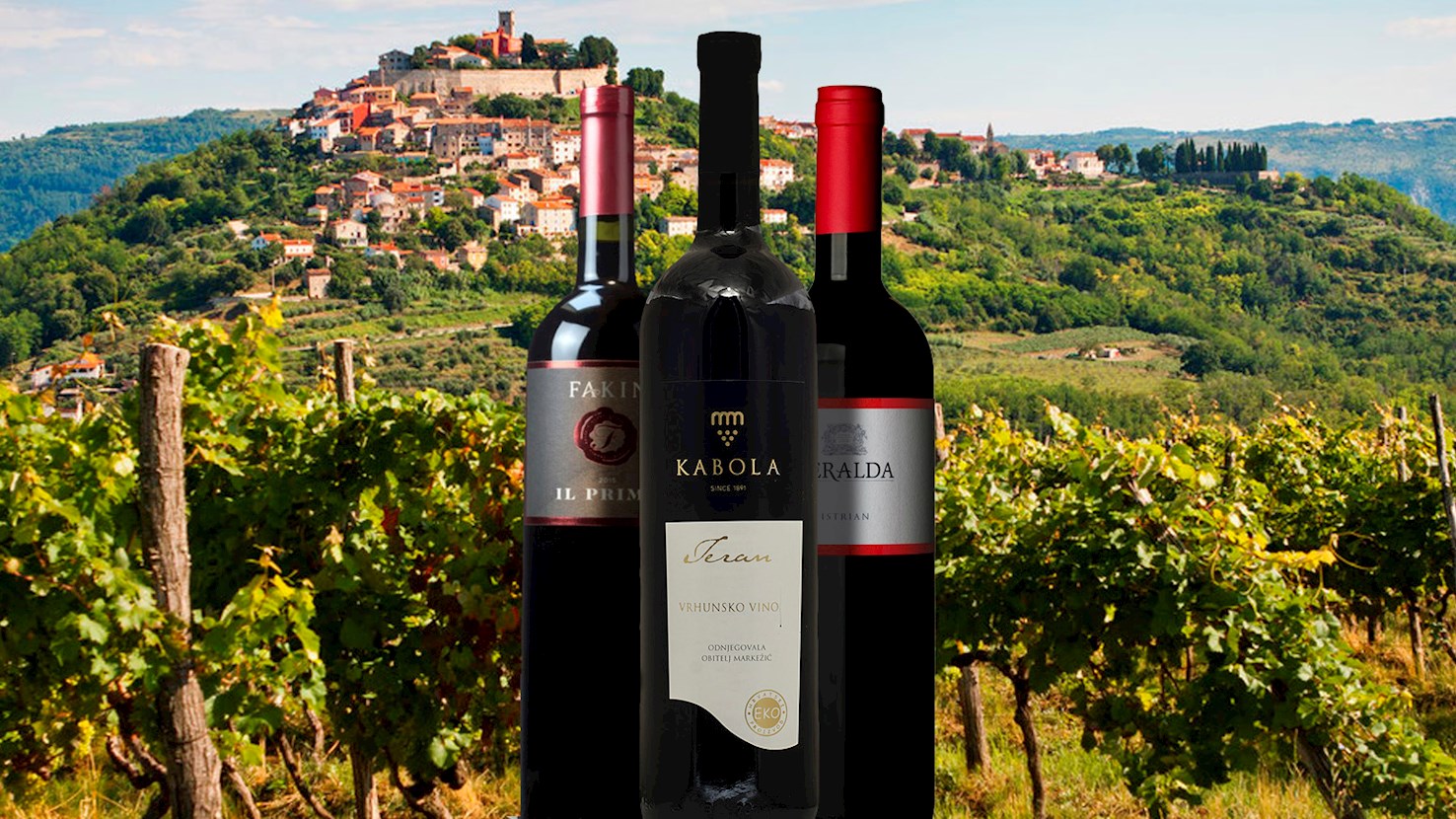
Fakin is a family-owned winery located in the hamlet of Bataji near Motovun in central Istria, one of Croatia’s most recognized wine-growing regions. Although the Fakin family has a long tradition of cultivating vineyards, the modern development of the winery began in 2010 when Marko Fakin decided to focus professionally on winemaking and build the family brand. The vineyards are situated on the hills of the Motovun wine area, where soils rich in marl and limestone contribute to the wines’ mineral character and strong regional identity. The winery focuses primarily on traditional Istrian grape varieties, especially Malvazija Istarska and Teran, while also producing smaller quantities of wines from international varieties such as Chardonnay and Pinot Grigio. Several vineyard sites around Motovun are cultivated, benefiting from favorable sun exposure and moderate elevations that help develop aromatic and well-structured wines. In recent years Fakin wines have gained growing recognition on the regional wine scene and have received awards at various competitions. Today the winery is considered one of the notable modern producers in Istria, producing wines that reflect both the local terroir and a contemporary approach to winemaking.
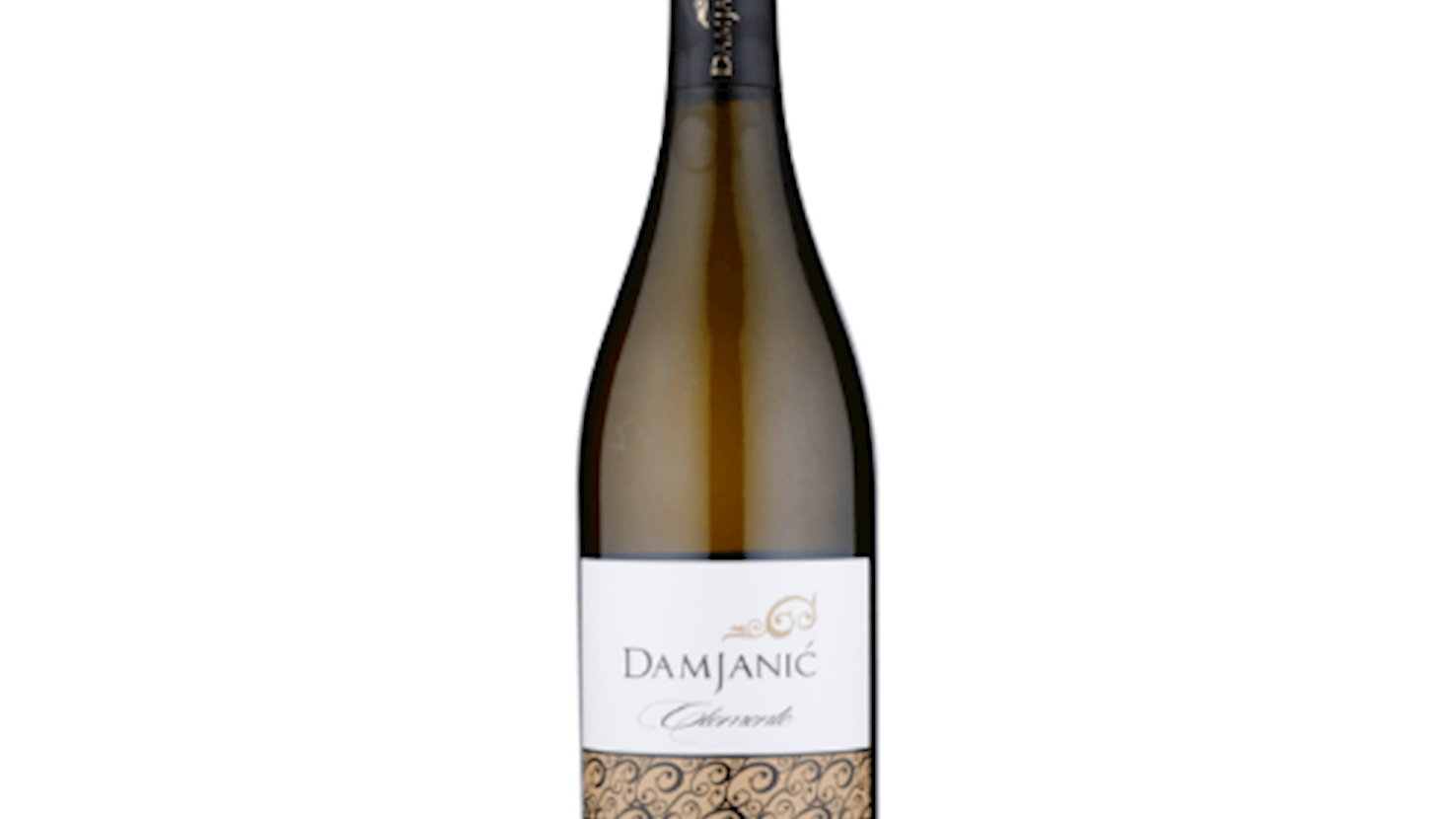
Damjanić is a family-owned winery located in the village of Fuškulin, between the town of Poreč and the Lim Channel on the western coast of Istria, Croatia. The winery is led by winemaker Ivan Damjanić, who revived the family’s long-standing viticultural tradition in the early 2000s. Vine growing on the estate dates back to the late 18th century, when the first vineyards were planted on these sites, establishing a long local history of wine production. Today the winery cultivates vineyards in a Mediterranean environment influenced by the nearby Adriatic Sea, where the combination of climate, sunlight and Istrian soils contributes to the character and balance of the wines. The production focuses mainly on regional grape varieties, particularly Malvazija Istarska, alongside varieties such as Borgonja, Teran, Chardonnay and Yellow Muscat. Damjanić produces several wine lines that range from fresh, varietal expressions to more structured wines with additional aging. Over time the winery has gained recognition for its consistent quality and has received various awards at regional and international wine competitions, becoming a notable producer within the modern Istrian wine scene.
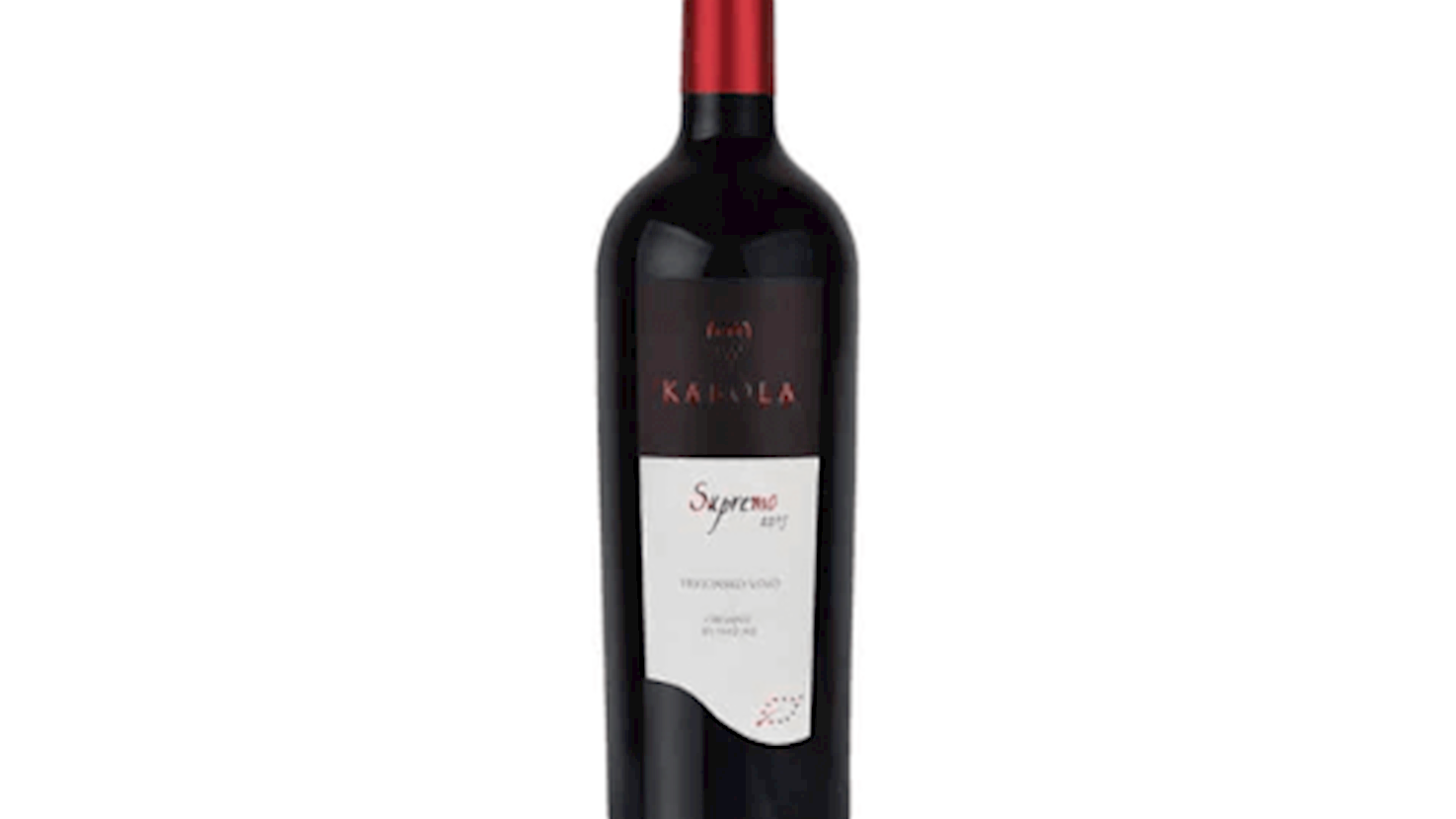
Kabola is a family-owned winery located in the village of Kanedolo near Momjan and the town of Buje in northwestern Istria, Croatia. The winemaking tradition of the Markežić family dates back to 1891, when the first vineyards were planted and wine production began on the estate. Today the winery is managed by Marino Markežić, who modernized the production and further developed the family business while maintaining a strong focus on the expression of the Istrian terroir. The vineyards are situated on hills near Momjan, where clay and marl soils, combined with a Mediterranean climate and the influence of the nearby Adriatic Sea, contribute to the structure and character of the wines. Kabola focuses primarily on indigenous Istrian grape varieties such as Malvazija Istarska, Teran and Muscat Momjanski. The winery is also known as one of the pioneers of organic viticulture in Istria, having introduced certified organic production in the late 2000s. In addition, Kabola is recognized for using traditional clay amphorae for the fermentation and aging of certain wines, combining ancient techniques with a modern approach to winemaking.
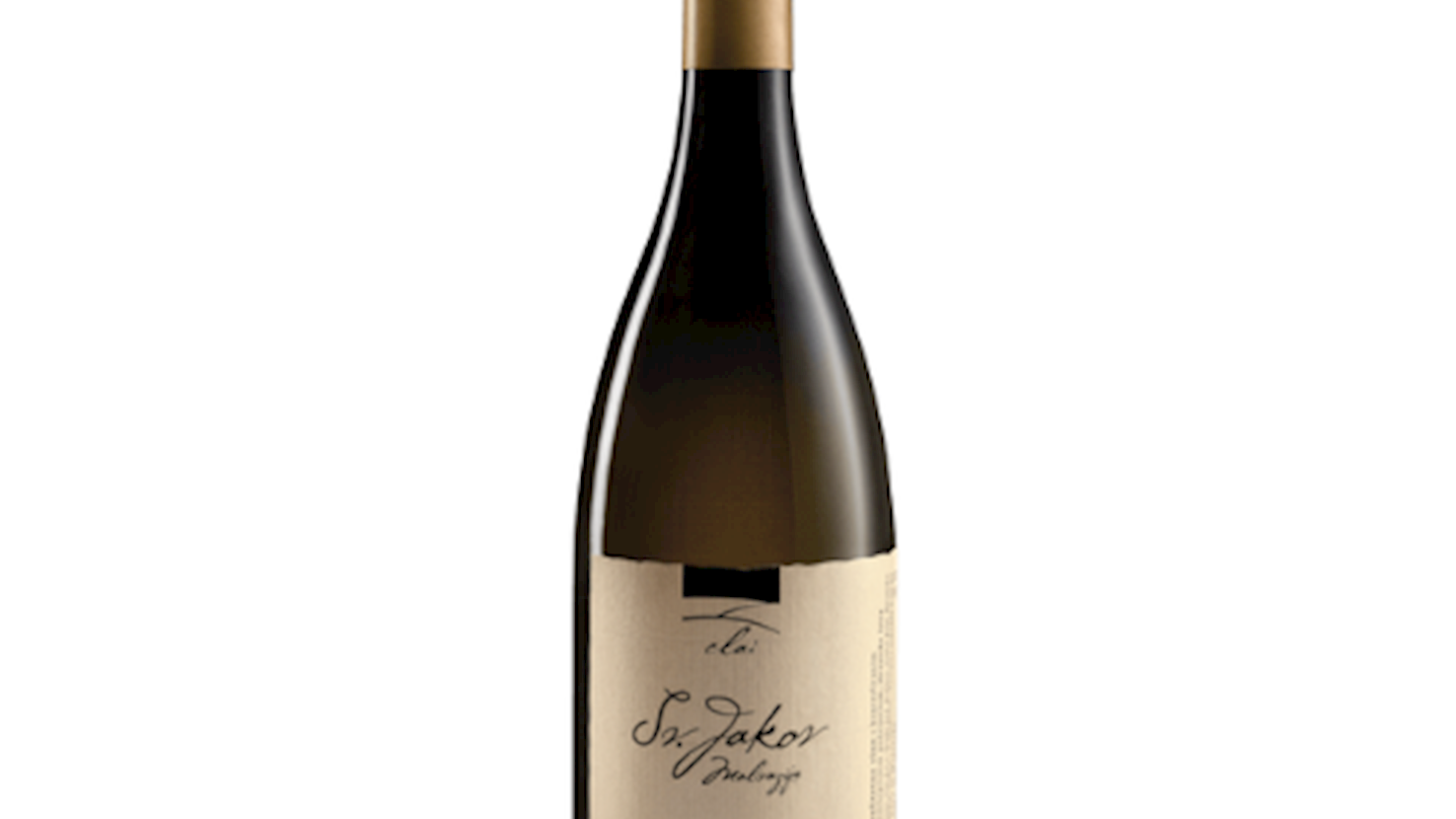
Clai is a family-run boutique winery located in the village of Brajki near Krasica, close to the town of Buje in northwestern Istria, Croatia. It was founded in the early 2000s by Giorgio Clai with the idea of producing wines that authentically reflect the character of the Istrian terroir and traditional winemaking methods. The vineyards are situated on hills above the Mirna valley, on soils composed of flysch and limestone that contribute to the wines’ mineral structure and complexity. Vineyard management follows organic principles, while winemaking is based on minimal intervention, including spontaneous fermentation with indigenous yeasts and often extended skin maceration. The wines mature in wooden barrels and are typically bottled without filtration in order to preserve their natural character. Clai is particularly known for wines made from indigenous varieties such as Malvazija Istarska, Refosco and Muscat, as well as for its macerated white wines often referred to as “orange wines”. Through this approach, the winery has gained recognition as one of the pioneers of natural and traditional winemaking in Istria.
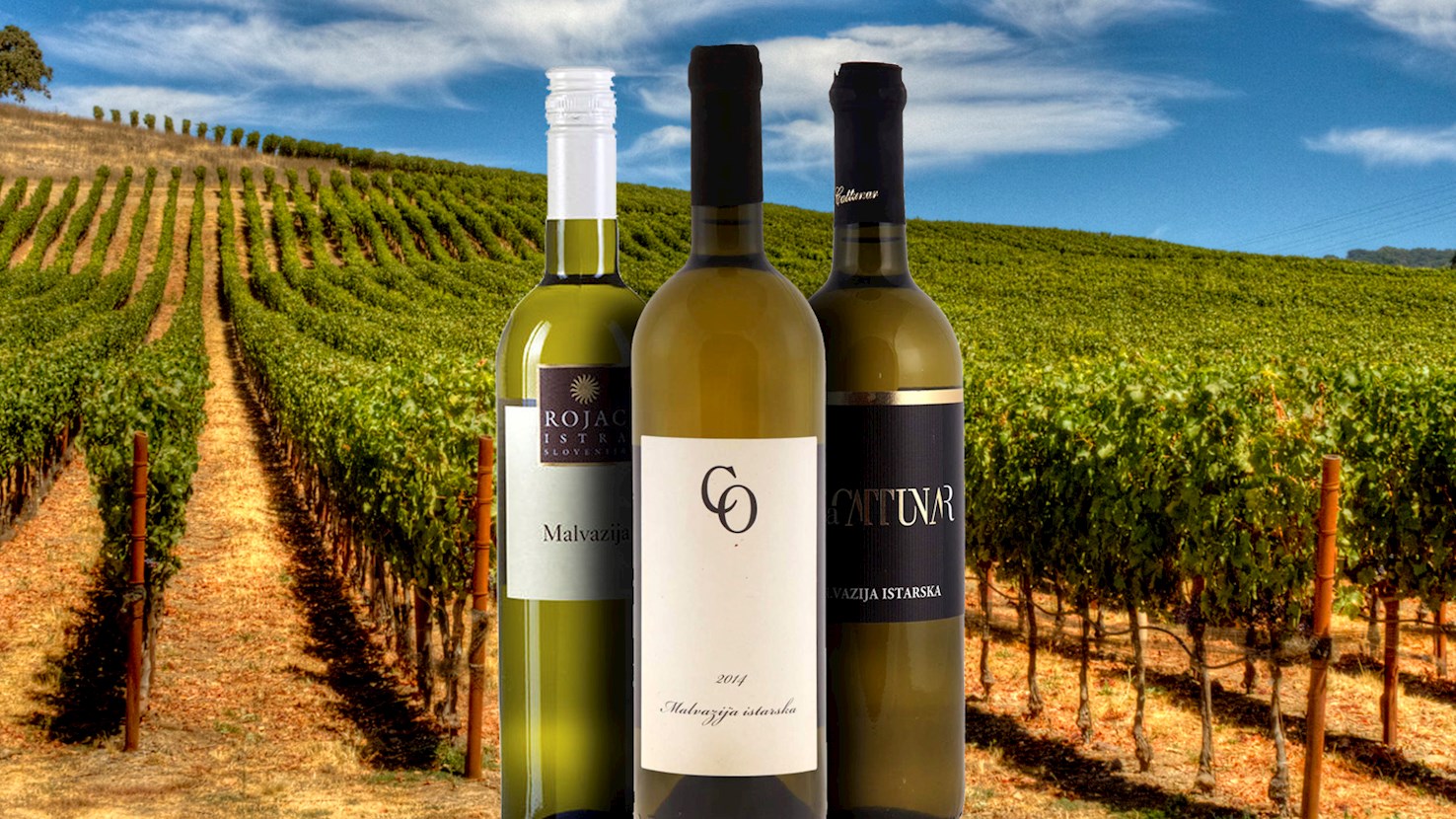
Istarska malvazija is a native Croatian white grape variety that is predominantly grown in Istria, where it is mostly used in the production of varietals. These food-friendly wines are typically fresh and fruity, with mineral notes and aromas of green apple, acacia, and apricots. Although most varieties are enjoyed young, some producers mature it for extended periods in oak, acacia barrels, or amphorae to produce slightly different expressions. Malvazija wines pair well with white fish, other types of seafood, as well as with various dishes prepared with the white Istrian truffle. Apart from Istria, the grape is also grown in some parts of Slovenia and the Italian region Friuli-Venezia Giulia.
Teran is a red grape variety that has been cultivated for centuries in Istria (Croatia), Friuli (Italy), and the Kras Plateau in Slovenia. The history and the usage of the name Teran have long been disputed between Croatia and Slovenia, and even though Slovenia registered the name as a Protected Designation of Origin, their Teran wines are mainly produced from a separate variety named Refošk. The dispute was partially settled by the European Union when Croatia was allowed to use the name, but the wine has to be labeled as Teran – Croatian Istria (Hrvatska Istra). Slovenia later filed a lawsuit against the European Commission and this decision, but in 2020, The General Court of the EU supported the previous ruling and rejected Slovenian claims. To add to the confusion, Refošk and Teran grapes have long been mistakenly regarded as the same variety, but recent findings show that they merely belong to the same family (Refosco).Varietal Istrian Teran is typically fresh and fruity with well-balanced acidity, firm tannins, and typical notes of berries and spices. It is usually enjoyed young and pairs well with charcuterie, cheese, and game.
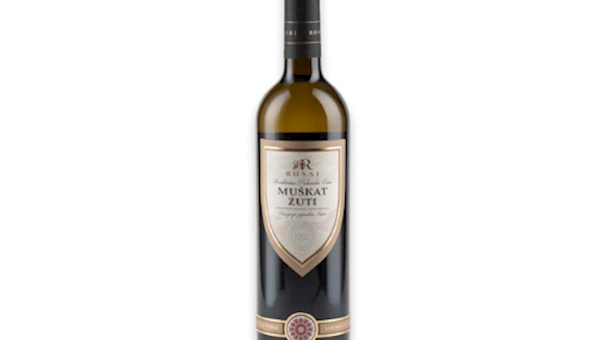
Muškat momjanski is a wine of protected origin that is produced in the vicinity of Momjan in Istria. The wines are made from a Muscat variety, precisely a variety of Muscat Blanc à Petits Grains. The unique combination of microclimate and soil around Momjan proved to be especially suitable for the cultivation of Muscat. It is believed that the grape was brought from Italy in the 1200s, and throughout history, it adapted and attained its distinctive character. The wines made in the region are rich an aromatic and may range from pale yellow to golden. The grape is used in the production of floral and fruity dry wines and more intense dessert wines, which usually display aromas of raisins, dry figs, and honey. These wines can also be labeled as archive wines (arhivsko vino) if they were aged for a minimum of five years. Muškat momjanski wines are best served well-chilled. They can be enjoyed as an aperitif, and they pair well with fruit desserts, especially tarts, puddings, and strudels.
Hrvatska Istra is a protected designation of origin (PDO) for wines produced on the Istrian peninsula in the westernmost part of Croatia, encompassing a diverse range of styles from crisp white wines to robust reds. It is physically defined by the specific geology of the region, which is categorized into "Red Istria" (Crvena Istra) for the iron-rich terra rossa soils near the coast and "White Istria" (Bijela Istra) for the flysch and limestone soils of the interior. The item emerged as a distinct viticultural zone through the long-standing cultivation of indigenous grape varieties, most notably Malvazija Istarska and Teran. Systematic viticulture in the region predates Roman influence, though the modern industry was shaped by the restructuring of vineyards following the phylloxera epidemic of the late 19th century and the subsequent transition toward quality-controlled production in the late 20th century. Preparation of Hrvatska Istra wines varies by grape variety and intended style. Malvazija Istarska, the dominant white variety, is typically processed using stainless steel fermentation at controlled temperatures to preserve its characteristic floral and citrus aromatics. In recent decades, a subset of producers has utilized prolonged skin maceration in amphorae or wooden barrels to produce "orange" or amber wines with higher tannin structures. Teran, the primary red variety, is known for its high acidity and iron-like mineral notes; it is often aged in large oak casks to soften its astringency and develop tertiary notes of dark berries and spice. A unique technical aspect of the region’s viticulture is the high planting density on the hillside terraces of "Grey Istria," which forces vines to compete for water and nutrients, resulting in a higher concentration of extract and sugar in the grapes. A characteristic unique to the region is the presence of the bora wind, a cold, dry northeasterly wind that prevents the development of fungal diseases and allows for late-harvest or organic viticulture with minimal chemical intervention. The wines are consumed locally in konobas (taverns) and fine-dining establishments, and are increasingly exported to international markets as a representative of Northern Adriatic viticulture. Serving temperature is critical; white Malvazija is served chilled at 10°C to 12°C, while Teran is served at 16°C to 18°C. These wines are paired with regional cuisine, where Malvazija complements Istrian truffles, wild asparagus, and fresh Adriatic seafood. Teran is frequently paired with Istrian prosciutto (pršut), manestra (vegetable and bean stew), and game meats, as its sharp acidity cuts through the richness of the animal fats.
TasteAtlas food rankings are based on the ratings of the TasteAtlas audience, with a series of mechanisms that recognize real users and that ignore bot,
nationalist or local patriotic ratings, and give additional value to the ratings of users that the system recognizes as knowledgeable.
For the “Top 17 Istrian Wines” list until June 02, 2026, 72 ratings were recorded, of which 49 were recognized by the system as legitimate.
TasteAtlas Rankings should not be seen as the final global conclusion about food. Their purpose is to promote excellent local foods,
instill pride in traditional dishes, and arouse curiosity about dishes you haven’t tried.
The initial list of top producers was compiled based on available reviews, awards, local recommendations, media and blog coverage, and consumer reviews.
The list will be updated with ratings from TasteAtlas local ambassadors and TasteAtlas users.