shutterstock

Top 100 Asian Desserts

Last updated on June 15, 2026

Best Asian Desserts
01

Antakya künefesi

4.5 ·

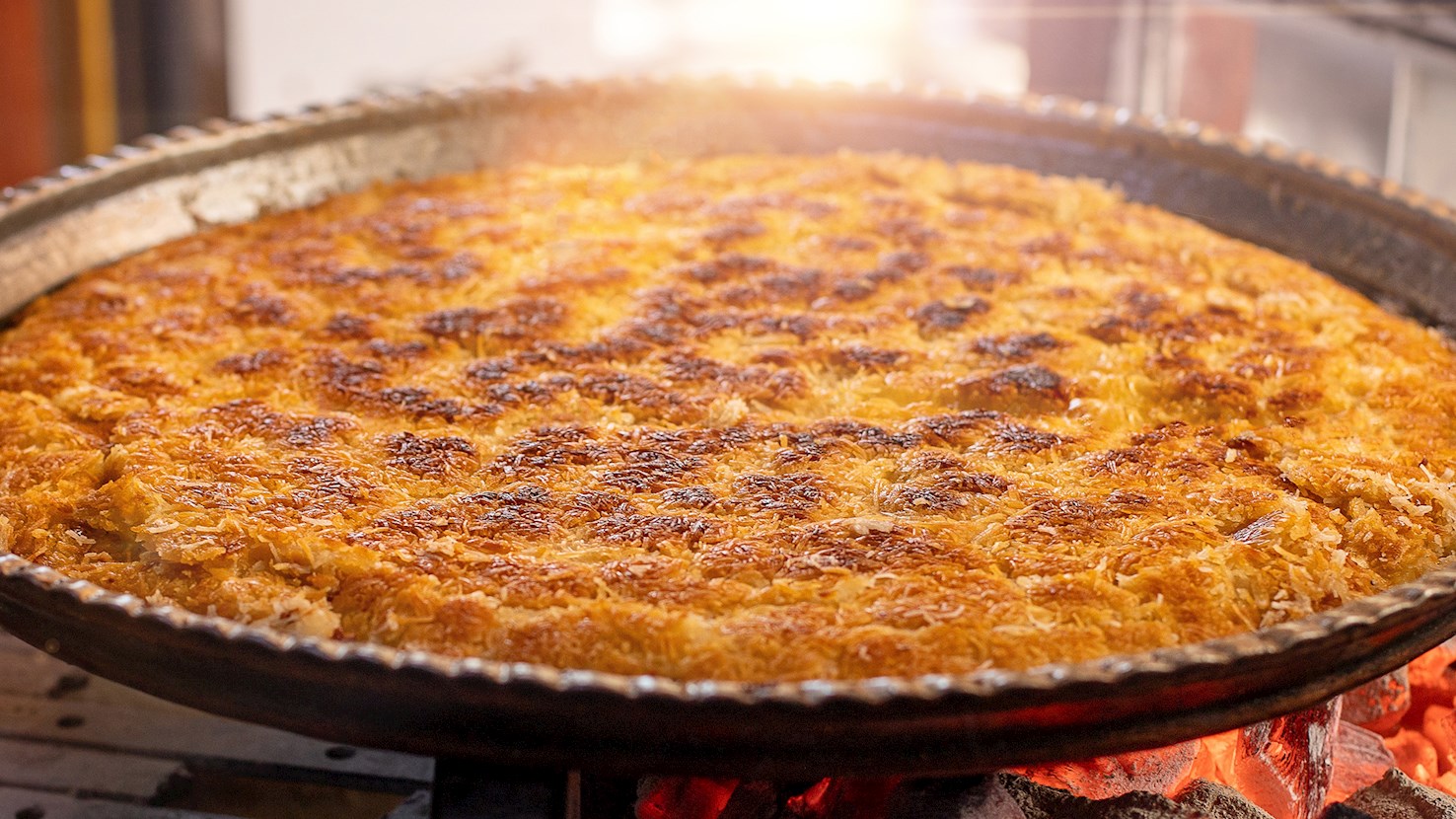
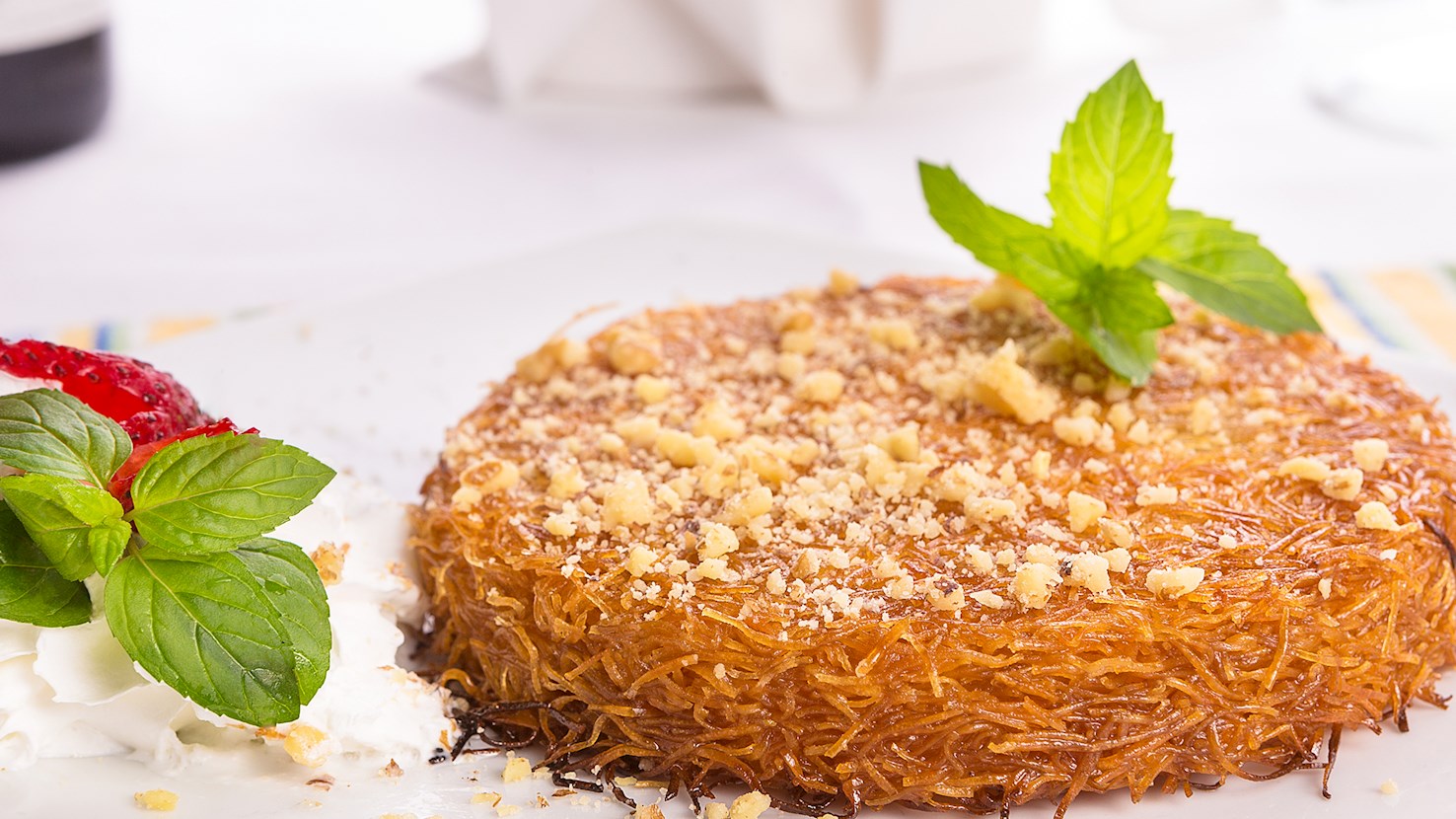
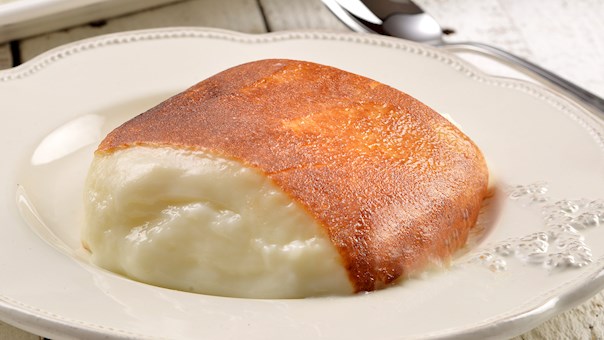
Antakya künefesi is a traditional kunāfah variety hailing from the ancient Turkish city of Antakya, made from shredded phyllo pastry filled with creamy unsalted cheese. The origins of this dish can be traced back to the Ottoman Empire, and to this day, it has remained one of the authentic representatives of Antakyan culinary heritage and traditions. To make Antakya künefesi, the pastry is first prepared by shredding phyllo dough into thin strips and placing it into a flat, round tray. The dough, in this form known as kadayıfın, is then topped with a mixture of unsalted cheese, traditionally Hatay peyniri, and another layer of shredded phyllo dough. After the concoction is baked on both sides (a step that makes this kunāfah variety unique), it is soaked with hot, sweet syrup made with sugar, water, and lemon juice. Antakya künefesi is served warm and garnished with chopped pistachios, walnuts, or hazelnuts. In 2006, this delicious dessert received the Protected Geographical Indication certificate.

02

Fıstıklı sarma

4.4 ·

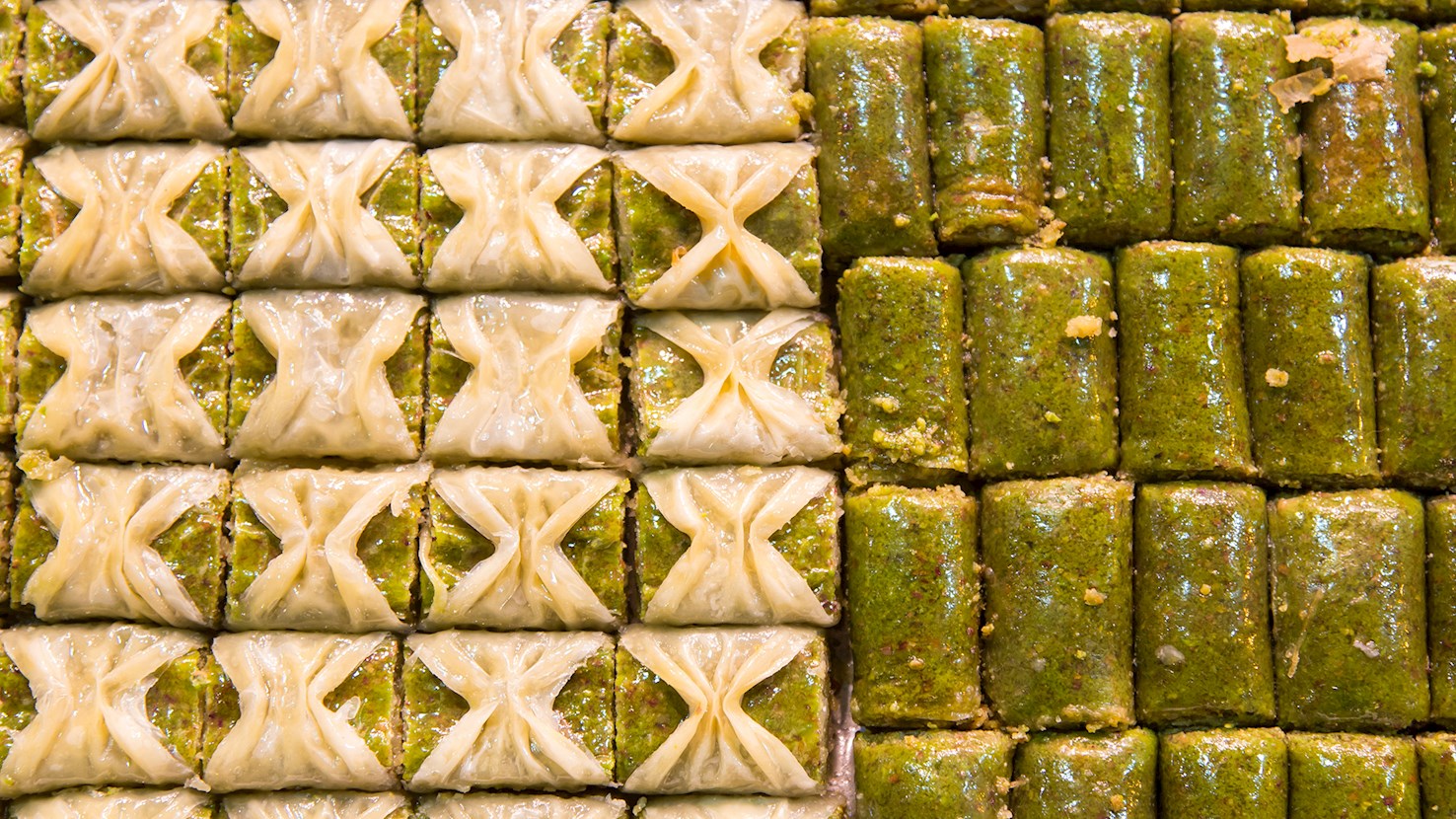
This Turkish sweet is made with a smooth, green, paste-like filling known as fıstık ezmesi (lit. pistachio butter). It is like a pistachio version of marzipan, and its bright green color is all-natural—it comes from the early-harvested Gaziantep pistachios. The delicious pistachio paste is wrapped around a single sheet of phyllo dough, just to hold its green goodness together, which is why this type of baklava is called either fıstıklı sarma or fıstıklı dürüm, meaning pistachio wrap or pistachio roll.

03

Gaziantep baklavası

4.4 ·

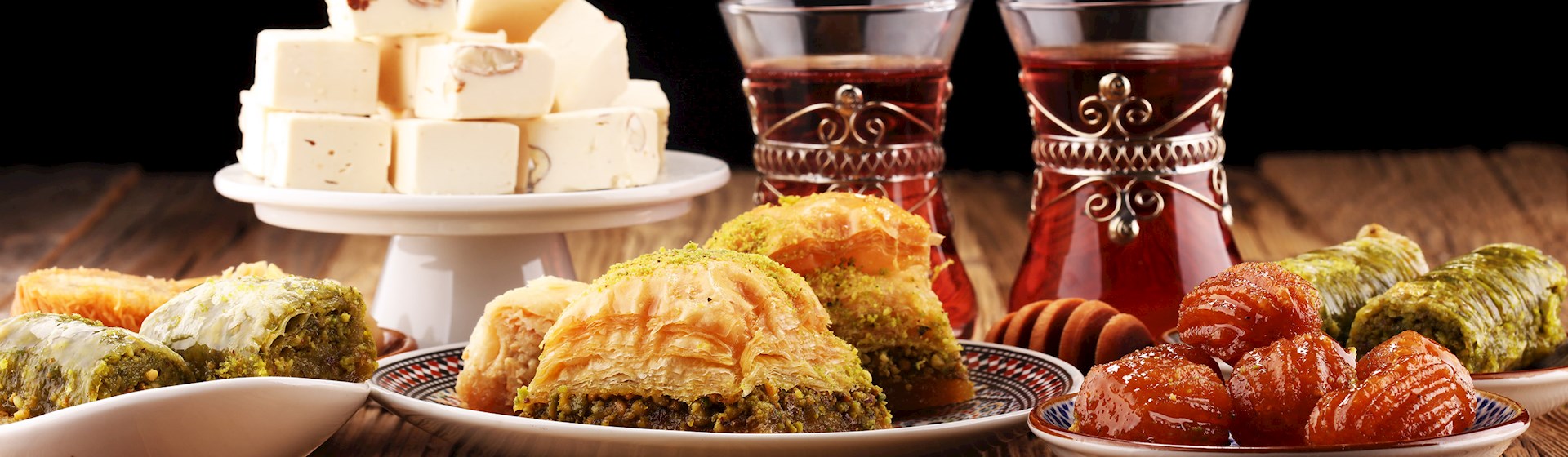
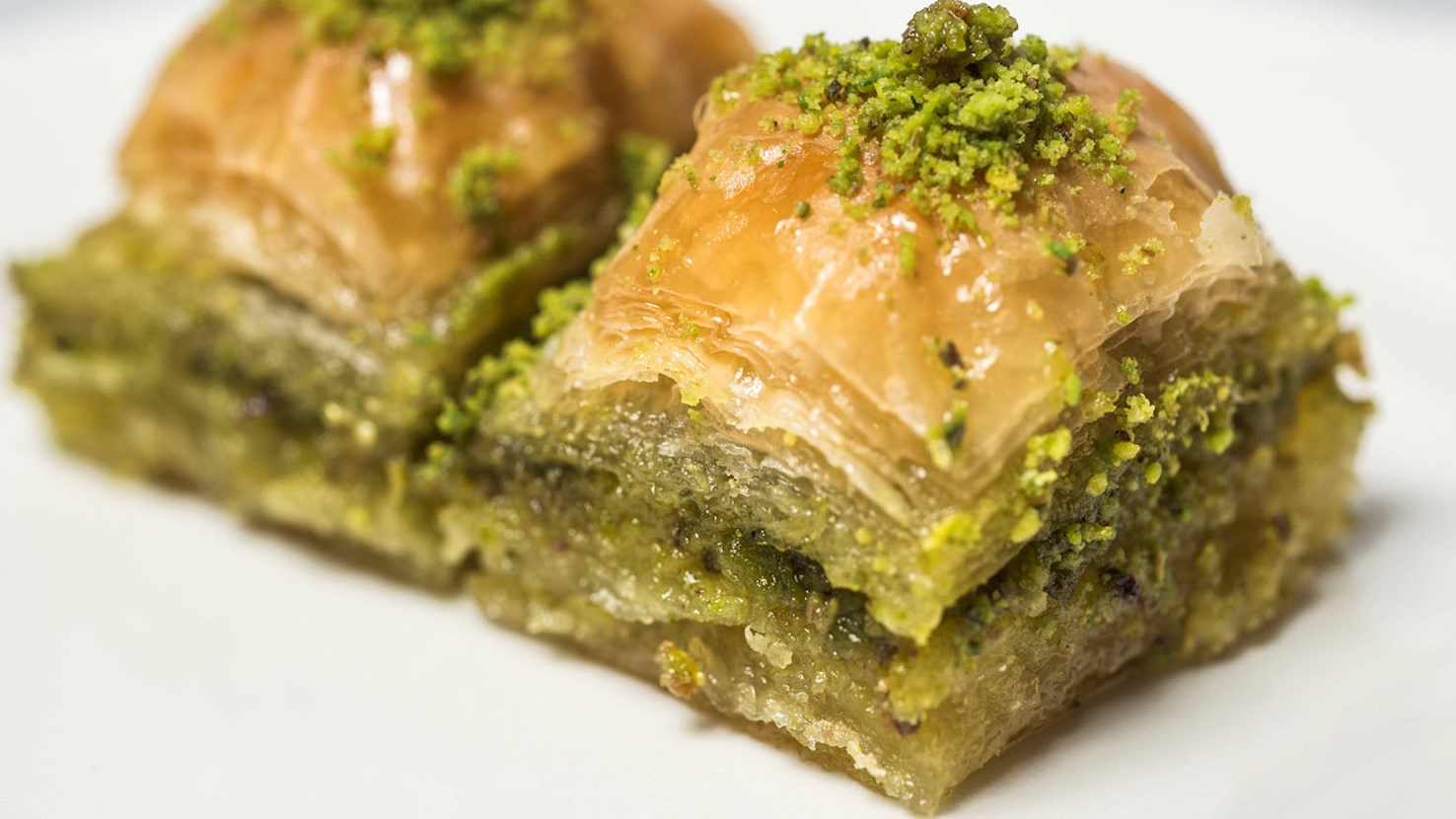
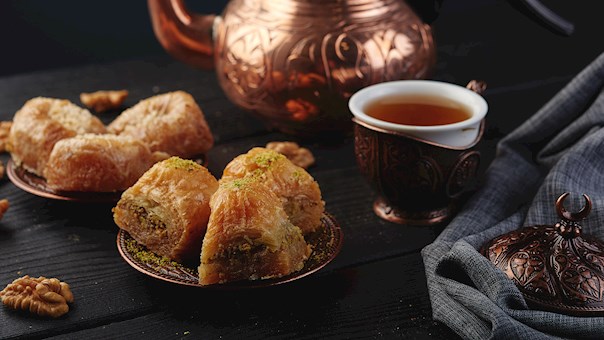
The ancient Anatolian city of Antep, today known as Gaziantep, is Türkiye's gastronomic capital famous for being home to the world’s finest pistachios and the delicious Antep baklavası. Originally an Ottoman legacy, baklava is regarded as one of the greatest creations from the pastry chefs at Topkapı Sarayı, the major royal residence of Ottoman sultans from the 15th to the 19th century. Baklava was traditionally prepared for Eid-al-Fitr, also known in Türkiye as Ramazan or Şeker Bayramı, a religious holiday when Muslims celebrate the ending of Ramadan, the Islamic holy month of fasting. Today, this Turkish treat is available year-round, and with more than 500 baklava bakeries in the city of Gaziantep, it is definitely not to be missed, especially during the pistachio harvest from midsummer to September, when these emerald-colored nuts are just the right size for baklava. To make this popular pastry, the finely crushed, genuine Gaziantep pistachios are generously spread between paper-thin sheets of phyllo dough which are brushed with melted butter and smeared with semolina cream. Antep baklava is then splashed with another dose of melted butter, baked, and finally, poured over with a hot sugar and lemon juice syrup. According to Turkish ustaları or master bakers, a well-baked baklava is tender, but at the same time has a perfect crunch to it. When divided with a fork, it makes a cracking sound which is not only a sign of freshness, but also a sign of the finest baklava, which isn't too sweet or heavy and leaves a heavenly taste in your mouth. Garnished with crushed pistachios, and often topped with kaymak, Turkish clotted cream, or a scoop of milk-flavored ice cream called kaymaklı dondurma, Antep baklava goes a long way: it can be enjoyed either with Turkish coffee in the morning or as a mid-afternoon treat with a cup of tea, but also as an after lunch or dinner dessert.

04

Pisang goreng

4.4 ·

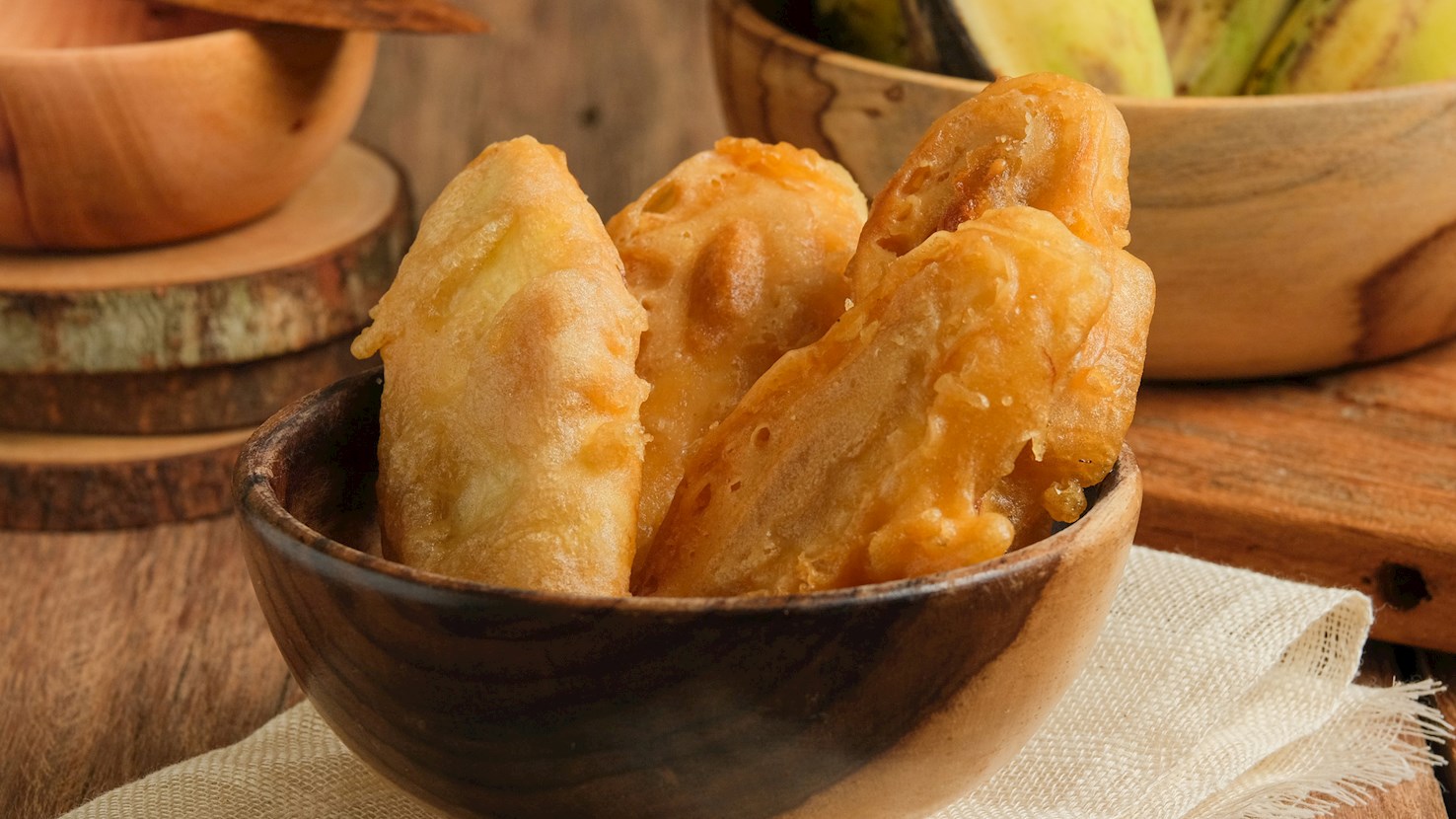
Fried bananas or plantains are a common everyday snack eaten throughout Indonesia. They come in numerous versions in which the fruit is simply fried in shallow oil, but more often sliced banana pieces are coated in batter before they are fried until golden. Besides numerous other varieties, fried bananas also appear under different names such as godoh biu on Bali or gedhang gorèng on Java. They are traditionally sold at street stalls and carts and belong to a group of gorengan dishes—Indonesian deep-fried snacks. The more elaborate version of pisang goreng are served dusted with powdered sugar and cinnamon, drizzled with chocolate, or accompanied by jams or ice cream. Similar banana-based dishes are found in other Southeast Asian regions and countries such as Singapore, the Philippines (maruya) and Malaysia (kuih kodok).

05

Dondurma

4.3 ·

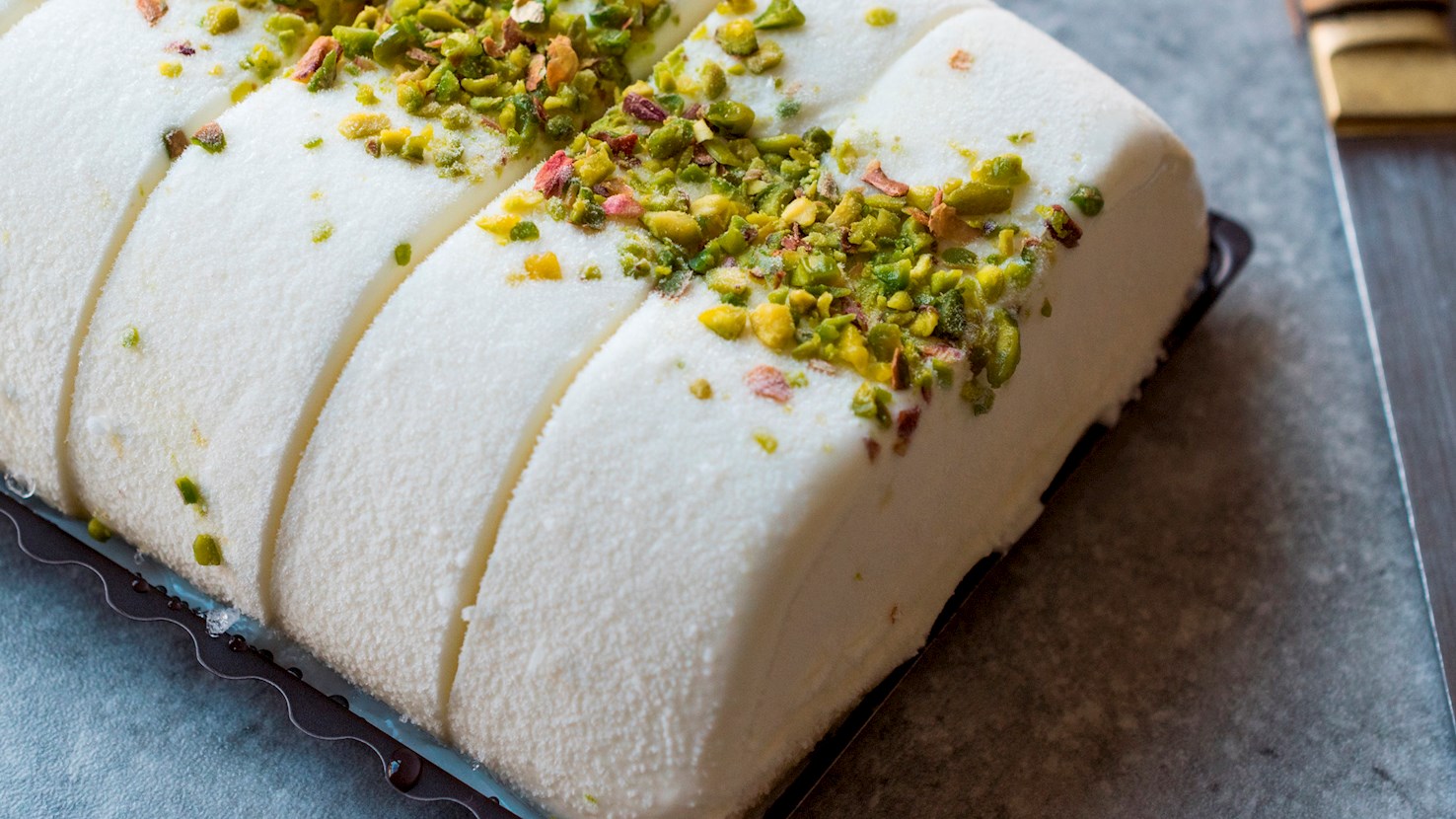
Turkish ice cream is believed to originate from the city of Maraş—hence the name—and what really sets it apart from other varieties is its resistance to melting and a particularly dense, chewy texture. These qualities are brought by adding two thickening agents to the basic milk and sugar mixture: Arab gum, also known as mastic resin, and salep—a type of flour made from the root of the early purple orchid. In fact, in the Kahramanmaraş region, ice cream typically contains distinctly more salep than usual, which is why it is sometimes called kesme dondurma—from the Turkish kesmek, meaning to cut—which is the reason why this ice cream variety is usually eaten with a knife and fork. In Türkiye, ice cream is commonly sold in the streets but also in specialized dondurması shops, whose owners will often go out of their way by producing their own salep, apart from using exclusively natural flavorings and milk from goats fed only with thyme, orchid flowers, and milkvetch.

06

Kunefe

4.3 ·

Kunāfah consists of two crunchy layers of shredded and buttered kataifi or knefe dough, filled with a luscious cheese cream that's often flavored with orange zest and cardamom, then drenched in a sugar syrup infused with lemon juice and orange blossom water. Turkish künefe is traditionally made with Hatay, Urfa, or Antep cheese. It is usually topped with pistachios and is best served warm. Elegant and amazingly simple to make, this dessert is nothing short of what cheese-filled pastry dreams are made of. Some authors speculate that it originated from the Fatimid Egypt or pre-Islamic Syria, while others claim that the Palestinian city of Nablus is its birthplace - hence the name kanafeh nabulsieh. Nevertheless, this decadent dessert has been a part of a long culinary tradition in Türkiye and Egypt, and it is listed as one of Egypt's national dishes.

07

Khanom khrok

4.3 ·

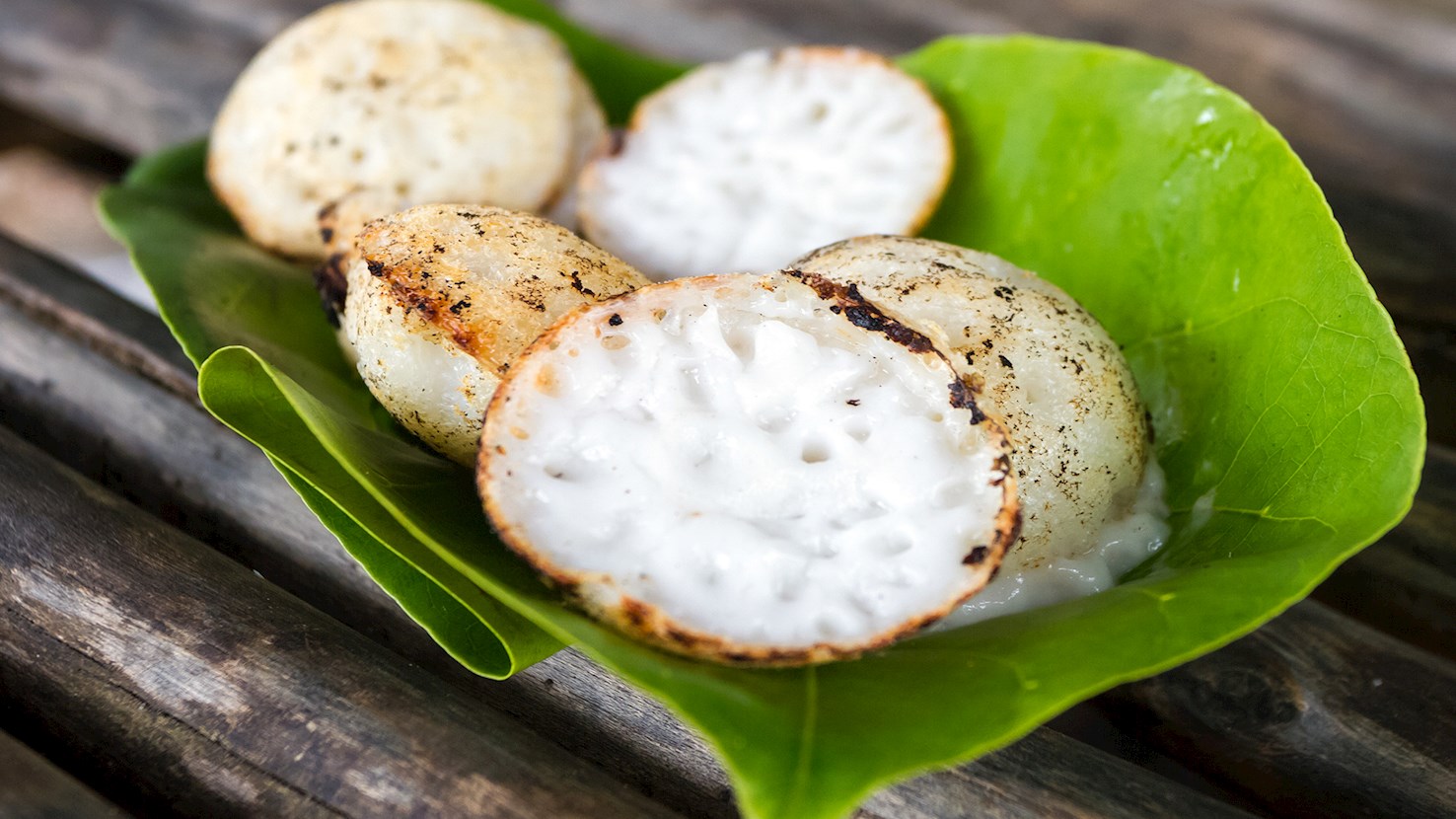
This small-sized Thai dessert, which is often referred to as a pancake, pudding, or a cake, is created with a batter that combines rice flour and coconut milk. The dessert is baked in large iron pans that have small, round indentations, and it is typically prepared in two stages—with a batter that is used as a crispy bottom layer, and a creamy, lightly sweetened coconut milk filling. Typical additions to the custard-like filling include sliced scallions, taro, corn, or pumpkin. Khanom khrok is a staple street food in Thailand, typically enjoyed as a quick and filling snack that balances sweet and savory flavors extremely well.

08

Klepon

4.3 ·

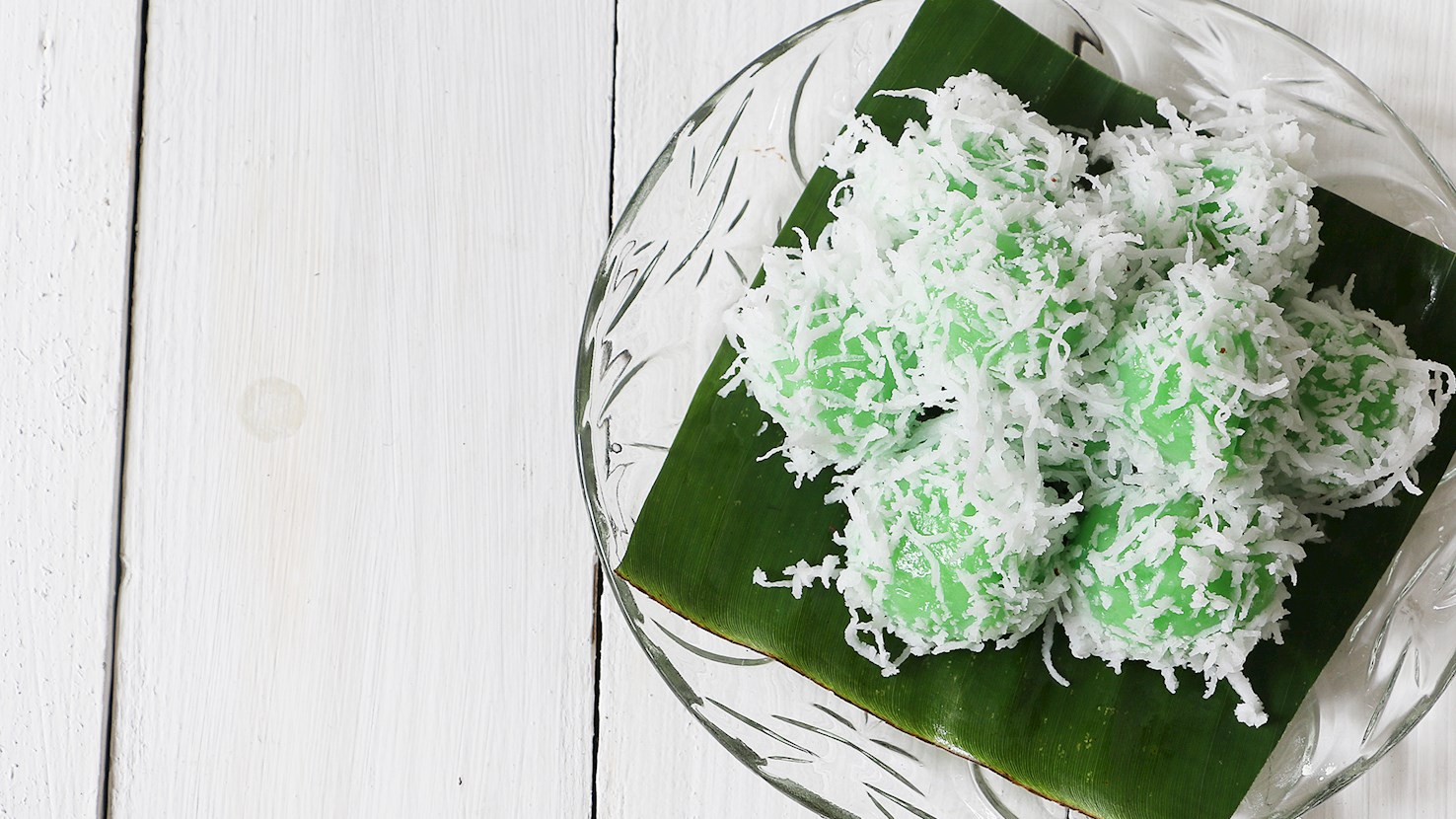
These Indonesian rice balls are prepared with glutinous rice flour shell that is wrapped around a palm sugar filling. The outer shell is usually colored green, traditionally with the help of pandan or dracaena leaves, while the whole cake is coated with desiccated coconut. The origin of klepon is typically associated with Java, while the same treat is better known as onde-onde or buah melaka in some parts of Sulawesi, Sumatra, and Malaysia. It should be noted than on Java, the term onde-onde typically refers to Chinese jin deui rice balls. Klepon balls are traditionally served in banana leaves, and when freshly prepared, the filling is liquid and should be consumed with care.

09

Chomchom

4.3 ·

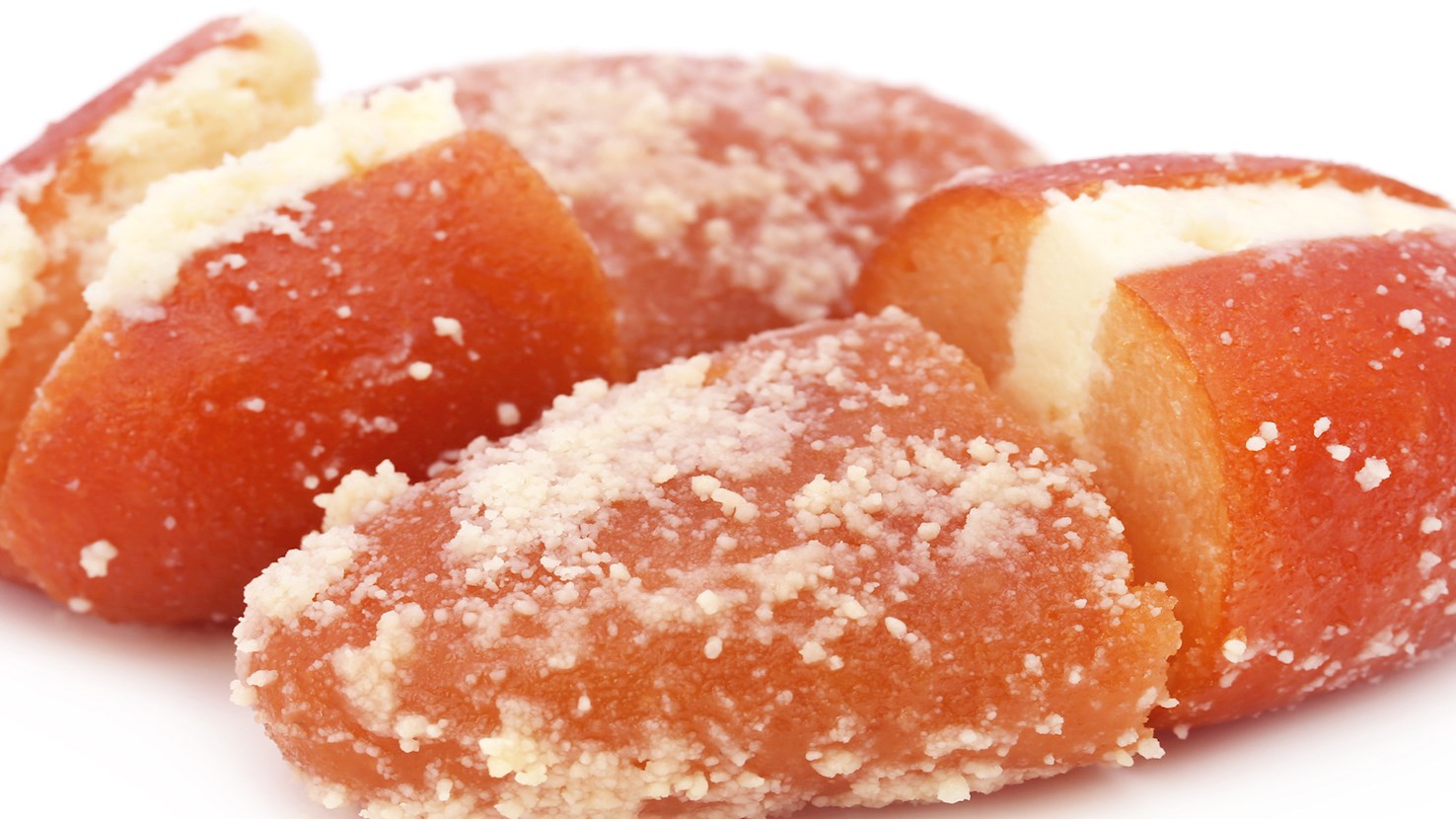
Chomchom is a traditional sweet from Bangladesh consisting of milk that is cooked in sugar syrup. It is often flavored with lemon juice and cardamom powder. The sweet treat can be served in a few different varieties – with chopped nuts, malai cream, or grated coconut.

10

Fırın sütlaç

4.3 ·

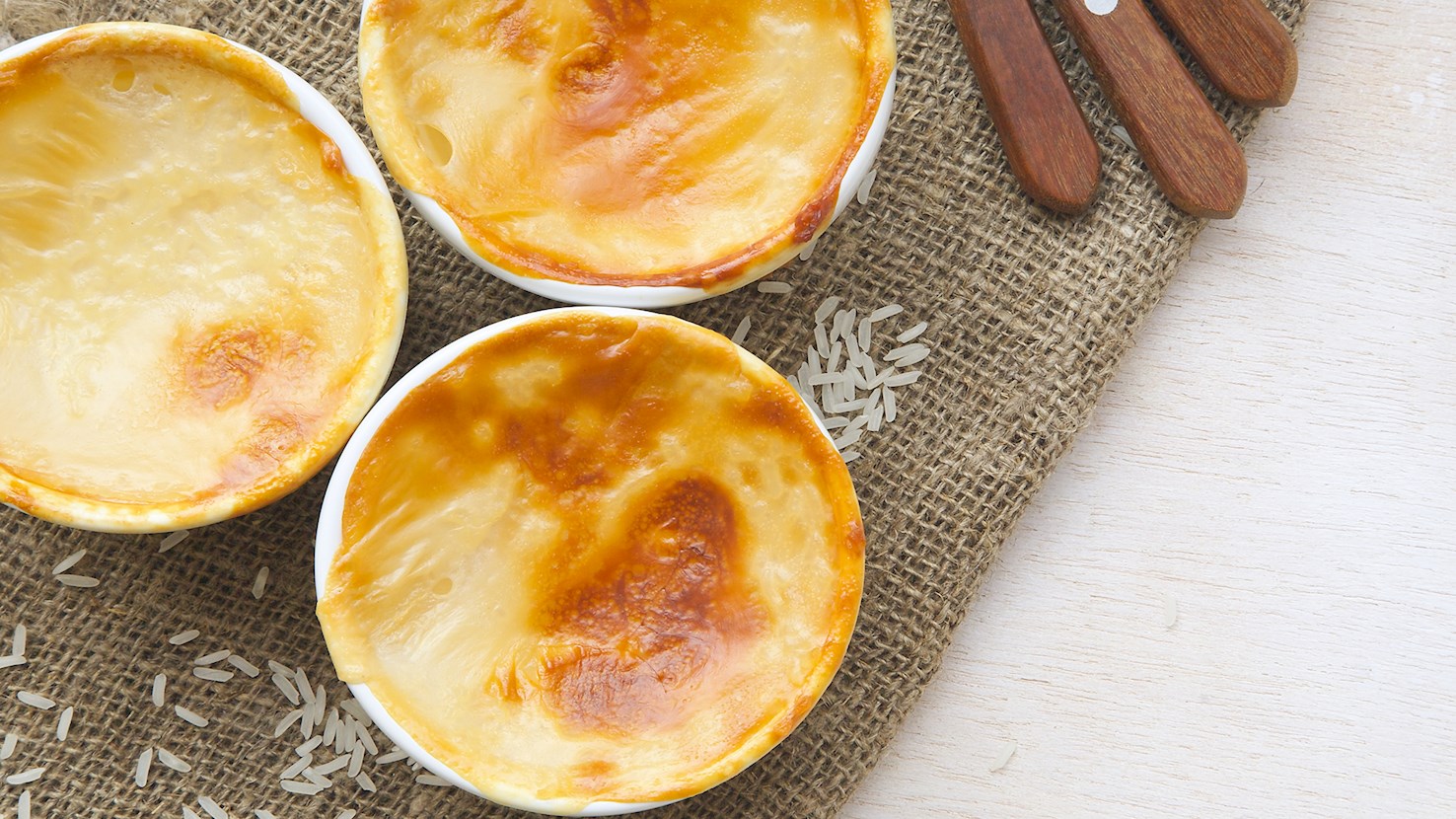
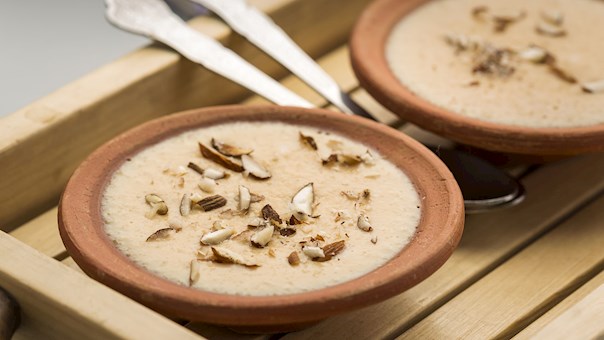
This Turkish oven-baked rice pudding is made with water, milk, sugar, rice, and rice flour. It is a simple, light dessert that is said to have origins in the Ottoman cuisine. Although it has been traditionally flavored with rose water, the modern versions often incorporate vanilla as a flavoring. After cooking, fırın sütlaç is browned in a salamander broiler, and it is usually topped with either ground cinnamon or chopped hazelnuts before serving.

11

Kulfi

4.3 ·
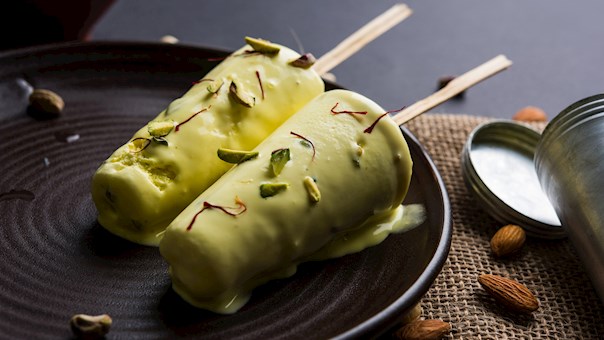
12

Leche Flan

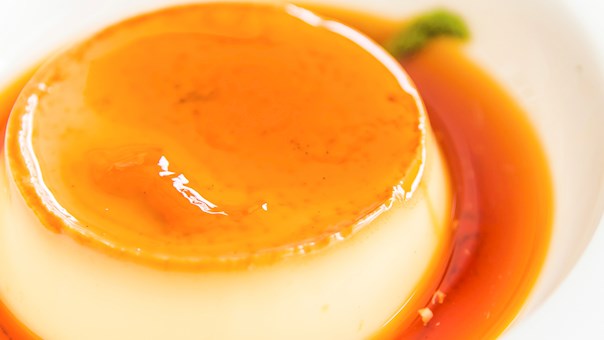
4.2 ·
13

Kazandibi

4.2 ·
15

Phirni

4.2 ·
16

Baklava

4.2 ·
18

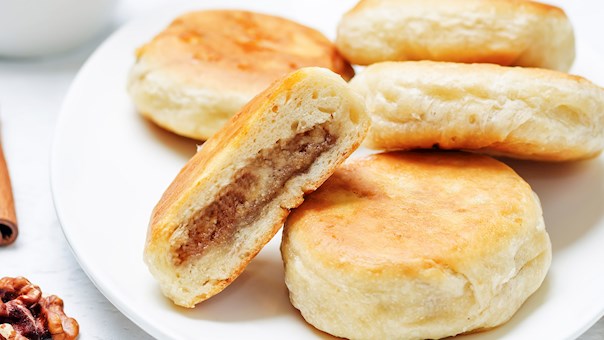
Hotteok

4.2 ·
19

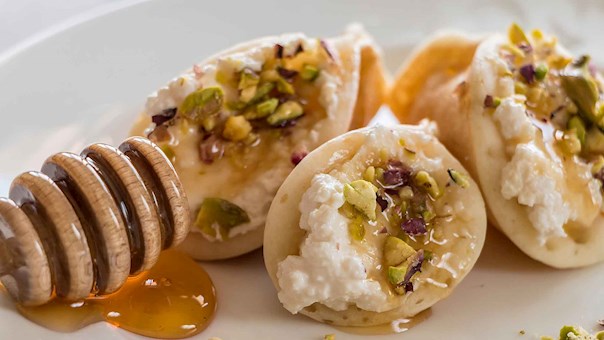
Qatayef

4.2 ·
20

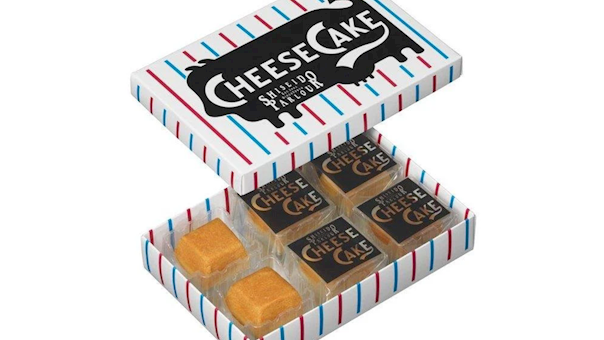
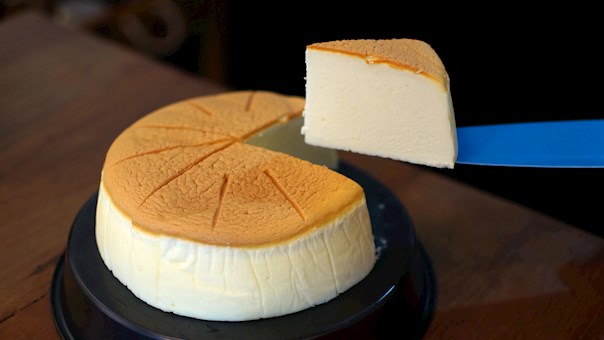
Japanese cheesecake

4.2 ·

Best Asian Desserts

01

Rokkatei

4.8 ·
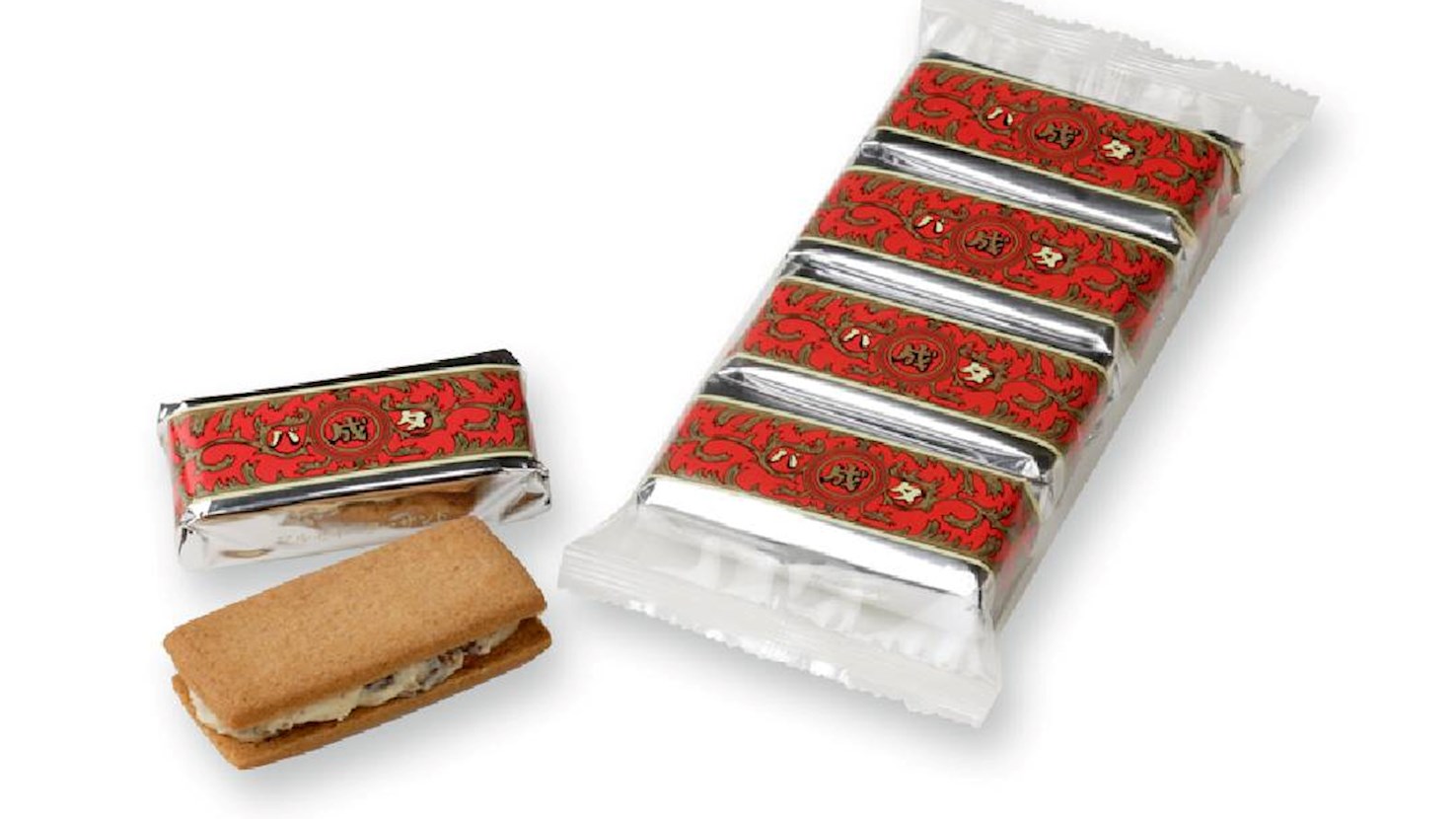
Rokkatei is a renowned Japanese confectionery brand rooted in the rich culture and natural beauty of Hokkaido. Known for its dedication to craftsmanship, local ingredients, and seasonal expression, Rokkatei creates sweets that are both refined and heartfelt—each bite telling a quiet story of tradition, care, and artistry. Their most iconic creation, the Marusei Butter Sandwich, features a delicate pairing of buttercream, white chocolate, and raisins nestled between two soft, biscuit-like cookies. Beloved for its balanced richness and unique texture, it has become one of Hokkaido’s most cherished edible souvenirs. Beyond sweets, Rokkatei stands out for its commitment to culture and community—its signature floral packaging is the work of a respected artist, and the brand actively supports local arts and literary initiatives. Today, Rokkatei operates a number of boutiques and cafés across Japan, yet remains deeply connected to its roots—selecting premium ingredients, honoring hand-made methods, and delivering warmth in every detail. Rokkatei is not just a name in confectionery; it’s a celebration of heritage, hospitality, and the quiet elegance of Japanese tradition.
02

Koi Kei Bakery

4.7 ·
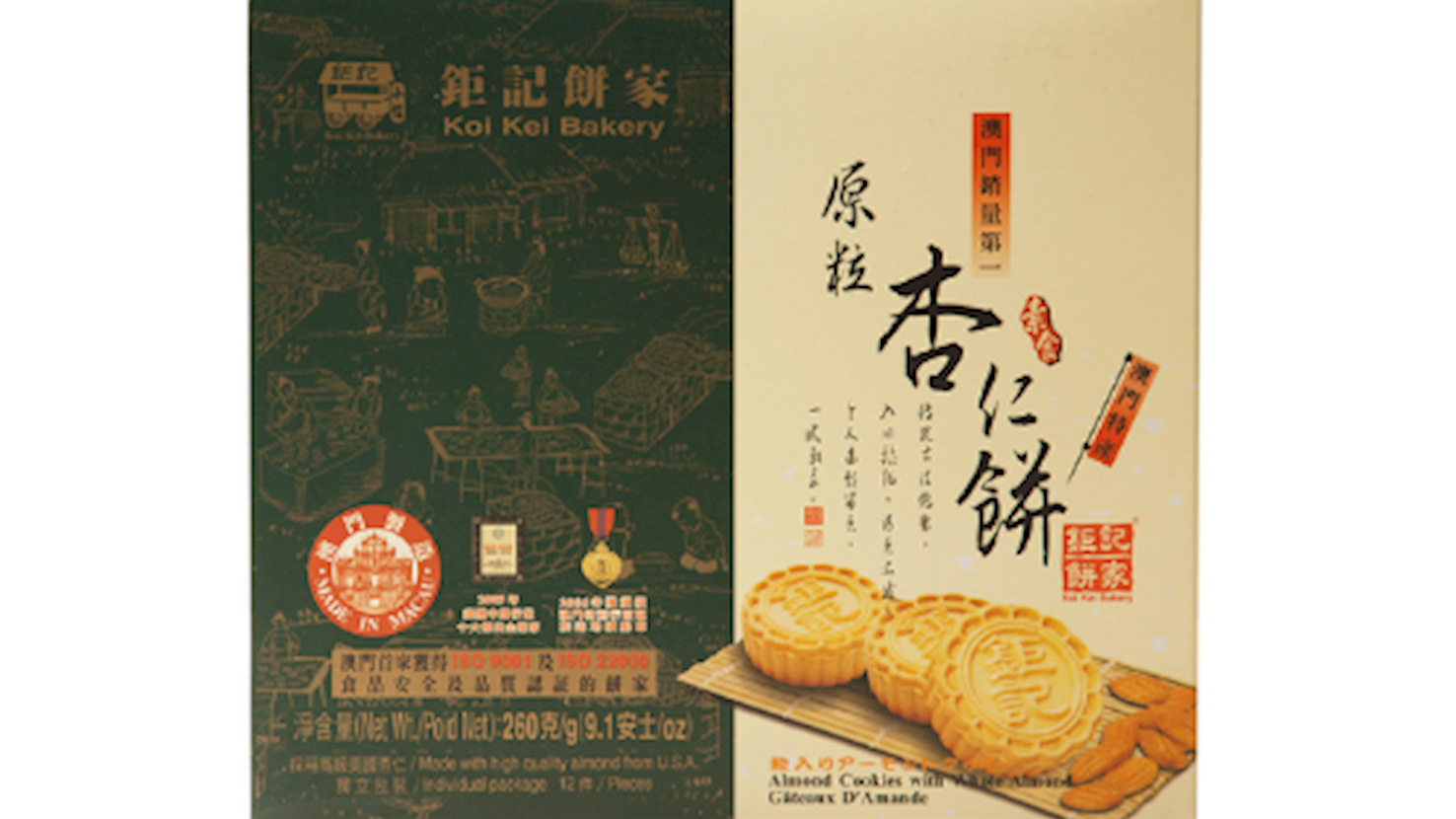
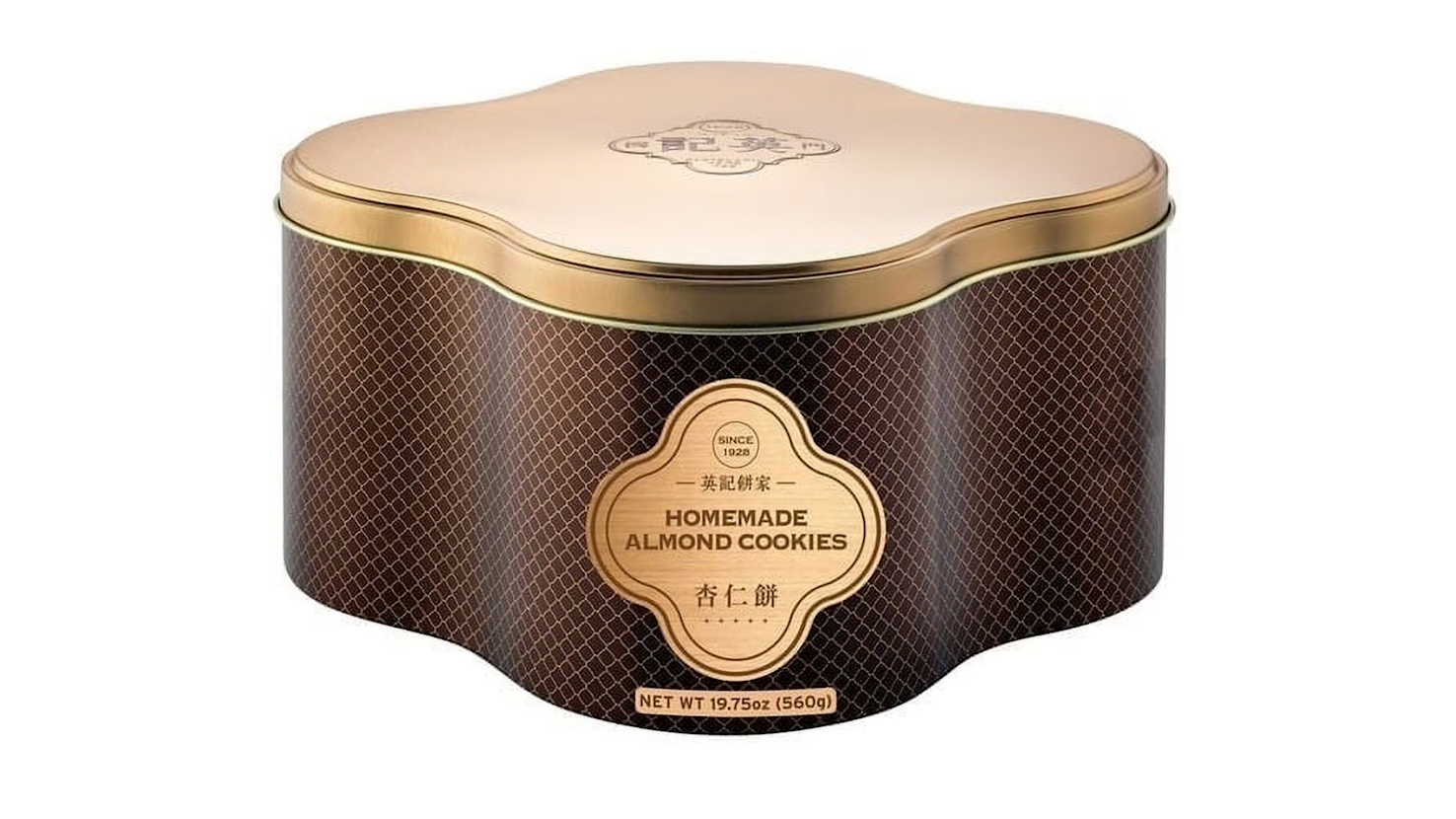
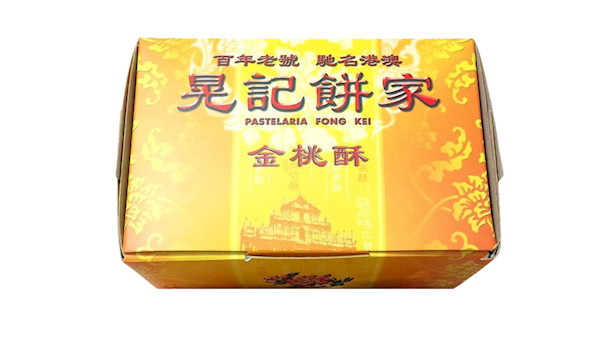
Koi Kei Bakery is a well-established confectionery brand from Macau, founded in 1997, that has grown from a small street vendor into one of the region’s most recognizable producers of traditional Chinese sweets and a key player in the tourism-driven food souvenir market. The company is best known for its almond cookies, peanut brittle, egg rolls, and meat-based snacks, with almond cookies in particular standing out as a signature product closely tied to Macau’s culinary identity. A defining aspect of Koi Kei’s success is its retail concept, where products are often freshly prepared, sampled, and displayed directly in-store, creating a strong sensory experience focused on freshness and craftsmanship. Its shops are strategically located in high-traffic tourist areas, which reinforces brand visibility and encourages impulse purchases. The packaging is standardized and designed for gifting, aligning with regional habits of bringing back edible souvenirs. Despite its scale and wide product range, the brand continues to rely on traditional recipes and recognizable flavors. This balance between heritage and commercial expansion has positioned Koi Kei as a leading example of how local confectionery can grow into a widely recognized brand while maintaining a clear connection to its origins.
03

Haci Bekir

4.6 ·
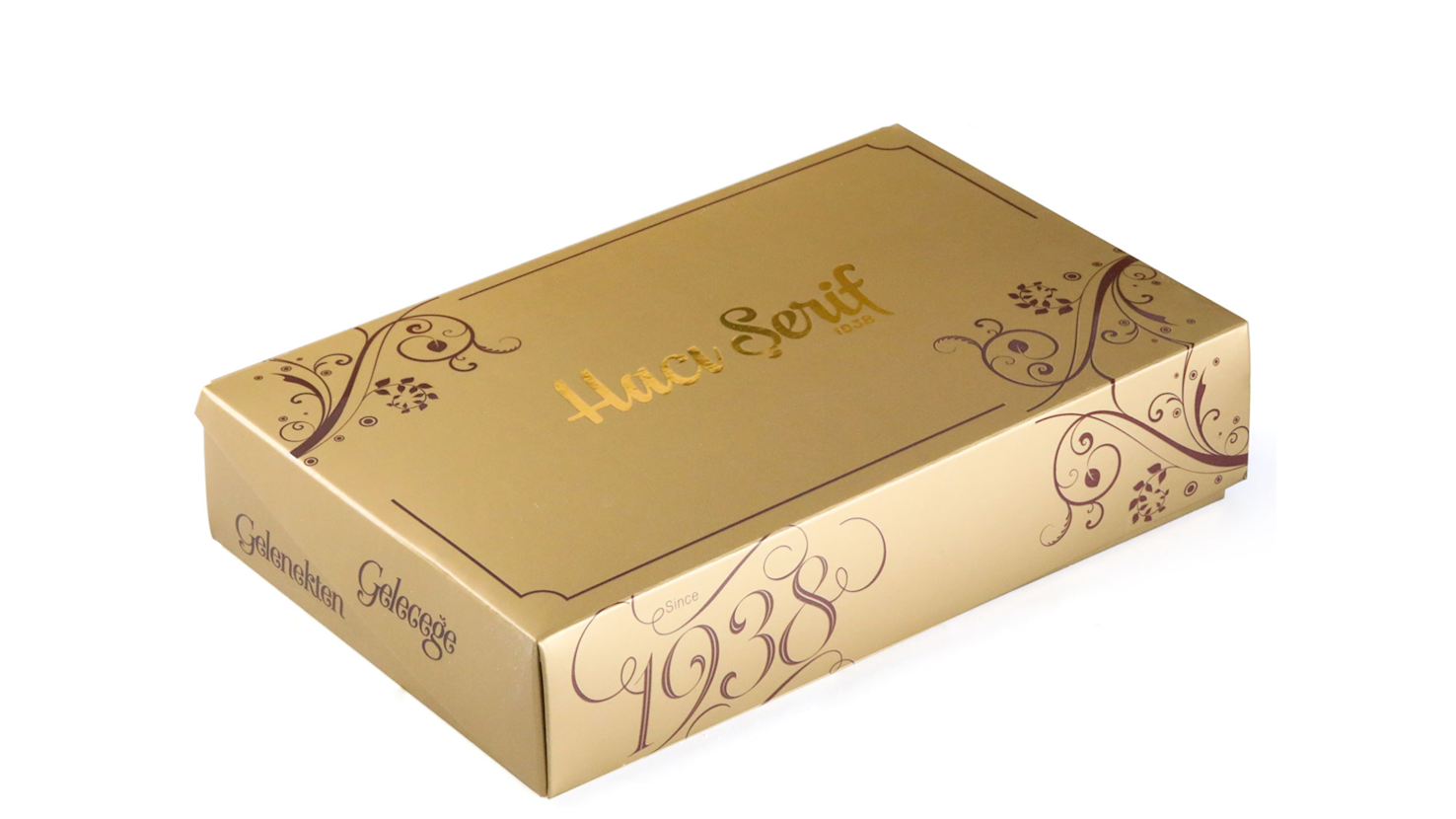
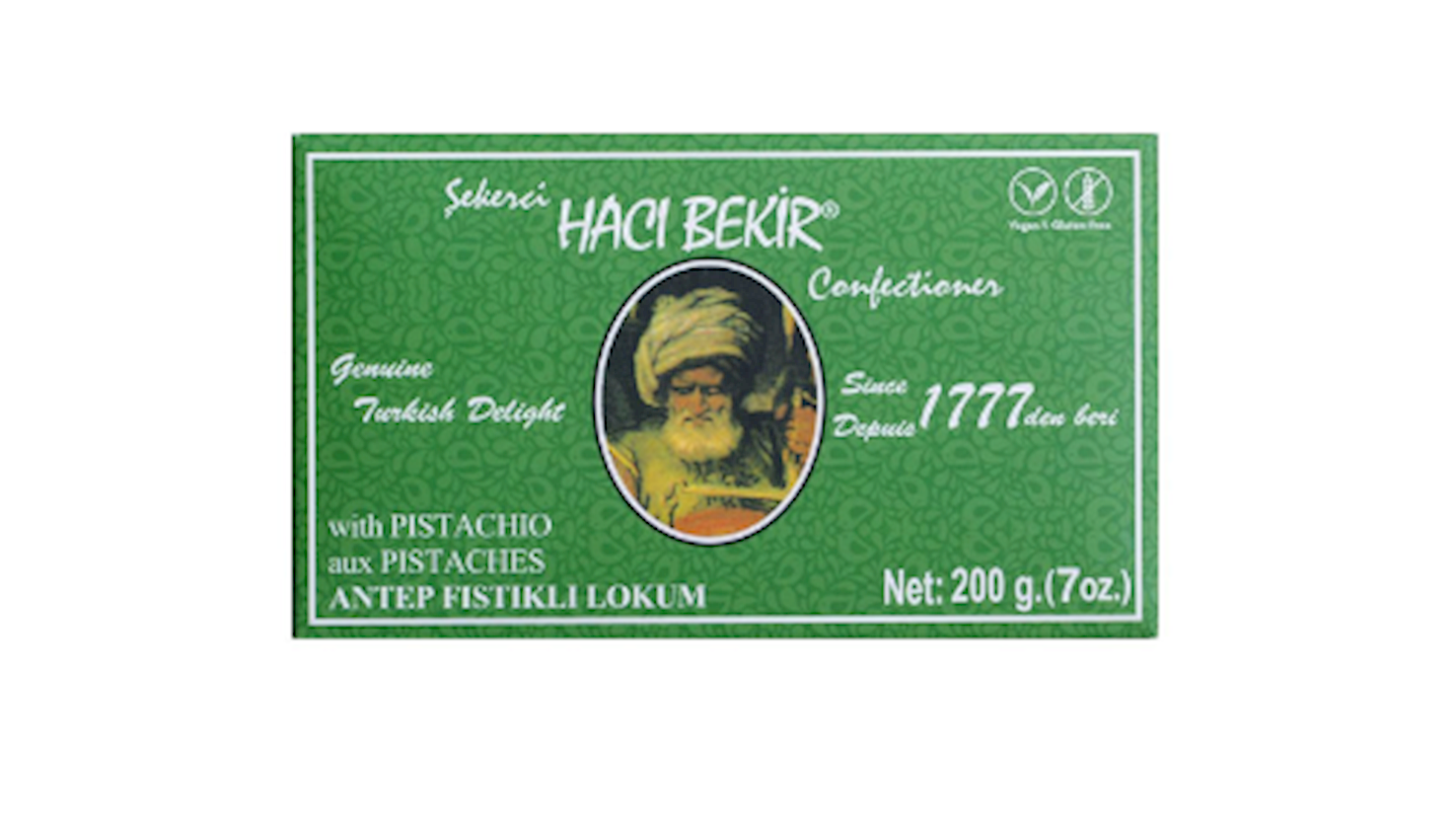
Hacı Bekir is one of the oldest and most recognizable producers of traditional Turkish confectionery, with a history that dates back to 1777 in Istanbul. Founded by Hacı Bekir Efendi, the brand quickly gained a reputation for its lokum and candies, eventually becoming the official confectioner to the Ottoman court. Over more than two centuries, Hacı Bekir has remained a family-run business, allowing recipes and production philosophy to be passed down through generations with remarkable consistency. The company is closely associated not only with sweets, but with the preservation of Turkey’s confectionery heritage. Its Turkish delight is still made using classical methods and carefully selected ingredients such as rose water, pistachios, walnuts, and natural flavorings. Alongside lokum, the range includes akide candies, halva, almond paste, and other desserts rooted in Ottoman and modern Turkish culinary tradition. The brand’s strength does not lie in following trends, but in maintaining a recognizable style built over time. Hacı Bekir’s historic shops in Istanbul, especially in districts like Eminönü, continue to function as living extensions of this tradition. Their interiors, packaging, and service reflect a respect for continuity rather than constant reinvention. In this way, Hacı Bekir goes beyond being a confectionery brand and becomes a cultural institution. Although its products are now exported worldwide, the identity remains firmly anchored in its origins. This commitment to authenticity is what makes Hacı Bekir more than a name on a box - it is a symbol of longevity in a craft that few have sustained for over two hundred years.
04

Ishiya

4.6 ·
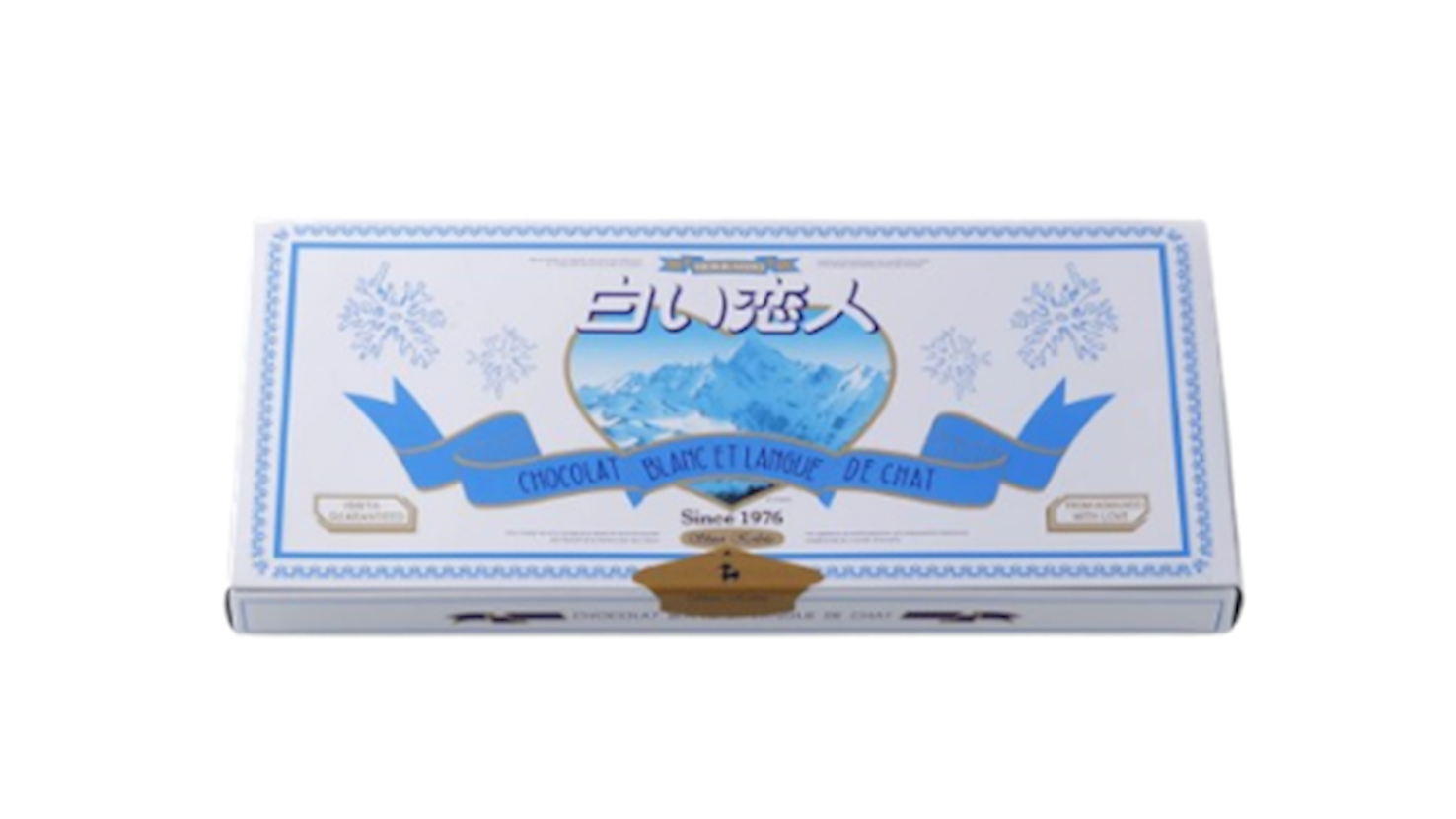
Ishiya is a confectionery producer based in Sapporo, on the island of Hokkaido, with a history dating back to 1947. The brand has grown from a small local sweets maker into a company strongly associated with the identity of Hokkaido, relying on regional ingredients and favorable climatic conditions that support high-quality confectionery production. Its most iconic product is the Shiroi Koibito, a langue de chat biscuit filled with white chocolate, introduced in 1976 and widely recognized as one of Japan’s signature souvenir sweets. The company’s portfolio also includes a variety of biscuits, chocolate-based products, and seasonal specialties, all developed with attention to balance, texture, and presentation. Ishiya’s approach reflects a combination of European confectionery influence and Japanese precision, particularly evident in its thin butter biscuits and refined chocolate pairings. Beyond production, the brand extends its identity through experiential concepts such as the Shiroi Koibito Park, where visitors can observe the manufacturing process and engage with the products. Today, Ishiya maintains a strong presence both domestically and internationally, positioning itself as a representative example of Japanese confectionery craftsmanship rooted in regional character and consistency.
Awards
International Chocolate Awards - Gold (2019)
International Chocolate Awards - Silver (2019, 2018, 2017)
05

Naderi

4.6 ·
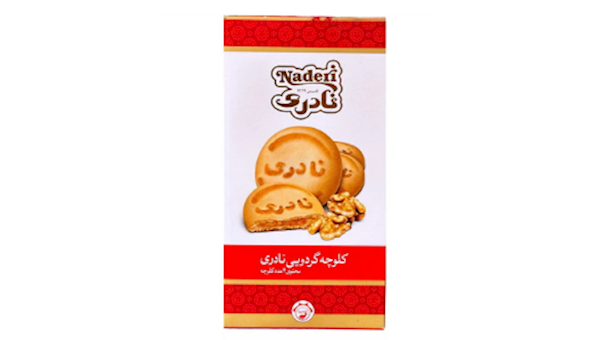
Naderi is an Iranian confectionery producer known for its wide range of biscuits and traditional sweets, with origins dating back to 1950 when it began as a small family-run shop in Lahijan before evolving into a larger-scale manufacturing operation. Today, as part of Naderi Food Industries Group, the company offers a diverse portfolio that includes biscuits, filled cakes, wafers, and snack products, alongside more contemporary cookie-style lines often marketed under names like Cookia. A defining element of its production is the continuation of traditional Iranian pastries such as koloocheh - soft, filled cookies made with ingredients like walnuts, coconut, or dates - which remain closely tied to local culinary habits and are commonly consumed with tea. At the same time, Naderi has expanded into more modern formats, including chocolate-coated biscuits and cream-filled varieties, balancing heritage recipes with industrial production methods. The products typically rely on straightforward ingredients such as flour, sugar, vegetable fats, nuts, and dairy components, resulting in a range of textures from soft and cake-like to crisp and compact. While firmly rooted in the domestic market, Naderi products are also distributed internationally through specialty food retailers, where they represent a contemporary interpretation of Persian confectionery traditions.
06

Toshimaya

4.5 ·
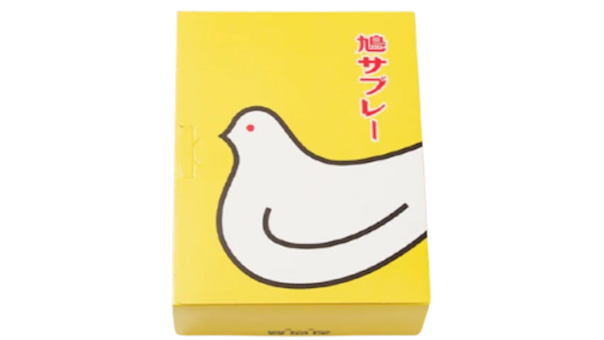
Toshimaya is a long-established Japanese confectionery company based in Kamakura, widely recognized for its signature product Hato Saburé, a dove-shaped butter biscuit that has become a symbol of the region’s cultural and culinary identity, combining a simple Western-inspired recipe with Japanese sensibility and tradition. Founded in the late 19th century, the company has maintained continuity in both production and brand positioning, relying on a minimal ingredient list including flour, butter, sugar, and eggs to achieve a light, crisp texture and a subtle sweetness that appeals to a broad audience without the use of artificial additives. The dove motif, reflected in both the biscuit shape and its branding, is closely tied to Kamakura’s historical and symbolic landscape, reinforcing the product’s role within Japan’s omiyage culture where regional specialties are purchased as gifts, often presented in distinctive yellow packaging that has remained visually consistent over time. Beyond Hato Saburé, Toshimaya continues to develop seasonal and traditional sweets rooted in local aesthetics, while its flagship store in Kamakura operates not only as a point of sale but also as a cultural landmark, attracting visitors and reinforcing the brand’s connection to place, heritage, and long-standing craftsmanship.
07

Choi Heong Yuen Bakery

4.5 ·
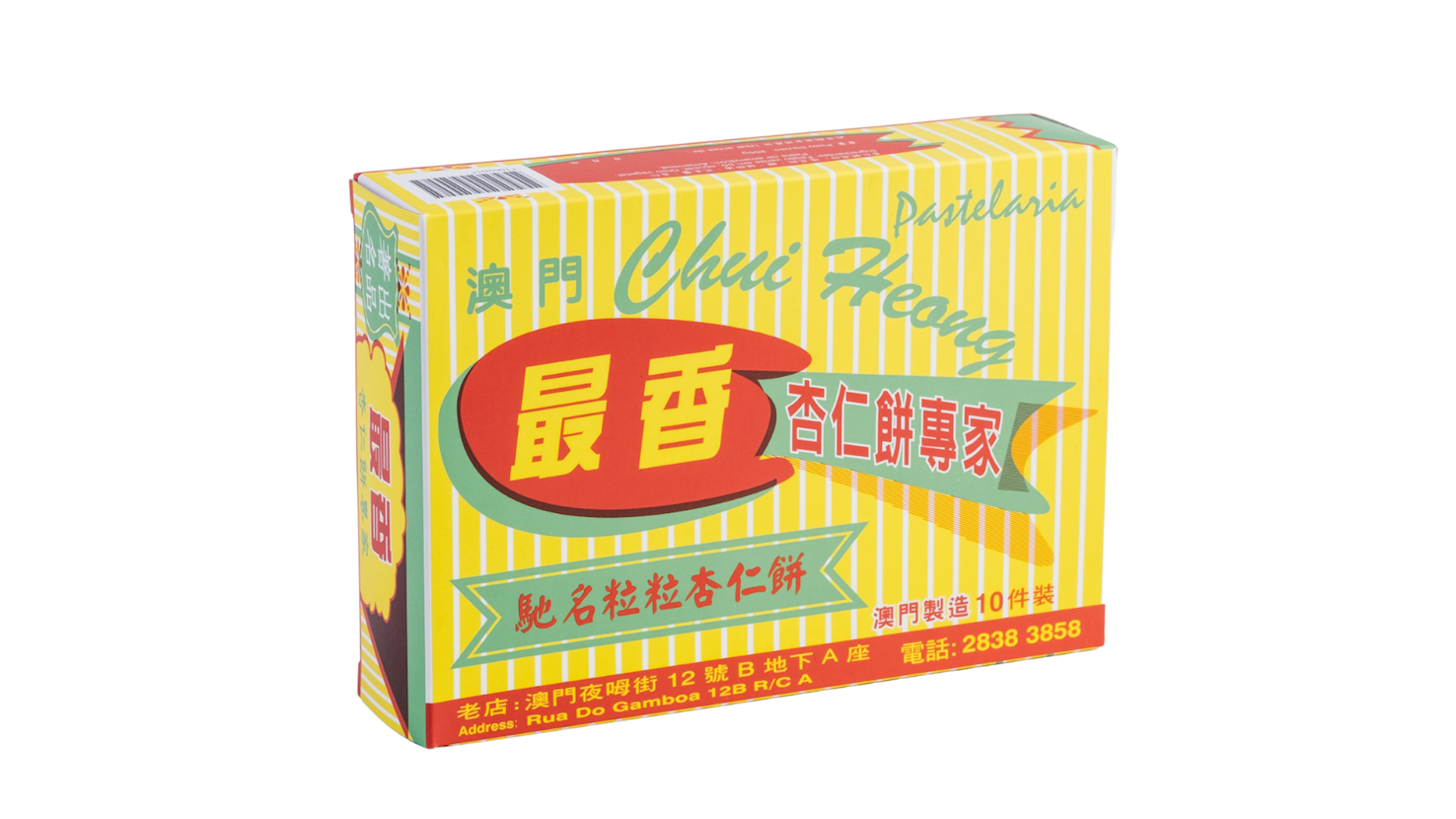
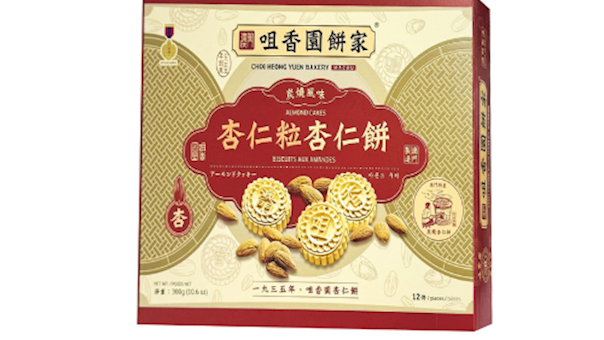
Choi Heong Yuen Bakery is a long-established confectionery producer from Macau, founded in 1935, recognized for its commitment to traditional techniques and its strong role in the city’s food souvenir culture. The brand is best known for its almond cakes, which are prepared using a charcoal baking method that gives them a distinct dry and crumbly texture along with a lightly toasted aroma. Recipes are based on simple ingredients and have been preserved across generations, resulting in a consistent and recognizable flavor profile rooted in local tradition. Beyond almond cakes, the company offers a wide selection of classic Chinese sweets including mooncakes, egg rolls, walnut cookies, and peanut-based confections. Its products are widely associated with Macau’s culinary identity and are commonly purchased as gifts by visitors. Over time, Choi Heong Yuen has maintained a balance between heritage and scale, building a reputation as one of the most authentic traditional bakeries in the region. This position has been further reinforced by its recognition as a “Macau Classic Brand”, highlighting its contribution to preserving local craftsmanship and cultural continuity.
08

Yoku Moku

4.3 ·
Yoku Moku is a symbol of elegance, refinement, and confectionery artistry that blends the precision of Japanese craftsmanship with the charm of European tradition. Inspired by the warmth and aesthetics of classic European patisseries, the brand has created a unique identity through its simple yet exquisitely balanced cookies that delight with their appearance, texture, and taste. Best known for its delicate, rolled butter cookies - Cigare - Yoku Moku offers more than just a sweet treat; each cookie is a small expression of care, creativity, and devotion to perfection. Guided by the belief that making sweets is an act of creation, not just production, every bite reflects hand-crafted quality and a sincere intention to bring joy. Today, Yoku Moku confections are enjoyed around the world, yet the feeling they evoke remains the same - gentle, luxurious, and thoughtfully presented. From its signature packaging to its melt-in-your-mouth richness, Yoku Moku is more than a brand - it’s an experience, an invitation to savor beauty in the smallest details, and a gift to be shared with both style and heart.
09

Shiroi Koibito

4.3 ·
Shiroi Koibito is a legendary Japanese confectionery brand based in Sapporo, on the northern island of Hokkaido, best known for its signature cookie of the same name – a delicate butter langue de chat sandwich filled with smooth white chocolate. The name, meaning “White Lover,” evokes a sense of purity, warmth, and nostalgia, and the cookie itself has become one of Japan’s most iconic and beloved edible souvenirs. Blending Western pastry traditions with refined Japanese craftsmanship, Shiroi Koibito is celebrated for its commitment to quality, attention to detail, and carefully selected ingredients. Their dedication to the art of sweets comes to life in the enchanting Shiroi Koibito Park – a unique chocolate-themed attraction that combines a working factory, a museum, interactive workshops, and beautifully landscaped gardens. Visitors can observe the production process, participate in hands-on chocolate-making experiences, and indulge in exclusive desserts in an atmosphere that feels straight out of a fairy tale. As a symbol of Hokkaido and a name synonymous with elegance in confectionery, Shiroi Koibito represents a perfect fusion of tradition, imagination, and unforgettable flavor – a gift to be shared with love.
10

HazerBaba

3.4 ·
HazerBaba is a Turkish confectionery producer with roots dating back to 1888, headquartered in Istanbul and focused on preserving traditional Anatolian sweet-making practices. The brand is best known for its Turkish delight (lokum), produced in a wide range of varieties including pistachio, hazelnut, rose, lemon, pomegranate, and mixed fruit, characterized by a soft, elastic texture and pronounced natural aromas. Pistachio-based products are particularly prominent in the portfolio, reflecting the importance of high-quality nuts in Turkish confectionery. In addition to lokum, the company manufactures baklava, halva, pişmaniye (a traditional floss halva), and assorted nut and dried fruit specialties. HazerBaba also offers Turkish coffee and tea selections designed to complement its sweets in line with customary serving traditions. A significant part of its range is presented in decorative gift boxes, positioning the products as both culinary items and cultural souvenirs. The company exports to numerous international markets, contributing to the global recognition of Turkish delight as a heritage confection. Production combines established recipes with modern food safety and quality control standards. Many products comply with halal requirements, and certain items are suitable for vegetarian consumers. Overall, HazerBaba represents a structured, export-oriented confectionery house grounded in longstanding Turkish sweet-making heritage.
Read more
View all
View map
About this ranking

TasteAtlas food rankings are based on the ratings of the TasteAtlas audience, with a series of mechanisms that recognize real users and that ignore bot, nationalist or local patriotic ratings, and give additional value to the ratings of users that the system recognizes as knowledgeable. For the “Top 100 Asian Desserts” list until June 15, 2026, 43,825 ratings were recorded, of which 18,167 were recognized by the system as legitimate. TasteAtlas Rankings should not be seen as the final global conclusion about food. Their purpose is to promote excellent local foods, instill pride in traditional dishes, and arouse curiosity about dishes you haven’t tried.

The initial list of top producers was compiled based on available reviews, awards, local recommendations, media and blog coverage, and consumer reviews. The list will be updated with ratings from TasteAtlas local ambassadors and TasteAtlas users.

Similar lists