


shutterstock

Top 29 Traditional Foods
in Wallonia

Last updated on July 15, 2026

Best Wallonia foods

01
Dessert

Liège Waffle

4.3 ·

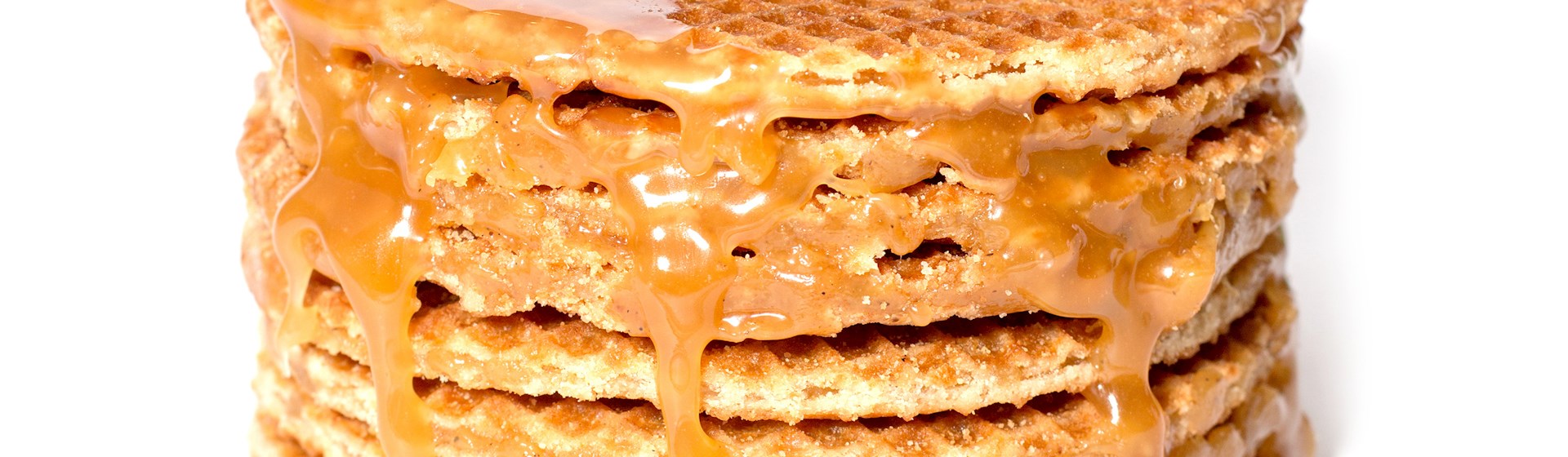
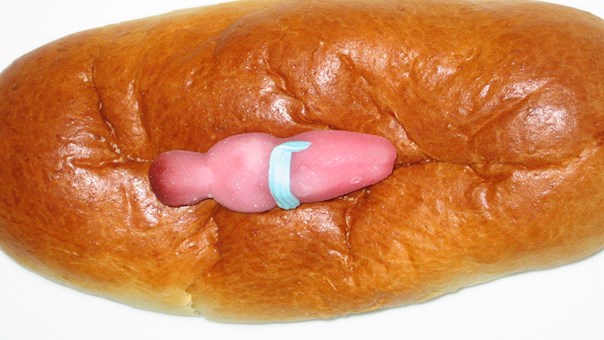
Liège waffles are one of the two most popular waffle varieties in Belgium. These unevenly shaped, chewy treats are made with a thick, brioche-like dough which is sweetened with pearl sugar and baked in a specially-designed waffle pan. During the baking process, the pearl sugar melts and gives the waffles a unique caramel flavor. Although the origin of Liège waffles is somewhat vague, it is believed they were influenced by French culinary traditions and made famous by the skillful Liège bakers. In Liège, these waffles are usually enjoyed plain, but they can also be topped with powdered sugar, whipped cream, chocolate, or various fruits.

02
Cheese

Fromage de Maredsous

4.0 ·

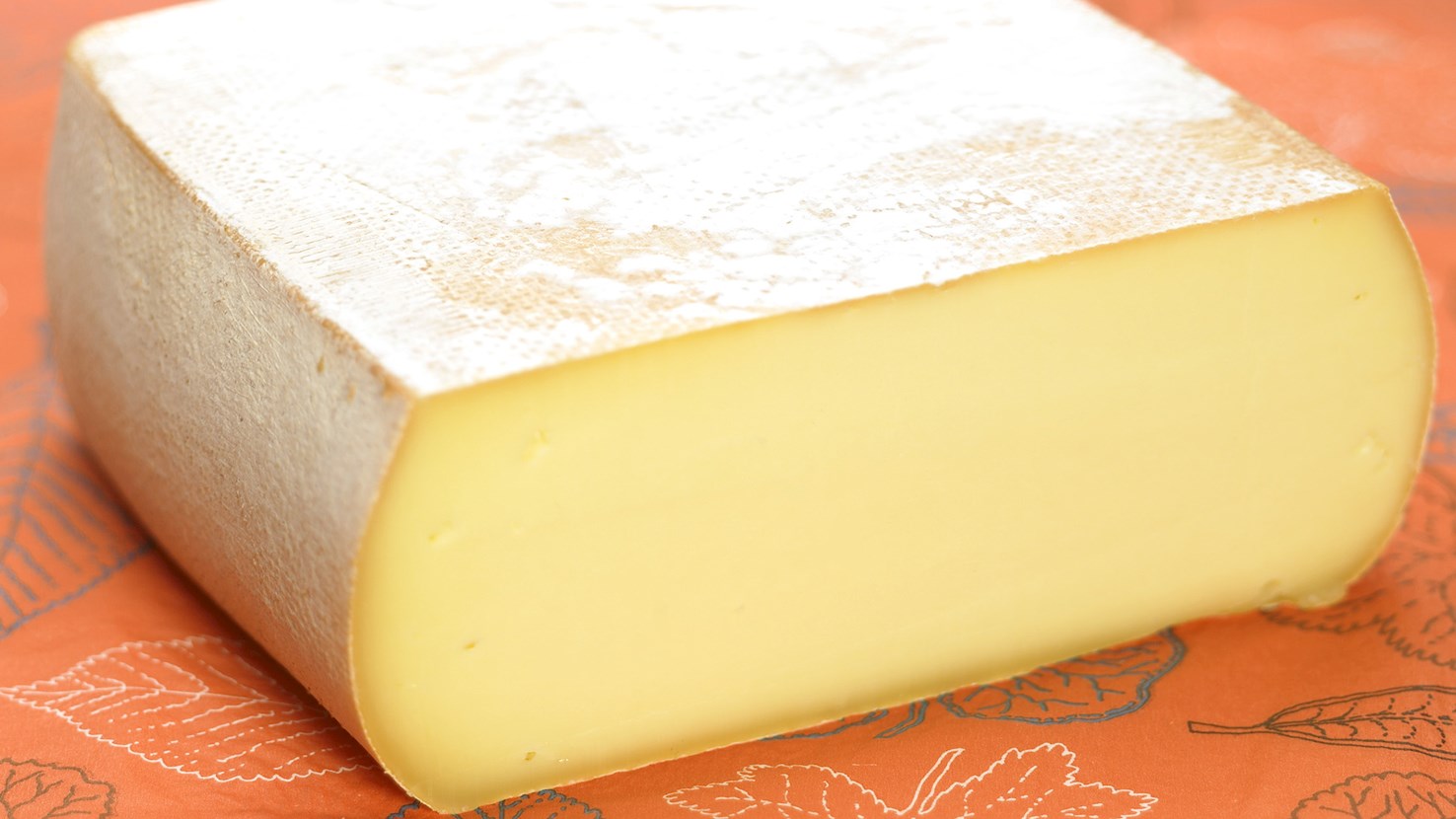
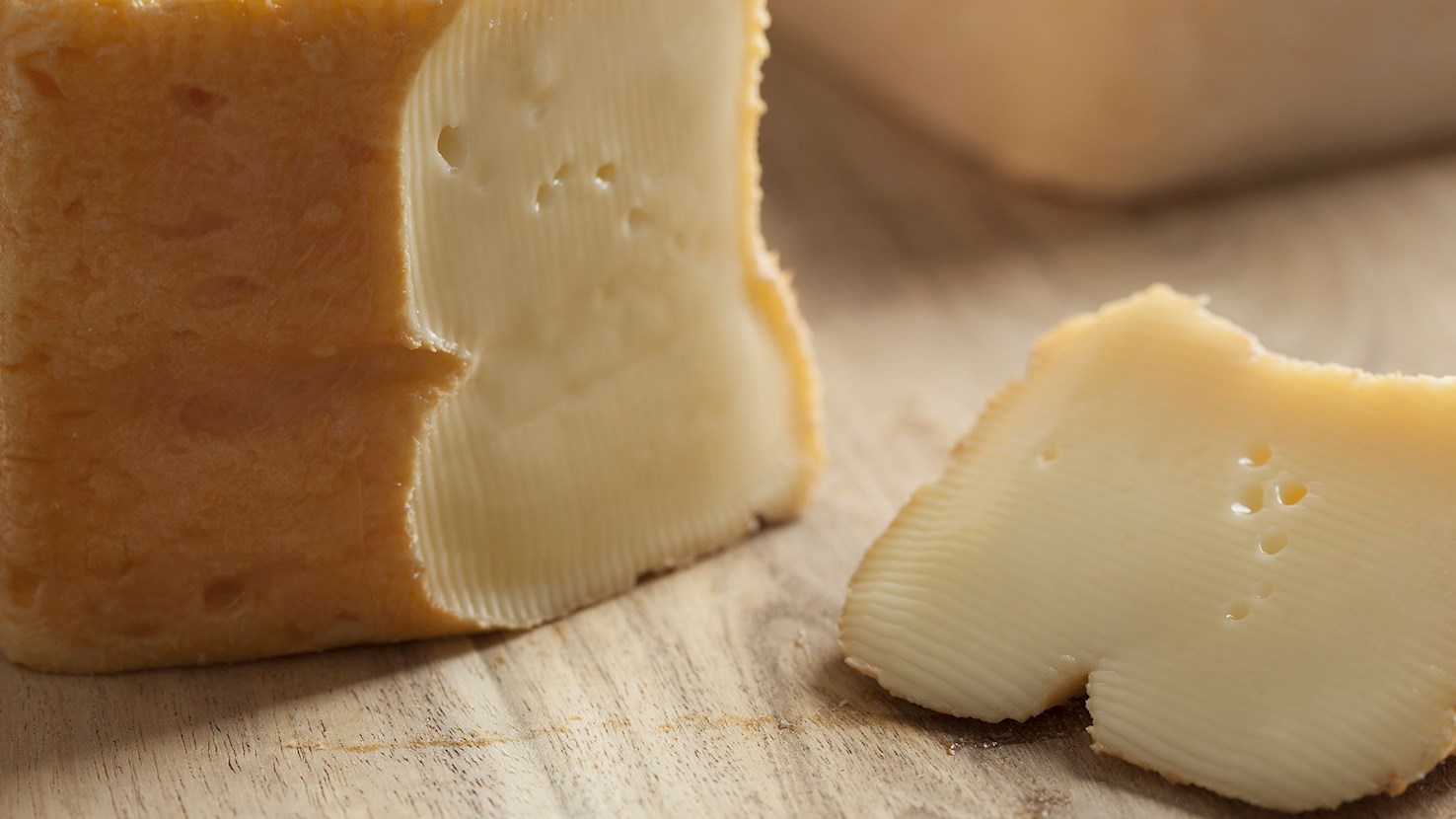
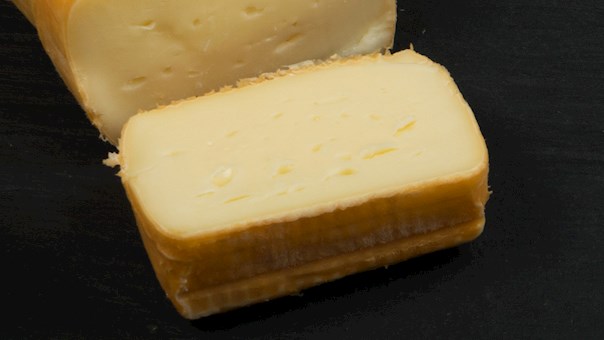
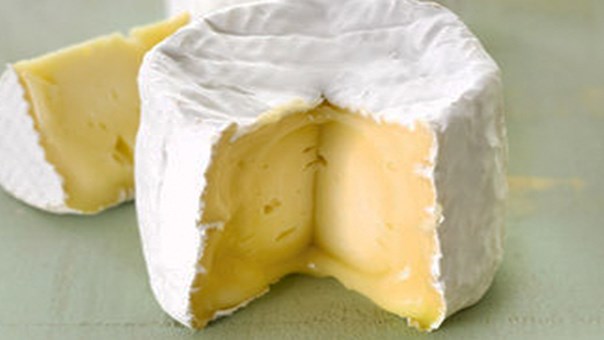
Maredsous is a Belgian soft cheese made from cow’s milk. It is made by monks of the Maredsous Abbey, hence the name of the cheese. It is first lightly pressed, shaped into loaves, then washed in brine so that a firm, orange-colored crust can be developed, as well as its signature pungent aroma. It is recommended to consume Maredsous cheese on its own as a table cheese, or use it for grilling.

03
Meatballs

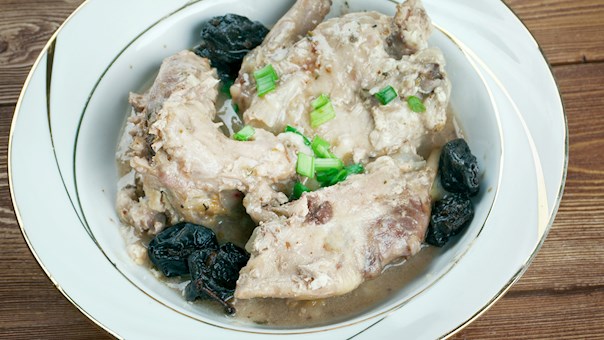
Boulets sauce lapin à la Liègeoise

4.0 ·

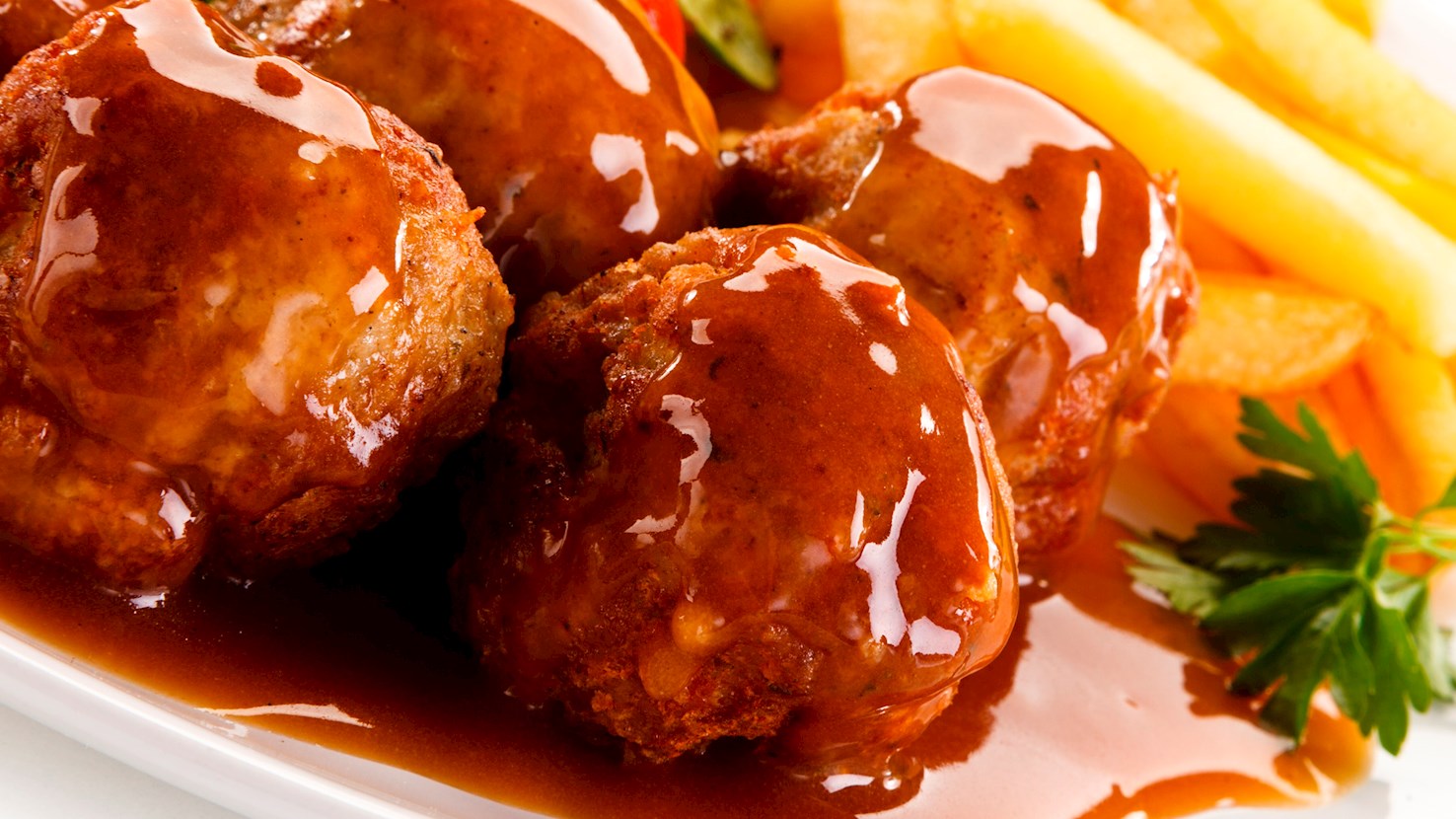
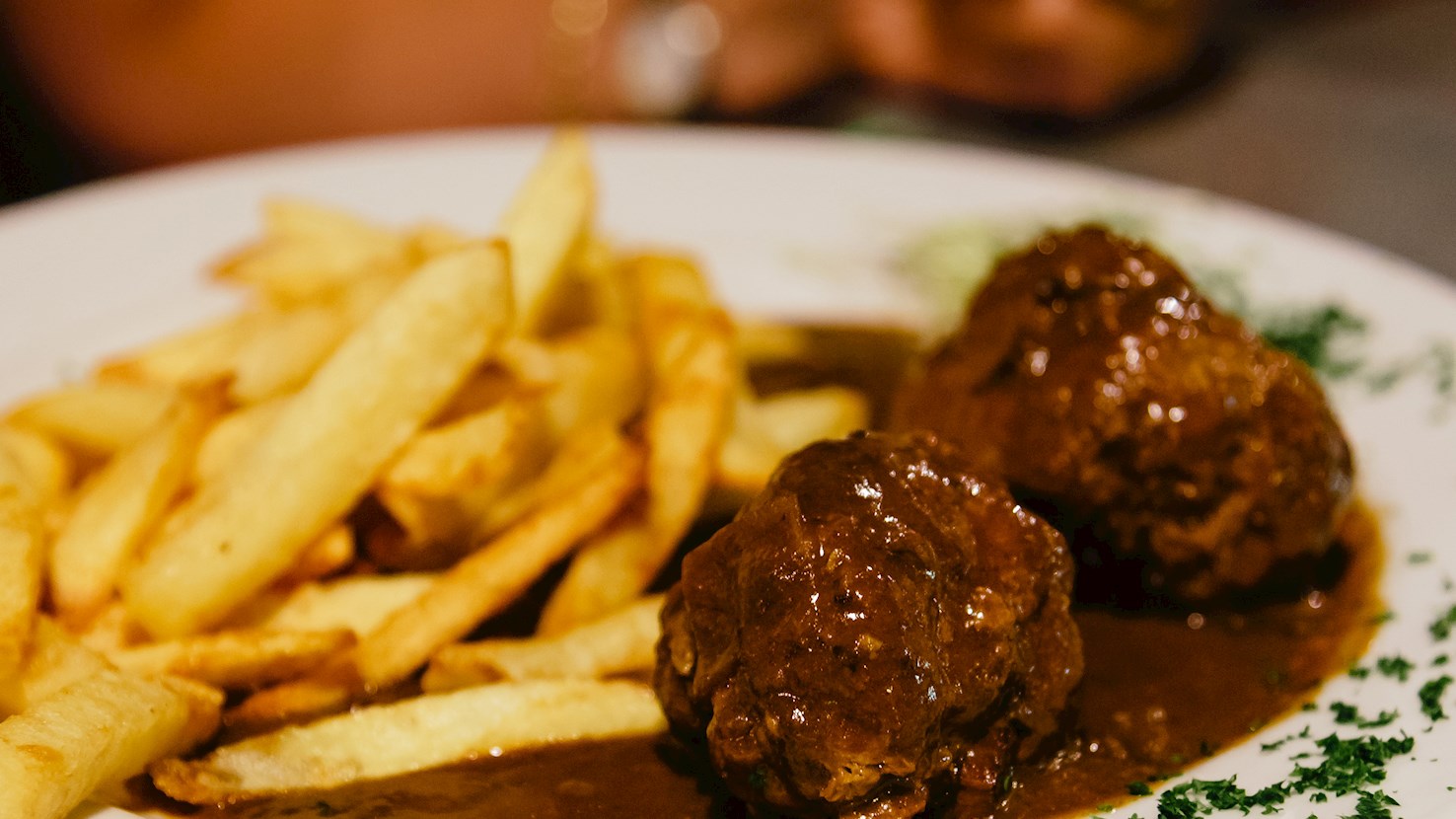
This popular Belgian dish known as boulets liégeoise consists of beef and pork meatballs that are simmered in a gravy made with onions, flour, beef broth, and sirop de Liége. Sultanas are often added to the meatballs, and there are other versions of these meatballs as well - with cherries in Flanders, or with tomato sauce, mushrooms, and Madeira wine. The dish is traditionally served with pommes frites, light salads, and a big glass of Belgian beer.

04
Dry-cured Ham

Jambon d'Ardenne

3.9 ·

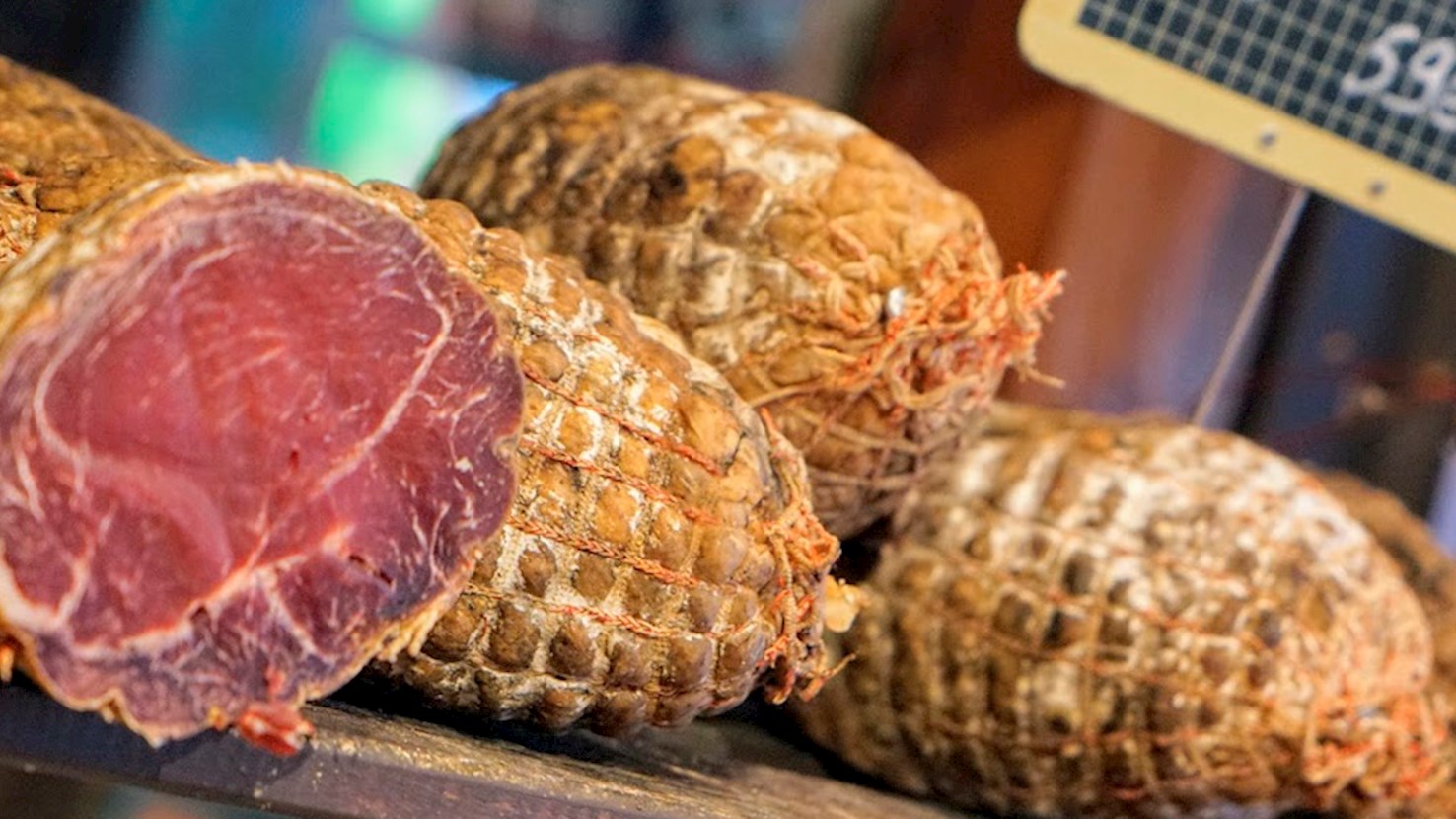
Ardennes ham is a cured meat product made in the Wallonian provinces of Luxembourg, Liege and Namur. For the perfect Jambon d'Ardenne each ham is first dry-salted and then immersed into brine to soak in the flavors of a traditional mix of spices such as thyme, laurel, juniper berries and cloves. After the salting, the hams are slow smoked over beech or oak sawdust, which gives this Belgian delicacy its characteristic bouquet. Enjoyed throughout Belgium, this ham is marketed in a variety of cuts: Jambon d'Ardenne refers to a whole bone-in ham; a highly prized boneless center cut is called Fleur or Coeur d'Ardenne, and there's also Noix de Jambon d'Ardenne, which is actually the smallest muscle of the ham and its leanest cut. Ardennes ham is usually served alongside raw vegetables and fruits but it is also an essential ingredient in the preparation of traditional Belgian omelettes and pancakes.

05
Sandwich

Mitraillette

3.7 ·

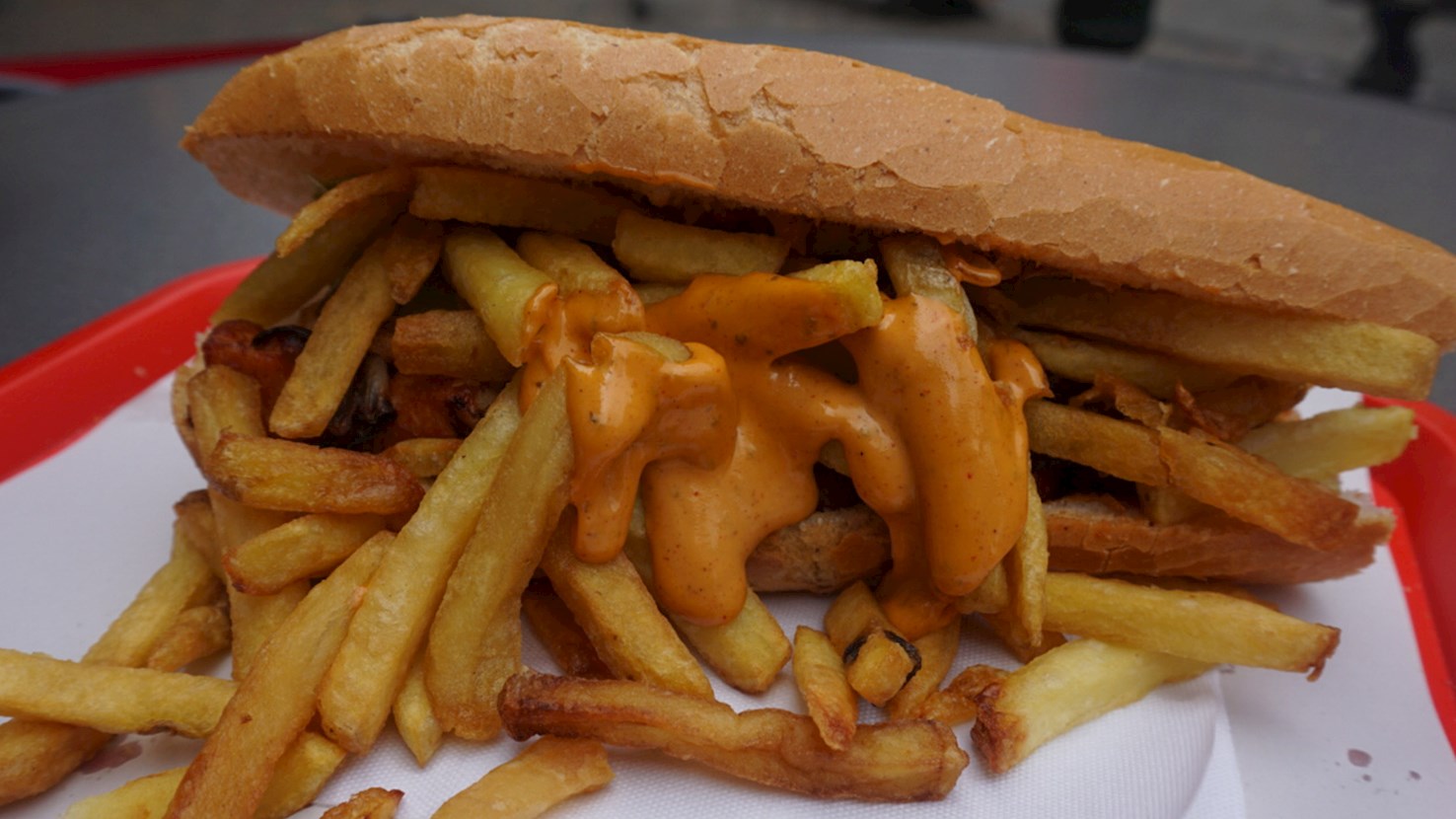
Mitraillette is a Belgian sandwich that's believed to originate from either Brussels or Wallonia, the French-speaking part of the country near the French border. The sandwich consists of a long baguette that's fully loaded with french fries, fried meat, and some kind of sauce. In Belgium, almost every friterie has its own version. The meats vary from meatballs and steaks to hamburger patties and frikandel, while the sauces include mayonnaise, béarnaise, ketchup, and garlic sauce. Some friteries like to add carrots, cabbage, caramelized onions, lettuce, and tomatoes while others serve it in its simple version. Mitraillette is especially popular after a night out, and the name means submachine gun, possibly referring to the baguette as a gun, while the french fries then act as bullets. In northern France, the sandwich is called l'américain, referring to the resemblance between mitraillette and American overstuffed burgers.

06
Sausage

Saucisson d’Ardenne

3.6 ·

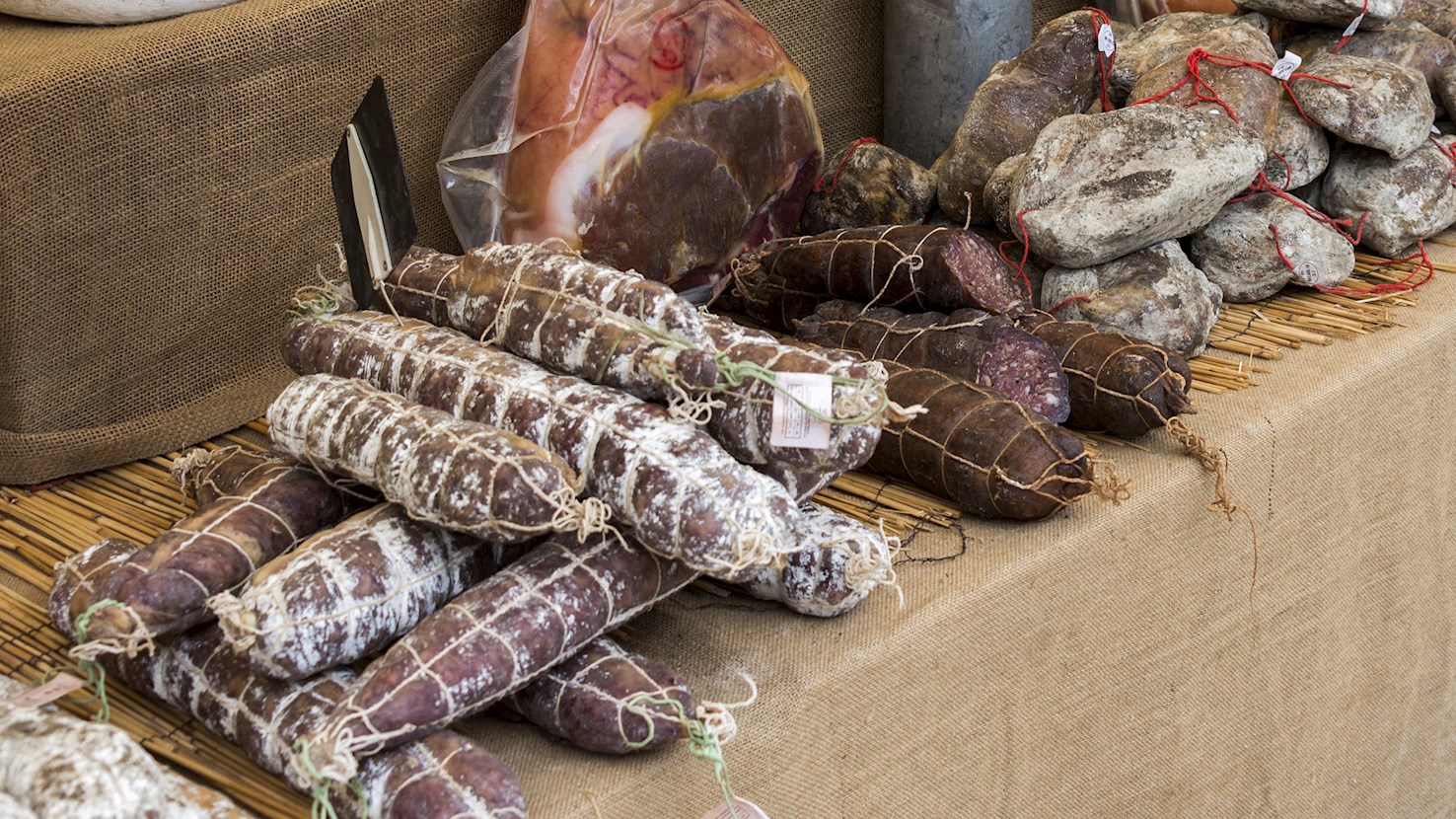
Traditionally made in the forested highlands of the Ardennes, this famous Belgian sausage is produced in three different varieties: while collier d'Ardenne is marketed in a distinctive shape of a horseshoe, saucisson and pipe vary only in size and thickness. All three types are made with a mixture of pork, beef, and pork fat. The meat is minced, seasoned and stuffed into natural casings, and the sausages are then fermented and slow-smoked over oak and beech wood, common tree species in the forests of Ardennes. Lightly seasoned with a traditional combination of spices, including juniper berries and garlic, it has a pronounced smoky aroma and quite a delicate, spicy flavor.

07
Cheese

Fromage de Herve

3.5 ·

One of the most popular cheeses of Belgium, Fromage de Herve has been produced in the Pays de Herve region since the early 1400s. It is a soft, washed rind cheese made from raw or pasteurized cow's milk. Depending on the length of maturation, Herve comes in two varieties. Le Herve Doux is a softer, sweeter cheese, matured for no longer than 4 weeks, while the refined Le Herve Piquant is matured for at least 2 months to develop its pungent aroma and a stronger, saltier flavor. It is best paired with wholemeal breads and rich, dark beers.

08
Cheese

Vieux Chimay

3.5 ·

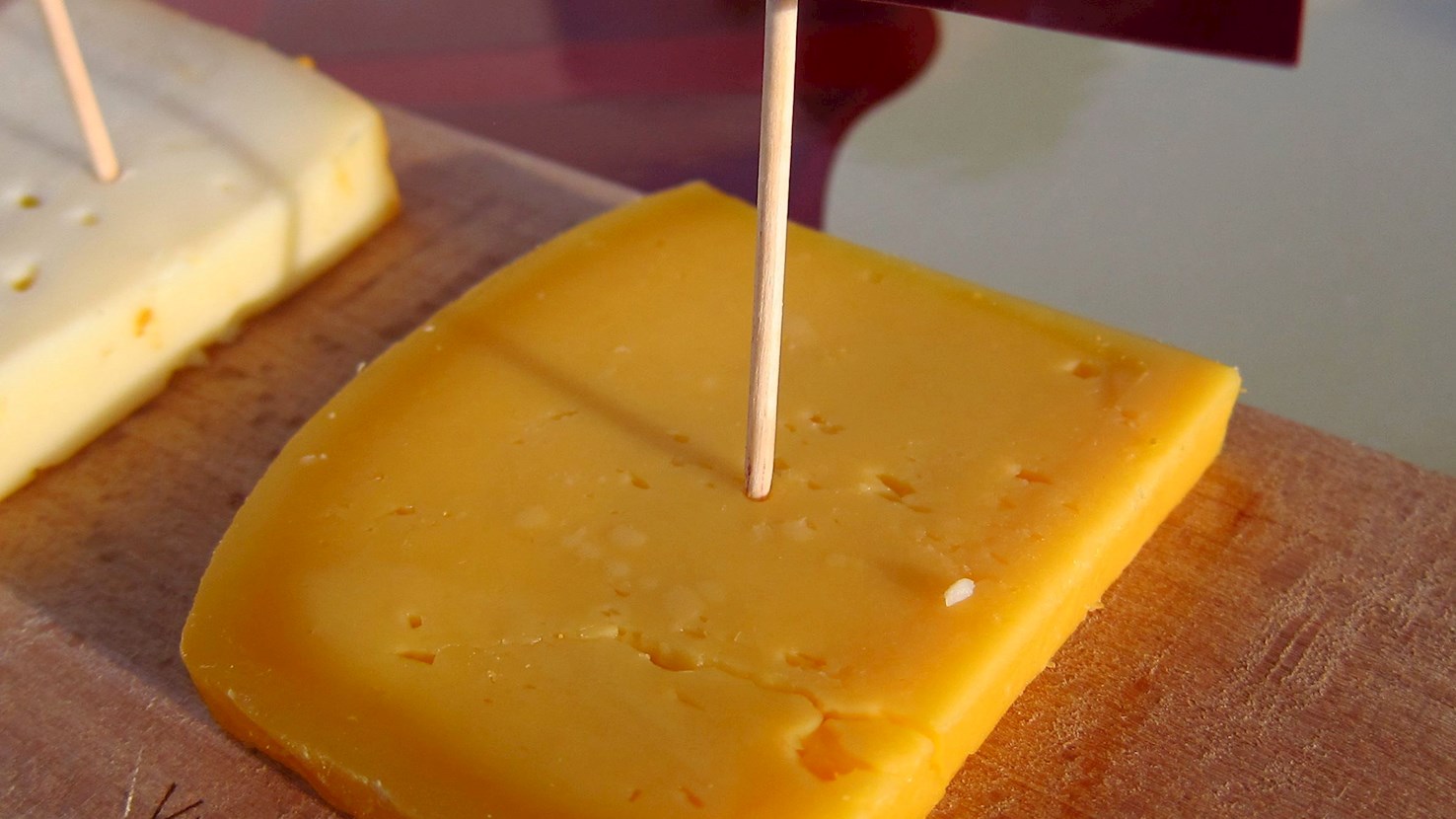
Vieux Chimay is a Belgian cheese made from cow's milk and annatto. It's shaped into a flattened ball, then left to age for 6 months. Underneath its thin golden-brown rind, the texture is semi-soft, chewy, and melts in the mouth. The flavors are buttery and slightly nutty, with a distinct, yet pleasant bitterness on the finish. It's recommended to melt Vieux Chimay into lobster risotto and pair it with a bottle of Chimay Tripel beer.

09
White Sausage

Boudin blanc de Liège

3.4 ·

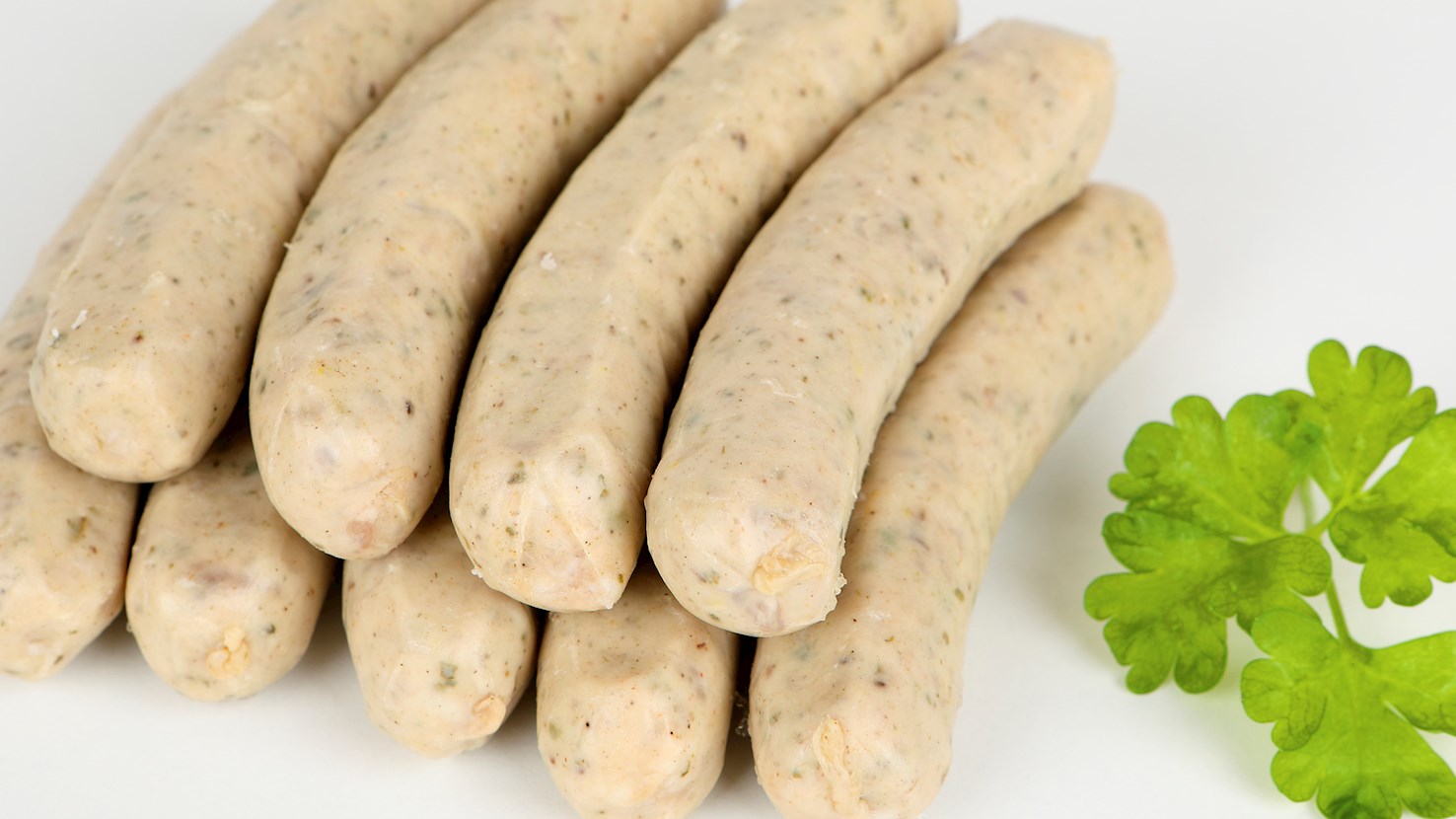
Boudin blanc de Liège is a Belgian white sausage made from pork shoulder and belly, crumbled white bread, onions, cream, and milk. All of the ingredients are combined, stuffed in casings, and cooked in hot water, then left to cool and dry for a short period of time. What distinguishes boudin blanc de Liège from other white puddings is a hint of marjoram, but it can be flavored with other ingredients such as bay leaves, carrots, or cloves.

10
Meatballs

Vitoulet

3.3 ·

Vitoulet is a Belgian meatball that is typically made with a combination of ground pork, ground veal, bread, milk, eggs, shallots, and parsley. The meat mixture is usually seasoned with salt, pepper, and nutmeg, and it is then shaped into balls which are fried on melted butter until nicely colored and crispy on all sides. Another version calls for making slightly elongated meatballs with a combination of ground veal or veal and pork, egg yolks, milk-soaked bread, parsley, salt, and pepper. For that version, the meatballs need to be rolled in breadcrumbs before being fried in browned butter. Vitoulet meatballs are typically associated with the Belgian city of Charleroi, and they’re often confused with another Belgian meatball called boulet à la liégeoise, which hails from the city of Liège and usually consists of ground pork and beef, egg yolks, onions, cream, white bread, and parsley. Apart from the different ingredients, the boulet meatballs are usually larger than the vitoulets, and they're typically served hot, with sauce on the side. Vitoulet meatballs, on the other hand, can be enjoyed both warm and chilled, with or without sauce, and they’re commonly accompanied by potatoes and a fresh salad on the side.

Best Wallonia food products

01
Chocolate

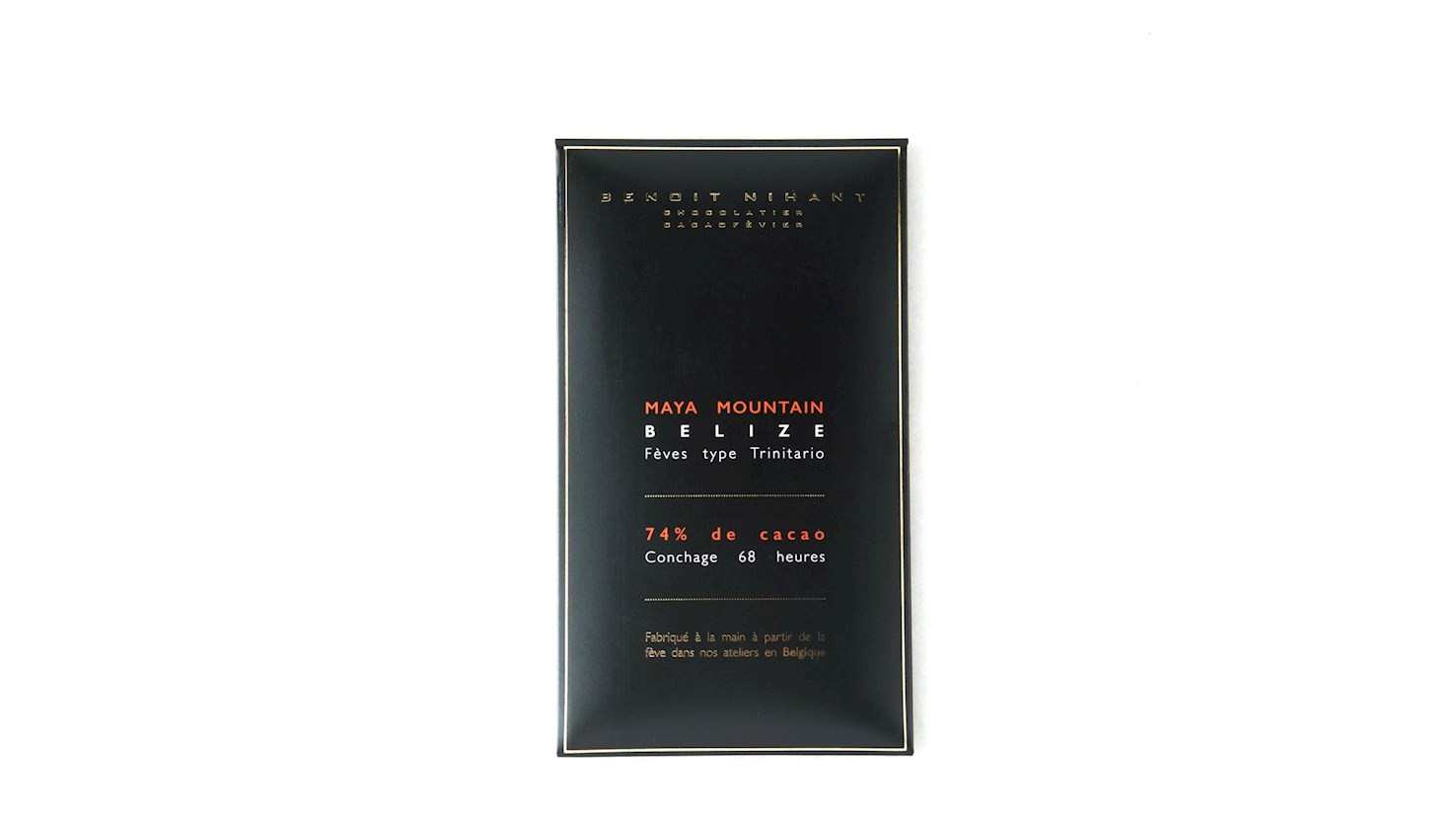
Benoît Nihant Chocolatier

5.0 ·

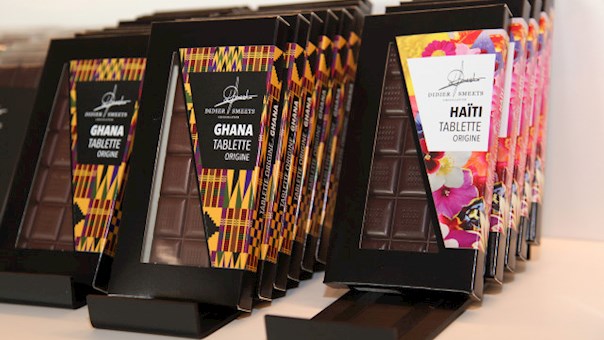
Benoît Nihant is a Belgian chocolatier who personally oversees the entire chocolate-making process - from bean to bar. As one of the few European cacaofévier artisans, he selects raw cocoa beans directly from small, independent plantations across Latin America, Africa, and Asia, with a strong emphasis on ethical sourcing and sustainable farming practices.

The beans are then processed in his workshop in Awans, near Liège, where he roasts, grinds, conches, and tempers them using traditional methods and specialized equipment. His chocolate bars and pralines are known for their intense aromas, refined textures, and authenticity, each highlighting the unique characteristics of the cocoa's origin.

His collections combine classic techniques with bold flavor innovations - infusions of fruits, spices, herbs, and fine spirits - while maintaining a distinct identity and elegant aesthetic. Nihant makes no compromises between craftsmanship and flavor: every product reflects his personal vision, from the choice of plantation to the final packaging design.

Awards
Academy of Chocolate - Gold (2021, 2016)
Academy of Chocolate - Silver (2021)
02
Chocolate Confectionery

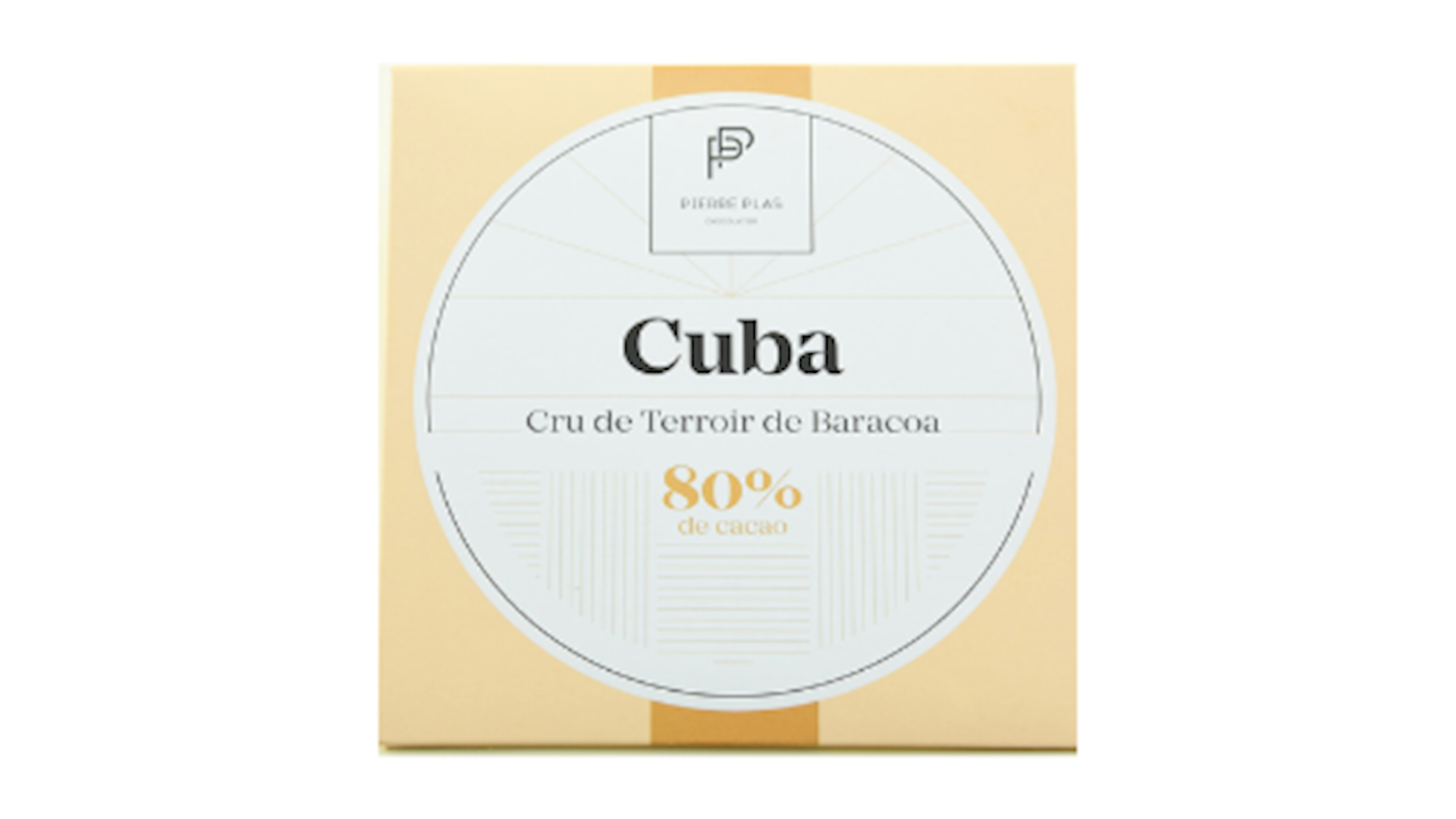
Pierre Plas Chocolatier

5.0 ·

Pierre Plas Chocolatier is a Belgian chocolate atelier based in Bastogne, renowned for its blend of tradition, innovation, and deep respect for the cocoa bean. Founder Pierre Plas honed his craft through years of experience in fine gastronomy before opening his own chocolaterie in 2012.

His philosophy is rooted in the use of “grand cru” cocoa beans sourced from carefully selected plantations, giving each chocolate a distinct aromatic identity and a strong sense of origin. The production follows a bean-to-bar approach - every stage, from bean selection to the finished bar, takes place in their workshop, with meticulous handcrafting and quality control.

The assortment includes pralines, truffles, chocolate bars, and seasonal collections that bring innovative combinations of flavors and textures. Pierre Plas unites authenticity, precision, and a modern interpretation of the Belgian chocolate tradition, while their boutique offers visitors the opportunity to experience the full philosophy behind the brand.

03
Cheese

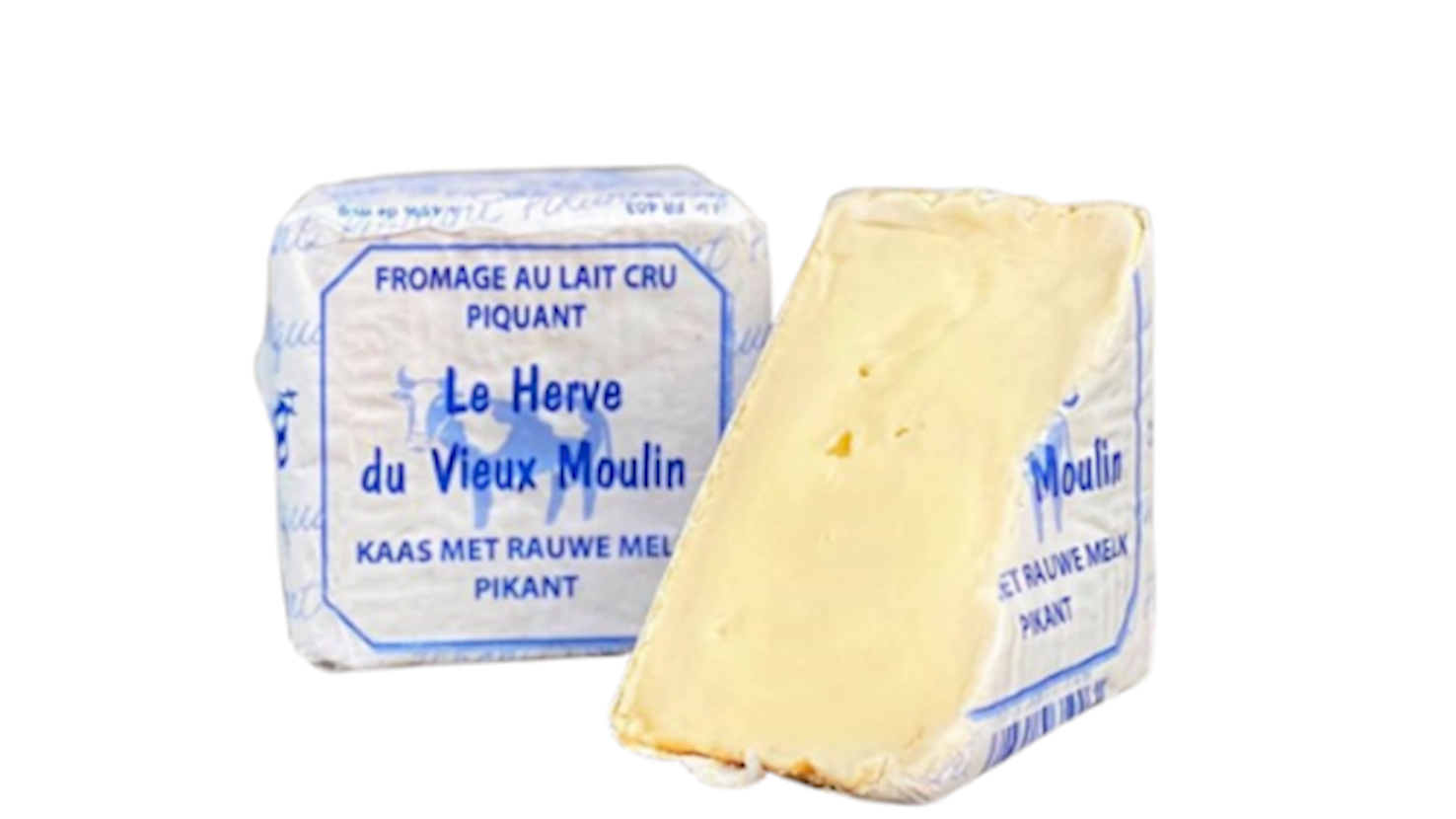
Le Herve du Vieux Moulin

5.0 ·

Le Herve du Vieux Moulin is an artisanal cheese producer based in the village of Battice, in Belgium’s Pays de Herve region, specializing in the production of authentic Herve cheese, the only Belgian cheese protected by an AOP designation. The dairy relies on a long local tradition and uses cow’s milk sourced from nearby farms, processed according to traditional methods characteristic of this area.

Their Herve is a soft, washed-rind cheese, recognizable by its cube shape, orange-reddish rind, and pronounced aroma that develops throughout maturation. The range includes both milder and more intense versions, from Herve doux to Herve piquant, differing in aromatic strength, pungency, and depth of flavor.

The texture is soft and creamy, with a full, milky and slightly salty profile that becomes more expressive as the cheese ages. Production is firmly rooted in respect for the terroir of the Pays de Herve and the preservation of artisanal know-how passed down through generations.

Today, Le Herve du Vieux Moulin is considered one of the reference producers of this traditional Belgian cheese, valued for its authenticity, strong identity, and close connection between product, place, and local gastronomic heritage.

04
Chocolate

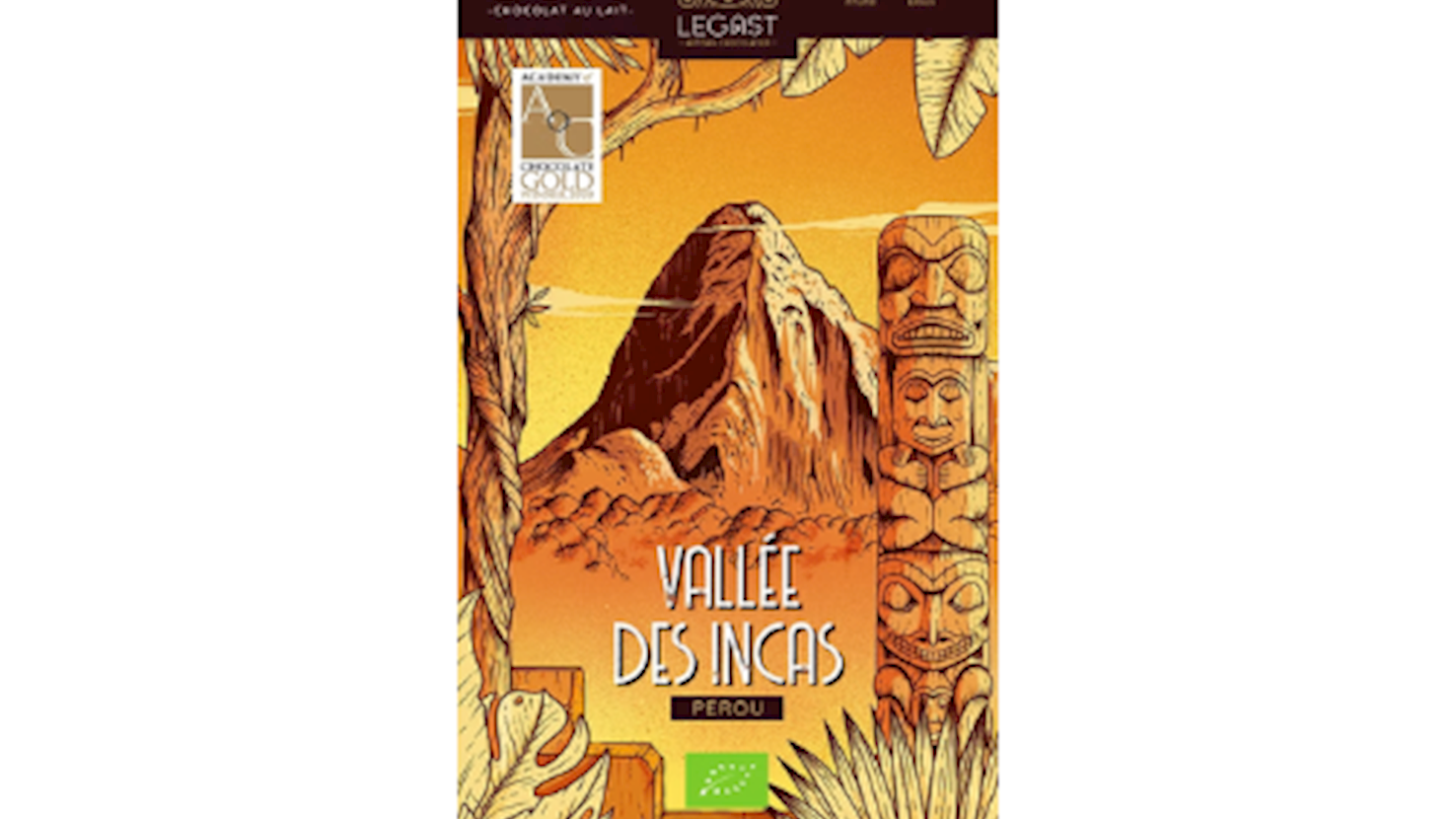
Legast Artisan Chocolatier

5.0 ·

Legast Artisan Chocolatier is a Belgian family-owned chocolate atelier from Wallonia, based in Soignies, renowned for its authentic “bean-to-bar” approach that encompasses the entire process - from cocoa bean to finished chocolate. Founders Thibaut Legast and Patricia Forero have combined technical expertise with a deep understanding of cacao origins, creating a brand that unites craftsmanship, ethics, and flavor.

All products are handmade, free from artificial additives, and focused on natural and organic ingredients. The assortment includes dark and milk chocolates of different origins, pralines, and chocolate spreads.

Legast chocolates are recognized for their distinctive aromatic profile - a pure cocoa taste enriched with fruity and floral notes, and a texture that melts smoothly on the palate, revealing complex layers of flavor. Their workshop in Soignies is open to visitors who wish to observe the production process and taste the creations directly at the source.

Patricia and Thibaut highlight that their goal is to craft chocolate that expresses the character of the bean rather than mere sweetness. Sustainable production and respect for natural resources form the foundation of their ethics.

Through every bar, Legast conveys the spirit of authentic Belgian craftsmanship, enriched by a modern sensibility and a global perspective on chocolate as a cultural creation.

Awards
Academy of Chocolate - Gold (2020)
Academy of Chocolate - Silver (2019)
05
Chocolate

Darcis Chocolatier

4.9 ·

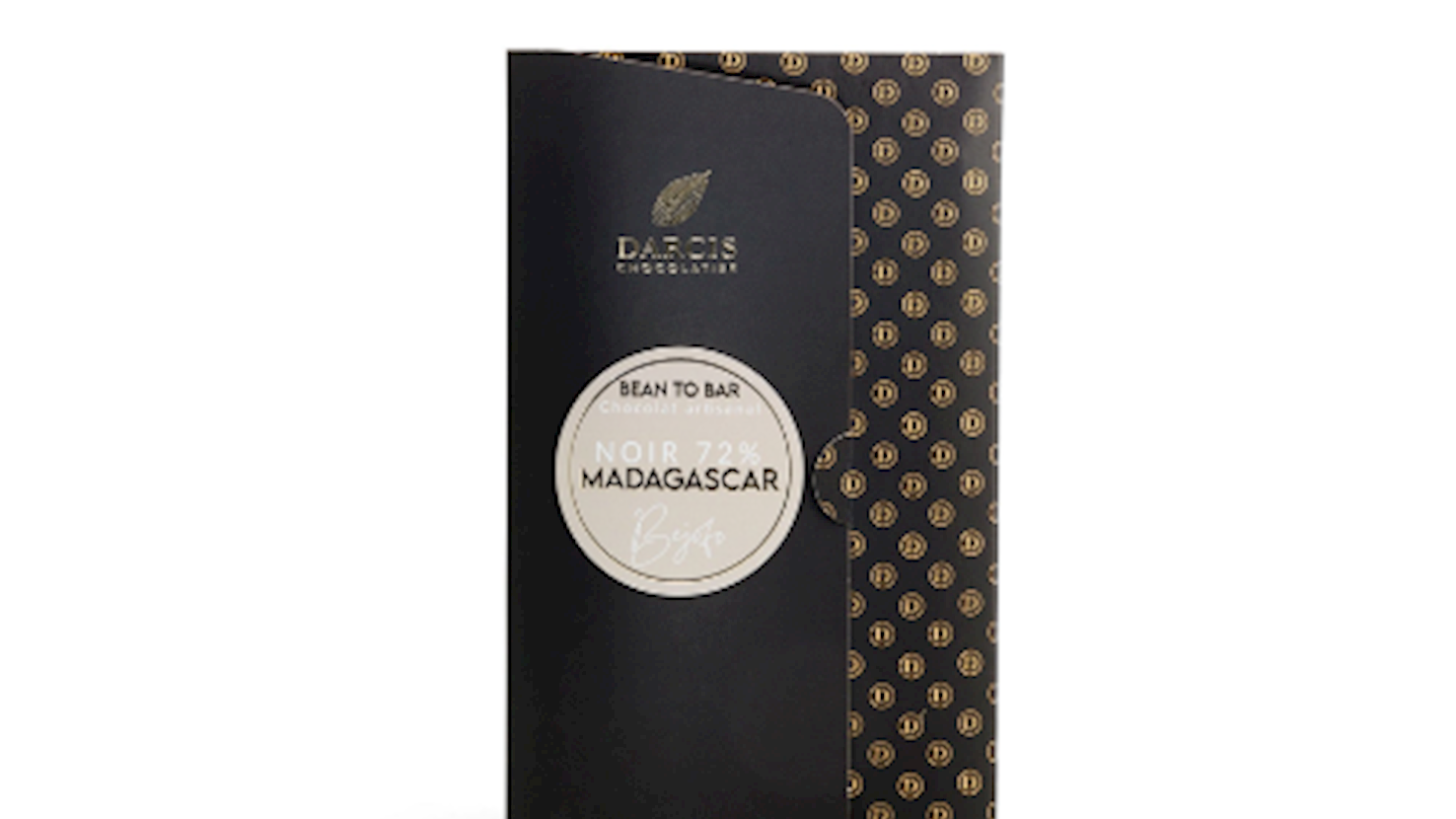
Darcis Chocolatier is a Belgian brand founded in 1996 by chocolatier and pastry chef Jean-Philippe Darcis in the city of Verviers, in the heart of Wallonia. Renowned for its exquisite pralines, chocolates, and macarons, Darcis blends the heritage of Belgian craftsmanship with a contemporary approach to flavor and aesthetics.

The brand’s philosophy is rooted in purity of ingredients, precision, and respect for the origin of cocoa, sourced from carefully selected plantations in Peru, Madagascar, Vietnam, Ecuador, and Cameroon. Darcis is recognized for its authentic bean-to-bar production process, encompassing every stage from the selection of cocoa beans to the final creation of each praline.

Within the “La Chocolaterie” complex in Verviers are the production facilities, a chocolate museum, and a chocolate academy, all open to visitors and students. Every Darcis creation is defined by meticulous handcrafting, elegance, and a carefully balanced flavor profile, reaffirming the brand’s status as one of the leading representatives of contemporary Belgian chocolate artistry.

Awards
International Chocolate Awards - Silver (2015)
06
Beer

Brasserie Dupont

4.9 ·

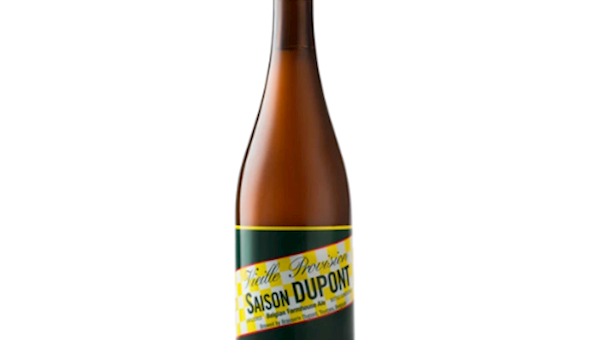
Brasserie Dupont is a historic Belgian brewery located in the village of Tourpes, part of the municipality of Leuze-en-Hainaut in the province of Hainaut, within the Walloon Region. Its origins date back to 1759, when it operated as a farm, and in 1844 it was transformed into a brewery producing seasonal and honey beers for agricultural workers.

The modern history of the brewery began in 1920, when Alfred Dupont purchased the estate and launched the now-famous Saison Dupont. Today, the brewery is led by the fourth generation of the same family, successfully combining traditional methods with modern approaches.

Annual production reaches around 30,000 hectoliters, and the beers are still brewed using the brewery’s own yeast strain, through a multi-stage fermentation process in open fermenters. A distinctive feature of their production is the natural bottle conditioning applied to all beers, which results in characteristic carbonation and depth of flavor.

Brasserie Dupont remains faithful to its artisanal roots and local brewing heritage, while its products are recognized and appreciated around the world.

Awards
Untappd - 3.9
Untappd - 3.8
07
Fruit Preserve

Siroperie Delvaux

4.8 ·

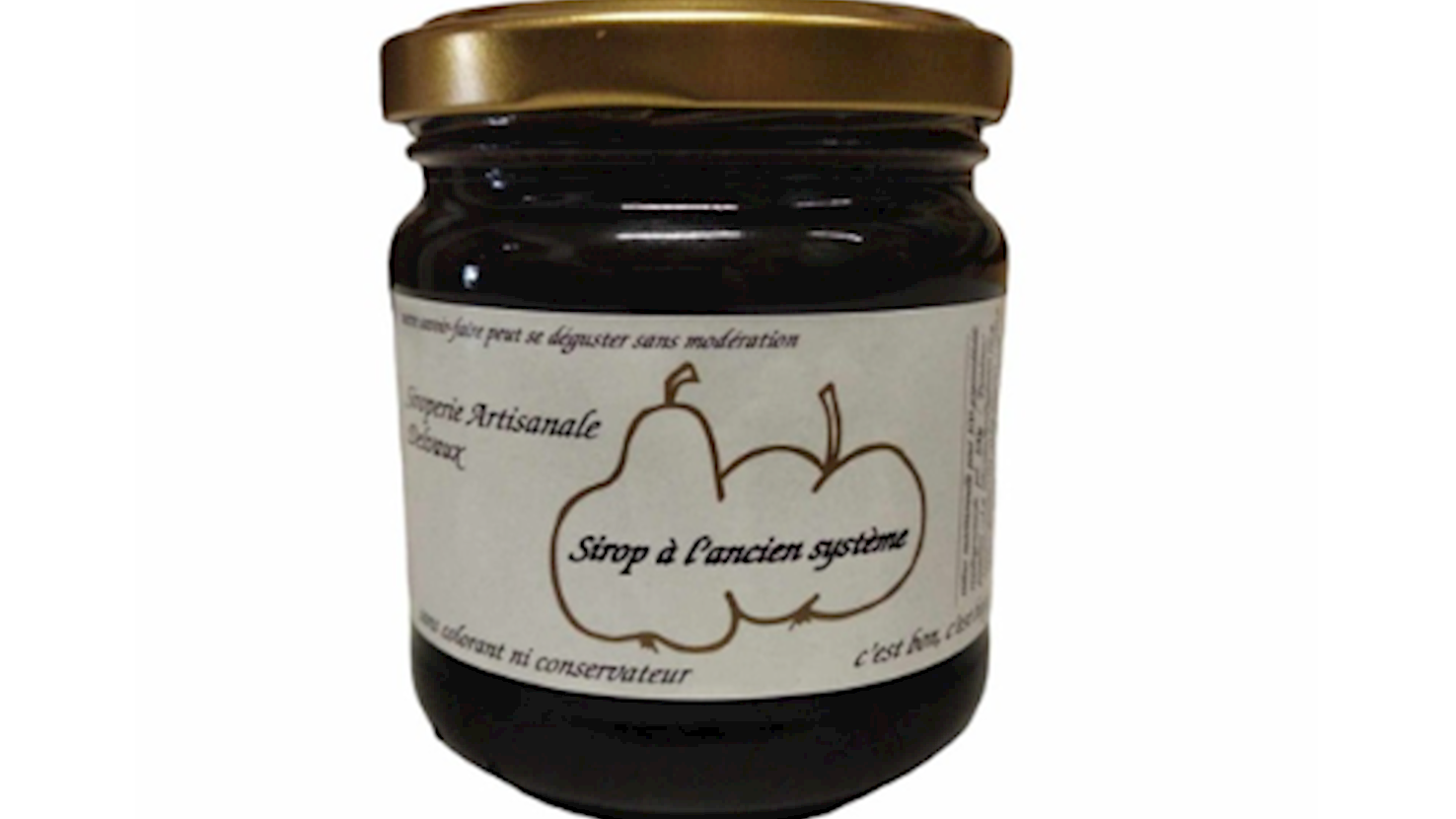
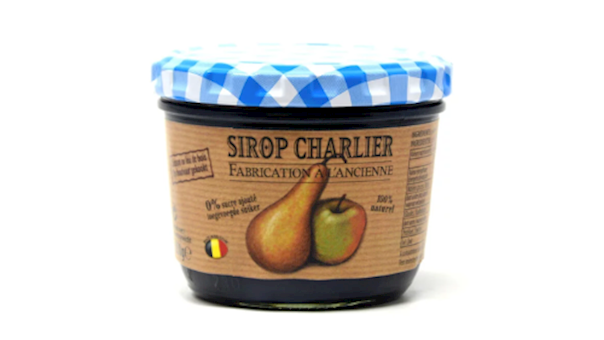
Siroperie Delvaux is a family-run Belgian artisanal producer with more than a century of tradition, founded in 1887 in the Liège region and specialized in fruit syrups and dense fruit spreads made using time-honored methods. Their production is based on the slow reduction of apple and pear juices, without the use of artificial colors, flavors, or preservatives, allowing the natural character of the fruit to remain at the center of each product.

The most iconic specialty is Sirop de Liège, a thick fruit molasses with a deep color and a rich, gently caramelized profile, traditionally enjoyed as a spread, a topping for pancakes, or an ingredient in savory and sweet dishes. Raw materials are mainly sourced from local orchards, often from old fruit trees, which contributes to the depth and complexity of the final flavor.

The know-how has been passed down through several generations of the same family, preserving original recipes and traditional processing techniques. Their syrups are known for a smooth, velvety texture and a naturally balanced sweetness derived solely from fruit concentration.

Delvaux products hold a special place in Belgian culinary heritage as examples of how simple ingredients can be transformed into foods with a strong regional identity. Today, their syrups and spreads are regarded as benchmarks for authentic, non-industrial fruit products that successfully combine tradition with quality.

08
Beer

Chimay

4.8 ·

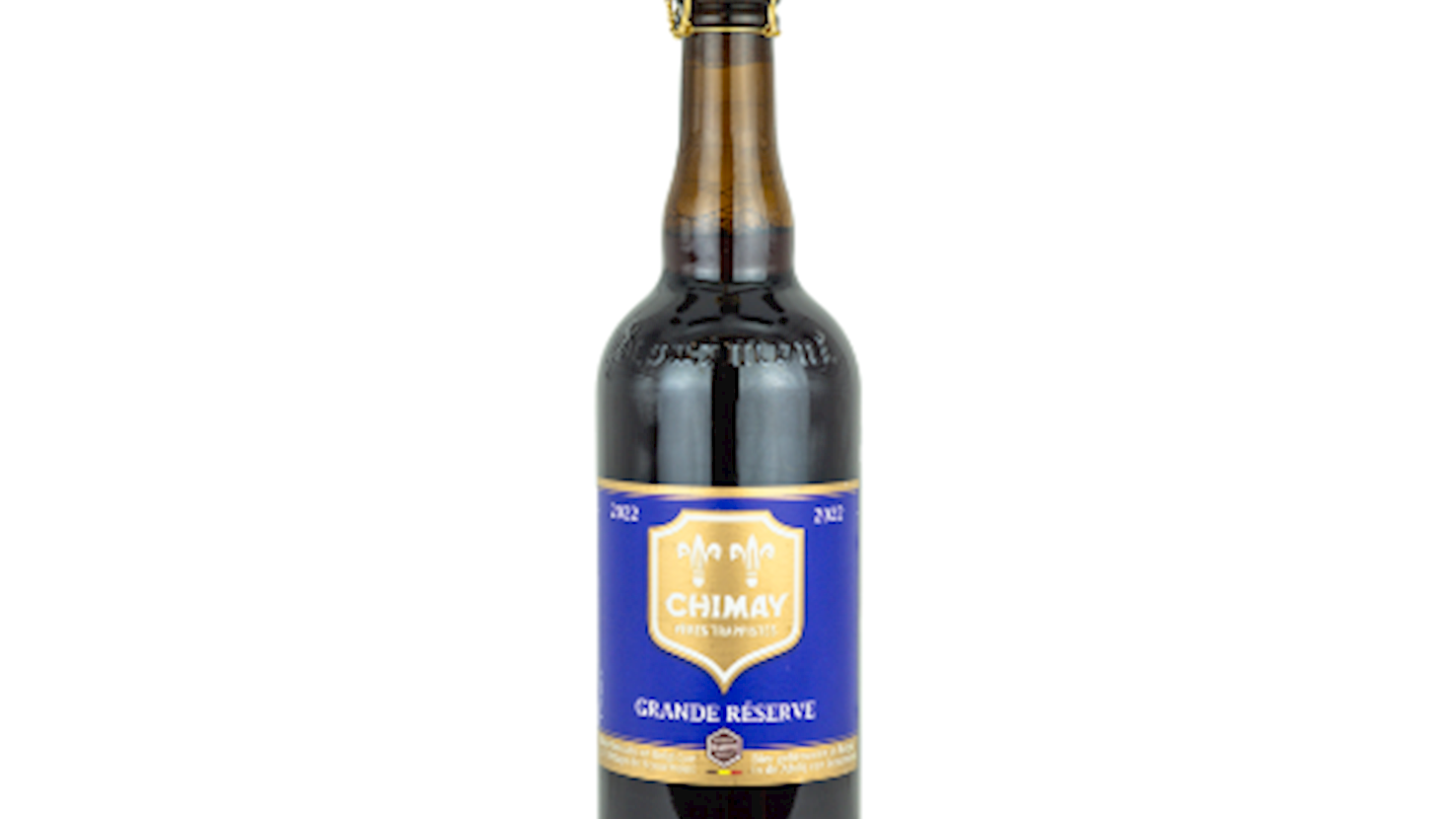
Chimay is one of the most renowned and respected Trappist breweries in the world, located within the Abbey of Notre-Dame de Scourmont, in the village of Scourmont near Chimay, in Wallonia, Belgium. Founded in 1862, the brewery operates according to strict Trappist principles: the beer is brewed within the monastery walls, under the supervision of the monks, and part of the revenue is used to support the community and charitable causes.

For this reason, all of their products bear the prestigious Authentic Trappist Product label. Their beers are lightly filtered and unpasteurized, naturally bottle-fermented, and characterized by complex aromas, full body, and a balanced interplay of sweetness, bitterness, and fruity notes. In addition to beer, Chimay also produces Trappist cheese made from cow’s milk, traditionally paired with their beers to create a perfect gastronomic harmony. The entire production process is aligned with sustainable principles, and both the brewery and the cheesery are part of a larger complex open to visitors, which includes a tasting center, a restaurant, and a shop at the nearby Chimay Experience center.

Awards
Beer Advocate - 95 World-Class
Untappd - 3.7
09
Beer

Brasserie de Rochefort

4.8 ·

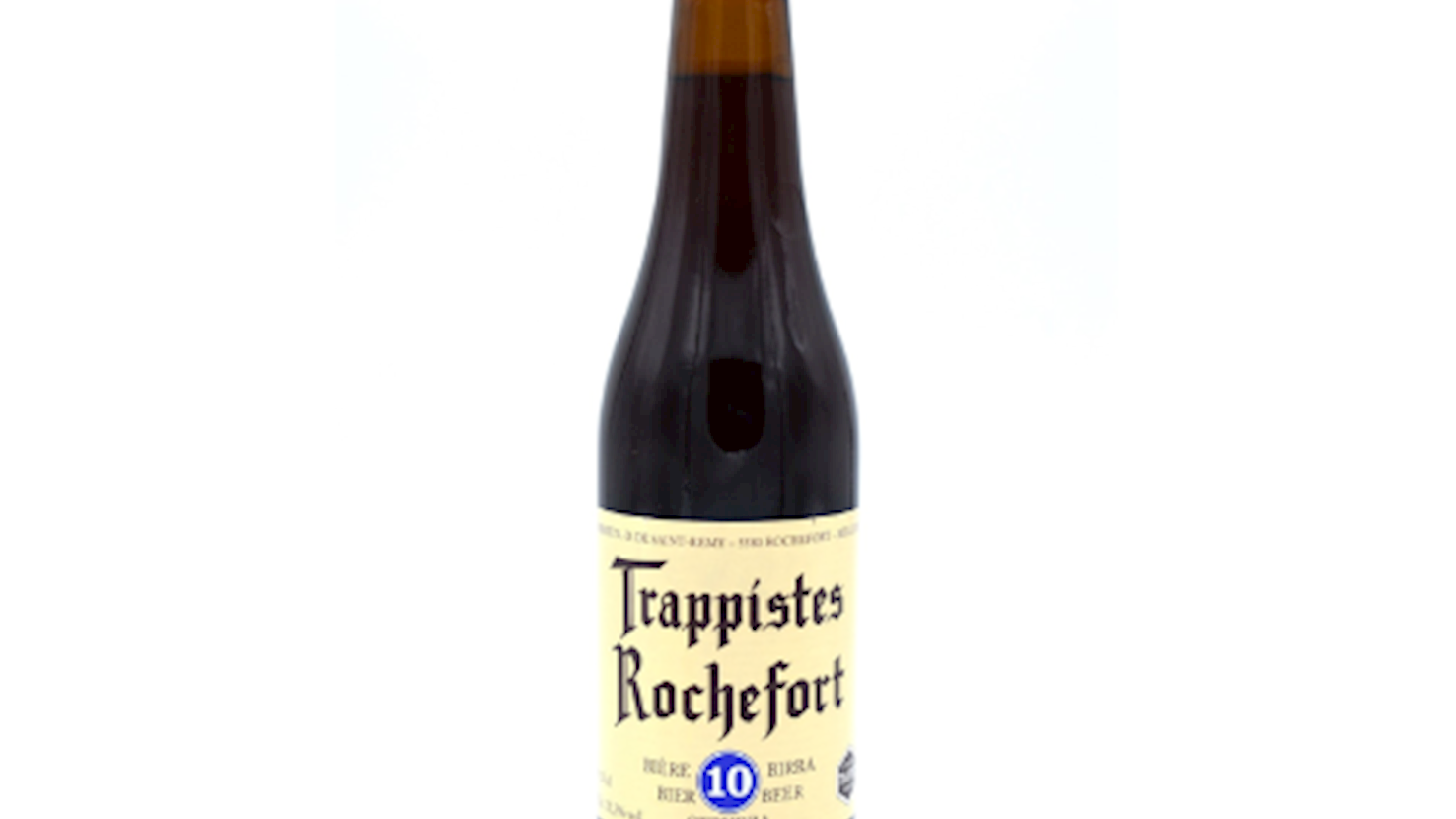
The monastic brewery Brasserie de Rochefort, also known as Trappistes Rochefort, is part of the Abbey of Notre-Dame de Saint-Rémy, located in Rochefort, in the Walloon region of Belgium. This brewery is deeply rooted in the Trappist tradition, as the monks themselves oversee production and use part of the profits for charitable purposes and maintaining their community - this is why the beer bears the Authentic Trappist Product label.

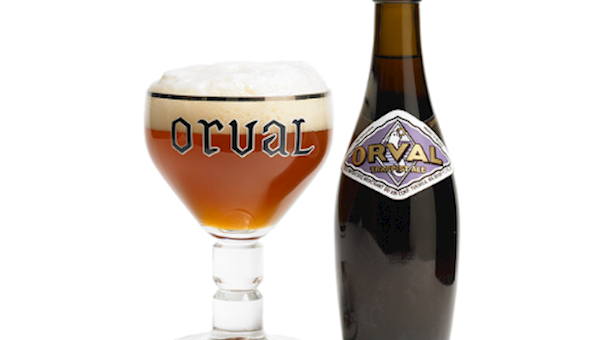
Beer has been brewed at the abbey since the 16th century, though the modern Trappist brewing style we know today was developed in the mid-20th century. Brasserie de Rochefort is renowned for its beers of deep complexity, rich aromas, and multi-layered flavor profiles. Their most famous brews are Rochefort 8 and Rochefort 10, with the numbers indicating the approximate specific gravity and alcohol strength of the beer.

These are strong, dark ales, full of dried fruit, caramel, and spicy notes, fermented with the brewery’s own yeast strain, which imparts a distinctive character. The brewery produces relatively small quantities, but it is precisely this dedication to quality and traditional, hands-on methods that makes Trappistes Rochefort one of the most respected beer producers in the world. The beers are unfiltered, unpasteurized, and undergo bottle conditioning, allowing them to mature and develop complexity over time.

Awards
Beer Advocate - 99 World-Class
Beer Advocate - 96 World-Class
10
Beer

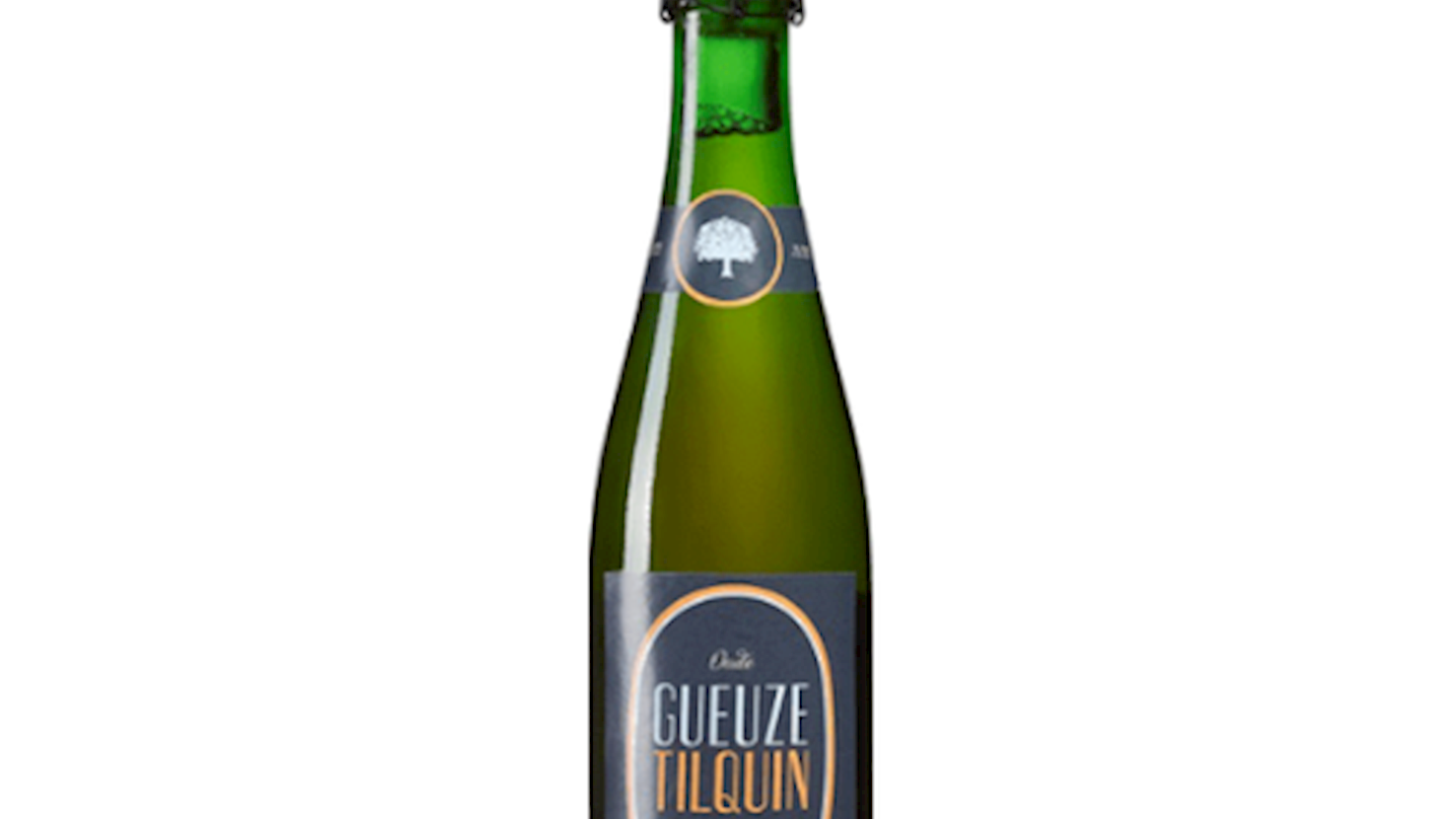
Gueuzerie Tilquin

4.7 ·

Gueuzerie Tilquin, located in Rebecq, is the only gueuze blendery in Wallonia - a prestigious fermentation hub dedicated to spontaneous fermentation and the century-old lambic beer tradition. Founded in 2009 by bioengineer Pierre Tilquin, the blendery sources finished lambic from renowned breweries and ages it in oak barrels for one, two, or three years before blending it into Oude Gueuze Tilquin à l’ancienne - bottle-refermented for at least six months.

The facility houses over 575 oak barrels with a total capacity of approximately 2,300 hectoliters, producing around 1,350 hectoliters of beer annually, most of which is exported, particularly to the United States, Scandinavia, and China. Tilquin is a prime example of the fusion between traditional lambic craftsmanship and regional innovation; its beers - especially the Oude Gueuze and various fruited variants - are characterized by elegance, precision, stylistic consistency, strong terroir expression, and impressive aging potential.

Awards
Beer Advocate - 96 World-Class
Untappd - 4.1
About this ranking

TasteAtlas food rankings are based on the ratings of the TasteAtlas audience, with a series of mechanisms that recognize real users and that ignore bot, nationalist or local patriotic ratings, and give additional value to the ratings of users that the system recognizes as knowledgeable. For the “Top 29 Traditional Foods in Wallonia” list until July 15, 2026, 687 ratings were recorded, of which 575 were recognized by the system as legitimate. TasteAtlas Rankings should not be seen as the final global conclusion about food. Their purpose is to promote excellent local foods, instill pride in traditional dishes, and arouse curiosity about dishes you haven’t tried.

The initial list of top producers was compiled based on available reviews, awards, local recommendations, media and blog coverage, and consumer reviews. The list will be updated with ratings from TasteAtlas local ambassadors and TasteAtlas users.

Similar lists