shutterstock

Top 20 Neapolitan Pasta

Last updated on June 15, 2026

Best Neapolitan Pasta
01

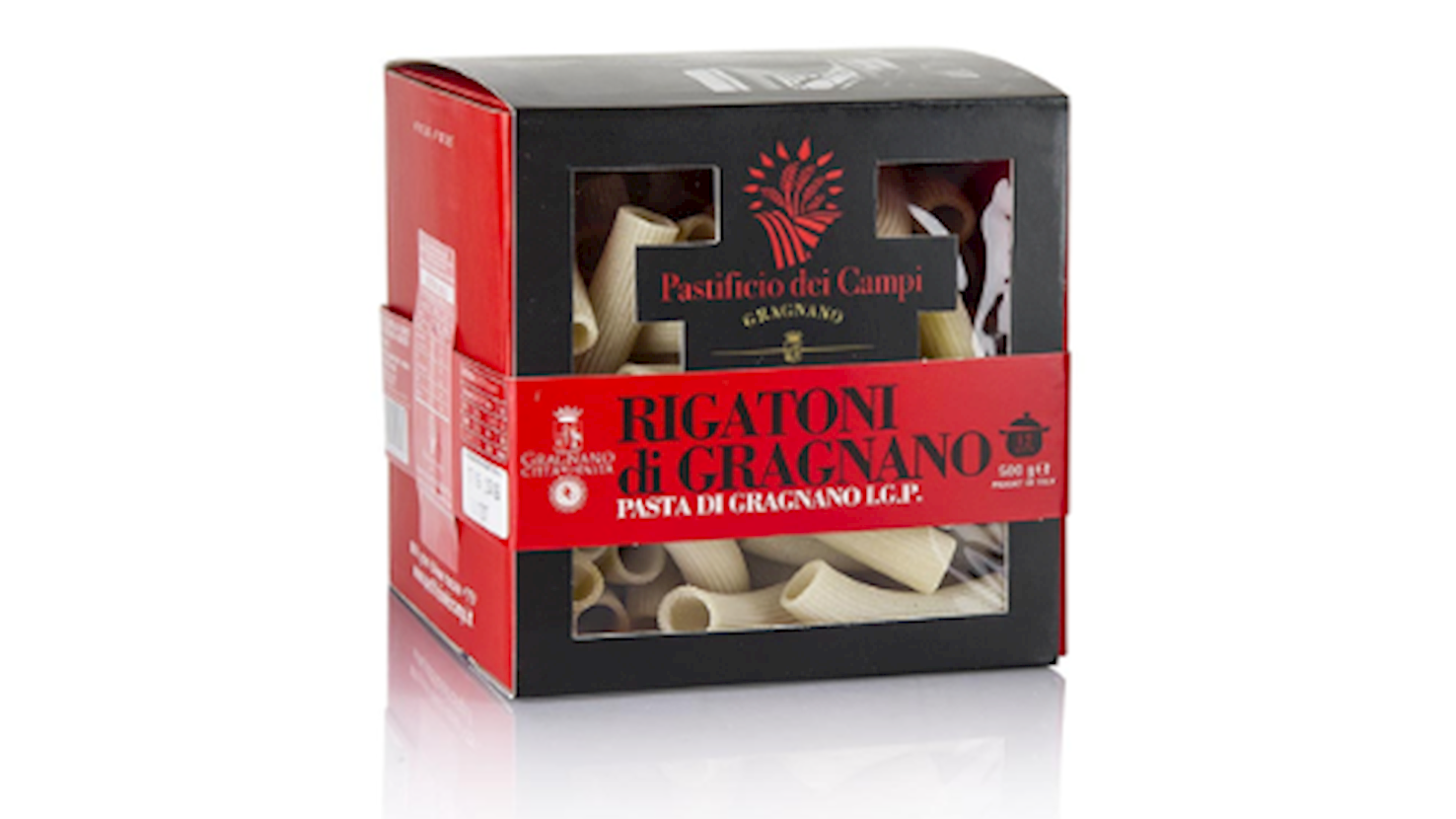
Pastificio dei Campi

5 ·
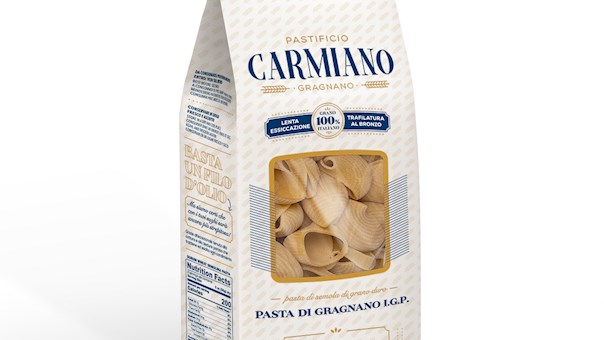
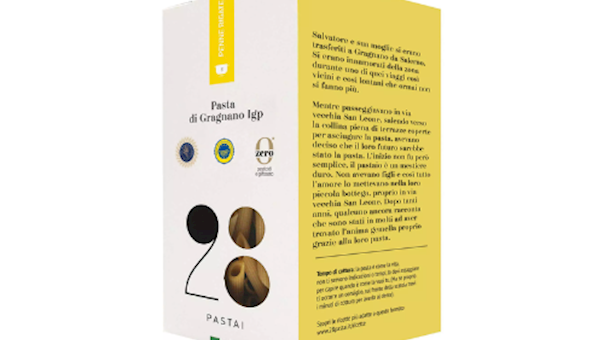
Pastificio dei Campi is a renowned pasta producer from Gragnano, Italy, with a rich tradition of crafting high-quality pasta. Founded in 2007 by Giuseppe and Giovanna Di Martino, the company is dedicated to preserving the ancient art of pasta-making, which has flourished in Gragnano for over 500 years. Giuseppe Di Martino, a third-generation pasta maker, recognized the importance of full traceability of raw materials. He initiated a collaboration with farmers in Apulia, particularly from the Tavoliere and Sub-Apennine Daunia regions, to secure high-quality durum wheat grown without chemical fertilizers or glyphosate, using only ancient grain varieties. Their commitment to quality and authenticity has earned them global recognition, and their pasta is considered one of the finest Italian pastas.
02

Pastificio Gentile

5 ·
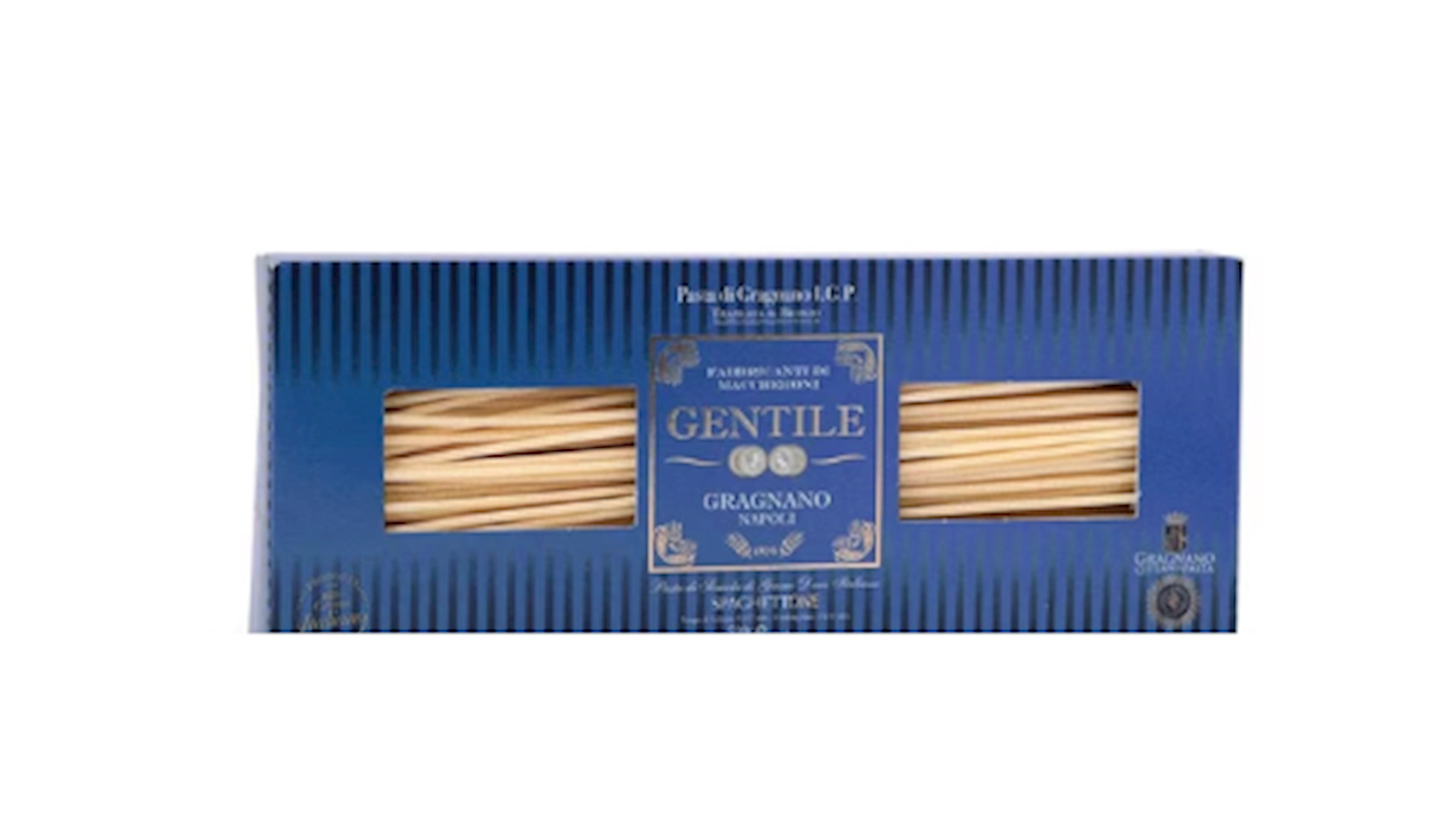
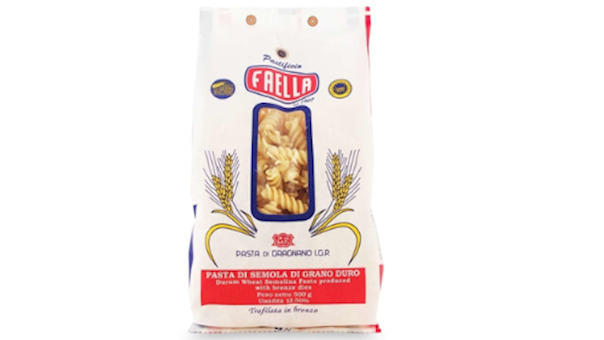
Pastificio Gentile is a renowned Italian pasta producer from Gragnano, a city known as the "pasta capital" in the Campania region. Founded in 1876, Pastificio Gentile is one of the historic pasta makers that continues to use traditional methods in its production. Their pasta is made from high-quality durum wheat and shaped using bronze dies, which give it a rough texture that helps sauces adhere better. A key feature of their process is the slow drying at low temperatures, known as the Metodo Cirillo, which preserves the pasta’s nutritional value and authentic flavor. Their product range includes handmade varieties like Fusilli Fatti a Mano, as well as classic formats such as Spaghettone and Lumaconi.
03

Pastificio Liguori

4.8 ·
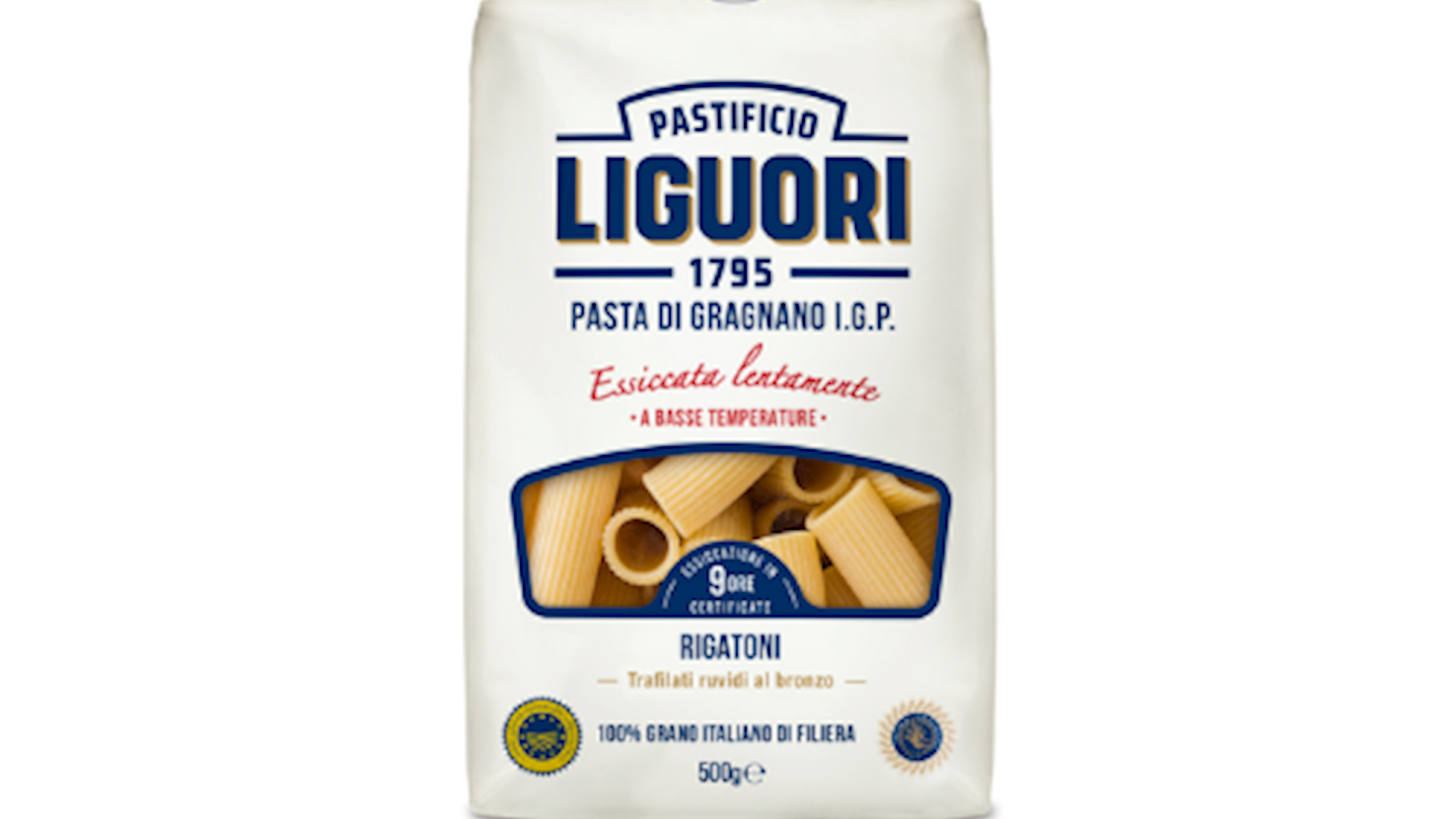
Pastificio Liguori is renowned for its tradition dating back to 1795, specializing in the production of authentic pasta from Gragnano. Their pasta carries the prestigious IGP certification, ensuring quality and a strong connection to local traditions. Pasta production at Liguori follows strict methods, including slow drying at low temperatures, which ensures perfect texture and flavor. All products are made with carefully selected grains and water sourced from the Monte Lattari springs. The company utilizes blockchain technology to ensure full transparency and traceability of all ingredients. Liguori is committed to preserving natural resources and implementing sustainable practices in production. Pasta Liguori recognizes the importance of time as its "secret ingredient" in achieving exceptional quality.
04

Pastificio Setaro

4.7 ·
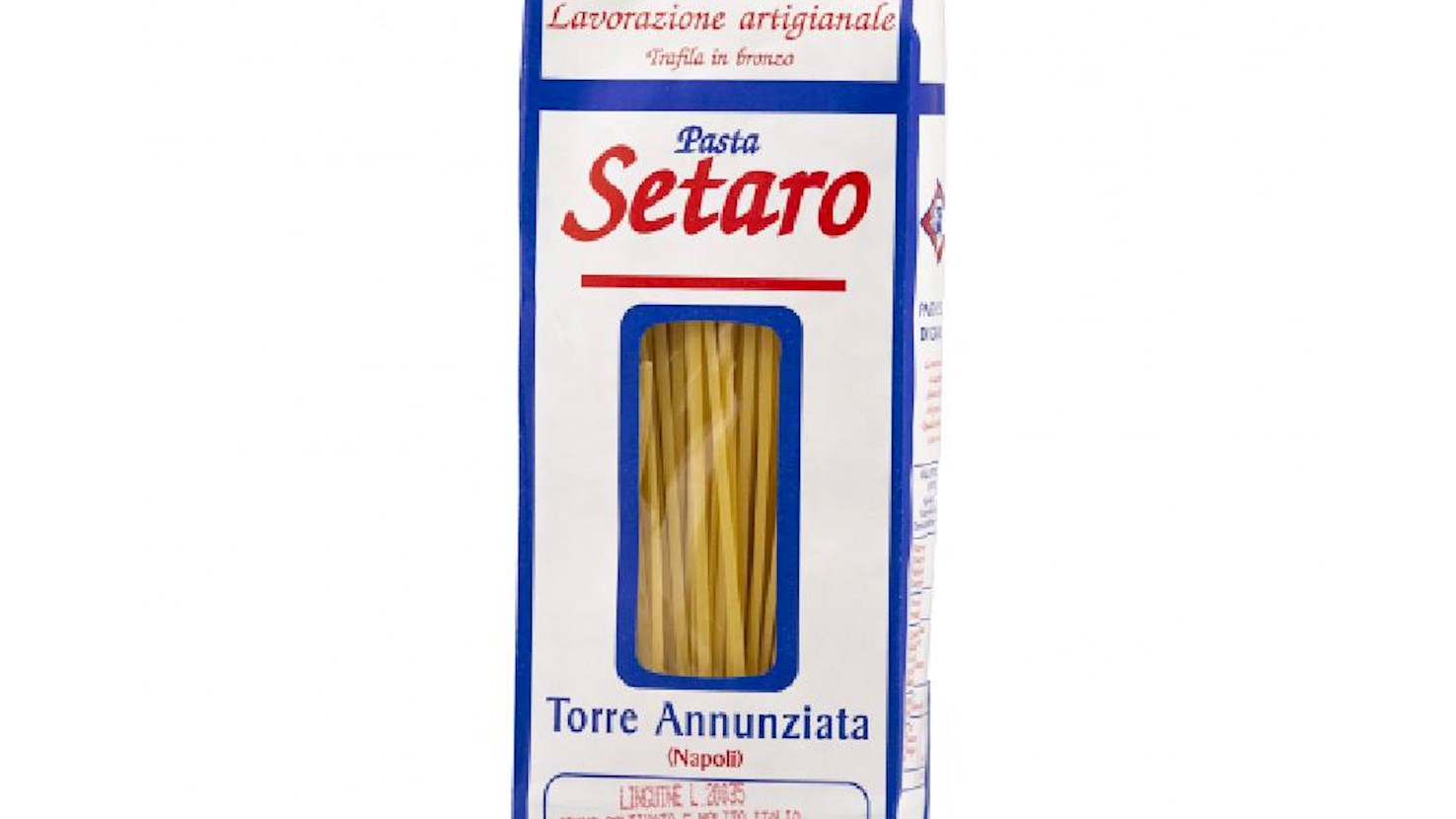
Pastificio Setaro is an esteemed Italian pasta manufacturer located in Torre Annunziata, near Naples. Established in 1939, this family-run business has been dedicated to the art of pasta-making for three generations. They specialize in producing artisanal pasta using traditional methods, including bronze die extrusion and slow drying at low temperatures, which contribute to the pasta's unique texture and ability to absorb sauces effectively. Setaro offers a diverse range of pasta shapes, catering to both local and international markets, and is highly regarded by gourmet enthusiasts and chefs worldwide. Their commitment to quality and tradition has solidified their reputation as a leading producer of authentic Italian pasta.
05

La Fabbrica della Pasta Gragnano

4.7 ·
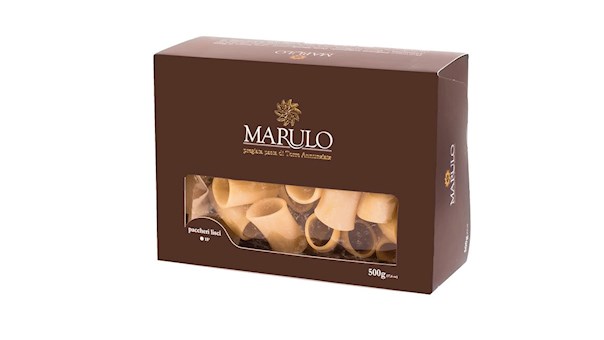
La Fabbrica della Pasta di Gragnano, located in the heart of Gragnano, near Sorrento, Pompeii, and the Amalfi Coast, is a family-owned pasta manufacturer with a rich tradition spanning three generations. The company is a pioneer in the art of crafting artisanal pasta and was the first in Gragnano to receive the prestigious Protected Geographical Indication (PGI) certification, ensuring the authenticity and quality of their products. The company's product line includes over 100 pasta shapes, catering to both traditional and creative culinary needs. Their iconic "Paccheri" and "Scialatielli" are renowned worldwide, and they also produce gluten-free and organic pasta options to accommodate diverse dietary preferences. La Fabbrica della Pasta di Gragnano has earned international acclaim, with their products gracing the tables of fine dining establishments and gourmet shops globally. Their dedication to maintaining tradition while embracing innovation has solidified their reputation as one of the finest pasta producers in Italy, and a true ambassador of Italian culinary excellence.
06

Pasta Garofalo

4.6 ·
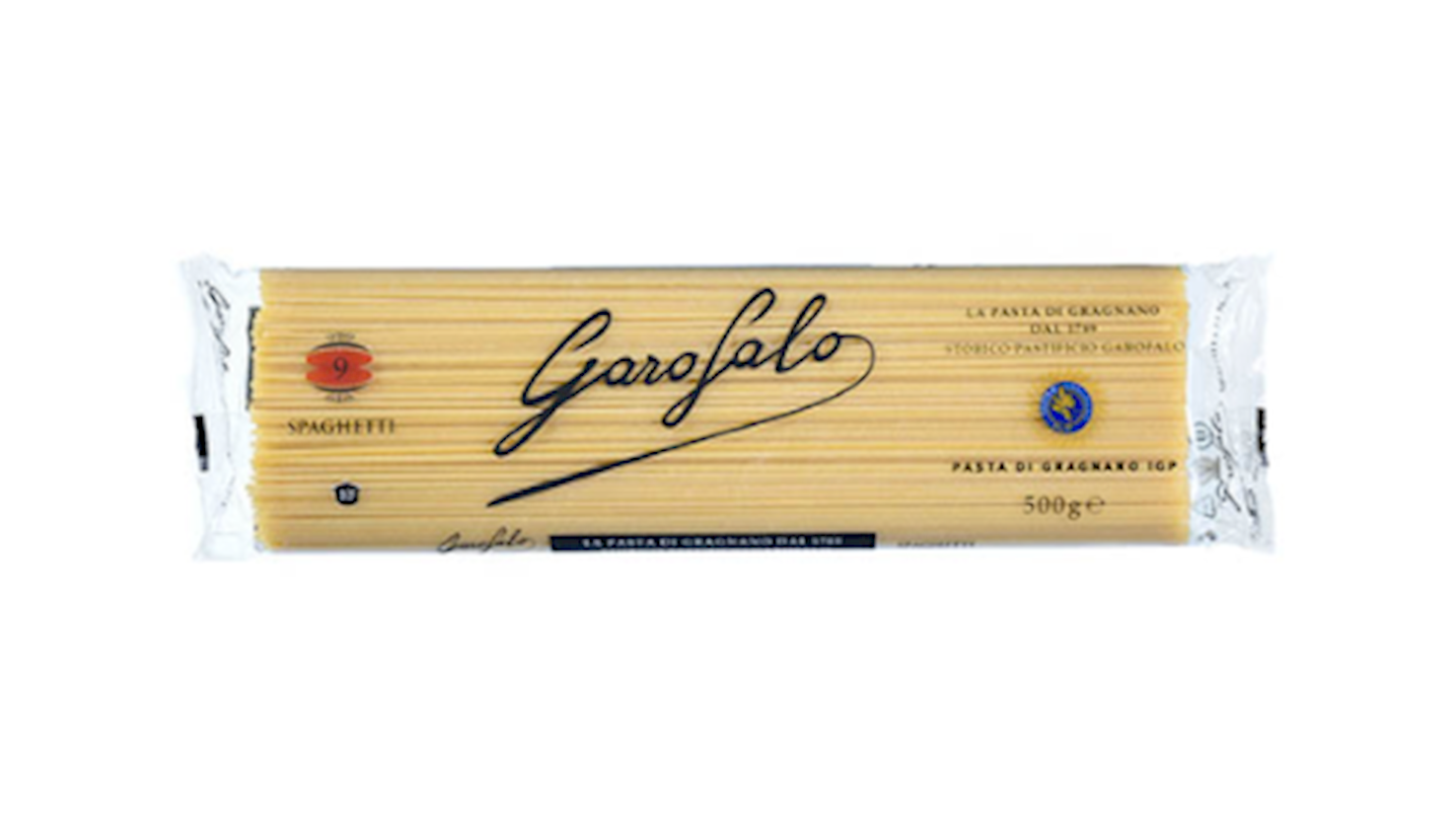
Pasta Garofalo is a historic pasta brand established in 1789, located in Gragnano, Italy, a town famous for its pasta production. The company is known for its high-quality pasta, which is made from the finest durum wheat, and has earned the prestigious IGP (Protected Geographical Indication) certification. Garofalo offers a diverse range of pasta types, including classic semolina, whole wheat, gluten-free, and legume-based varieties, catering to various dietary preferences. Their pasta is carefully crafted using traditional methods, ensuring excellent texture and flavor in every bite. In addition to pasta, Garofalo produces other Italian food products, such as extra virgin olive oil and flours, all made with the same commitment to quality. The company emphasizes sustainability and social responsibility in its operations. It continuously innovates while staying true to its roots in Italian culinary tradition. Garofalo’s dedication to quality and authenticity has made it one of the most respected pasta brands in the world.
07

Pastificio di Martino

4.6 ·
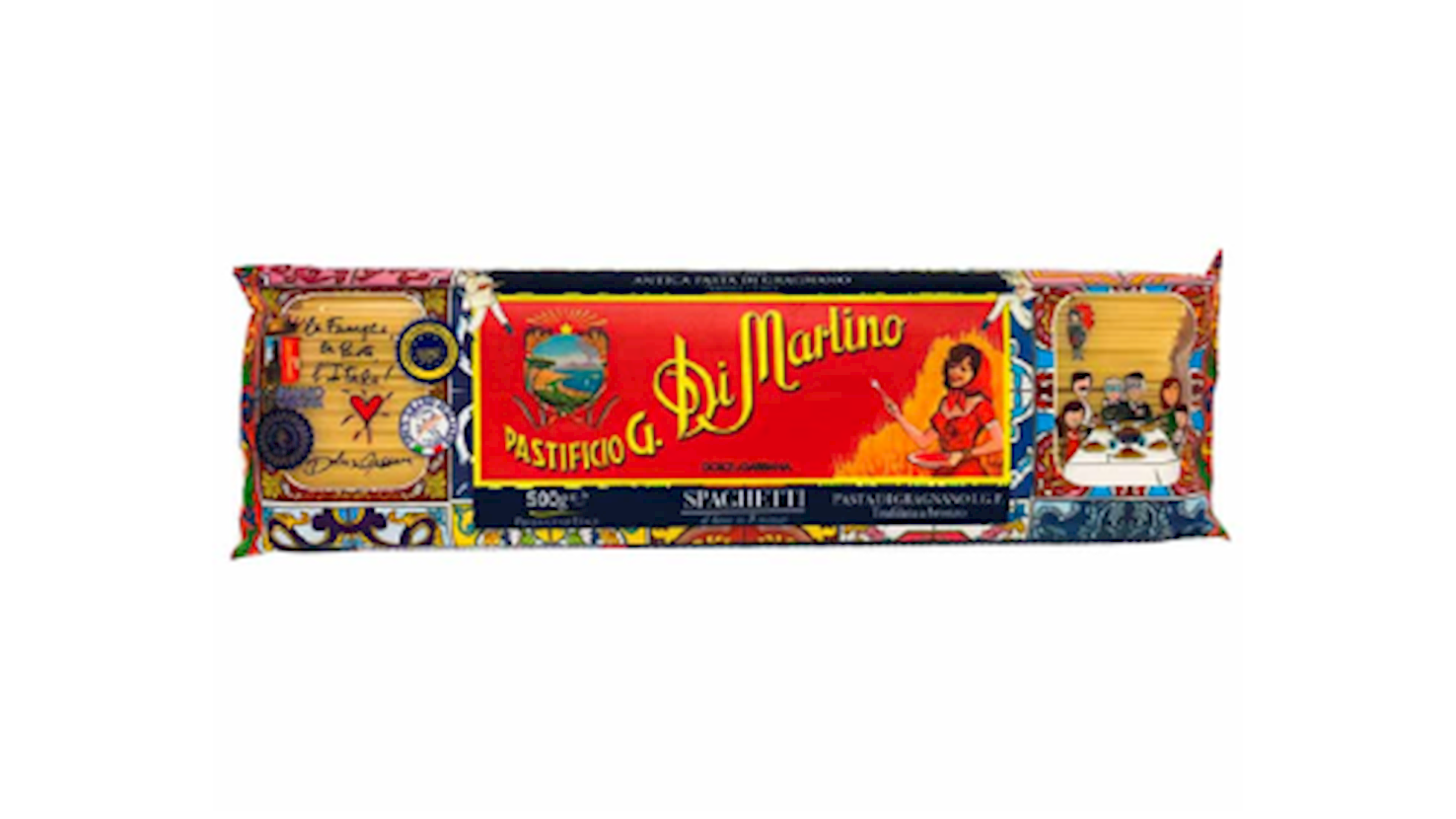
Pastificio di Martino is a renowned Italian pasta producer based in Gragnano, a town famous for its pasta-making tradition. Established in 1912, the company has over a century of experience in crafting high-quality pasta using 100% Italian durum wheat semolina. Their pasta is known for its superior texture, achieved through bronze die extrusion, which enhances sauce absorption. The brand follows a slow drying process at low temperatures, preserving the natural flavors and nutritional properties of the wheat. Di Martino offers a wide range of pasta shapes, from traditional varieties like spaghetti and penne to specialty and regional formats. The company is also known for its collaborations with luxury brands, such as Dolce & Gabbana, creating limited-edition packaging that combines fashion and food. With a strong international presence, Di Martino exports its products to over 35 countries, bringing authentic Italian pasta to tables worldwide. Their commitment to quality, tradition, and innovation has made them a benchmark in the premium pasta industry.
08

Gerardo di Nola

4.6 ·
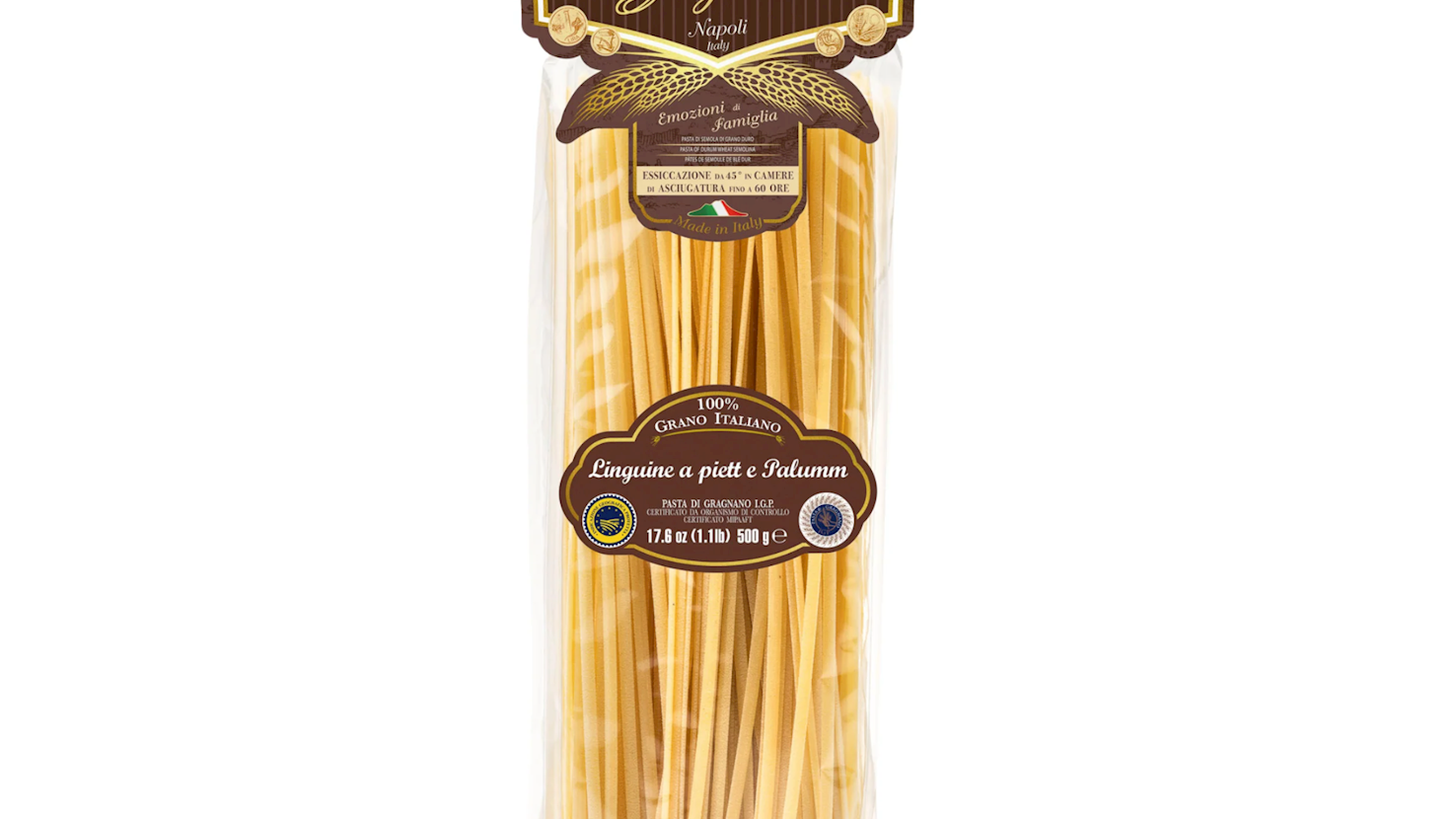
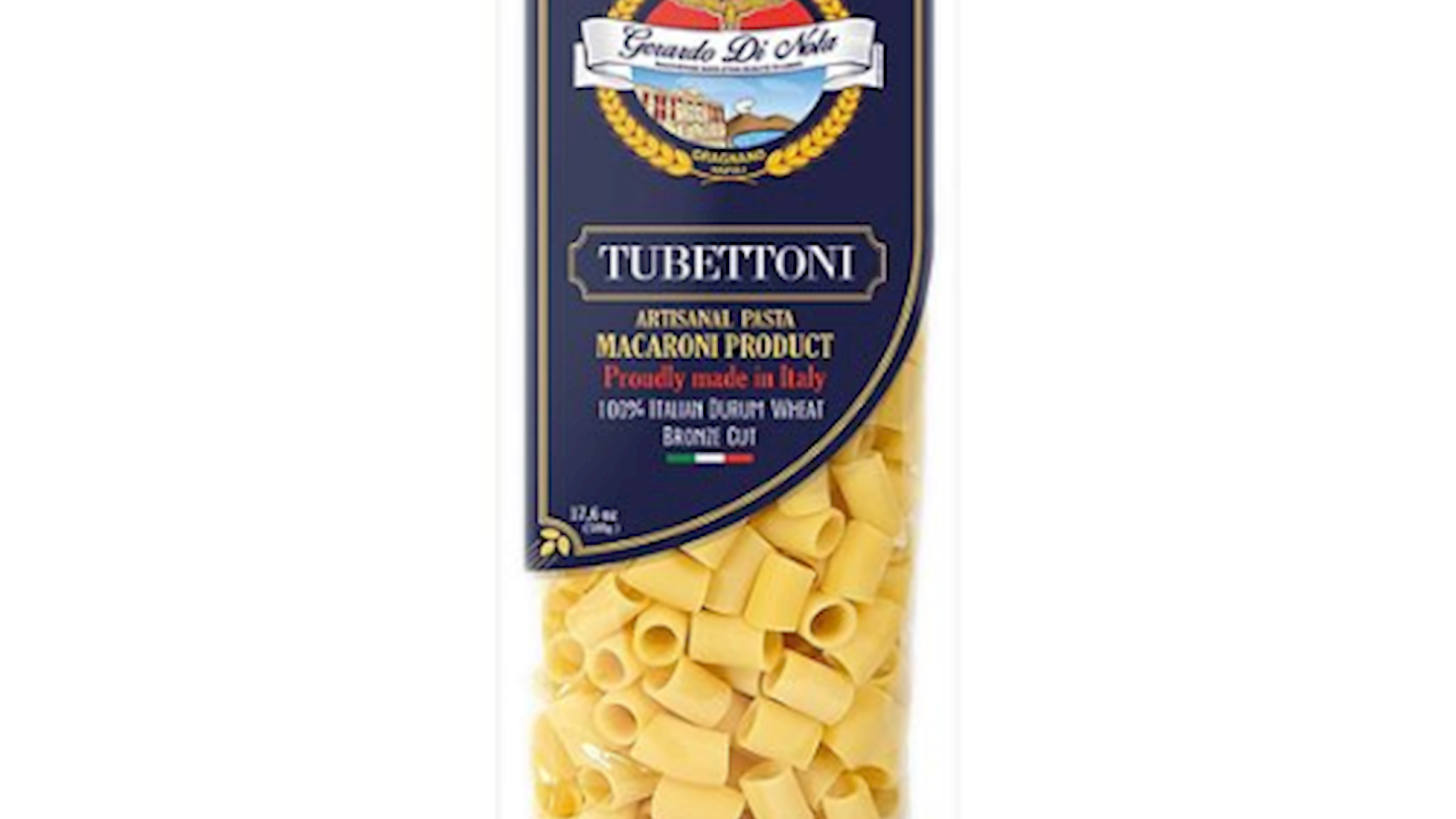
Gerardo Di Nola is an Italian pasta manufacturer based in Gragnano, a town renowned for its pasta-making tradition. The company has been producing high-quality artisanal pasta since 1870, maintaining a strong connection to local traditions while embracing modern innovations. Their pasta is made using the finest Italian durum wheat semolina and local water, with bronze dies used to shape the pasta, ensuring that it holds sauces beautifully. Gerardo Di Nola focuses on slow drying processes to preserve flavor and texture. Their product range includes both short and long pasta, as well as specialty varieties like fusilli and maccheroni.
09

Pastificio Afeltra

4.5 ·
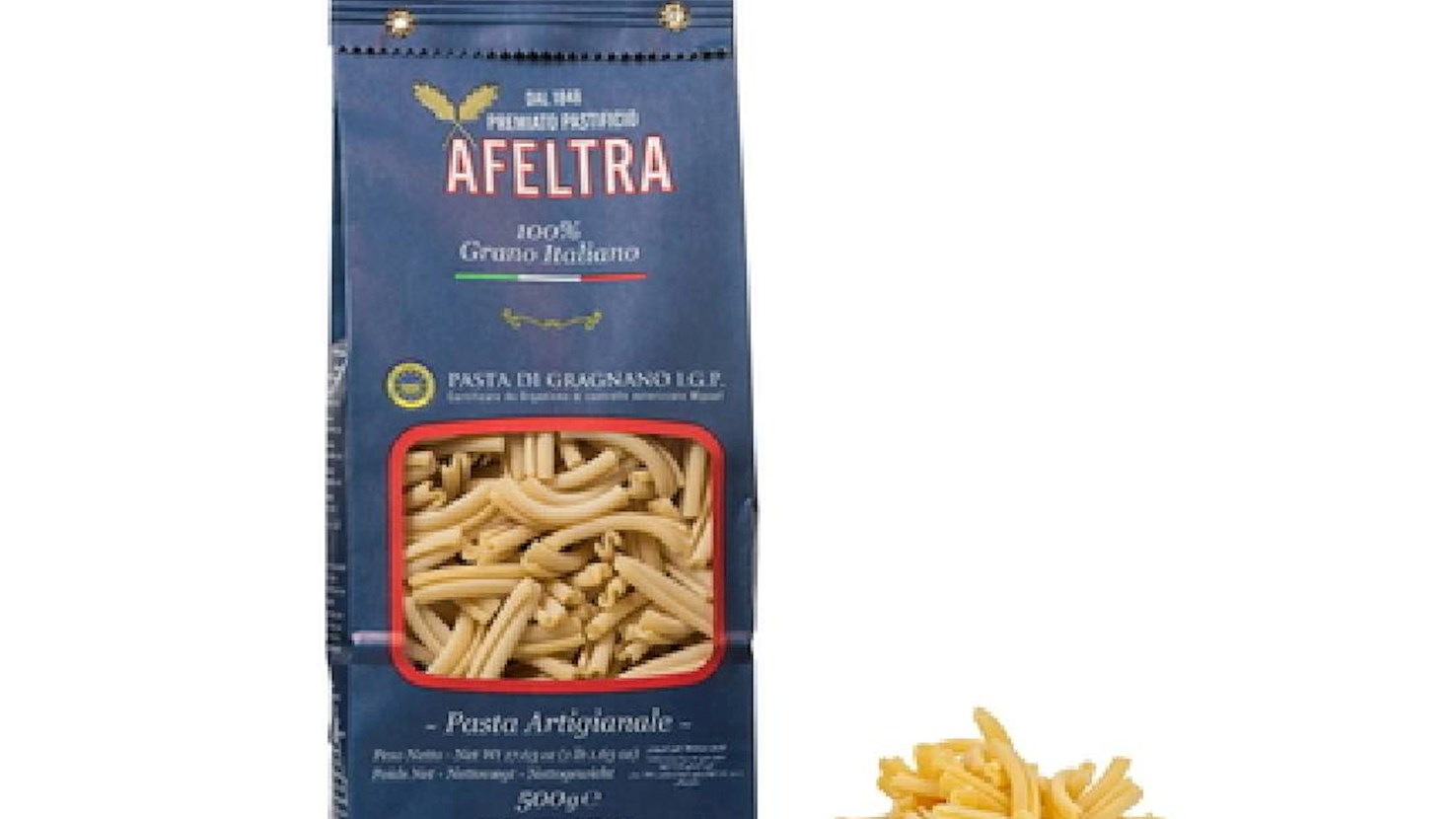
Pastificio Afeltra, established in 1848, is a historic Italian pasta producer located in Gragnano, Campania - a town renowned as the World Capital of Pasta. Situated on Via Roma, historically known as the strada dei pastai or pasta makers street, Afeltra has been crafting traditional pasta for over a century. Afeltra uses 100% Italian heirloom durum wheat semolina and natural spring water sourced from the Monti Lattari mountains. The pasta is bronze-die extruded, giving it a rough texture that enhances sauce adherence. It undergoes a slow-drying process at low temperatures, preserving its nutritional value and flavor.
10

Pastificio D'Aragona

4.5 ·
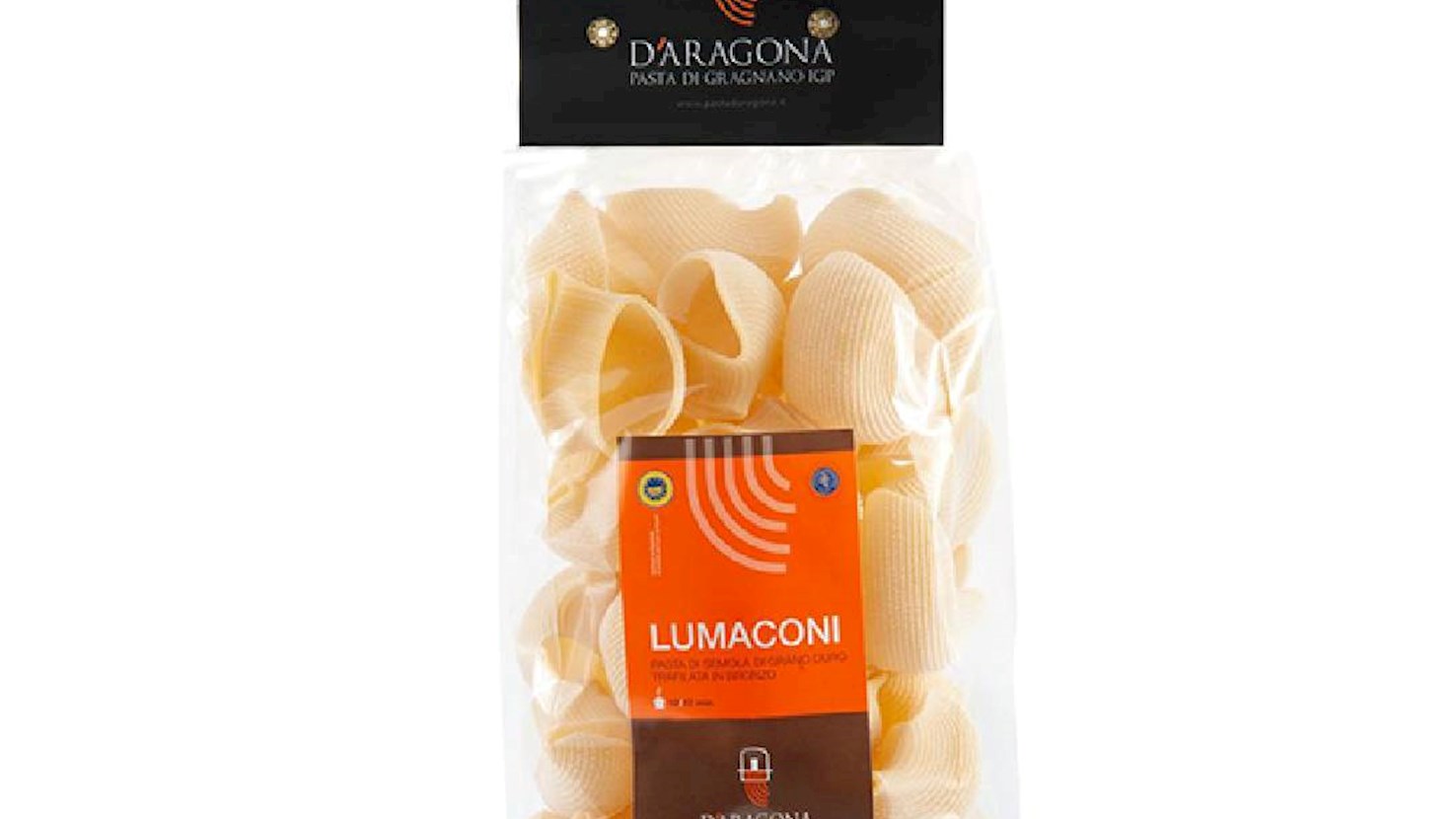
Pastificio D'Aragona, established in 2013, is an Italian pasta producer located in Gragnano, Campania - a town renowned for its rich pasta-making heritage. Drawing from over fifty years of experience in the art of white flour production, the company is dedicated to crafting high-quality pasta that embodies the authentic flavors of the region. Pastificio D'Aragona uses semolina derived exclusively from Italian durum wheat, ensuring superior quality and flavor in their pasta products. The pasta is extruded through bronze dies, resulting in a rough texture that enhances sauce adherence, a hallmark of traditional Gragnano pasta.​ Emphasizing traditional methods, the pasta undergoes a slow drying process at low temperatures, ranging from 14 to 60 hours depending on the shape, to preserve its nutritional value and taste.​

Best Neapolitan Pasta

01

Sugo alla Genovese

4.5 ·

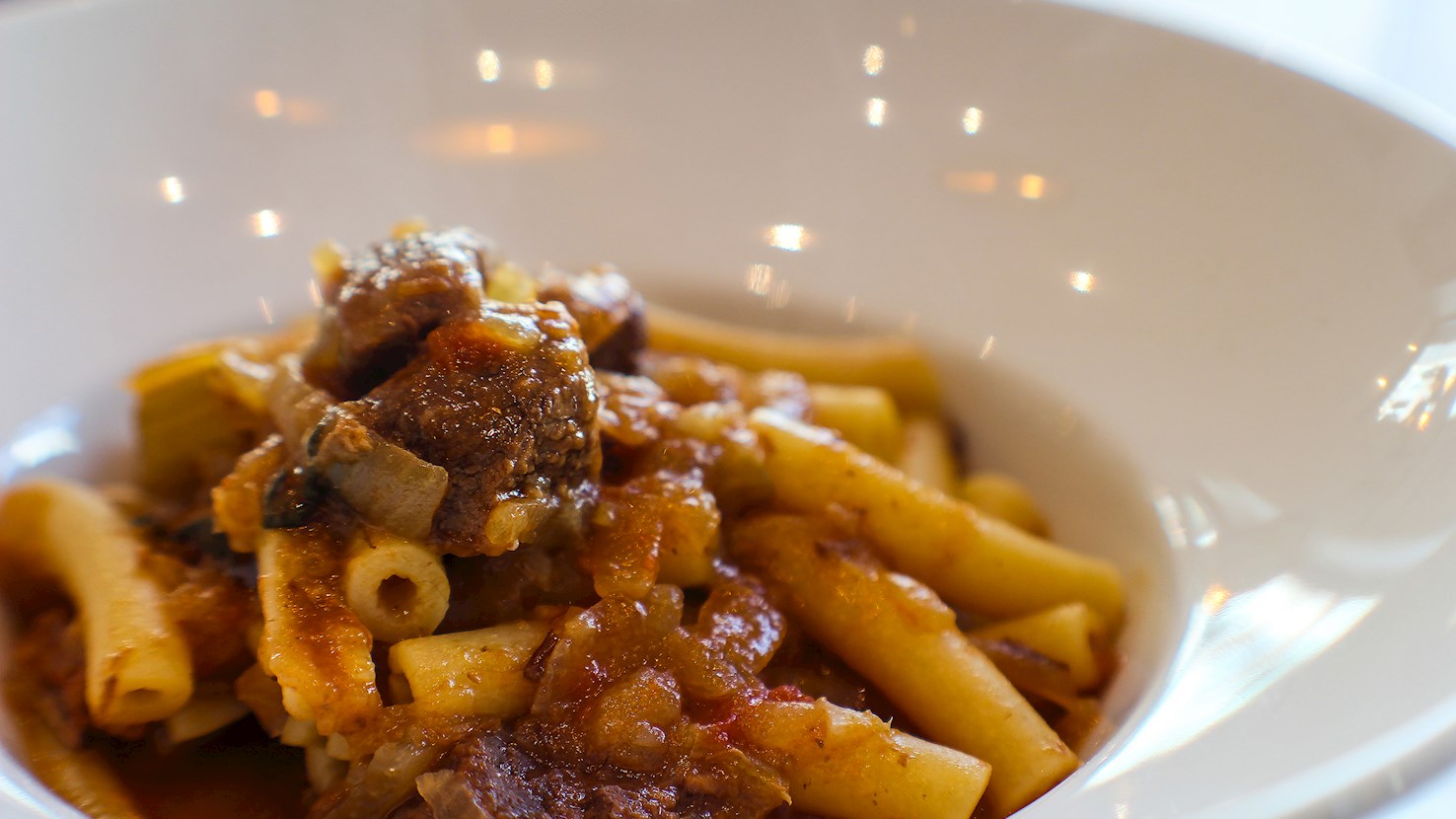
Sugo alla Genovese is a traditional sauce that, despite its name, originates from Naples, but it was likely brought over to the city from Genoa by Genovese immigrants during the Renaissance period. The sauce is prepared by sautéeing veal or beef in olive oil with large amounts of onions, carrots, and celery for a long time, usually from 2 to 10 hours. White wine or stock are often added to the sauce to enrich its flavors. Once done, sugo alla Genovese is served either as it is or the meat is served separately from the sauce. It's traditionally paired with pasta types such as ziti or rigatoni, and the dish is then garnished with tomatoes and topped with grated pecorino.

02

Spaghetti alle vongole

4.2 ·

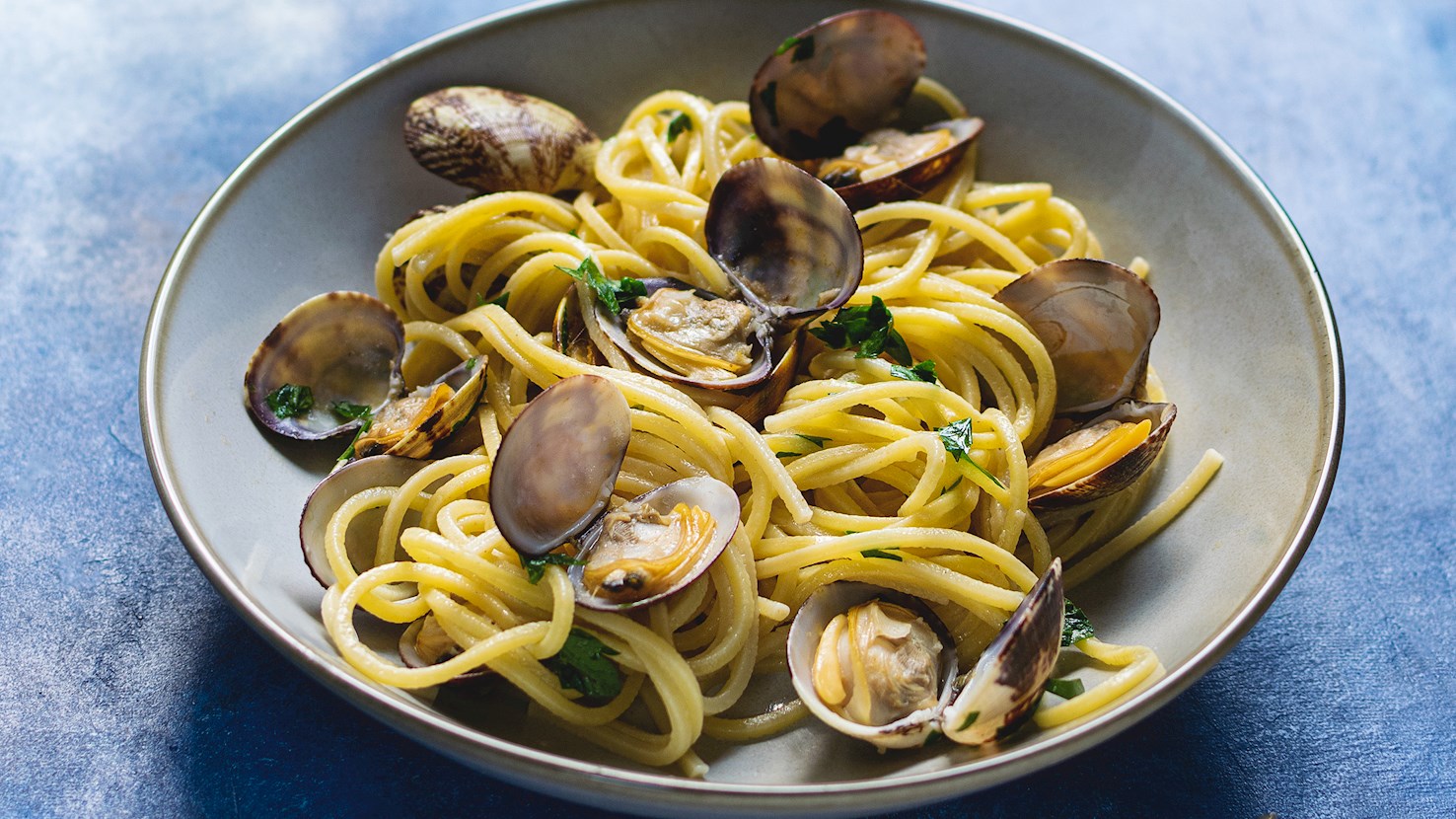
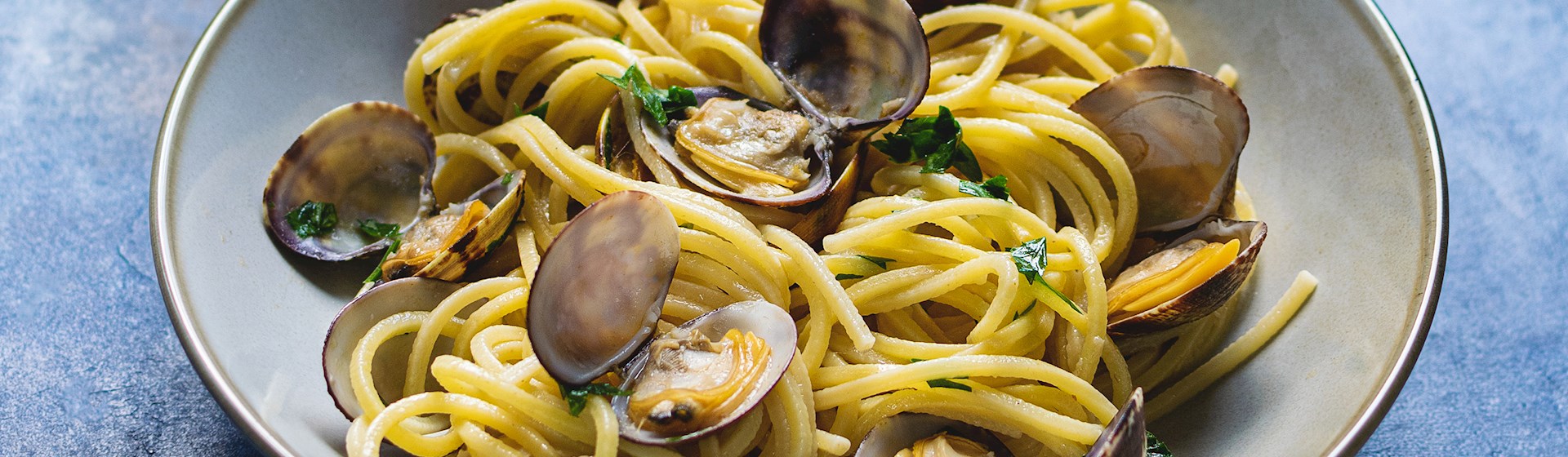
Quick and easy to prepare, yet packing some serious flavor, spaghetti alle vongole is a traditional Neapolitan dish consisting of only two key ingredients: vongole clams and pasta. However, there is a heated debate considering secondary ingredients, primarily the tomatoes. Purists adore the original dish, made without tomatoes, known as bianco version, while the others prefer a version with crushed tomatoes, or a version with a tomato sauce, known as spaghetti alle vongole con la salsa di pomodoro. Similar issues arise regarding the addition or omission of peperoncino and pepper in the dish. Regardless of these issues, everyone agrees that the pasta should be cooked al dente. Although the dish is best in the summer, when all of the ingredients are as fresh as they might be, it is also one of the most important meals of the traditional Neapolitan Christmas Eve dinner, known as Cena della vigilia di Natale.

03

Spaghetti alla puttanesca

4.1 ·

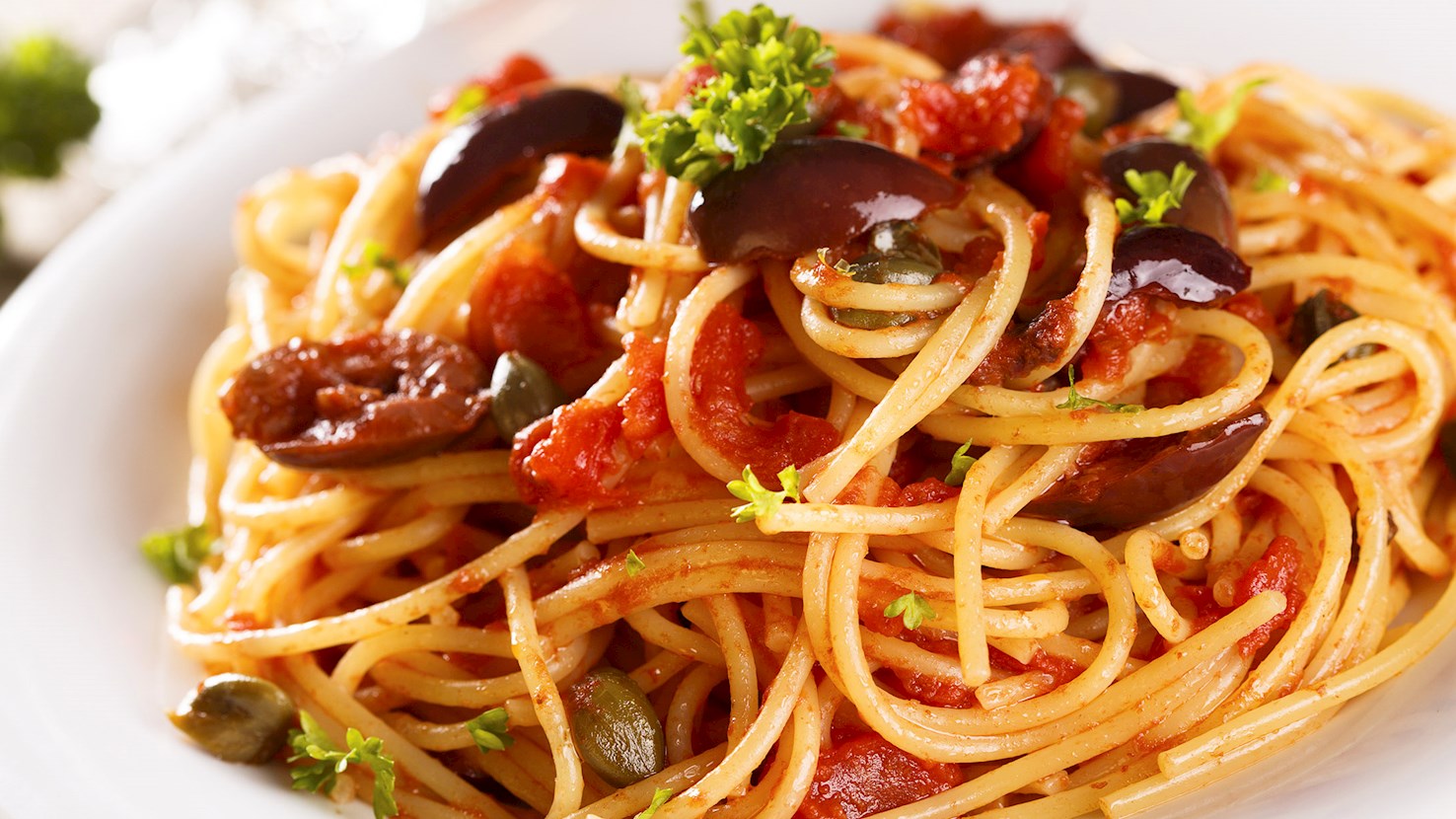
A classic Neapolitan entrée locally known simply as aulive e chiappariell (lit. olives and capers), spaghetti alla puttanesca is a southern Italian pasta dish, often accompanied by wildly inappropriate and mostly inaccurate theories on the origin and meaning of its name. While the Italian word puttana literally translates to prostitute and many people believe that this pasta dish was created at the beginning of 20th century in the brothels of Naples to be served to guests after their tiring sexual encounters, in colloquial Italian, the word puttanata is used to describe something worthless or good-for-nothing, reflecting the fact that puttanesca is so quick and easy to make, using simple and humble ingredients and often even leftovers. Moreover, this dish falls into the so-called spaghettata category, which refers to a quick meal, usually–but not necessarily–made with spaghetti, and put together at the last minute for unexpected guests. In fact, spaghetti alla puttanesca is said to have been invented in the 1950s by Sandro Petti, then a co-owner of Rancio Fellone, a famous Ischian restaurant and nightspot. Petti claims he came up with this down-and-dirty recipe one night when his friends showed up after closing time, asking him to make "una puttanata qualsiasi," meaning anything he could whip up with the little he had left in the pantry. He then cooked some spaghetti and tossed them with the zesty garlic and oregano flavored sauce made with tomatoes, olive oil, black Gaeta olives, and capers. The dish was allegedly received so well that Petti later decided to add it to the restaurant menu, naming it puttanesca in memory of that night. Today, spaghetti alla puttanesca is a dish that is commonly found not only in Naples and throughout Campania, but also in the neighboring Lazio region, where puttanesca sauce is made with the addition of salted anchovies and sometimes even chili peppers. With all these tangy ingredients, spaghetti alla puttanesca packs quite an aromatic punch, making southern Italian reds such as Nero d’Avola, Negroamara and Primitivo the perfect accompaniments to this flavorful pasta dish.

04

Pasta alla caprese

4 ·

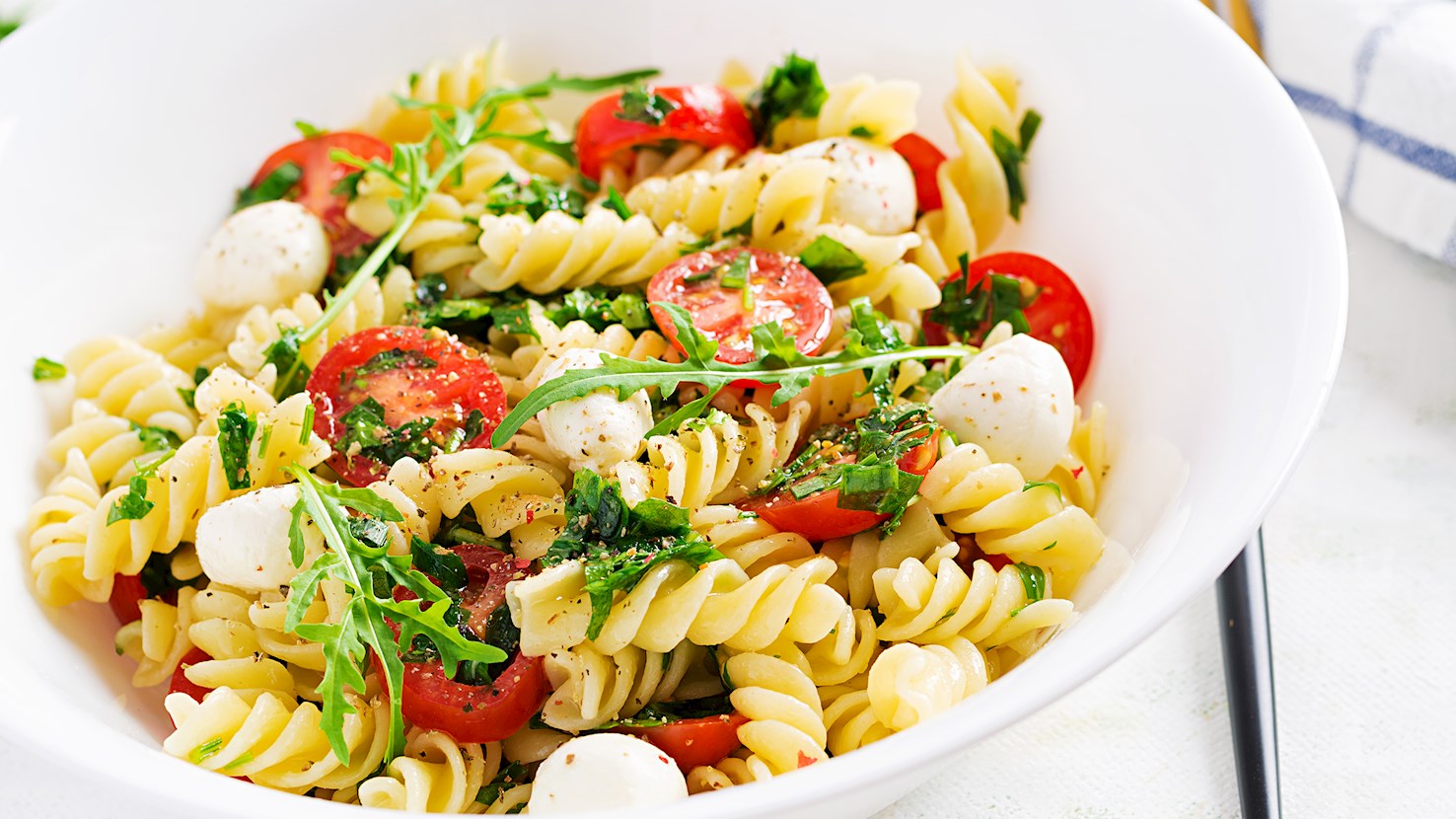
Pasta alla caprese is a traditional pasta dish originating from Capri. The dish is usually made with a combination of pasta (fusilli or spaghetti), tomatoes, mozzarella, basil, oregano, extra-virgin olive oil, salt, and black pepper. The pasta is cooked until al dente, and the cooking water is reserved. The diced tomatoes and cubed mozzarella are mixed in a bowl, drizzled with olive oil, sprinkled with oregano and basil leaves, and seasoned with salt and pepper. The pasta is then added to the bowl with some of the cooking water. The ingredients are mixed well and the dish is served immediately. There are also variations with garlic and sliced red onions for those who want a bit more flavor.

05

Lasagne di carnevale

3.6 ·

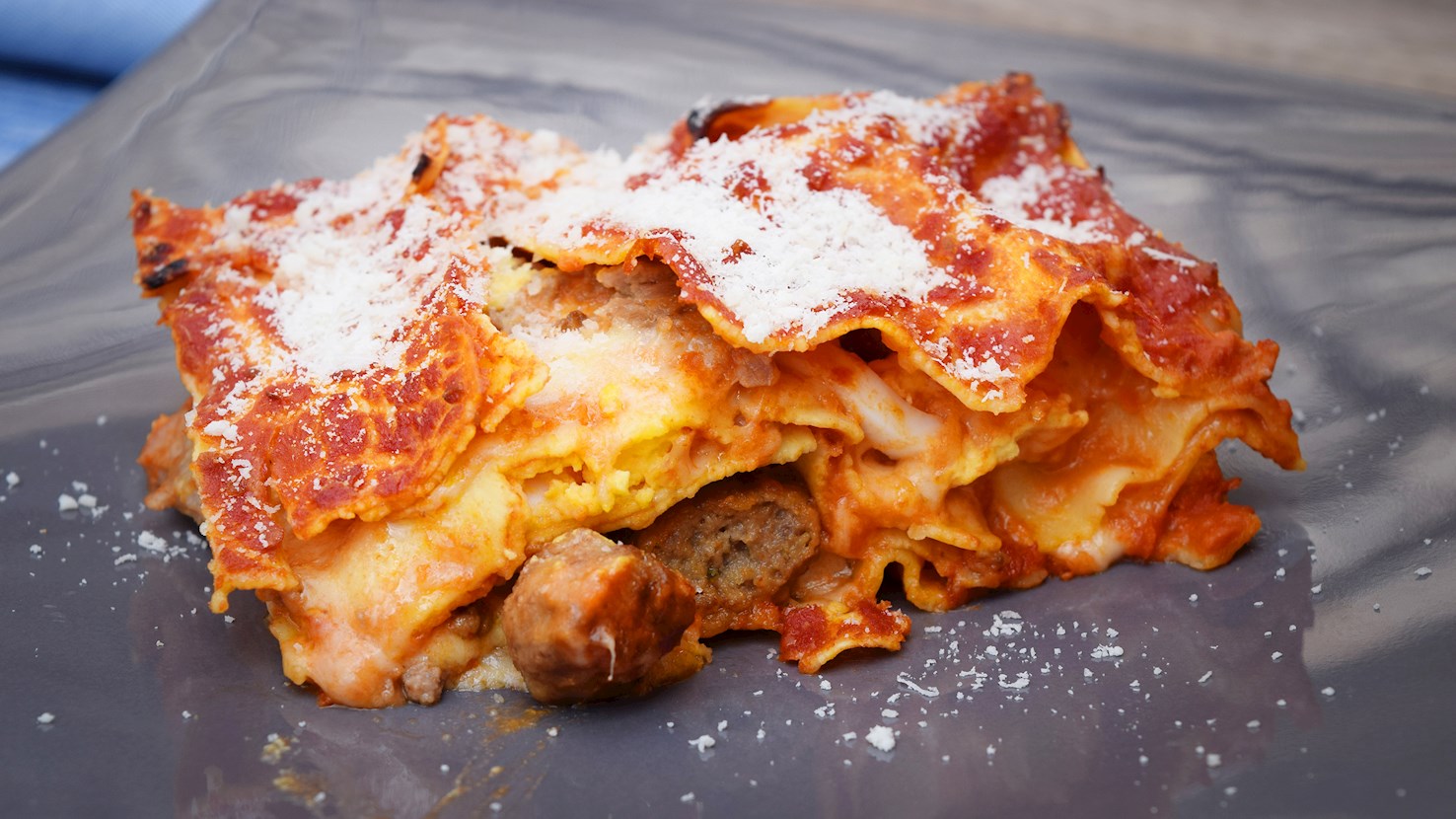
Lasagne di Carnevale is a traditional lasagna dish originating from Naples, usually prepared during the Carnival season (especially on Fat Tuesday). Created sometime in the early 18th century, it is especially hearty and rich, symbolizing abundance that the common folks in those days could afford only during a very short period of the year. It was the season of celebration deeply rooted in pagan traditions, and every family honored it with such a gluttonous feast. Although there is more than one traditional recipe, the dish is usually made with a combination of lasagne pasta, ragu Napoletano juices (not the meat!), olive oil, salsiccia sausage, white wine, meatballs, grated Parmigiano-Reggiano, ricotta, mozzarella, eggs, herbs, and spices. The sausages are fried, sliced, and added to the ragu with white wine. The meatballs are made with a combination of soaked stale bread, ground pork, Parmigiano-Reggiano, eggs, parsley, salt, and pepper. Once shaped, the meatballs are browned in oil and added to the meat sauce. Some of the meat sauce juices are mixed with ricotta in order to make a thick cream. The lasagne sheets are boiled and layered in an ovenproof dish, and then topped with the meat sauce juices, ricotta, Parmigiano-Reggiano, mozzarella, meatballs, and sausage. The process is repeated, and the final layer should consist of the meat sauce and grated cheese. These carnival lasagne are baked in the oven until golden and bubbly, and the dish is then ready to be enjoyed. If desired, add pieces of hard-boiled eggs in the lasagna layers.

Best restaurants
06

Pasta e fagioli con cozze

3.4 ·

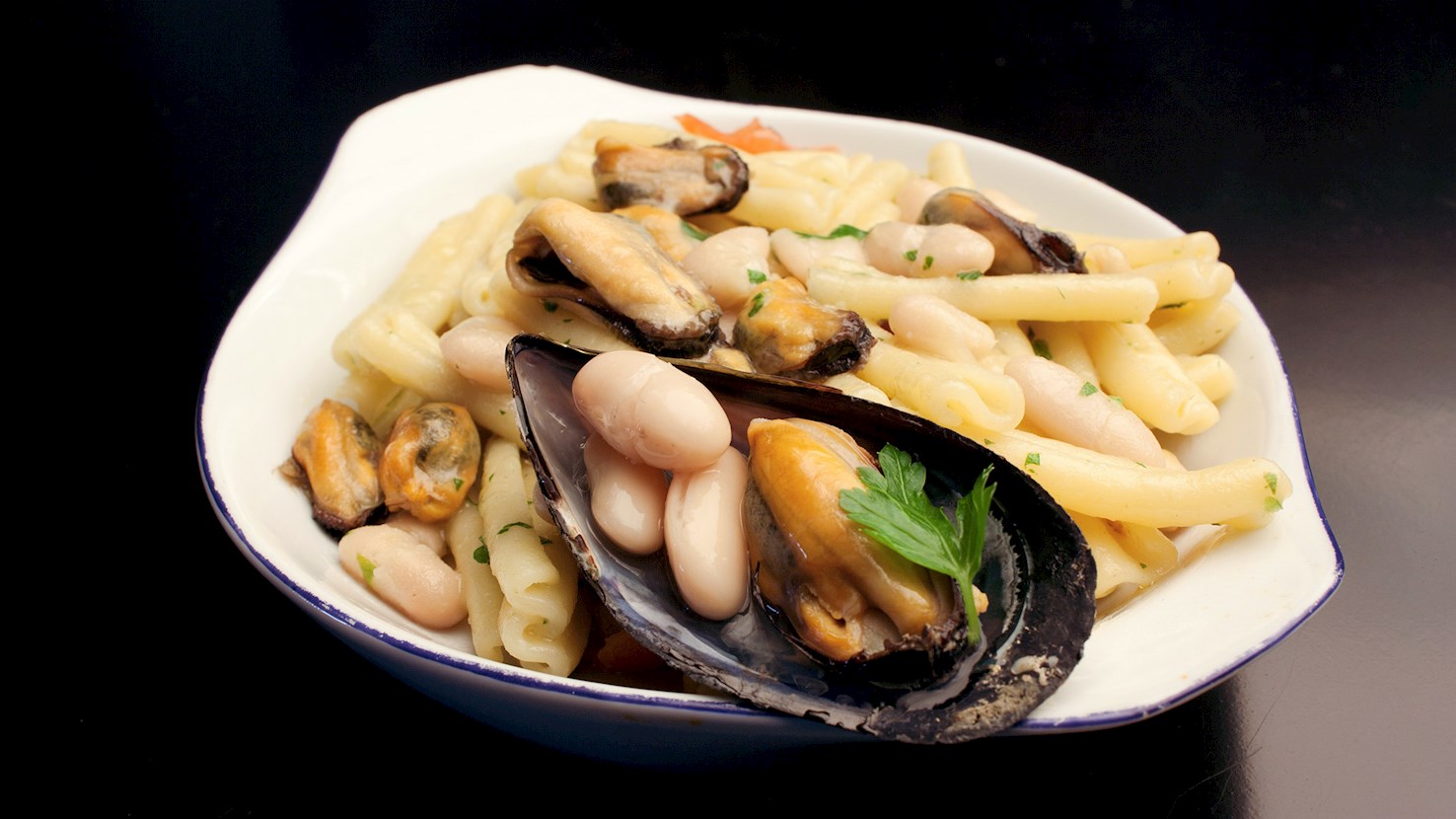
This Italian specialty is the Neapolitan version of the classic peasant dish called pasta e fagioli or pasta with beans. It is the addition of mussels (cozze in Italian), the liquid in which they’ve been cooking, and the simple combination of pasta and beans that sets this variation apart from a plethora of regional variations on the dish. Pasta e fagioli con cozze typically consists of mixed pasta or ditalini pasta, white cannellini beans (also borlotti or cranberry beans), mussels and their cooking liquid, garlic, white wine, olive oil, peperoncino or chili flakes, tomatoes, herbs, and seasonings. Traditionally, the dish is characterized by a thick and creamy consistency, although it may sometimes be a bit more on the soupy side. Often flavored with diced pancetta, this specialty is typically associated with the cuisine of the villages of the Sorrento peninsula. The pasta is usually enjoyed as a primo piatto (first course) and it's typically garnished with freshly chopped parsley, mussel shells, and a drizzle of extra virgin olive oil.

07

Pasta patate e provola

3.3 ·

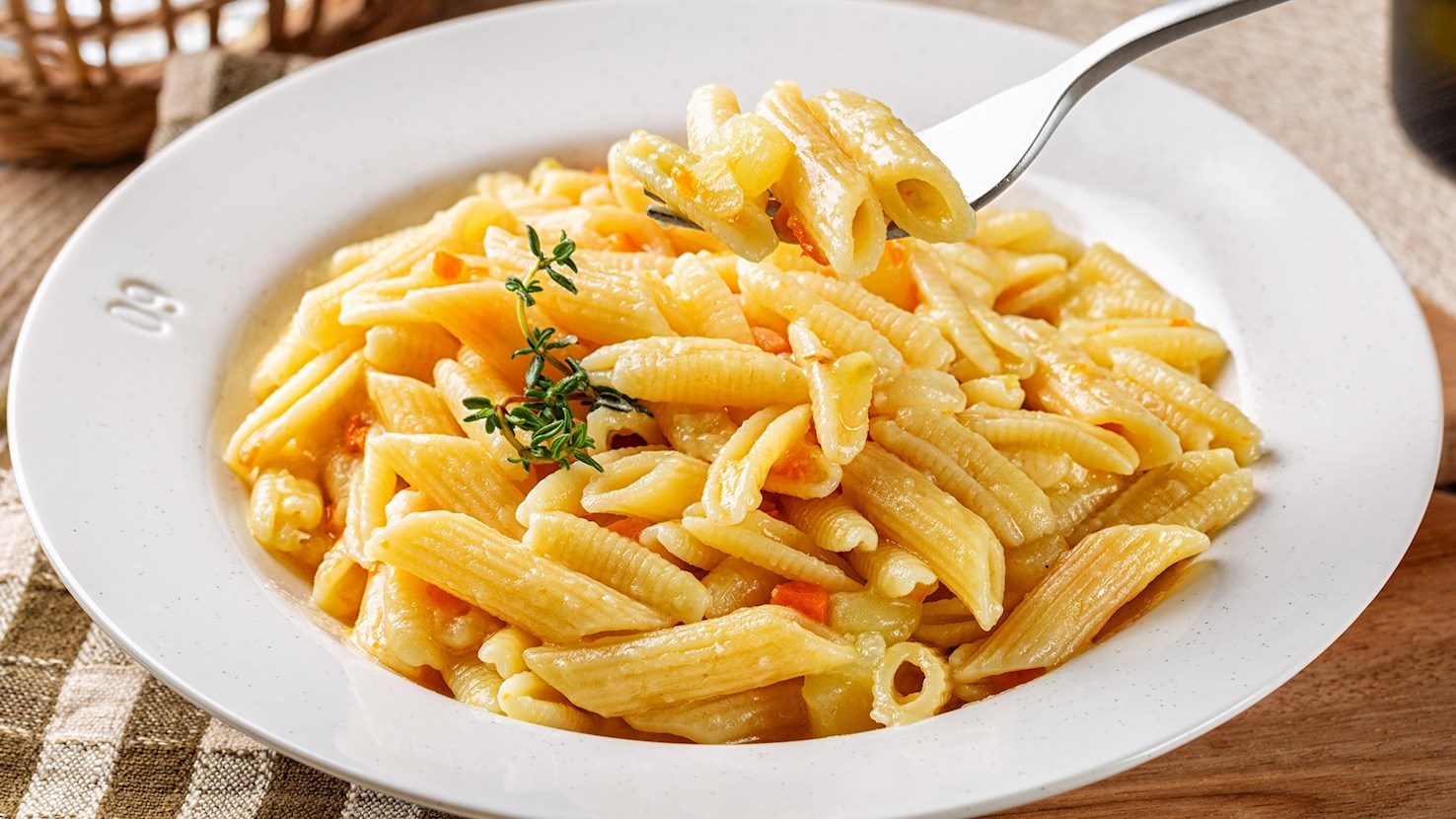
Pasta, patate e provola is a classic Neapolitan comfort dish that blends creamy, starchy potatoes with mixed short pasta and melty, smoked provola cheese. Traditionally cooked all in one pot, it’s a rich, rustic recipe that highlights the soul of southern Italian home cooking. The base begins with a sauté of onions and pancetta, deglazed with white wine, followed by cherry tomatoes added for color. Yellow potatoes are sliced thin and cooked with the pasta, releasing starch that thickens the dish into a naturally creamy sauce with an almost risotto-like consistency known in Naples as "azzeccata". The final flourish is cold cubed provola, stirred in off the heat to create luscious, smoky strands of melted cheese. The result is hearty, satisfying, and unmistakably Neapolitan—a warm embrace in a bowl. Pasta, patate e provola is a historic Neapolitan dish, first documented in 1773, born from the need to create rich, satisfying meals using affordable, readily available ingredients.

08

Spaghetti al soffritto

n/a ·

Spaghetti al soffritto is an ancient Neapolitan specialty, made with spaghetti (although other similar pasta, like bucatini, can also be used) and pork offal. Soffritto refers to a rich and hearty sauce made from a mixture of offal, commonly from pork, including parts like the lung, trachea, heart, spleen, and liver. These are slowly cooked with tomato concentrate, chili pepper, and other seasonings until tender and infused with flavor. The resulting sauce is savory, with a balance of sweetness from the slow cooking process and acidity from the tomatoes. When served with spaghetti, it reflects the resourcefulness of Neapolitan cuisine, which often utilizes all parts of the animal. It's a textbook example of the Italian cucina povera, where simple, inexpensive ingredients are transformed into something delicious and satisfying. Spaghetti al soffritto is especially popular during the winter months and is regarded as a comforting and warming dish.

Best restaurants
09

Manfredi con la ricotta

n/a ·

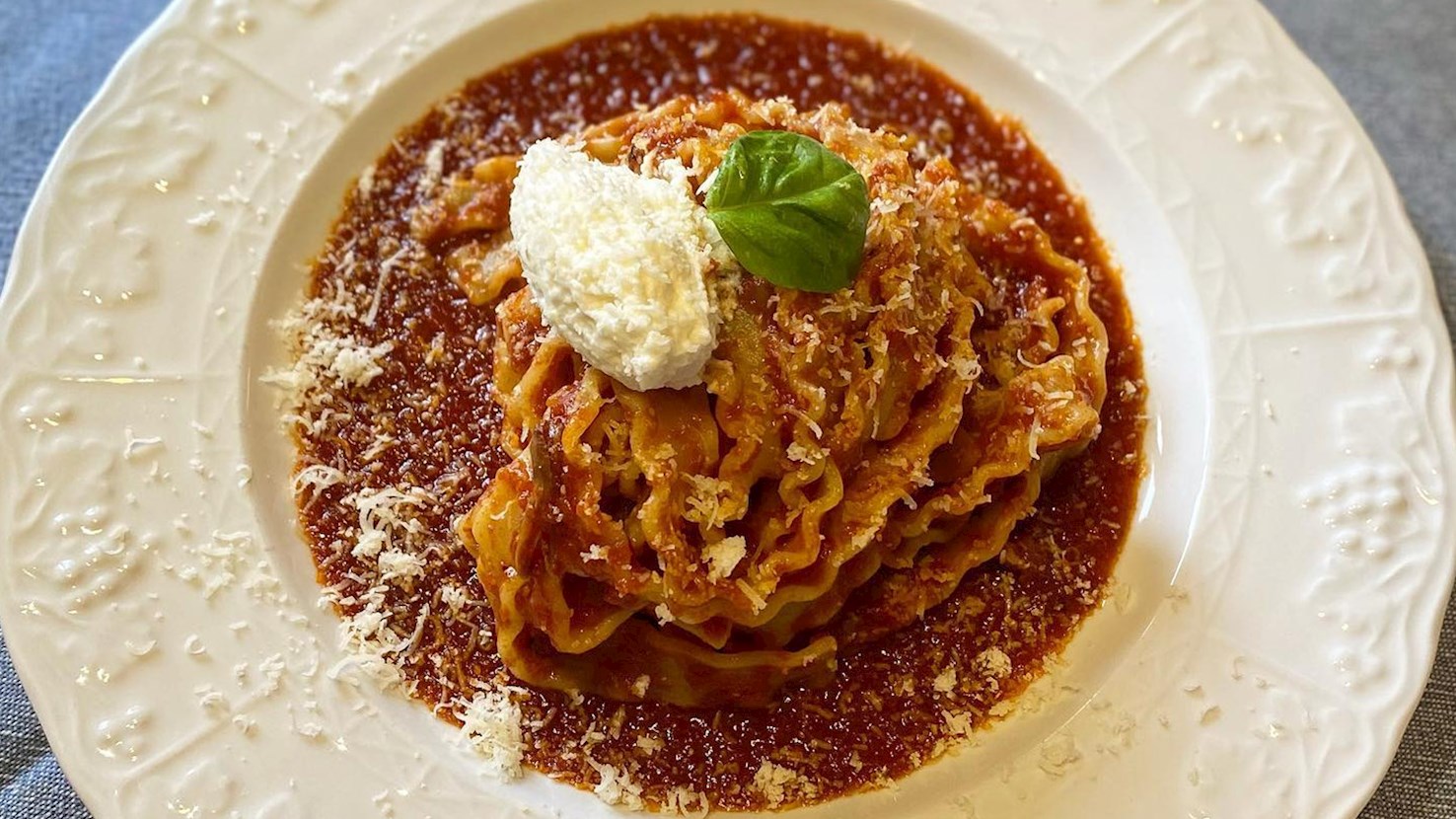
Manfredi con la ricotta is an ancient Neapolitan dish made with mafaldine pasta, either tomato sauce or ragù Napoletano, and ricotta. It dates back to 1295 when it was first prepared for Manfred, the king of Sicily, upon his arrival to the region of Sannio, near Naples. Allegedly, his hosts wanted to honor him by preparing a dish with his favorite cheese, ricotta. The dish is usually finished by placing a dollop of cheese on top just before it's served. Today, manfredi con la ricotta is one of the classic Neapolitan recipes, usually enjoyed on holidays (particularly the Carnival season) or Sundays.

10

Ziti lardiati

n/a ·

Ziti lardiati (or ziti lardellati) is a traditional Neapolitan pasta dish whose name literally means "larded ziti", a reference to its rich, pork-infused sauce. Deeply rooted in Naples' cucina povera, it transforms a few humble ingredients into a dish that is hearty, flavorful, and deeply satisfying—a perfect example of Southern Italian ingenuity in the kitchen. The main ingredient is ziti, a long, tube-shaped pasta often broken by hand before cooking. The sauce starts with a base of lardo (hence the "lardiati"), which is slowly rendered with onions, garlic, and sometimes a touch of chili pepper until deeply aromatic. Then, tomatoes are added—usually peeled or pureed—and the mixture is simmered until it becomes rich and glossy. Some versions include a bit of grated Pecorino or Parmigiano to finish. Ziti lardiati is rustic and indulgent, sweet from the onions, savory from the pork fat, and just slightly spicy, if using hot peppers. Originally a dish for using up pantry scraps, it has evolved into a beloved comfort food—intensely flavorful without being fussy, and often reserved for Sunday lunches or special family meals in Naples and Campania.

Read more
View all
View map
About this ranking

TasteAtlas food rankings are based on the ratings of the TasteAtlas audience, with a series of mechanisms that recognize real users and that ignore bot, nationalist or local patriotic ratings, and give additional value to the ratings of users that the system recognizes as knowledgeable. For the “Top 20 Neapolitan Pasta” list until June 15, 2026, 1,084 ratings were recorded, of which 842 were recognized by the system as legitimate. TasteAtlas Rankings should not be seen as the final global conclusion about food. Their purpose is to promote excellent local foods, instill pride in traditional dishes, and arouse curiosity about dishes you haven’t tried.

The initial list of top producers was compiled based on available reviews, awards, local recommendations, media and blog coverage, and consumer reviews. The list will be updated with ratings from TasteAtlas local ambassadors and TasteAtlas users.

Similar lists