shutterstock

Top 89 European Hams

Last updated on June 03, 2026

Best European Ham Types
01

Jamón 100% ibérico de bellota

4.7 ·

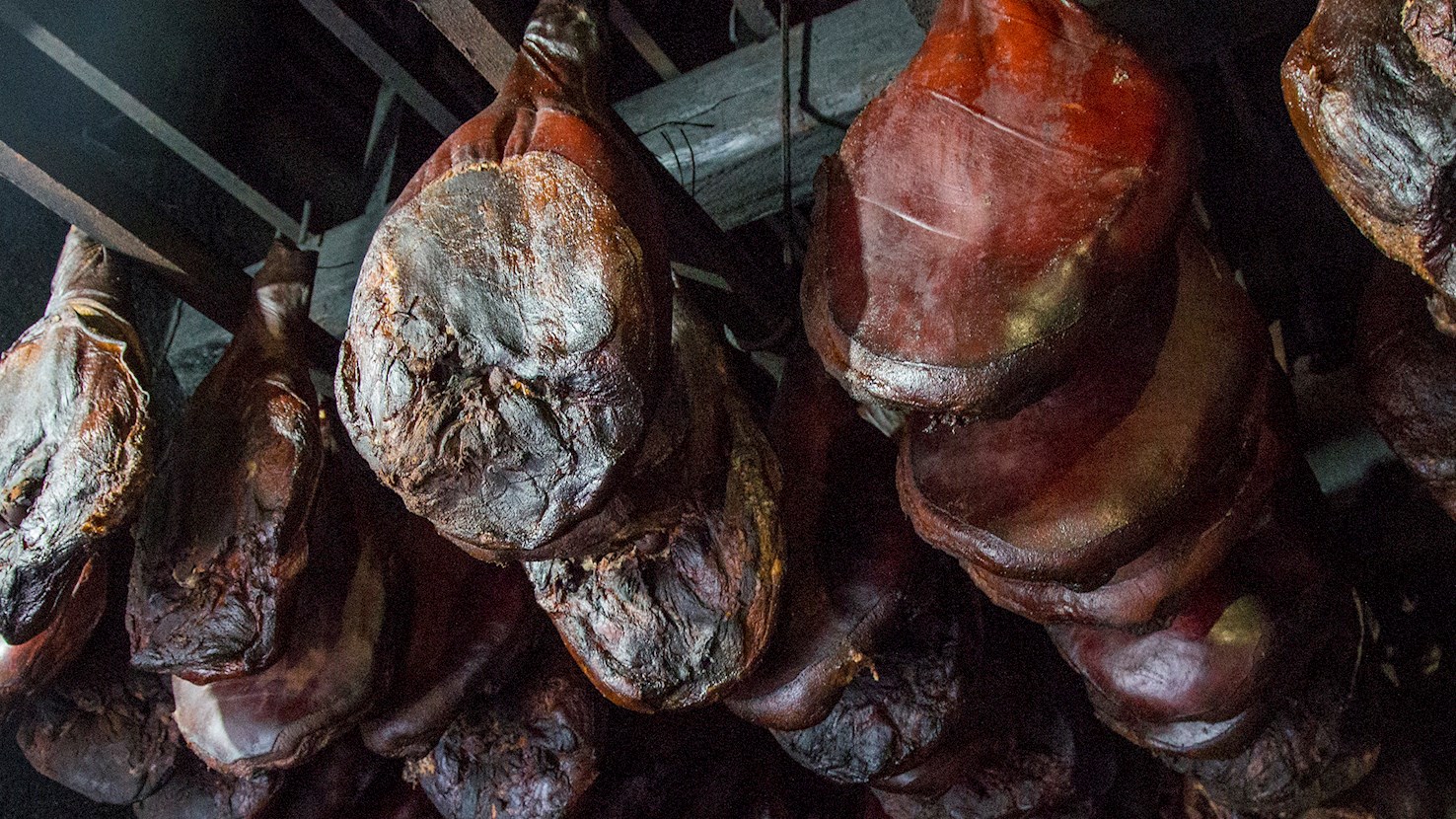
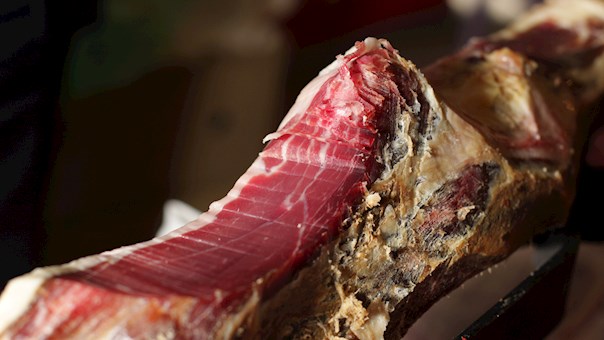
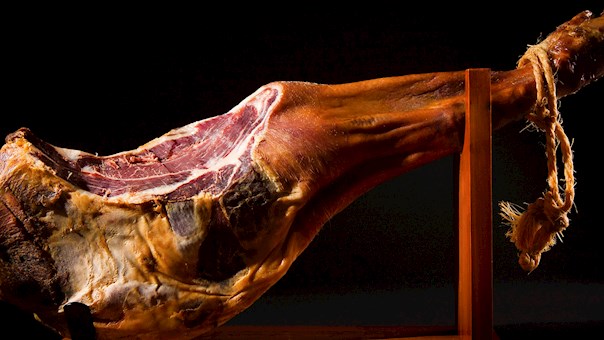
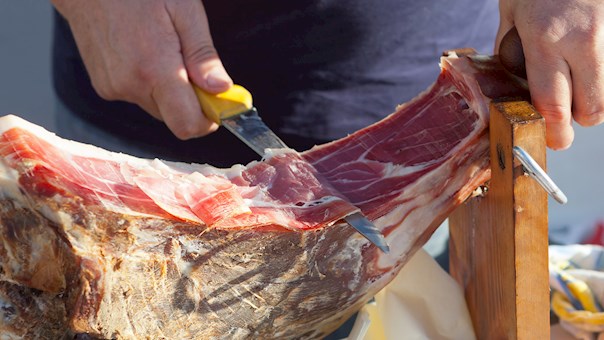
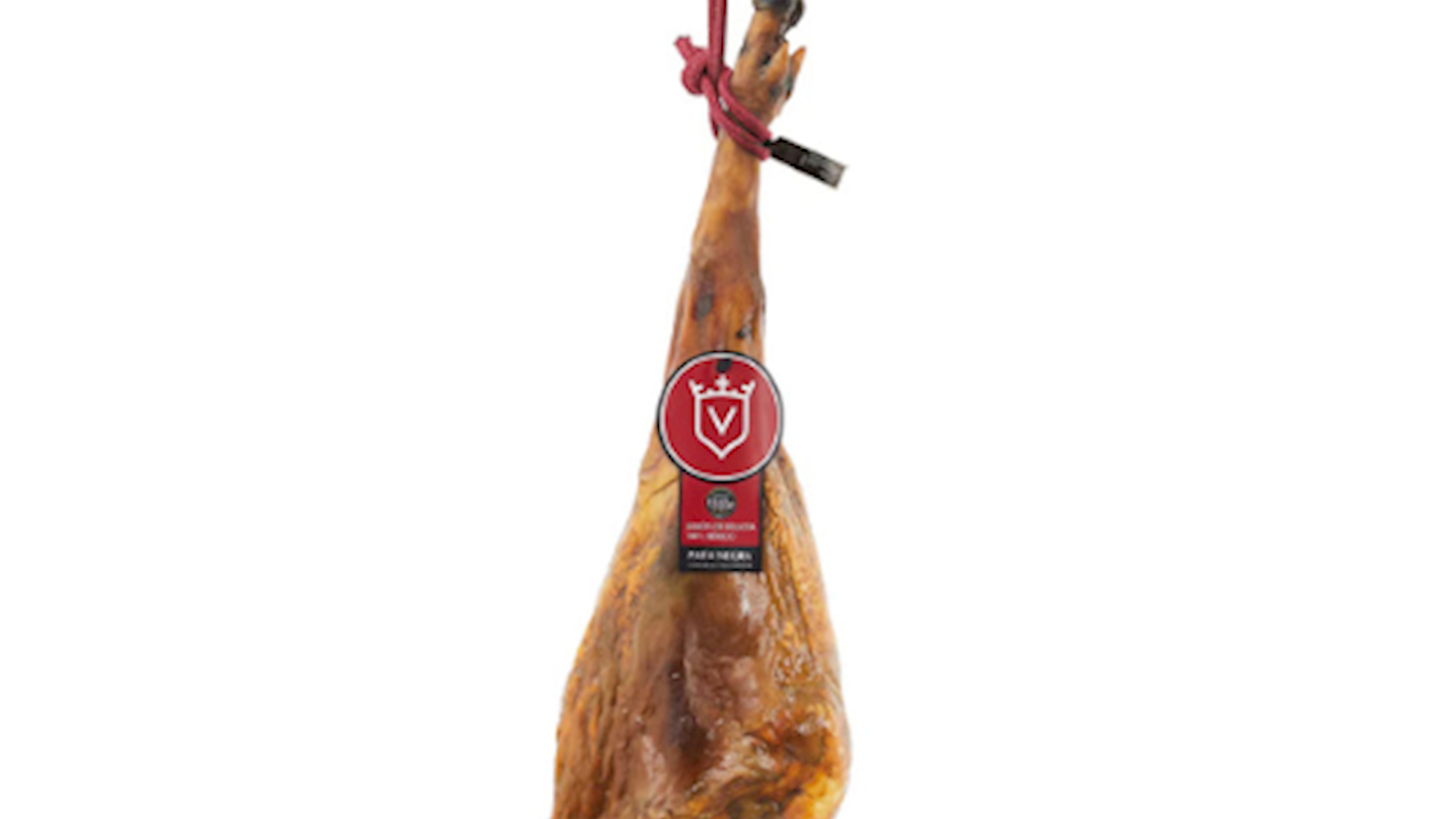
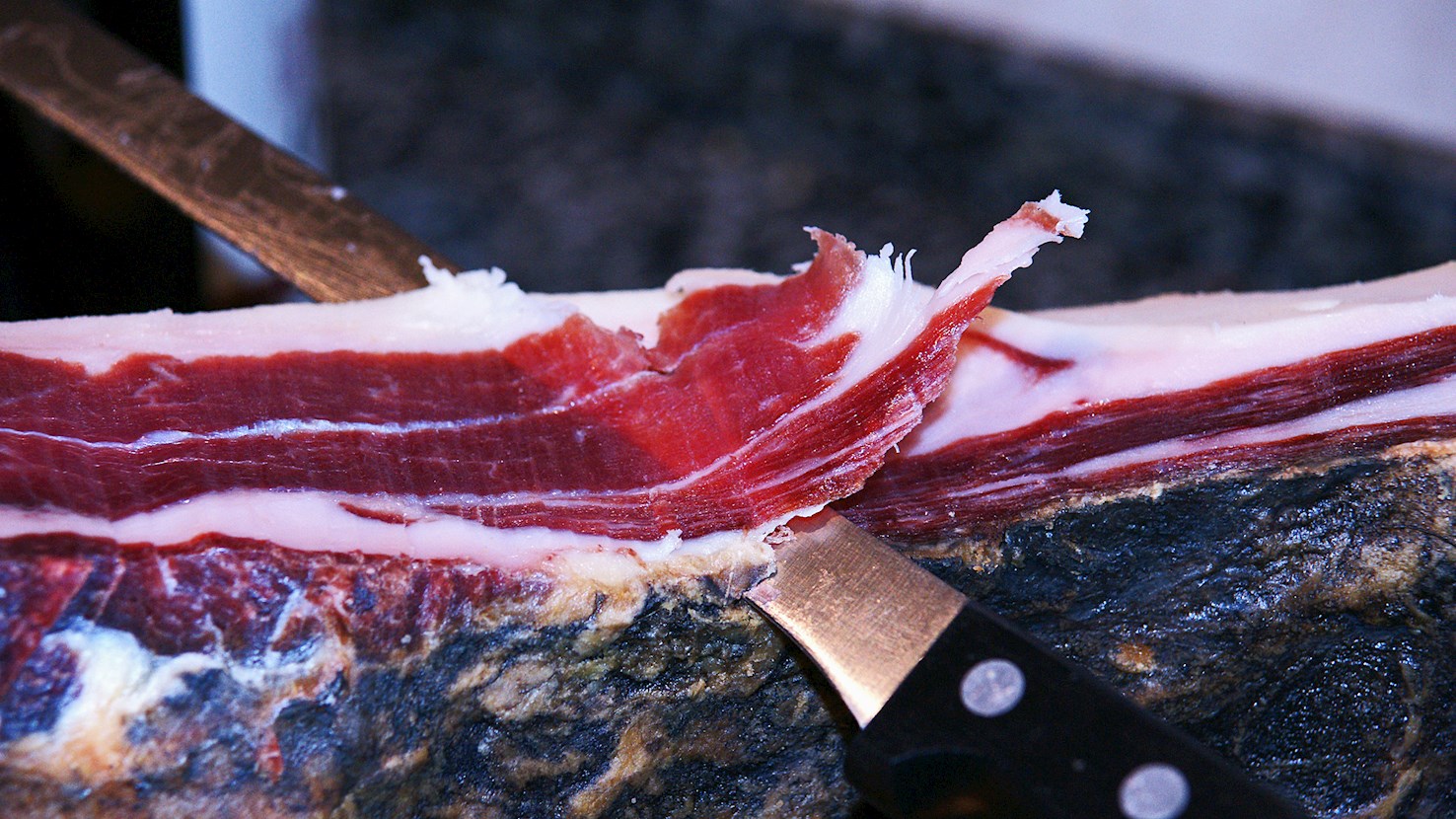
Regarded as the most exquisite variety of Iberian ham, or jamón ibérico, this ham is made with the meat of 100% purebred black Iberian pigs that have been roaming freely across oak pastures (Dehesa) and feeding on an acorn-based (bellota) diet. Apart from these specifications, the pigs also have to be reared in one of the designated places of origin as well as fulfill the specified standards of bellota ham production to receive the most renowned black label or pata negra status - denoting the highest-quality Iberian ham. The salt-cured and air-dried ham is typically aged for about three years or more, yielding dark red meat which is marbled with golden-hued veins of fat and defined by a sweet and nutty flavor, with just the right amount of saltiness. The Iberian bellota pigs are reared in four Spanish designated areas of origin (DO) including the Dehesa de Extremadura, Salamanca, Huelva, and Valle de Los Pedroches, along with one Portuguese region (Barrancos). The pigs used for the production of jamón ibérico de bellota are often dubbed olives with feet due to the high oleic acid content of the pig’s fat, which is comparable to that of virgin olive oil.

02

Jamón ibérico de bellota

4.6 ·

This variety of Iberian ham is produced with meat coming from acorn-fed Iberian pigs that are either 75% or 50% pure Iberian breed, meaning they have been crossbred with other pigs such as the Duroc breed. As in the case of jamón 100% ibérico de bellota, the pigs used in the production of this ham are allowed to roam freely across the oak pasturelands in their final rearing stage, known as the montanera, eating an acorn-based diet until they reach the desired weight for the sacrifice, or the matanza as the Spanish call it. Jamón ibérico de bellota makes for about 13% of the total Iberian ham production and is distinguished by a red label. The designated areas of Iberian bellota ham production include the Dehesa de Extremadura, Salamanca, Huelva, and Valle de Los Pedroches in Spain, along with Barrancos in Portugal.

03

Prosciutto di San Daniele

4.6 ·

Produced in the hilly area around the town of San Daniele in the province of Udine, Prosciutto di San Daniele is even sweeter and darker in color with a more delicate flavor than in other varieties. In the Friuli-Venezia Giulia region, where the winds from the Carnic Alps meet the breezes coming in from the Adriatic, Prosciutto di San Daniele is made using only local sea salt. The curing process here differs a little from other regions since San Daniele hams are stacked on top of each other and left to mature for at least 13 months. Up until recently, only large pig breeds such as Landrace, Large White and Duroc were used for ham production, however due to an increase in demand, San Daniele hams can now be made with other local breeds. Prosciutto di San Daniele has a rich, sweet flavor and is traditionally served as an appetizer with homebaked breads, melons, and figs.

04

Jamón ibérico

4.5 ·

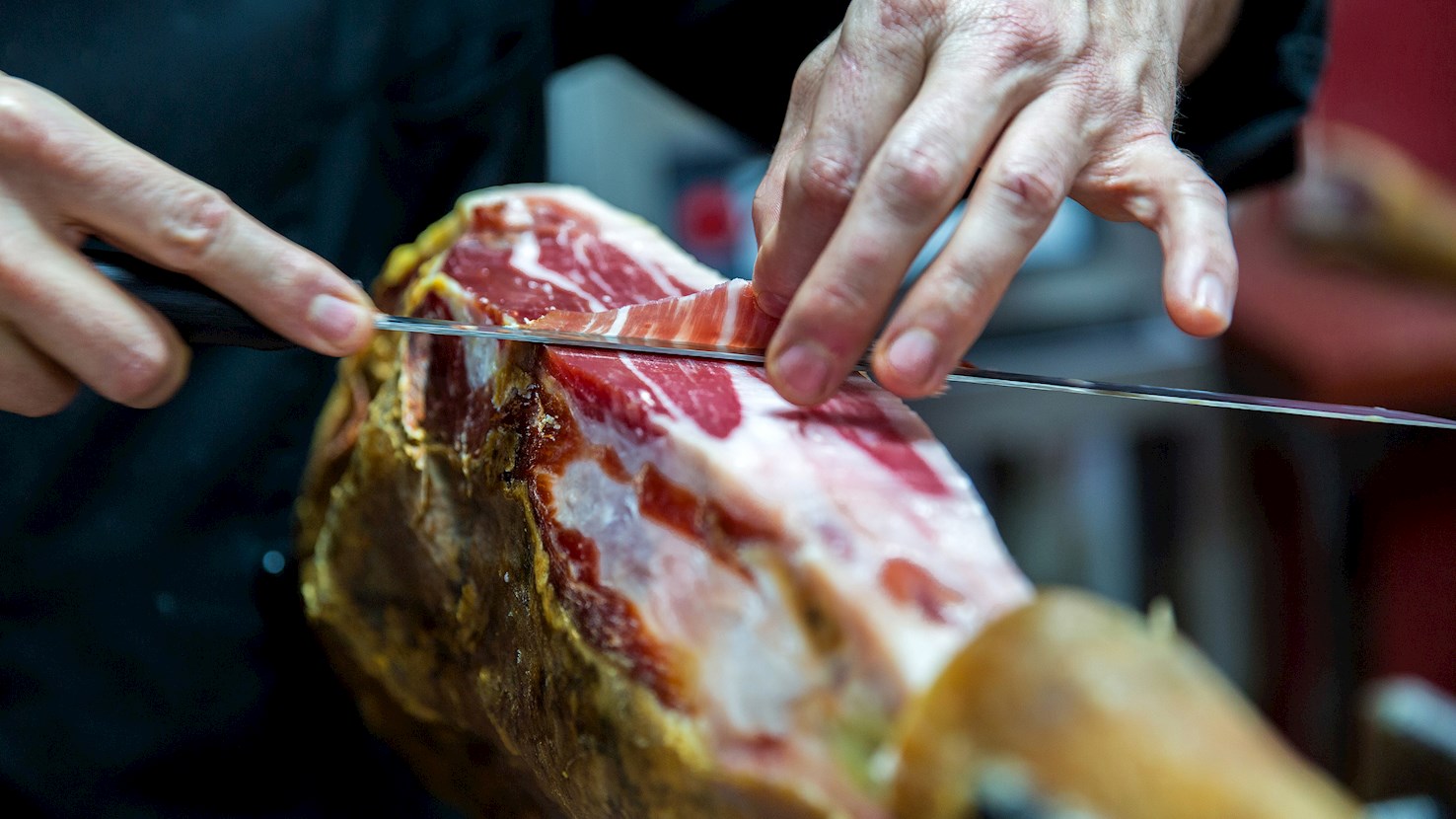
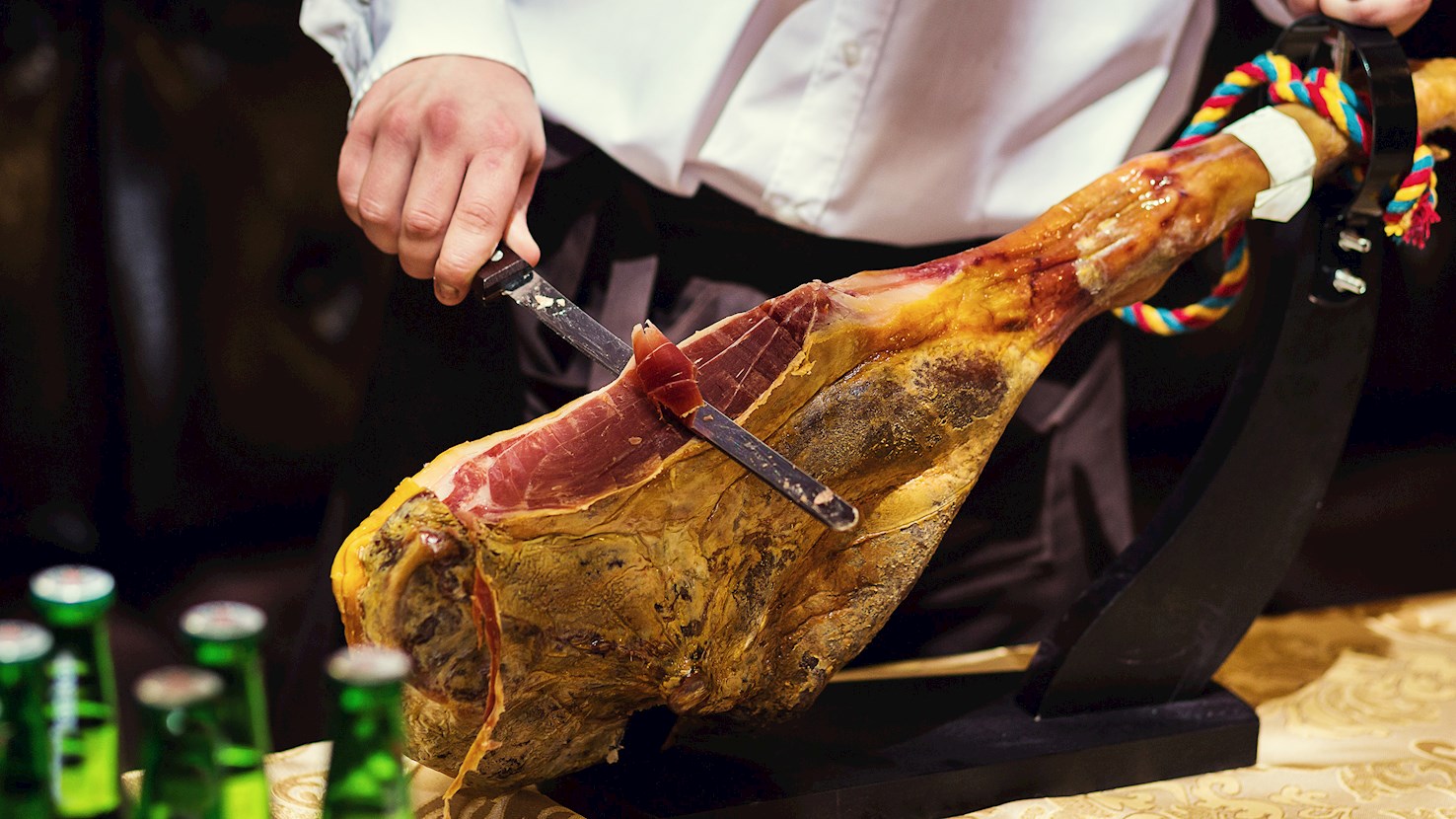
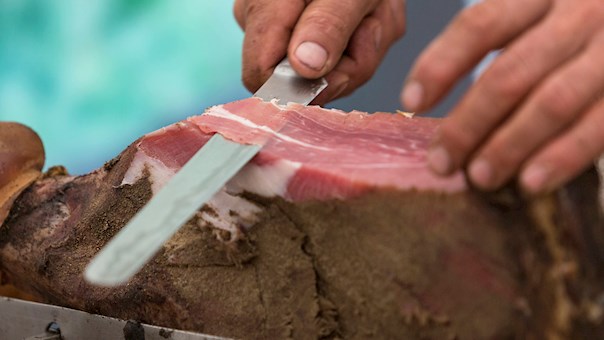
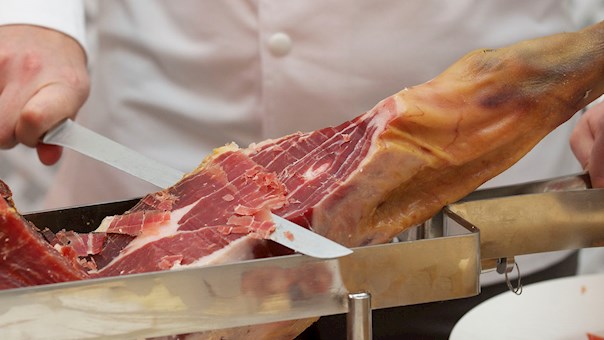
Jamón ibérico is a dry-cured ham from Spain, produced mainly in regions where Iberian pigs are raised, including Extremadura, Andalusia, Salamanca, and parts of Castilla-La Mancha. Its development is tied to the long use of salting and air-drying methods on the Iberian Peninsula, where the local pig breed and the climate created conditions suitable for extended curing. Production methods evolved around the Iberian pig, which stores fat differently from other breeds and allowed producers to cure legs for long periods without spoilage, a practice documented in Spanish curing regions for centuries. Preparation begins with the hind leg of the Iberian pig, which is salted, rested, washed, and then hung in temperature-controlled environments where it cures for periods that can exceed three years, during which the fat slowly permeates the muscle and the leg loses moisture while developing its characteristic aroma and texture. One notable aspect is the classification systems based on the diet and genetics of the pig, such as acorn-fed pigs that graze in the dehesa, a system that affects both flavor and fat composition, and the high oleic acid content in the fat provides a softer melt and contributes to its recognizably smooth mouthfeel. It is eaten throughout Spain and exported widely, often sliced very thinly by hand and served at room temperature, commonly paired with crusty bread, mild cheeses, and drinks such as fino, manzanilla, cava, or aged red wines that complement its salty and savory profile.

05

Presunto do Alentejo

4.5 ·

Alentejo ham is a regional specialty made from the legs and shoulders of Alentejo pigs produced in the districts of Castelo Branco, Portalegre, Santarém, Évora, Beja, Setubal, and Faro. These areas typically have hot and dry summers and cold winters. Throughout the centuries, the residents of these regions learned to work with this climate to develop a natural drying process for ham that does not resort to the use of smoke or any other external factors besides the addition of salt. When cut, the ham is reddish-pink to dark red and highly marbled. It has a soft and mildly fibrous texture that is tender and succulent when sliced. The ham has a sweet and slightly salty flavor with a lingering spicy note, and its aroma is pleasant and mild. It is traditionally served in slices with bread or cheese. To make the most of this ham, the leftover bone is often used to flavor soup stock.

06

Prosciutto di Parma

4.4 ·

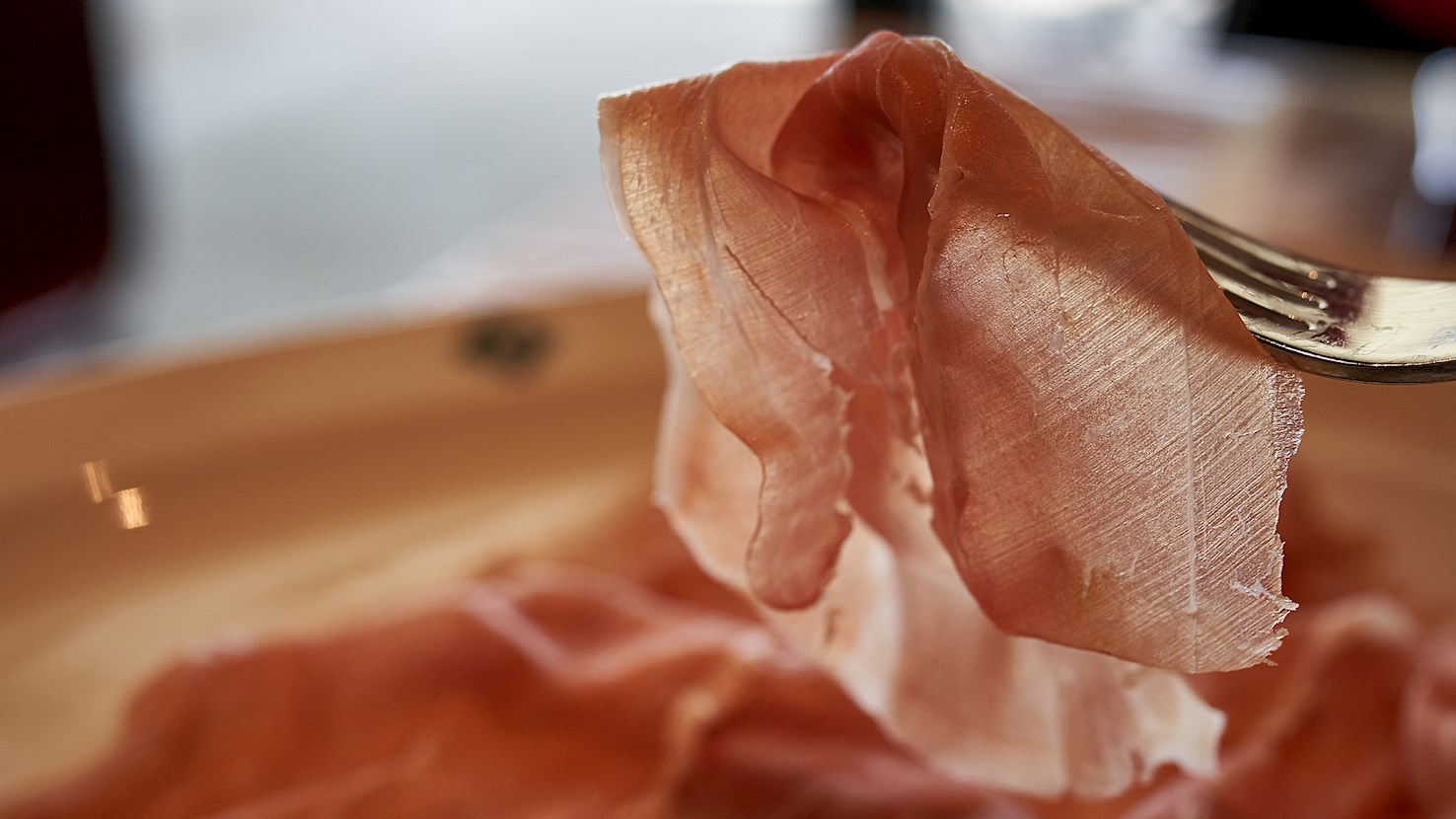
Carefully crafted with the same diligent care since the Roman times, Prosciutto di Parma is a true masterwork of time and tradition, and a gold standard of Italian prosciutto. The pigs of the Large White, Landrace and Duroc breed used in the production of this ham must also meet high quality standards, be bred in one of 10 northern and central Italian regions and fed a diet of grains, cereals and whey of Parmigiano Reggiano cheese, which contributes to the complex taste of the meat. Apart from the characteristic microclimate of the Parma region, which is ideal for the drying of prosciutto, a vital part of the curing process is salting. The expert Maestro Salatore (salt master) measures the minimum amount of sea salt required to preserve the meat. This respects the tradition of 'Cultura del Dolce' (the Culture of the Sweet), with the signature taste of Prosciutto perfectly balancing between salty and sweet. Parma ham spends three months hanging during the riposo or resting phase. To stop it from drying too quickly, around 7 months after the salting process the ham is smeared with sugna, a mixture of rice flour, salt, and pork fat. By strict regulations, Prosciutto di Parma must be matured for at least one year before it is given the Ducal Crown firebrand, and some are even cured for up to 3 years. The meat gradually becomes darker and harder, attaining its unique full-bodied flavor. For maximum enjoyment, Parma ham is sliced thin and served as an appetizer with focaccia or a warm piadina, some cheese and porcini mushrooms preserved in oil or wrapped around grissini and paired with a local sparkling wine like Lambrusco or Malvasia.

07

Jabugo

4.4 ·

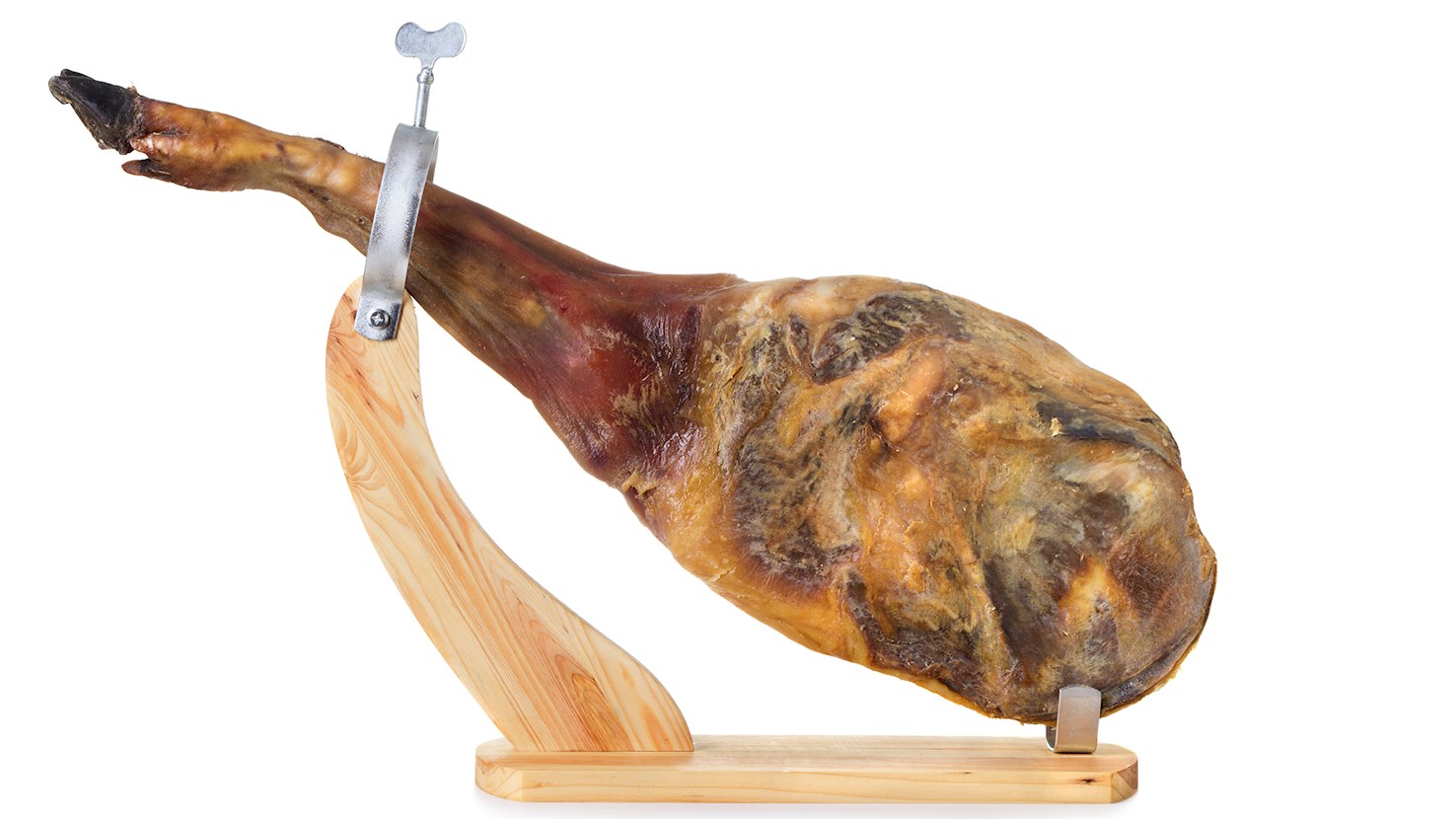
Named after a village nestled in the Sierra de Aracena y Picos de Aroche Nature Park, in the northern part of the Andalusian province of Huelva, Jabugo is a variety of the popular Spanish Ibérico ham or shoulder ham made from the meat of the pure-bred Iberian pig or cross-breed of the local Manchado de Jabugo pig, with at least 75 % Iberian blood. The unique metabolism of these animals allows their fat to integrate into the muscles, evenly marbling the meat, which results in the distinctive flavor and juiciness of each ham. Reared in the so-called 'dehesas', agro-forested lands used primarily for grazing, sparsely wooded with holm and cork oaks, Iberian pigs gorge on acorns which give the meat a particularly sweet and nutty flavor. Although primarily registered as Jamón de Huelva, in 2015 the product was officially registered as Jabugo. The ham has a distinctive long and slender shape given by the V-shaped Serrano cut. After salting, the hams are washed and air-dried in vast bodegas for about 24-30 months. Jabugo can be enjoyed just like any other ham, but to fully indulge in its seductive flavor, it is often served on its own with a glass of sherry or red wine.

08

Jamón Serrano

4.4 ·

Jamón Serrano is a cured ham produced using the traditional methods dating back to Roman times. This ham has a bright pink to purple color and shiny appearance when cut. This ham is made in four separate steps that include salting, washing, post-salting, and drying or maturation. Jamón Serrano is cured and dried without skin for more than a year and has a delicate and characteristic aroma. Not much salt is used during the production of this emblematic ham, which makes it only slightly salty and brings out sweet notes that complement the flavor beautifully. The taste is intense and complex, with dominating woody and nutty notes that are paired with balanced sweet and savory flavors.

09

Prosciutto Toscano

4.4 ·

Produced under the same strict laws and traditions since the 15th century, Prosciutto Toscano is made exclusively with pigs born, bred, fattened and slaughtered in Tuscany. All pig legs must be provided with the breeder’s certificate to prove their provenance. The Tuscan hams are then salted and air cured for about 12 to 16 months whereas other Italian hams can only be salt-cured, Prosciutto Toscano can be cured and flavored with a blend of natural spices that are common in traditional Tuscan cuisine, including pepper, garlic, rosemary, and juniper. As a result, Prosciutto Toscano is distinctly different in both appearance and taste from other prosciutto varieties. It is much darker in color with a layer of almost pink fat, has an intensely spicier taste and it's quite famous for its herbal aroma - the fragrant signature of Tuscany. Enjoy it with some freshly baked Pane Toscano and a glass of white wine!

10

Njeguška pršuta

4.4 ·

Njeguška pršuta is a prosciutto variety originating from the area of Njeguši in Montenegro, hence the name. Pork ham is traditionally salted with sea salt, pressed in order to remove excess liquid, then smoked and dried in the cool mountain air, after which it is left to mature, so the whole process typically takes about a year. The meat is smoked over beech wood, imparting a unique flavor and aroma to this delicacy. When fully matured, this meat product is thinly sliced and can be paired with anything from cheese and bread to salads and pasta dishes.

Best European Hams
01

Señorío de Montanera

5 ·
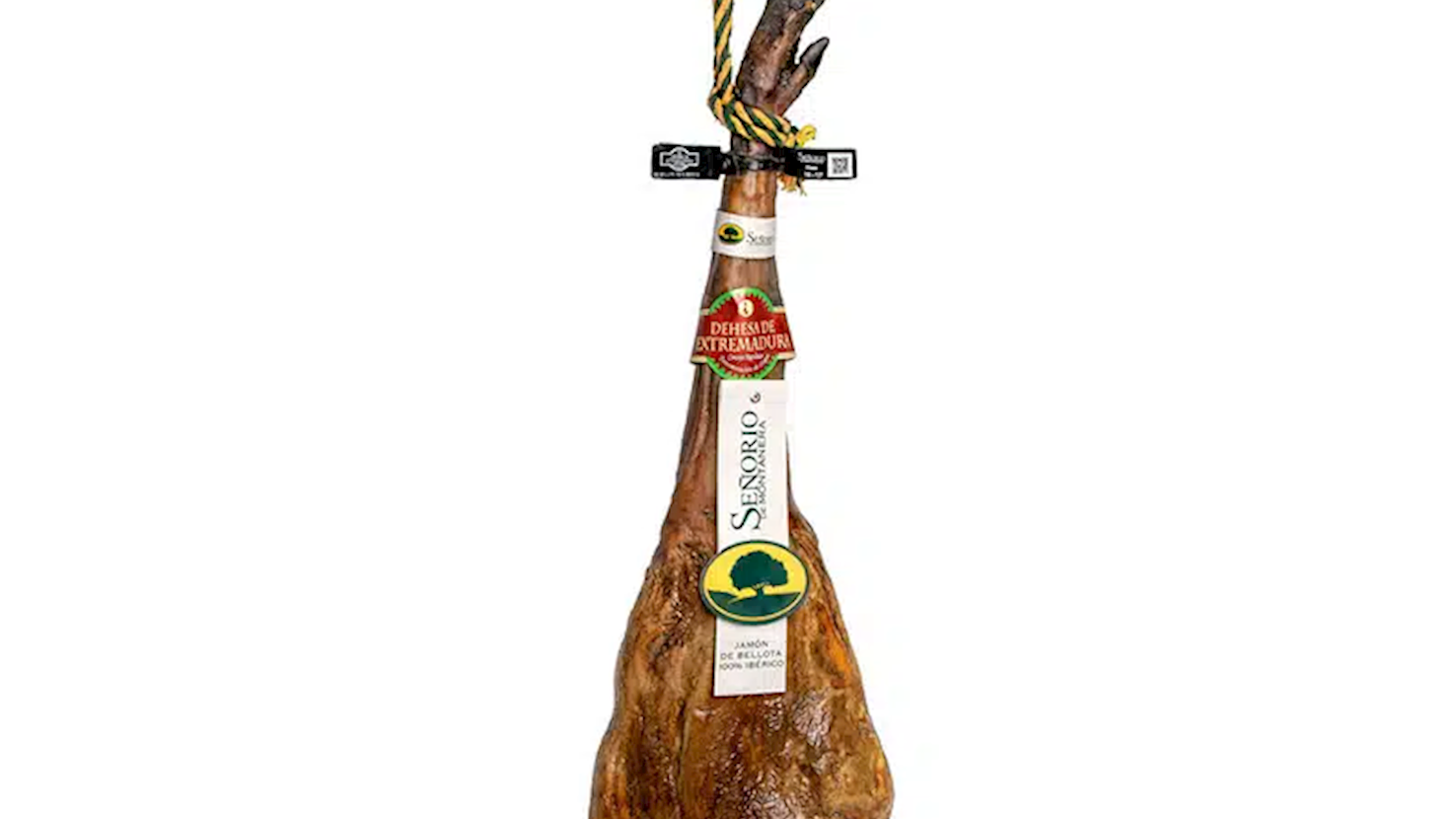
Señorío de Montanera is a Spanish producer specializing in 100% Ibérico pork products, with a strong focus on jamón ibérico de bellota from the Extremadura region. The company operates under the DOP Dehesa de Extremadura designation, which ensures strict control over breed purity, feeding, and curing standards. Its pigs are raised free-range in the dehesa, a unique ecosystem of oak woodlands where they roam extensively and feed on acorns during the montanera season. This acorn-based diet contributes to a high level of oleic acid and gives the meat its distinctive nutty aroma, subtle sweetness, and deep flavor complexity. The hams undergo traditional salting and slow natural curing, often for more than 36 months, allowing aromas and texture to develop gradually. The result is a finely marbled product with fat that melts at room temperature and delivers a long, balanced finish on the palate. Beyond jamón, the range includes paleta ibérica, lomo, chorizo, and salchichón, all made exclusively from purebred Ibérico pigs. The company places strong emphasis on preserving the native breed and maintaining the sustainability of the dehesa landscape, which is essential for regional biodiversity. It also produces organic lines without artificial additives, highlighting the integrity of raw materials and traditional craftsmanship. Señorío de Montanera is widely regarded as one of the benchmark producers in the premium Ibérico segment, combining strict origin standards, extensive farming, and long curing times to define its quality profile.
Awards
Great Taste Awards - 3 Stars (2024, 2023)
Great Taste Awards - 2 Stars (2018)
02

Juan Pedro Domecq

5 ·

Juan Pedro Domecq is a Spanish family-owned producer of premium Iberian cured meat products, best known for its 100% Ibérico de Bellota ham. The brand is closely associated with the Domecq family, whose name has long been linked to Andalusian traditions of livestock farming and winemaking. Production is based on the breeding of purebred Iberian pigs that roam freely across the dehesa landscape and feed on acorns during the montanera season. The company places strong emphasis on limited production, extended curing periods, and an artisanal approach that relies on time, expertise, and careful supervision. Its hams are naturally aged for several years, allowing them to develop a complex flavor profile, refined texture, and the distinctive aroma that characterizes the finest Iberian ham. Today, Juan Pedro Domecq is regarded as one of the respected producers in the 100% Ibérico de Bellota category, recognized for its commitment to quality, tradition, and authentic Spanish craftsmanship.

Awards
Great Taste Awards - 2 Stars (2024, 2022)
03

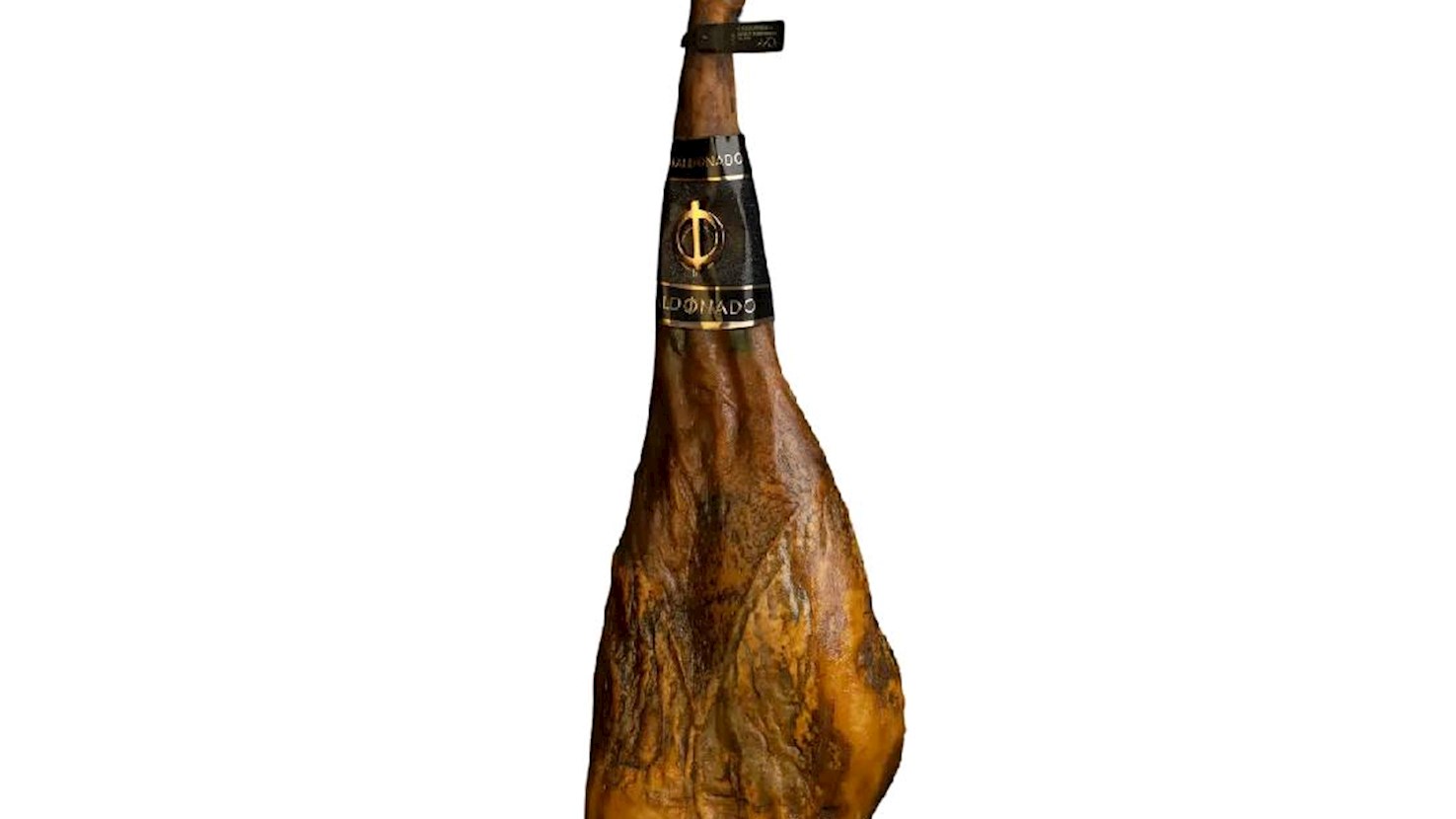
Maldonado Ibéricos

5 ·
Maldonado Ibéricos is a distinguished Spanish producer specializing in premium Jamón de Bellota 100% Ibérico. Founded in 1992 by Manuel Maldonado and his father, Sabas Maldonado, the company is based in Alburquerque, Badajoz—a region celebrated for its rich Iberian heritage. Their mission is to showcase the authenticity of Iberian products through artisanal methods. The Maldonado family is dedicated to preserving the purebred Iberian pig lineage. Their pigs are raised extensively in the dehesa, a unique ecosystem where they roam freely and feed on acorns, grasses, roots, and tubers. During less fertile periods, their diet is supplemented with a proprietary blend of locally sourced cereals. The racial purity of their livestock is verified through individual DNA analyses conducted by the University of Córdoba's Molecular Genetics researchers.
04

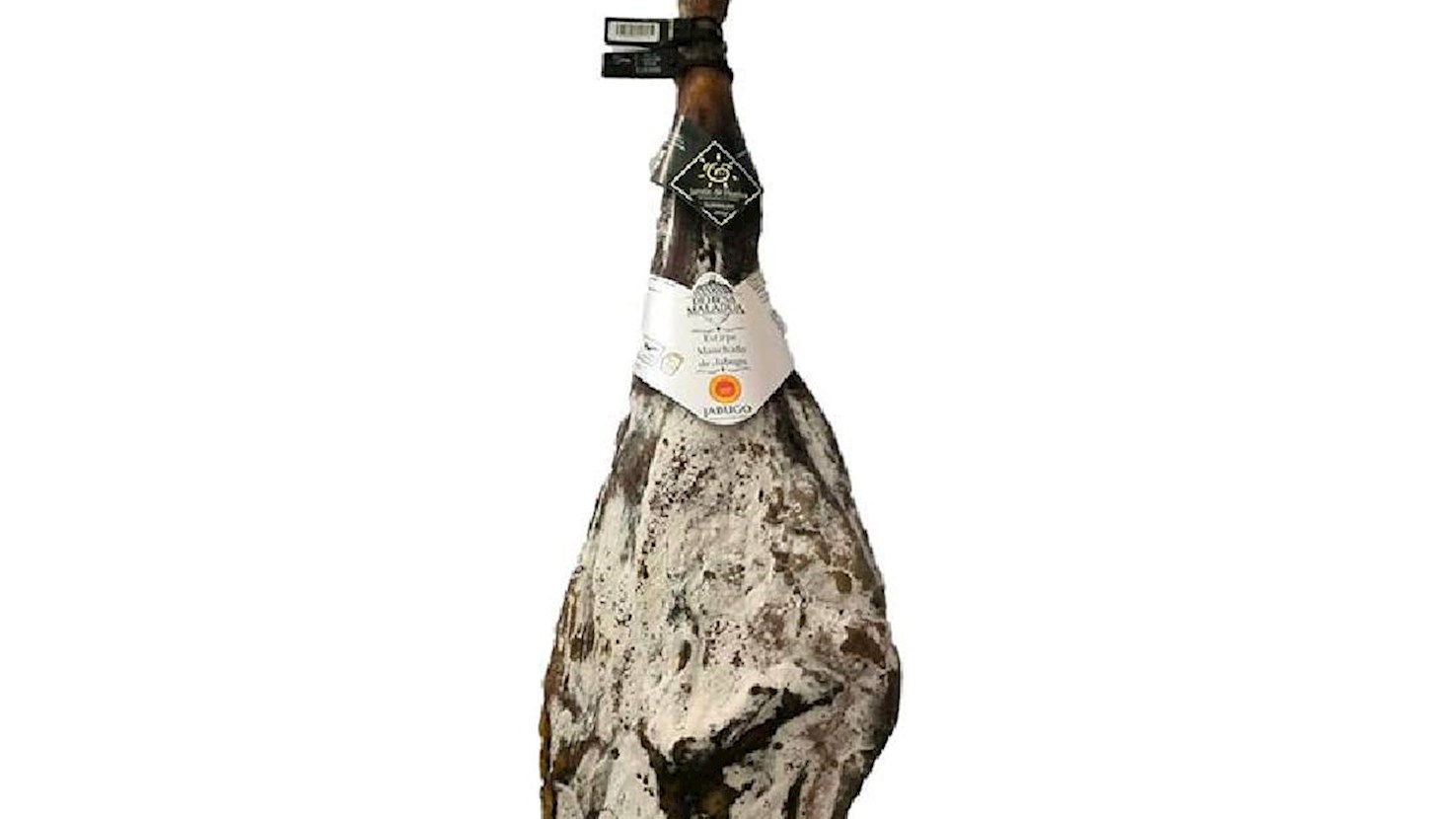
Dehesa de Maladúa

5 ·
Dehesa Maladúa is a distinguished Spanish producer renowned for its premium Jamón Ibérico de Bellota, particularly the exclusive Manchado de Jabugo variety. Founded by Eduardo Donato in 1989, the company is situated in the UNESCO-protected Parque Natural de la Sierra de Aracena y Picos de Aroche in Huelva, Andalusia. This pristine environment provides an ideal setting for raising 100% purebred Iberian pigs under certified organic practices. The Manchado de Jabugo is a rare Iberian pig breed, once on the brink of extinction. Donato's dedication to preserving this lineage has been pivotal in its revival. These pigs are reared in a free-range system, foraging on acorns and wild herbs, which imparts a unique flavor profile to the ham. The curing process is meticulous, with some hams maturing for up to seven years, resulting in an exceptional product. Dehesa Maladúa's commitment to quality and sustainability has garnered international acclaim. In 2016, their organic Manchado de Jabugo ham was awarded the top prize at Biofach, the world's leading organic food fair in Nuremberg, Germany. This recognition underscores their dedication to traditional methods and environmental stewardship.
05

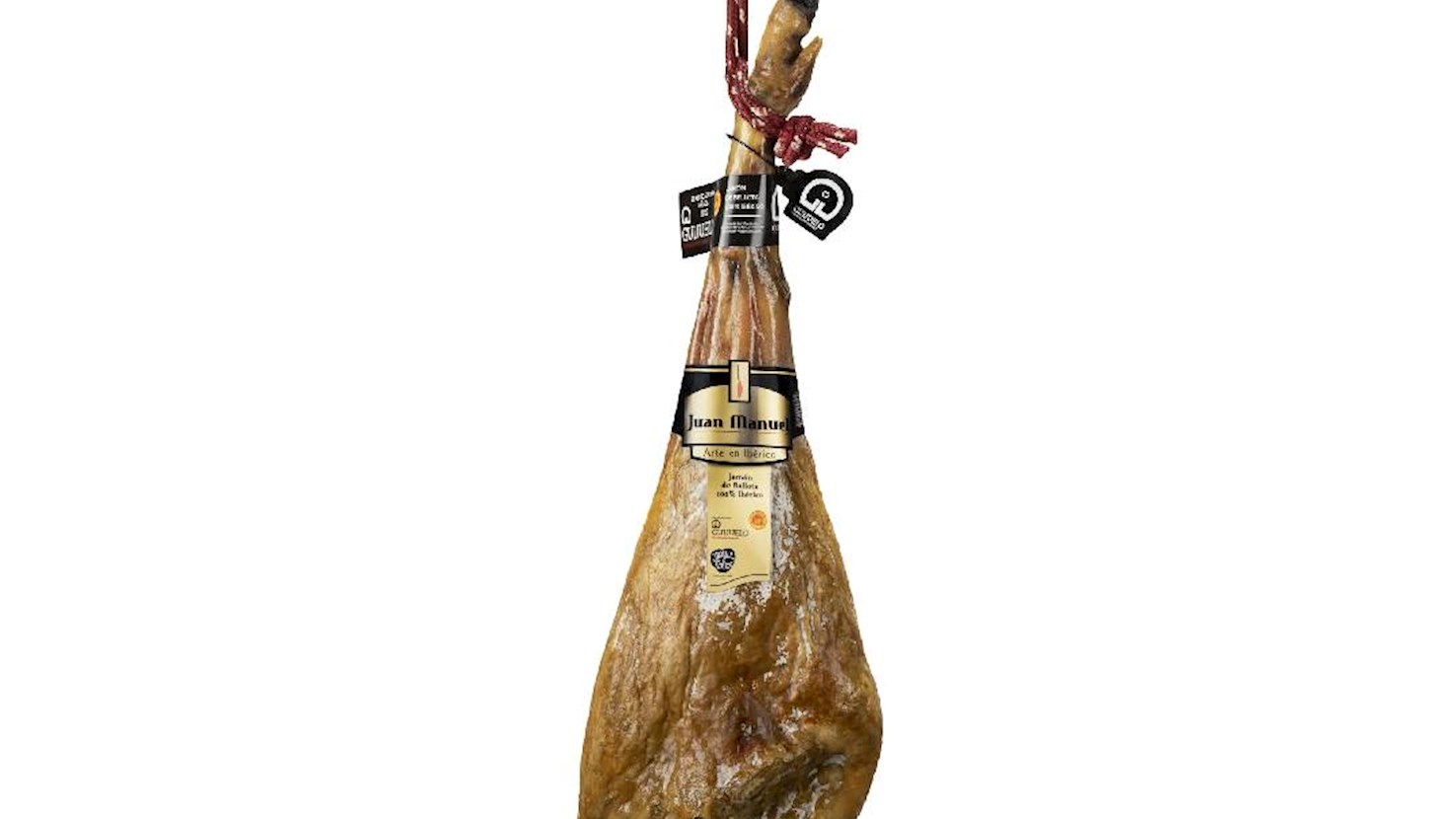
Jamones Juan Manuel

5 ·
Jamones Juan Manuel is a prestigious company in the Iberian ham industry, located in Guijuelo, Salamanca, Spain. With over 90 years of experience, they have mastered the art of producing high-quality Iberian hams. Their dedication to traditional curing methods has earned them recognition, including the Best Acorn-Fed Iberian Ham award in both 2020 and 2024 by the Spanish Ministry of Agriculture, Fisheries, and Food. Their product range includes various grades of Iberian hams, such as 100% pure acorn-fed, 75% pure acorn-fed, 50% pure acorn-fed, and free-range Iberian hams. Each product reflects their commitment to quality and tradition.
Awards
Premios Alimentos de España - Mejor Jamón Ibérico de España (2024, 2020)
06

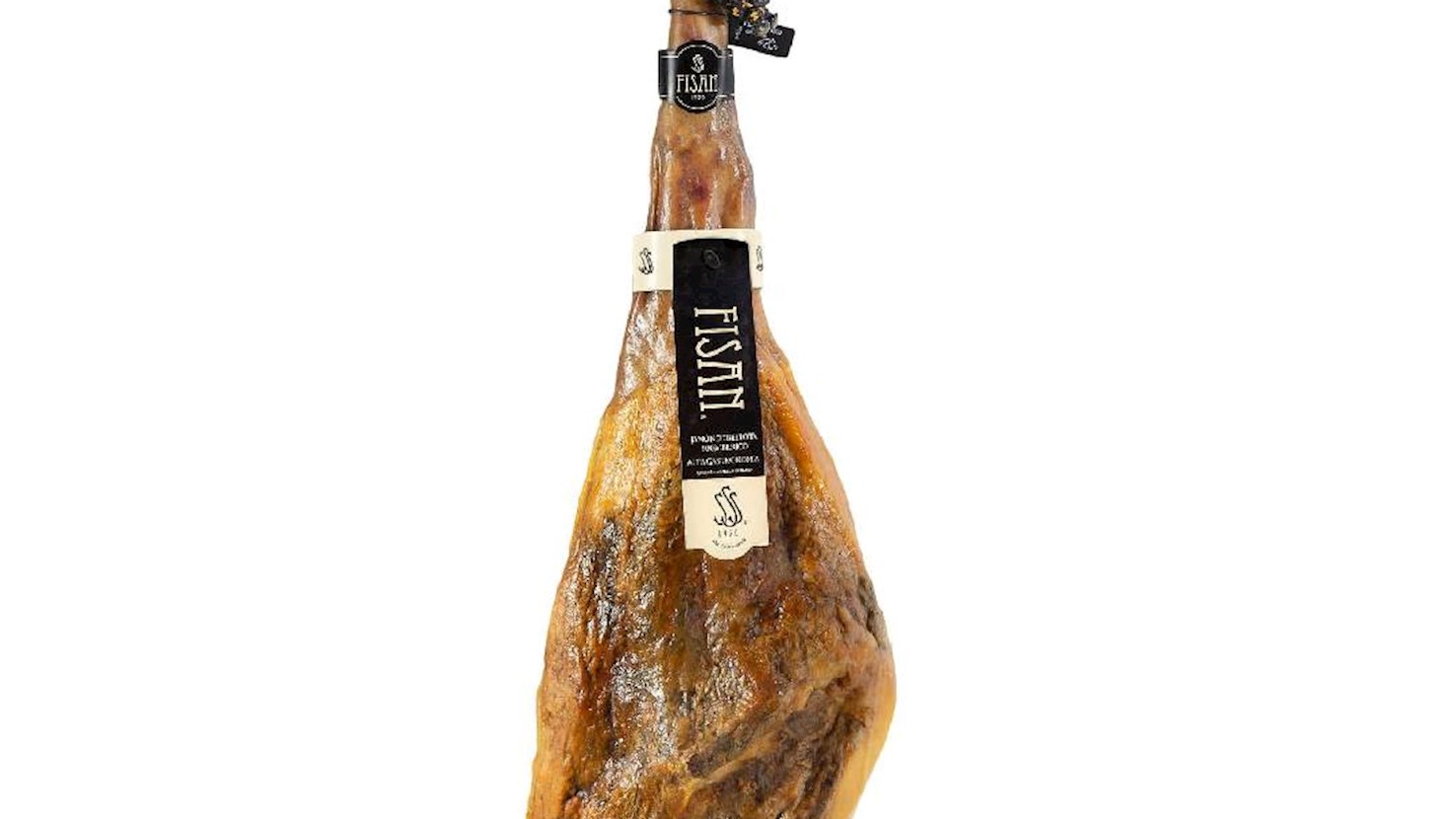
FISAN

5 ·
FISAN is a distinguished Spanish producer specializing in premium Iberico Bellota ham and other Iberico pork products. Founded in 1920, this family-owned company is located in Guijuelo, Salamanca, a region renowned for its ideal conditions for curing Iberico hams. The company's commitment to quality begins in the dehesa—the traditional Iberian pasturelands—where they meticulously select Iberico pigs. These pigs roam freely, feeding on acorns and natural grasses, which imparts a unique flavor and texture to the meat. FISAN's curing process combines time-honored techniques with modern innovations, ensuring each ham develops its characteristic taste and aroma over several years in natural drying rooms and cellars.
Awards
Great Taste Awards - 2 Stars (2024)
07

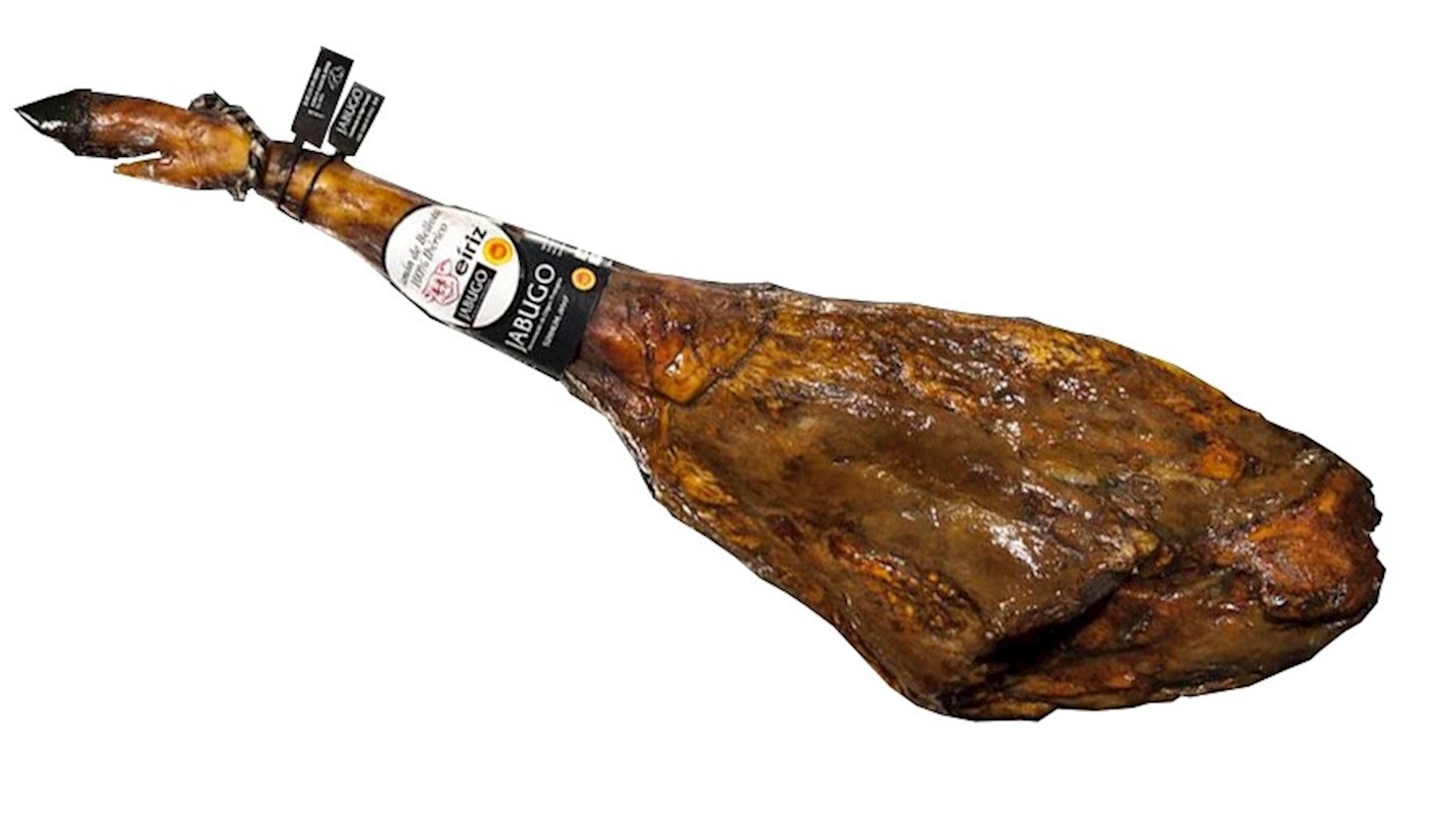
Jamones Eíriz

5 ·
Jamones Eíriz is a company that specializes in the production of high-quality dry-cured ham. Based in Spain, this producer follows traditional methods for curing ham, emphasizing the use of natural resources and sustainable practices. They are known for their acorn-fed Iberian hams, which are aged in natural cellars. Jamones Eíriz offers guided tours of their facilities, providing an educational experience about the ham curing process.
Awards
Great Taste Awards - 2 Stars (2022, 2021)
08

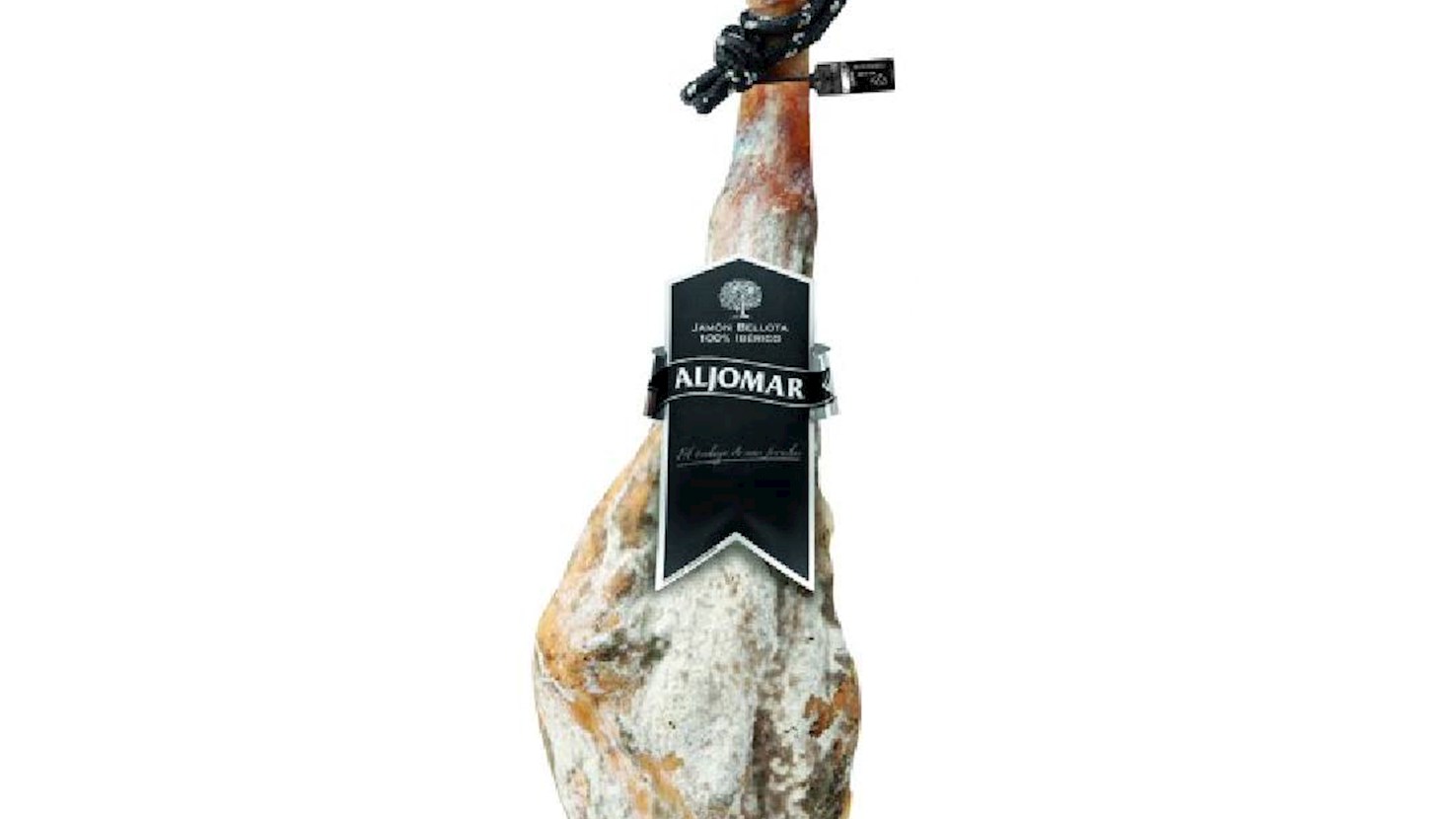
Jamones Aljomar

5 ·
Jamones Aljomar S.A. is a family-owned Spanish company established in 1989 by Don Alfonso Sánchez Bernal and his wife, Doña María del Carmen Sánchez Álvarez. Located in Guijuelo, Salamanca, the company specializes in producing high-quality Iberian pork products, including hams, sausages, and fresh meats. Their commitment to quality is evident through their vertical integration, overseeing every production stage from their own farms and feed production to slaughterhouses and processing facilities. This comprehensive approach ensures traceability and consistency across their product range.
Awards
Premios Alimentos de España - Mejor Jamón Ibérico de España (2022)
09

Jamón Joselito

5 ·
Joselito is a Spanish family-owned company founded in 1868 in Salamanca, specializing in the production of top-grade jamón ibérico de bellota. Across six generations, the company has maintained full control over the entire process - from raising 100% Iberian pigs to extended natural curing without additives or preservatives. The pigs are free-range and feed on acorns during the montanera season, a factor that directly influences the quality of the fat and the aromatic profile of the meat. Drying and maturation take place under natural climatic conditions and can exceed four years for Gran Reserva selections. The finished ham is characterized by pronounced marbling, a soft texture, and a complex flavor profile with notes of nuts, dry grass, and subtle sweetness. Joselito is among the few producers applying the “añada” (vintage) concept, labeling products by production year in a manner similar to wine. The portfolio also includes paleta, lomo, chorizo, and salchichón, all produced under the same quality standards. The brand has a strong presence in fine dining and exports to numerous international markets. Joselito is widely regarded as a benchmark in the world of Iberian ham, built on long-standing tradition and consistent quality control.
10

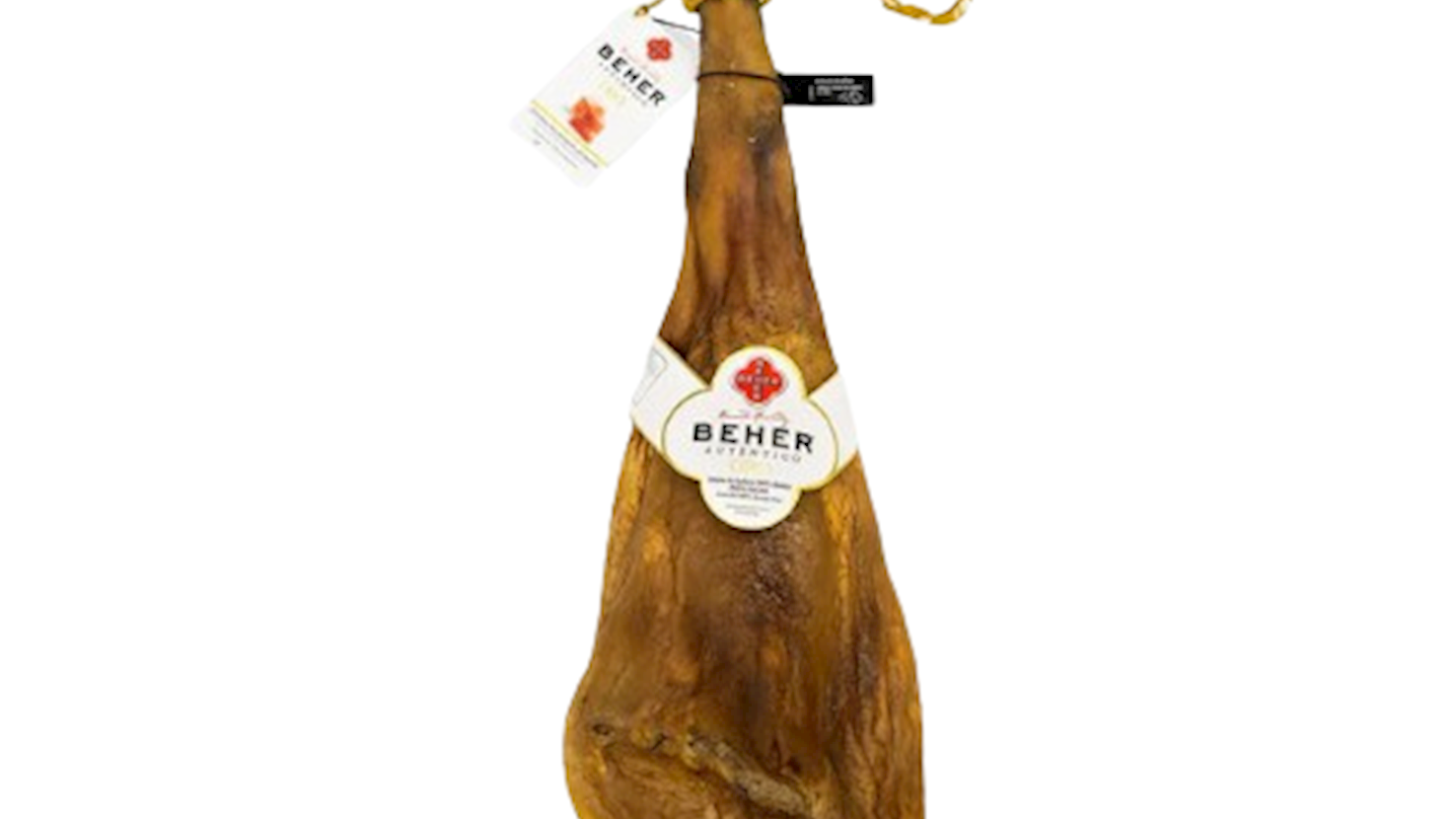
Beher

4.9 ·
Beher (Bernardo Hernández) is a family-owned company based in Guijuelo, in the Spanish province of Salamanca - one of the most important regions for Iberian ham production under the PDO Jamón de Guijuelo. Founded in the 1930s, the company has developed a fully integrated production model, controlling every stage from breeding 100% Iberian pigs on its own estates in the dehesa ecosystem to curing and aging in natural conditions. Its products, particularly those from the Etiqueta Oro line, are made from acorn-fed (bellota) Iberian pigs, resulting in high oleic acid content and characteristic marbling. The curing process can last several years, during which the hams develop complex aromas, a balance between the sweetness of the fat and deep savory notes, and a long, persistent finish. Beher is recognized for its consistency, technical precision, and adherence to traditional methods. Over time, it has become one of the leading producers of Iberian cured meats, with a strong presence in international markets. Its hams are often considered a benchmark within the bellota category, reflecting the combined influence of origin, breeding, and carefully controlled maturation.
Awards
IFFA Frankfurt - Gold (2019)
IFFA Frankfurt - The Best Ham in the World (2013, 2010)
Read more
View all
View map
About this ranking

TasteAtlas food rankings are based on the ratings of the TasteAtlas audience, with a series of mechanisms that recognize real users and that ignore bot, nationalist or local patriotic ratings, and give additional value to the ratings of users that the system recognizes as knowledgeable. For the “Top 89 European Hams” list until June 03, 2026, 4,224 ratings were recorded, of which 2,809 were recognized by the system as legitimate. TasteAtlas Rankings should not be seen as the final global conclusion about food. Their purpose is to promote excellent local foods, instill pride in traditional dishes, and arouse curiosity about dishes you haven’t tried.

The initial list of top producers was compiled based on available reviews, awards, local recommendations, media and blog coverage, and consumer reviews. The list will be updated with ratings from TasteAtlas local ambassadors and TasteAtlas users.

Similar lists