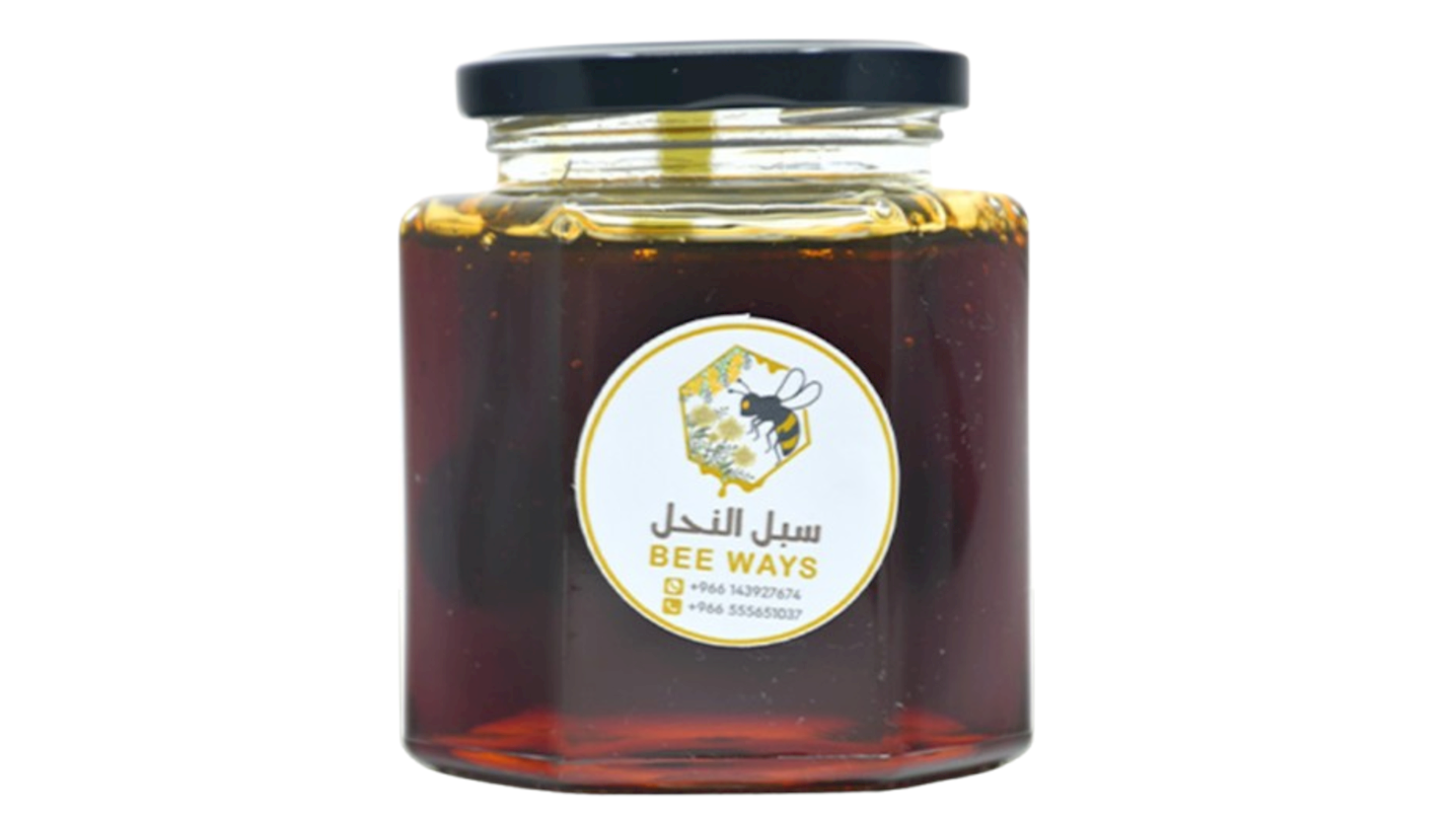
Bee Ways is a Saudi family-owned company specializing in beekeeping, natural honey production, and the processing of other beehive products. It was founded by Ahmed Badghaish and Nada Khaled Malaika from Jeddah, who have been involved in beekeeping for more than two decades. What began as a hobby developed into a professional operation with approximately 1,200 beehives and its own production facility in Yanbu.
The company’s distinguishing feature is its migratory beekeeping method: the hives are moved across Saudi Arabia throughout the year to follow flowering seasons and reach the best nectar sources. The bees are taken from the lavender fields of Al-Jouf and jasmine-growing areas of Jazan to date palm groves in Madinah, Al-Qassim, and Al-Ahsa, enabling the production of distinctive monofloral honeys that reflect their regions of origin. The range includes raw and organic Sidr, Sumra, Talh, tamarisk, and other local honeys, as well as pollen, propolis, honey blends, soaps, creams, balms, candles, and eco-friendly beeswax food wraps.
Bee Ways primarily operates in the Saudi Arabian market, with a production facility at MODON Oasis in Yanbu, a presence in Jeddah, and an online store offering direct delivery to customers. In addition to retail sales, it provides wholesale, packaging, and private-label manufacturing services. The company’s future development is focused on the modern and sustainable use of all beehive resources, expanding its natural skincare range, educating new beekeepers, and promoting Saudi regional honeys internationally.
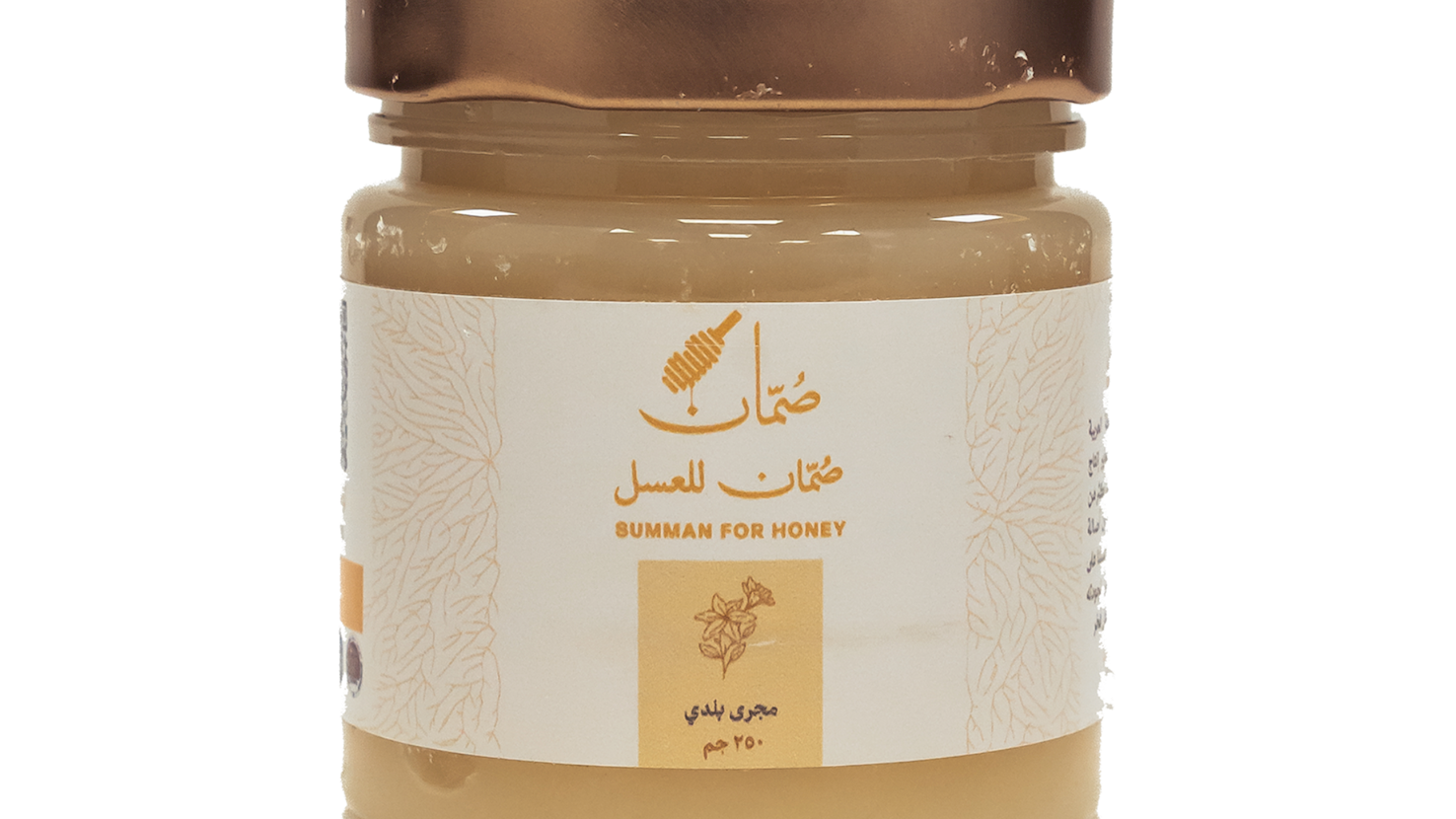
Bin Summan is a Saudi producer and retailer of natural honey and other bee products. According to the company, its honey comes from its own apiaries in Saudi Arabia and is sold without additives, with minimal processing intended to preserve its natural properties.
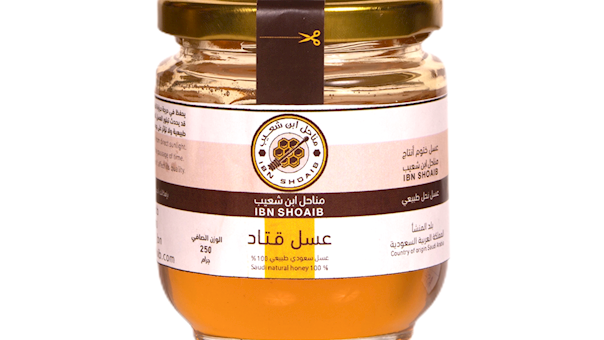
Its range includes traditional Saudi honey varieties such as sidr, samra, talh, qarad, qatad, dahyana, and majra, as well as summer honey and various honey blends. In addition to honey, the company offers honeycomb, beeswax, bee pollen, royal jelly, and selected local food products. The characteristics of its honeys reflect the seasonal flowering cycles and botanical diversity of the areas where its apiaries are located.
International recognition, particularly for its majra, sidr, talh, and qarad honeys, has helped strengthen the brand’s profile beyond the Saudi market.
Awards
Paris International Honey Awards - Platinum
(2026)
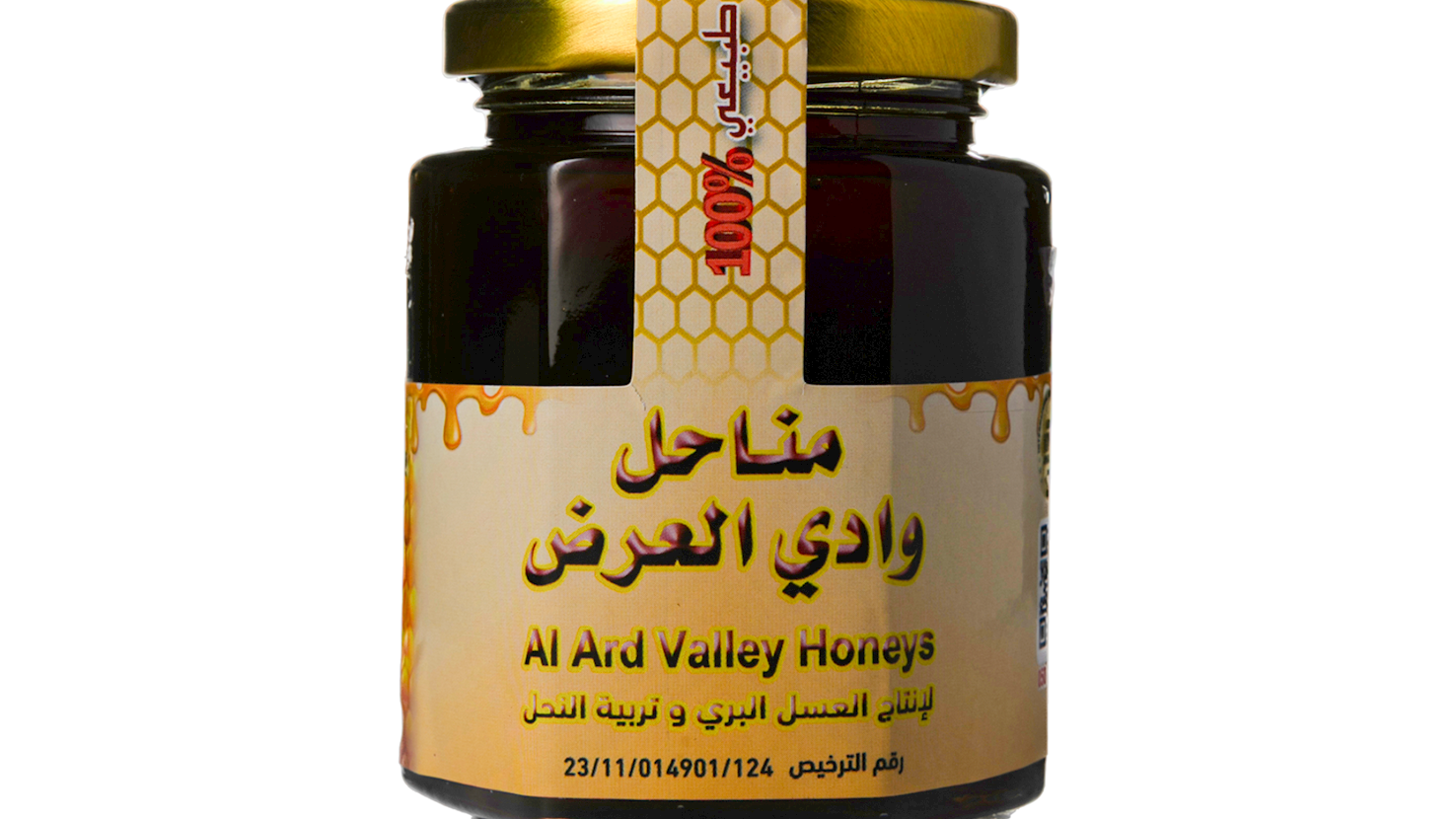
Al Ard Valley Honeys is a Saudi producer of honey and other bee products based in the city of Najran, where it also operates under the name Bees Basket – Al Ard Valley Apiaries. The company specializes in beekeeping, natural honey production, and the processing of products derived from the hive, although its founding year is not stated in the available official sources.
Its apiaries follow the seasonal flowering of nectar-producing plants across Saudi Arabia’s varied landscapes, from mountains and valleys to harsh desert areas. Its principal varieties include qarad, talh, sidr, and samr honey, each reflecting a different part of the country’s diverse flora. The producer states that its honey comes from its own apiaries, undergoes laboratory testing, and is offered in a pure, raw, and unprocessed form. Its range also includes royal jelly, bee pollen, propolis, ginseng-based preparations, and other blends made with bee products.
Al Ard Valley Honeys currently sells its products in Najran and through its online store, serving primarily the Saudi market. Its identity is rooted in honeys derived from local plant species and the country’s varied natural landscapes, while its participation in international competitions provides additional recognition of the quality of its products.
Awards
London International Honey Awards - Platinum
(2024)
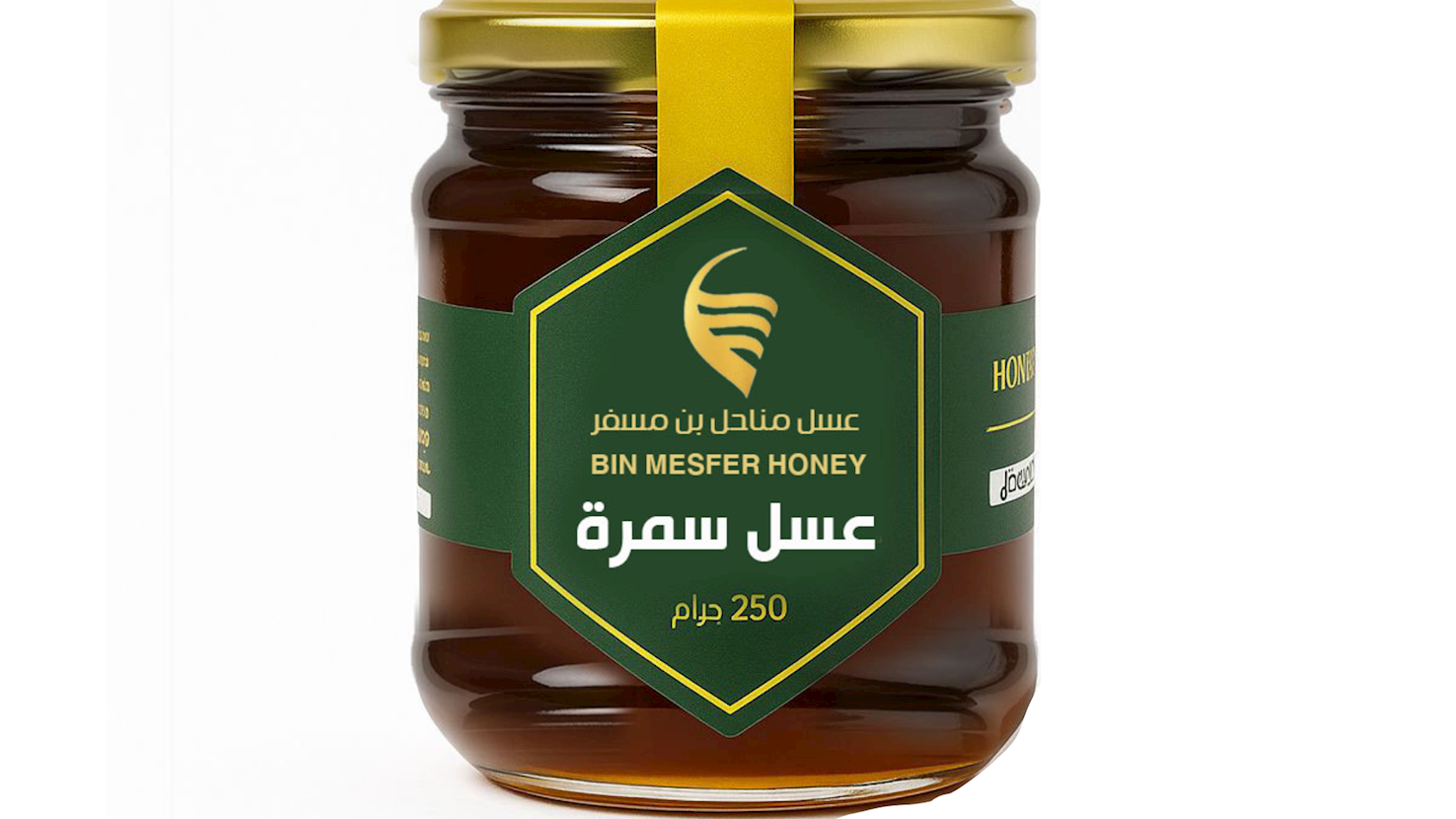
Mnahil Bin Mesfer is a Saudi honey producer based in Al Ardiyat, Al Baha Province. The brand draws on a family beekeeping tradition and the experience of previous generations, although its founding year has not been publicly disclosed. It specializes in natural honey from its own apiaries, sourced primarily in Saudi Arabia.
Its range includes local honey varieties derived from the distinctive flora of Saudi Arabia’s mountains and valleys. Its main products include sidr, talh, samra, qatad, dhahyana, majra, clover, and blossom honey, as well as honeycomb. The producer particularly emphasizes the controlled origin and quality testing of honey from its own apiaries. Over time, the range has expanded to include propolis, royal jelly, bee pollen, beeswax, blends combining honey with other bee products, nuts, tahini, and fruit, as well as traditional ghee and natural oils.
Mnahil Bin Mesfer continues to develop its selection of traditional Saudi honey varieties while introducing contemporary blends and other products made with honey and bee-derived ingredients.
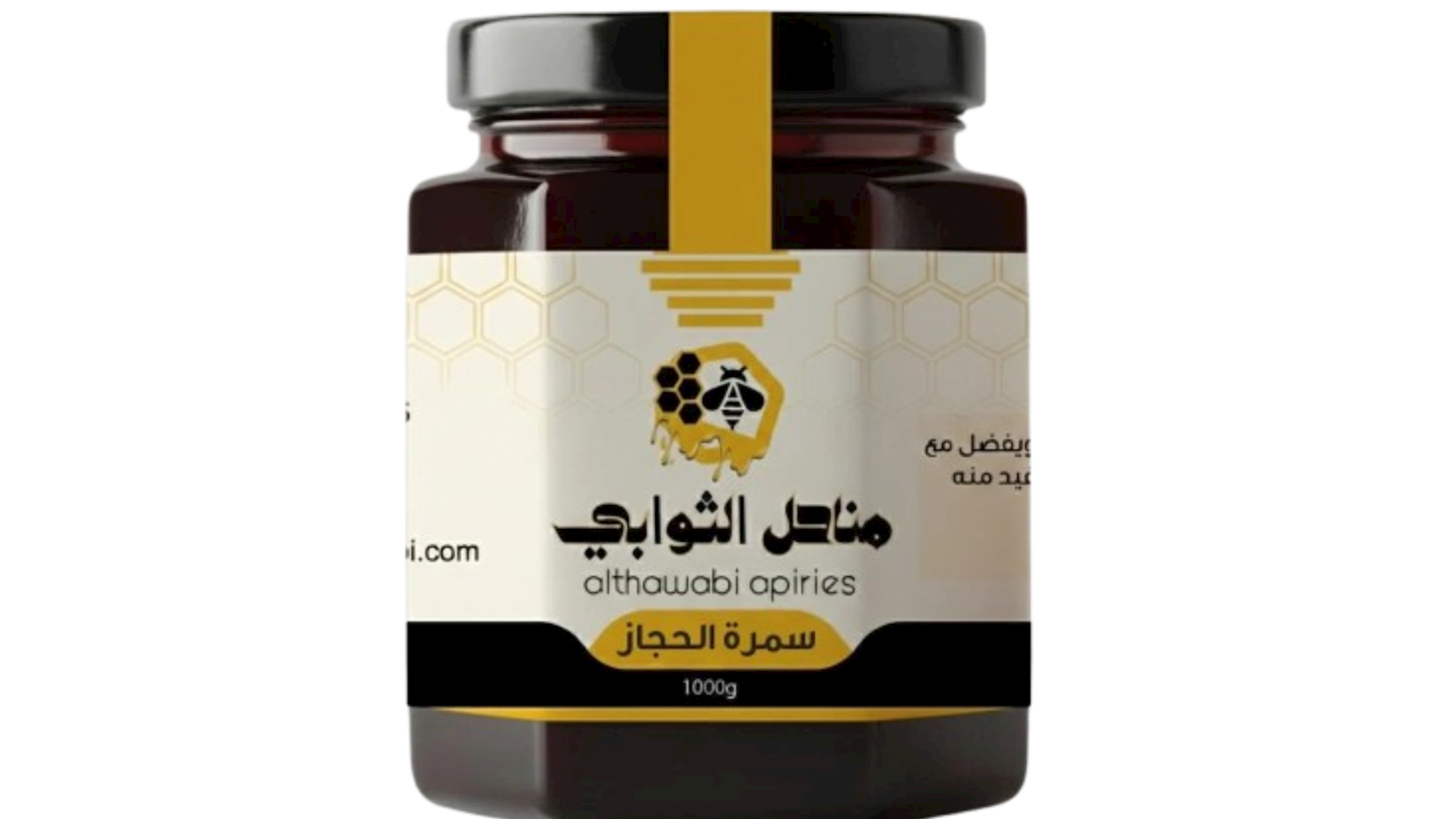
Manahil Althawabi is a Saudi producer of natural honey, sourcing its entire range from its own apiaries.
Production is adapted to the seasonal flowering of nectar-producing plants across different regions of Saudi Arabia. The hives are placed near the appropriate vegetation during limited flowering periods, enabling the production of honeys with distinctive geographical and botanical origins. The range includes Mountain Sidr Honey, Northern Talh Honey, Samra honey from the Hejaz and Tihama regions, and honeycomb. The differences between these products reflect Saudi Arabia’s diverse landscapes, from mountainous and northern areas to the warmer lowlands of Tihama.
The range also includes honey blends containing royal jelly, bee pollen, and date palm pollen. The producer emphasizes that all its honey is natural and sourced directly from its own apiaries.
Manahil Althawabi is currently present primarily in the Saudi market, distributing its products through its online store and nationwide delivery service. It also participates in specialized trade fairs, while the continued development of its range focuses on presenting honeys with clearly defined botanical and regional origins and maintaining direct control over production in its own apiaries.
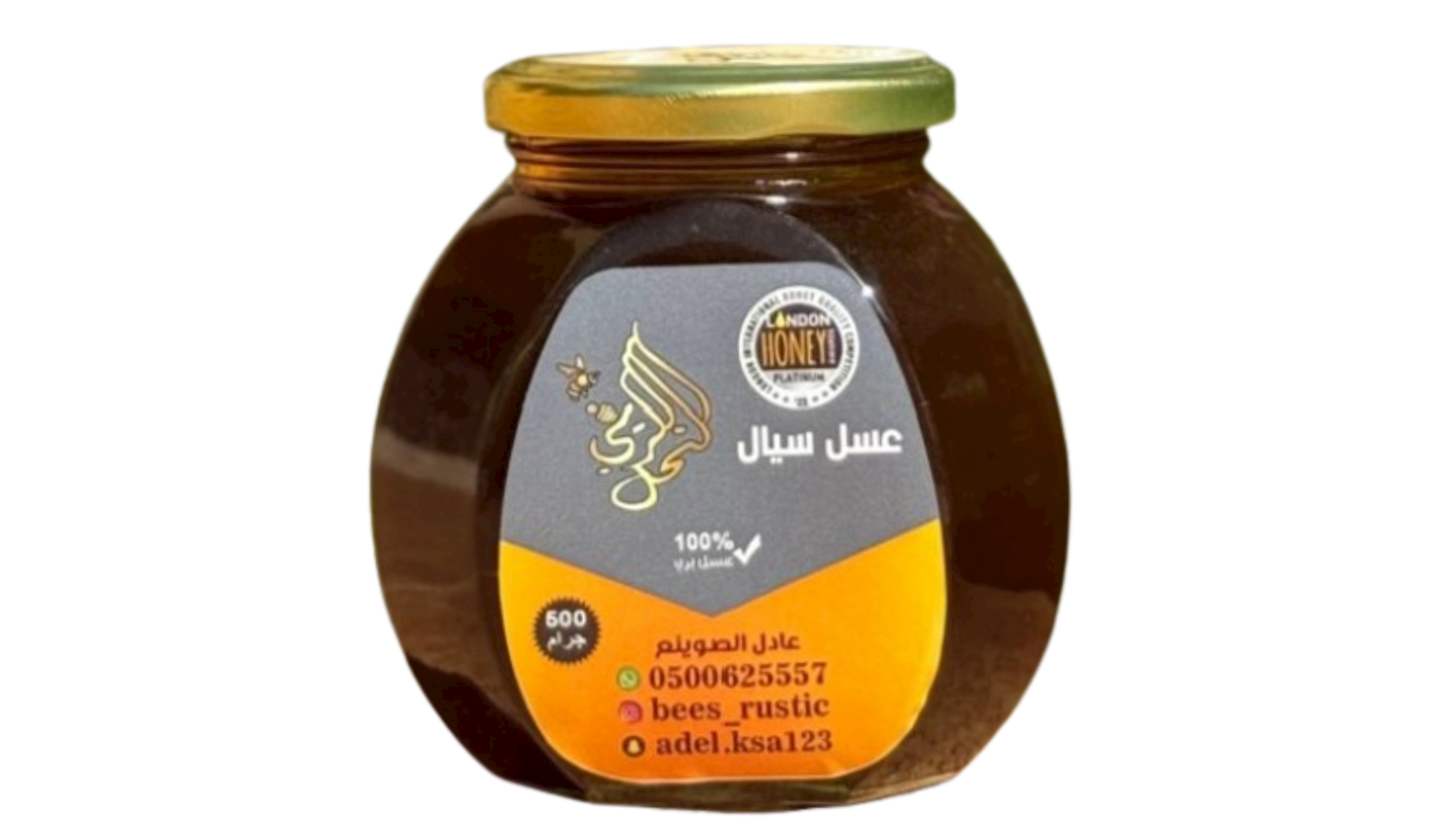
Alnahal Alrefee is a Saudi producer of natural honey operated by beekeeper Adel Ibrahim Alsuwayni. Its production focuses on honey sourced from plants characteristic of Saudi Arabia.
The range includes sayal, sidr and talh honey, as well as eucalyptus blossom honey and the seasonal Rabee Al-Dhala Honey. This selection reflects the vegetation of desert valleys and other areas where wild acacias, sidr trees and local melliferous plants grow.
The assortment also includes bee pollen and wild moringa products. Alnahal Alrefee primarily sells its products through its online store, with delivery available to customers.
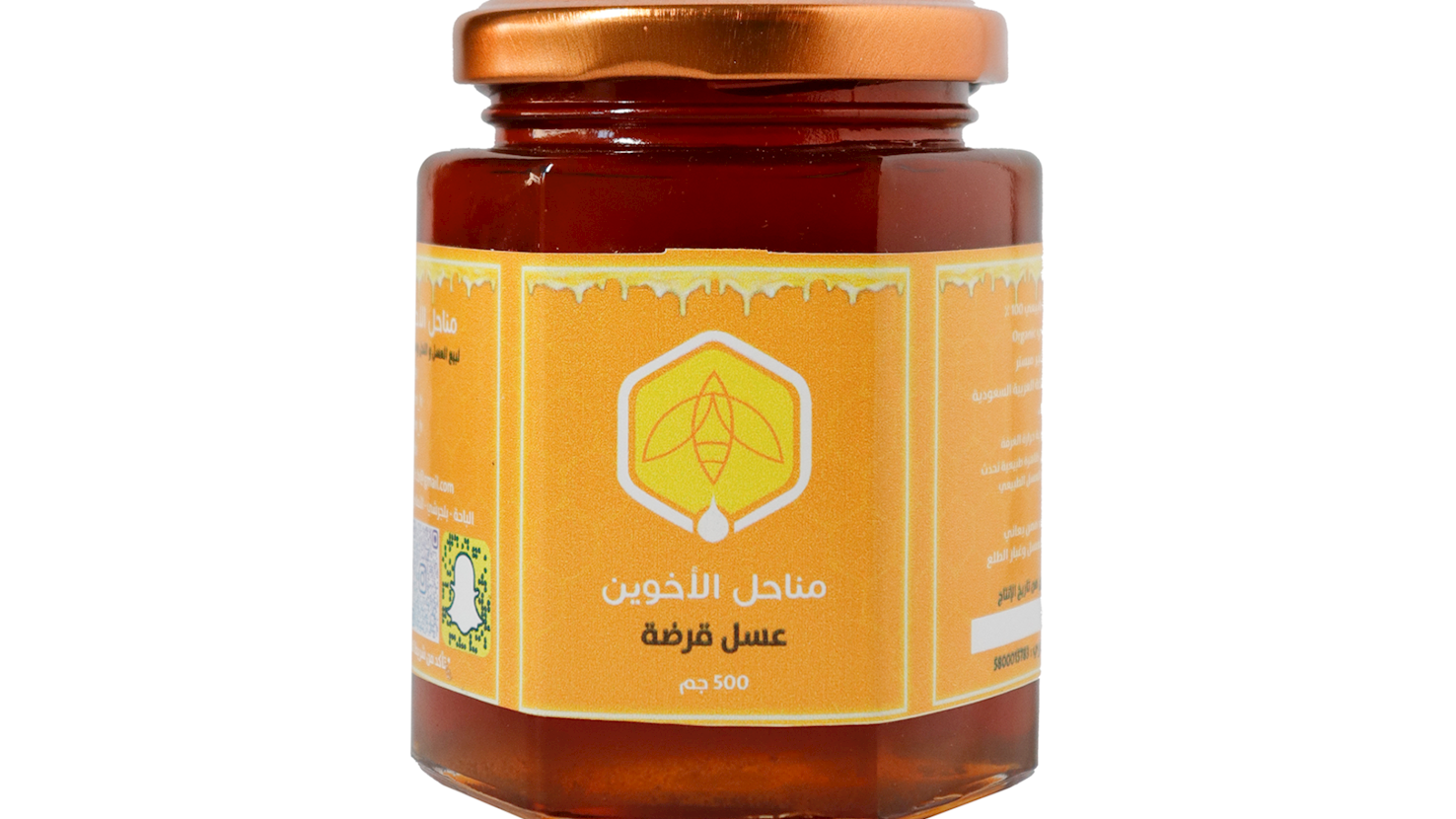
Manahil Alakhween is a Saudi beekeeping producer specializing in natural honey sourced from its own beehives.
The producer oversees the entire process, from maintaining its bee colonies and seasonally relocating the hives to extracting and packaging the honey. Its honey is described as raw, unpasteurized, and free from intensive heat treatment, helping preserve the natural aroma, texture, and properties associated with each floral source. Manahil Alakhween also states that its honey comes from its own organic apiaries. The range focuses on monofloral and predominantly monofloral varieties characteristic of Saudi Arabia, including sidr, samra, talh, qarad, and qatad honey. Each variety is distinguished by its botanical origin, flowering season, and the area where the beehives are placed.
The brand positions itself as a producer of high-quality raw honey with clearly defined botanical origins, supported by its own production and international awards.
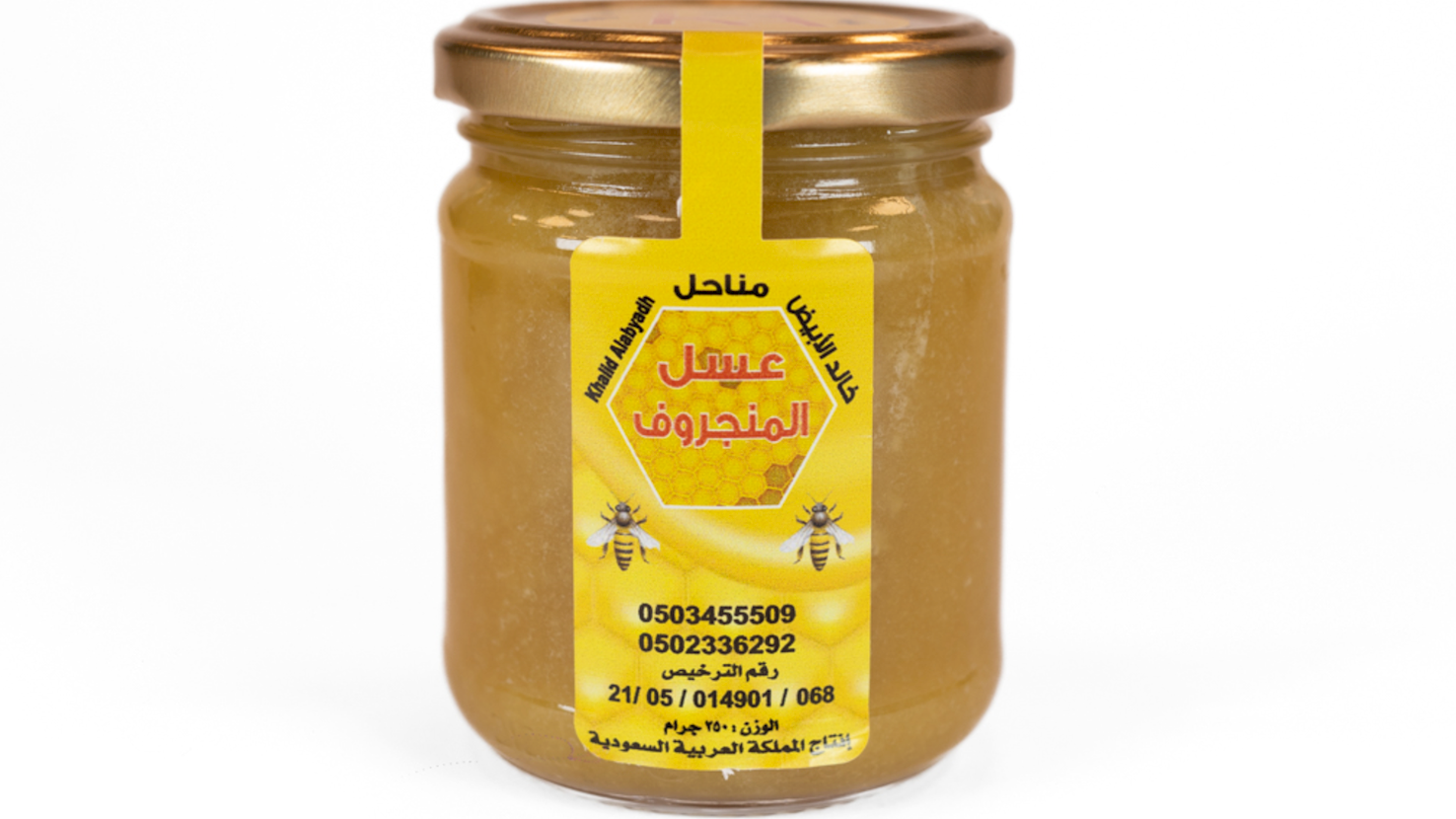
Manahel Khalid Alabyadh is a Saudi apiary founded by beekeeper Khalid Hassan Mohammed Alabyadh on Tarout Island, in the Qatif Governorate of Saudi Arabia’s Eastern Province. The apiary has been operating for more than five years and specializes in producing natural Saudi honey, particularly varieties derived from the distinctive coastal flora of Tarout Island.
Production primarily relies on locally adapted honeybees, alongside selected imported bee strains that are gradually improved to suit local environmental conditions.
The brand is primarily active in Saudi Arabia, where it sells its products directly to consumers through its online store and social-media channels. Numerous international distinctions have strengthened its position among Saudi producers of premium honey.
Its future development is focused on improving locally adapted bee strains, expanding production and promoting the distinctive honeys of Tarout Island at domestic and international competitions.
Awards
Paris International Honey Awards - Platinum
(2026)
London International Honey Awards - Platinum
(2024)
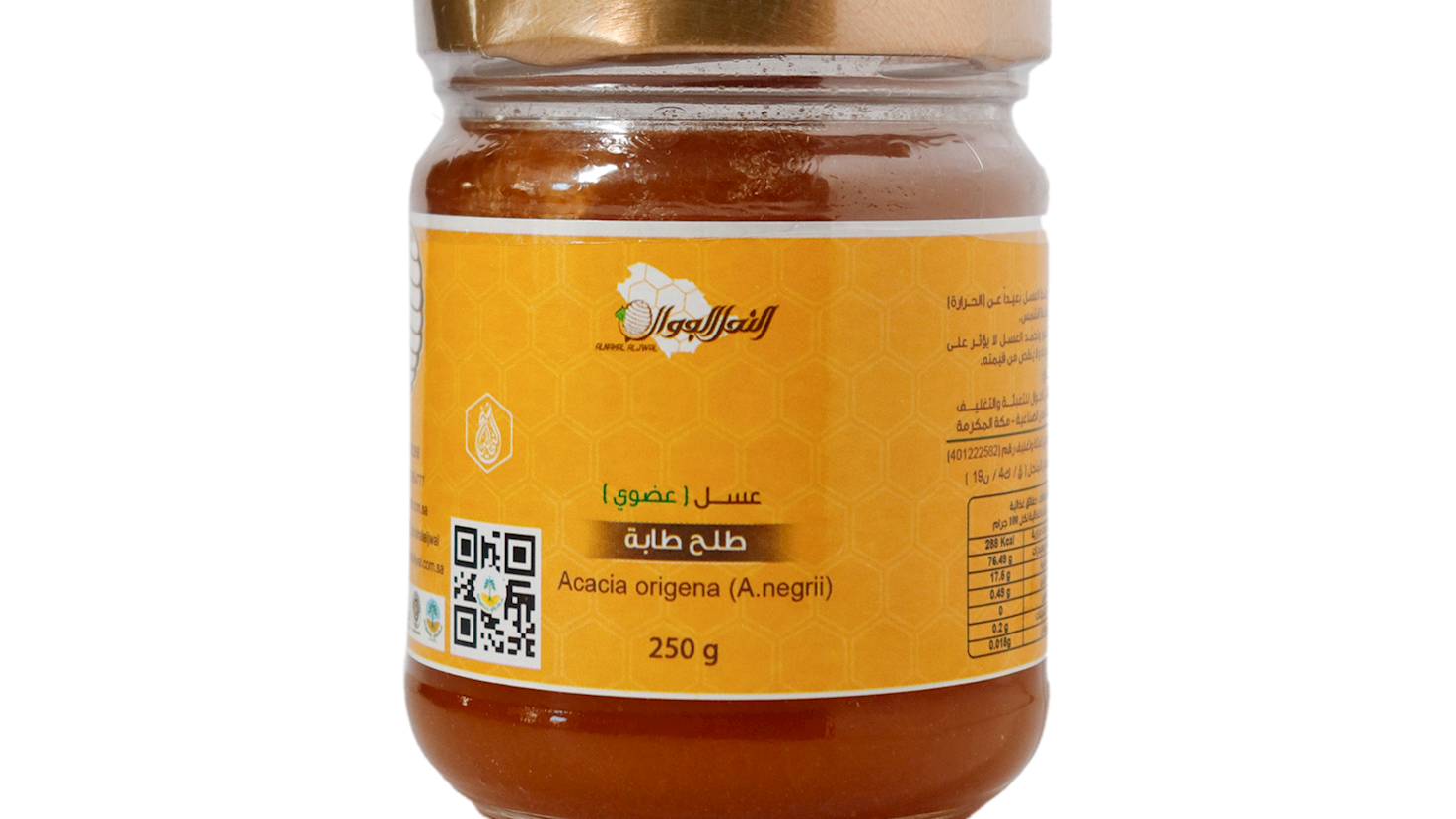
Alnahal Aljwal is a Saudi company specializing in beekeeping, natural honey production, and the sale of organic agricultural products. Its headquarters and production facilities are associated with Makkah, and the company states that it has operated for more than 40 years, placing the beginning of its activities in approximately the early 1980s.
Its production is based on a fleet of mobile beehives populated with carefully selected local honeybees. The hives are moved between different regions of Saudi Arabia according to the flowering seasons. Most of the company’s products come from its own apiaries and farms, while the honey is tested at a specialized quality-control laboratory in Makkah.
The company offers more than 50 varieties of honey from its own production, including Sidr, Talh, Samra, acacia, black locust, eucalyptus, and other local floral honeys. Its range also includes royal jelly, pollen, propolis, and other bee products, as well as organic agricultural produce, dates, carefully selected medicinal herbs, natural and essential oils, distilled botanical waters, and vinegar.
Moktalef Alwanoh Apiaries is a Saudi producer of natural honey based in Al-Baha Province in southwestern Saudi Arabia. The apiaries were established and are managed by beekeeper Naif Saeed Al-Ghamdi, who has more than 15 years of experience in honey production and works as a certified beekeeping instructor.
The business is presented as the first model apiary in Al-Baha Province recognized by the Saudi Ministry of Environment, Water and Agriculture and the Food and Agriculture Organization of the United Nations (FAO). It operates more than 1,500 colonies of local bees and produces over 3,000 kilograms of honey annually. Its range includes more than 15 varieties, such as sidr, samra, talh, citrus blossom, moringa, and eucalyptus honey, as well as honeycomb, bee pollen, royal jelly, natural honey blends, and gift sets. Particular attention is devoted to modern queen-rearing techniques, royal jelly and pollen production, and the development of sustainable beekeeping practices.
Moktalef Alwanoh primarily serves the Saudi market, selling its products through its online store and delivering throughout the country. The company reports more than 10,000 completed orders and a range of over 50 products. Its future development focuses on transitioning towards certified organic production and expanding its selection of natural honey and other bee products.
Qatad honey is a Saudi honey produced mainly from the nectar of Astragalus spinosus, a thorny perennial shrub that grows in dry valleys, rocky ground, and mountain areas of western and southwestern Saudi Arabia. The Arabic name qatad is used for several thorny plants, which can make identification confusing, but Saudi honey sources most often associate Qatad honey with A. spinosus. The plant is well adapted to arid conditions and flowers after suitable rainfall, so the quantity of honey available can vary substantially from one season to another. Beekeepers move or position colonies near dense flowering stands when nectar is abundant, allowing the bees to gather predominantly from Qatad blossoms. Flowering time depends on altitude and local climate, with harvests occurring at different points from summer into autumn across western Saudi Arabia. Once collected, the nectar is concentrated naturally in the hive before the mature honey is extracted, strained, and bottled. Qatad honey is generally light amber to golden, with a moderately thick consistency and a mild floral and herbal aroma. Its sweetness is usually clean and restrained, sometimes followed by a faint bitter note that distinguishes it from many sweeter Saudi honeys. Over time it may crystallize naturally into fine crystals, becoming lighter and denser without losing quality. Because qatad is a broad vernacular plant name, the botanical source is more useful than the commercial name alone when identifying genuine monofloral Qatad honey. It is usually eaten raw, by the spoonful or with flatbread, yogurt, labneh, cream, tahini, mild cheeses, and nuts. It also works well over porridge, pancakes, fruit, or simple pastries. Arabic coffee provides a strong contrast to its sweetness, while black tea is a milder pairing that allows its floral character to remain noticeable.
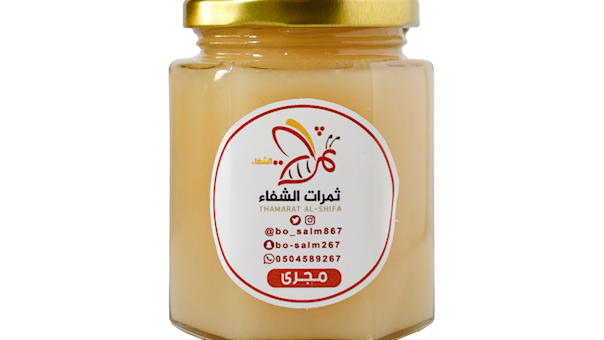
Majra honey is a rare Saudi mountain honey produced mainly from the nectar of Hypoestes forskaolii, a perennial herb that grows in the western and southwestern highlands of the country. It is especially associated with Asir and neighboring parts of the Sarawat and Hijaz ranges, where the plant thrives on rocky slopes, ravines, and elevated terrain. Majra has a limited and irregular flowering cycle that depends heavily on rainfall and local mountain conditions, so strongly Majra-dominant harvests are not guaranteed every year. This scarcity, together with the relatively small areas where the plant grows densely enough to support honey production, has made Majra one of the more expensive Saudi honeys. During flowering, beekeepers move or position colonies close to concentrations of the herb so that bees gather predominantly from its blossoms. The nectar is carried back to the hive, concentrated as moisture is removed, and stored in capped cells before the honey is extracted, strained, and bottled. Fresh Majra honey is generally pale golden to light amber, but it crystallizes readily and can gradually become ivory, cream-colored, or almost white. This natural crystallization is one of its most recognizable traits and gives the honey a thick, smooth, spoonable consistency rather than the fluid texture associated with many darker Arabian honeys. Its flavor is intensely sweet but comparatively mild, with soft floral and herbal notes rather than the deeper woody, caramel-like, or resinous character found in honeys such as Talh, Sumra, or Sidr. The pale color has led Majra to be widely marketed as Saudi “white honey,” although color alone is not enough to identify it, since other honeys can also crystallize into a light-colored mass. It is usually eaten raw, either by the spoonful or spread over bread and flatbreads, and its dense texture makes it particularly well suited to butter, cream, yogurt, labneh, mild cheeses, tahini, and nuts. It can also be spooned over porridge, pancakes, fruit, or simple pastries. Arabic coffee provides a strong contrast to its sweetness, while black or herbal tea works well when a milder pairing is preferred.
Dharm honey is a rare Saudi monofloral honey produced mainly from the nectar of Lavandula dentata, a wild lavender known locally as dharm or dhurum. It is associated with the Sarawat Mountains of western and southwestern Saudi Arabia, particularly the highlands around Taif, Al-Baha, and Asir, where the plant grows at cooler elevations and flowers under conditions very different from the hotter desert environments that support many of the country’s better-known acacia honeys. The honey developed within the seasonal beekeeping systems of the southwestern mountains, where colonies are moved or positioned near specific flowering plants as they come into bloom. Dharm grows less abundantly than major honey plants such as sidr, talh, or samar, and its flowering can vary considerably with rainfall, temperature, and altitude, which limits the amount of honey produced in some years. This relatively small supply is one reason Dharm honey is regarded as a premium specialty. During the flowering period, bees collect nectar from the lavender blossoms and return it to the hive, where the nectar is enzymatically transformed and gradually concentrated as moisture is removed. Once the honey has ripened and the cells are capped, it is extracted from the comb, strained, and bottled, often with minimal heating when sold as a high-grade product. Its appearance is generally lighter than many Saudi honeys made from acacias. Depending on the harvest, Dharm honey can range from pale golden to amber, while its flavor is typically floral, herbal, and moderately sweet, with a noticeable lavender-like aroma rather than the darker, woody, or caramelized notes found in Talh or Sumra honey. One of its characteristic physical traits is a tendency to crystallize, sometimes relatively quickly, turning the honey lighter and giving it a thicker, creamy consistency. This is a natural result of its sugar composition and does not indicate spoilage. Dharm honey also differs from many European lavender honeys because it is associated primarily with wild mountain vegetation in Arabia rather than extensive cultivated lavender fields. The plant itself is valued locally for its strong fragrance, so the aromatic character of the honey fits naturally within the wider use of dharm as a scented mountain herb. The honey is usually eaten raw, either by the spoonful or with flatbread, yogurt, labneh, cream, mild cheeses, nuts, or breakfast grains. Its floral profile also works well over fruit and simple pastries, while warm black or herbal tea complements its aroma without masking it. Arabic coffee provides a stronger contrast, especially when flavored with cardamom.
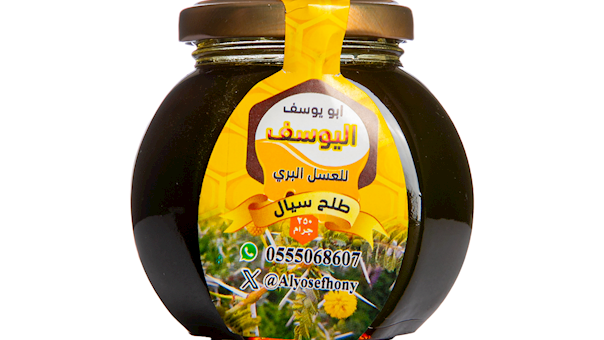
Sayal honey is a monofloral honey from Saudi Arabia produced mainly from the nectar of the sayal tree, a thorny flowering tree native to the southwestern Arabian Peninsula. The Arabic name sayyāl distinguishes the tree from other similar trees such as talh, samar, salam, and dhiyan, although commercial honey terminology is not always consistent and Sayal honey is sometimes grouped under the broader label of Talh honey. Sayal is especially associated with the mountainous and valley landscapes of Asir and Al-Baha, but the species occurs more widely across suitable dry environments of western and southwestern Arabia. Its flowering period is unusually extended in some environments. Research on bee forage plants in the Al-Baha mountains records sayal as producing nectar and pollen from July through February, although flowering intensity and the resulting honey harvest vary with altitude, rainfall, temperature, and local conditions. Southwestern Saudi sources commonly describe Sayal honey as an autumn honey, reflecting the period when an important part of the crop is collected in that region. During flowering, beekeepers position their colonies near concentrations of sayal trees so that the bees collect predominantly from their blossoms. The nectar is carried back to the hive, where bees reduce its moisture and transform its sugars before sealing the mature honey in the comb. Once the combs are ready, the honey is removed, extracted, filtered to remove wax and other physical material, and bottled, with premium producers generally avoiding excessive heating so that the honey retains its natural aroma, enzymes, and floral character. Sayal honey is generally amber in color, although its exact appearance varies considerably according to location, season, and the proportion of nectar gathered from other plants. A scientific study of Saudi honeys classified a sample produced from sayal in Al-Baha as amber, while descriptions from southwestern Saudi Arabia characterize Sayal honey as dark amber, relatively fluid, and aromatic. Its flavor is sweet but not completely neutral, and good examples can carry mild acidity and a noticeable herbal or lightly spicy aroma. Regional descriptions from Asir similarly note a dark amber color, relatively light consistency, and an aromatic profile with spice-like notes. Because the flowering landscape around the hives is rarely composed of only one plant, some jars sold as Sayal honey may contain smaller contributions from neighboring acacias or wildflowers, and local honey specialists explicitly note that Sayal and Talh honey are sometimes confused or even sold under each other’s names. The honey also differs from the pale European product commonly called acacia honey, which usually comes from black locust, an unrelated tree with a very different flavor and botanical background. Its relative scarcity is partly connected with its dependence on wild tree populations and seasonal nectar flows, so it is usually sold as a single-flower specialty rather than as an inexpensive everyday blended honey. Sayal honey is most commonly eaten raw, either by the spoonful or with bread, flatbreads, cheese, tahini, nuts, yogurt, and other breakfast foods. Its moderate acidity and aromatic character work particularly well with mild dairy products and nut pastes, which soften its sweetness without masking the floral flavor. It can also be drizzled over porridge or grain-based dishes, added to desserts, or stirred into warm drinks, although very high temperatures are generally avoided when the aim is to preserve the character of minimally processed honey. Arabic coffee is a natural pairing because its roasted coffee and cardamom notes contrast with Sayal honey’s concentrated sweetness, while black tea, milk, or yogurt-based foods offer milder combinations.
Talh honey is a dark monofloral honey from the Arabian Peninsula, especially prized in Saudi Arabia, where bees produce it mainly from the nectar of the talh tree. The Arabic name talh is applied locally to this thorny tree, a hardy species adapted to the arid and semi-arid landscapes of Arabia and northeastern Africa. Talh has long been one of the important nectar-producing trees of the Arabian interior because it can flower under extremely hot and dry conditions when fewer other plants provide substantial forage for honeybees. Saudi Arabia’s native trees are among the major nectar and pollen sources available to beekeepers, and Talh and Sidr rank among the country’s most prevalent and valued honey varieties. Rather than being connected to one town or province, Talh honey belongs to a wide belt of Saudi beekeeping country. Scientific samples have been collected from Riyadh, Hail, Al-Qassim, and Asir, while Talh stands also support seasonal apiaries in protected desert areas and other regions where the tree grows naturally. The flowering season generally falls between late spring and summer, with the trees flowering roughly from May through August in central Saudi environments. Honey collection often reaches its peak toward late July and early August, when beekeepers position or move colonies close to flowering Talh stands to take advantage of the concentrated nectar flow. Bees gather nectar from the small flowers, carry it back to the hive, and gradually reduce its moisture while enzymes transform the nectar sugars. Once sufficiently ripened and stored in capped cells, the honey is removed from the comb and extracted, usually by centrifugal equipment in modern apiaries, then strained and bottled. High-quality Talh honey is often marketed with minimal heating because prolonged exposure to high temperatures alters several of the chemical markers used to judge honey freshness and quality. Its appearance is one of its clearest identifying characteristics. Analyses of Saudi Talh honey consistently describe it as dark amber, substantially darker than many lighter floral honeys. Samples studied from Riyadh, Asir, and Hail remained within the dark-amber range, and Talh honey has also been found to contain relatively high mineral and phenolic levels. Its flavor is correspondingly robust: concentrated sweetness is accompanied by a pronounced aromatic, slightly acidic character rather than the mild profile usually associated with pale commercial honeys. Another unusually distinctive feature is its naturally high free acidity. Studies have repeatedly measured acidity above limits normally applied to many other honeys, but research following nectar from Talh flowers through the bee and into the hive indicates that the elevated acidity is an inherent characteristic of the floral source rather than evidence that the honey has fermented or spoiled. Talh honey is normally eaten raw rather than used mainly as a cooking ingredient, often served by the spoonful, drizzled over bread, or placed on the breakfast and hospitality table. In Saudi Arabia it also accompanies foods built around bread, dates, dairy products, and cereals, and producers in Asir specifically market it with regional foods such as areekah. Its strong flavor can stand up to whole-grain breads, flatbreads, butter, clotted cream, yogurt, soft cheeses, tahini, and nuts without disappearing beneath them, while only a small amount is needed when it is added to porridge or other warm cereal dishes. It is also commonly dissolved into warm drinks, although very hot liquids are avoided by those who want to preserve the characteristics of minimally heated honey. Arabic coffee makes a particularly suitable partner because its roasted and often cardamom-scented character contrasts with the dense sweetness of the honey, while black tea works equally well.
Samra is a dark Saudi monofloral honey produced mainly from the nectar of samra tree. The thorny, drought-resistant tree grows widely across the Arabian Peninsula in valleys, plains, foothills, and other dry environments, making it an important nectar source in regions where flowering plants can be scarce for much of the year. In Saudi Arabia, samra trees occur across several major beekeeping areas, including Asir, Al-Baha, Makkah, Madinah, Jazan, Riyadh, and Al-Qassim. Samra honey developed within the seasonal beekeeping systems of Arabia, where colonies are moved or positioned according to the flowering periods of specific wild plants. The harvest season varies by region because flowering depends on altitude, rainfall, and temperature; in some western areas it is associated mainly with spring, while warmer southwestern zones may produce it earlier. During flowering, bees collect nectar from the small samra blossoms and concentrate it in the hive until the honey is ripe enough to be sealed in the comb. It is then extracted, strained, and bottled, with premium examples commonly receiving little or no heat. Samra honey is one of the darkest Saudi honeys, ranging from deep reddish-brown to almost black. Its flavor is rich and pronounced, with warm, slightly spicy notes and a stronger aromatic character than many lighter floral honeys. The sweetness is substantial but balanced by a deeper, more robust finish, which is one reason it is often preferred by those who favor intense honey varieties. Although older sources sometimes describe it as an acacia honey, the accepted botanical name of its floral source is now Vachellia tortilis, so that broader label can be misleading. Samra honey is usually eaten raw, either by the spoonful or with flatbread, butter, cream, labneh, yogurt, tahini, dates, nuts, and mild cheeses. Its strong flavor also works well over porridge and other grain-based breakfast foods. Arabic coffee is a particularly good match because its roasted and cardamom notes complement the honey’s dark profile, while black tea offers a milder pairing.
TasteAtlas food rankings are based on the ratings of the TasteAtlas audience, with a series of mechanisms that recognize real users and that ignore bot,
nationalist or local patriotic ratings, and give additional value to the ratings of users that the system recognizes as knowledgeable.
TasteAtlas Rankings should not be seen as the final global conclusion about food. Their purpose is to promote excellent local foods,
instill pride in traditional dishes, and arouse curiosity about dishes you haven’t tried.
The initial list of top producers was compiled based on available reviews, awards, local recommendations, media and blog coverage, and consumer reviews.
The list will be updated with ratings from TasteAtlas local ambassadors and TasteAtlas users.








What People Say