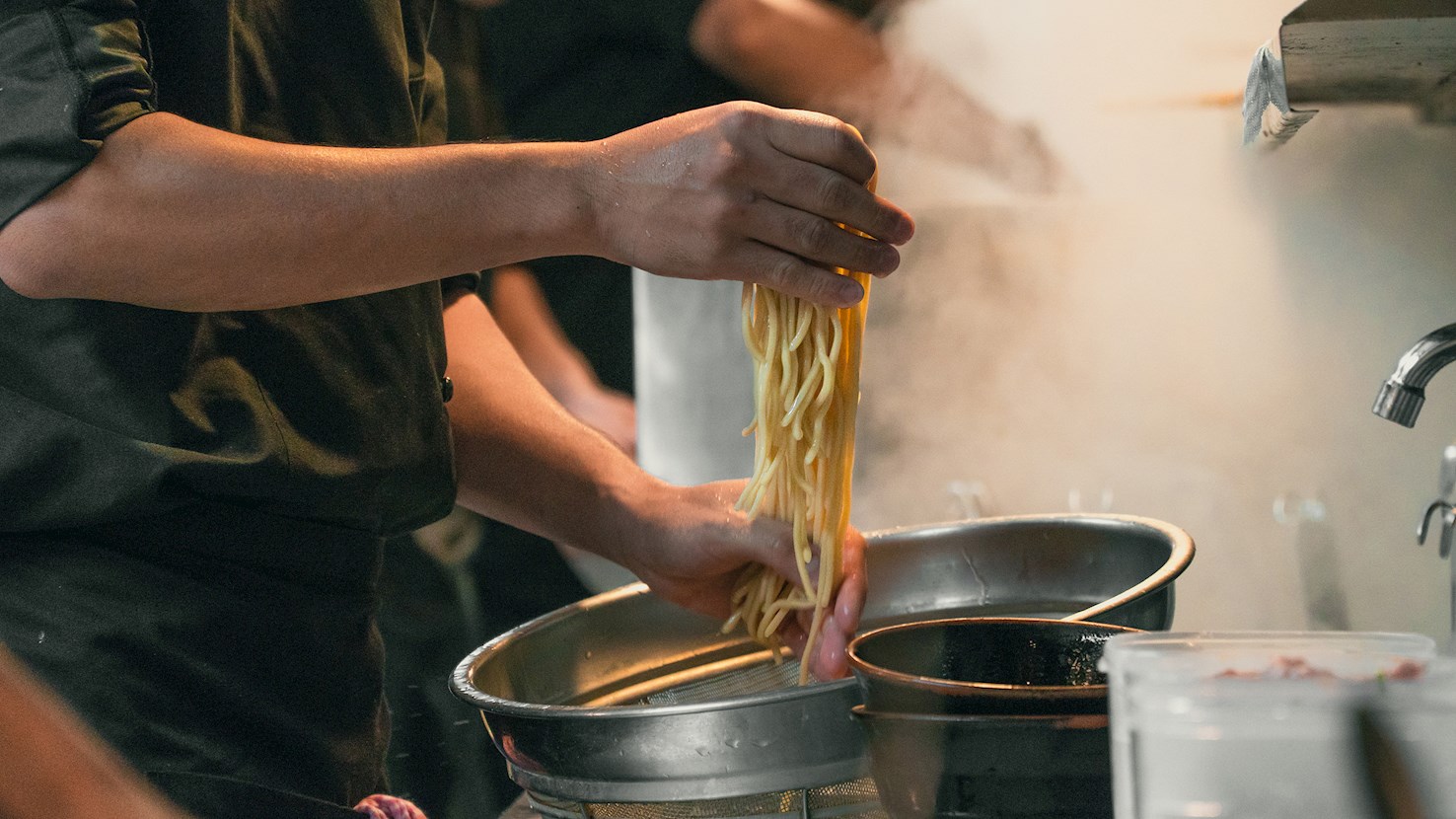
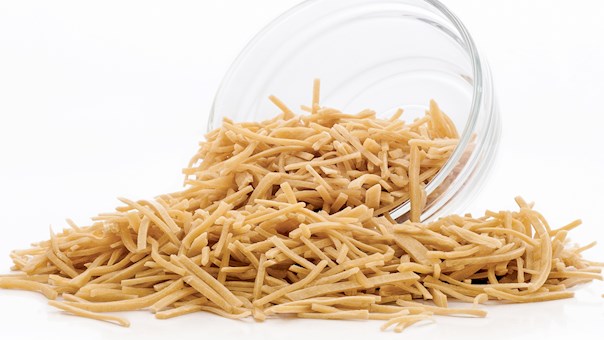
Ramen are traditional Japanese noodles used in dishes such as tonkotsu ramen, curry ramen, shio ramen, and miso ramen, among others. The noodles are based on wheat flour, water, salt, and alkaline water known as kansui, which gives ramen its distinctive slippery and glossy quality. Prior to rolling, the dough for ramen noodles should slightly rise. The texture of ramen noodles is firm, and they're pale yellow in color. Once prepared, they are traditionally served in a broth, whether clear or milky, thick or light. These noodles were imported from China during the Meiji period, and it is believed that in 1910 a Chinese restaurant in Yokohama first started serving the noodles in a dish called lamian. Nowadays, ramen noodles come in a wide array of thicknesses, lengths, shapes, and styles.
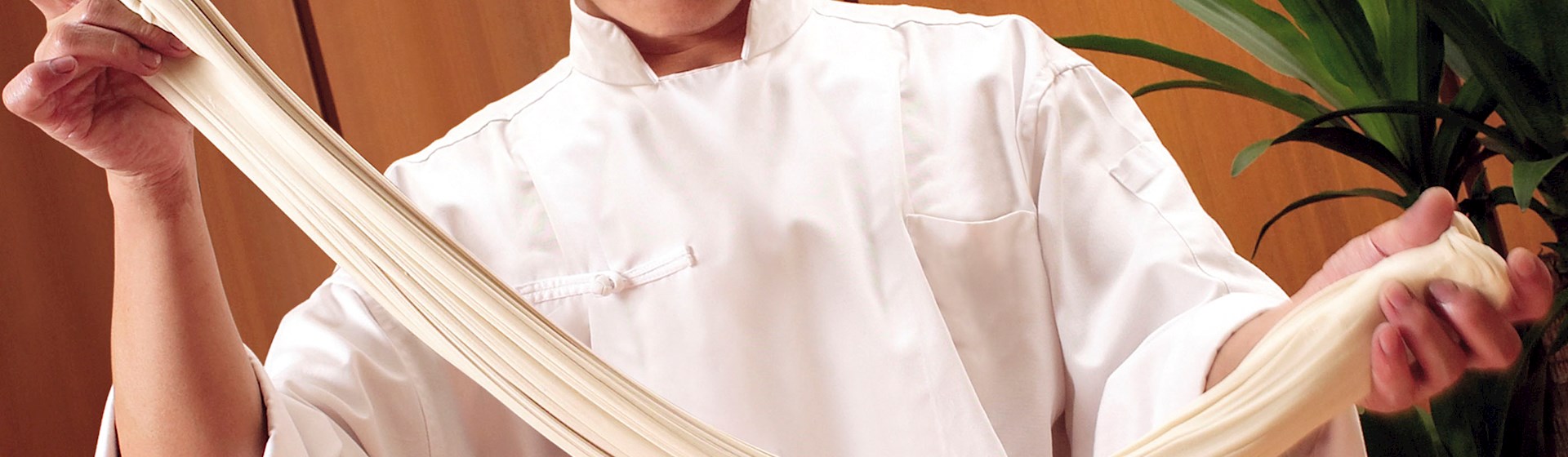
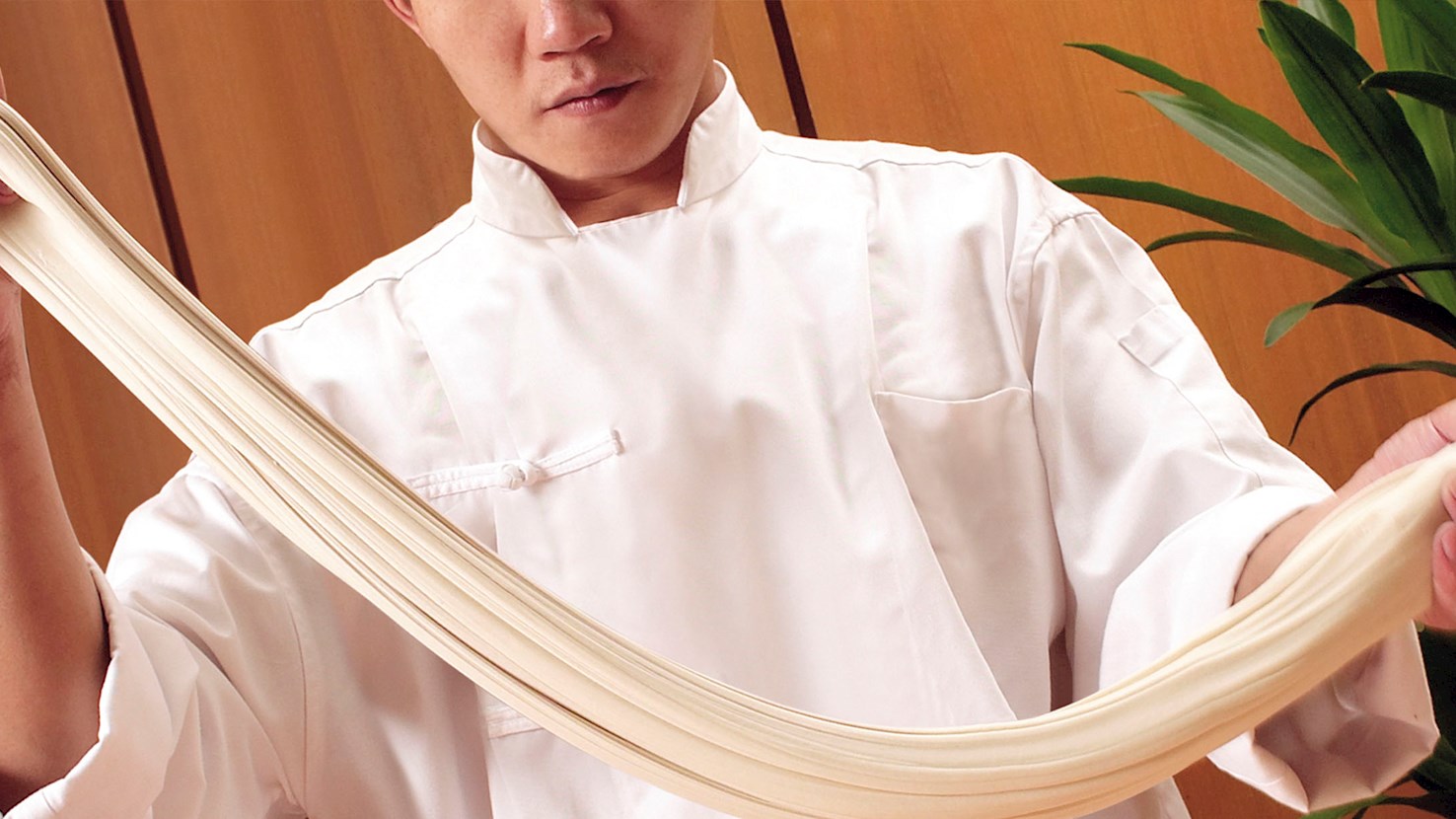
Hand-pulled lamian noodles are one of the cornerstones of traditional Chinese cuisine, and they probably originated in Northern China where wheat has known to be a staple crop for thousands of years. However, the earliest written record describing the unique method of making these noodles was found in a 1504 book Songshi Yangsheng Bu, written by Song Xu. Interestingly, lamian noodles can be stretched into strings that are more than a meter long, and they are traditionally served for the Lunar New Year celebrations as their length symbolizes prosperity and long life. Lamian noodles are widely used in numerous stir-fry dishes and soups, especially those made with beef or mutton. In fact, one of the most popular lamian dishes and the city of Lanzhou's favorite meal is the hearty niu rou mian soup: noodles in a light beef broth, usually flavored with la jiao jiang (lit. hot chili oil). And while beef noodles are a typical food of the Hui people, a Muslim minority traditionally preparing only halāl dishes, another common lamian variety is the spicy zhajiangmian - noodles topped with ground pork and stir-fried with a fermented soybean paste called zhajiand. For a light summer meal, lamian noodles can also be stir-fried and served cold in numerous shredded vegetable salads, and just like with other types of pasta, the variations are endless.
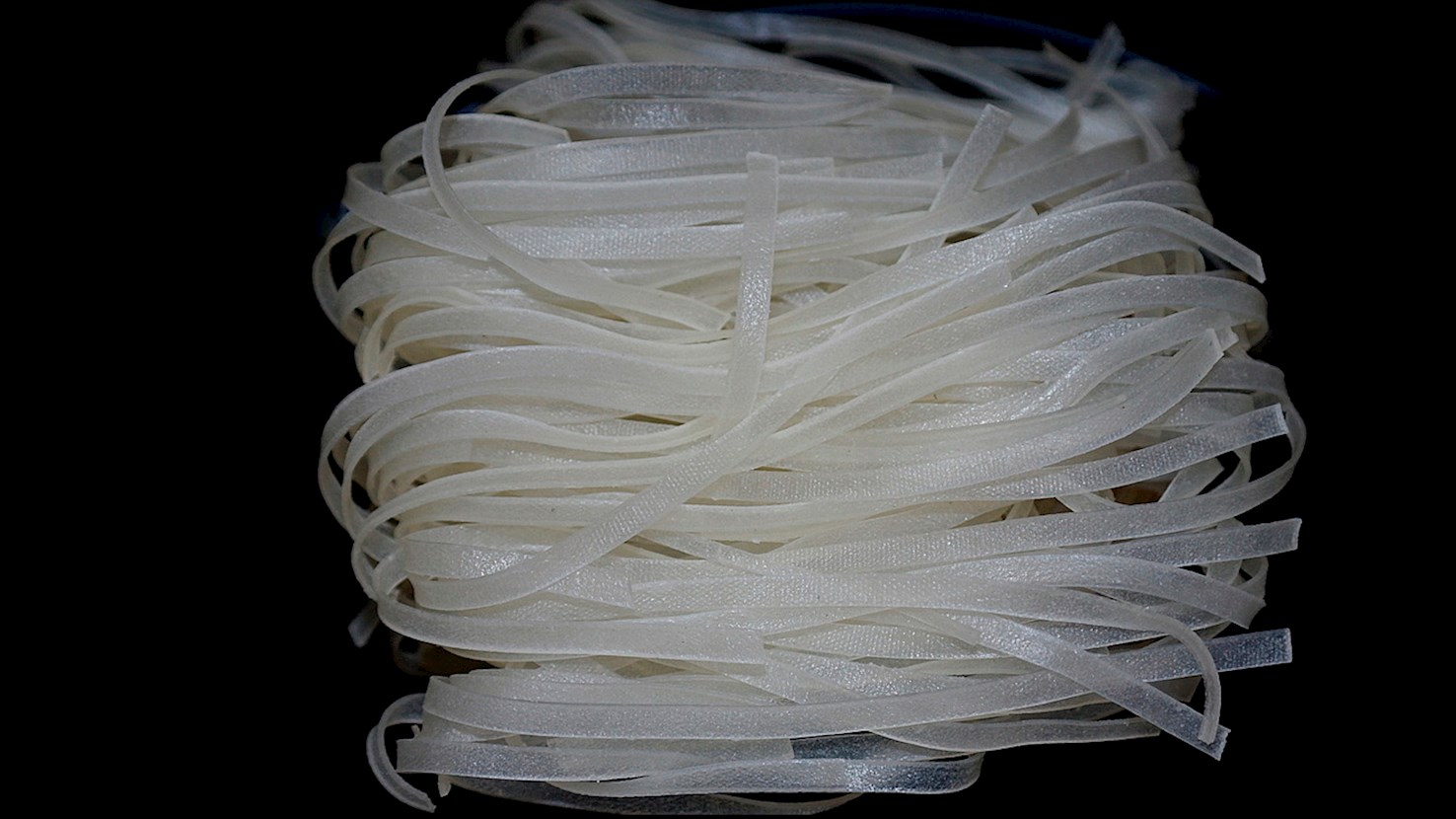
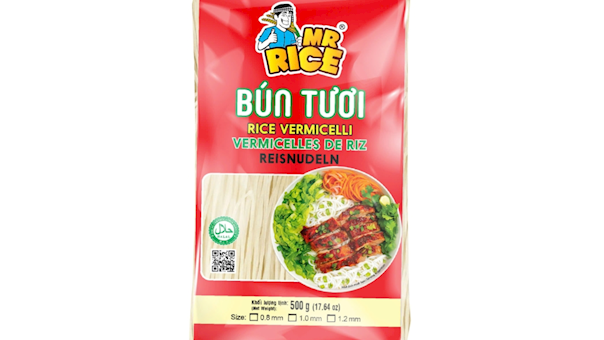
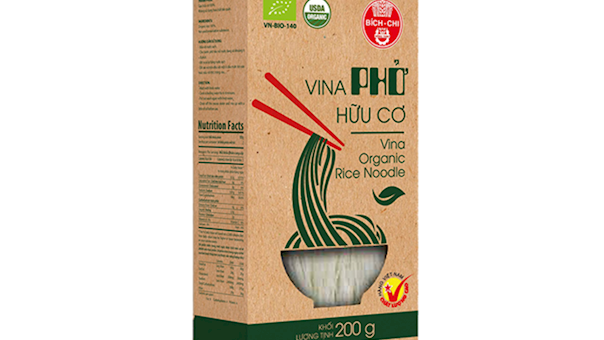
Bánh phở are flat and wide Vietnamese rice noodles. They are characterized by their white color and slightly sweet flavor reminiscent of rice. When cooked, the noodles become almost translucent with a soft but firm and slippery texture. These rice noodles are best known for their use in phở, but they can also be stir-fried and used in other noodle-based dishes. Although they are best used fresh (tươi), bánh phở also come in the form of dried, pre-packed noodles. Outside of Vietnam, they are also known as chantaboon or rice sticks.
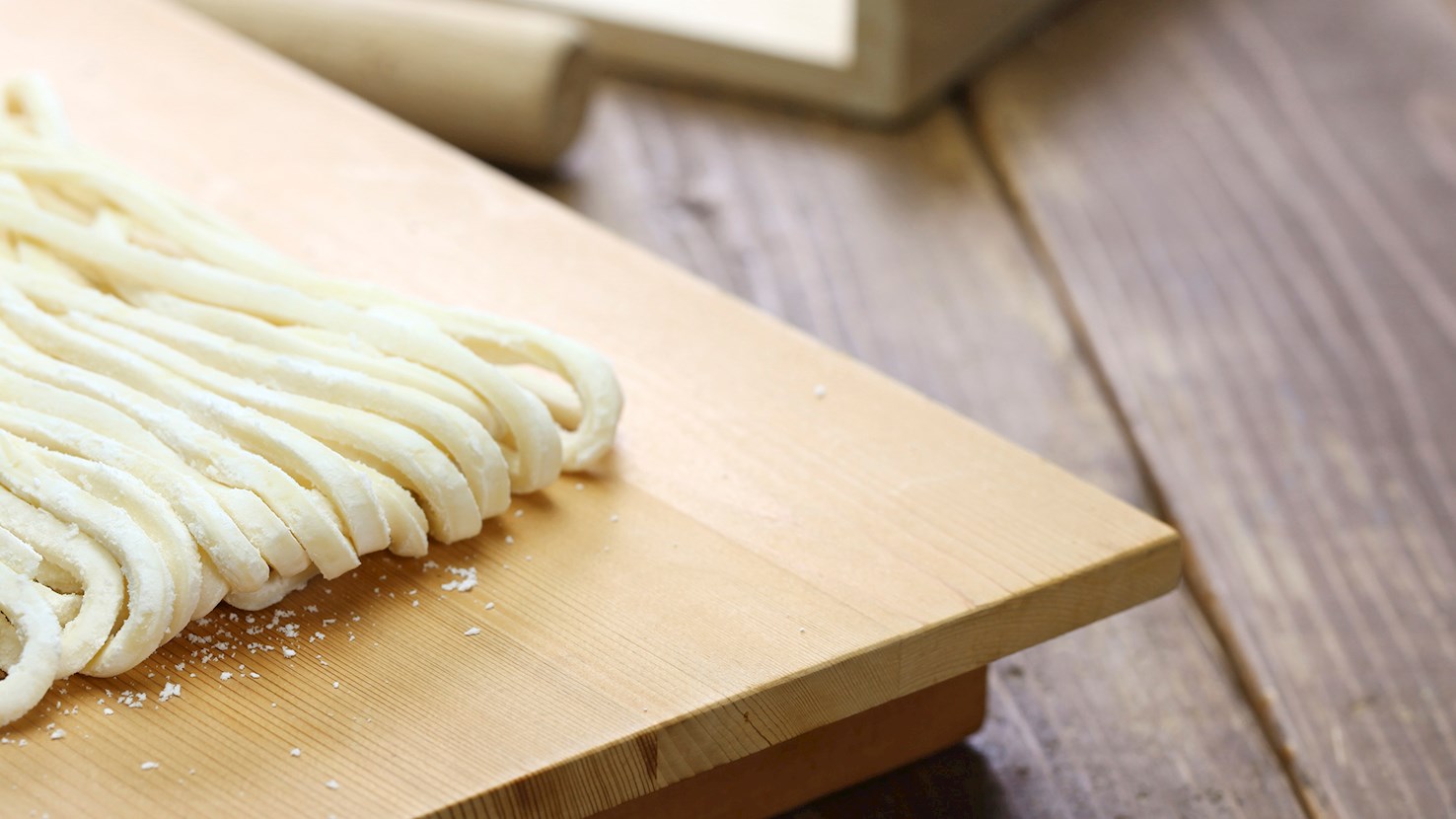
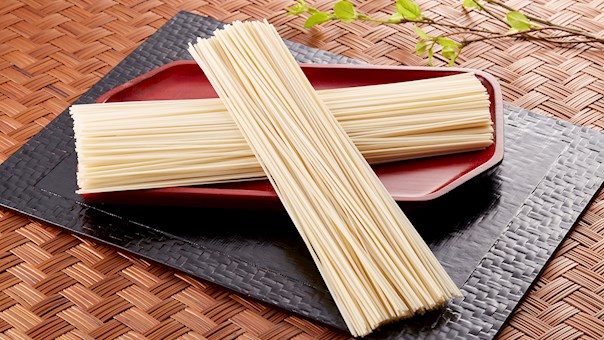
Sanuki udon are one of the most popular types of thick and chewy udon noodles. They are made with wheat flour during the time-consuming process in which the noodles are kneaded by hand, left to rise, and are then pressed with hand and feet in order to create the firm dough which is rolled and sliced into udon strips. Quickly boiled, they should always be cooked al dente, to retain their legendary dense structure. Udon noodles can be served in a myriad of ways and complemented with many ingredients. They are commonly doused in hot broths or served alongside flavorful cold dipping sauces during warmer seasons. The invention of these thick noodles is usually associated with Kagawa prefecture, formerly known as Sanuki, where they still represent an important part of gastronomy, culture, and tradition.
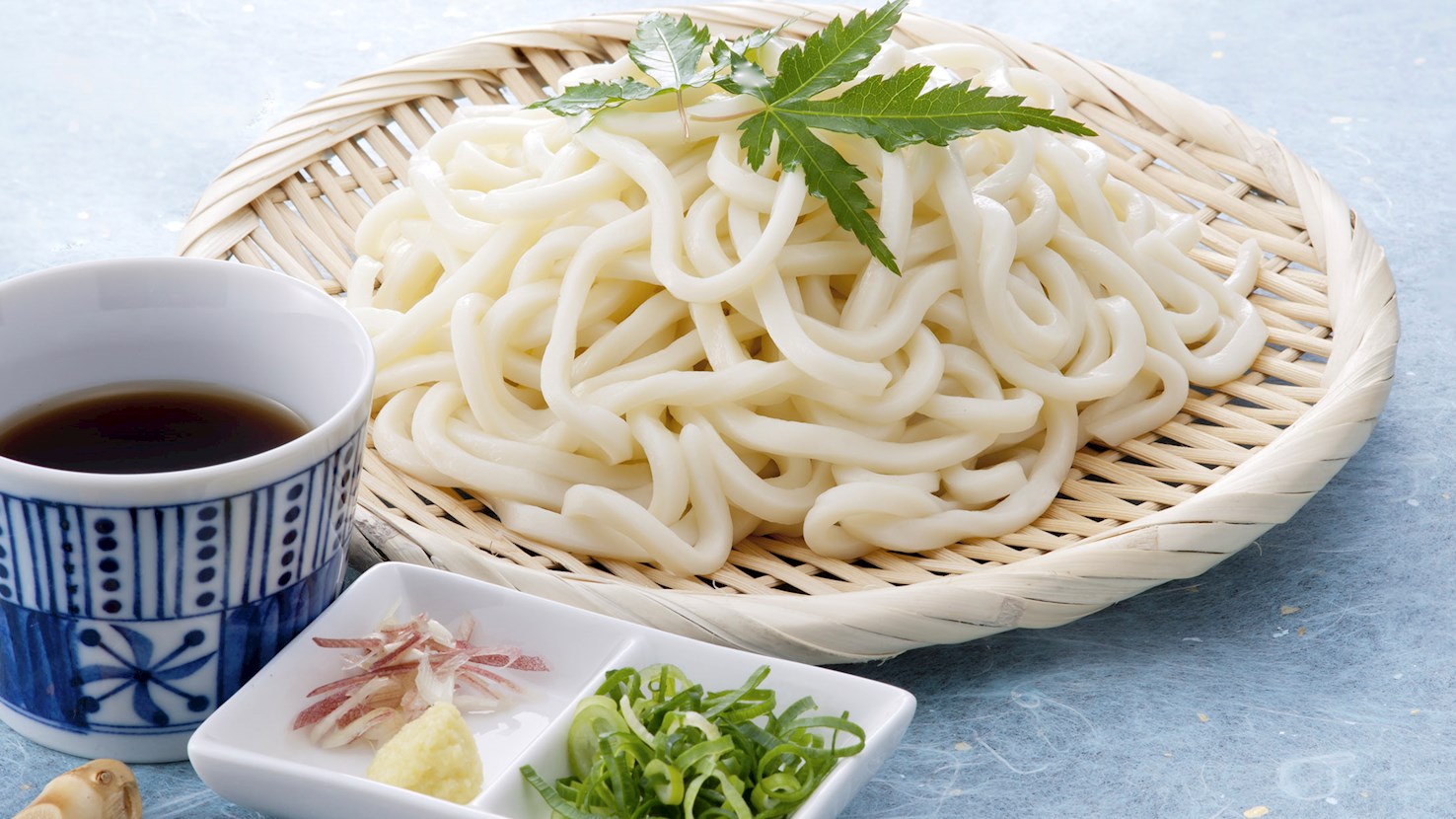
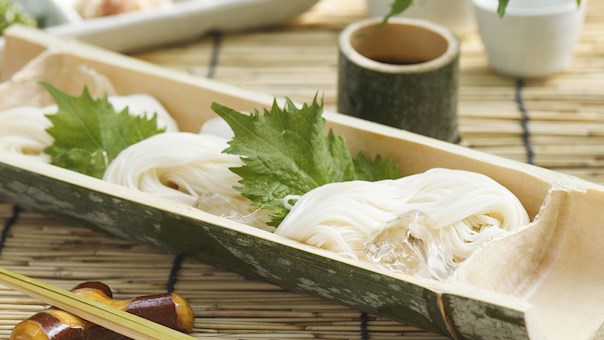
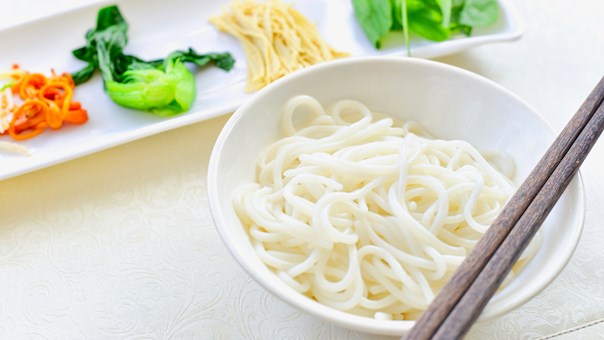
These thick and chewy Japanese noodles are made with wheat flour, and along with soba, they are one of the most popular and most common Japanese noodle varieties. The traditional and most common form of udon is characterized by its round shape, firm texture, and substantial size. However, there are also many regional varieties that differ in size and thickness. A staple of Japanese cuisine, they are used in numerous traditional dishes and local specialties. In their simplest form, udon noodles are served in kake udon, a refreshing noodle soup with a flavorful broth made with soy sauce, dashi, and mirin. Western Japanese style kake udon usually has a thin broth, while it is usually thicker and richer in the eastern part of the country. Kake udon is usually served hot, but udon noodles can also be served in a cold broth, a dish that is mostly consumed during the warmer seasons. Traditional condiments served on top of or alongside udon noodles depend on the season, and they often include sliced spring onions, tempura-battered vegetables or shrimp, fried tofu, or rice cakes. Numerous stories surround the origin of udon noodles, but most of them agree on the fact that udon was originally Chinese and was probably brought to Japan by Buddhist monks. Initially, they were a type of food that was reserved exclusively for the upper-class citizens, while buckwheat soba noodles were consumed by the lower classes. This relationship has reversed in modern times, and nowadays udon noodles are less expensive and more easily produced than soba. The noodles are traditionally eaten with chopsticks, then slurped down loudly as they are being consumed. If served in a broth, the liquid is drunk directly from the bowl without the use of any utensils. The Japanese typically eat udon at specialized udon-ya restaurants, local eateries, and buffet-style restaurants which offer additional condiments. They have become a recognizable Japanese product, and dried, pre-packed udon can be found in international stores and well-stocked supermarkets all over the world.
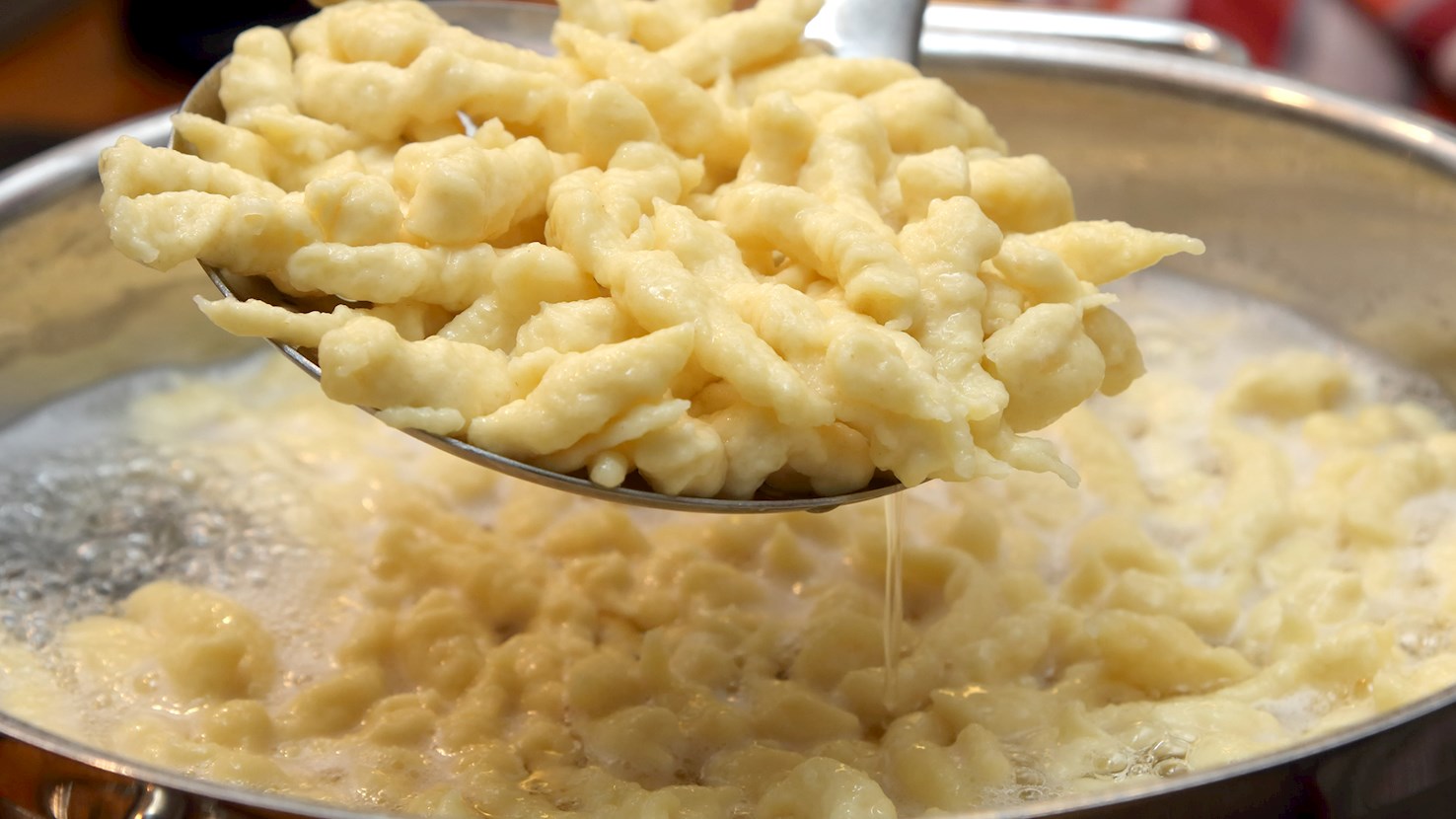
Spätzle is the German answer to pasta: thick noodles made from water, salt, flour, and eggs. They are very moist and have a soft texture, so it is not possible to roll them out – instead, they are shaped by hand, with a knife, or pressed through a variety of spätzle-presses. The raw noodles are placed in boiling water and are finished as soon as they float up to the top. The first written recipe for spätzle dates back to 1725, although it is still not known who invented them. Spätzle are used in a variety of dishes and can be combined with ingredients such as cheese, lentils, sausages, sauerkraut, butter, and spinach.
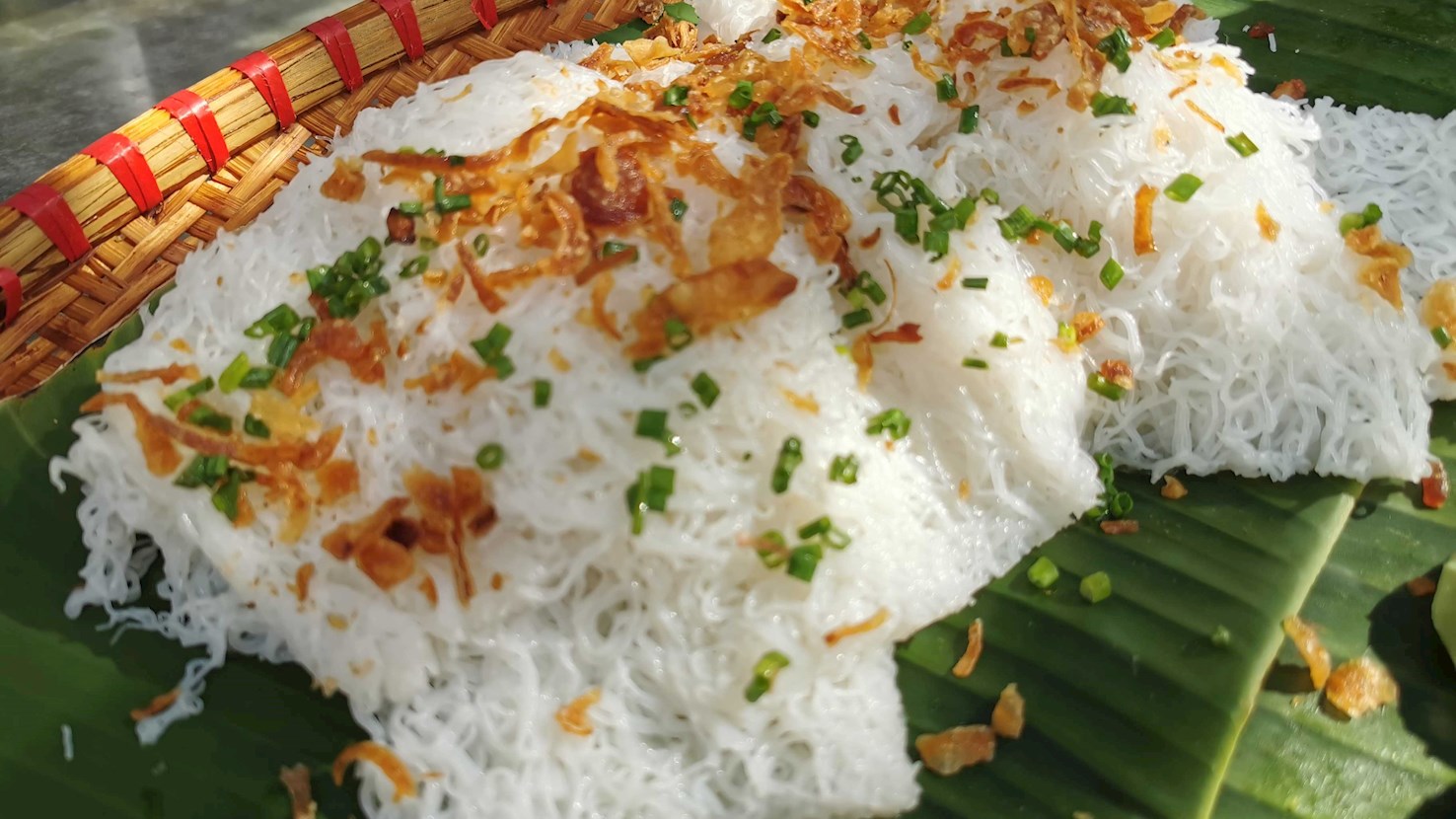
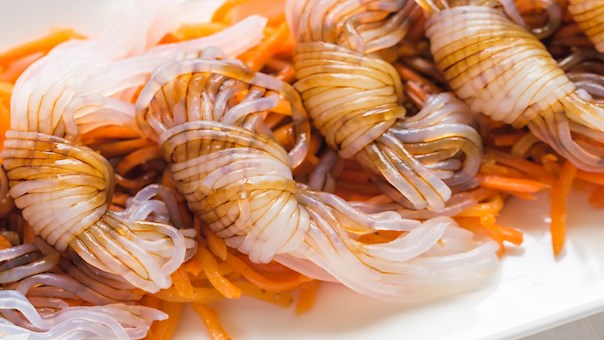
Often compared to vermicelli, bánh hỏi are the incredibly thin Vietnamese rice noodles that are traditionally woven into flat, rectangular bundles. It is believed that the noodles originate from Southern Vietnam, but they are enjoyed throughout the country and are often considered a festive or ceremonial dish. They are typically served cold or at room temperature, topped with sautéed scallions or garlic chives, while other accompaniments mainly include roast pork, grilled meat, or chạo tôm—shrimps on sugarcanes. The noodles, along with the toppings and the sides are usually wrapped into lettuce or herbs, and the assembled wrap is traditionally dipped into nước chấm sauce.
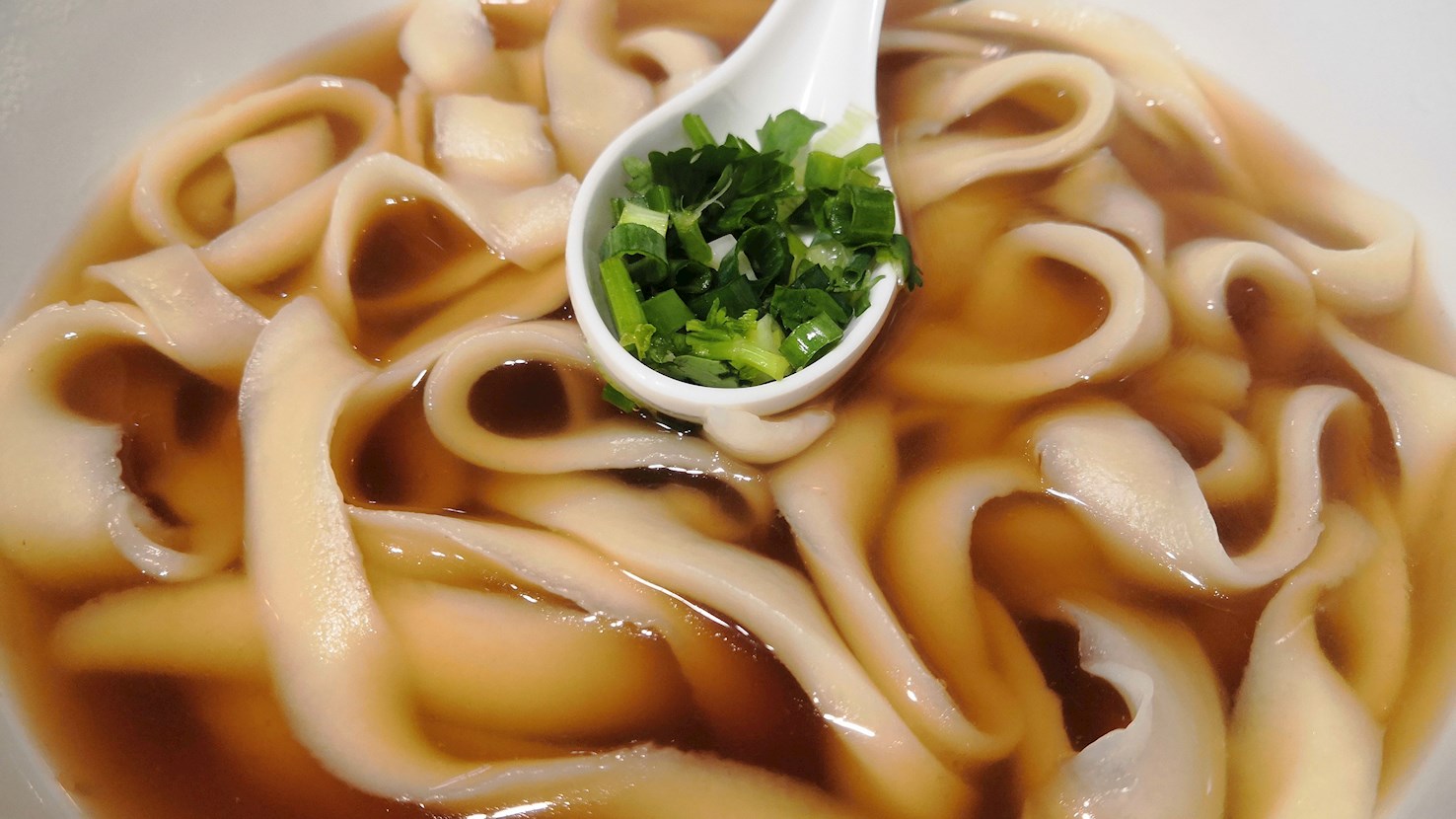
Dao xiao mian are traditional Chinese noodles originating from the province of Shanxi. In order to prepare the noodles, a large block of hearty wheat dough is held downwards and shaved with a sharp knife directly into a pot of boiling water. As a result, the noodles are thick near the center, but soft around the edges. These noodles are usually coated with rich meat sauces or enjoyed in stir-fries and broths in order to accentuate their starchy and elastic texture. It is believed that the first knife-cut noodles were made at the beginning of the Yuan Dynasty (1279-1368). The technique of cutting the noodles with a knife takes years to perfect, along with a sharp knife and a very skilled chef.
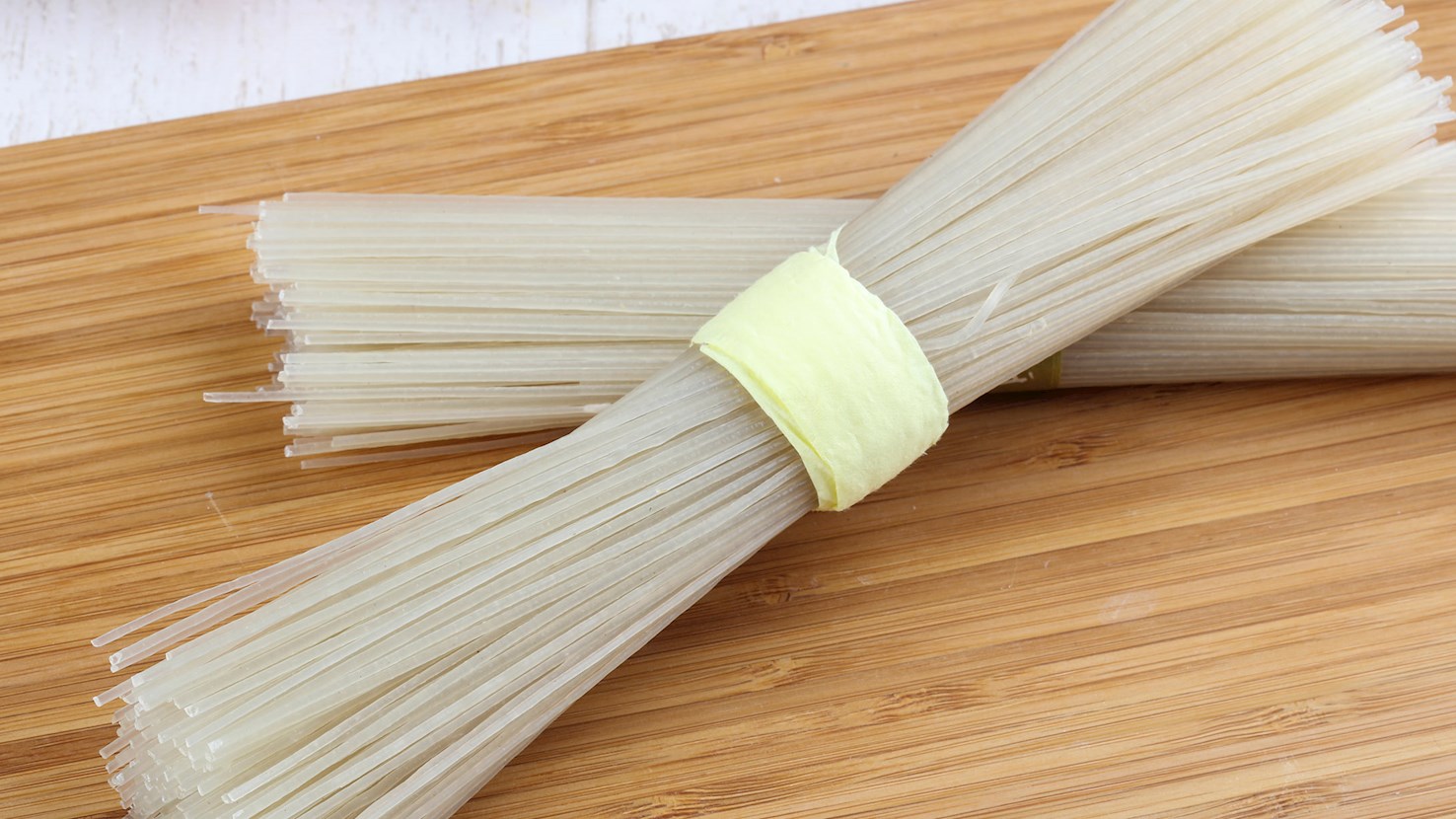
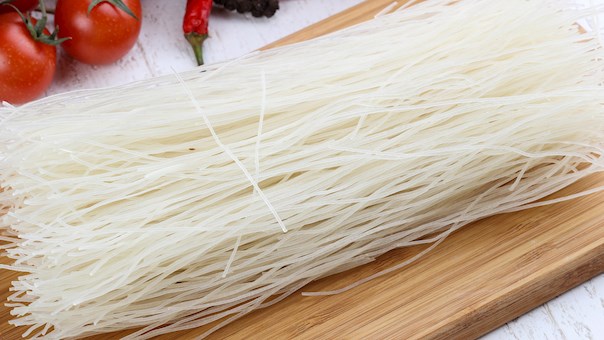
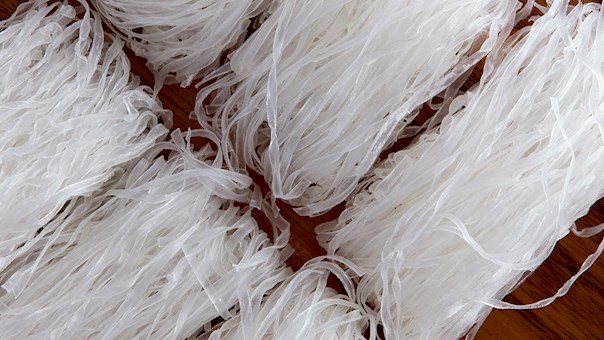
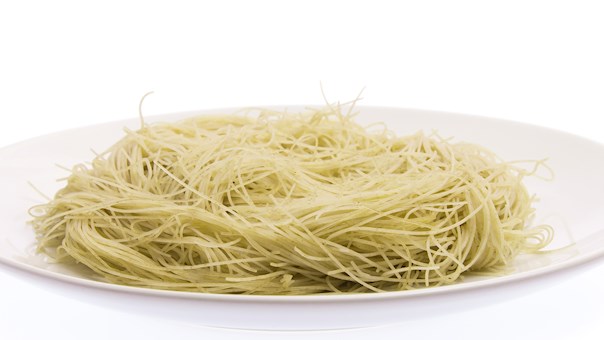
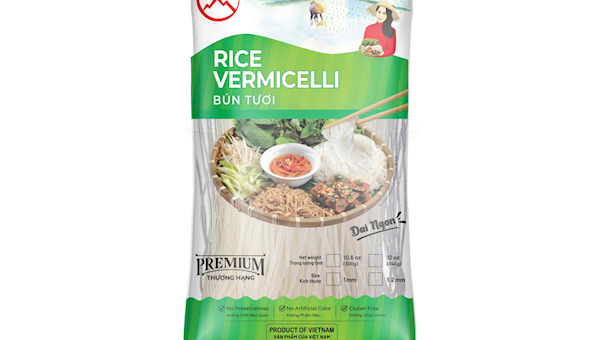
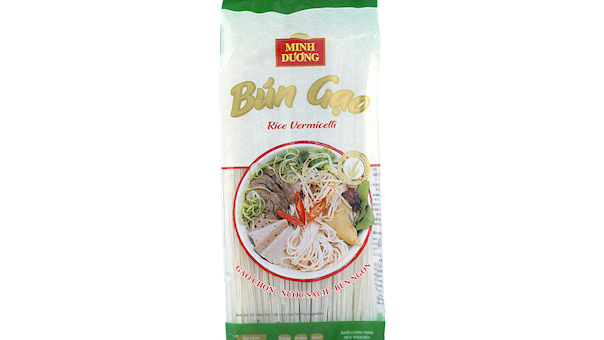
Rice vermicelli are thin noodles made from rice flour and water. They are often used in stir-fries, salads, or soups. The noodles are represented in a variety of notable dishes throughout various countries such as China, Hong Kong, India, Pakistan, Indonesia, Malaysia, Singapore, Myanmar, Taiwan, and Vietnam. Rice noodles are characterized by their shiny white color and their thin structure, reminiscent of silk threads. They originated during the Qin dynasty and had been consumed for more than 2000 years in China. Historical evidence implies that the people from northern China preferred wheat noodles because they were not used to eating rice. When they invaded the south, northern cooks made noodles using rice, inventing rice noodles in the process. Today, rice noodles are served both as a key ingredient and as a side dish. They can be combined with vegetables and meat to create a wide variety of dishes, such as soto, santhakai, bihun sup, and lumpia.
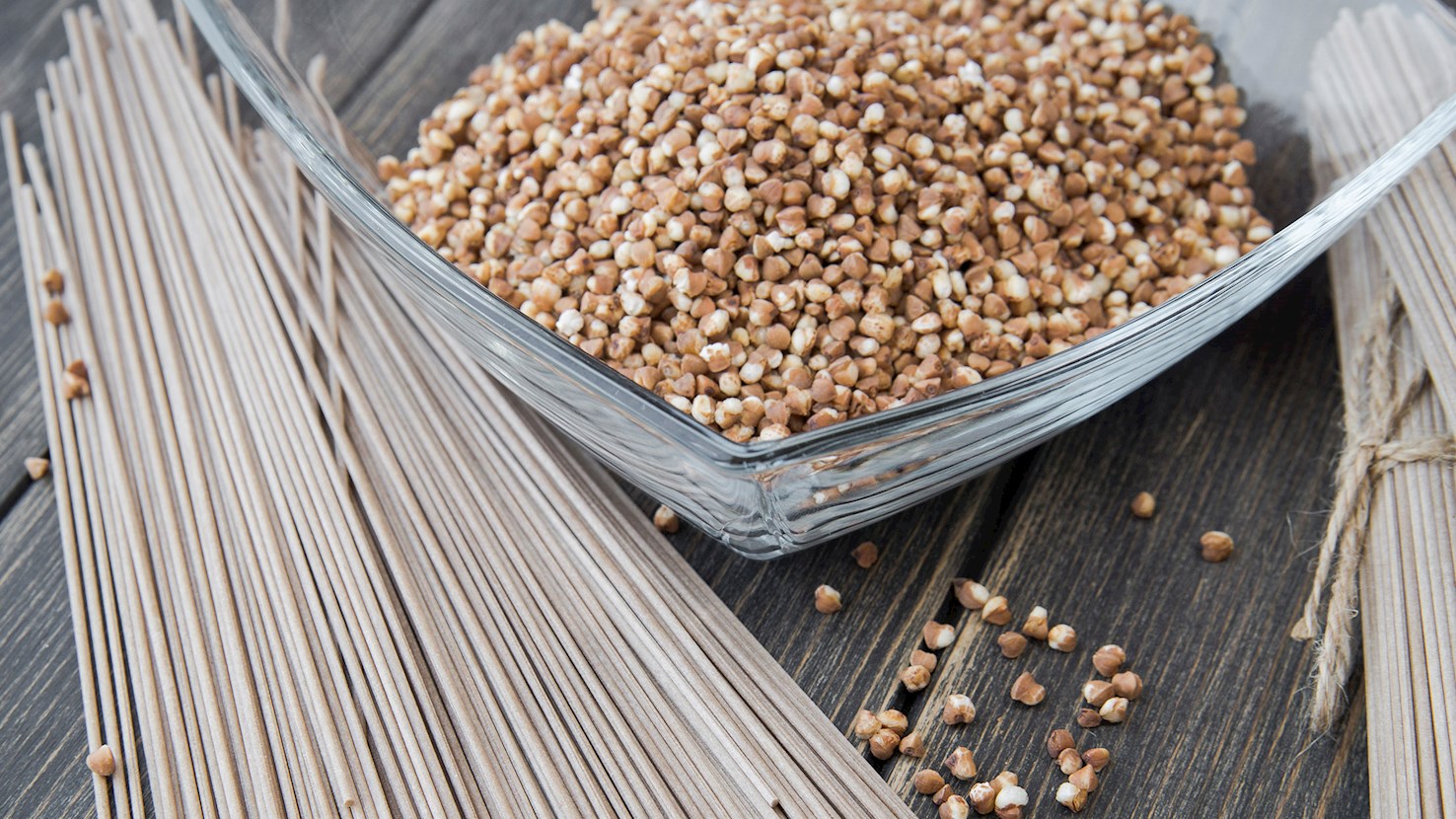
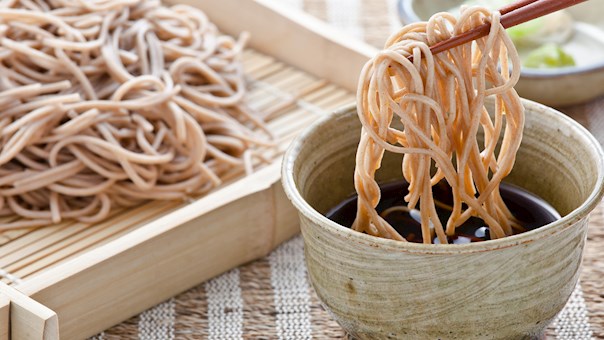
Although soba is the Japanese term for buckwheat, the word typically refers to thin buckwheat noodles. The noodles are usually prepared for numerous hot and cold dishes, and can be consumed at both fast food stands on railway stations and in expensive restaurants. Soba is commonly eaten with chopsticks, and it is recommended to slurp the noodles while making loud noises, as it's a part of common culture in Japan. Eating soba dates back to the Edo period, when every part of town had a few soba establishments, which were used as today's bars. The most basic soba dish is called mori soba, where cold noodles are consumed with tsuyu, a soya-based sauce. On New Year's Eve, toshikoshi soba is traditionally consumed as a symbol of longevity. The most popular soba dishes include kake soba, kitsune soba, tanuki soba, and tempura soba, among others. Of course, there are also regional soba dishes such as wanko soba (Iwate prefecture), ita soba (Yamagata prefecture), matcha soba (Uji), and nishin soba (Kyoto prefecture). In order to prepare pure buckwheat noodles that don't crack and fall apart requires the skills of a true soba master. The Japanese people often say that it takes a year to learn to make the dough, another year to learn how to roll it, and yet another year to learn to cut the noodles properly.
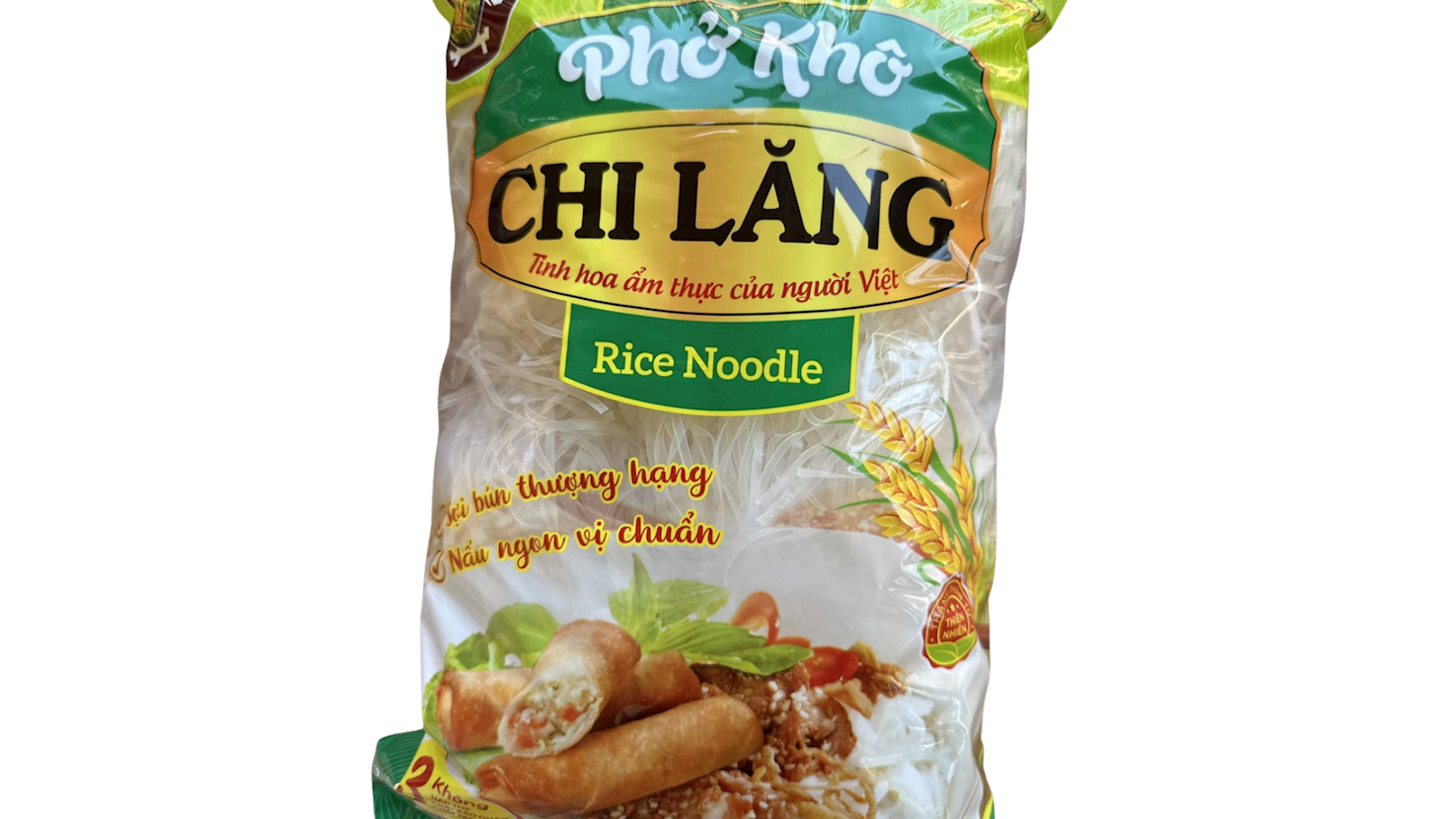
Chi Lăng is a Vietnamese producer of dried rice noodles based in the Khánh Xuân area of Buôn Ma Thuột. It operates as an agricultural and service cooperative specializing in dried bún, miến and phở noodles. The cooperative was established in 2019 with nine members to connect local households and standardize their production methods. It developed within a community where rice processing is practiced by families who migrated from the provinces of Bắc Giang and Bắc Ninh. These families brought traditional knowledge that has been present in Khánh Xuân for more than four decades, while production has expanded more intensively since 2006. The cooperative is managed by Hà Văn Tuyến, a producer with many years of experience in making rice noodles. Its main products are dried bún and phở noodles, while local workshops also produce other types of rice noodles. Traditional techniques have gradually been supplemented with machines for grinding rice, preparing the dough and shaping the noodle strands. Certain stages, including the proper soaking and filtering of rice, fermentation of the noodles and controlled drying, still depend on the producers’ experience. The products are mainly distributed through markets, wholesale buyers and long-standing distributors in Đắk Lắk Province and neighboring areas. The cooperative contributes to preserving the traditional craft while providing market access and employment for local households involved in rice processing.
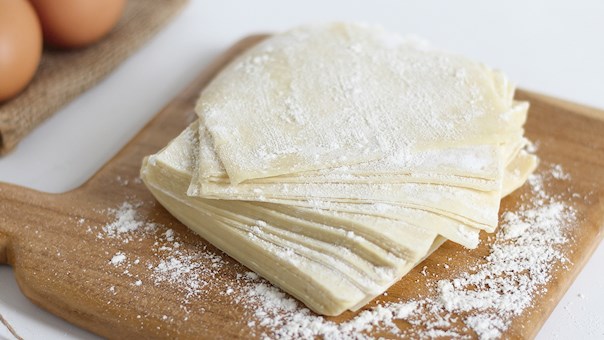
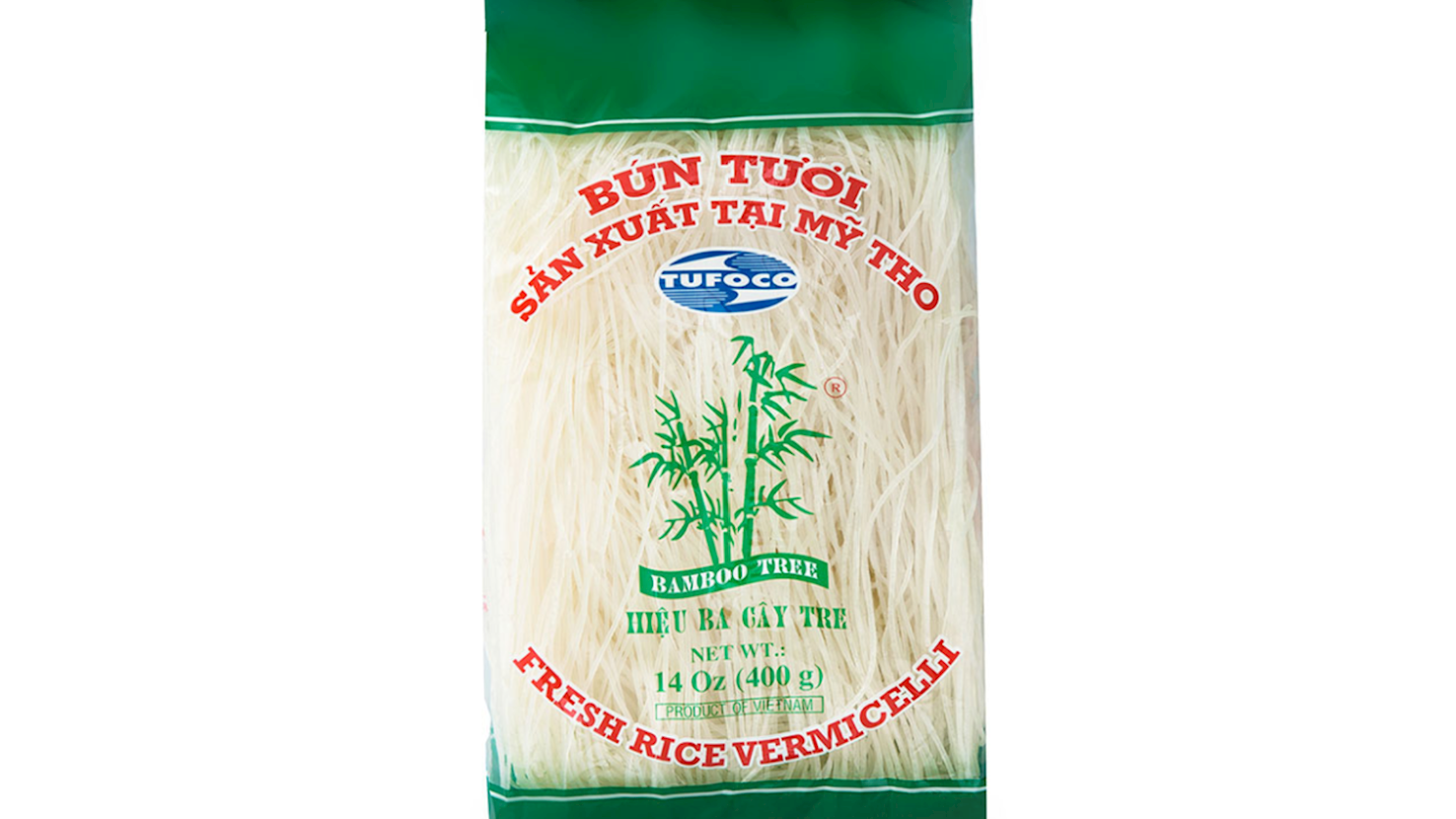
TUFOCO is a Vietnamese food company established in 2002 and specializing in the processing of agricultural raw materials. It operates under the official name Thuan Phong Agricultural Products Processing Company Limited. Its headquarters and main production complex are located in Chau Thanh District in Ben Tre Province in the Mekong Delta. The company initially focused on rice-based foods such as rice paper, pho noodles, rice vermicelli and other types of rice noodles. Its rice products are mainly sold internationally under the Bamboo Tree brand. The rice paper range includes round and square sheets in various sizes intended for fresh and fried rolls. Depending on the variety the principal ingredients include rice, tapioca starch, water and salt. The rice paper is industrially produced on automated lines to ensure consistent thickness, shape and elasticity. In addition to rice products the company processes coconuts, fruit and vegetables and produces coconut milk, coconut water, oil, juices and canned and frozen foods. Its production complex covers approximately 18 hectares and has an annual capacity of up to 50,000 tonnes of finished products. TUFOCO exports its products to the United States, Canada, European countries, Australia, Japan, South Korea and China.
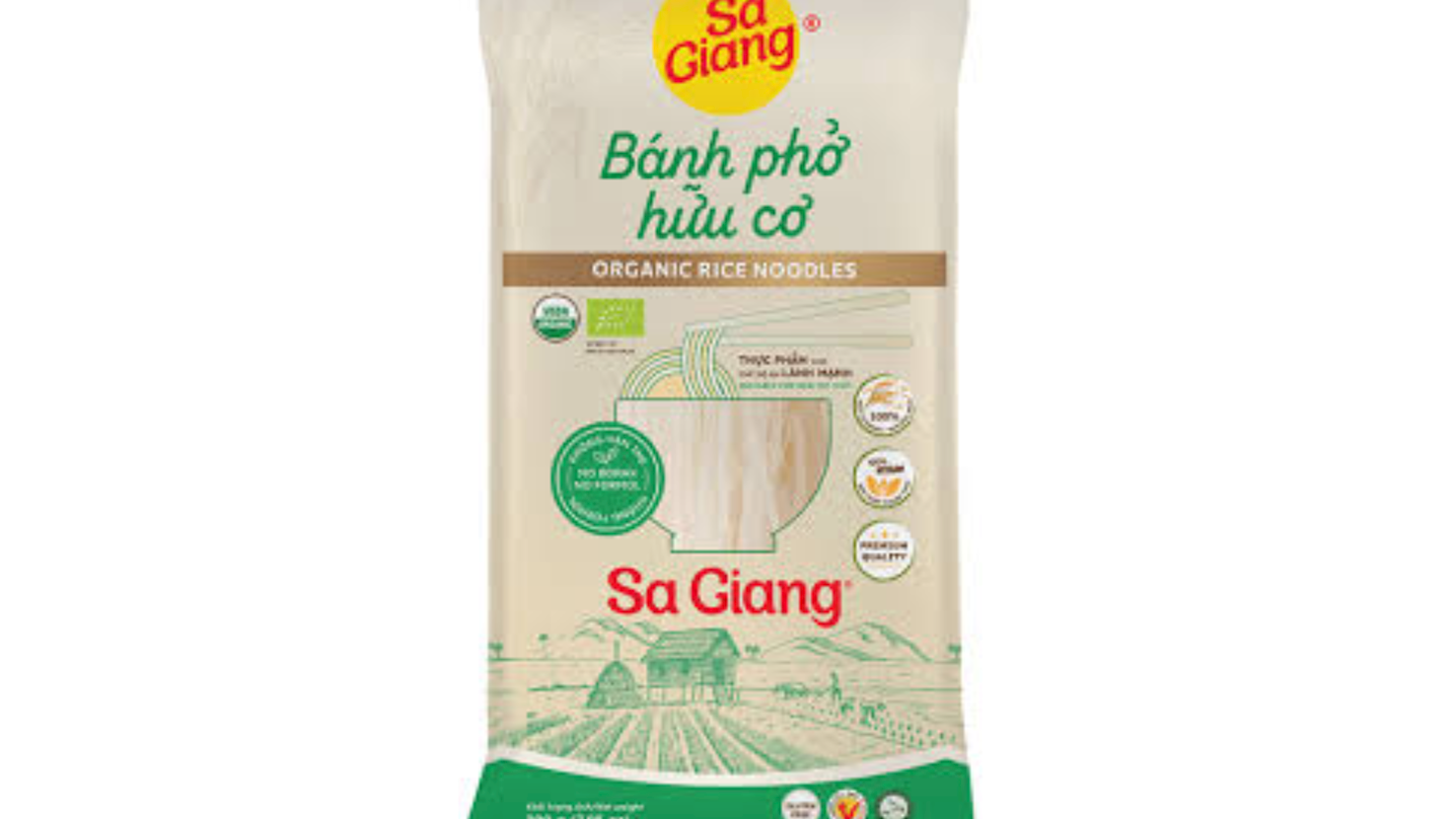
Sa Giang is a Vietnamese food company headquartered in Sa Dec in Dong Thap Province. Its history dates back to 1960 when Le Minh Triet established a small workshop producing traditional shrimp crackers. The company takes its name from a local river that flows through the Sa Dec area. Over time Sa Giang expanded its range from shrimp crackers to dried rice products including rice noodles, noodles used in traditional soups and rice paper. The company uses rice grown in the Mekong Delta where fertile alluvial soil supports cultivation throughout most of the year. Its rice paper is an industrially produced version of the traditional Vietnamese product and is intended for preparing fresh and fried rolls. In addition to standard sheets the company produces varieties in different sizes, shapes and formulations for the domestic and export markets. Sa Giang products are now exported to more than 30 countries including France, Germany, Japan, the United States and Australia.
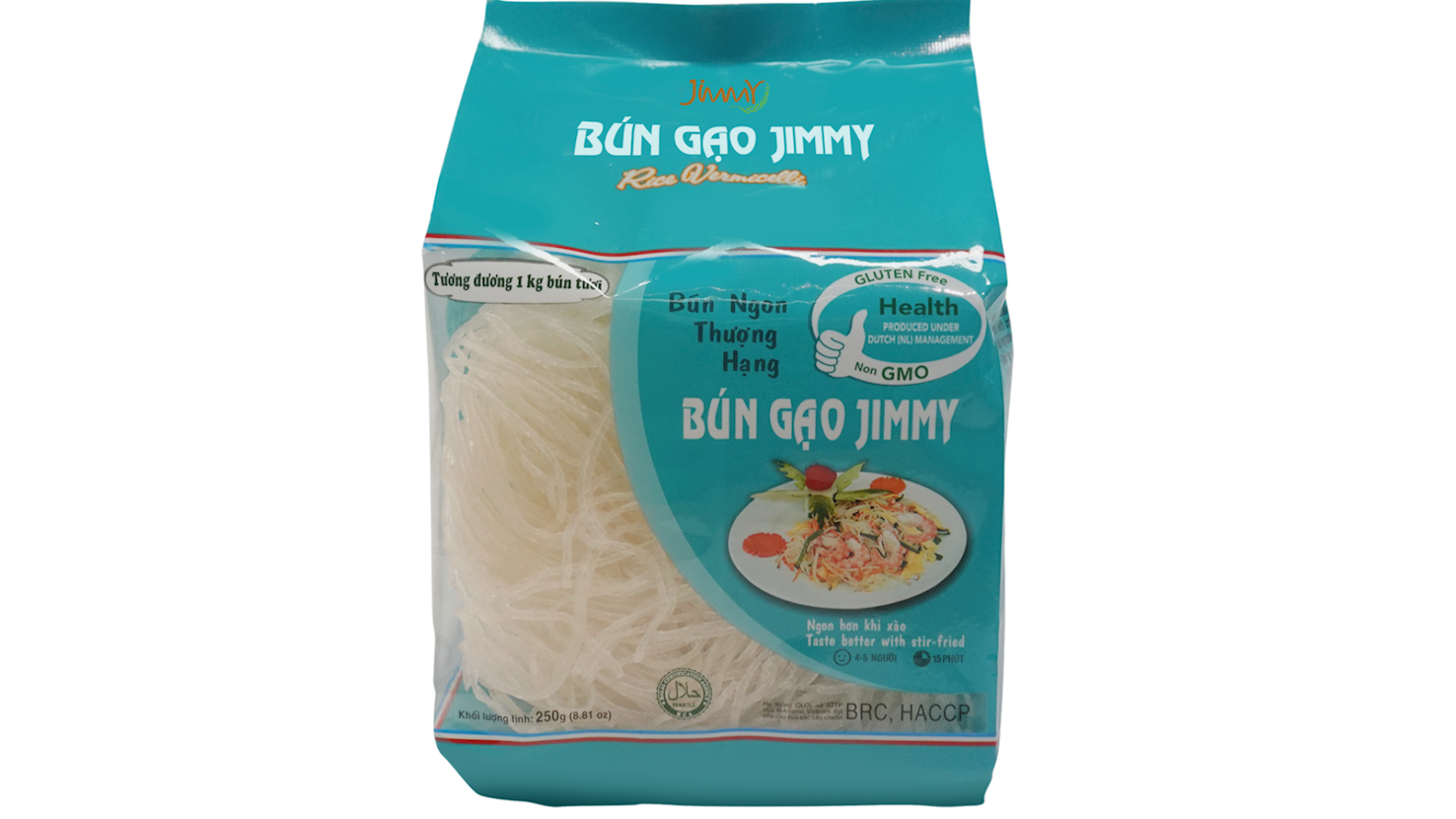
Sukmono Vietnam is a Vietnamese rice noodle manufacturer established in 2010 with investment capital from the Netherlands. The company draws on more than four decades of experience accumulated by its founders in the Dutch and wider European food markets. Its production facility is located in the Bau Bang Industrial Park in the former Binh Duong Province. Covering more than two hectares, the factory officially began operating in 2012. The business initially focused primarily on producing rice vermicelli for export to Europe. By 2014 the company had exported 240 containers to European markets. It entered the domestic Vietnamese market at the end of 2016 before expanding to additional markets in Asia. Its best-known brand is Jimmy which includes standard rice vermicelli, brown rice vermicelli, and thicker noodles intended for Hue-style noodle soup. Annual production reached approximately 1.4 million kilograms in 2018.
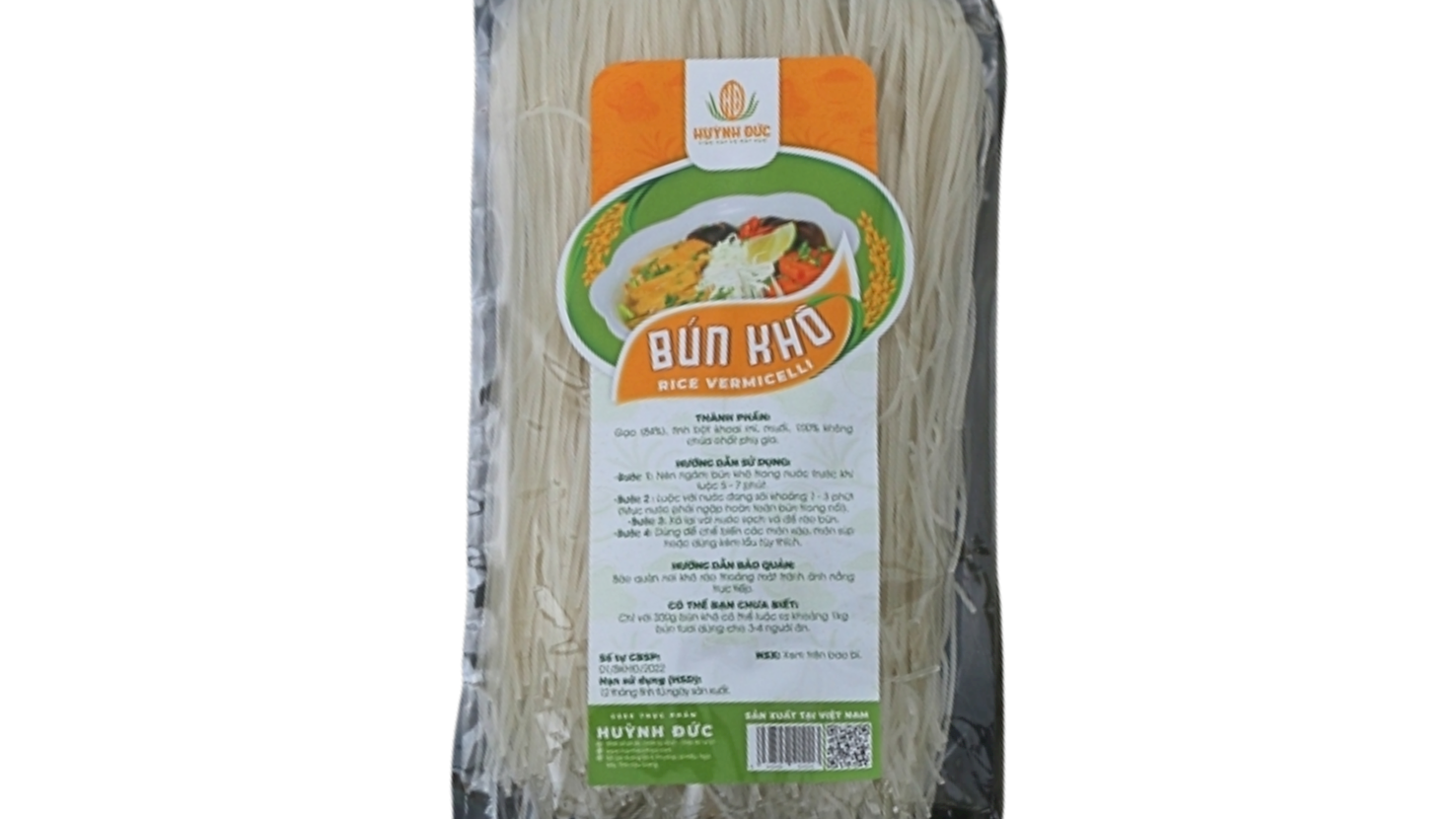
Huỳnh Đức is a Vietnamese family-owned producer of fresh and dried rice noodles from the city of Ngã Bảy in the Mekong Delta. The business originated from the Lò Bún Huỳnh Đức workshop, which has produced noodles since 1985. Trương Huỳnh Đức developed the workshop using family knowledge of noodle making passed down through five generations. After moving to Ngã Bảy with his wife during the 1980s, he established a small production operation serving local markets. Management of the family business was later taken over by his son Trương Đắc Nguyện, who began developing the production operation at the age of 22. The business was formally incorporated as Huỳnh Đức in late 2025. Its range includes traditional bún, brown rice noodles and varieties made with sweet potato, pumpkin and katuk leaves. The producer also makes flat dried phở noodles in traditional and brown rice versions. Traditional methods of preparing rice and shaping noodles have gradually been supplemented with a mechanized and enclosed production line. According to data from 2024, the facility produced more than 1,300 tonnes of noodles annually and distributed its products across more than 50 Vietnamese provinces and cities.
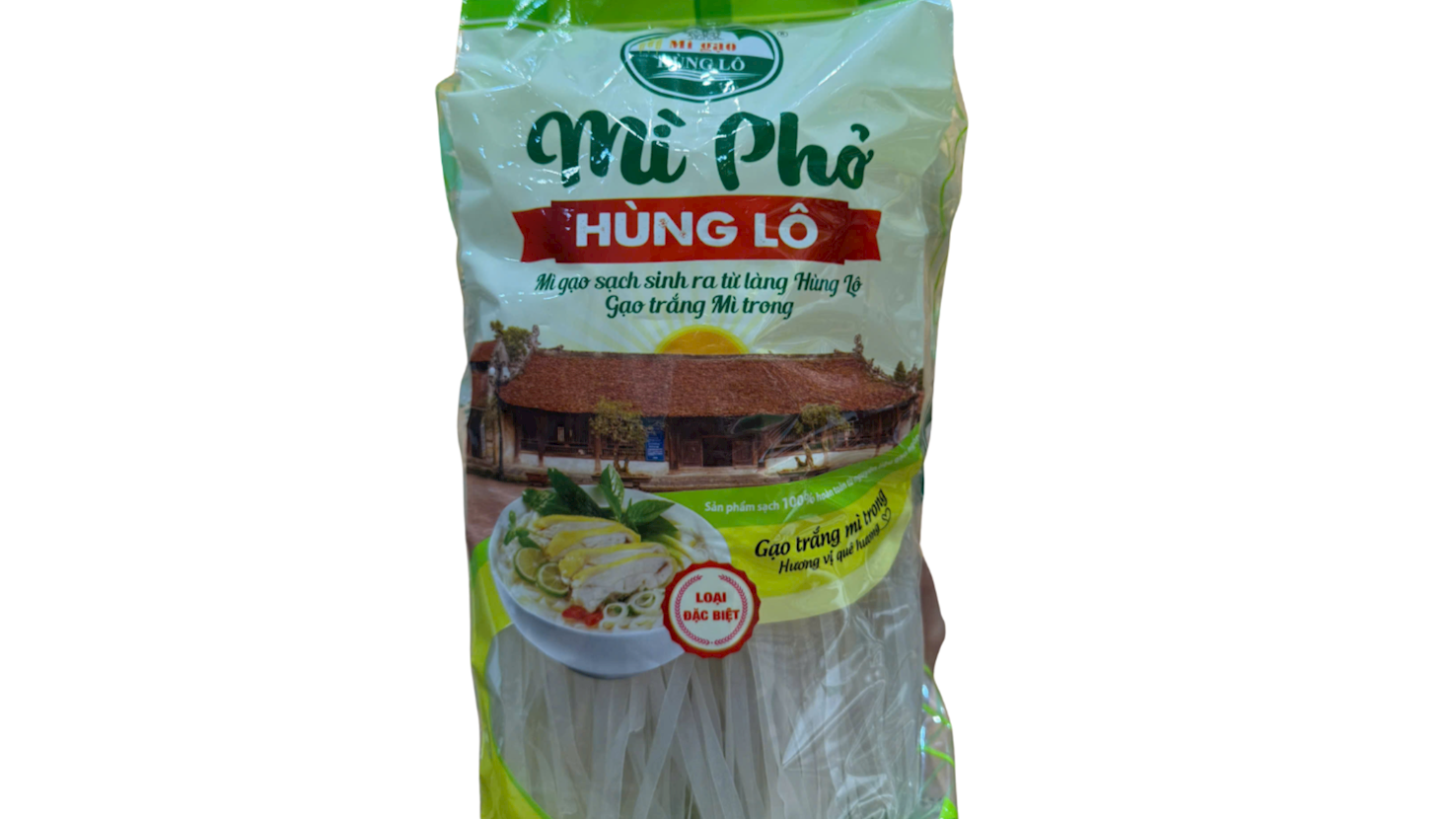
Hùng Lô is a Vietnamese producer of rice noodles from Phú Thọ Province. It officially operates as Hợp tác xã Mì gạo Hùng Lô, a cooperative established in 2016 by bringing together local families experienced in traditional noodle production. The cooperative is headed by Cao Đăng Duy. Its headquarters and production facilities are located in the former Hùng Lô Commune in Việt Trì, an area that is now part of Vân Phú Ward. Noodle production is particularly associated with the former Đoàn Kết Village, where most households practiced the craft during the 1980s and 1990s. Hùng Lô was officially recognized as a traditional craft village in 2004. In 2017, the cooperative received the right to manage the Mì gạo Hùng Lô collective trademark. It sources rice from partner cooperatives and controlled cultivation areas in Phú Thọ Province. Traditional processing methods have been supplemented with equipment for milling the rice, removing water, mixing, shaping, drying, and packaging the noodles. Unlike methods that involve producing and cutting large rice sheets, the mixture is extruded directly into strands without being coated with oil. The range includes traditional rice noodles, wider phở noodles, vegetable or watermelon noodles, miến dong, and gift packages.
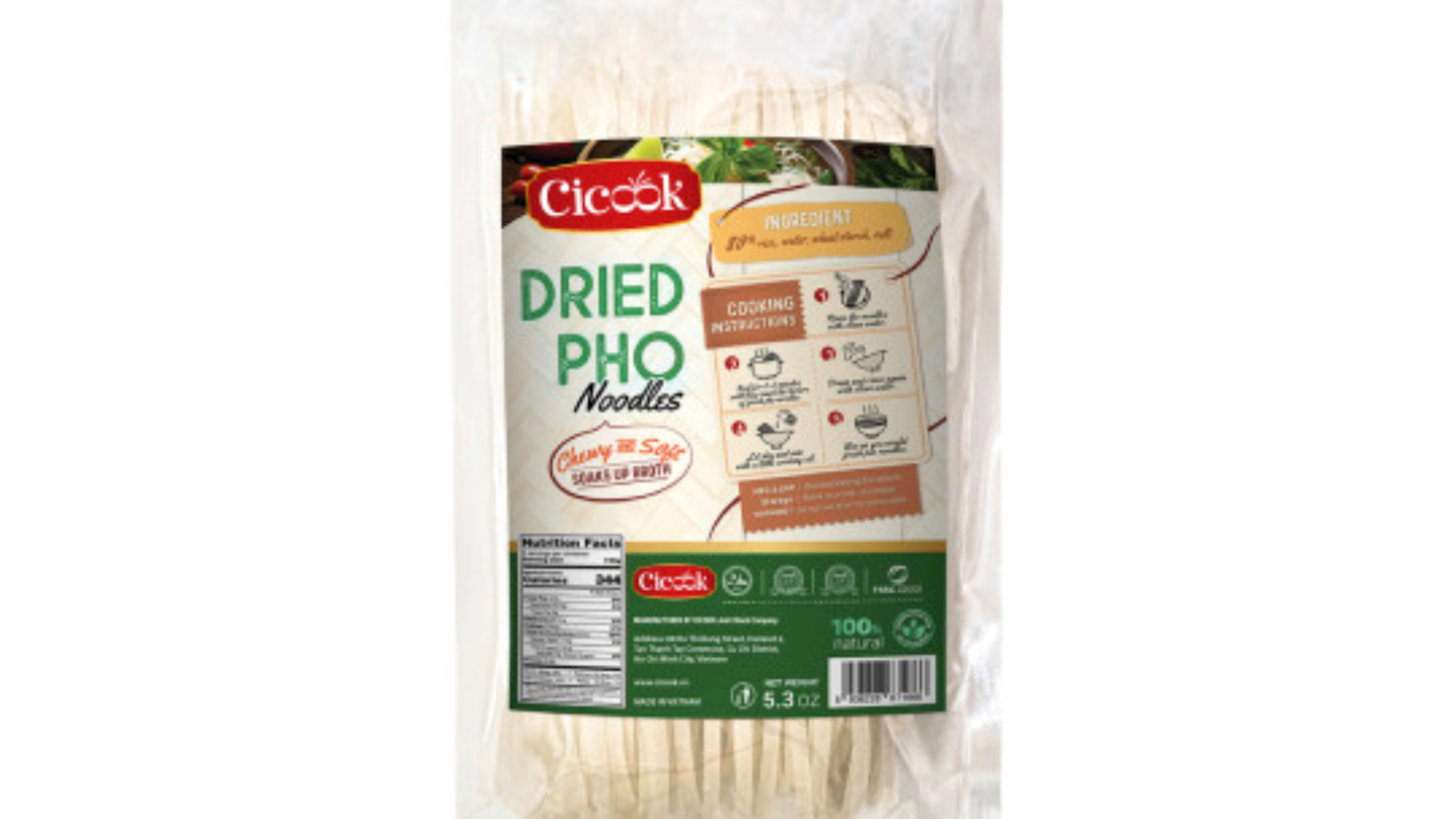
Cicook is a Vietnamese producer of seasoning blends, sauces, and other food products headquartered in Ho Chi Minh City. Its operations are primarily focused on exports, wholesale distribution, and product development for other brands. Cicook produces seasoning blends according to its own recipes while also adapting formulas to the requirements of importers, retailers, and food service companies. Its range includes hot pot seasonings, barbecue blends, dry rubs, dipping sauces, and fish sauces. The assortment also covers rice paper, other rice-based foods, and selected agricultural ingredients. The company uses relatively simple processing methods intended to preserve the color, aroma, and flavor of the spices and agricultural ingredients. Its products are exported to the United States, European countries, Canada, the United Kingdom, the Middle East, and other Asian markets.
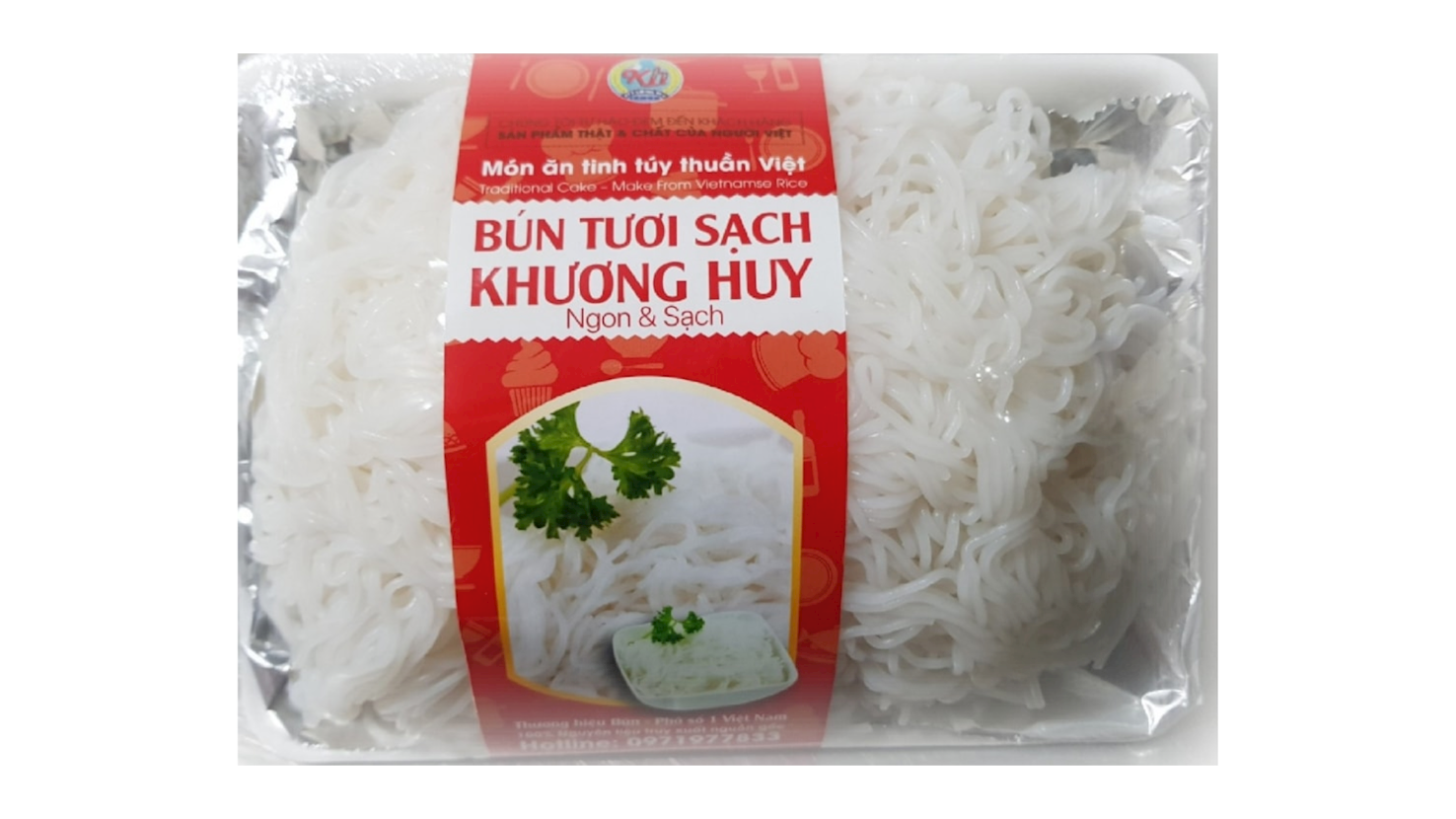
Khương Huy is a Vietnamese producer of rice noodles and traditional rice-based foods from Bắc Ninh Province. The company operates under the full name Công ty TNHH Trang trại xanh Khương Huy and was established in 2014. Production was founded by Nguyễn Văn Khương with the aim of adapting traditional fresh noodles to modern food safety requirements. Its headquarters and production facilities are located in Điện Tiền Village in Nguyệt Đức Commune. Most products are made primarily from selected white rice and water. The rice is washed, soaked, milled, and fermented before the resulting mixture is drained and shaped into noodles. The company uses hydraulic presses to remove excess water from the rice mixture and controls the temperature during the soaking process. Production takes place in a closed system covering every stage from the reception of the rice to the packaging of the finished products. Fresh noodles are vacuum-packed to extend their shelf life without the addition of preservatives. The range includes fresh and dried bún noodles, phở noodles, other rice noodles, bánh cuốn, bánh chưng, and bánh gio. The producer also makes dried noodles containing beetroot, pumpkin, purple sweet potato, sweet leaf, and butterfly pea flowers. Its first shipments of dried products were exported to Japan in 2021 while most of its range is sold in Bắc Ninh Province and the wider Hanoi area.
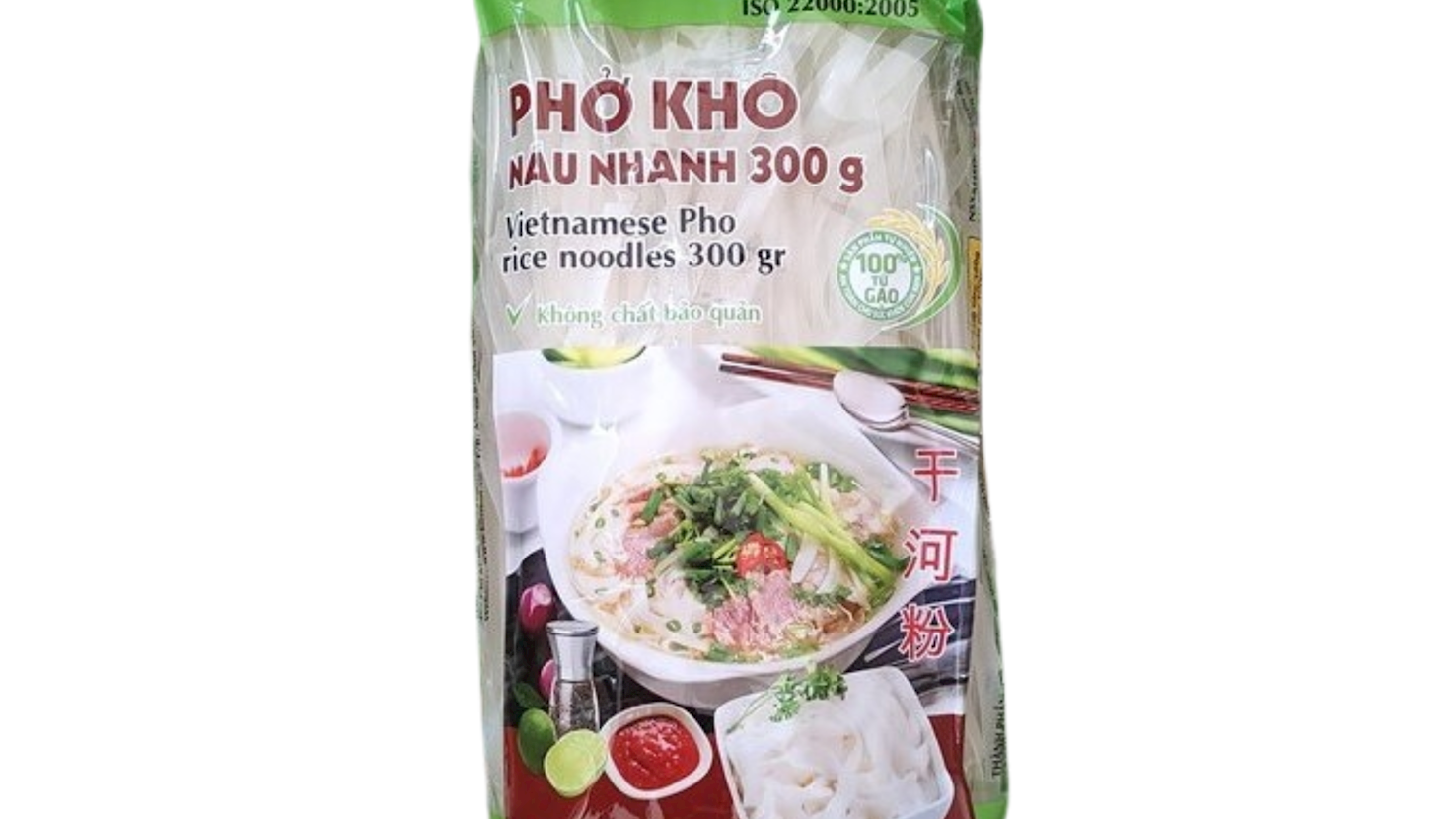
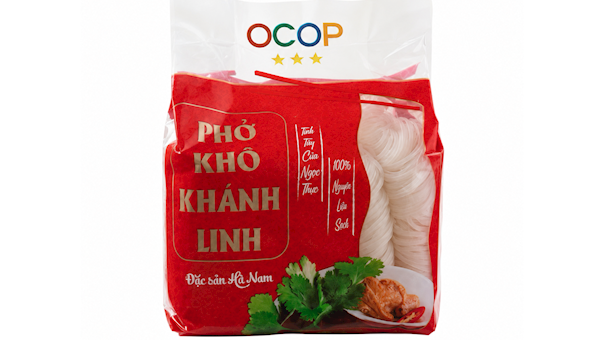
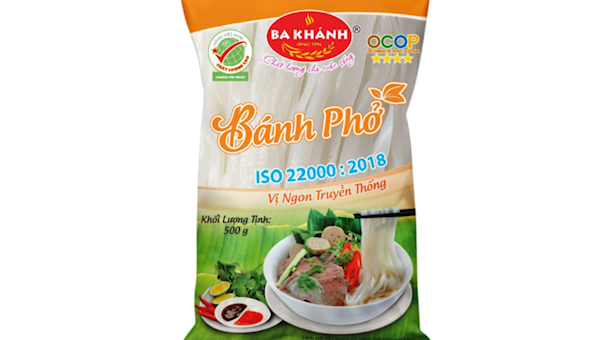
Kim Bôi is a Vietnamese food producer from the mountainous area of the former Hòa Bình Province. The company operates under the full name Công ty Cổ phần Kim Bôi and was established in 2007. Its production is based on processing local agricultural ingredients and combining traditional Vietnamese foods with modern packaging and distribution methods. Although bamboo shoot products account for most of its range, the company also produces Phở Khô Kim Bôi dried rice noodles. These noodles are a dried form of bánh phở intended for traditional soups and other rice noodle dishes. The company operates two production facilities in the areas of Lạc Thủy and Kim Bôi. Processing includes raw material preparation, shaping, drying, and packaging on controlled production lines. The processing and packaging of Phở Khô are covered by the company’s ISO 22000:2018 food safety management certification. Phở Khô Kim Bôi received a four-star OCOP rating at the level of the former Hòa Bình Province. The company’s products are distributed through supermarkets, specialized retailers, and online sales channels across Vietnam. Part of its production is exported to Japan, South Korea, the Netherlands, Germany, the United Kingdom, and countries in Eastern Europe.
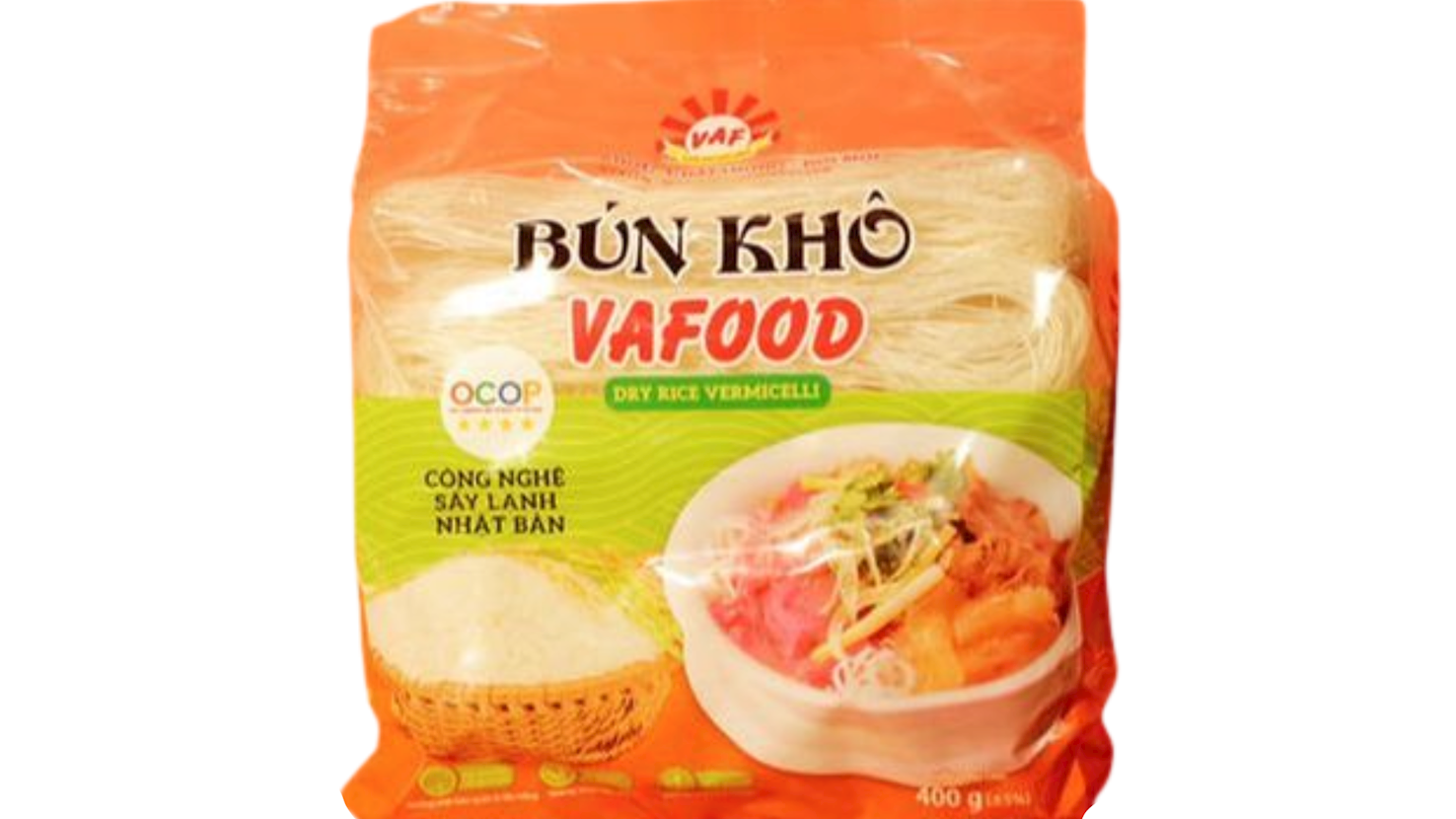
VAFOOD is a Vietnamese manufacturer and exporter of rice-based food products headquartered in Hanoi. The company was founded in 2009 by entrepreneur Trần Thị Thu Hằng. It began operating as a supplier of fresh food and agricultural ingredients to school kitchens. It later shifted its focus toward rice processing and the development of convenient versions of traditional Vietnamese foods. In 2018, the company established a partnership with producers from the traditional village of Làng Chều in Hà Nam Province to make rice paper for fried spring rolls. This product represented an important step in the company’s transition from ingredient distribution to the production of processed foods. Its range was subsequently expanded to include dried phở noodles, rice vermicelli, and different types of rice paper. VAFOOD uses low-temperature drying technology to preserve the flavor and natural structure of the rice. Its production process is designed to provide a consistent texture without relying on preservatives or additives for improved elasticity. The company works with rice growers in the Cổ Loa area of Hanoi to establish a more stable supply of controlled raw materials. VAFOOD products are sold domestically and exported to several countries in Asia and Europe.
TasteAtlas food rankings are based on the ratings of the TasteAtlas audience, with a series of mechanisms that recognize real users and that ignore bot,
nationalist or local patriotic ratings, and give additional value to the ratings of users that the system recognizes as knowledgeable.
For the “Top 42 Noodles in the World” list until September 16, 2026, 1,964 ratings were recorded, of which 1,652 were recognized by the system as legitimate.
TasteAtlas Rankings should not be seen as the final global conclusion about food. Their purpose is to promote excellent local foods,
instill pride in traditional dishes, and arouse curiosity about dishes you haven’t tried.
The initial list of top producers was compiled based on available reviews, awards, local recommendations, media and blog coverage, and consumer reviews.
The list will be updated with ratings from TasteAtlas local ambassadors and TasteAtlas users.







What People Say