Top 100 Portuguese Red Wines

Last updated on June 03, 2026

Best Portuguese Red Wine Types
01

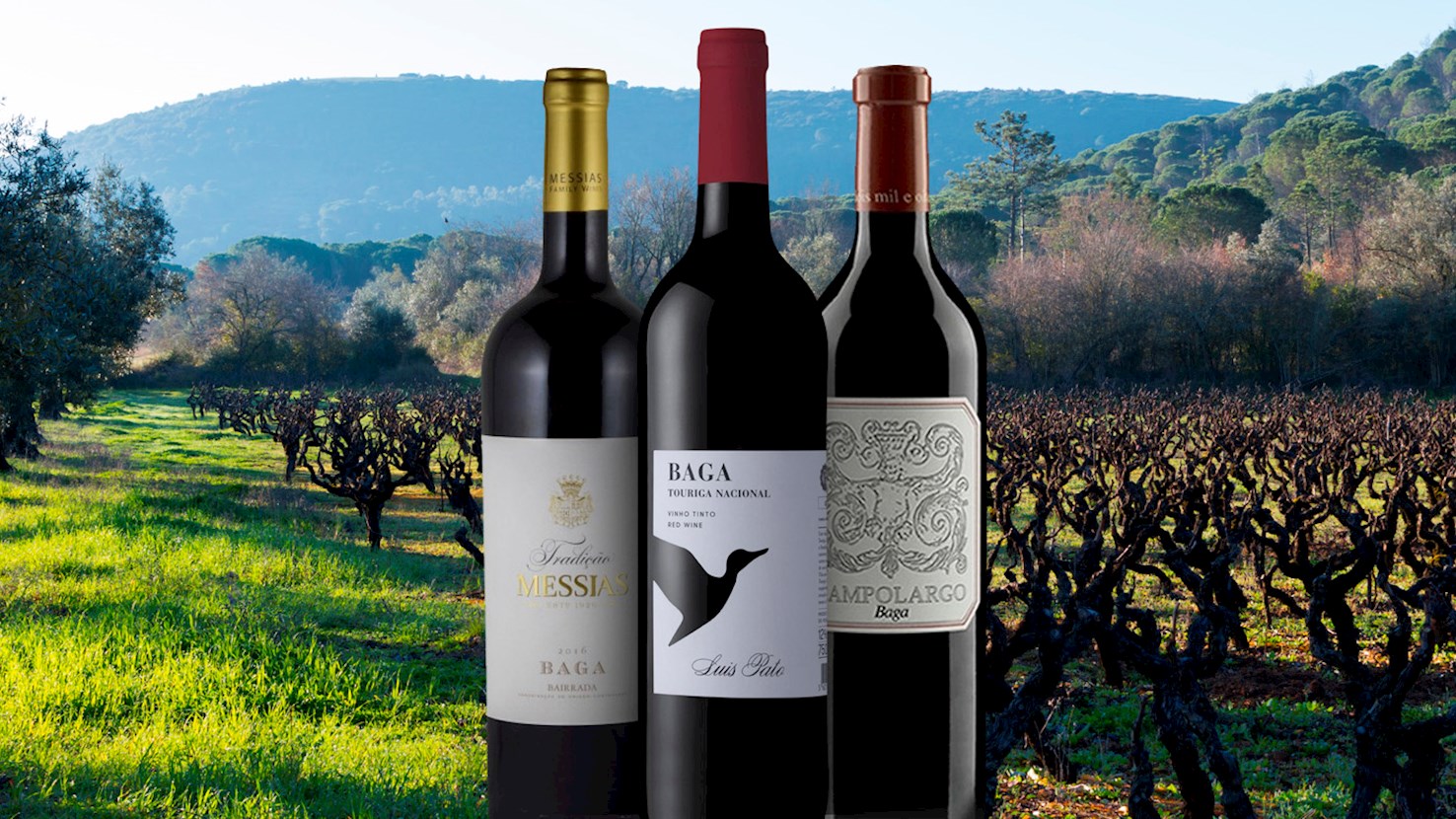
Baga

4.3 ·

Baga is a red grape variety mostly used in the Portuguese Bairrada appellation. This dark-skinned grape can produce wines of various characters, but until the 1980s, most producers used it for inexpensive bulk wines. When the approach and the techniques were adjusted, it was shown that Baga is able to produce excellent quality wines with great aromatic structure, good acidity, and firm tannins. Baga wines are built for long aging and significantly benefit from the time spent in the bottle. The powerful tannins will tone down, and the aromas usually gain some elegance and complexity. Young Baga wines will have aromas of red berries and fruit, which may evolve into more complex expressions of tobacco, plums, and coffee. The usual bright acidity found in Baga wines makes them an excellent pairing with food. They can match hearty meat dishes and would go especially well with red meat. Some examples would also work well with seafood or cheese. Apart from red wines, Braga has recently been used in the production of excellent sparkling rosés. The grape is also used in Mateus Rosé—popular and uncomplicated Portuguese rosé.

02

Touriga Nacional

4.2 ·

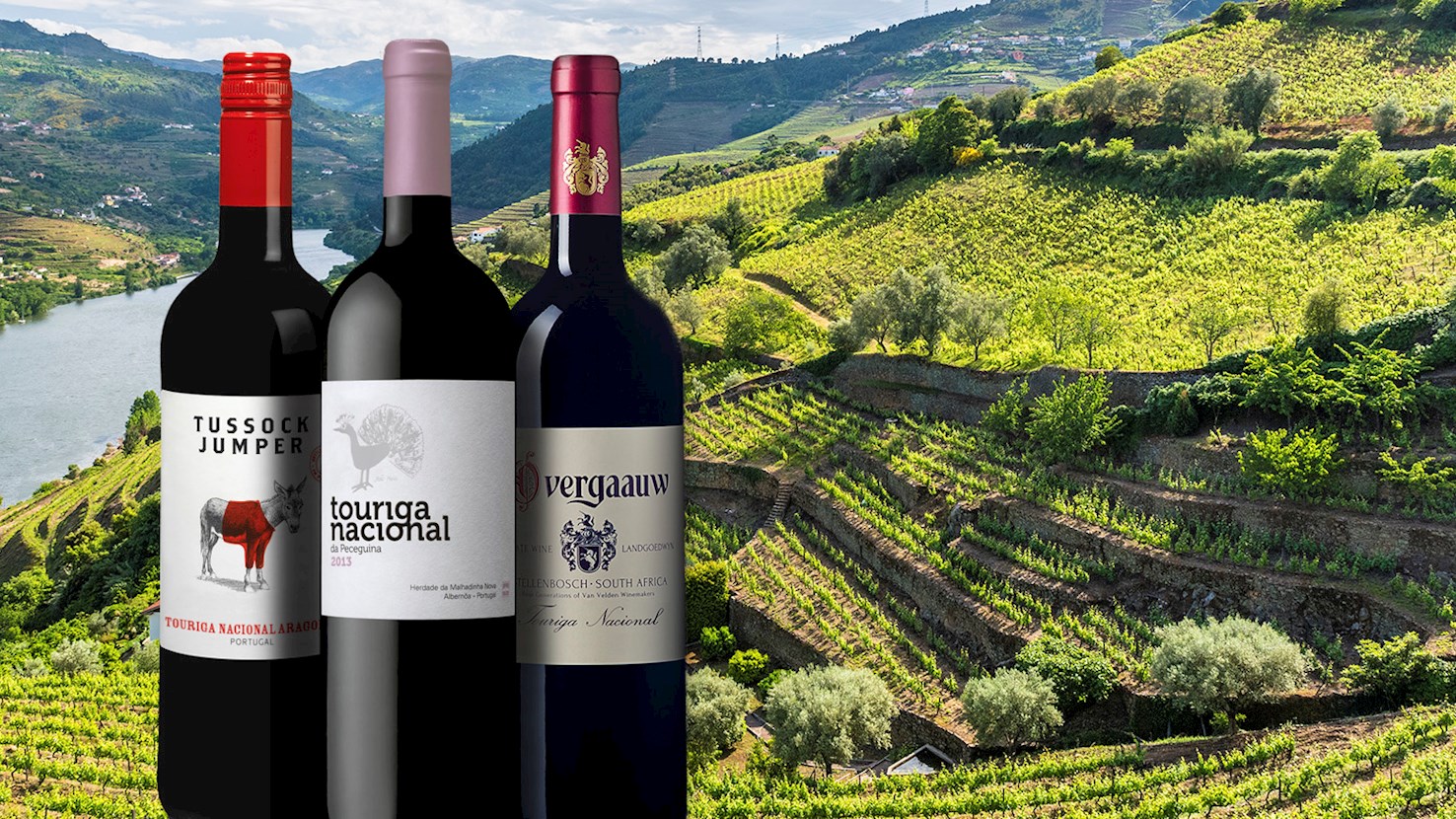
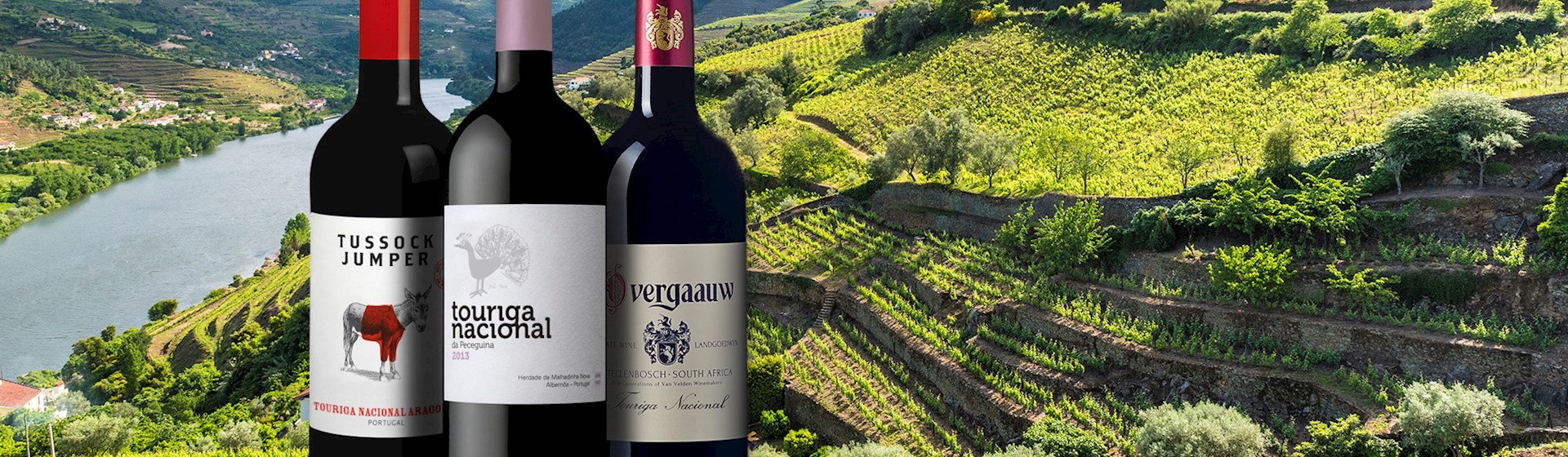
Touriga Nacional is a red grape variety indigenous to Portugal, mainly used to make port. It is predominately grown in the wine regions of Douro and Dão, and recently it has become an appreciated varietal dry wine, which offers great value for money and has a good aging potential. The wines are usually high in tannins, with a full body, intense flavors, and aromas of blue and black fruits, violets, spices, mint, and cocoa. Touriga Nacional is occasionally blended with Touriga Franca and Tempranillo, which creates more approachable, balanced wines. Dry Touriga Nacional should be paired with rich red meat dishes and fruit-infused sauces that are not too laden with spices.

03

Tinto Cão

3.7 ·

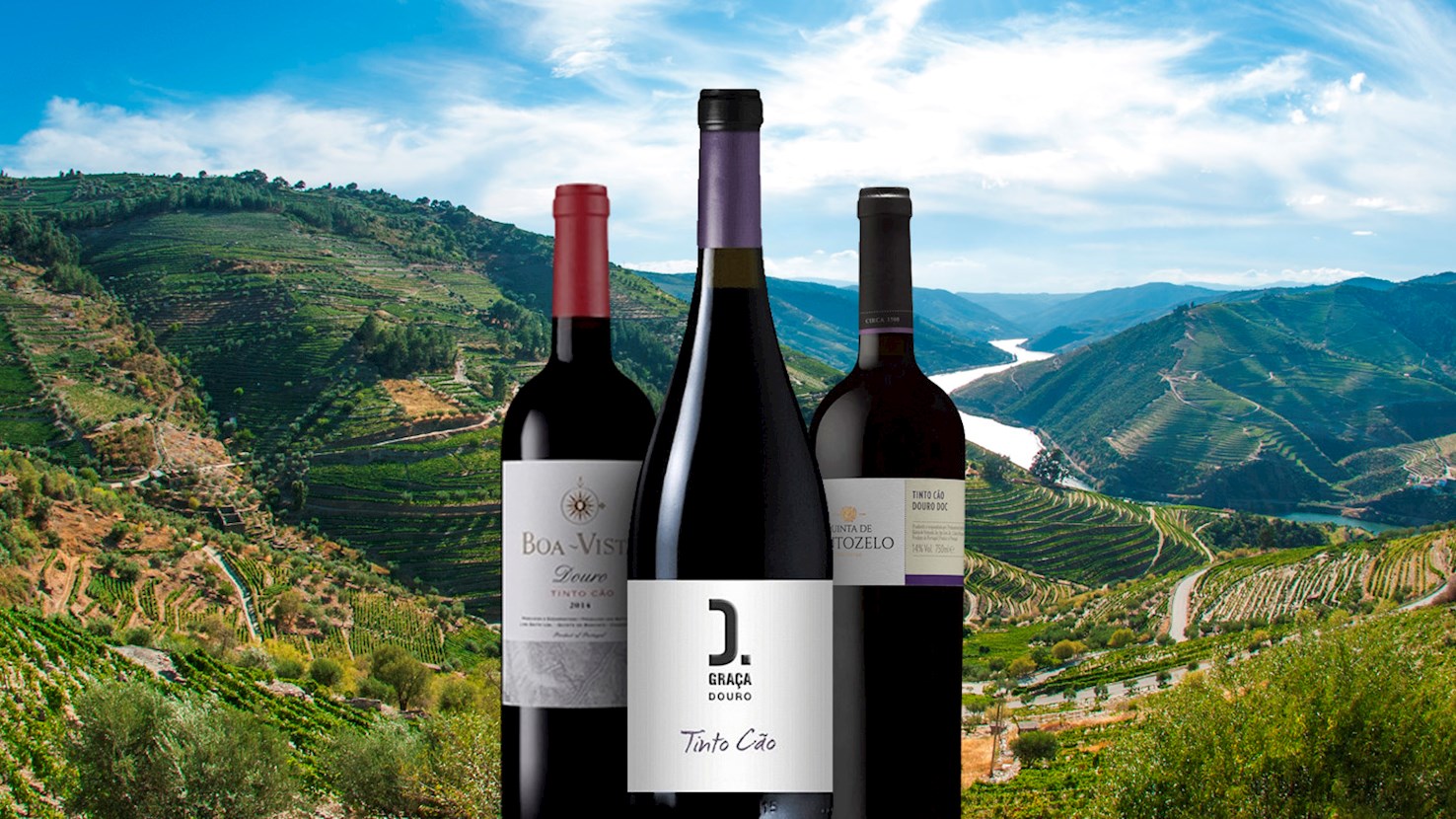
Tinta Cão is one of the most popular red grapes in the Dão and Douro wine regions. It is one of the great ancient Portuguese grapes, but its parentage has not yet been clarified. The grape is used in varietal and blends, and it can produce intensely-colored elegant wines with good aging potential. The wines made with Tinta Cão will usually have a floral and fruity aroma reminiscent of red and dark fruit, occasionally with hints of spice and some earthy nuances. The tannins are firm but remain soft and rounded. The best expressions will have an excellent balance of acidity, sugar, and alcohol. Tinta Cão is a late-ripening variety, and the best examples come from fully ripe grapes. Otherwise, it may result in bland or astringent wines. These wines would pair well with smoked meat, red meat, game, and aged cheese. Tinta Cão is commonly used in Port making.

04

Touriga Franca

3.6 ·

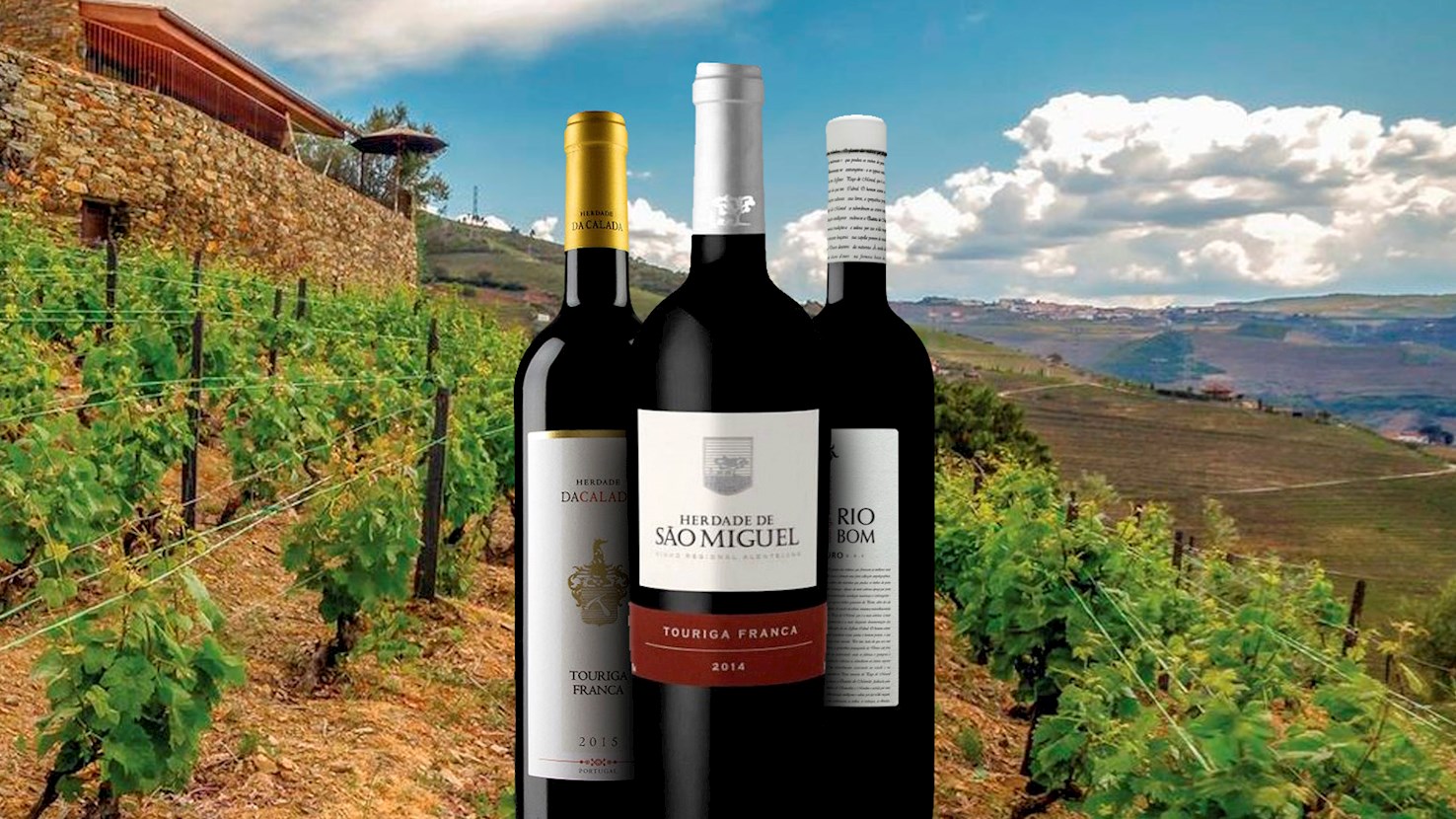
Touriga Franca, also known as Touriga Francesa, is one of the most planted grape varieties in Portugal. It is used in the production of varietal wines, but it is mostly known as one of the quintessential grapes in red Douro blends and Port wines. Although it is often cited as less prestigious than Touriga Nacional, this dark-skinned grape is able to produce dense wines with fruity and floral aromas that are reminiscent of red and dark berries and roses. The grape is native to Portugal, and though not much is known about its origin, it is believed that it is a cross between Touriga Nacional and another, unknown grape. Varietal Touriga Franca wines will usually have a rich aromatic profile, well-structured tannins, and good acidity. These wines pair well with roasted or grilled meat and aged cheese.

05

Bairrada

3.5 ·

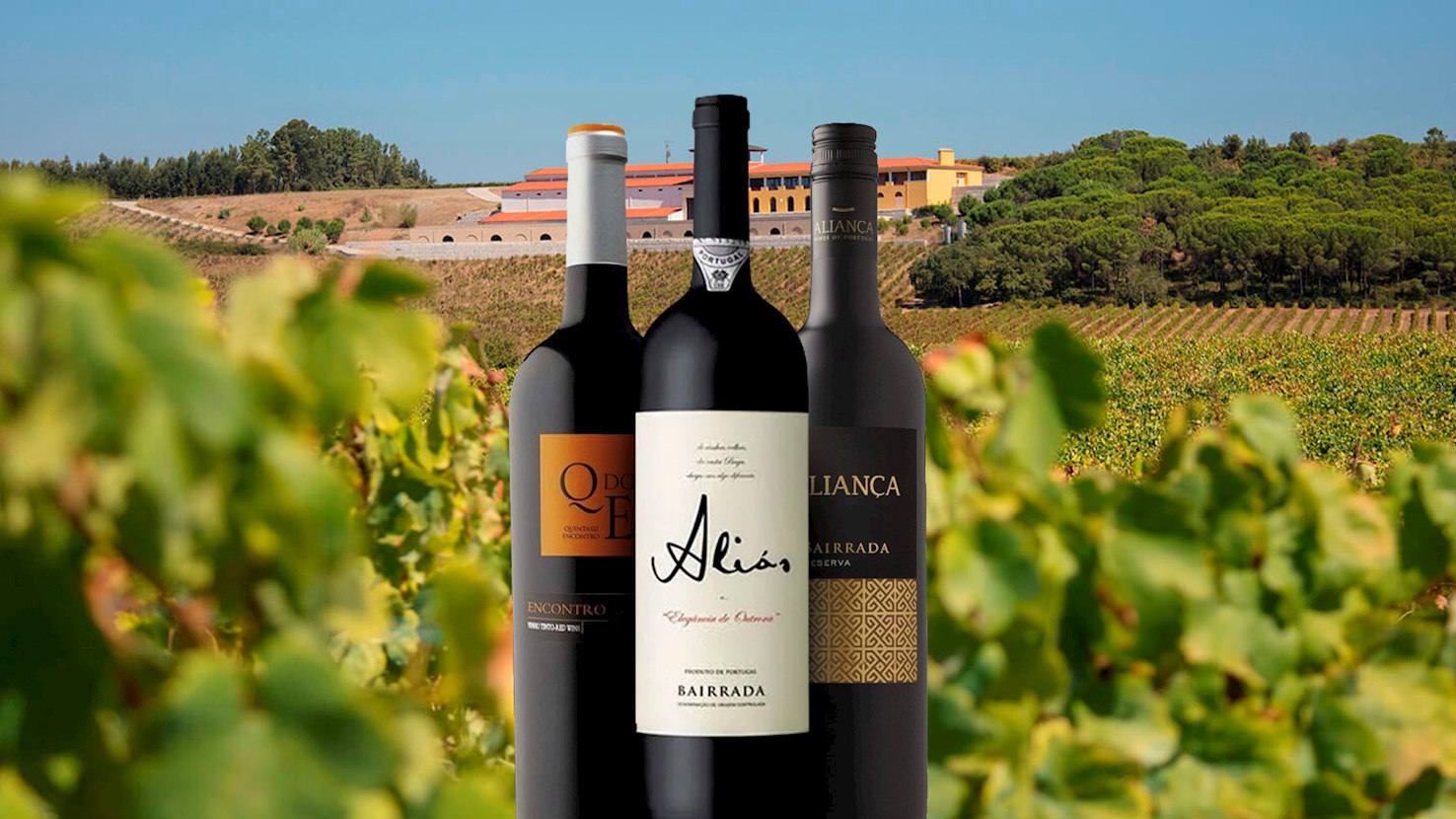
Bairrada is a small and narrow Portuguese appellation situated along the Atlantic Ocean. The region is best known for varietal red wines made from the local Baga grape. This high-yield grape usually produces powerful reds that age well and are typically high in tannins and acidity. Although Baga is the undisputed king of the region, other Portuguese grapes (Touriga Nacional, Tinta Roriz) and some international varieties (Cabernet Sauvignon, Syrah, Merlot, Pinot Noir) are planted and mostly used in blends. Apart from the flagship red wines, Bairrada also includes small amounts of bottle-fermented sparkling wines and fresh, mineral whites usually made from Fernão Pires, Bical, and Arinto. Red Bairrada wines now come in various styles. From the bright and fresh versions filled with crushed fruit flavors to the more complex expressions featuring sturdy tannins and notes of ripe fruit, coffee, and leather. Aging will typically soften the tannins and help the wine to develop aromatic complexity. Red wines from Bairrada pair well with local specialties, red meat, lamb, mushrooms, and game meat. Some styles may pair well with seafood.

06

Mencía

3.5 ·

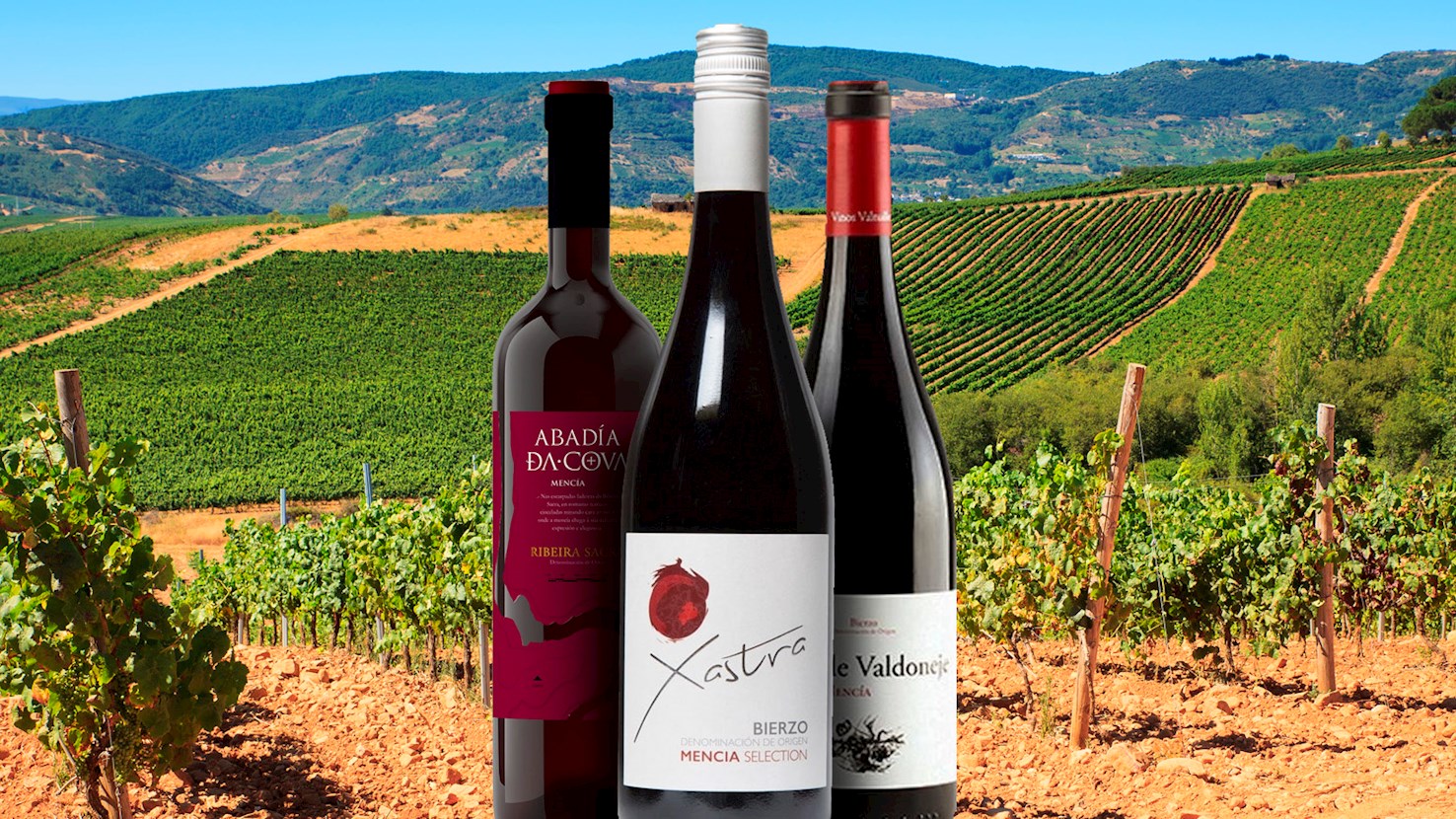
Mencía or Jaen is a grape whose origin is associated with the Iberian peninsula. In the past, it was believed that Mencía and Jaen are two separate varieties, but recent research has shown that they are genetically identical. In Spain, the grape is mostly associated with the Bierzo appellation that is located in the province of León. While for most of its history, Mencía was used in the production of light, somewhat bland table wines, some winemakers have seen the potential to produce more concentrated and better quality varietals with a medium body and good natural acidity. They can vary from fruit-forward to more complex styles, and they will usually display aromas of dark fruit, as well as earthy, mineral, and peppery nuances. In Portugal, Jaen is mostly cultivated in Dão, and for the most part, it was used as a blending grape. While the former varietals made from Jaen were mostly of low-quality, better production methods provided aromatic, juicy, and fruity wines with soft tannins, bright acidity, hints of mineral and herbaceous character as well as typical aromas that are reminiscent of red and dark berries. Both Mencía and Jaen would be an excellent match to a wide variety of tapas dishes, charcuterie, and grilled meat. They can also pair well with mushroom-based dishes and cheese.

07

Castelão

3.3 ·

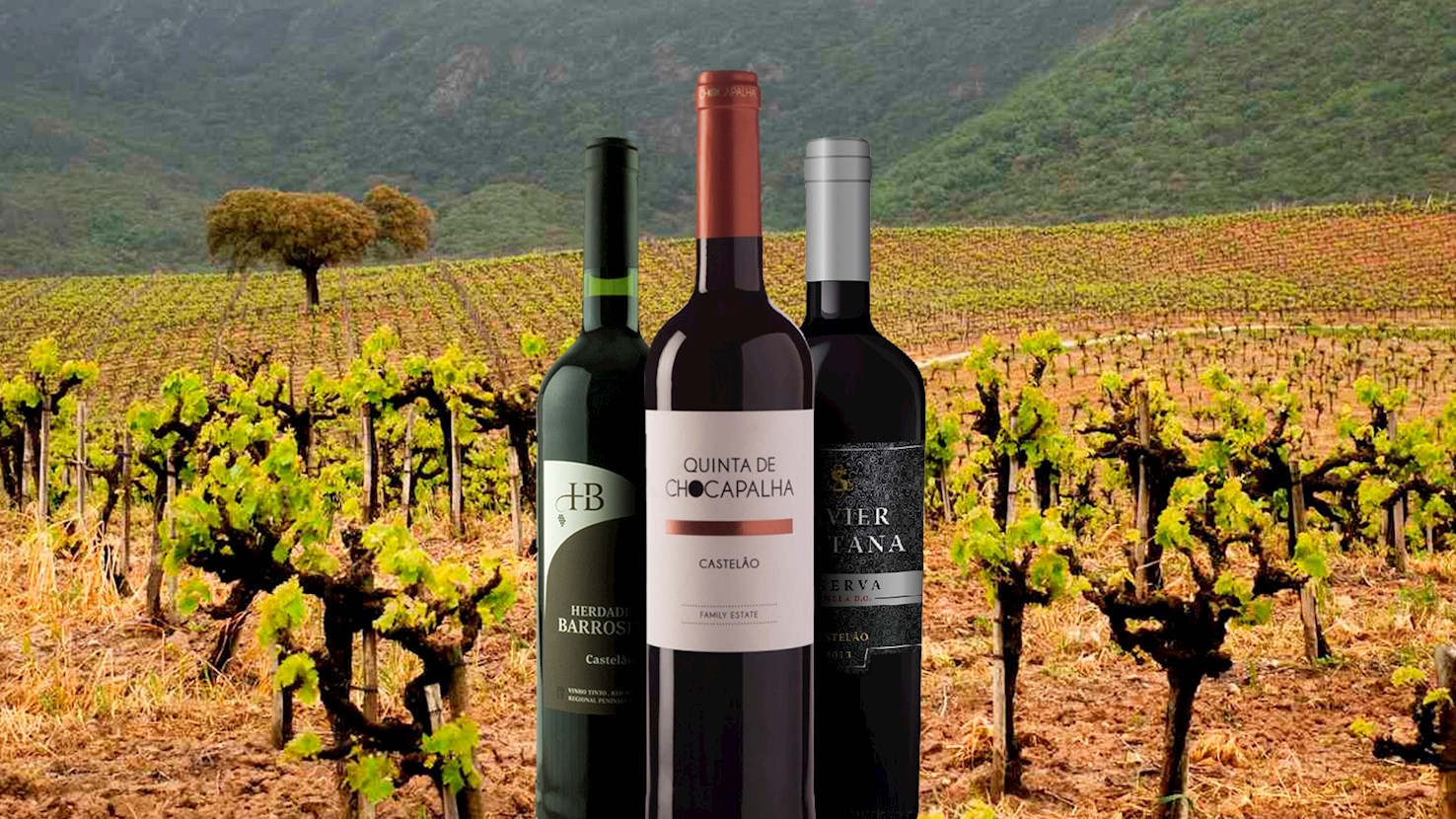
Castelão is a native Portuguese red-skinned grape that is mostly associated with sandy soils of Setúbal, but it is also grown in Tejo and Alentejo. It is one of the most commonly planted Portuguese grapes that is known under various synonyms and is used for both varietals and blends. Although the character of these wines can slightly differ depending on soil and the region, the best expressions of Castelão will result in somewhat rustic, well-structured wines with bright acidity and firm tannins. With age, the tannins tend to become more mellow and softer. These fruity wines will usually display aromas and flavors of red currant, plum jam, and berries. They are typically food-friendly and can be an excellent match to various red meat, poultry, or seafood dishes and charcuterie.

08

Tinta Barroca

n/a ·

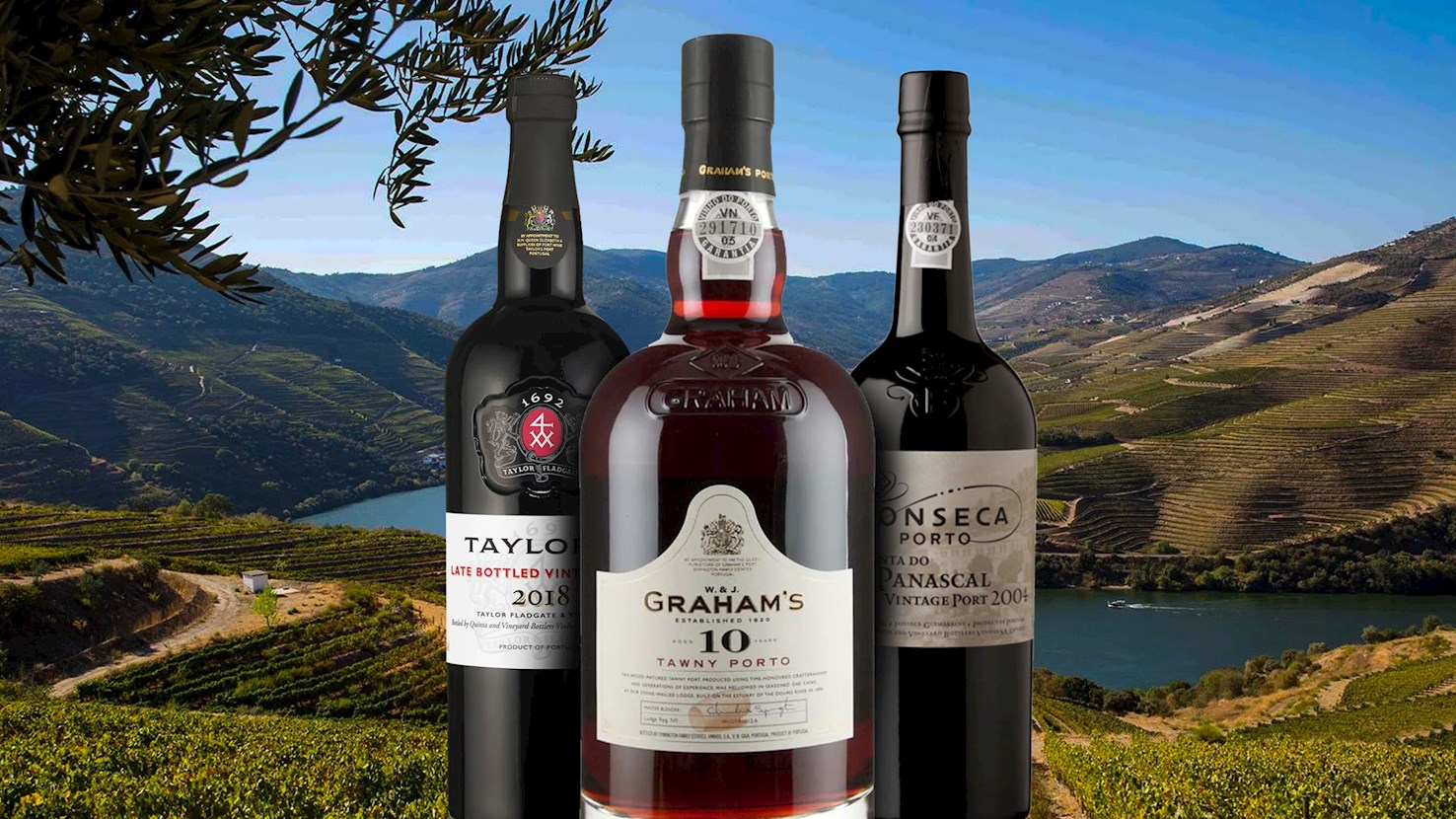
Tinta Barroca is a red grape variety originally from the Douro Valley in Portugal, widely recognized for its important role in the production of Port wine as well as dry red wines. The grape thrives in the hot, rocky soils of the Douro region, where its thick skins help it withstand intense sunlight and contribute to the deep color and rich tannins of the wines it produces. It was introduced to other wine-producing countries, notably South Africa and parts of Australia, where it has adapted well and is used in blends that emphasize fruitiness and smoothness. The grape’s natural acidity and soft tannic structure allow winemakers to create wines that are both robust and approachable, often with flavors of dark berries, plums, and subtle spice. Tinta Barroca is typically harvested late in the season, allowing it to develop full ripeness and concentration. It is commonly blended with other varieties such as Touriga Nacional and Touriga Franca in Port production, but it also shines on its own in single-varietal wines, which highlight its aromatic profile and round mouthfeel. These wines pair well with hearty dishes like roasted meats and rich stews, complementing their depth and complexity. Tinta Barroca’s versatility and resilience make it a valued grape in regions beyond Portugal, helping to bridge traditional styles with contemporary palates.

09

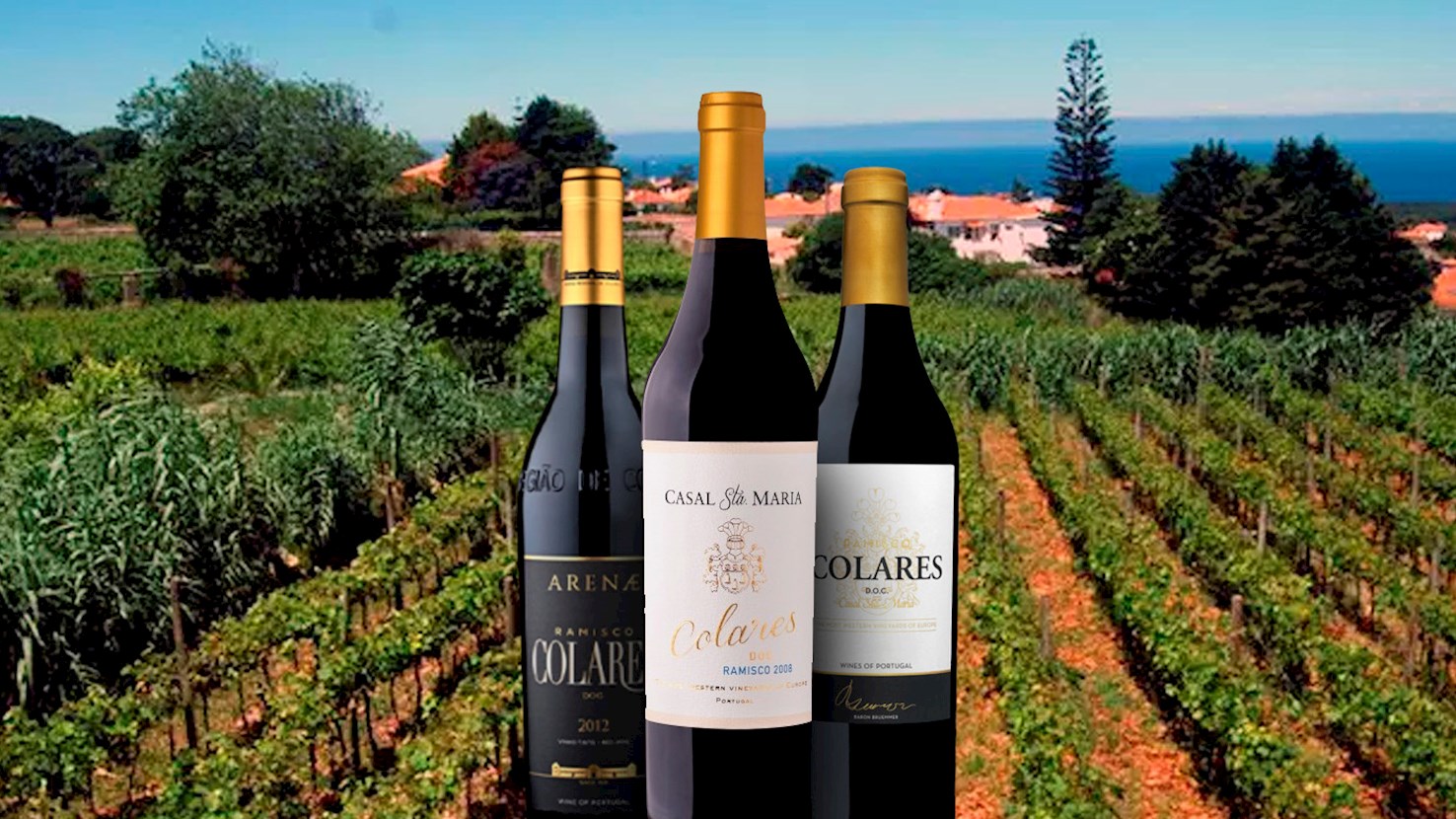
Colares

n/a ·

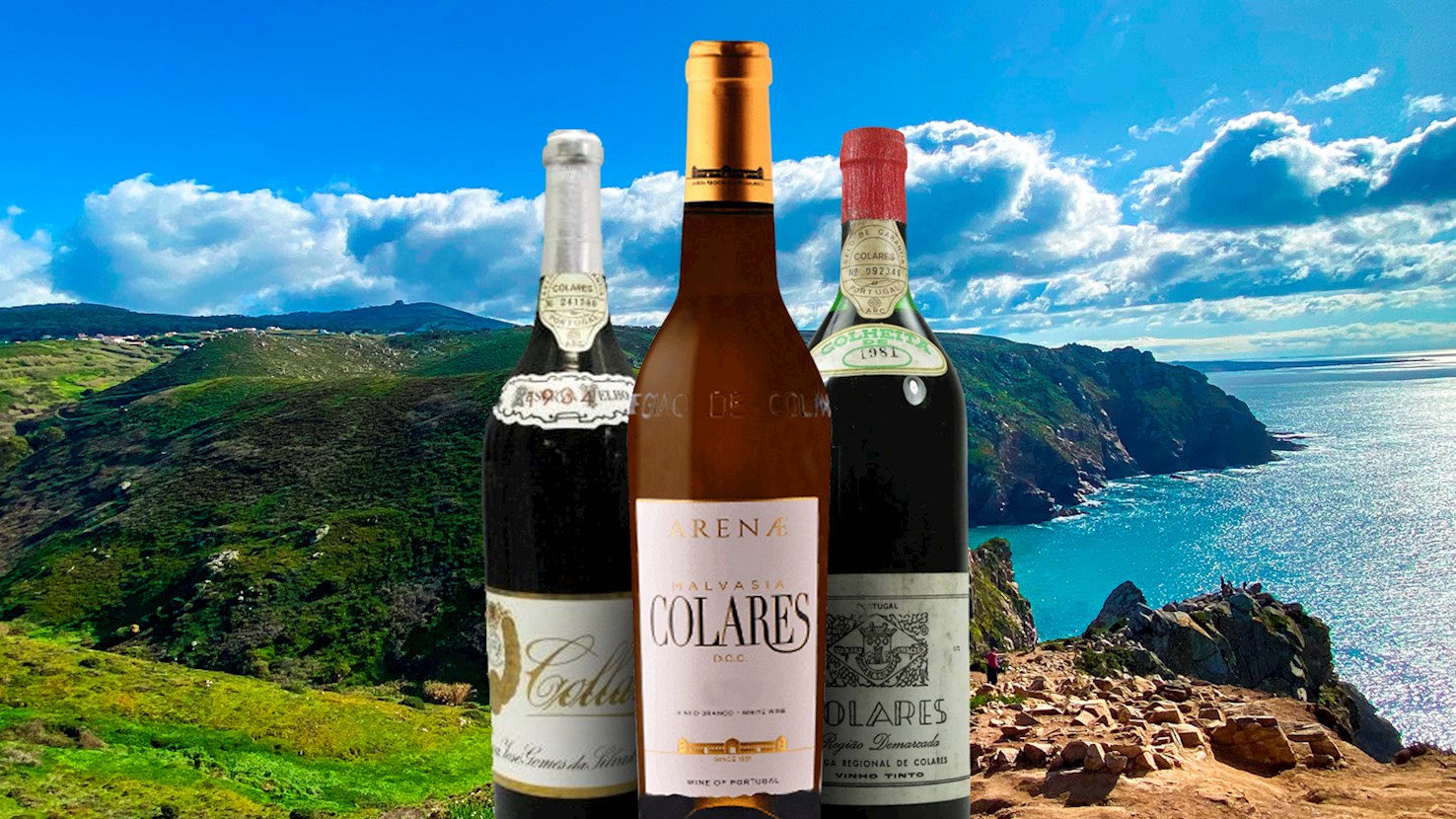
Colares is a small Portuguese wine region located north of Lisbon, on the sandy soils next to the Atlantic. The wines are made from the native Ramisco grape, which produces rich and concentrated red wines with plenty of tannins and good acidity. The region is best known for its distinctive location. Because of the sandy soil, the vines in Colares managed to survive the phylloxera that devastated European vineyards in the 19th century, which makes Colares one of the rare European regions with ungrafted vines—the vines that are not grafted to American rootstock. Sandy soils produce tannin-rich wines with subtle astringency. The aroma is reminiscent of red fruit, with some floral and herbal nuances. The best examples will age well, retaining their good balance of acidity and tannins. Although Colares was one of the most famous Portuguese wines in the early 20th century, the production has been slowly declining. The place has become a popular vacation spot, and wine production is becoming less popular due to challenging terrain, painstaking harvesting techniques, and harsh winds from the Atlantic. However, some producers still produce high-quality Colares. Apart from the legendary red wines, the appellation also includes white wines made with local Malvasia.

10

Ramisco

n/a ·

Ramisco is a red grape native to Portugal. It is mostly cultivated on the sandy soils of Colares appellation, located northwest of Lisbon. Ramisco typically produces wines that are high in acidity and tannins in their youth. The grape is only found in this region, so its features can only be discussed in the framework of the Colares appellation. Ramisco wines usually have notes of dark fruit and violets. Most examples have a distinctive saline-like quality typically attributed to the regions’ proximity to the Atlantic Ocean. Ramisco wines usually improve with age. Their somewhat harsh tannins will soften, and the wines generally become more balanced with earthy, floral, and herbal notes and a hint of spice. Because of the sandy soils in Colares, Ramisco is one of the rare European grapes that survived the phylloxera epidemic.

Best Portuguese Red Wines
01

Quinta do Crasto

5 ·
Quinta do Crasto is a historic winery located in Portugal’s Douro Valley, near the village of Gouvinhas in the municipality of Sabrosa. The estate has a long viticultural tradition dating back to at least 1615, and the name “Crasto” derives from the Latin word castrum, referring to a former Roman fort believed to have existed on the site. Its vineyards are planted on steep terraces overlooking the Douro River, on the region’s characteristic schist soils that contribute to the concentration and mineral character of the wines. Today the estate is managed by the Roquette family, who have modernized the winery while preserving the traditional identity of the vineyards and local grape varieties. The vineyards are largely planted with indigenous Douro varieties such as Touriga Nacional, Touriga Franca, Tinta Roriz and Tinta Barroca. Quinta do Crasto produces a range of wines including Douro red and white wines as well as Port wines, all reflecting the structure and character of the region. Wines from old vineyards, where several traditional grape varieties grow together, are particularly valued for their depth and aging potential. In addition to wine, the estate also produces extra virgin olive oil from its own olive groves. Quinta do Crasto is widely recognized as one of the notable premium producers in the Douro Valley. The estate also offers wine tourism experiences, allowing visitors to explore the vineyards and cellar while overlooking the Douro landscape.
Awards
Decanter World Wine Awards - Platinum (2024)
Vivino - 4.7
02

Cartuxa

5 ·
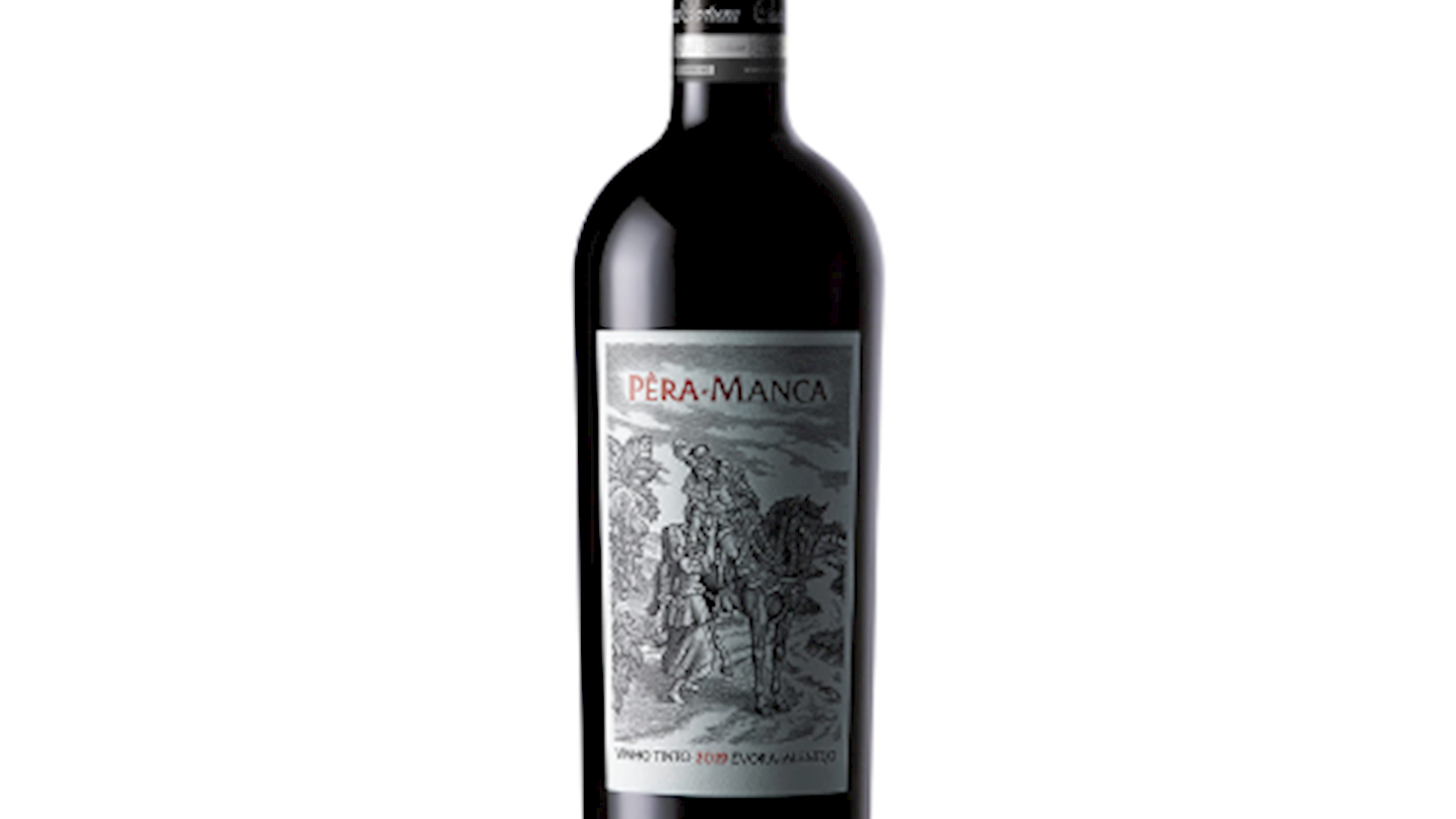
Cartuxa is a Portuguese wine producer based in the Alentejo region, closely associated with the Fundação Eugénio de Almeida, a foundation that manages the vineyards and winery near the historic city of Évora. The name Cartuxa derives from the nearby Santa Maria Scala Coeli Carthusian monastery, founded in the 16th century, which has long been part of the cultural and historical identity of the area. Wine production takes place at Adega Cartuxa, located on the Quinta de Valbom estate, where grapes from surrounding vineyards are vinified and aged. The vineyards are planted on typical Alentejo soils and benefit from the region’s warm climate, which is well suited to varieties such as Aragonez, Trincadeira, Alicante Bouschet, Antão Vaz, Roupeiro, and Arinto. The portfolio includes several wine ranges, notably EA, Cartuxa, Scala Coeli, and Pêra-Manca, the latter widely regarded as one of Portugal’s most prestigious wines. In addition to wine, the estate also produces extra virgin olive oil from its groves. Revenue generated by these activities supports the cultural, educational, and social initiatives developed by the Fundação Eugénio de Almeida in the Alentejo region.
Awards
Vivino - 4.7
Vivino - 4.5
03

Já Te Disse

5 ·
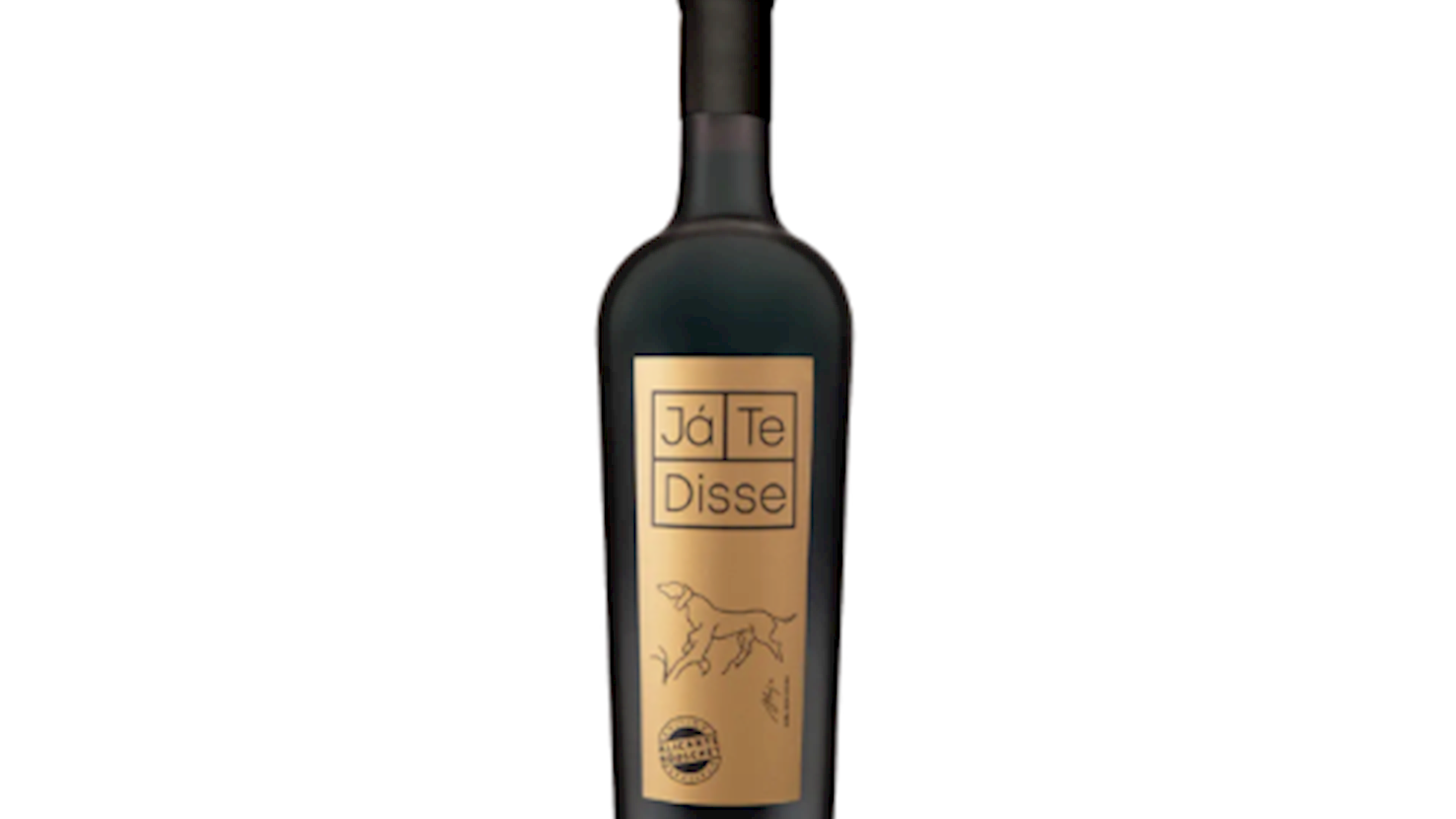
Já Te Disse is an independent Portuguese wine project based in the Alentejo region, known for its modern and creative approach to winemaking. The winery focuses on producing wines in limited quantities, emphasizing the quality of the grapes and the authentic expression of the vineyards from southern Portugal. The vineyards are located in the typical Alentejo landscape, where a warm and dry climate allows the grapes to reach full ripeness and develop concentrated aromas. Winemaking practices aim to preserve the natural fruit character and balance of the wines while maintaining a contemporary style. The brand also stands out for its distinctive visual identity and playful name - “Já Te Disse” which in Portuguese translates to “I already told you”. This informal tone reflects the project’s intention to present Alentejo wines in a fresh and accessible way. The wines are generally produced in small batches and target consumers interested in authentic and modern interpretations of Portuguese terroir. By combining traditional vineyard practices with a contemporary aesthetic and focused enological work, Já Te Disse represents a new generation of boutique wine initiatives emerging in Portugal.
04

Herdade Papa Leite

5 ·
Herdade Papa Leite is an estate and winery located in Alter do Chão, in the northern part of Portugal’s Alentejo wine region. The estate has a history that dates back to the 17th century and was traditionally dedicated to agriculture, including the cultivation of cereals, olive groves, and livestock farming, activities that remain part of its identity today. Its modern development began when the property was acquired by Filipe Barreiros Cardoso, who set out to establish a wine project reflecting the character of this part of Alentejo. The vineyards are planted on clay-rich and mineral soils, while the combination of warm days and cooler nights allows the grapes to ripen fully while preserving natural freshness. Both local and international grape varieties are used in production, including Cabernet Sauvignon, Cabernet Franc, and Merlot for red wines, as well as Viognier, Chenin Blanc, Semillon, and Moscatel for white wines. Grapes are often harvested at night to maintain their aromatic purity and quality before arriving at the winery. The portfolio includes several wine lines that explore different styles and interpretations of the Alentejo terroir. A distinctive element of the brand identity is the artistic design of the labels, which illustrate stories and moments connected to life on the estate. By combining the heritage of a historic property with a contemporary approach to viticulture and winemaking, Herdade Papa Leite aims to express the landscape, climate, and culture of northern Alentejo through its wines.
Awards
Vivino - 4.6
05

Herdade da Maroteira

5 ·
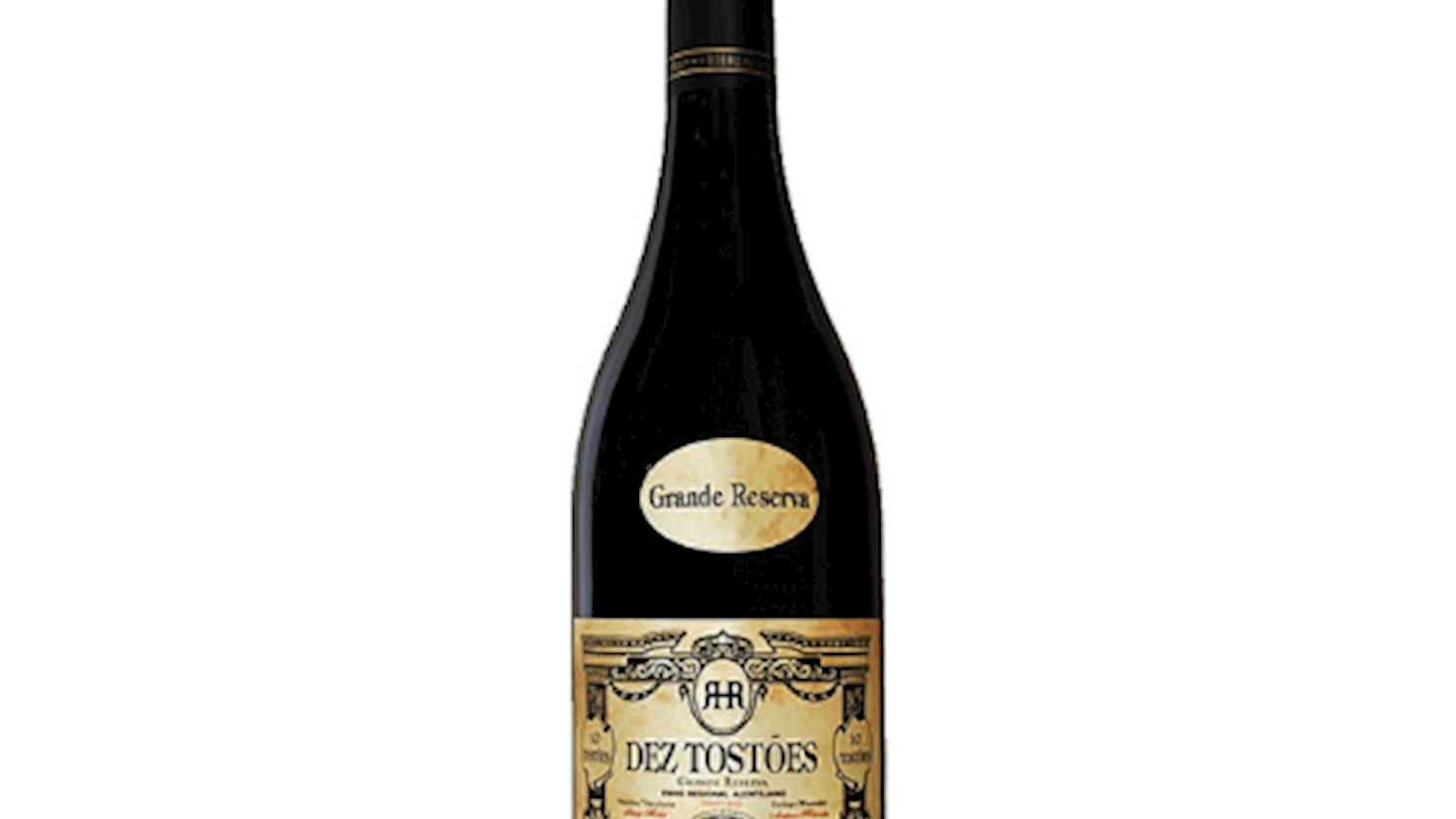
Herdade da Maroteira is a family-owned wine estate located in the Alentejo region of Portugal, on the slopes of the Serra d’Ossa mountains near the town of Redondo. The estate has been linked to the Anglo-Portuguese Reynolds family since the mid-19th century, when Robert Reynolds began managing cork oak forests that supplied cork for the port wine industry. For many decades the property was primarily dedicated to cork production, livestock farming and olive cultivation, reflecting the traditional agricultural landscape of Alentejo. A significant transformation began in the early 2000s when Philip Mollet introduced vineyards and established a modern winemaking project on the estate. The first plantings focused on Syrah, which proved particularly well suited to the local conditions and led to the creation of the winery’s flagship wine, Cem Reis. Over time the vineyards expanded to include varieties such as Alicante Bouschet, Aragonez and Touriga Nacional, planted on clay-limestone soils typical of the region. Grapes are harvested by hand, often during the night to preserve freshness and aromatic intensity. Today the estate combines vineyards, cork oak forests and traditional Alentejo landscapes, while the winery produces wines that balance ripe fruit, structure and the distinctive character of the local terroir. The portfolio includes labels such as Mil Reis, Cem Reis and Dez Tostões, reflecting both modern winemaking and the agricultural heritage of the property.
Awards
Vivino - 4.6
Vivino - 4.7
06

Quinta da Vacaria

5 ·
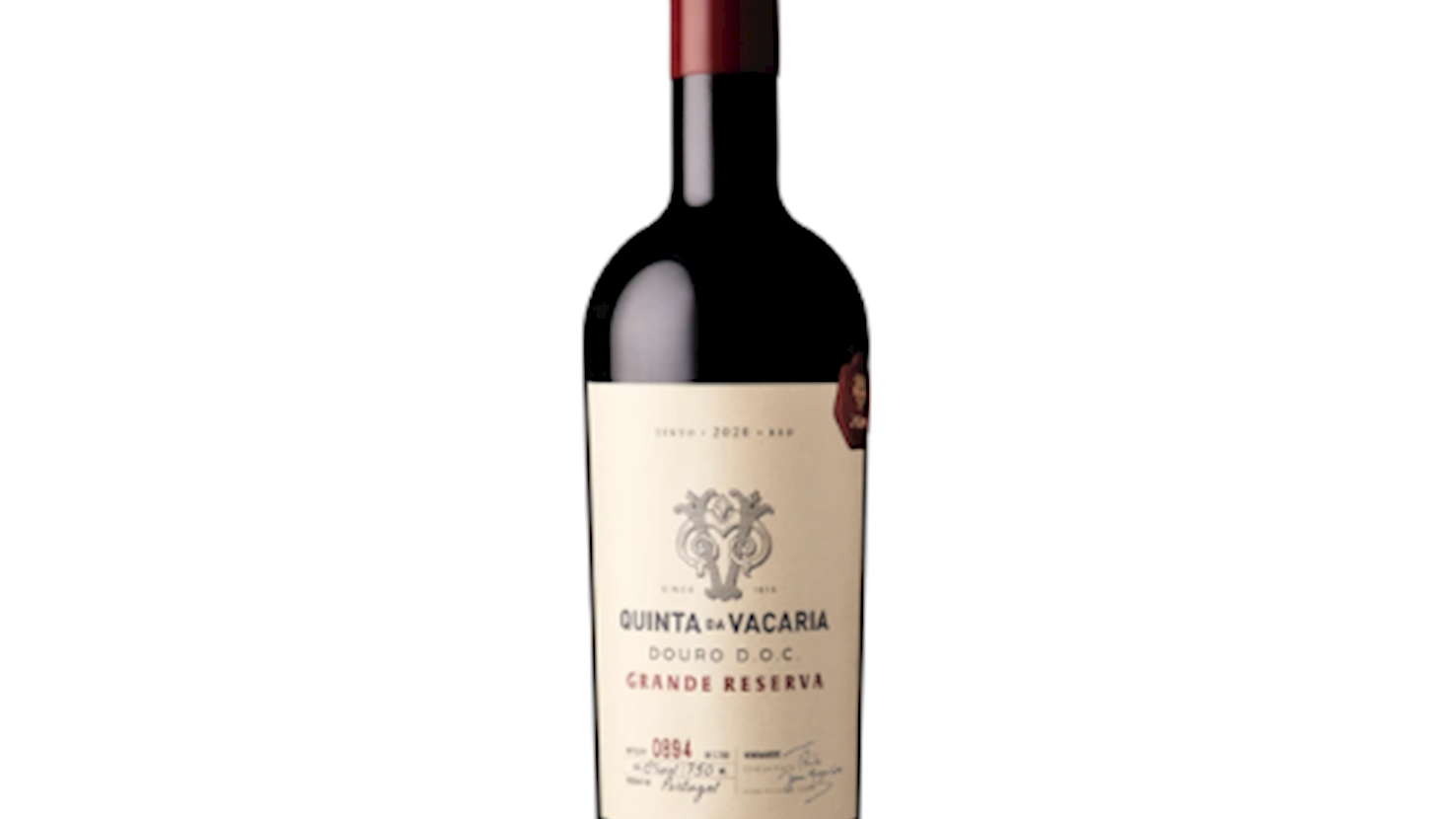
Quinta da Vacaria is a historic wine estate located in Portugal’s Douro Valley with winemaking roots dating back to the early 17th century. The estate was acquired in 1613 by Gaspar de Sousa and later became associated with the Jesuit order, marking the beginning of a long viticultural tradition in the area. Situated near the confluence of the Douro and Corgo rivers, close to Peso da Régua, the property includes terraced vineyards planted on the schist soils characteristic of the region. These vineyards are cultivated with traditional Portuguese grape varieties such as Touriga Nacional, Touriga Franca, Tinta Roriz, and Rabigato, which reflect the diversity and structure of Douro wines. Quinta da Vacaria produces both Douro DOC wines and Port wines, combining historical vineyard practices with modern winemaking techniques to highlight the character of its terroir. In recent years the estate has also developed wine tourism, offering visitors tastings, vineyard experiences, and accommodation overlooking the Douro River. Today Quinta da Vacaria stands as one of the historic estates of the Douro, linking centuries of wine heritage with contemporary wine production.
Awards
Vivino - 4.6
Vivino - 4.4
07

Quinta do Vale Meão

5 ·
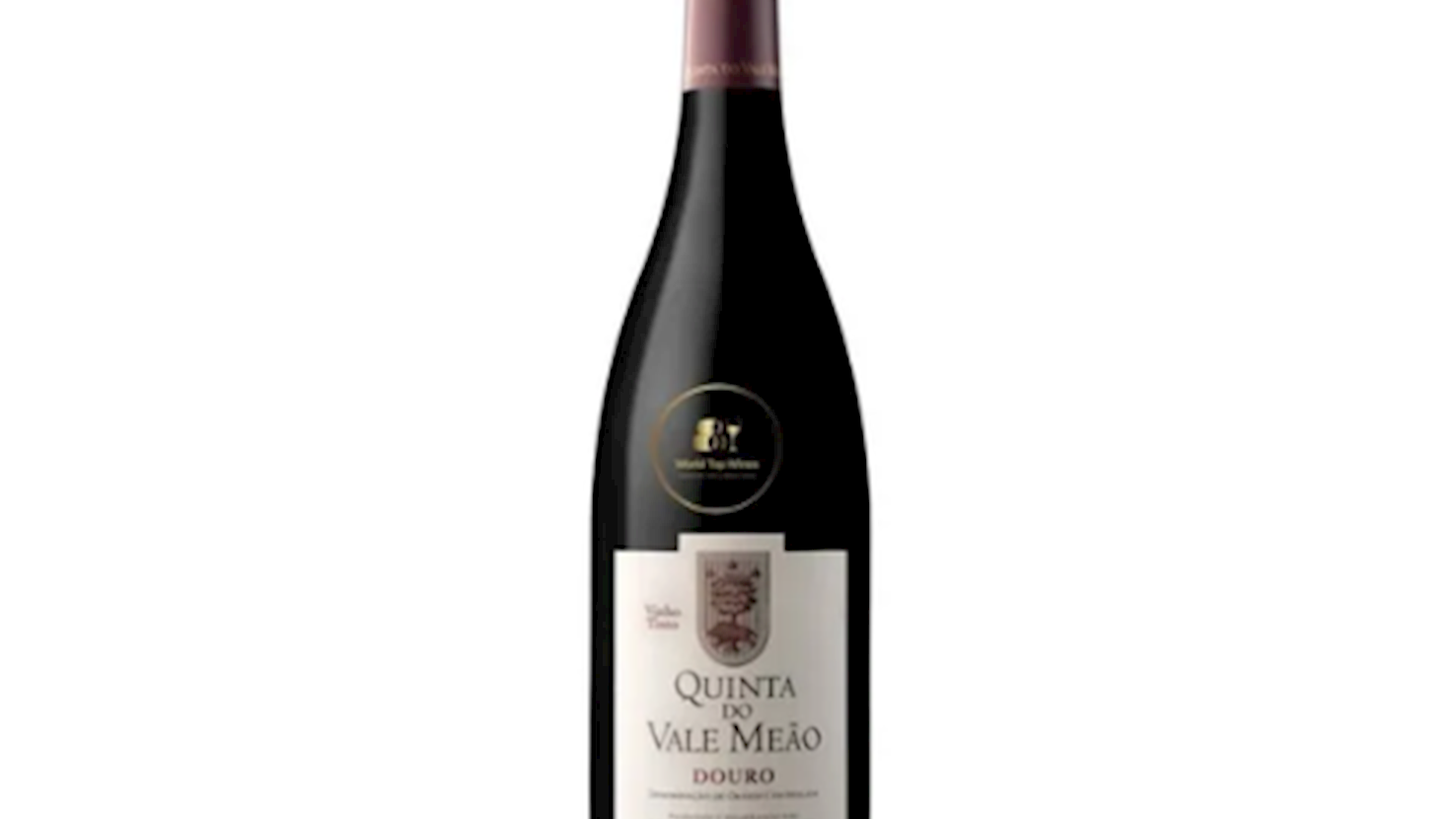
Quinta do Vale Meão is a historic estate located in the Douro region of Portugal, founded in 1877 by Doña Antónia Adelaide Ferreira. Today, it is owned by her great-great-grandson, Francisco "Xito" Olazabal, who continues the family tradition of producing exceptional wines. The winery combines traditional methods with modern technology. Grapes are still foot-trodden in ancient stone tanks known as "lagares", while fermentation takes place under controlled conditions in modern stainless steel tanks. The wines are aged exclusively in French oak barrels from the Allier region. Quinta do Vale Meão is renowned for its red wines, particularly those crafted from grape varieties such as Touriga Nacional, Tinta Roriz, and Touriga Franca. Their wines are characterized by deep color, complex aromatic profiles, and outstanding structure, making them highly esteemed by wine enthusiasts worldwide.
Awards
James Suckling - 95 points (2023)
Vivino - 4.6
08

Quinta dos Castelares

5 ·
Quinta dos Castelares is a modern winery located in the village of Freixo de Espada à Cinta, in the heart of the Douro Superior region, an area defined by high altitudes, steep slopes and a microclimate that allows for slow, balanced grape ripening. The estate combines traditional vineyard practices with contemporary winemaking techniques, placing strong emphasis on sustainability and the preservation of indigenous Portuguese varieties. Its portfolio includes red, white, rosé and premium wines, with standout red varieties such as Touriga Nacional, Touriga Franca and Tinta Roriz, and white varieties like Códega do Larinho, Rabigato and Gouveio. The altitude and rocky soils contribute to marked minerality, refined tannin structure and freshness, characteristics that distinguish the estate’s wines within the Douro landscape. Quinta dos Castelares has quickly gained recognition as a producer that successfully unites local identity with modern precision, offering wines of clarity, expressiveness and well-defined terroir character.
Awards
Decanter World Wine Awards - Best in Show (2019)
Vivino - 4.6
09

Casa Ferreirinha

5 ·
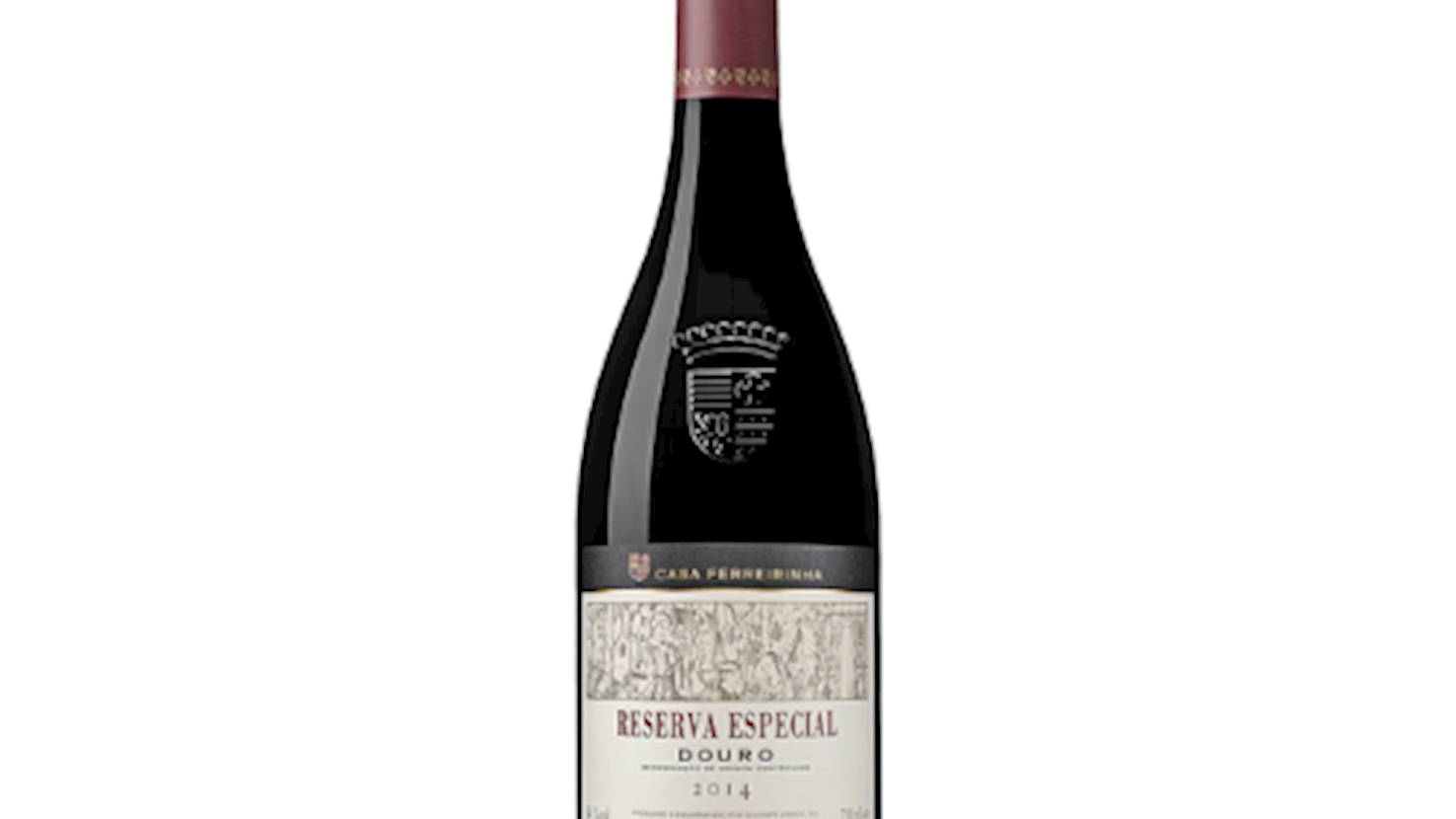
Casa Ferreirinha is one of the most historic and respected wineries in Portugal’s Douro Valley, closely associated with the legacy of Dona Antónia Adelaide Ferreira, a pioneering figure who played a major role in the development of the region’s wine industry in the 19th century. The winery was formally established in 1952, but its roots date back to the extensive vineyard holdings and wine trade built by the Ferreira family over generations. Located in the Douro region, Casa Ferreirinha focuses primarily on the production of high-quality still wines made from traditional Portuguese grape varieties such as Touriga Nacional, Touriga Franca, Tinta Roriz, and Tinta Barroca. The winery combines long-standing winemaking traditions with modern techniques to produce wines that express the distinctive character of the Douro terroir. Among its most iconic wines is Barca Velha, widely regarded as one of Portugal’s most prestigious red wines and produced only in exceptional vintages. Casa Ferreirinha’s portfolio also includes well-known labels such as Reserva Especial, Quinta da Leda, and Esteva. Through its focus on indigenous grape varieties and careful vineyard management, the winery has become a benchmark producer for Douro DOC wines and an important reference point in the evolution of modern Portuguese winemaking.
Awards
Vivino - 4.6
Vivino - 4.7
10

Casa de Santar

5 ·
Casa de Santar is a historic wine estate located in the village of Santar in Portugal’s Dão wine region, one of the country’s most respected areas for producing elegant and age-worthy wines. The estate has a winemaking tradition that dates back several centuries, while its modern development began during the 20th century with the reorganization of vineyards and the introduction of more structured wine production. The vineyards are planted on granite soils at elevations of around 400–500 meters above sea level, in a landscape surrounded by mountain ranges that protect the vines from strong Atlantic influences and create favorable conditions for grape ripening. The winery focuses primarily on indigenous Portuguese grape varieties such as Touriga Nacional, Alfrocheiro, Tinta Roriz, and Jaen for red wines, while Encruzado and Bical are among the main varieties used for white wines. Wines from Casa de Santar are typically known for their elegance, aromatic complexity, and balance between structure and freshness, characteristics that are closely associated with the Dão region. The winery combines historical heritage with modern winemaking techniques while maintaining a traditional style. Today the estate is part of the Global Wines group and is considered one of the most recognized wine producers in the Dão region. Casa de Santar continues to play an important role in shaping the reputation of Dão as one of Portugal’s key wine regions.
Awards
Decanter World Wine Awards - Platinum (2022)
Vivino - 4.6
Read more
View all
View map
About this ranking

TasteAtlas food rankings are based on the ratings of the TasteAtlas audience, with a series of mechanisms that recognize real users and that ignore bot, nationalist or local patriotic ratings, and give additional value to the ratings of users that the system recognizes as knowledgeable. For the “Top 100 Portuguese Red Wines” list until June 03, 2026, 221 ratings were recorded, of which 134 were recognized by the system as legitimate. TasteAtlas Rankings should not be seen as the final global conclusion about food. Their purpose is to promote excellent local foods, instill pride in traditional dishes, and arouse curiosity about dishes you haven’t tried.

The initial list of top producers was compiled based on available reviews, awards, local recommendations, media and blog coverage, and consumer reviews. The list will be updated with ratings from TasteAtlas local ambassadors and TasteAtlas users.

Similar lists