Top 14 Dalmatian White Wines

Last updated on July 15, 2026

Best Dalmatian White Wines
01

Bire

5.0 ·

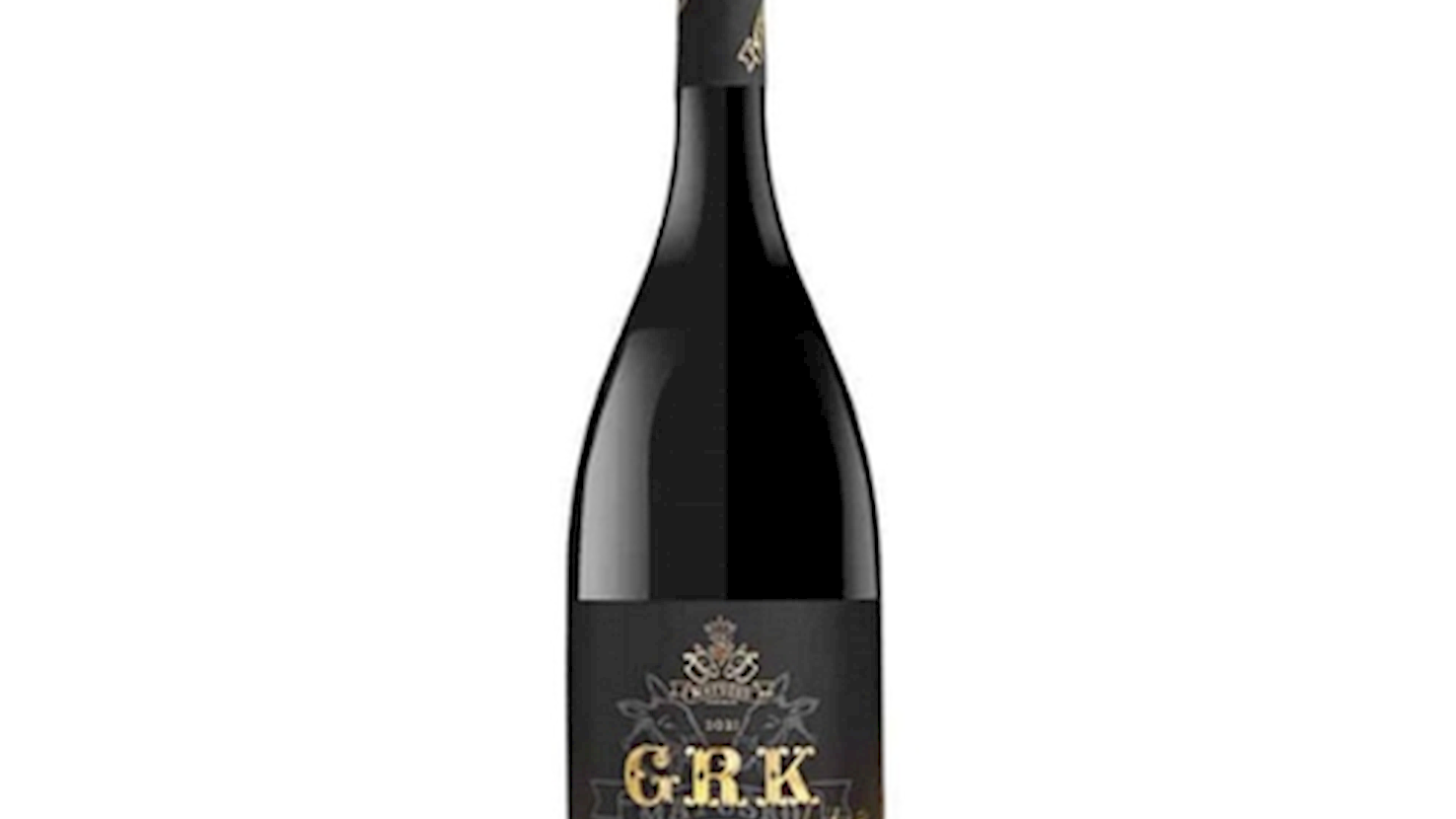
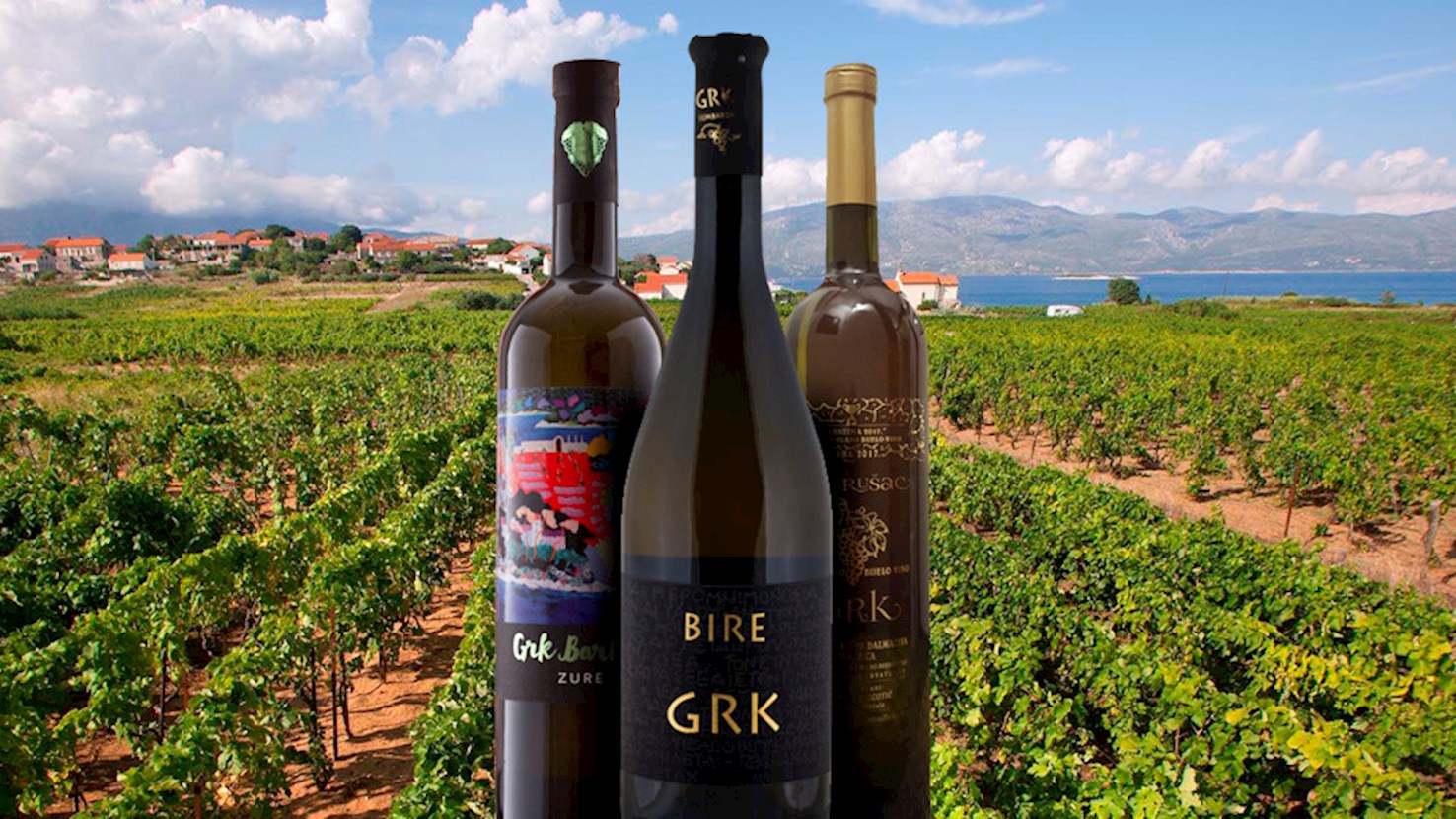
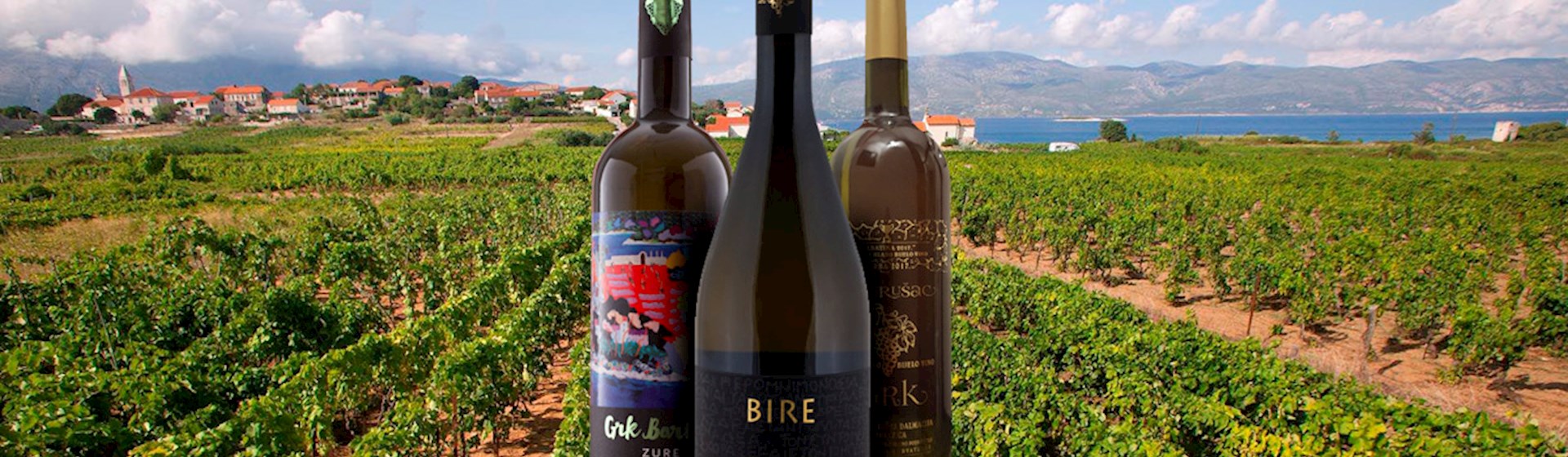
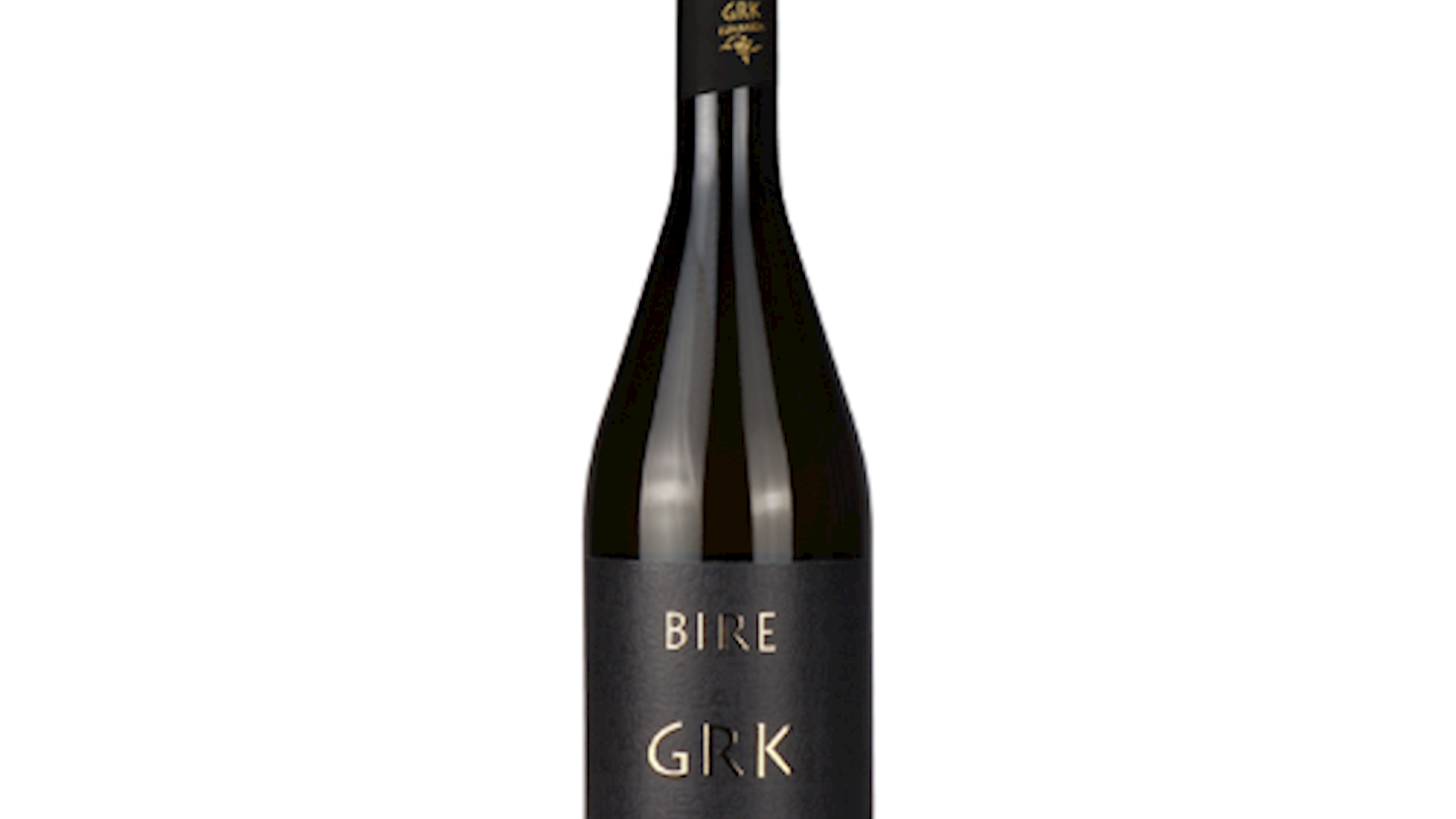
Bire is a family-owned winery located in the village of Lumbarda on the island of Korčula in southern Dalmatia, an area well known for the cultivation of the indigenous Grk grape variety. The winery is run by the Milina-Bire family, who continue a long tradition of viticulture in this part of the island and focus on preserving local grape varieties.

The vineyards are situated on the distinctive sandy soils of Lumbarda, close to the sea, which create unique conditions for growing Grk, one of the rarest Croatian grape varieties. This variety forms the core of the winery’s production and represents an important part of the region’s wine identity.

In addition to Grk, the winery also produces wines from varieties such as Plavac Mali as well as rosé wines. The grapes come from the family’s own vineyards, allowing careful control of quality and expression of the local terroir.

Today, Bire is considered one of the recognizable wine producers from Lumbarda and an important representative of the wine tradition of the island of Korčula.

Awards
Decanter World Wine Awards - Platinum (2021)
Vivino - 4.6
02

Zure

4.9 ·

Zure is a family-owned winery located in the village of Lumbarda on the island of Korčula in southern Dalmatia, one of the most recognized wine-growing areas of this part of Croatia. The winery is run by the Batistić-Zure family, who began professional wine production in 1996 while continuing a long-standing family tradition of viticulture.

The vineyards are situated close to the sea on the characteristic sandy soils of Lumbarda, which are particularly suitable for cultivating the indigenous Grk grape variety, one of the rarest and most distinctive Croatian wine grapes. This variety forms the core of the winery’s production and represents an important part of the local wine identity.

In addition to Grk, the winery also produces wines from varieties such as Pošip and Plavac Mali. The grapes are sourced exclusively from the family’s own vineyards, allowing full control over quality and the expression of the local terroir.

Today, Zure is considered one of the recognizable producers from the Lumbarda area, known for wines that reflect the Mediterranean character of the island of Korčula.

Awards
Decanter World Wine Awards - Platinum (2021)
Vivino - 4.5
03

Casa Boschi

4.8 ·

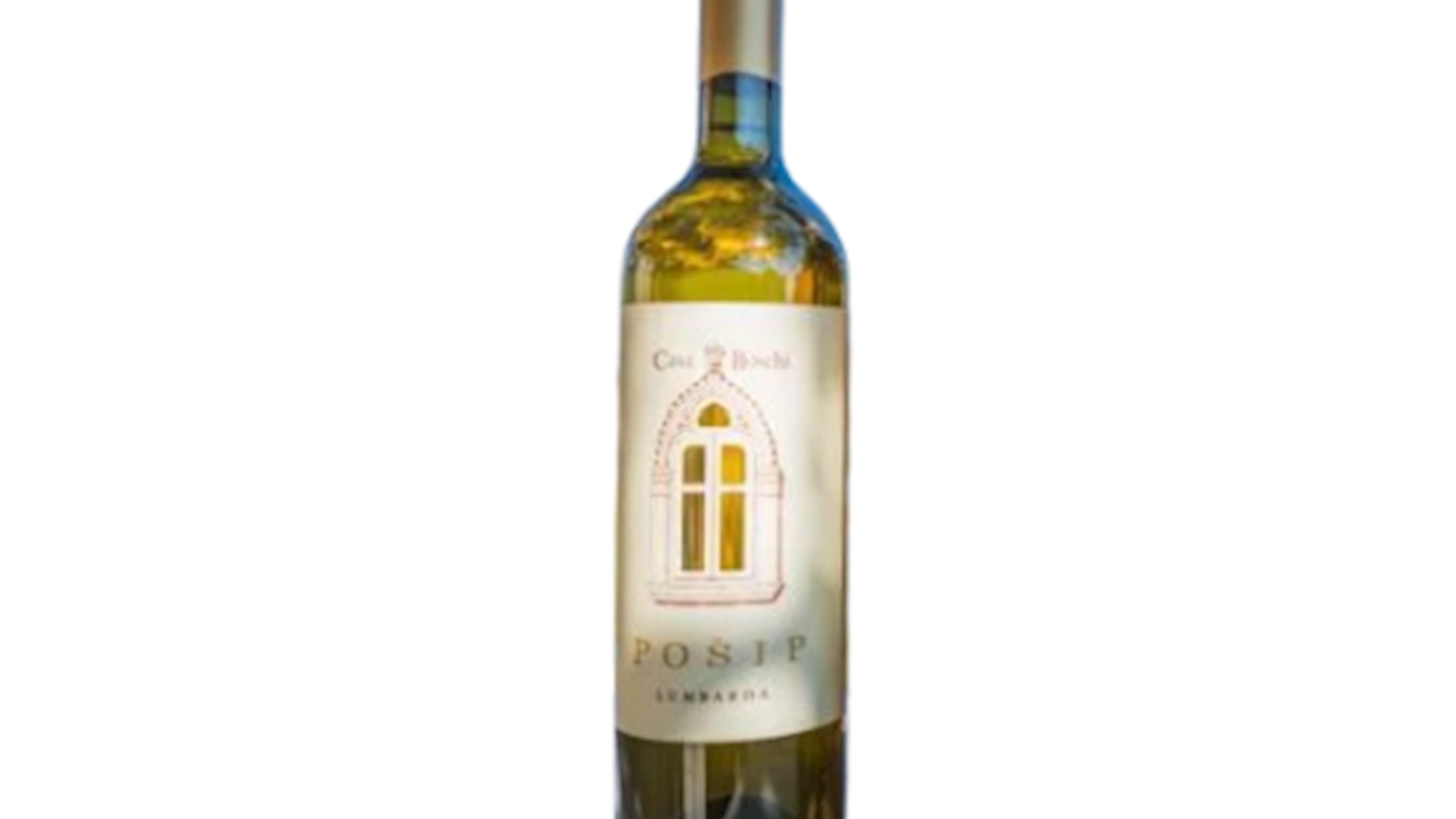
Casa Boschi is a small family-run winery located in the village of Lumbarda on the island of Korčula in southern Dalmatia, an area known for its long tradition of viticulture and distinctive Mediterranean terroir. The winery focuses on producing wines from indigenous Dalmatian grape varieties typical of the island, with particular emphasis on Grk and Pošip, as well as other local varieties such as Rukatac (Maraština) and Plavac Mali.

The vineyards are situated close to the sea on sandy and rocky soils, conditions that contribute to the freshness and mineral character of the wines. Production is relatively small and aimed at preserving the authentic expression of the grape varieties and the local wine style.

Traditional winemaking practices are combined with modern enological techniques to highlight the natural qualities of the fruit. The white wines are generally characterized by aromas of citrus, stone fruit, and Mediterranean herbs, often accompanied by a subtle saline note typical of coastal vineyards.

Red wines, usually made from Plavac Mali, tend to show a fuller structure with notes of ripe fruit and spice. Casa Boschi is part of the contemporary wine scene of Korčula, where small wineries play an important role in maintaining local grape varieties and regional wine heritage.

In addition to wine production, the winery also participates in the island’s wine tourism offer, welcoming visitors for tastings and presenting the wines of this Dalmatian region.

Awards
Vivino - 4.3
Vivino - 4.2
04

Saint Hills

4.8 ·

Saints Hills Winery is a family-run boutique project that combines authentic Croatian grape varieties, exceptional terroir, and minimalist aesthetics, with a deep respect for nature and winemaking tradition. Founded by Geoff Ernest Tolj and Ivana Tolj, the winery is guided by a clear vision: to create wines that faithfully express the character of indigenous varieties such as Plavac Mali, Malvasia Istriana and Pošip. The vineyards are named after saints and family members.

Sv. Lucija produces powerful red wines rich in aromas of cherry, tobacco, smoke, and Mediterranean herbs.

Sv. Roko offers well-balanced wines with pronounced fruitiness and freshness, partially aged in concrete and barrique barrels.

Sv. Ante yields complex white wines with citrus-mineral character and notes of white flowers and honey, matured in a combination of concrete and wood vessels. Visitors can enjoy two authentic wine experiences: Vinaria on the Pelješac Peninsula - a restored stone house transformed into a welcoming tasting room, wine shop, and guest reception area; and Cantina in Istria - a winery, restaurant, and accommodation complex located in the heart of the Sv.

Ante vineyard. With over 15 years on the market, Saints Hills Winery remains dedicated to the philosophy of the slow wine movement, crafting wines that reflect local identity, tradition, and the spirit of Mediterranean life. Each bottle from their cellar tells a story of the land, the microclimate, and the passion behind the winemaking.

Awards
Vivino - 4.4
Vivino - 4.3
05

Saints Hills

4.8 ·

Saints Hills is a Croatian boutique winery founded by Ernest Tolj with the idea of presenting the potential of different Croatian wine regions through a modern approach to winemaking. The winery works with vineyards in several locations, primarily on the Pelješac Peninsula in the Dingač appellation, in the Komarna region of southern Dalmatia, and in Radovani in Istria.

This approach allows the production of wines that reflect the character of different terroirs as well as the diversity of indigenous and international grape varieties. Particular attention is given to the Plavac Mali variety, the most important red grape of Dalmatia, while white wines are also produced from varieties such as Pošip and Malvazija Istarska.

The vineyards on Pelješac are located on steep, sun-exposed slopes above the sea, where most vineyard work must be done by hand due to the demanding terrain. In the cellar, traditional viticultural practices are combined with modern winemaking techniques in order to preserve the character of the grapes and the terroir.

Today, Saints Hills is considered one of the recognizable contemporary Croatian wineries, known for wines that highlight regional identity and the distinct style of different vineyard areas.

Awards
Vivino - 4.4
Vivino - 4.3
06

Matuško

4.6 ·

Matuško is a family-owned winery from the village of Potomje on the Pelješac Peninsula, founded in 1997 by Mato Violić - Matuško, one of the key figures in the modern promotion of the Plavac Mali grape and the Dingač appellation. Today, the winery is one of the largest and most visited on Pelješac, featuring an impressive 2,000 m² wine cellar that welcomes over 50,000 visitors annually.

The stone-carved tasting room symbolically connects tradition with the raw power of Pelješac’s soil, which lies at the heart of all Matuško wines. The winery’s core focus is on red wines made from the Plavac Mali grape, particularly those from the Dingač protected designation of origin - Croatia’s first officially recognized vineyard micro-location. The Dingač terrain is extremely rocky, rich in minerals, and situated on steep southern slopes that receive more than 2,800 hours of sunshine per year.

Under these extreme conditions, Plavac Mali produces wines of high extract, deep color, full body, and pronounced structure. In addition to Dingač, Matuško also produces wines from other Dalmatian appellations, which further enrich its regional identity. Matuško has become synonymous with Plavac Mali in its most powerful form, characterized by bold tannins, ripe fruit aromas, Mediterranean herbs, and deep minerality.

Through a modern oenological approach and consistent quality, the winery successfully balances authenticity with broad accessibility, creating wines that are well recognized both in Croatia and internationally.

Awards
Vivino - 4.6
Vivino - 4.4
07

Edivo

4.6 ·

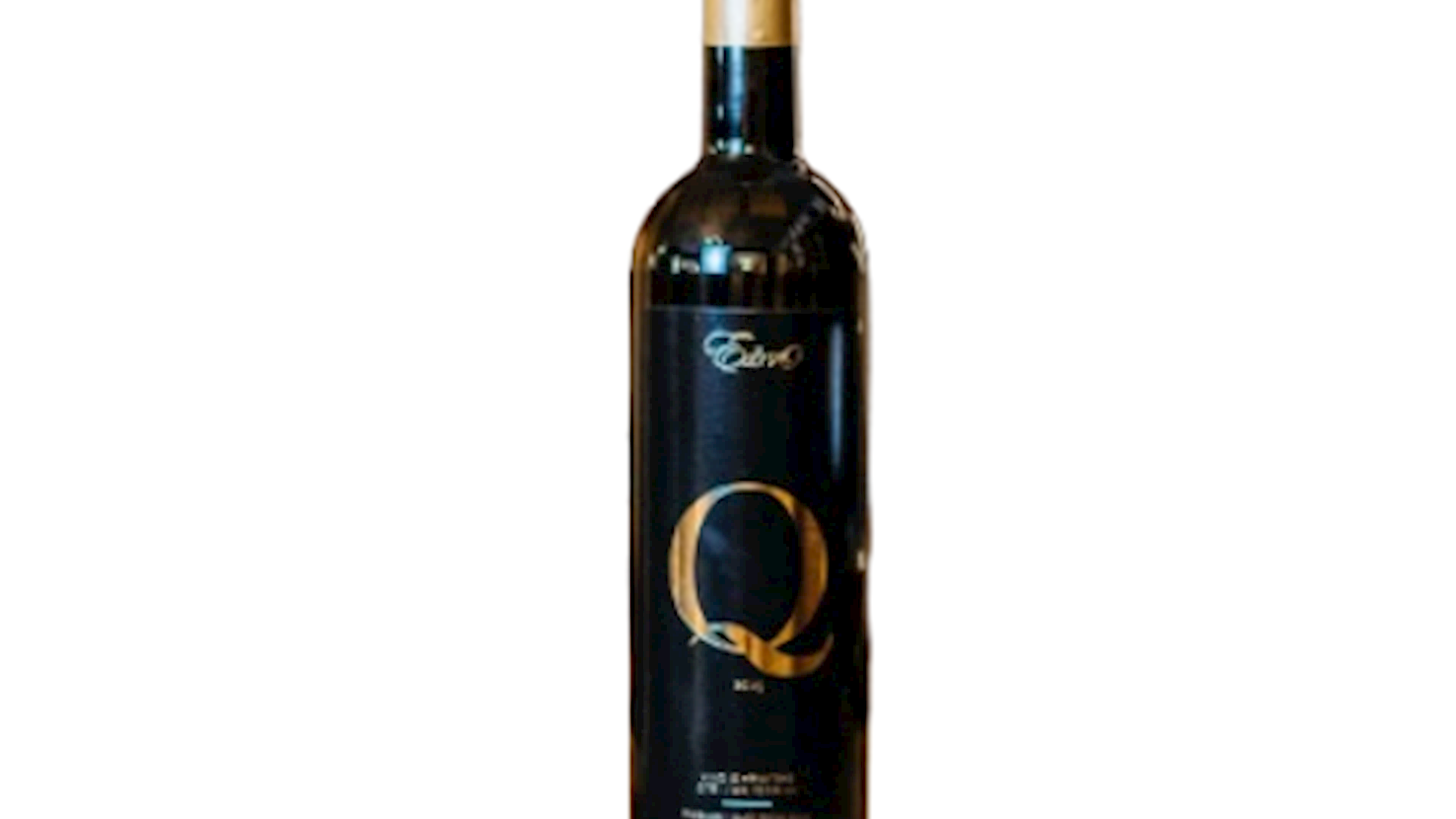
Edivo is an innovative winery from the Pelješac Peninsula, known as the first and only underwater winery in Croatia, blending winemaking tradition with the unique environment of the Adriatic Sea. Their concept is based on the idea of aging wine under the sea - after an initial period of maturation on land, the bottles are sealed with wax, placed in clay amphorae, and submerged at depths greater than 20 meters, where they remain for over two years.

In these conditions - with stable temperature, silence, and complete isolation - the wine develops a distinctive maritime character and subtle aromas reminiscent of pine and sea minerals. Edivo offers visitors a truly unique experience: guided diving tours to their underwater wine cellar with wine tastings, as well as the opportunity to taste and purchase wines in their wine bar located in Drače. This fusion of enology, design, and adventure makes Edivo a true symbol of creativity and authenticity in Dalmatian winemaking.

Awards
Vivino - 4.2
Vivino - 4.1
08

Vina Deak

4.6 ·

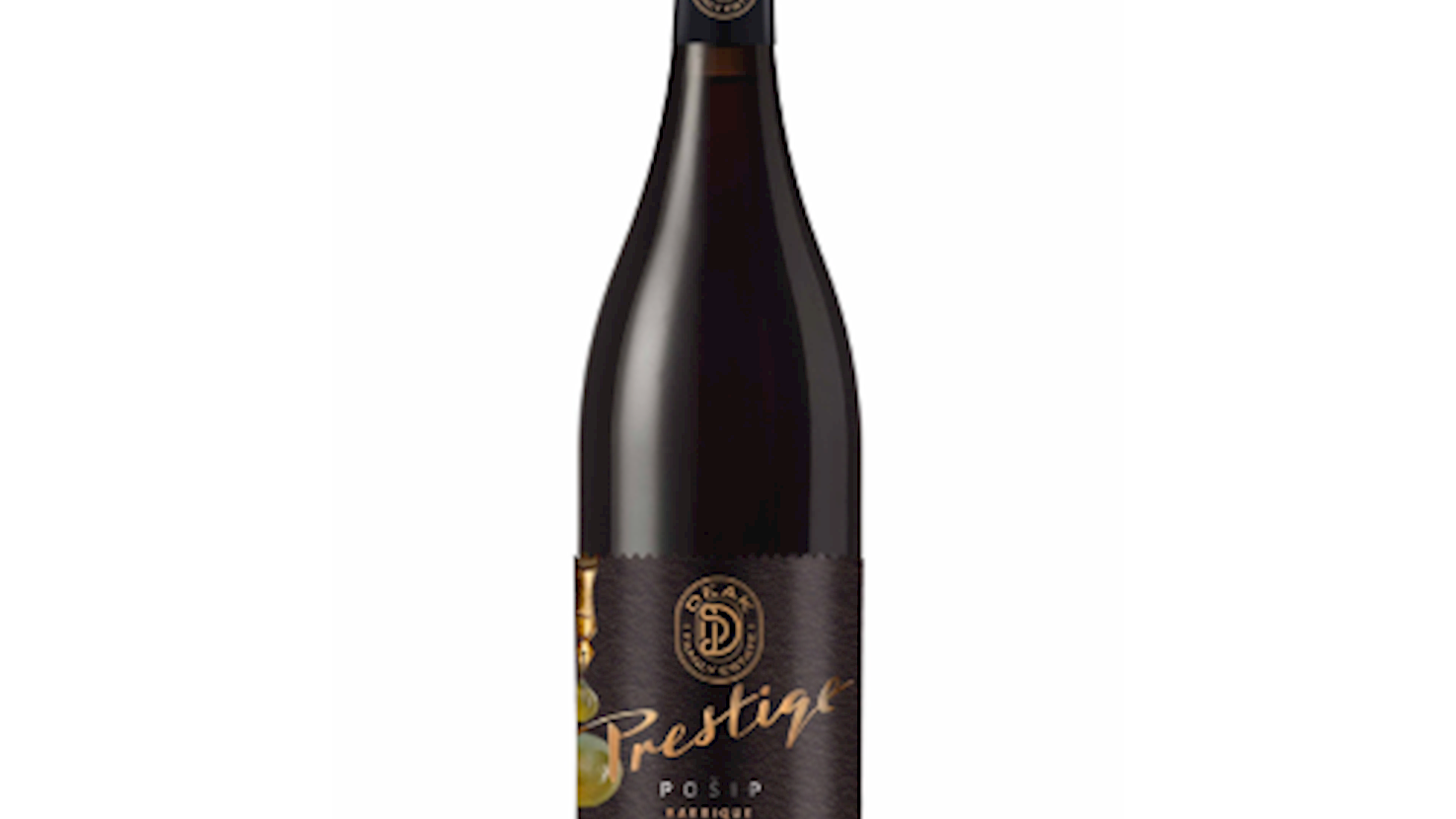
Vina Deak is a small family-run winery located in the village of Klek in southern Croatia, within the Dubrovnik-Neretva County, close to the Adriatic coast. The winery is managed by the Deak family, who maintain a long-standing connection to viticulture as well as olive growing and local gastronomic traditions.

Their vineyards benefit from a Mediterranean climate with abundant sunshine, conditions that are well suited for cultivating grape varieties typical of southern Dalmatia. A central role in their production is played by Pošip, one of the most important indigenous white grape varieties of the region, from which the winery produces several different wine styles.

These wines are generally characterized by expressive fruit aromas, freshness, and a distinct mineral character, while some labels are partially aged in wooden barrels to develop greater structure and complexity. The portfolio also includes red wines made from Plavac Mali, a grape variety closely associated with the Dalmatian coastal wine tradition.

Production is relatively small and focused on preserving the character of the grape varieties and the local terroir. Vina Deak wines are commonly found in regional gastronomy, particularly in restaurants along the Adriatic coast.

Over time, the winery has also developed a small eno-gastronomic offering for visitors interested in discovering local wines and traditional cuisine. Through this approach, the winery combines wine production with tourism and the promotion of Dalmatian wine culture.

Awards
Vivino - 4.2
Vivino - 4.1
09

Radovanović Igor

Grk

4.6 ·

Igor Radovanović is a Serbian-born winemaker and wine professional known for his work in the Croatian wine sector, particularly in Dalmatia. He serves as the winemaker and director of Black Island Winery located in Smokvica on the island of Korčula.

Radovanović has been involved in several projects focused on the development of modern wineries and the promotion of indigenous grape varieties in the region. His work emphasizes combining contemporary winemaking techniques with the traditional character of Dalmatian terroirs.

At Black Island Winery he has played a key role in shaping the winery’s style, especially through wines made from the local Pošip variety. The winery itself was established through the revitalization of the former agricultural cooperative in Smokvica, historically associated with the first production of Pošip wine.

Through his approach, Radovanović contributes to presenting Dalmatian wines in a modern context while preserving the regional identity of local grape varieties.

Awards
Vivino - 4.3
Decanter World Wine Awards - Silver (2021)
10

Stina

4.6 ·

Stina is a Croatian winery located in the town of Bol on the island of Brač in central Dalmatia, known for producing wines that reflect the distinctive island terroir. The modern winery project was established in 2009 when the historic winery building in the center of Bol was renovated and equipped with contemporary winemaking facilities.

The cellar itself is housed in a historic structure originally built in 1903 for the First Dalmatian Wine Cooperative, which represents an important part of the region’s wine heritage. Today the winery cultivates vineyards across the island of Brač, where Mediterranean climate, rocky soils and strong sun exposure create favorable conditions for vine cultivation.

The production focuses mainly on indigenous Dalmatian grape varieties such as Plavac Mali, Pošip and Vugava, alongside smaller plantings of international varieties. The vineyards are often located on steep coastal slopes facing the sea, which contributes to the concentration and character of the grapes.

By combining traditional viticulture with modern winemaking techniques, Stina produces wines that highlight the identity and terroir of the island of Brač.

Awards
Vivino - 4.2
Wine-Searcher - 91/100

Best Dalmatian White Wine Types
01

Pošip

3.7 ·

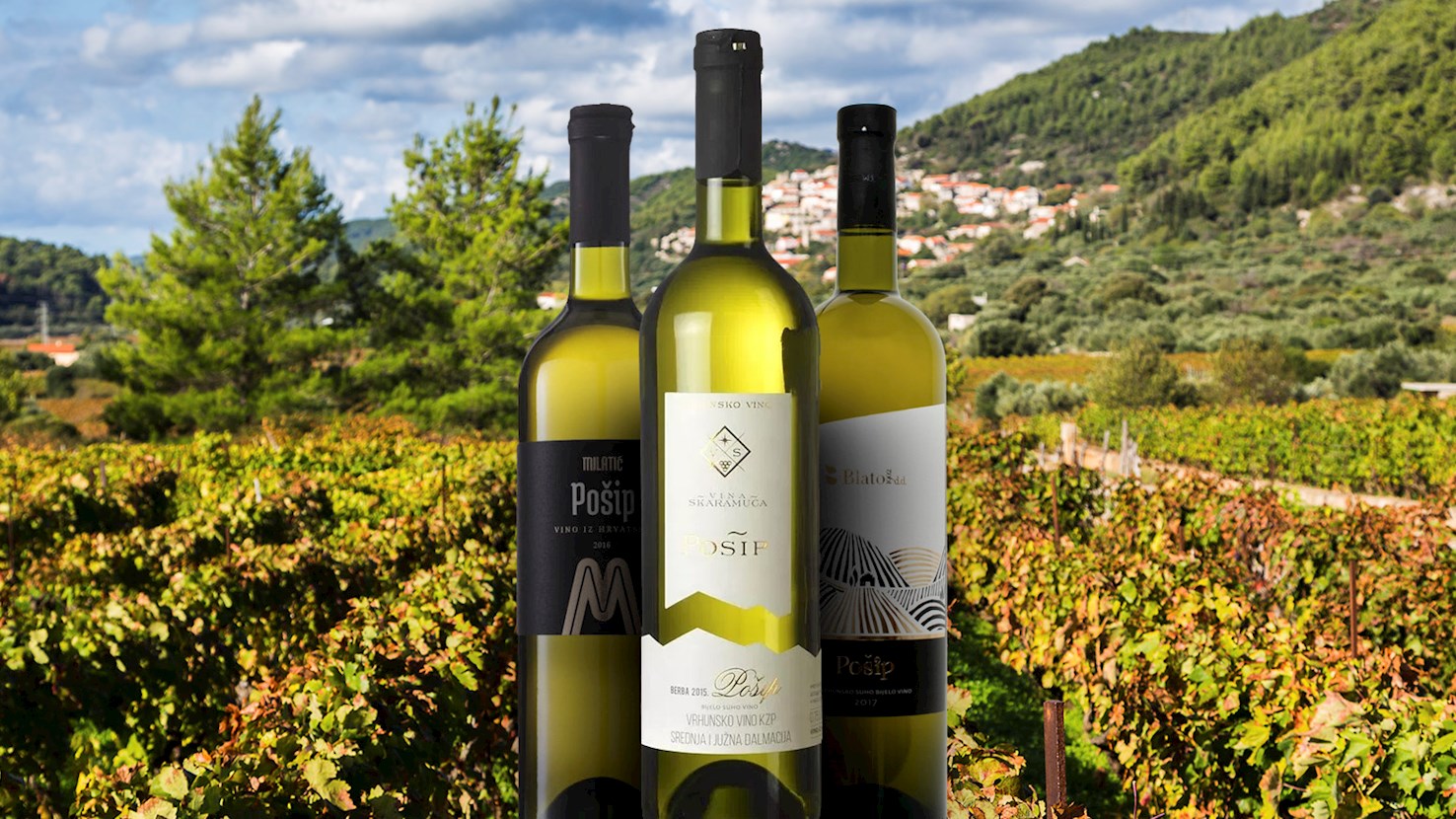
Pošip is a native Croatian grape which was discovered by chance on the island of Korčula. Although it is cultivated in other Dalmatian regions, the grape is still extensively grown on Korčula, and it achieves the best results in the vineyards located around the villages Smokvica and Čara. The best versions of varietal Pošip will be full-bodied and harmonious with a perfect balance of alcohol and acidity. They are usually golden yellow with fruity aromas of apricots, almonds, Mediterranean herbs, figs, and citrus fruit. Pošip wines are a perfect match to most Dalmatian dishes, especially fish and shellfish, while oak-aged version can pair well with octopus or veal. It can also go well with cheese and cured meat. Pošip was the first white grape from Croatia with a protected geographical origin.

02

Grk

3.4 ·

Grk or Grk bijeli is a native Croatian grape from the island of Korčula that is mostly used in the production of dry white wines. The grape rarely gives high yield, and it is mainly grown on sandy soils that surround the city of Lumbarda. Since the name Grk translates as Greek, it was long assumed that the grape had origins in Greece, but recent studies contradict this idea and state Crljenak kaštelanski as the only close relative to this rare and unique Croatian grape. Also, the word grk can be roughly translated as bitter—subtle tartness is a common characteristic found in Grk wines. Most Grk wines are mineral and aromatic, with herbal nuances and a good balance of acidity and sugars. Interestingly, Grk grape has only female functioning parts—meaning that it needs to be planted along with other grape varieties. In Lumbarda, it is mostly grown together with Plavac mali. Grk wines pair naturally with white fish and shellfish, but they can also be an excellent match to risottos, pasta dishes, and aged cheese.

03

Vugava

n/a ·

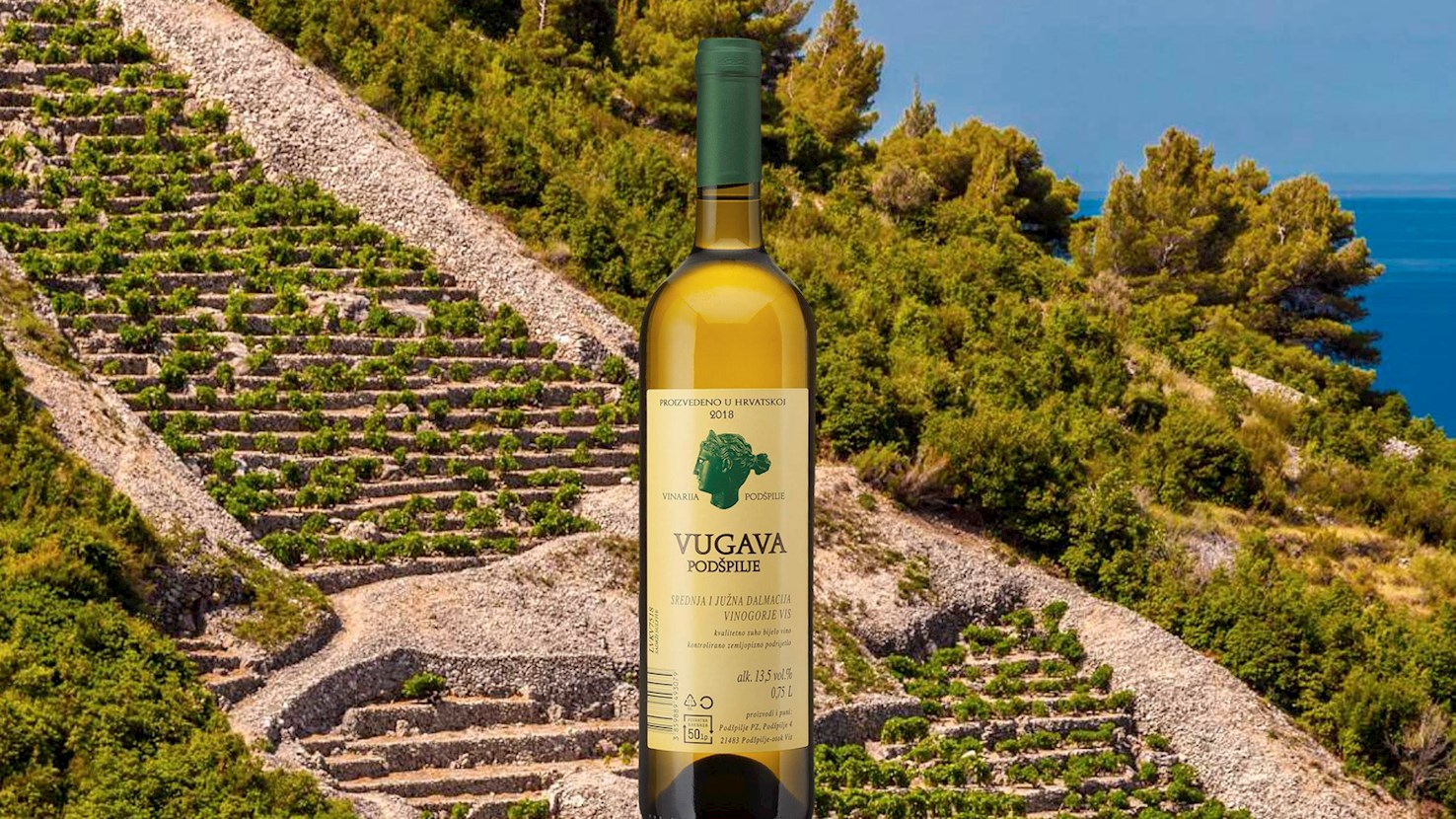
Vugava is a native Croatian grape that hails from a small island of Vis. The variety is exclusively cultivated on the island where and ripens early in the warm Mediterranean climate and thrives on the terraced terroir around Komiža. Vugava-based wines are golden-yellow, fresh, and aromatic. The acidity is typically low, the alcohol content high, and the wines will generally have high sugar content. The aroma is reminiscent of ripe fruit, apricots, peaches, and honey, sometimes with citrus and herbal notes. Vugava has a long history on the island, and it is believed that it was brought by ancient Greeks. Apart from varietals and white blends, the grape was also used in prošek—Dalmatian dessert wine made with dry berries. Vugava was rarely used in bulk wines. Though rare, it was always known as a high-quality, premium Croatian grape. Vugava wines are best paired with local cuisine. They would work well with seafood, including shellfish and white fish, but it also pairs well with poultry, salads, fresh fruit, and sheep or goat cheese.

04

Bogdanuša

n/a ·

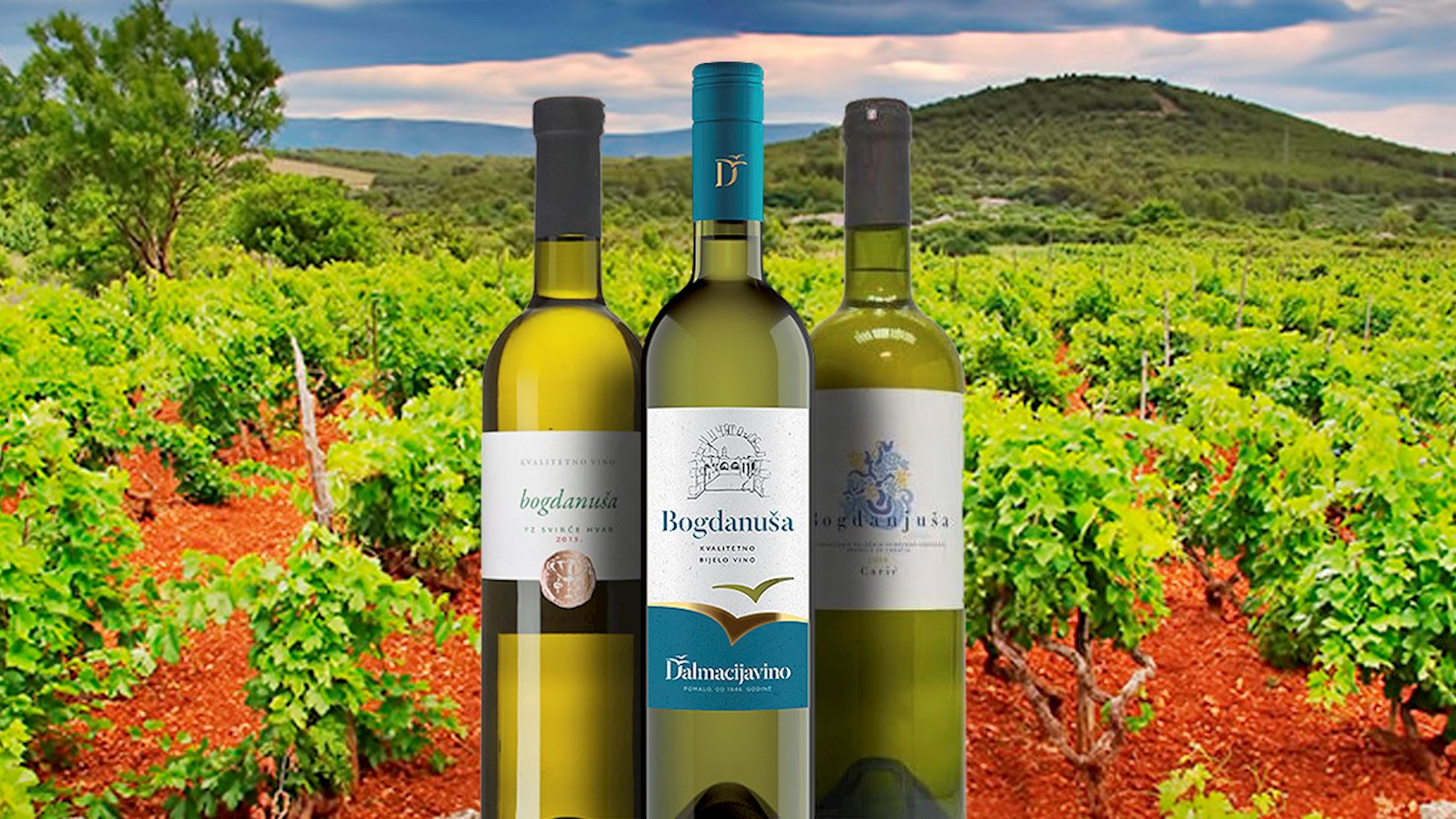
Bogdanuša is a white grape variety that is indigenous to Hvar. Although it is mostly used to produce varietal wines, it is occasionally incorporated into various local blends. Varietal versions are usually pleasant, food-friendly, and light drinking wines characterized by their herbal and floral notes, bright acidity, and freshness. The wine is best paired with fish-based main courses or light risottos. The name of the grape is roughly translated as God-given or God-send, allegedly because the wine used to be served at religious ceremonies.

05

Malvasia Dubrovačka

n/a ·

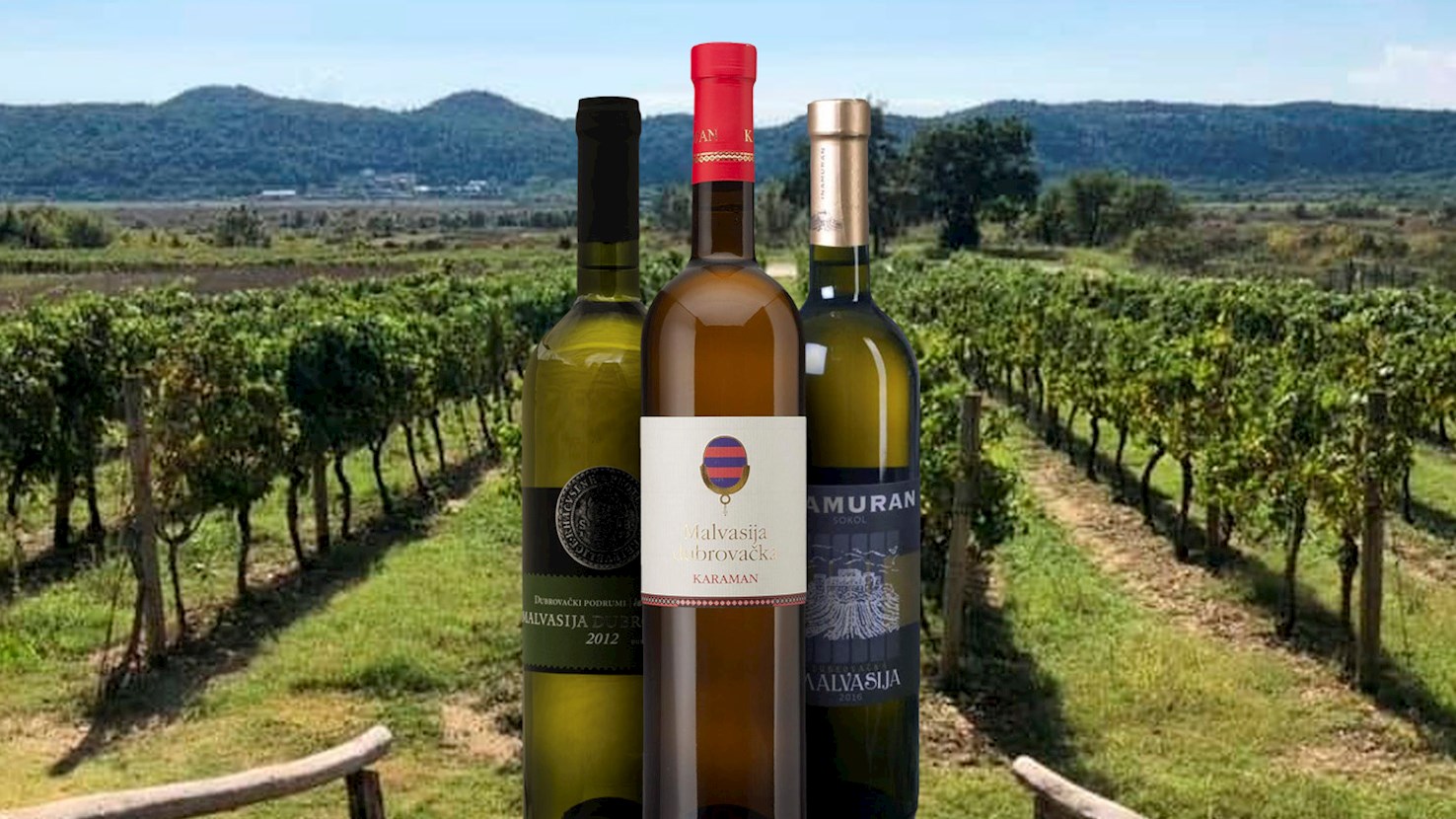
Malvasia from Dubrovnik is not a native Croatian variety. Although the grape has been cultivated in the area for over 600 years, research has shown that it is identical to the Italian Malvasia di Lipari. It is believed that it originated from Greece, and it then spread to several Mediterranean countries, including Croatia, Italy, and Spain. It is a rare, low-yield grape that was saved from extinction. Only a handful of producers, mainly located around Dubrovnik and Konavle, still cultivate and promote this exceptional grape. The wines have an appealing golden yellow color. They are incredibly aromatic, displaying a combination of stone fruit and floral aromas, often with citrus hints and honeyed nuance. On the palate, the wine is full-bodied and round but remains fresh and lively because of good acidity. It pairs best with seafood or light poultry dishes. The grape is also made into a dessert wine, and it is used in Prošek, sweet dessert wine made from dry berries.

06

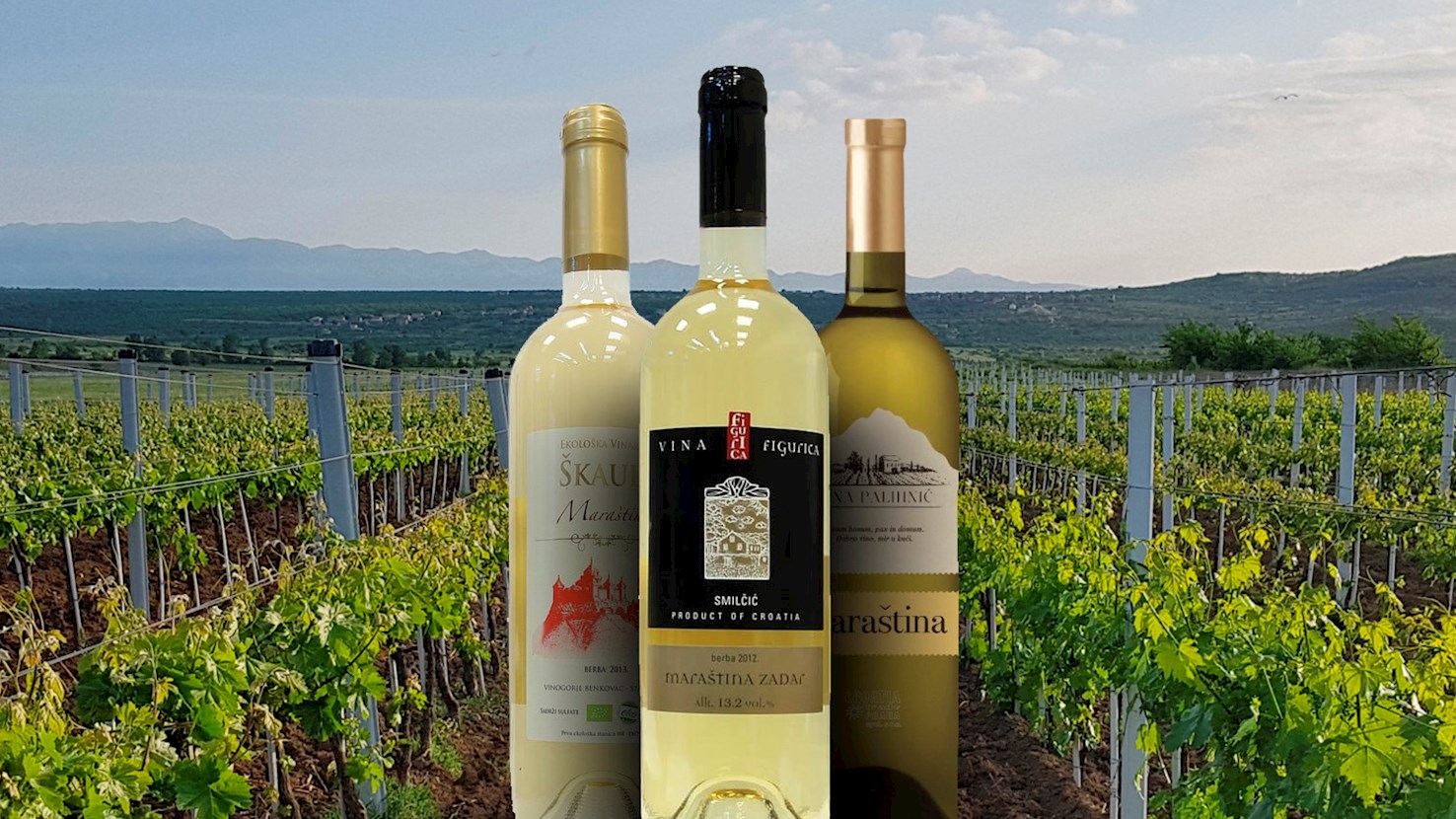
Maraština

n/a ·

Although it was believed that Maraština is an indigenous Croatian grape, research has shown that it is closely related to Malvasia del Chianti. Nevertheless, this late-ripening grape is extensively grown throughout the Croatian region of Dalmatia, particularly the area around Šibenik and the islands of Hvar, Lastovo, Pelješac, and Korčula. Mararaština was mainly used as a blending grape, but recently it has been proven as an excellent grape in the production of varietal wines. These easy-drinking wines will usually be fruity and fragrant with aromas of dry fruit and honey. They pair well with white meat, seafood, fish, risottos, and cheese. The grape is also used in the production of Croatian dessert wine prošek.

07

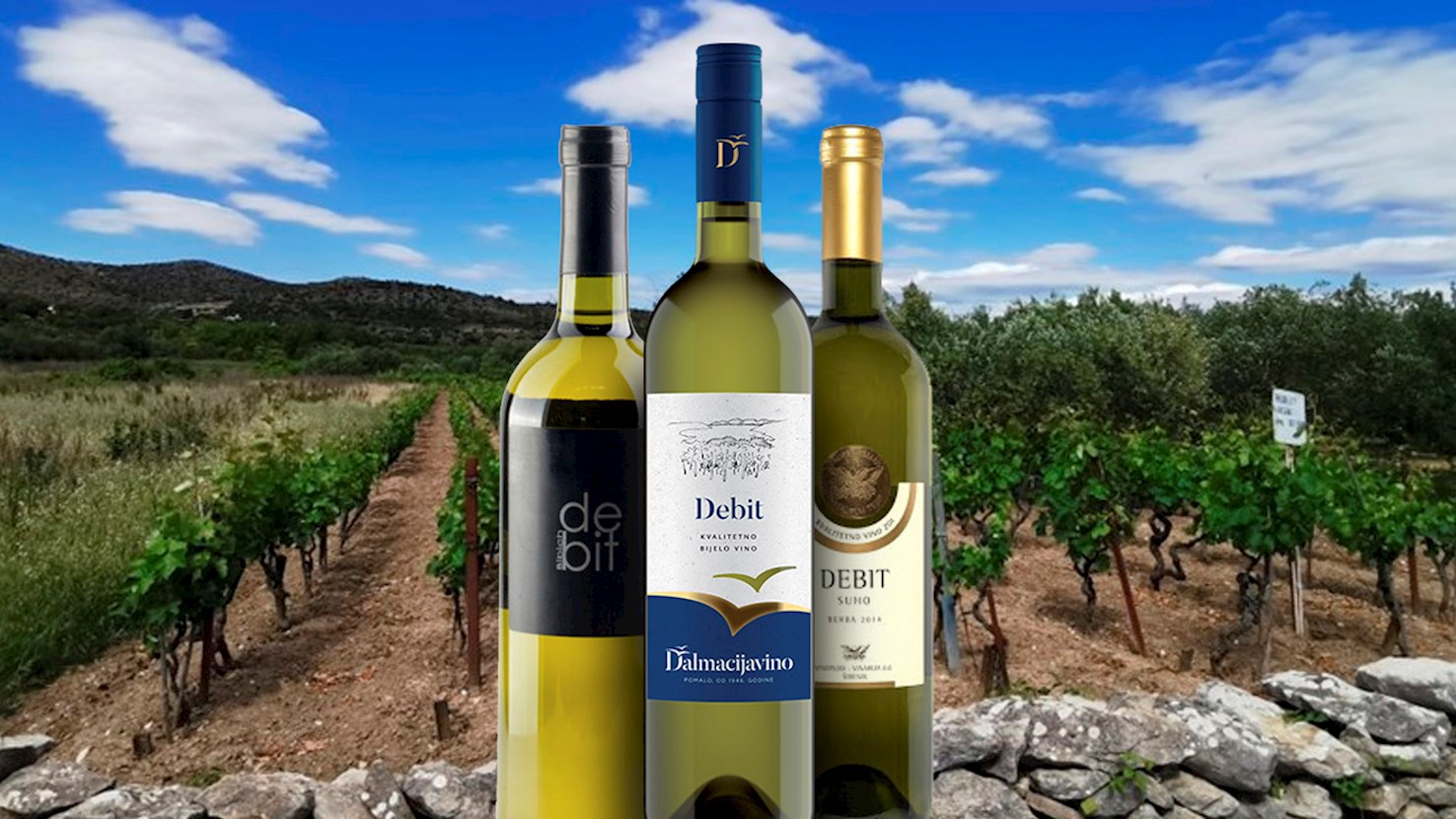
Debit

n/a ·

Debit is a late-ripening white grape believed to be native to North Dalmatia. It is mainly used in everyday light varietal wines or as a blending grape, usually combined with other regional varieties. The best expressions of Debit come from Promina and Drniš wine regions. At the beginning of the 20th century, Debit was an esteemed grape variety, but it slowly lost its prestigious status, and by the early 1990s, it was primarily produced with prolonged maceration, which resulted in unimpressive and dull white wines. By the mid-1990s, several producers gave up on the extended maceration and started producing vibrant and aromatic white wines with bright acidity and a distinctive mineral character. Late harvest Debit grapes are sometimes used in rich and concentrated dessert wines, while some producers even saw the grape's potential to produce exceptional sparkling wines. It is still assumed that the grape originated in Croatia, though its alternative name Puljižanac—roughly translated as a person from Apuglia—might suggest Italian origin. Debit wines would pair well with lamb or fish dishes.

08

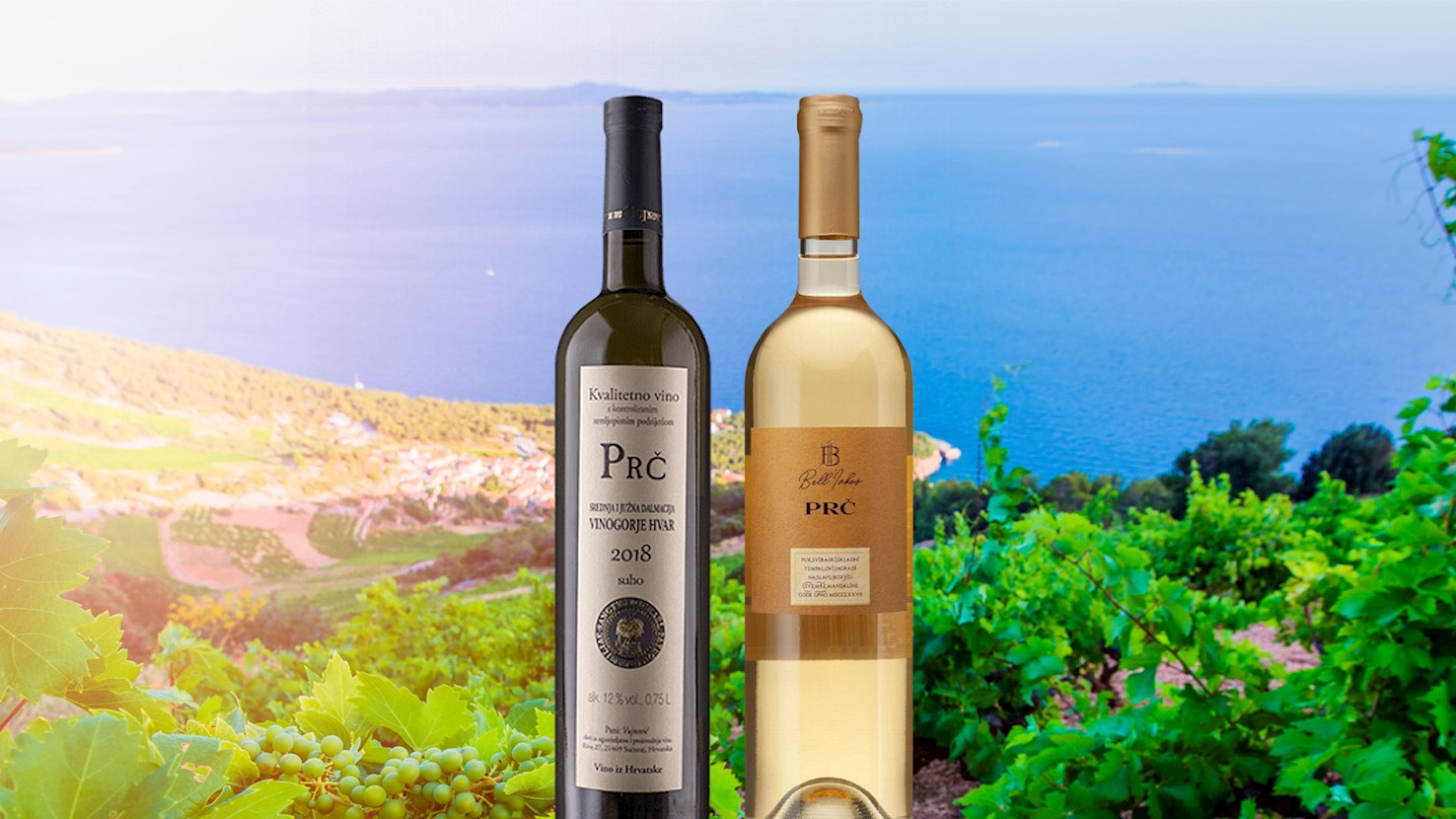
Prč

n/a ·

Prč is a relatedly obscure Croatian grape that is kept alive by only a few wineries on the island of Hvar. It is believed that the grape is native to this Dalmatian island and that it originated near Sućuraj, a small town located in the eastern part of the island. The wines made with Prč usually have an appealing golden color and a muscat-like aroma. They are often used in blends, mostly with local Bogdanuša, but there are few varietal examples. The grape is used in dry and dessert wines. Although Prč is relatively unknown, records show that it was a popular grape through the 19th and the beginning of the 20th century. It was primarily revitalized by the Vujnović family from Sućuraj. Prč wines pair nicely with white meat and fish. Apart from dry and dessert wines, the grape is used to make Prošek, a sweet dessert wine made from dry berries.

09

Srednja i Južna Dalmacija

n/a ·

Srednja i Južna Dalmacija is a protected designation of origin (PDO) for wines produced along the central and southern coastal strip of Croatia, extending from the city of Split to the Konavle valley in the far south, including the major islands of Brač, Hvar, Vis, and Korčula. It is physically defined by a karst landscape of steep limestone ridges and "three suns" exposure, where vines receive direct solar radiation, reflection from the sea, and thermal reflection from white rocky topsoils. The region emerged as a primary viticultural center following the Greek colonization of the islands in the 4th century BCE, with the Stari Grad Plain on Hvar remaining the best-preserved example of ancient Greek agricultural geometry in the Mediterranean. While phylloxera devastated the region’s vineyards in the late 19th century, the genetic resilience of local varieties led to the survival of a high concentration of indigenous grapes that are found nowhere else. Preparation of wines in Srednja i Južna Dalmacija is dominated by the management of high sugar levels and phenolic ripeness induced by the intense heat. The primary red variety, Plavac Mali, is processed to yield robust, high-alcohol wines with significant tannin structures and notes of dried figs, carob, and sage. In the sub-regions of Dingač and Postup on the Pelješac Peninsula, the grapes are often allowed to slightly raisinate on the vine before harvest to concentrate the sugars. White wine production centers on varieties like Pošip, originally from Korčula, which is fermented at controlled temperatures to maintain its characteristic acidity and aromas of citrus and Mediterranean herbs. A unique technical aspect of the region is the cultivation of the Grk variety in the sandy soils of Lumbarda; because Grk has only female flowers, it must be interplanted with Plavac Mali to ensure pollination, resulting in a naturally low-yield, aromatic white wine. An additional unique product of the region is Prošek, a luscious dessert wine made from dried grapes. Unlike Italian Prosecco, Prošek is produced through the passito method, where grapes are left to dry on straw mats or hanging racks to concentrate their essence before a long, slow fermentation. The finished liquid is dense, dark amber, and chemically stable due to its high natural sugar and alcohol content. The wines are consumed as a central component of the Mediterranean diet, typically enjoyed during the late afternoon or as part of a multi-course dinner. Serving standards dictate that full-bodied reds like Plavac Mali be decanted and served at 18°C, while white wines like Pošip or Vugava are served chilled at 10°C. These wines are paired with local proteins; Plavac Mali is the standard accompaniment for pašticada (slow-cooked beef in a sweet-savory prune sauce) or lamb roasted under the bell (peka). The white wines are paired with fresh Adriatic white fish, Ston oysters, and octopus salad, as their minerality and salinity mirror the coastal environment. Prošek is exclusively served at the end of the meal, often paired with dry almond biscuits (paprenjaci) or sheep’s milk cheese from the neighboring islands.

Read more
View all
View map
About this ranking

TasteAtlas food rankings are based on the ratings of the TasteAtlas audience, with a series of mechanisms that recognize real users and that ignore bot, nationalist or local patriotic ratings, and give additional value to the ratings of users that the system recognizes as knowledgeable. For the “Top 14 Dalmatian White Wines” list until July 15, 2026, 66 ratings were recorded, of which 42 were recognized by the system as legitimate. TasteAtlas Rankings should not be seen as the final global conclusion about food. Their purpose is to promote excellent local foods, instill pride in traditional dishes, and arouse curiosity about dishes you haven’t tried.

The initial list of top producers was compiled based on available reviews, awards, local recommendations, media and blog coverage, and consumer reviews. The list will be updated with ratings from TasteAtlas local ambassadors and TasteAtlas users.

Similar lists