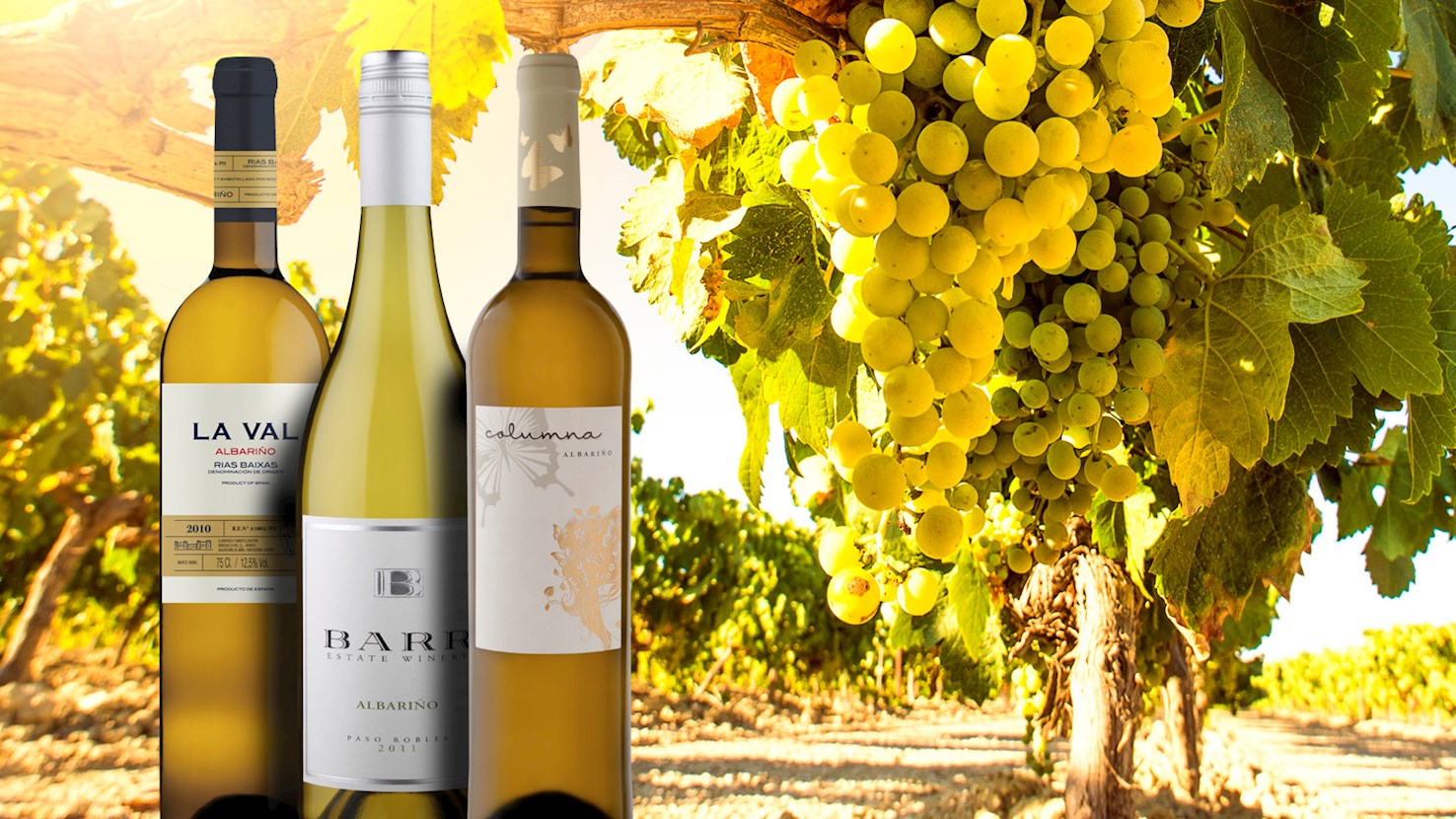
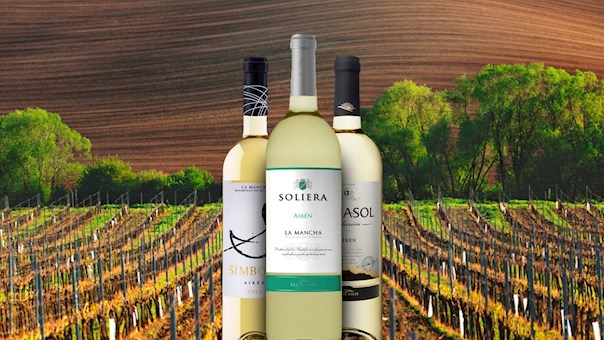
Albariño is a white grape variety grown in northwest Spain (Galicia) and northwest Portugal (Monção and Melgaço) where it is used to make varietal white wines. Albariño wines are very light, fresh, crisp, with high acids and of a rich, floral, and aromatic character. Its specific aromas often include white peach, apricot, melon, pineapple, mango, and honeysuckle with an underlying minerality. Albariño wines are very versatile when it comes to food pairing, with seafood being the most obvious choice, along with a variety of dishes from Chinese, Indian, and Thai cuisine.
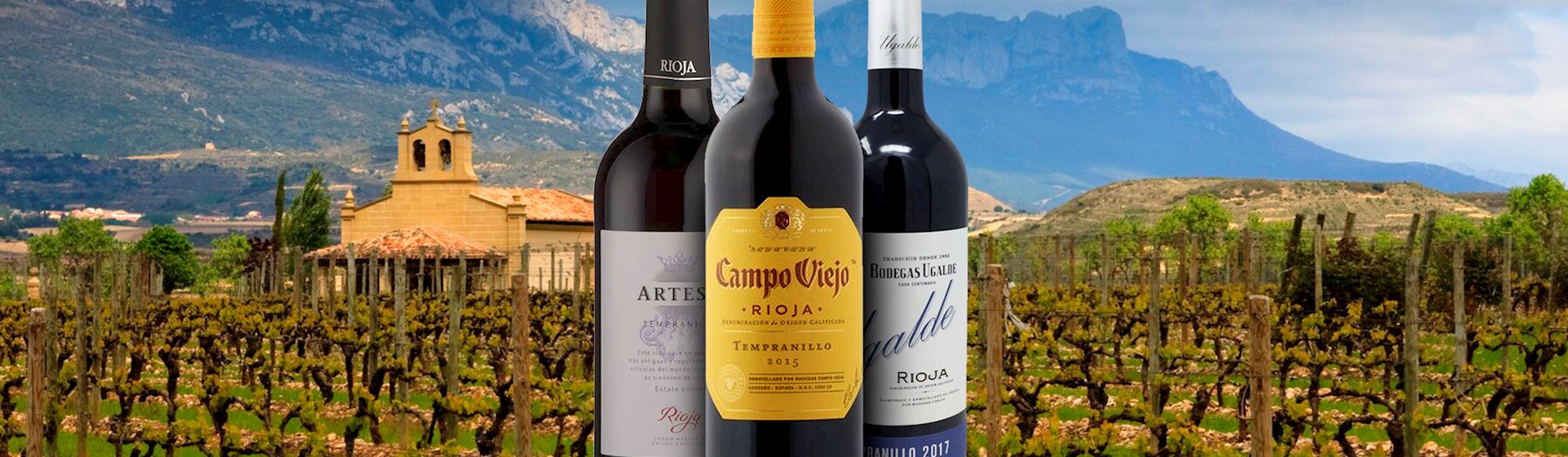
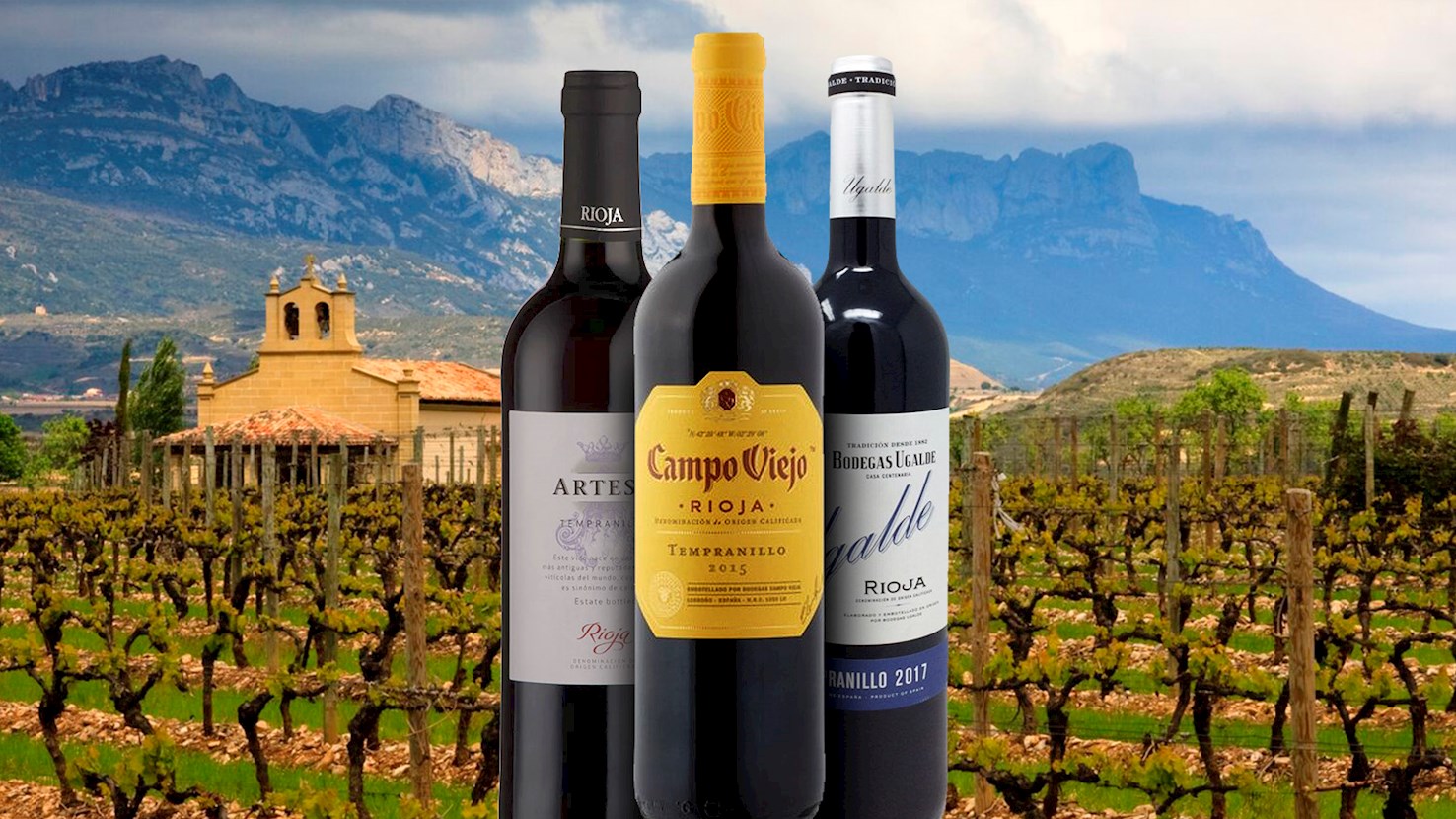
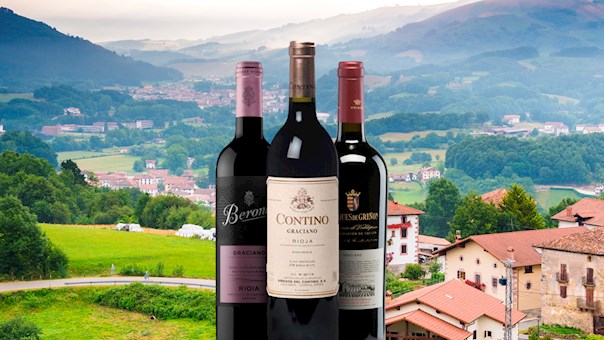
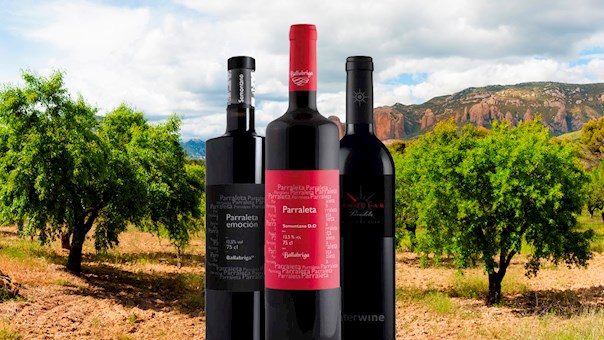
Tempranillo is a red grape variety whose origin is associated with the Iberian Peninsula. Although it is planted in other countries, Tempranillo is best known as the primary grape used in the classic Rioja blend. The wines produced from Tempranillo are typically full-bodied and rich in tannins with the flavors that range from ripe red and dark berries, leather, and tobacco, while aging in French or American oak helps them attain typical vanilla and spice notes. In the Rioja wine, Tempranillo is the principal grape, but it is often blended with Garnacha, Graciano, and Mazuelo. The grape is especially popular in Portugal where it is known as Tinta Roriz, and it has also shown success in the United States, South America, and Australia. Tempranillo-based wines are incredibly food friendly and can match charcuterie, sausages, lamb, pork, and aged cheese.
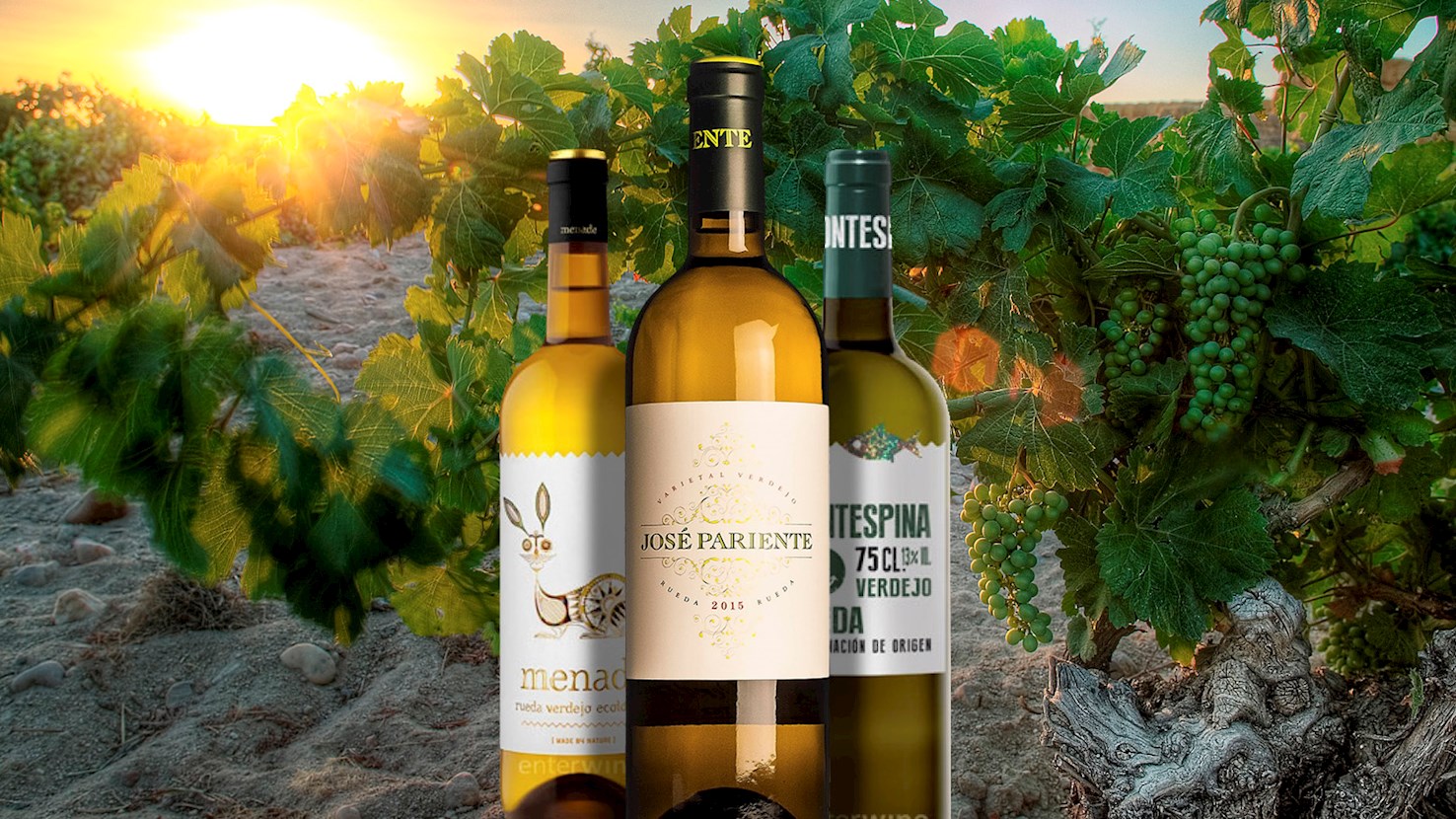
This white grape variety probably originated in North Africa from where it was imported to the Iberian Peninsula, and today it is mainly known as the principal grape used in Rueda (DO), both in blends and as a varietal wine. The wines produced from Verdejo are typically light-bodied, fruit-forward, fresh, and lively, with well-balanced acidity that is accompanied by bright and herbaceous flavors of citrus, fruit, and fennel. With age, some varieties may develop nutty almond flavors. Because of its character, Verdejo is great enjoyed on its own, but it is also a food-friendly wine, and while young Verdejo is an excellent accompaniment to grilled and fried seafood, vegetables, salads, and fresh cheese, aged varieties may match paella and heartier fish or meat dishes.
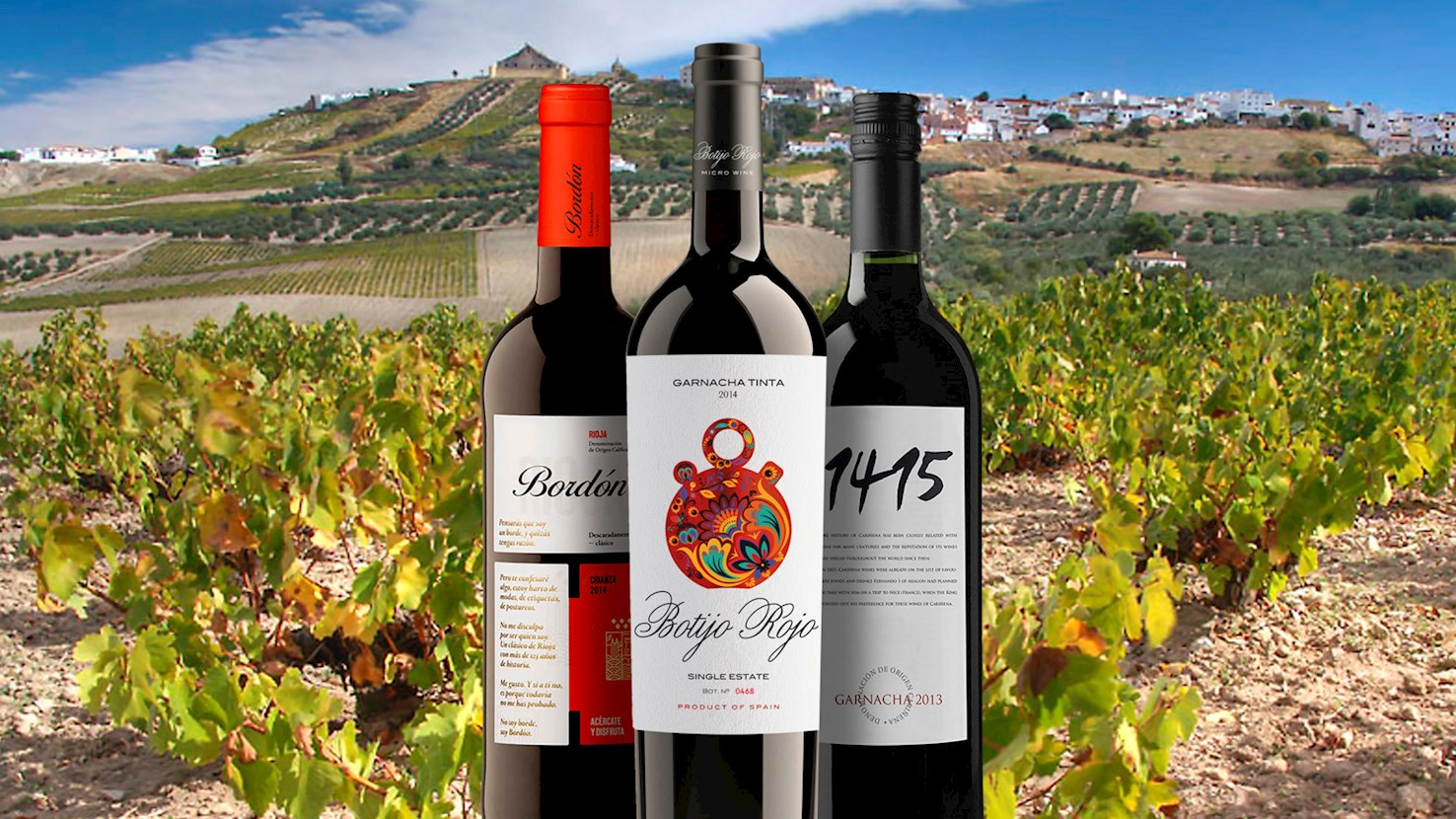
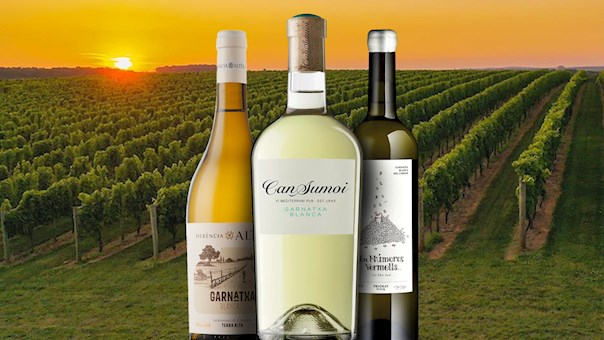
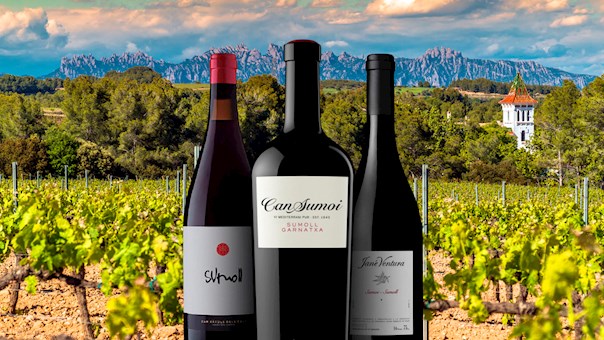
Garnacha, also known as Grenache in France, is a widely cultivated red wine grape variety known for producing wines with rich, fruity flavors and high alcohol content. It is one of the most versatile and widely planted grape varieties in the world, thriving in warm, dry climates. Garnacha grapes are typically medium to large in size with thin skins, which contribute to the grape's characteristic light color and relatively low tannin levels. Wines made from Garnacha often exhibit flavors of red fruits such as raspberry, strawberry, and cherry, along with spicy notes of white pepper, cinnamon, and hints of herbs and earthiness. As the wines age, they can develop more complex flavors, including leather, tobacco, and dried fruits. Garnacha is grown in several wine regions around the world, with notable concentrations in France, Spain, Australia, and the United States. In France, Garnacha is a key grape in the southern Rhône Valley, particularly in Châteauneuf-du-Pape, where it is often blended with Syrah, Mourvèdre, and other varieties to create complex, full-bodied wines. It is also prominent in the Languedoc-Roussillon region. In Spain, it is widely grown in regions such as Rioja, Priorat, and Aragon. In Priorat, Garnacha produces powerful, intense wines with great aging potential. In Australia, Garnacha is significant in regions like McLaren Vale and Barossa Valley, where it is often used in GSM (Garnacha, Syrah, Mourvèdre) blends. In the United States, California, particularly the Central Coast and Paso Robles, has seen a rise in Garnacha plantings, producing both single-varietal wines and blends. Garnacha is incredibly versatile and can be used to produce a variety of wine styles, including red wines that range from light and fruity to rich and full-bodied, rosé wines, particularly in Provence, and fortified wines such as Banyuls and Maury in France. Garnacha wines pair well with a variety of foods due to their fruit-forward nature and moderate tannins, complementing dishes such as roasted meats, stews, grilled vegetables, and Mediterranean cuisine. The spicier and earthier notes of aged Garnacha make it an excellent match for game meats and hearty, rustic dishes.
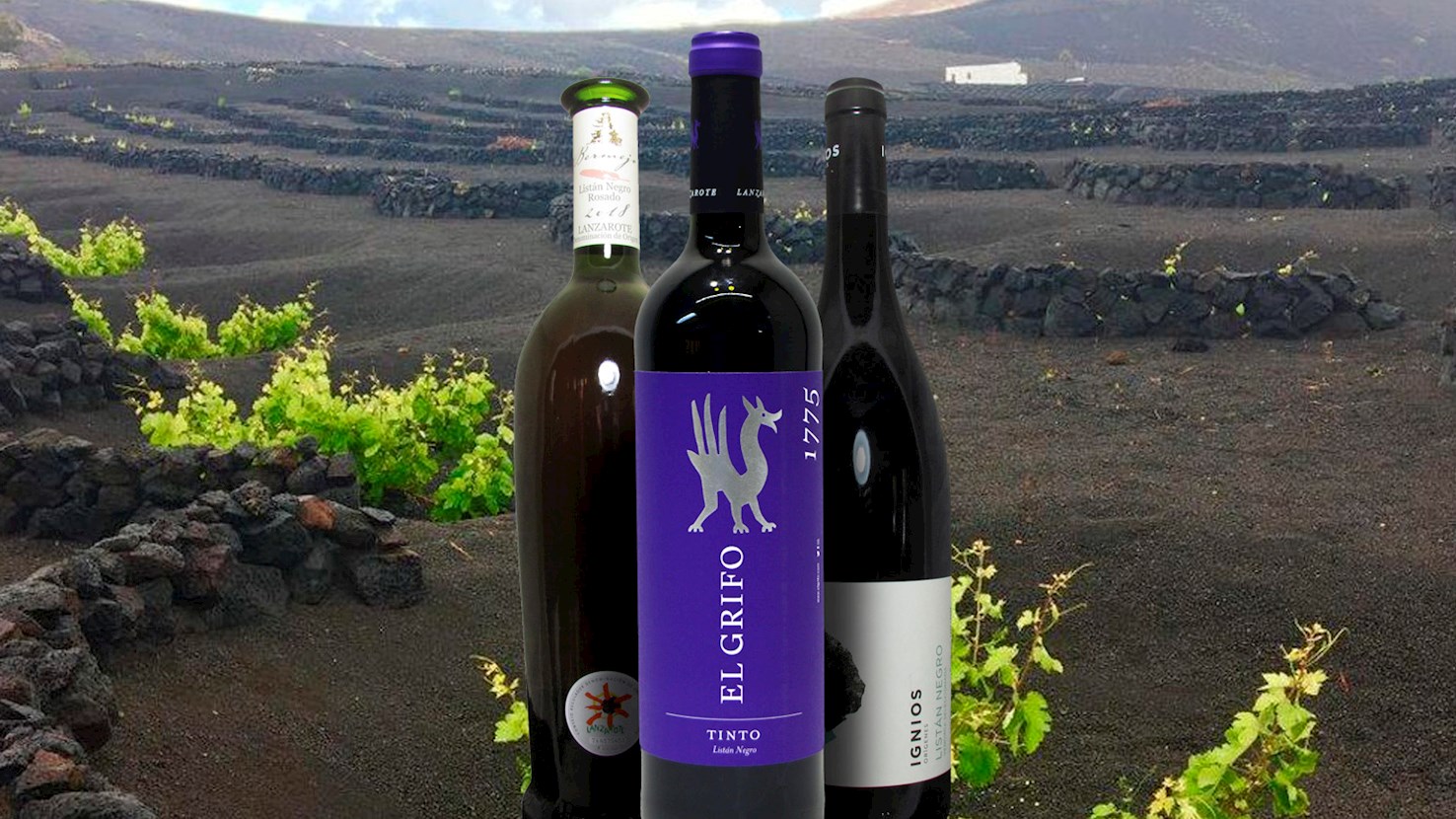
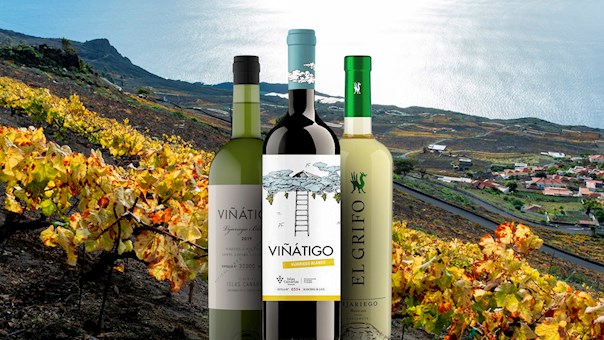
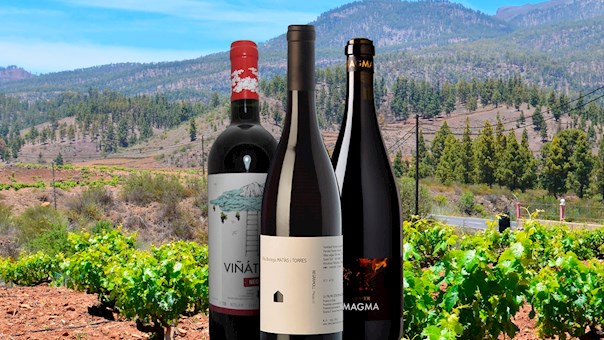
Listán Negro is a Spanish grape variety that is mostly cultivated on the Canary Islands, though its origin is generally associated with the Spanish mainland. The grape has shown great success on the volcanic soils of the Canary, where it was mostly produced with carbonic maceration—a process in which the grapes are fermented before they are crushed. This process results in lighter wines that are fruity and typically low in tannins. Listán Negro from the Canary Islands will typically display aromas of red and dark berries, roses, violets, and usually some spicy and mineral nuances. Their style may vary from light and fruity wines to more robust expressions that are achieved by oak-aging. Listán Negro was also carried to the Americas, and research has shown that the grape is genetically identical to País in Chile, Criolla Chica in Argentina, and Mission grape from California and Mexico. Though genetically identical, wines made with these grapes will usually differ in character and the final taste profile.
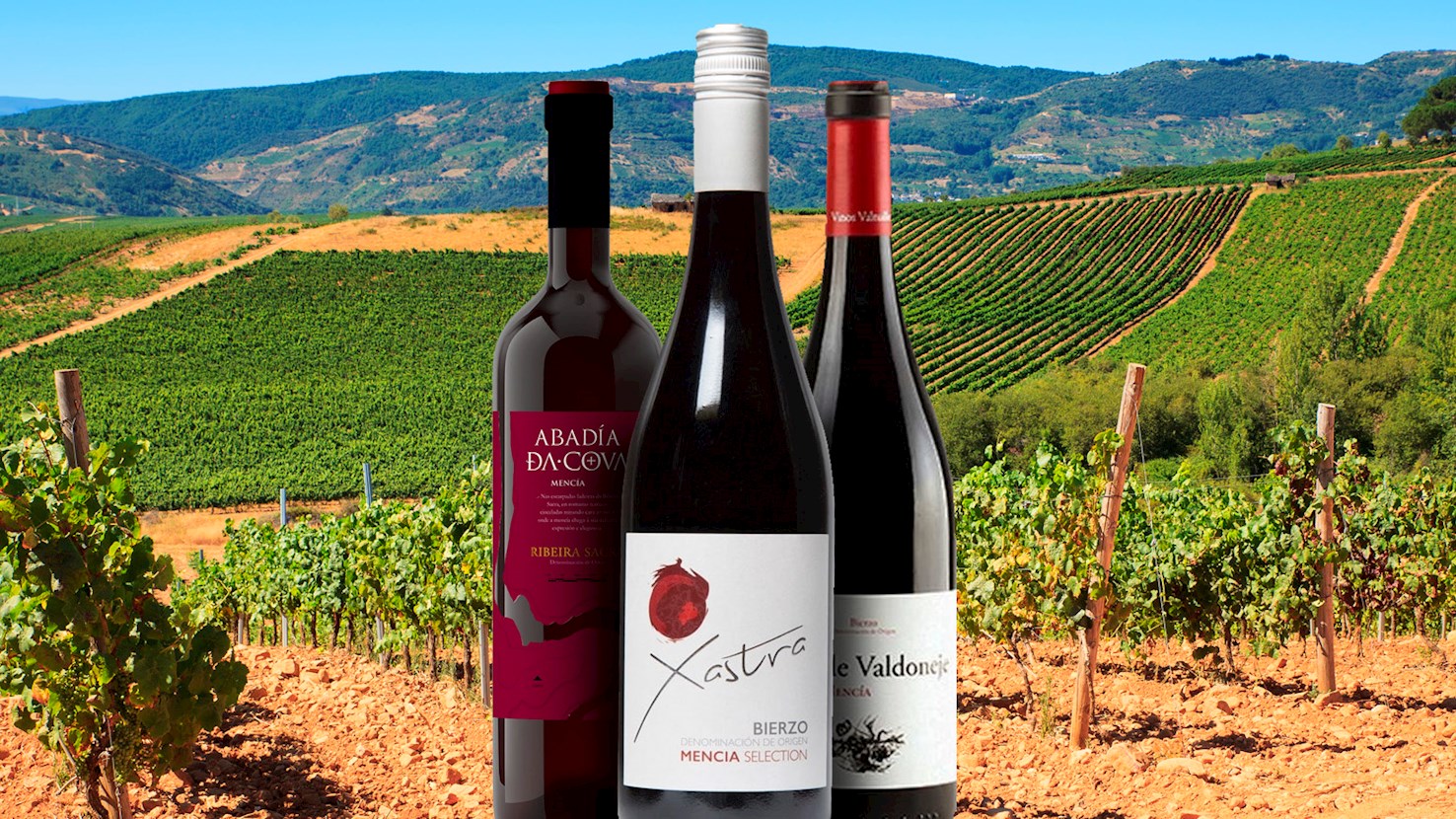
Mencía or Jaen is a grape whose origin is associated with the Iberian peninsula. In the past, it was believed that Mencía and Jaen are two separate varieties, but recent research has shown that they are genetically identical. In Spain, the grape is mostly associated with the Bierzo appellation that is located in the province of León. While for most of its history, Mencía was used in the production of light, somewhat bland table wines, some winemakers have seen the potential to produce more concentrated and better quality varietals with a medium body and good natural acidity. They can vary from fruit-forward to more complex styles, and they will usually display aromas of dark fruit, as well as earthy, mineral, and peppery nuances. In Portugal, Jaen is mostly cultivated in Dão, and for the most part, it was used as a blending grape. While the former varietals made from Jaen were mostly of low-quality, better production methods provided aromatic, juicy, and fruity wines with soft tannins, bright acidity, hints of mineral and herbaceous character as well as typical aromas that are reminiscent of red and dark berries. Both Mencía and Jaen would be an excellent match to a wide variety of tapas dishes, charcuterie, and grilled meat. They can also pair well with mushroom-based dishes and cheese.
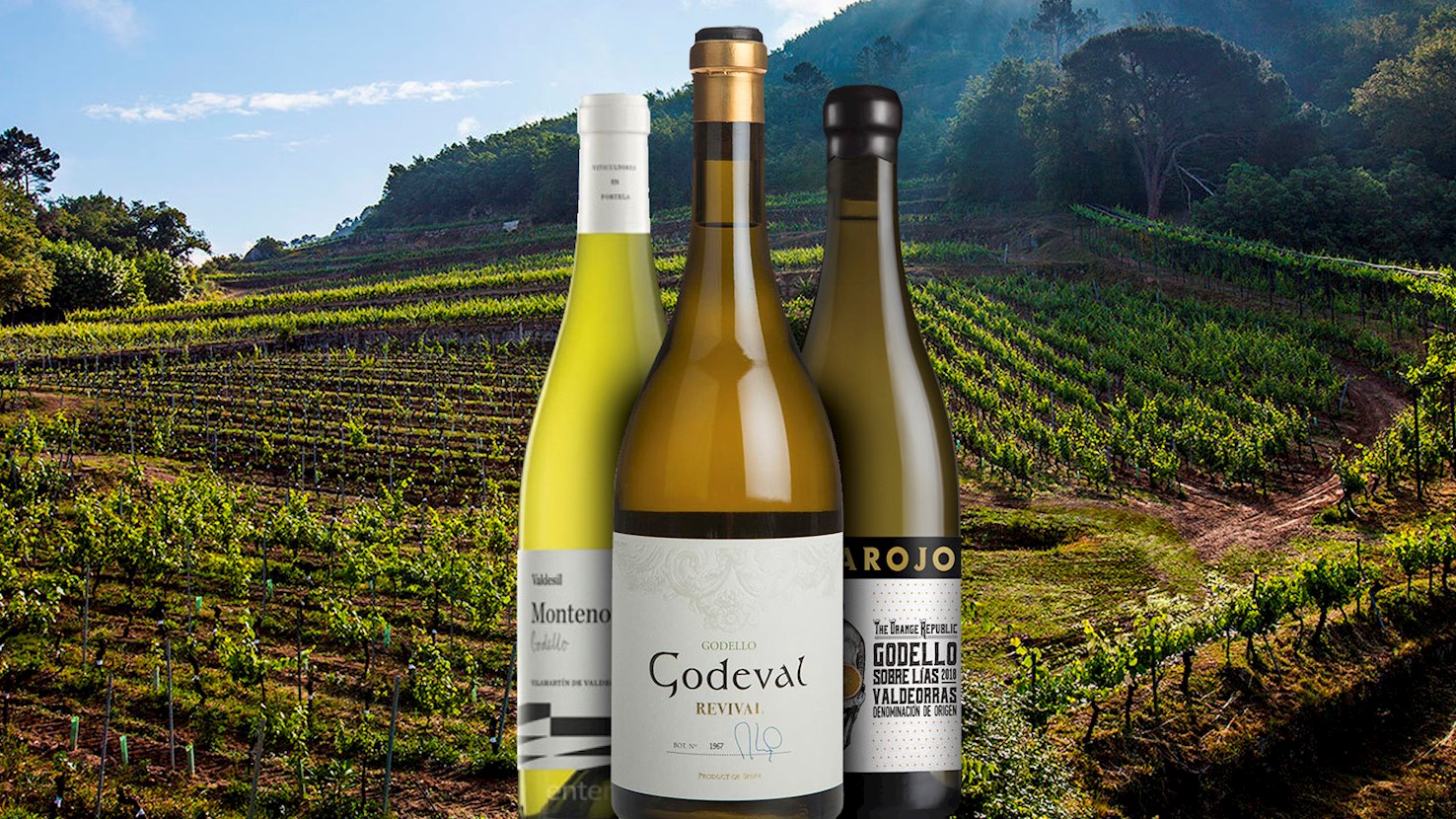
Godello is a Spanish grape variety that has recently risen in popularity after it had nearly gone extinct after the 1970s. The grape shows the best results in Valdeorras in Galicia, though it is planted in other Spanish regions, as well as Portugal. The wines made from Godello are usually full-bodied and dense but remain bright and mineral. Their character may vary, and while those aged in steel tanks tend to be lighter and fruiter, oak-aged styles are more creamy and rich. Godello wines will typically include notes of citrus and white fruit, with accompanying nuances of honeysuckle and chamomile. These wines are an excellent match to rich seafood dishes, especially lobster or scallops. They can also pair well with poultry.
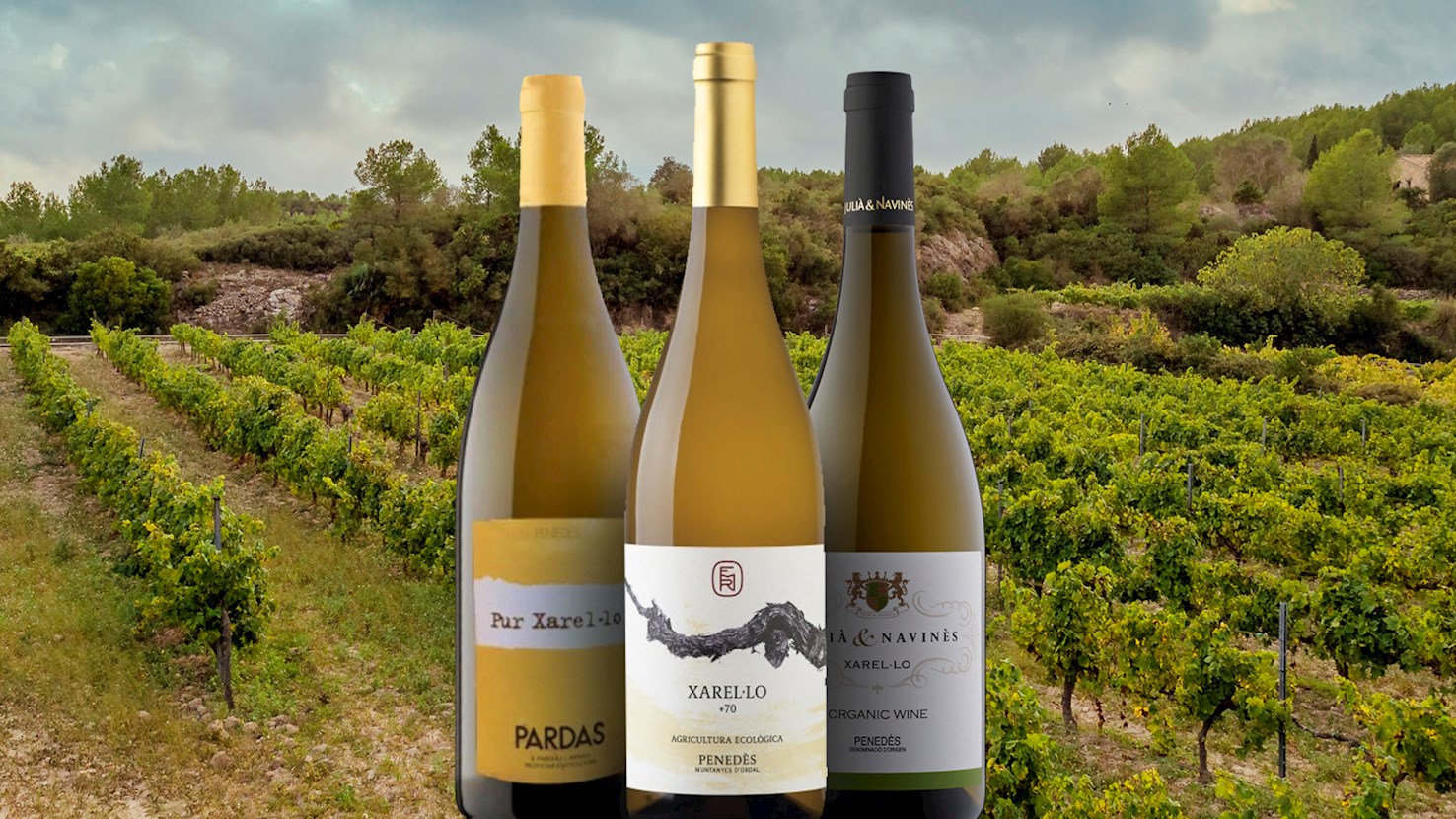
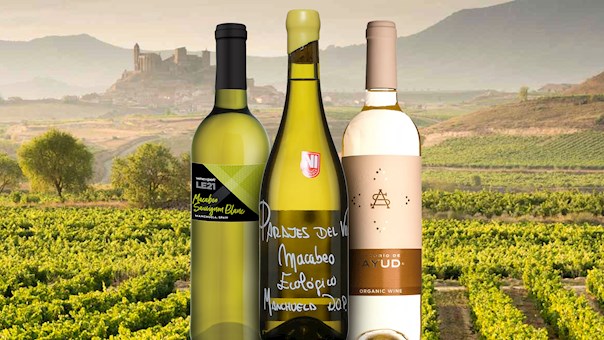
Xarel·lo is a Spanish grape variety best known for its use in sparkling Cava, where it is used along with Macabeo and Parellada. It is a high-quality grape that provides power, body, and structure in Cava wines. It is the most planted variety in DO Penedès. Apart from sparkling wines, the grape is used for dry white wines, both varietals and blends. Wines made from Xarel·lo are medium-bodied and aromatic, with good acidity and alcohol content. The aromas are reminiscent of citrus and stone fruit, and the wines will typically have herbal and mineral character. The grape is quite versatile and suitable for various vinification methods. Xarel·lo wines pair well with lighter fare. They go incredibly well with fish and oysters and make an excellent aperitif.
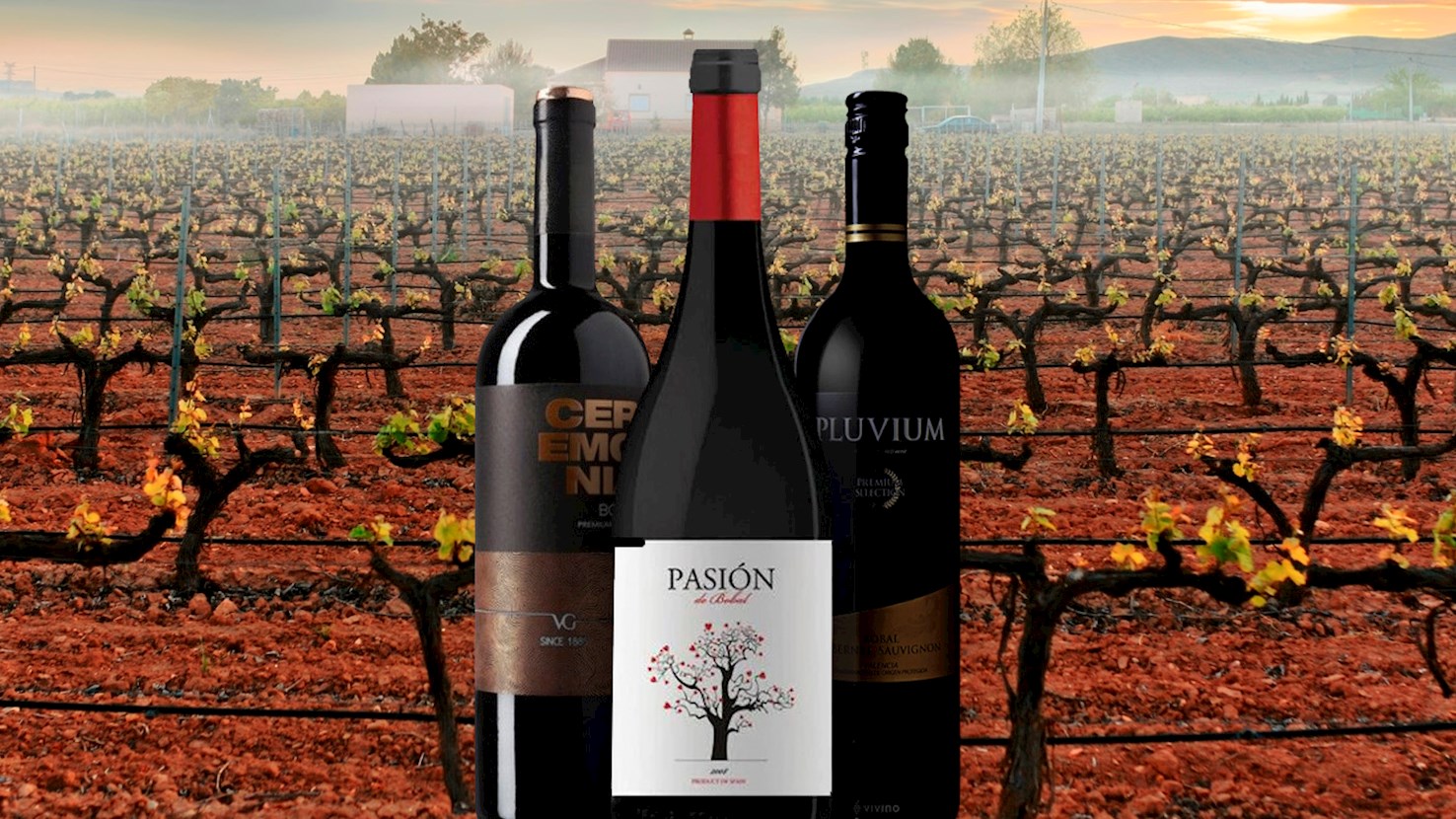
Bobal is a native red Spanish grape that is native to southeastern Spain. This dark-skinned grape is cultivated in several regions, but it flourishes in Utiel-Requena DO, located in the province of Valencia, where it is the undisputed king. It is estimated that it is the second most common red grape in the country, after Tempranillo. Bobal produces rounded red wines with medium to full body, rich tannins, and great acidity. The wines are deeply colored, dense, and fruity. They are rich but manage to stay fresh. Typical aromas include a complex combination of black cherry, blackberry, and pomegranate notes, sometimes with spice and leather-like nuances. Although Bobal is prominent and common, it was mostly underestimated and merely used to provide color and acidity to Cabernet Sauvignon and Monastrell. In the last decades, it has gained a reputation as a versatile, terroir-driven native variety. Apart from dry wines, the grape also produces lively and vibrant rosés.
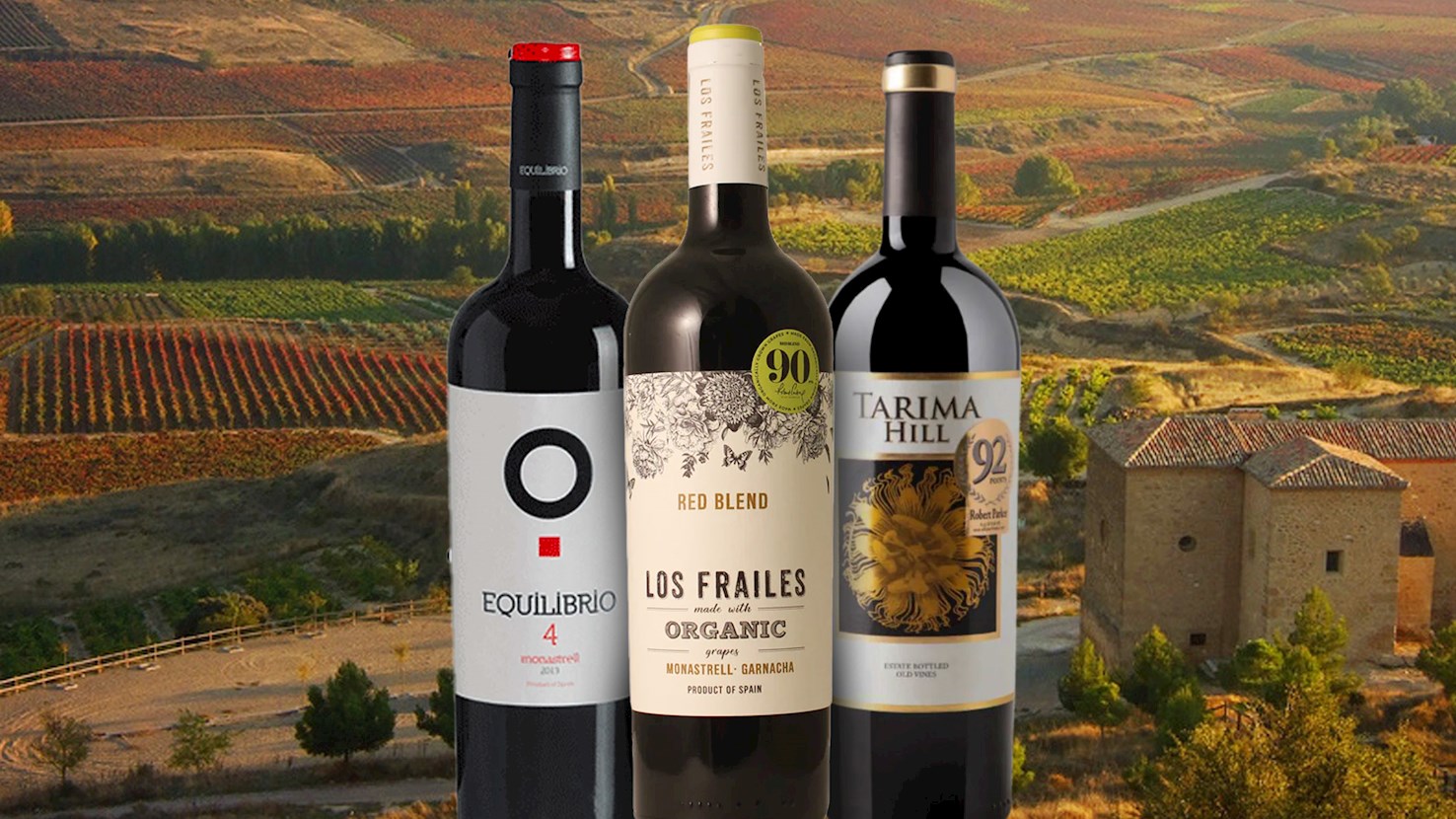
Monastrell, also known as Mourvèdre, is a red wine grape variety widely grown in several wine regions, particularly in Spain and France. Believed to have originated in Spain, it is most commonly known as Monastrell there, while in France it is called Mourvèdre, notably in the Provence and Rhône Valley regions. It is also referred to as Mataro in parts of Australia and California. In Spain, Monastrell is primarily cultivated in the southeastern regions, such as Jumilla, Yecla, and Alicante. In France, it is found in the southern Rhône Valley and Provence and is often used in blends for wines like Châteauneuf-du-Pape and Bandol. Additionally, it is grown in other parts of the world, including Australia and the United States (particularly California). Monastrell wines are typically dark in color with high tannin and alcohol levels, exhibiting rich, robust flavors with notes of blackberries, plums, black pepper, and earthy undertones. They can be meaty or gamey and sometimes show hints of herbs and spices. This grape variety is used to produce a variety of wine styles, including single-varietal wines and blends. It is often blended with Grenache (Garnacha) and Syrah in both Spain and France to create balanced and complex wines, and it is also used to make rosé wines, particularly in Provence. Monastrell wines pair well with hearty and robust dishes, such as grilled meats, stews, and game. The high tannin content makes it a good match for rich and fatty foods, including lamb and beef, and it also pairs well with spicy dishes and strong cheeses. Due to their structure and tannin levels, Monastrell wines often have good aging potential, especially those from top-quality vineyards and producers, developing more complex flavors and softer tannins with a few years of aging. Monastrell is a versatile and robust grape variety that produces rich and flavorful wines, reflecting the characteristics of the regions where it is grown.
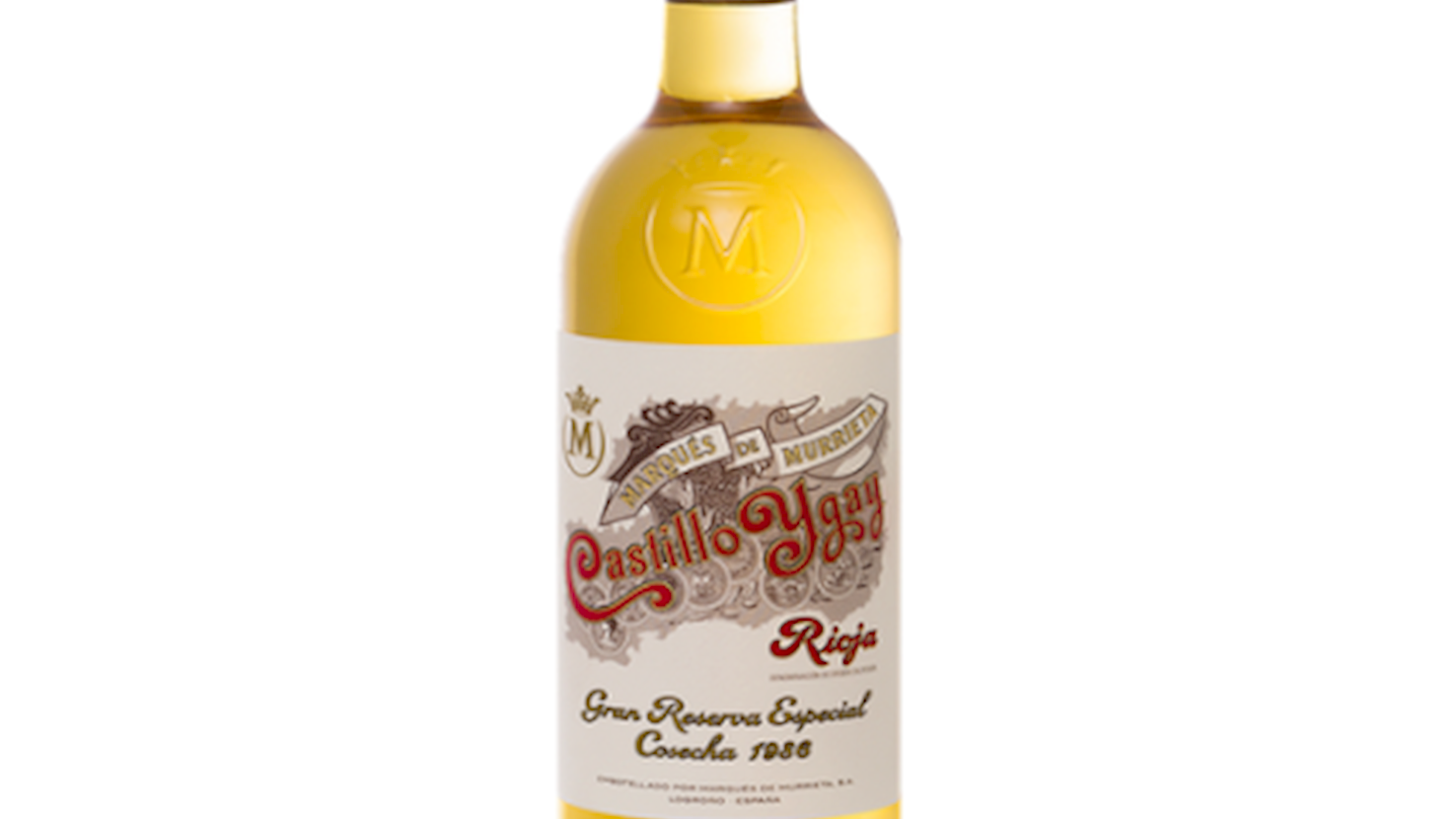
Marqués de Murrieta is one of Spain’s most iconic wineries, with a legacy that dates back to 1852. As a pioneer of modern winemaking in Rioja, the estate introduced Bordeaux-inspired techniques while preserving the unique character of the local terroir, laying the groundwork for what would become a benchmark in Spanish viticulture.
Located on the historic Ygay Estate near Logroño, the winery combines over 300 hectares of vineyards with a state-of-the-art winemaking facility and the magnificent Castillo de Ygay, a 19th-century château that serves as the heart of the estate.
The castle also houses a wine museum, offering visitors a glimpse into the rich cultural and historical heritage of Marqués de Murrieta and Spanish wine.
Led by the Cebrián-Sagarriga family and renowned winemaker María Vargas, the estate produces wines of great elegance, structure, and longevity. Among them, the celebrated Castillo Ygay Gran Reserva Especial stands out as a true expression of Rioja’s aging potential and depth.
Marqués de Murrieta is more than a winery - it is a symbol of tradition, excellence, and innovation, where history and modernity coexist to create wines of timeless character and international acclaim.
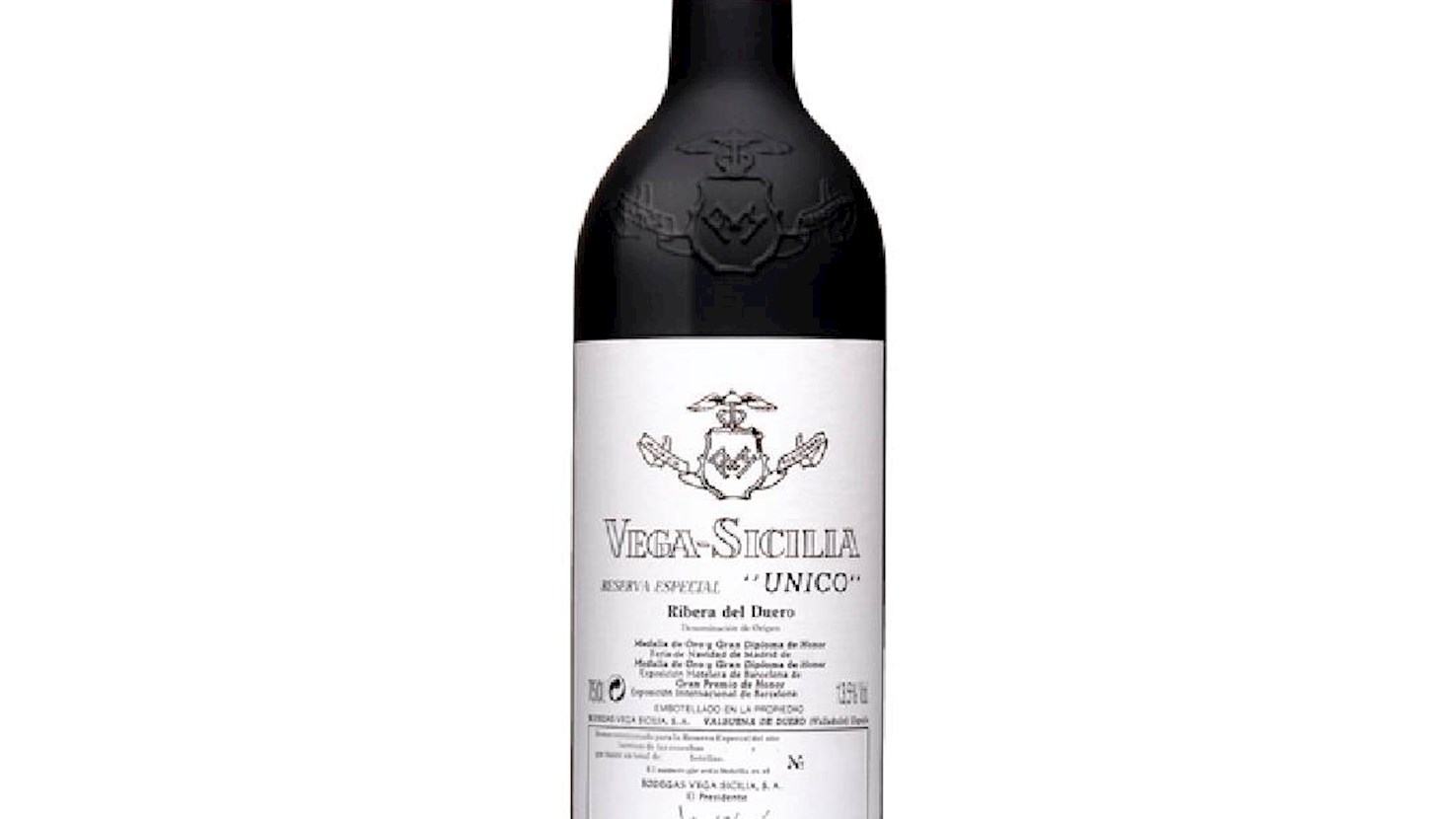
Vega Sicilia is far more than a name - it is a symbol of tradition, patience, and enduring value. Since its founding in 1864, the estate has embraced a philosophy where time is not an obstacle but a vital ingredient in creating wines that leave a lasting impression.
Every harvest, every grape, and every moment in the cellar is approached with the care of an artist, guided by a quiet pursuit of excellence.
Their wines are the result of slow, deliberate craftsmanship. Grapes are hand-harvested with great precision, and the wines are aged for years - sometimes over a decade - before they are deemed ready to be shared.
That deep commitment to quality is felt in every sip, whether it’s the legendary Único, the graceful Valbuena, or the intricate and timeless Reserva Especial.
Tempos Vega Sicilia is not just a winery, but a guardian of a winemaking philosophy defined by silence, time, and profound respect for the land. These are not wines made for fleeting moments - they are made for memories that endure.
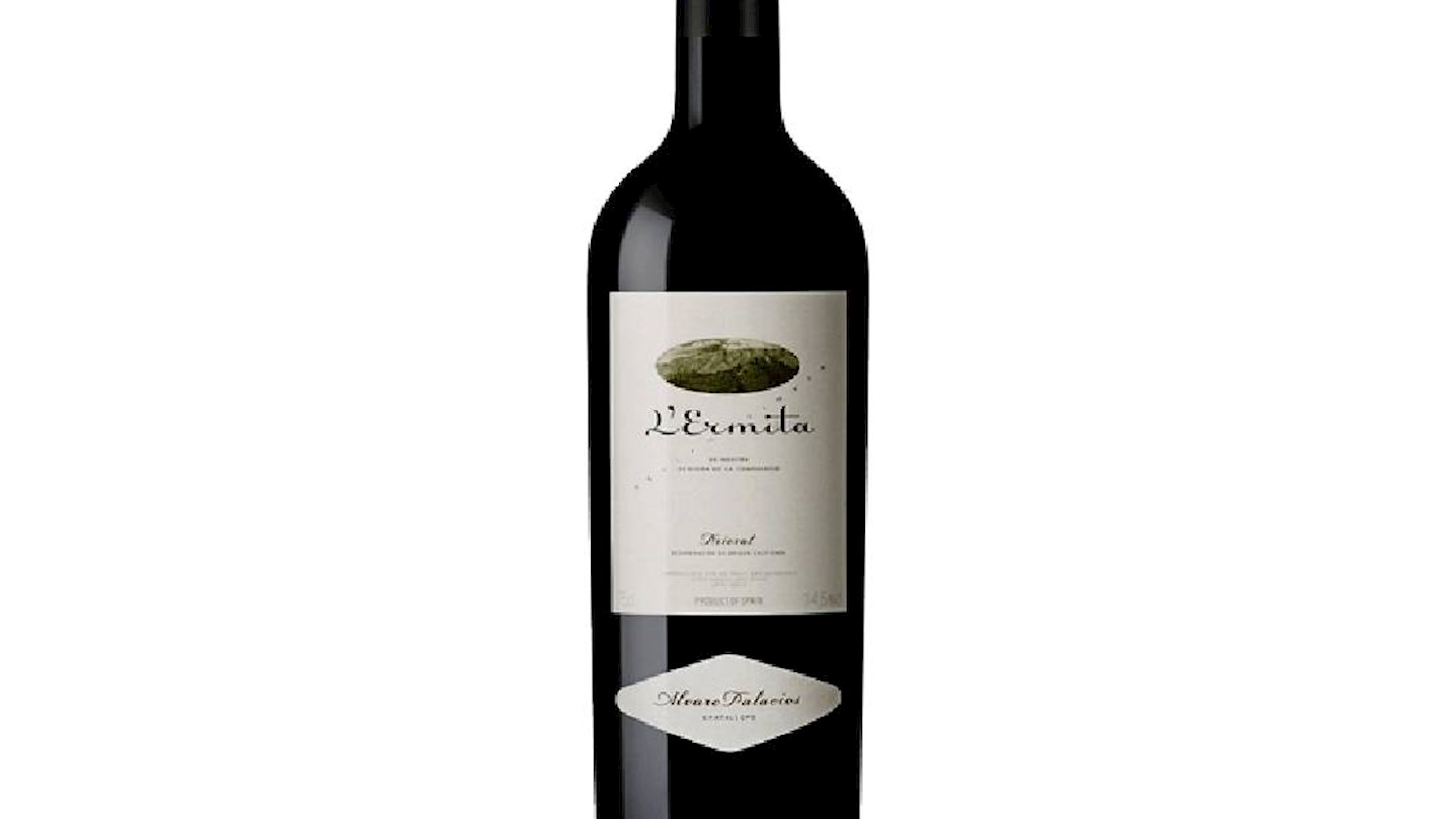
Álvaro Palacios comes from a renowned winemaking family in Rioja, yet he built his reputation through the bold decision to revive forgotten regions of Spain. His passion and vision led him to Priorat, where on steep slopes with ancient Garnacha vines he created wines that became symbols of elegance, depth, and authentic terroir expression.
Among his most celebrated vineyards are Finca Dofí and the iconic L’Ermita, now regarded among the finest in the world.
Beyond Priorat, Palacios also restored the winemaking tradition of Bierzo, where through Descendientes de J. Palacios he crafts distinctive wines from the Mencía grape.
His approach combines deep respect for land and tradition with modern viticultural insight, establishing him as one of the most influential winemakers of his generation.
Álvaro Palacios remains true to simplicity and to the belief that wine is more than a beverage - it is a story of the land, of time, and of the people who shape it.
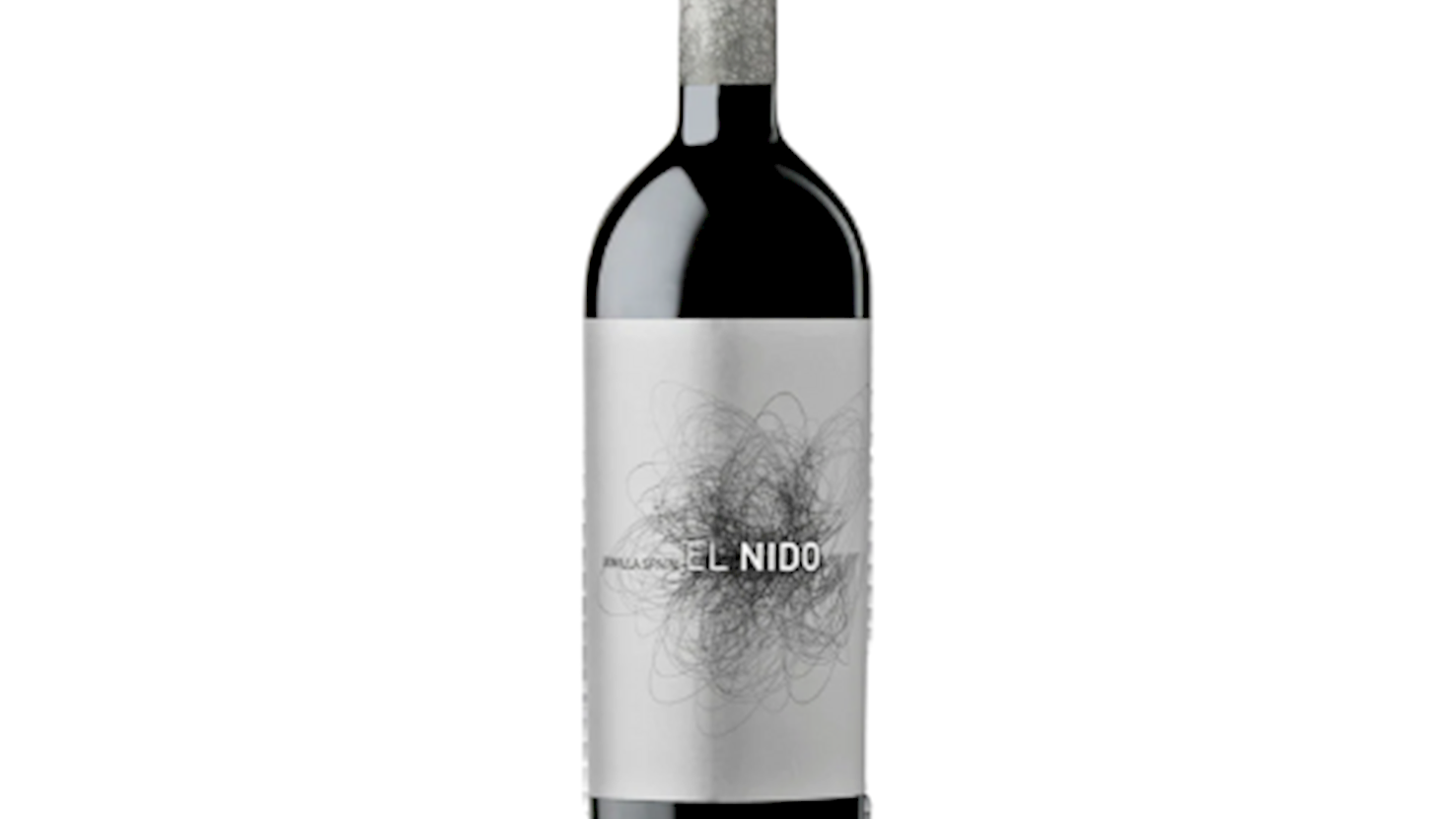
Bodegas El Nido is a prestigious winery from the Jumilla region in southeastern Spain, known for producing powerful yet remarkably refined red wines that combine the intensity of the Mediterranean climate with the precision of modern winemaking. It was founded in 2001 as a project of Juan Gil and the renowned winemaker Michel Rolland, with the aim of fully expressing the potential of old-vine Monastrell.
The vineyards are located at altitudes of up to 900 meters, which helps preserve freshness and aromatic clarity despite the warm conditions. The main grape varieties are Monastrell and Cabernet Sauvignon, grown in extremely dry and stony soils with very low yields.
These conditions result in grapes of great concentration and natural balance. The winery’s philosophy is based on strict grape selection and precise vinification, with no compromises when it comes to quality.
Fermentation and ageing take place using top-quality French oak barrels, ensuring depth without sacrificing elegance. El Nido is especially known for its iconic wines Clío and El Nido, both of which have achieved cult status among lovers of powerful Spanish reds.
Their style is rich and intense, yet always controlled, with a strong focus on texture, structure, and a long, persistent finish. The aromatic profile is dominated by ripe dark fruit notes, spices, cocoa, and subtle smoky tones.
On the palate, the wines are full-bodied but well balanced, with silky tannins and impressive depth of flavor. Despite their power, they retain elegance and a strong capacity for long-term ageing.
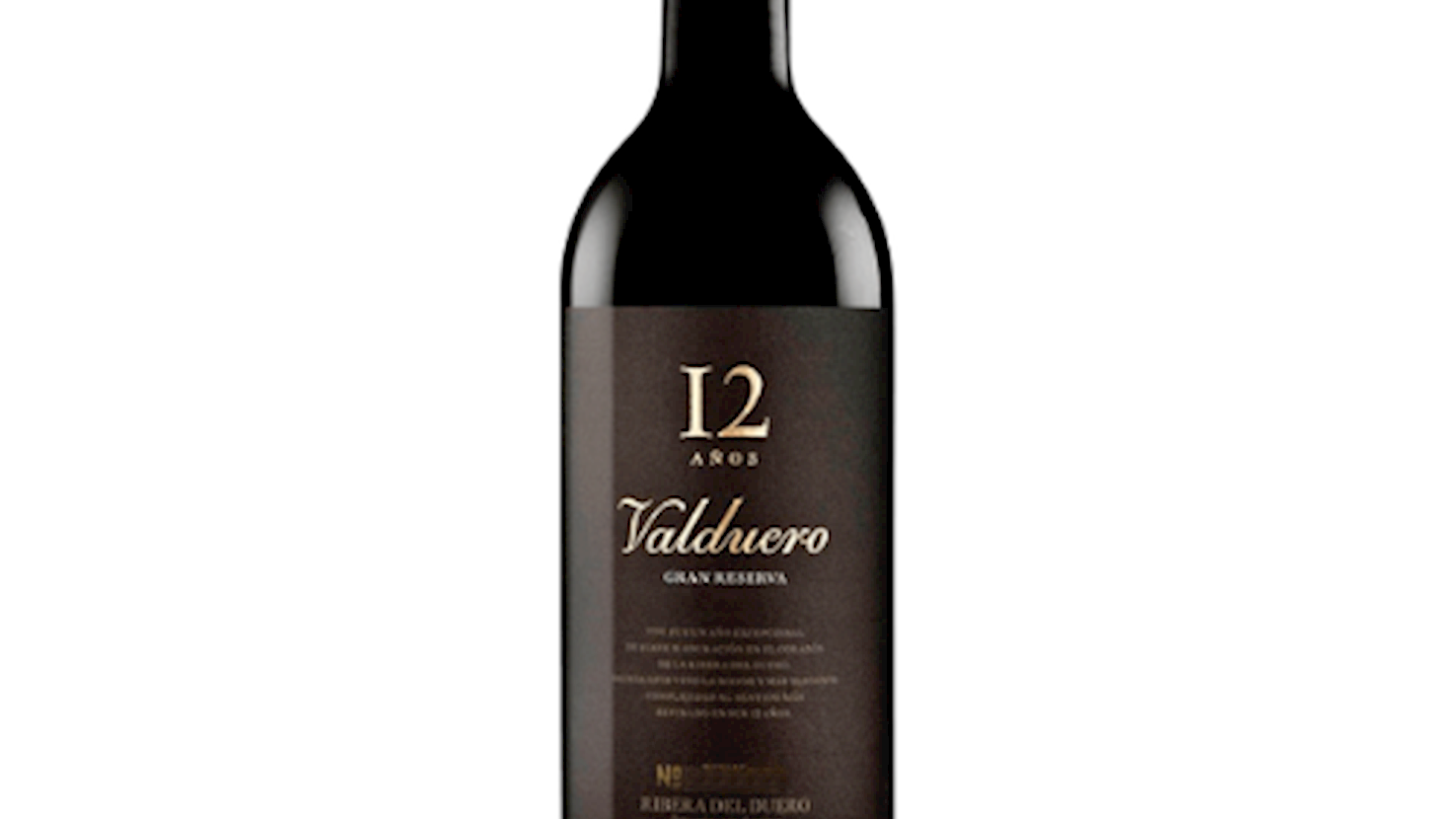
Bodegas Valduero is a family-owned winery based in Gumiel de Mercado, in the heart of the prestigious DO Ribera del Duero region, founded in 1984 as one of the first independent estates in the area to produce and bottle wines under its own name. From the very beginning, the winery has focused on long-term quality and ageing potential, guided by the philosophy that wine should spend sufficient time in the cellar before being released to the market.
Its vineyards are planted mainly with old vines of Tempranillo, locally known as Tinto Fino, grown without irrigation and at very low yields, which contributes to the concentration and structure of the wines. In the cellar, Valduero follows a classic Ribera del Duero approach, with extended ageing in oak barrels and even longer maturation in bottle.
The estate is particularly well known for its Reservas and Gran Reservas, as well as for its innovative work with the white grape variety Albillo Mayor, from which it produces serious wines with remarkable ageing potential. The house style is defined by firm structure, clearly shaped tannins, and an elegance that develops over time.
Today, Bodegas Valduero is regarded as one of the reference producers of Ribera del Duero, recognized for its consistency, patience in winemaking, and loyalty to the region’s classic expression.
Awards
Decanter World Wine Awards - Best in Show
(2024, 2019)
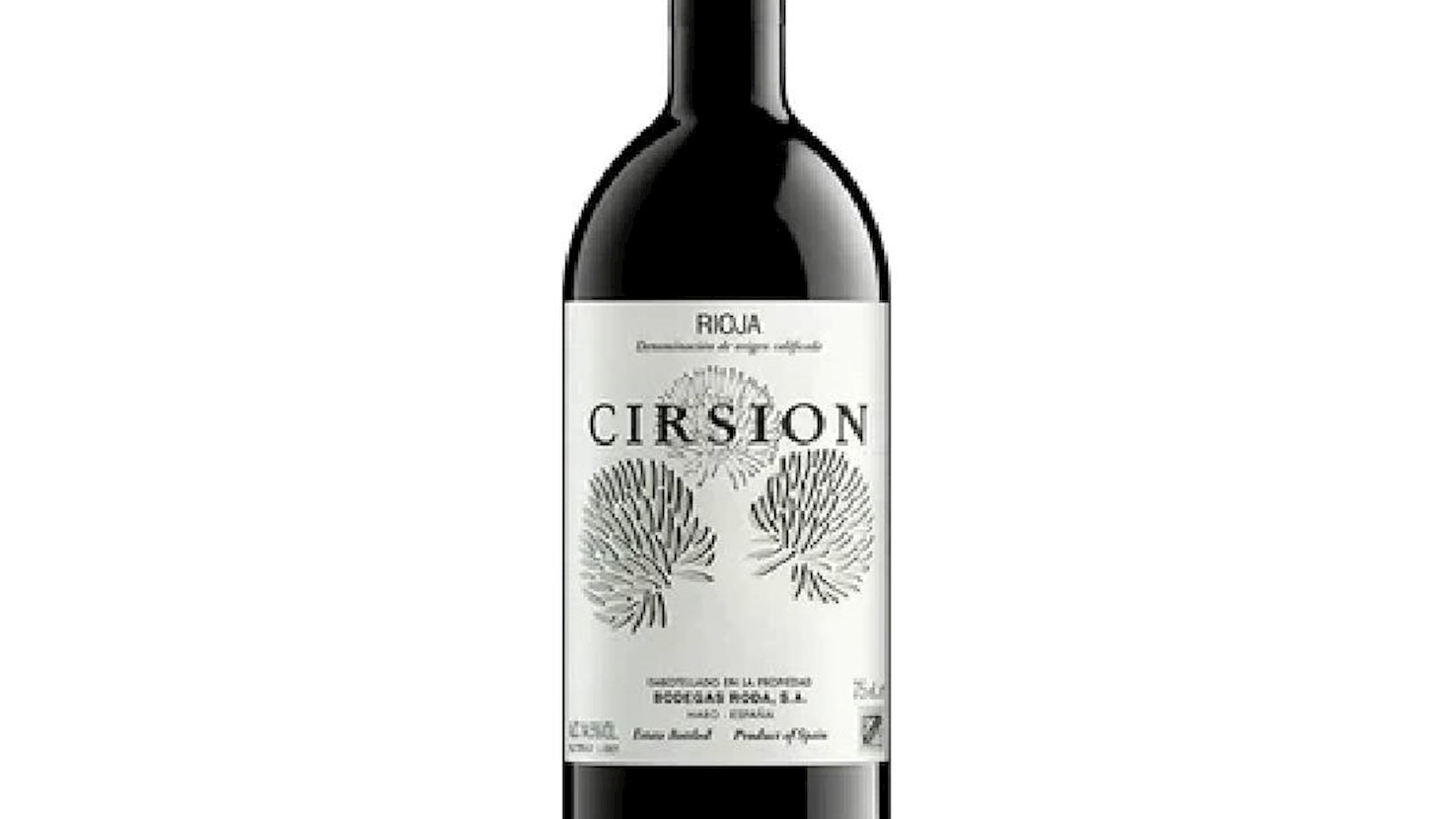
Bodegas Roda, established in 1987 by Carmen Daurella and Mario Rotllant, is a distinguished winery located in Haro, La Rioja, Spain. Situated on the banks of the Ebro River in the historic Barrio de la Estación, the winery is built atop a 19th-century cellar, reflecting a blend of tradition and innovation.
The winery is also known for its commitment to sustainability and innovation. It has received the "Sustainability in Rioja" award for its vineyard project in Cellorigo, addressing challenges such as genetic erosion, soil erosion, and climate change.
Additionally, Bodegas Roda holds the Sustainable Wineries for Climate Protection certification, emphasizing its dedication to environmental responsibility. Through a combination of respect for tradition, innovative practices, and a deep connection to the land, Bodegas Rodacontinues to be a leading name in Spanish winemaking, producing wines that reflect the rich heritage and dynamic future of the Rioja region.
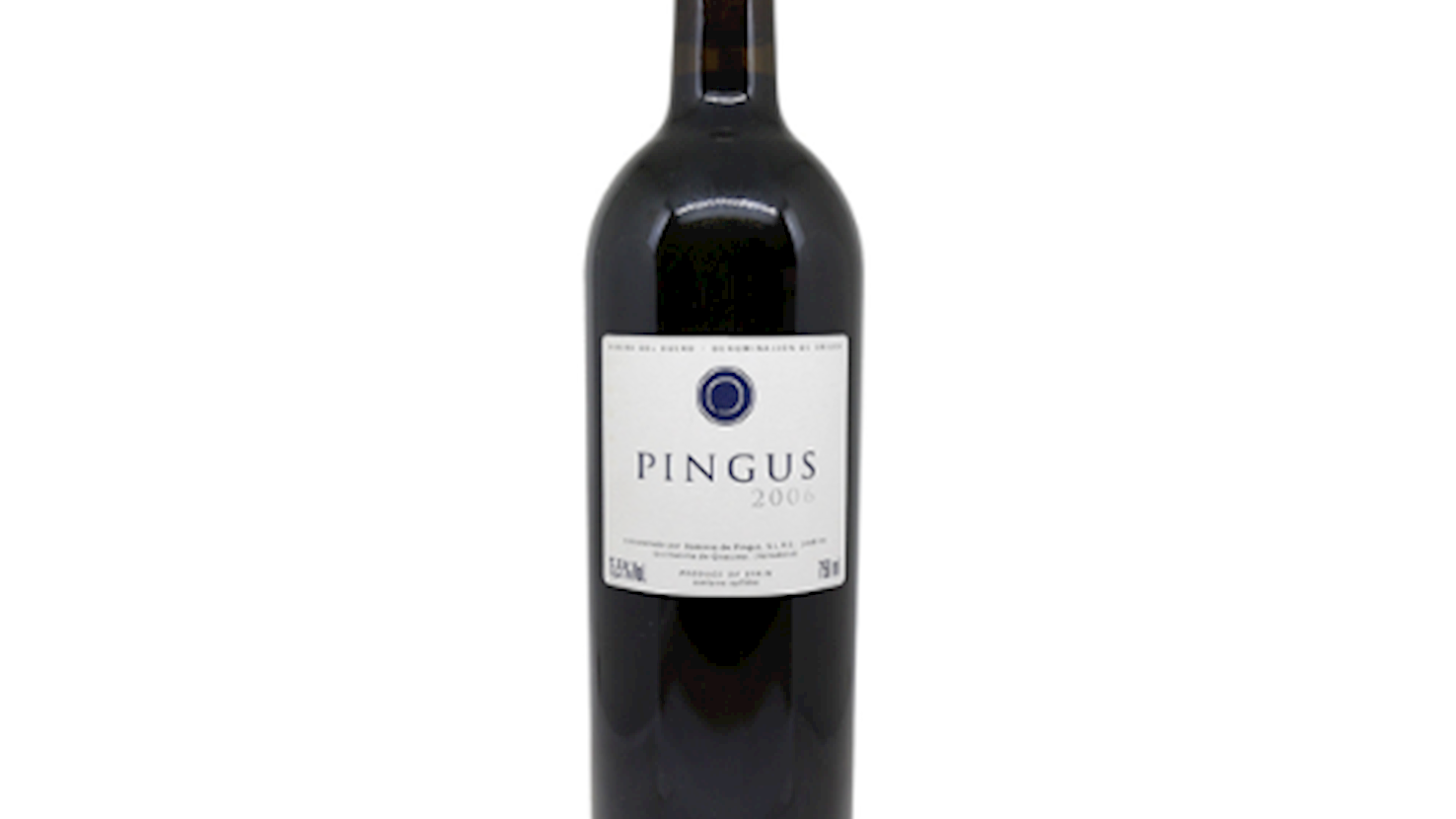
Dominio de Pingus is one of the most prestigious wineries in Spain, located in the Ribera del Duero region and internationally known for producing powerful, complex, and long-lived red wines. The winery was founded in 1995 by Danish winemaker Peter Sisseck, whose vision was to create wines that express the true character of Ribera del Duero through low-intervention winemaking and meticulous vineyard work.
The name “Pingus” comes from the childhood nickname of Sisseck’s dog, yet it quickly became a cult label in the world of fine wine due to its exceptional quality and extremely limited production. The vineyards are composed mainly of old-vine Tempranillo, locally known as Tinta del País, planted on limestone-rich and well-drained soils that contribute to structure and mineral expression.
From the outset, the project focused on small yields and careful grape selection to achieve maximum concentration and balance. In the cellar, fermentation is carried out with native yeasts, reflecting a philosophy of minimal intervention and respect for the raw material.
Ageing takes place primarily in French oak barrels, with close attention to preserving harmony between fruit, oak, and terroir character. Pingus wines are known for their depth, dense yet refined tannins, and layered aromas of dark fruit, spice, earth, and subtle mineral notes.
Despite their power, the wines retain freshness and precision, avoiding heaviness. Production is extremely limited, which, together with consistently high critical acclaim, has made Dominio de Pingus one of the most sought-after names in Spanish wine.
Alongside the iconic flagship wine Pingus, the estate also produces PSI, a more accessible expression that still reflects the house style and Ribera del Duero identity. Over the years, Dominio de Pingus has become a symbol of Spain’s modern “cult wine” movement.
It represents a shift toward small-scale, terroir-driven winemaking with uncompromising quality standards. For collectors and enthusiasts of fine red wines, Dominio de Pingus stands as a benchmark for intensity balanced by elegance.
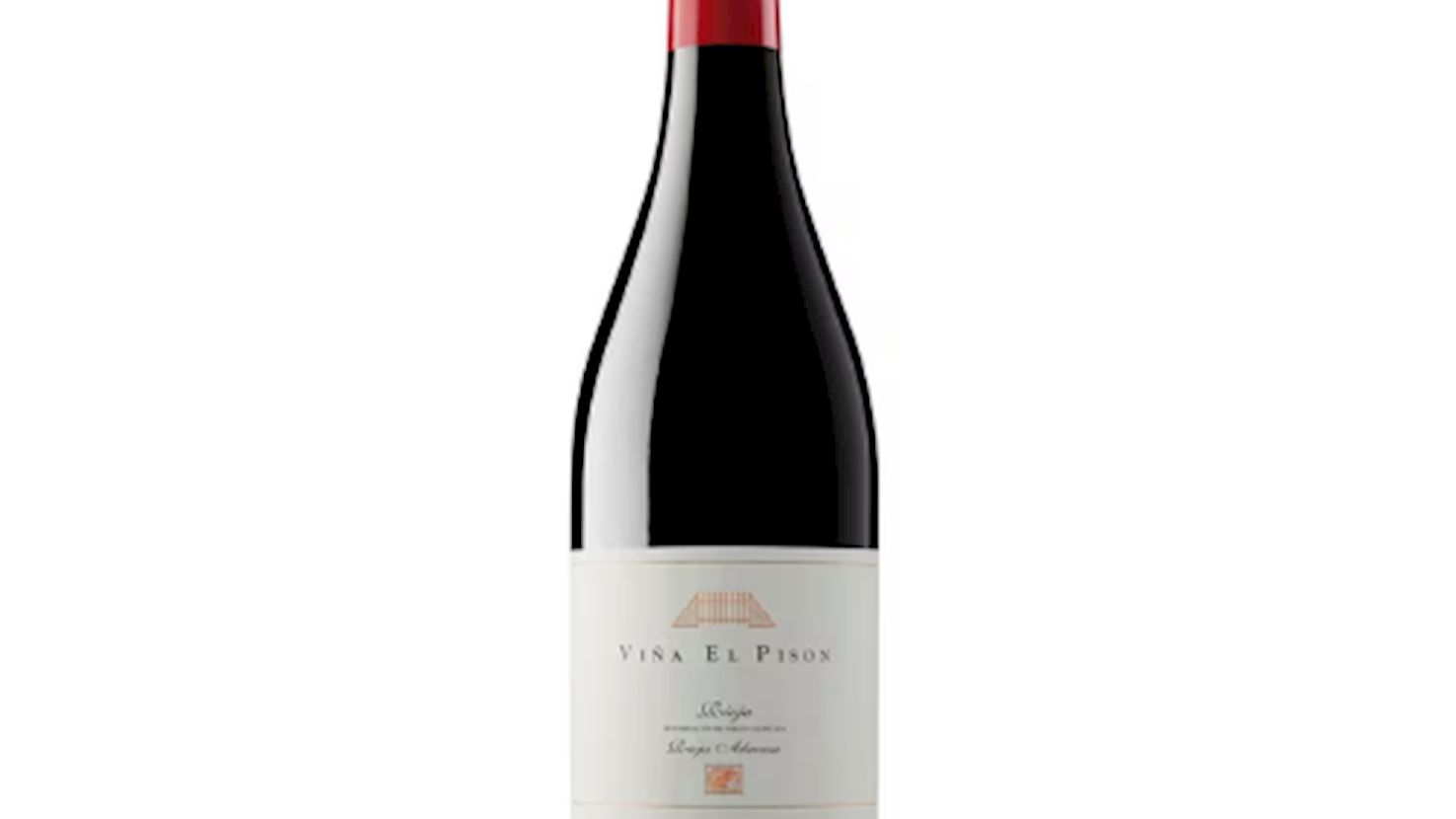
Artadi Bodegas y Viñedos is one of the most influential contemporary wineries in Spain, based in Laguardia in the Rioja Alavesa area, and widely recognized for its strong focus on terroir and a parcel-driven approach to viticulture. Founded in 1985 as an initiative of local growers, under the leadership of Juan Carlos López de Lacalle it evolved into a reference point for wines that prioritize origin over stylistic uniformity.
Artadi distanced itself early from the classic Rioja model centered on aging categories and formal classifications, instead emphasizing the expression of individual vineyards and old-vine Tempranillo. The vineyards are farmed according to organic and biodynamic principles, with great attention to work in the field and naturally low yields.
In the cellar, minimal intervention is practiced to preserve the purity of the fruit and the authenticity of the terroir. This philosophy has positioned Artadi as one of the pioneers of Spain’s modern, terroir-focused wine movement.
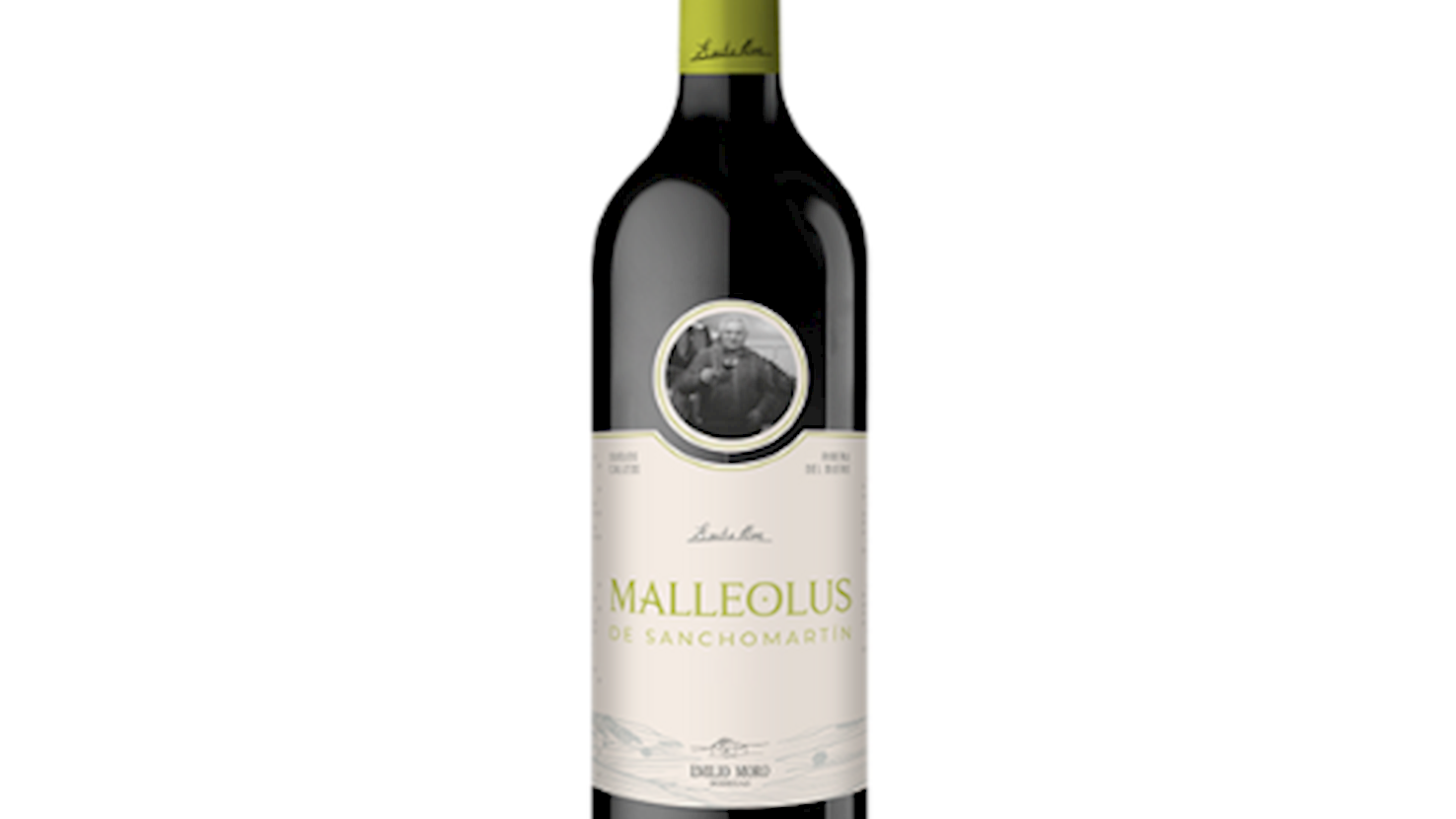
Bodegas Emilio Moro is a family-run winery based in Pesquera de Duero, in the heart of the Ribera del Duero region, with deep roots in viticulture that go back more than a century. Although the winery was officially founded in 1987, the Moro family’s connection to vineyards and winemaking spans several generations.
The estate has built its identity around Tinto Fino, the local expression of Tempranillo, which forms the backbone of almost its entire production. Their vineyards are spread across different altitudes and soil types, allowing the wines to express multiple facets of Ribera del Duero’s terroir.
Old vines play a particularly important role, providing grapes with natural concentration and balance. The winery’s philosophy combines respect for family tradition with a modern, technically precise approach to winemaking.
In the cellar, vinification is carefully controlled, with strict grape selection and temperature-regulated fermentation. Ageing usually takes place in a combination of French and American oak barrels, creating a balance between fruit expression and complexity.
Emilio Moro wines are known for their full body, firm structure, and clearly defined aromas of ripe dark fruit, spice, and subtle toasted notes. On the palate, they are powerful yet generally well balanced, with tannins that provide longevity without harshness.
Special recognition is given to the Malleolus range, produced from selected plots and considered the pinnacle of the winery’s portfolio. These wines highlight the ageing potential and depth that Ribera del Duero can achieve.
The estate continues to invest in sustainable vineyard practices and ongoing innovation. Preserving old vineyards and regional identity remains a core priority.
Today, Emilio Moro stands as one of the most recognizable names in modern Ribera del Duero winemaking, with wines featured on wine lists around the world and regarded as a reference for a style that unites strength with elegance.
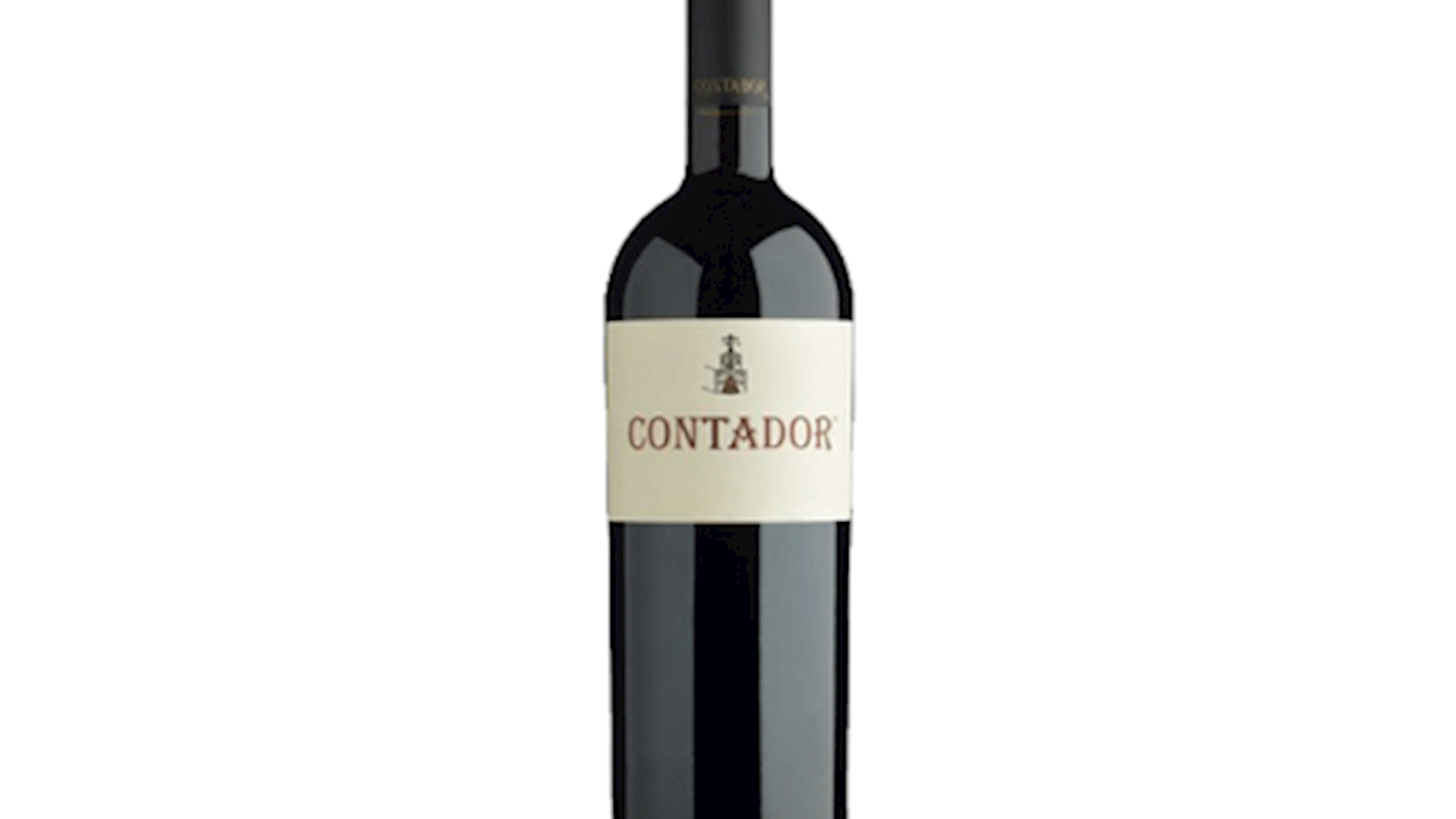
Bodega Contador is a renowned family-owned winery from the Rioja region, founded by Benjamín Romeo, one of the most influential contemporary winemakers in Spain. The project began in the mid-1990s in a small cave beneath the castle in the village of San Vicente de la Sonsierra, where the first wines were produced under the name La Cueva del Contador.
The current Bodega Contador winery was opened in 2008 and designed to allow a gravity-flow system for grapes and wine, avoiding aggressive mechanical handling. The vineyards are spread across dozens of small parcels in Rioja Alavesa and Rioja Alta, with a strong focus on old Tempranillo vines and naturally low yields.
Vineyard work is highly demanding and includes hand harvesting, strict grape selection, and minimal intervention. Fermentation takes place in large wooden vats, while aging is carried out exclusively in new French oak barrels personally selected by Romeo.
The style of the wines combines power and concentration with precision and elegance, without losing a clear sense of terroir identity. Today, Bodega Contador is considered one of the most important modern producers in Spain, with wines that consistently reinforce Rioja’s reputation as a region of outstanding quality.
TasteAtlas food rankings are based on the ratings of the TasteAtlas audience, with a series of mechanisms that recognize real users and that ignore bot,
nationalist or local patriotic ratings, and give additional value to the ratings of users that the system recognizes as knowledgeable.
TasteAtlas Rankings should not be seen as the final global conclusion about food. Their purpose is to promote excellent local foods,
instill pride in traditional dishes, and arouse curiosity about dishes you haven’t tried.
The initial list of top producers was compiled based on available reviews, awards, local recommendations, media and blog coverage, and consumer reviews.
The list will be updated with ratings from TasteAtlas local ambassadors and TasteAtlas users.




What People Say